‘(Re)Design for the People’ series highlights student projects that employ adaptive reuse to transform existing buildings into contemporary architectural places that serve the public.

Adaptive reuse is often understood as the transformation of buildings, but its true potential lies in transforming the relationships between people, place, and collective life. The three student projects presented here approach existing structures not as relics to be preserved, but as living frameworks through which architecture can respond to contemporary social, cultural, and environmental challenges. Evangelos Eleftheriou reimagines an abandoned industrial complex in Volos as a landscape of care centred on the ritual of bathing. Minas Giatsos reactivates Pelion’s abandoned olive mills into a productive network that reconnects community and local craft. Maria Athanasiadi explores how vacant urban buildings can become citizen-led infrastructures for civic participation. Together, these works shift the focus from the object to the community, revealing architecture as a catalyst for memory, production, participation, and belonging, capable of cultivating more resilient, inclusive, and meaningful futures.

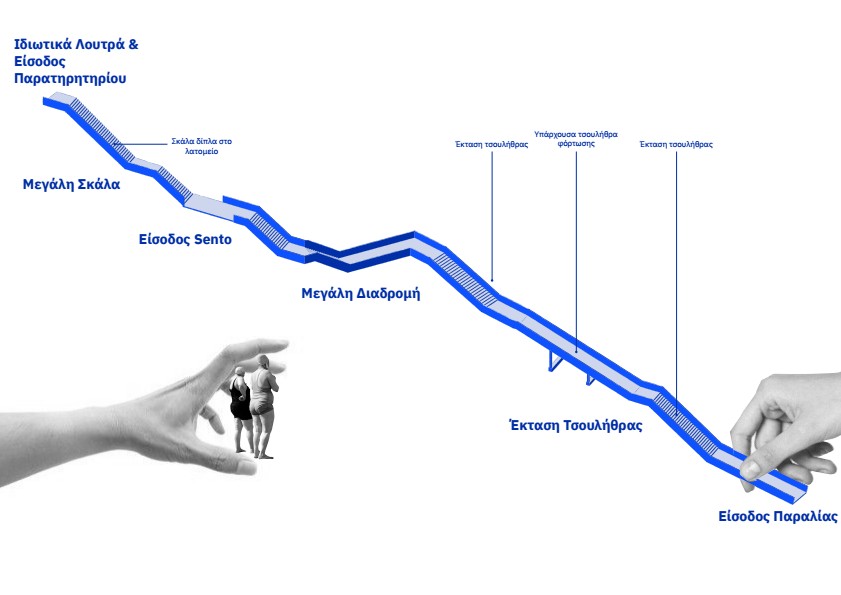
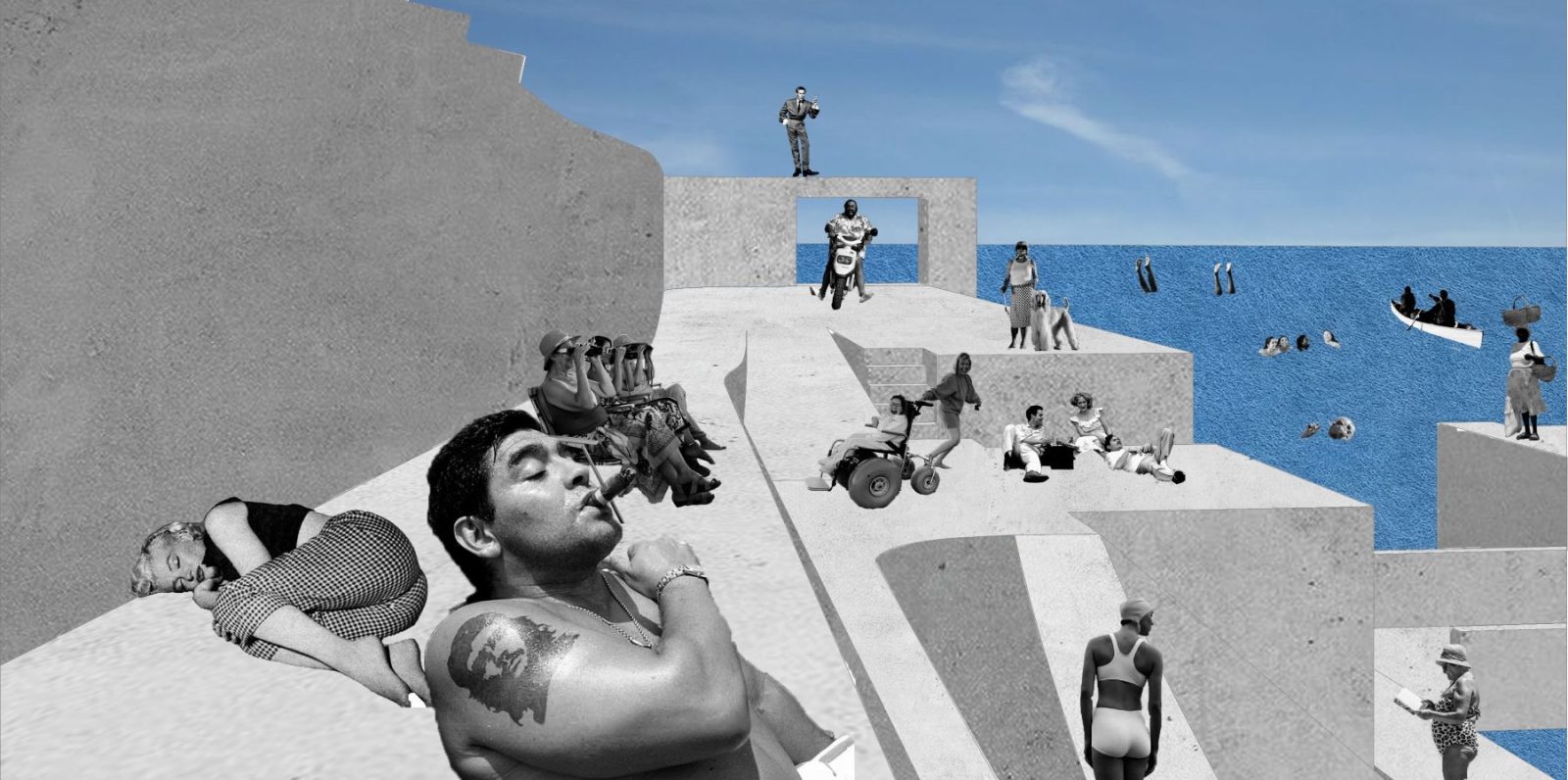
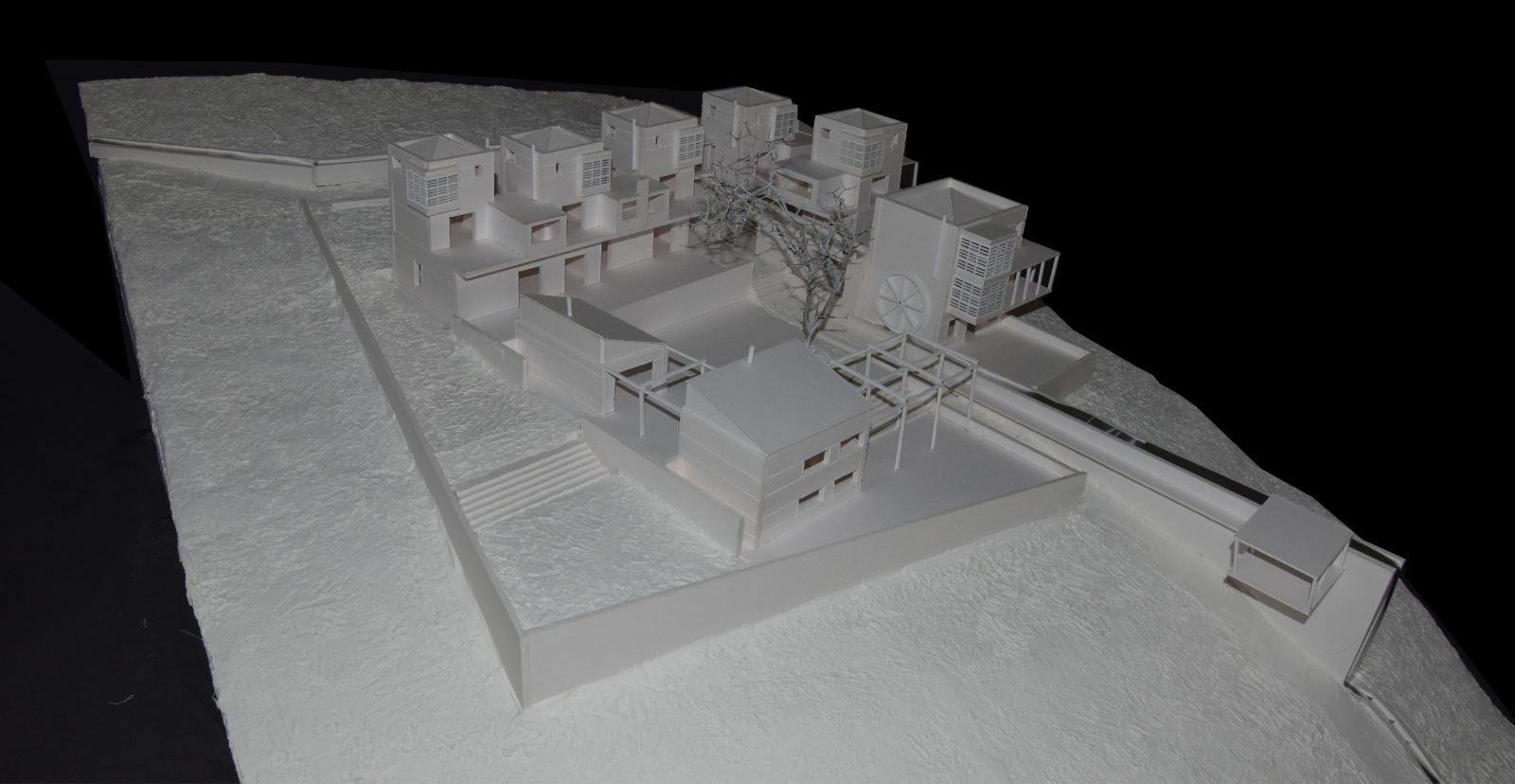
Diving Concrete: Three stages of bath at Kritharia’s rock breaker

Diploma Thesis by Evangelos Eleftheriou | Supervised by Zisis Kotionis | School of Architecture, University of Thessaly
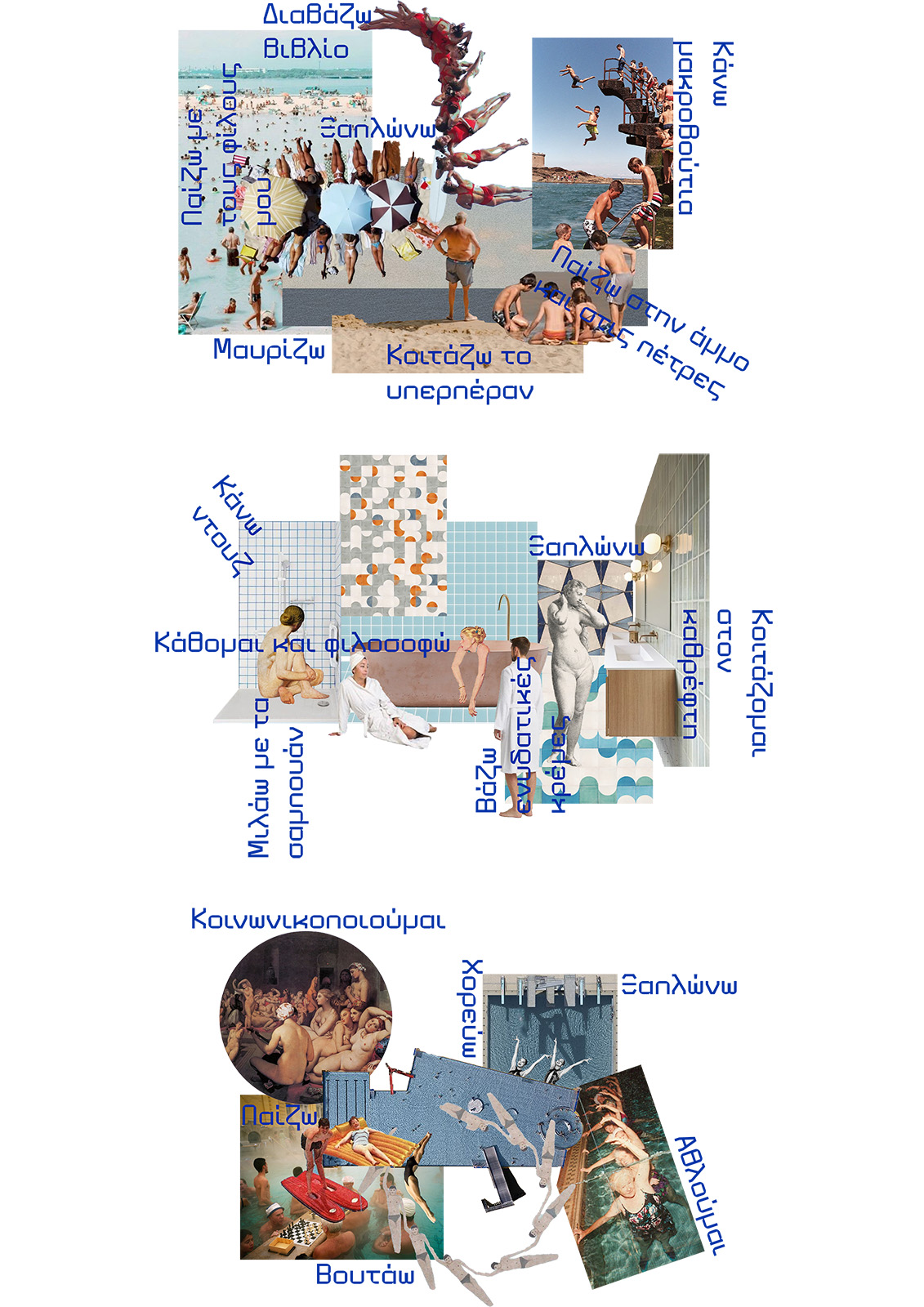
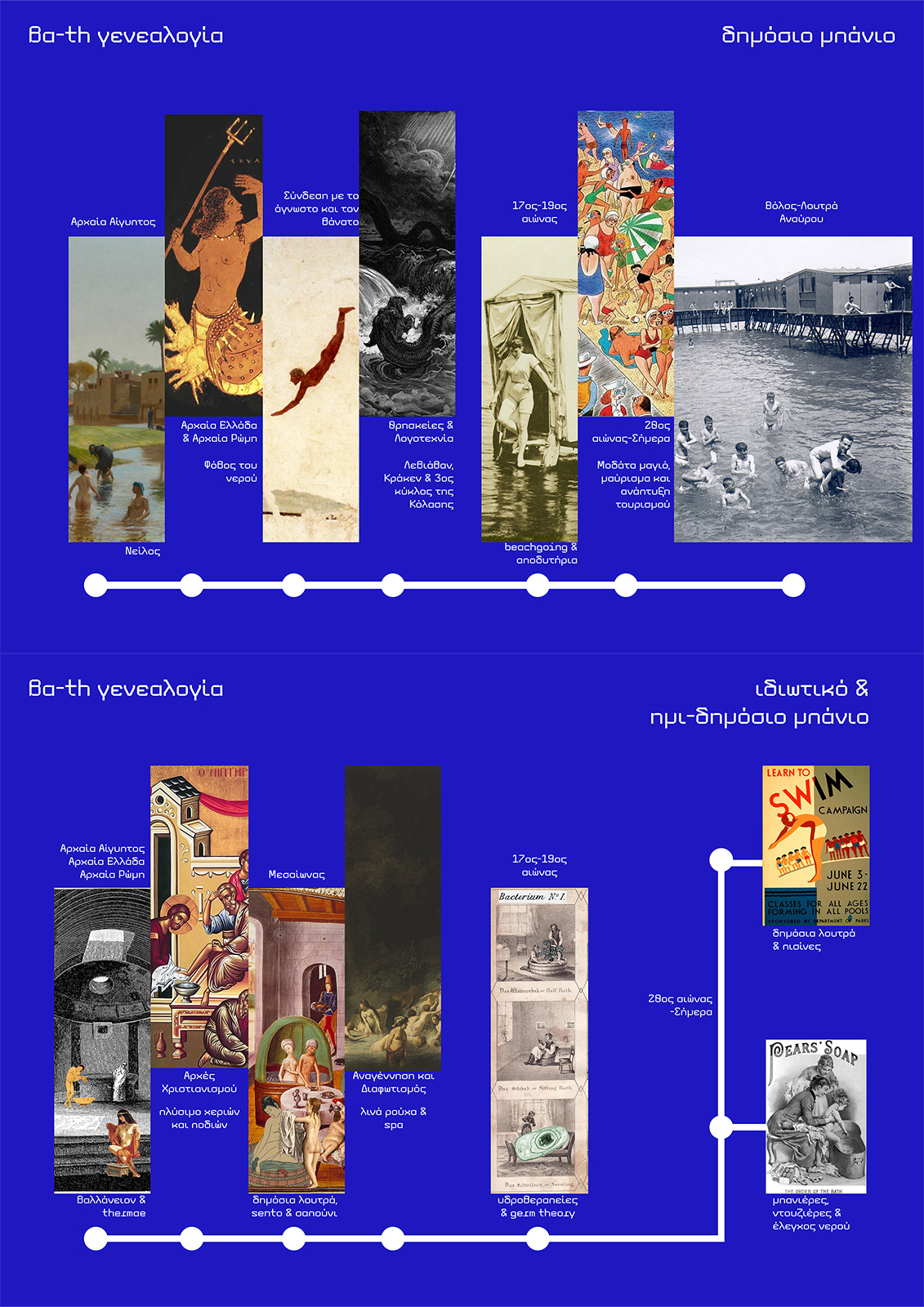
How can an abandoned industrial site become a landscape of care, ritual, and rest?

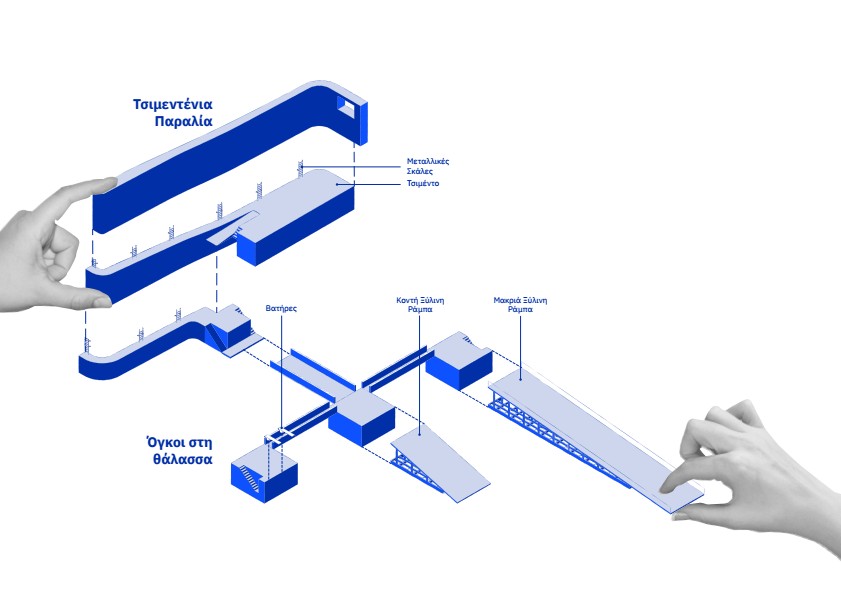
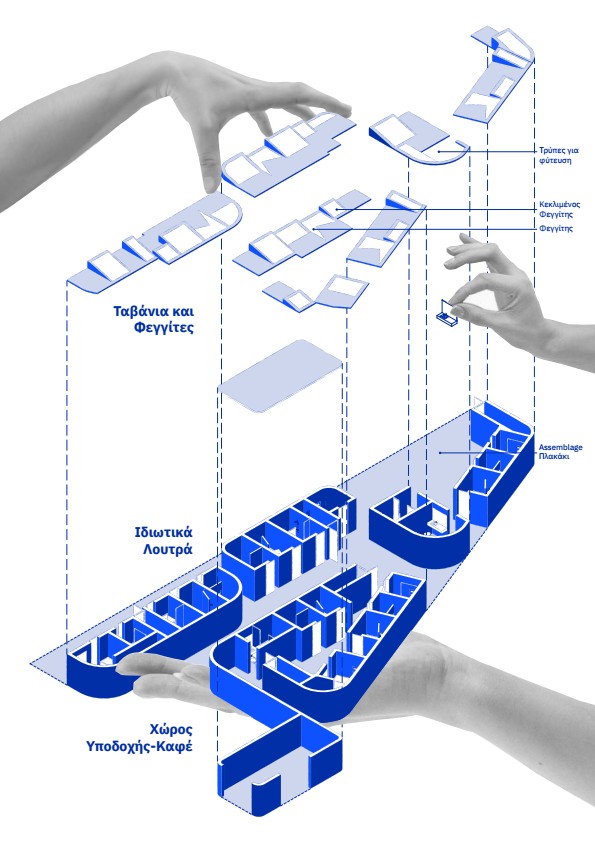
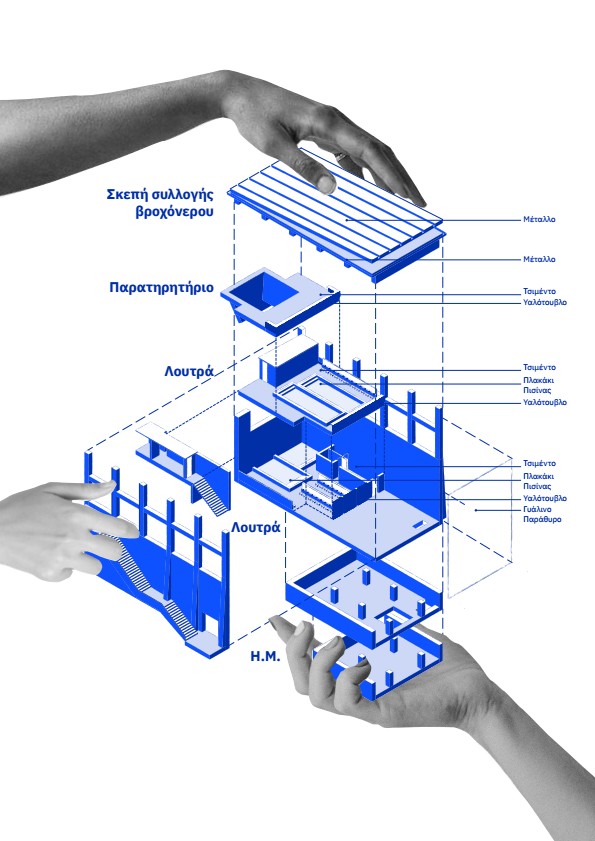
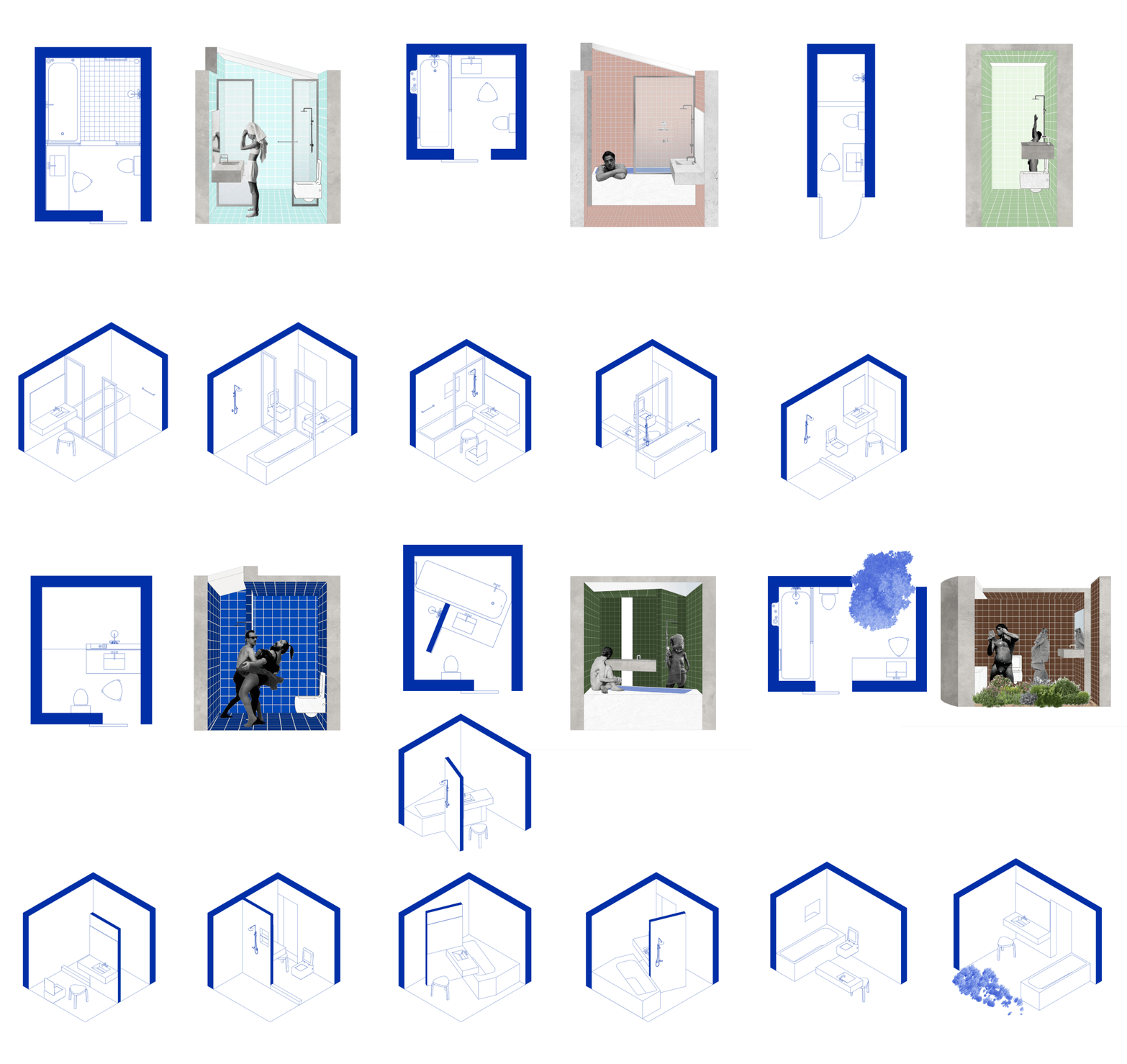
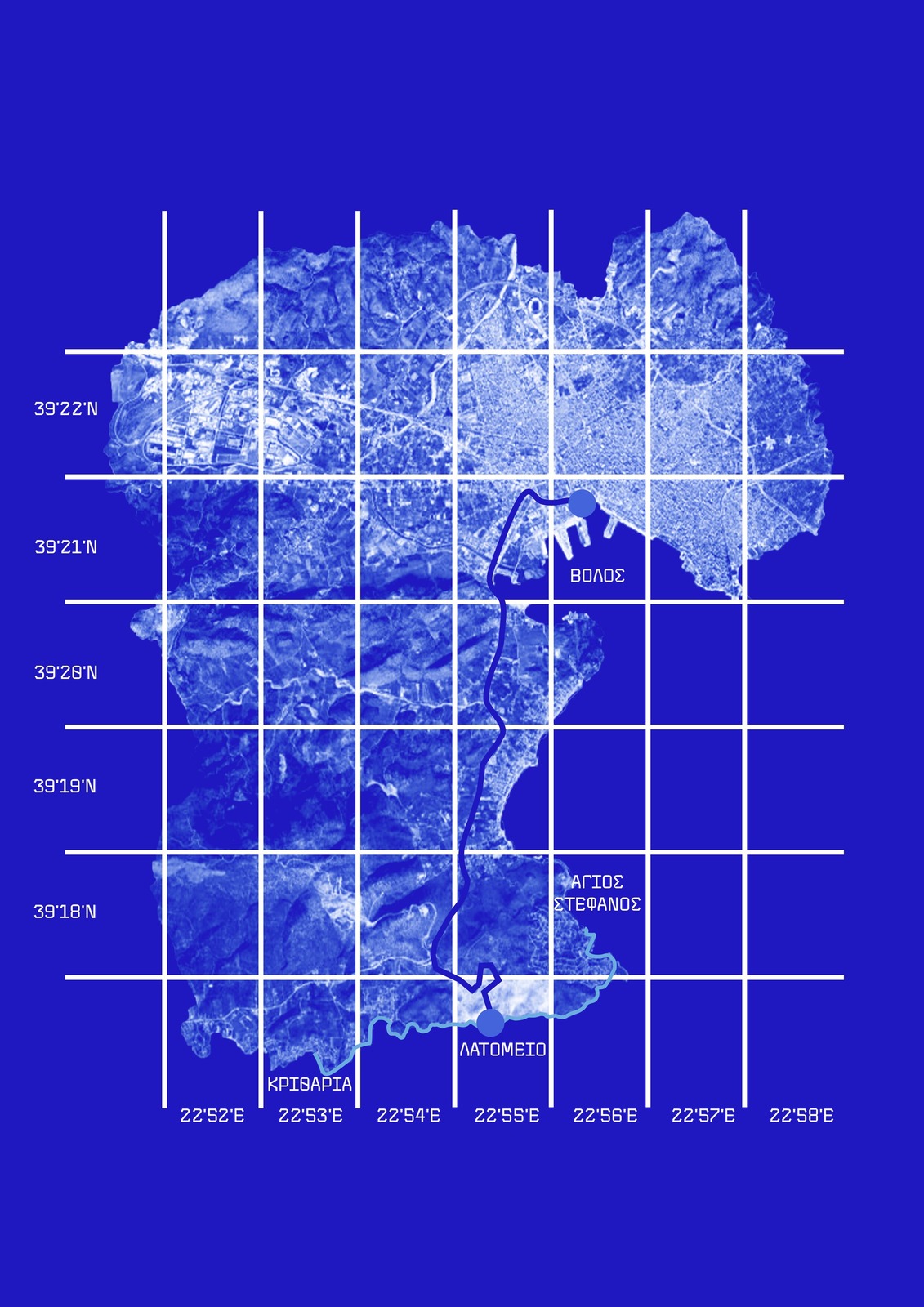
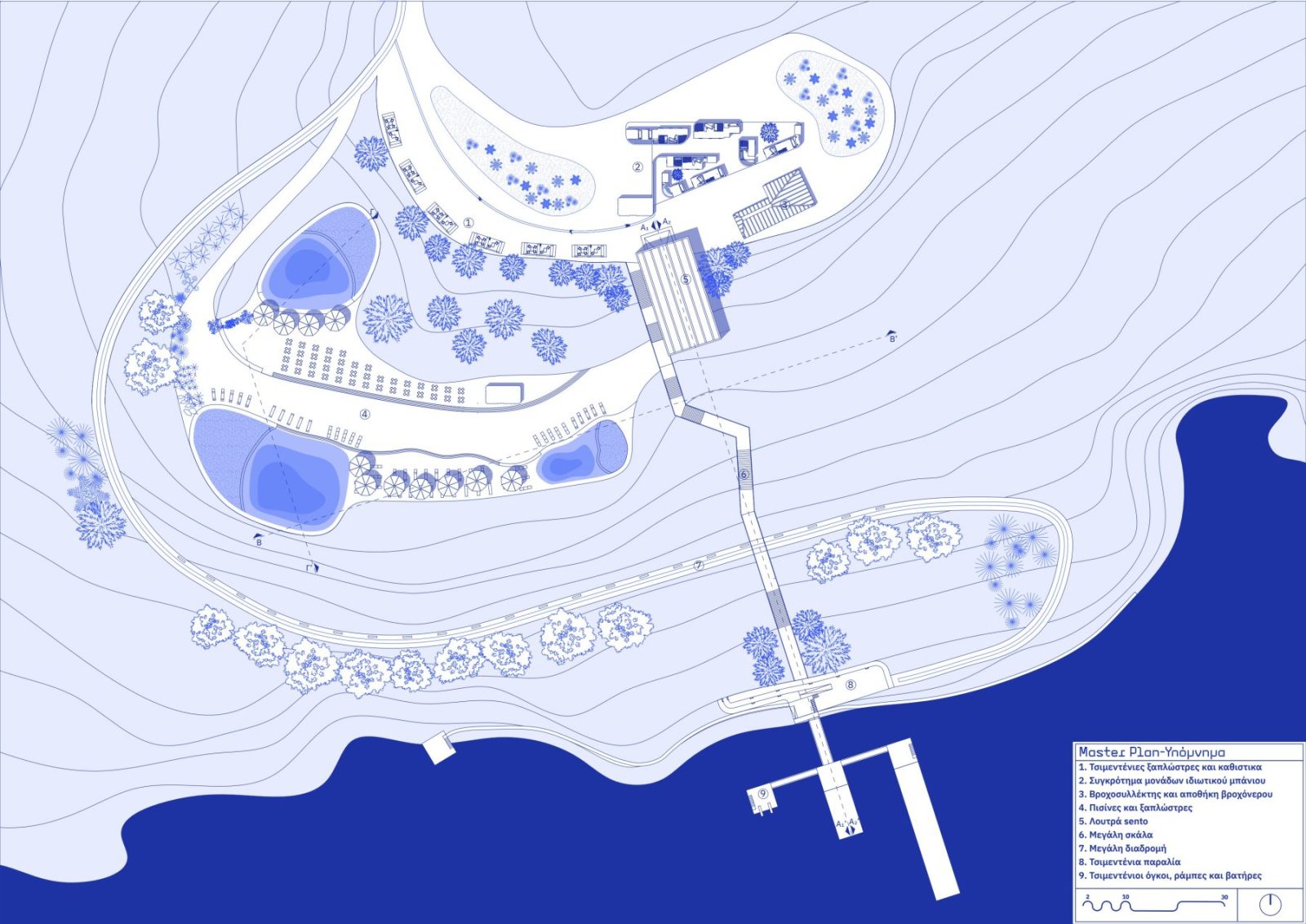
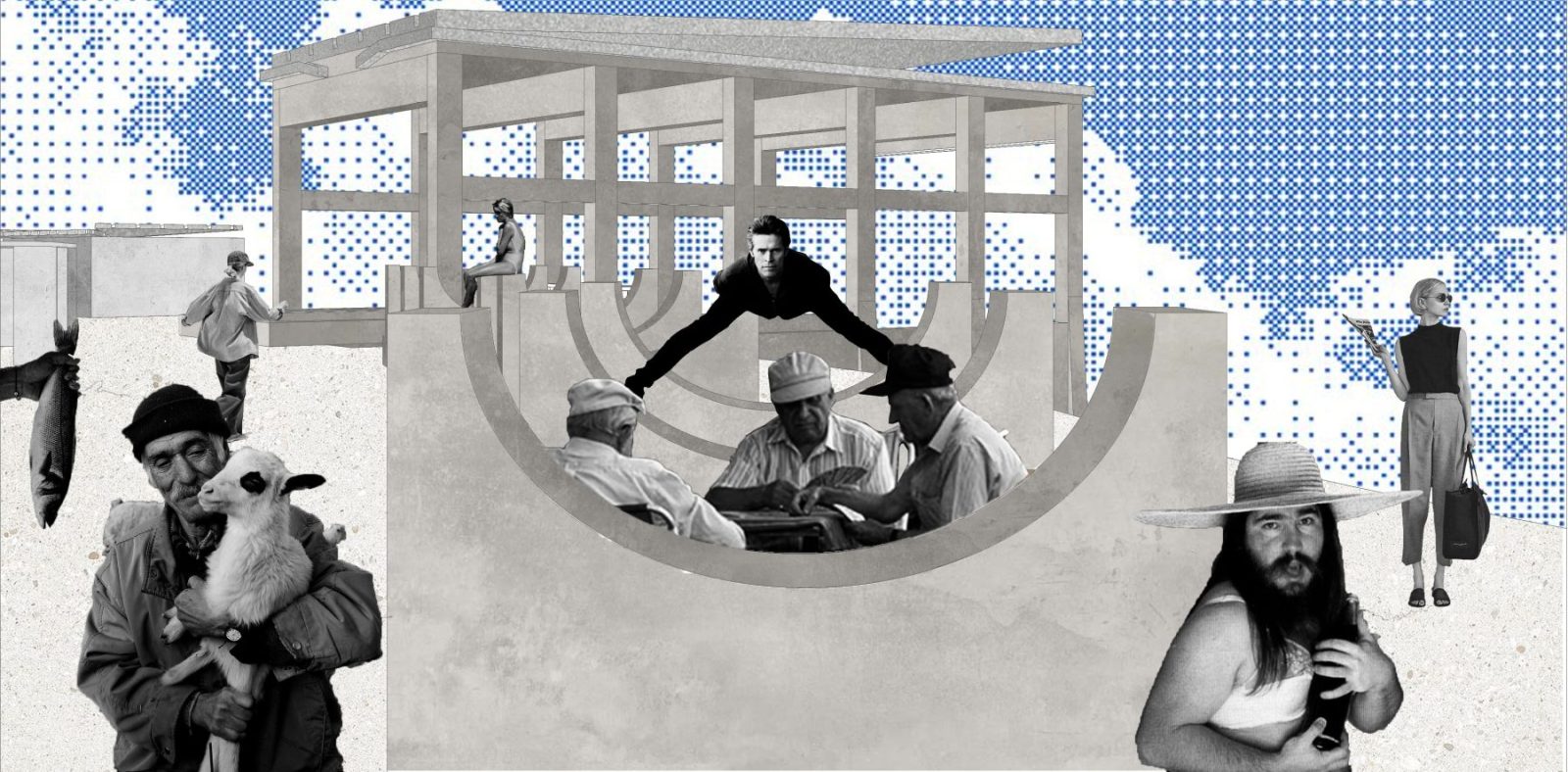
This diploma project reimagines a former industrial complex on the outskirts of Volos through adaptive reuse, transforming it into a temporary retreat where bathing becomes the central architectural experience. Rather than treating the bathroom as a purely functional space, the proposal investigates its anthropological and historical evolution, translating different modes of bathing into three spatial conditions defined by varying degrees of privacy.

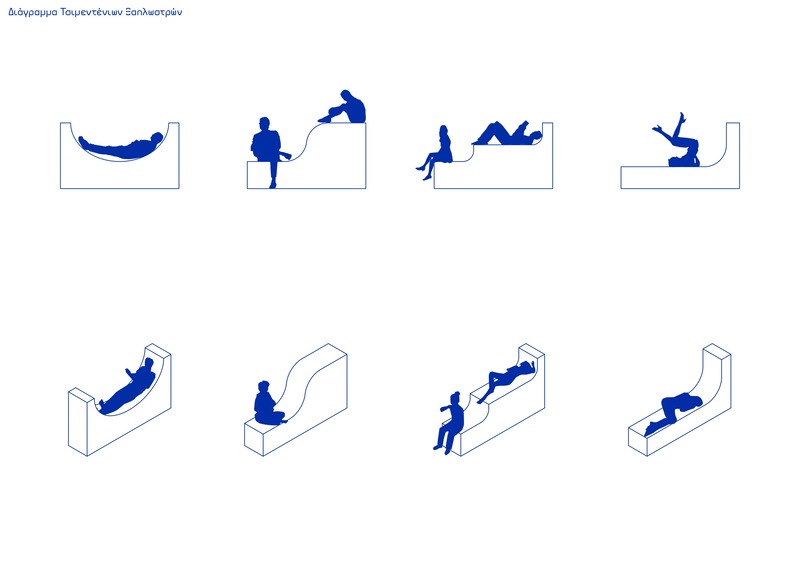
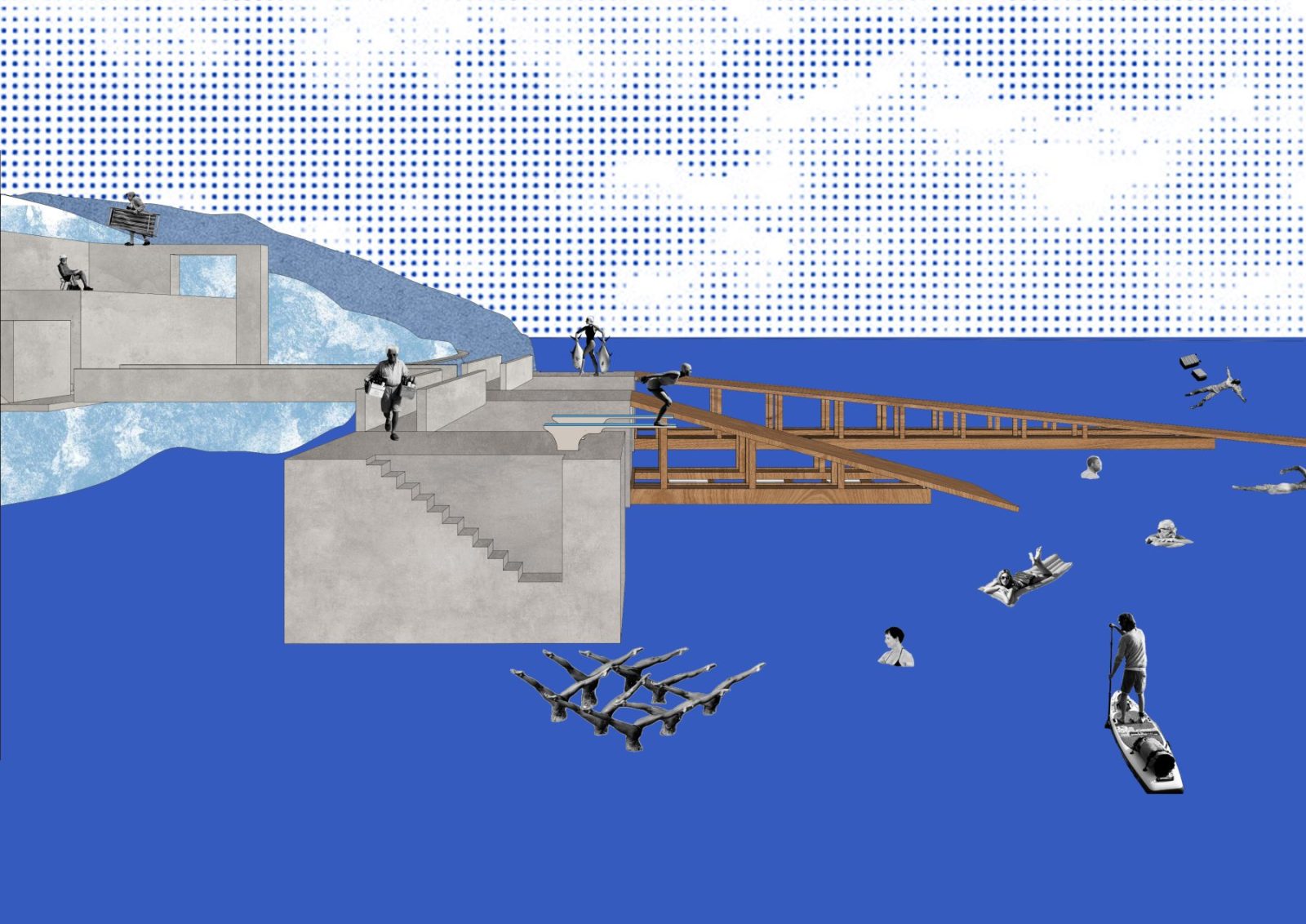
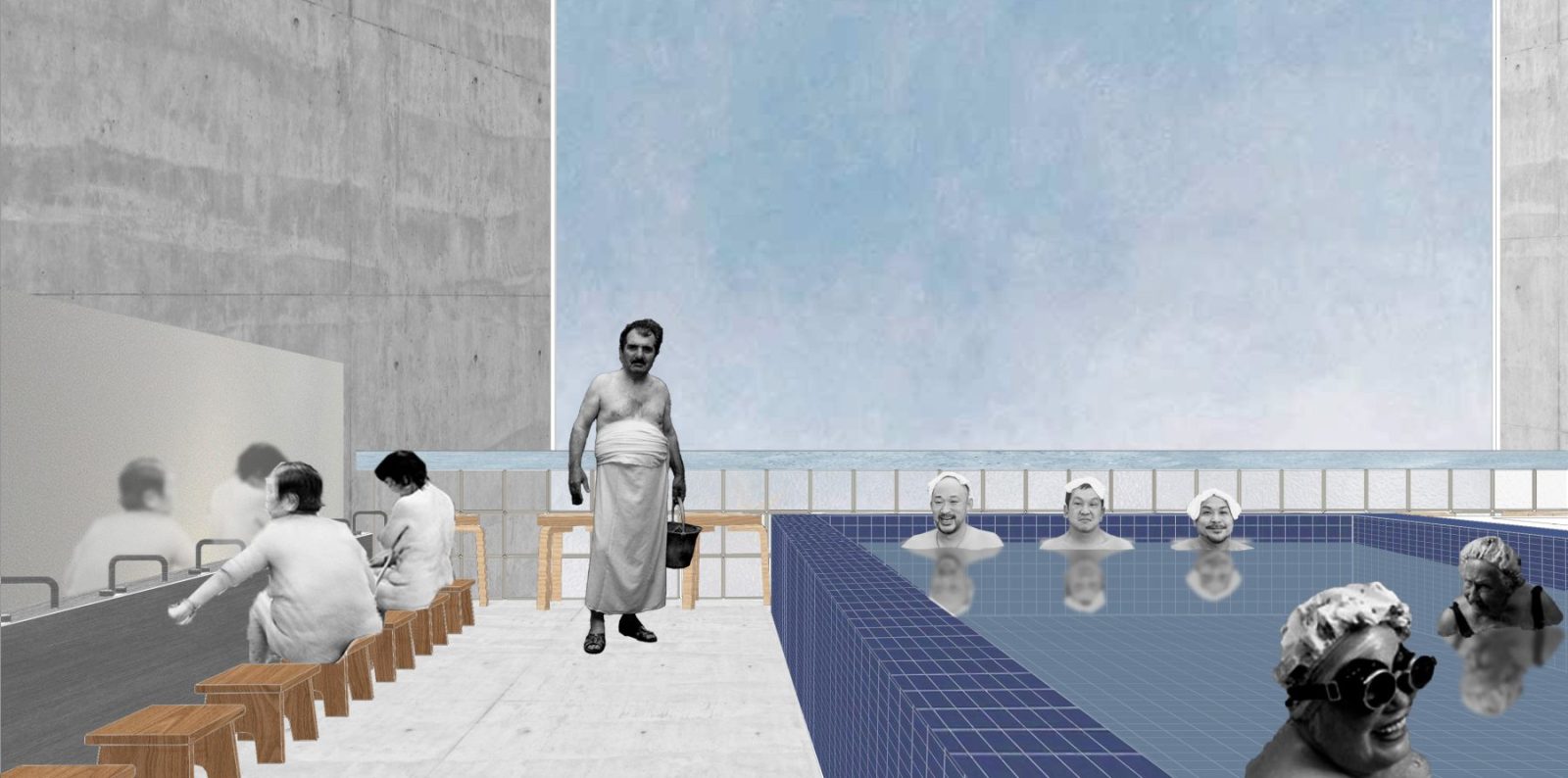
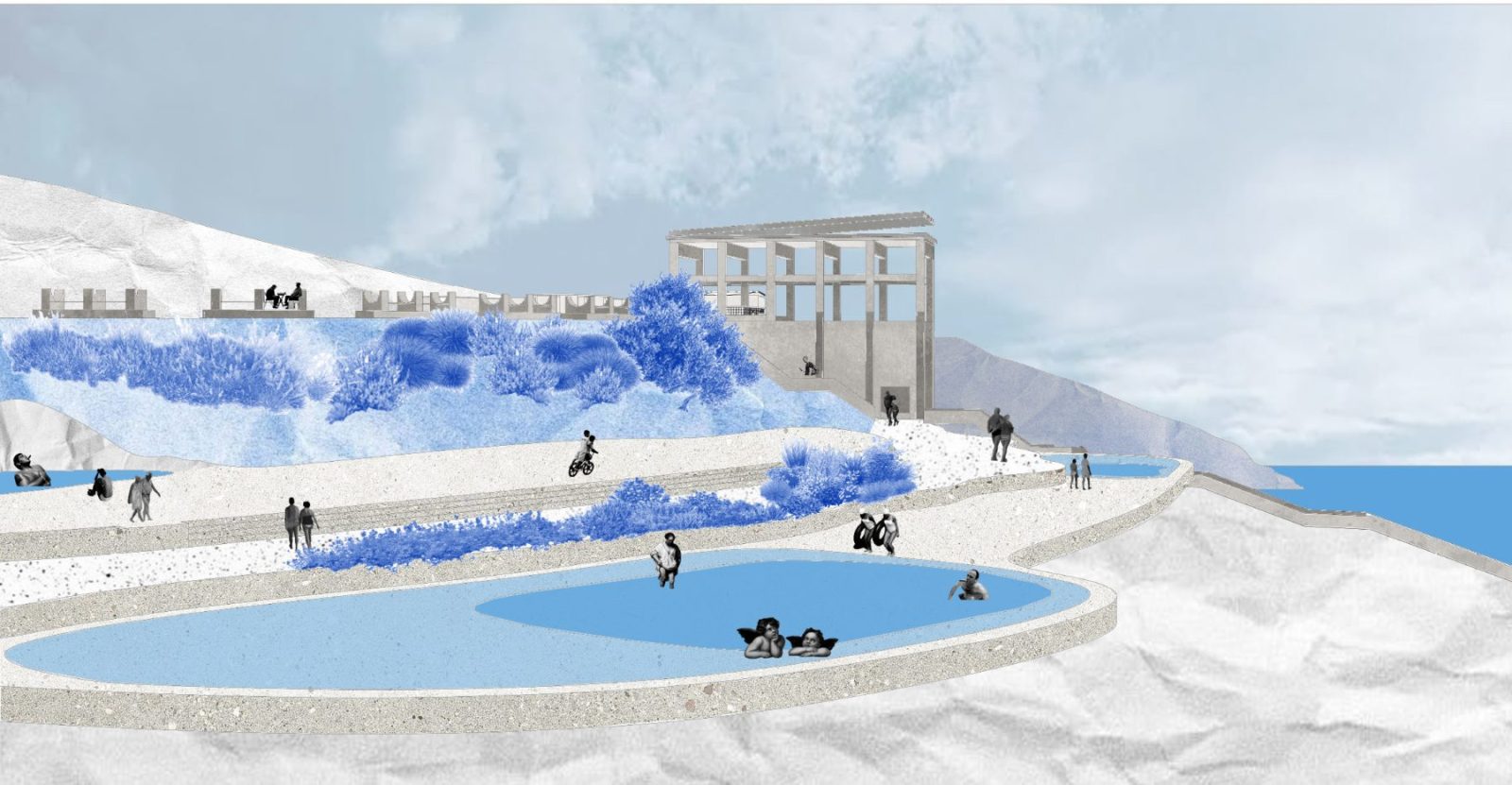
The first stage reinterprets the domestic bathroom through twenty-six accommodation units featuring six distinct bathroom typologies that encourage both familiarity and spatial experimentation. The second stage explores the intermediate realm between public and private through outdoor pools and Japanese-inspired sentō baths carved into the site’s existing quarry. The final stage dissolves architecture into the landscape, extending concrete platforms, bridges, ramps, and diving boards into the Pagasetic Gulf, where the sea itself becomes the ultimate communal bathing space.

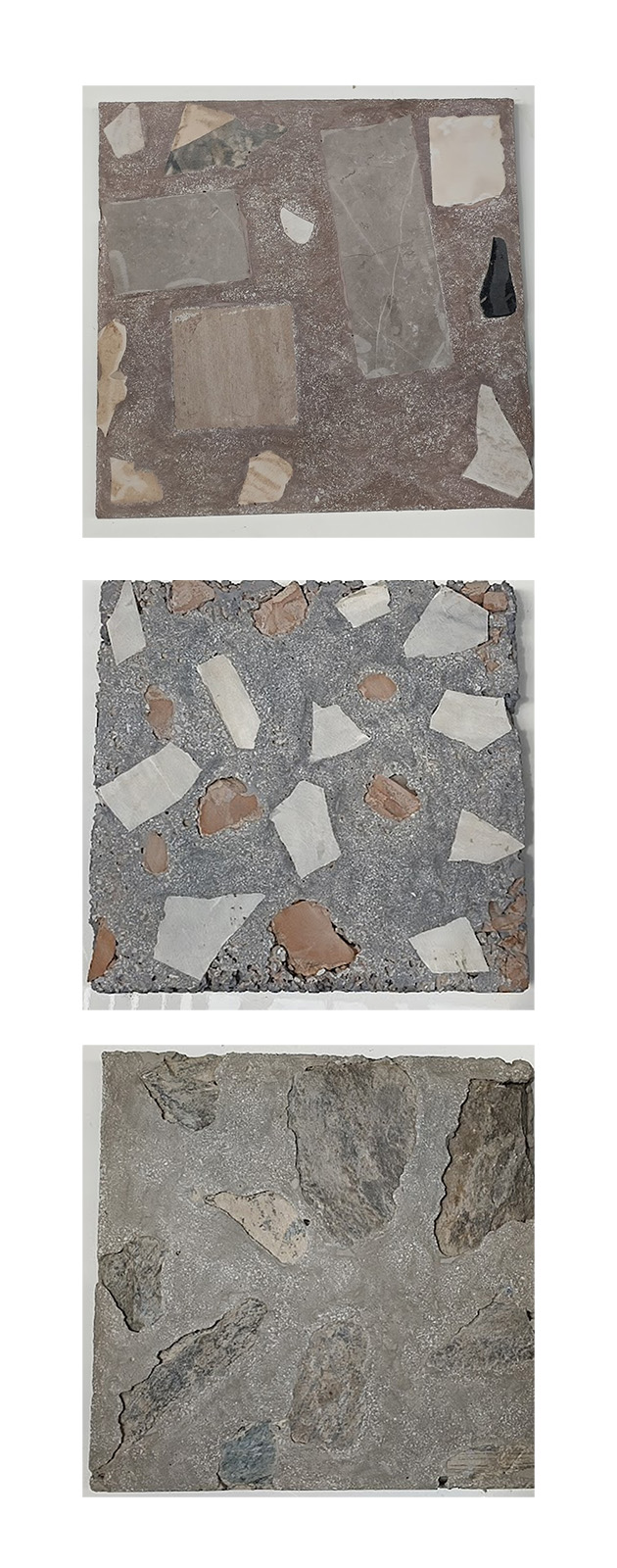
The project is further grounded in a series of 1:1 interventions inspired by observations made on site, from repurposed fuel-tank foundations transformed into gathering spaces to terrazzo-like mosaic surfaces created from discarded construction debris. Together, these interventions propose an architecture that reconnects memory, landscape, material reuse, and the timeless ritual of bathing.

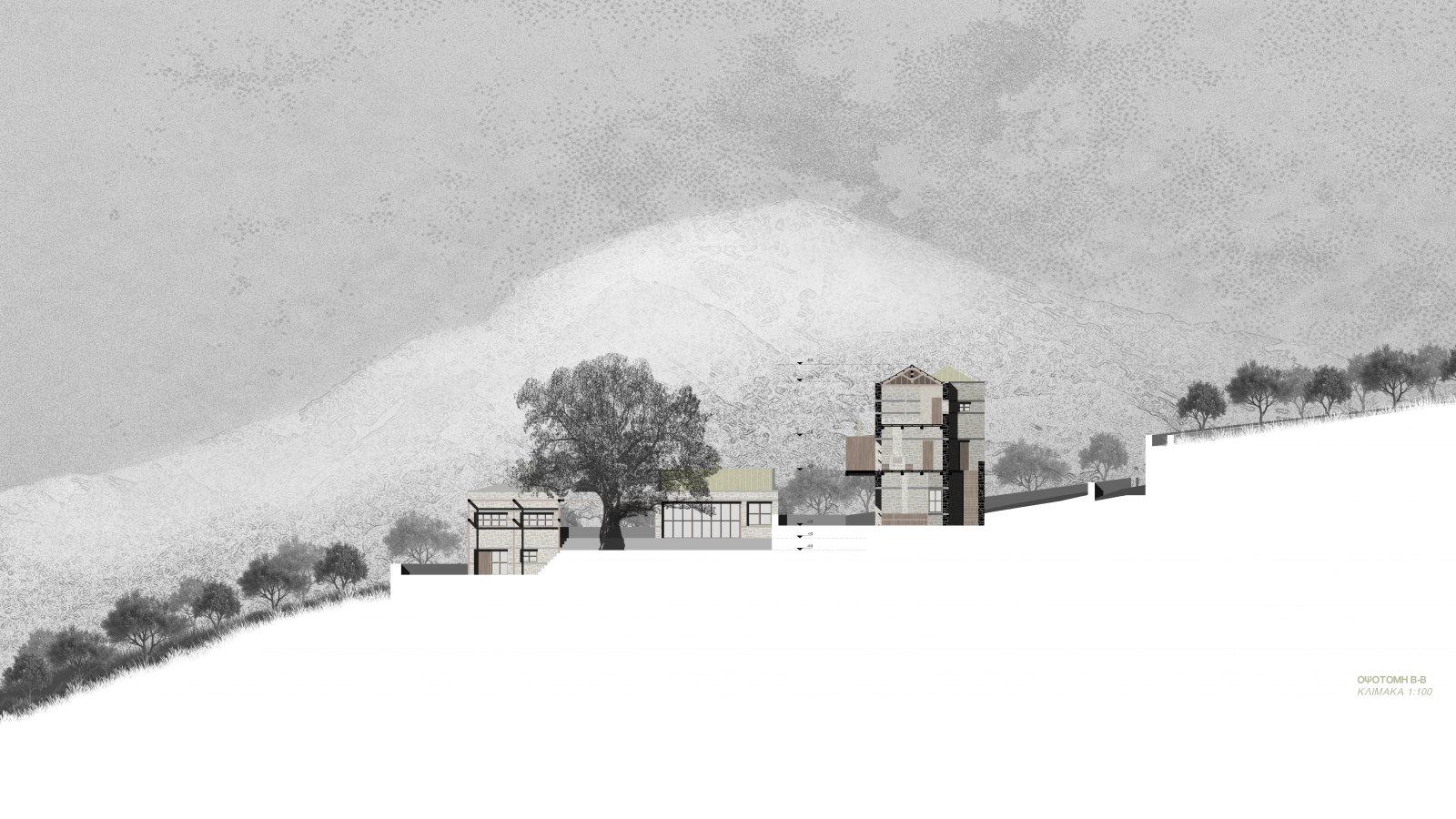
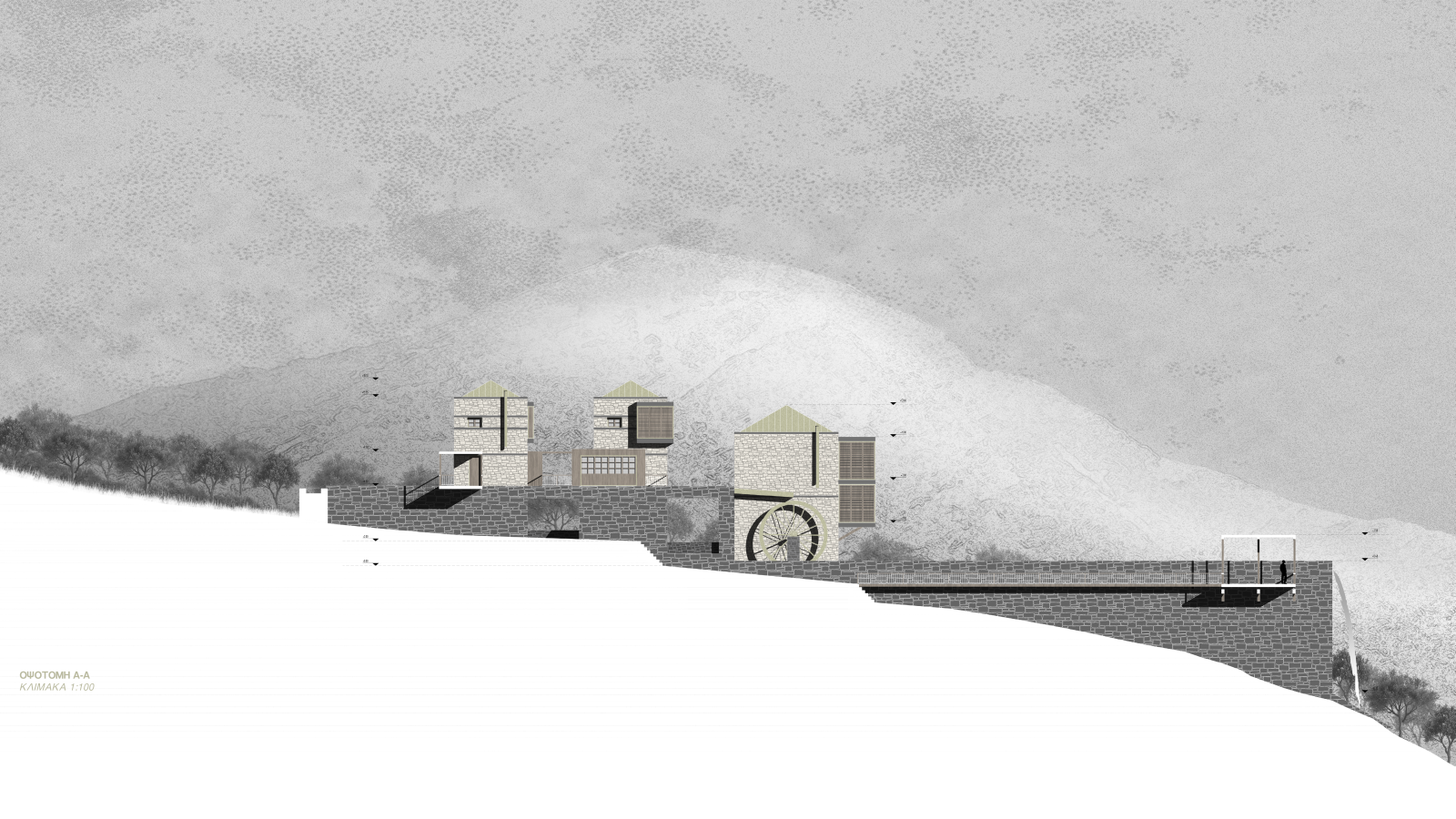
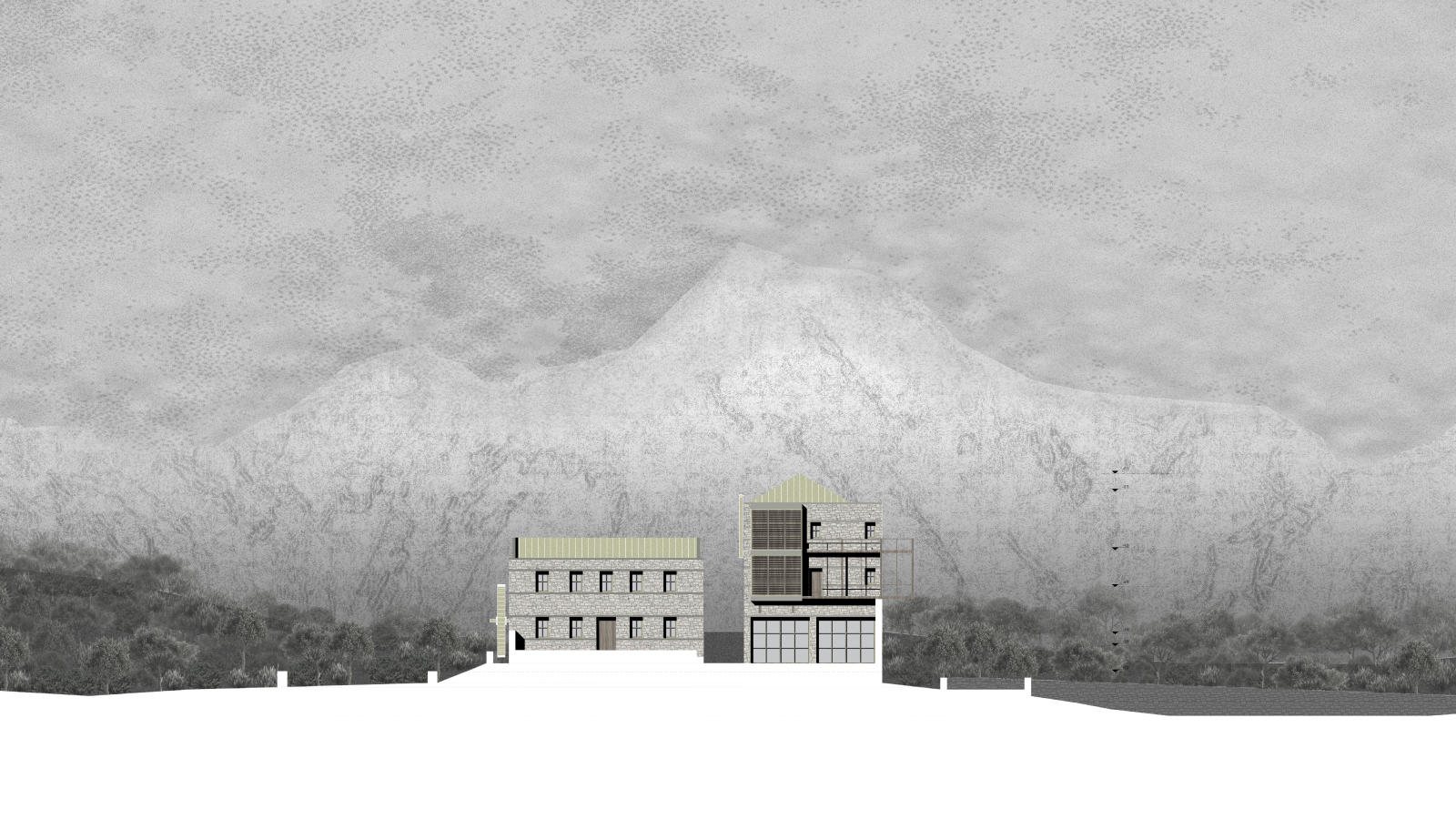
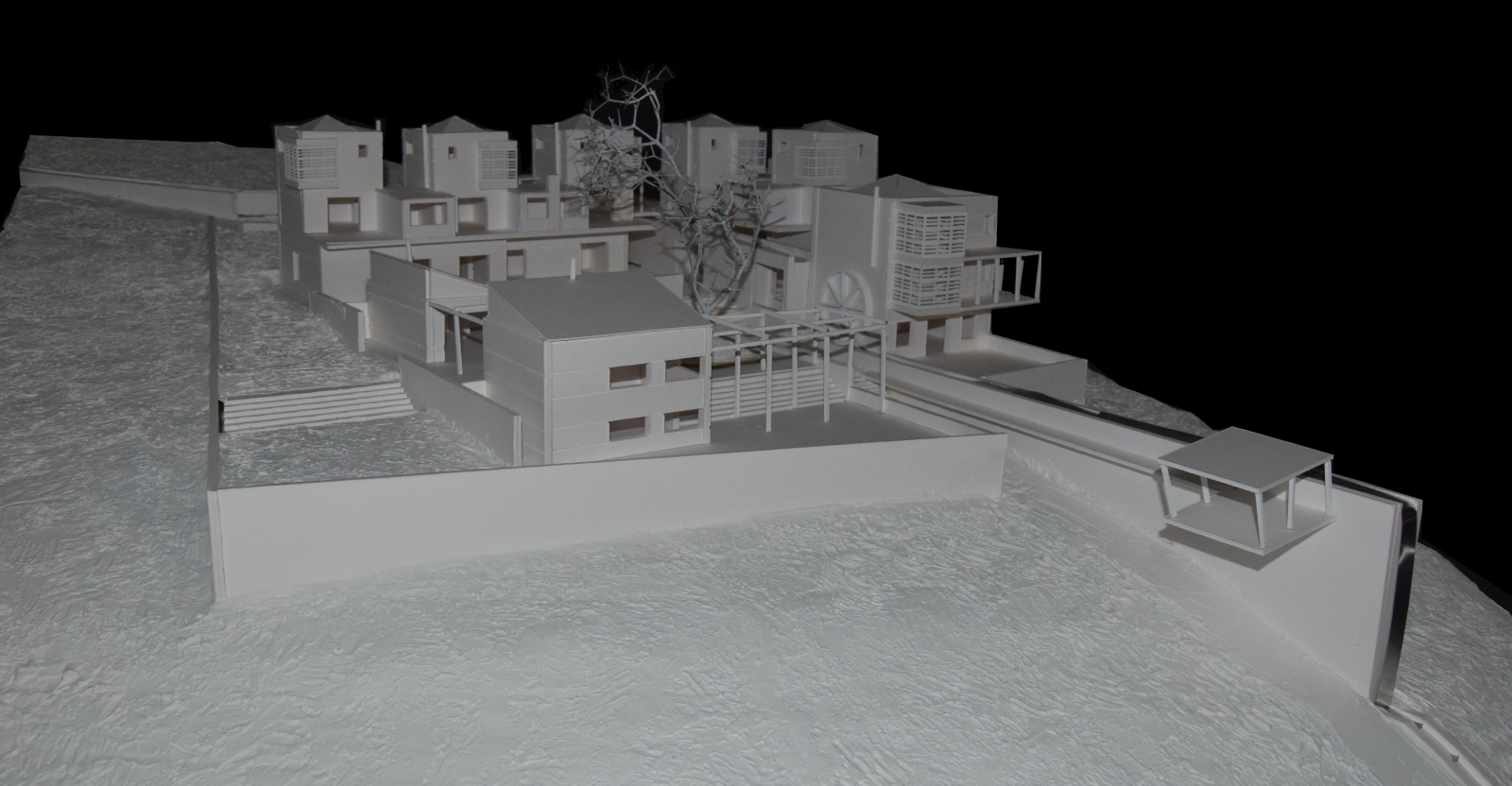
Unit – network – community: redesign and interconnection of craft spaces in Pelion

Diploma thesis by Minas Giatsos | Supervised by Vasileios Ghikapeppas | School of Architecture, NTUA

How can architecture reactivate the productive and cultural identity of a declining rural landscape?

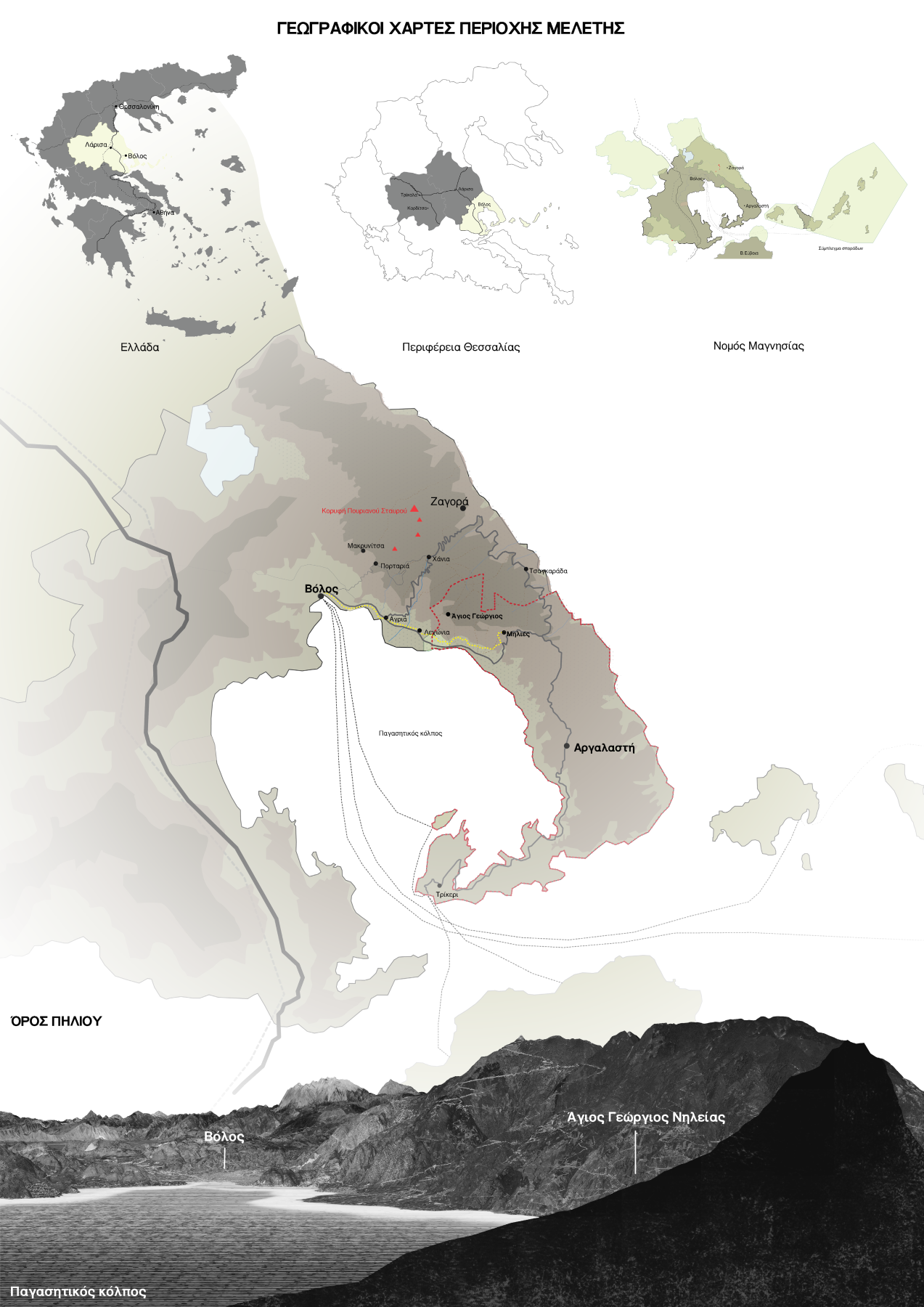
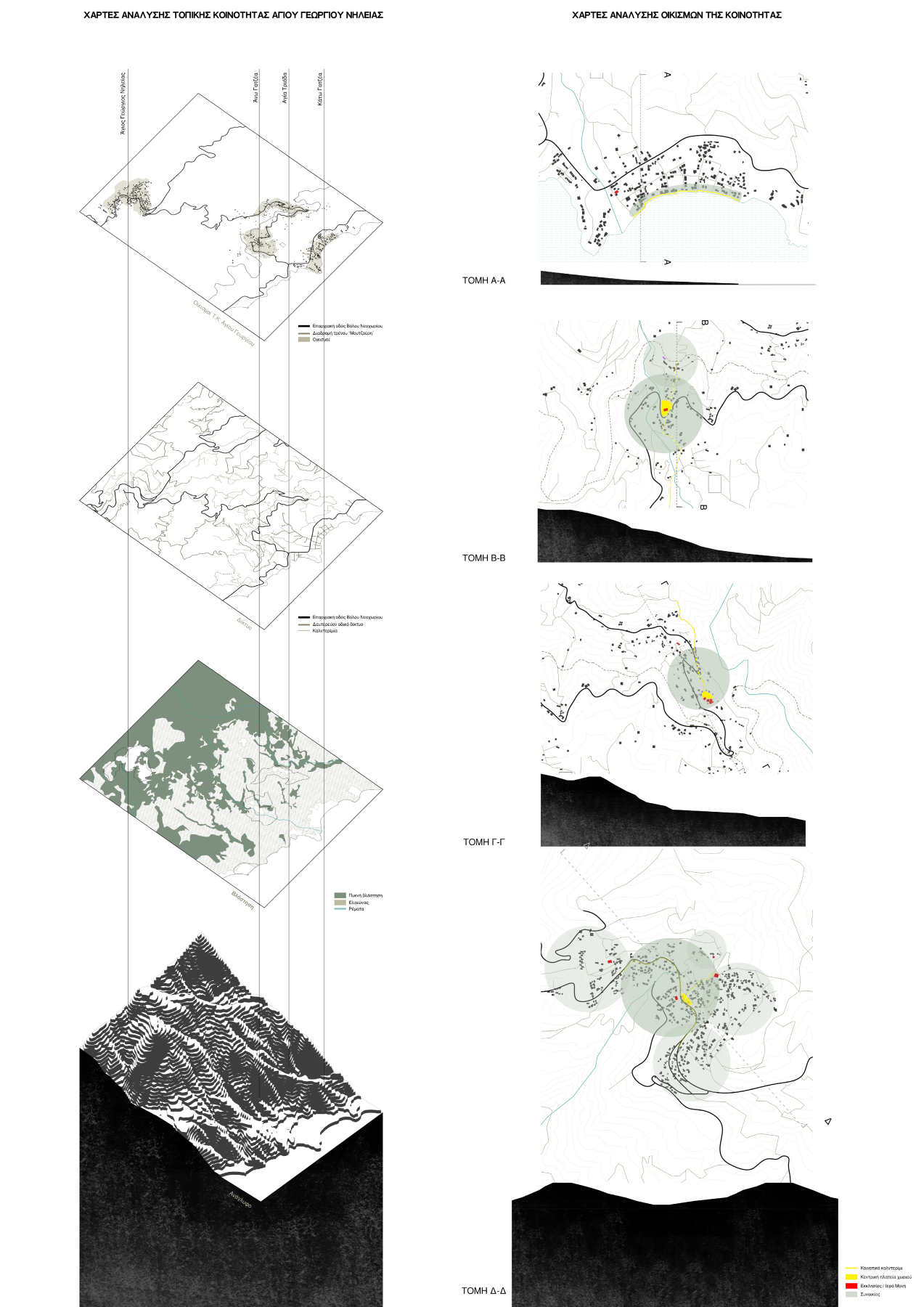
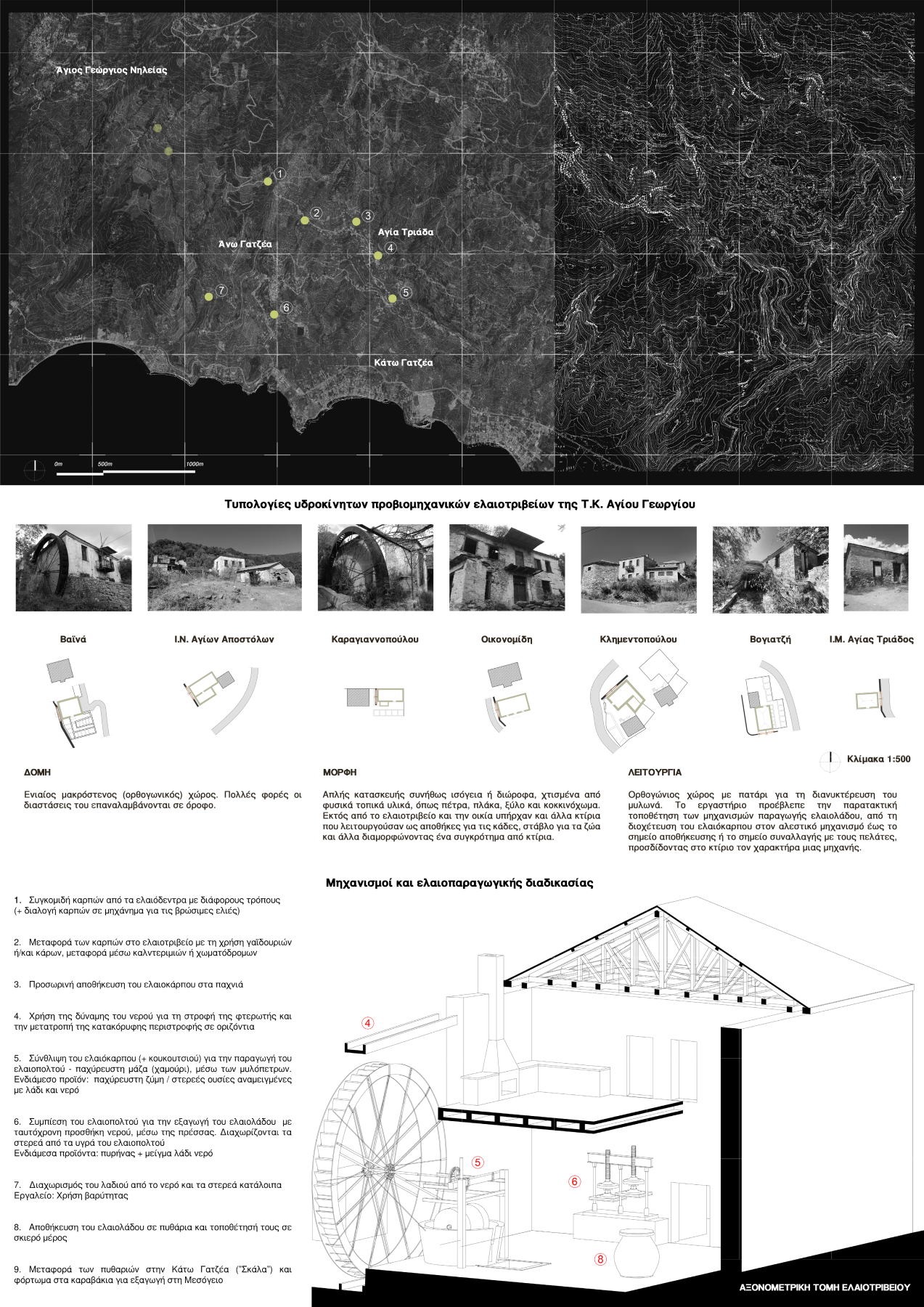
This diploma project addresses the abandonment of pre-industrial, water-powered olive mills in the Local Community of Agios Georgios Nileias, Pelion, by proposing a craft network centred on the olive and its derivatives. Responding to the effects of urbanisation and the decline of agricultural activity, the intervention seeks to reconnect place, production, and community through adaptive reuse.

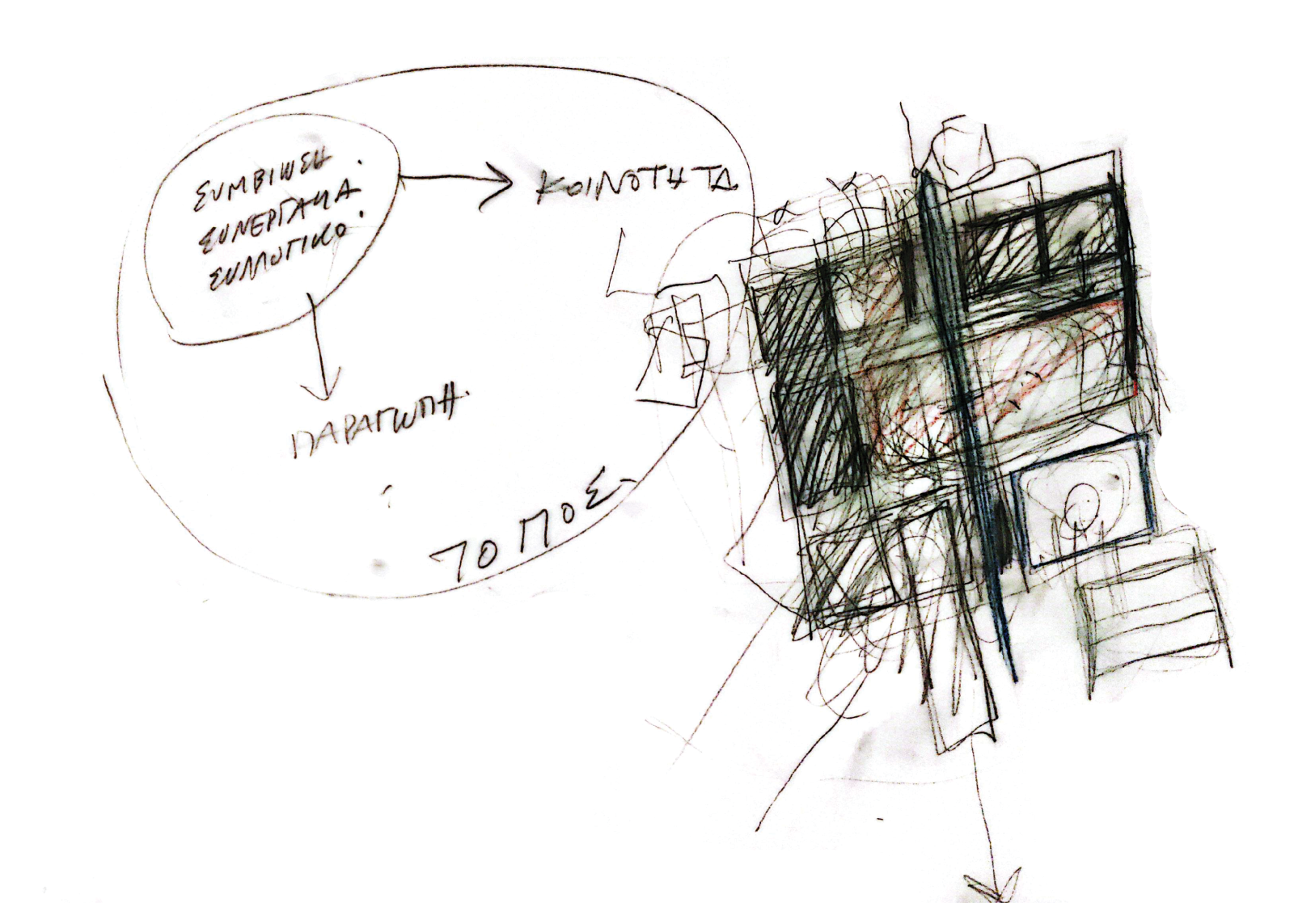
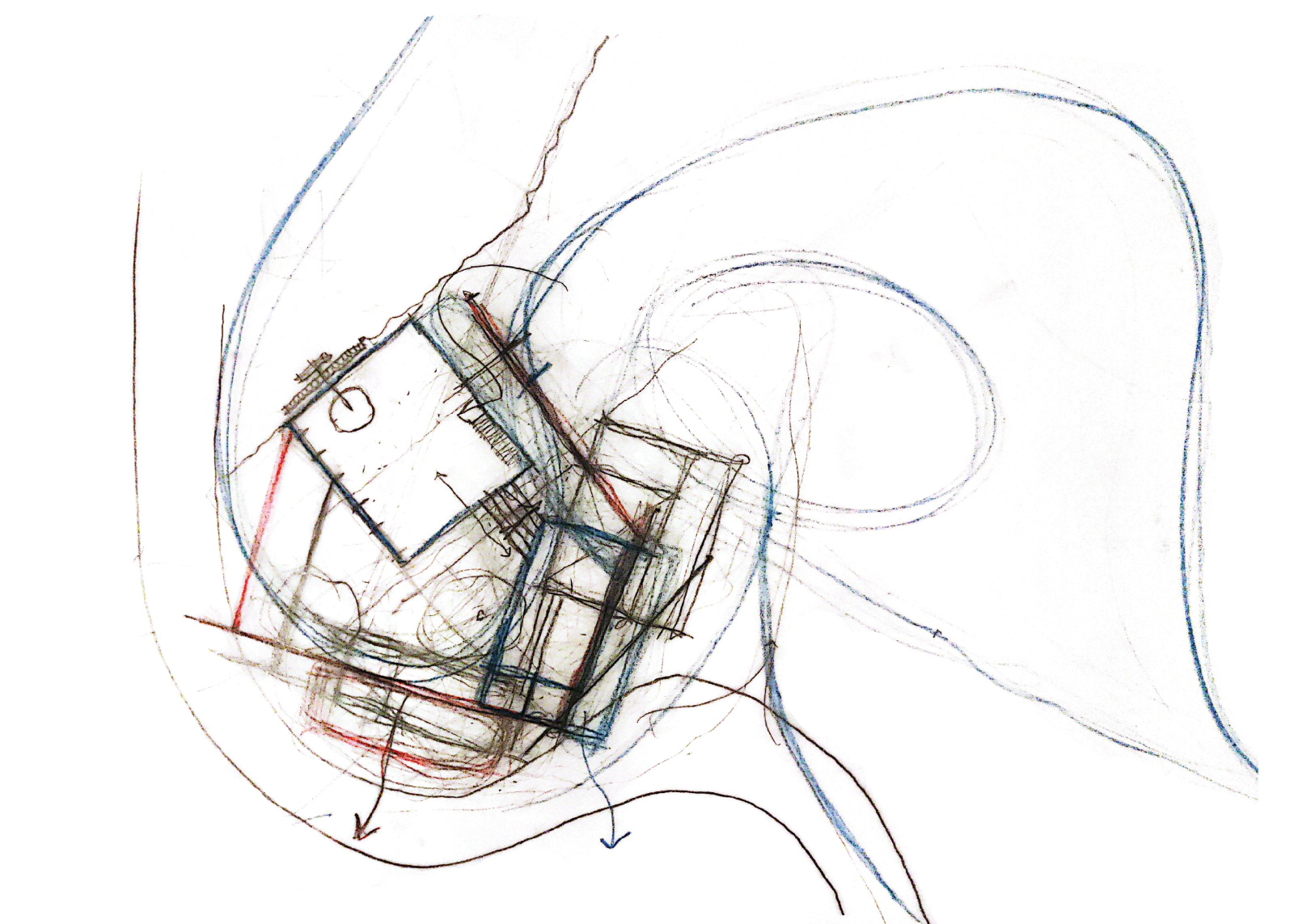
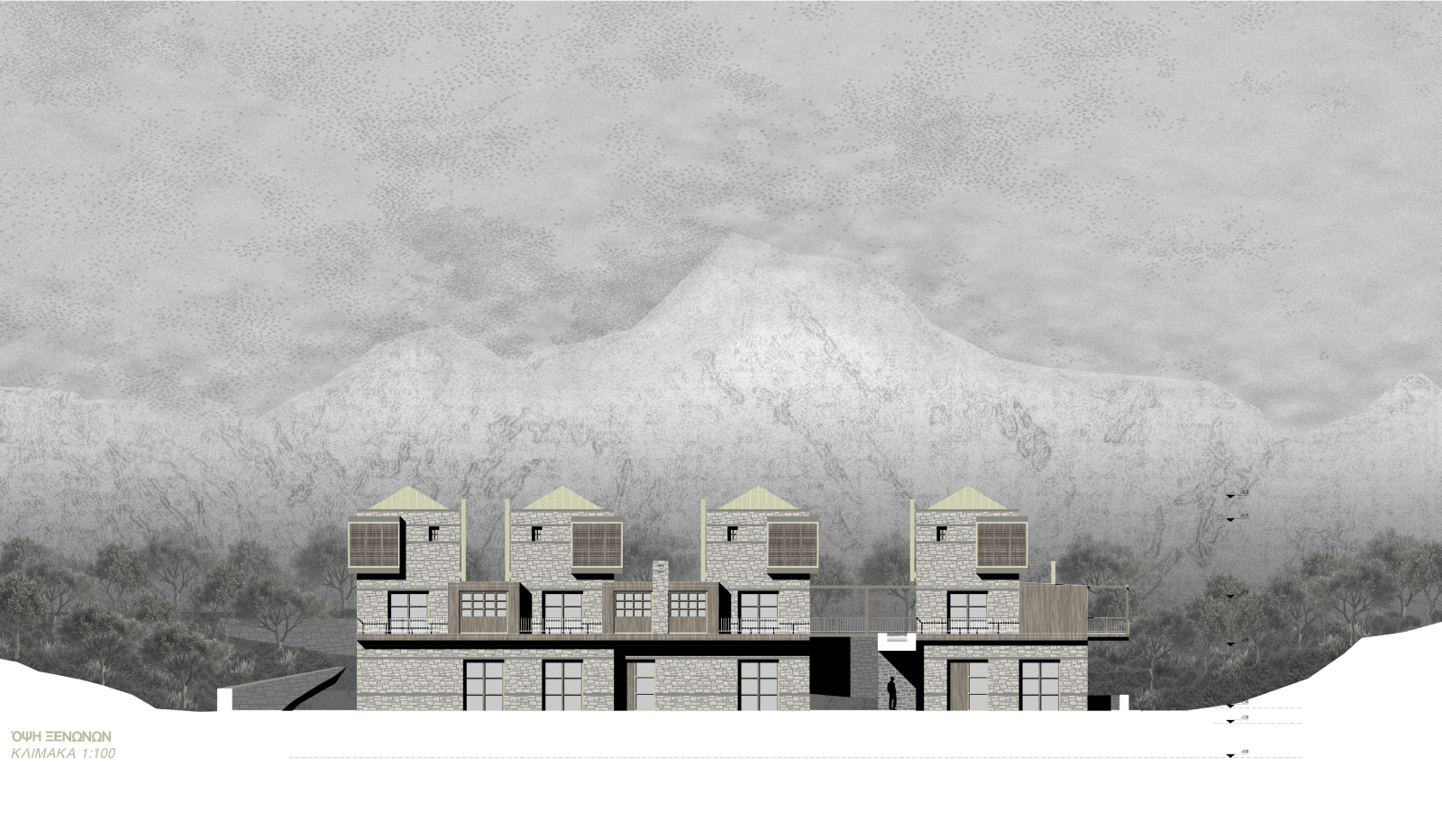
The proposal transforms a series of abandoned structures within the settlements of Agia Triada and Ano Gatzea into a network of productive and residential spaces linked by the area’s historic pedestrian trails. Six traditional kalivia—buildings of significant architectural and historical value—are reactivated as small-scale production units. While some retain their original function as olive mills, others accommodate workshops for processing olive by-products, including traditional soap-making, alongside residences for the families managing the facilities. Two key interventions anchor the network: a cooperative centre organised around a restored pre-industrial olive mill and a dedicated soap-making workshop.

More than an architectural restoration, the project reimagines the olive tree as a catalyst for collective life. By encouraging participation in the production of local goods, it transforms agricultural practice into a shared cultural experience, positioning architecture as a framework for long-term social, economic, and territorial regeneration.  

Reclaiming the Void: Adaptive Reuse of Vacant Shells through Bottom-Up Practices

Research thesis by Maria Athanasiadi | Supervised by Fabiano Micocci | School of Architecture, University of Thessaly
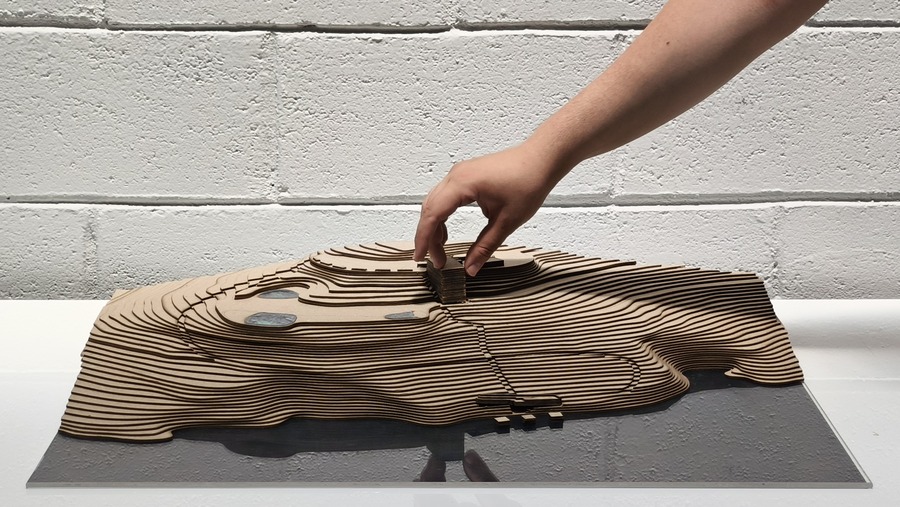
Can vacancy become a catalyst for collective urban life rather than a symptom of decline?
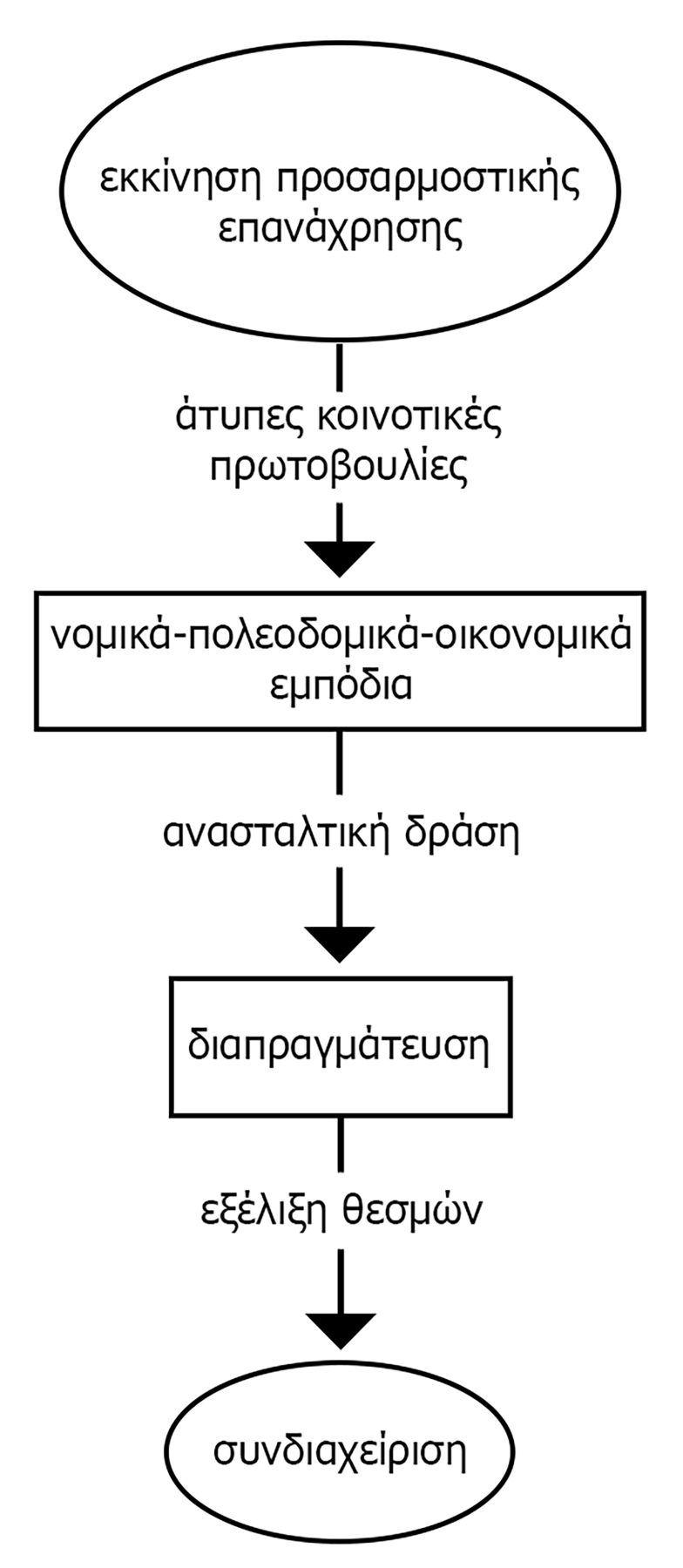
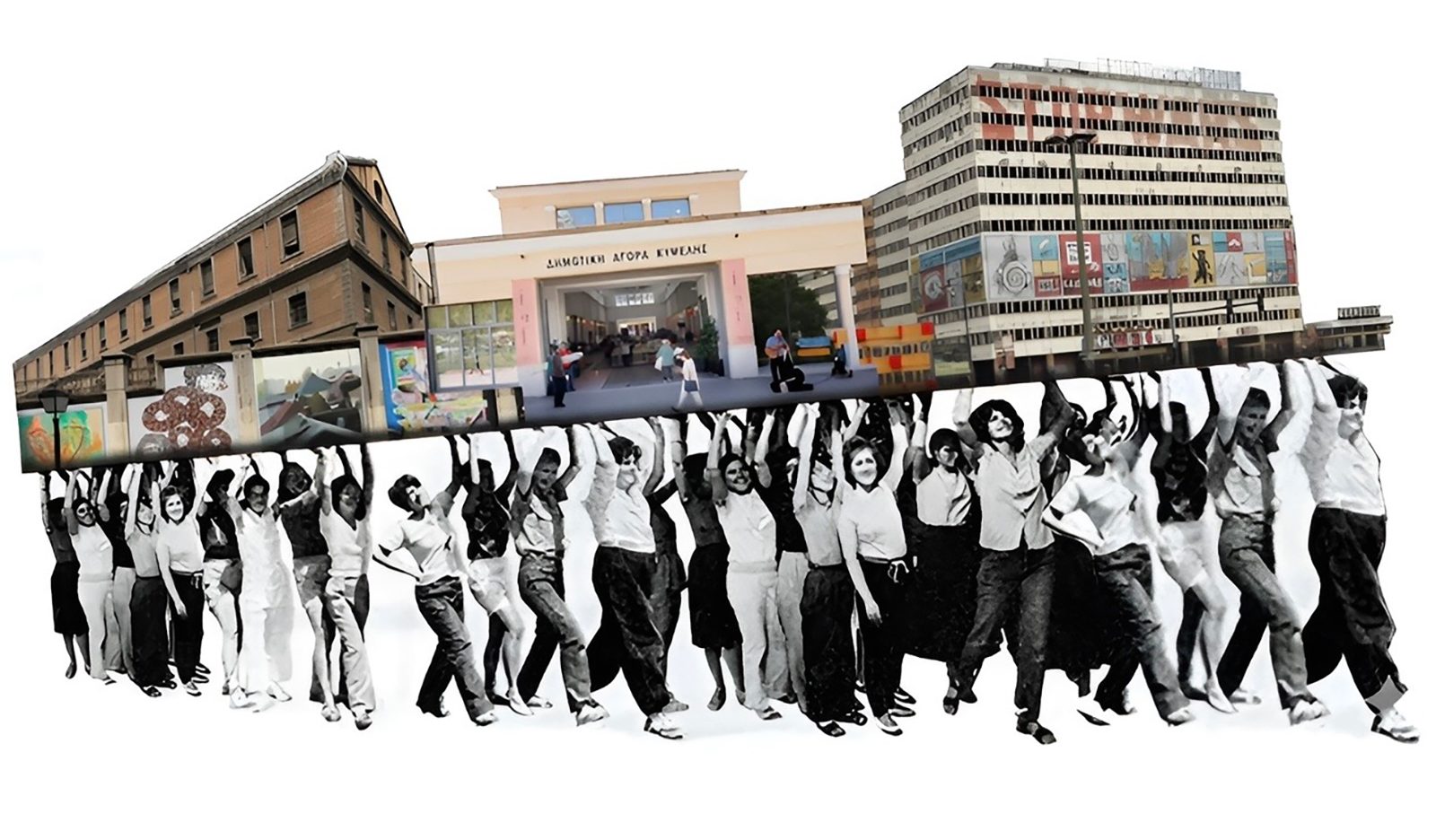
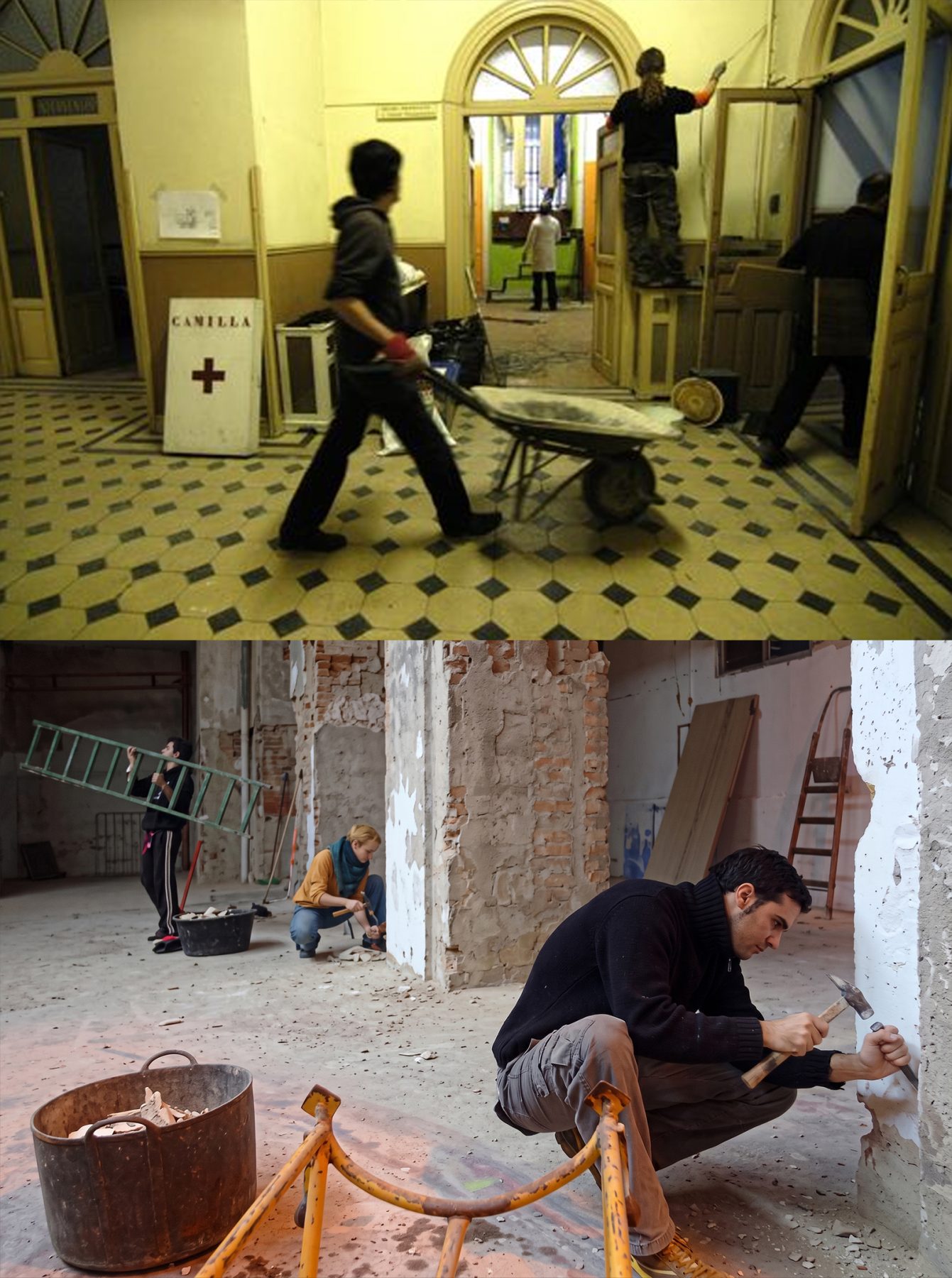
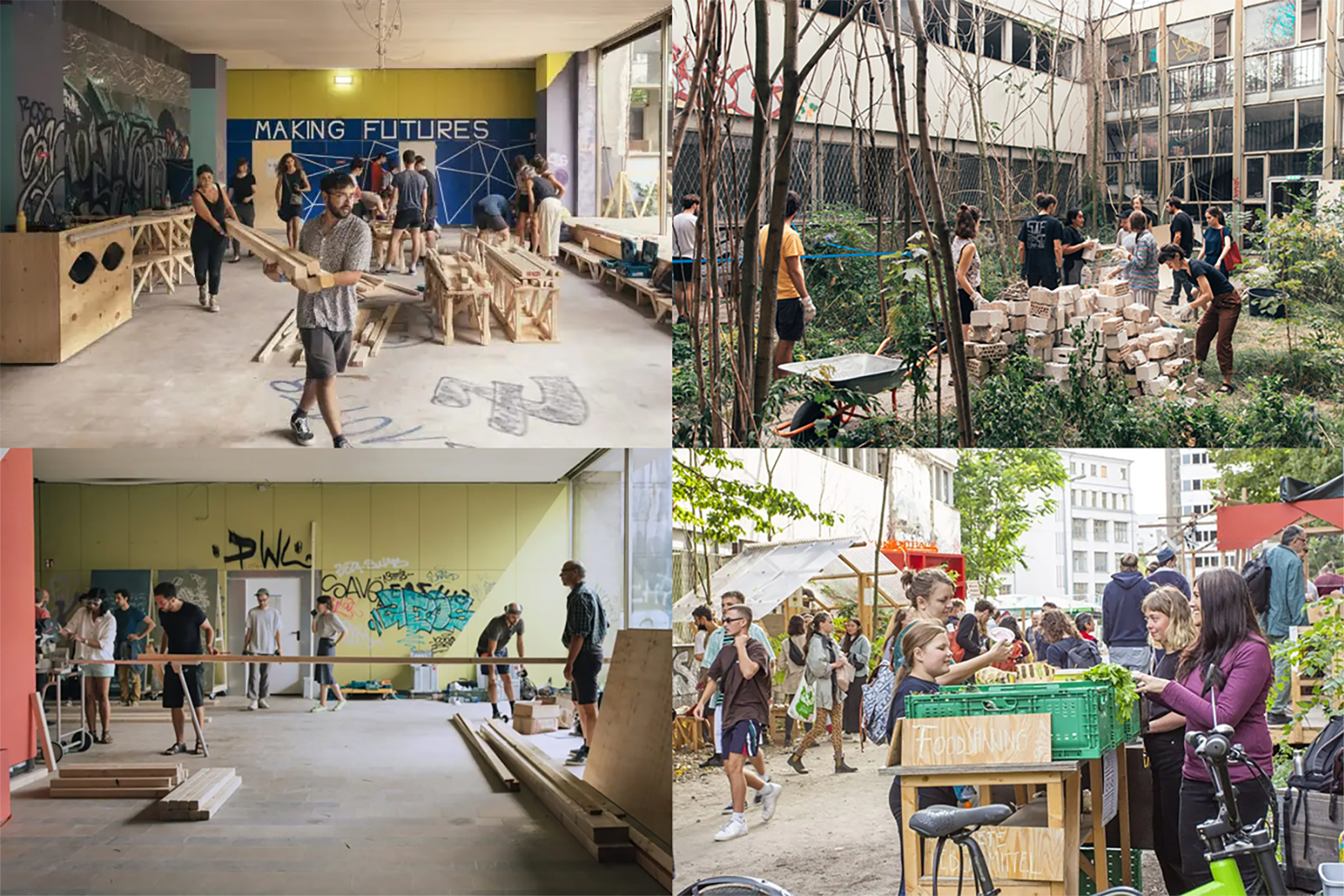
Reclaiming the Void investigates the adaptive reuse of abandoned building shells through bottom-up practices, arguing that architecture extends beyond the act of design to encompass processes of social organization, participation, and collective agency. Rather than emerging from institutional planning or public investment, the projects examined in this thesis are driven by citizens who reclaim inactive structures and transform them into spaces of culture, production, and everyday life.
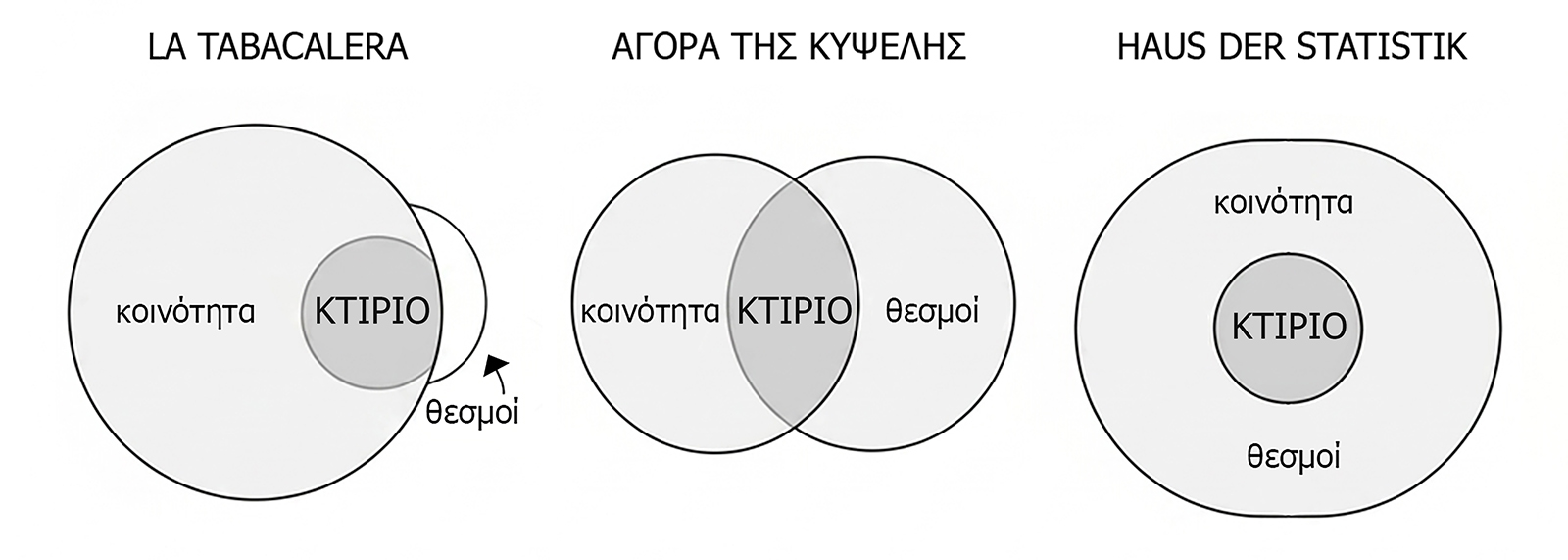
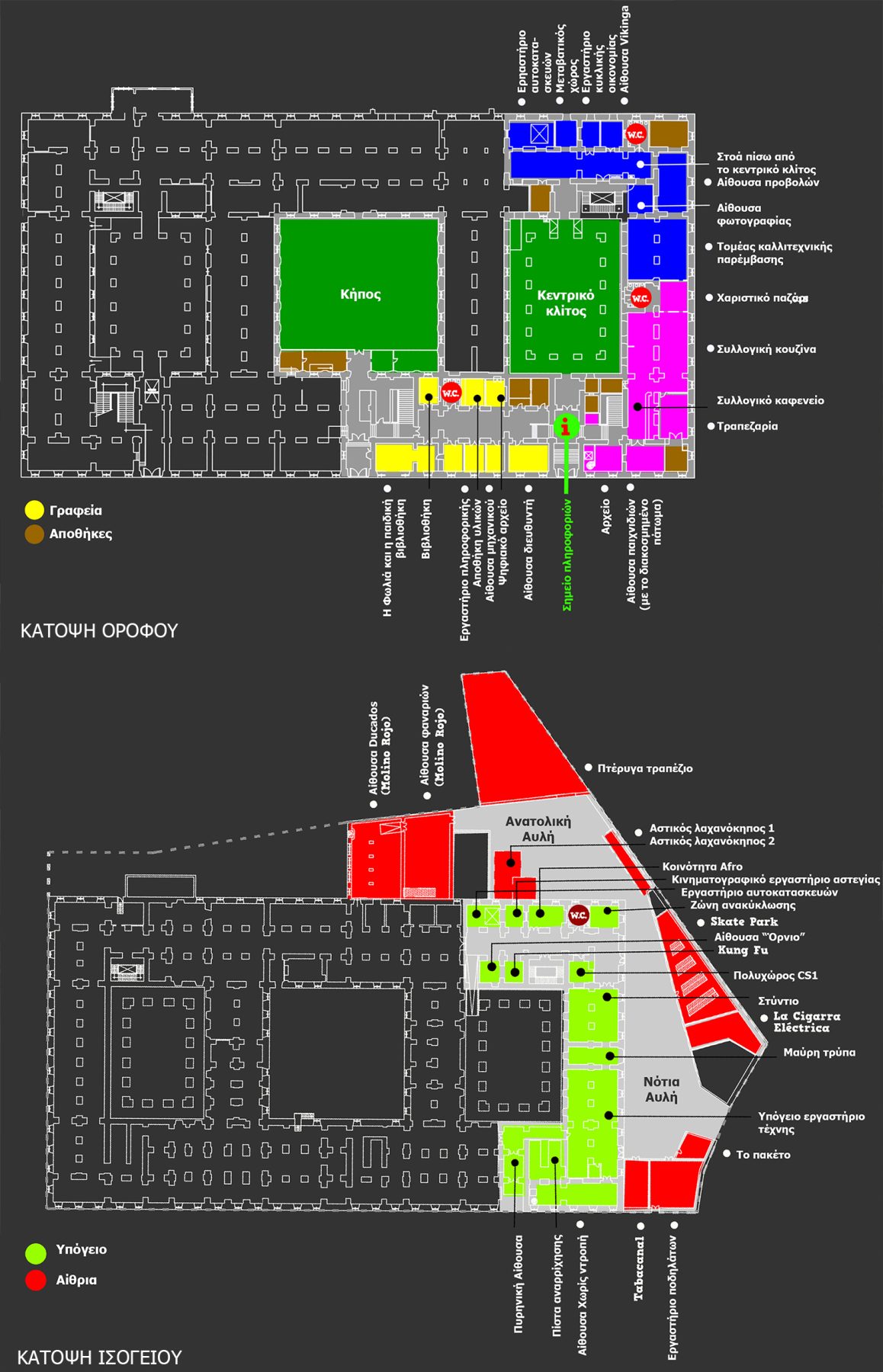
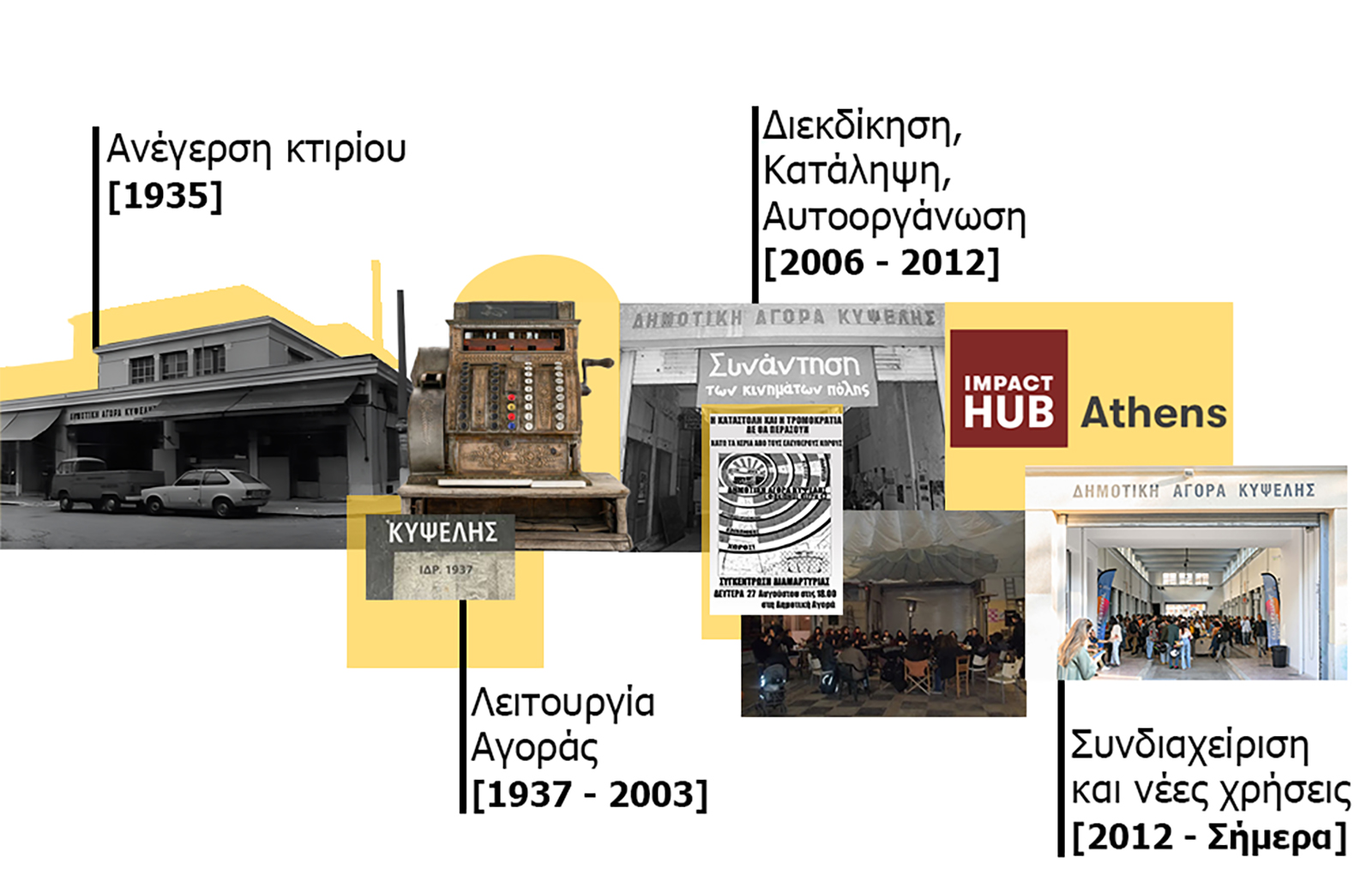
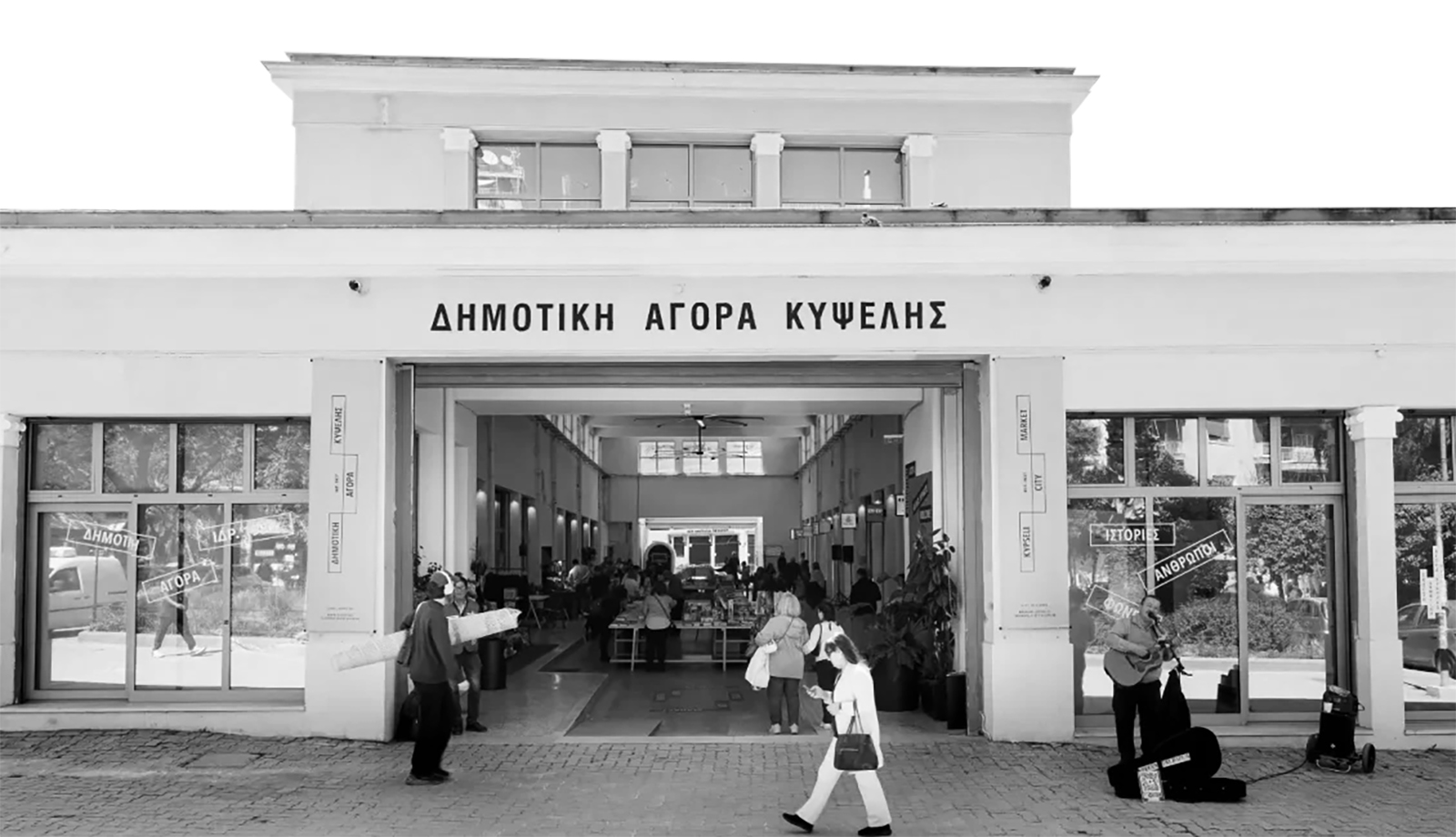
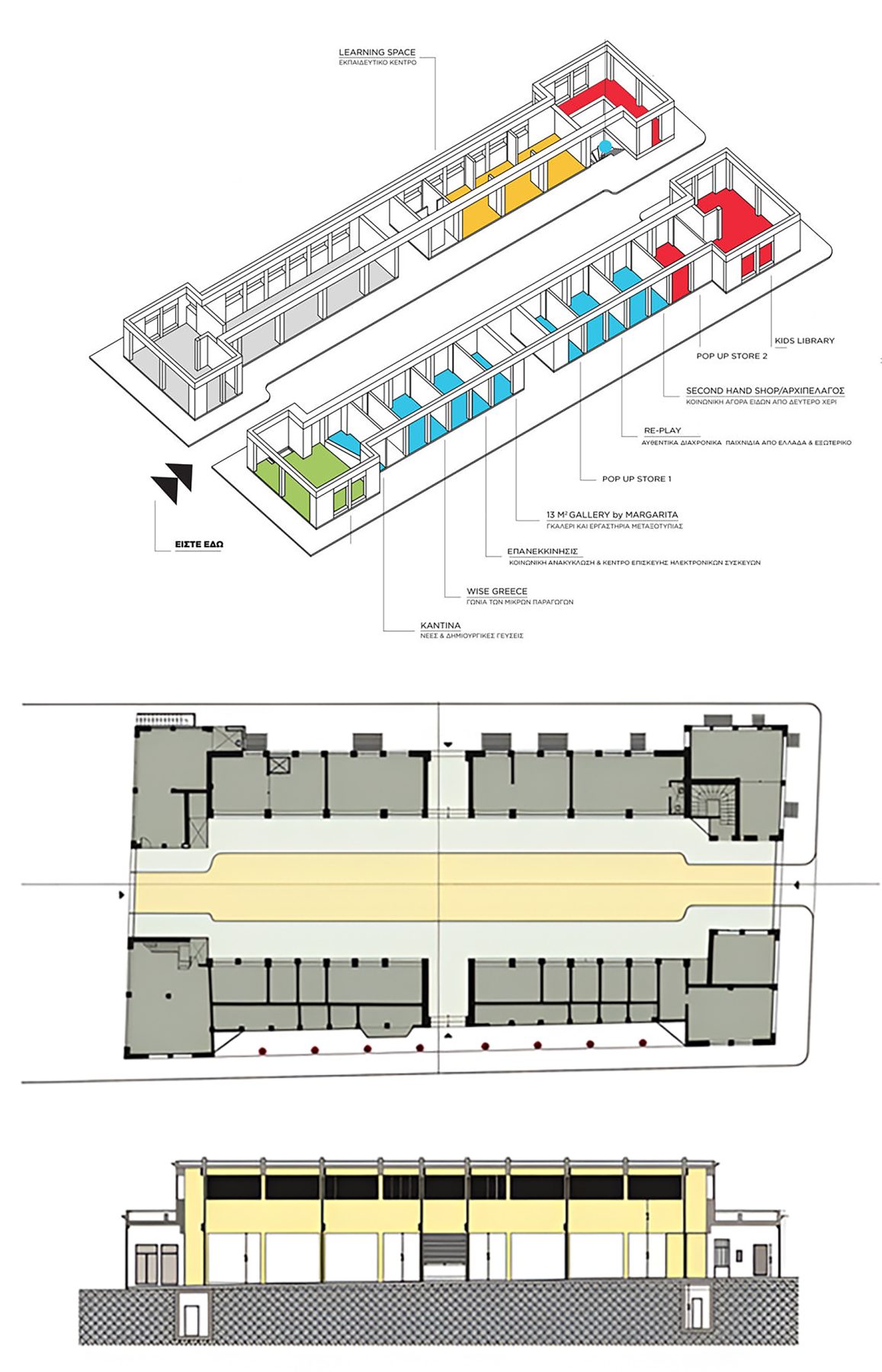
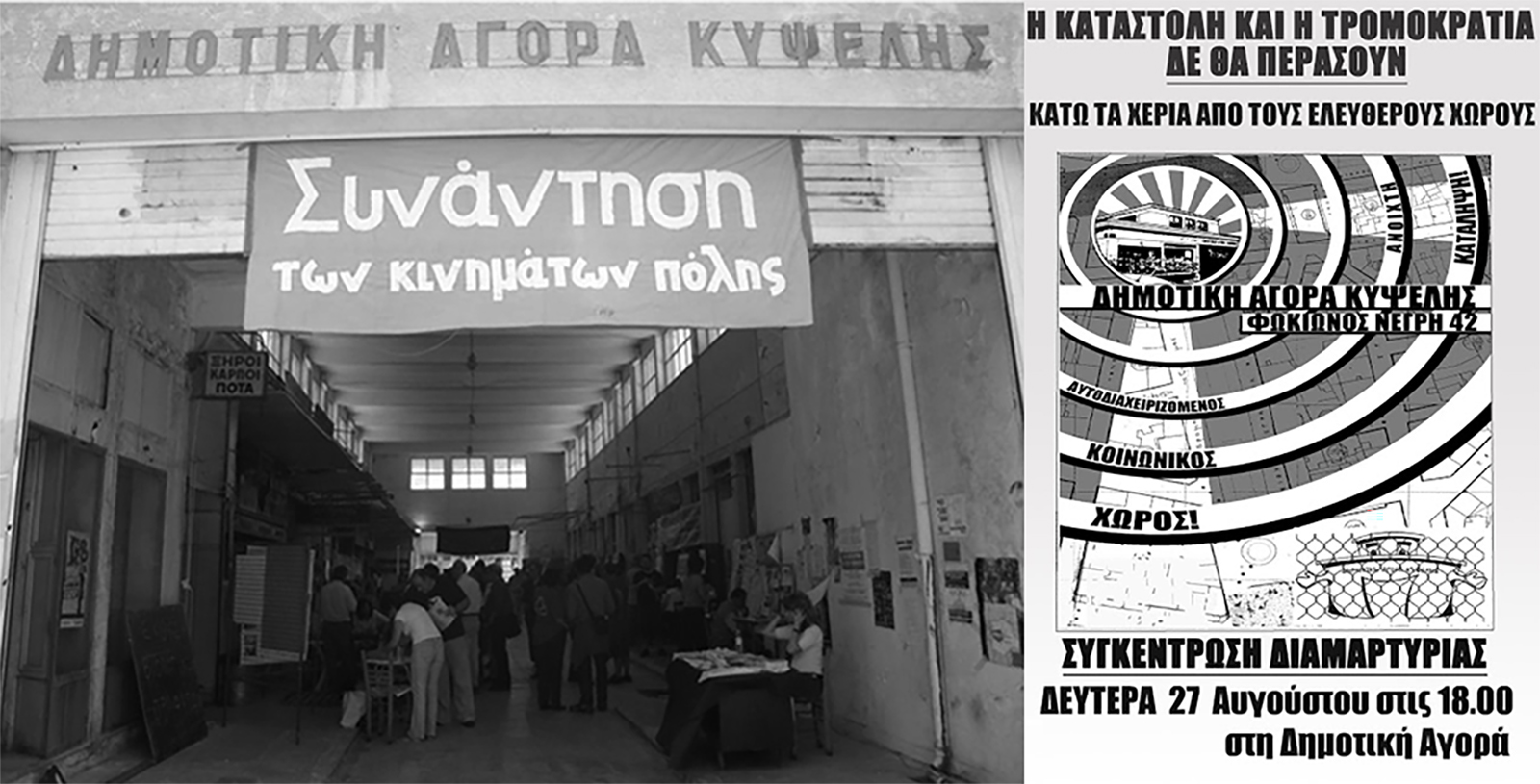
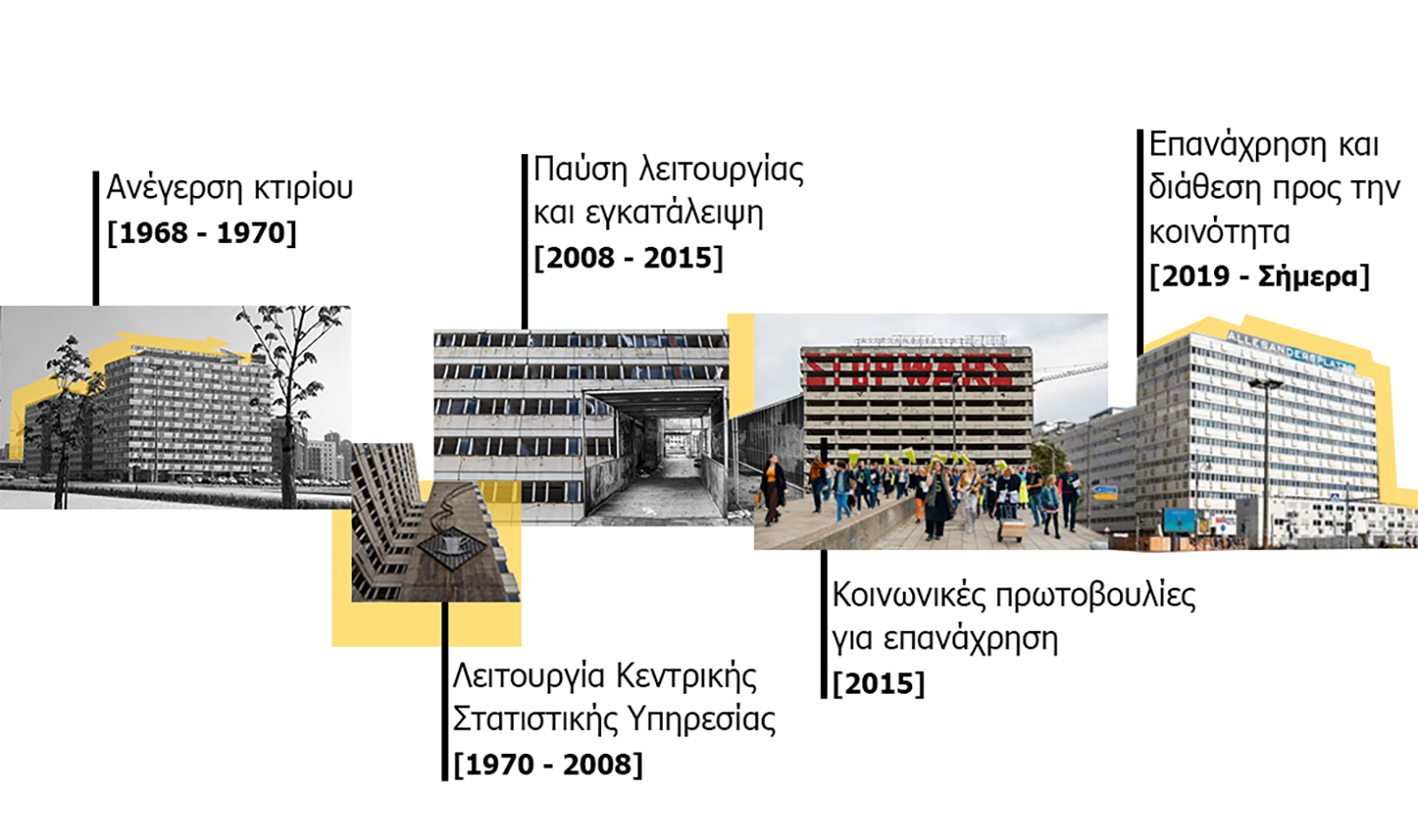
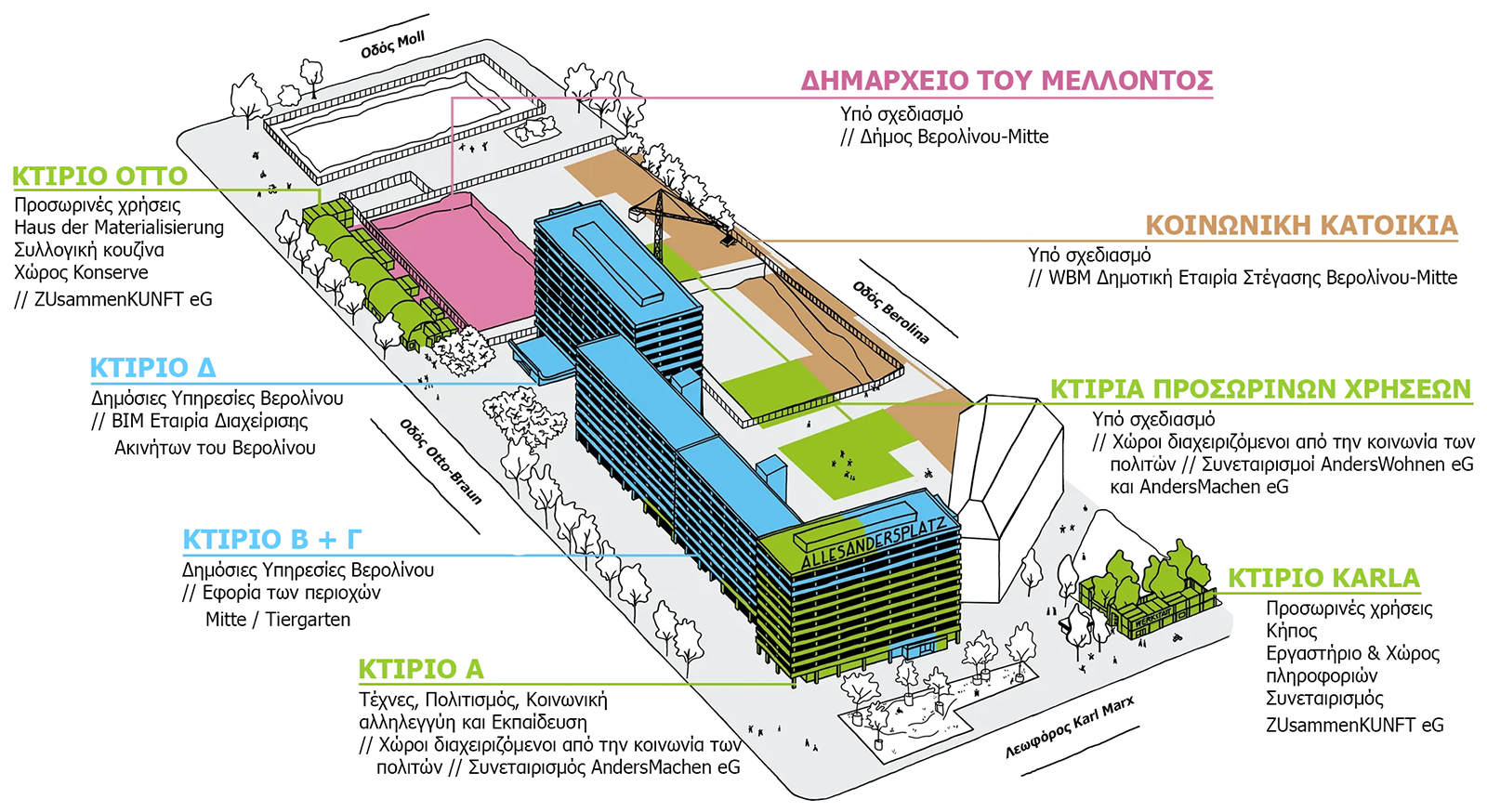
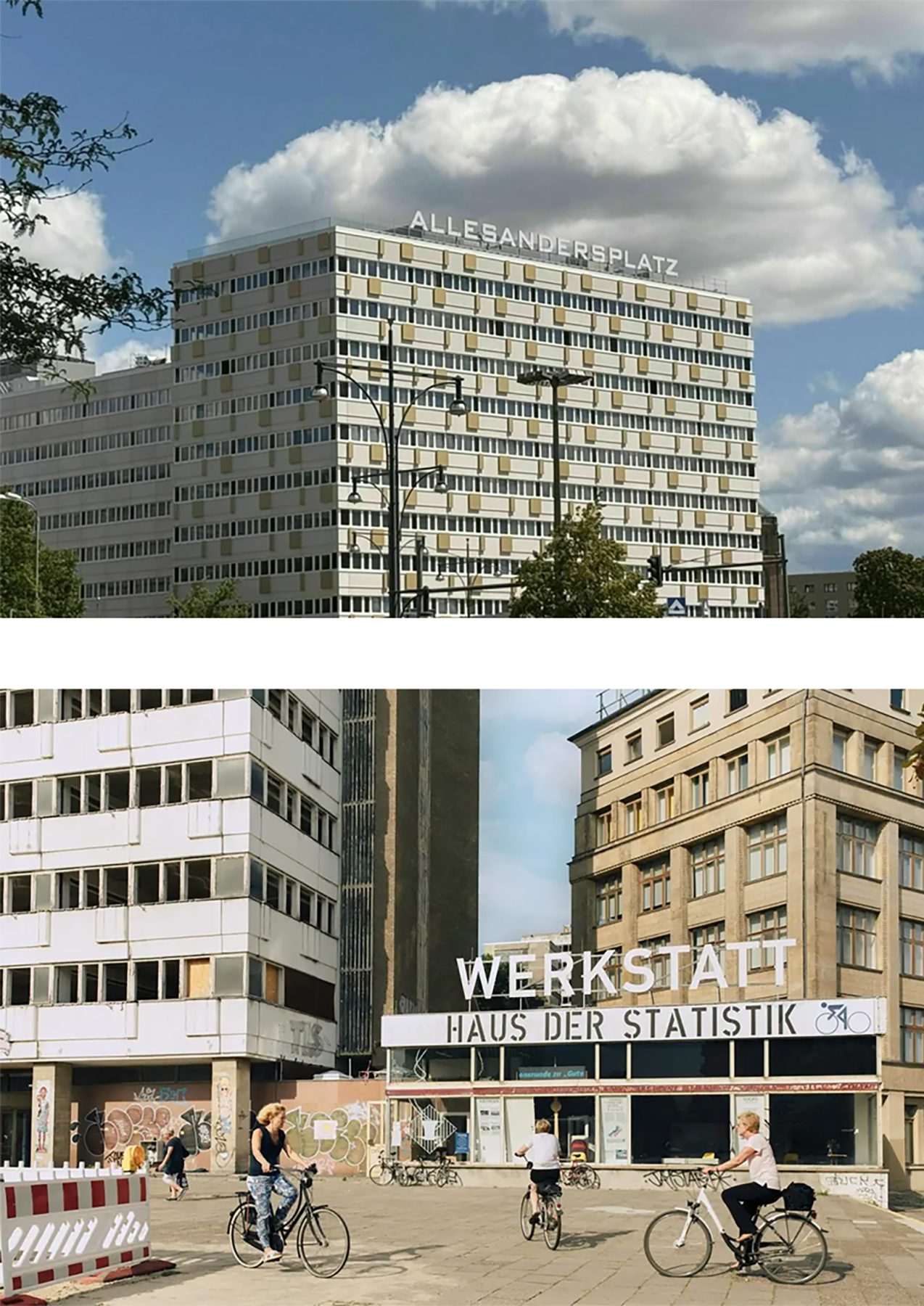
Through the comparative analysis of La Tabacalera de Lavapiés in Madrid, the Municipal Market of Kypseli in Athens, and Haus der Statistik in Berlin, the research explores how self-organization, collaboration, and evolving governance models can reactivate urban voids, proposing adaptive reuse as a socially embedded process through which abandoned buildings become inclusive infrastructures for contemporary civic life.
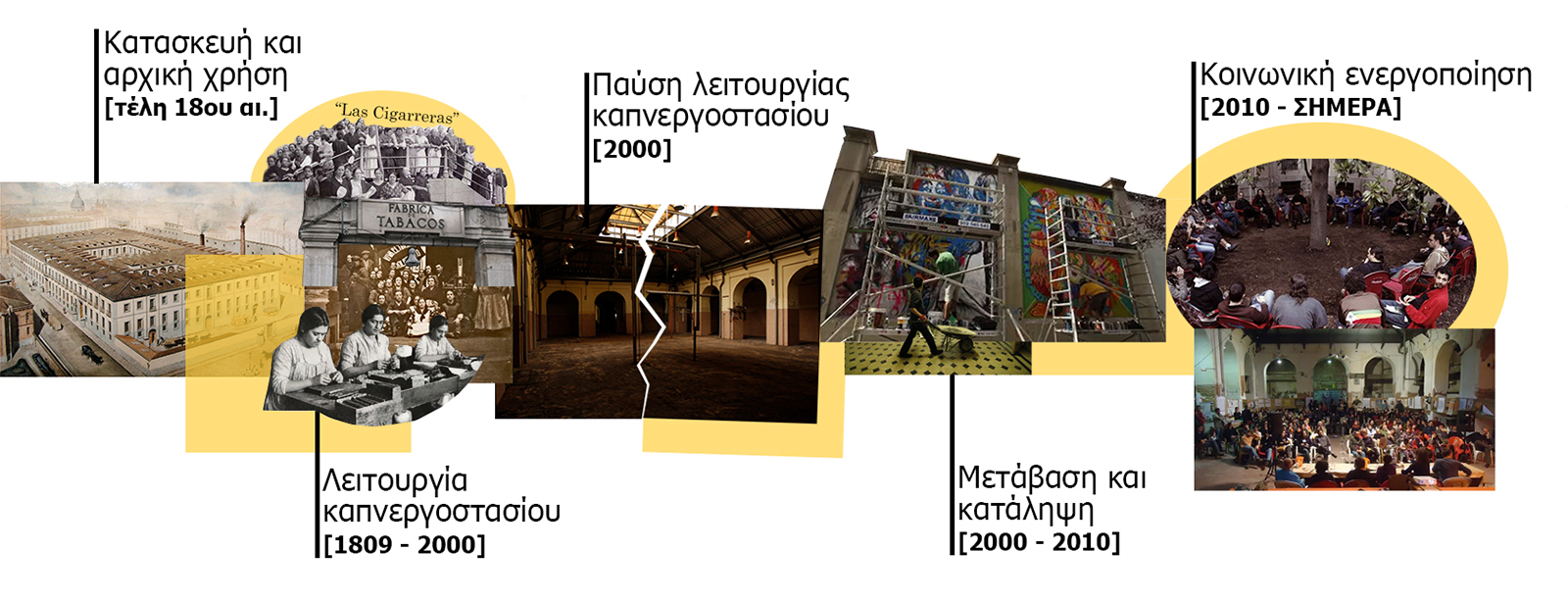
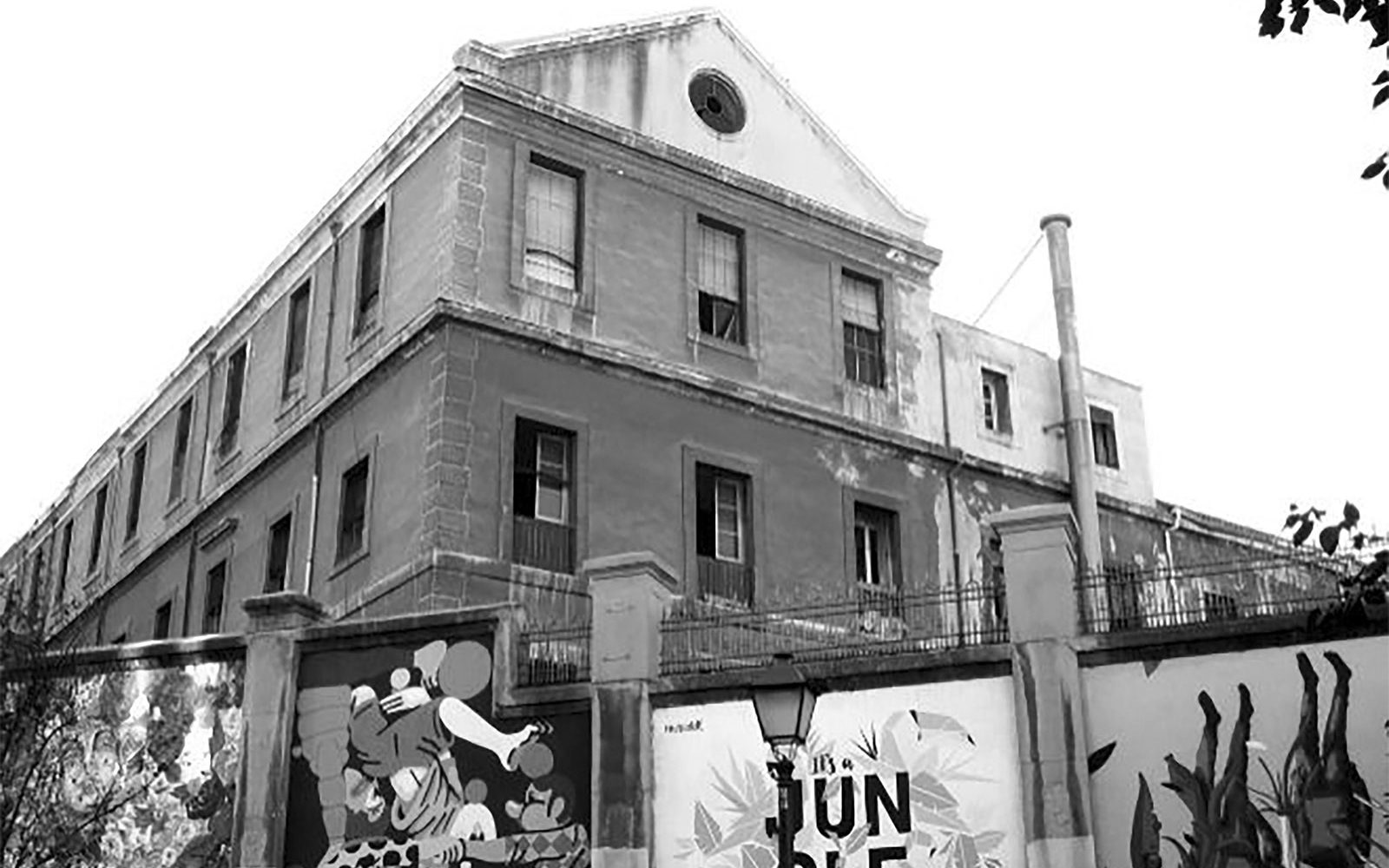
LA TABACALERA DE LAVAPIÉS
MUNICIPAL MARKET OF KYPSELI
HAUS DER STATISTIK
HAUS DER STATISTIK
HAUS DER STATISTIK
HAUS DER STATISTIK

RELATED ARTICLES