In The Summer Refuge series, curated by Archt. for Archisearch, summer is not a sliver of time but a state of being. Rooted in nature, rural landscapes, vernacular architecture, and closely connected to notions such as “disconnection,” “slow living,” and Martin Heidegger’s “Dasein,” namely the art of being present in the world, the series focuses on seasonal houses that shelter time, memory, and dreams.
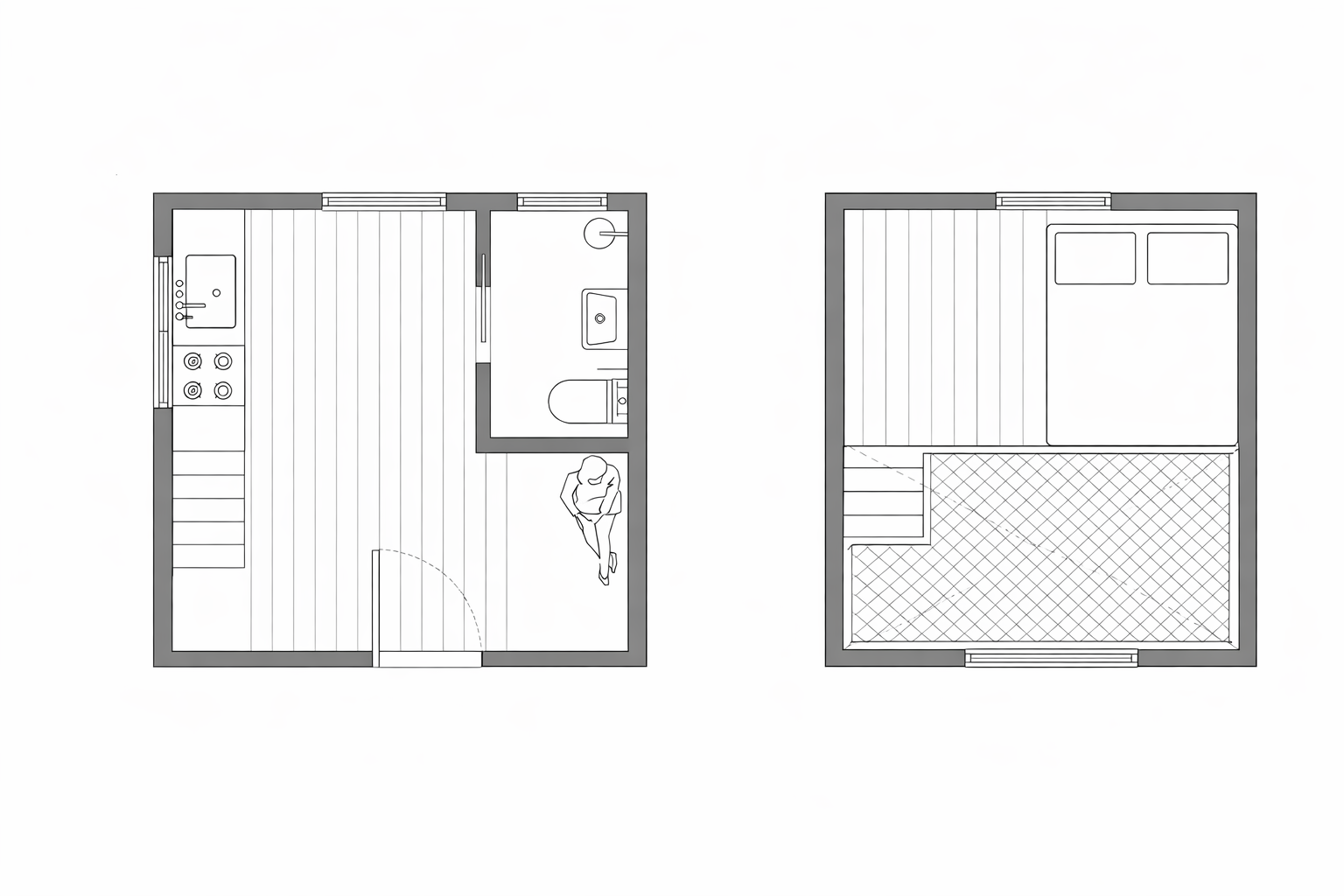
In the eleventh episode, we meet Cucu, a 20m² cocoon-like refuge designed for Samsú by Studio Bucky across the rolling Irish countryside of County Westmeath. More than a secluded escape, the project reinterprets Ireland’s vernacular tower houses through a contemporary lens, transforming the architectural language of protection, verticality, and rural permanence into a deeply atmospheric dwelling designed for slowness, introspection, and sensory recalibration. Through its tactile materiality, cocoon-like geometry, and carefully framed relationship to the landscape, Cucu proposes a way of living grounded in ritual, silence, and reconnection with the natural world.
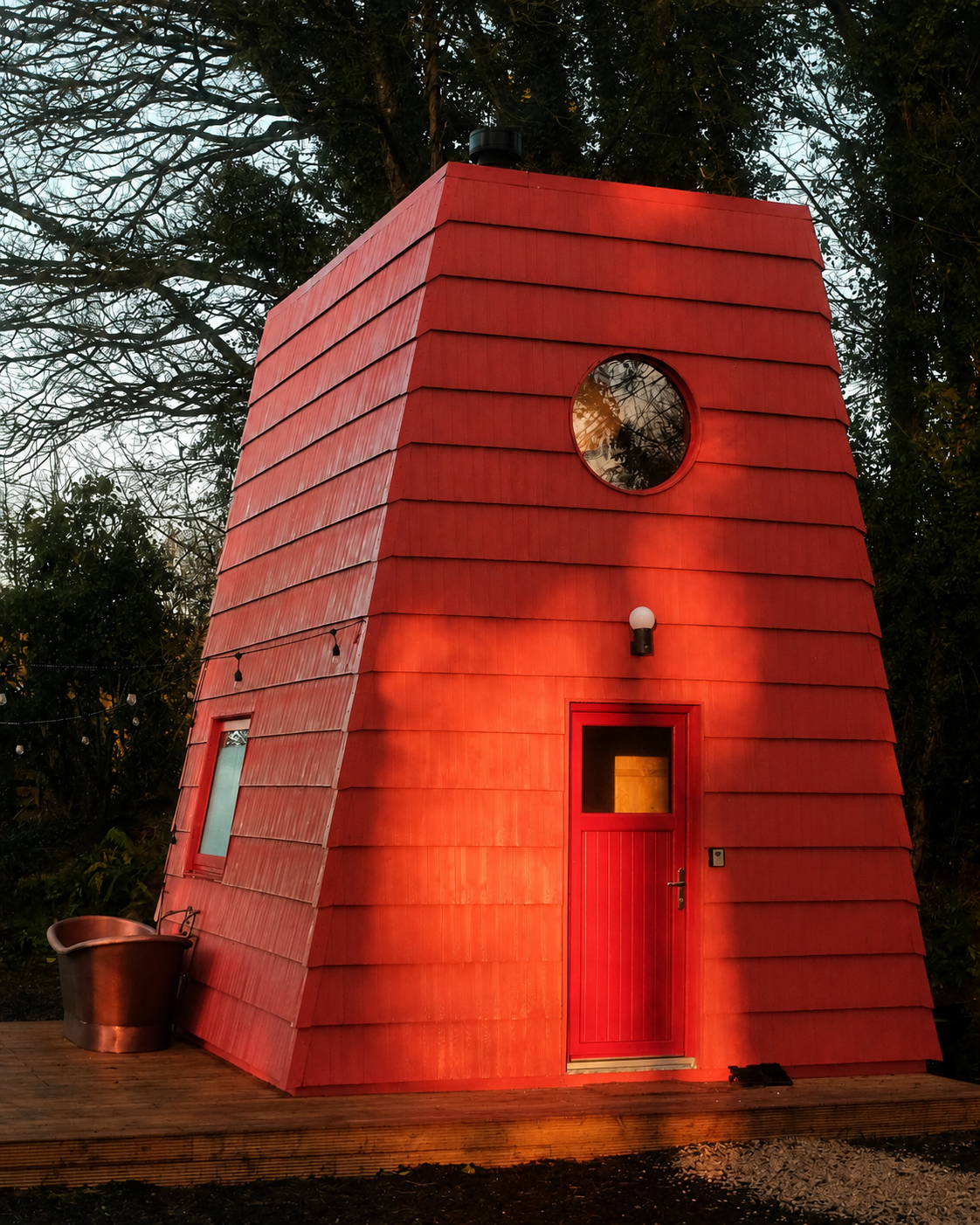
Set across 350 acres of woodland and open countryside approximately one hour outside Dublin, Cucu is a compact off-grid cabin born from the collaboration between Samsú founder Rosanna Irwin and Studio Bucky founder Alexander Buckeridge. “In a world where everything is designed to keep us stimulated, Cucu is designed to do the opposite,” explains Irwin. “It’s a space that gently encourages you to slow down, rest, and be present.”
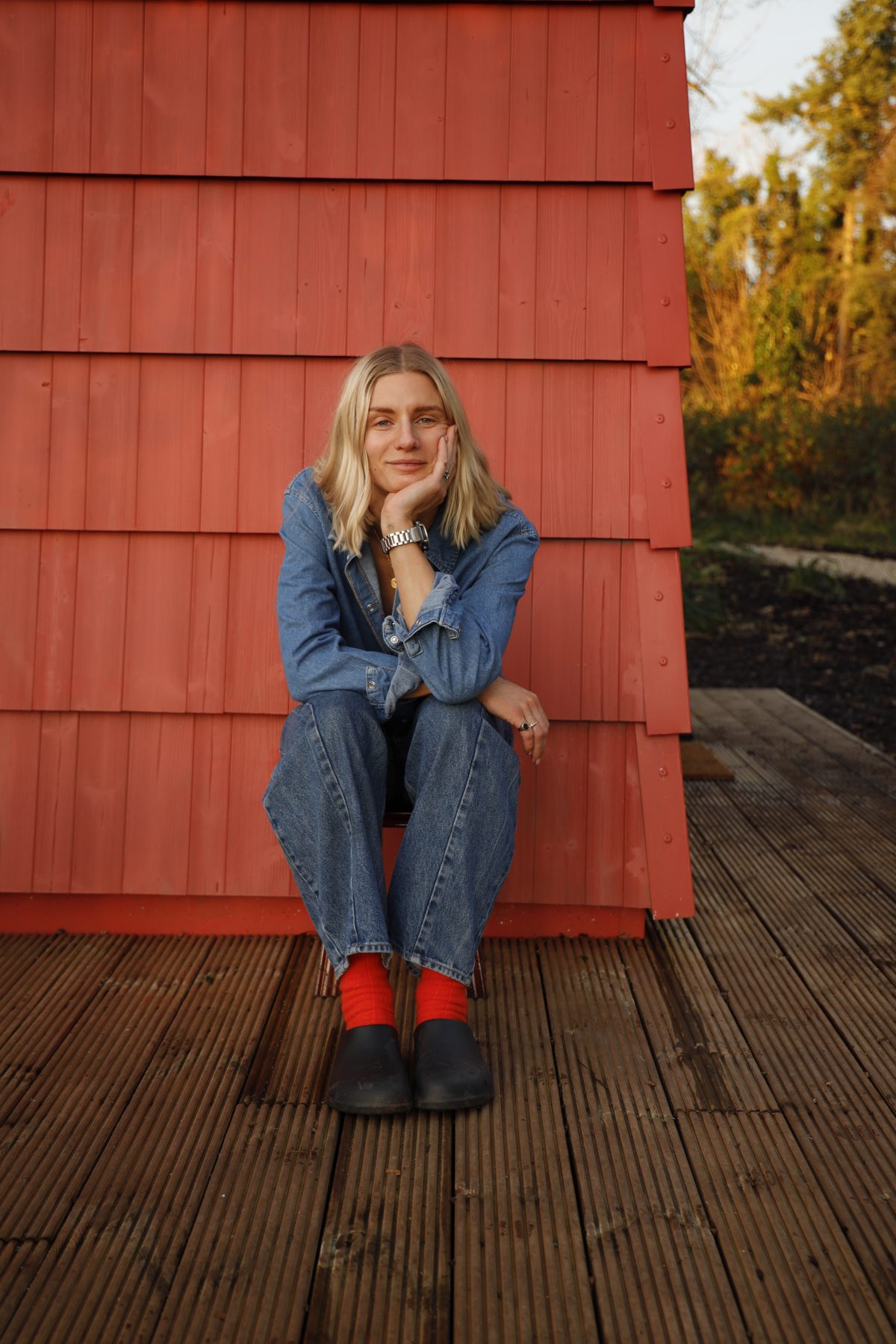
Conceived as both a design-forward and emotionally resonant refuge, the cabin explores how architecture alone can influence perception, behaviour, and the experience of time.
The project draws heavily from Ireland’s vernacular architectural traditions, particularly the medieval tower house — one of the most distinctive and enduring forms within the Irish rural landscape.
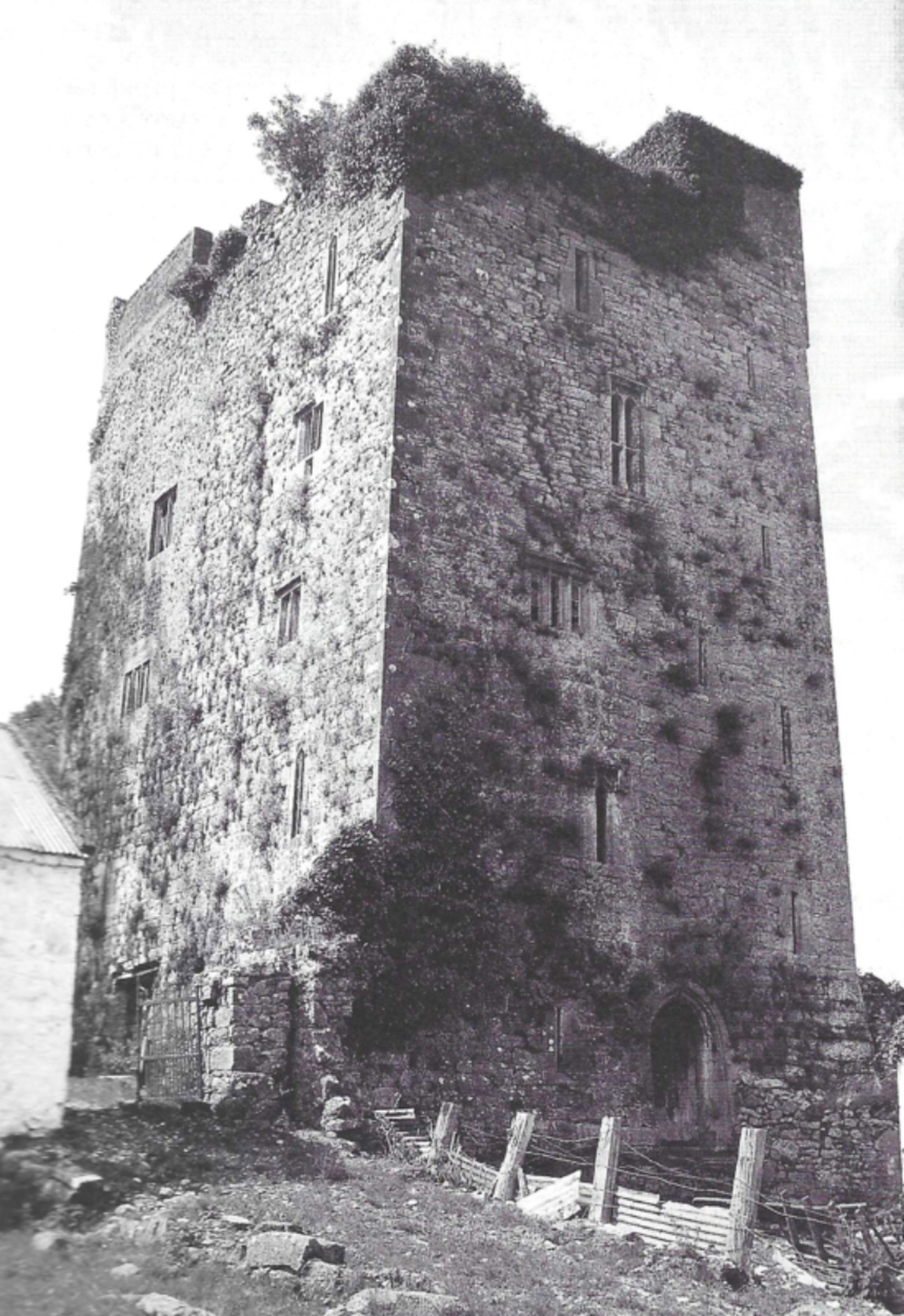
Built predominantly between the fifteenth and seventeenth centuries, Irish tower houses emerged as compact fortified dwellings for Gaelic chieftains and Anglo-Irish landowners, scattered across agricultural territories, river crossings, and hilltops (Leask, 1941). Unlike the monumental castles of continental Europe, these structures were comparatively economical and localised, embedded within working landscapes and constructed primarily from locally quarried stone using vernacular masonry techniques (McNeill, 1997).
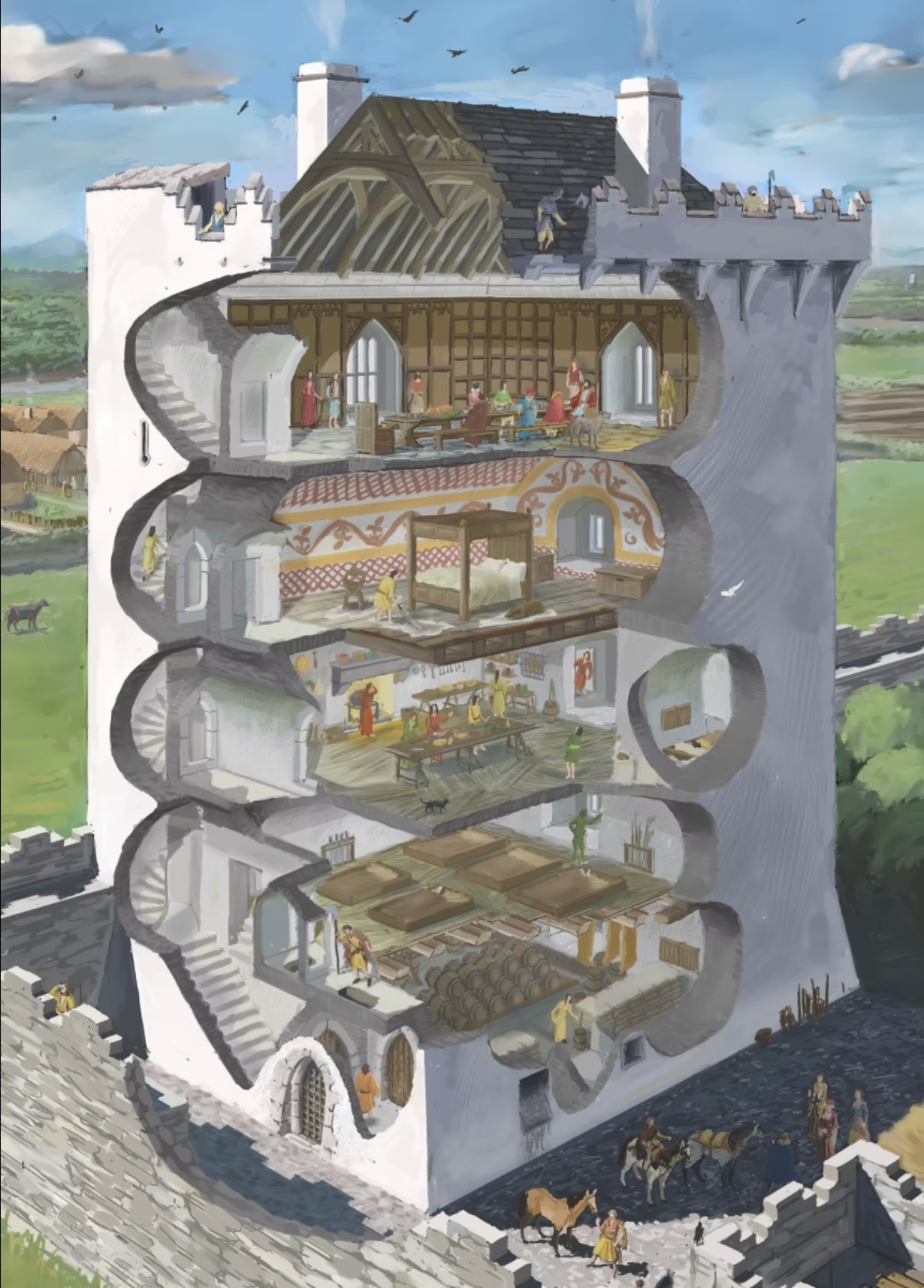
Their verticality, defensive compactness, and intimate relationship to the surrounding countryside established a building type uniquely adapted to Ireland’s fragmented political and environmental conditions. Thick rubble-stone walls, narrow openings, vaulted lower chambers, and elevated living spaces created architecture that balanced protection with domestic inhabitation (Salter, 1993). Importantly, tower houses also reflected broader Irish vernacular traditions through their use of regional materials, climatic responsiveness, and integration into agricultural life.
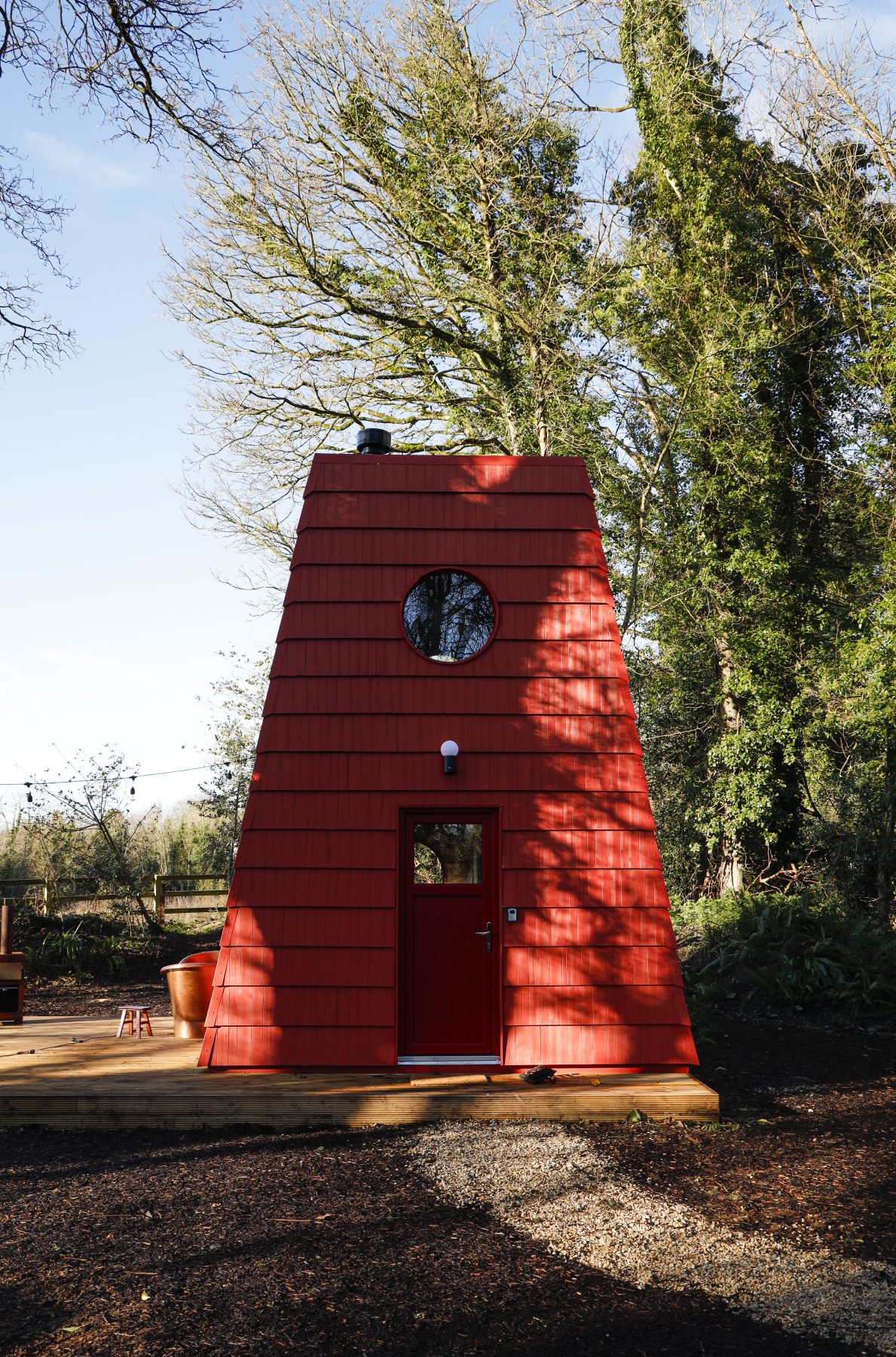
“We were interested in their verticality and the sense of inhabiting height,” says Alexander Buckeridge. “In Cucu, that idea becomes more intimate, almost like sleeping in the sky.”
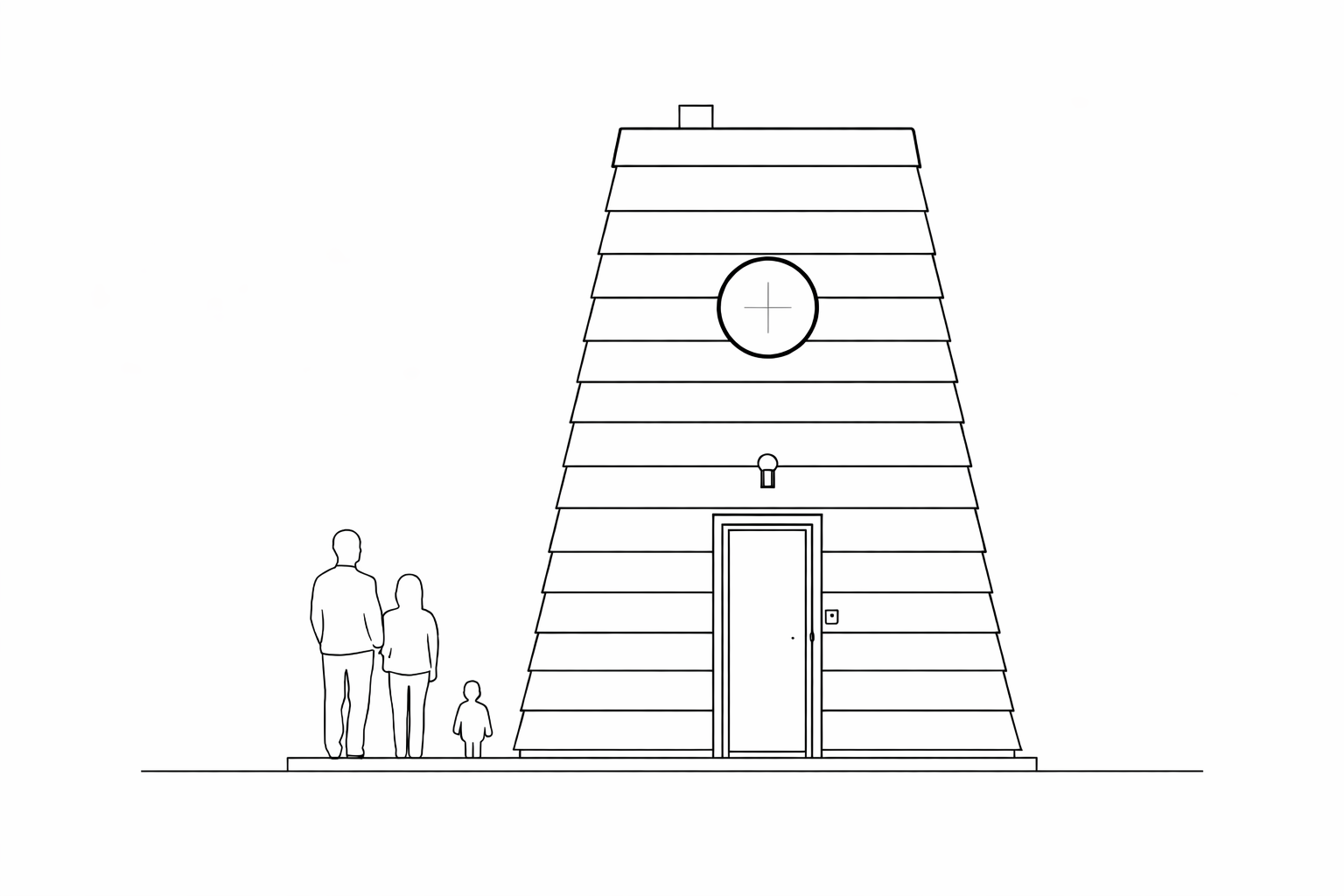
Rather than reproducing historical forms literally, Cucu translates the spatial and atmospheric essence of the tower house into a contemporary architectural language. The cabin rises lightly from a timber platform, allowing the forest floor beneath to remain largely undisturbed. Its elevated presence responds carefully to the surrounding landscape rather than imposing itself upon it, echoing the organic siting strategies characteristic of Irish rural settlements and vernacular farm structures.
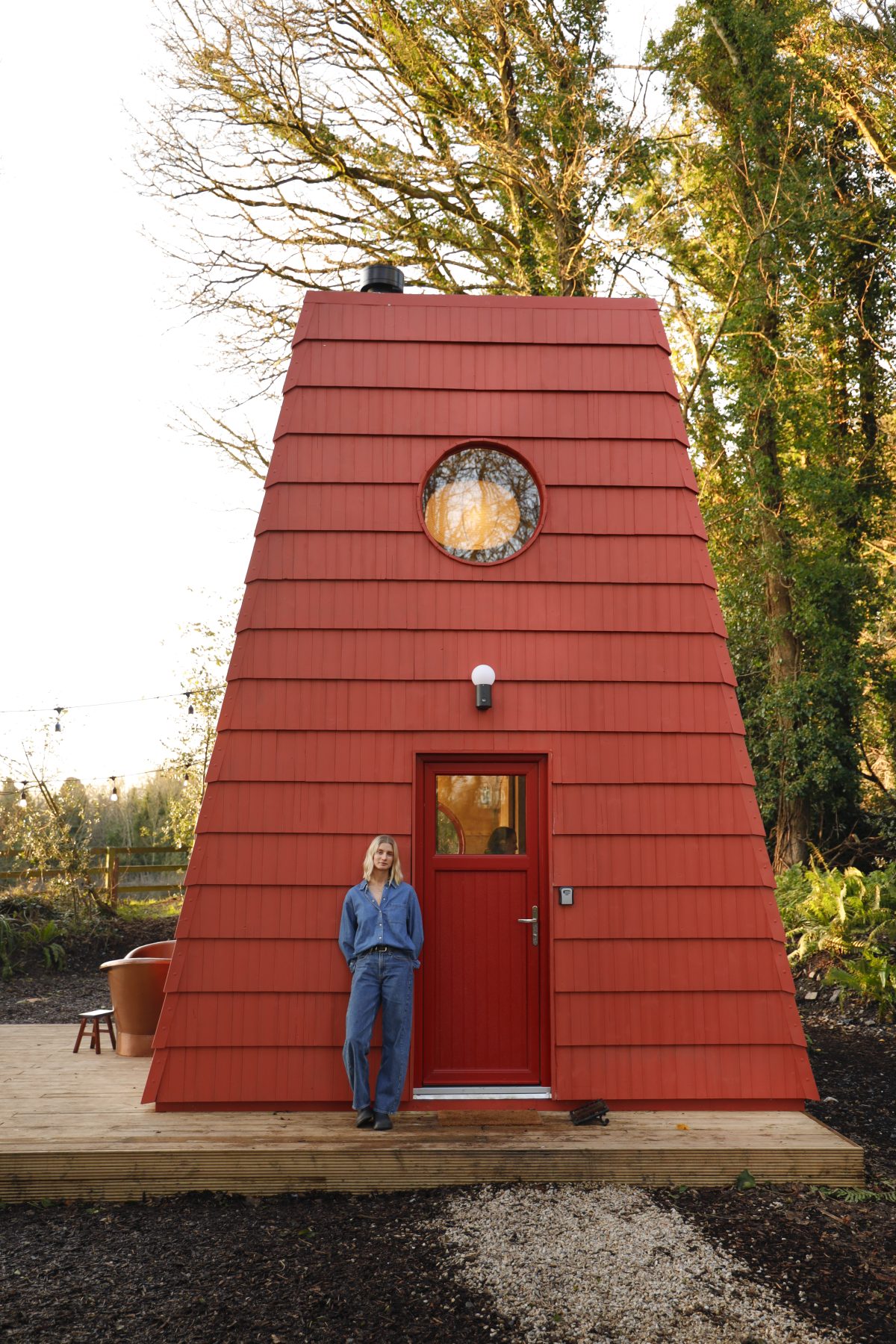
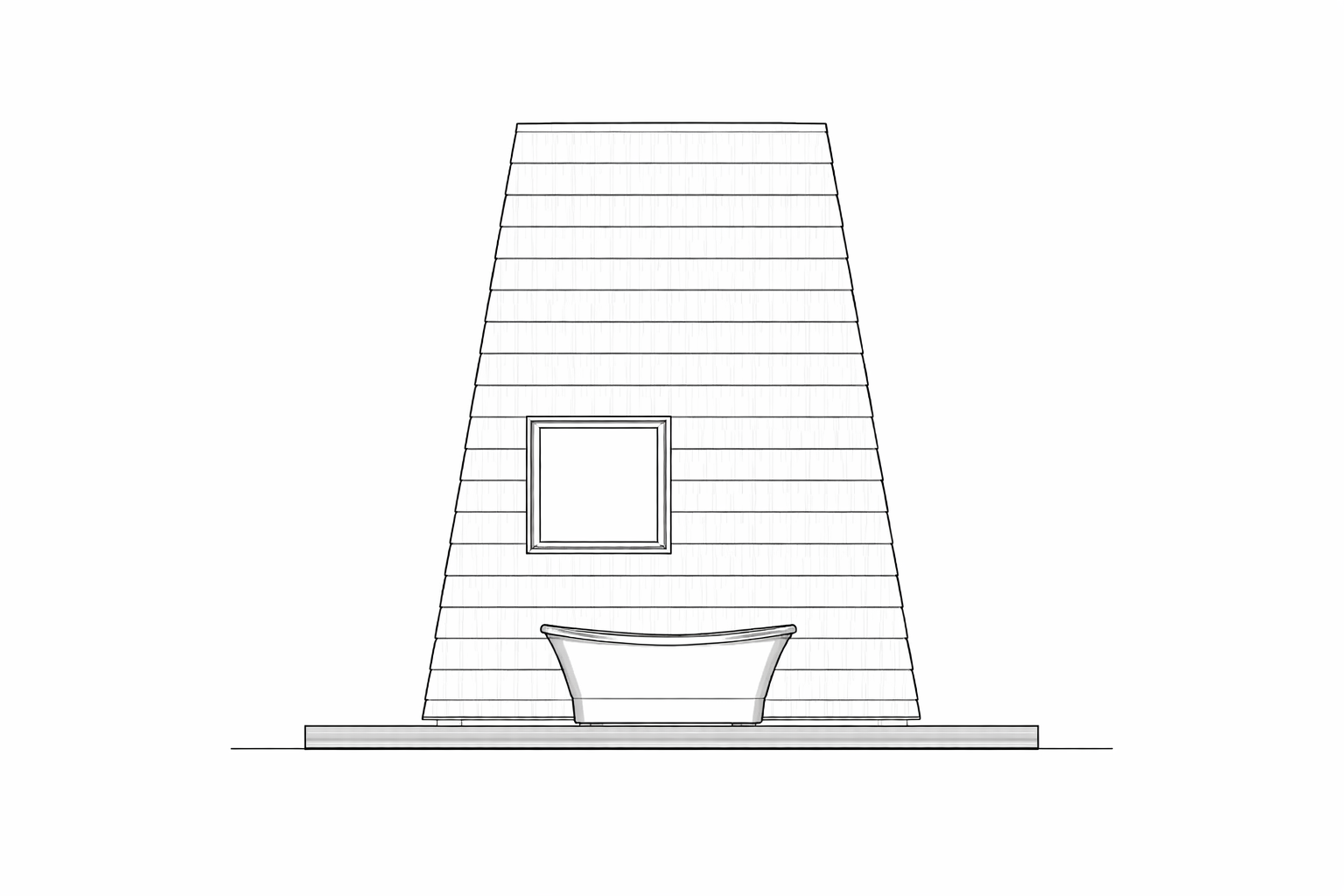
The tapered tower form reaches upward through the woodland canopy, while large round windows carefully frame the surrounding landscape — dense forest to the front and open meadows stretching toward the rear. Selectively positioned openings capture fragments of sky, trees, and distant countryside, intensifying the project’s relationship with its rural setting. “The building is designed to slow you down, catch your eye from a distance, and become more introspective once inside,” notes Buckeridge. “That sense of wonder, and a kind of quiet stillness, runs through our work.”
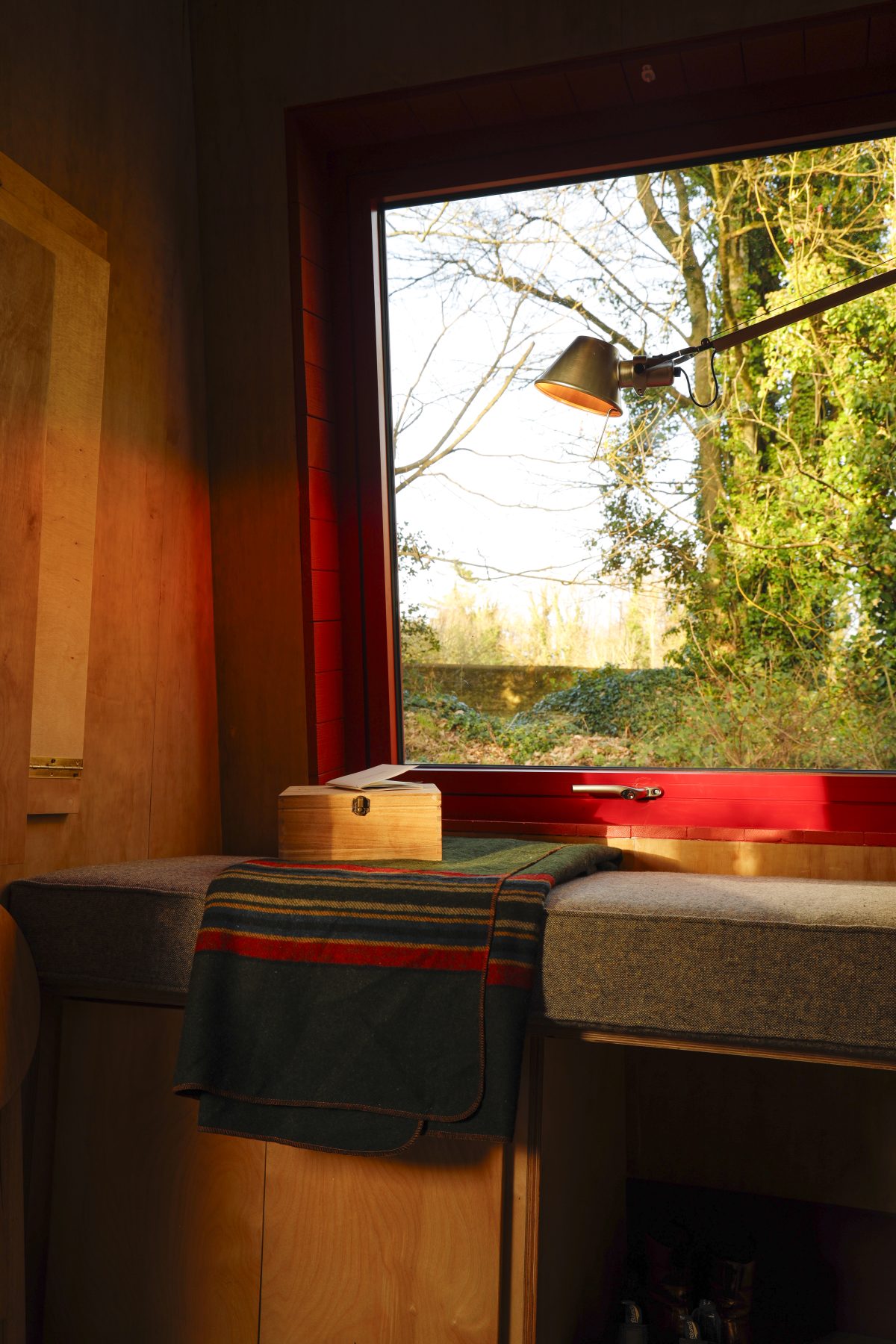
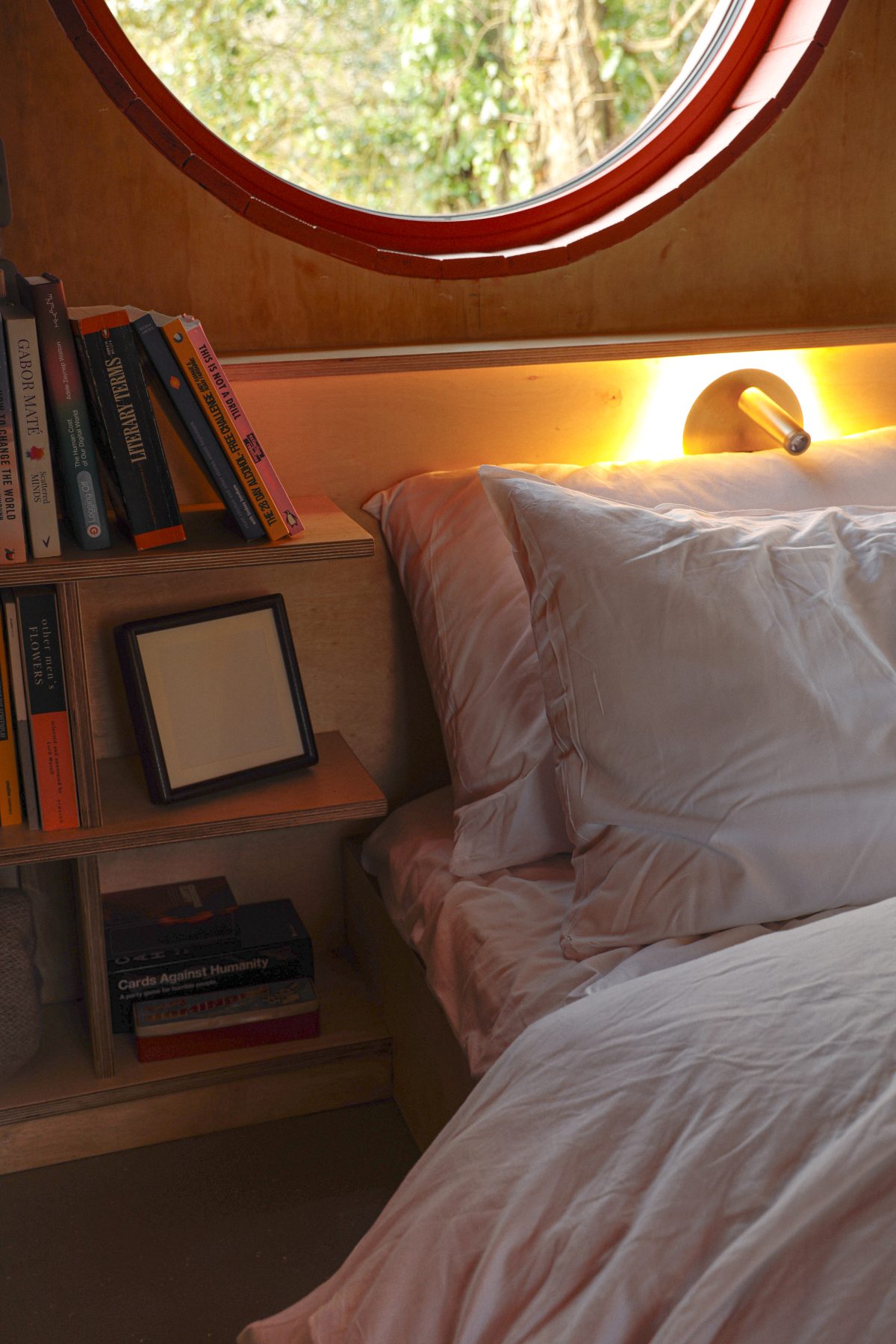
Architecture here operates as a perceptual device, slowing bodily movement and encouraging heightened awareness of light, sound, and atmosphere.
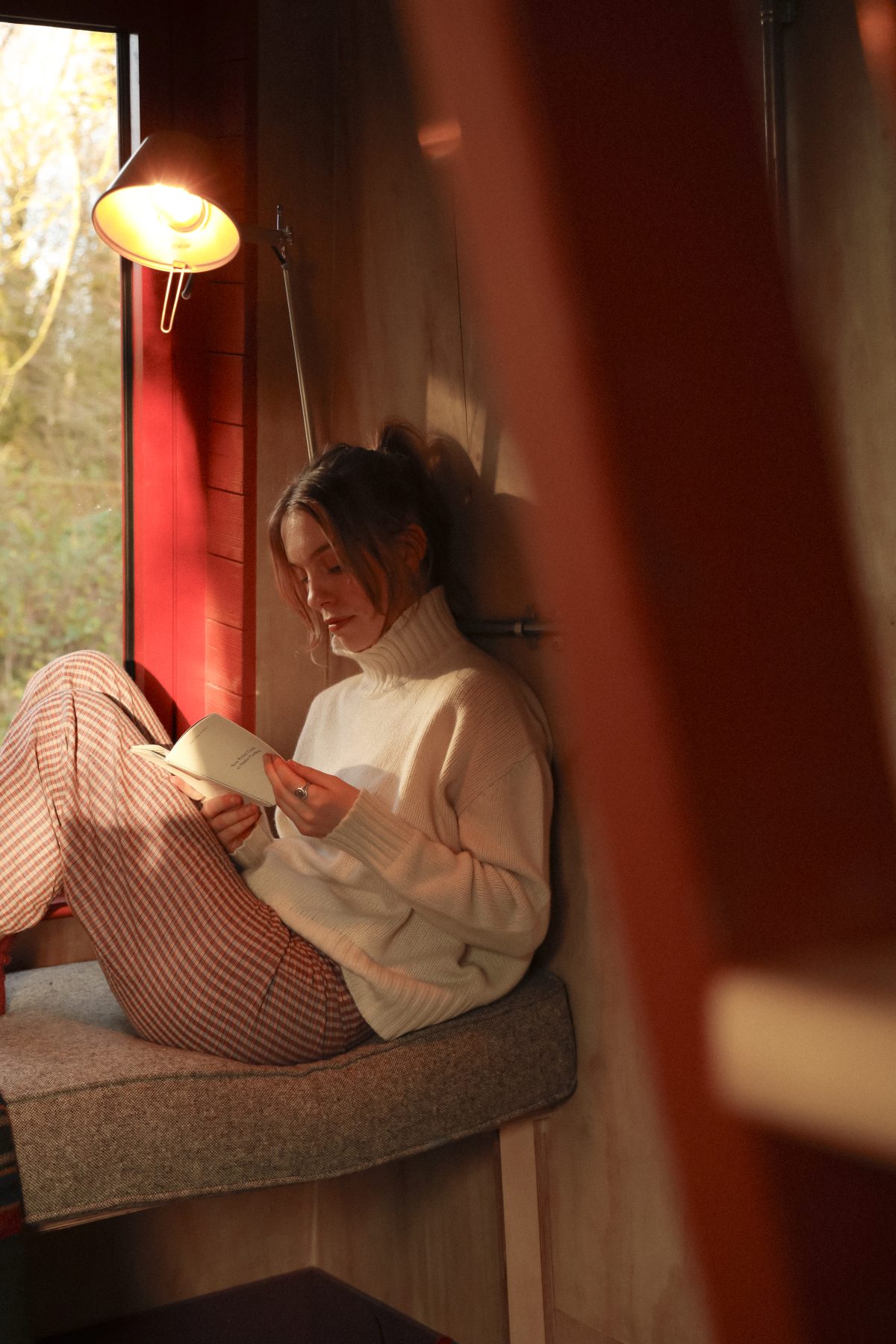
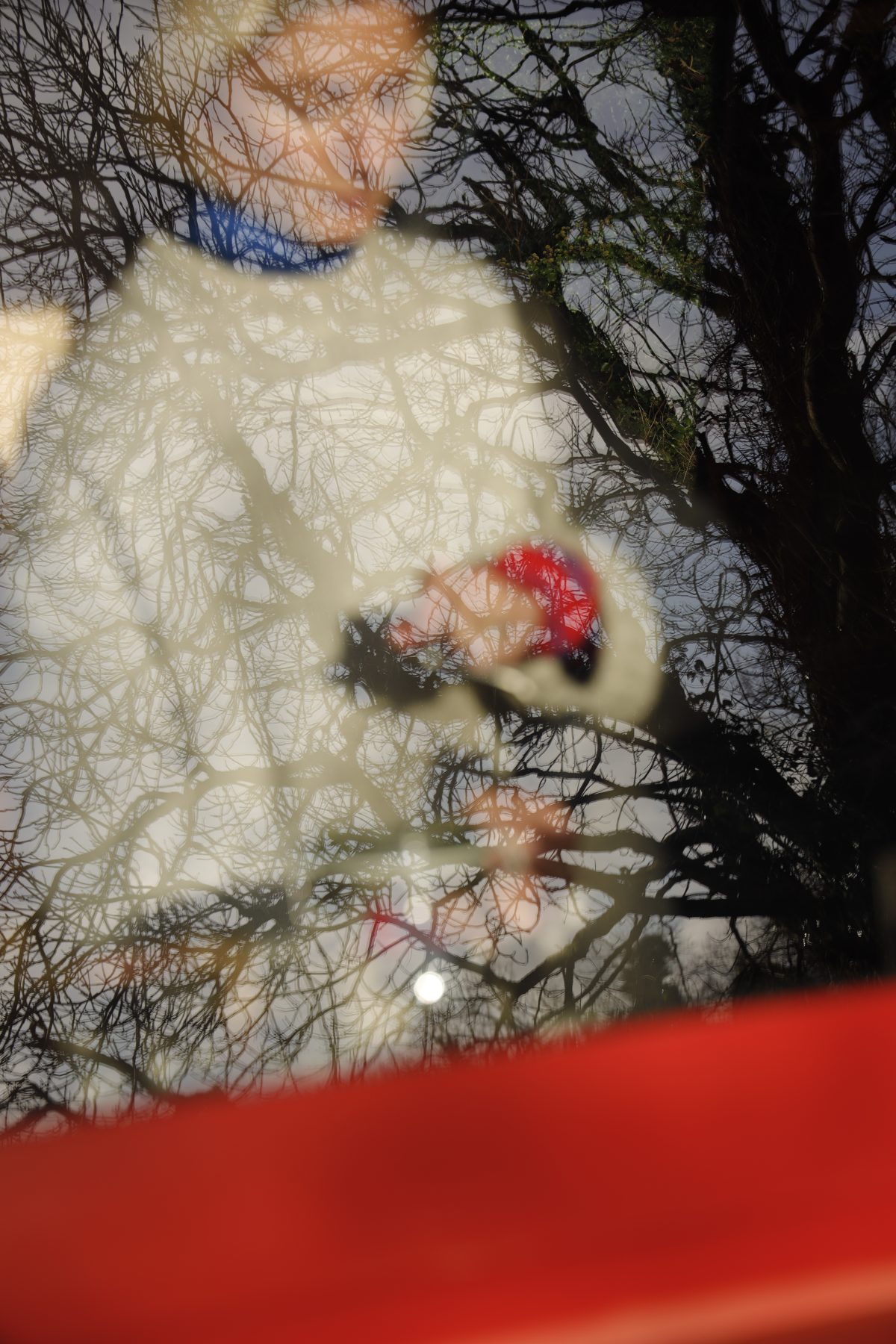
This notion of architecture as emotional and sensory recalibration sits at the centre of the project. Rather than prescribing behaviour, the spatial arrangement quietly encourages ritualistic modes of inhabitation: bathing, reading, observing, resting. The compact footprint and inward-looking plan intensify this atmosphere of retreat, transforming the cabin into a contemporary sanctuary detached from digital acceleration and everyday routine. “We wanted to test whether space alone could slow the body down,” Buckeridge explains, “a place where time softens and habitual behaviours fall away.”
The project evolved around the metaphor of the cocoon — an architecture that folds inward to produce enclosure, protection, and calm.
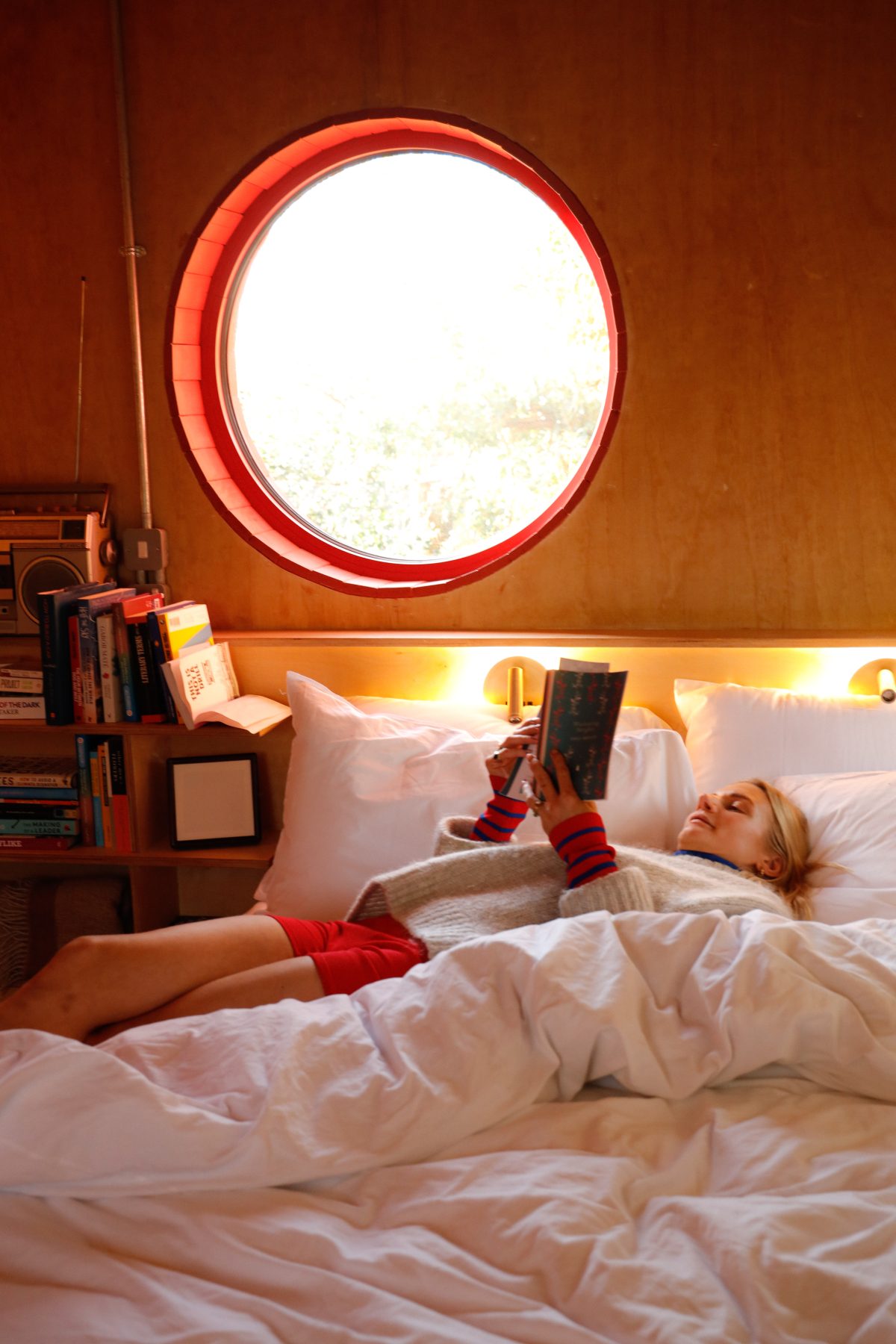
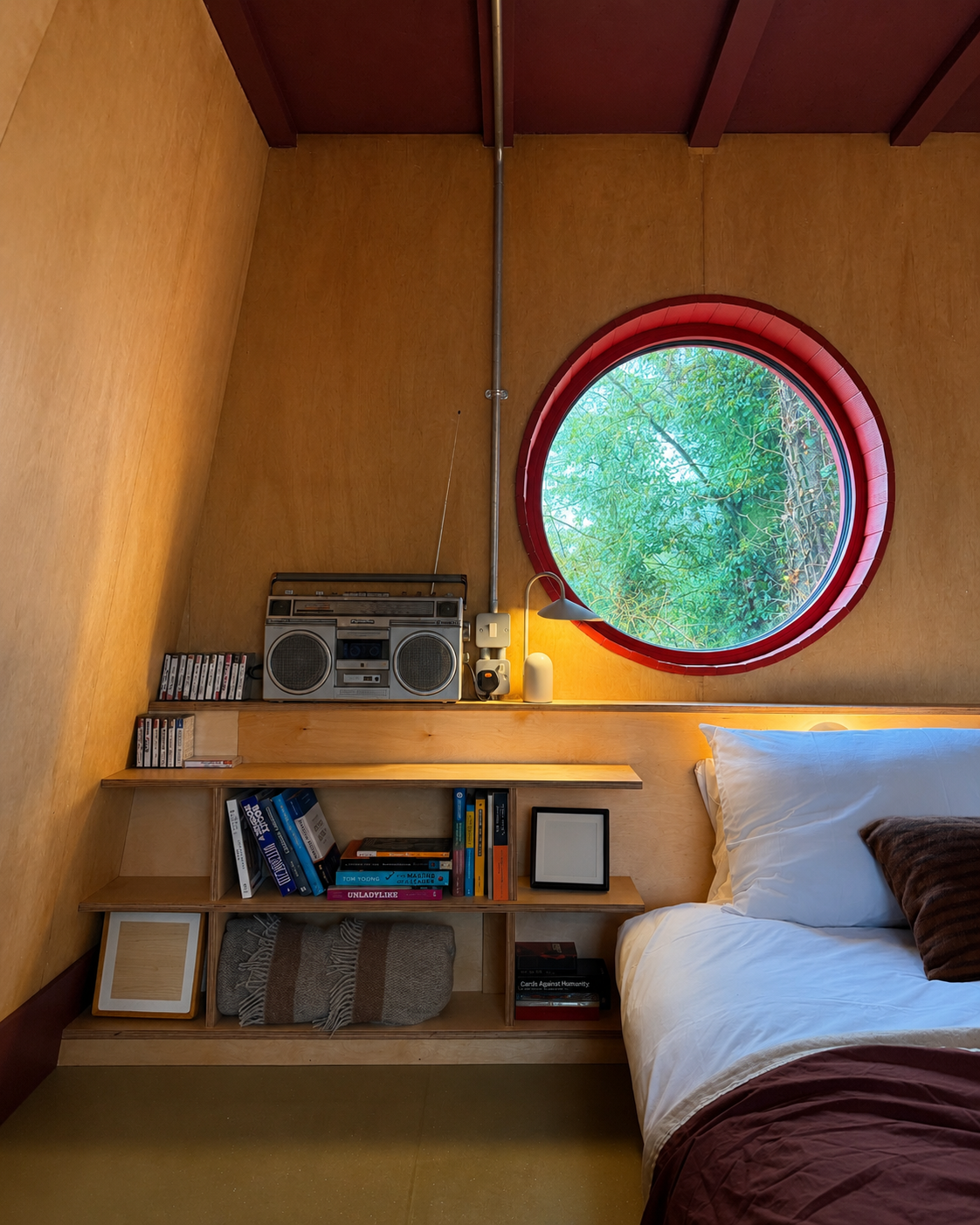
Thickened walls, curved thresholds, and circular windows heighten this sense of shelter while carefully framing selective views of the surrounding woodland. Internally, built-in furniture and integrated joinery dissolve distinctions between architecture and object, creating a singular spatial environment where every element serves both practical and atmospheric functions. This level of integration recalls the economy and ingenuity of vernacular construction traditions, where built forms evolved through necessity, craftsmanship, and material logic (Oliver, 2003). Across rural Ireland, vernacular buildings historically relied upon locally available materials — stone, timber, lime render, slate, and thatch — assembled through inherited techniques adapted to climate and landscape (Aalen, Whelan and Stout, 1997). Cucu continues this lineage through a restrained material palette that privileges tactility, durability, and sensory warmth.
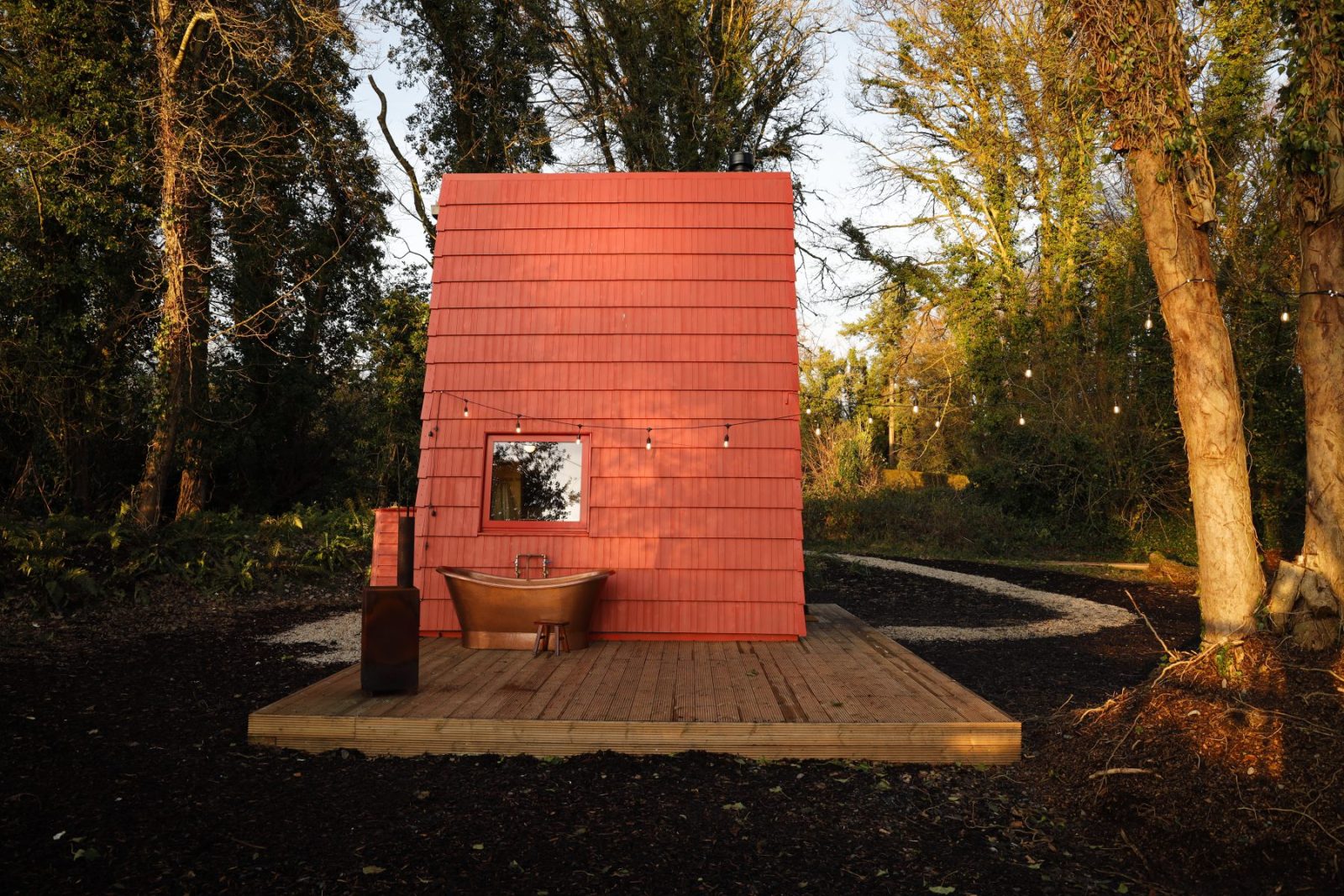
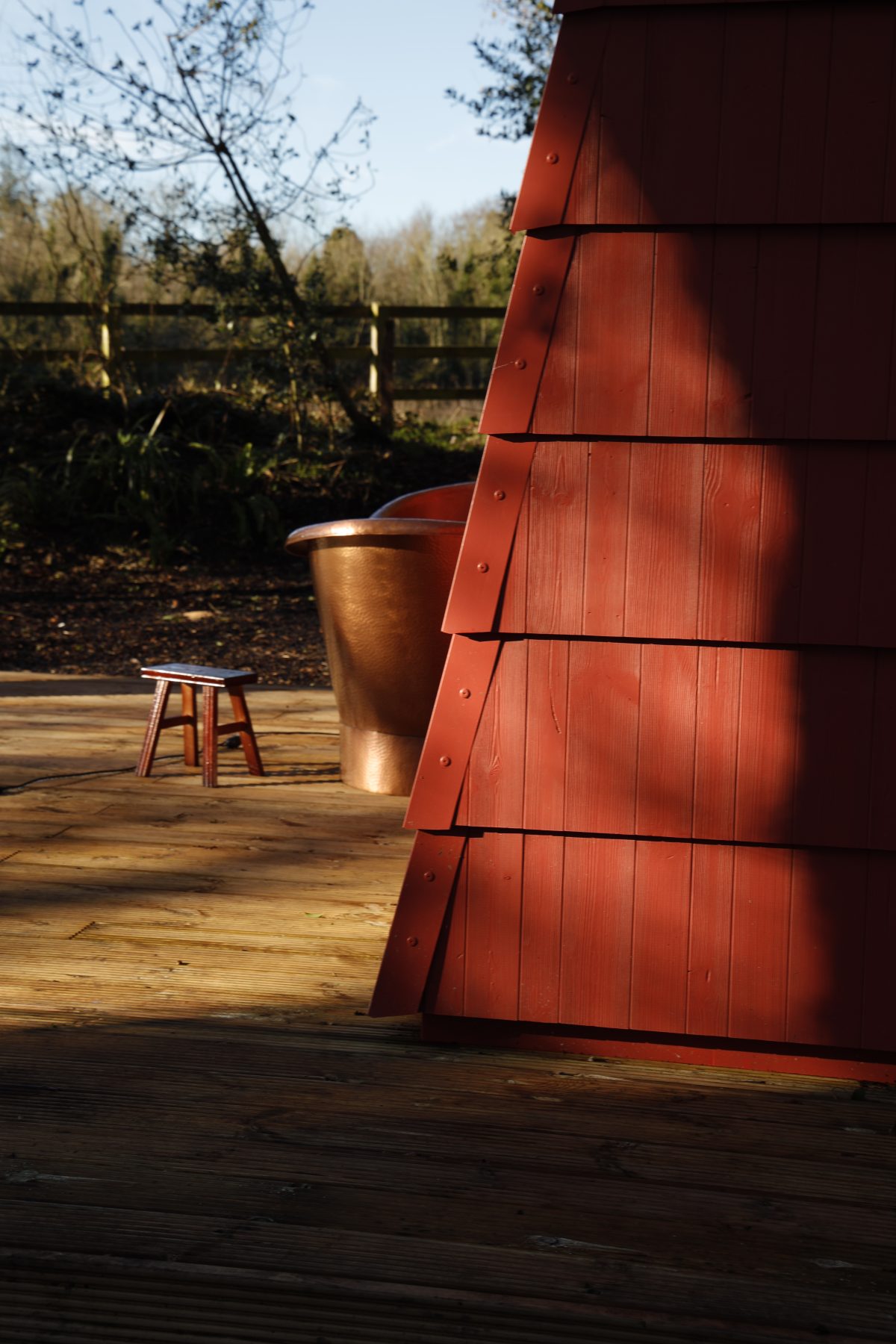
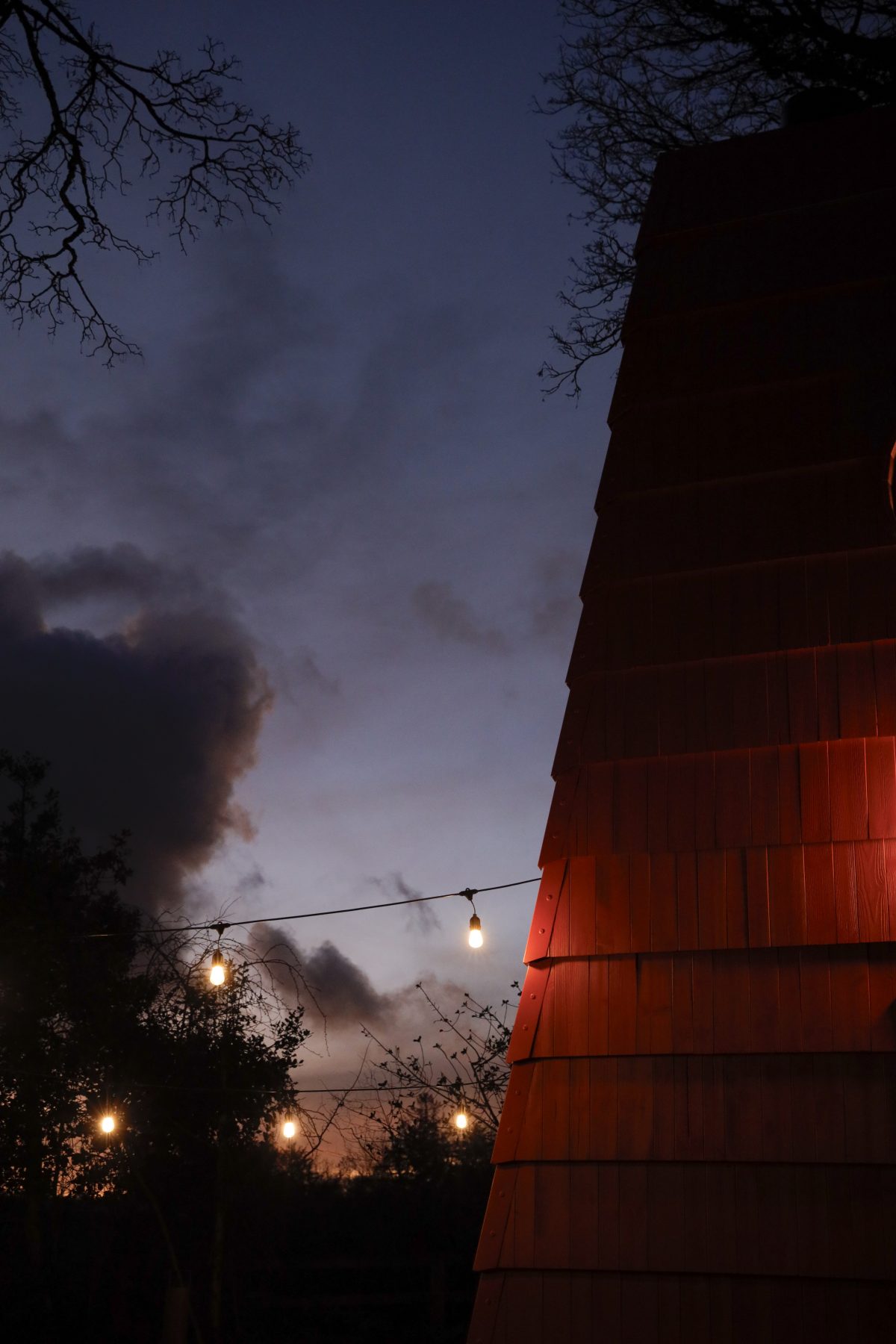
Externally, the cabin is clad in vermilion red-stained timber boards; a gesture carrying both visual and cultural resonance within Irish vernacular vocabulary.
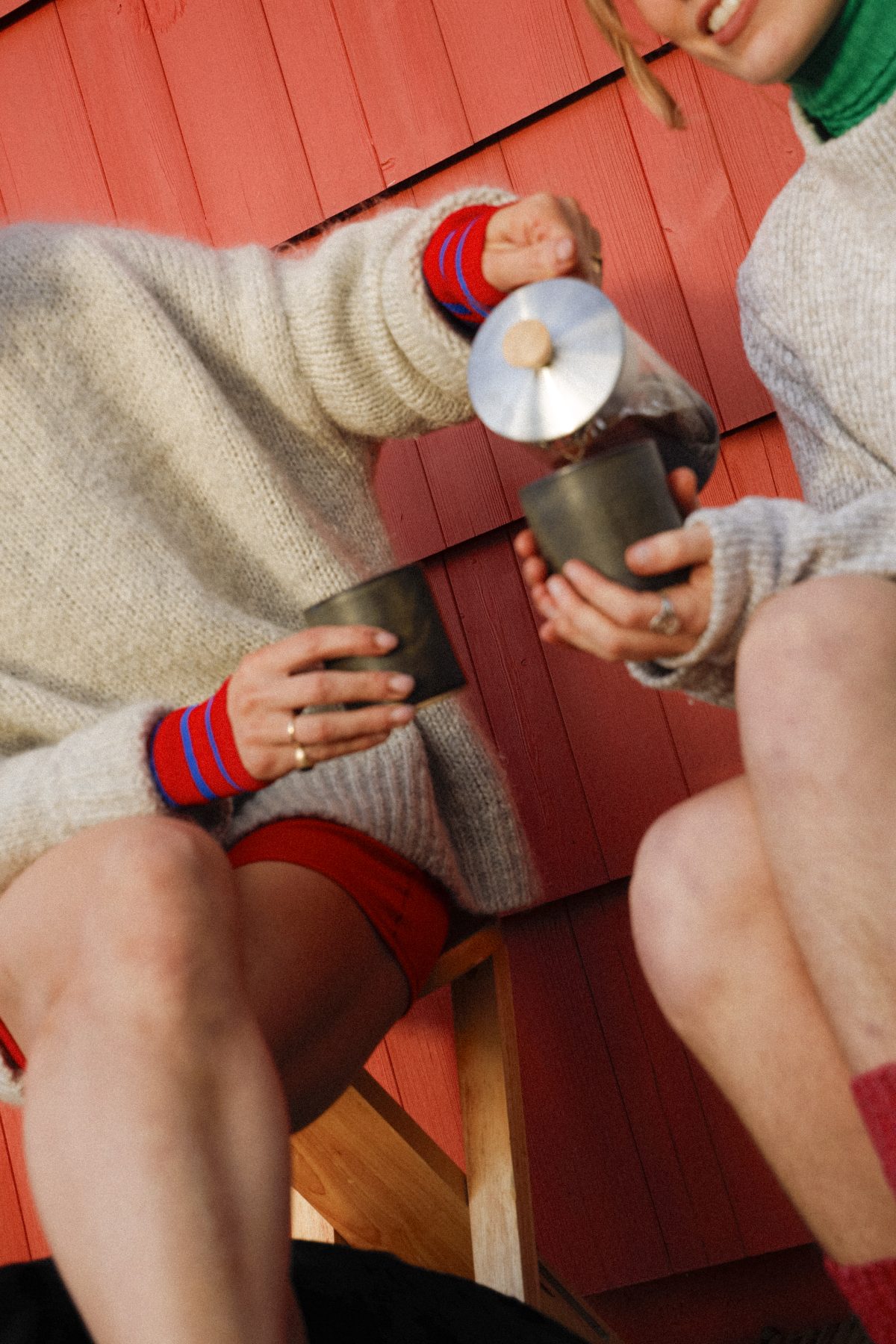
Traditionally associated with sheds and barns, corrugated farm buildings, huts and boathouses, gates and doors, and painted timber details, red functioned both pragmatically and symbolically within rural landscapes. Historically, iron oxide pigments and protective tar-based coatings were frequently used to weatherproof timber and agricultural structures, creating the distinctive earthy reds that punctuate the Irish countryside (O’Danachair, 1972). Beyond practicality, the colour red occupies an important place within Irish folklore and cultural symbolism. Associated with protection, vitality, and liminality, red often appeared in domestic and agricultural contexts as a means of warding off misfortune or signalling thresholds between the ordinary and the supernatural (Evans, 1957).
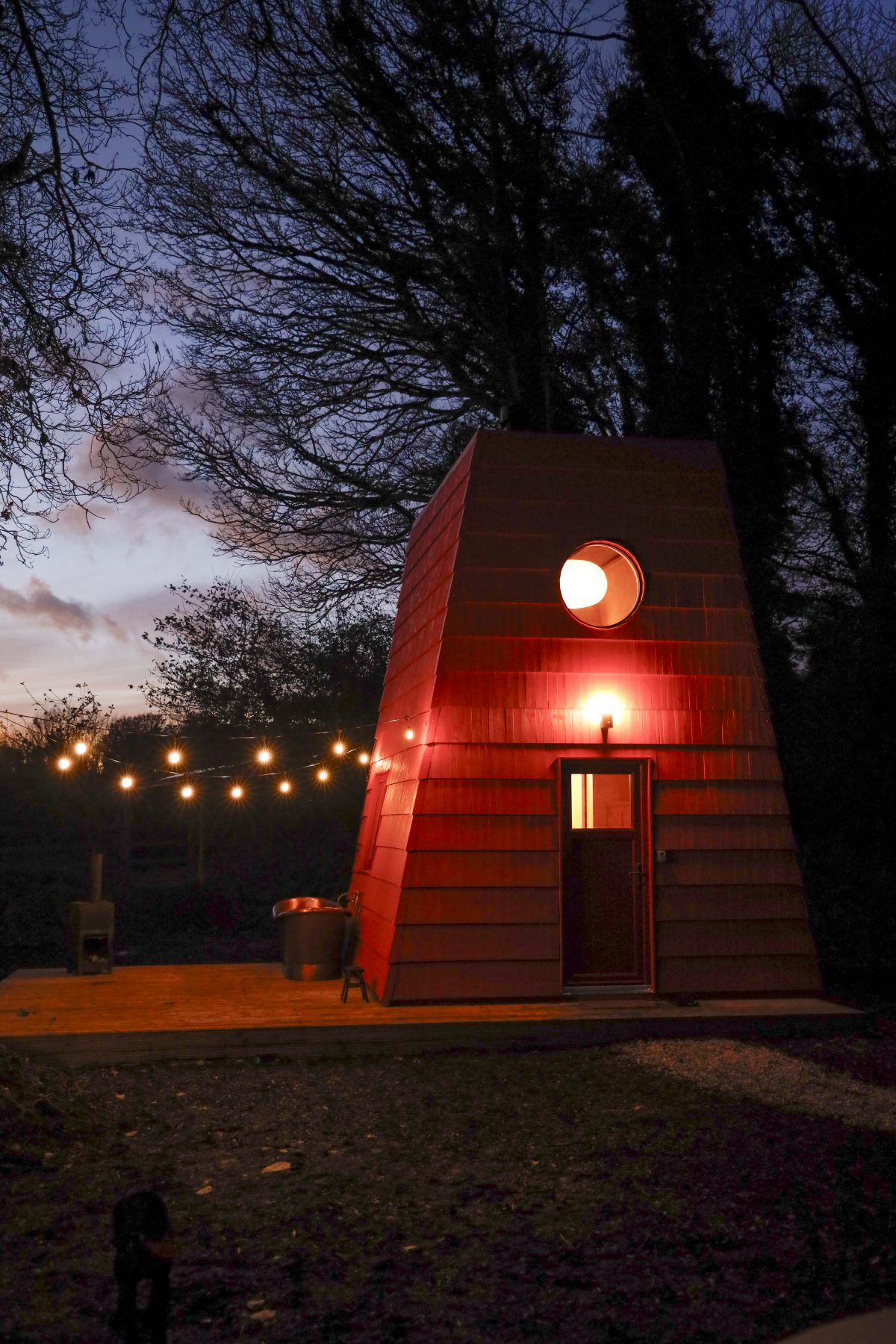
In Cucu, the red-stained exterior allows the cabin to emerge within the landscape as a distinct object remaining deeply rooted in the sense of the place — a folly or a beacon signaling the transcendence from the urban to the rural, and from the digital to the analogue.
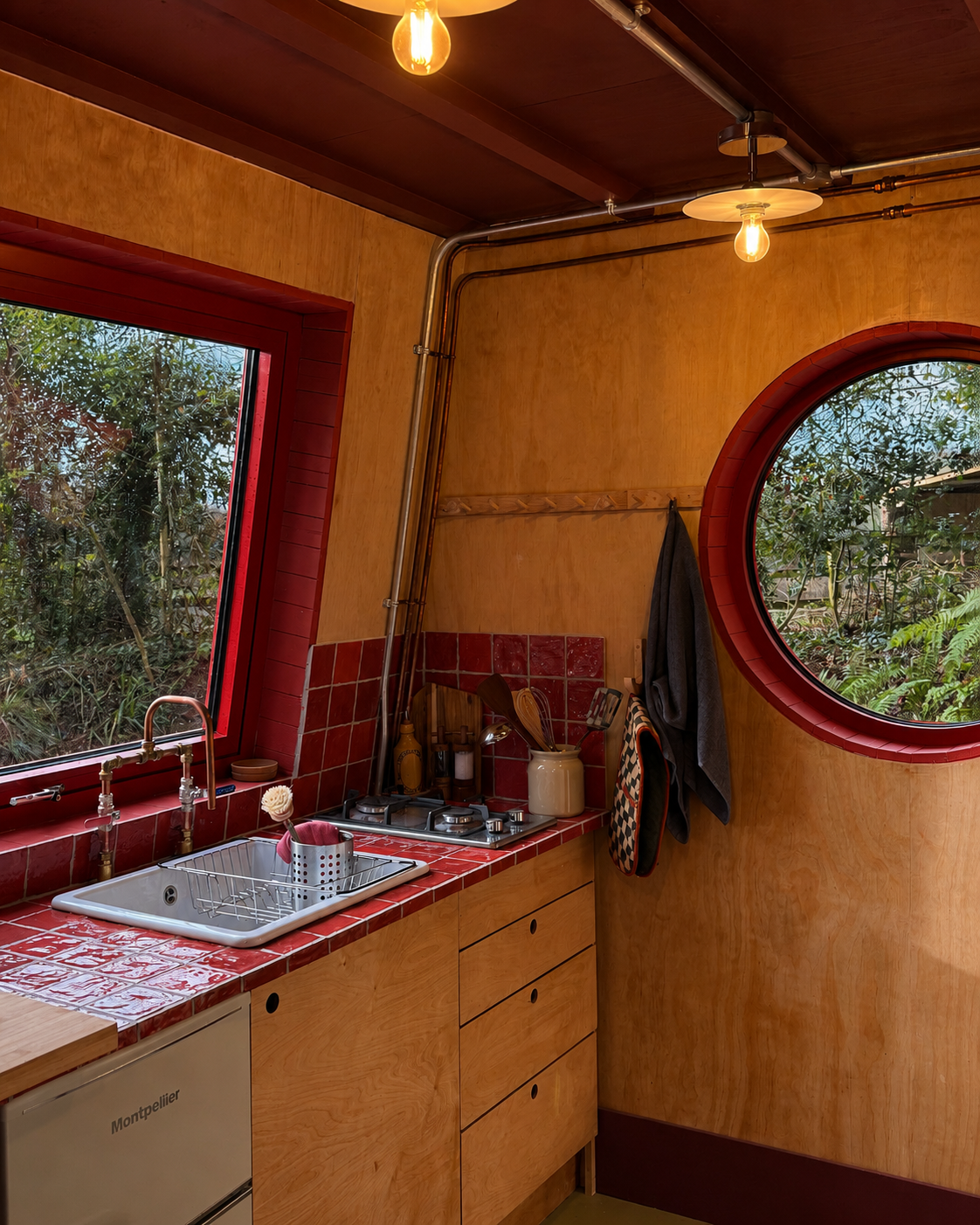
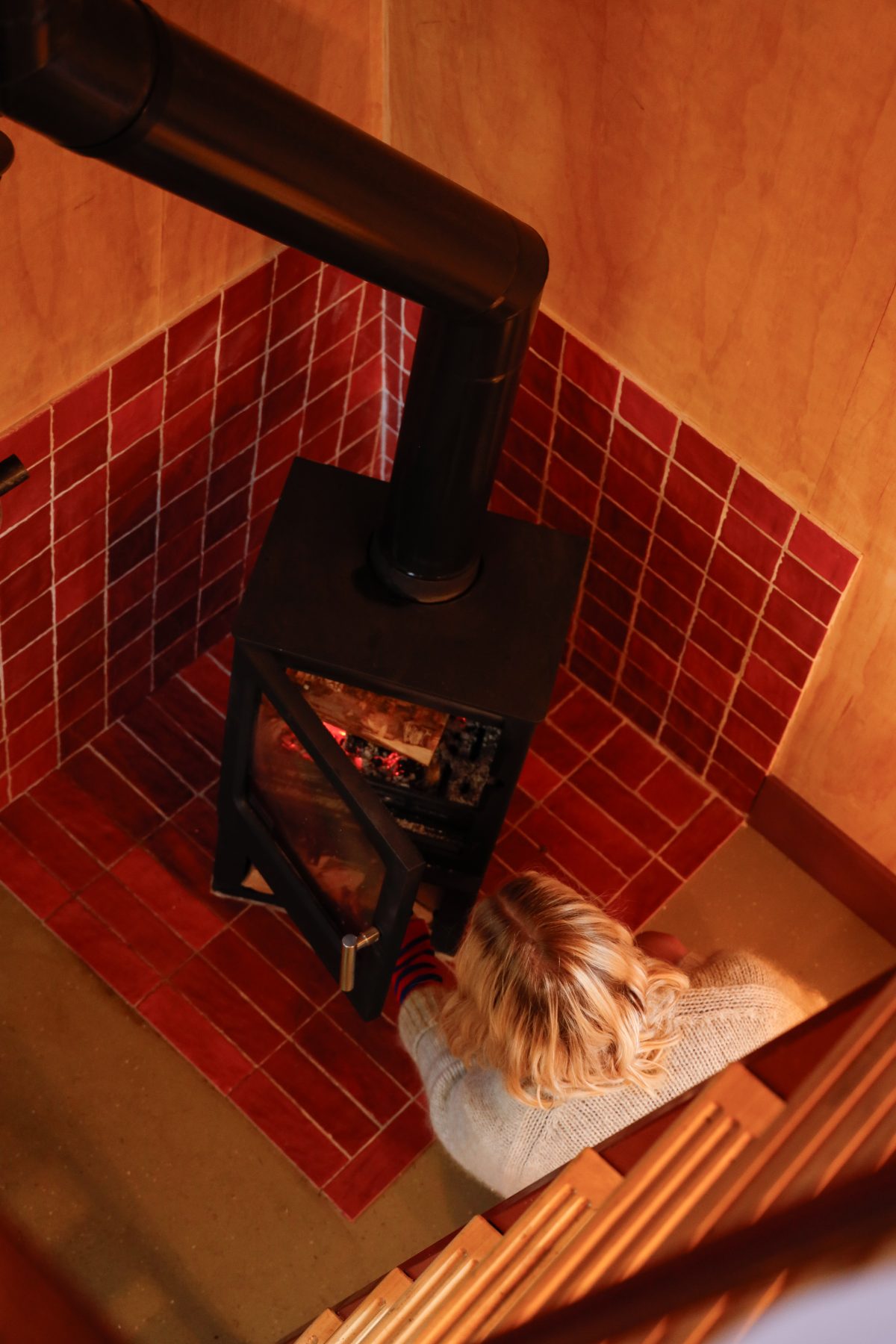
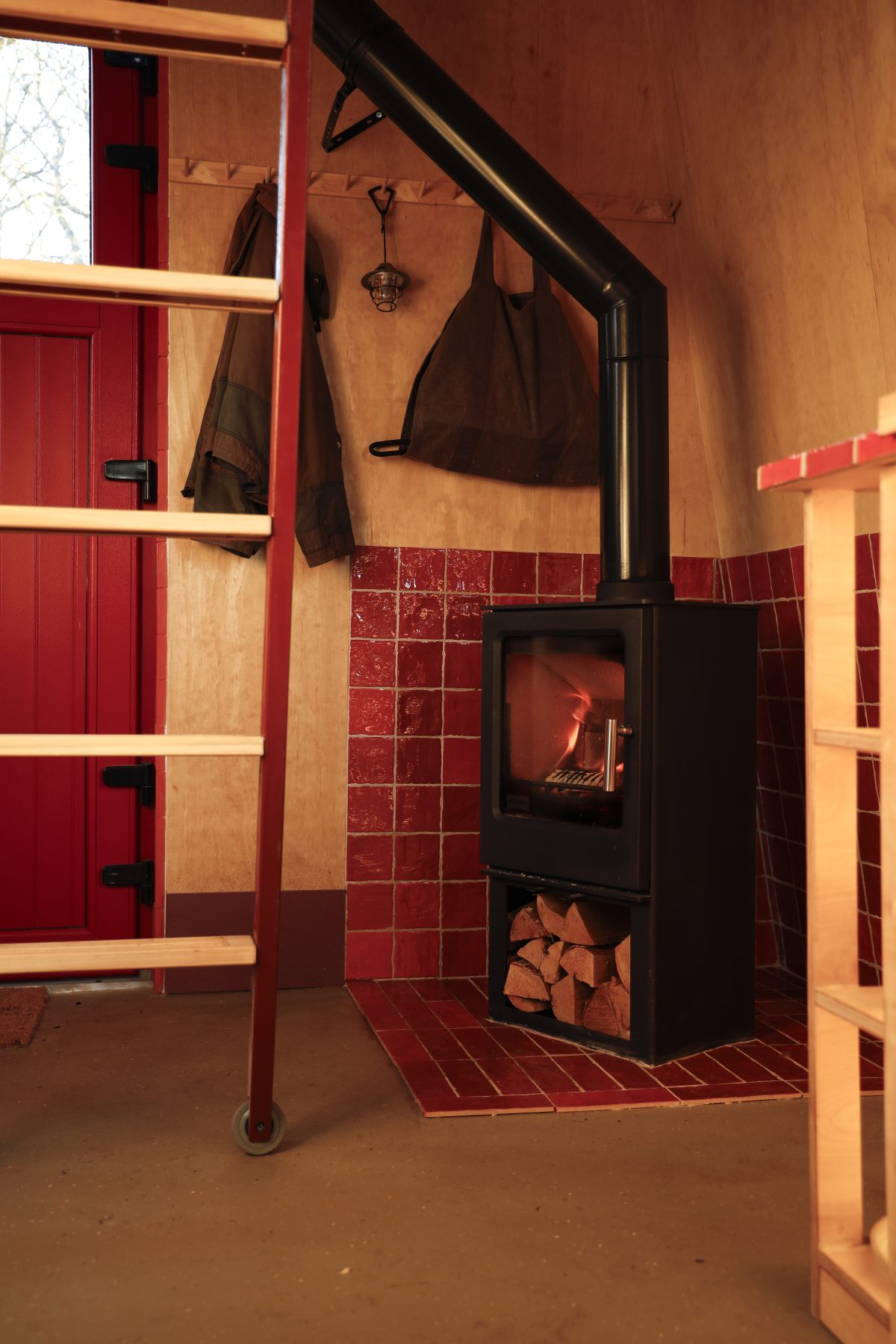
Internally, the atmosphere shifts toward warmth and tactile intimacy. A restrained palette of plywood surfaces forms walls, ceilings, integrated furniture, and a series of cozy reading nooks distributed throughout the interior, establishing continuity across the compact space. The stove corner and kitchen are lined with handmade red tiles sourced from Portugal, while custom copper pipe taps introduce texture, material honesty, and a sense of crafted permanence.
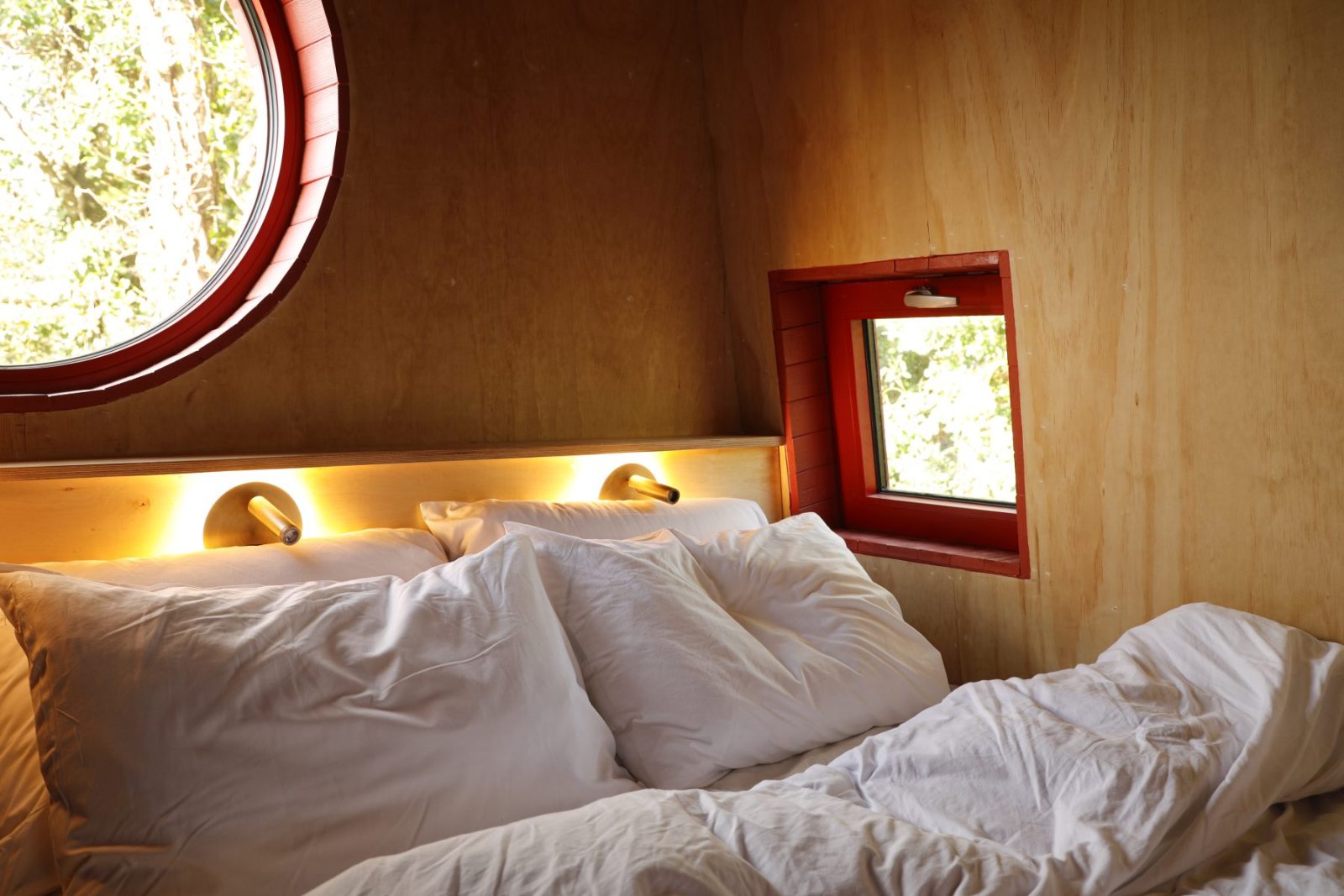
Reinforcing the cabin’s vertical spatial experience, the elevated sleeping area is positioned upstairs, accessed through an old-school library ladder.
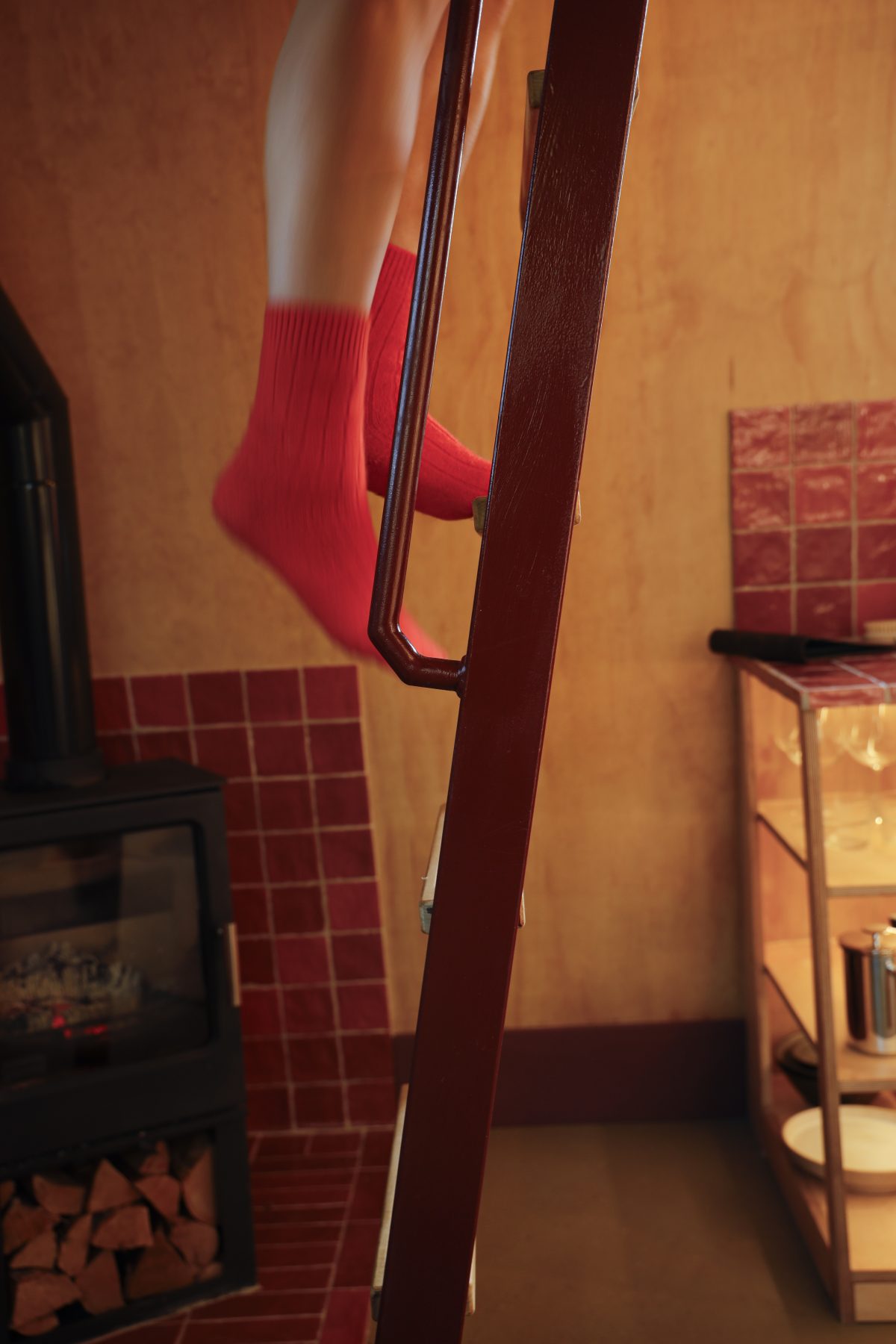
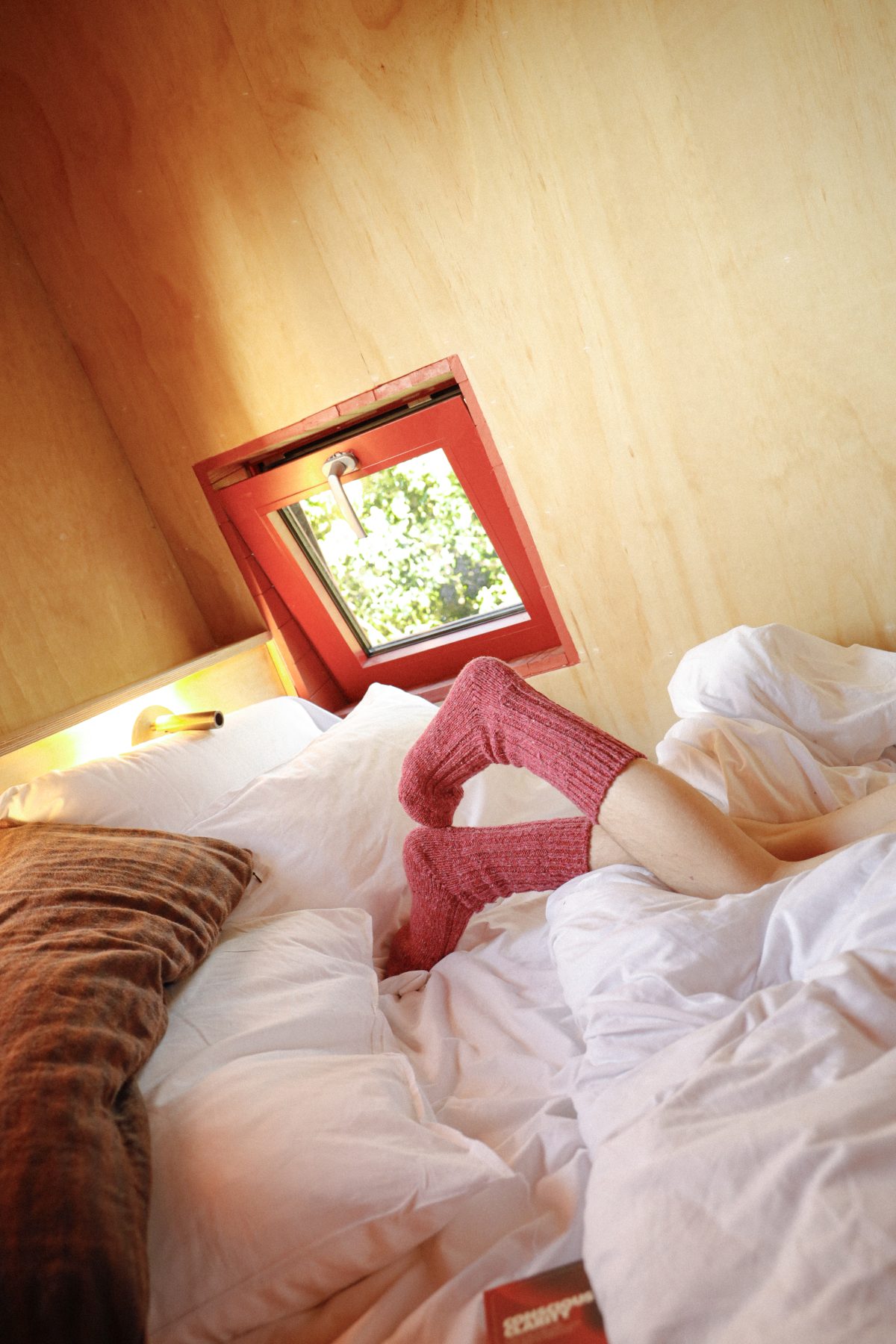
The raised bed creates the sensation of sleeping amongst the clouds while a square-shaped window frames carefully edited views of the sky and the treetops.
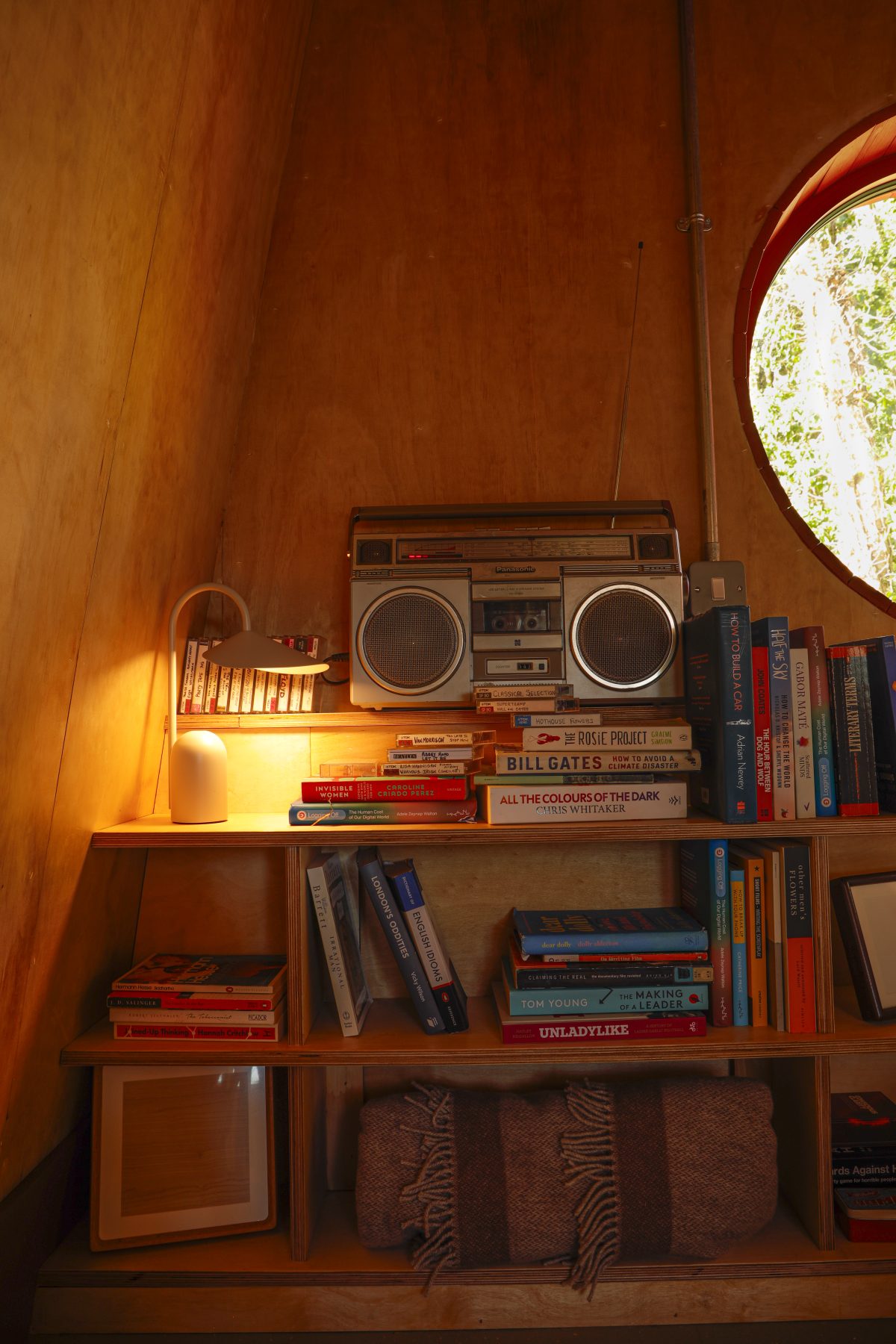
Cucu is intentionally equipped with a cassette player, tape collections, and books, encouraging guests to forget about their phones and re-engage with slower, more tactile forms of entertainment and reflection.
At the centre of the spatial experience of the cabin sits a bespoke hand-hammered roll-top copper bath, conceived as a ritual object around which sensory immersion unfold. Bathing rituals suspend ordinary routines offering a spatial condition that alters consciousness, decelerates perception, and heightens bodily awareness. Immersion in water produces a temporary withdrawal from productivity, noise, and external stimulation, creating what phenomenologists might describe as a threshold condition between the everyday world and a more introspective state of being.
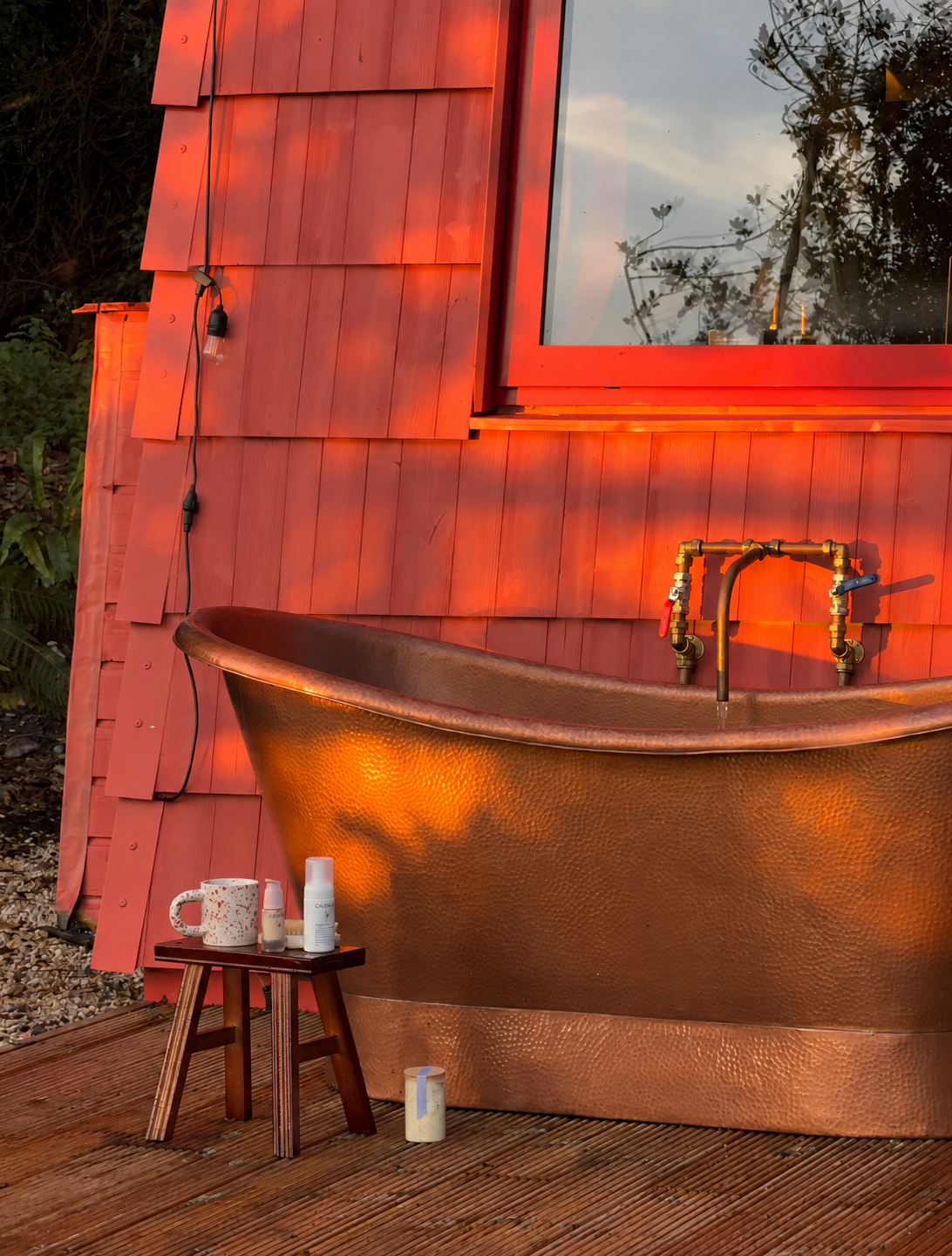
In Cucu, the bath becomes an instrument of presence, drawing the rational mind back into embodied experience and attuning it to the cyclical rhythms of care (Smith, 2007).
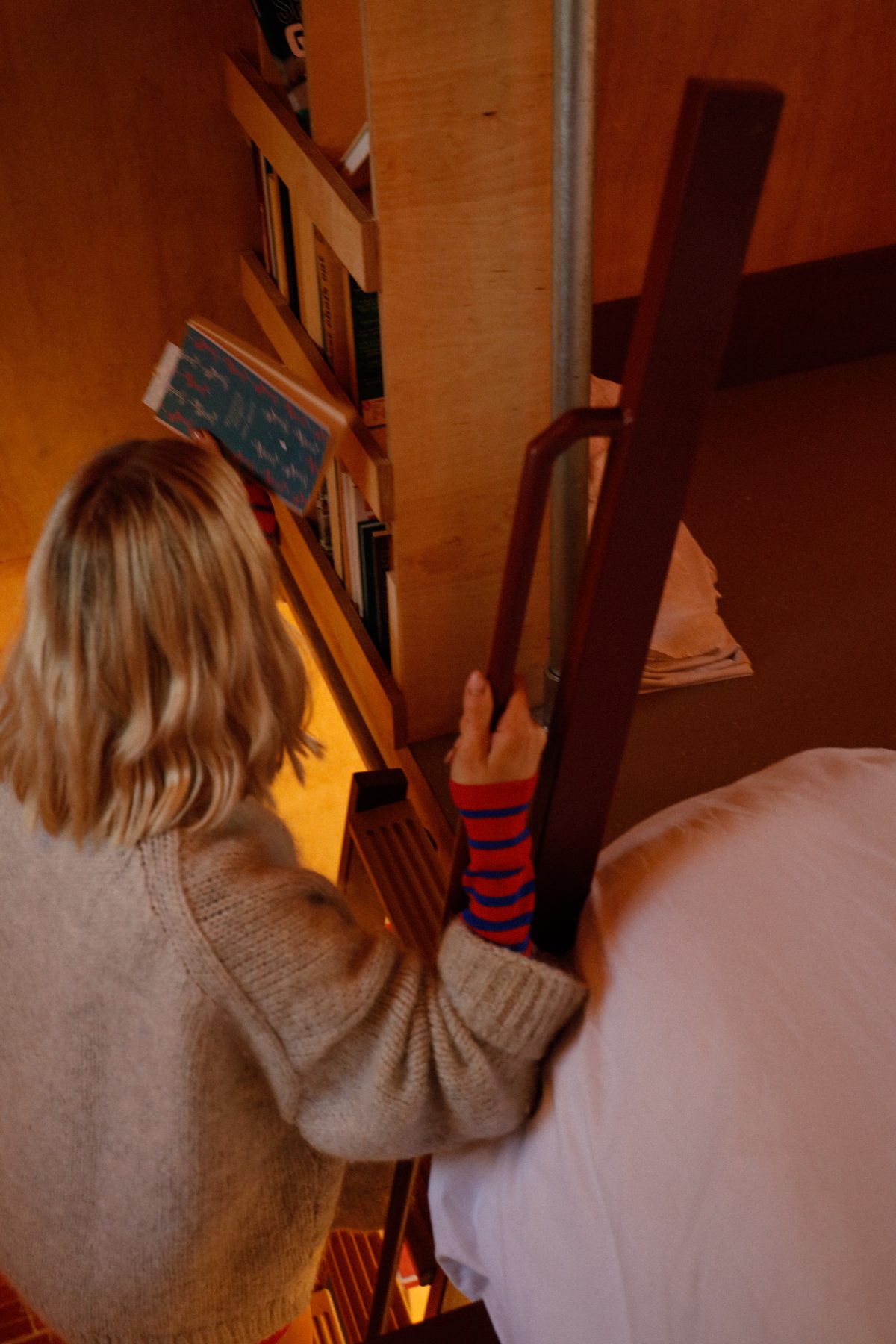
Environmental responsibility is embedded within the project’s conceptual and technical framework. Cucu operates entirely off-grid through highly insulated construction designed to minimise energy demand, solar-powered energy systems, low-impact water usage and waste management systems, composting toilets, and use of natural and locally sourced materials where possible. The compact footprint reduces ecological disturbance while durable materiality and simplified systems minimise future intervention and maintenance.
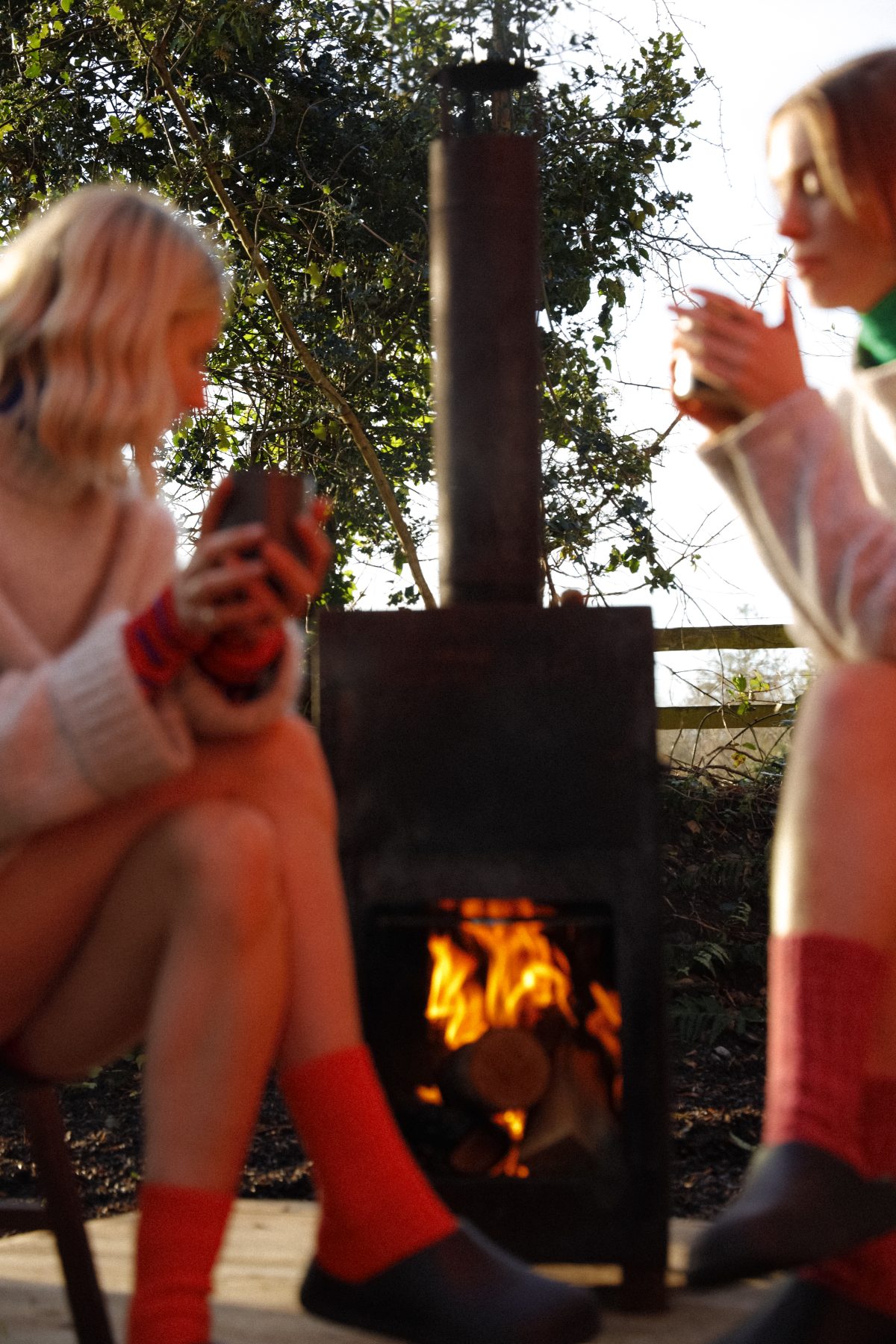
Rather than relying upon technological excess, Cucu embraces a low-impact architectural ethos aligning closely with vernacular traditions, where sustainability emerged through necessity, local knowledge, and material pragmatism.
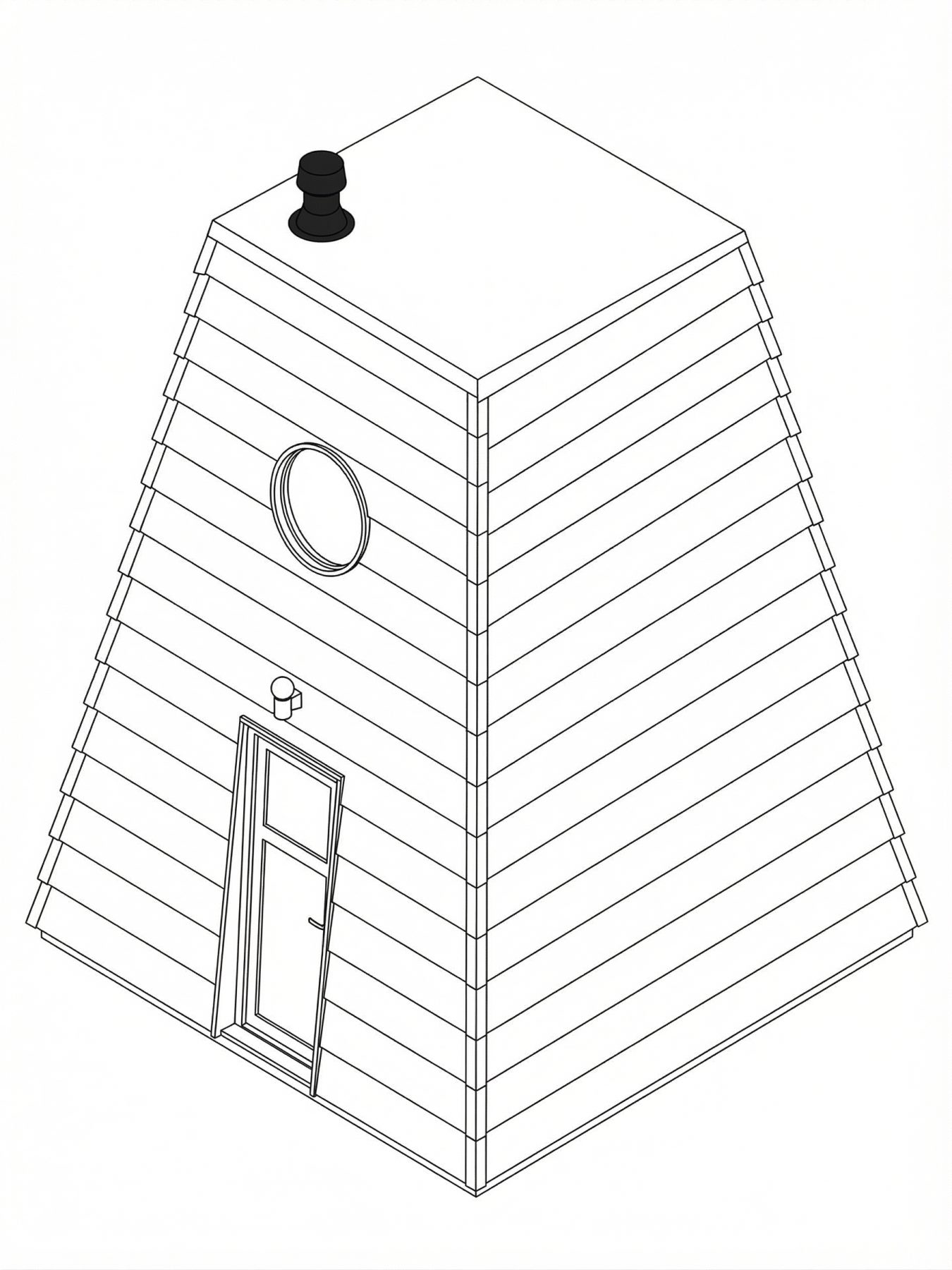
Holding in its red-stained skin the tilt of morning light, Cucu frames dwelling as an act of attunement with the wind through the trees and the simple joys of life.
Facts & Credits
Project title Cucu
Typology The Summer Refuge, Cabin, Hospitality
Episode 11th
Location County Westmeath, Ireland
Status Completed, 2026
Built Area 20m2
Client Samsú
Architecture Studio Bucky by Alexander Buckeridge
Timber structure Timberry
Photography Jasmine Hughes
References
Aalen, F.H.A., Whelan, K. and Stout, M. (1997) Atlas of the Irish Rural Landscape. Cork: Cork University Press.
Evans, E.E. (1957) Irish Folk Ways. London: Routledge & Kegan Paul.
Leask, H.G. (1941) Irish Castles and Castellated Houses. Dundalk: Dundalgan Press.
McNeill, T.E. (1997) Castles in Ireland: Feudal Power in a Gaelic World. London: Routledge.
O’Danachair, C. (1972) Ireland’s Vernacular Architecture. Cork: Mercier Press.
Oliver, P. (2003) Dwellings: The Vernacular House Worldwide. London: Phaidon.
Salter, M. (1993) The Castles of Leinster. Malvern: Folly Publications.
Smith, M. (2007) The Bath: Architecture, Ritual and Wellbeing. Oxford: Architectural Press.