A Whimsical Reuse explores refined architectural transformations where history is reinterpreted through poetic interventions and contemporary craft. Forgotten spaces gain new life, revealing a dialogue between memory, material, and contemporary ways of living.
In the rural landscape of Bulgaria’s Devetaki Plateau, studio nada transformed an abandoned 1930s mill into a vibrant cultural center for the local community. Through minimal and sensitive interventions, the project preserves the building’s raw industrial character while introducing spaces for education, cultural exchange, and collective gathering. The Old Mill becomes a catalyst for rural regeneration, reframing adaptive reuse as a cultural and ethical practice, and the restoration process itself as an act of collective learning shaped through intergenerational exchange, local participation, and interdisciplinary collaboration.
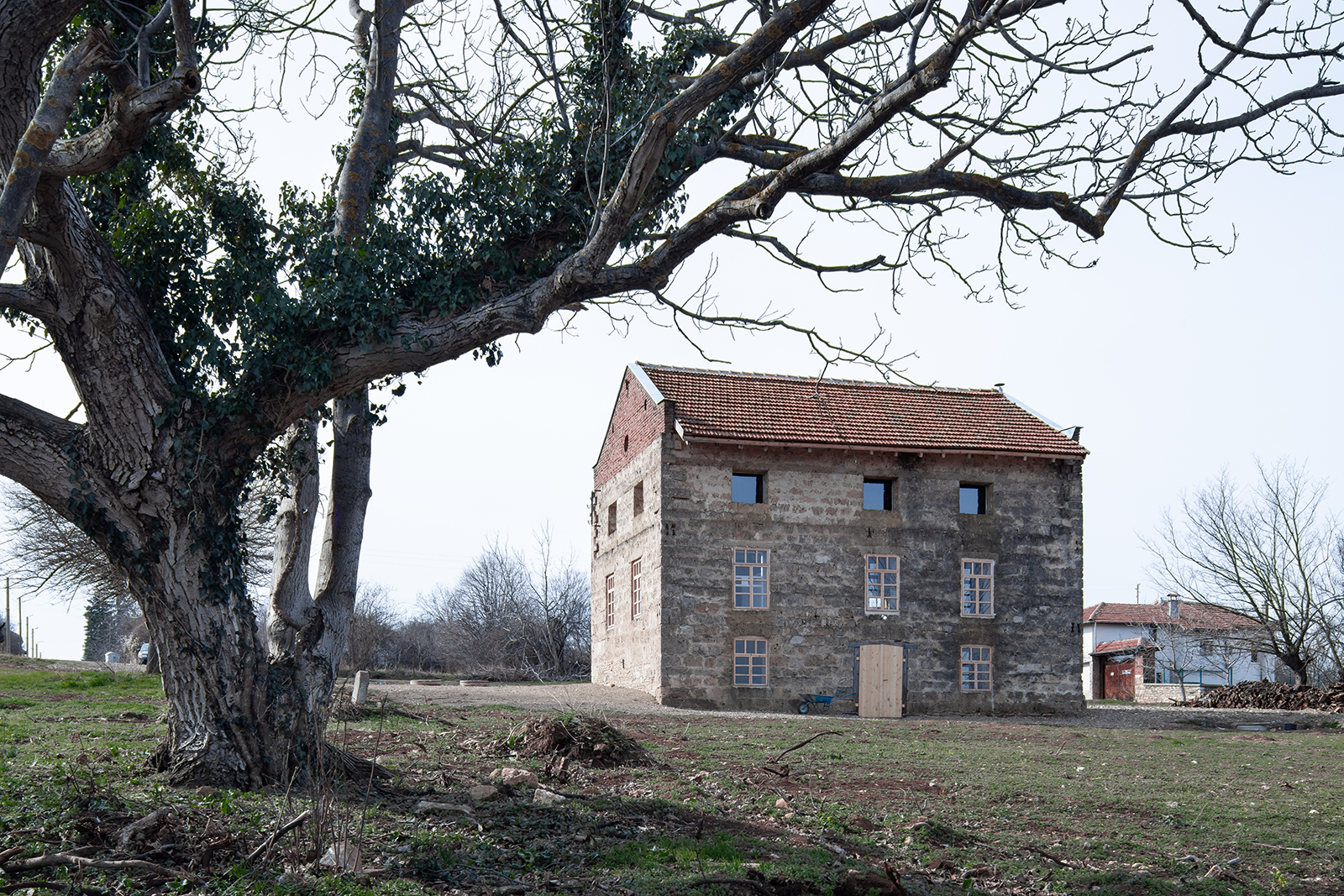
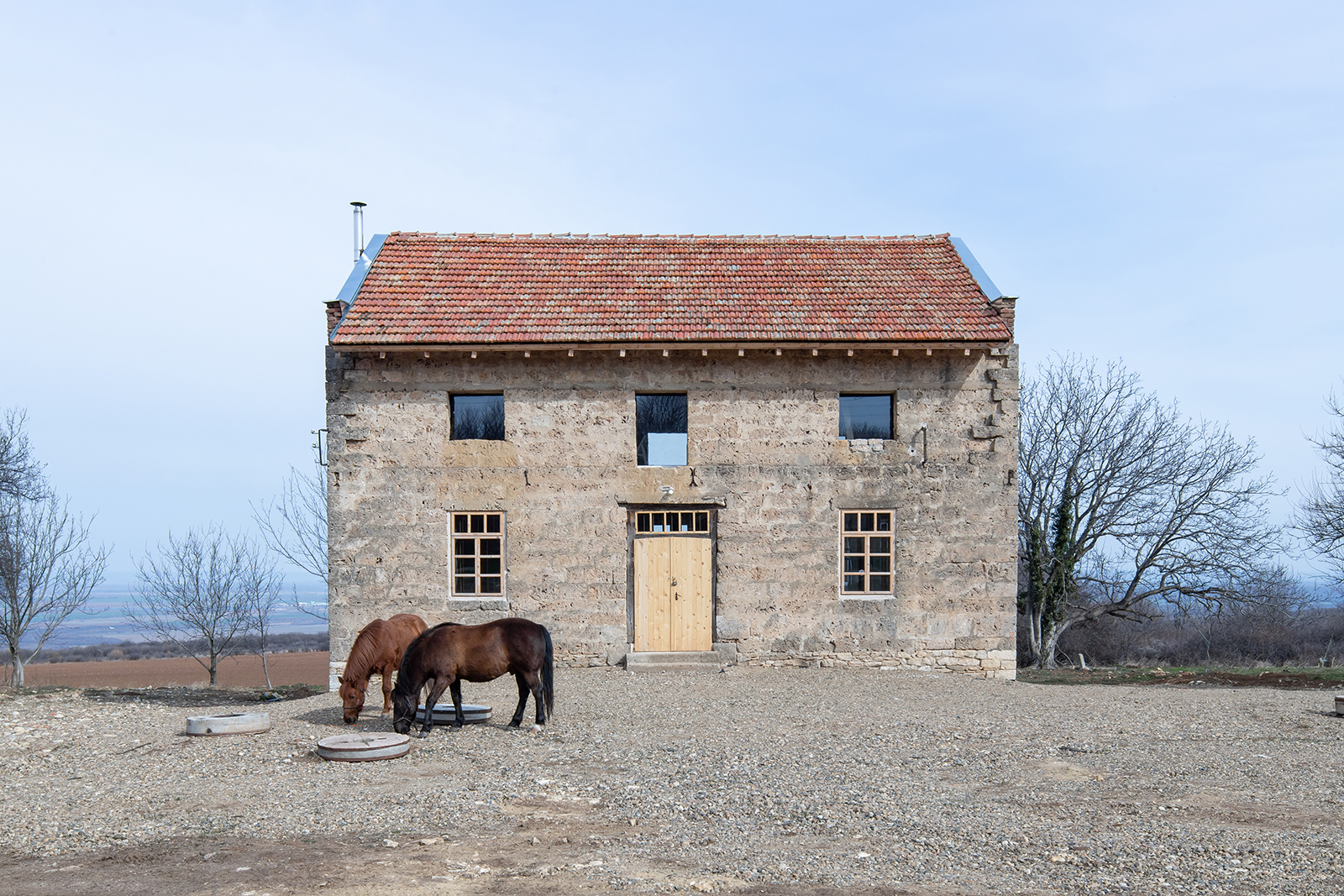
At the foothills of the Balkan Mountains in northern Bulgaria, within the karst topography of the Devetaki Plateau — a landscape of limestone cliffs, caves, waterfalls, and dispersed rural settlements — the Old Mill of Karpachevo stands quietly at the entrance of the village, disarming visitors with its modest presence.
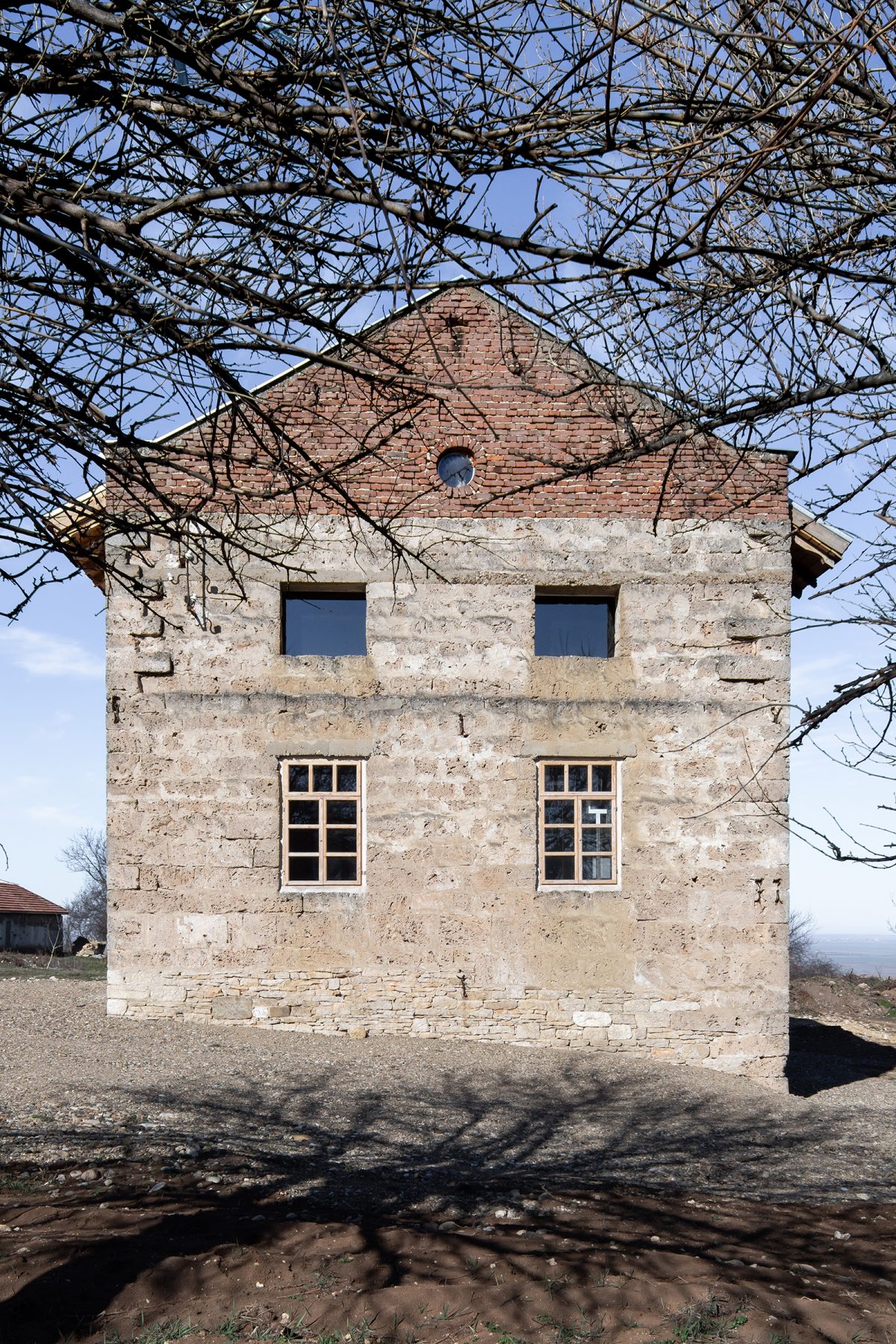
A built archive of the region’s history and materiality, the building belongs to a category of rural architectures whose significance lies precisely in their anonymity: structures shaped by collective labor and climate.
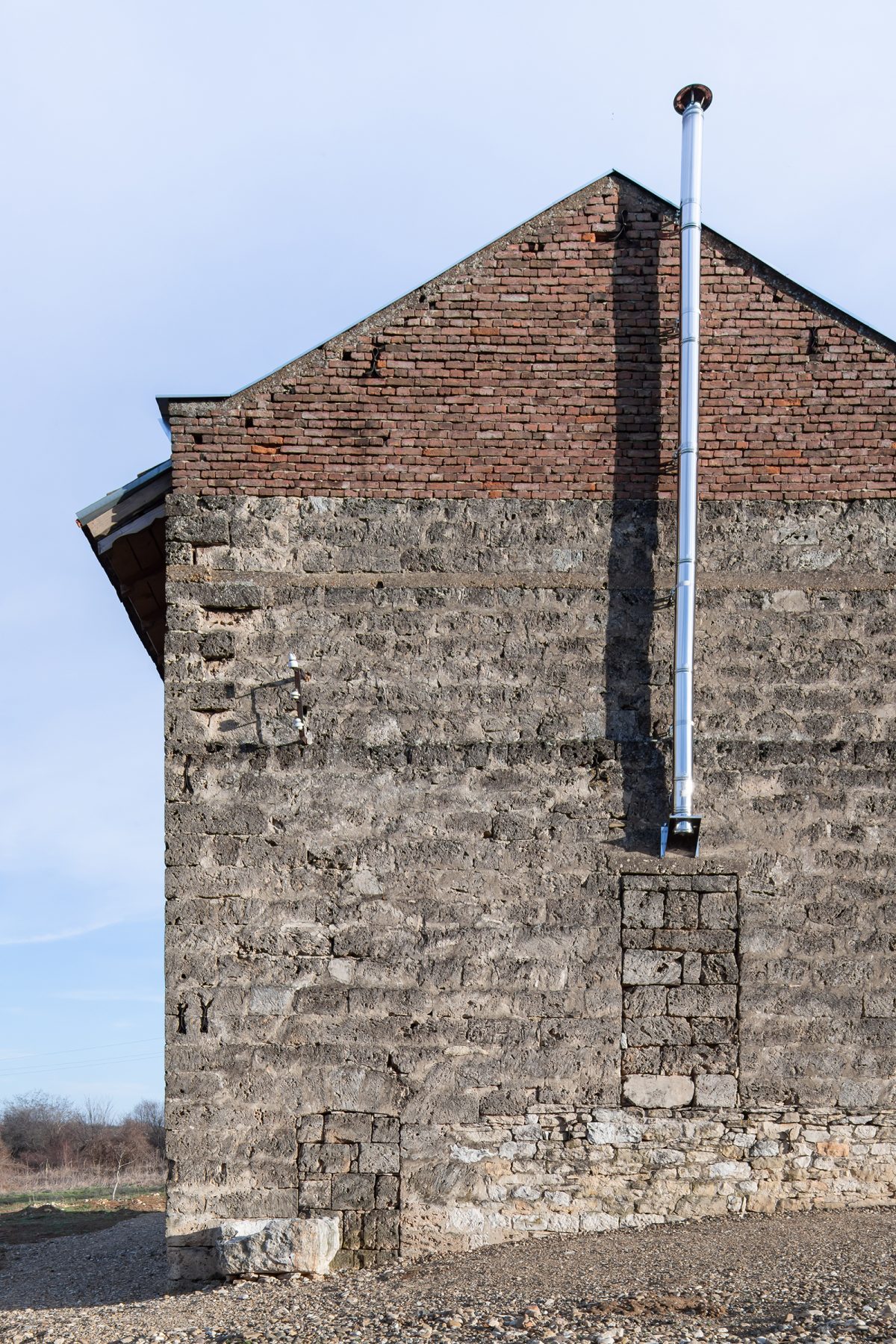
Today, through the intervention of studio nada, the abandoned mill has been transformed into a vibrant cultural condenser for the wider rural region, reactivating both the building itself and the communal life once organized around it.
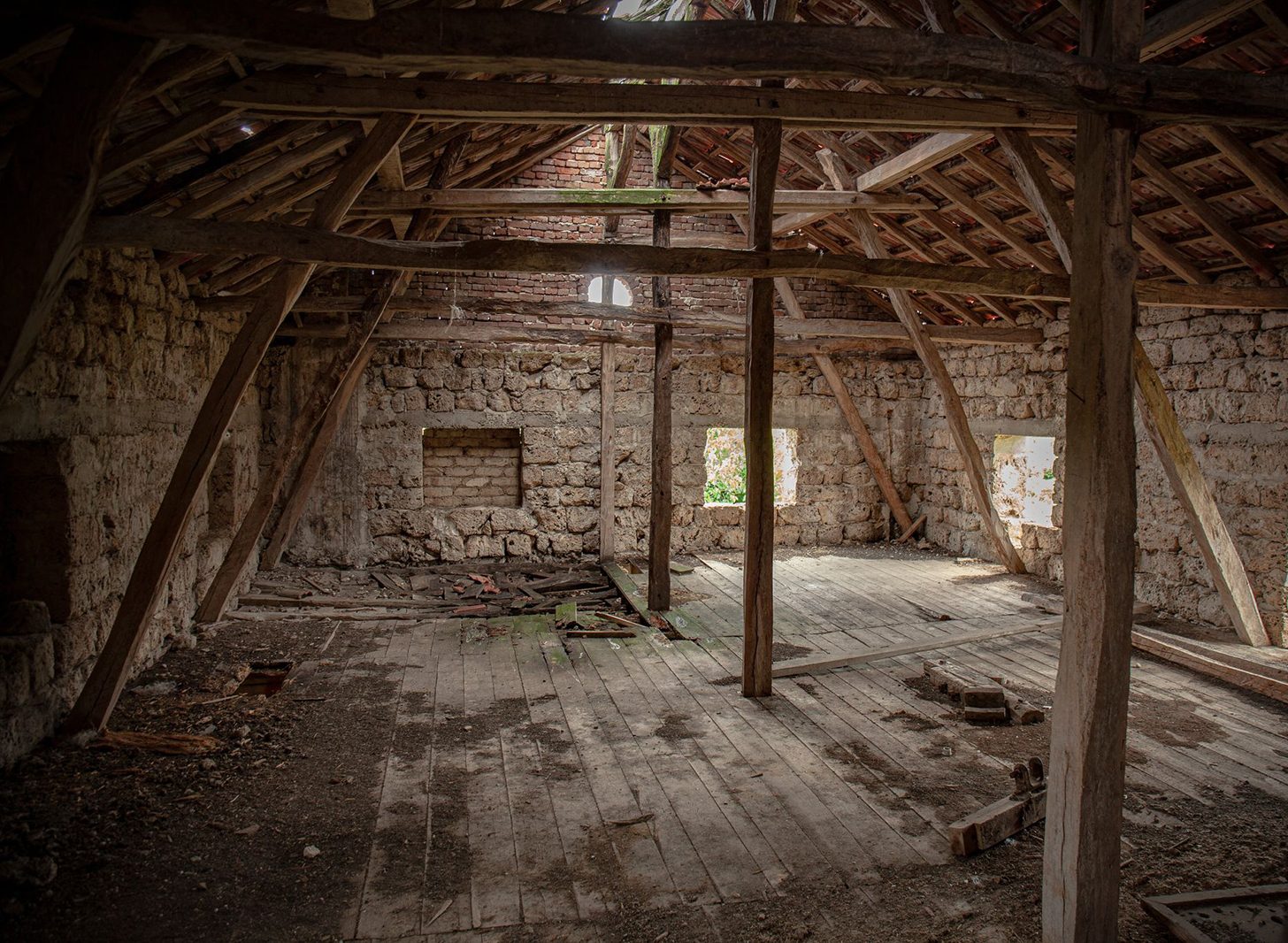
Originally constructed in 1933 in the nearby village of Krushuna as a water mill, the structure was later dismantled, transported, and reassembled in Karpachevo where it resumed operation as an electric mill. This history of displacement and adaptation already inscribed within the building a latent condition of reuse long before its contemporary restoration. Following decades of neglect and gradual decay, the mill had reached an advanced state of deterioration when the Municipality of Letnitsa leased it to the Devetaki Plateau Association with the intention of converting it into a cultural and information center for the region.
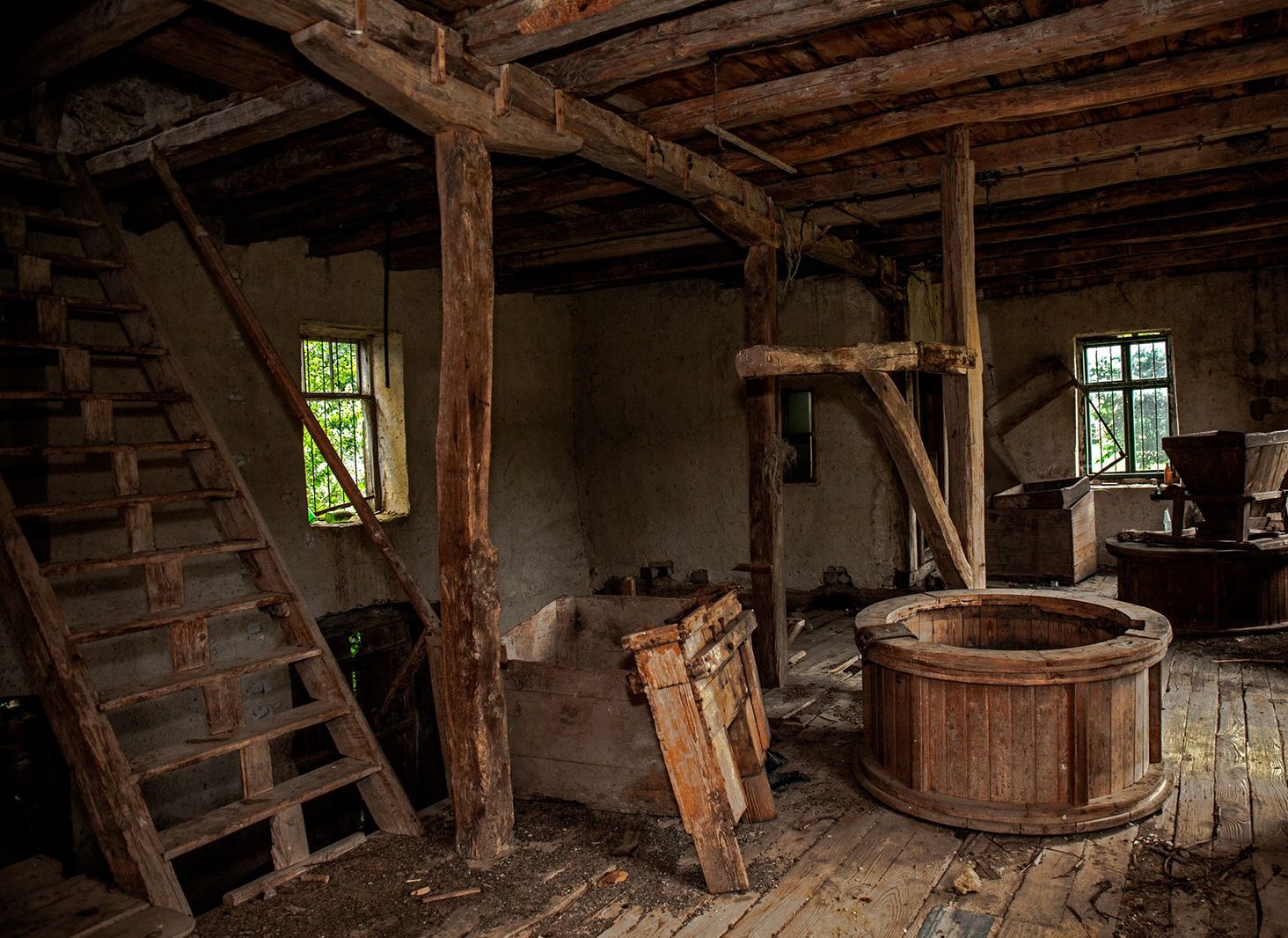
Studio NADA’s intervention demonstrates an approach to adaptive reuse grounded in the careful continuation of a social and material narrative. What emerges is an architecture of magnetic coexistence between past and present. Through minimal yet precise interventions, the project allows the existing structure to retain its raw material presence while accommodating new collective uses. The mill’s second life now hosts the Rural Business Academy, an initiative supporting entrepreneurs from remote rural areas across Bulgaria, while simultaneously functioning as a venue for workshops, lectures, exhibitions, retreats, concerts, co-working activities, and public gatherings.
The building therefore operates not merely as a rehabilitated object, but as an infrastructural platform for social exchange and local resilience — a spatial catalyst within a region otherwise marked by demographic decline and economic marginalization (OECD, 2018).
The restoration process itself became an act of collective learning, shaped through intergenerational exchange, local participation, and interdisciplinary collaboration. In this sense, the project aligns with broader discourses surrounding adaptive reuse as a cultural and ethical practice.
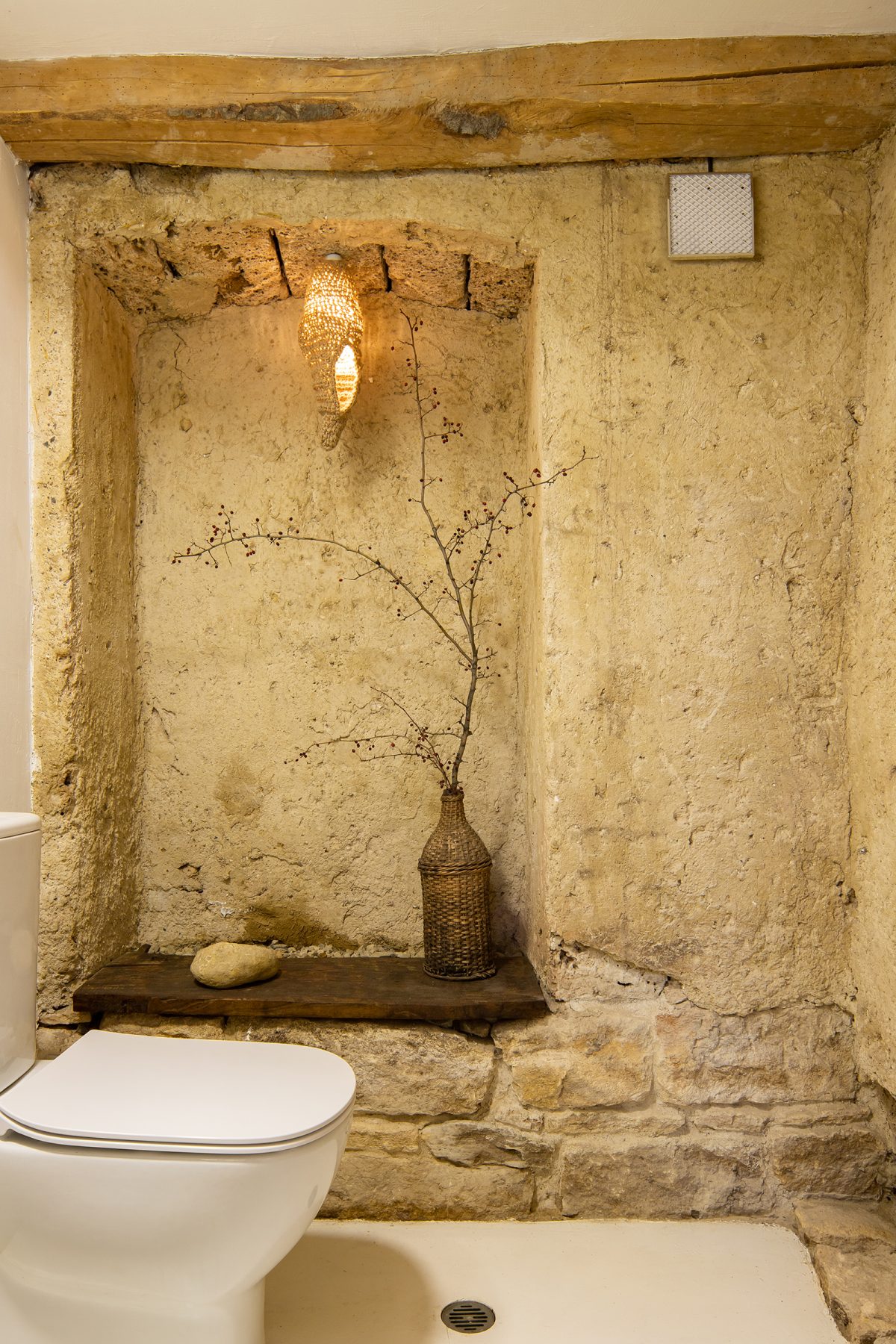
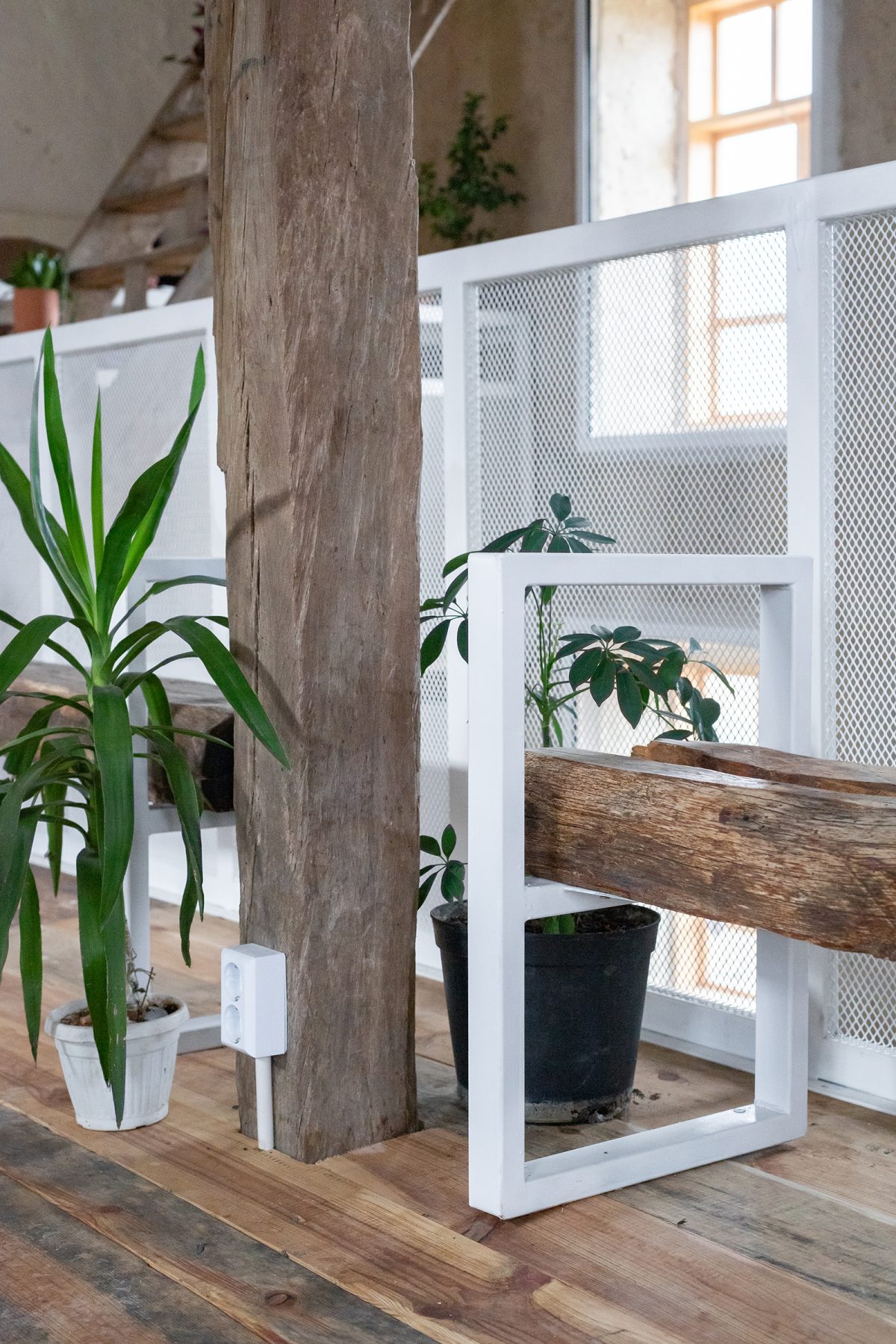
Rather than erasing traces of abandonment, the intervention accepts weathering, imperfection, and temporal layering as active architectural material.
As Pallasmaa (2005) argues, meaningful architecture is not experienced solely through visual coherence but through “the existential sense of being rooted in the continuum of culture and time.” The Old Mill embodies precisely this temporal continuity: a building carrying the sediment of previous lives while remaining open to new forms of inhabitation.
Similarly, Stewart Brand’s notion that buildings “learn” through adaptation over time becomes particularly resonant here, where reuse is understood not as preservation of a fixed image but as an ongoing process of transformation (Brand, 1994).
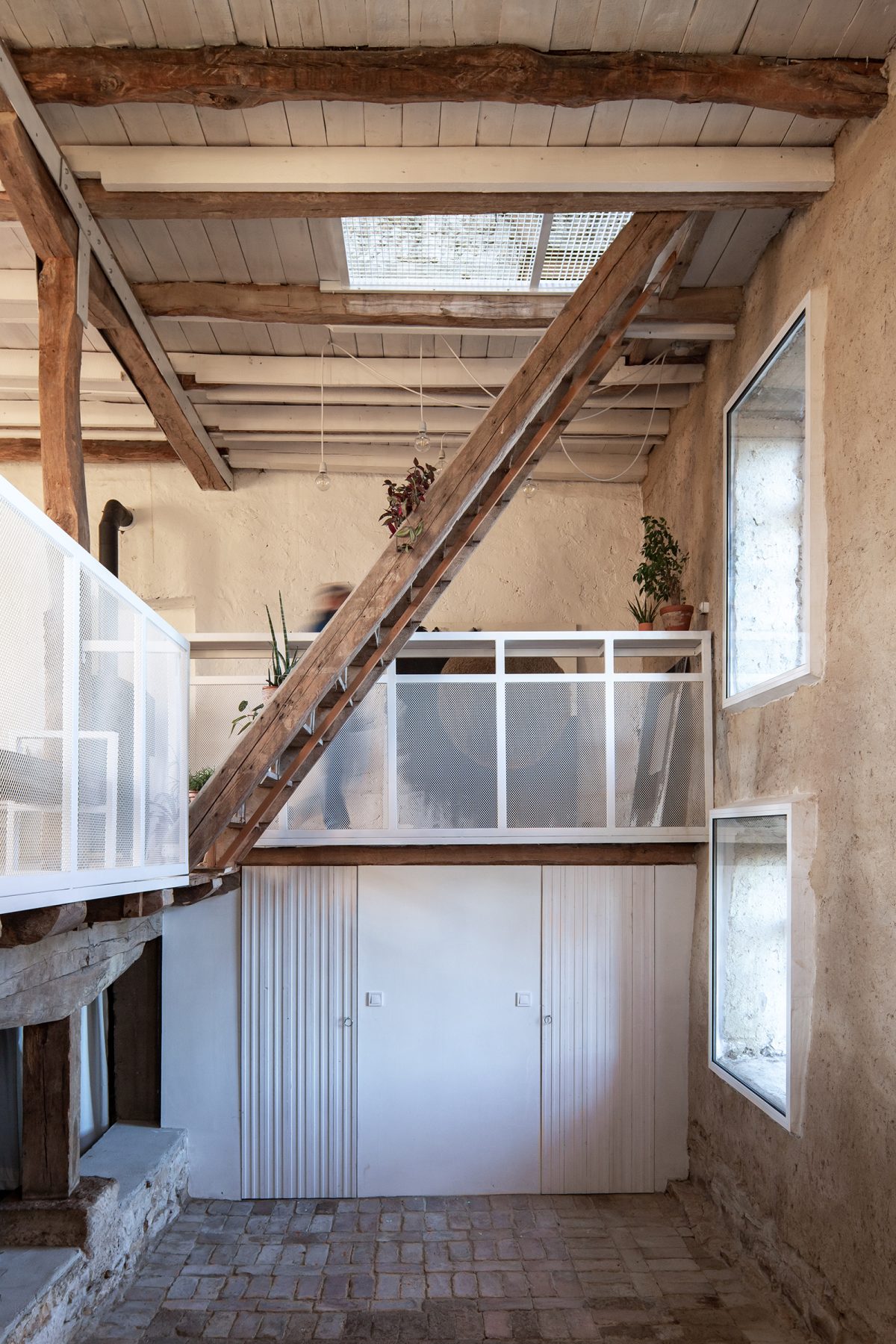
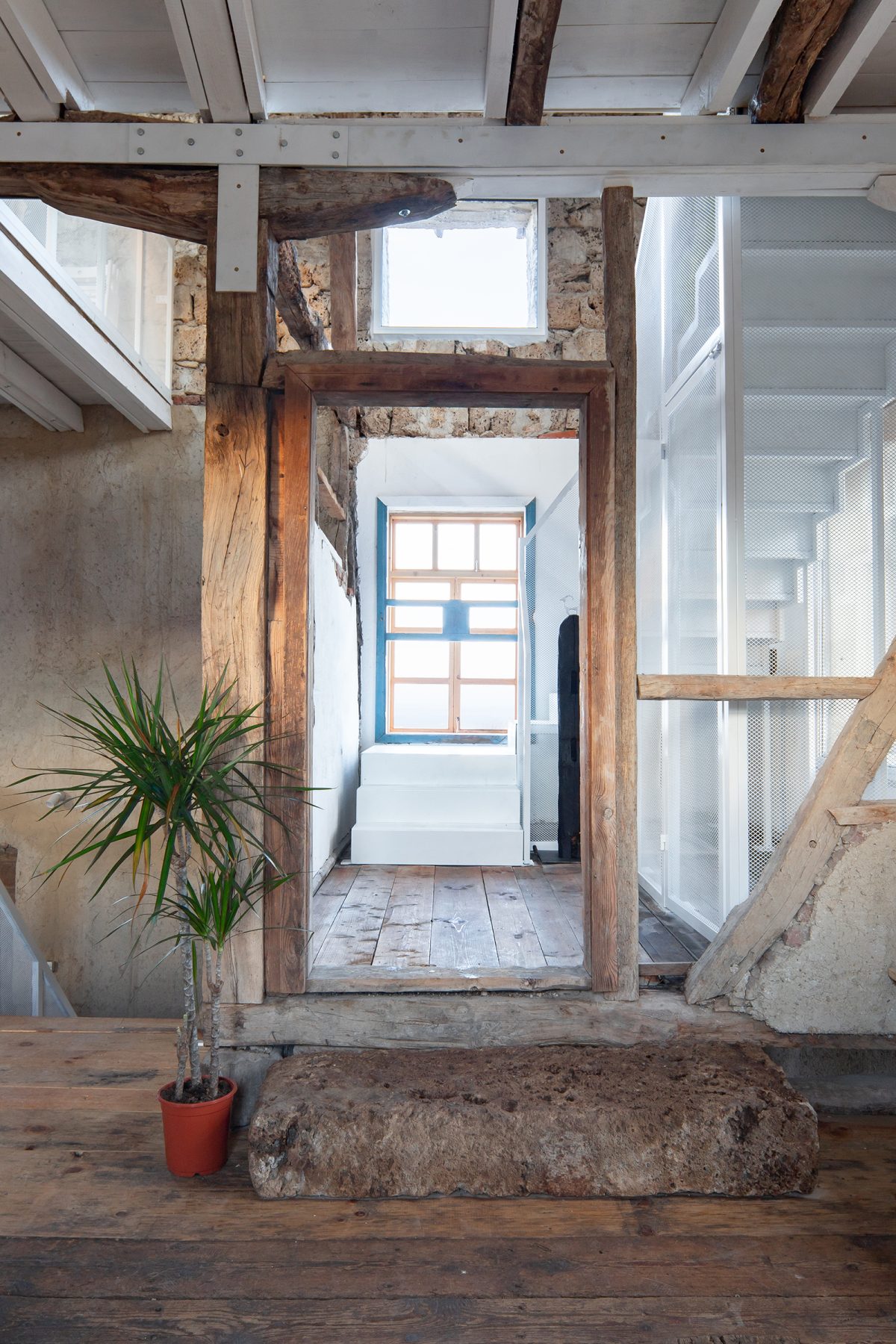
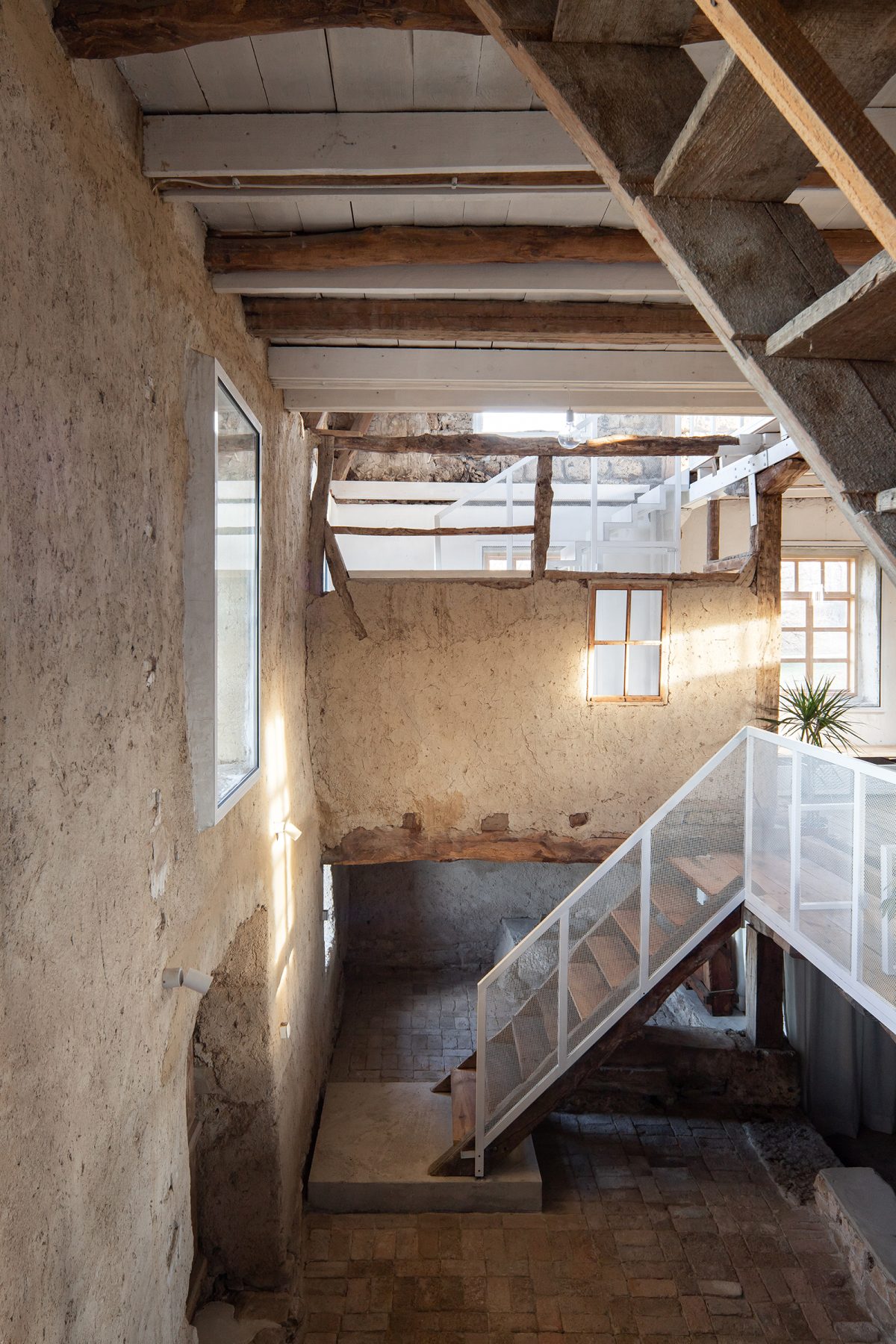
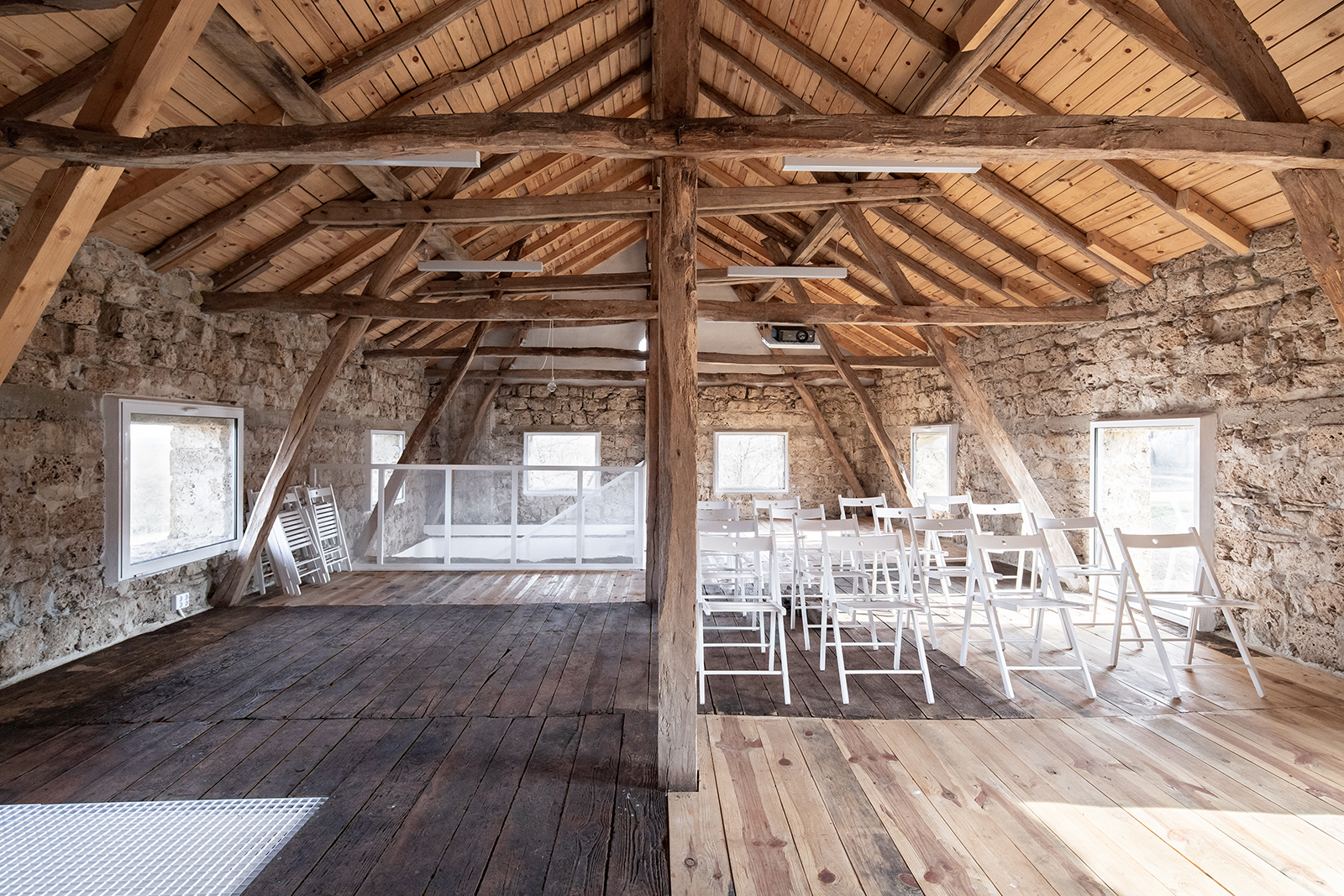
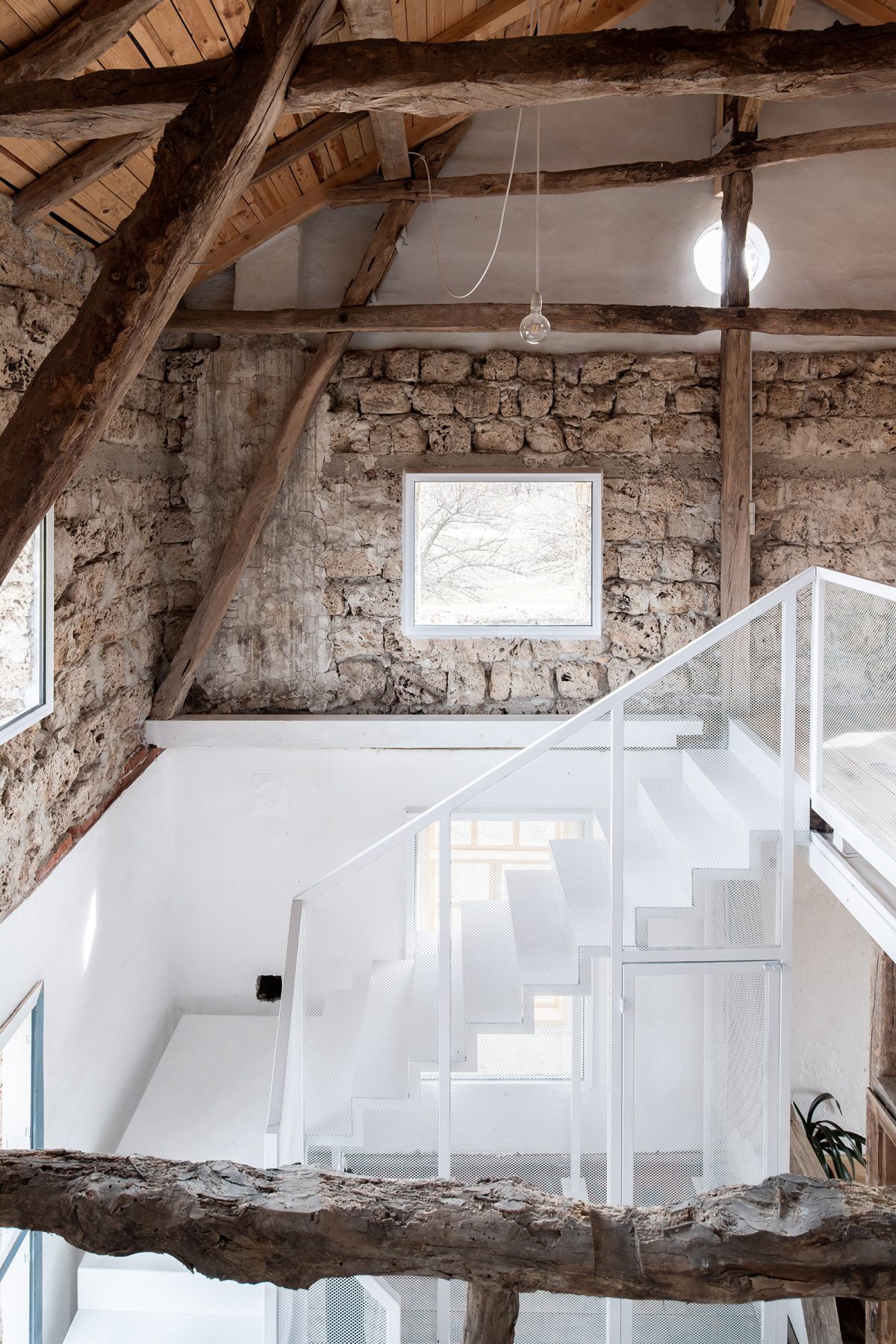
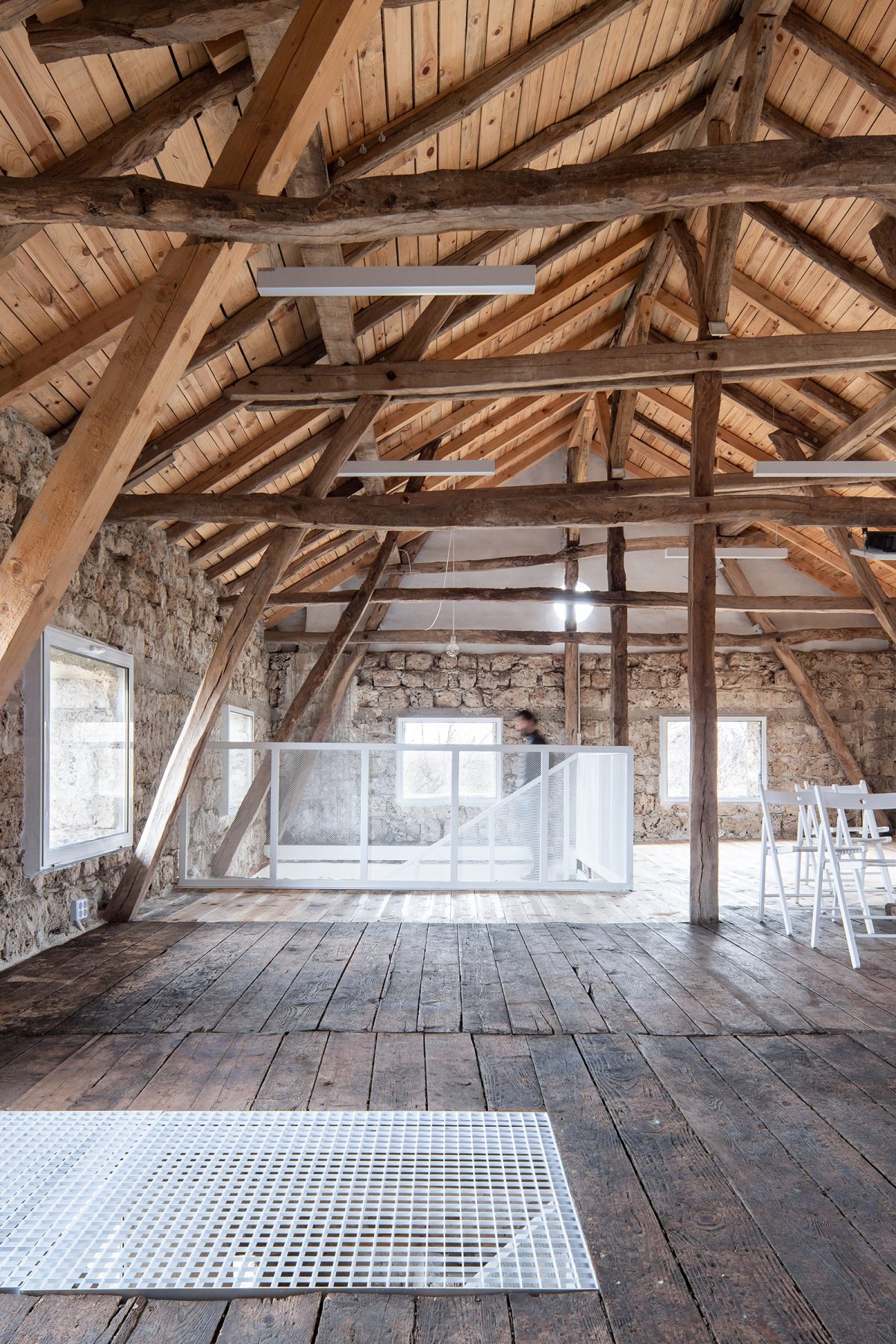
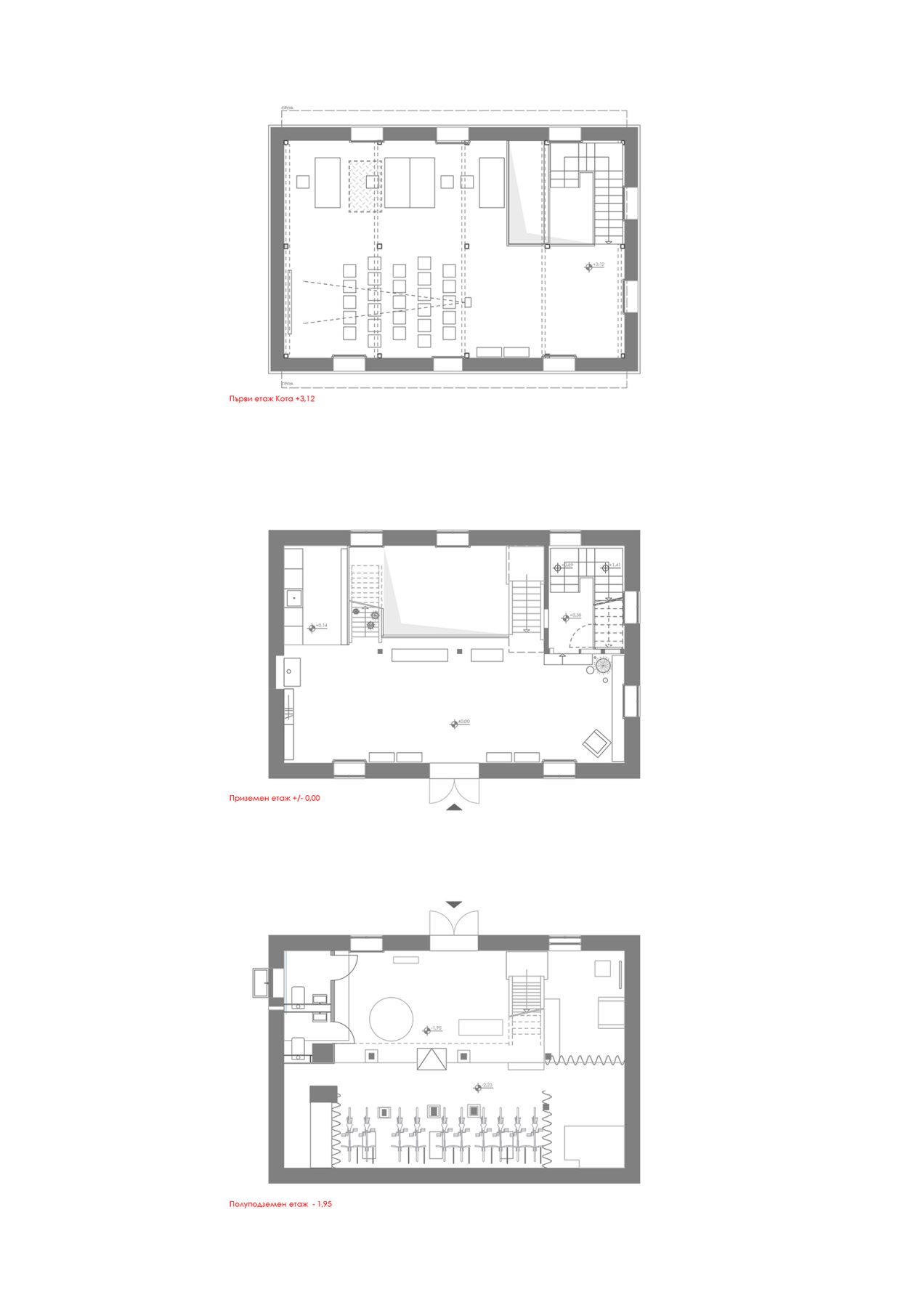
Studio NADA’s architectural language is restrained yet highly deliberate. The existing three-storey timber structure was preserved largely in its original state, undergoing only the structural reinforcements necessary to ensure safety and longevity. Openings introduced between floor levels establish visual continuity and spatial communication across the vertical section, transforming the formerly compartmentalized industrial interior into a collective social field.
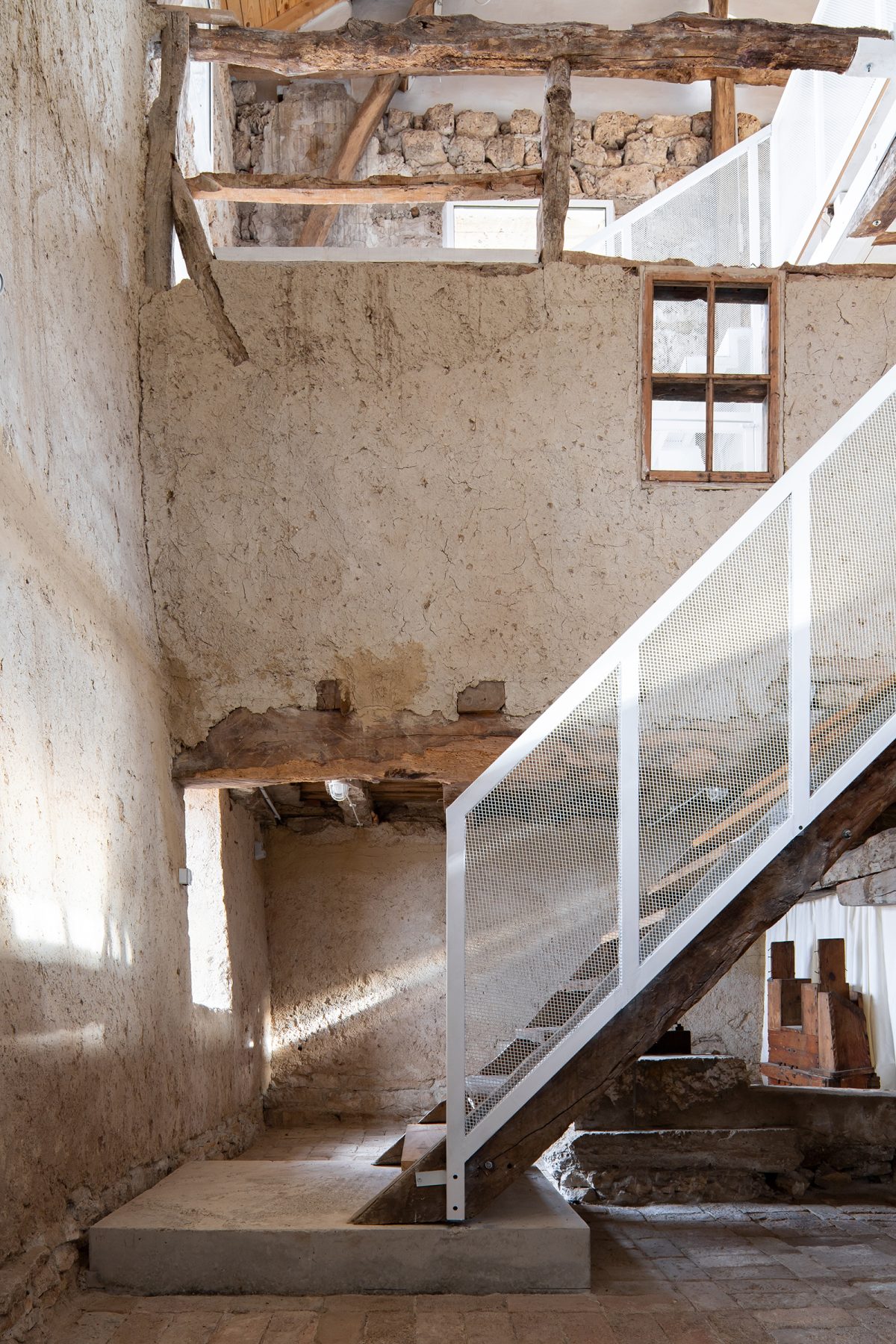
Insertions in white-painted metal stand in subtle contrast to the aged timber shell, establishing a dialogue between lightness and heaviness, precision and roughness, contemporary necessity and inherited fabric.
Rather than competing with the existing structure, the new elements operate as a secondary layer — legible, reversible, and intentionally detached. Such an approach reflects contemporary theories of adaptive reuse that advocate distinction rather than imitation between old and new interventions (Plevoets and Van Cleempoel, 2019).
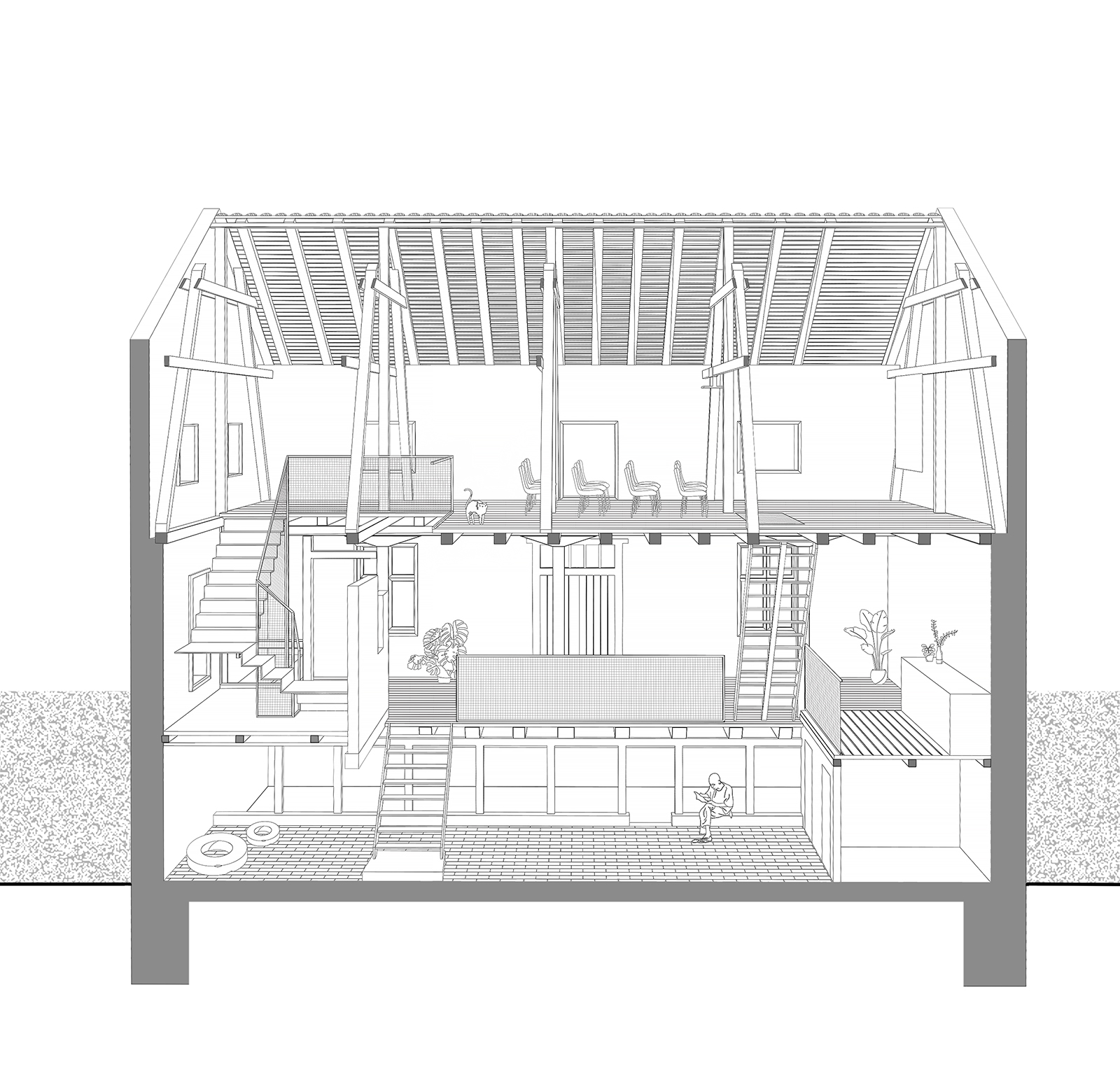
The spatial organization unfolds with clarity and economy. The first floor, accessed from the south-facing entrance, accommodates an information point, kitchenette, and communal gathering area conceived as an informal meeting place for all generations of the village. The upper level functions as a flexible event space capable of hosting educational and cultural activities, from public discussions and presentations to performances and collective work sessions. Auxiliary functions — including storage, bicycle facilities, and sanitary spaces — are discreetly positioned at ground level. New staircases and railings secure accessibility while maintaining the building’s industrial character.
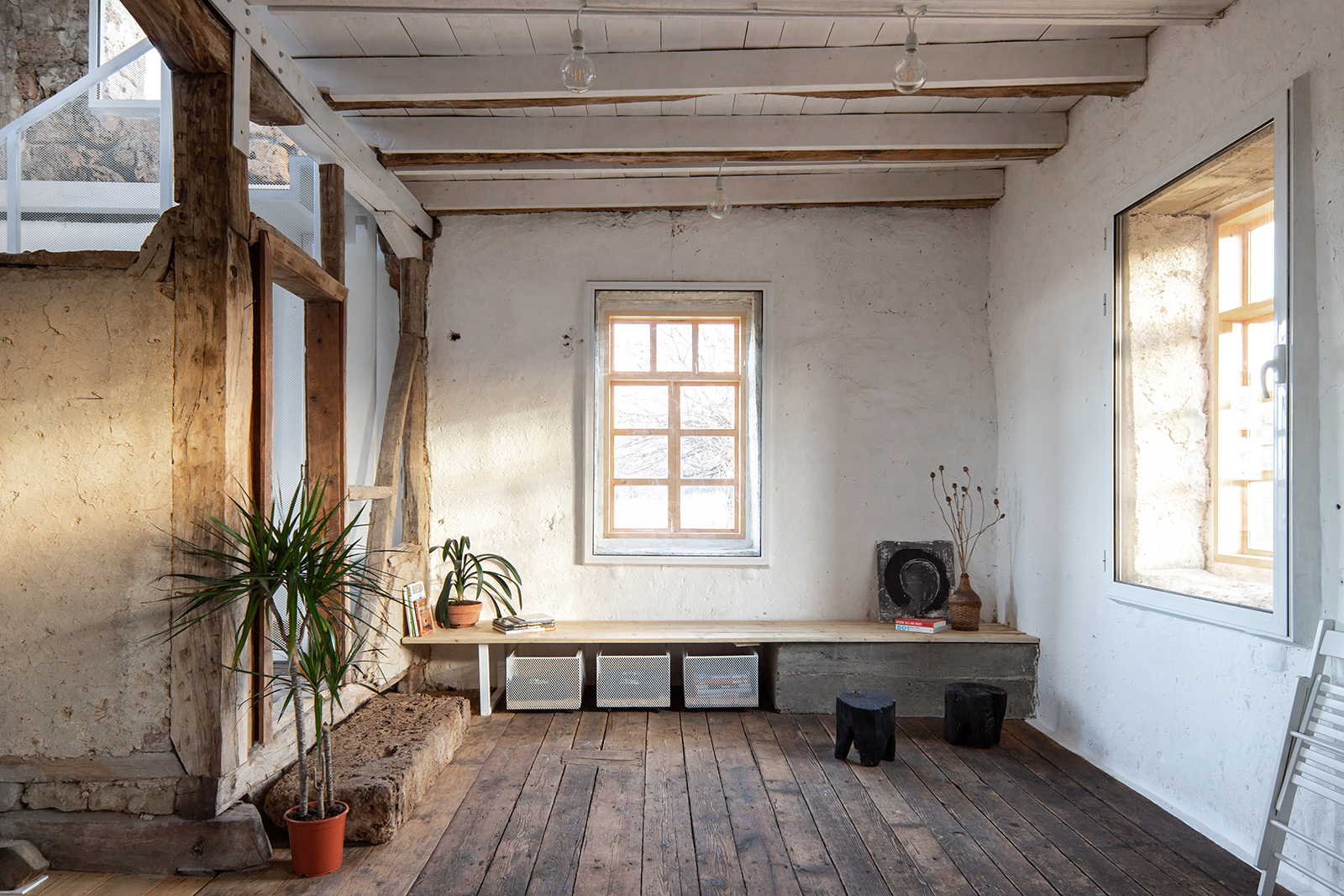
Original wooden window frames were reconstructed according to their historic proportions and supplemented internally with aluminum double-glazed systems, balancing energy performance with material continuity.
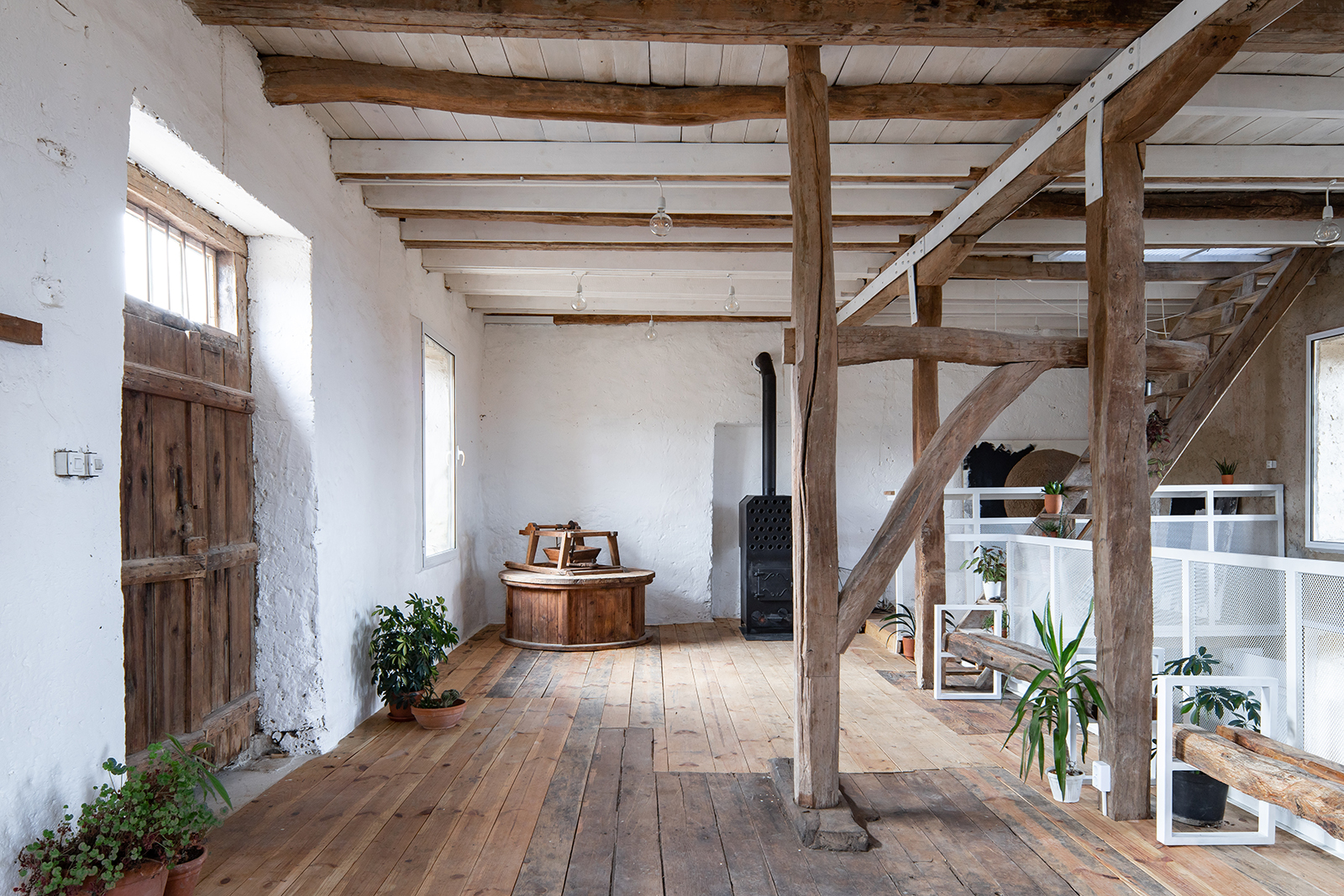
The atmosphere of the mill emerges through tensions carefully left unresolved: old and new, dark and illuminated, rough and refined, permanence and transformation.
The intervention does not seek to freeze the building within an idealized past, but to position heritage as an active social resource capable of generating new communal relations. In this sense, the project resonates with Norberg-Schulz’s concept of genius loci, where architecture derives meaning through its deep relationship with place and lived experience (Norberg-Schulz, 1980).
The Old Mill also reflects broader discussions on the cultural activation of rural territories. Increasingly, European policies on rural regeneration recognize culture and heritage not as secondary aesthetic concerns but as strategic tools for territorial resilience and social cohesion (European Commission, 2014).
The project demonstrates how small-scale architectural interventions can foster collective identity and civic participation without relying on large-scale institutional infrastructures.
As Hayden (1997) notes, everyday buildings often operate as repositories of social memory precisely because they remain embedded within ordinary life. Here, reuse becomes less about the conservation of an object and more about sustaining the continuity of communal practices.
The project positions reuse as a living process rooted in memory, participation, and local identity. More than a restored landmark, the Old Mill becomes an architecture of continuity: a rural cultural condenser where heritage evolves into an active framework for collective life.
Facts & Credits
Project title The Old Mill
Typology Adaptive Reuse, Restoration, Cultural House
Location Karpachevo, Devetaki Plateau, Bulgaria
Architecture studio nada
Photography Todor Todorov, Simeon Simeonov
References
Brand, S. (1994) How Buildings Learn: What Happens After They’re Built. London: Penguin Books.
European Commission (2014) Cultural Heritage as a Resource for Europe. Brussels: European Union.
Hayden, D. (1997) The Power of Place: Urban Landscapes as Public History. Cambridge, MA: MIT Press.
Norberg-Schulz, C. (1980) Genius Loci: Towards a Phenomenology of Architecture. New York: Rizzoli.
OECD (2018) Culture and Local Development: Maximising the Impact. Paris: OECD Publishing.
Pallasmaa, J. (2005) The Eyes of the Skin: Architecture and the Senses. Chichester: Wiley.
Plevoets, B. and Van Cleempoel, K. (2019) Adaptive Reuse of the Built Heritage: Concepts and Cases of an Emerging Discipline. London: Routledge.