‘An Architecture of Care’ series curated by Archt., explores how inclusive design reshapes contemporary architectural discourse, framing spatial practice as an act of poetic care, social engagement, and embodied experience.
In the third episode, elderly living is reimagined by the Cologne–based BeL Sozietät für Architektur through a critical revisiting of rural archetypes, coupled with participatory processes and adaptive design strategies.
In the quiet periphery of Neunburg vorm Wald in eastern Bavaria, Germany, Am Ufertal unfolds as an architectural object that translates a collaborative ethic into spatial form. Conceived by BeL Sozietät für Architektur for the cooperative 9Bürger eG, the ensemble for 26 residents over 50 mediates between individuality and belonging.
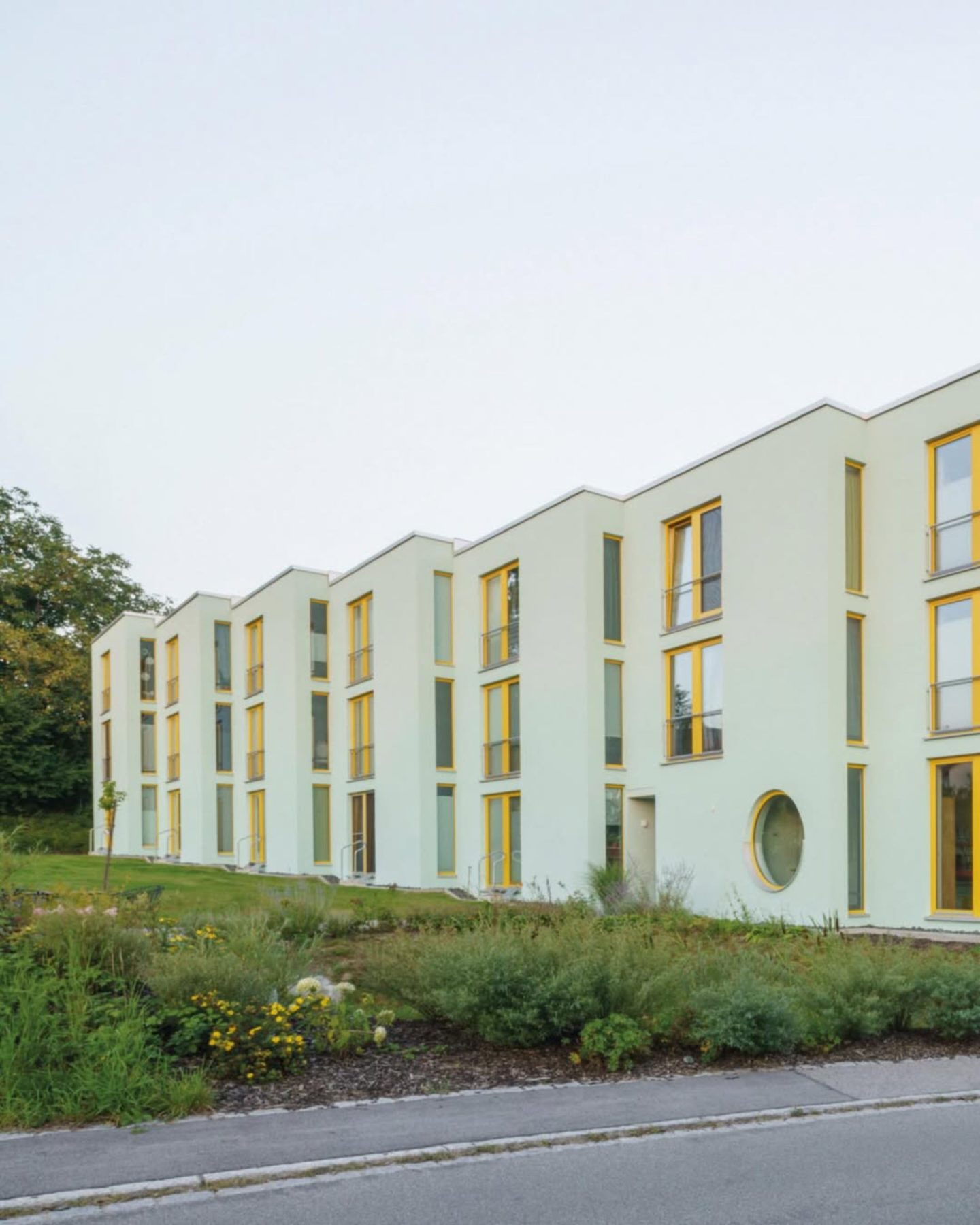
Completed between 2022 and 2024, the elderly living project repositions ageing away from solitary decline toward a collective condition, articulated through an architecture of proximity, autonomy, and interdependence.
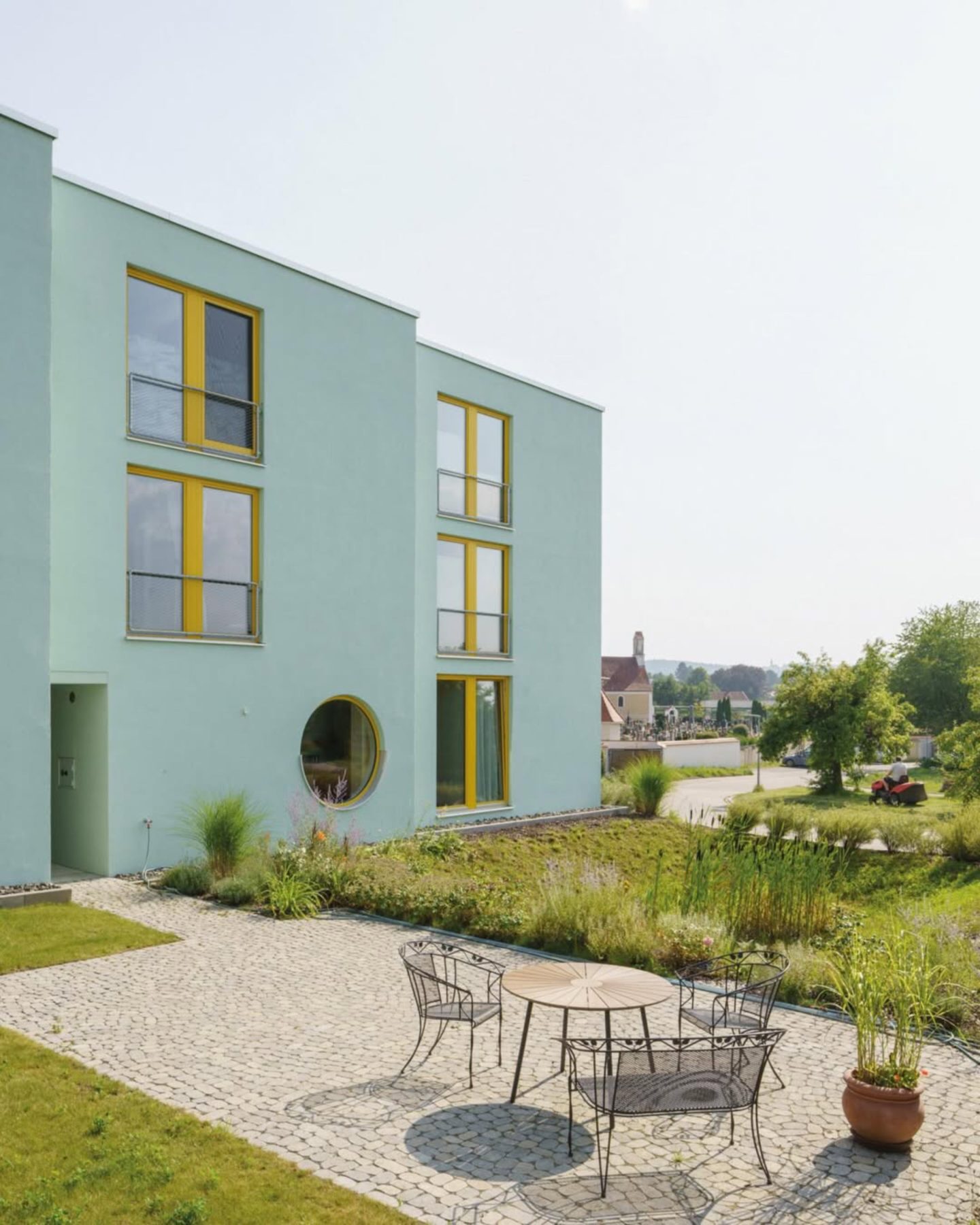
“Gemeinsam statt einsam” (together instead of alone) operates here less as a statement and more as a condition to be inhabited. Against the isolation of the single dwelling and the abstraction of institutional care, the project constructs a third term: a collective domesticity where architecture becomes what N. John Habraken described as a support—an open system that hosts life without predetermining it (Habraken, 1972).
Rural Archetypes Reassembled: House, Courtyard, Shed
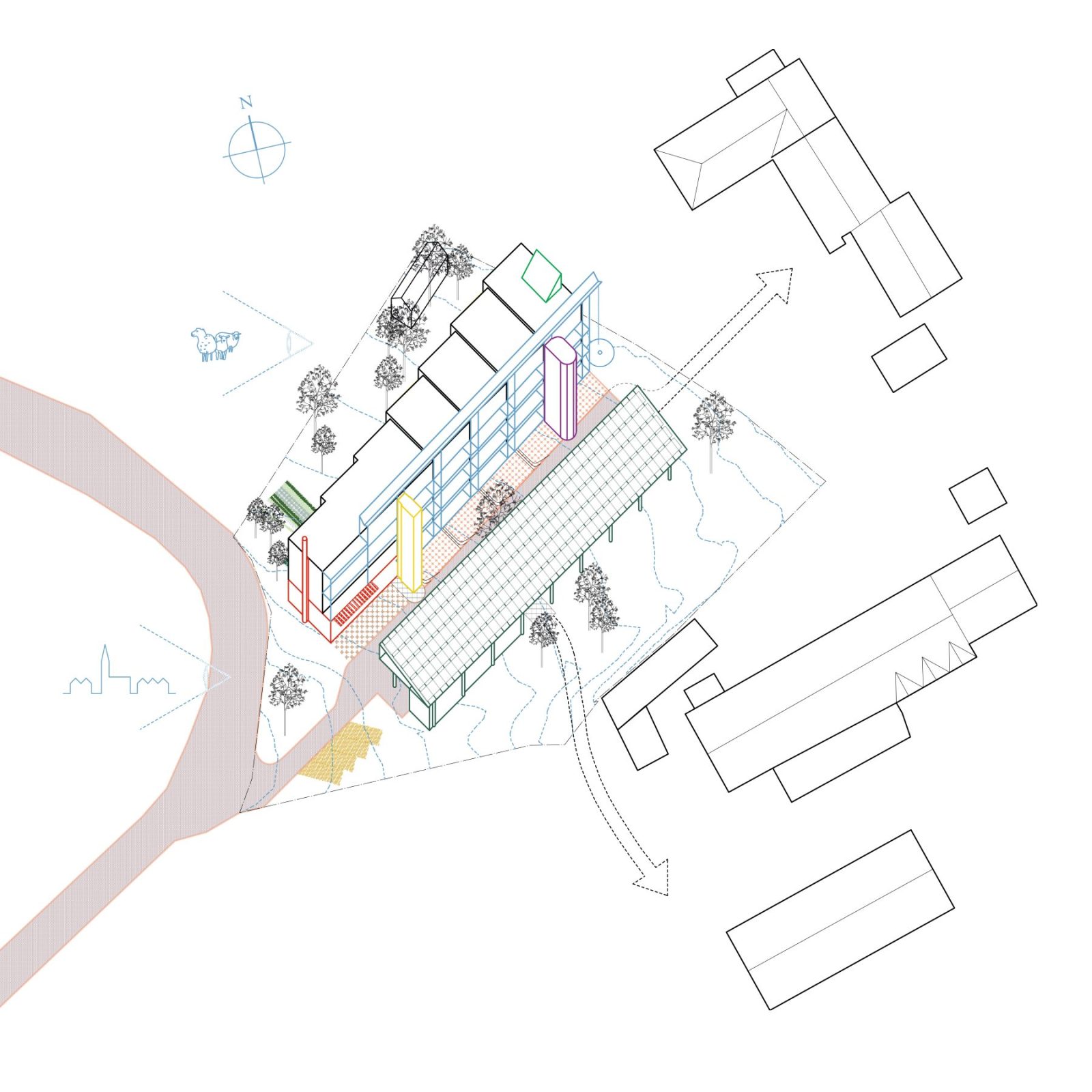
The project reinterprets rural typologies—house, courtyard, shed—not as nostalgic residues but as relational devices.
In doing so, it aligns with a broader understanding of architecture as an infrastructure of everyday life (Jarvis, 2011), where spatial arrangements actively shape patterns of cohabitation and mutual care.
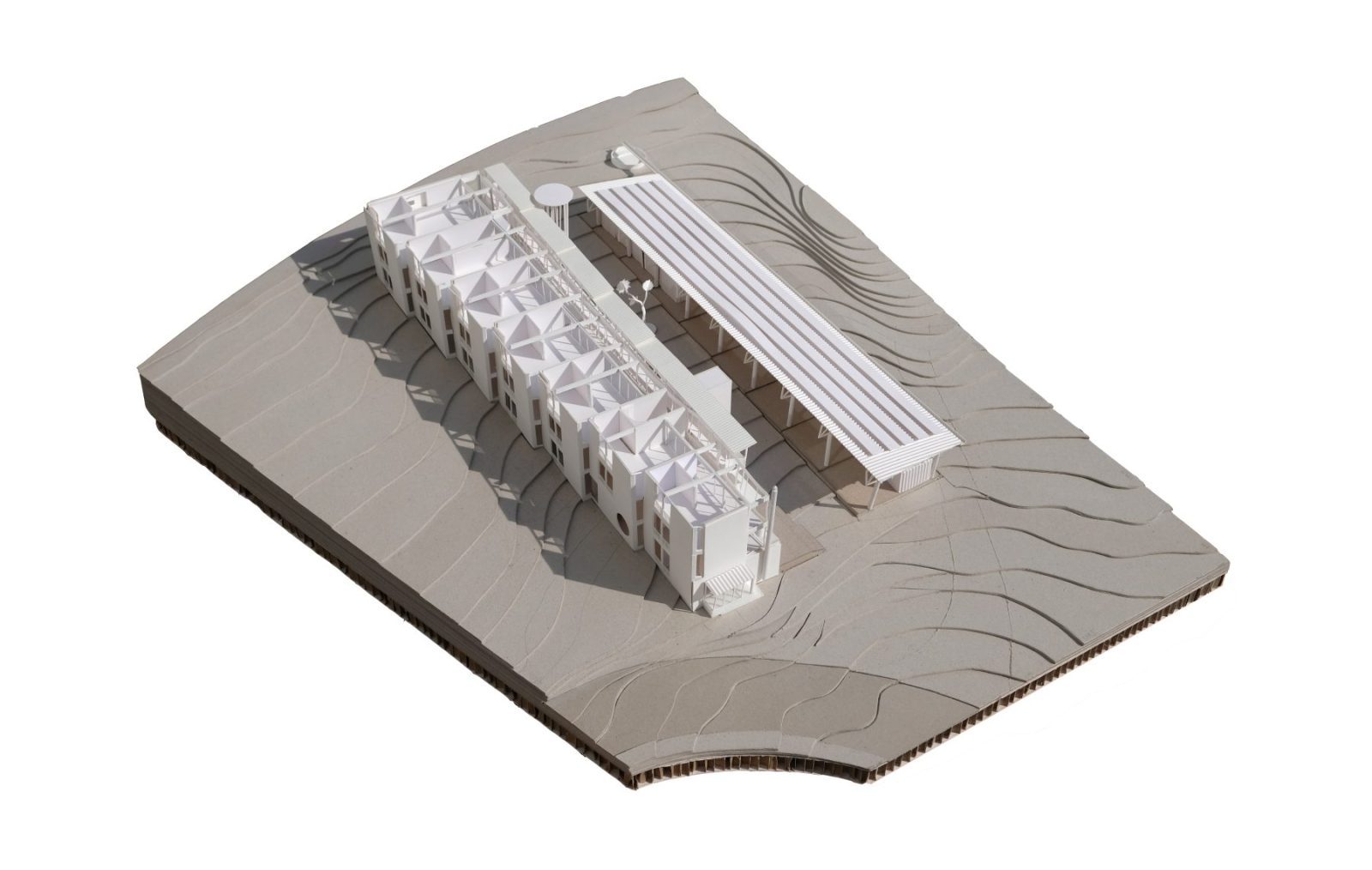
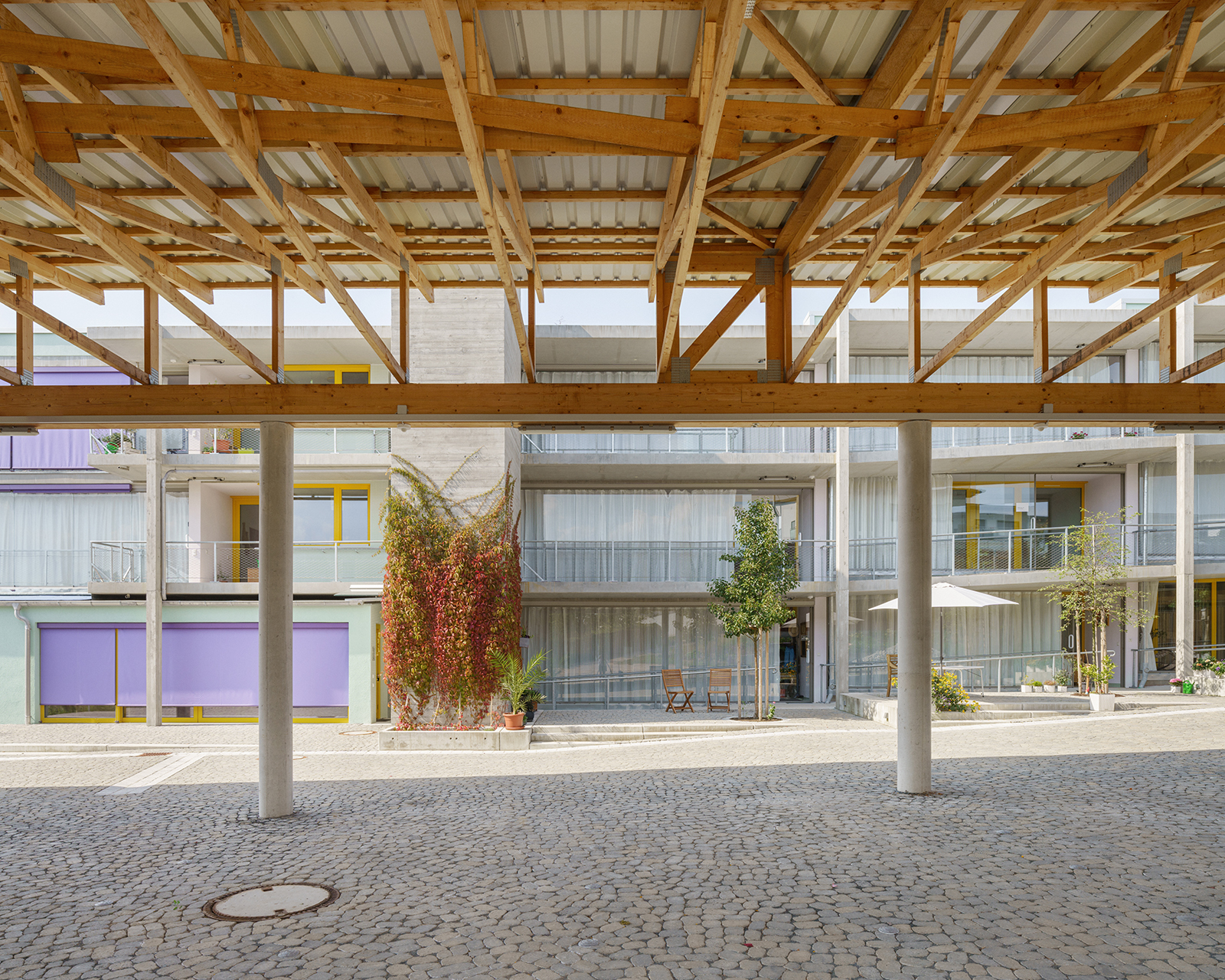
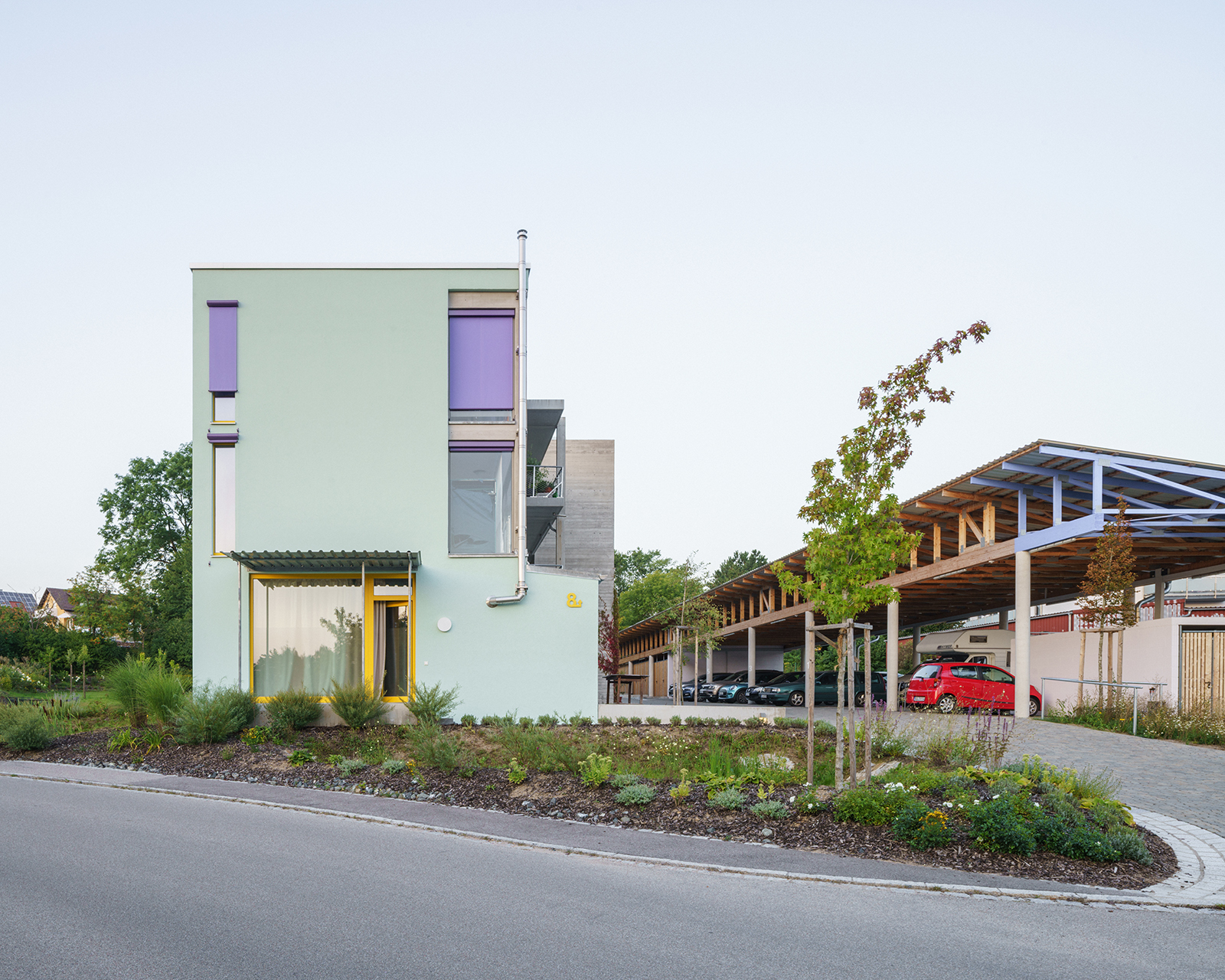
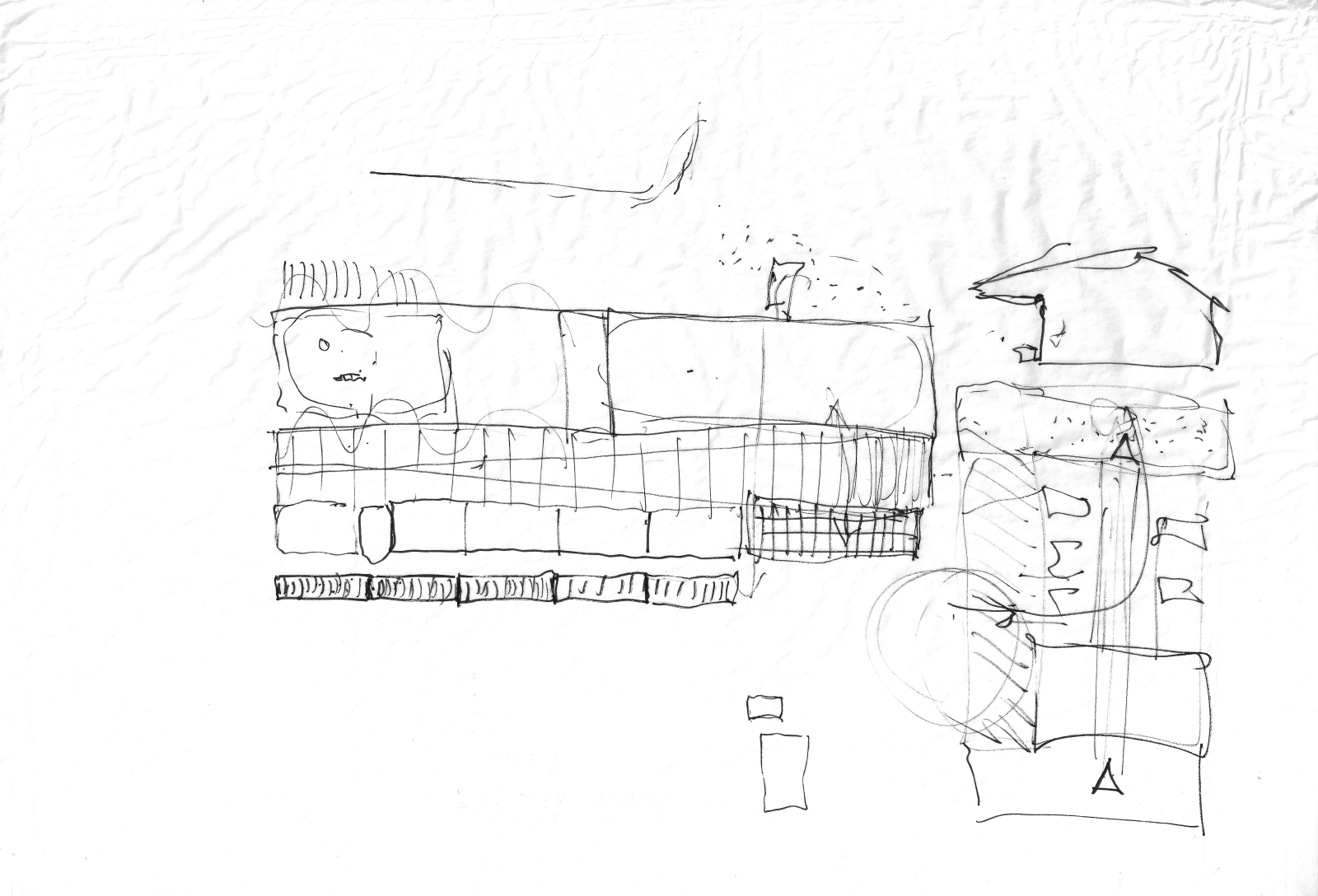
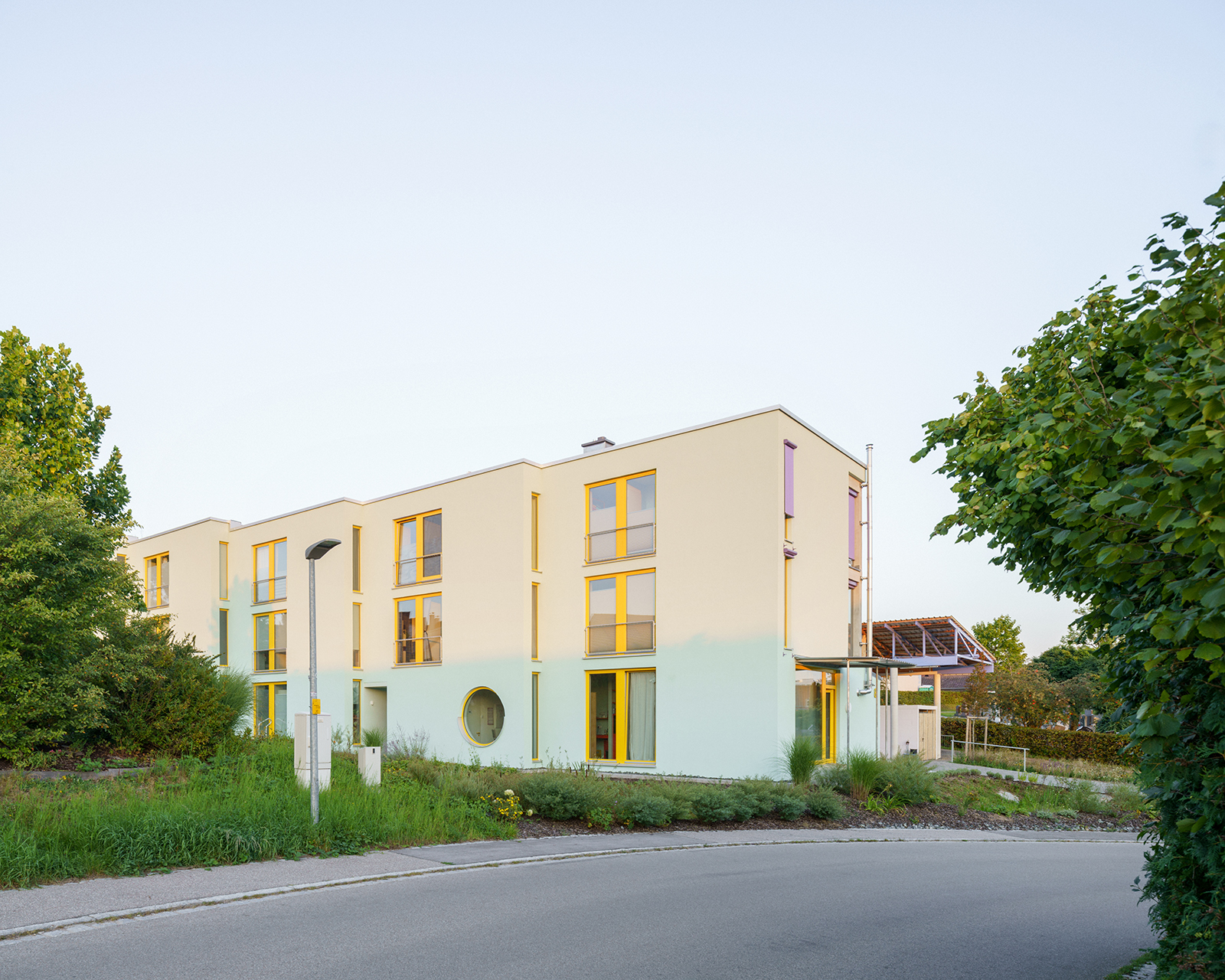
A three-story residential volume faces a utilitarian shed, a “house for things,” crowned with a photovoltaic canopy. Between them, an open courtyard emerges: neither void nor leftover, but a shared ground of interactions. As Henri Lefebvre reminds us, space is socially produced and this intermediate terrain becomes what could be described as a socio-spatial commons; an arena where care is enacted through repetition of joint routines and incidental encounters shaping the quiet choreography of coexistence.
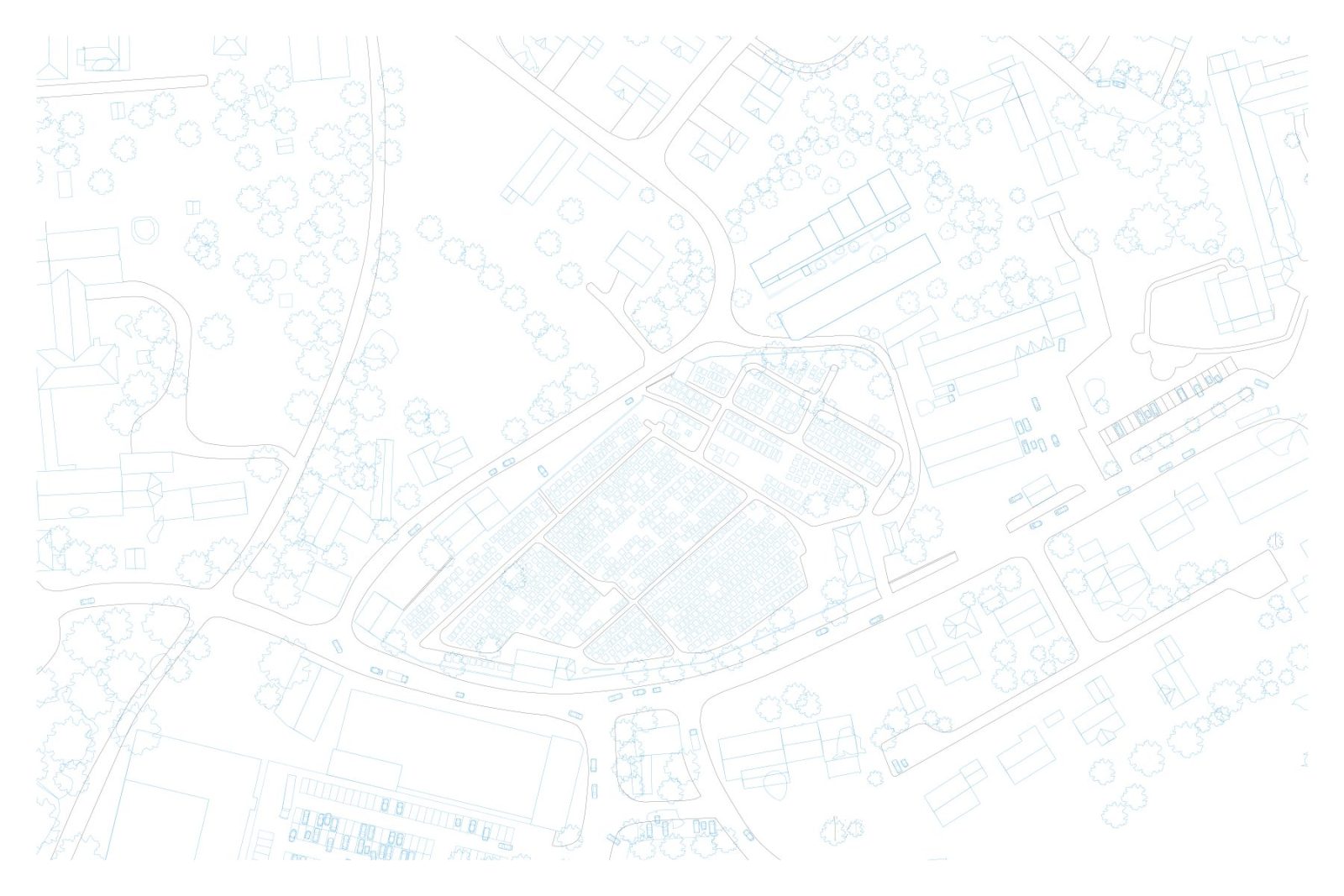
Embedded within a communal garden and bordered by the infrastructures of rural life—cemetery, petrol station and farms—the project resists segregation by situating ageing within the continuum of life, labour, and mortality, thus echoing co-housing principles where domestic life is extended into collective space (Tummers, 2016).
Twenty residential units accommodate a community of 26 residents, half publicly subsidized, interwoven with shared amenities: a communal living room organized around a wood-burning stove, guest rooms, and spaces of care.
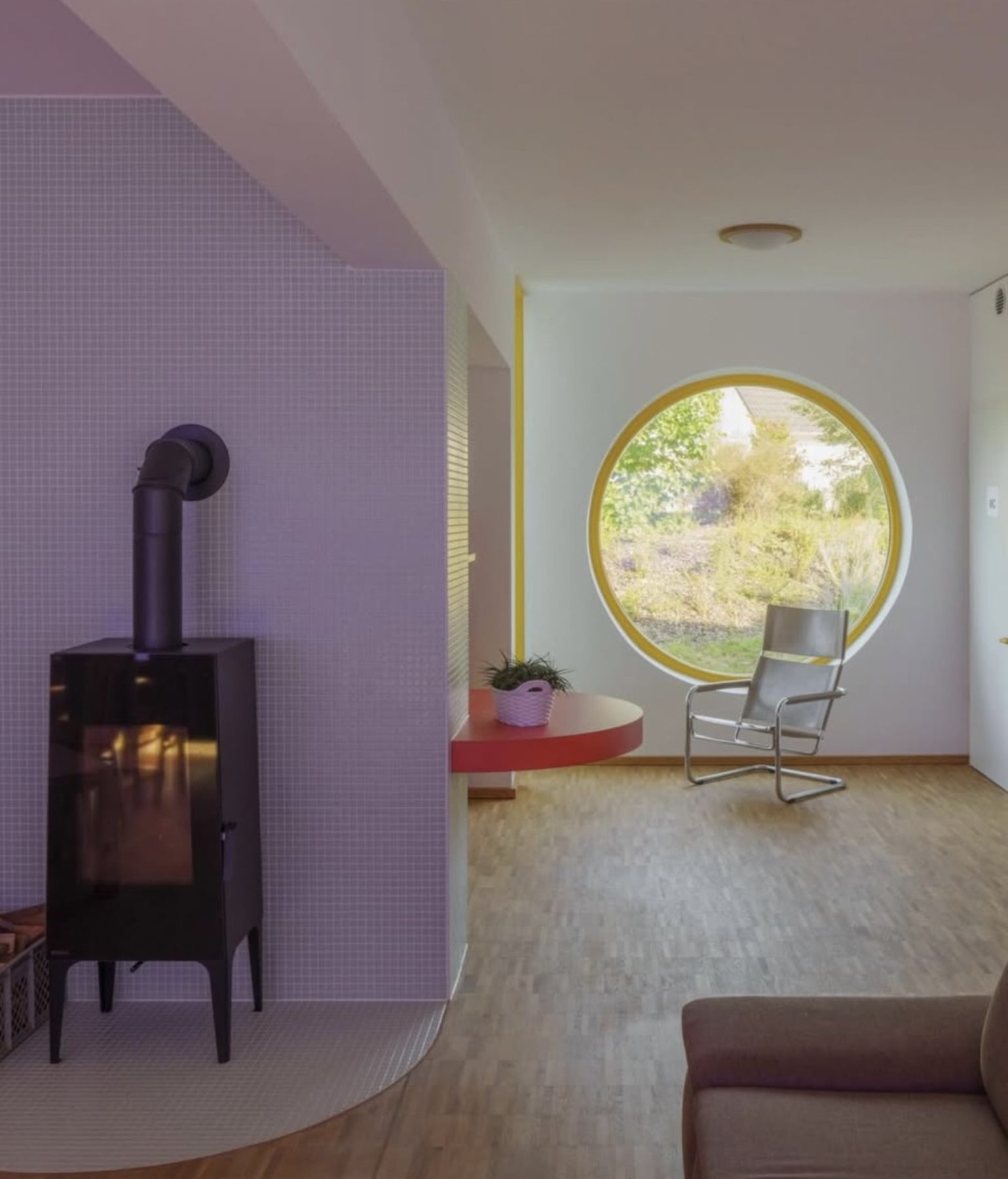
Here, care is not isolated; it is contextual.
Topographies of Access: Ramp, Steps, and Staggering
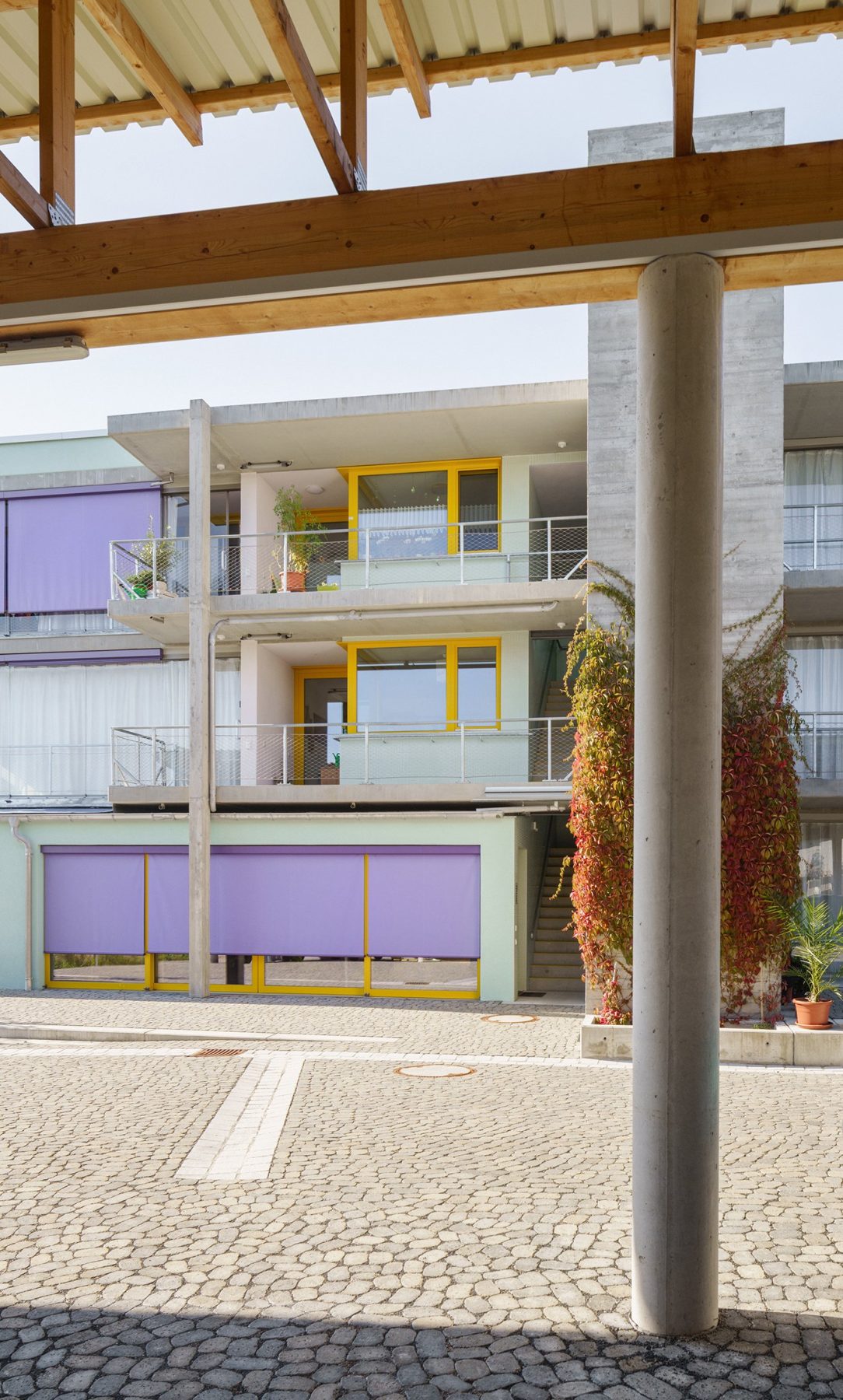
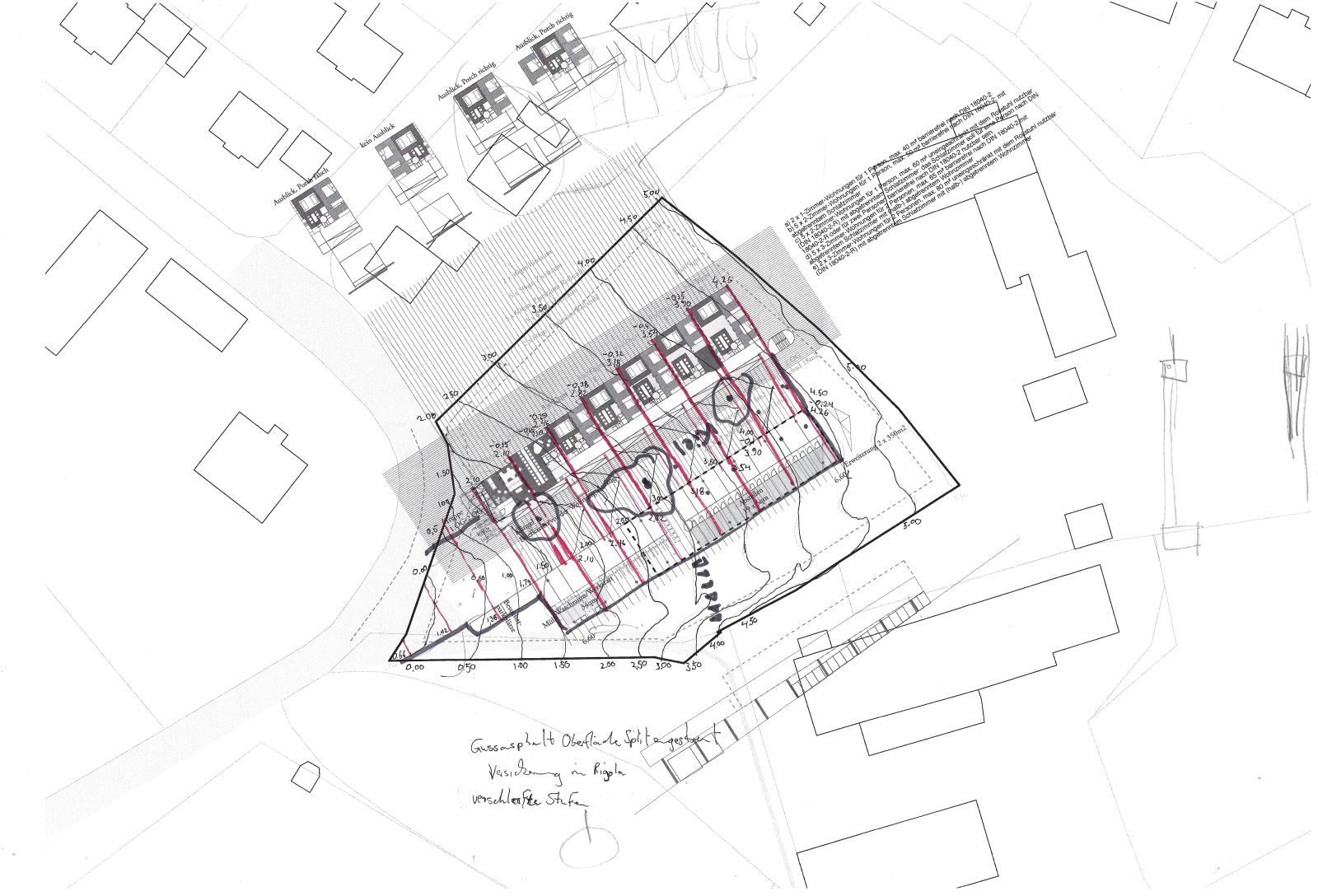
Accessibility, often relegated to technical compliance, becomes in Am Ufertal a primary spatial and social generator. In accordance with DIN 18040-2, the ramp is not appended but generative, transforming regulation into form. The 6% gradient produces a slow, continuous trajectory; a spatial condition that redefines movement as encounter. The body becomes aware of itself, of others, of distance. Interactions are not forced, but made possible—care emerges through the simple act of crossing paths.
Circulation stops being a neutral connector and becomes a space of relation—what Lefebvre would describe as a lived space of social production, where everyday practices generate meaning beyond functional intent.
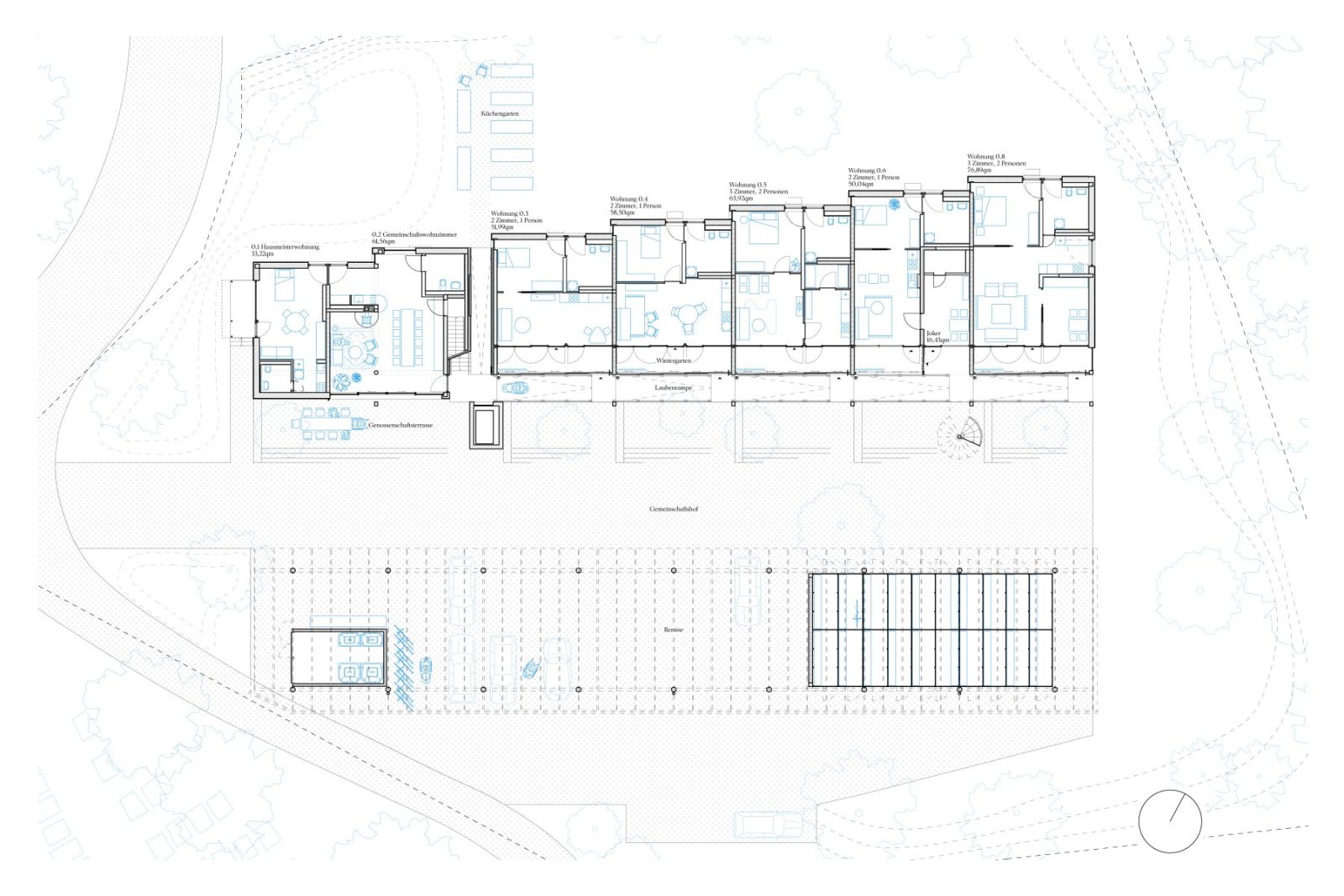
The translation of regulatory limits into architectural dimensions—the 7.50 m apartment width derived from ramp length—recalls Habraken’s notion of form as an outcome of negotiated constraints.
The building does not conceal its rules; it spatializes them.
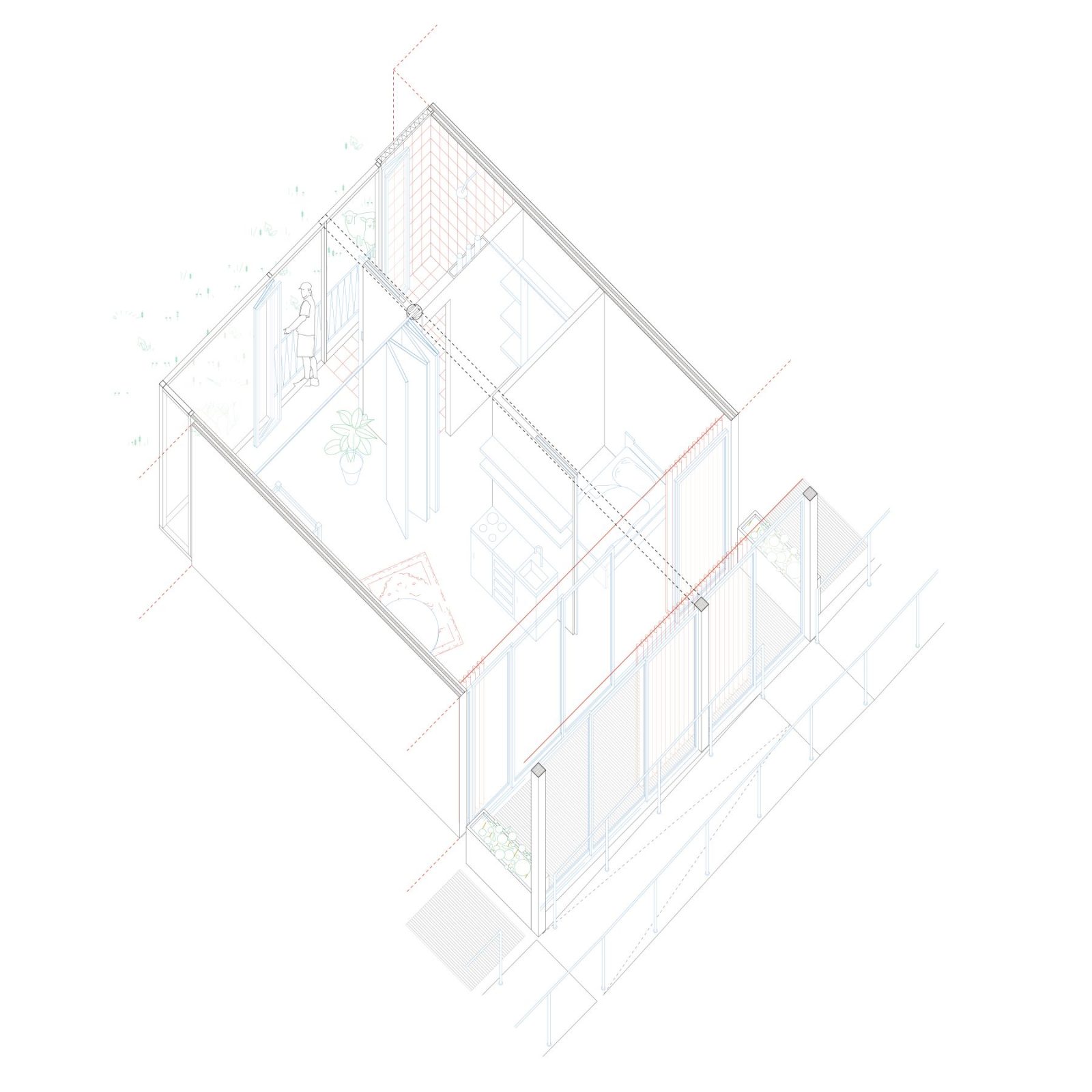
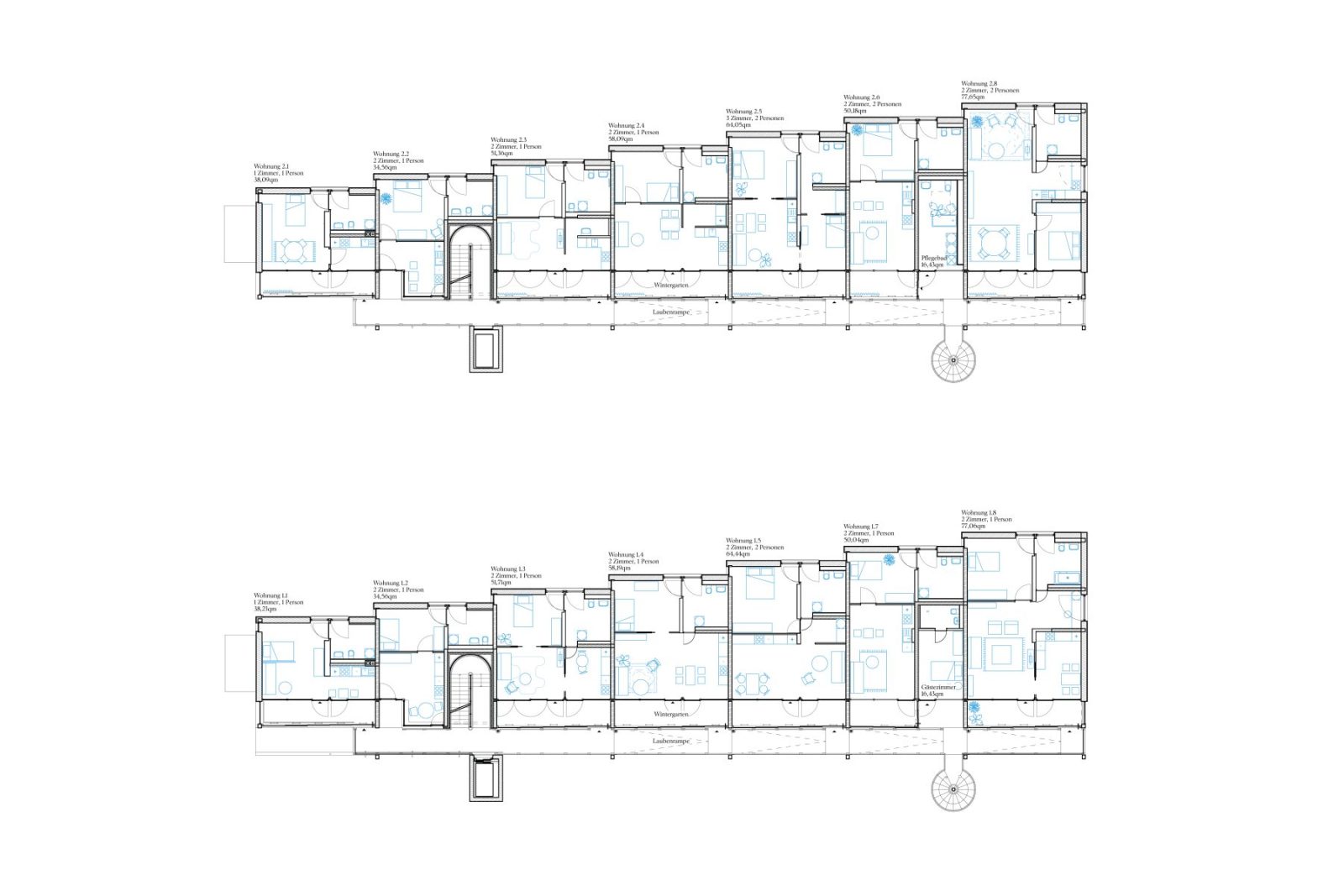
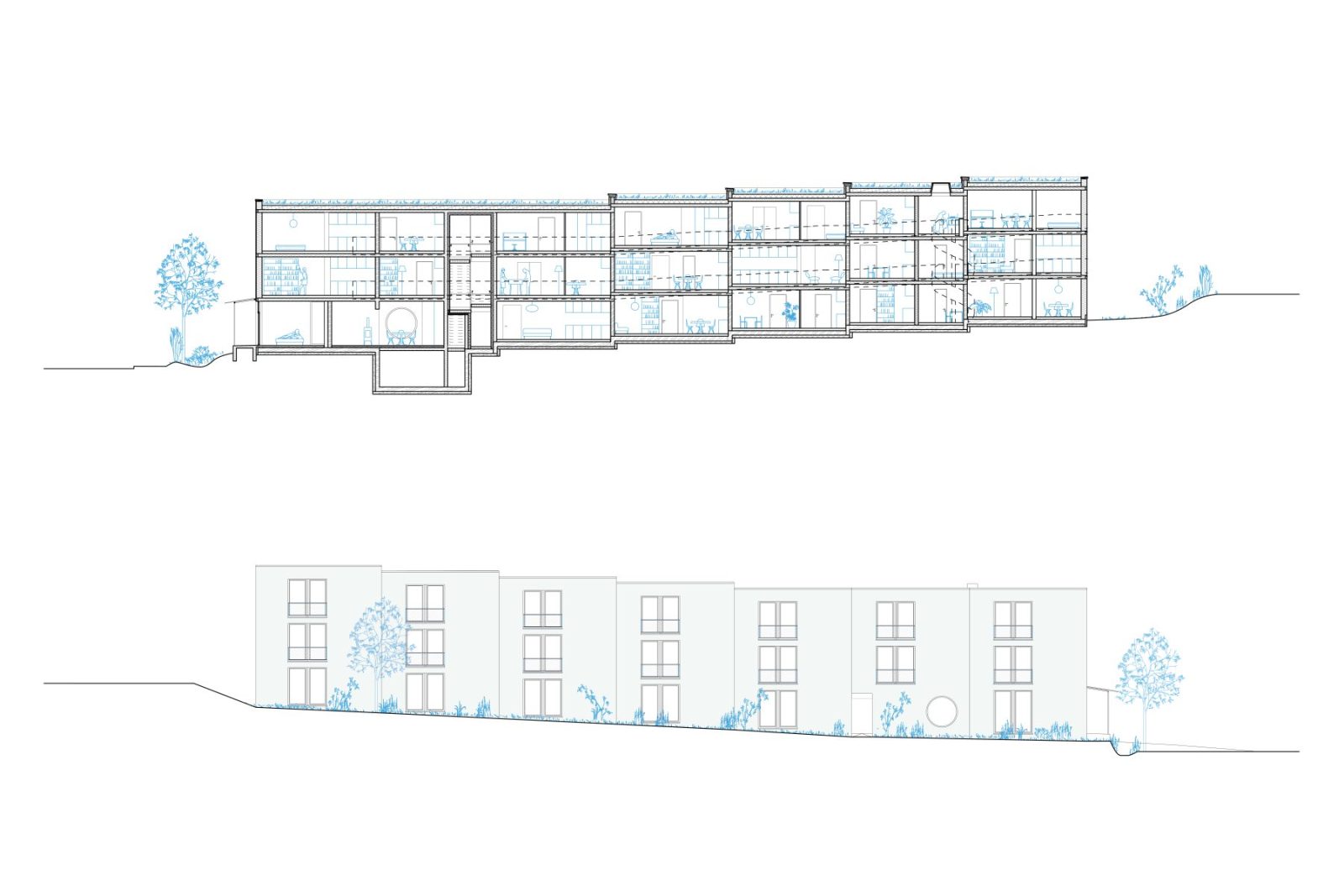
The subtle staggering of units—36 cm shifts, 1.20 m projections—produces a micro-topography of relations negotiating visibility, privacy, and adjacency. The building refuses total transparency, cultivating instead a measured coexistence. Care is not only proximity; it is also keeping the right distance.
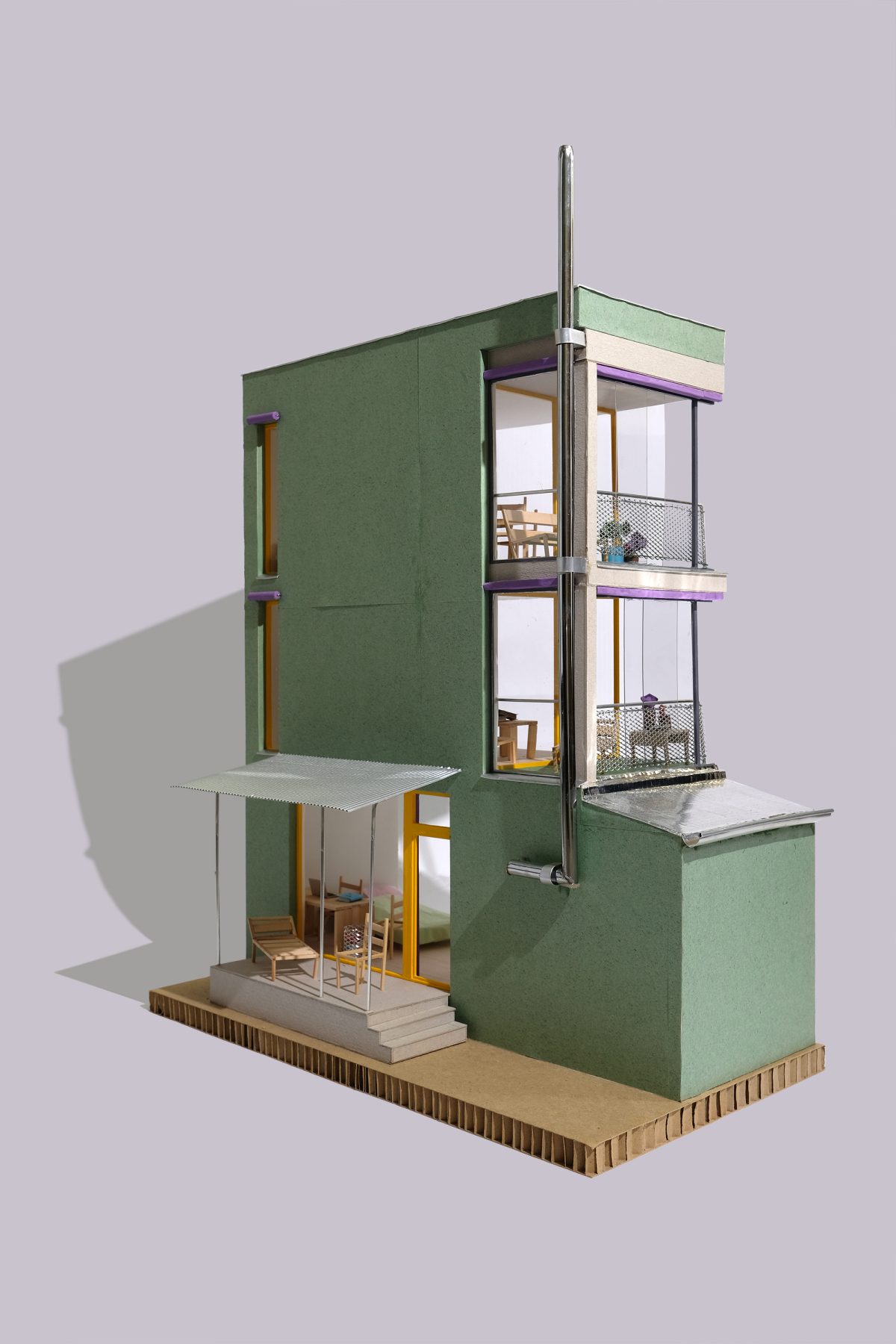
Domestic Singularities within a Collective Form
Within this collective framework, the apartment does not retreat into autonomy; instead, it remains exposed—spatially and conceptually—to the presence of others. Each unit occupies a specific position within the stepped system, producing difference through relation rather than form.
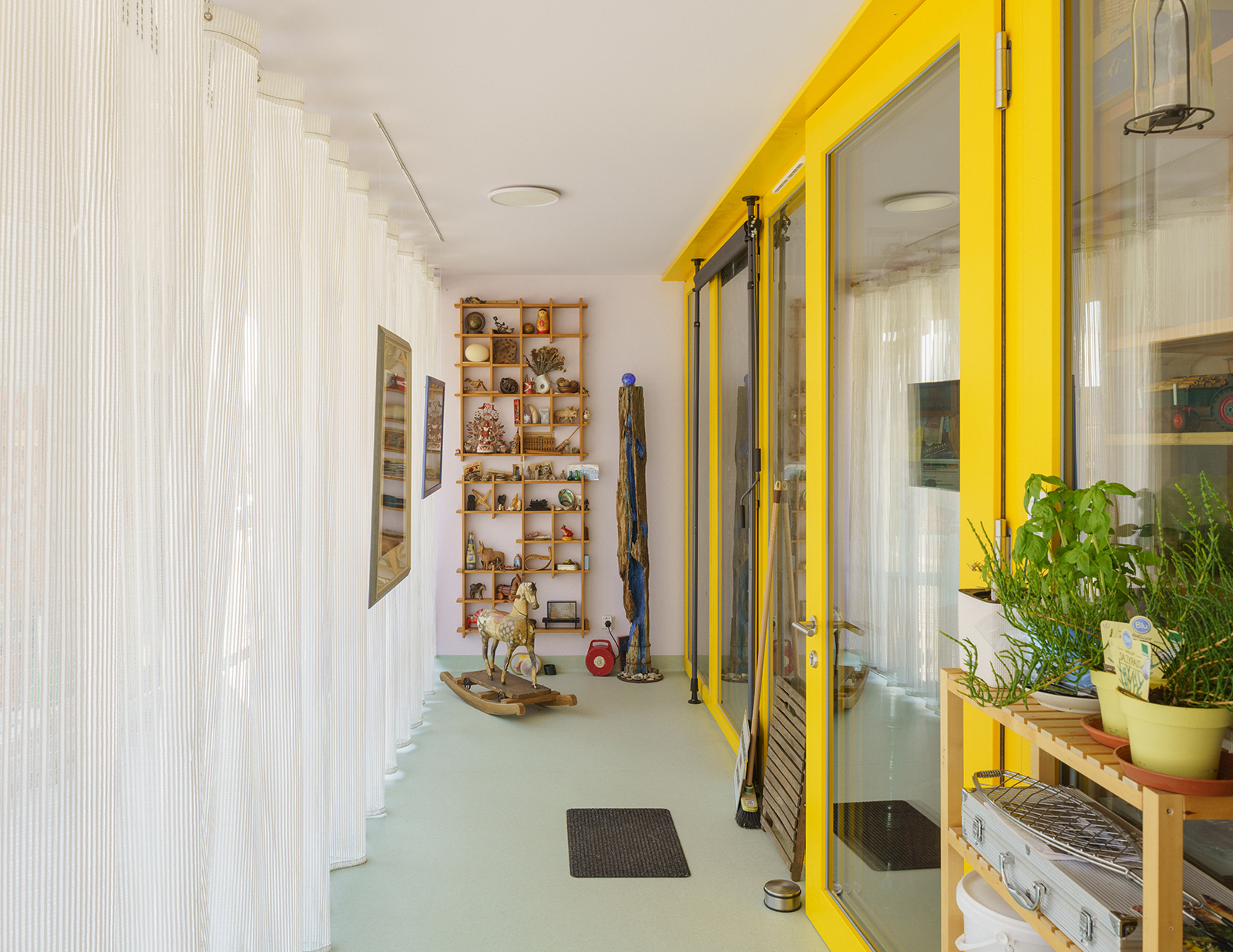
The south-facing veranda operates as a liminal device: a climatic buffer and a social threshold. It embodies what contemporary housing theory describes as “in-between spaces” (Jarvis, 2011)—zones that enable gradual transitions between private and collective life, allowing residents to modulate their degree of participation.
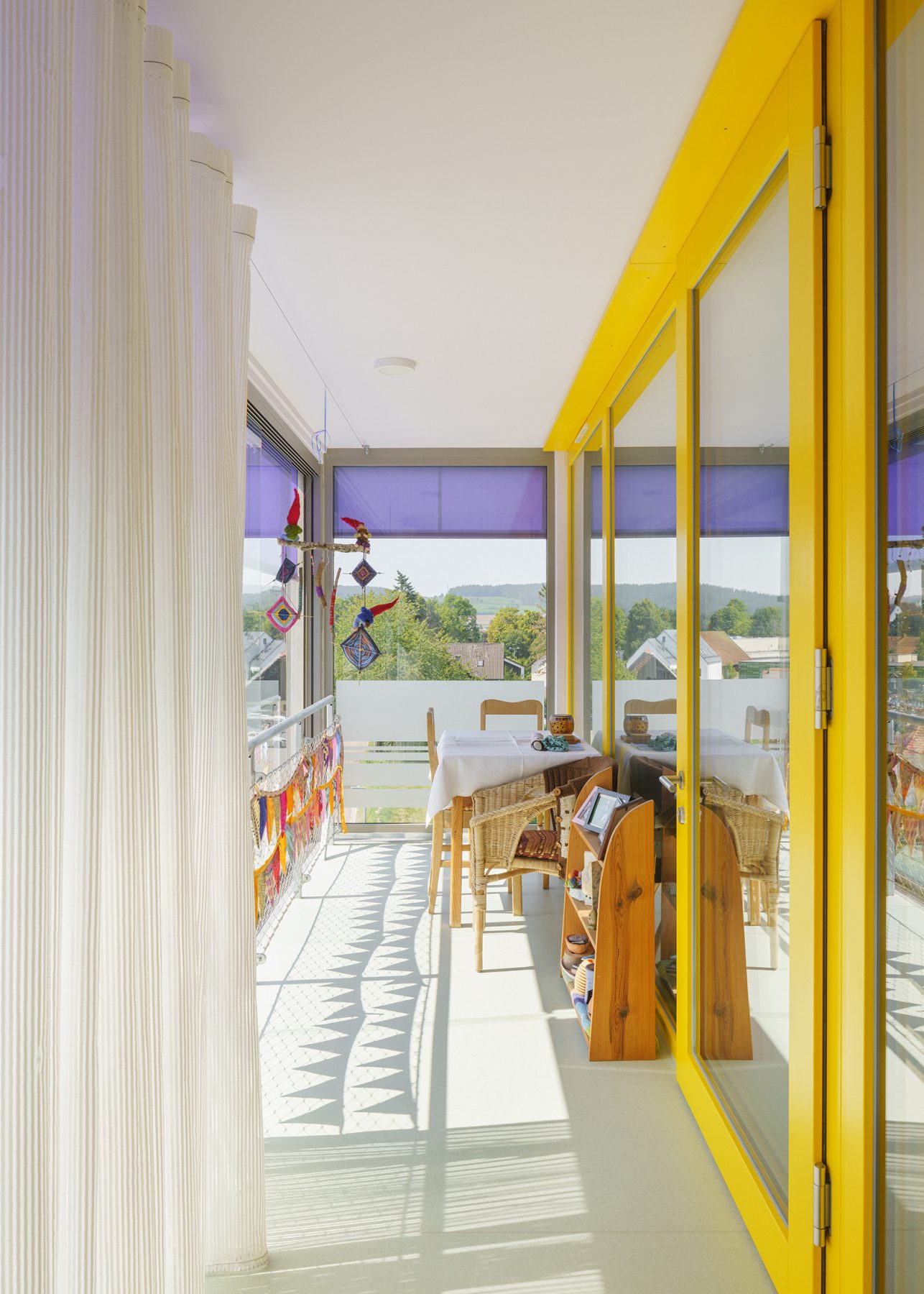
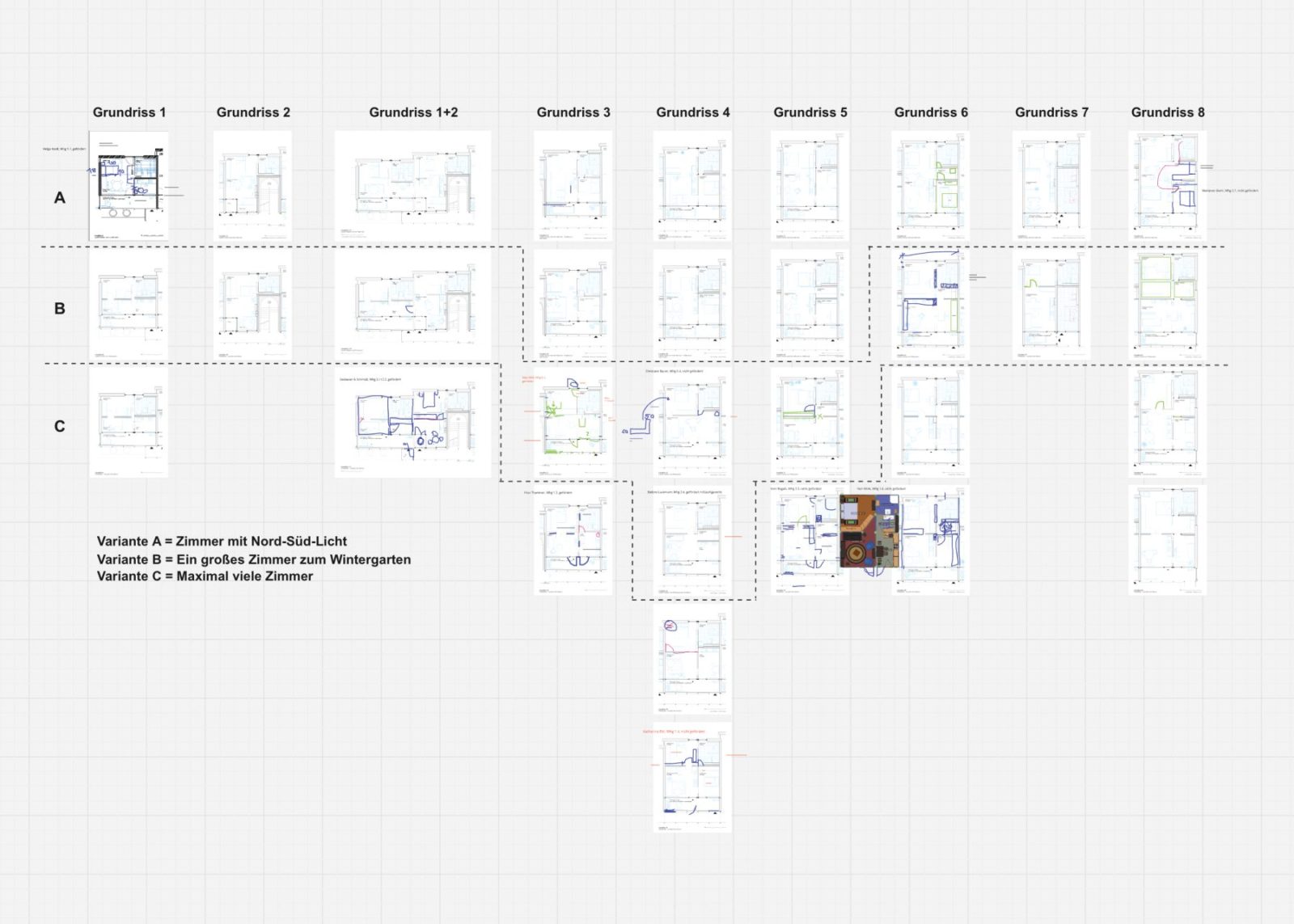
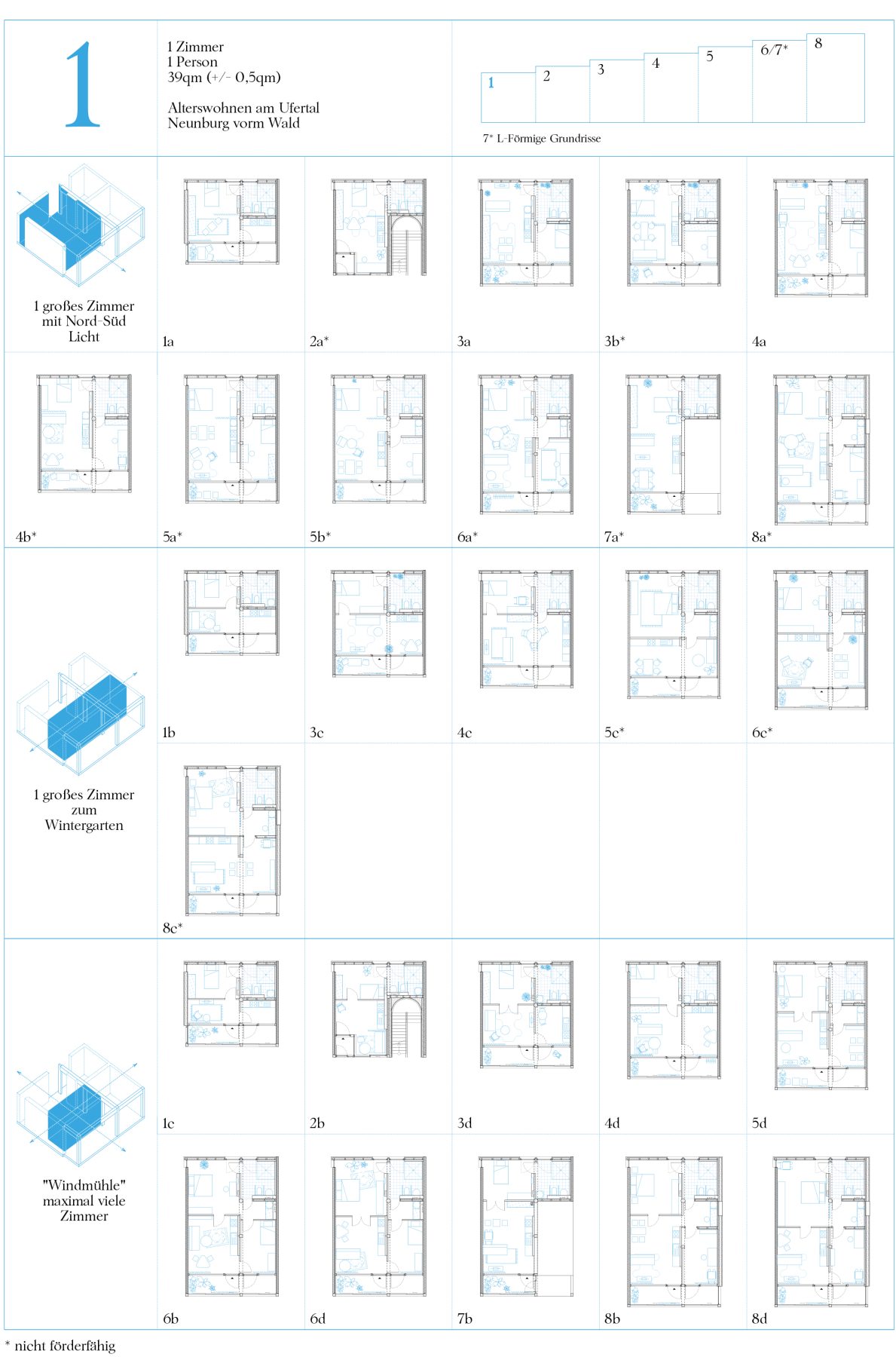
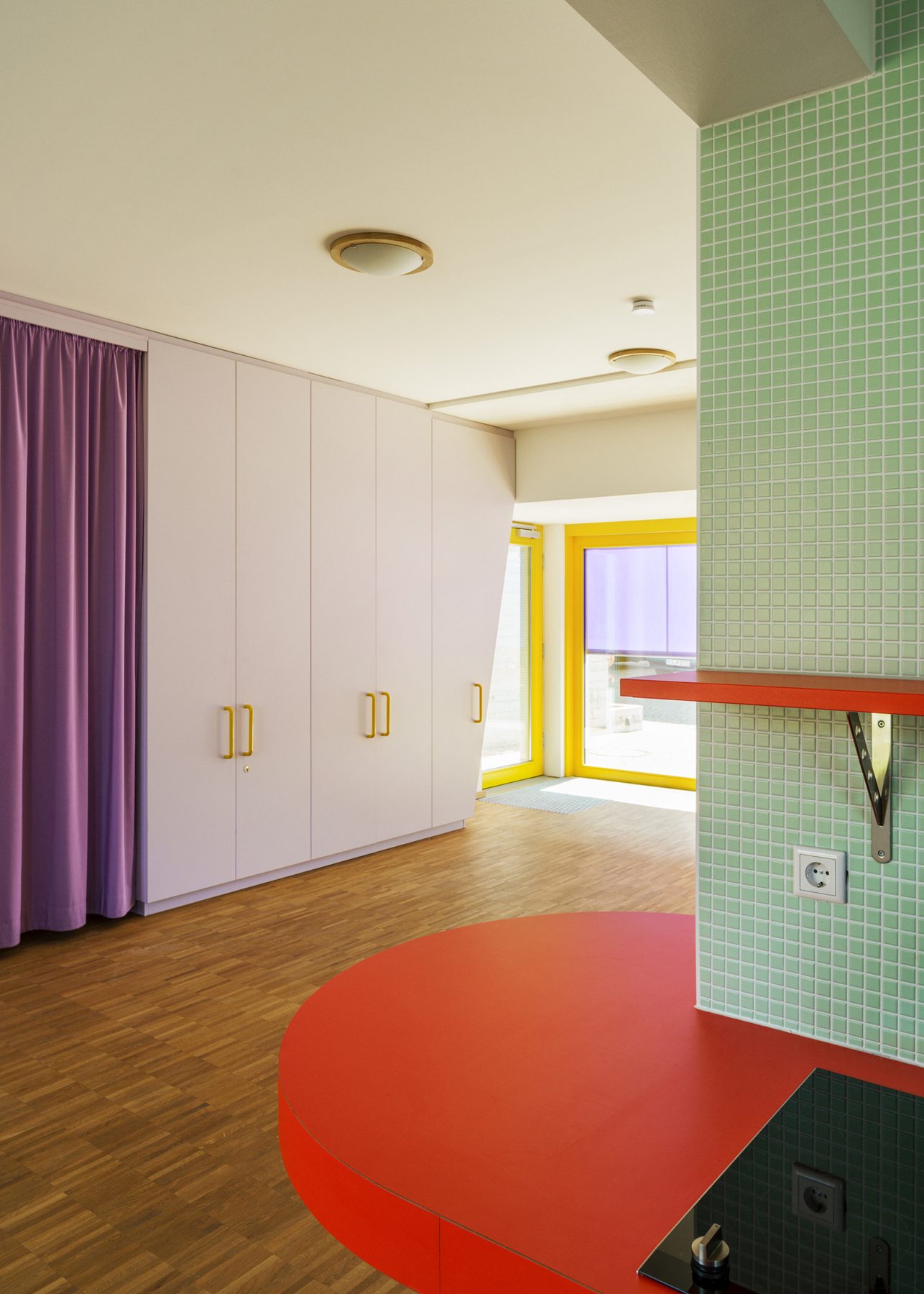
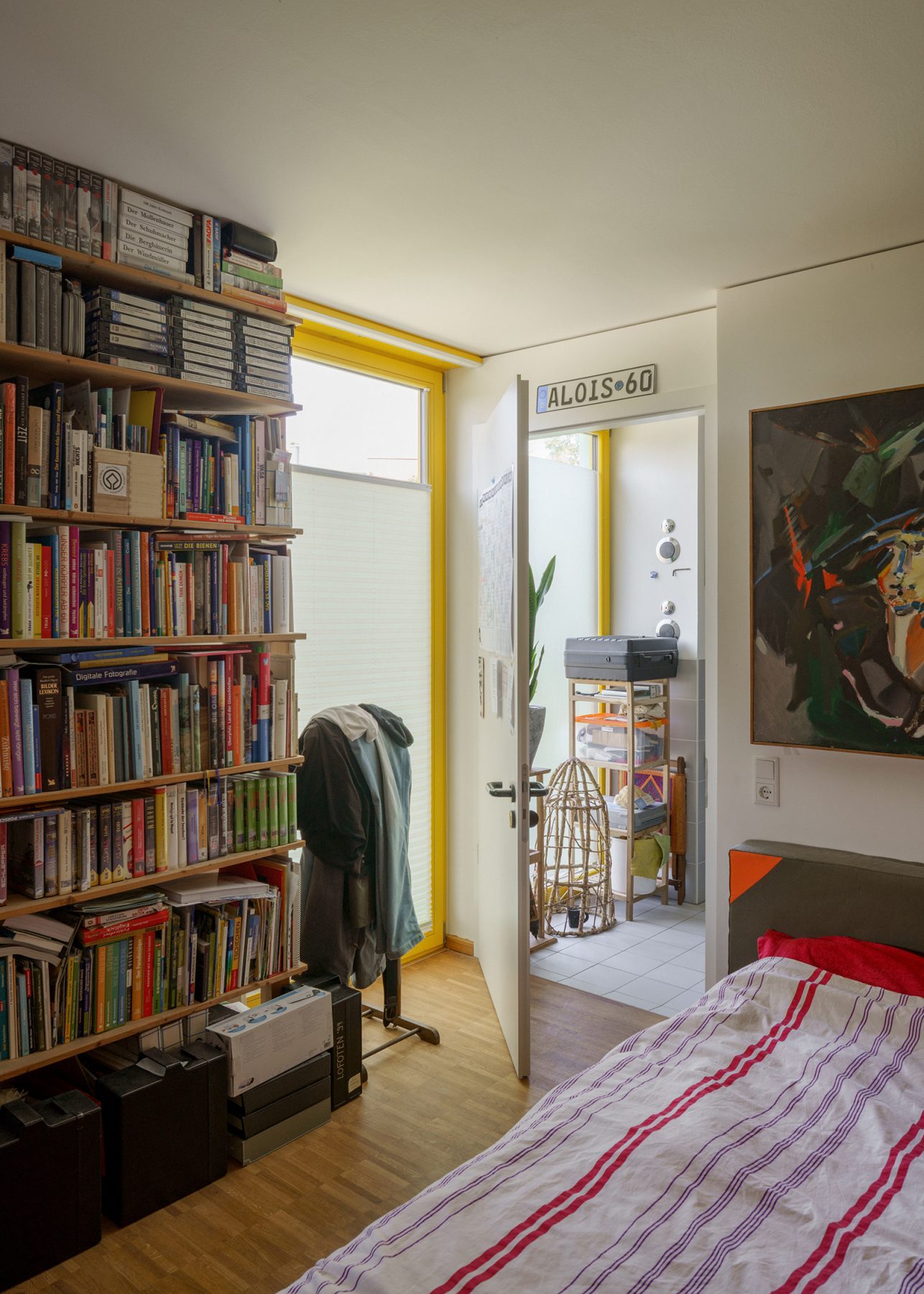
In response, the interior resists fixity, bridging spatial adaptability with social cohesion. Through participatory processes, residents shape their own domestic configurations, inscribing their needs into the architectural framework.
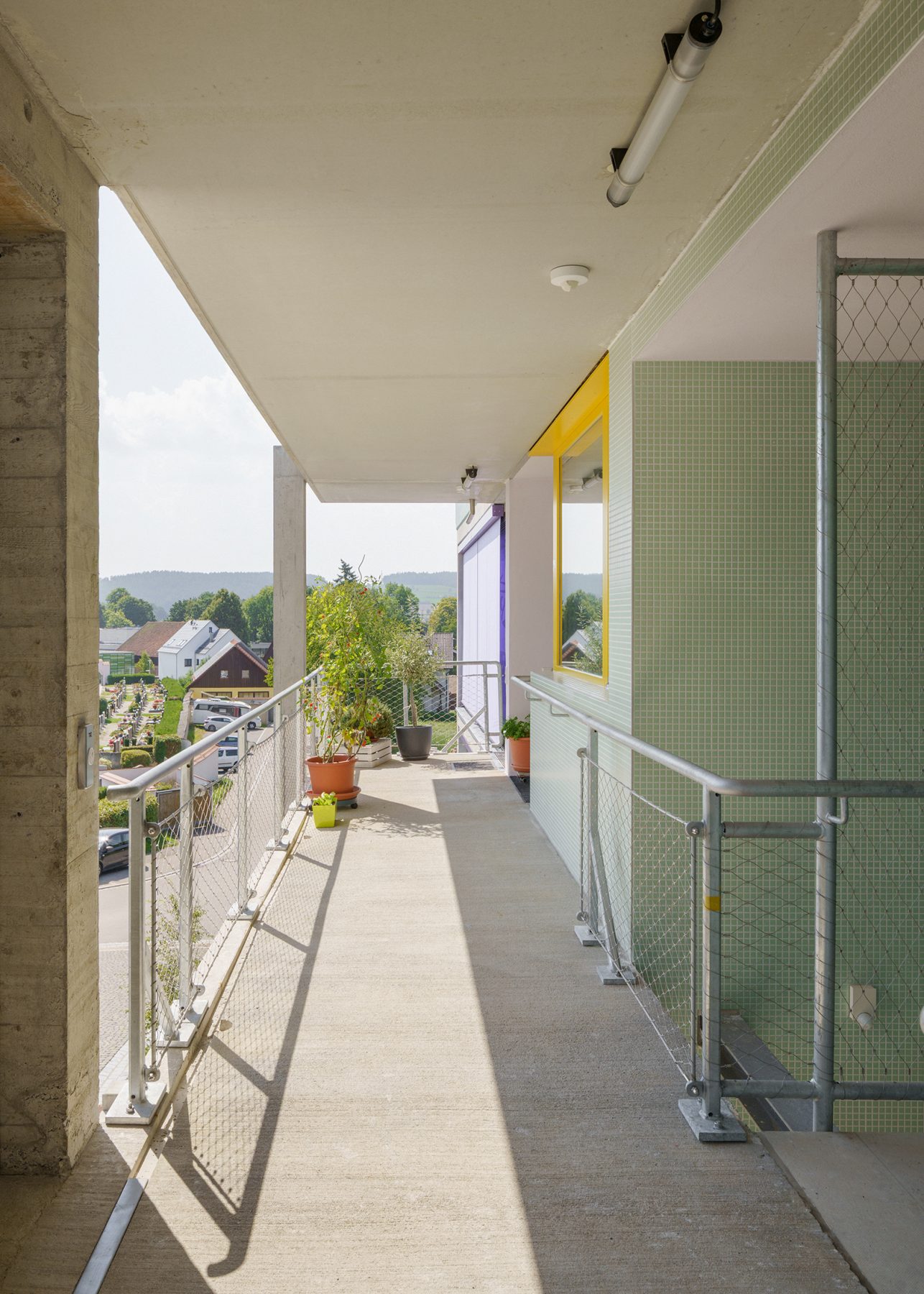
This act of co-authorship aligns with self-managed, co-housing discourses that position inhabitants as active agents rather than passive users in the production of space (Jarvis, 2011; Tummers, 2016).
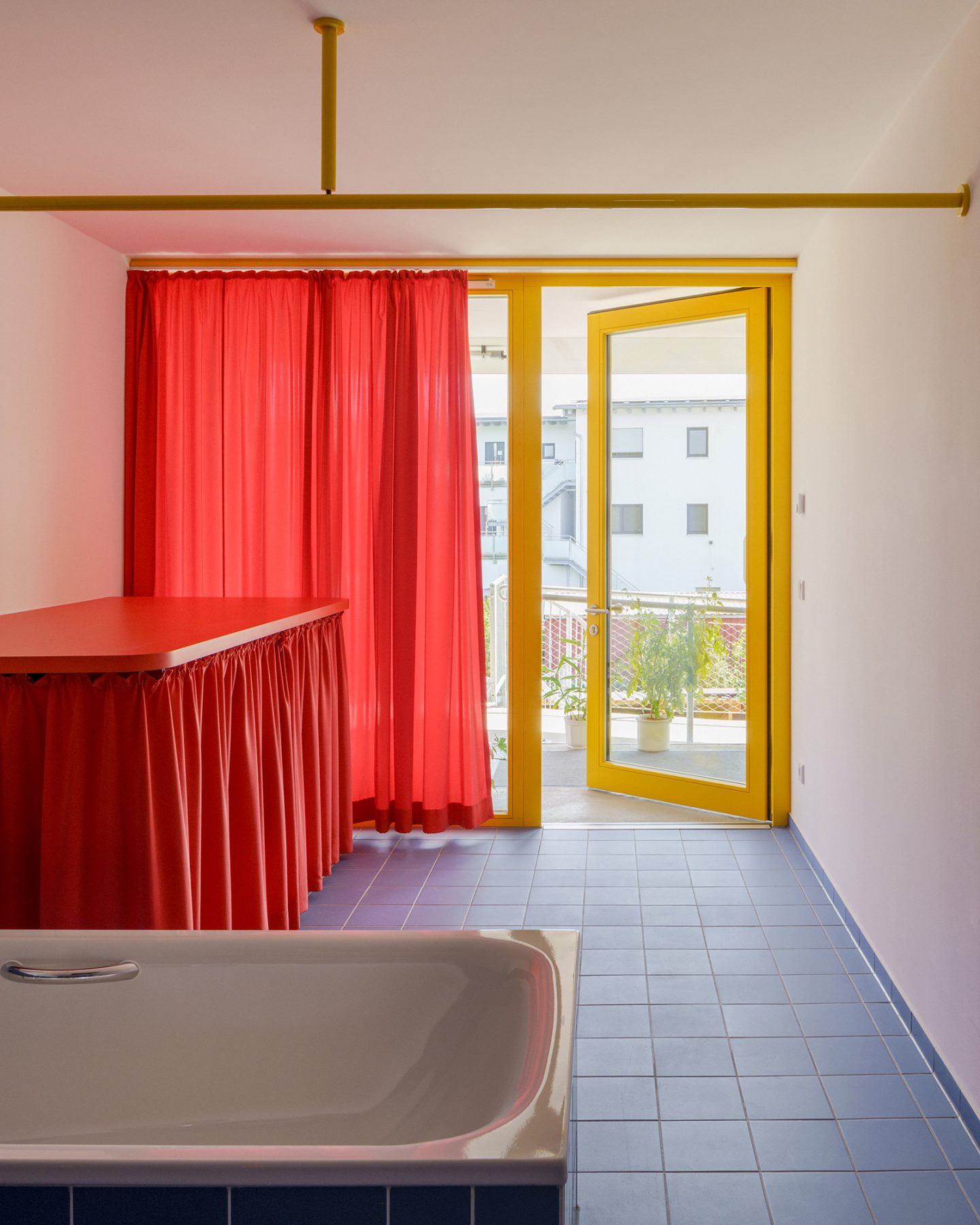
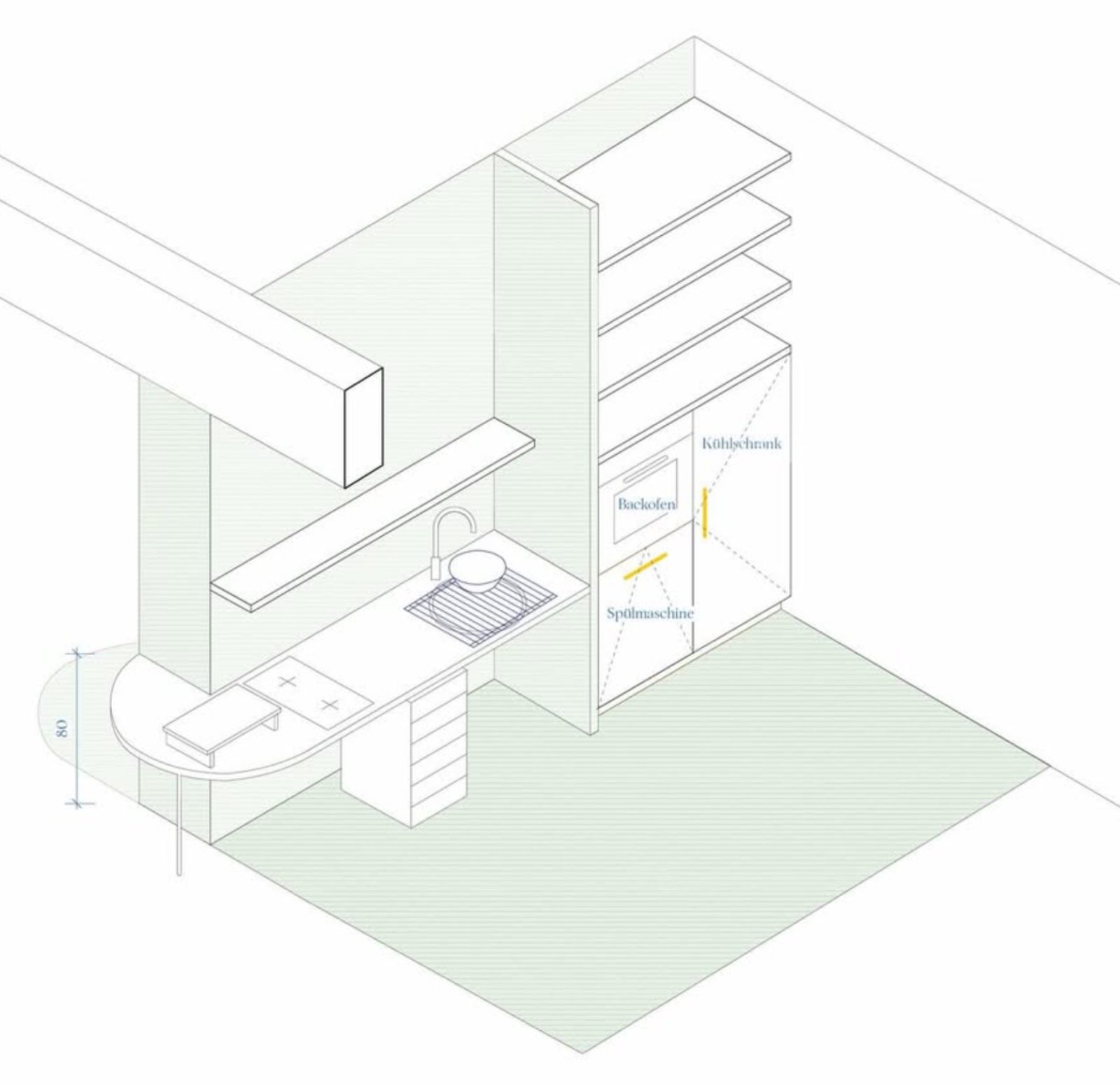
The bathroom—generous, accessible, and naturally lit—acts as a fixed infrastructural anchor. Around it, the plan remains open, adaptable, and reversible. This echoes Habraken’s distinction between permanent support and mutable infill, where care is spatialized through the coexistence of long-term stability and short-term flexibility.
Toward a New Typology: The Gradients of Living Together
Am Ufertal does not propose a new type in the conventional sense. It proposes a shift in thinking—from type to gradient. Between private and collective, independence and support, solitude and companionship, the project constructs a continuous field rather than discrete categories.
The arbor ramp, the 7.5-meter structural logic, and the accessible bathroom are not isolated solutions but interdependent operations.
Together, they construct a continuum of care—one that is spatially embedded rather than externally provided.
As Jarvis (2011) argues, co-housing environments reconfigure the infrastructures of daily life, redistributing care across shared spaces and collective practices.
In Am Ufertal, this redistribution is architectural: care is inscribed into circulation, thresholds, and spatial proximities.
The Permanent and the Mutable
The project’s material and structural decisions reveal an architecture attuned to time. Changes in construction—from timber to solid, from steel to in-situ concrete—are not merely economic adjustments; they are recalibrations that reinforce durability and adaptability.
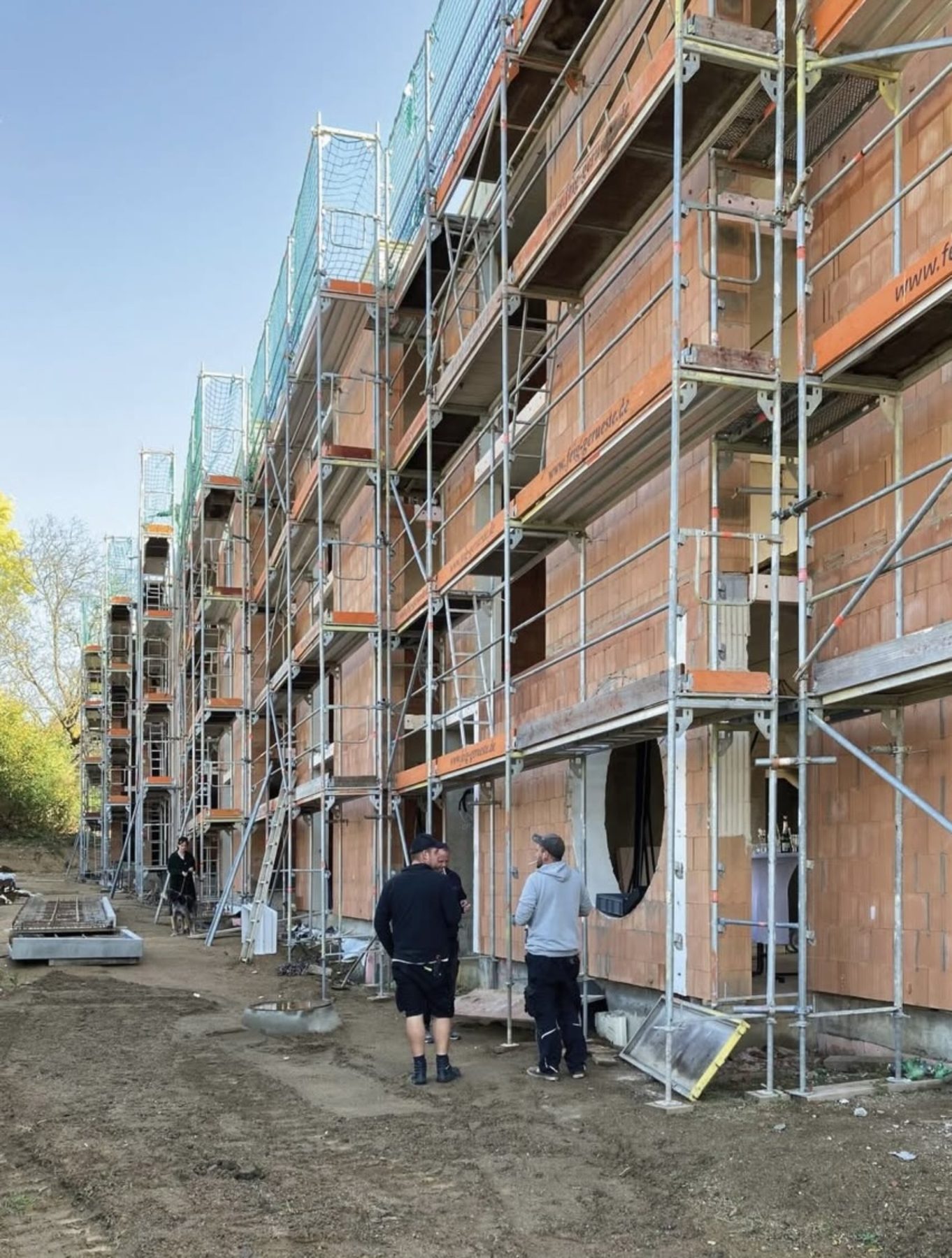
In this sense, the building aligns with Stewart Brand’s understanding of architecture as a layered system, where different components evolve at different rhythms (Brand, 1994).
The structure provides a stable framework, while the interior remains subject to change. The absence of a basement, the externalization of storage, the concentration of infrastructure—these strategies reduce material consumption while allowing the building to respond to shifting demographic and social conditions.
The building becomes a resource rather than a product: something to be used, modified, and sustained.
This temporal dimension extends the notion of care beyond immediate use, positioning architecture as a long-term support system for unknown futures.
Matter, Envelope, and Assembly
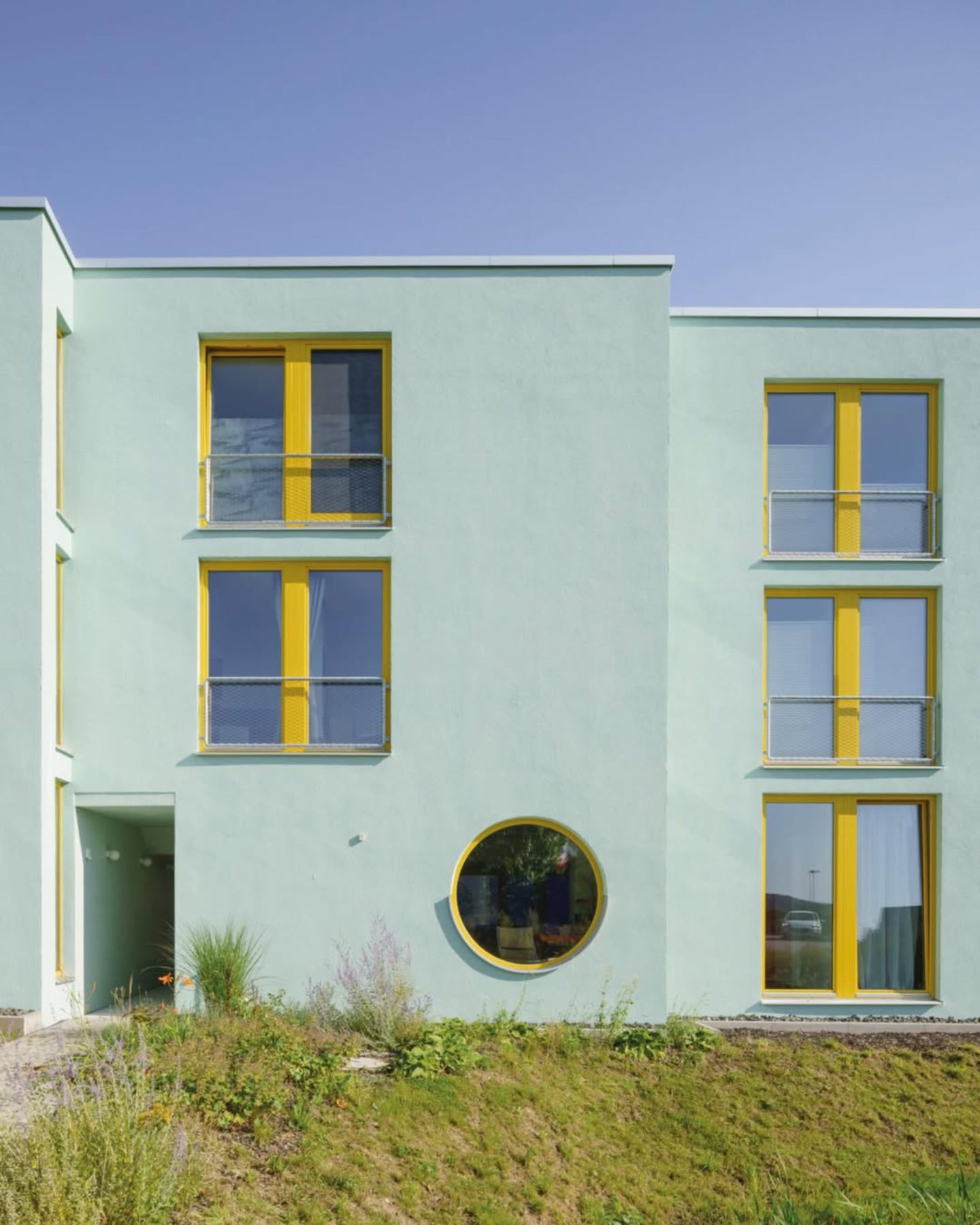
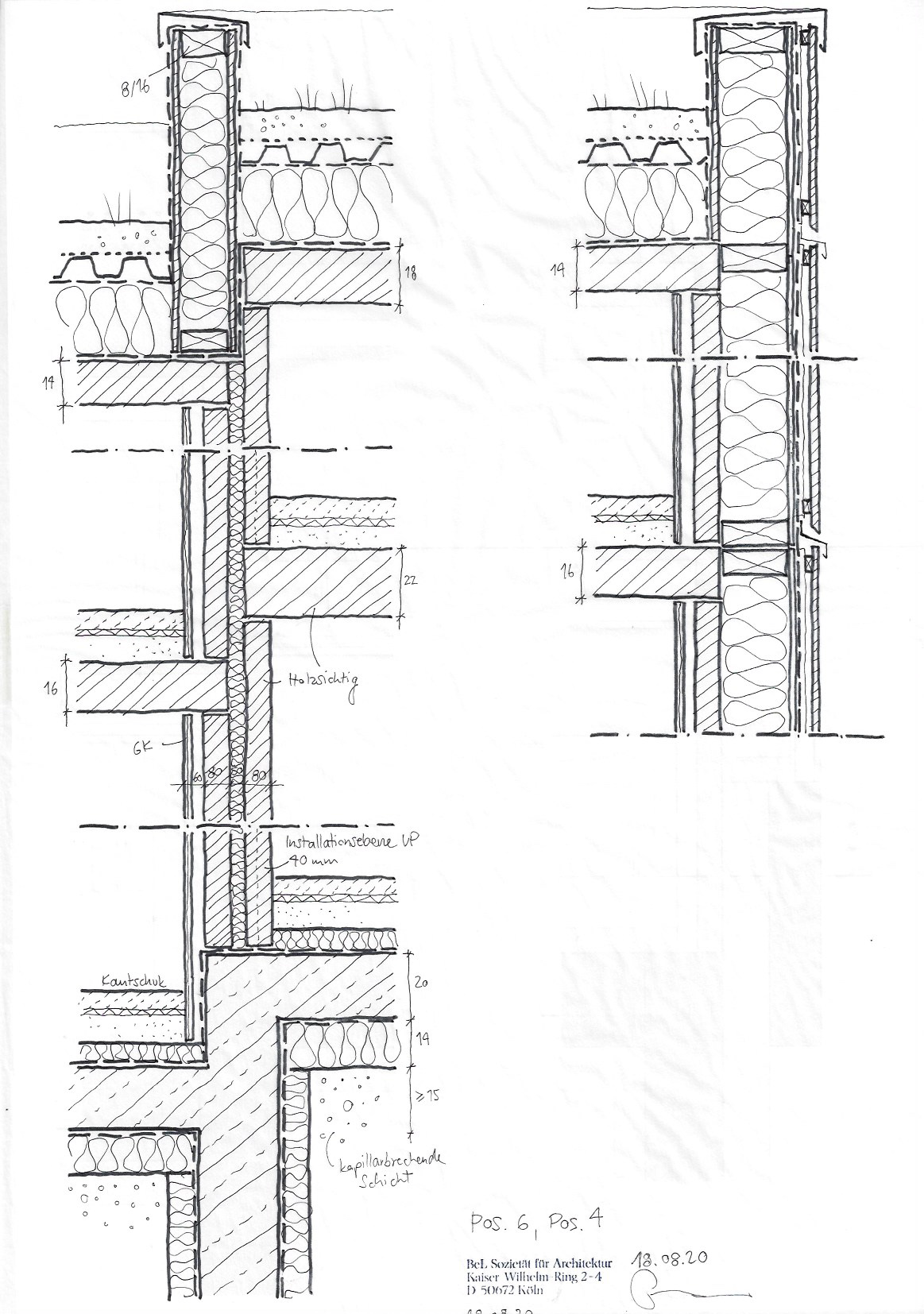
Materially, Am Ufertal operates through restraint. Masonry walls, lime plaster, timber frames—these elements establish continuity with the rural context without resorting to representation.
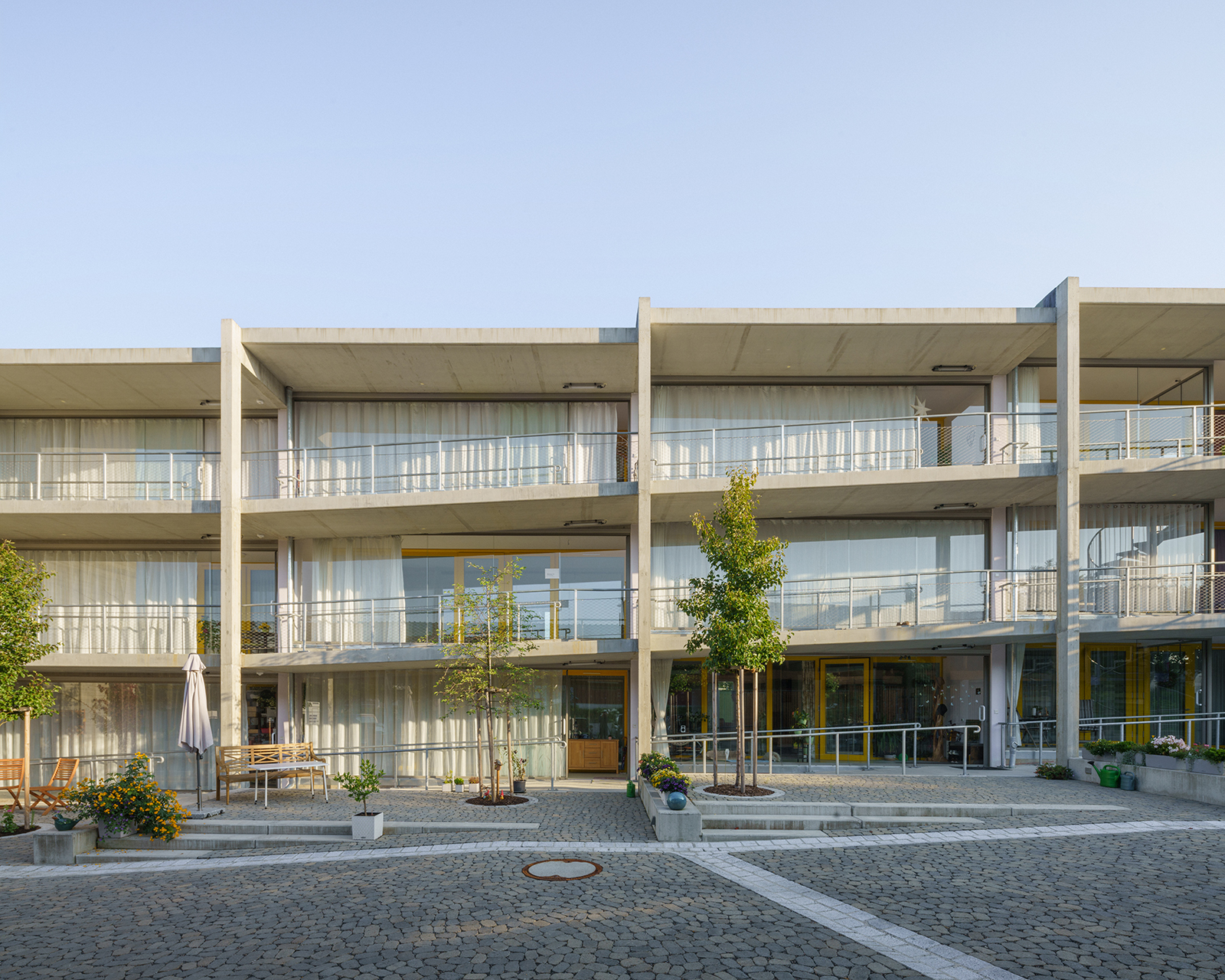
The façade operates as a layered threshold rather than a fixed boundary.
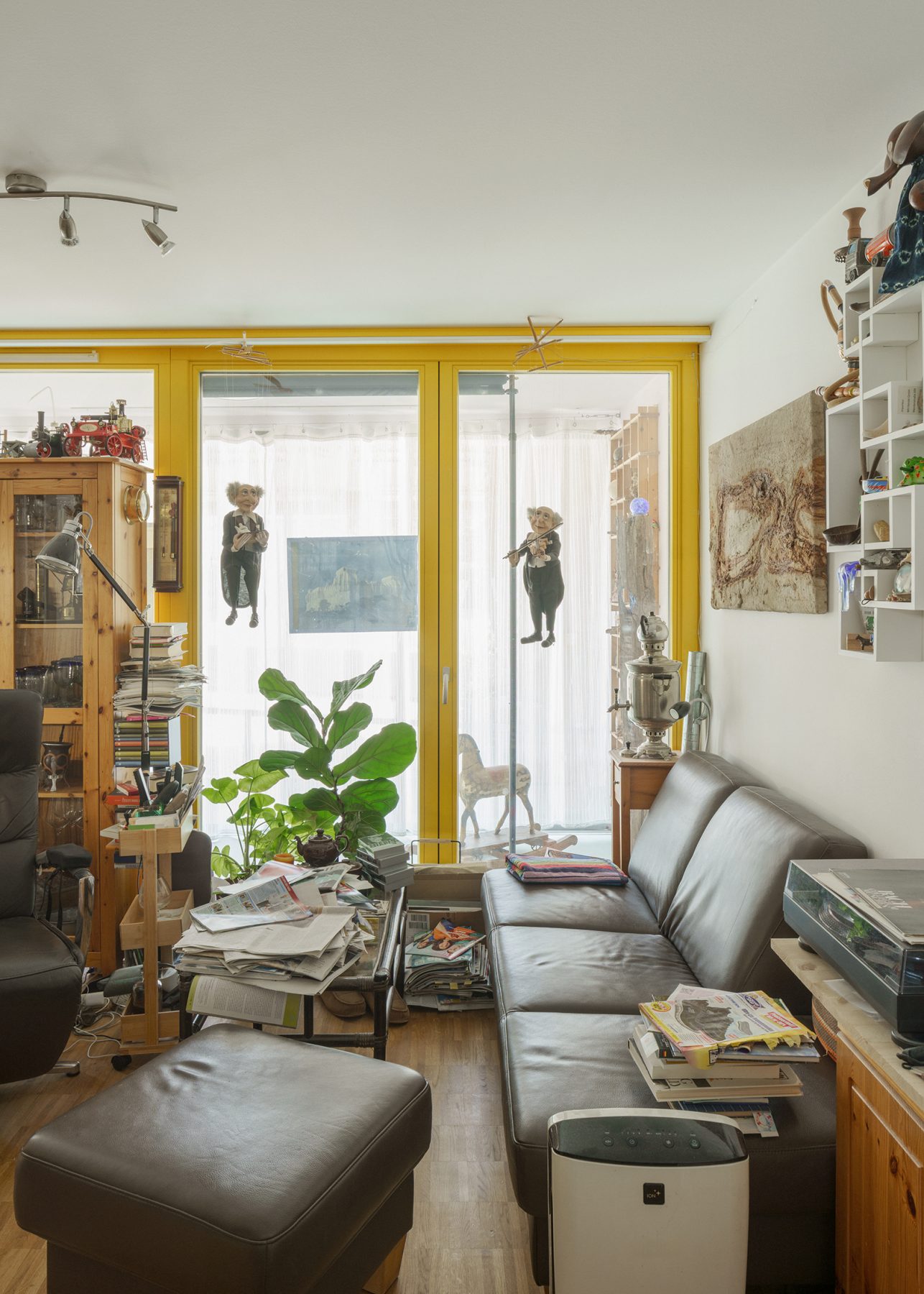
To the south, the interplay of structure, glazing, and operable elements produces a gradient of environmental and social conditions. This layered envelope mediates between climate and inhabitation, reinforcing the project’s emphasis on relational space. Light, heat, and visibility are modulated rather than fixed. The building breathes, adjusts, responds.
The shed, constructed in timber, complements this logic as a lighter, more provisional counterpart—an architecture of support that extends beyond the domestic interior.
Circularity as Latent Capacity
Circularity is embedded within the project’s structural and spatial logic. The permanence of the load-bearing system conserves material resources, while the adaptability of the interior enables continuous reuse and reconfiguration.
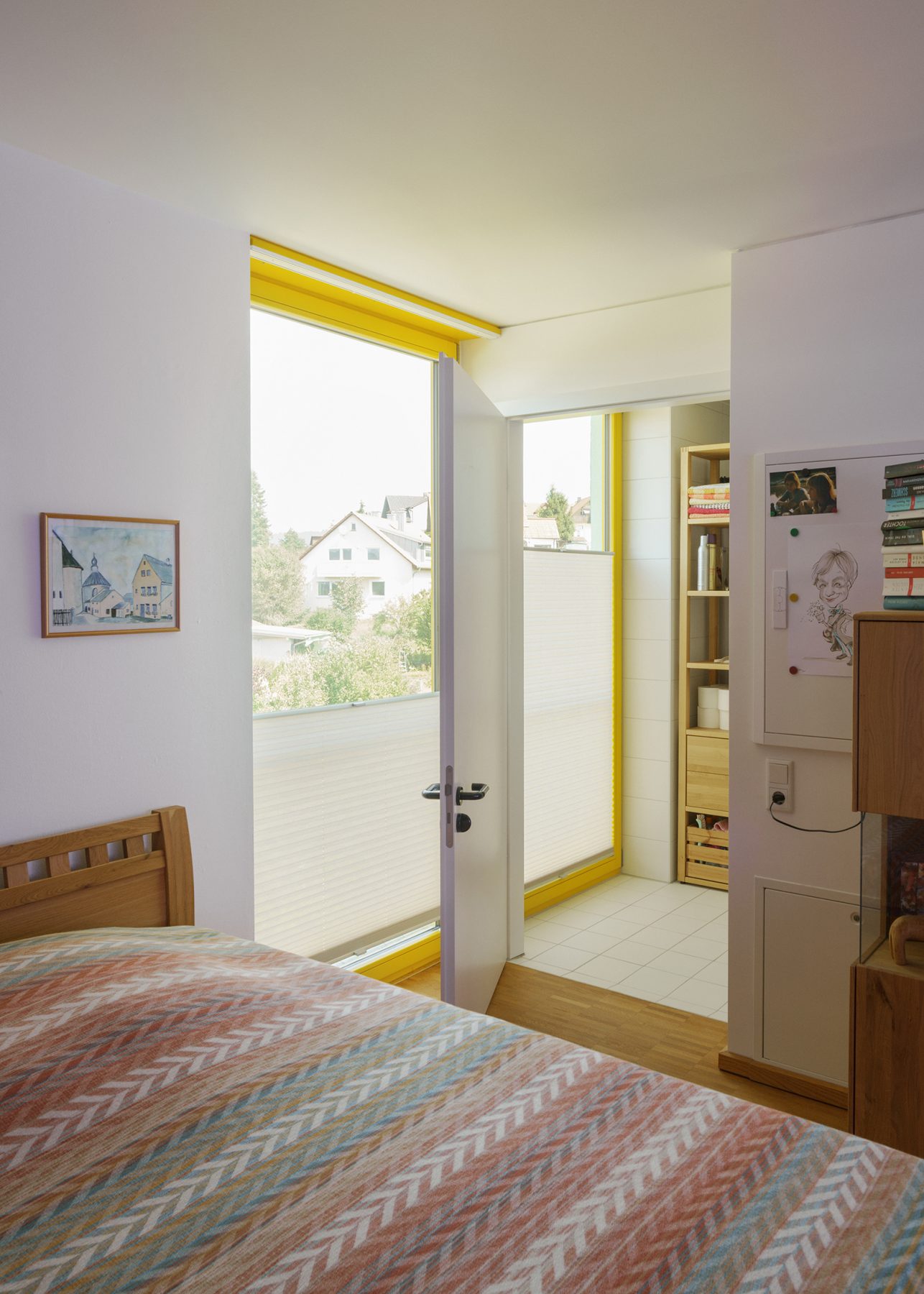
The building anticipates change—not as disruption, but as continuity.
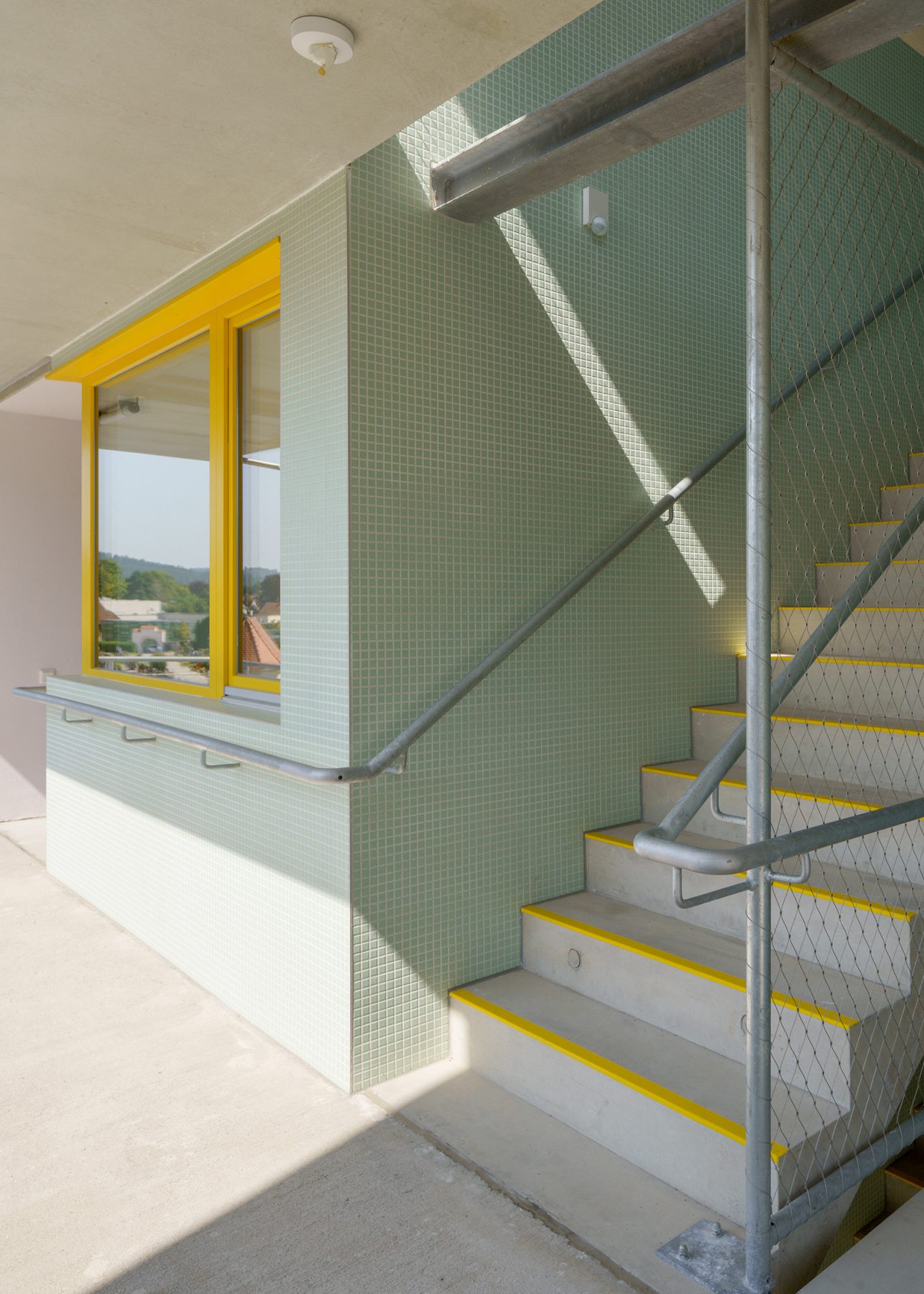
In Am Ufertal, structure, skin, and services are aligned to support longevity and change, positioning circularity as an inherent capacity rather than an added feature. Care, in this sense, extends to the future. It is an investment in what the building can become.
Energetics and Environmental Attunement
Operating within the Efficiency House 55 Renewable Energies framework, the project achieves a high degree of energy autonomy through geothermal systems, photovoltaic production, and storage. Yet environmental performance is not treated as a purely technical problem. Instead, it is spatialized through thermal gradients, buffer zones, and seasonal adaptability. The pergola ramp and veranda mediate solar gain; the envelope balances insulation and openness; water is retained and reabsorbed.
As with social care, environmental care is distributed across the architecture—embedded in form, material, and use.
The building does not simply perform efficiently; it cultivates an awareness of energy, climate, and resource use within its inhabitants.
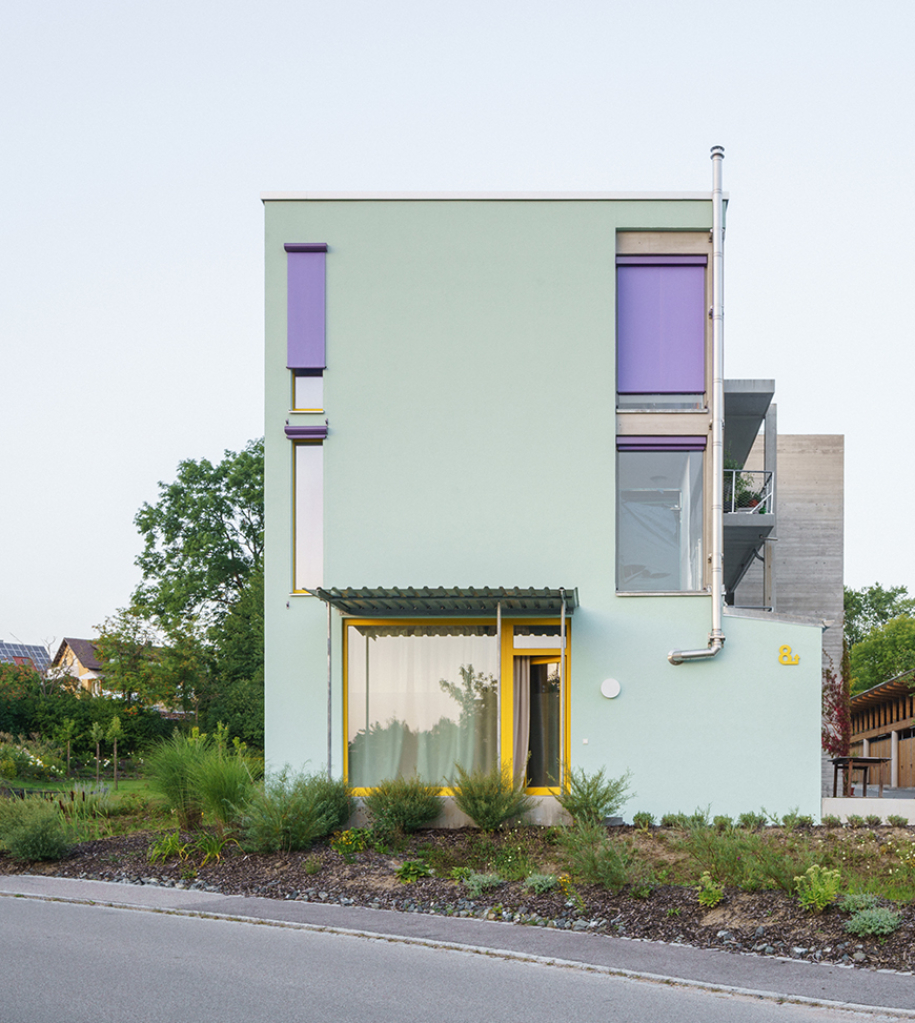
Am Ufertal does not offer a definitive model for elderly living, nor does it resolve the tensions between autonomy and dependence, individuality and collectivity. Instead, it sustains them as spatial conditions to be negotiated over time. Here, care is a distributed practice embedded in thresholds, routines, and relations shifting the architectural question from how to house ageing to how to live together through it.
What emerges is not a fixed typology, but an open framework: an architecture that does not prescribe life, but holds space for it to unfold—gradually, collectively, and with dignity.
Facts & Credits
Project title Am Ufertal
Typology An Architecture of Care, Elderly Housing
Location Neunburg vorm Wald, Bavaria, Germany
Status Completed, July 2019-December 2023
Client 9BÜRGER eG Wohnungsbaugenossenschaft i.G.
Commission type Awarded after revision, one of three joint third prizes in an invited competition (no first or second prize)
Architecture BeL Sozietät für Architektur
Project team Anne-Julchen Bernhardt, Jörg Leeser, Mariel Kaiser-Crompton, Laura Fuchs, Julia Kaulen, Christian Kühnle, Alina Uhlenbrock
Structural engineer Dr.-Ing. Arne Künstler, Frankfurt
Landscape design Studio grüngrau Landschaftarchitektur GmbH, Prof. Thomas Fenner, Düsseldorf
Building physics Greenline Energiedesign, Eva-Maria Fladerer, Regensburg
HVAC and electrical planning EnergieAgentur Berghamer und Penzkofer GmbH & Co. KG, Moosburg an der Isar
Photography Sebastian Schels
Bibliography
Brand, S. (1994) How Buildings Learn: What Happens After They’re Built. New York: Viking Press.
Habraken, N.J. (1972) Supports: An Alternative to Mass Housing. London: Architectural Press.
Jarvis, H. (2011) ‘Saving Space, Sharing Time: Integrated Infrastructures of Daily Life in Cohousing’, Environment and Planning A, 43(3), pp. 560–577.
Lefebvre, H. (1991) The Production of Space. Oxford: Blackwell.
Tummers, L. (2016) ‘The Re-emergence of Self-managed Co-housing in Europe: A Critical Review of Cohousing Research’, Urban Studies, 53(10), pp. 2023–2040.