‘Stories of contemporary domesticity or HOMEland’, a series curated by Archt., explores different interpretations of the notion of home through an open dialogue with contemporary architectural approaches to housing.
The fifteenth episode traces architects Alexander and David Brodsky across the weathered fabric of Tbilisi’s historic district, where the Unfinished House emerges as a palimpsest of the city’s architectural identity. Here, local bricks and timber, handmade cement blocks, corrugated metal sheets, and Soviet-era glass bricks are gathered and reassembled through urban mining, shaping a domestic landscape grounded in raw materiality, collective construction, and an intentionally open-ended design—one that remains receptive to future transformations.
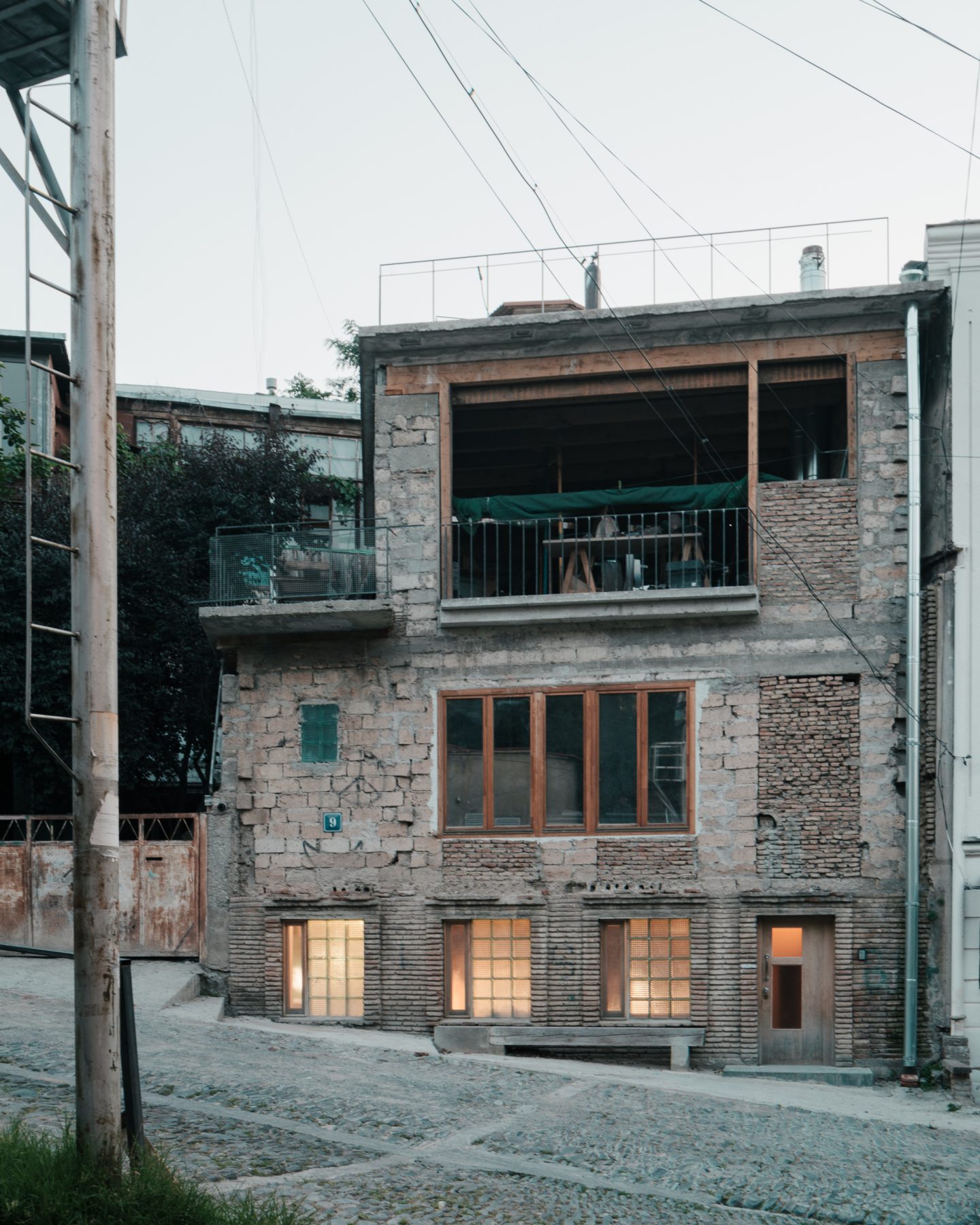
The Unfinished House stands as a compelling case study in which architects operate simultaneously as thinkers, archaeologists, and builders. As the third iteration of a structure first erected in the 1920s, the new design is shaped as a kind of architectural archaeology through ad hoc, self-built construction methods. Within this process, the city is approached as an inexhaustible quarry—an archaeological field charged with poetic potential—where architecture becomes an ongoing collective practice and incompleteness itself a design strategy.
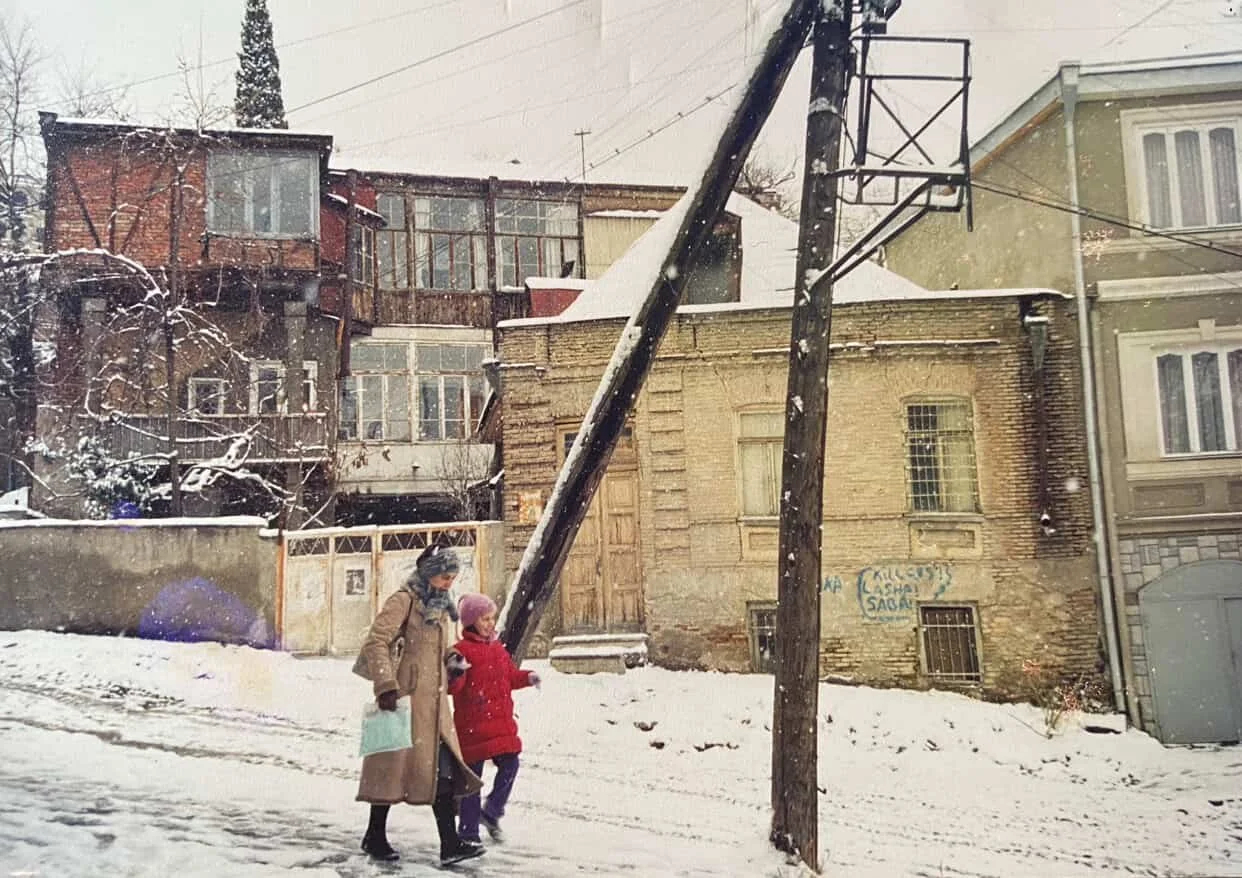
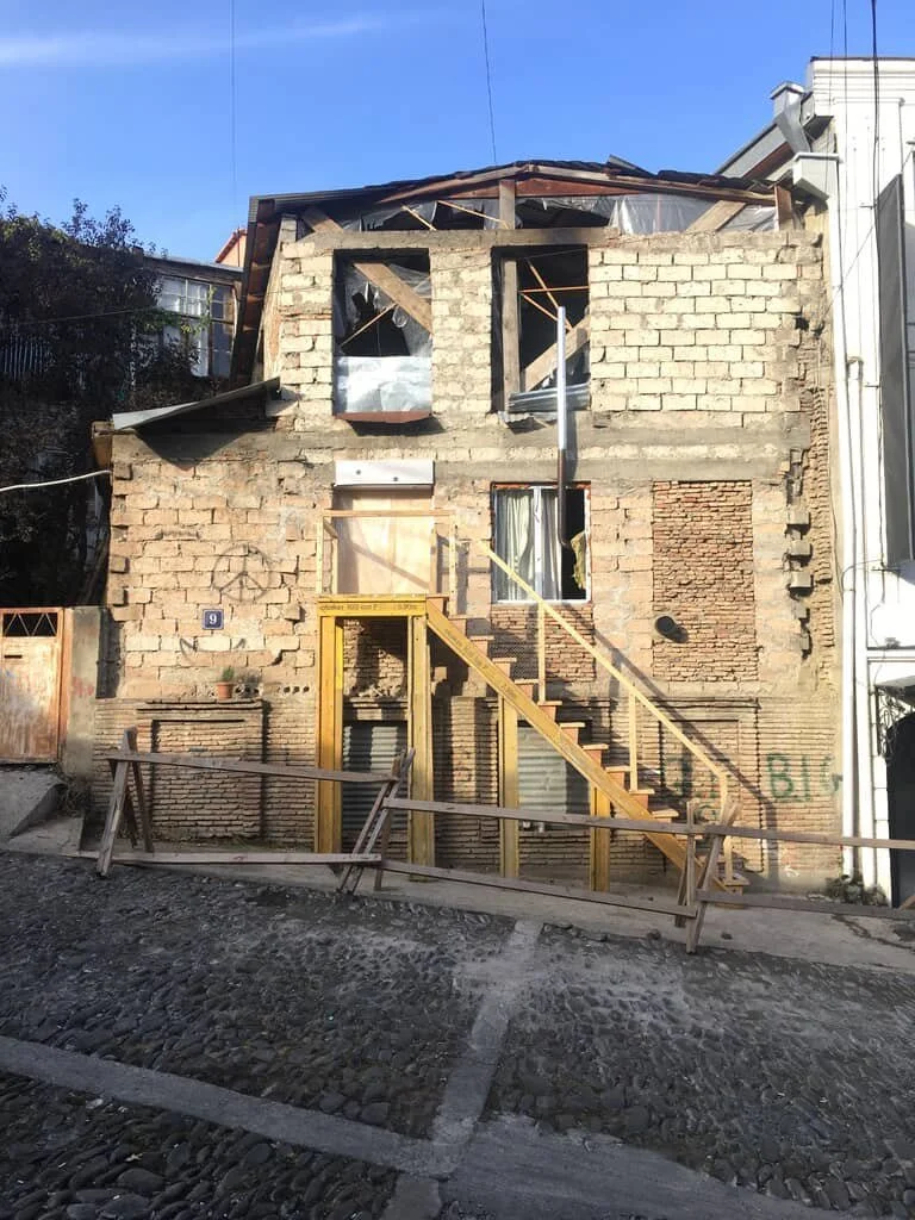
Beyond its ecological implications, urban mining unfolds as a cultural act.
Buildings are dismantled with care, their components catalogued through material mapping, and stored within material banks that function as inventories of reusable elements. Reclaimed materials carry embedded histories and latent narratives, enriching contemporary architecture with layered meaning.
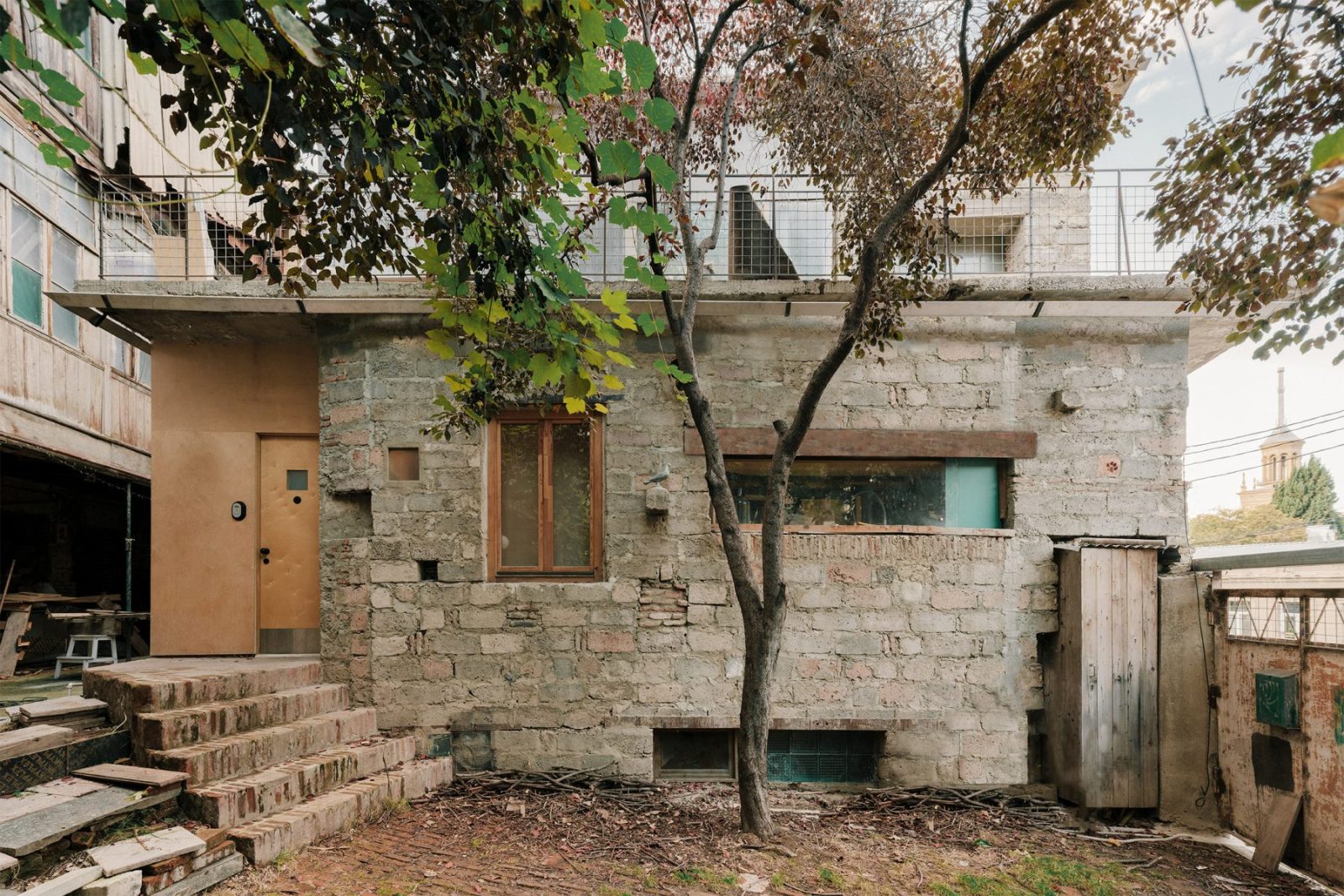
In this sense, the Unfinished House embodies a hybrid condition—bridging past, present, and future in a continuous dialogue.
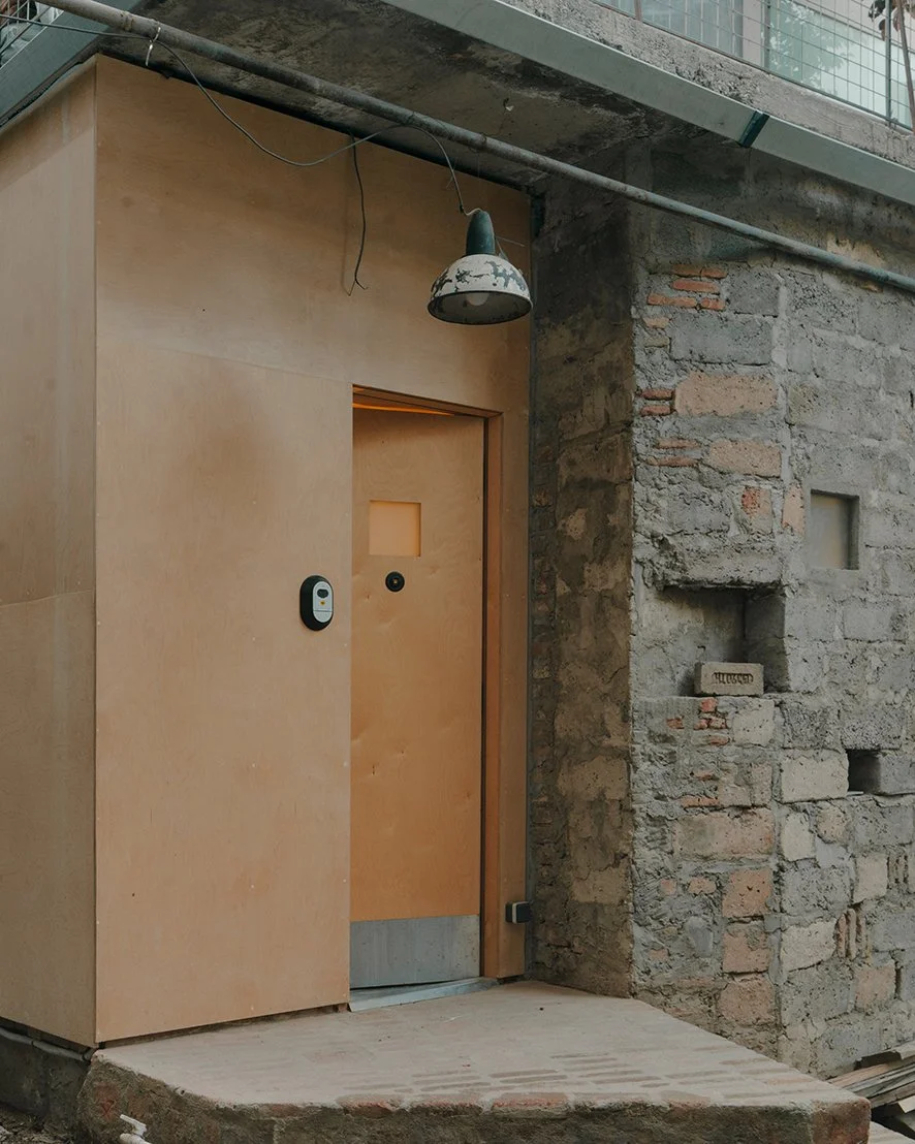
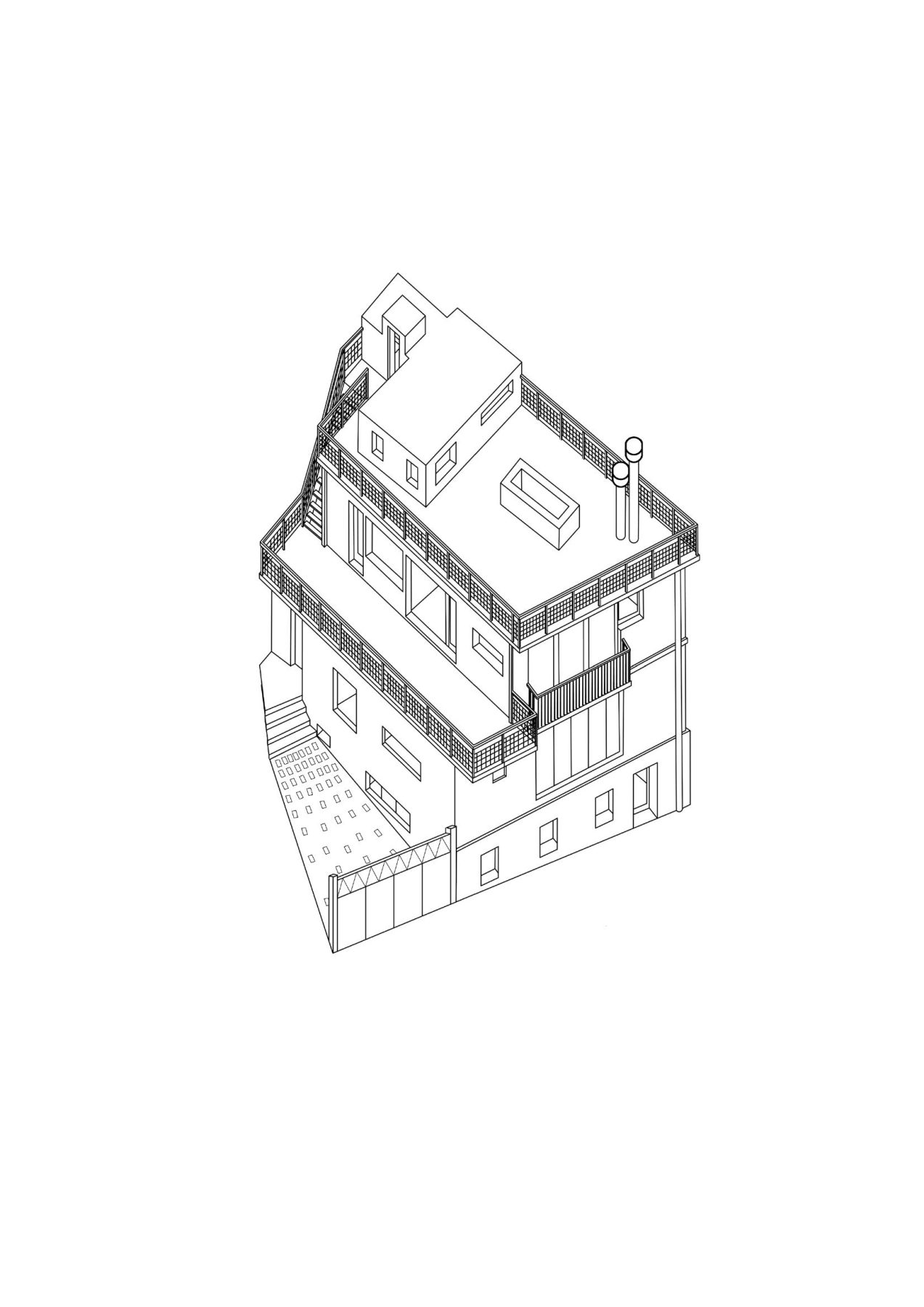
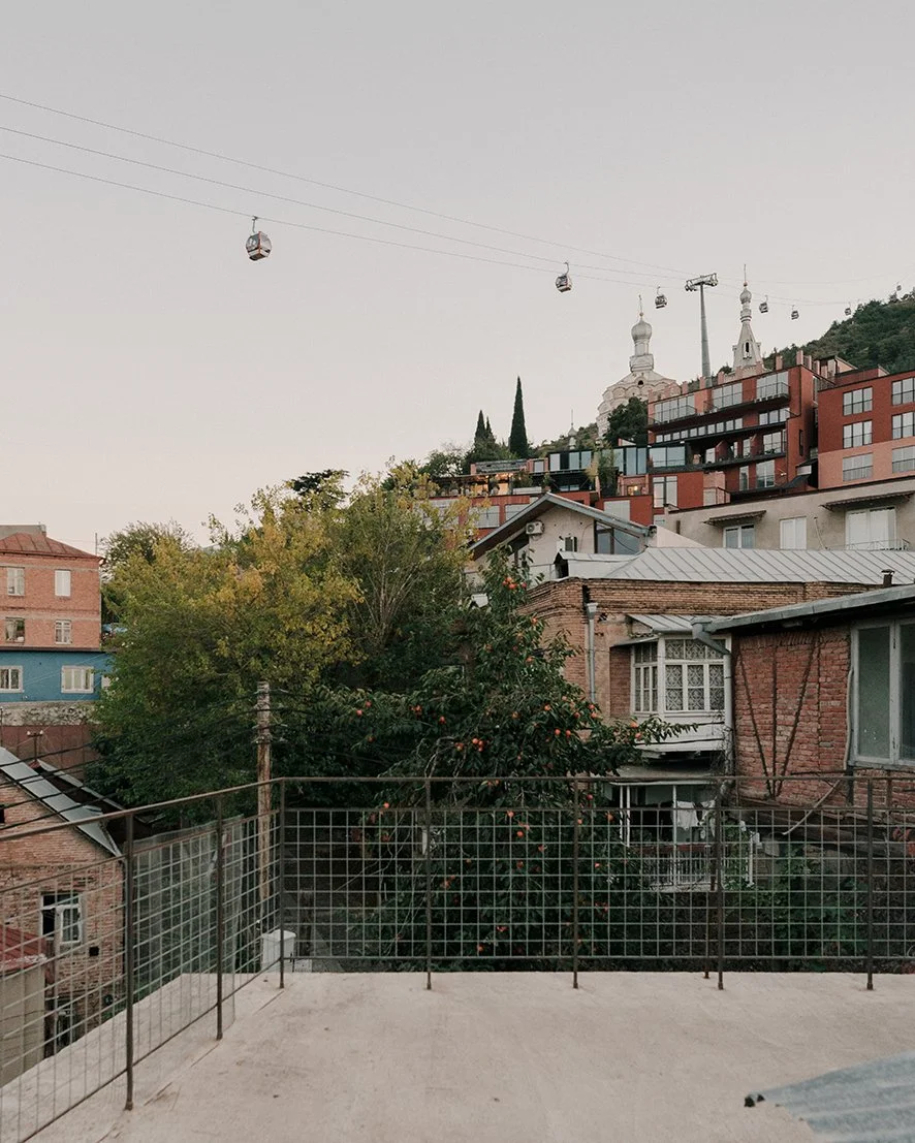
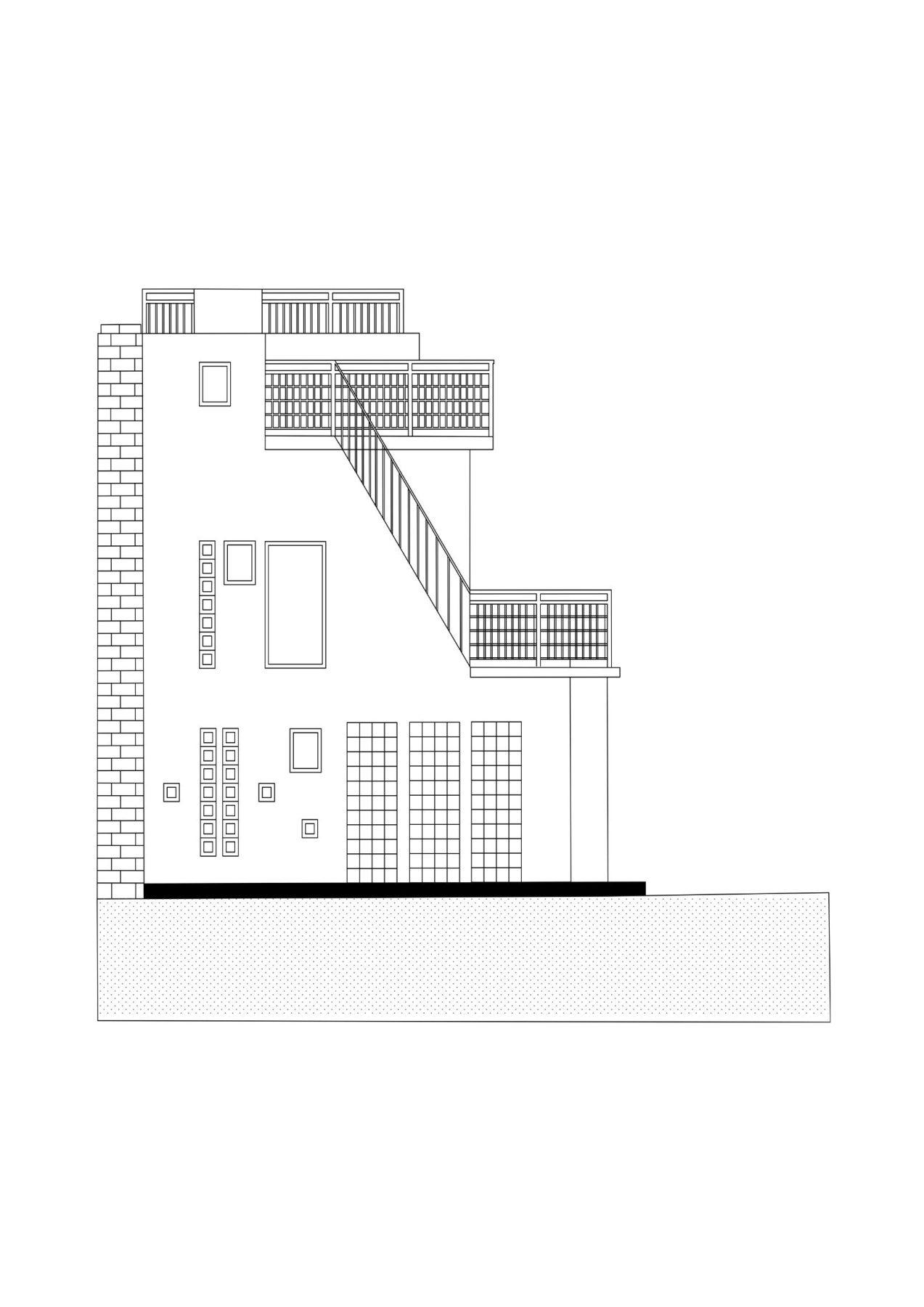
Echoing Anne Lacaton’s assertion that “existing buildings are the new building material of tomorrow,” the Brodskys position architecture not merely as an act of construction, but as an ‘aesthetic re-contextualisation’ of what already exists. A newly constructed terrace and balcony pay homage to Tbilisi’s traditional baniani houses—flat-roofed dwellings that embrace incompleteness as a generative principle, expanding incrementally as resources allow. Reinterpreting this tradition, the new flat roof becomes an active social platform: a place for gathering, resting, observing, and performing everyday rituals such as drying clothes and preparing food in full view.
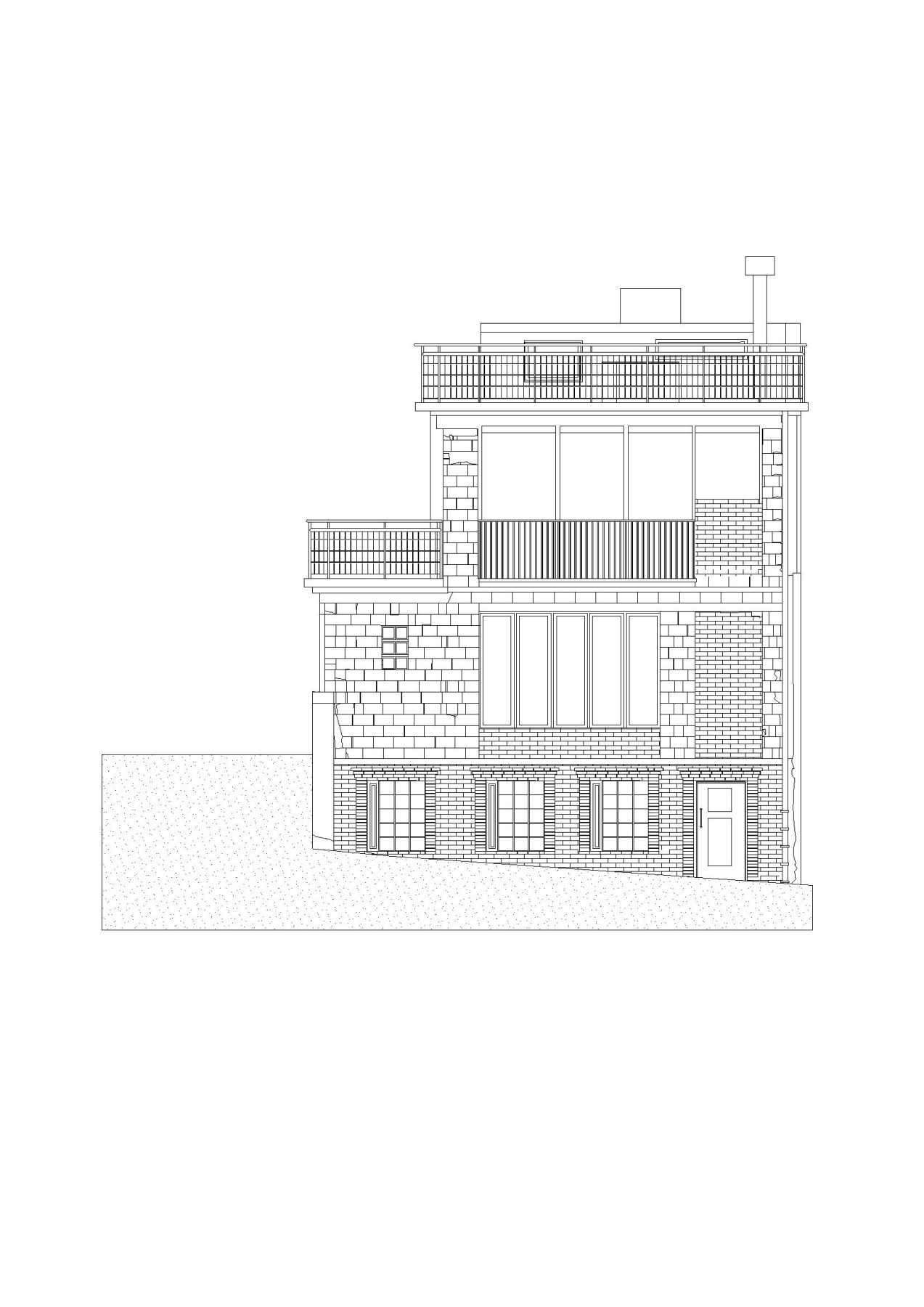
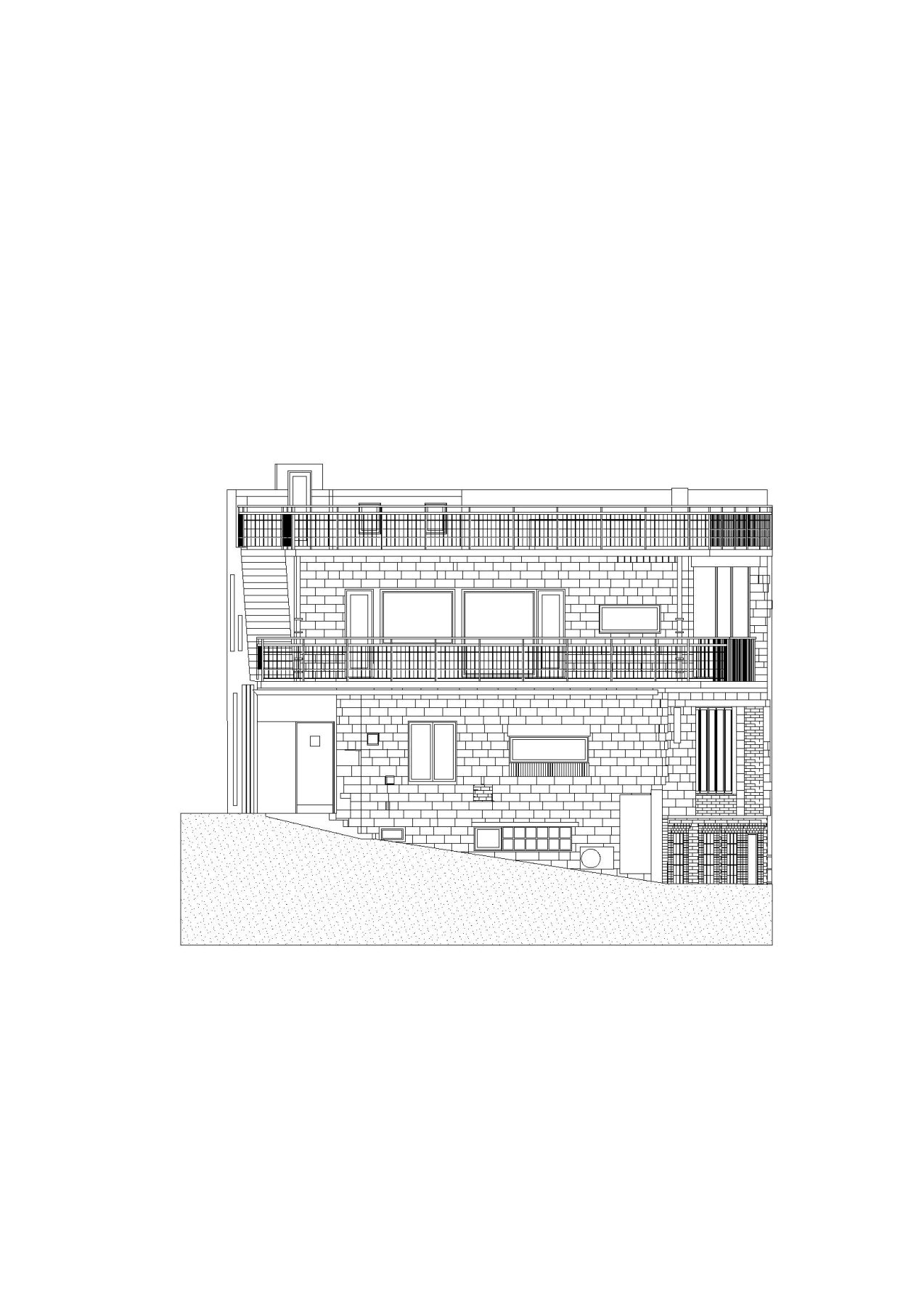
The house unfolds as a layered, almost patchwork composition, where each fragment reveals traces of the city’s shifting historical and economic conditions, reinforcing the authenticity of its reconstruction.
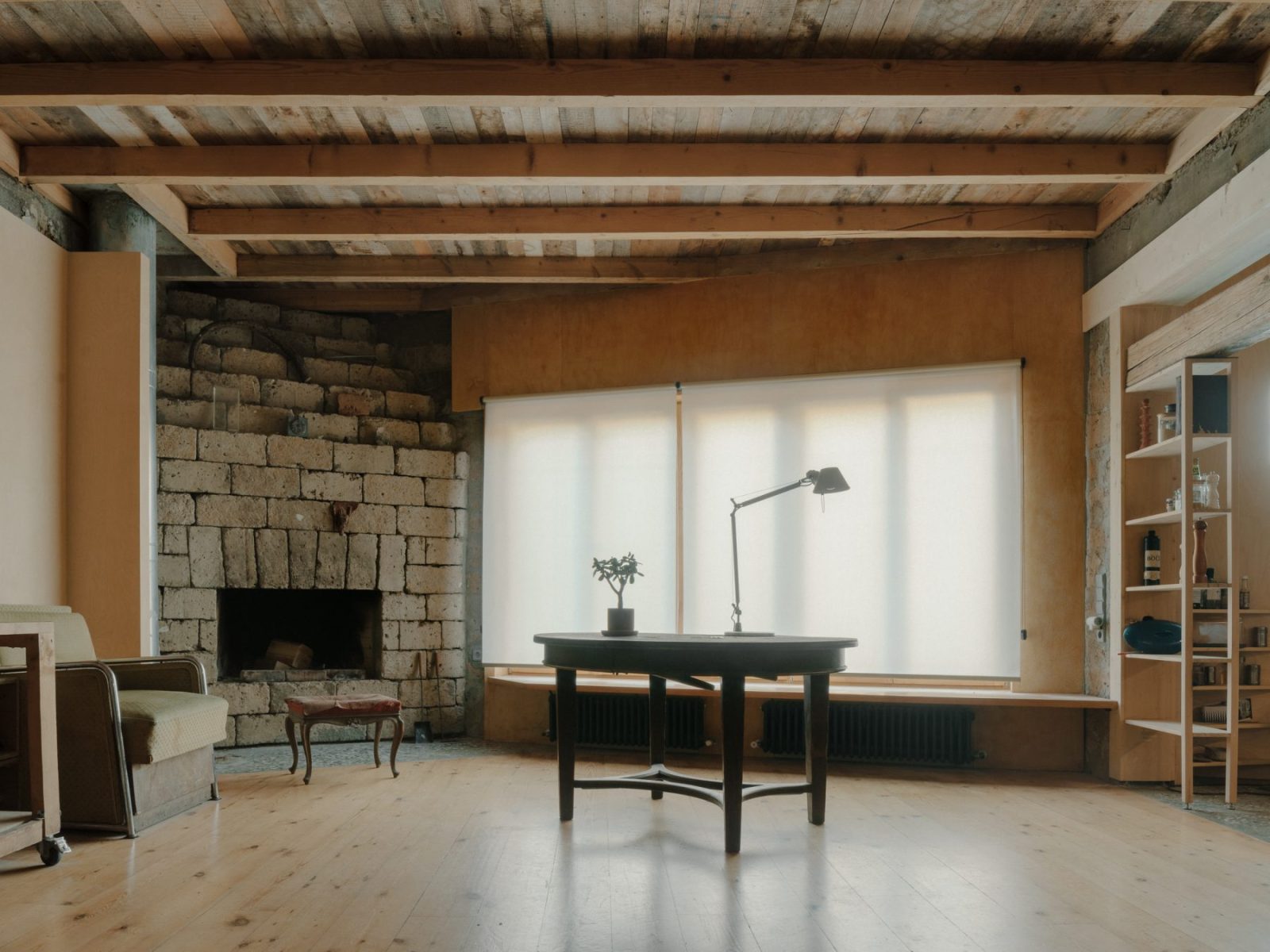
Memory and decay are not erased but integrated as active agents within the design.
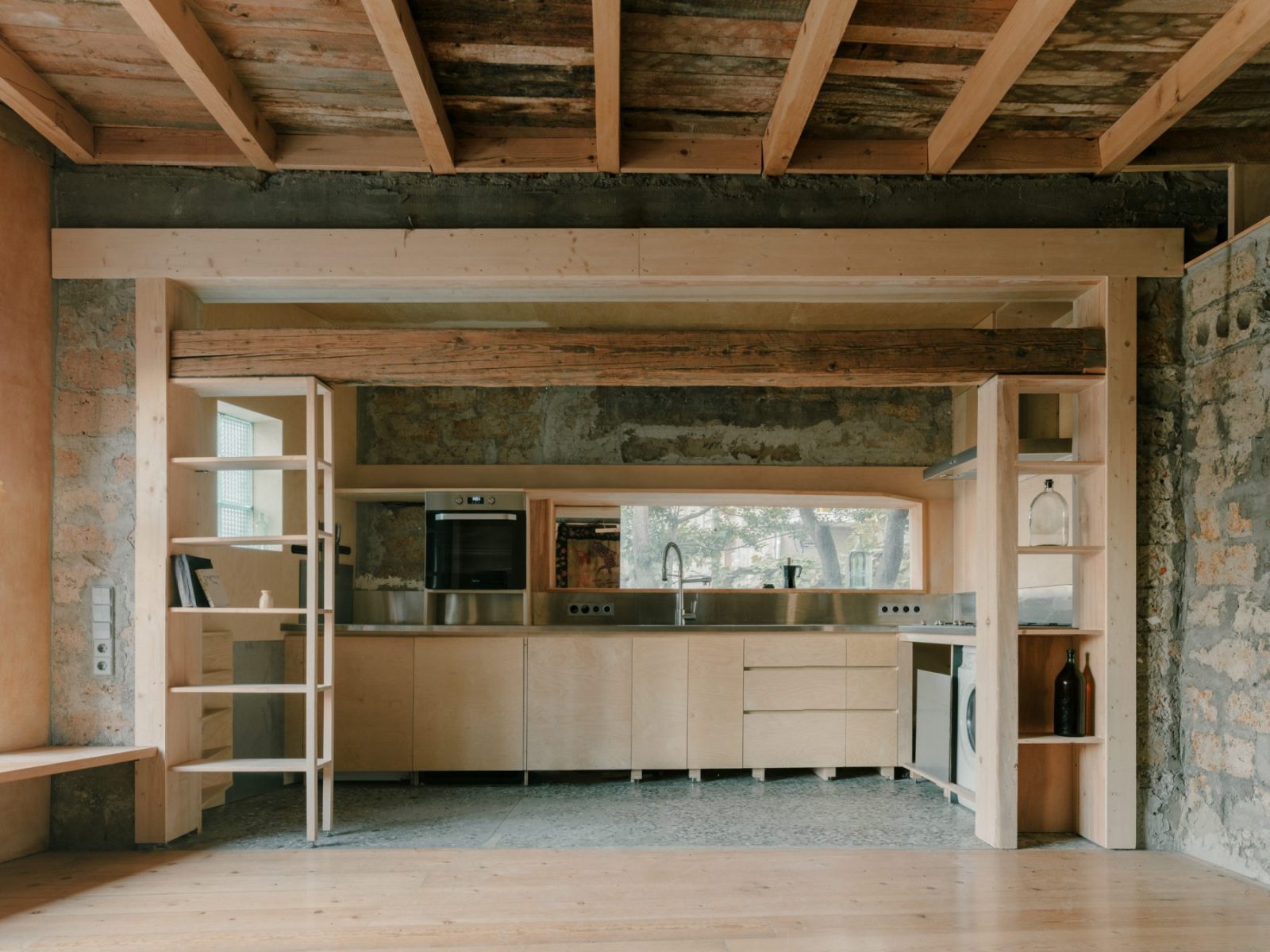
The ruins of the original structure, along with fragments sourced from the surrounding urban fabric, are reclaimed and reassembled, ensuring continuity both materially and conceptually. Georgian bricks, local timber, handmade cement blocks, corrugated metal cladding, and Soviet-era glass bricks are re-employed with care, extending their life cycle while anchoring the house within the local building culture.
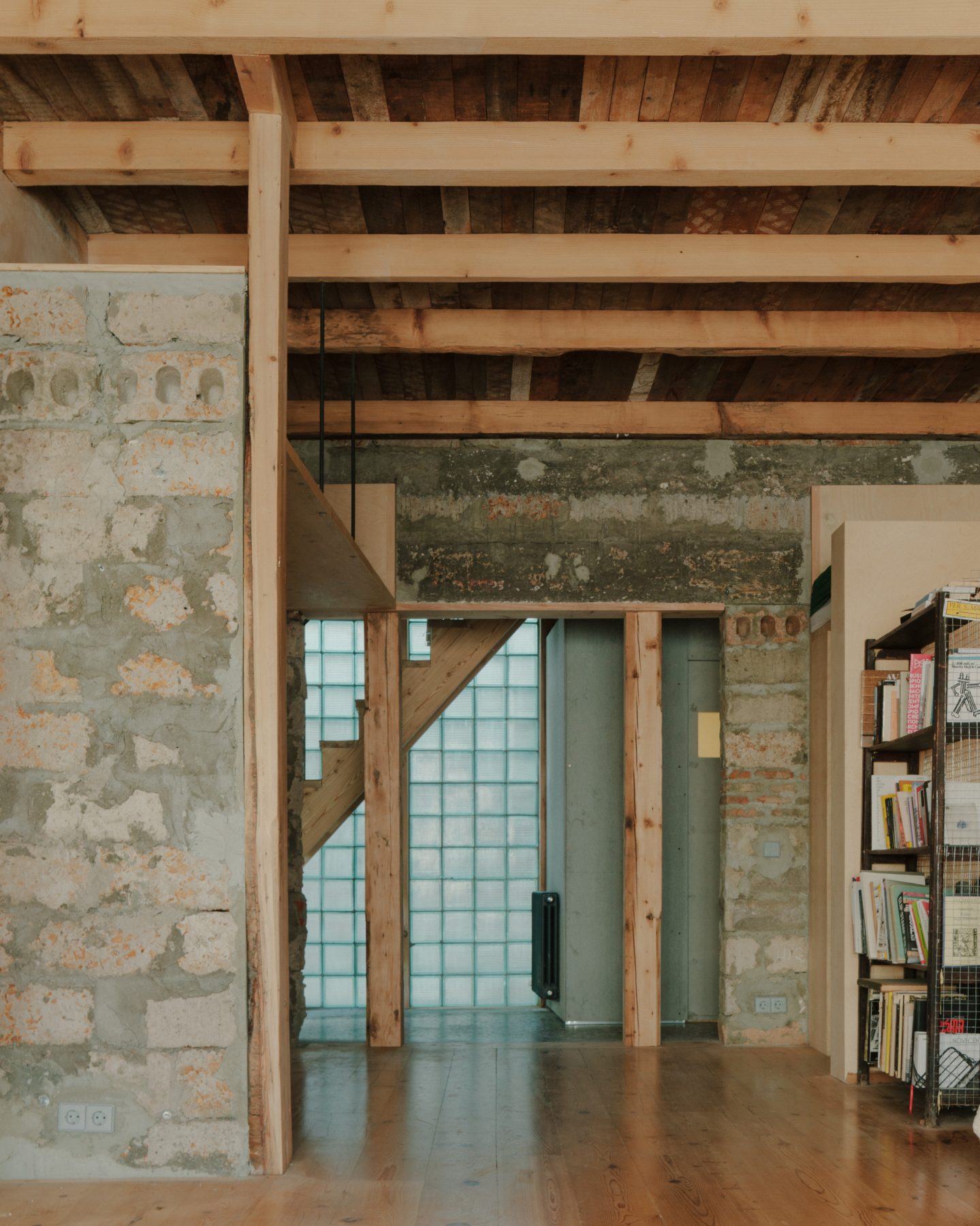
For this Tbilisian dwelling, the idea that “it takes a village to build a home” becomes literal. Construction unfolds as an experimental, collaborative, and self-organised process, involving students, craftspeople, and a wider network of collaborators—many of them friends. Temporary on-site workshops operate as spaces of making and exchange, where material reuse and fabrication are inseparable from the circulation of skills and hands-on knowledge.
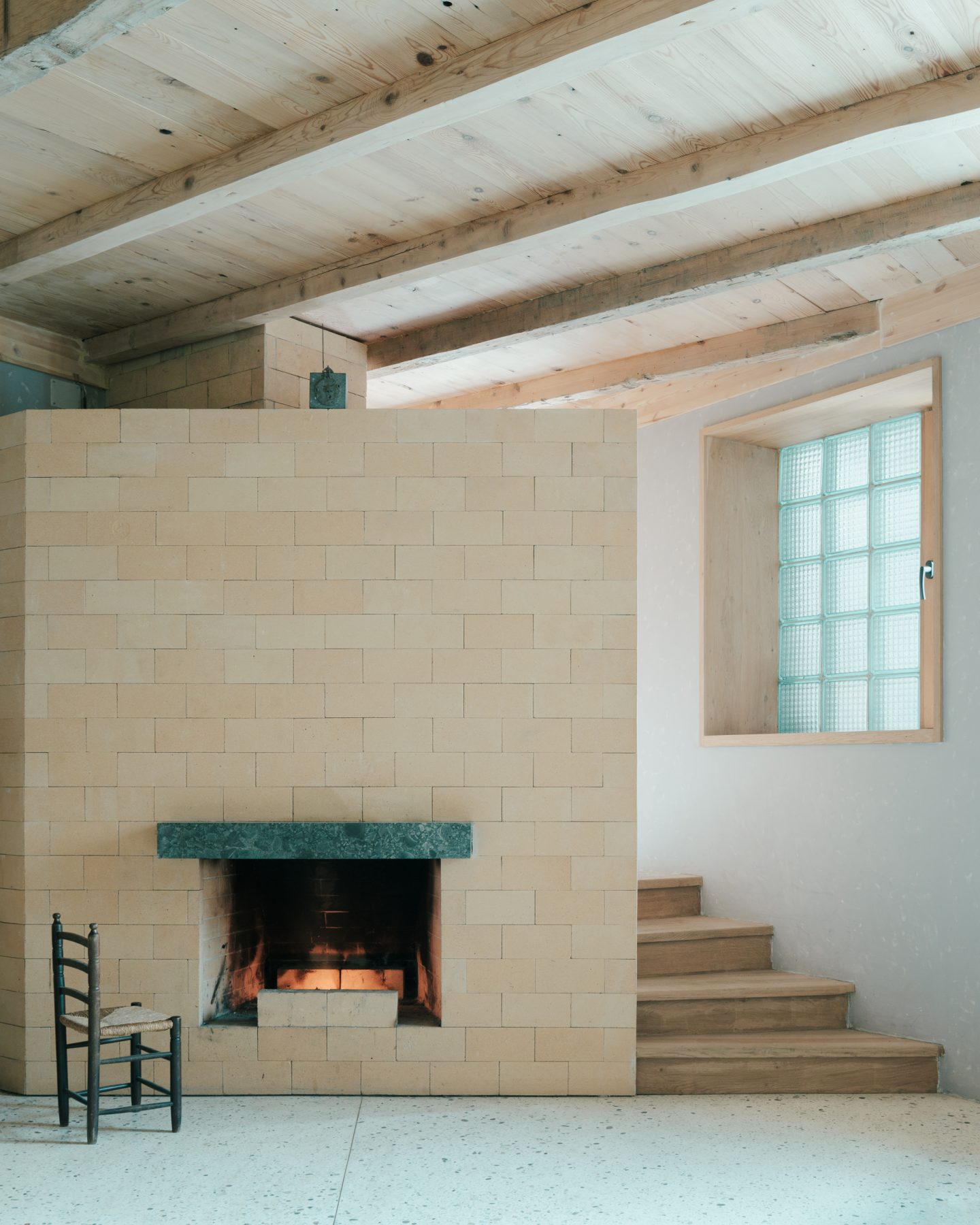
The project is driven by an adaptive mode of execution and direct material engagement.
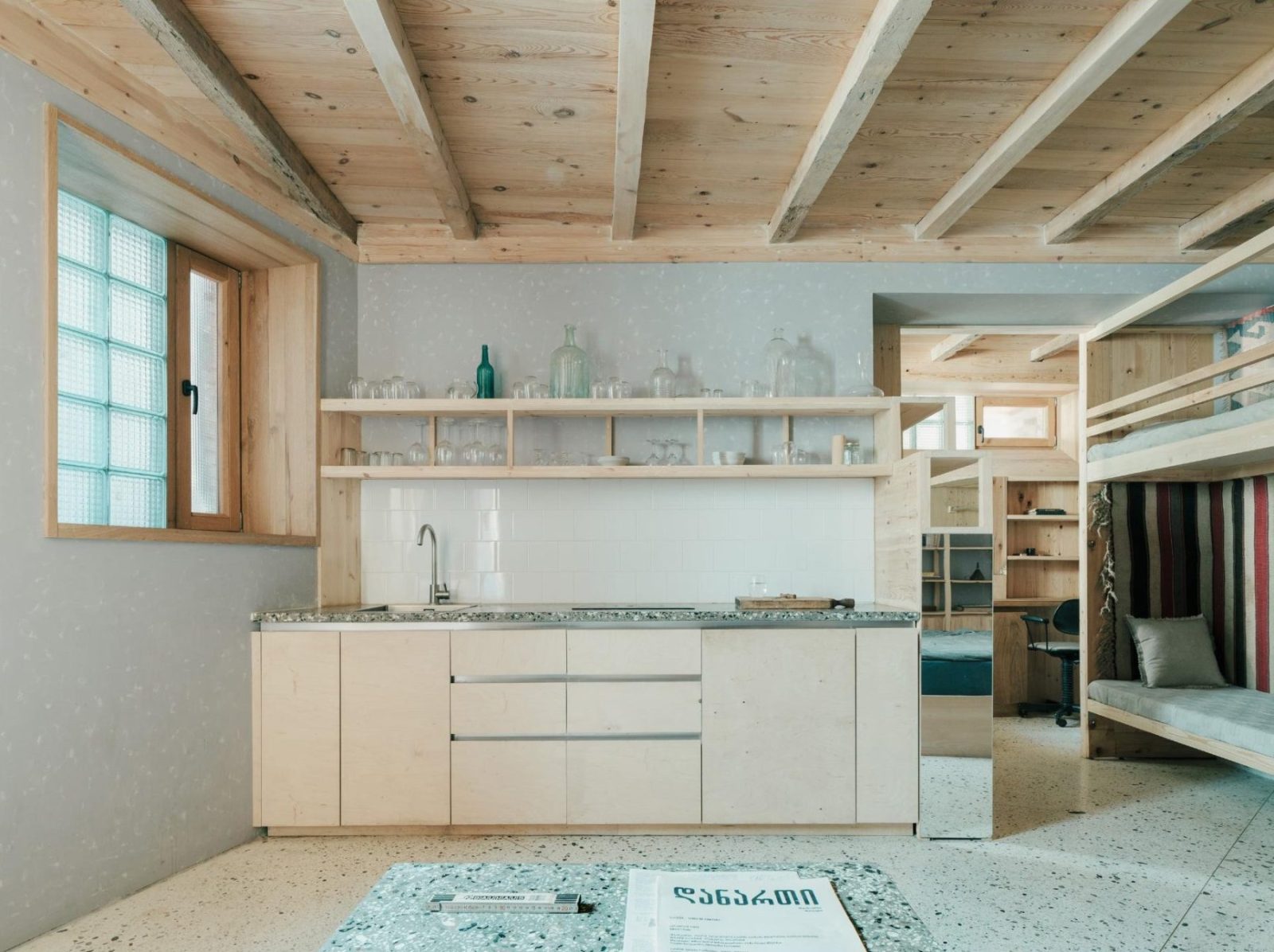
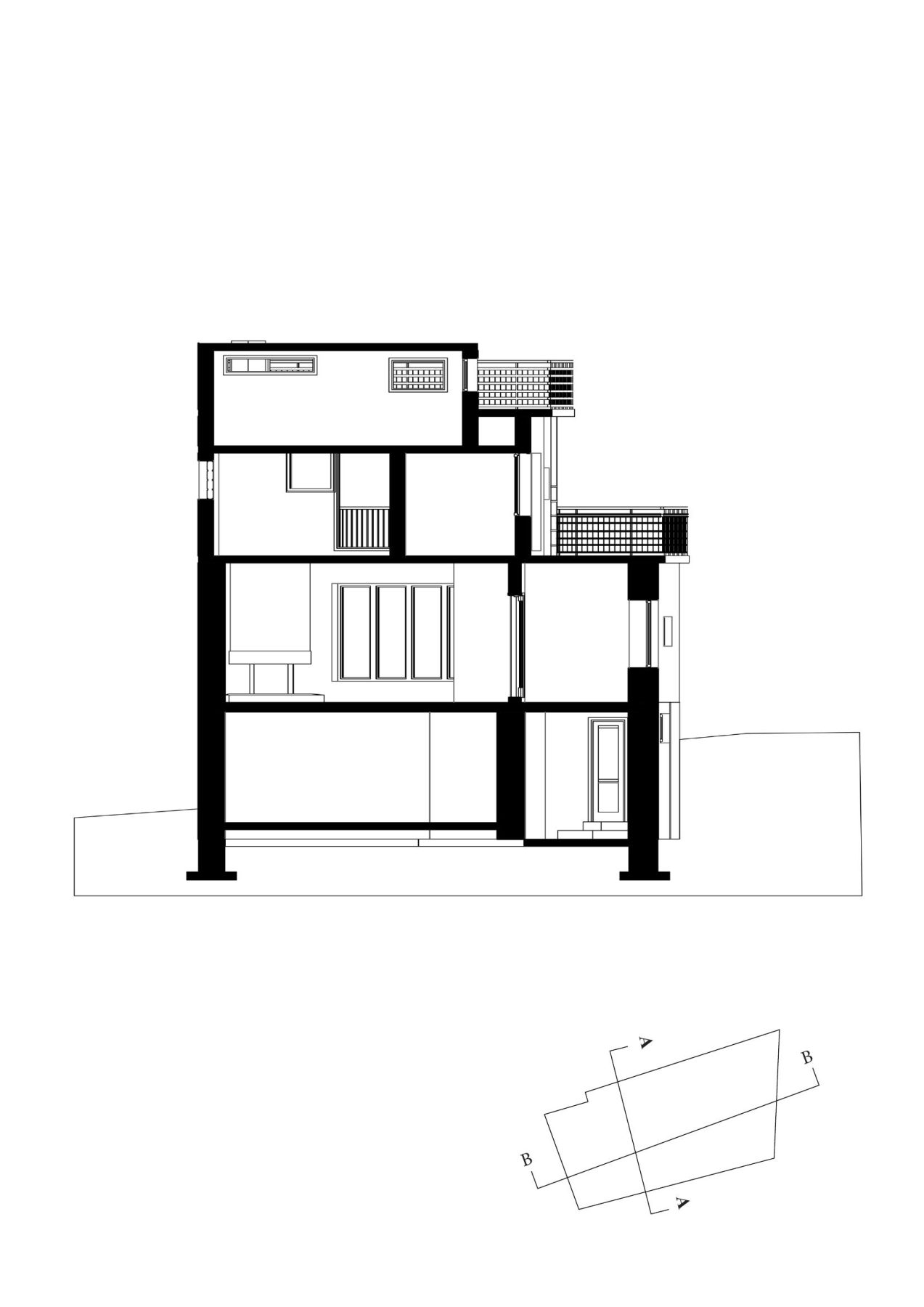
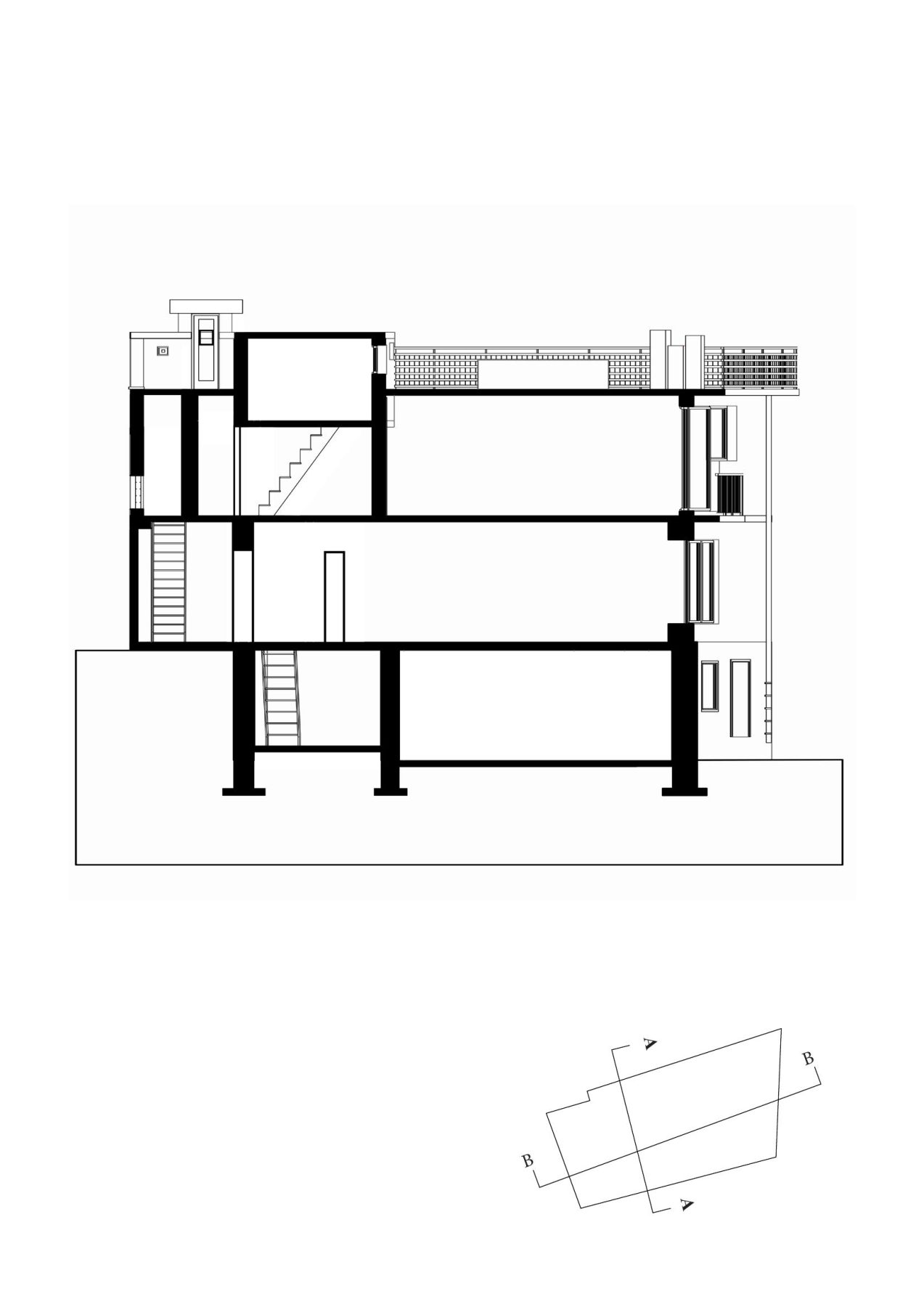
While the existing reinforced concrete belt structure is retained, a timber structure is introduced to accommodate the new upper floor and to reframe the main entrance. Above this addition, a concrete monolith is set in place, forming an elevated terrace.
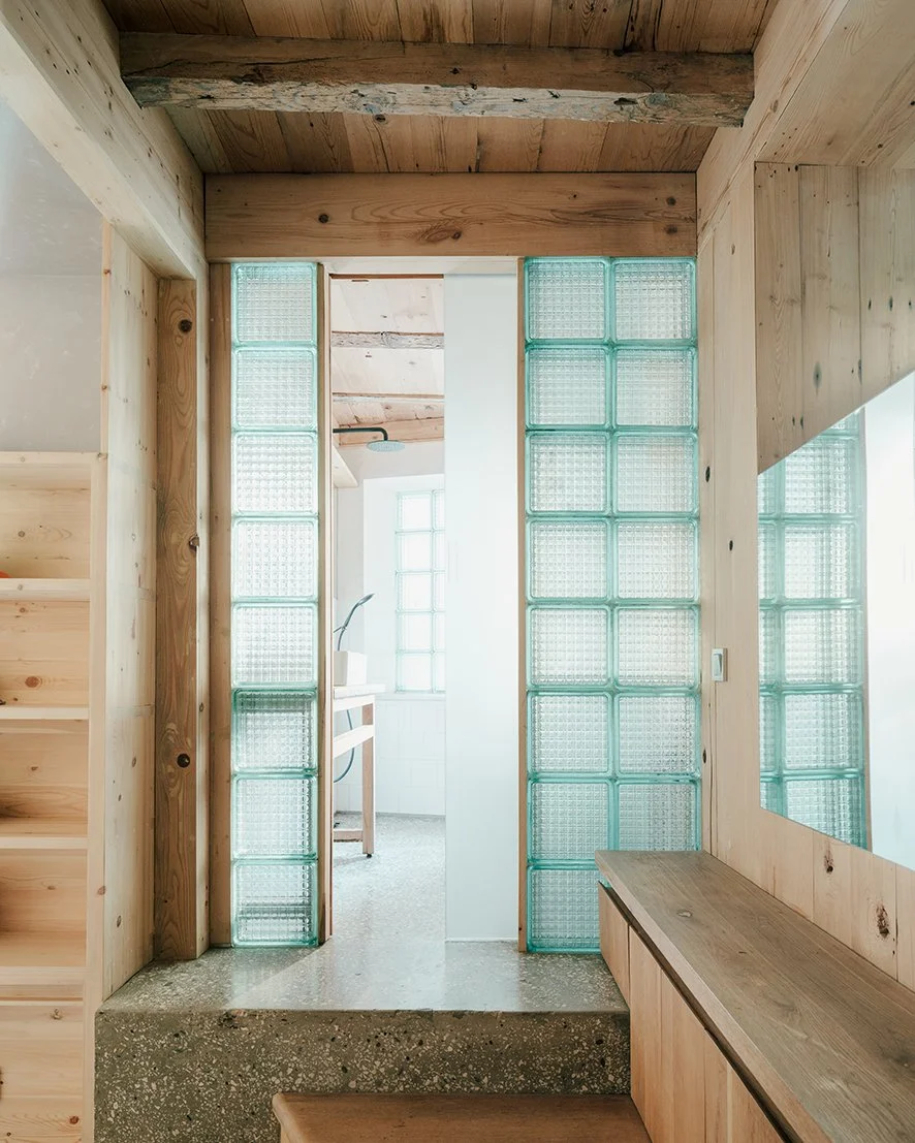
Though primarily conceived as a family home, the ground floor remains deliberately open and flexible, capable of hosting small public or cultural events, thus extending the domestic realm into the collective sphere.
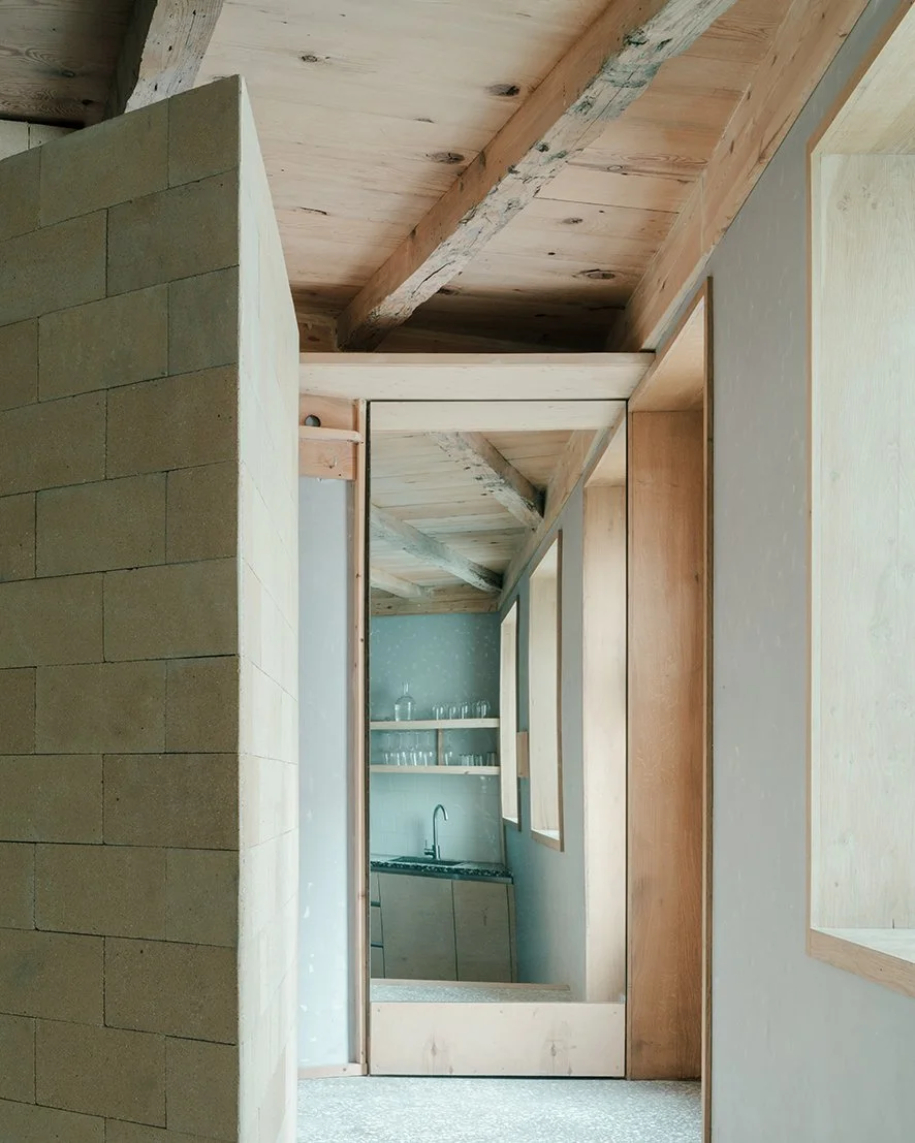
Framing architecture as an ongoing negotiation, and the house as a process rather than a fixed object, the architects privilege adaptability over completion, use over form, and collective authorship over singular intent.
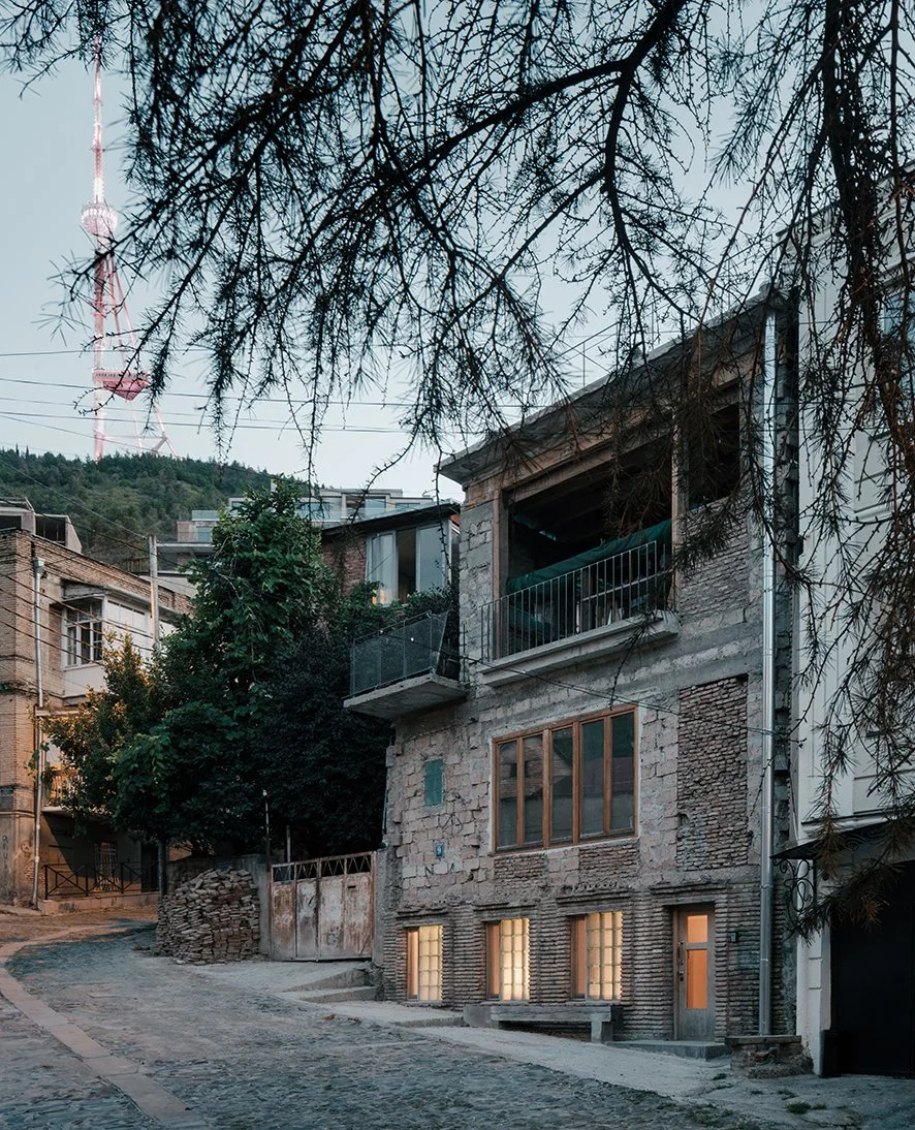
Through material reuse and active participation, the Unfinished House operates as an interconnected built ecosystem within a city conceived as a living palimpsest, where each layer bears witness to distinct cultural, spatial, and historical fragments.
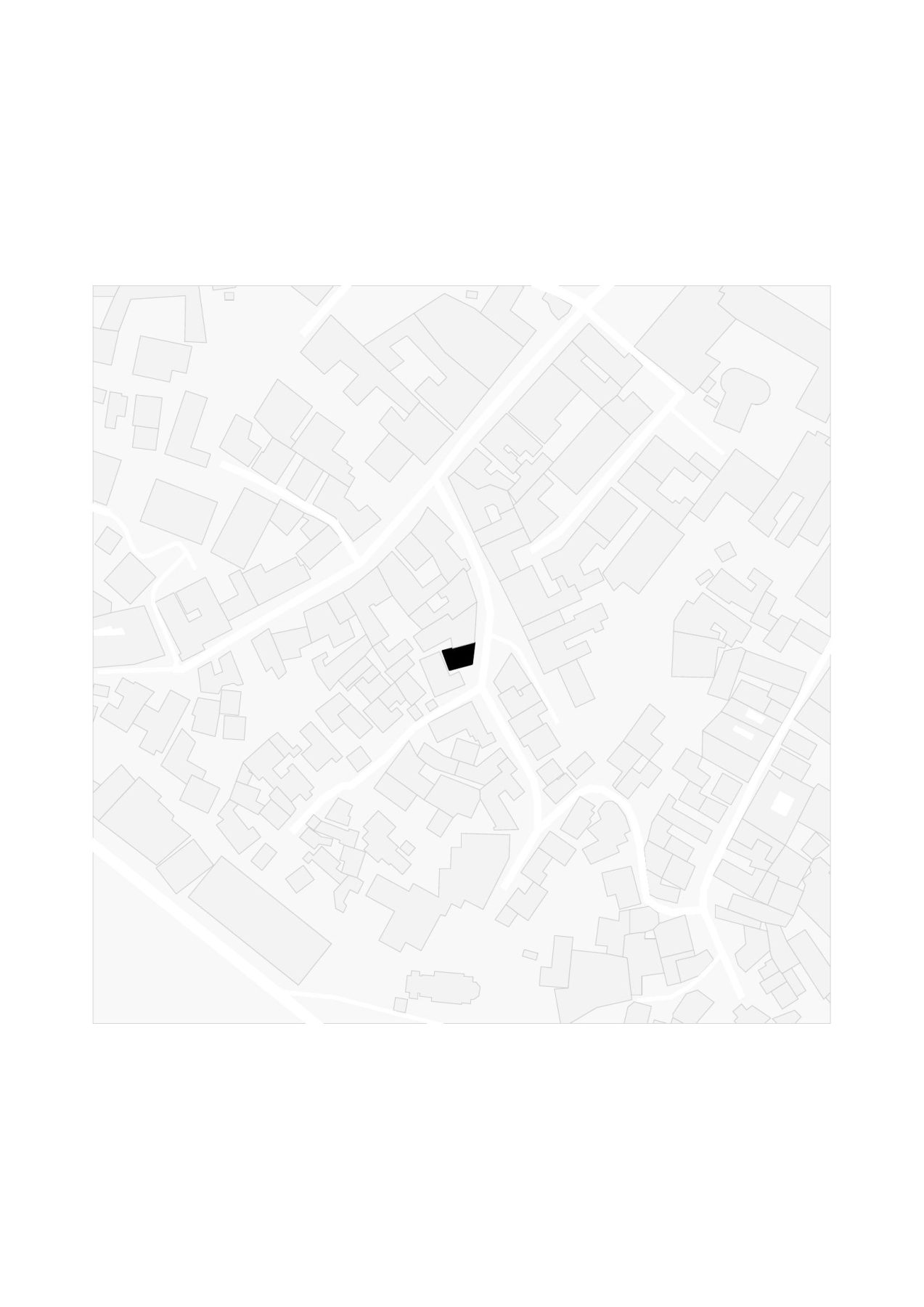
Drawings
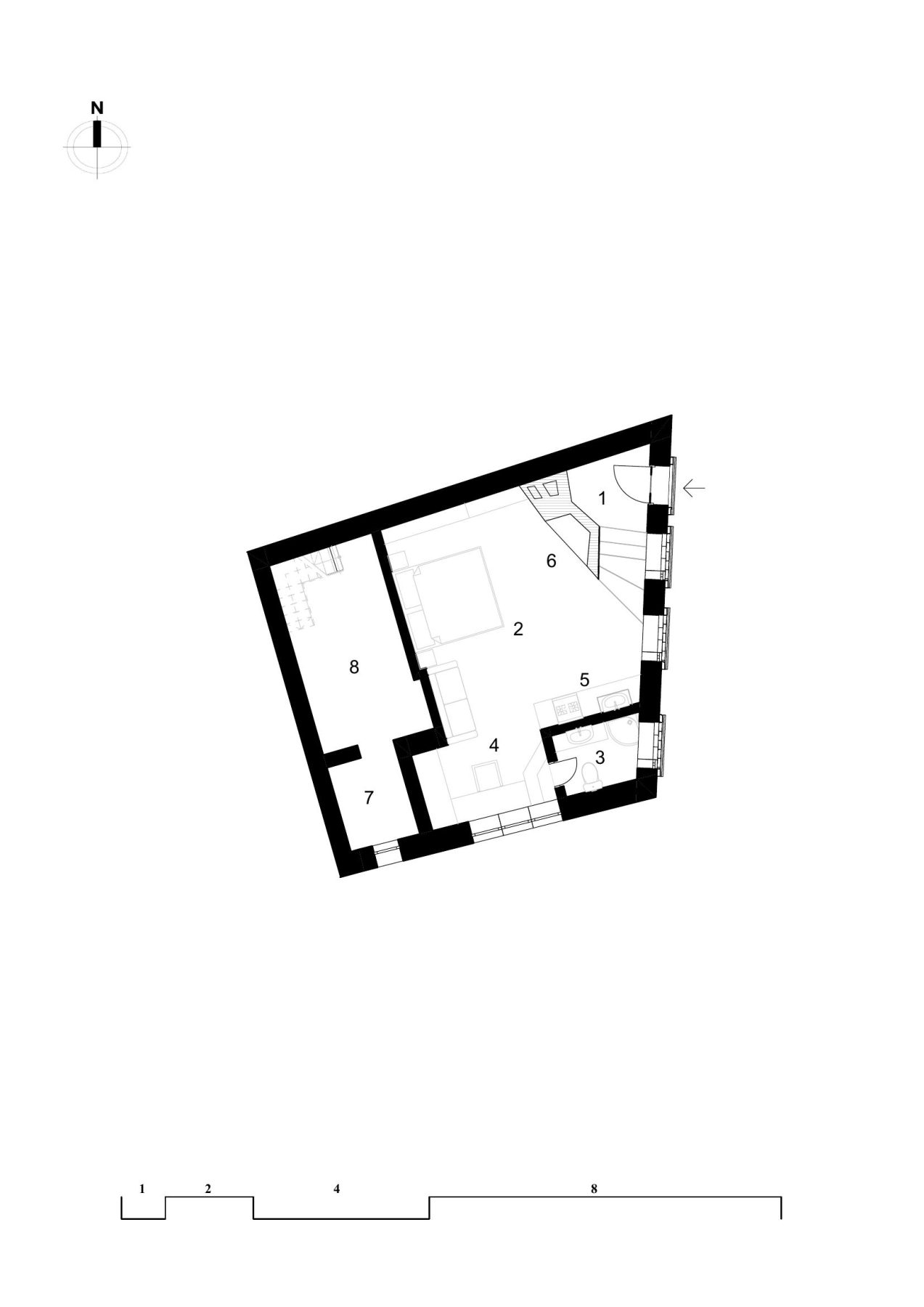
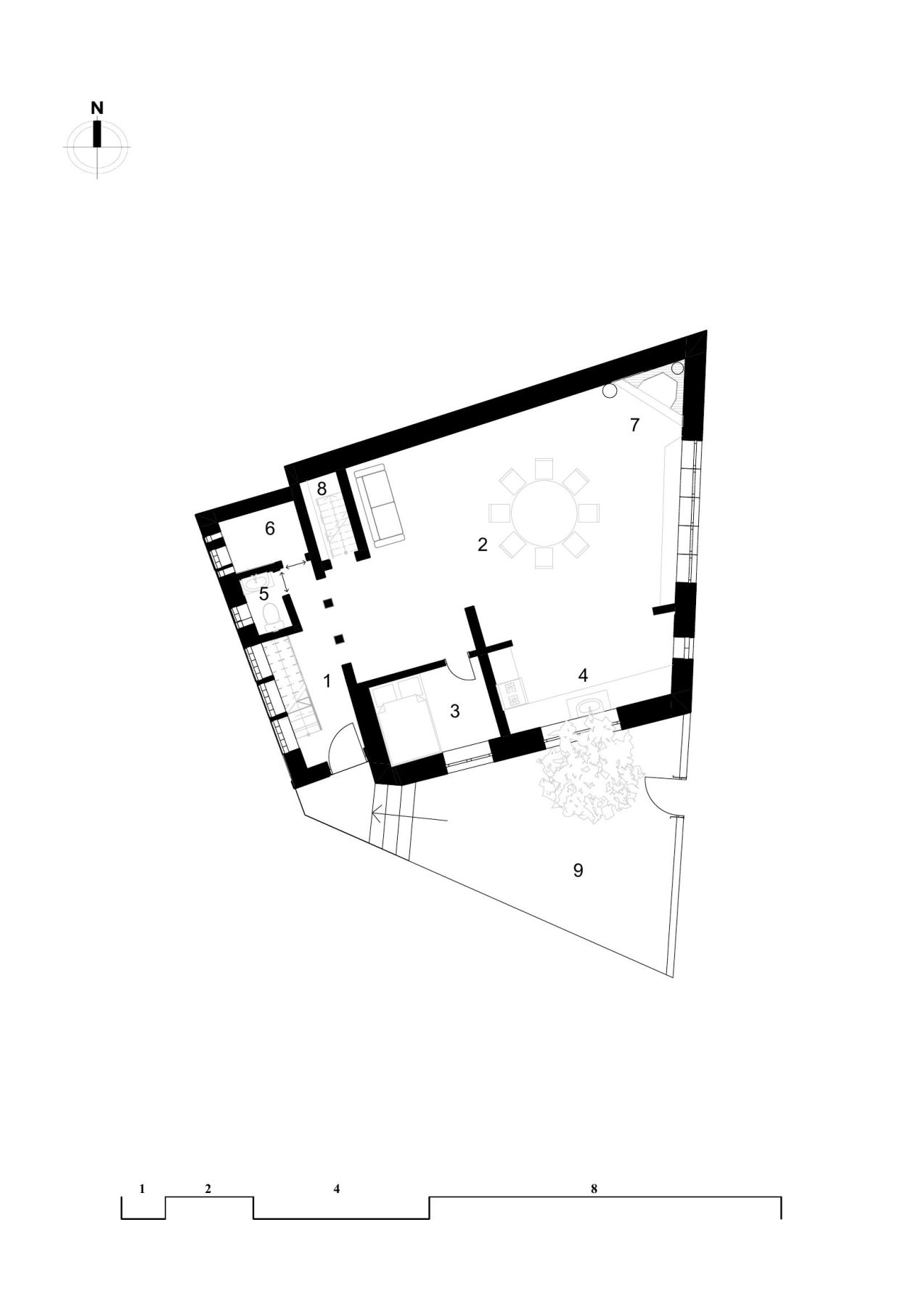
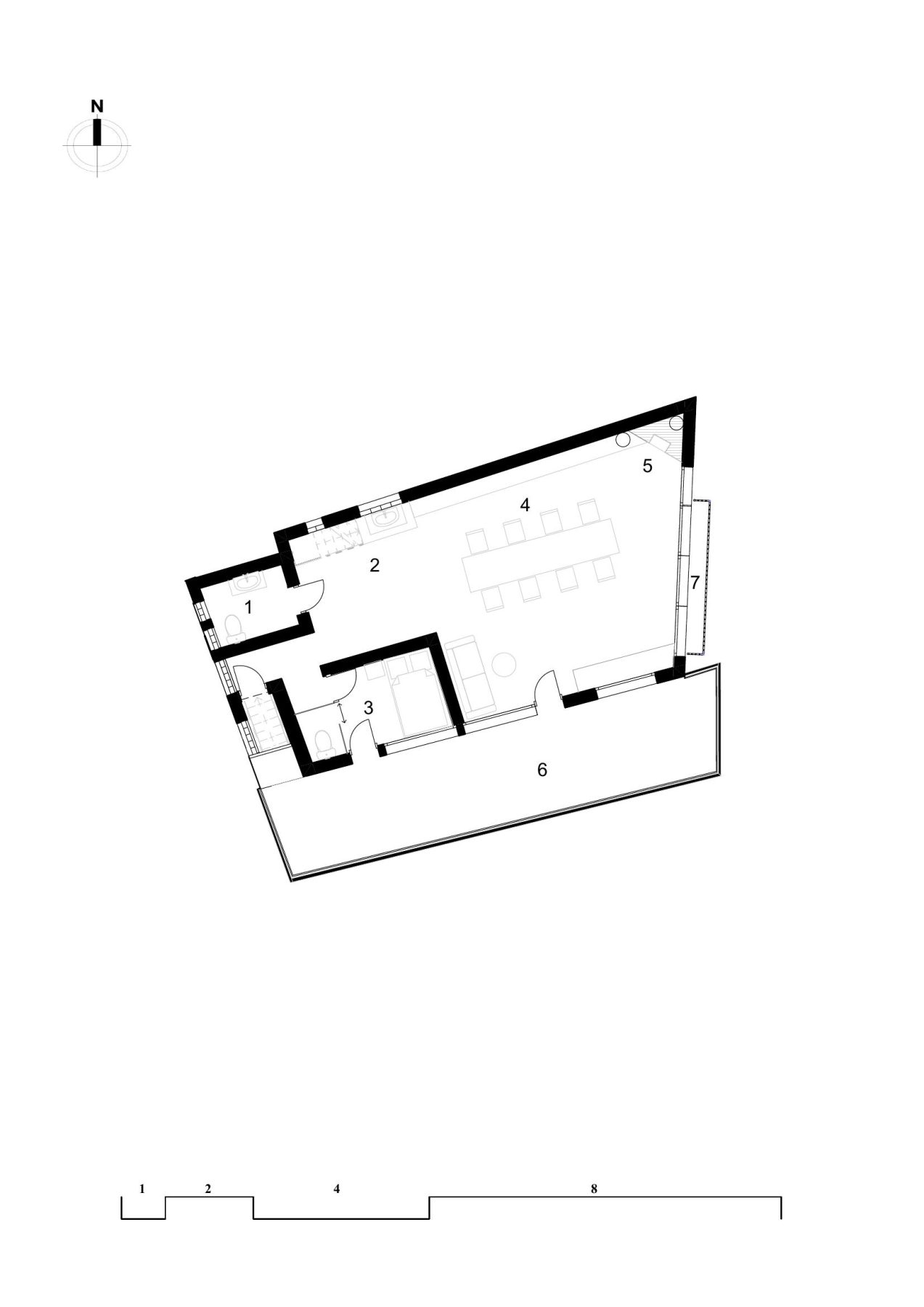
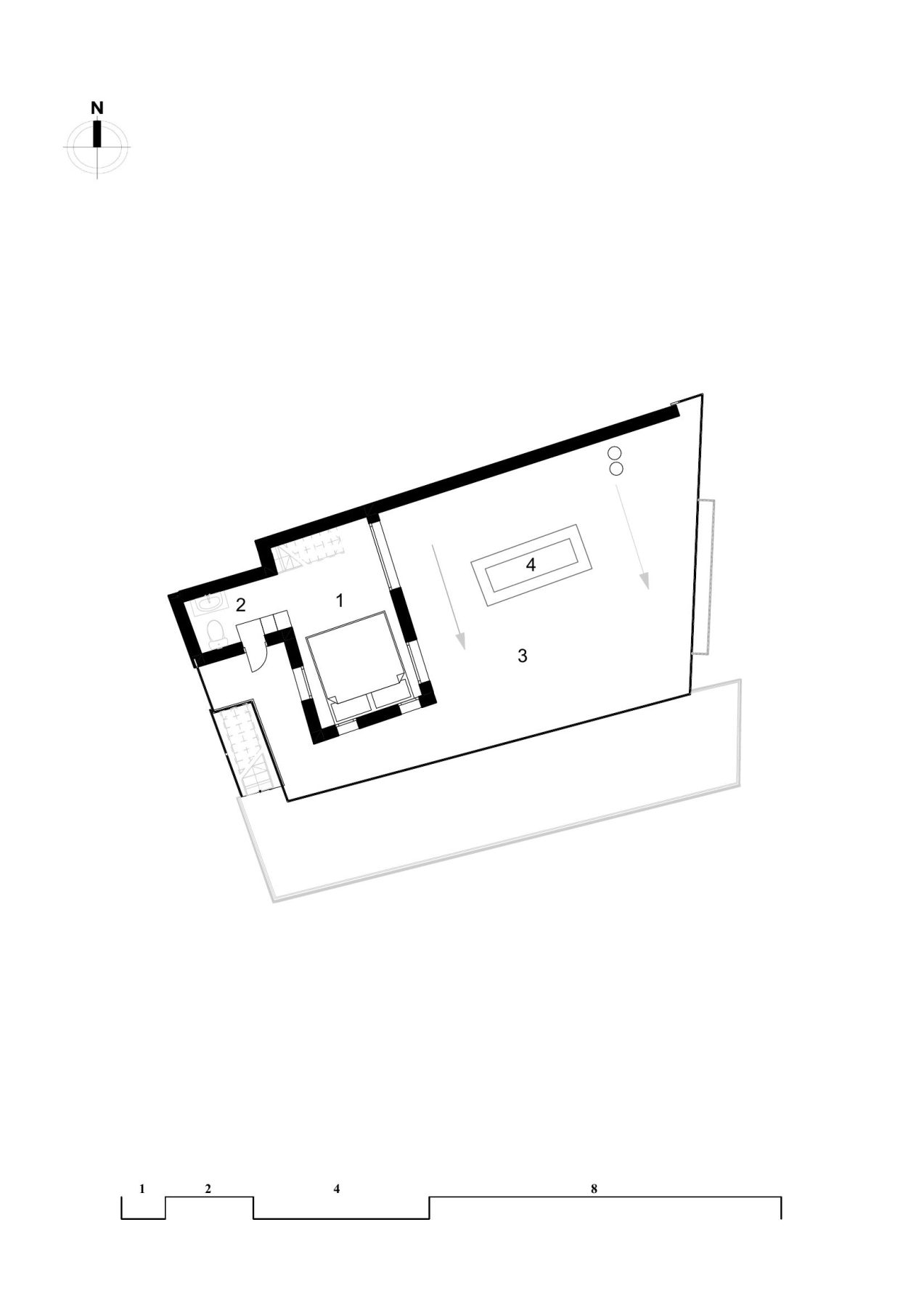
Facts & Credits
Project title Unfinished House
Typology Stories of Contemporary Domesticity, Residential, Renovation
Episode 15th
Location Tbilisi, Georgia
Site area 109 m²
Built area 171 m²
Architecture David Brodsky, Alexander Brodsky
Collaborators Zurab Zaridze, Otar Galdava, Zurab Mikaberidze, Maria Kremer
Photography Grigory Sokolinsky