“The Root stands on land that has belonged to my family for generations; my brother and I spent our childhood summers there and, ever since, being in Zakynthos has remained a grounding experience for me. However, I have witnessed the island rapidly changing over the years, with increasing amounts of farmland being transformed into luxury seasonal accommodations that place enormous pressure on the island’s finite resources. As an architect, this has instilled in me a profound sense of urgency and responsibility: how can we build more gently within fragile landscapes?” says Katie Kasabalis, co-founder of the London-based architecture practice Kasawoo.
In the thirteenth episode of ‘The Summer Refuge’ series, curated by Archt. for Archisearch, Kasawoo’s 20m² cabin in Zakynthos, embedded within an active vineyard, reframes the idea of the summer refuge through anticipation, return, and the continuous renegotiation of memory. Bringing into dialogue a derelict traditional rural Greek cottage—where Katie’s grandmother grew up—with a burgundy-red prefabricated timber structure, The Root explores notions of disconnection, slow living, and Martin Heidegger’s concept of Dasein. Suspended between ruin and renewal, memory and contemporary inhabitation, the project interweaves past, present, and future through a radical yet restrained architectural gesture.
In this context, Archisearch’s Editor-in-Chief, Melina Arvaniti-Pollatou, talks with Katie Kasabalis about a seasonal home rooted in memory, small-scale living as a sustainable luxury, more attentive modes of building within fragile island landscapes, and the paradox of returning to places that are at once deeply familiar and inevitably changed.
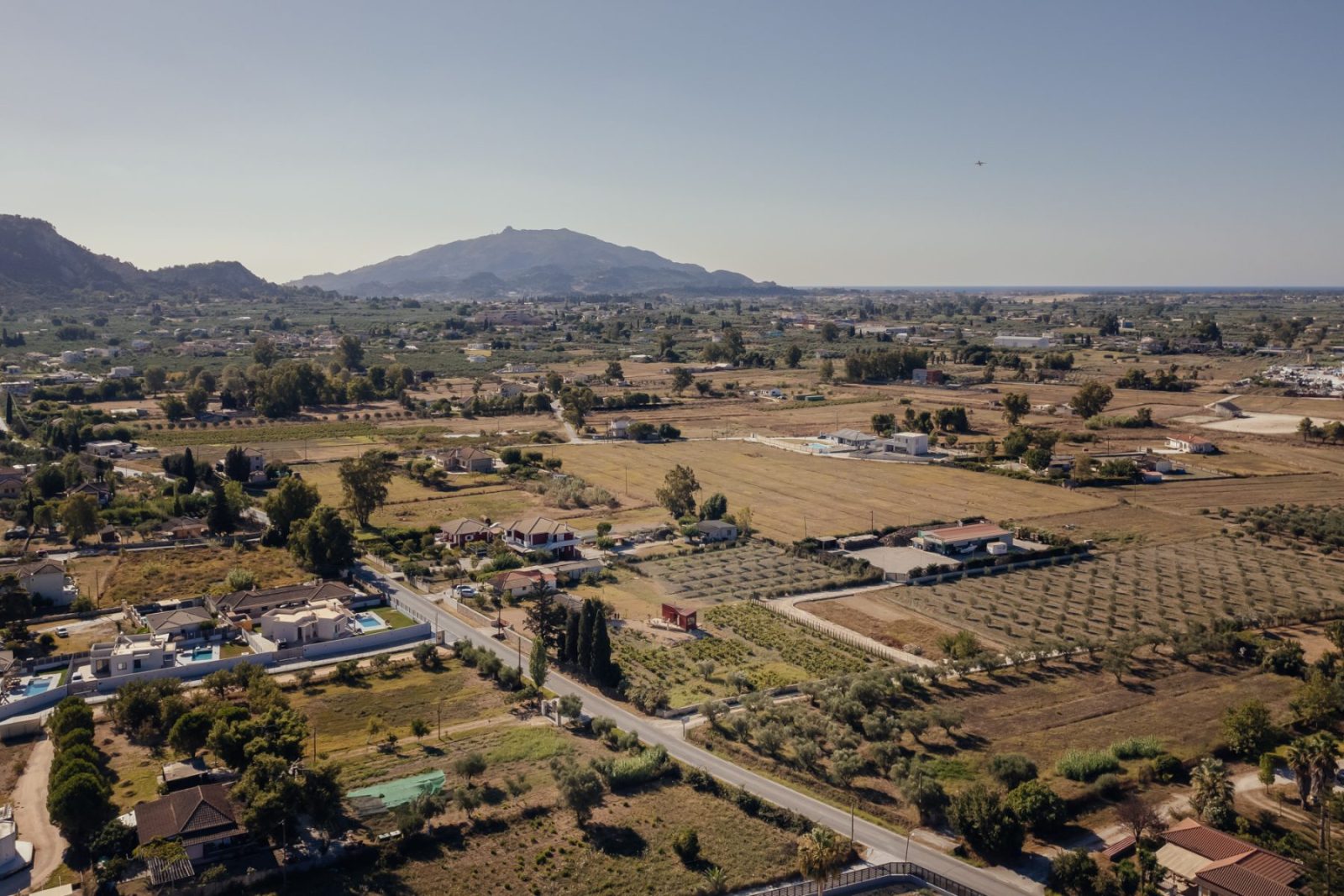
Between 2022 and 2023, Zakynthos witnessed an 80% increase in building permits, a symptom of the accelerating transformation of agricultural land into short-term rental developments. This unchecked expansion, emblematic of wider patterns of touristification across the Mediterranean, has placed mounting pressure on fragile island infrastructures—most critically, water resources—while gradually eroding the cultural and ecological particularities that once defined the landscape.
As contemporary debates around overtourism have emphasised, the challenge is not simply the presence of tourism itself, but the model of growth it suggests privileging short-term consumption over long-term stewardship of place (Milano et al., 2019).
As Italian journalist, essayist, and cultural critic Marco D’Eramo (2017) suggests, in the age of mass mobility, tourism risks turning the world into a catalogue of images, where places are consumed as experiences rather than inhabited as complex cultural and ecological realities.
Therefore, tourism’s relentless drive for growth produces an inherent contradiction: the very places sought for their authenticity become progressively homogenised through the mechanisms of their own consumption (Milano et al., 2019; D’Eramo, 2017).
In The Tourist, American sociologist Dean MacCannell (1976) explains how modern tourism is driven by a desire to encounter the “authentic”, yet this desire frequently produces staged experiences and commodified environments tailored to the expectations of visitors. As tourism becomes increasingly intertwined with economic development, places risk shifting from lived cultural landscapes into consumable products.
This process is particularly visible in fragile territories such as islands and heritage landscapes, where accelerated construction, changing land use, and infrastructure pressures reshape both ecological systems and social identities.
Italian urban and tourism economist Antonio Paolo Russo (2002) describes this dynamic as a “vicious circle” of tourism development: rising visitor demand stimulates physical expansion and investment, which gradually erodes the distinctive qualities that initially attracted visitors, thereby encouraging further cycles of redevelopment and homogenisation.
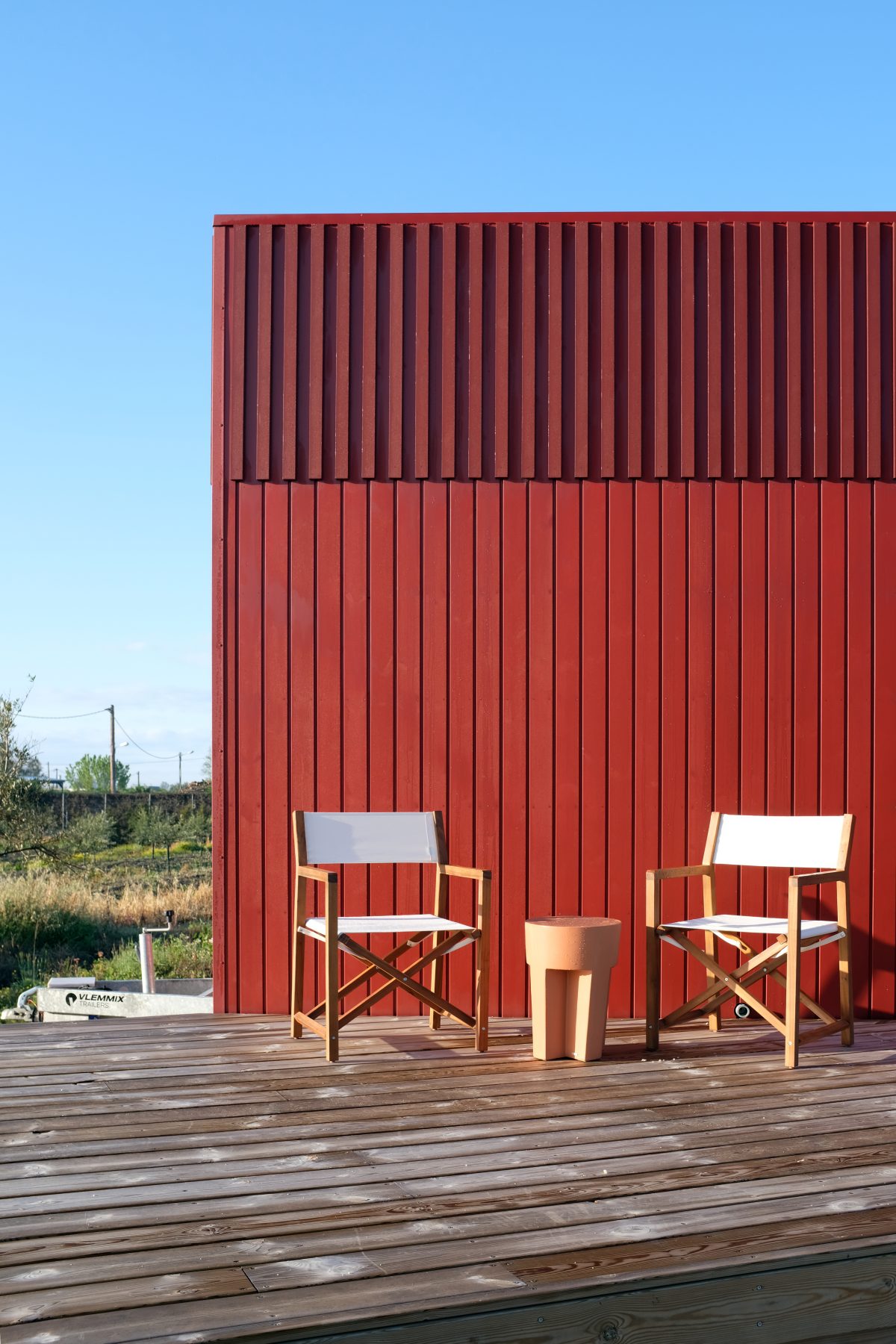
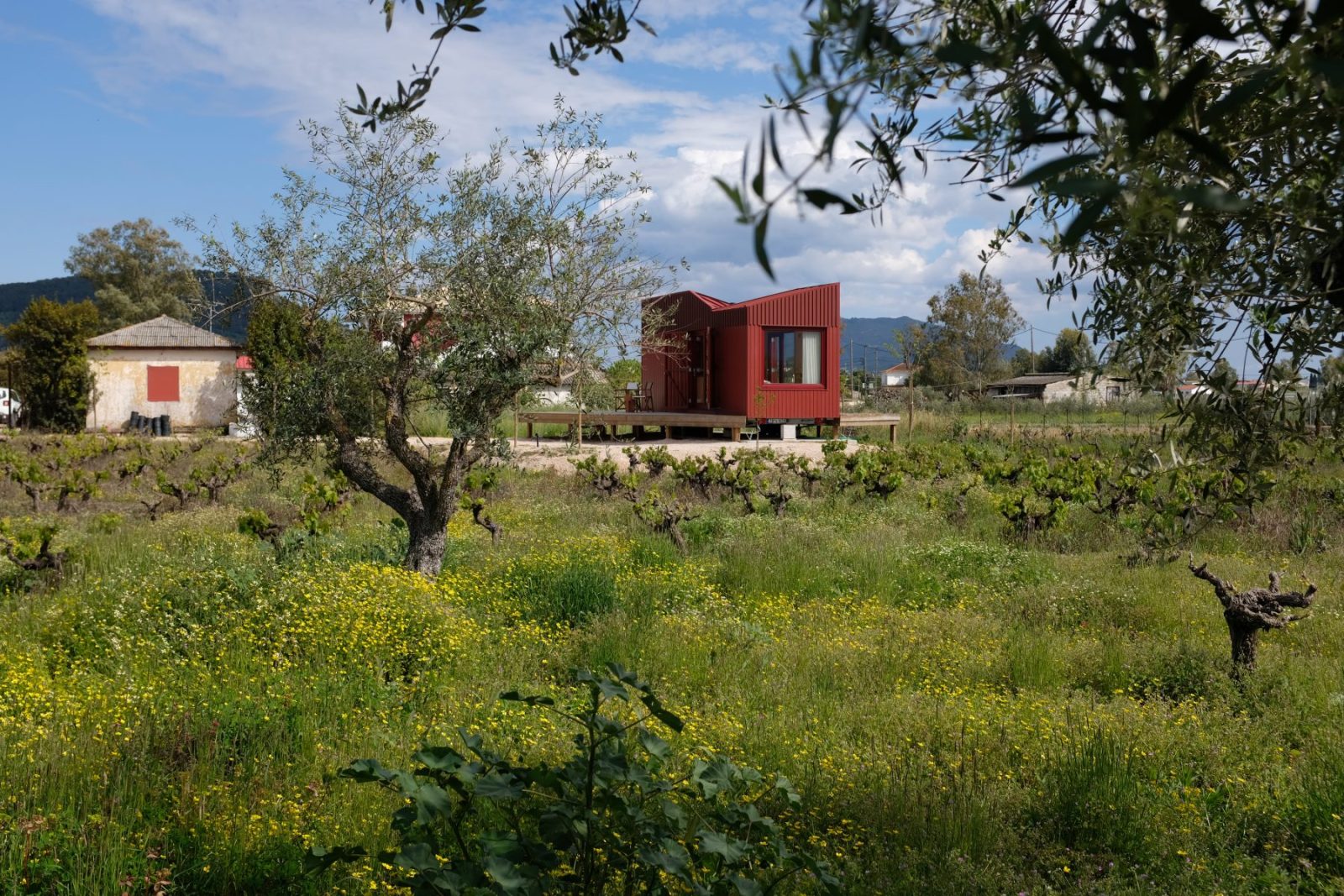
It is against this contested backdrop that The Root, conceived by Katie Kasabalis and Darius Woo—the life and creative partners behind Kasawoo—emerges as a quiet architectural act of resistance.
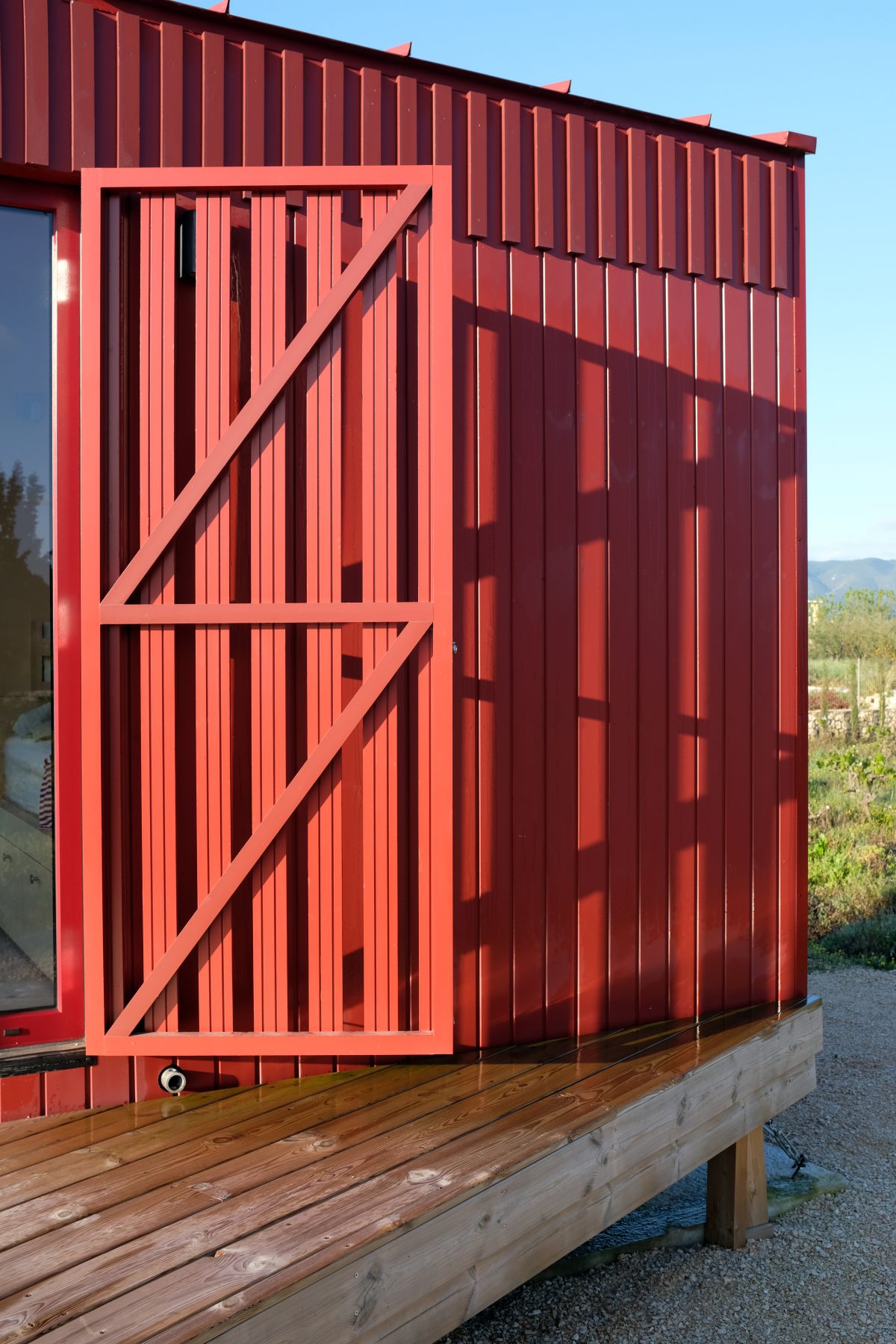
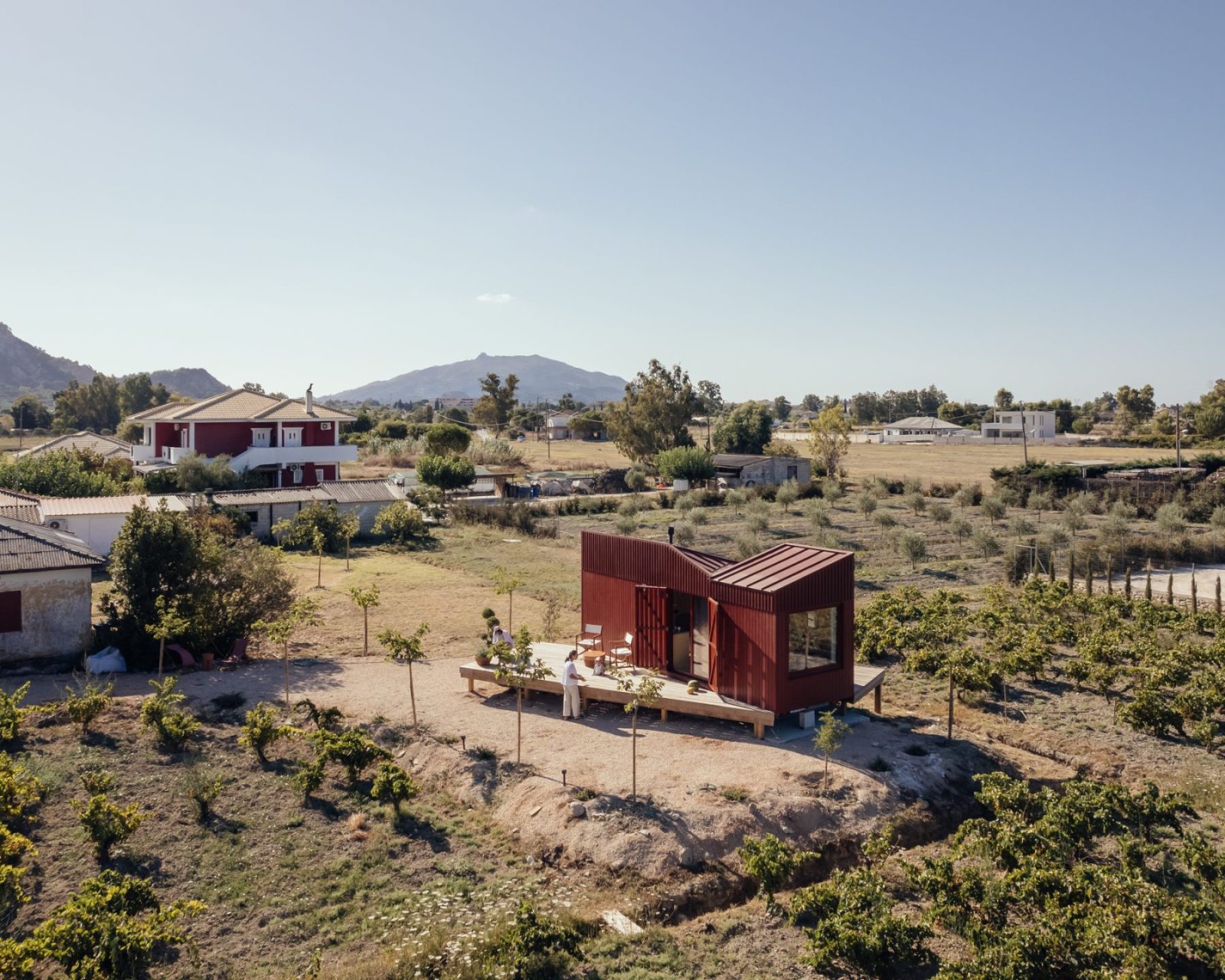
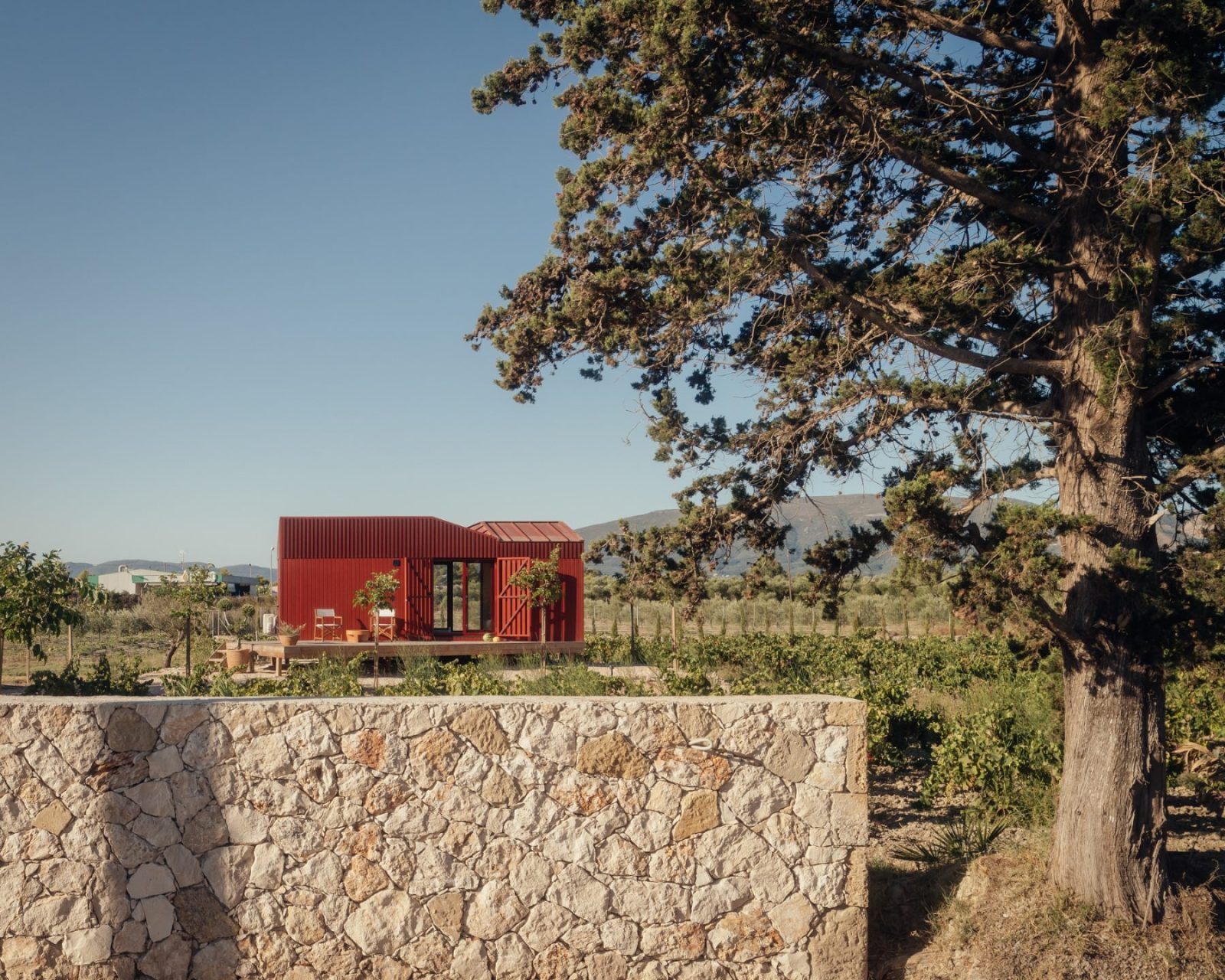
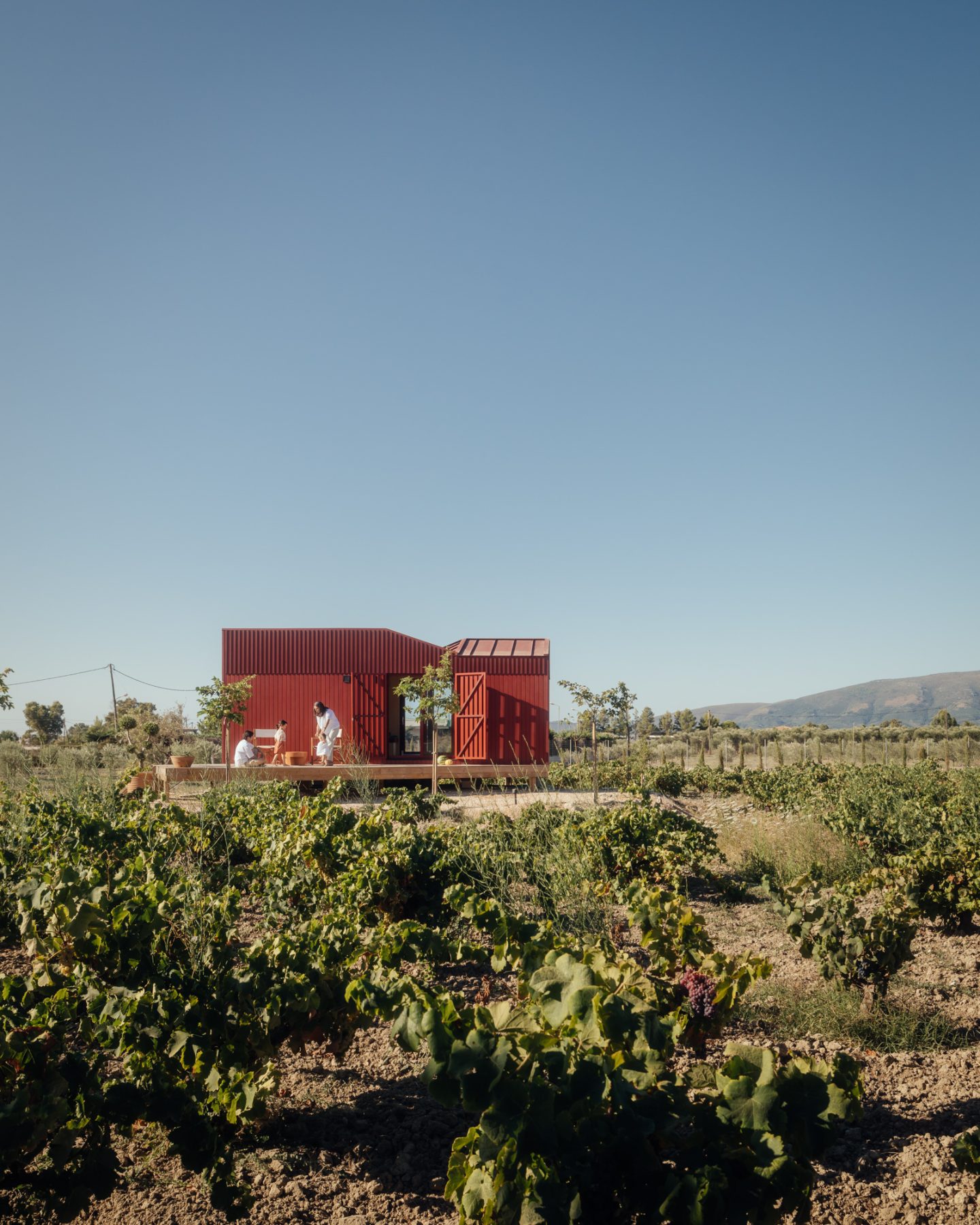
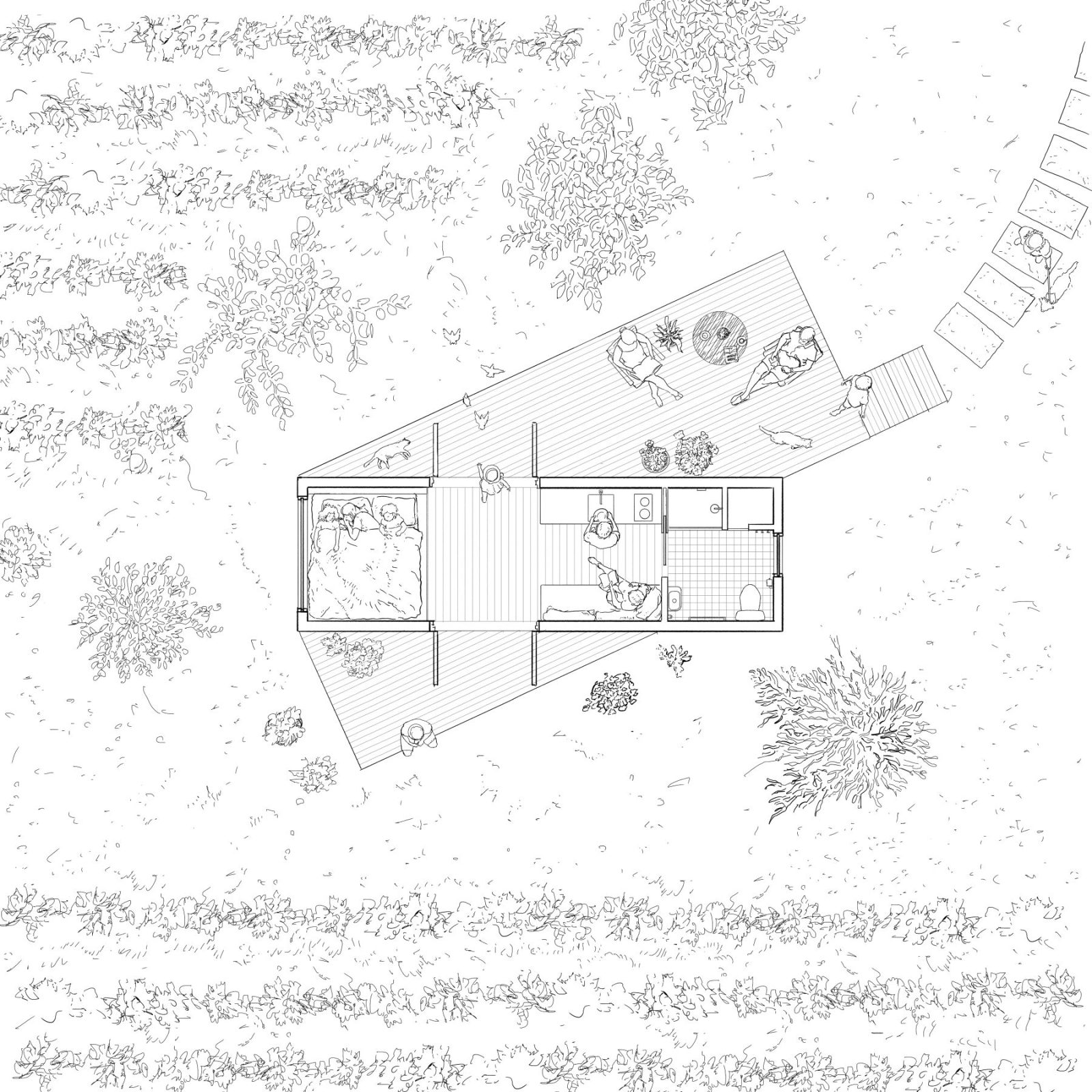
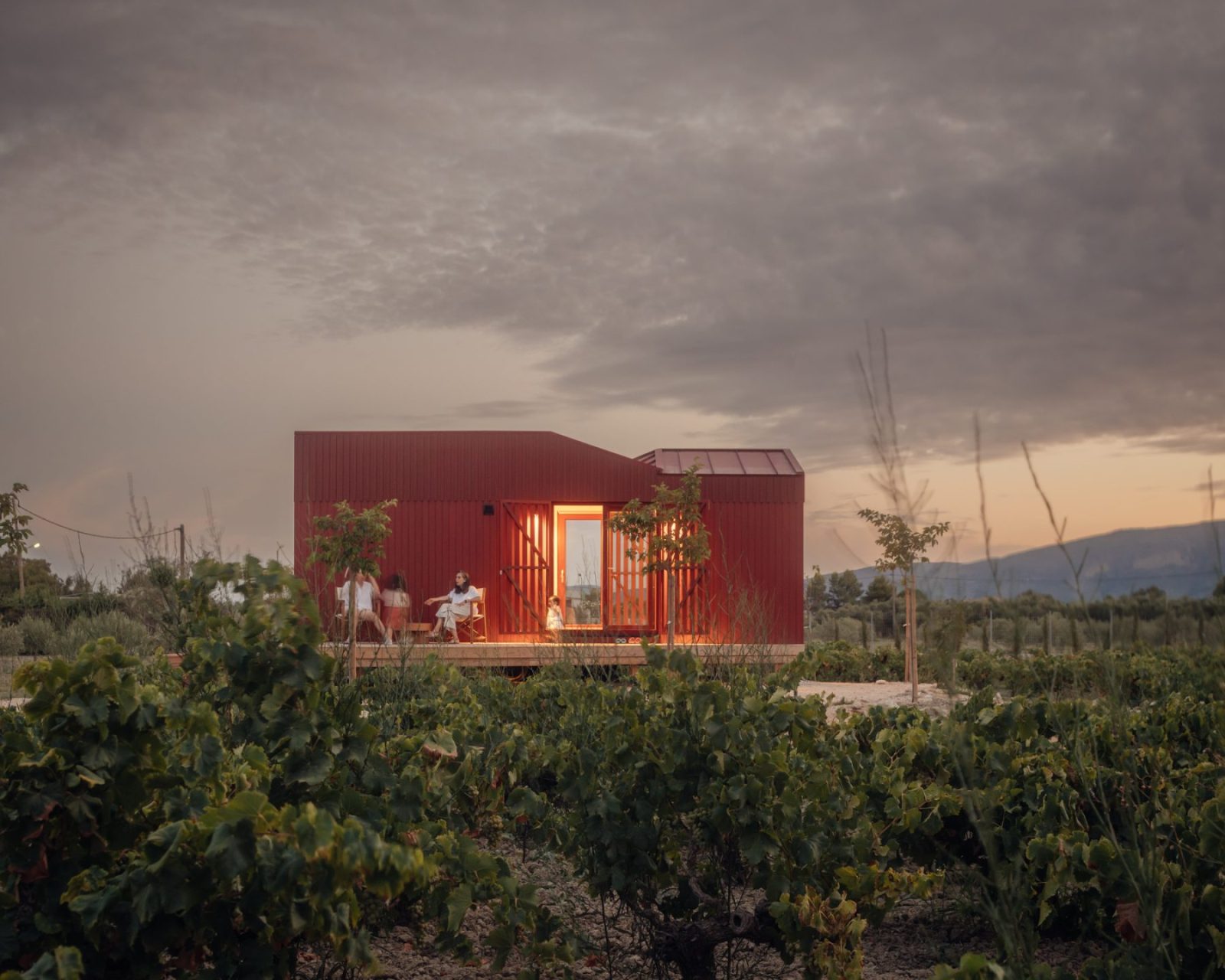
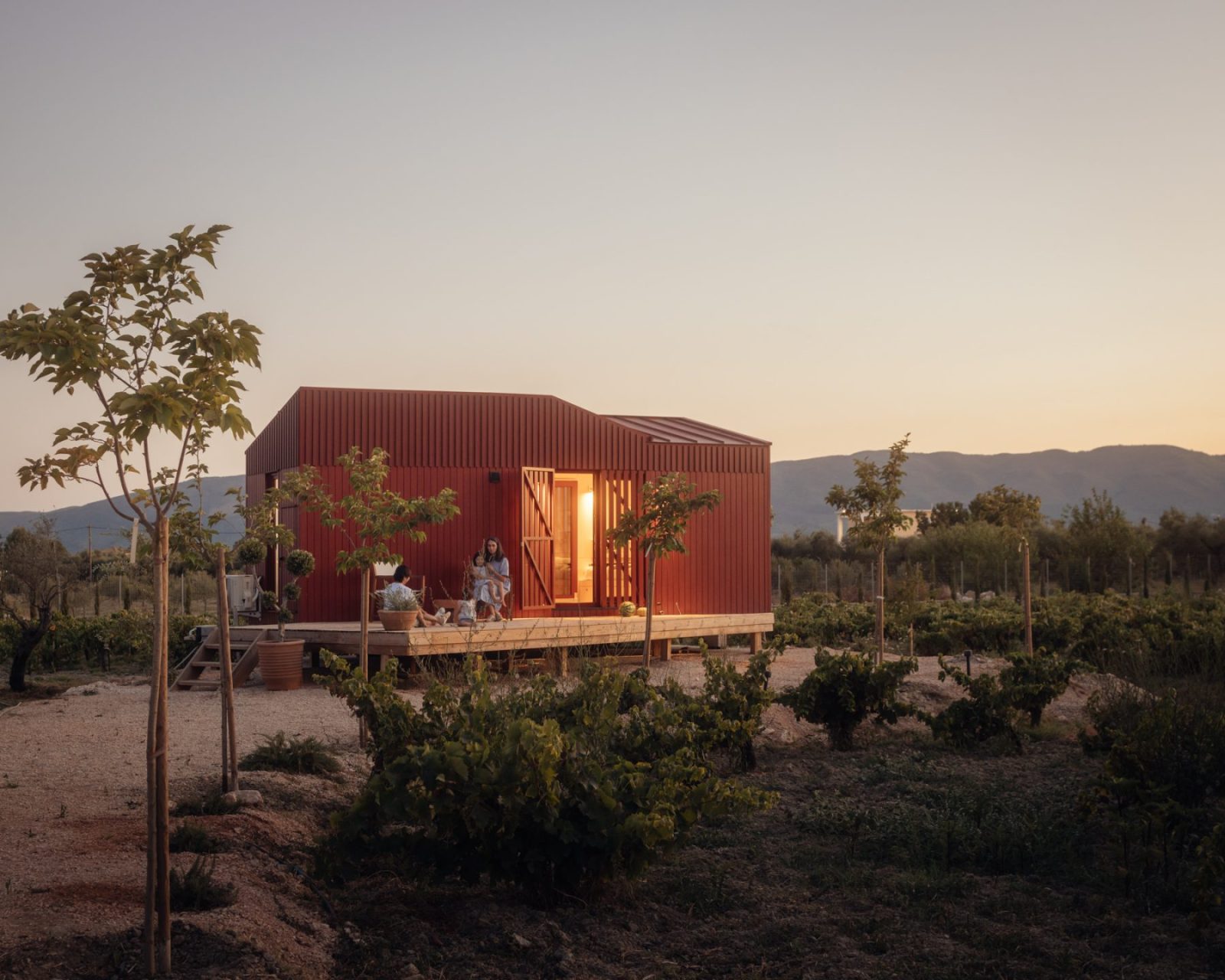
Measuring just 2.5 × 8 metres, the prefabricated timber cabin proposes an alternative architectural language to the concrete villas that have sadly become synonymous with the rapid transformation of Zakynthos’ rural landscape. Rather than pursuing scale and permanence, the project investigates a different form of luxury: one grounded in restraint, intimacy, and a renewed attentiveness to place.
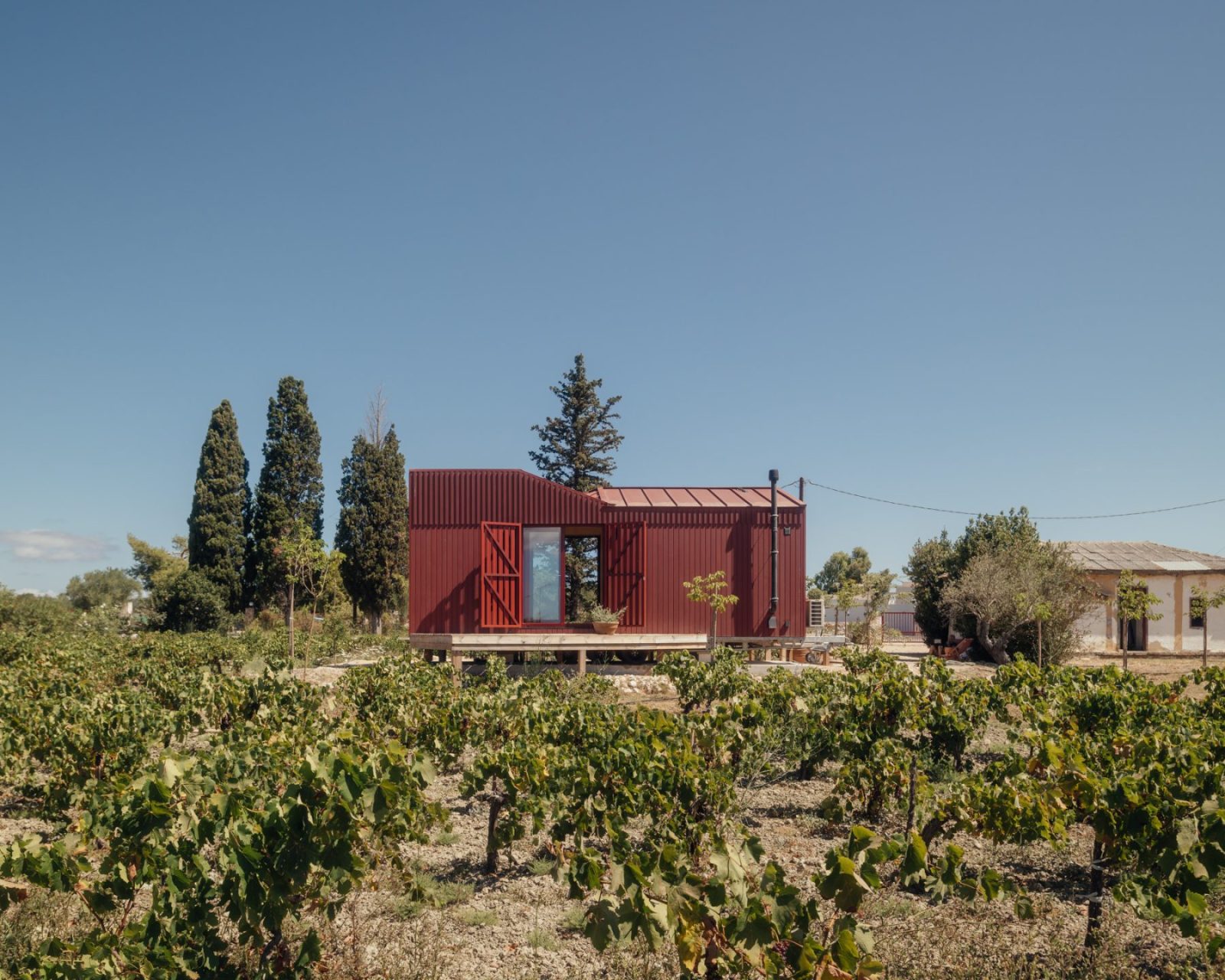
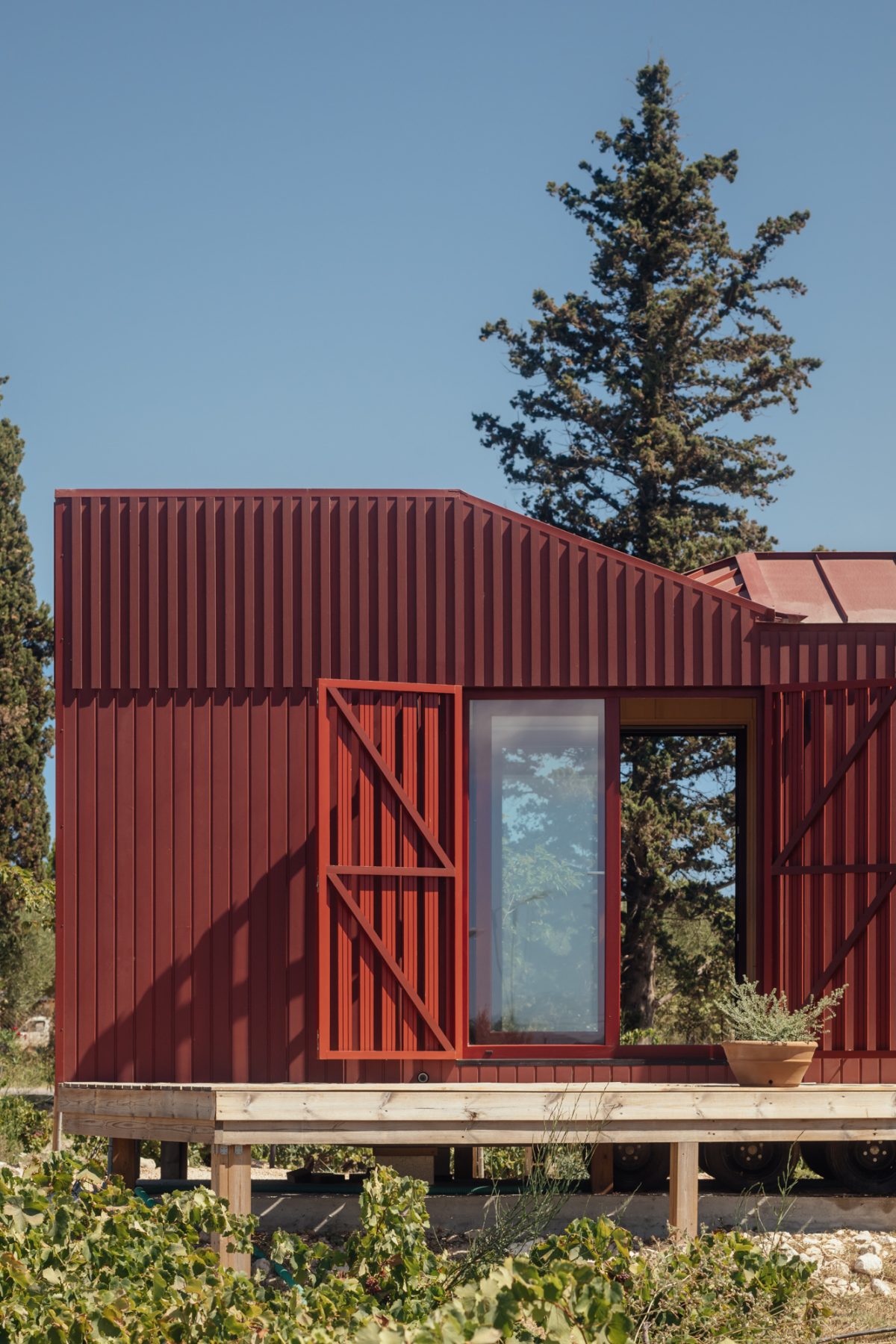
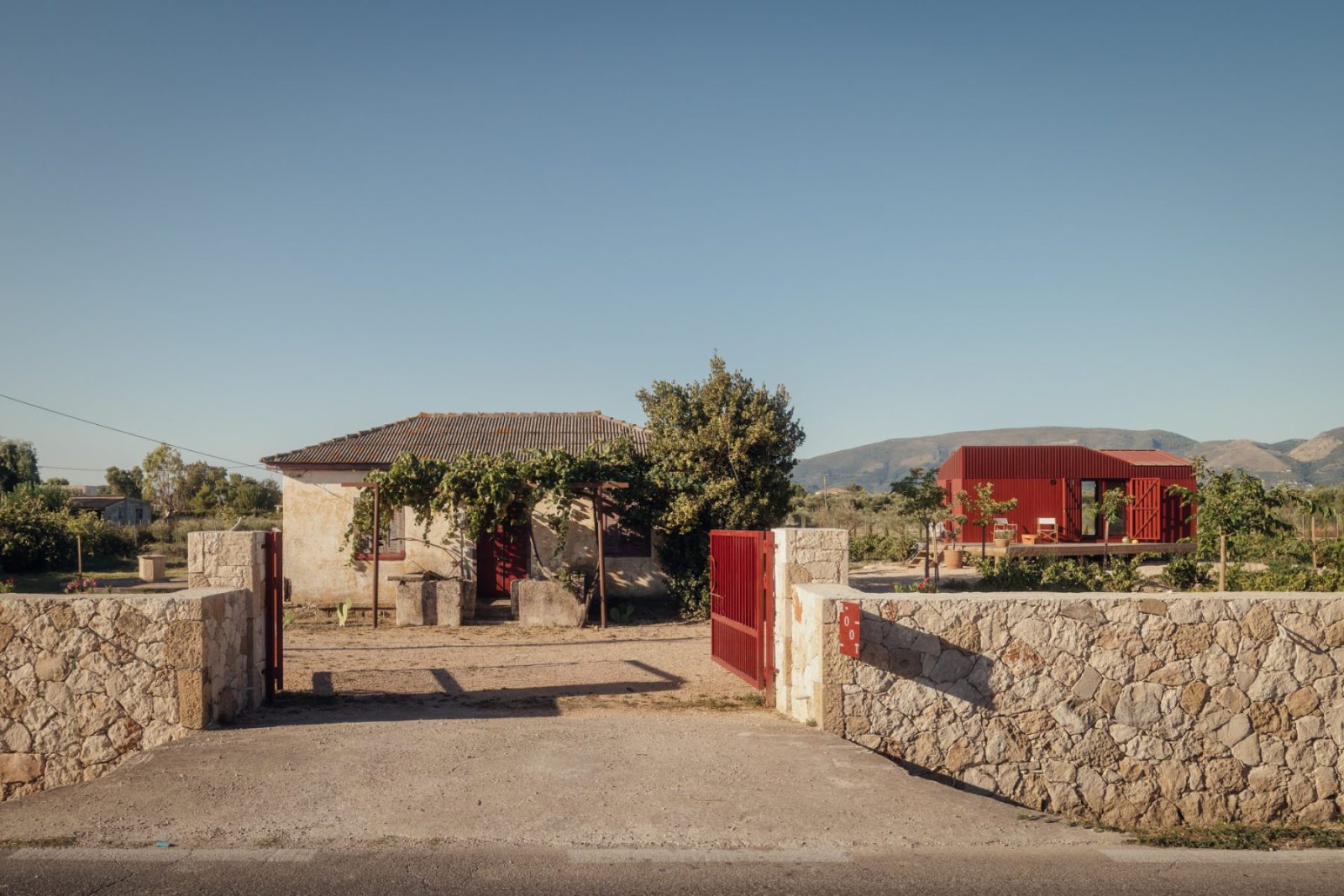
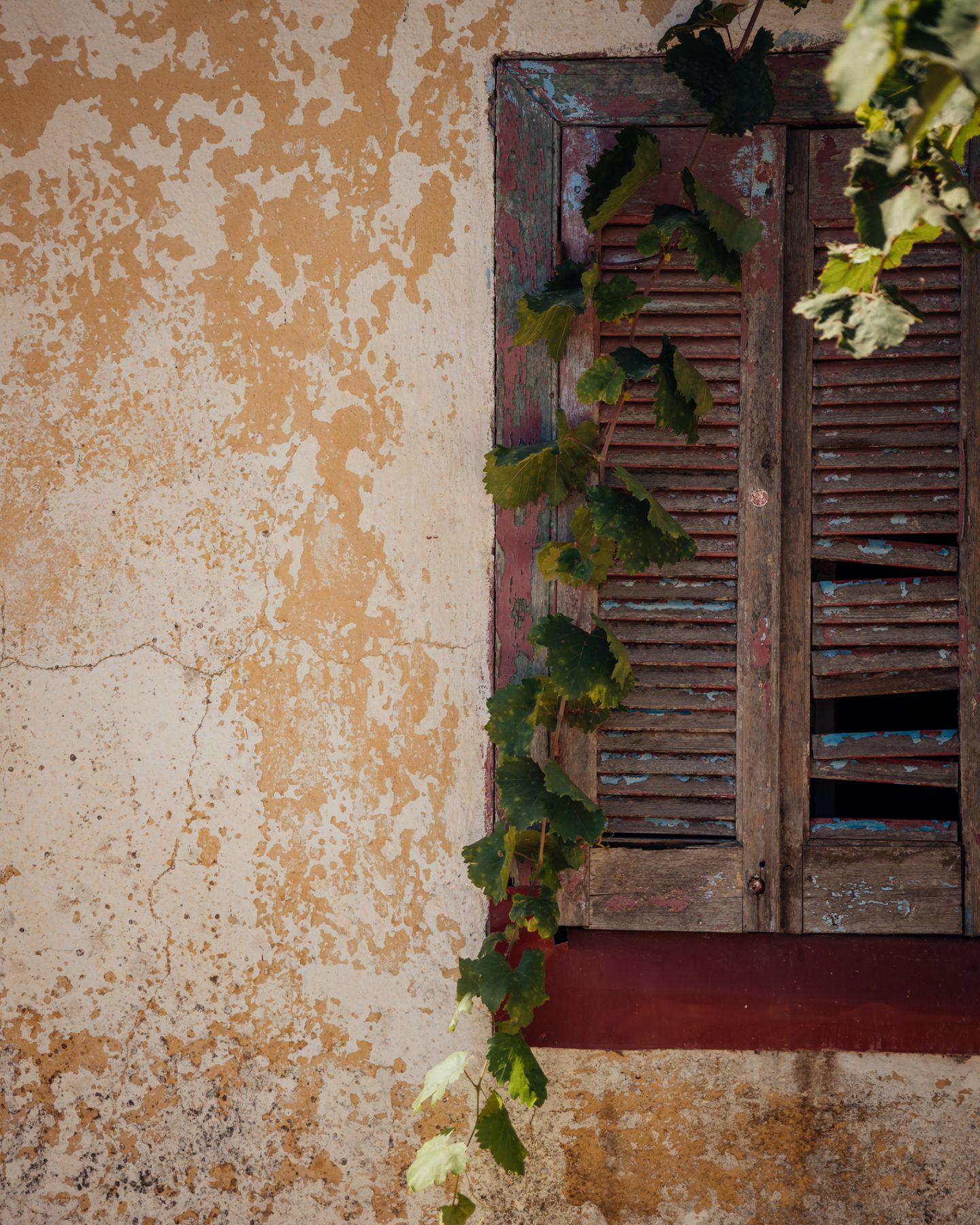
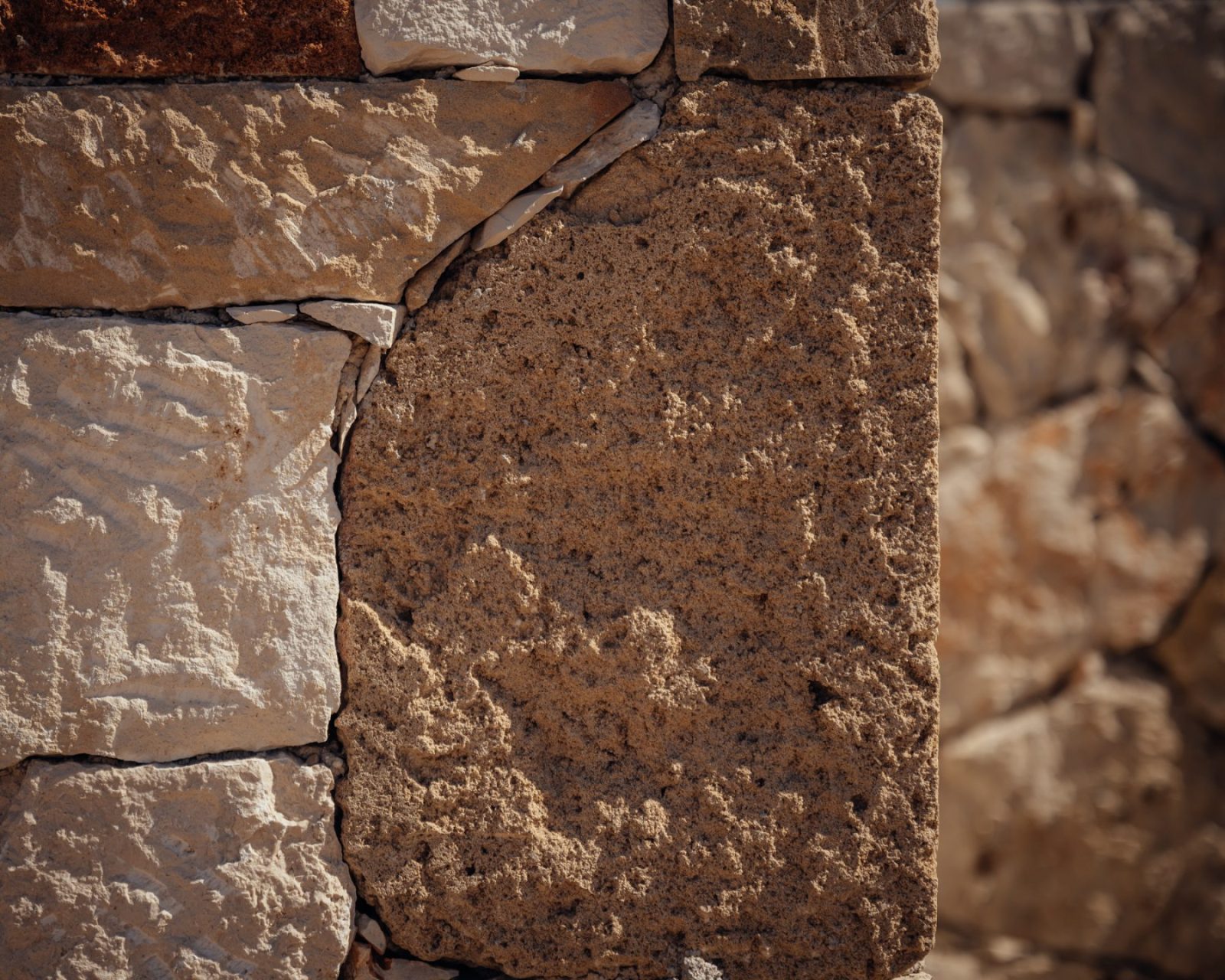
The site carries a deeply personal history. Kasabalis’ grandmother spent her childhood here before the Second World War, in a stone dwelling whose weathered remains still stand adjacent to the new structure. The family’s original ambition was to restore the abandoned house; however, this aspiration was repeatedly challenged by local construction practices shaped by contemporary development logics, where demolition and replacement were presented as more rational and economically viable than preservation.
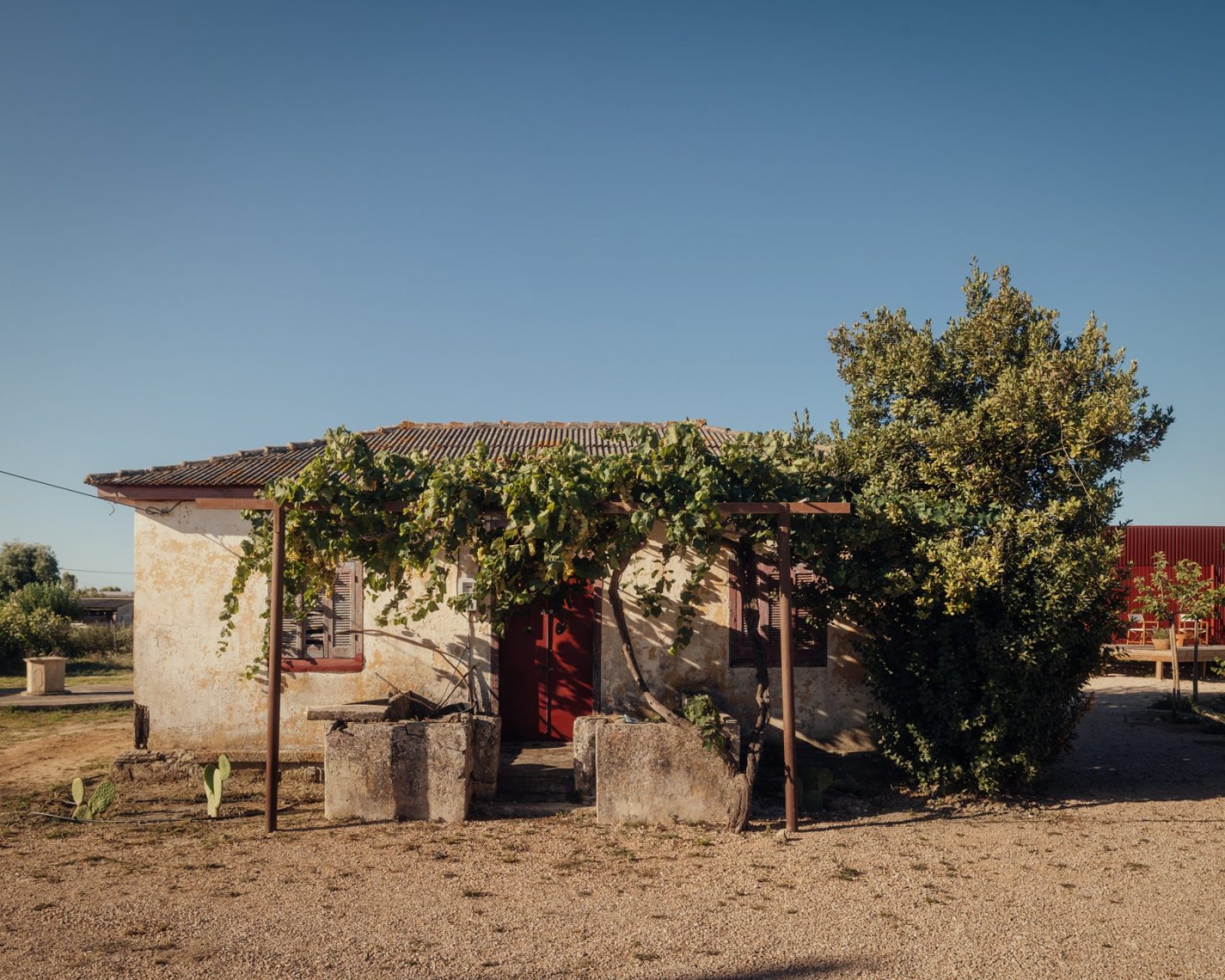
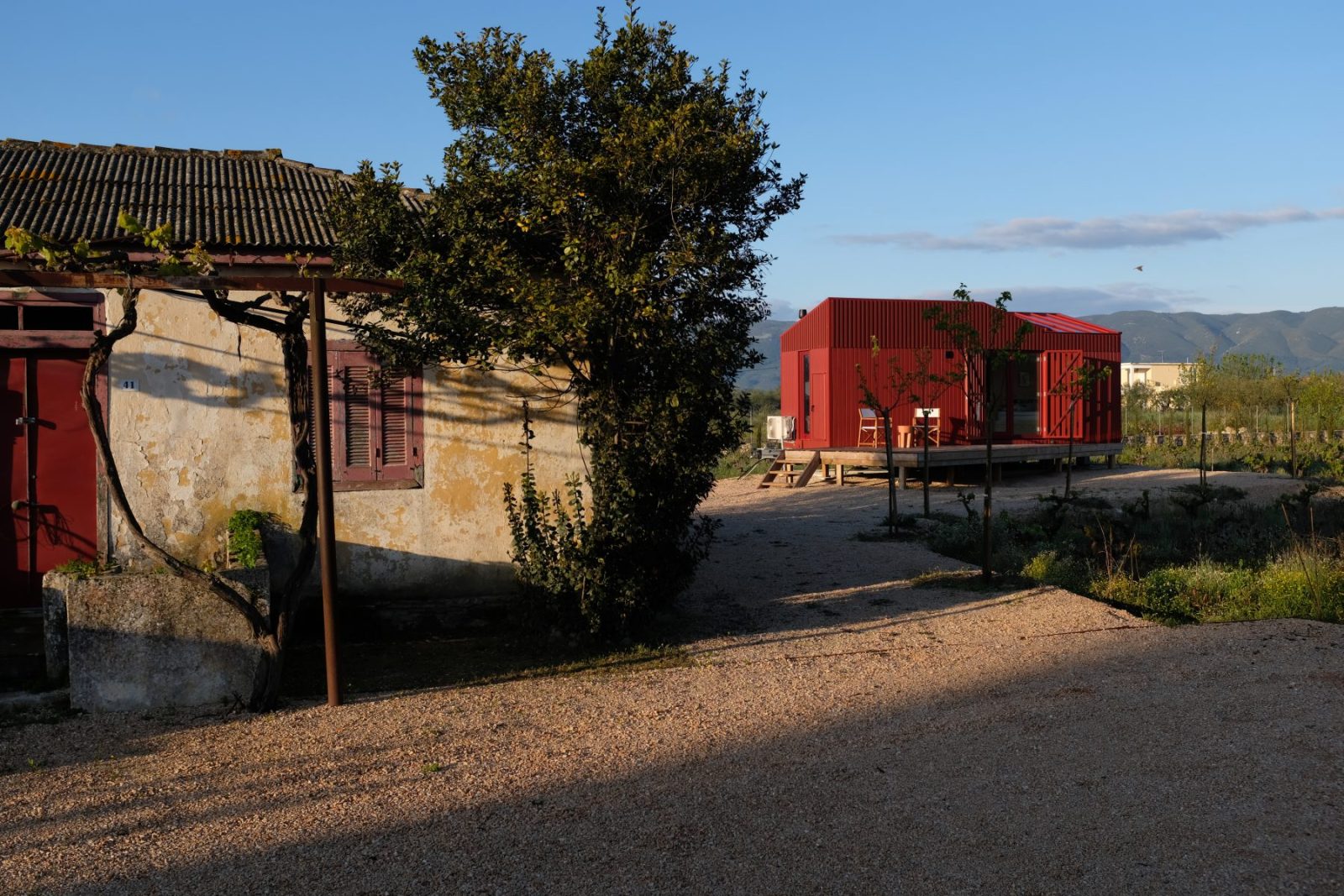
Kasawoo’s response was not to reconstruct the past, nor to erase it. Instead, the ruin was retained as a living fragment of memory that anchors the site’s temporal depth. In its presence, the new cabin takes form as a complementary intervention: a lightweight timber volume that neither competes with the existing remains nor seeks to romanticise them.
The Root occupies the landscape with humility, establishing a dialogue between ancestral traces and contemporary modes of inhabitation.
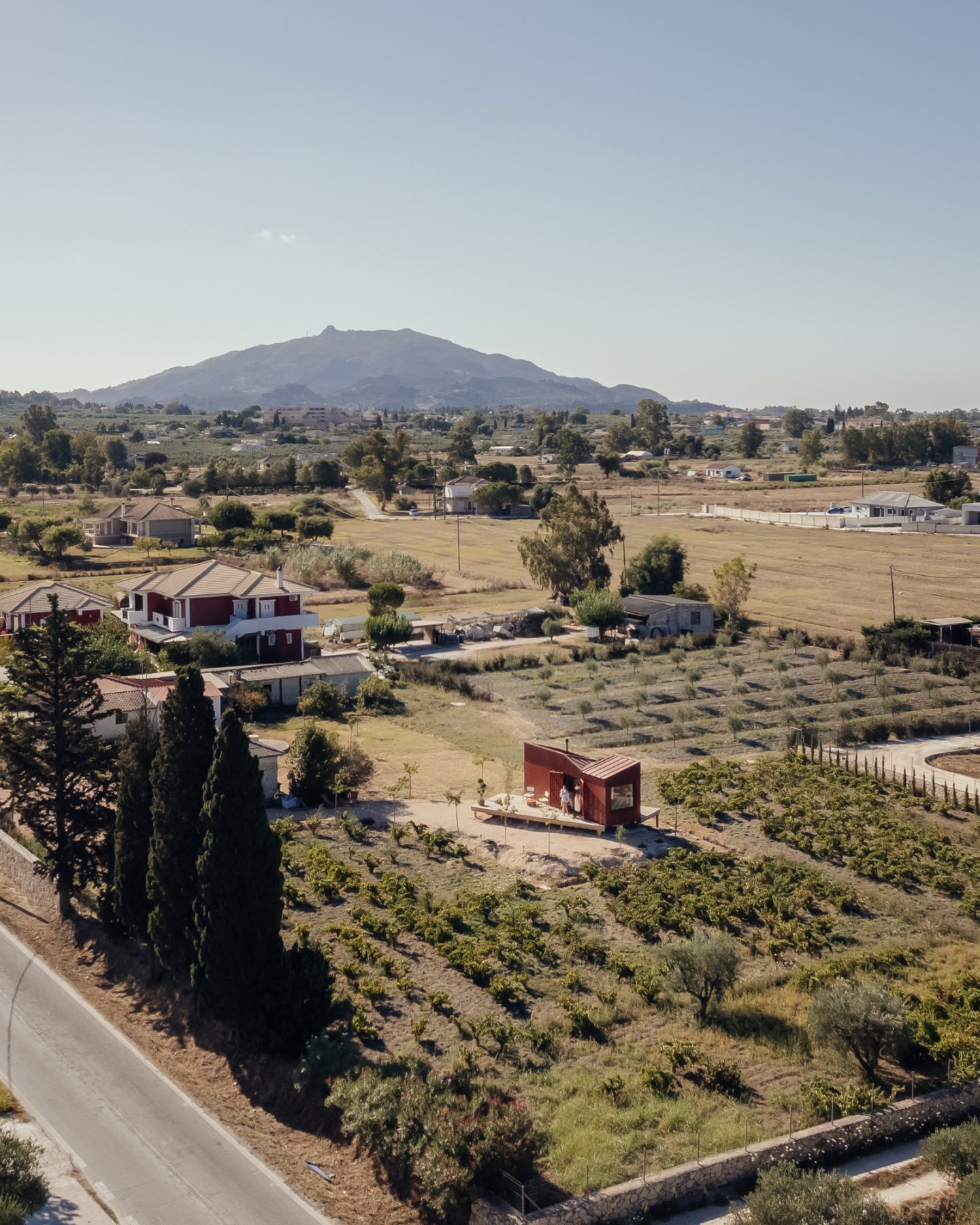
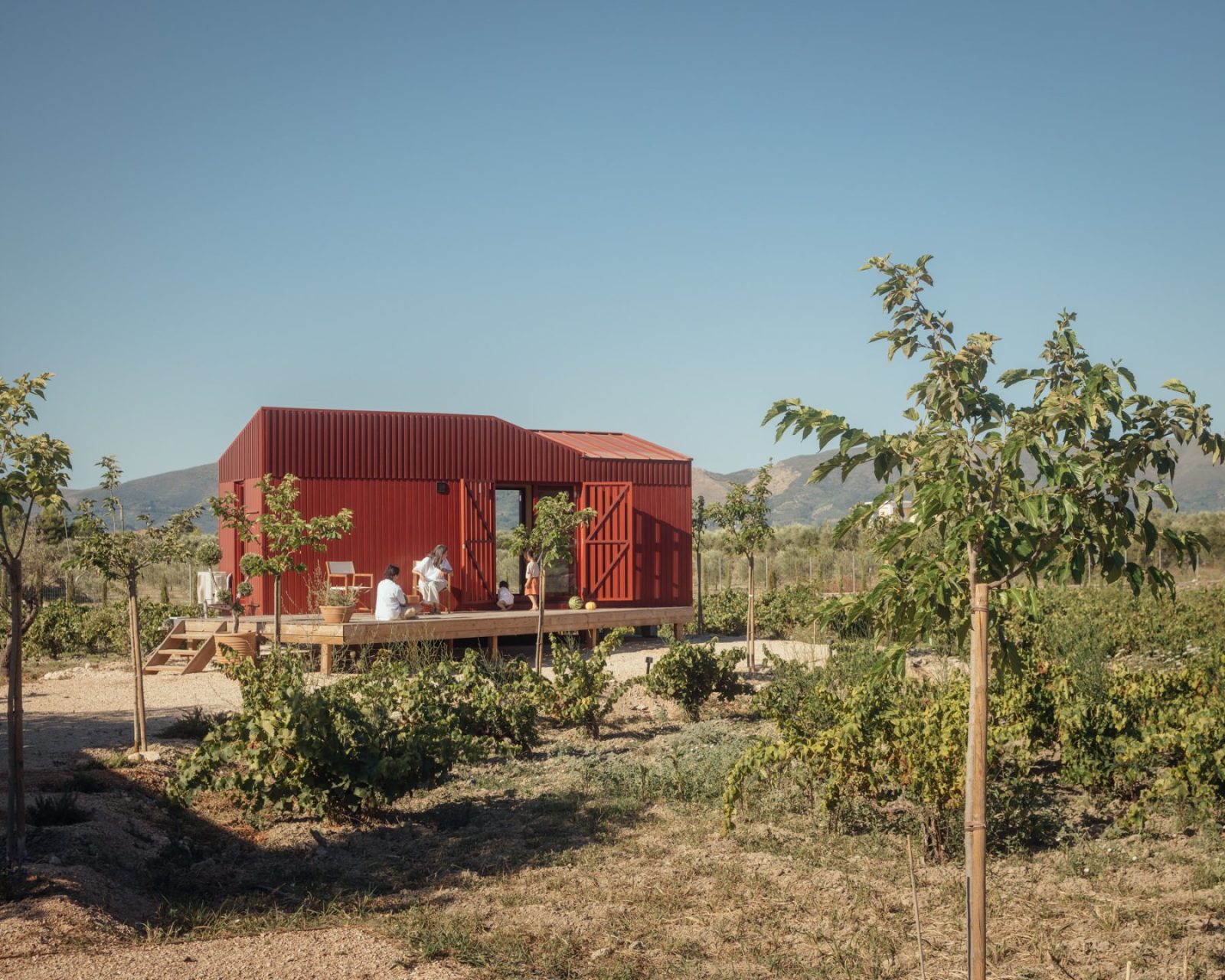
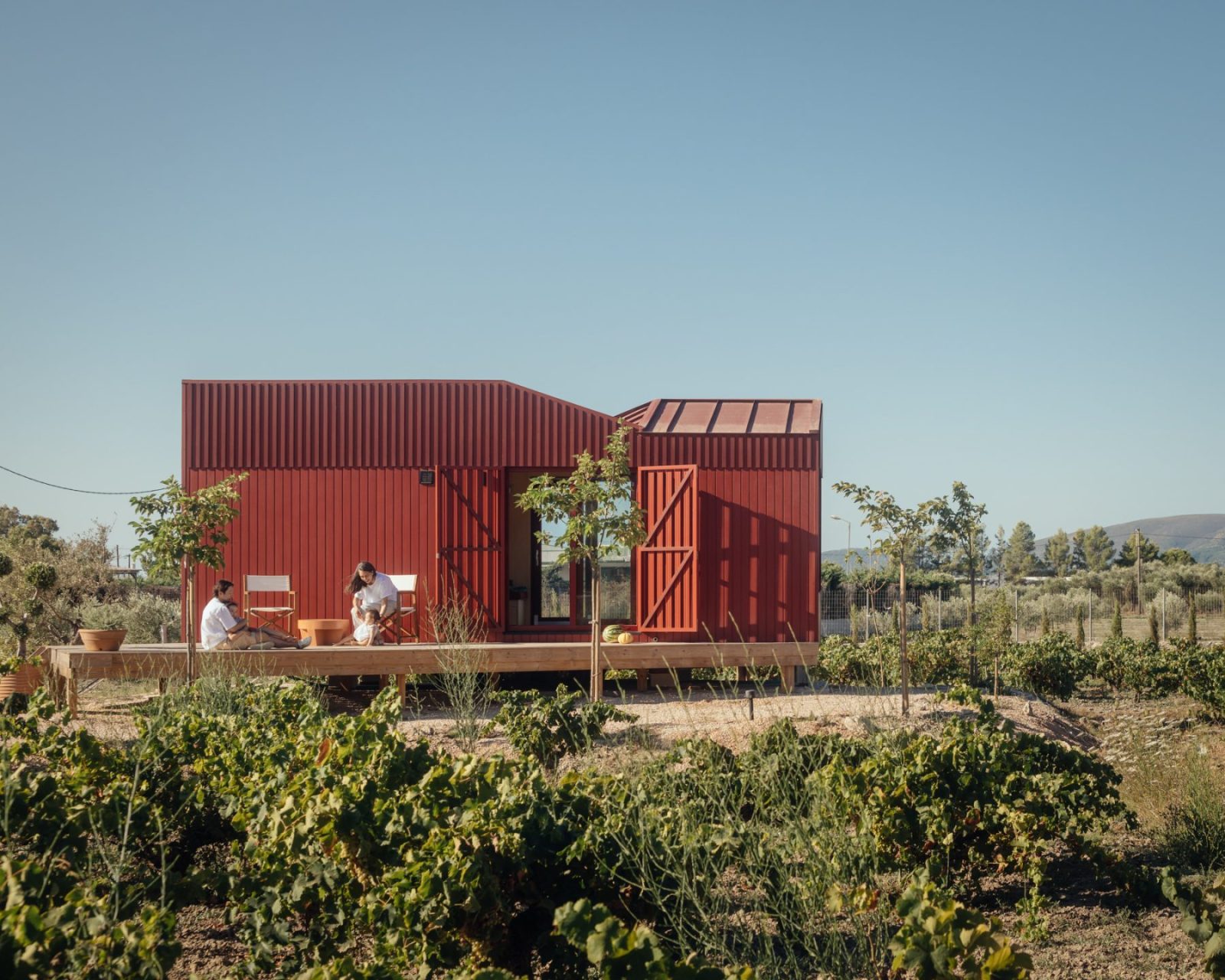
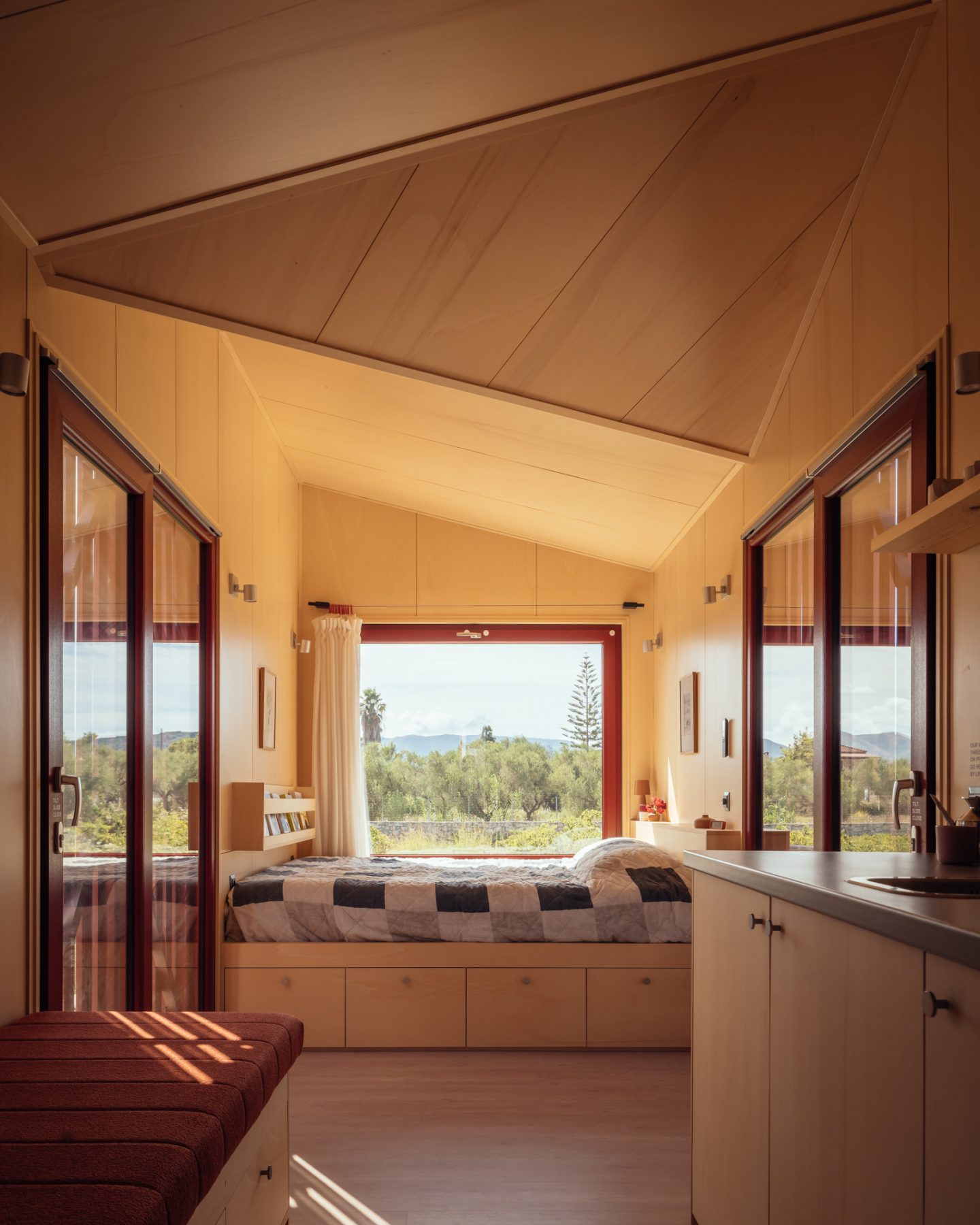
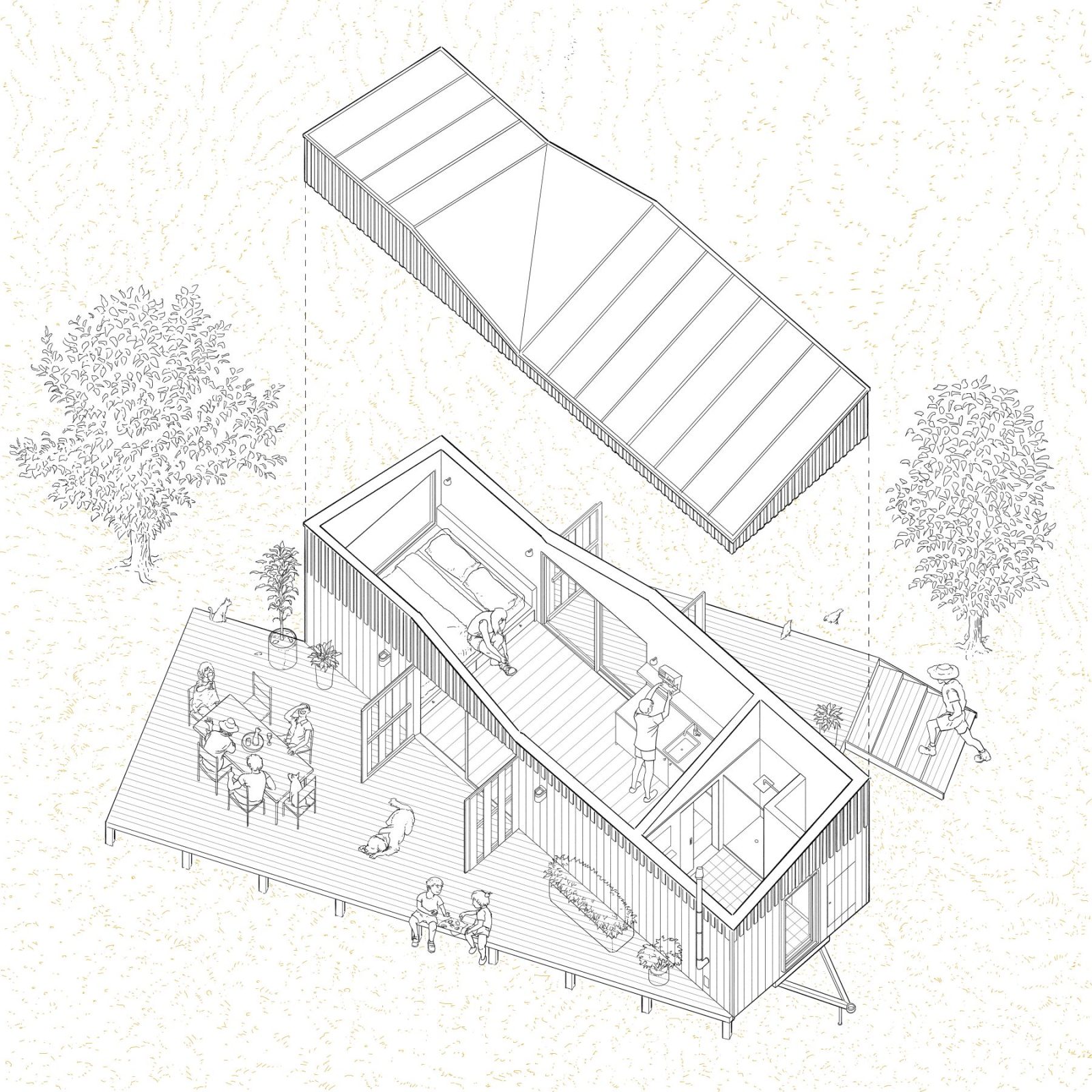
This attitude extends to the cabin’s environmental strategy. Prefabricated in Romania for precision and quality control, the entire structure was transported across Europe, allowing for a rapid, low-impact on-site installation between rows of vines and olive trees, carefully orientated to harness prevailing winds and seasonal solar conditions. Operable barn doors facilitate cross-ventilation, reducing dependence on mechanical cooling and allowing the cabin to operate entirely off-grid.
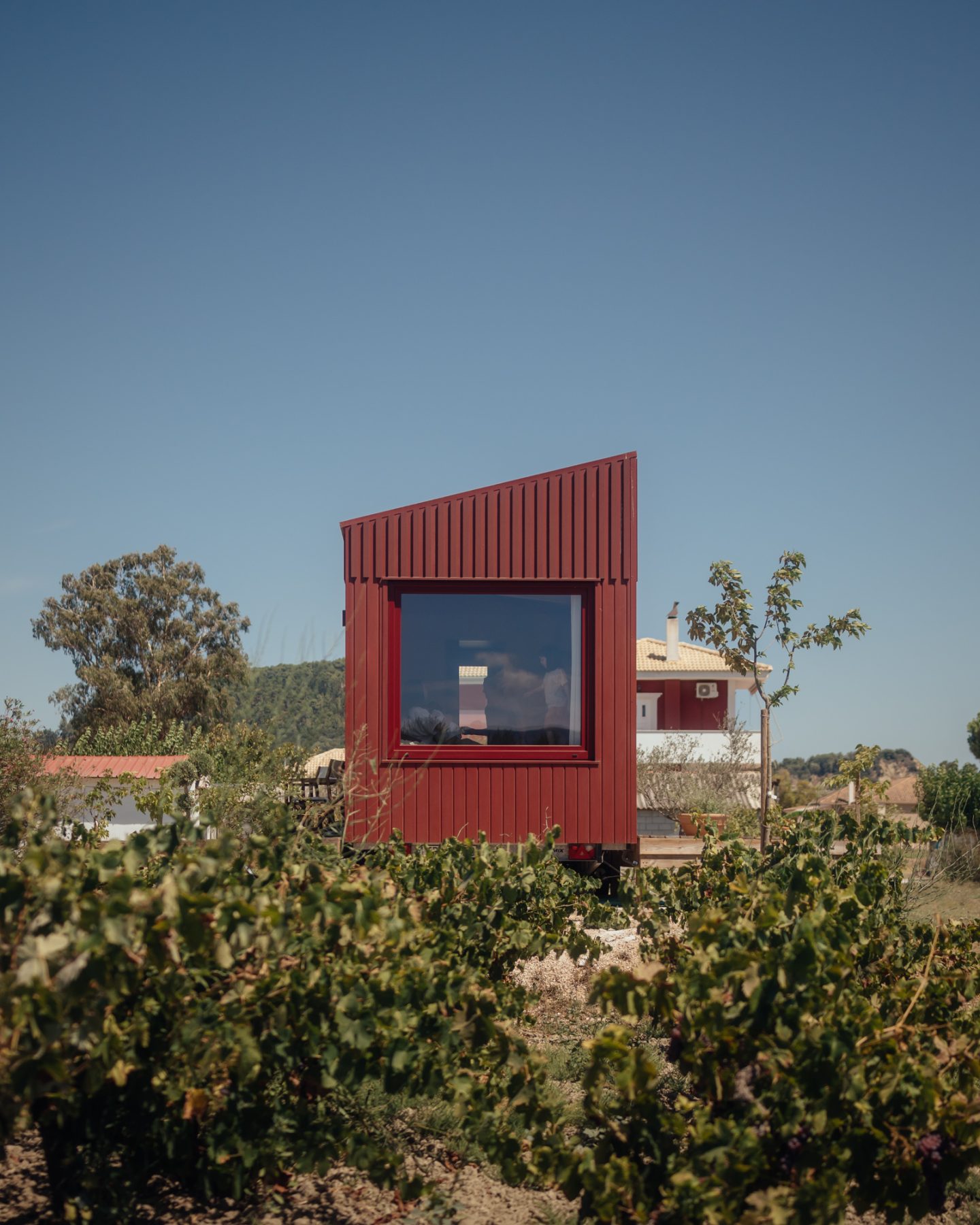
Here, sustainability is treated as a fundamental spatial ethic—one that privileges adaptation, sufficiency, and a reciprocal relationship with the environment.
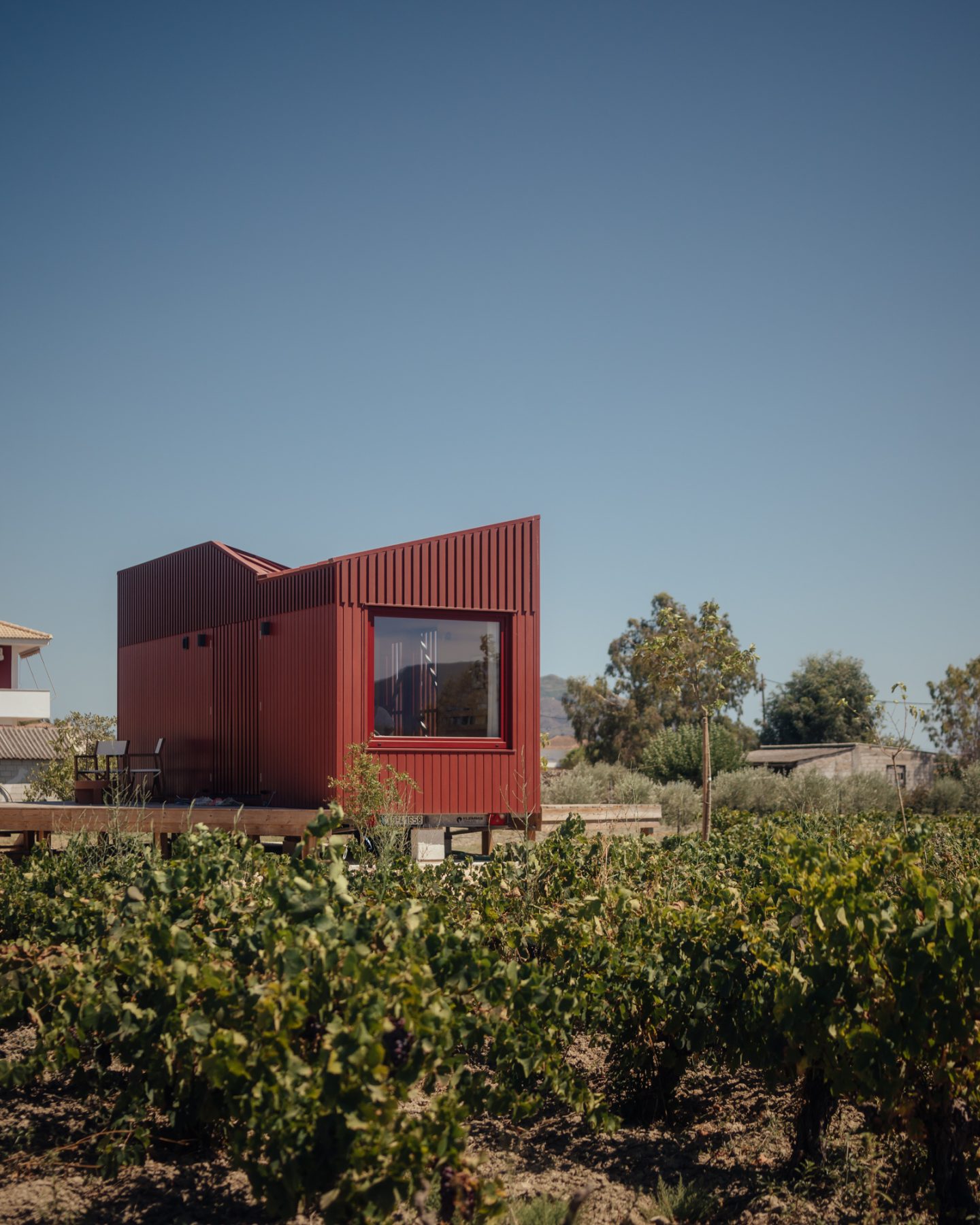
Every decision within The Root reflects Kasawoo’s broader philosophy that true luxury lies not in accumulation but in meaningful connection—to landscape, craftsmanship, and cultural memory.
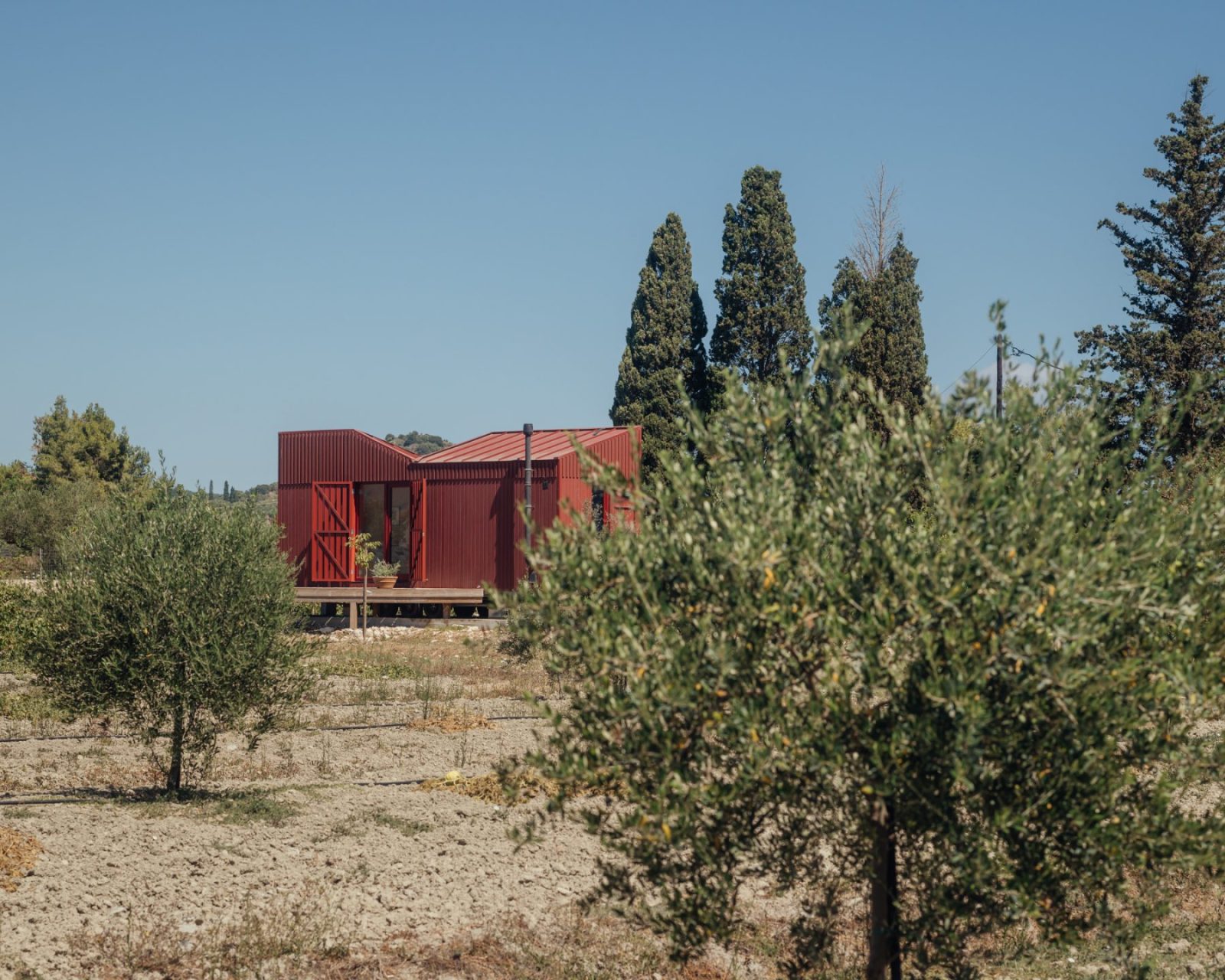
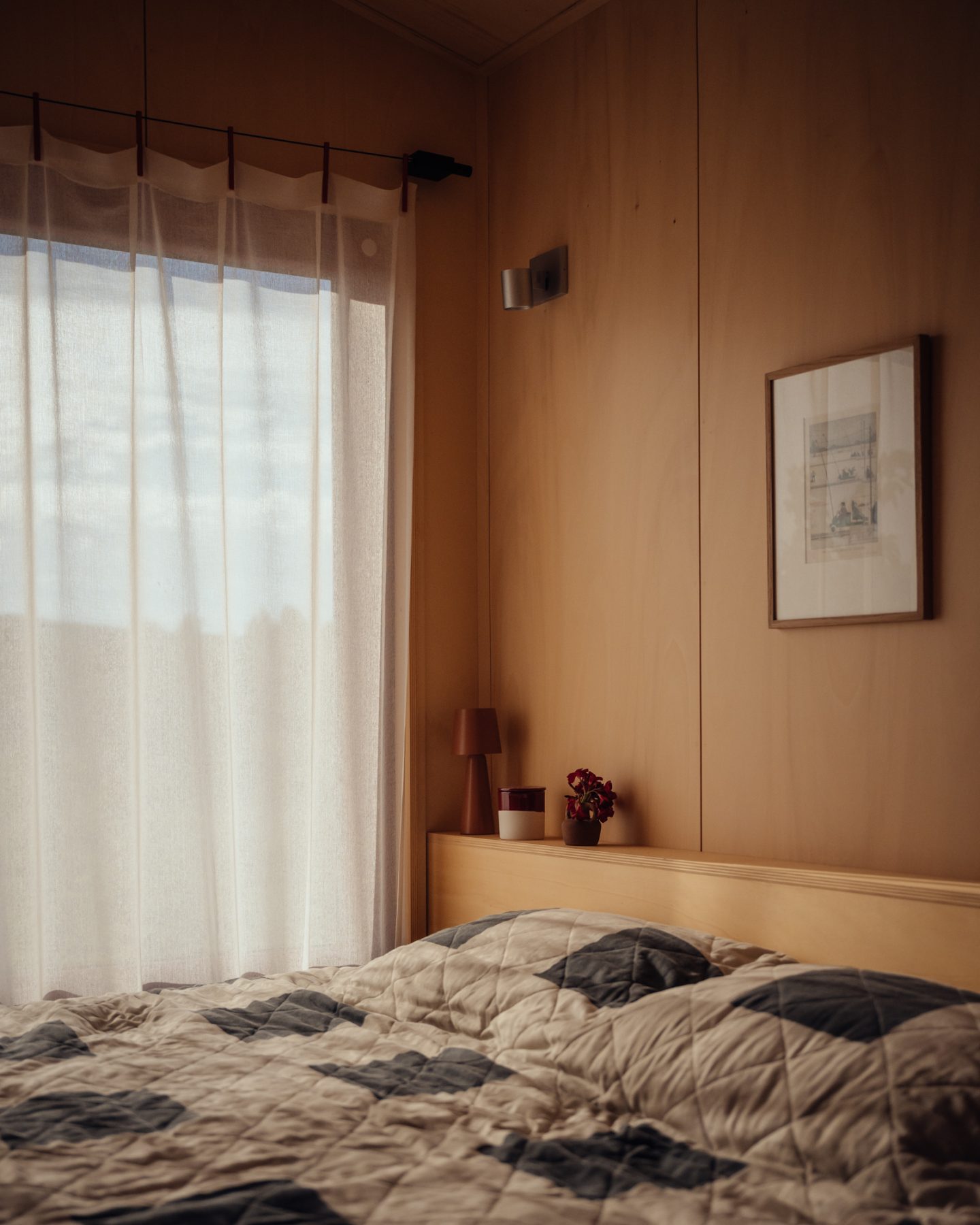
From the timber structure to the smallest domestic objects, the project is embedded within a network of local narratives. Bedding, ceramics, textiles, and skincare products were sourced exclusively from Greek makers, transforming the interior into a quiet archive of contemporary regional craft. Local tradespeople contributed to the preparation of the site and the construction of the timber deck, ensuring that, despite the prefabricated structure being manufactured abroad, the project remained materially and economically connected to its context.
In an island increasingly shaped by the demands of transient occupation, The Root proposes an alternative model of coexistence based on stewardship rather than consumption, asking an urgent architectural question:
How might we inhabit places we love without becoming agents of their disappearance?
Melina Arvaniti-Pollatou: Can the Summer Refuge Challenge the Touristification and Homogenisation of Rural and Island Landscapes?
Katie Kasabalis: To resist the tourism-driven development of the countryside we need alternative visions of what a holiday home can be.
In our case in Zakynthos, it was important for us to challenge the island’s carbon-intensive construction norms and instead design a low-carbon structure that sits lightly in its surroundings.
In doing so, we looked at a wide range of precedences—nearly fifty small-house plans and built projects from around the world. The book Tiny House: Live Small, Dream Big was especially influential, not only because it brought together a community of like-minded thinkers, but also because it offered very pragmatic design strategies for living well within tight spatial constraints.
At the same time, there were clear precedents we chose not to draw from. We deliberately avoided referencing the high-design holiday villas that have become ubiquitous on islands like Mykonos or Santorini.
While we admire their material richness and their redefinition of luxury, that model wasn’t aligned with what we were trying to explore. Our interest lies less in spectacle and excess, and more in restraint, precision, and redefining luxury through efficiency, adaptability, and everyday use. The Root is not about replicating a resort experience, but about discovering how little you need—and how well it can be designed.
MAP: Can a prefabricated cabin, often associated with mobility and standardisation, cultivate a meaningful relationship with a deeply local landscape?
KK: The Root is deeply shaped by the local conditions of Zakynthos, and that is reflected in the specific way it inhabits the site.
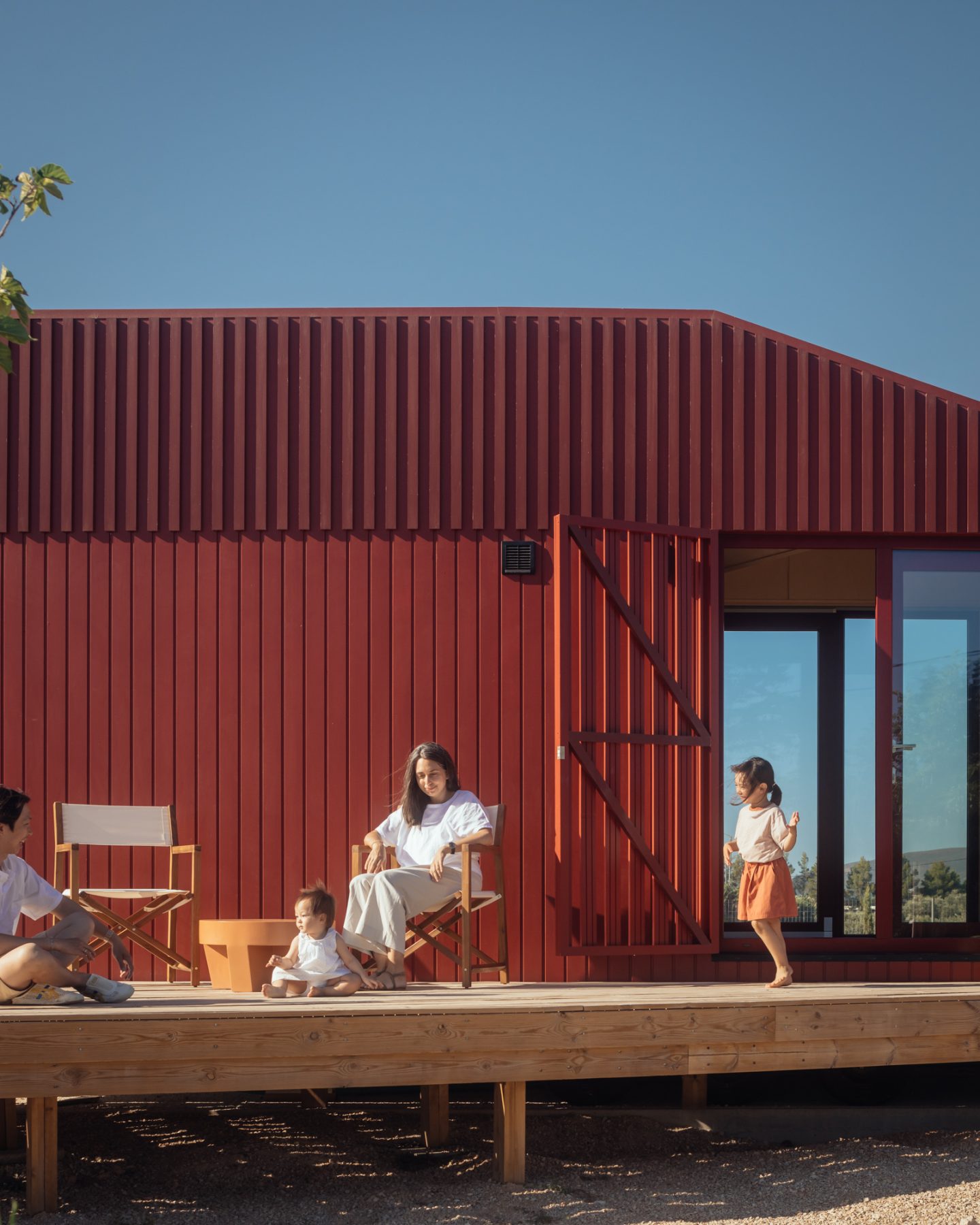
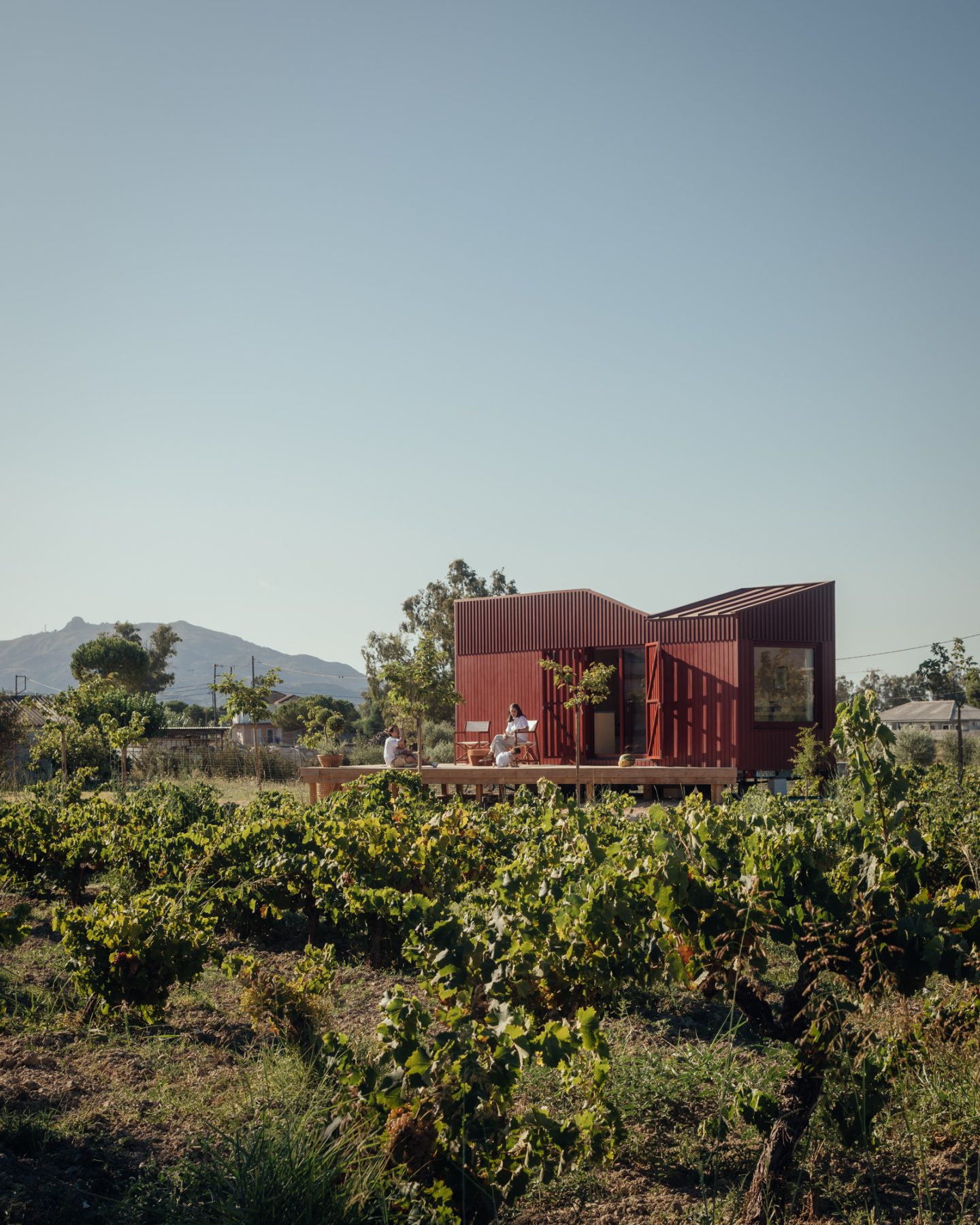
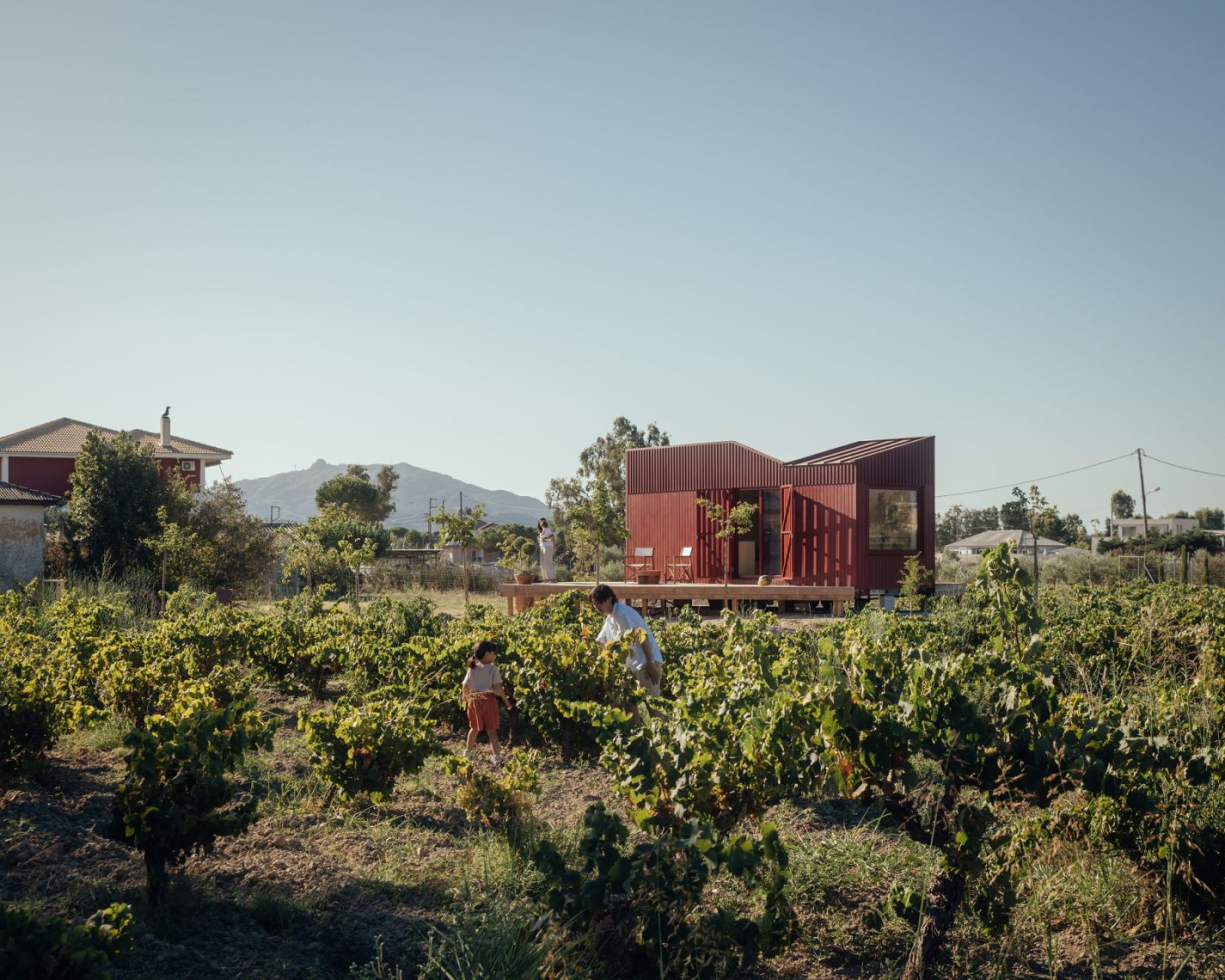
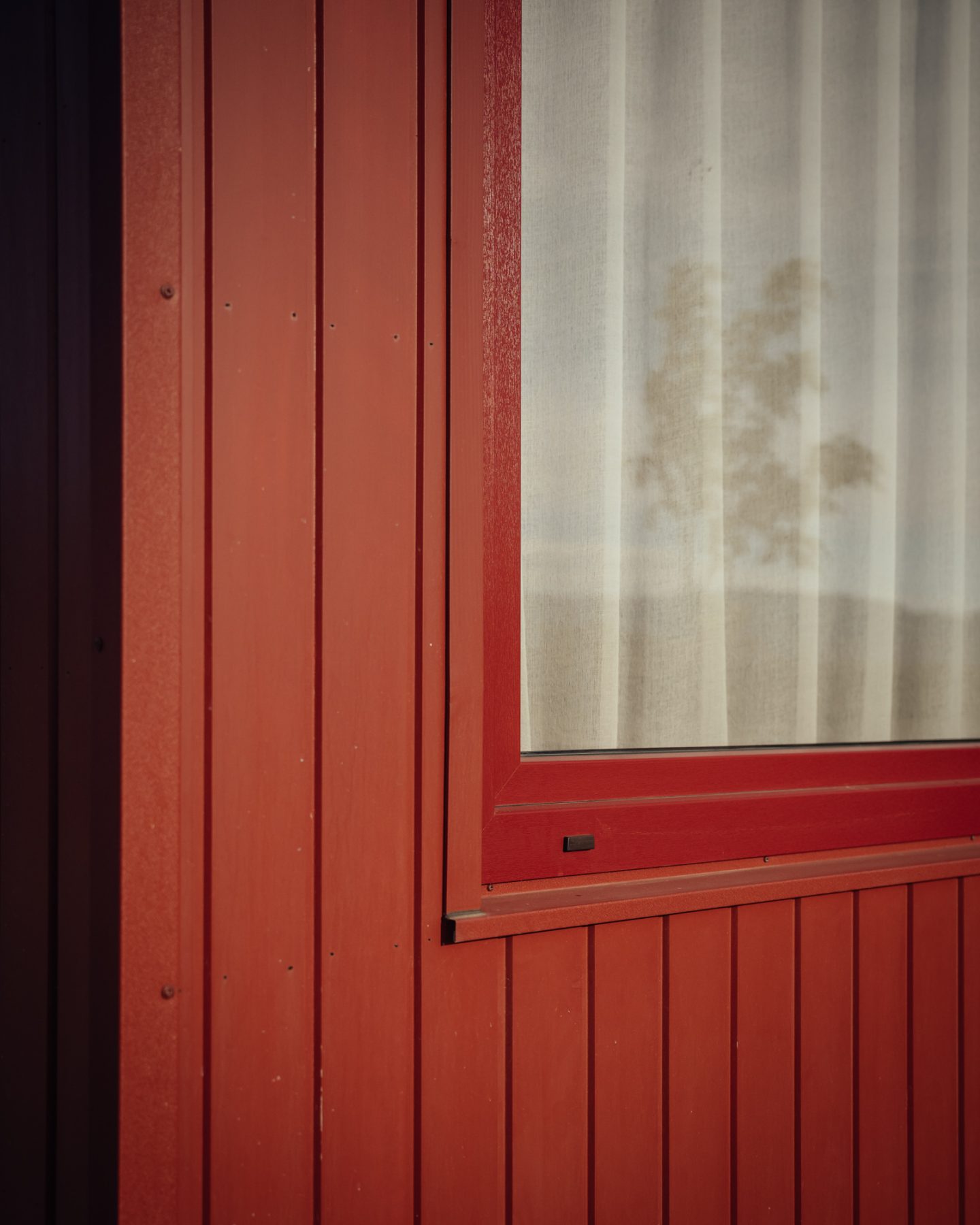
The cabin’s twisted roofline echoes the rugged silhouette of Zakynthos’ mountainous terrain, while its deep red timber cladding nods to the traditional hues of the islands architecture.
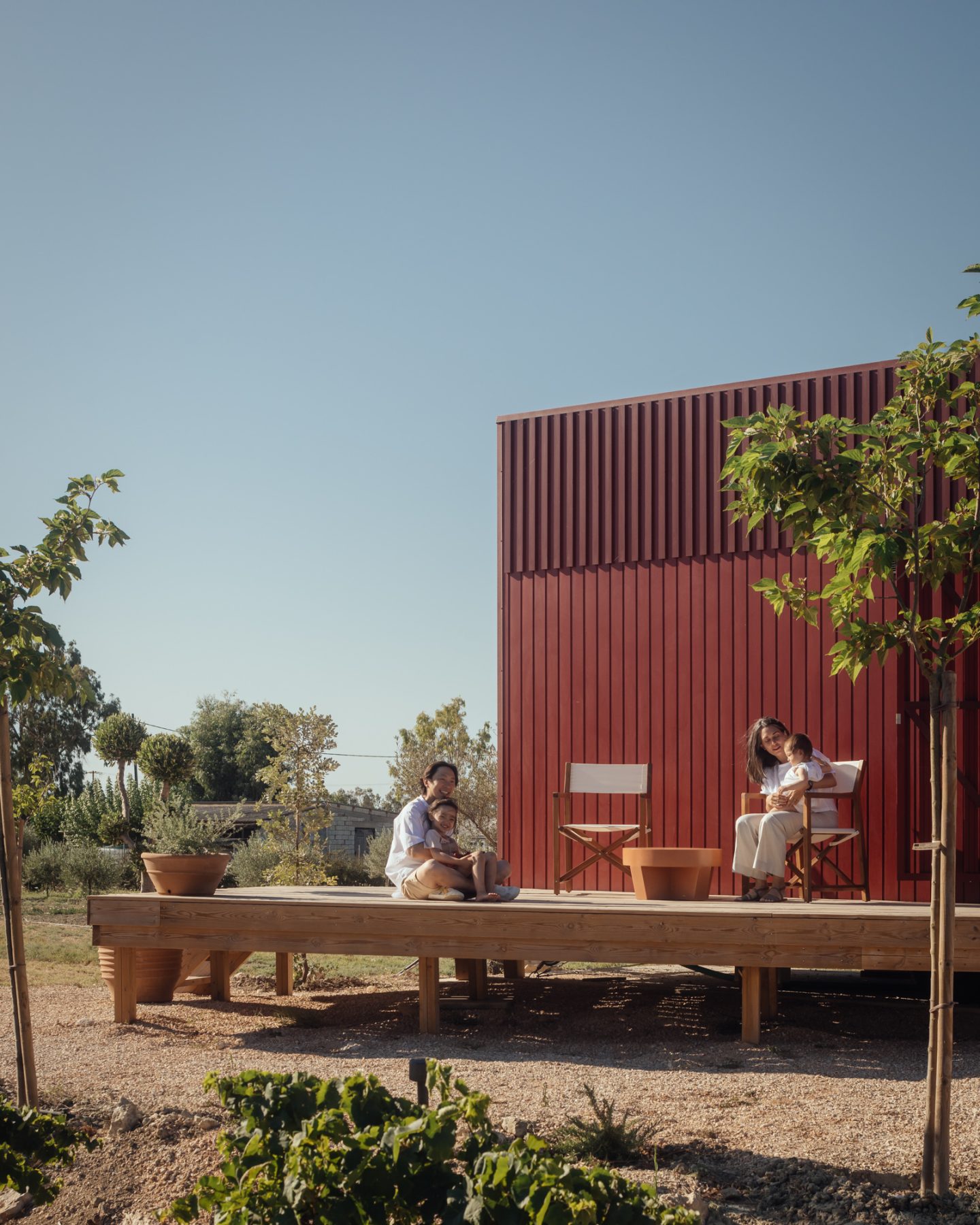
The red and natural wood palette weaves through the space, subtly tying the exterior to the interior. Timber decks on both the north and south facades blur the line between inside and out, inviting natural light, air and views deep into the living space.
At the same time, regardless of its location, the Root is an experiment in how small a dwelling can be without diminishing comfort, dignity, or connection to place. The project reflects Kasawoo’s broader interest in resourcefulness and asks whether generosity in architecture can be measured differently—not through abundance or scale, but through careful design, meaningful experiences, and a sensitive dialogue with the land.
MAP: The Root emerges from a landscape of personal memory and familial heritage. When the architect becomes both designer and inhabitant, the boundaries between authorship and lived experience begin to dissolve. How did this dual role influence the making of The Root?
KK: As a practice we are deeply interested in the notion of resourcefulness- and how that mindset influences the way we design. For us, resourcefulness is first and foremost an attitude- it is as much about a way of building as it is a way of seeing the world. It begins with careful observation of sites, conditions, people and environments.
When you design for yourself, especially in a familiar context, it is tempting to arrive at a design solution quickly and bypass this process of discovery. However, we knew that was an important step in our creative process.
So even though the site had been in my family for generations, we approached the design as journey, allowing each encounter- with the site, materials, neighbours, builders, relatives to inform the design.
The Root went through several iterations before arriving at its final form.
At the same time, designing for yourself creates a rare opportunity to pursue a more radical vision for the project, especially when challenges arise.
One of the most significant challenges was navigating the disconnect between our architectural vision and local construction norms. If we had been designing for a client, we may have felt more pressure to conform. But for us, the use of timber in service of a low-carbon architecture was essential. This conviction gave us a sense of purpose and enabled us to execute our bravest project yet. What felt really different with the Root was this ability to respond to constraints with clarity and conviction.
MAP: Why was red chosen as the defining colour of the project, and how does it operate within its architectural and spatial narrative?
KK: We settled on the material palette pretty quickly. My family would always point out a deep burgundy red on historical buildings and villas whenever we were on the island—a pigment passed down from the Venetian ruling times. It really stuck with me because when most people think of Greece, they imagine white and blue. This red, with its local significance, felt special.
We knew early on that we wanted to use it as a subtle nod to the island’s history while also creating a color that would stand out and complement the landscape.
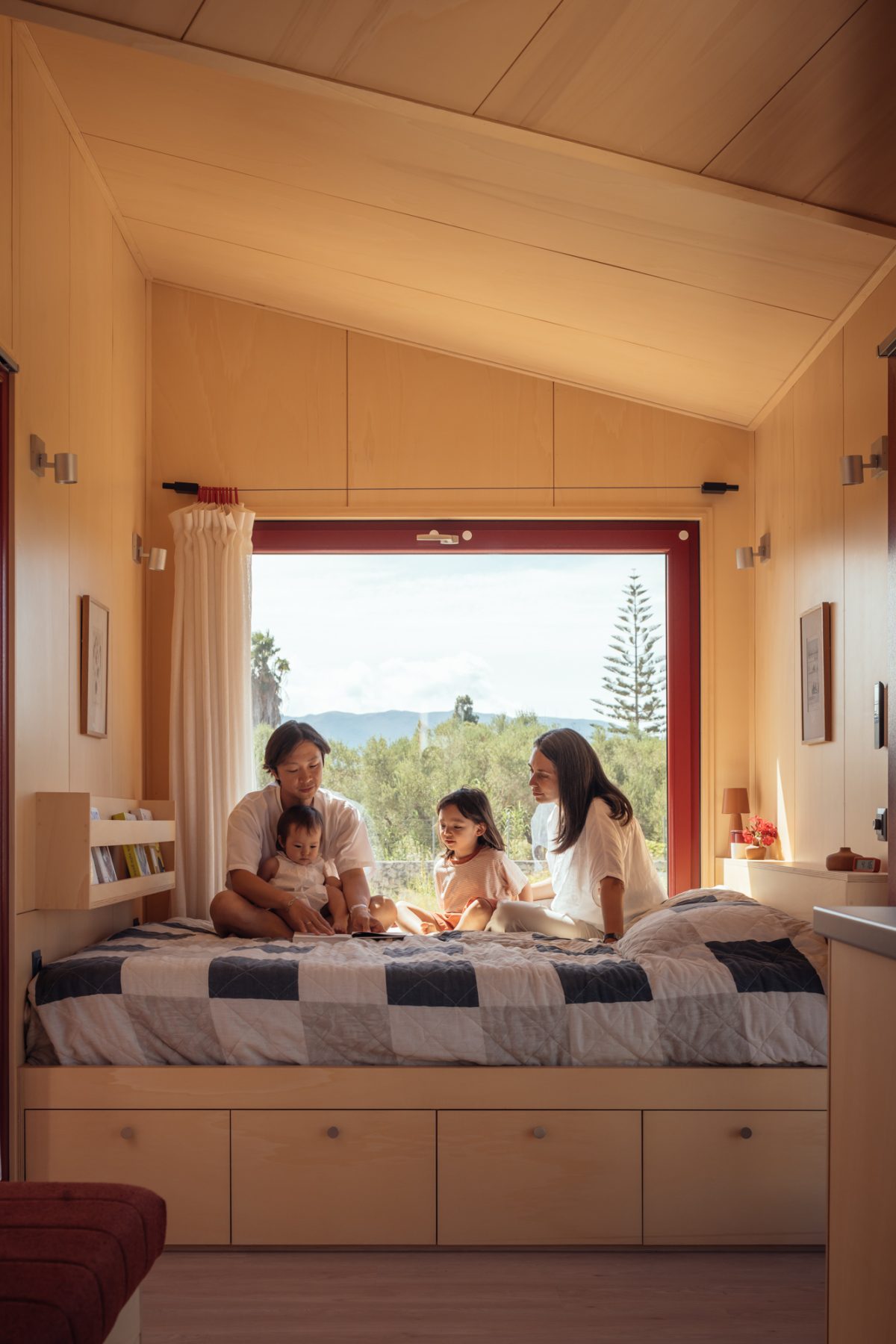
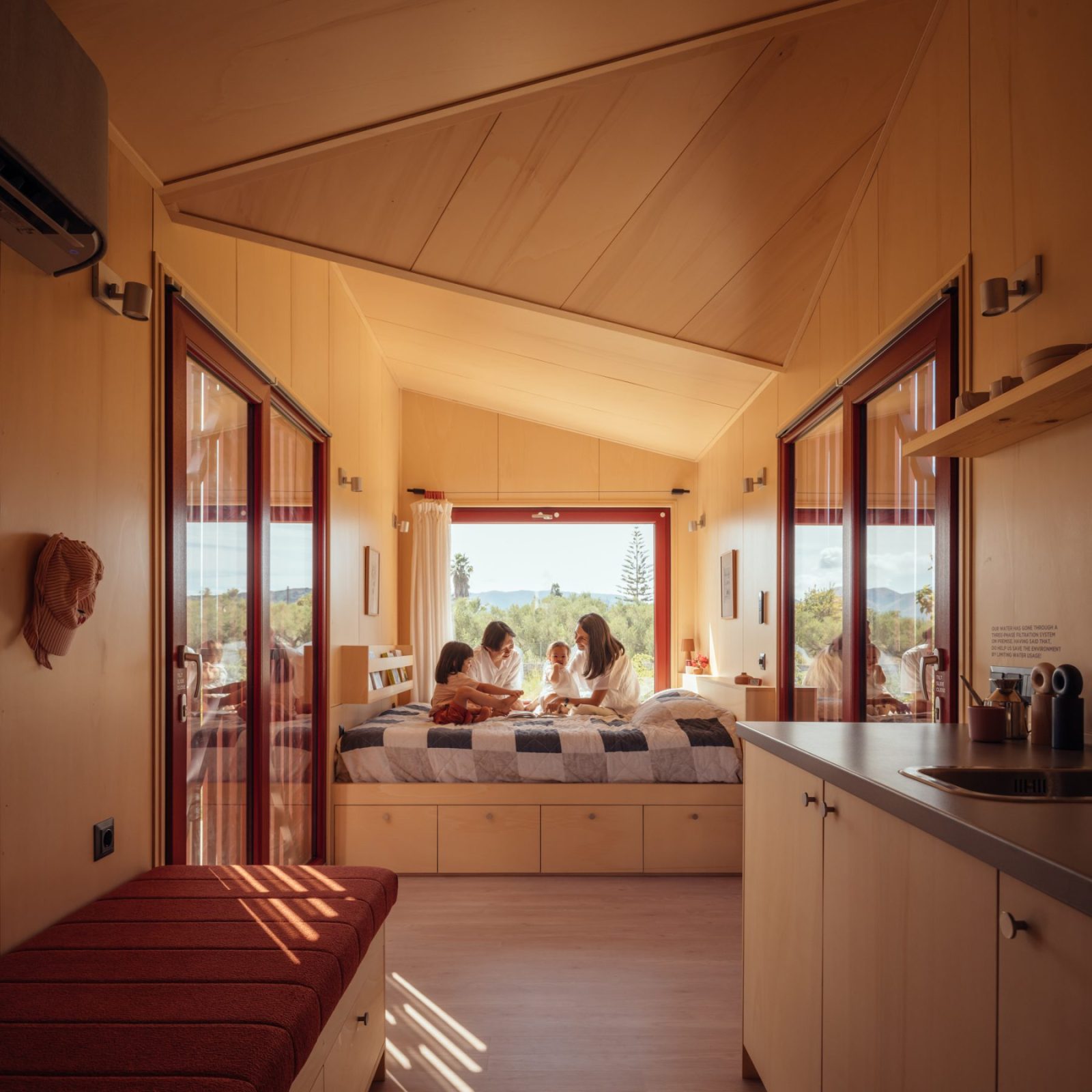
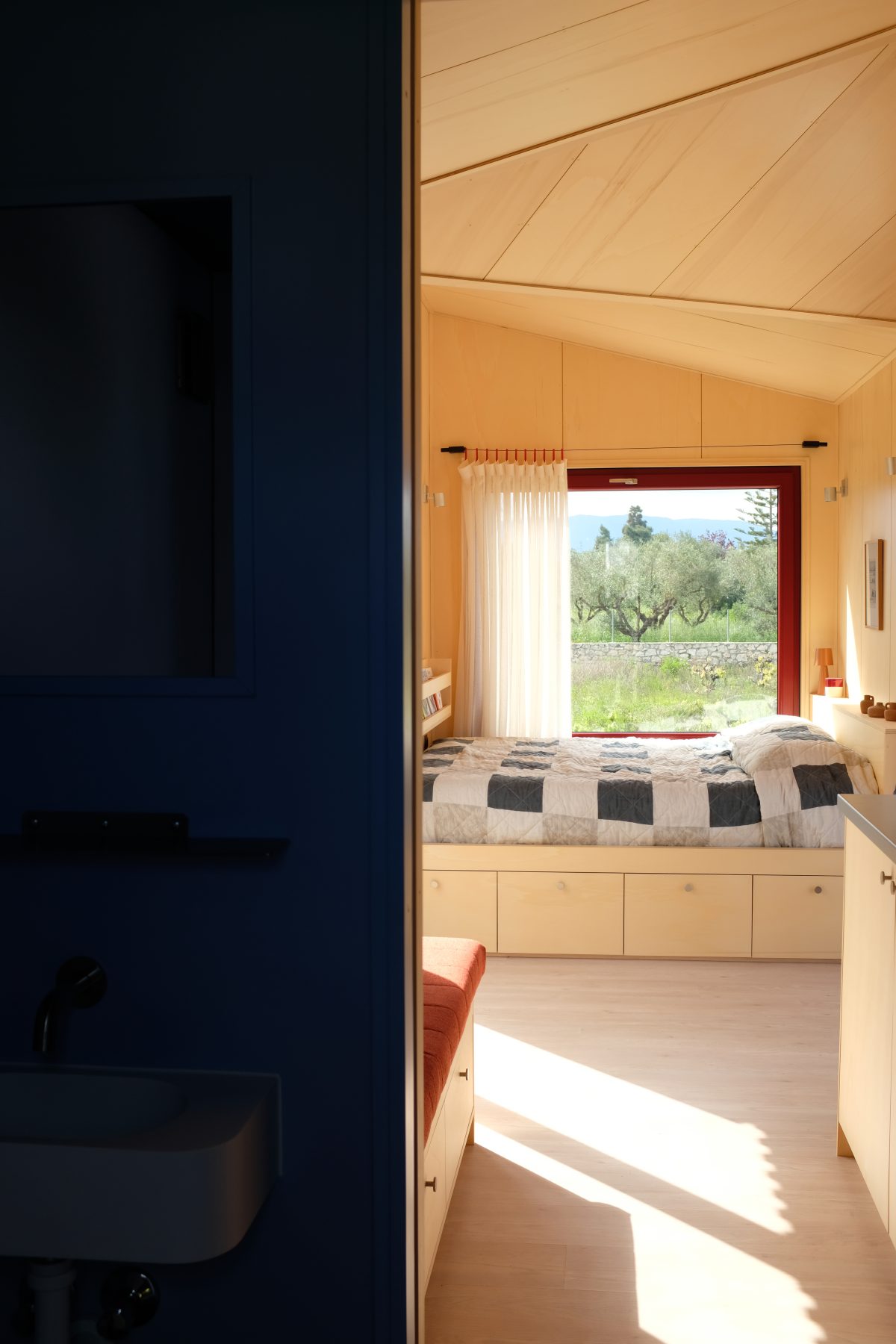
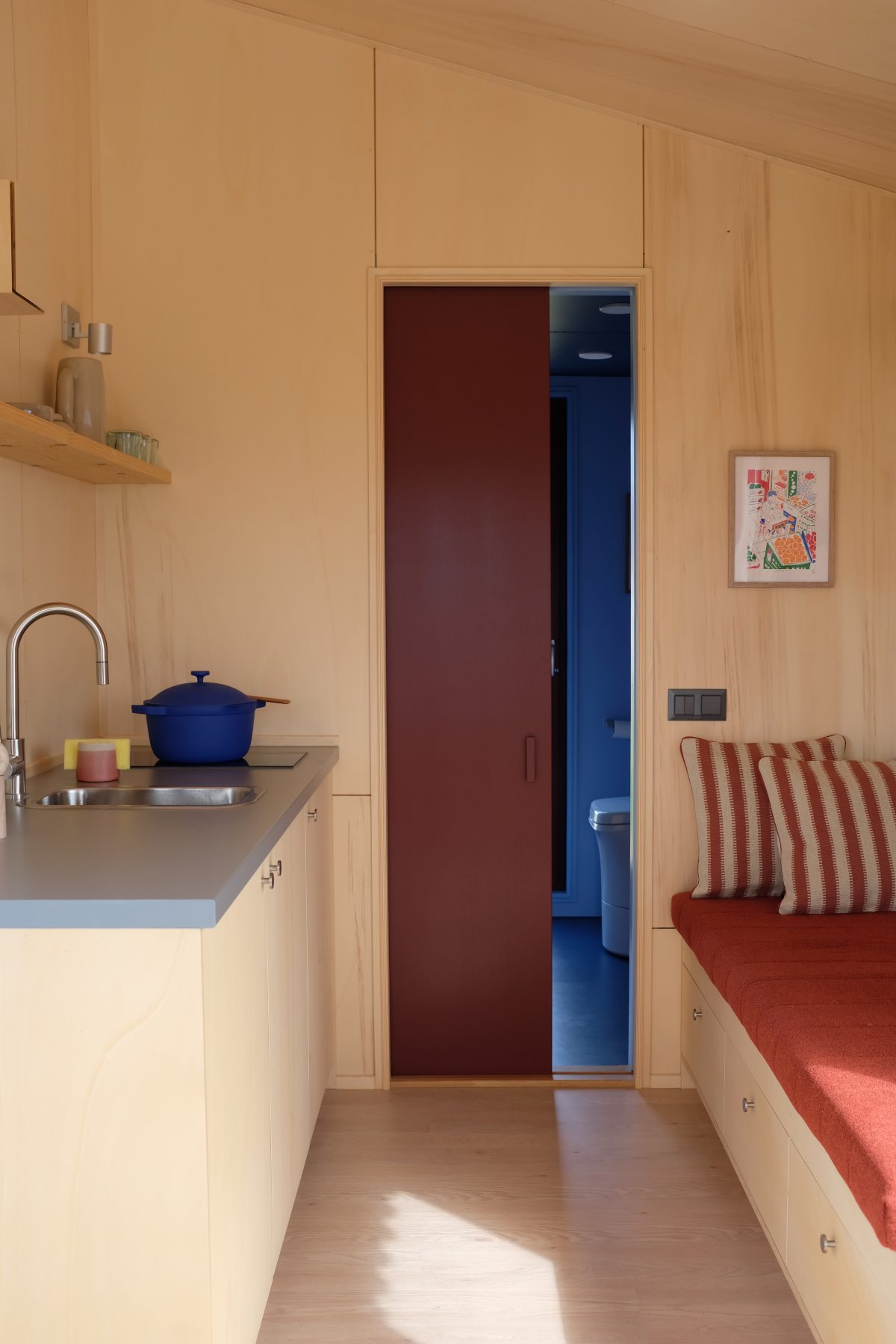
One summer, we brought a color reader and went around matching walls to get an accurate RAL color to use as a base. Because the exterior already had a strong identity, we felt it would be too overwhelming to carry the red indoors. Instead, we chose a neutral palette—but avoided plain white. Finished plywood gave us warmth, simplicity, and a natural character that connects to the landscape and complements the exterior red. The fact that it’s sustainably sourced and affordable was an added bonus.
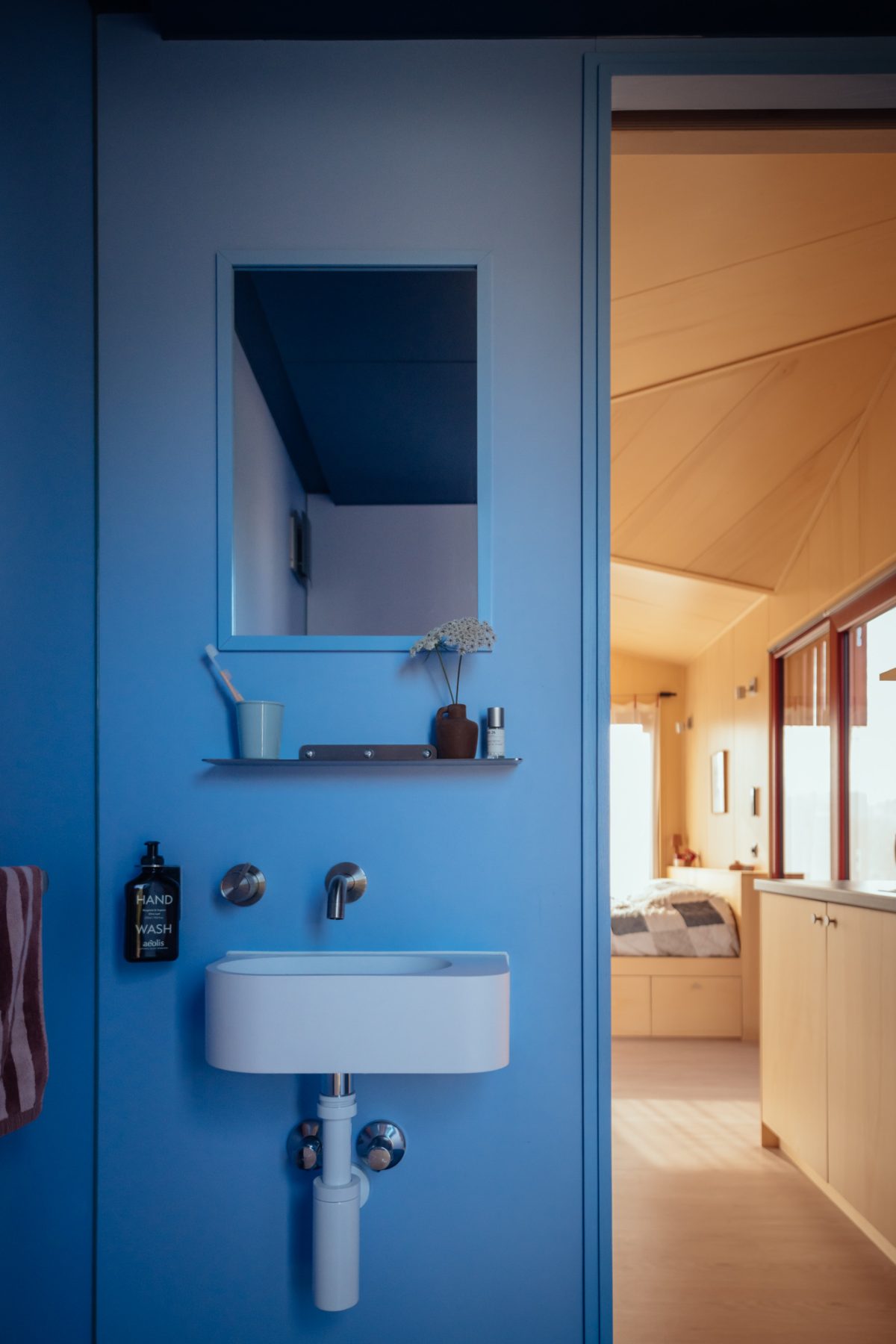
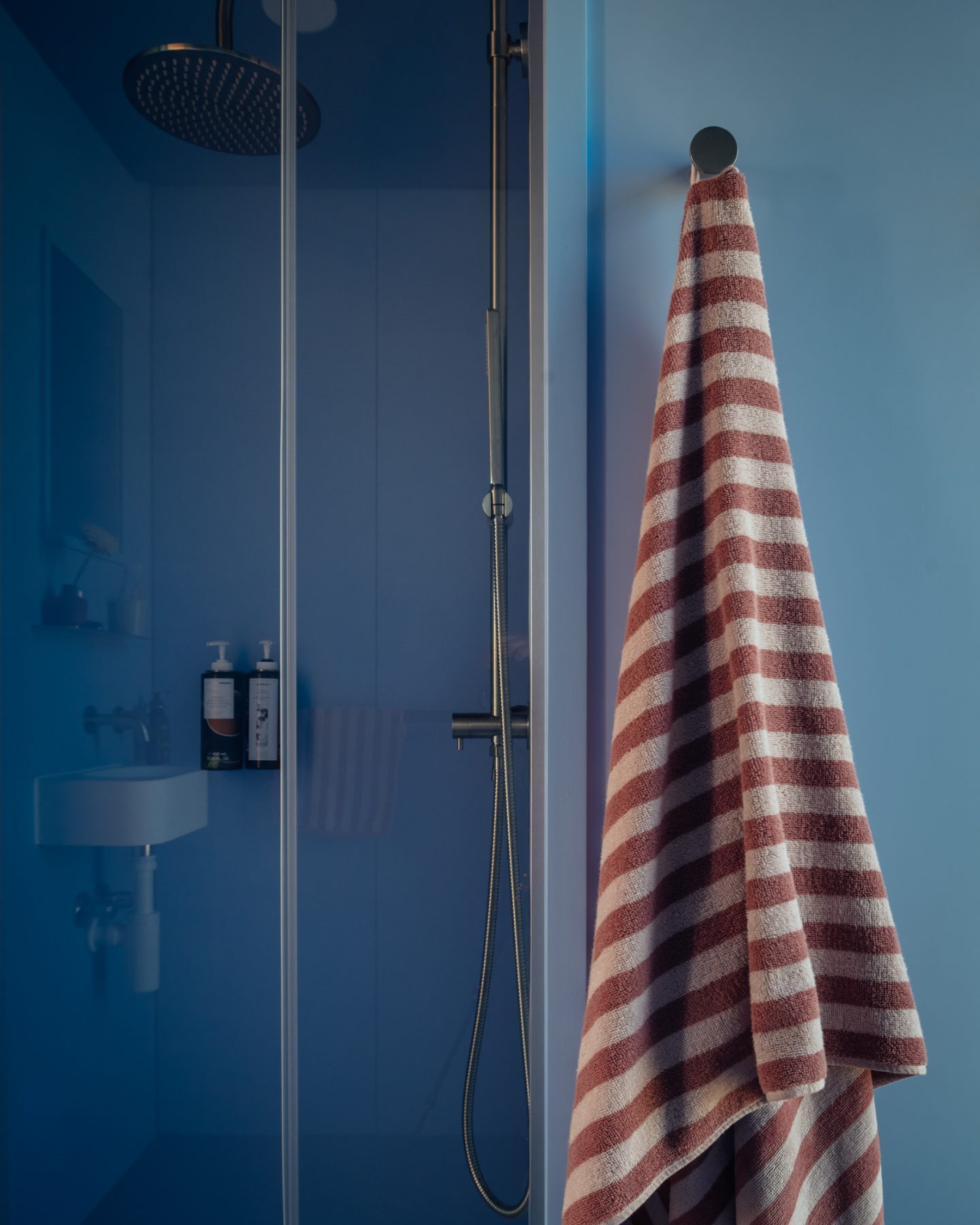
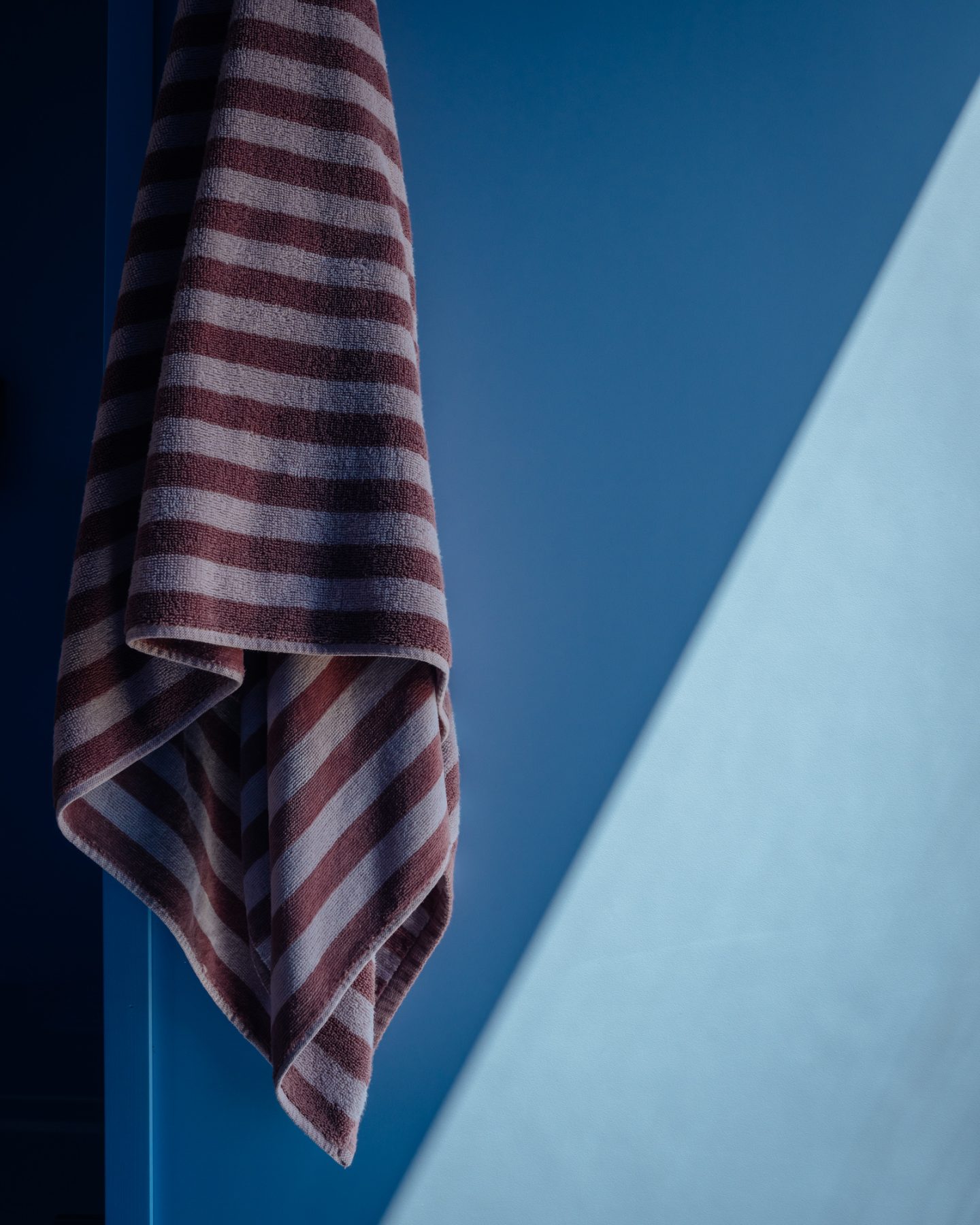
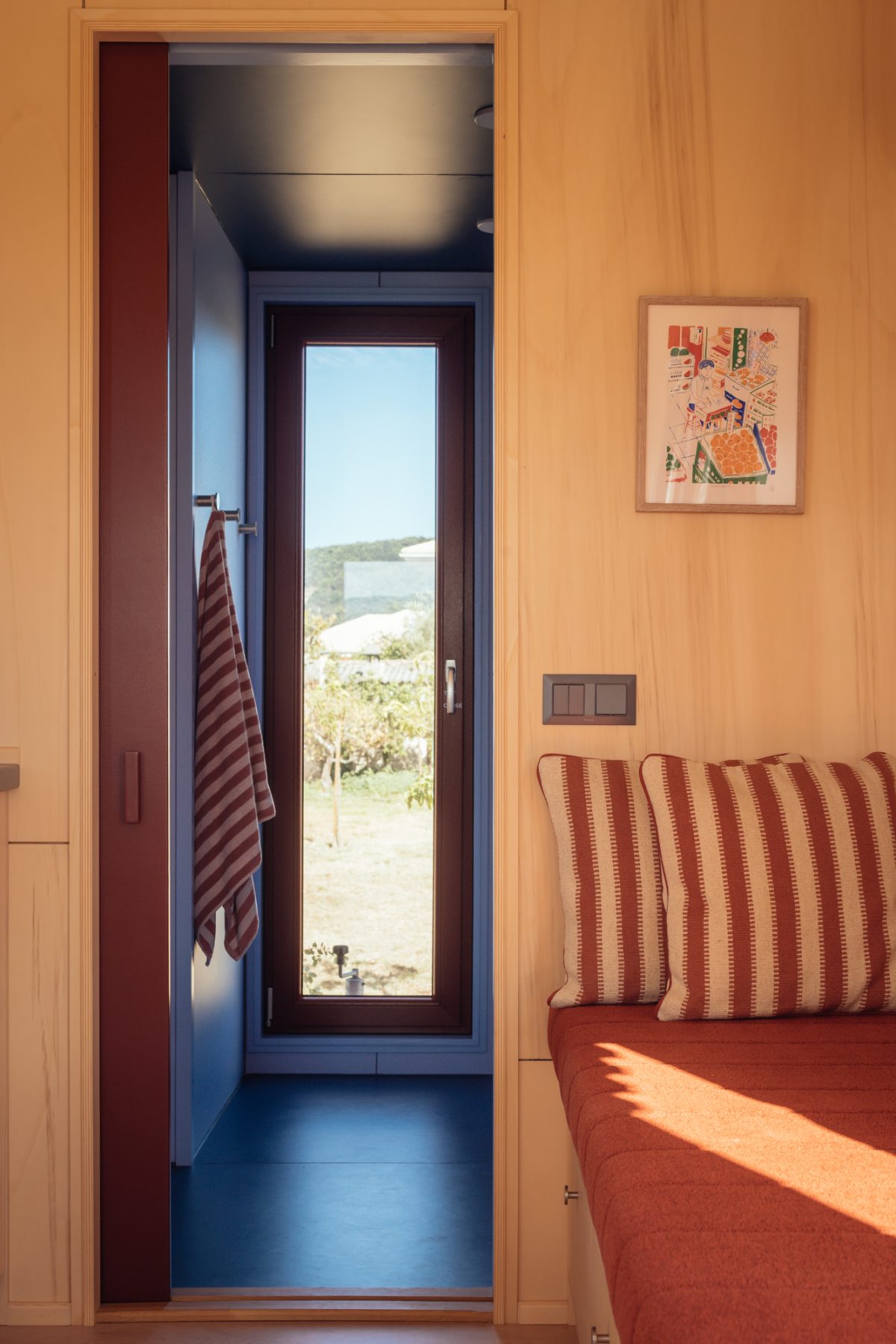
For the bathroom, we picked blue to create a contrasting, almost otherworldly feeling—like stepping into a different portal—and as a nod to the nearby Ionian Sea.
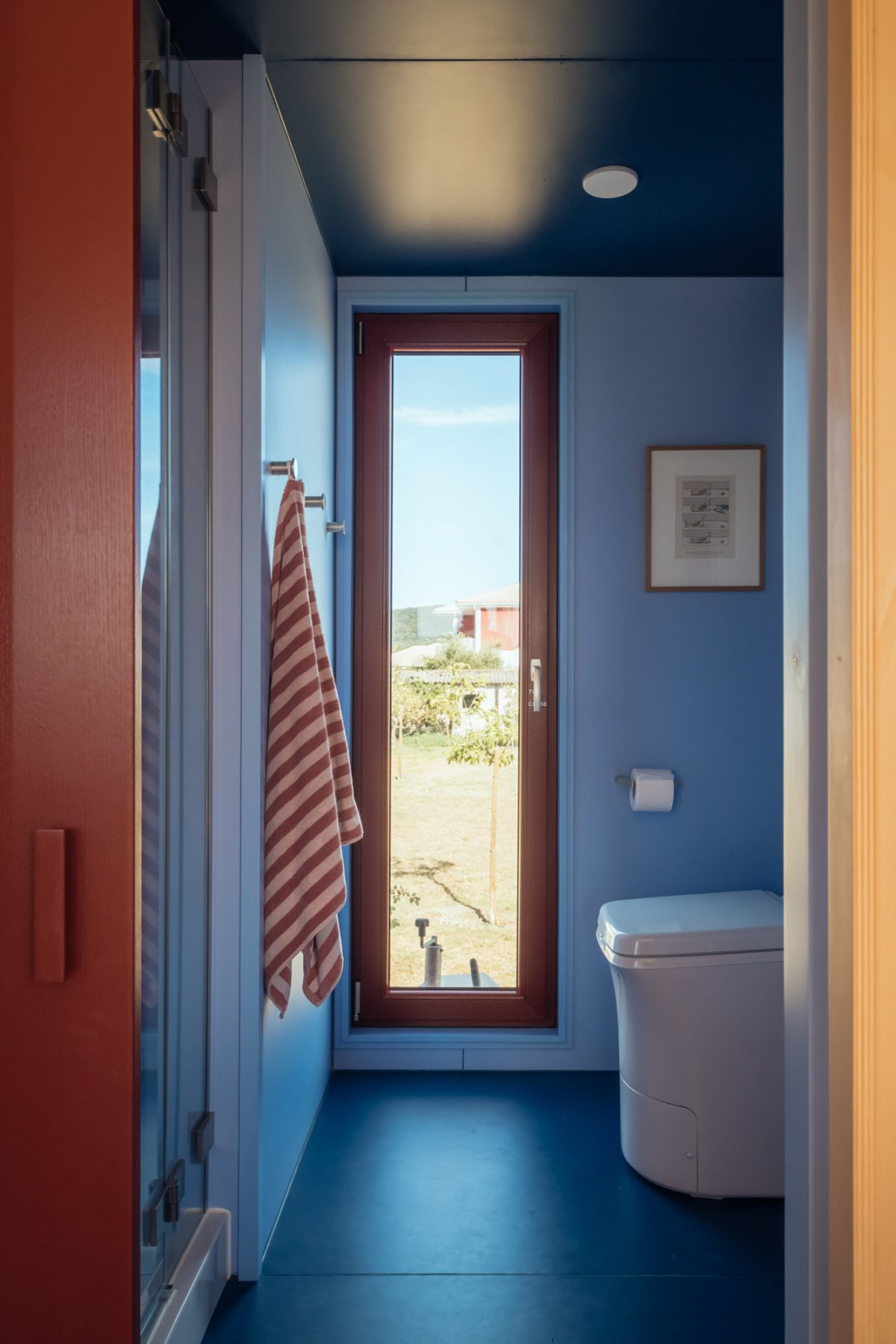
It’s a complementary colour to the red, and evokes that classic island sensibility, while also creating an atmospheric, memorable space.
MAP: Old and new are deliberately set in dialogue, yet remain distinct. Why was the decision made to construct alongside the ruin rather than restore and re-occupy it?
KK: Originally, we were keen in restoring the existing ruined house, but we were met with resistance from local builders, many of whom urged us to demolish the existing house in favor of a bigger more modern house.
Instead, we started thinking about alternative ways to inhabit the land that would honor the past while embracing the future.
We chose to preserve the original house as a cultural relic and, in its shadow, The Root Cabin was born- a contemporary timber structure designed to sit lightly on the land, reconnecting our family to its heritage and opening a new dialogue between architecture and place. Our goal was to leave as much of land as possible untouched while creating something new.
Doing this was not necessarily easy. Many local builder quickly dismissed the idea of a timber structure prompting us to seek expertise in mainland Greece. A local manufacturer connected us to a Romanian factory capable of delivering the cabin efficiently and within budget.
This introduced a series of logistical constraints: the cabin had to be small enough and light enough to be driven across European highways and loaded onto a ferry. Every element was carefully accounted for, down to the weight of the glazing which as installed before transit.
But these hurtles only reinforced the project’s mission: to prove that small-scale, low-carbon architecture is not only possible but urgently necessary in places undergoing rapid and unsustainable development.
MAP: A prefabricated wooden structure, manufactured in Romania, travels across Europe to be installed in Zakynthos. What new spatial, material, or cultural qualities does The Root bring to its final site?
KK: The Root has brought a different way of thinking about building on the island, and for us that has been incredible to see. We were surprised to see how many people would just pull up on our driveway to ask questions about the cabin. While timber construction is common in many parts of the world, concrete remains the default building materials in Zakynthos.
The Root is therefore not only an experiment in small-scale living, but also an opportunity to rethink how we approach construction and resources on the island.
As Zakynthos faces growing pressures from rapid tourism development and speculative real estate, I hope the project demonstrates that there are alternative ways of building—ones that prioritise stewardship, restraint, and long-term connection to place.
MAP: How easy—or difficult is it to translate memory into architectural form?
KK: The design of the Root unfolded on a site layered with memory. Our task was to envision a new way of occupying the landscape and provide an opportunity for our young family to create new memories. Despite its minimal footprint, the cabin supports everyday rituals of living with ease.
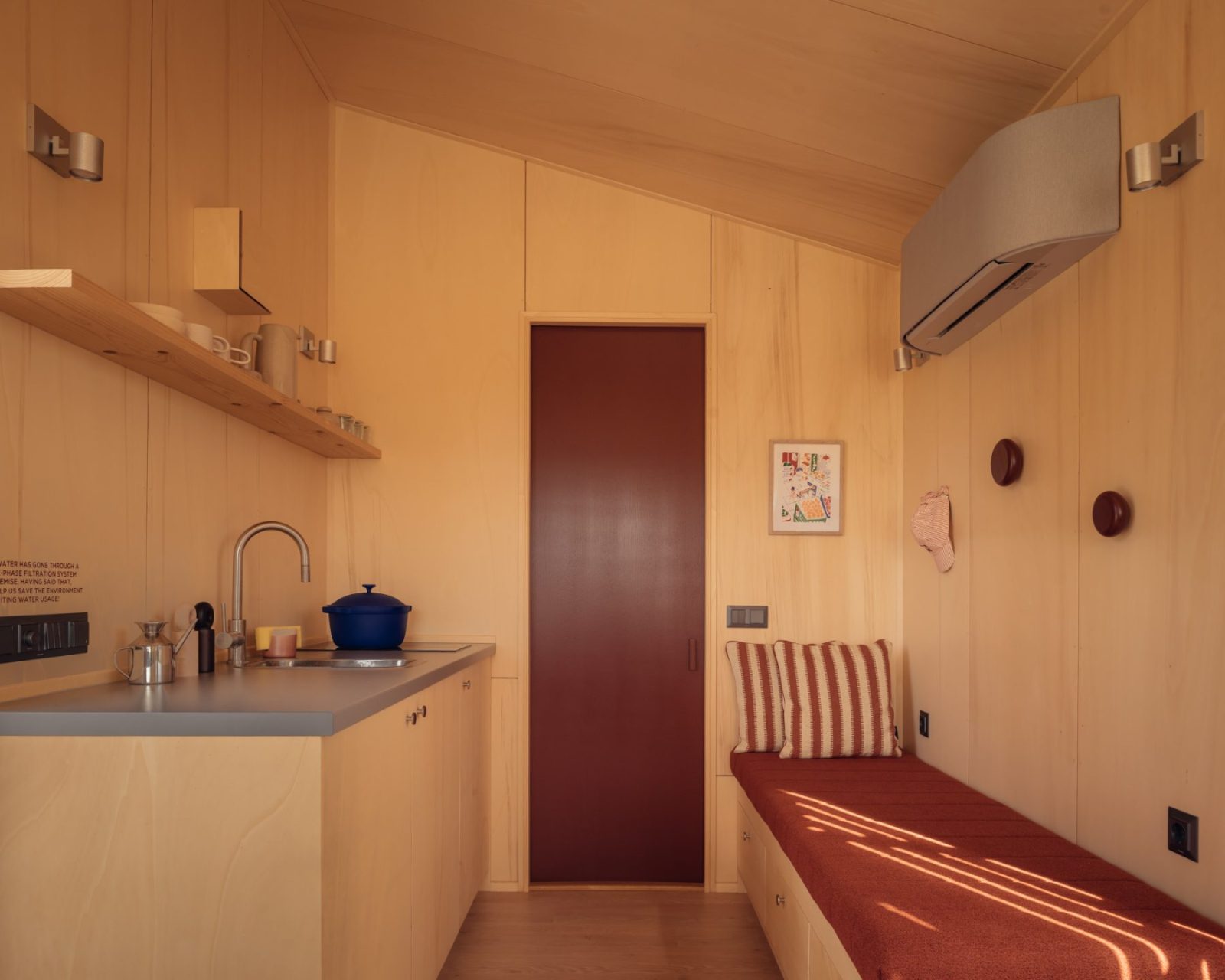
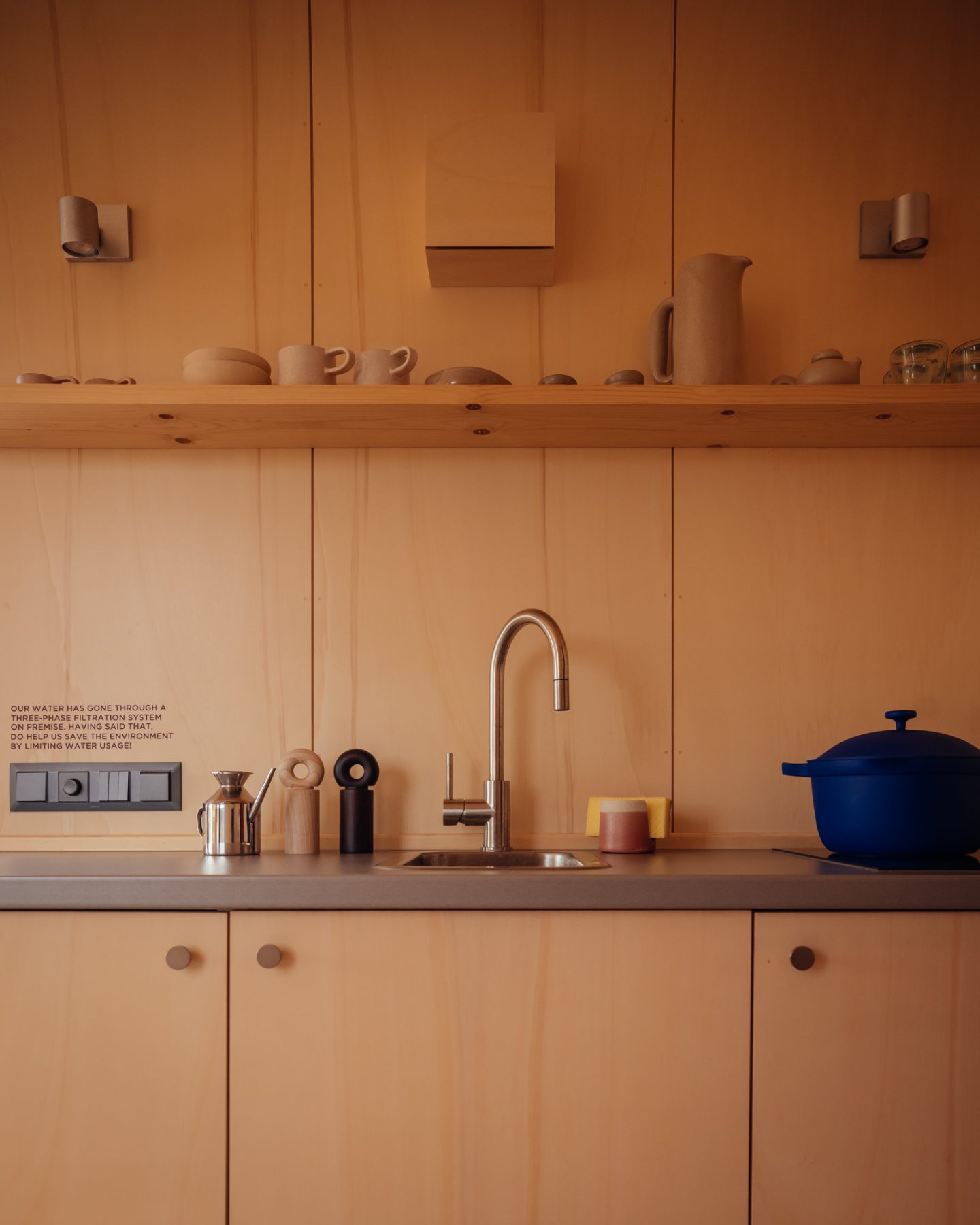
The interior is a study in refined simplicity and its generosity lies in what it refuses to add.
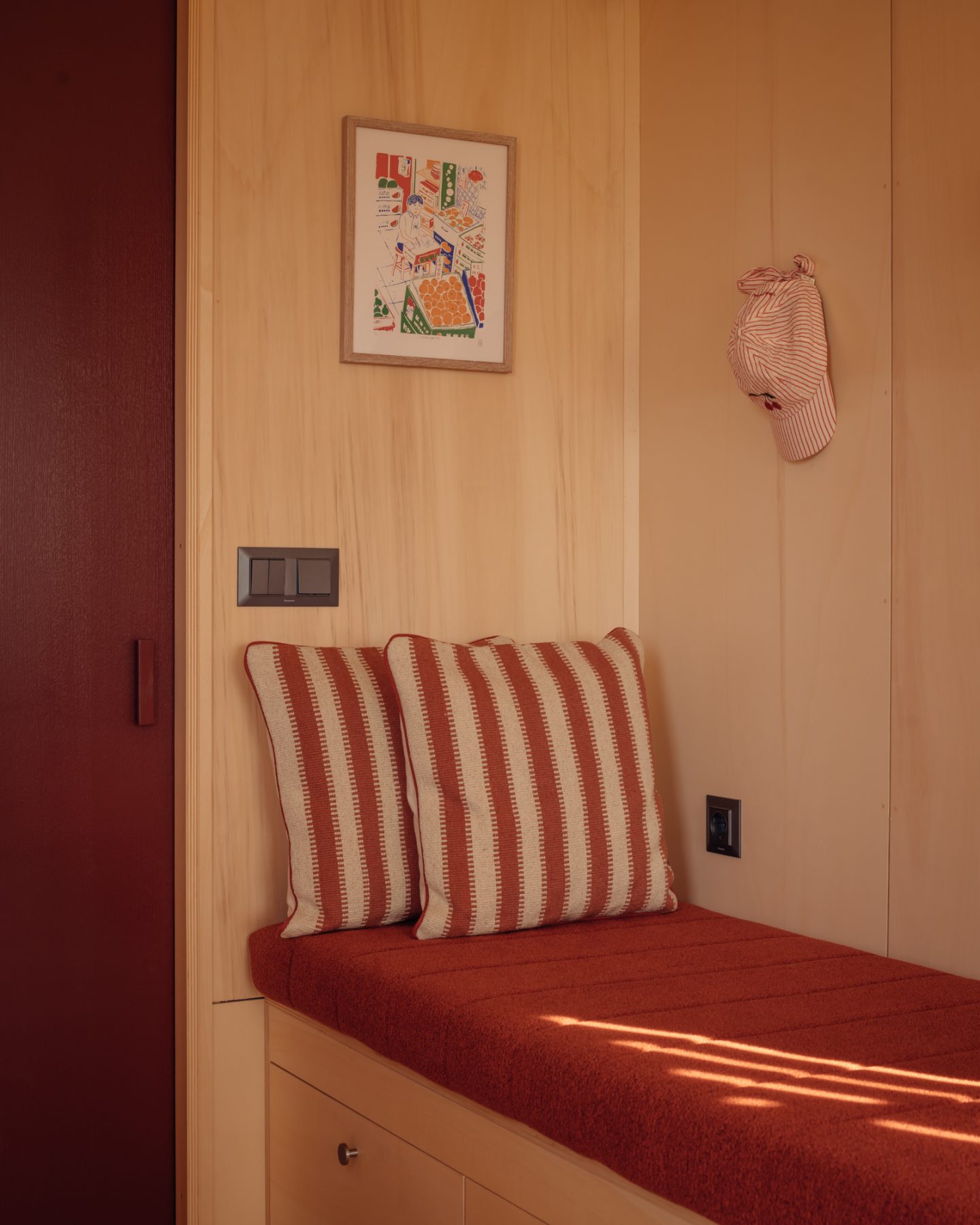
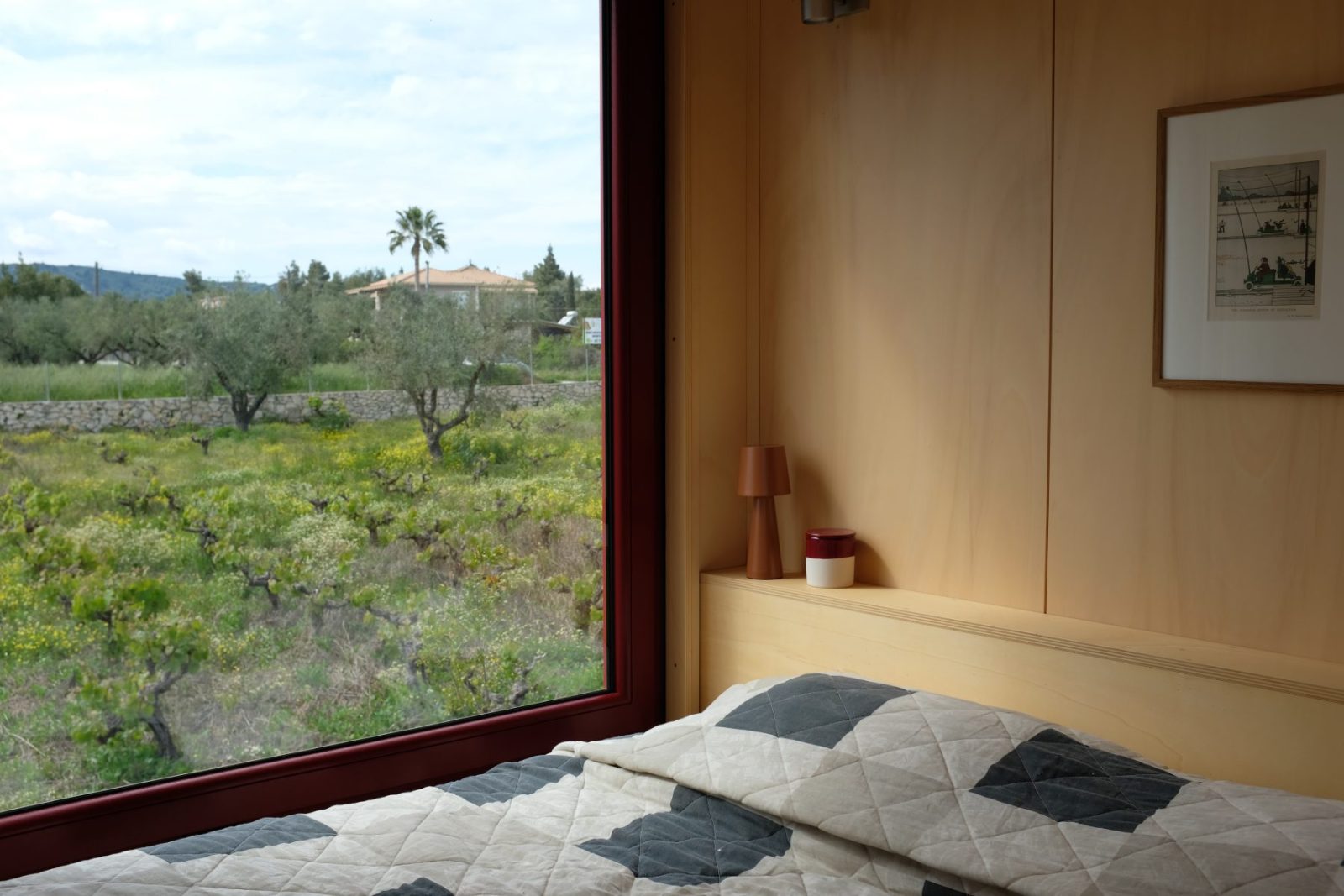
Nothing is superfluous. Sustainably sourced plywood panels line the walls and ceilings, creating a warm, cocoon-like atmosphere. Built-in furniture, including a bed, benches, and a compact kitchen, ensures spatial efficiency, while passive strategies such as natural cross ventilation and careful orientation enhance comfort without mechanical excess.
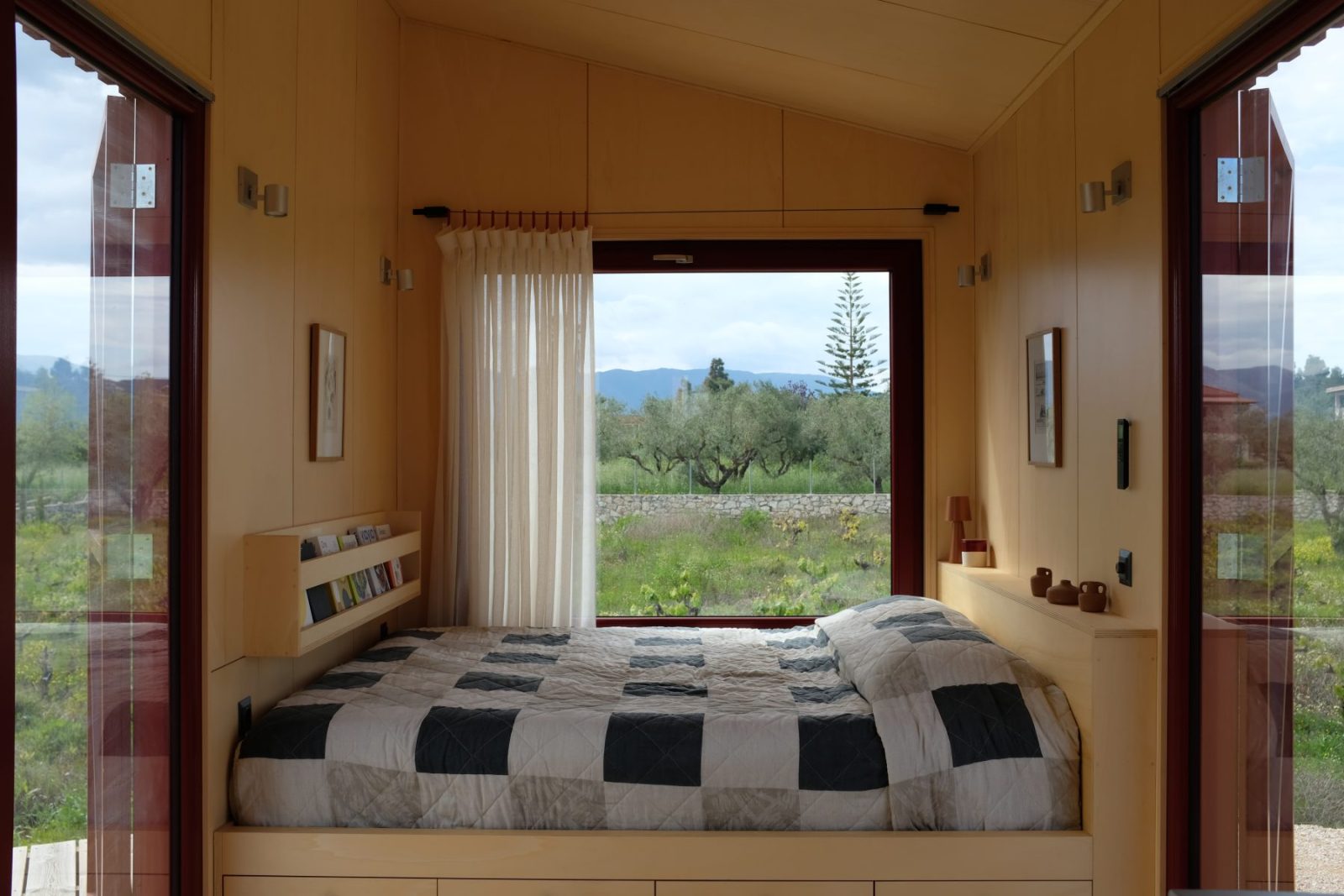
By the bed, a large picture window frames the landscape and the glass doors on either side open to the vineyards on the front and olive trees in the back.
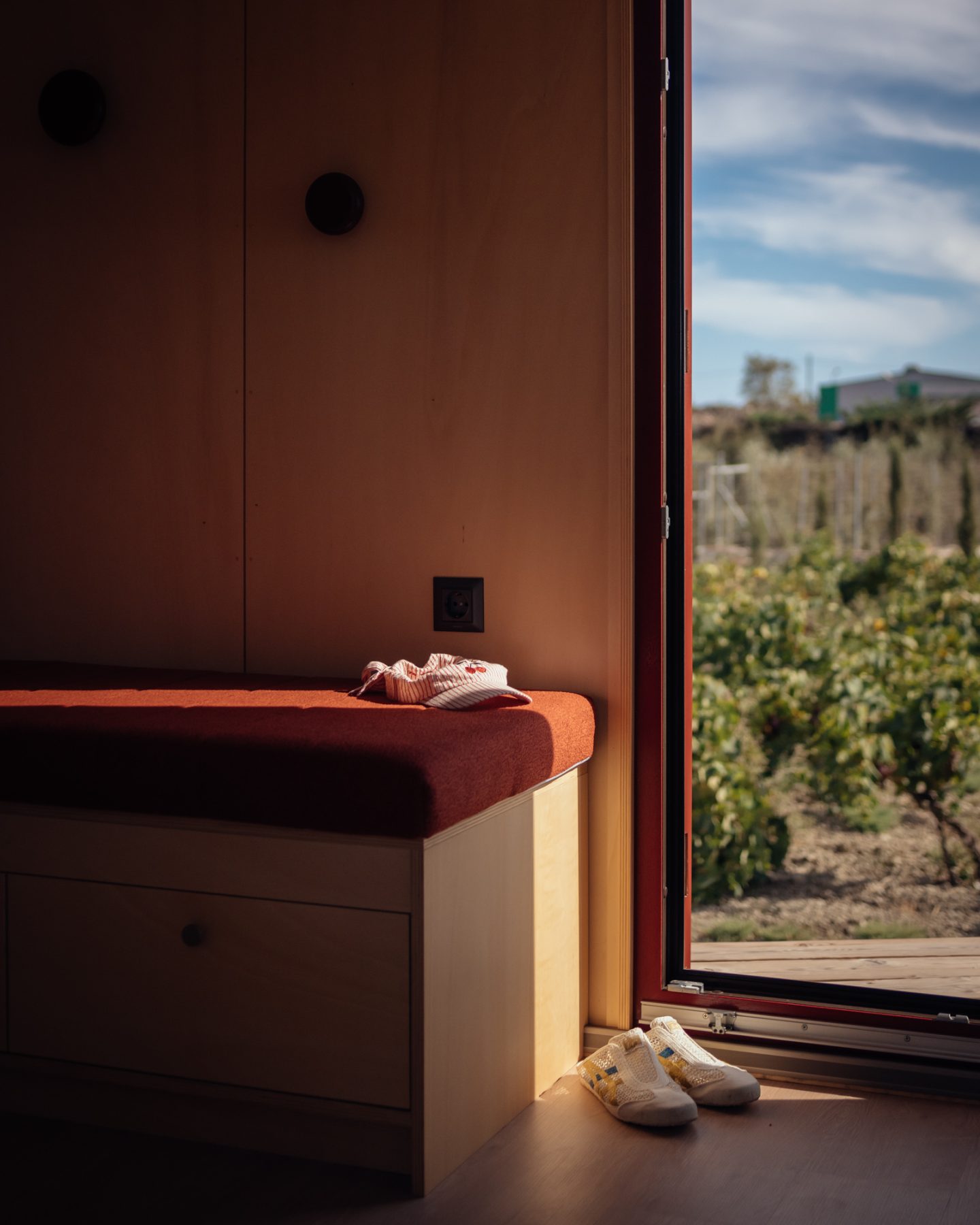
For me, this is a view that feels like home. From the terrace, I watch my two daughters run across the vineyards picking grapes, and suddenly I remember doing the same with my brother when we were children. I had forgotten all those memories, but when I am there I remember again and I feel grounded.
In that sense, architecture cannot design memories directly, but it can create the conditions in which they emerge and endure.
MAP: A seasonal dwelling is defined by cycles of absence and return, and by an emotional register of anticipation and memory. How can architecture sustain familiarity and relevance across time without becoming static or nostalgic?
KK: The allure of a seasonal dwelling lies in the anticipation of returning to familiar place, while knowing that each visit will bring a new experience. The places we return to year after year inevitably change because we change- families grow and routines evolve.
What keeps a seasonal home compelling is its ability to accommodate those shifts while retaining a strong sense of place.
For me, what makes The Root somewhere I want to return to again and again is the way it reconnects me to nature. When I am on holiday, I find myself structuring my days around the changing light, weather, and rhythms of the landscape rather than the demands of a rigid schedule.
The Root was intentionally designed to support that way of living and to provide a deeply immersive experience of its surroundings.
Every design decision encourages a slower and more mindful pace of life. Large barn doors invite in the breeze and the scent of the vineyards, while the timber-lined interior creates a sense of warmth and simplicity.
The decks extend the living space outdoors, giving us a place to share meals, watch the sunset, or simply sit beneath the stars. It is a place to unplug, slow down, and reconnect with what matters. The most successful seasonal homes are not those that freeze a moment in time, but those that create a setting for memories to accumulate. They become richer with each return, carrying traces of the past while remaining open to whatever comes next.
Facts & Credits
Project title The Root
Typology The Summer Refuge, Cabin, Residential
Episode 13th
Location Zakynthos, Ionian Islands, Greece
Status Completed, 2025
Built Area 20m2
Architecture Kasawoo
Photography Jim Stephenson, Kasawoo
References
D’Eramo, M. (2017) The World in a Selfie: An Inquiry into the Tourist Age. London: Verso.
Milano, C., Cheer, J.M. and Novelli, M. (eds.) (2019) Overtourism: Excesses, Discontents and Measures in Travel and Tourism. Wallingford: CABI.
MacCannell, D. (1976) The Tourist: A New Theory of the Leisure Class. New York: Schocken Books.
Russo, A.P. (2002) ‘The “Vicious Circle” of Tourism Development in Heritage Cities’, Annals of Tourism Research, 29(1), pp. 165–182.