MicroScale explores architecture at its most intimate spotlighting tiny designs with outsized ideas; compact structures that rethink space, material, and function. From tiny houses to pocket retail, these projects prove that small architecture can be radical, poetic, and deeply human, revealing how scale sharpens innovation rather than limiting it.
Casa Egle, designed by Gae Avitabile in Caserta, Southern Italy, transforms a former 45 m² family storeroom into a two-room home with mezzanine. Every object celebrates reuse, carrying memories and emotional value. Through a visionary approach, the space revives collected memorabilia and eclectic furnishings, composing a refined yet free-form small interior where past and present merge in a harmonious, evocative whole.
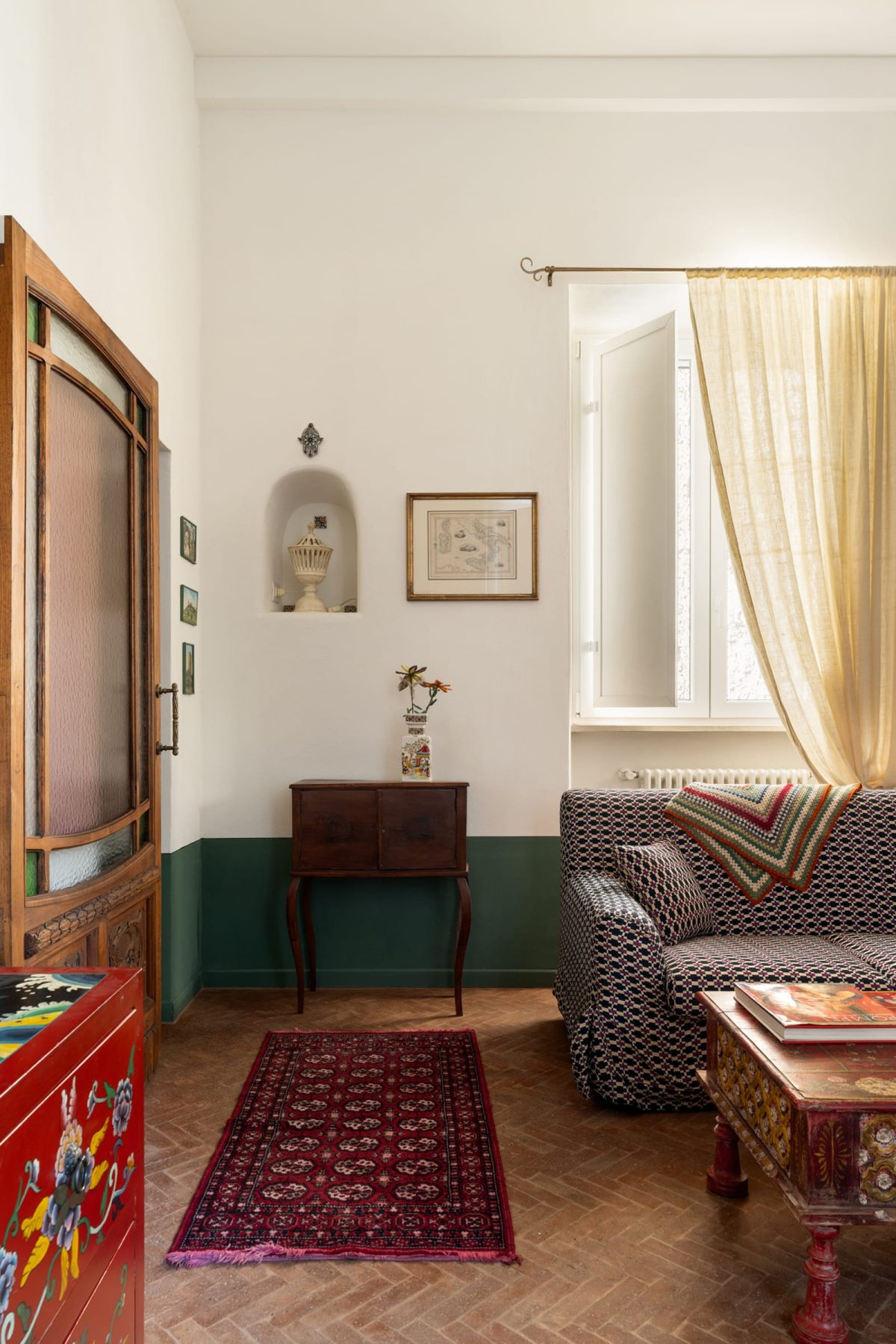
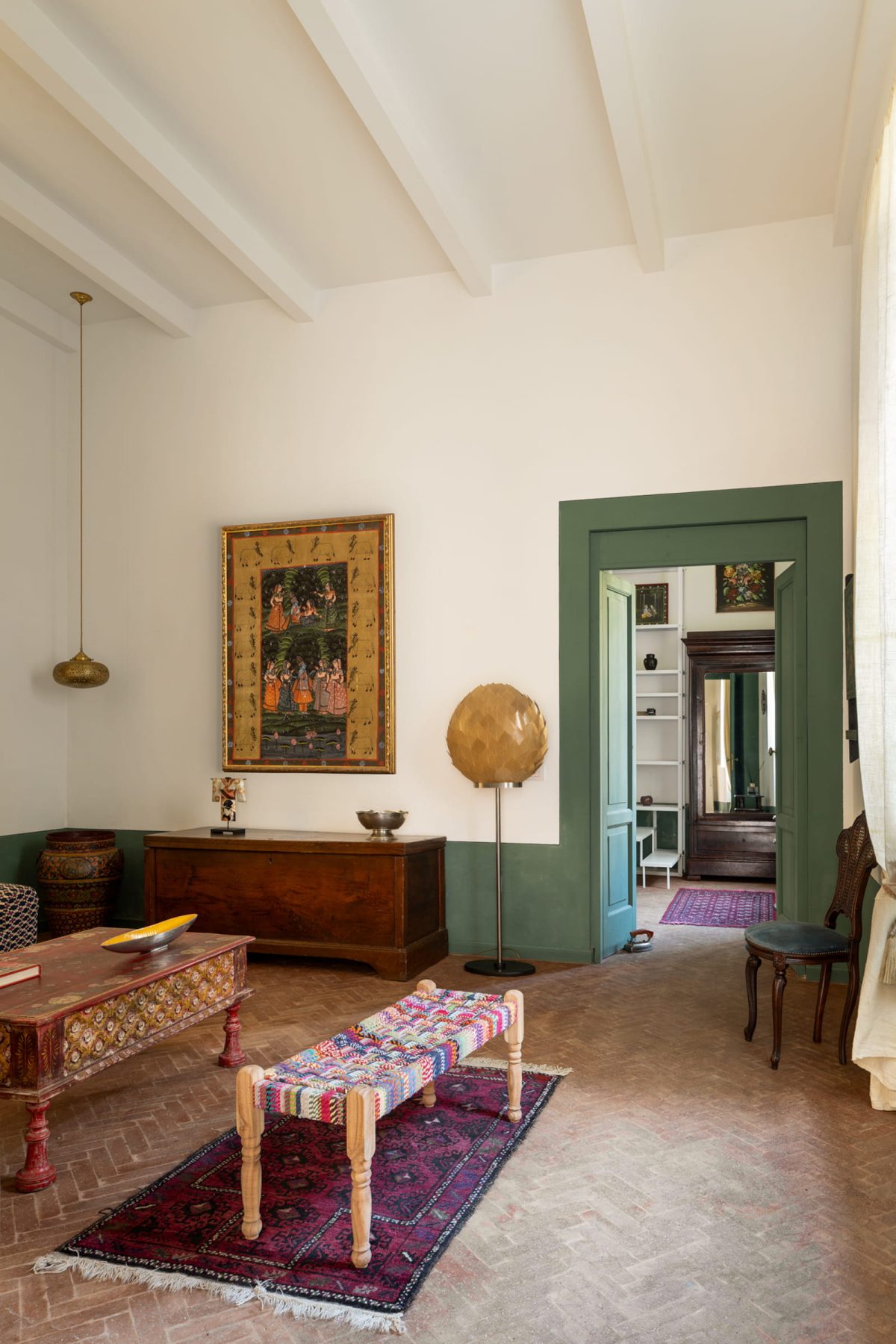
In the heart of Caserta, near the Bourbon palace and its vast park, architect and designer Gae Avitabile has transformed a former 45 m² storeroom into Casa Egle—a compact yet evocative residential retreat defined by a poetic, visionary spirit and a strong commitment to sustainability.
The project is not simply a renovation, but a deeply personal spatial narrative shaped around memory, reuse, and emotional connection.
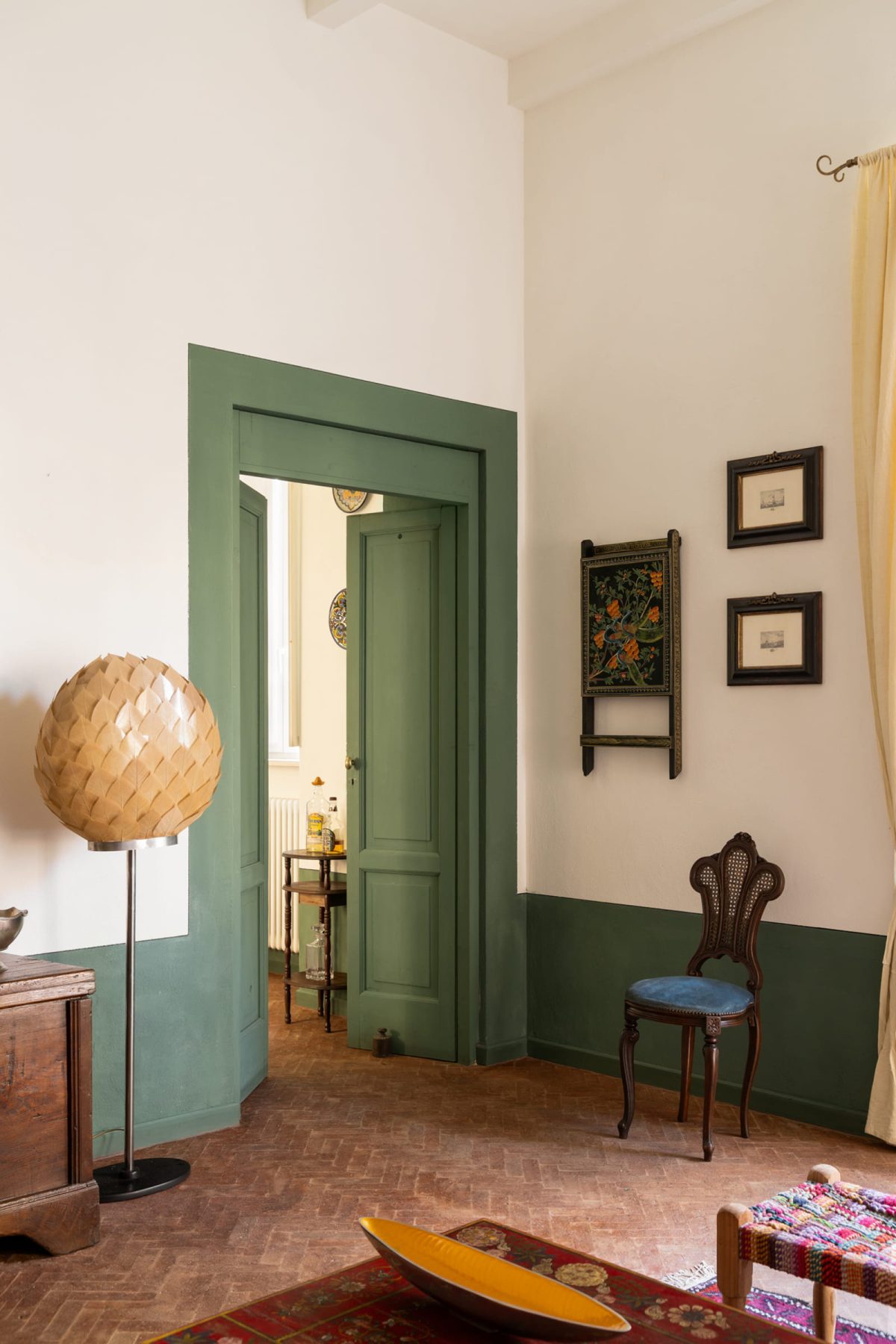
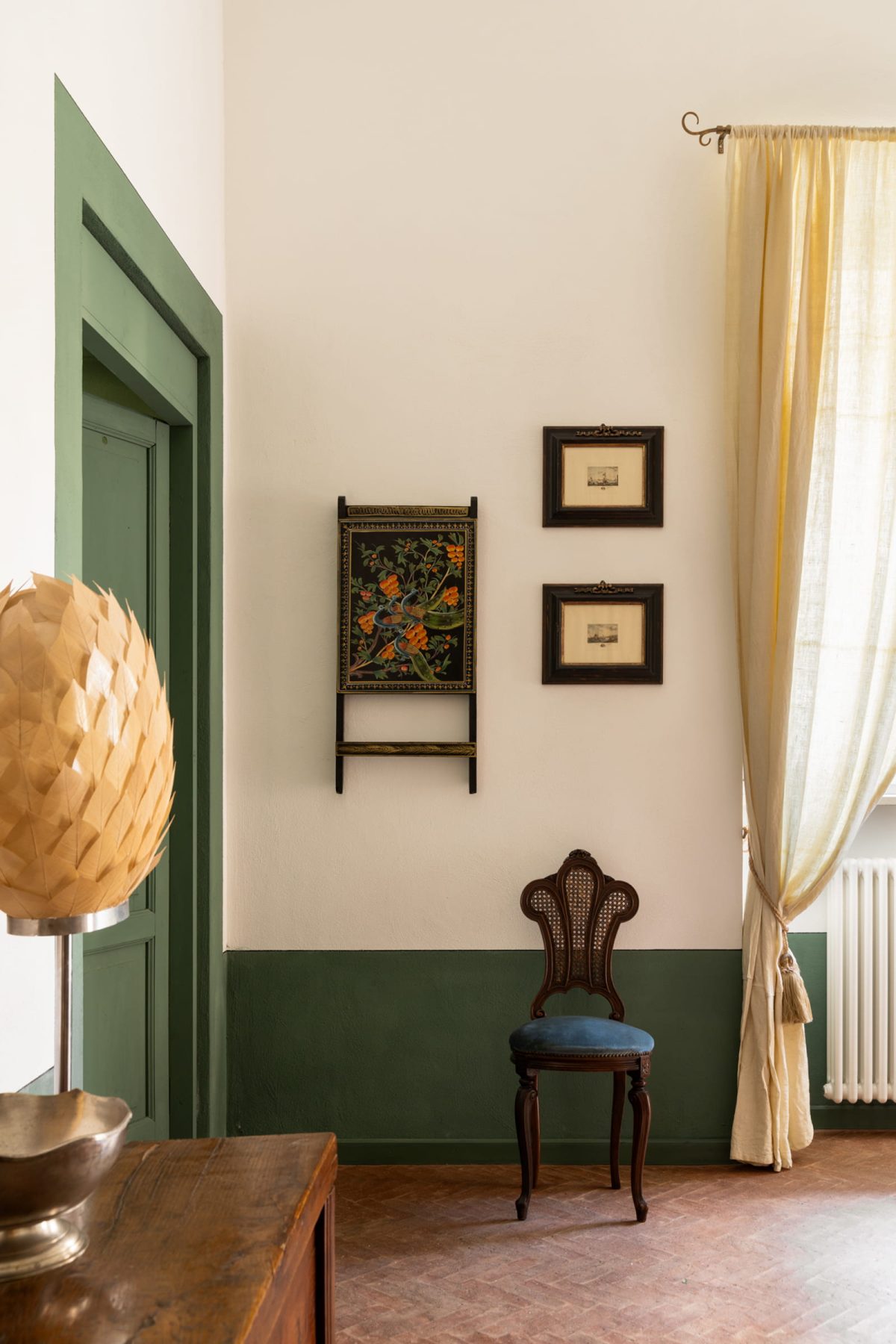
Owned by Egle, a passionate collector of antiques, vintage items, and meaningful objects gathered over years of travel and family history, the home becomes a living archive of her life.
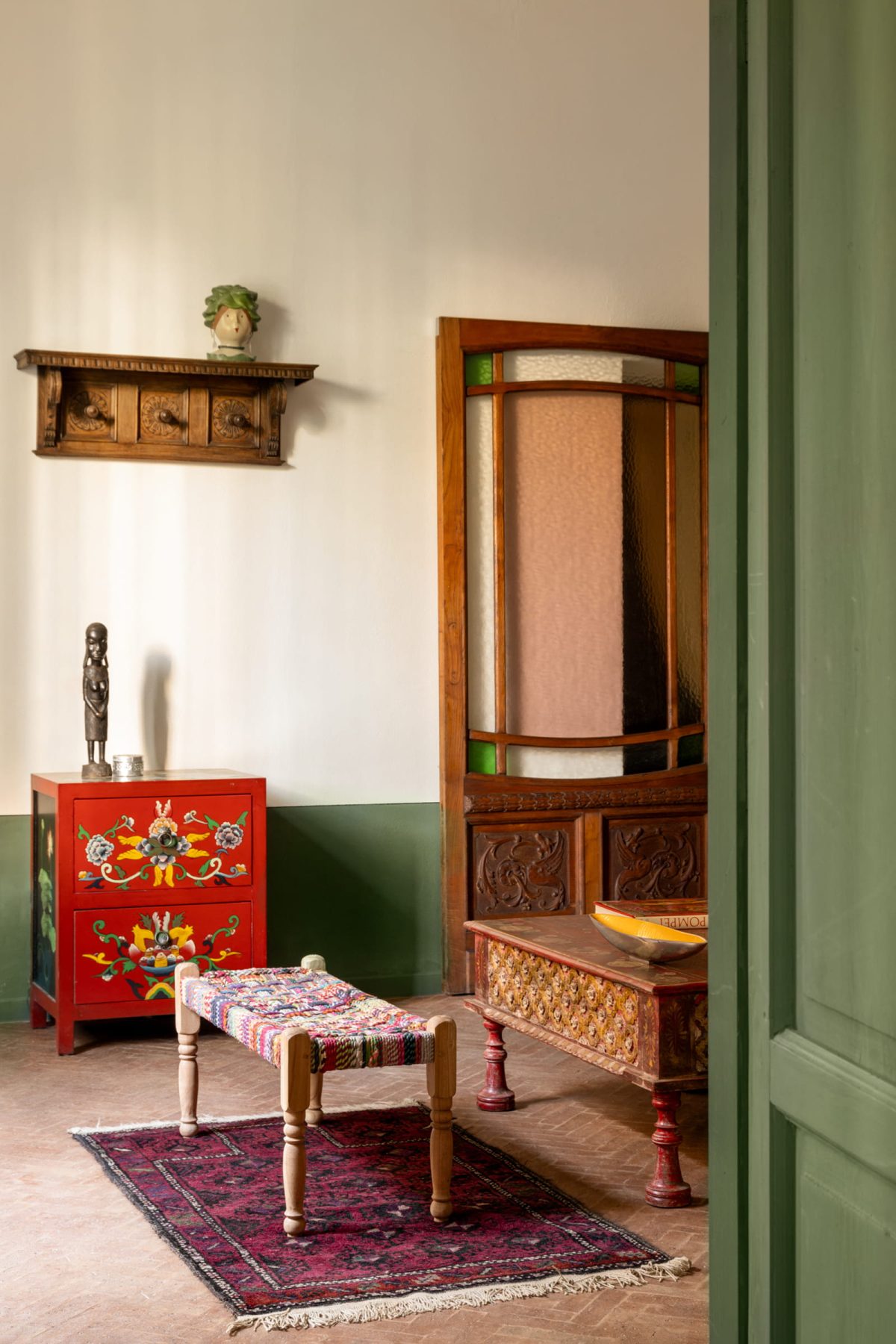
Each piece—whether inherited, discovered in flea markets, or sourced during journeys—carries sentimental value. Gae Avitabile designed the space to honor and revive them, giving each a purposeful place within a cohesive architectural vision.
The transformation respects the original structure while reimagining it as a two-room apartment with a mezzanine.
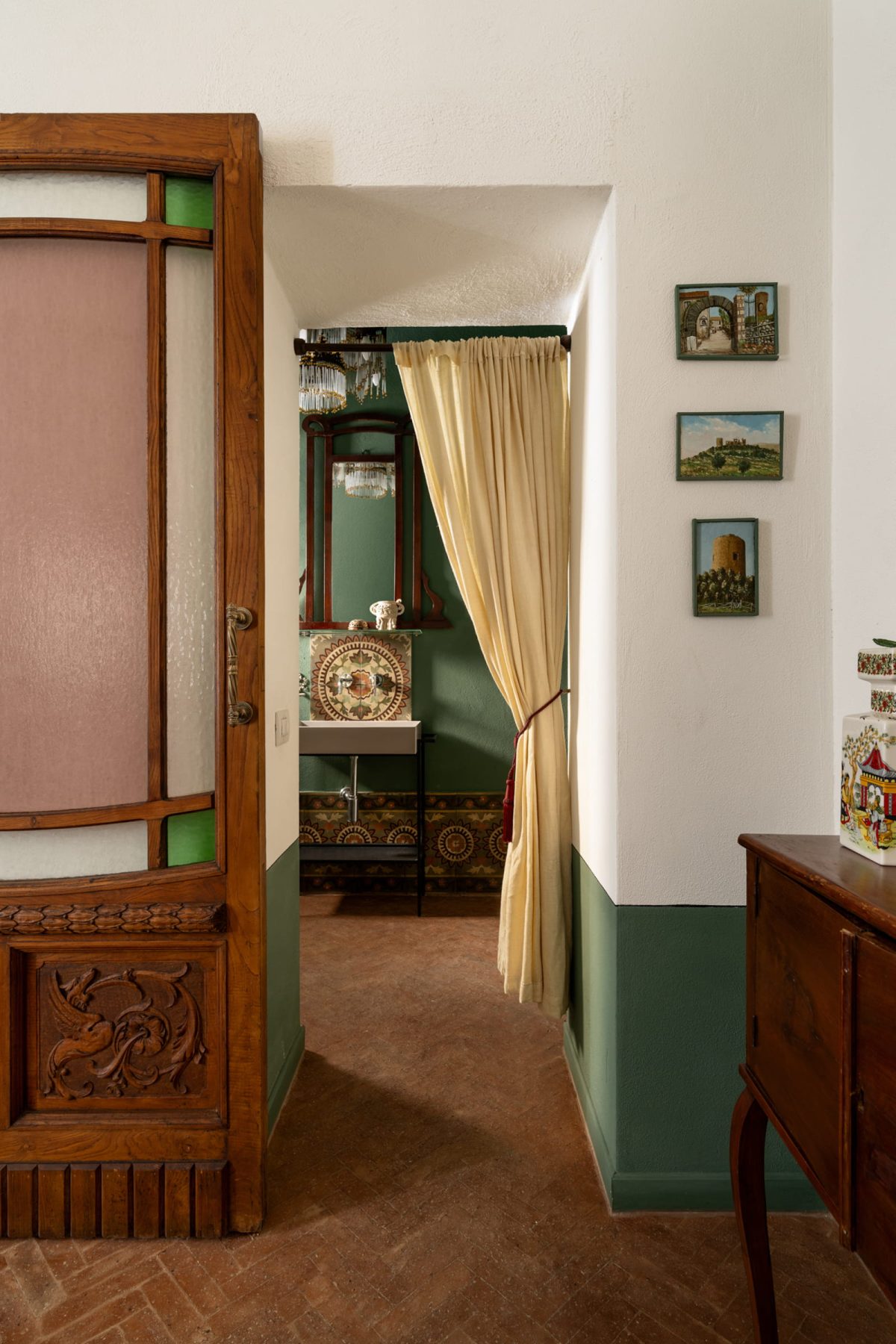
The result is a harmonious blend of past and present, where the existing character of the space is preserved and elevated through thoughtful design. The restored herringbone terracotta flooring anchors the interior with warmth, while white walls and ceilings introduce clarity and light.
Green accents unify doors, panels, and key surfaces, establishing a subtle yet distinctive visual identity.
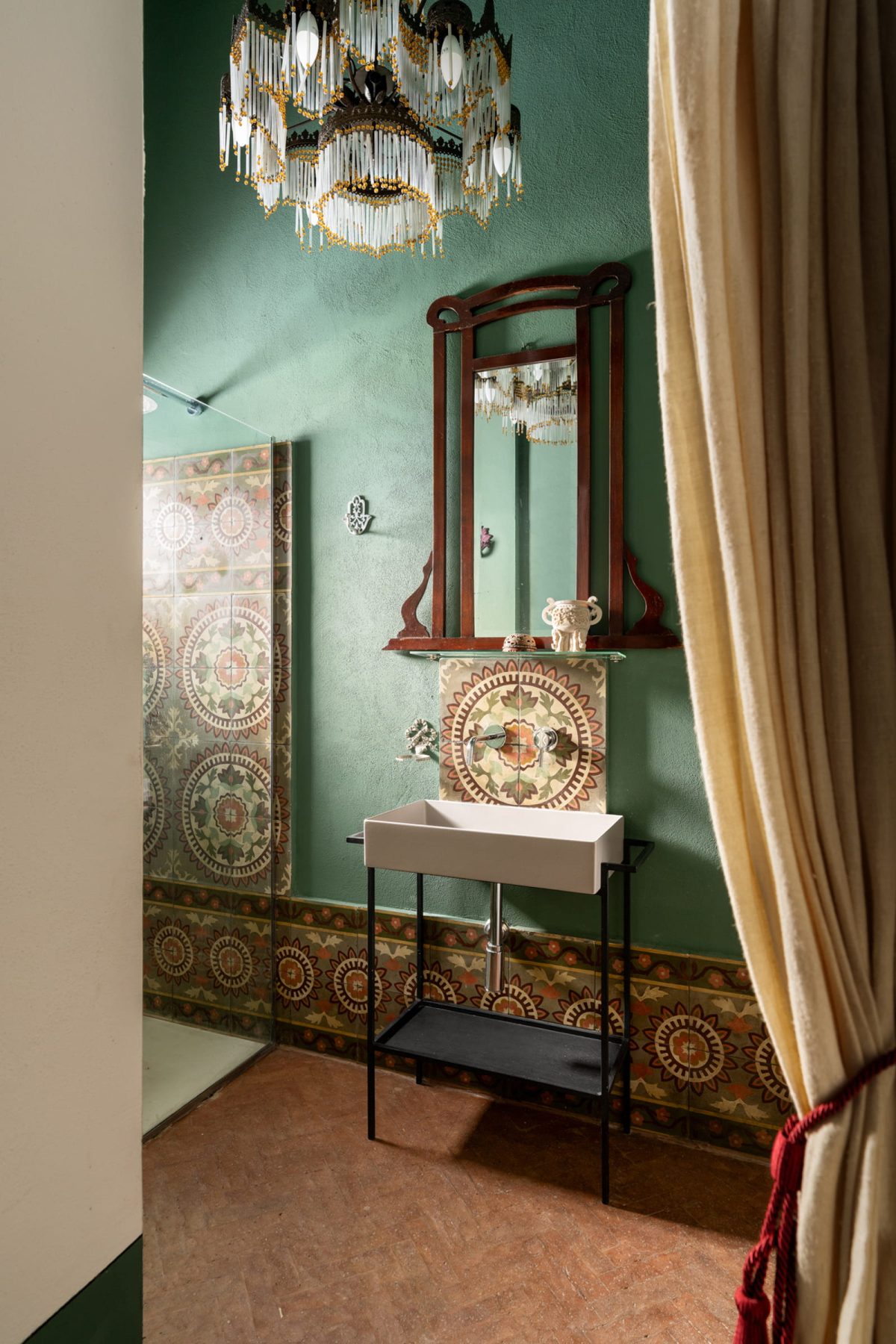
The layout unfolds fluidly, with interconnected zones that balance intimacy and openness. The kitchen sits beneath a metal mezzanine that accommodates the sleeping area, demonstrating efficient use of vertical space.Throughout, the design maintains an informal yet refined atmosphere, where reuse and adaptation guide every choice.
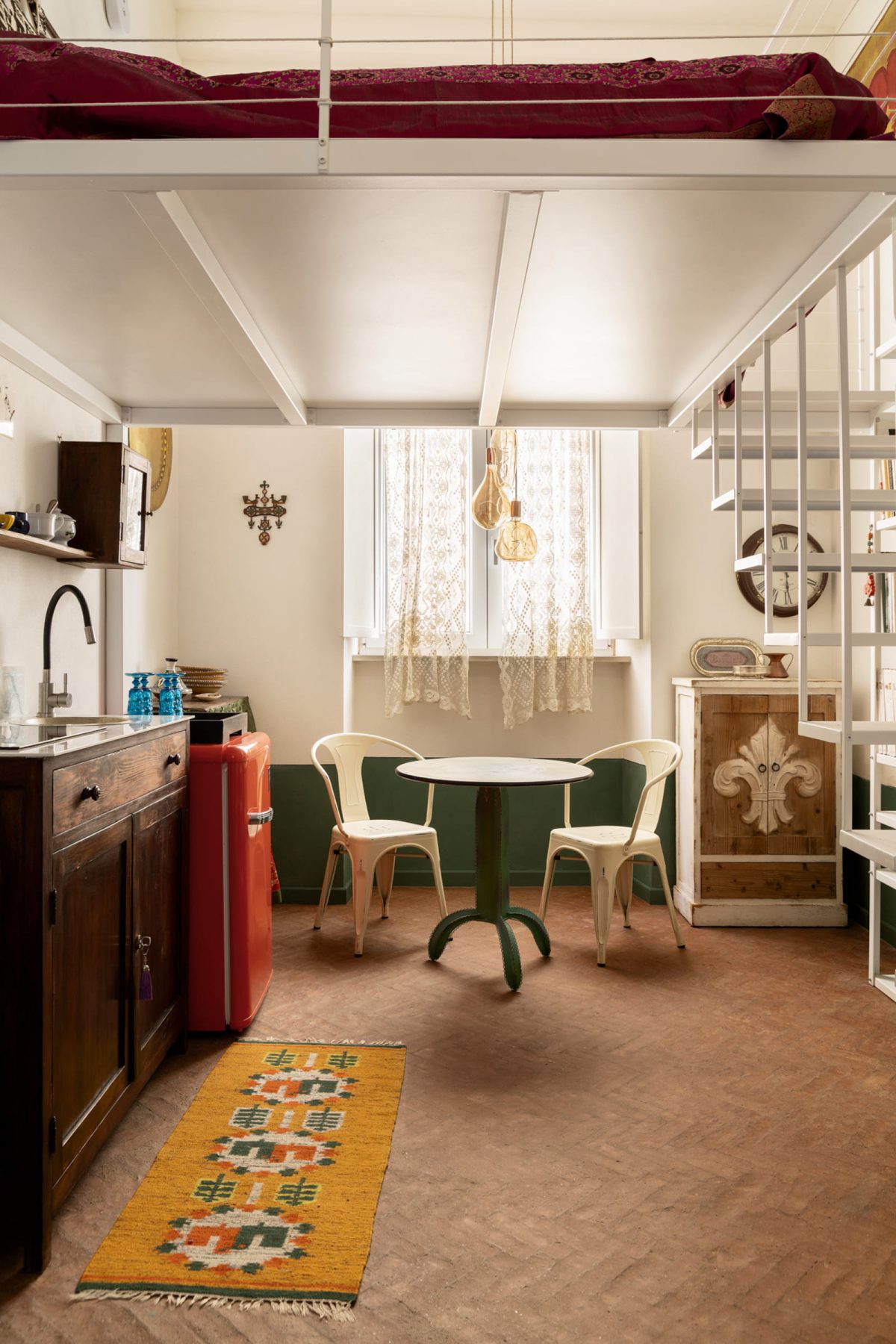
Natural light plays a central role, filtering through windows softened by repurposed textiles, reinforcing the home’s tactile and emotional depth.
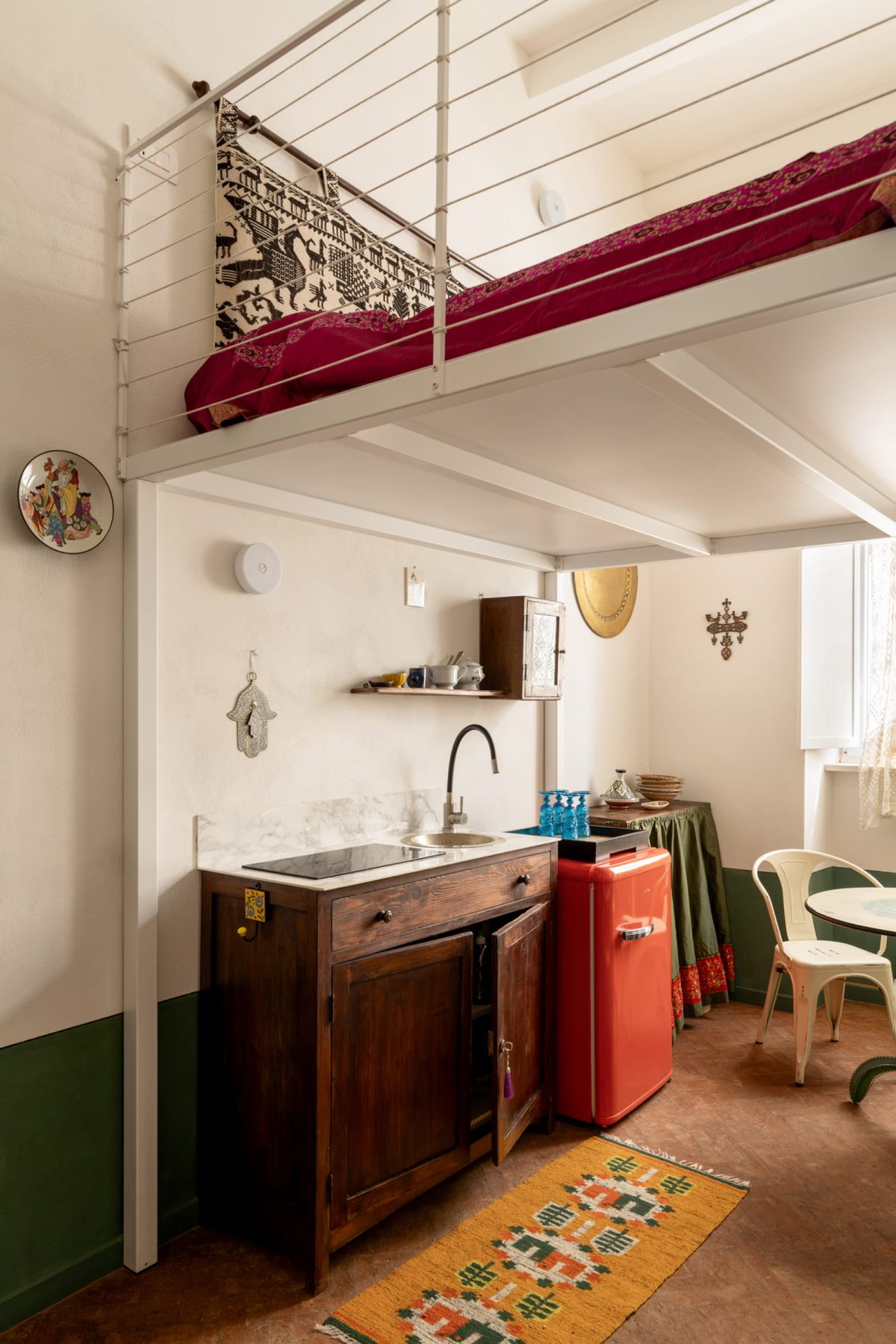
The dining and living areas reflect an eclectic yet controlled composition, where diverse influences—particularly from Egle’s travels—coexist in a carefully calibrated balance. The bathroom introduces a contrasting mood, combining decorative elements with contemporary minimalism. Reclaimed materials and bold design gestures create a theatrical environment, further emphasizing the project’s dialogue between eras and styles.
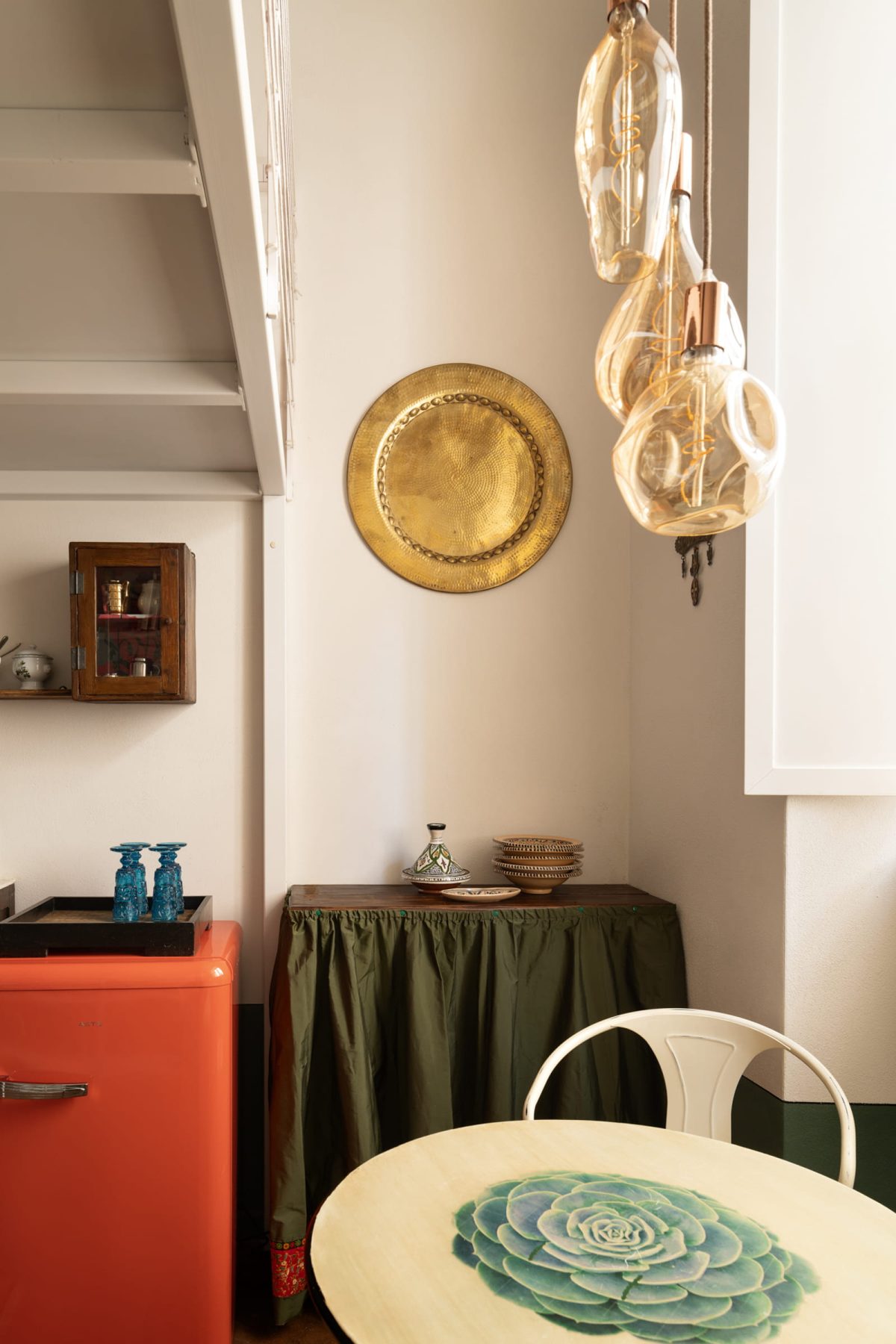
Privacy within the compact layout is achieved through inventive solutions, including movable partitions and layered textiles, many of which carry personal or historical significance.
These elements reinforce the central theme of transformation—not only of space, but of objects and memories. Casa Egle ultimately stands as more than a small residential project. It is a poetic exploration of how architecture can give new life to the past, turning memory into a spatial experience.
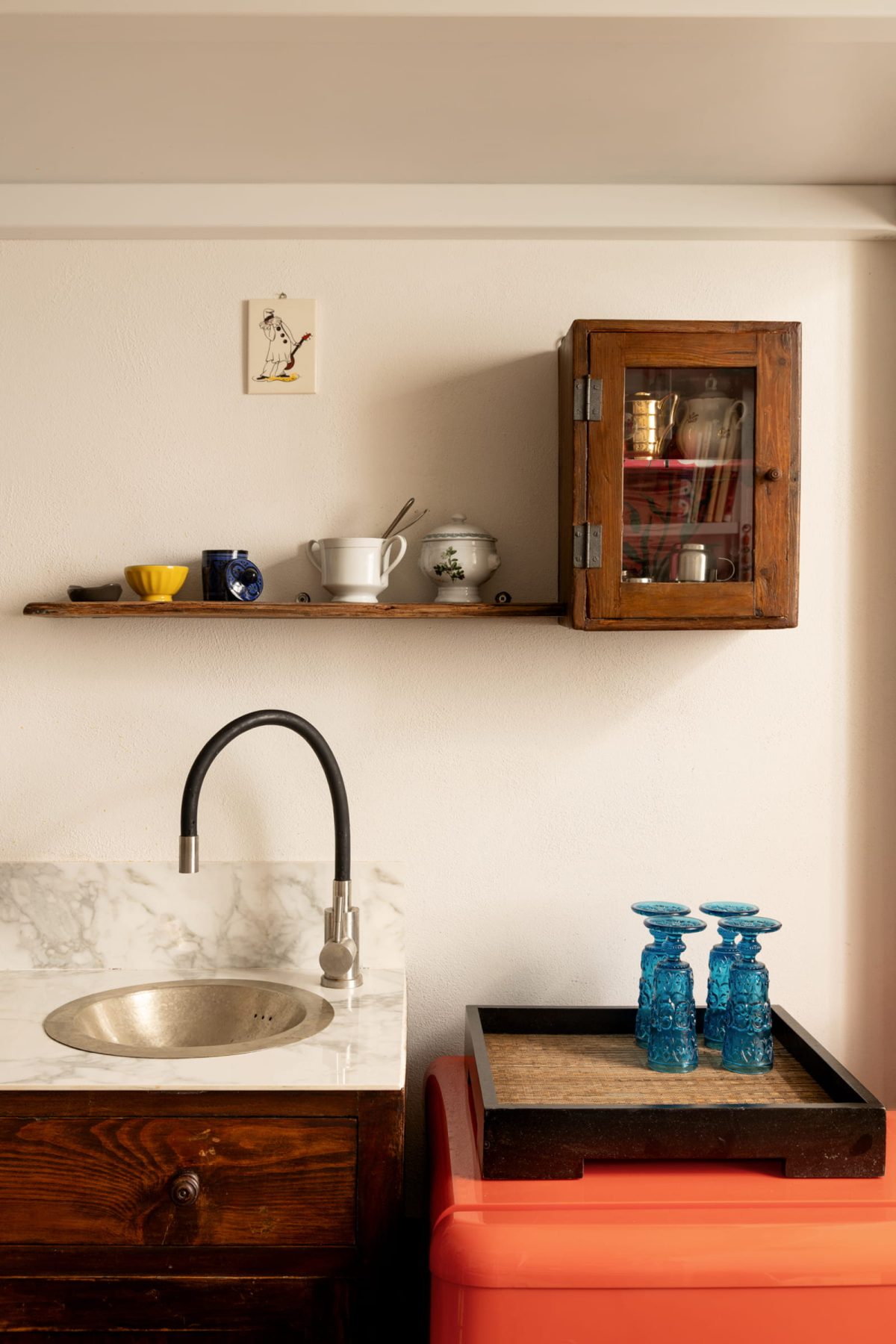
Gae Avitabile creates a home that is sustainable not only in material terms but also in its emotional resonance—timeless, intimate, and deeply human.
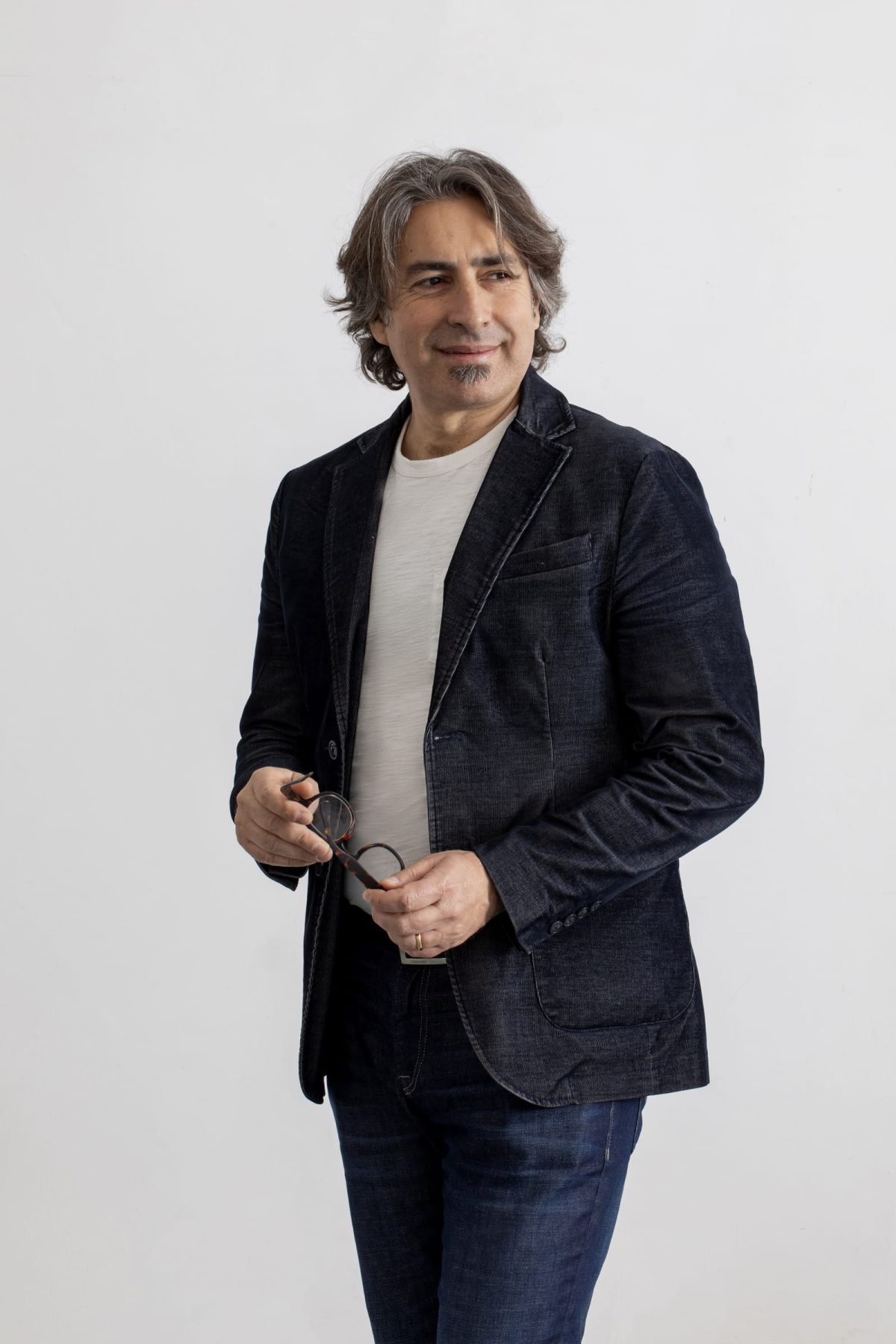
Short Bio
An architect focused on design and interiors, after many years working in France, Gae Avitabile returned home to Italy, choosing Caserta and the Campania region as his residence and the inspiration for his work.
He is a member of the scientific committee of the Reggia di Caserta (Royal Palace of Caserta), and works as an architect both independently, and in support of international practices. In addition to these aspects, Gae Avitabile treads an independent path in his design and interior design work, through a highly sustainable approach focused on experimenting with new materials.
In his design, each idea takes shape through a methodological approach in which creative intuition and emotional connection, the interpretation of materials, processes and co6ntexts join together and influence each other reciprocally, providing original and sometimes surprising results.
Facts & Credits
Title Casa Egle
Typology Interiors, Apartment
Location Caserta, Southern Italy
Status Completed, 2025
Architecture Gae Avitabile
Photography Carlo Oriente
Text by the author