In The Summer Refuge series, curated by Archt. for Archisearch, summer is not a sliver of time but a state of being. Rooted in nature, rural landscapes, vernacular architecture, and closely connected to notions such as “disconnection,” “slow living,” and Martin Heidegger’s “Dasein,” namely the art of being present in the world, the series focuses on seasonal houses that shelter time, memory, and dreams.
In the tenth episode, we follow Extrarradio Estudio into the mountainous landscape of the Sierra de Gredos, where Thoreau’s confession in Walden—“I went to the woods because I wished to live deliberately”—finds contemporary architectural expression. With Prado Toro, the practice translates that desire into a vernacular of retreat, intimacy, and belonging, shaping an architecture rooted in climatic intelligence, material restraint, and the quiet rituals of rural life.
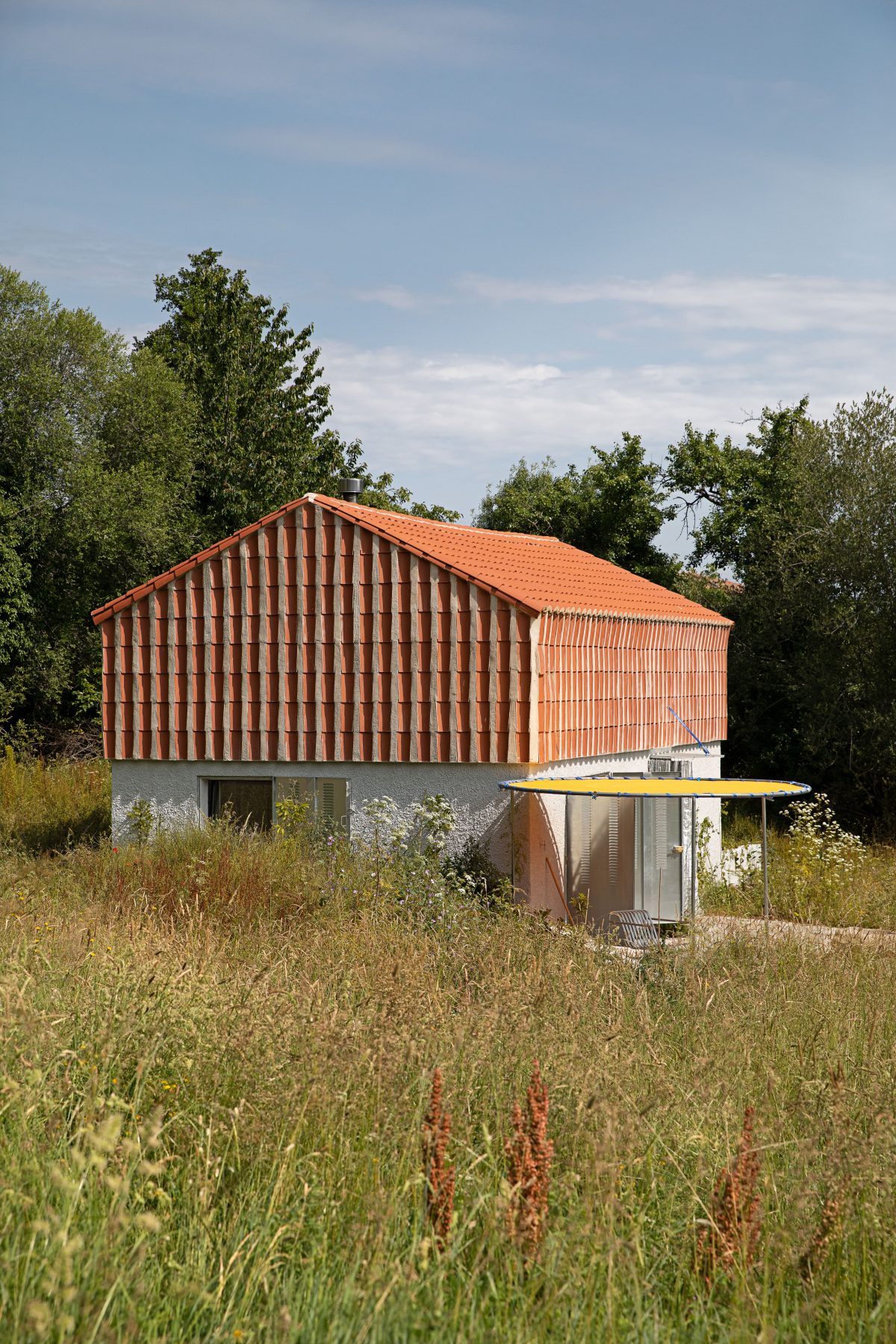
“People often live unnecessarily complicated lives,” wrote Henry David Thoreau in Walden—a sentence that continues to echo through architectures of retreat, resistance, and essential dwelling. In Prado Toro, a 40 m² refuge by Extrarradio Estudio, this proposition acquires spatial form with remarkable precision. Set within a meadow on the outskirts of a small village in the Sierra de Gredos, two hours west of Madrid, the project unfolds as an act of alignment with the mountain, the weather, and the measured temporality of rural life.
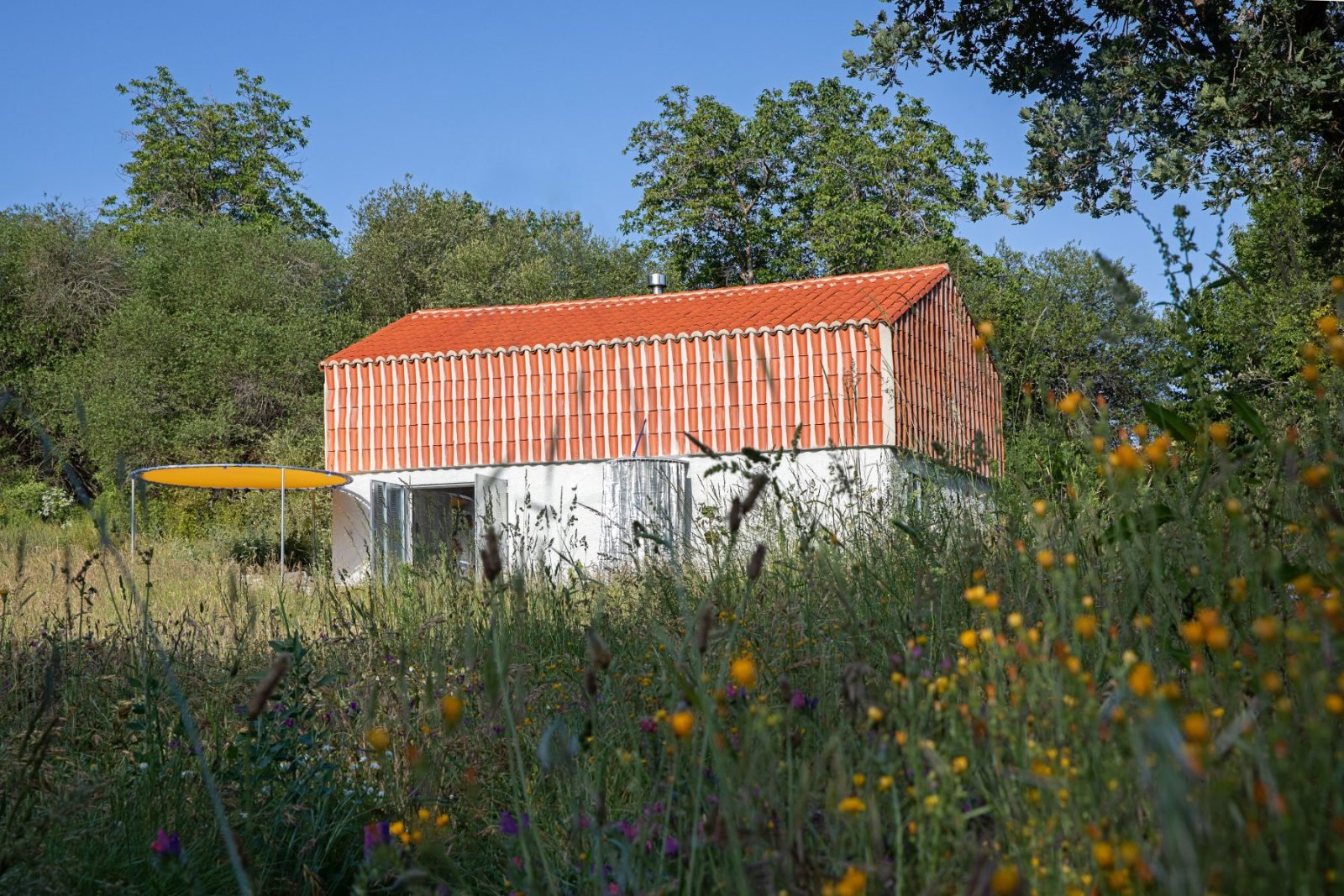
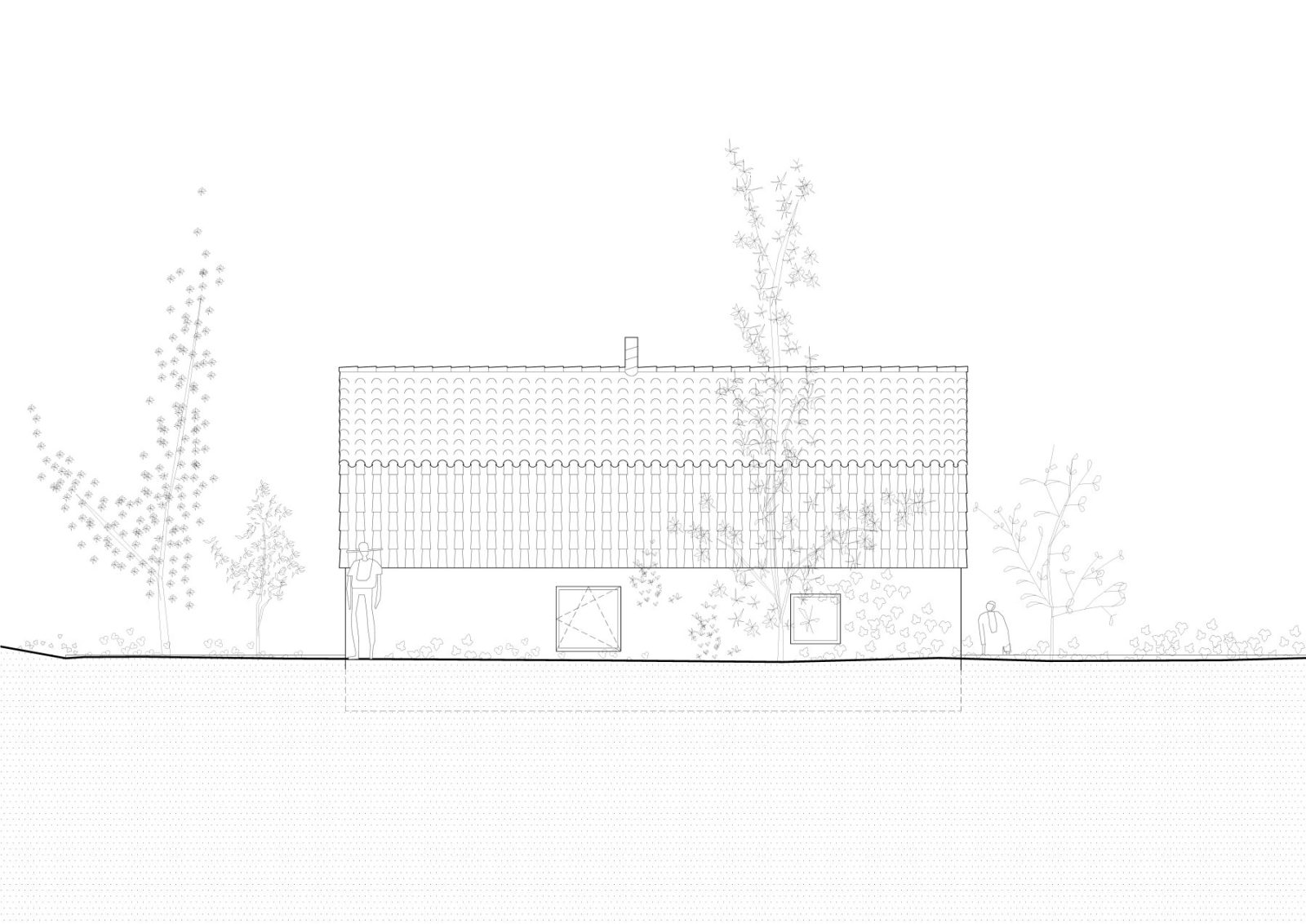
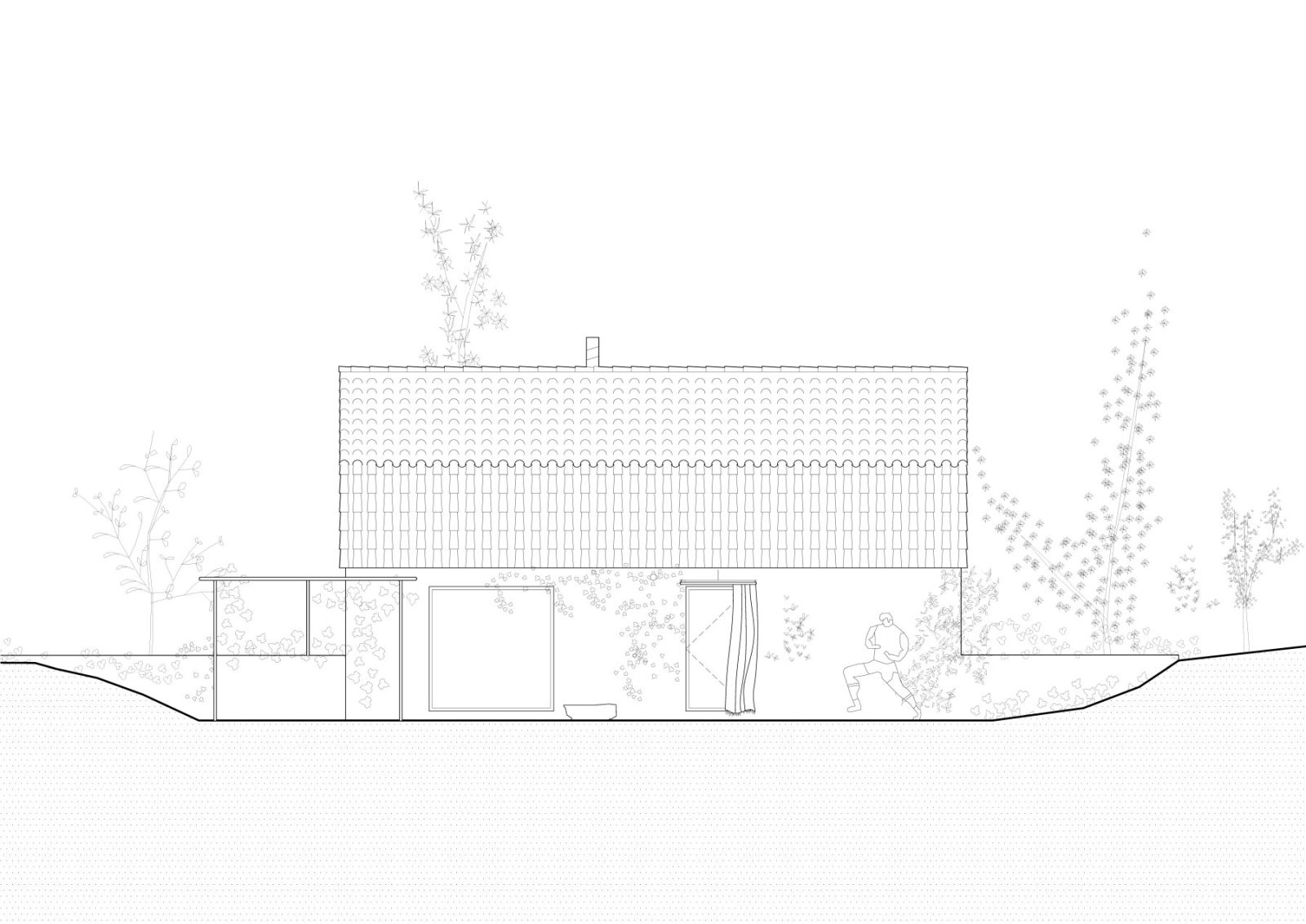
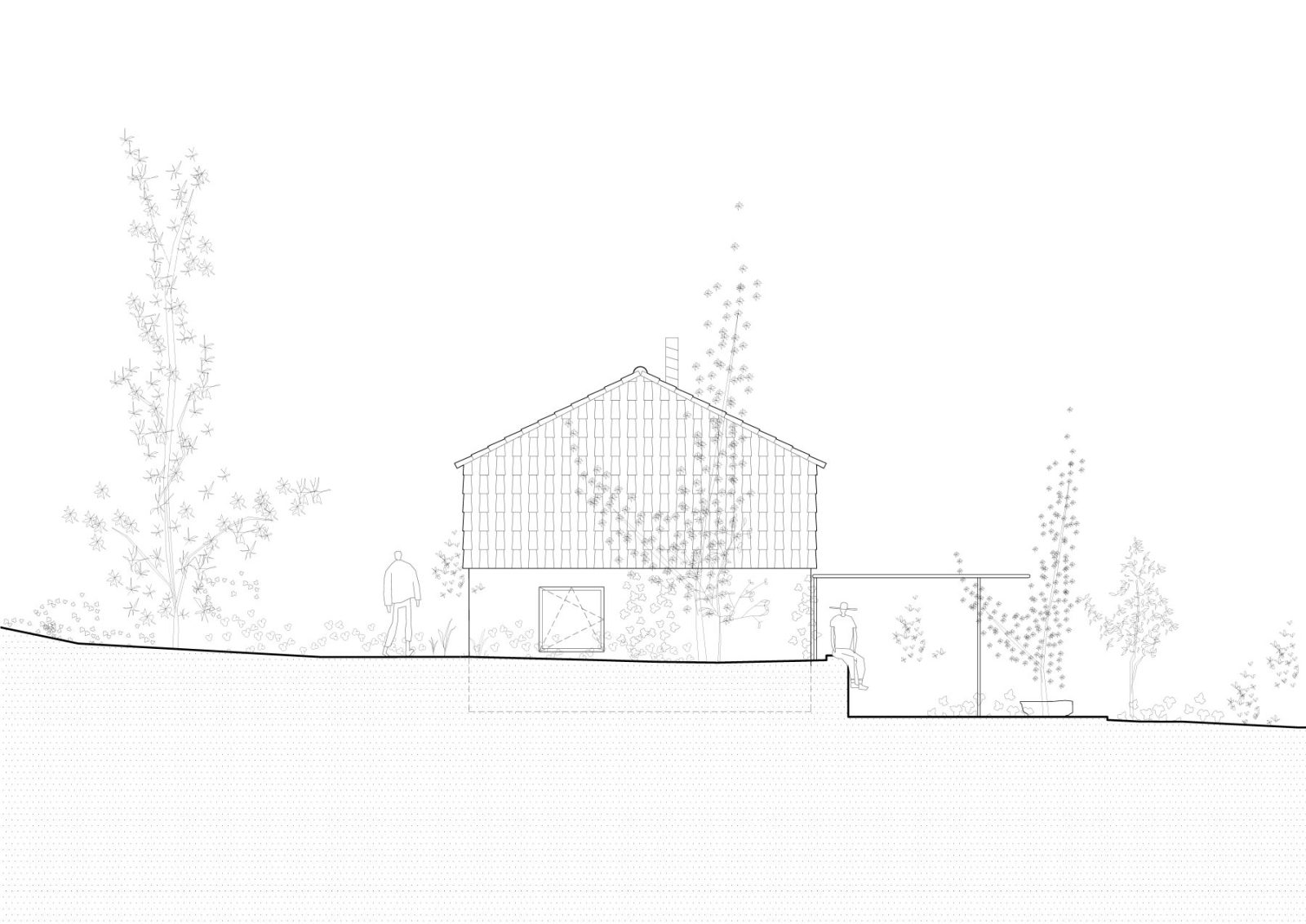
Clad in ceramic tiles and partially embedded into the natural slope, the cabin recalls the anonymous agricultural constructions scattered across Castile—those modest rural structures shaped over generations through use, climate, and necessity rather than authorship.
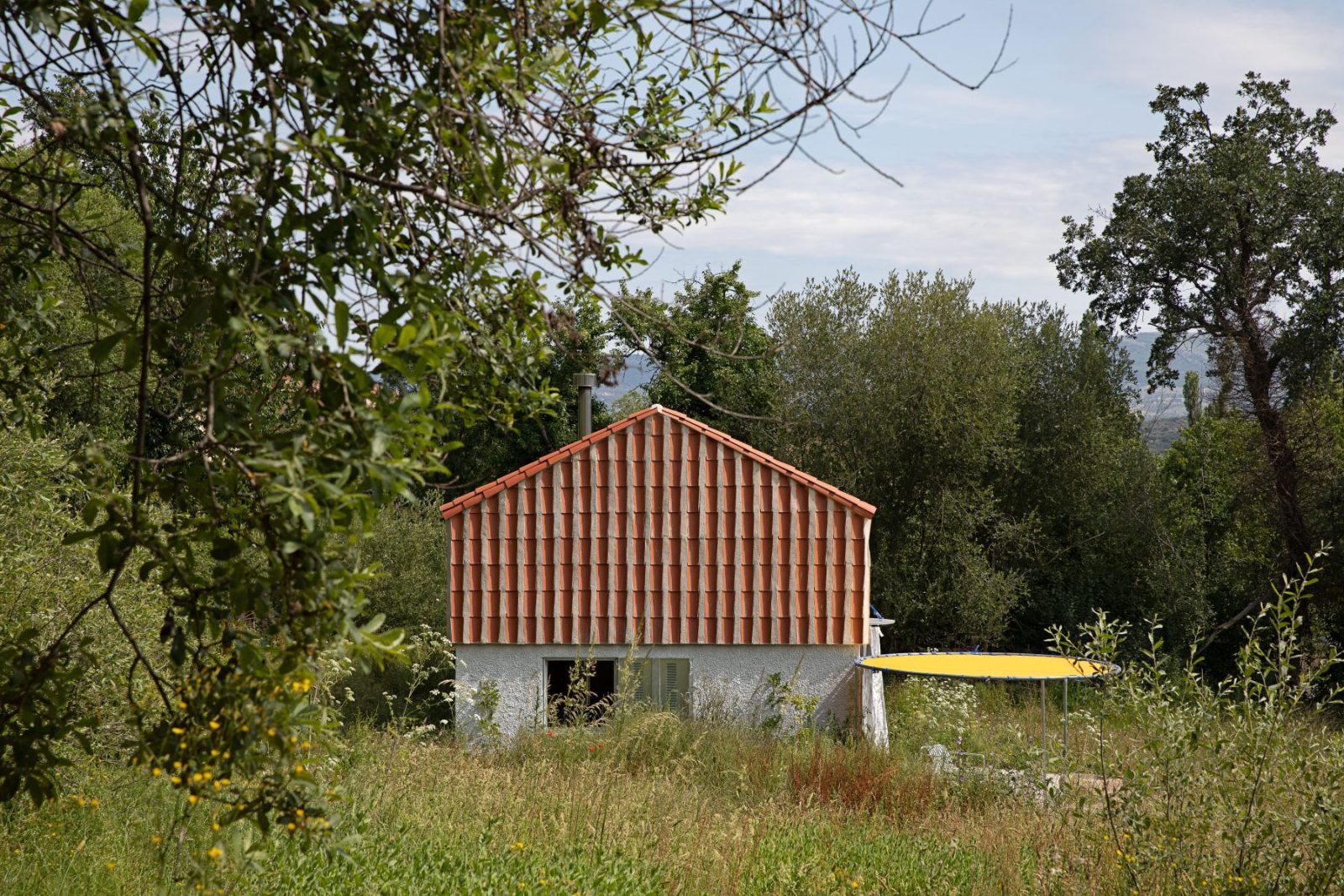
Its architecture emerges from the same collective wisdom that understood building as an extension of life itself, where form followed weather, labor, and the rhythms of the territory long before architecture became image (Rudofsky, 1964).
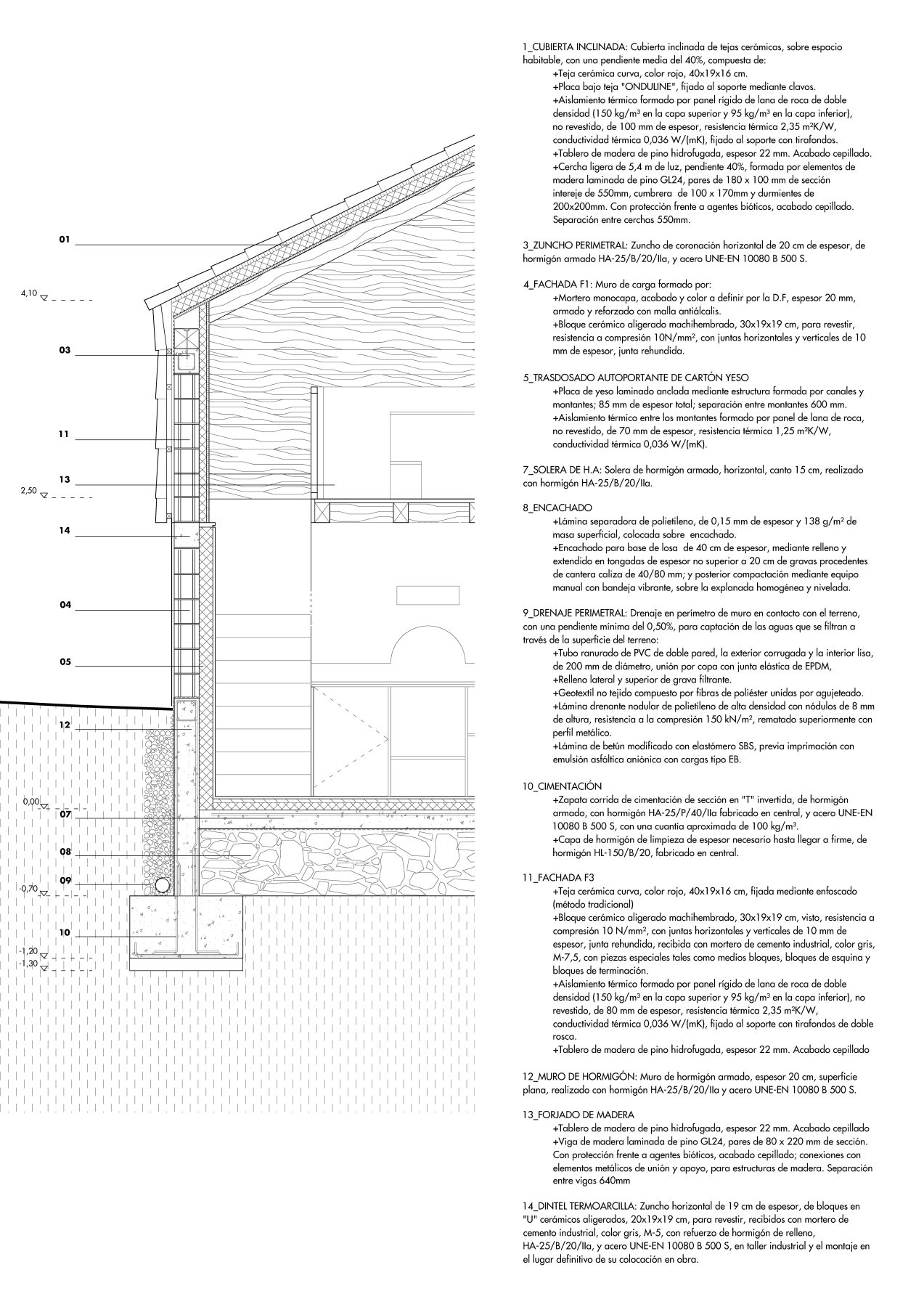
Prado Toro does not imitate vernacular language nostalgically; instead, it absorbs its underlying logic. Thick envelopes, restrained openings, sloped roofs prepared for rain and western winds, and spaces organized around thermal economy reveal an inherited environmental intelligence translated into a contemporary condition of living.
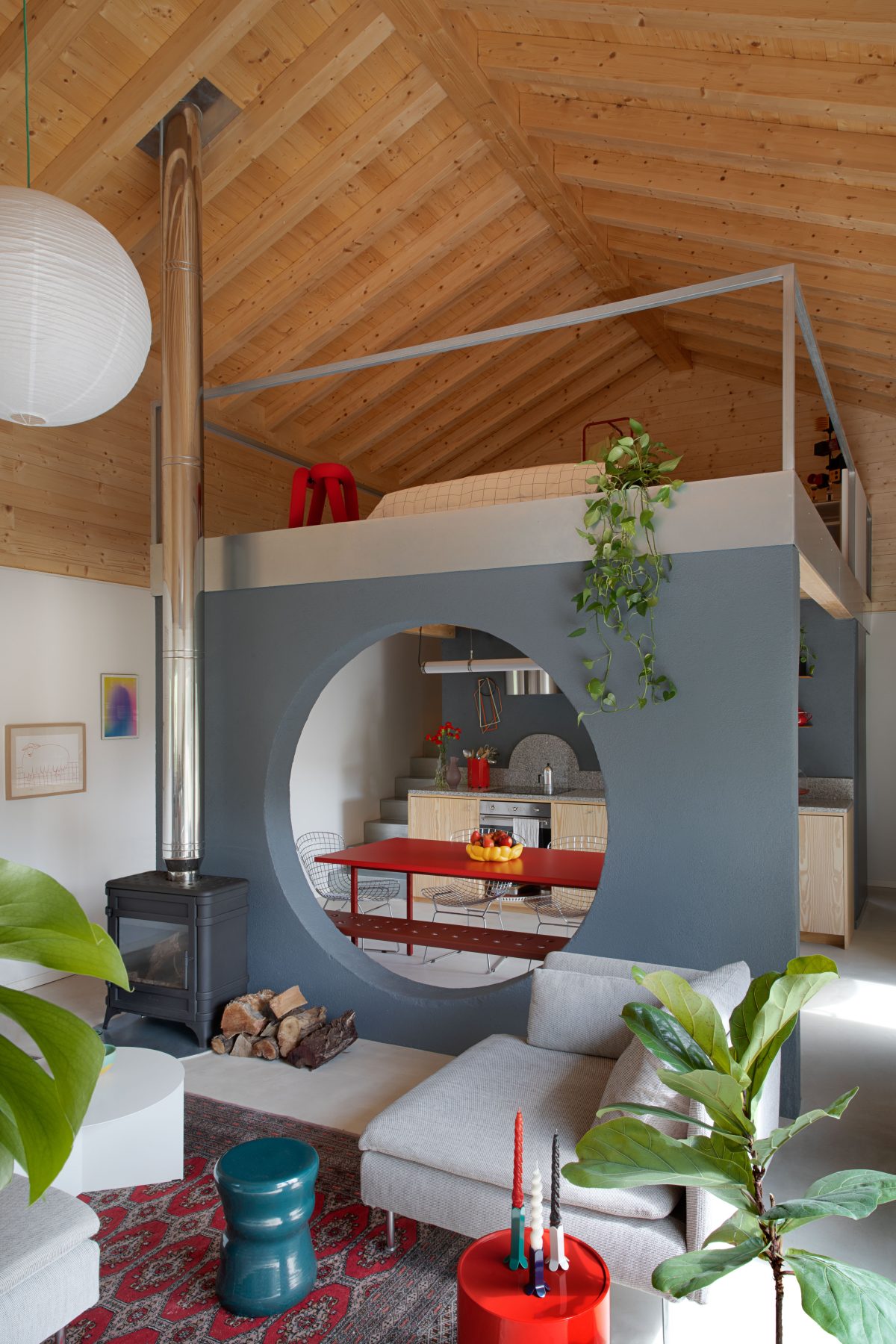
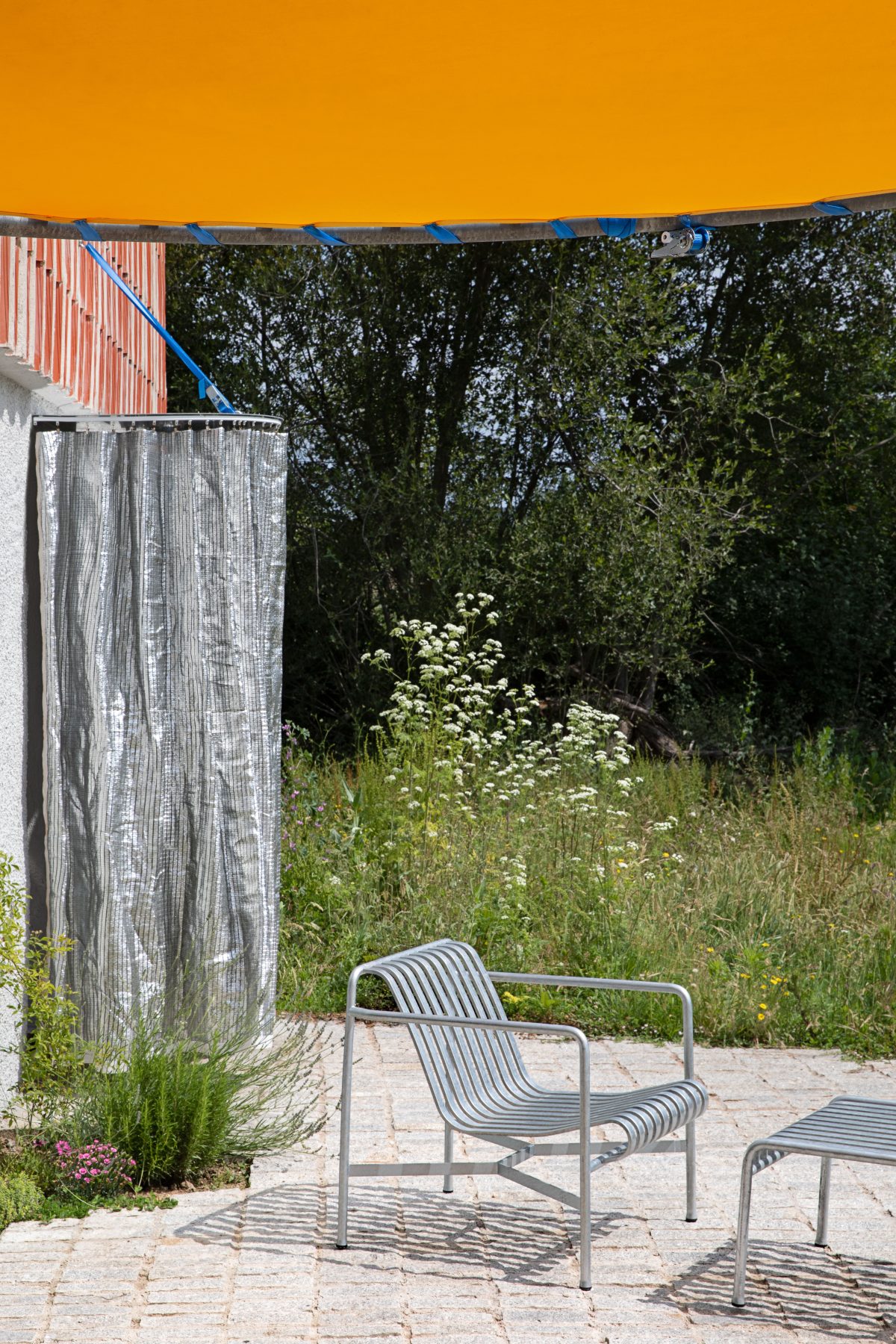
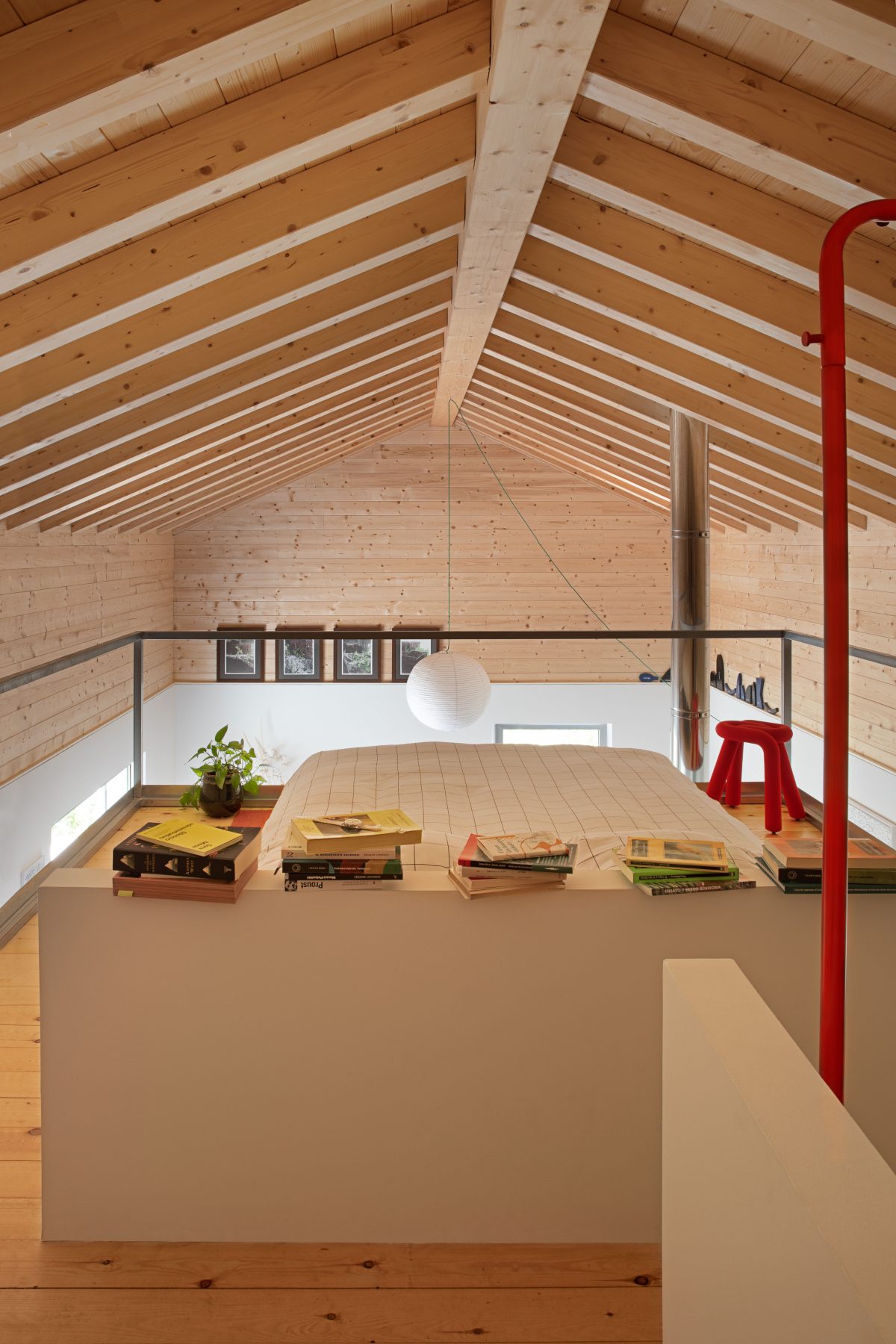
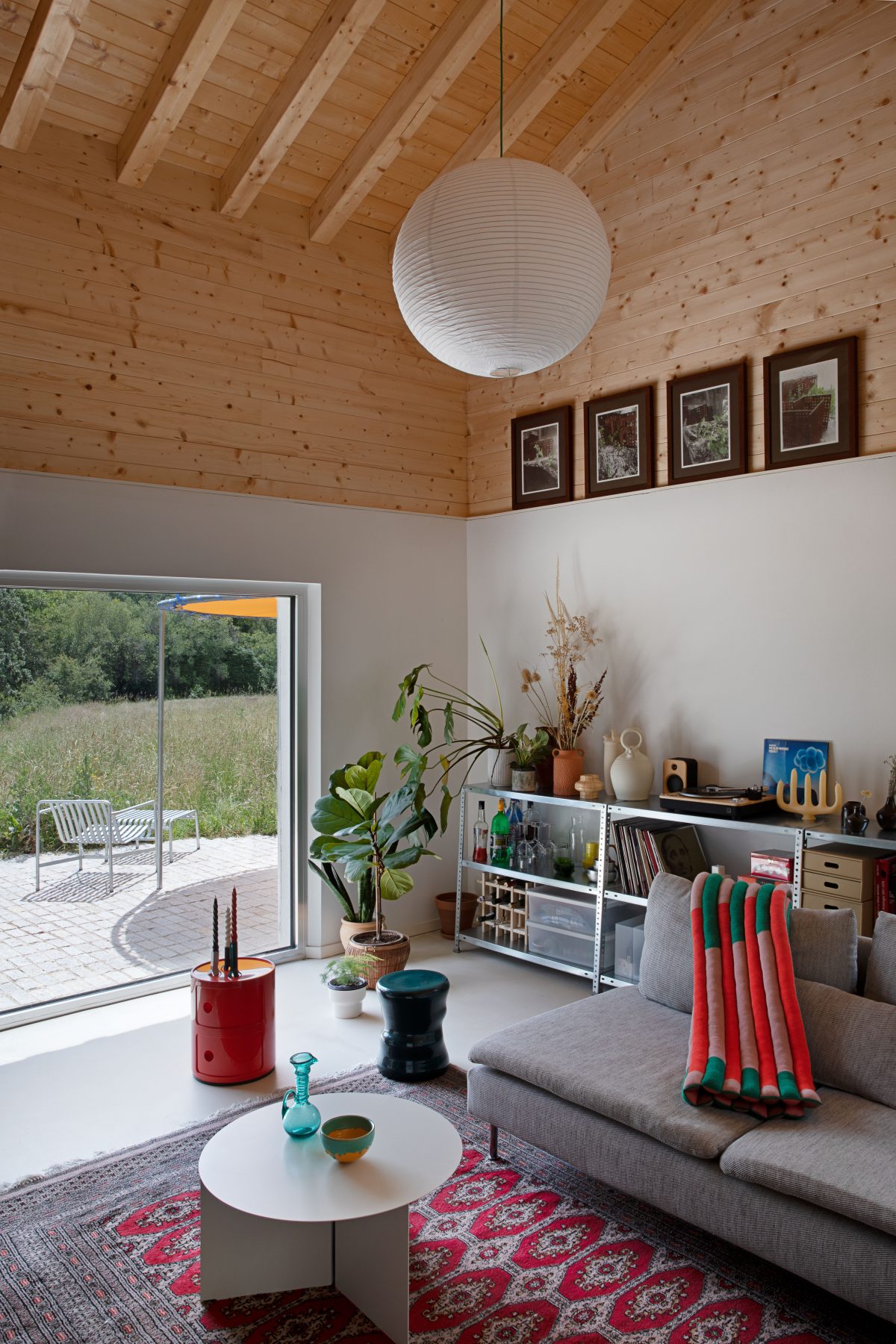
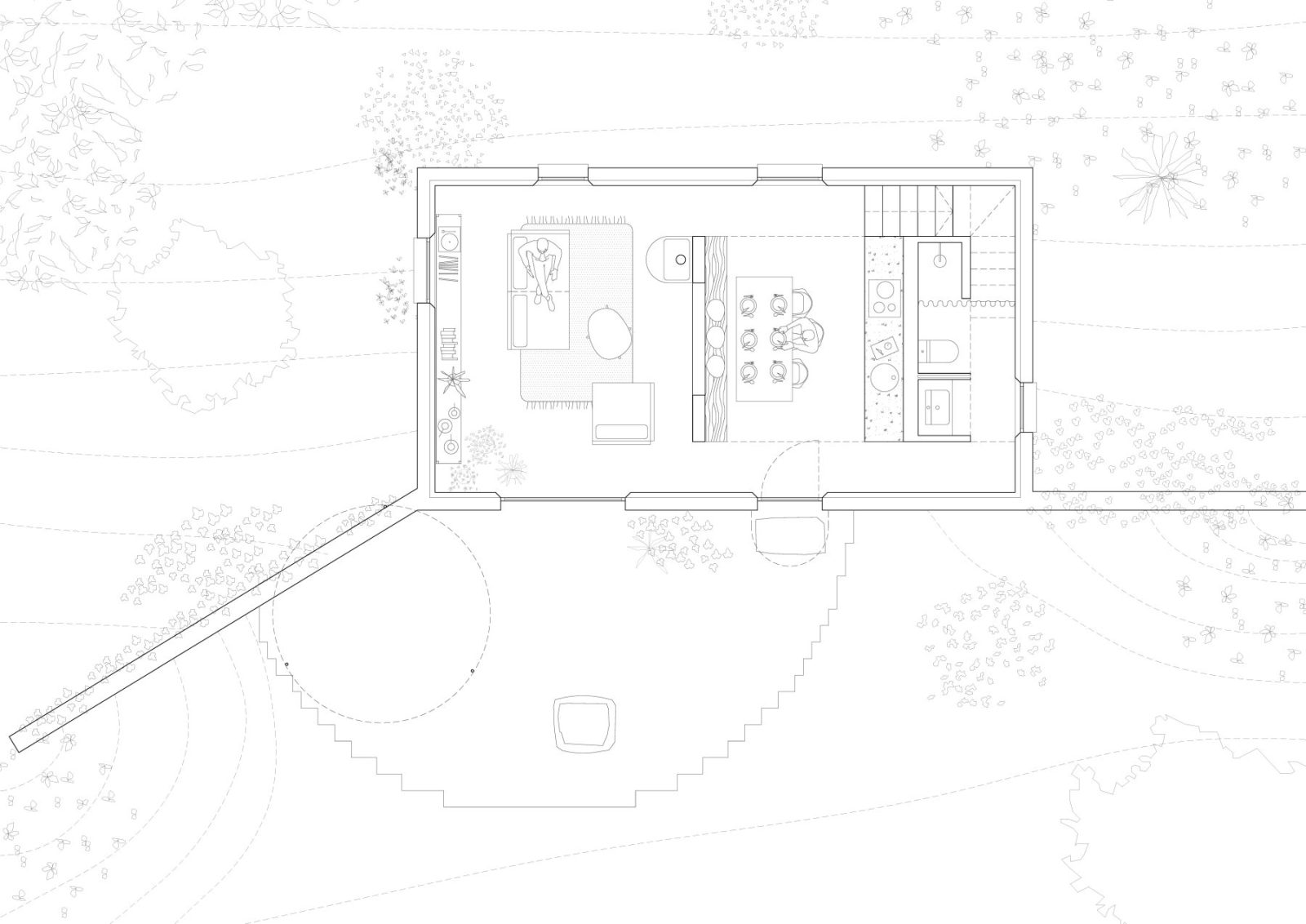
“To dwell is to be at peace in a protected place,” wrote Martin Heidegger. In Prado Toro, this idea unfolds through an architecture of restraint, where simplicity becomes both spatial ethic and existential stance. The dwelling remains deliberately compact. A circular yellow shade, an indoor box-like volume, a timber mezzanine suspended beneath the pitched roof: each element participates in a choreography of simplicity, where leisure and necessity coexist without hierarchy. Rather than expanding horizontally across the site, the intervention rises vertically through a shell-like volume that amplifies the spatial perception of the interior while preserving the small footprint of the minimum dwelling. Beneath the ceramic envelope, pinewood surfaces soften the atmosphere, introducing a tactile warmth against the austerity of the tiled shell.
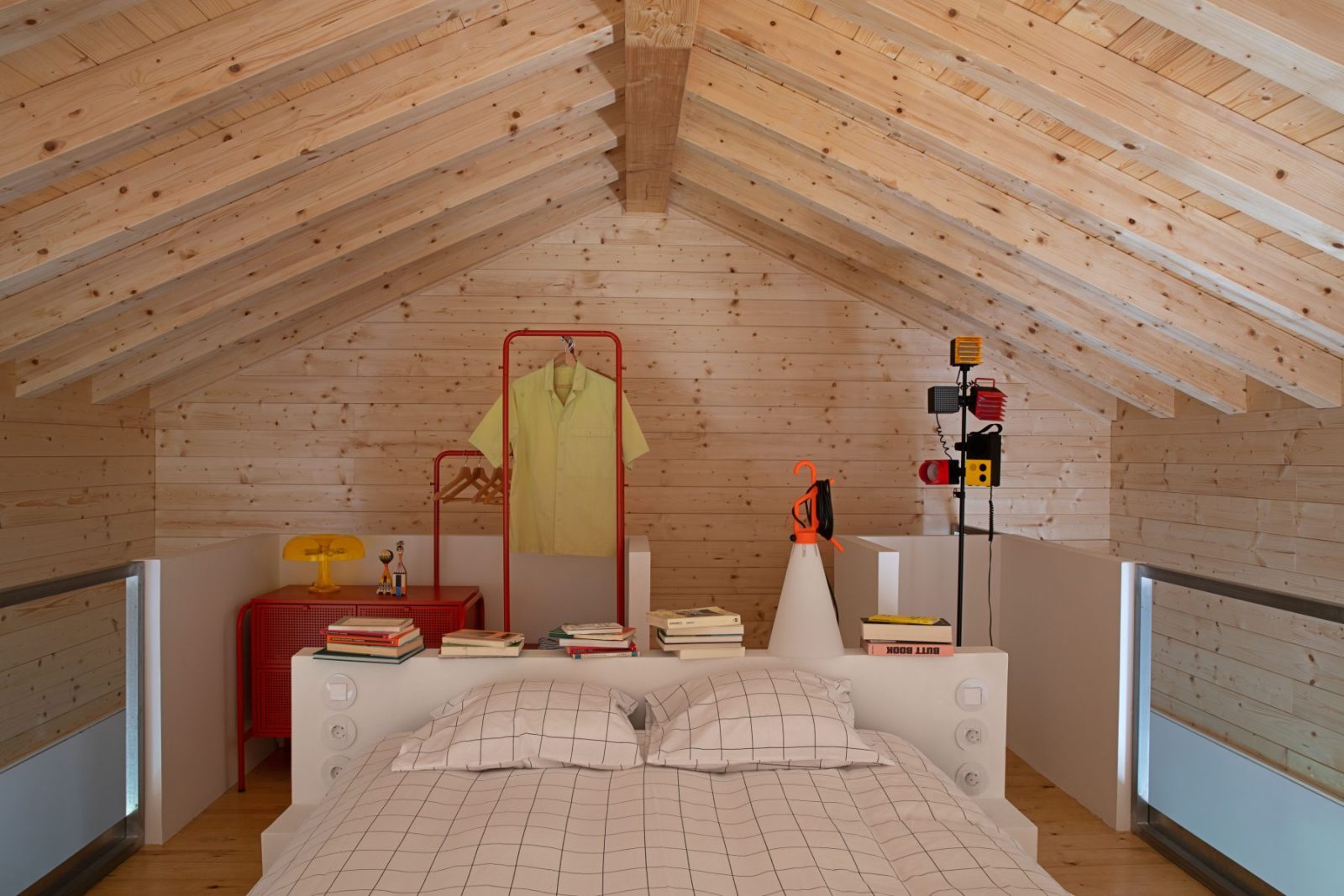
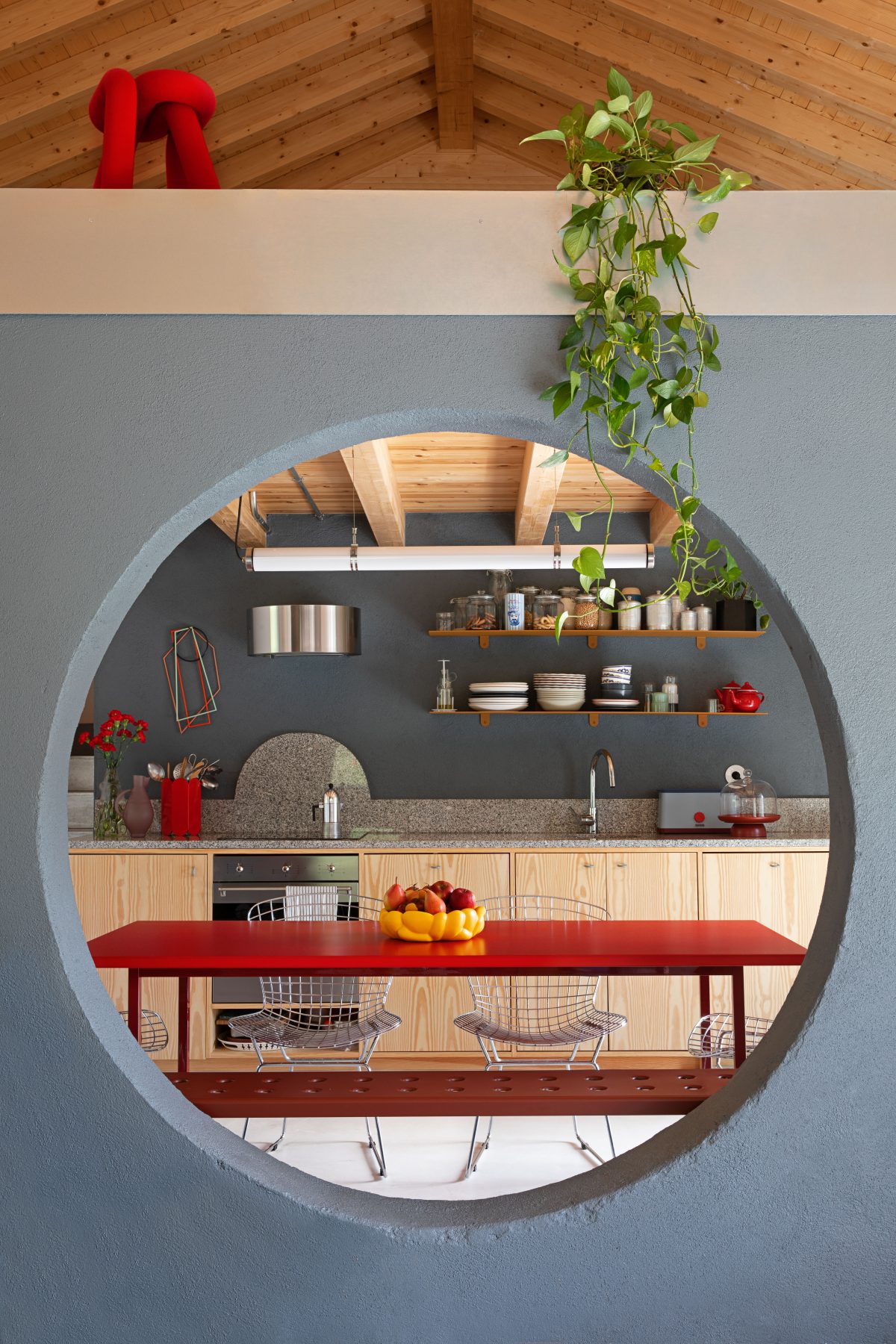
At the center of the dwelling, the service core—kitchen, bathroom, storage, and sleeping platform—is conceived as an autonomous object detached from the perimeter walls.
This subtle spatial move preserves the continuity of the interior while reinforcing the monolithic presence of the outer shell. The elevated sleeping area follows not only spatial logic but climatic intelligence: heat from the wood-burning stove rises naturally toward the upper level, transforming the mezzanine into a warm refuge during winter nights in the Sierra.
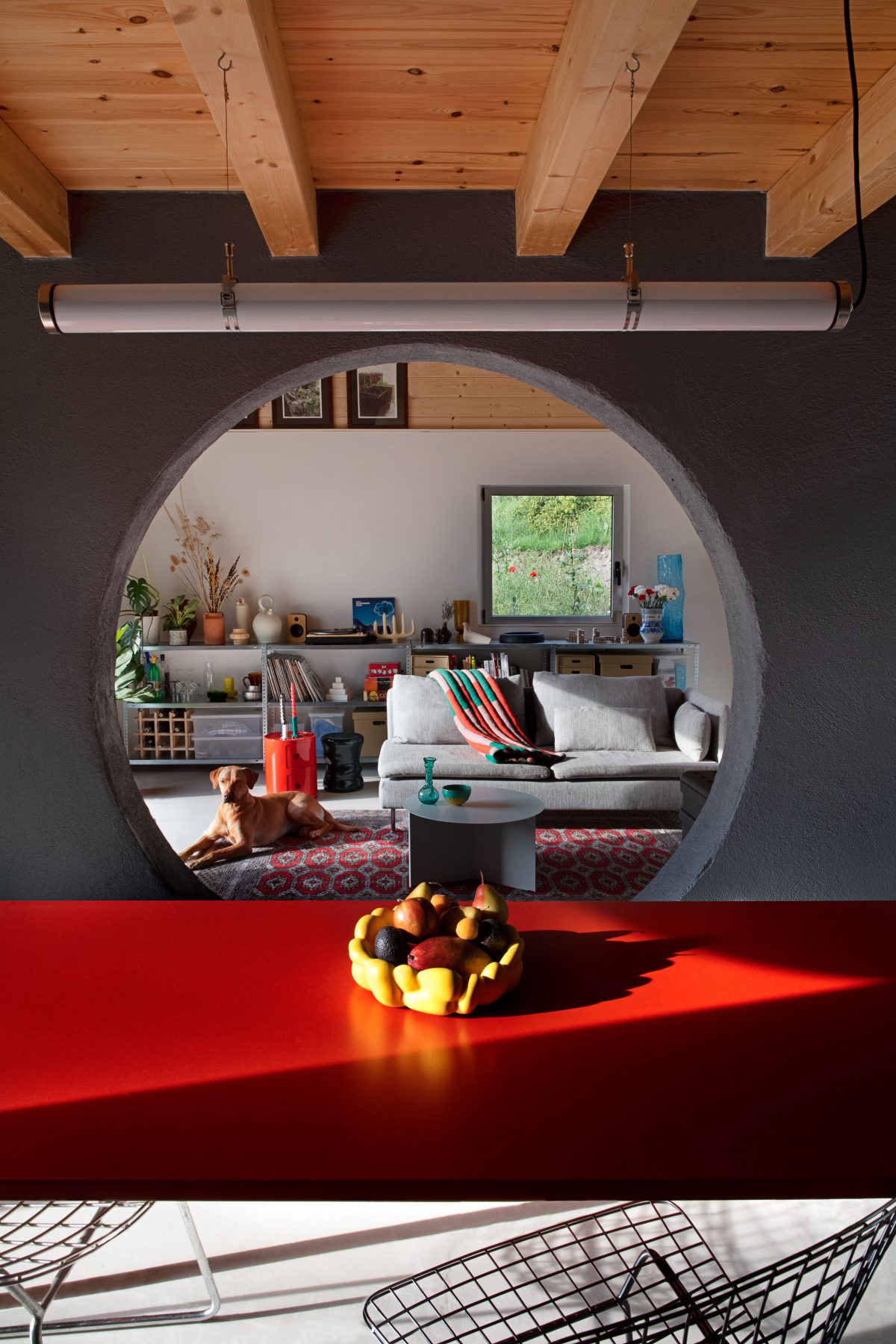
Prado Toro’s architecture grounds itself in tactile experience and the specificities of the site and space (Frampton, 1983).
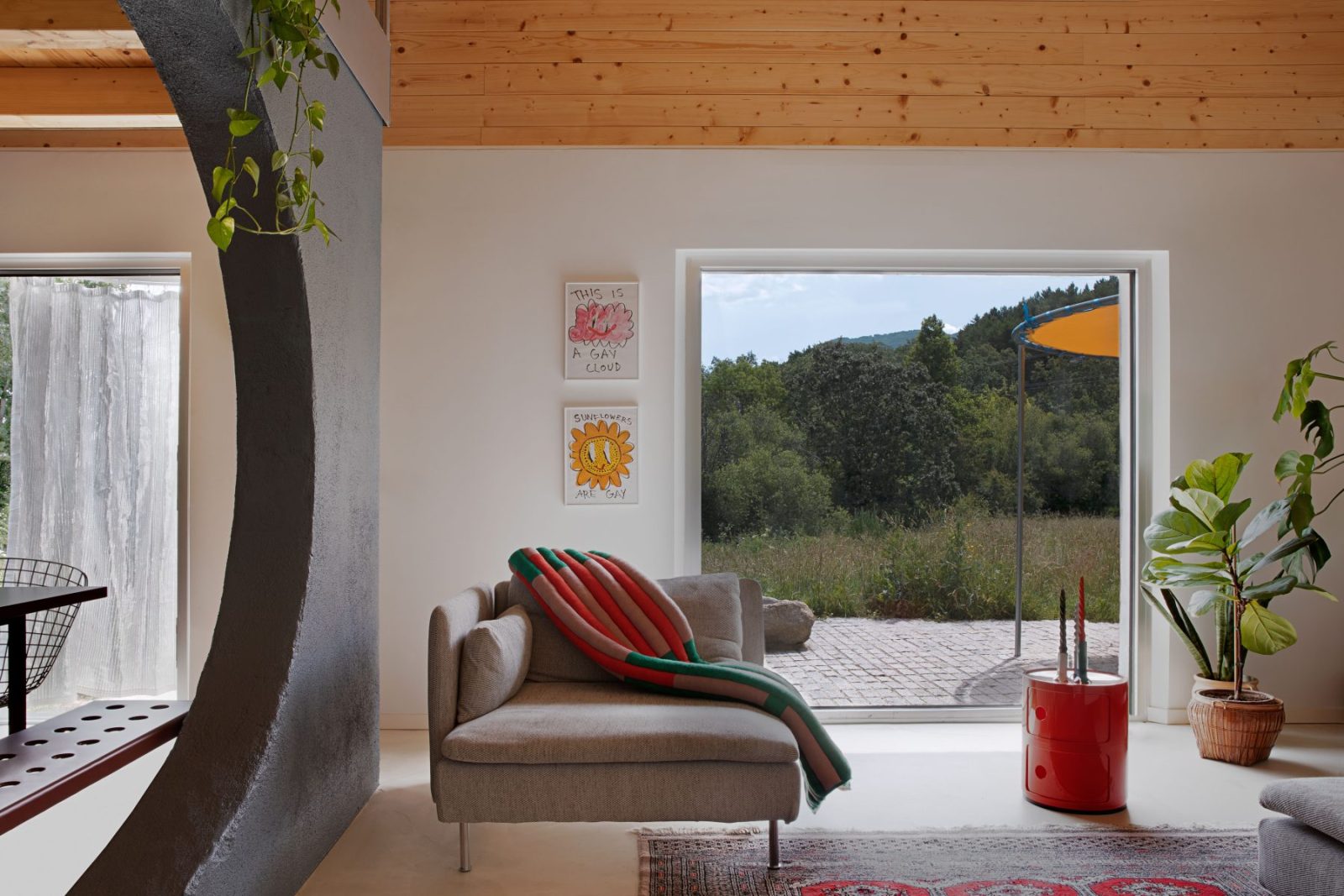
Topographically, there is a persistent sense that the building has not been imposed upon the landscape but extracted from it.
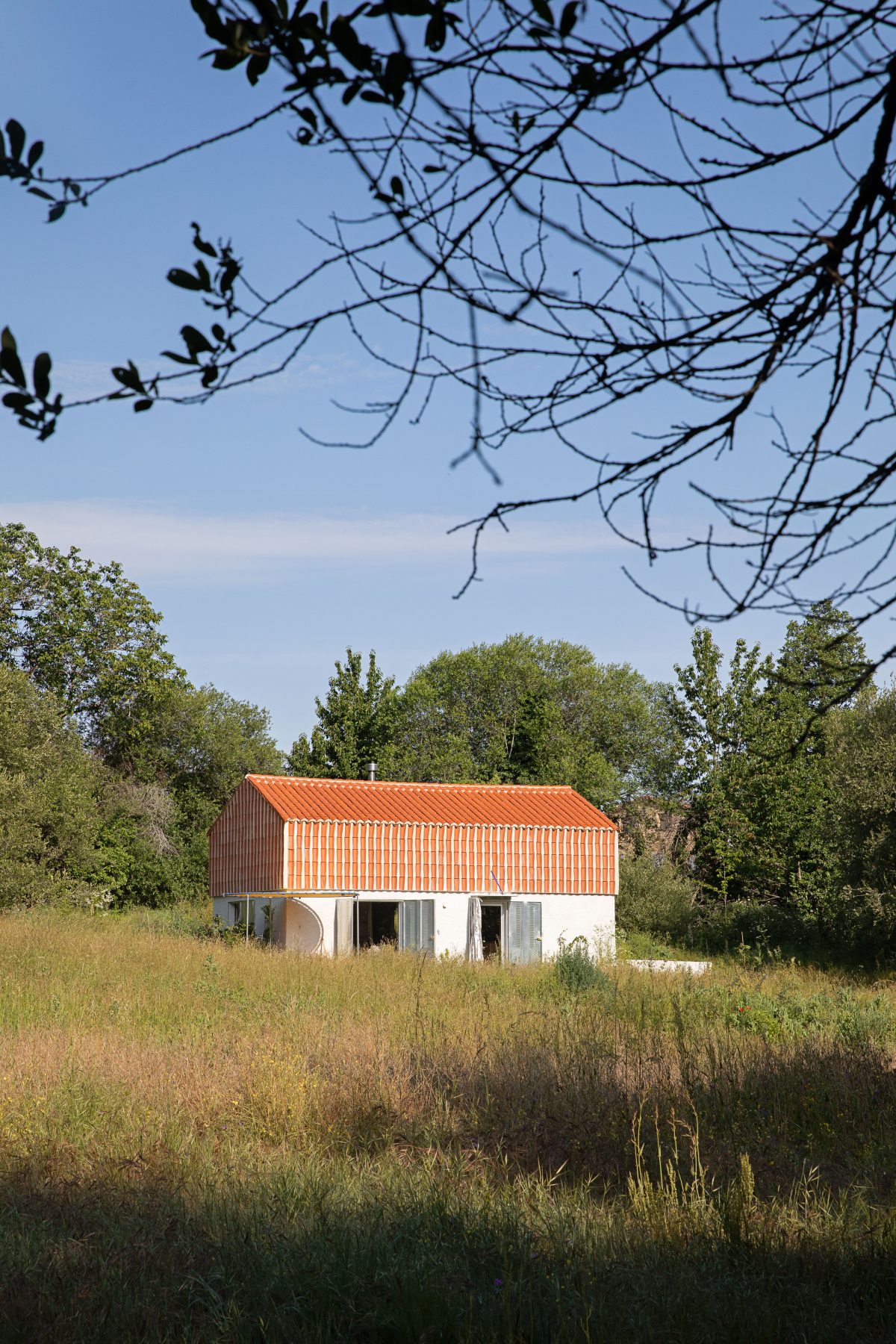
Embedded into the terrain, the structure operates simultaneously as shelter and retaining wall, shaping an exterior terrace that mediates between domestic intimacy and the openness of the meadow. This semi-buried condition enhances thermal inertia while diminishing the apparent scale of the cabin, allowing the tiled volume to recede instinctively into the mountain plateau, with three of its sides naturally insulated by the earth.
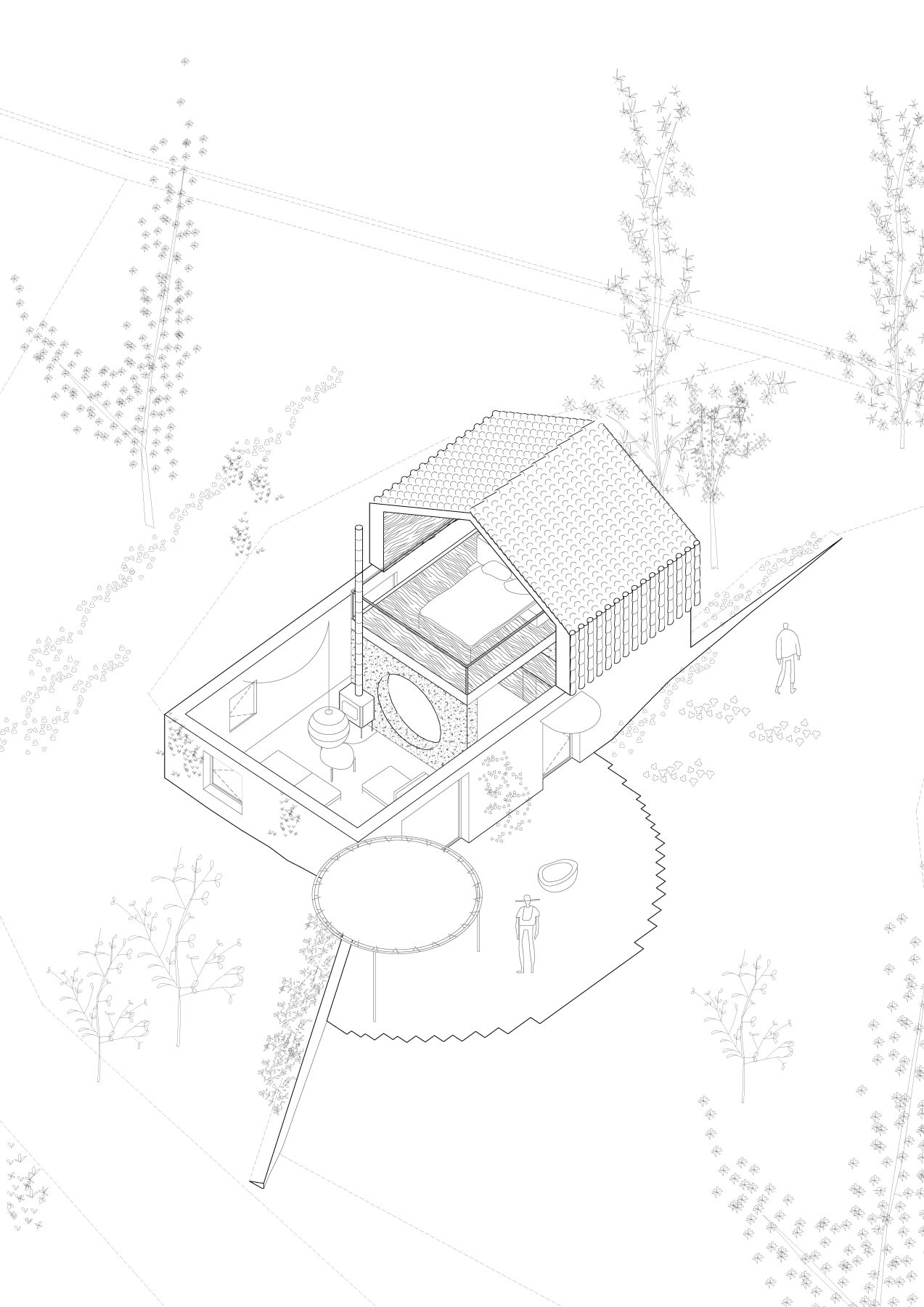
Here, dwelling is understood not as mere occupation, but as a condition of belonging—an attentive negotiation between earth, sky, and everyday ritual, recalling that to build is ultimately to cultivate a meaningful way of being in the world (Heidegger, 1971).
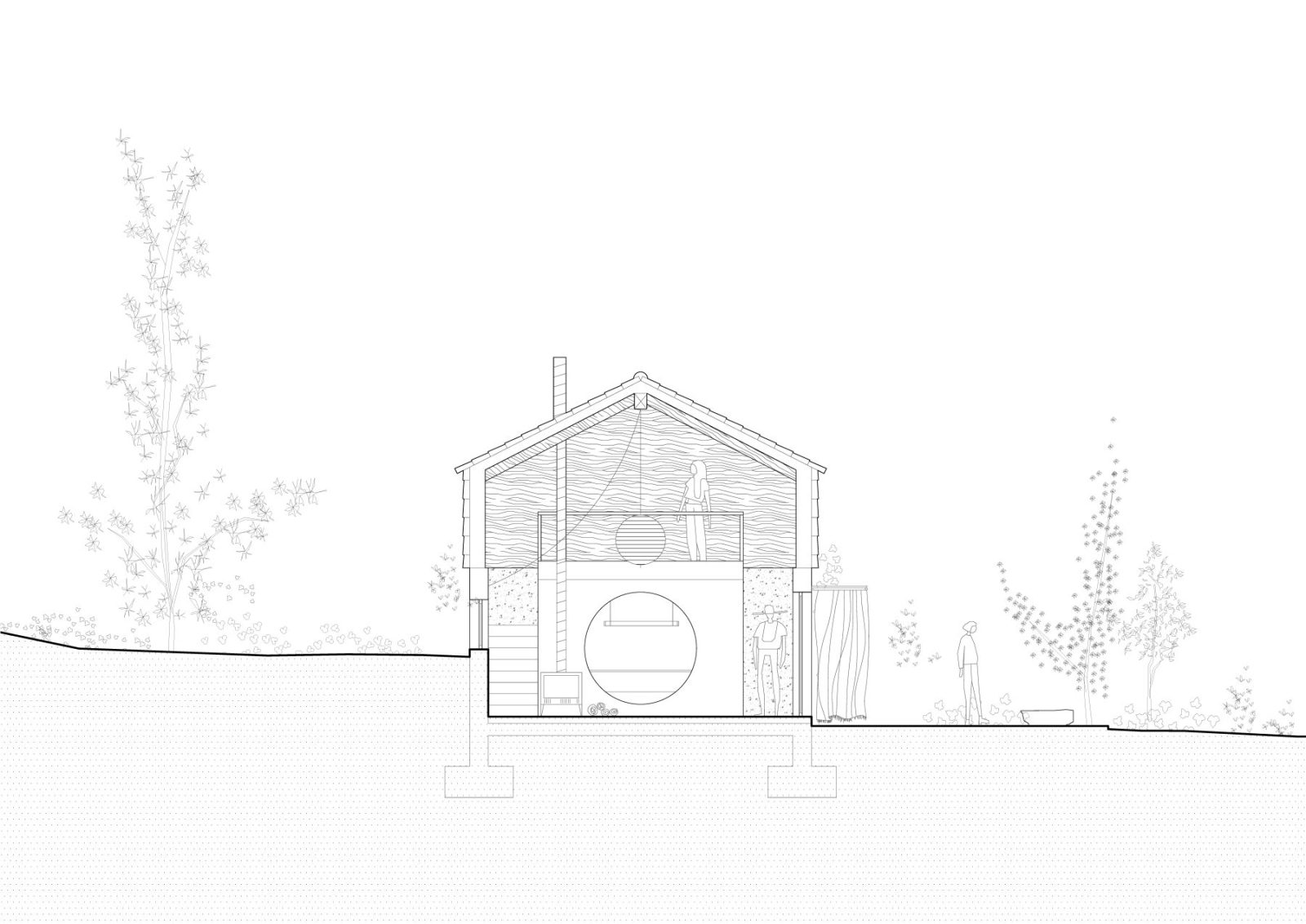
Positioned at the highest point of the site, the cabin opens eastward toward the stream marking the meadow’s edge and the distant silhouette of the Sierra de Gredos. Openings on all four sides permit cross-ventilation and the circulation of mountain air, while the east–west orientation captures the shifting cadence of light throughout the day. The terrace becomes threshold space in the deepest Mediterranean sense: neither entirely private nor public, but an intermediate realm where weather, conversation, solitude, and communal life coexist fluidly.
Architecture here is inseparable from territory, shaped by the material and cultural forces of the Spanish landscape not as passive scenery but as an active generator of form, inhabitation, and spatial identity (Díaz Moreno and García Grinda, 2011).
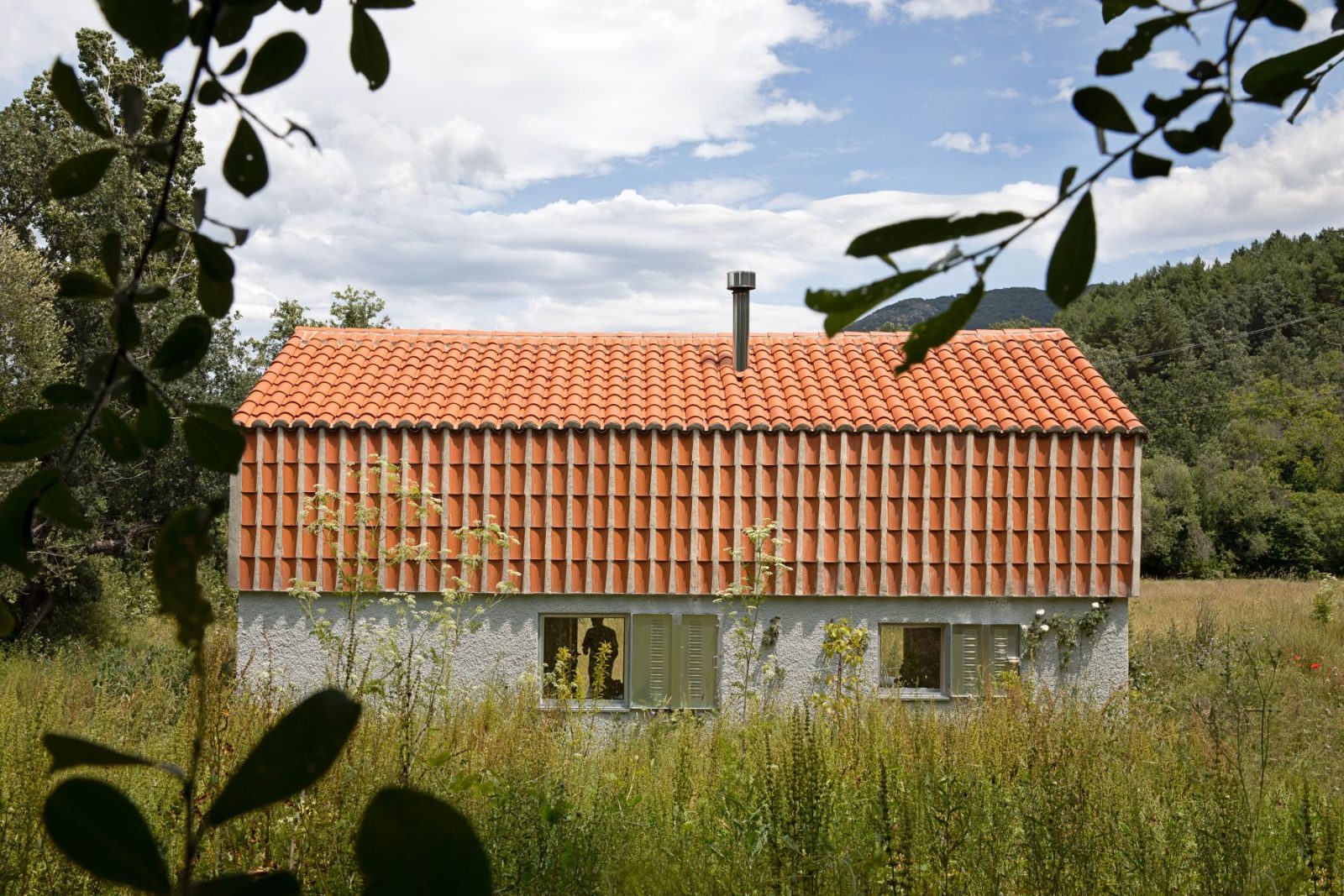
This Summer Refuge resists the contemporary obsession with excess—of scale, image, and consumption. Instead, it proposes an architecture of attentiveness, reduction, and permanence. With this small tiled refuge, Extrarradio Estudio reclaims the rural outbuilding not as a nostalgic artifact, but as a living typology capable of accommodating new rituals of inhabitation.
The project reminds us that simplicity is never deprivation; it is a form of clarity. A way of dwelling closer to the land, to climate, and perhaps, as Thoreau imagined, to oneself.
Drawings
Facts & Credits
Project title Prado Toro
Typology The Summer Refuge, Residential
Episode 10th
Location Sierra de Gredos, Ávila, Castile, Spain
Status Completed, 2023
Built Area 40m2
Architecture Extrarradio Estudio
Construction La Zagalla
Photography Asier Rúa
References
- Díaz Moreno, C. and García Grinda, E. (2011) Terra Firma. Barcelona: ACTAR.
- Frampton, K. (1983) ‘Towards a Critical Regionalism: Six Points for an Architecture of Resistance’, in Foster, H. (ed.) The Anti-Aesthetic: Essays on Postmodern Culture. Seattle: Bay Press.
- Heidegger, M. (1971) ‘Building Dwelling Thinking’, in Poetry, Language, Thought. New York: Harper & Row.
- Rudofsky, B. (1964) Architecture Without Architects. New York: Museum of Modern Art.
- Thoreau, H.D. (1854) Walden; or, Life in the Woods. Boston: Ticknor and Fields.