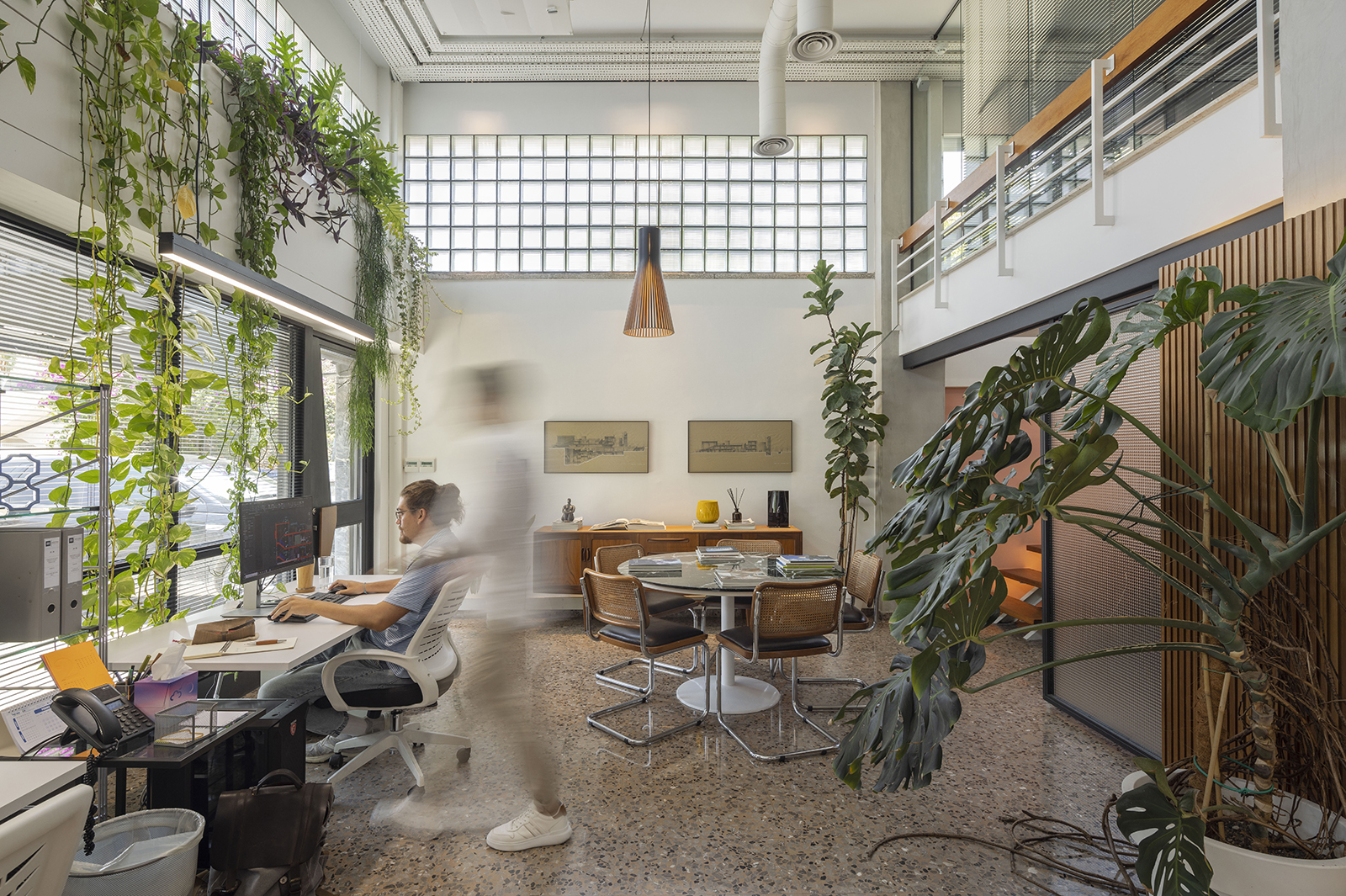
Between 2020 and 2025, architecture has felt like a practice remade from within. The era’s signature move is one of re-attunement: the weight of architectural ambition has steadily shifted toward the adaptive. Restorations, respectful renovations, and inventive reprogramming of existing structures—ranging from historic townhouses to disused industrial sheds—have come to the fore.
This shift constitutes an ethical, aesthetic, and technical response to a set of converging pressures: climate imperatives, resource scarcity, tightening budgets, and a political turn toward inclusion and place-making—dynamics that the European New Bauhaus initiative helped to articulate and render fundable. By reframing the European Green Deal, the New European Bauhaus promotes work that is simultaneously sustainable, beautiful, and socially inclusive.
In parallel, new construction has recalibrated its terms of engagement. Architecture is increasingly embedded within the land itself. Buildings are conceived less as autonomous objects than as continuations of terrain—growing from contours, responding to hydrology, climate, and soil, and borrowing their material logic from what is already present.
The (2020–2025) BEST OF: (Built) Architecture retrospective list by Archisearch presents a selection of projects that define a pivotal half-decade for the discipline: works that privilege renewal, adaptive reuse, rootedness, and social and environmental sustainability over unnecessary excess.
Together, they map an architecture of coexisting—one that engages history as material, mobilizes colour and atmosphere as spatial tools, and reimagines workplaces and public interiors as inclusive, hybrid infrastructures. These precise interventions show how contemporary architecture builds forward through what already exists, negotiating continuity rather than rupture.
New-Build Architecture Rooted in Place
Over the past five years, the site has increasingly been understood as a living system, with architecture assuming the role of mediator between ecological processes and human inhabitation. The result is a mode of new-build production that aspires to permanence through humility; structures that appear rooted rather than placed, legible as part of a longer environmental and cultural continuity. In this context, innovation lies more in architecture’s capacity to register limits, absorb complexity, and negotiate coexistence. Progress is no longer measured by expansion alone, but by the depth of architecture’s relationship to the ground it occupies.
2025
Meraki Studios, a Minimalist Sanctuary in Crete
Meraki Studios, designed by Sigurd Larsen Design & Architecture is a holiday destination with minimalistic boutique apartments nestled in the central mountains of Crete, where ancient olive trees populate the terraced landscape. Its architectural essence lies in the simplicity, with a concrete skeleton forming the basic structure, while it adapts seamlessly to the sloping landscape, mimicking the materiality of a manipulated rock.
Read more about the project here!
Pezoules House: A Contemporary Dwelling Shaped by the Mediterranean Landscape
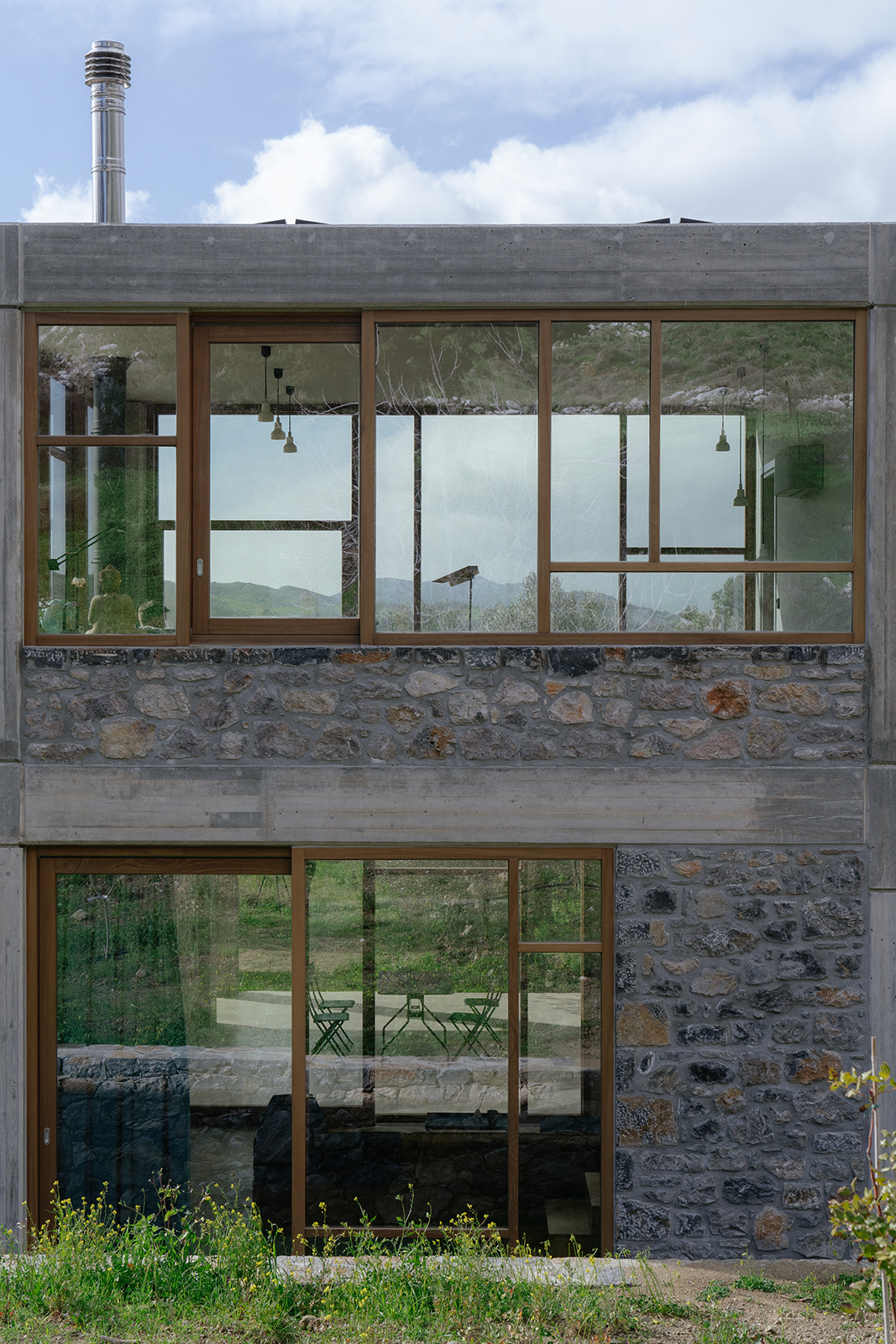
The Pezoules House, designed by Konstantinos Pittas and KP Office , exemplifies a contemporary approach to new-build architecture that is deeply rooted in its Mediterranean context. Rather than imposing itself on the site, the house emerges from the natural contours of the landscape, using form, structure, and materiality to establish a quiet dialogue with its surroundings. Through a sensitive response to topography, climate, and local building traditions, the project reinterprets vernacular principles in a modern architectural language, demonstrating how new construction can both respect and enhance the character of place.
Read more about the project here!
Lumen Residence: Organic Luxury Rooted in the Urban Landscape
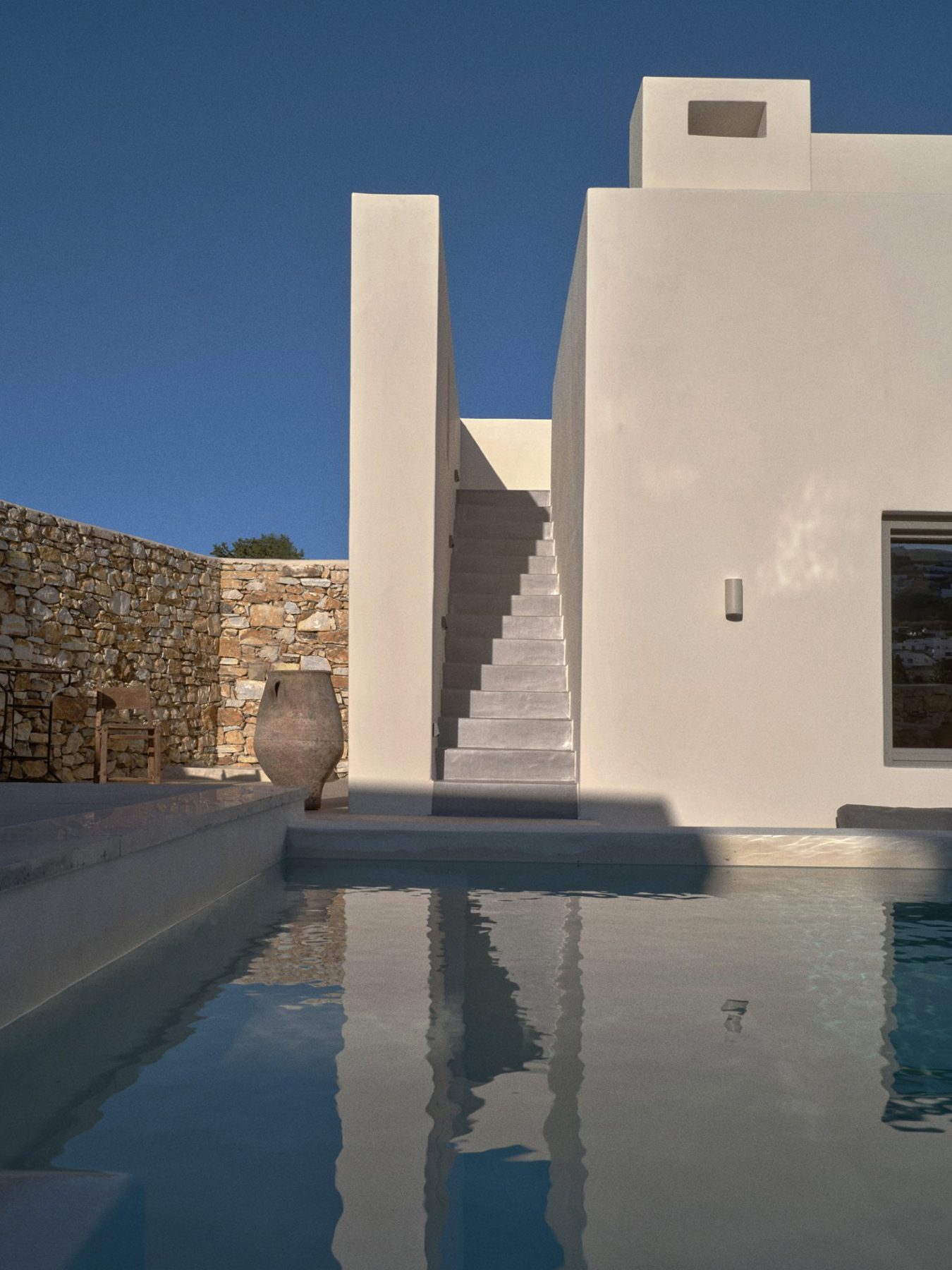
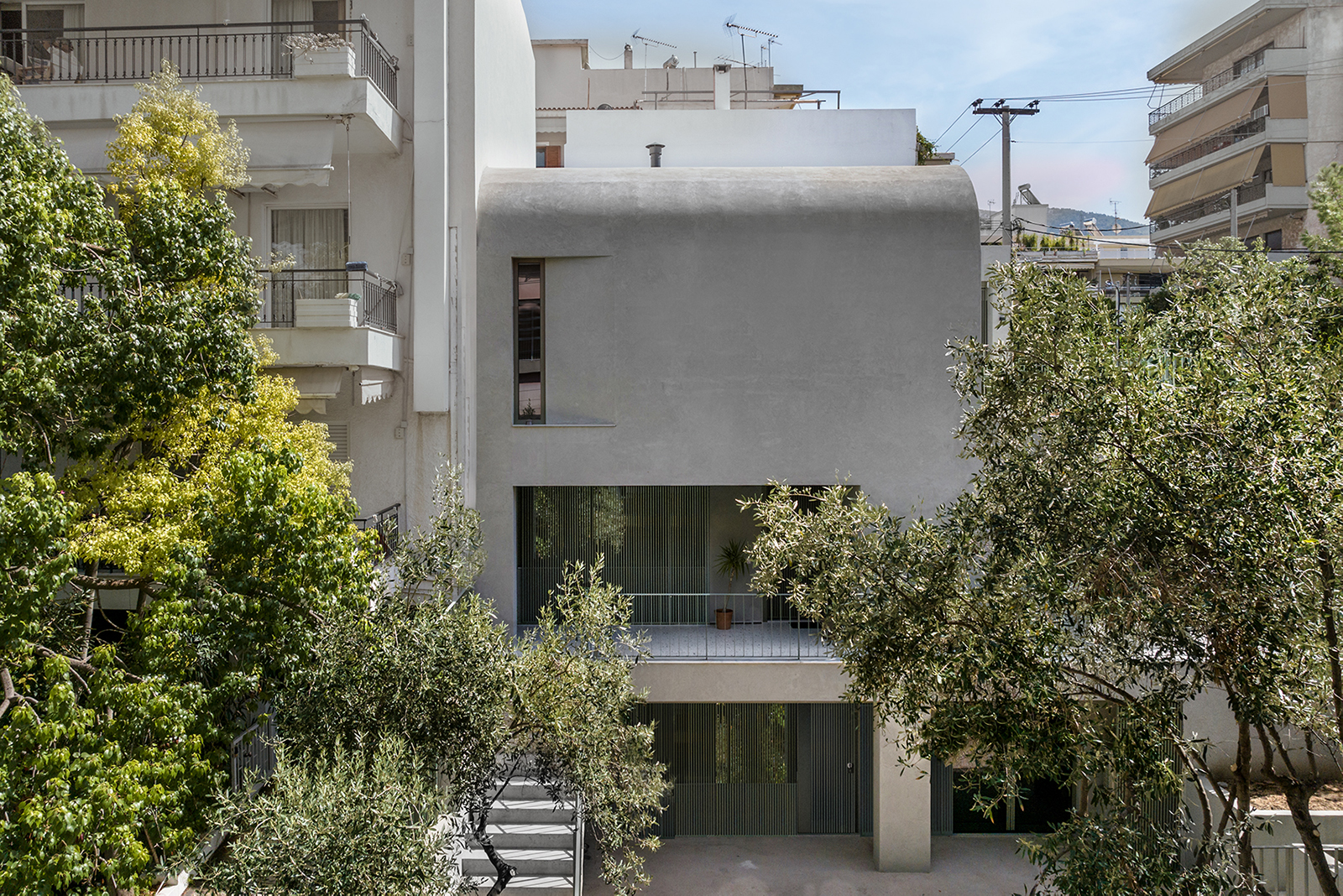
Lumen Residence, a new-build duplex apartment in Athens’ Papagou district designed by Block722 founders Katja Margaritoglou and Sotiris Tsergas as their family home, reflects a deeply place-driven approach to contemporary urban living. Grounded in the principles of organic luxury, the project uses natural, tactile materials to create a sense of calm, wellness, and continuity with its Mediterranean context. Through careful spatial organization, crafted details, and a strong connection between interior and exterior spaces, the residence demonstrates how new architecture can be rooted in place not only through materiality and climate responsiveness, but also through an intimate alignment with daily life, human scale, and the surrounding cityscape.
Read more about the project here!
2024
House in an Olive Grove
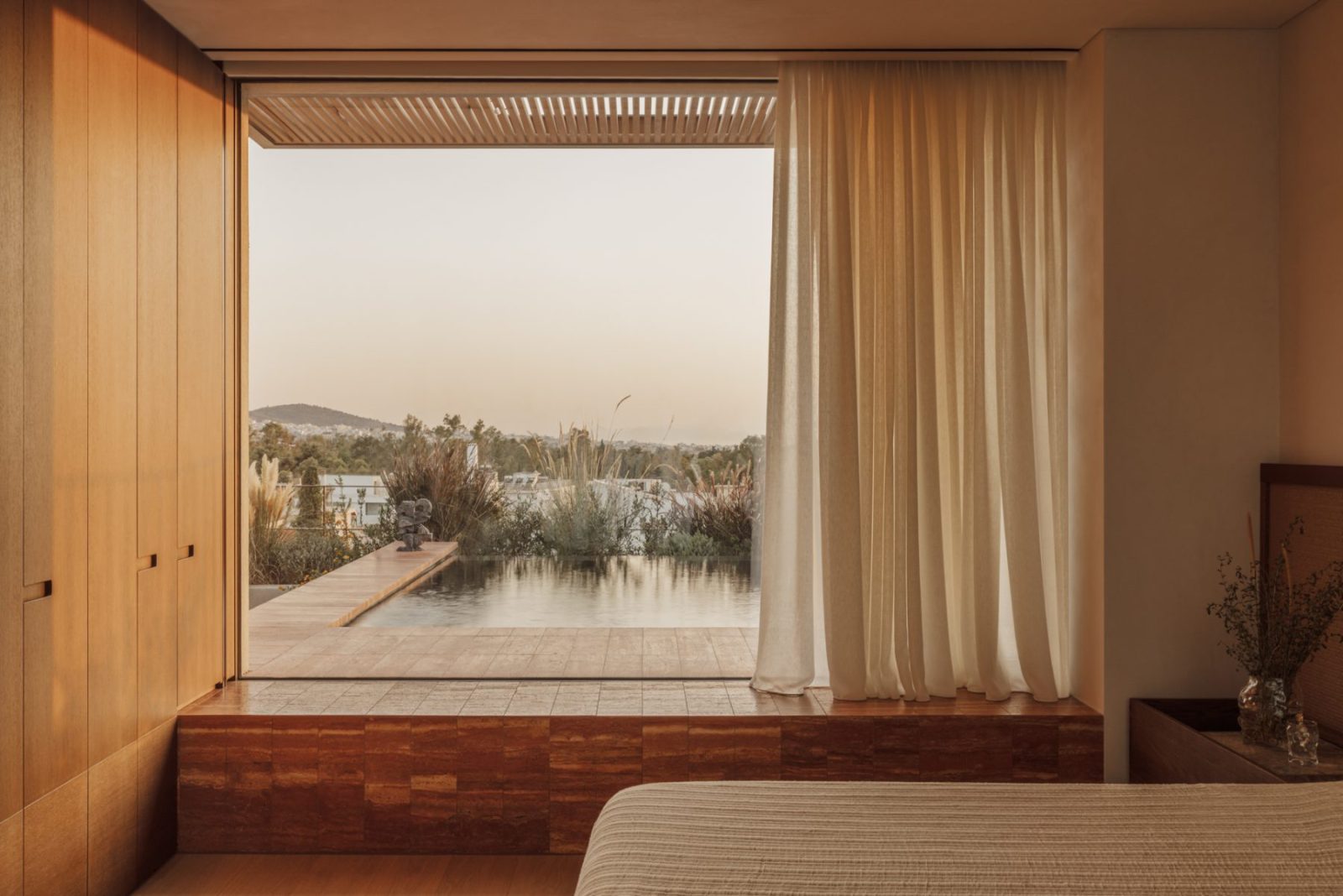
Invisible Studio creates a ‘rough and ready’ rural retreat to suit the climate of the Greek countryside in the island of Corfu. The minimalist and sometimes rough aesthetic deliberate create an architecture that is flexible for future adaptation while still providing for the basic needs of shelter, shade, sleep and communal spaces. A type of climate-responsive design that is heavily influenced by the landscape that surrounds it.
Read more about the project here!
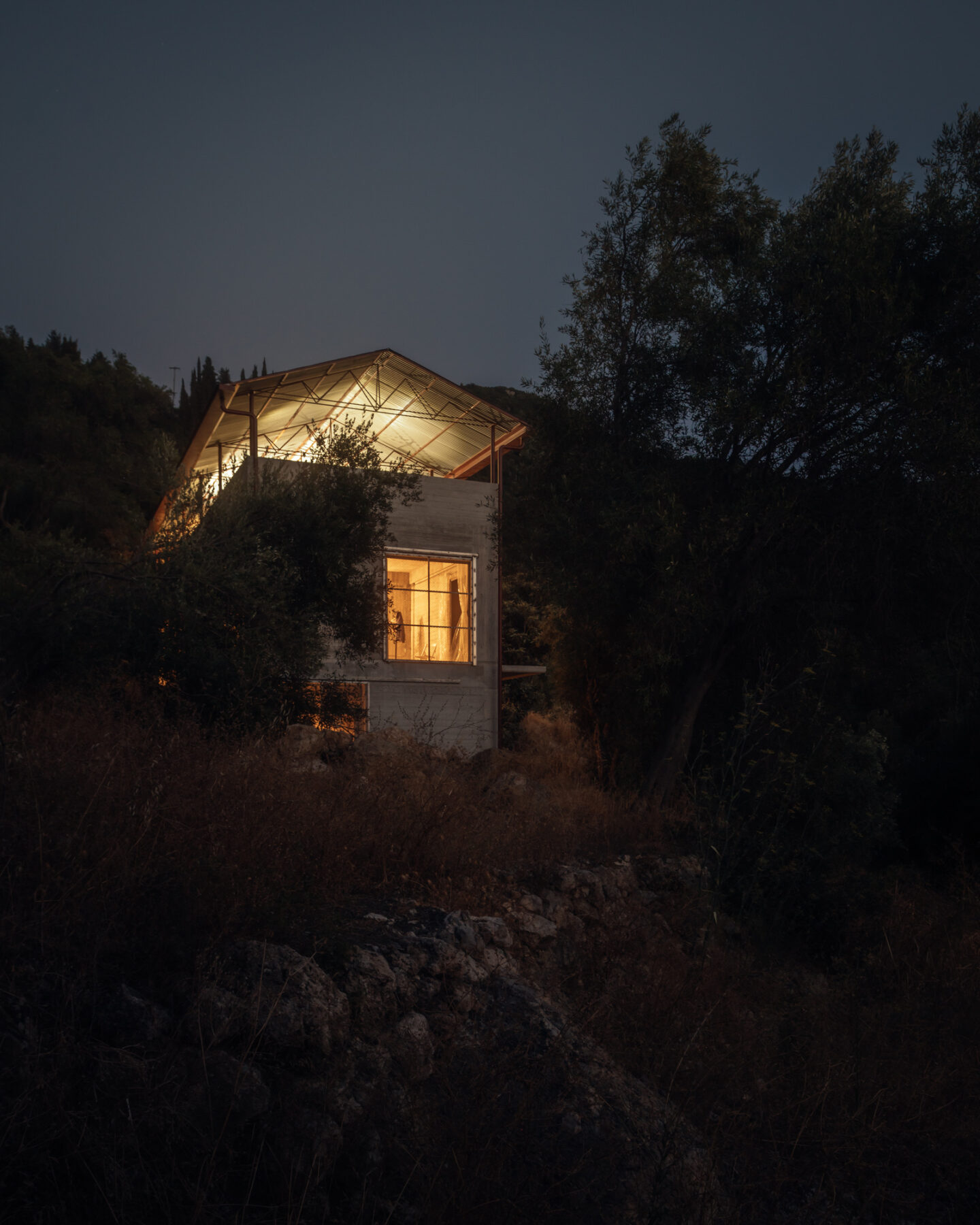
From Earth to Form: A Contemporary Reading of Mani Architecture
P4architecture interpret the principles of Mani architecture as it has evolved through its long history, closely related to its intense rocky topography, available materials, and construction techniques. An architecture intimately connected to the earth, where forms and proportions emerge from the intrinsic materiality and the inherently strict structure of the minimal. Stone, wood, and earth harmoniously compose in the spirit of the essential, meeting functional needs with the least possible material and effort.
Read more about the project here!
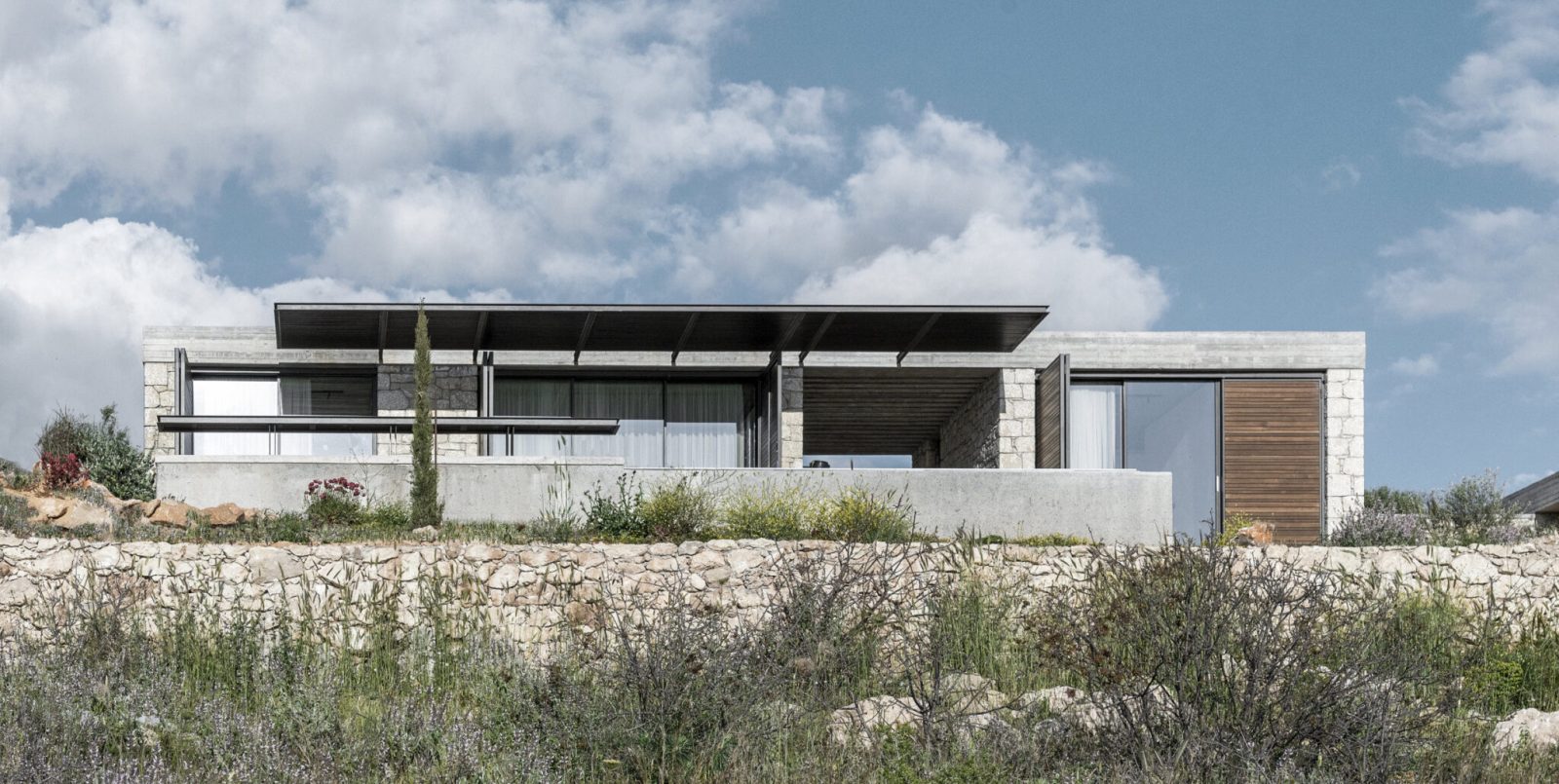
GAIA Residence: A Summer Dwelling Carved from the Landscape of Meganisi
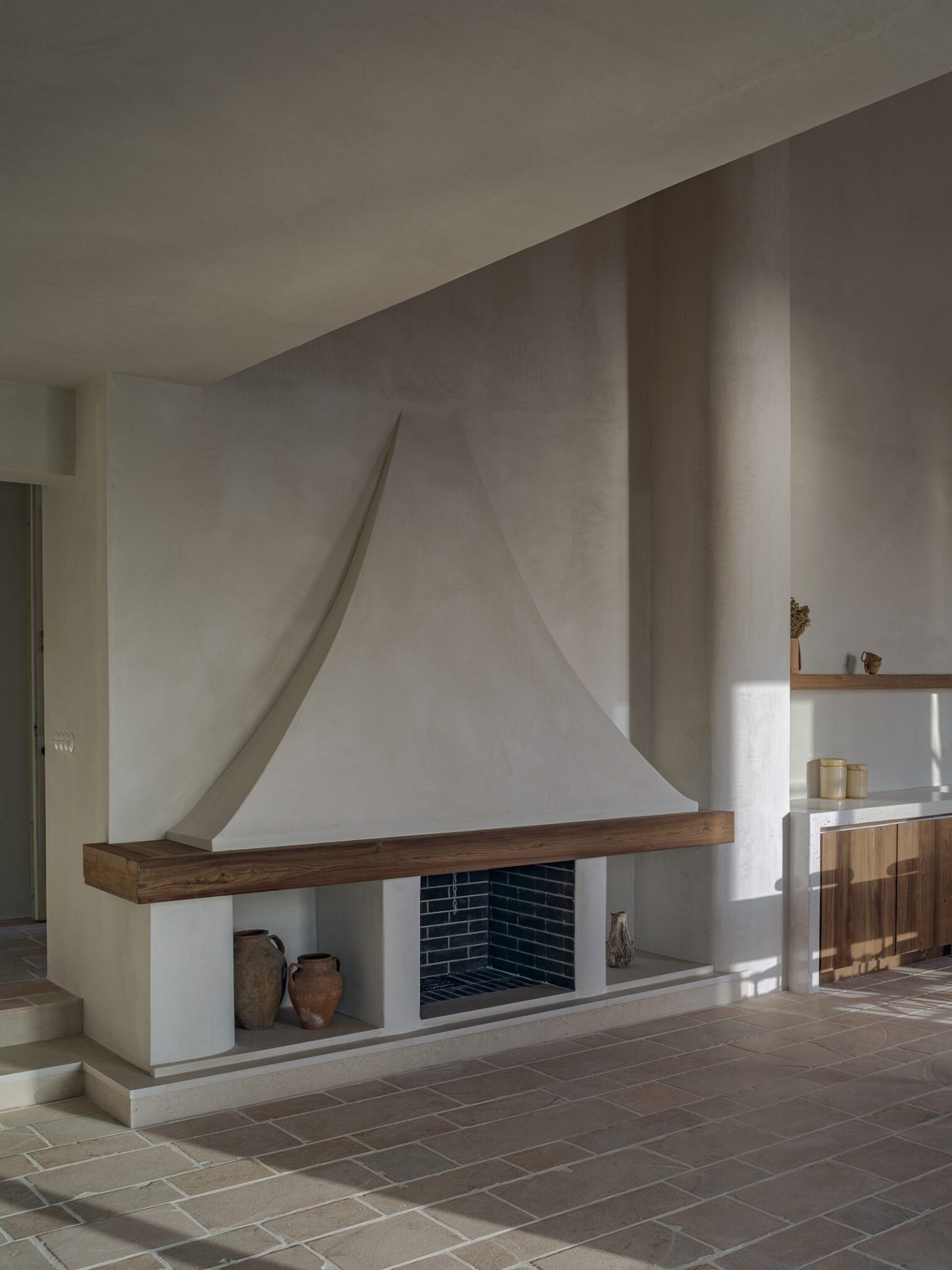
GAIA Residence, located in Meganisi and deigned by ATENO, is a new-build summer home that draws inspiration from the primordial goddess Gaia to establish a profound connection between architecture, landscape, and human presence. Rooted in a philosophy that redefines luxury through simplicity and raw materiality, the project engages in a quiet dialogue with its natural surroundings, blurring the boundaries between the built form and the wilderness. Warm terracotta hues and rustic textures, handmade terrazzo, marble, and wood, are applied consistently across surfaces, creating an intimate atmosphere that feels as though the residence has been carved directly from the earth. In embracing the essence of place, GAIA Residence exemplifies how contemporary architecture can be deeply grounded in landscape, material honesty, and a timeless Mediterranean sensibility.
Read more about the project here!
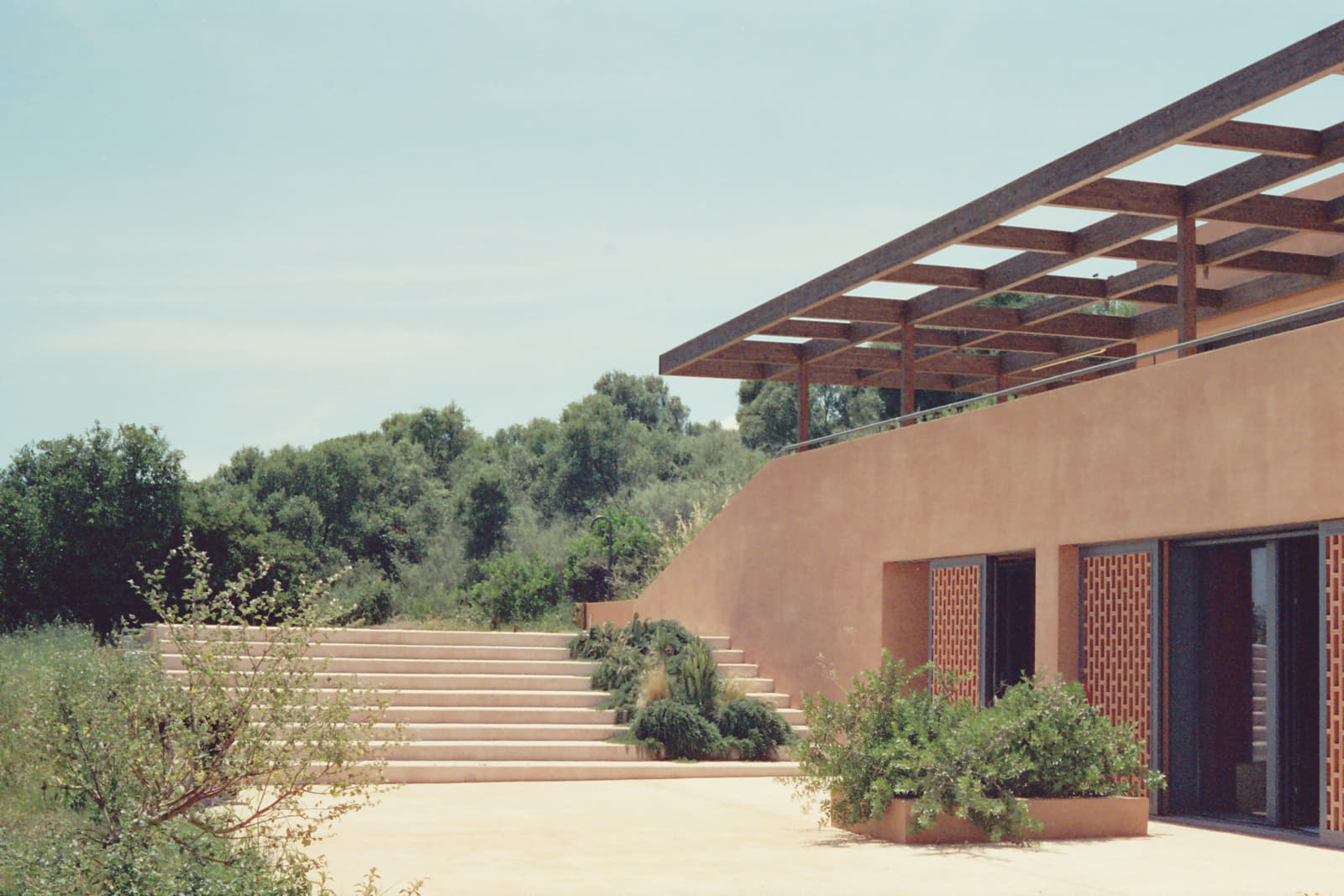
Casa Botijo: Collective Living Shaped in Madrid
Casa Botijo, designed by ALE ESTUDIO,, is a new-build collective housing project in Madrid that is deeply rooted in the character, rhythms, and social life of its neighborhood. Through a rational and austere architectural language, the project expresses its structure and enclosure with honesty, allowing materials such as brick, exposed concrete, and galvanized steel to resonate with the surrounding urban fabric. Drawing from local architectural elements and from everyday social rituals shaped by climate and community, Casa Botijo creates a “neighborhood within the neighborhood.” The result is an architecture of quiet presence, where contemporary housing emerges naturally from place, time, and shared ways of living.
Read more about the project here!
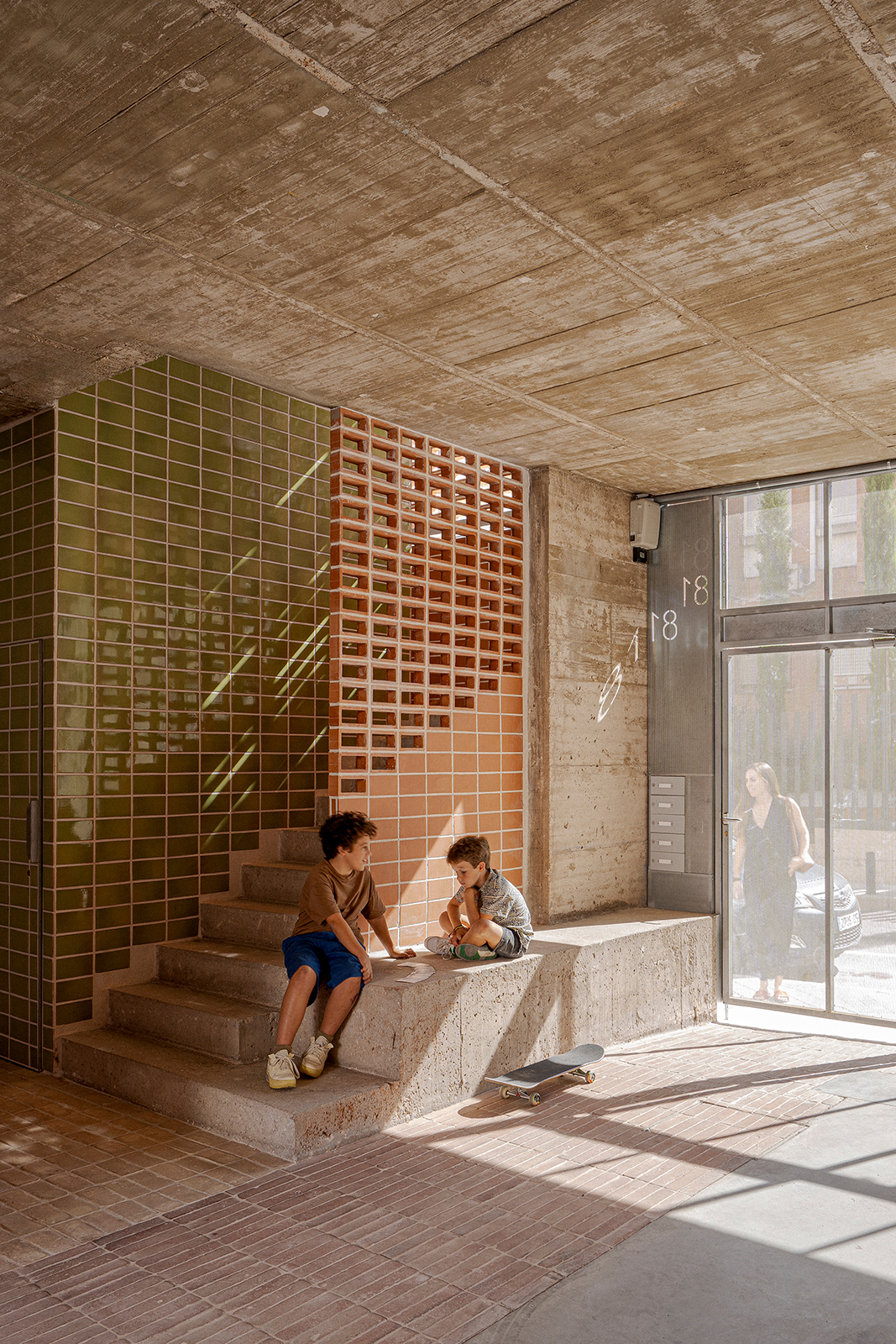
Casa Condriada: A Contemporary Interpretation of Lefkada’s Vernacular Landscape
Casa Condriada, a summer residence in Lefkada designed by LA^arc , exemplifies a new-build architecture deeply rooted in place through its dialogue with both landscape and local tradition. Set on a green hillside, the project adopts the strict geometry of a traditional rectangular volume crowned with a tiled roof, reinterpreting familiar vernacular forms through a contemporary and refined architectural language. Rather than seeking visual dominance, the residence integrates discreetly into its surroundings, using proportion, materiality, and construction techniques that echo the island’s architectural heritage. Casa Condriada bridges past and present, demonstrating how new architecture can honor regional identity while responding to modern ways of inhabiting the Mediterranean landscape.
Read more about the project here!
2023
Casa del Nogal: Architecture Shaped by Landscape and Memory in Ávila
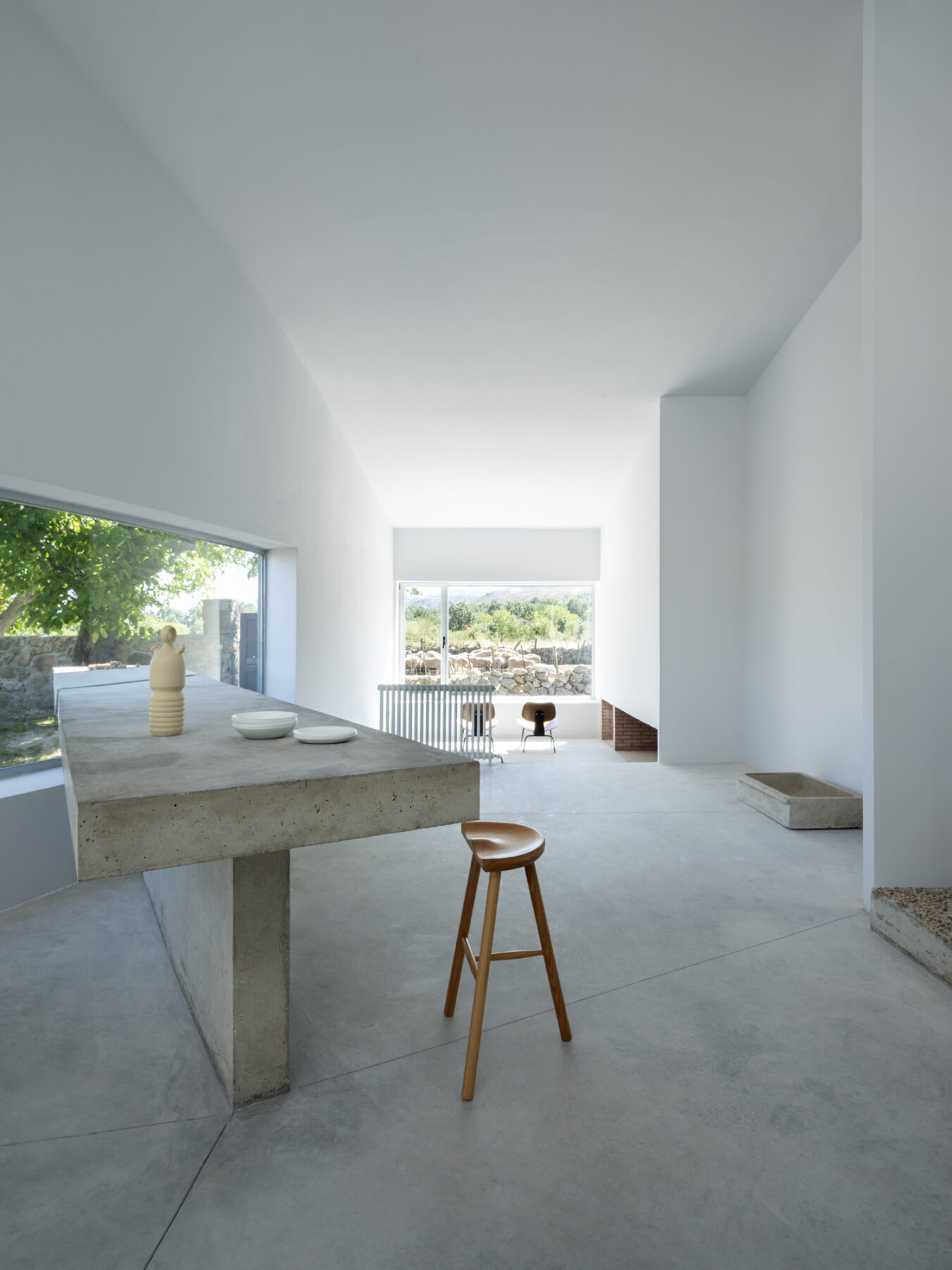
Casa del Nogal, designed by Raúl Almenara in Ávila, Spain, is a new-build residence profoundly rooted in its natural and material context. The presence of a hundred-year-old walnut tree on the site becomes the defining element of the project, shaping the curved outline of the house and guiding its spatial organization. Constructed entirely from local granite, the dwelling reflects a commitment to sustainability, durability, and regional identity. Through the gentle curvature of its façade and the seamless extension of interior elements toward the tree, the project blurs the boundary between inside and outside, demonstrating how contemporary architecture can emerge directly from the landscape while honoring its history and ecology.
Read more about the project here!
Monochord: A Living Vessel Between Mountain and Sea
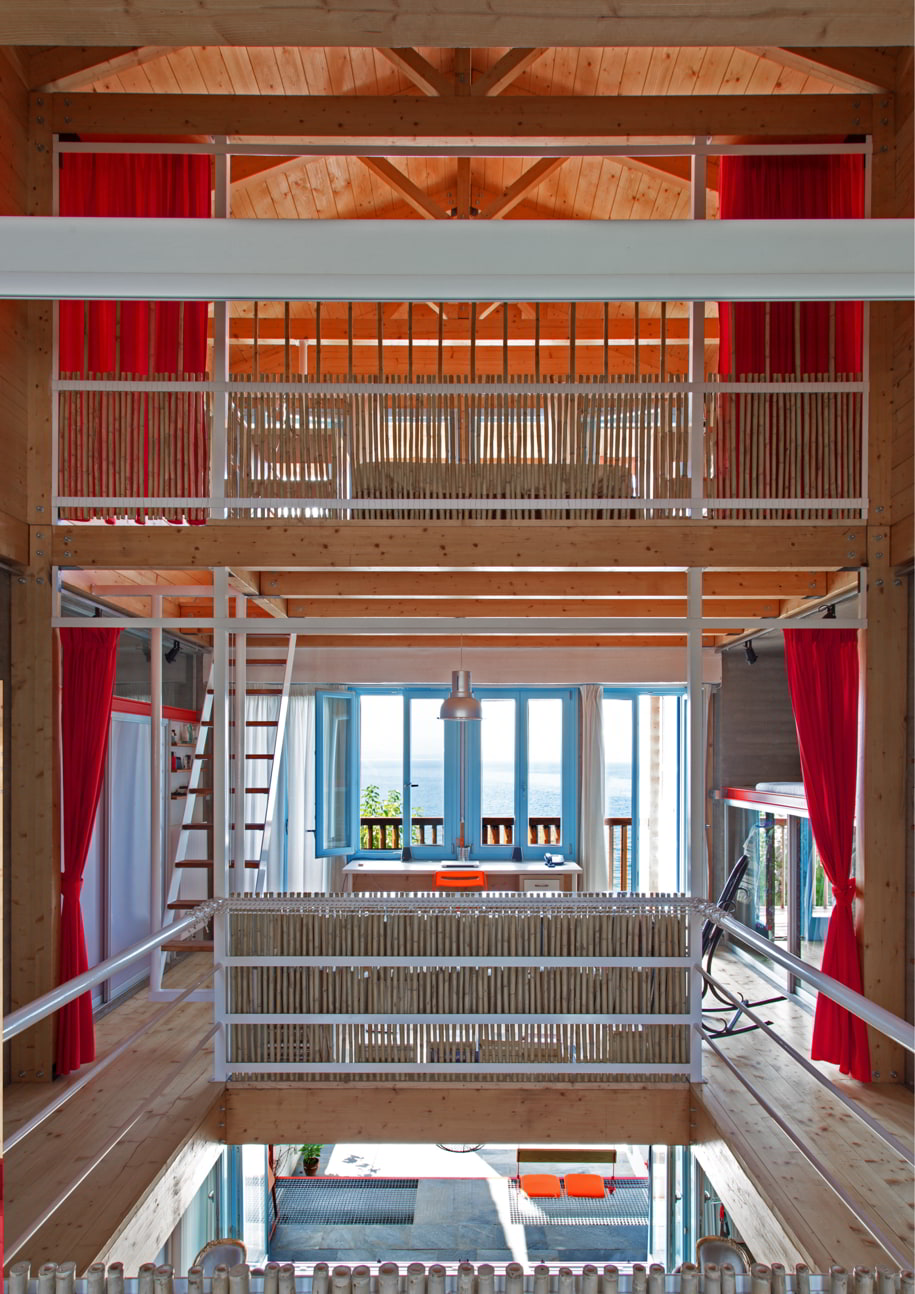
“Monochord”, by Zissis Kotionis is a vessel with a “maximum loading capacity” of six persons. It can host them in many different programs and living attitudes. Being designed as a pattern- house, its typology is based on a three partition basilica type. The two parts on the sides, performing as utilitarian spaces, support the use of the main space, in three levels. Support and supported spaces interact as a living theater, transparent on the axis from the mountain (North), to the sea (South). Open to an understanding of “world architecture”, the design approach can be considered as an ethnographic recomposition with modern syntax. The question both for the architectural object and the living subject is: How to identify through otherness.
Read more about the project here!
2022
Ederlezi House by Práctica Arquitectura blends into the mountains of Mexico
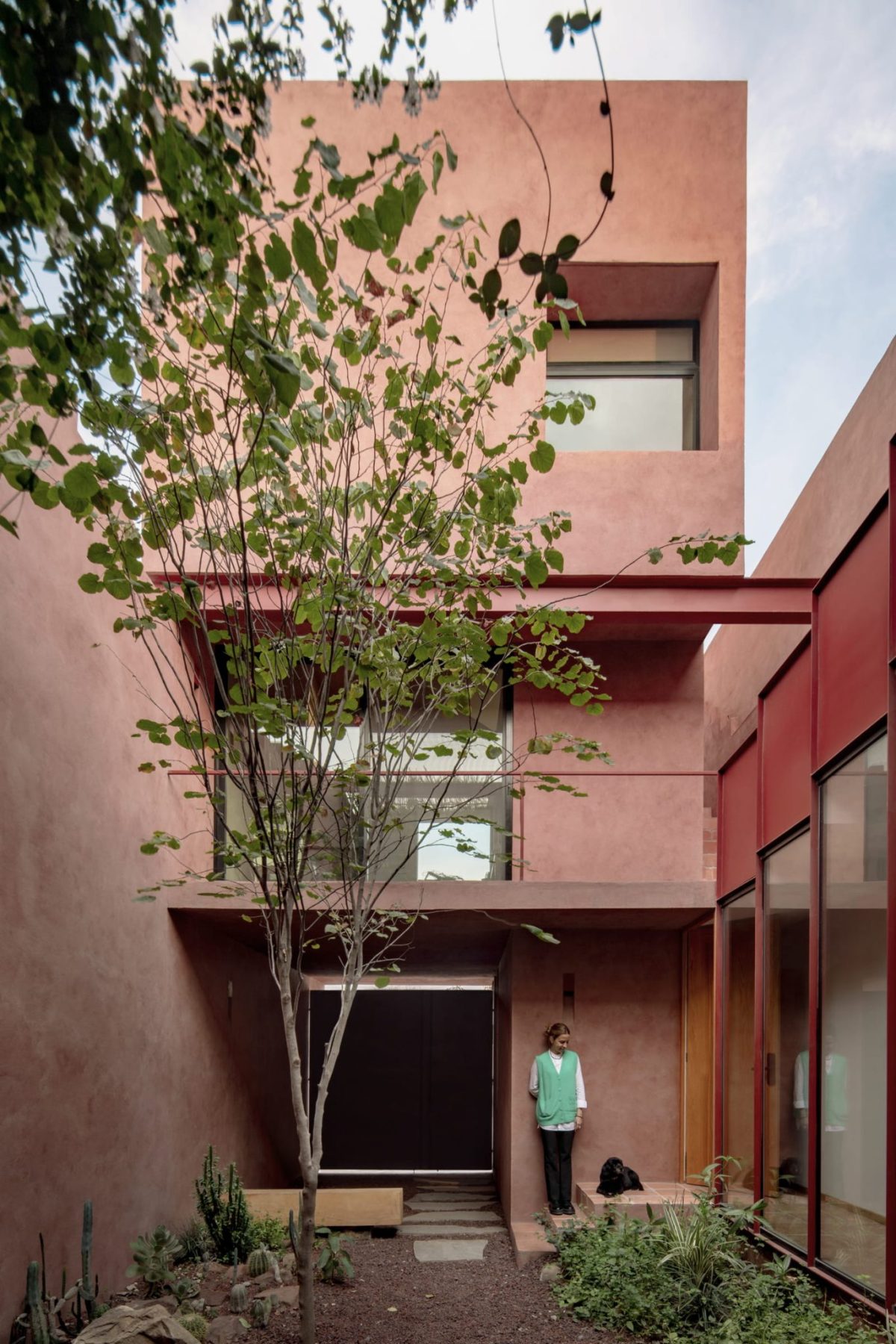
Architecture in Colour series explore the use of colour in architecture as a structural element shaping how a space or a building is read, navigated, experienced, even constructed, rather than an aesthetic choice. Ederlezi House by Práctica Arquitectura in Nuevo León, Mexico celebrates its connection to the surrounding landscape through robust reddish atmospheres, patios, and landscaped spaces that invite a calmer, more intimate, and unplugged life.
Read more about the project here!
2021
Collumpio House: A Playful, Adaptive Dwelling Rooted in Barcelona Setting
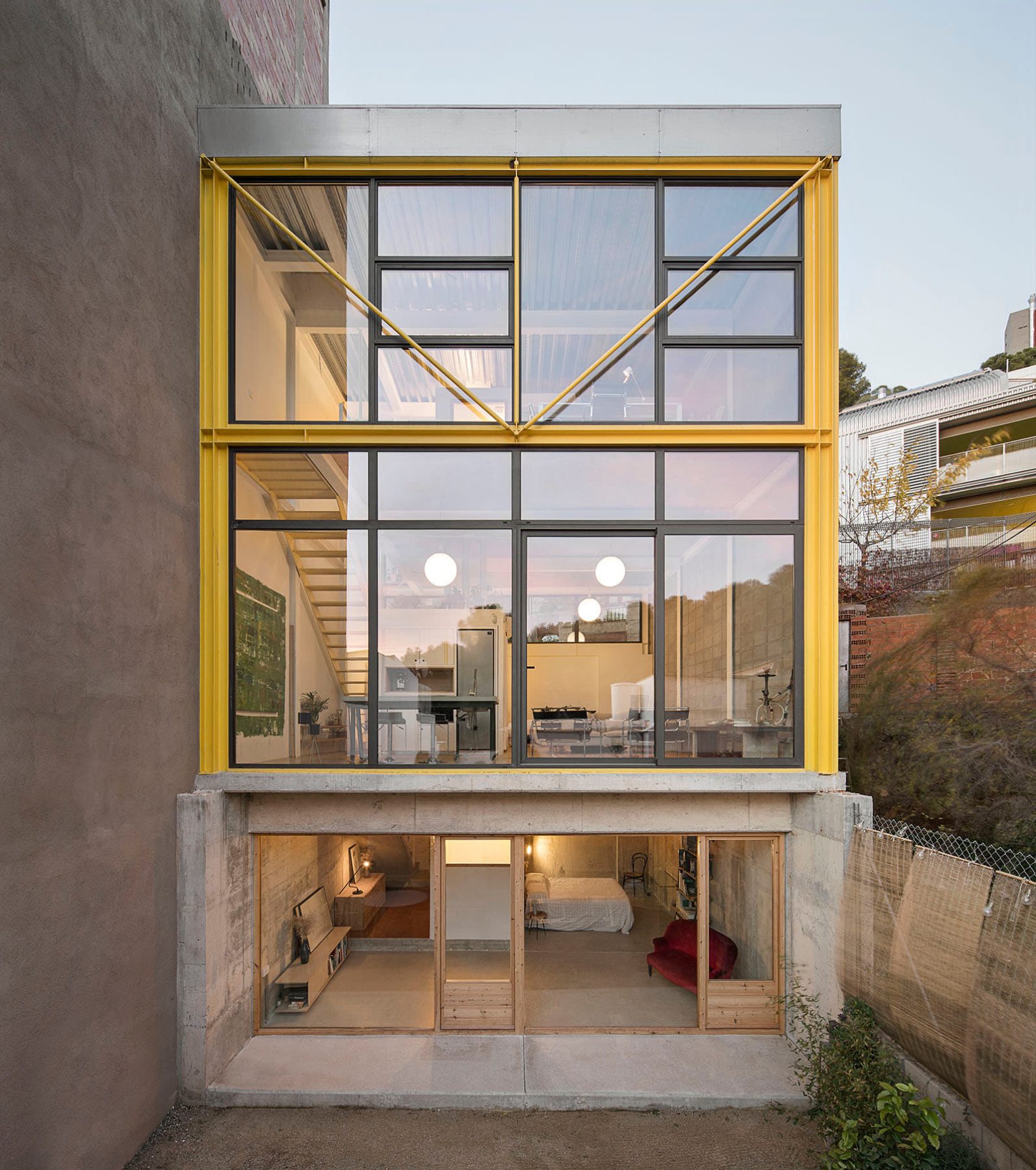
Collumpio House, designed by MACH in Barcelona, approaches new-build architecture as a site-specific and evolving structure closely tied to its environment and the lives of its inhabitants. Conceived as a frame for a “piece of air,” the house emphasizes its fundamental construction elements while remaining adaptable, capable of opening and closing spaces as needs change over time. Its bold yellow exterior—set against the green landscape and blue sky—transforms restraint into joy, reinforcing a strong visual and emotional connection to place. Rooted not only in its physical context but also in everyday experience, Collumpio House demonstrates how contemporary architecture can engage landscape, climate, and human presence through flexibility, clarity, and playful expression.
Read more about the project here!
2020
Seven Lives: Contemporary Living Within Barcelona’s Neighbourhood Fabric
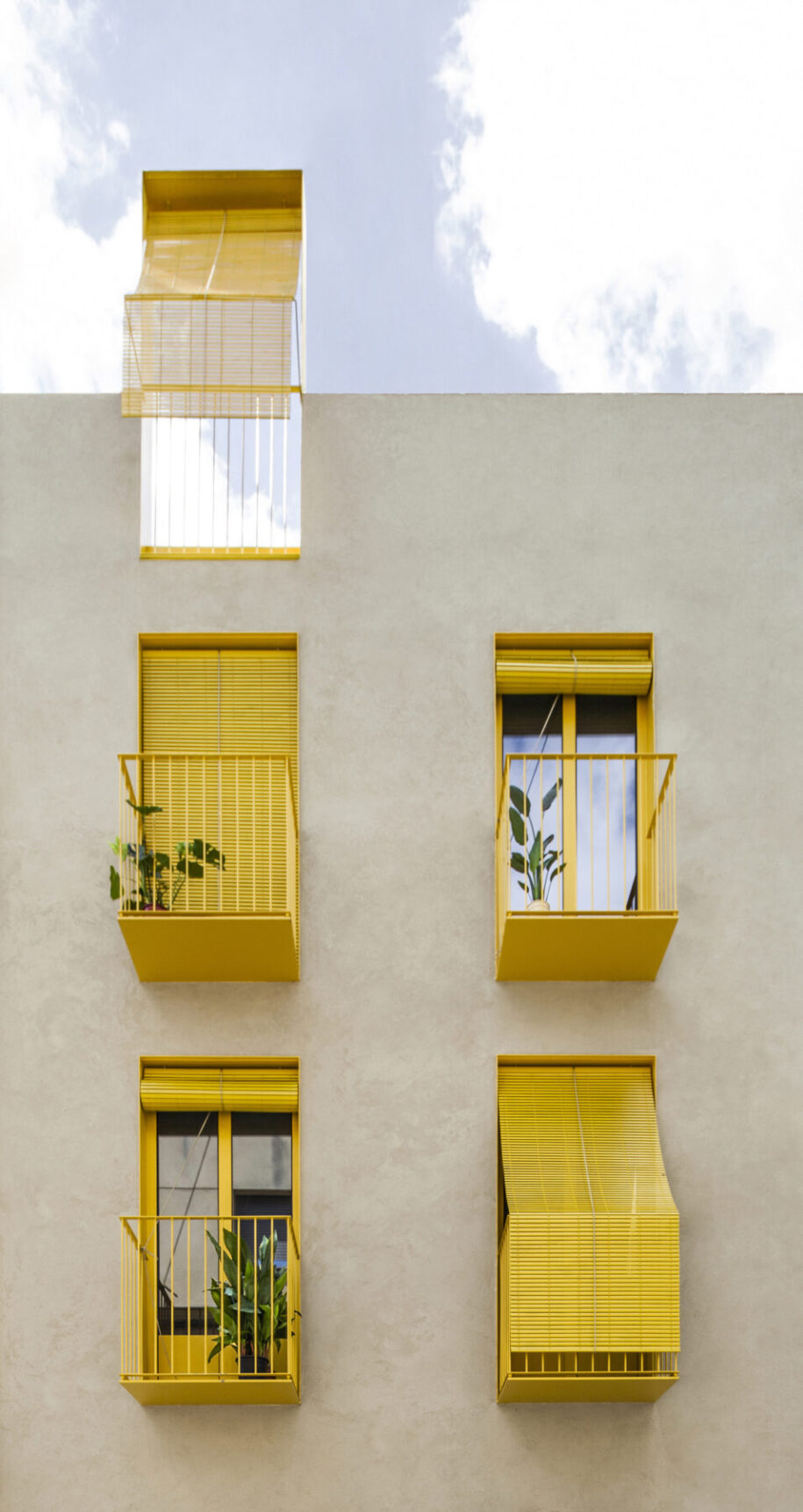
Seven Lives, a residential building in Barcelona designed by Anna & Eugeni Bach, presents a new-build approach that is firmly rooted in its urban context while reimagining contemporary ways of living. Comprising three compact apartments capable of being inhabited in seven different configurations, the project reflects the diversity and adaptability of everyday life in the city. Its street-facing façade draws directly from the familiar architectural language of the neighborhood, yet subtly transforms these elements through playful detailing and refined simplicity. By engaging with the surrounding urban fabric, Seven Lives demonstrates how new architecture can preserve neighborhood character, encourage shared outdoor space, and offer inventive residential solutions grounded in place and community.
Read more about the project here!
Salamis: Built Inward – reinterpreting leisure through scarcity
Given a context of scarce resources, this small summer residence designed by AREA (Architecture Research Athens) reinterprets the space of leisure within a former site of production and labor. The indeterminacy of the settlement and lack of external visual references, led to an inward-looking design strategy. The introversion anchors the house around the existing olive tree and well, creating small courtyards that benefit from the free resource of microclimate.
Read more about the project here!

From New Build to Renewal: Architecture’s Pivot to the Existing
Adaptive reuse operates simultaneously on multiple registers. On a practical level, it conserves embodied carbon and often delivers economic efficiencies compared to demolition and replacement. Conceptually, it treats history as an active material; an inherent quality to be reinterpreted rather than concealed. Politically, it promotes continuity, reinforces civic life and local identity across competitions, commissions and critical discourse. Adaptive reuse is now central to meeting sustainability targets while producing architecture that feels rooted, layered and humane.
2025
THE MONK – A House with a Soul in Leros
‘THE MONK’ is a hospitality project located on the island of Leros. Designed by a+ architects, the proposal centers on the reconstruction and restoration of an existing residence. The project draws on materials found on site while integrating modernist references, local resources, and contemporary needs.
Read more about the project here!
2024
Urban Mining Housing: Rebuilding from the Existing in Palma de Mallorca
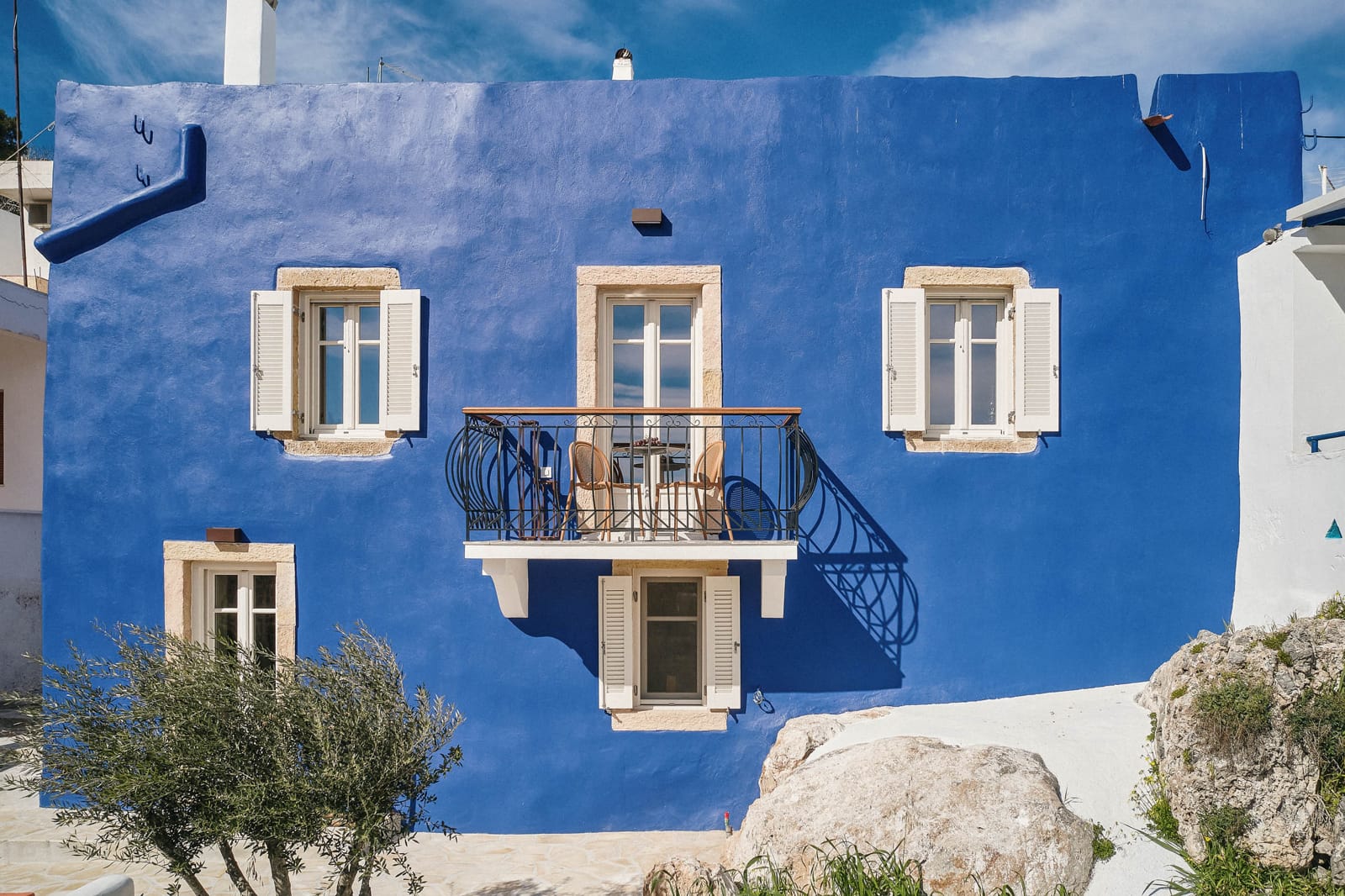
Urban Mining Social Housing, designed by HARQUITECTES in Palma de Mallorca, embodies a decisive shift from conventional new construction toward an architecture rooted in renewal and material reuse. Rather than treating demolition as an end point, the project transforms the remains of a former school into the primary resource for the new housing development, adopting an urban mining strategy in which materials are sourced directly from the site itself. By reintroducing reclaimed components into the construction process, the building establishes continuity between past and present while significantly reducing material waste. This approach reframes social housing as a sustainable, context-aware practice, demonstrating how contemporary architecture can pivot toward the existing (economically, environmentally, and culturally) by building with what is already there.
Read more about the project here!
Drakoni House: Architectural Continuity in Elounda
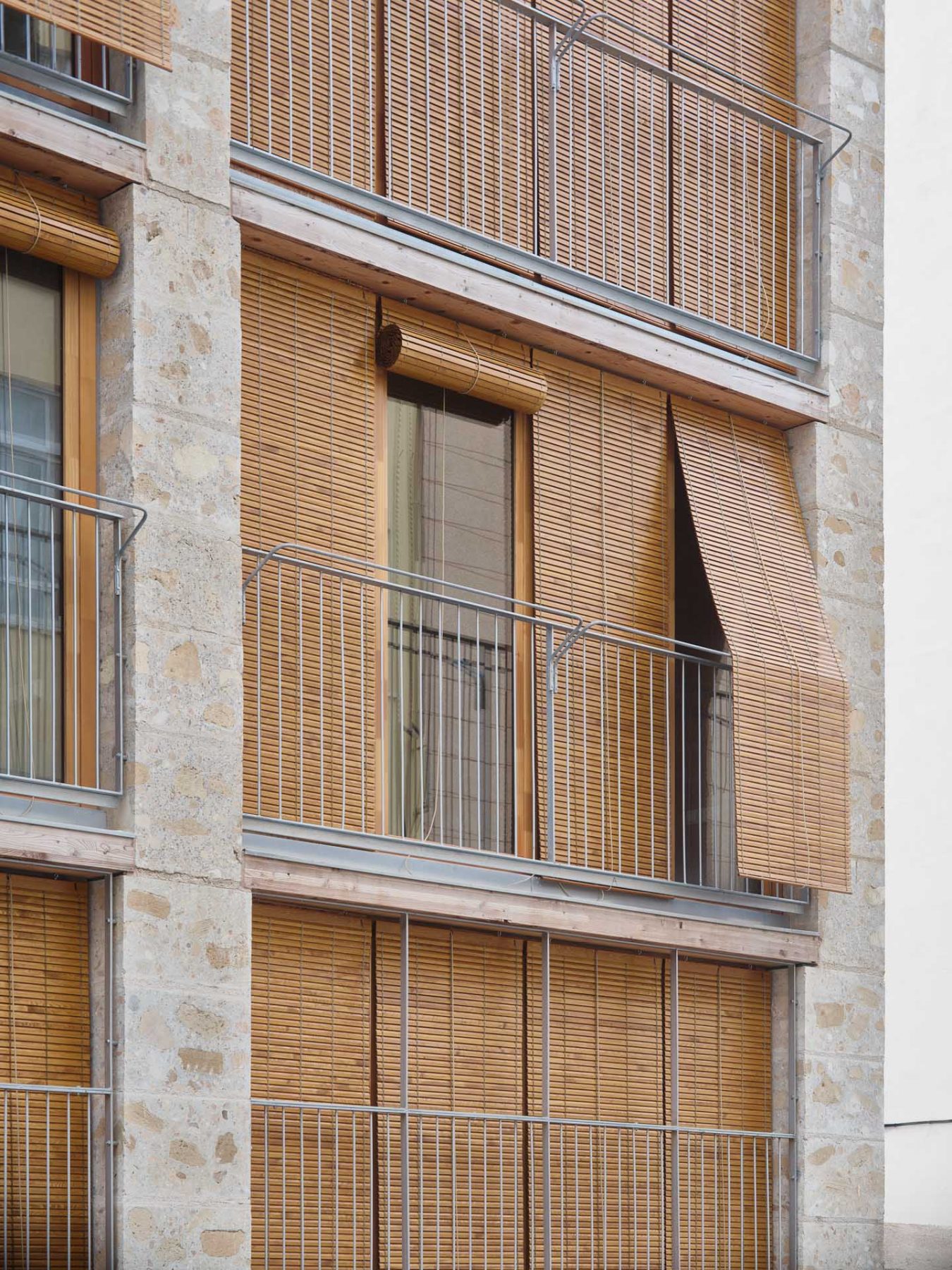
A building constructed in 1864 in Elounda, Crete, takes its name from the local “dragoni” stone. With new interventions that emerge as pieces of historical continuity and functional adaptations of the existing building, the Doriza Design establishes a dialogue with the past and local cultural heritage through strategies of architectural reuse and restoration, aligning new construction with a deep sense of place.
Read more about the project here!
Rinskopf: Renewing Industrial Remnants into Contemporary Living in Ghent
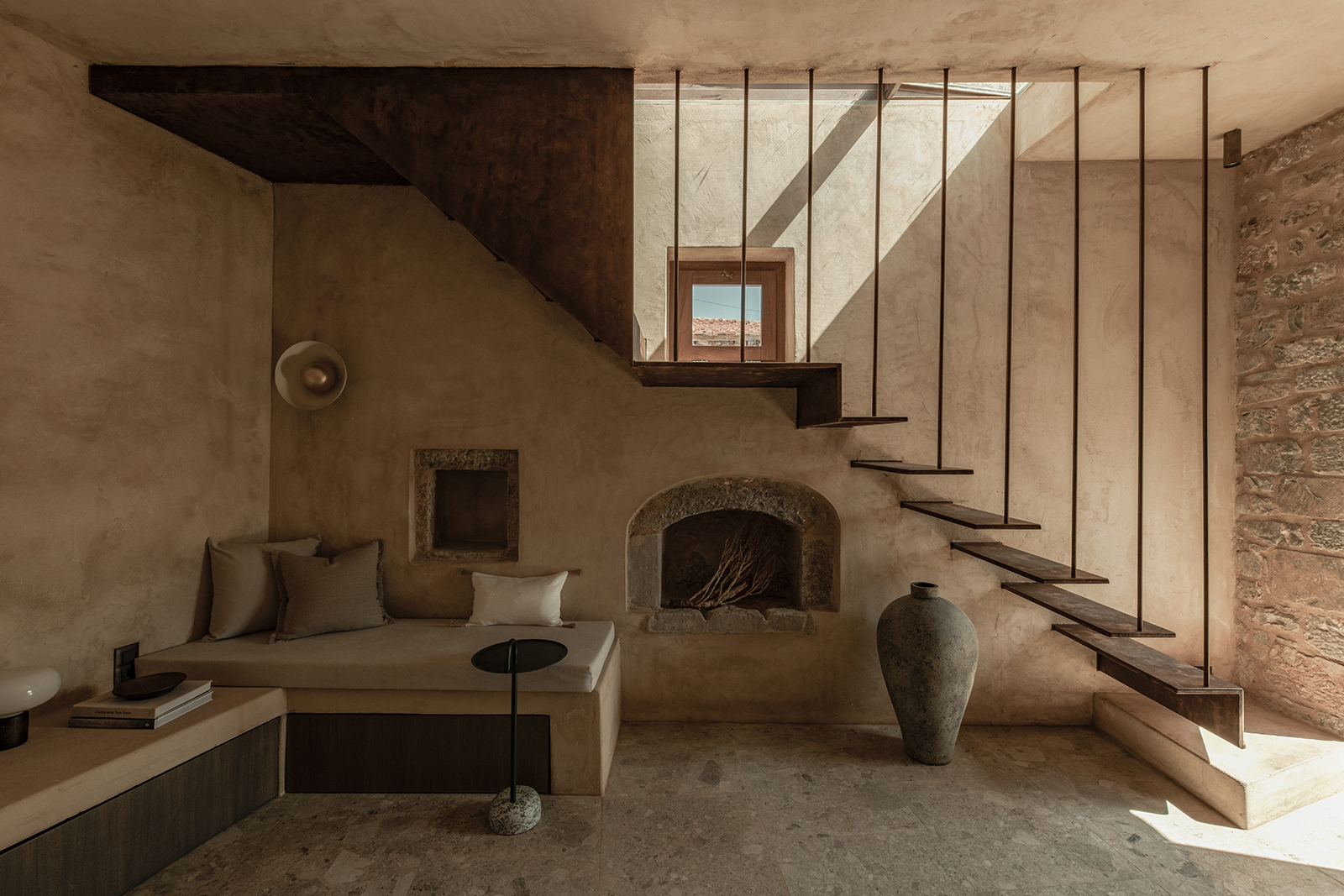
Rinskopf, a residential factory in Ghent designed by Atelier Avondzon in collaboration with Macadam Atelier, exemplifies architecture’s shift from tabula rasa construction toward renewal rooted in the existing. Emerging from a derelict structure with only a few remaining elements, the project uses what was already present – the garden shed, exposed steel beams, and the surrounding industrial context – as the foundation for a new domestic narrative. The adoption of the shed-roof typology, common in the neighborhood and echoed by nearby railway infrastructure, anchors the house in its urban setting while providing generous natural light and an industrial character aligned with the client’s vision. By transforming remnants into drivers of form, materiality, and spatial experience, Rinskopf demonstrates how contemporary architecture can revitalize existing structures through adaptive reuse, experimentation, and a deep engagement with place and memory.
Read more about the project here!
Erika und Willi‘s barn in Albisheim, Germany by Piertzovanis Toews
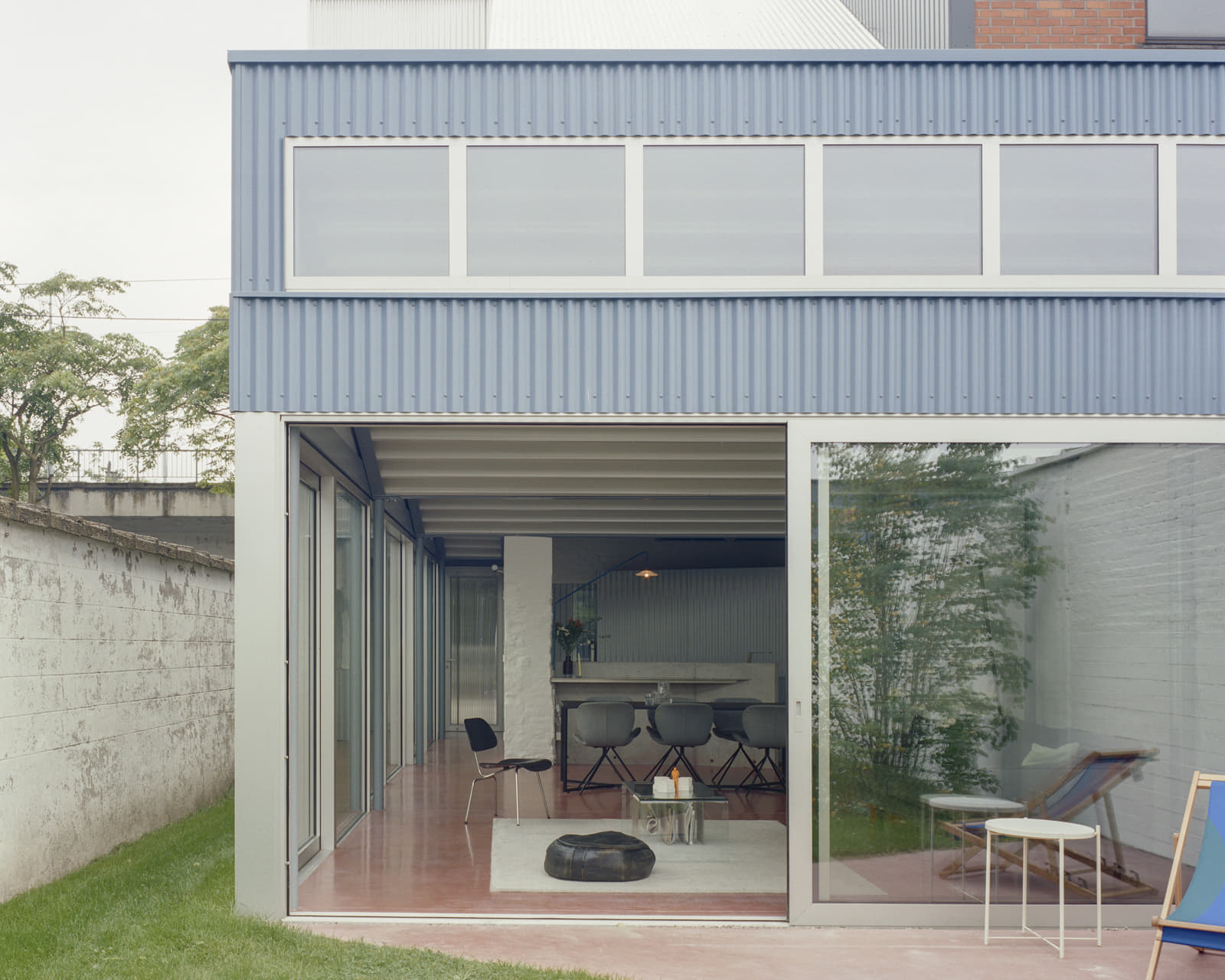
Piertzovanis Toews, together with Erika and Willi, are leading a self-construction project in Albisheim, Germany. The residence is being shaped over time through hands-on craft. The old barn is being transformed into a home composed of four differently colored volumes, preserving and revealing the building’s original structural and material character.
Read more about the project here!
2023
Peloponnese House stands for authenticity and the familiarity of vernacular
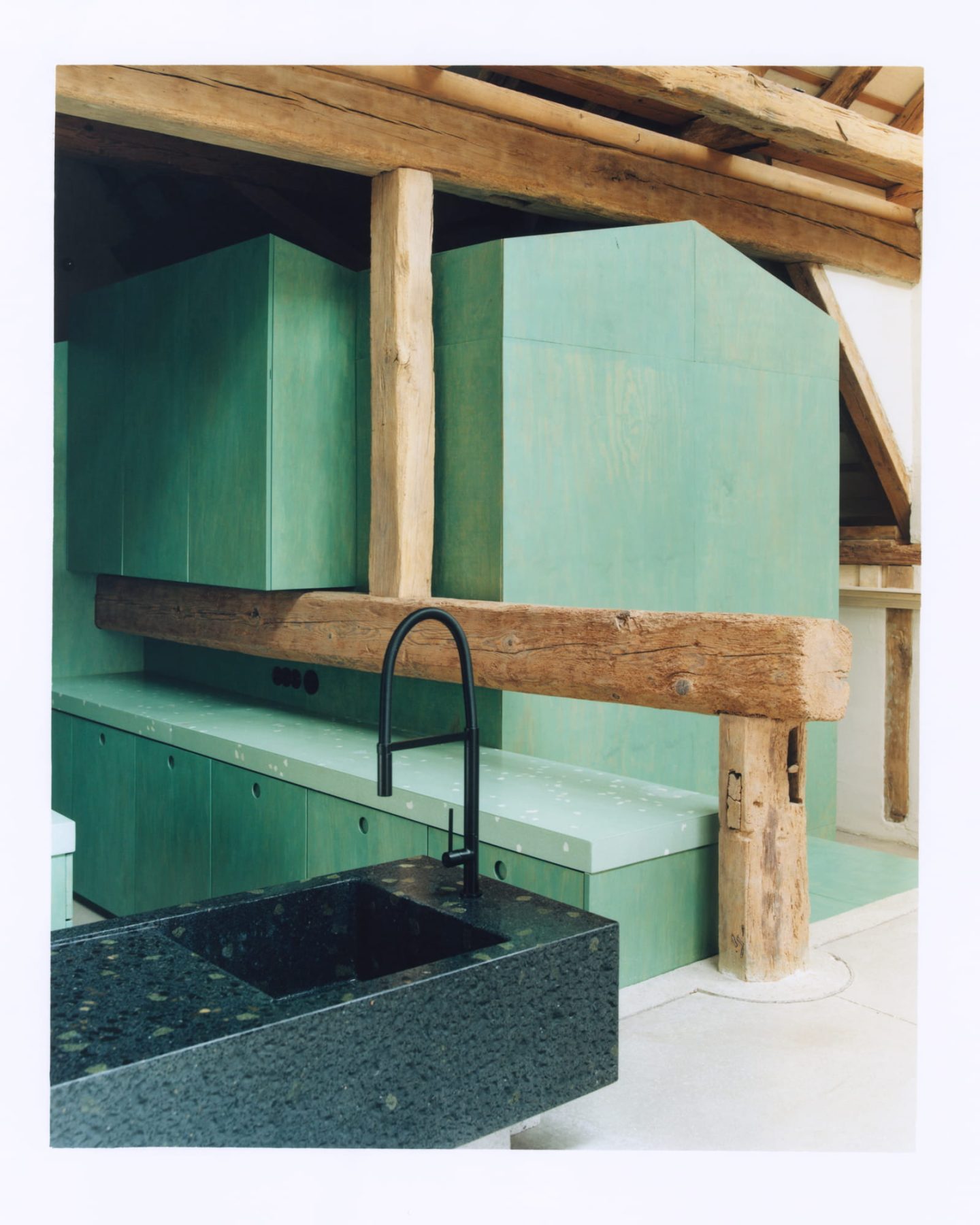
Peloponnese House, a restoration and redesign by Point Supreme Architects, exemplifies architecture’s pivot from new build toward renewal through a deeply conscious engagement with the existing. Set in the mountains of the Peloponnese, the project transforms a traditional two-story stone house into a contemporary family home while preserving its vernacular essence and cultural resonance. Approached as an “art of adaptation,” the intervention unfolds like an archaeological process, carefully excavating, reinterpreting, and translating the past into the present. Through spaces that balance intimacy and collectivity, familiarity and surprise, the project creates an architecture of osmosis—one that immerses its inhabitants in the historical depth of place while fostering communal life and timeless refuge.
Read more about the project here!
House D: Reworking a Low-Rise Home within Athens’ Urban Fabric
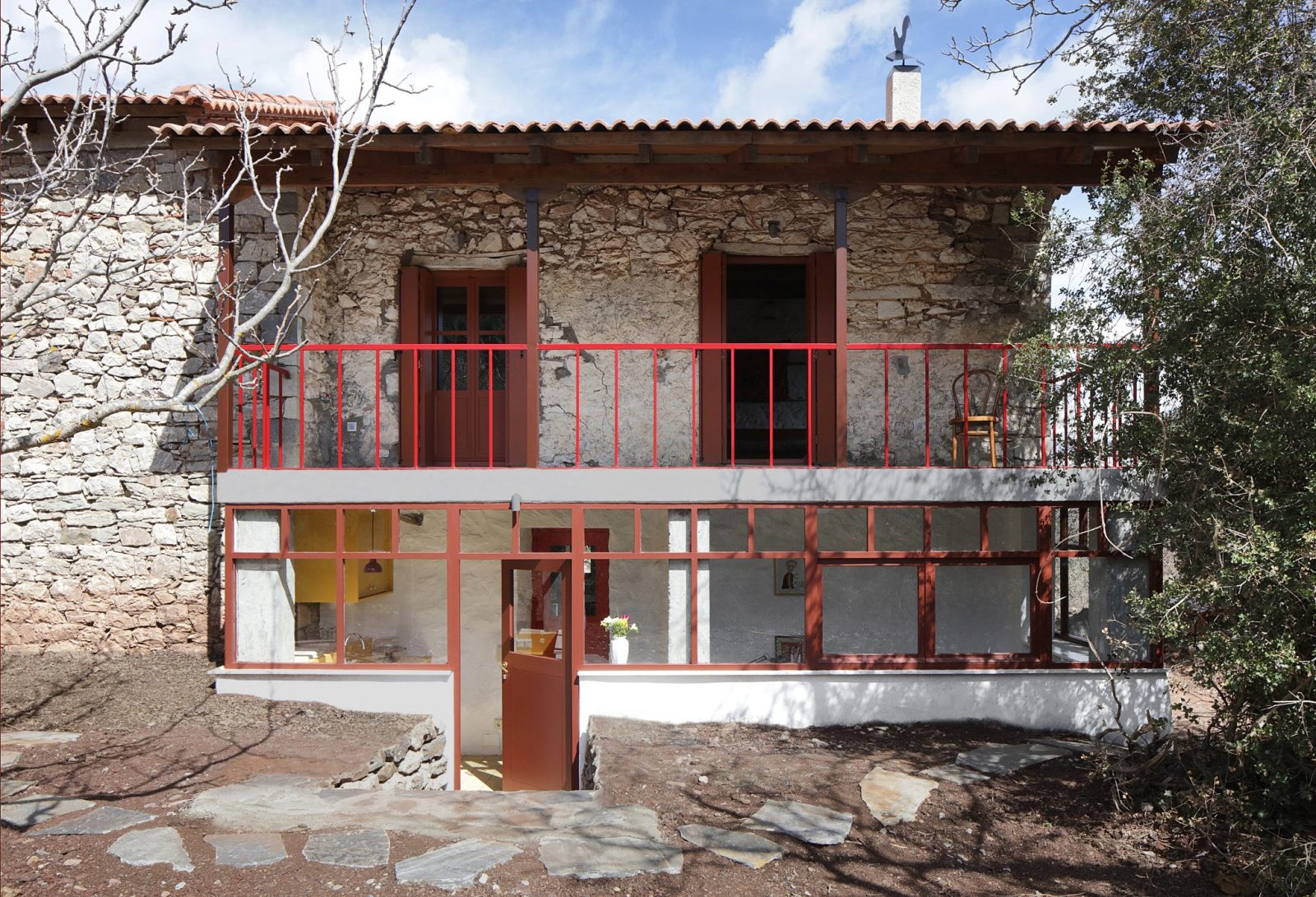
House D, designed by Cometa Architects in Holargos, Athens, exemplifies architecture’s shift from new construction toward the careful renewal and expansion of the existing. Rather than replacing the original residence, the project preserves its low-rise character and garden—an intentional choice within a dense urban neighborhood—while reworking the structure, spatial layout, and relationship to light and views. By reusing the structural core of the original building, selectively carving slabs to create double-height spaces, and adding a lightweight steel extension adapted to seismic requirements, the intervention achieves minimal urban impact while extending the life of the house. House D demonstrates how contemporary architecture can transform and densify existing domestic fabric through precision, restraint, and respect for both context and continuity.
Read more about the project here!
Casa ME: A Gentle a gentle conversion in Switzerland
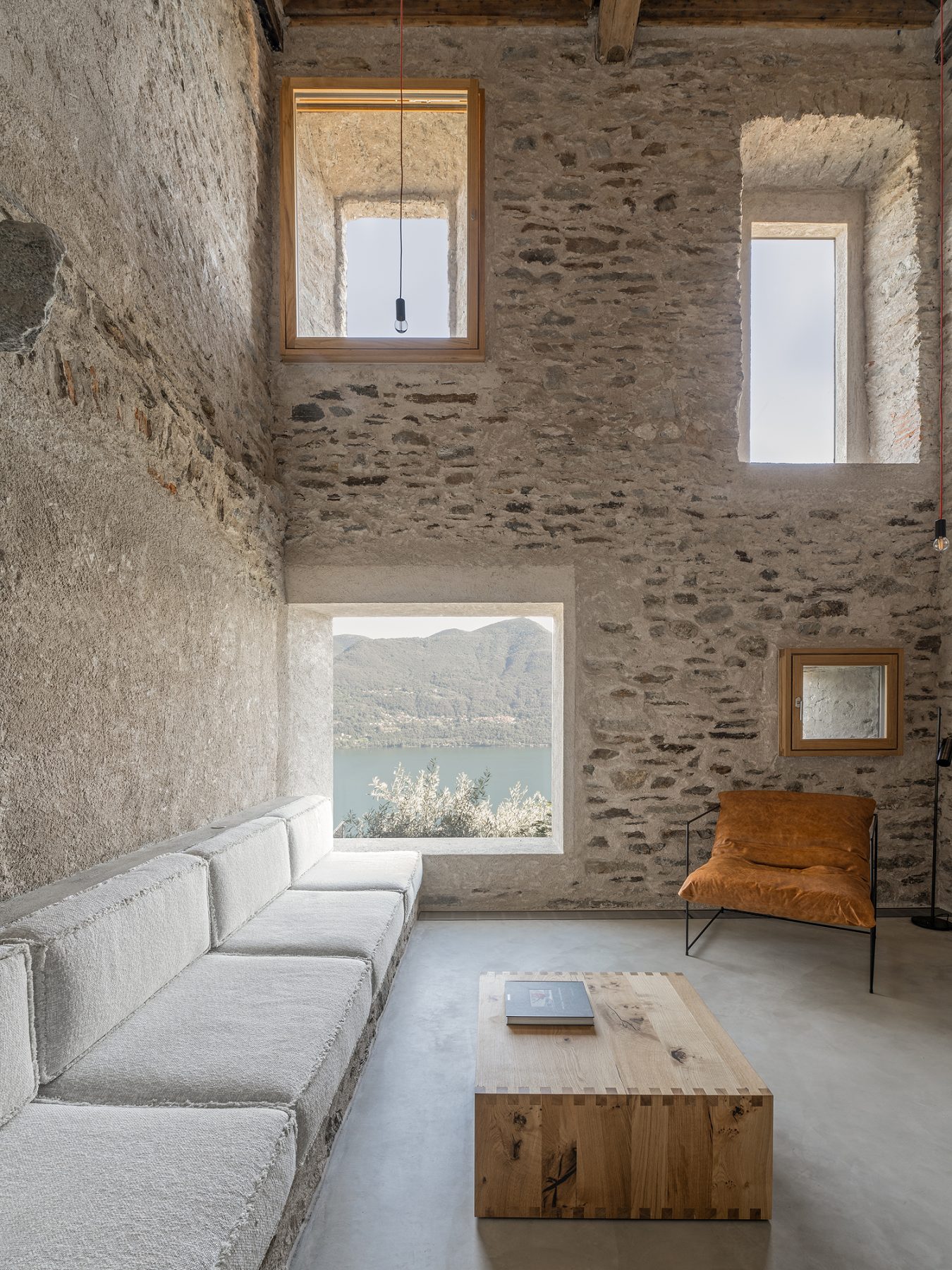
Casa ME, a rural conversion by WDMRA (Wespi de Meuron Romeo Architects) in the village of Brissago Piodina, Switzerland, exemplifies architecture’s shift from new construction toward a careful renewal of the existing. Rather than imposing a new identity, the project is conceived as a gentle transformation that reveals and strengthens the building’s inherent architectural qualities, many of which had been obscured over time. Through restrained interventions and critical design decisions, the architects allow the historic structure to speak again, uncovering its spatial, material, and cultural depth. Casa ME demonstrates how contemporary architecture can act as a quiet mediator between past and present, embracing continuity, respect, and longevity as fundamental design values.
Read more about the project here!
Three Apartments: Renewing a 1935 House into Collective Living in Santiago
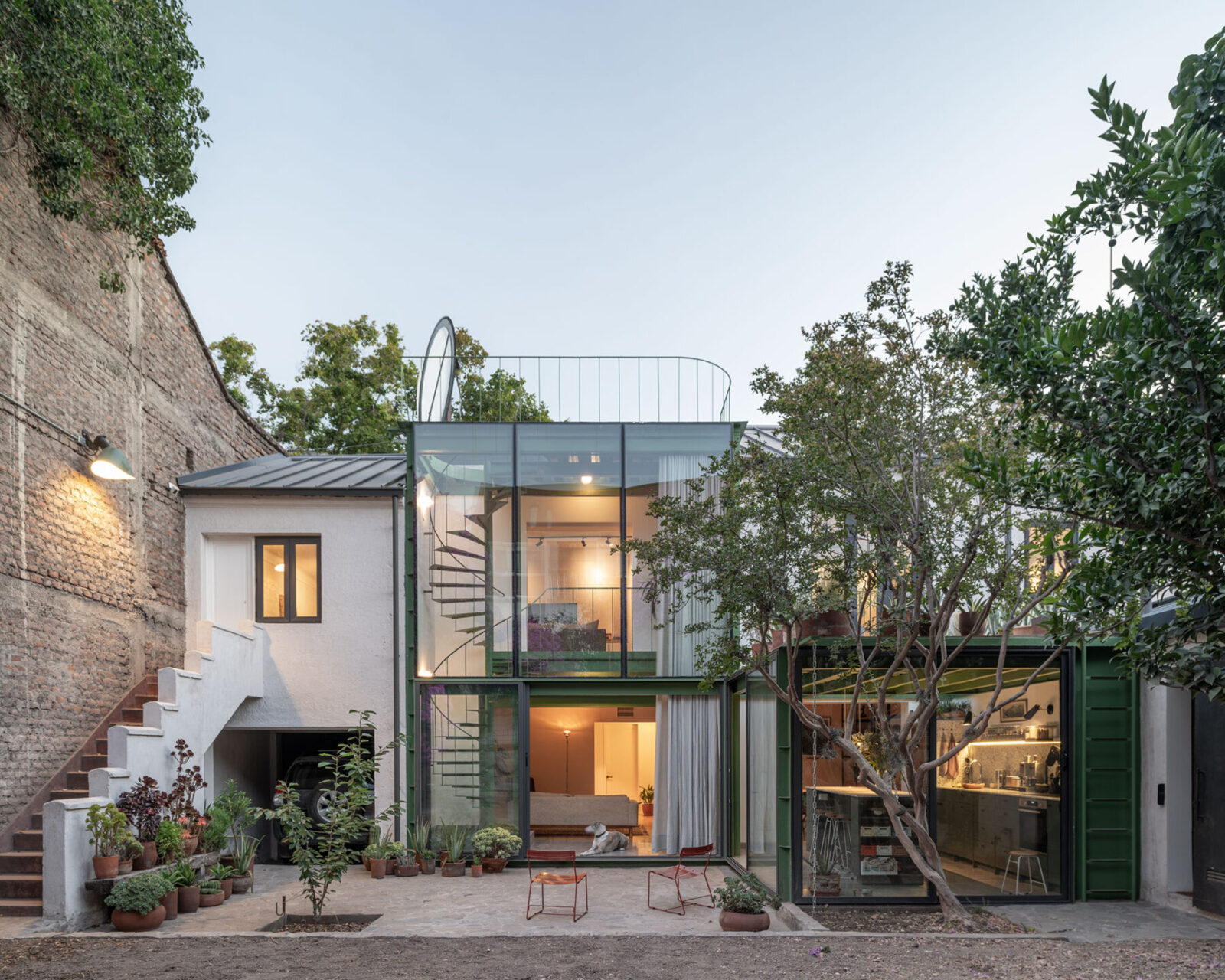
Three Apartments, a transformation of a 1935 house in Santiago de Chile by Sebastián Bravo — Oficina Bravo, illustrates architecture’s shift away from new construction toward the revitalization and thoughtful densification of existing residential fabric. Rather than demolishing the original dwelling, the project takes advantage of its simple masonry structure to reconfigure the house into a low-density collective housing complex of three units. By dividing the floor plan into two halves and strengthening the relationship between interior spaces and the garden, the intervention redefines patterns of domestic life while preserving the character of the original building. Adaptive reuse can generate new forms of shared living through careful spatial reorganization, continuity of structure, and respect for the architectural memory of place.
Read more about the project here!
Nafplio Vacation Home: Renewing Popular Modernism Through Memory
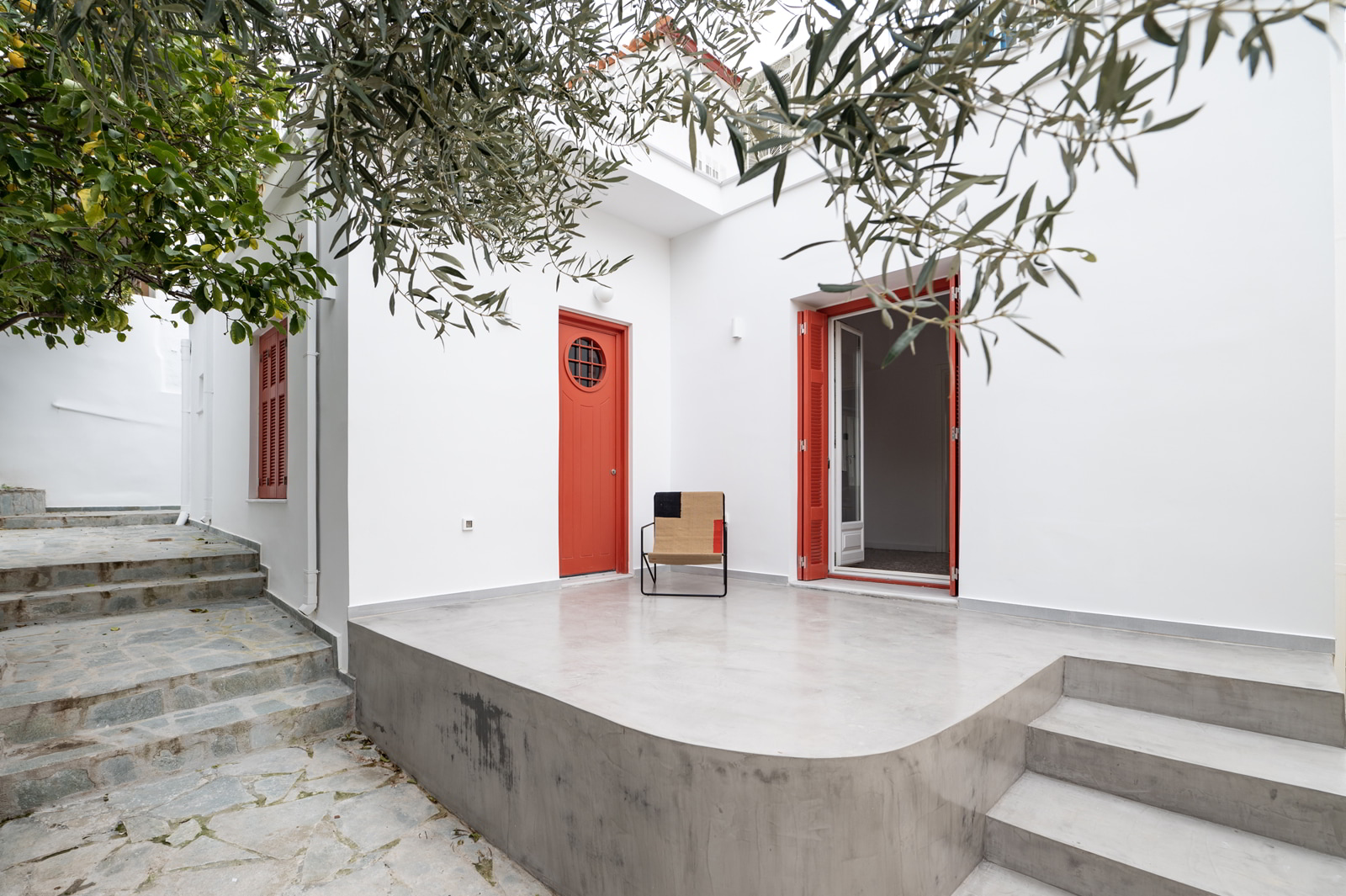
The Vacation Home in Nafplio, designed by Plaini and Karahalios Architects , located within a 1970s building in a former working-class neighborhood, embraces the language of popular modernism (its layouts, terrazzo floors, and expressive entrance) as a foundation rather than an obstacle to change. By preserving these elements of architectural memory and layering them with new geometries and contemporary interventions, the design transforms a long-unused permanent residence into a short-term holiday dwelling. The resulting dialogue between past and present generates new meanings, demonstrating how adaptive reuse can revitalize everyday architecture while honoring its social and cultural history.
Read more about the project here!
2022
Domus Laetitiae in Nicosia, Cyprus by Studio Kyriakos Miltiadou
Studio Kyriakos Miltiadou shaping Domus Laetitiae, the home of a young family, within the derelict shell of a building in a high-density refugee settlement in Nicosia, Cyprus proving that home is a personal story materialized within a collective consciousness.
Read more about the project here!
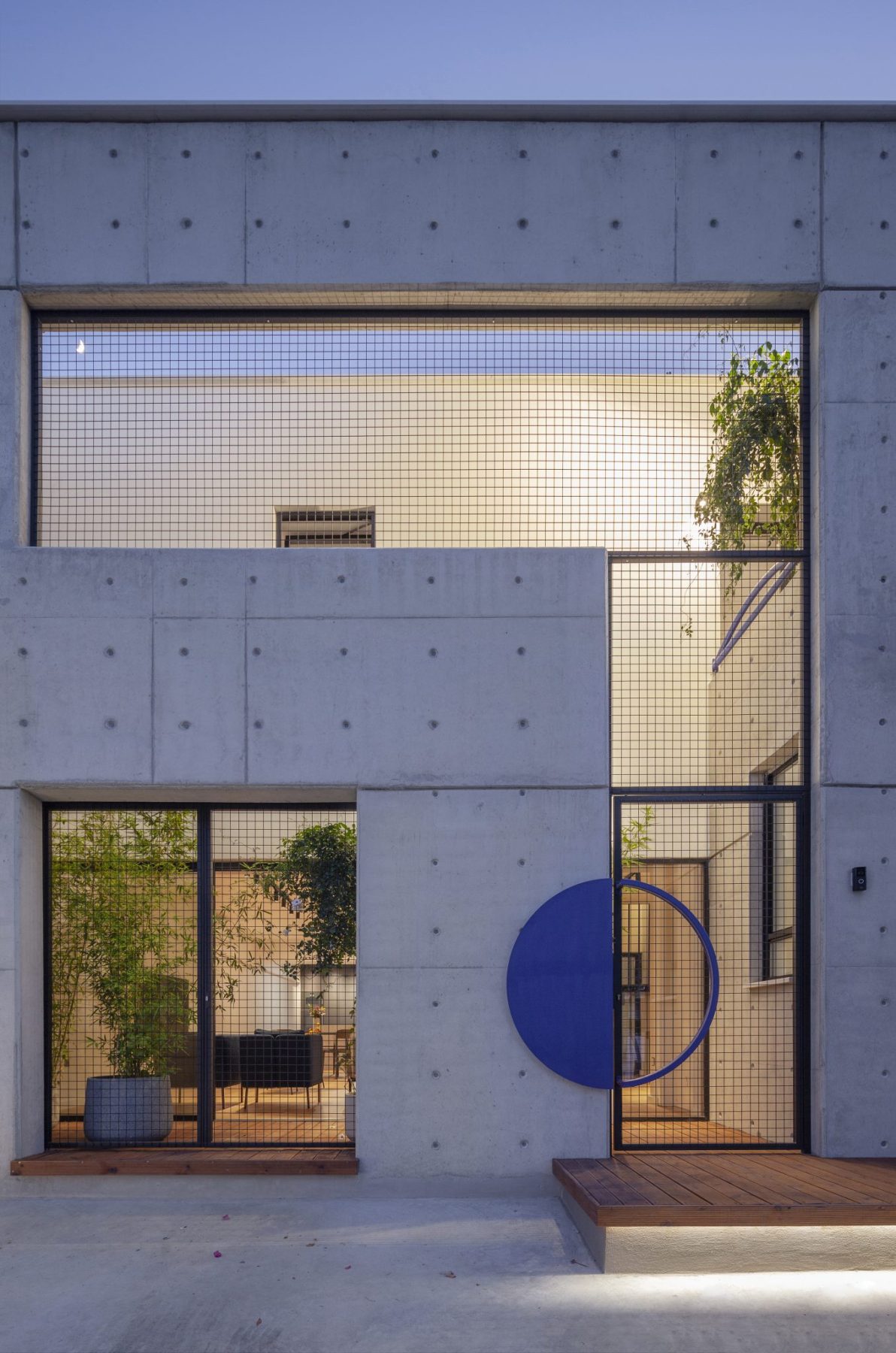
Film Director’s Atelier: Renewing Domestic Space as a Creative Basecamp
The Atelier of a Film Director, designed by Benkobenkova Architecture Office, reflects architecture’s pivot from conventional new-build ideals toward the renewal and reinterpretation of domestic space as a lived, working environment. Conceived as both a home and an atelier, the project transforms the house into a creative basecamp capable of hosting a small film crew while maintaining an intimate, welcoming atmosphere. Through a simple structure—a classic cubic form extended into the garden—and carefully curated communal elements such as a large shared table, a traditional stove, and layered sleeping spaces, the design prioritizes use, adaptability, and social exchange. Rather than emphasizing formal novelty, the project renews the idea of the house as a collective, flexible setting where creativity, work, and everyday life seamlessly intersect.
Read more about the project here!
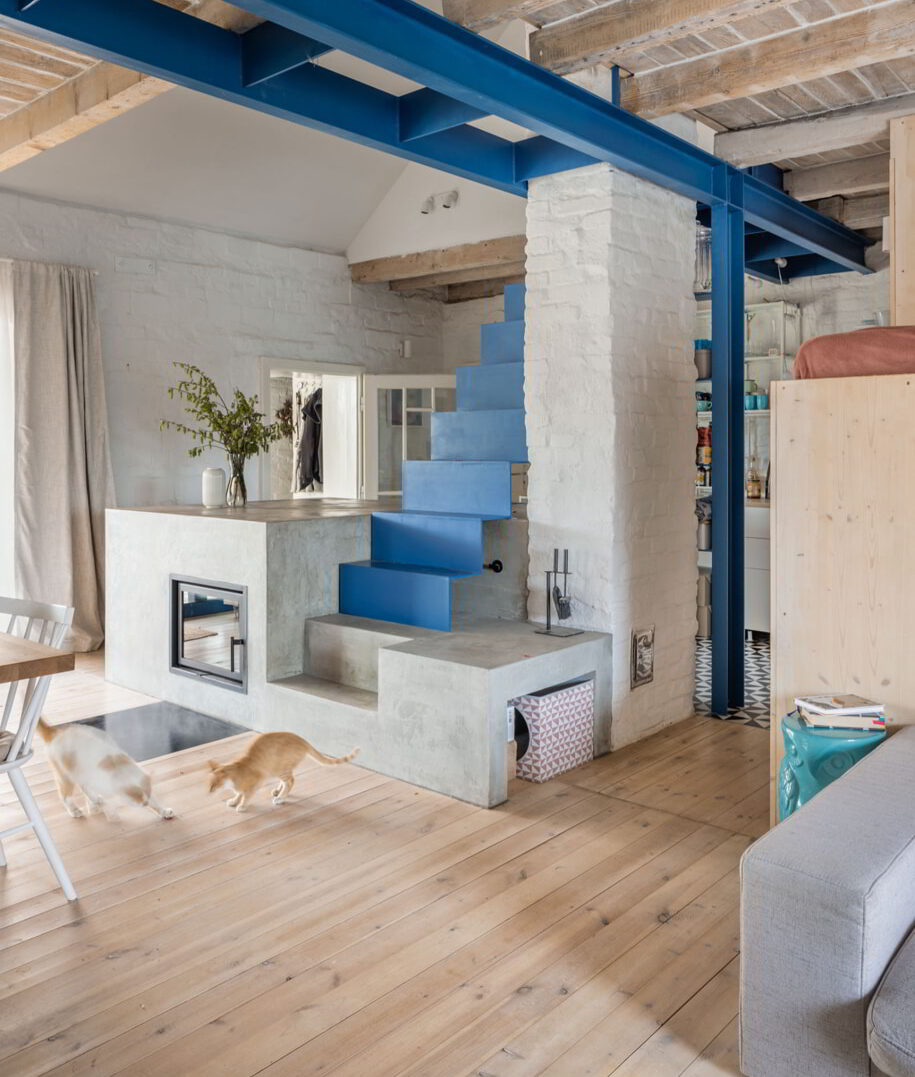
El Priorato: Renewing a Castilian Mansion Through Light and Continuity
El Priorato, a restoration project by Atienza Maure Arquitectos in Burgos, Spain, embodies architecture’s pivot from new construction toward the renewal of deeply layered historical structures. Following a devastating fire in 2011, the intervention builds upon what remained of the 16th-century Castilian mansion—its stone walls, vaulted staircase, and surviving voussoirs—honoring the building’s past as the residence of the prior of the Monastery of Oña. Rather than reconstructing through imitation, the project introduces natural light and carefully positioned openings that connect the interior with the surrounding landscape, framing views of the river, natural park, and Tedeja Castle. Through this balance of preservation and transformation, El Priorato demonstrates how architecture can extend the life of heritage buildings by reactivating them for the present while maintaining continuity with their historical and cultural identity.
Read more about the project here!
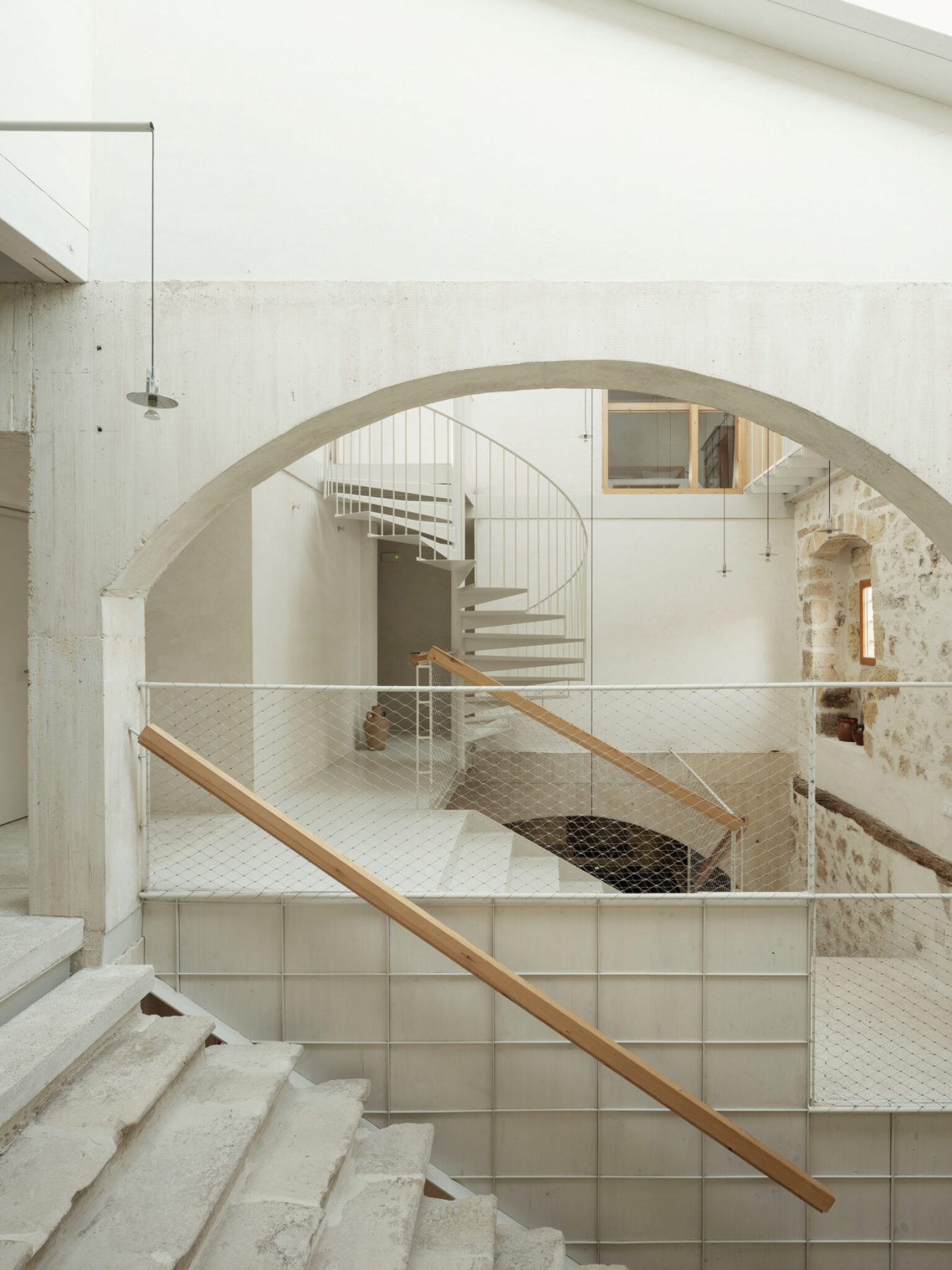
KA-MA-RA: Revitalizing Vernacular Heritage in Eastern Mani
The KA-MA-RA Project in Mani, designed by Z-Level, testifies in architecture’s move away from new construction toward the revitalization of existing building stock as a sustainable and culturally rooted alternative.. Centered on the rehabilitation of a former café-grocery, the project forms part of a broader effort to establish responsible architectural practices in eastern Mani—an area marked by a vast number of abandoned and ruined structures. Rather than treating these buildings as static remnants of the past, the intervention repositions traditional architecture as a living resource capable of supporting contemporary life. By integrating vernacular forms and materials into a modern program, KA-MA-RA demonstrates how adaptive reuse can foster resilient communities, preserve local identity, and offer a meaningful path forward in regions threatened by unchecked new development.
Read more about the project here!
2021
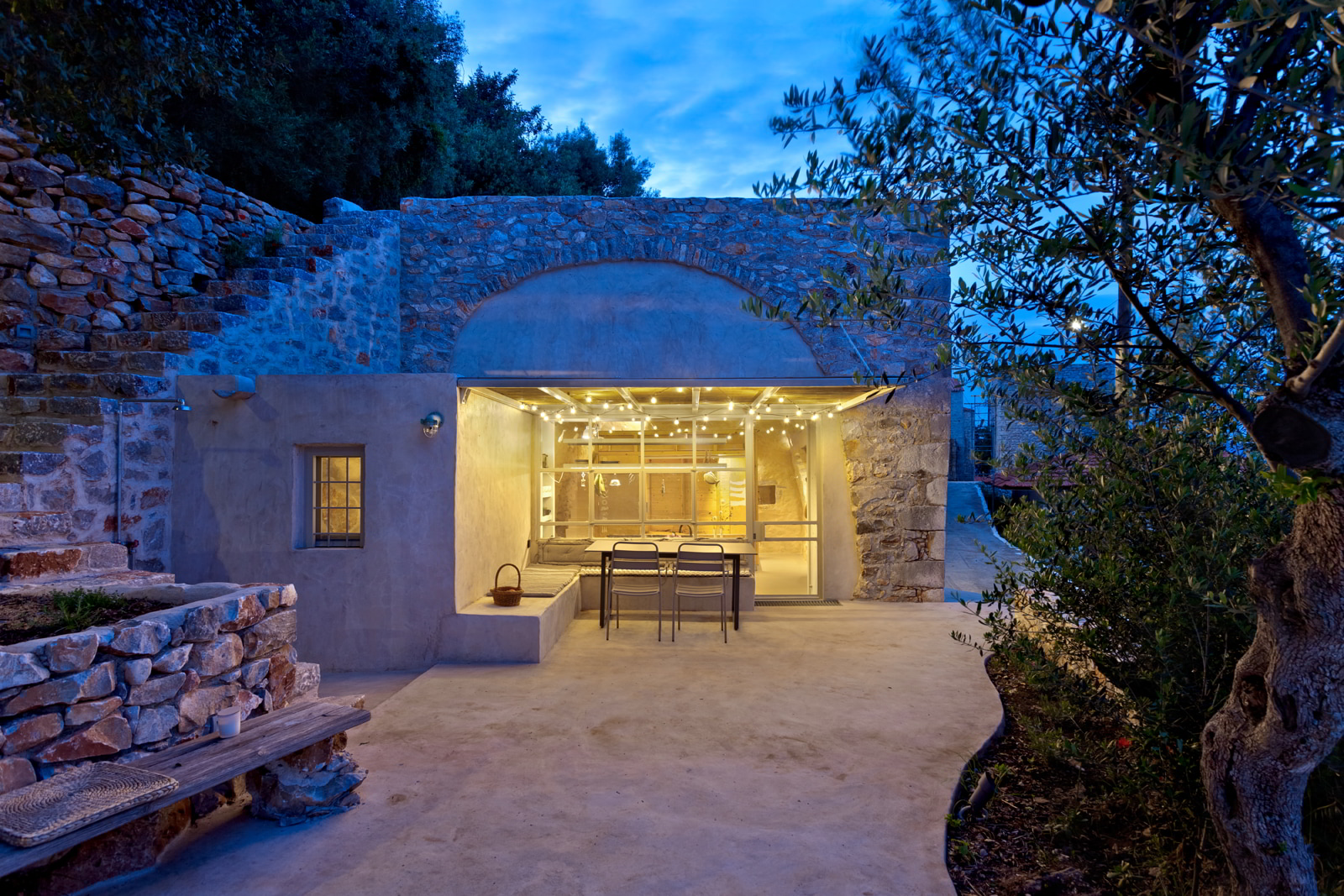
From Customs House to Family Home: Renewing Teloneio Kardamyli Through Adaptive Reuse
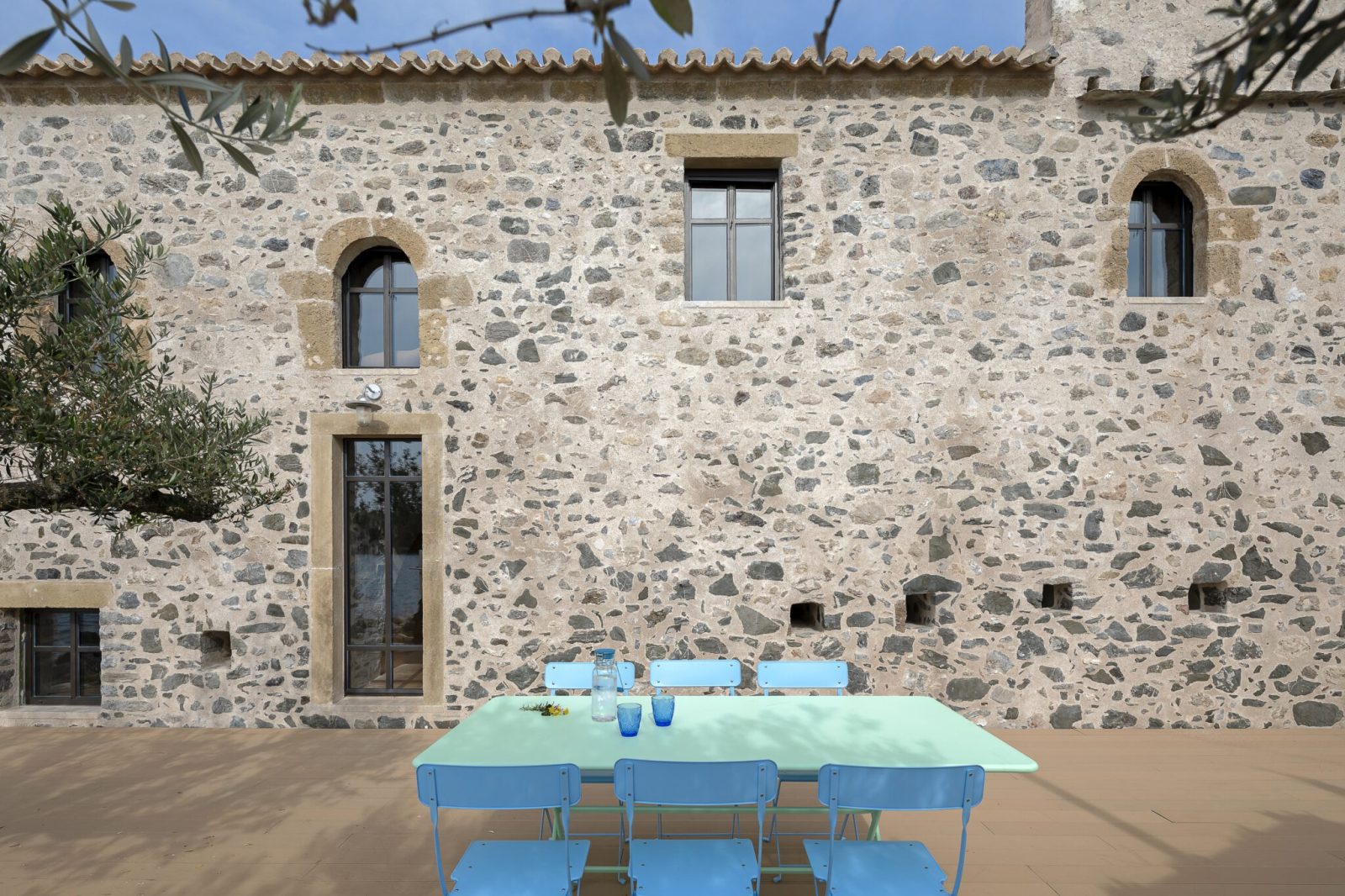
As architecture increasingly pivots from new construction toward the thoughtful renewal of existing structures, projects like the restoration of Teloneio Kardamyli exemplify how the past can be meaningfully carried into the present. Situated near the historic port of Kardamyli and rooted in the local landscape since the 18th century, the listed building bears layers of use, from customs house to 1960s motel, each contributing to its identity. Etsi Architects approached its transformation into a contemporary family home through the lens of adaptive reuse, prioritizing spatial openness while preserving cultural memory. By collaborating with local experts and employing traditional techniques and materials, the project demonstrates architecture’s evolving responsibility: not to overwrite history, but to renew it, allowing existing buildings to continue their life within the community and landscape they belong to.
Read more about the project here!
2020
Les Mont-Rogenques: Renewing the Memory of Neighborhood Life
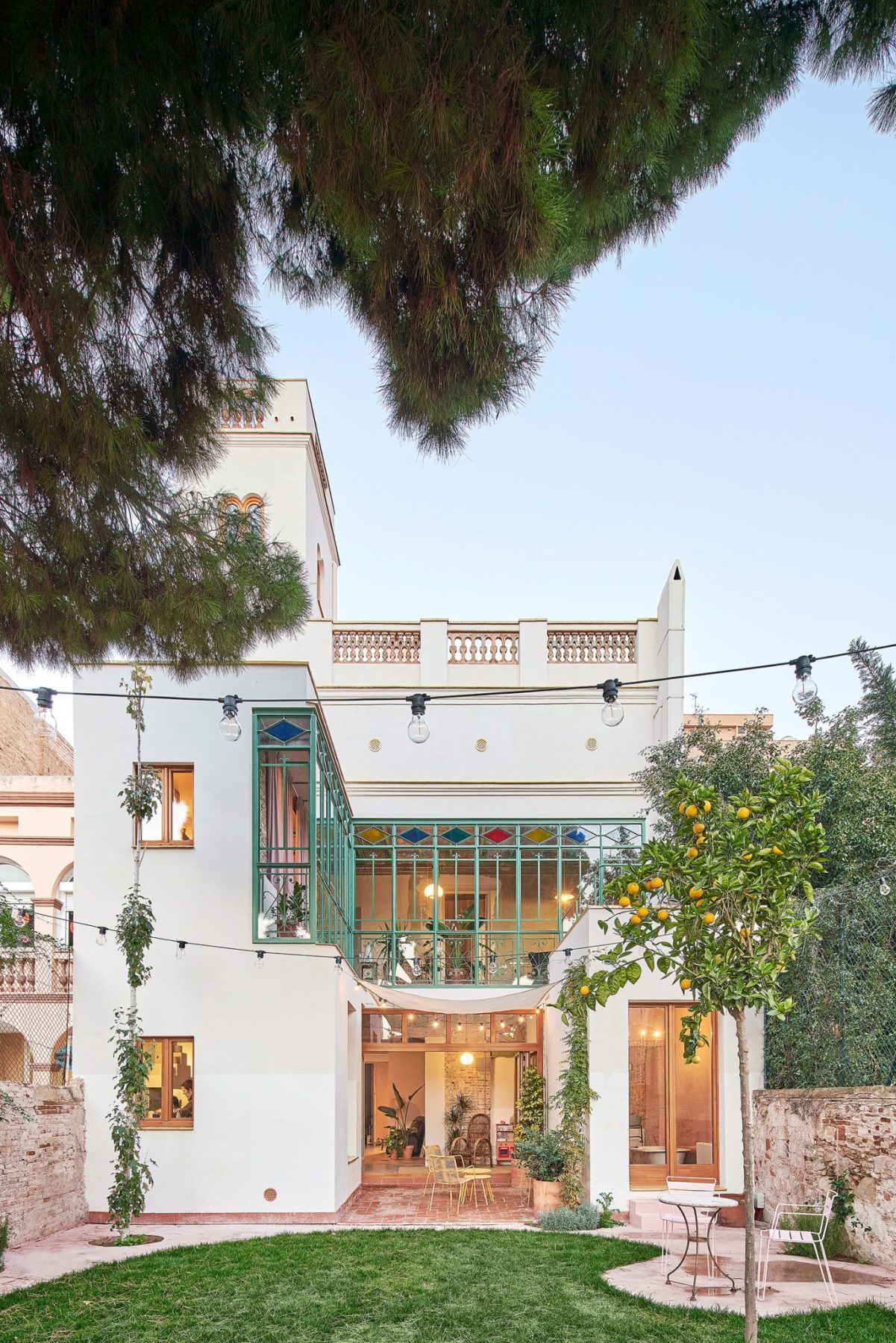
Les Mont-Rogenques, a rehabilitation project by Estudi BIGA , captures architecture’s shift away from new construction toward the revitalization of existing domestic fabric and shared collective memory. The house, shaped over time through multiple phases of growth, becomes the setting for an architectural investigation into everyday life as it once unfolded within the neighborhood. Through careful adaptation and the coexistence of old and new elements, the project reveals traces of a past in which relationships between neighbors resembled those of an extended family. Rather than erasing these layers, the intervention embraces them, seeking to revive the lost essences of shared daily life and demonstrating how architecture can act as a mediator between memory, continuity, and contemporary living.
Read more about the project here!
Plywood House: Renewing Craft and Construction through Local Making
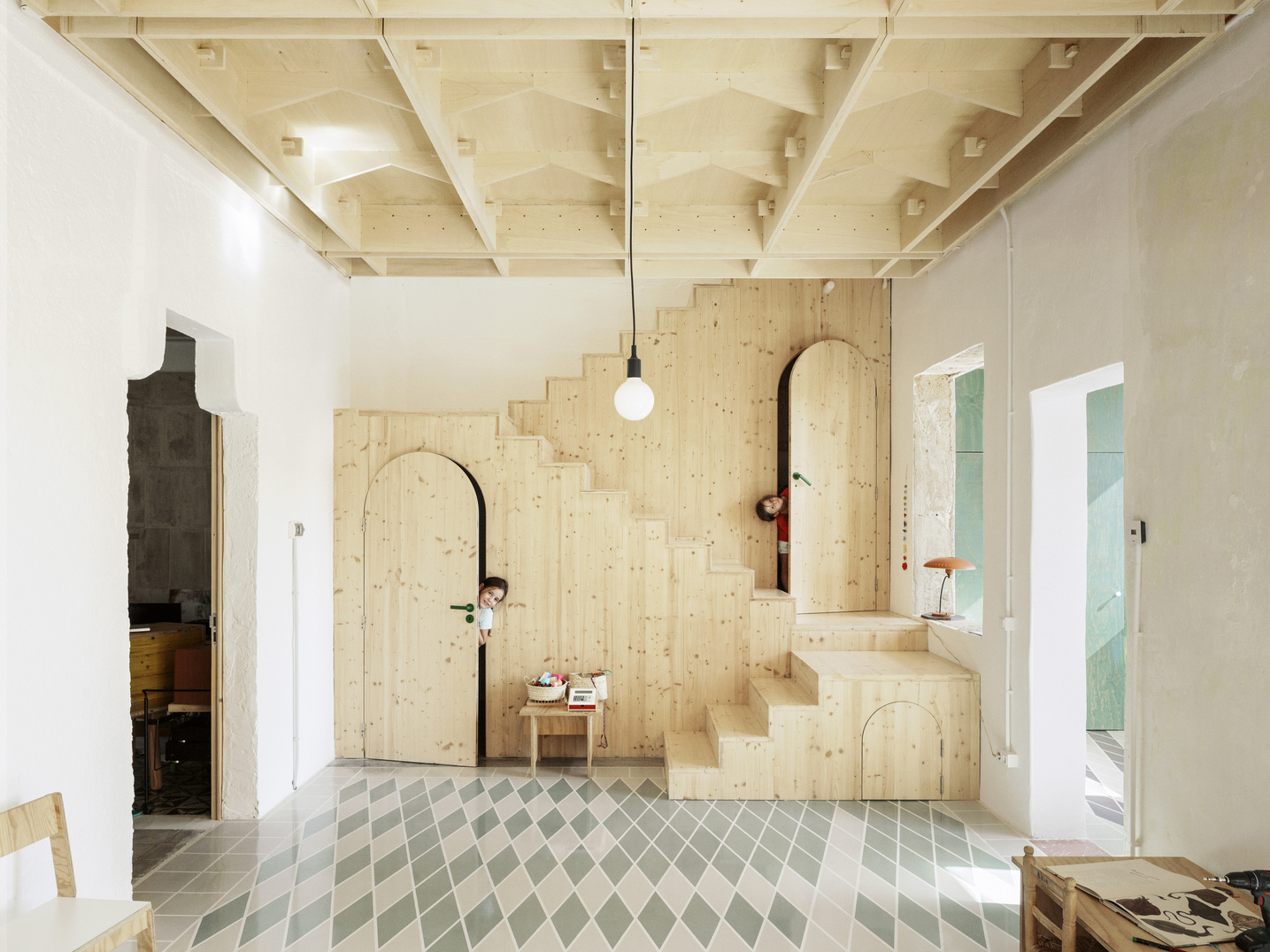
Plywood House, designed by Feina Studio in a quiet townhouse street of Palma, reflects architecture’s pivot from conventional new-build practices toward a renewed engagement with existing knowledge, local production, and craft. While the project employs an autonomous, prefabricated plywood structure manufactured off-site, its conceptual foundation is deeply rooted in the island’s living craftsmanship and manufacturing traditions. Developed through parallel research into CNC-based local production and traditional crafts, the house reveals its construction in a raw, uncoated state, allowing structure and material to become the primary architectural expression. By combining contemporary fabrication techniques with inherited know-how, Plywood House reframes new construction as a form of renewal—one that revitalizes local skills, material honesty, and the cultural continuity of building practices.
Read more about the project here!
Artchimboldi Menorca: Architectural Memory as a Space for Renewal
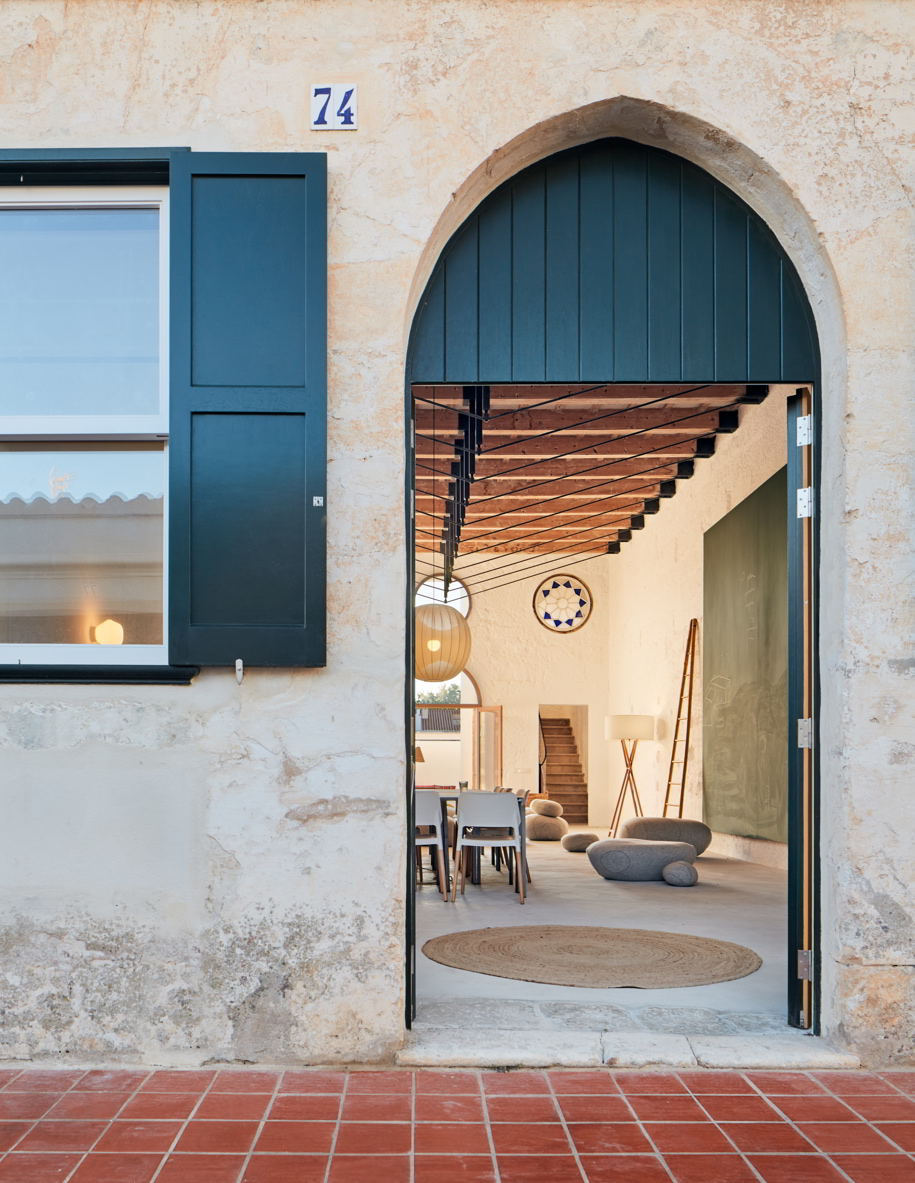
Artchimboldi Menorca, a minimal renovation by Anna Truyol of Artchimboldi in collaboration with Emma Martí Arquitectura, adopts a non-invasive approach that preserves the historical essence of the building, notably retaining the marés stone walls in their imperfect state while subtly enhancing their texture through whitewashing. New interventions—bespoke furniture, a monumental slate element, and flexible wooden sleeping structures—are introduced with clarity and respect, creating a dialogue between heritage and contemporary use. By transforming the building into a place for reflection, creativity, and reconnection, Artchimboldi Menorca demonstrates how renewal can be both spatial and experiential, rooted in continuity, craftsmanship, and the quiet power of the existing.
Read more about the project here!
Colour Becomes Structure: Atmosphere as Architectural Form
Interiors have become sites of experimentation radicalized through chromatic expression, spatial ambience and affective intensity. Over the past five years, colour has been reclaimed as an architectural tool rather than a simple finish. Saturated palettes, sharp chromatic contrasts and deliberate colour-coding function structurally: they articulate circulation, emphasize load-bearing elements and choreograph movement and emotion. Colour is deployed to clarify relationships between old fabric and new insertions, shaping atmospheres that guide behaviour and memory.
2025
Troias Apartment: Reframing Home as Atmospheric Structure
In Troias Apartment, located in the dense urban fabric of Kypseli, threshold approaches domestic space as a living body—one in need of cleansing, recalibration, and room to breathe. Through a precise yet sensitive intervention, the apartment is strategically reshaped by redefining its thresholds, allowing space to flow, pause, and reset. Within this process, colour operates as an architectural instrument rather than a surface finish, structuring atmosphere and guiding spatial experience. Light, chromatic transitions, and carefully articulated boundaries work together to restore balance, transforming the home into an environment where atmosphere itself becomes the primary architectural form.
Read more about the project here!
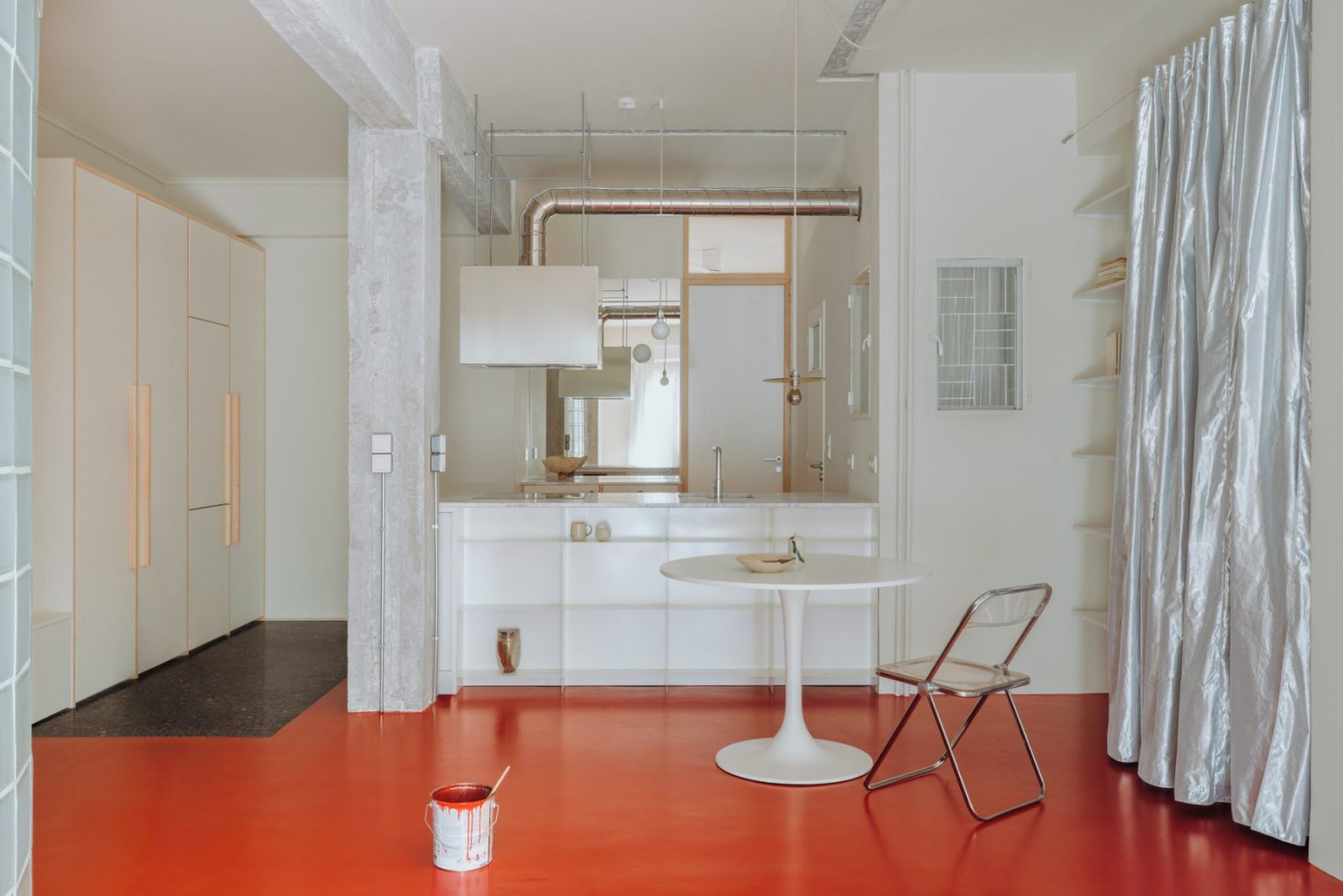
Chromatic Home: Colour as Spatial Framework
In Chromatic Home in Madrid ,JJ + estudio together with Luis Gil and Diego Sacristán challenge conventional domestic hierarchies by positioning colour as the primary architectural organiser. Conceived as an act of spatial experimentation, the intervention responds to the existing apartment not by erasure but by enhancement, treating it as a canvas upon which new atmospheres are constructed. Three chromatic volumes are introduced as structural agents, defining use, movement, and perception while fostering flexibility and multifunctionality. Through deliberate contrast and careful juxtaposition, colour becomes structure, mediating between old and new and transforming the home into an experiential environment shaped by atmosphere and form.
Read more about the project here!
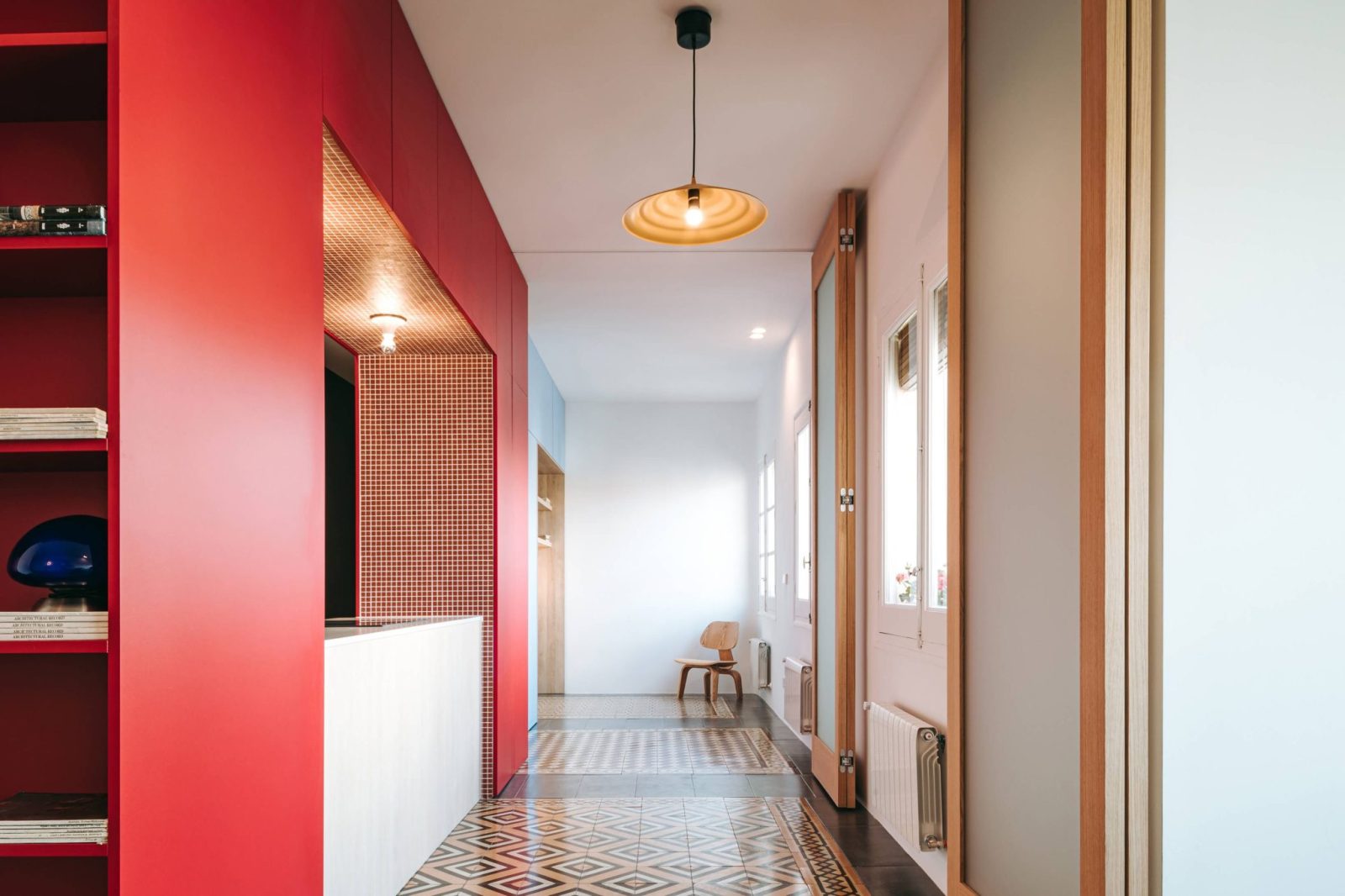
2024
Apartment V: Colour Framing Light and Lofted Living
In Apartment V in Ermionida, Naki Atelier transforms a former industrial workshop into a luminous domestic landscape where colour and structure converge. With daylight entering from a single façade, the design orchestrates space around light, using red steel frameworks and a multifunctional loft as the project’s primary architectural devices. Conceived as an inhabitable piece of furniture, the loft integrates daily activities while anchoring the apartment spatially and atmospherically. Here, colour is inseparable from structure: the chromatic steel elements define zones, guide movement, and infuse the industrial shell with warmth, allowing atmosphere itself to become the architectural form shaping contemporary living.
Read more about the project here!

The Athenian Patchwork as Living Architecture
In Athenian Patchwork, an apartment renovation in Pagkrati, colour is not treated as a decorative afterthought but as an active architectural tool. Designed by Ioanna Dimaki and Alkiviadis Avarkiotis for a young family of three, the project embraces playfulness and adaptability, allowing atmosphere to shape spatial experience. Muted materials and restrained forms establish a calm architectural framework, within which colour operates as structure, organising space, guiding movement, and framing daily life. As the apartment evolves through use, it becomes a living patchwork of memories and personal expression, where architecture remains open-ended and responsive to the rhythms of its inhabitants.
Read more about the project here!
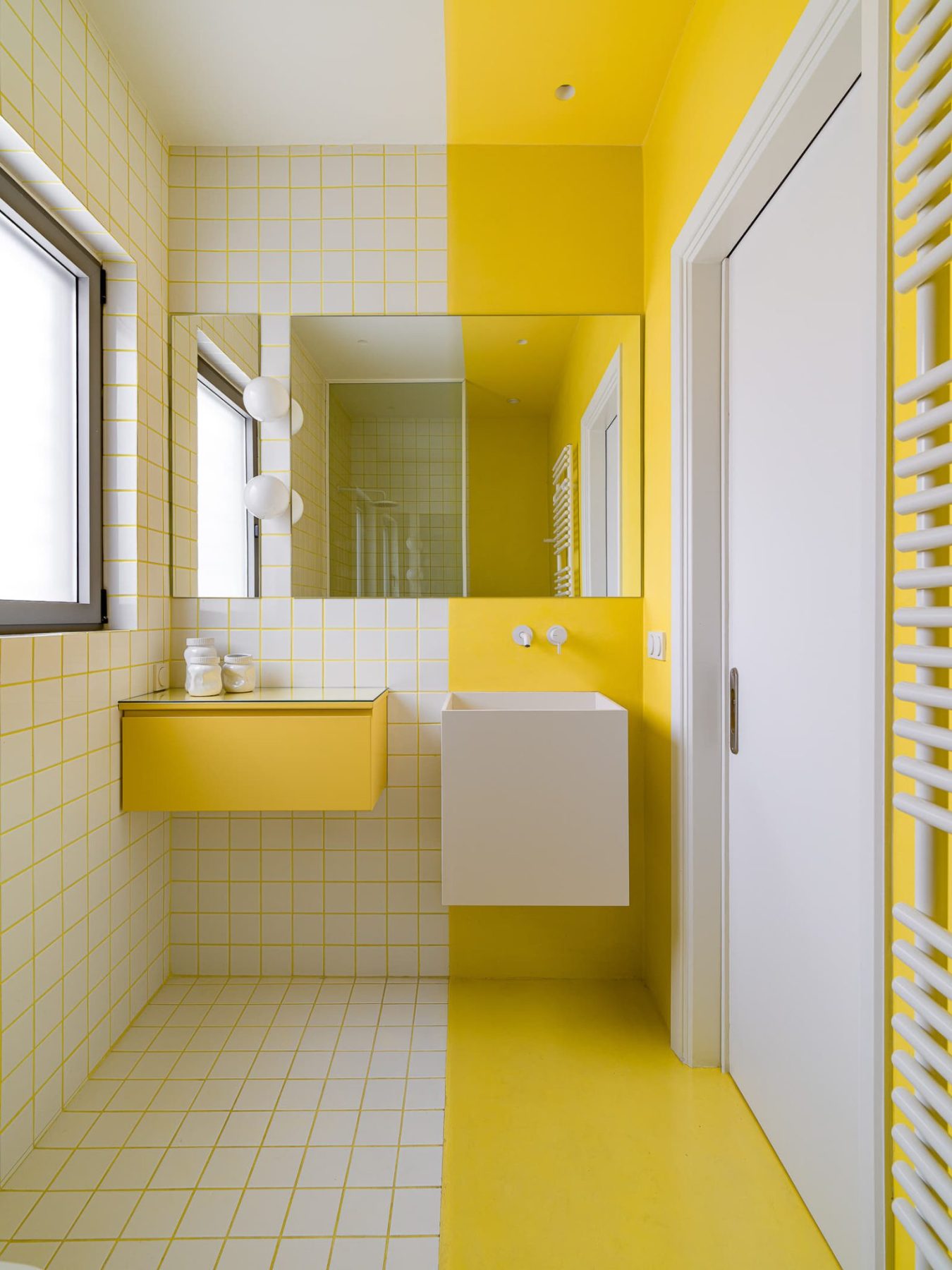
Colour as Framework: An Atmospheric Interior on Lycabettus Hill
Perched in Athens and reimagined by Oikonomakis Siampakoulis Architects, the Lycabettus apartment is conceived not merely as a renovated dwelling but as an atmospheric landscape where colour becomes a primary structural force. The project dissolves rigid spatial hierarchies in favor of an open, fluid and interconnected interior, where chromatic intensity, material contrasts and layered textures guide movement, define zones and generate emotional resonance. Designed as the home of two young art professionals, the apartment operates as both a lived-in gallery and a personal archive, accommodating artworks, design objects and inherited furniture within a dynamic spatial framework. Here, modern interventions and older elements coexist, with colour acting as the connective tissue that binds memory, identity and everyday life into a cohesive architectural atmosphere.
Read more about the project here!
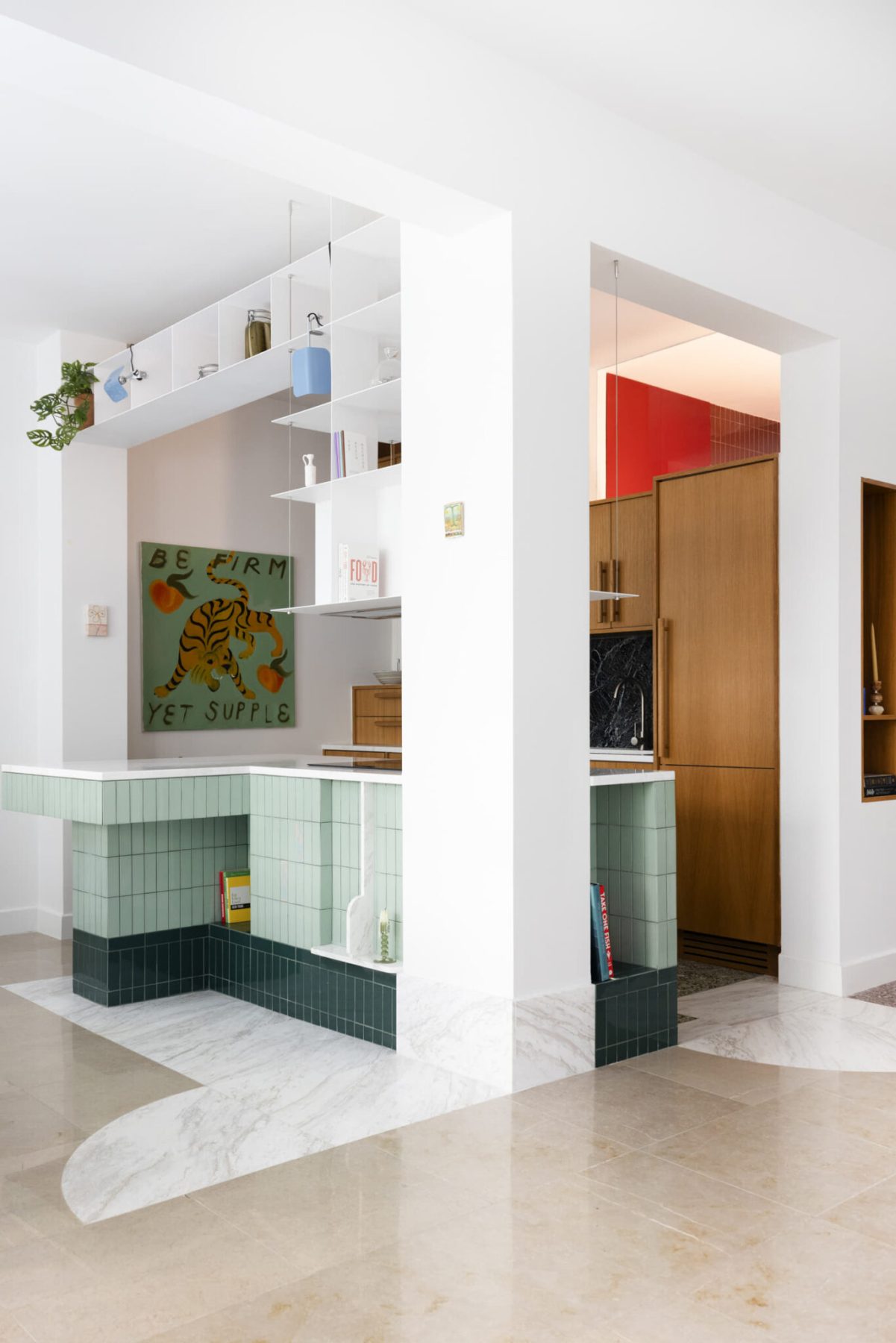
Fabrica: Colour as Experience, Atmosphere as Form
Soul Spaces Co transform a former ground-floor restaurant in in Thessaloniki’s historic center into a short-term rental where atmosphere becomes the primary architectural driver. Designed to attract a broad and diverse audience, the intervention prioritizes spatial intensity and experiential richness over conventional domestic cues. Through a bold use of colour and material contrasts, the project constructs a distinctive identity in which chromatic decisions organize space, define mood, and guide perception.
Read more about the project here!

2023
Elli & Minas Apartment: reversible architecture, autonomous colour fragments
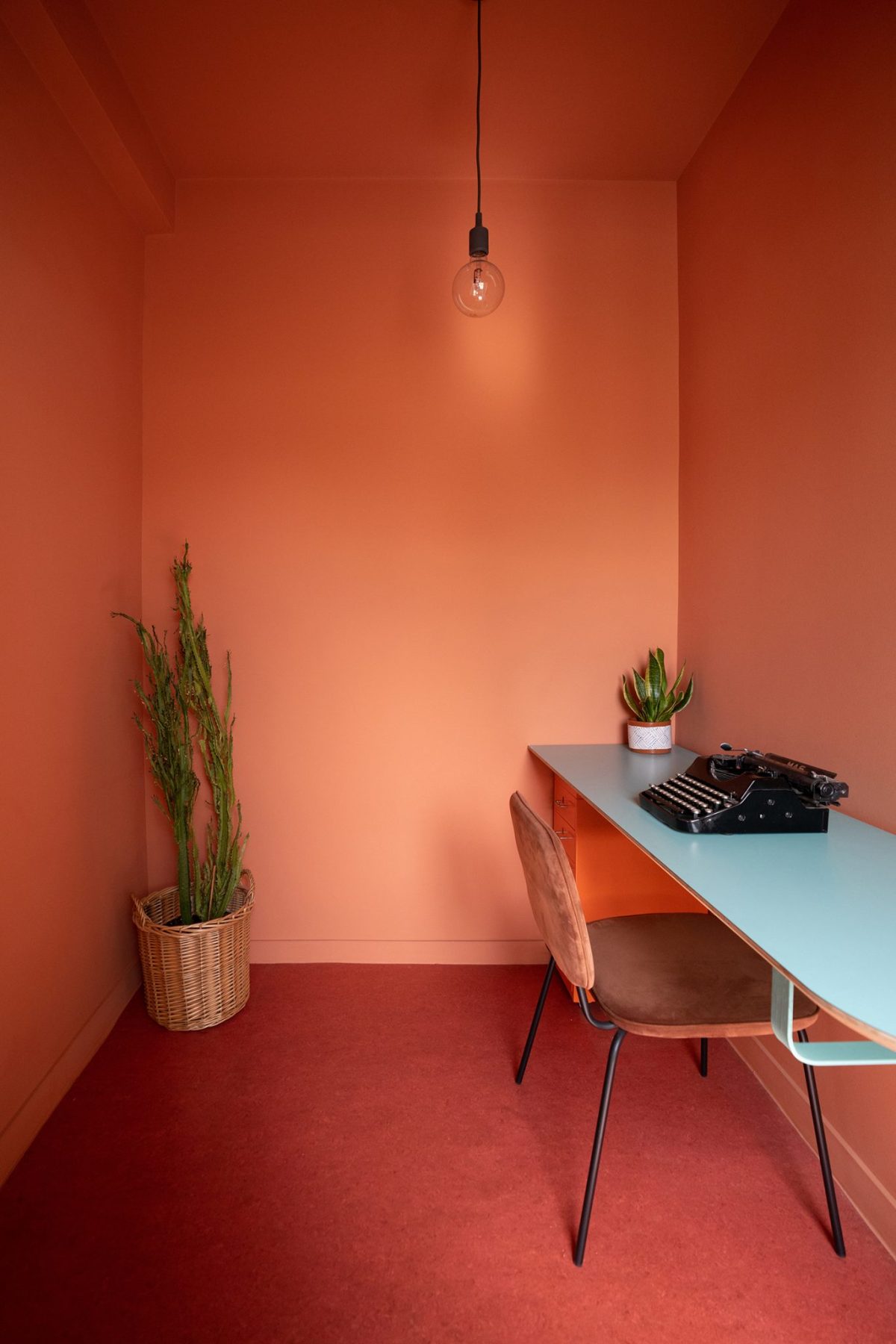
In Elli & Minas Apartment, OA-STUDIO proposes a model of reversible domestic architecture in which colour and fragmentation become tools for spatial redefinition rather than permanent transformation. Set within the existing shell of a Kypseli apartment, the renovation adopts a light-touch strategy: new uses emerge through precise, small-scale interventions in auxiliary spaces, while the main rooms retain their original structure and openness. Within this framework, autonomous colour fragments operate as architectural elements, marking functions, activating surfaces, and shaping atmosphere without fixing space in time. Colour becomes structure not through mass, but through presence, allowing the apartment to remain adaptable, sustainable, and open to future reinterpretation.
Read more about the project here!
2022
The die is cast: Recasting the Cube as Domestic Atmosphere
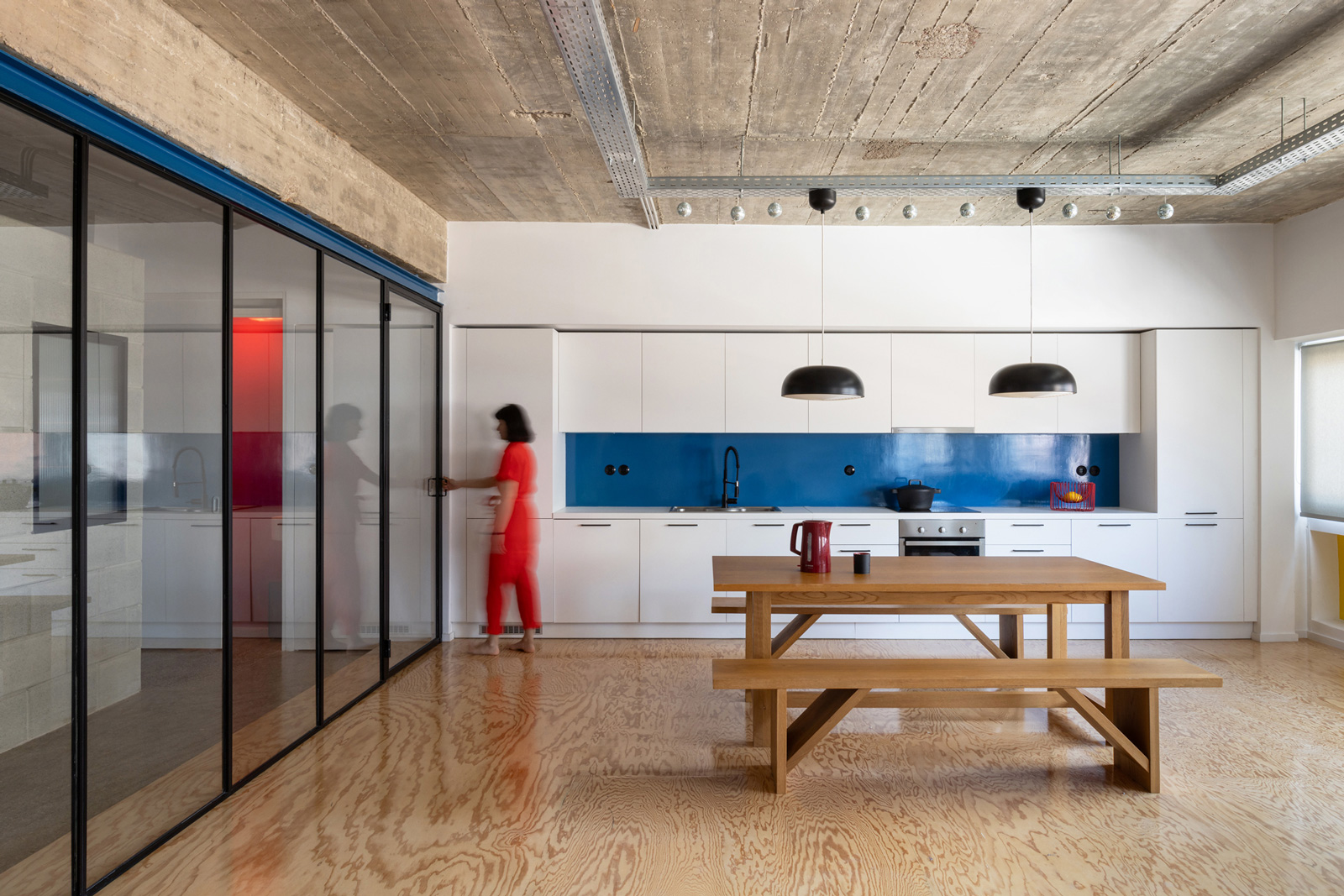
In this former gallery turned home in central Athens, MoY studio, redefines domestic life through a singular architectural gesture where colour and form become inseparable. Responding to Christos Papoulias’s original 1995 intervention, the project establishes a deliberate dialogue across time by once again disregarding the existing shell and introducing a new cube at the heart of the space. This aligned volume operates as both spatial organiser and atmospheric device, dividing public and private realms for a father and son, while shaping how the apartment is perceived and inhabited. Here, colour is not applied to soften structure but to intensify it—transforming the cube into an architectural instrument that constructs atmosphere, guides movement, and rearticulates the industrial interior as a lived, evolving domestic landscape.
Read more about the project here!
Blurring 2 Attics: Colour, Layers, and the Domestic Landscape
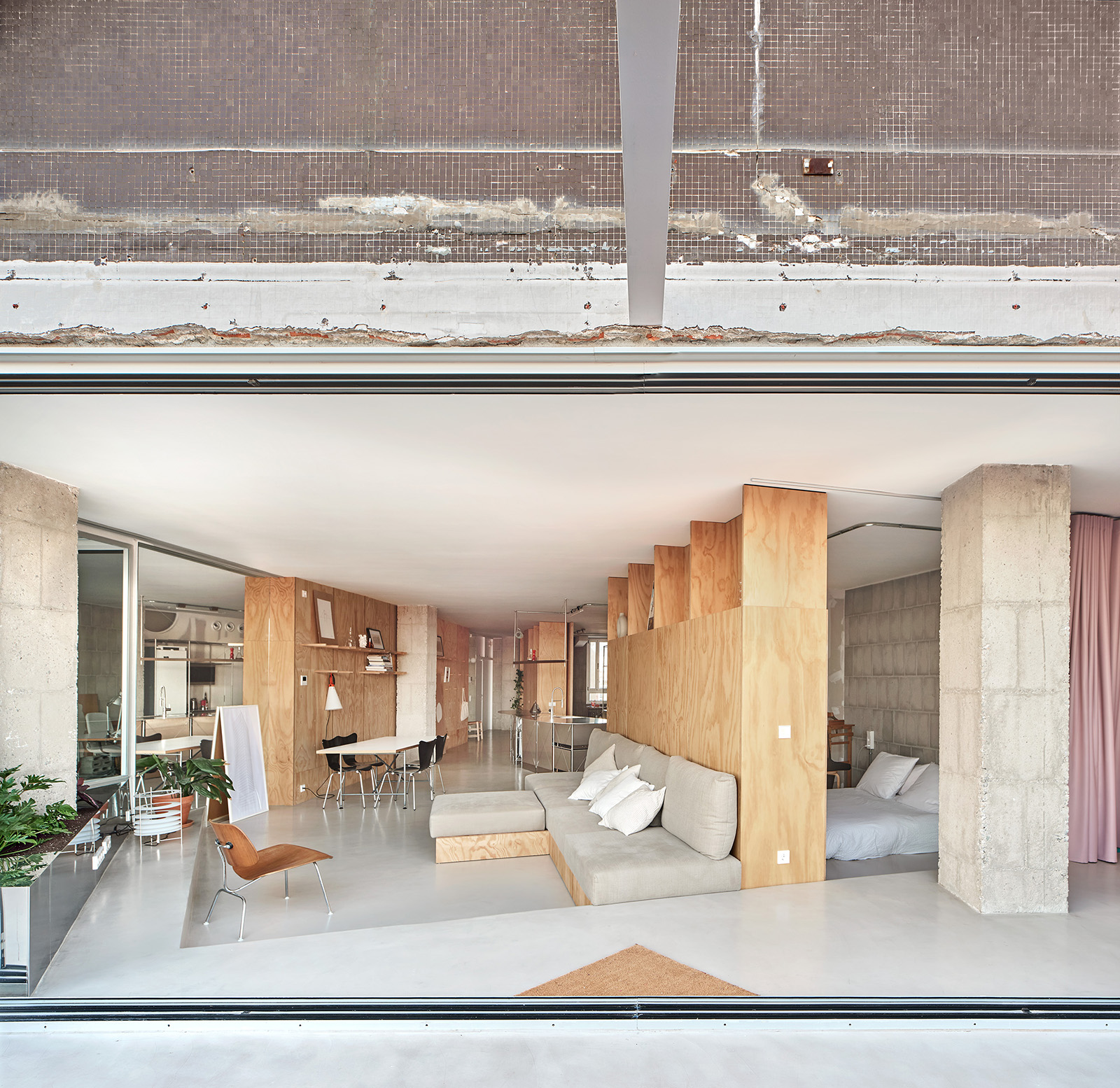
Bajet Giramé reimagine two interconnected studios in Poblenou as a mutable domestic landscape where atmosphere is constructed through layers rather than fixed form. Set within a vast 1970s industrial building, the project preserves the open-plan pragmatism of the original structure while redefining its edges and interiors through a system of superimposed strata. Here, colour operates alongside materials, objects, and textures as a tectonic agent, binding ‘found’ elements, lightweight structures, textile filters, and wooden volumes into a coherent yet adaptable whole. As utensils and belongings become integral architectural components, colour becomes structure, shaping an environment designed to evolve over time through use, interaction, and inhabitation.
Read more about the project here!
2021
Olivier in Athens: Colour Structuring Brutalist Warmth
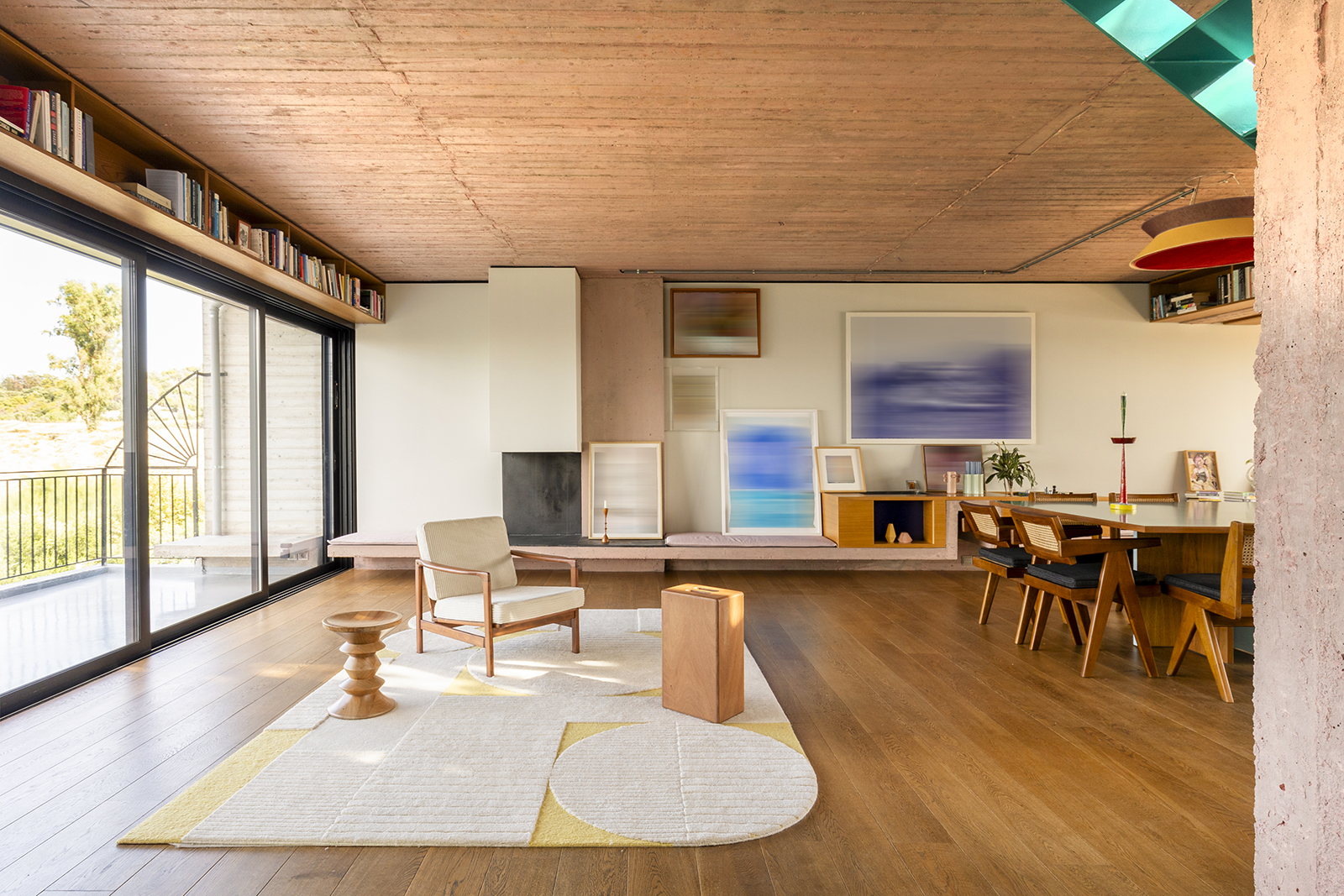
In Olivier in Athens, Ak-a Apostolou Colakis Architects reinterpret a characteristically brutalist duplex through a nuanced interplay of material honesty and chromatic intervention. While exposed concrete, hardwood floors, and metallic elements preserve the raw geometry of the existing structure, colour emerges as a formative architectural device that reshapes atmosphere and use. Petrol blue metalwork, applied to railings, bookshelves, and the floating staircase, acts as a spatial anchor, unifying the two floors and introducing warmth and playfulness into the industrial framework. Enhanced by mirrored surfaces that amplify light and movement, colour becomes structure here, transforming the apartment into a multifunctional, family-oriented home where atmosphere is carefully constructed rather than merely decorated.
Read more about the project here!
Casa Sueños: Atmosphere Shaped by Vertical Flow
In Casa de mis sueños, ALE ESTUDIO transforms an apartment in Madrid into a fluid, continuous interior where space is defined less by walls and more by movement, light, and atmosphere. Working with the existing structure, the design amplifies vertical connections and diagonal views, allowing level changes to organise domestic life while maintaining openness. Within this spatial continuity, colour operates as an architectural medium—accentuating depth, guiding perception, and reinforcing the vertical rhythm of the home. Rather than acting as surface treatment, colour becomes a structural presence, shaping atmosphere and enhancing comfort while supporting a sustainable, light-filled environment attuned to everyday living.
Read more about the project here!
After the Office: The Workplace as Social Infrastructure
The pandemic catalyzed a fundamental rethinking of the workplace. The office has been dismantled and reassembled as a hybrid social environment. Where pre-2020 models were organized around fixed desks and hierarchical layouts, post-COVID workplaces prioritize flexibility, gathering and wellbeing. Designers have amplified spaces for serendipity; meeting nodes and amenities that support physical and mental well-being. In parallel, hybridity has been strategically engineered, allowing architecture to mediate work practices that are variably remote and present, but consistently relational. This is a redefinition of what the workplace contributes to culture, creativity and socialization. In contemporary architecture and design, workspaces are reimagined as environments that foster coexistence and collaboration.
2025
A brutalist office approach by I-ARCHITECTURE
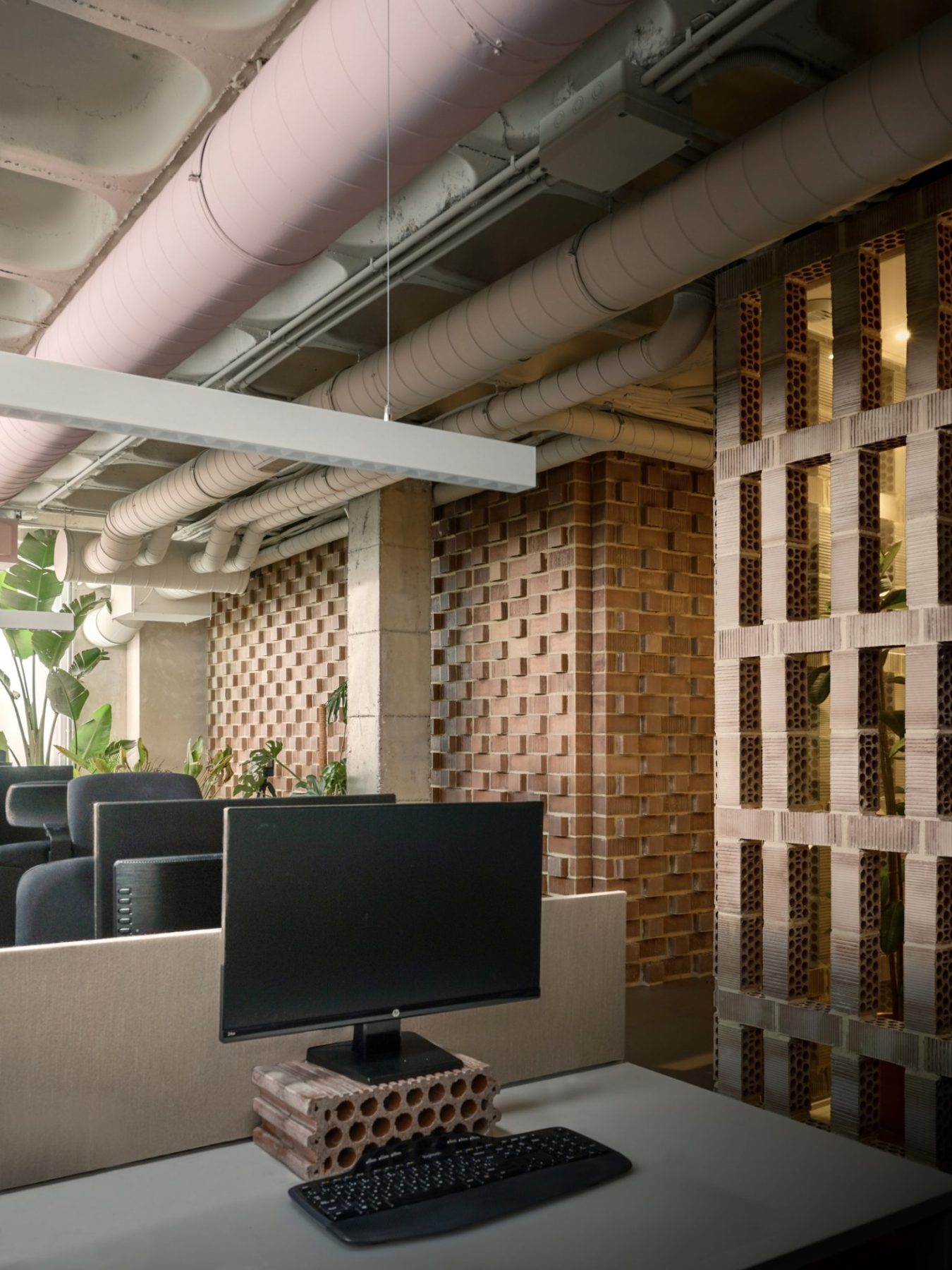
This is not just a renovation, it’s a revolution in how we inhabit and perceive the workspace. Here, walls don’t enclose, they inspire. I-ARCHITECTURE redefining the office through brick and transform it into a dynamic ecosystem where light, texture, and material interact to create a fluid and stimulating environment.
Read more about the project here!
2024
Vermantia Offices: Reworking the Office as an Adaptive Social Framework
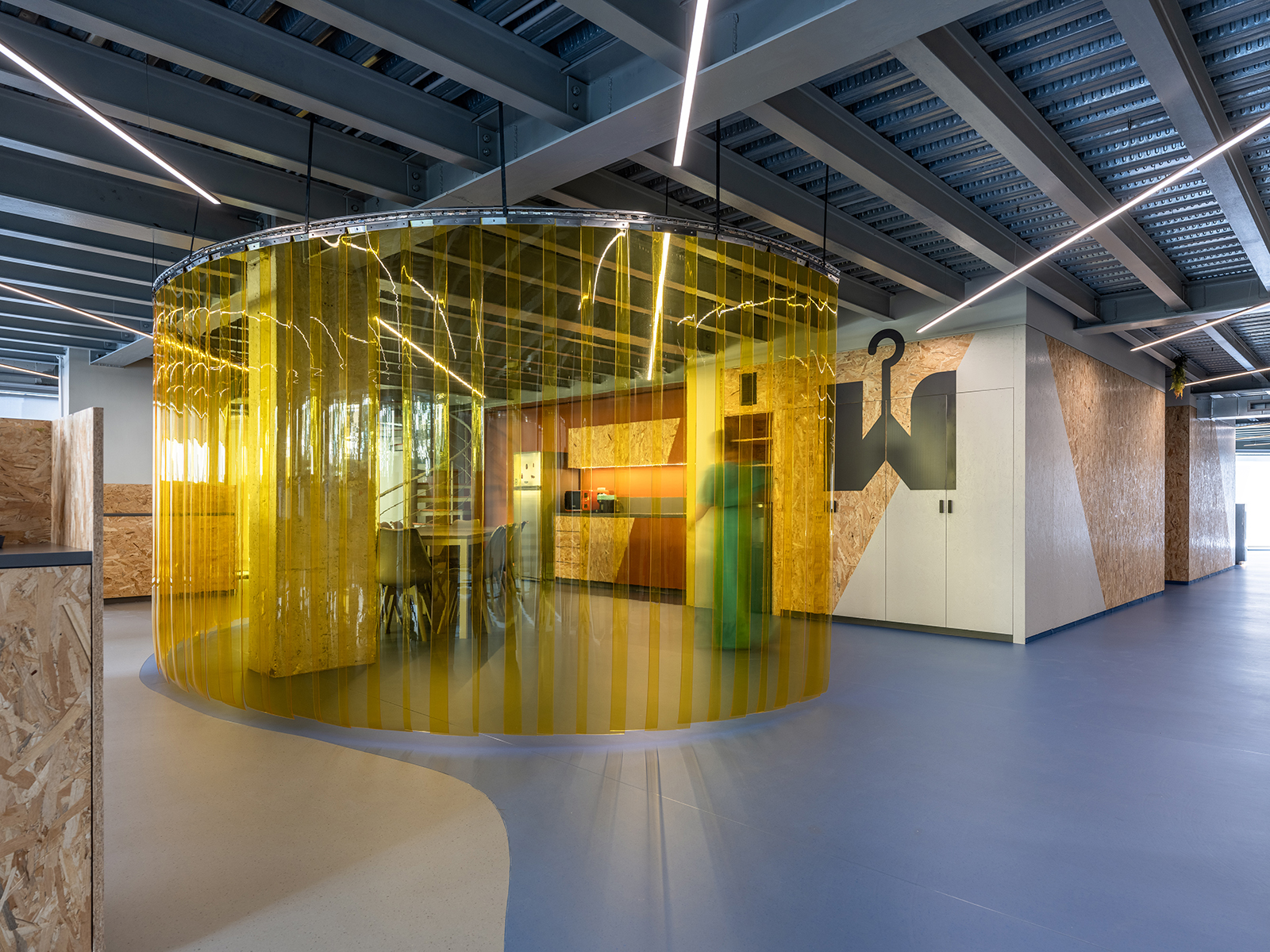
In the transformation of the Vermantia offices in Athens, Athens Creative conceives the workplace as an adaptable social framework instead of a rigid corporate environment. Occupying two independent floors of a formerly fragmented public-service building, the project responds to the evolving needs of an international technology company by prioritizing flexibility, openness, and future growth. By preserving the industrial character of the existing ground-floor ceiling and extending this language throughout the entire workspace, the design establishes a shared architectural identity that supports collaboration and collective activity. Here, the office moves beyond a conventional work setting, becoming an environment designed to evolve alongside its users and organizational culture.
Read more about the project here!
Sancal’s CO-mmunity as Workplace Infrastructure
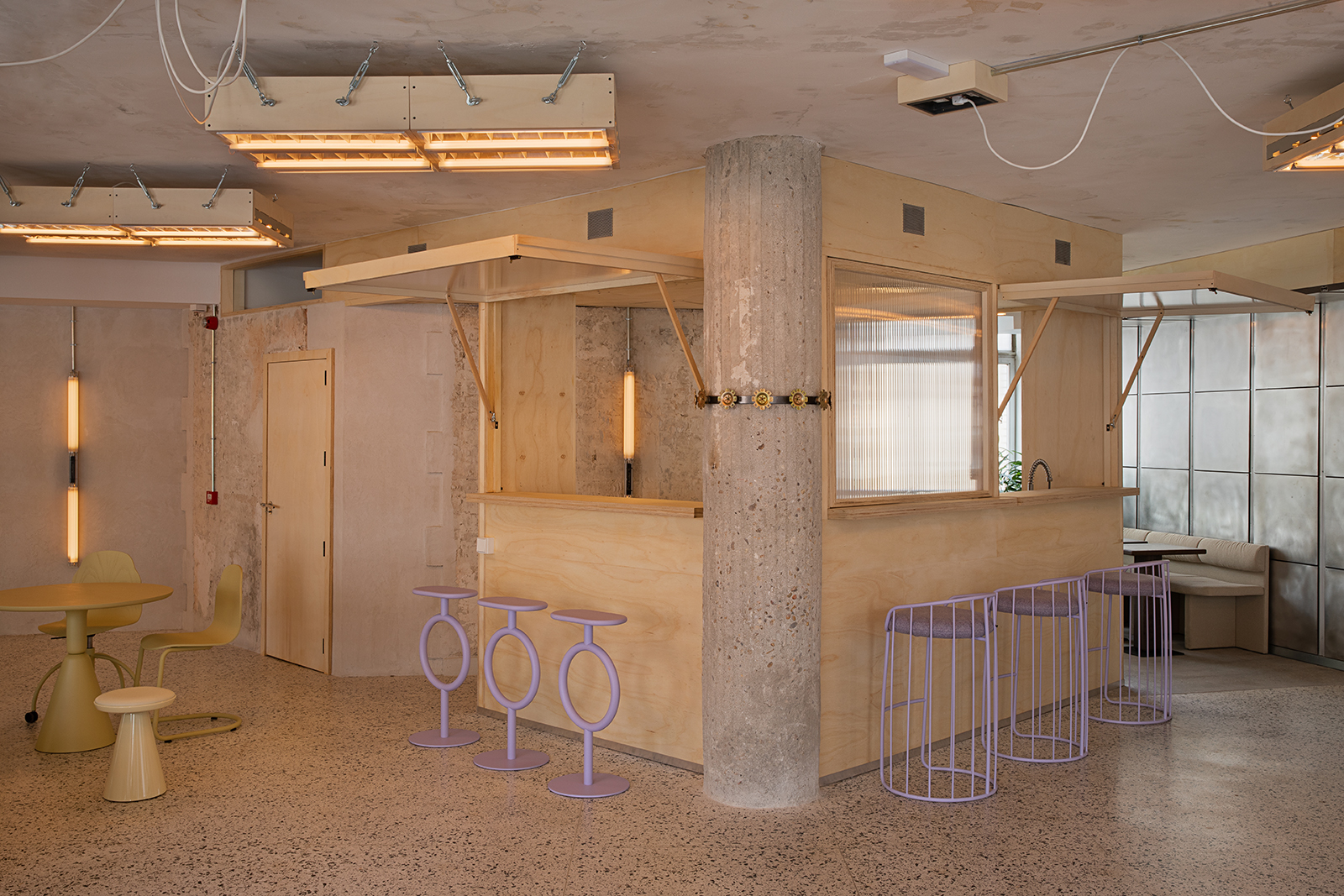
Sancal ’s new COLAB in Madrid redefines the contemporary workplace as a shared social infrastructure rather than a fixed typology. Located at O’Donnell 34 and conceived with Lucas Muñoz Muñoz, the space operates somewhere between office and showroom, intentionally resisting both definitions to become a CO-mmunity and a LAB-oratory. Built through processes of reuse, reassembly, and material circularity, the project transforms what was once considered surplus into functional and expressive architectural elements. In doing so, the COLAB becomes a living system: a place for collaboration, experimentation, and collective exchange, embodying the idea of the workplace after the office—open, adaptive, and socially engaged.
Read more about the project here!
Taller Estudio Daniela Riquelme: Colour Structuring Light and Creation
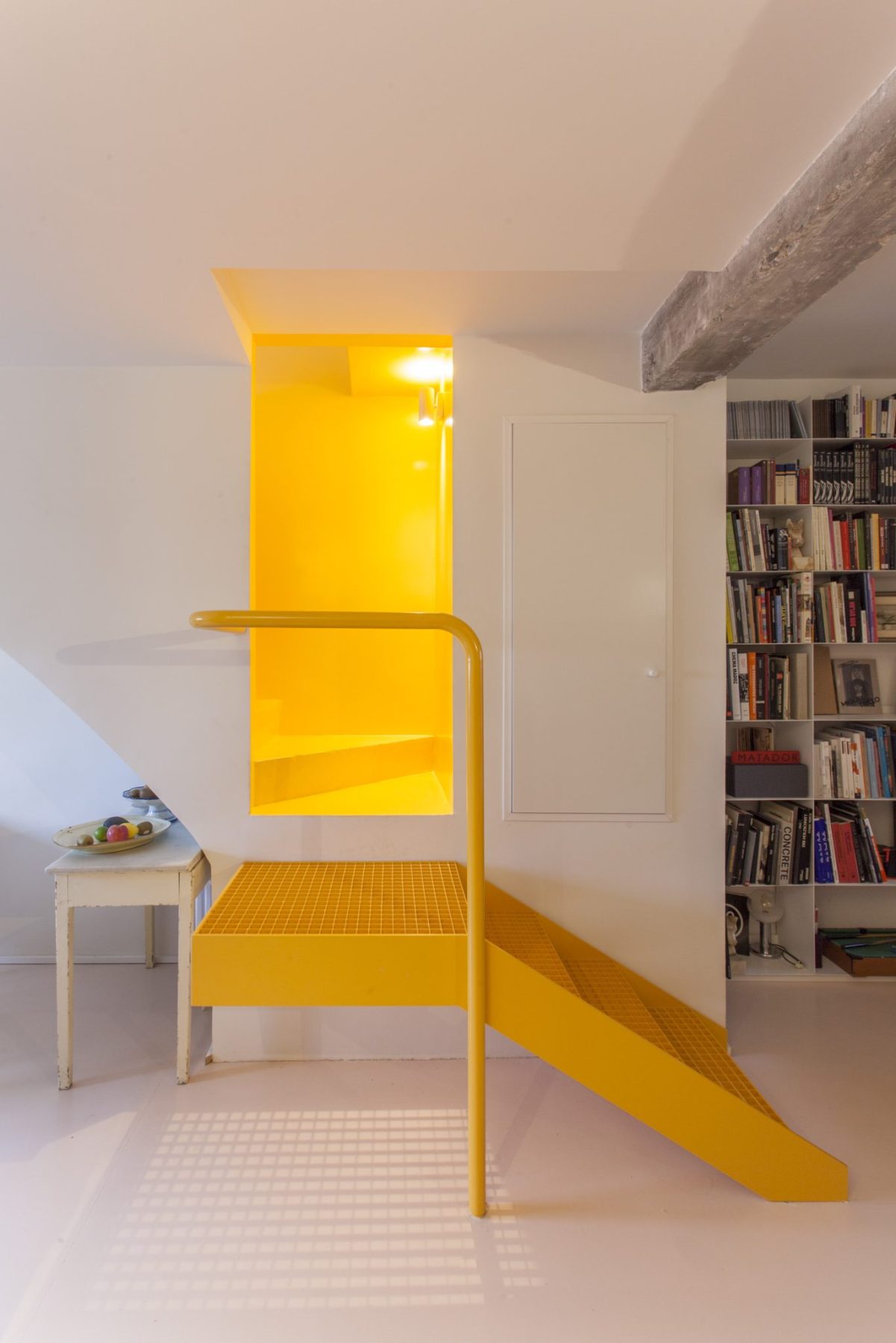
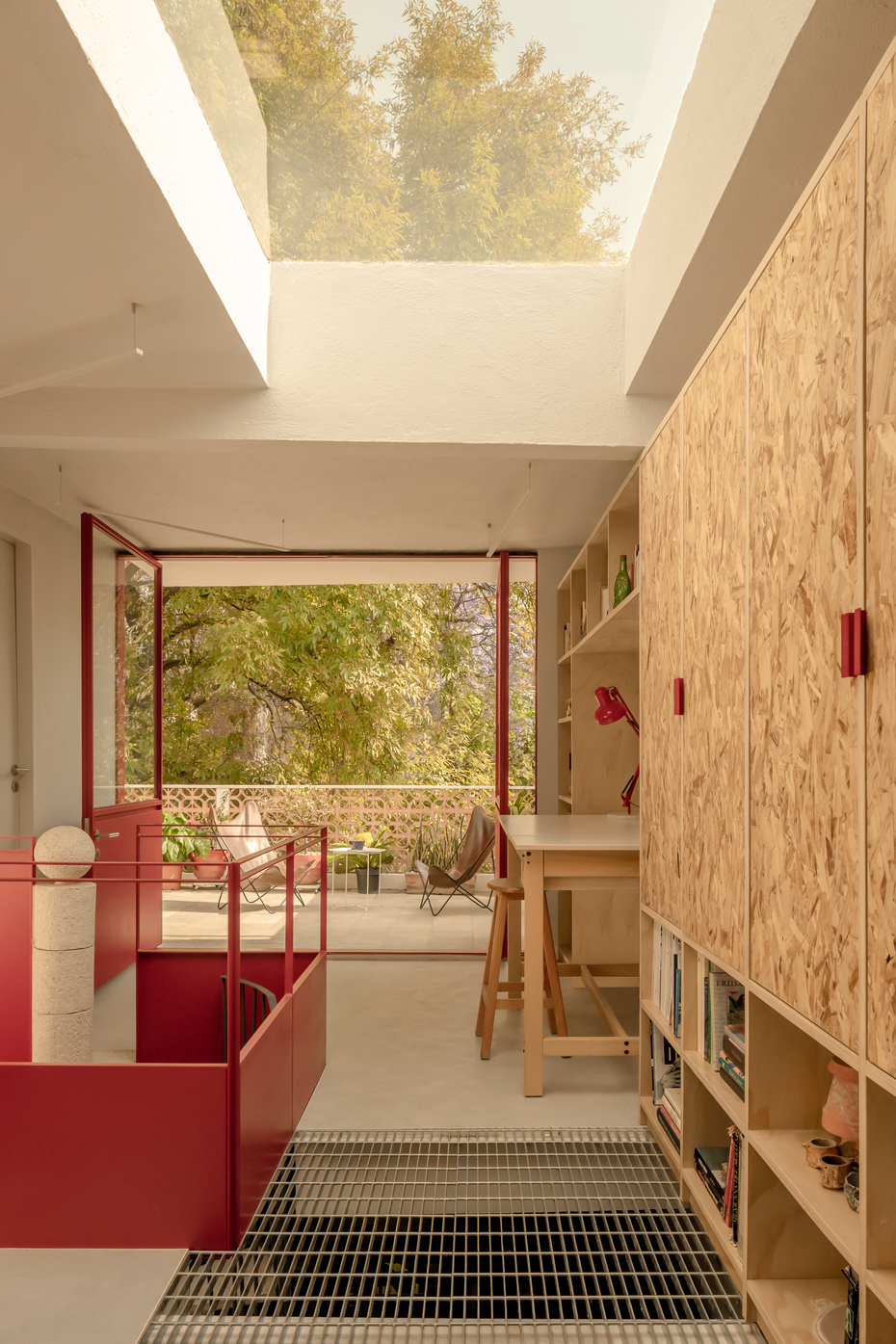
In Taller Estudio Daniela Riquelme, AMASA Estudio transforms and expands a residence in the heart of Coyoacán into a luminous art studio where colour, light, and structure operate as a single architectural system. Organized around a preexisting spiral staircase, the intervention uses vertical continuity and carefully calibrated openings to draw eastern light deep into the building. A skylight and grated platform become spatial instruments, allowing illumination to cascade between levels and redefine the atmosphere of both studio and domestic spaces. Here, colour is inseparable from structure—chosen in resonance with the artist’s practice, it intensifies light, shapes perception, and turns atmosphere itself into the primary architectural form supporting artistic production.
Read more about the project here!
2023
Casa Oasis: A Domestic Landscape for Coexistence
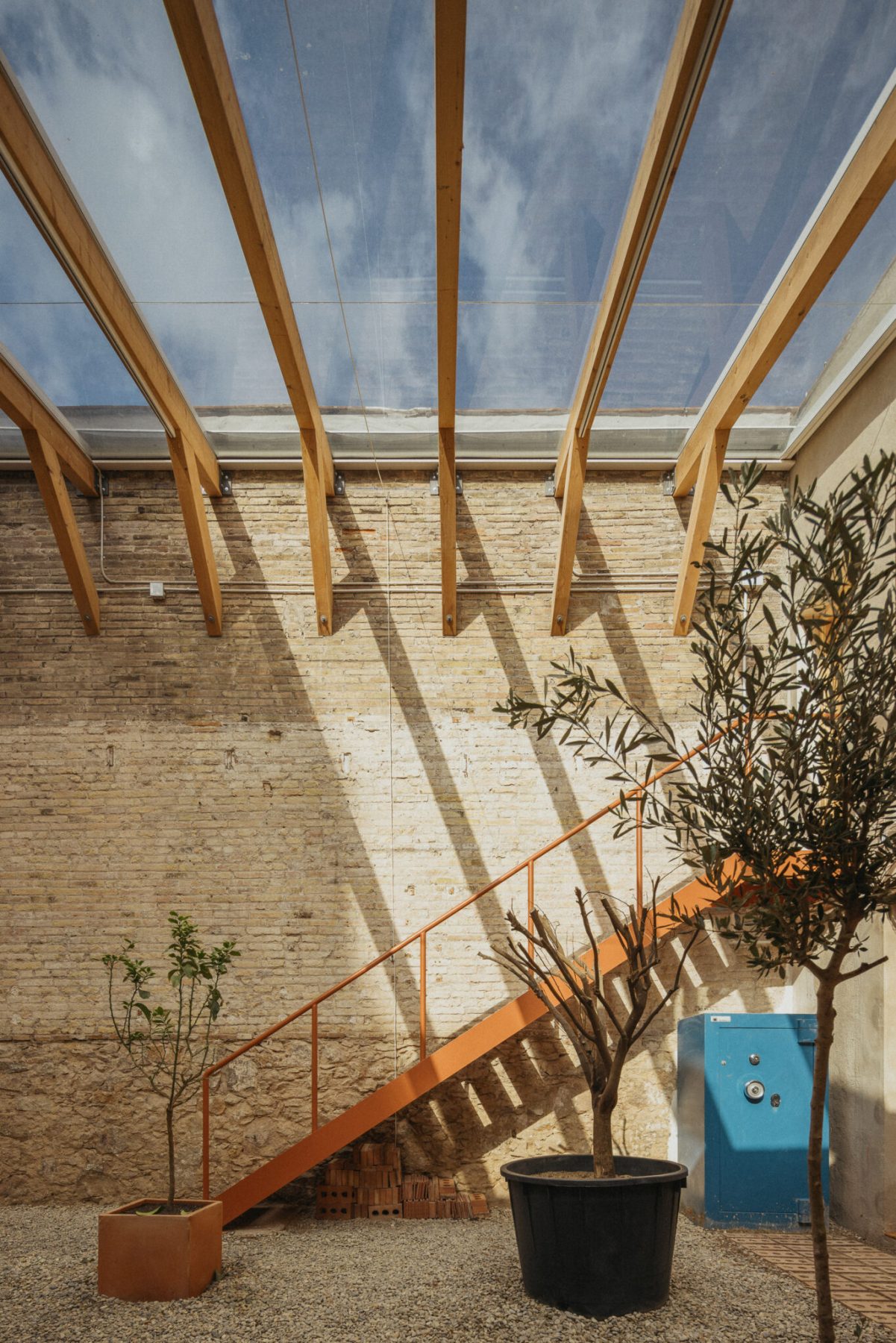
MARBÄ artquitectura, emerges from a research-driven process that reconsiders how space can support wellbeing, sustainability, and collective life within one of Europe’s densest urban contexts in Barcelona. Blurring the boundaries between porch, patio, garden, and living room, the project creates a continuous environment sheltered by a retractable glass roof that enables natural ventilation and seasonal adaptability. While rooted in domestic architecture, Casa Oasis reflects a broader redefinition of contemporary environments, where living, working, and socializing converge. The space operates as a shared landscape that fosters coexistence, creativity, and interaction, suggesting new ways architecture can contribute to culture and quality of life beyond conventional typologies.
Read more about the project here!
RABE: The Workplace as Architectural Commons
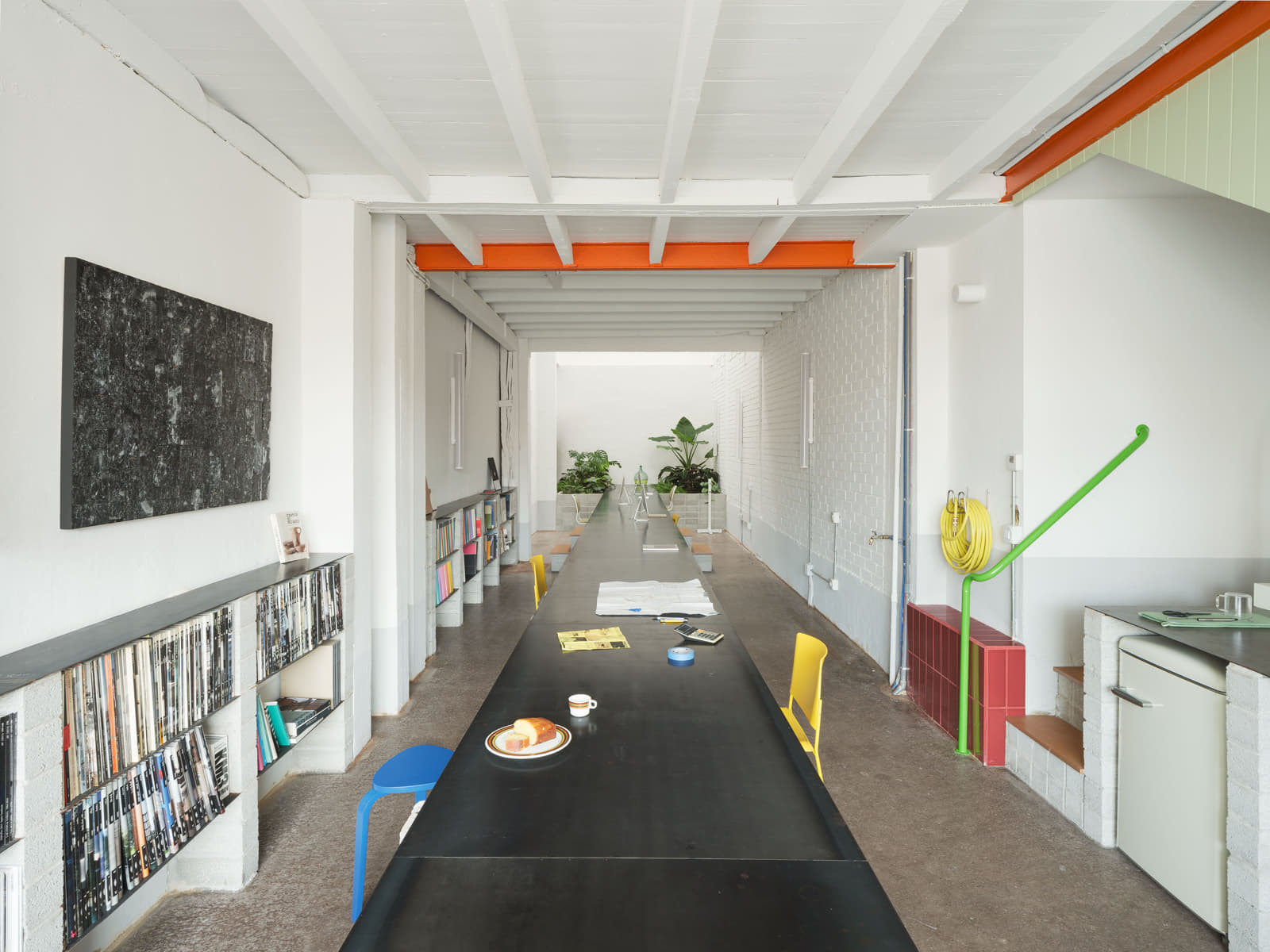
RABE in Bilbao transforms an abandoned construction warehouse into a space where work, culture, and social exchange converge. Conceived by BEAR as both their studio and a platform for architectural discourse, the project reclaims a forgotten structure and repositions it as an active participant in contemporary architectural life. By preserving the raw character of the warehouse and introducing a monumental, 20-meter-long iron table that organizes movement, gathering, and debate, the space encourages interaction beyond conventional office routines. RABE redefines the workplace as a cultural and social infrastructure, an environment where architecture is not only produced, but also discussed, exhibited, and collectively experienced.
Read more about the project here!
2021
5000 Grand River: The Workplace as Cultural Commons
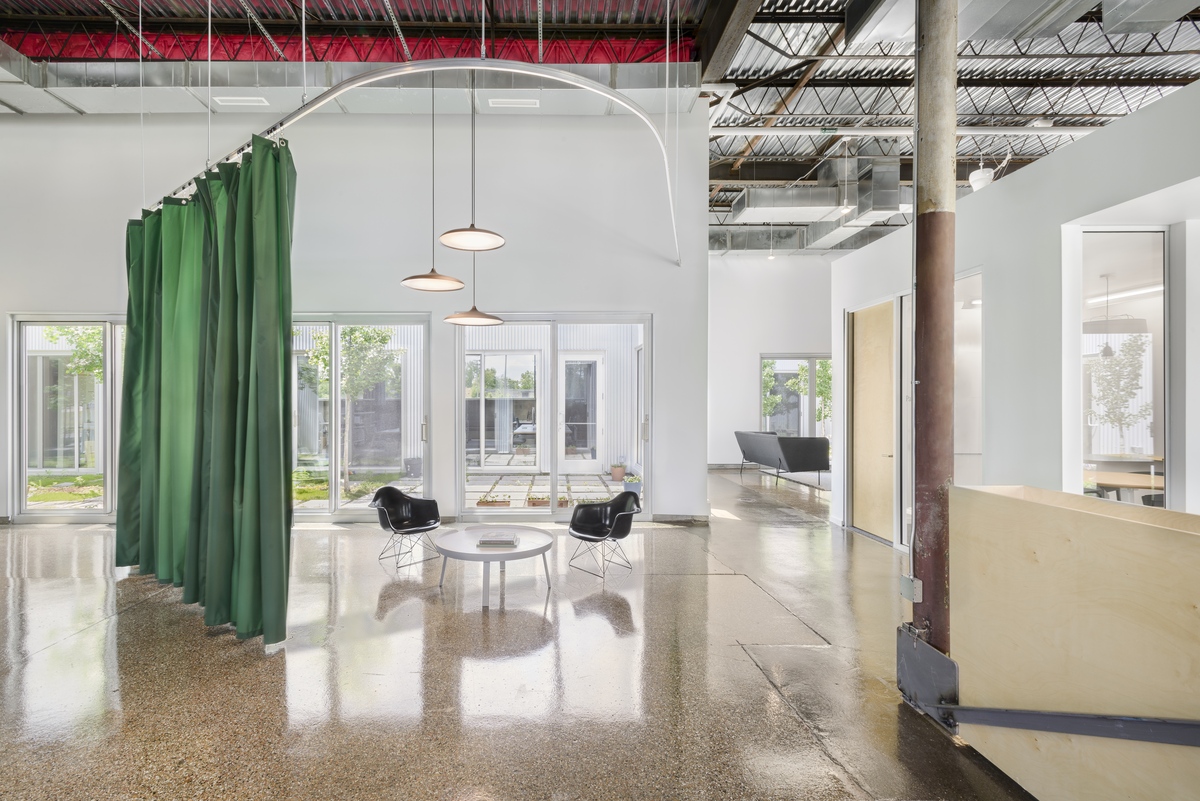
At 5000 Grand River, M1DTW Architects transform a former grocery store into Bloomscape’s expansive headquarters, redefining what the contemporary workplace contributes to culture, creativity, and social life. Embracing the building’s third act, the project capitalizes on the raw generosity of the shell, its high-bay volumes, mezzanine, and open courtyards to create an environment that encourages coexistence and collaboration. Carefully inserted programmatic elements, private offices, meeting spaces, and wellness areas, introduce moments of intimacy and density beneath the mezzanine, forming a deliberate counterpoint to the openness of the lofty zones. The result is a workplace conceived not merely as a site of production, but as a social and cultural landscape that supports interaction, flexibility, and collective experience.
Read more about the project here!
2020
Beyond the Office: Transforming a Coffeehouse into a Collective Workspace
In Limassol, Marinos Marinou Architects transform a traditional coffee space into an architectural office that rethinks the contemporary workplace as a form of social infrastructure. Rooted in the principles of modern architecture—functional clarity, open-plan organization, and structural honesty—the intervention establishes a careful continuity between the building’s past and its new professional life. By preserving simplicity and allowing old and new elements to coexist, the project moves beyond the notion of the office as a closed, purely productive environment. Instead, it reactivates the social character of the former coffeehouse, positioning the workplace as an open, collective setting that supports exchange, collaboration, and everyday civic life.
Read more about the project here!