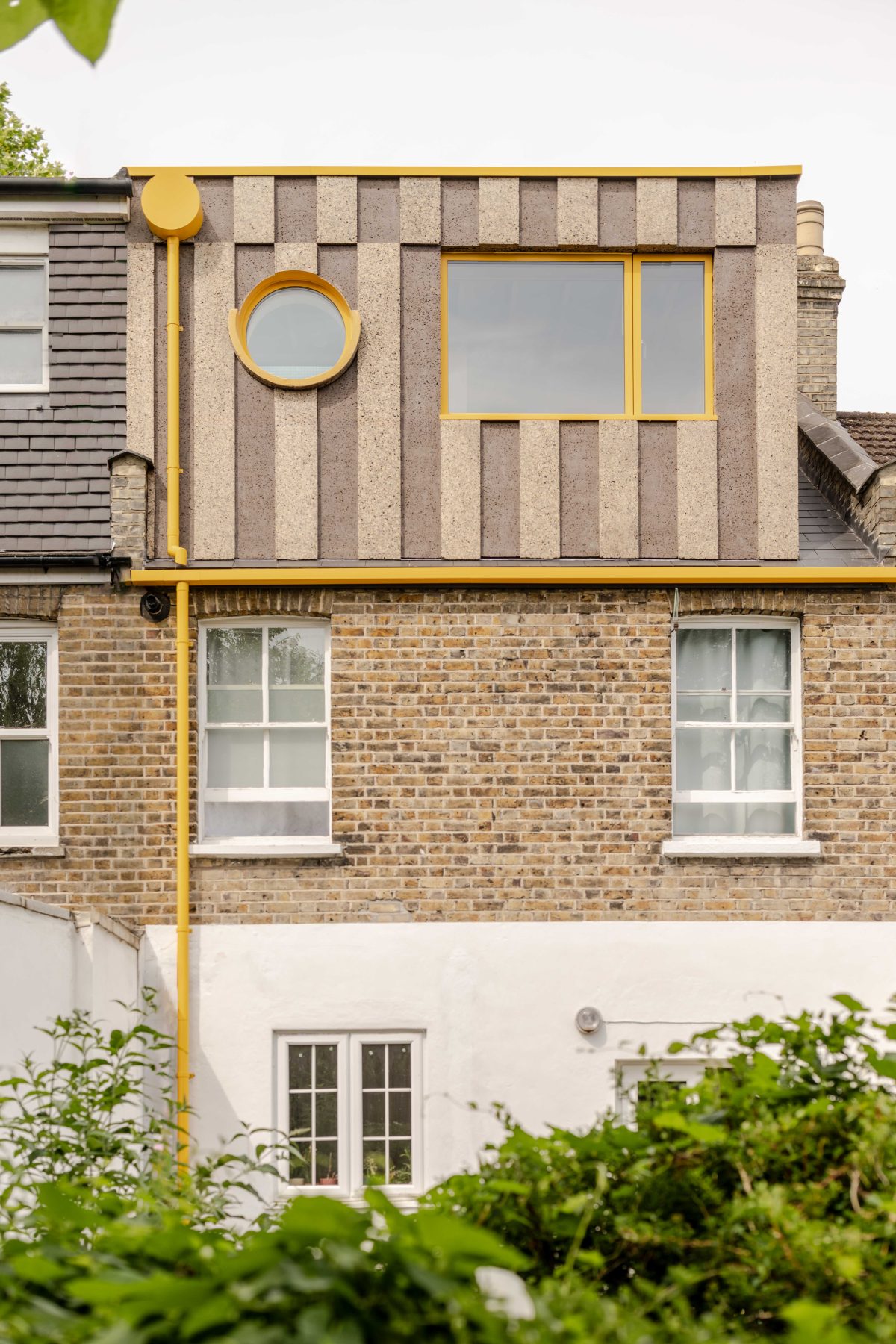
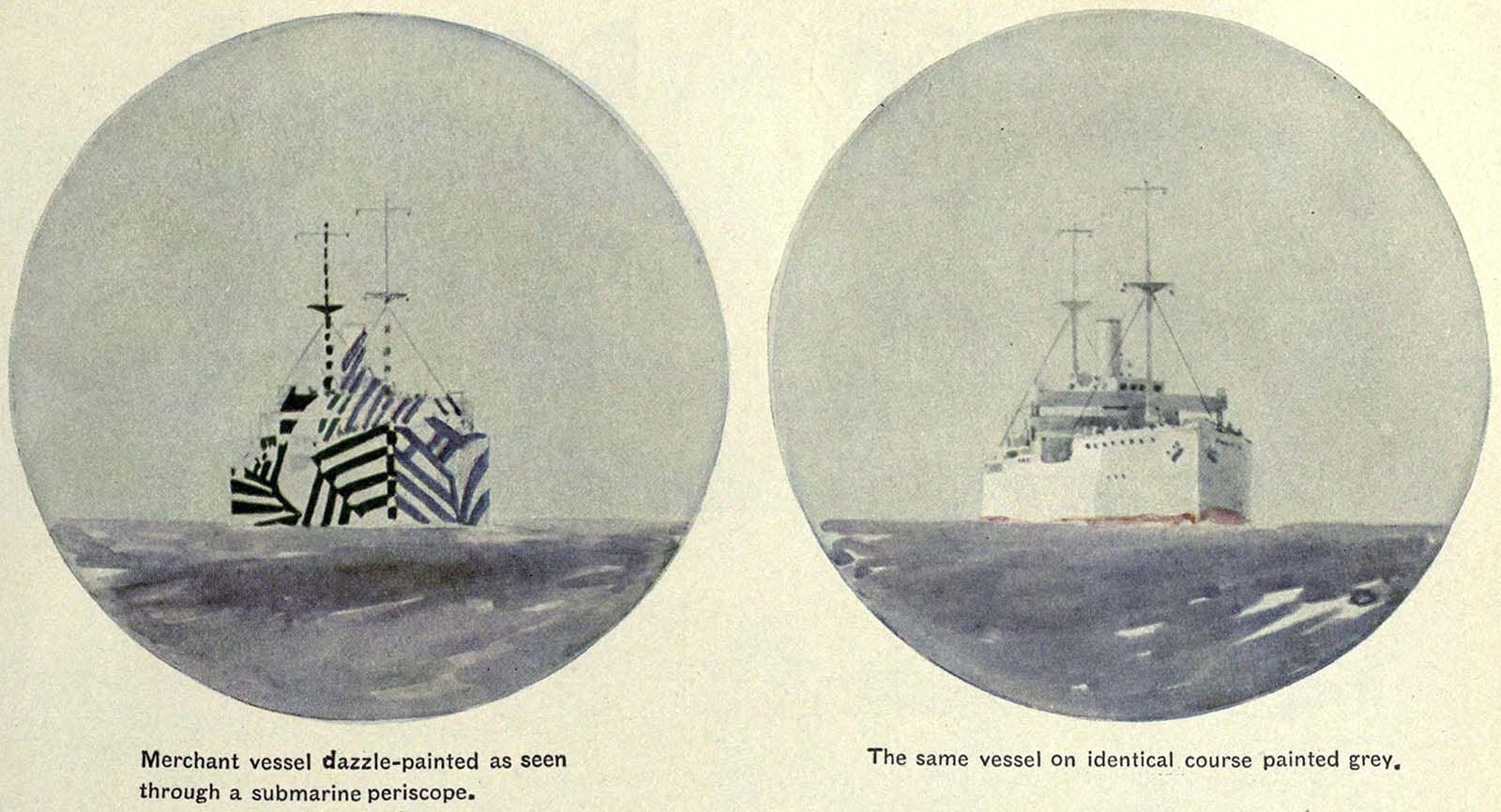
Cork Loft is nothing like a conventional house renovation; instead, it reimagines the Victorian extension as a weathering architectural skin. Drawing on the graphic language of dazzle ships, Office S&M has given Quentin and Anaïs’ North London home a cork-clad addition designed to be gradually transformed by sunlight, rain, and wind. Yellow accents reference the vernacular architecture of rural France, subtly tying the low-carbon project to its owners’ cultural roots.
In the London Borough of Waltham Forest, Walthamstow offers a remarkably legible cross-section of the city’s urban evolution. Layers of village fabric, Victorian suburbia, industrial infrastructure, post-industrial regeneration, and contemporary residential development coexist within a relatively compact territory. Brick terraces, Georgian houses, Victorian infill, and intimate streets that privilege walkability and social exchange provide a compelling example of how historic urban grain can endure within a metropolis approaching ten million inhabitants.
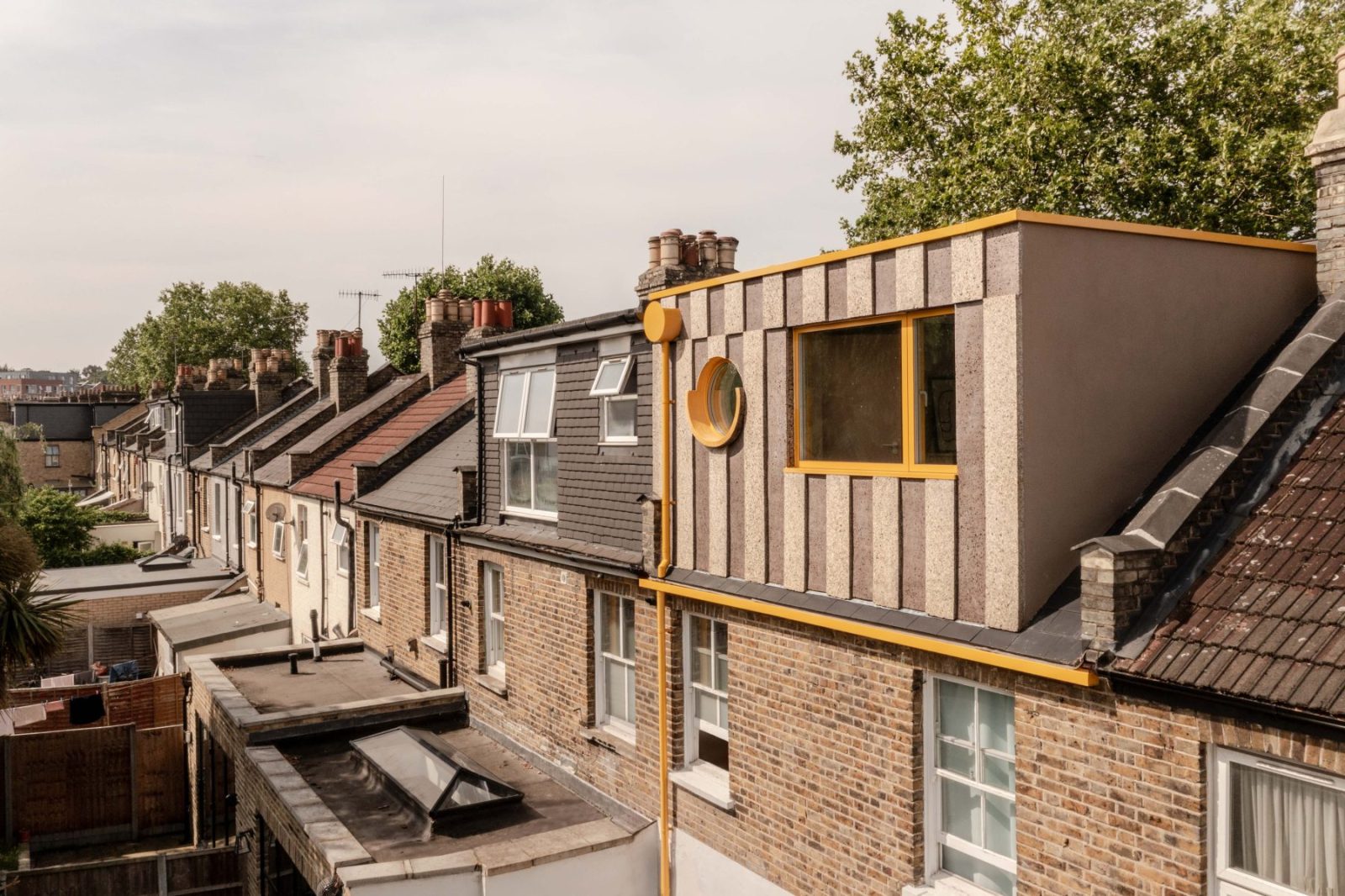
It is within this richly stratified context that Office S&M Architects conceived a singular loft extension for long-time Walthamstow residents Quentin and Anaïs, originally from France.
Playful experimentation and environmental responsibility are treated here not as opposing ambitions but as mutually reinforcing design drivers.
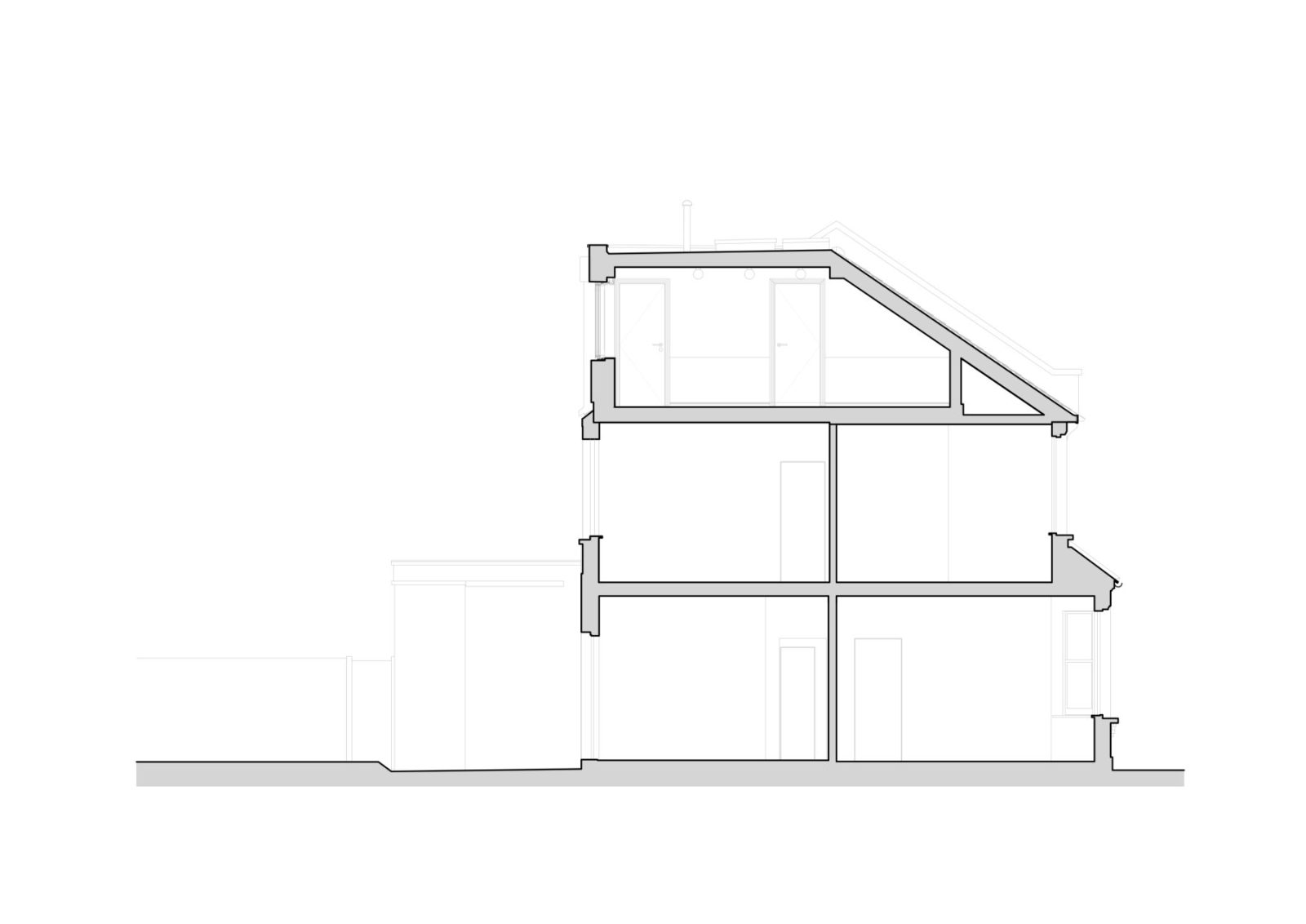
Prior to the intervention, the house had remained largely untouched for decades. Dark, damp, and affected by mould, it required a comprehensive rethinking. The loft extension constitutes the first phase of a broader masterplan that will eventually include a full retrofit, external insulation, and a ground-floor extension.


“Cork Loft has been built almost entirely from cork – one of the most sustainable materials available – giving our studio a unique opportunity to explore the incredible potential of this sustainable, affordable, and characterful material in architecture while proving that green doesn’t need to be grey,” explains Catrina Stewart, Founding Director of Office S&M Architects.
More than a material choice, cork becomes the project’s conceptual and environmental foundation.
Harvested from the bark of cork oak trees without requiring the tree to be felled, cork contributes to biodiversity, stores carbon, and remains both biodegradable and recyclable. Its thermal and acoustic performance, low weight, and minimal maintenance requirements have made it increasingly relevant within contemporary discussions around regenerative construction (Gil, 2015; Fortes et al., 2004).


Its production process is equally remarkable. The bark is periodically stripped while the tree continues to grow and absorb atmospheric carbon dioxide. The resulting granules are compressed into boards using the cork’s own natural resins as a binding agent, eliminating the need for synthetic adhesives. As architectural theorist and material researcher Sofia von Ellrichshausen notes, cork occupies a rare position among contemporary building materials: simultaneously ancient in origin and radically contemporary in its environmental implications (Gil, 2015).


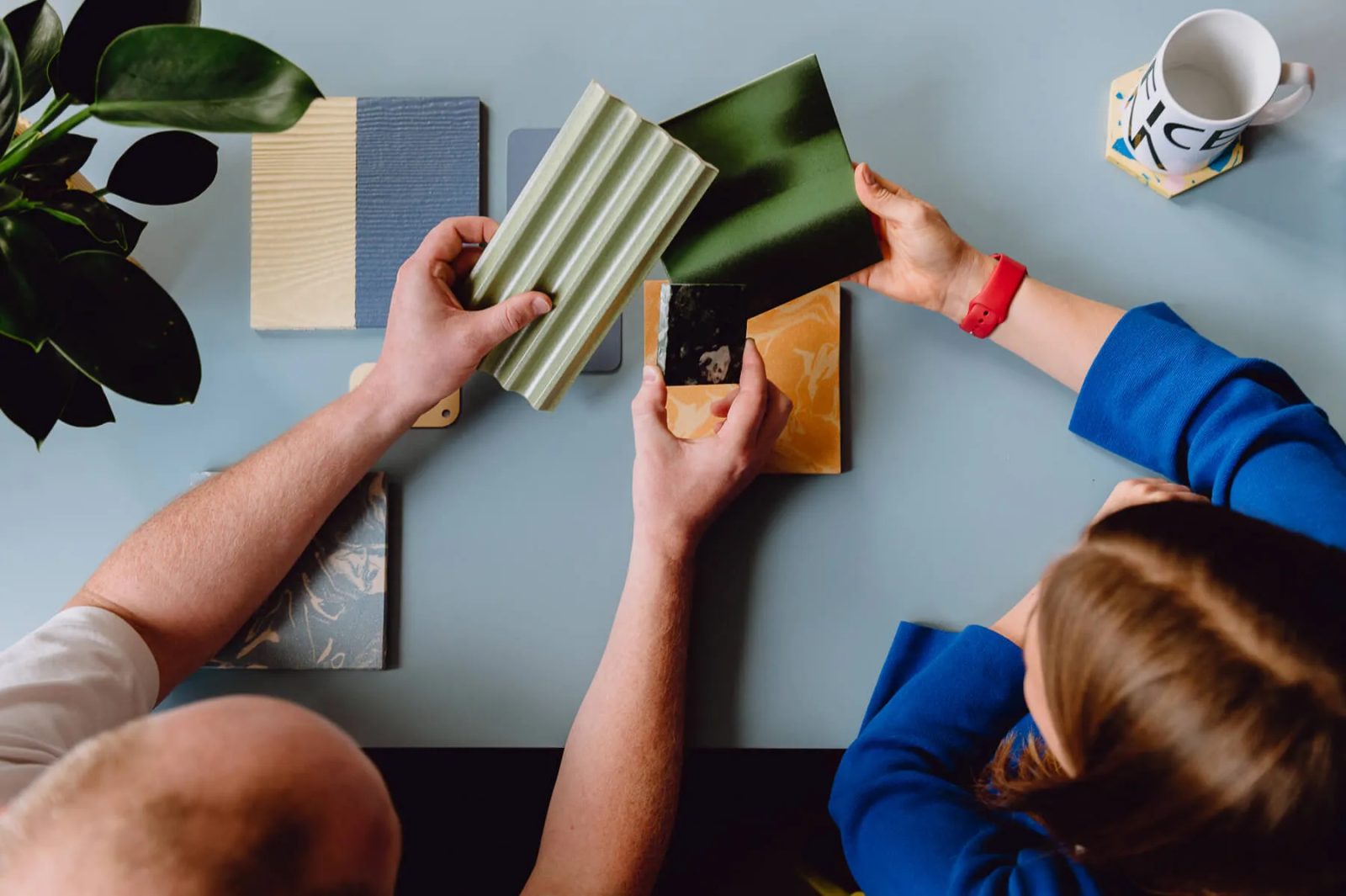
For Office S&M, the project became an opportunity to investigate the material’s architectural limits. Through extensive testing and collaboration with Materials Assemble, the design team discovered that cork could replace a surprising range of conventional construction products.
At Cork Loft, it functions as external cladding, insulation, flooring, and even as aggregate within the render.
Its lightweight properties proved particularly advantageous in a loft extension, where structural loads must remain compatible with existing Victorian foundations. Durability, moisture resistance, mould resistance, and longevity further reinforce its suitability as a future-oriented building material.
Yet the project’s most compelling dimension lies in its embrace of material transformation. Contemporary architecture frequently seeks permanence and visual stasis; Cork Loft instead foregrounds change. Like timber, copper, or weathering steel, cork is a living material whose appearance evolves through exposure to environmental conditions. Sunlight, wind, and rain gradually alter its colour and texture, producing a slow dialogue between architecture and climate. Recent research has highlighted the potential of bio-based materials to engage with temporal processes rather than resist them, positioning weathering as a design tool rather than a defect (Menges and Ahlquist, 2011).


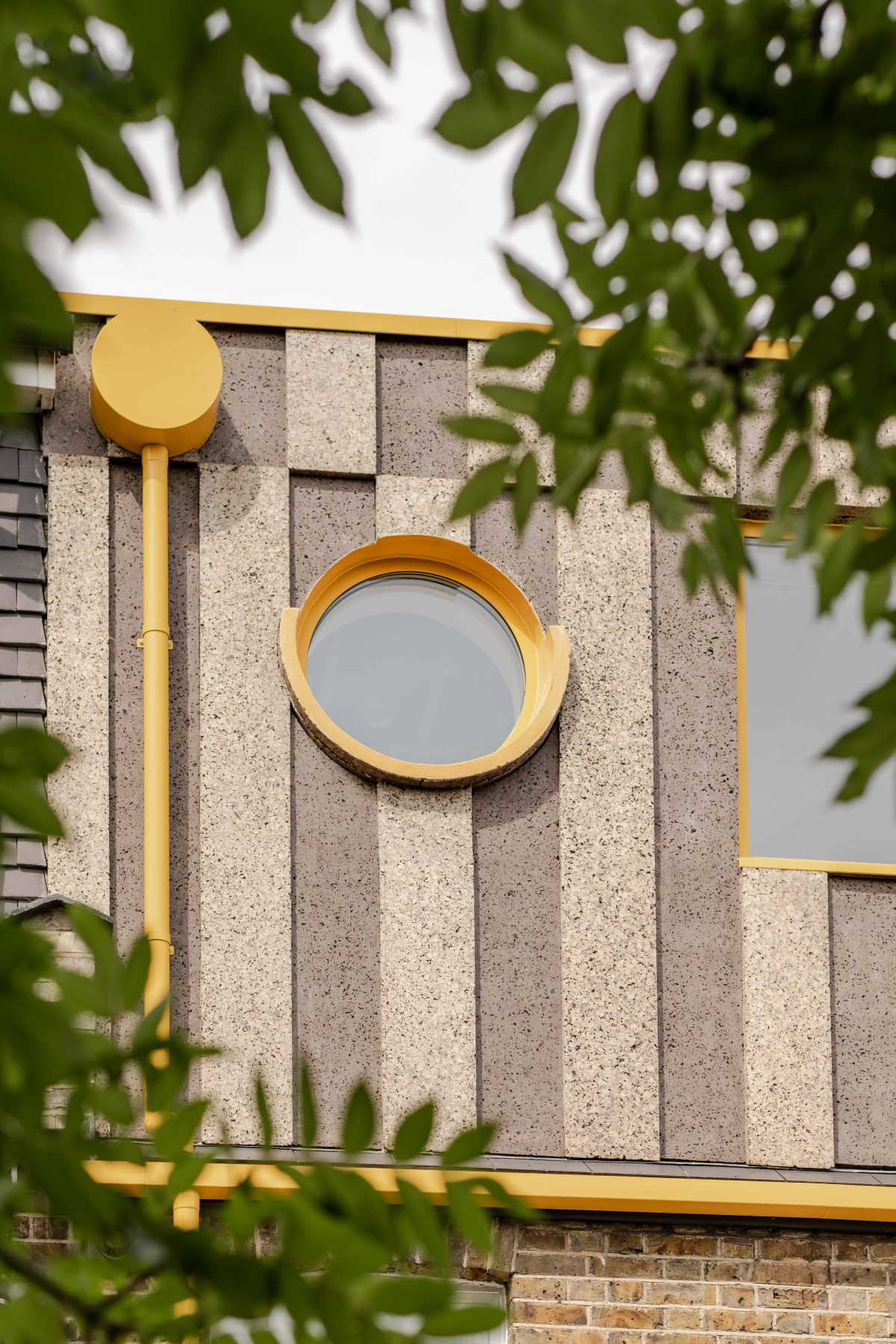
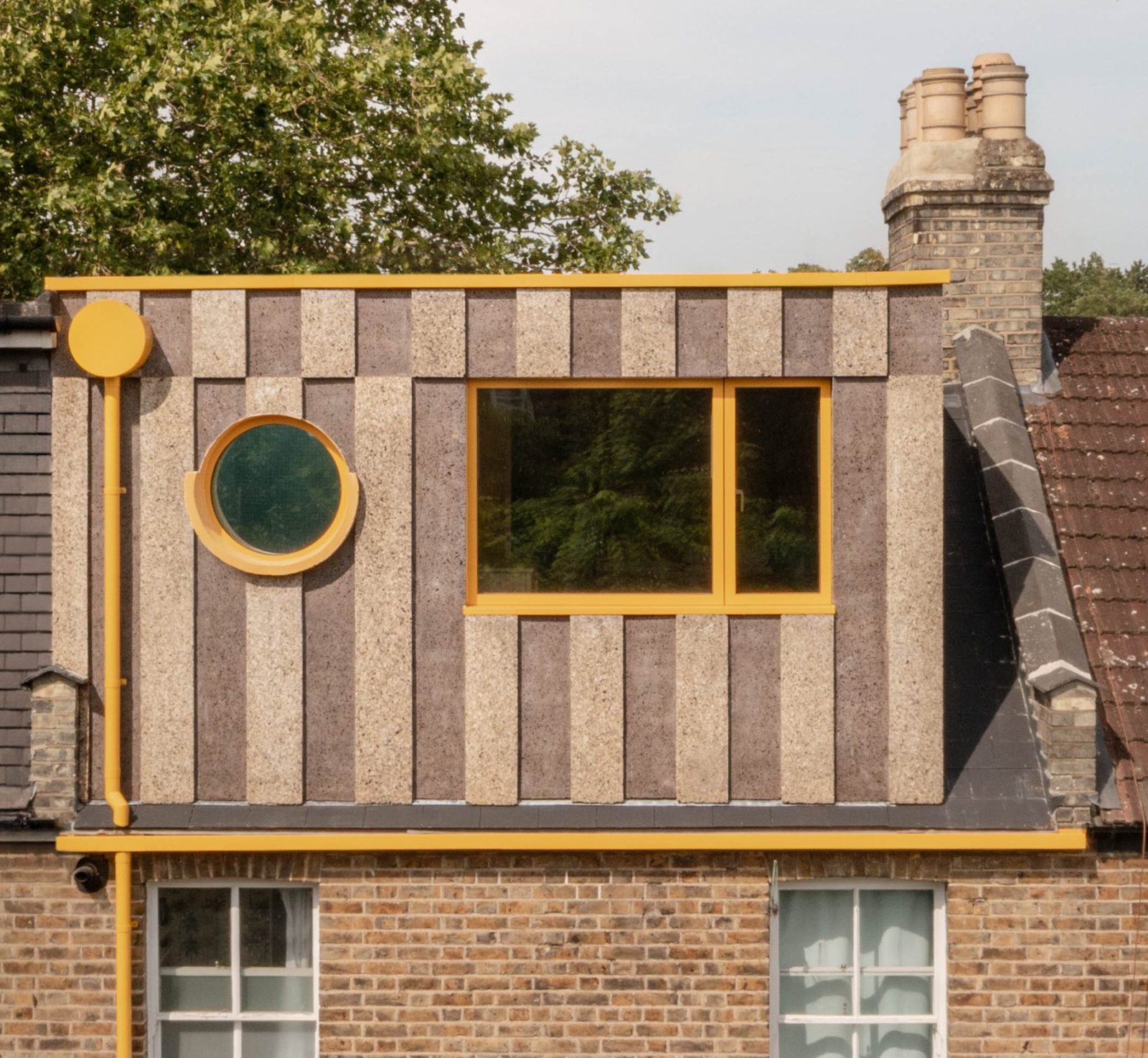
Working closely with Materials Assemble, Office S&M carefully choreographed this transformation through extensive sampling and prototyping. Different UV treatments were applied across the façade, allowing individual panels to weather at varying rates. The result is a subtle graphic composition inspired by the disruptive geometries of World War II dazzle camouflage. Rather than appearing fully formed on completion, the pattern gradually emerges through environmental exposure, revealing itself over months and years.
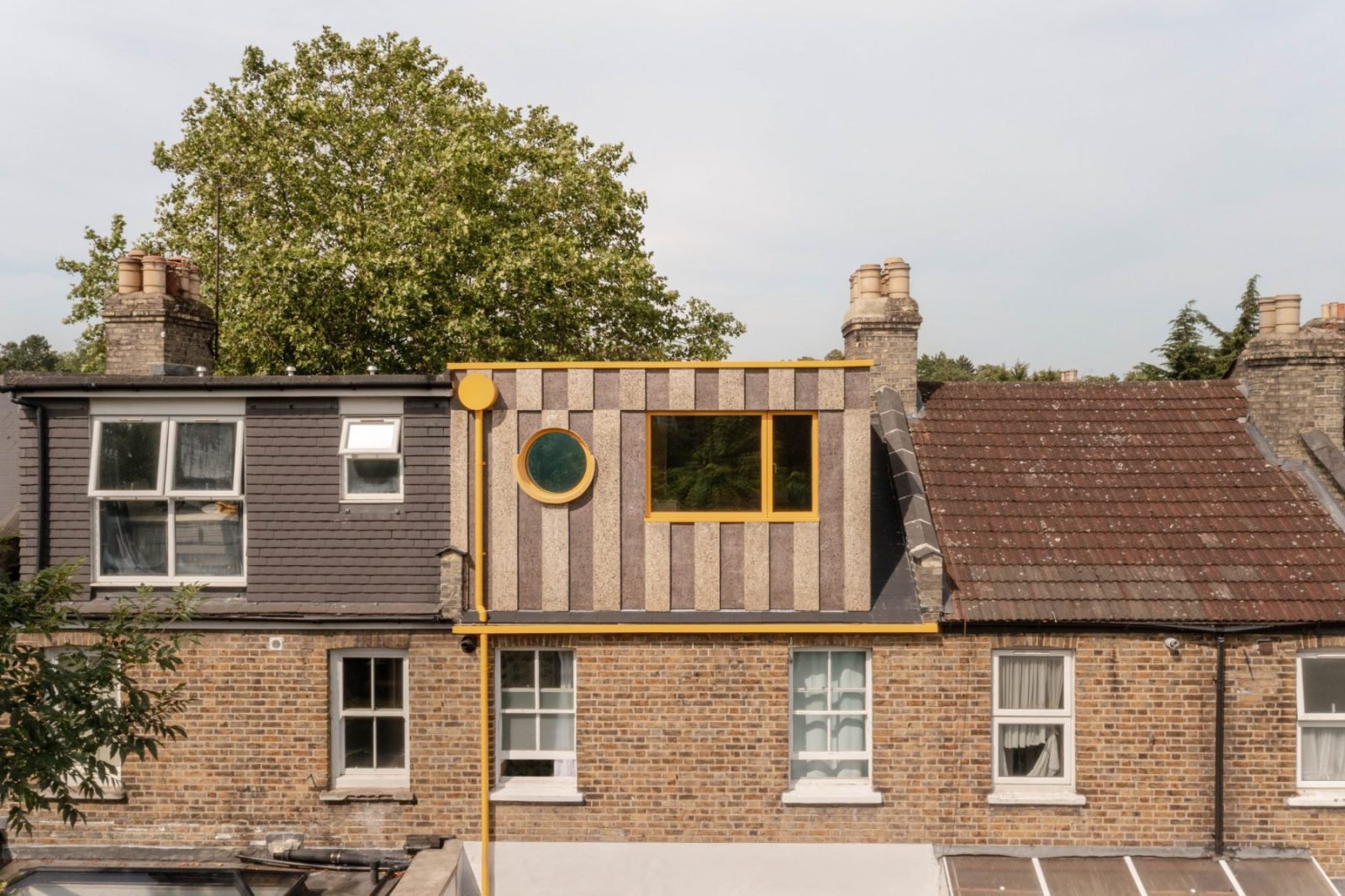
The building becomes a temporal artefact whose appearance is continuously authored by the weather.
Where many loft conversions seek visual discretion, Cork Loft embraces contrast.
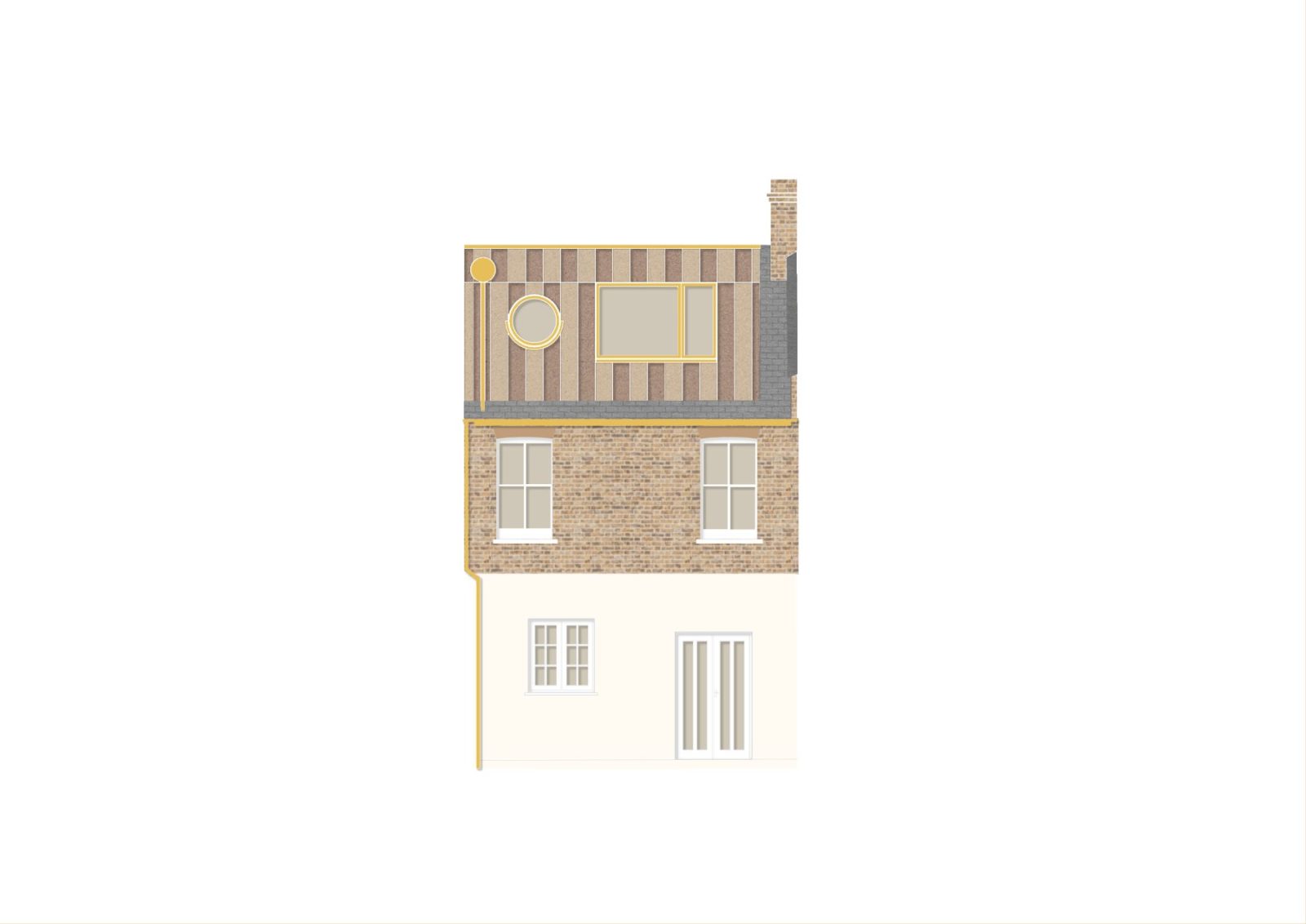
The extension respects the scale and proportions of its Victorian host while asserting a distinct contemporary identity. Initially, the deep brown tones of the cork echo the surrounding slate roofs. As the material weathers, however, the camouflage-inspired pattern becomes increasingly visible, establishing new relationships with the brickwork and mortar of the existing house.
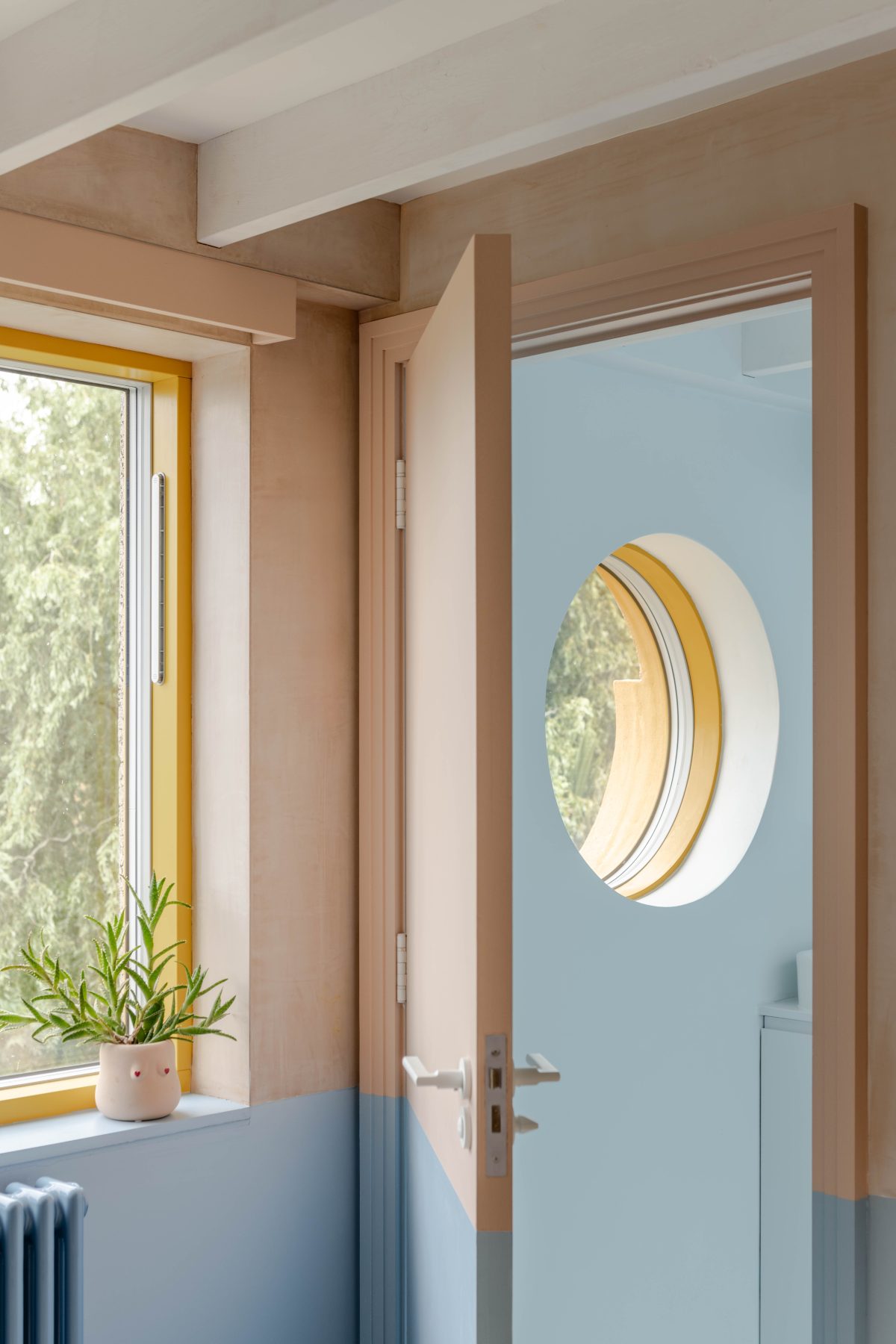
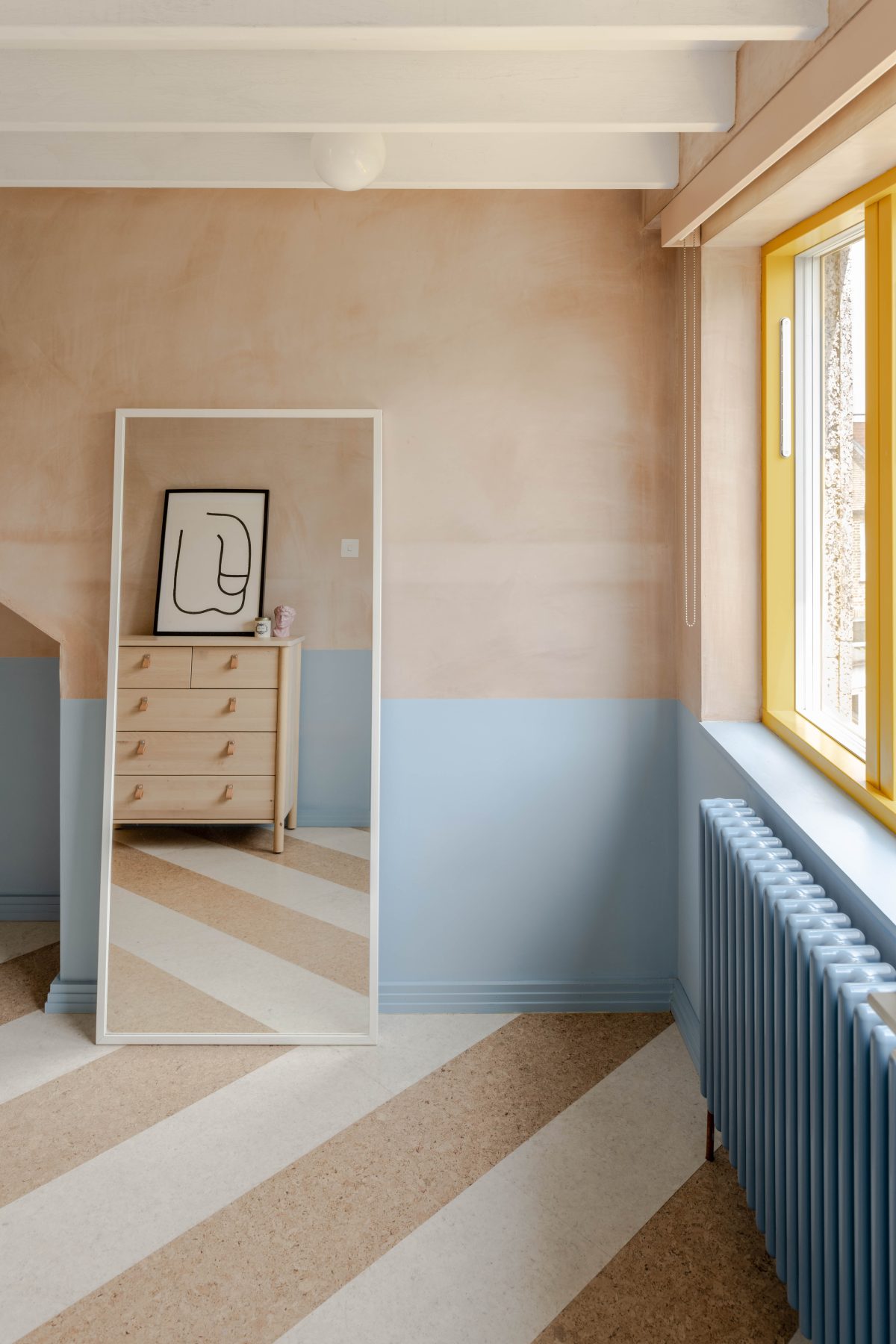
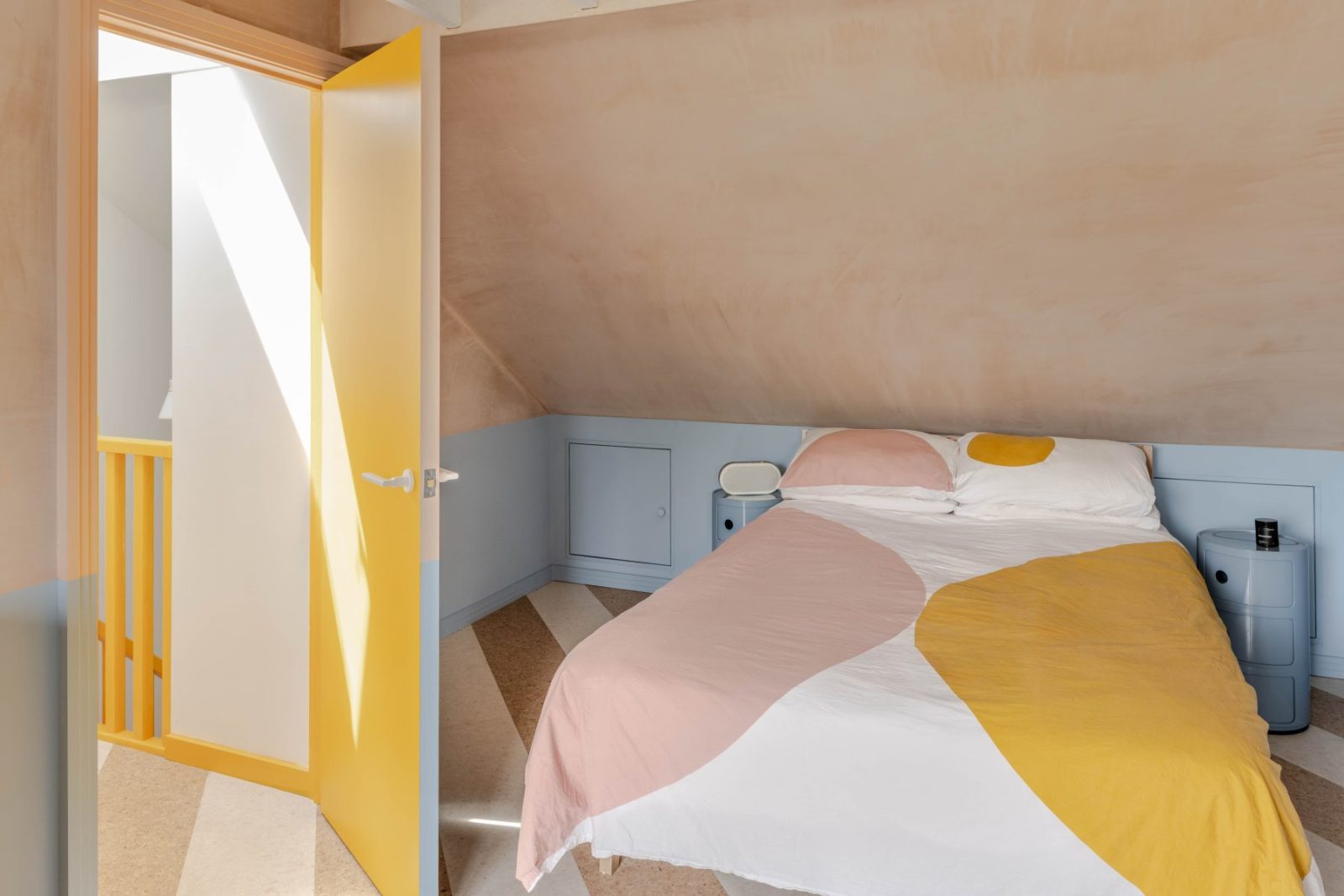
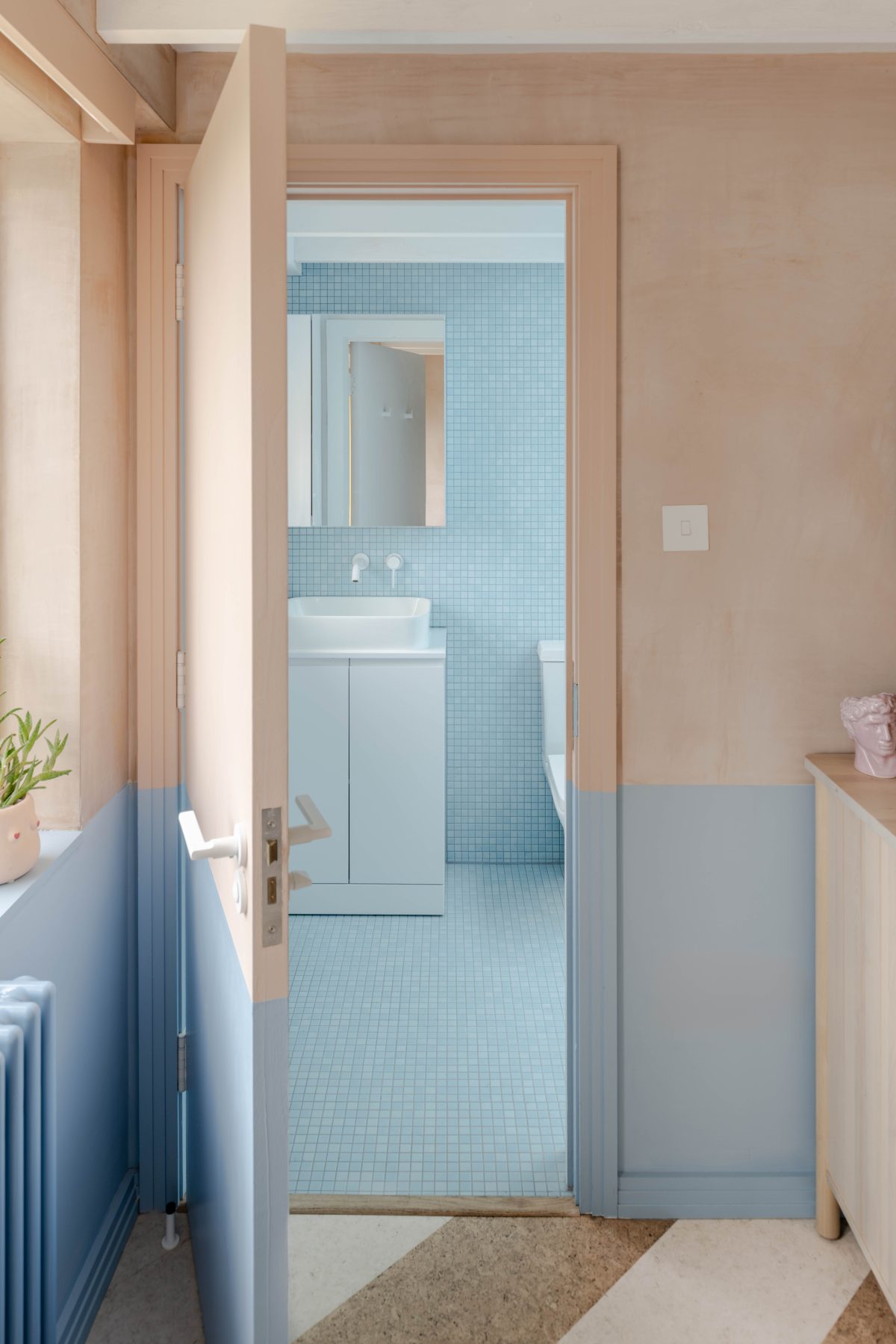
Inside, the dual tones of cork continue through the bedroom and stairwell, generating dynamic striped surfaces that extend the logic of the façade into the interior.
Yellow accents punctuate the composition, referencing the cheerful shutters, rainwater goods, and painted joinery common to rural French architecture. Externally, these details animate window frames and drainage elements; internally, they guide movement through the stairwell and illuminate the centre of the home, culminating in pendant lights that descend through the void like a contemporary chandelier.


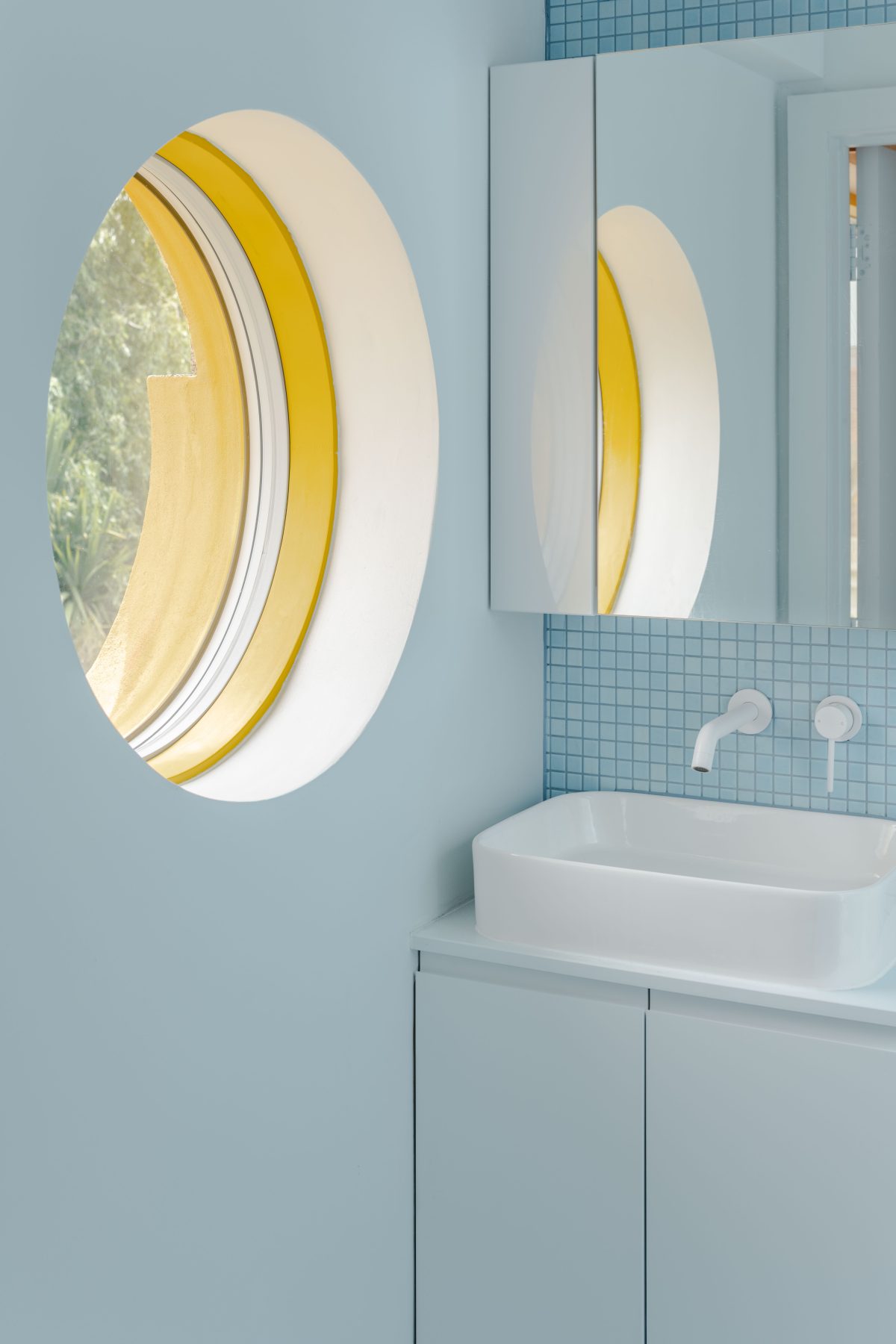
Cinema, a shared passion of Quentin and Anaïs, provides another narrative layer. A rectangular window frames the garden as though it were a carefully composed film still, while a circular shower window recalls the porthole-like apertures of maritime architecture.
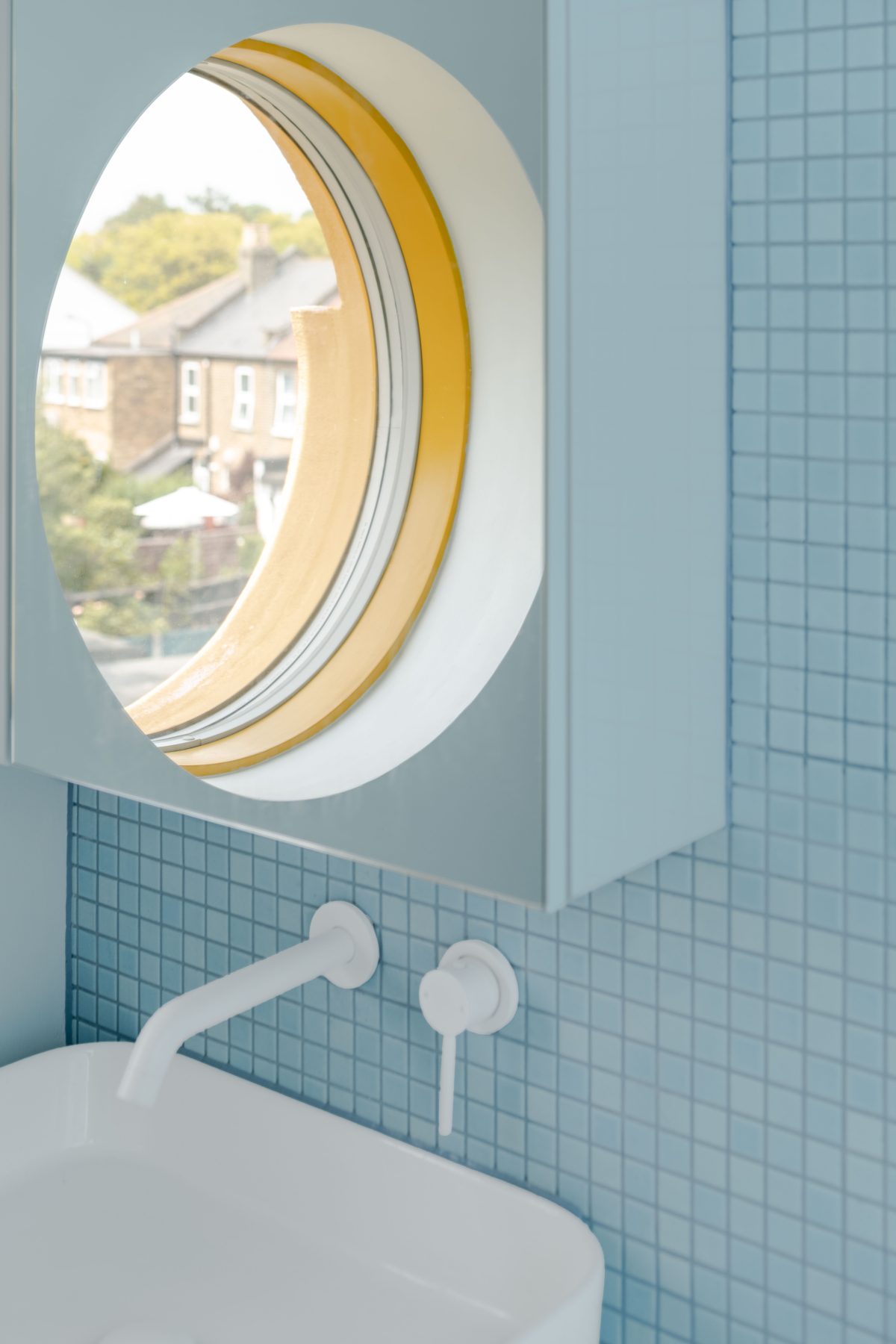
Above, a frameless rooflight opens directly to the sky, transforming the shower into what the architects describe as an “infinity shower”—an intimate encounter between domestic ritual and atmosphere.


Cork Loft demonstrates how sustainability can move beyond technical performance to become a generator of architectural expression.
Here, cork is not merely an environmentally responsible substitute for conventional materials; it is the medium through which questions of time, weathering, and identity are explored. This Victorian extension celebrates cork’s versatility as a creative force capable of producing architecture that is experimental, idiosyncratic, climate-responsive, and unexpectedly beautiful.
Bio
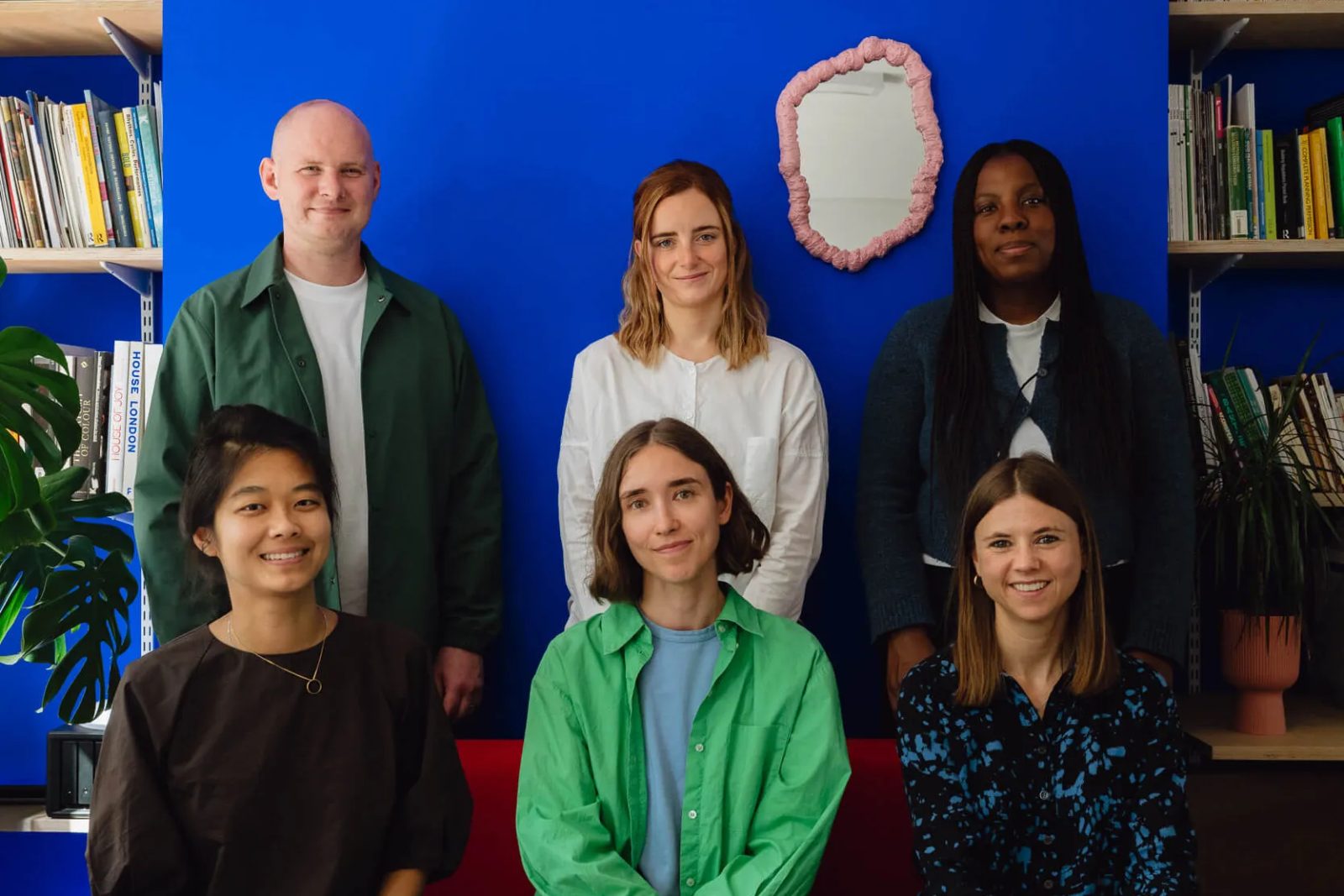
Co-founded by Catrina Stewart and Hugh McEwen in 2013, Office S&M Architects is an award-winning architecture practice with a varied portfolio. The studio has gained recognition for its inventive approach, participatory practice, collaboration, and experimentation with materials and colour to create drama. The practice is founded on a belief that good design should deliver social value while providing joy and supporting wellbeing. This applies to the places people live, work, shop and just spend time together. Projects range from eye-catching houses to playful public realm, all of which is underpinned by detailed research and an understanding of regulatory processes. The secret to all of this is listening to clients and communities, forming a deeper awareness of needs and aspirations that leads to solutions.
Office S&M has developed extensive experience in town centre and placemaking projects, gained through involvement in every round of the GLA Outer London Fund, and working with one-third of the London boroughs. Civic work includes high streets, community centres and markets, incorporating the practice’s co-design process to build local capacity.
The practice’s accolades include: winning Building Design’s Young Architect of the Year Award (2020); inclusion in the Architects’ Journal 40 under 40 – a showcase of architecture’s brightest up-and-coming talent (2020) and the Architecture Foundation’s New Architects 4 publication (2021); and selection as a Rising Star by RIBA Journal (2019). The directors sit on the Hackney Design Review Panel, Tower Hamlets Quality Review Panel, Newham Design Review Panel, Design Council Expert Panel, Croydon Design Review Panel, Reading Design Review Panel and Essex Quality Review Panel.
Facts & Credits
Project title Cork Loft
Typology Loft Extension, Refurbishment, Residential
Location Walthamstow, Northeast London, UK
Clients Quentin and Anais
Gross built area 120 sqm
Architecture Office S&M Architects
Structural Engineer Foster Structures
Contractor Square Mile Builders
Suppliers Materials Assemble
Photography French + Tye
References
Fortes, M.A., Rosa, M.E. and Pereira, H. (2004) Cork: Biology, Production and Uses. Amsterdam: Elsevier.
Gil, L. (2015) Cork Composites: A Review. Materials, 8(2), pp. 625–637.
Menges, A. and Ahlquist, S. (2011) Computational Design Thinking: Computation Design Thinking. Chichester: Wiley. (Referenced for discussions on material behaviour, environmental responsiveness, and time-based architectural processes.)