Following his recognition with the 2026 Pritzker Architecture Prize, Smiljan Radić Clarke continues to expand his architectural presence across Europe, with Spain emerging as one of the most active contexts for his current work. As only the fifth Latin American architect to receive the distinction in the award’s 47-year history, Radić brings a singular design approach shaped by material experimentation, emotional depth, and a profound sensitivity to fragility, place, and human experience.
Rather than marking a culmination, the Pritzker award coincides with a period of sustained creative activity, as Radić engages with new cultural, urban, and landscape contexts while maintaining an approach rooted in experimentation, material presence, and spatial ambiguity.
Across his body of work, architecture emerges as a framework for inhabiting uncertainty.
Buildings, installations, and temporary structures often occupy a space between permanence and impermanence, appearing at once familiar and unexpected.
This sensibility is carried into his current European commissions, where existing conditions become catalysts for new forms of architectural expression rather than constraints to be overcome.
Whether working within historic urban fabrics, remote landscapes, or temporary cultural settings, Radić approaches each project as a specific response to place, program, and atmosphere.
His architecture resists repetition, yet remains connected through a consistent interest in materiality, construction, and the emotional dimension of space. Rather than pursuing a fixed architectural language, his projects emerge from the specific qualities of each site.
Through the careful orchestration of light, structure, texture, and enclosure, his projects create environments that are simultaneously protective, contemplative, and open to interpretation.
The projects presented here trace both the recent and emerging trajectory of Smiljan Radić’s work across Spain and his native Chile, revealing how his architectural ideas continue to evolve across distinct cultural and geographical contexts.
Alongside two completed projects that demonstrate the breadth and maturity of his architectural approach, three upcoming interventions reveal the directions currently being explored by the Chilean architect. Spanning adaptive reuse, hospitality, and temporary architecture, these works engage with diverse contexts while remaining connected through a shared interest in material experimentation, landscape, atmosphere, and the relationship between permanence and transformation. Together, they offer a snapshot of an evolving body of work that continues to expand Radić’s distinctive architectural language beyond the boundaries of geography, typology, and scale.
Selected Works
Telecommunications Palace Renovation in Barcelona, Spain (ongoing)
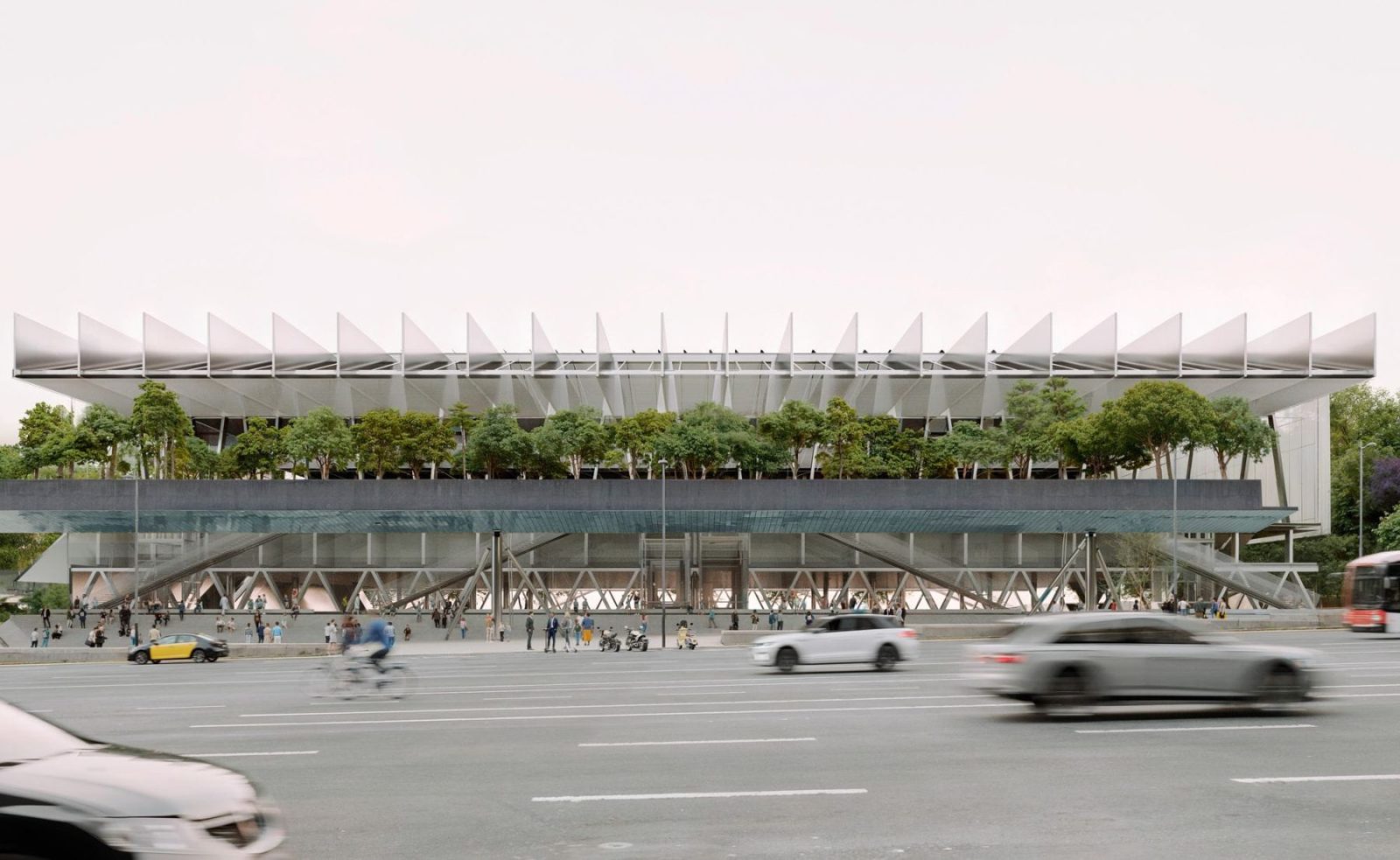
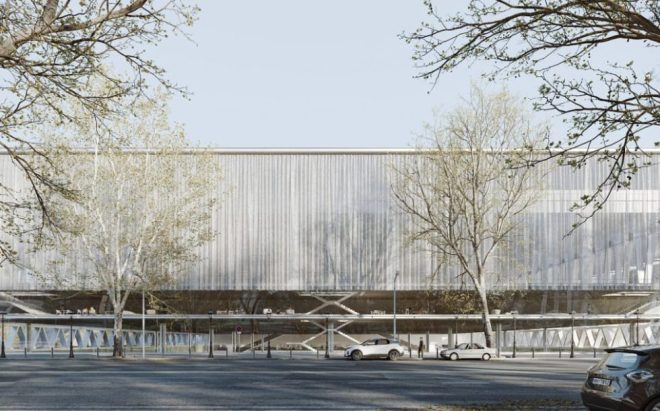
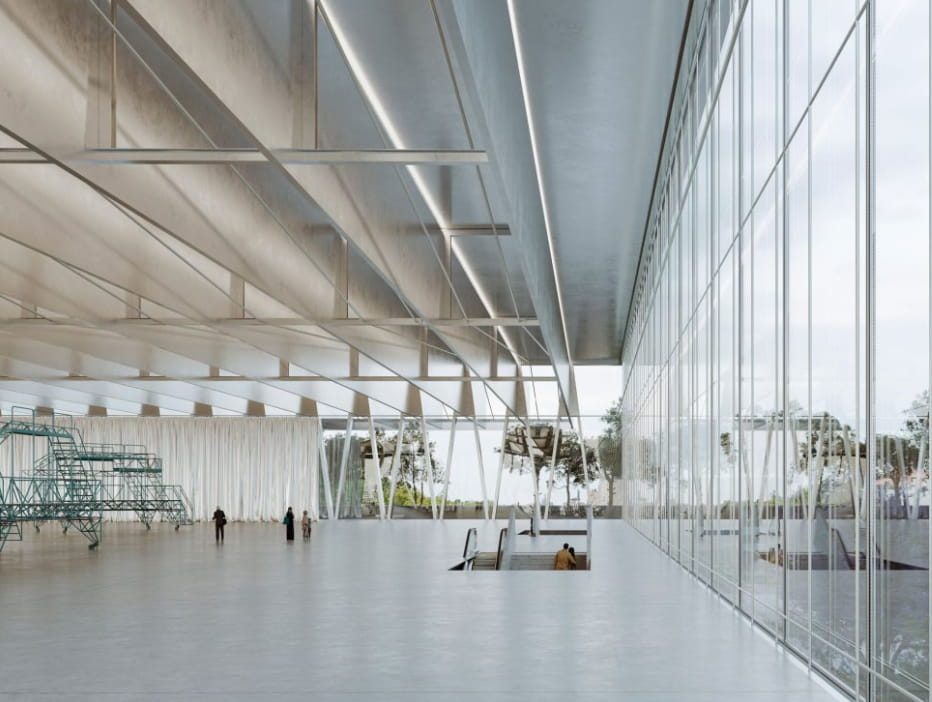
Smiljan Radić is part of the winning team selected to transform the historic Montjuïc exhibition grounds in Barcelona ahead of the centenary of the 1929 International Exposition. The proposal, titled 2029 Artefacto, includes the renovation of the former Palace of Communications and its integration into a broader cultural and exhibition complex.
Rather than treating the existing building as an isolated monument, the project establishes a dialogue between heritage and contemporary architecture through a lightweight metallic framework that enhances transparency, permeability, and urban connectivity.
The intervention seeks to liberate the historic façades while introducing new public and exhibition spaces capable of accommodating the evolving demands of international events.
Positioned within the wider transformation of Fira Barcelona, the project reflects Radić’s interest in architecture as an unfinished framework—one that balances monumentality with openness and allows existing structures to acquire new forms of public life.
Solo Hotel in Matarraña, Spain (ongoing)
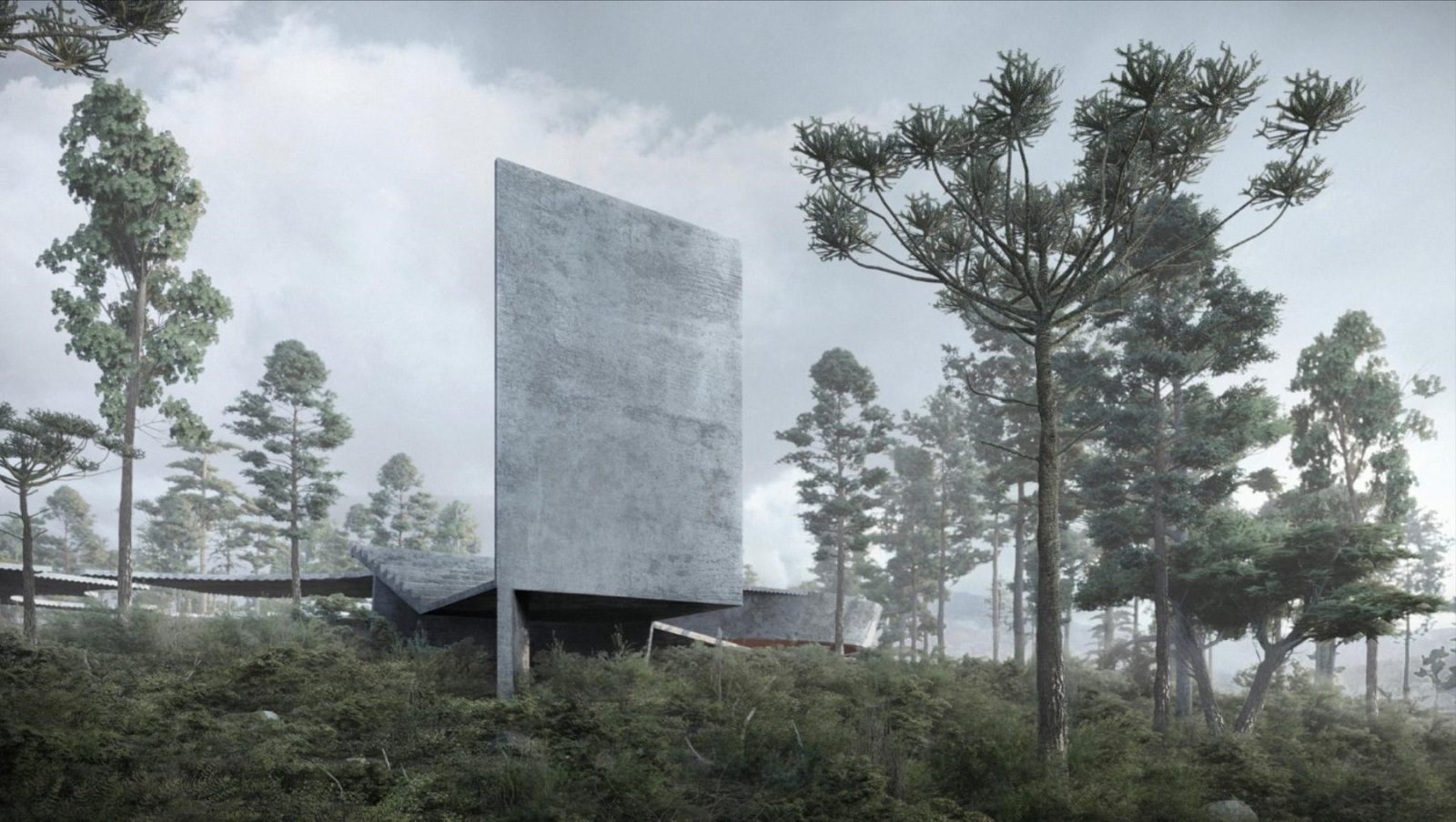
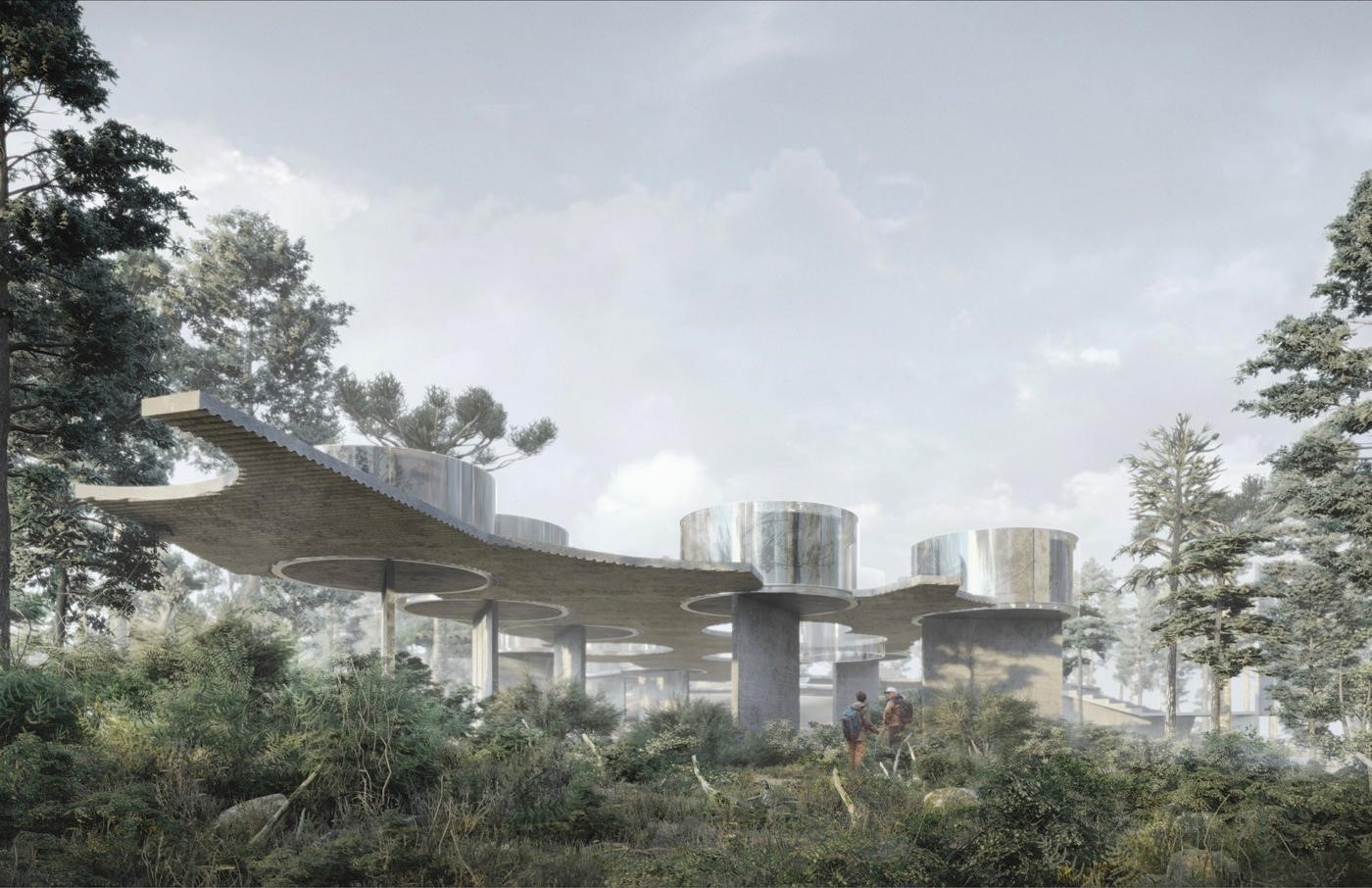
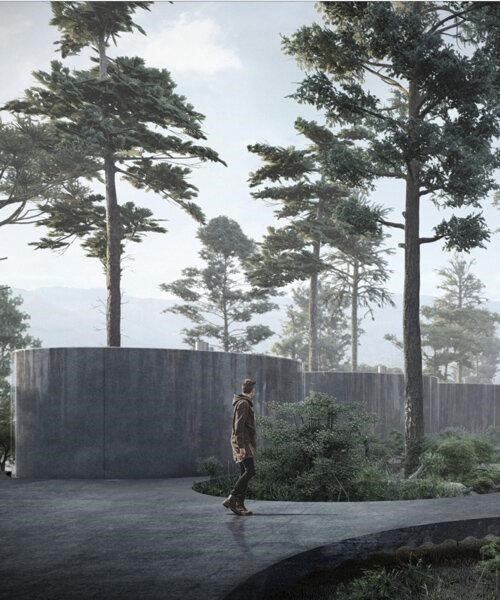
Located within the expansive Solo Houses architectural park in the remote landscape of Aragón, Solo Hotel represents one of Smiljan Radić’s most ambitious hospitality projects. Conceived as the social and cultural centre of the 200-hectare estate, the building extends his ongoing exploration of architecture as a mediator between territory, art, and habitation. The project takes the form of a long elevated terrace punctuated by circular openings from which cylindrical accommodation units emerge, creating a porous structure that appears to hover above the landscape.
Drawing inspiration from a fragment of hawthorn wood used in the work of artist Marcela Correa, the hotel transforms a simple found object into an architectural strategy for occupying an otherwise uninhabited territory.
Beyond hospitality, the project contributes to the broader vision of Solo Houses as an evolving landscape of experimental architecture, contemporary art, and ecological tourism.
“Circo” Installation, Concéntrico 2026 in Logroño, Spain (ongoing)
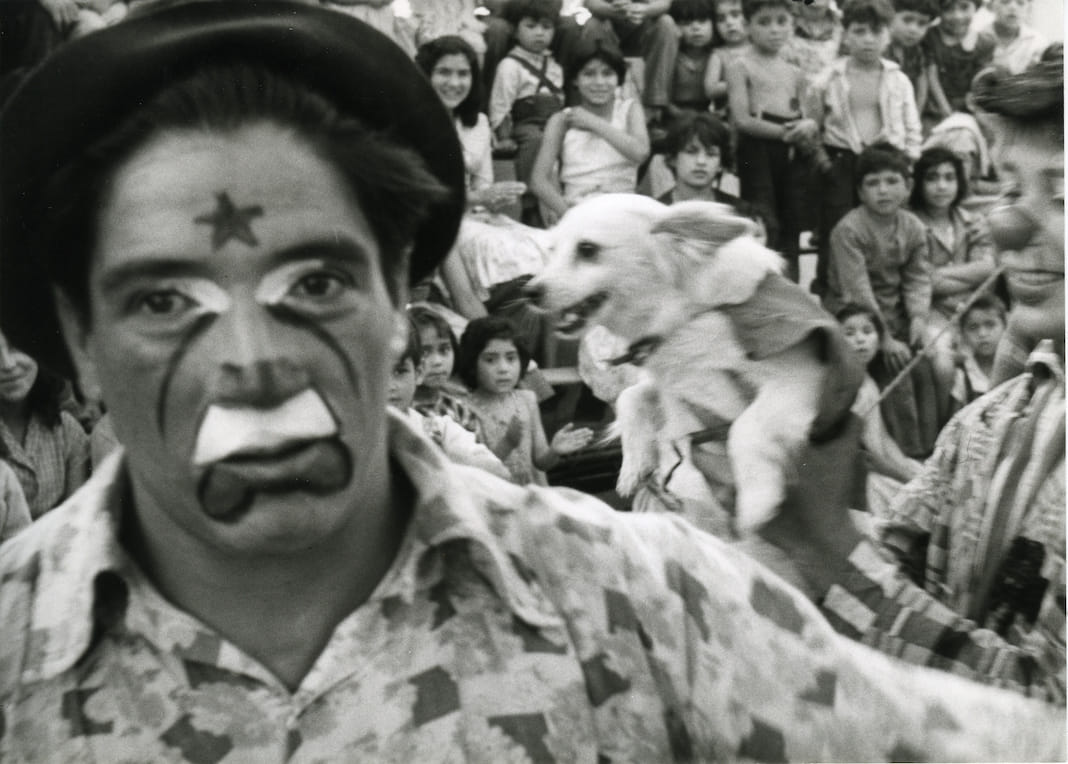
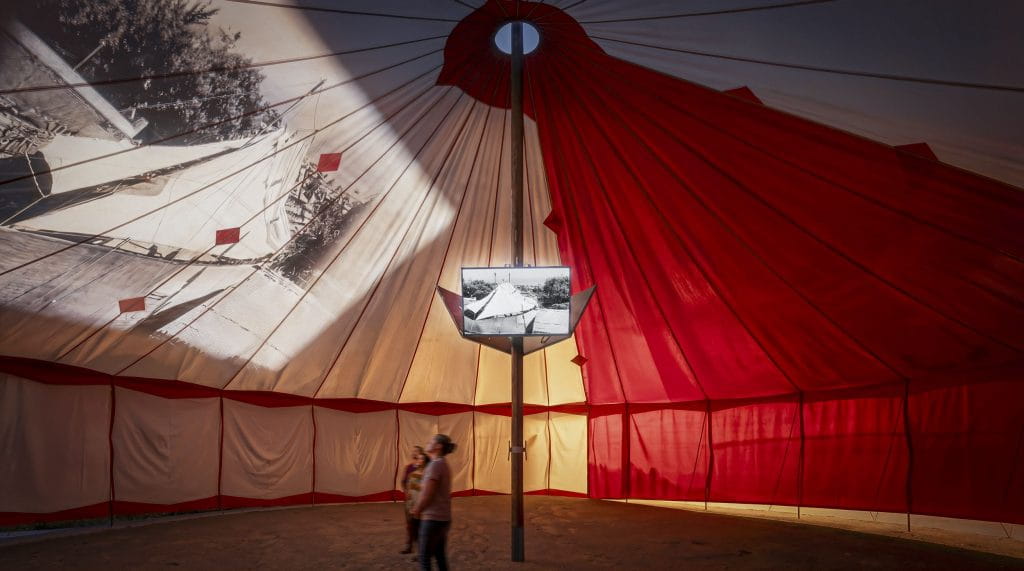
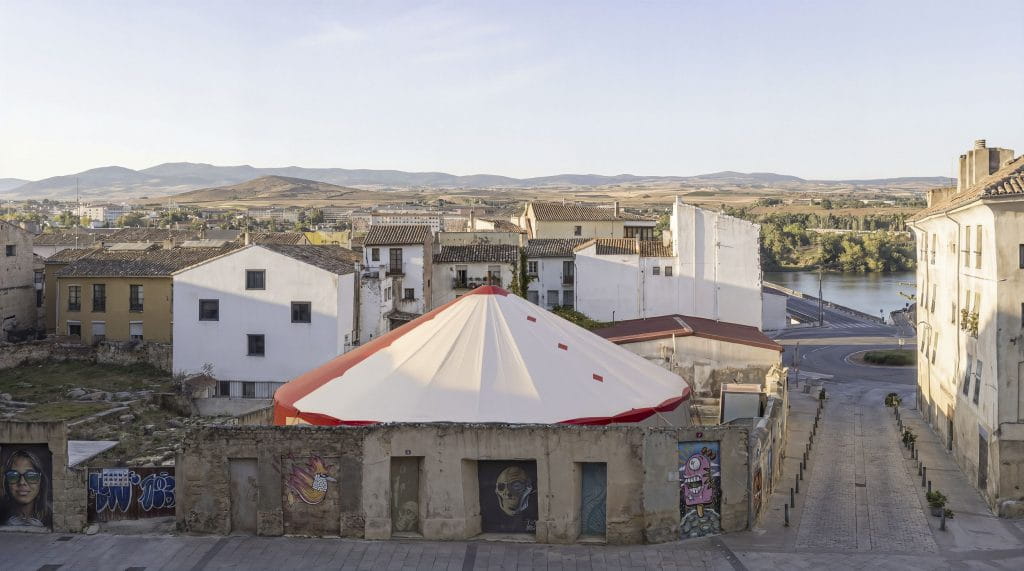
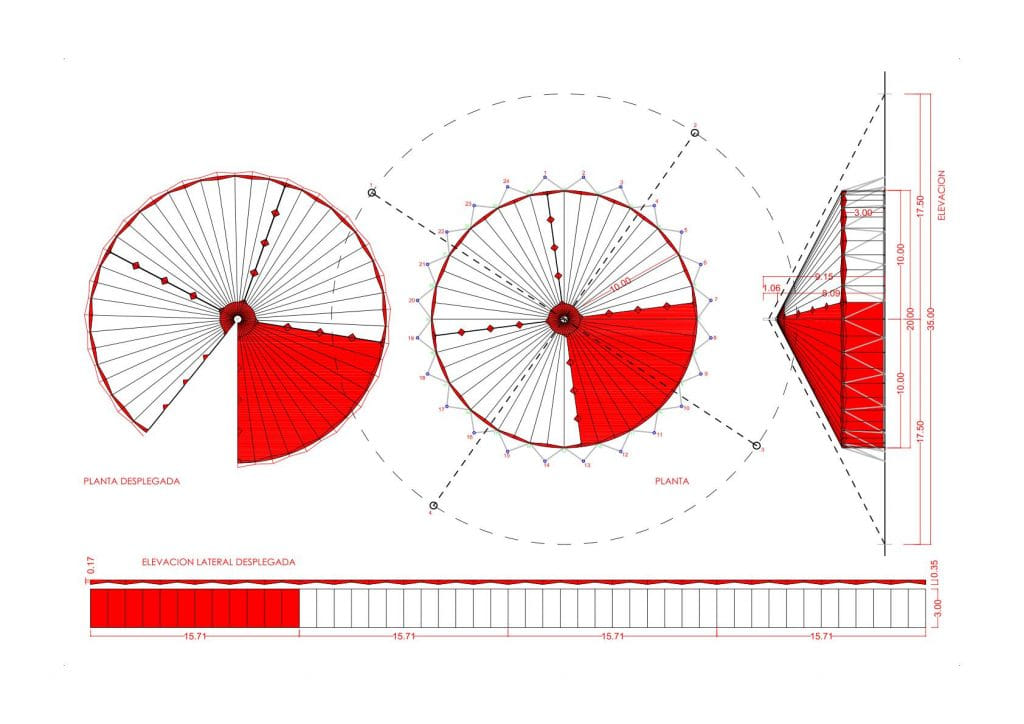
For the 2026 edition of Concéntrico, Smiljan Radić presents Circo, a temporary installation that reinterprets the tradition of the itinerant Chilean “poor circus” as a lightweight and collective architectural experience. Constructed from industrial plastic fabrics, the foldable structure occupies a vacant urban site in Logroño and embraces impermanence as its primary architectural condition.
Inspired by the Aeropostal Paintings of Eugenio Dittborn and the travelling circuses of the Chilean coast, the installation appears only briefly before disappearing without trace.
Inside, a series of screens display Joris Ivens’ 1963 film “Le petit chapiteau”, transforming the pavilion into a communal environment dedicated to observation, play, and shared experience.
The project continues Radić’s long-standing fascination with fragile structures, provisional occupation, and the poetic potential of temporary architecture, positioning the circus as both a social device and a historical archetype of ephemeral construction.
Pite House in Papudo, Chile (2025)
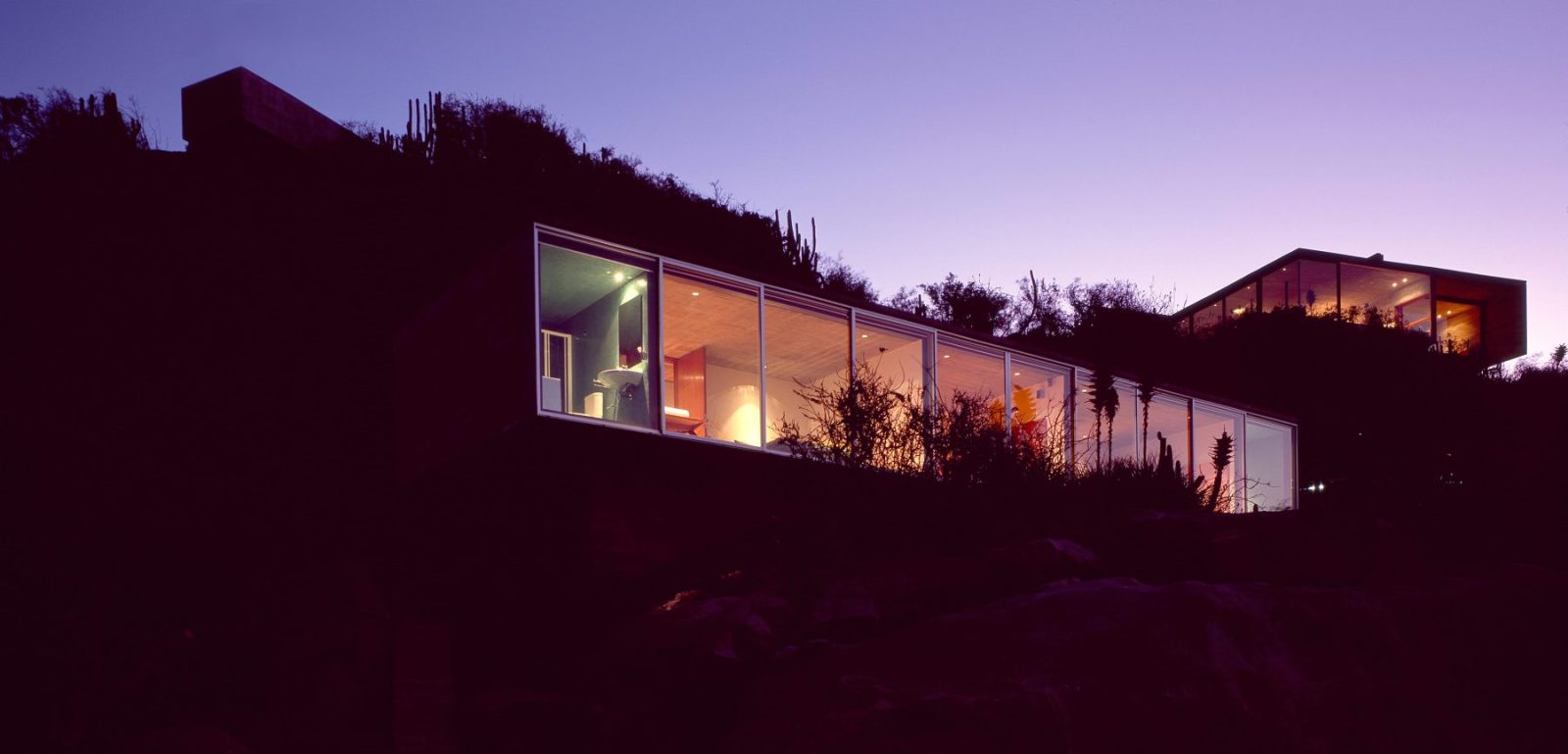
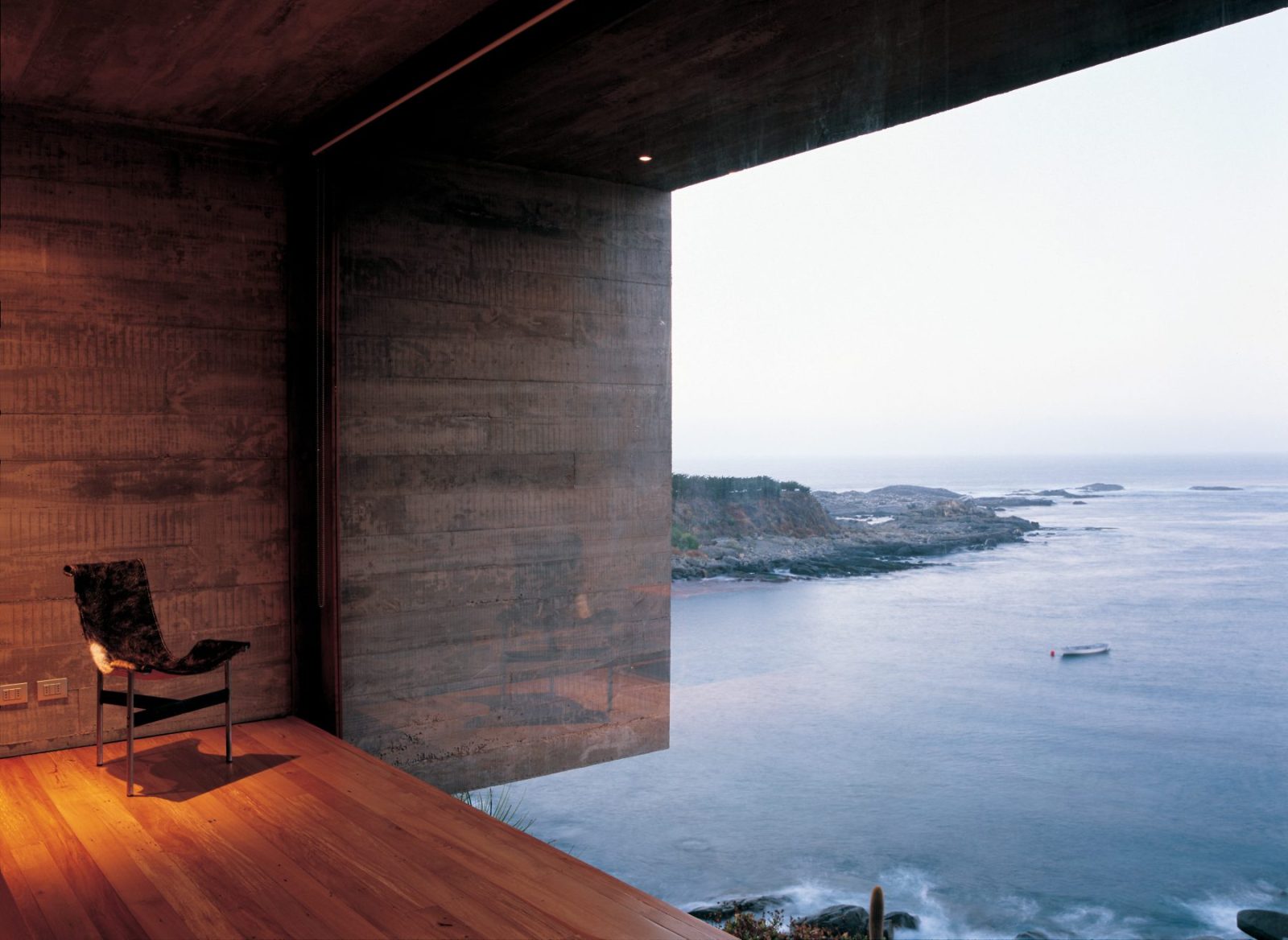
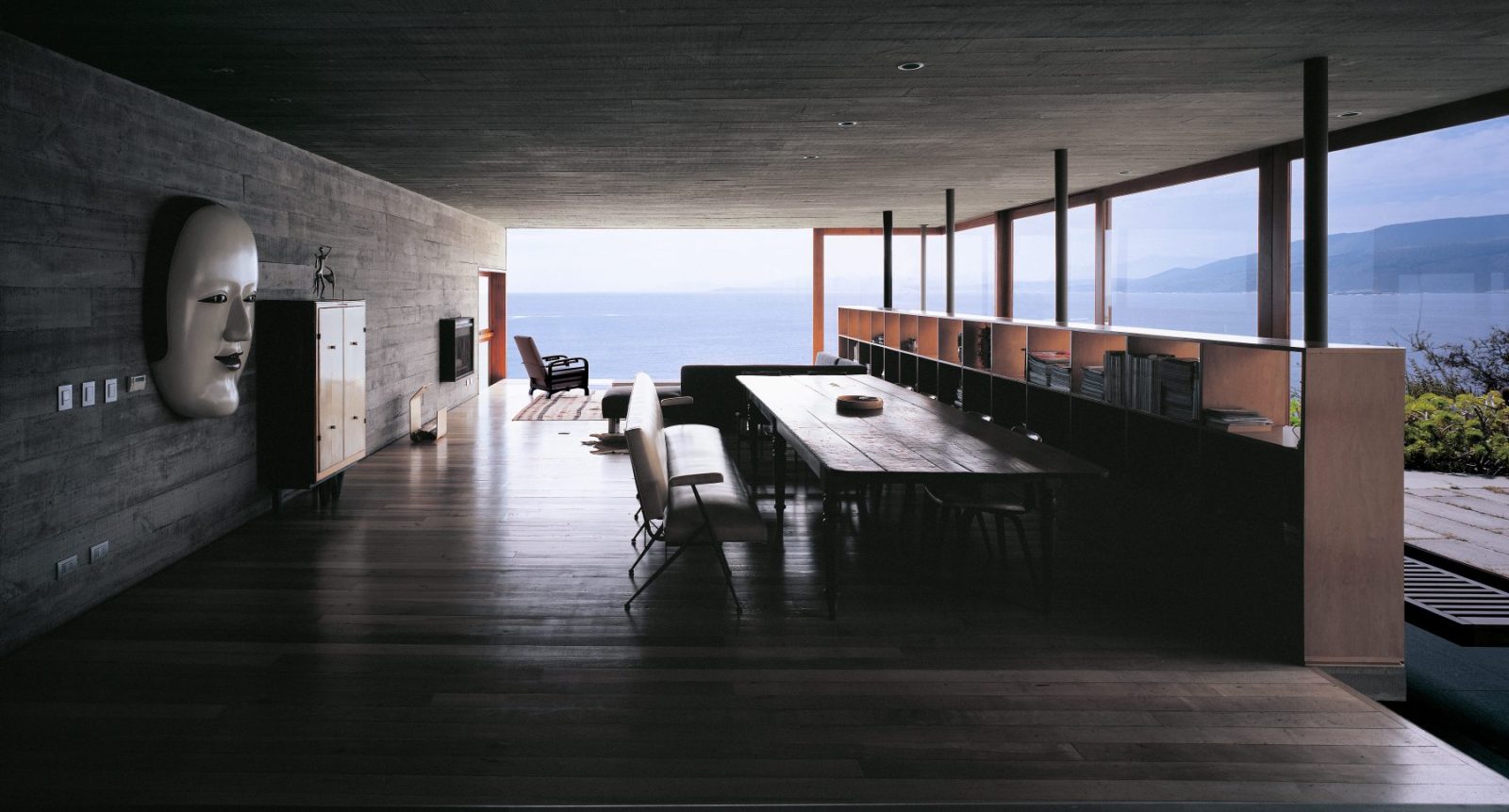
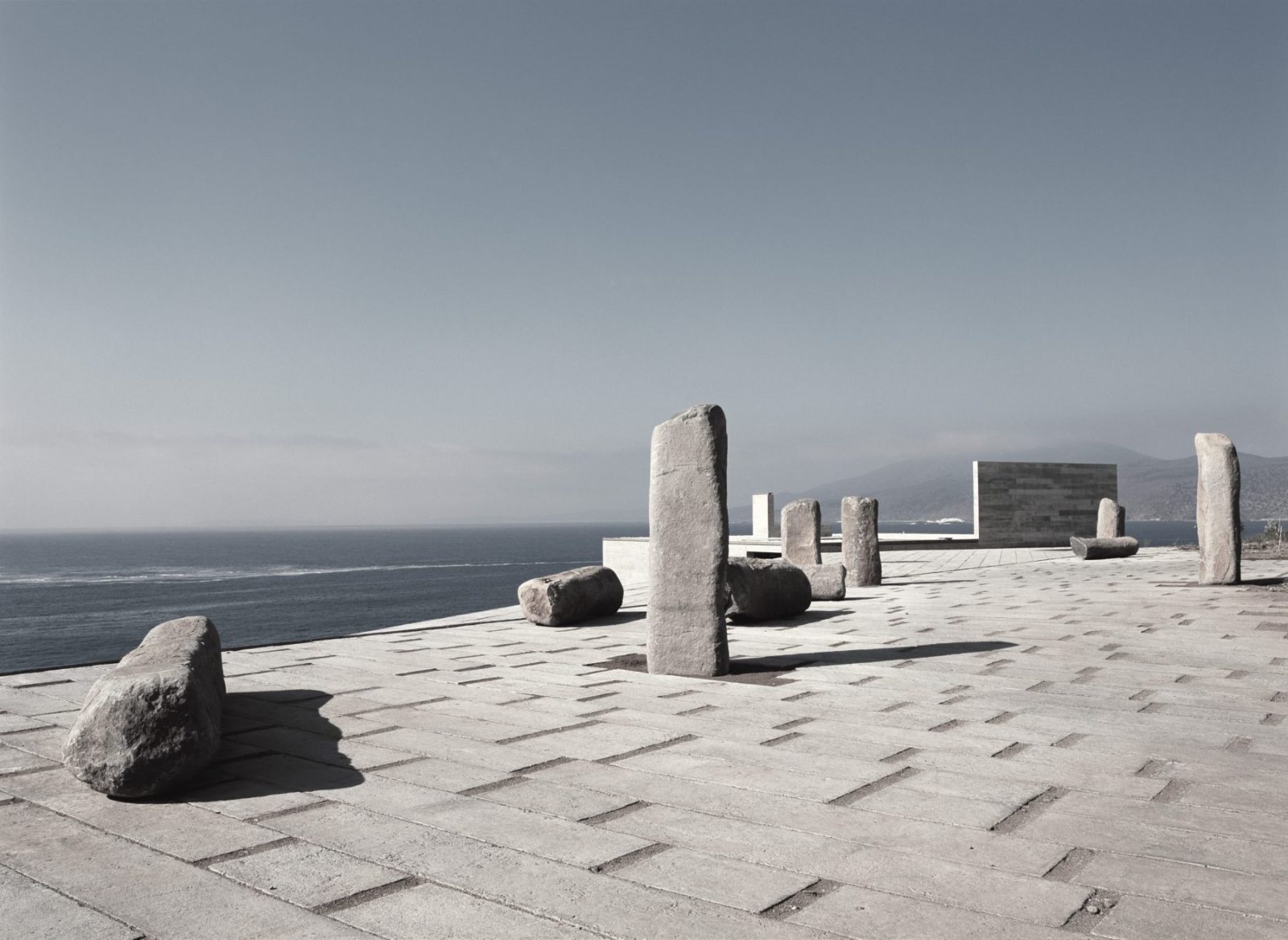
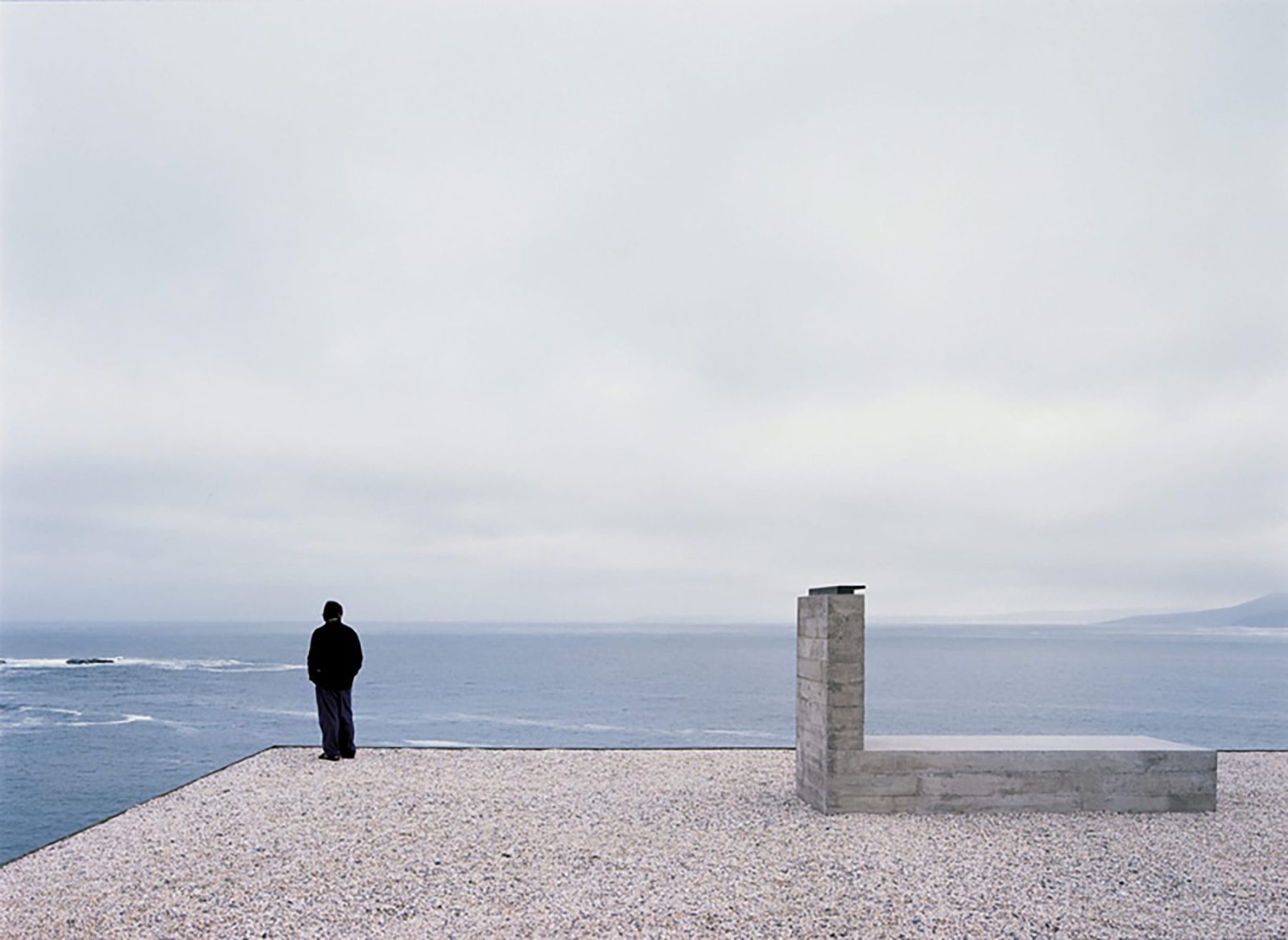
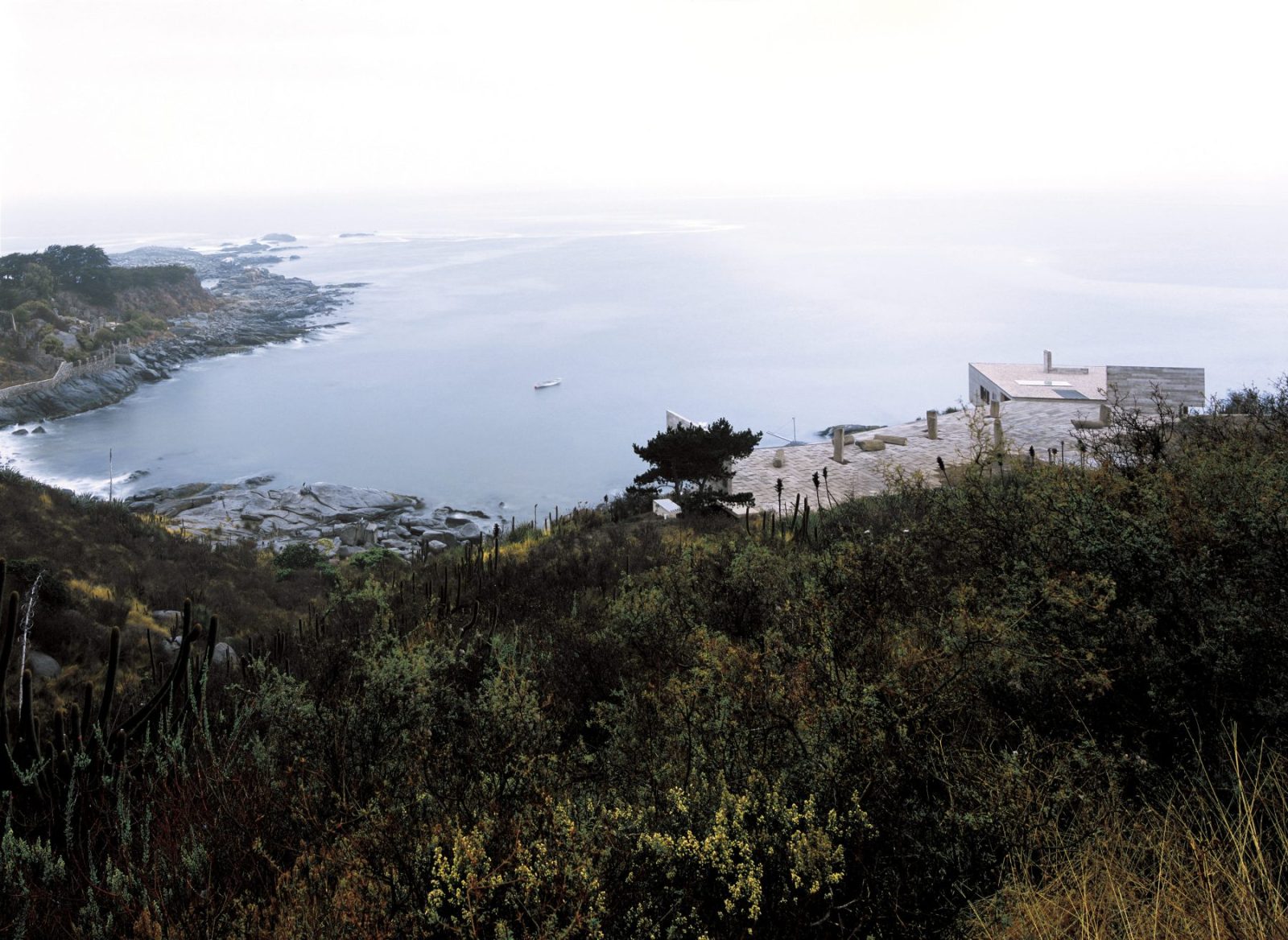
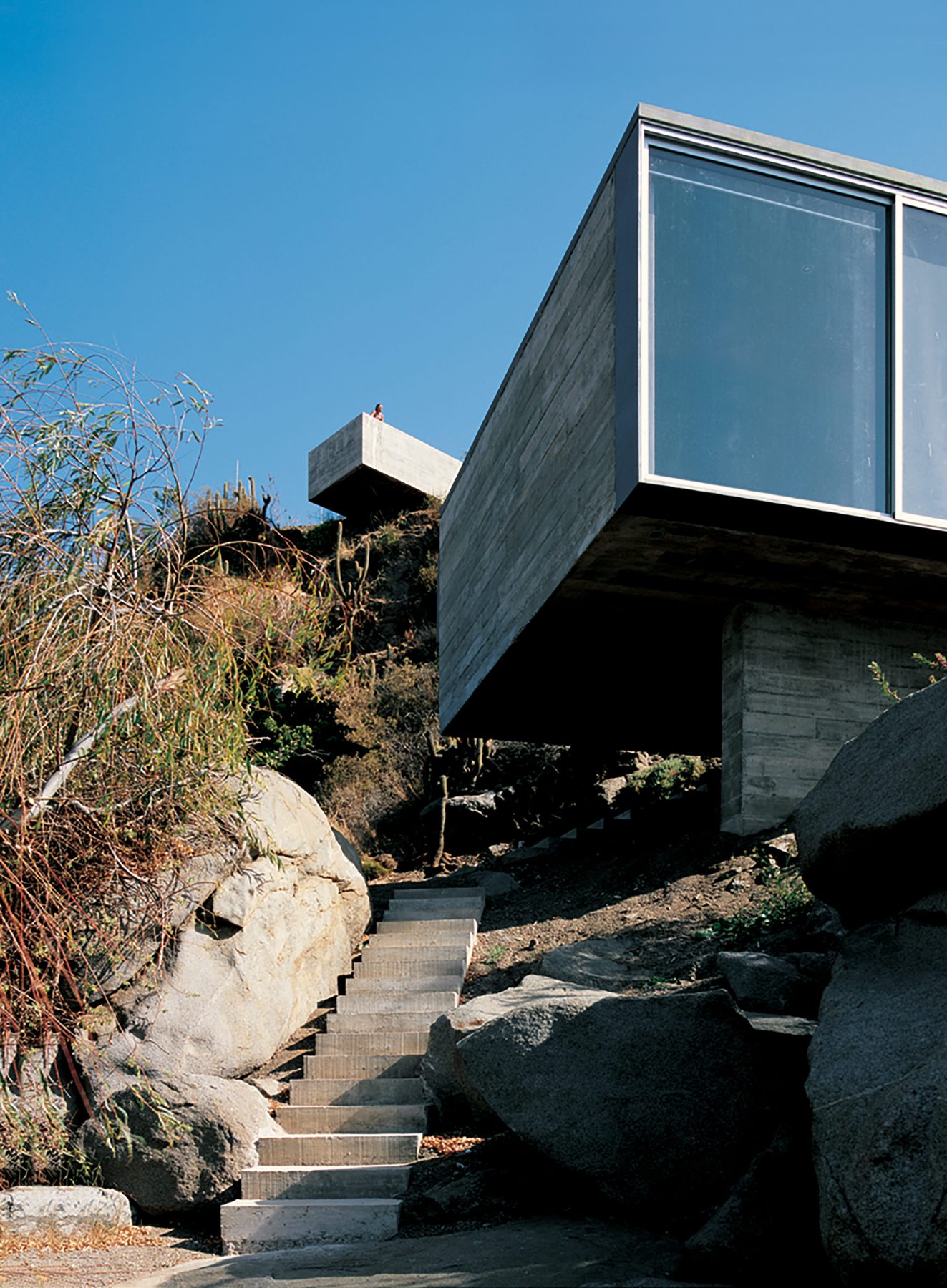
Pite House is a coastal residence that responds closely to its rugged landscape and climatic conditions.
Carefully positioned within the terrain, the building uses orientation and enclosure to protect against strong winds while framing views of the Pacific Ocean.
A restrained material palette and clear structural logic emphasize mass, texture, and permanence, allowing the architecture to integrate naturally with its surroundings. Strategically placed openings regulate light, views, and exposure, creating interiors that balance intimacy and openness. The project exemplifies Radić’s approach to architecture as a dialogue between shelter, landscape, and atmosphere.
Guatero Exhibition in Santiago, Chile (2023)
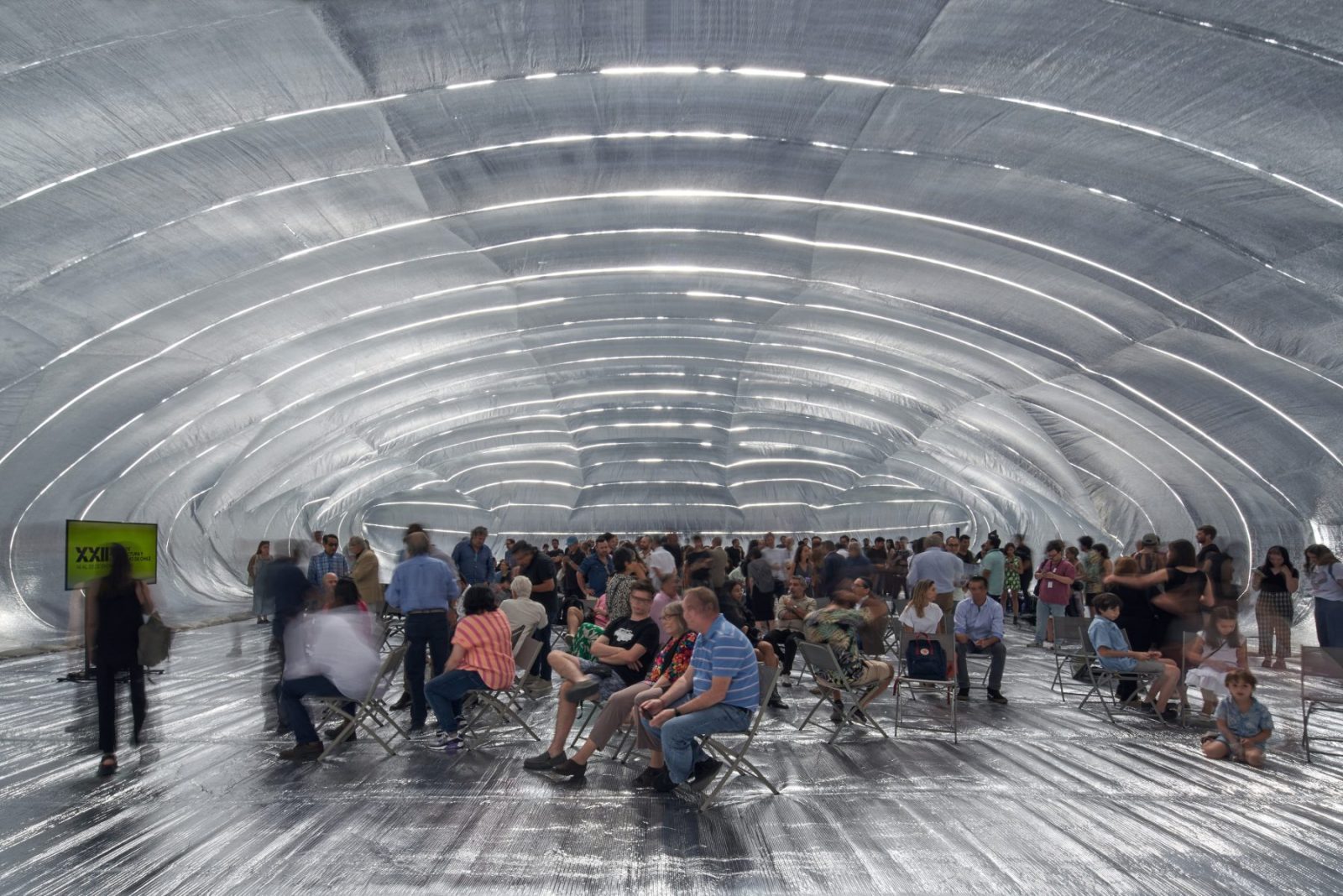
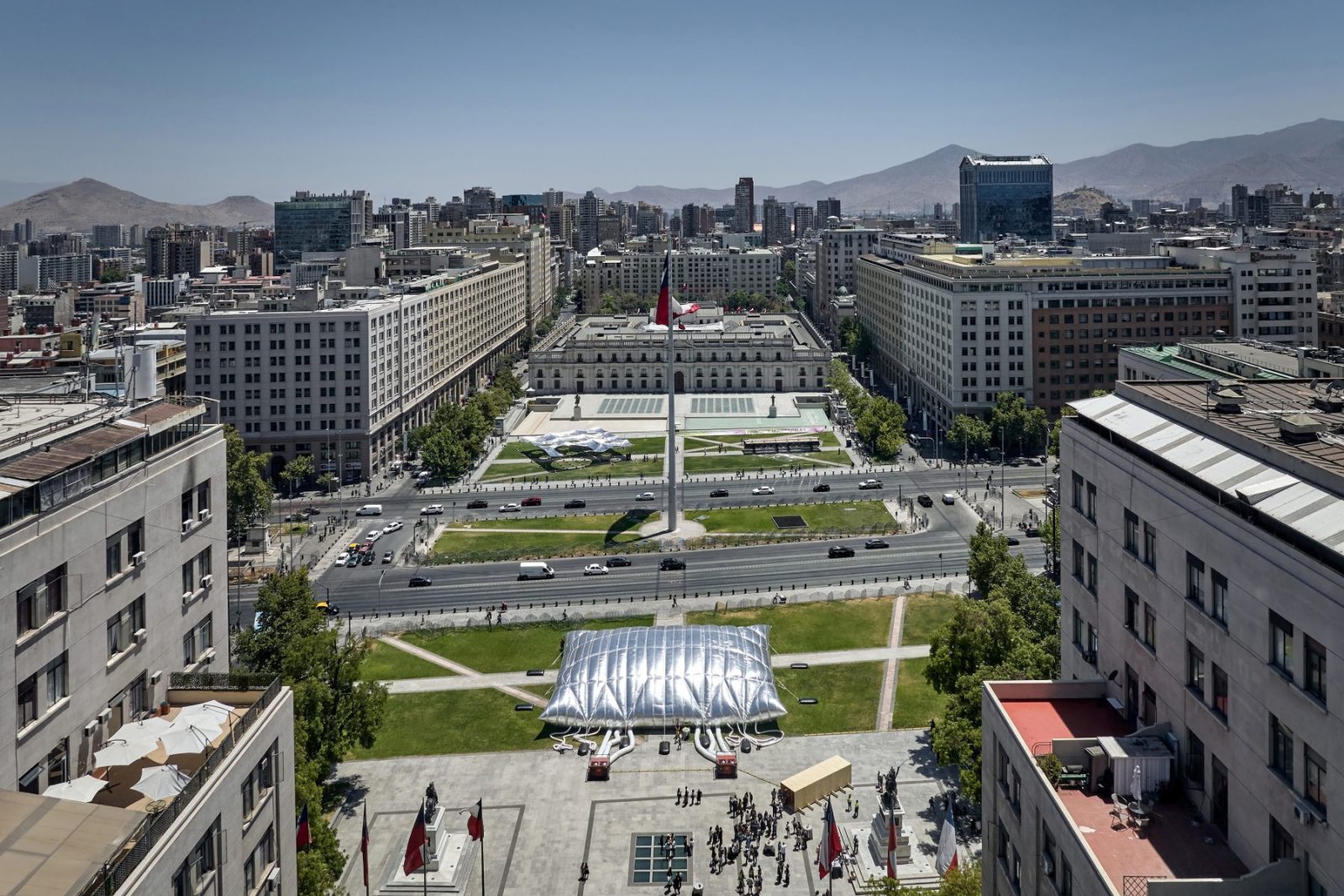
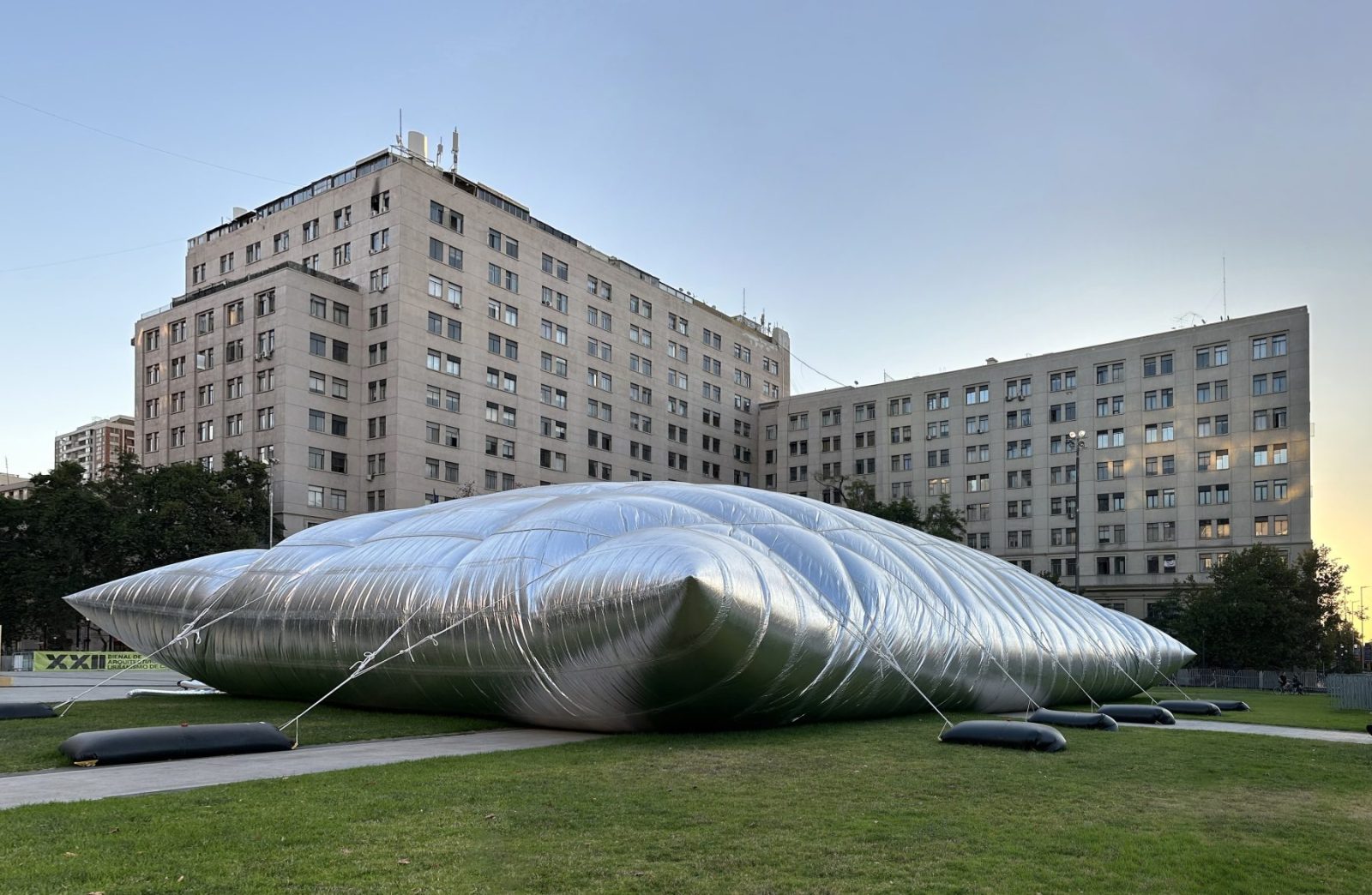
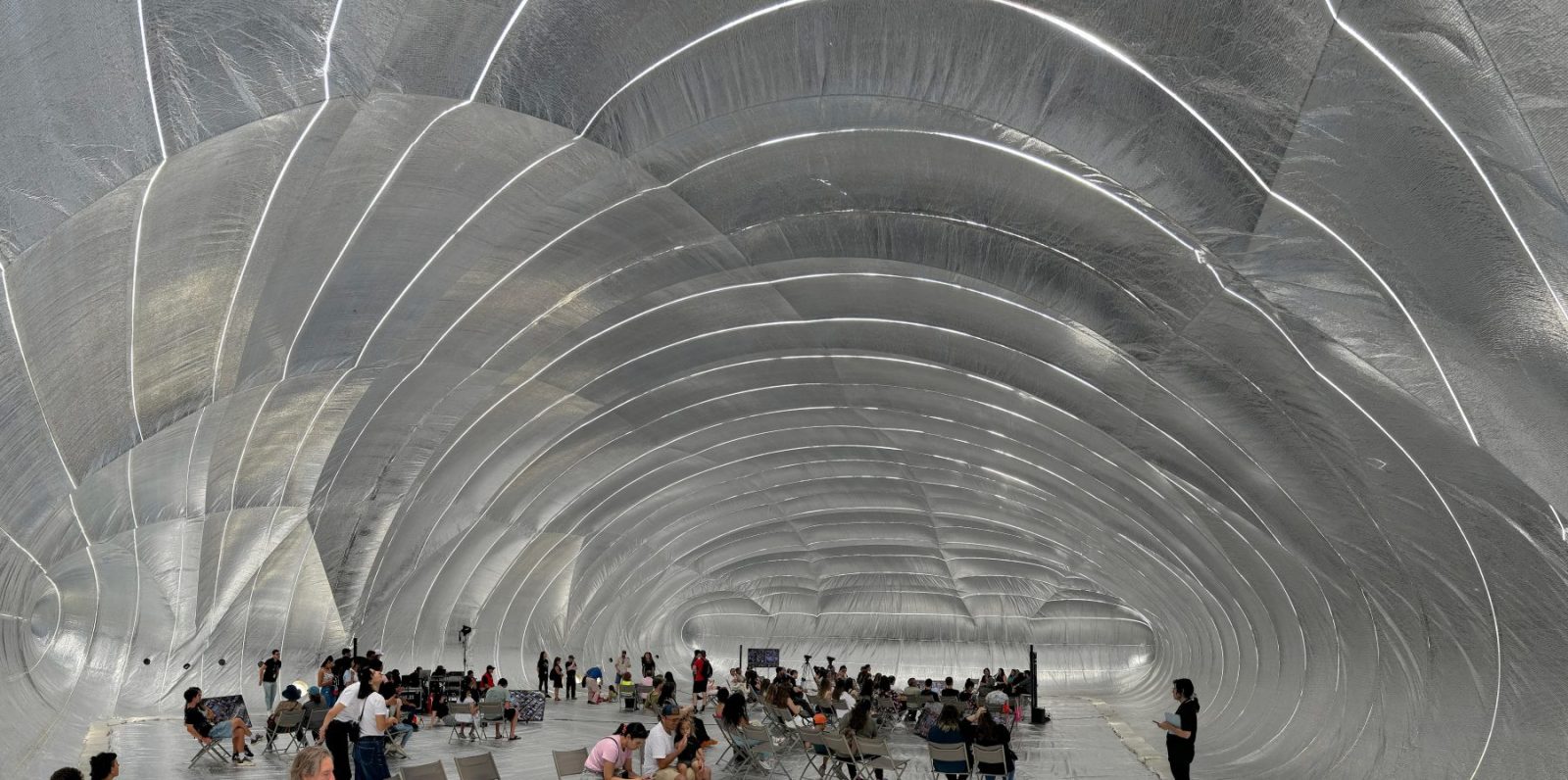
Completed in 2023 for the XXII Chilean Architecture and Urbanism Biennial in Santiago, Guatero is an experimental temporary pavilion that explores architecture through lightness, impermanence, and occupation.
Conceived as an inflated silver volume, the structure challenges conventional notions of monumentality by replacing mass with air and enclosure with a delicate, responsive membrane.
Its reflective surface continuously transforms through changing light conditions and human movement, producing an architecture defined by atmosphere rather than form alone. The project creates a soft, immersive interior where boundaries remain ambiguous and spatial experience is shaped by the tension between fragility and presence. Rather than functioning as a static object, Guatero operates as an event in space, emphasizing temporality, perception, and collective gathering.
Serpentine Gallery Pavilion in London, UK (2014)
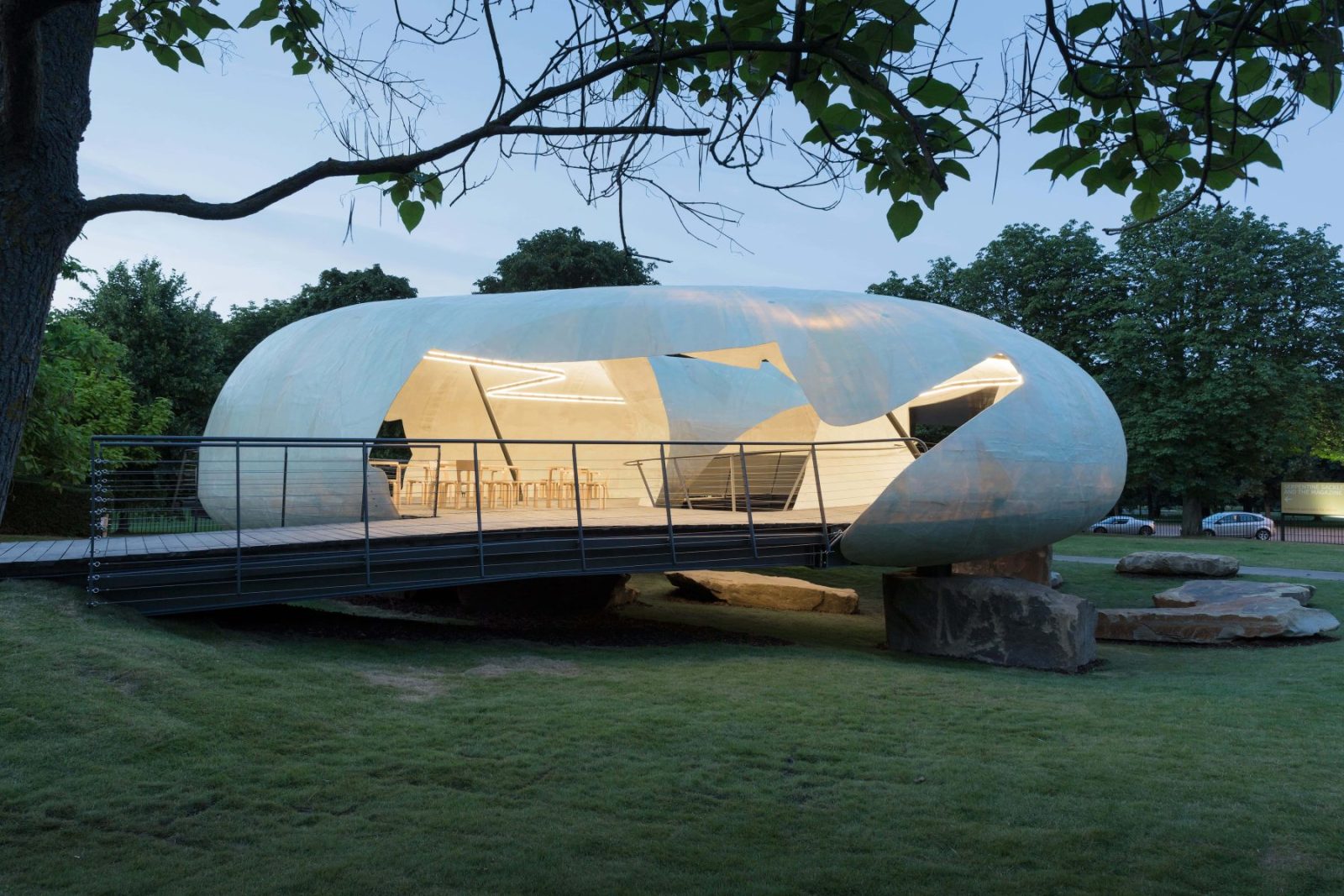
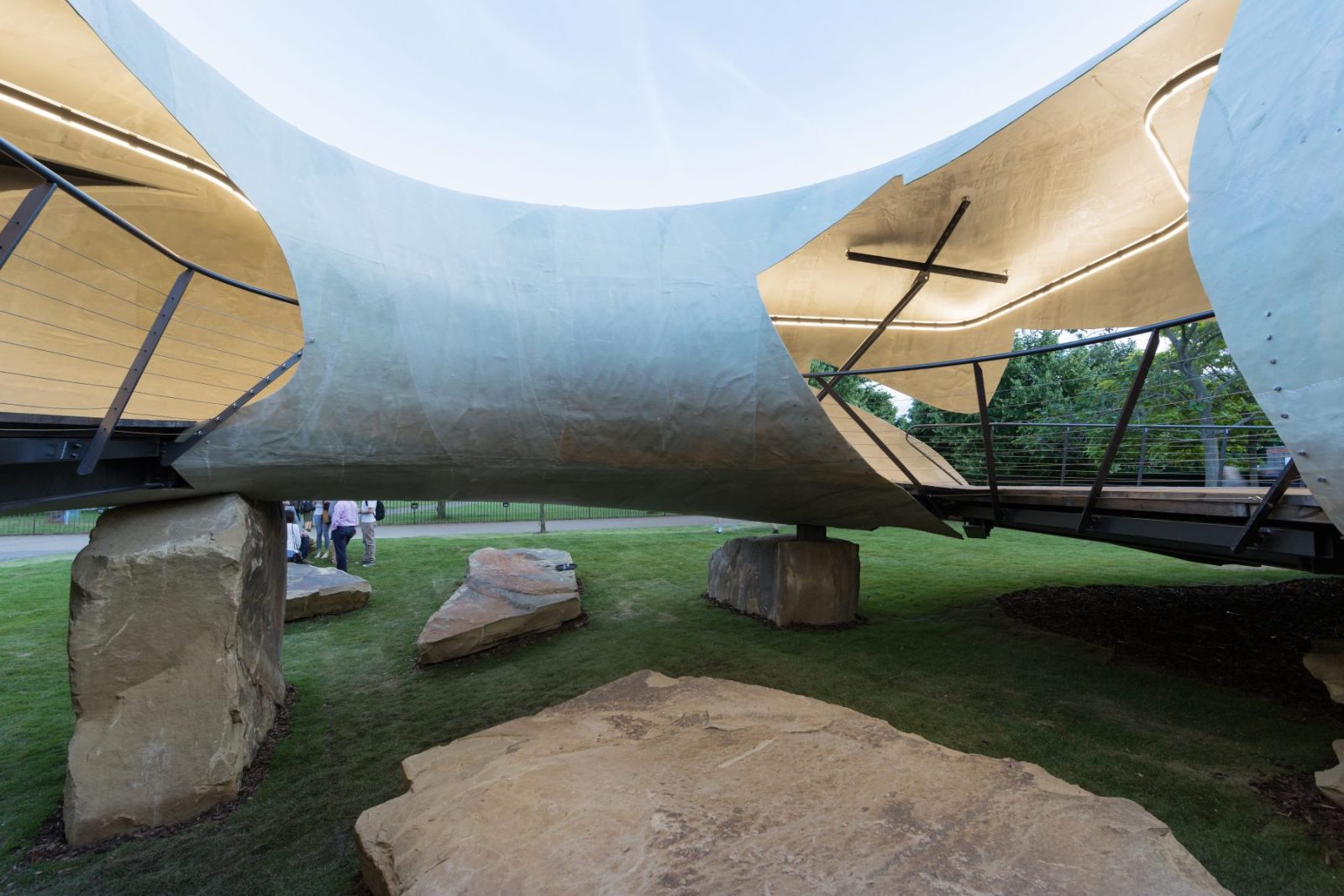
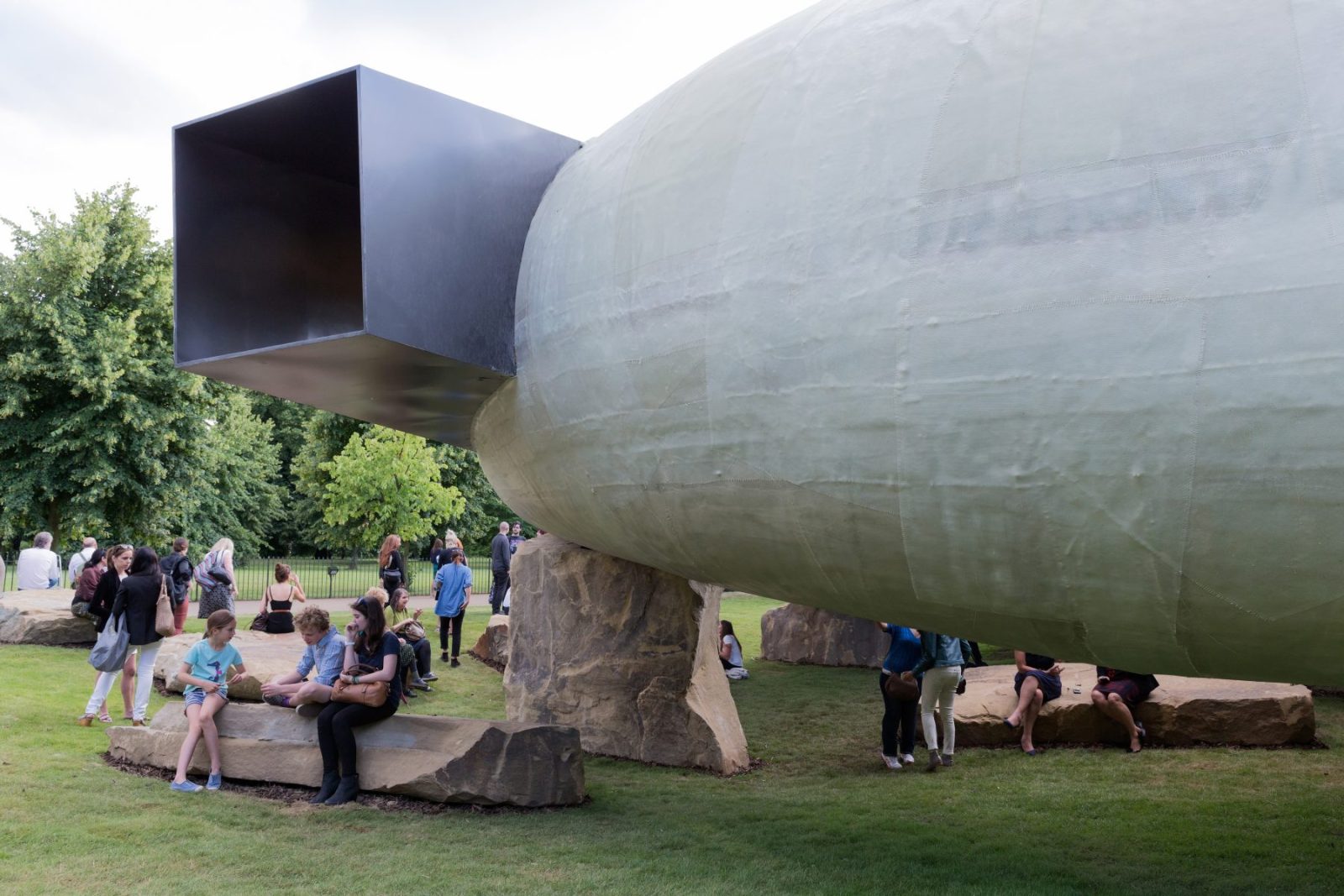
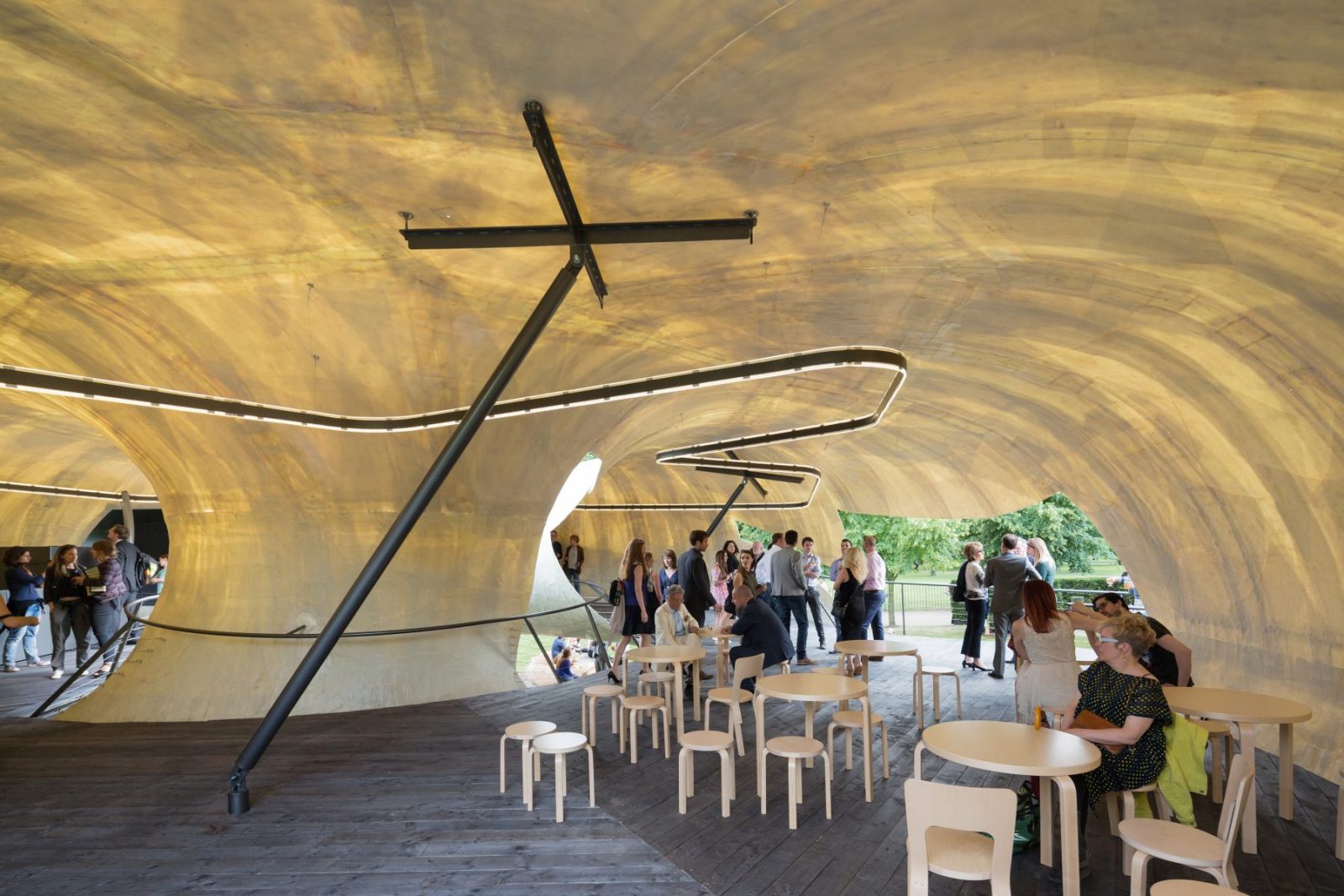
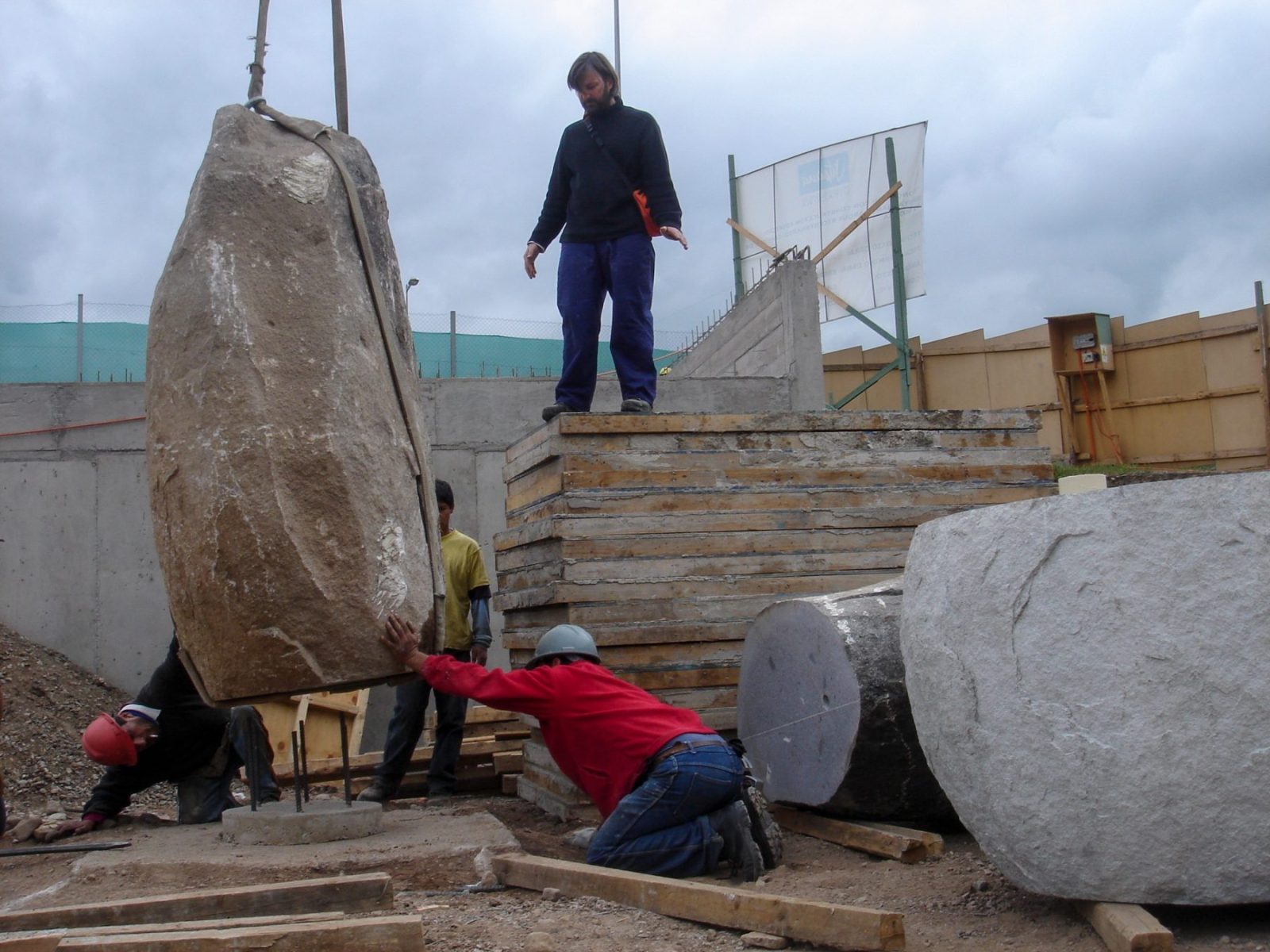
Serpentine Gallery Pavilion explores the relationship between mass, lightness, and temporary occupation through a strikingly unconventional structural composition. The pavilion consists of a translucent fiberglass shell elevated on a series of large load-bearing stones, creating the impression of a lightweight volume delicately suspended above the ground. Its semi-transparent envelope filters daylight and softens the boundary between interior and exterior, while openings encourage visual and physical engagement with the surrounding landscape.
The contrast between the rough permanence of stone and the ethereal quality of fiberglass generates a powerful spatial tension.
Neither fully enclosed nor entirely open, the pavilion creates an atmospheric environment where shelter is experienced as a gradual condition rather than a defined boundary, transforming a temporary structure into a memorable architectural encounter.
Carbonero House in Melipilla, Chile (1998)
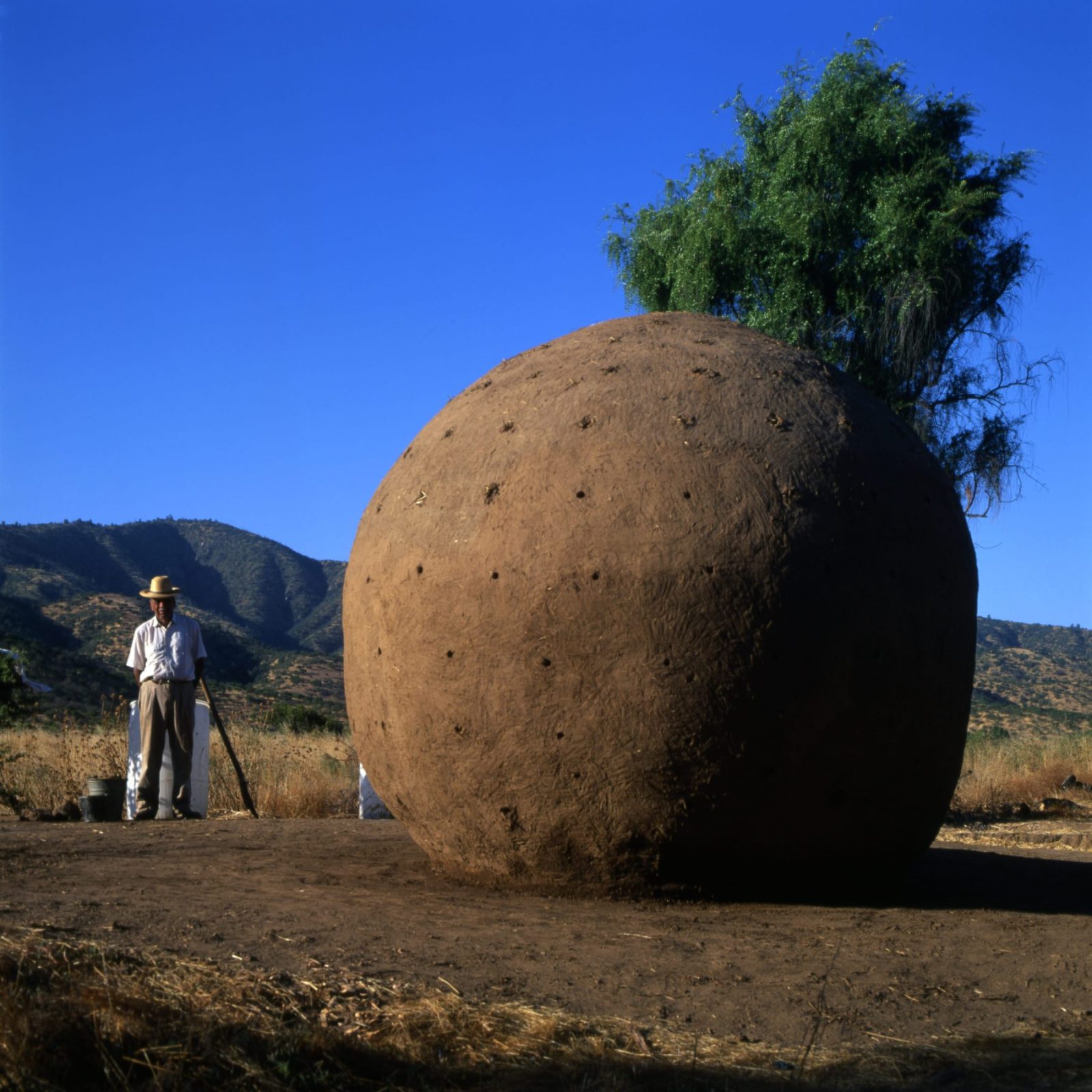
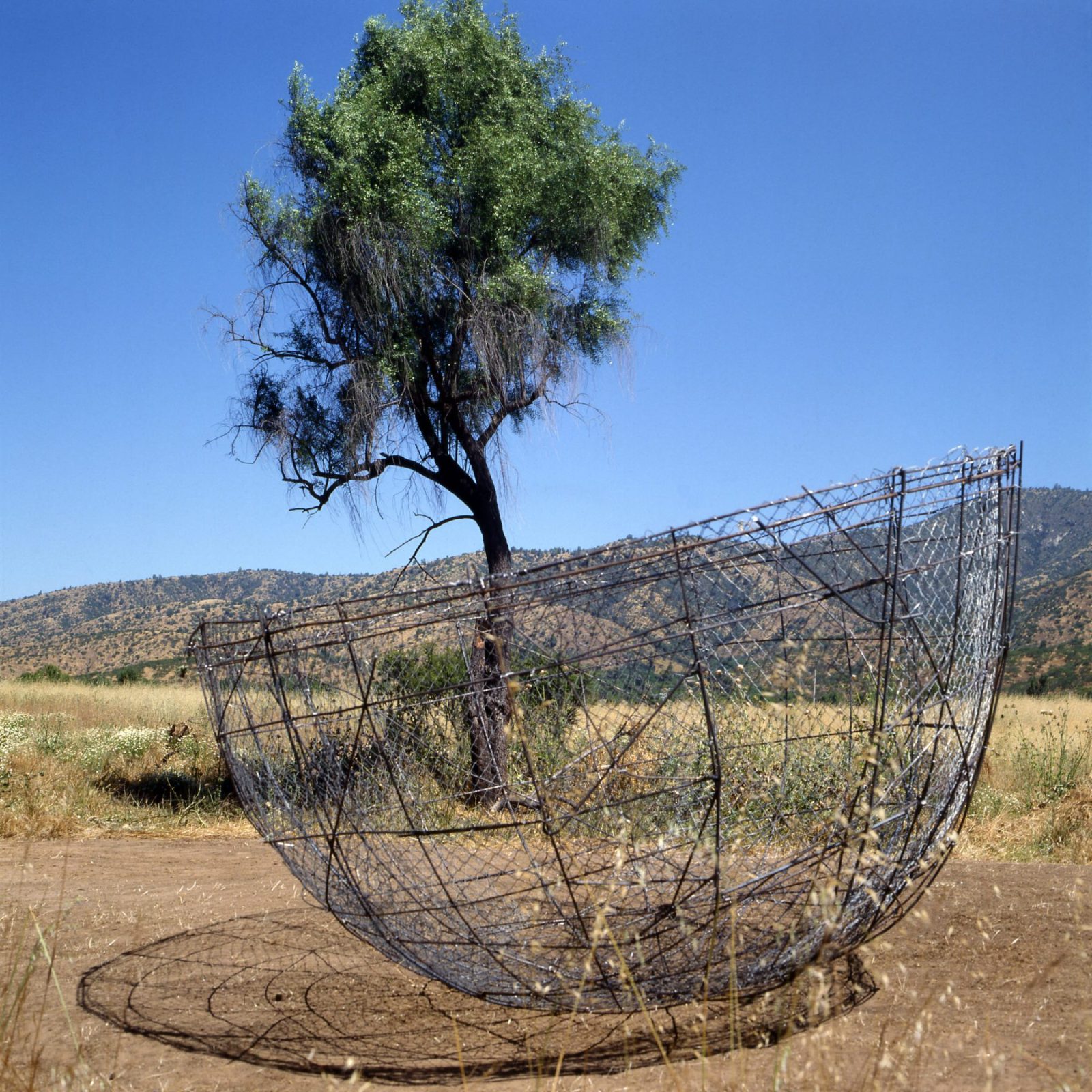
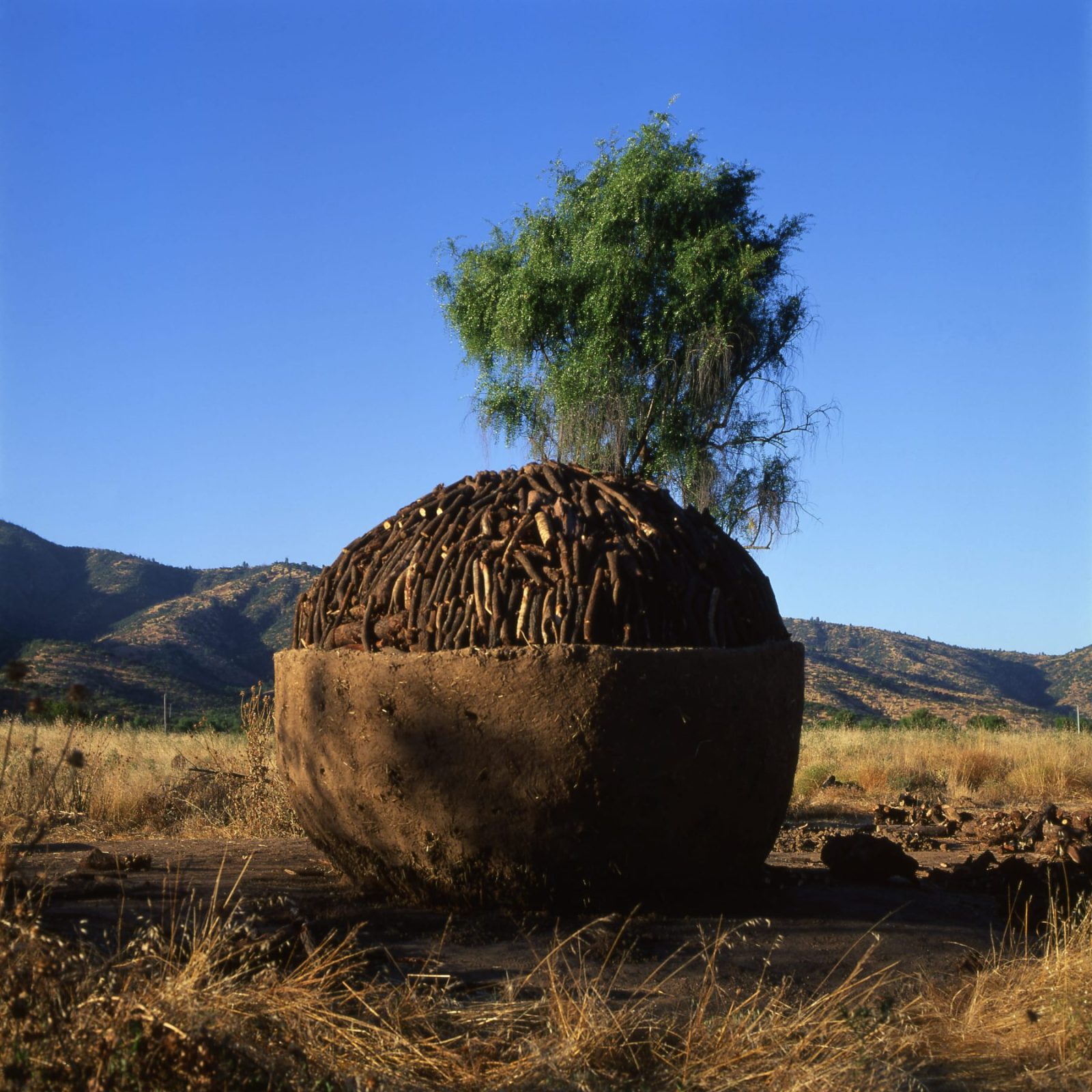
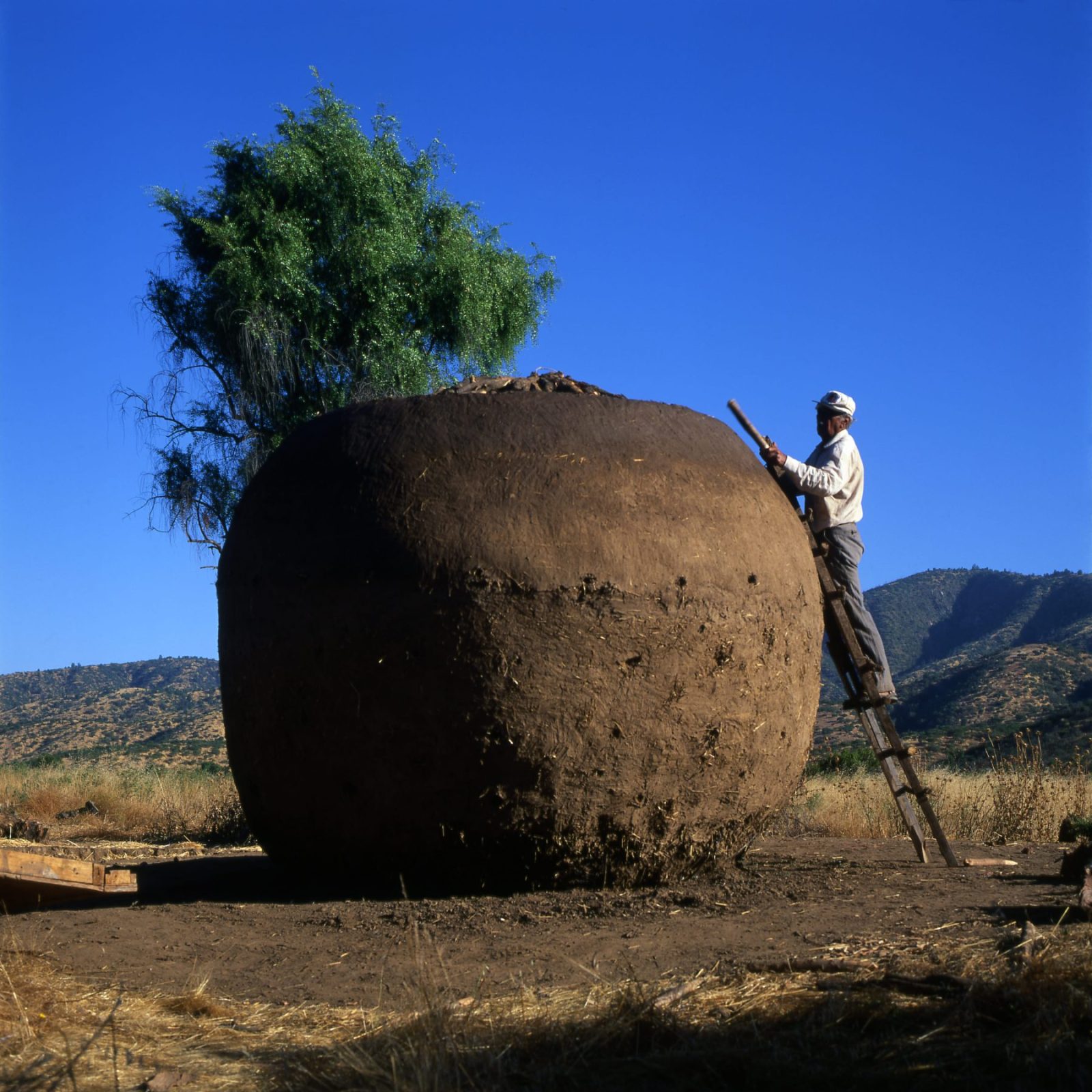
Carbonero House explores the relationship between architecture, landscape, and vernacular construction through an elemental and highly sculptural form.
The project takes inspiration from the traditional charcoal kilns of the Chilean countryside, reinterpreting their spherical geometry as a domestic enclosure.
Formed as a compact earthen volume punctuated by small openings, the house appears simultaneously as architecture and landform, emerging from the rural landscape with an almost archaeological presence.
Its thick envelope mediates light, temperature, and enclosure, creating interiors defined by shadow, texture, and a heightened sense of protection. Openings are carefully calibrated rather than expansive, privileging atmosphere and introspection over panoramic views. Constructed from natural materials associated with local building traditions, the project reflects Radić’s interest in primitive forms, material authenticity, and the expressive potential of mass.
Short Bio
Born in Santiago, Chile, to a family of Croatian and British immigrant origins, Smiljan Radić Clarke developed an early understanding of identity as something shaped through experience rather than inheritance. After studying architecture at the Pontificia Universidad Católica de Chile, further studies in Venice and extensive travel broadened his perspective, informing an architectural approach influenced by history, art, mythology, and literature.
“Ideas inhabit things,” he reflects. “I have always tried to build settings where others might discover emergent ideas.”
A defining influence on both his life and work has been his long-standing collaboration with sculptor Marcela Correa, whose artistic practice has informed his sensitivity to materiality, landscape, and making.
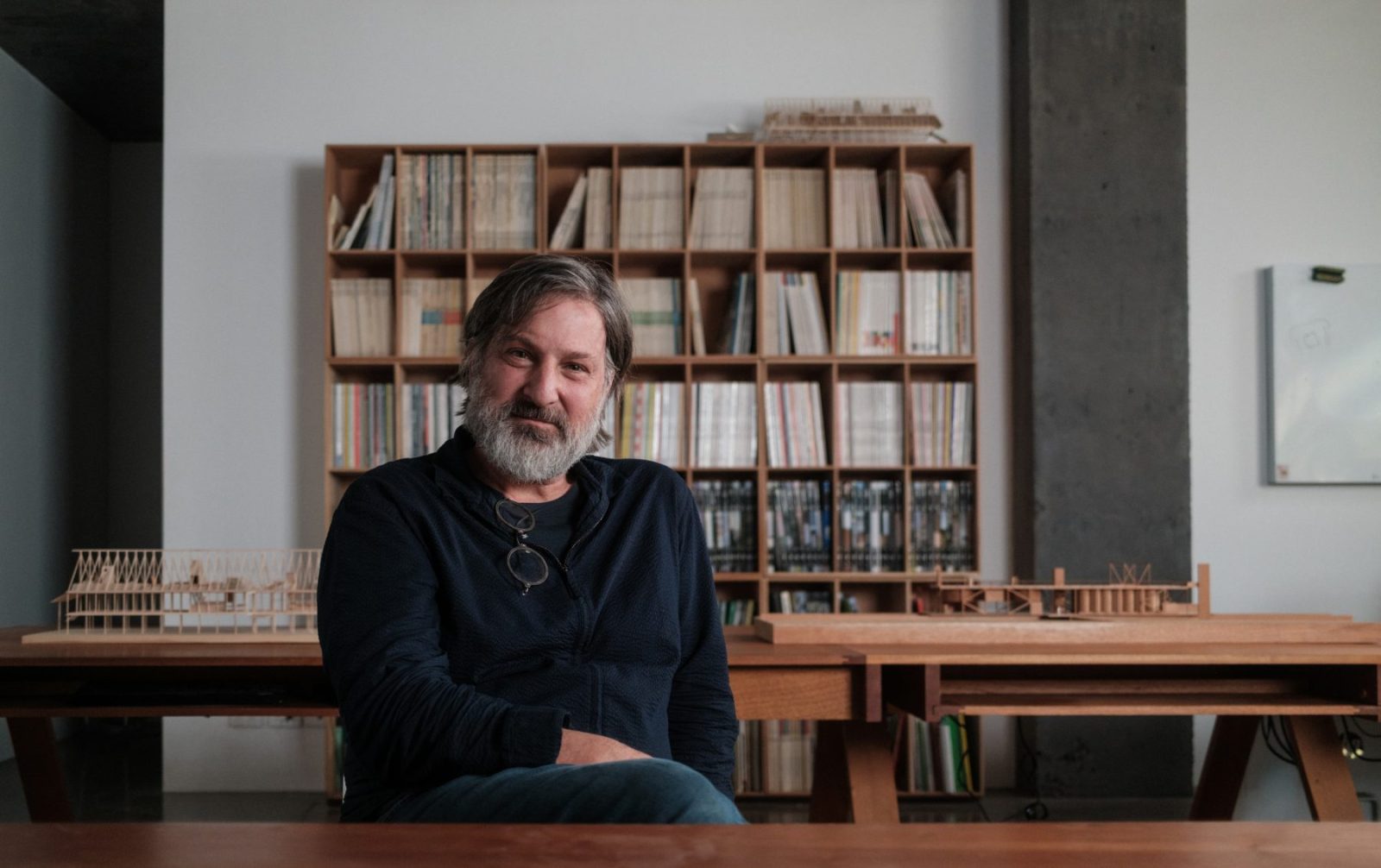
“There is a complexity in enclosure: a shelter provides a distance from reality, whereas a refuge urges you to feel that the life inside is unique. But what we need is protection—a place of stability to accept fragility.”
Today, Radić’s work spans diverse scales and typologies, while remaining rooted in atmosphere, material experimentation, and human experience.