‘Stories of contemporary domesticity or HOMEland’, a series curated by Archt., explores different interpretations of the notion of home through an open dialogue with contemporary architectural approaches to housing.
The fourteenth episode follows Studio Nada in rural Bulgaria dismantling the myth of urban domesticity while reworking a rural house into a contemporary home where past and present collide. Spaces merge into porous thresholds—“portals” of memory and inhabitation— while raw, regionally rooted materials and exposed layers reveal an unedited architectural narrative, transforming the house into a living archive where contemporary life unfolds within the enduring intelligence of its rural past.
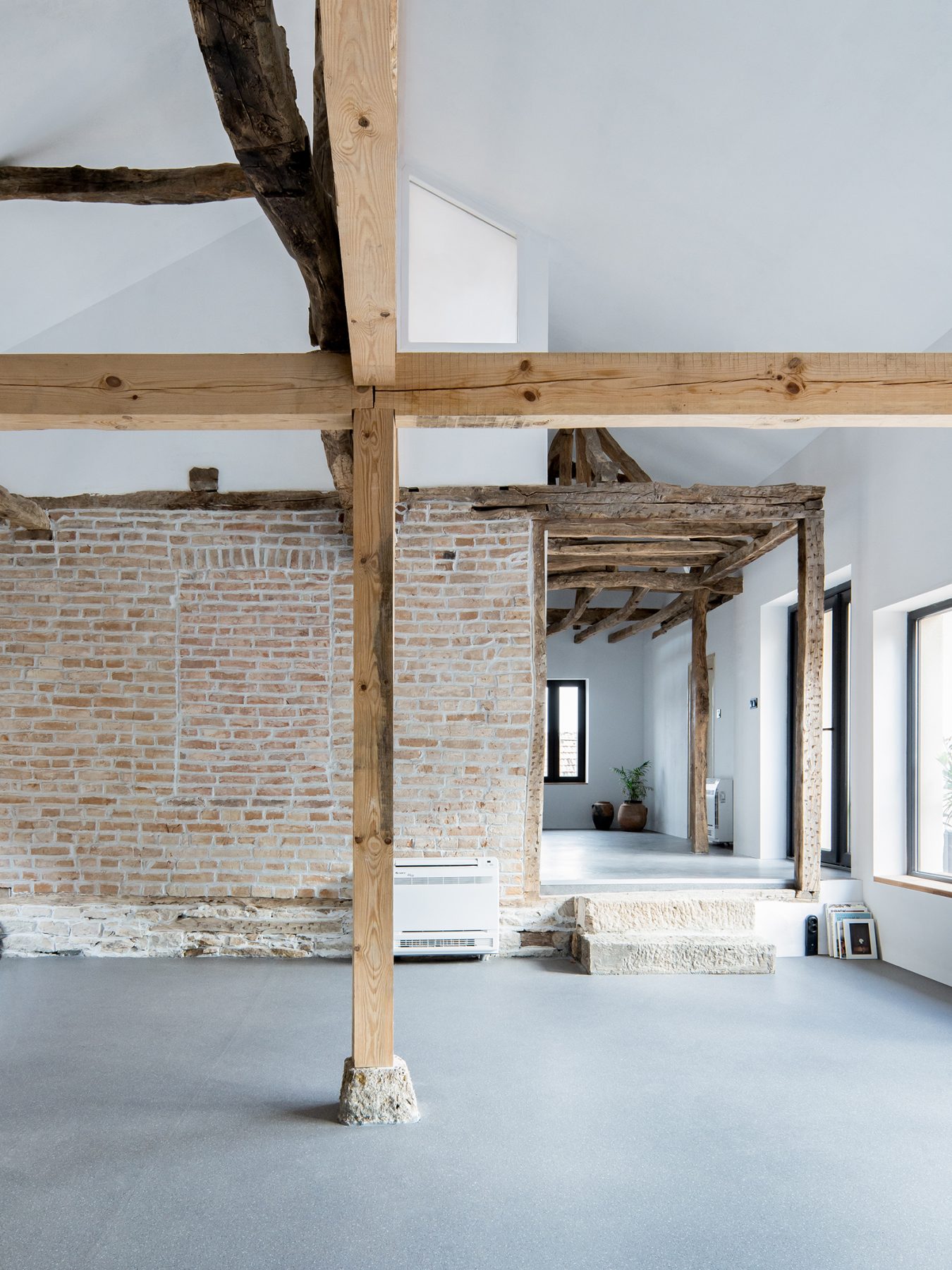
In a fast-paced, capitalist world where domesticity is too often conflated with urbanity, Studio Nada proposes a quiet yet pointed counter-narrative.
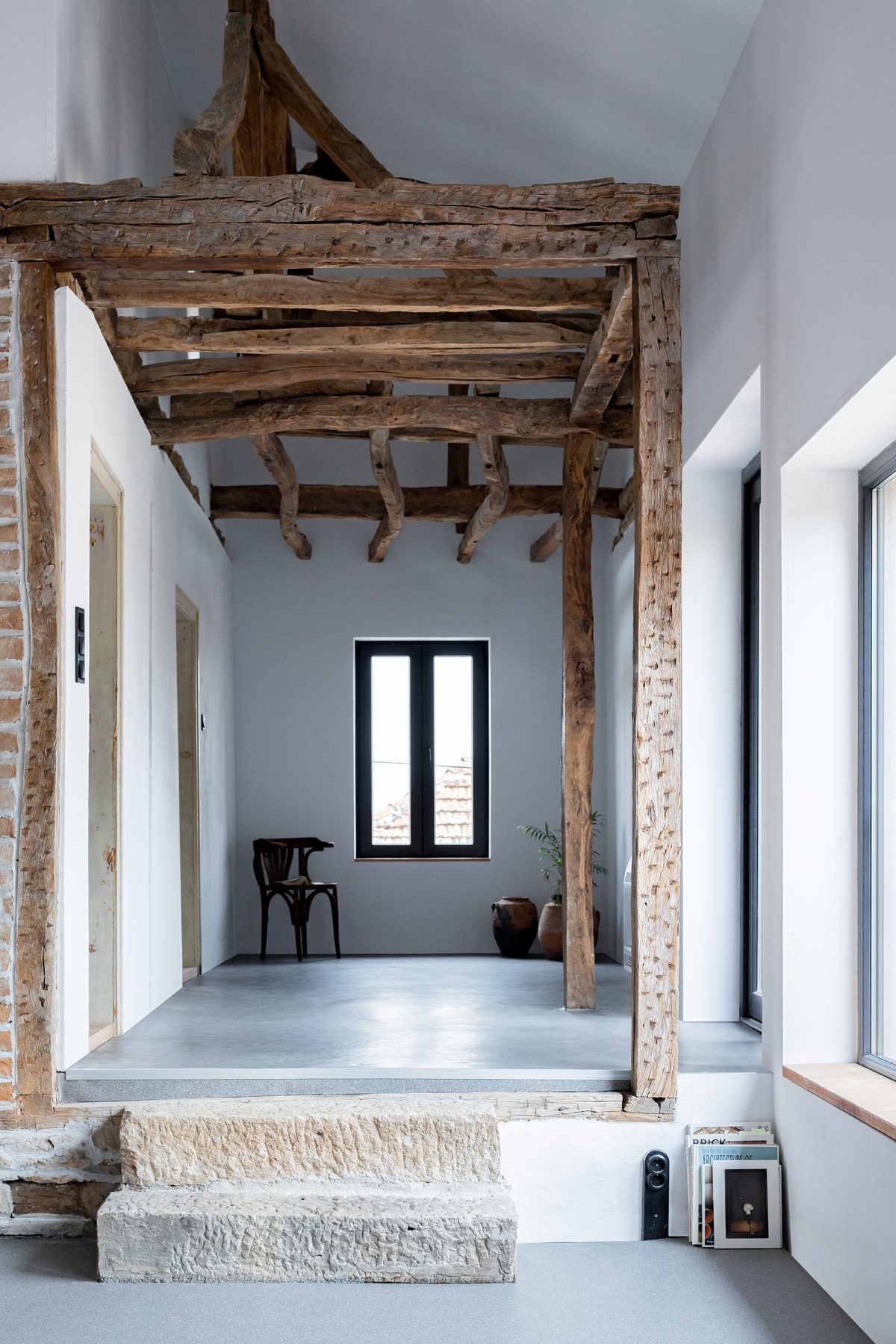
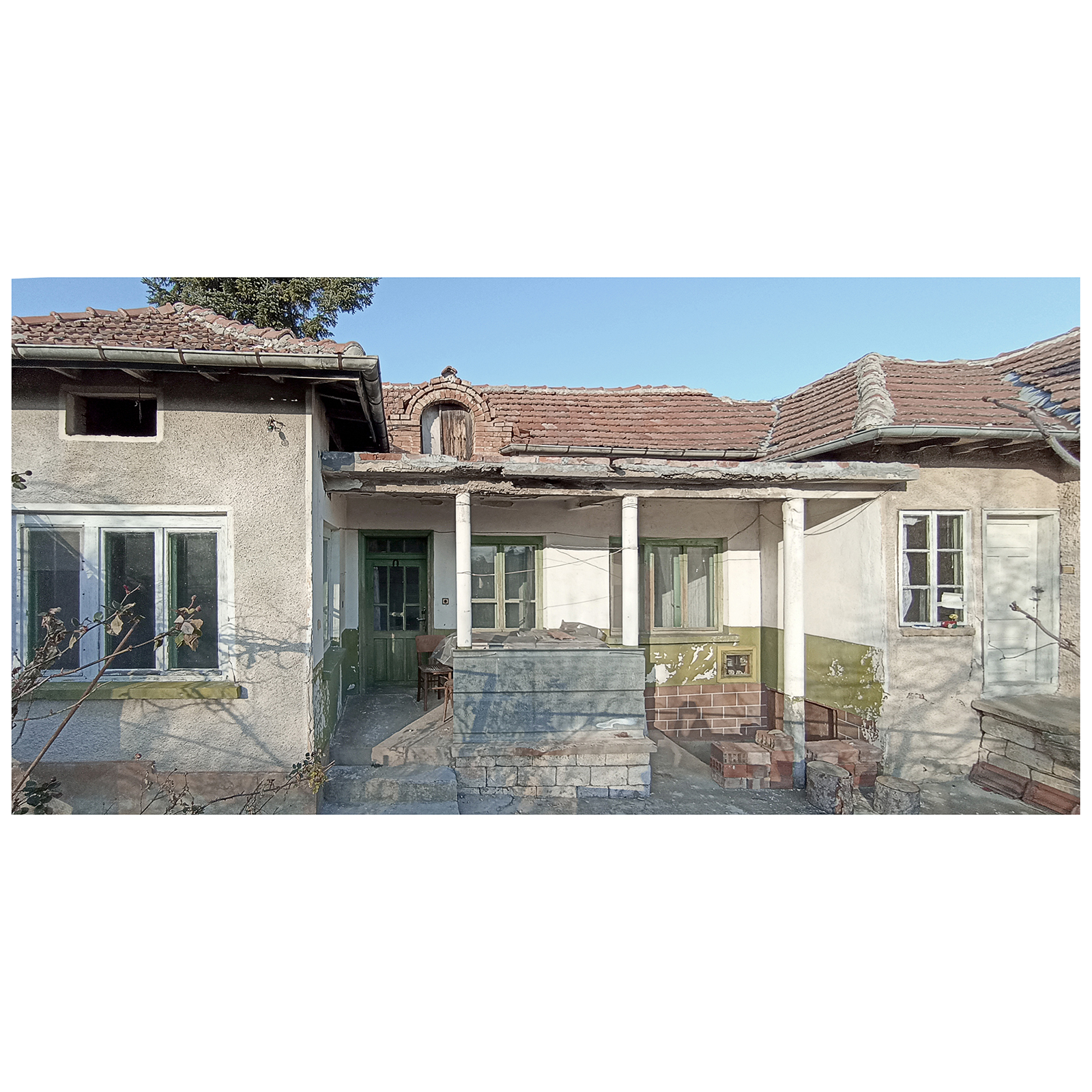
In the village of Karpachevo in northern Bulgaria, a traditional rural house is reimagined as a contemporary dwelling where time dilates and the rituals of everyday life regain depth. Here, raw materiality and measured interventions frame expansive views of the surrounding landscape, while domestic architecture operates as a subtle translator between inherited memory and the evolving demands of contemporary living.
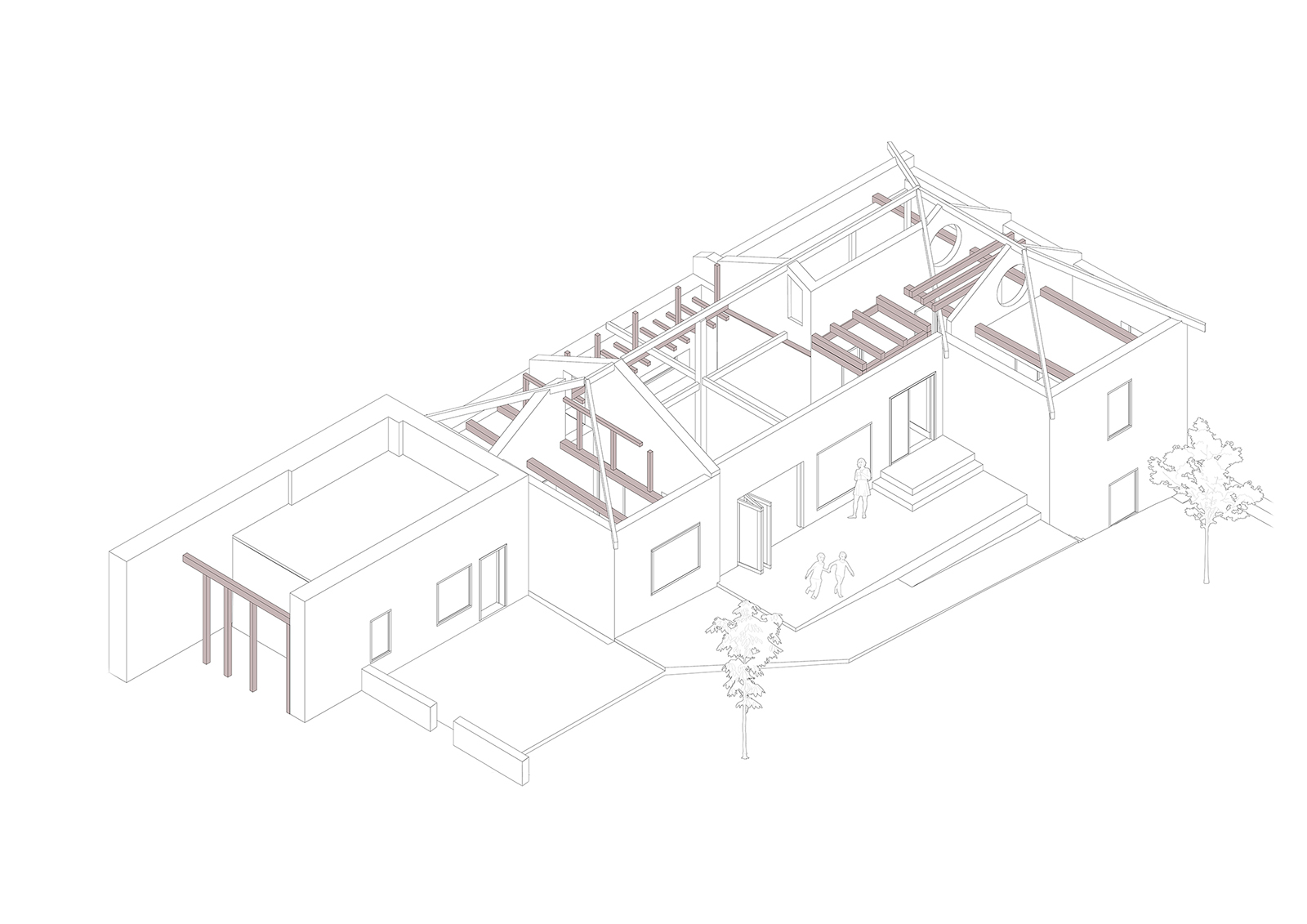
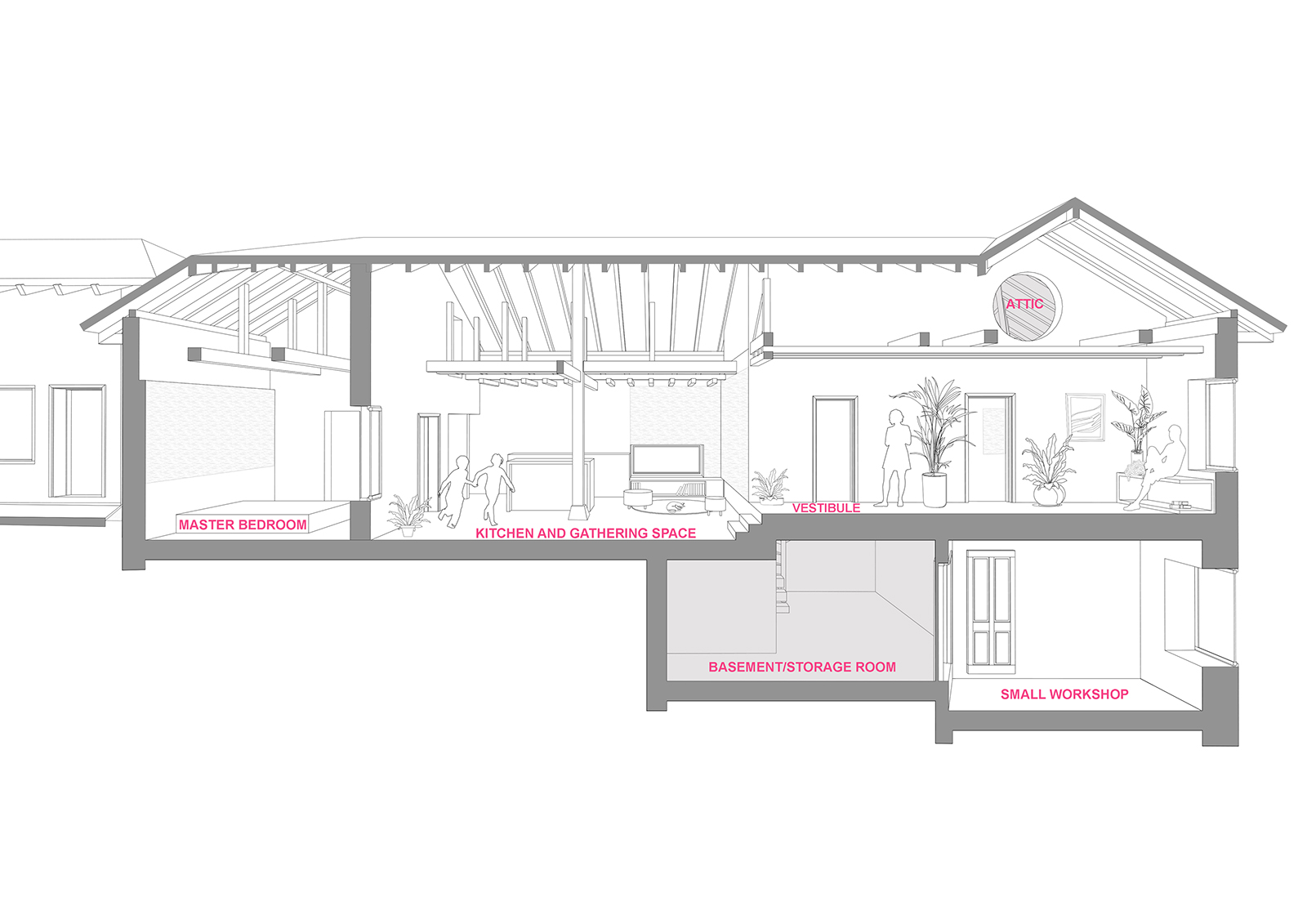
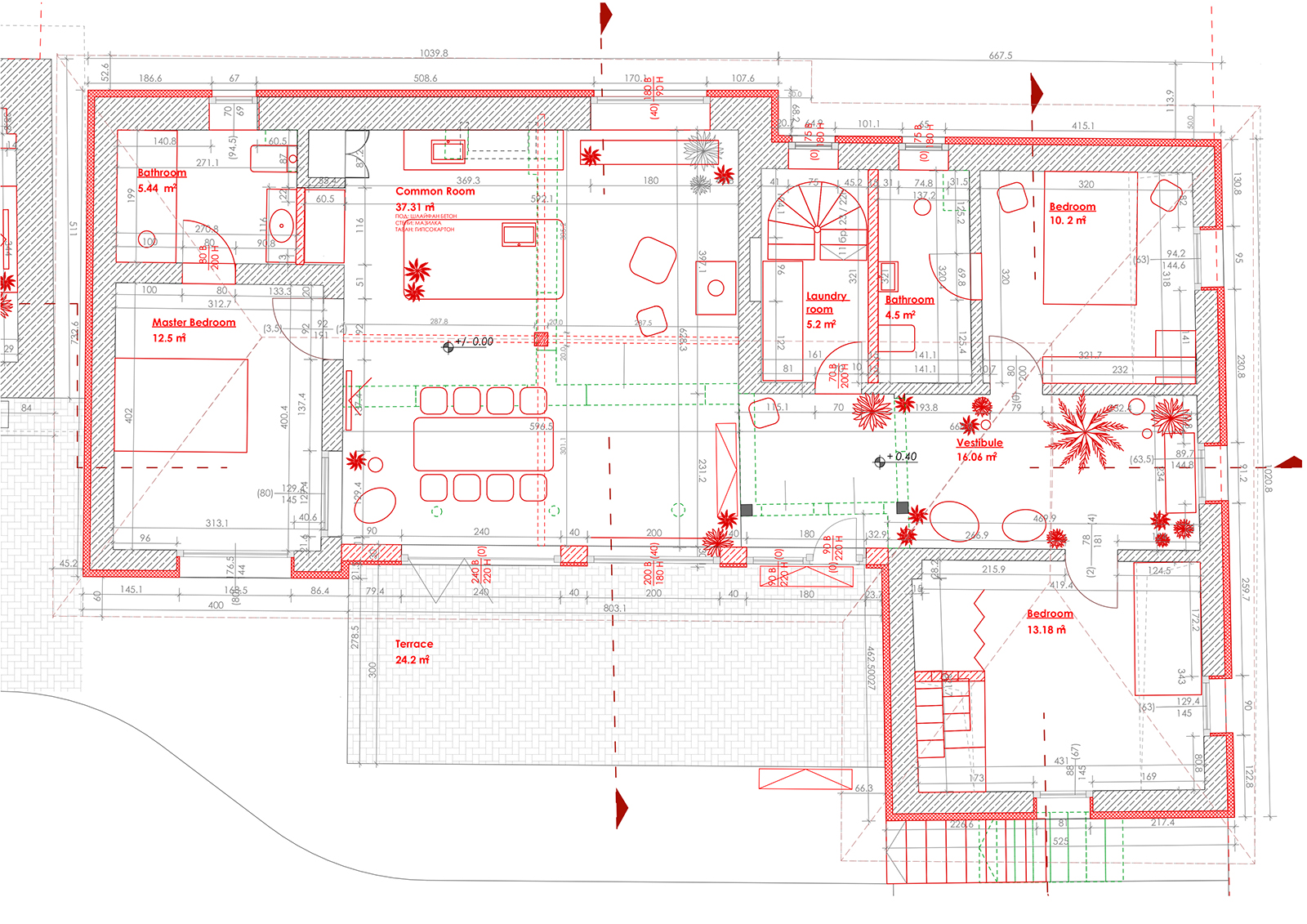
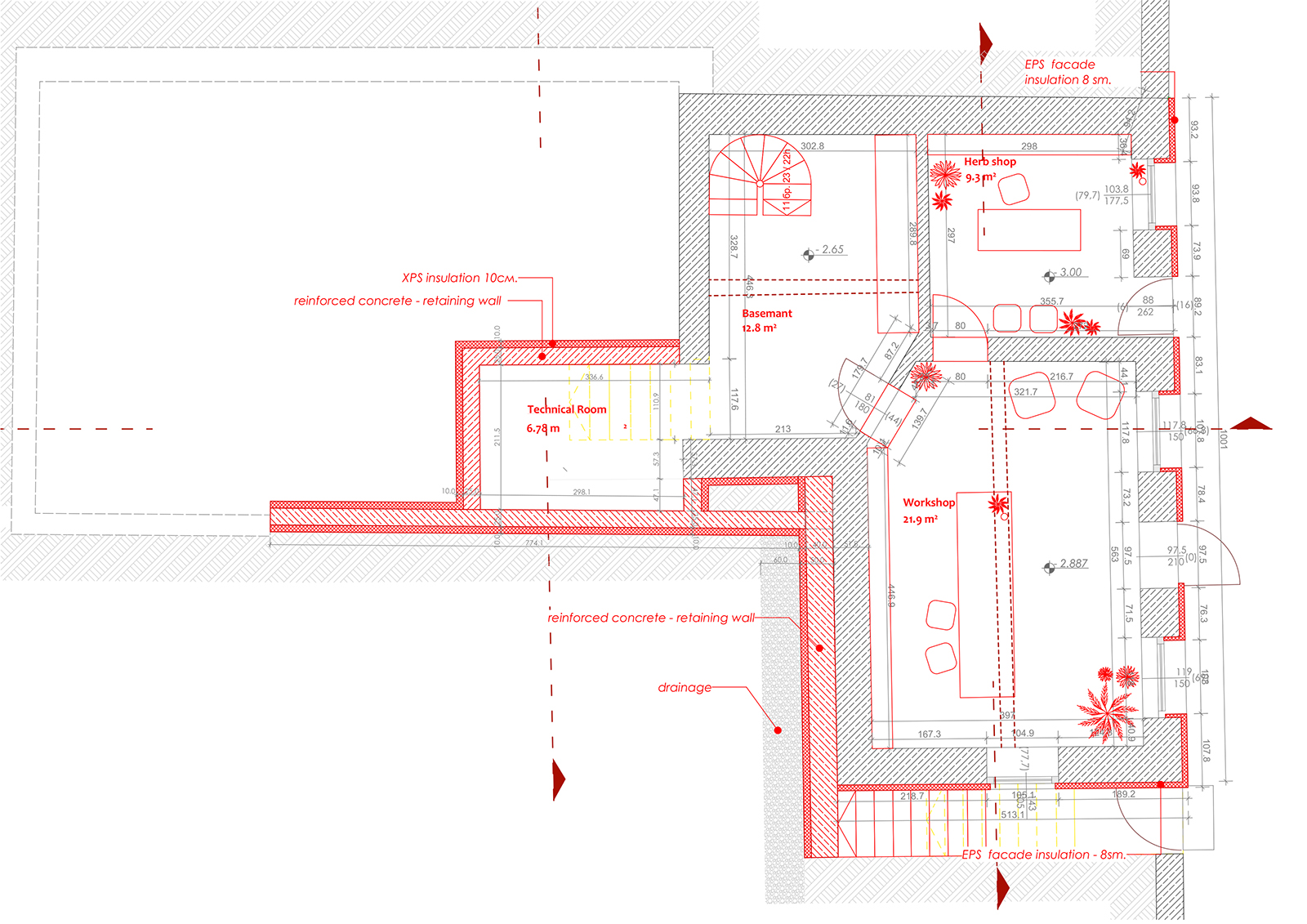
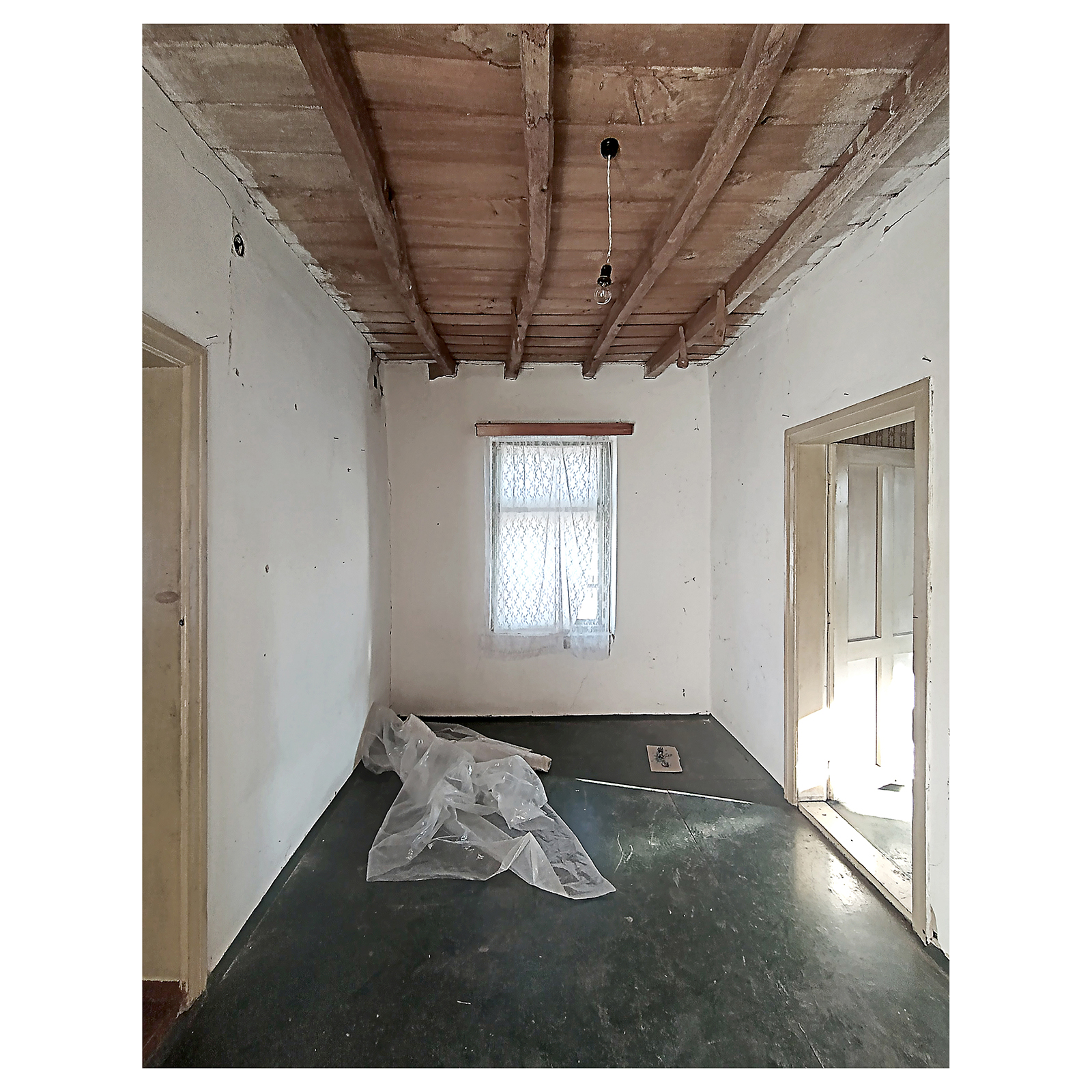
The intervention unfolds through a precise yet understated reconfiguration of the existing plan. Select rooms are merged and reconnected, giving rise to a cohesive common space that operates simultaneously as living area, gathering ground, and vestibule. Transitions are no longer merely functional; they are conceived as temporal “portals,” thresholds charged with atmosphere, where the exposed, once-hidden past coexists with the cadence of new domestic life. Light and a restrained material palette shape these interiors into a continuous visual field—a quiet canvas that amplifies the textures and residual presence of the historic house.
The project’s central tension lies in negotiating the demands of contemporary inhabitation with the imperative to preserve, reveal, and ultimately narrate the building’s layered past.
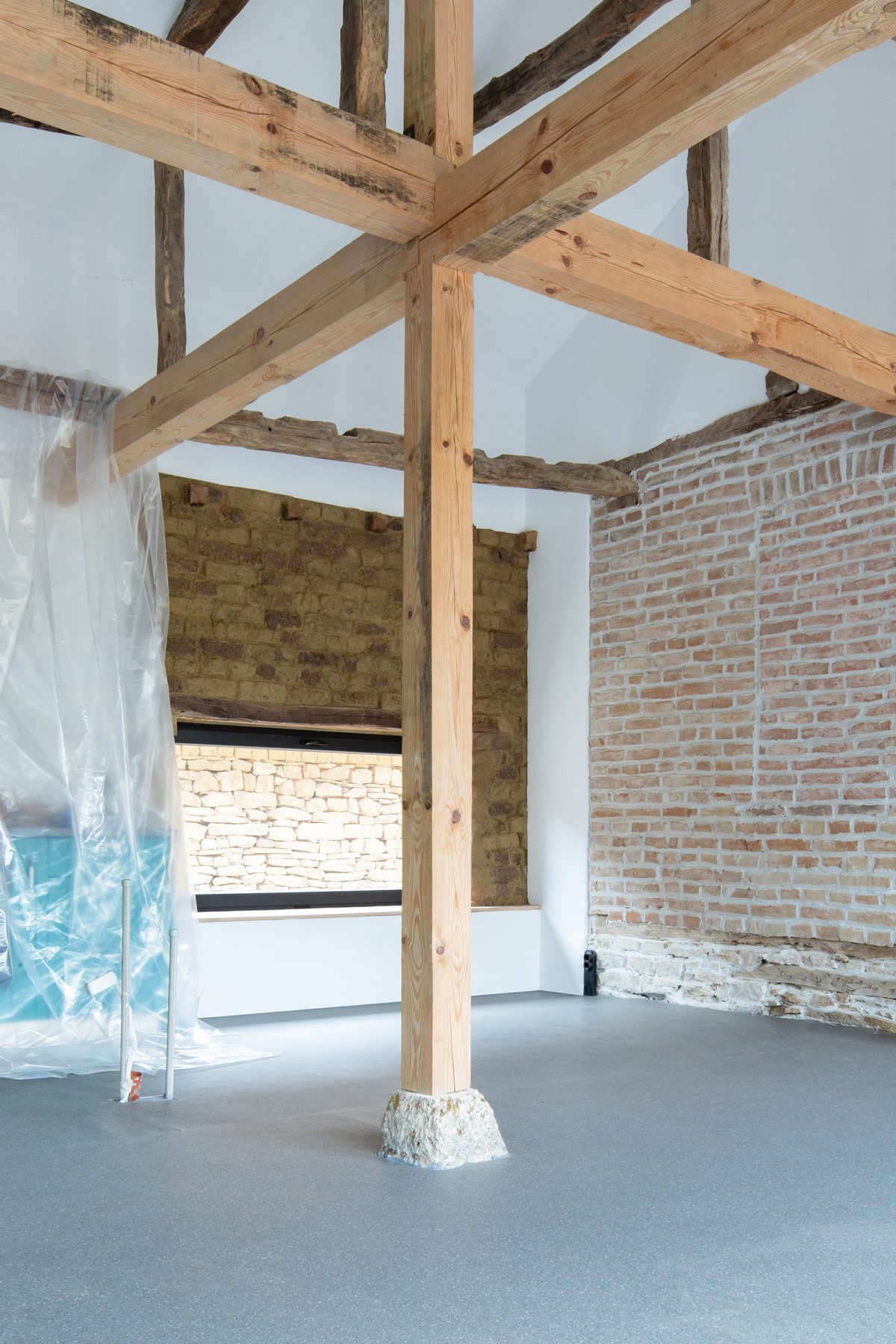
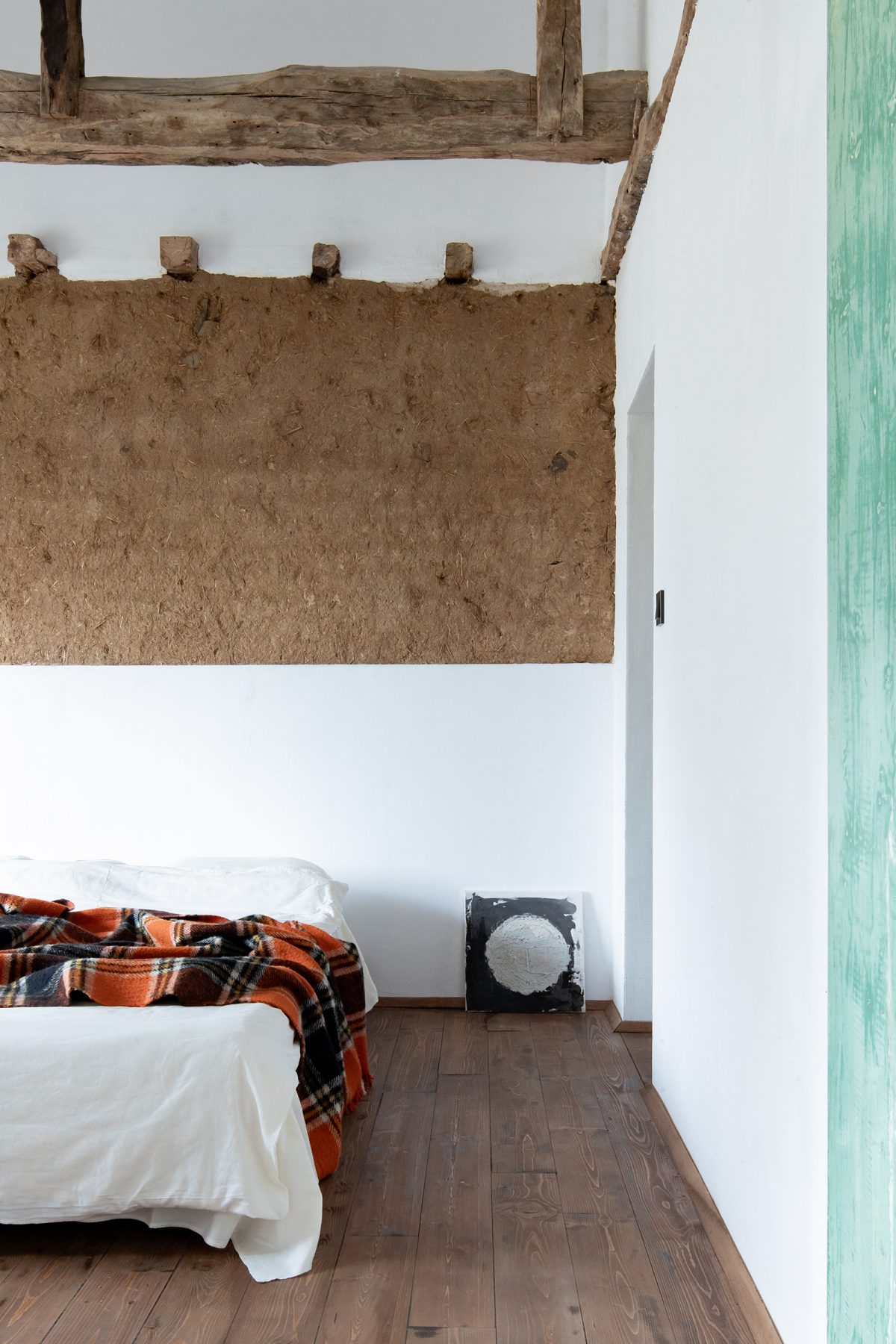
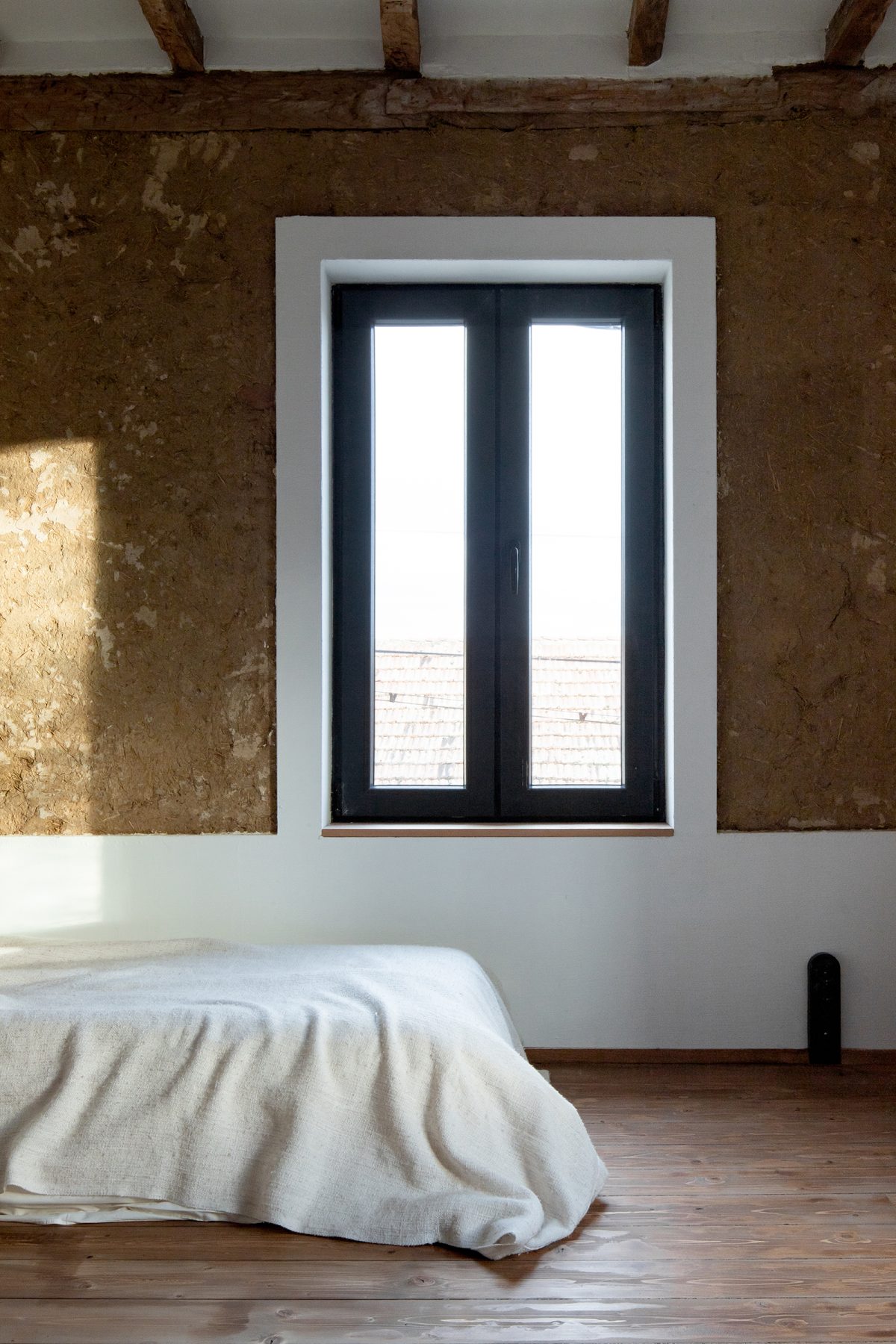
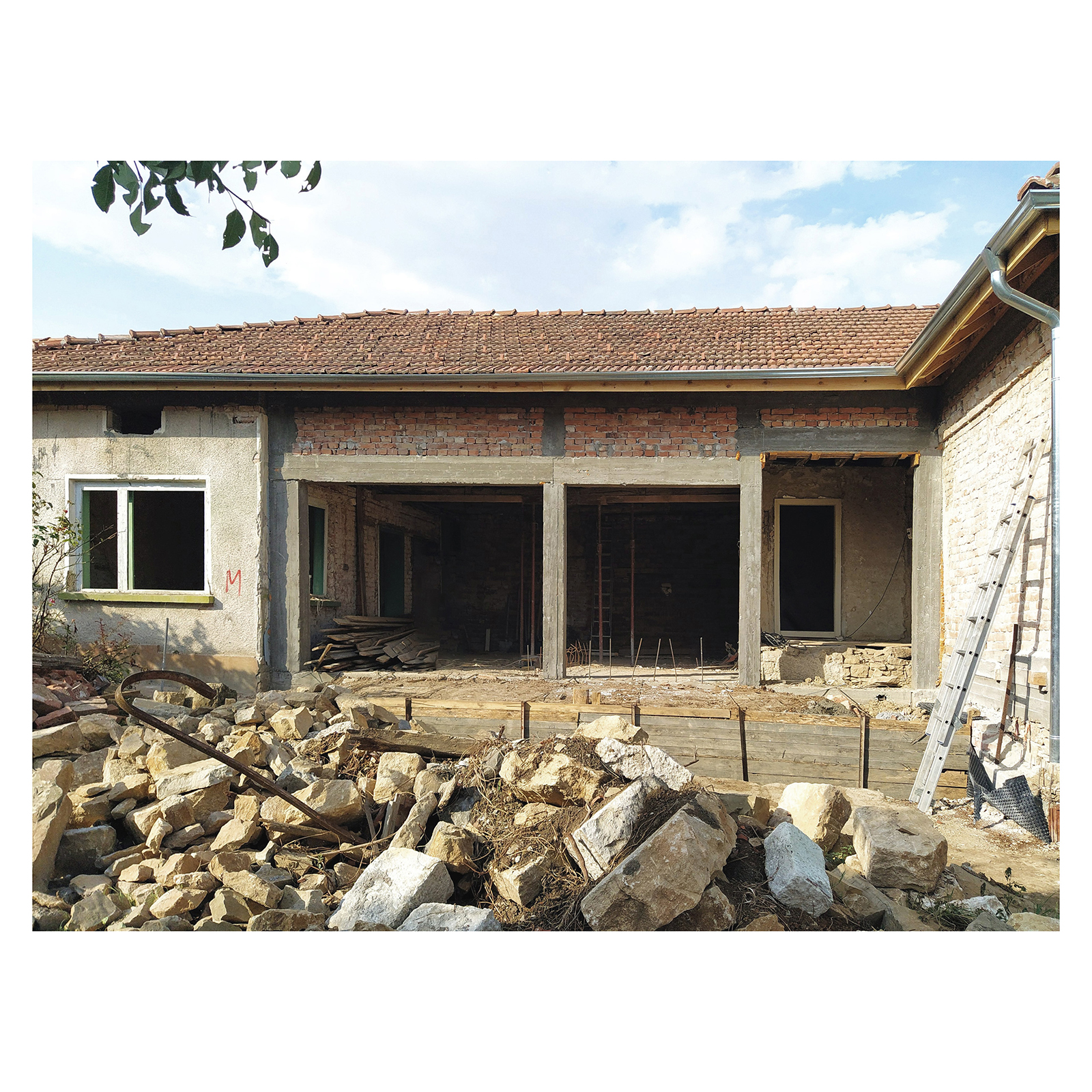
The original structure—an assemblage of adobe and clay bricks, local stone, and irregular timber typical of the region—embodies a form of unintentional sustainability, an “honest” construction logic shaped over time.
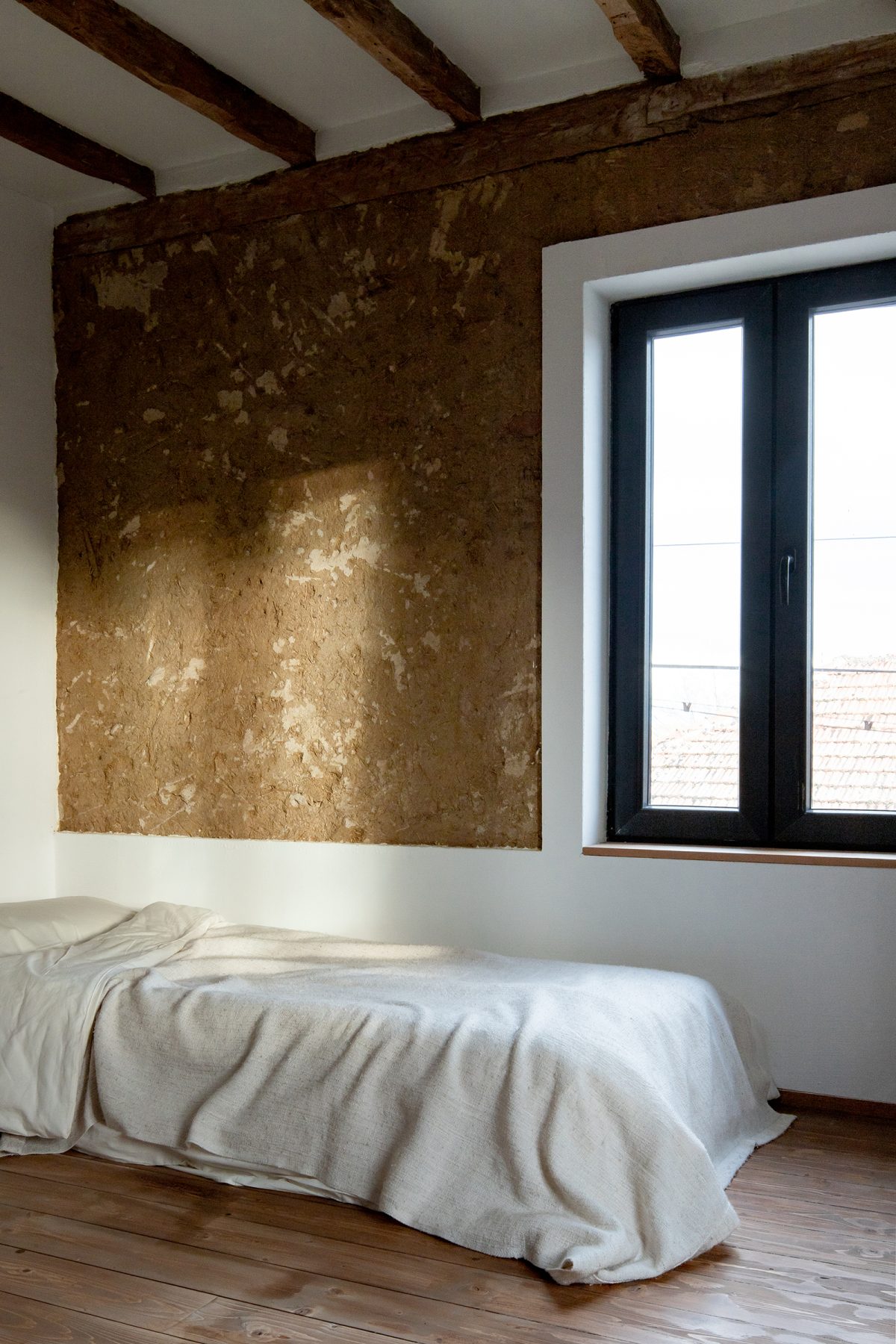
Rather than impose a singular order, the design embraces this heterogeneity, seeking a measured dialogue between old and new. Materials introduced are deliberately restrained, calibrated to both highlight and recede, allowing the existing fabric to remain legible. Yet the process resists fixity: as layers were uncovered, the project adapted, responding in real time to the intelligence embedded within the structure itself. Through this careful juxtaposition, the house is effectively dissected—spatially and conceptually—revealing relationships that would otherwise remain concealed.
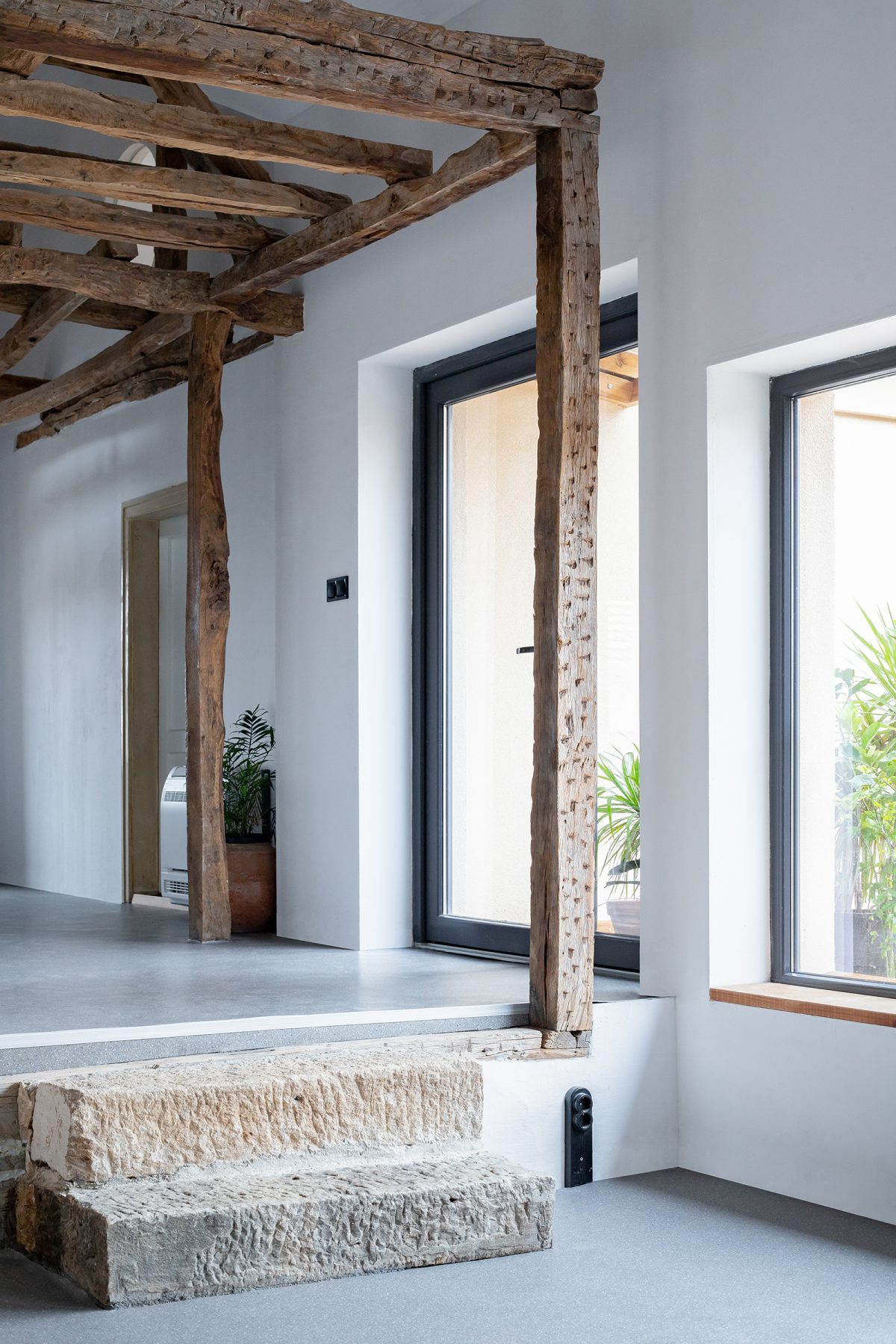
Exposed fragments of construction evoke a museum-like condition, where imprints of textures and construction techniques are simultaneously preserved, exhibited, and reinhabited. These moments of exposure become the very “portals” that structure the experience of the house, articulating a dialogue around temporality and impermanence.
In counterpoint, the contemporary intervention asserts its presence with clarity, inscribing the present within the building’s stratigraphy without mimicking the past.
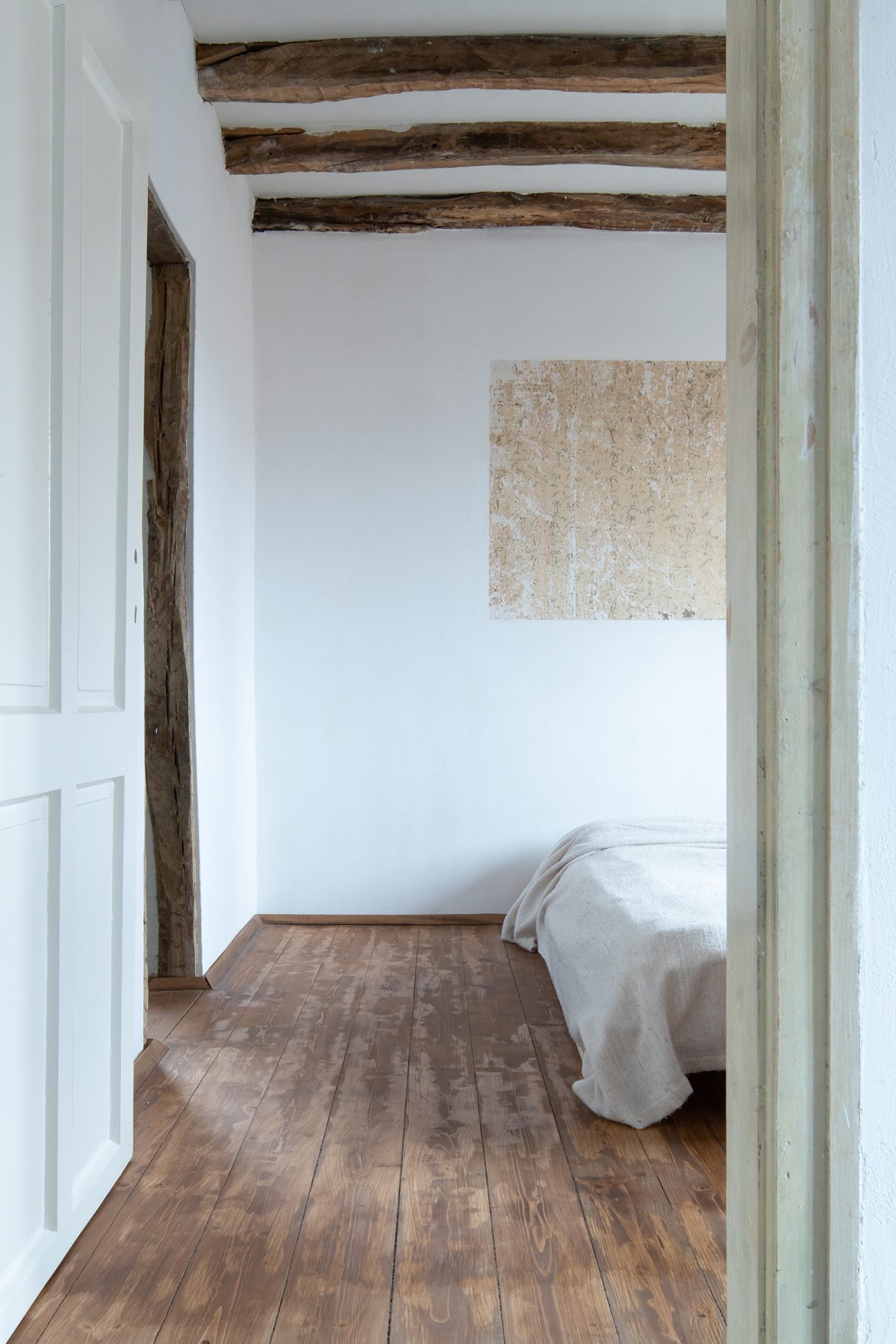
Craftsmanship, rooted in local knowledge, mediates this encounter, lending both material precision and cultural continuity.
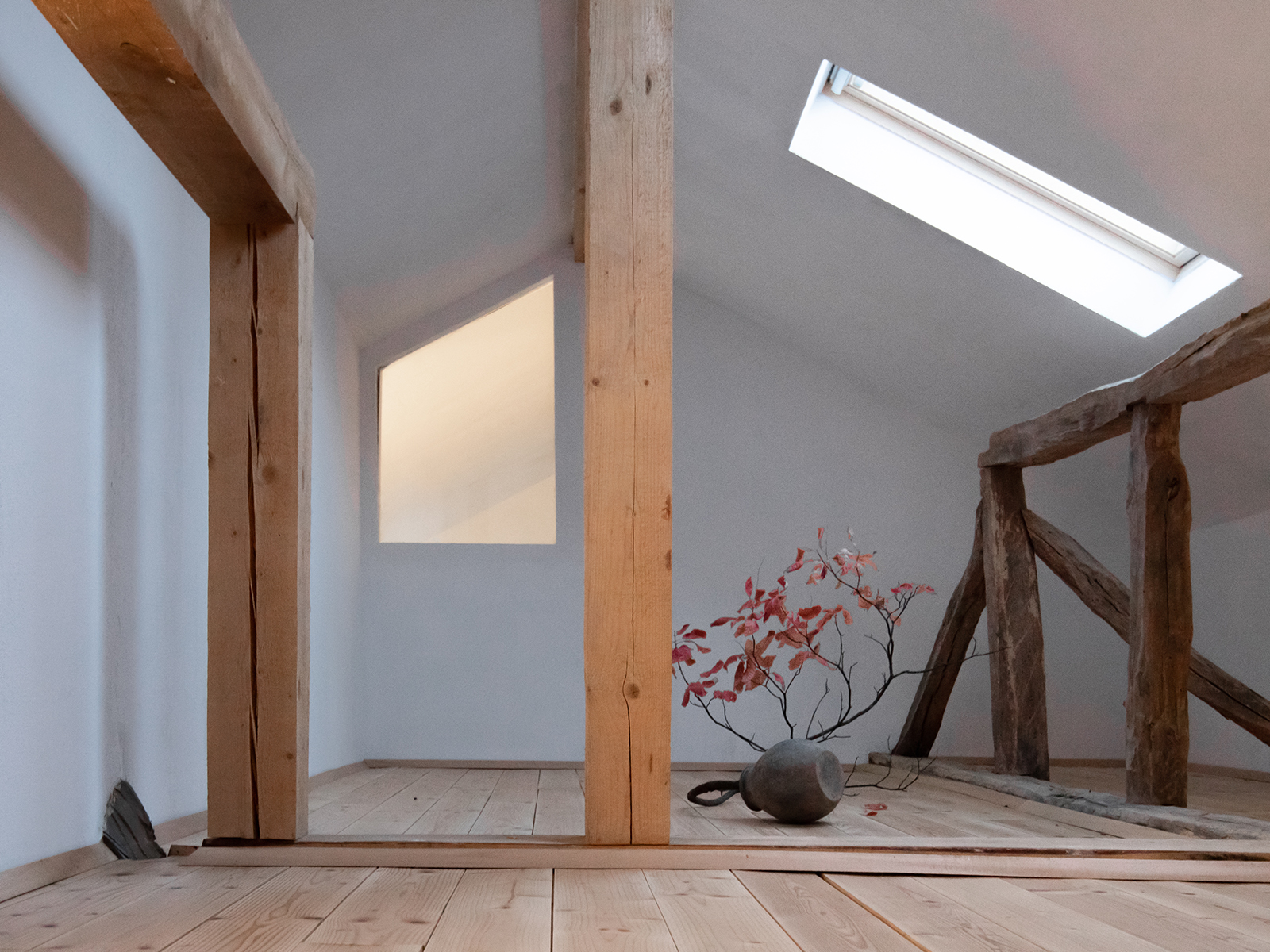
Above, the attic has been partially reconfigured into a play area for children where newly inserted portholes and roof apertures establish oblique visual connections to the surrounding landscape. These openings extend the domestic interior outward, reinforcing a continuous exchange between the house and its environment.
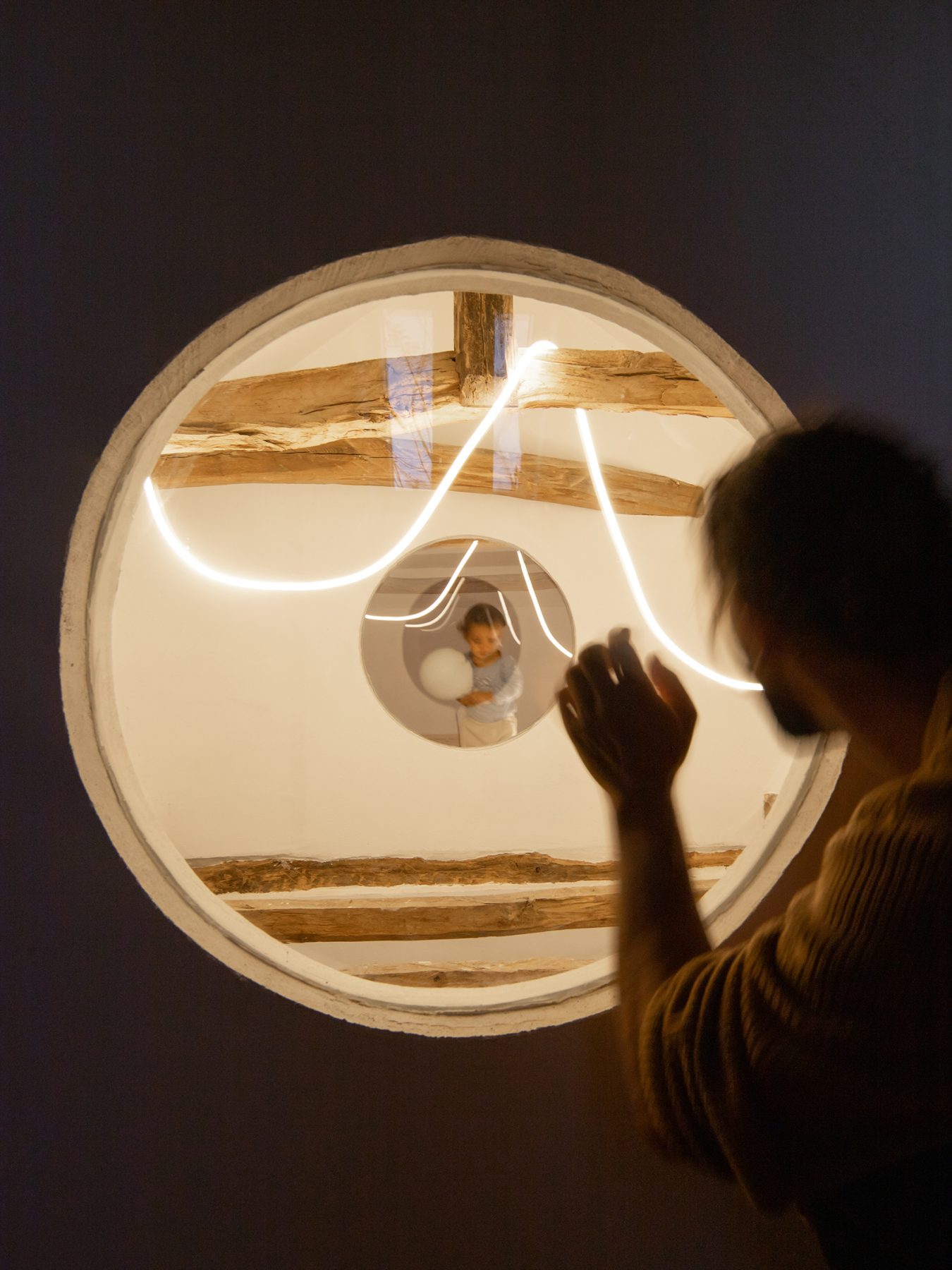
Here, architecture resists the impulse to erase time. Instead, it renders it visible—thickened, layered, and unresolved. The House and the Portals becomes a contemporary domestic landscape in which preservation, intervention, and everyday inhabitation converge, redefining the home as an evolving archive shaped by memory, material intelligence, and the quiet persistence of rural life.
Facts & Credits
Project title The House and the Portals
Typology Stories of Contemporary Domesticity, Residential, Renovation
Episode 14th
Location Karpachevo, Bulgaria
Built area 240 m²
Architecture Studio Nada
Authors Georgi Sabev, Antonina Tritakova
Structural engineering consultancy Stanimir Staykov
Photography Todor Todorov