The architect’s office explores the studio as both laboratory and mirror of architectural thought. The series examines how space, ritual, tools, and collaboration shape design culture. From intimate ateliers to larger practices, these workplaces reveal values and ambitions—where ideas are tested and identities take form, moving from paper and digital drawing toward the built world.
Studio nada is an architecture practice deeply rooted in the rural landscape, the reinvention of traditional construction methods, and the pursuit of experimental research. Founded in 2020 by architects Antonina Tritakova and Georgi Sabev, the studio is based in a modest yet magnetically charming rectangular building defined by its raw materiality, in the small village of Karpachevo in northern Bulgaria—with a population of fewer than 150 residents. Sharing its yard with an old two-storey adobe house and a stone barn, Studio nada brings to life an architecture that nurtures slow living, immersed in the rhythms of nature, honest materiality, and a profound understanding of how to live with the land.
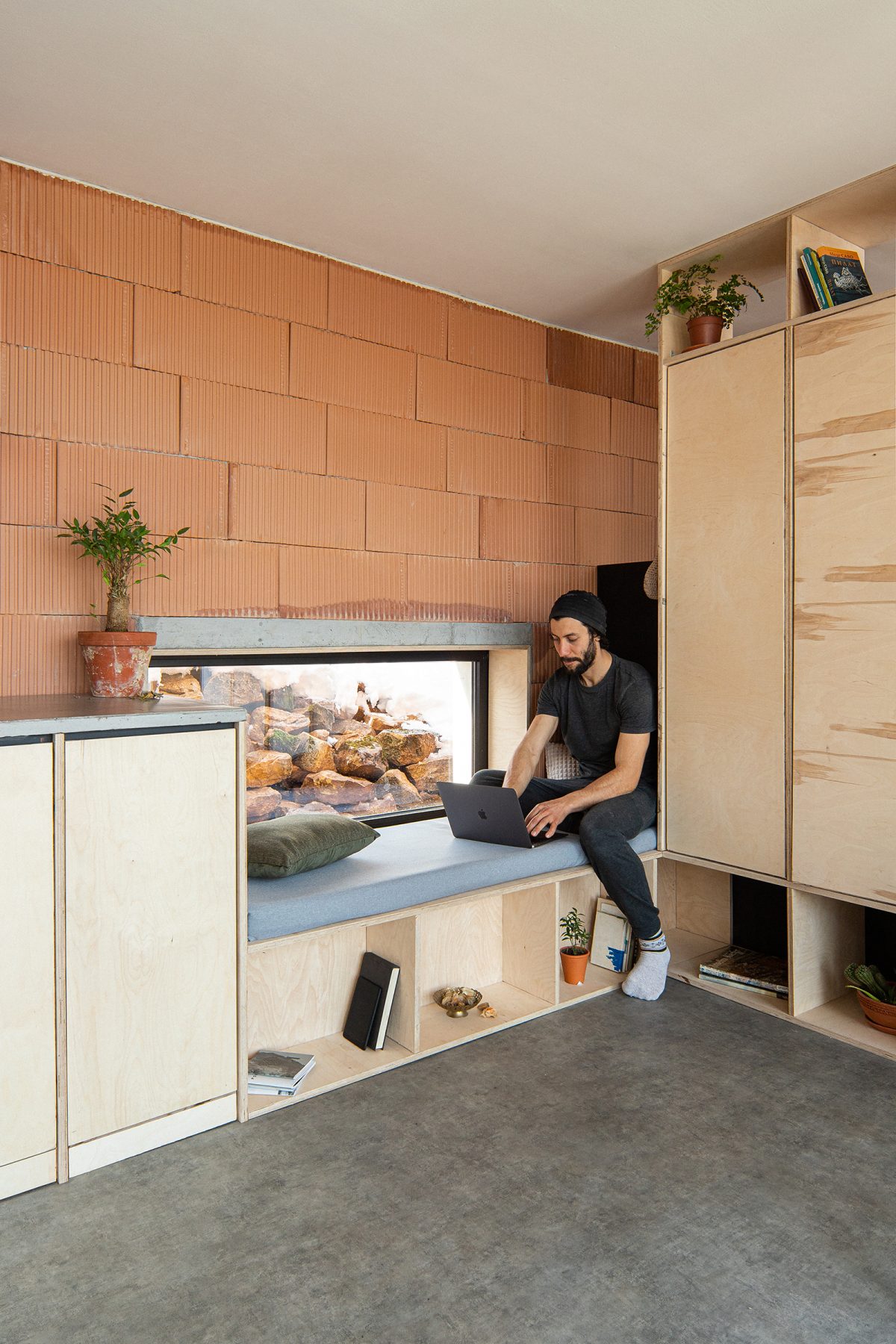
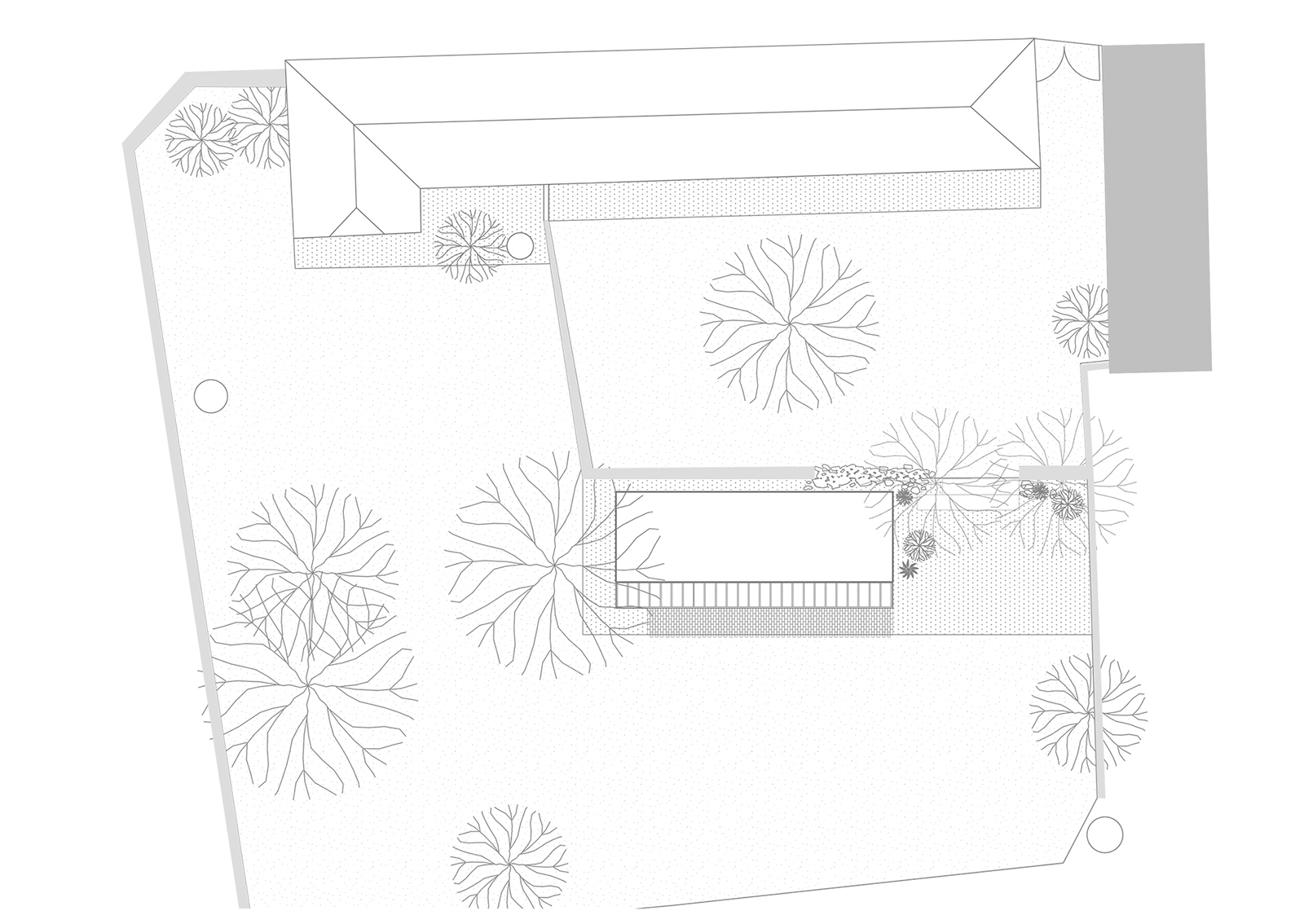
At the edge of Karpachevo, where the village dissolves into the quiet vastness of the northern Bulgarian landscape, a small plot unfolds quietly. Enclosed by a dry-stone wall and gently descending toward the southeast, the land carries traces of the region’s built history: an aging adobe house, a weathered stone barn, and—most evocatively—a constellation of old walnut trees whose dense canopies cast shifting shadows across the ground. It is beneath this living ceiling that the studio finds its place, less imposed than discovered.
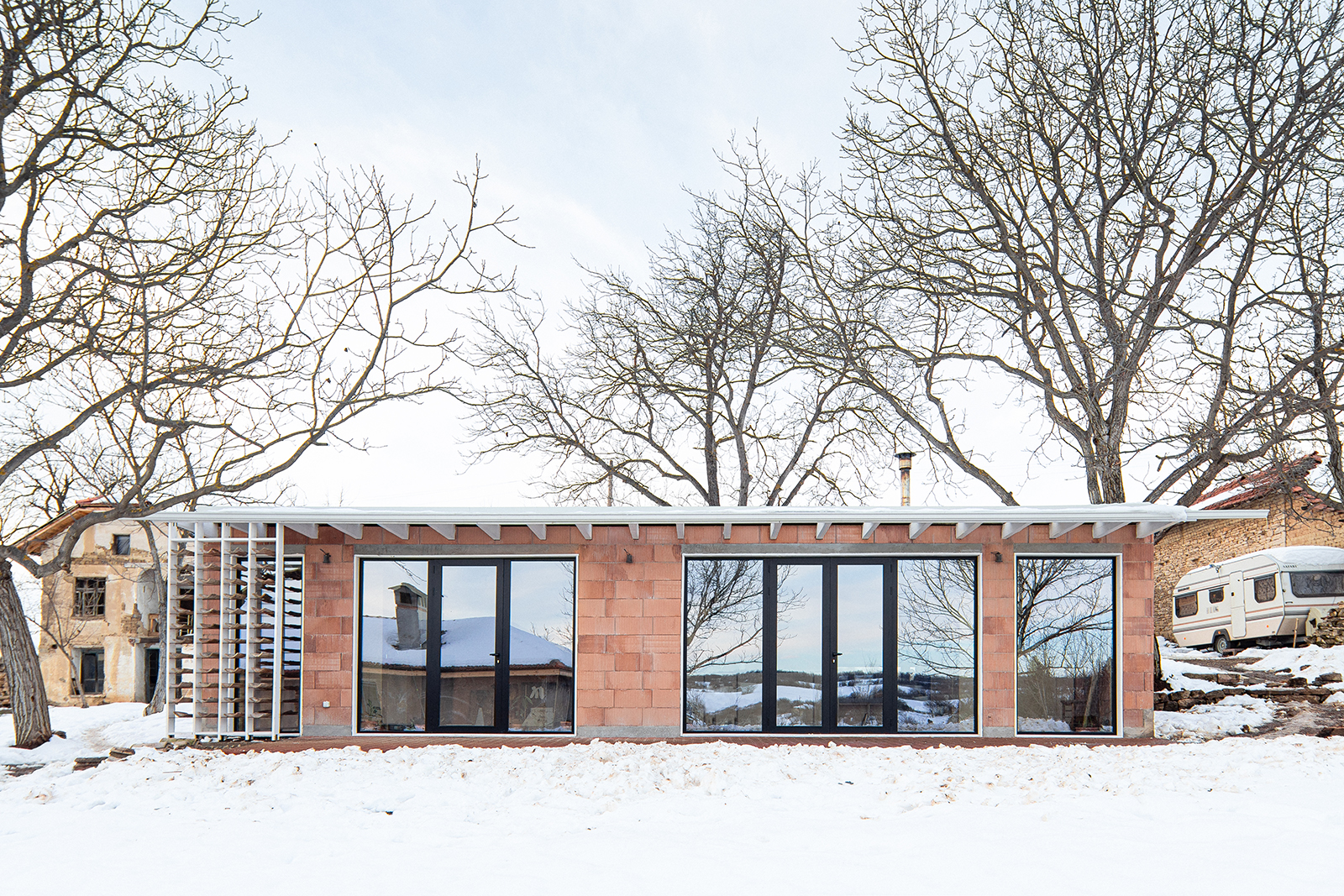
Blurring the thresholds between architecture and landscape, Nada’s studio unfolds as a raw garden pavilion—an elemental refuge shaped by the architects’ desire for withdrawal and creation, where the rituals of work and life dissolve into one another.
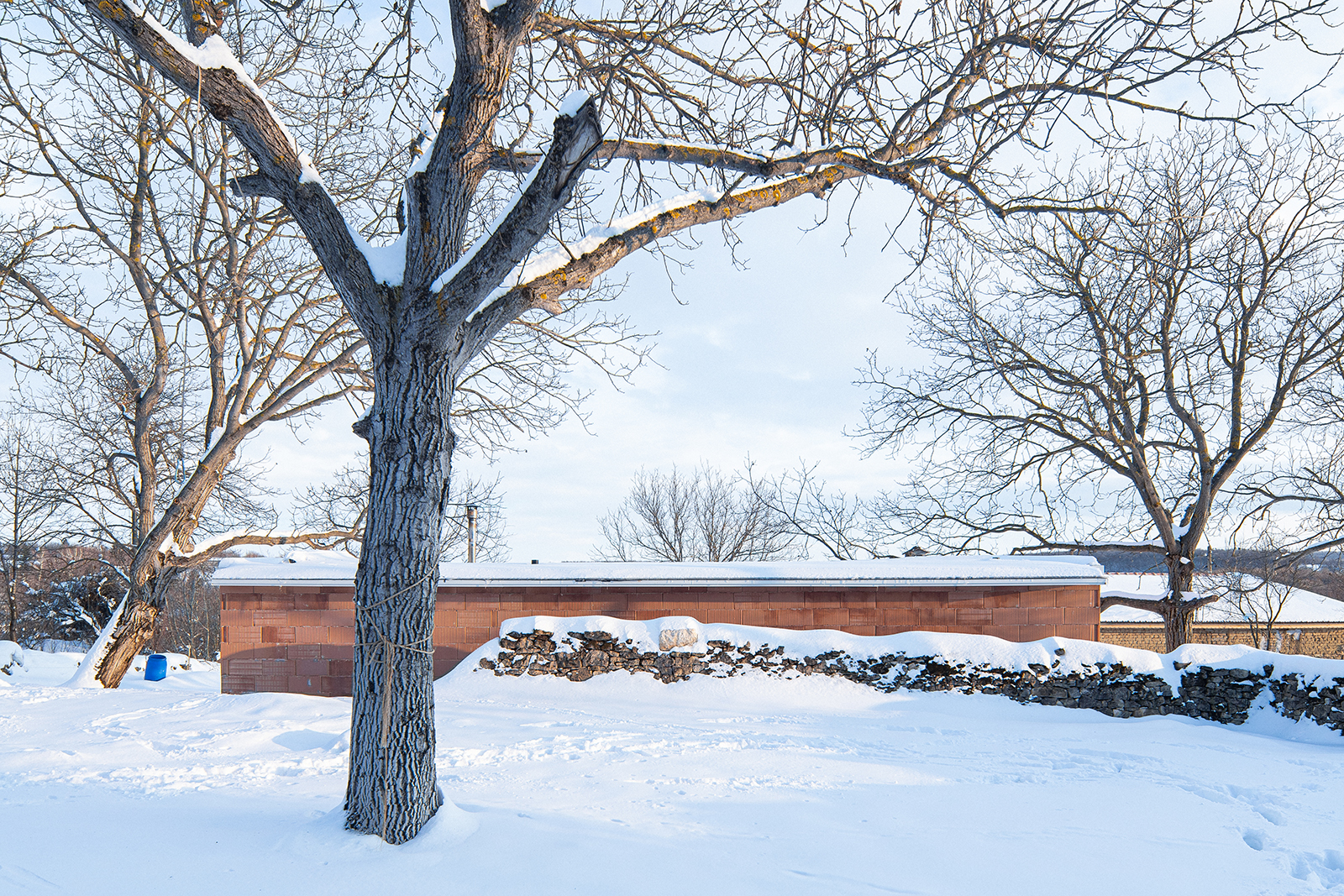
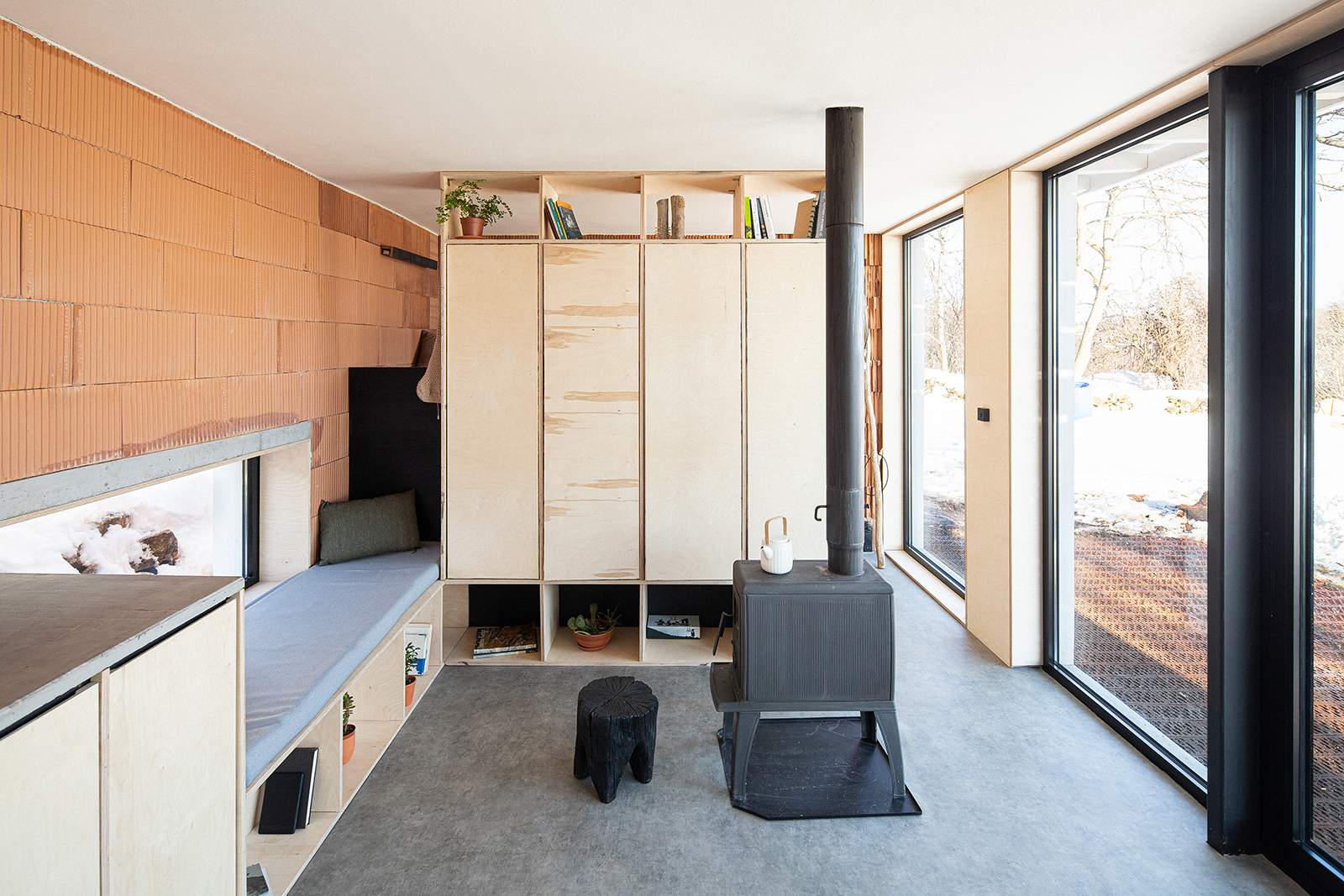
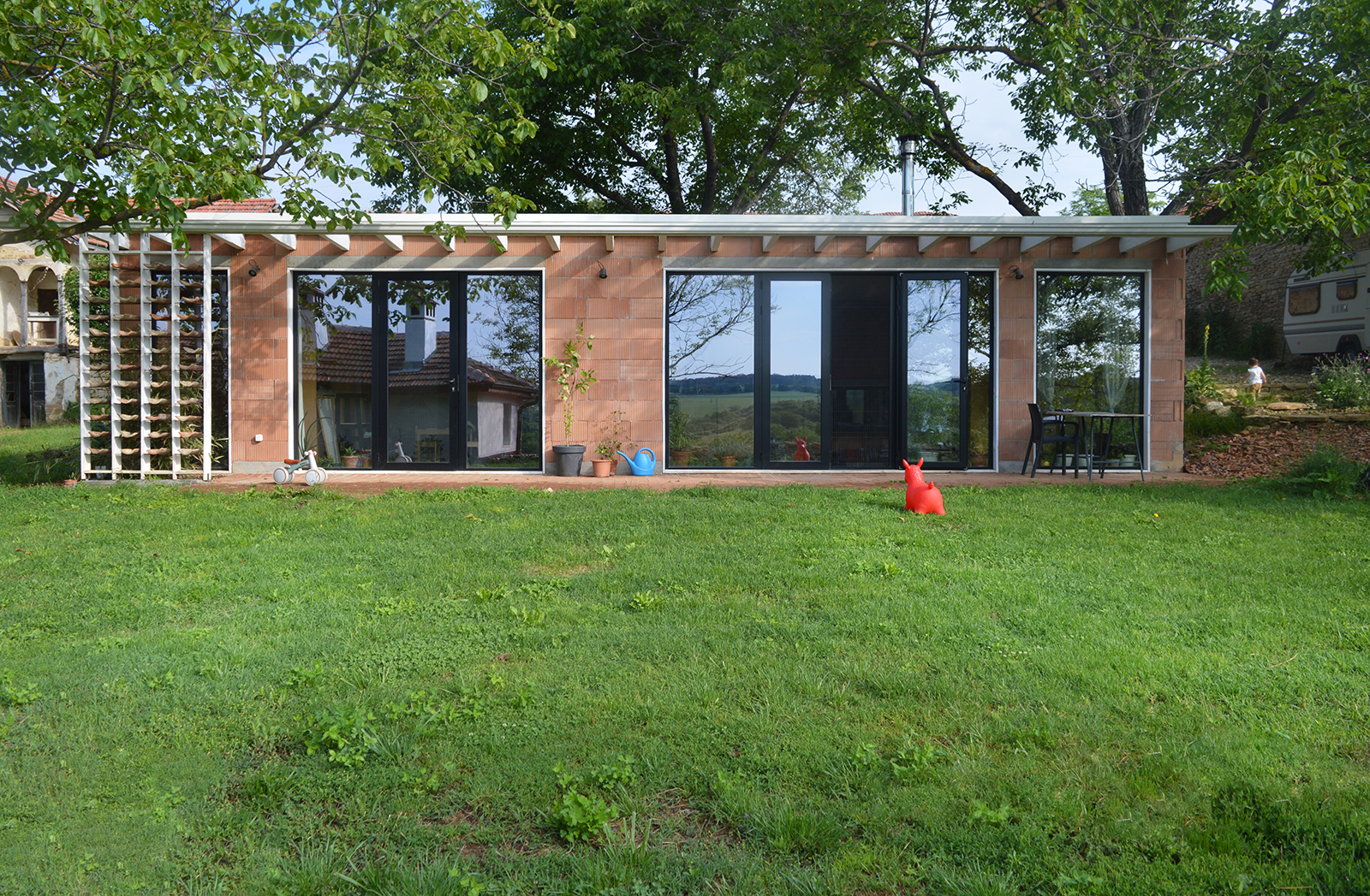
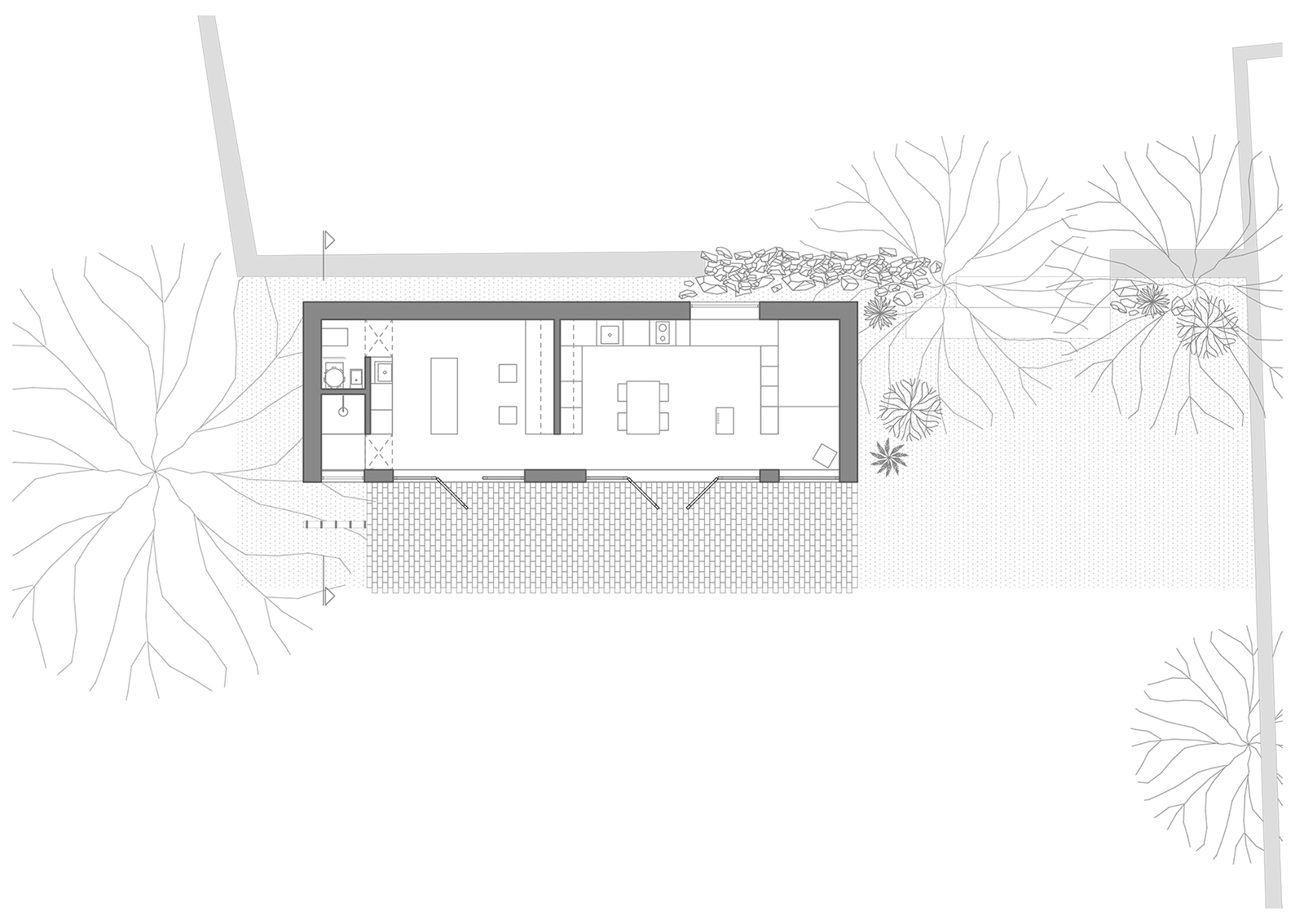
The atelier takes form as an almost archetypal figure: a lucid, disciplined rectangle, its presence both grounded and deliberate. Constructed from exposed ceramic blocks, it rearticulates a familiar language, casting a contemporary echo of vernacular intelligence.
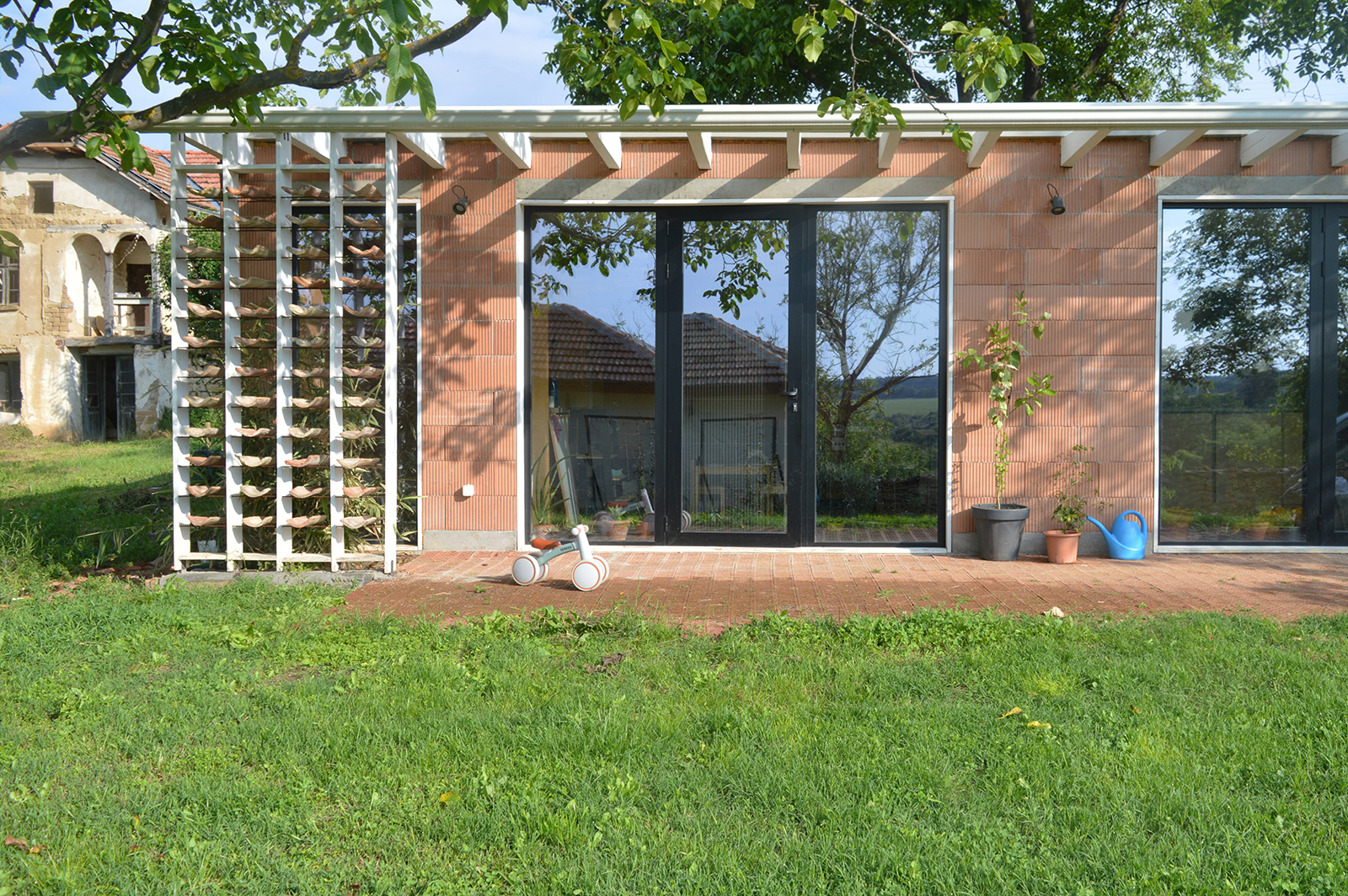
Here, clay—once the primal substance of the village—returns with renewed depth, not as an act of nostalgia, but as a quiet, precise act of reinterpretation.
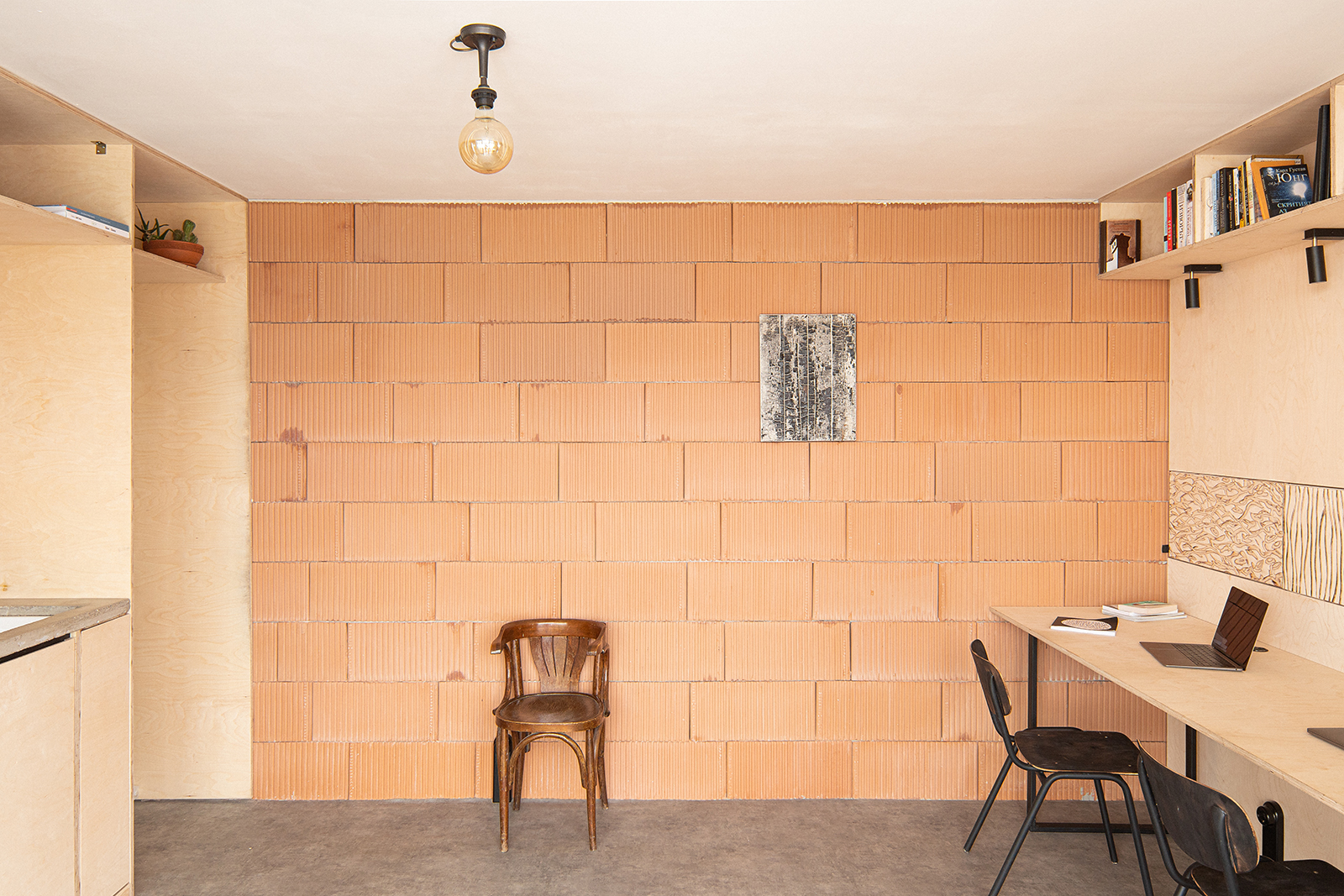
Echoing Frank Lloyd Wright’s thought—“The mother art is architecture. Without an architecture of our own, we have no soul of our own civilization”— Studio nada grounds both its spatial practice and its ethos in the tacit knowledge of local construction and inherited craft.
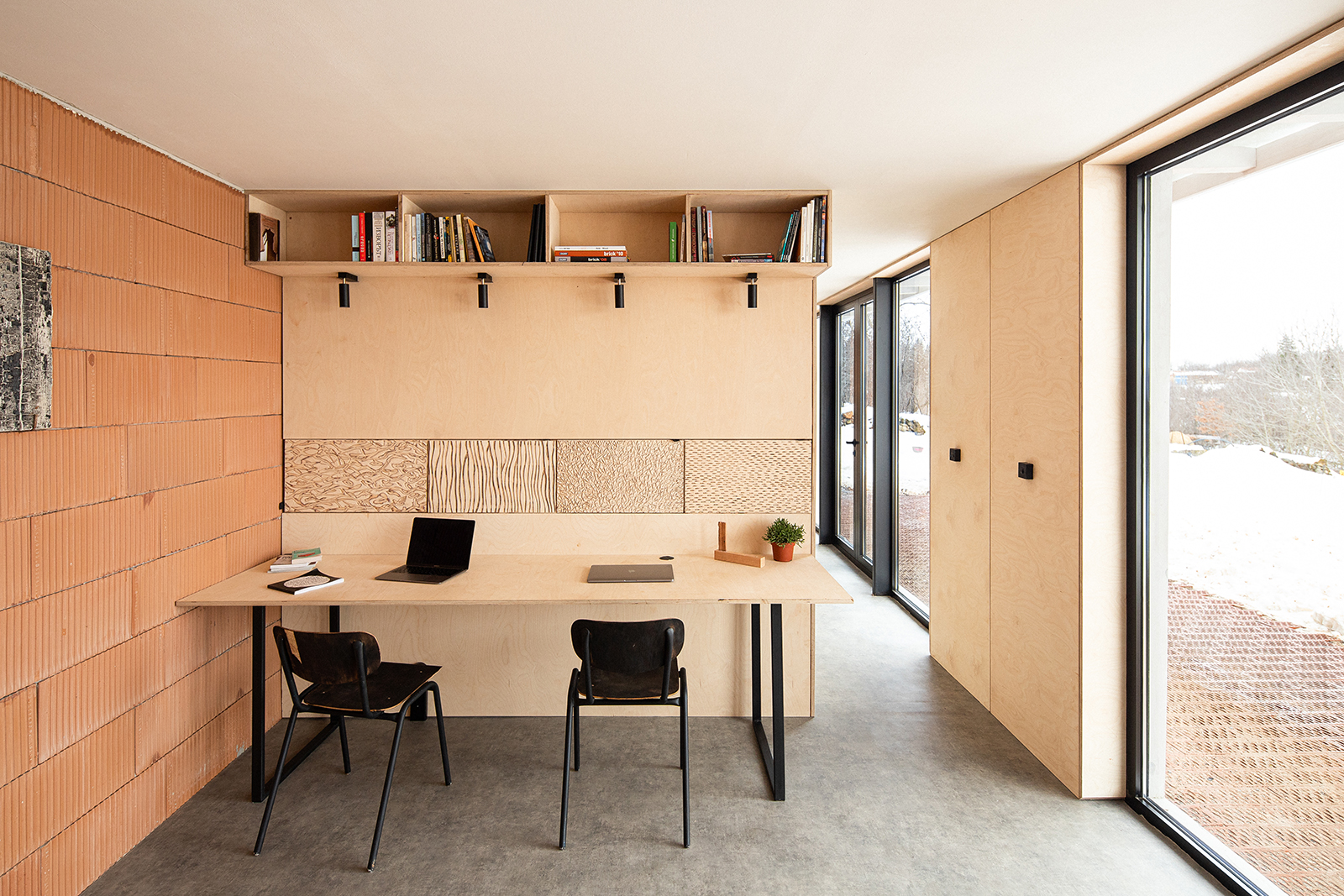
The studio was not merely designed; it was built—patiently, collectively—by its architects, alongside family and close collaborators, transforming construction into ritual—an act of gathering as much as of making.
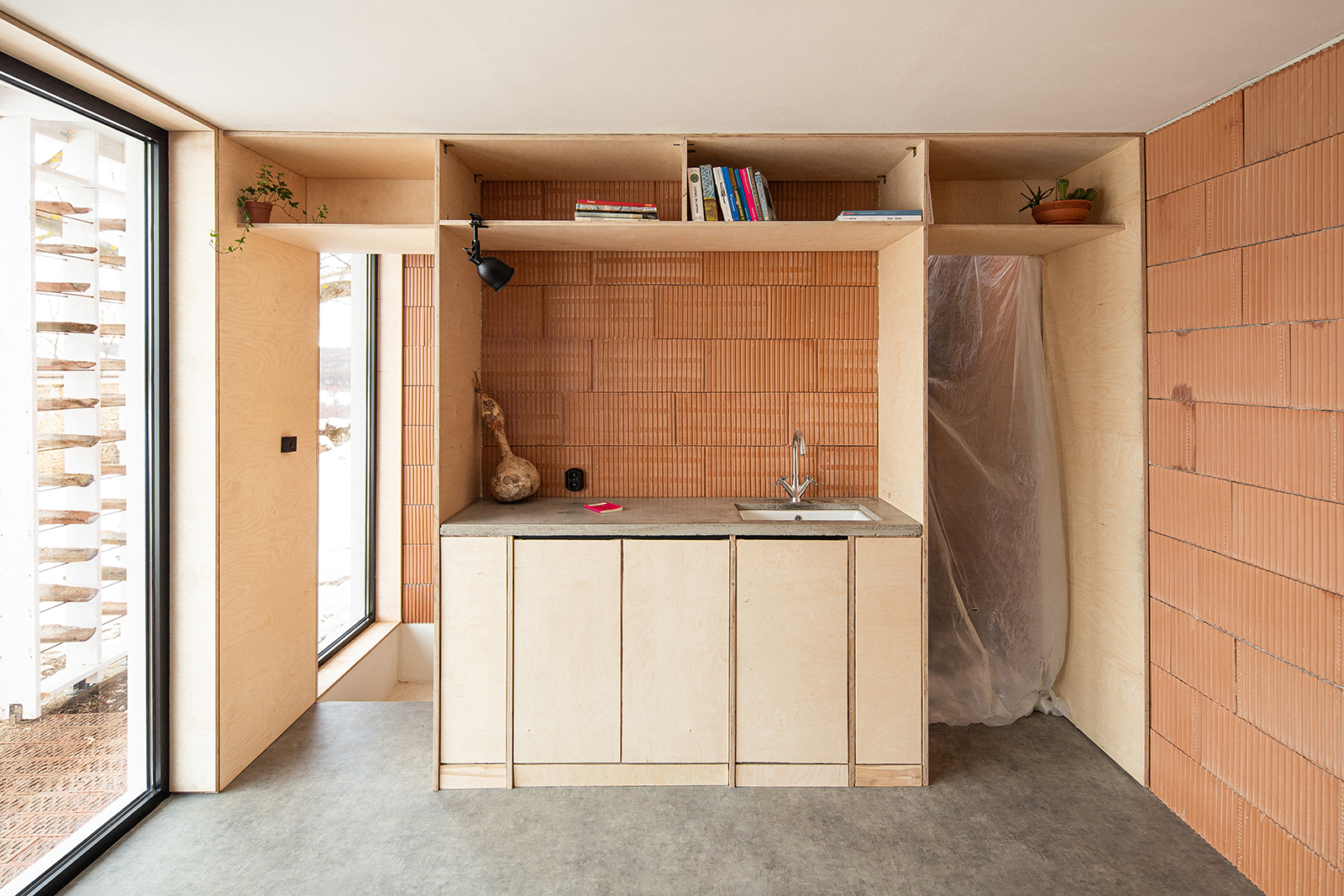
In doing so, the process reawakens an older Bulgarian custom, where building was not an isolated act but a shared undertaking, embedded within the rhythms of community life. Within this collective gesture, the building assumes the role of a living archive; embodying social memory and standing as a quiet homage to a culture where architecture is inseparable from human connection and shared labor.
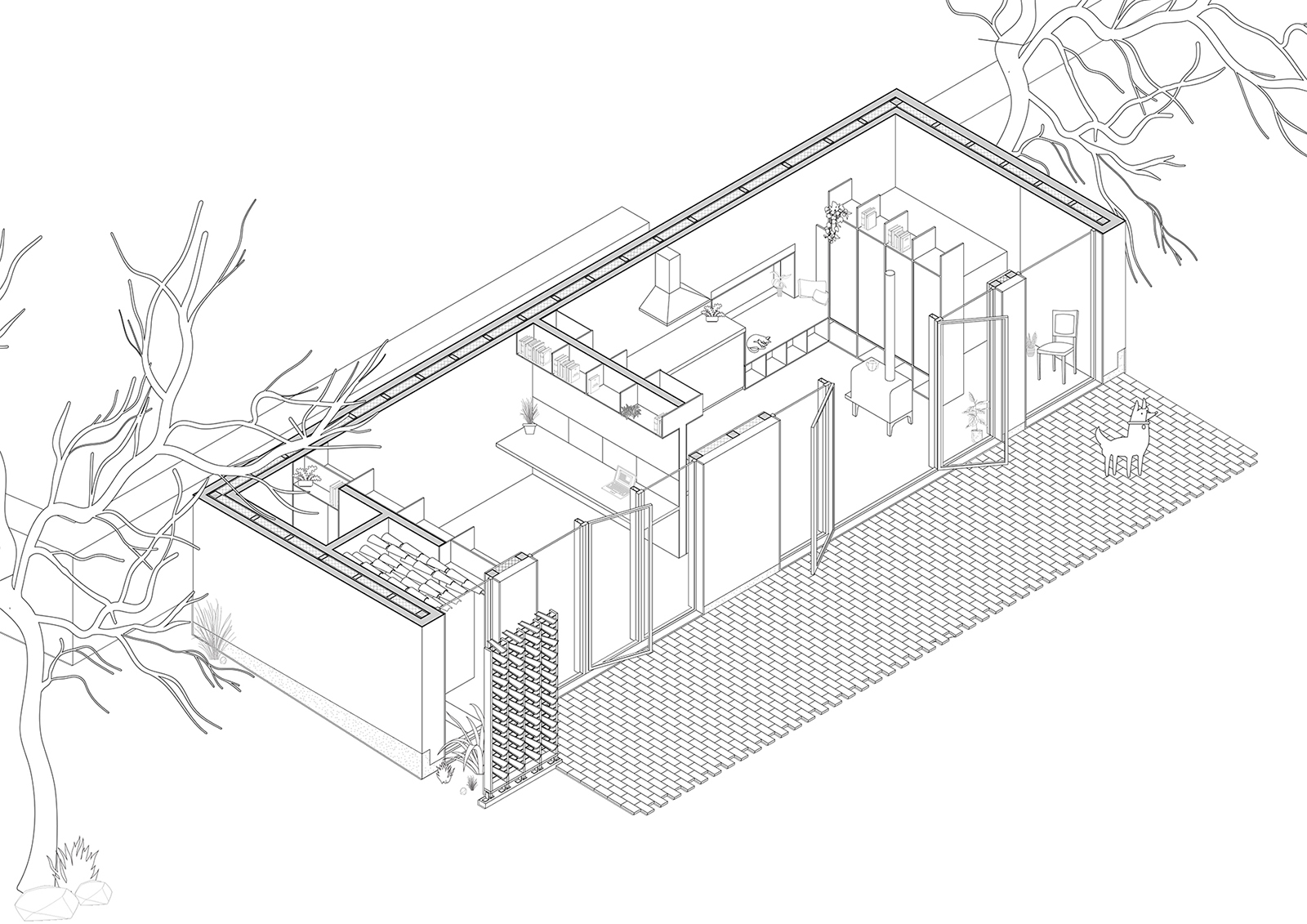
Sustainability is embedded not as an added layer, but as an intrinsic logic.
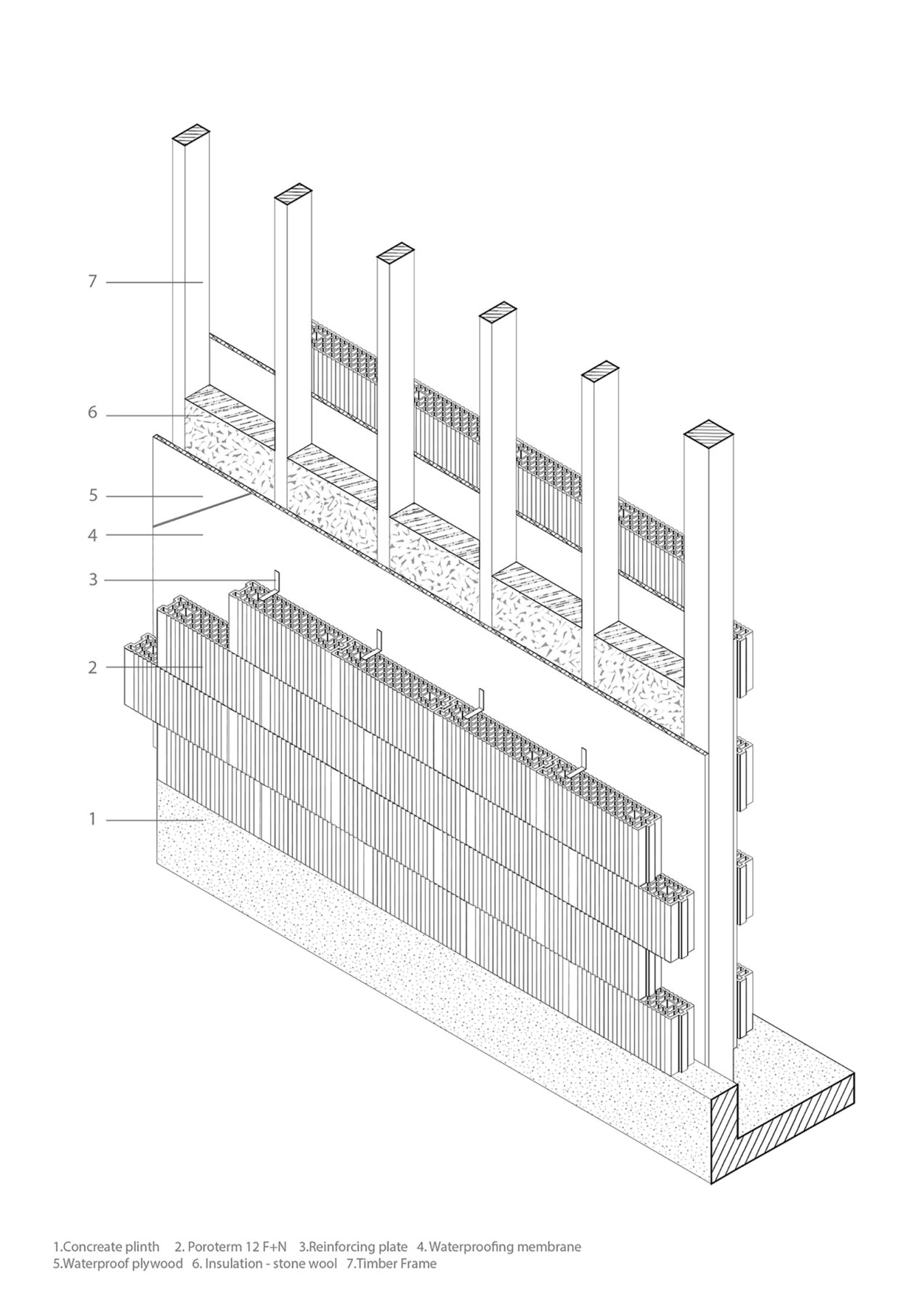
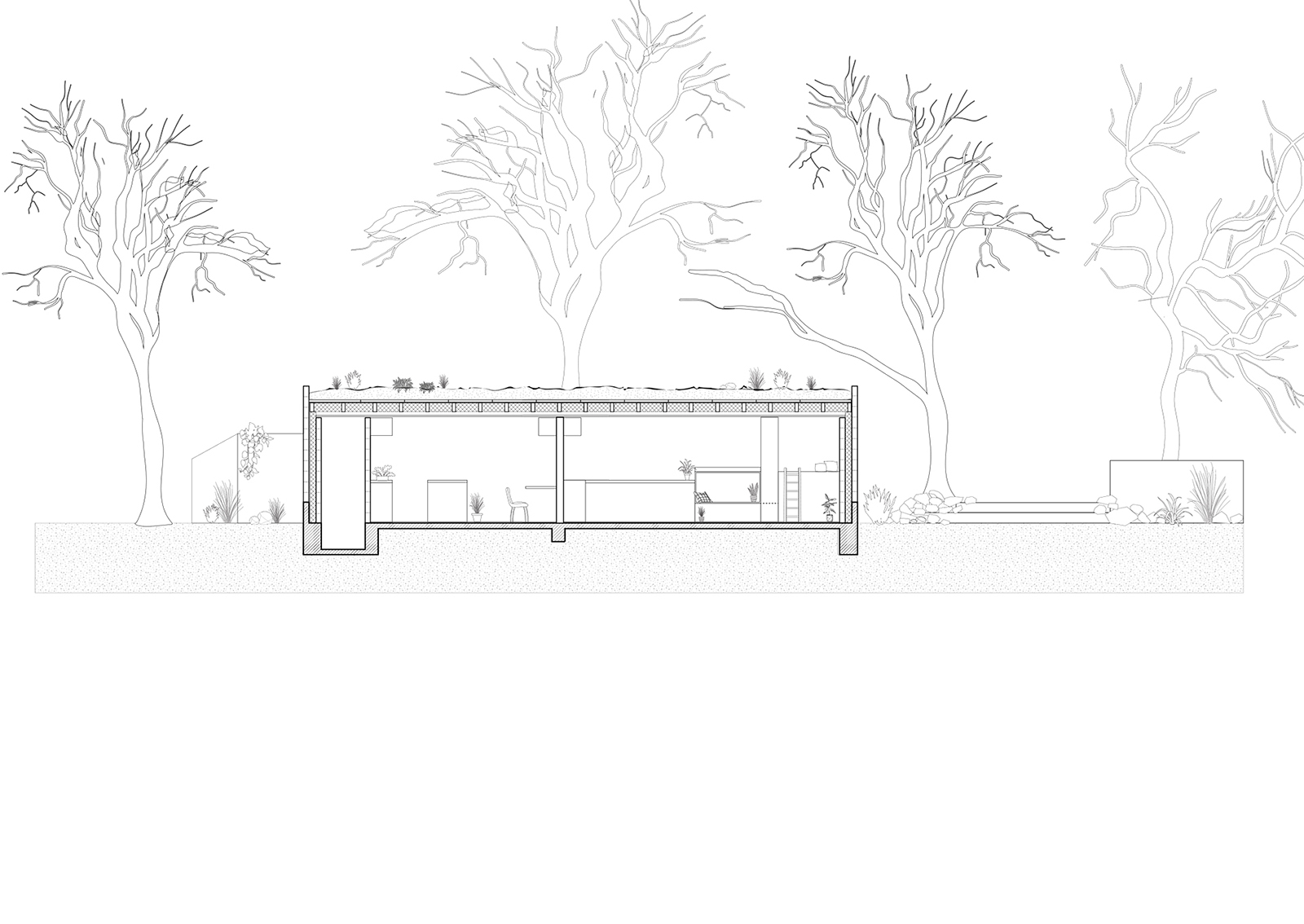
A flat green roof extends the terrain upward, softening the building’s presence while contributing to thermal regulation. Walls are conceived as layered systems—ceramic brick envelopes enclosing a core of stone wool insulation—ensuring both durability and energy efficiency. Natural light is carefully orchestrated, reducing dependency while enhancing spatial quality. Even the choice of materials carries a sense of continuity, with recycled elements subtly woven into the construction.
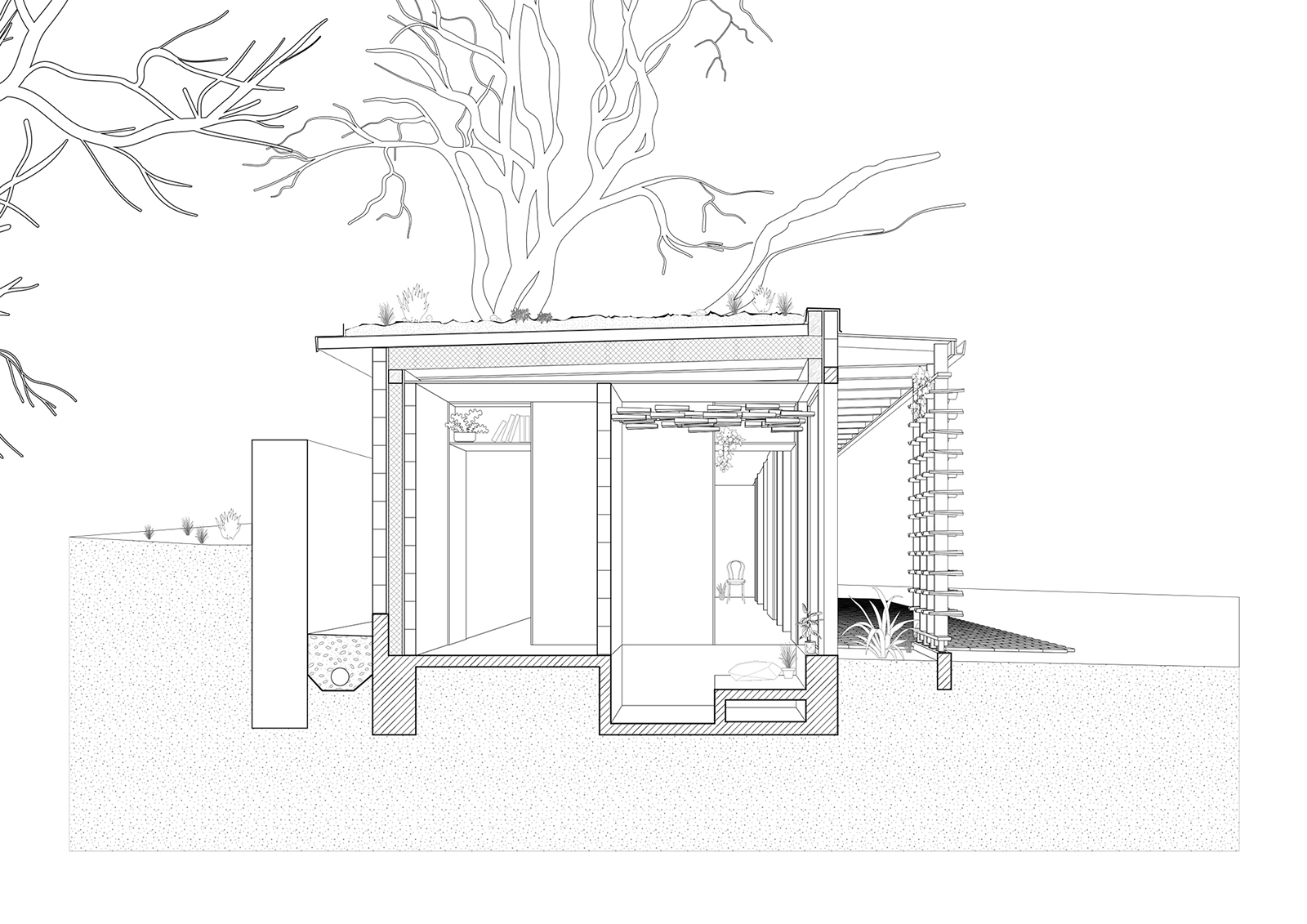
The studio’s interior is defined by openness and light, where the choreography of the day—sunlight entering, shadows retreating—becomes part of the working ritual. There is an insistence on simplicity that governs every gesture. The building resists excess, embracing instead a language of reduction: a space distilled to its essential elements.
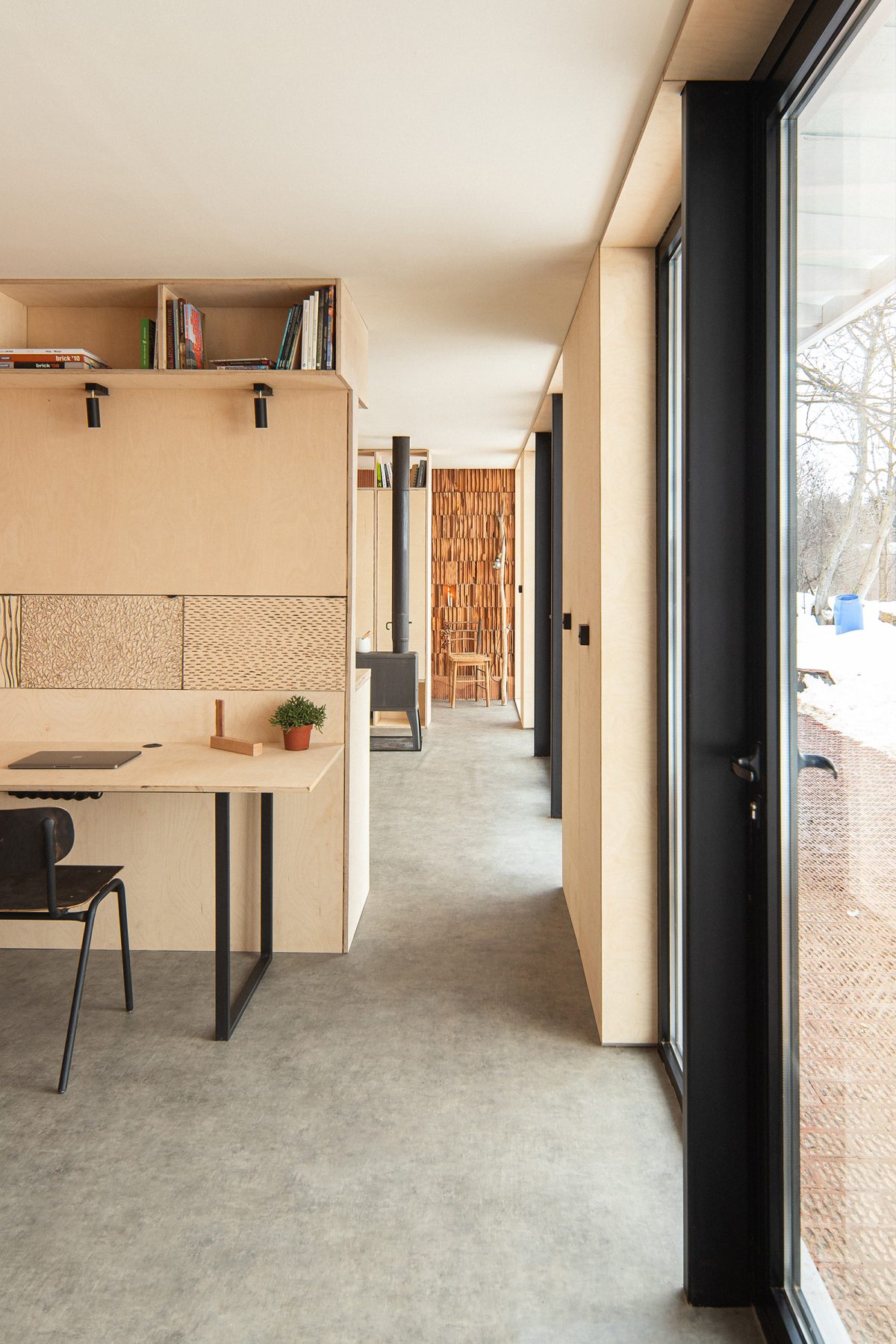
Materials are left in their raw, unembellished state—ceramic brick, timber, plywood, exposed concrete—each speaking with its own voice, yet participating in a measured harmony.
The studio does not stand apart from its surroundings; it is in constant negotiation with them. The rough textures of the dry-stone walls, the irregular silhouettes of the walnut trees, the fragile tactility of adobe—all find subtle correspondences in the new structure.
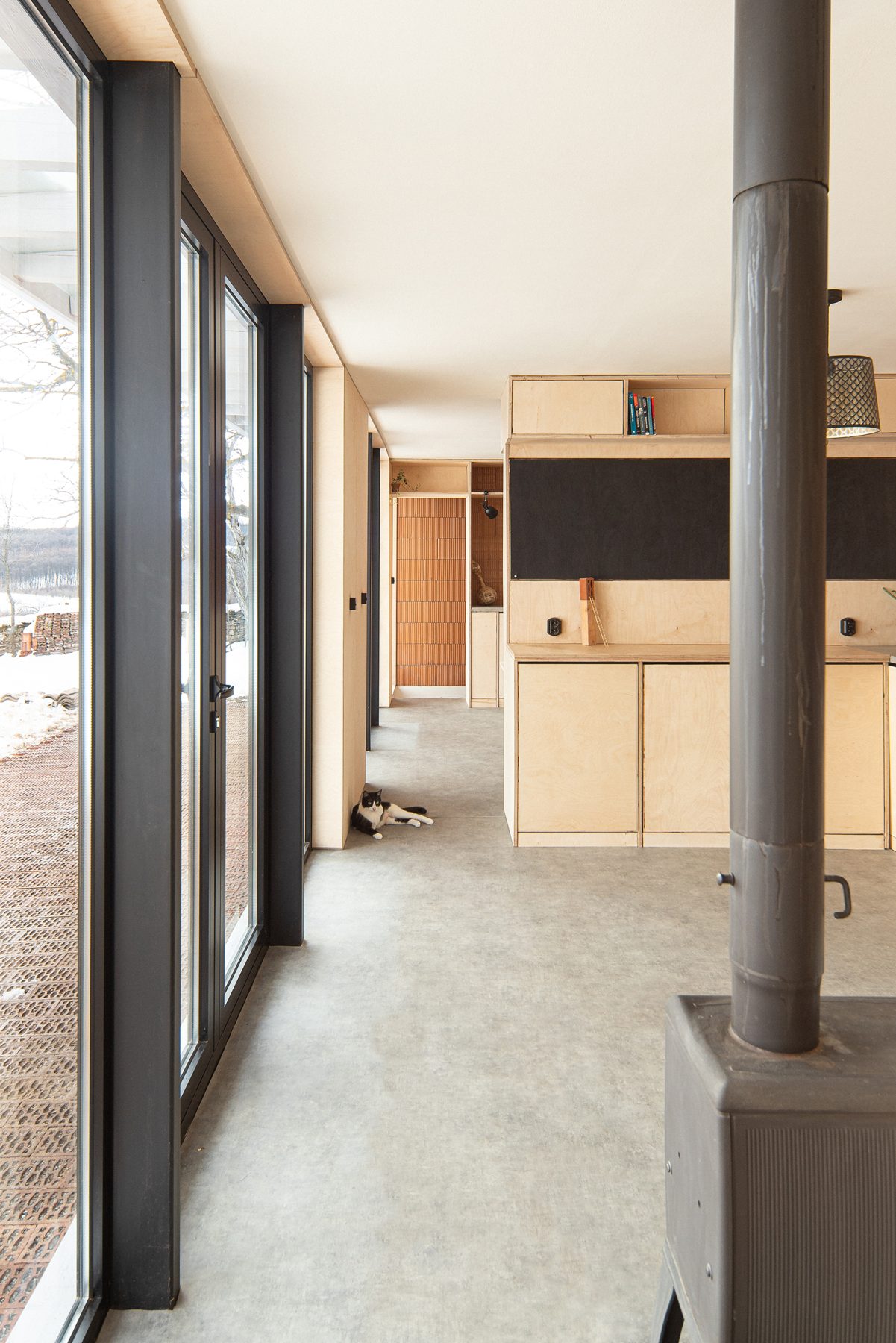
The building becomes less a solitary figure and more a participant in an ongoing dialogue, absorbing and reflecting the character of its environment.
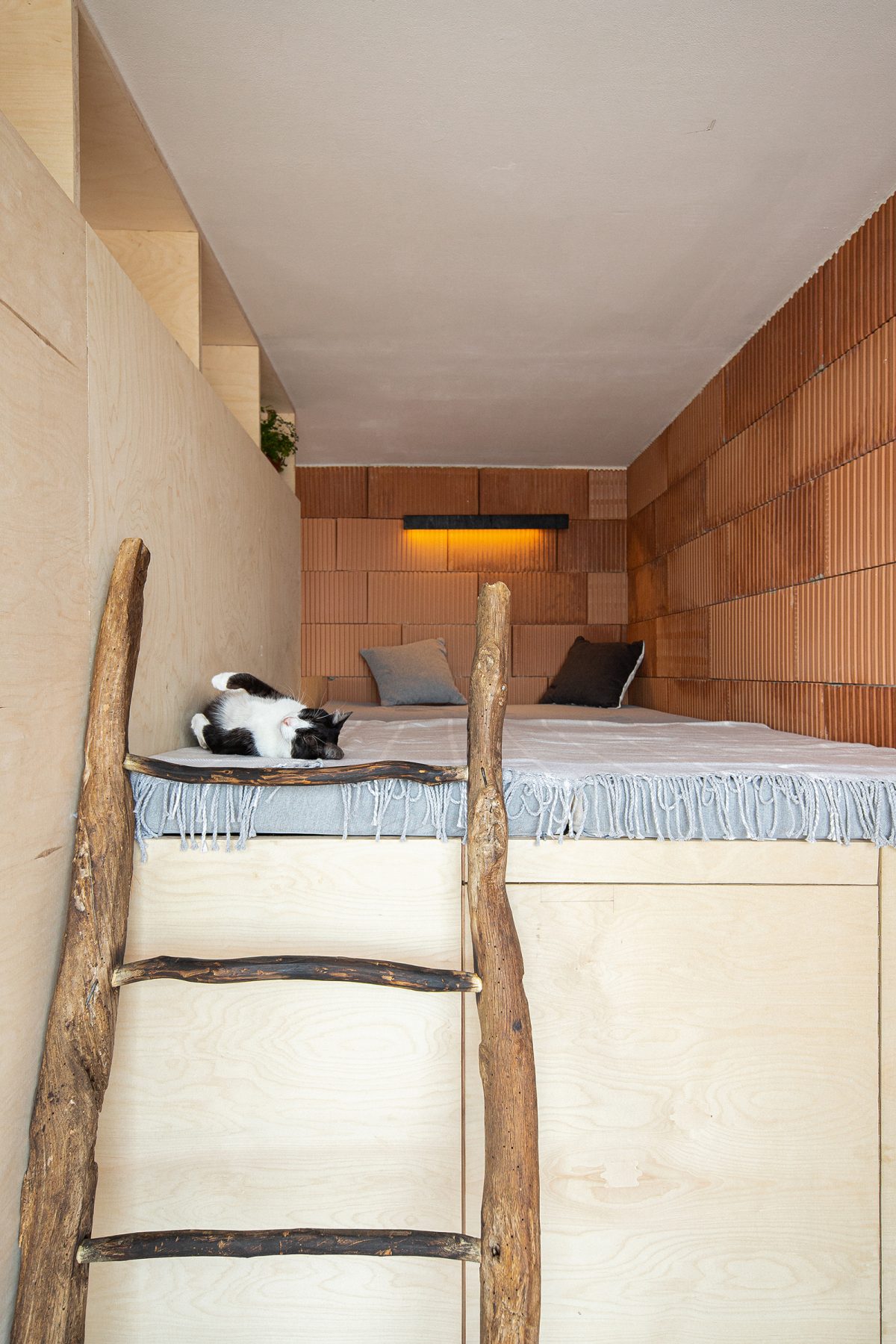
Carefully positioned within the plot, the studio subtly reorganizes the life that unfolds around it. It operates simultaneously as anchor and threshold, articulating the yard into three distinct yet interwoven realms: a working courtyard, a cultivated garden, and a more intimate green enclosure that gently unfolds before the atelier. Its scale and proportions are finely attuned to the existing structures and to the enduring presence of the walnut trees, establishing a quiet continuity between what is newly built and what has long been there. In its modesty, the project reveals a deeper ambition proposing an architecture that is driven by attentiveness—an architecture that listens before it speaks.
Within this delicate Brutalist cottage, thought takes shape slowly, grounded in materiality, memory, and the enduring rhythms of the land.
Facts & Credits
Project title Studio nada
Typology The Architect’s Office, Workspace
Location Karpachevo, Bulgaria
Status Completed
Architecture & Construction Studio Nada
Photography Todor Todorov, Studio Nada