THE VERNACULAR CHARM approaches place-specific architecture in an attempt to understand the origins of the local in a global culture.
Restoration and Redesign of Traditional Cycladic Houses in Chora of Serifos: A Combination of Tradition and Contemporary Architectural Requirements
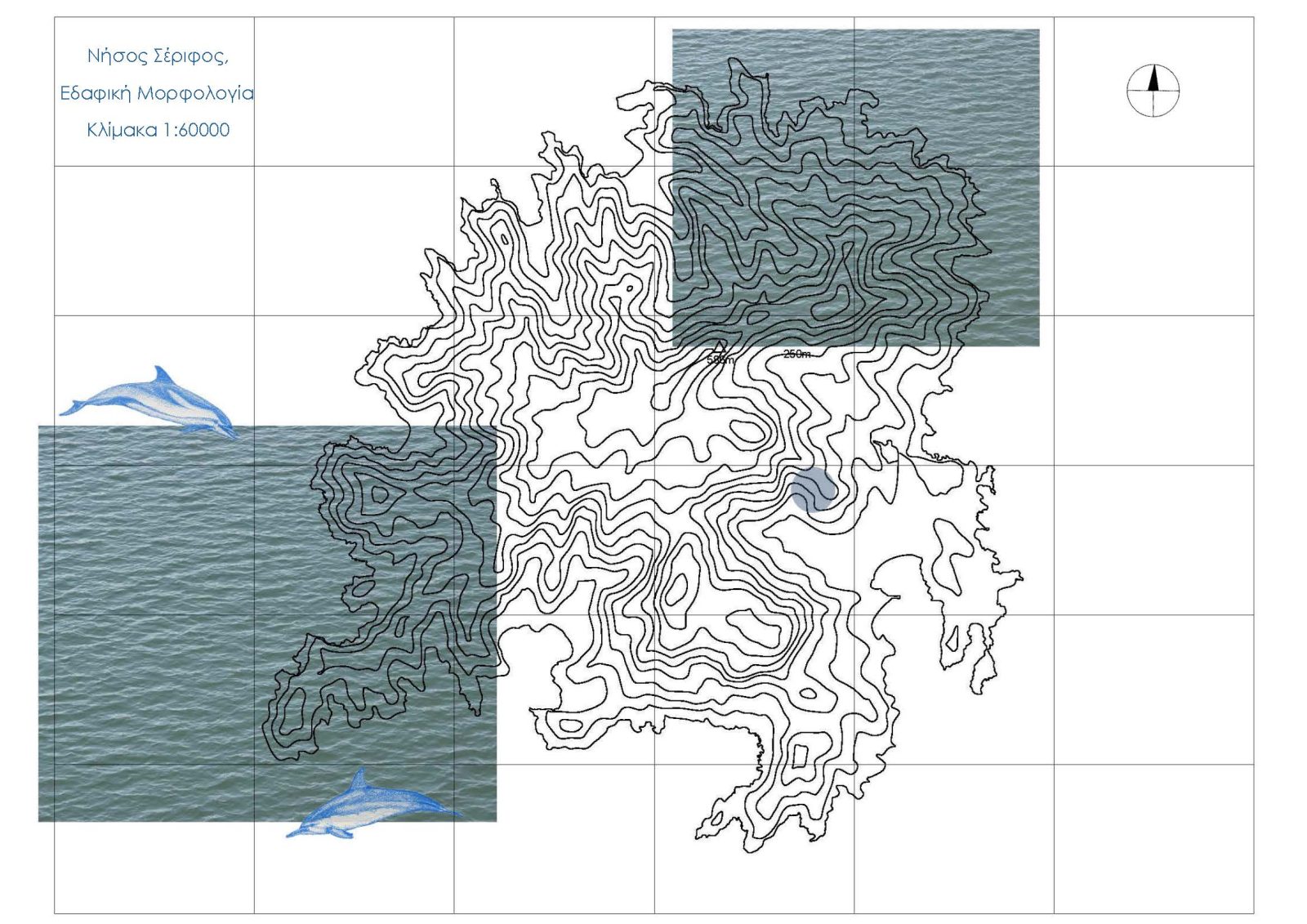
This thesis project aimed to explore how two opposing worlds: tradition, associated with historical memory, and contemporary life, defined by comfort, functionality, and quality of life, can enter into a meaningful dialogue.
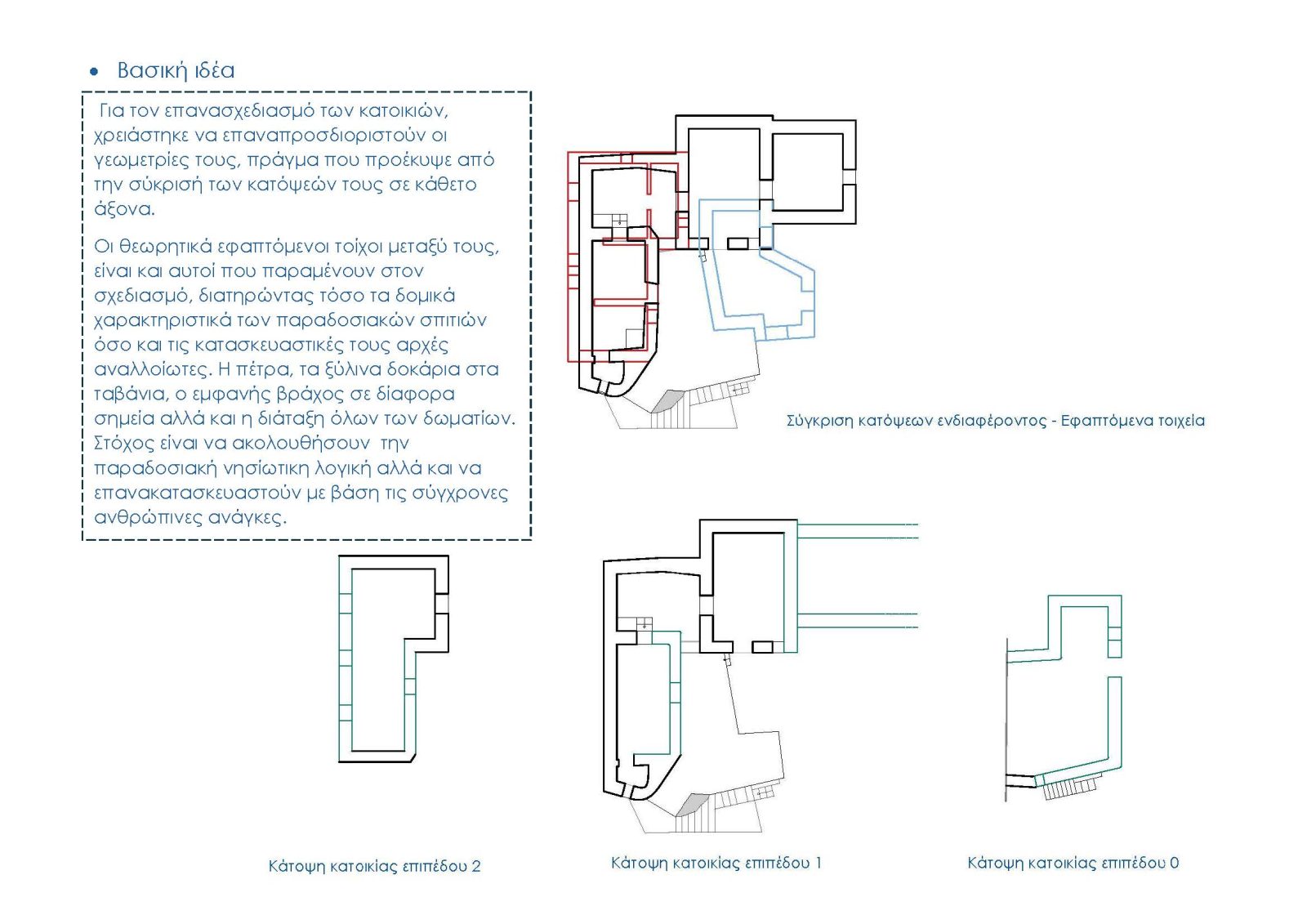
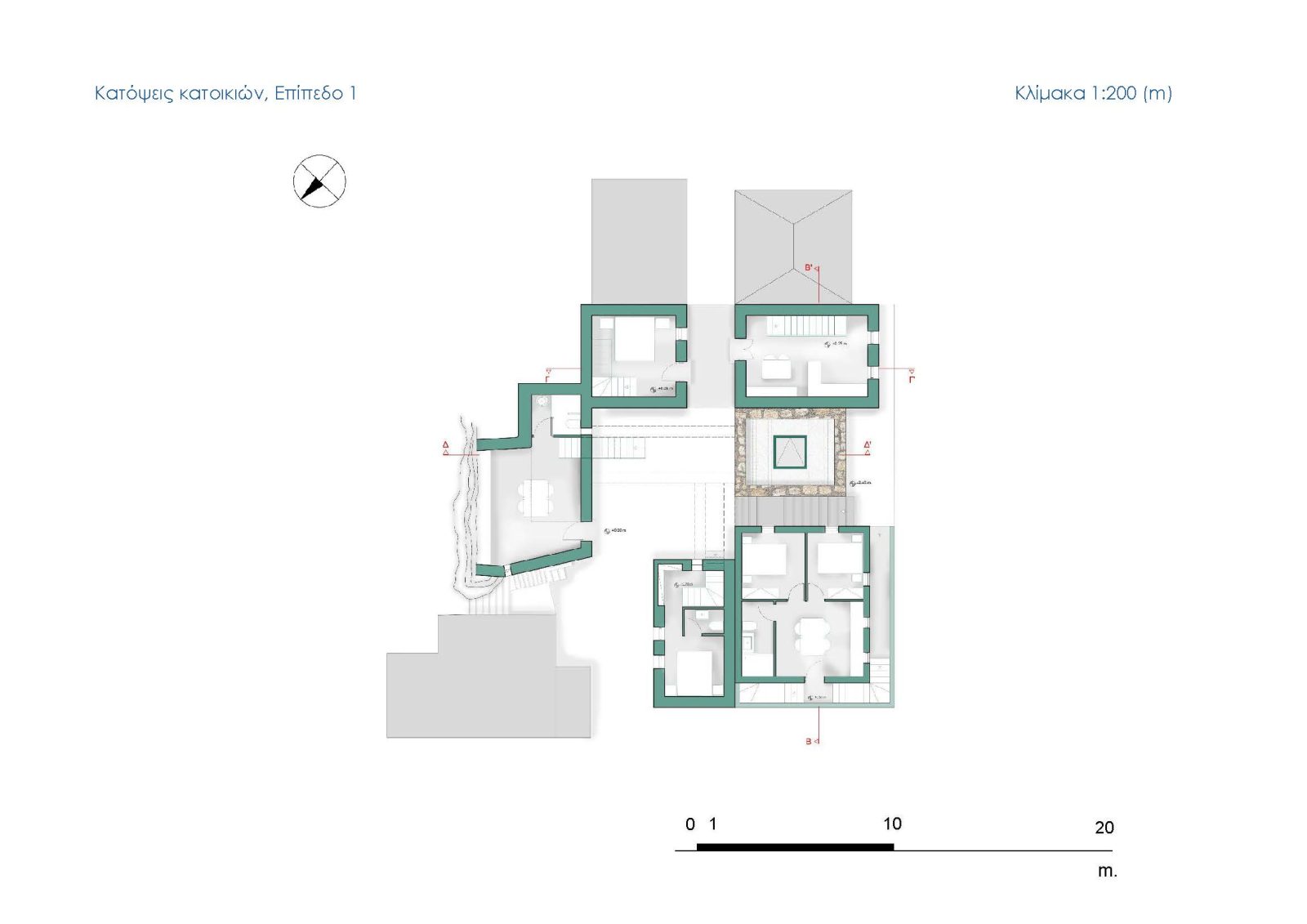
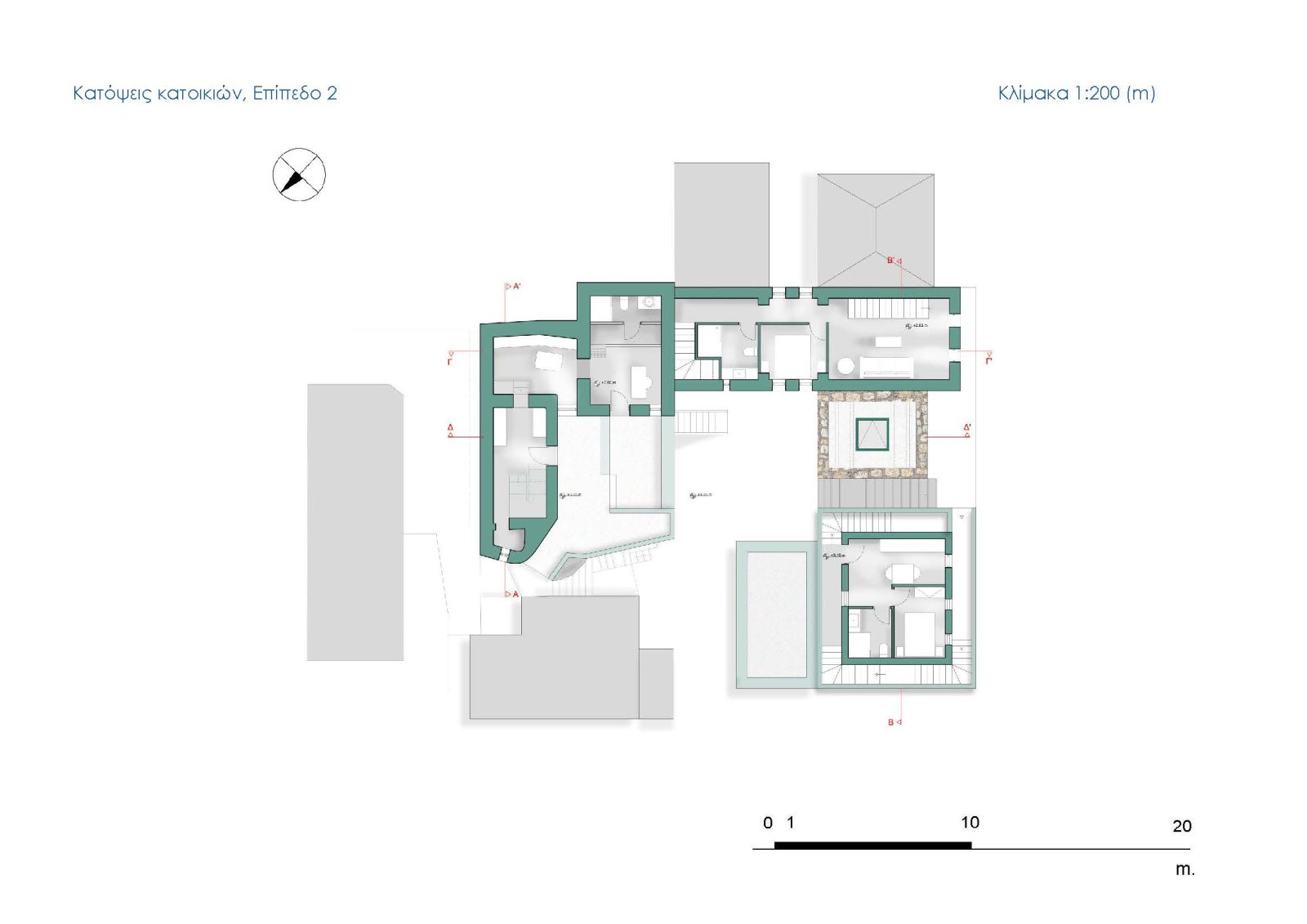
The urban and architectural structure of the Castle in Serifos possesses a unique characteristic: the houses themselves formed the fortification walls. In other words, there was no separate defensive wall; instead, the outer facades of the dwellings acted as a continuous fortified ring. This resulted in dense, compact construction with minimal openings — the Loggias (Π-shaped forms), through which inhabitants would defend the settlement by pouring boiling oil on invaders. Within the enclosure, the settlement unfolds through narrow, steep stairways and small internal courtyards.
Design principles, such as organization around churches and squares, the constant interplay between private and public spaces, and adaptation to the natural topography, became a model for the entire settlement.
These same principles were maintained even after the Chora expanded beyond the original fortifications, dividing into Upper and Lower Chora. During the observation of both the holiday residence under study and the adjacent structures, which in the past formed parts of a single dwelling and through an understanding of their evolution over time, I discovered that their configuration changed continually in response to emerging needs. Frequently, there was no possibility of creating internal functional connections between the different sections of a house; as a result, inhabitants were often forced to move outdoors to pass from one room to another.
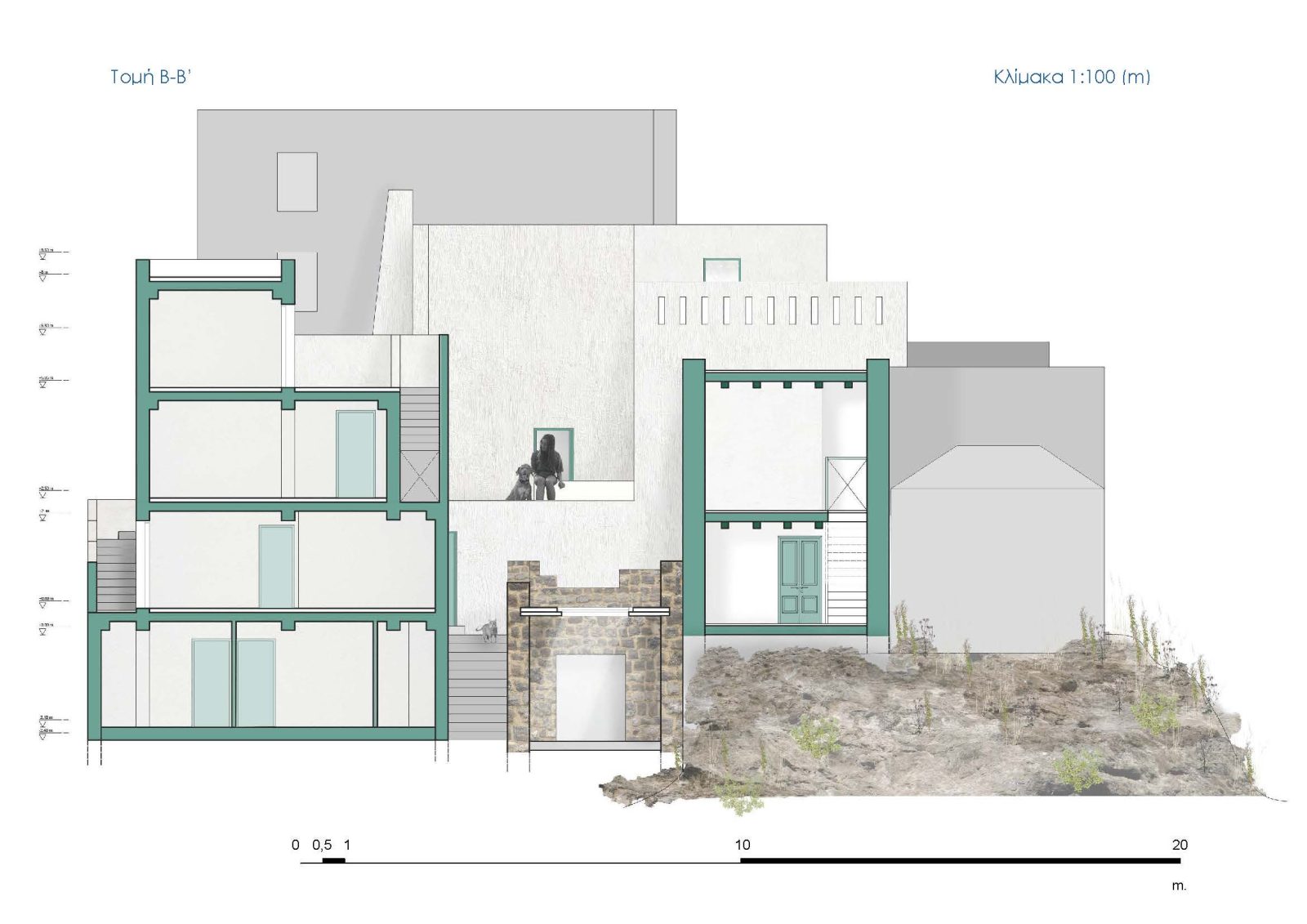
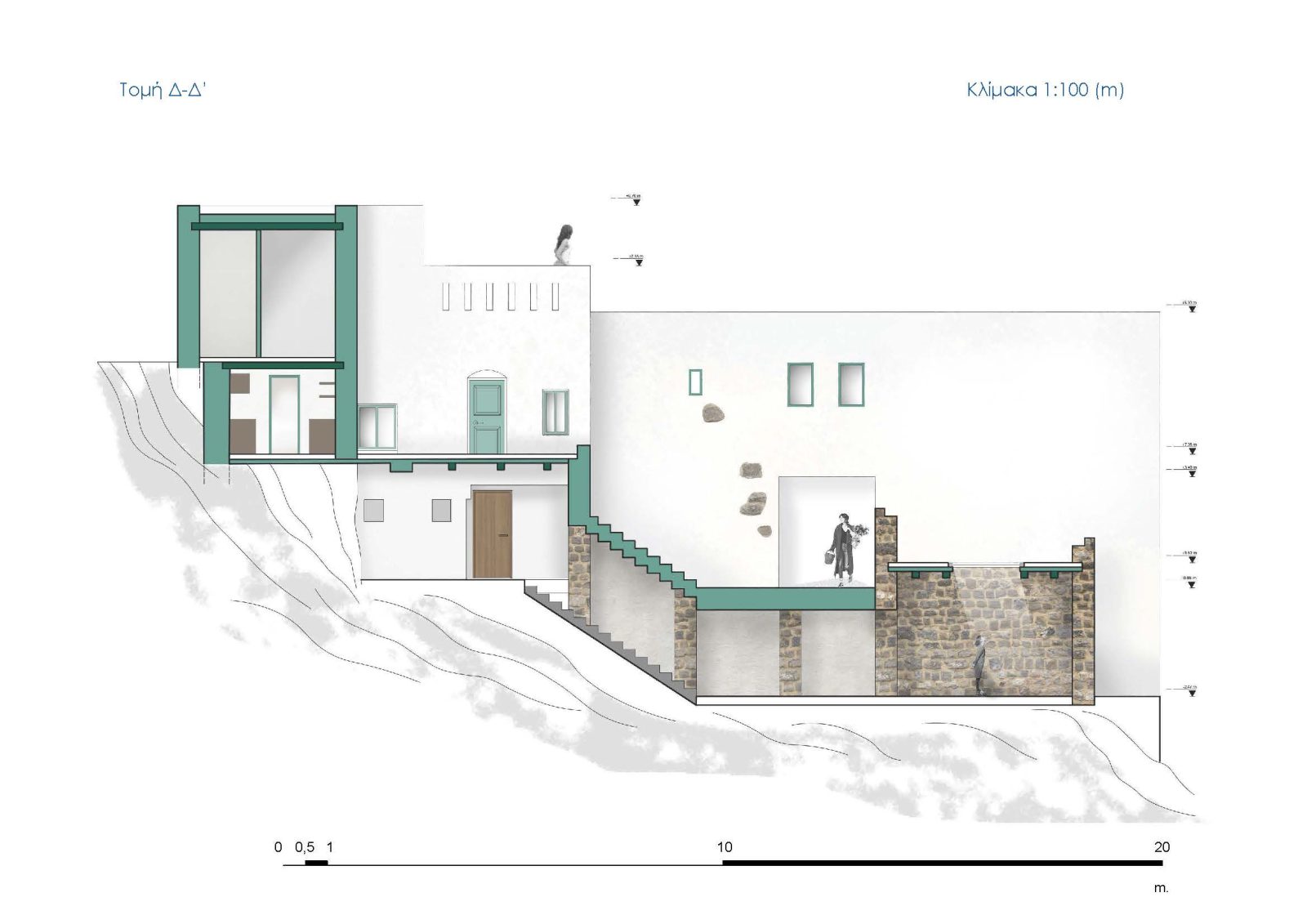
At first glance, the existing structures appear to coexist harmoniously. However, they do not constitute functional residences. Therefore, I developed a method of redefining geometries by comparing their floor plans along a vertical axis. The theoretically tangent walls between the structures are the ones preserved in the final design, solid and enduring, maintaining the traditional construction features and building principles unchanged. The architectural proposal envisions the creation of a four-level complex.
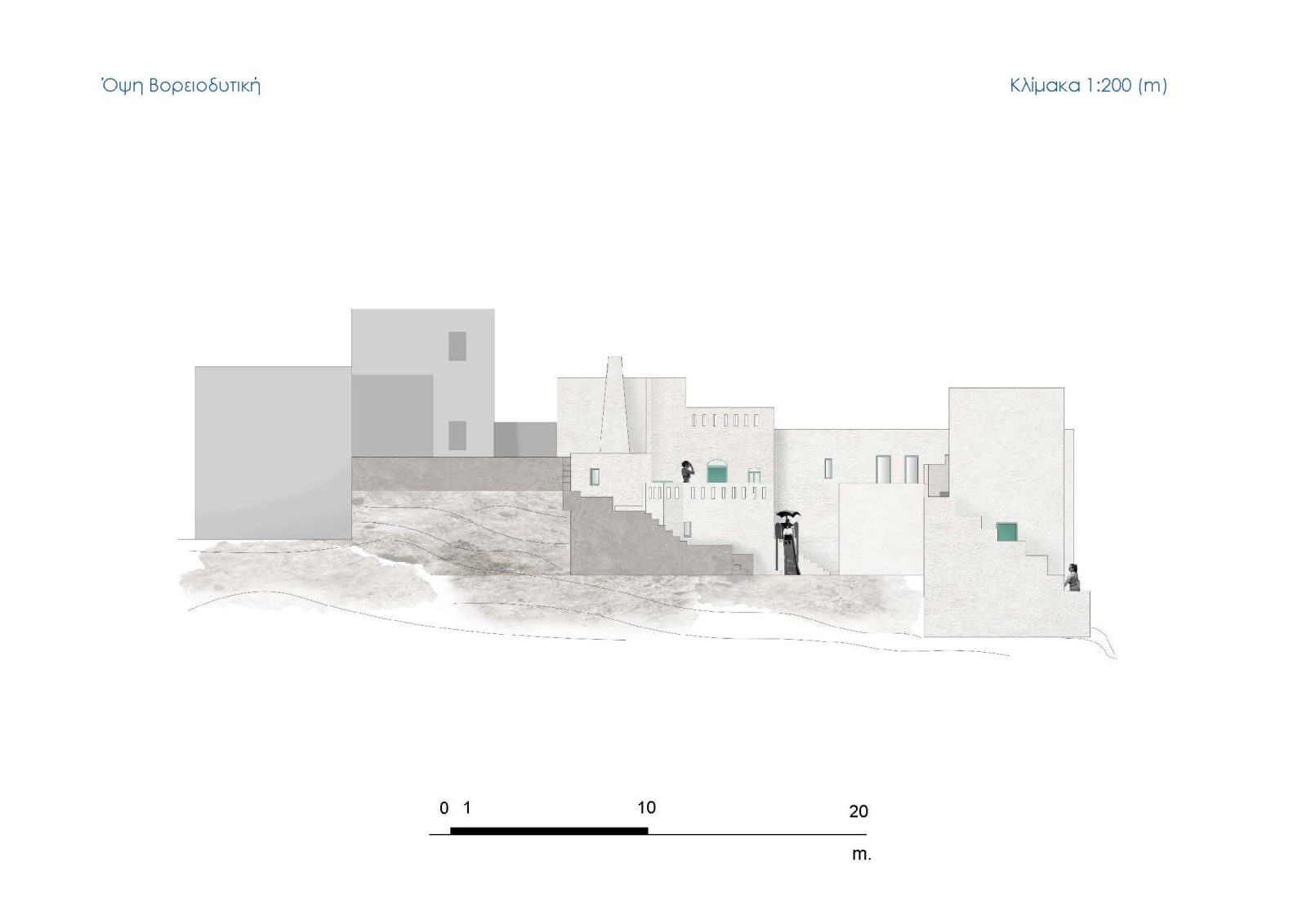
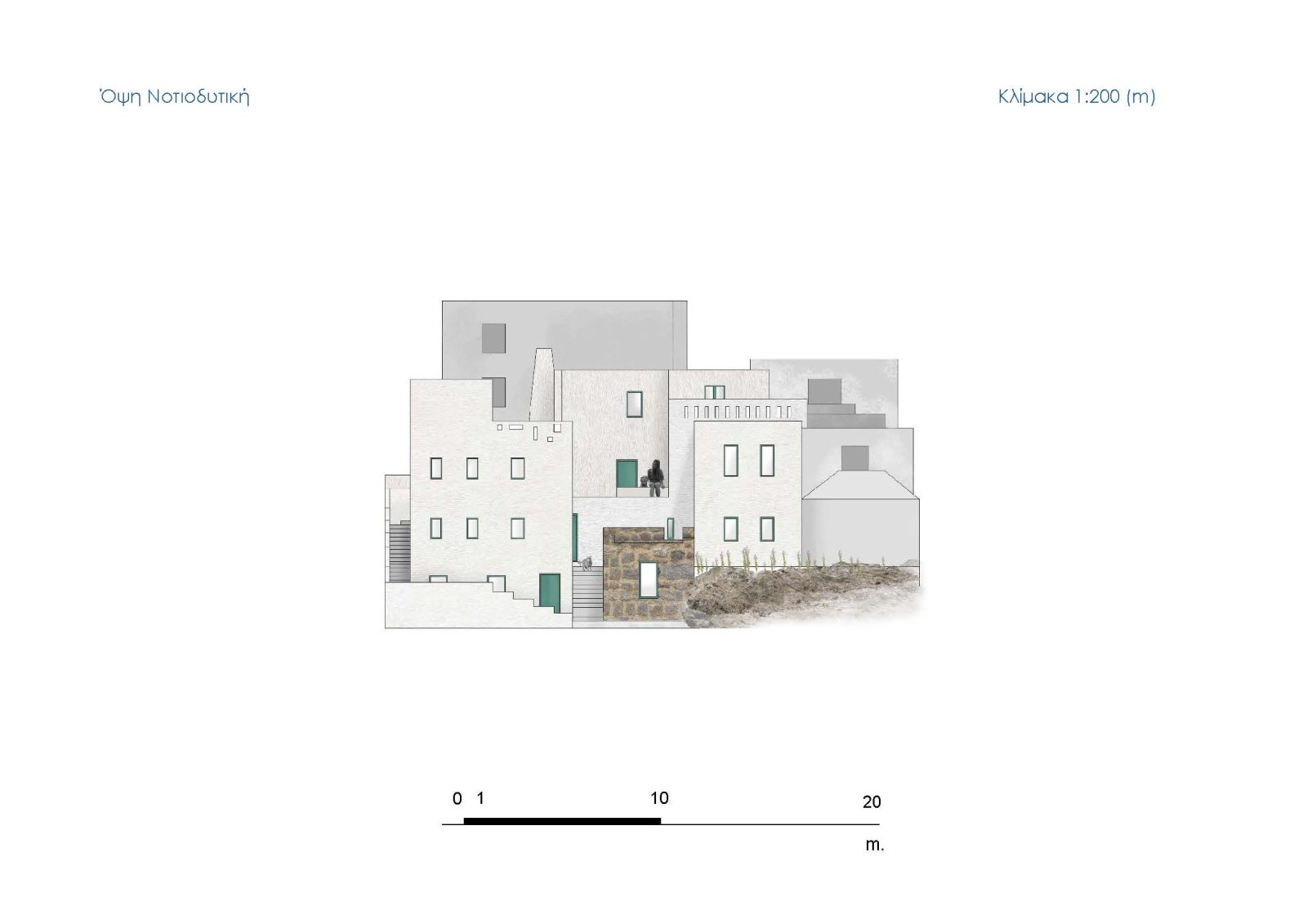
Movement between the different structures initially seems to occur at ground level within the public domain and is often exposed to weather conditions.
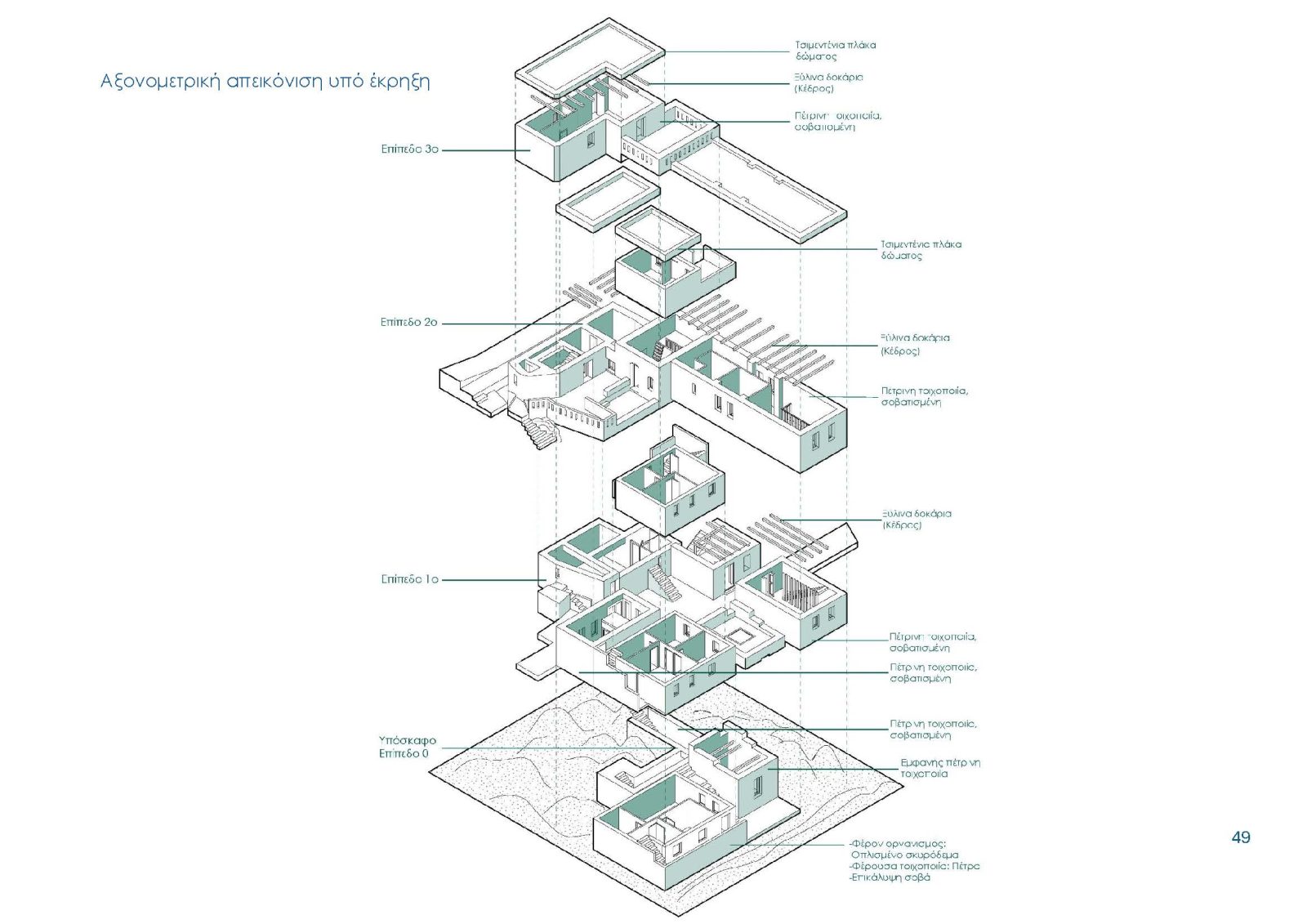
Reconsidering this, I reimagined these routes as taking place both below and above the surface.
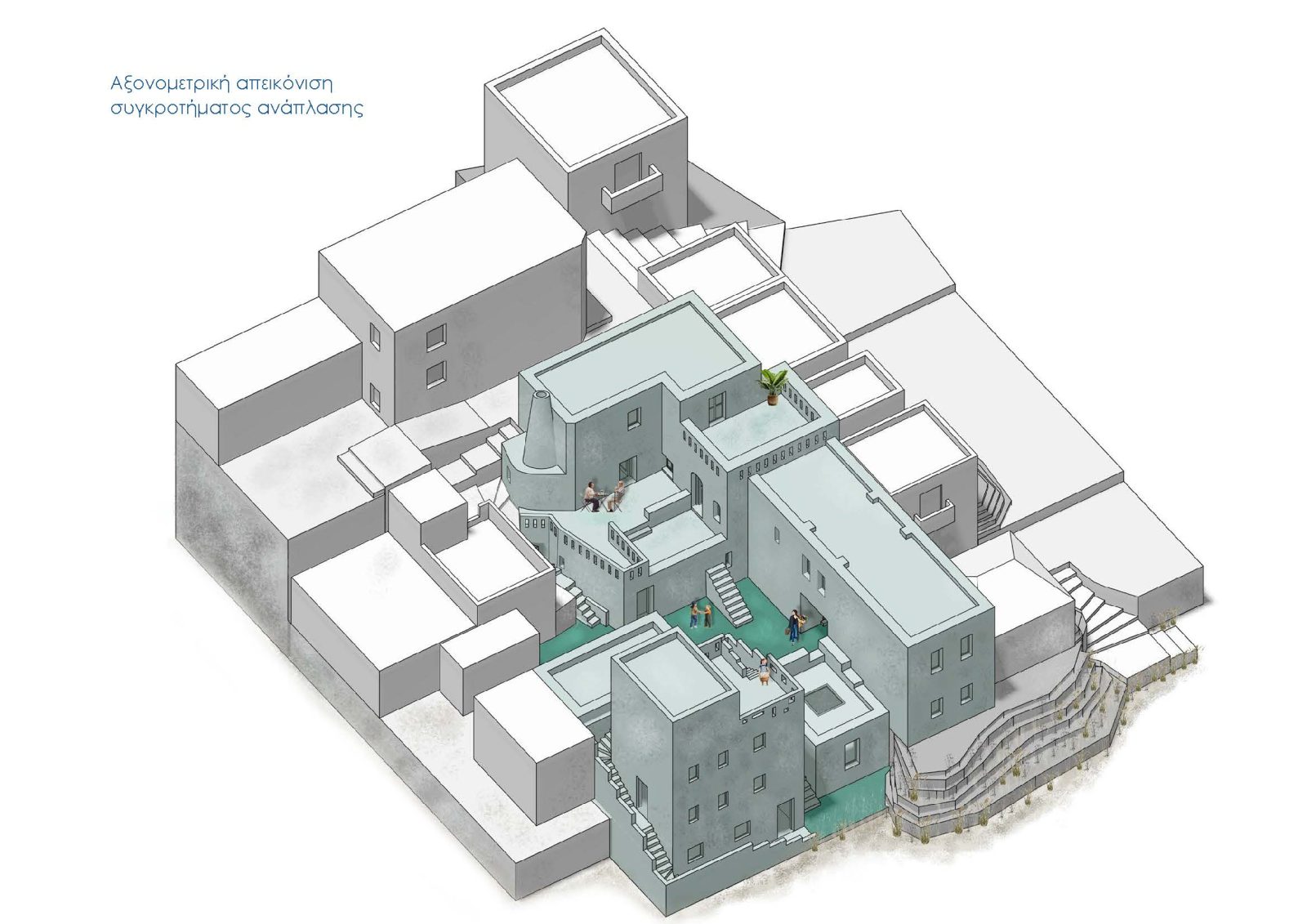
This is achieved through the introduction of subterranean pathways connecting the individual structures and the addition of a Loggia, inspired by the defensive architecture of the Castle. In one of the structures, the circulation path follows a spiral organization, articulated through an external staircase.
The overall morphological composition references geometric forms such as:
- the Π (Pi) for the Loggia,
- the Τ (Tau) for the subterranean element, and
- the Γ (Gamma)
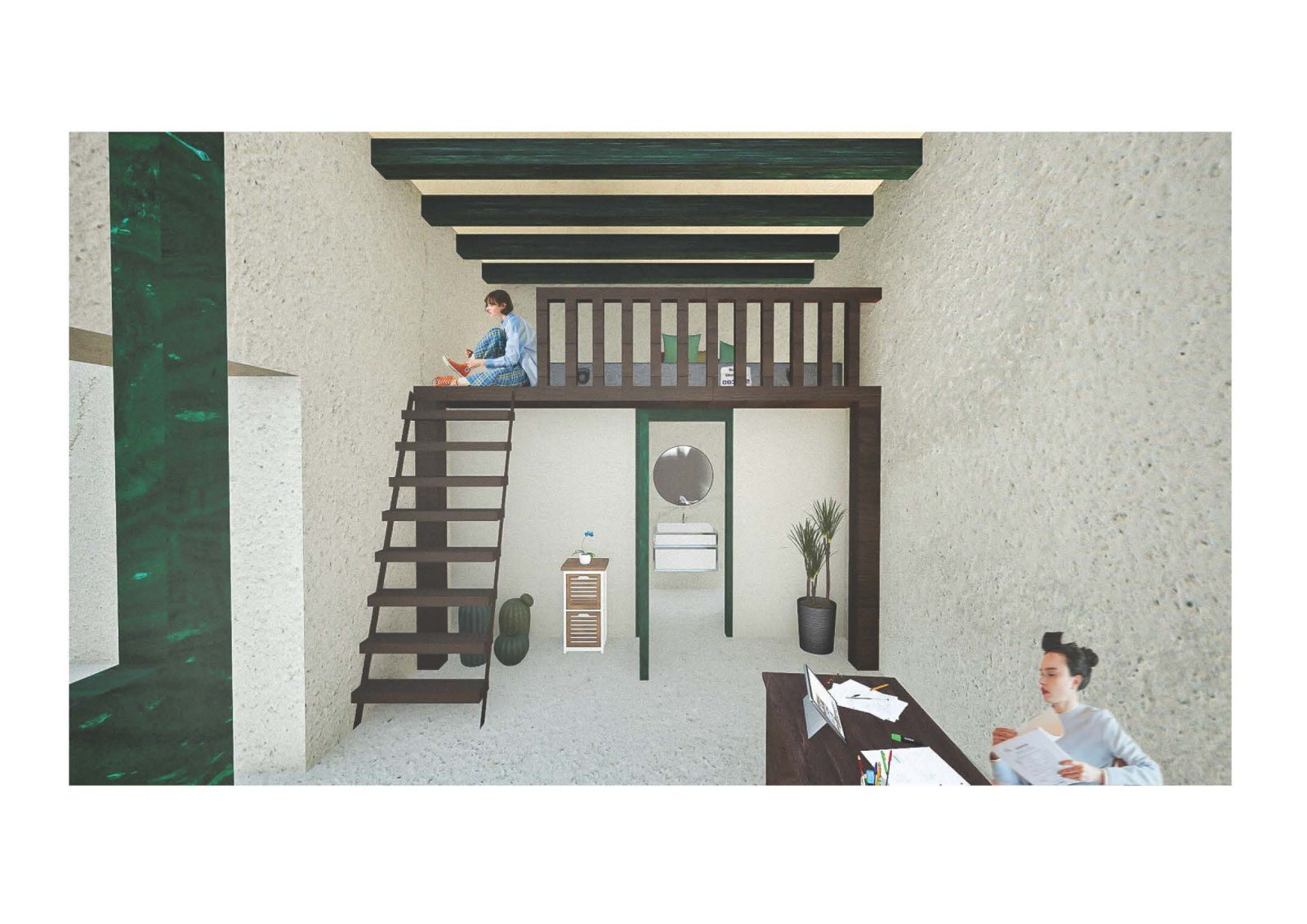
The design seeks to ensure the privacy of each dwelling while preserving the integrity of the public realm. This project proposes a model of architectural intervention that could be applied to other traditional Cycladic settlements, where the preservation of cultural heritage must be harmoniously balanced with the demands of sustainable development.
Facts & Credits
Project title Restoration and Redesign of Traditional Cycladic Houses in Chora of Serifos: A Combination of Tradition and Contemporary Architectural Requirements
Typology Diploma Thesis
Academic semester 2025
Student Panagiota Papatheodorou
Supervisor Theoklis Kanarelis
Institution Department of Architecture, University of Thessaly
Symbiosis with the wall: Interventions in a neighborhood of “Kastroplikta”
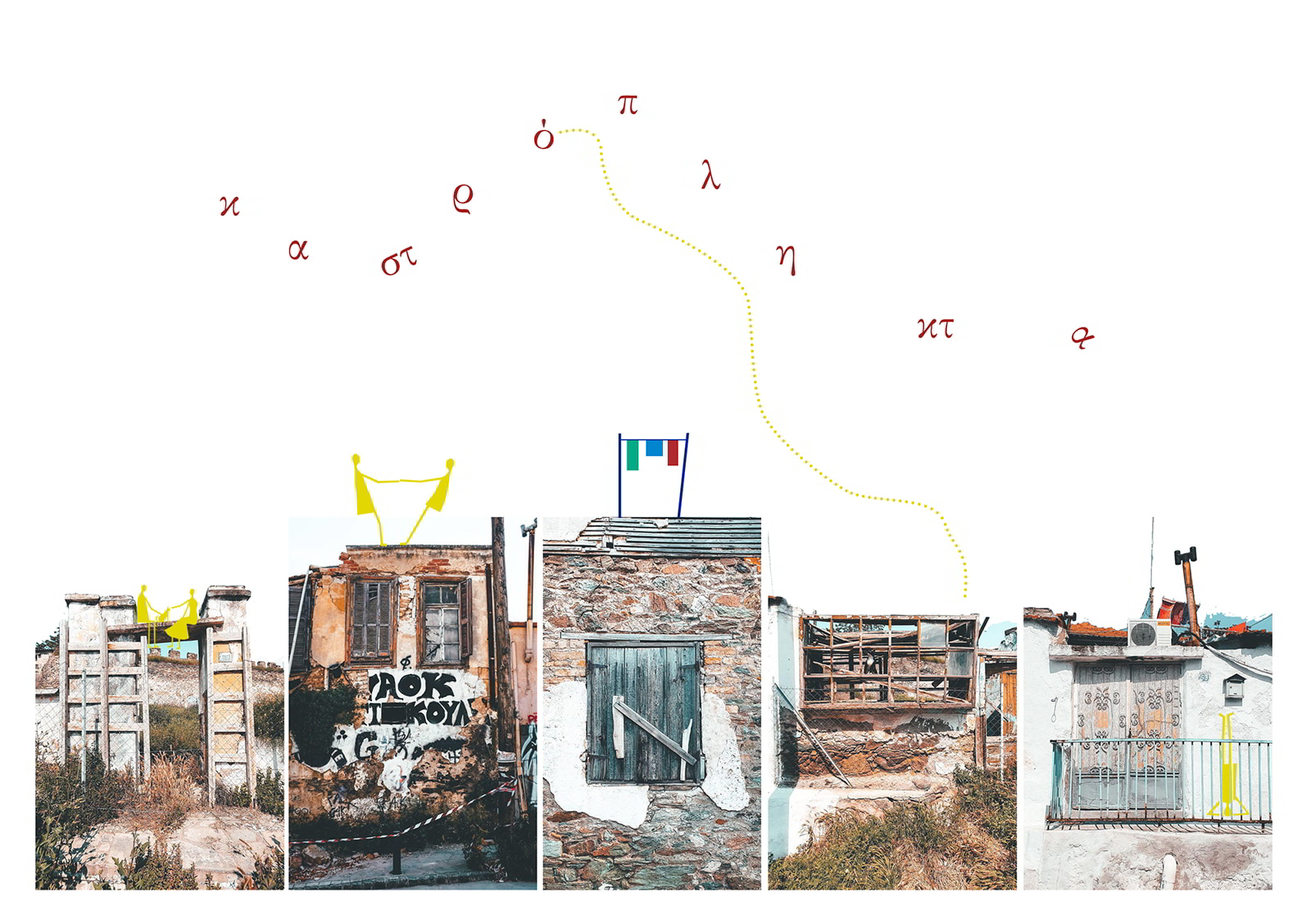
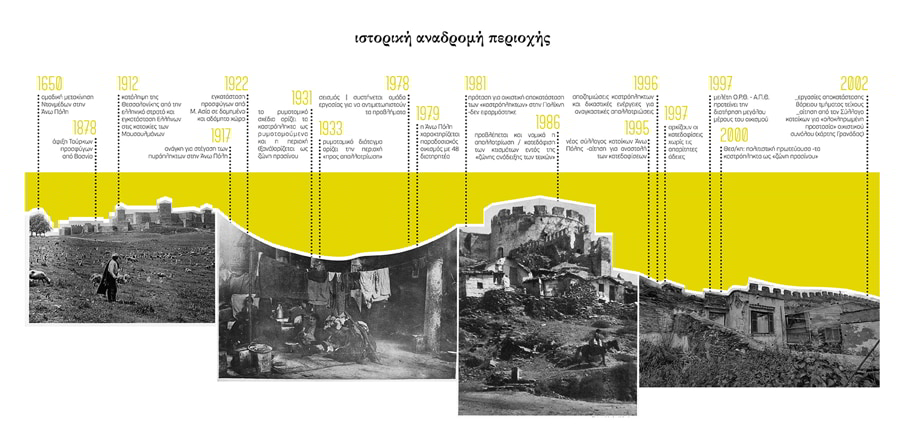
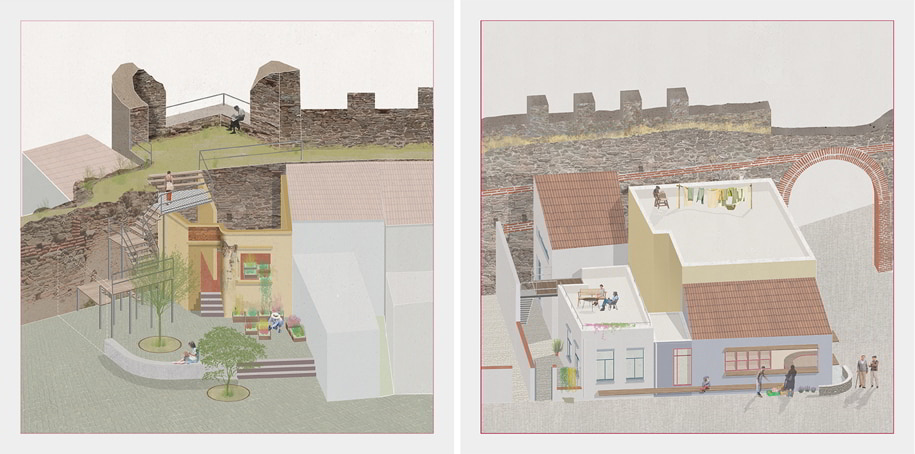
The city of Thessaloniki has always been one of the most characteristic cities of multiculturalism. One of the most important milestones in its history is the arrival of refugees due to the Asia Minor disaster and the exchange of populations. One of the neighbourhoods that were created was the one in the Upper City (Ano Poli). Refugees trying to build a new house at the lowest possible cost – as their financial situation was bad – ‘exploited’ the Byzantine wall and built on top of and in direct contact with it, in order to avoid the expense of one wall of the house.
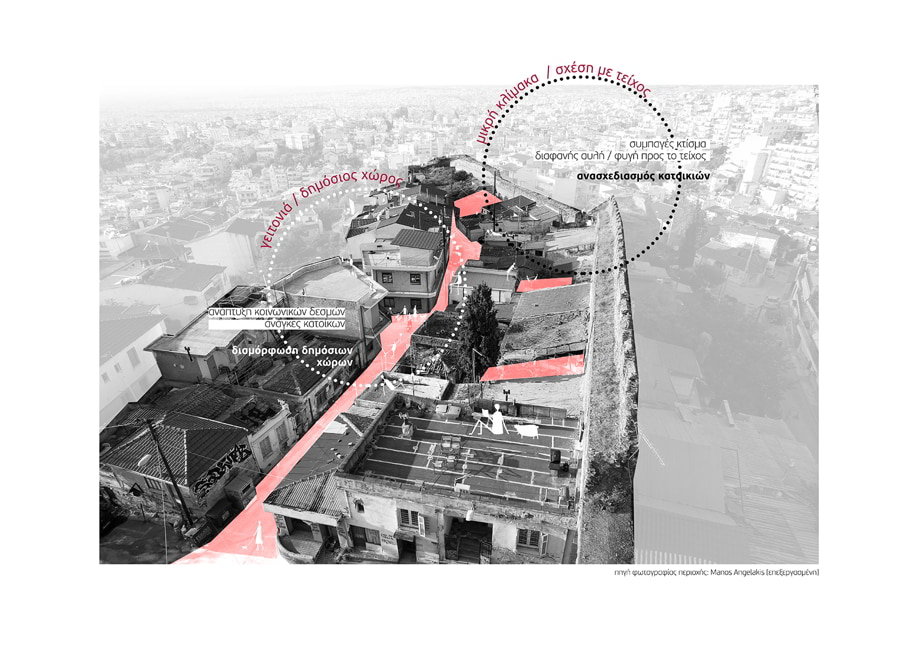
This fourth wall of the house temporarily borrows part of the ancient wall and therefore takes on the everyday uses of a house. It becomes storage space, the back of a bed or a kitchen. Like any social group, which is “threatened” within society, the refugees of the time clustered together in neighbourhoods, with the sole aim of existing within the city. Thus, the neighborhood of “Kastroplikta” is created, in which social ties play the strongest role in the continuation of their existence.
The neighbourhood of “Kastroplikta” is a special area, for which there has been much debate about its relationship with the wall, but also about its importance. There have been many times when attempts have been made to devalue or even erase its contribution to the history of the city, despite the fact that it is an integral part of it.
The buildings of the castaways are missing from the official town planning studies, as the area is classified as a “green zone” even though people still live in them normally today, and many have been demolished in order to “highlight the wall” and turn the area into a “clean” touristic attraction.
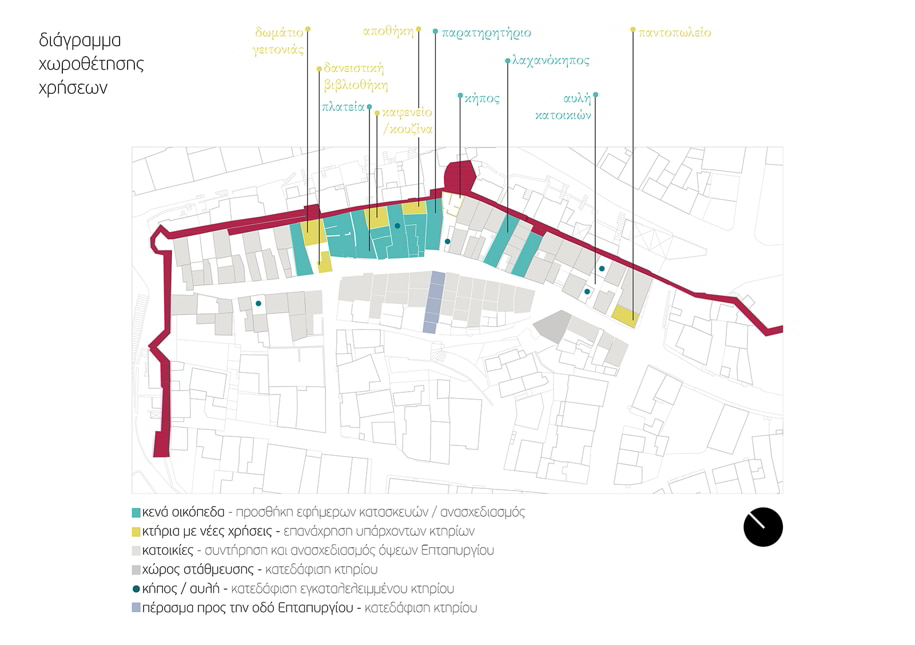
In this thesis, we choose to study the neighborhood at the northwestern wall, specifically at the beginning of Eptapyrgiou Street. The symbiotic relationship between the refugee housing and the wall is the most pronounced element that characterizes the intervention area.
Through our proposal we are trying to reverse the attempt to selectively erase memory by highlighting all aspects of the history of the area.
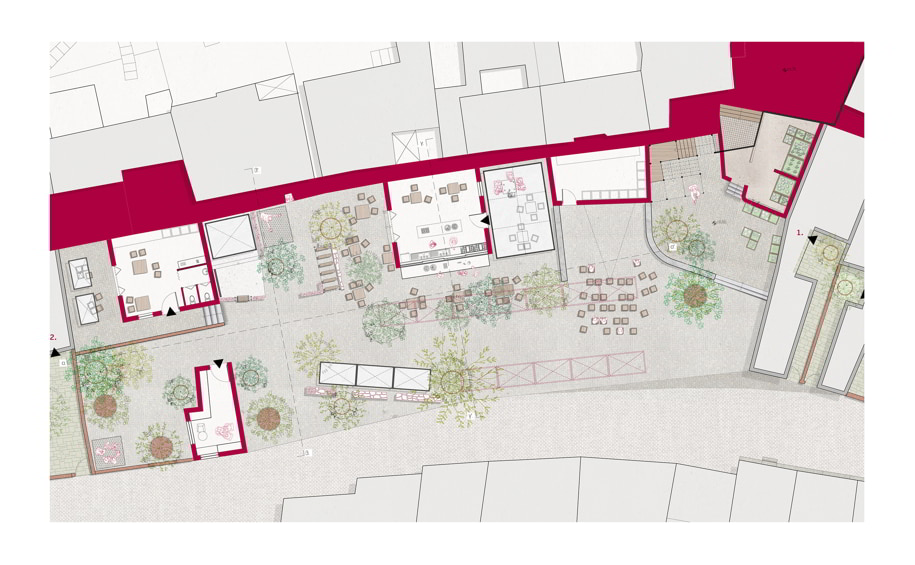
We propose to do this on the one hand, through the redesign of some houses to improve living conditions and on the other hand, through the creation of public spaces that will host uses aimed at strengthening the concept of neighbourhood, designing according to the needs of the inhabitants.
Read the full thesis article here!
Facts & Credits
Academic semester February, 2023
Institution School of Architecture, AUTH
Restoration and enhancement of the Church of Panagia Gorgoepikoos in Veroia
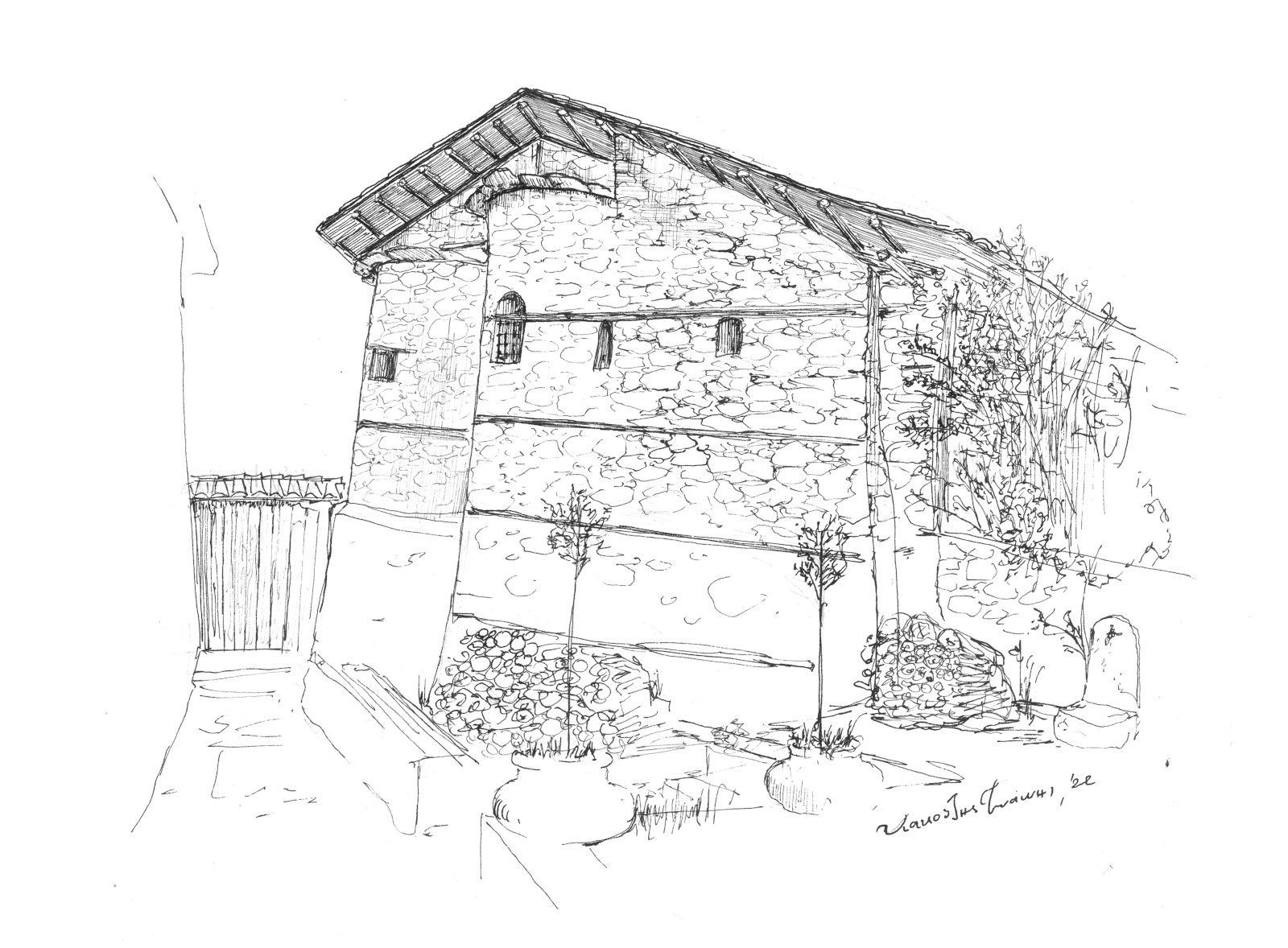
Veroia has always been characterized by a large number of preserved churches, priceless evidence of cultural heritage. One of these is the church of Panagia Gorgoepikoos. It is a church with a long history and valuable architectural and artistic elements, a living example of the history of Veroia and its Byzantine heritage.
The church of Gorgoepikoos is located in the heart of a typical Christian neighborhood, Kyriotissa (c. 15th century), which was inhabited by Greeks and which, to this day, retains many of its original characteristics. Furthermore, it is one of many examples of churches in Veroia where various interventions and radical modifications have completely changed the original type and form of the church. Like other churches, Gorgoepikoos is an excellent example of the transition from the original type of single-aisled church to that of a three-aisled basilica.
As part of the project, the first phase involved analyzing and documenting the monument. The relationship between the monument and the wider surrounding area was investigated, both in a diachronic and synchronic context. This was followed by a historical analysis and outline of the construction phases. Great emphasis was placed on the architectural analysis process, which included, among other things, a detailed survey of the monument.
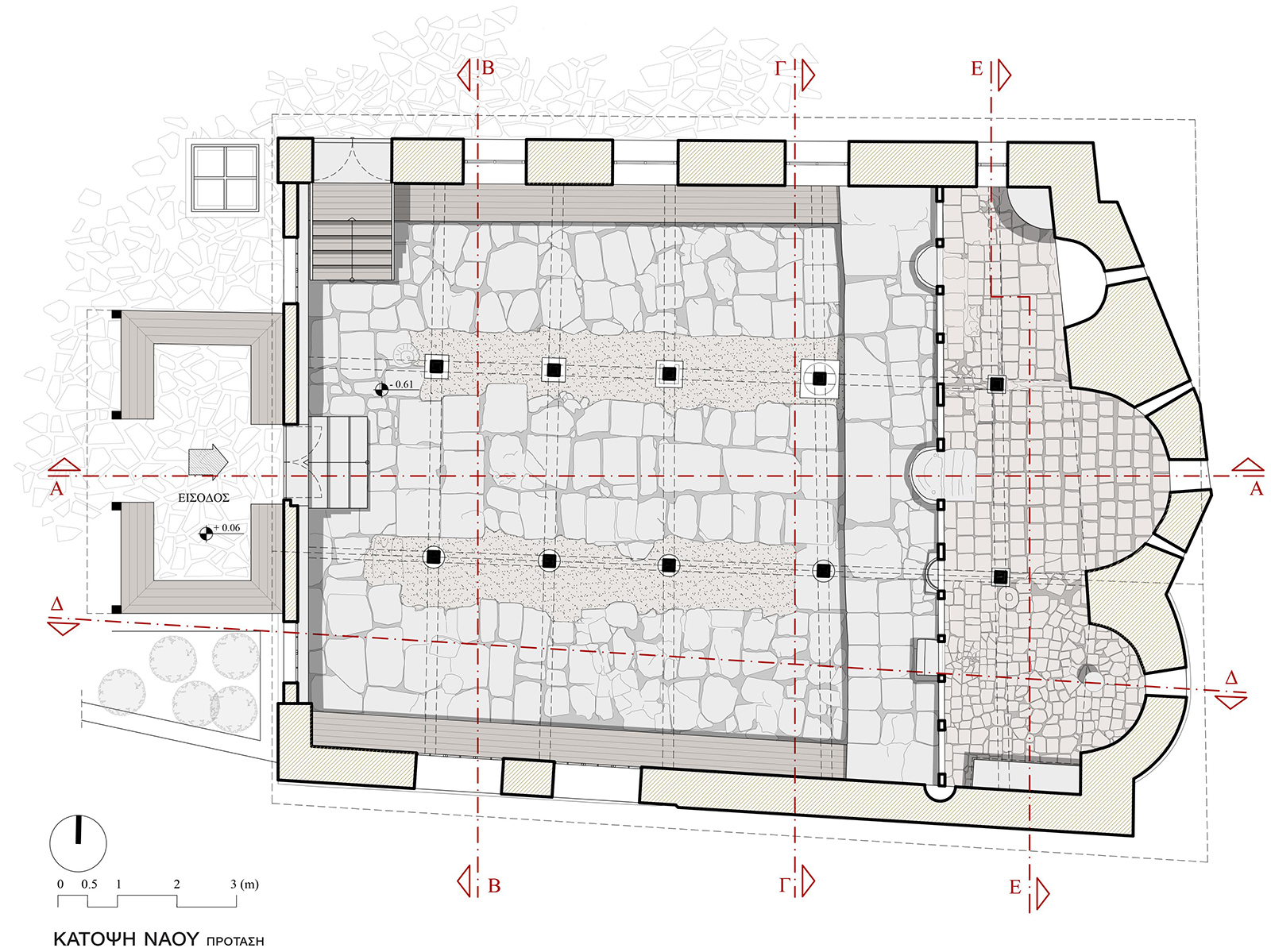
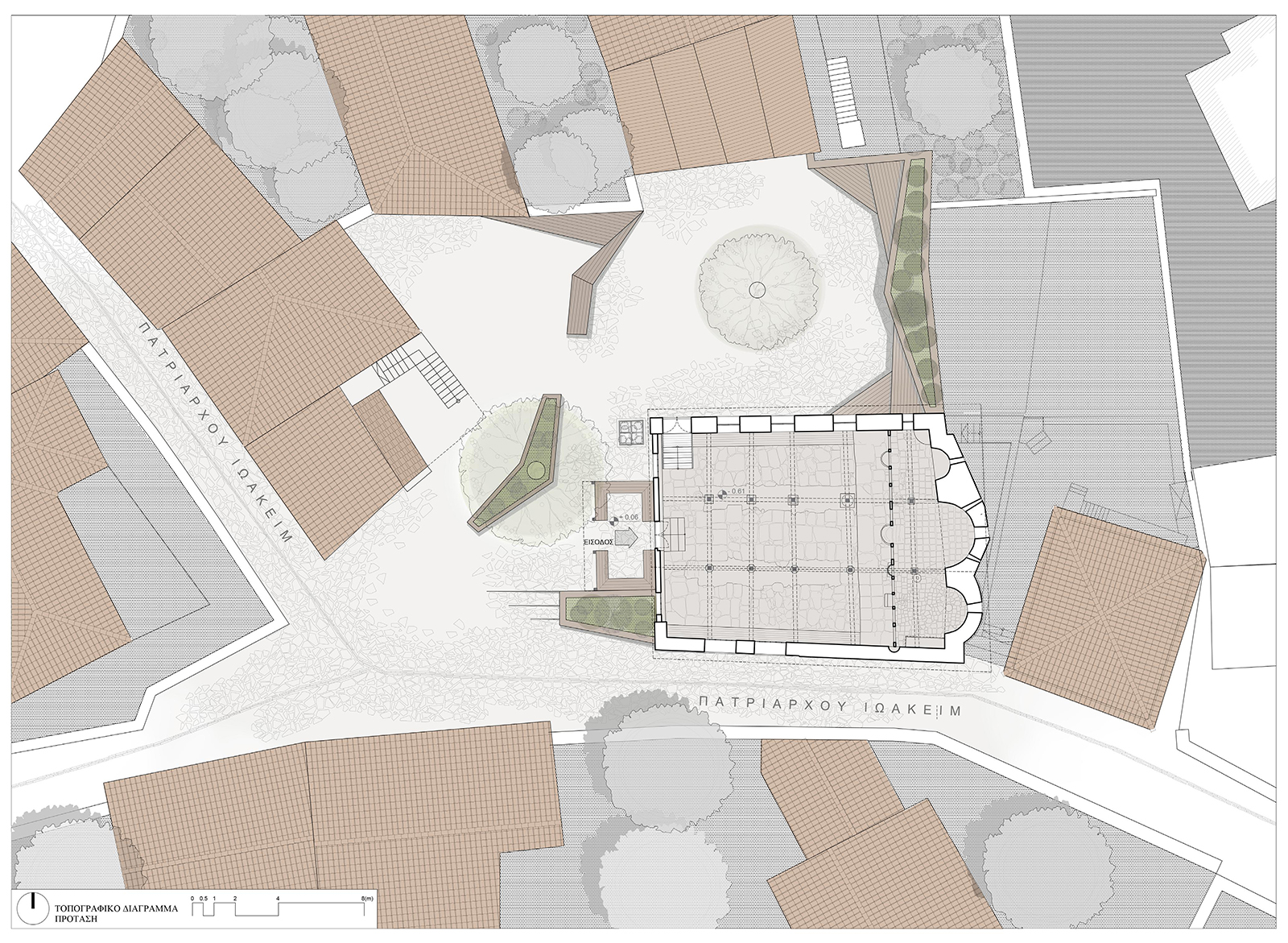
Following the first part of the analysis and documentation, a proposal was formulated for the restoration and promotion of the monument, as well as the redesign of the courtyard.
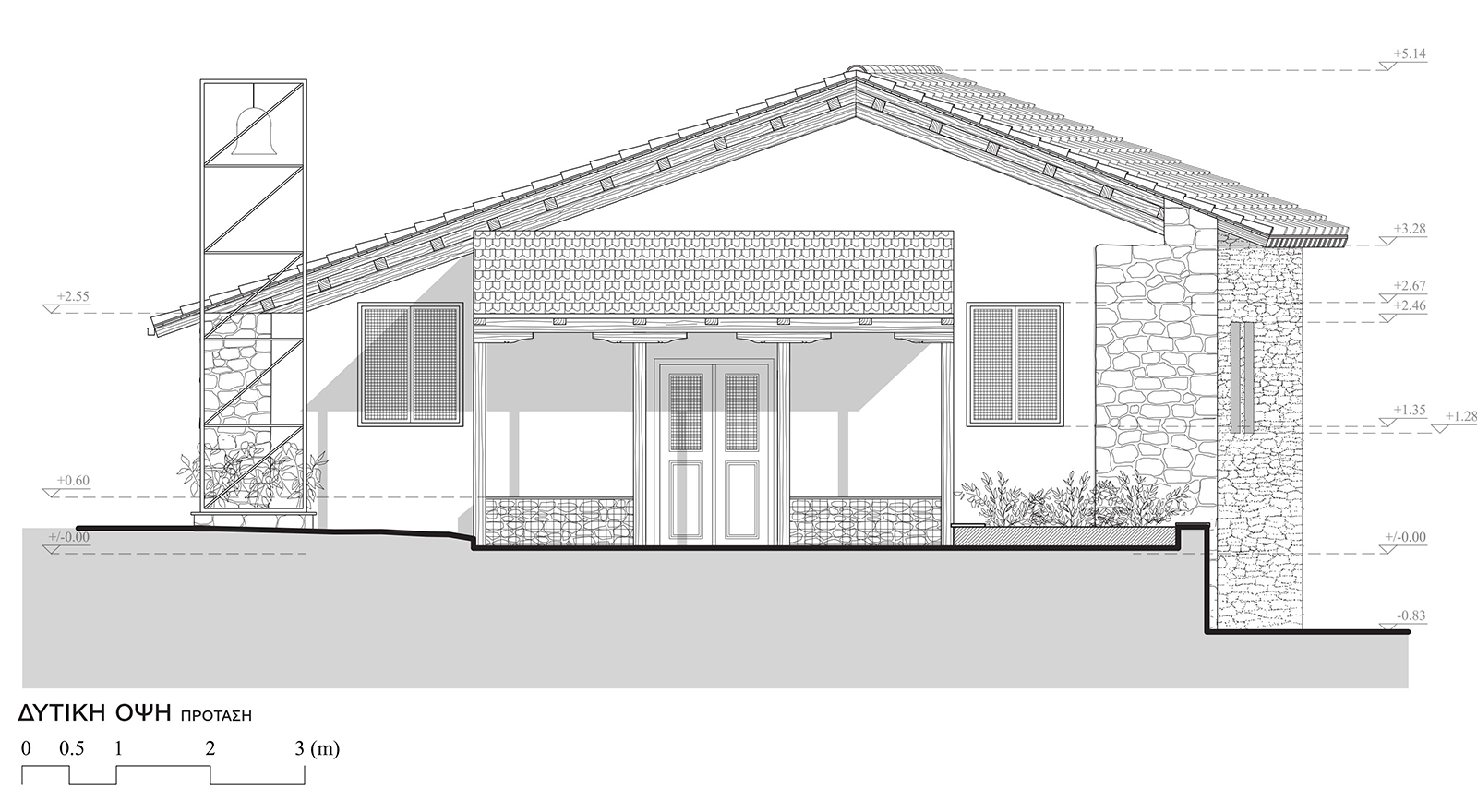
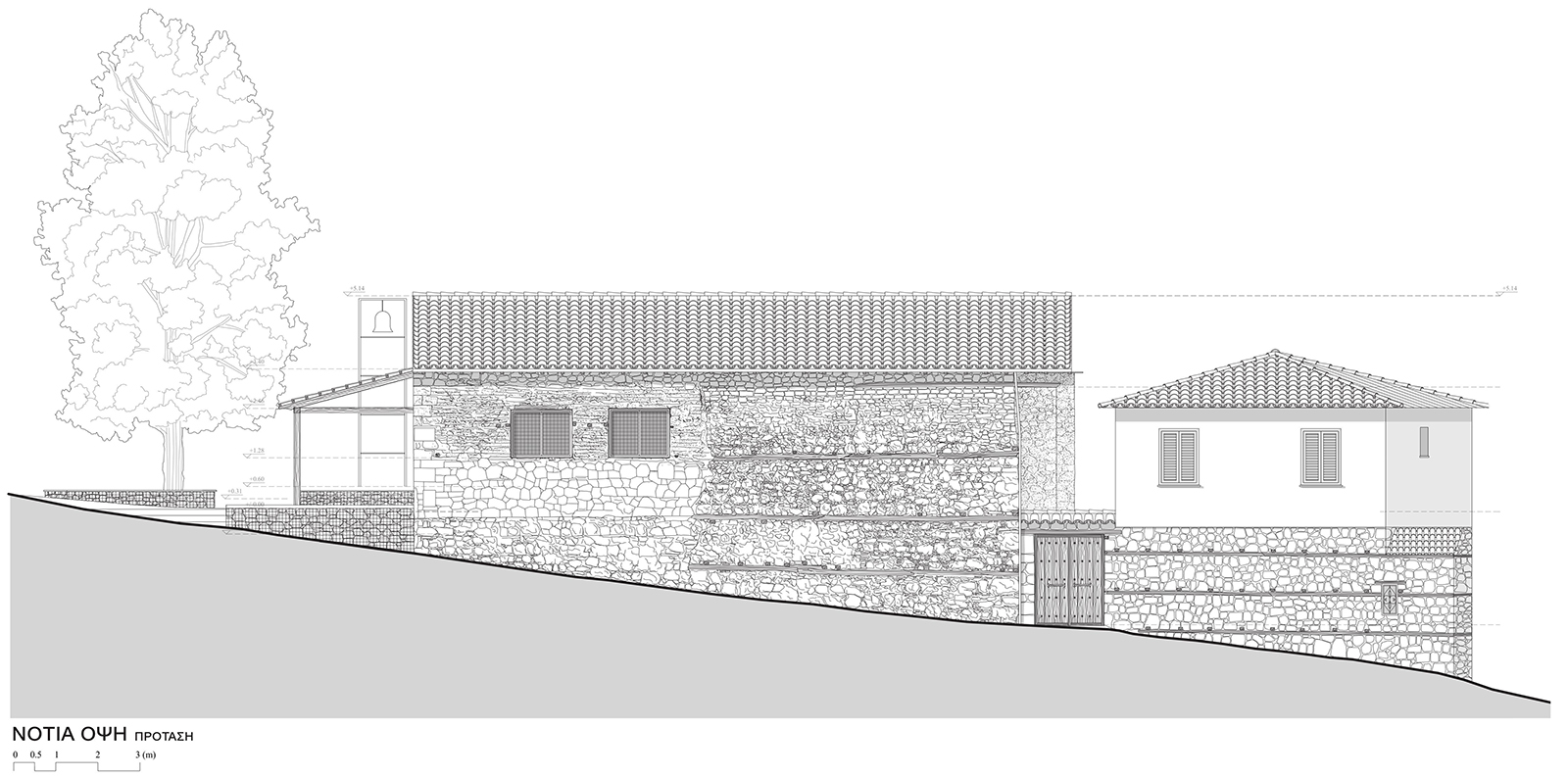
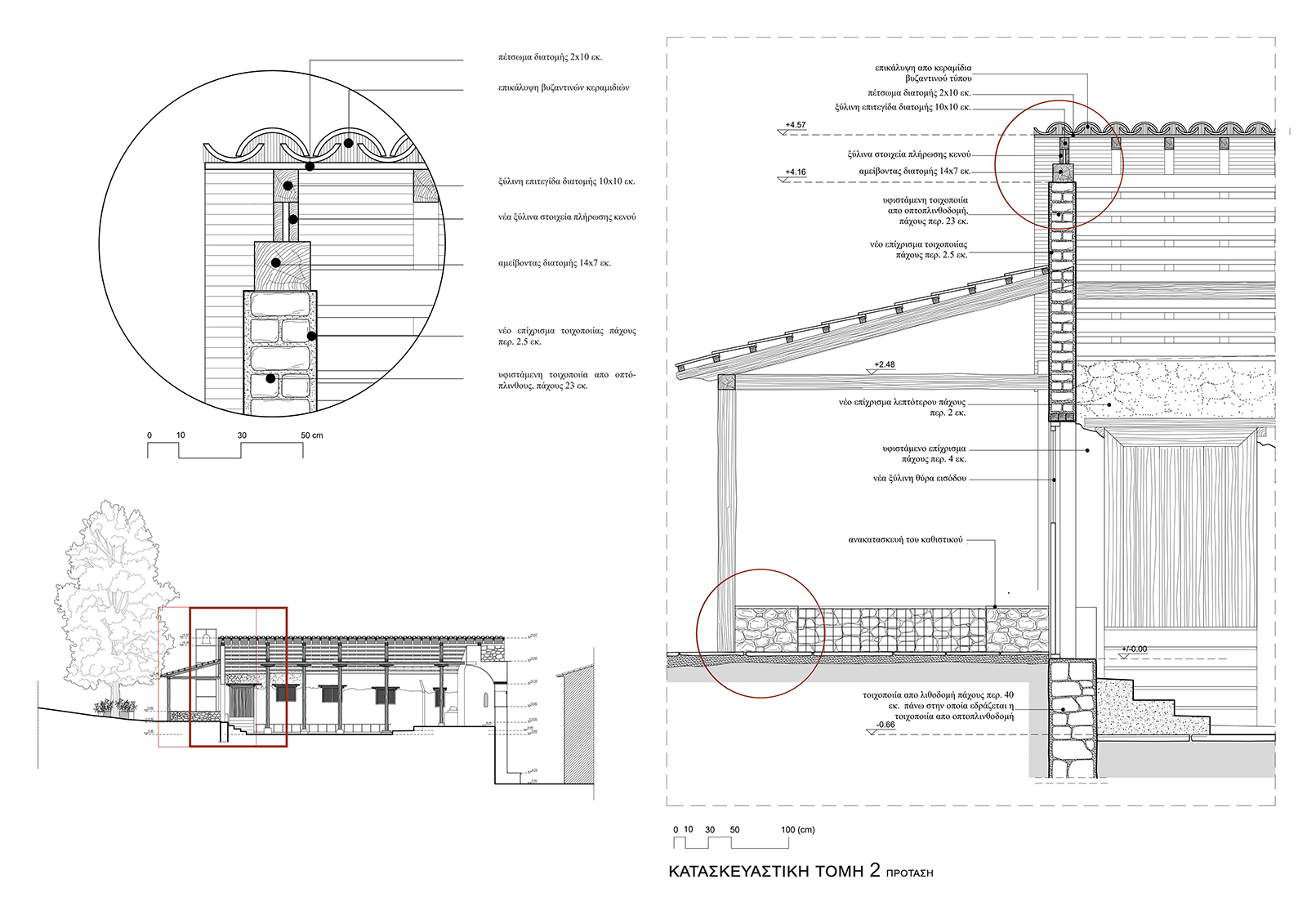
The restoration work proposed in the study aims to improve the aesthetics and functionality of the temple, while also preserving and highlighting its historical features.
However, it should be noted that no excavations have been carried out to date to investigate the foundations of the temple. This is a stage of unquestionable value and priority in terms of documenting the monument in question. Therefore, any interventions that are proposed may be subject to future reevaluation if new, decisive data emerges.
All interventions in the courtyard were designed on the basis that each monument is defined by the immediate or indirect landscape that surrounds it. Thus, care has been taken to ensure that the new design has a harmonious overall aesthetic and does not detract from the monument and its surrounding historic environment. At the same time, it was necessary to differentiate and distinguish the new elements from the existing, historic parts of the church.
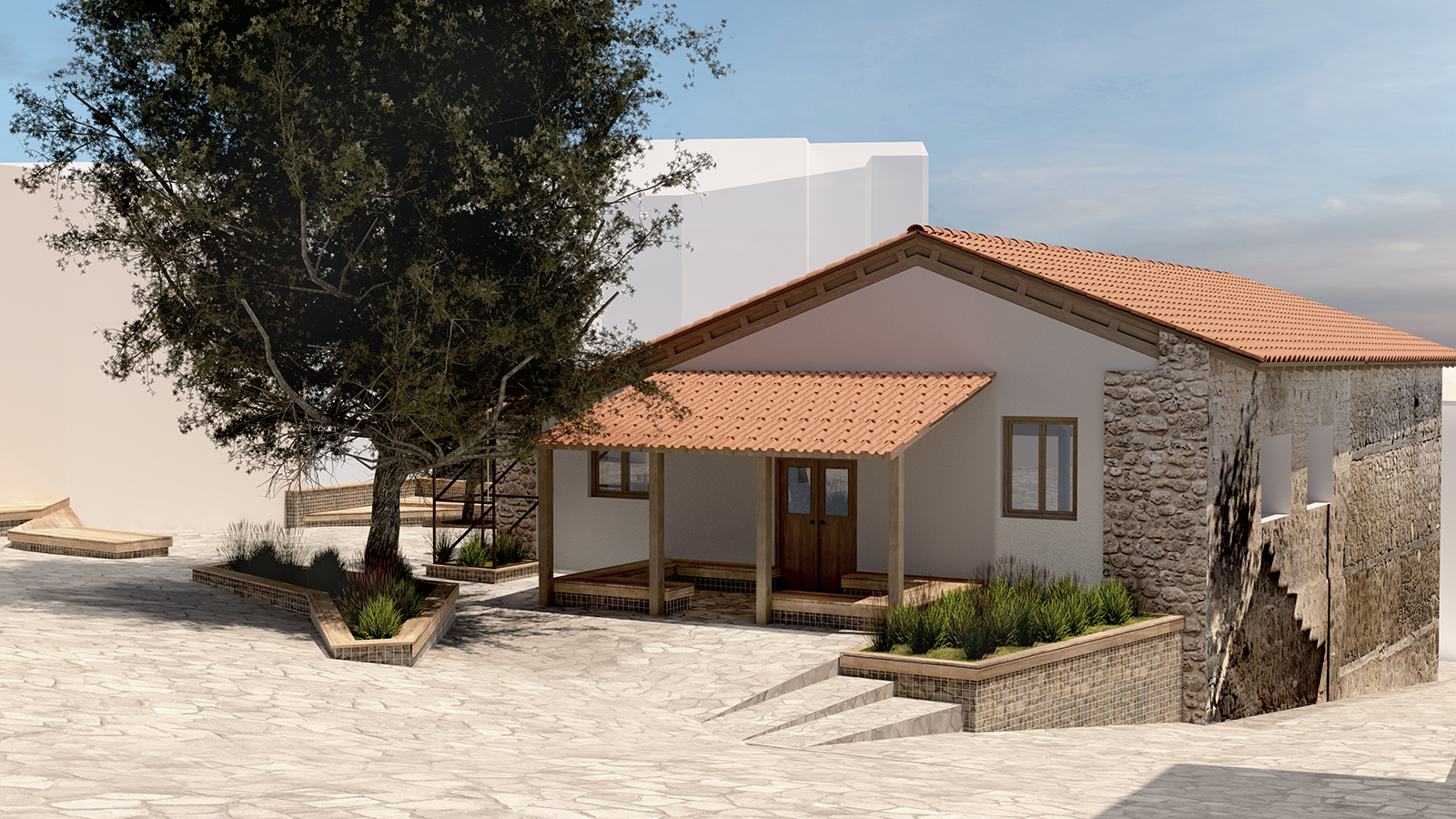
More specifically, the courtyard was redesigned to give it a new welcoming look, accessible to all ages. Particular emphasis was placed on enhancing the greenery and organizing the seating areas and outdoor spaces.
The main focus of the interventions was the need to create new paths in such a way as to guide visitors and draw them either towards the interior of the church or towards the courtyard on the west and north sides of the plot.
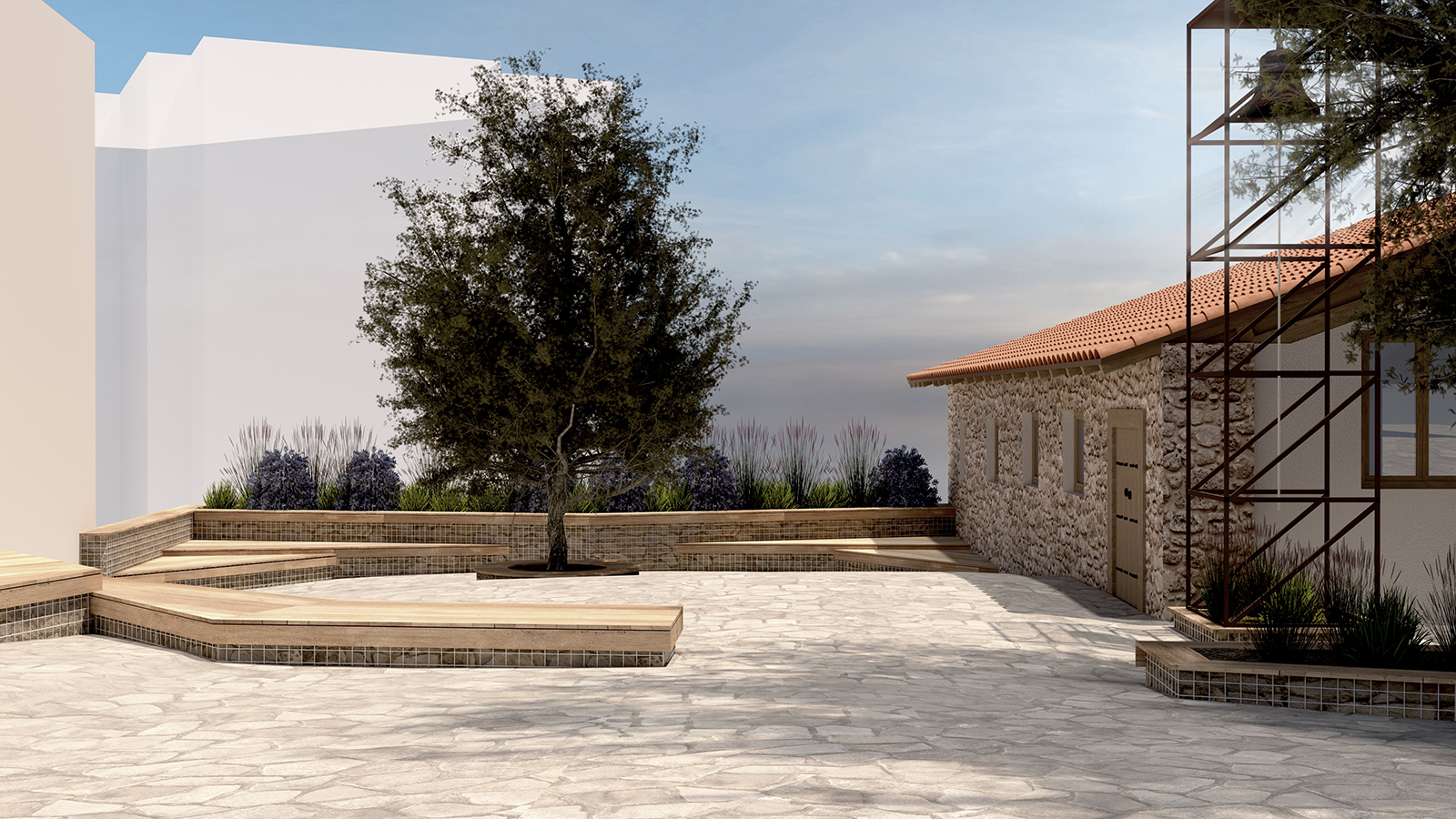
In summary, the fact that the historic neighborhood in which the temple is located retains many of its original characteristics, contributed positively to the proposal to highlight the monument, in contrast to other monuments that are surrounded by an unattractive urban landscape.
The proposal for the restoration and enhancement of the temple, described in this paper, is primarily concerned with respecting the historical character of both the monument and the wider area in which it is located.
Facts & Credits
Academic semester July, 2025
Institution School of Architecture, AUTH