The RURAL LIVING series selects and presents student works that explore rural living forms and strategies throughout Greece, offering visionary reinterpretations of how we inhabit areas beyond the city.
Rural Rhythms: Agritourism Center in Southern Rhodes | Diploma Thesis by Panagiotis Michail Zouroudis
‘Rural Rhythms’ is a design thesis by Panagiotis Michail Zouroudis aimed at empowering rural communities and fostering sustainable development through agrotourism. The project involves redesigning and expanding an existing building to establish an agrotourism center in Southern Rhodes, thoughtfully integrated into the local landscape.
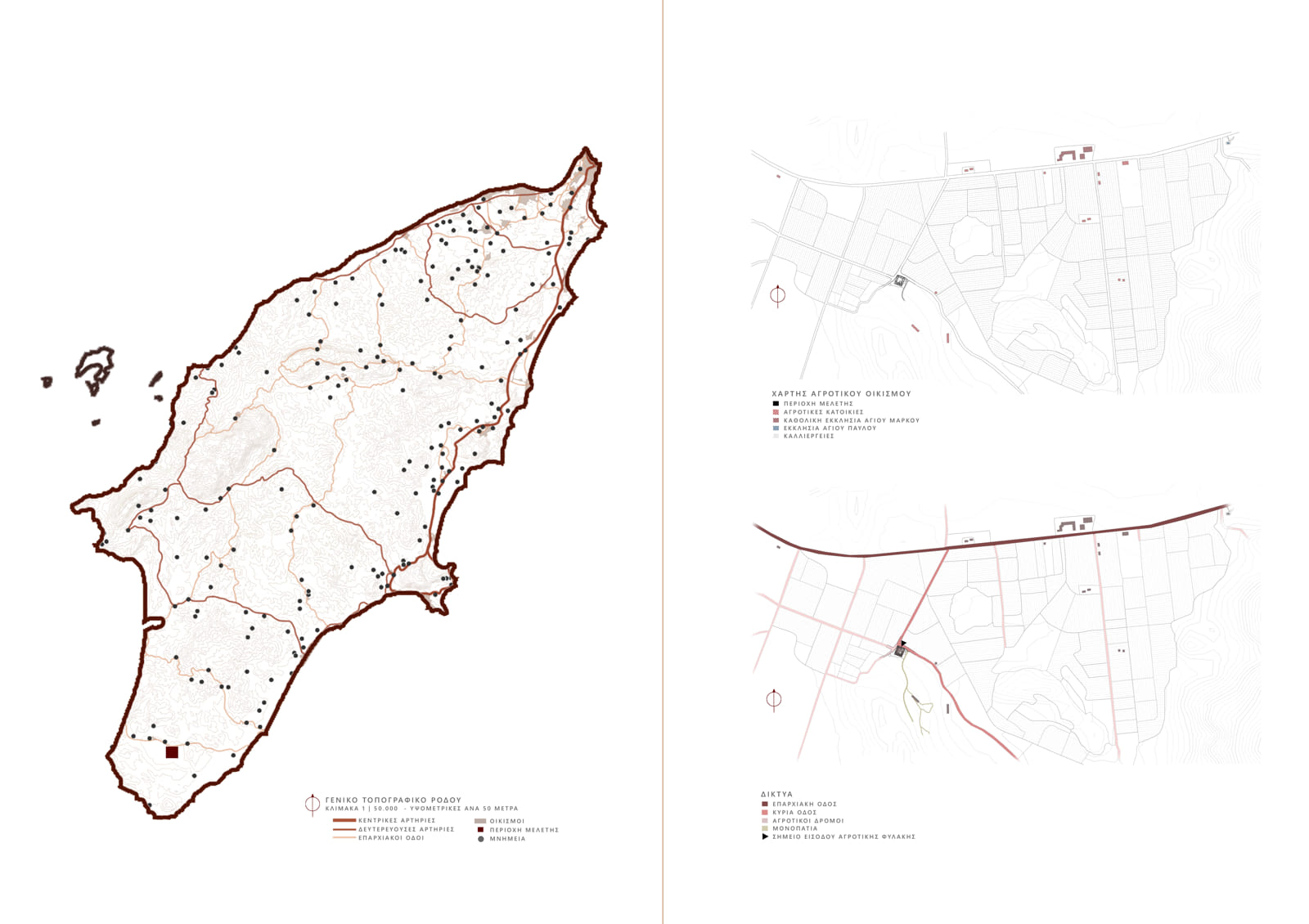
The subject of this study is based on the deep cultural and historical value of the old rural communities of Rhodes.
The reconnection with the countryside and the promotion of rural life through the creation of a point of attraction for strengthening the local economy provided the motivation for the design of an Agrotourism Center.
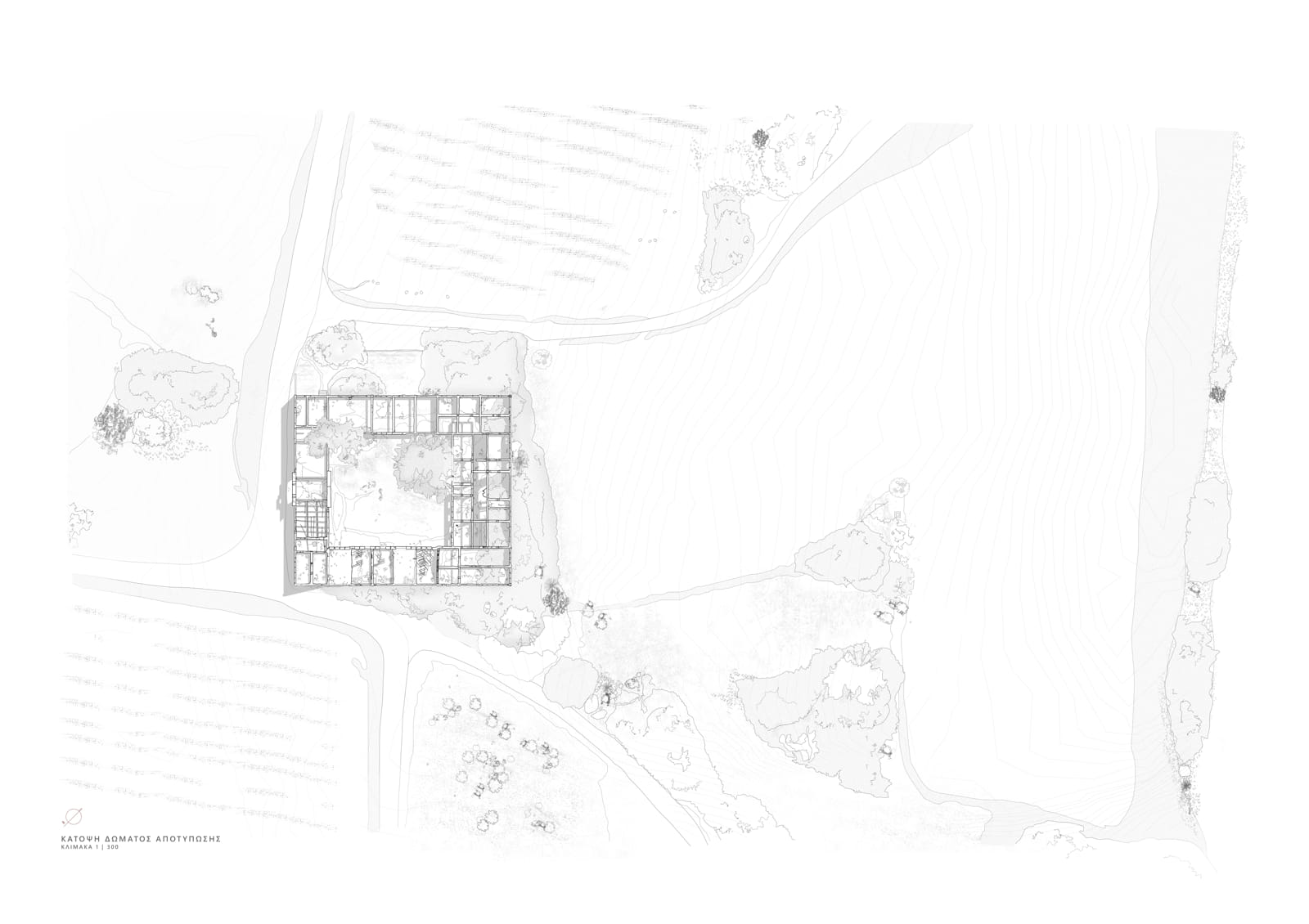
This center aims to combine rural life with the island’s local hospitality and culture.
Today, many of these communities have seen population decline due to urban migration, yet they remain alive through agrotourism development, cultural events, and the revival of traditions. The older building shells, whether abandoned or not, are mainly found inland, away from tourist centers, and each has its own unique identity.
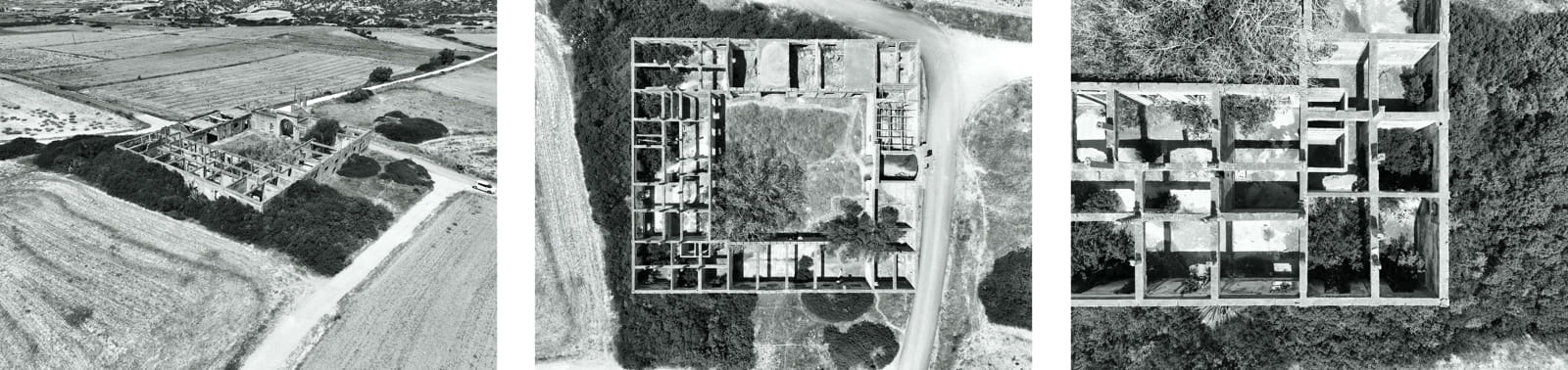
The selected intervention site is located near the area of Agios Pavlos, Kattavia, in southern Rhodes. It is easily accessible via the island’s main provincial road.
The design was inspired by the remnants of a rural prison from the 1930s, which was part of a local rural community. The shell of the building still stands today.
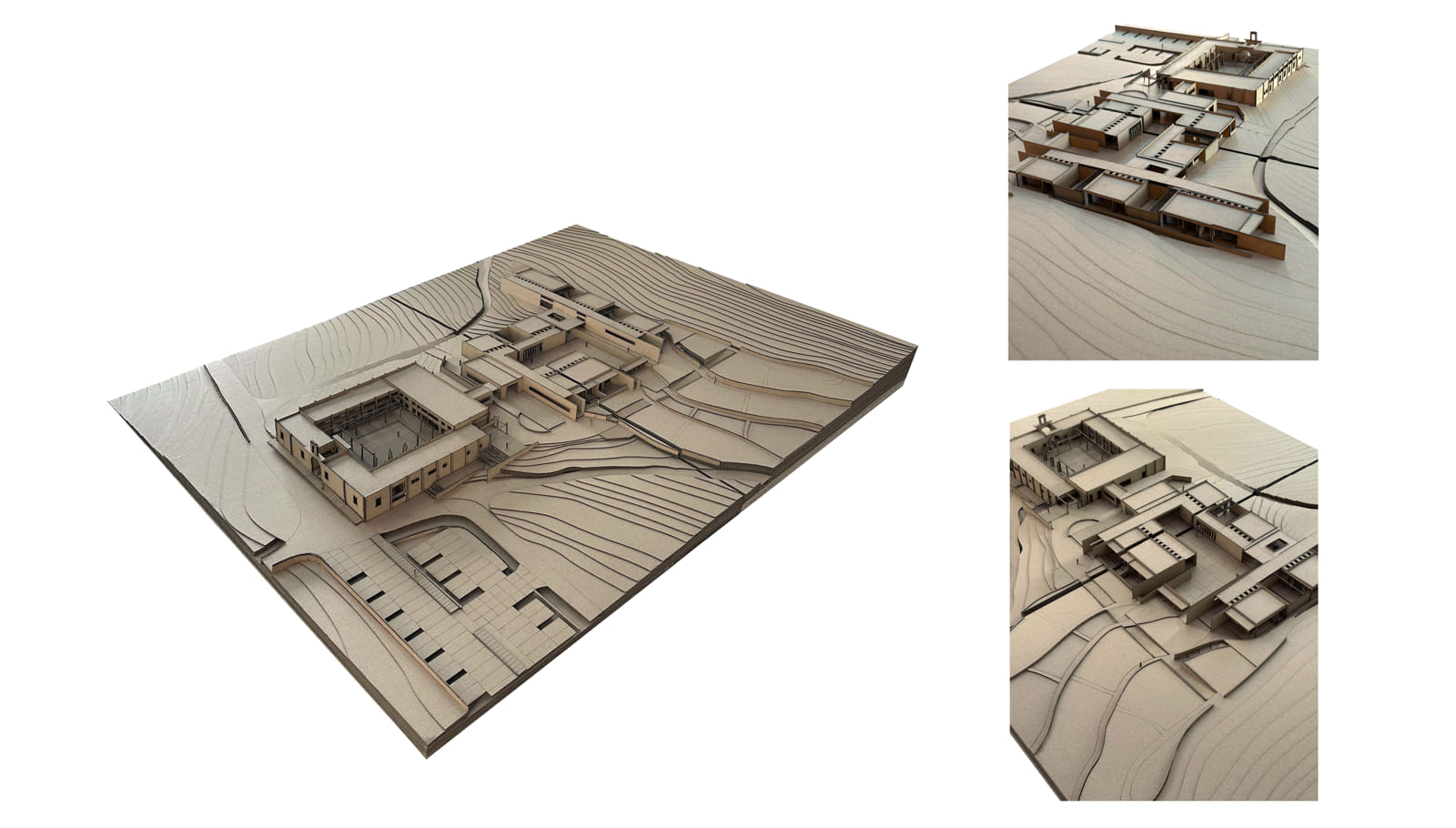
The existing building shell is preserved and given new functions, while the main design intent for the new addition is to maintain the relationship between the architectural ensemble and the terrain through gentle and discreet interventions.
Special emphasis is placed on the harmonious integration of the new volume, ensuring a direct and functional connection with the existing structure.
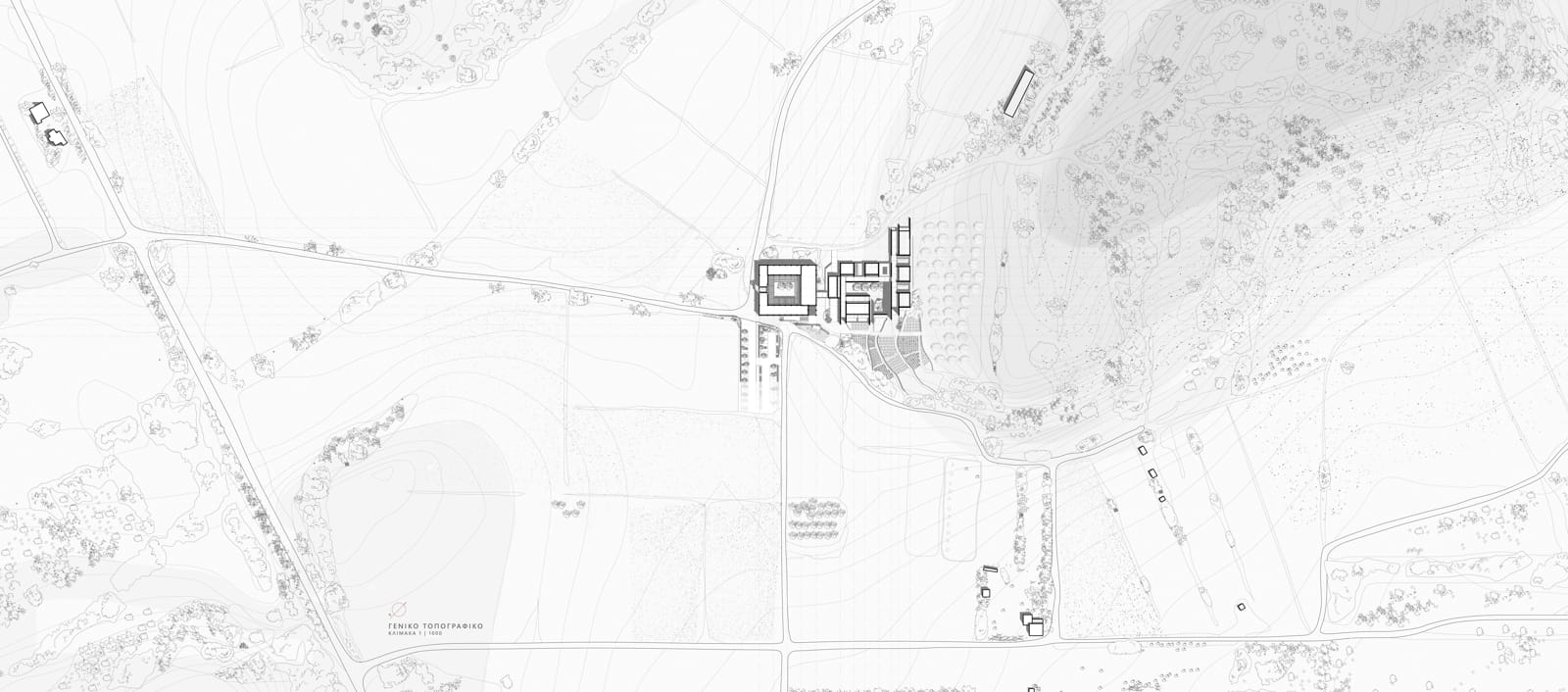
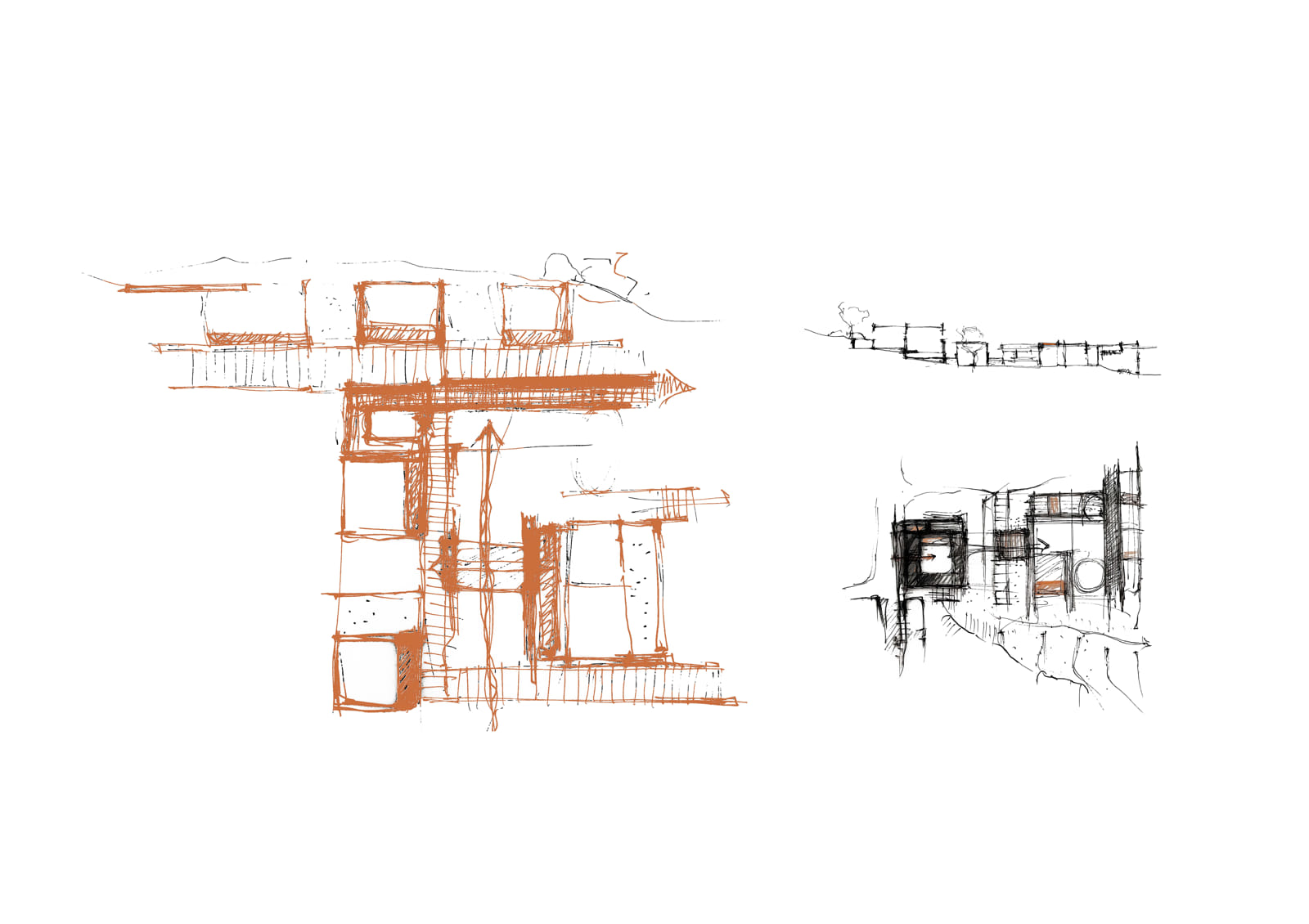
Compositional tools include the topography, the grid, internal courtyards and patios, common areas, and exterior connections and walkways.
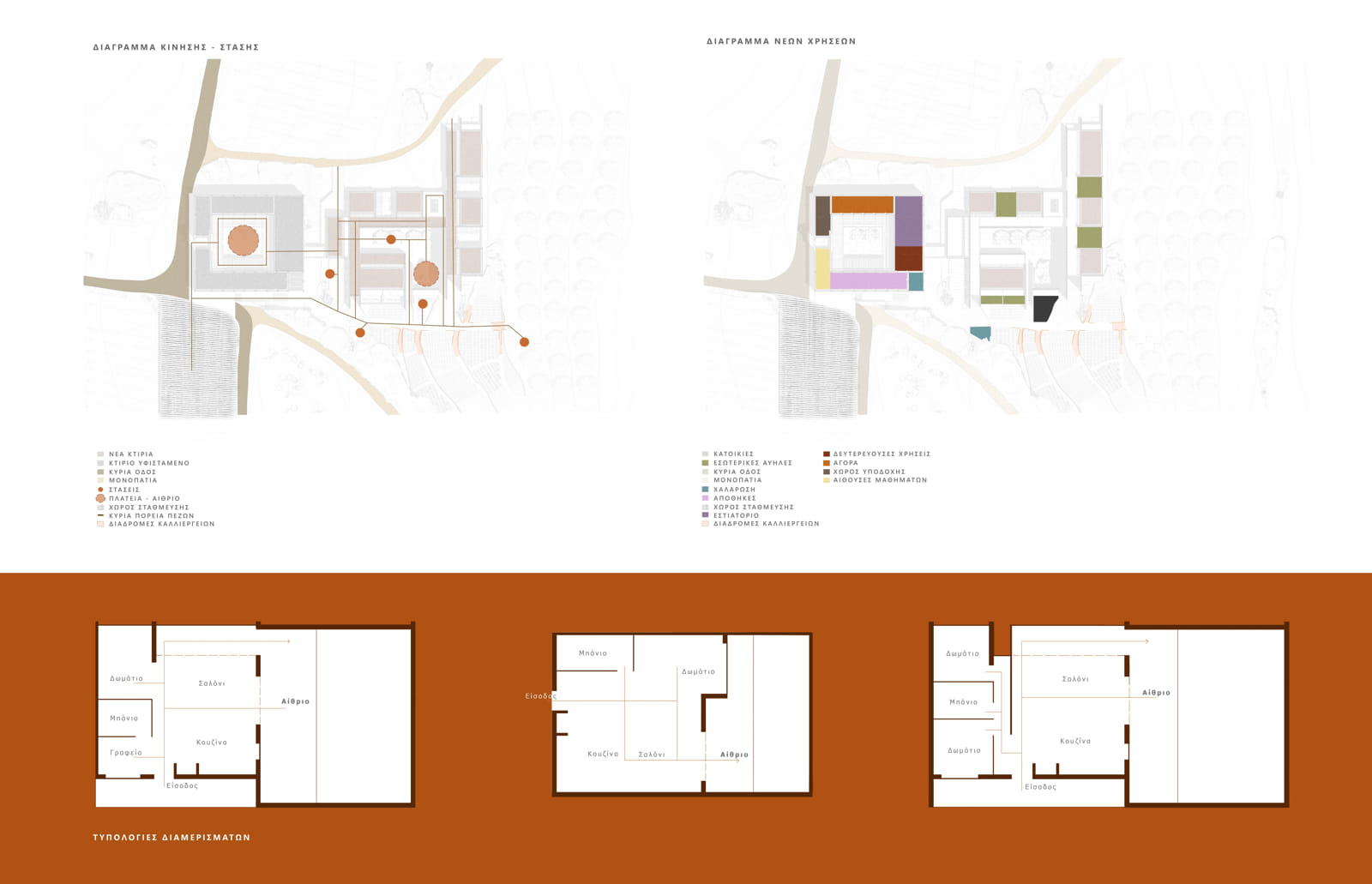
The design focuses on the study of horizontal movement, aiming for continuous and immediate connection between interior spaces and the outdoors.
Every path within the architectural ensemble leads organically toward the open space and ultimately to the cultivation areas, regardless of the visitor’s point of entry. The relationship between horizontal movement and landscape is further reinforced by exterior walkways, which function not only as transitional elements but also as mechanisms for creating visual escapes. These escapes are consciously directed toward the countryside and specifically toward cultivated fields, highlighting the connection between architecture and the natural environment.
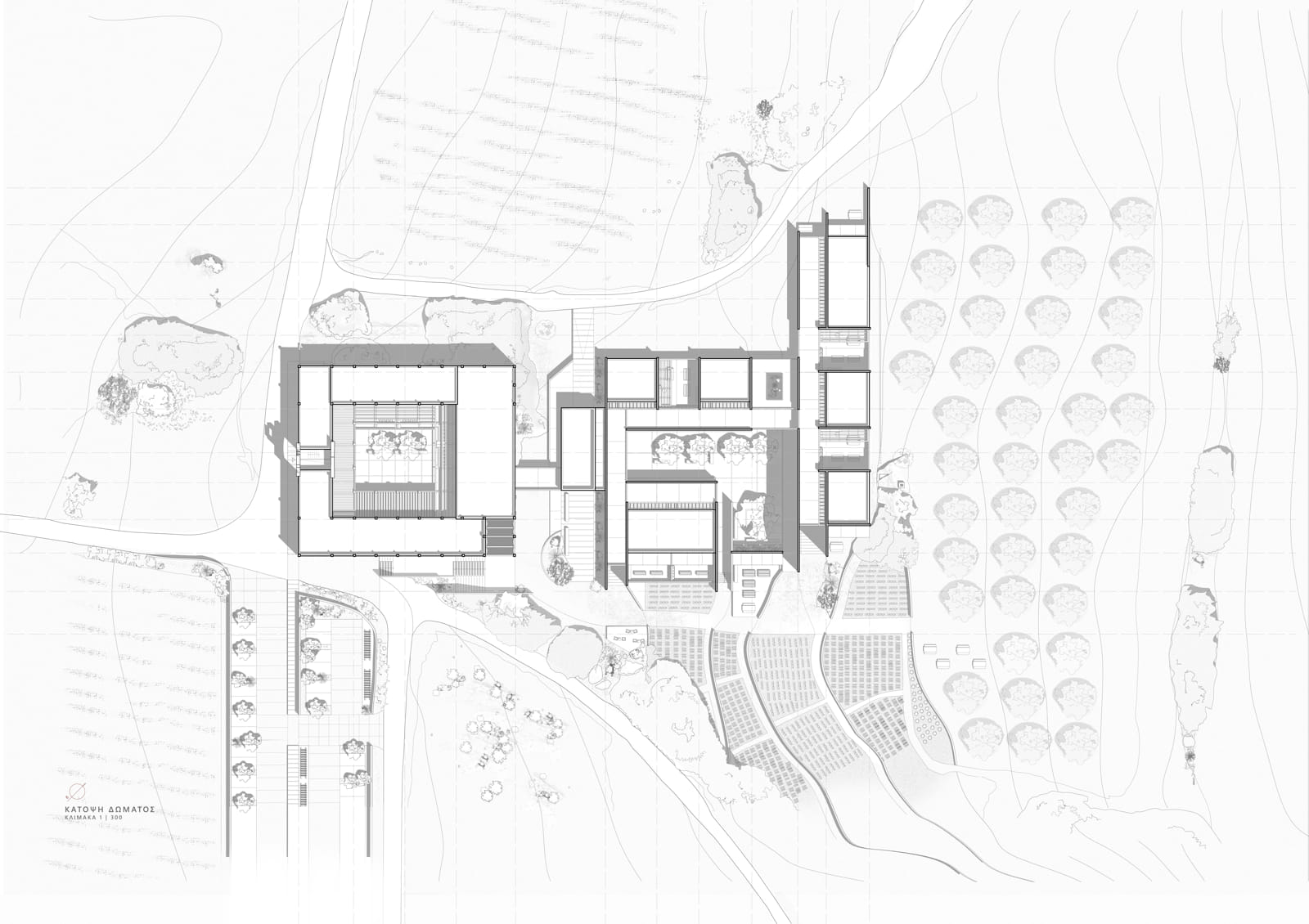
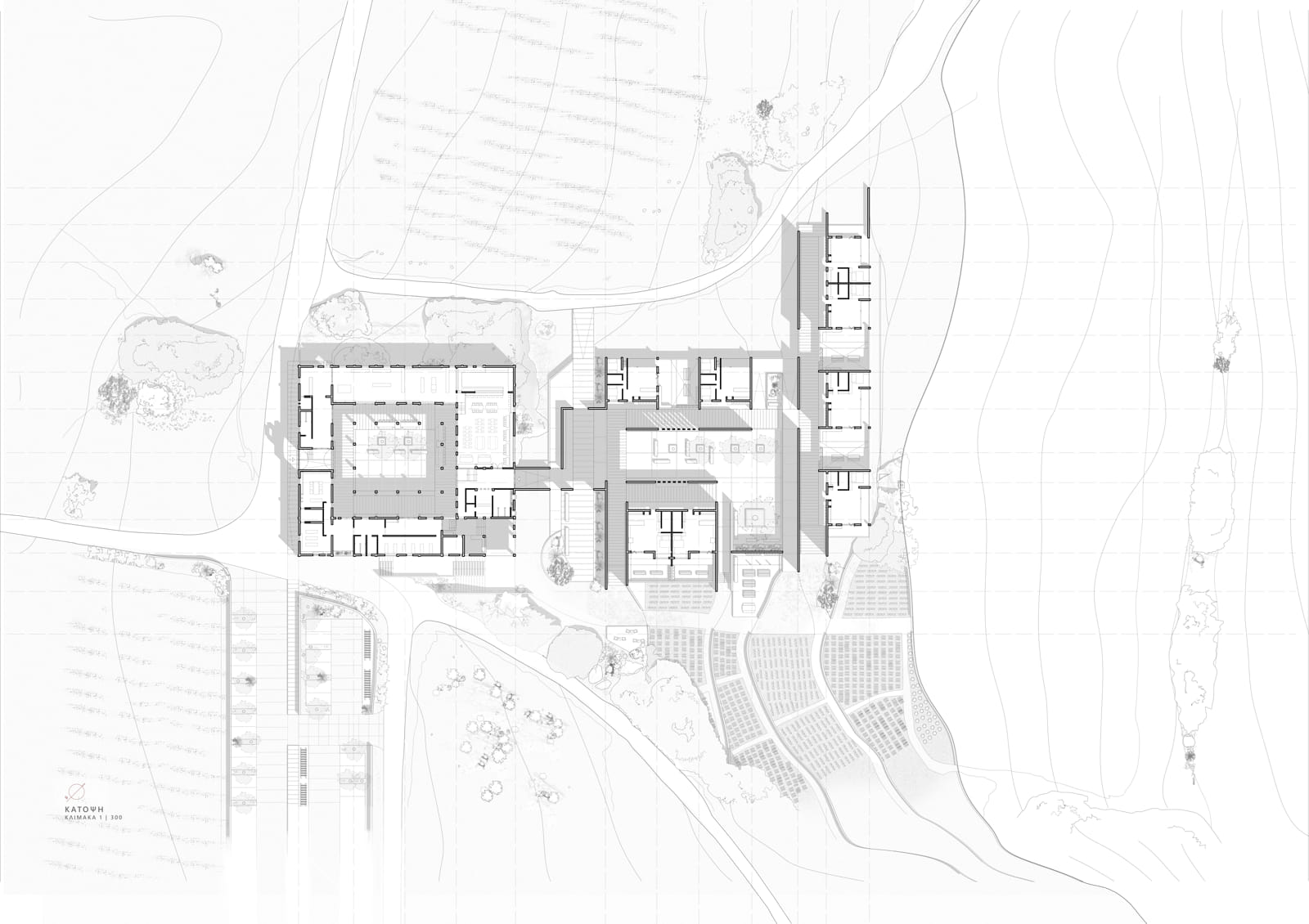
The new addition aims to create an architectural ensemble with a contemporary identity that draws references from both the existing building shell and the typology and atmosphere of Rhodes’ traditional rural communities.
This approach does not rely on direct imitation but on the creative interpretation of these elements, aiming for a composition that respects the past while engaging with the present.
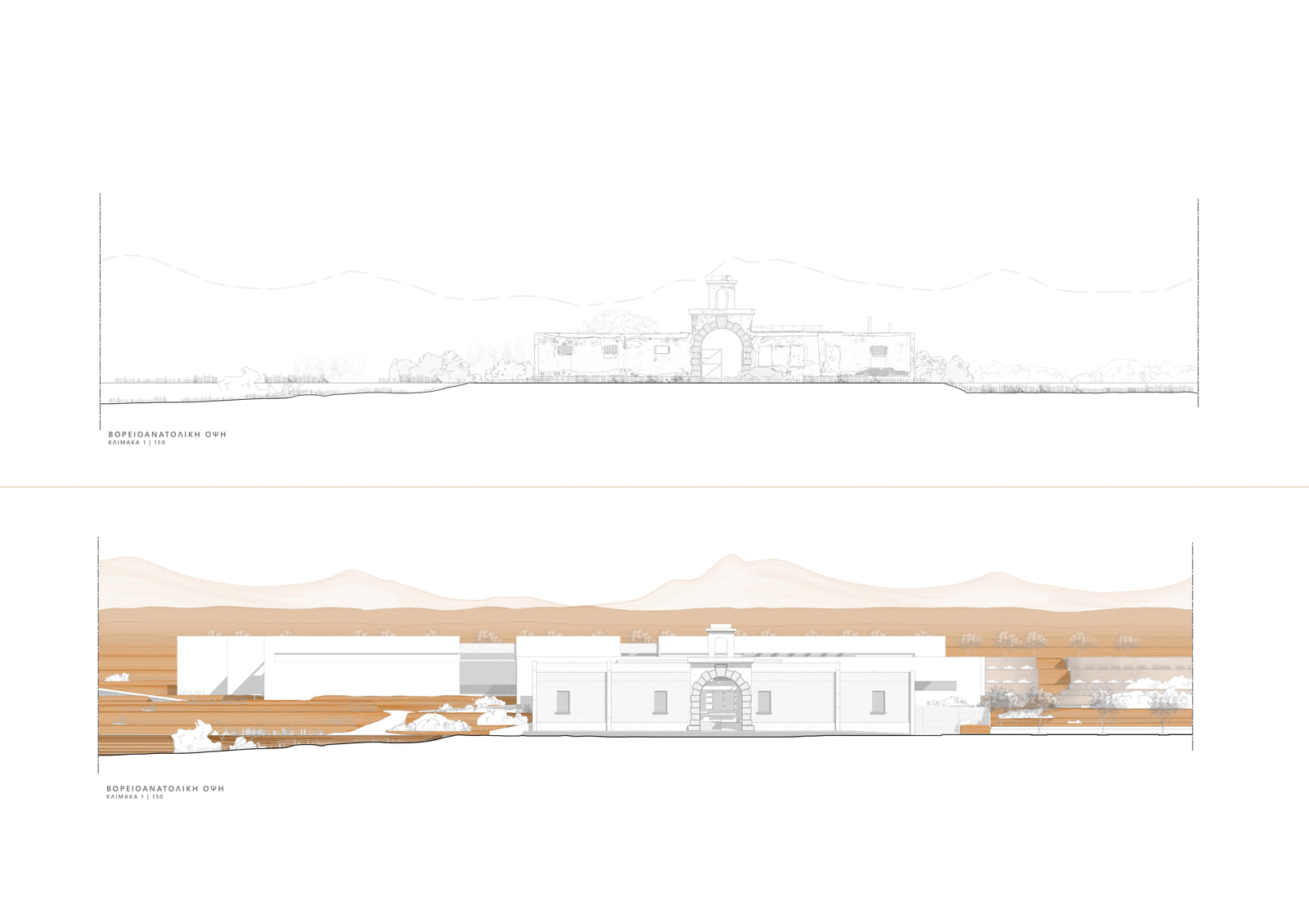
Access to the intervention area is via the main provincial road from Pylona to Kattavia, which runs along the southern part of Rhodes and connects the study area directly with the village of Kattavia.
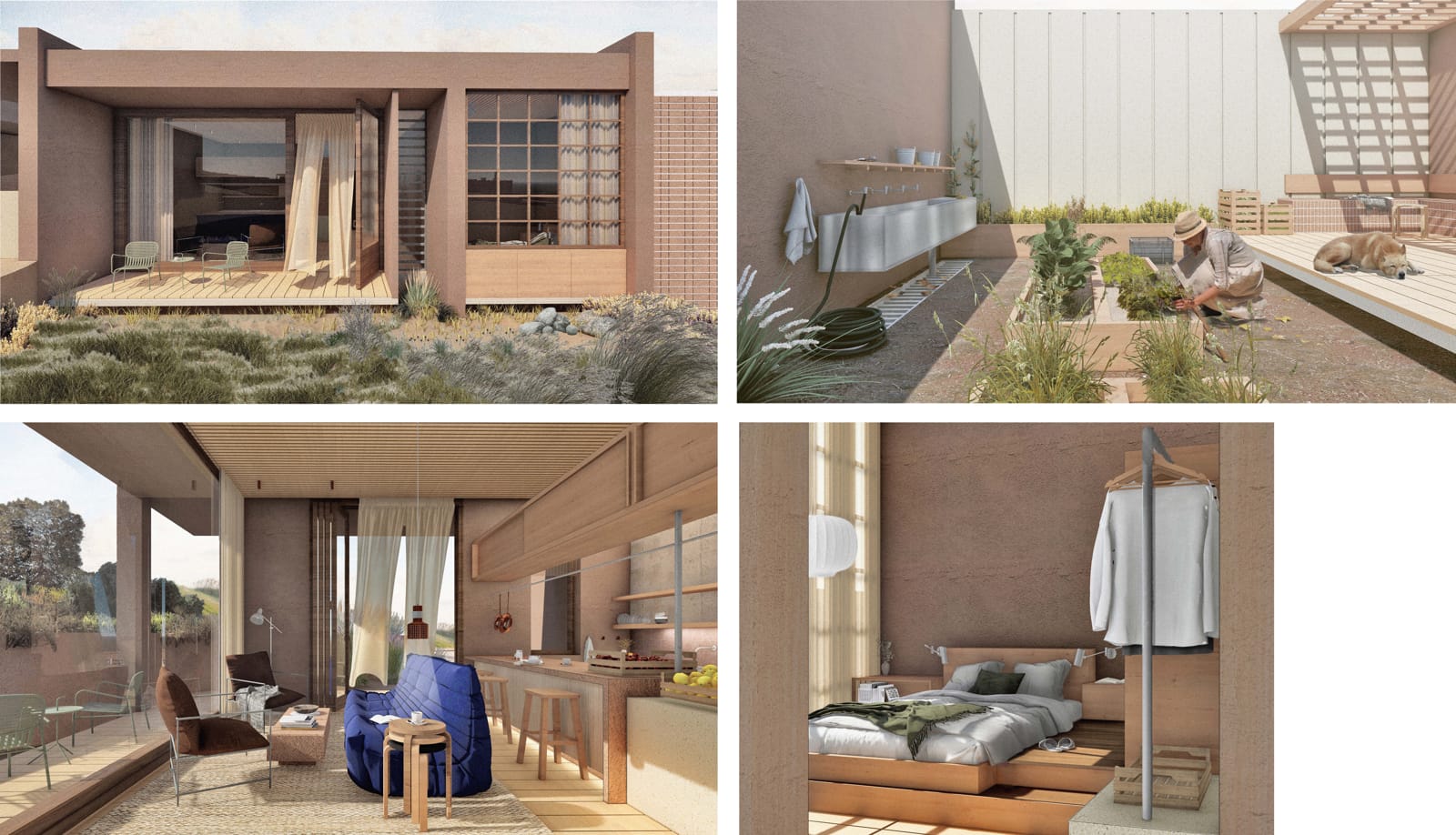
The building program of the new Center is designed to offer a full spectrum of agrotourism experiences, while also contributing to the area’s emergence as a reference point for local development.
The public building is enriched with new functions such as a restaurant and a local product market, where goods will be produced by the visitors themselves as part of their participatory experience during their stay. Additionally, workshops are planned to host hands-on lessons related to cultivation and its various applications. The program also includes: a reception area, a cloakroom, open and closed storage areas, and sanitary facilities (WC). The new addition includes apartments, communal spaces, and internal courtyards, enhancing the experiential aspect of cultivation, learning, and gastronomic enjoyment. The various functions of the complex are interconnected through a system of external paths, which enable continuous movement and the interweaving of different activities, strengthening the sense of unity and cohesion within the space.
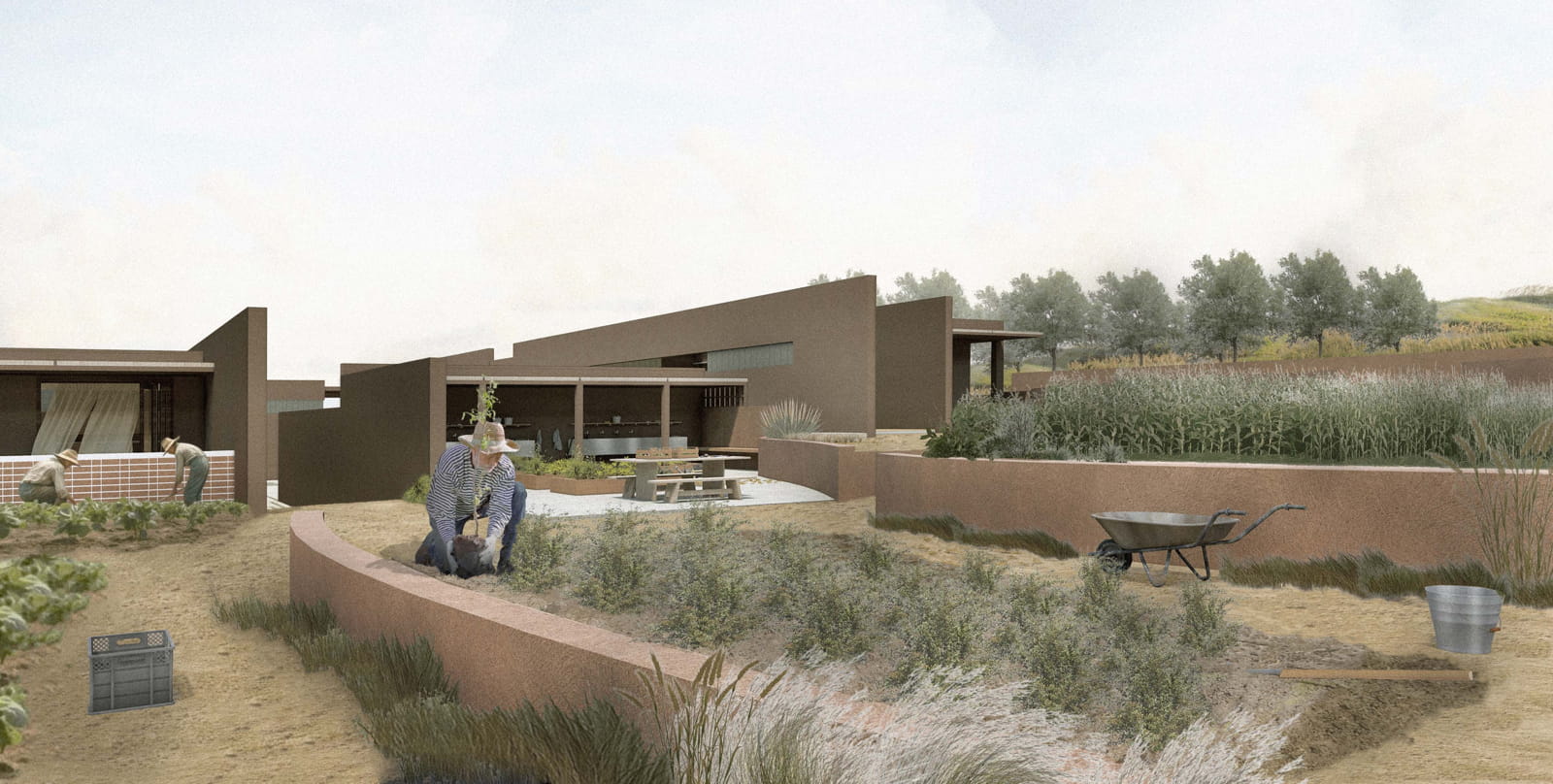
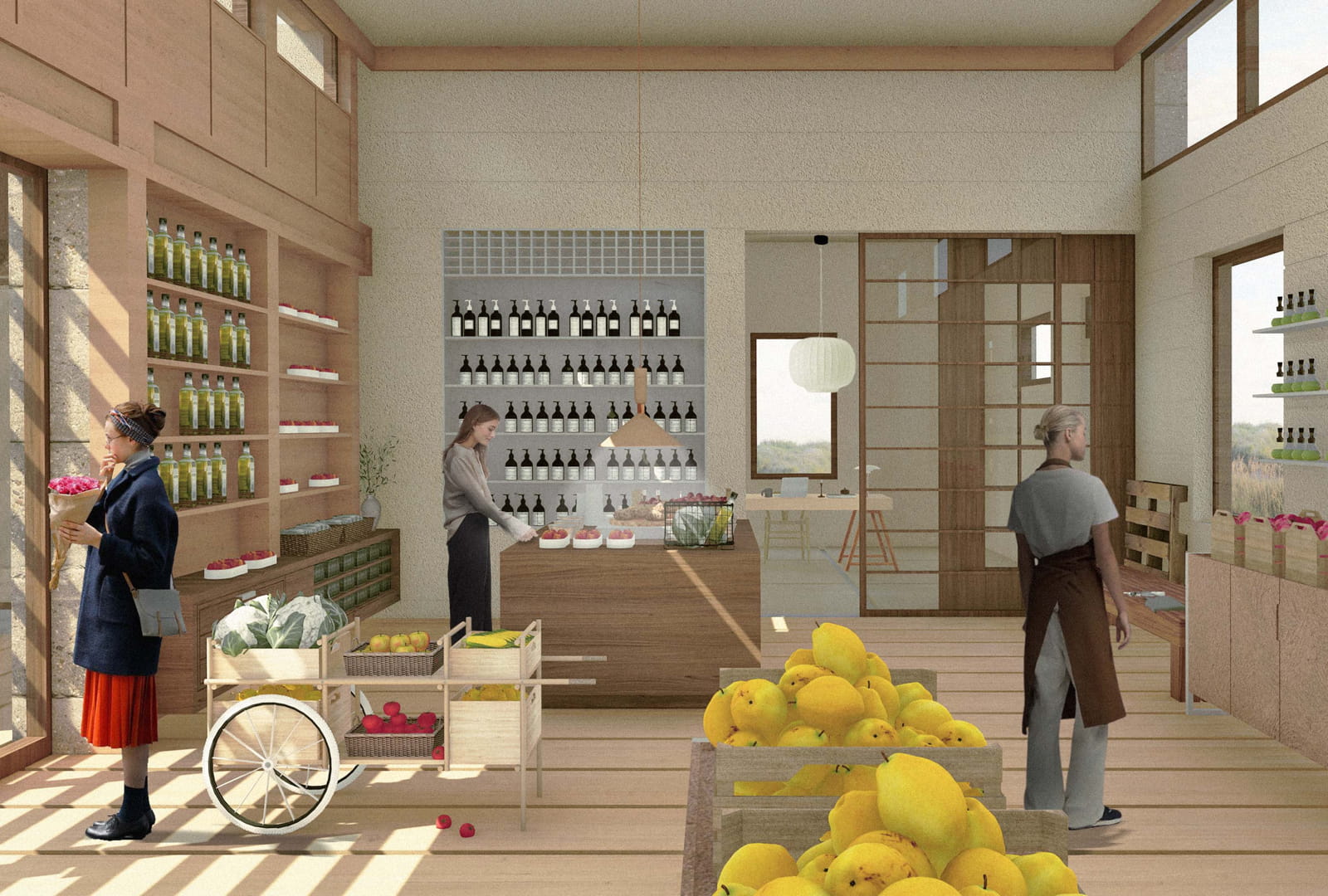
The choice of materials in this study aims for the smooth integration of the architectural proposal into the landscape, while also drawing references from the rural character of the settlement through a contemporary interpretation of traditional morphological elements.
The main structural material is reinforced concrete, which dominates much of the construction, both externally and internally. The variation in concrete tones between the two building units indicates their different uses and enhances the legibility of the composition. Metal and wooden elements complete the material palette. These are used either as vertical shading elements or on a smaller scale in seating areas, rest spots, and the configuration of cultivation zones, enhancing the functionality and experiential dimension of the architectural intervention.
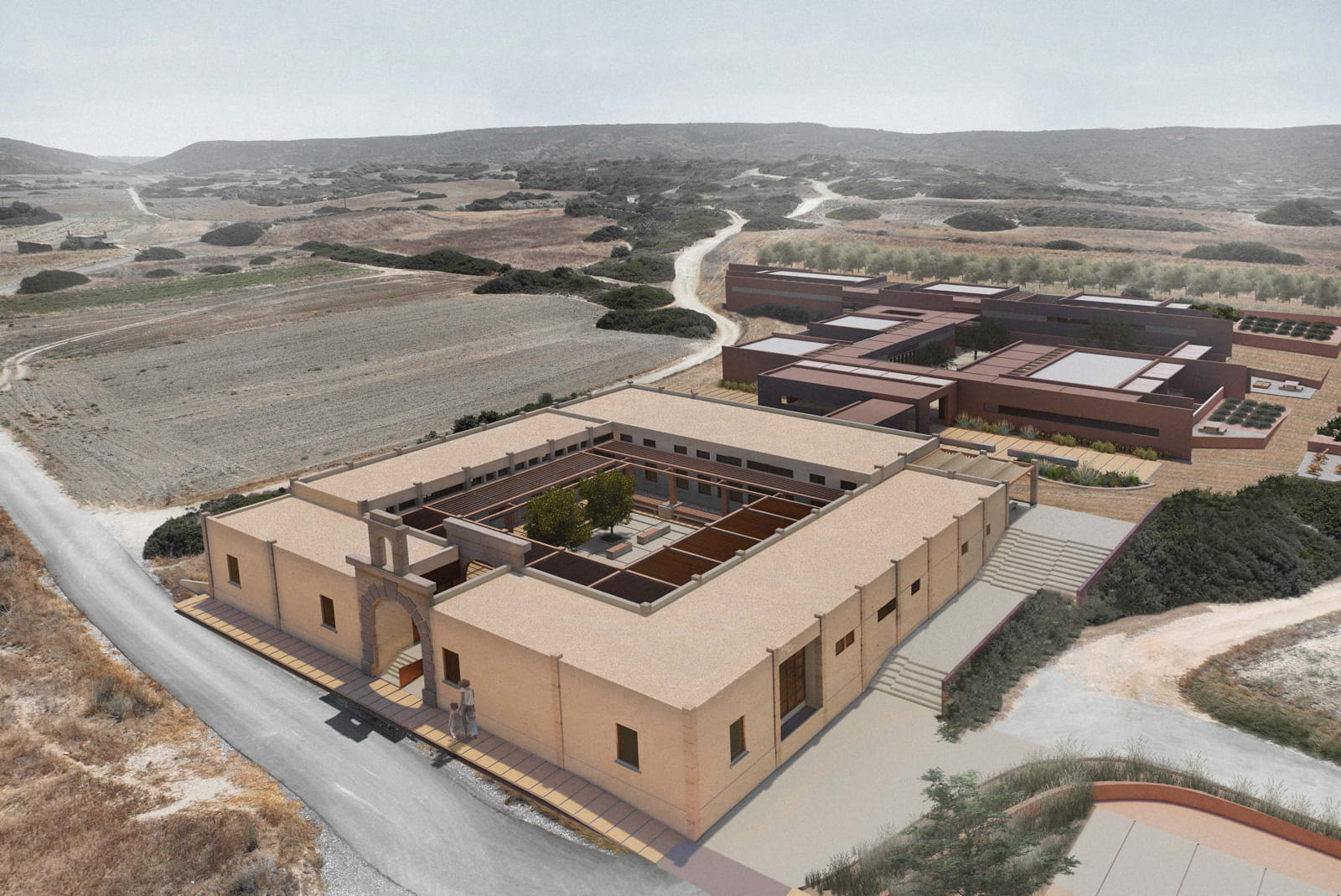
The goal of the design is to create new bonds between people and the countryside and to highlight rural life through the creation of a contemporary point of attraction that promotes agrotourism as a means of sustainable development.
The architectural proposal aspires to offer a complete range of agrotourism experiences, while simultaneously strengthening the area’s role as a reference point for the local economy and the cultural identity of the region.
Facts & Credits
Project title Rural Rhythms: Agritourism Center in Southern Rhodes
Type Design Thesis
Student Panagiotis Michail Zouroudis
Supervisor Tsakalakis Dimitrios
Presentation Date February 2025
University School of Architecture, Technical University of Crete
Text by the author
Cooperative Structure in Northern Evia: Snapshots of a Symbiotic Relationship with the Forest | Diploma Thesis by Dimitris Athanasiou
The interpretation and study of the forest of Northern Evia as a “common good” marks the starting point of Dimitris Athanasiou’s research. His diploma thesis proposes the creation of a model of cooperative forest management led by the local community—grounded in interdependence, participation, and local productive activity. Its ultimate goal is the healing of the ecological devastation caused by the 2021 wildfires and the establishment of new practices of coexistence. The architectural interventions focus on strategic planning and the creation of cooperative structures along a forest trail.
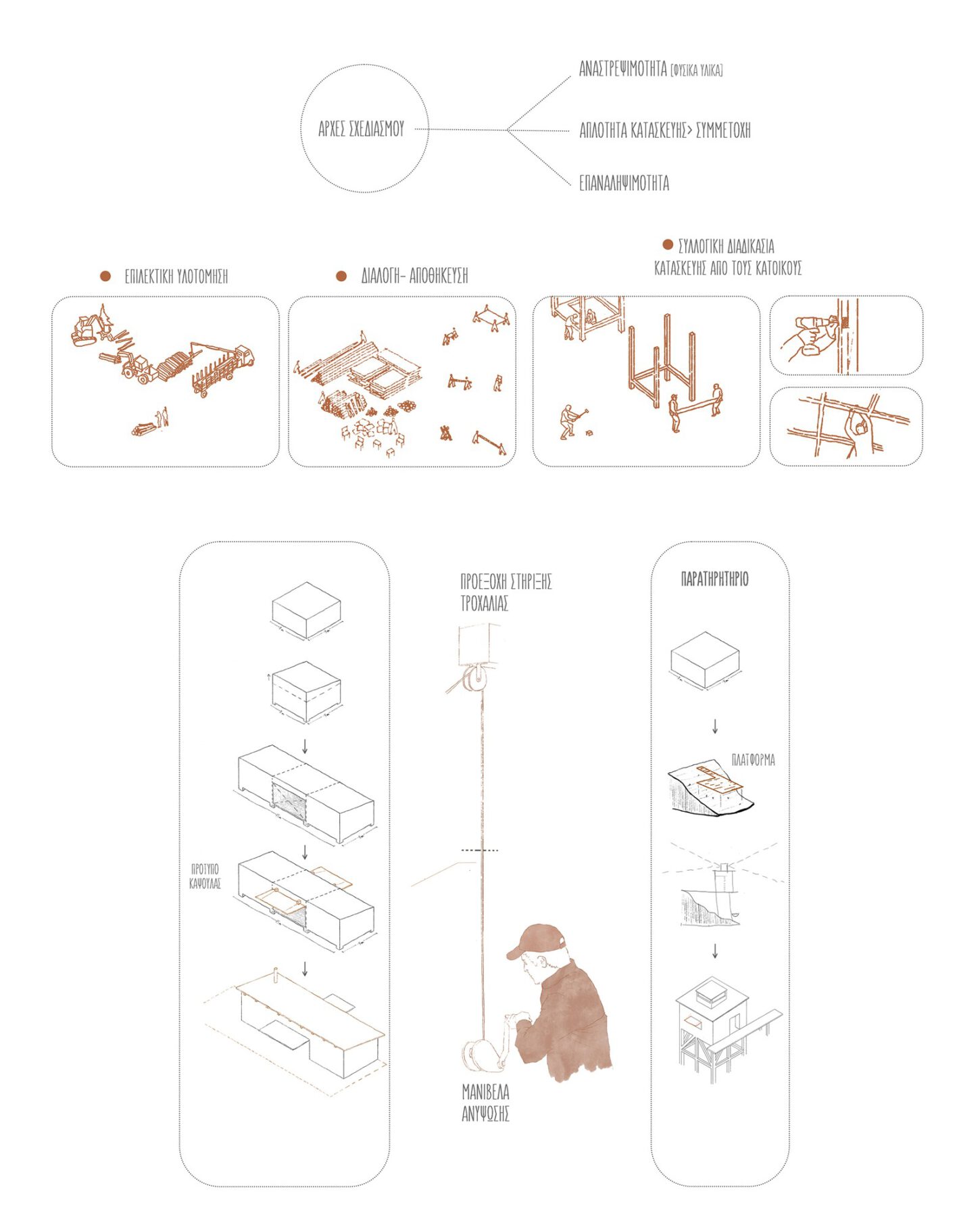
“The word symbiotic does not suggest joy or carefree living—it refers to a society in which modern tools are used by all in a shared and holistic way, without being controlled by a specialized authority.” — Ivan Illich
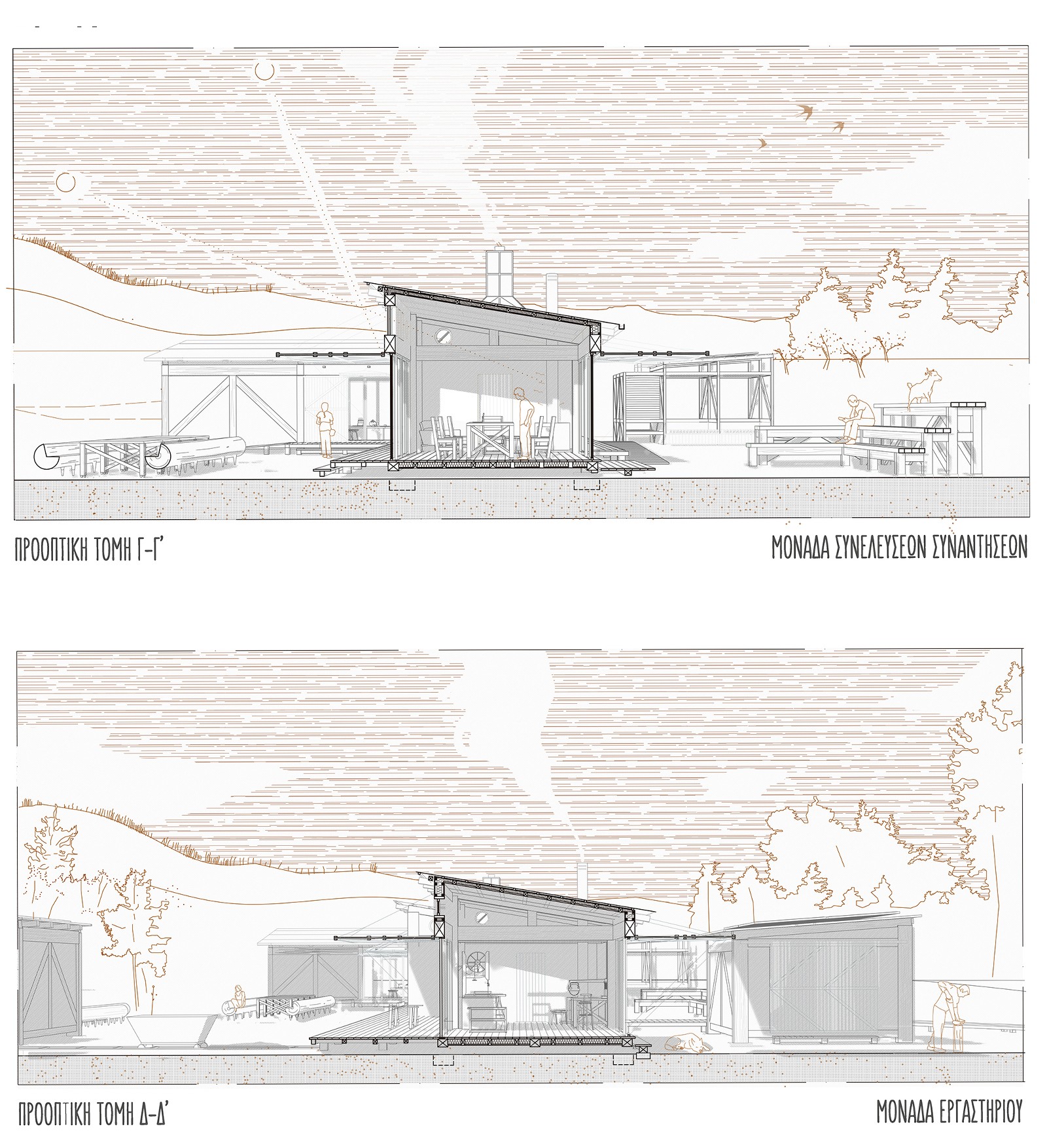
Each tool can be considered symbiotic when it is adapted to the needs and goals defined by the community, while at the same time enabling conditions for creativity, freedom, and autonomy to flourish.
Instead of a conclusion, the following excerpt by Ursula Le Guin was chosen, summarizing the core position of the thesis:
“The capitalist imperative to ‘grow or die’ stands in direct opposition to ecology’s imperative for interdependence and limits. These two imperatives can no longer coexist—nor can any society survive that continues to believe they can be reconciled. Either we build an ecological society, or society will collapse for everyone, regardless of their status.”
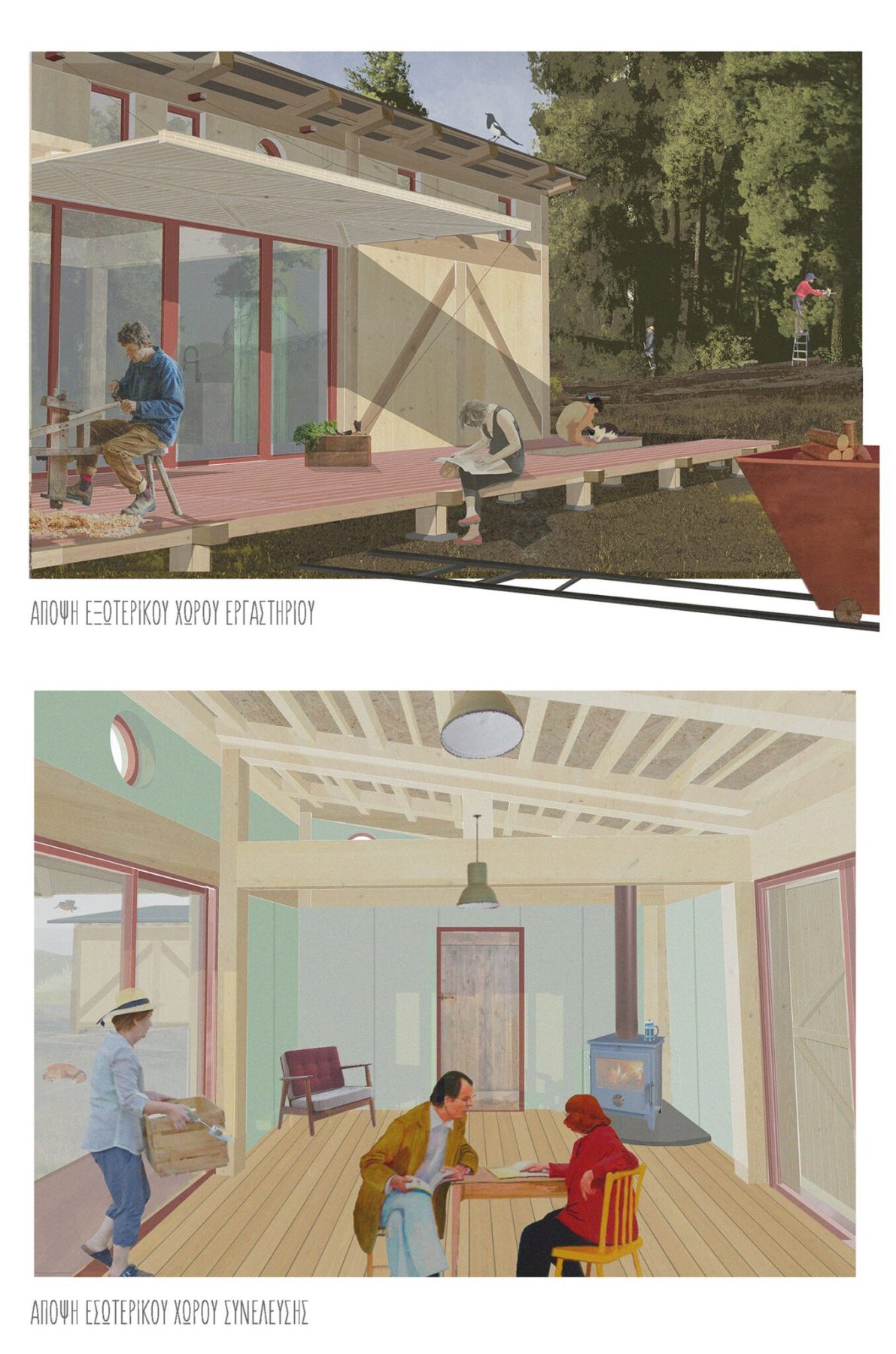
Read more about the project, here!
Facts & Credits
Project title Cooperative Structure in Northern Evia: Snapshots of a Symbiotic Relationship with the Forest
Type Design Thesis
Student Dimitris Athanasiou
Supervisor Evangelia Athanasiou
Presentation Date February 2025
University School of Architecture, Aristotle University of Thessaloniki
Text by the author
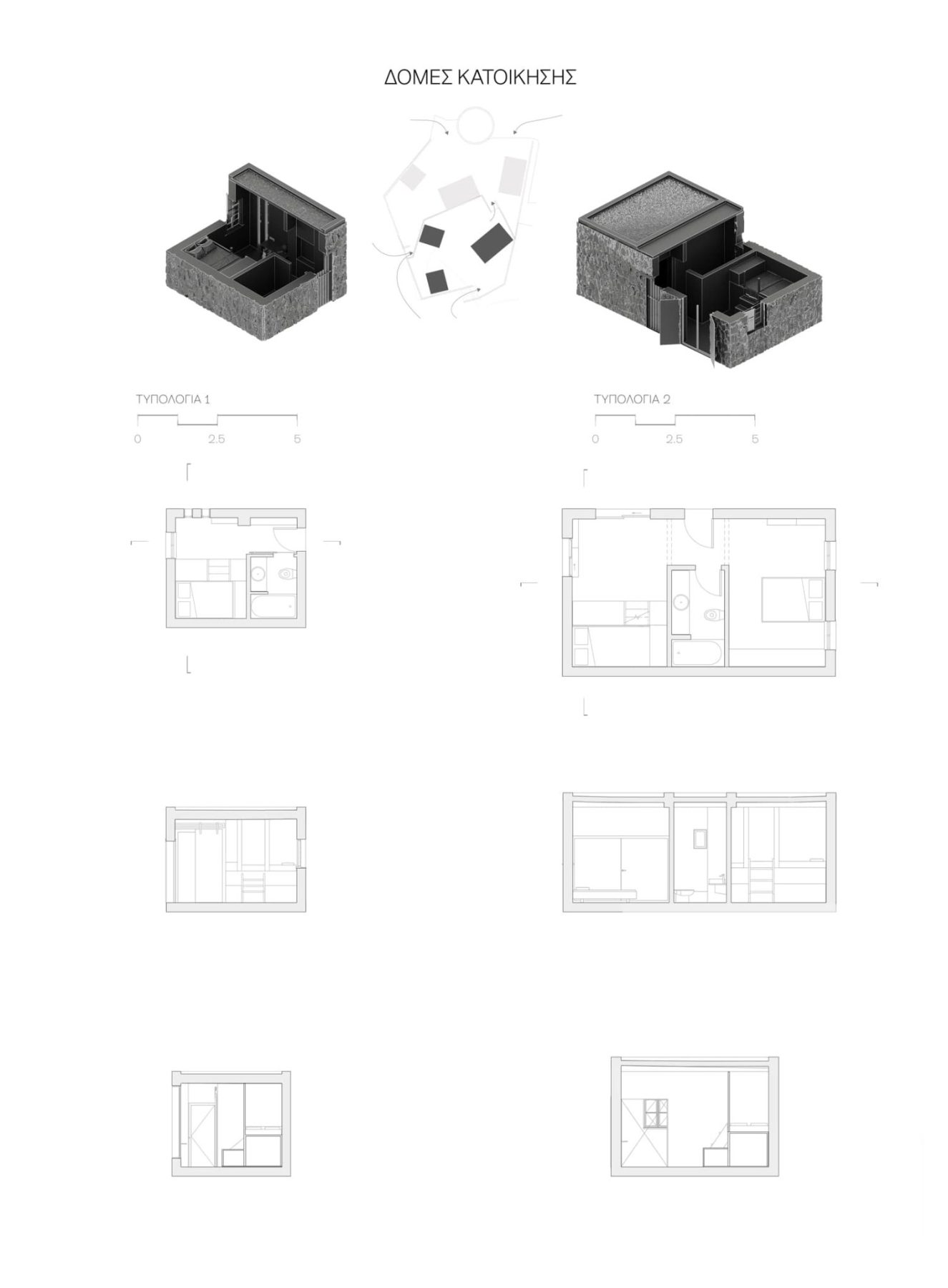
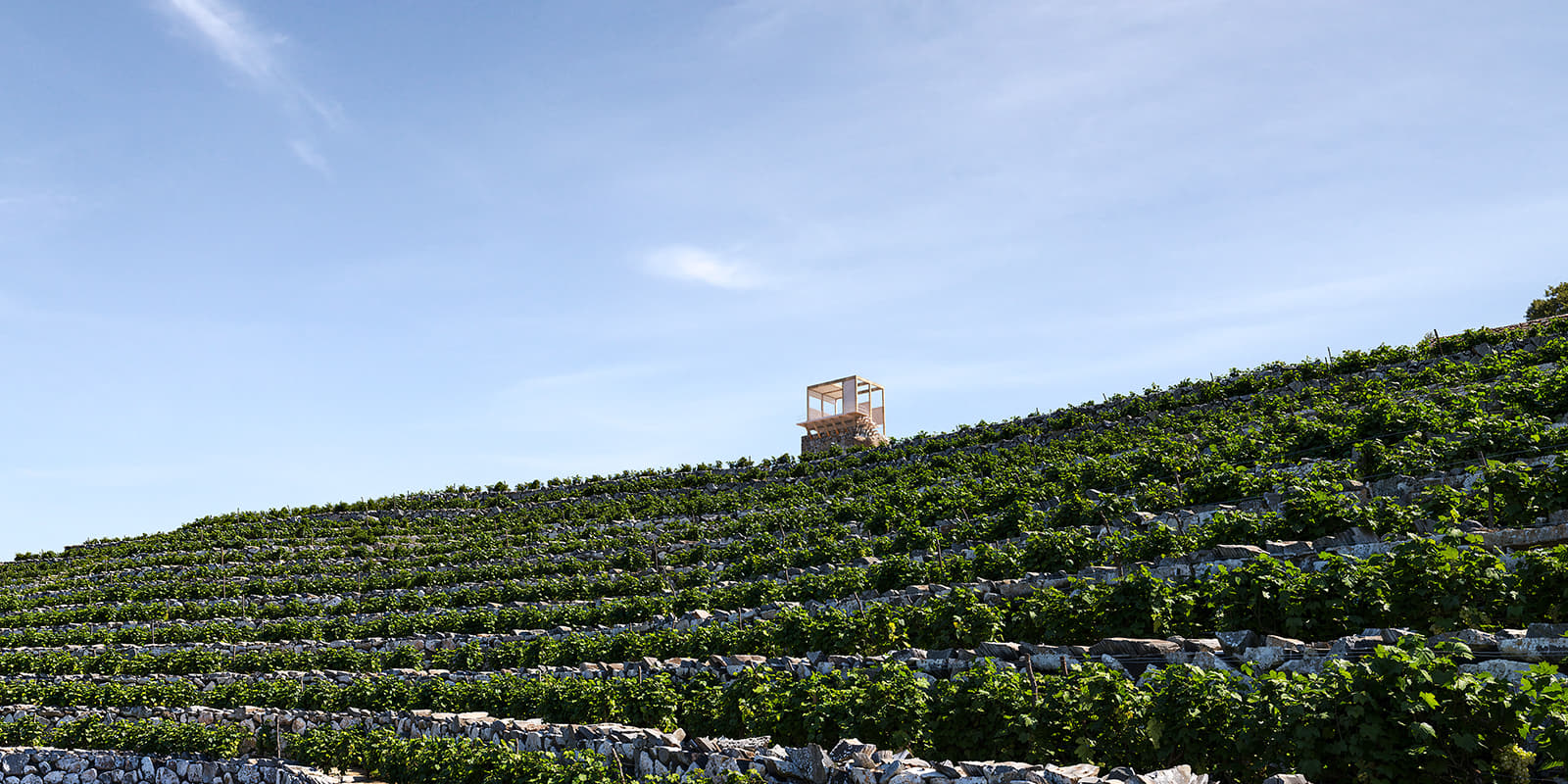
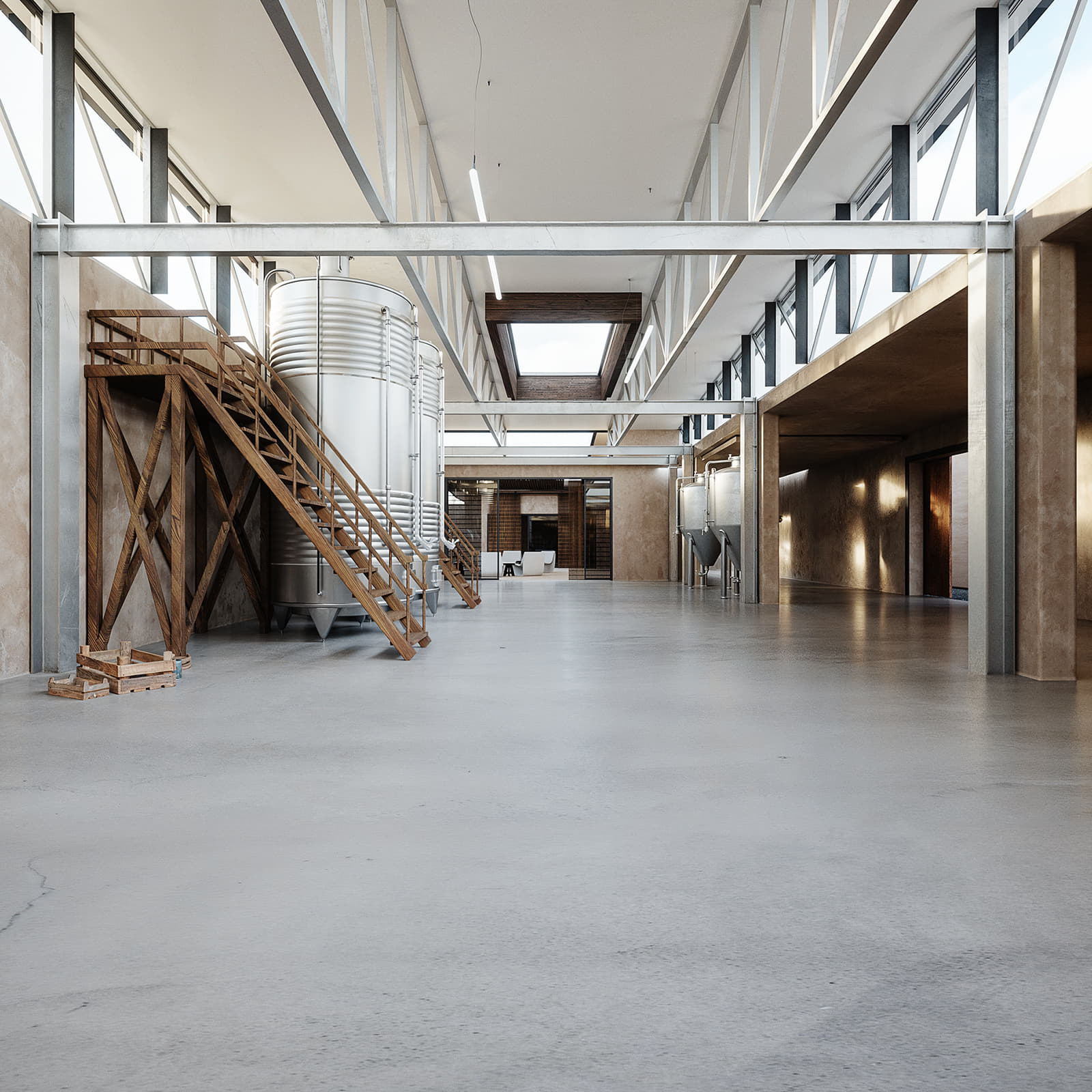
Combinations of agricultural activity and experiential living practices | Diploma Thesis by Ioulianos Karantzios, Michalakis Ilias
READ ALSO: THE IMAGE OF THE CITY // Redefining Limassol's Karnagio: A Hub for Shipbuilding Craft and Culture | A diploma thesis by Trattou Alexandros, Louka Charalambos, Hadjipanteli Stylianos