Part of ‘Stories of contemporary domesticity or HOMEland’, a series curated by Archt. for Archisearch, exploring different interpretations of the notion of home through an open dialogue with current architectural approaches to housing, the twentieth episode turns to Granada, where architect Agustín Gor transforms an anonymous 1950s dwelling into a nuanced reflection on memory, materiality, and domestic adaptation.
Located in Granada’s historic Barrio de la Magdalena, the project transforms a modest 90 m² dwelling into two autonomous homes of 35 m² and 55 m² respectively. Rather than erasing the building’s accumulated history, the project exposes and extends a process of adaptation that has unfolded over decades in response to shifting family structures and evolving housing demands. The resulting architecture embodies a distinctly Andalusian condition, framing the home as an evolving palimpsest shaped by successive generations of inhabitation, material contrasts, and a rich layering of textures.
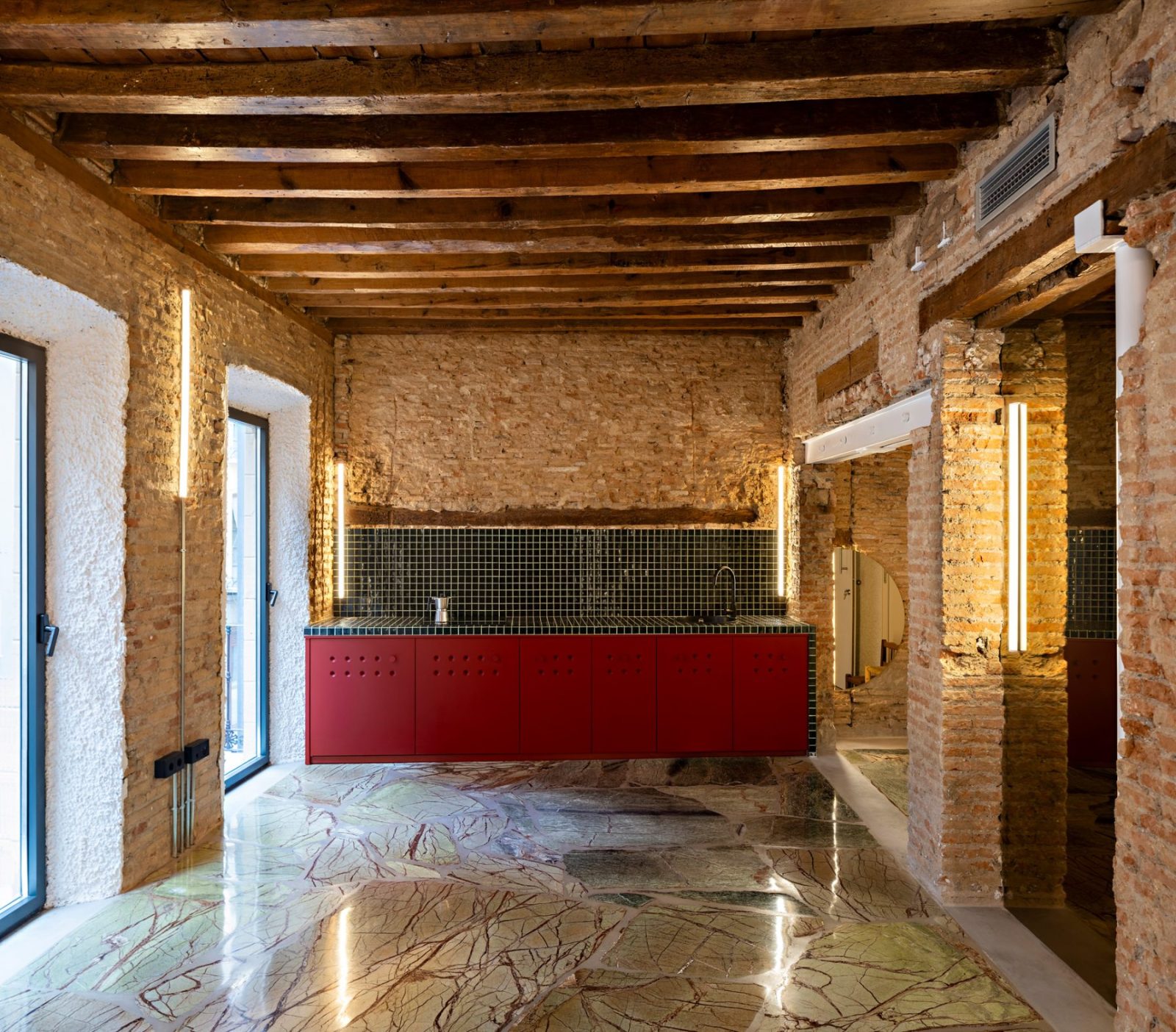
“The proposed architecture brings together antagonistic materials and opposing textures so that, through their friction, it can truthfully reveal the defining characteristics that have shaped the memory of the place over 75 years of domestic history. I believe this dialogue between materials can communicate the very essence of a place in a direct and powerful way. It is an obsession of mine—one that I intend to continue exploring in future projects,” says Agustín Gor.
This notion of architecture as a stratified record of occupation recalls André Corboz’s conceptualisation of territory as a palimpsest, a surface continuously written, erased, and rewritten, yet never fully cleared of its preceding inscriptions (Corboz, 1983). For Corboz, the city is a dynamic field of traces, where each historical layer remains partially legible beneath subsequent transformations. Domestic territory, in this sense, becomes an ongoing process of redefinition—an accumulation of temporal inscriptions produced by successive acts of use, construction, and modification.
Rather than pursuing restoration as a return to an assumed original condition, Gor’s approach aligns with this reading of space as inherently composite and historically porous.
The project does not attempt to resolve the building’s contradictions or reconcile its temporal disjunctions into a unified narrative. Instead, it accepts transformation as a constitutive condition of architectural existence, where meaning emerges precisely through discontinuity and overlap.
This position resonates with Mostafavi and Leatherbarrow’s discourse on weathering and material time, where buildings are understood not as static artefacts but as entities continually shaped by environmental exposure, occupation, and decay (Mostafavi and Leatherbarrow, 1993).
In their reading, architectural value is not diminished by change but intensified through it: patina, erosion, repair, and alteration become evidence of life rather than signs of loss.
Within this framework, adaptive reuse is reframed not as a technical strategy of preservation, but as an ethical and perceptual stance toward existing matter. It privileges continuity over erasure, and acknowledges that every intervention inevitably enters into dialogue with pre-existing material histories.
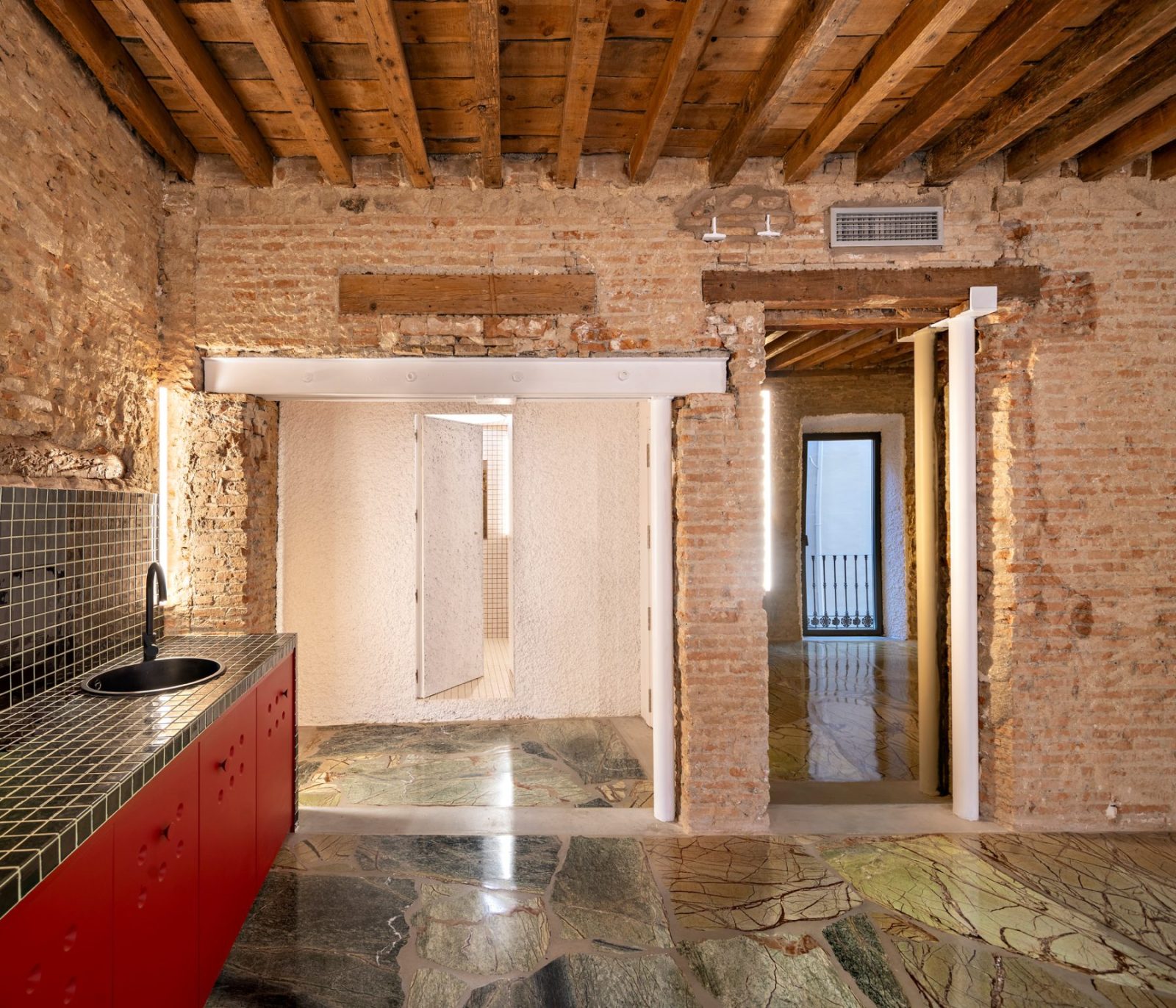
Gor’s Dos Casas Magdalena situates itself within this lineage, treating the building as an active archive in which new additions do not overwrite what came before, but instead intensify the legibility of its accumulated transformations.
Granada: Architecture as an Accumulation of Time
Granada’s architectural identity emerges from the coexistence of multiple cultural and material traditions. The enduring legacy of Andalusi-Islamic influence remains visible in introverted domestic layouts, courtyards functioning as environmental regulators, and a spatial culture centred on shade, privacy, and thermal comfort. Simultaneously, a Mediterranean material tradition grounds architecture in ceramic brick, lime mortars, timber structures, stone thresholds, and handcrafted ceramic finishes.
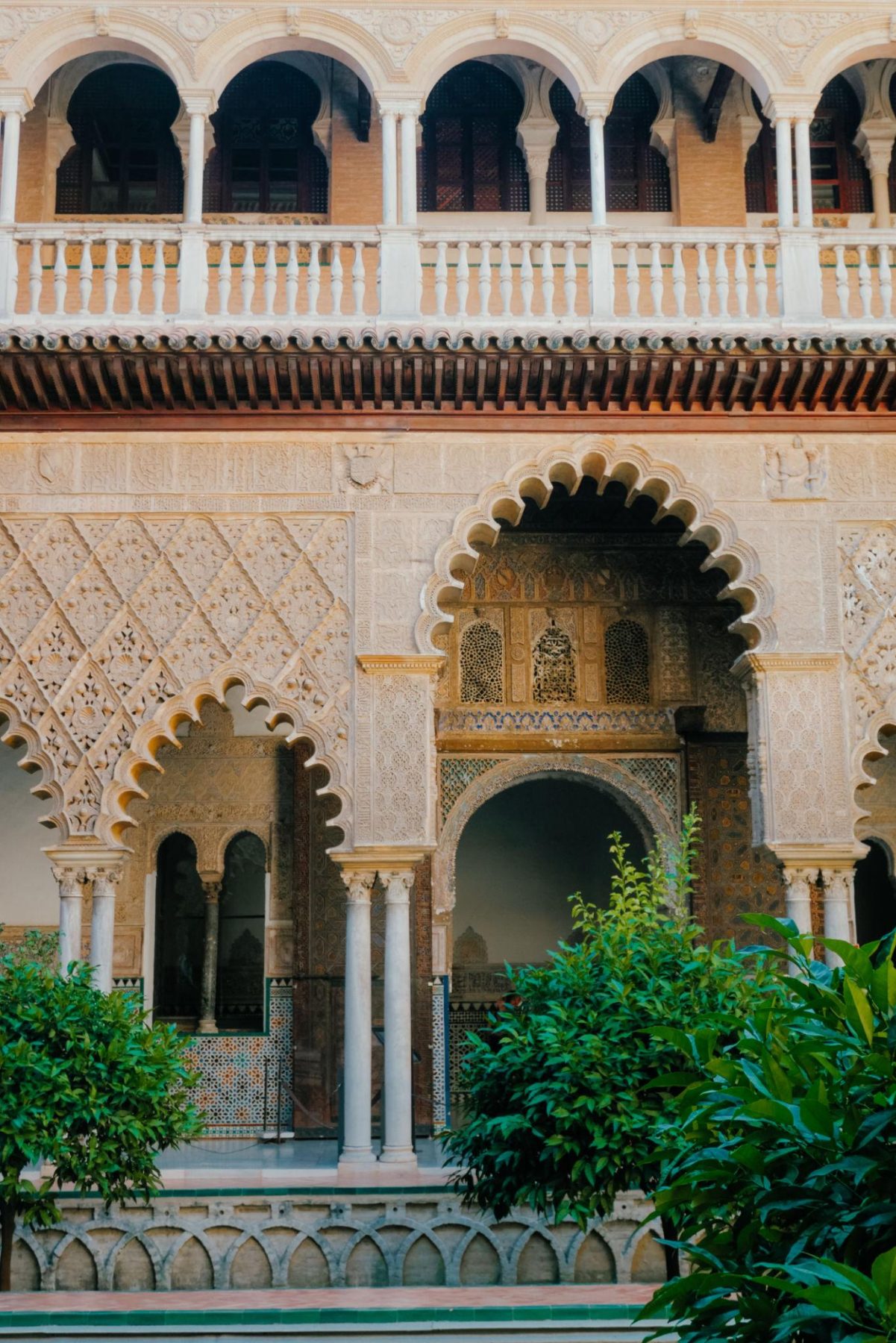
Within this context, buildings are expected to weather, adapt, and accumulate traces of use, their value often residing less in stylistic coherence than in their capacity to reveal processes of repair, reinforcement, extension, and transformation.
As Rafael Moneo has argued, architecture acquires meaning through its dialogue with time and the traces left by successive occupations (Moneo, 2004).
The Barrio de la Magdalena exemplifies this condition. Situated within Granada’s historic centre, between the Cathedral precinct and the commercial districts that developed beyond the medieval city, the neighbourhood embodies centuries of urban transformation, from the Nasrid period through Christian expansion and twentieth-century modernisation.
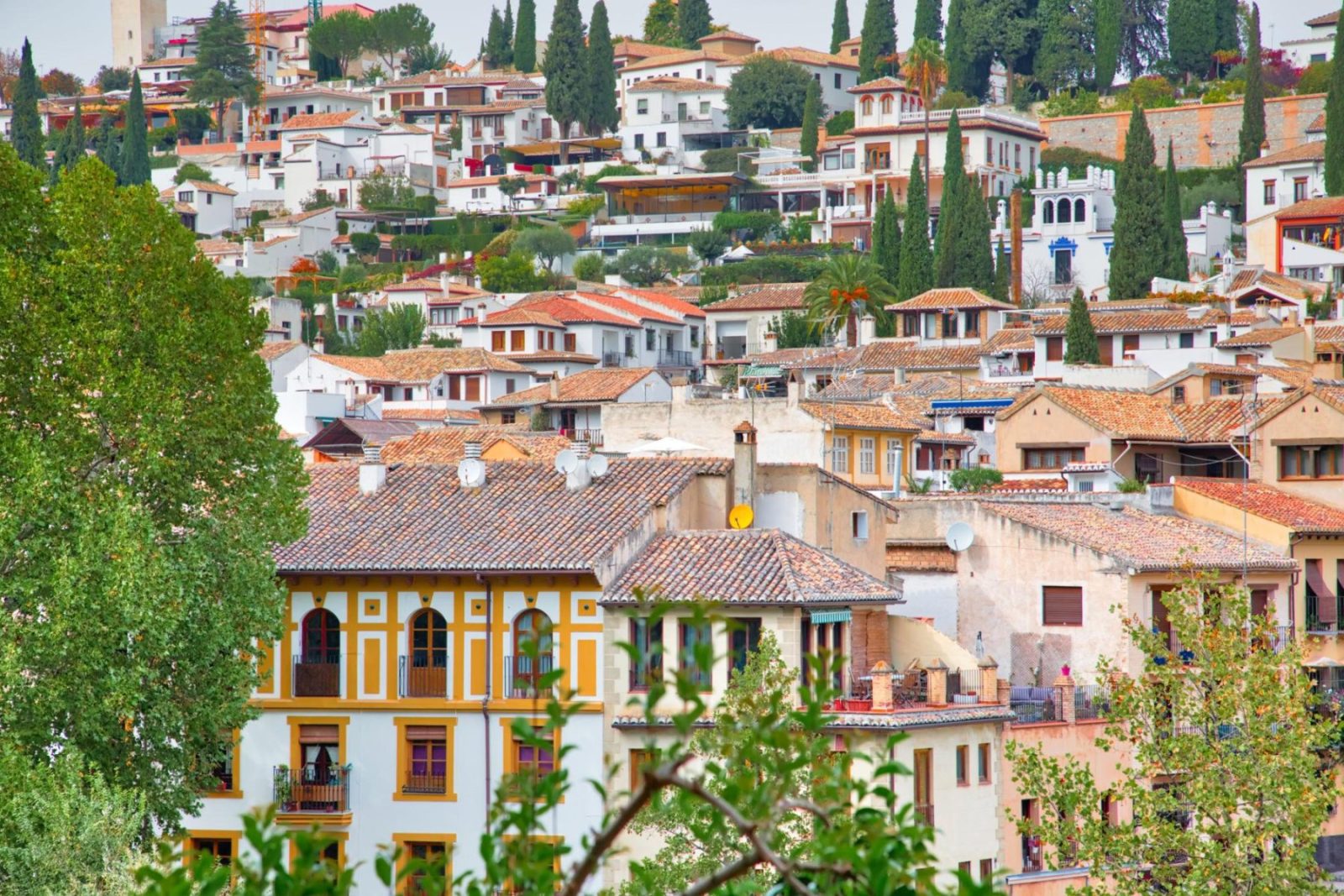
Its architecture is characterised by a remarkable coexistence of temporal layers: medieval property alignments, nineteenth-century façades, twentieth-century structural interventions, and contemporary insertions often occupy the same building.
Here, architectural identity emerges not from preservation of a singular moment, but from the visible coexistence of many.
Most houses in Magdalena were modest urban dwellings built for merchants, artisans, and working families. Narrow street frontages generated deep floor plans, while internal courtyards provided light, ventilation, and environmental moderation. Thick masonry walls, timber floor structures, and incremental modifications over generations produced buildings capable of adapting to shifting domestic realities.
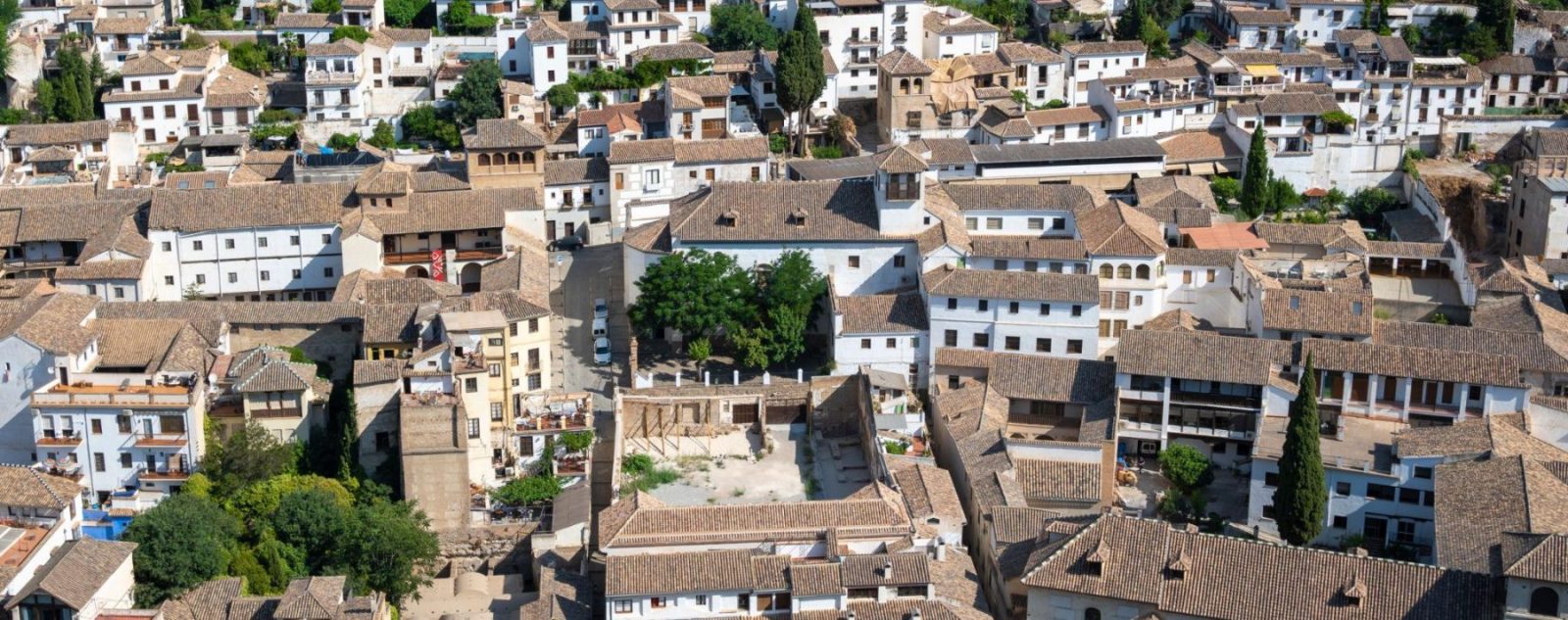
By the twentieth century, many houses had been subdivided as family structures changed and housing demand intensified. It was not uncommon for a single room to contain an eighteenth-century wall, a nineteenth-century staircase, a twentieth-century beam, and a contemporary bathroom. Such layered conditions constitute the ordinary yet extraordinary architectural heritage of Granada.
Reimagining Domesticity
It is precisely within this historical framework that Dos Casas Magdalena operates.
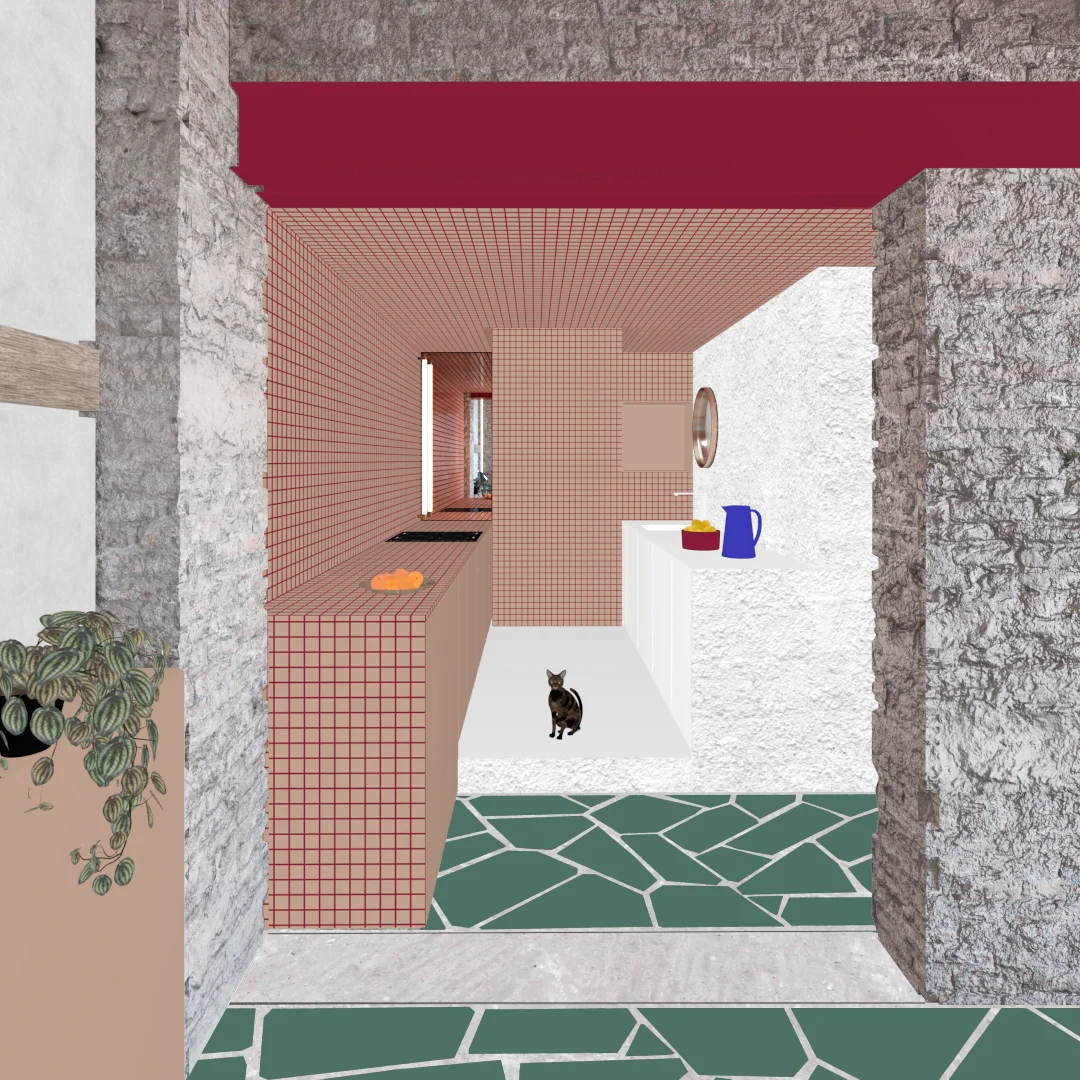
Originally built in 1950 using modest construction techniques and subsequently altered numerous times, the existing house is reconfigured into two independent dwellings capable of accommodating contemporary modes of living.
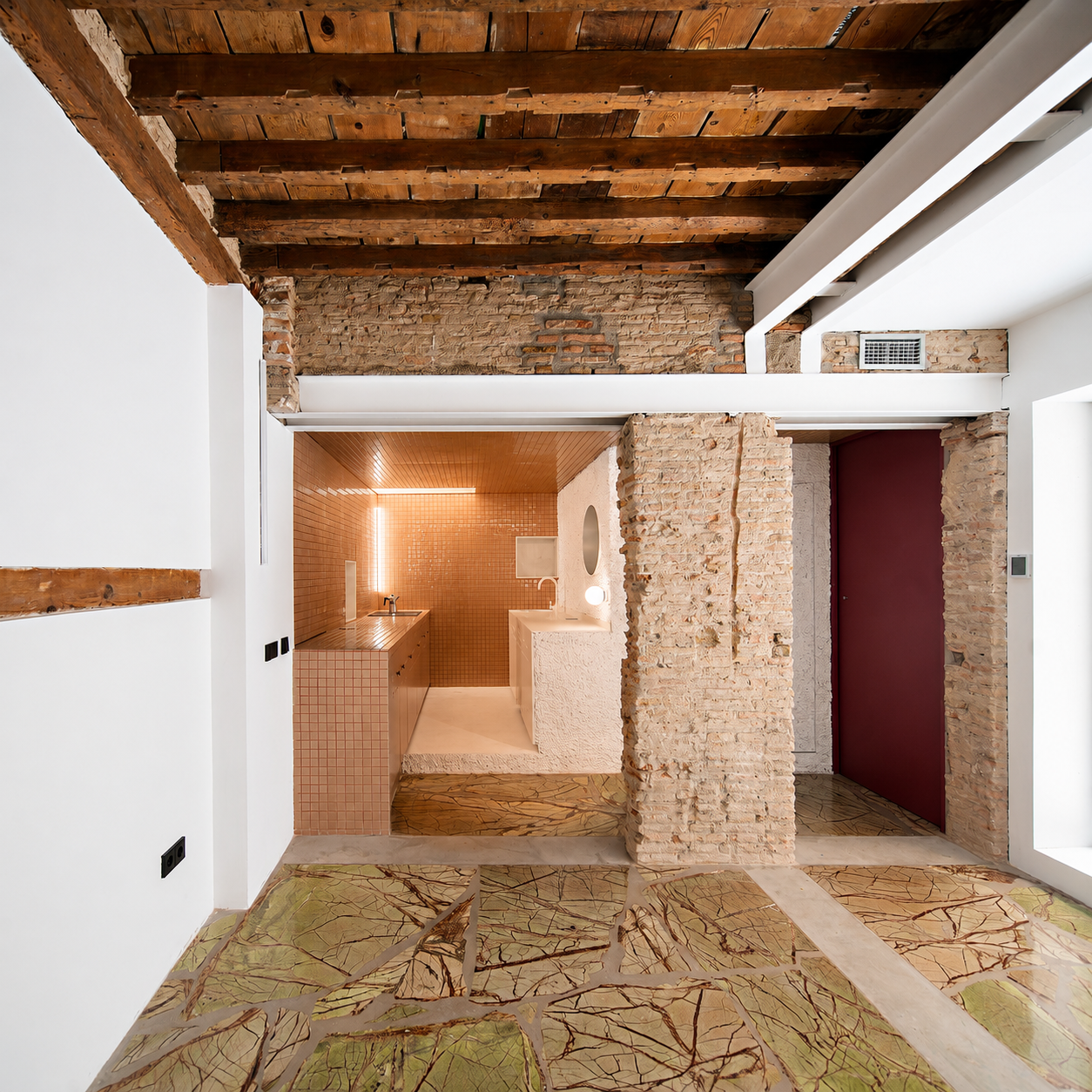
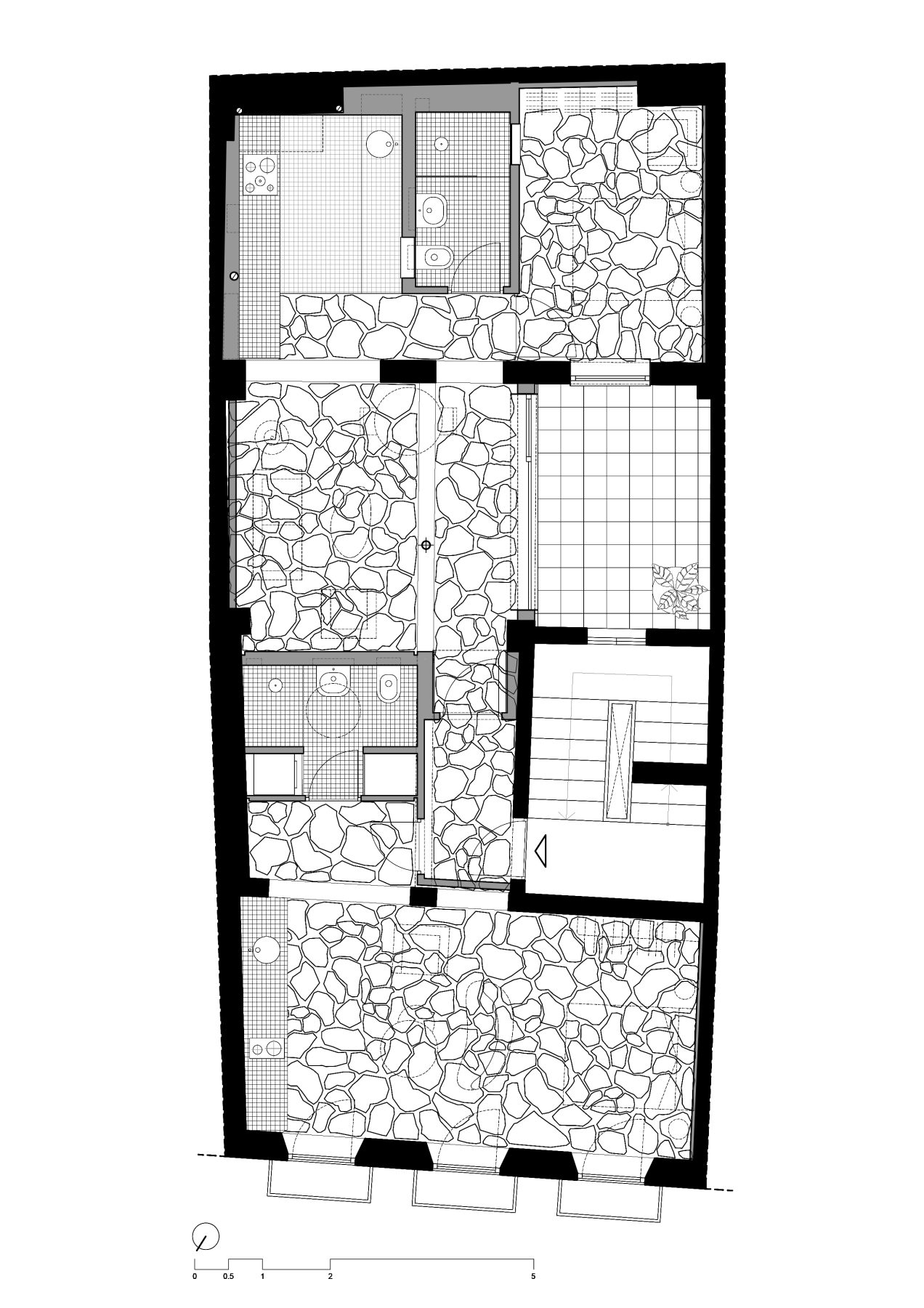
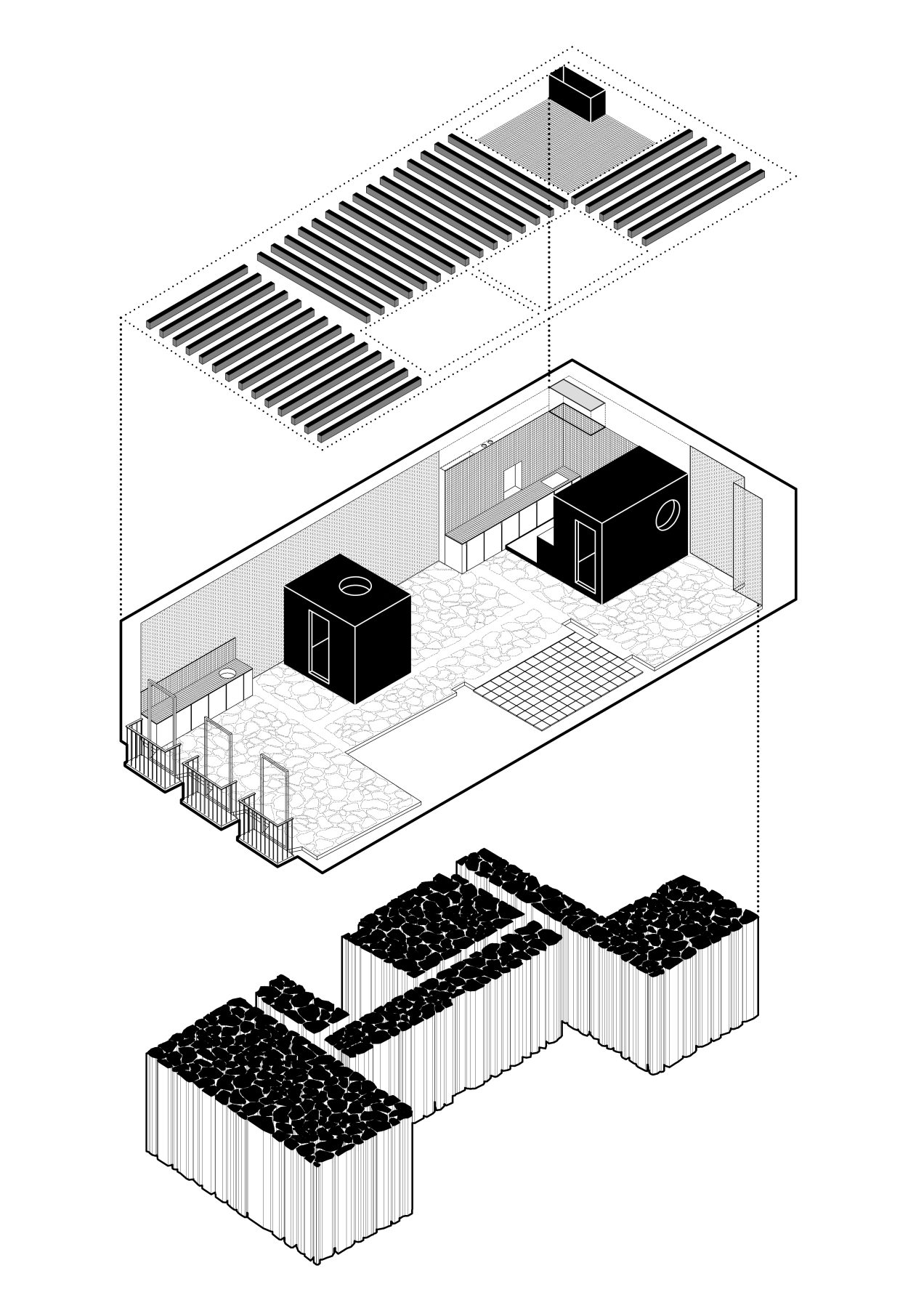
The first apartment, facing northwest and opening onto the street through three balconies, occupies only 35 m². Conceived as an open-plan environment organised around a compact service core, it accommodates a wide spectrum of contemporary domestic arrangements: a single resident, a couple, a resident with a pet, or various combinations thereof. The second dwelling, measuring 55 m², turns inward.
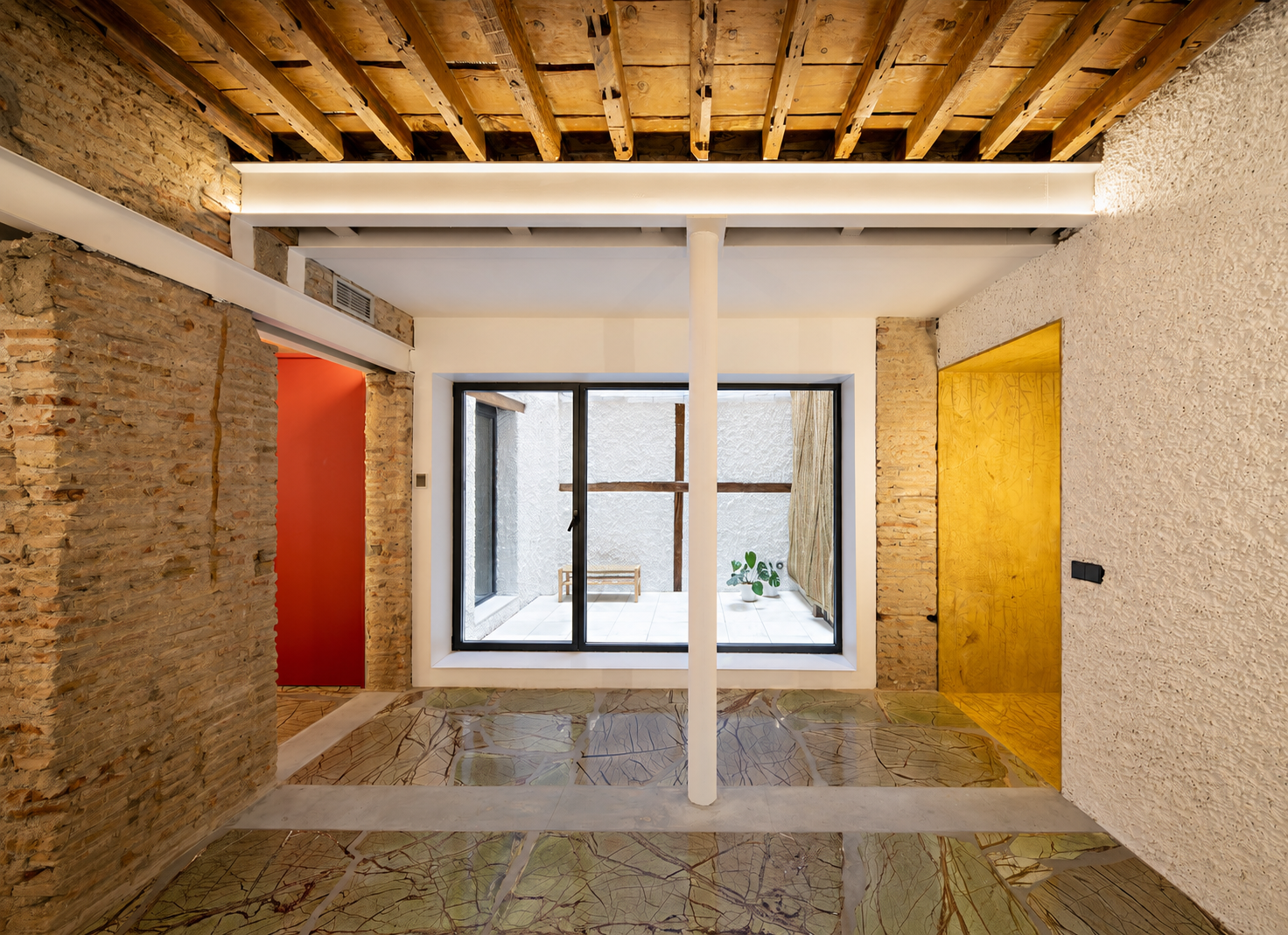
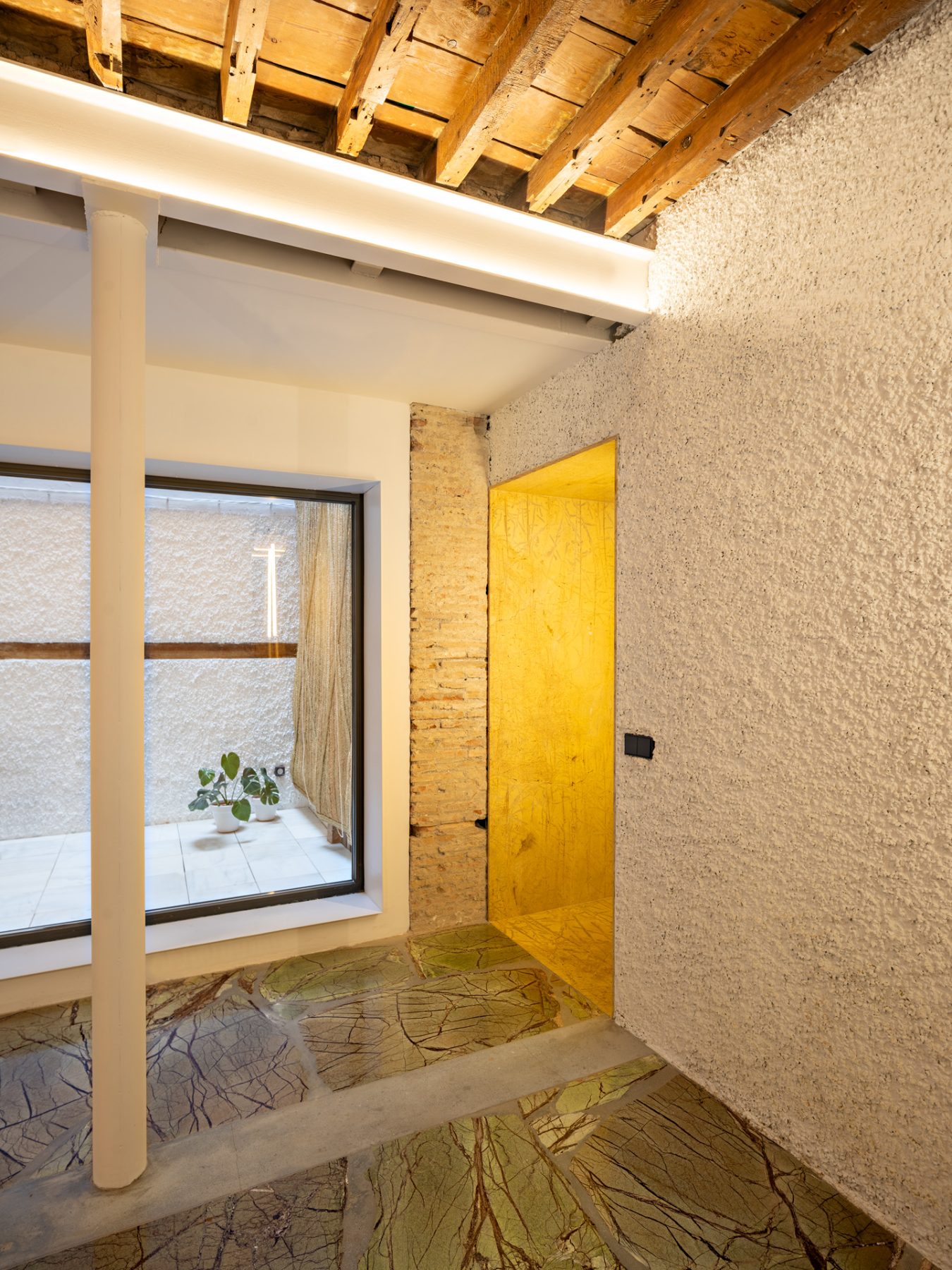
Organised around a courtyard that functions simultaneously as lung and light well, the house revolves around a white marble impluvium that anchors the domestic landscape.
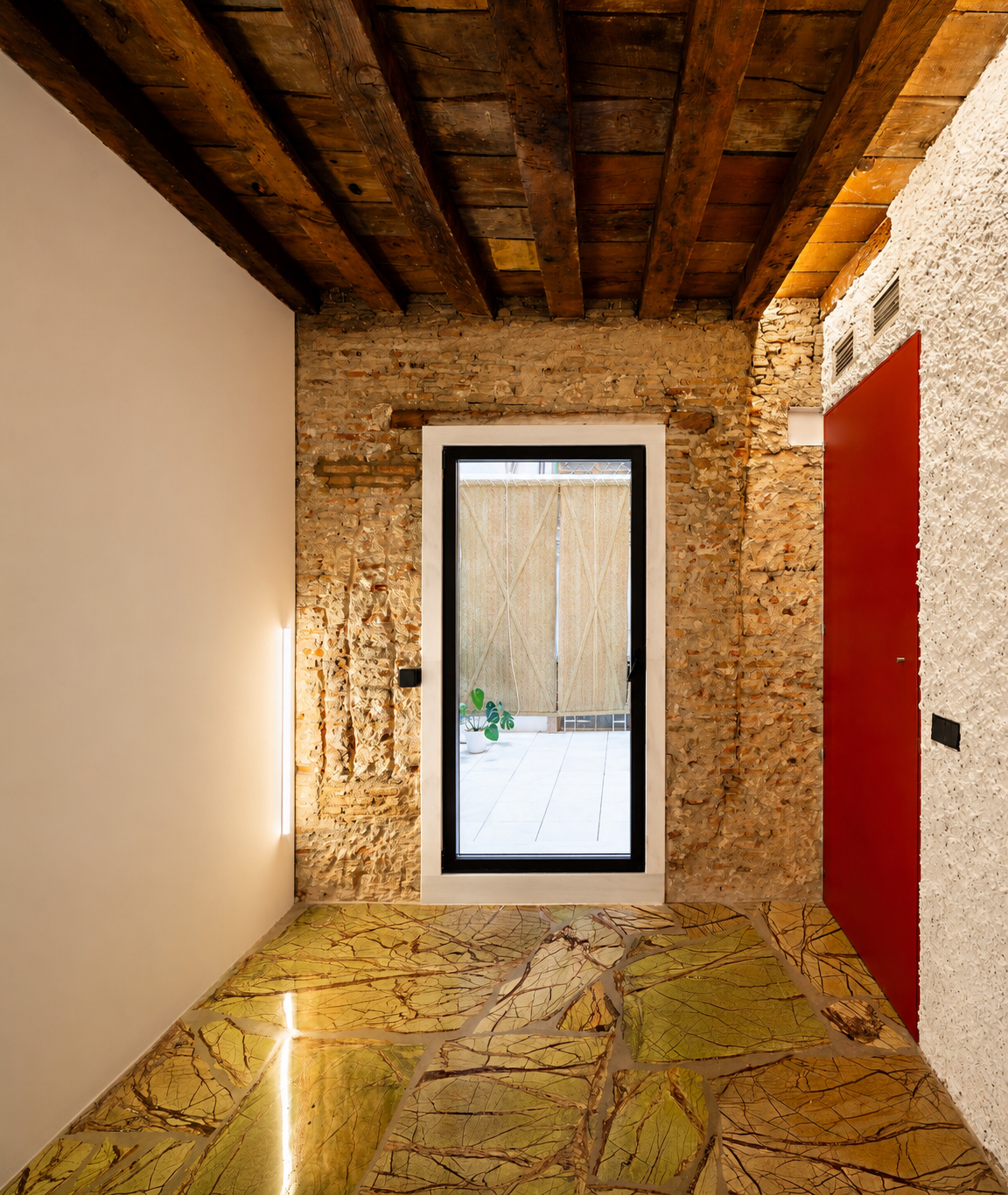
Large openings establish visual continuity between communal spaces, reinforcing the courtyard’s role as the project’s environmental and social centre.
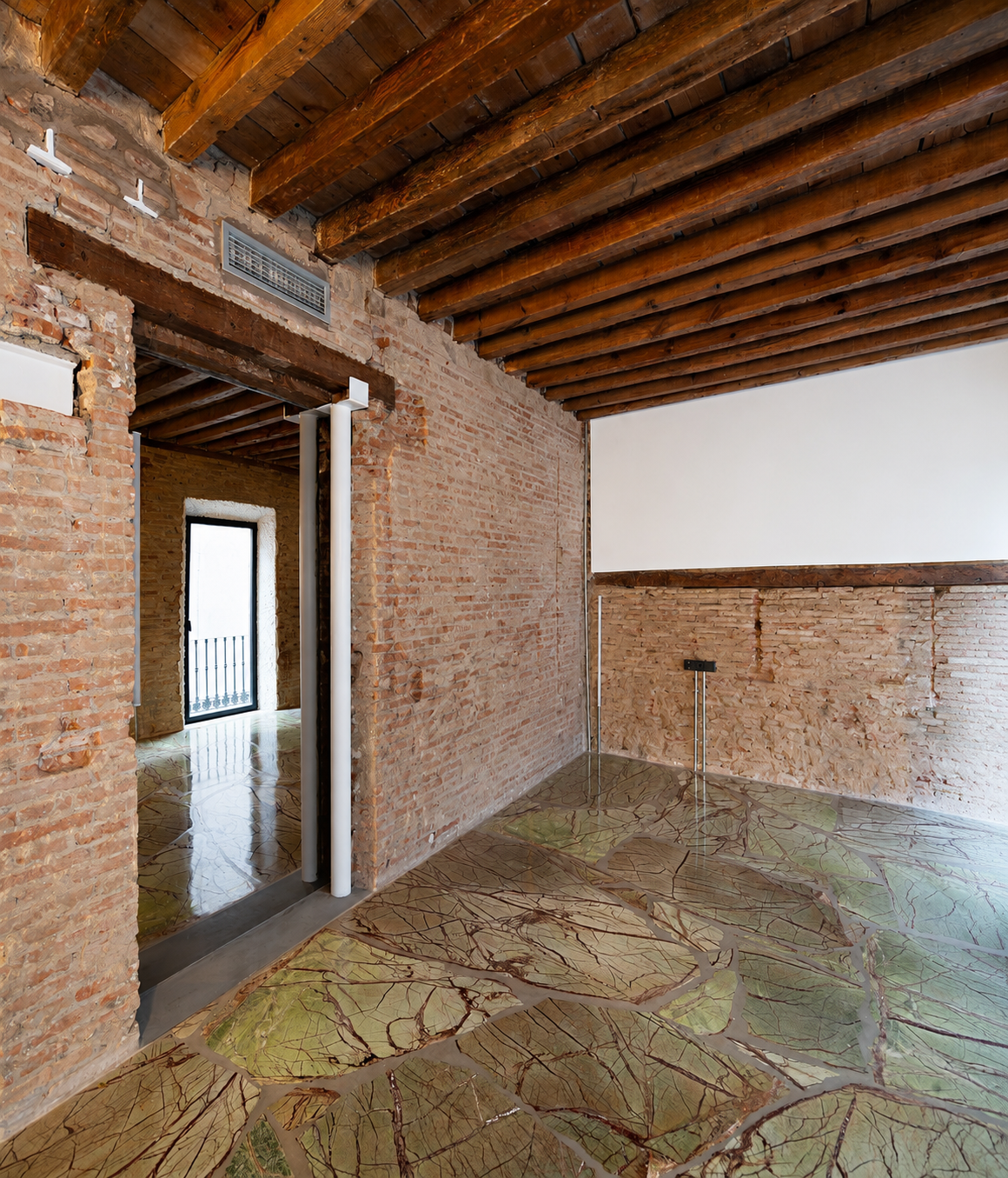
In many respects, this spatial organisation echoes the enduring typology of the Andalusian patio house. Yet rather than reproducing historical forms, the project reinterprets their environmental intelligence within a contemporary domestic framework, aligning with broader discussions around critical regionalism and climate-responsive architecture (Frampton, 1983).
Material Friction and Architectural Memory
If the courtyard provides the project’s spatial centre, materiality constitutes its conceptual core.
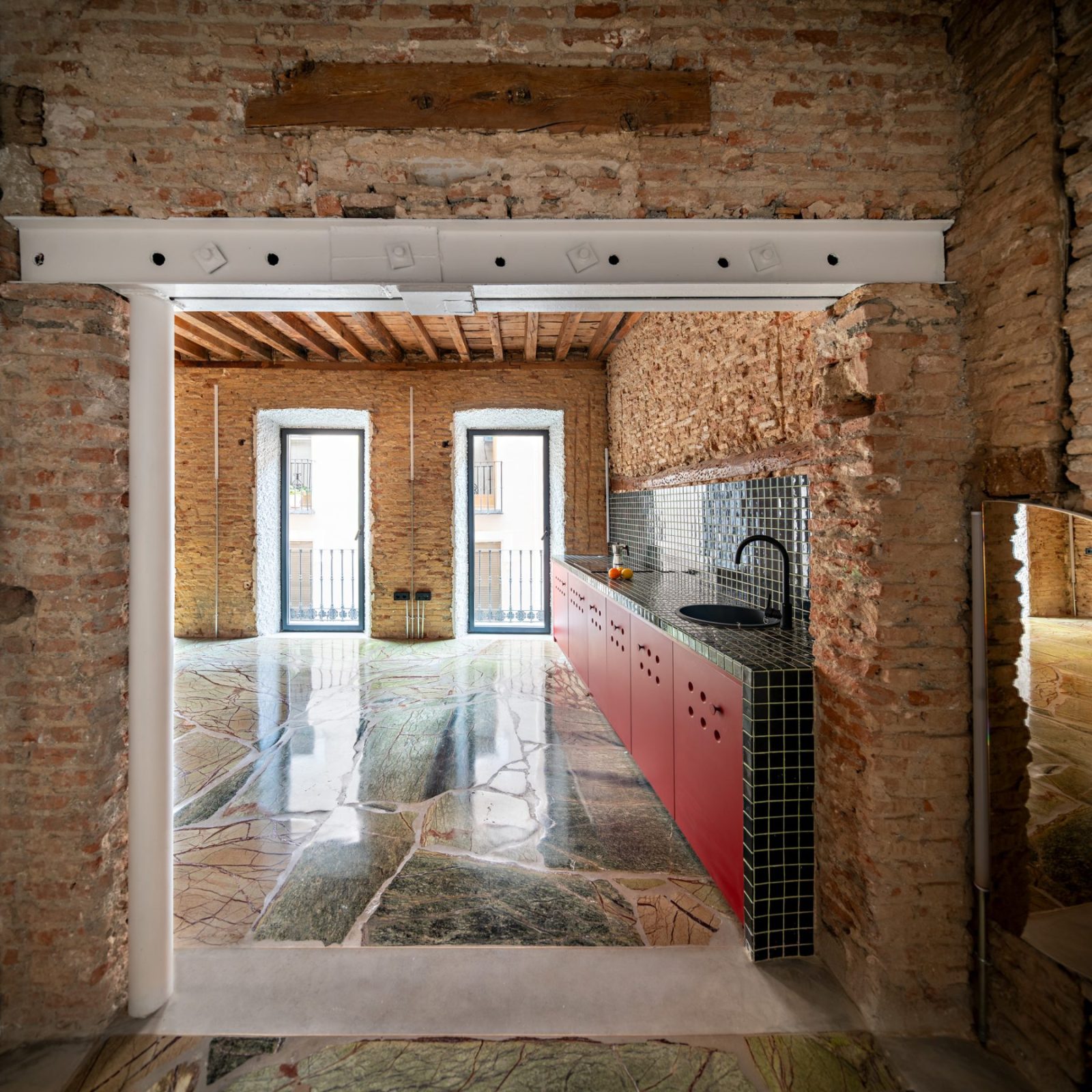
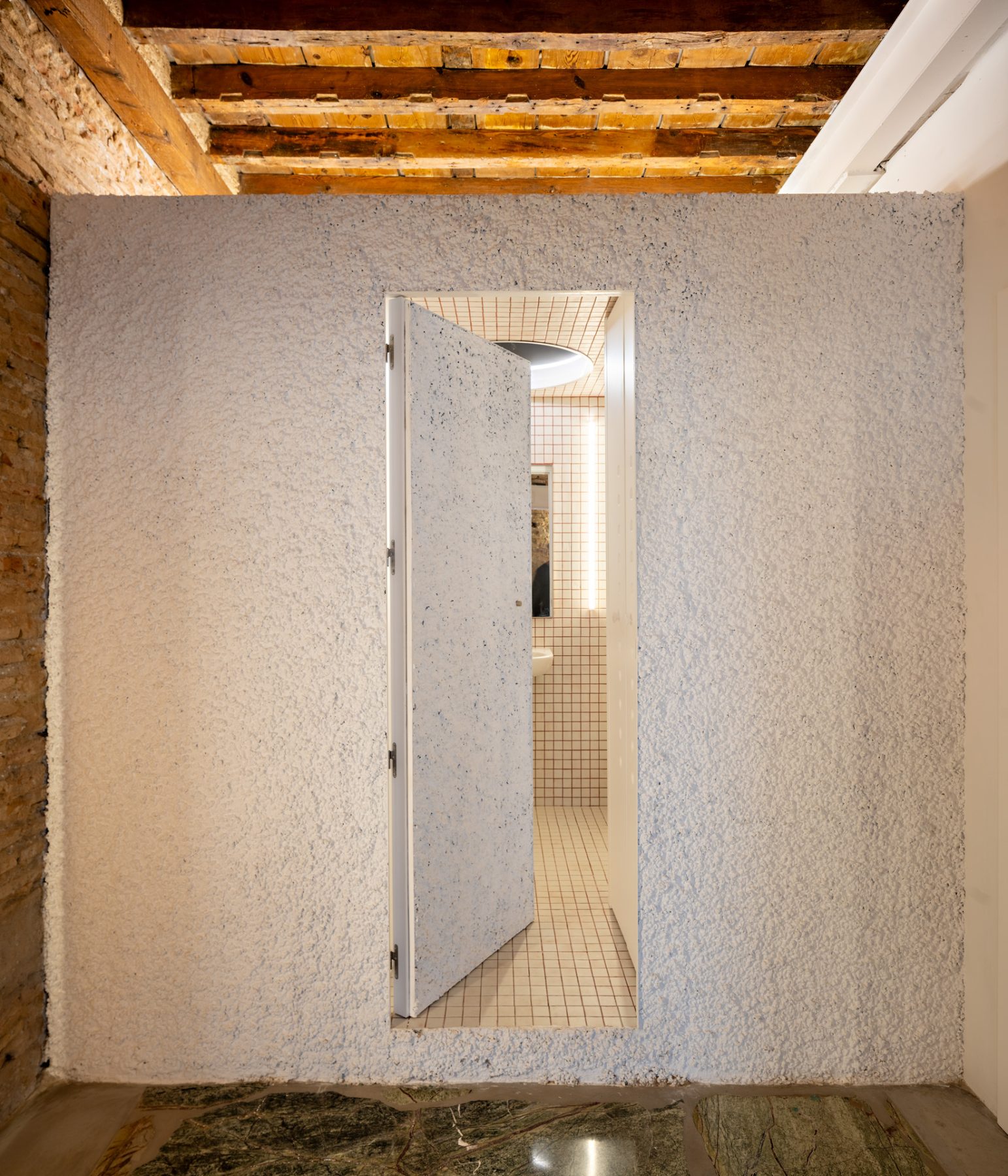
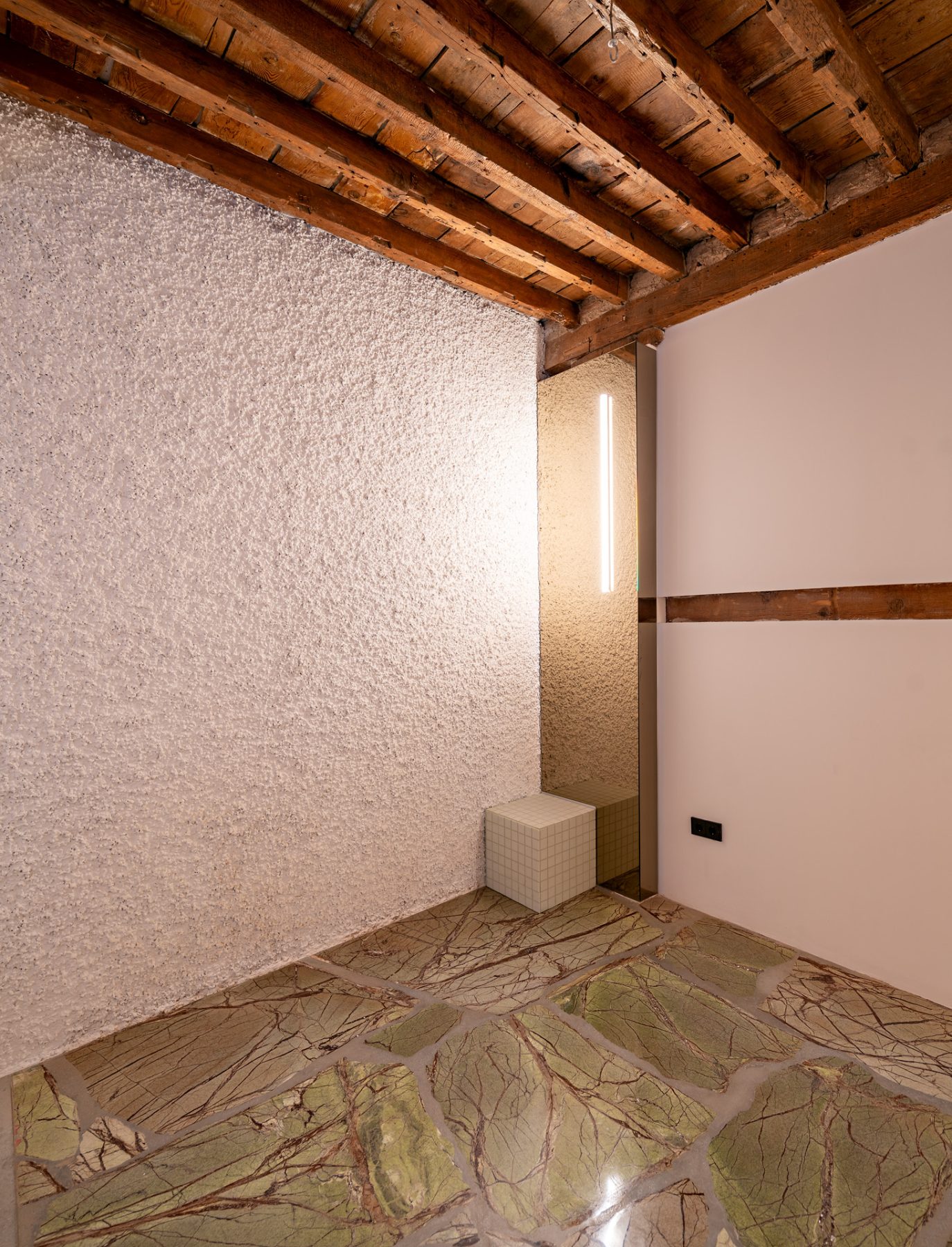
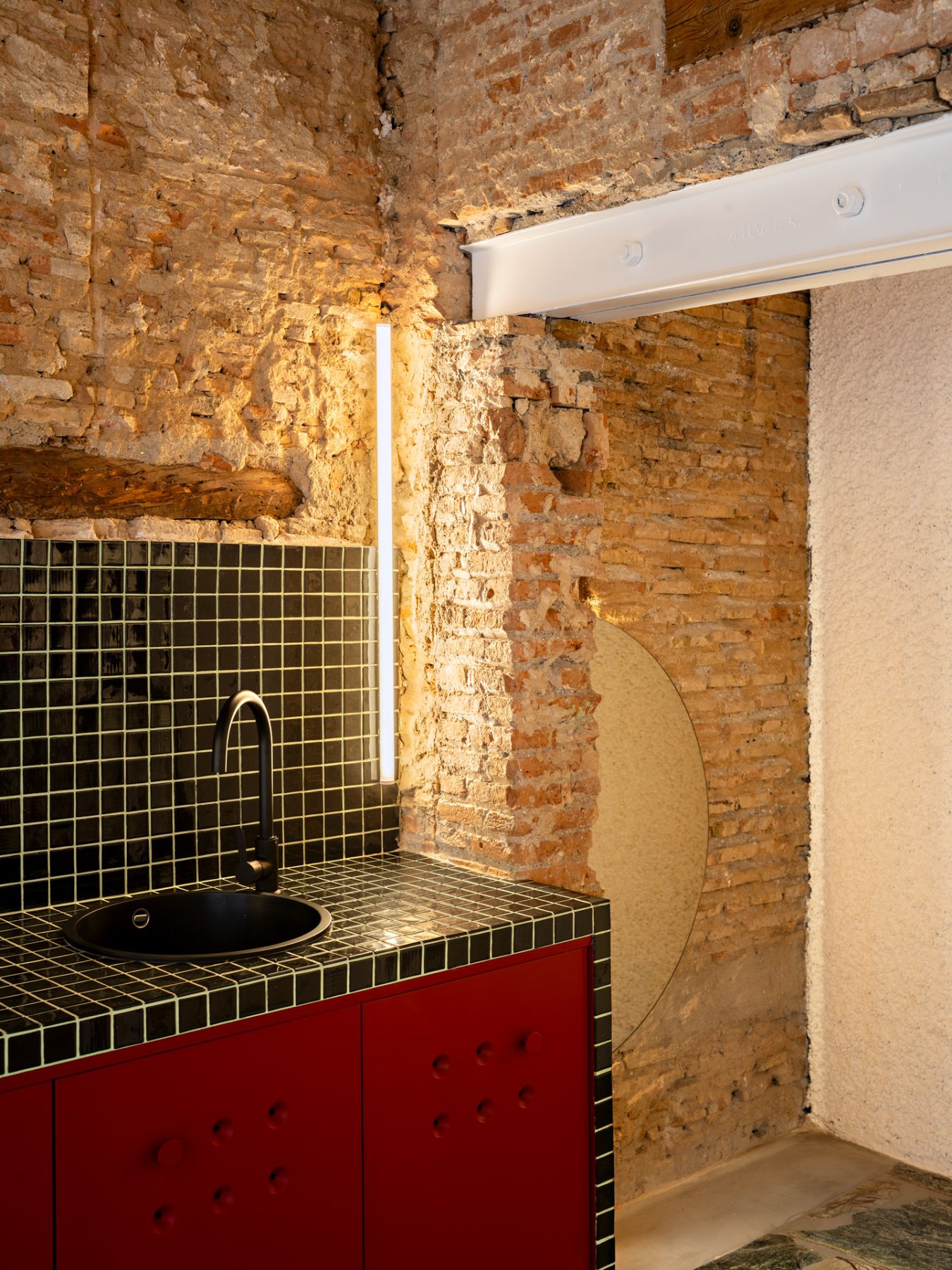
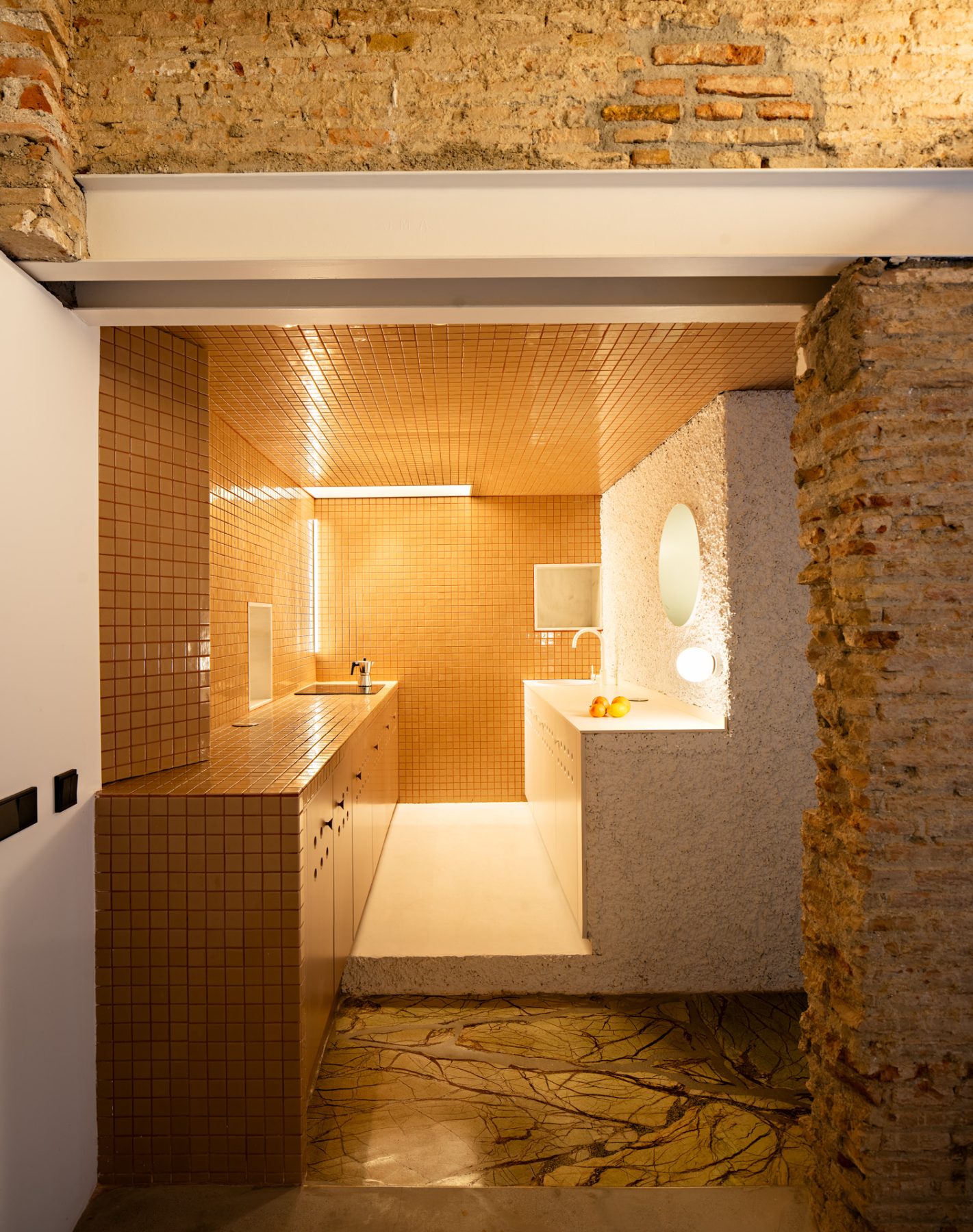
Adjacent to the kitchen, the care module is clad in tirolesa render—locally known in eastern Andalusia as diente de perro (“dog tooth”). Widely employed throughout post-war Spain, particularly from the 1940s onwards, the finish consists of a cement-lime mortar with coarse aggregates mechanically projected onto the wall surface. Its granular texture, durability, and affordability made it a ubiquitous feature of everyday construction.
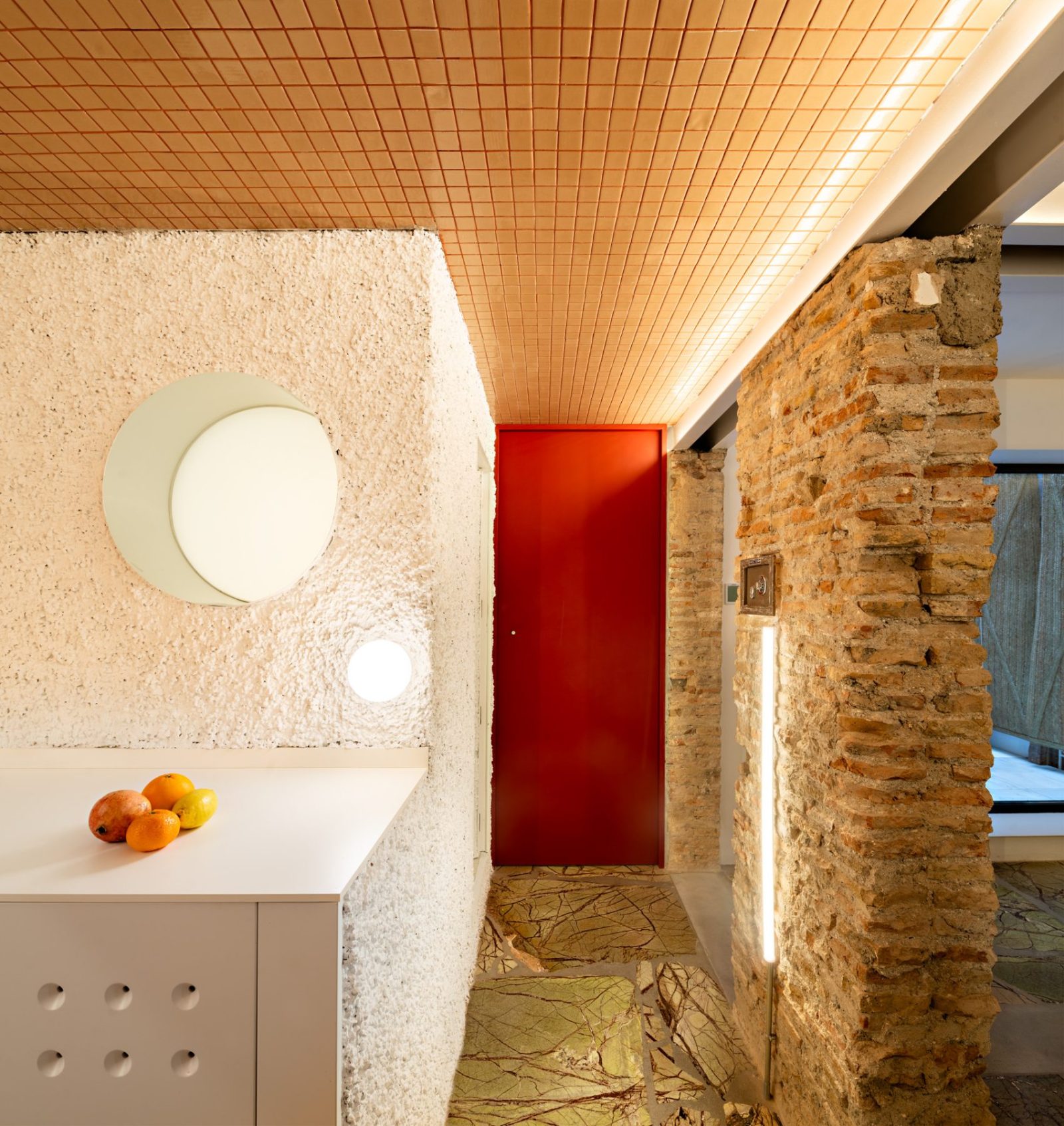
In Granada, Jaén, Almería, and parts of Málaga, diente de perro became deeply embedded within the visual culture of ordinary domestic architecture. Once considered merely practical, it now carries significant cultural resonance, functioning as a material repository of collective memory.
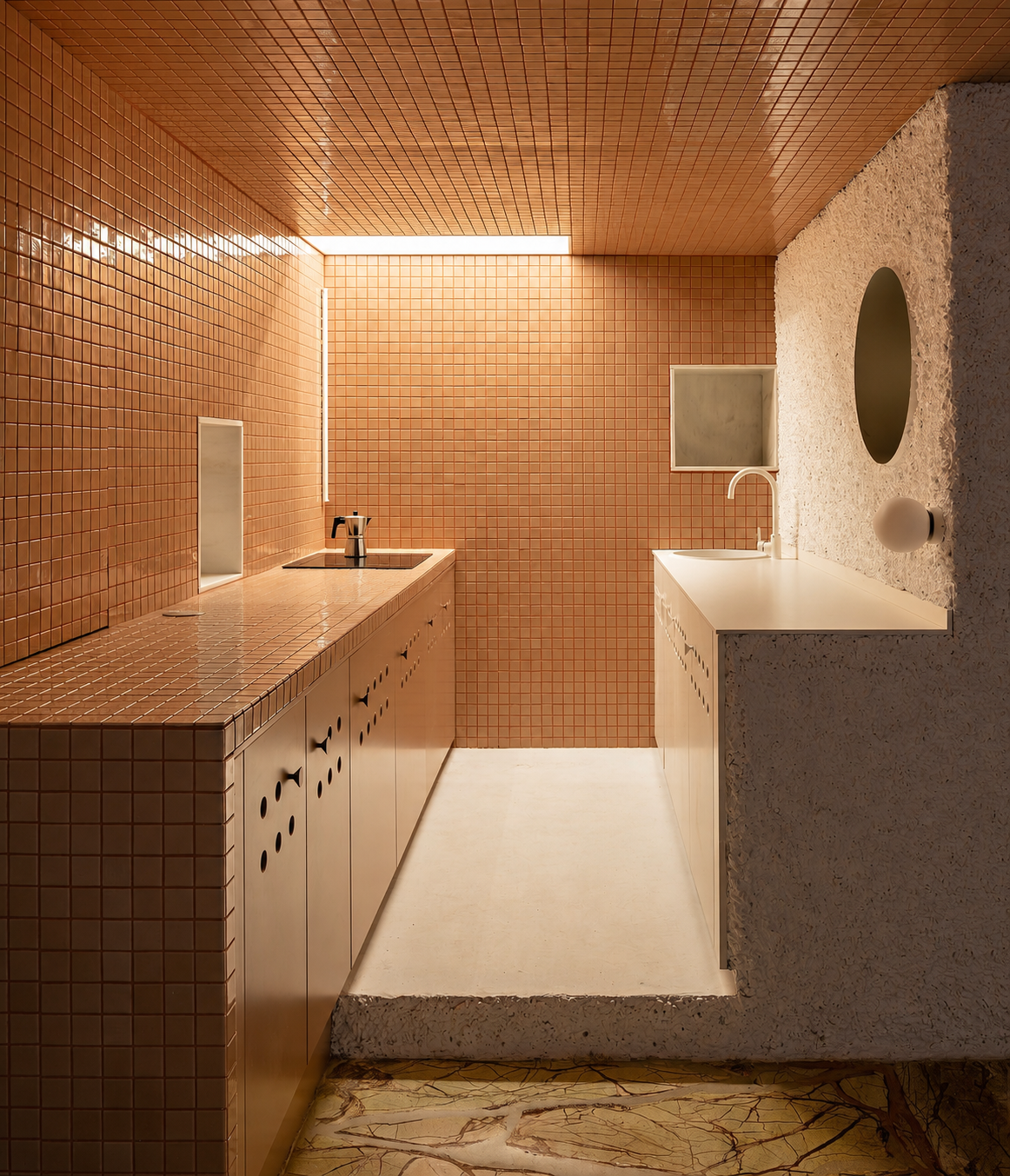
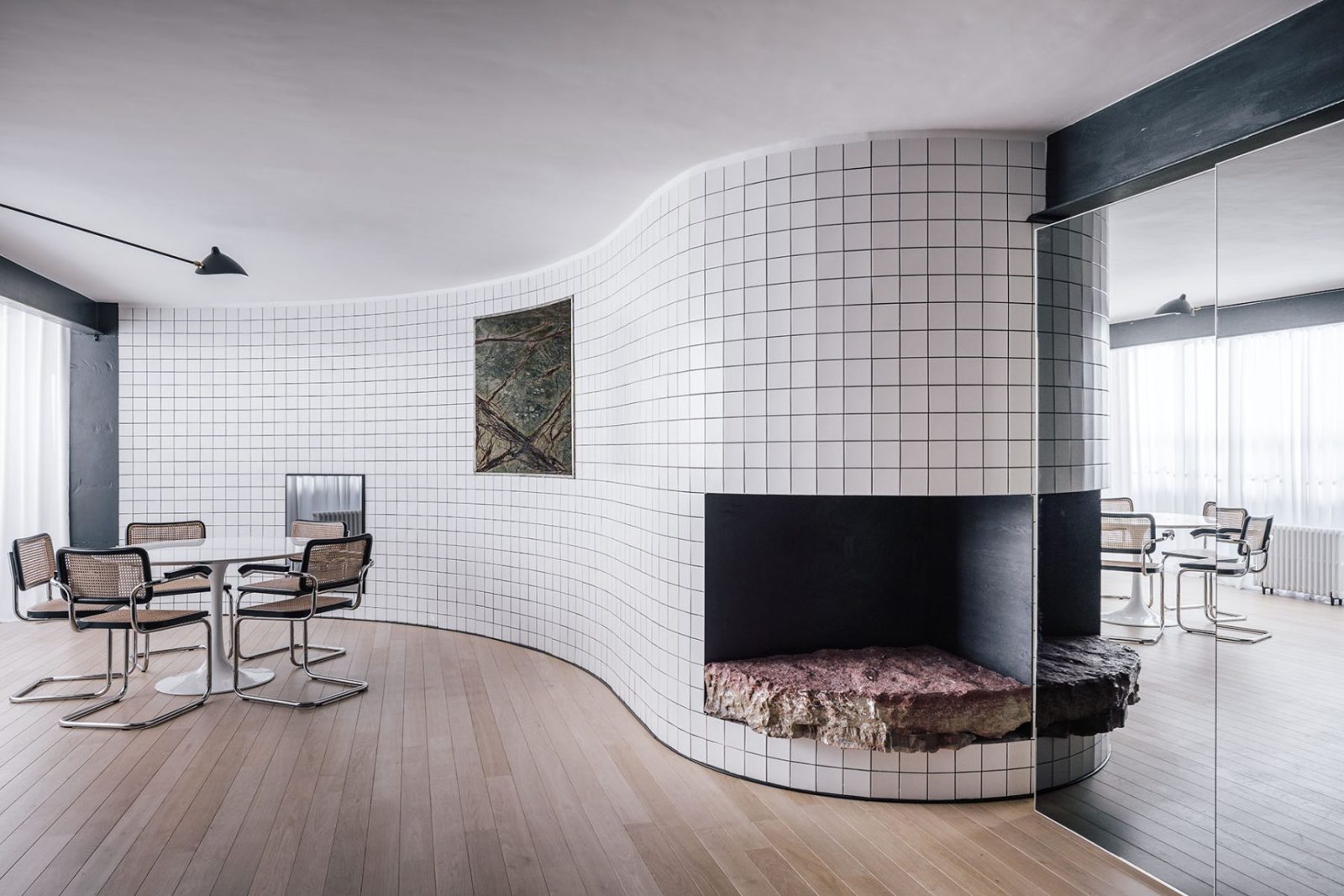
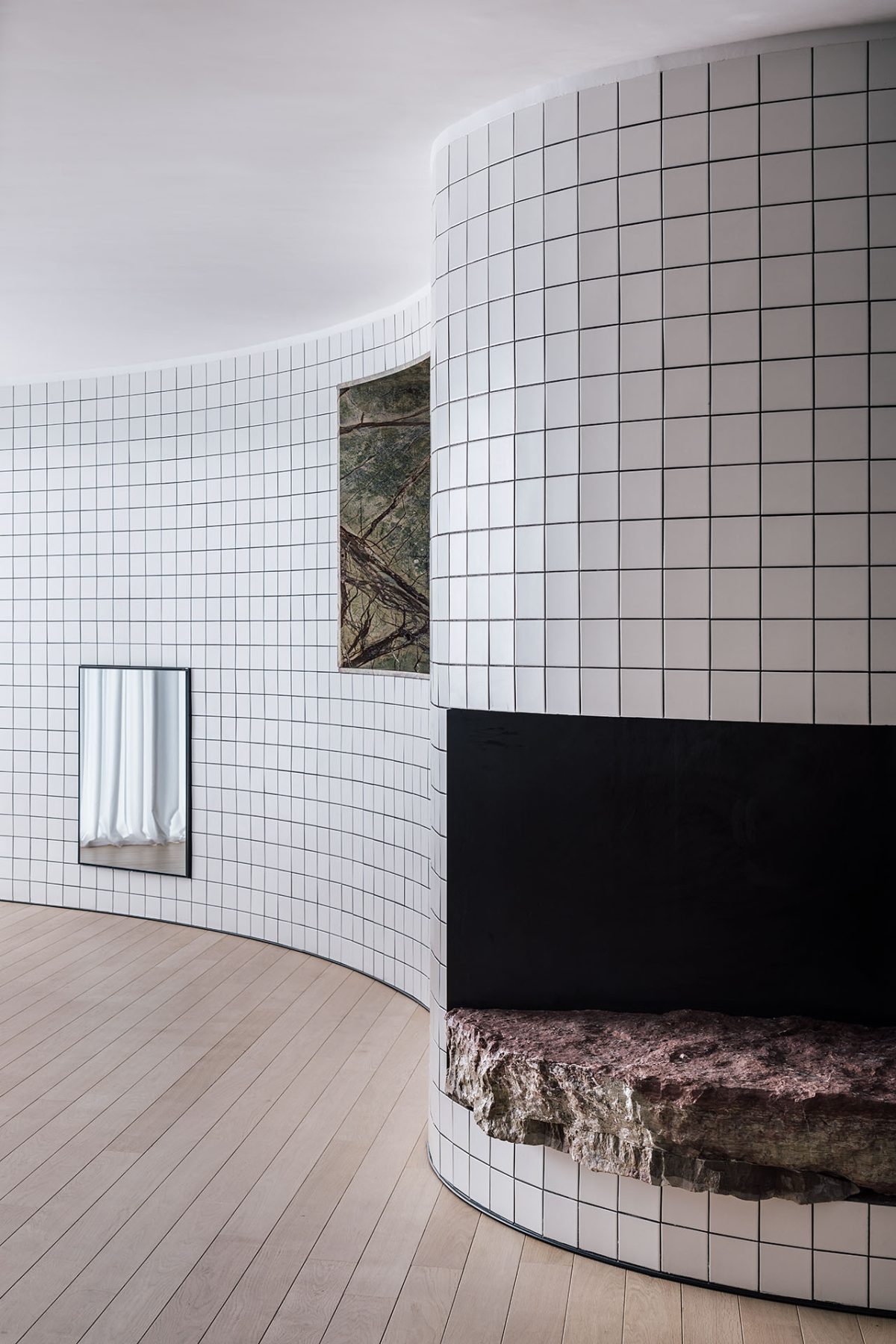
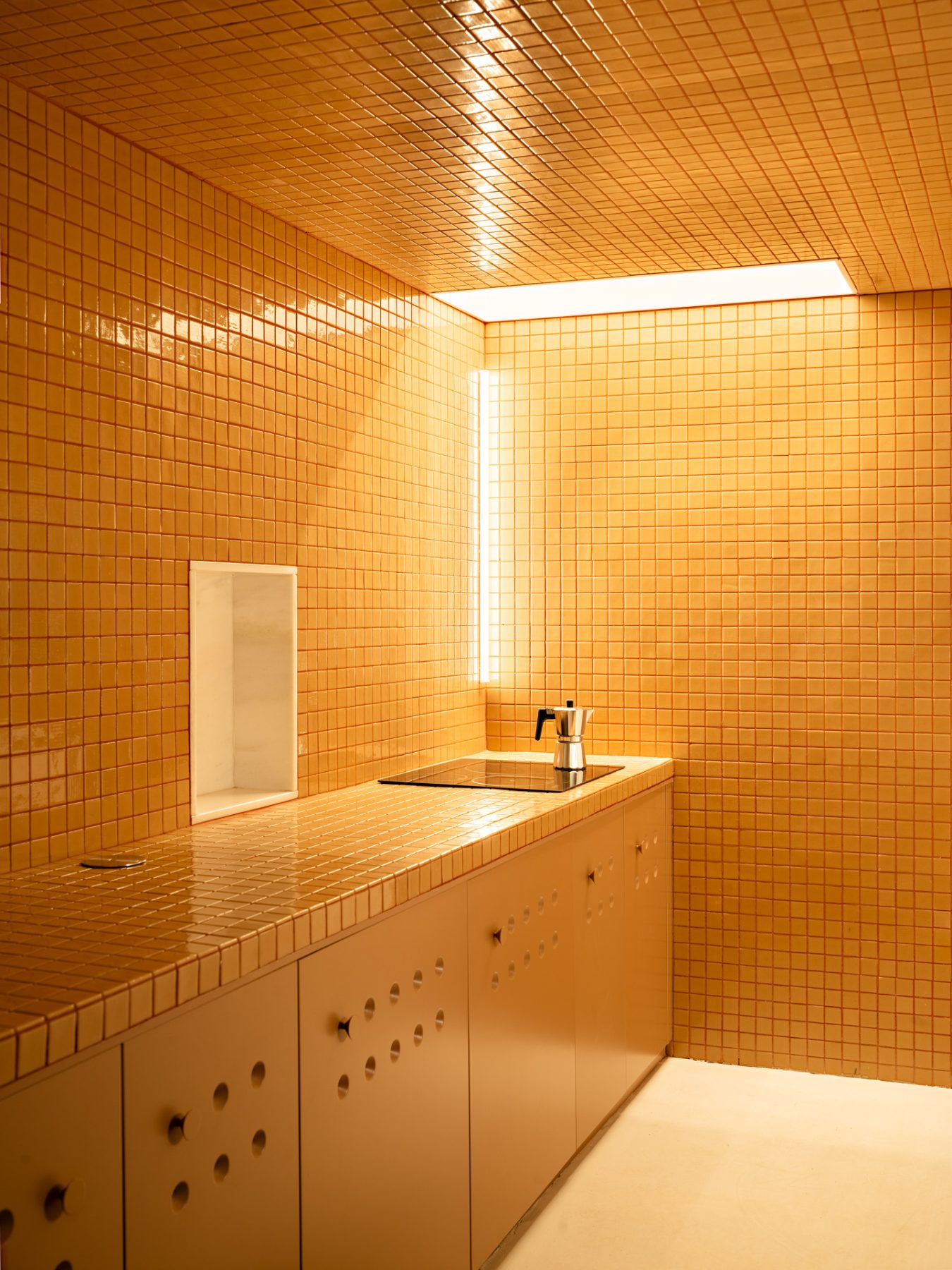
At the opposite end of the house, a small-format glossy ceramic tile in a sand-coloured finish introduces a contrasting material register. Positioned within the darkest area of the dwelling, the ceramic surface amplifies light while granting architectural presence to a space whose functional role might otherwise remain secondary.
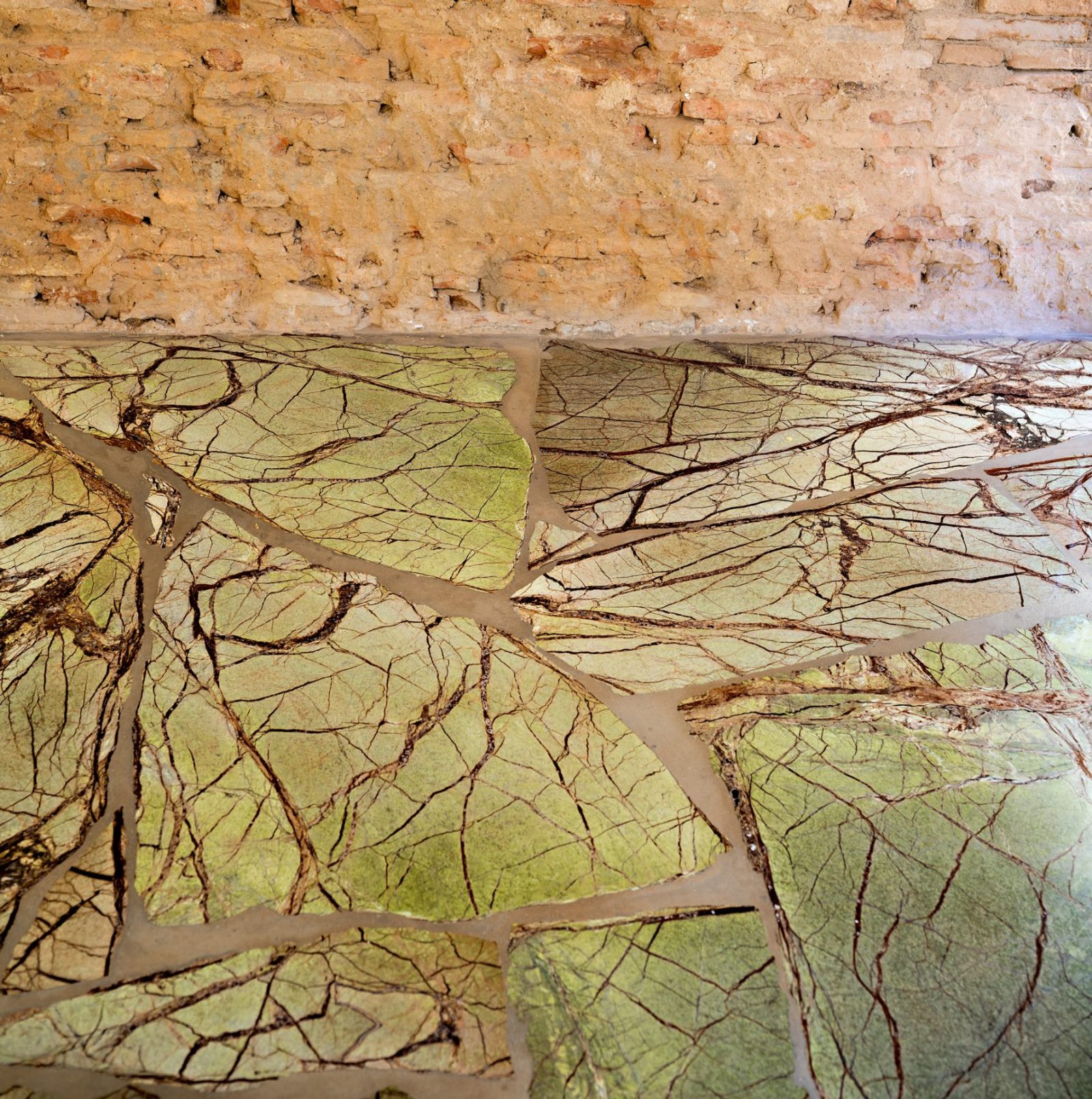
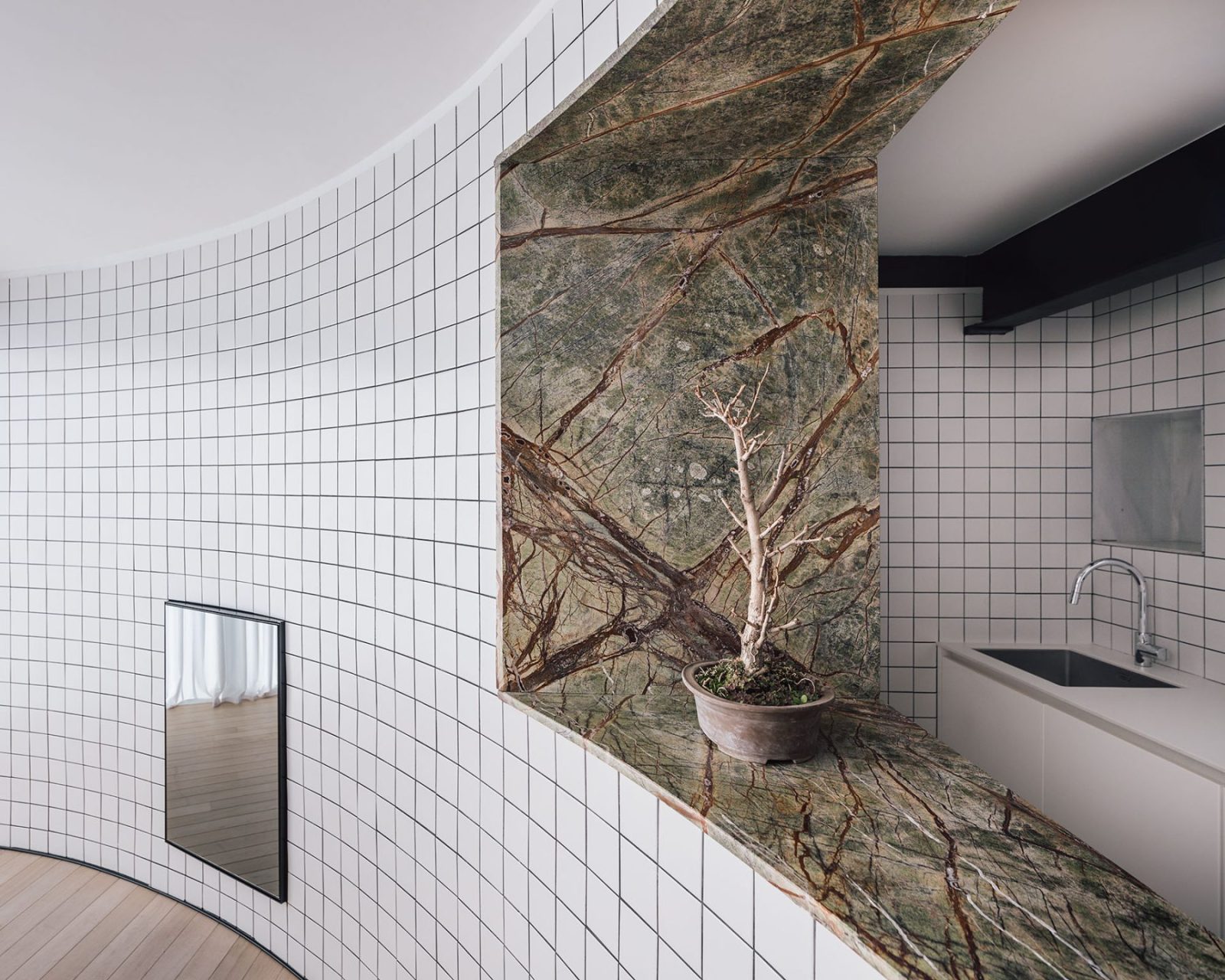
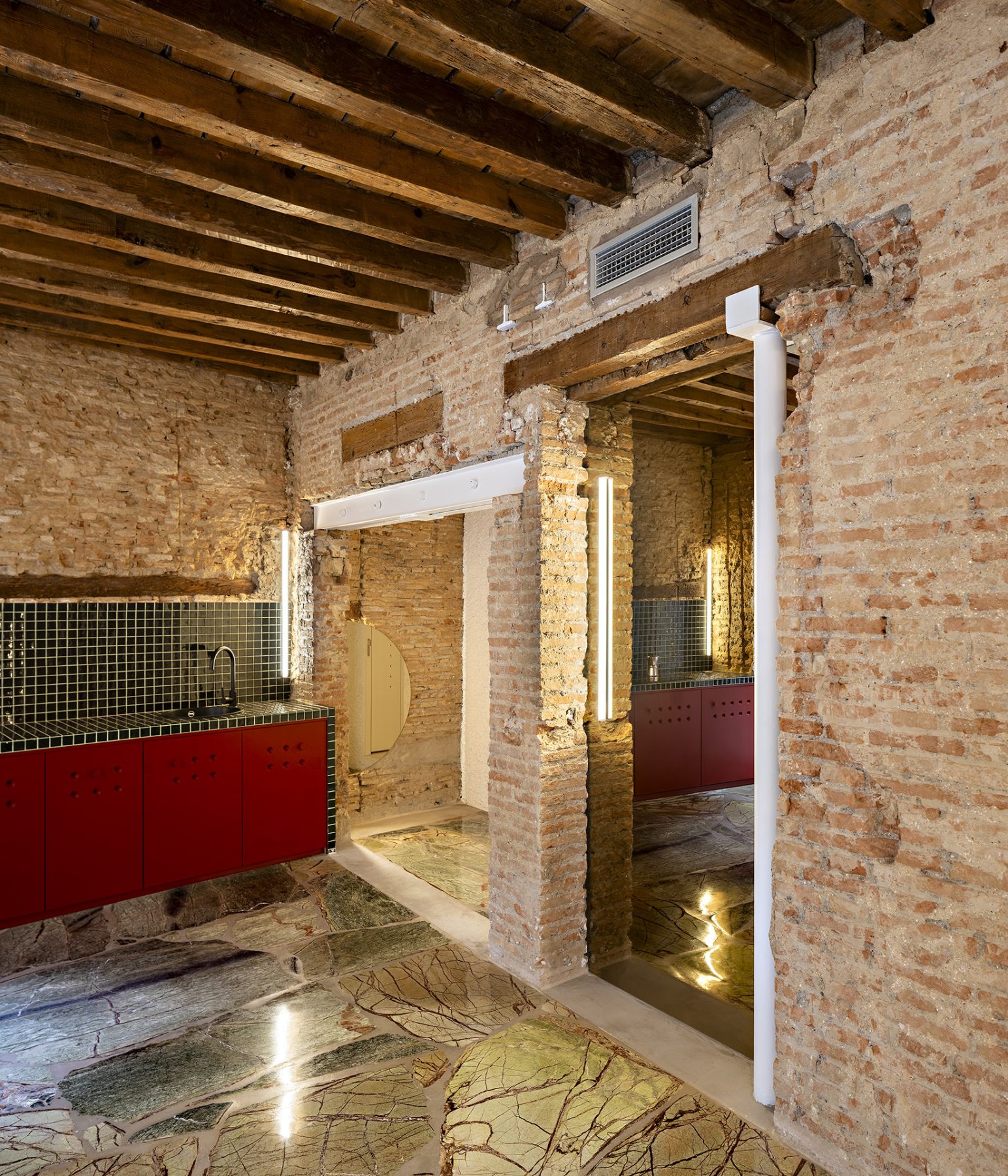
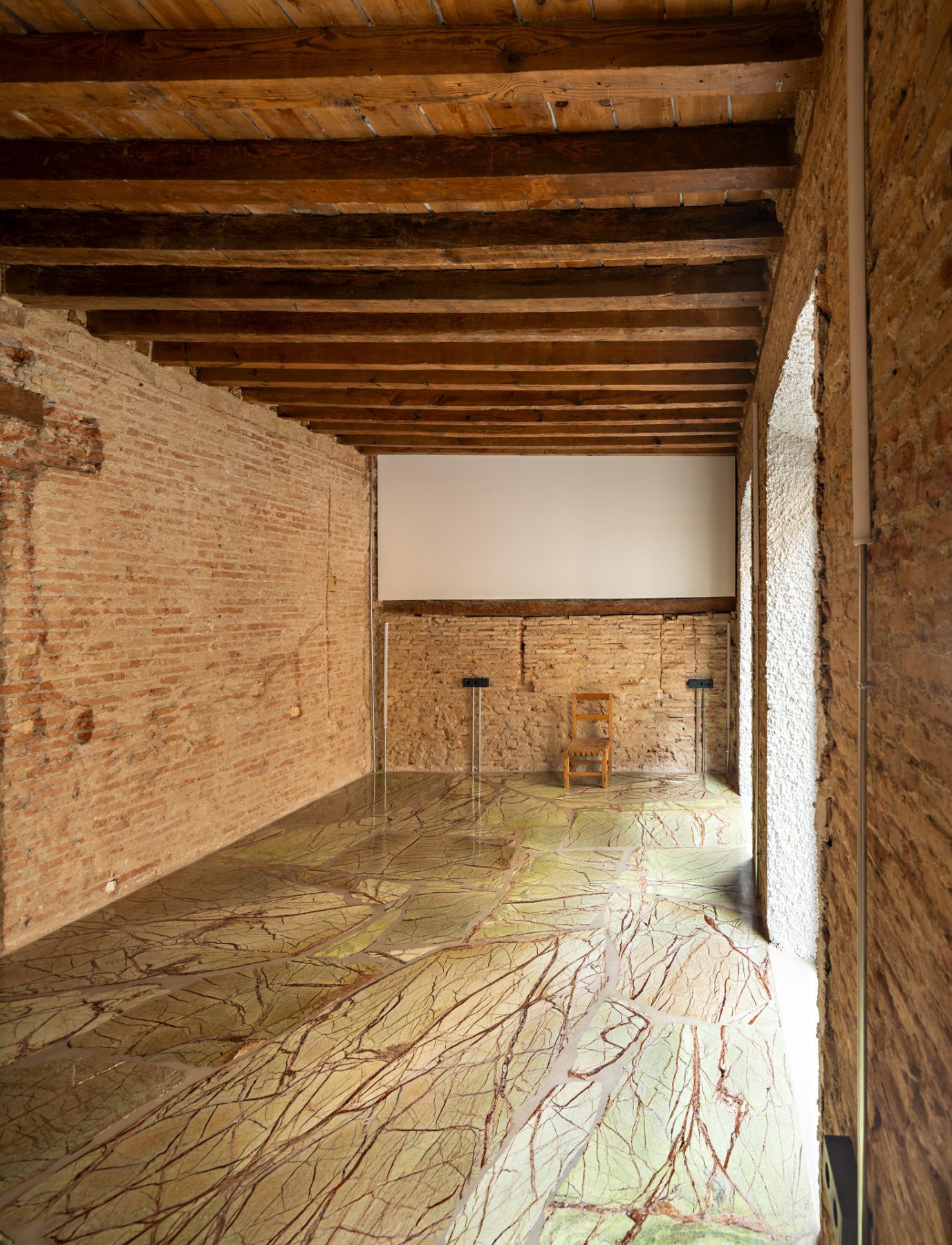
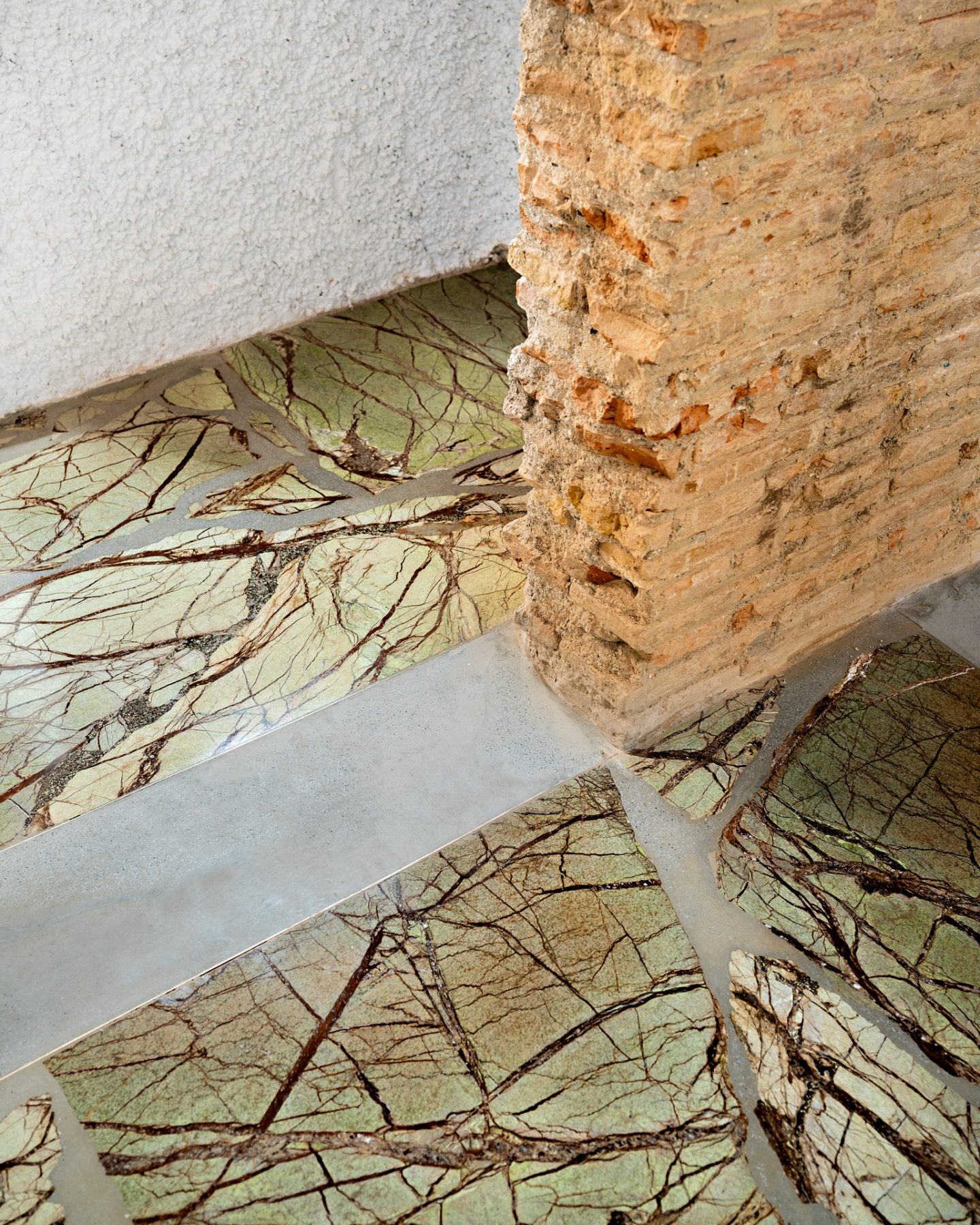
The project’s most unexpected intervention arrives in the form of a horizontal plane of Indian quarry stone—Indian Green, or Forest Green—inserted as an intentionally exotic and seemingly displaced element. Wild, veined, and materially excessive in relation to the surrounding palette, the stone accommodates the new service infrastructure while simultaneously establishing a new inhabitable ground.
Its presence is deliberately provocative. Against the austerity of brick, lime, timber, and roughcast render, the stone introduces a foreign material logic. Yet rather than disrupting the project’s coherence, this friction intensifies it.
The architecture gains meaning precisely through the encounter between local and imported, rough and polished, vernacular and technological.
The result recalls Kenneth Frampton’s call for an architecture grounded in the tactile and tectonic qualities of construction rather than the abstractions of image-making (Frampton, 1995). Here, materials do not merely finish surfaces; they articulate histories, conflicts, and continuities.
Revealing the Existing
During construction, the original structural framework gradually emerged. Brick load-bearing walls, timber beams, irregular floor boarding, and recycled structural elements revealed a building assembled through decades of adaptation.
Equally significant were traces of structural interventions from the 1980s, including IPN 300 steel beams and improvised supports. Rather than concealing these discoveries, the project incorporates them into its narrative. New Ø100 mm circular steel columns, concrete plinths, and steel brackets reinforce the structure while remaining legible as contemporary additions.
This approach rejects both nostalgic reconstruction and seamless integration. Instead, it embraces what Carlo Scarpa described as the productive encounter between historical fabric and contemporary intervention, where distinction rather than imitation allows architecture to communicate across time (Dal Co and Mazzariol, 1984).
A House as Cultural Memory
Dos Casas Magdalena is less concerned with restoring a building than with continuing a process already underway. Its exposed timber structures, recycled beams, masonry walls, rough tirolesa finishes, polished ceramics, and imported stone surfaces construct a domestic landscape defined by material friction and temporal coexistence.
Prioritising layering over erasure, the project acknowledges that architecture is not the product of a single authorial moment but the cumulative result of successive occupations and transformations.
In doing so, Agustín Gor offers a compelling reflection on contemporary domesticity. The home emerges as a repository of cultural memory—an evolving archive where past and present remain in constant dialogue.
Set within Granada’s historic fabric, Dos Casas Magdalena illustrates how architecture can uncover, preserve, and project the narratives embedded within ordinary buildings, conceiving heritage not as the preservation of a static past but as the continuation of an evolving cultural memory.
Facts & Credits
Project title Dos Casas Magdalena
Typology Stories of Contemporary Domesticity, Renovation, Restoration
Episode 20th
Location Magdalena district of Granada, Spain
Status Completed, 2025
Architecture Agustín Gor
Collaborator Asunción Cobo
Photography Javier Callejas
References
Corboz, A. (1983) ‘Le territoire comme palimpseste’, Diogène, 121, pp. 14–35.
Dal Co, F. and Mazzariol, G. (1984) Carlo Scarpa: The Complete Works. New York: Rizzoli.
Frampton, K. (1983) ‘Towards a Critical Regionalism: Six Points for an Architecture of Resistance’, in Foster, H. (ed.) The Anti-Aesthetic: Essays on Postmodern Culture. Seattle: Bay Press, pp. 16–30.
Frampton, K. (1995) Studies in Tectonic Culture: The Poetics of Construction in Nineteenth and Twentieth Century Architecture. Cambridge, MA: MIT Press.
Moneo, R. (2004) Theoretical Anxiety and Design Strategies in the Work of Eight Contemporary Architects. Cambridge, MA: MIT Press.
Mostafavi, M. and Leatherbarrow, D. (1993) On Weathering: The Life of Buildings in Time. Cambridge, MA: MIT Press.