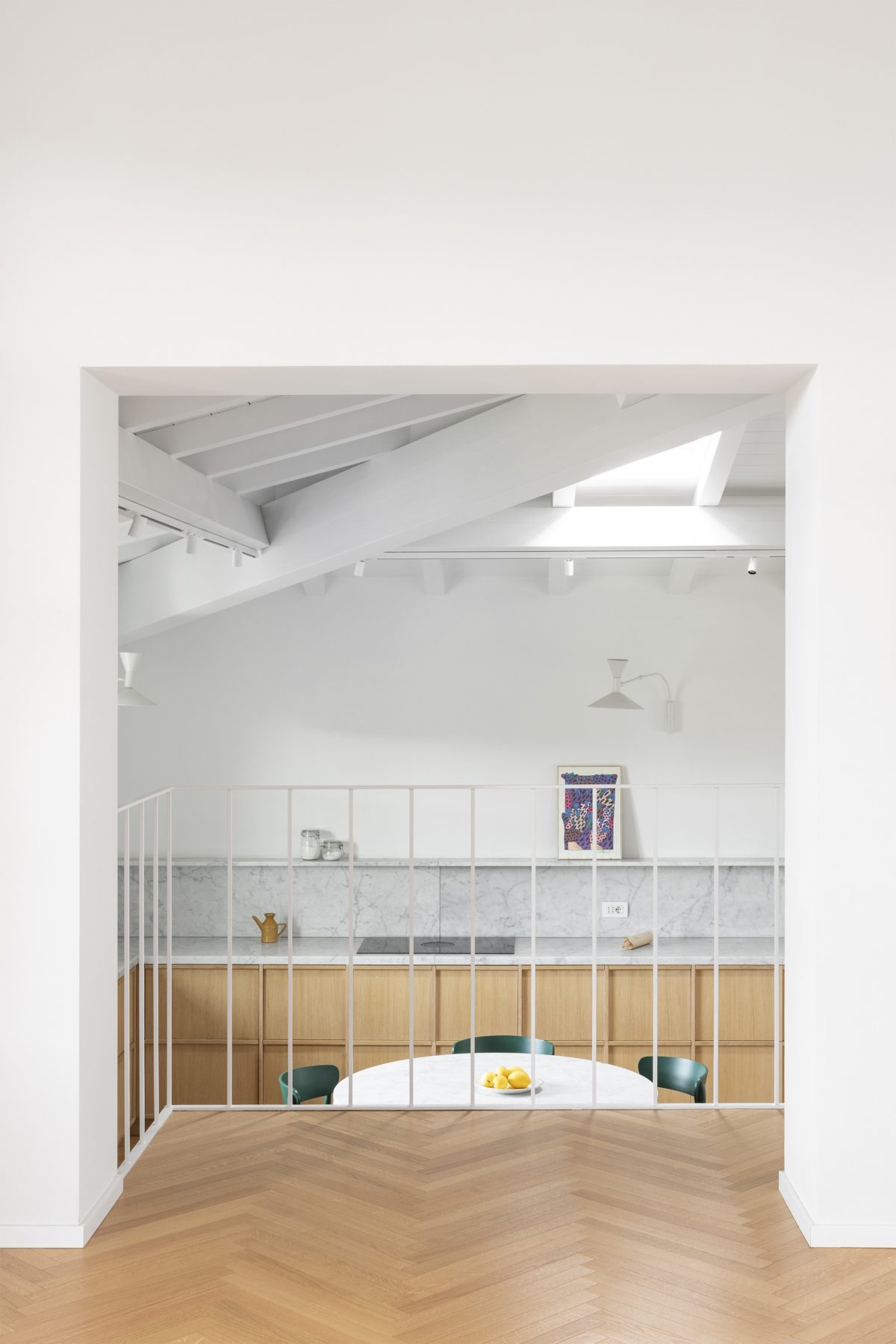
A fragment of a historic villa in Florence’s green belt is carefully renovated and reimagined as an essential, light-filled home, where bucci quentin‘s restrained architectural language seamlessly connects bespoke interiors with the surrounding landscape. Built around visual permeability, the intervention establishes a continuous dialogue with the garden, transforming it into a natural extension of everyday living and crafting a calm, contemporary retreat shaped by light, materiality, and context.
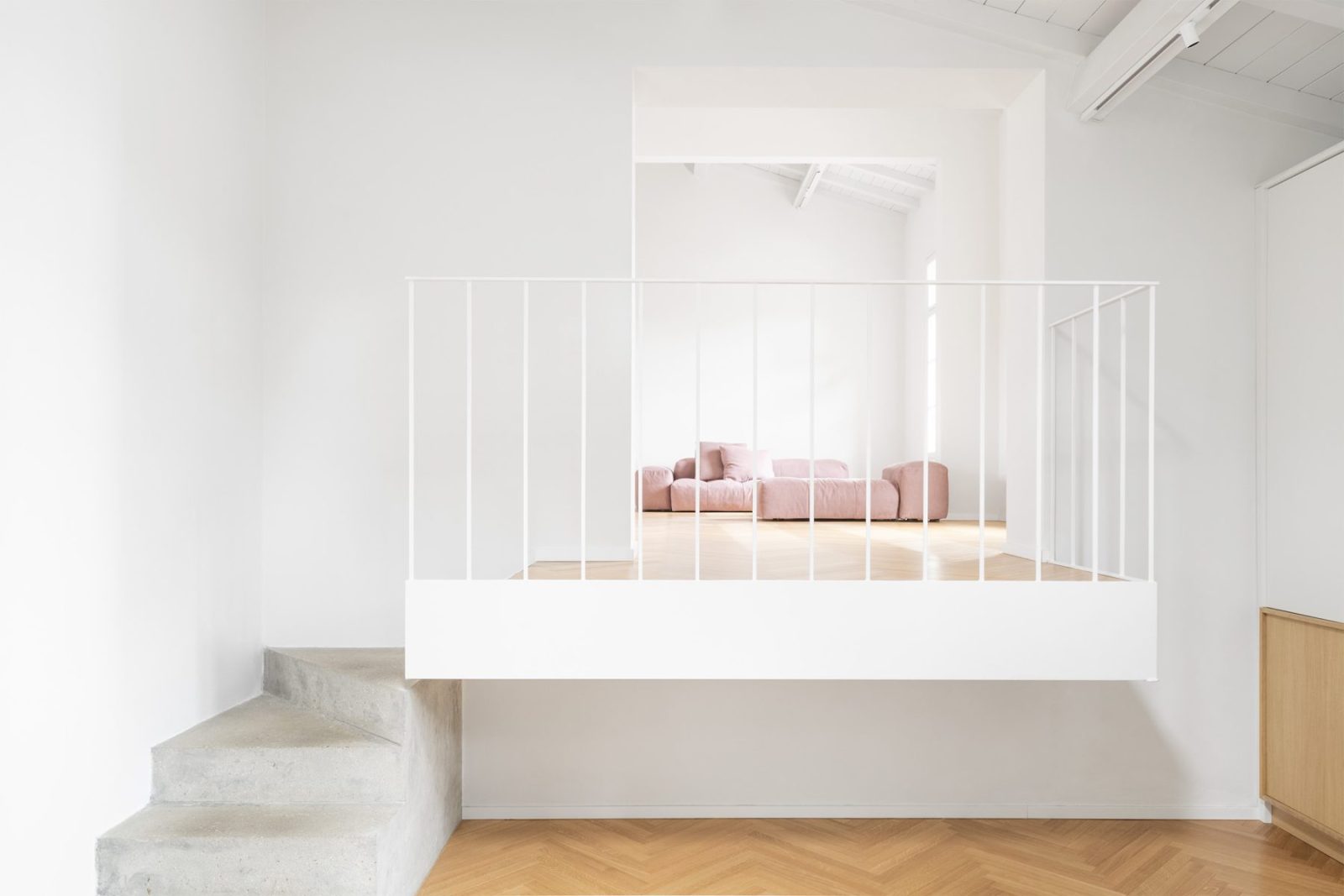
Arcipressi is, above all, an exercise in restraint.
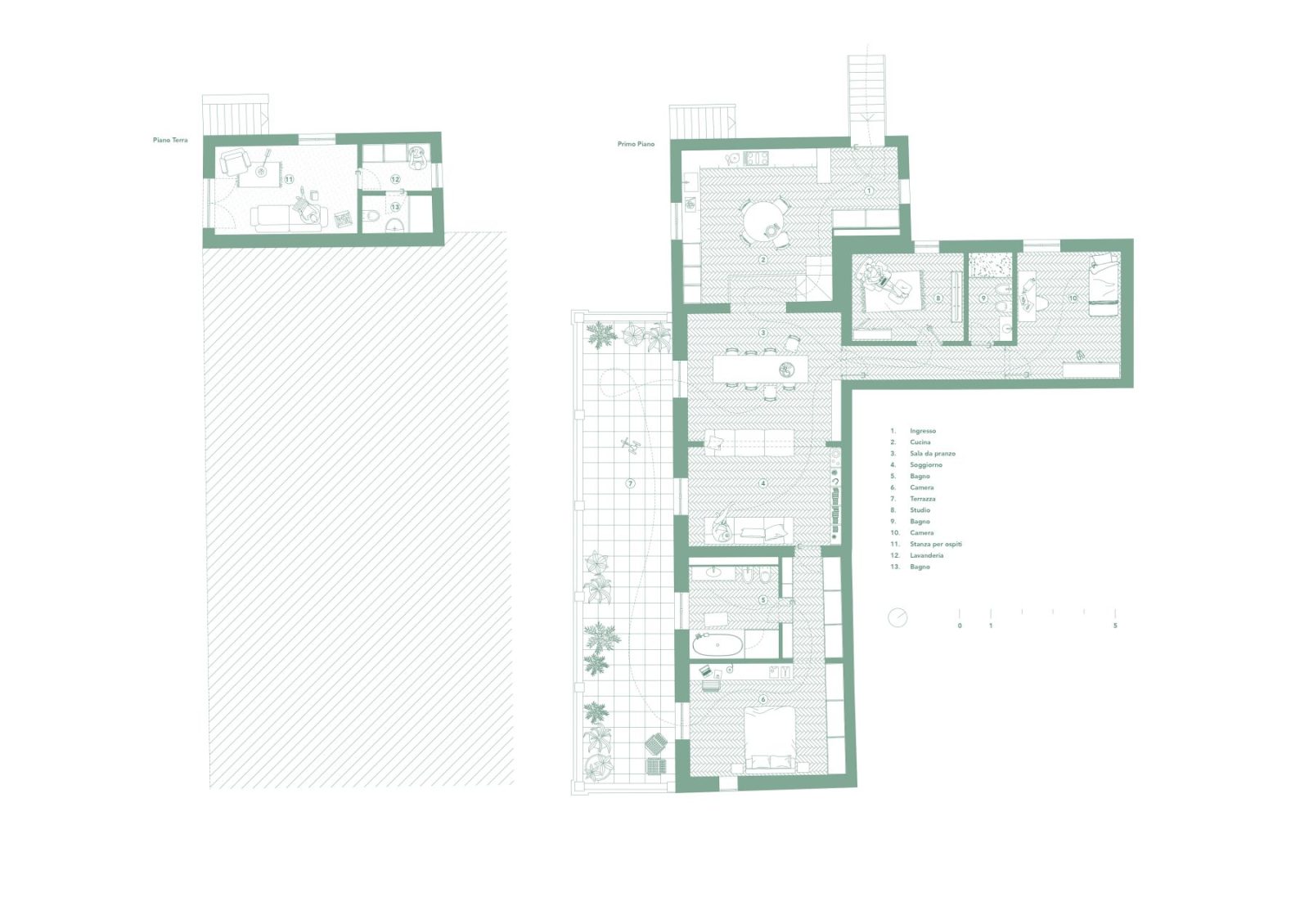
Conceived as the renovation of an existing residential wing, the project does not seek to impose itself, but rather to attune to a portion of a historic villa nestled in Florence’s verdant hillsides.
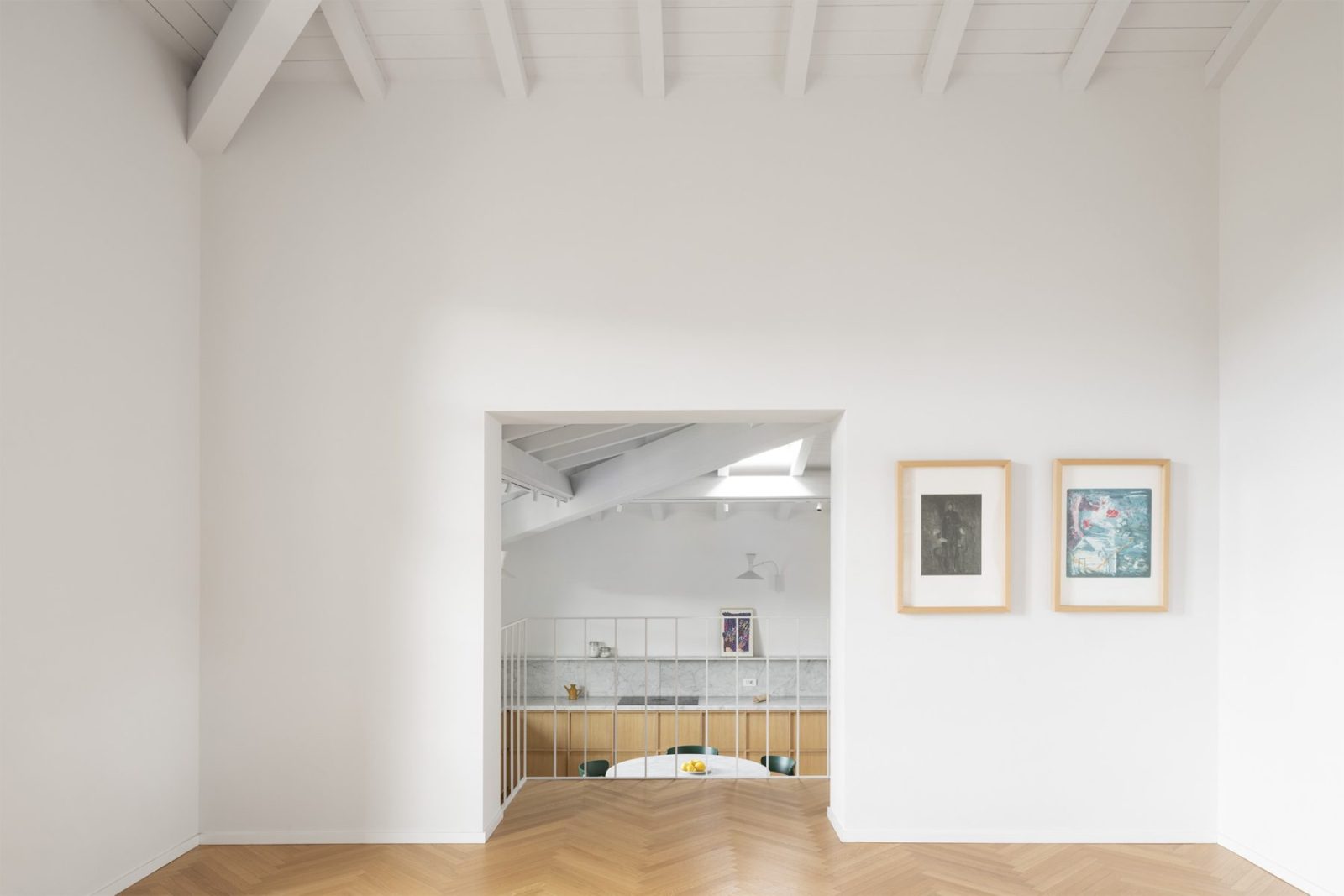
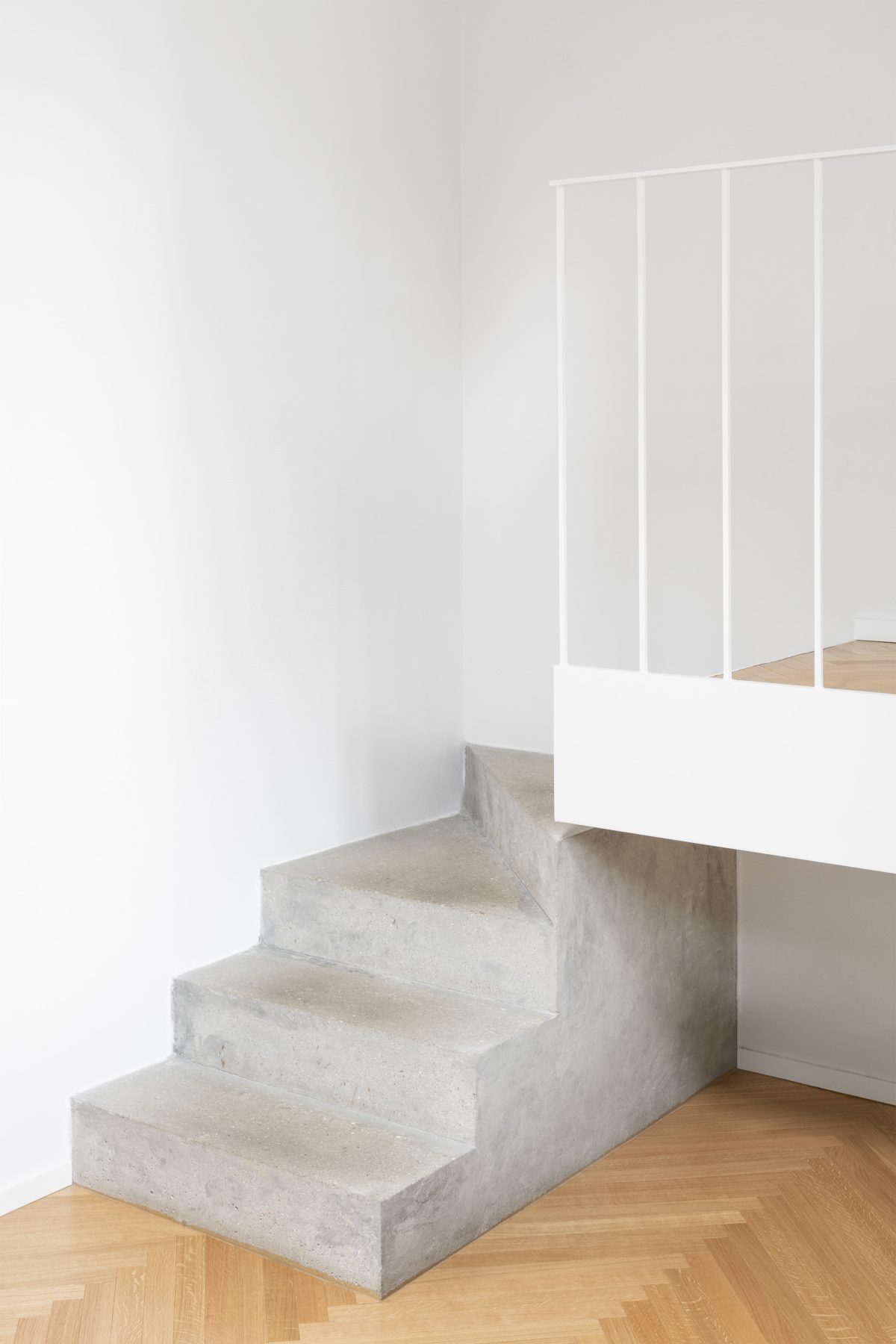
Its defining quality lies in the ability to reestablish a fluid continuity across eras, materials, and spatial thresholds, articulated through a deliberately quiet, calibrated architectural language.
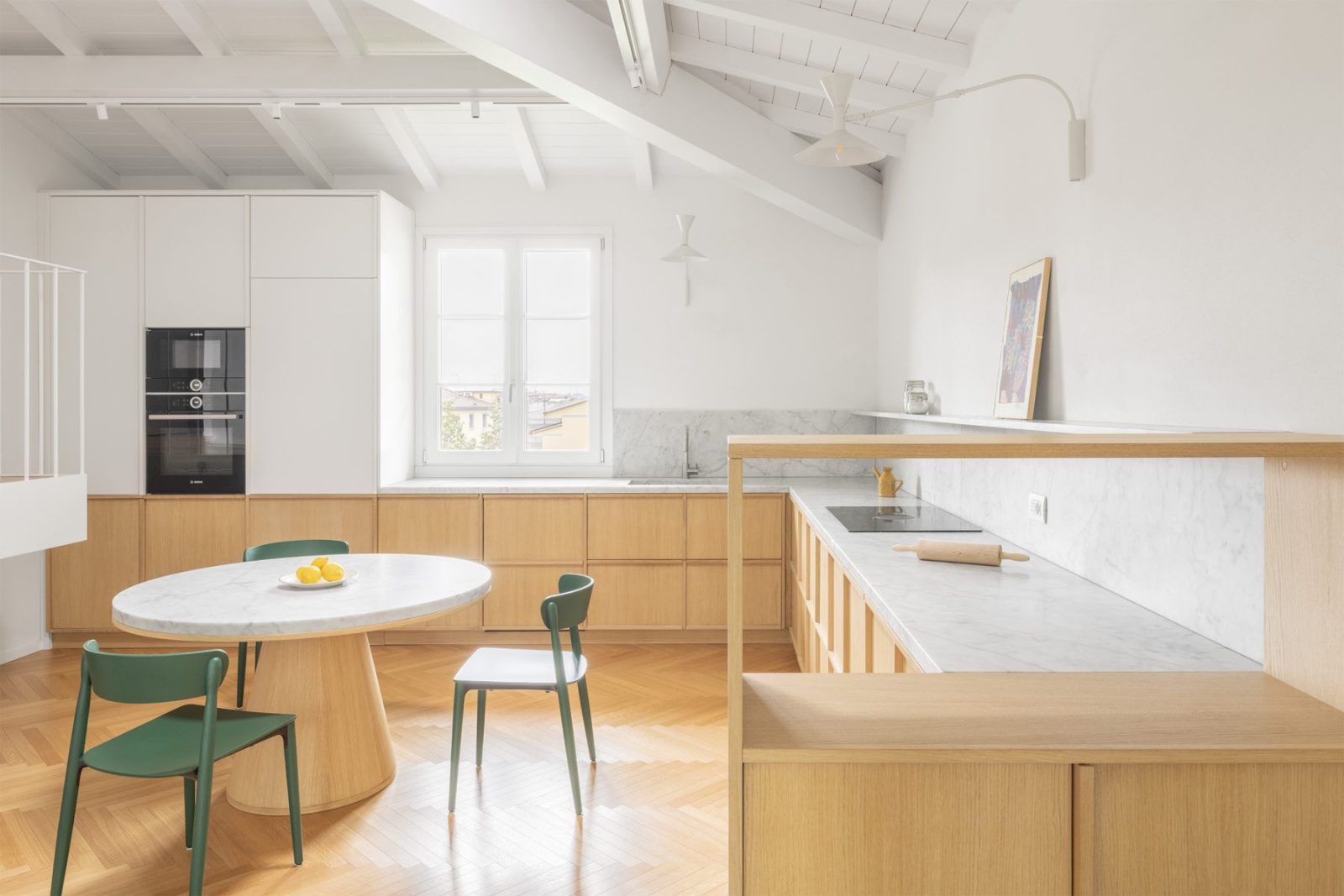
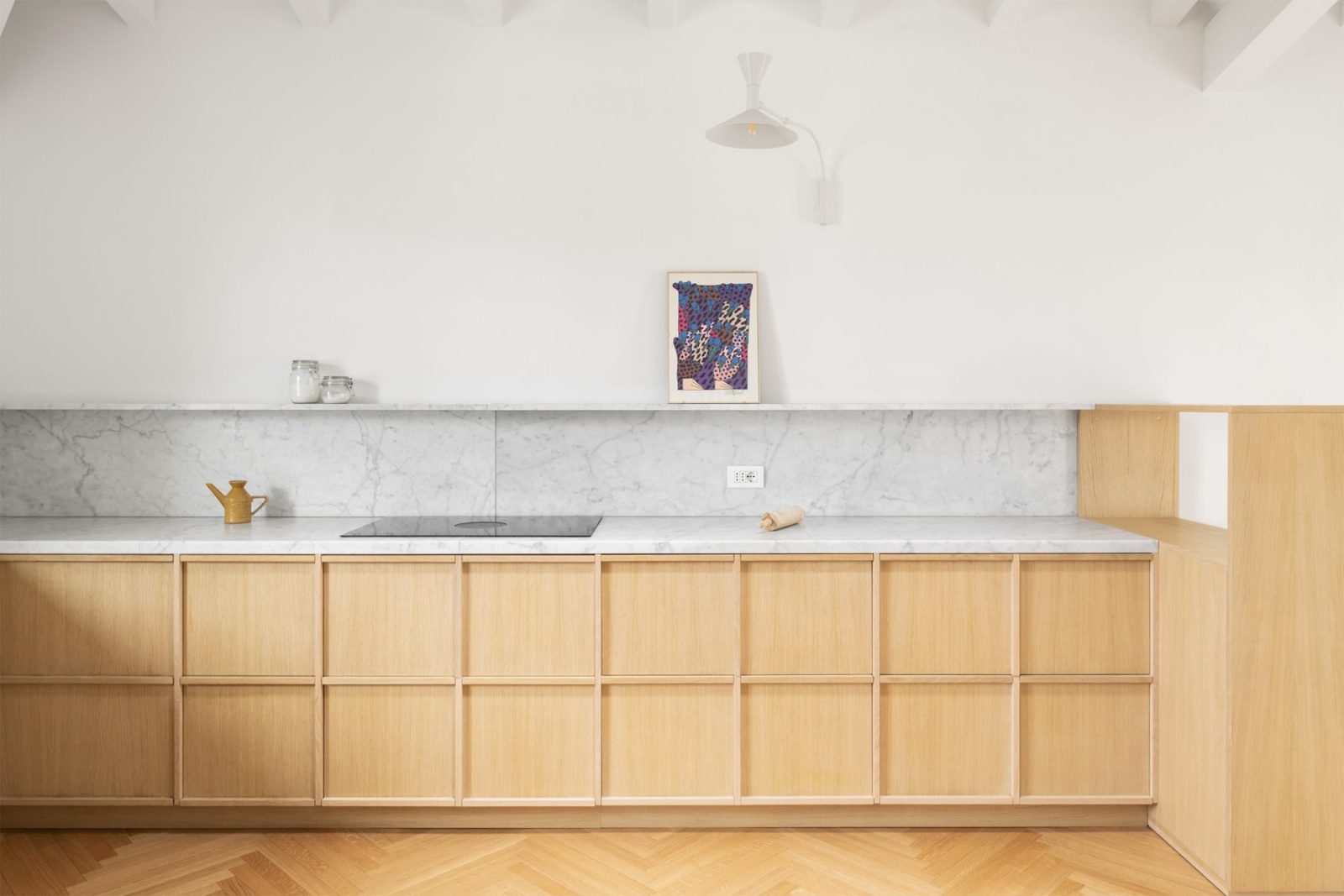
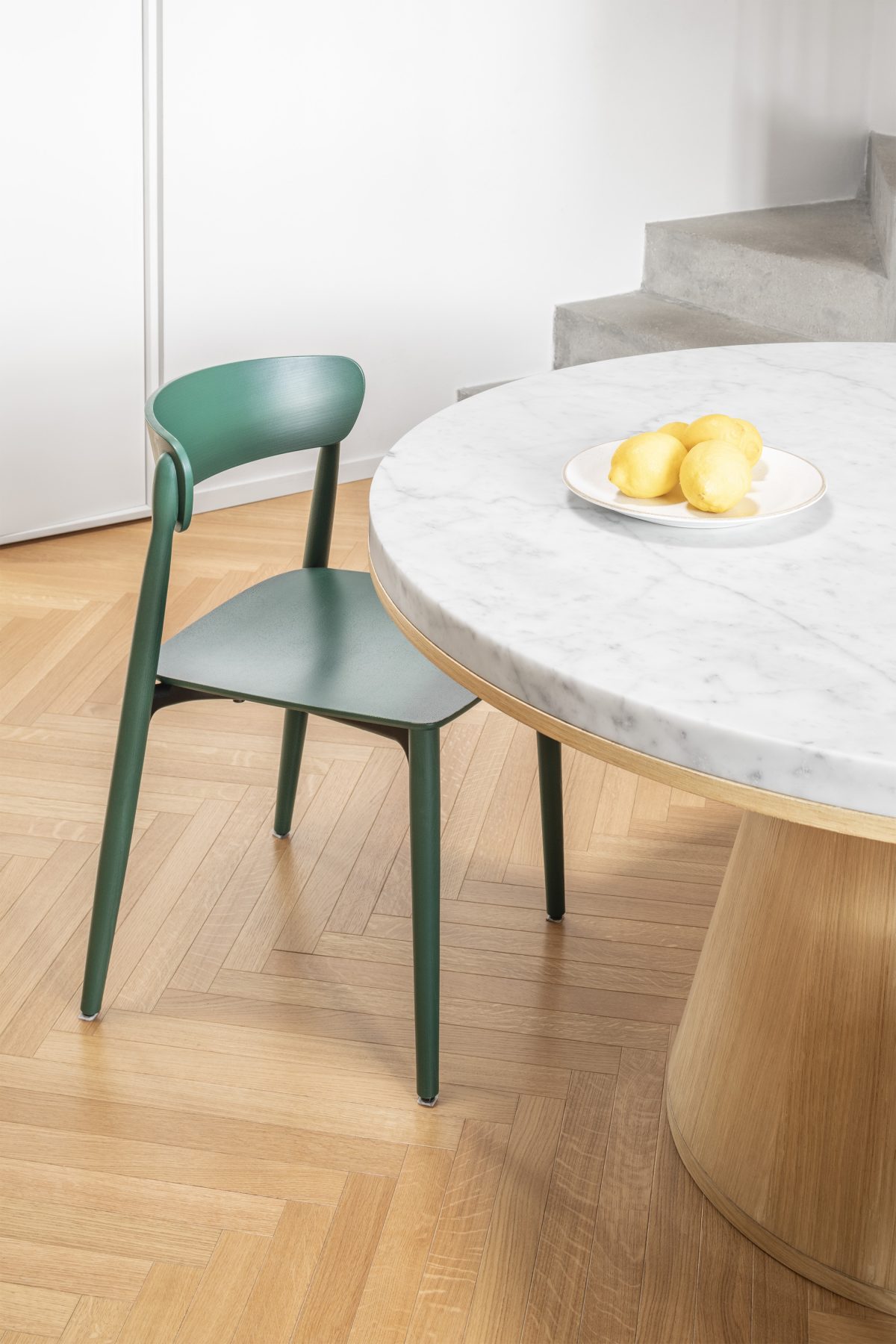
As the architects describe, the house “is distinguished by its silent and refined character, capable of engaging in dialogue with nature through generous openings.”

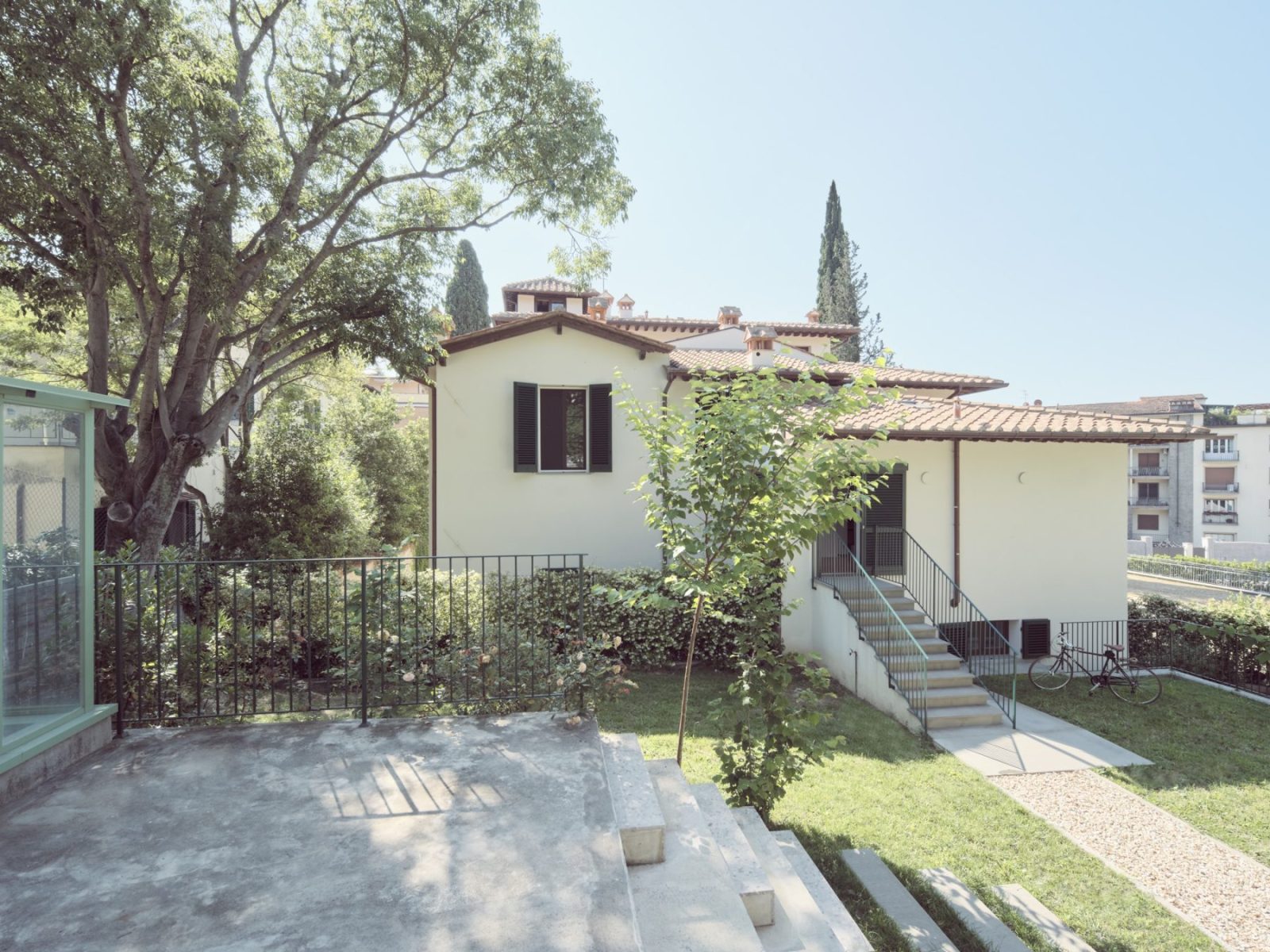
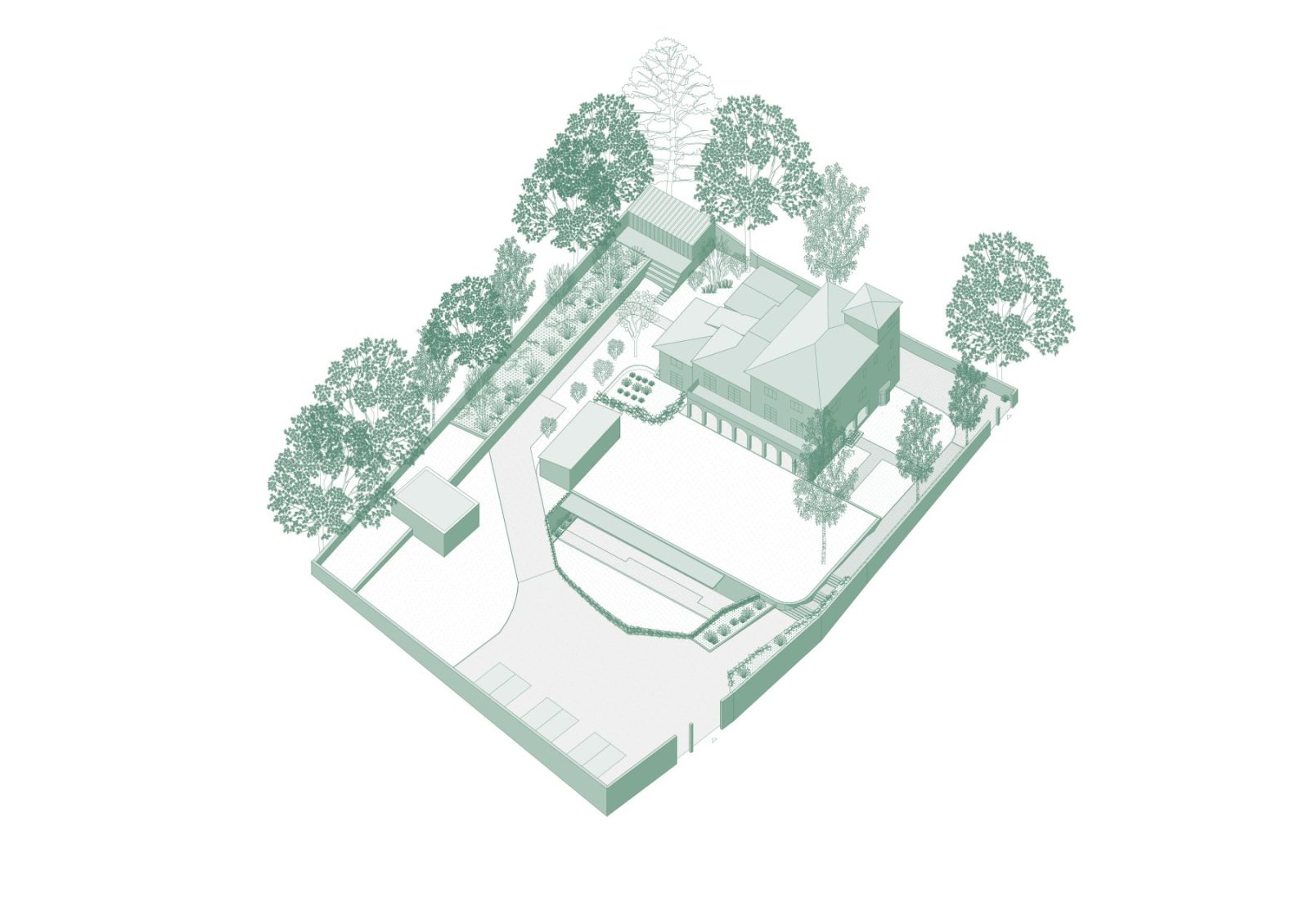
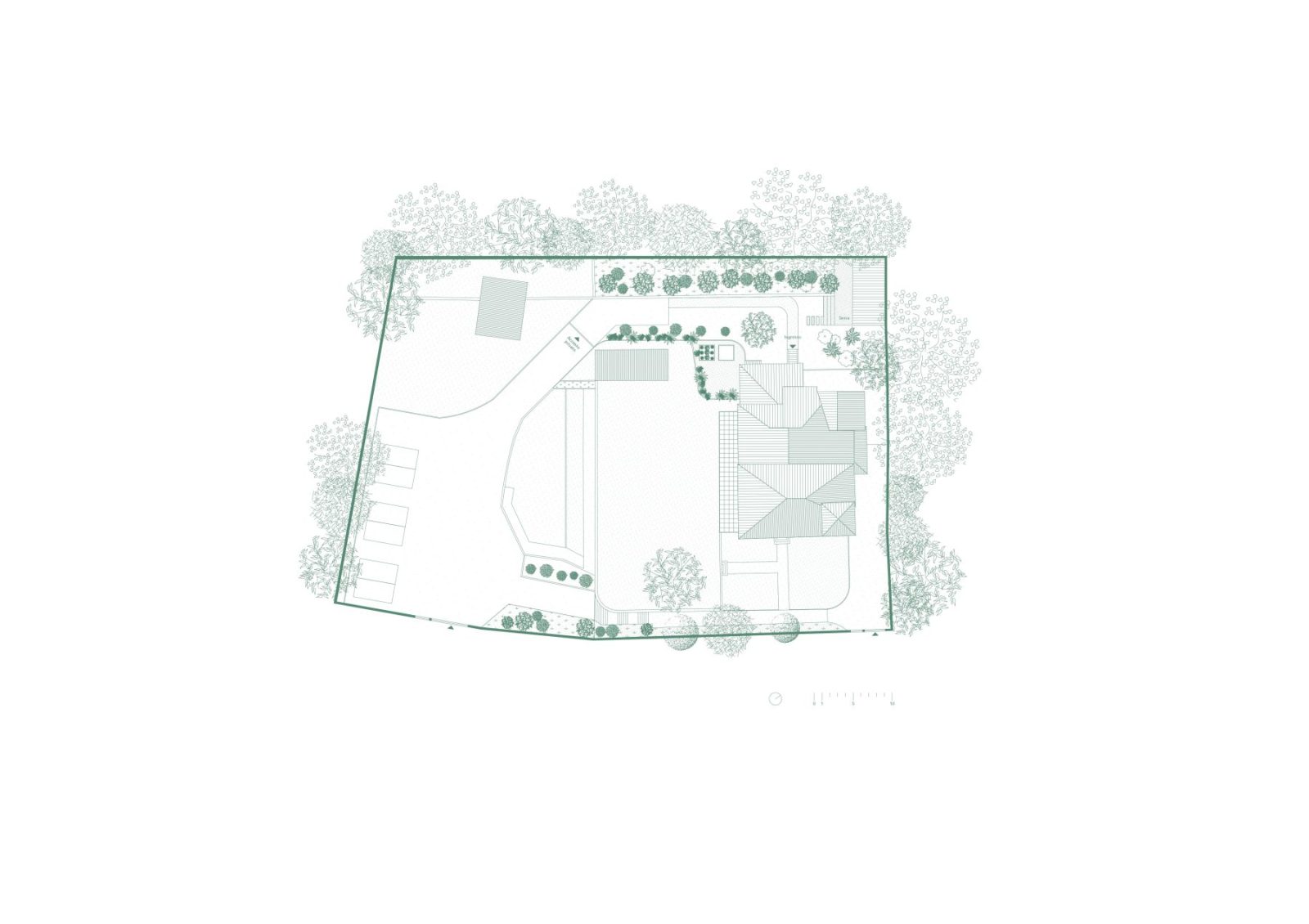
The residence occupies a unique position: enveloped by greenery yet only minutes from Florence’s historic center. The house overlooks a portion of Florence’s historic landscape that includes the garden of Villa Fabbricotti and, in continuity, the park of the Stibbert Museum: a layered green system that enriches the site’s atmosphere.
This proximity between calm and urban density shaped the entire design, conceived as an intimate domestic retreat that maintains a strong relationship with its context.
The clients—a couple with a young daughter, deeply attuned to sustainability—guided the project toward a conscious, material-driven approach attentive to environmental impact and responsible processes. They brought “a conscious focus on environmental impact, material quality, and responsible processes.”
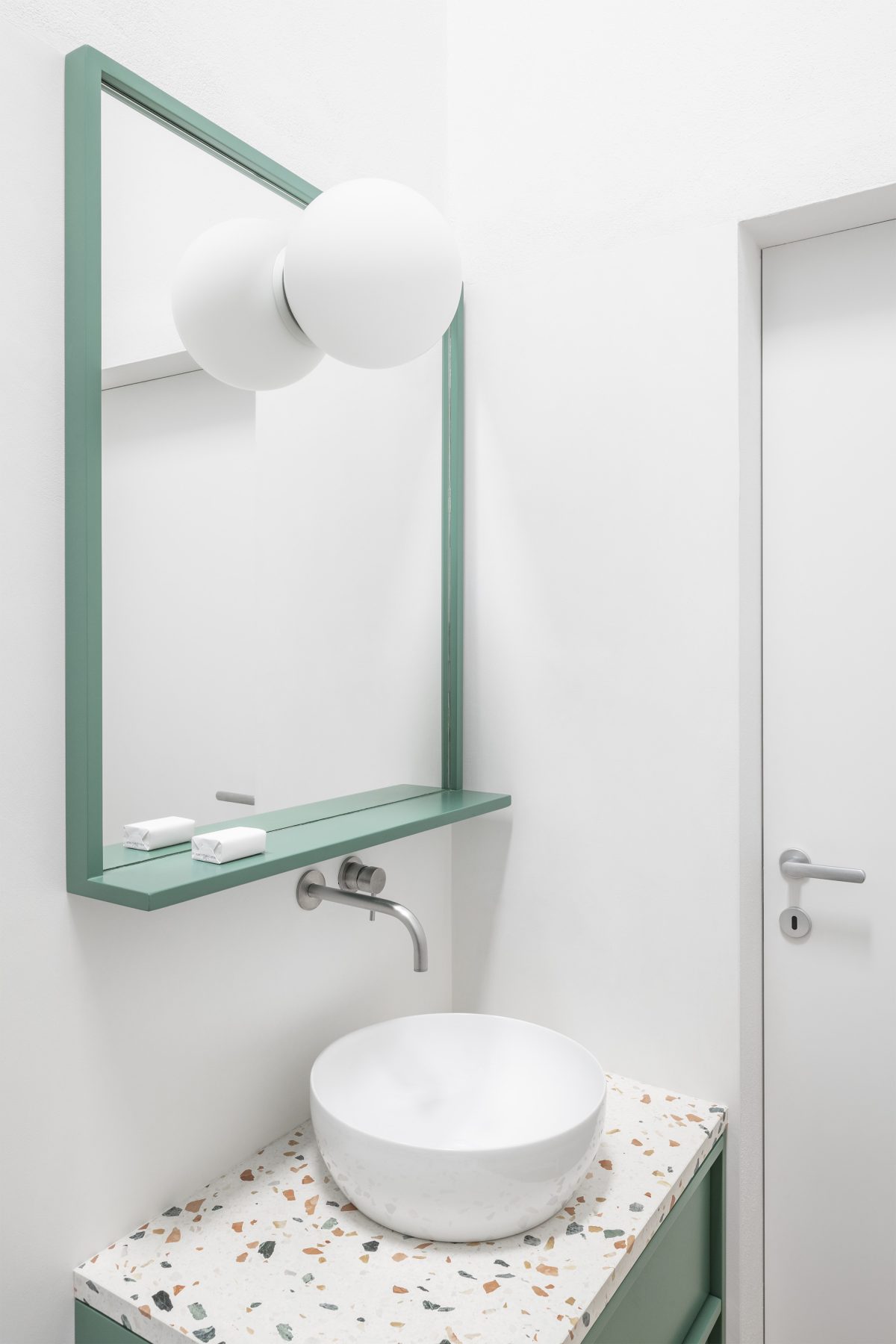
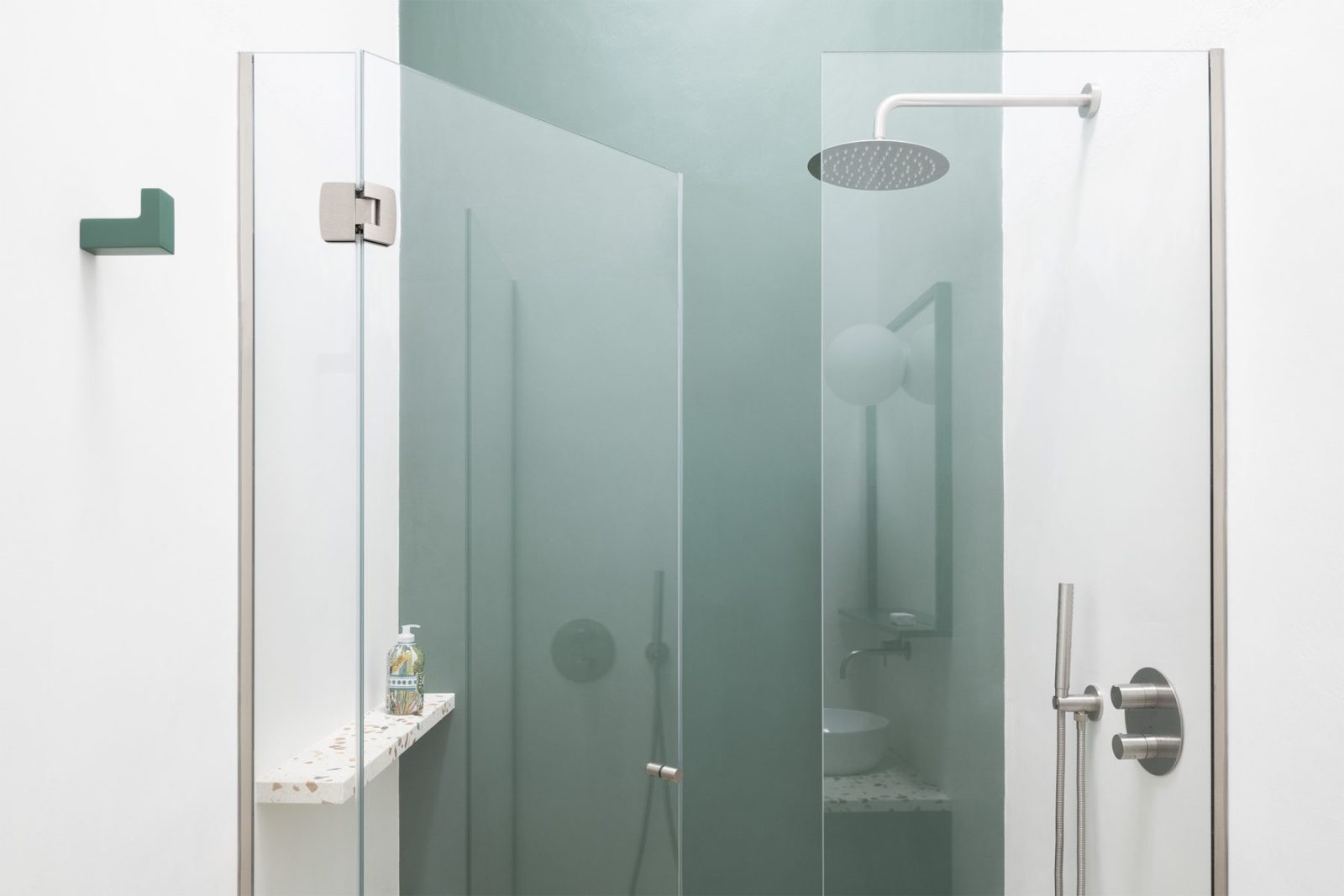
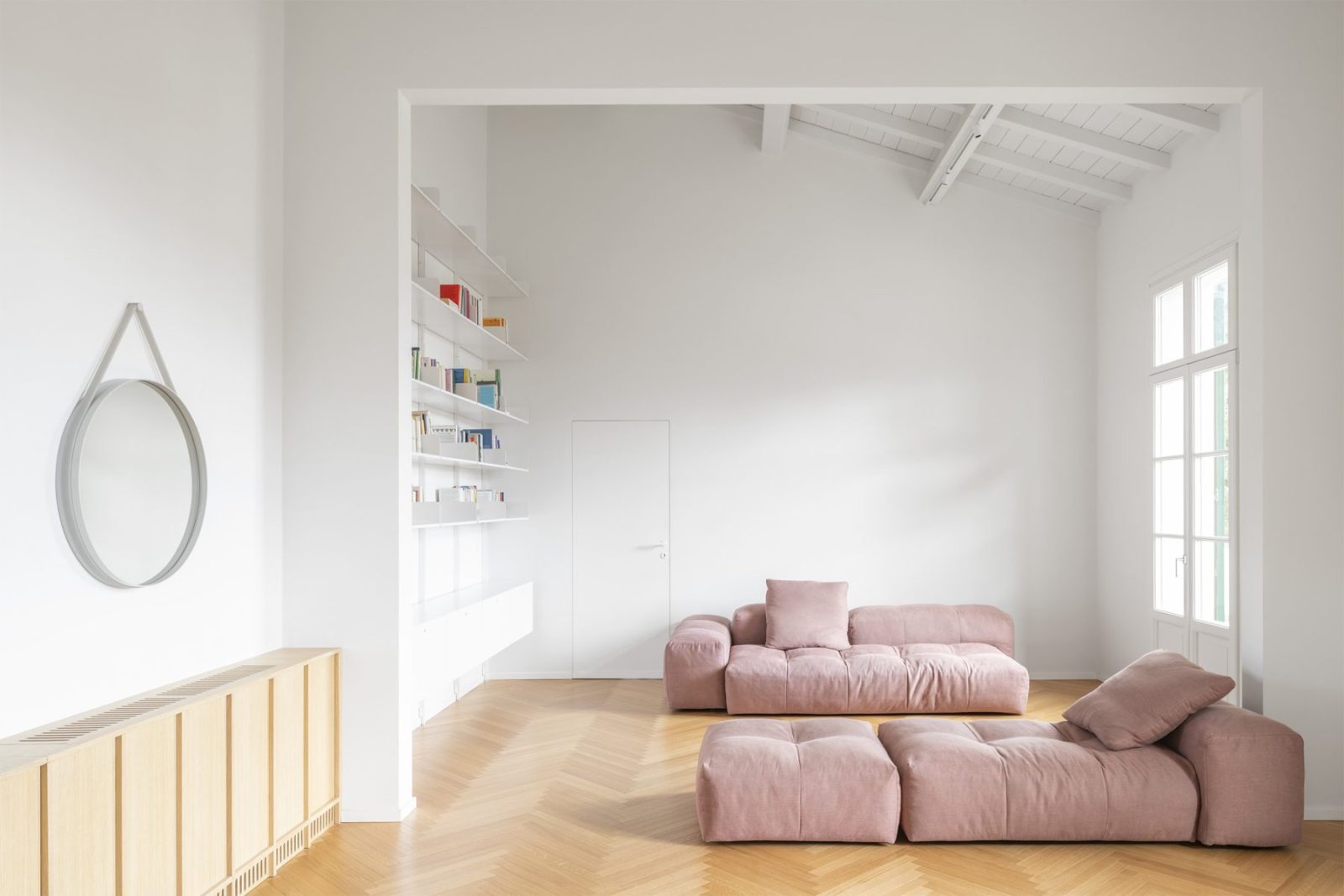
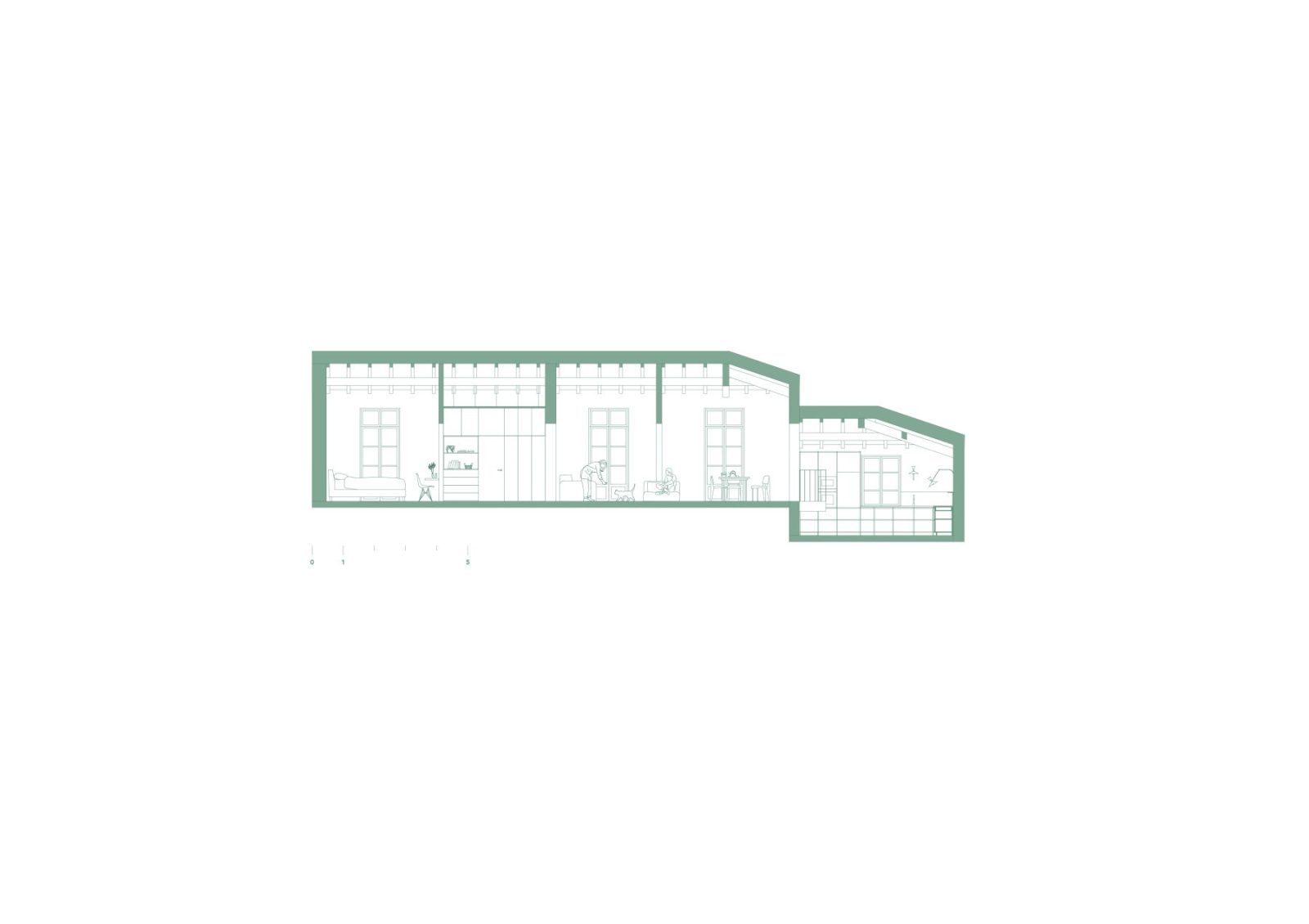
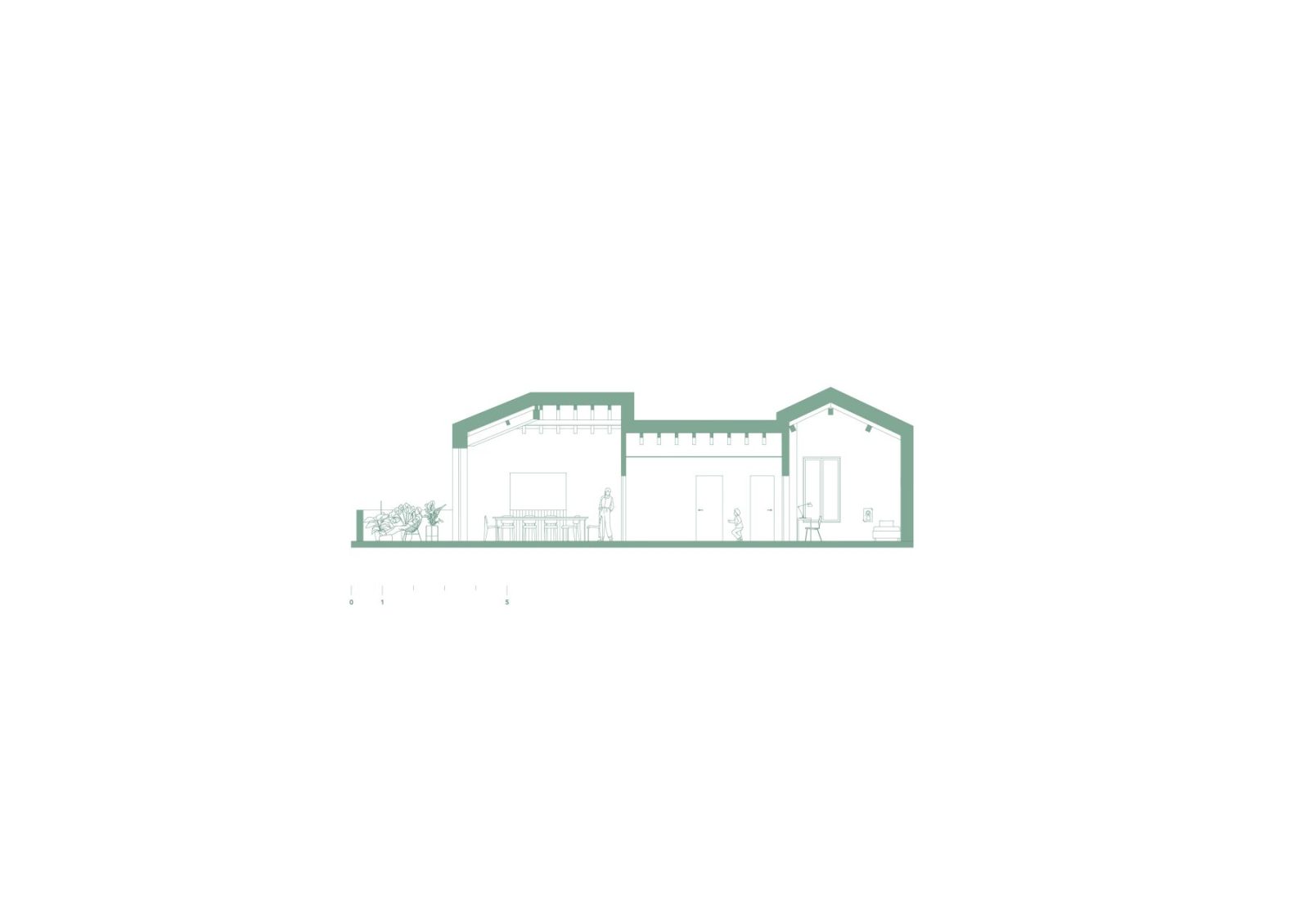
The intervention is built around visual permeability and a direct, continuous relationship with the garden, which becomes a true extension of the living space.
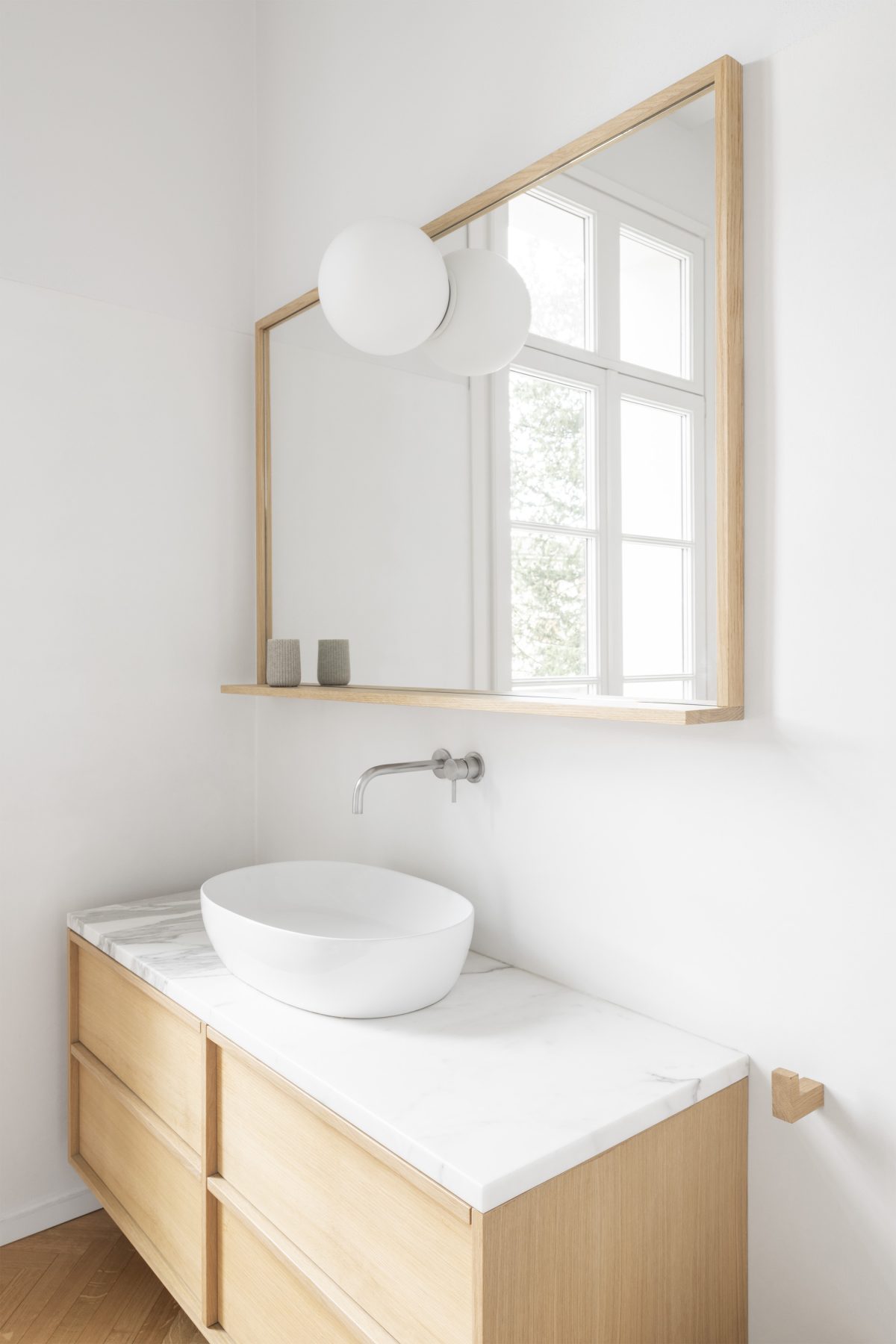
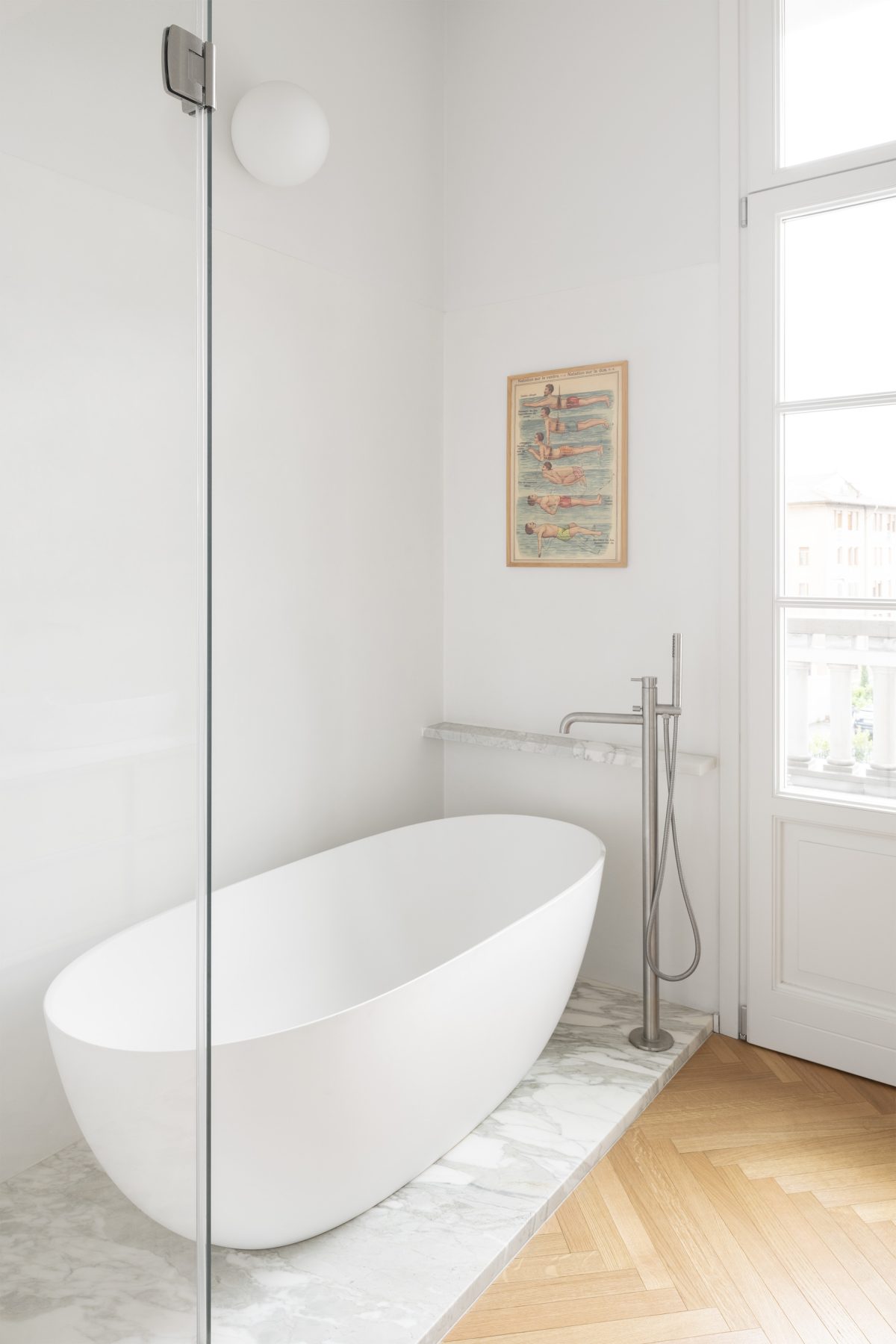
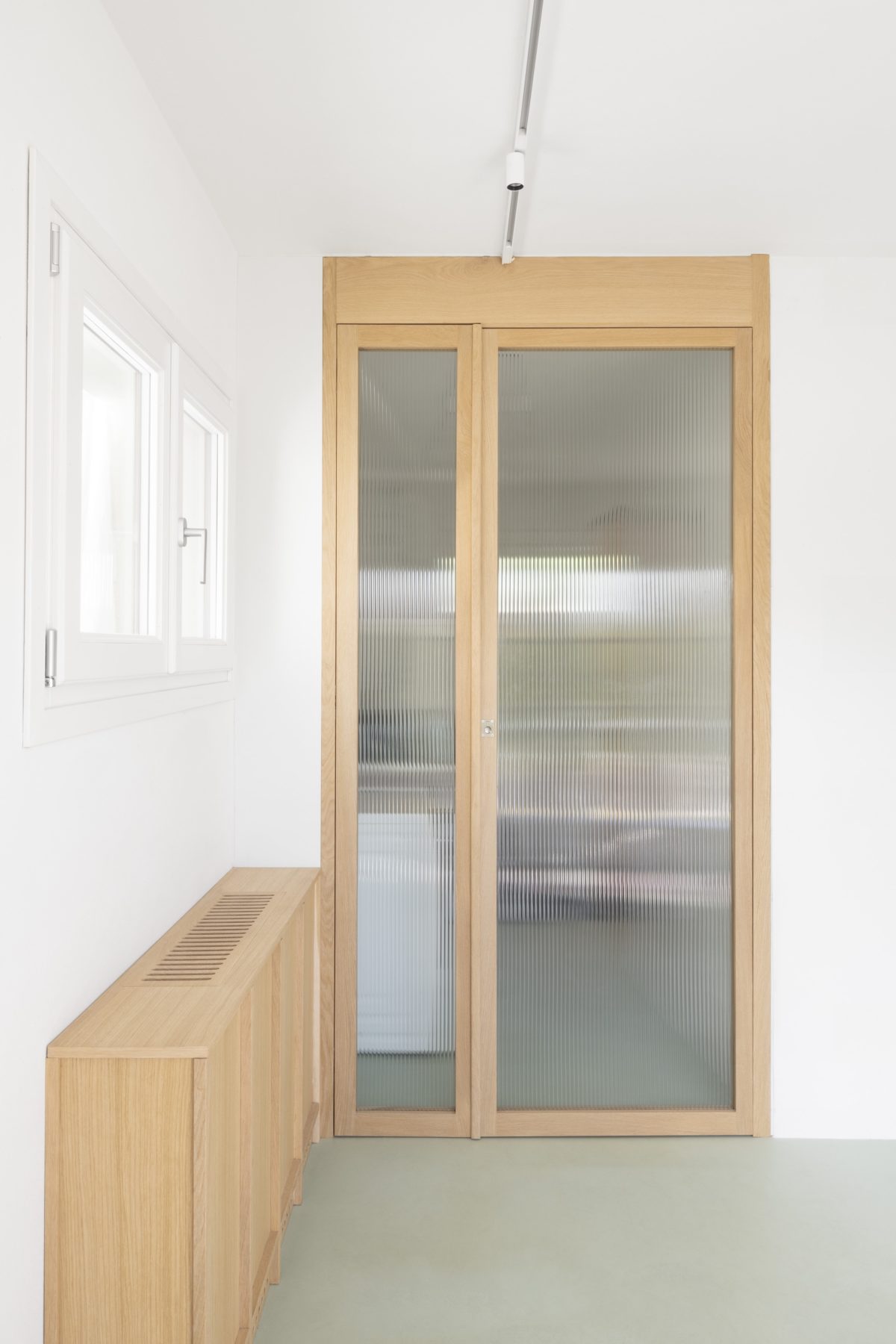
Large openings frame glimpses of centuries-old trees, while natural light moves gradually through the interiors, revealing textured surfaces and tailored details.
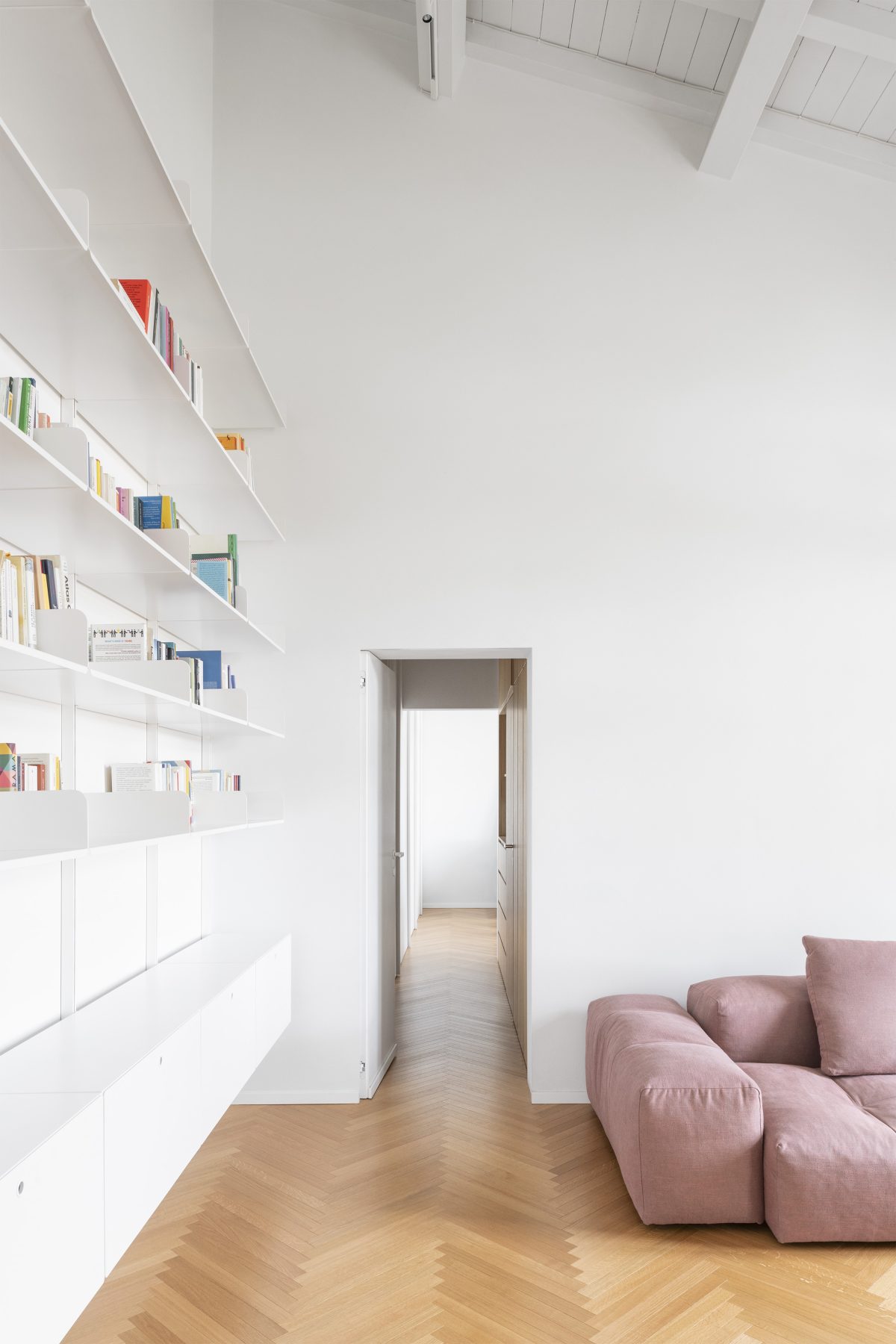
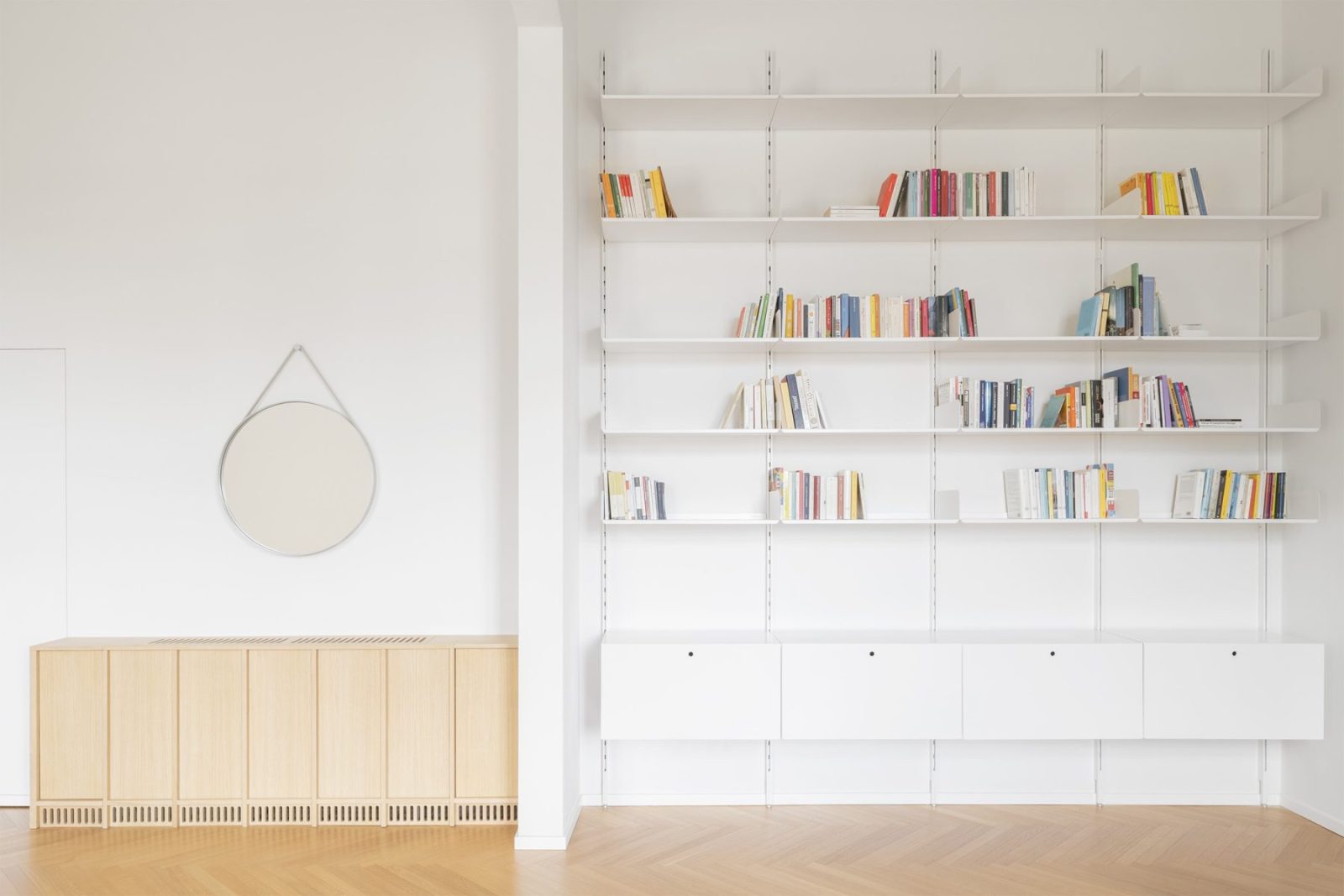
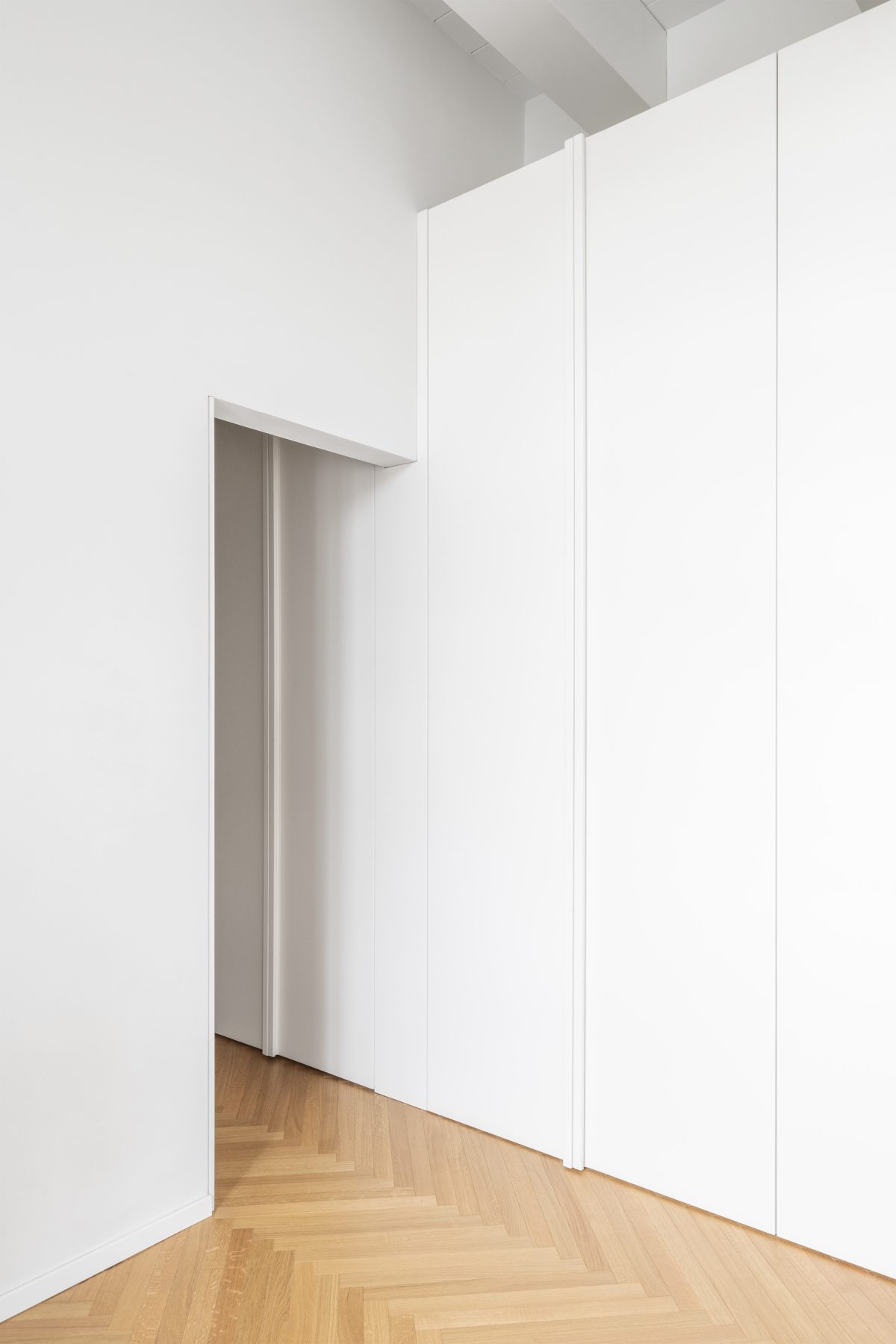
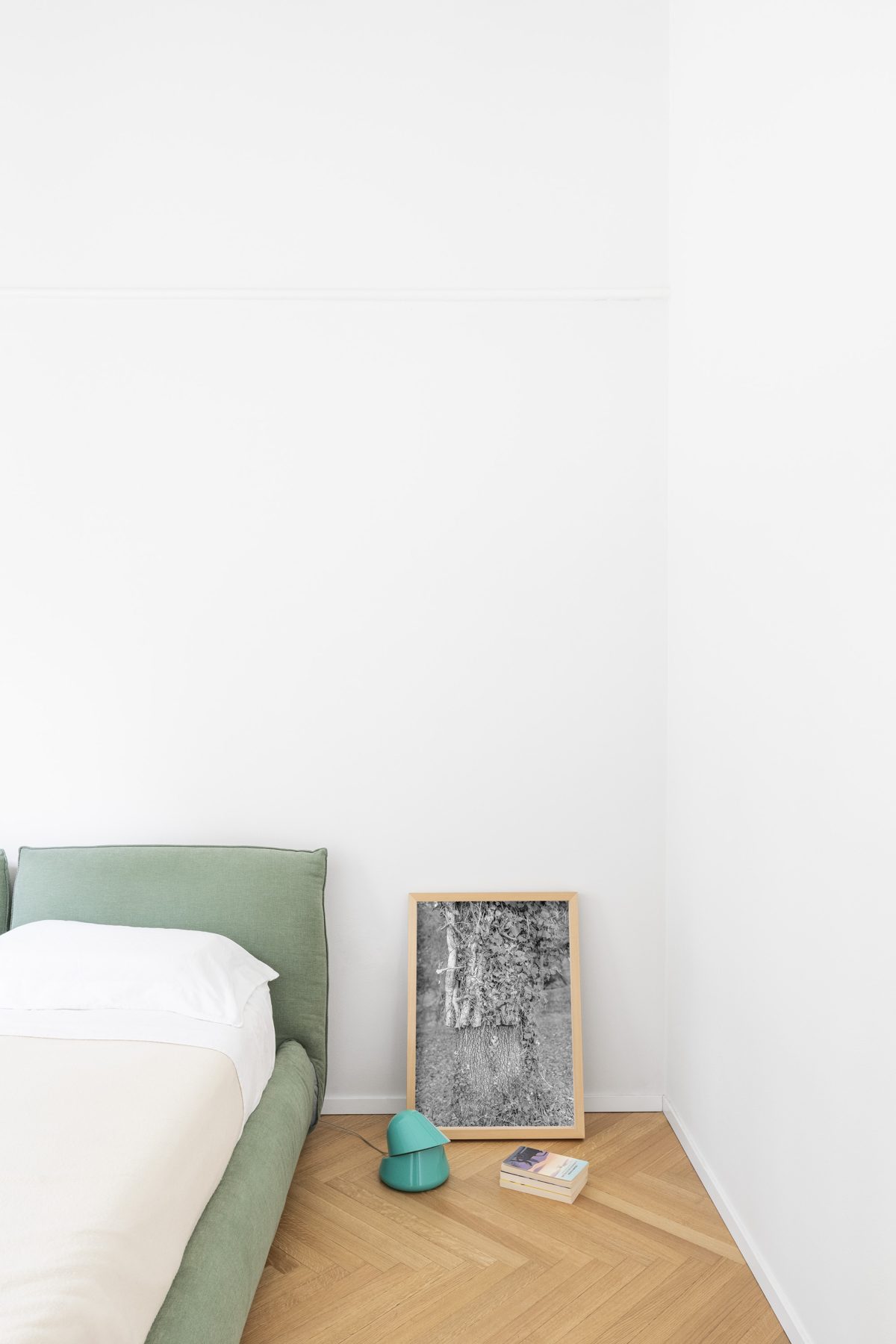
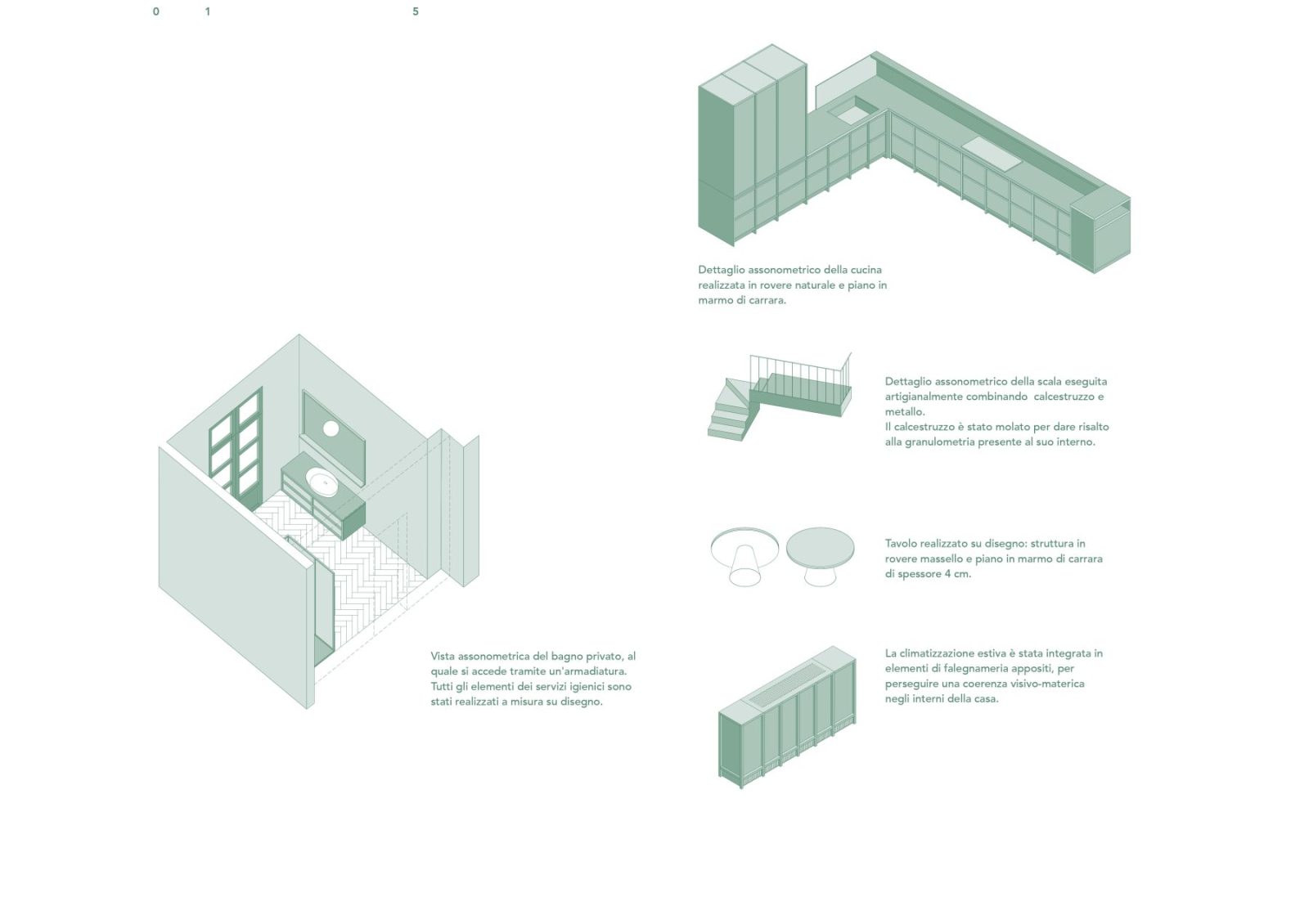
The rooms are defined by a formal clarity that highlights material quality and craftsmanship: every piece of furniture is custom-designed and fabricated by local artisans, balancing tradition and contemporary sensibilities.
As the architects note, “the warm, enveloping interiors are characterized by a formal clarity that enhances the quality of materials and the mastery of artisanal workmanship.”
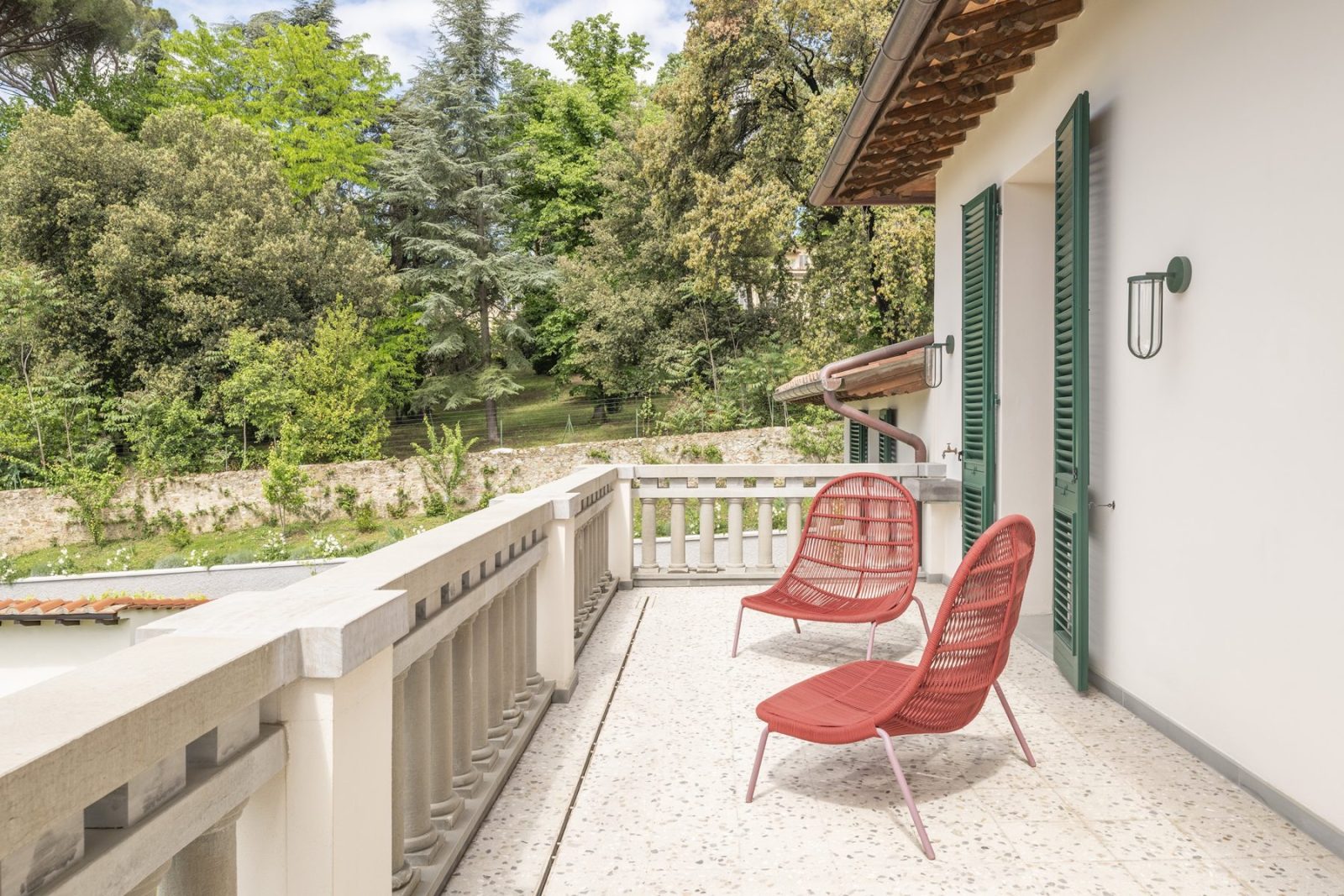
Rather than seeking scenographic effects, the house constructs a measured atmosphere, a slow rhythm of inhabitation shaped by light, materiality, and the constant presence of the landscape.
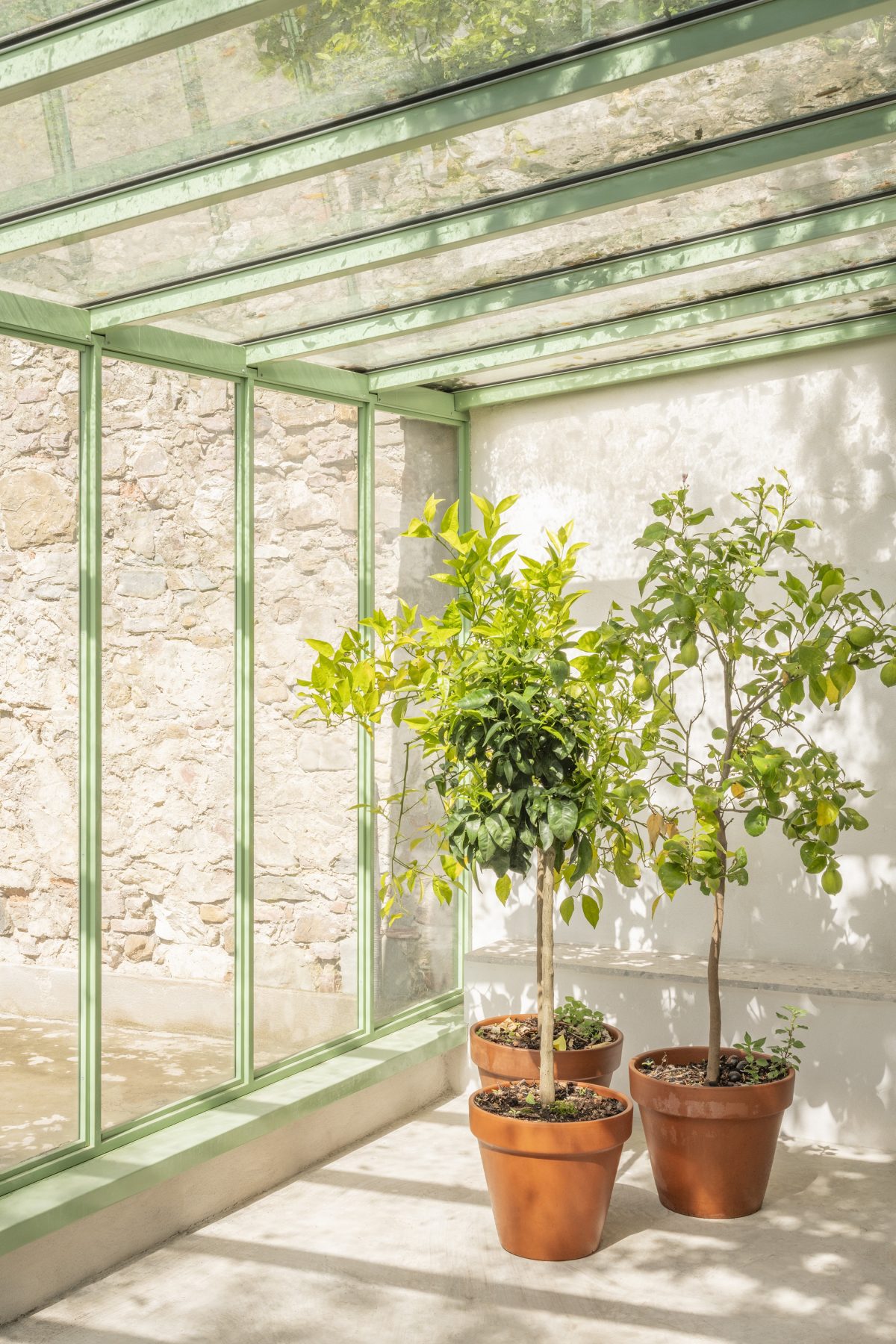
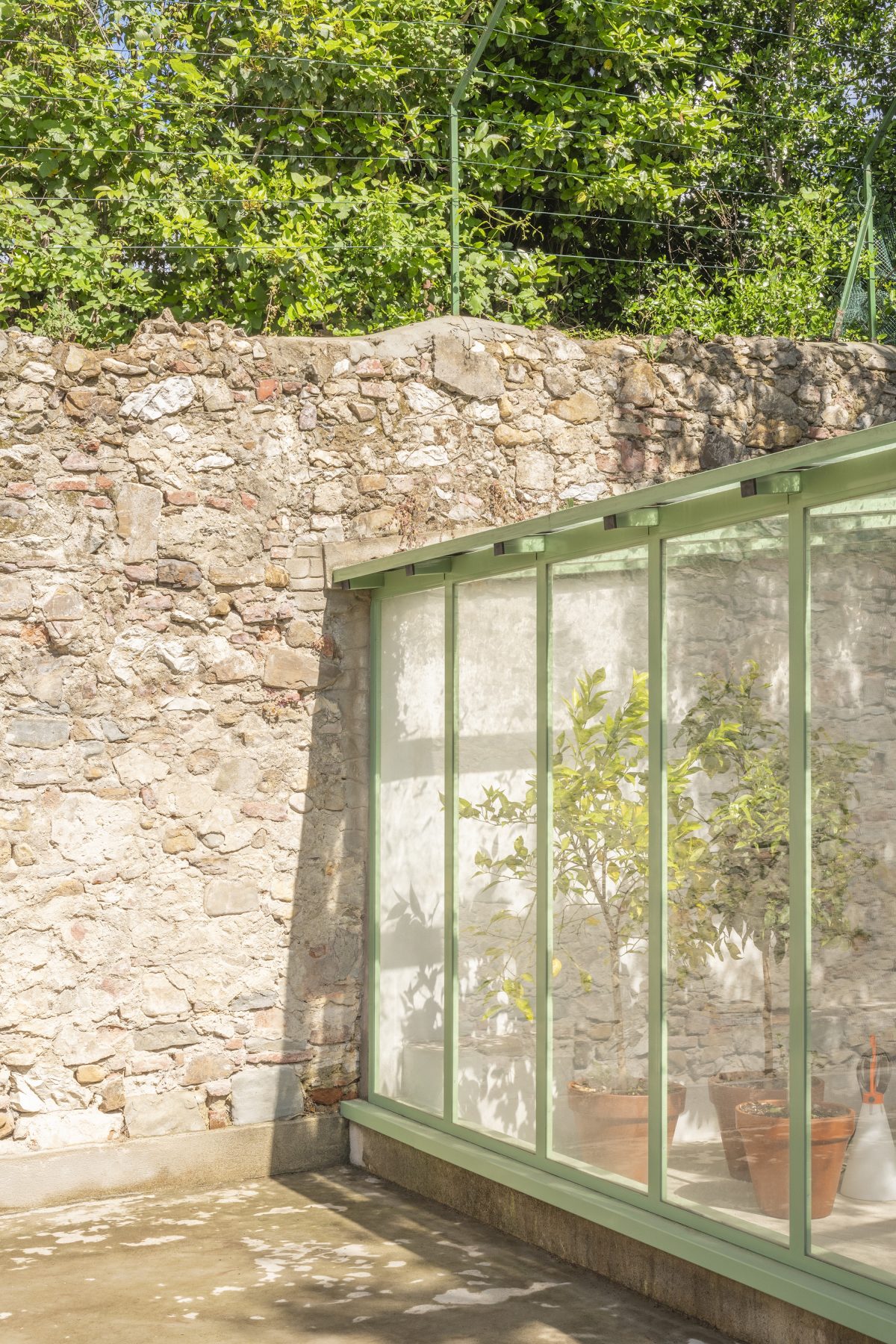
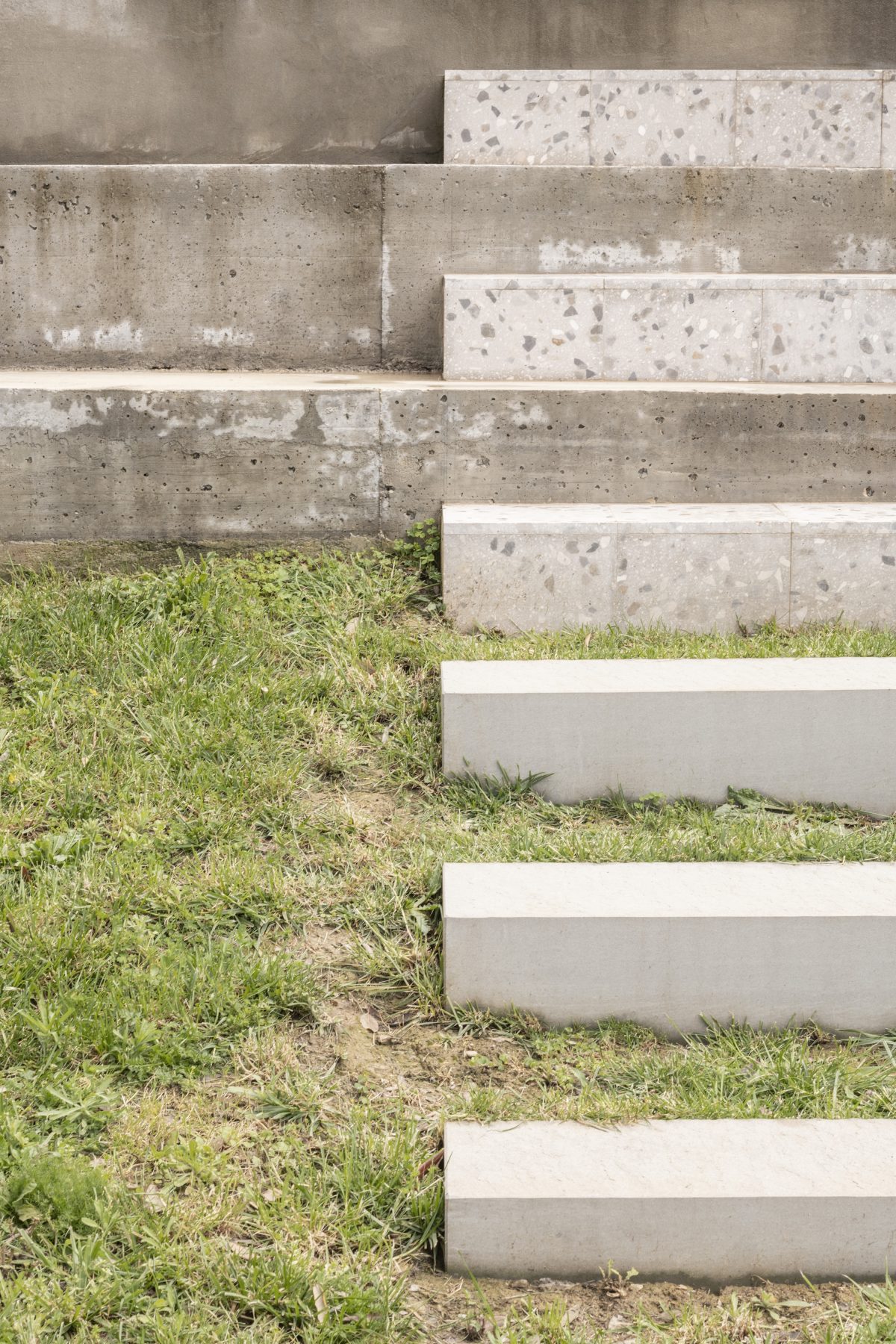
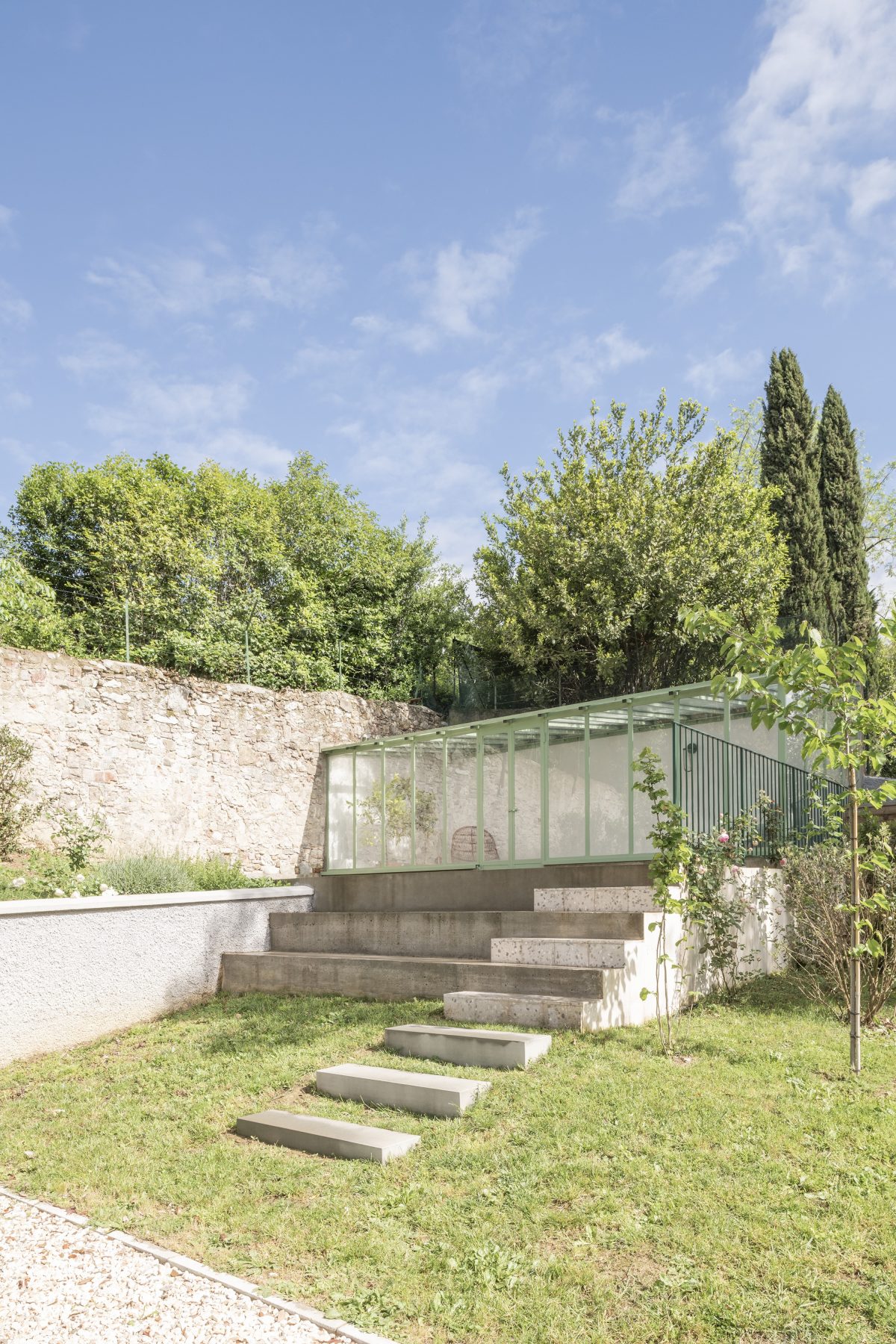
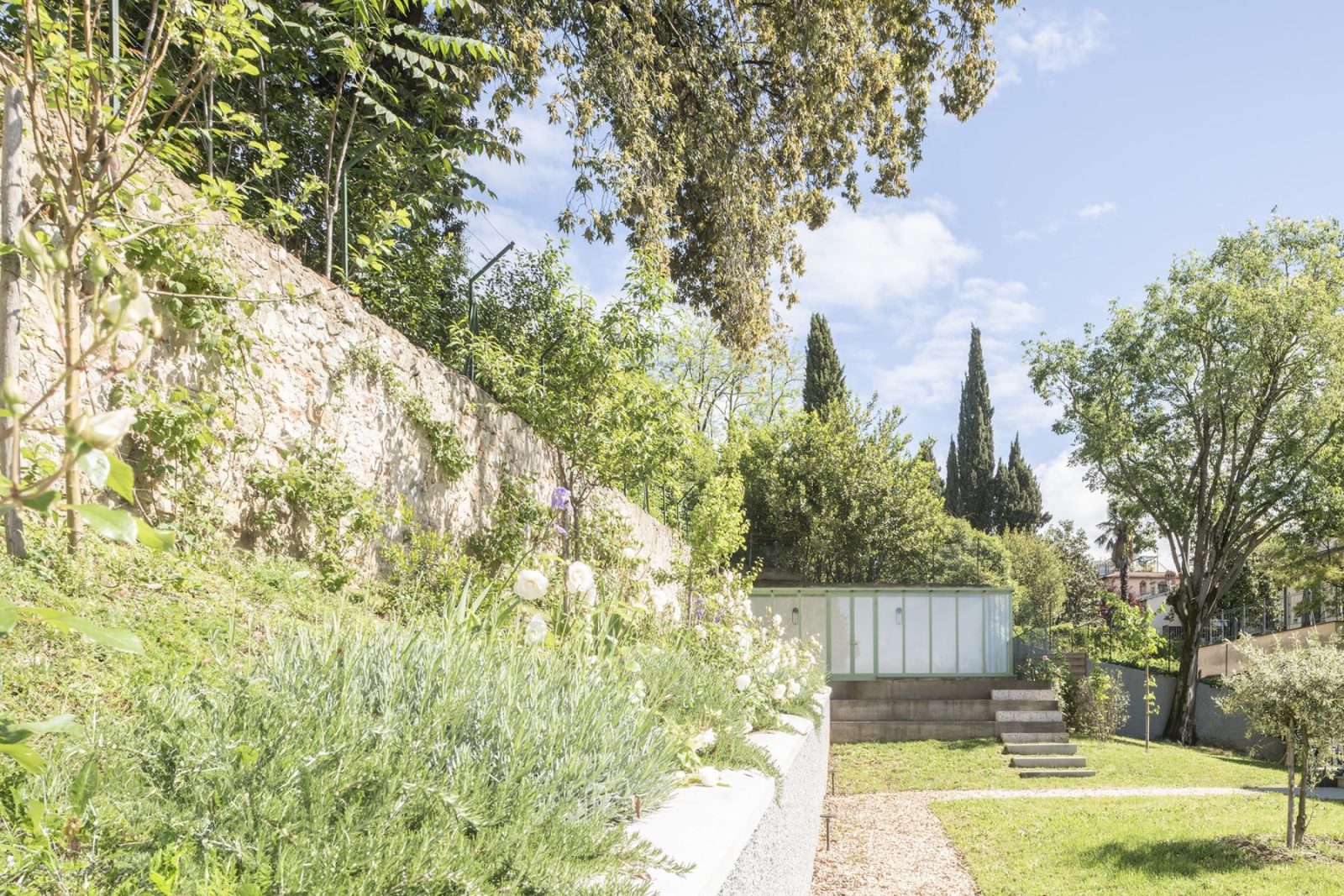
Along the edge of the generous garden, an existing small orangerie was also restored and reinterpreted by bucci quentin with lightness and inventiveness, turning it into a flexible space open to multiple uses and extending the home’s outdoor life.
The project is authored by bucci quentin, a Florence- and Zurich-based practice founded by Sara Bucci and Costanza Quentin. Their work is rooted in a context-sensitive approach in which memory and innovation intersect. Their profile reflects a research trajectory that combines essentiality, material poetics, and an open interdisciplinary process “where memory and innovation converge to shape spaces capable of telling stories, welcoming people, and transforming over time.” Arcipressi forms part of a growing body of work developed between Italy and Switzerland, which also includes the ongoing renovation of a school building in Switzerland—an intervention that reinforces the studio’s interest in the relationship between space, matter, and perception, and in transforming existing contexts through precise, thoughtful gestures that renew without erasing.
Drawings
Facts & Credits
Title Arcipressi
Typology Architecture, Residence
Location Florence, Italy
Status Completed, 2026
Architecture bucci quentin
Construction Nigro E C. Costruzioni Srl
Photography Federico Villa Studio, Simone Padelli
Text by the authors