‘An Architecture of Care’ series curated by Archt. for Archisearch, explores how inclusive design reshapes contemporary architectural discourse, framing spatial practice as an act of poetic care, social engagement, and embodied experience.
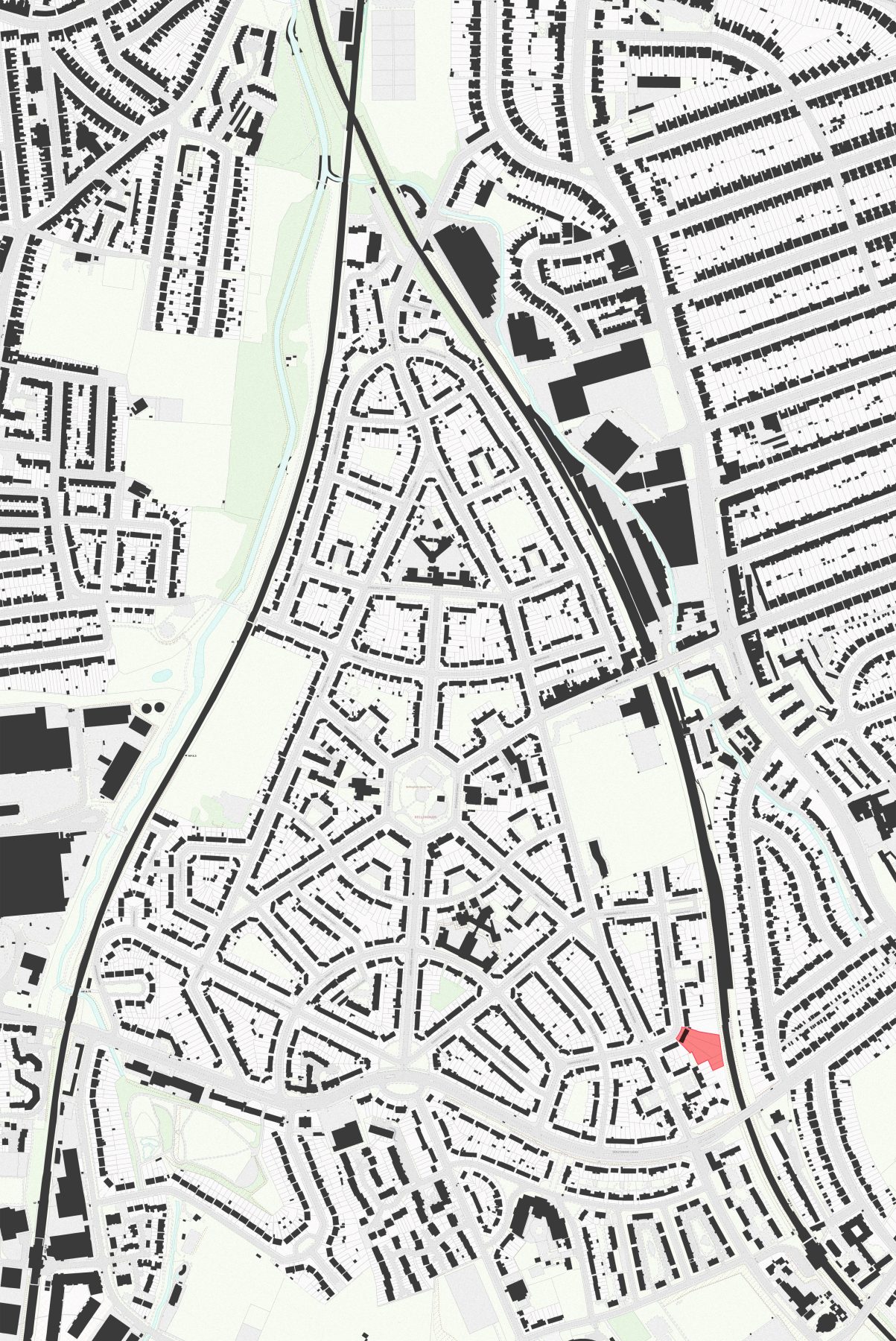
In the fourth episode, we follow Metropolitan Workshop — a collective of more than fifty architects and urban designers operating across London and Dublin — as they deliver Farmstead Road, a 24-home affordable housing scheme embedded within the historic working-class fabric of southeast London’s Bellingham Estate. Guided by the conviction that “what we are doing is city building, not property development”, and shaped by the twin pressures of the UK housing crisis and the global imperative for energy-efficient homes, the project extends the estate’s 1920s urban grammar. Its language of textured brick, cottage-scaled massing, Garden City and Arts & Crafts ideals is reinterpreted as a contemporary framework for social purpose and environmental performance.
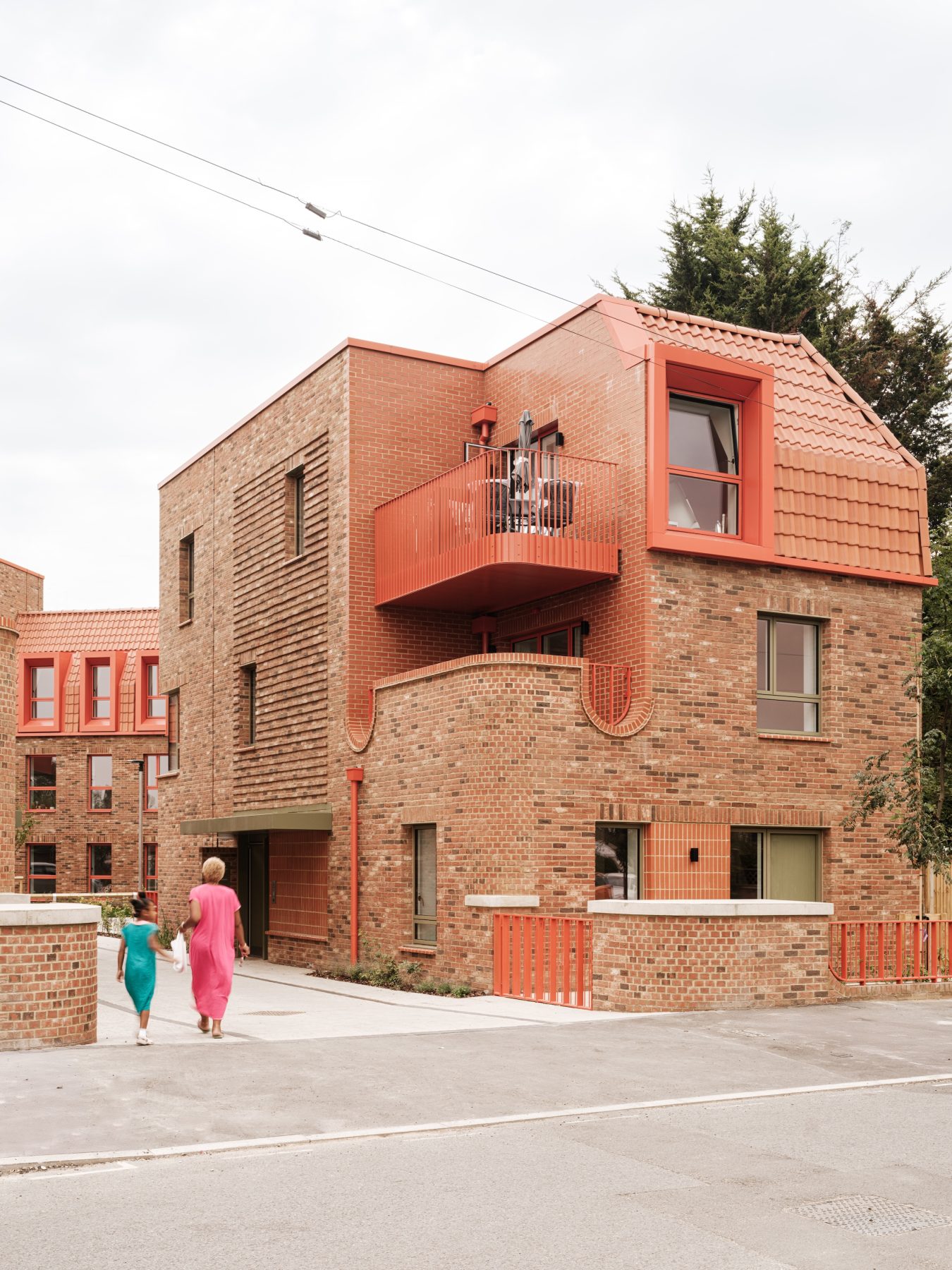
Commissioned by Phoenix Community Housing — a not-for-profit housing association managing more than 6,000 homes while operating its own maintenance company — the scheme revisits the social ambitions underpinning Bellingham Estate’s original conception. In supporting the affordable housing targets established by the London Borough of Lewisham and the Mayor of London, Farmstead Road reasserts architecture’s civic role through carefully considered, high-quality housing.
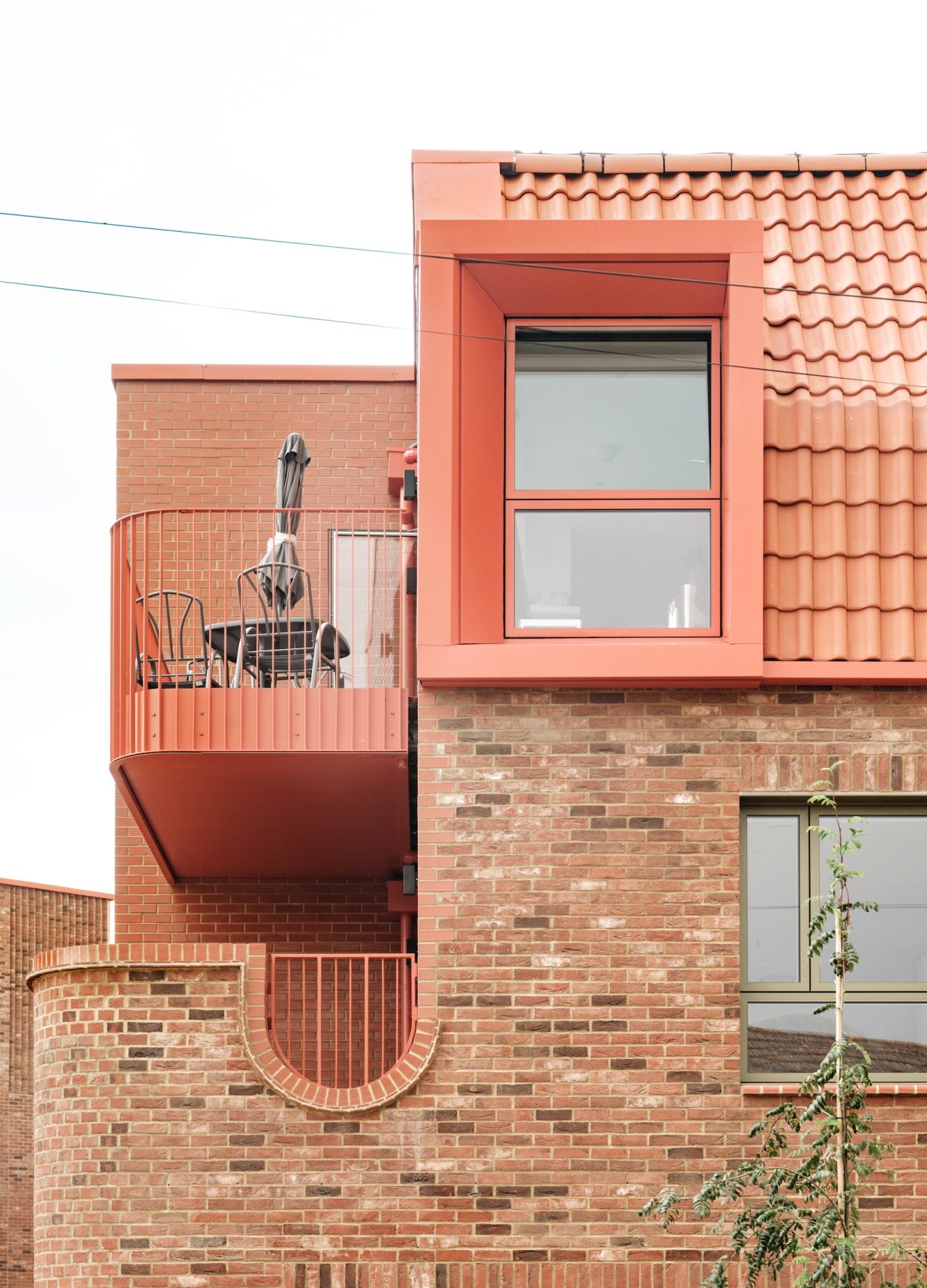
Designed to the Passivhaus Low Energy Building Standard, the project couples environmental performance with social sustainability, significantly reducing energy demand while helping to alleviate fuel poverty for residents.
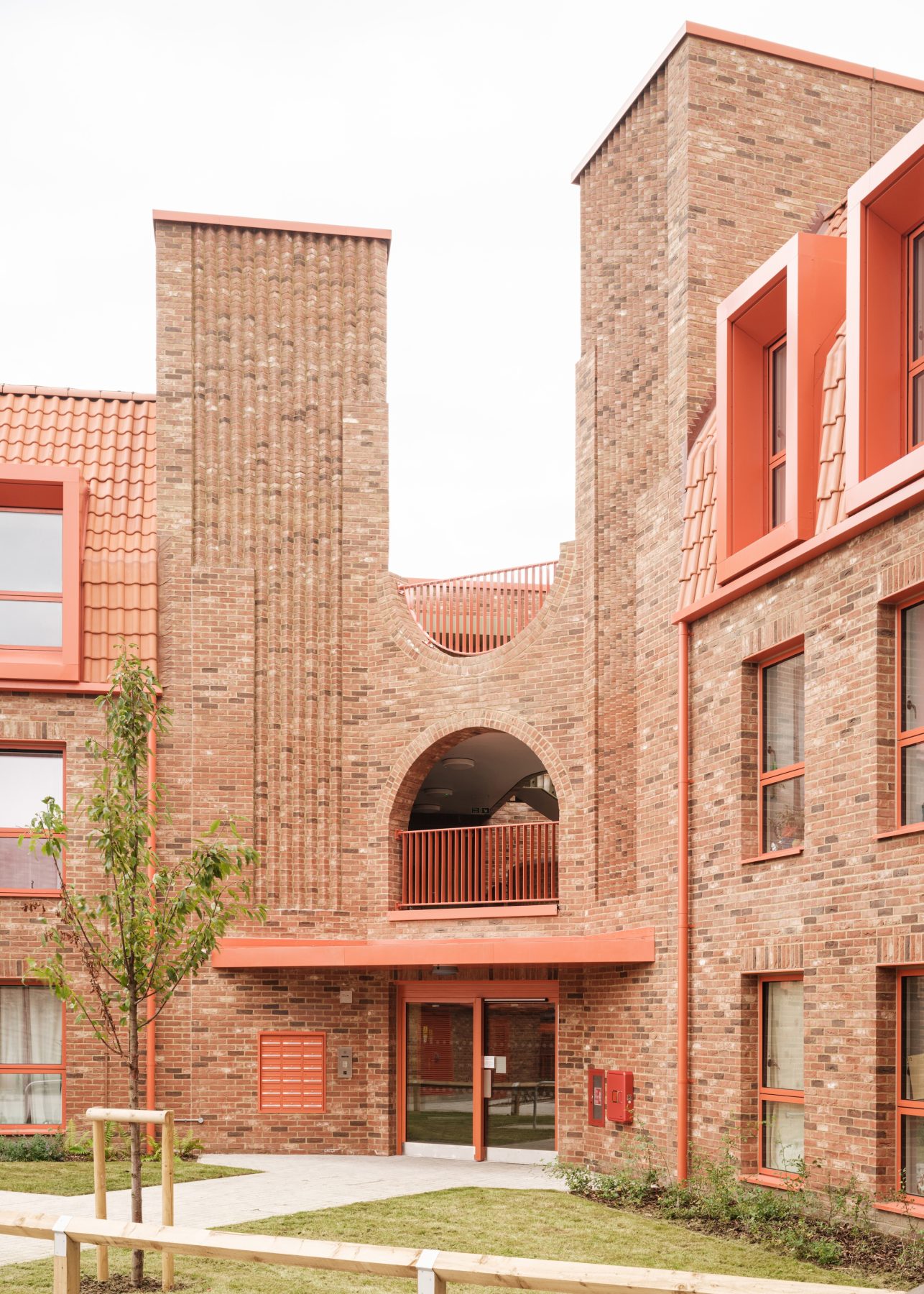
Phoenix Community Housing Chief Executive Denise Fowler reflects on the project’s social impact: “Having a high-quality home makes such a difference to people’s lives and we’re already seeing a lovely community forming here. This is our second Passivhaus housing scheme supporting our residents to live in comfort all year round.”
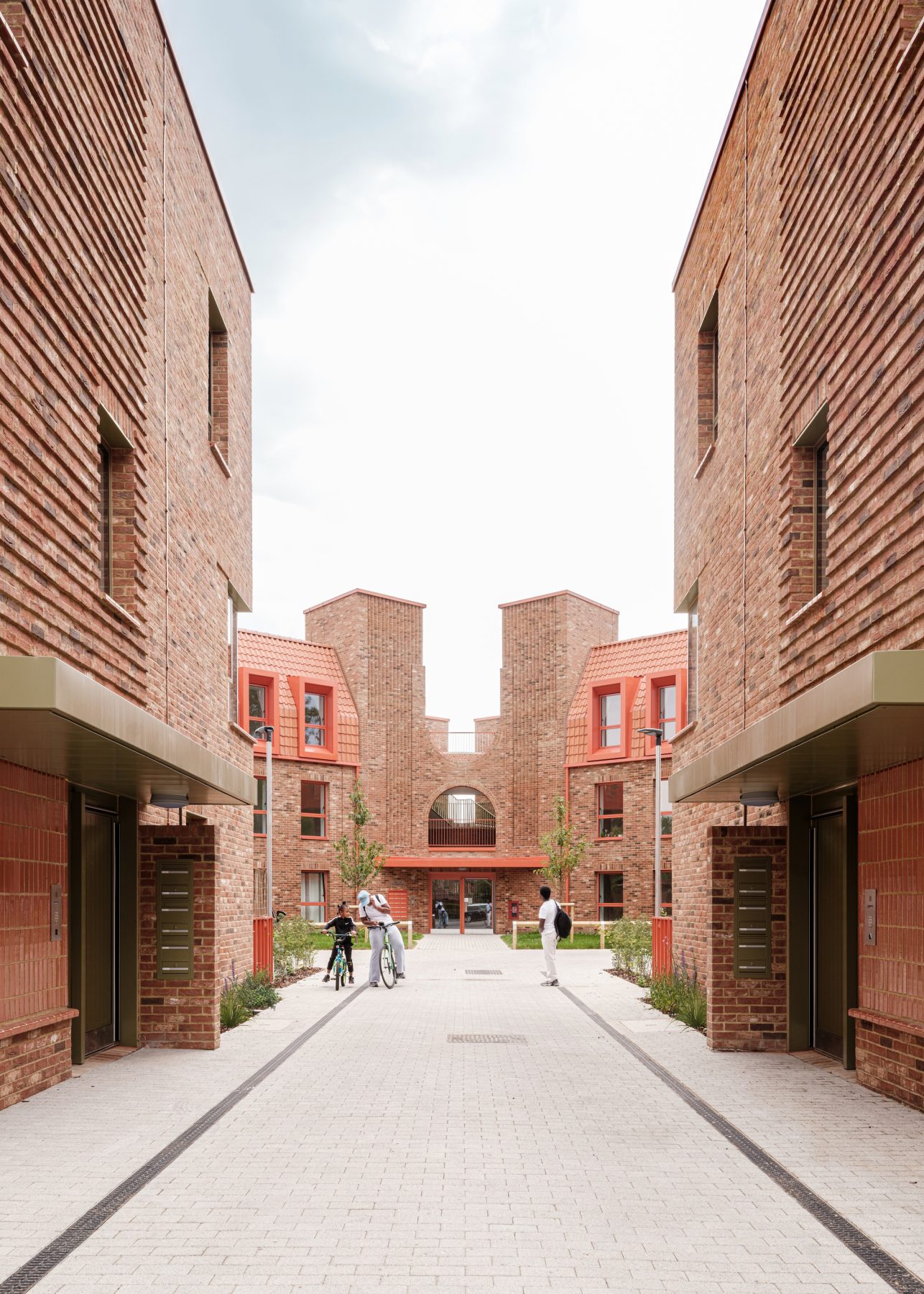
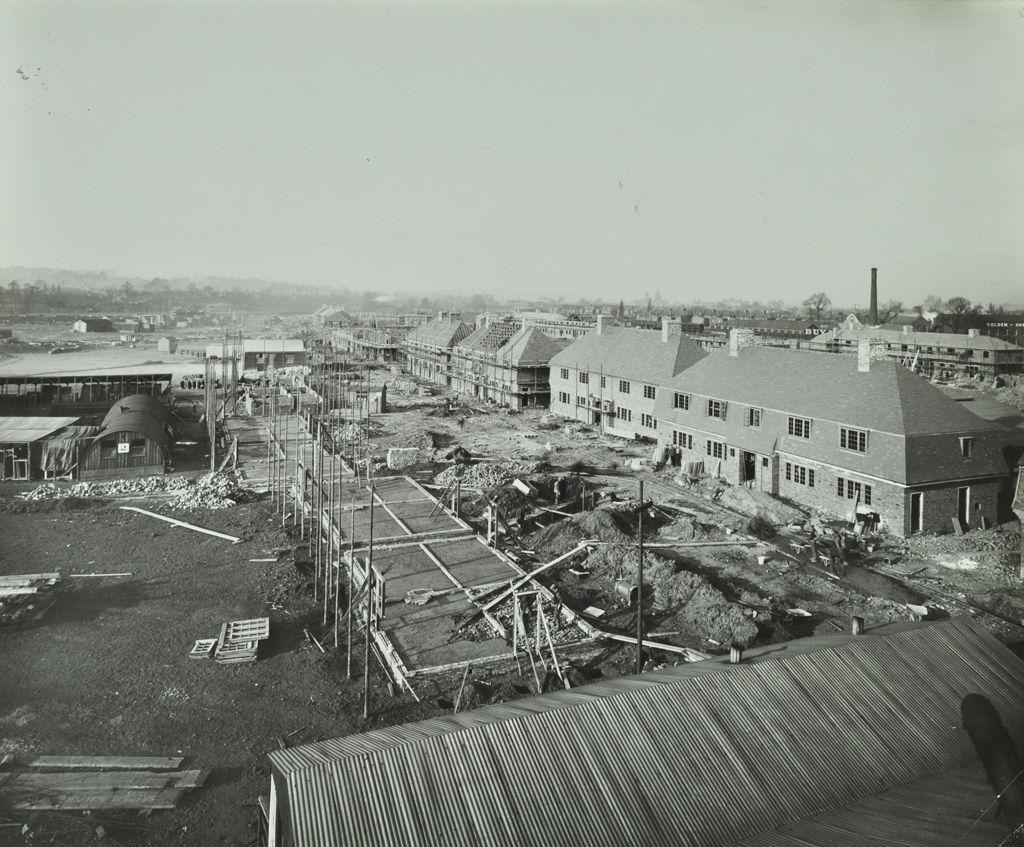
Bellingham Estate was among the major suburban housing developments realised by the London County Council during the interwar years, responding to the severe housing shortages that followed the First World War. Built largely during the 1920s on former farmland in what is now the London Borough of Lewisham, the estate embodied a new vision for healthy, dignified working-class housing. As architectural historian Alison Ravetz argues in Council Housing and Culture: The History of a Social Experiment (2003), British municipal housing of the interwar period was conceived not merely as an infrastructural response to overcrowding and poverty, but as a wider cultural and political project that sought to align welfare provision with architectural quality, civic identity, and everyday social improvement.
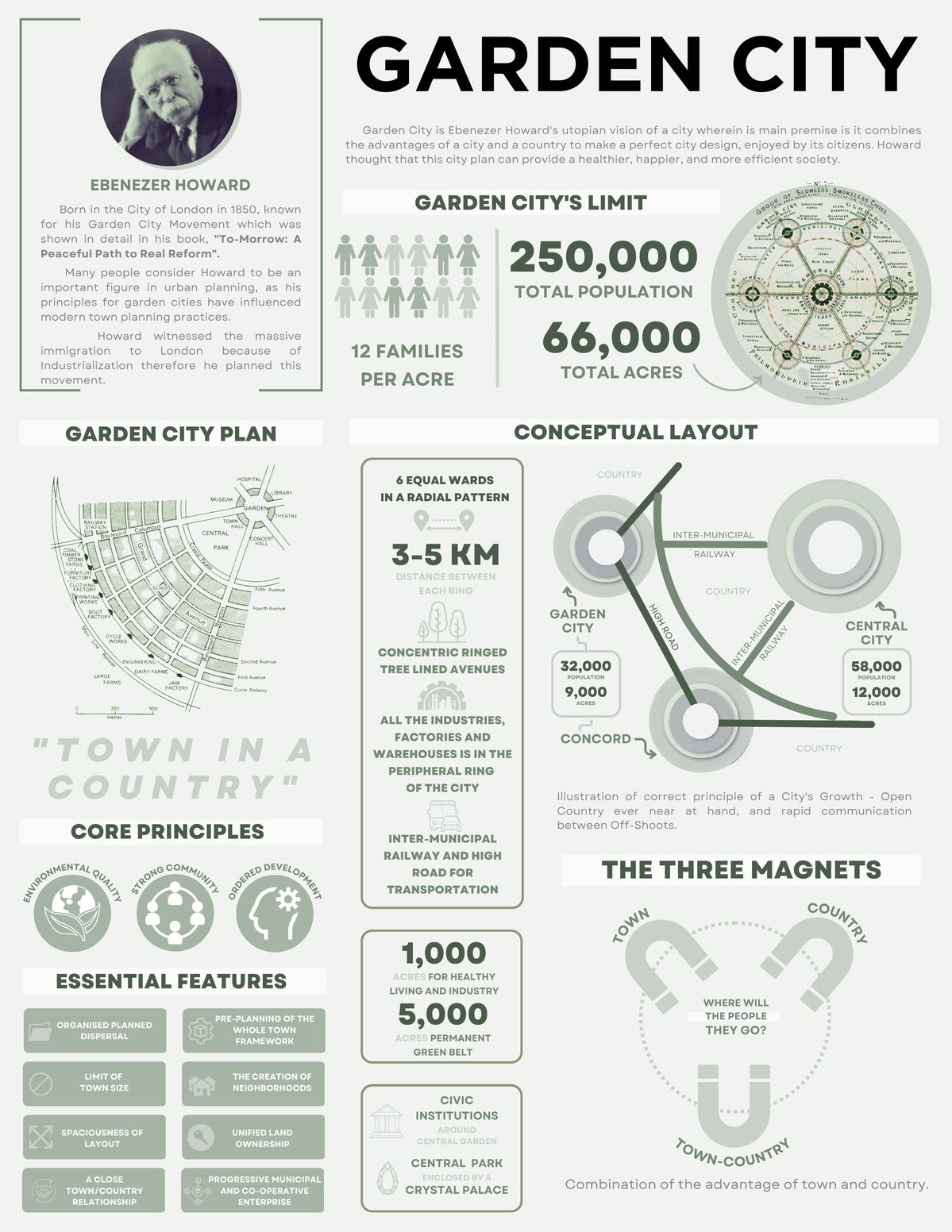
Its planning drew heavily from the ideals of the Garden City movement, initiated by Ebenezer Howard in the late nineteenth century — a vision advocating low-density communities immersed in greenery, where the social opportunities of the city could coexist with the openness and restorative qualities of the countryside.
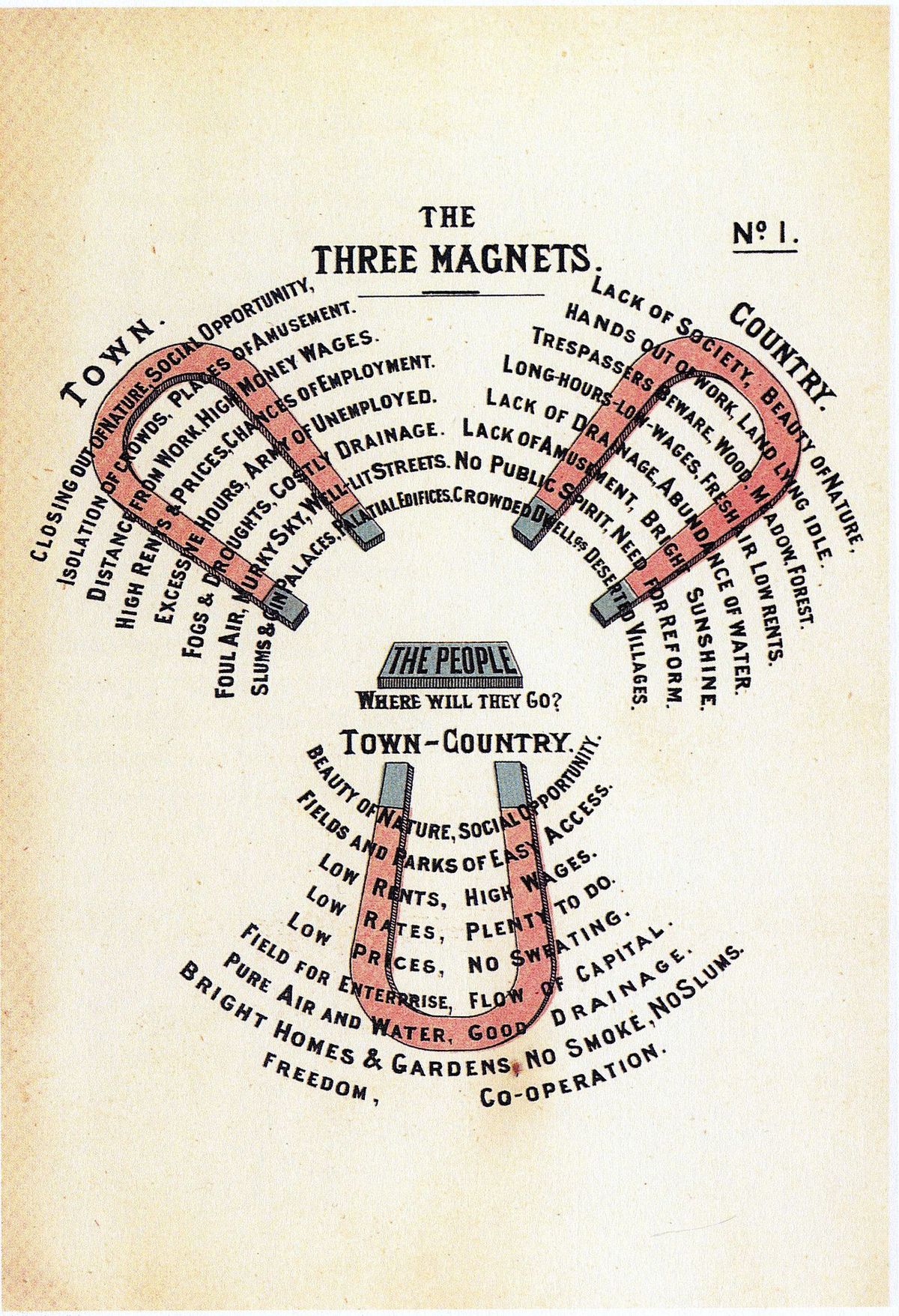
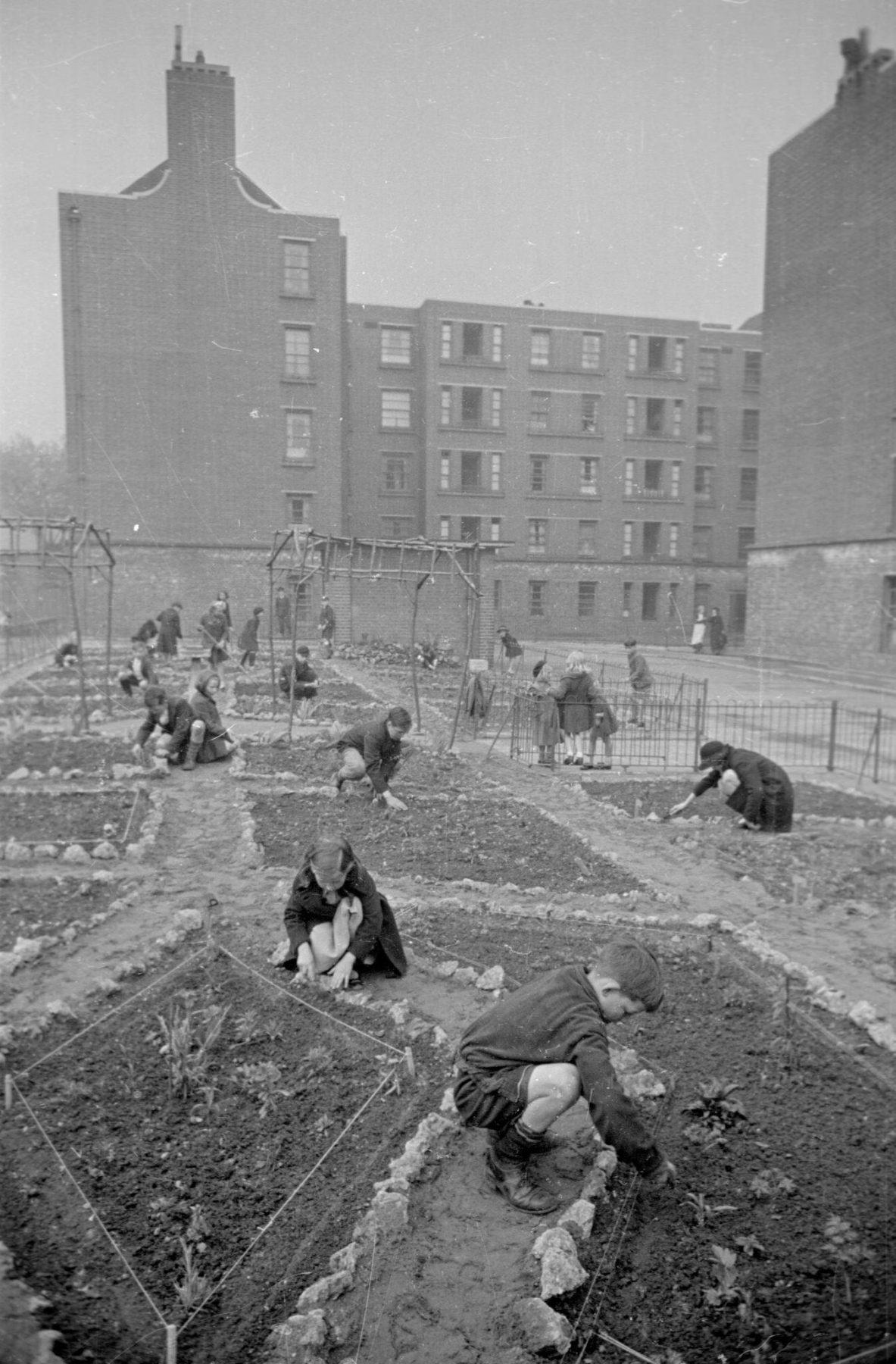
At Bellingham, these principles materialised through tree-lined streets, generous front and rear gardens, abundant communal green space, and a suburban layout intended to foster wellbeing and collective life. In deliberate contrast to the density of Victorian housing, the estate privileged light, air, and access to nature.
The estate also reflected the influence of the Arts & Crafts movement, which reacted against industrial standardization and promoted craftsmanship, domesticity, and harmony with local context. Architecturally, this translated into modest cottage-style dwellings with pitched tiled roofs, prominent chimneys, bay windows, carefully detailed brickwork, and streetscapes composed to feel informal, intimate, and profoundly human-scaled rather than monumental.
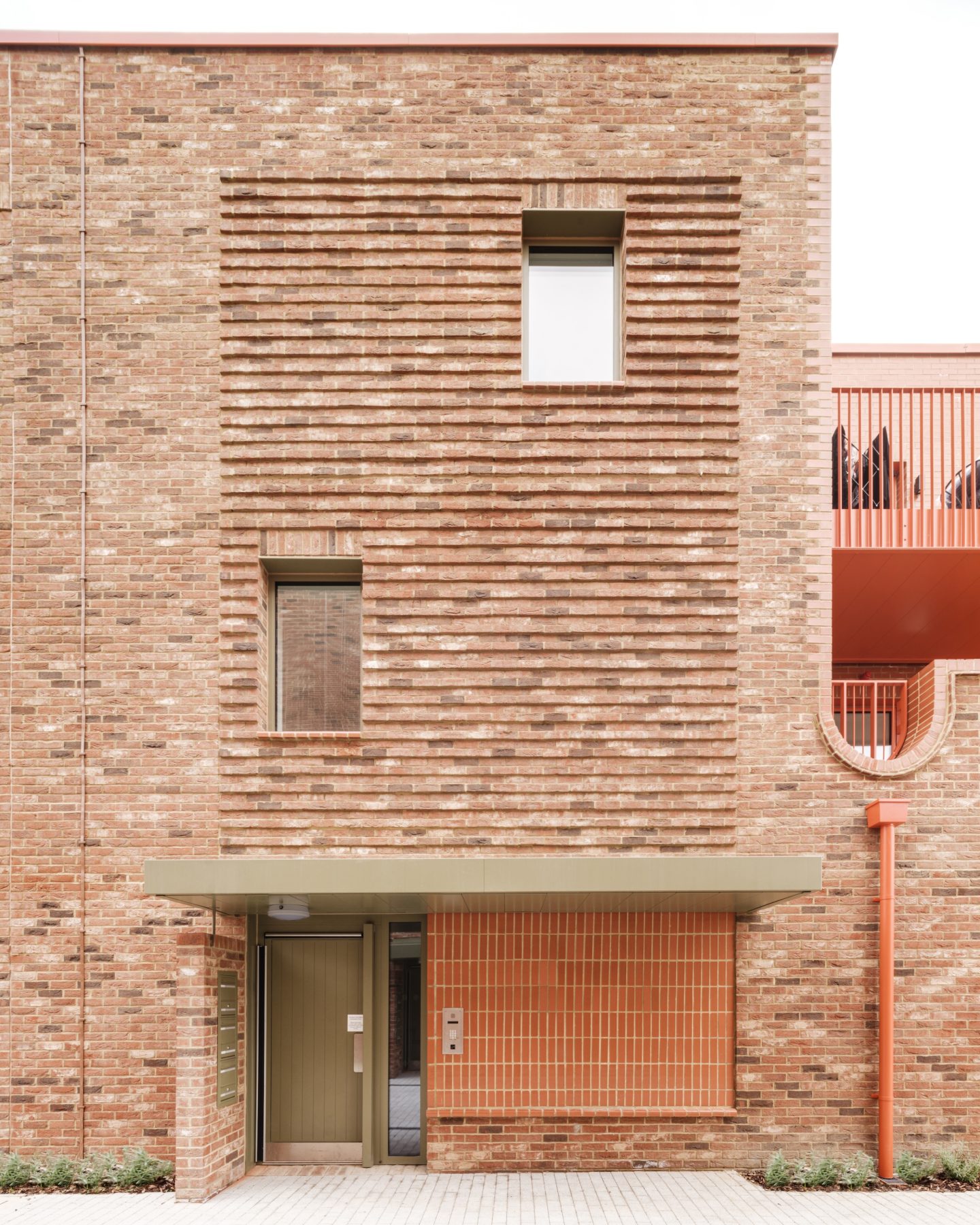
Designed for working families, the homes embodied a level of architectural care rooted in the belief that good design could foster social improvement.
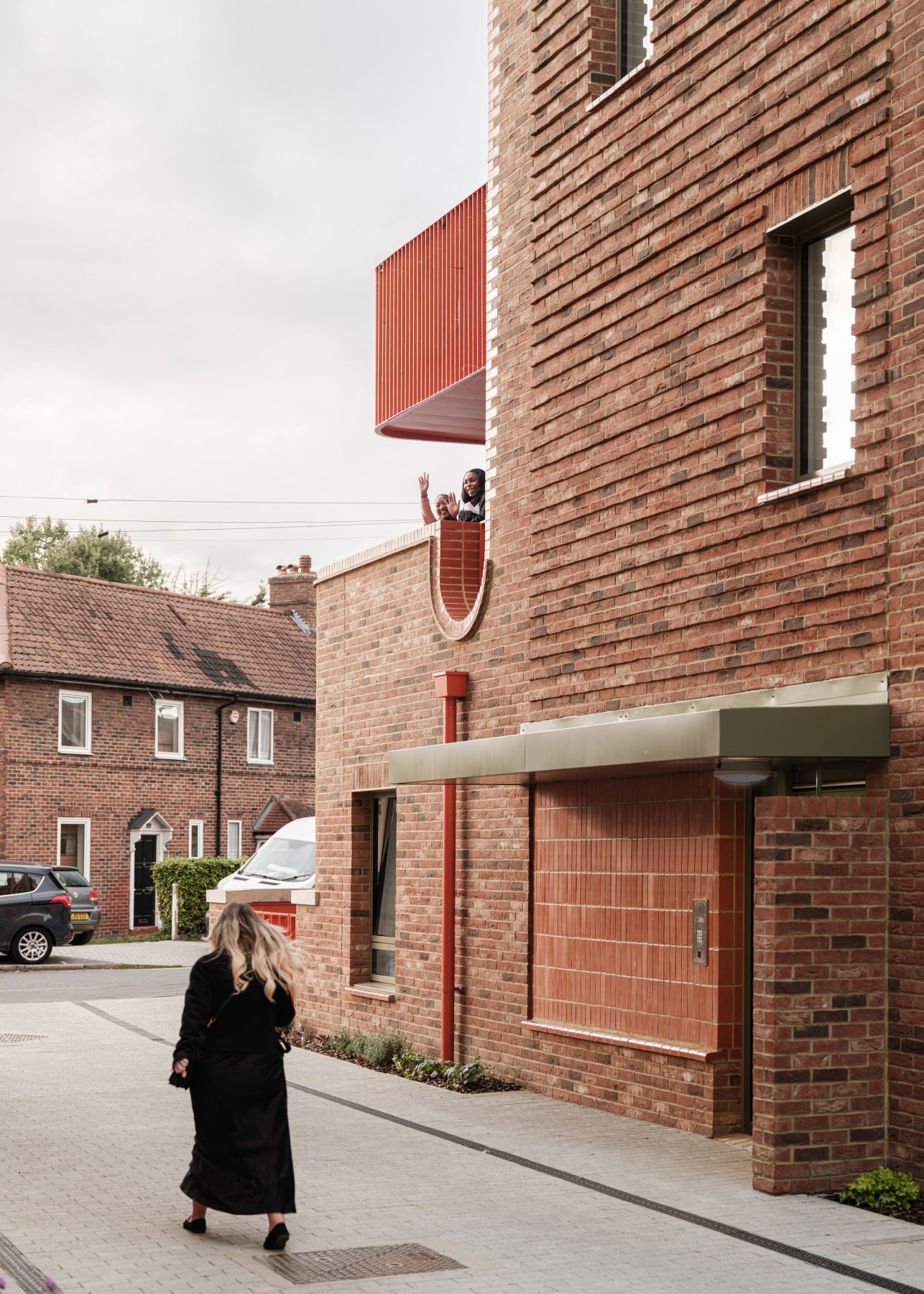
Today, Bellingham remains a significant example of early twentieth-century social housing in which welfare ideals were inseparable from architectural identity. Yet the contemporary management and renewal of such estates continues to reflect wider debates surrounding maintenance, social equity, and the long-term stewardship of public housing in Britain. In Estates on the Edge (1997), sociologist Anne Power examines how postwar and interwar housing estates across Northern Europe became critical testing grounds for questions of social cohesion, public investment, and urban responsibility, arguing that the future of social housing depends as much on sustained care and management as on architecture itself.
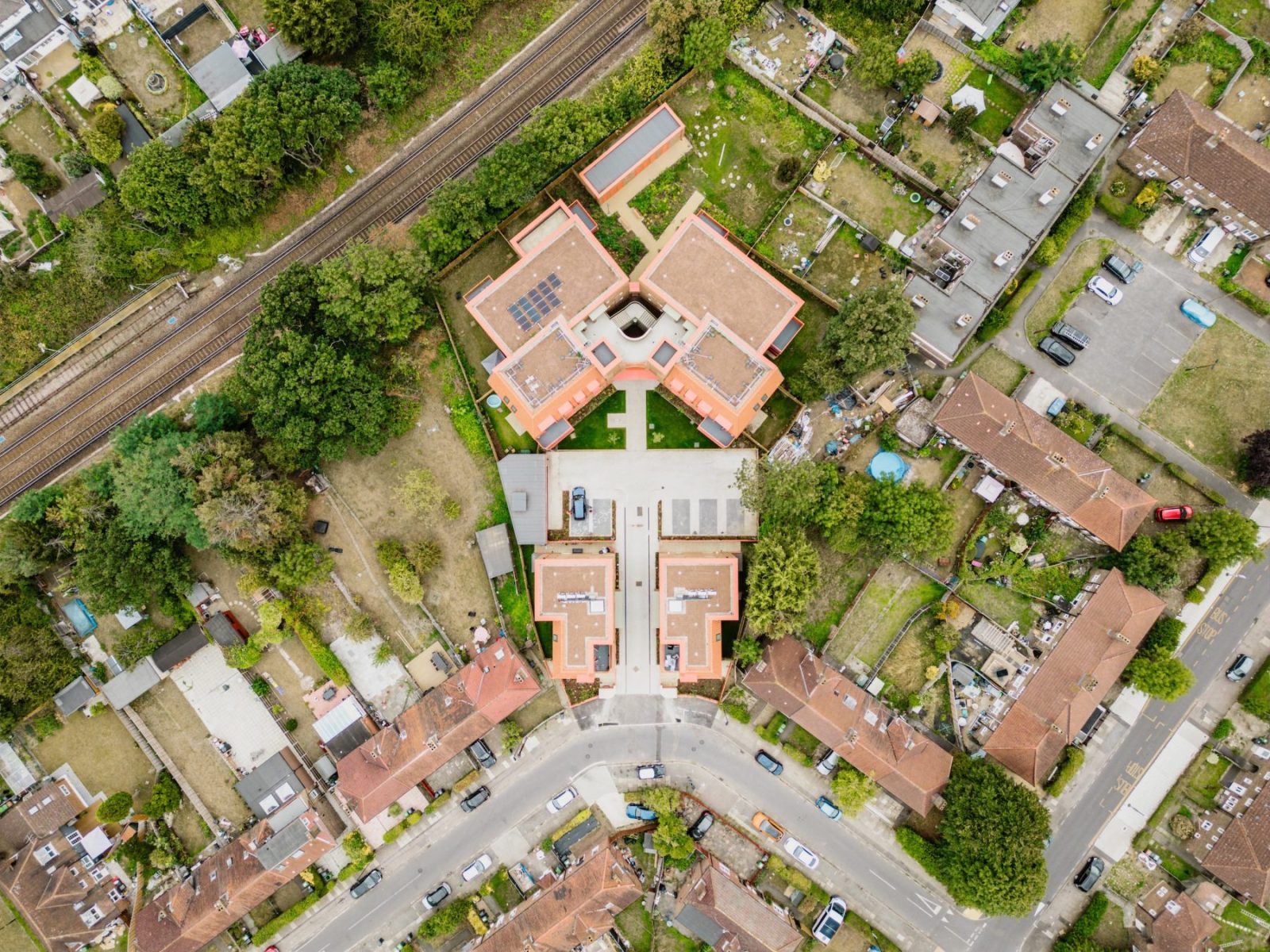
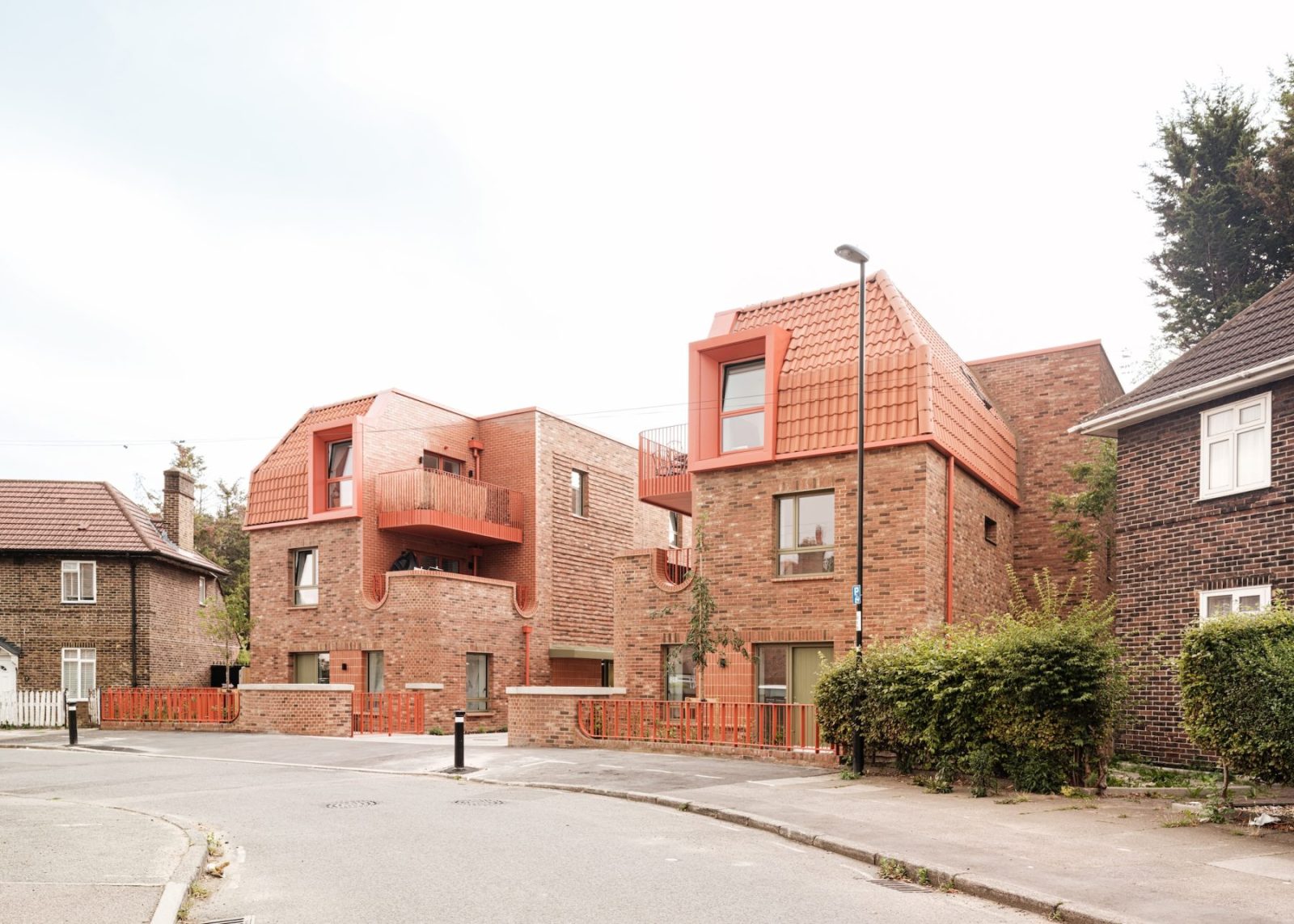
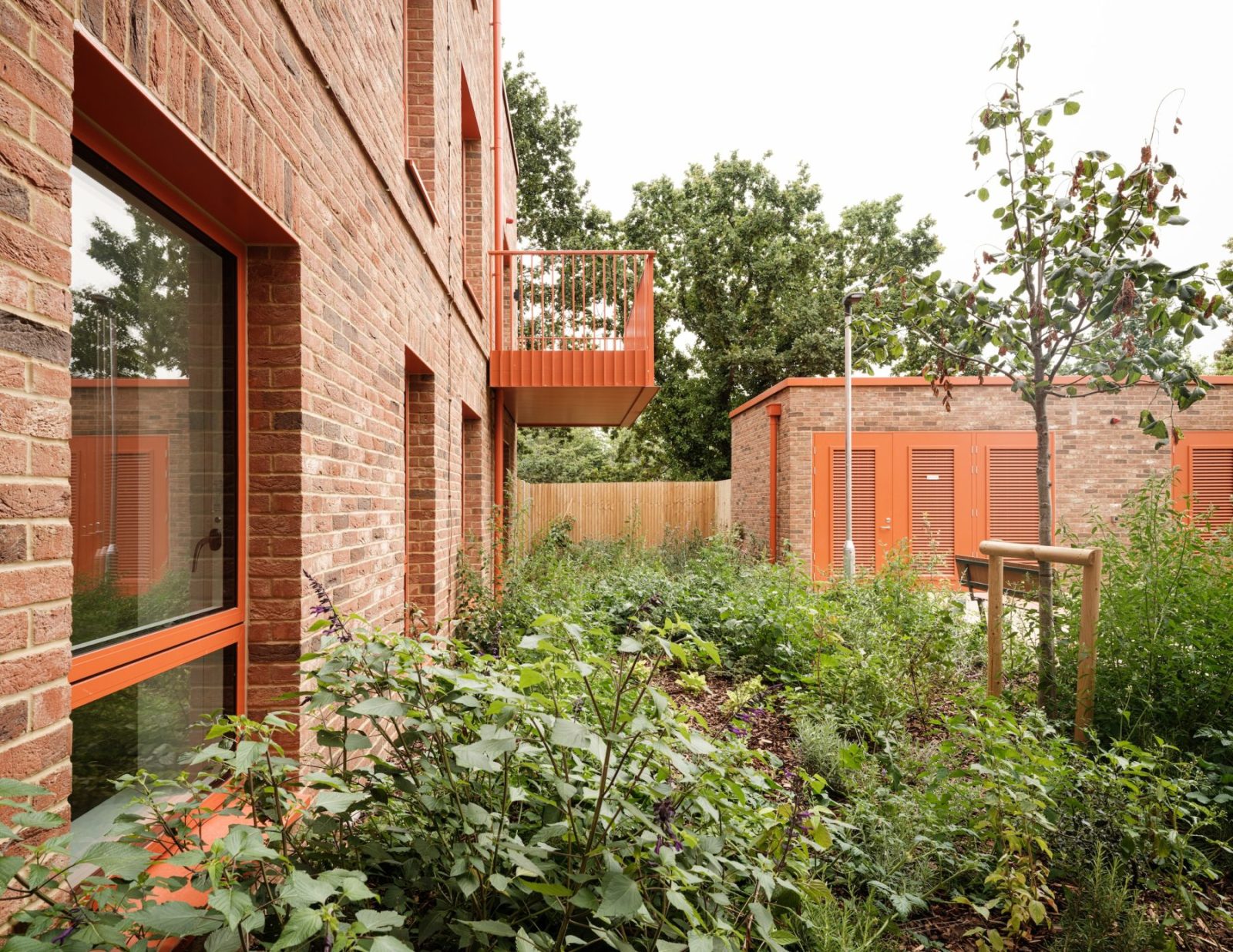
Built on a corner back-garden plot, Farmstead Road extends this legacy through a contemporary interpretation of community-oriented and environmentally conscious housing. The project delivers eighteen two- and three-bedroom homes at London Affordable Rent alongside six shared-ownership homes, providing urgently needed accommodation for local residents.
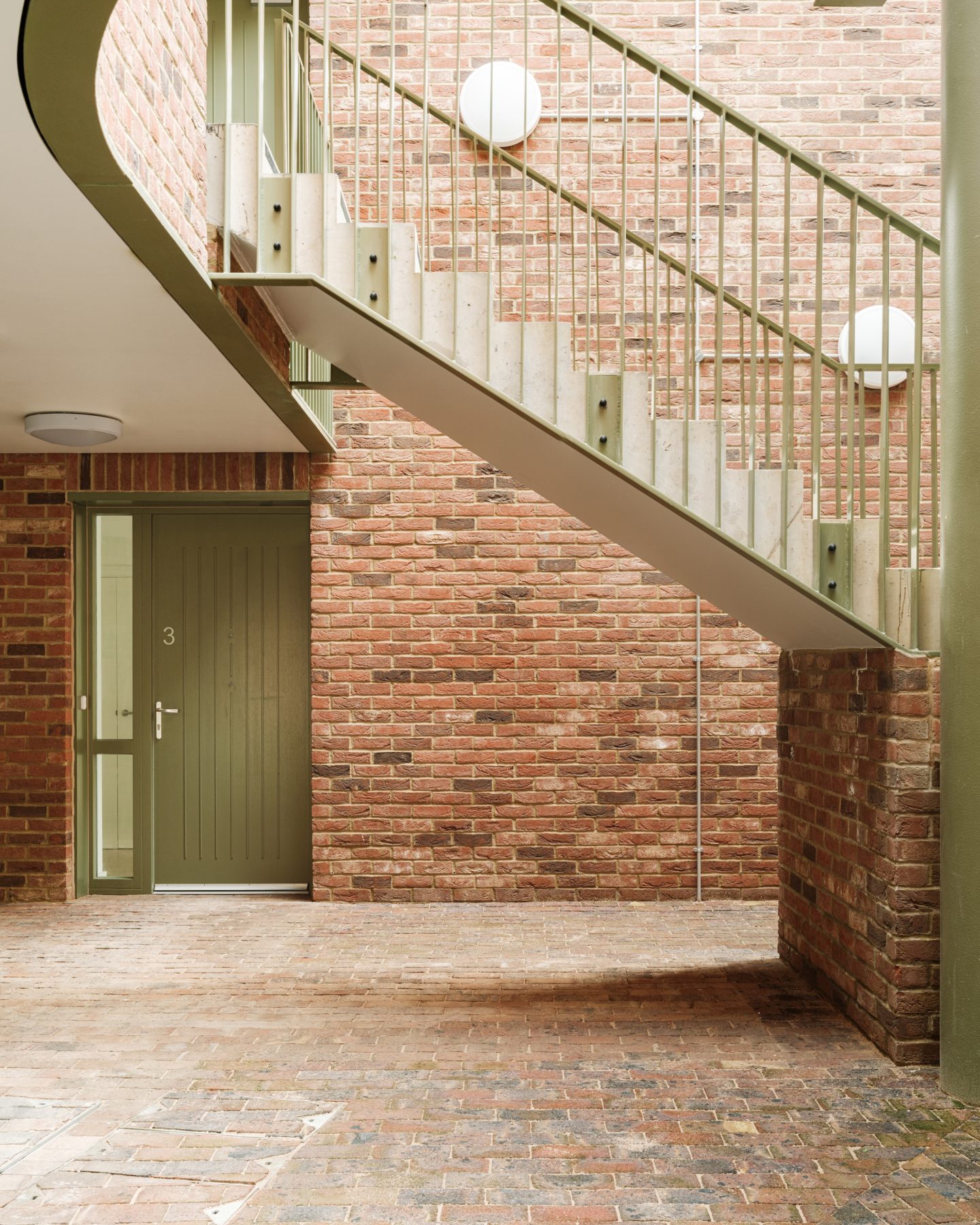
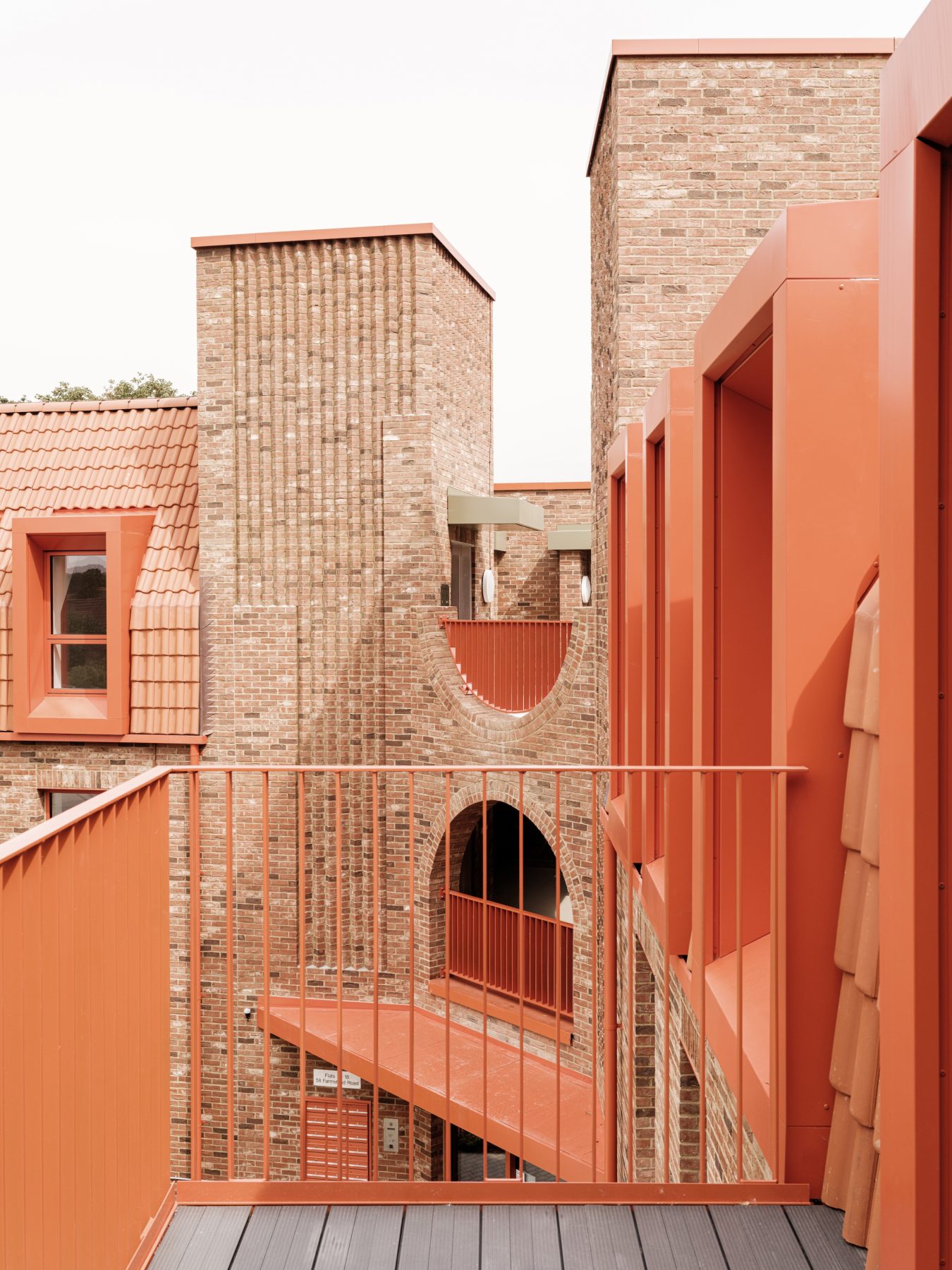

As Metropolitan Workshop Partner Tom Mitchell notes: “This project reflects our practice’s dedication to contextually sensitive and socially responsible architecture that enriches local communities.”
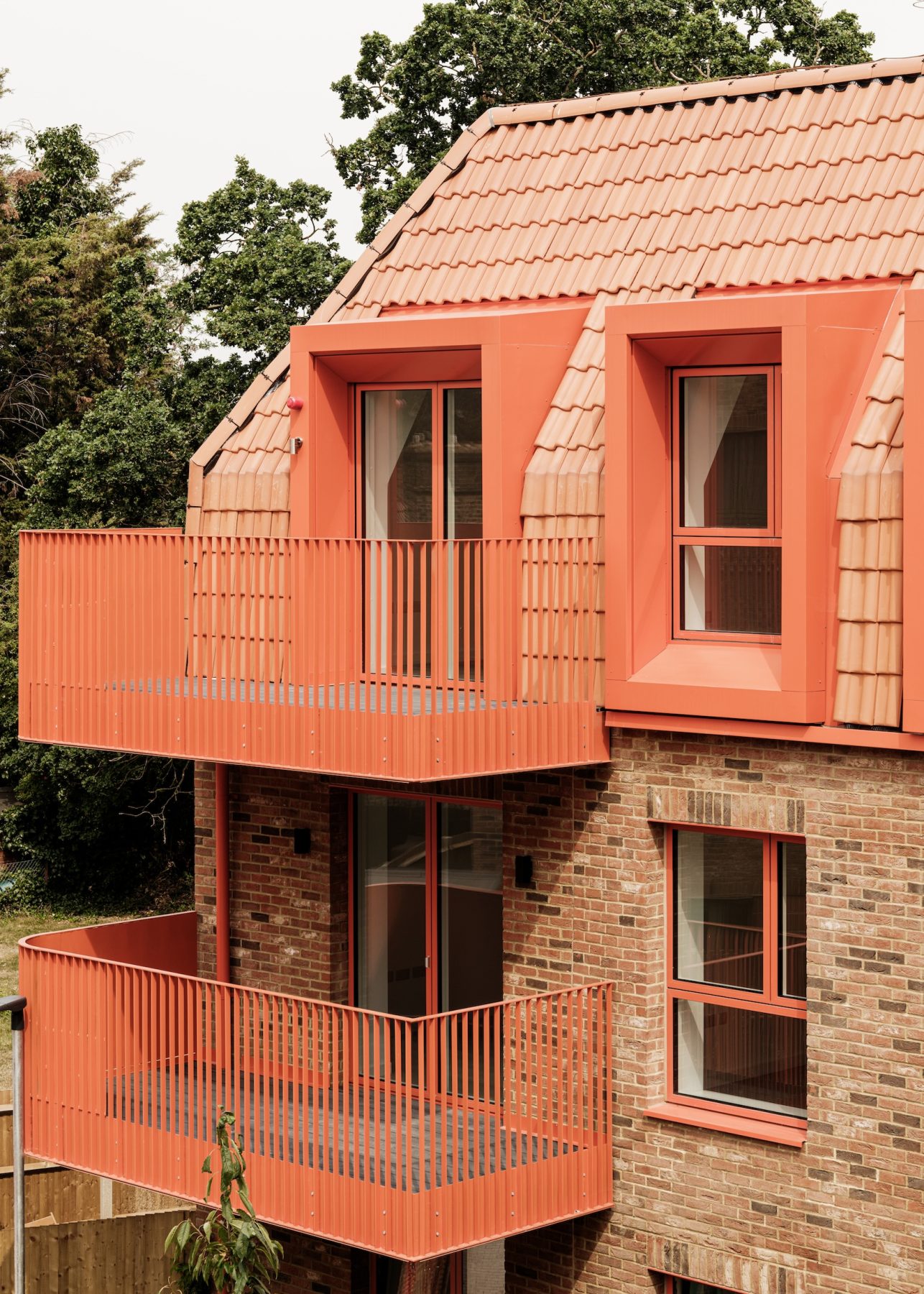
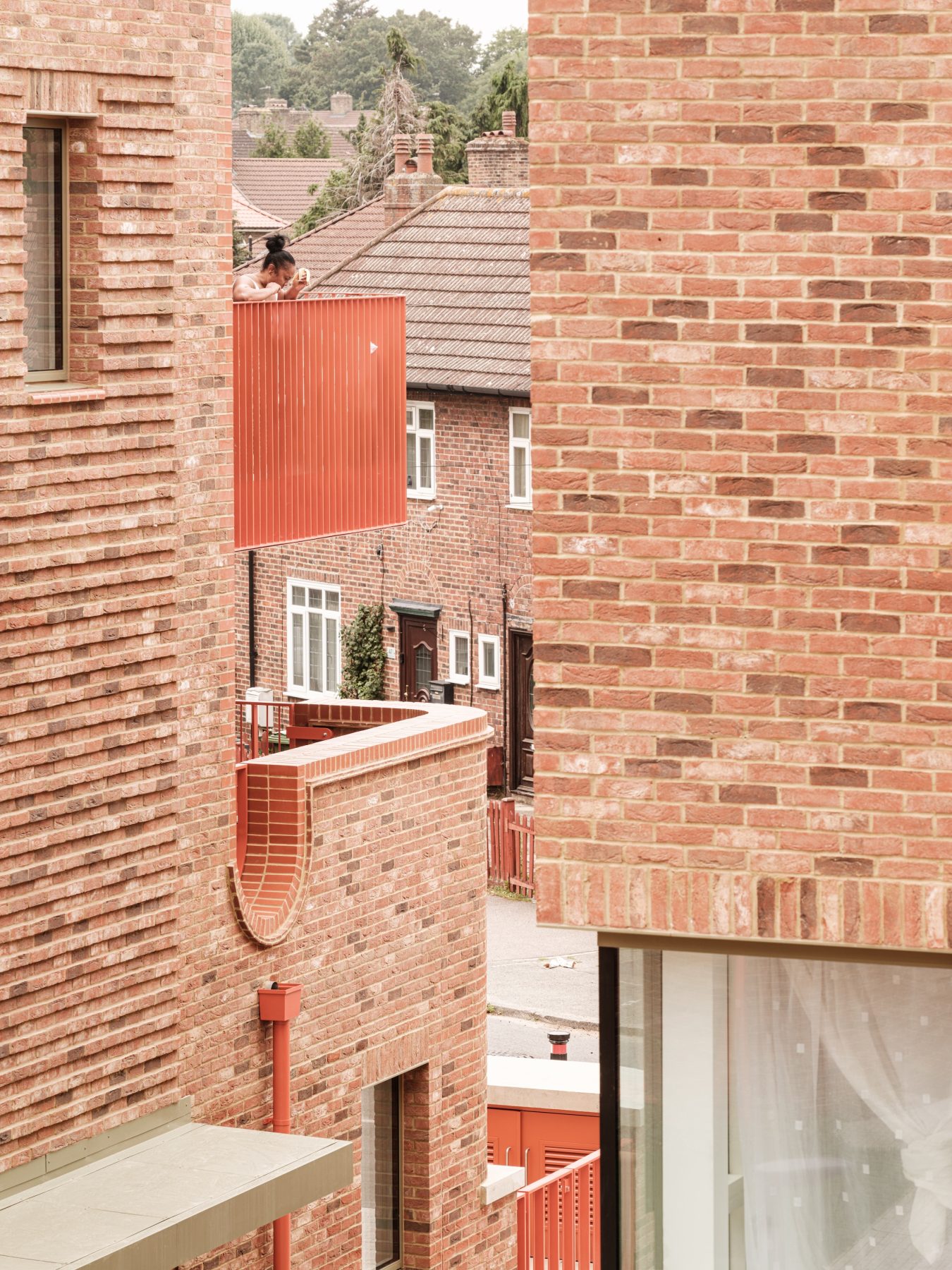
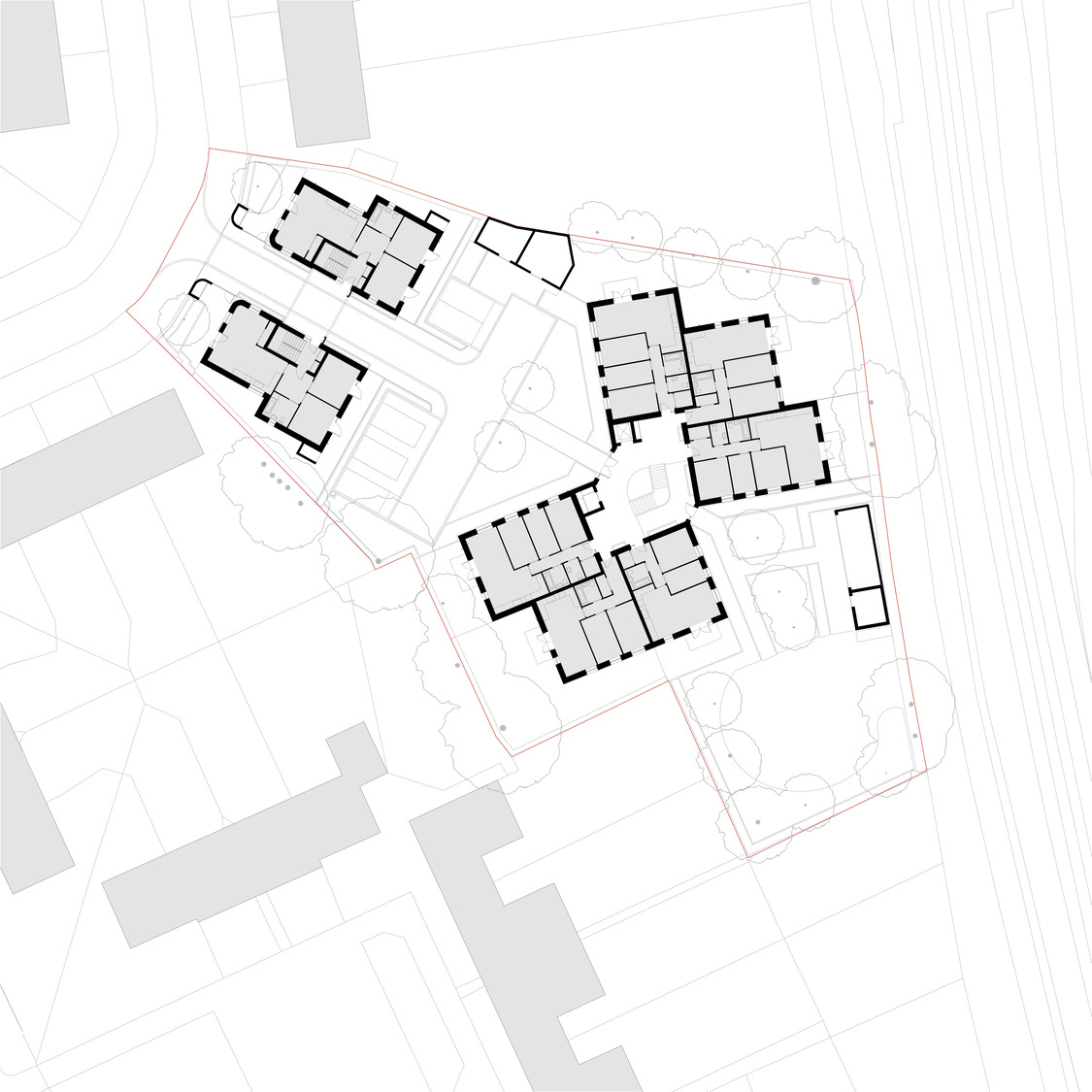
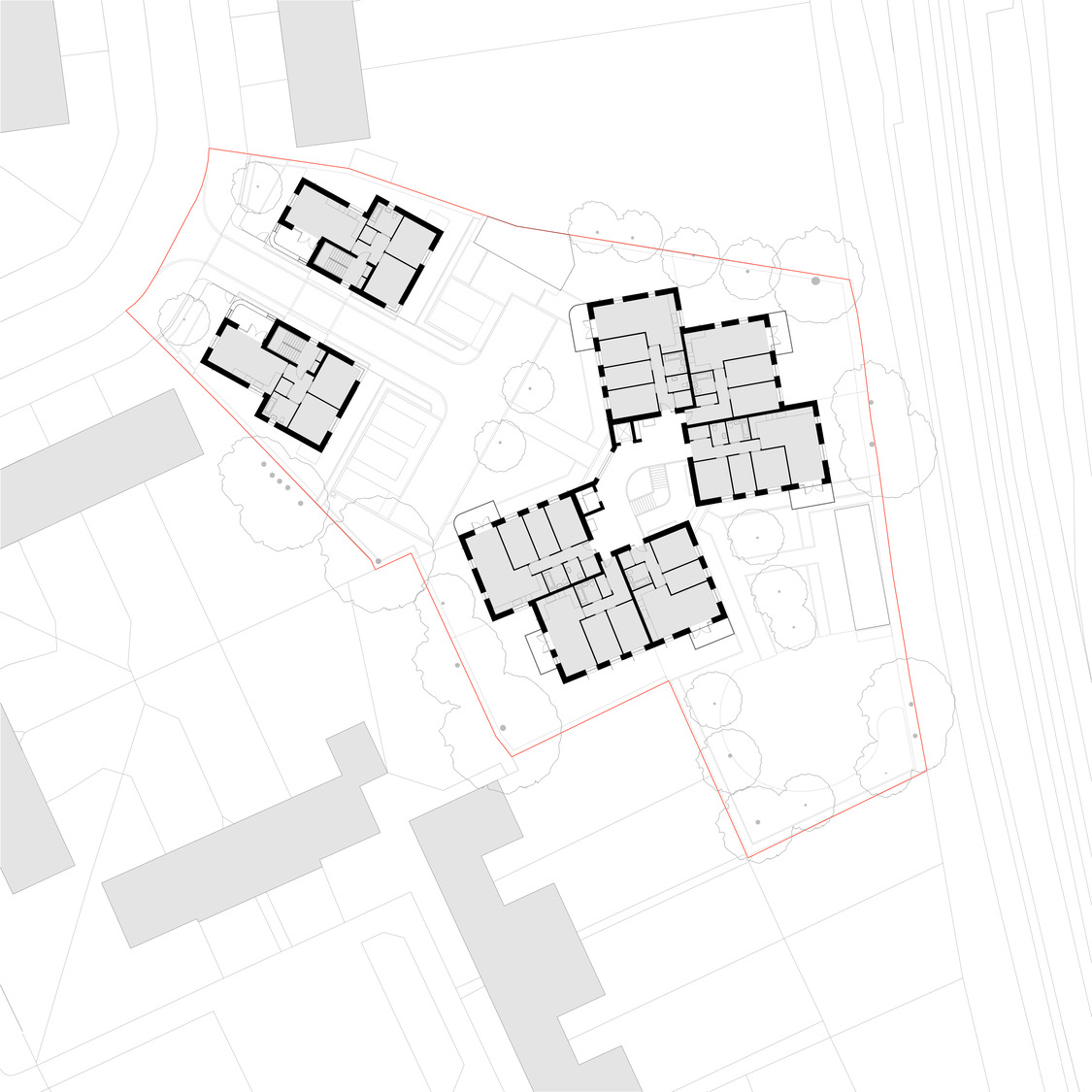
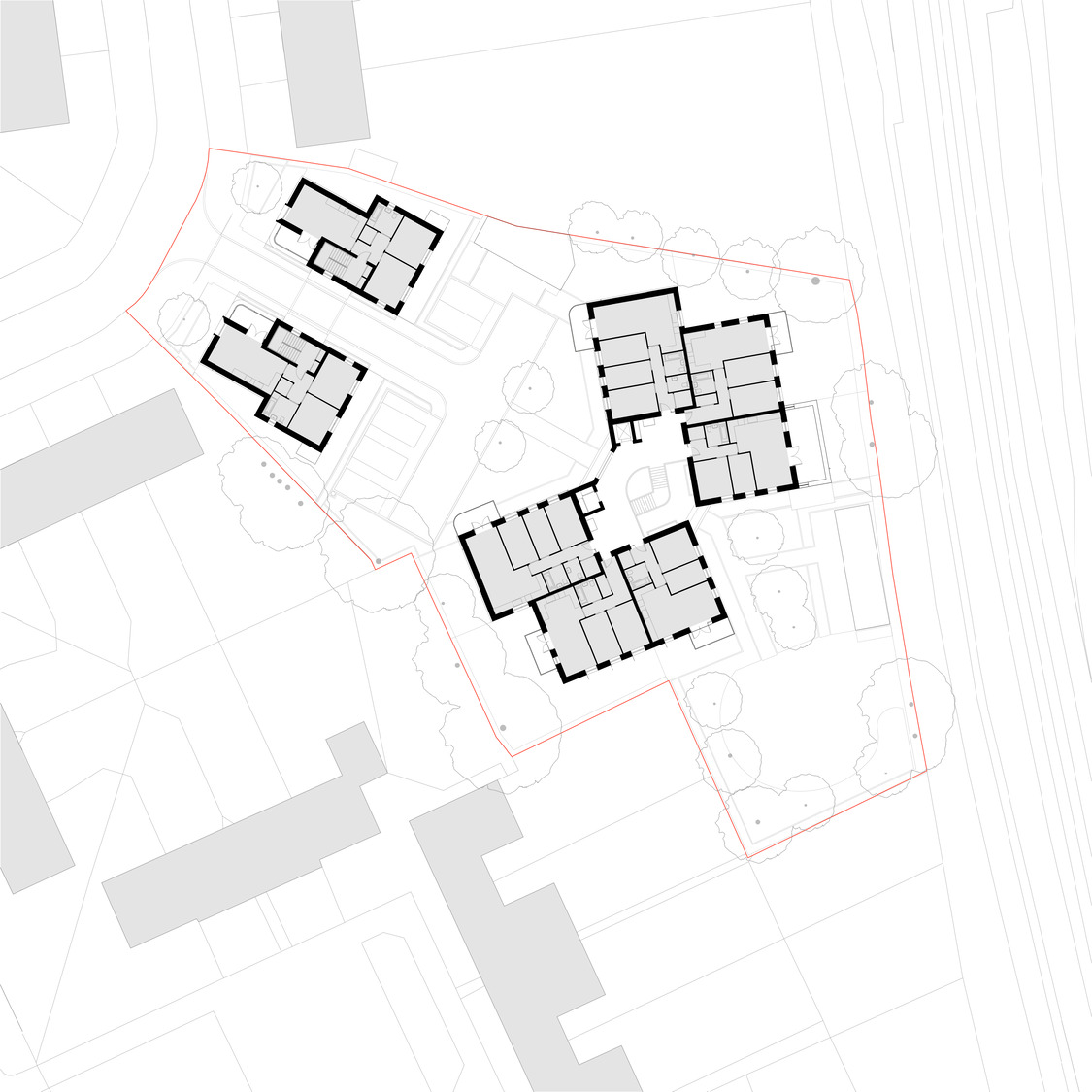
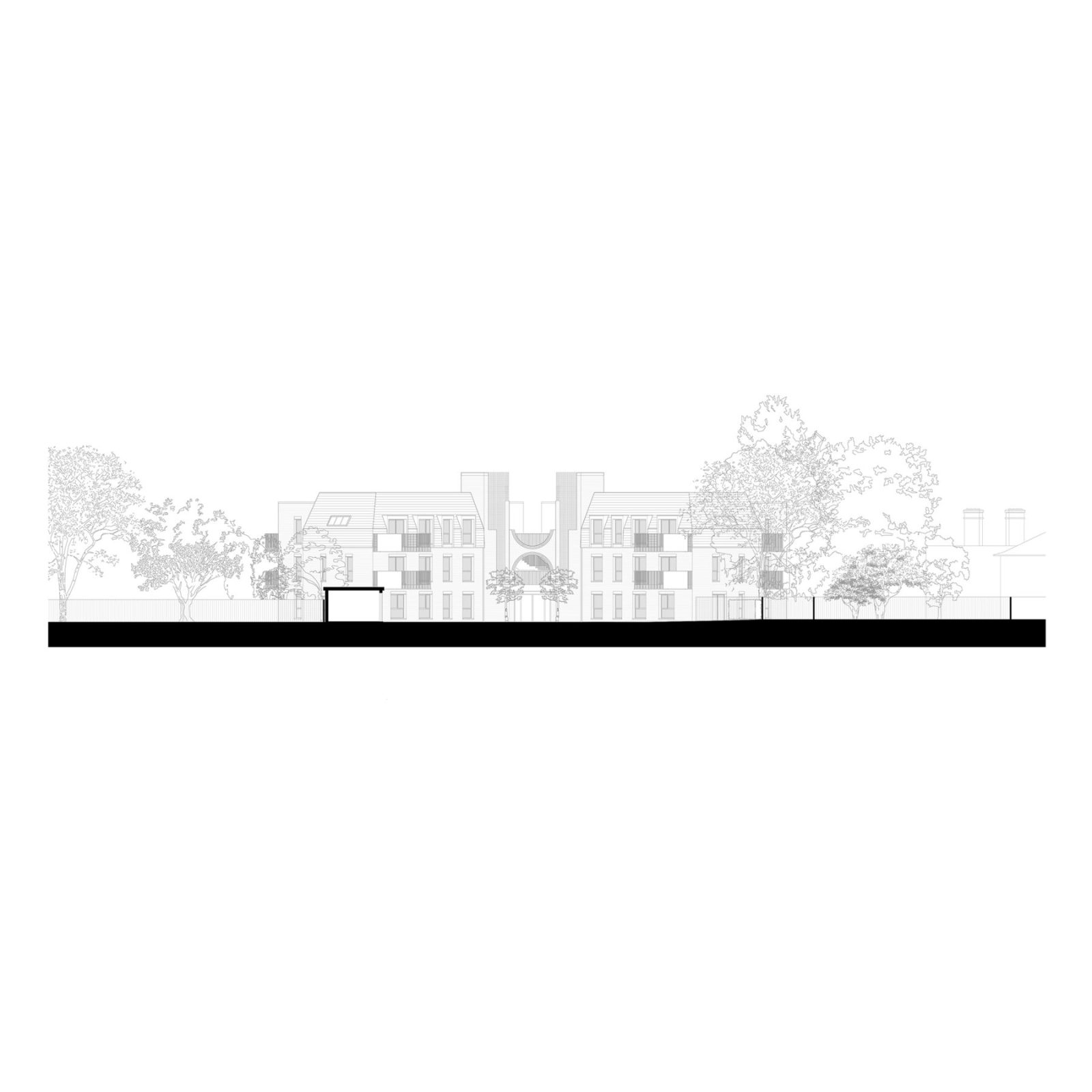
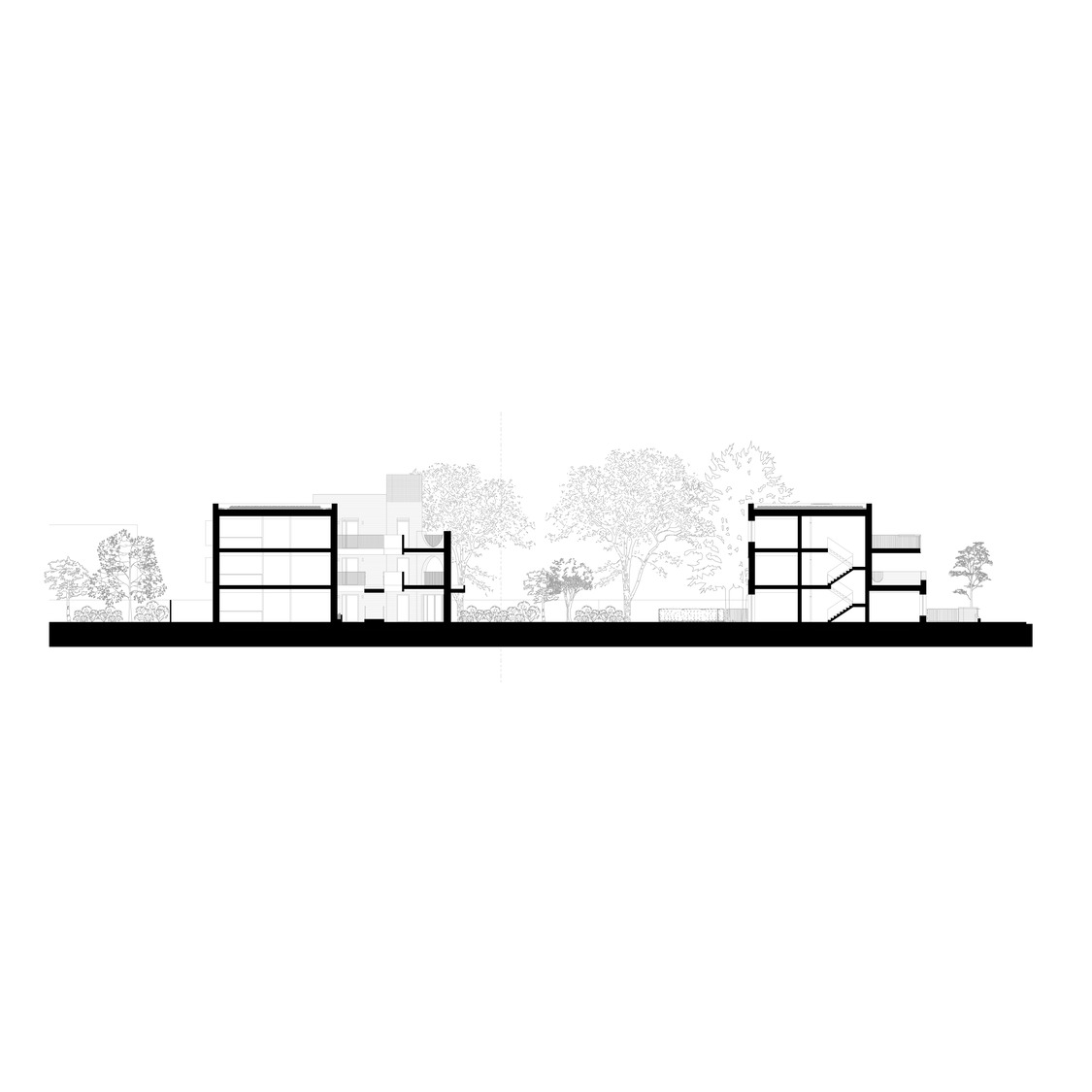
The development is structured around two gatehouse buildings replacing an existing two-storey terrace and framing a new entrance sequence leading towards a larger apartment building at the rear of the site. Their placement and orientation maintain continuity with the established rhythm of Farmstead Road, preserving the scale and cadence of the surrounding terraces.
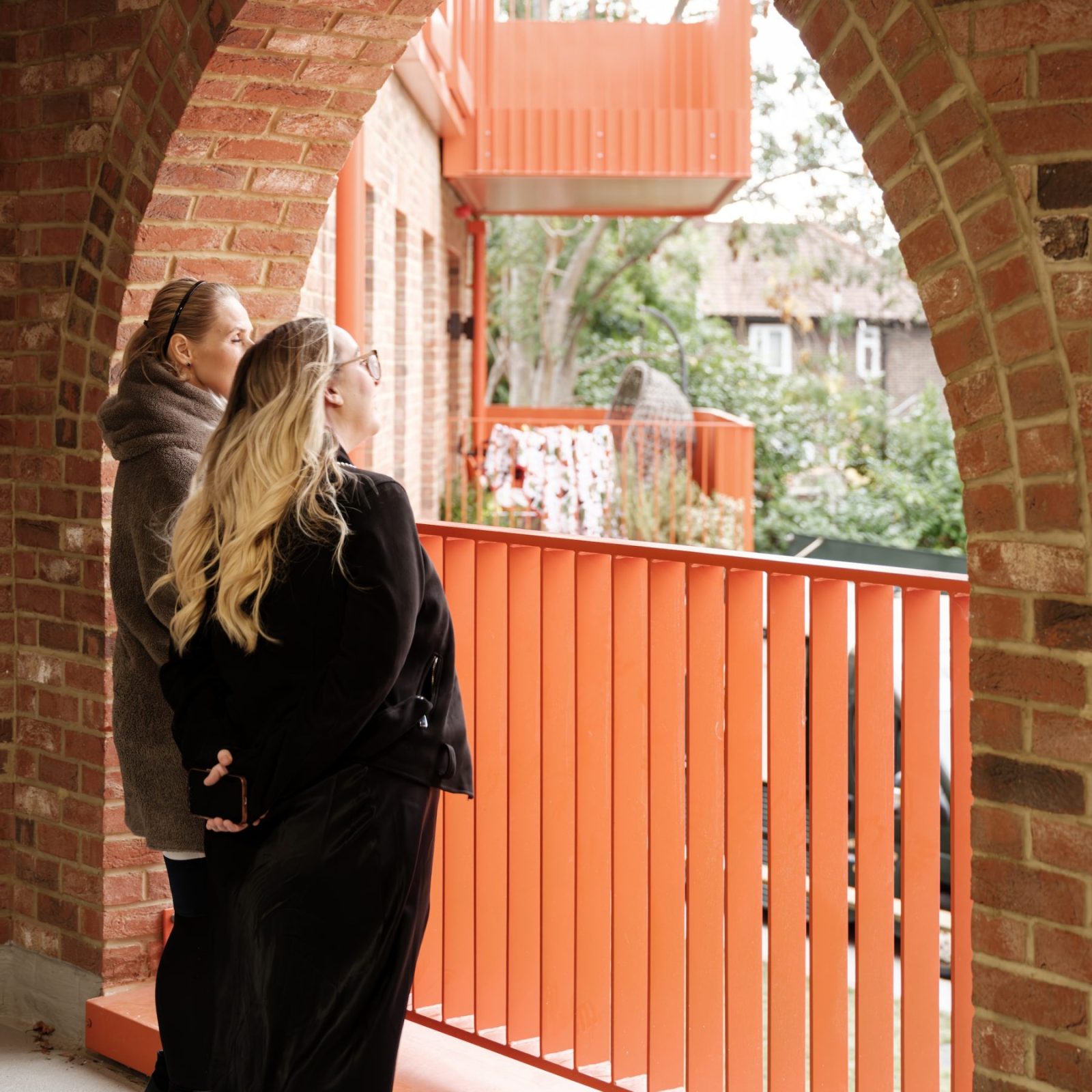
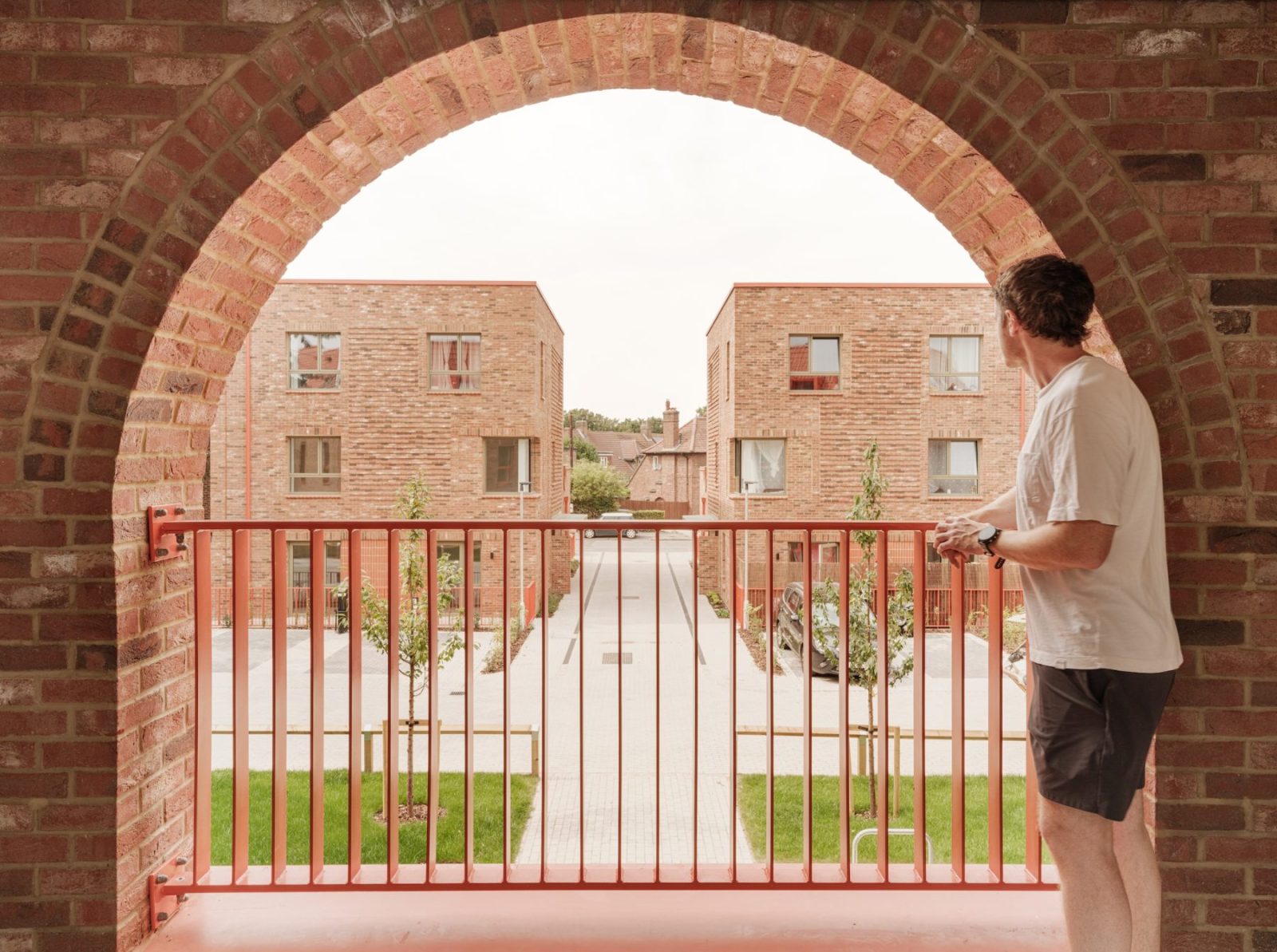
While closely aligned with the proportions of the existing streetscape, the gatehouse dwellings subtly reference the distinctive corner and end-of-terrace conditions found throughout Bellingham Estate.
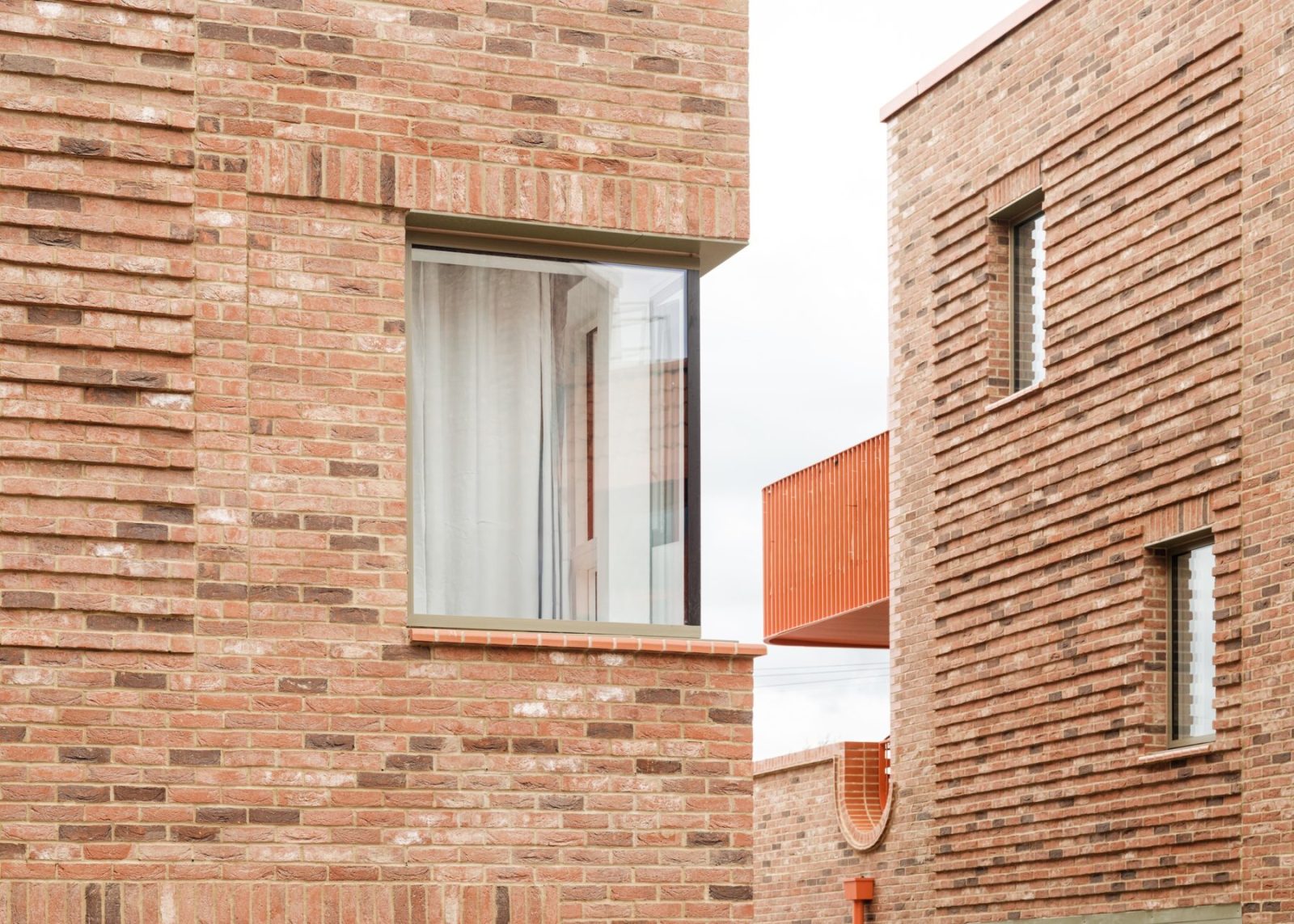

Beyond them, the larger apartment building adopts a butterfly-shaped plan that responds to the geometric logic of the surrounding urban fabric. Its kinked form produces inward-facing orientations that minimise overlooking while maximising daylight through dual- and triple-aspect dwellings.
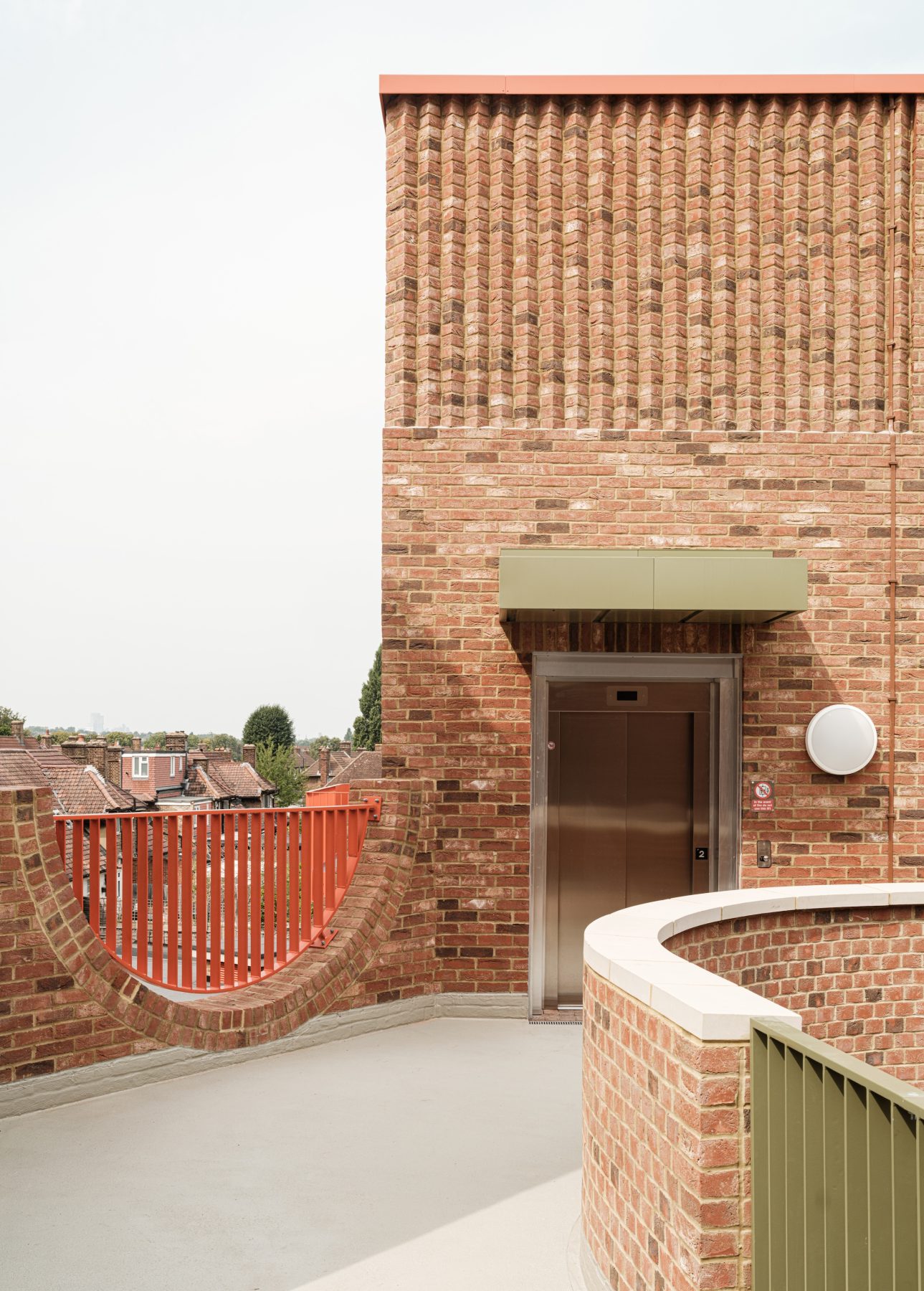
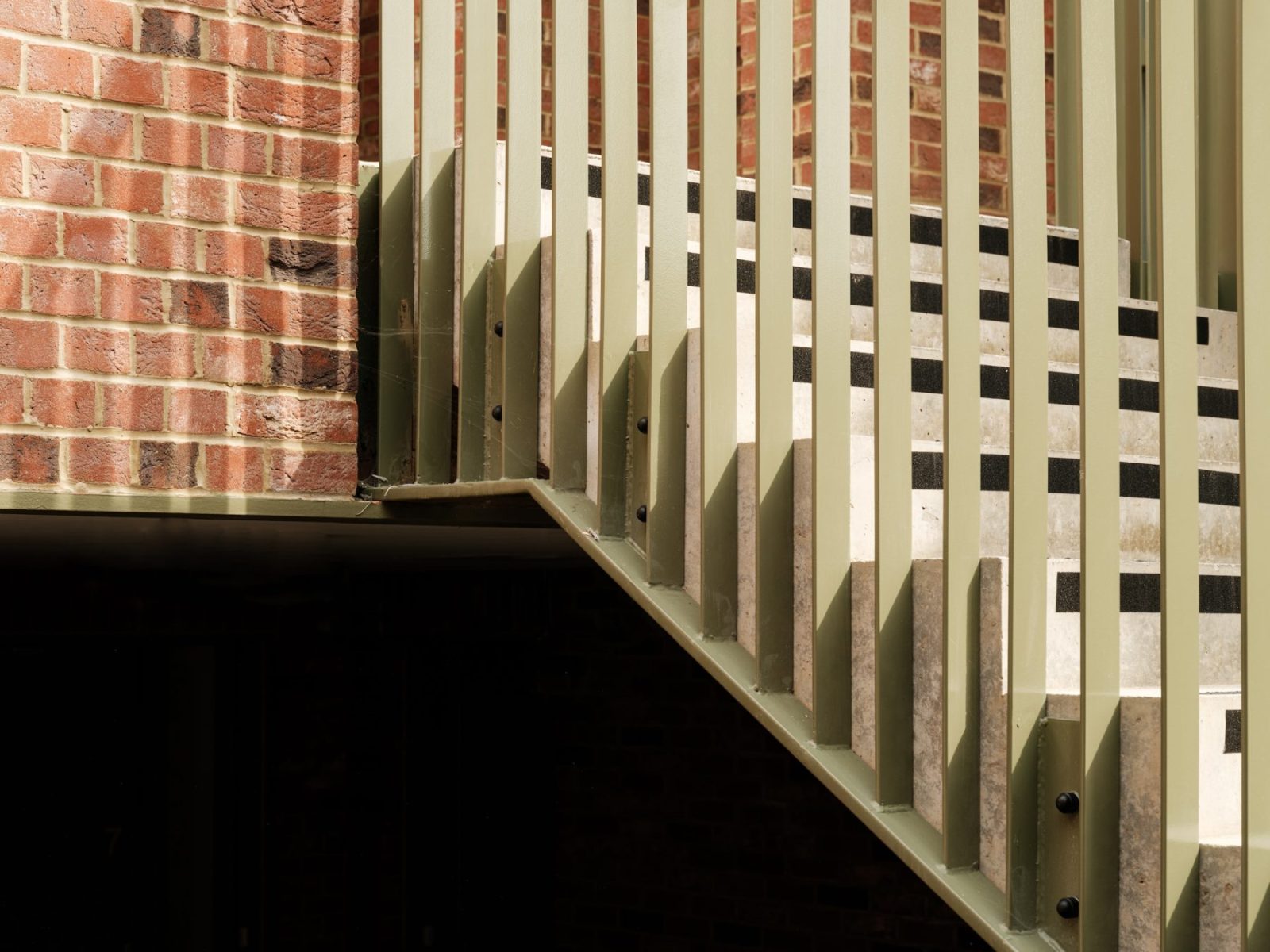

The massing of the three-storey volumes has been carefully modulated to reduce their visual presence from the street, preserving the estate’s characteristic low-rise atmosphere.
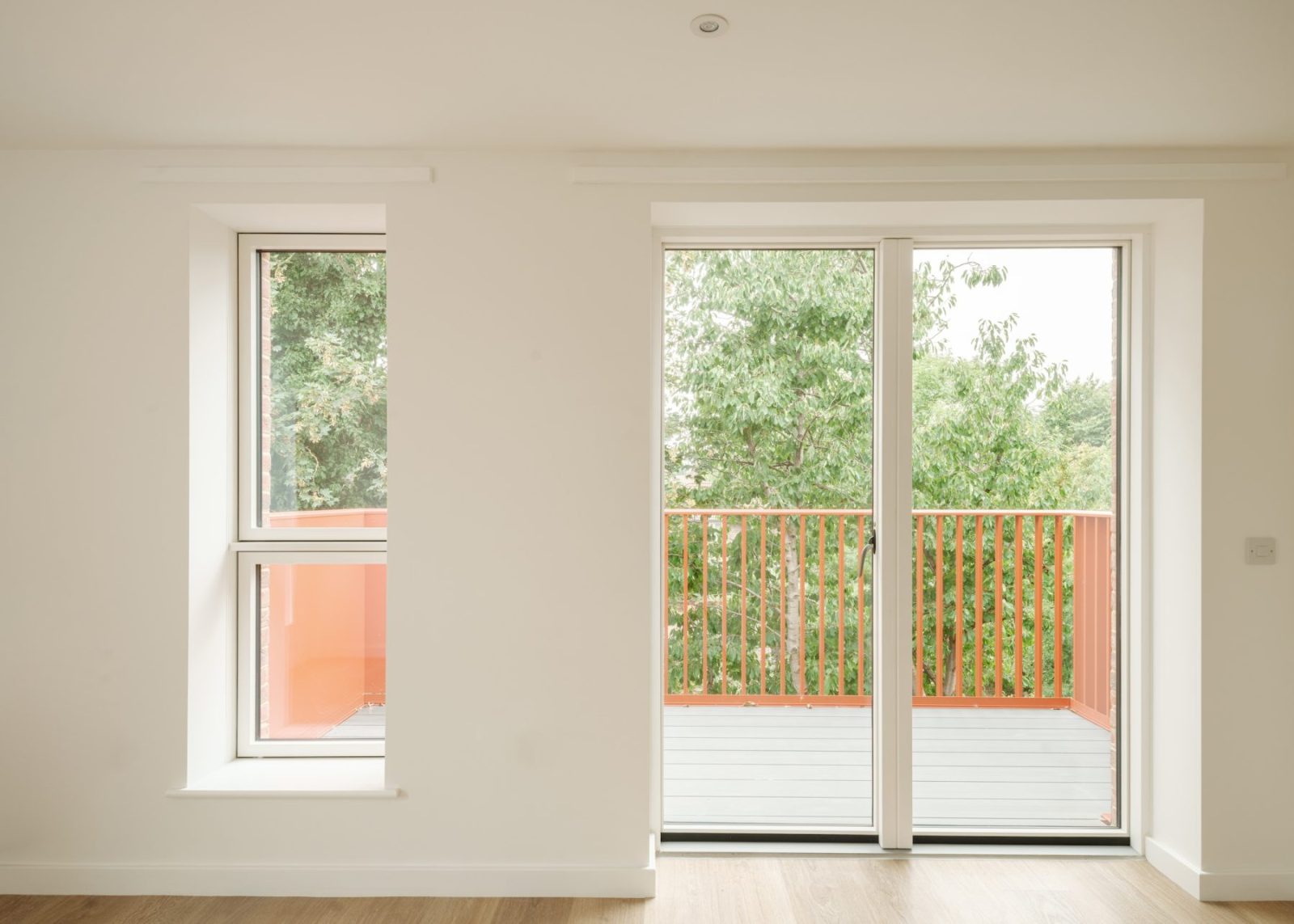
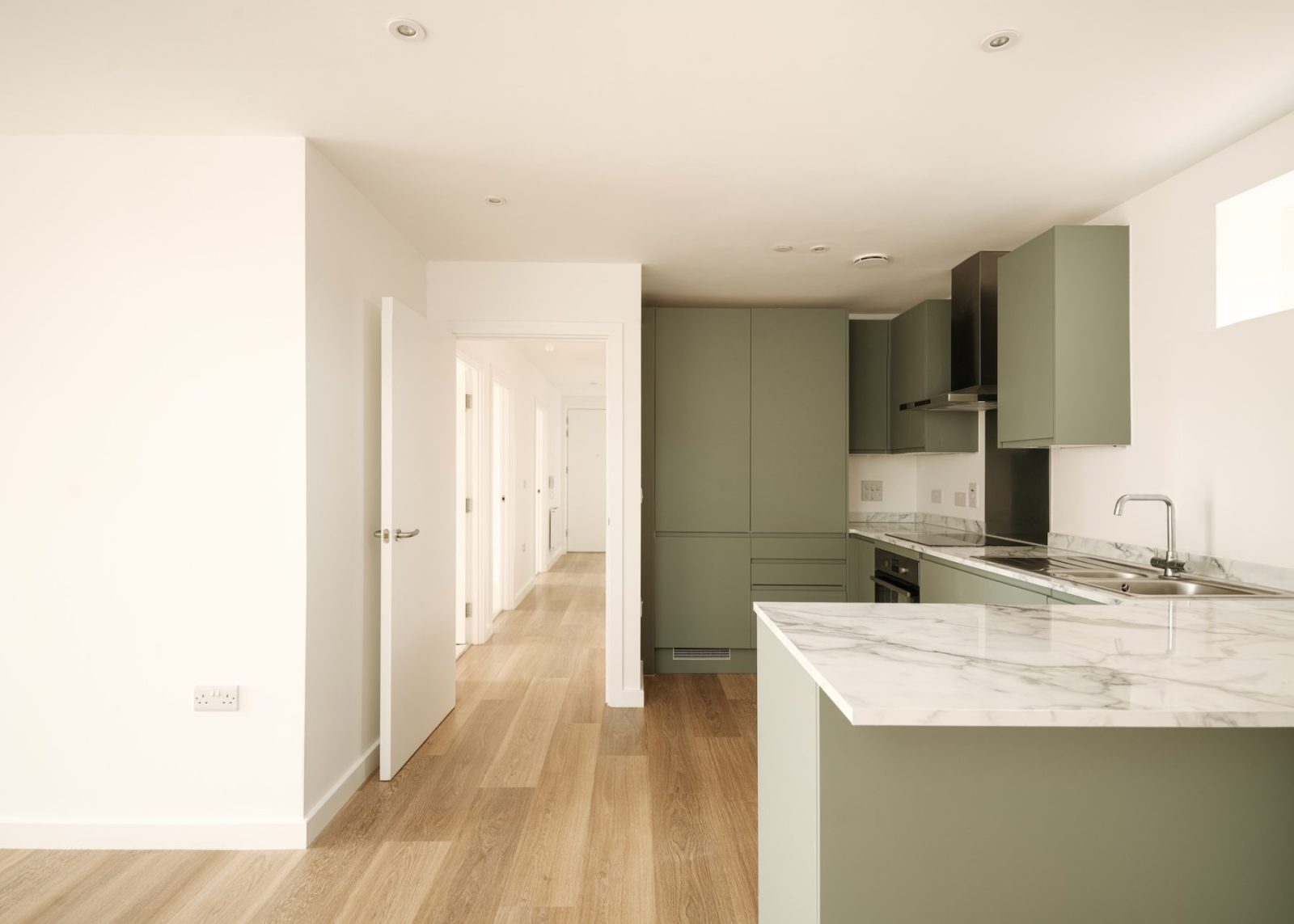
With Farmstead Road, Metropolitan Workshop introduces a new layer of care into the domestic fabric of southeast London — one that builds upon the site’s social housing legacy while demonstrating that community-driven sustainable architecture can remain human-scaled, deeply contextual, unapologetically tactile, and defiantly unique.

Drawings

About
Metropolitan Workshop are a team of over 50 architects and urban designers based across three studios in London and Dublin. They have established a reputation for creating high quality, and diverse work based on a rigorous and sensitive design methodology and a talent for collaborative working. They have won numerous awards including RIAI, Civic Trust, RIBA Regional and National Awards.

Facts & Credits
Project title Farmstead Road
Typology An Architecture of Care, Affordable Housing, Social Housing
Location London Borough of Lewisham, UK
Status Completed, 2026
Architecture Metropolitan Workshop
Client Phoenix Community Housing
Structural engineer Jubb
M&E consultant PJR Building Services
QS Potter Raper
Passive House Consultant Etude
Landscape Consultant LUC
Acoustic consultant KP Acoustics
Photography Fred Haworth
References
Power, A. (1997) Estates on the Edge: The Social Consequences of Mass Housing in Northern Europe. London: Macmillan Press.
Ravetz, A. (2003) Council Housing and Culture: The History of a Social Experiment. London: Routledge.