Hospitality Atmospheres explores the spatial, material, and sensory qualities that shape experiences of welcome. Through carefully selected projects, the series examines how architecture frames comfort, encounter, and ritual thus revealing hospitality not as a program, but as an atmosphere shaped by light, texture, proportion, and use.
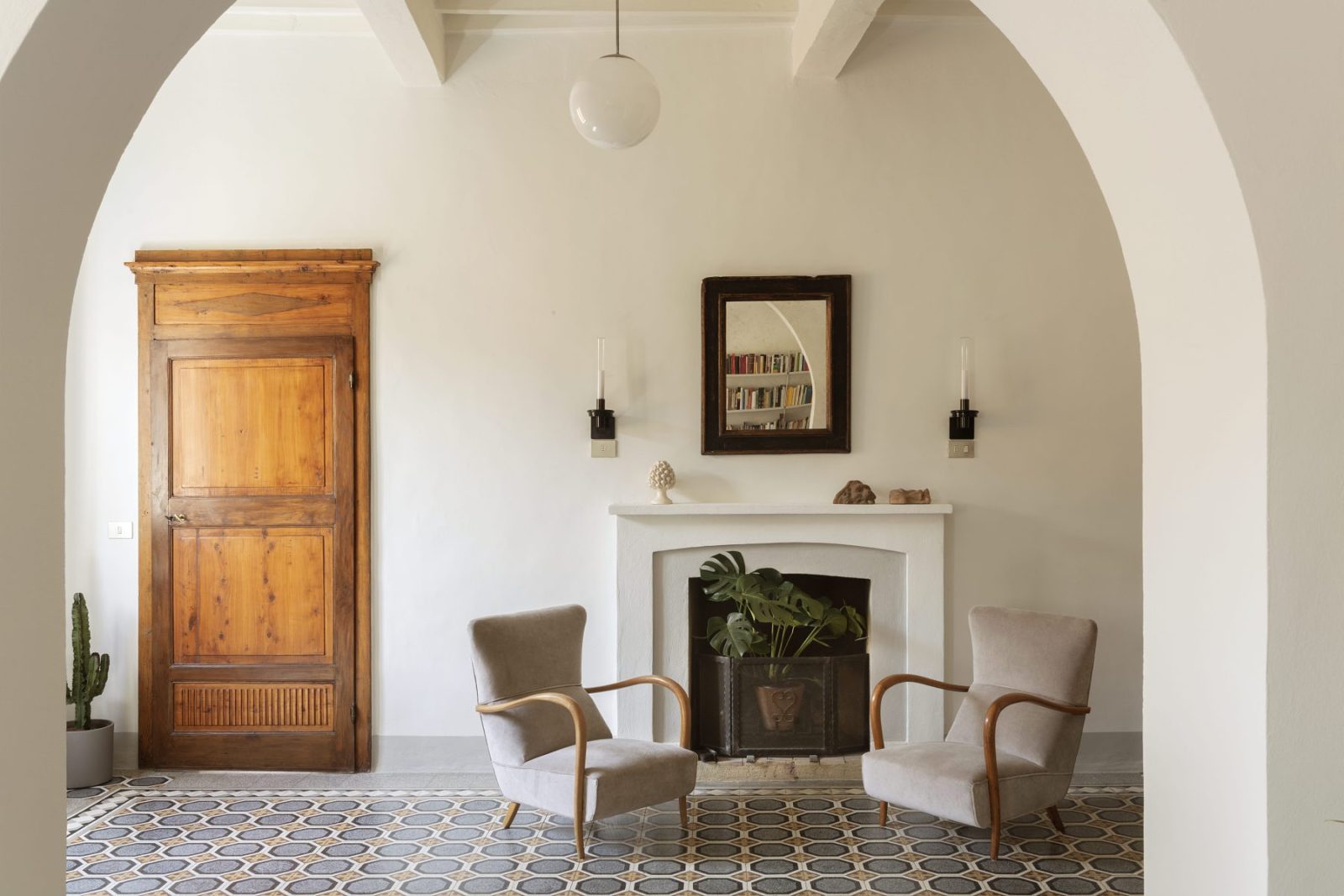
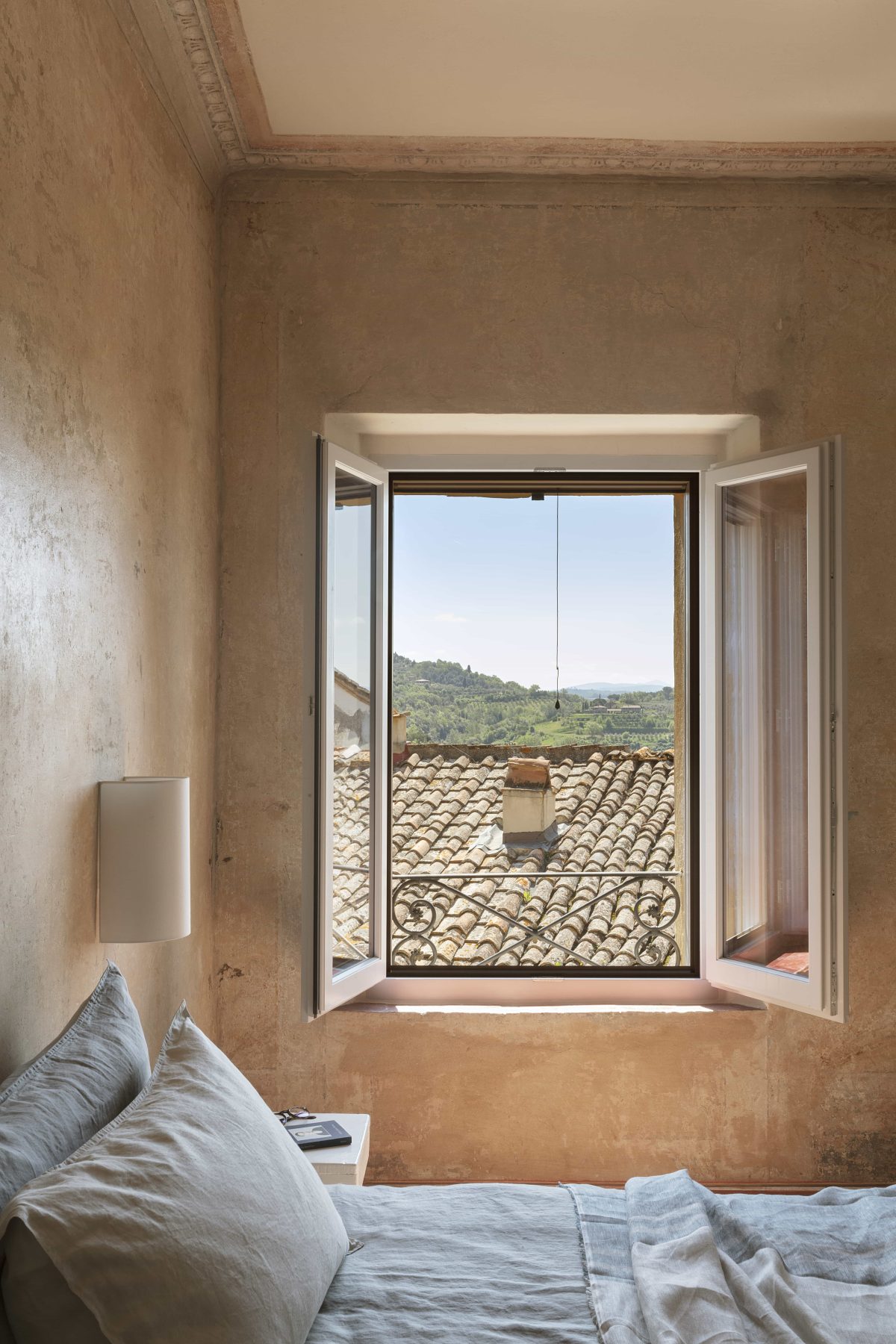
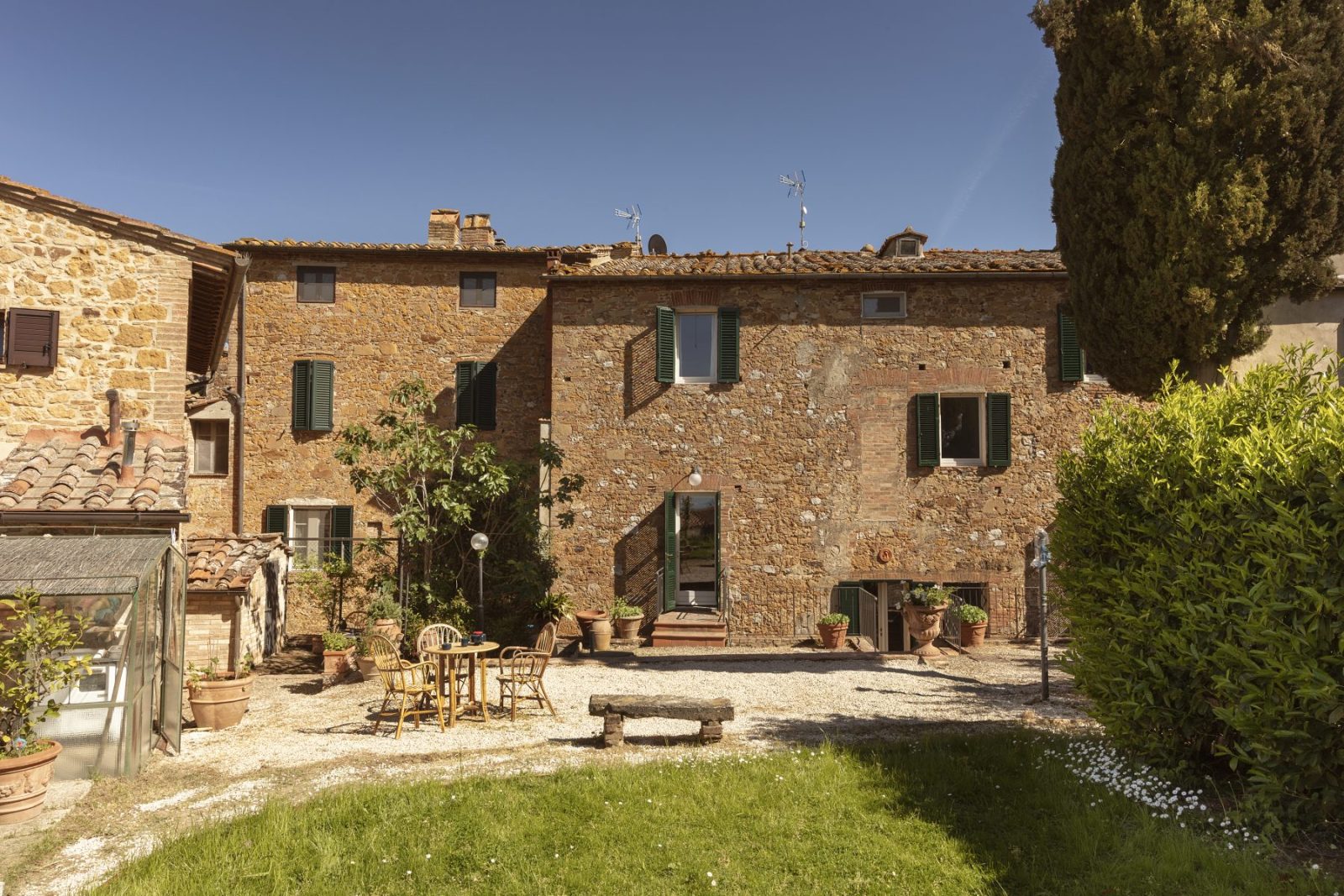
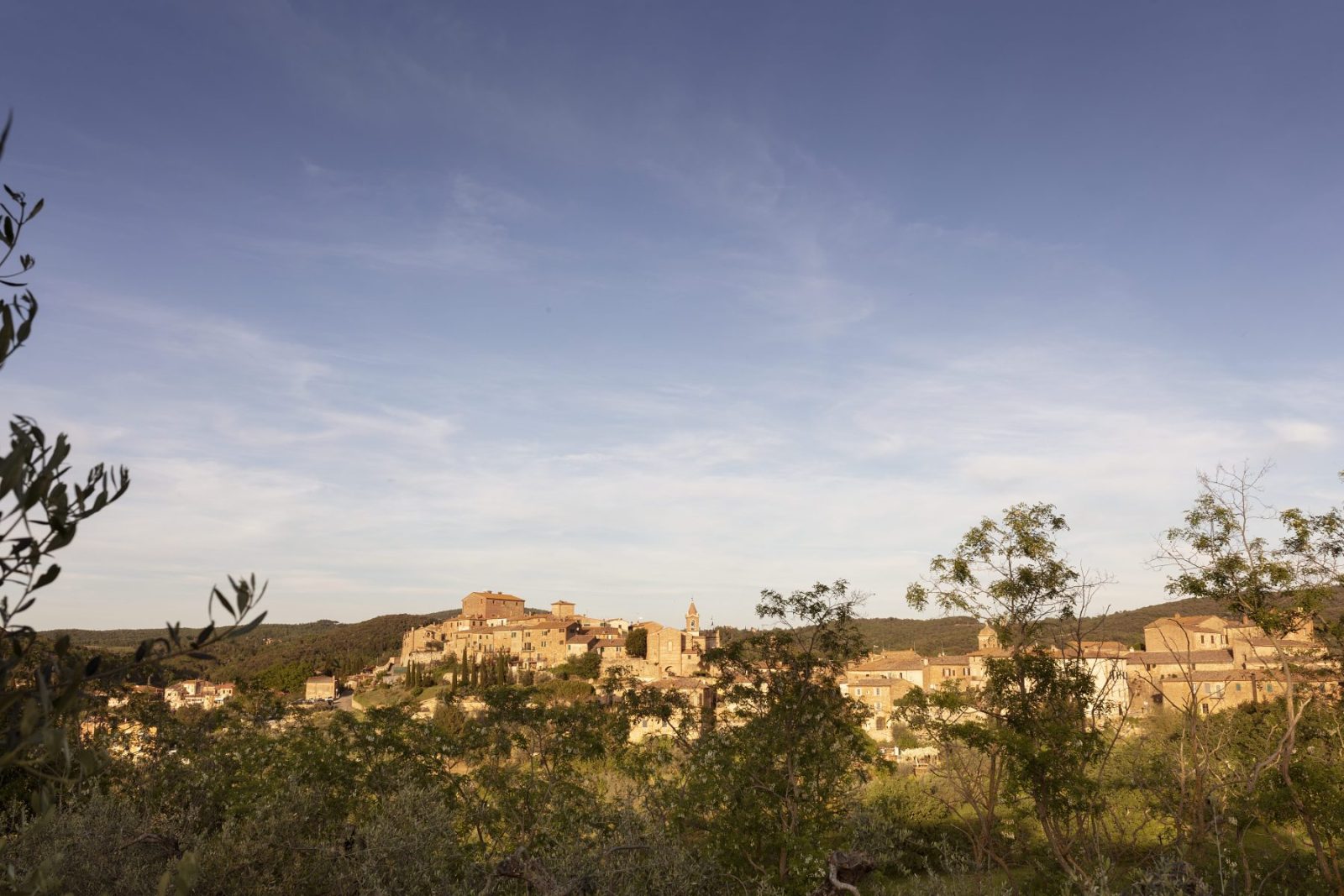
In the historic centre of Montisi, a small Tuscan village within the UNESCO-listed Val d’Orcia landscape, Giulia Maccari transforms Umberto121, a 14th-century residence into a contemporary vacation house deeply connected to its past. Through the careful preservation of original architectural features, including frescoes, timber beams, floors, and doors, the project reveals the building’s layered history while adapting it to present-day living, allowing heritage and hospitality use to coexist seamlessly.
The building was acquired in 2020 by its Spanish-Italian owners, who initially planned to oversee the renovation remotely while living in Barcelona.
What began as a restoration project soon became a life-changing decision: relocating with their two daughters to Montisi and embracing the slower rhythms of a village of just 300 inhabitants.
This transition informed the approach to the house, shaping a renovation grounded in a deep respect for place.
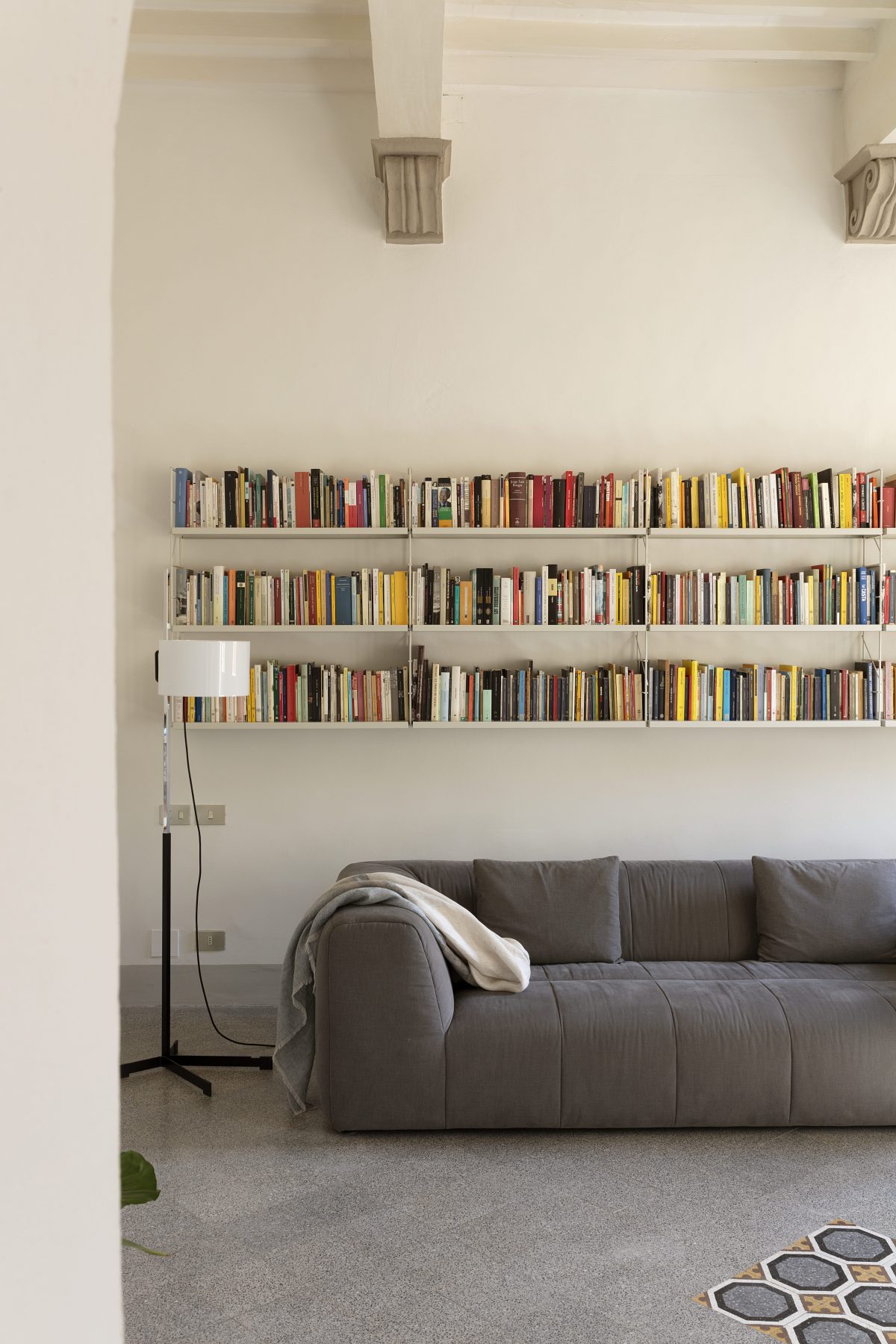
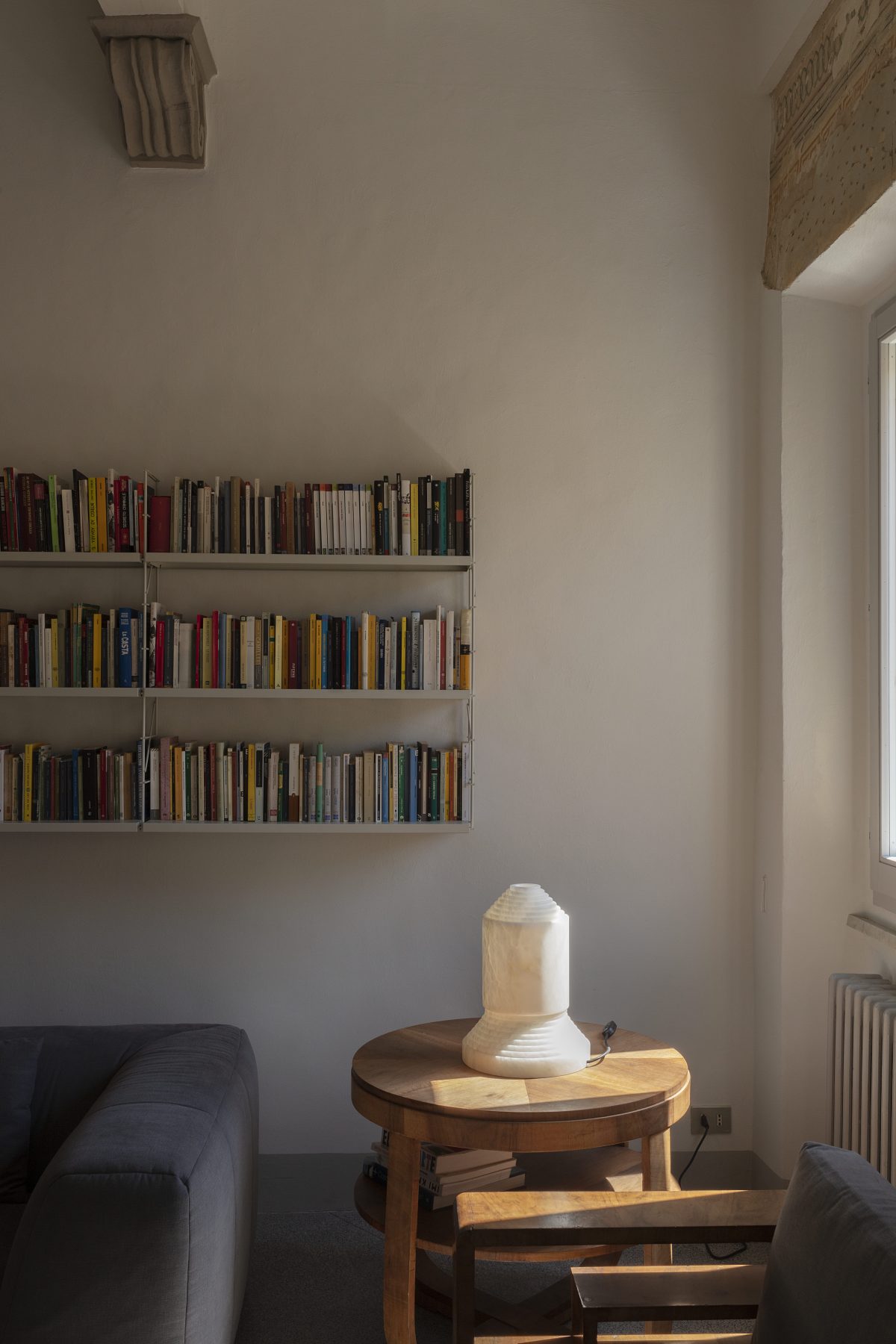
Originally dating back to the 14th century, the building reflects the successive historical periods that have shaped it. During the 19th century, it formed part of a larger complex dedicated to the production of pharmaceutical formulas, while later interventions introduced new architectural layers that remain visible today.
Rather than seeking a return to a single historical moment, the project embraces this accumulated history as an essential part of the building’s identity.
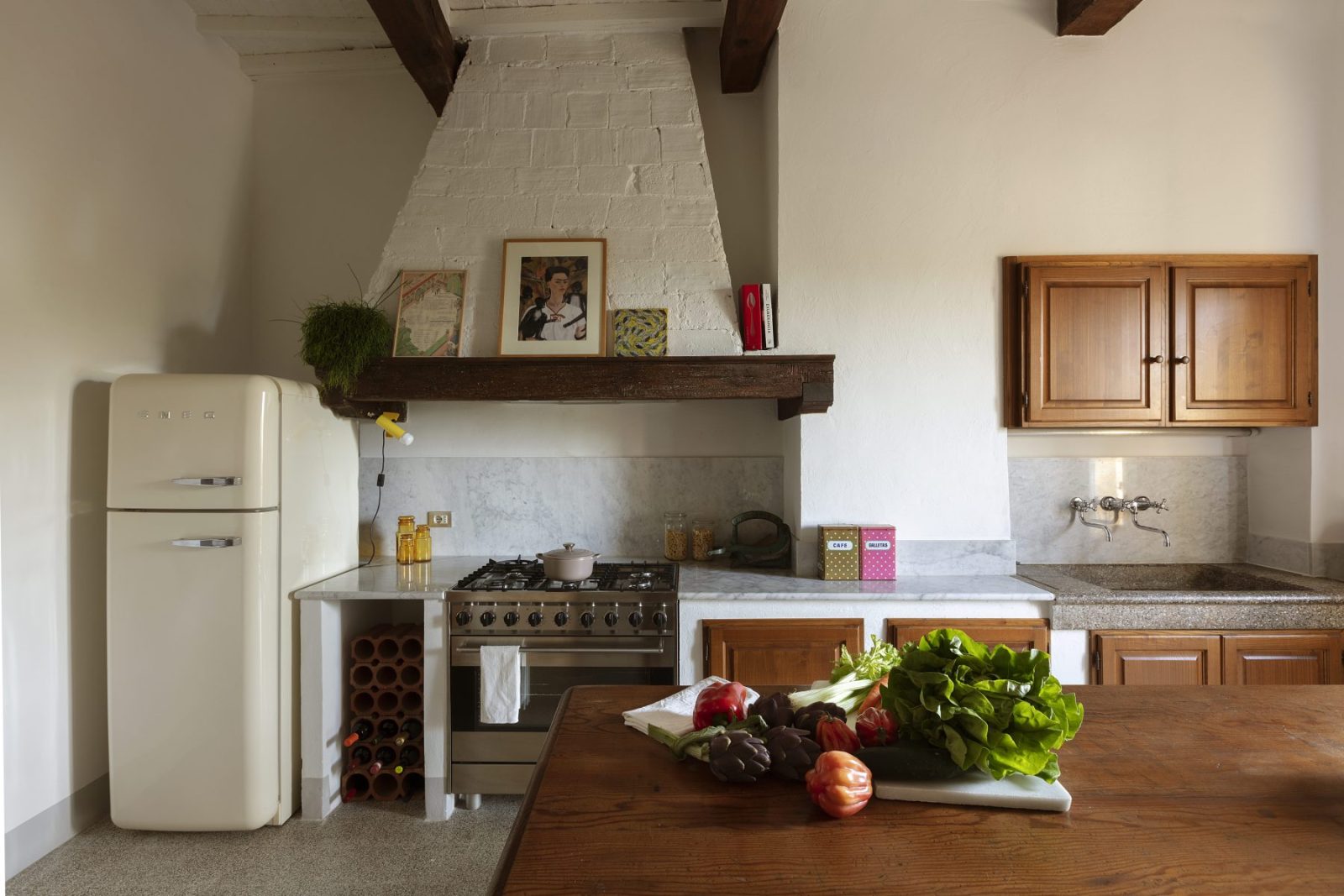
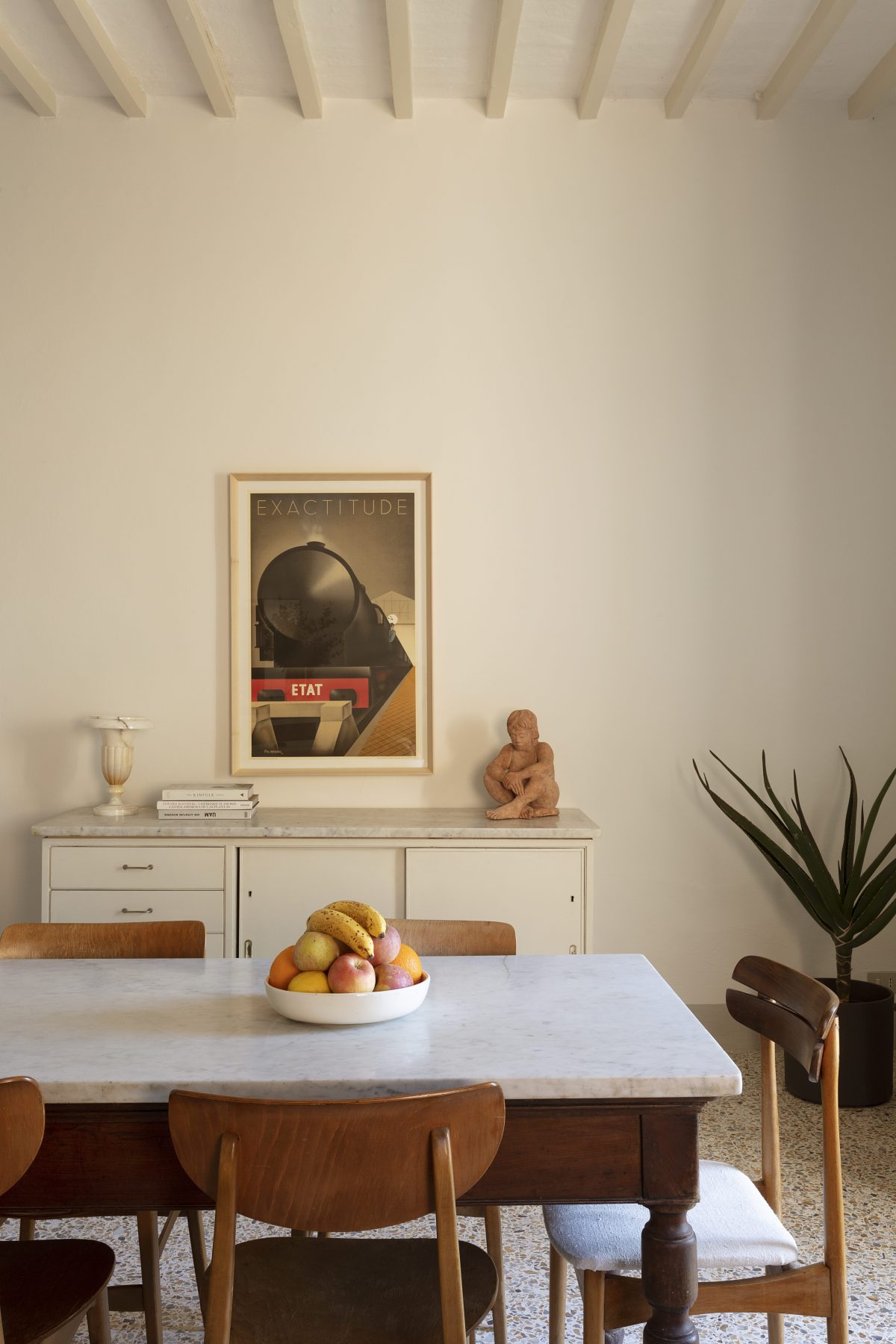
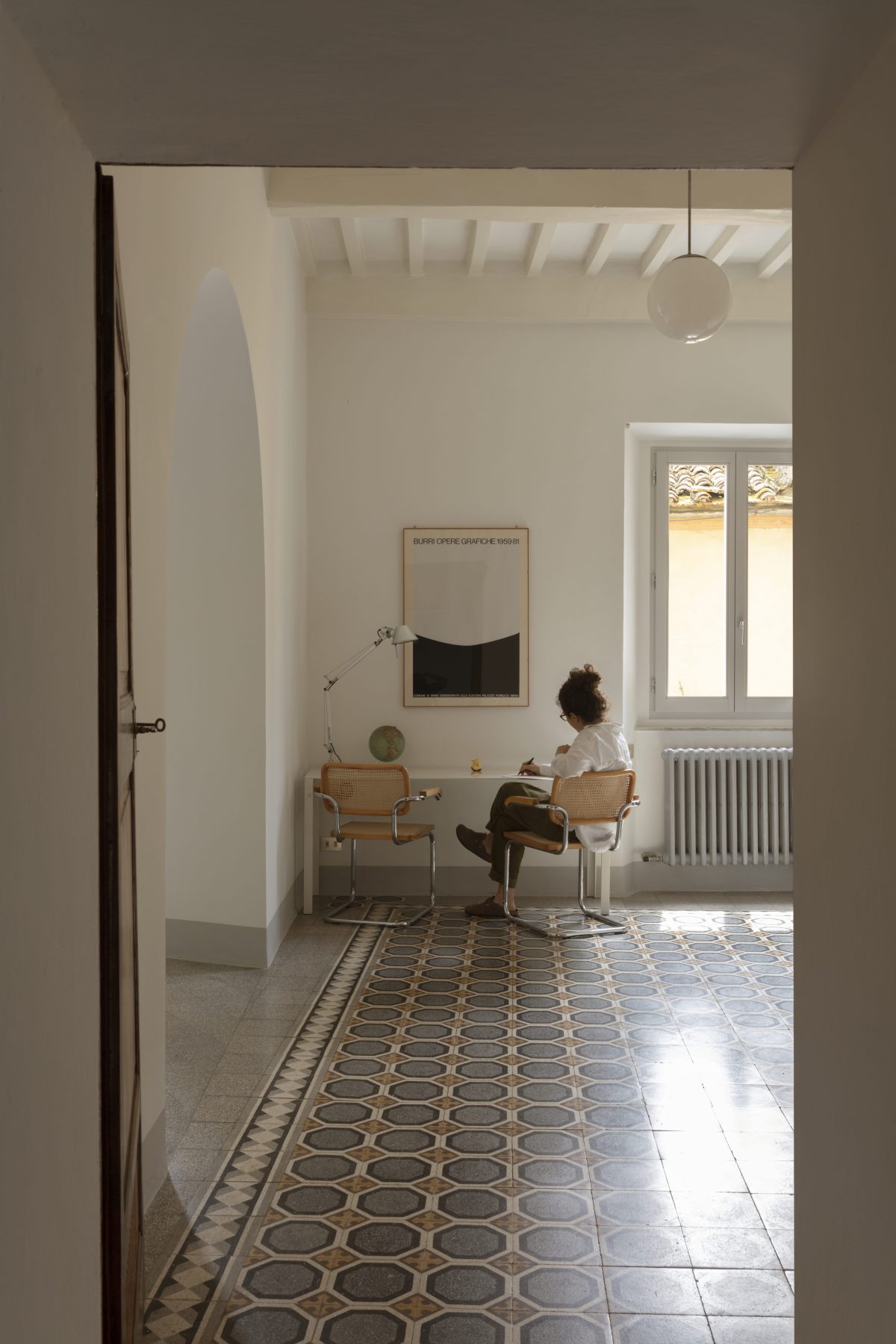
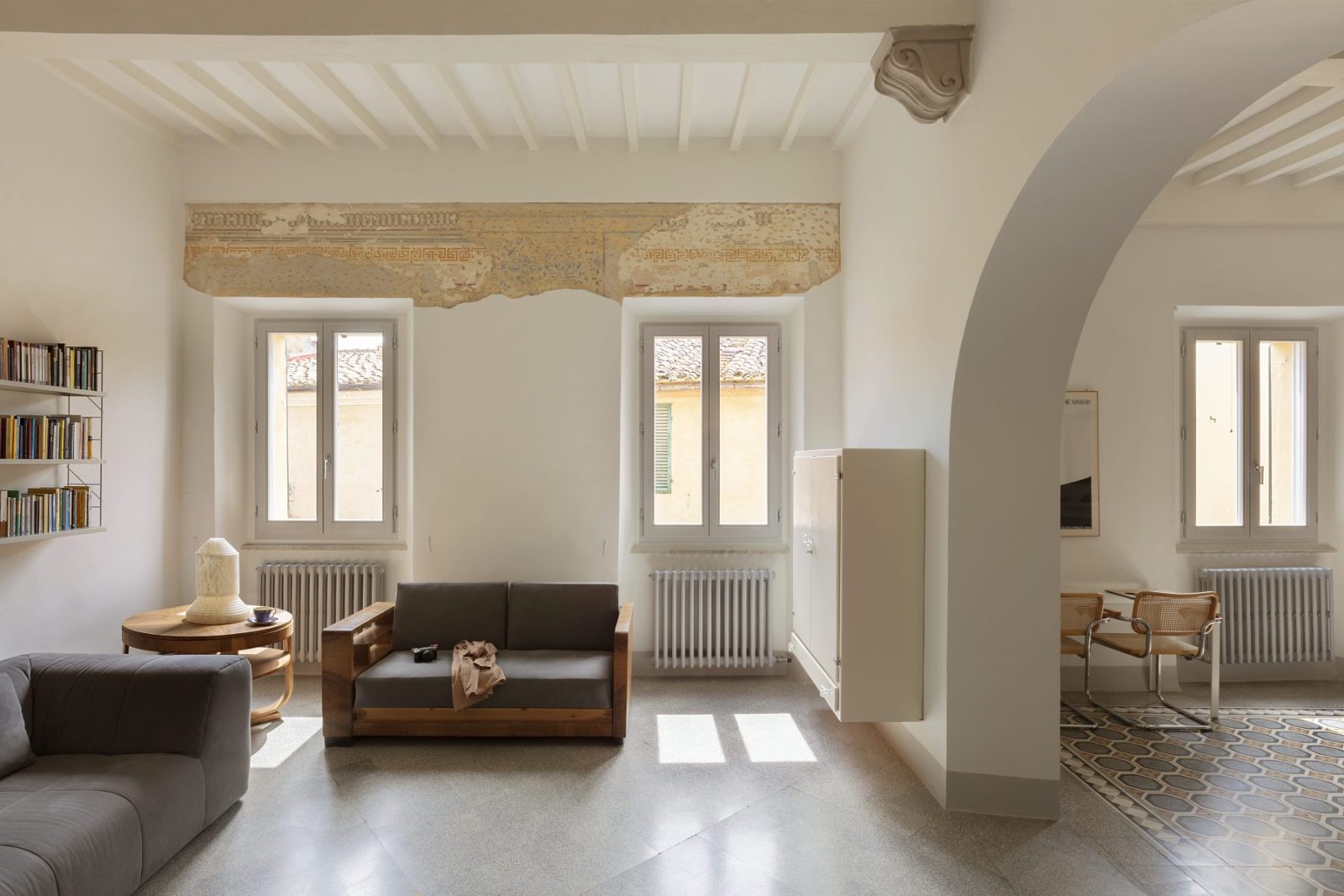
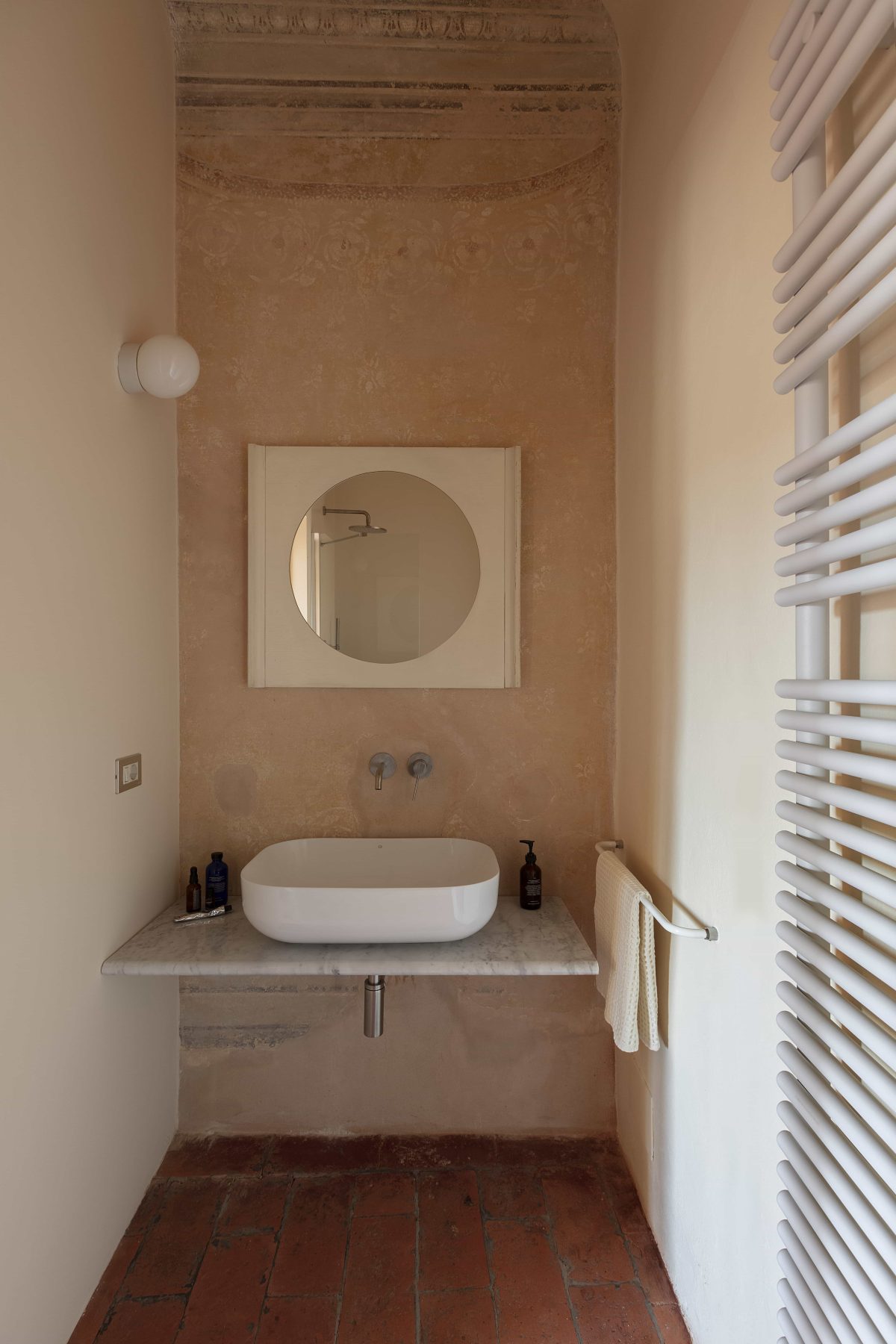
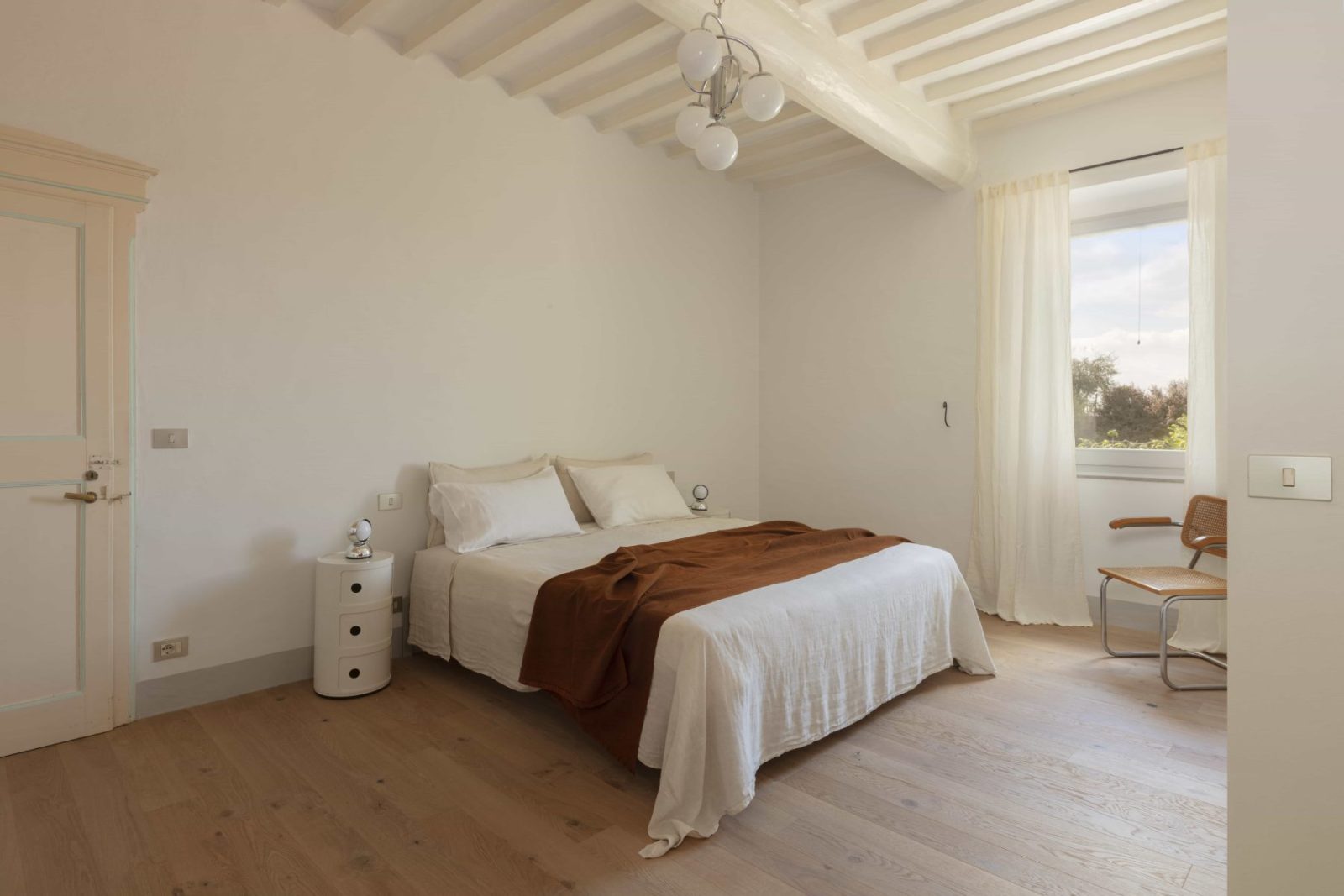
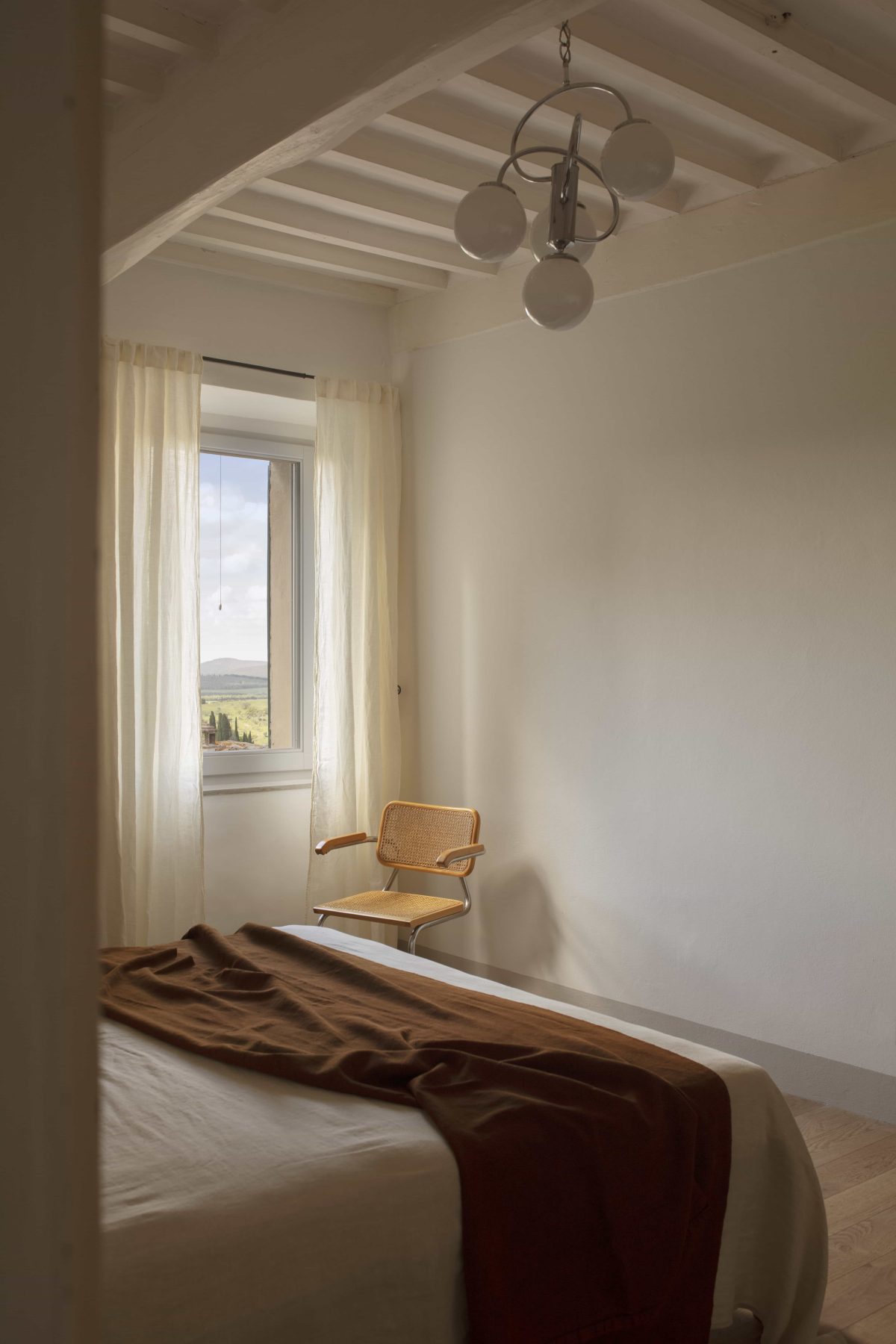
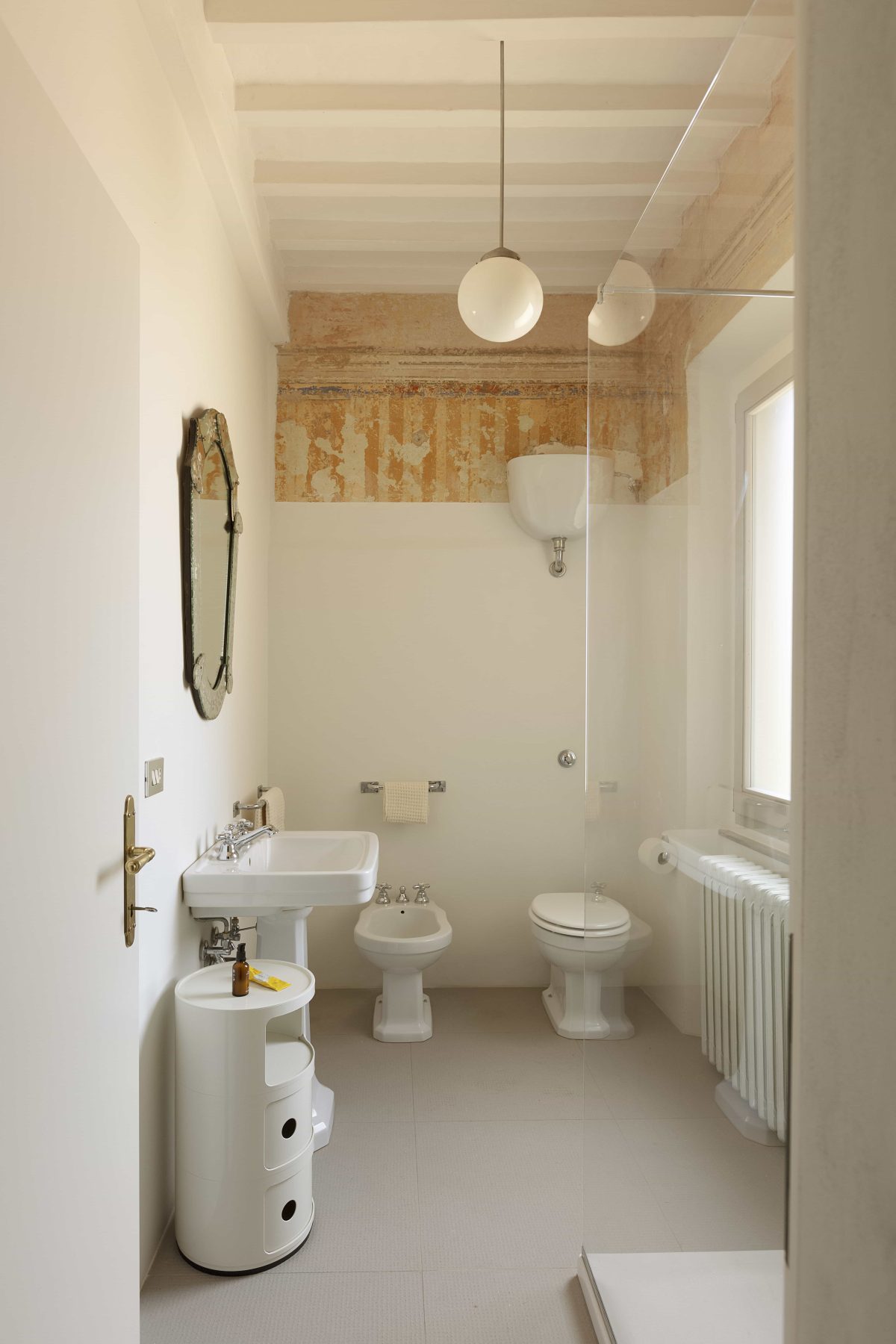
The renovation focused on revealing the building’s inherent qualities by removing incongruous additions introduced in recent decades and recovering original architectural elements wherever possible. Existing doors, exposed timber beams, terrazzo floors from the 1930s, and extensive 19th-century frescoes were carefully restored.
Previously concealed decorative surfaces were uncovered, allowing forgotten traces of the space’s past to re-emerge and enrich its character.
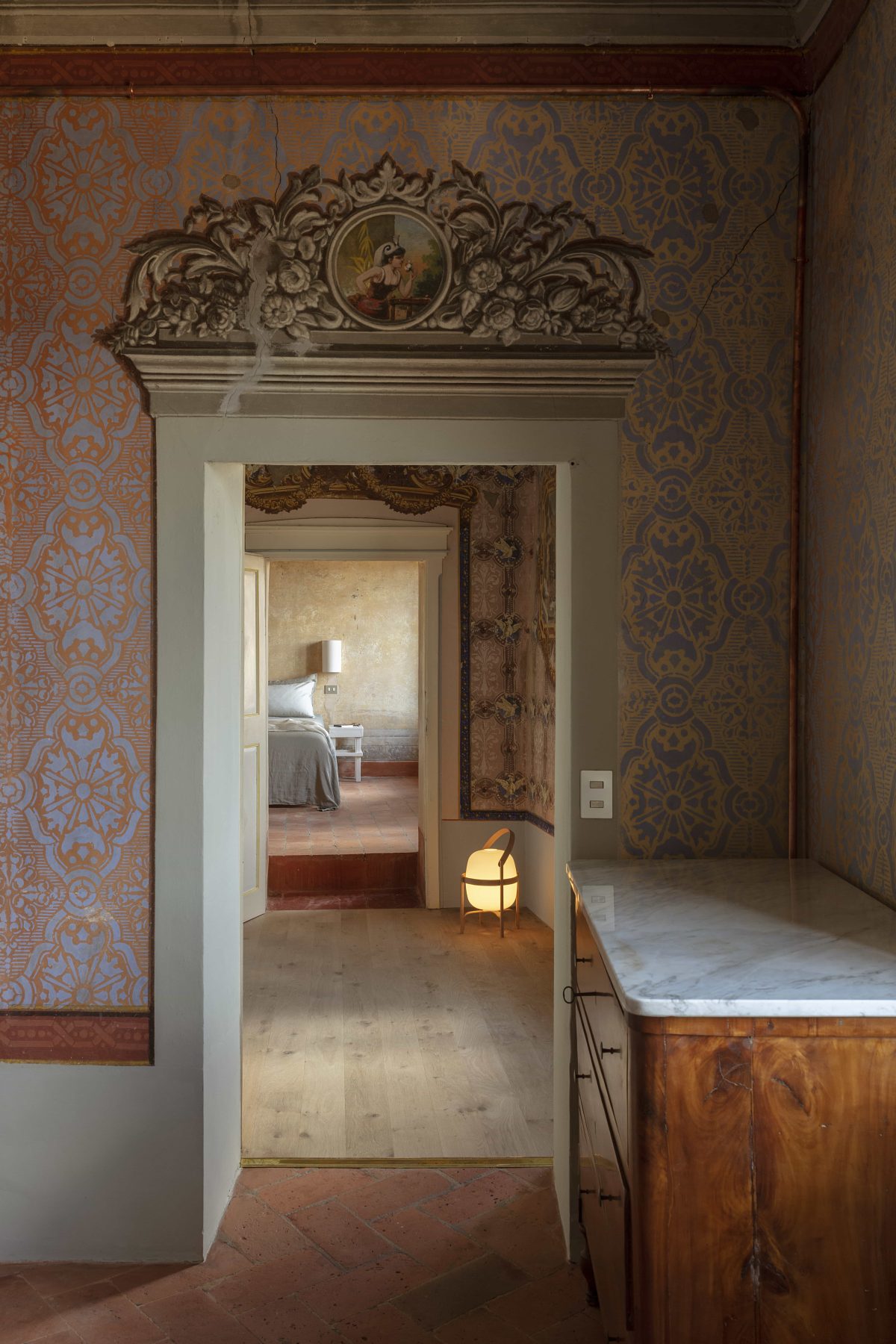
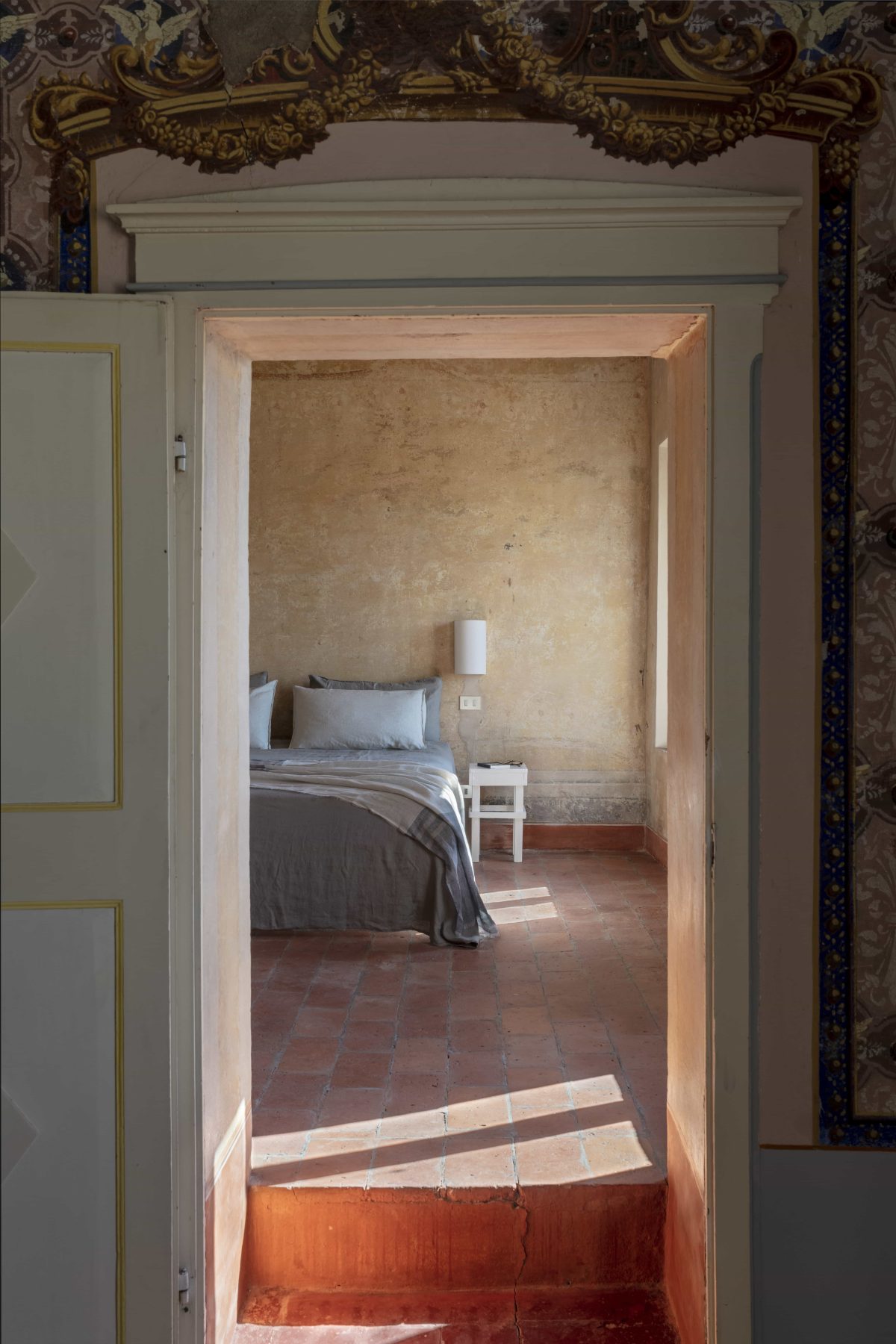
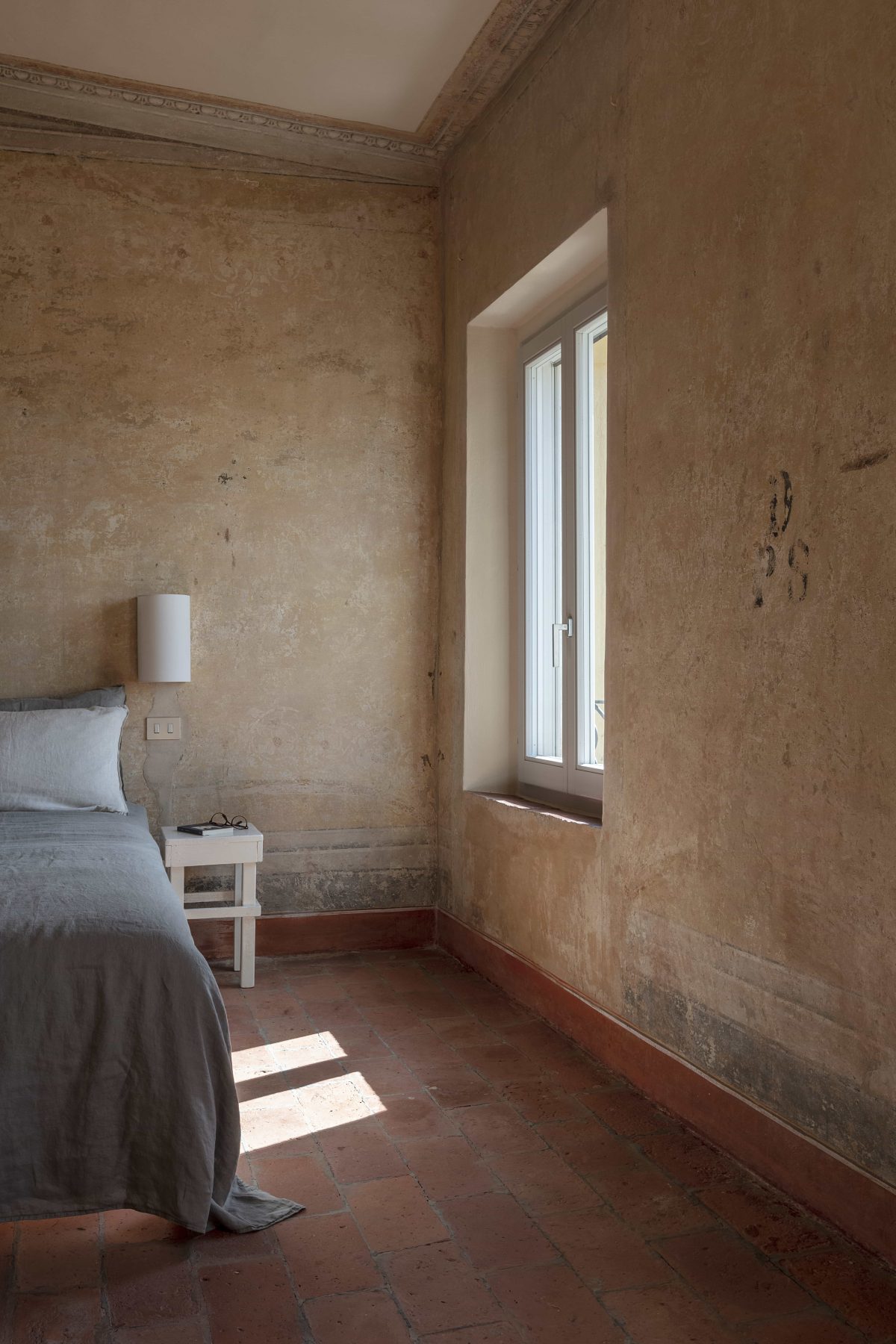
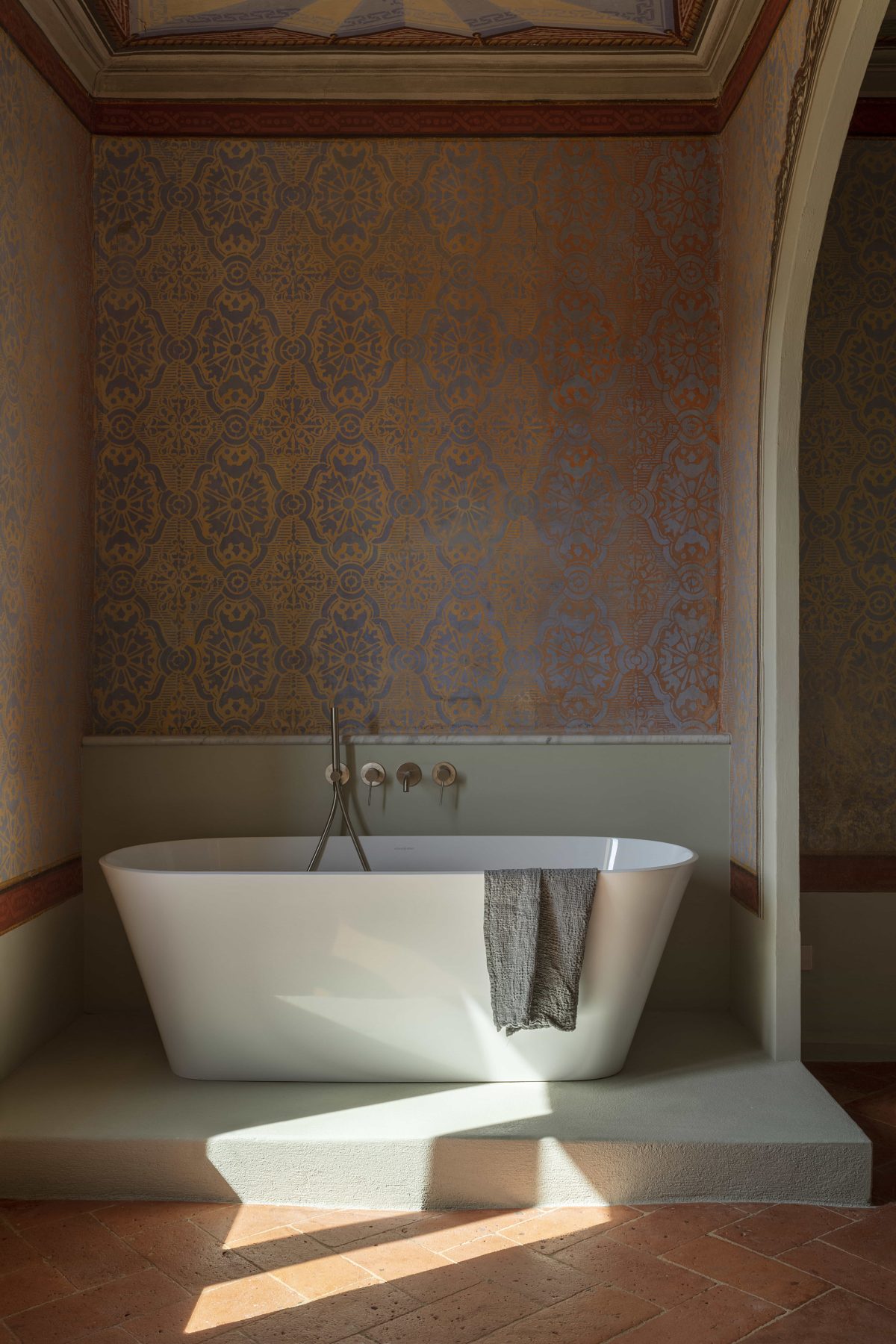
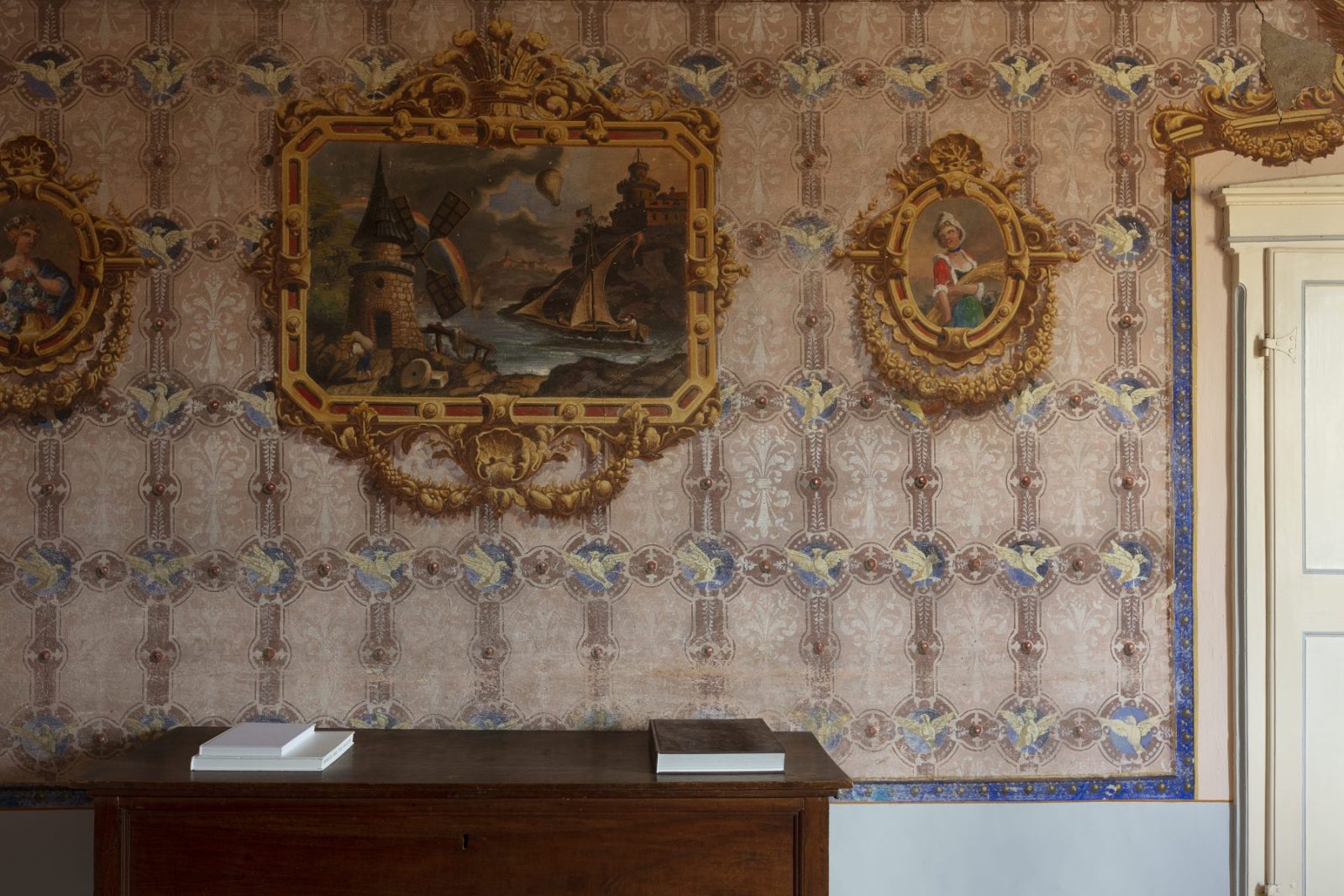
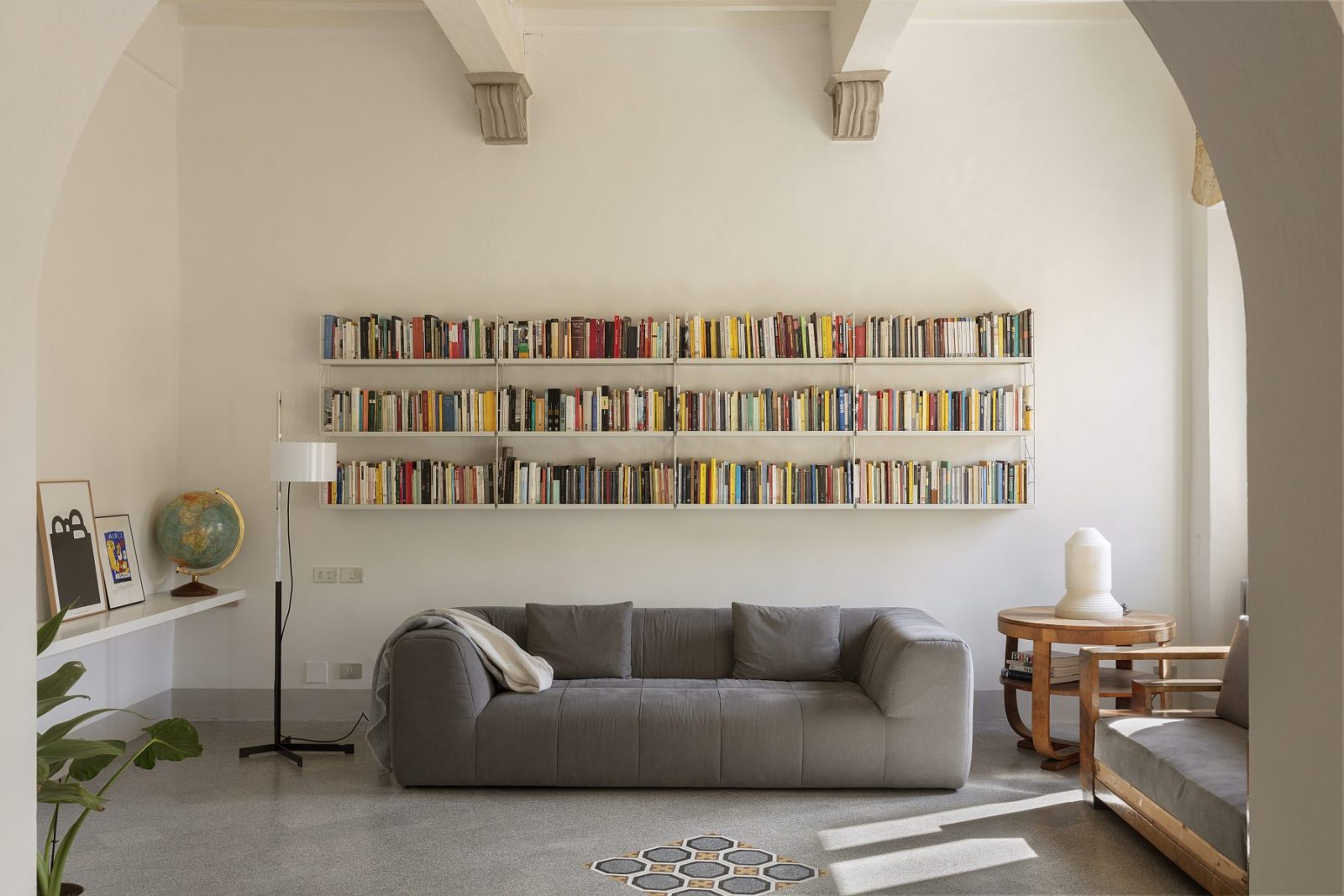
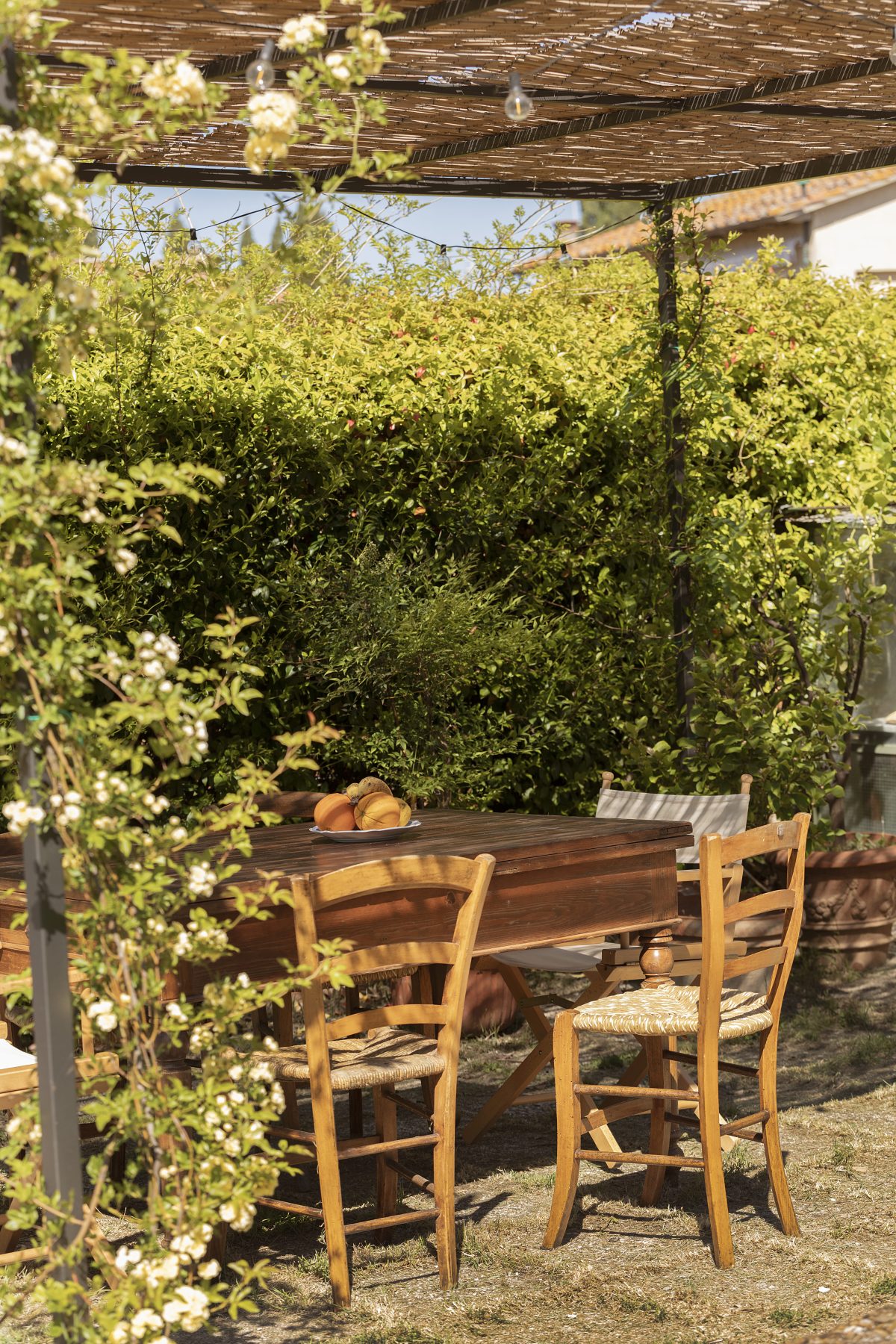
Organised across approximately 350 square metres of interior space and 400 square metres of garden, the accomondation comprises five bedrooms, generous communal areas, a study and library, kitchen, dining room, and outdoor spaces that extend everyday life into the landscape.
Throughout the building, original architectural features coexist with carefully selected furnishings sourced from local markets, antique dealers, and contemporary design collections.
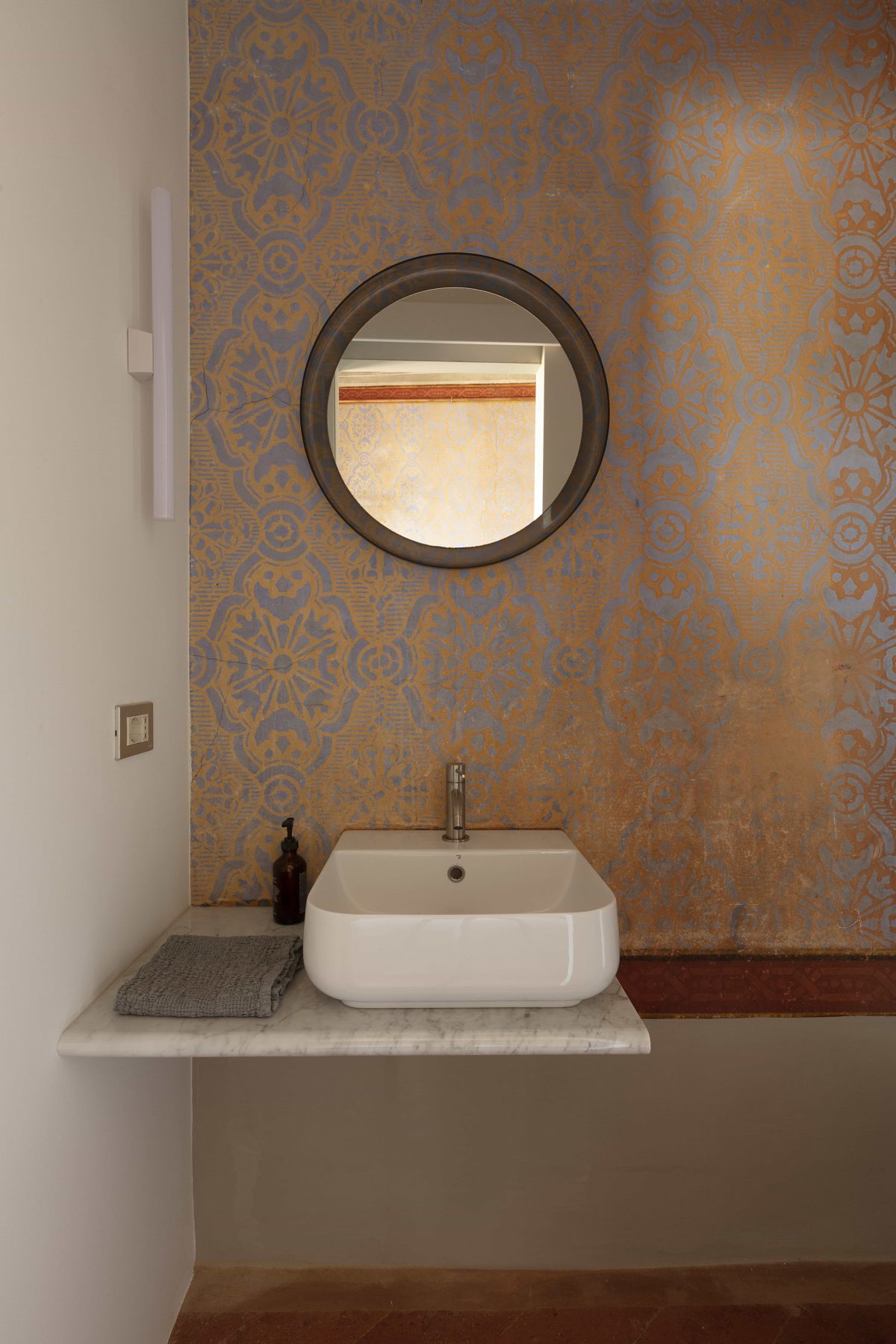
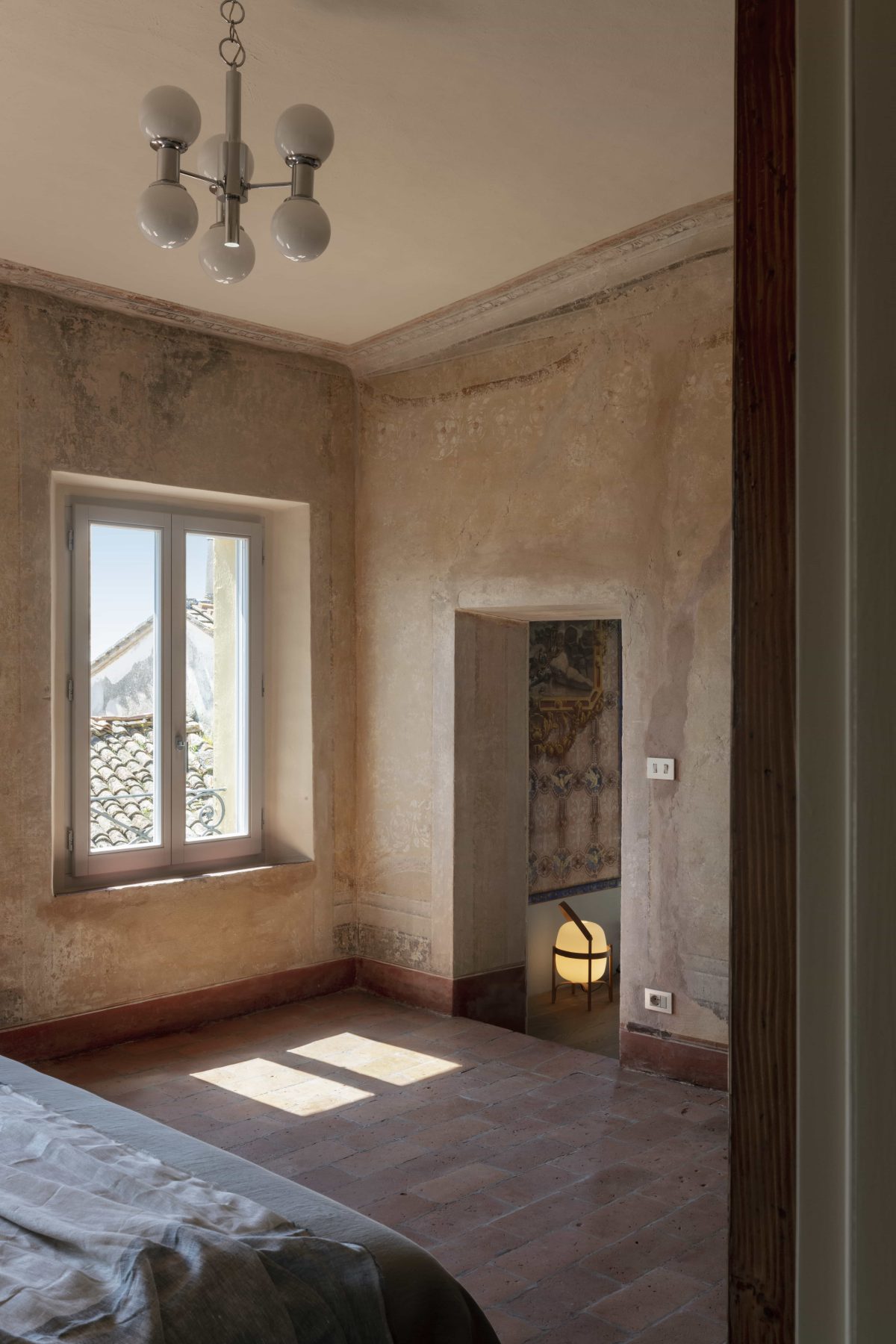
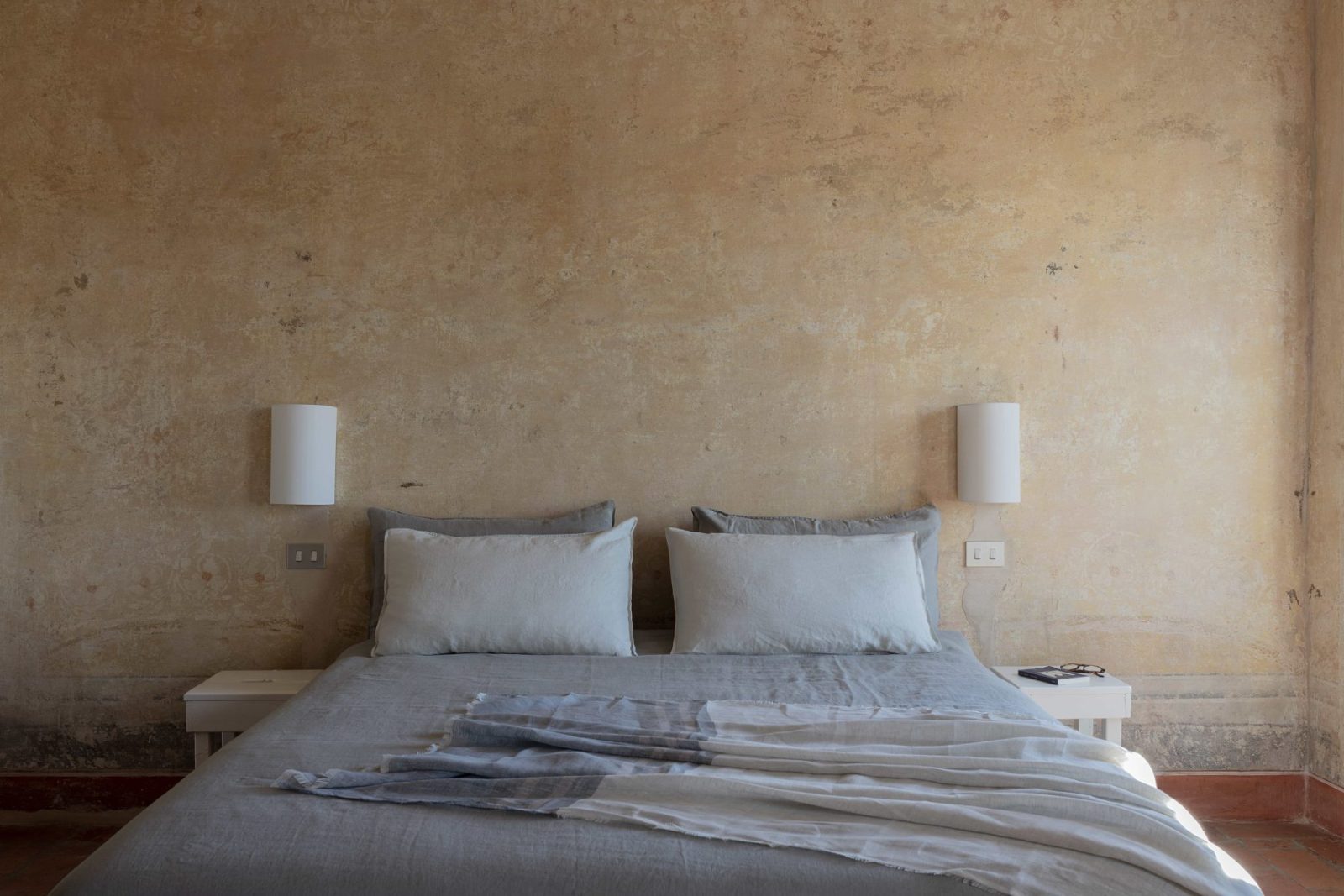
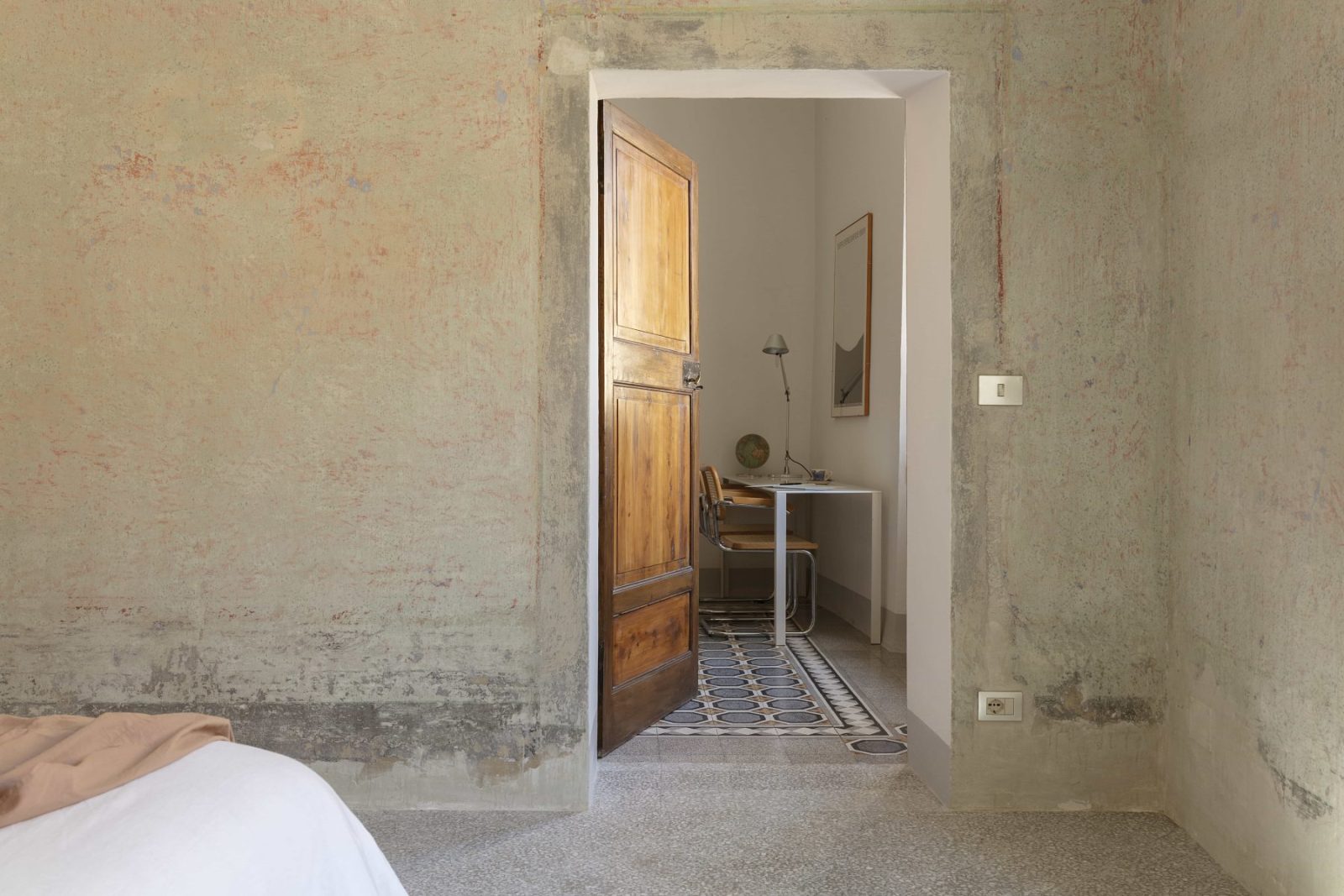
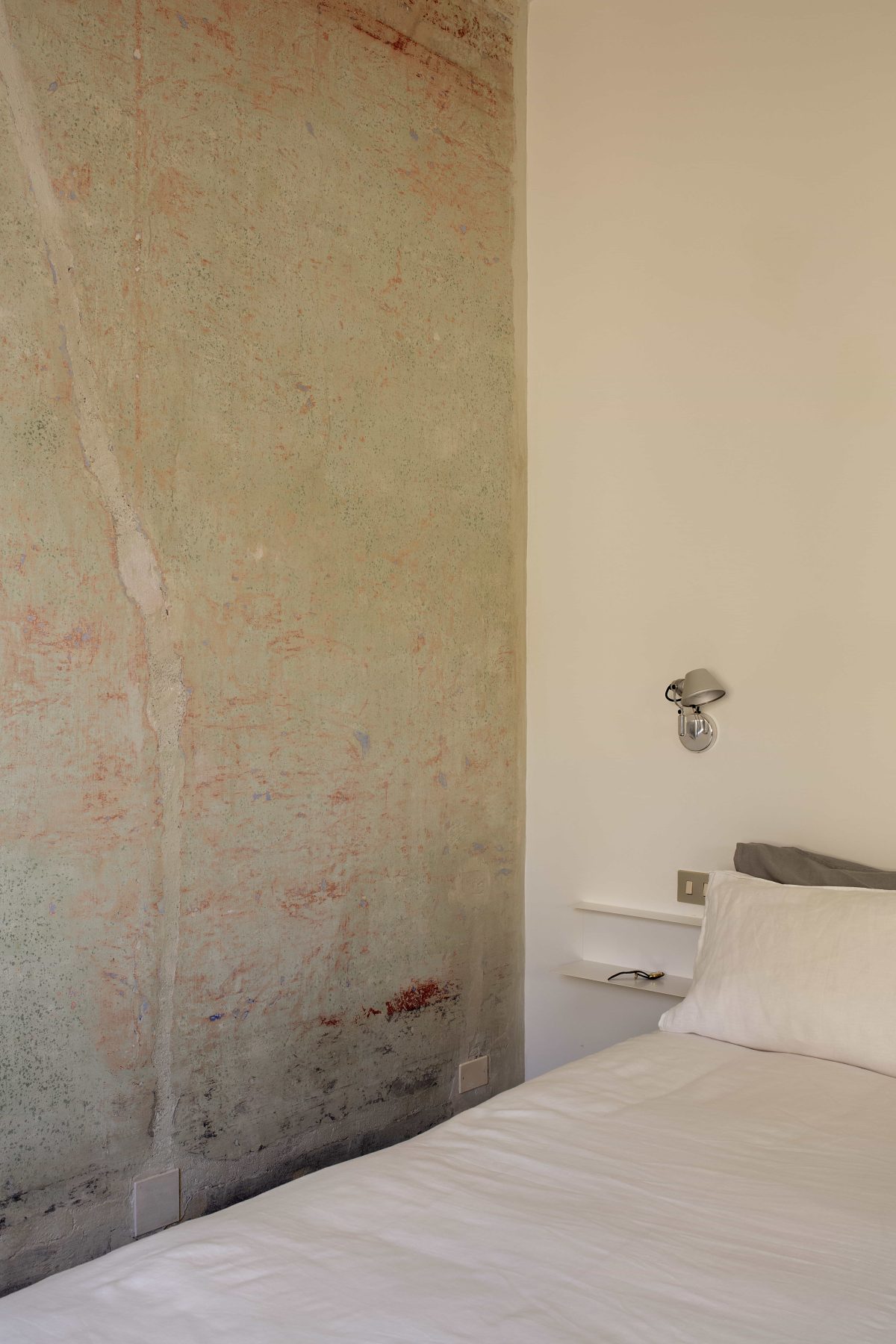
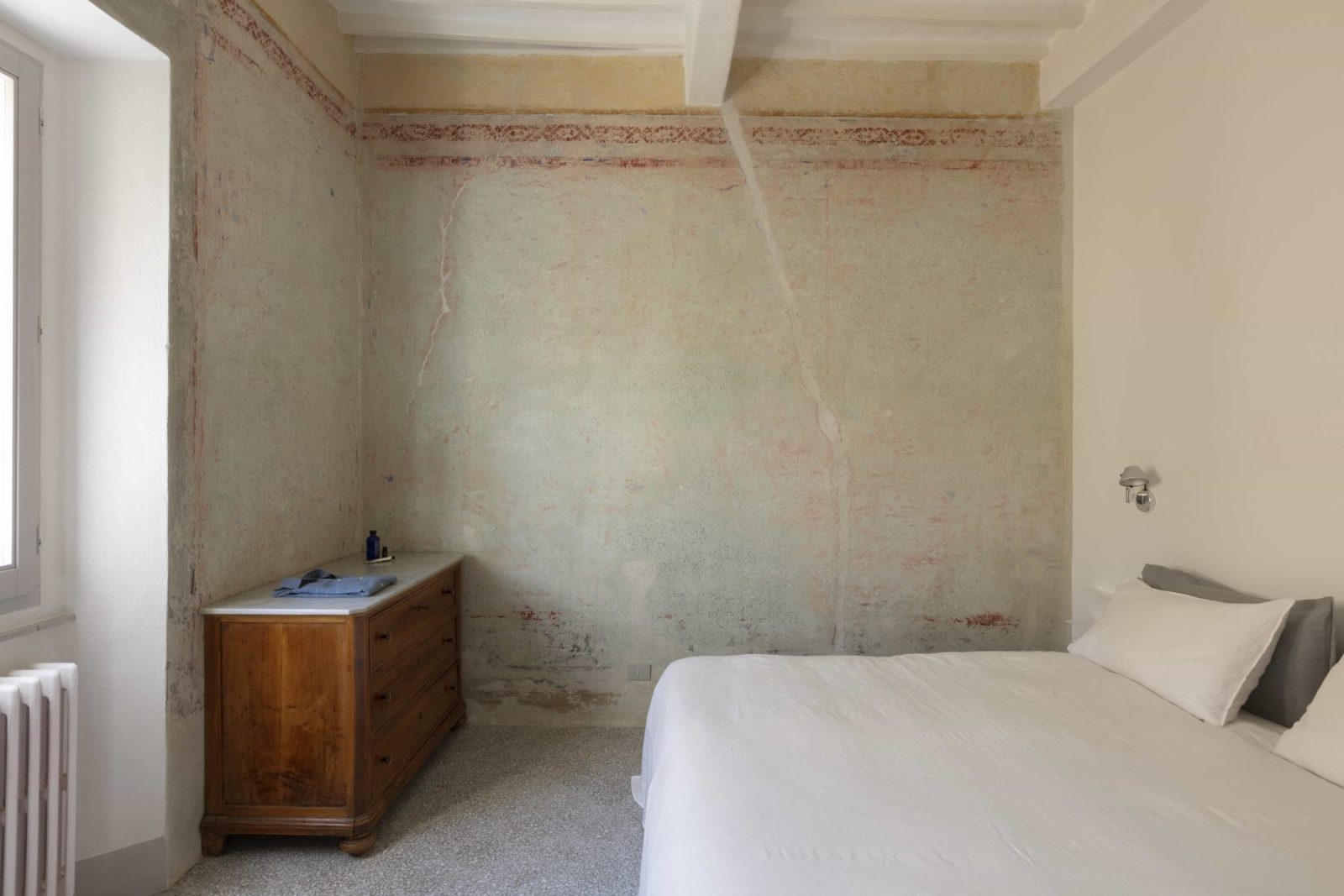
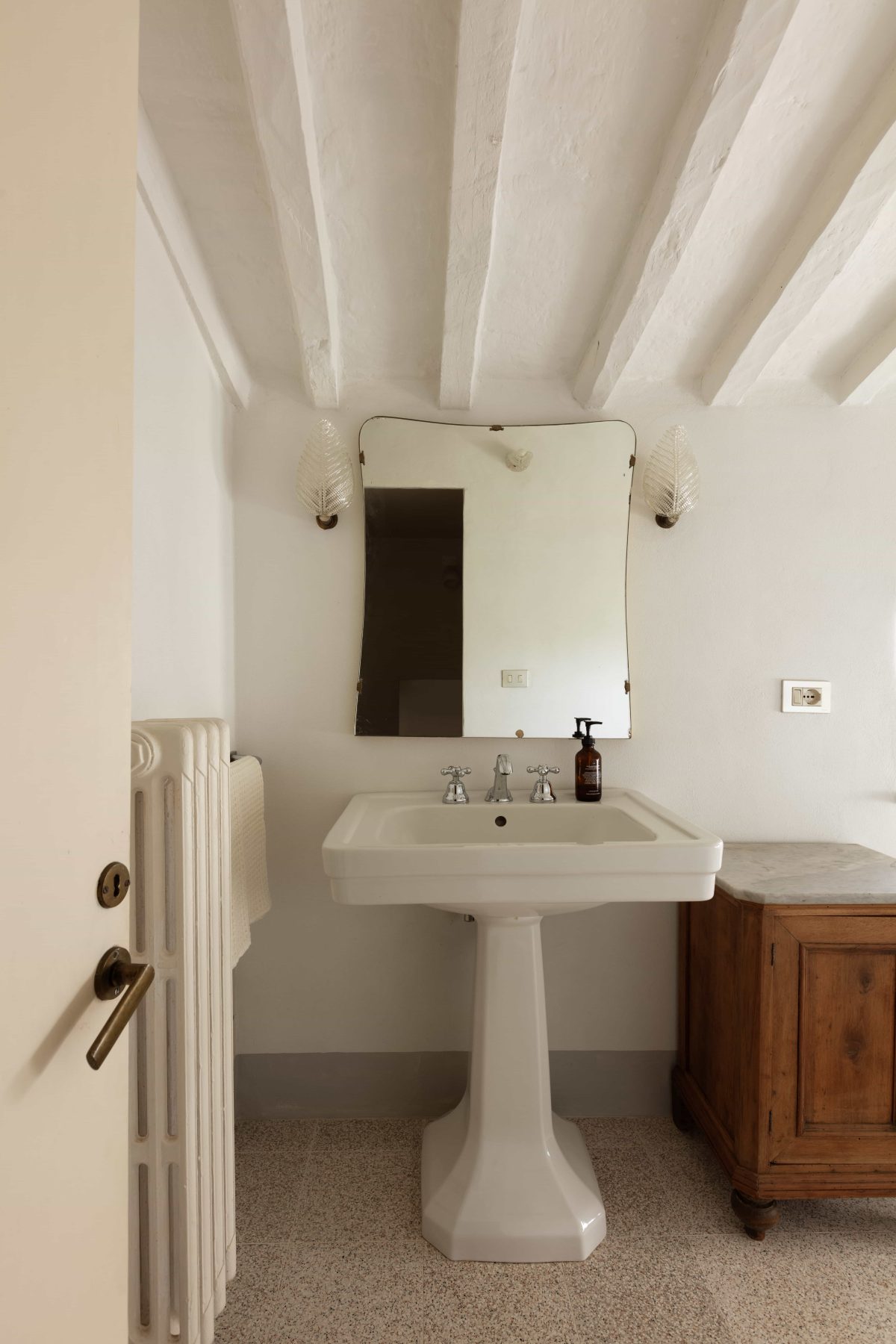
Each room retains a distinct identity shaped by its architectural characteristics and historical layers. Frescoed surfaces, restored materials, antique lighting fixtures, and curated furnishings contribute to an atmosphere that feels both authentic and lived-in.
Through a process of careful preservation rather than transformation, Umberto121 demonstrates how rural architecture can continue to evolve while remaining deeply connected to its history, its landscape, and contemporary guest experiences.
Facts & Credits
Title Umberto121
Typology Architecture, Refurbishment, Vacation House
Location Montisi, Tuscan, Italy
Status Completed, 2024
Architecture Giulia Maccari
Photography Meritxell Arjalaguer
Text by the authors