The Tallinn Architecture Biennale (TAB 2026), taking place from 9 September to 30 November 2026, unfolds across Tallinn’s iconic Linnahall and the city’s urban landscape under the curatorial theme How Much?. Curated by Stuudio TÄNA and Mark Aleksander Fischer with Mira Samonig, the edition examines architecture through the lens of scarcity, frugality, and hidden social, ecological, and temporal costs.
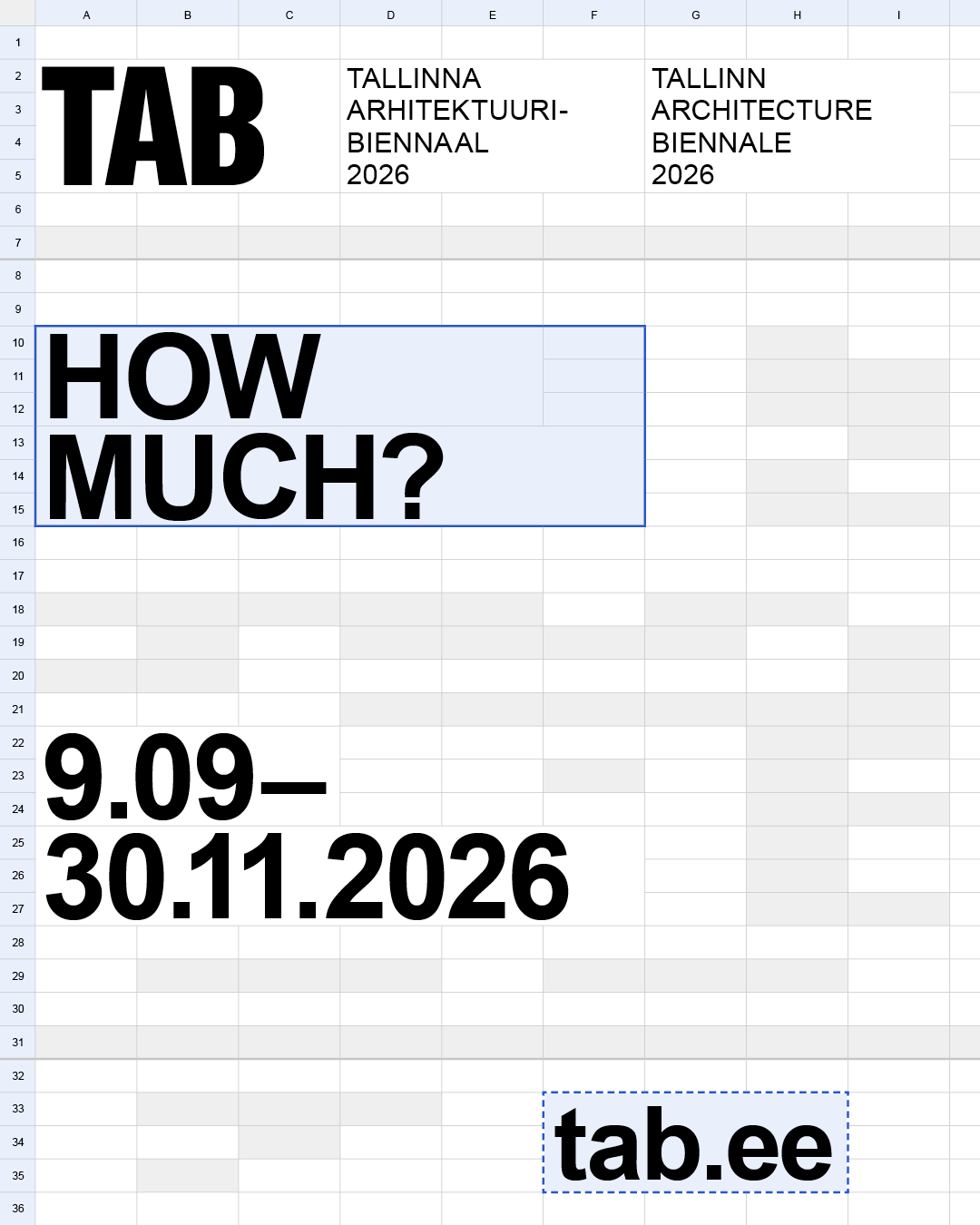
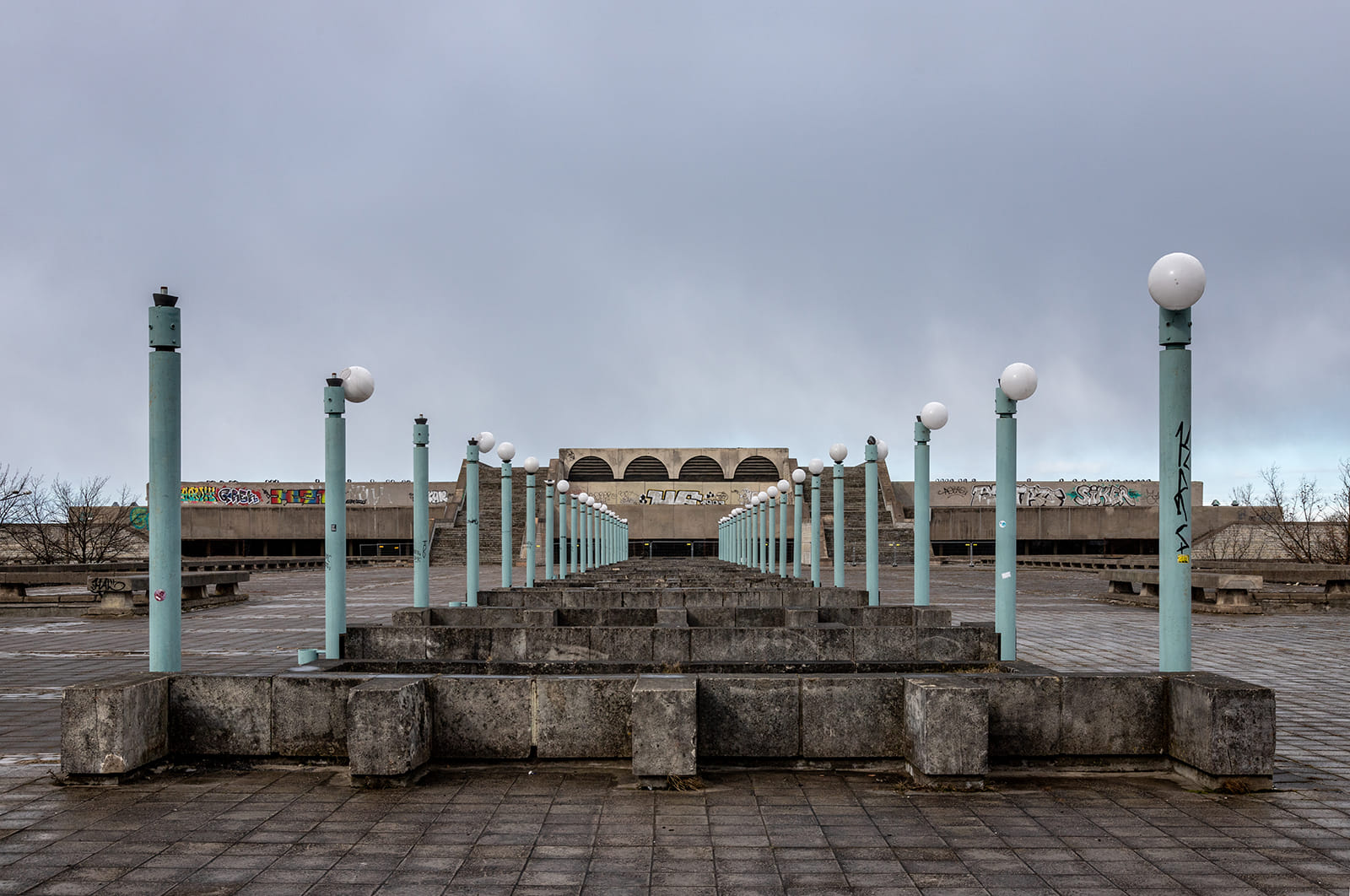
The 8th Tallinn Architecture Biennale (TAB 2026), organised by the Estonian Centre for Architecture, whose Opening Week will take place from September 9th – 13th, 2026 proudly announces its programme. Centred at Tallinn’s iconic Linnahall as the Biennale’s main venue and unfolding across several locations in the city centre including the Estonian Museum of Architecture, the Estonian Academy of Arts (EKA) and the EKKM – Contemporary Art Museum of Estonia is designed to foster dialogue, multidisciplinarity and experimentation.
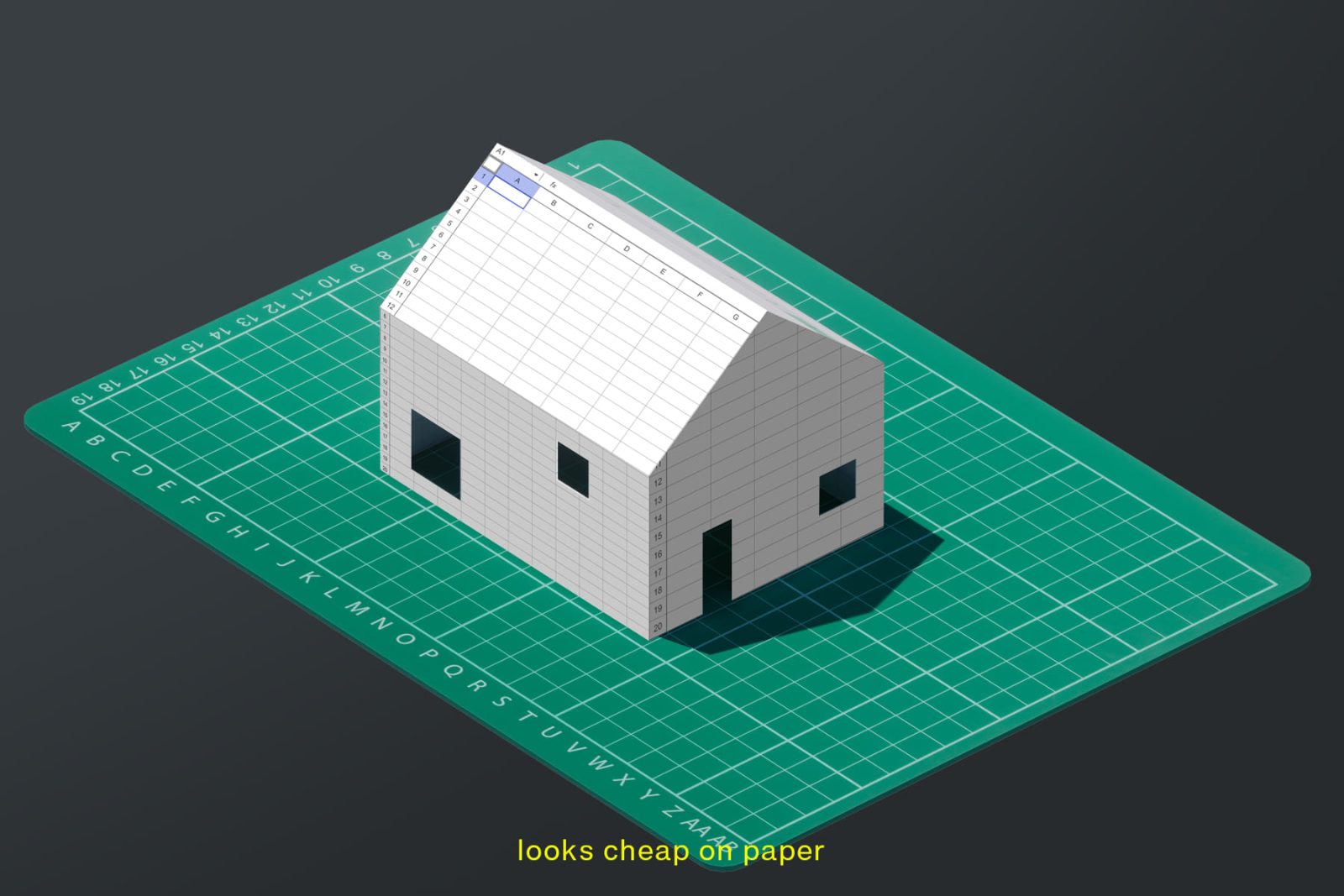
Dedicated to the theme “How Much?”, the international architecture festival curated by Kertu Johanna Jõeste, Siim Tanel Tõnisson, Ra Martin Puhkan (Stuudio TÄNA), Mark Aleksander Fischer and Mira Samonig, turns attention to the relationship between constraint, cost and architecture that has remained suppressed in much of architectural discourse, to unlock new ways of understanding the meaning of value, affordability and responsibility in architecture.
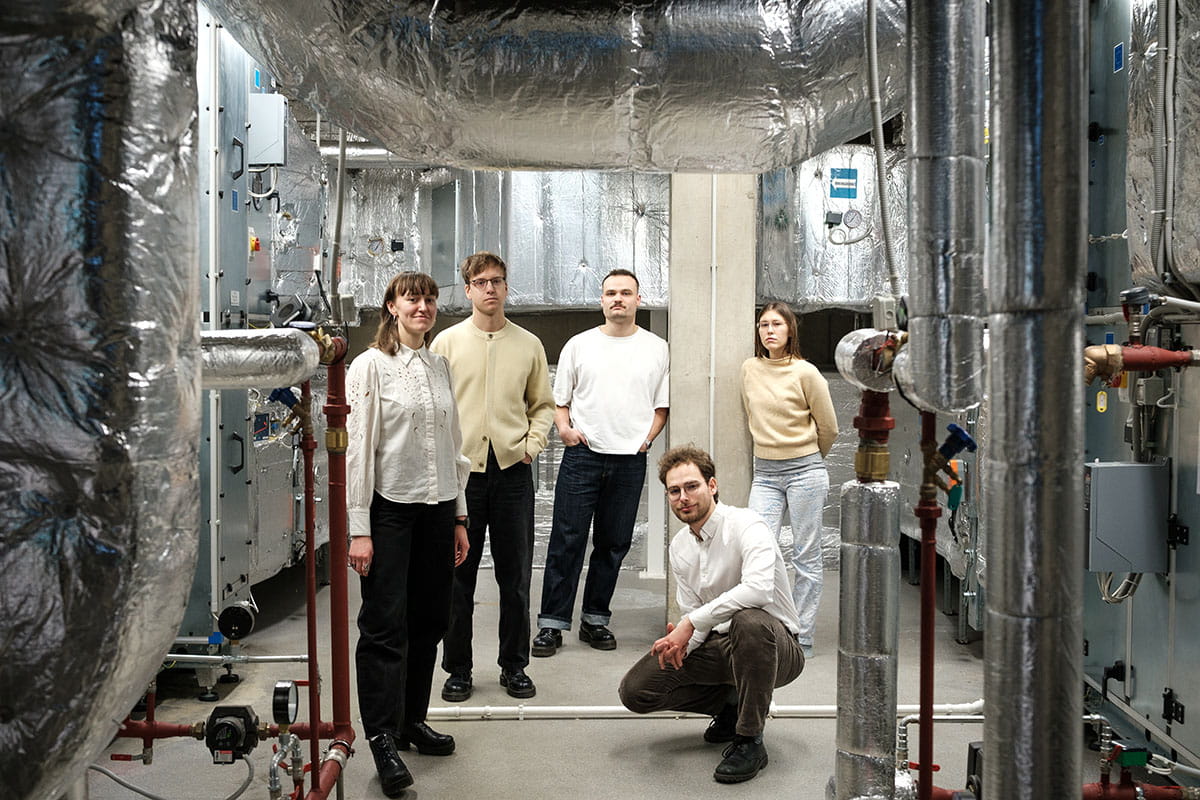
Addressing both architects and the general public, the TAB 2026 Official Programme consists of five main events: a Curatorial Exhibition, a Symposium, a Vision Competition Exhibition, an Installation Programme and an International Architecture Schools’ Exhibition. TAB 2026 will be accompanied by a Satellite Programme including exhibitions, workshops, concerts, family events, films, and much more.
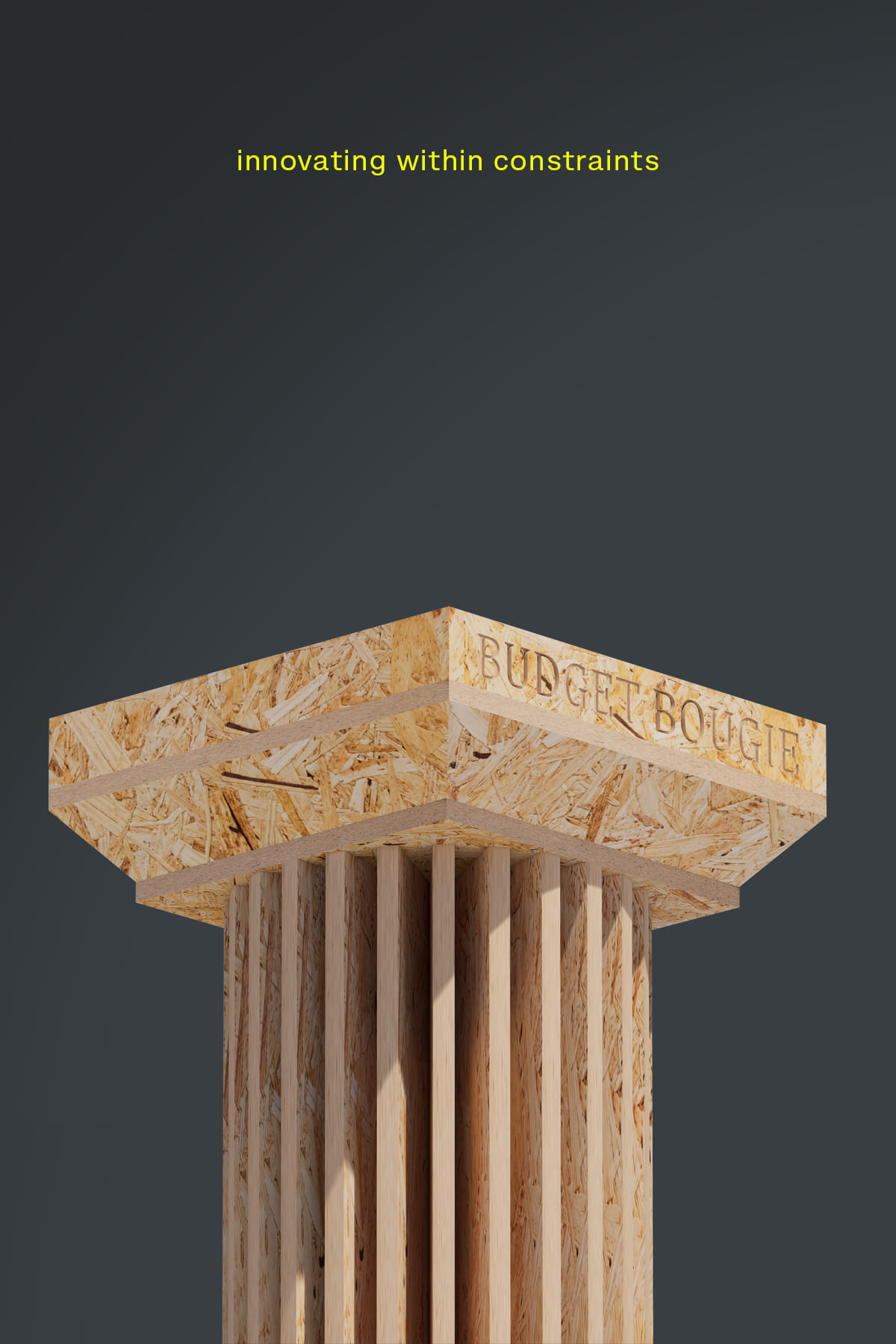
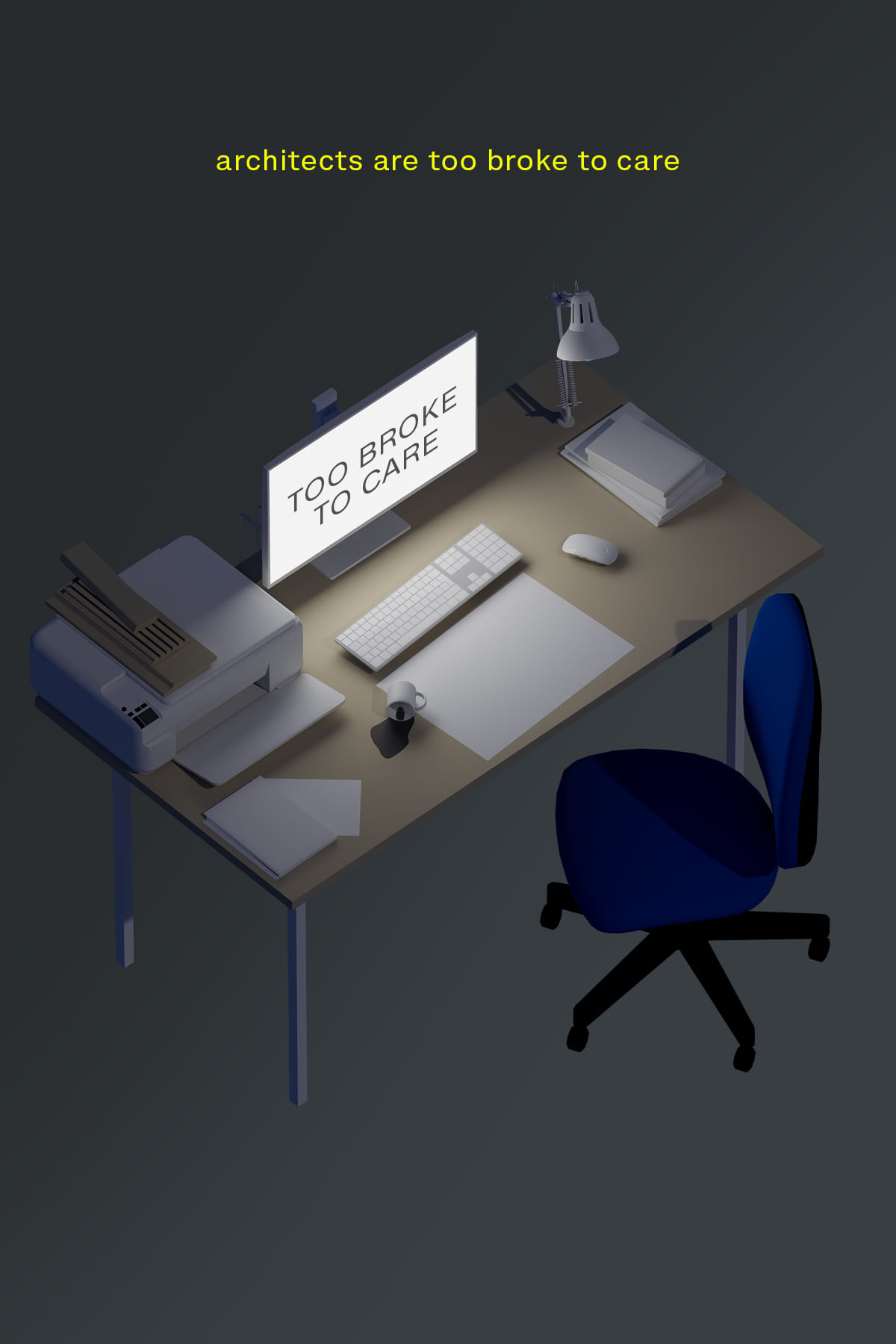
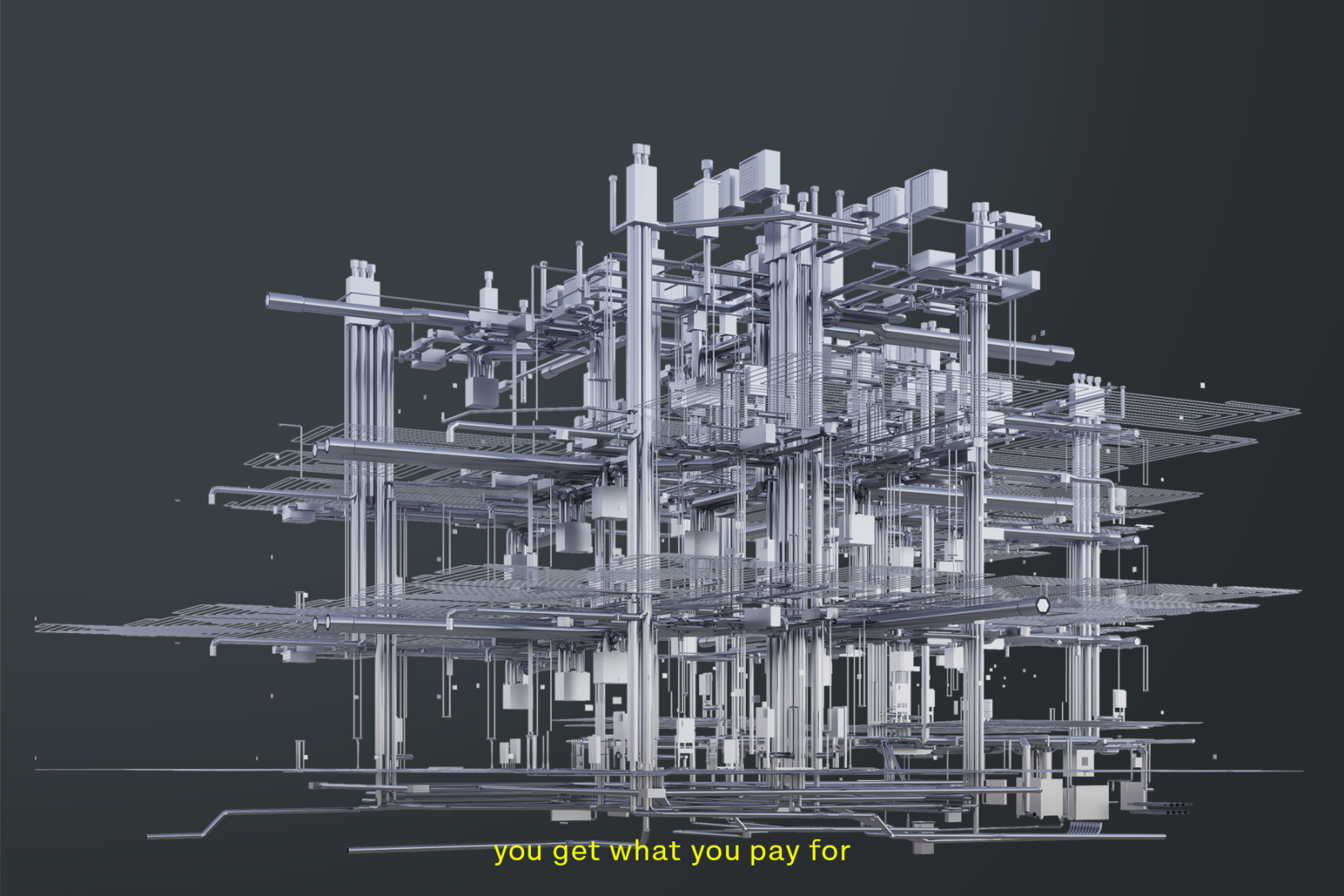
How Much?
On the one hand, the curatorial theme explores architectural strategies that emerge from conditions of constraint, scarcity and limited resources; on the other, it examines the broader social, ecological and temporal costs that often remain invisible behind the economic realities of construction.
“How Much?” investigates the paradox of cheapness in architecture, challenging its conventional association with low cost and efficiency. Instead, it proposes frugality as a critical and generative mode of practice, encouraging architects to rethink value beyond price and to consider the long-term impacts of design on communities, resources and the environment.
“This inquiry begins with Tallinn’s Linnahall, a protected 20th-century landmark. Long abandoned yet continuously debated, the building itself embodies the Biennale’s central theme: reconstruction is too expensive, demolition equally so, and delayed decisions add further costs. Linnahall is more than a venue: it acts as a curatorial agent demonstrating that “how much” is not just numbers, but a spatial, political, and cultural question of value.” – Mira Samonig, part of the curatorial team.
CURATORIAL EXHIBITION
Entitled “How Much?”, the Curatorial Exhibition is hosted at Tallinn’s iconic Linnahall from 9 September to 30 November 2026. Taking the Biennale’s central question as its starting point, the exhibition explores the relationship between constraint, cost and architecture, examining how economic pressures shape the built environment and influence architectural value.
The exhibition unfolds within Linnahall, a monumental seaside civic complex built for the 1980 Summer Olympics and one of the most significant examples of late Soviet modernism in Estonia.
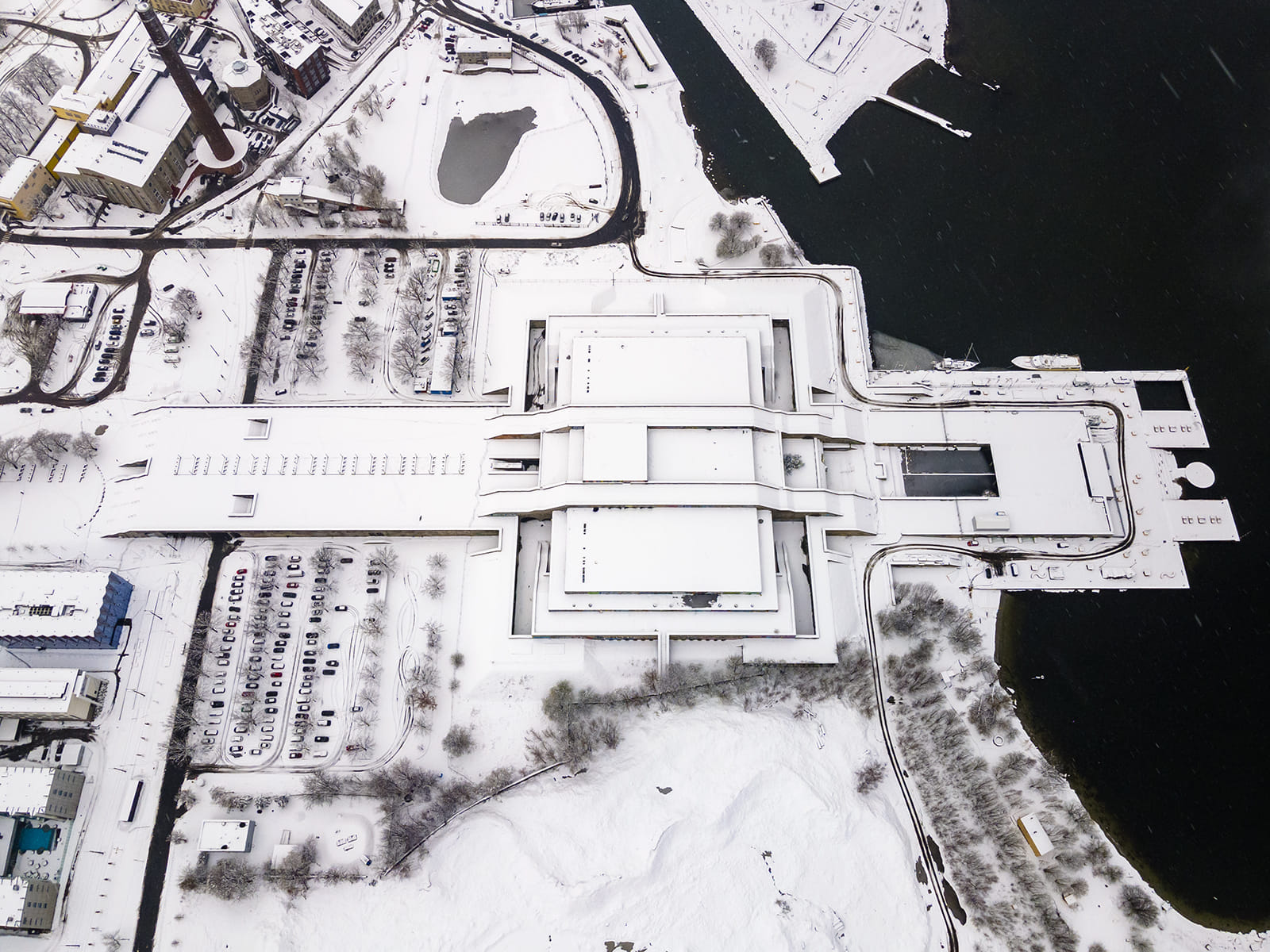
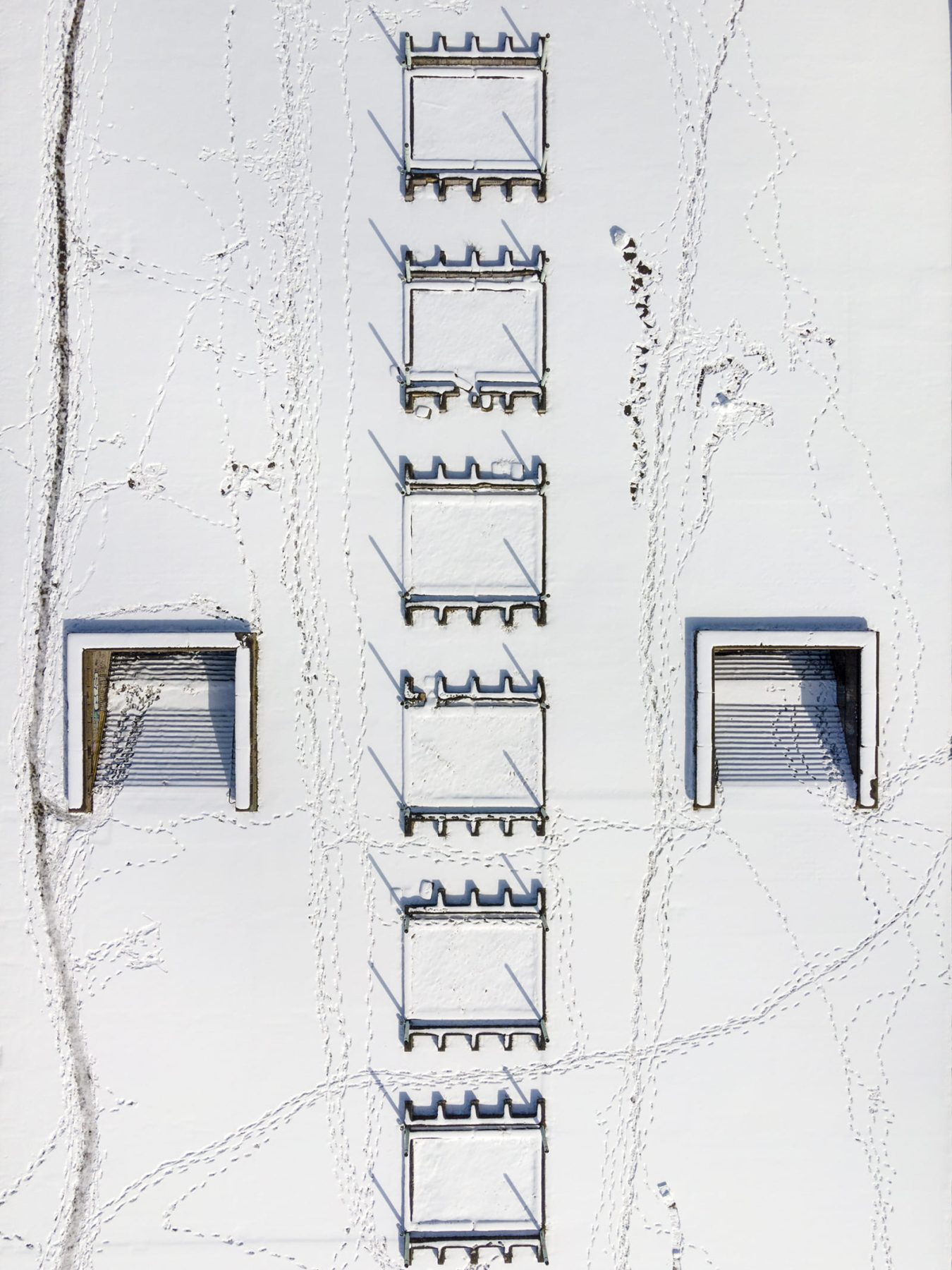
Beyond its architectural significance, Linnahall holds a special place in the life of the city: as a gateway to the sea and a hub for civic and cultural activities. By opening the building for the duration of the Biennale, TAB reconnects the city with the memories, encounters, and debates that have defined Linnahall over time.

Bringing together architects, researchers and interdisciplinary practitioners from Estonia and abroad, the exhibition’s projects range from critiques of architecture’s financialised condition to proposals that explore reuse, resource-conscious construction, adaptation, and alternative models of development.
Rather than offering a single answer to the question “How Much?”, the exhibition invites visitors to reconsider what architecture truly costs, the forms of value it can generate, and how constraints can become drivers of innovation and meaningful design.
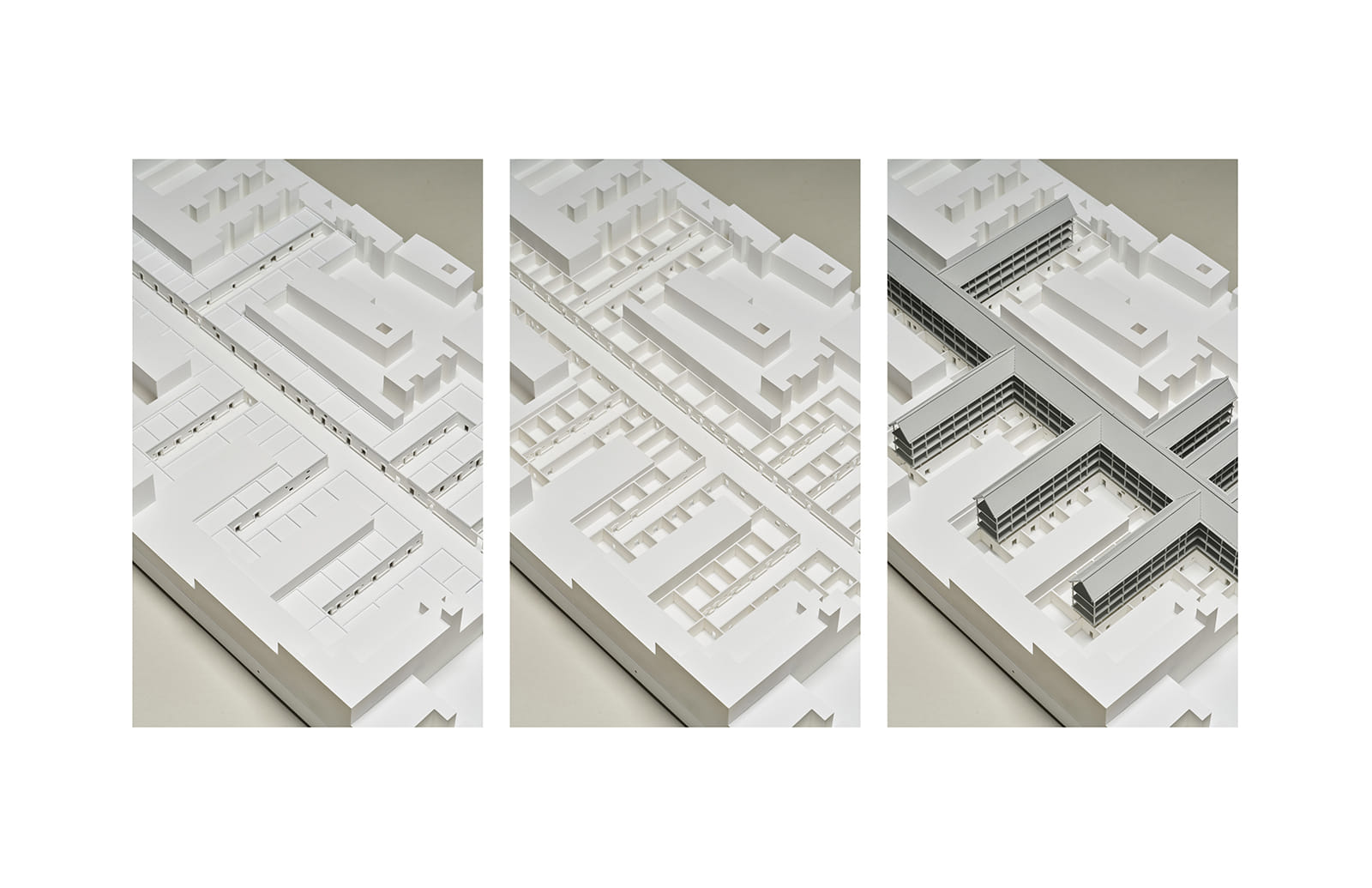
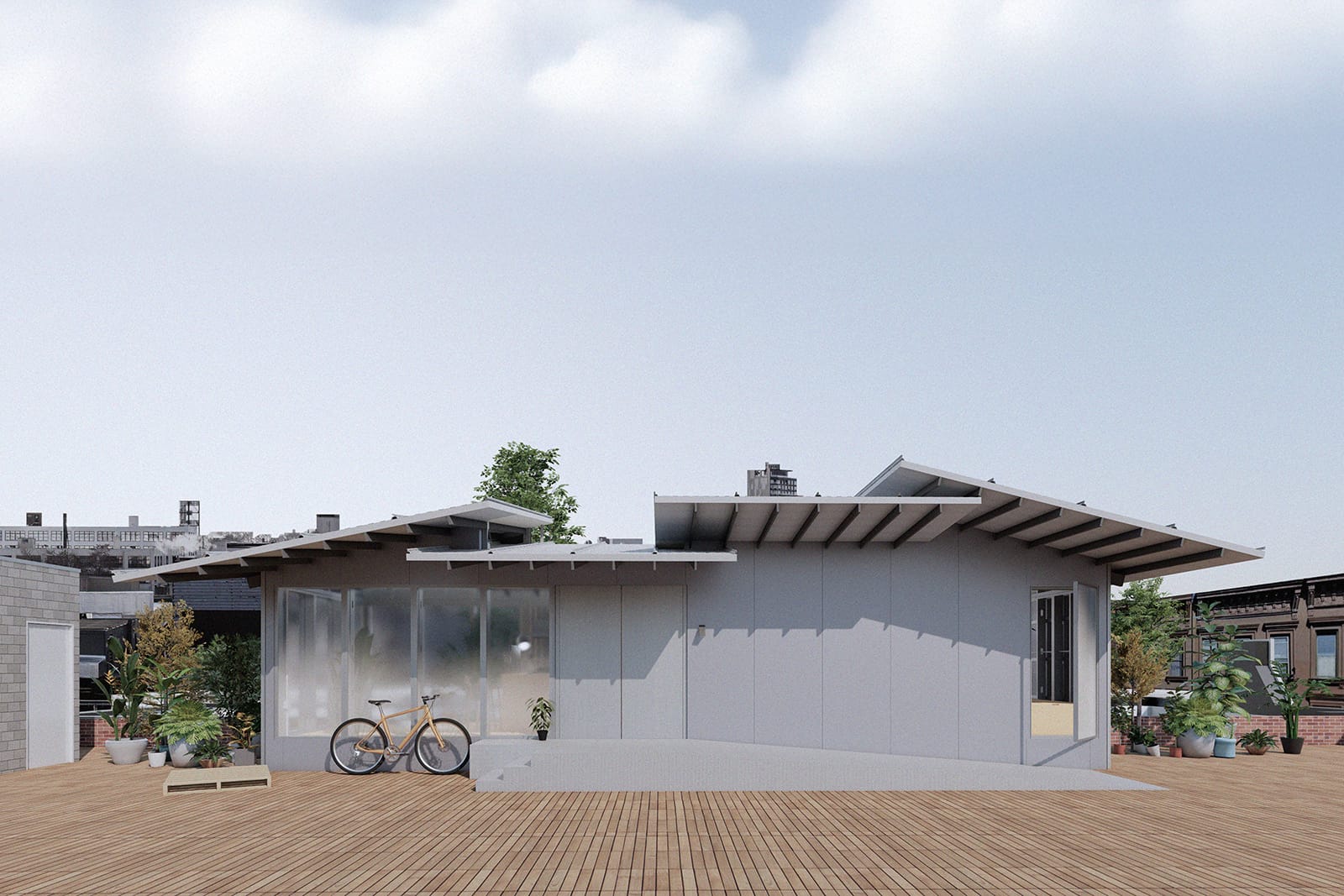
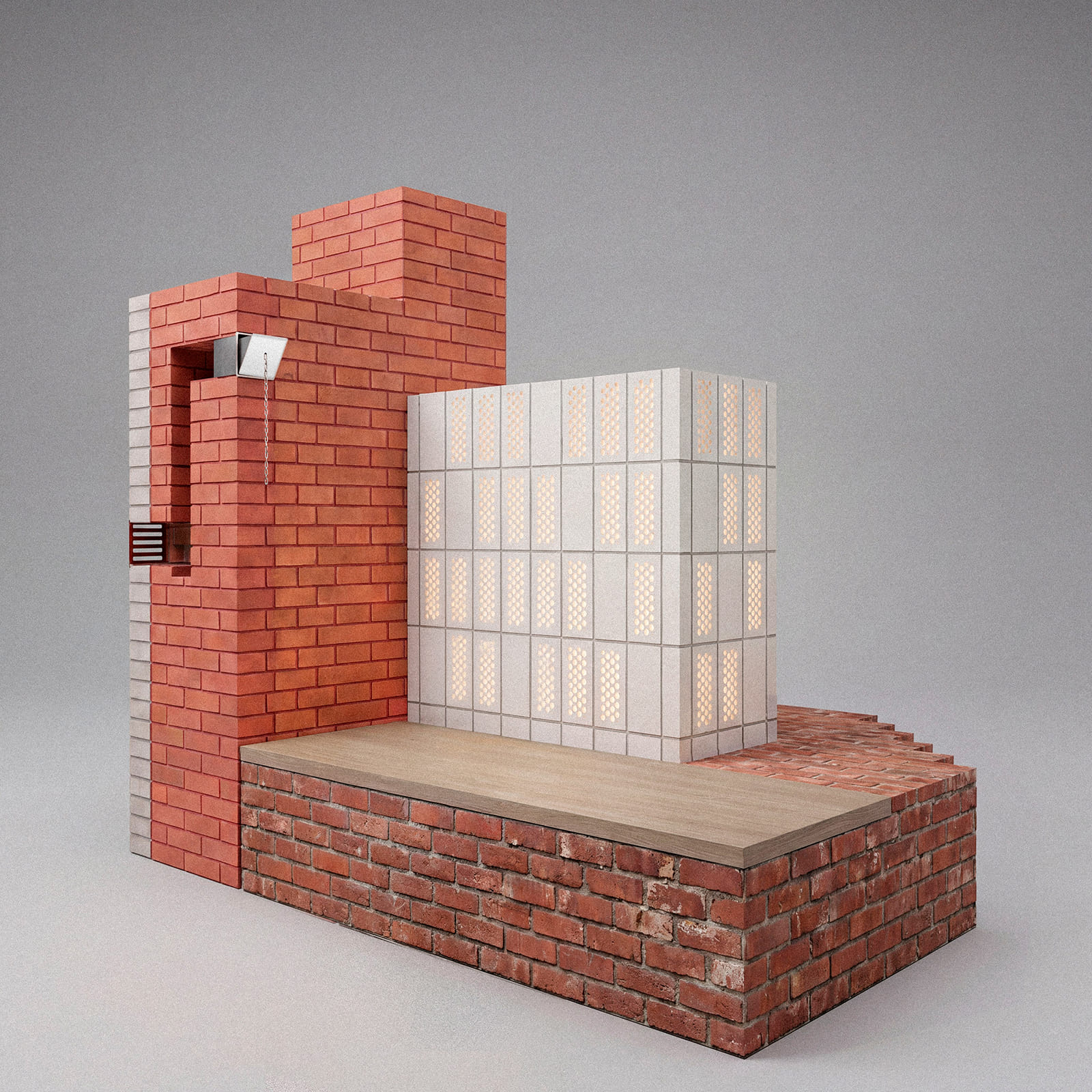
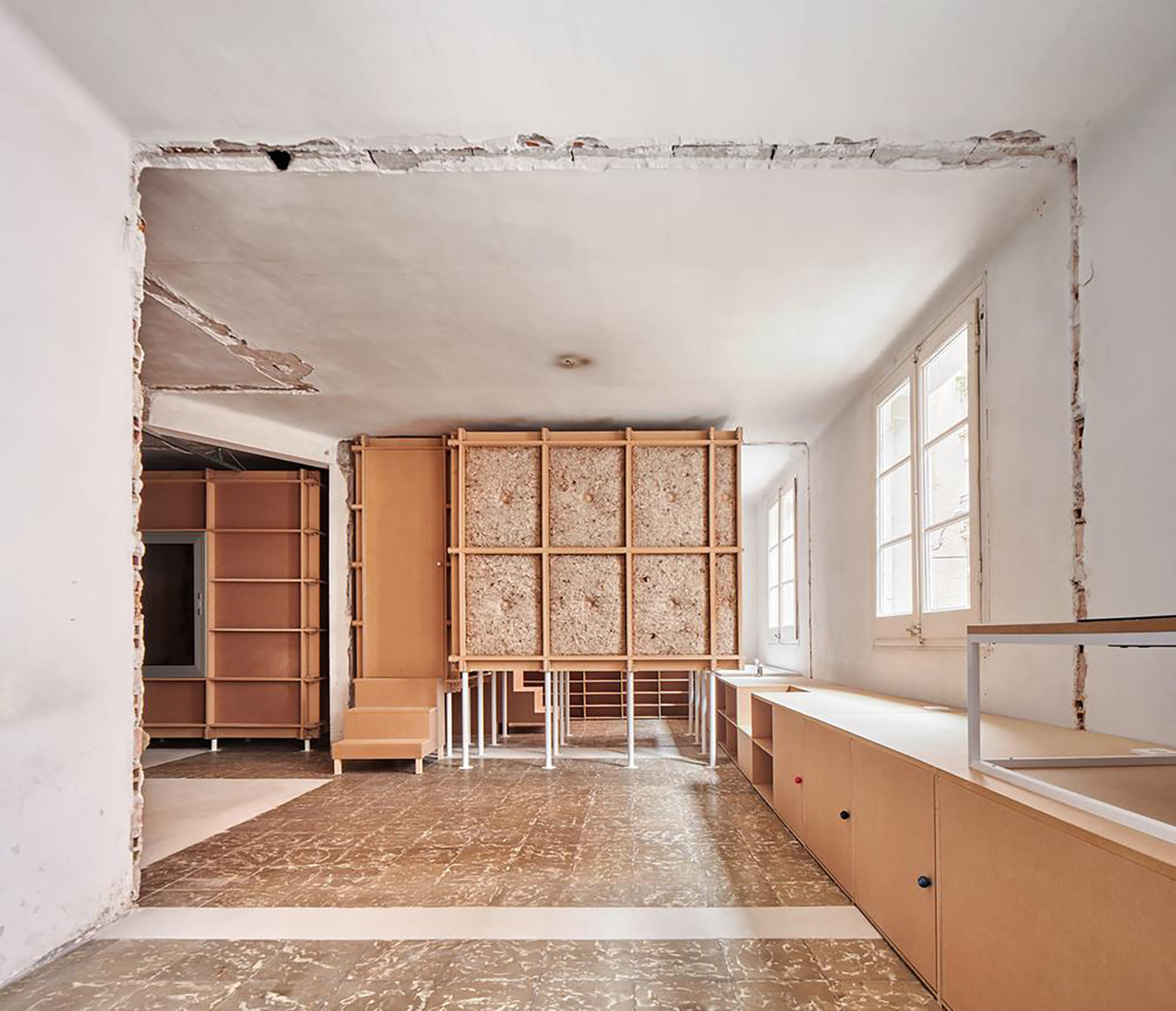
Participants in the Curatorial Exhibition include:
asphalt / Kollektiv für Architektur (Austria) — A Roll of Marble
Avarrus Arkkitehdit (Finland) — Simply Massive
baubüro in situ (Switzerland) — Winkelbau 1, Zwhatt-Areal Regensdorf “The Existing as Opportunity – Circularity as Vision”
Bimberg&Frenz (Belgium) — CASH
HouseEurope! — Sleeping Giants
KAVAKAVA (Estonia)
Mantas Peteraitis Architecture Studio (Lithuania) — Architecture of Prevention
Márton Pintér (Hungary) — Export as…
Max von Werz Arquitectos (Mexico) — Under One Roof
O–P (USA) — Ground Plane
SALTO Architects (Estonia)
Secretary (Sweden) — Lost Hallway
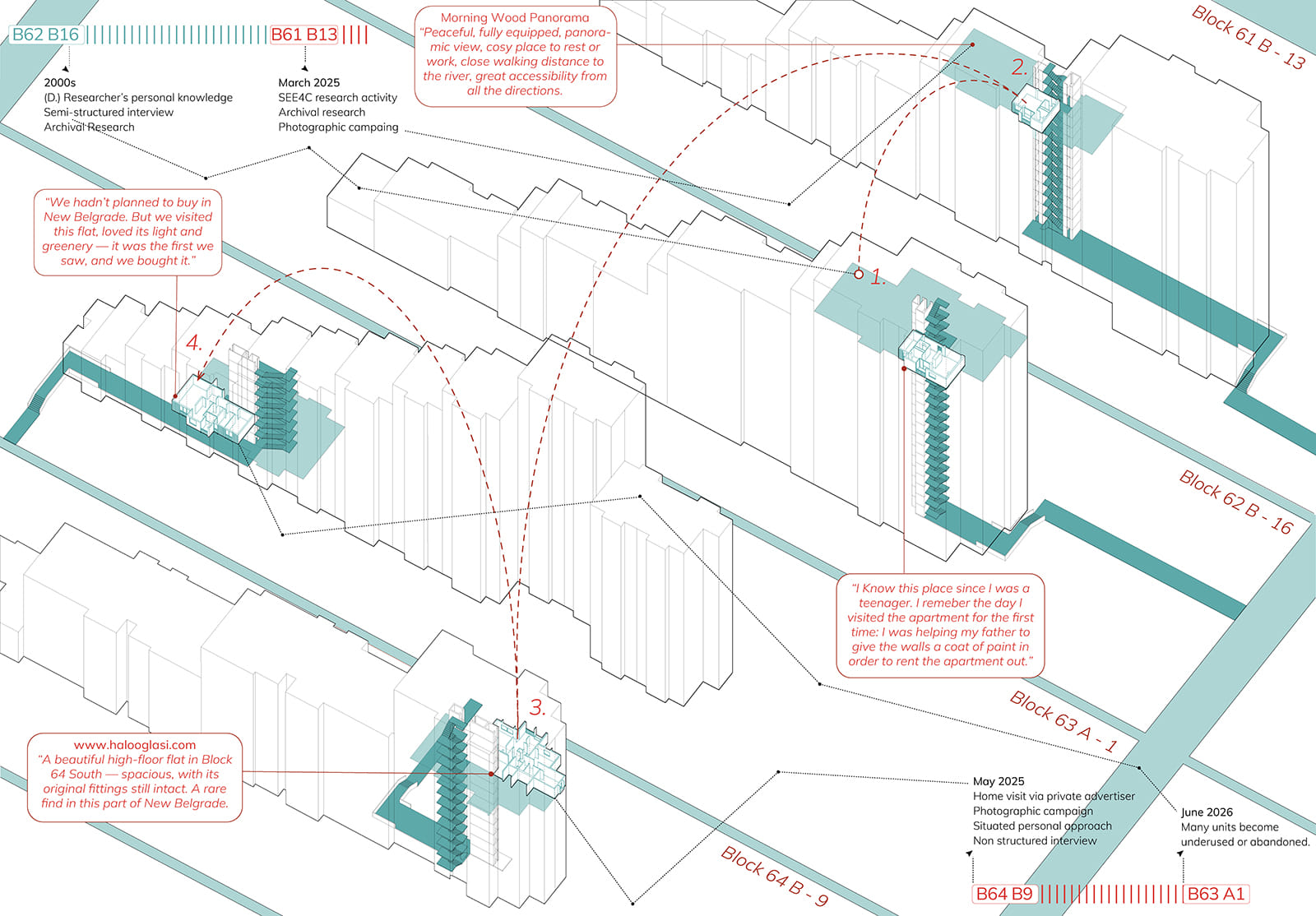
SEE:4C – South-Eastern Europe: 4 Cities — Load Bearing
Studio TAKK (Spain / USA) — 3k room
Tõnis Savi / Anthony Clay Bureau (Estonia) — There Is Always a Bill
VARES (Estonia) — Our Daily Bread
In addition, an Estonian Collective Exhibit brings together local architecture offices presenting examples from their practice that have been driven by budgetary constraints, but have also proven to be valuable aesthetically or structurally.
SYMPOSIUM
During the Opening Week at EKA – Estonian Academy of Arts, TAB will hold the “Sounds Expensive” Symposium on Friday 11 September 2026, exploring the illusions and hidden costs that shape architectural practice and value.
The symposium adopts a practice-driven perspective on how architects navigate economies, constraints and systems of value, questioning assumptions around affordability and efficiency. In dialogue with the Curatorial Exhibition, the event combines keynotes, presentations and panel discussions, bringing together diverse expertise from architectural practice, research and theory to curatorial and critical writing to address contemporary approaches to design under conditions of scarcity.
Keynote speakers include Phineas Harper (UK), writer, critic and curator, considers how much illusion is embedded in narratives of budgetary scarcity; Claire Zimmerman (Canada), Professor of Architecture at the University of Toronto proposes an understanding of the politics of society through the lens of cost for building and infrastructure construction and introduces the The Cost of Architecture network; and Thomas Flores and Mathias Palazzi (France), architects and researchers whose work investigates frugal and austere architectural paradigms. Panel discussions feature participants from the Curatorial Exhibition, including Tõnis Savi, Mantas Peteraitis, TAKK, O–P (Eugene Ong & Andri Putri), Secretary (Helen Rix Runting & Rutger Sjögrim), asphalt (Maura Schmitt & Felix Steinhoff), KAVAKAVA (Siiri Vallner & Indrek Peil), Avarrus Architects, Max von Wetz Arquitectos (Johannes Koch) and SALTO Architects.
The Symposium will be preceded on 10 September by the EKA Arh Conference “To Be Continued…” exploring how architecture can move forward by building on existing knowledge and practices in the face of climate and resource challenges.
INSTALLATION PROGRAMME
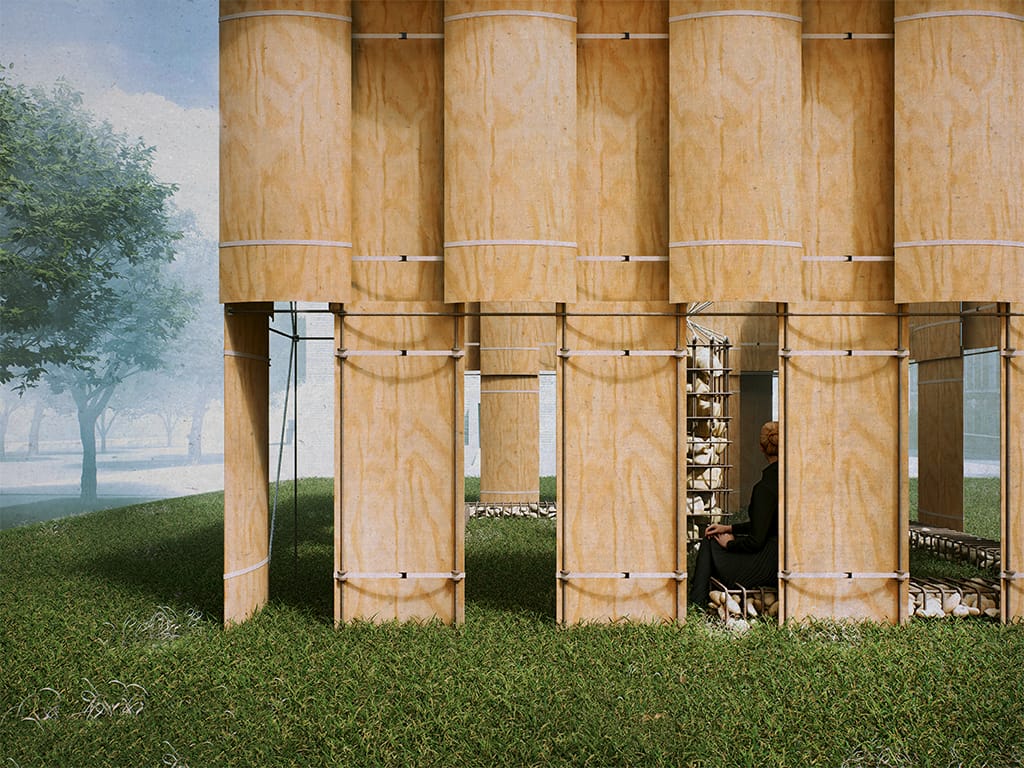
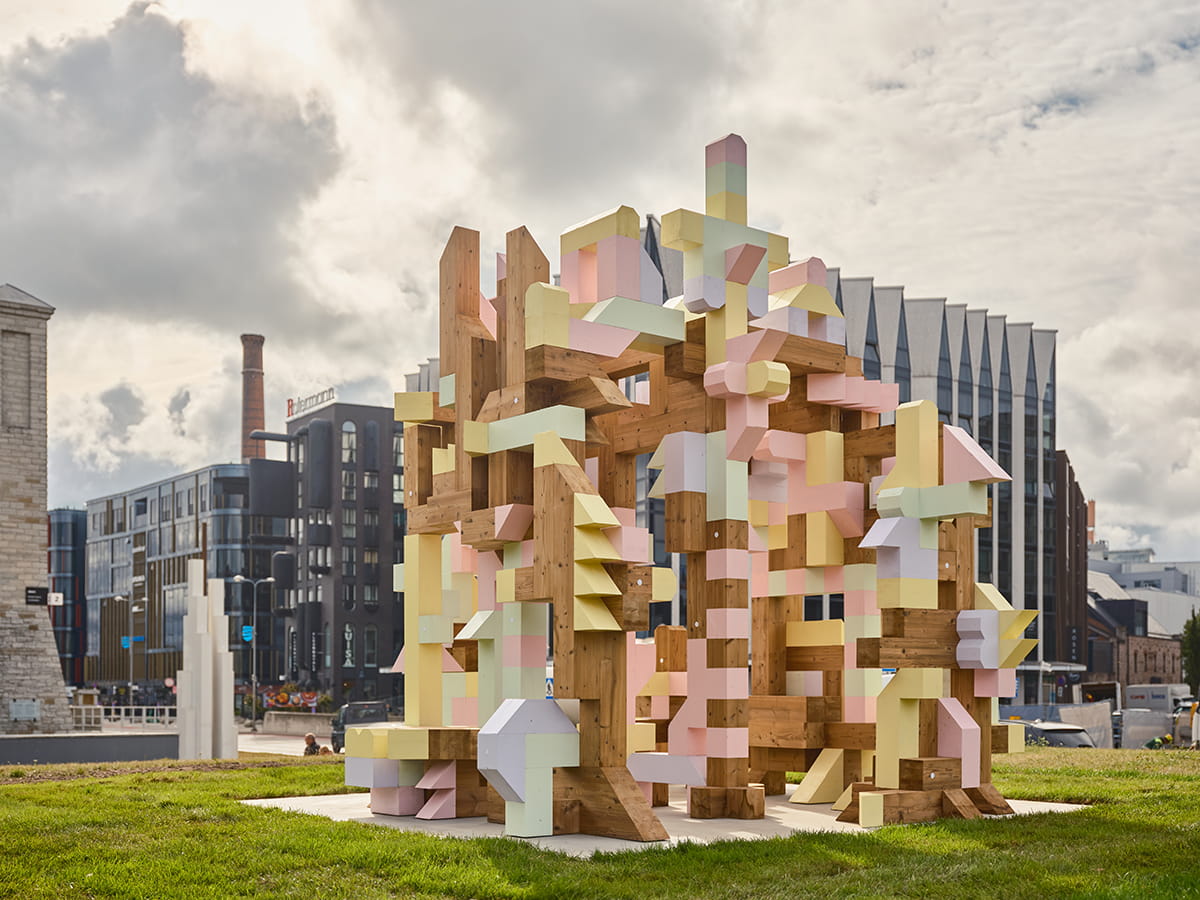
The TAB 2026 Installation Competition “Budget Bougie” invited architects to explore how limited resources can generate spatial richness and a sense of luxury. Participants were asked to design a temporary outdoor pavilion in front of the Estonian Museum of Architecture in Tallinn’s Rotermann district, addressing the question: can ingenuity, material resourcefulness and careful design replace expense?
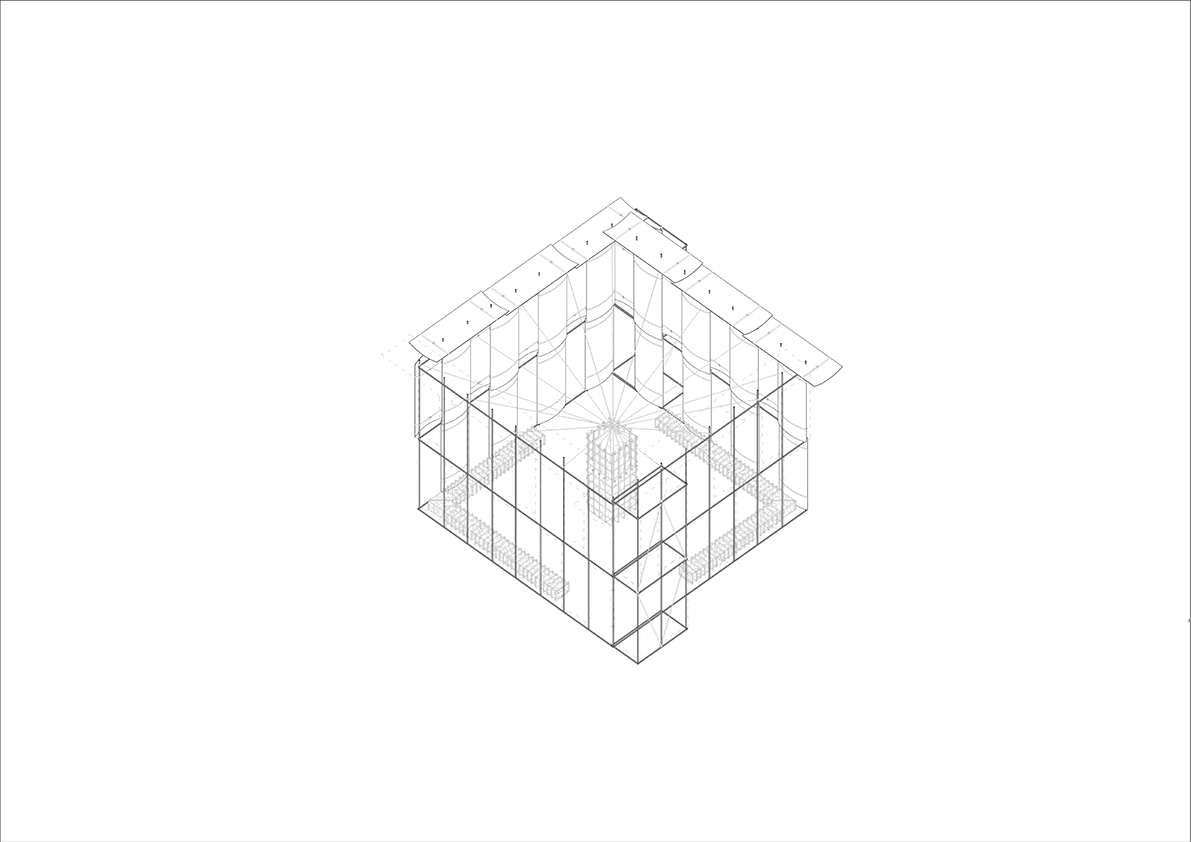
The winning pavilion, “Resonance” by Aru Ma- Architects (Cheng Hao Chung, Zhang Jie, Cui Jiakai, Matteo Minnicelli; Shanghai/Tokyo), transforms standard materials as rebar, rope, limestone or plywood into an intimate, acoustically sensitive courtyard.
Anchored by a central stone core, the tensile structure turns material and budgetary constraints into an environment defined by light, wind, sound and gravity.
The Installation Competition Exhibition at the Estonian Museum of Architecture presents the top 30 submissions, highlighting inventive approaches that demonstrate how spatial generosity and architectural quality can emerge from limitation, simplicity and thoughtful design.
VISION COMPETITION EXHIBITION
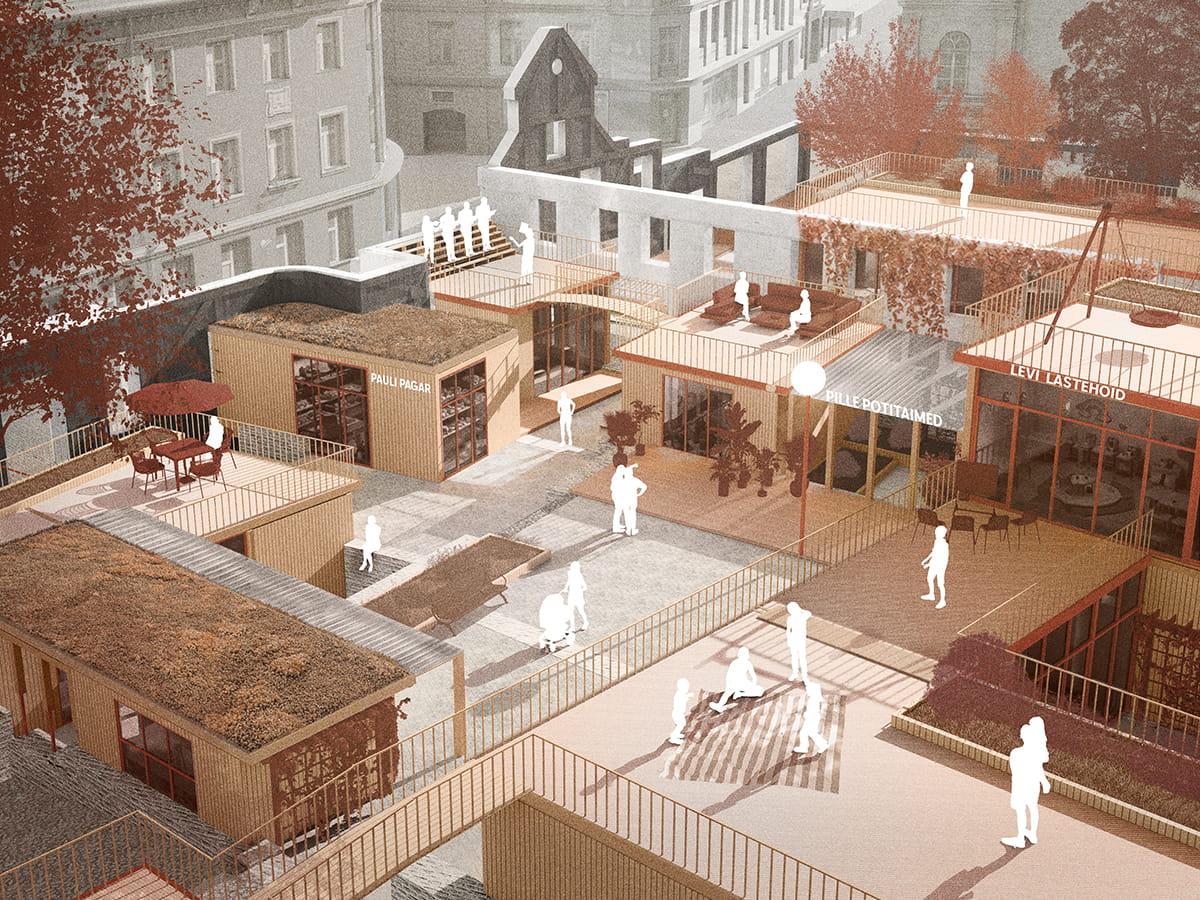
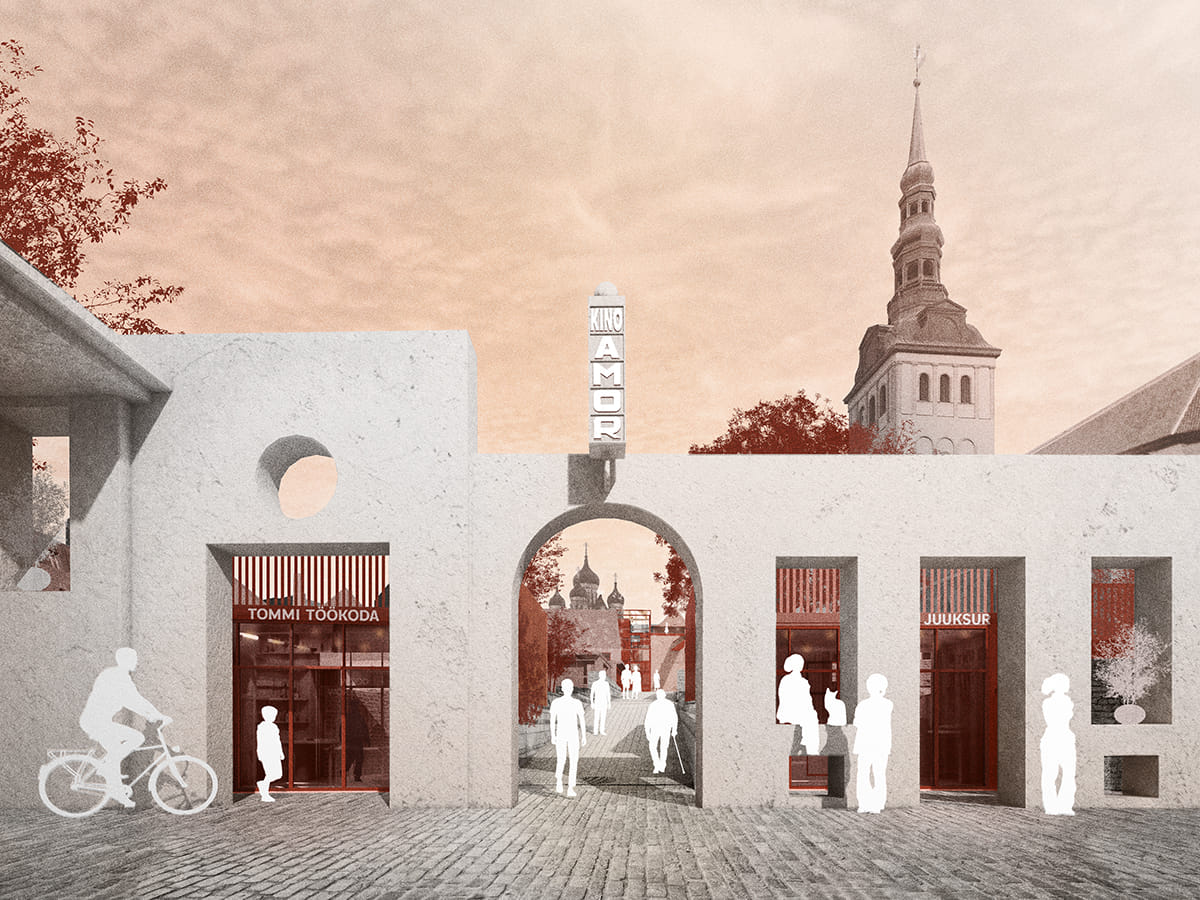
The Vision Competition Exhibition, entitled “From Void to Value: Revisioning Tallinn’s Old Town”, is presented at the Tammsaare Park Outdoor Gallery in Tallinn opening on 16 October and running until 12 November 2026.
The exhibition presents proposals addressing one of the most contested urban sites in Tallinn’s historic centre: the southern edge of the Old Town, where an unresolved urban void continues to interrupt the connection between the medieval core and the surrounding city.
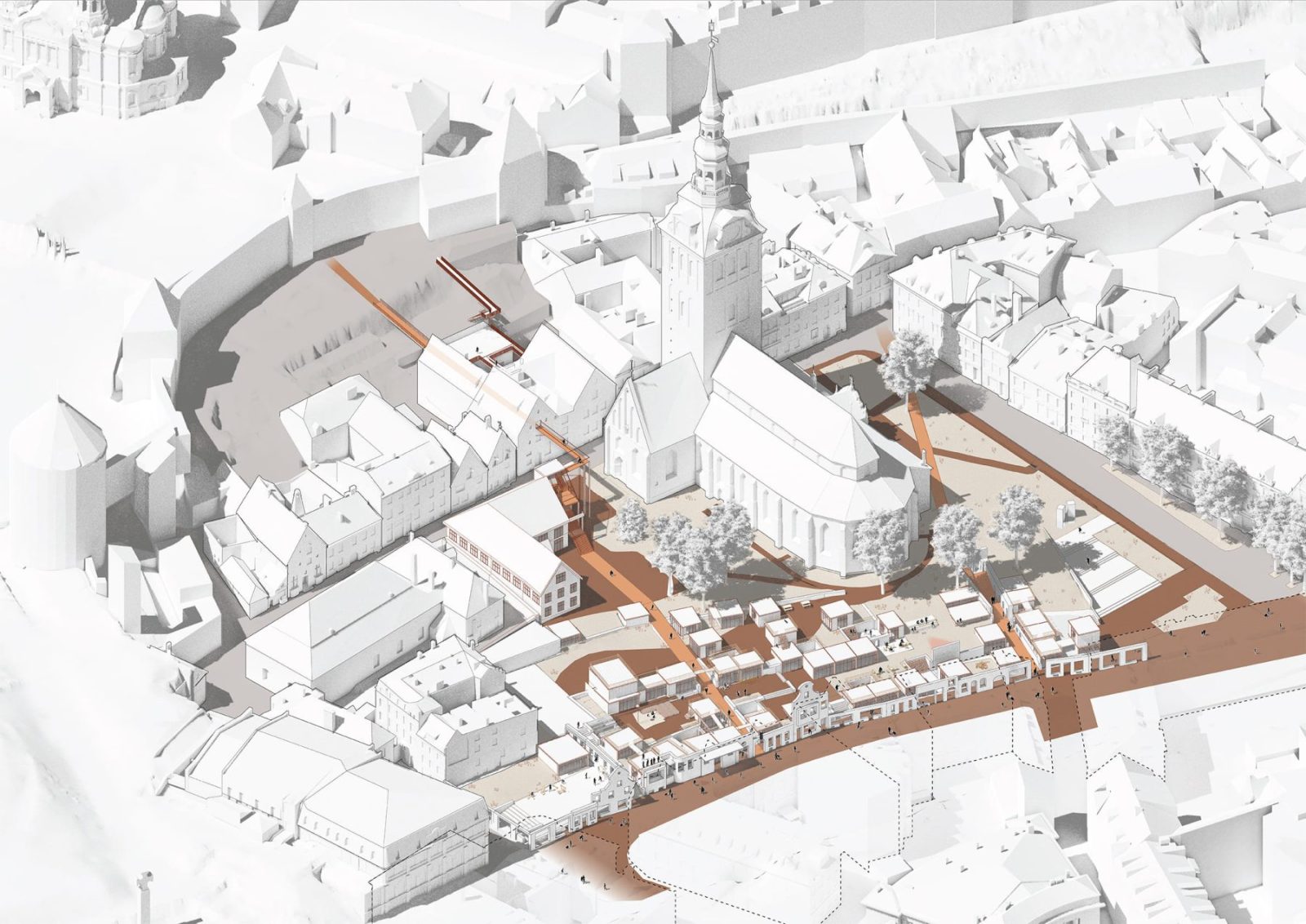
Responding to TAB 2026’s overarching theme “How Much?”, the competition explored the relationship between physical, social and economic value in historic urban environments. Participants were invited to develop strategies for urban resilience and social sustainability, proposing new programmes and spatial interventions for a site shaped by decades of debate, heritage protection and changing patterns of use.
The exhibition showcases the winning projects: “A Place Reclaimed” by Valerii Krinberg, Martin Sepp, Kaari Maria Tirmaste, Mikael Ristmets and Patrick Liik (1st Prize); “Reap What You Sow” by Fred-Eric Pavel and Karmo Viherpuu (2nd Prize); and “Urban Home” by Michal Romaniuk (3rd Prize), alongside five honourable mentions.
INTERNATIONAL ARCHITECTURE SCHOOLS’ EXHIBITION
The international studio “Capital-A Affordable architecture” will be presented at the Estonian Museum of Architecture from 10 September to 30 November, exploring the question:
What does affordability mean in architecture today?
The studio opens up the double meaning of capital as both a linguistic marker of significance and as a literal financial asset, to recenter affordability as a core spatial question rather than a peripheral economic one. Students and tutors from multiple universities, including University of Applied Arts Vienna (Studio Sam Jacob), UMPRUM Prague (Studio Andrew Belmont Kiel), Royal College of Art London (Romeo Muryn & Francisco Lobo), Kharkiv School of Architecture (Daria Ozhyhanova) and Estonian Academy of Arts, worked from a shared brief while interpreting it through local and cultural lenses. The resulting projects form a collective exhibition, self-curated and installed by the participants, complemented by virtual public conversations to activate the work.
TICKETS
Tickets for TAB 2026 are now officially on sale at this link and include different perks. As an international event fostering peaceful and constructive dialogue in architecture, TAB 2026 will offer free passes to Ukrainian architects who wish to participate in the event.
The complete programme of official and satellite events of TAB 2026 can be found here!
Facts & Credits
Title Tallinn Architecture Biennale – TAB 2026 “How Much?”
Typology Architecture Biennale
Location Tallinn, Estonia
Opening Week 9 —13 September 2026
Dates 9 September — 30 November 2026
Curators Stuudio TÄNA (Kertu Johanna Jõeste, Ra Martin Puhkan, Siim Tanel Tõnisson), Mark Aleksander Fischer and Mira Samonig
Production Estonian Centre for Architecture
Main Partners The Ministry of Culture of Estonia, The Cultural Endowment of Estonia, LAUFEN, Tallinn Urban Planning Department, Estonian Academy of Arts (EKA), The Estonian Museum of Architecture