Perched between necessity and imagination, Treehouse by Some Place Studio transforms a pragmatic domestic brief into an exploration of perspective, freedom, and inhabitation. Drawing parallels with Cosimo’s arboreal existence in Italo Calvino’s The Baron in the Trees, the project proposes architecture as both refuge and vantage point—a place suspended between earth and sky, utility and play, intimacy and openness. More than an additional room, it becomes a threshold from which everyday life may be viewed, and lived, differently.
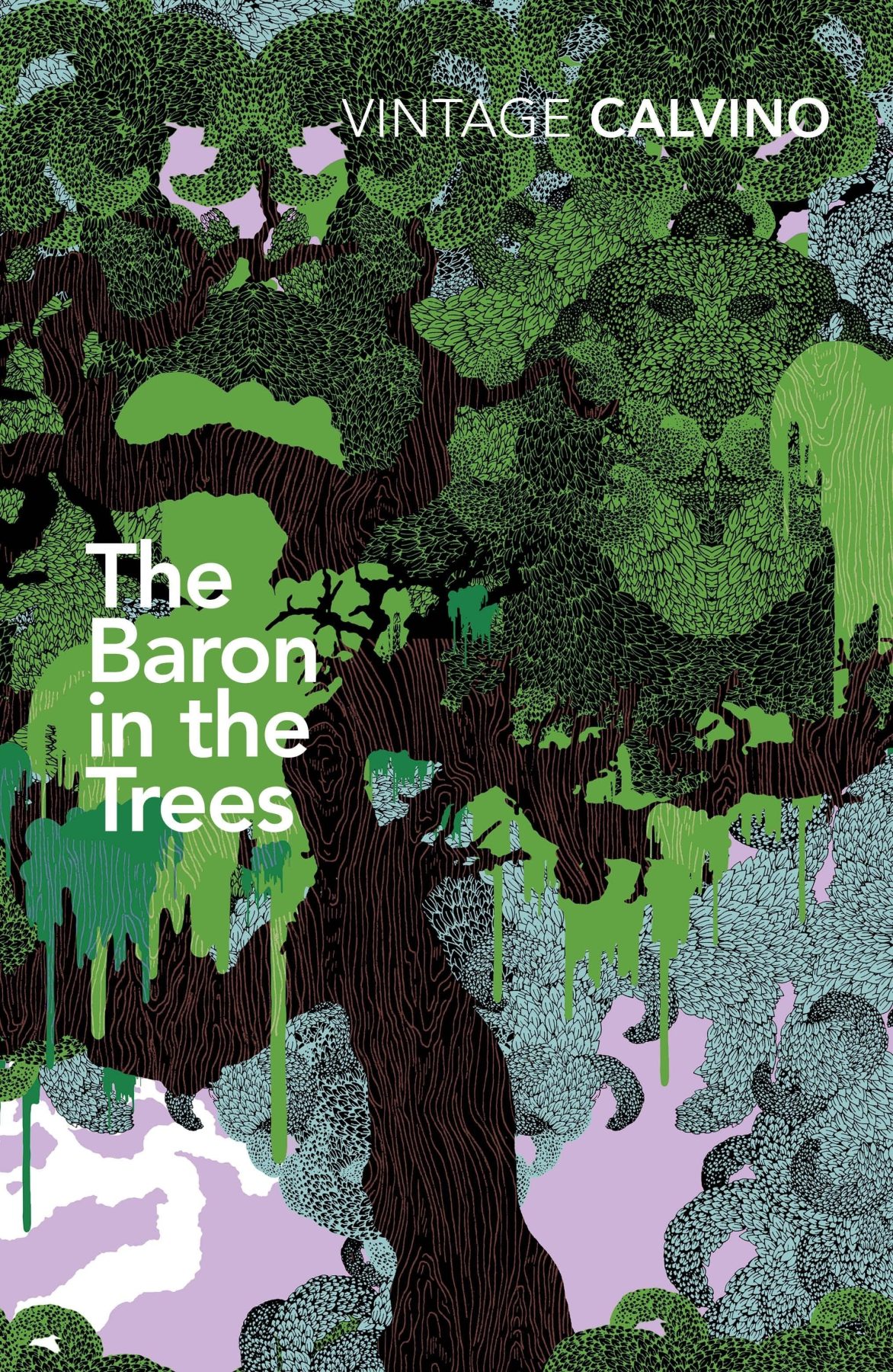
In Italo Calvino’s The Baron in the Trees (1957), twelve-year-old Cosimo Piovasco di Rondò climbs a tree after an argument with his family and vows never to come down. What begins as an act of childhood rebellion gradually unfolds into a lifelong experiment in living. From the canopy, Cosimo remains deeply engaged with the world—he reads, loves, debates, hunts, participates in politics, and follows the intellectual currents of the Enlightenment. Yet he does so from a self-imposed distance, cultivating a new relationship with society, knowledge, and freedom.
More than a whimsical literary premise, Calvino’s novel poses a series of enduring philosophical questions. Can one belong to the world while remaining apart from it? Is distance a form of wisdom? What does it mean to inhabit a different perspective?
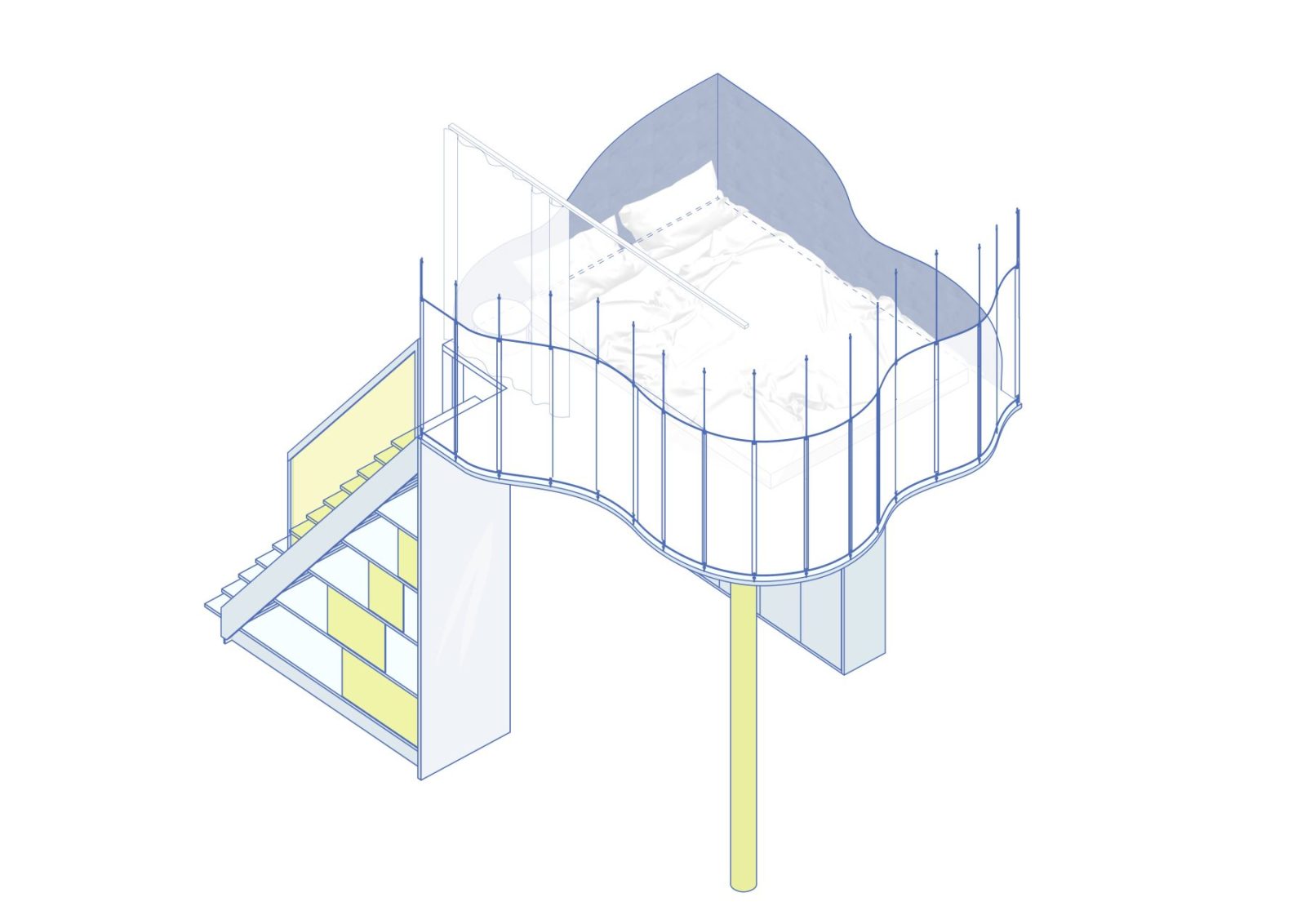
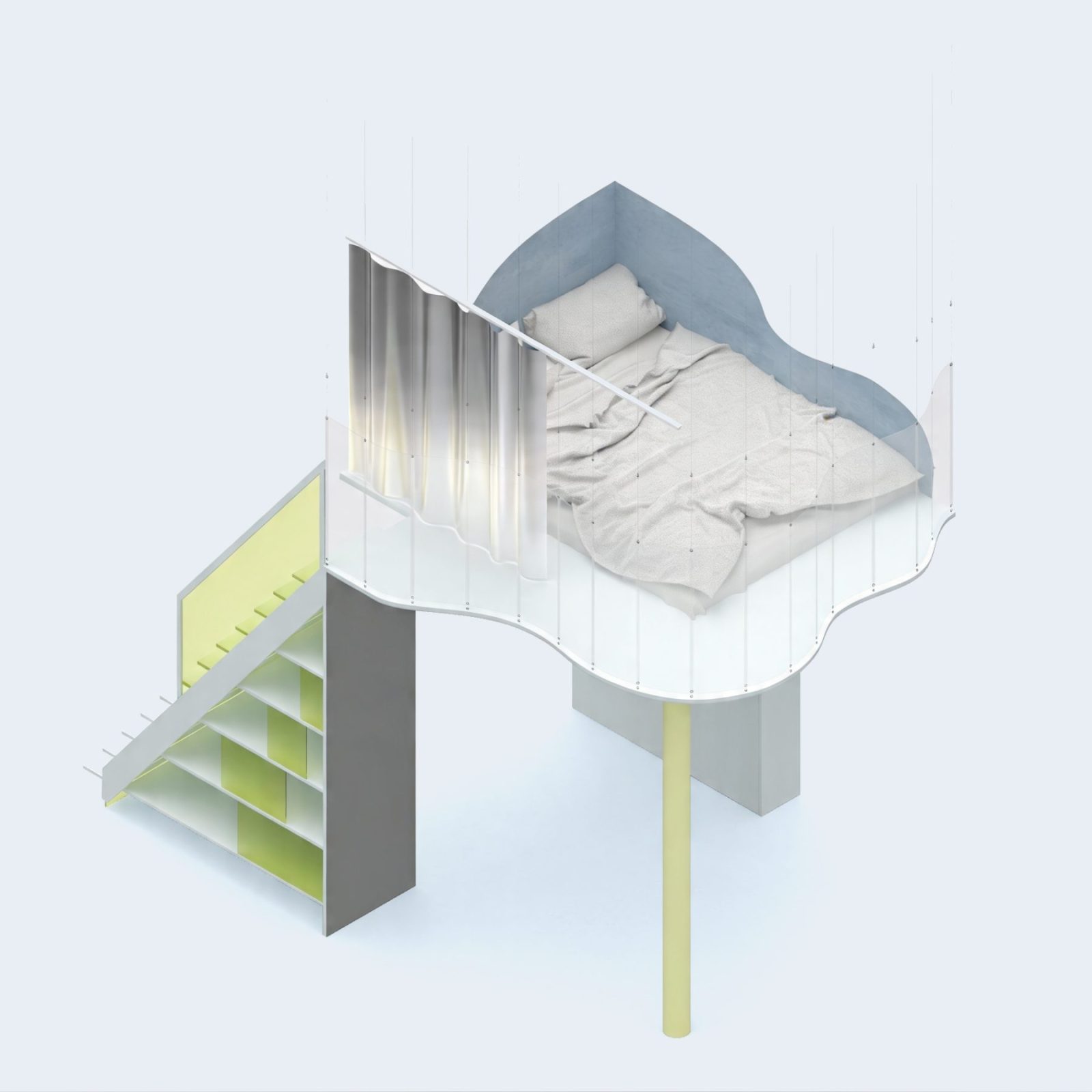
Like Cosimo’s elevated refuge, Treehouse, designed by Berlin-based Some Place Studio, emerges from a desire to rethink the relationship between inhabitation and perspective. Conceived for a creative couple living in a loft attic apartment in Berlin, the project responds to a practical need for an additional bedroom and increased storage. Yet rather than treating these requirements as separate functions to be accommodated, the architects transform them into a singular architectural gesture: a compact inhabitable structure that functions simultaneously as room, landscape, furniture, and sculpture.
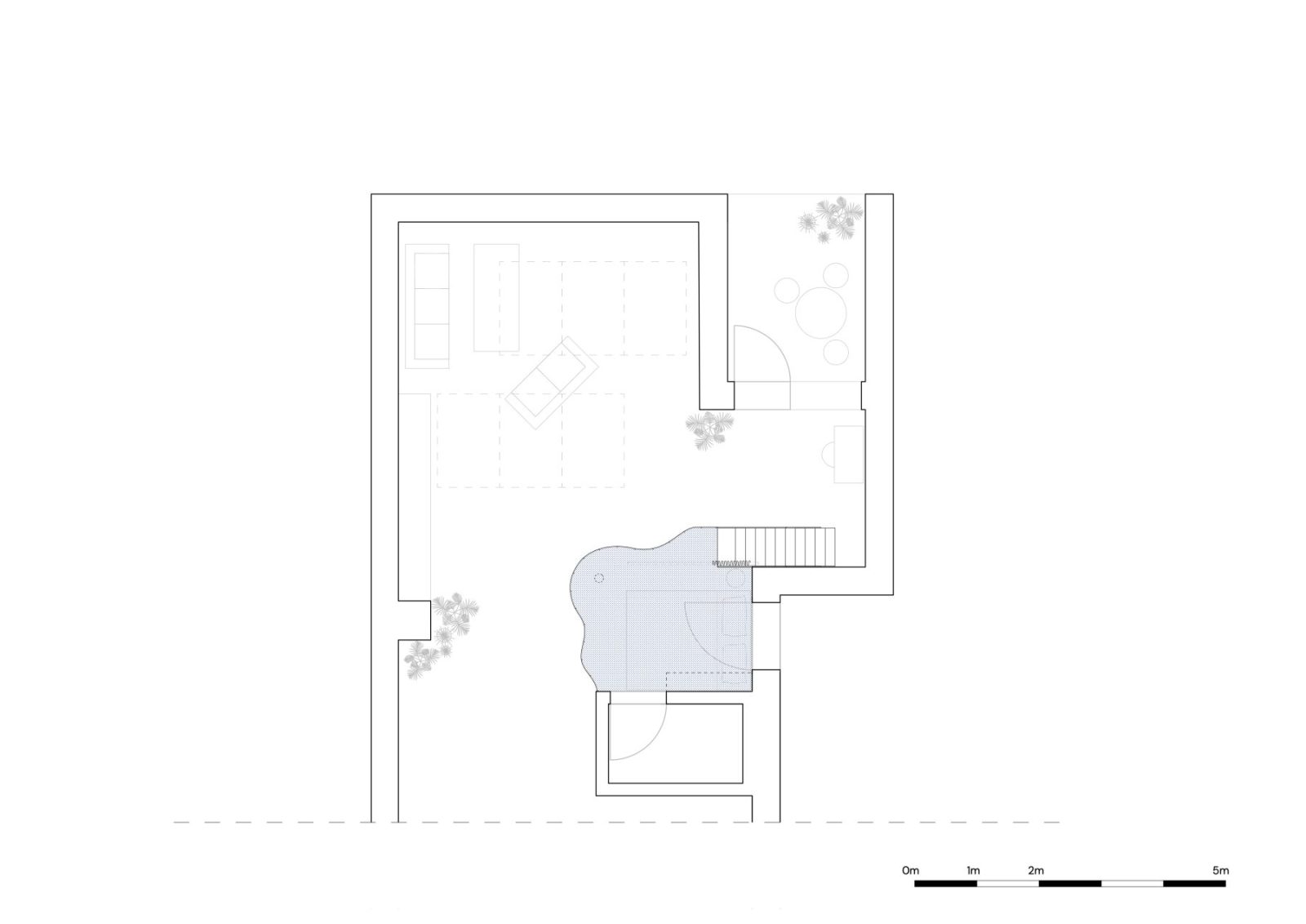
Occupying a footprint of just 10 square metres, the project—described by the architects as a functional sculpture—offers a place of rest and contemplation, a play den for children, generous storage space, and a guest bedroom for visiting family members and international musicians frequently hosted by the owners. Elevated above the entrance, it creates an unexpected interior topography within the existing loft, introducing a new layer of occupation without compromising the openness of the space below.
What does it mean to inhabit a different perspective?
Most people occasionally adopt unconventional viewpoints. Cosimo, however, lives inside one. His difference is not merely ideological but spatial; it becomes a habitat. Calvino’s protagonist reorganizes his entire existence around a principle, prompting a question that resonates far beyond literature:
What ideas are powerful enough to become architecture?
For Some Place Studio, the answer materializes as a tree-like vertical structure positioned directly above the apartment’s entrance door. The intervention condenses multiple domestic functions into a single architectural element, generating possibilities that exceed its modest dimensions.
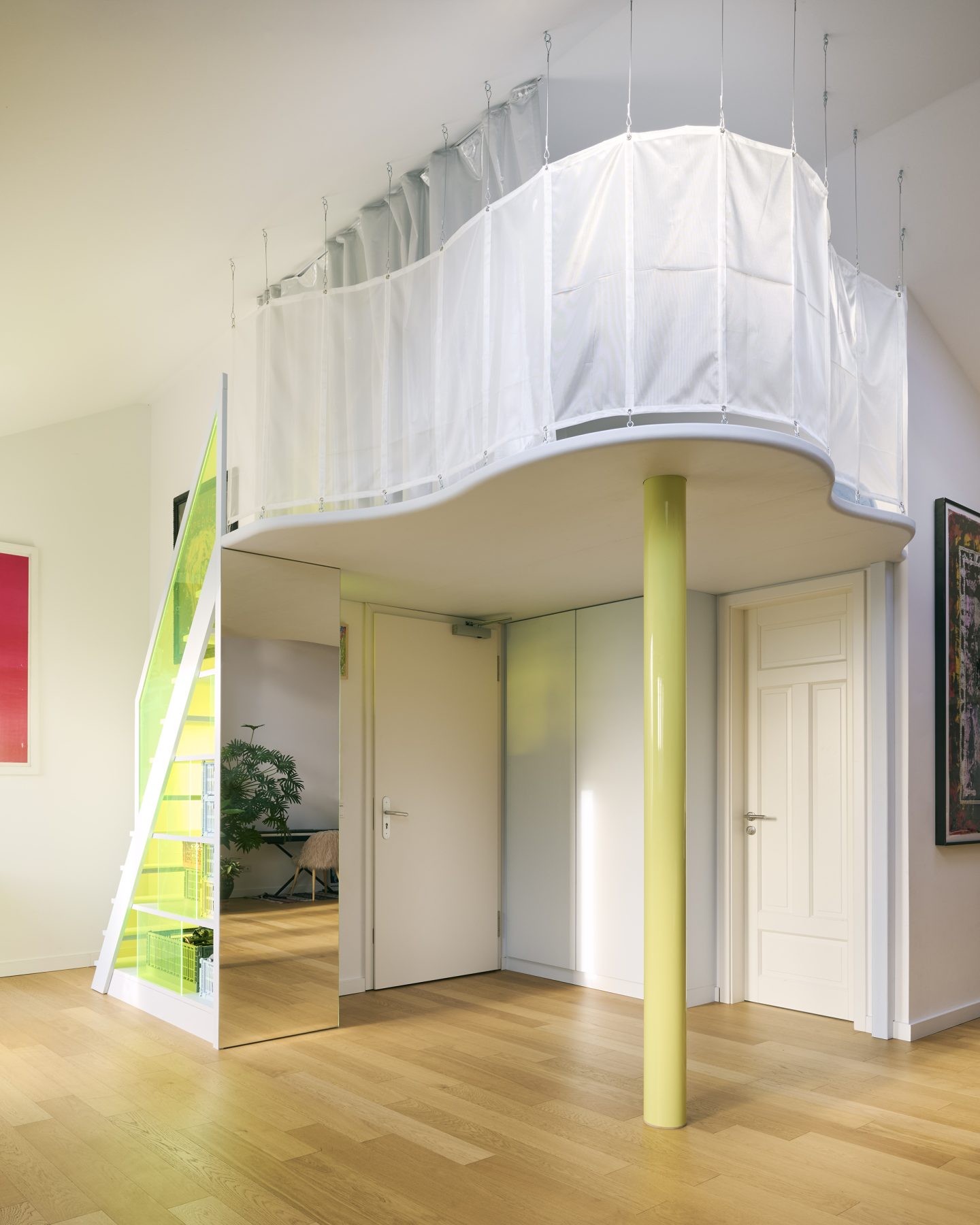
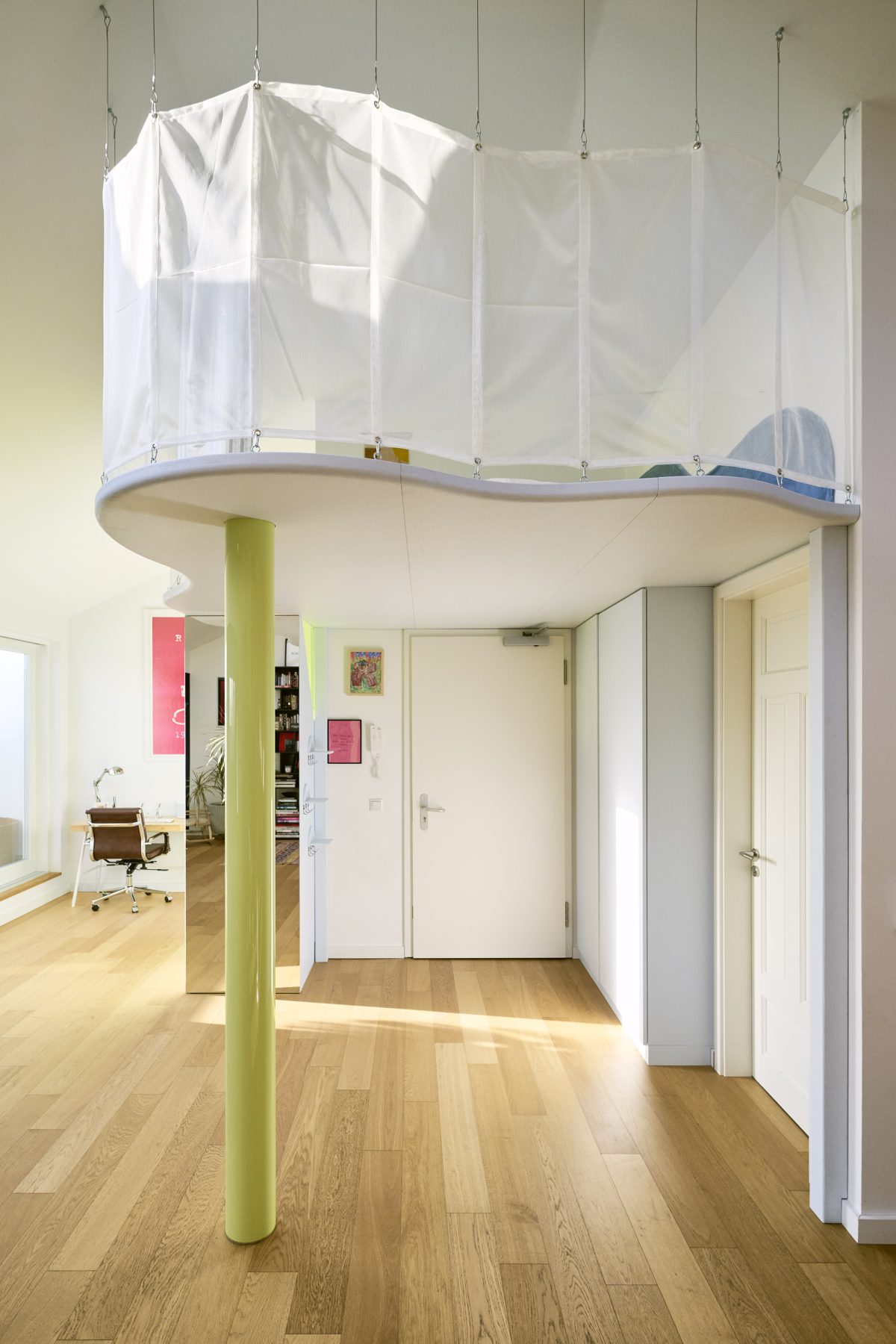
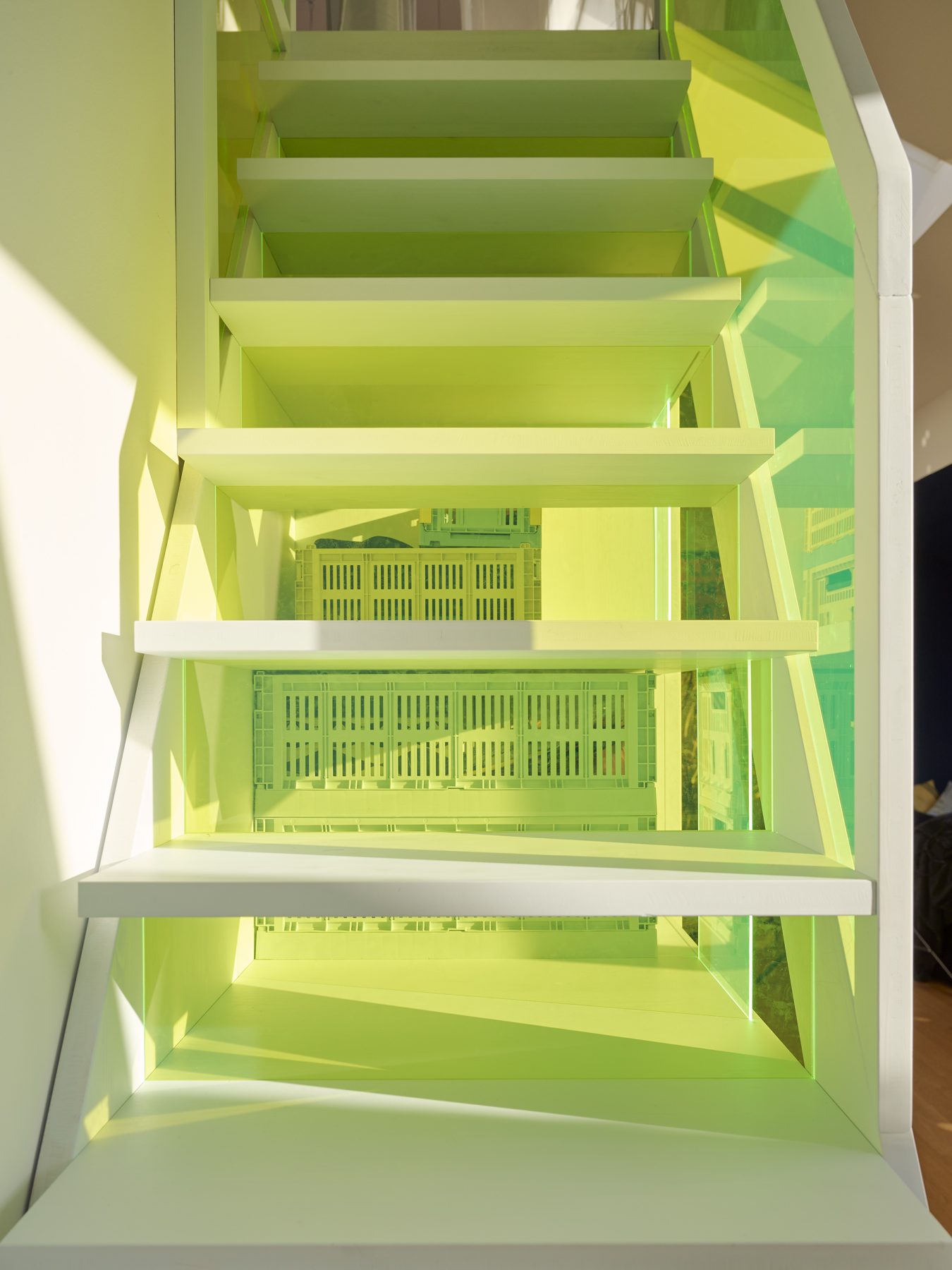
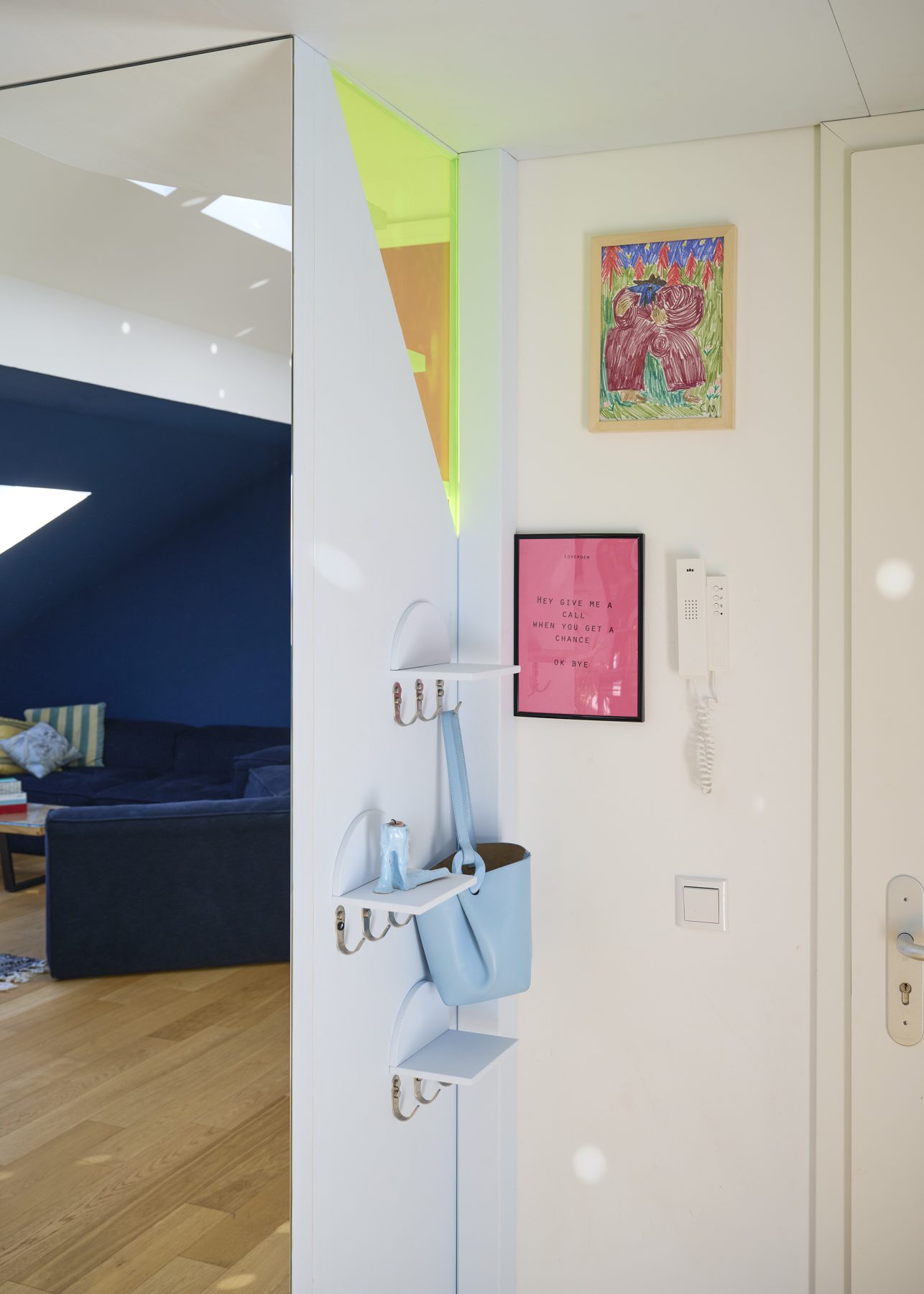
At ground level, three primary geometric figures—a triangle, a box, and a line—form the project’s structural and spatial foundation. A rectangular wardrobe integrated beside the entrance accommodates coats and shoes within the constrained footprint, while a triangular volume incorporates a staircase and additional storage for household items. On its reverse side, custom-made open shelves and hooks provide space for everyday objects in transit. A slender powder-coated steel column completes the composition, acting as a structural support while preserving visual permeability and maintaining uninterrupted sightlines across the loft.
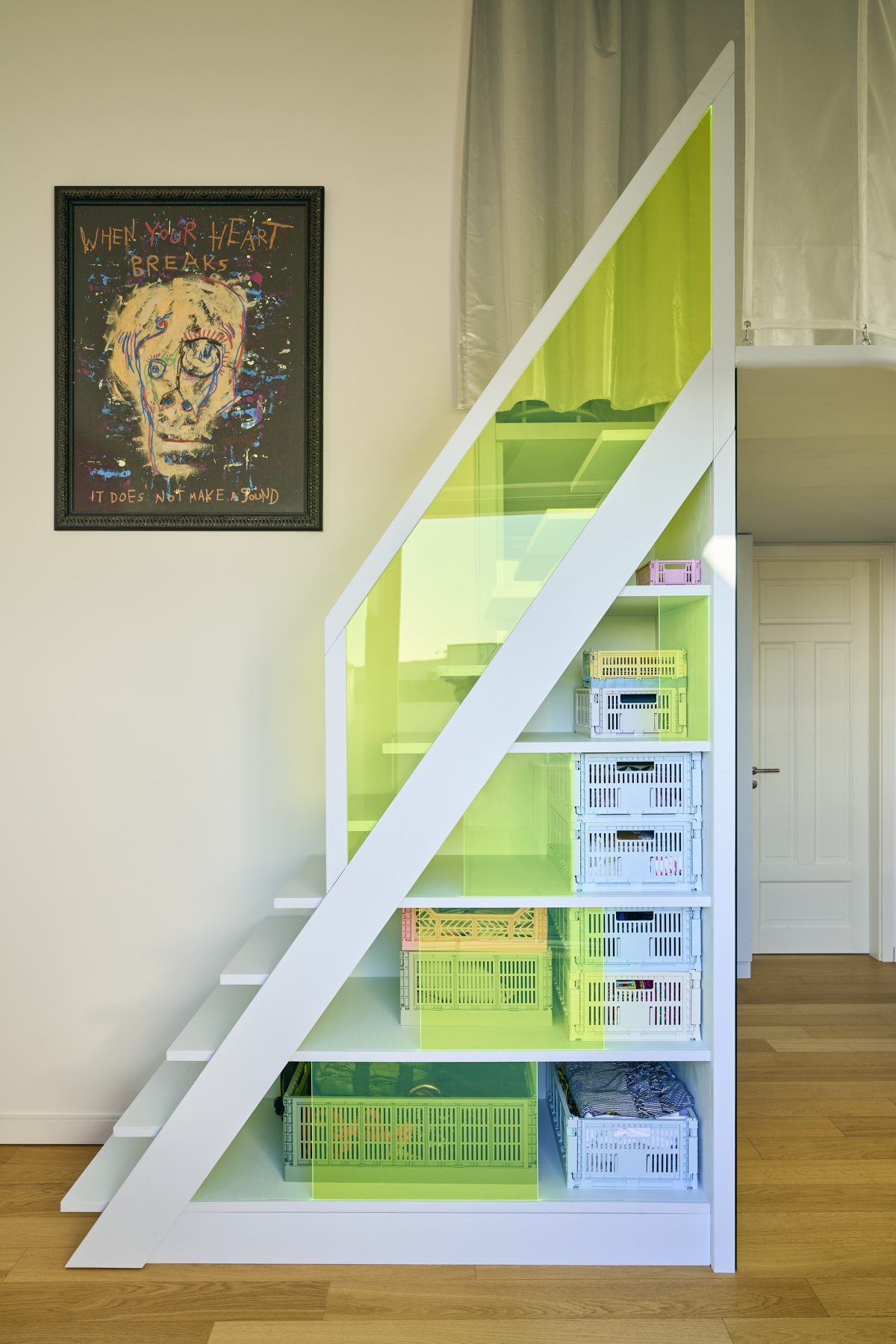
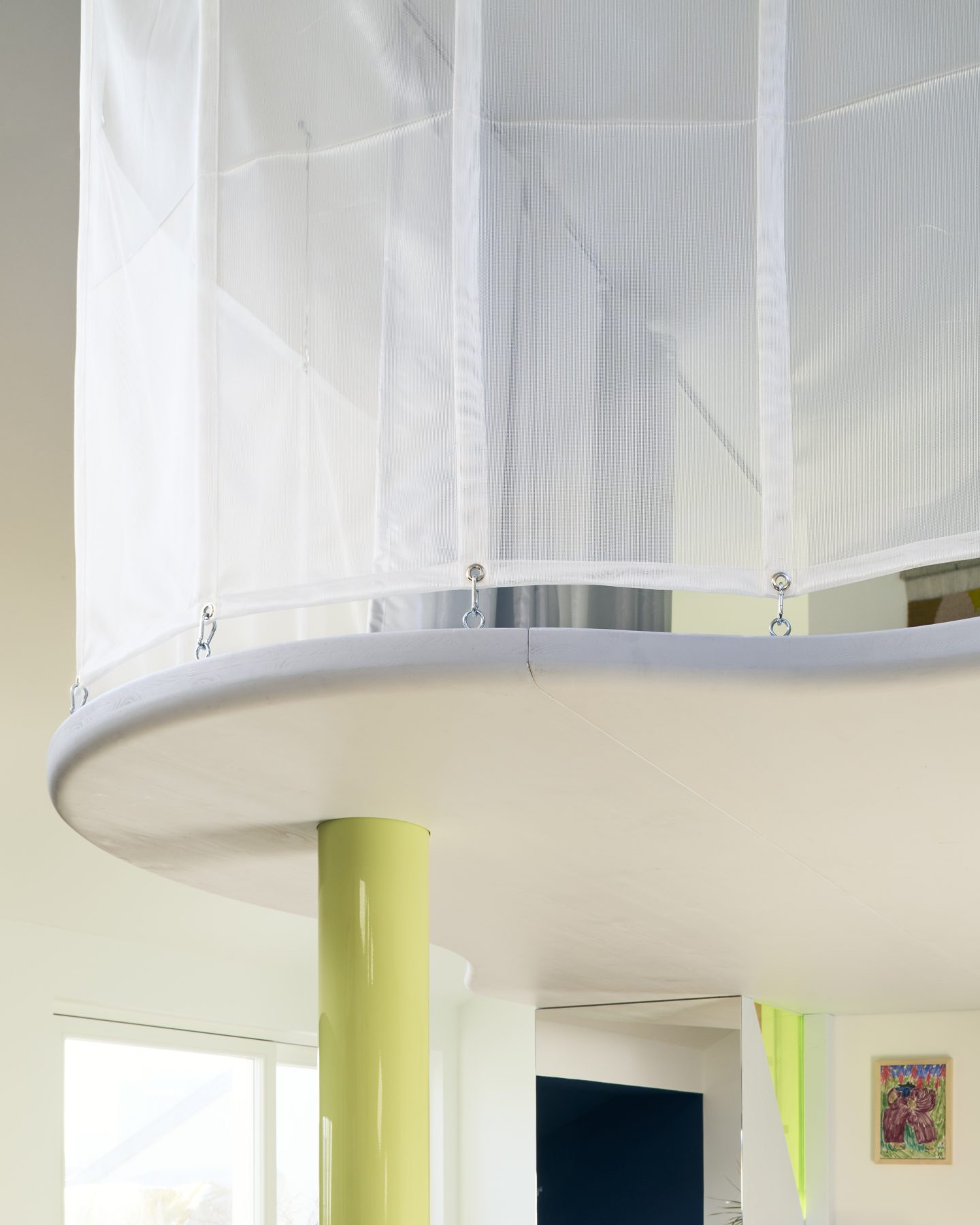
Above, these elemental forms give rise to a soft, sinuous platform that appears to float within the room.
Is distance a form of wisdom?
Throughout Calvino’s novel, the trees operate as a philosophical device. From above, Cosimo perceives patterns invisible from the ground. Distance is not escape; it is a means of seeing differently.

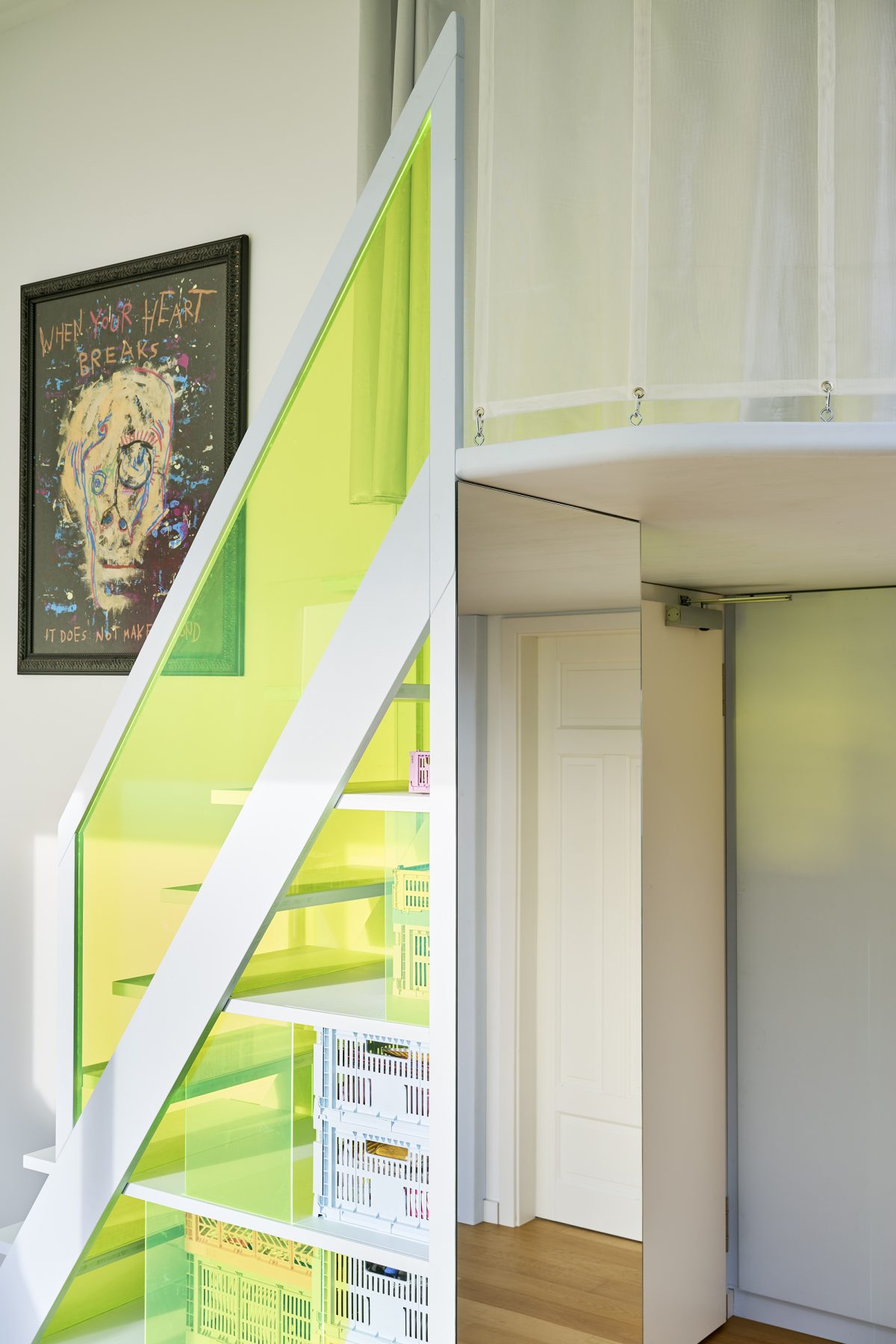
Ascending the Treehouse stair, the upper level unfolds as a secluded nook that can function as a sleeping area or children’s retreat. Here, a delicate translucent mesh serves simultaneously as balustrade and enclosure. Tensioned on steel cables anchored to floor and ceiling hooks—a technique borrowed from marine design—the mesh filters views, allowing light and air to circulate freely while establishing a subtle sense of privacy.
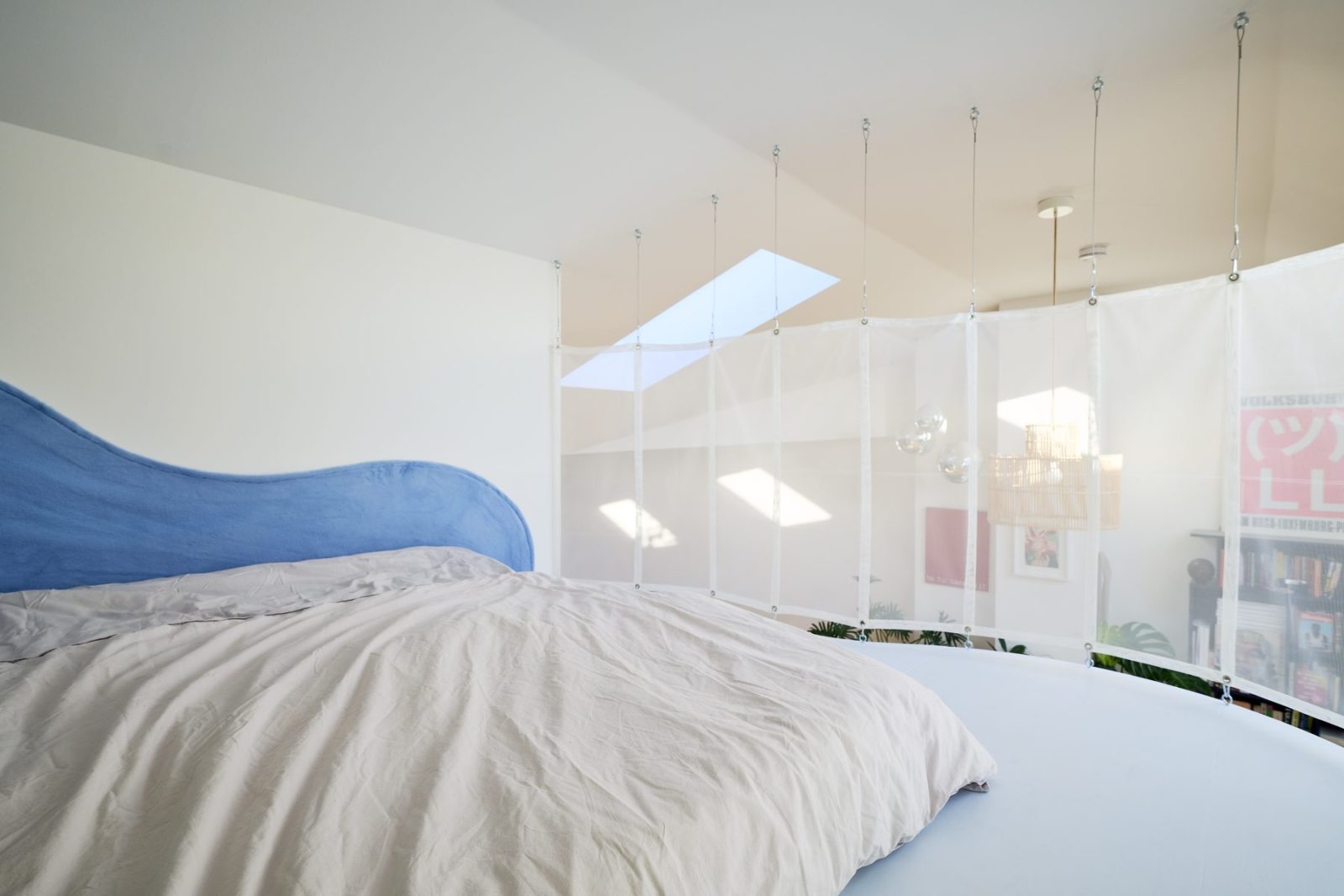
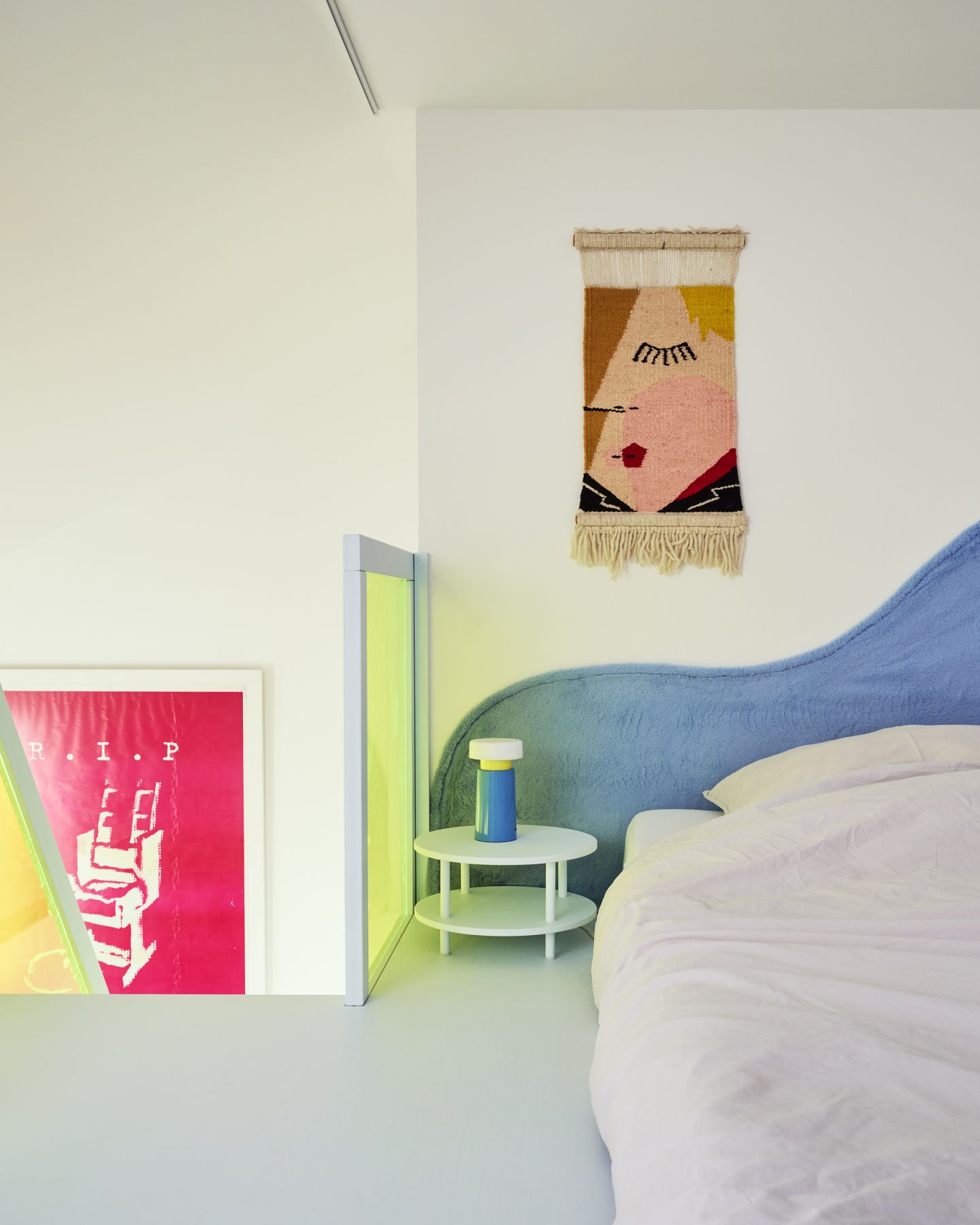
A plush, undulating headboard-like backdrop softens the enclosure, creating a comfortable surface for leaning, reading, or resting, while a custom side table completes the carefully choreographed interior landscape. Rather than defining a room through solid boundaries, the architects employ lightweight materials and permeable surfaces to create an atmosphere of shelter without isolation.
The tree as an in-between world
Trees occupy a unique condition. Neither entirely of the earth nor entirely of the sky, they exist between realms. Anthropologists describe such states as liminal—threshold conditions that resist fixed categorization.
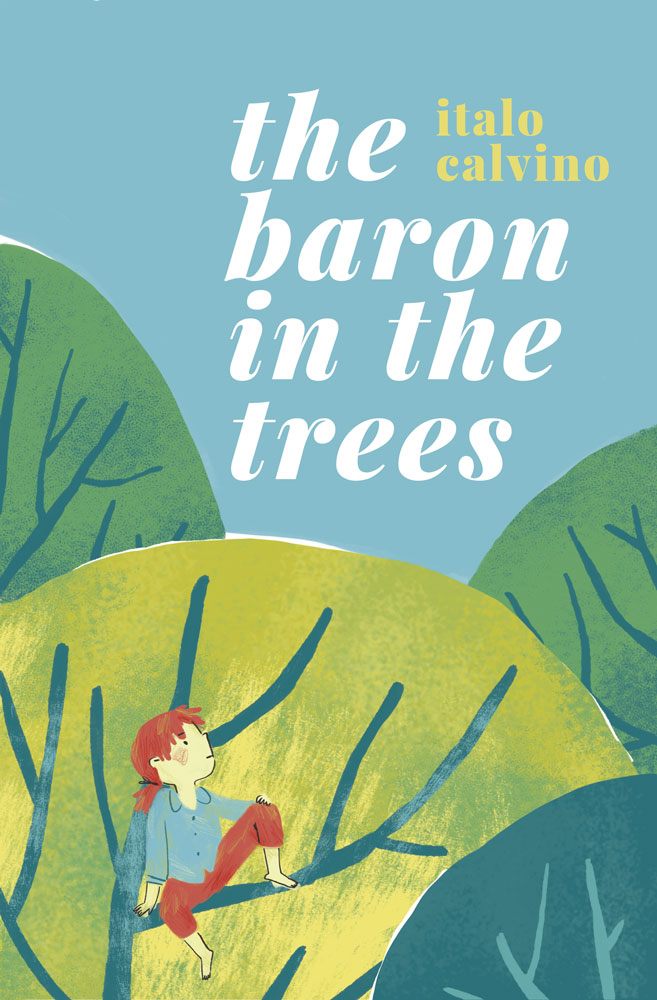
Cosimo inhabits precisely this territory: neither fully within society nor entirely outside it, neither grounded nor airborne.
Treehouse embraces a similar ambiguity. It is simultaneously furniture and architecture, room and object, structure and landscape.
Its material palette reinforces this condition of productive tension. Yellows and blues, opaque and transparent surfaces, softness and rigidity coexist in careful equilibrium, generating a dialogue between opposing qualities rather than privileging one over another.
The project’s spatial identity emerges not from resolution but from coexistence—from occupying the fertile ground between categories.
In this sense, Treehouse transcends the role of an architectural solution to a domestic brief. Like Cosimo’s canopy, it proposes a small act of spatial resistance against the predictability of everyday life. Suspended above the routines of the apartment, it creates a place from which to look again—a room not simply for sleeping, but for imagining. A modest structure that reminds us that architecture, at its most compelling, does more than accommodate life: it offers new vantage points from which life itself may be reconsidered.
About
Some Place Studio is an award-winning architectural practice based in Berlin and Vienna, working across buildings, interiors, and exhibitions, specializing in spaces of social wellbeing. With particular expertise in the transformation of existing buildings, the studio combines conceptual rigour and practical implementation.
Softness, materiality, and tactility define the design approach, shaping environments that respond to cultural, political, and environmental contexts. As a female-led architecture firm, the practice is driven by a commitment to amplify diverse voices and perspectives in architecture.
Facts & Credits
Project title Treehouse – A creative solution for an additional bedroom
Typology Interiors, Design
Location Berlin, Germany
Gross Built Area 10 m2
Status Completed, 2026
Architecture Some Place Studio
Lead Architect Bika Rebek
Design Team Katie Ladd, Sophie Schaffer
Carpenter FARMER.INT
Photography Kyle Knodell