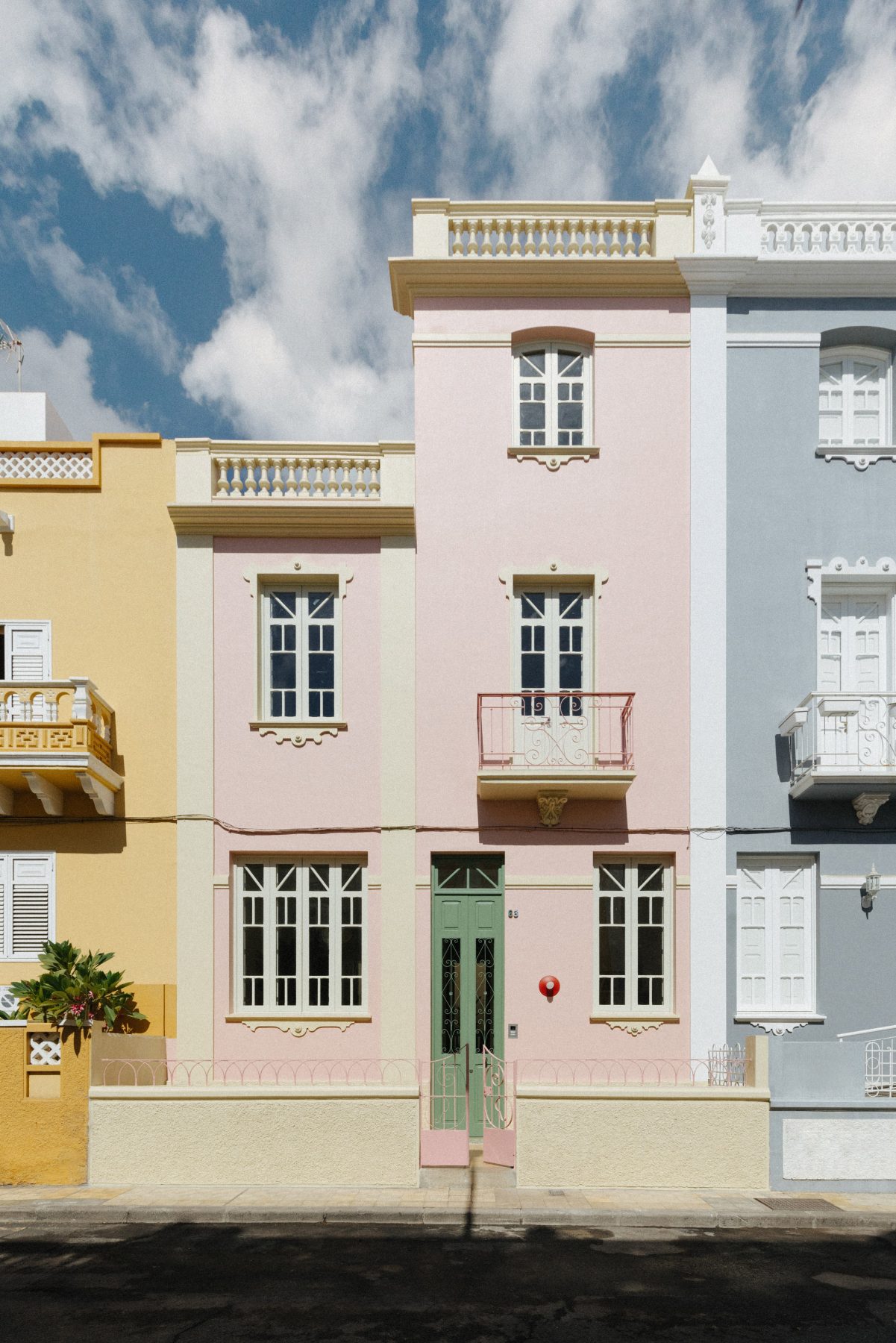
If dream houses truly exist, Casa Hotelito may well be one of them. Set within Tenerife’s historic Los Hoteles district, FiveOHFive reclaim a 1930s urban villa not as a nostalgic artifact but as living architecture that captures the layered identity of the Canary Islands themselves: Atlantic, hybrid, eclectic, and modern. Reversing its transformation into a boutique hotel, the architects brought a contemporary family home to life as an act of cultural continuity, rooted in atmosphere, memory, colour, and the immersive charm of everyday life.
Nestled within the Atlantic archipelago of the Canary Islands, Tenerife is a volcanic territory where dramatic geographies — from the lunar slopes of Mount Teide to lush laurel forests and black-sand coastlines — coexist with a layered cultural identity shaped by centuries of exchange between Europe, Africa, and the Americas.
Architecture here is never detached from landscape; it emerges from climate, trade, migration, and light.
In the historic center of Santa Cruz de Tenerife, the Los Hoteles district stands as one of the island’s most singular urban episodes. Developed between the late nineteenth and early twentieth centuries according to European garden-city ideals, the neighborhood introduced a new residential model to the island: detached urban villas immersed in greenery, conceived for the city’s rising bourgeoisie. Wide streets, ornamental vegetation, low-density construction, and stylistic eclecticism produced an atmosphere strikingly cosmopolitan for Tenerife at the time. The district became home to banana exporters, foreign merchants tied to the Atlantic port economy, liberal professionals, and political elites who collectively shaped the modern identity of Santa Cruz.
Far removed from tourism despite its name, Los Hoteles derives its identity from the hotelitos — refined detached residences that lined its streets. Today, walking along Viera y Clavijo or Pérez de Rozas feels almost cinematic.
The neighborhood has often been likened to a tropical Notting Hill for its pastel façades and intimate scale, yet its character is unmistakably Atlantic: British influence intersects with Catalan modernism, island craftsmanship, and subtropical urbanism.
Declared a protected Historic Ensemble (Bien de Interés Cultural), Los Hoteles remains one of the clearest architectural testimonies to the moment Santa Cruz evolved from port into modern Atlantic capital. Casa Hotelito forms part of a group of ten villas built during this transformative period.
Originally designed in the 1930s by renowned local architect Domingo Pisaca y Burgada, the house reflects the transitional architectural language that defined much of Tenerife’s early modernity: a delicate balance between modernism and eclecticism.
Educated in Barcelona and influenced by Catalan modernisme before gradually embracing rationalist principles, Pisaca developed an architecture capable of reconciling ornament with geometric clarity, climatic sensitivity with urban sophistication. Echoes of Domènech i Montaner and Gaudí can still be traced in his work, although always filtered through the subtropical realities of the Canary Islands.
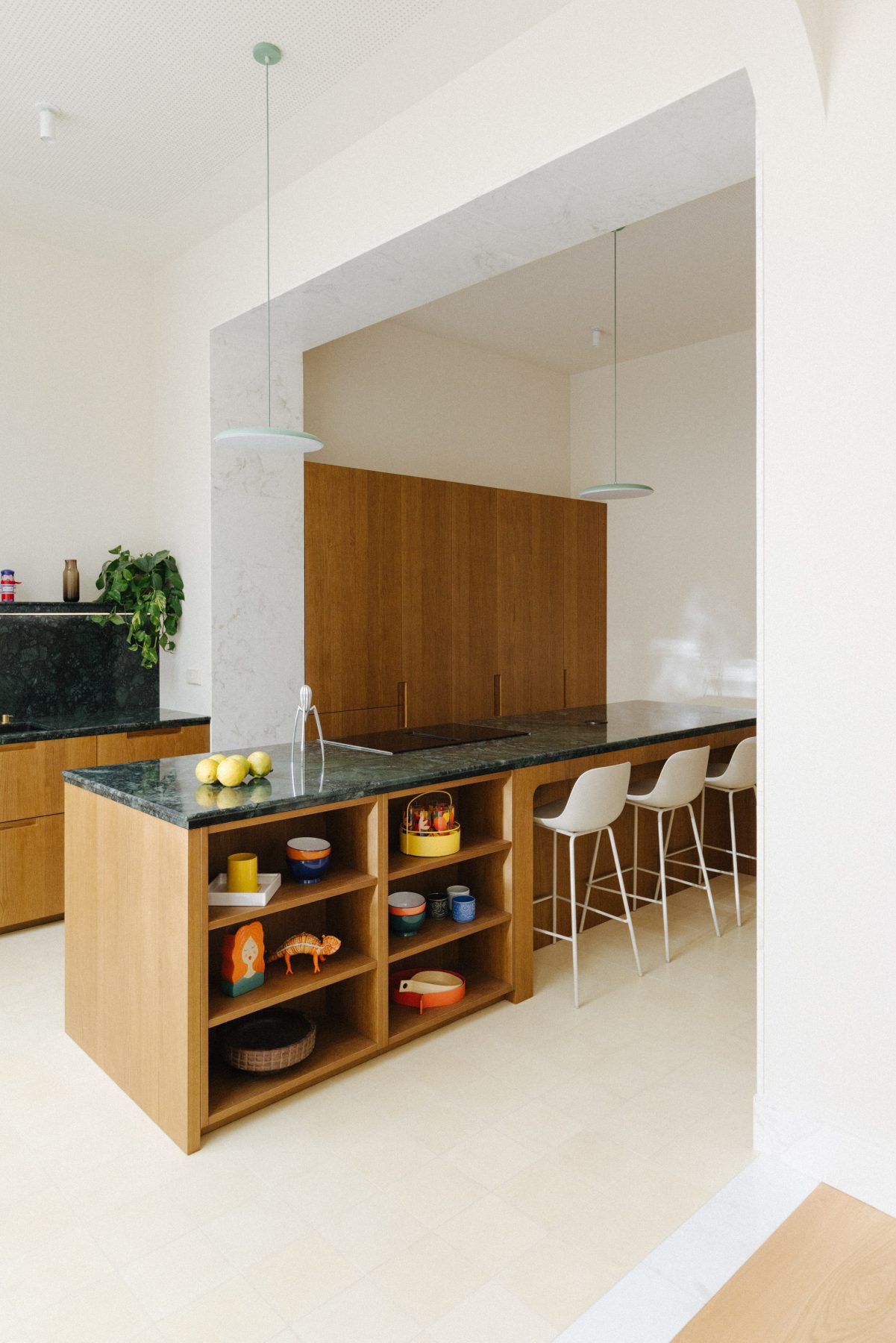
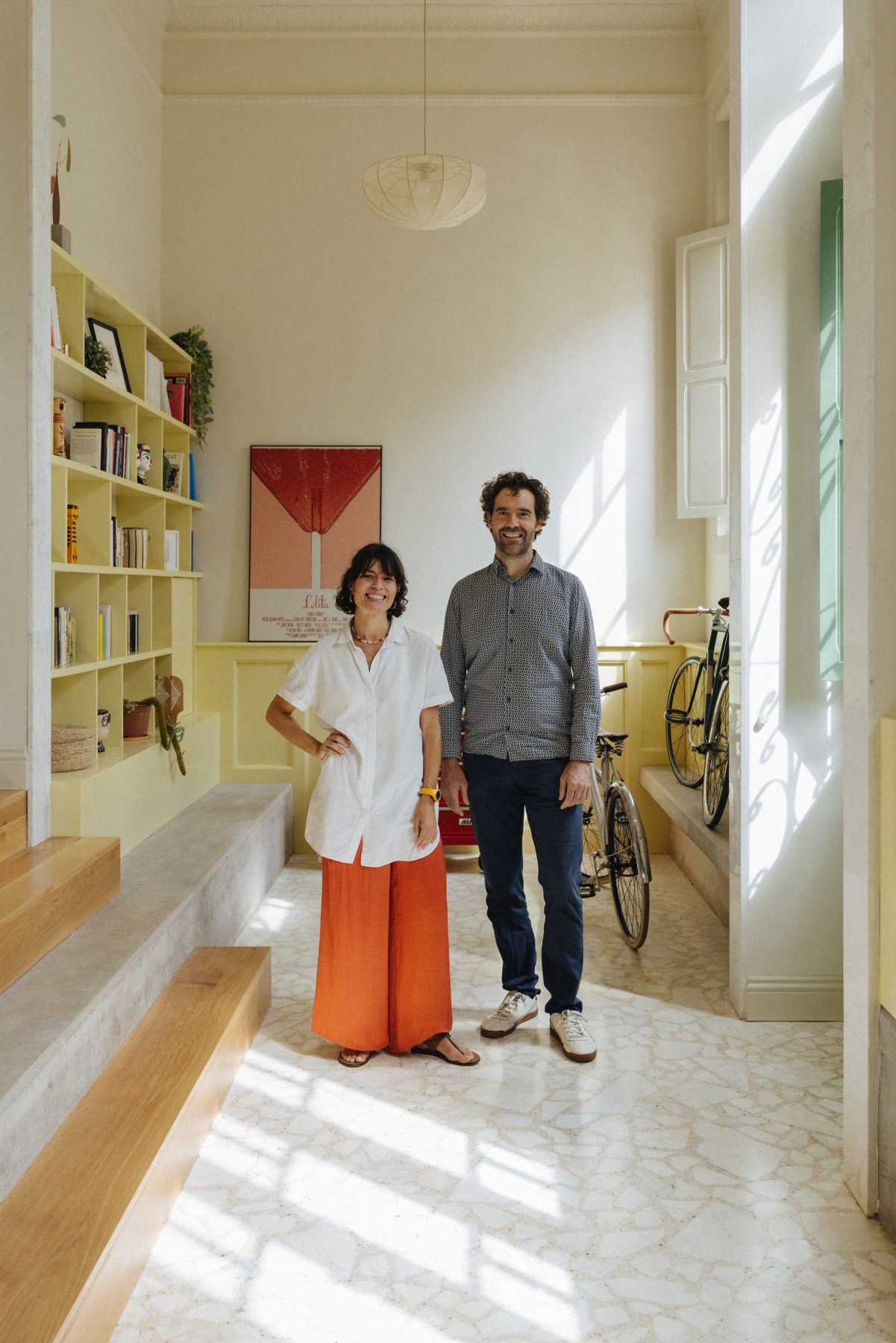
Over the course of nearly a century, Casa Hotelito inhabited many lives. It shifted from private residence to kindergarten, later approaching conversion into a boutique hostel, before eventually returning — almost symbolically — to domesticity through the recent intervention by FiveOHFive Architects, led by María León Ferreiro and Eduardo López Solórzano.
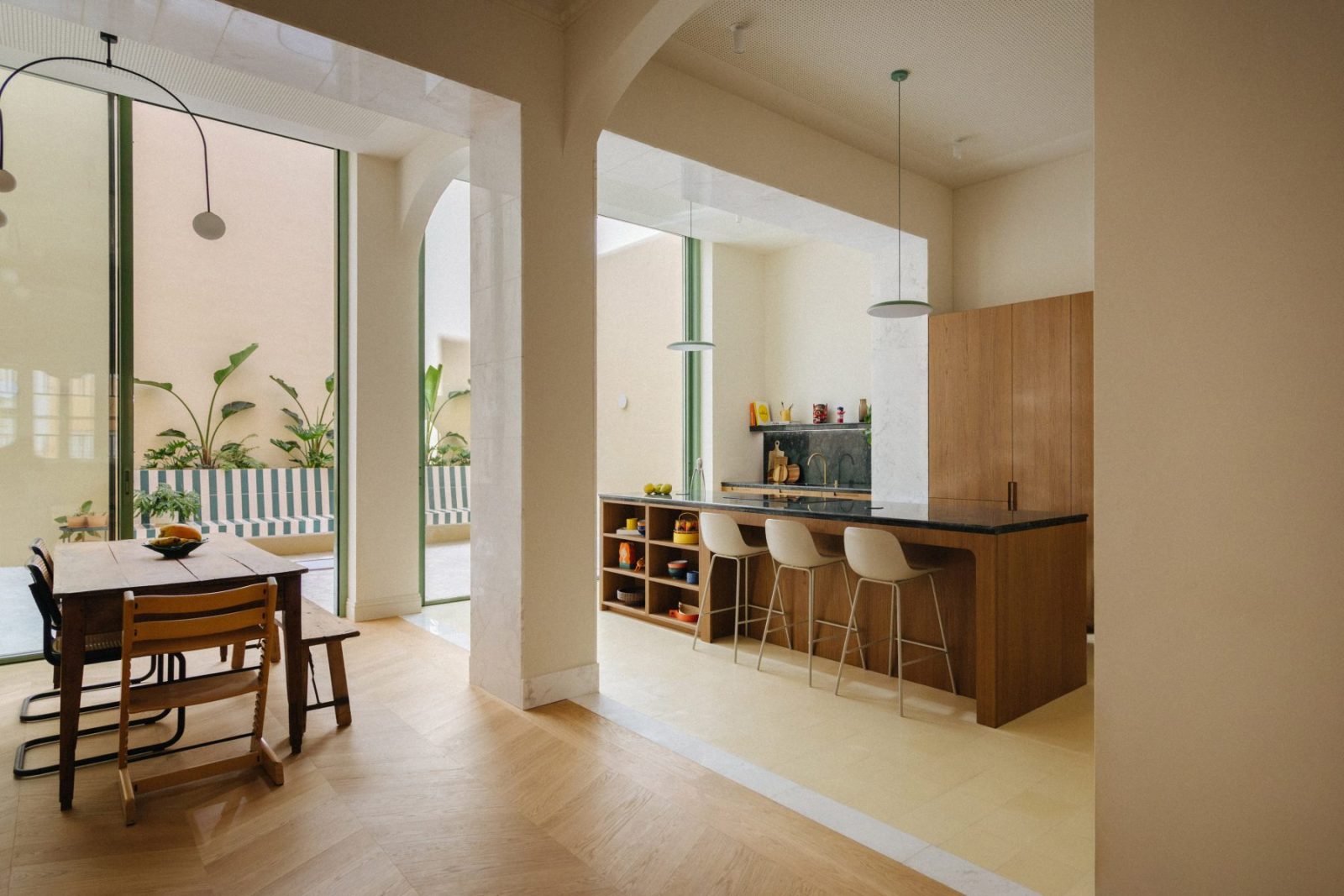
The renovation approaches the house less as an object frozen in time and more as a living organism layered with memory.
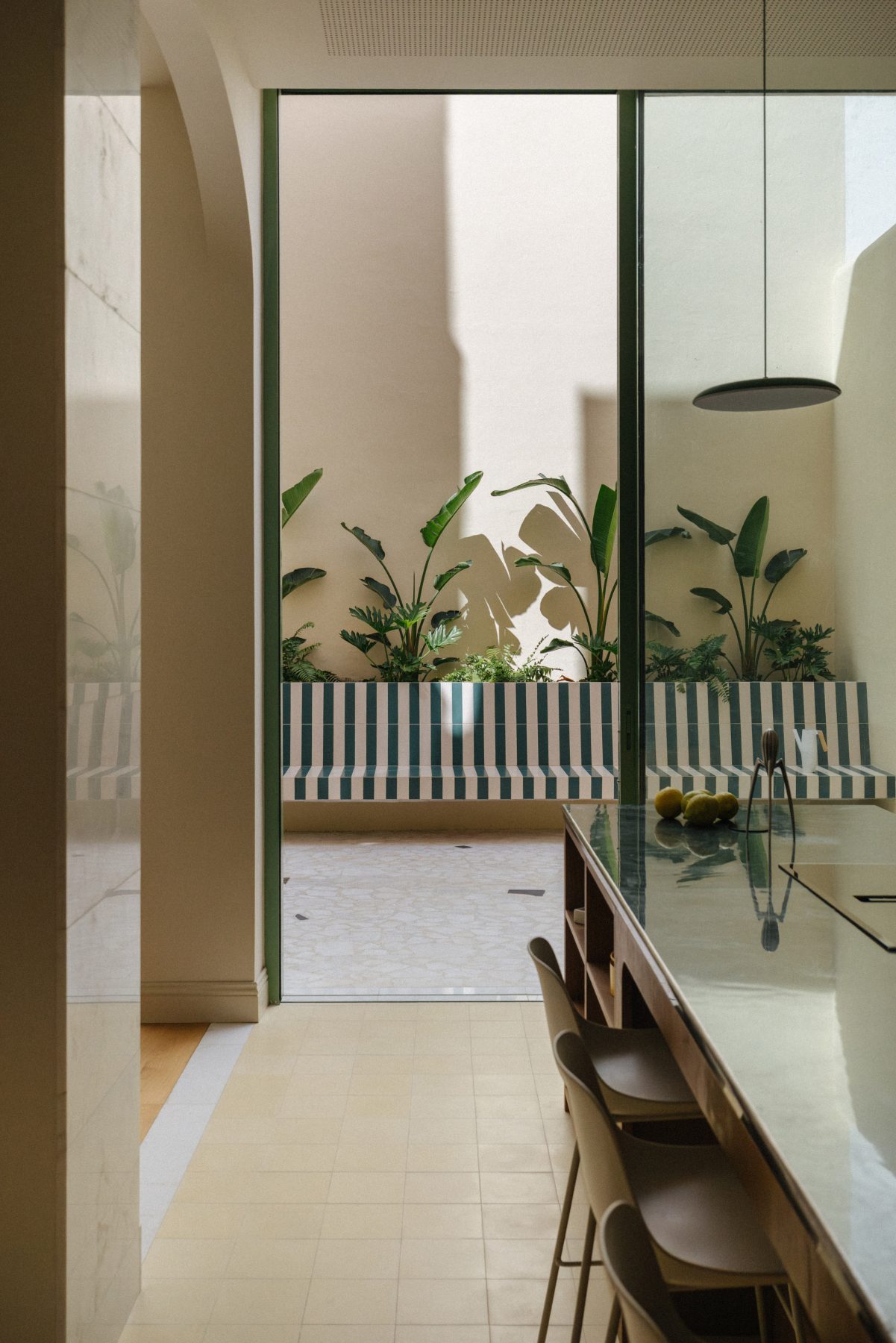
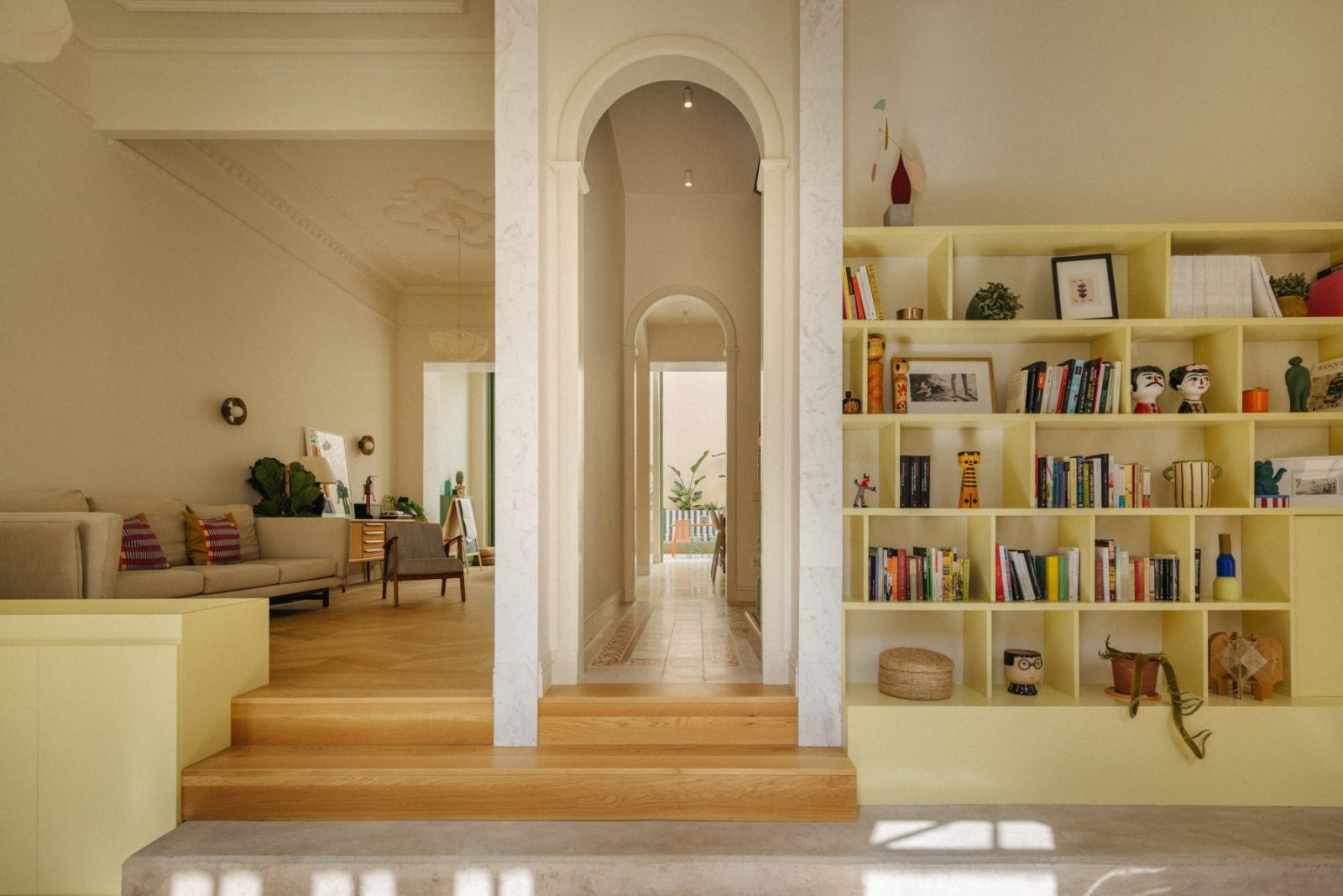
Previous alterations had fragmented both the original layout and its material coherence, leaving behind improvised subdivisions and the remains of an unfinished hospitality project. Rather than pursuing historical reconstruction or stylistic nostalgia, the architects sought to recover the building’s domestic spirit through spatial clarity, material reuse, and an unexpectedly joyful chromatic language.
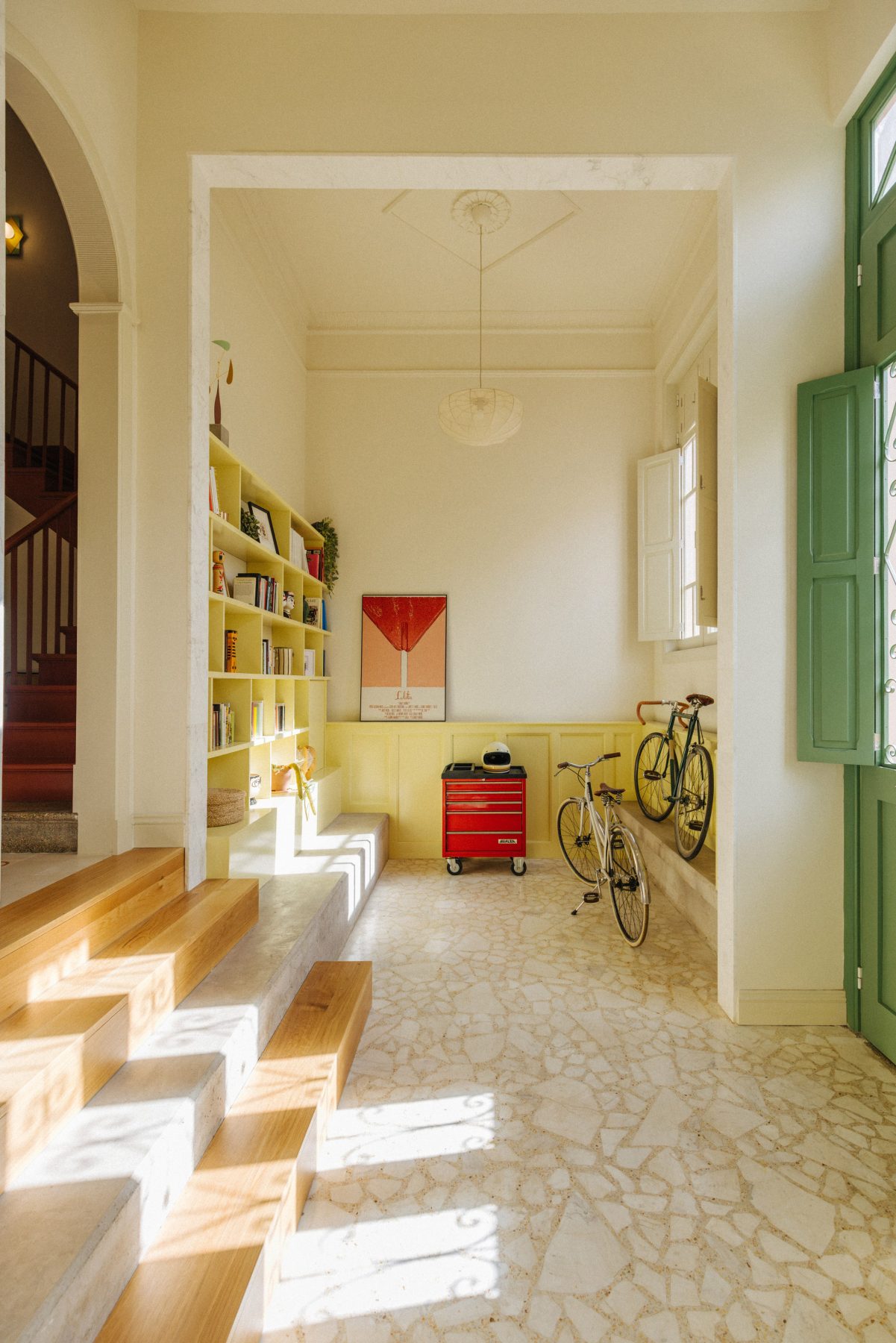
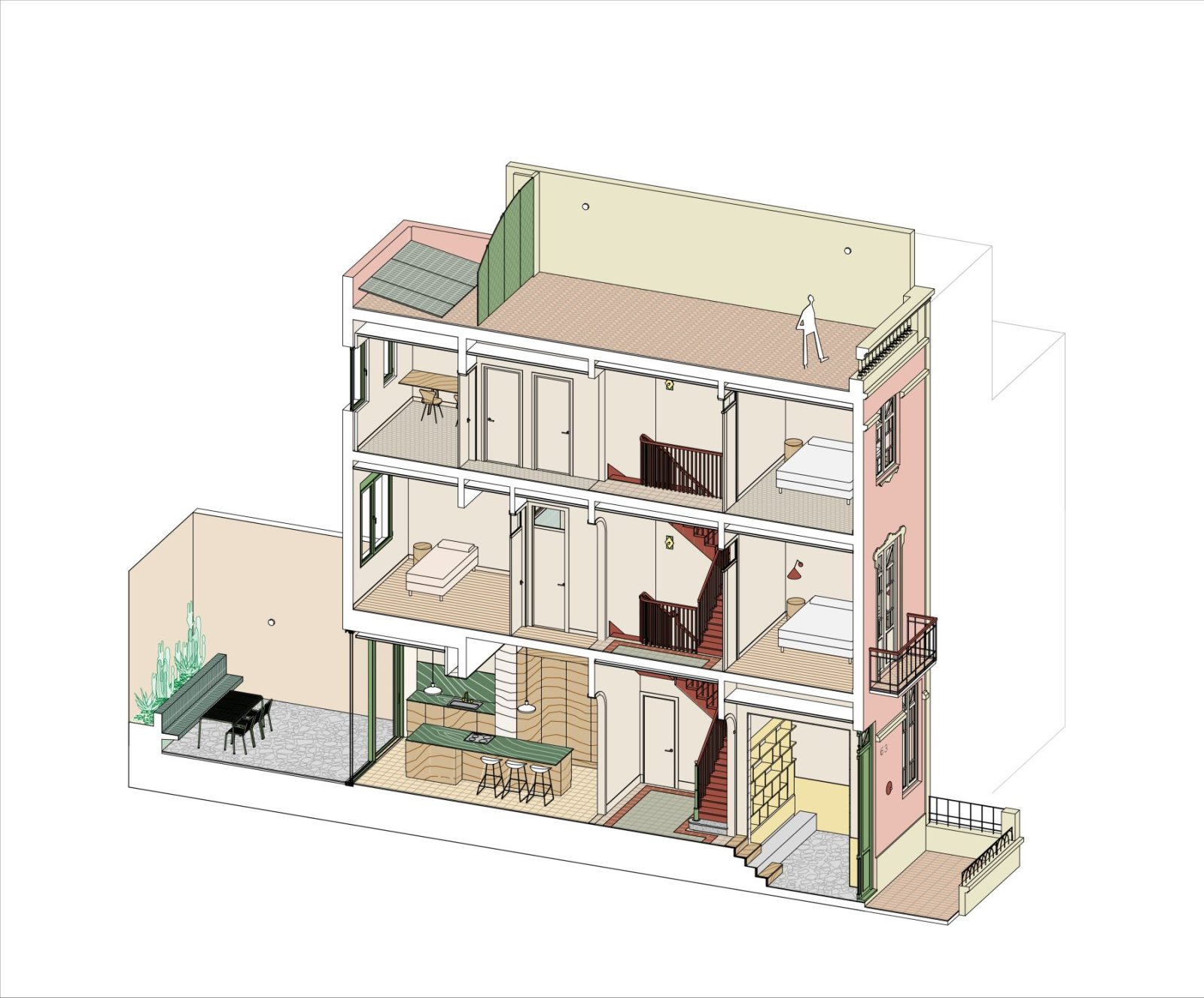
The ground floor becomes the social heart of the house — a fluid landscape where adults, children, dogs, bicycles, and everyday rituals coexist naturally.
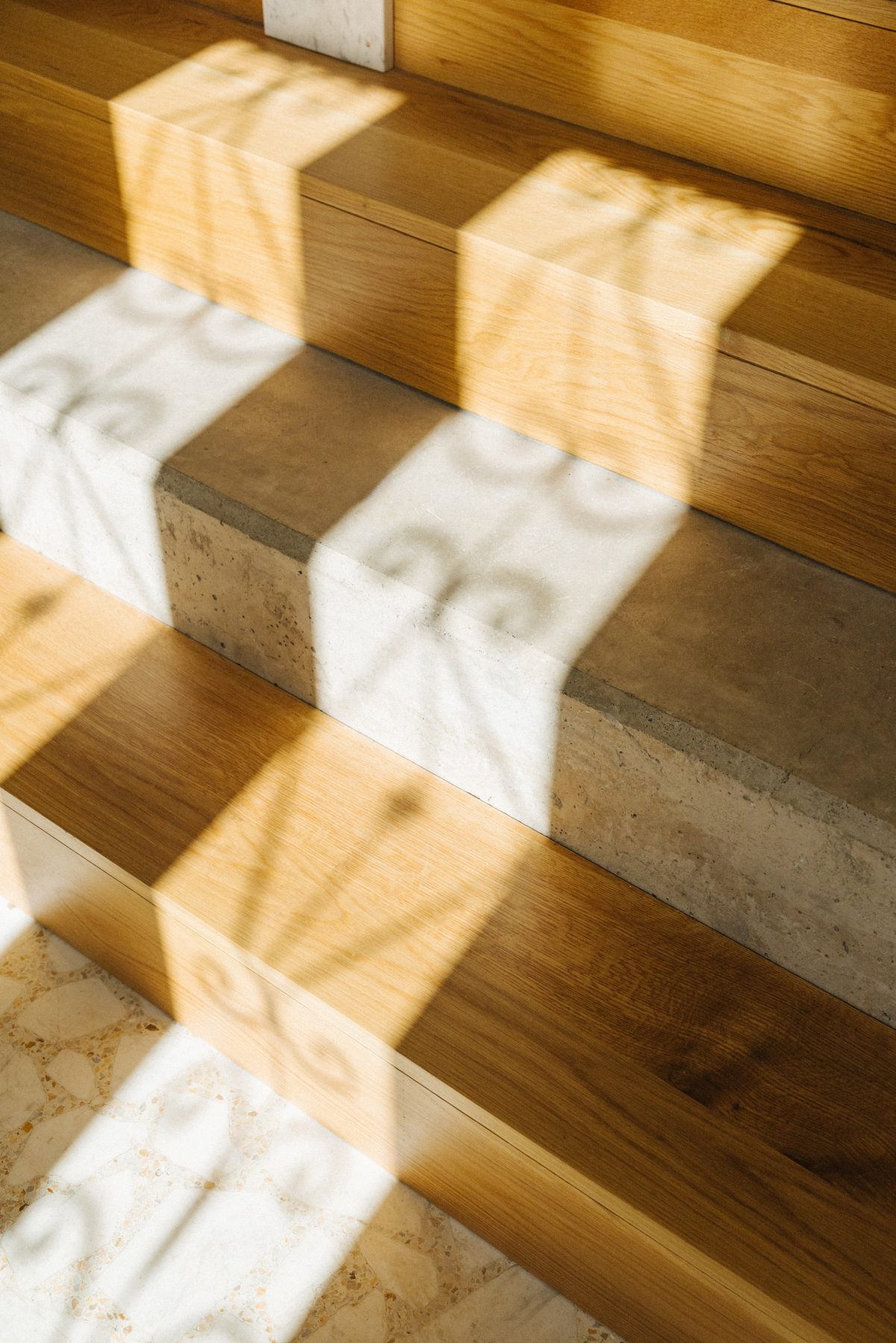
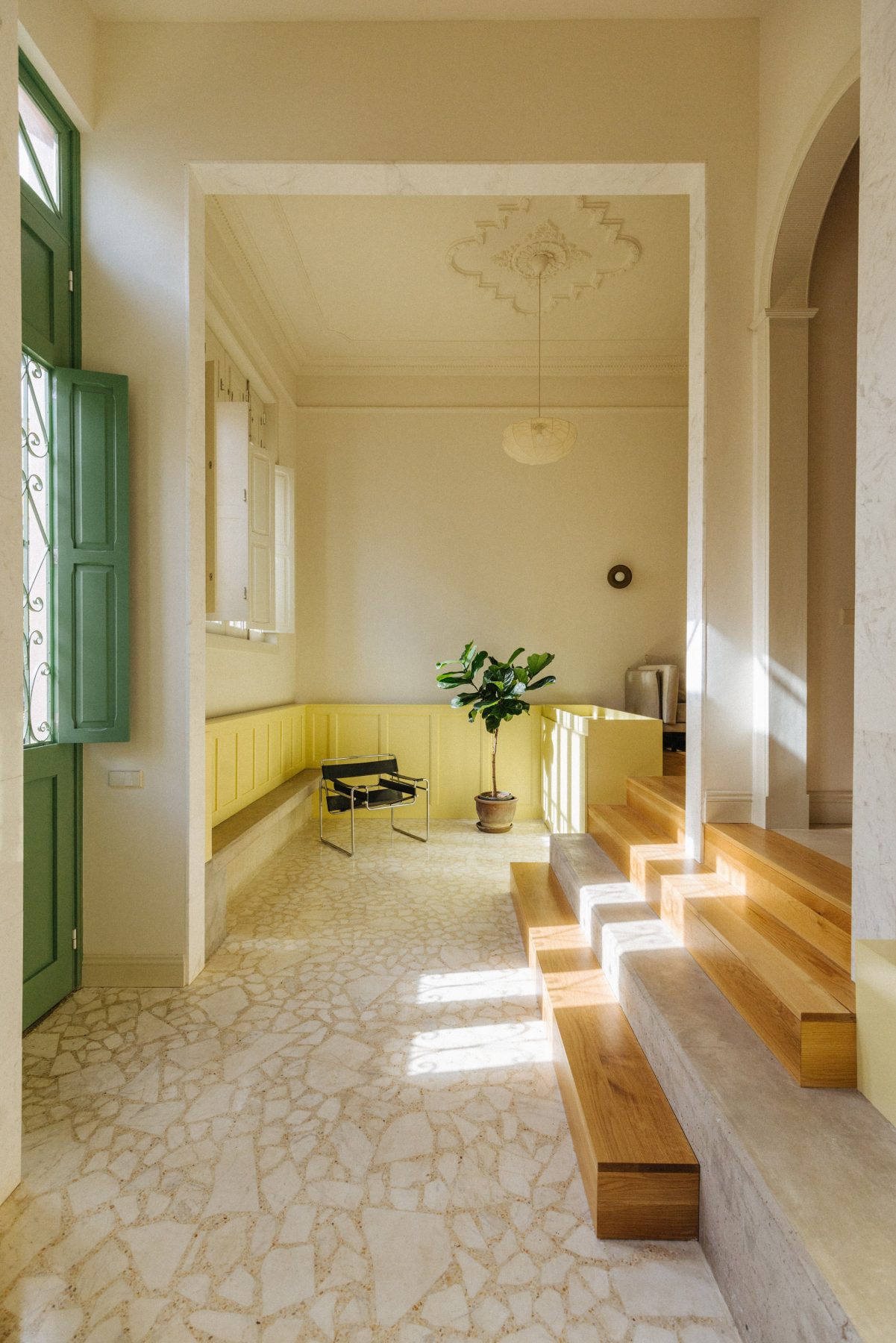
Visual and physical continuity organize the sequence from entrance lobby to interior courtyard, dissolving rigid separations in favor of permeability and encounter. The first bay of the house was carefully transformed to improve accessibility and functionality through new reinforced concrete and timber steps, conceived with the future possibility of incorporating a ramp.
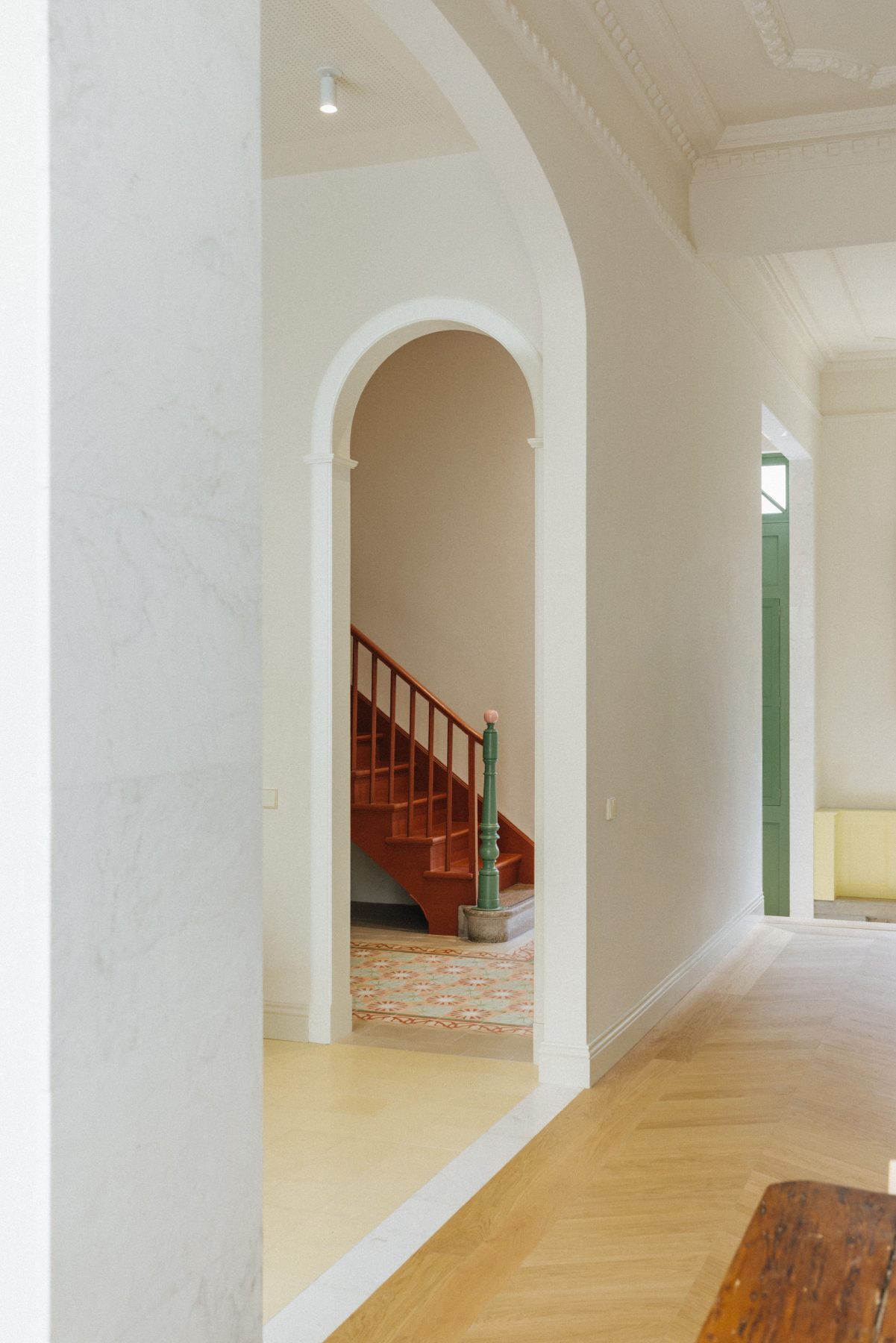
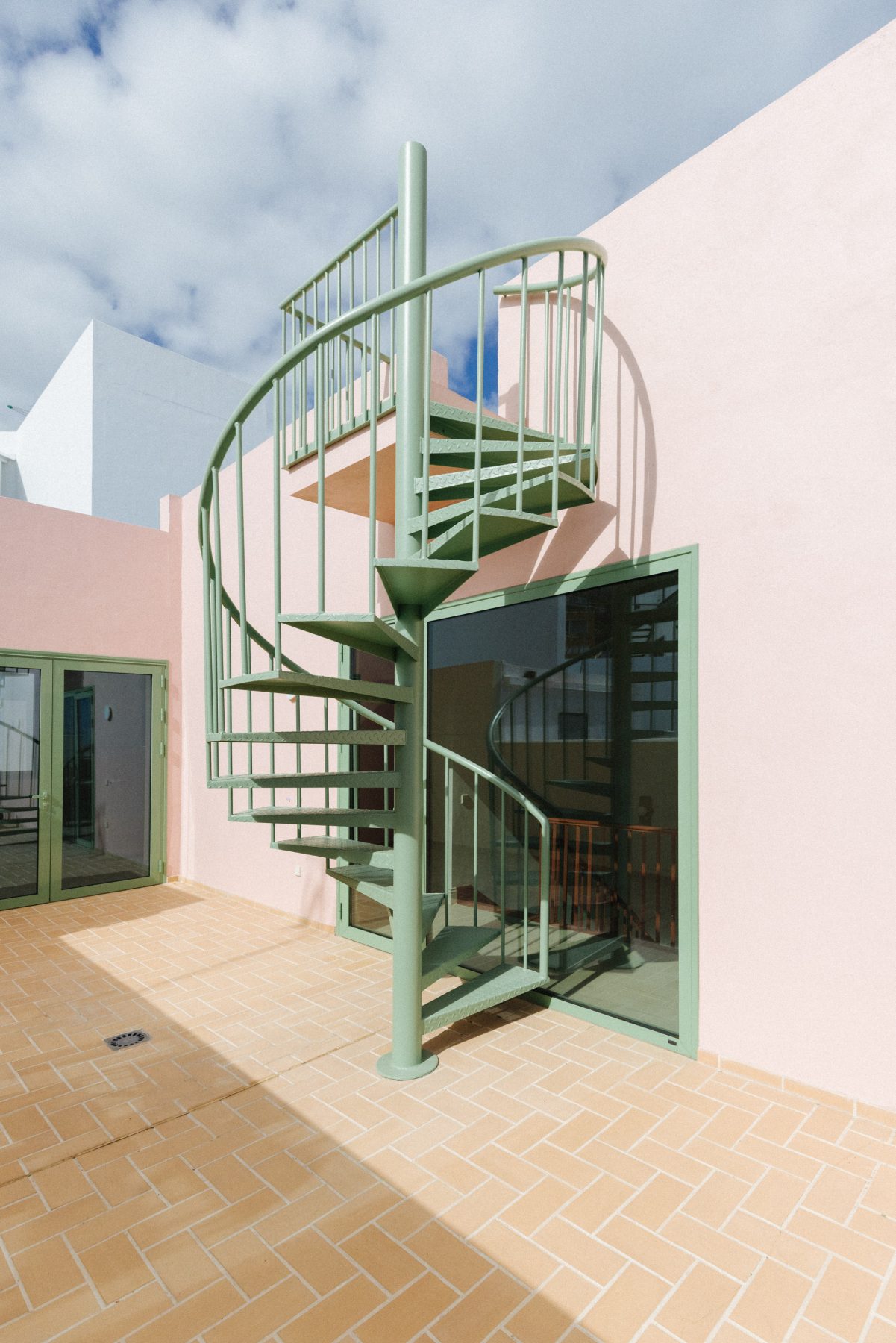
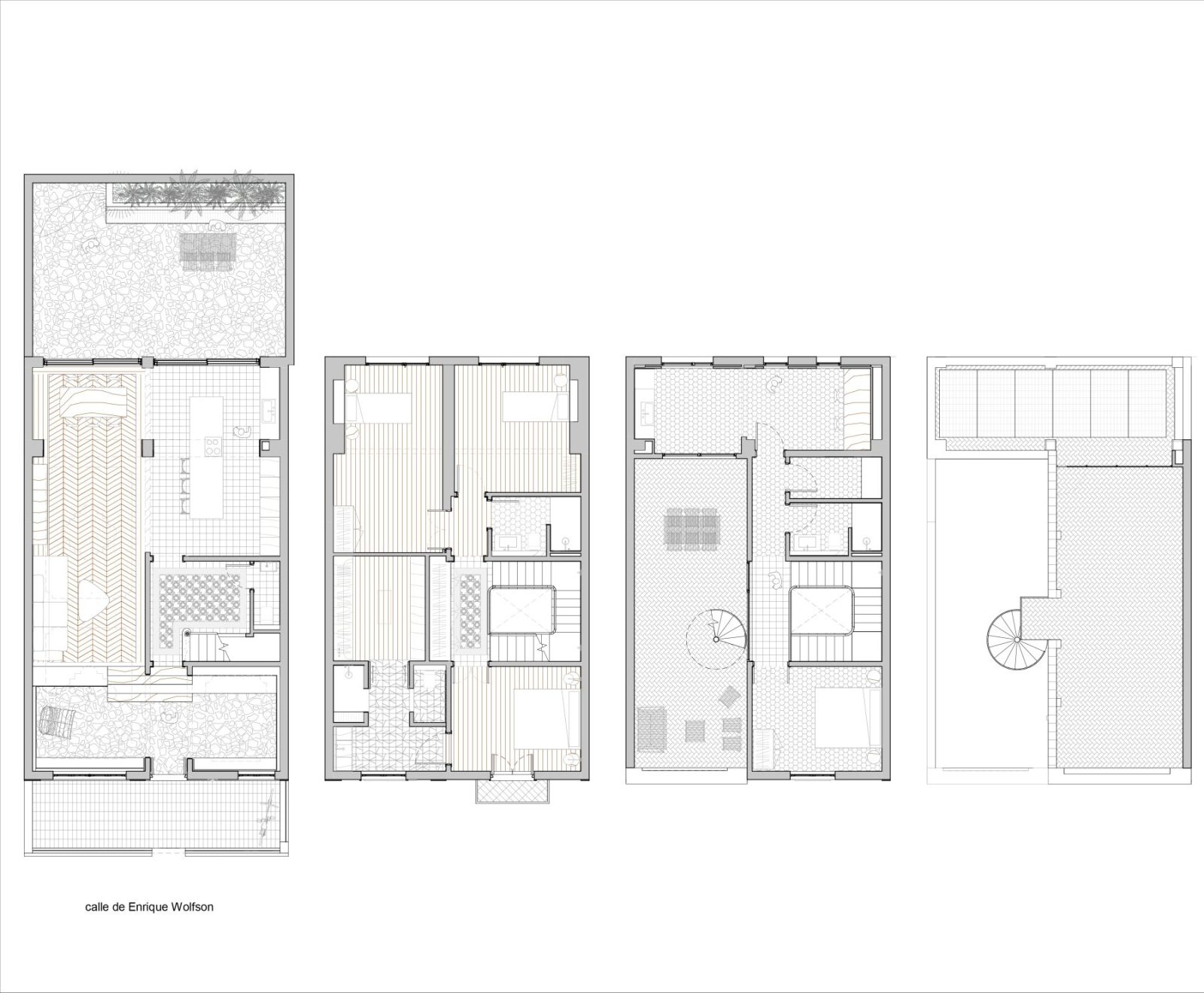
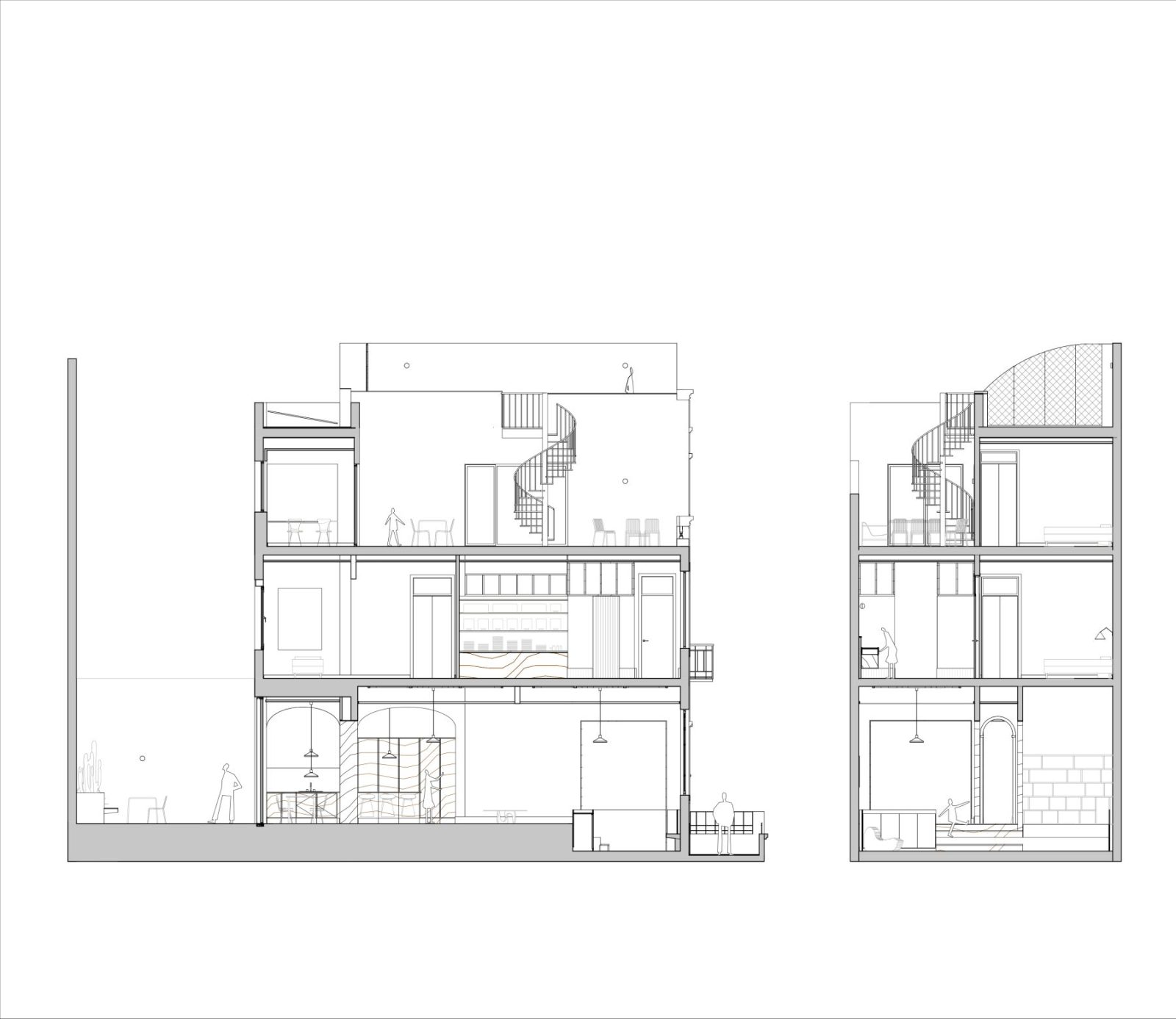
The house unfolds vertically across three levels: communal living spaces on the ground floor; bedrooms, dressing room, and bathrooms on the first floor; and more flexible domestic territories above, including a guest room, terraces, and rooftop access.
The project’s true strength lies in its attentive dialogue with what remained.
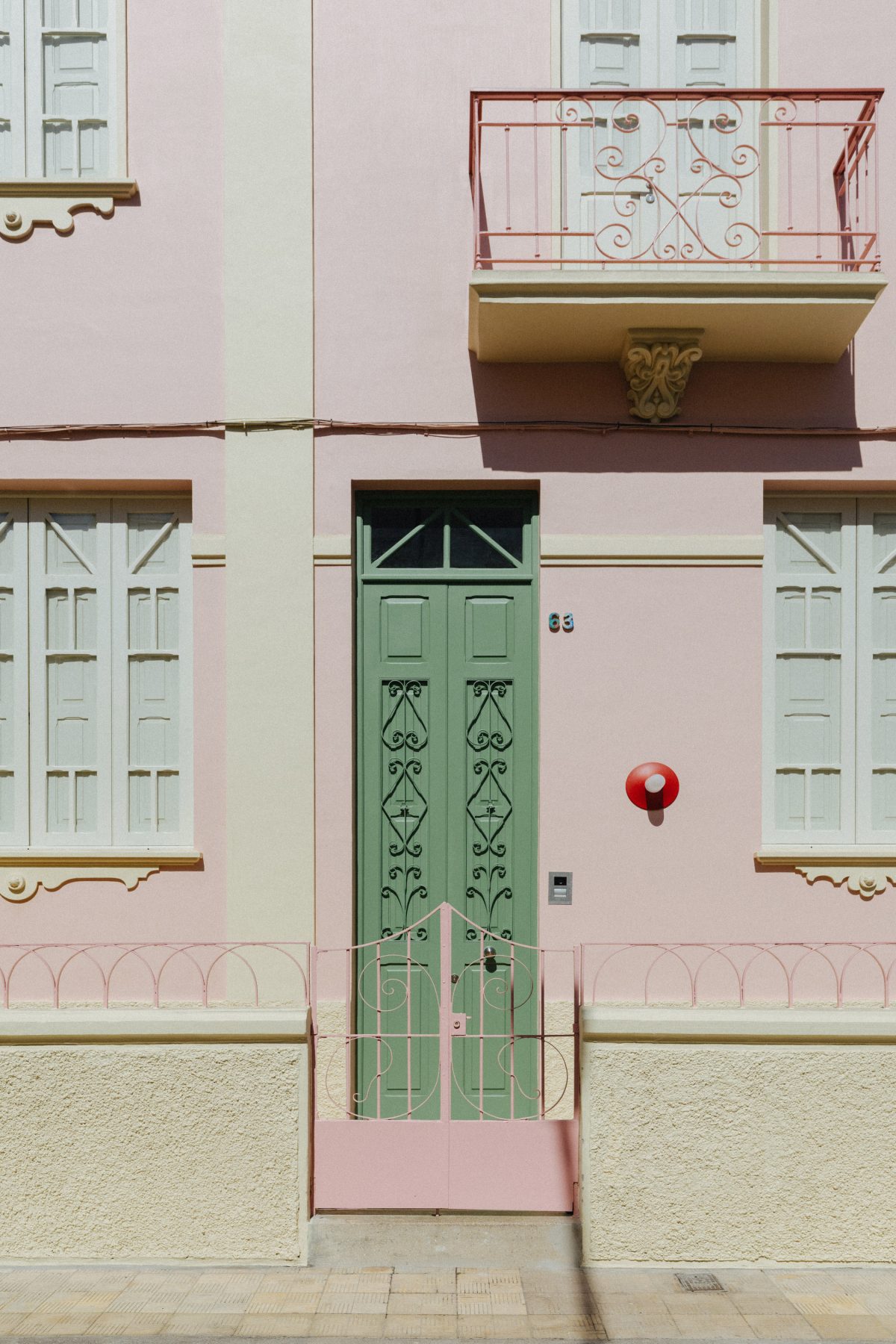
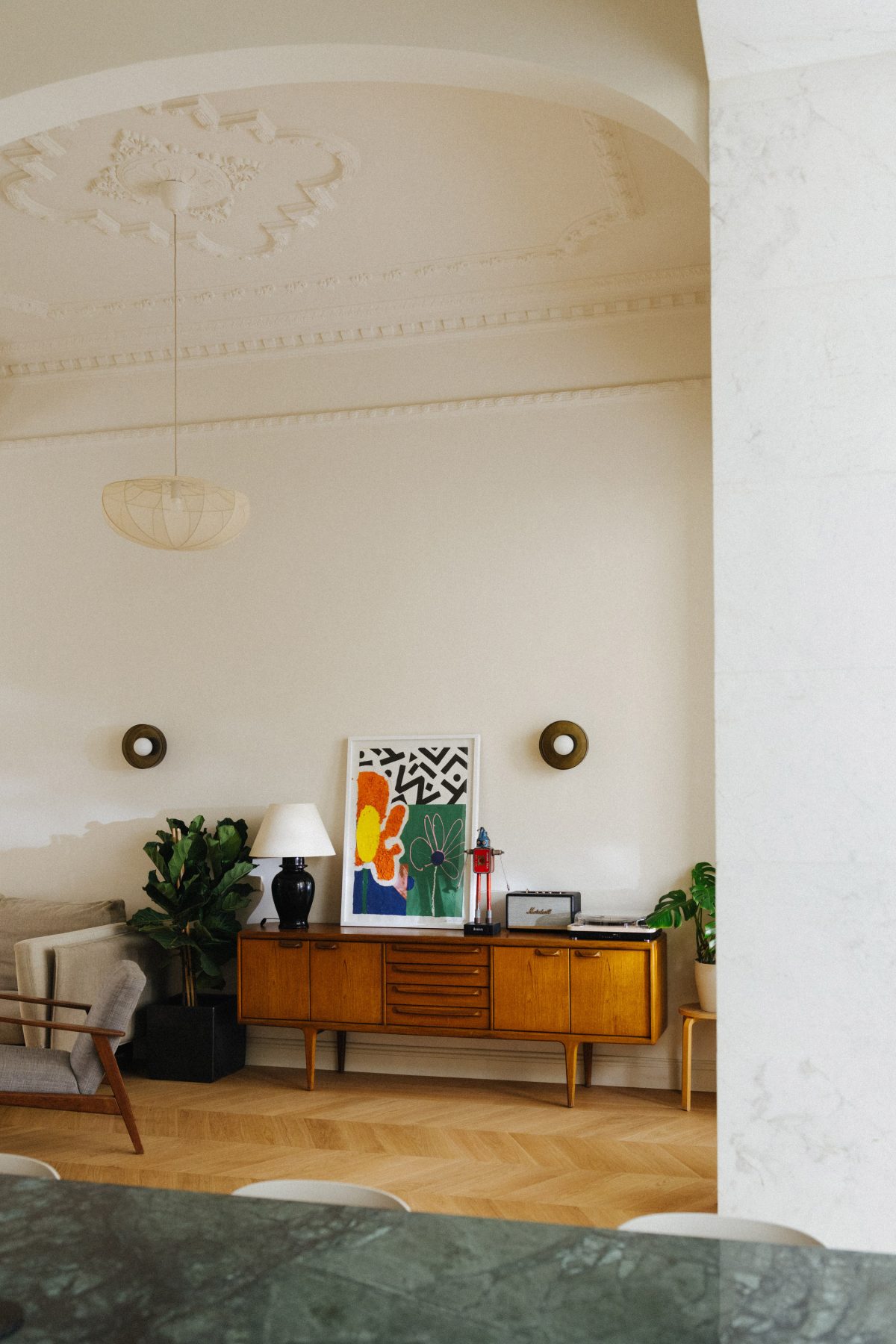
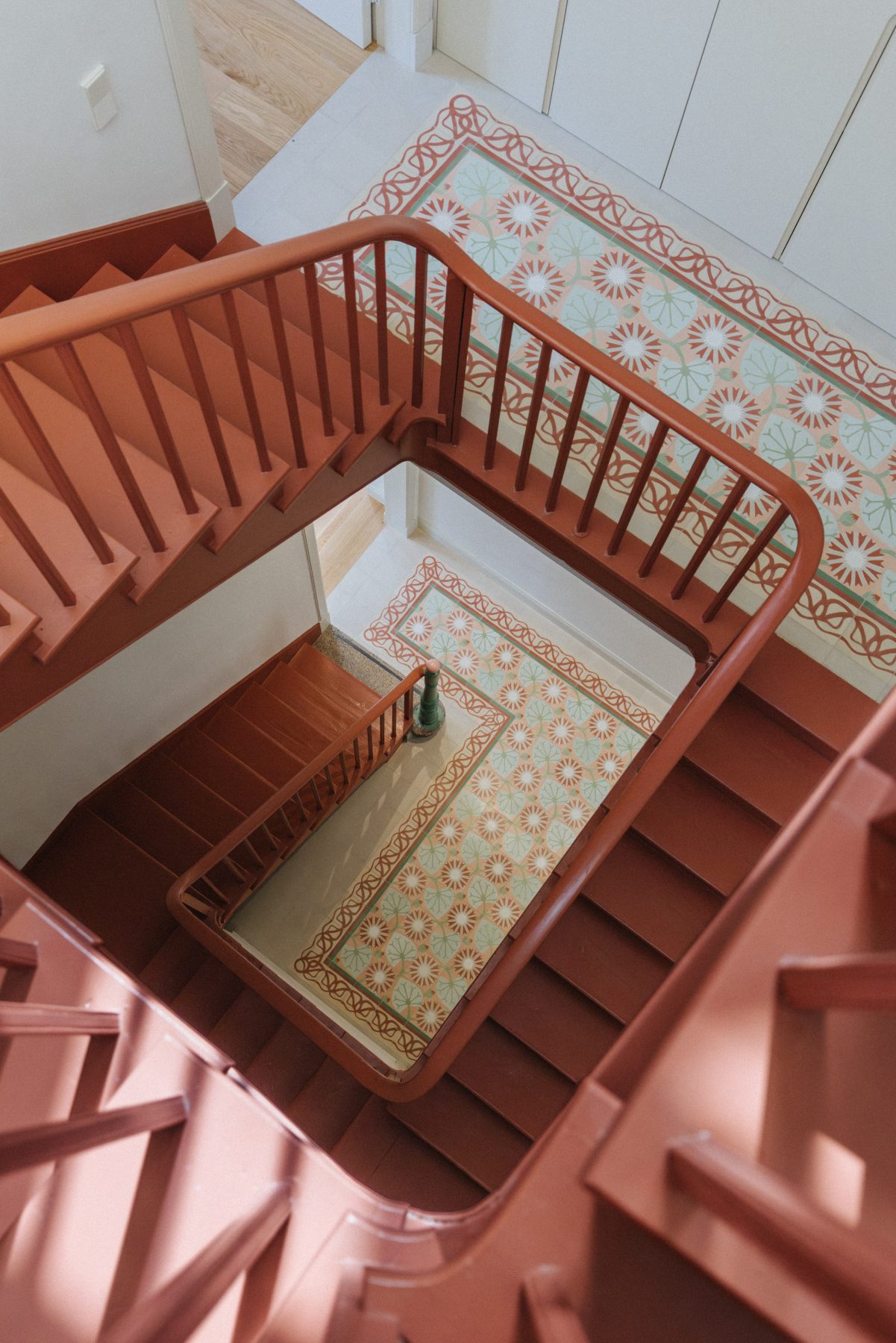
Original timber doors and windows on the main façade were preserved alongside the sculptural wooden staircase running through the central bay. Arched openings adjacent to the staircase — modest yet expressive — retain the tactile atmosphere of another era. One almost expects to hear the floorboards creak softly underfoot.
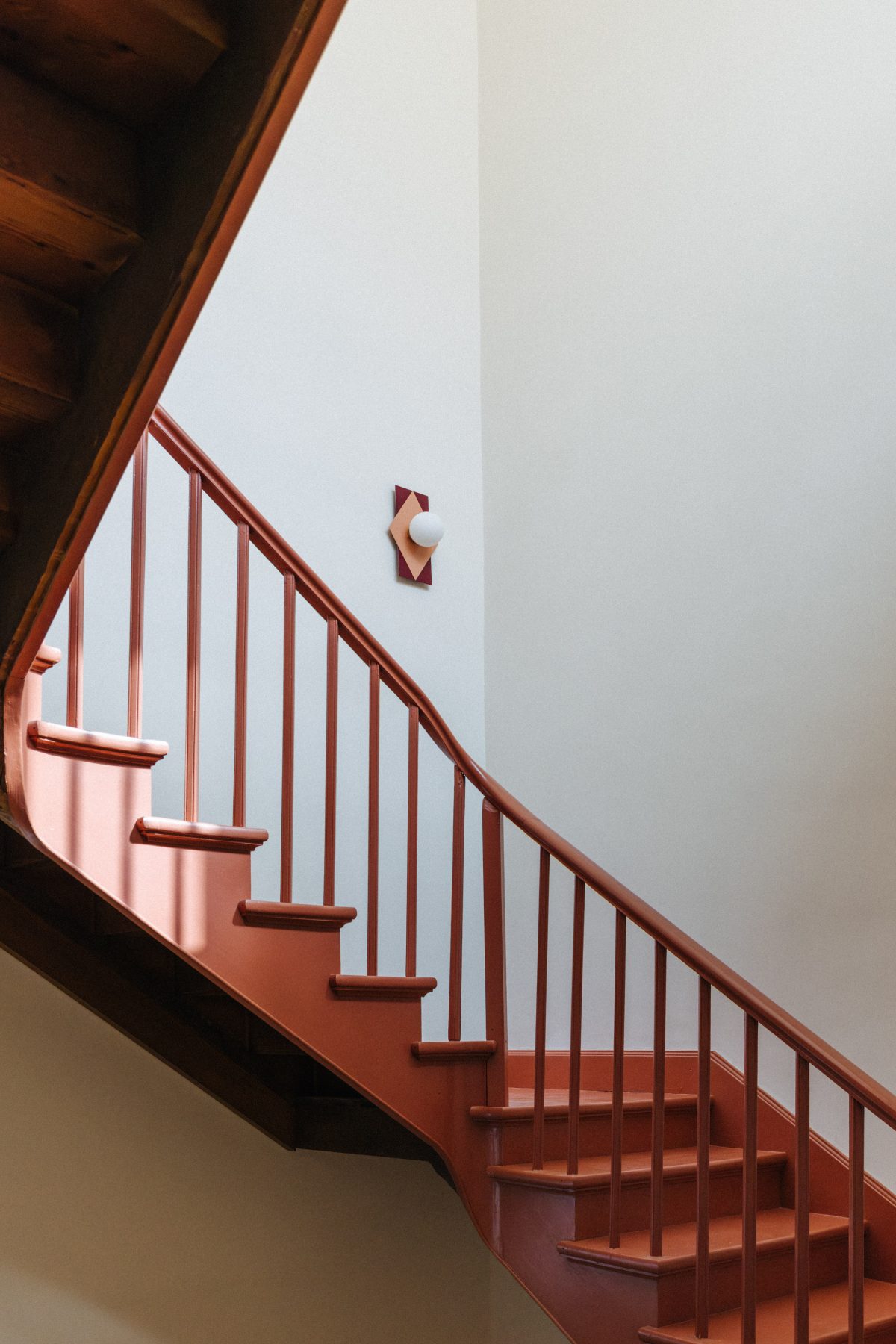
Materially, the intervention balances restoration and reinvention with notable restraint.
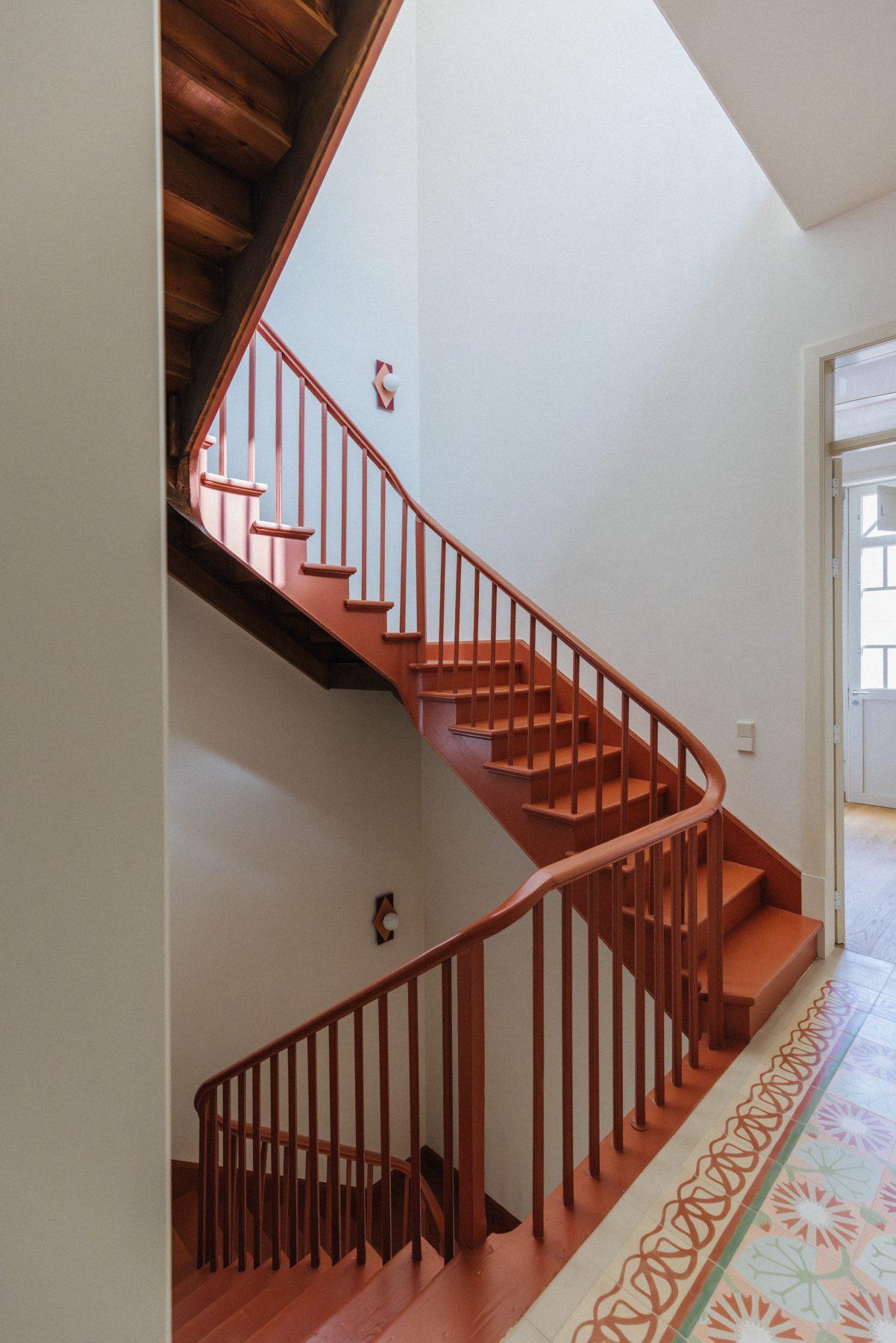
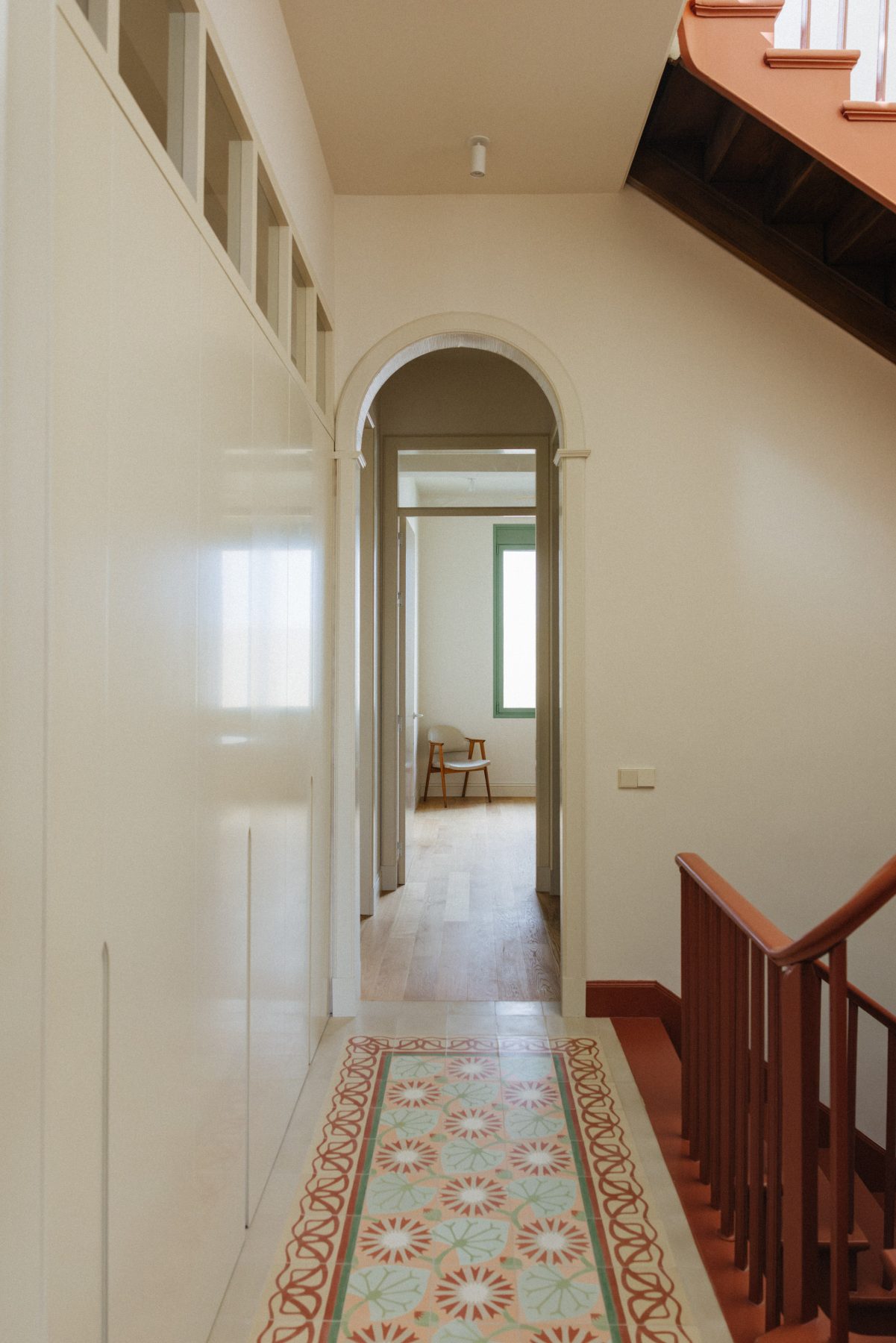
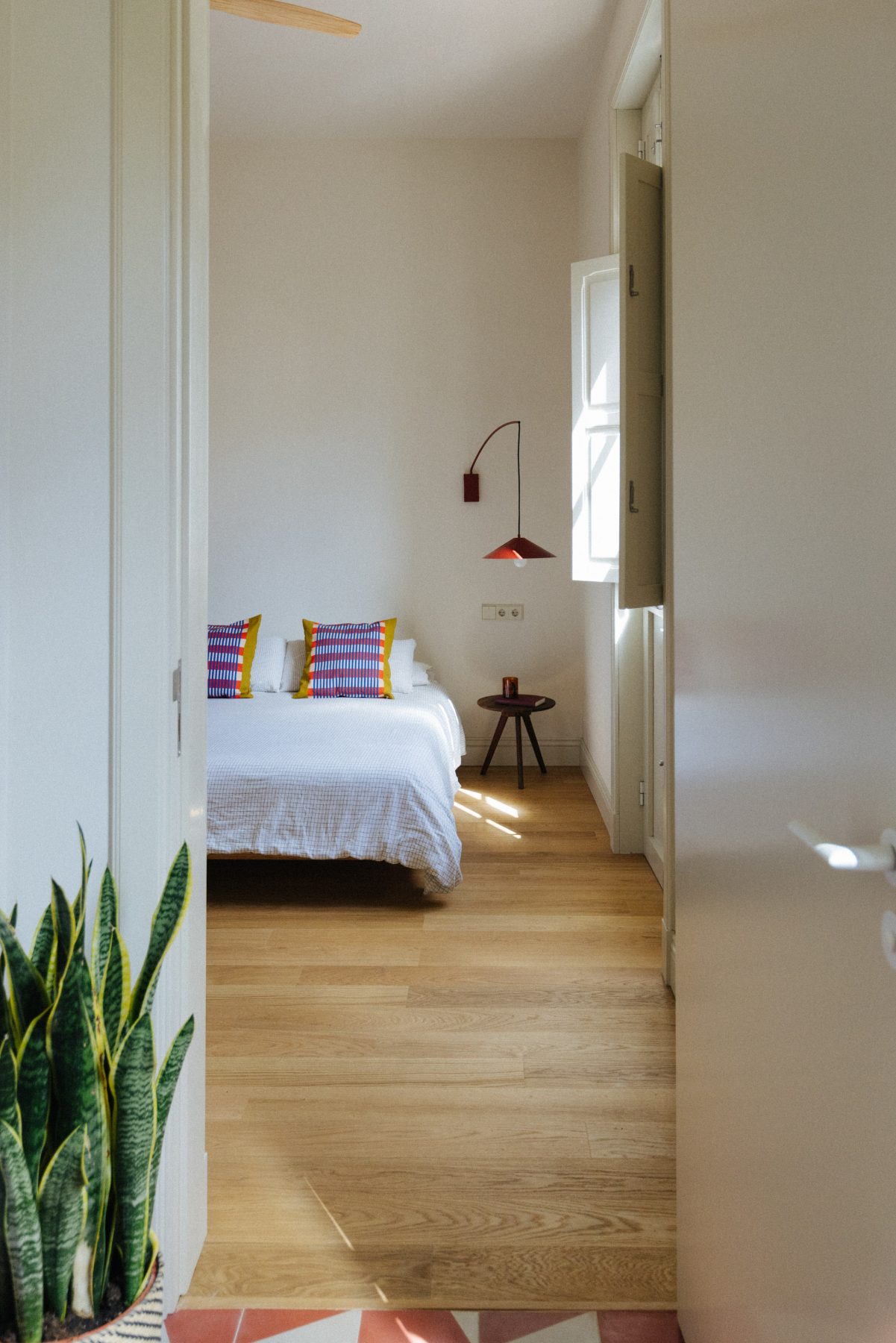
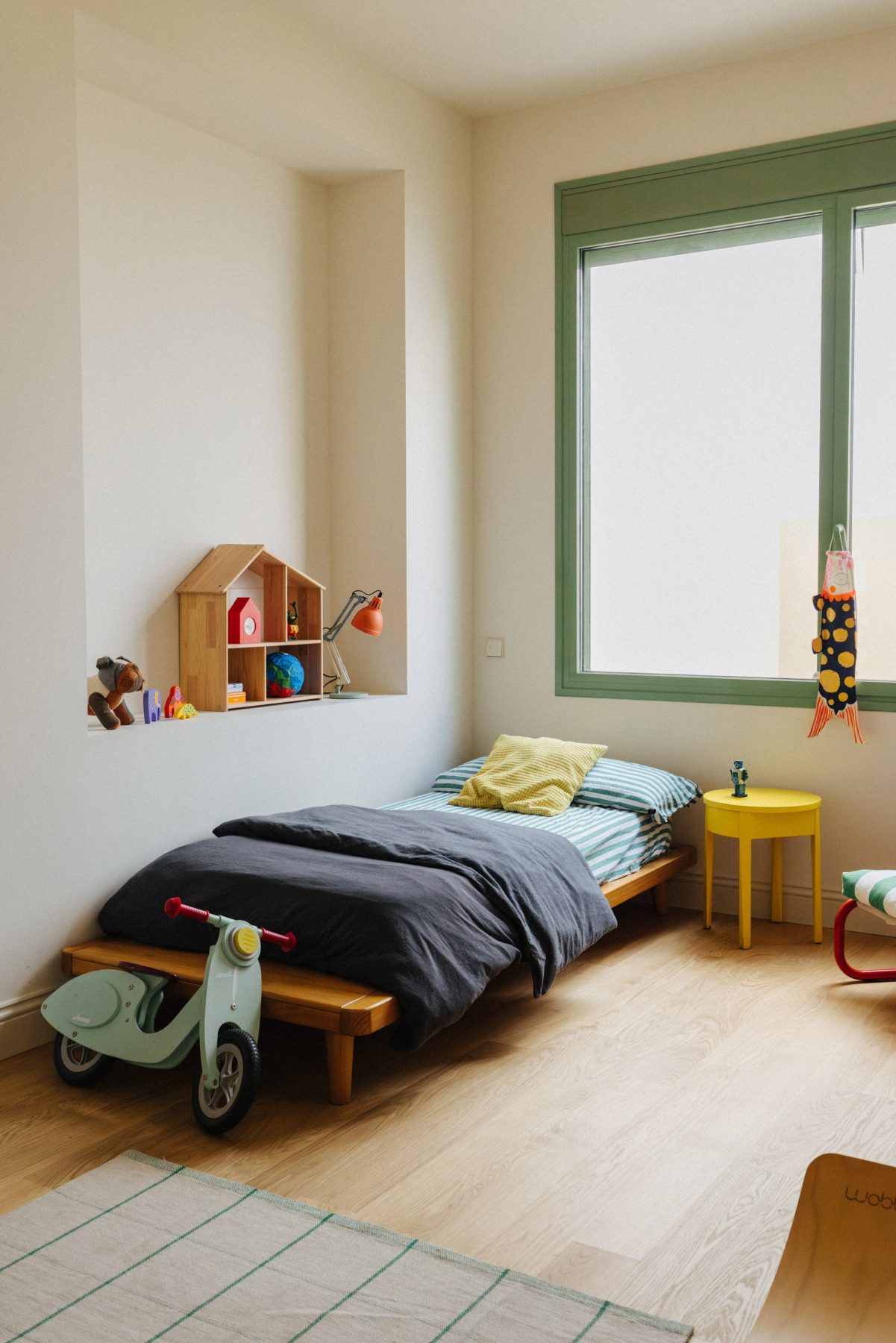
Oak flooring reintroduces warmth to the living spaces, while contemporary encaustic tiles oscillate between subtle modernist references and sharper contemporary geometries.
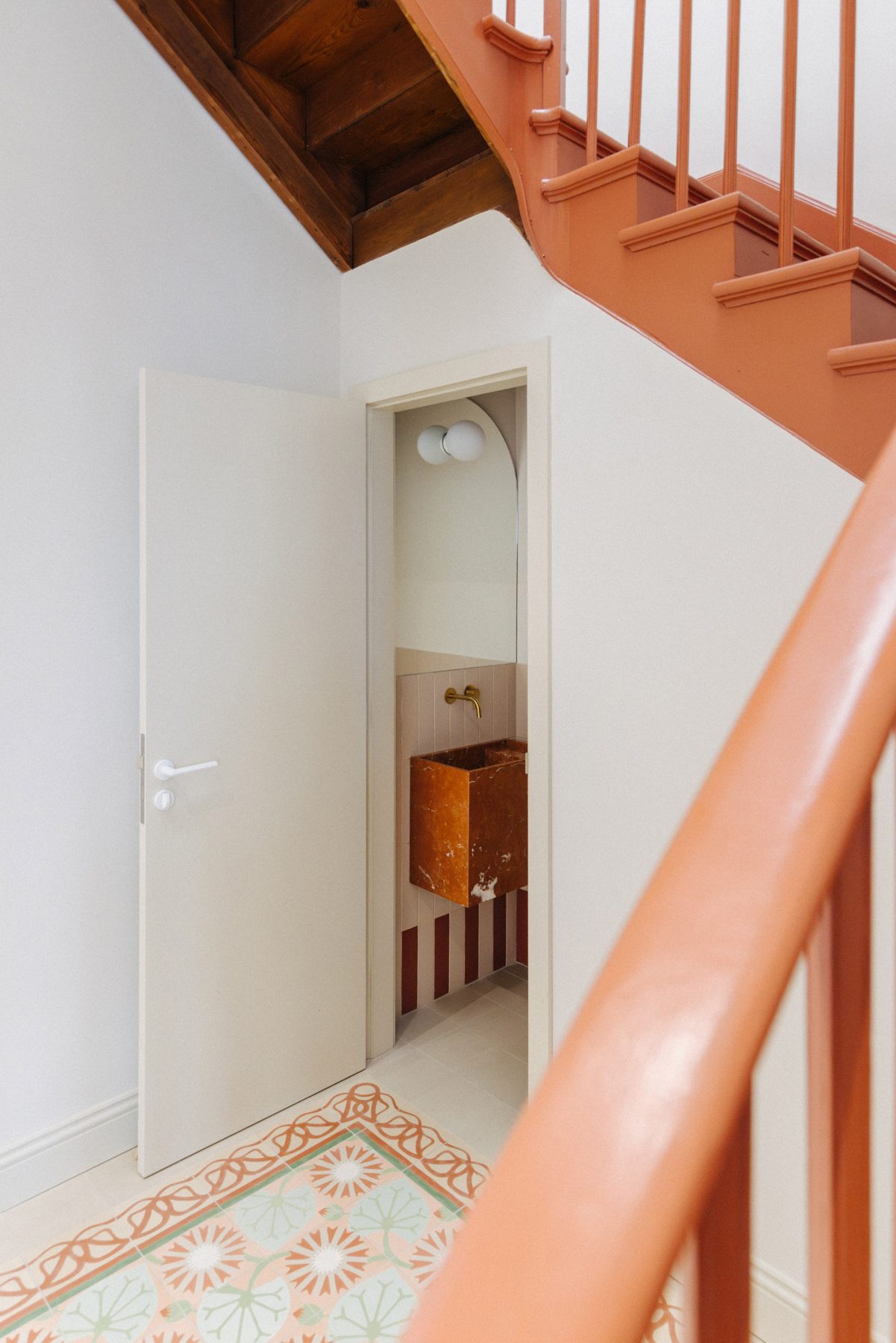
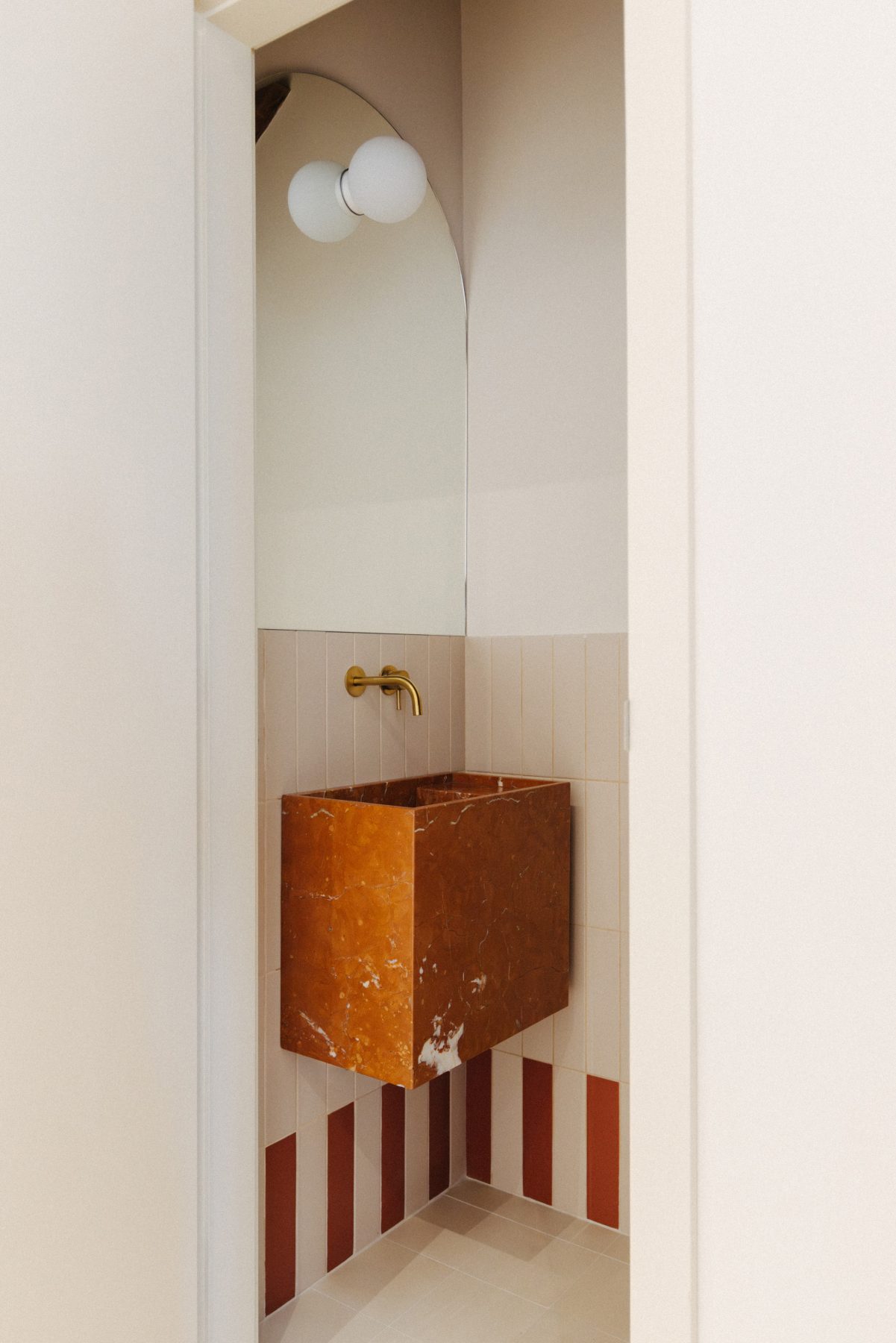
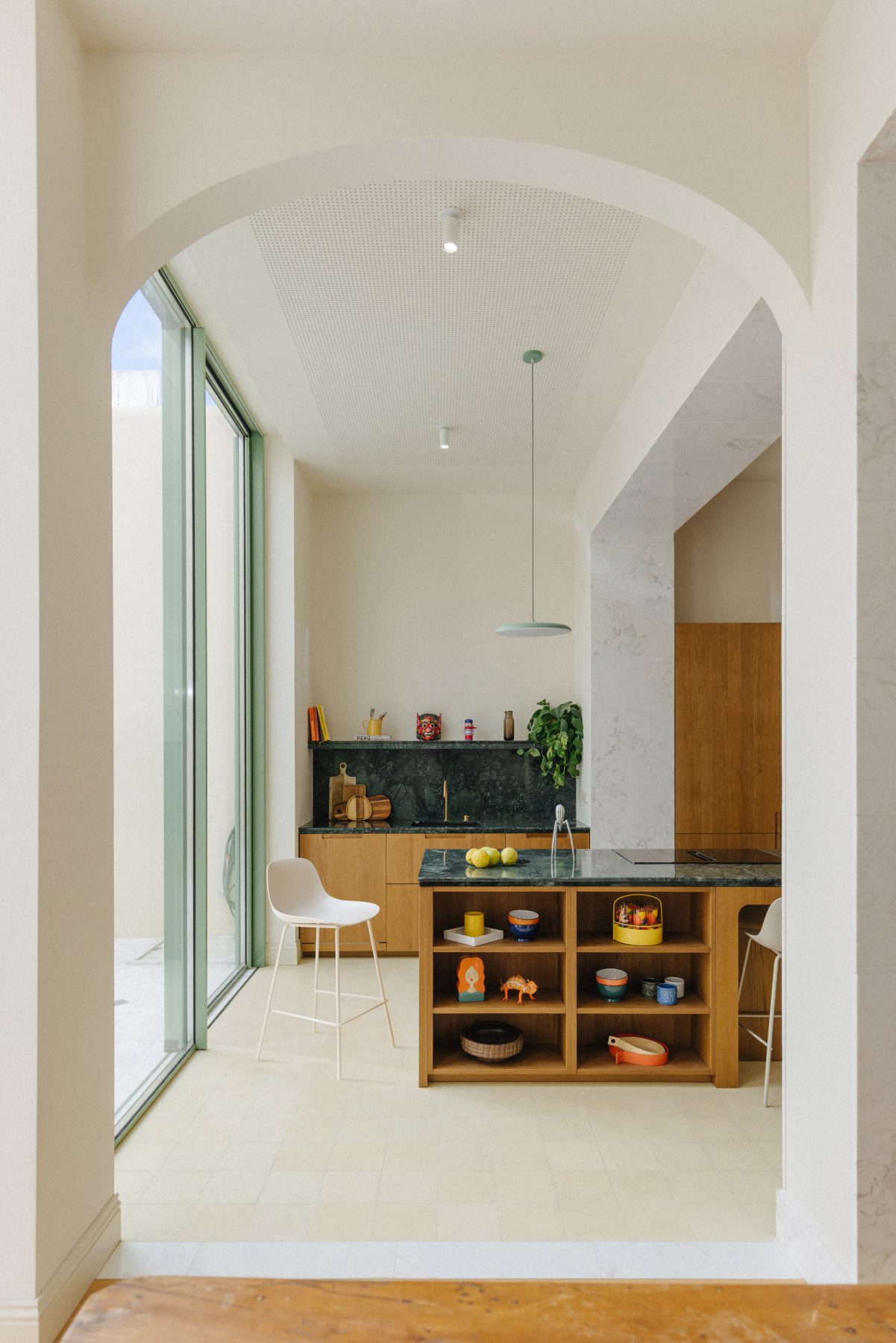
Marble surfaces appear throughout kitchens and bathrooms, not as luxury gestures but as fragments of continuity. One of the project’s most intelligent decisions emerged directly from circumstance. When construction began, the house was already partially transformed into a future boutique hotel, leaving behind numerous marble-clad bathroom cubicles scattered throughout the structure. Rather than discard these remnants, the architects chose to reuse the stone, assembling irregular leftover pieces into in-situ terrazzo flooring for the entrance lobby and rear courtyard.
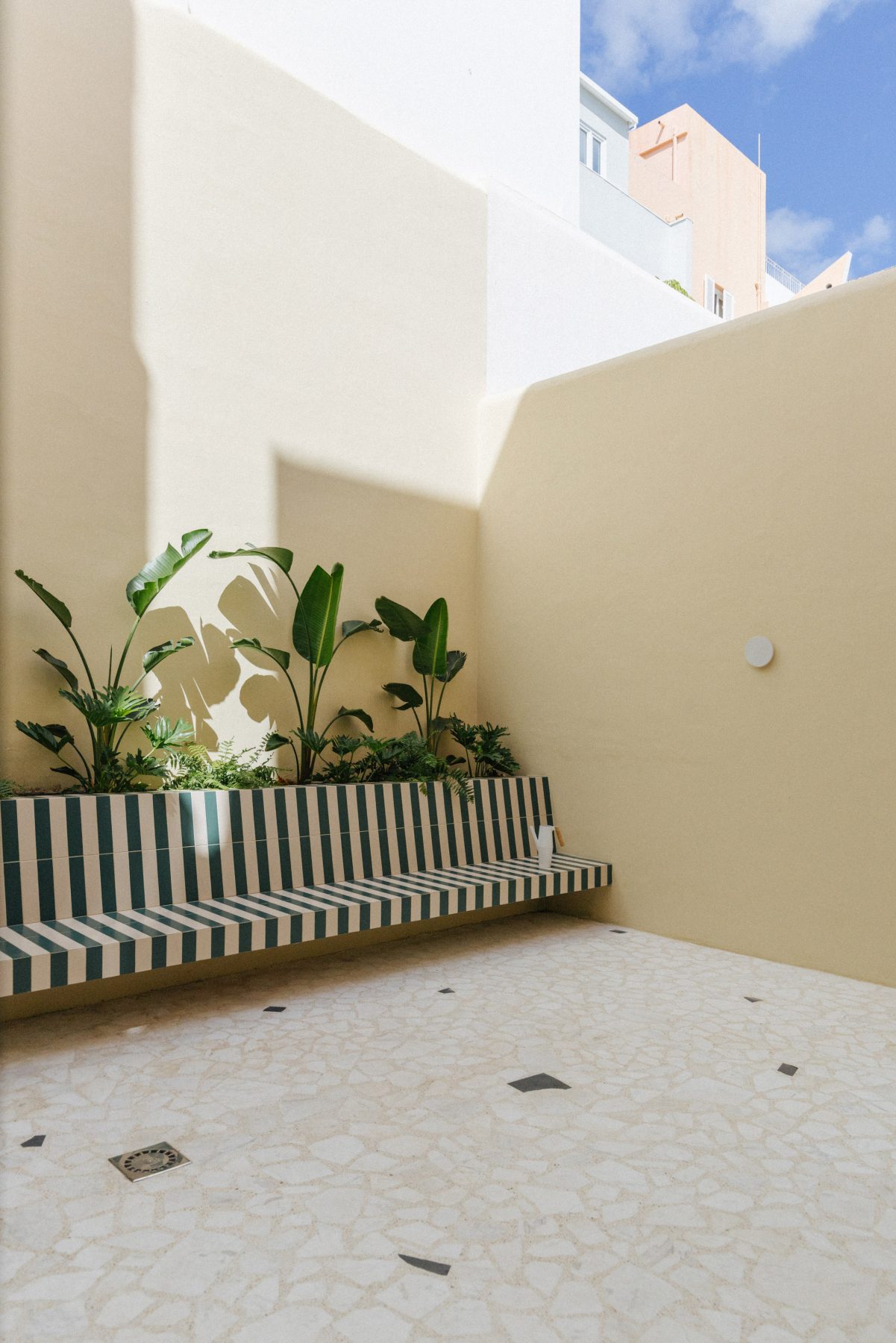
The result is both pragmatic and poetic: an architecture literally composed from its own interrupted past.
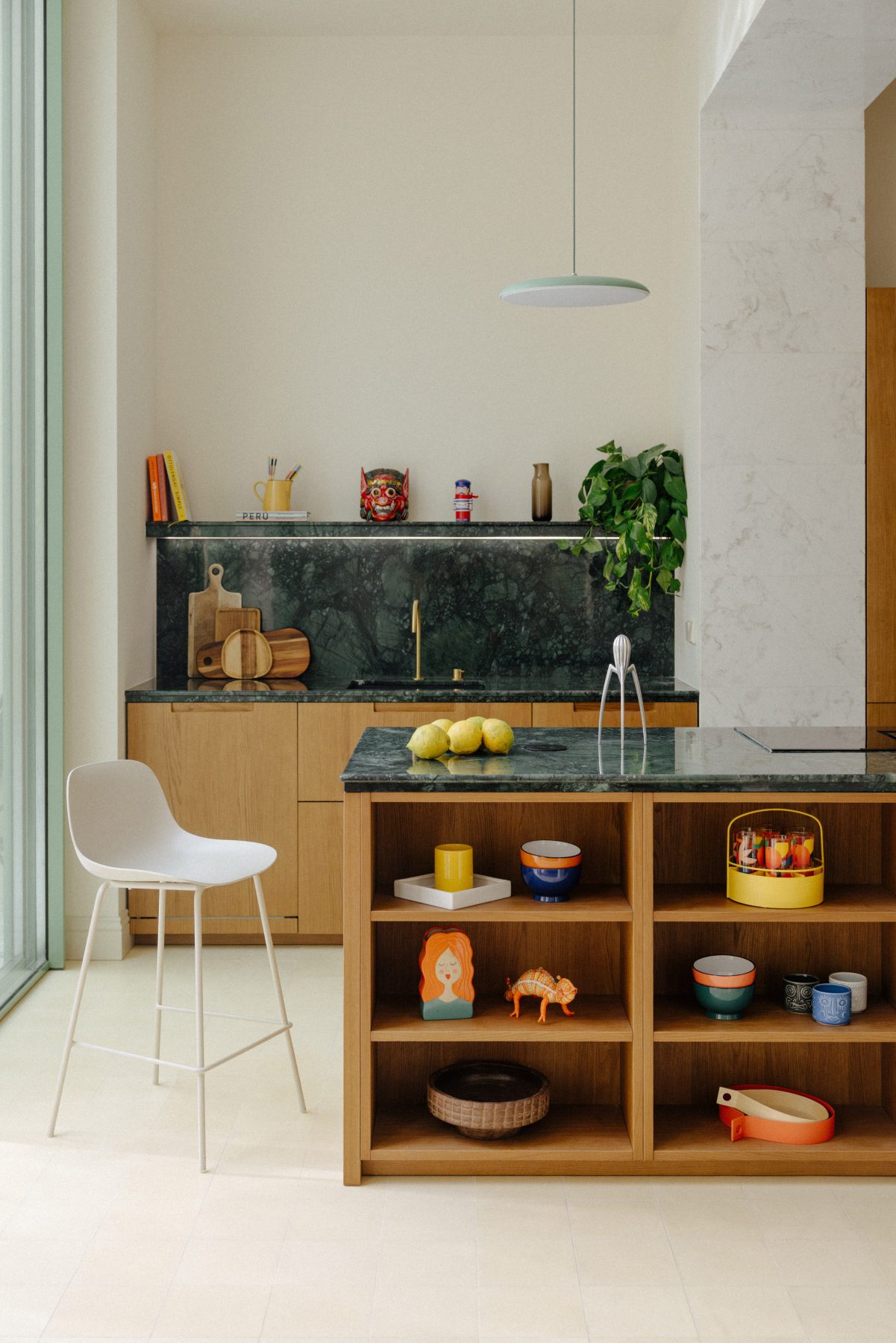
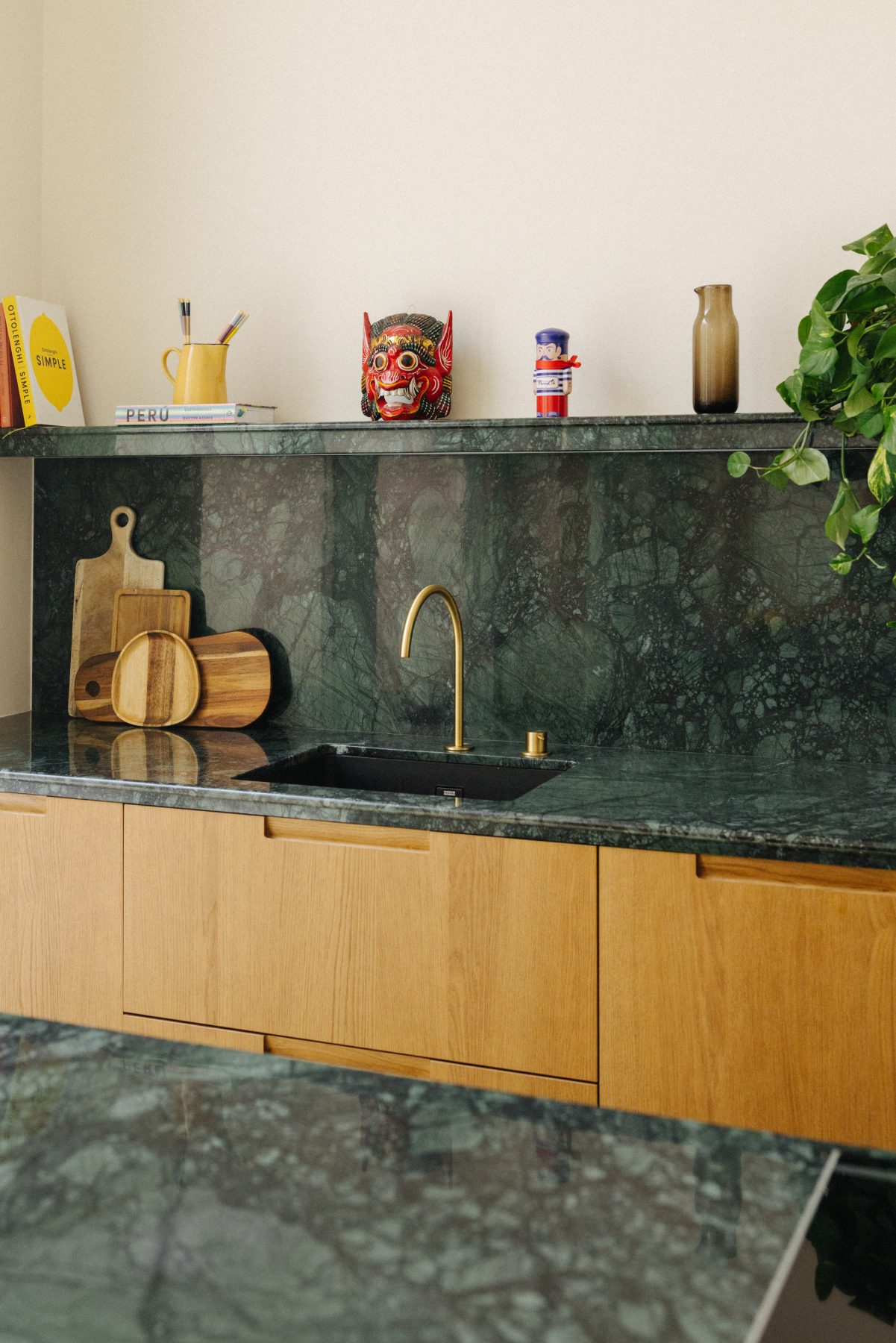
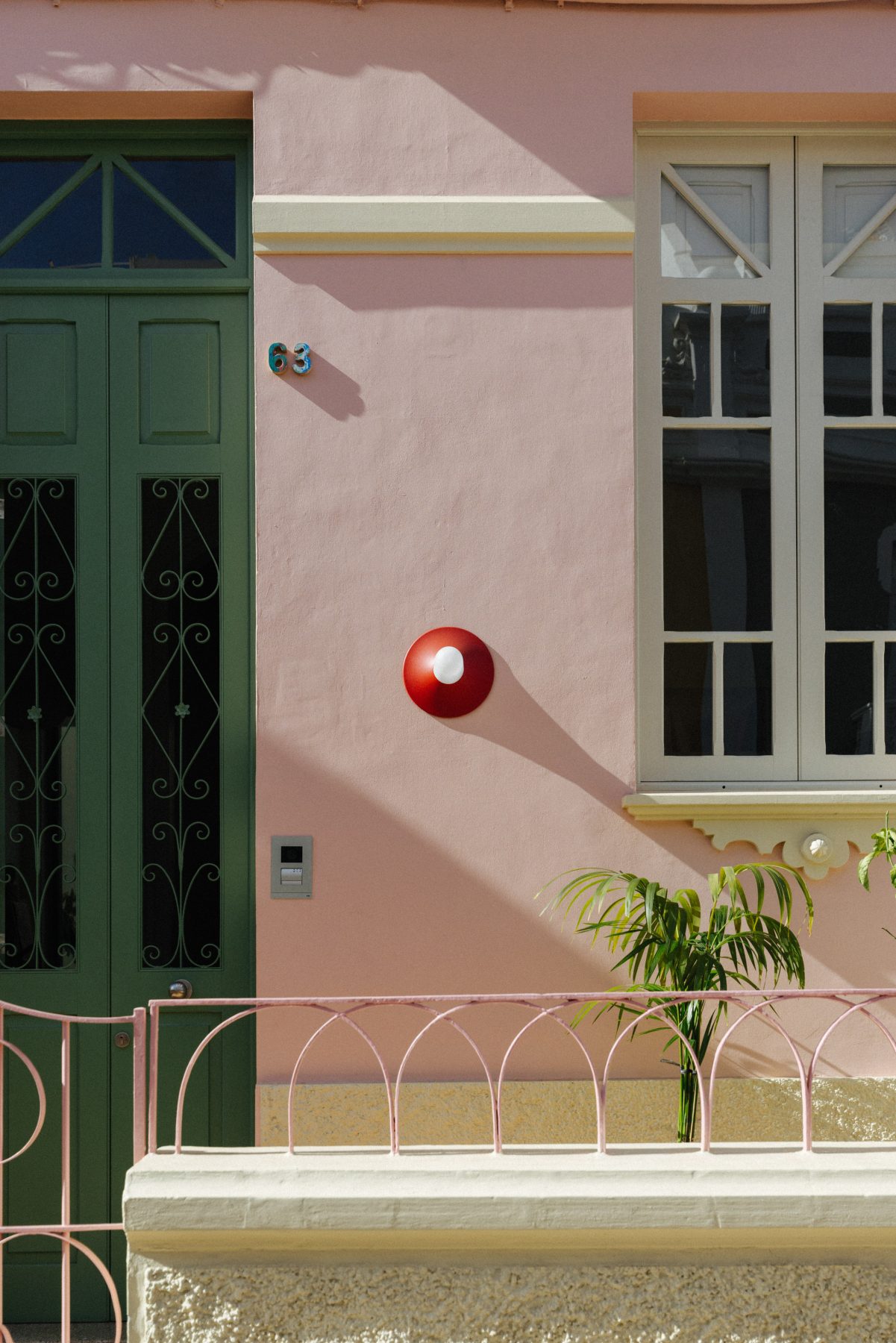
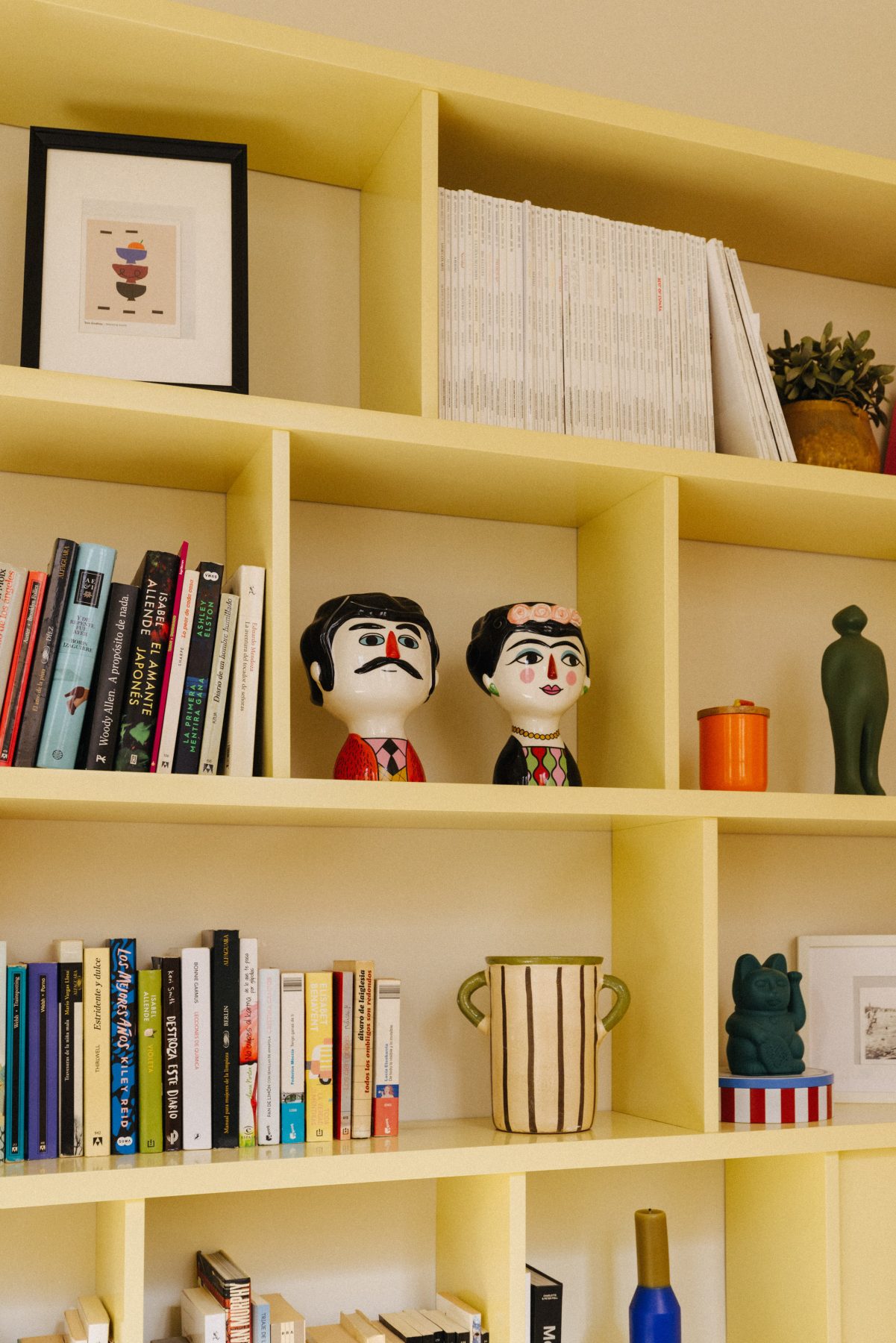
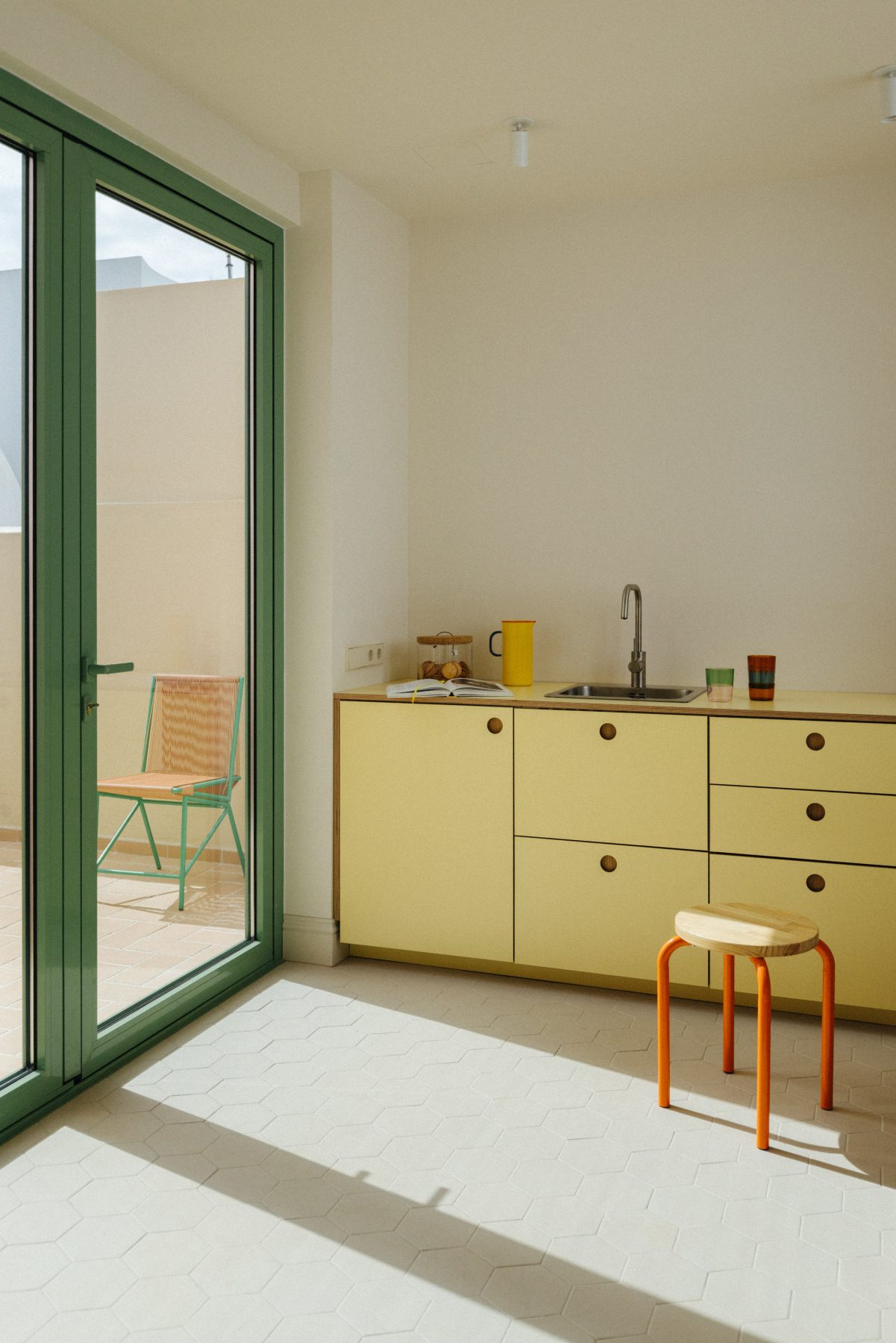
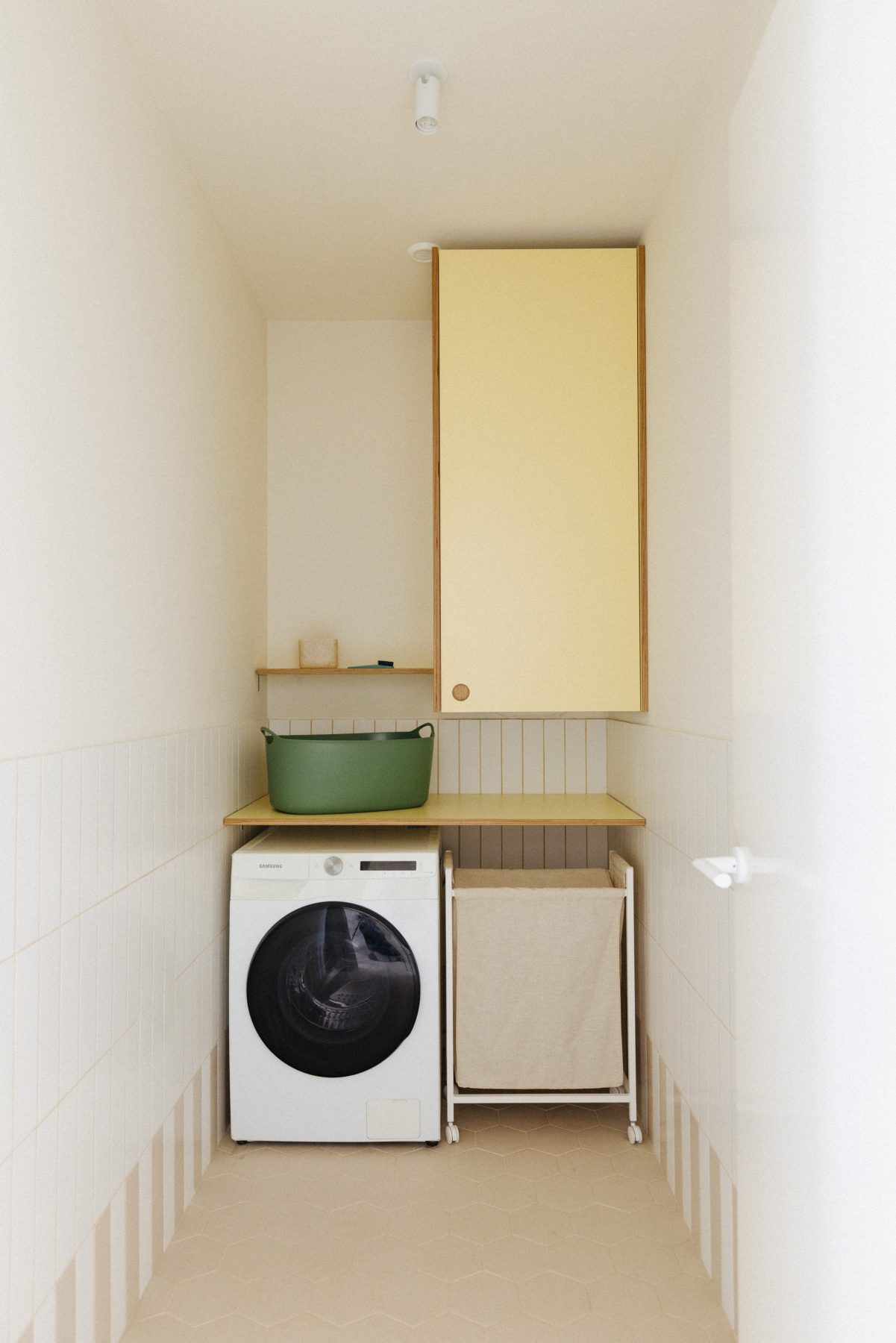
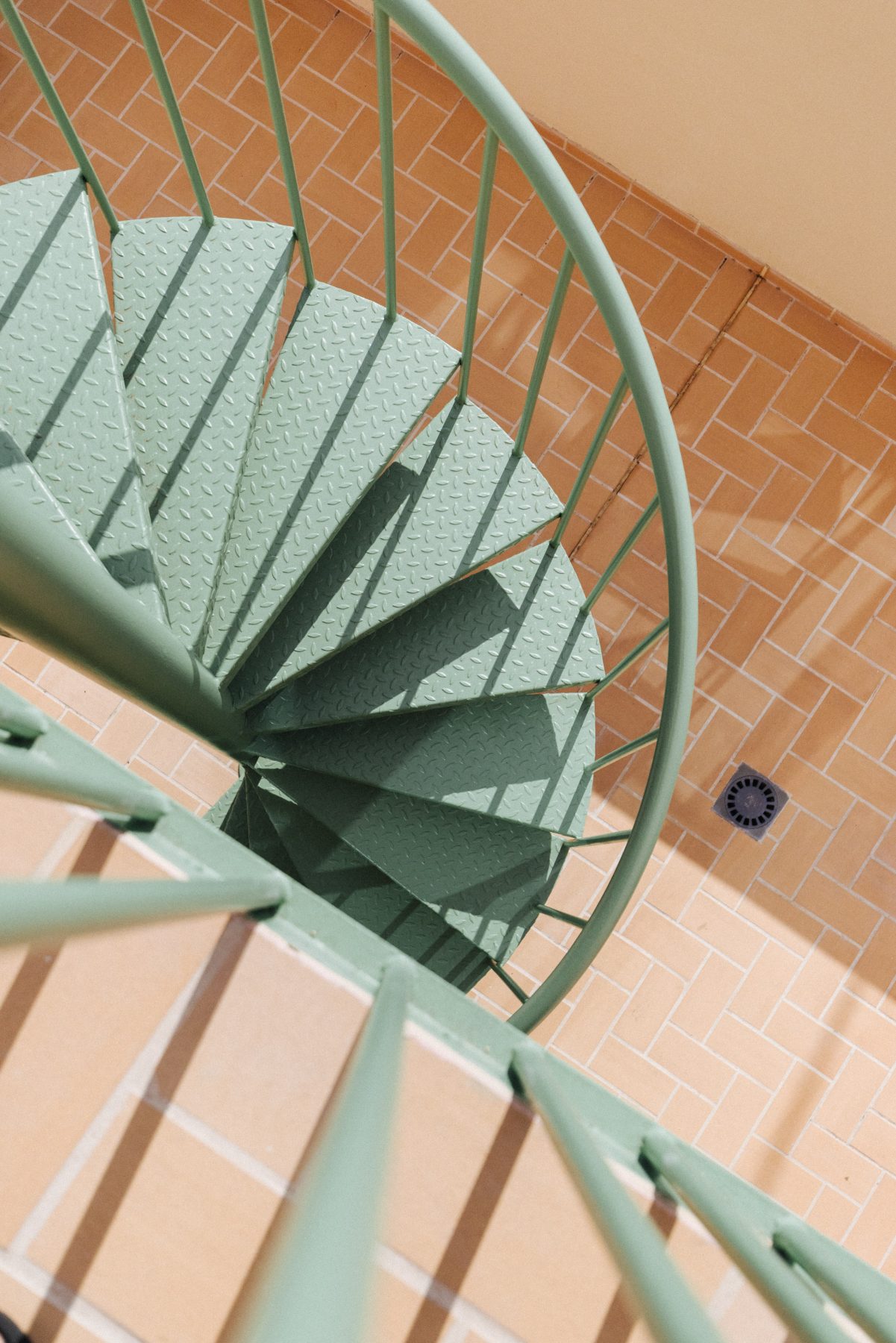
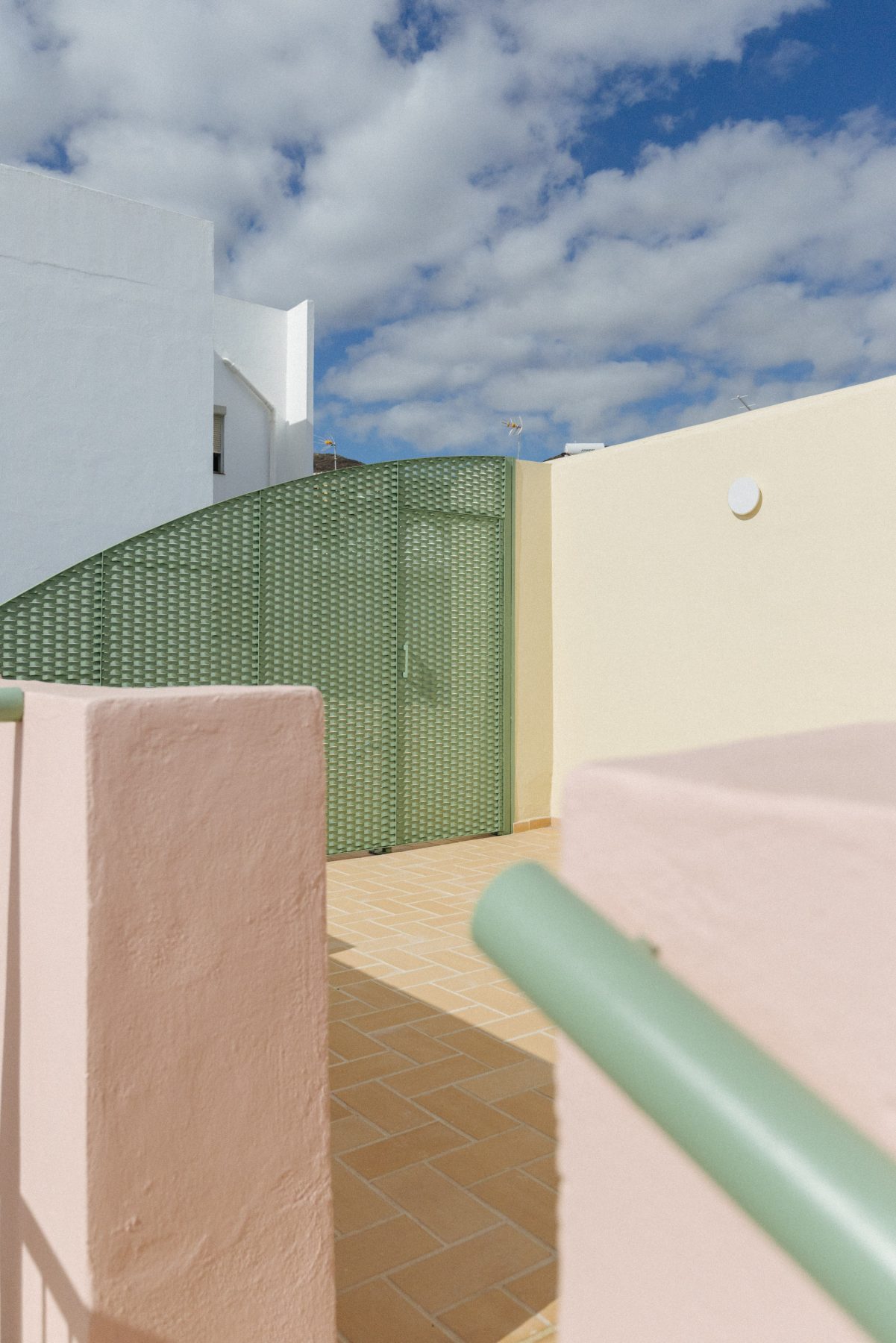
And then there is color — perhaps the project’s most radical “material.” Soft pinks, muted greens, warm yellows, oxidized reds, and pale blues animate metalwork, custom furniture, floor finishes, wall surfaces, and courtyard openings.
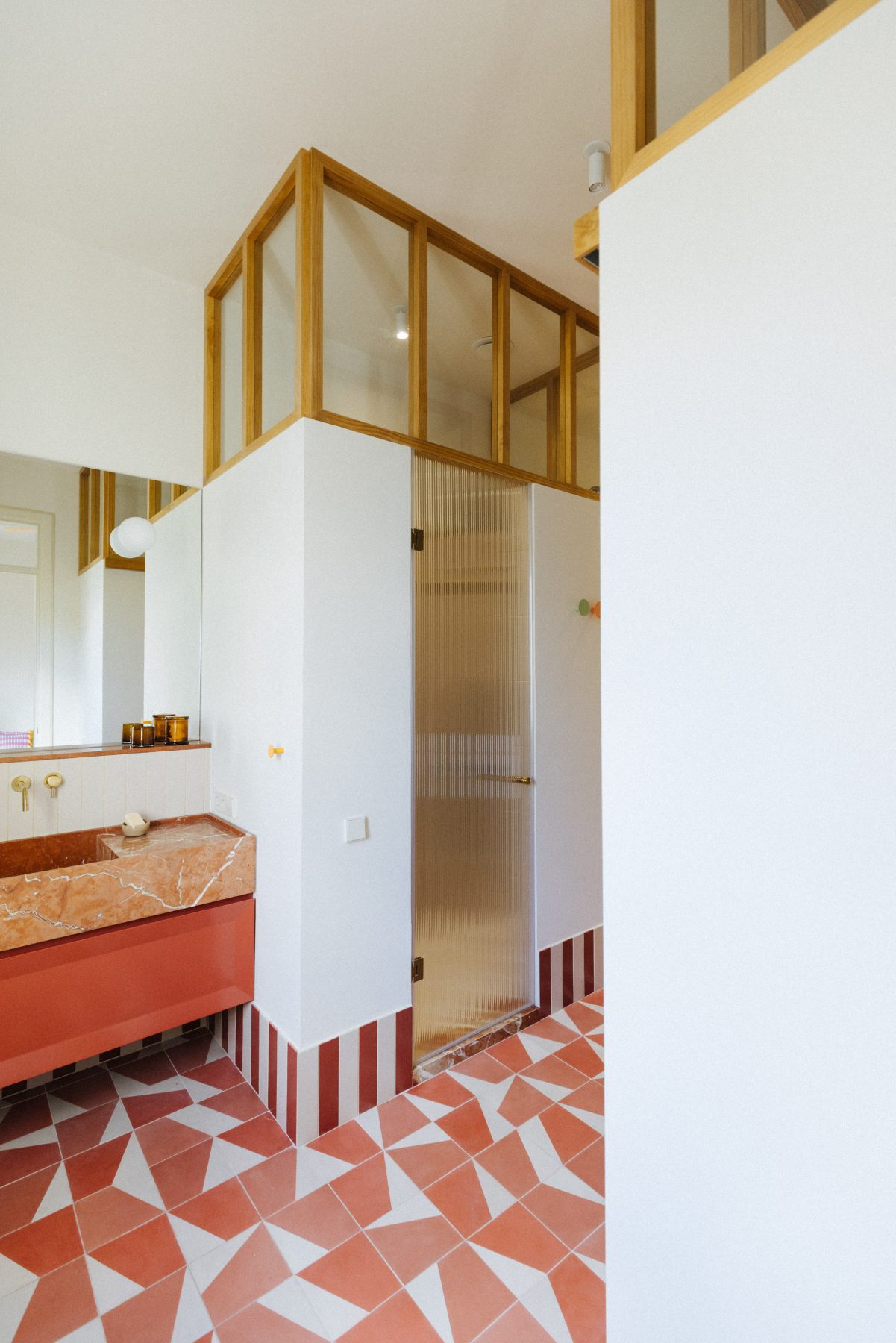
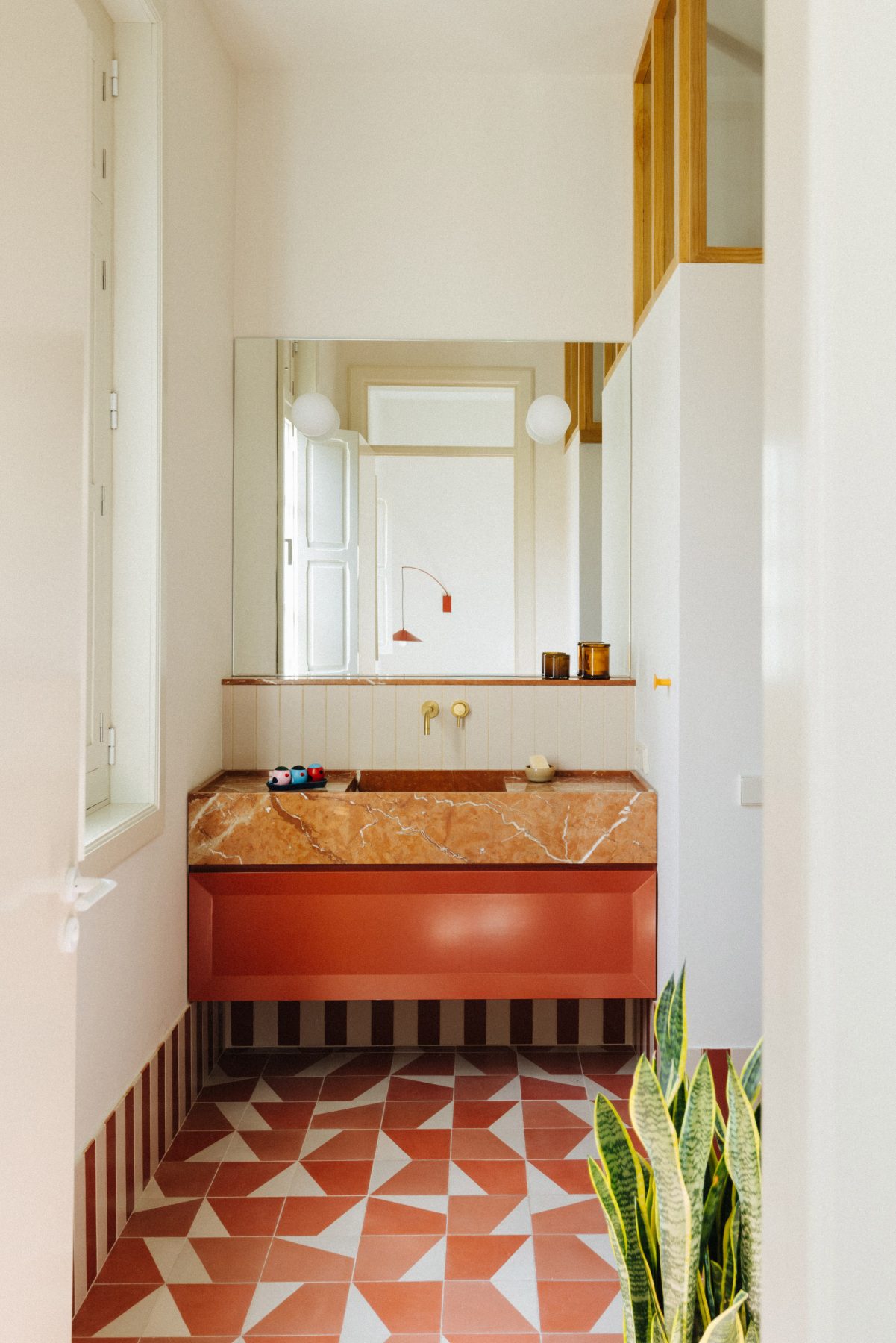
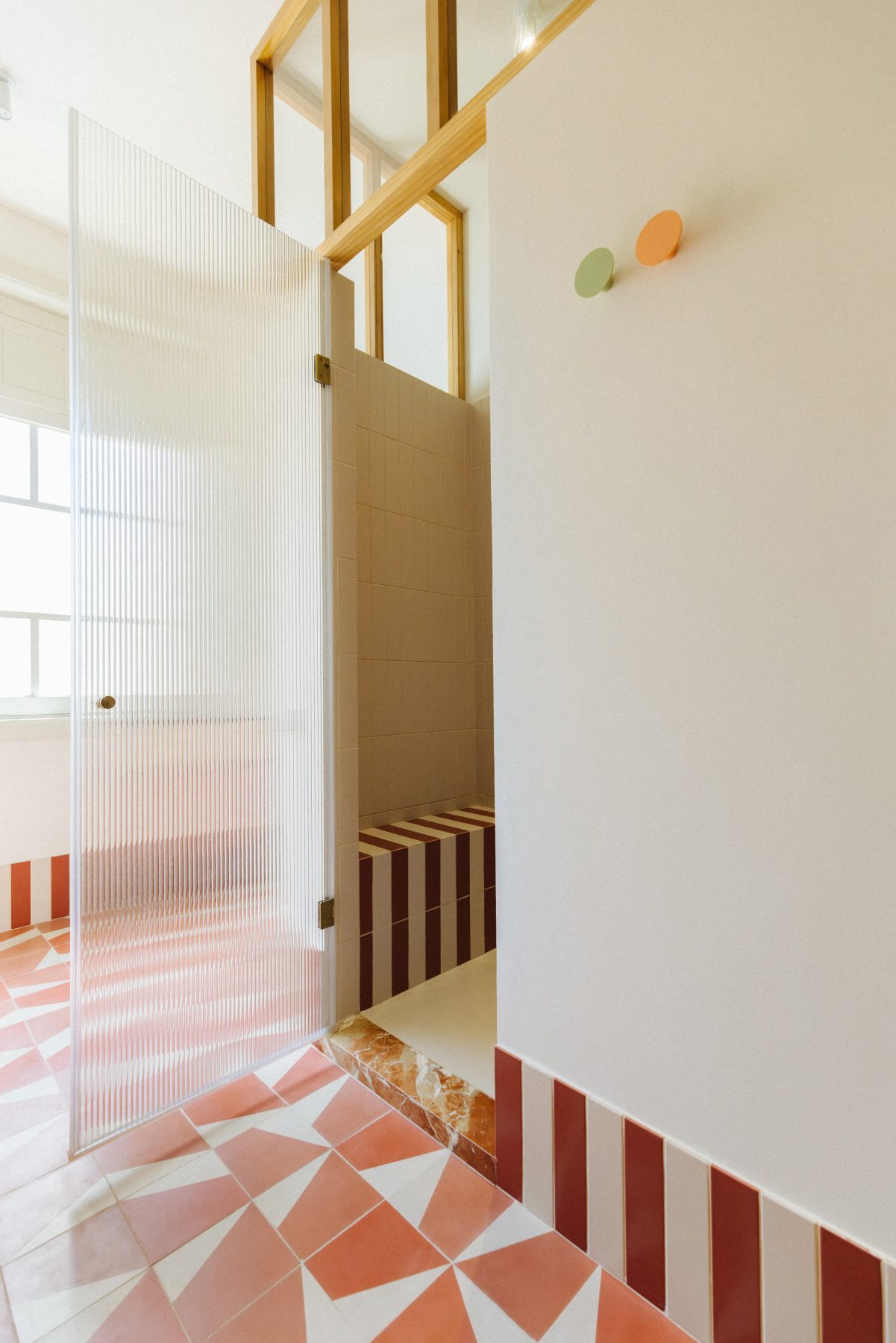
Applied with remarkable precision, the palette avoids nostalgia and decorative excess, restoring to the house emotional warmth.
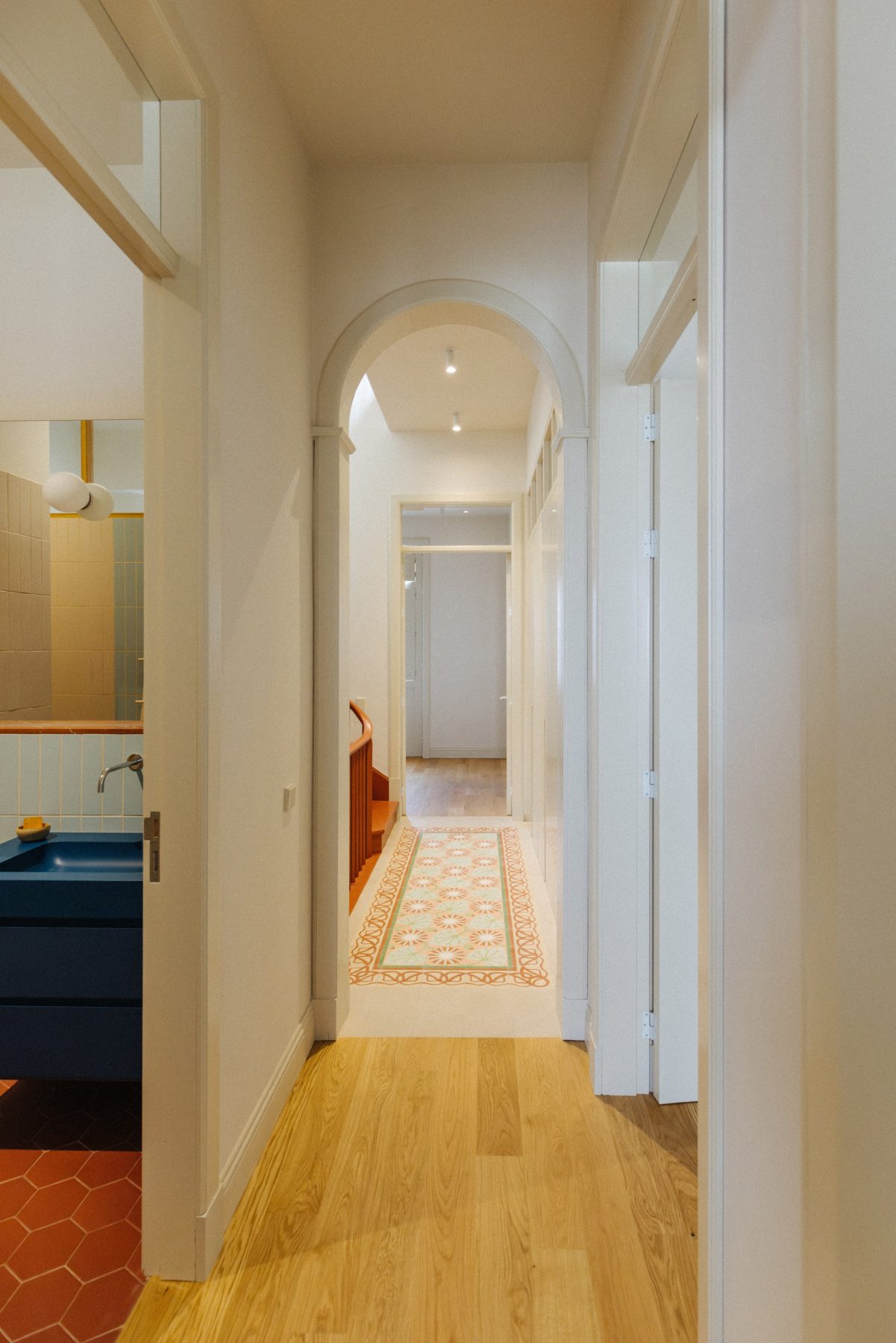
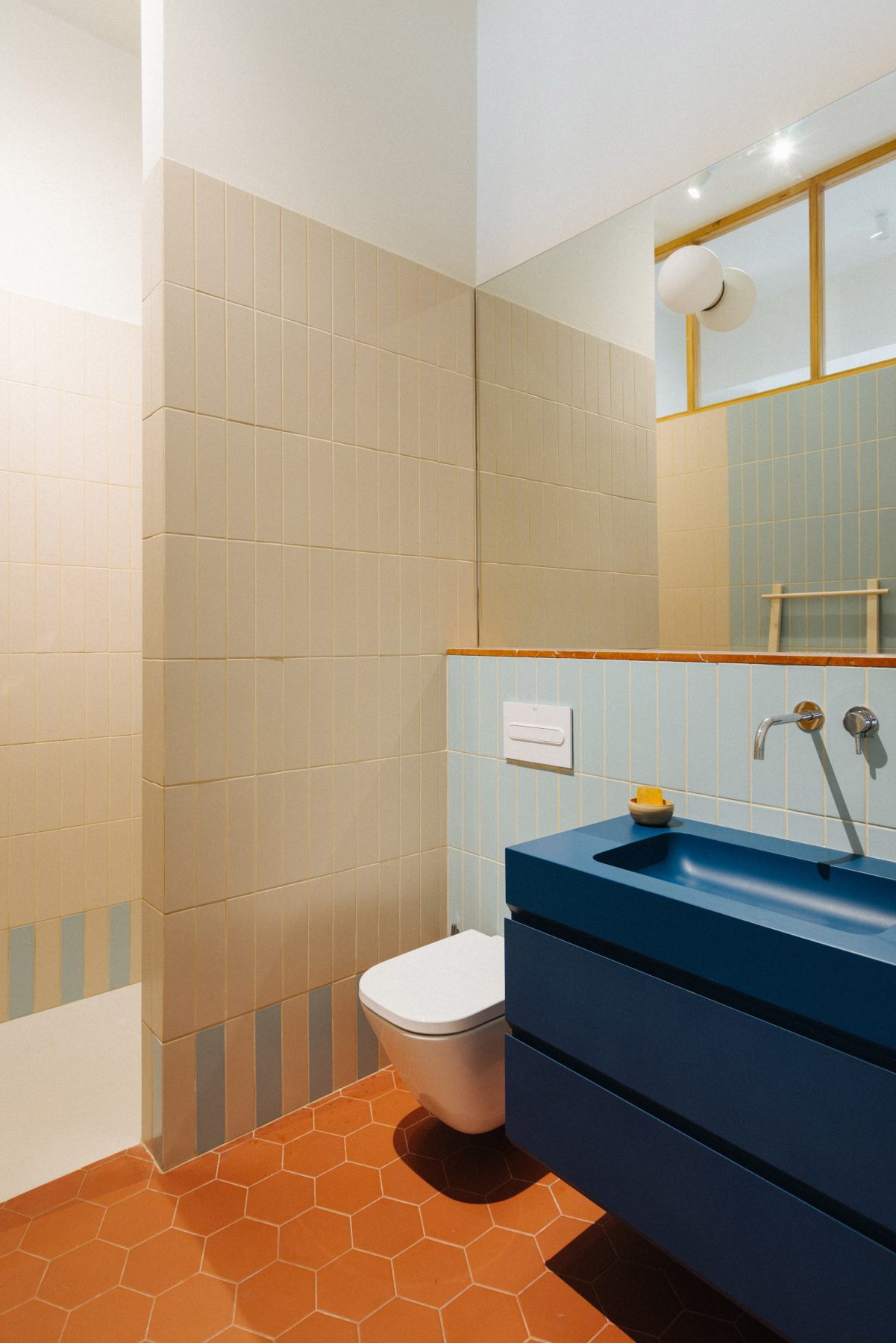
Color here is not superficial styling but an atmospheric strategy capable of reconnecting architecture with memory, intimacy, and everyday joy.
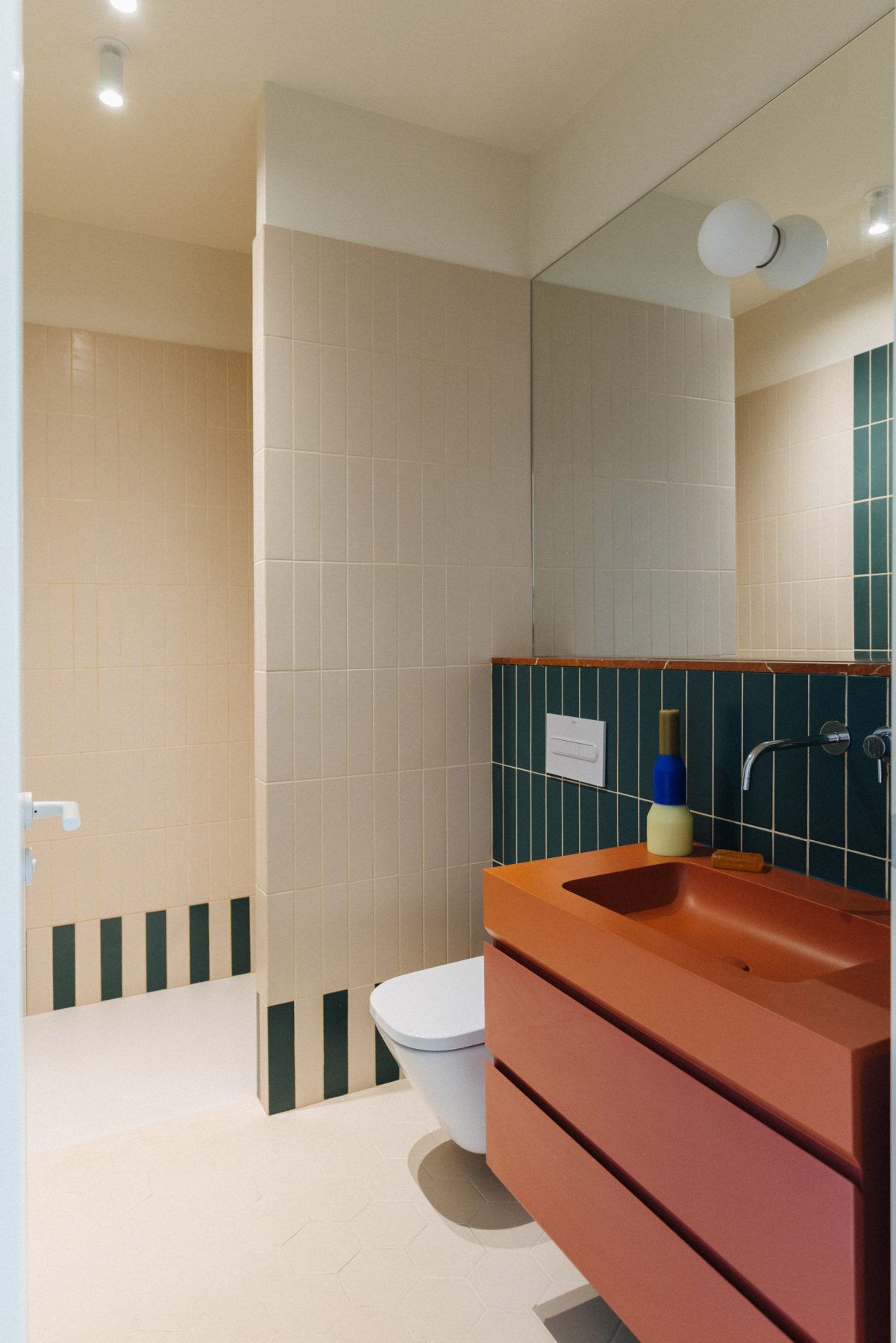
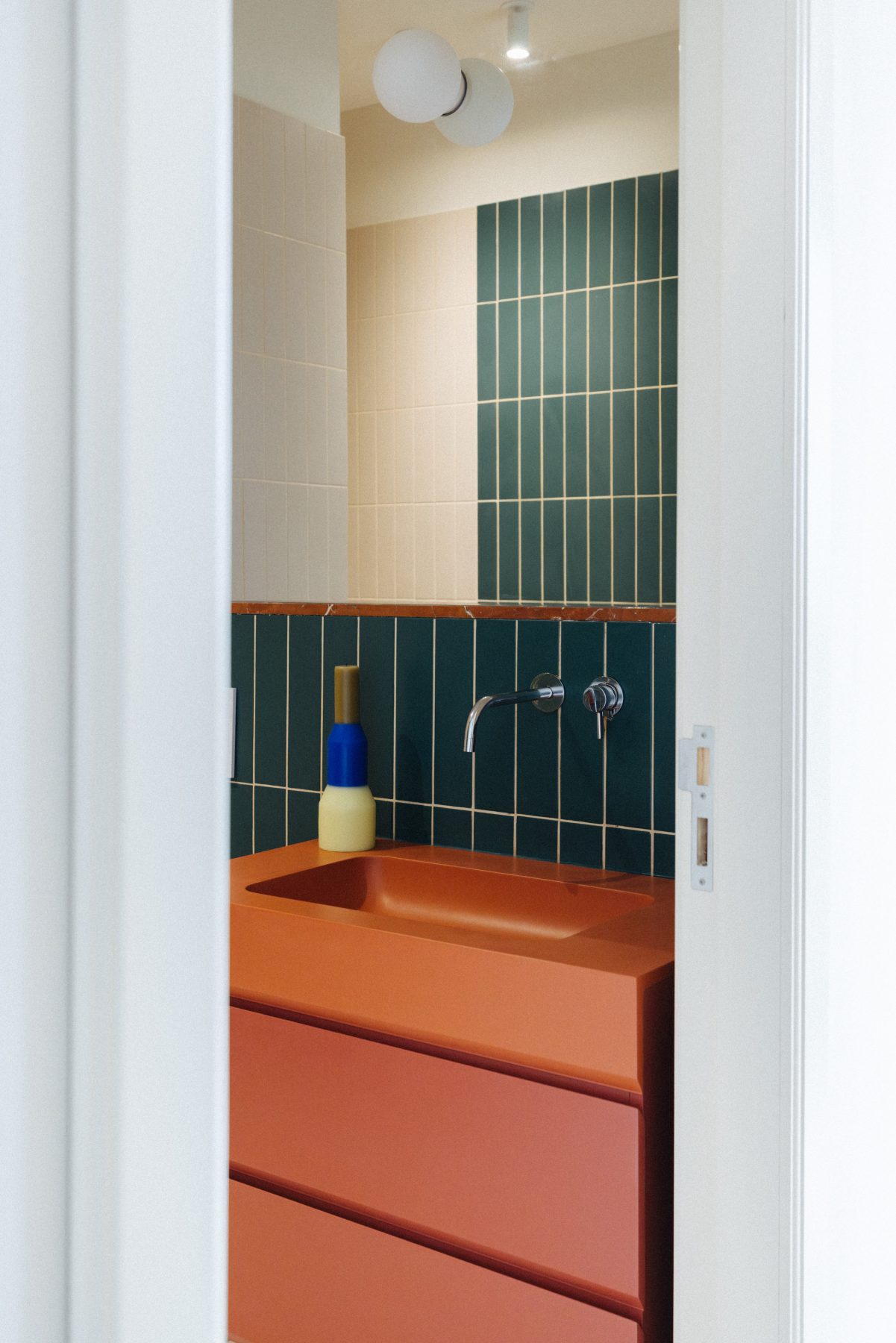
Rather than imposing a singular architectural statement, FiveOHFive’s intervention embraces contradiction: historic yet contemporary, restrained yet playful, critical yet deeply affectionate toward the building’s layered identity. Casa Hotelito resists the polished sterility of heritage renovations to remain lived-in, tactile — a house suspended between Atlantic modernity and domestic fantasy.
Drawings
Facts & Credits
Project title Casa Hotelito
Typology Restoration, Renovation, Residential
Location Los Hoteles, Santa Cruz de Tenerife, Canary Islands, Spain
Status Completed, 2025
Architecture & Interior design FiveOHFive
Kitchen Construction Bolero Estudio
Photography Silvia Gil-Roldán