‘Stories of contemporary domesticity or HOMEland’, a series curated by Archt., explores different interpretations of the notion of home through an open dialogue with contemporary architectural approaches to housing.
The seventeenth episode traces EMI Architekt*innen’s conversion of a former office space into affordable student housing in Regensdorf, Switzerland. Conceived as both an architectural intervention and a spatial research project, The Well-Tempered House proposes a radical reconsideration of domestic comfort, energy consumption and the thermal politics of inhabitation. Redirecting attention toward the interior — the building’s metabolic core, its flesh and heart — free-standing circular and oval modules, aluminum-coated curtains and a distinctive terracotta hue compose a domestic temperature ecosystem of varying microclimates: a living environmental field shaped by thermal gradients, bodily rhythms and seasonal change.
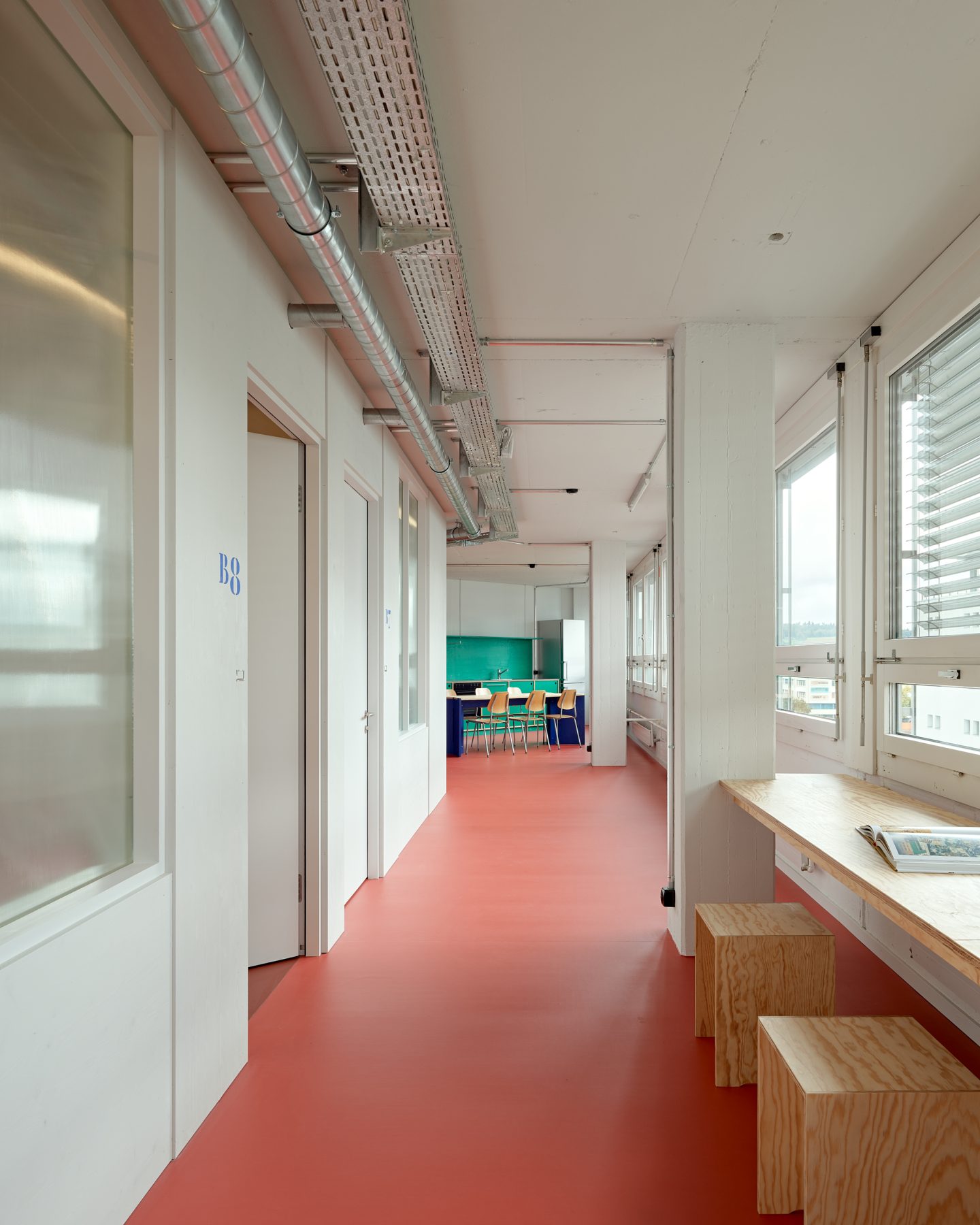
The contemporary house has long been imagined as a sealed apparatus of comfort: thermally stable, mechanically optimized and climatically indifferent. Behind the promise of neutrality, however, lies an architecture increasingly disconnected from seasonality, bodily perception and environmental consciousness. Rather than treating architecture as a fixed object requiring total technological correction, EMI understands the house as an ecosystem — a living atmospheric organism composed of thermal gradients, rhythms, habits and forms of coexistence. Here, climate is no longer hidden behind walls and mechanical systems; it becomes spatial, visible and deeply intimate.
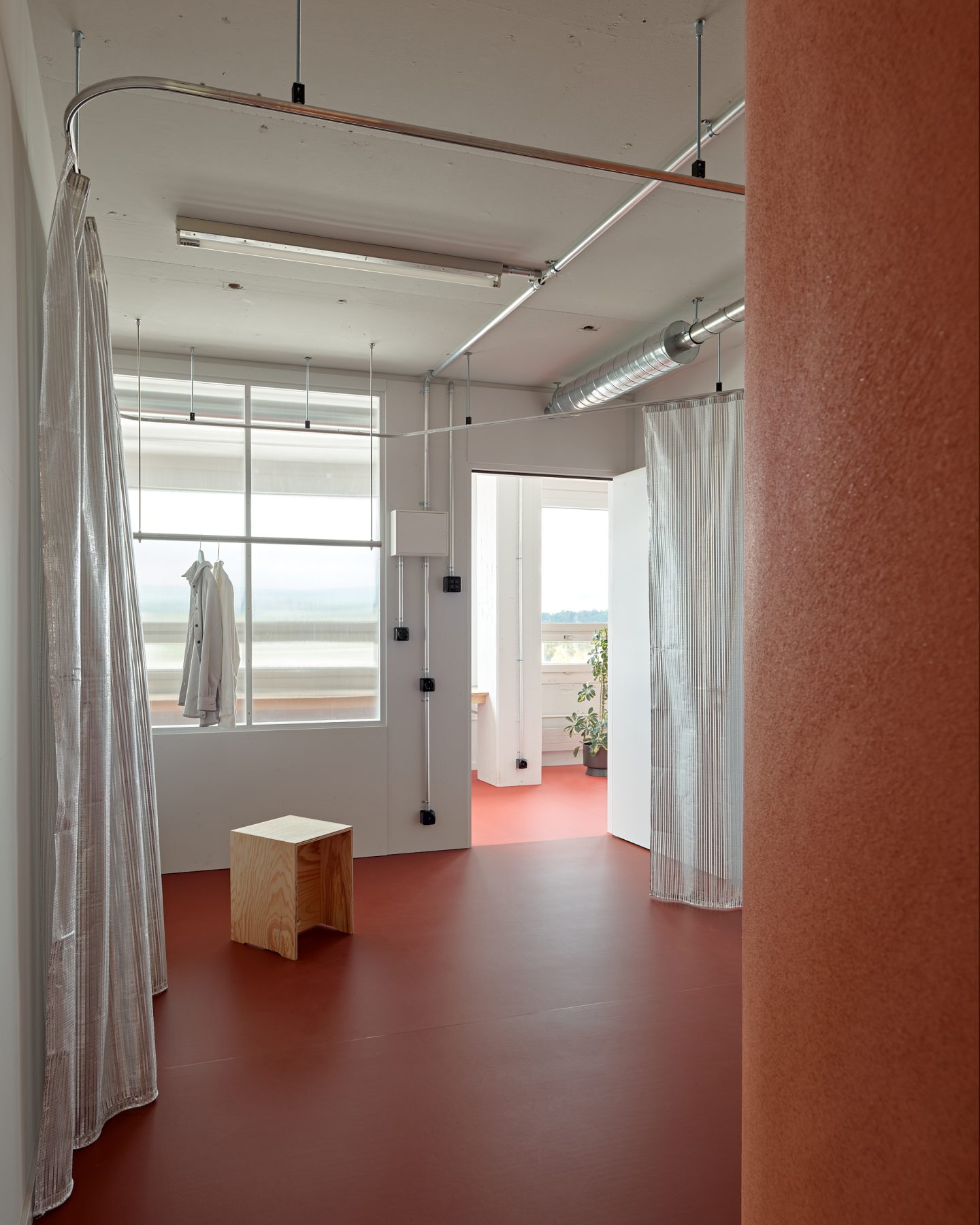
Through a restrained yet radical intervention, the architects challenge dominant paradigms of contemporary sustainability and domesticity, proposing instead a new environmental sensibility rooted in adaptation rather than control.
At a moment when office vacancy rates continue to rise while affordable housing shortages intensify across European cities, the project addresses a pressing architectural paradox. Existing office buildings frequently fail to comply with contemporary energy standards, yet their demolition or full refurbishment often entails substantial economic and environmental costs. In Switzerland alone, hundreds of thousands of square meters of office space remain vacant.
Echoing Lacaton & Vassal’s long-standing advocacy for transformation over demolition, where architectural value emerges through spatial generosity and intelligent reuse rather than technological excess (Druot, Lacaton & Vassal, 2007), the Well-Tempered House responds by reframing adaptive reuse as an ecological and atmospheric negotiation between existing structures, bodies and climates.
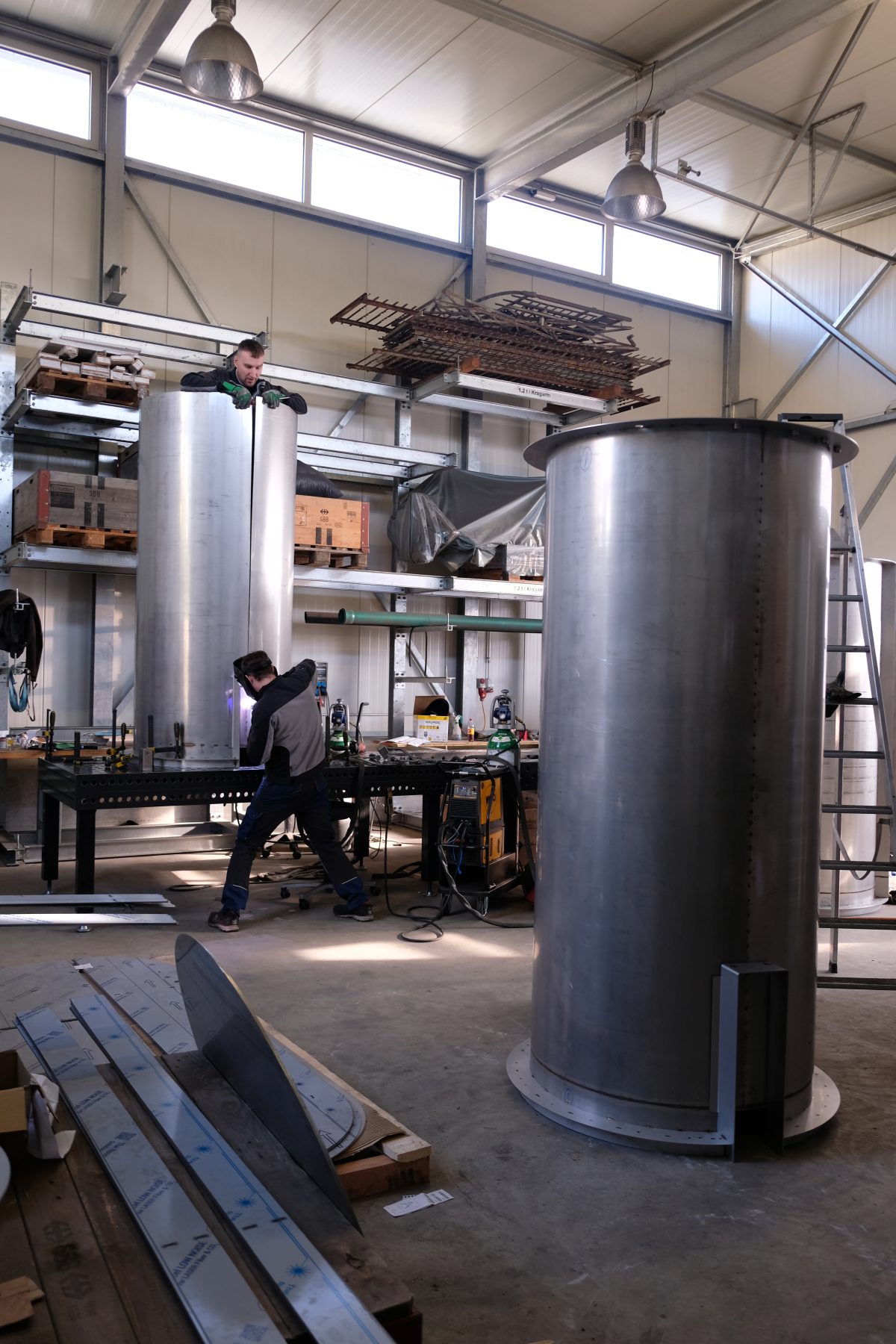
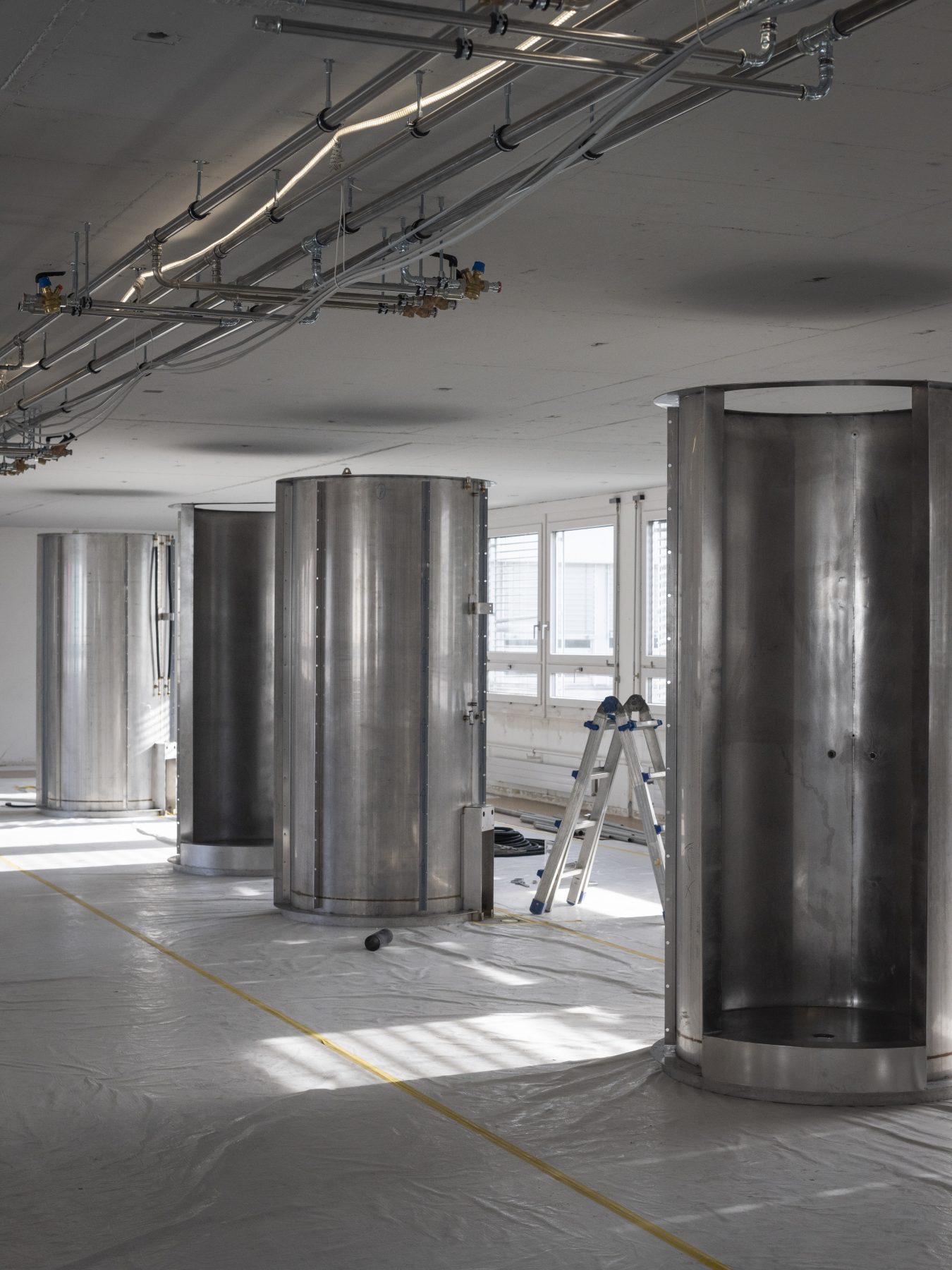
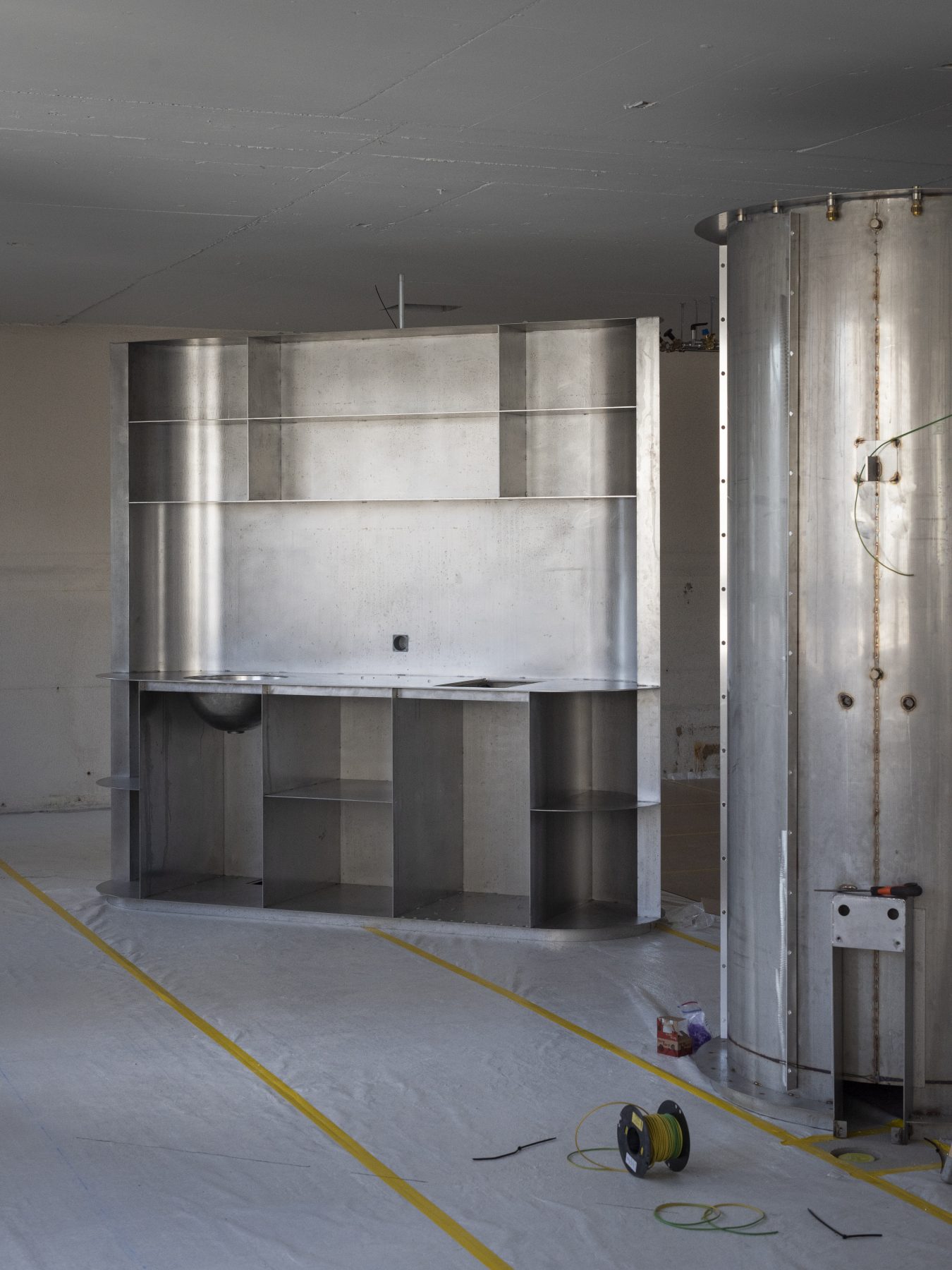
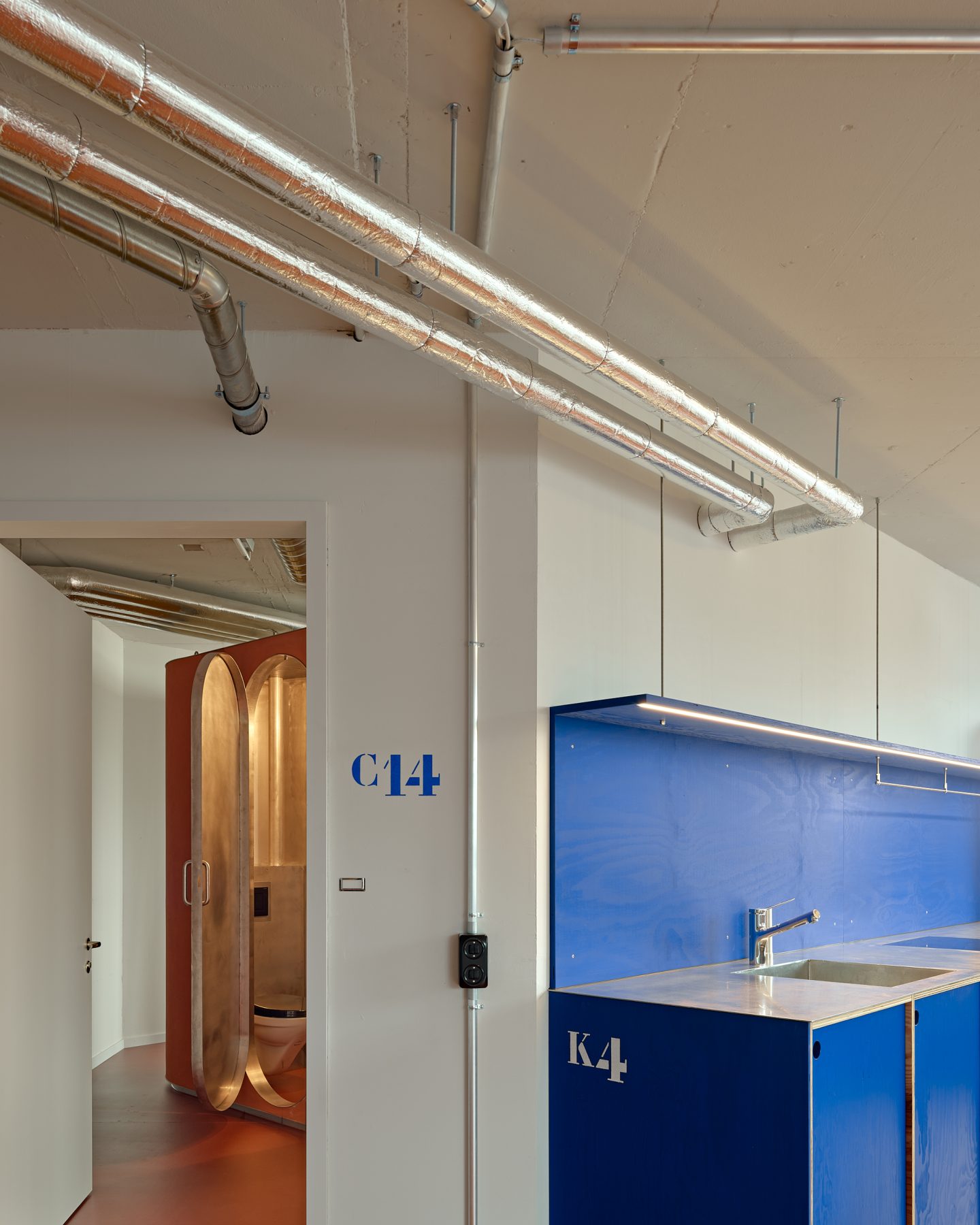
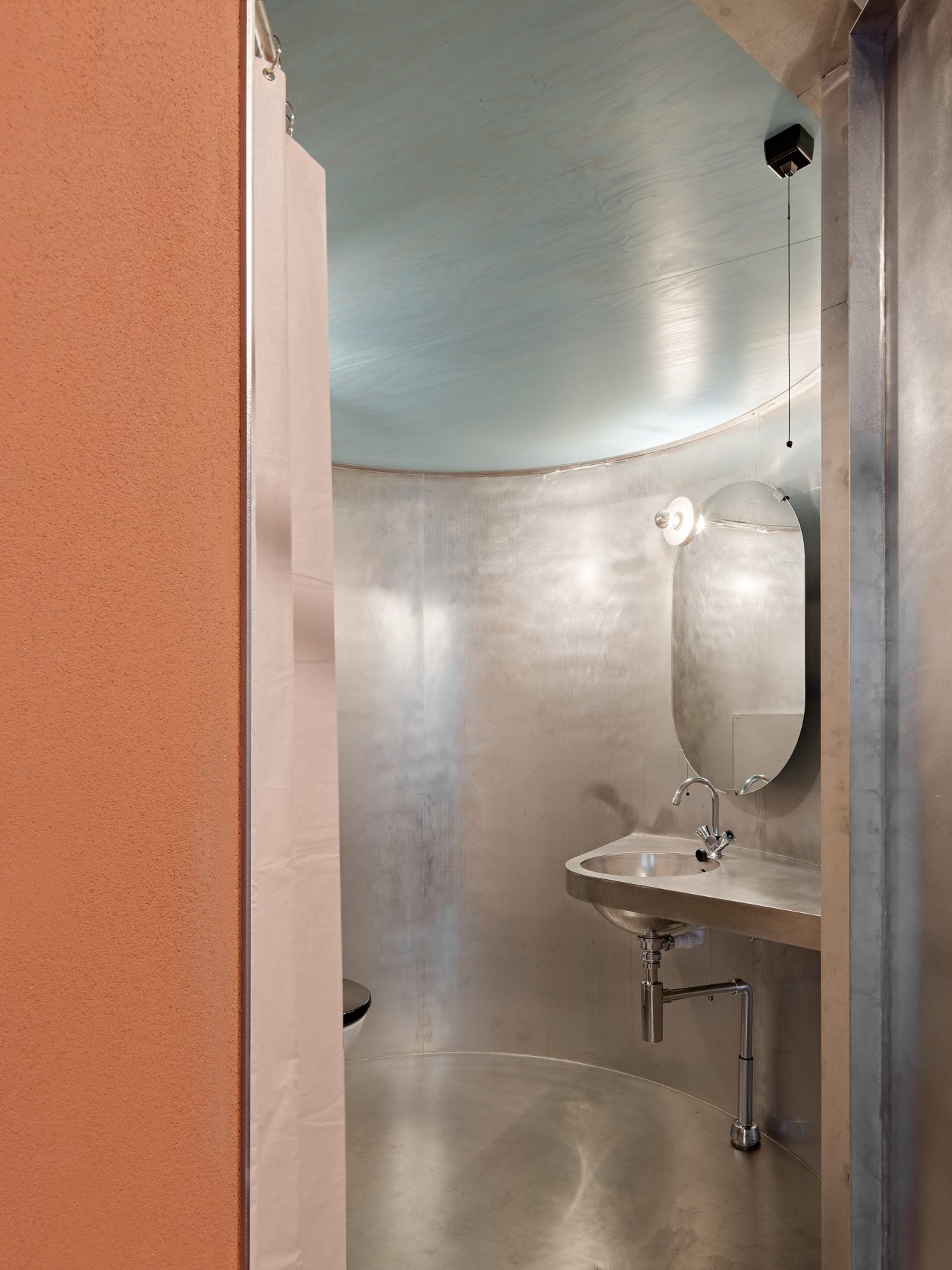
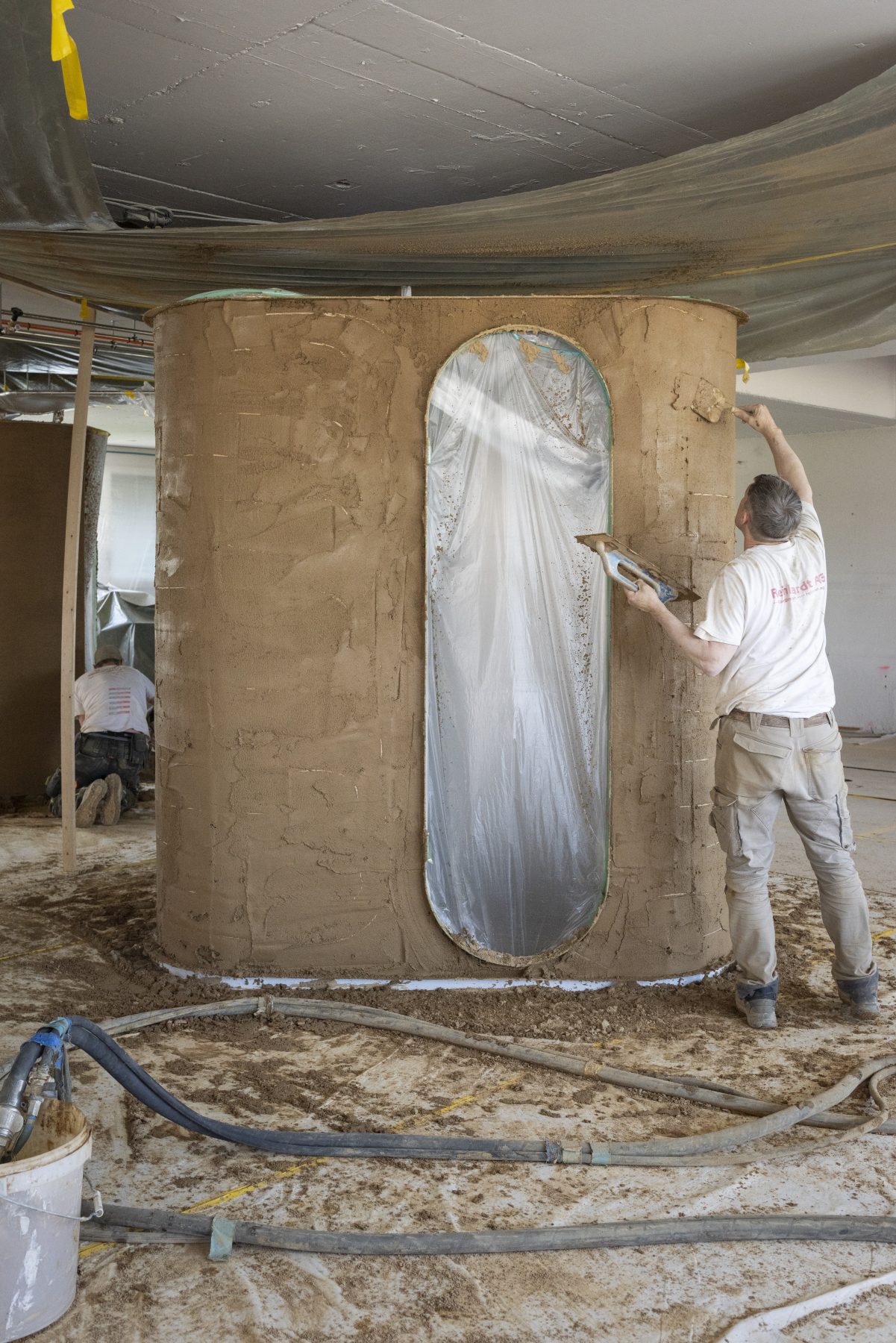
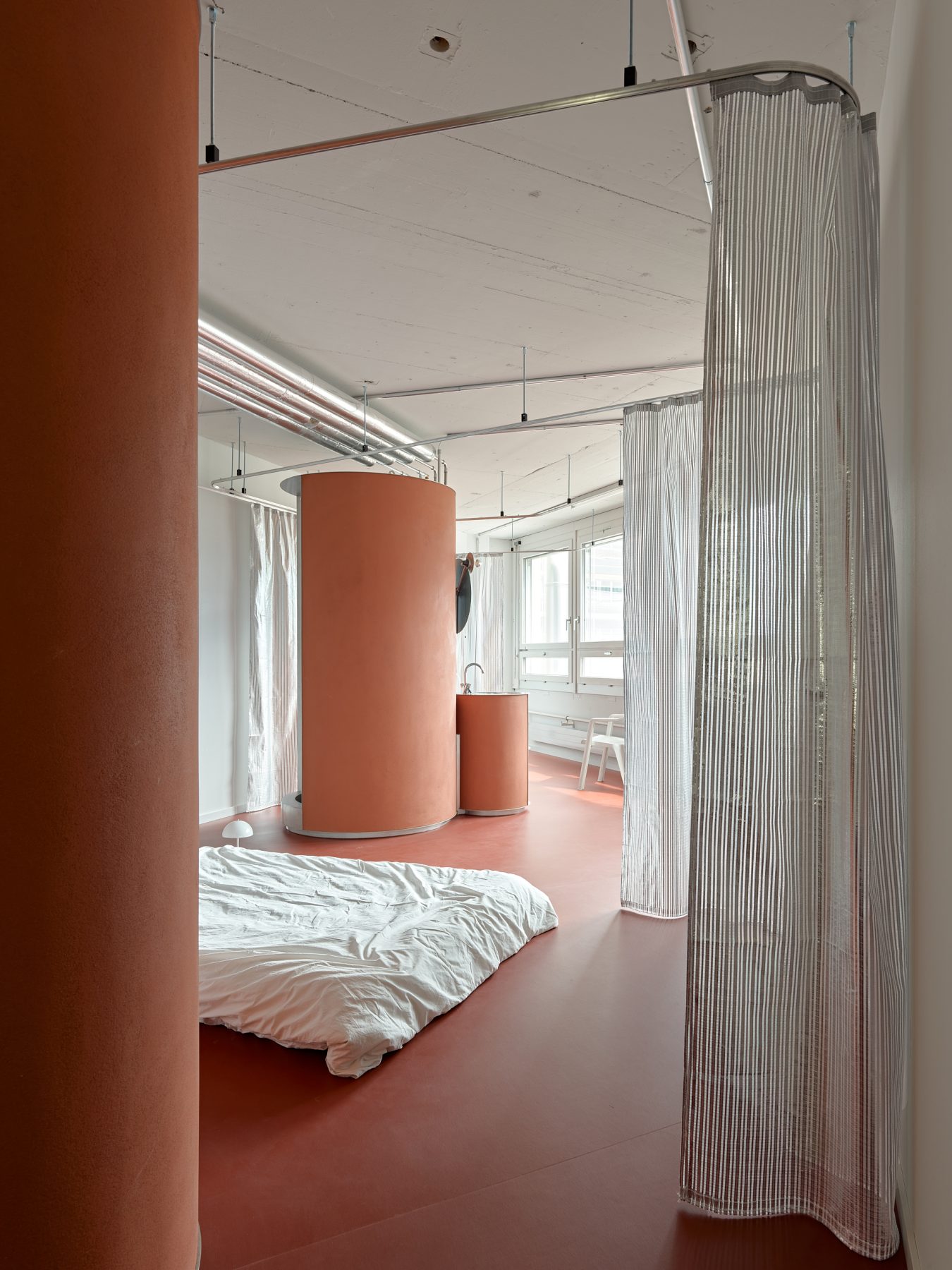
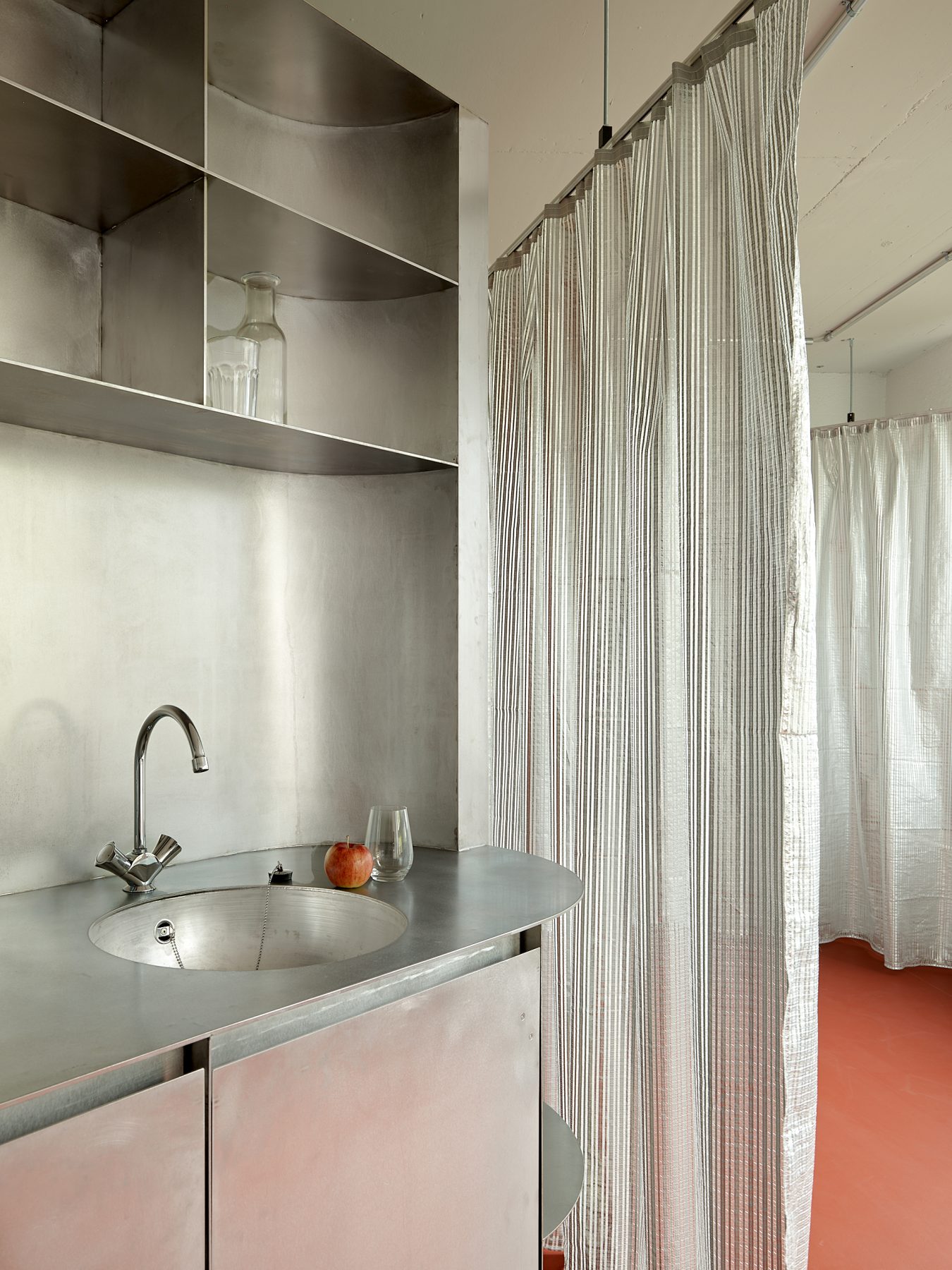
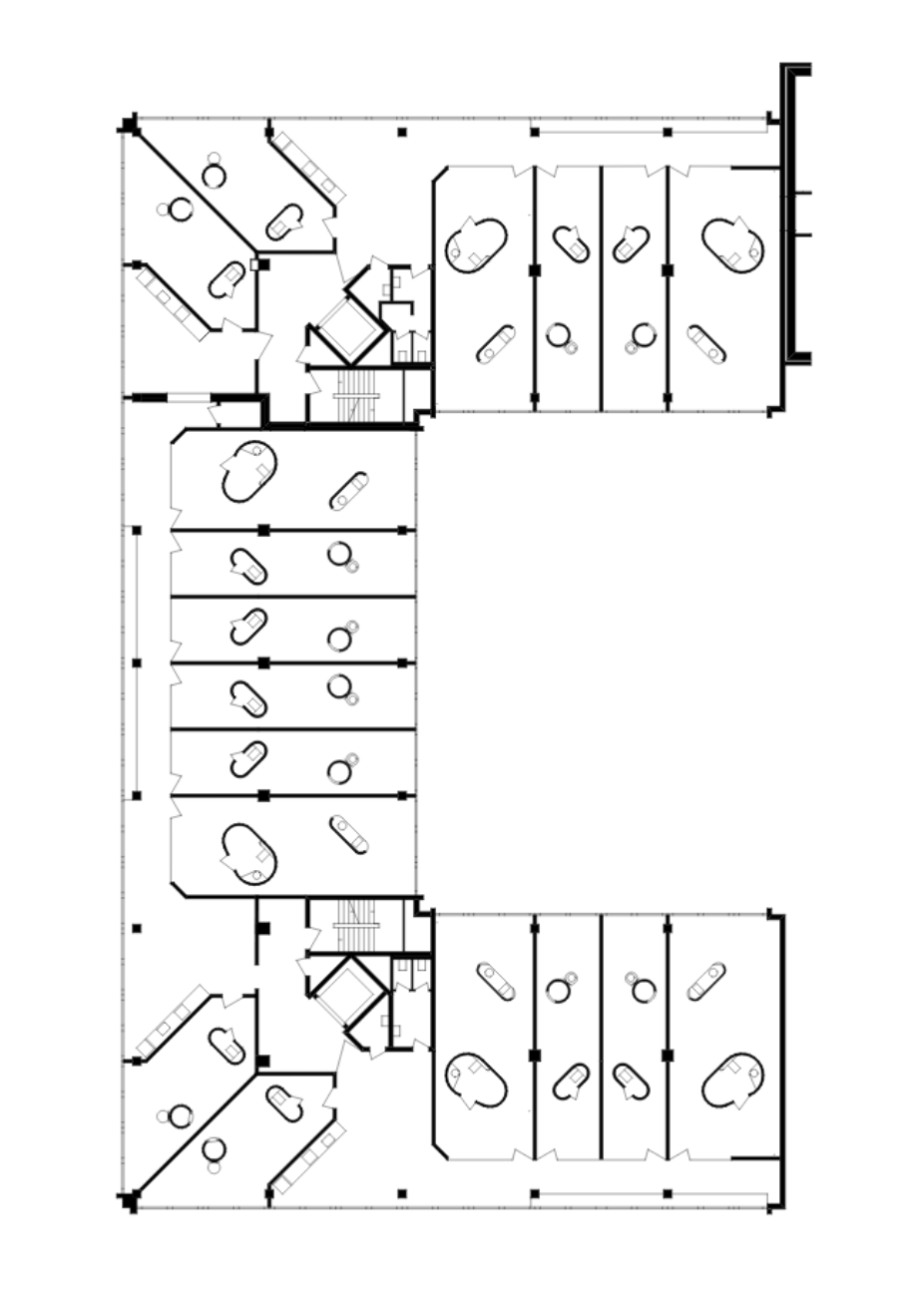
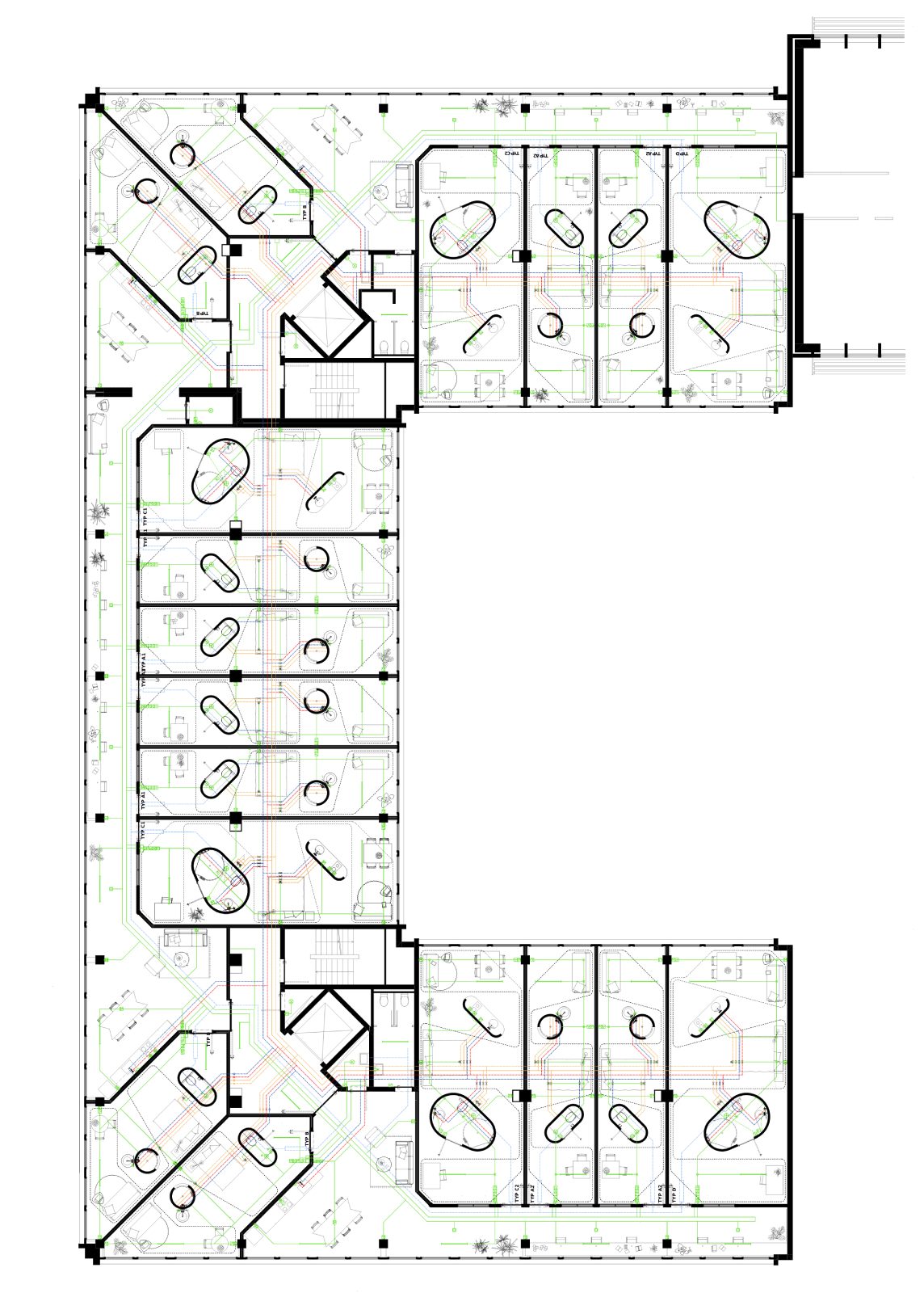
Inside the former office shell, free-standing circular and oval capsules host the rituals of domestic life such as cooking, bathing and storage.
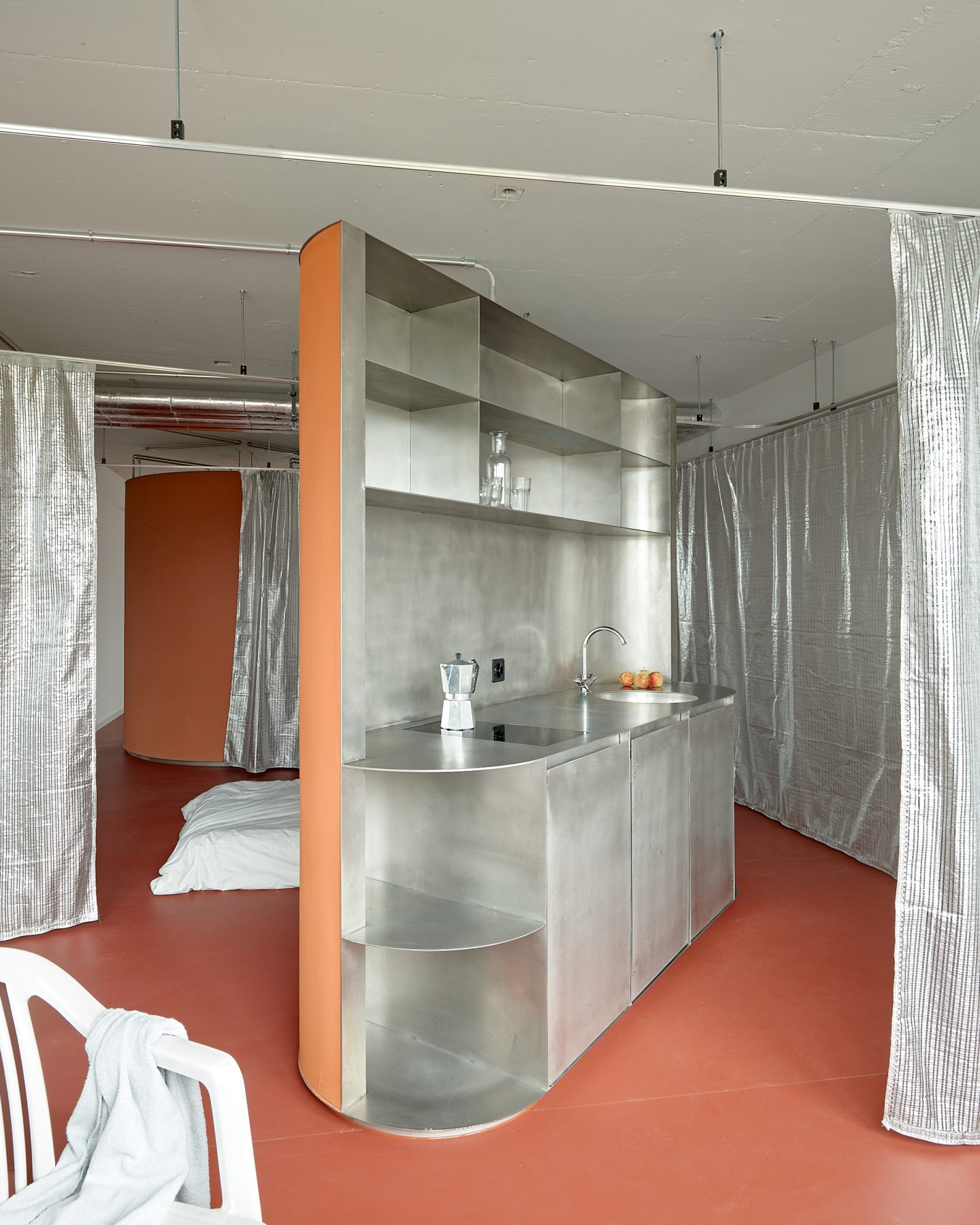
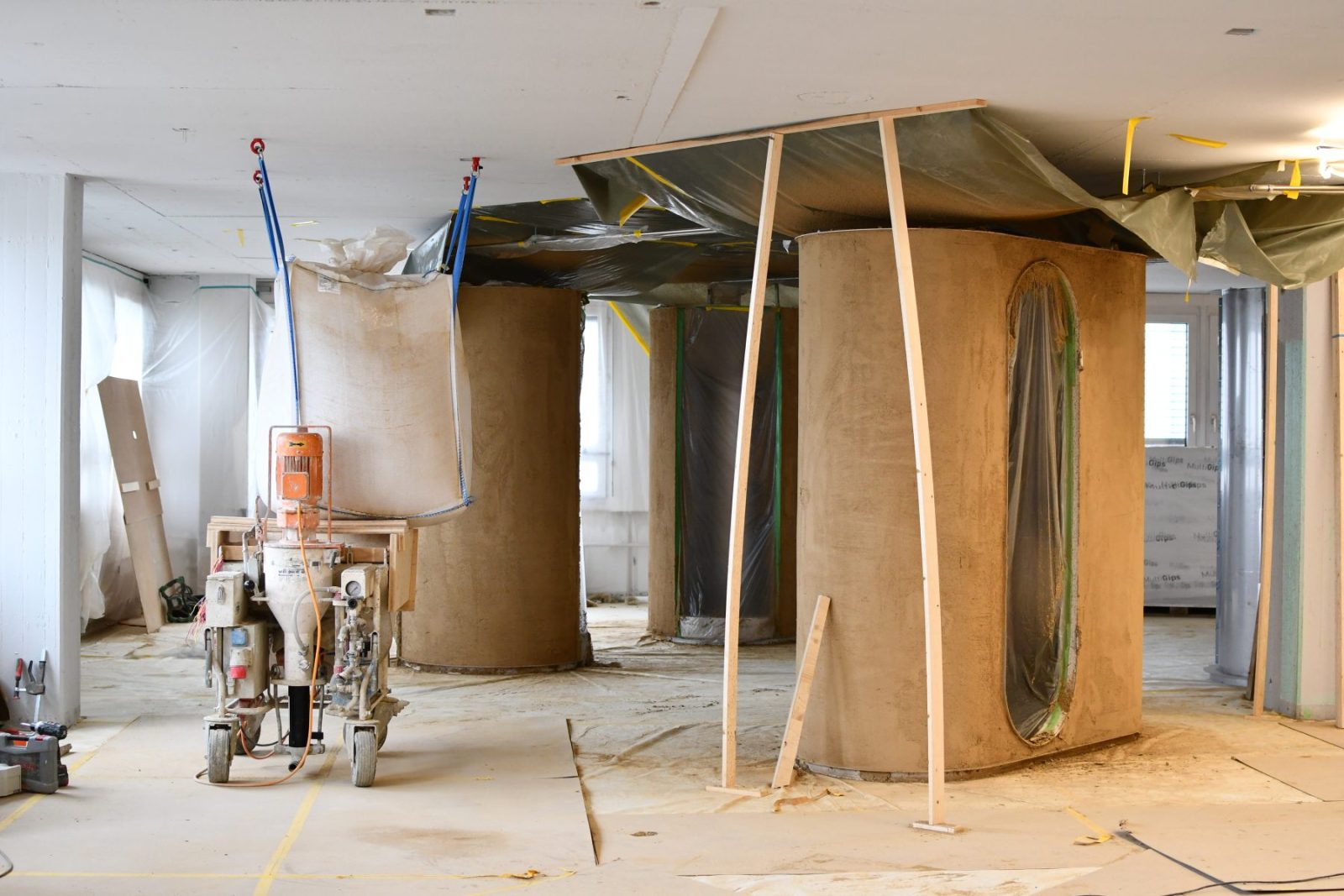
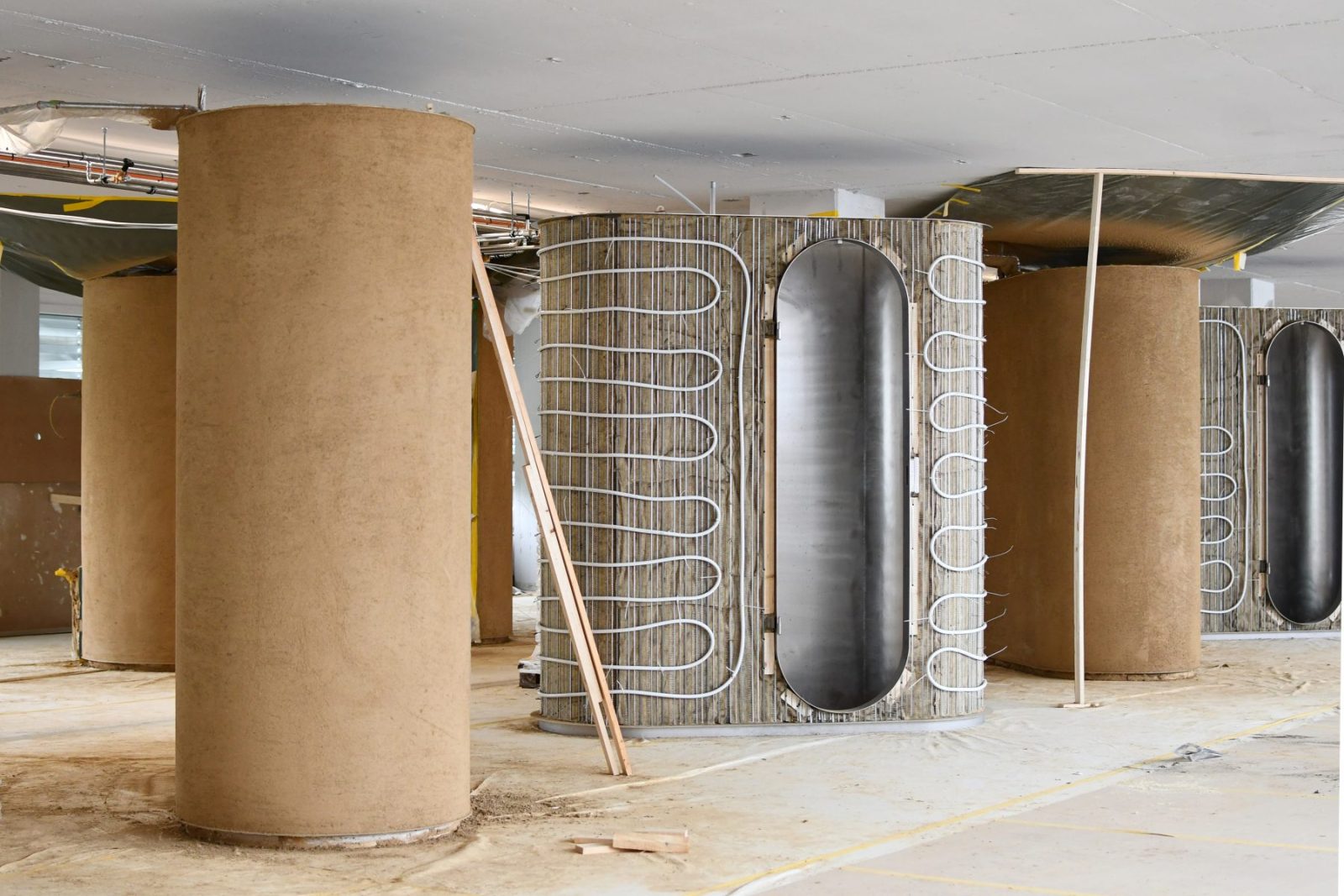
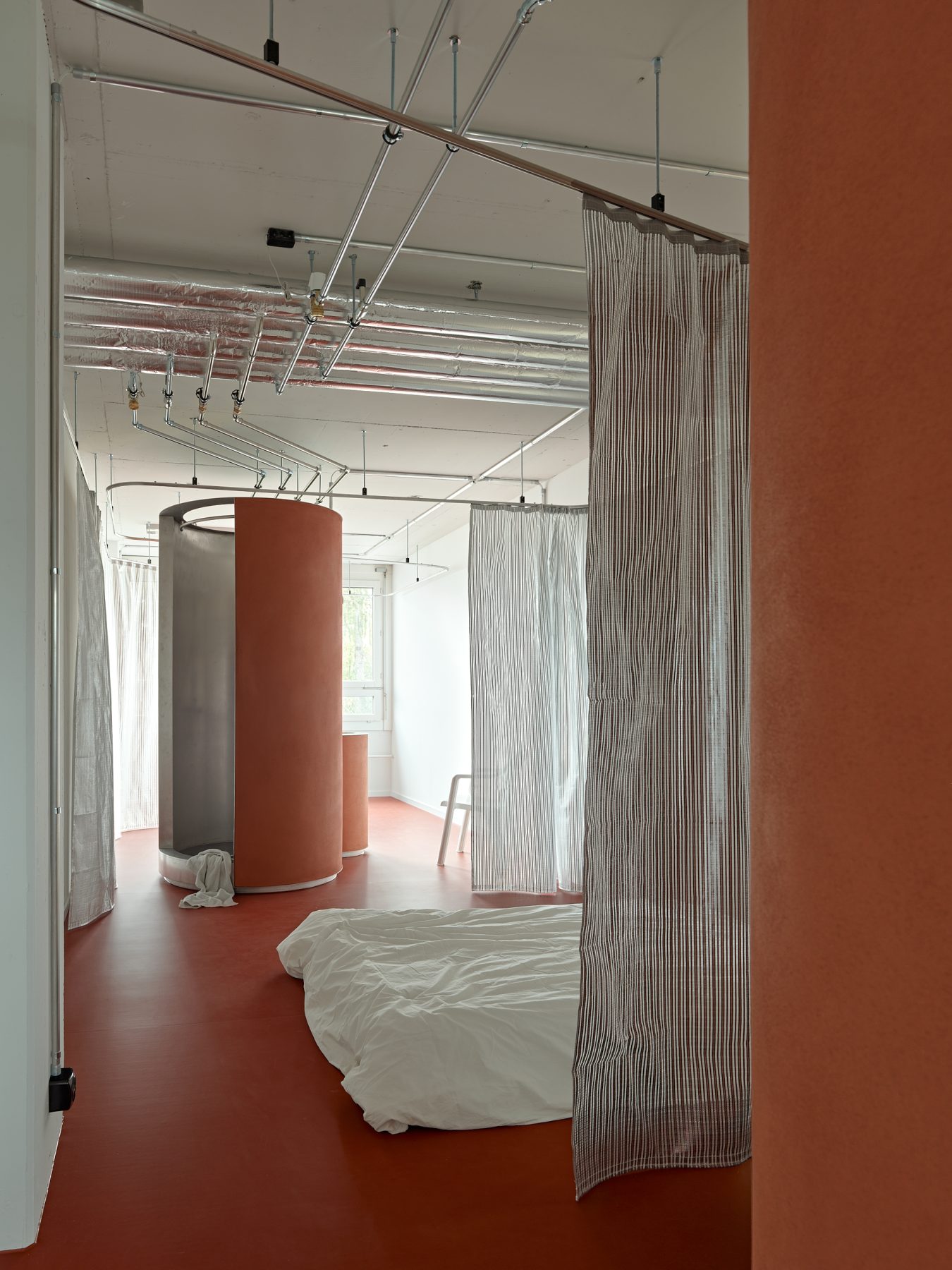
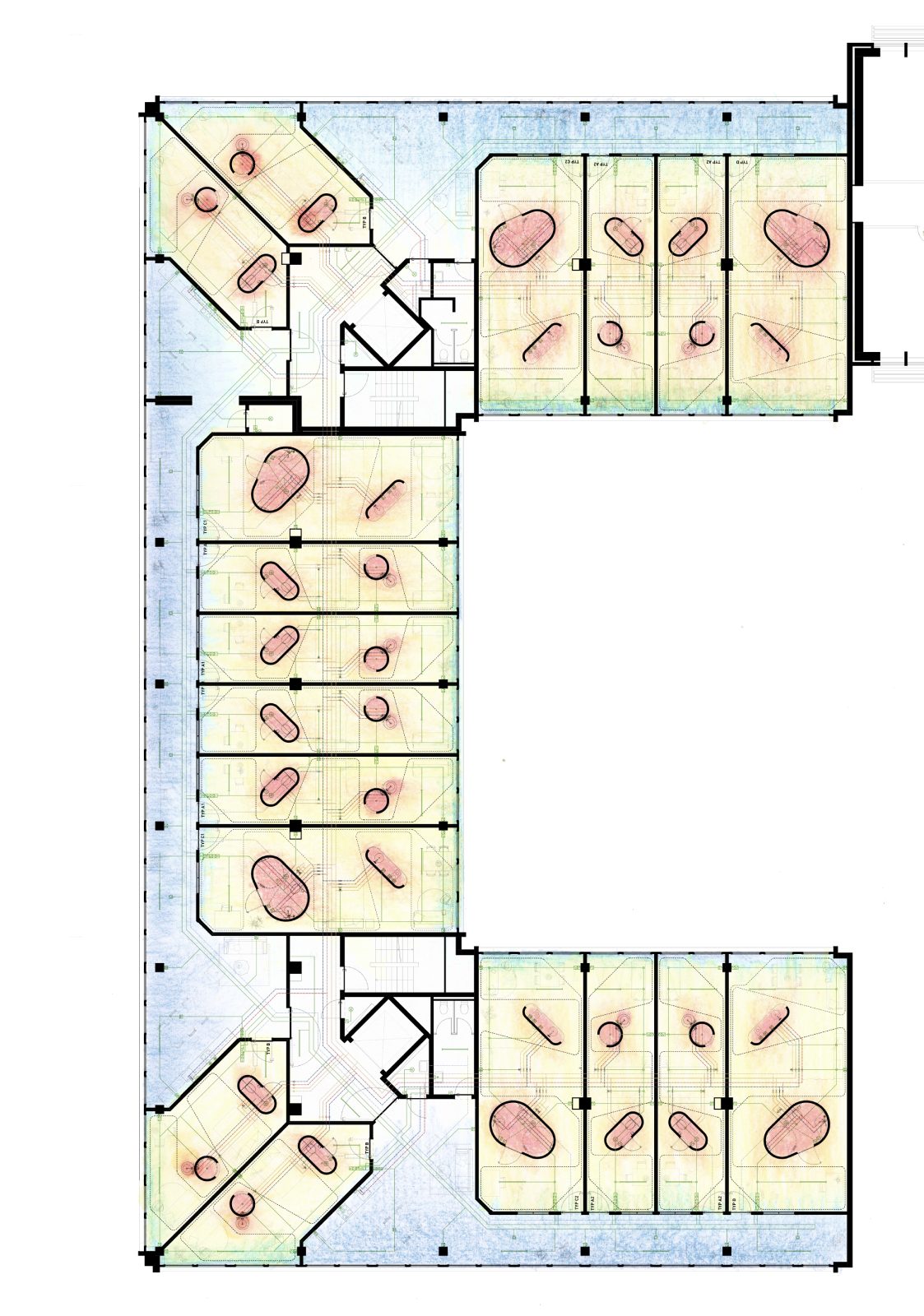
These thermally activated steel-and-clay apparatuses organize the open living hall into differentiated climatic zones rather than uniformly conditioned interiors.
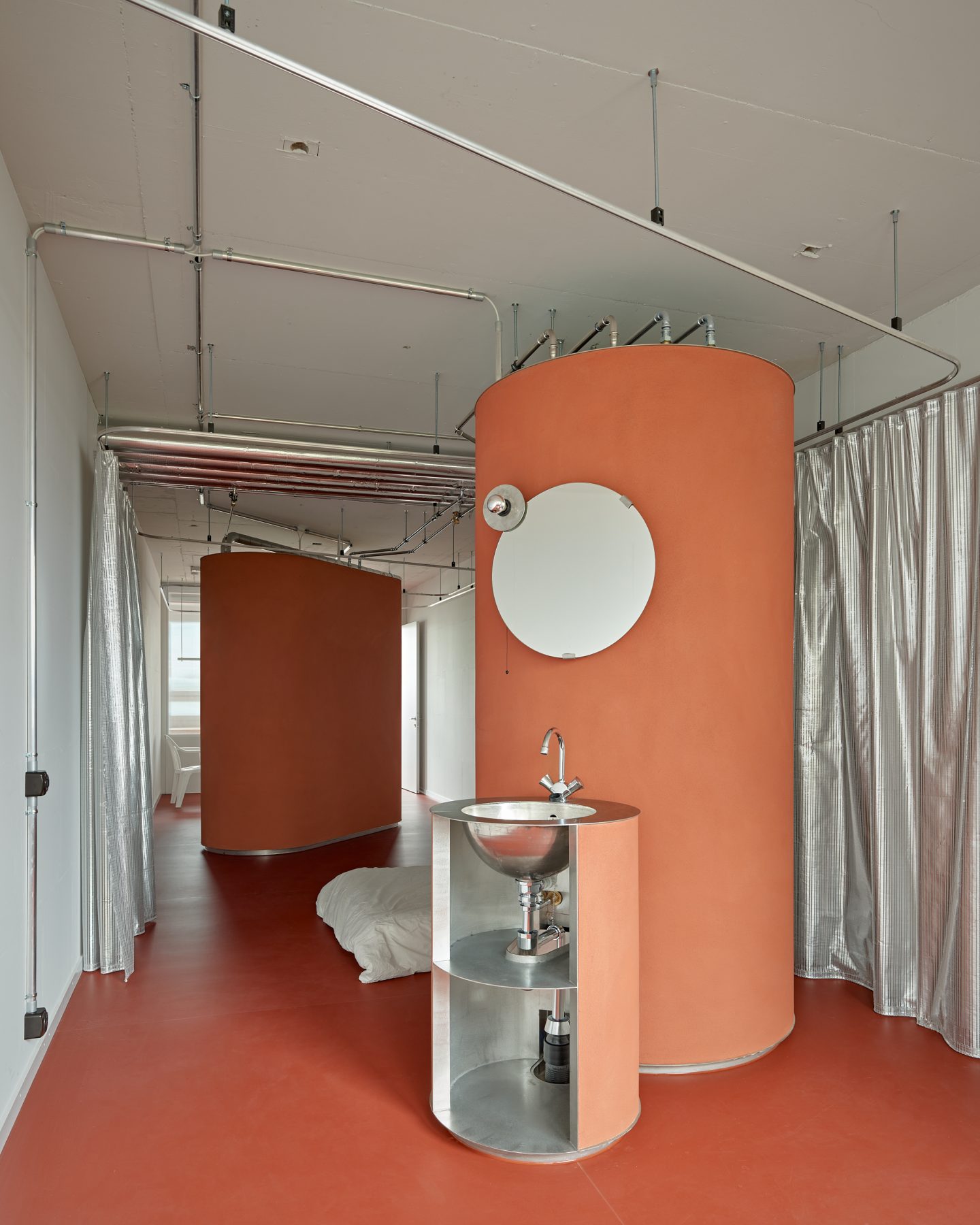
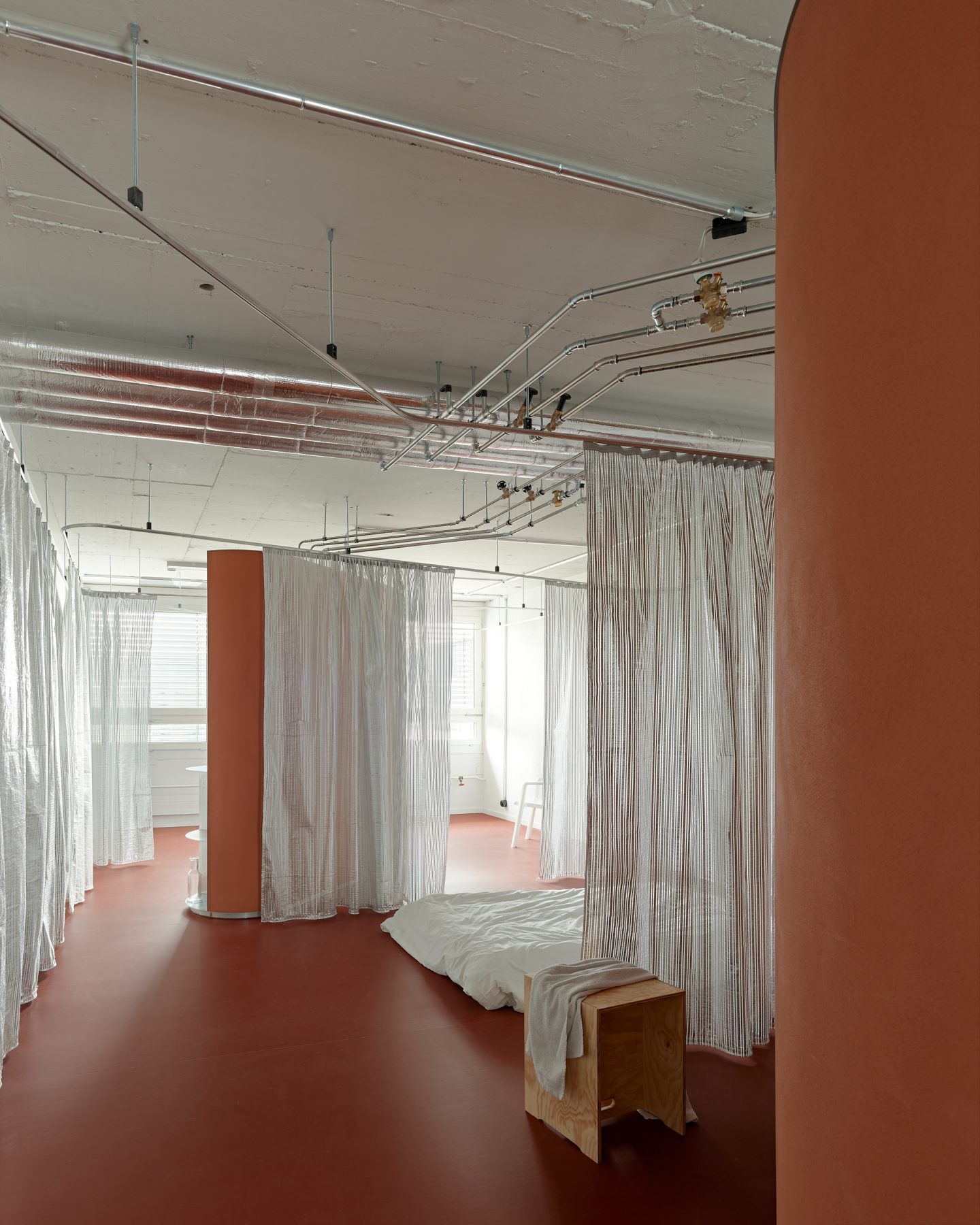
Resonating with Stewart Brand’s proposition that buildings should be understood as evolving systems rather than static objects (Brand, 1994), aluminum-coated curtains further modulate heat distribution, allowing residents to inhabit shifting thermal atmospheres according to season, activity and bodily preference.
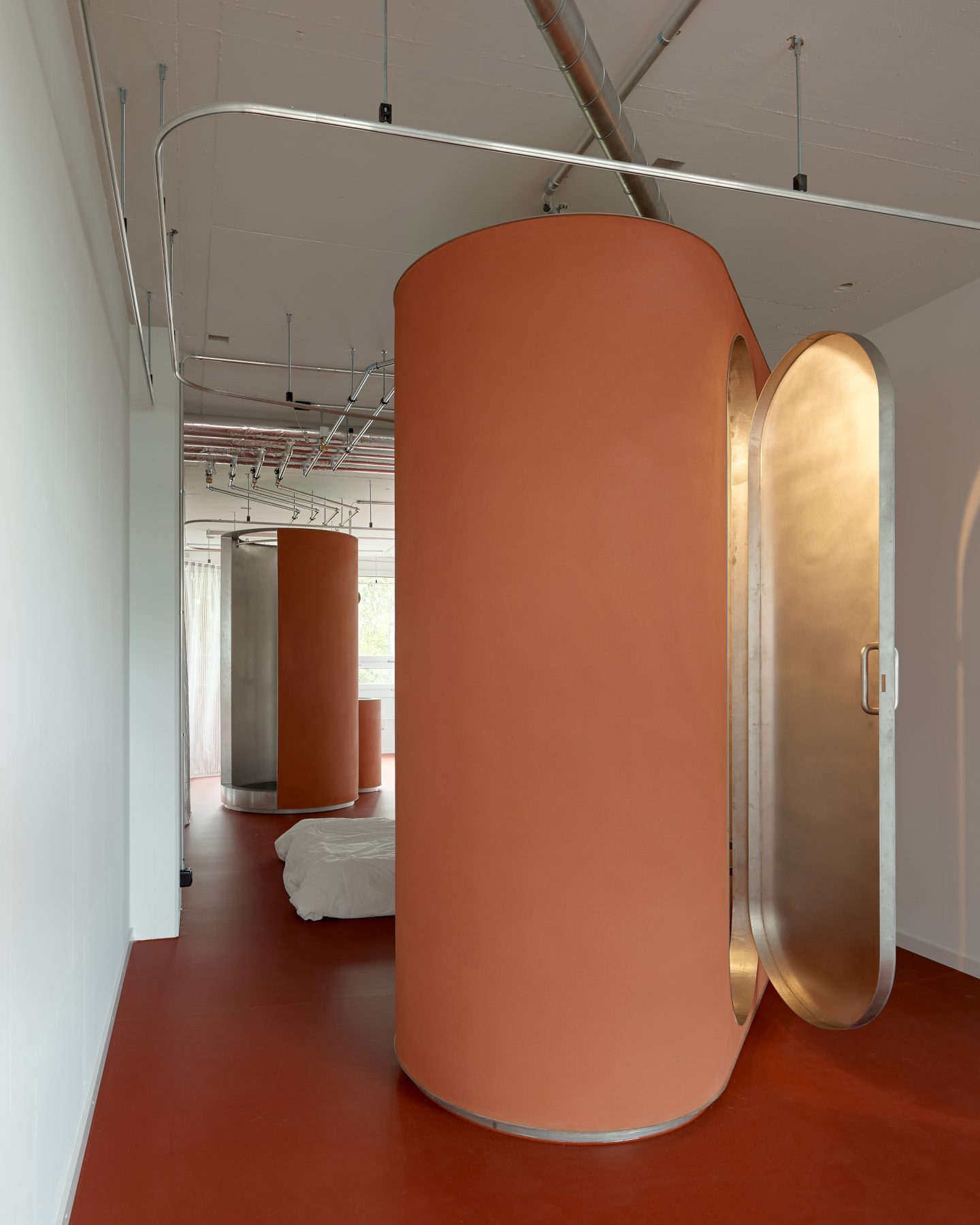
Domestic space becomes less a fixed container and more an environmental field: reactive, negotiable and alive.
In this sense, the project critically questions the modern ideal of the “well-tempered environment,” a concept historically associated with the universalized indoor climate of late modernity. Reyner Banham famously described how twentieth-century architecture progressively abandoned environmental mediation through form in favor of the total mechanization of comfort, where atmosphere became standardized, invisible and endlessly regulated (Banham, 1969). EMI Architekt*innen reverse this logic. Instead of concealing climate through seamless technological control, they reintroduce thermal awareness into everyday life.
Heat once again becomes perceptible, situated and embodied. The project recalls pre-industrial domestic spaces organized around the stove as both thermal and social nucleus.
Before central heating neutralized seasonal variation, warmth possessed geography: one gathered around heat, lingered beside it, migrated through colder rooms. Comfort was relational rather than constant. Philosopher Peter Sloterdijk’s understanding of interiors as constructed atmospheres — engineered spheres shaping emotional and collective existence — becomes especially resonant here (Sloterdijk, 2009). EMI Architekt*innen expose the hidden politics of climatic control by transforming thermal regulation into an explicit architectural presence rather than an invisible technical background.
Instead of sustaining the contemporary expectation of a perpetual 21-degree interior, the project proposes a domestic temperature landscape composed of varying microclimates.
The dwelling thus acquires seasonal rhythms largely erased by contemporary mechanical systems. Warmer zones encourage gathering and intimacy; cooler zones provoke movement, alertness and adaptation. In this way, climate re-enters domestic life as rhythm rather than inconvenience.
The house becomes temporally sensitive once again, capable of registering winter and summer not merely visually, but atmospherically and bodily.
This environmental intelligence aligns closely with Philippe Rahm’s meteorological approach to architecture, where temperature, humidity and air are treated as primary spatial materials shaping forms of inhabitation (Rahm, 2009). Likewise, Tim Ingold’s notion of dwelling as an ongoing correspondence between bodies and environments illuminates the project’s deeper significance: architecture is not simply occupied, but continuously negotiated through atmospheric interaction (Ingold, 2011).
By preserving the existing facade and investing instead in an emission-free heating strategy, EMI Architekt*innen actively challenge dominant assumptions surrounding sustainability.
The project suggests that ecological architecture does not necessarily emerge from technologically overdetermined “smart” buildings, but from a recalibration of expectations, habits and sensory relationships to climate. Sustainability here becomes cultural as much as technical. The Well-Tempered House imagines domesticity as an ecosystem — a fragile network of thermal, spatial and social interdependencies. It proposes housing not as a sealed machine for climatic neutrality, but as a living atmospheric landscape attuned to bodies, seasons and rituals of coexistence.
In an era increasingly shaped by environmental instability, The Well-Tempered House suggests that the task of ecological architecture is not to isolate us from climate, but to teach us, once again, how to live within it.
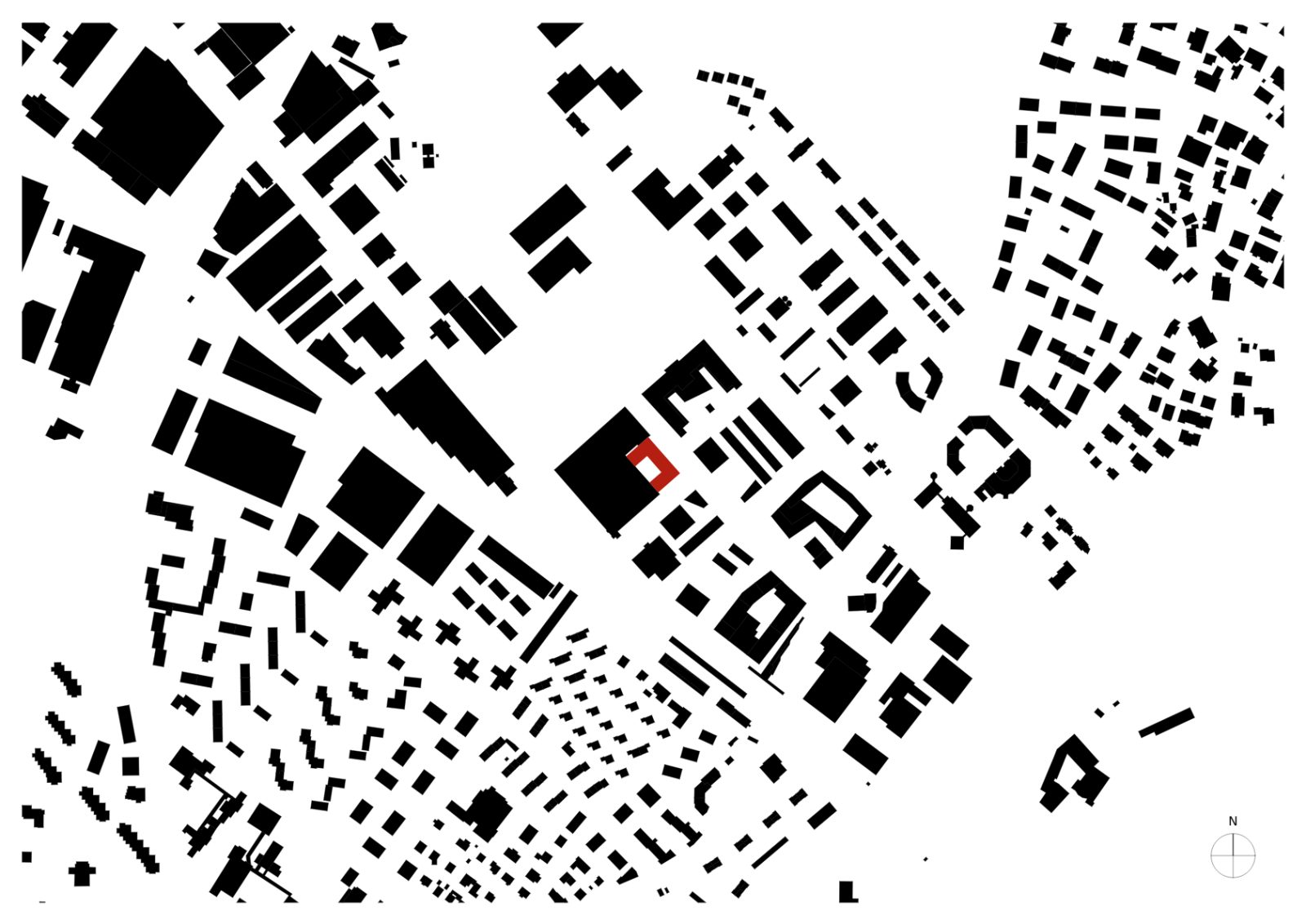
Facts & Credits
Project title The Well-Tempered House
Typology Stories of Contemporary Domesticity, Student Housing, Affordable Housing, Adaptive Reuse, Research Project
Episode 17th
Location Regensdorf, Zurich, Switzerland
Site area 1.363 m2
Built area 4.089 m3
Status Completed, 2021–2025
Architecture EMI Architekt*innen
Consultation Prof. Dr. Arno Schlüter, ETH Zurich
HLS planning Grünberg & Partner, Zurich
Civil engineer Baertschi Partner Bauingenieure AG, Ehrendingen
Electrical planning Elprom Partner AG, Dübendorf
Building physics Anex Ingenieure AG, Zurich
Photography Roland Bernath, Alexander Gebetsroither, EMI Architekt*innen
Bibliography
Banham, R. (1969) The Architecture of the Well-Tempered Environment. London: Architectural Press.
Brand, S. (1994) How Buildings Learn: What Happens After They’re Built. New York: Viking Press.
Druot, F., Lacaton, A. and Vassal, J.-P. (2007) Plus: Large Scale Housing Development. Barcelona: Gustavo Gili.
Ingold, T. (2011) Being Alive: Essays on Movement, Knowledge and Description. London: Routledge.
Rahm, P. (2009) Architecture météorologique. Paris: Archibooks.
Sloterdijk, P. (2009) Terror from the Air. Los Angeles: Semiotext(e).