Implementing a placemaking design strategy, Un Parell d’Arquitectes in collaboration with visual artist Quim Domene transform domestic ruins into ‘Can Sau. Emergency scenery’, a public vertical landscape that fosters and reactivates Olot’s urban sense of community.
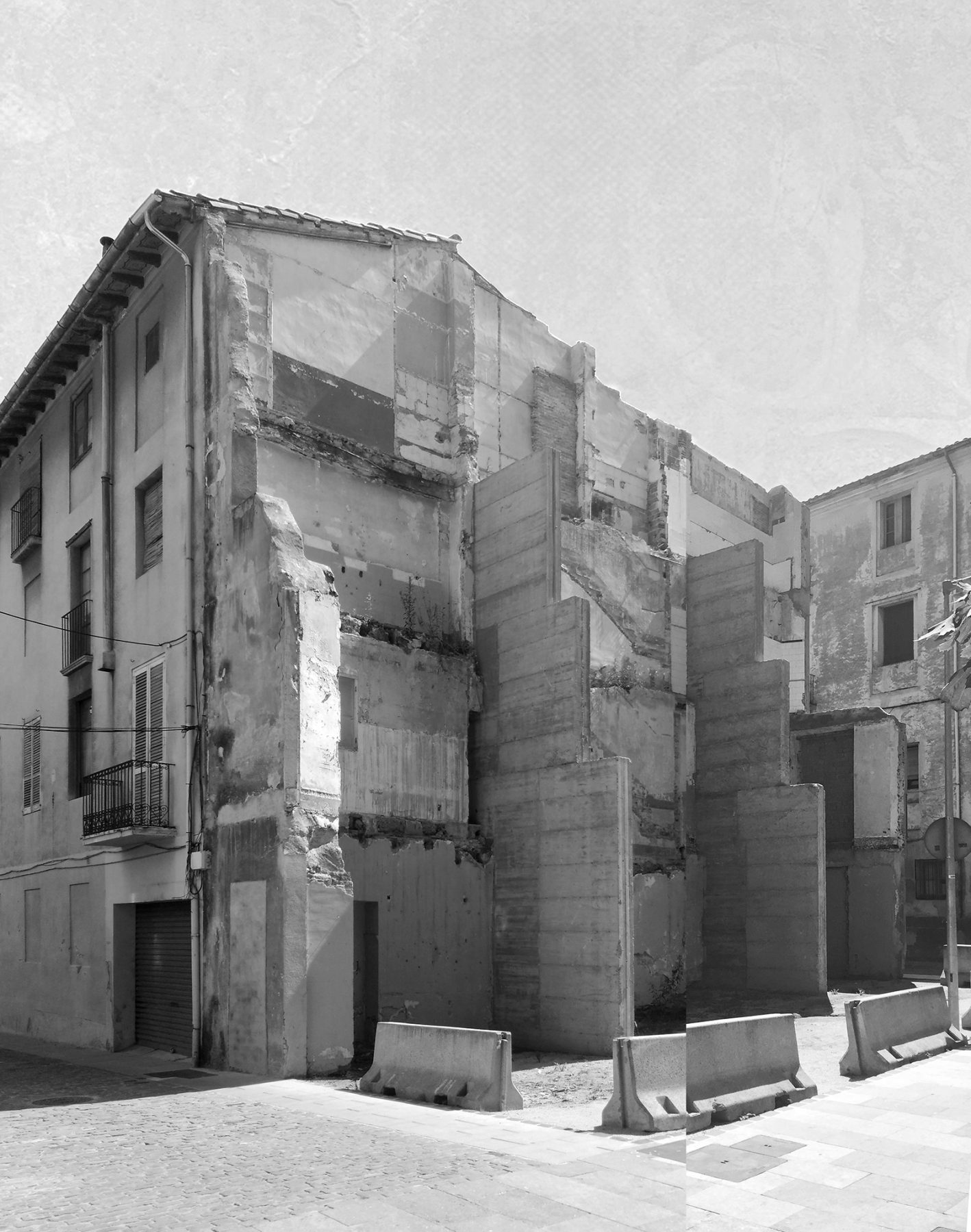
In the medieval Catalan town of Olot, some 100 km north of Barcelona and home to around 35,000 inhabitants, the historic center has long been shaped by a quiet but persistent process of attrition. As residents gradually moved outward, aging buildings were left to decay, and demolition became a recurring, almost routine act—producing voids that erode the continuity and urban character of the city fabric.
“Demolitions are common in the historic center of Olot; for different reasons, they lead to the same consequences: abandoned lots, loss of urbanity, the disfigurement of the street, the erosion of the ordinary landscape,” said Eduard Callís and Guillem Moliner of Un Parell d’Arquitectes.
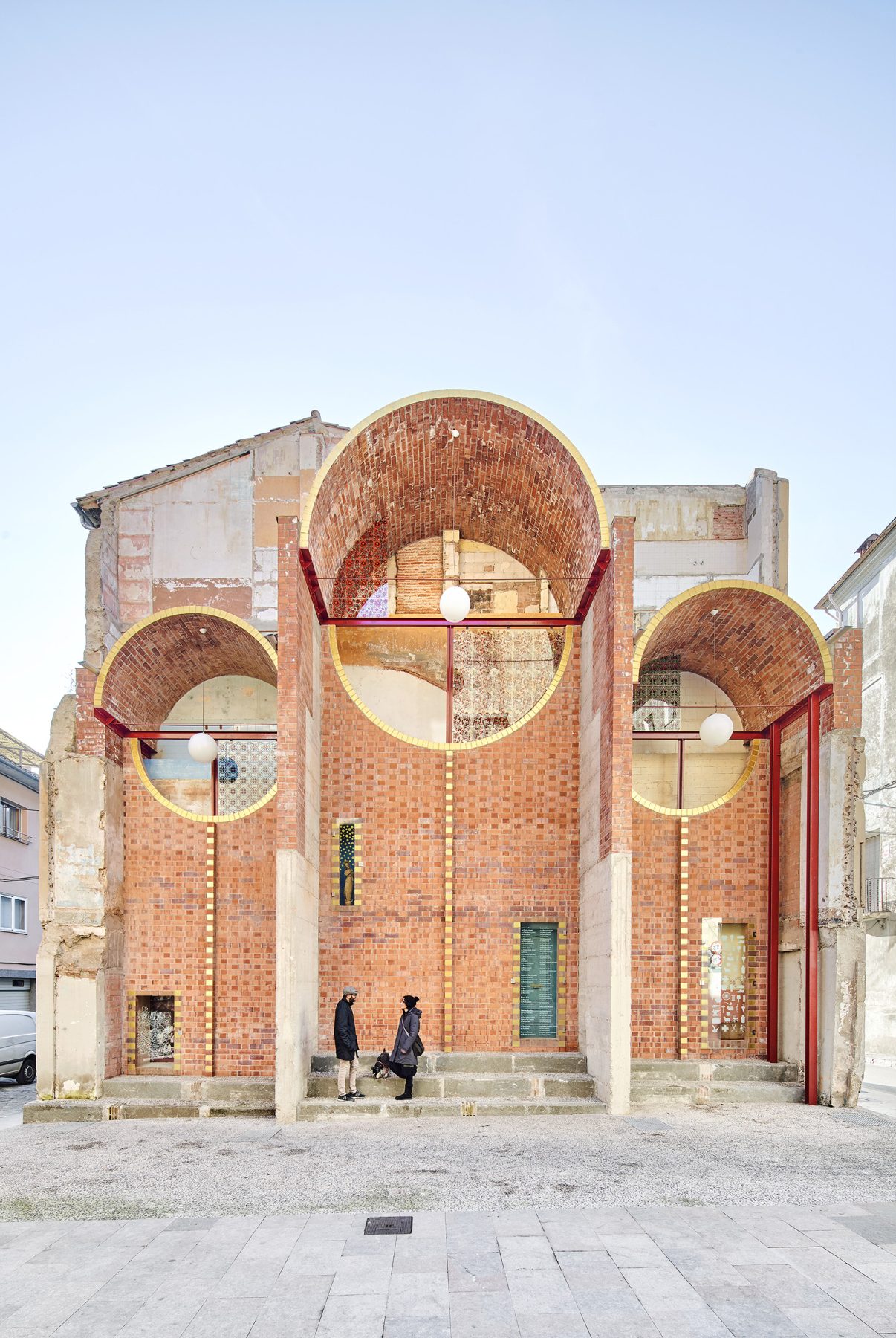
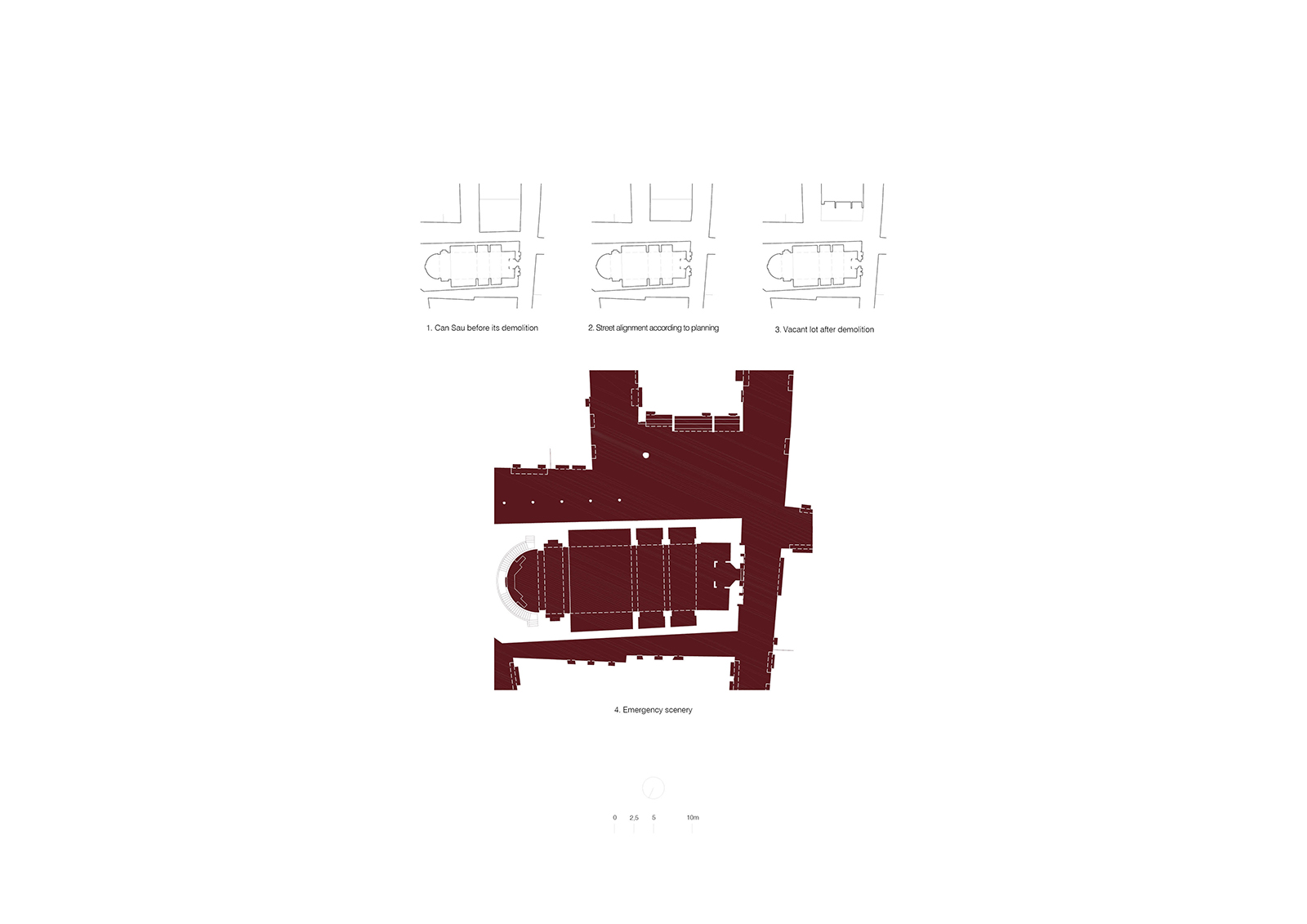
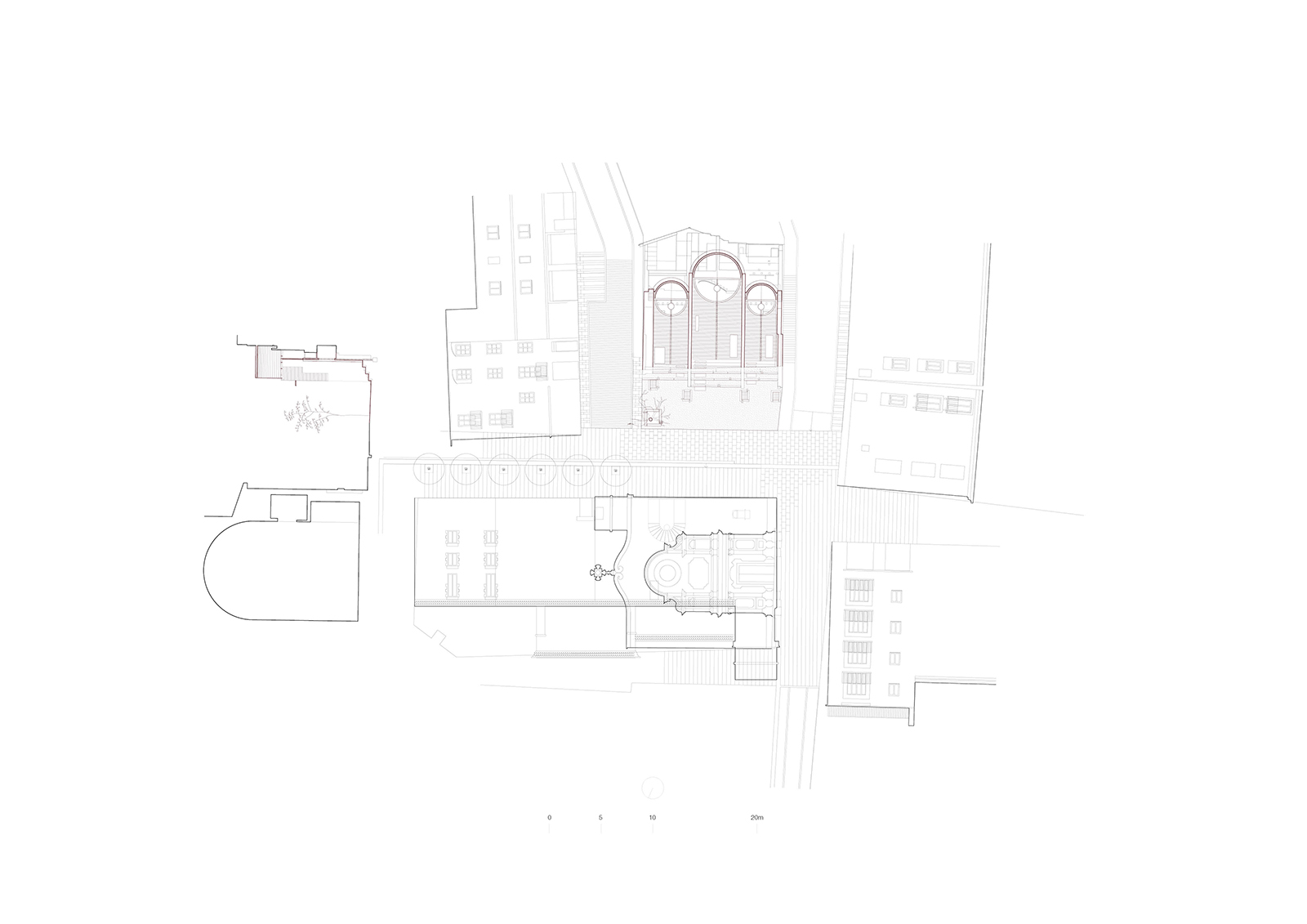
From the ruins of the Sau House, local architecture office Un Parell d’Arquitectes created Can Sau—a public space, a social plaza, or, as the architects call it, an inhabitable “emergency scenery.”
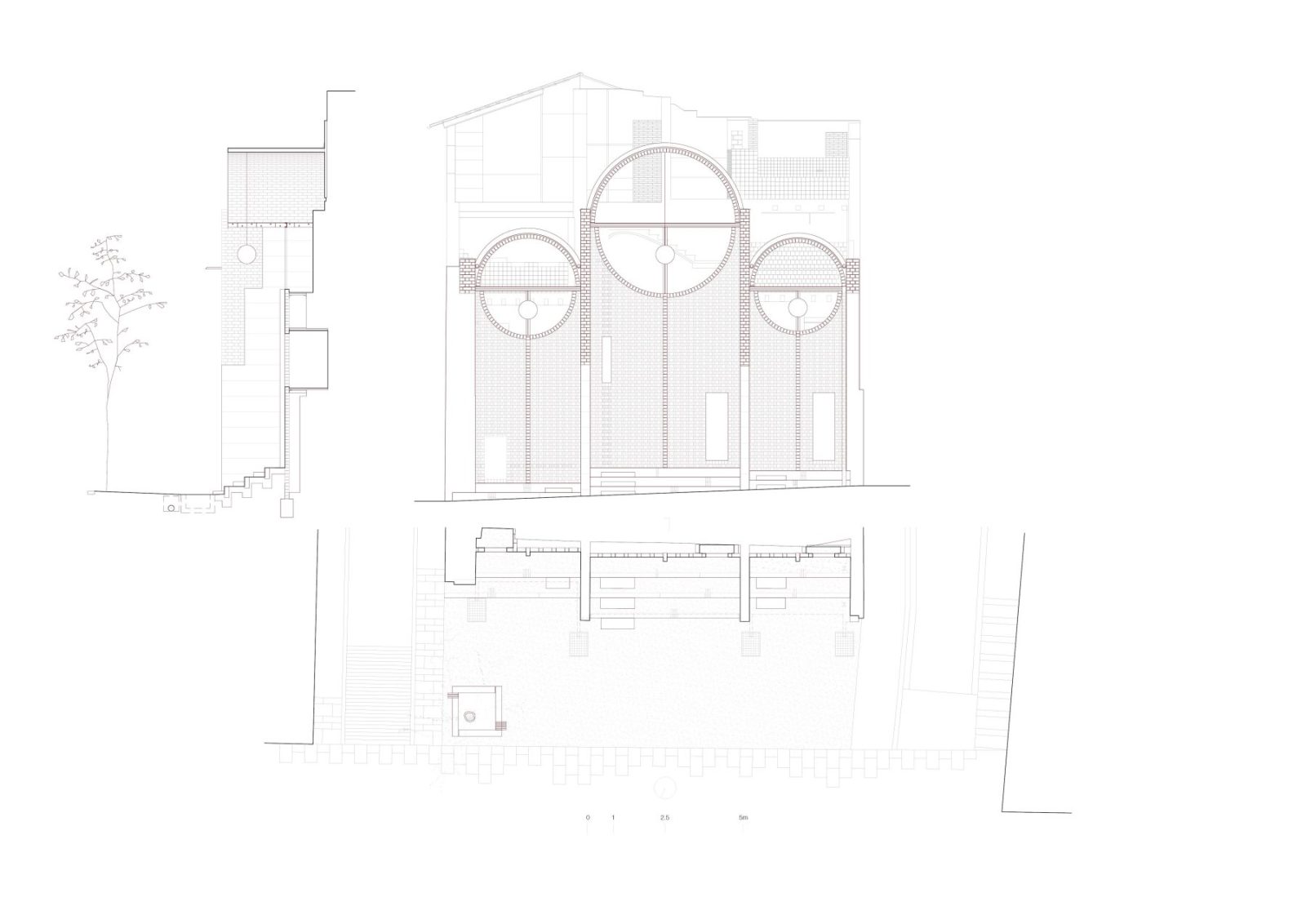
Out of a party wall and four stepped buttresses defining an awkward urban void, a modest brief—combining a pavement project with a waterproof metal cladding—evolved into the creation of a much-needed civic space.
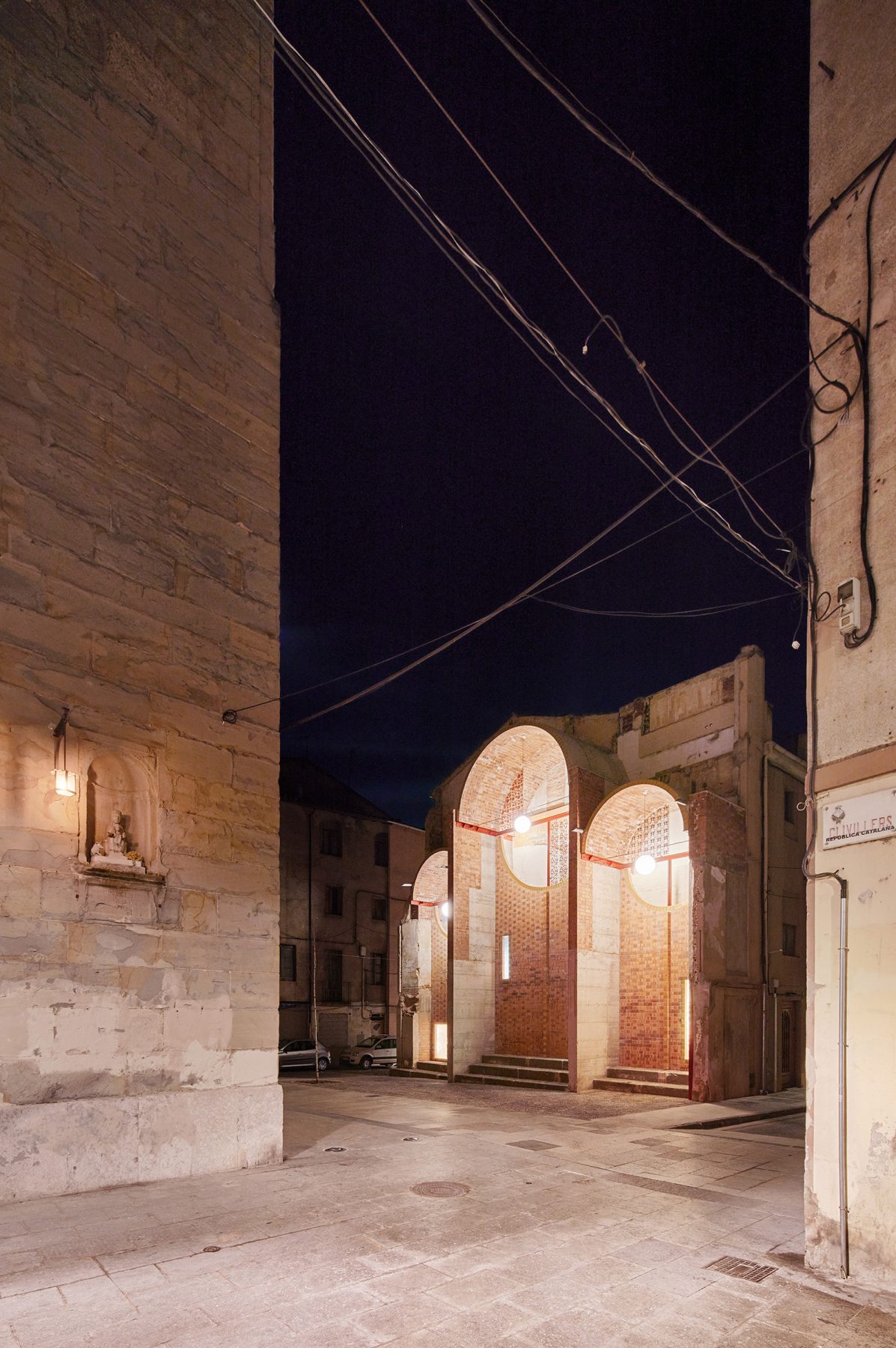
What began as a functional intervention grew into a place of encounter, a quiet revival of the town’s center, where architects, municipal authorities, local organizations, and the wider community converge in shared purpose.
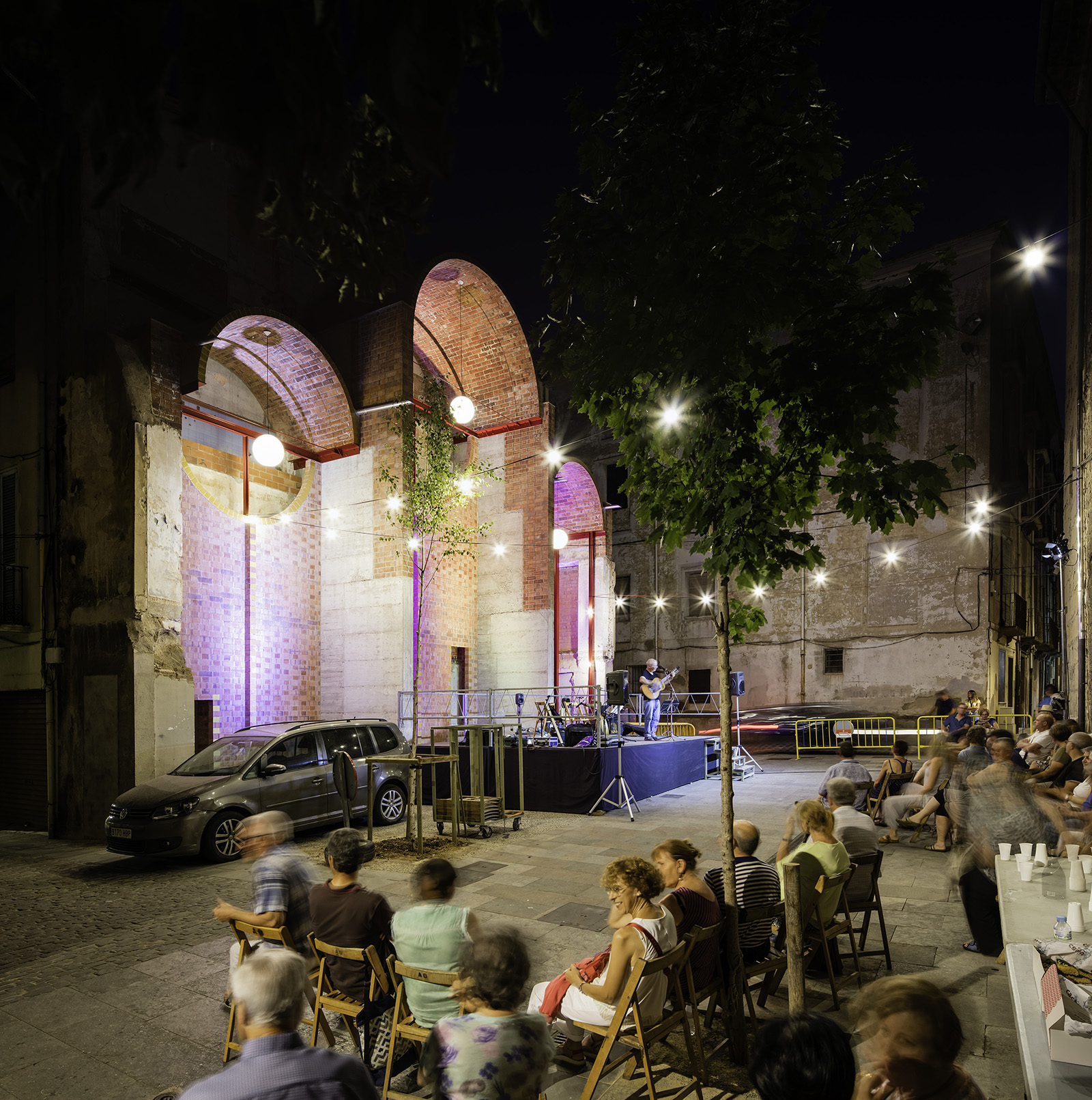
“We are convinced that public space is determined by the facades not by the pavement,” Callís says. “And more than the facades, but what happens behind these facades.”
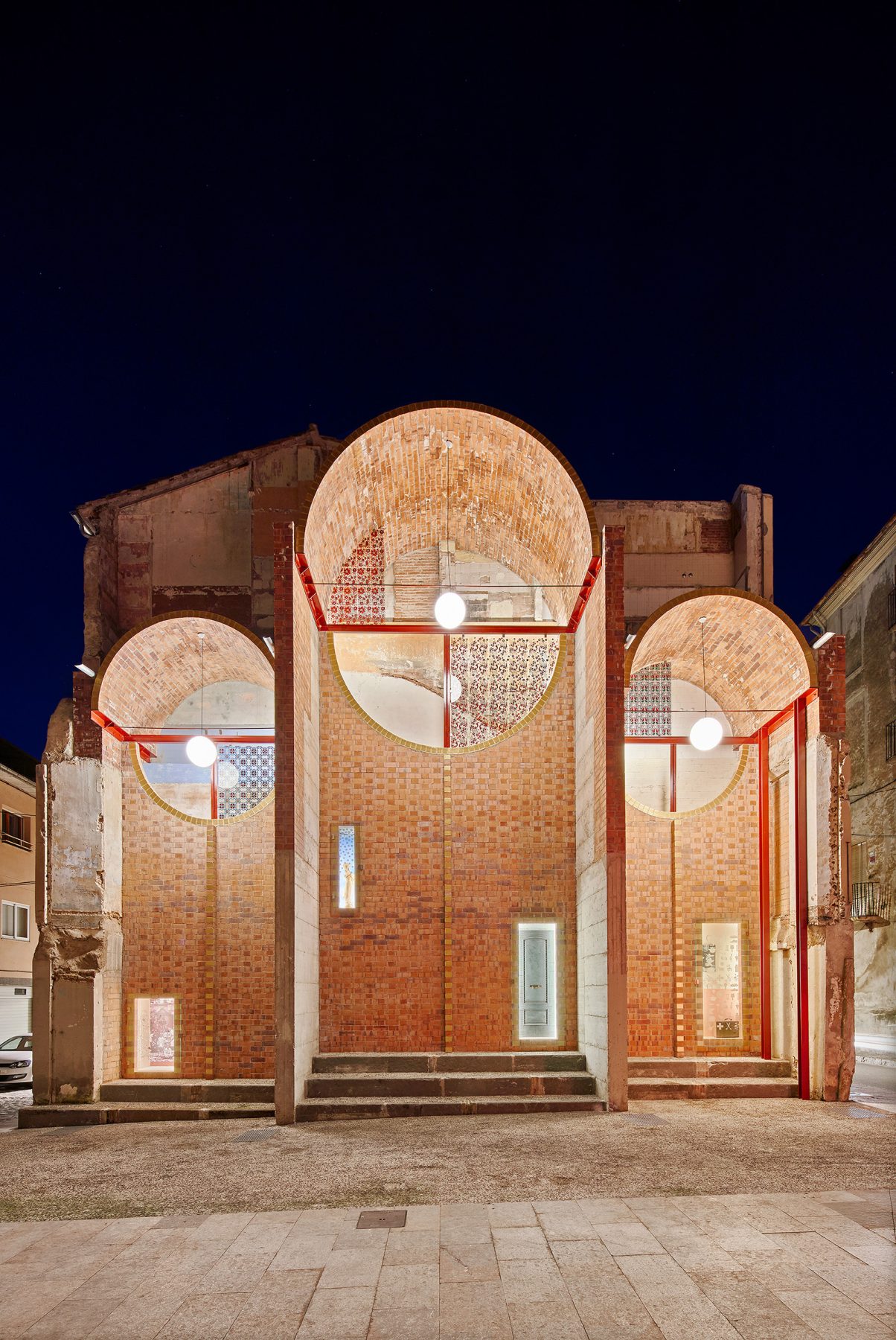
‘Can Sau. Emergency scenery’ is much more than an urban revitalization project; it exemplifies place-making strategies.
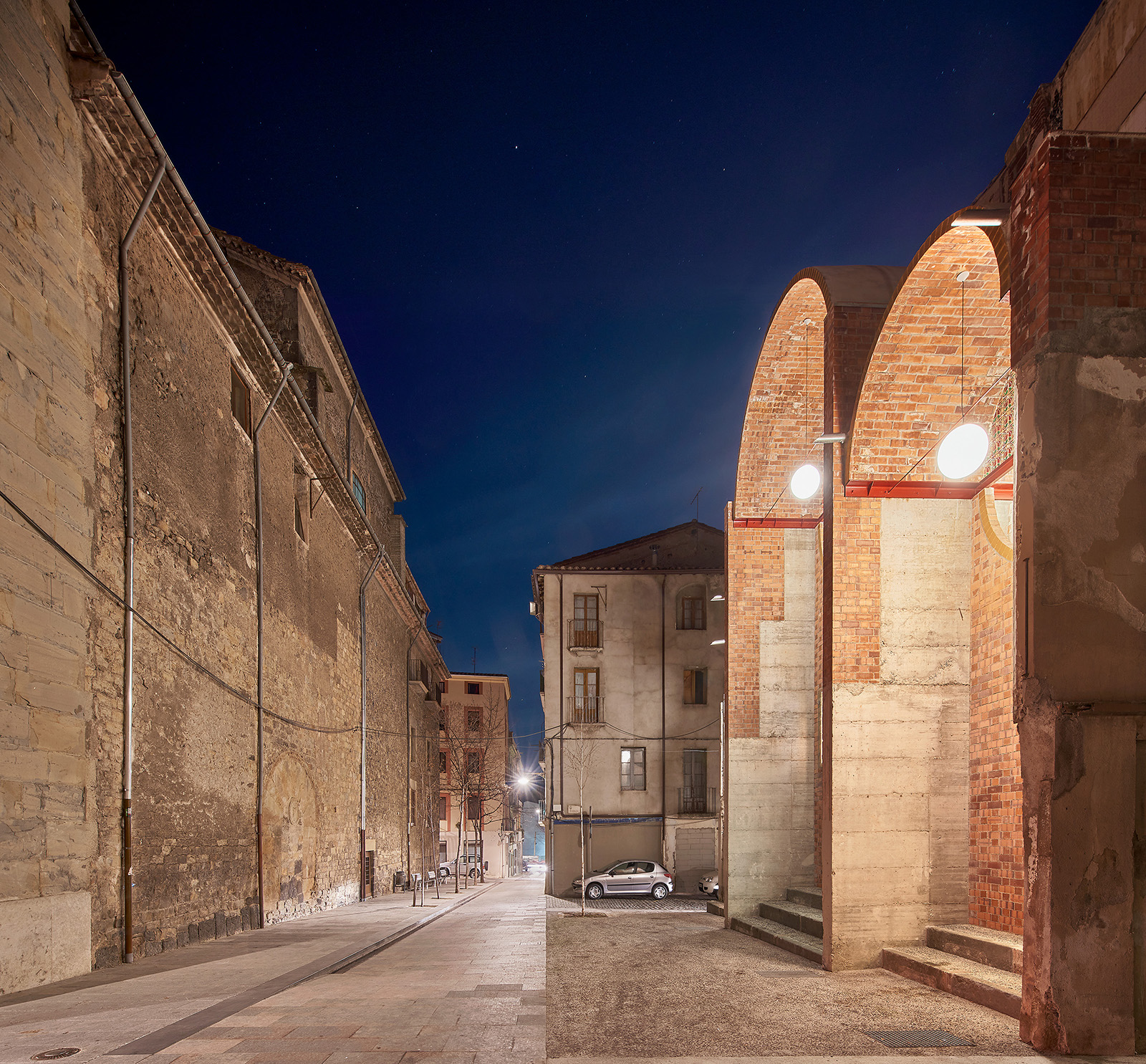
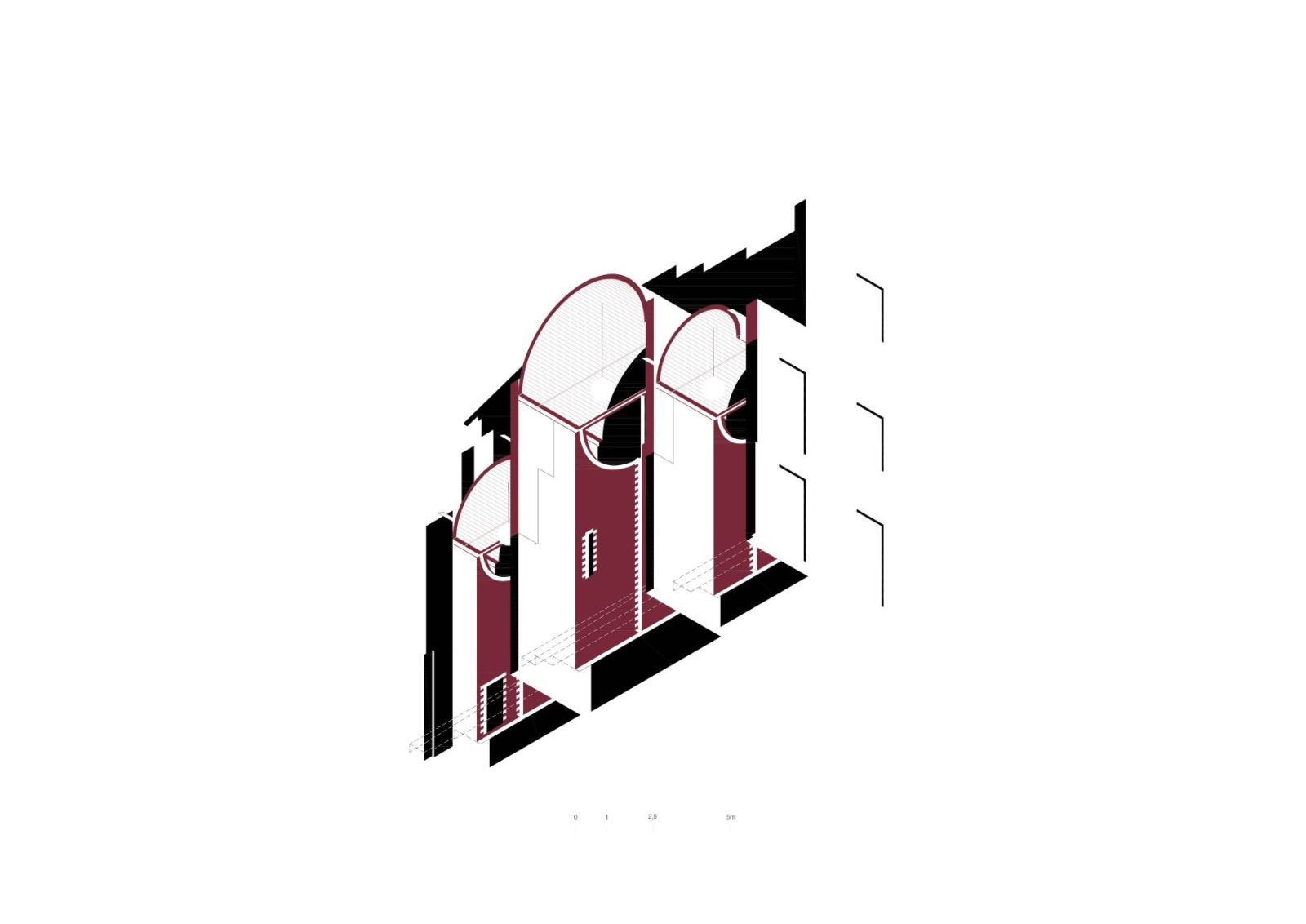
Through the deliberate shaping of a public space that fosters social interaction, community identity, and a sense of belonging, Un Parell d’Arquitectes designed for integrating culture and human experience to a meaningful, vibrant environment. In that light, a porous brick façade of three vaults and four niches was built completing what the buttresses suggest while revealing in the background the traces of domestic activity marked on the party wall.
“Emergency Scenery tells a symbolic story. By transforming an abandoned space into a stage for urban life, it celebrates the city as a palimpsest of layers, a continuously evolving construct,” explain the architects.
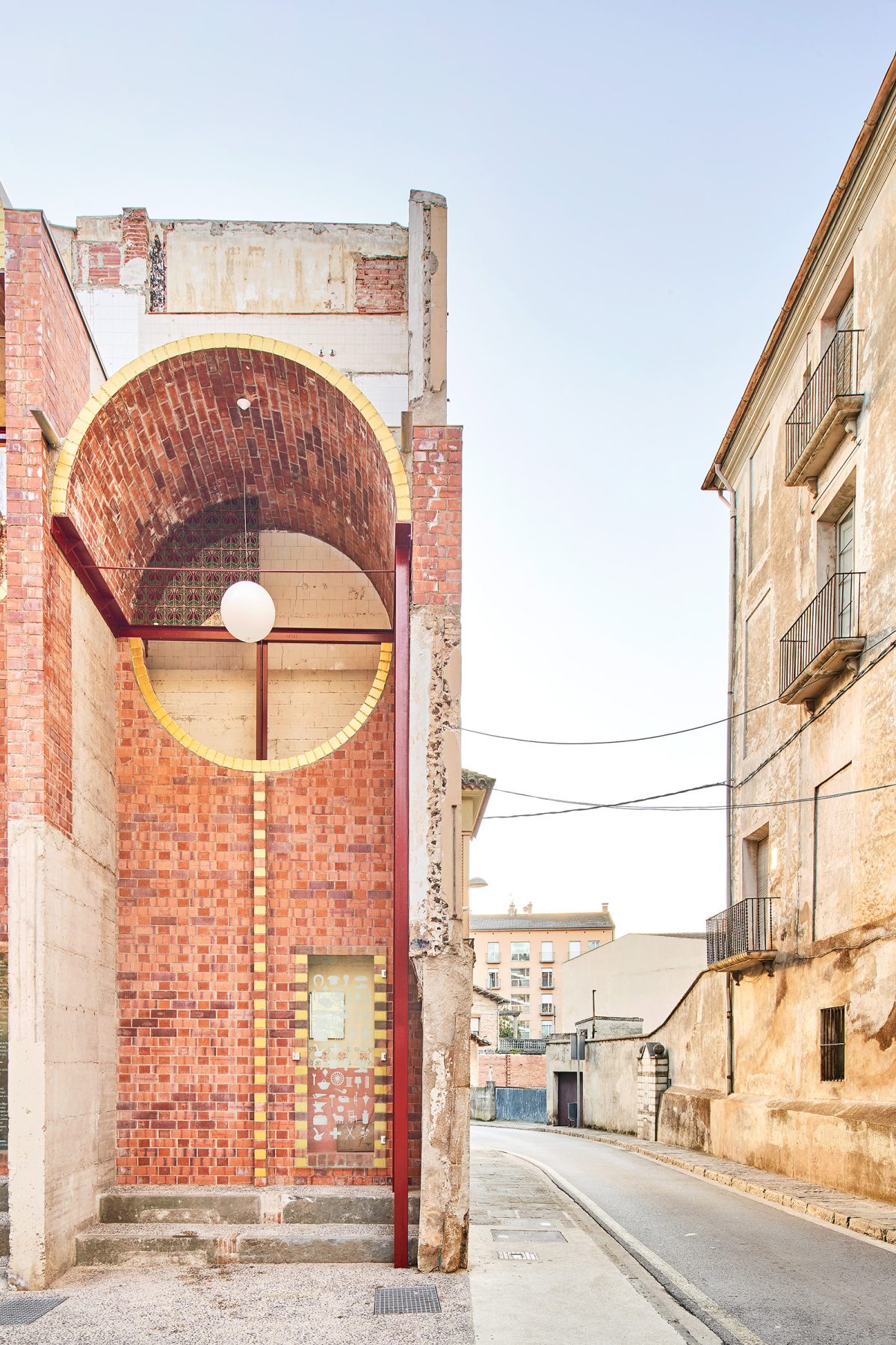
Hollow brick and lime mortar joinery honor local craftsmanship, enlisting domestic bricklayers in the making of Can Sau.
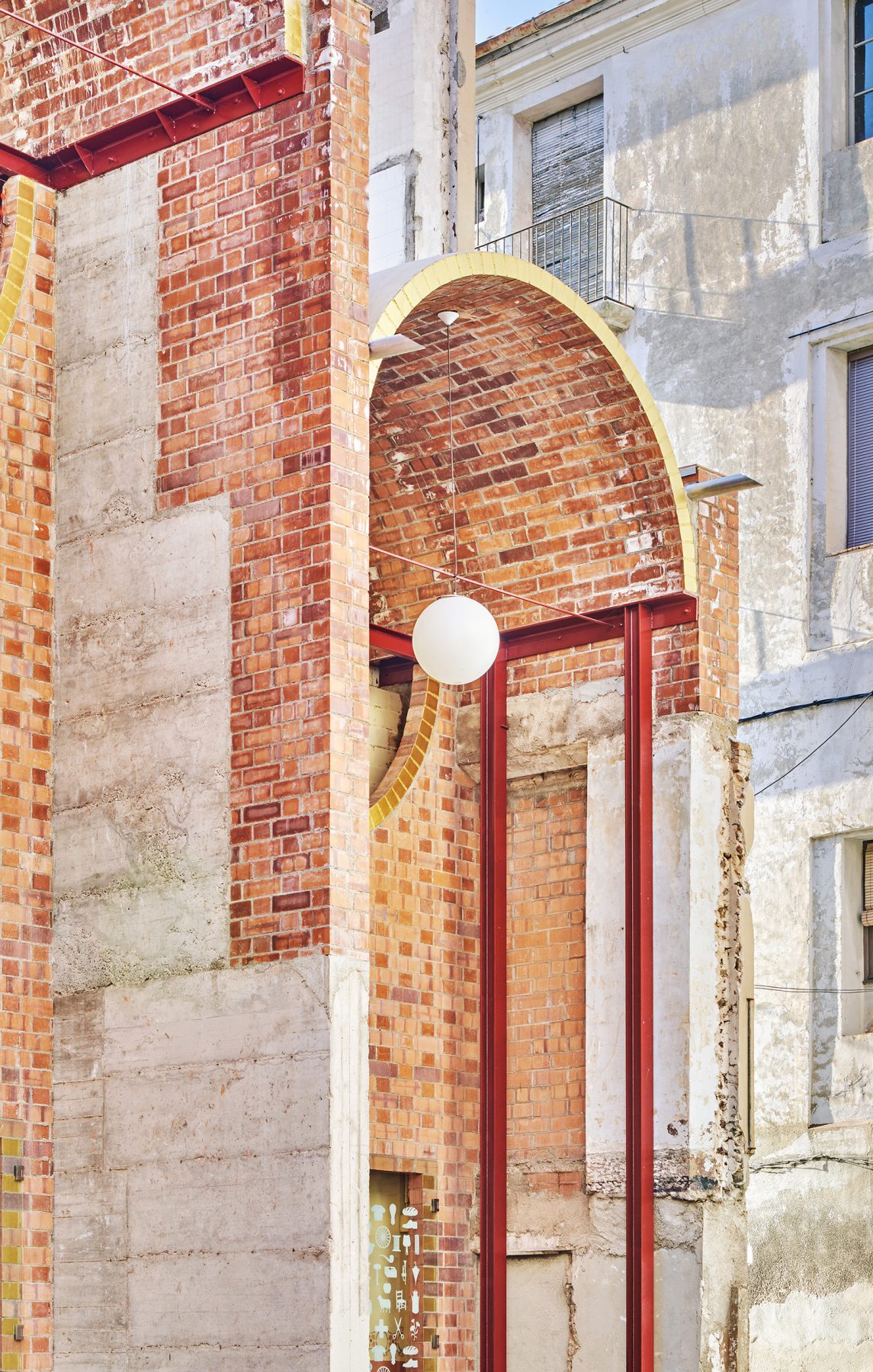
Through their skilled hands, a once-neglected space becomes a place to connect, linger, and engage—reviving urban life and weaving stronger social and cultural bonds within the community.
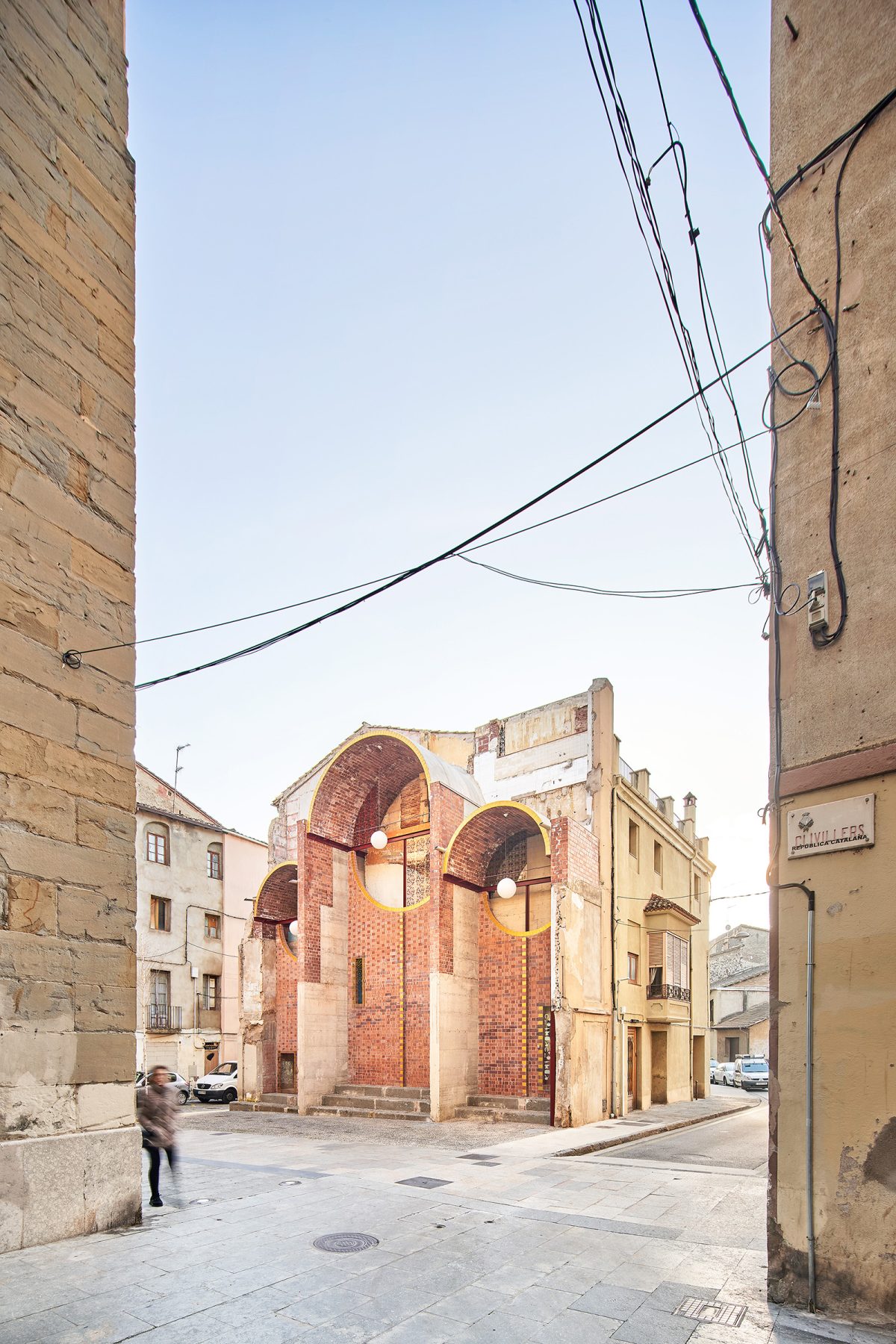
Extending this gesture, screen-printed glass panels by visual artist Quim Domene enliven the façade, conjuring the memory of crafts and commerce that once animated the town’s heart.
Geometric mosaics by local decorator Sadurní Brunet (1886–1958), 18th-century textile patterns from the regional industry, and inscriptions of former shops and workshops that once animated Can Sau’s ground floors float across the glass, weaving past and present into a layered urban narrative—where memory, materiality, and daily life converge.
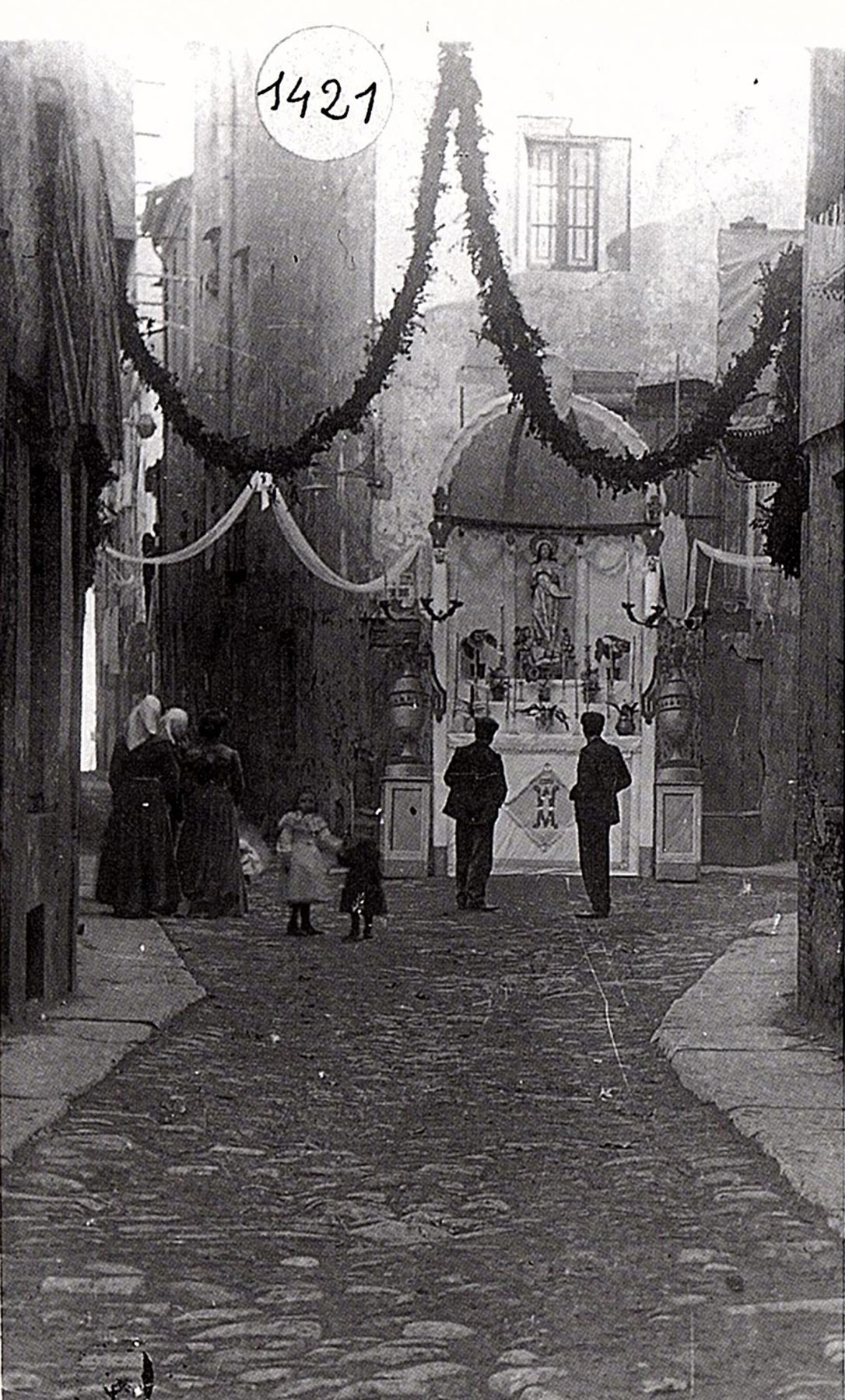
Between narrow streets and alongside Tura Church, Can Sau offers a genuine place of methexis, bridging moments of solidary pause with communal celebration.
Facts & Credits
Project title Can Sau. Emergency scenery
Typology Urban Design, Placemaking, Public Space
Location Olot, Catalonia, Spain
Built area 113 m²
Status Completed, 2019
Client Olot town hall
Architecture Un Parell d’Arquitectes | Eduard Callís, Guillem Moliner
Collaborating artist Quim Domene
Design & construction team Clàudia Calvet, Xevi Rodeja, Sara Palmada, Sergi Jiménez
Structural Designer Amaia López
Building Engineer Gemma Planagumà (Olot town hall)
Builder Construo Construccions Generals
Photography José Hevia, Roger Serrat-Calvó, Esteve Moner