Architecture in Colour series treats colour as an architectural instrument rather than decoration—one that shapes space, proportion, and emotional experience as powerfully as form and light.
Beginning with a memory and a desire, gon architects renovated a 108-square-metre apartment in a Baroque corner building in Madrid de los Austrias to create Casa EME, a sensory and open-ended home for a design-loving client. Retaining the original IPE timber floor as a material anchor, the project replaces doors with colour and texture-defined thresholds, encouraging fluid movement between spaces. Focused on preservation over demolition, Casa EME unfolds through contrasts — public and private, compressed and expanded — reawakening the existing home rather than imposing a new one.
“When he woke up, the dinosaur was still there.”
The Dinosaur, Augusto Monterroso, 1959.
Casa EME begins with a memory and a desire. For its owner, Manuel, the first visit to the apartment in central Madrid evoked the sensation of having inhabited a similar place before, not physically but atmospherically. Alongside this memory emerged a simple yet meaningful desire: the image of everyday life unfolding in a light-filled living room, where large windows frame the historic skyline and anchor the domestic experience within the city’s traditional urban fabric.
Located in a corner building in Madrid, the apartment occupies a privileged position within a dense Baroque urban context.
Fully oriented toward the exterior and organized through an irregular, bow-tie-shaped plan, the original 108 m² dwelling lacked spatial clarity despite its generous perimeter openings. Five disconnected rooms, multiple balconies, and an undefined central space resulted in a fragmented domestic layout with weak programmatic relationships. Yet one element stood out as a unifying layer: a continuous floor of solid tropical IPE wood, extending across the entire apartment and bearing the marks of time and use.
“The floor was already there and that is how it was left: with the marks of repeated use, with that imperfect stability that the passage of time gives to things,” say gon architects, who approached the project with a clear premise: preservation as a generator of design.
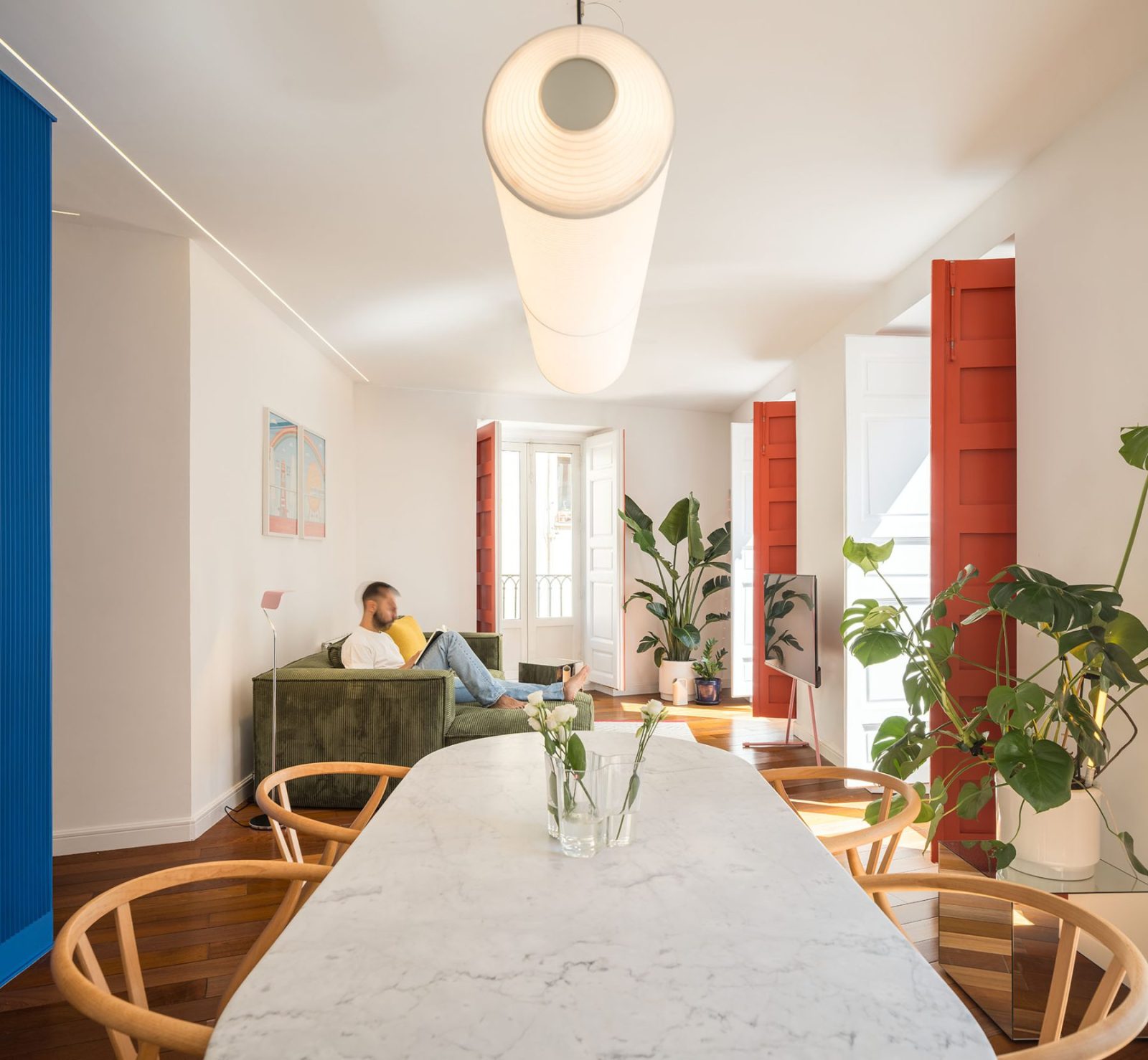
Rather than replacing the existing floor, it is retained in its entirety and reinterpreted as a material memory that anchors the intervention to the apartment’s past. This decision shifts the focus from transformation through demolition to transformation through reactivation, allowing the new spatial logic to emerge from what already exists.
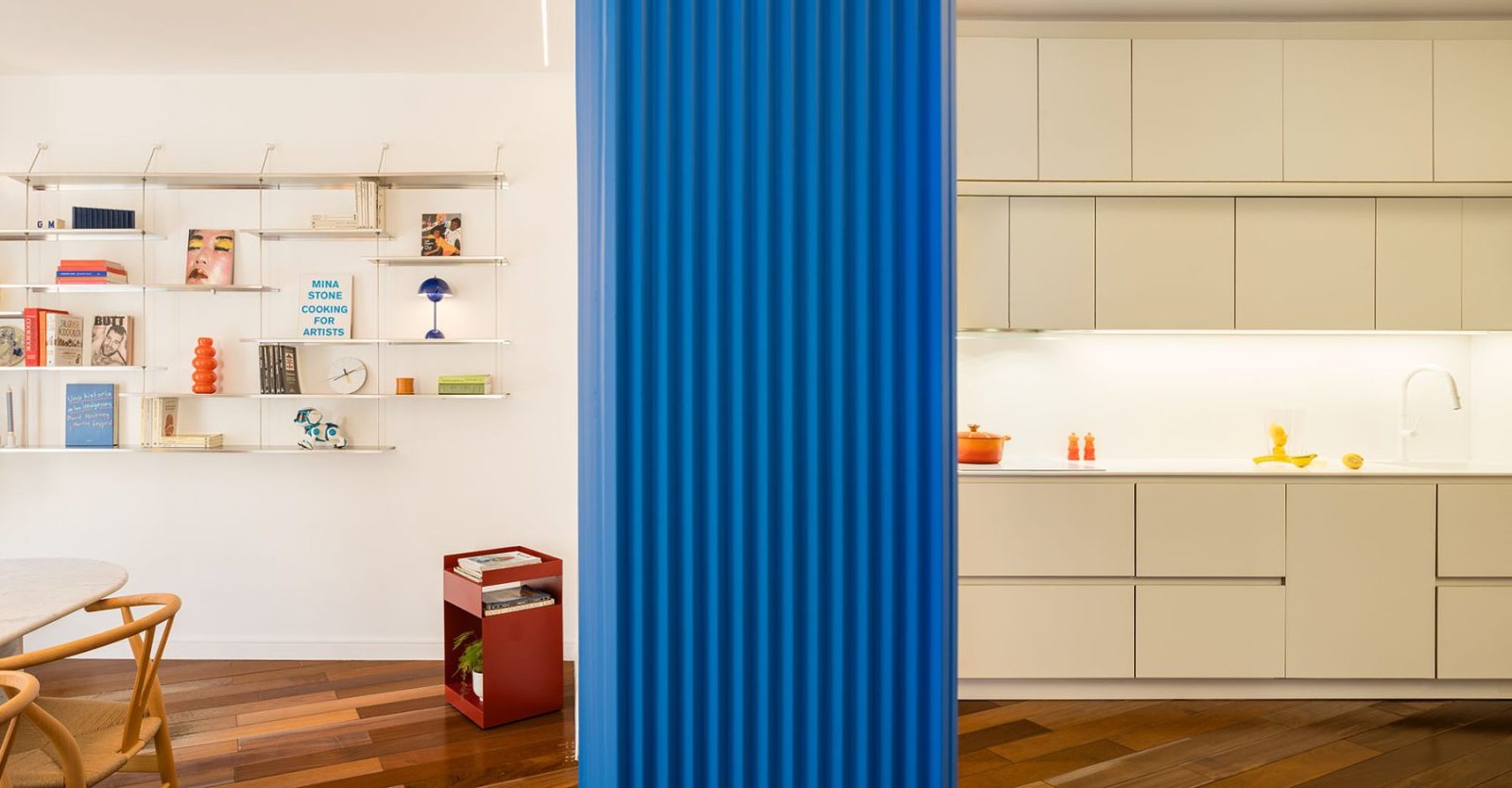
Working within the inherited room system, the proposal operates through reprogramming rather than structural alteration. The domestic layout is reorganized through subtle shifts in use, establishing clearer relationships between spaces while maintaining the existing footprint. The new arrangement enhances spatial continuity and legibility, transforming a previously incoherent configuration into a coherent domestic landscape.
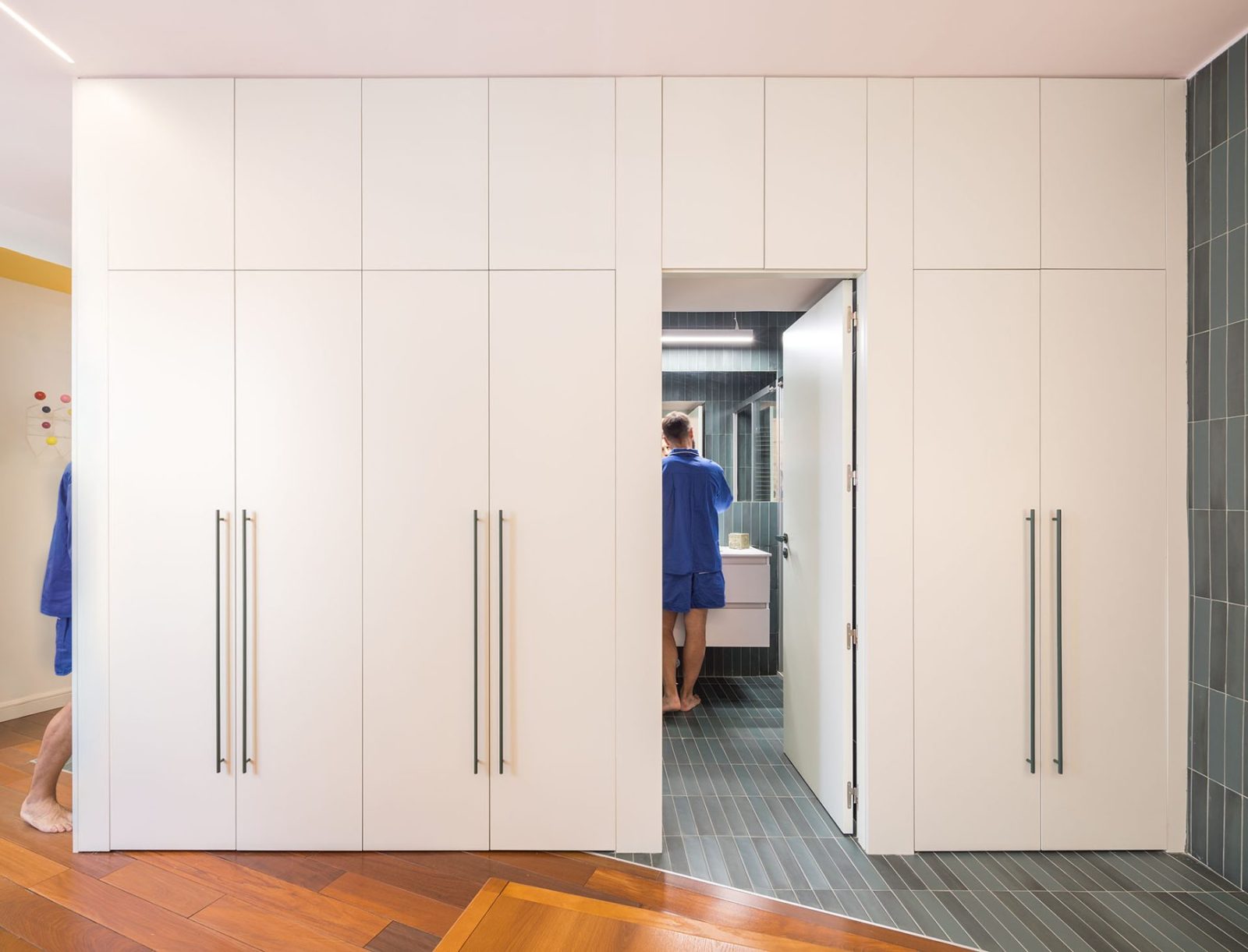
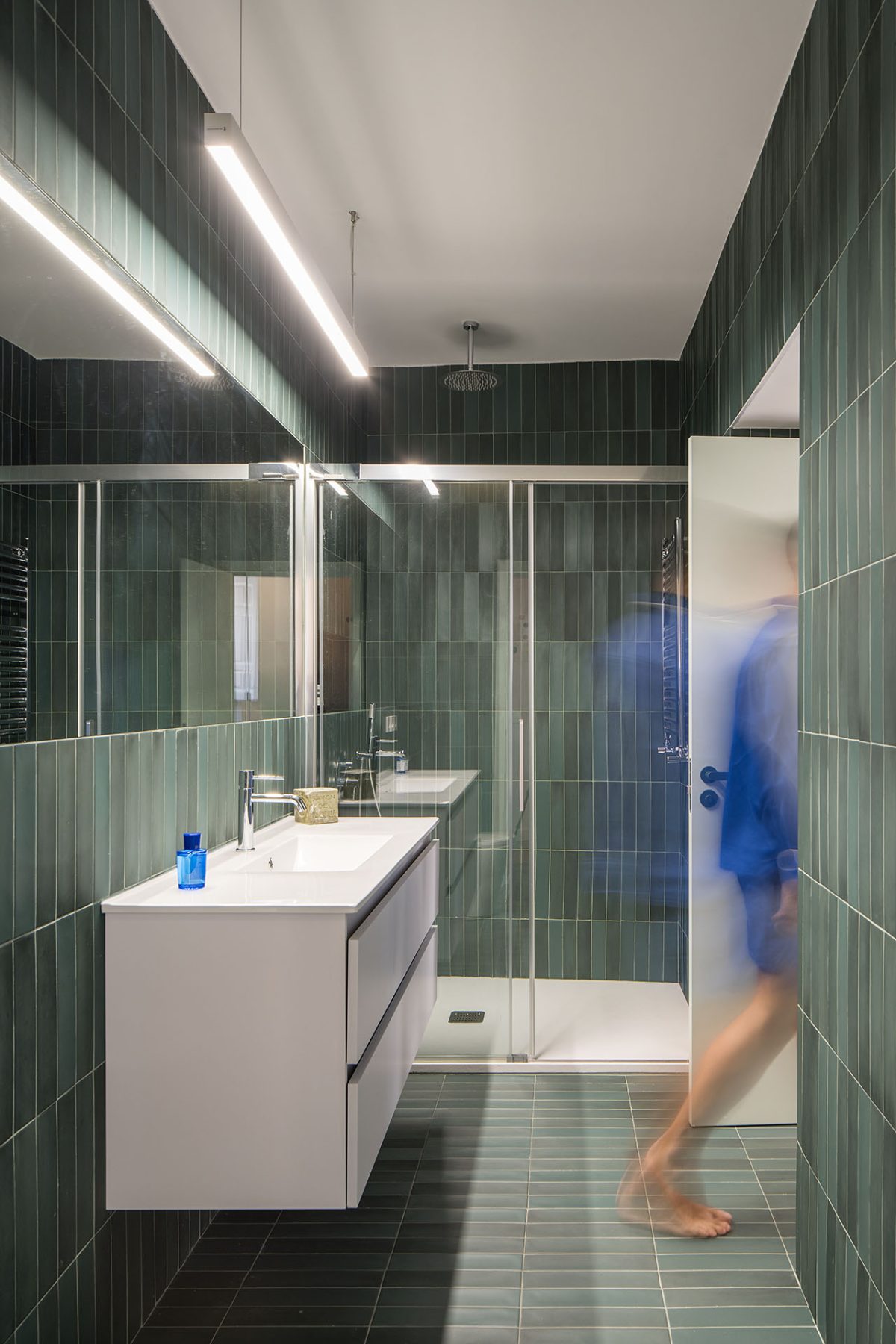
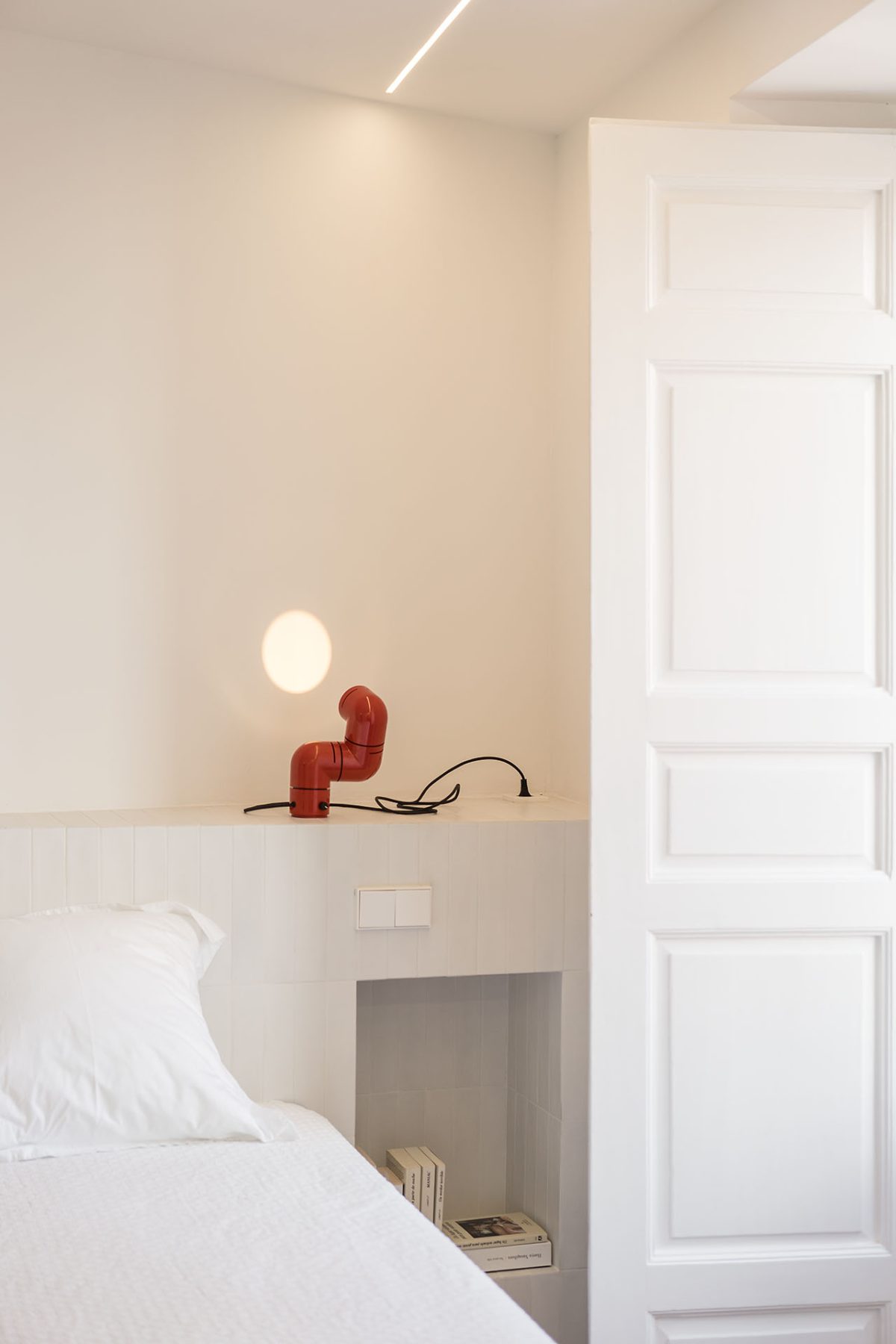
One of the key operations is the direct linkage between the bedroom and the bathroom, improving both functionality and spatial flow. This connection is articulated through a compact pass-through volume that integrates storage and flexible use, while the trace of the former bathroom footprint is deliberately preserved in ceramic, exposing rather than concealing the temporal layers of the house.
In doing so, the project embraces the idea that memory can remain visible as an active architectural element.
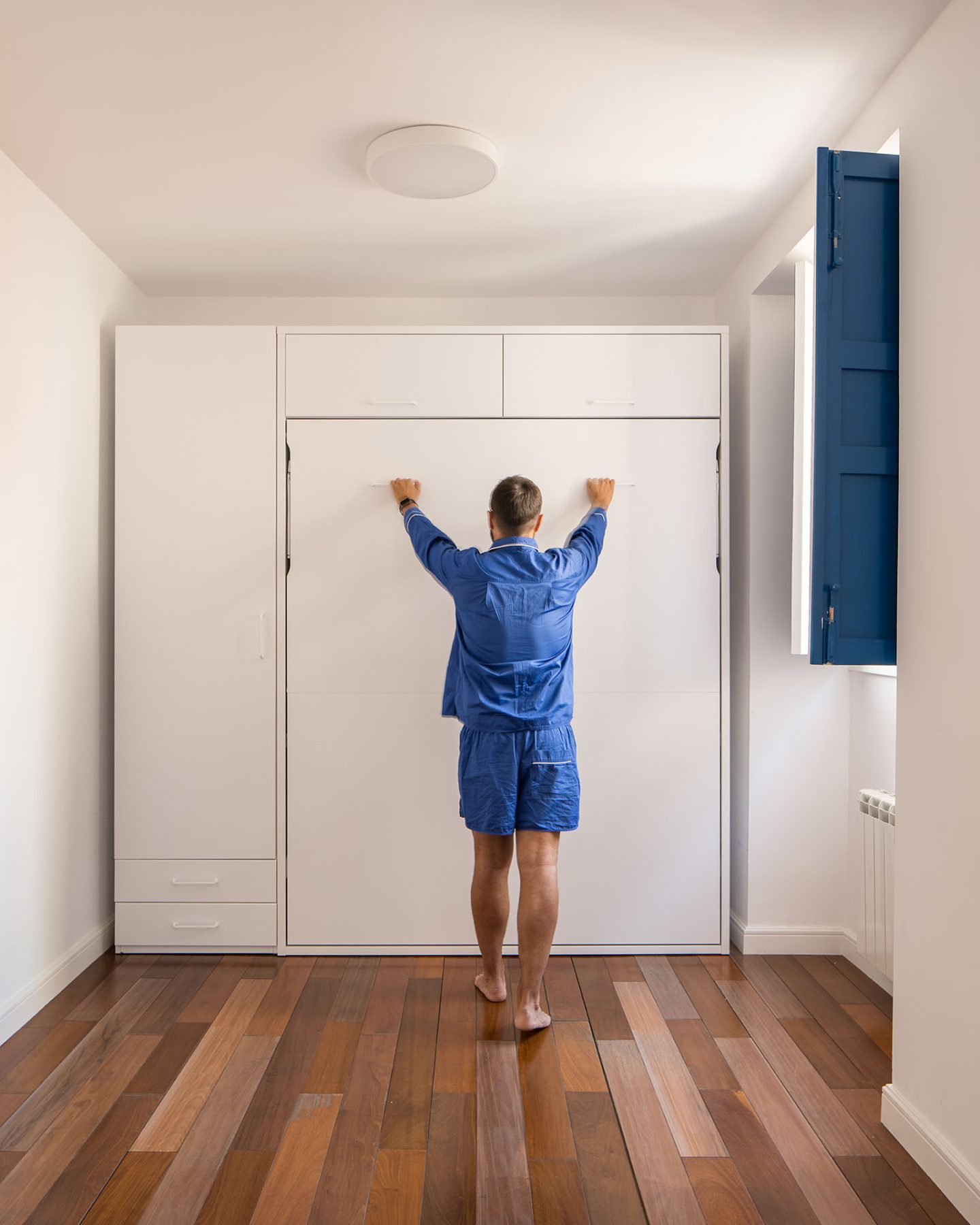
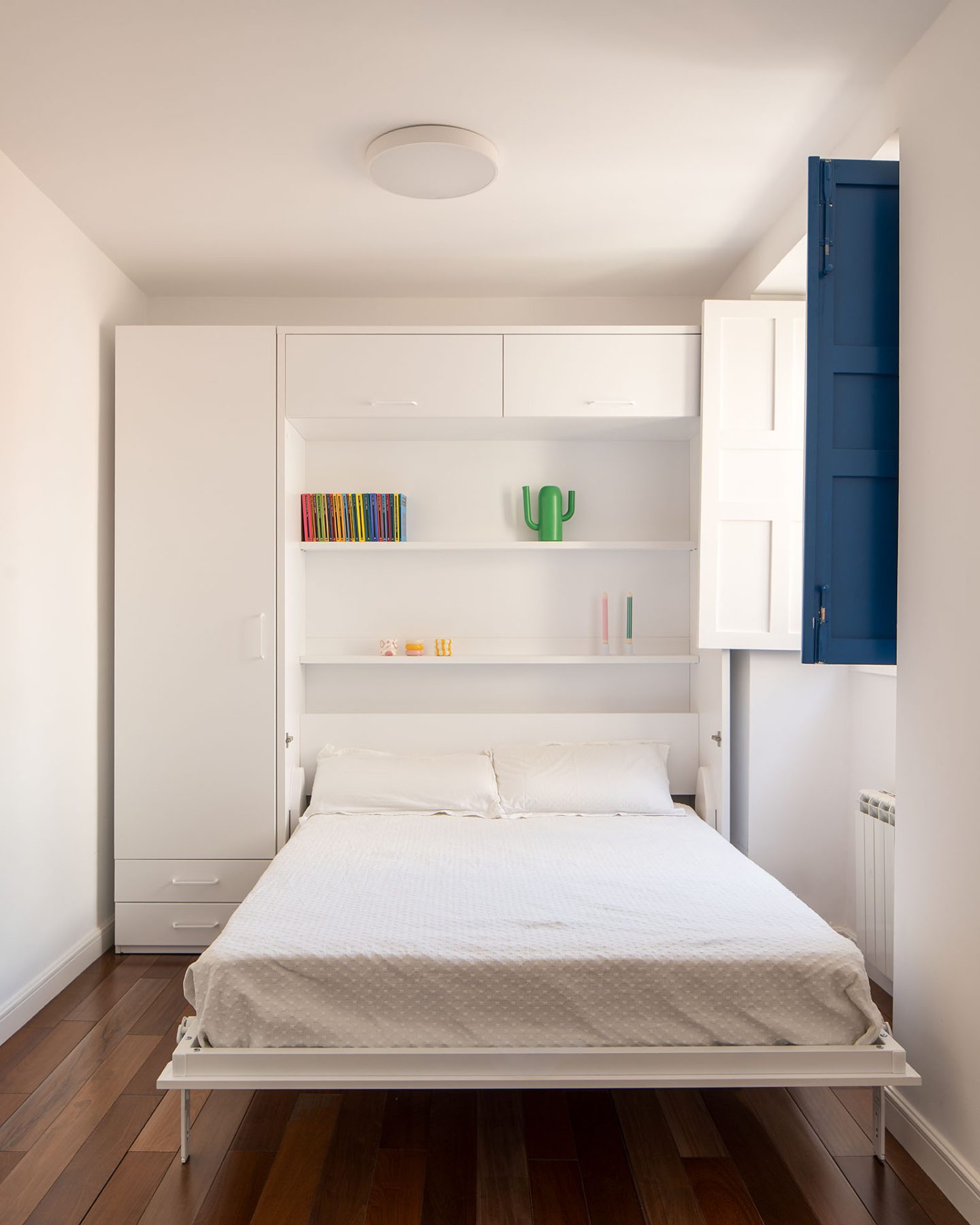
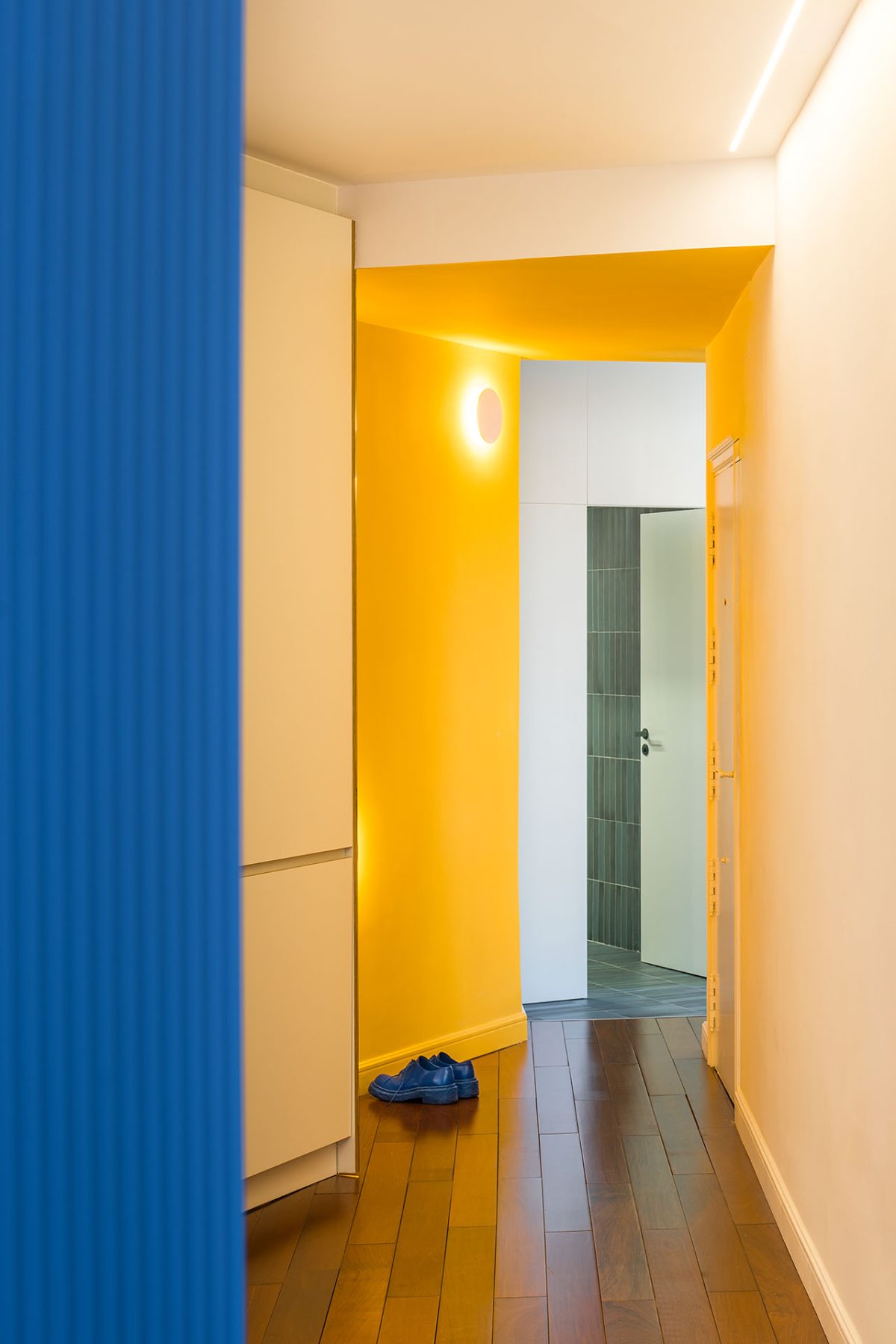
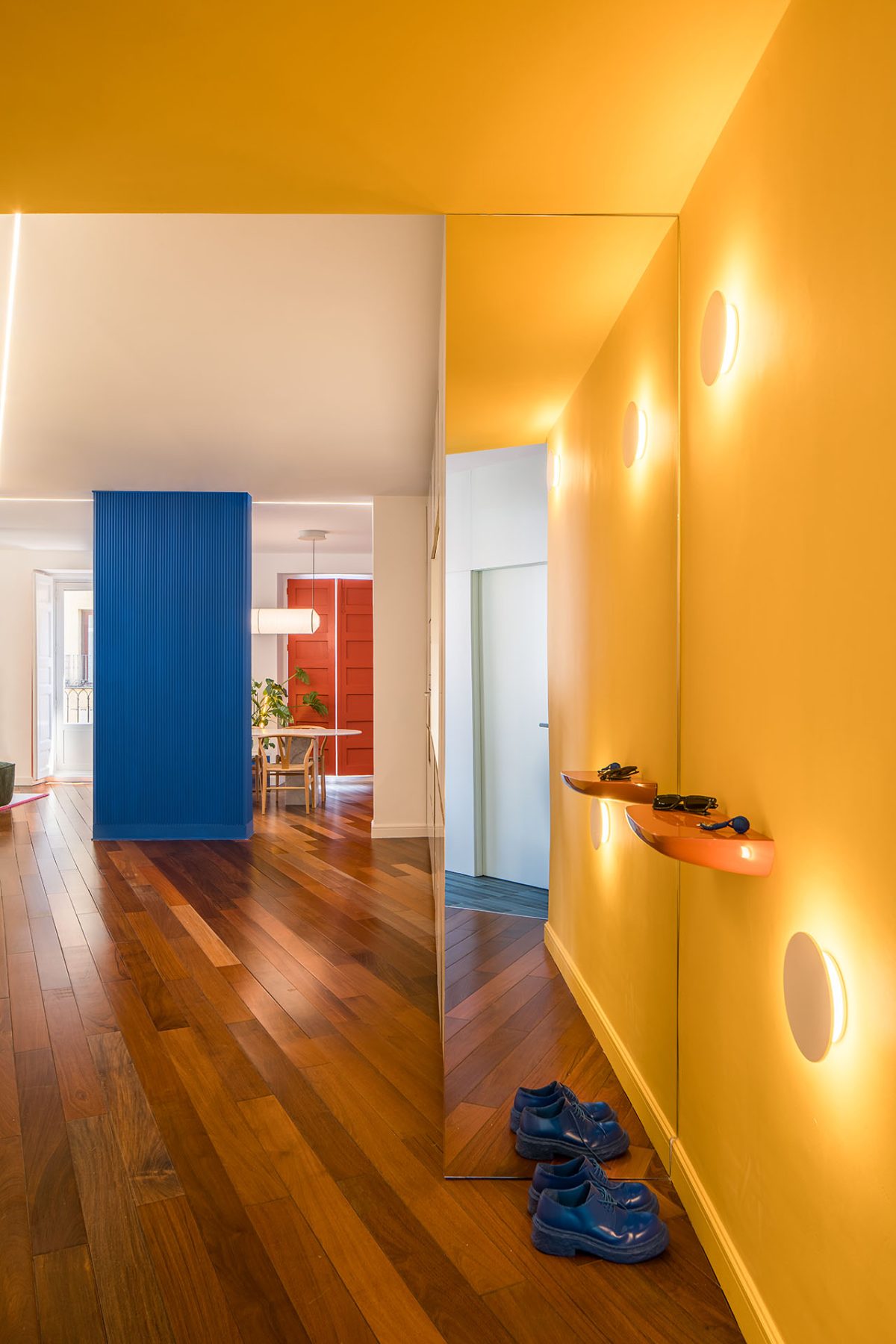
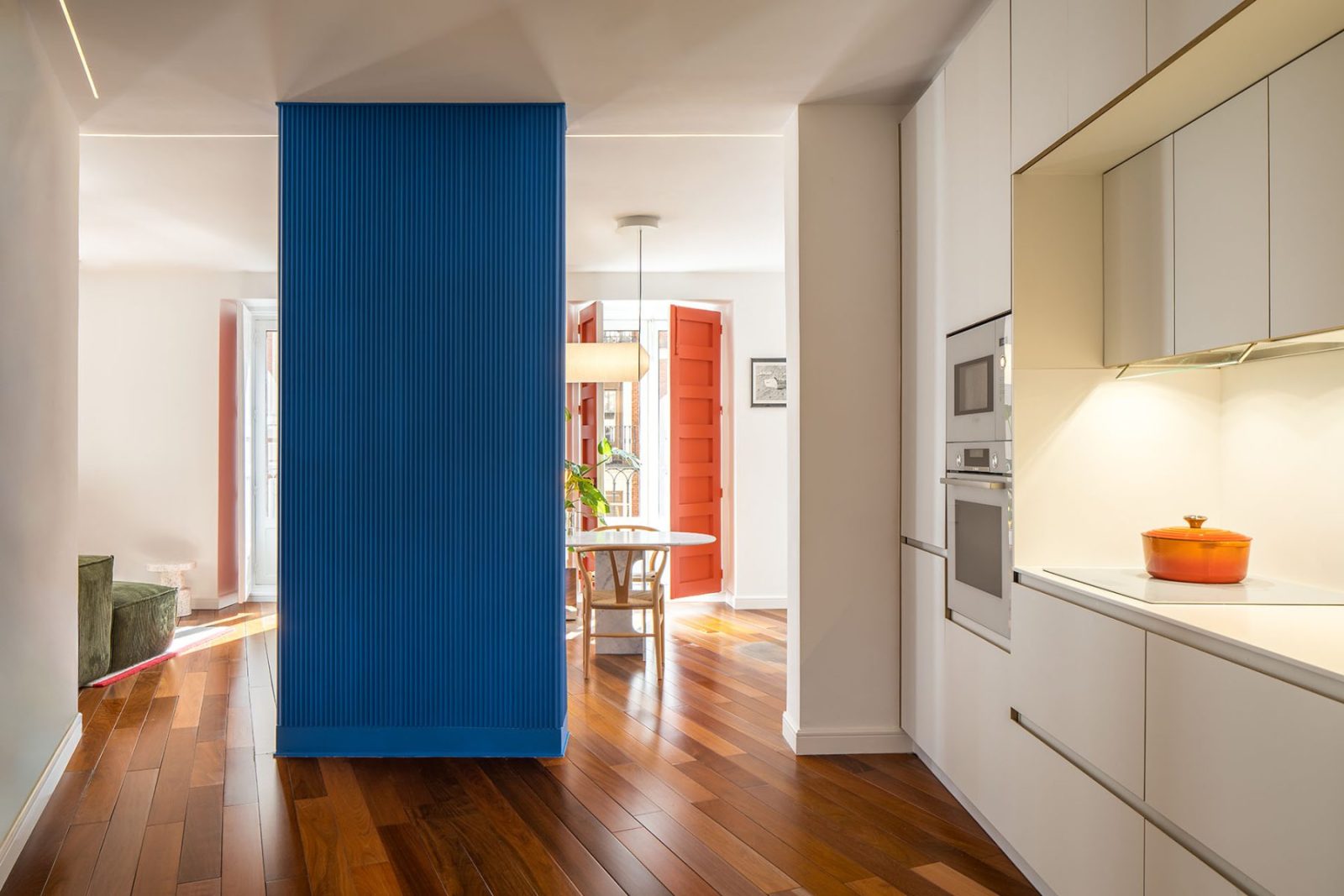
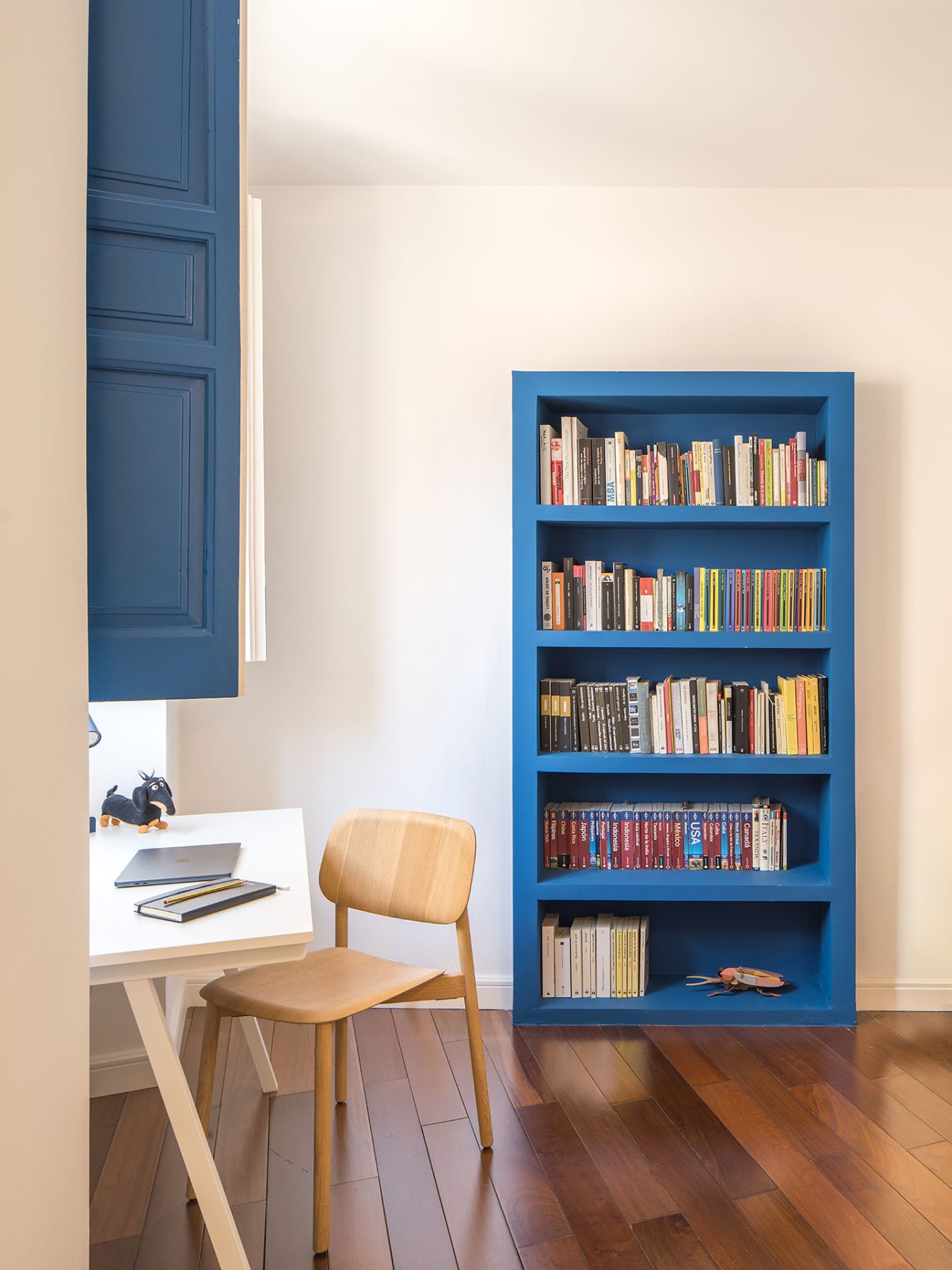
The kitchen is relocated to the center of the plan becoming the social core of the home, a meeting point where friends gather to taste Manuel’s specialty: beef ragu lasagna. Meanwhile, the entrance, the hinge between the public and private realms, is redefined through a lowered ceiling and a distinct chromatic selection, transforming a constraint into a spatial threshold. The removal of one door connected to the living room further enables the emergence of an additional flexible space, capable of accommodating study, rest, or guests without rigid definition.
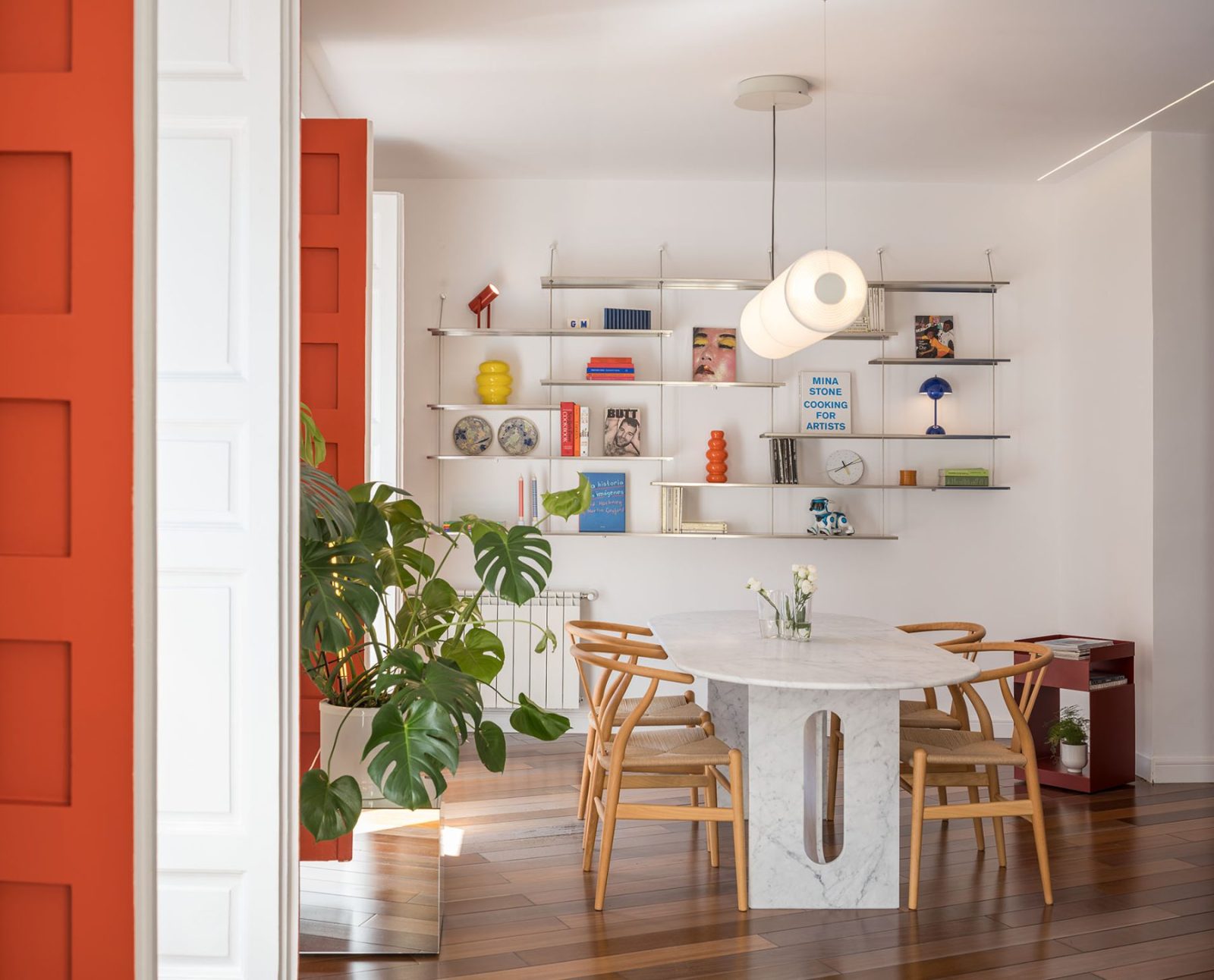
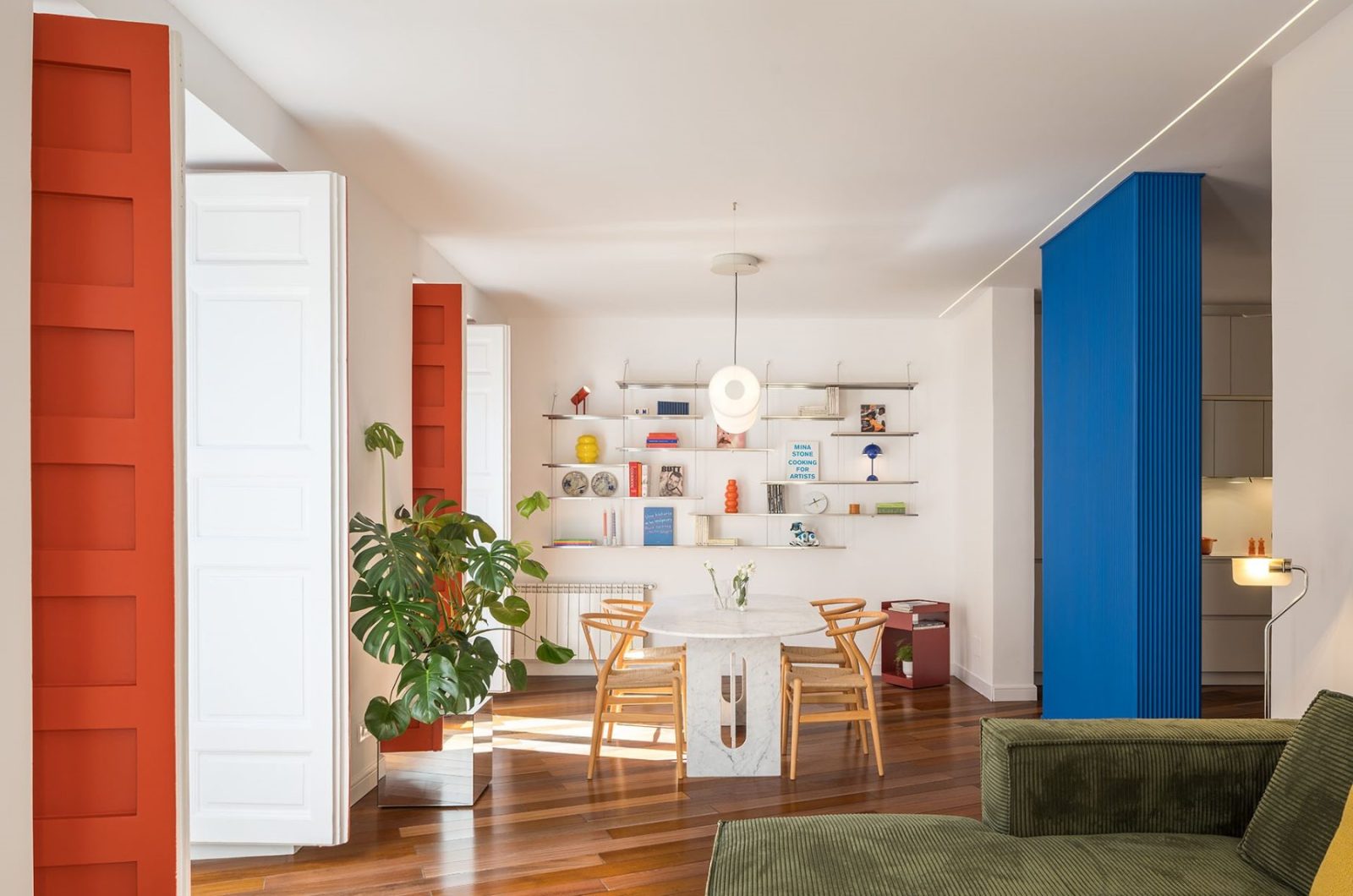
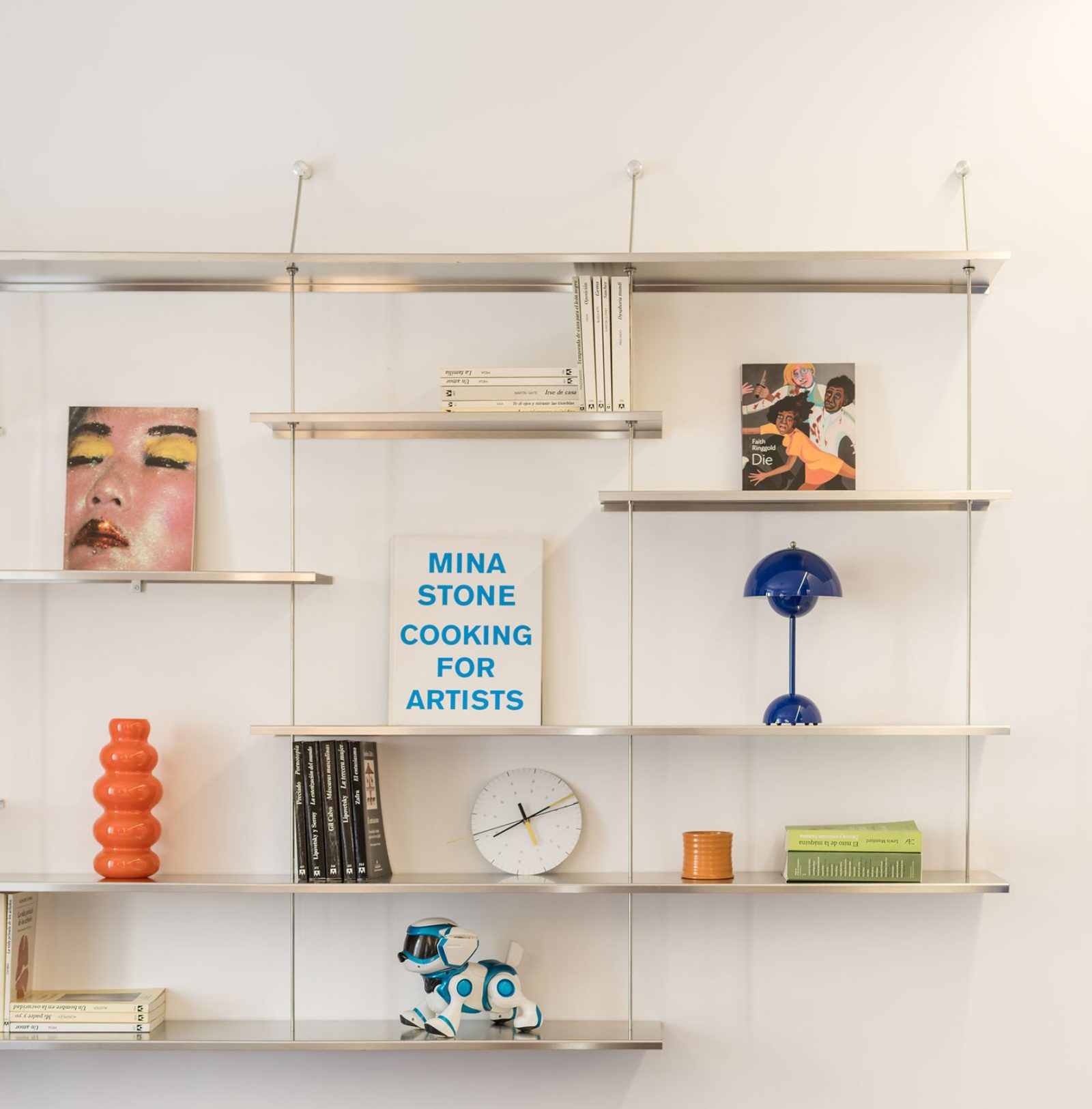
Furniture plays a central role in the spatial strategy. Custom-designed storage elements are integrated floor-to-ceiling, reinforcing spatial clarity while minimizing visual noise. The living-dining room emerges as a landscape of scattered objects that allow for fluid and adaptable modes of inhabitation. The elimination of corridors gives rise to a new contemporary, open-ended domestic topography, where irregular rooms connect organically in sequence.
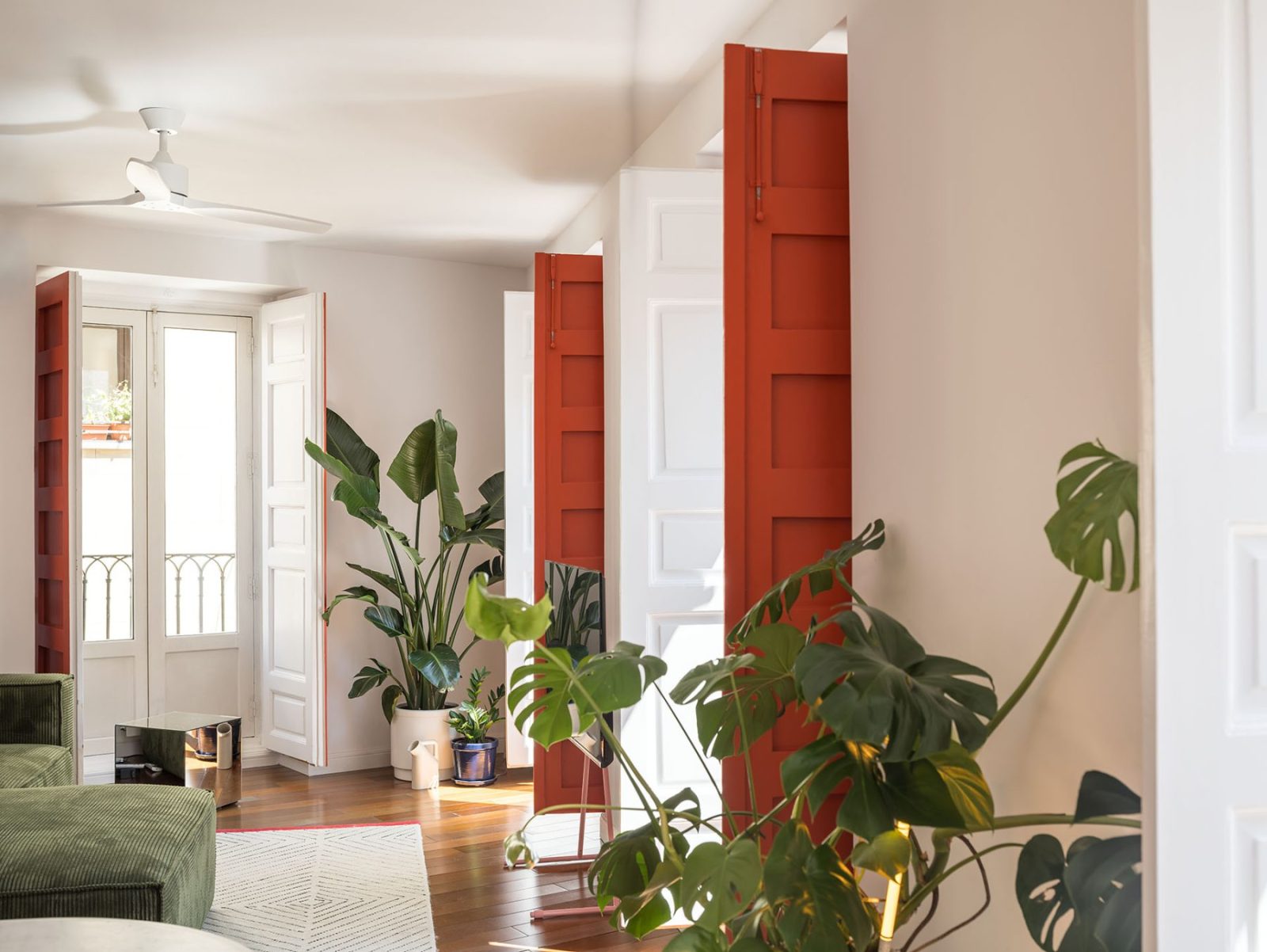
Transitions between spaces occur without doors and are instead articulated through color, texture, and material variation.
Wood, metal, fabric, aluminum, ceramic, and resin coexist within a carefully calibrated chromatic palette, constructing a subtle layer of spatial information that enhances orientation and atmosphere. The result is an architecture that engages sensory experience, reconnecting domestic space with material presence and everyday use.
Casa EME proposes an architecture of intention rather than excess.
By preserving instead of demolishing and reusing before rebuilding, the project reactivates the latent potential of the existing apartment. Movement through the house becomes a sequence of spatial contrasts—public and private, compressed and open, fixed and flexible—within a coherent and continuous whole.
Like Monterroso’s metaphorical dinosaur, the house was always there; the intervention simply reveals, reorganizes, and awakens what time had left in place.
Facts & Credits
Project title: Casa EME
Project type: Interiors
Project location: Madrid, Spain
Architecture: gon architects
Architecture leader: Gonzalo Pardo
Design team: Carol Linares, María Cecilia Cordero, Sara Mordt, Alvine Ikauniece, Alexandra Marouda, Manuel Domínguez
Photography: Imagen Subliminal (Rocío R. Rivas + Miguel de Guzmán)