ESO Conference, the leading event for Design and Architecture, returns to the Athens Concert Hall on May 13, 2026, with the central theme: “Negotiation, Not Compromise. Design as Dialogue between Earth, Technology, and Humanity.”
Beat Huesler , Architect and Director Europe of Oppenheim Architecture, participates as a speaker at this year’s ESO 2026, offering an architectural approach defined by a context-responsive methodology that integrates landscape, local craft, and technical precision into site-specific designs.
Book your tickets for ESO 2026, here!
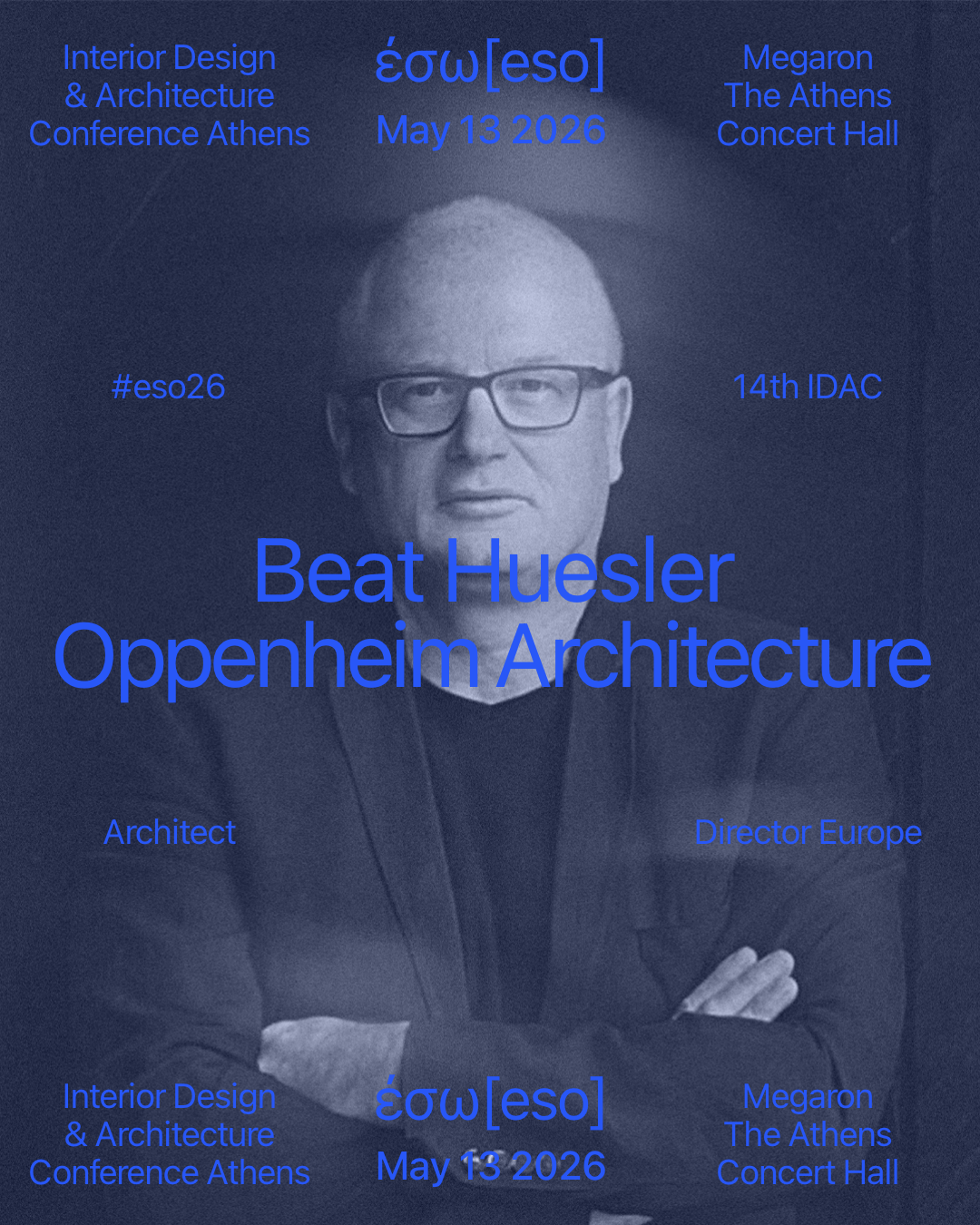
Beat Huesler’s professional trajectory and recent body of work strongly align with the core theme of ESO 2026, which positions architectural design as an ongoing process of negotiation across environmental, cultural, and technological dimensions. With over thirty years of experience in international practice—from New York and Basel to global projects through Oppenheim Architecture—Huesler has developed a design approach grounded in dialogue between global vision and site-specific realities. As Director of the European studio, he leads projects in diverse urban and remote contexts, consistently engaging with local resources, climates, and communities rather than imposing predetermined formal solutions.
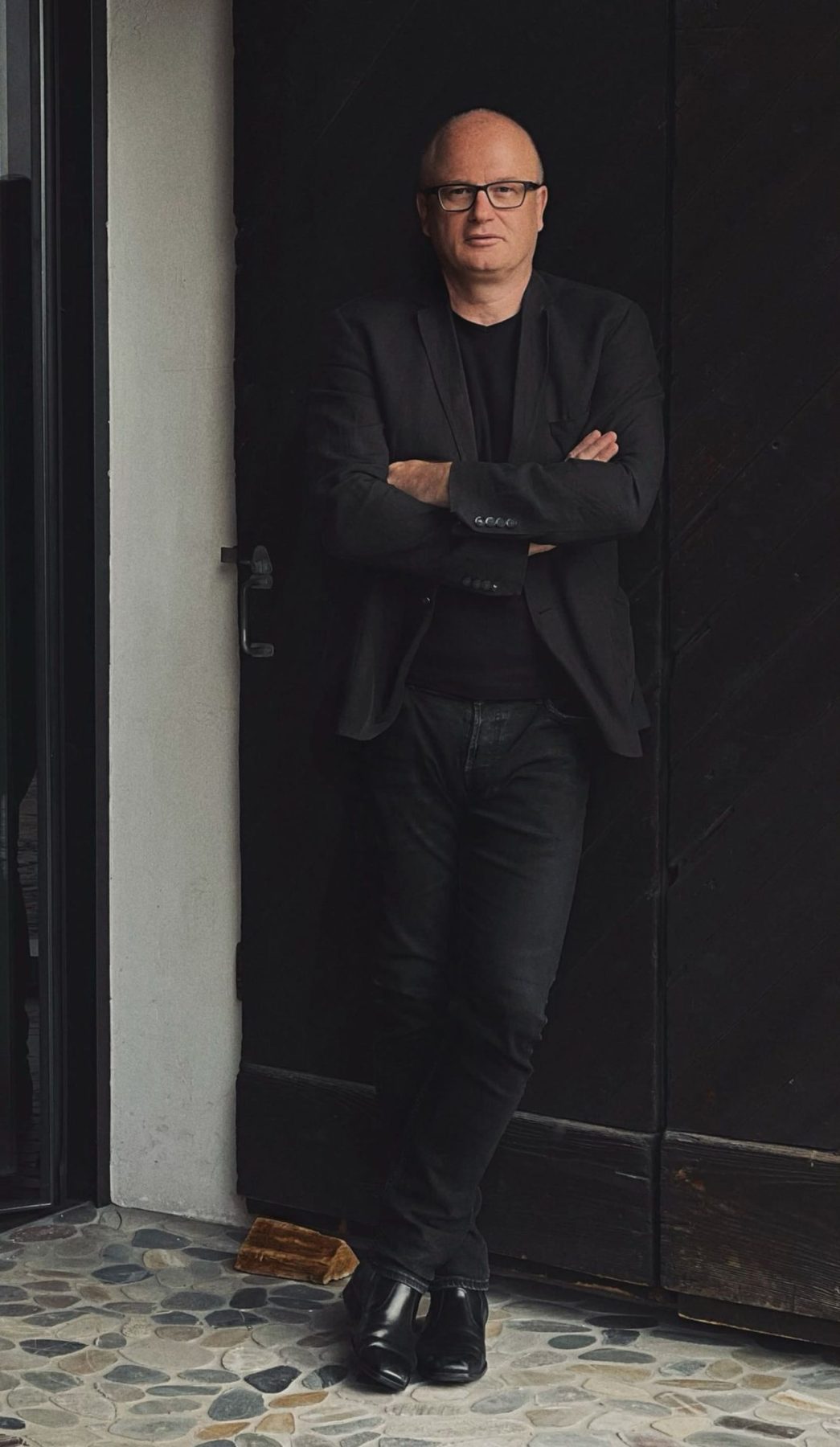
As he notes, “the core tenet of Oppenheim Architecture is that we design and build with the land, not on the land,” a statement that encapsulates his commitment to contextual, landscape-driven design.
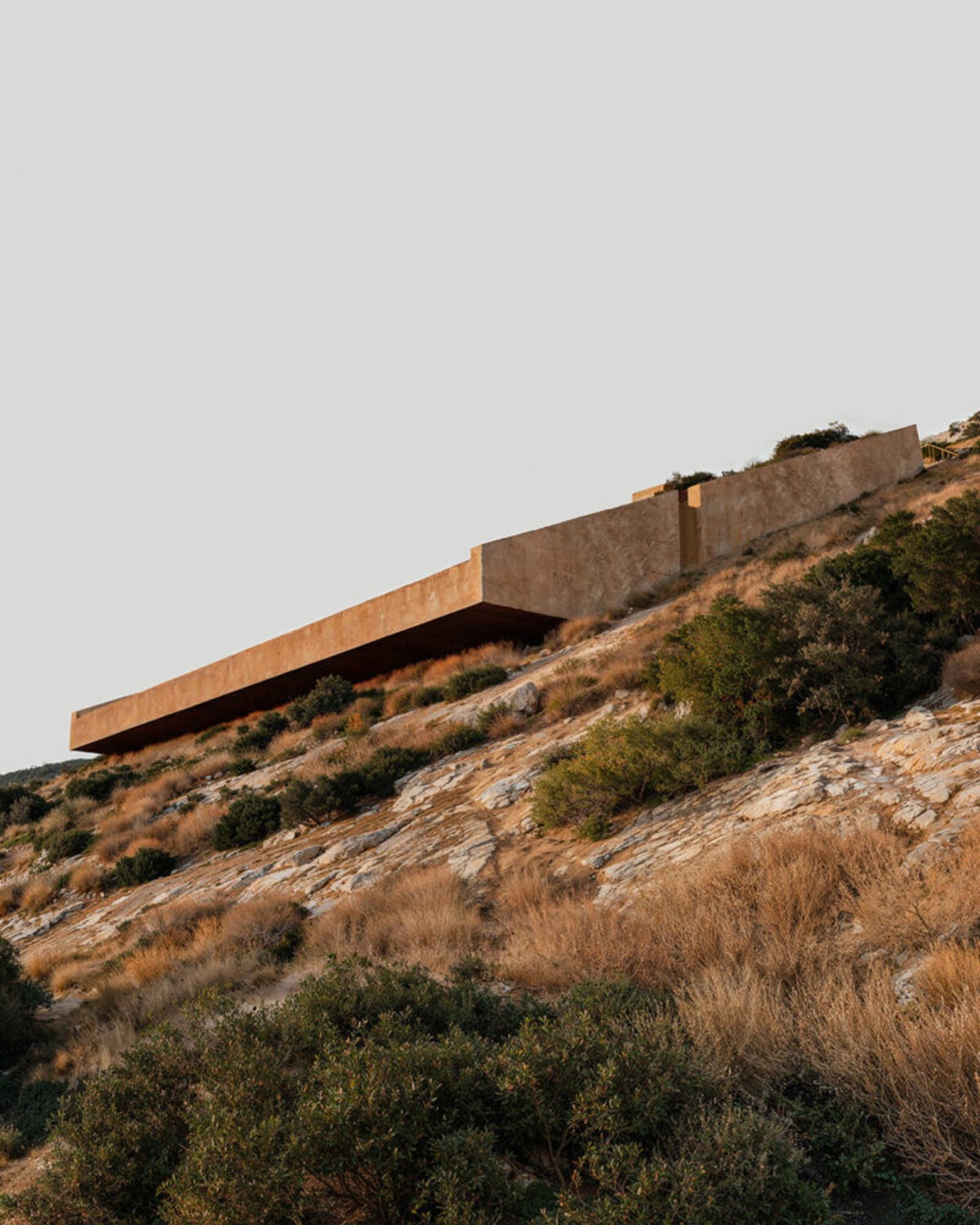
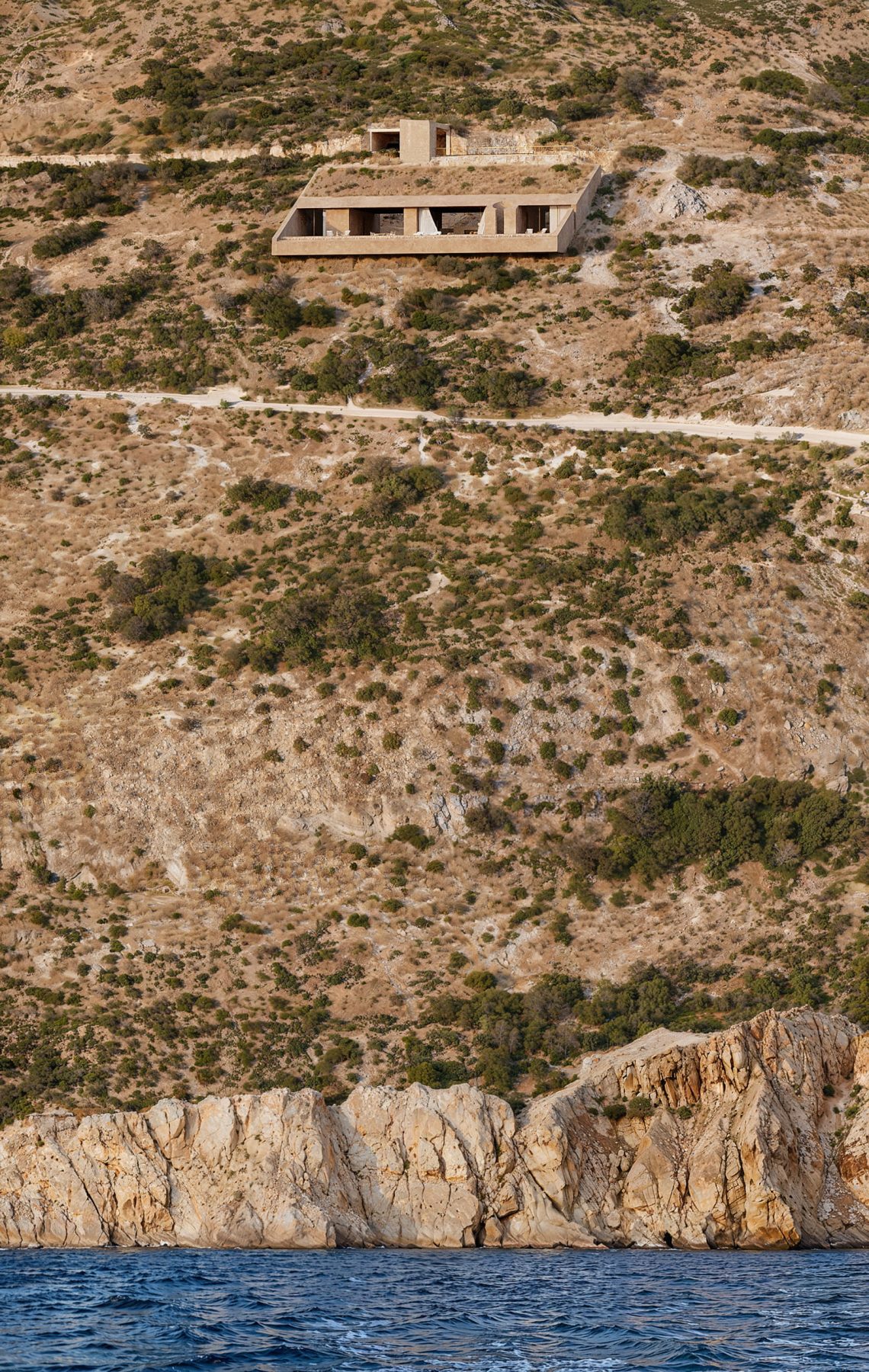
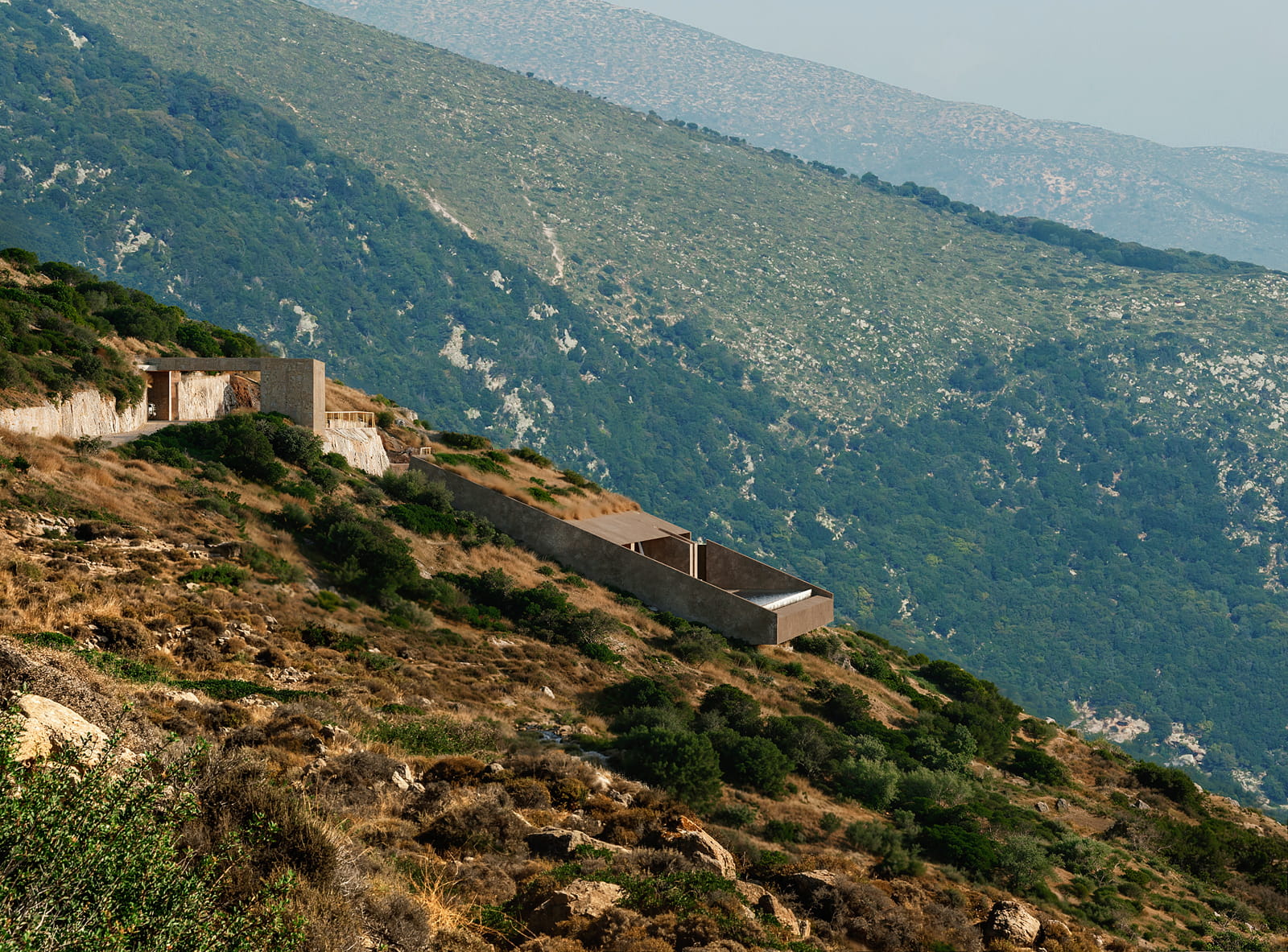
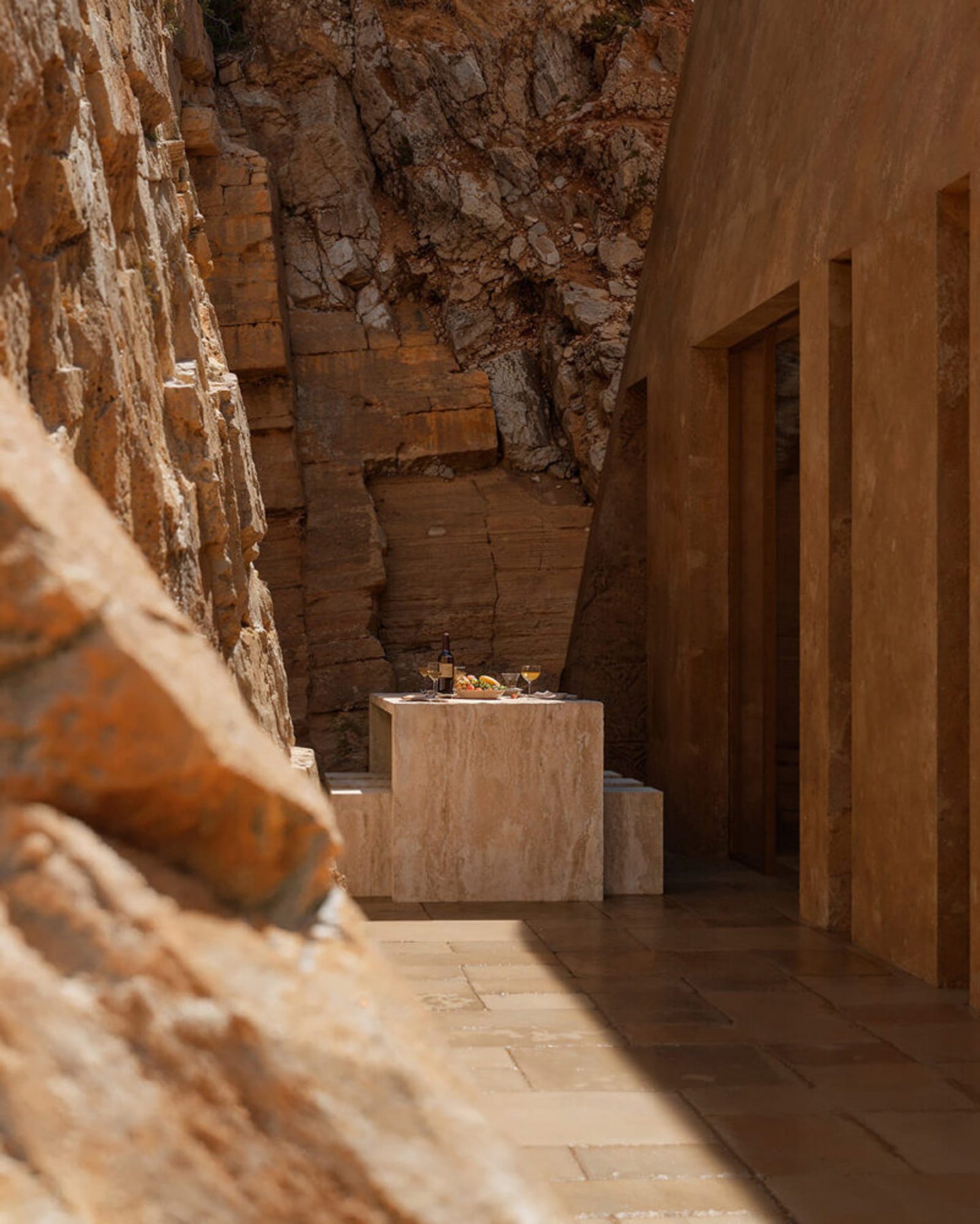
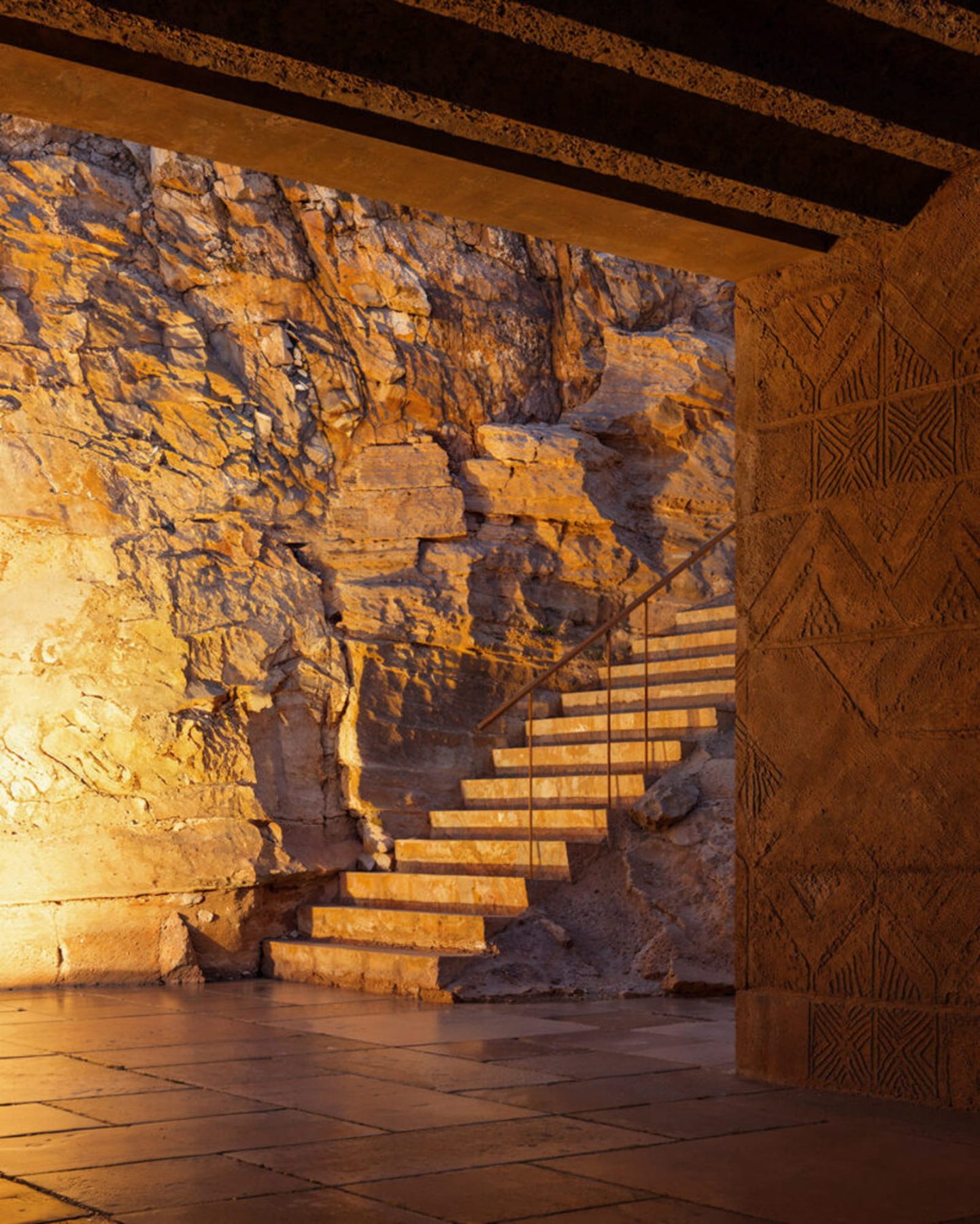
This philosophy is clearly reflected in the Signature Villa in Jalë Bay, Albania, where architecture is embedded into the Ionian landscape and articulated through cast-in-place concrete motifs inspired by Albanian embroidery. Here, design negotiates geology, craft, and cultural identity in a materially expressive way.
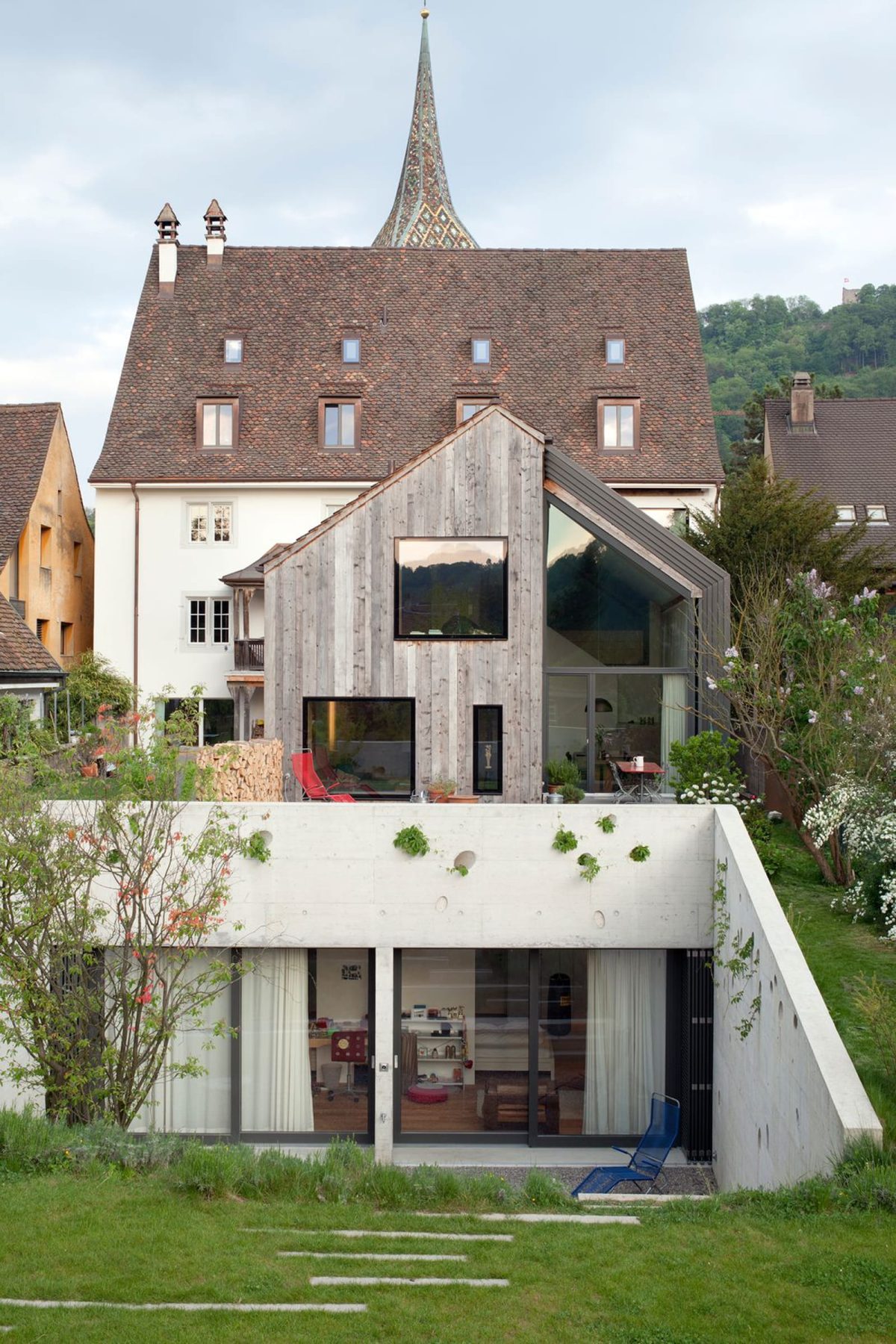
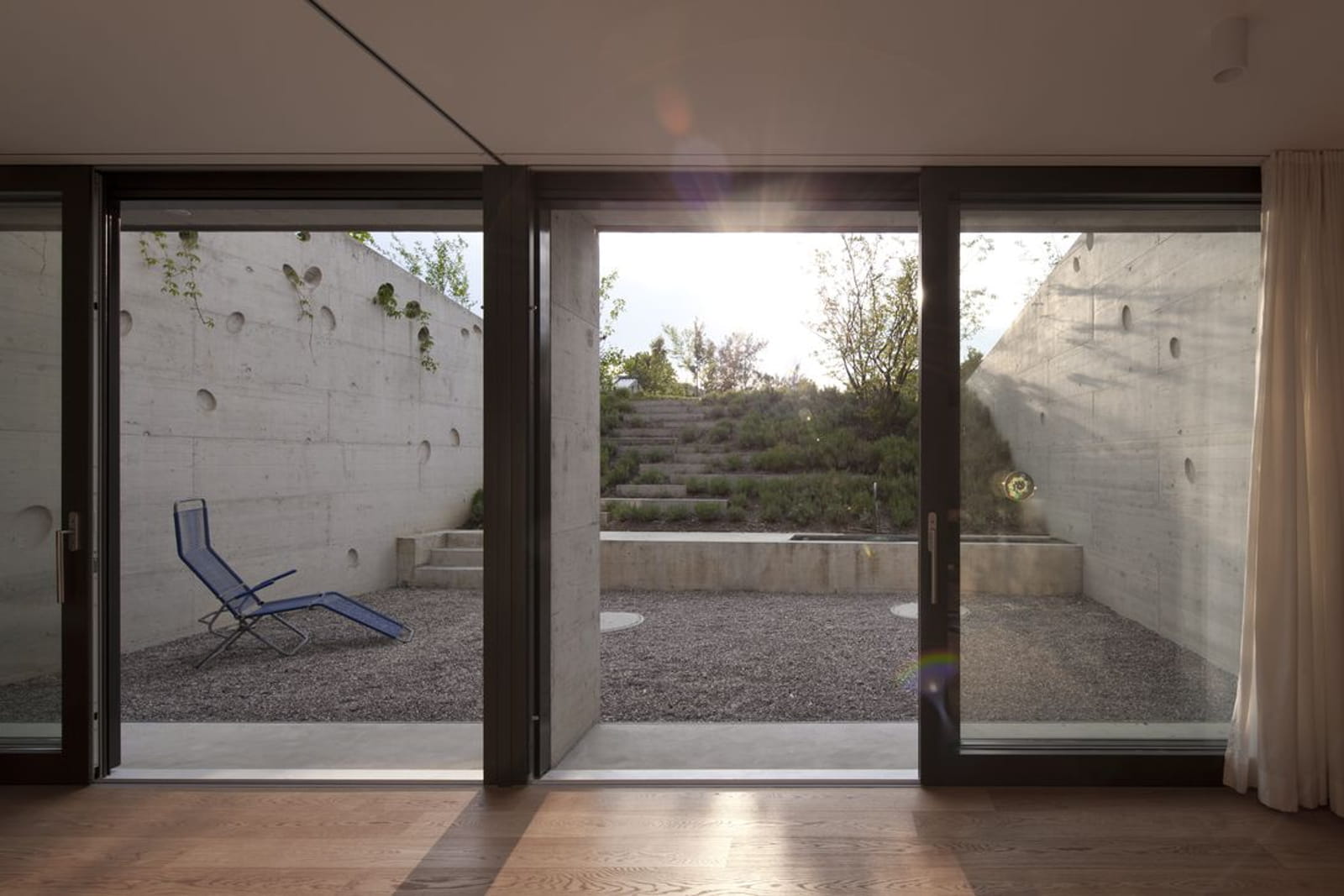
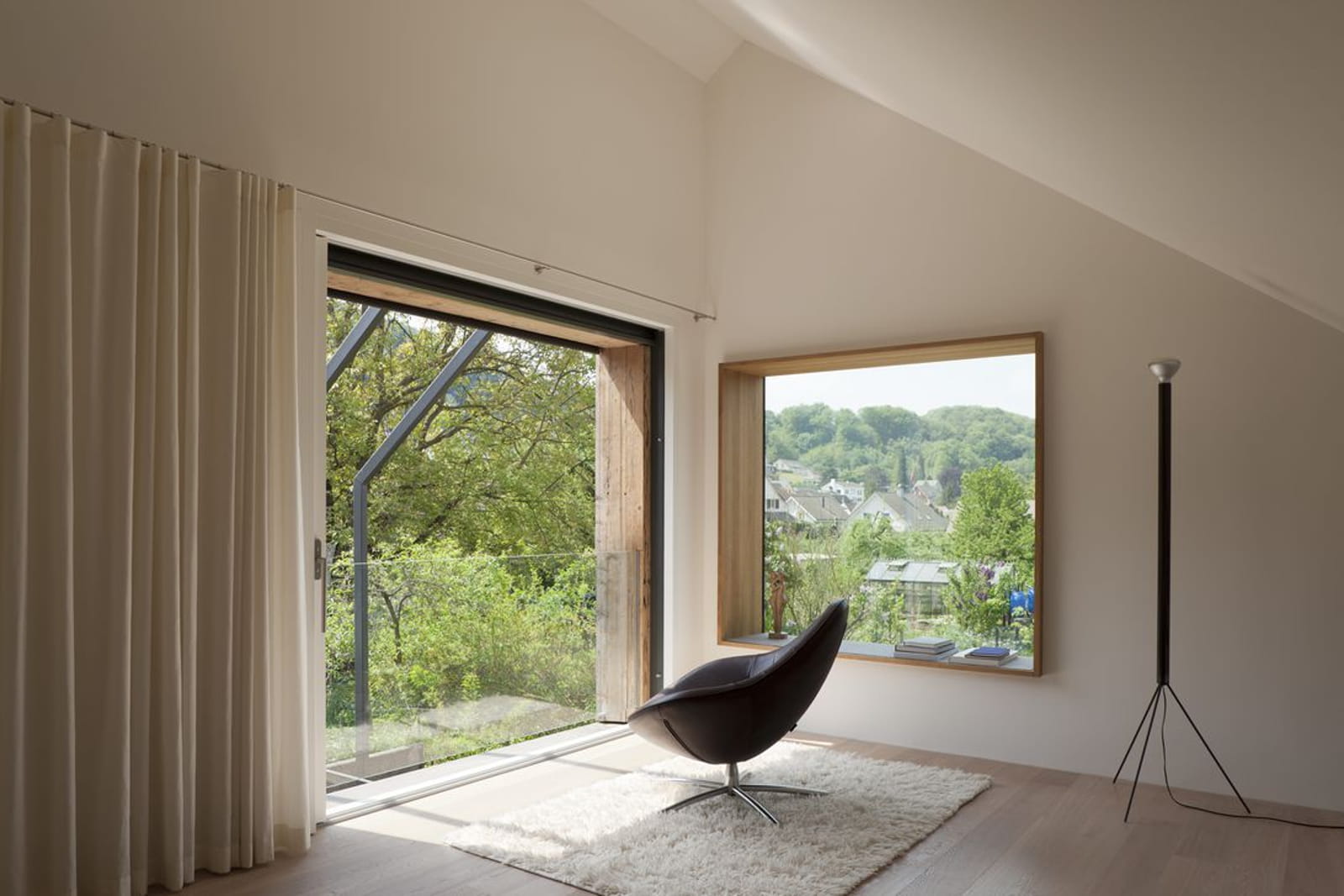
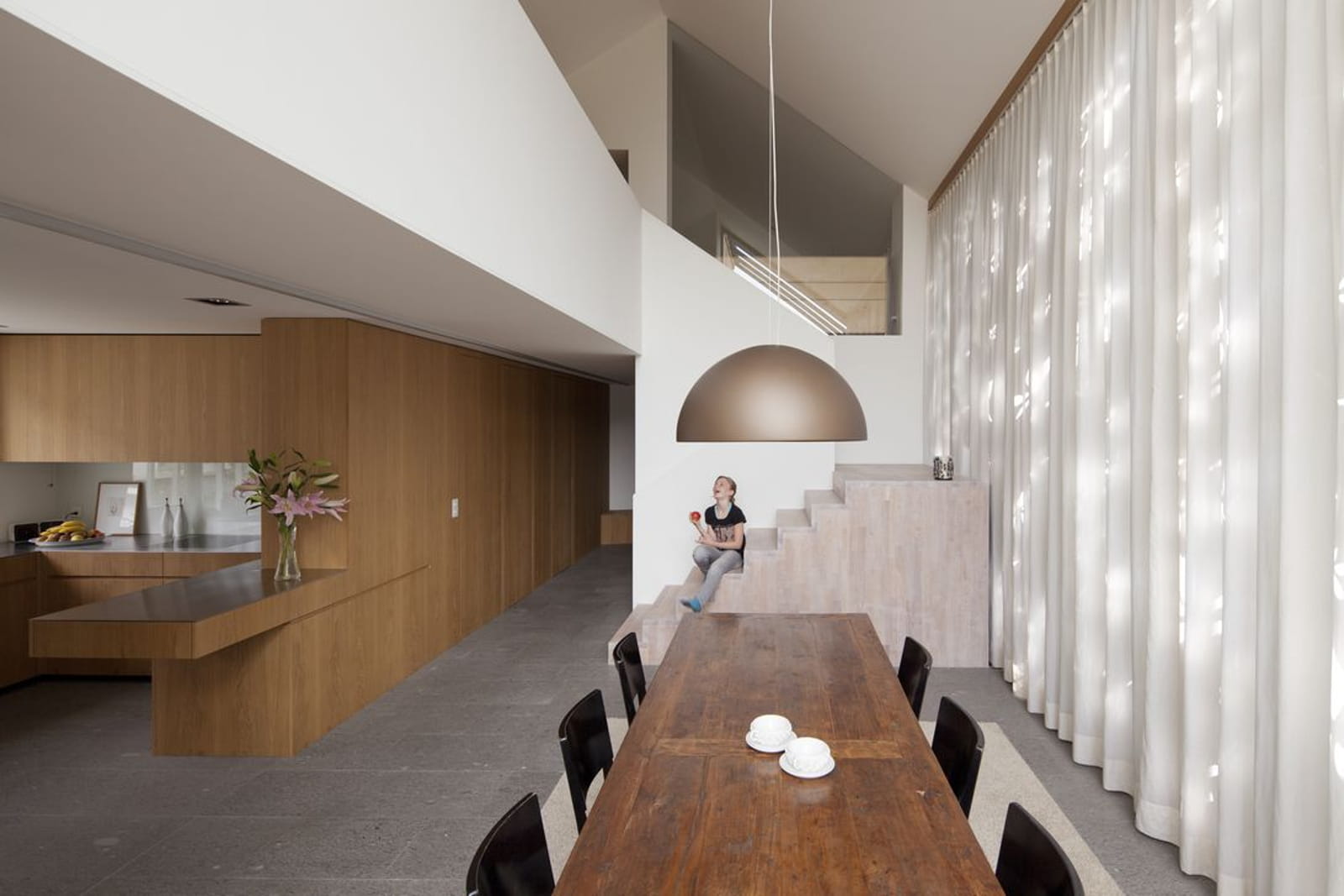
A similar sensitivity to context is evident in the Kirchplatz Residence and OA Europe Office in Muttenz, where the adaptive reuse of an 18th-century farmhouse coexists with contemporary intervention, embodying a thoughtful coalescence of heritage and innovation.
In this sense, Huesler’s work often aspires to what he describes as “silent monumentality,” producing architecture that is iconic yet restrained, and deeply rooted in its surroundings.
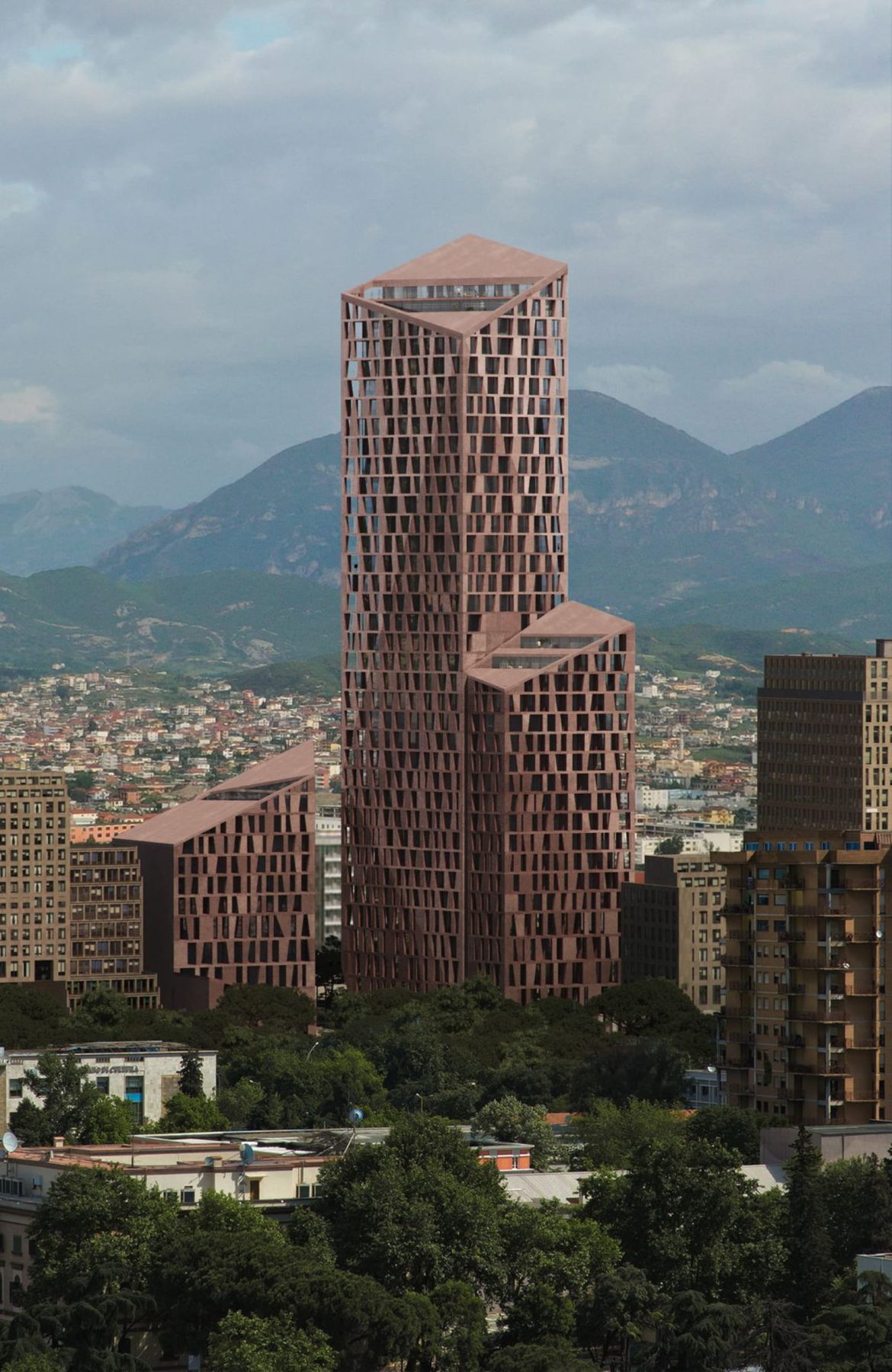
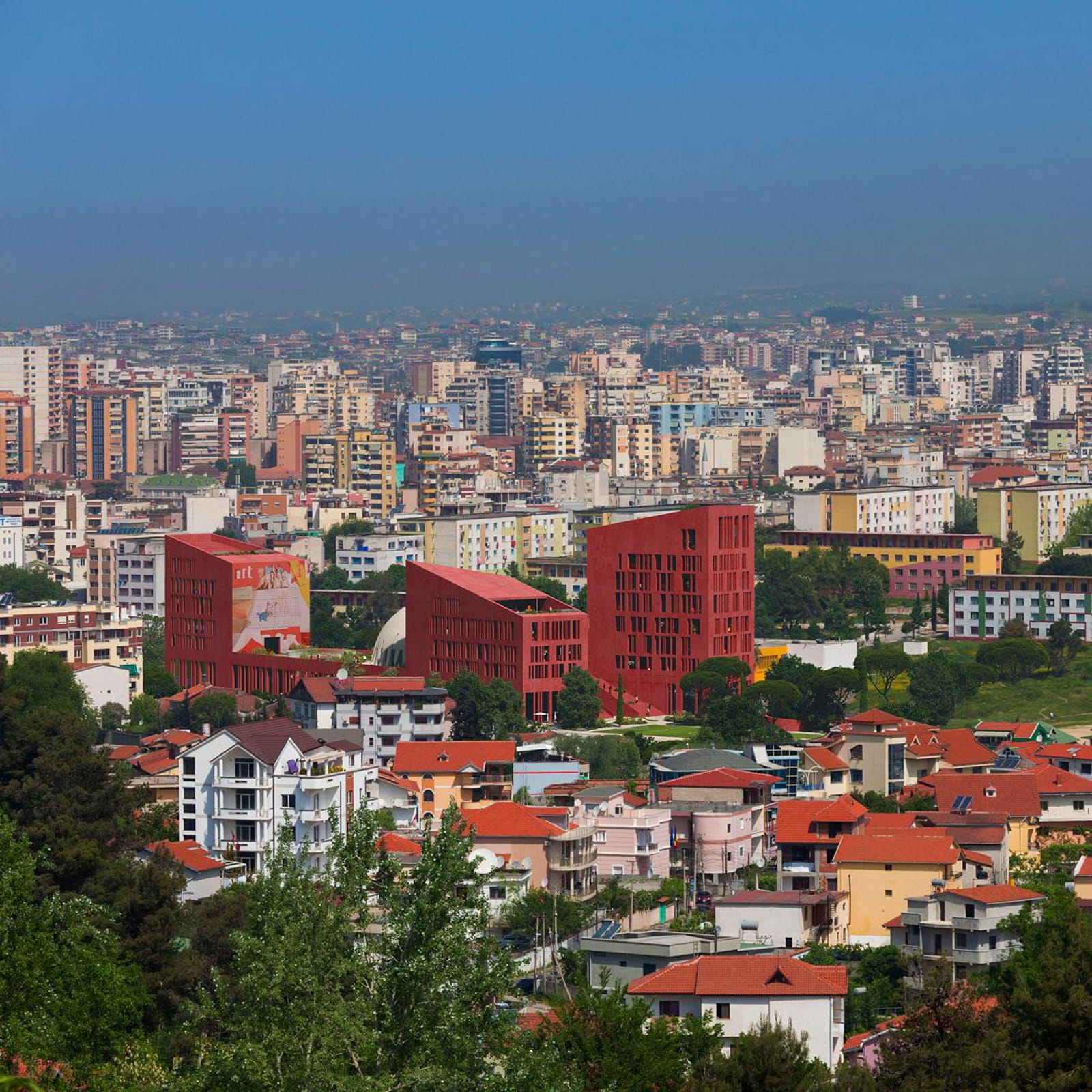
At the urban and infrastructural scale, projects such as the New Boulevard Tower in Tirana and The College of Europe’s Tirana campus demonstrate his engagement with the social and ecological layers of contemporary architecture. Through sustainable strategies, public space integration, and the reimagining of civic infrastructure as environmental landmarks, these works negotiate density, livability, and public value.
Combined with his strong technical background, early training in technical drawing, and collaborative work with local architects, builders, and craftspeople, Huesler’s practice exemplifies architecture as a negotiated, adaptive, and context-driven process—fully resonating with ESO’s vision of design as a dynamic interface between human, environmental, and cultural systems.
WORKS
Signature Villa – Jalë Bay, Albania (under construction)
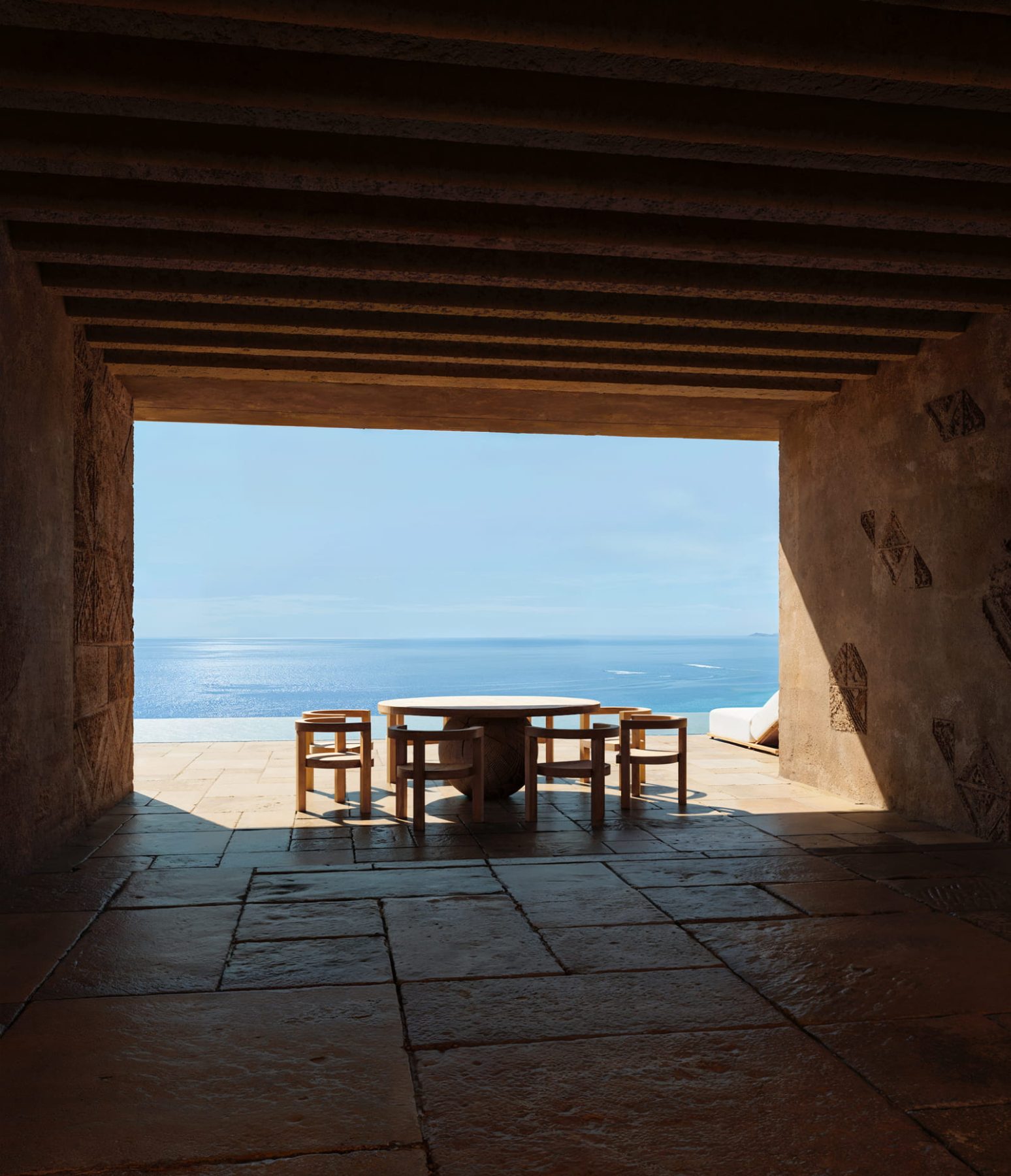
Signature Villa in Jalë Bay, Albania, is formulated as a sculptural coastal residence embedded within the dramatic cliffs of the Ionian landscape. Forming part of a four-villa development, the project responds directly to the site’s rugged topography, allowing the built form to emerge organically from the terrain rather than assert itself as a standalone object. The architecture is articulated through cast-in-place concrete surfaces textured with patterns inspired by traditional Albanian embroidery, creating a tactile dialogue between contemporary construction and local cultural heritage.
The spatial organization prioritizes continuity between interior and exterior, with living areas oriented toward expansive sea views and shaped by the surrounding geology. Terraces and projecting elements extend toward the horizon, intensifying the visual and sensory connection between architecture, sea, and sky. Material restraint, integration with the landscape, and culturally embedded detailing define the overall composition, resulting in a serene and context-sensitive dwelling that foregrounds place, memory, and atmosphere while maintaining a refined and quietly monumental presence within its natural setting.
New Boulevard Tower – Tirana, Albania (under construction)
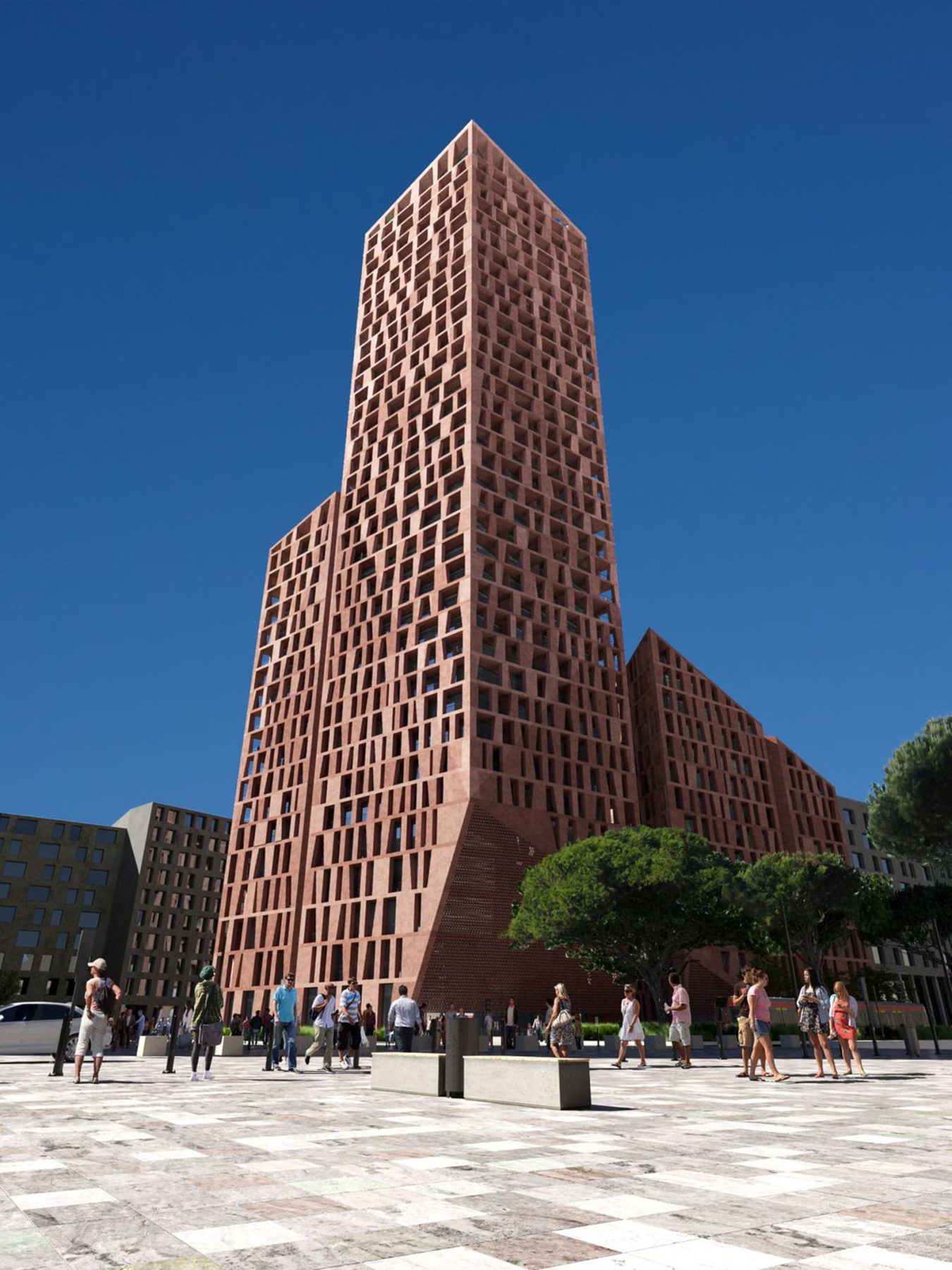
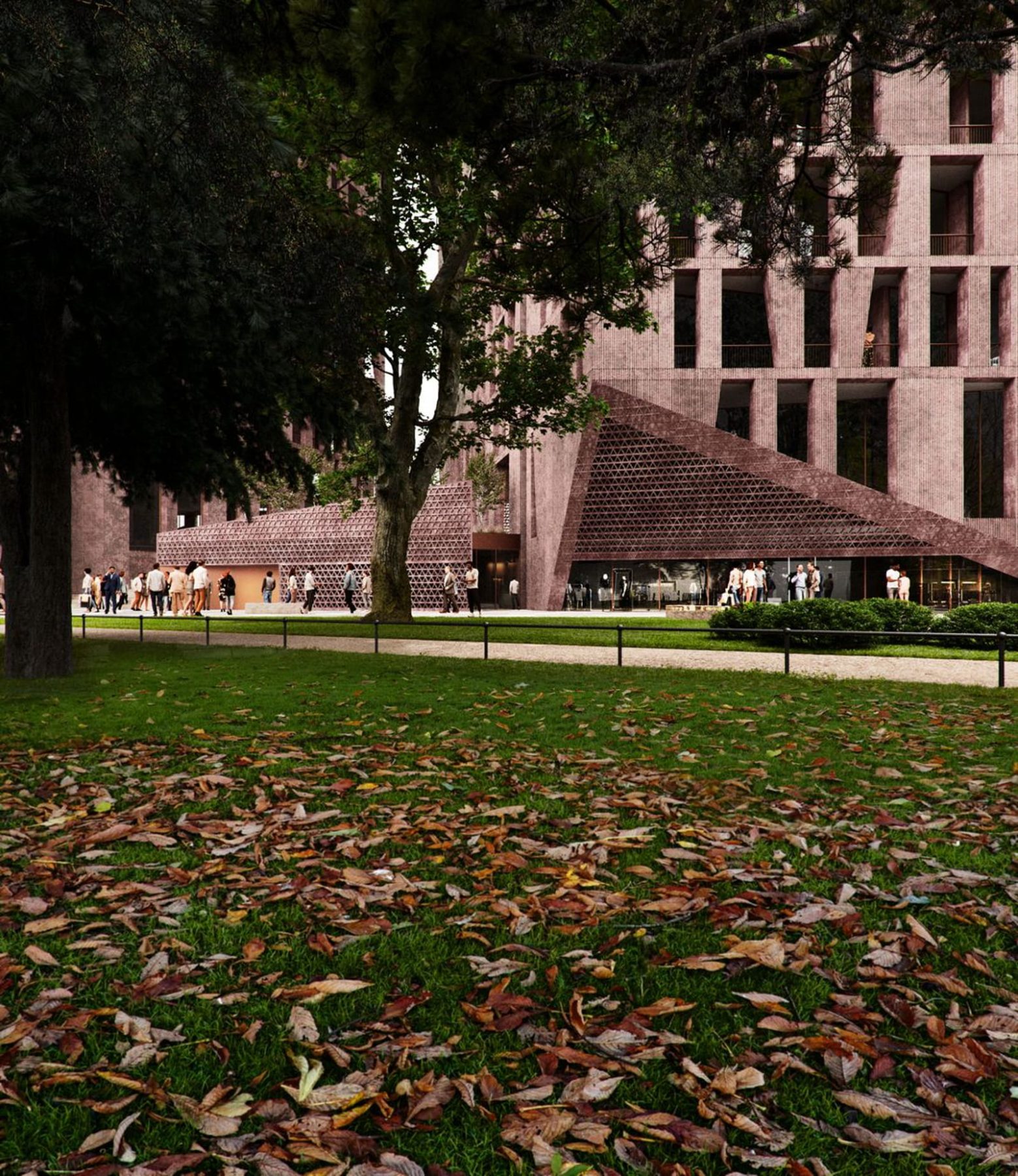
New Boulevard Tower in Tirana, Albania, is a 38-story residential landmark strategically positioned along the city’s New Boulevard, a key civic spine linking Skanderbeg Square with the Tirana River and the future Central Park. Conceived as a catalyst for the capital’s ongoing urban transformation, the tower contributes to Tirana’s identity as a forward-looking and dynamic city while reinforcing its vertical growth within a historically and environmentally sensitive context.
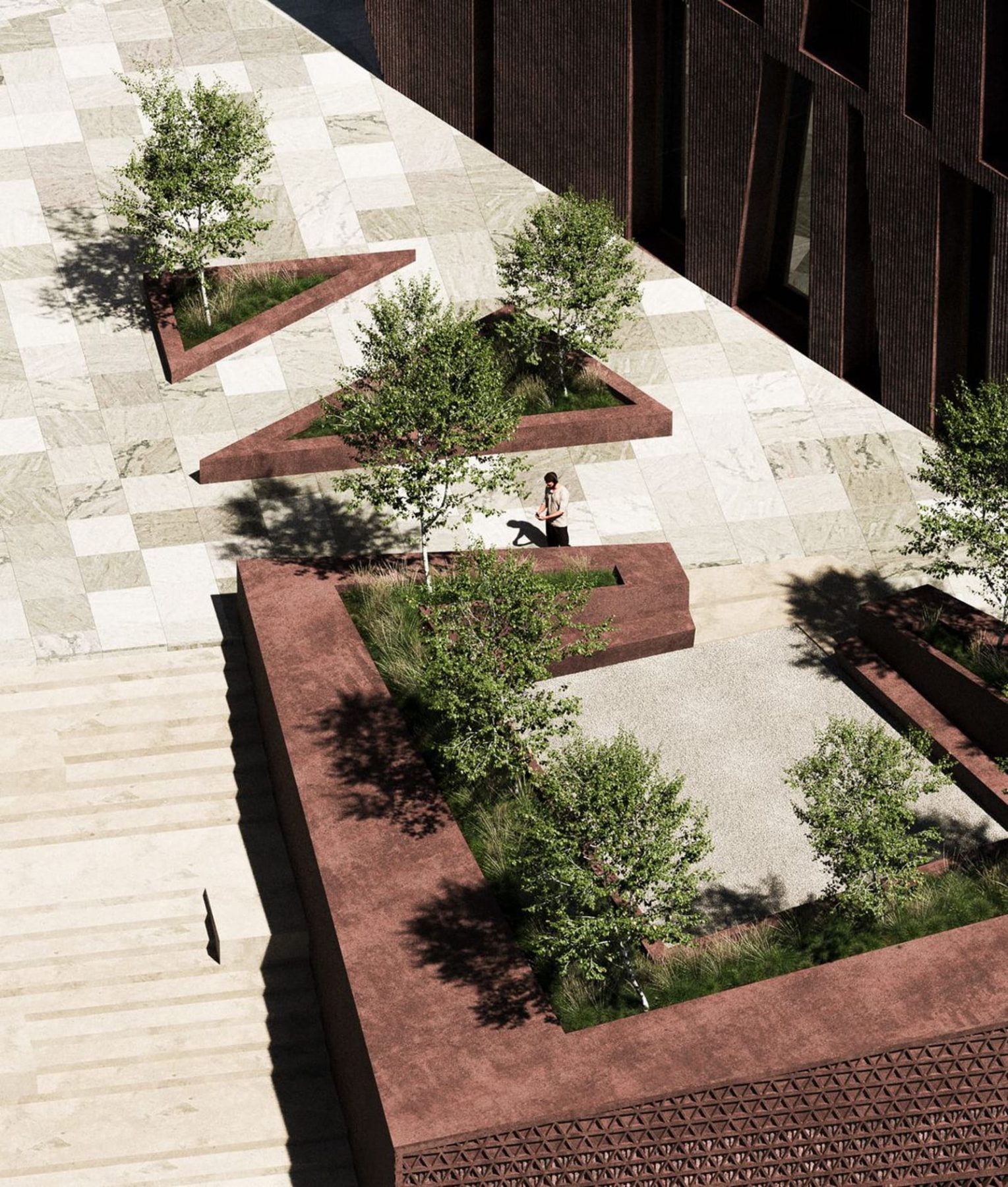
Integrated within a pedestrian-oriented masterplan prioritizing green corridors and public life, the project dedicates a significant portion of its surroundings to “urban living rooms” and landscaped pathways that foster community interaction and outdoor culture. At ground level, a public plaza connects the boulevard, adjacent square, and park, enhancing connectivity and social activity.
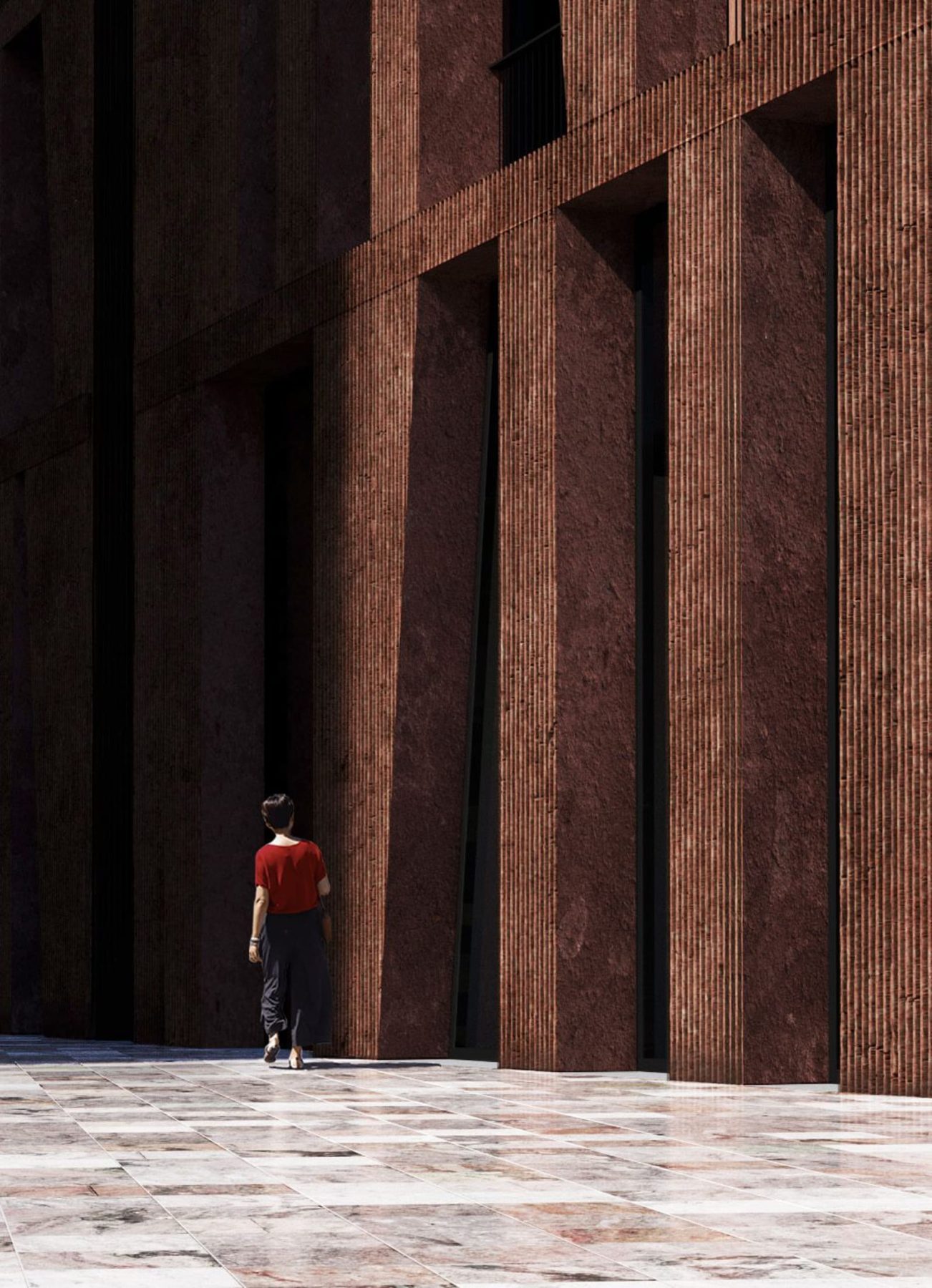
The tower’s façade employs textured, colorful surfaces inspired by Tirana’s eclectic material palette, creating a dynamic visual presence that shifts with light. Internally, residential units are organized around a central core and feature continuous wrap-around balconies that maximize natural light and panoramic views, while upper-level penthouses overlook Central Park and the evolving urban landscape.
Smartland Villa Community – Pyla, Larnaca, Cyprus (under construction)
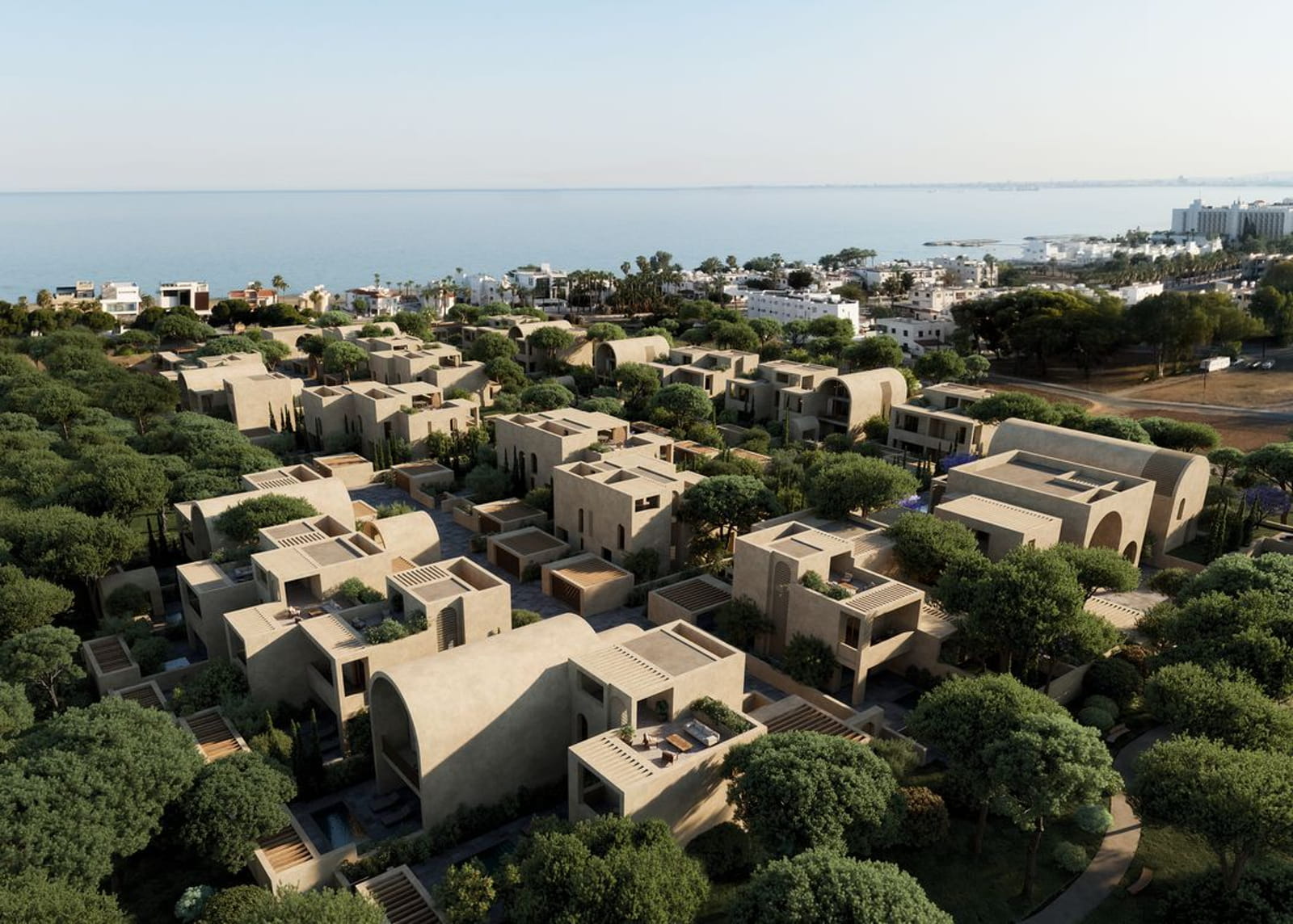
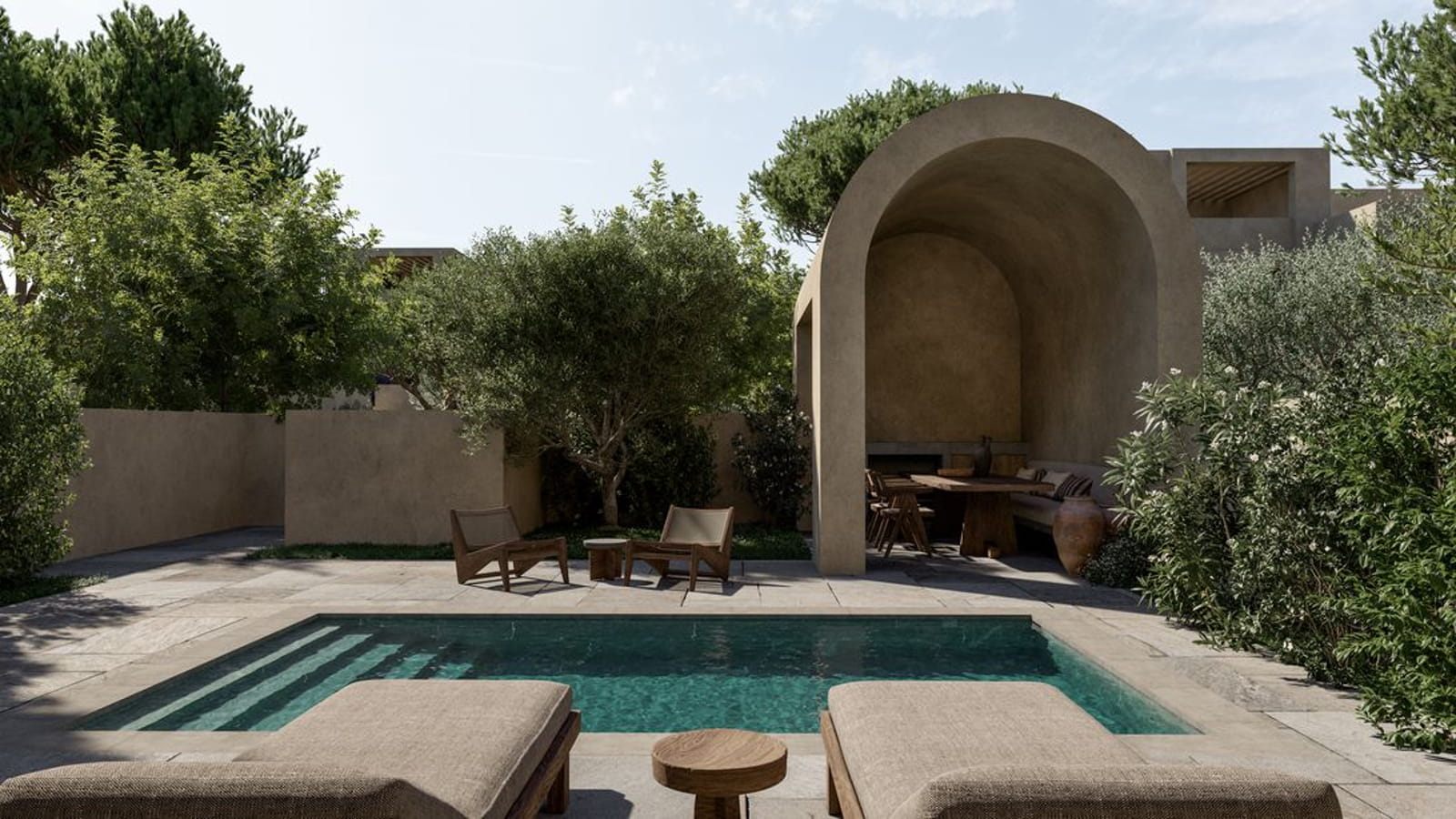
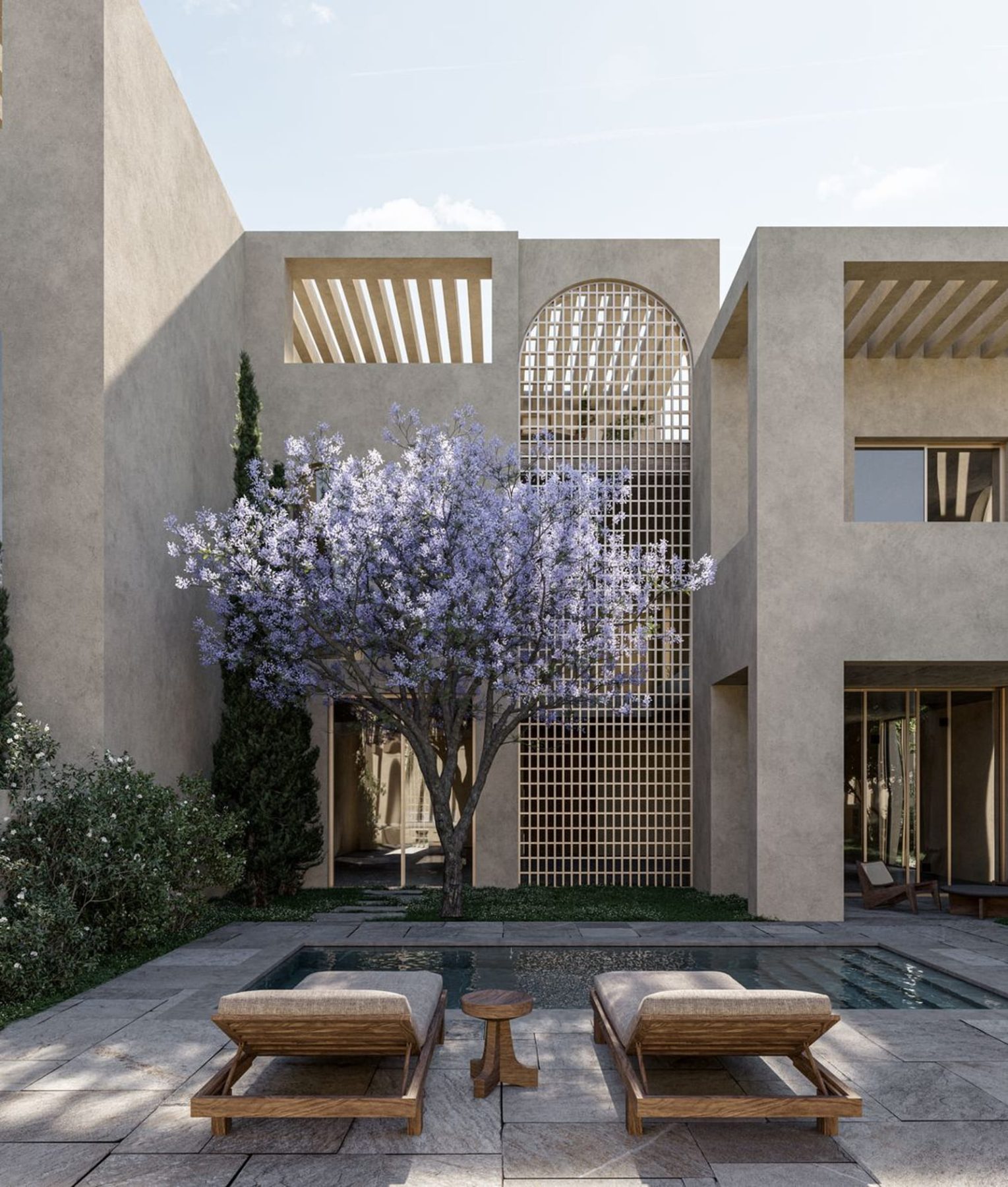
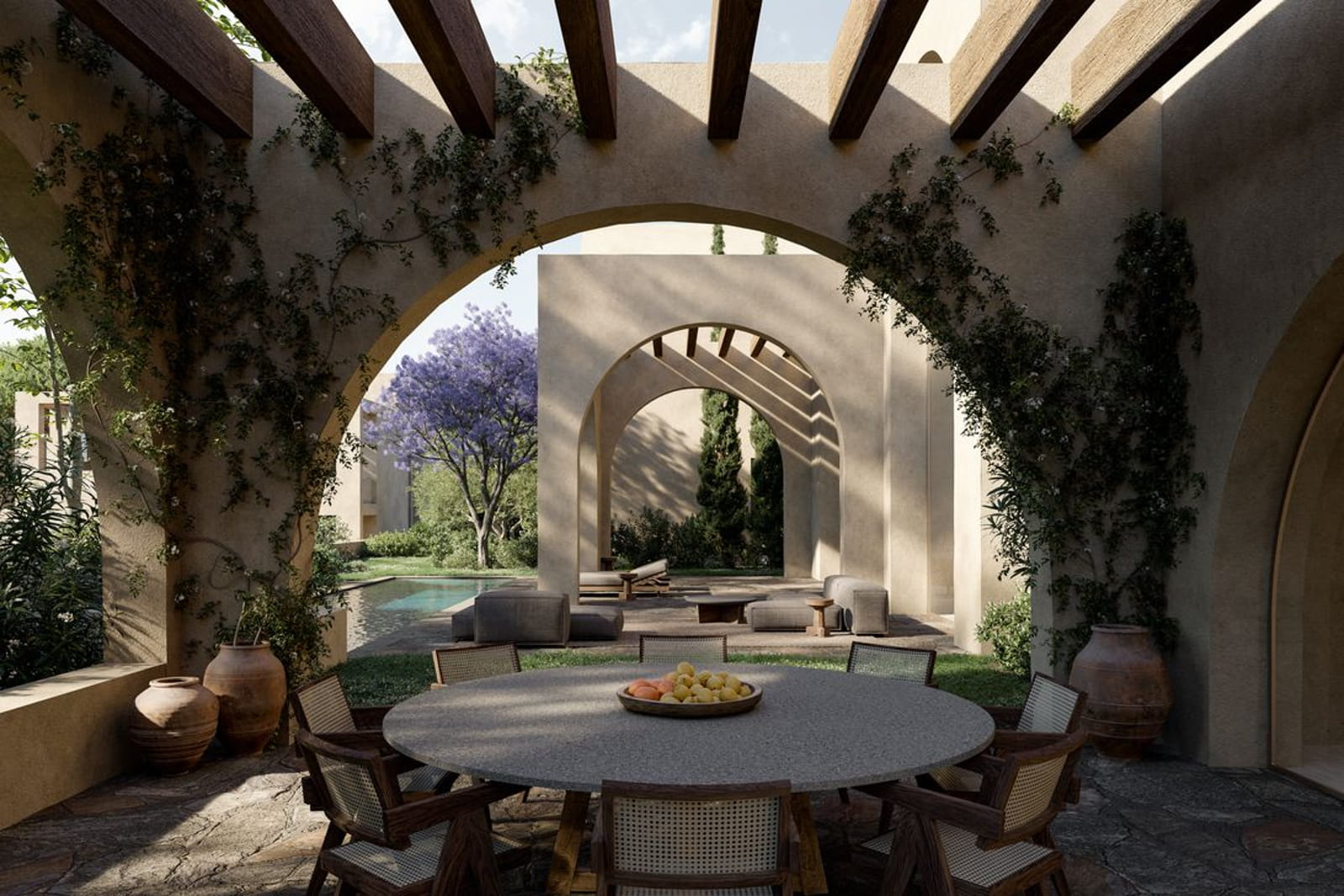
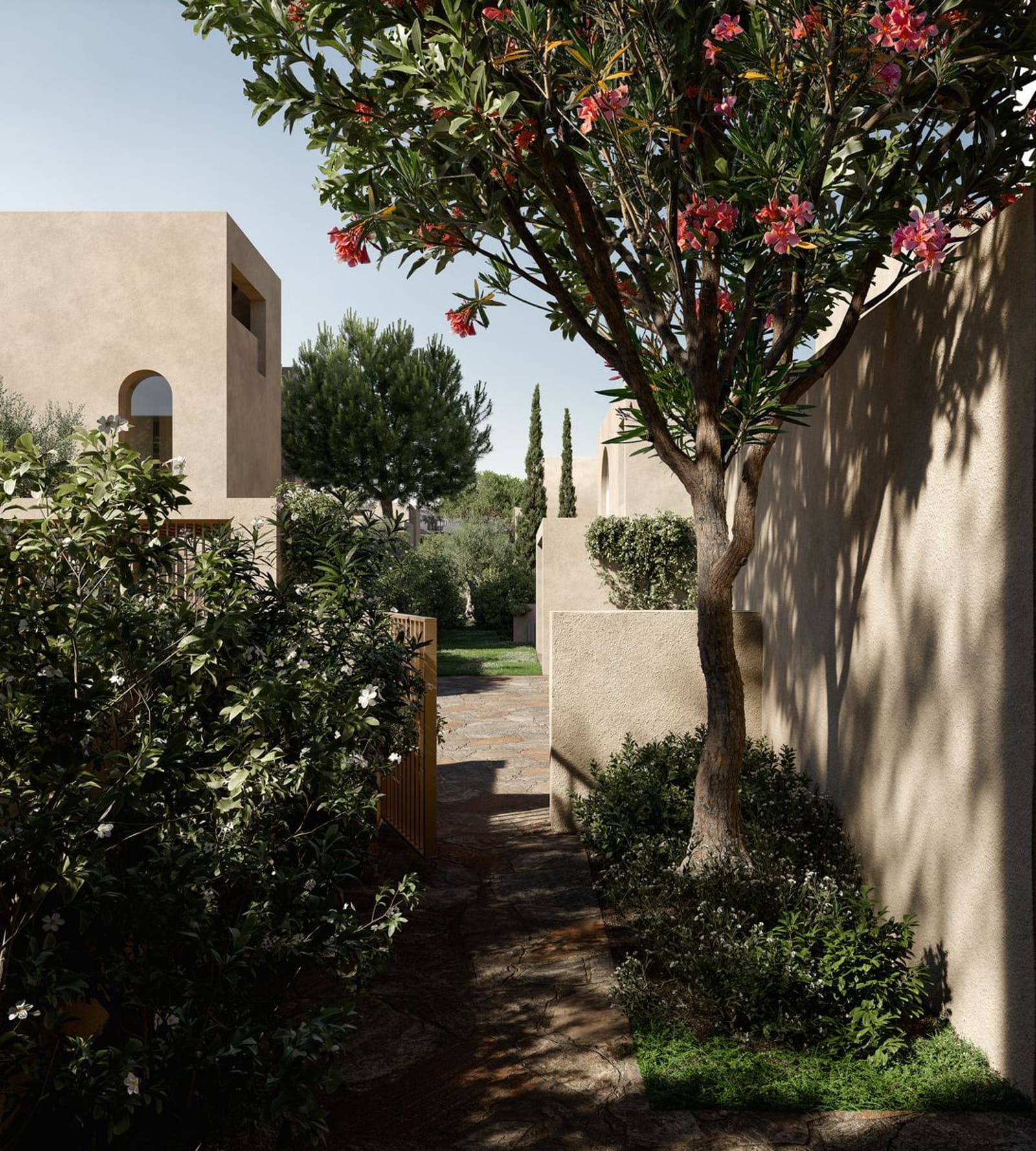
Smartland Villa Community in Pyla, Larnaca, Cyprus, is conceived as a visionary residential development that reinterprets traditional architectural language through a contemporary, community-oriented framework. Located in the picturesque south bay near Larnaca, the project comprises 38 villas across seven typologies, offering diverse living environments shaped by a strong sense of place and collective living.
At its core, the development emphasizes togetherness, with shared amenities such as a swimming pool, tennis court, gym, market, café, and beach club functioning as social hubs that foster interaction and belonging. A defining feature is the inner car-free zone, designed as a lush communal garden positioned behind the private backyards of the villas, creating a serene green oasis that enhances privacy and tranquility.
Architecturally, the project blends the timeless allure of Cypriot architecture with the heritage of the Ukrainian community, integrating elements such as arches and cascading volumes into a contemporary spatial language. The reference to Ukrainian heritage acknowledges the strong presence of the Ukrainian community in Cyprus, whose social cohesion, family-oriented lifestyle, and transnational identity influence the project’s emphasis. This fusion of tradition and innovation establishes a cohesive residential environment where cultural identity, landscape, and community life are seamlessly interwoven.
Kirchplatz Residence + OA Europe Office – Muttenz, Switzerland (2025)
Kirchplatz Residence + OA Europe Office in Muttenz, Switzerland, is a context-sensitive intervention centered on the adaptive reuse of a historic Swiss farmhouse and the addition of a new independent residence within its garden. Located in the historic core of the town, the project transforms the original building into a mixed-use ensemble that accommodates an office studio, residences, and community-oriented spaces while preserving its architectural identity.
The renovation carefully amplifies the heritage character of the 1743 house—later reconstructed in 1915—by restoring its defining features and reorganizing the interior into generous, light-filled spaces. Strategic spatial planning allows the historic structure to host two-story apartments, an office, and flexible areas for meetings and exhibitions used by the local community.
Screened behind the existing building, the new timber-clad residence introduces a contemporary yet restrained architectural language that contrasts with the historic fabric while sharing common materials and tones. The overall composition establishes a balanced coexistence between old and new, demonstrating how adaptive reuse and sensitive infill can reinforce heritage architecture while accommodating contemporary living and working needs within a historic European urban context.
The College of Europe’s Tirana campus (2024)
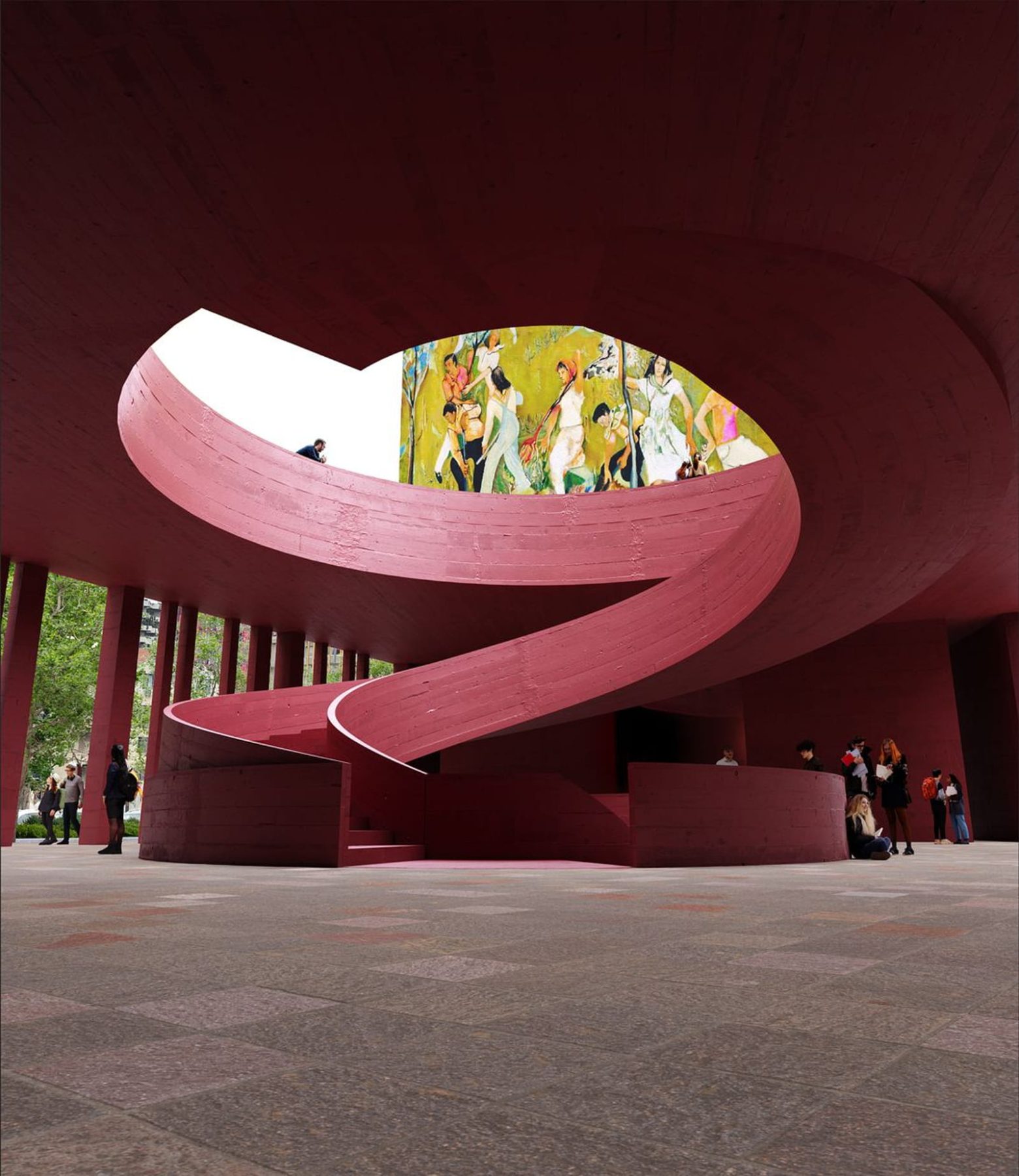
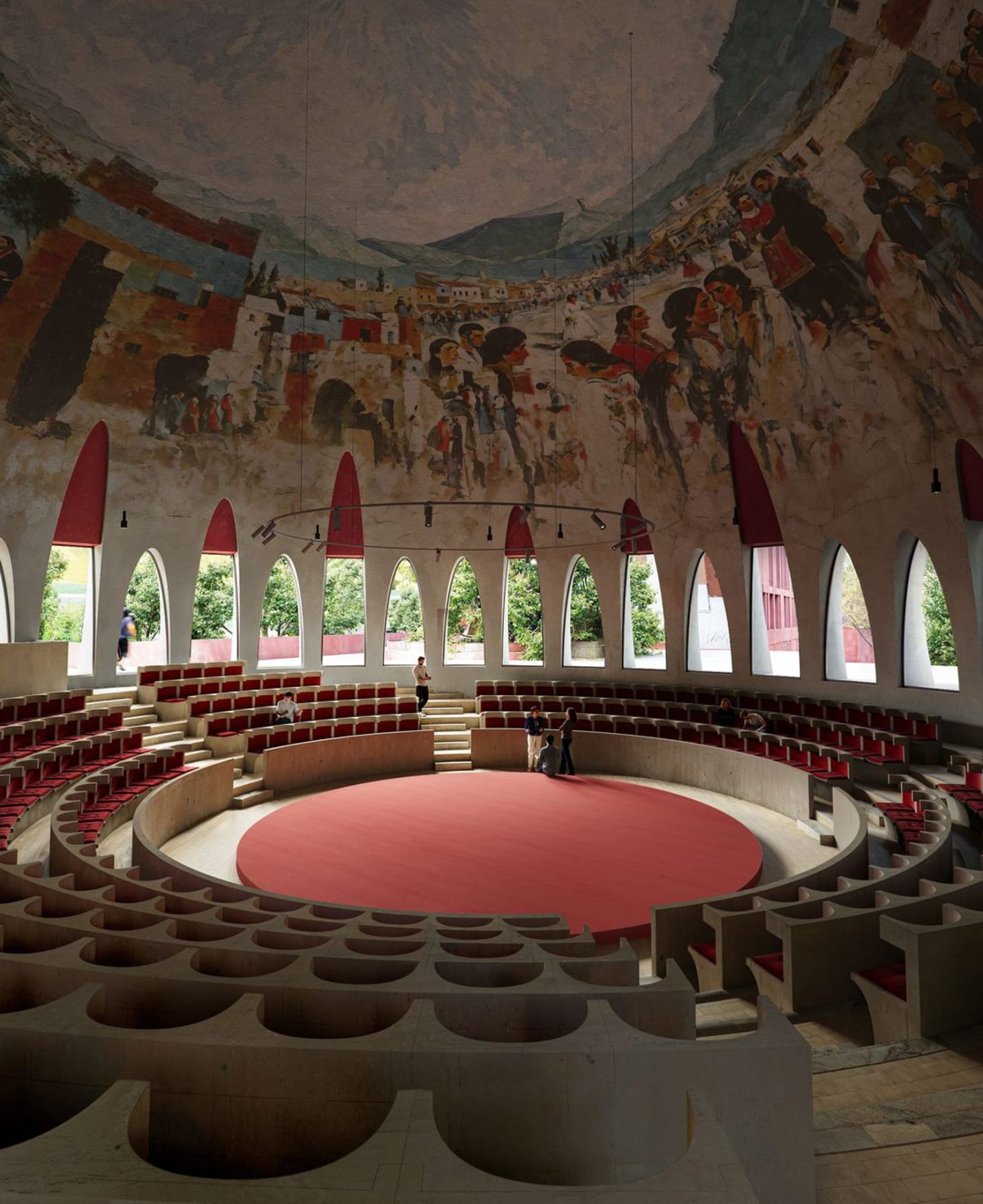
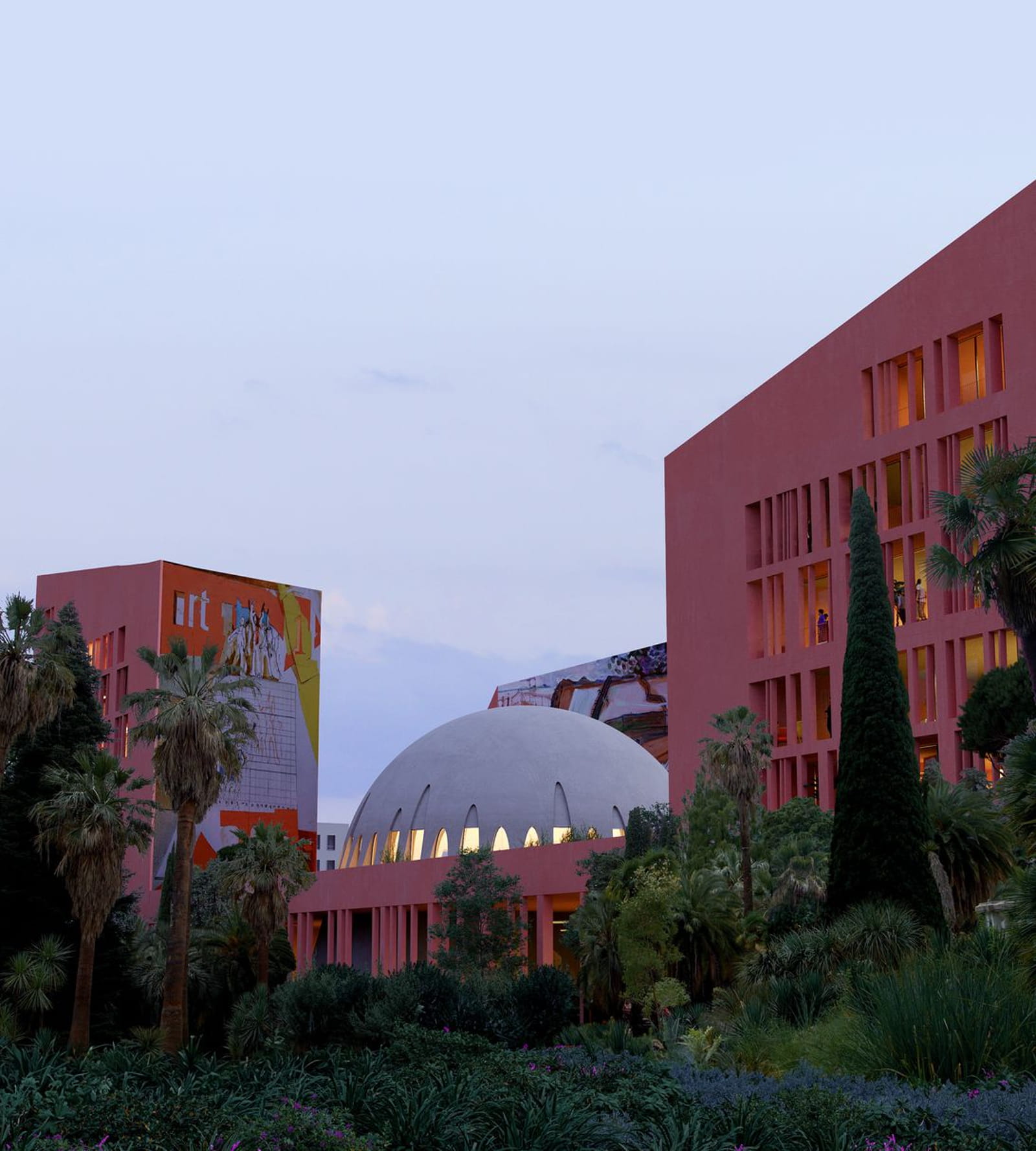
The College of Europe’s Tirana campus is envisioned as a symbolic and spatial synthesis of European ideals and Albanian history, culture, and tradition, set within the historically significant “student city” of Tirana. Designed as the first purpose-built campus for the institution, the project establishes a hub for social, cultural, and diplomatic exchange between students, EU delegates, and the wider public. Its spatial organization follows a democratic logic, with distinct buildings dedicated to public, academic, and diplomatic functions, all oriented around a central circular agora formed as a porous dome reminiscent of Albania’s historic bunkers.
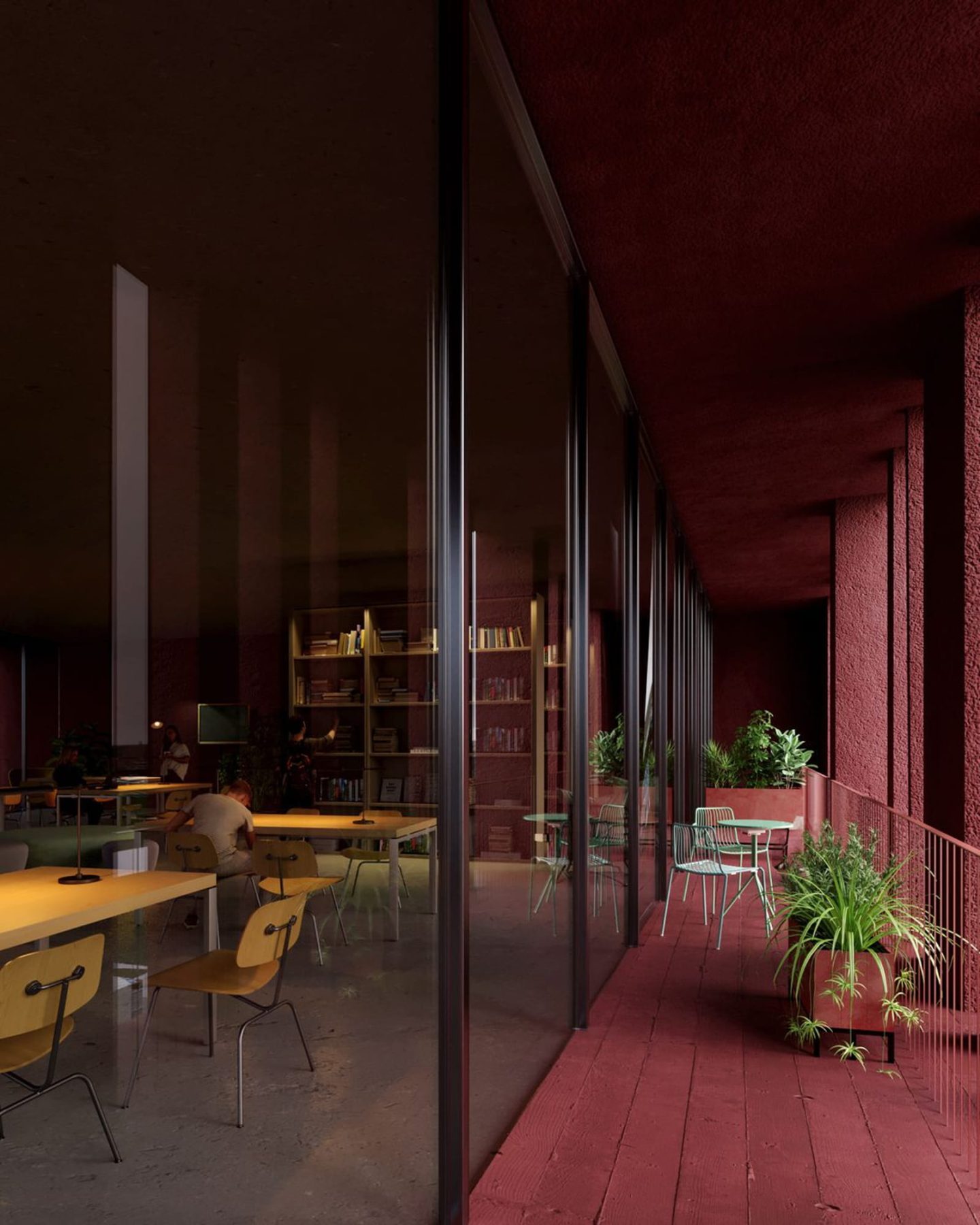
Ground and first floors function as open, social extensions of the city, creating a grand foyer that connects the buildings through a covered canopy and green roof terrace, encouraging interaction and collective use. Deep loggias, rooftop social spaces, and a progression from communal to private areas reinforce cooperation and unity. Material choices, façade articulation, and brise-soleil compositions draw inspiration from Tirana’s textures, local culture, and the musical harmony of “Ode to Joy,” resulting in a campus that spatially embodies integration, dialogue, and shared European identity.
Besa Museum in Tirana (2023)
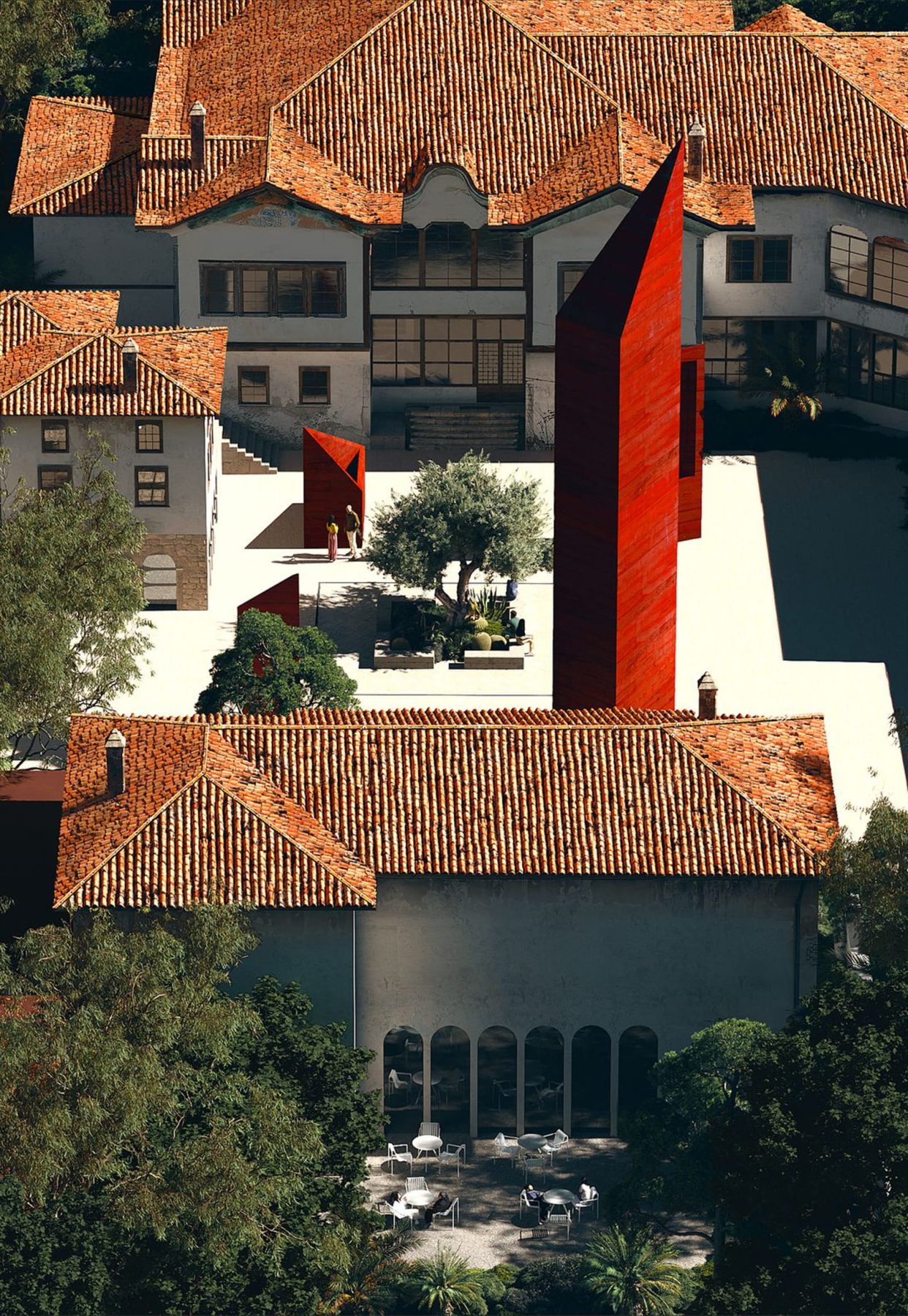
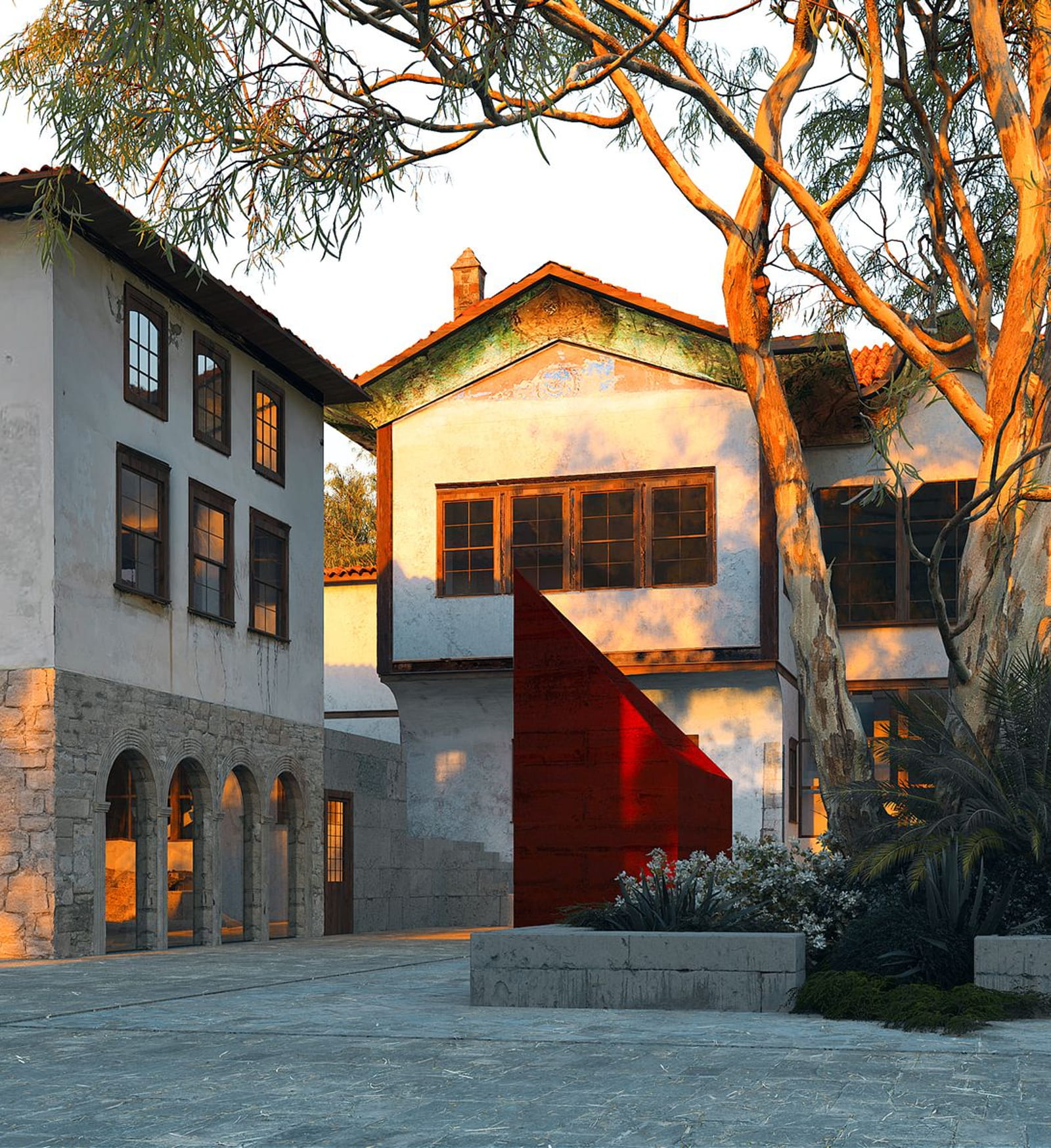
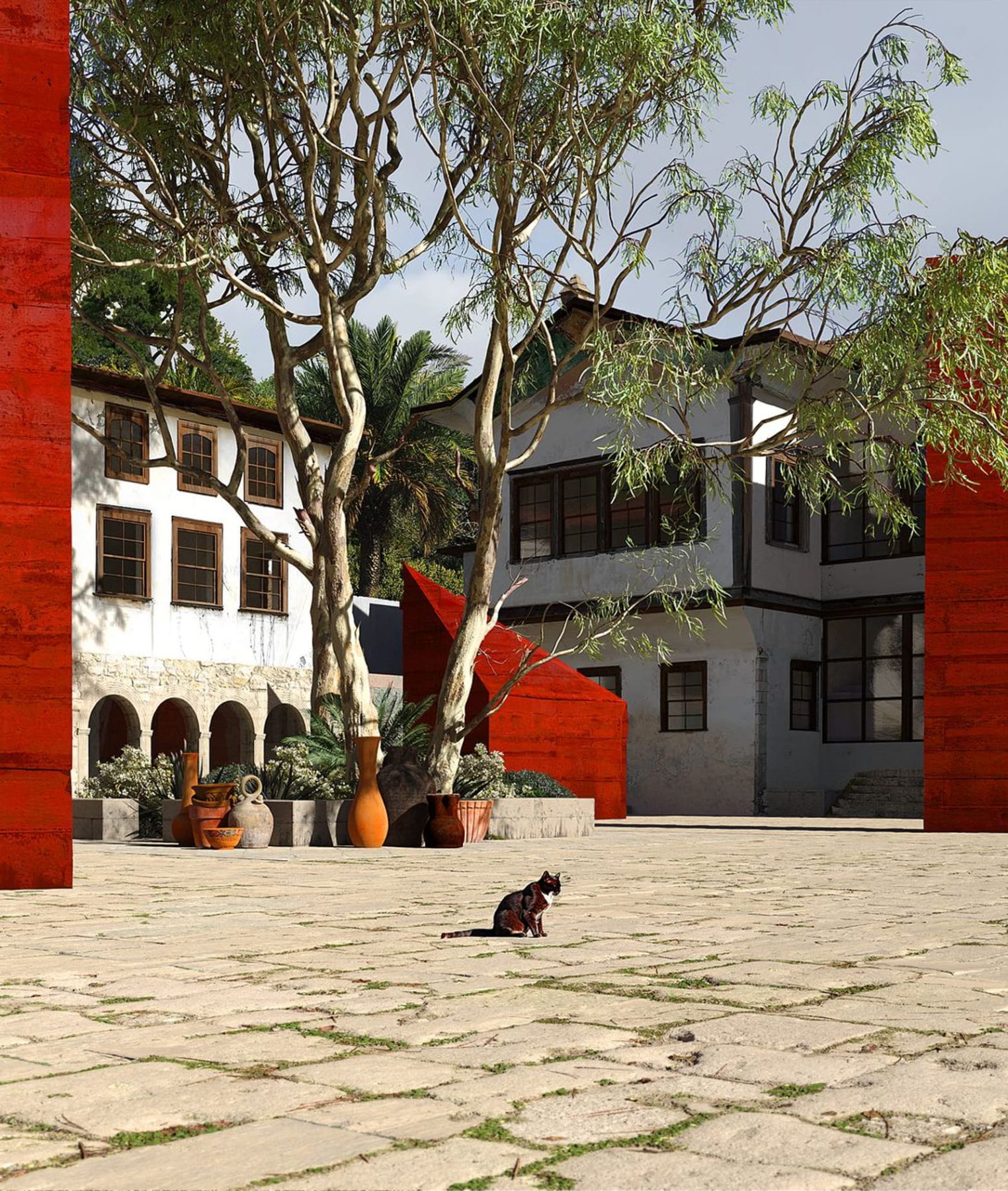
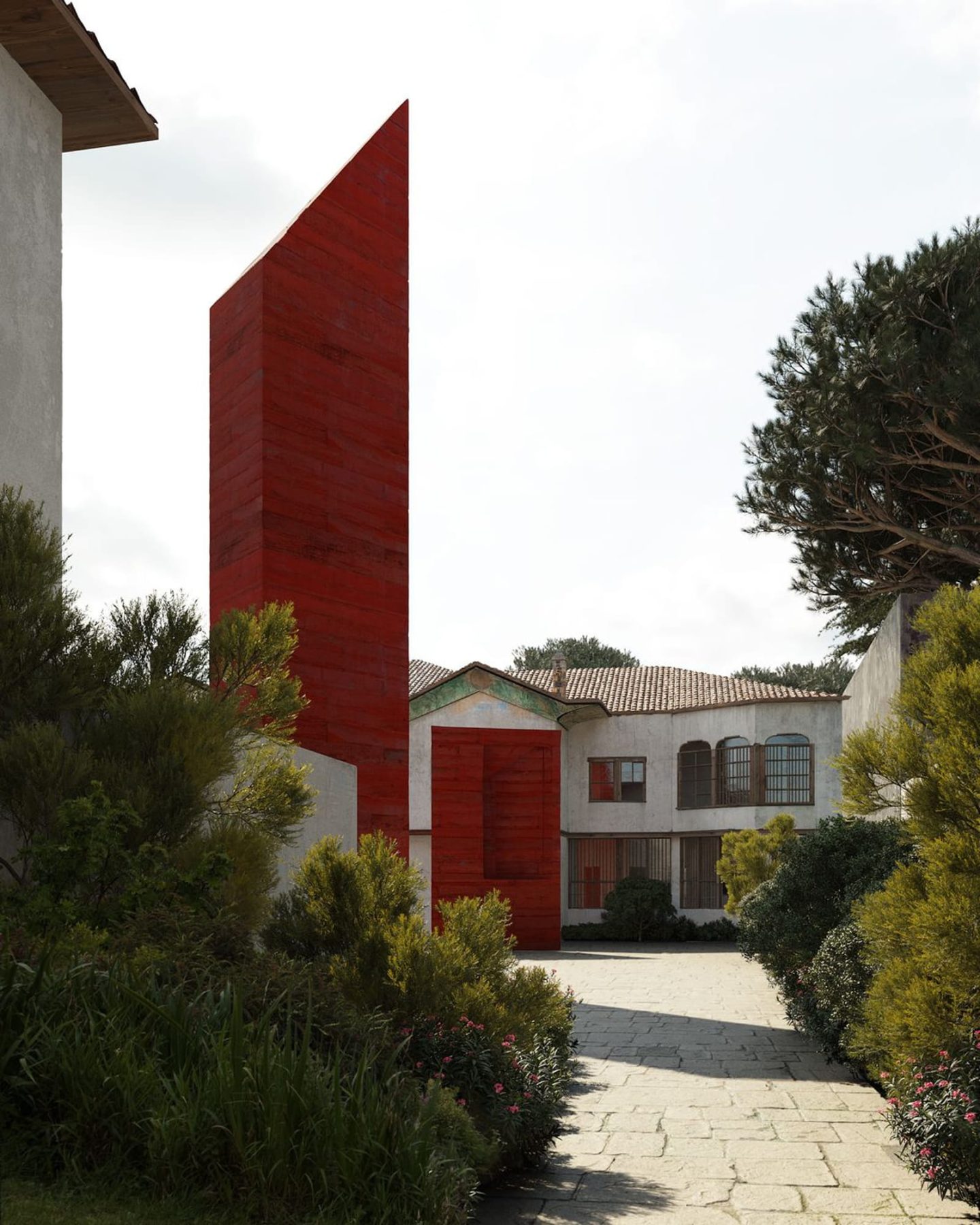
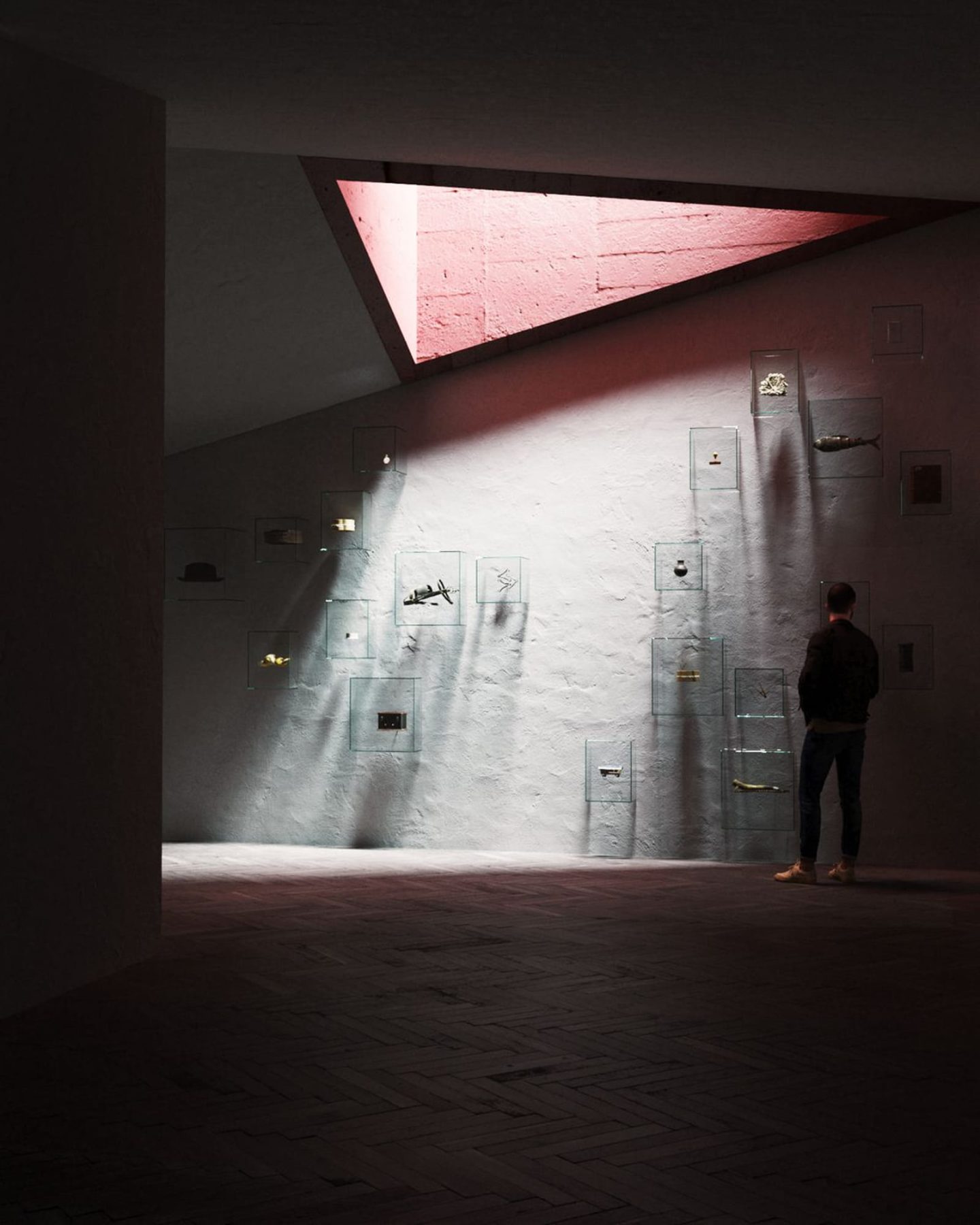
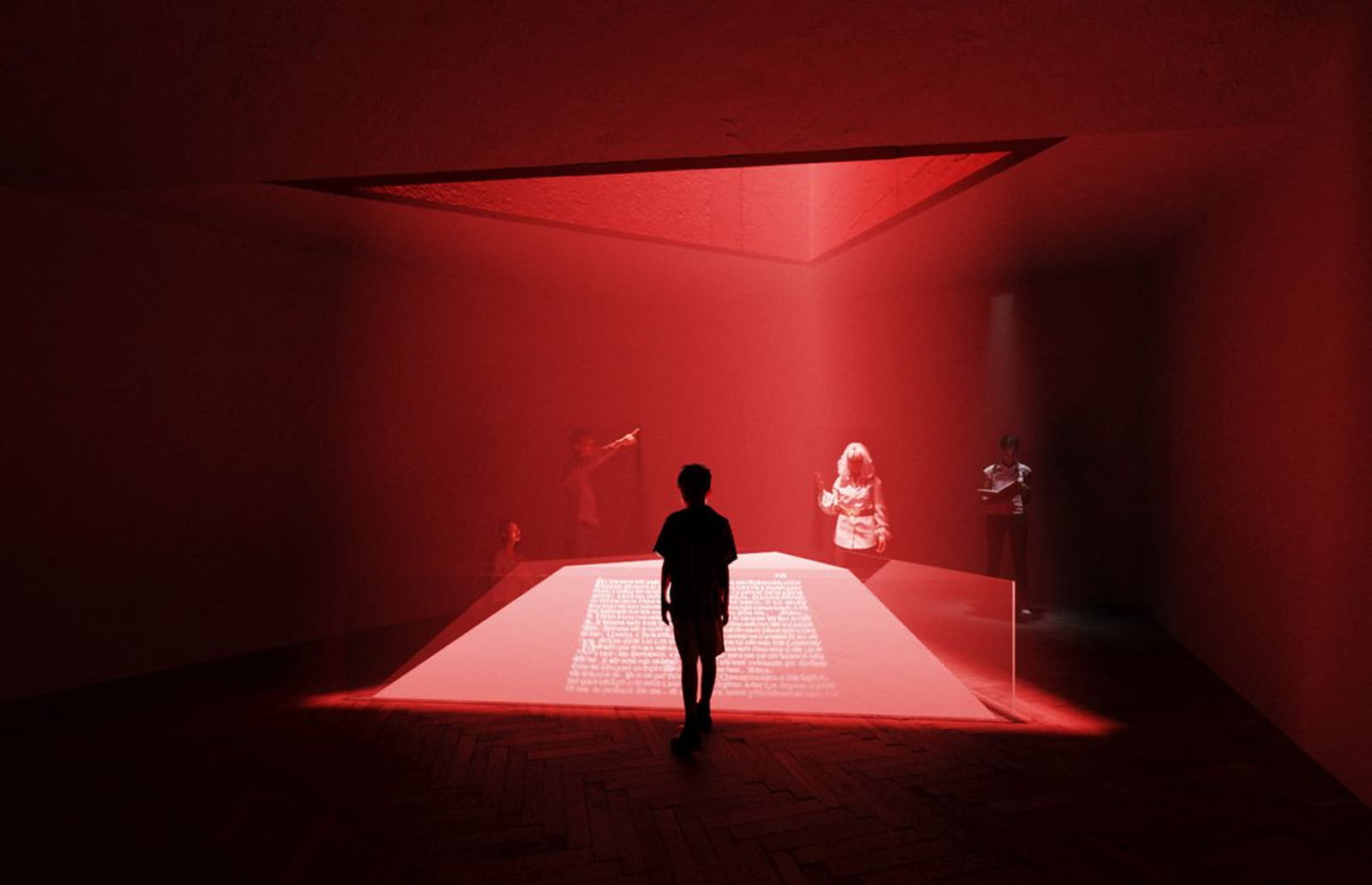
Besa Museum in Tirana is designed as a cultural institution that translates the Albanian concept of “Besa”—embodying tradition, protection, hospitality, and honor—into an immersive architectural and spatial experience. Developed through meticulous research and collaboration with local experts, the project integrates architecture, restoration, and exhibition design to communicate Besa both as a social value and an internal moral compass deeply rooted in Albanian culture.
The intervention carefully restores the historic residence, preserving its architectural and artistic significance while transforming it into a narrative environment that reflects the nation’s cultural identity. Complementing this heritage restoration, an underground extension introduces a sequence of immersive exhibition spaces dedicated to the four pillars of Besa. Natural light is drawn into these subterranean galleries through vertical pillars rising through the courtyard, acting simultaneously as symbolic beacons and spatial organizers.
The visitor journey is orchestrated to evoke generosity, social commitment, and collective memory, ultimately positioning the museum as a cultural landmark where architecture, history, and storytelling converge to celebrate Albania’s enduring spirit of solidarity and human connection.
Book your tickets for ESO 2026, here!
Facts & Credits
Title ESO 2026 – “Negotiation, Not Compromise. Design as Dialogue Between Earth, Technology, and Humanity”
Typology Conference, Architecture, Design
Location Alexandra Trianti Hall, Megaron Athens Concert Hall
Date Wednesday, May 13rd, 2026
Content creation & Media Partnership by Archisearch.gr
Produced & curated by the Design Ambassador