Architecture for Education explores the spaces where knowledge takes form. From visionary schools and research-driven universities to civic libraries that anchor communities, this series examines how design shapes learning, interaction, and intellectual growth. Through exemplary projects worldwide, we highlight architecture that inspires curiosity, fosters inclusivity, and redefines the future of educational environments with clarity, innovation, and cultural depth.
Designed by Santiago Valdivieso Arquitectos Asociados, Fail Office, and MasFernandez, the proposal for Colegio Insular Robinson Crusoe rethinks educational architecture within the fragile context of a remote World Biosphere Reserve. Through a lightweight, modular, and fully reversible construction system, the project minimizes environmental impact while addressing the logistical challenges of island construction. Conceived as both a school and a community resource, it proposes a resilient model that balances learning, ecological stewardship, and long-term adaptability.
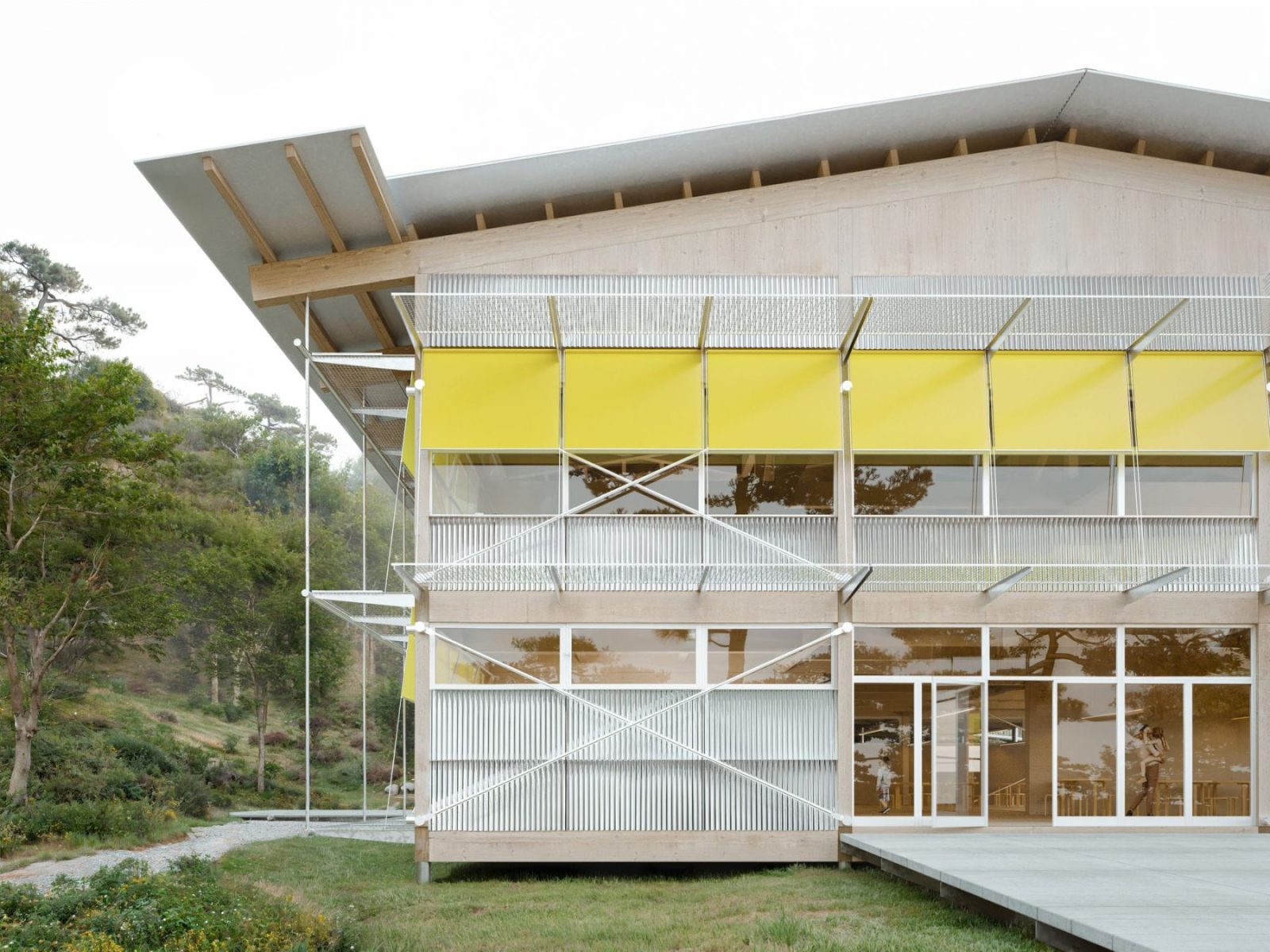
The proposal for Colegio Insular Robinson Crusoe explores how architecture can respond to the unique environmental, logistical, and social conditions of one of the world’s most remote inhabited territories.
Located within the Juan Fernández Archipelago, a UNESCO World Biosphere Reserve in the Pacific Ocean, the project addresses the challenges of construction in a fragile ecosystem where resources are limited, transportation is complex, and every intervention carries long-term environmental consequences.
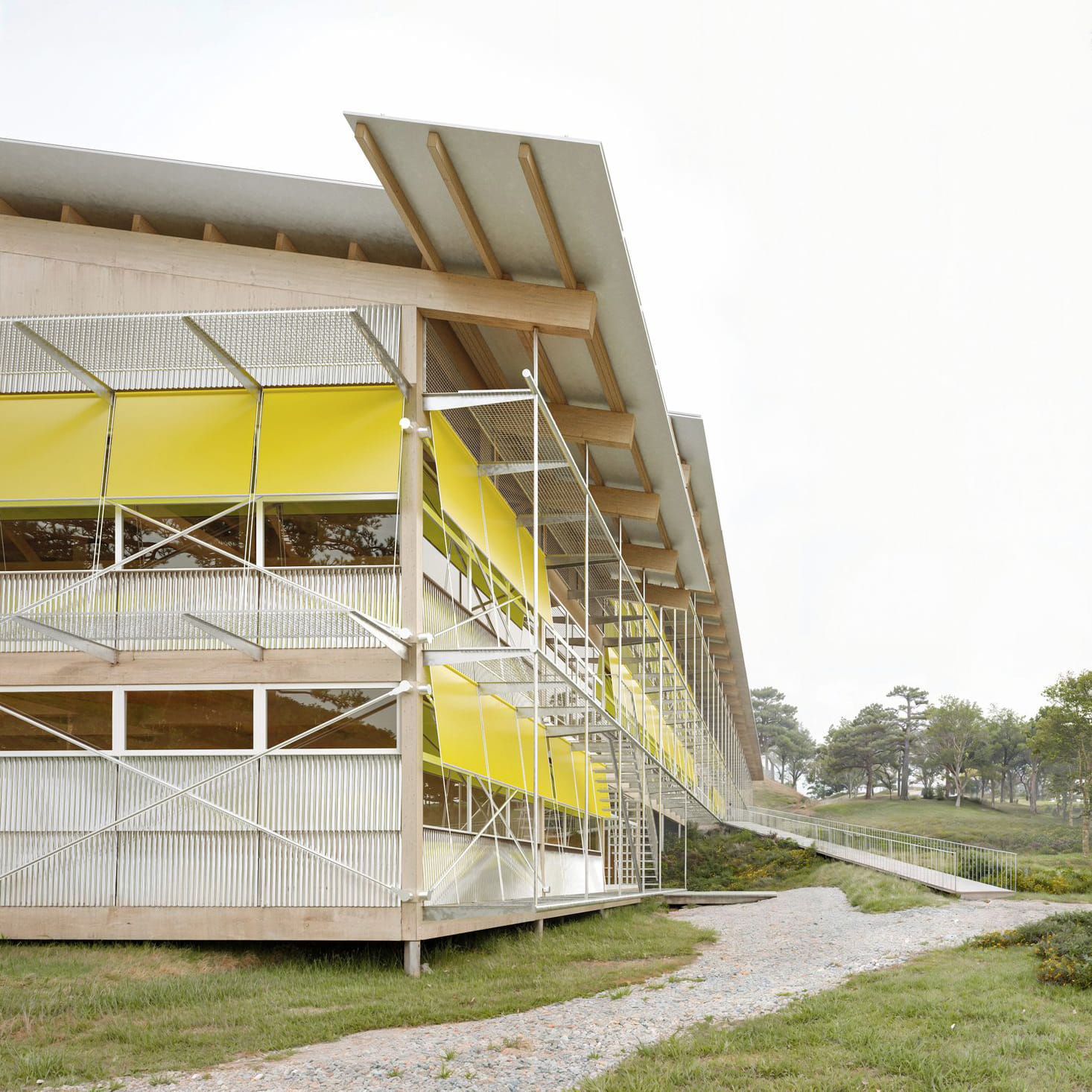
Developed as a lightweight and reversible educational infrastructure, the proposal is guided by the principle that architecture should operate as a temporary steward of the landscape rather than a permanent imposition upon it.
Every component of the building is conceived to arrive, serve its purpose, and eventually be removed without leaving irreversible traces on the site. This approach positions the project within a broader discourse on circular construction, adaptability, and ecological responsibility.
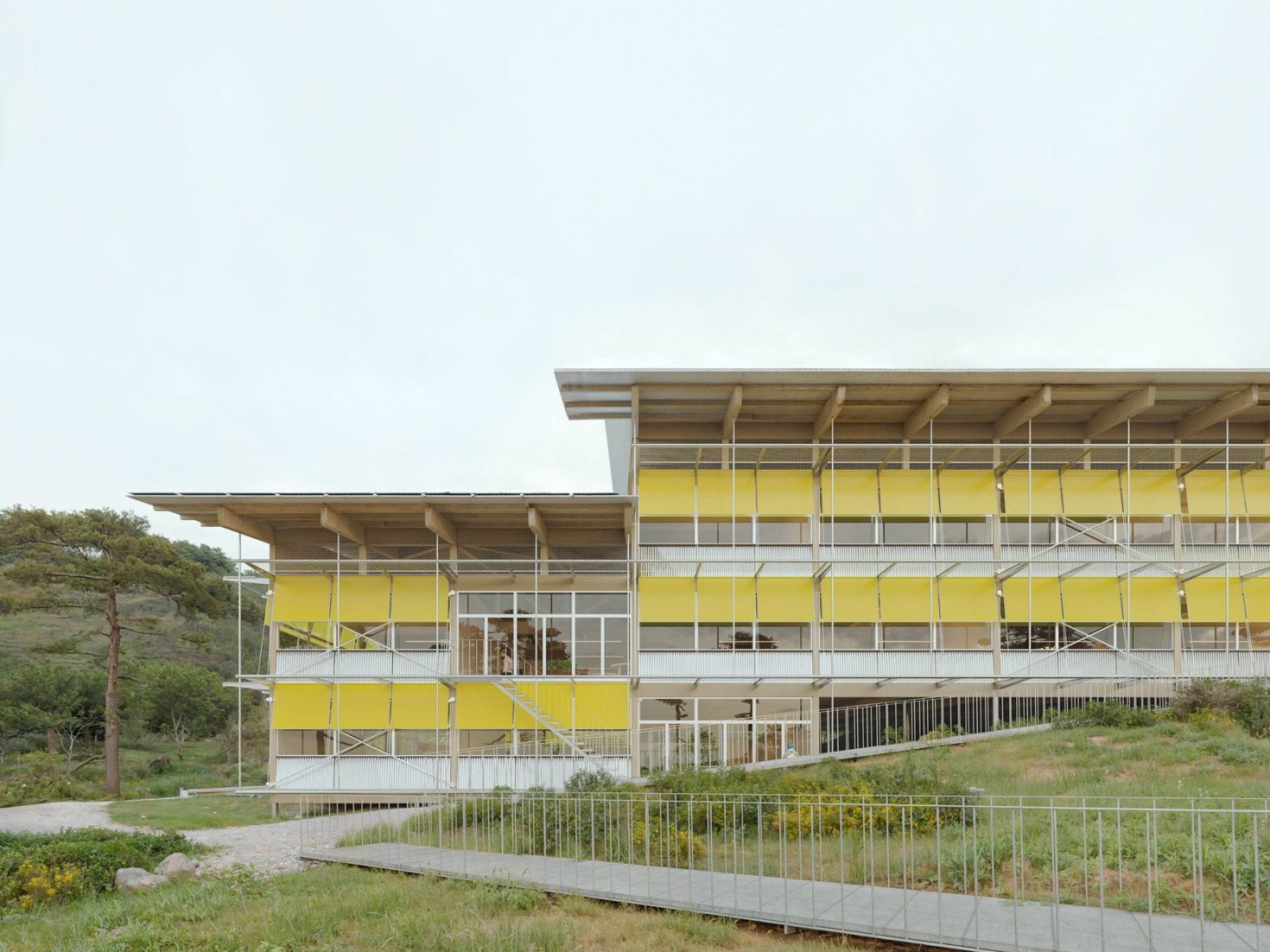
At the core of the design is a prefabricated modular system that enables efficient assembly while minimizing disturbance to the natural terrain.
The building rests on screw foundations, eliminating the need for extensive excavation and allowing the ground beneath to remain largely untouched.
This strategy preserves existing ecological processes and reduces the environmental footprint of construction while ensuring that the intervention remains fully reversible over time.
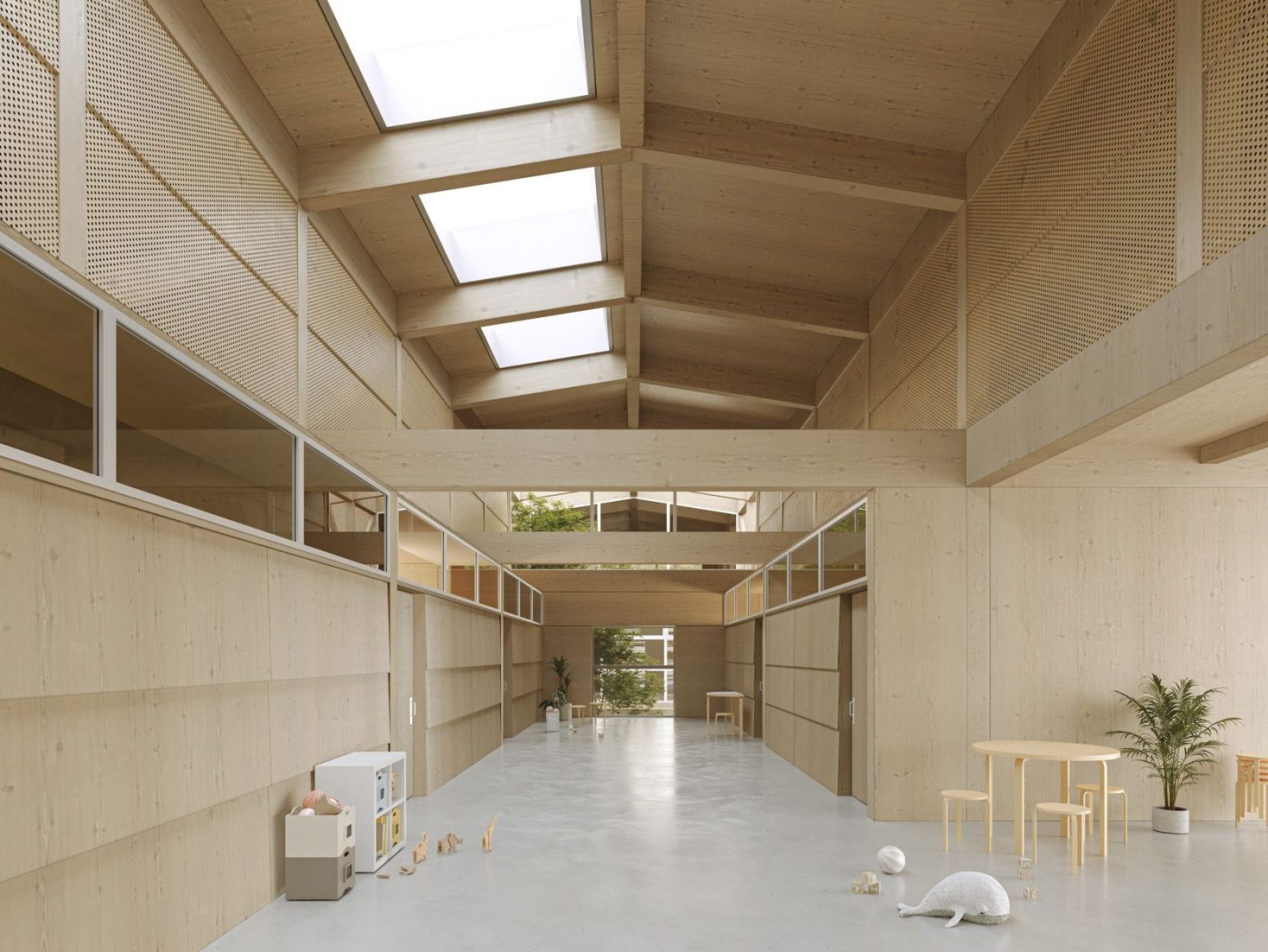
The project’s structural logic is directly informed by the realities of building in an isolated island environment. Because all construction materials must be transported across the ocean, reducing weight and volume becomes a fundamental design parameter.
The proposal therefore prioritizes lightweight construction systems that optimize structural performance while minimizing transportation requirements and associated environmental costs.
Elevated structural frames further enhance the building’s resilience by promoting natural ventilation and protecting occupied spaces from ground moisture.
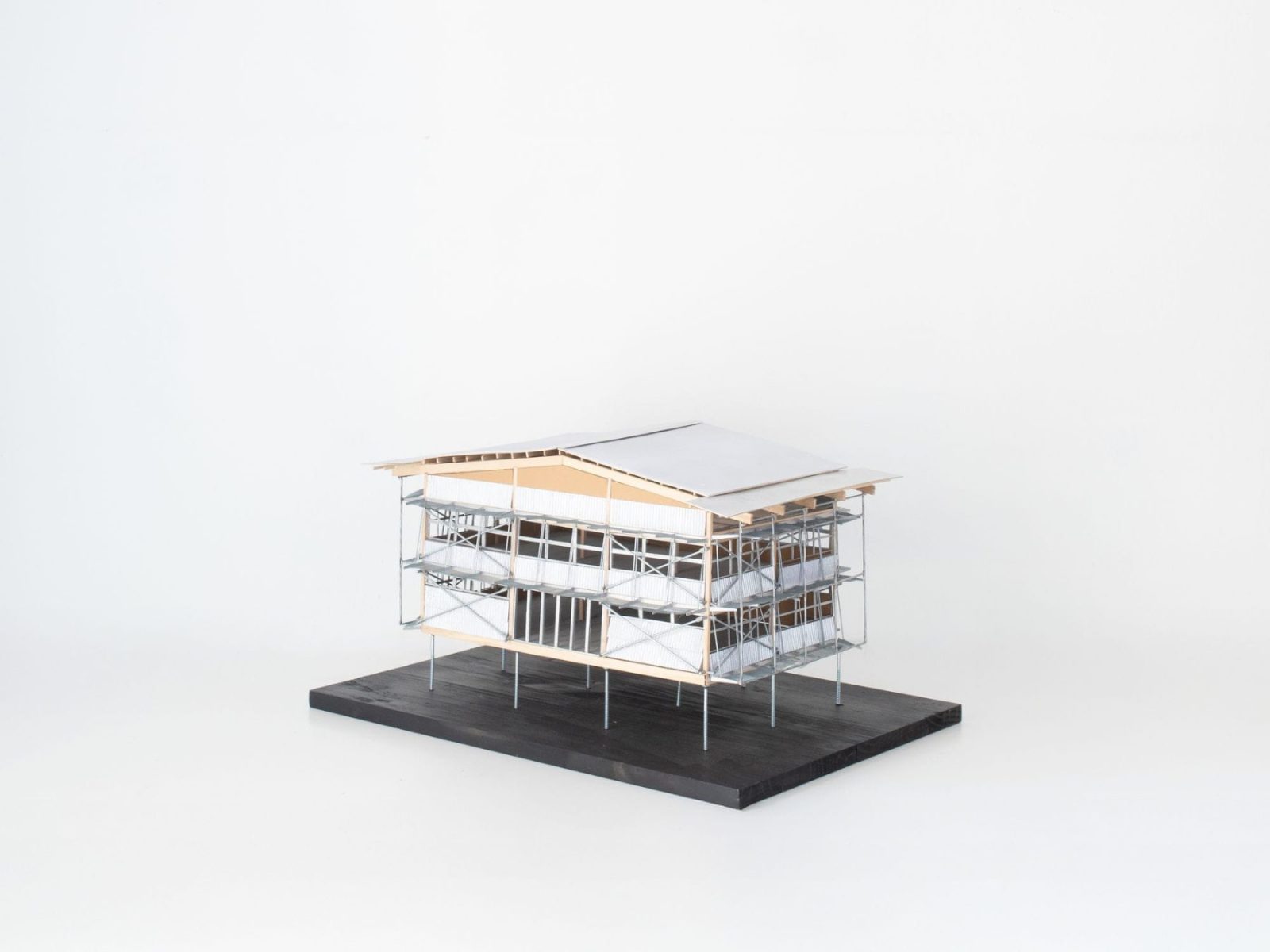
Environmental performance is reinforced through a combination of passive design strategies, renewable resources, and biodegradable insulation materials. Together, these elements contribute to thermal comfort, energy efficiency, and long-term sustainability while reducing dependence on external infrastructure.
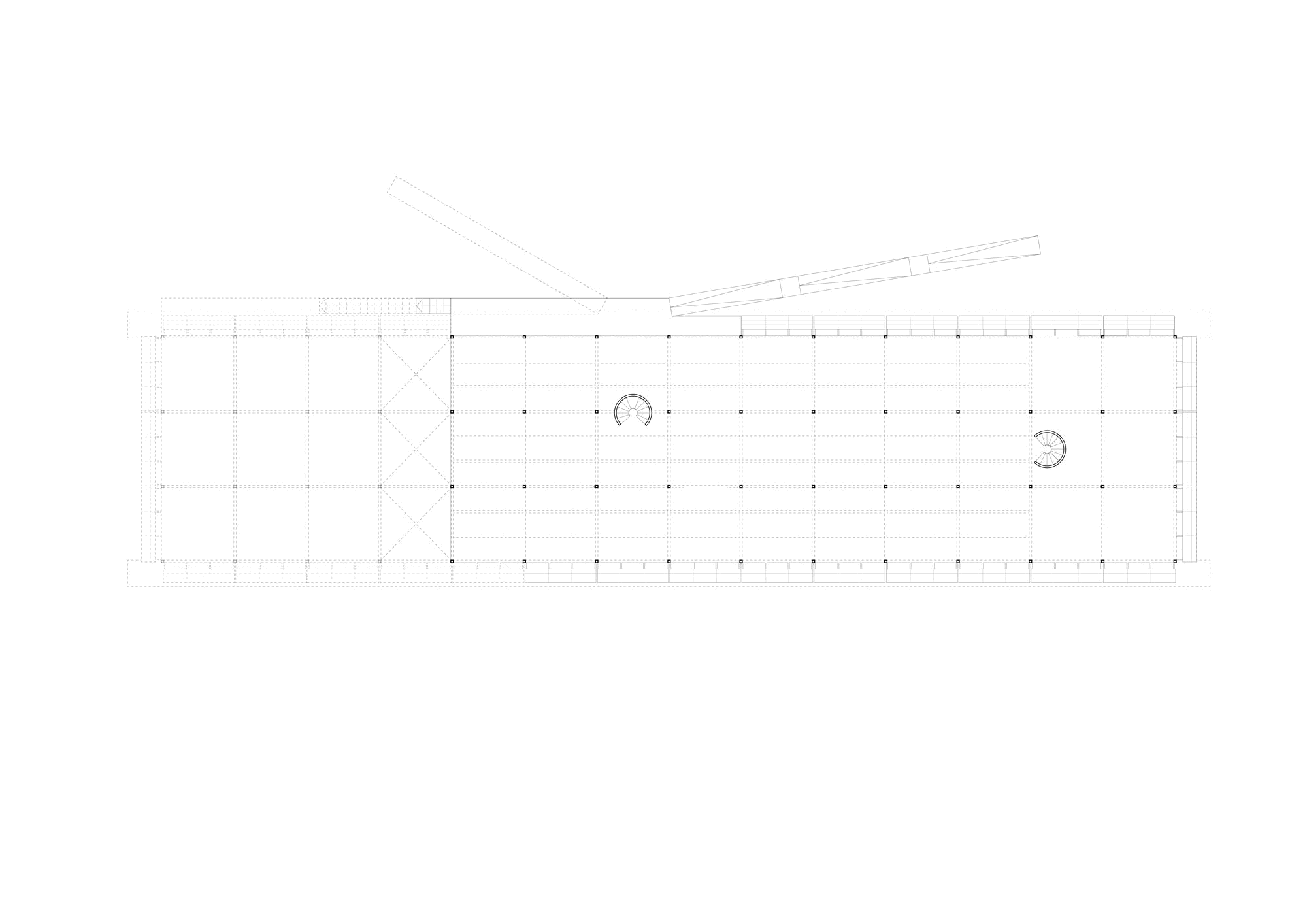
The building is conceived as a self-sufficient system capable of responding to local climatic conditions with minimal resource consumption.
Beyond its role as a school, the project is envisioned as a shared civic space that supports the broader island community. Educational facilities, gathering areas, and flexible communal spaces allow the building to function as an important social and cultural resource.
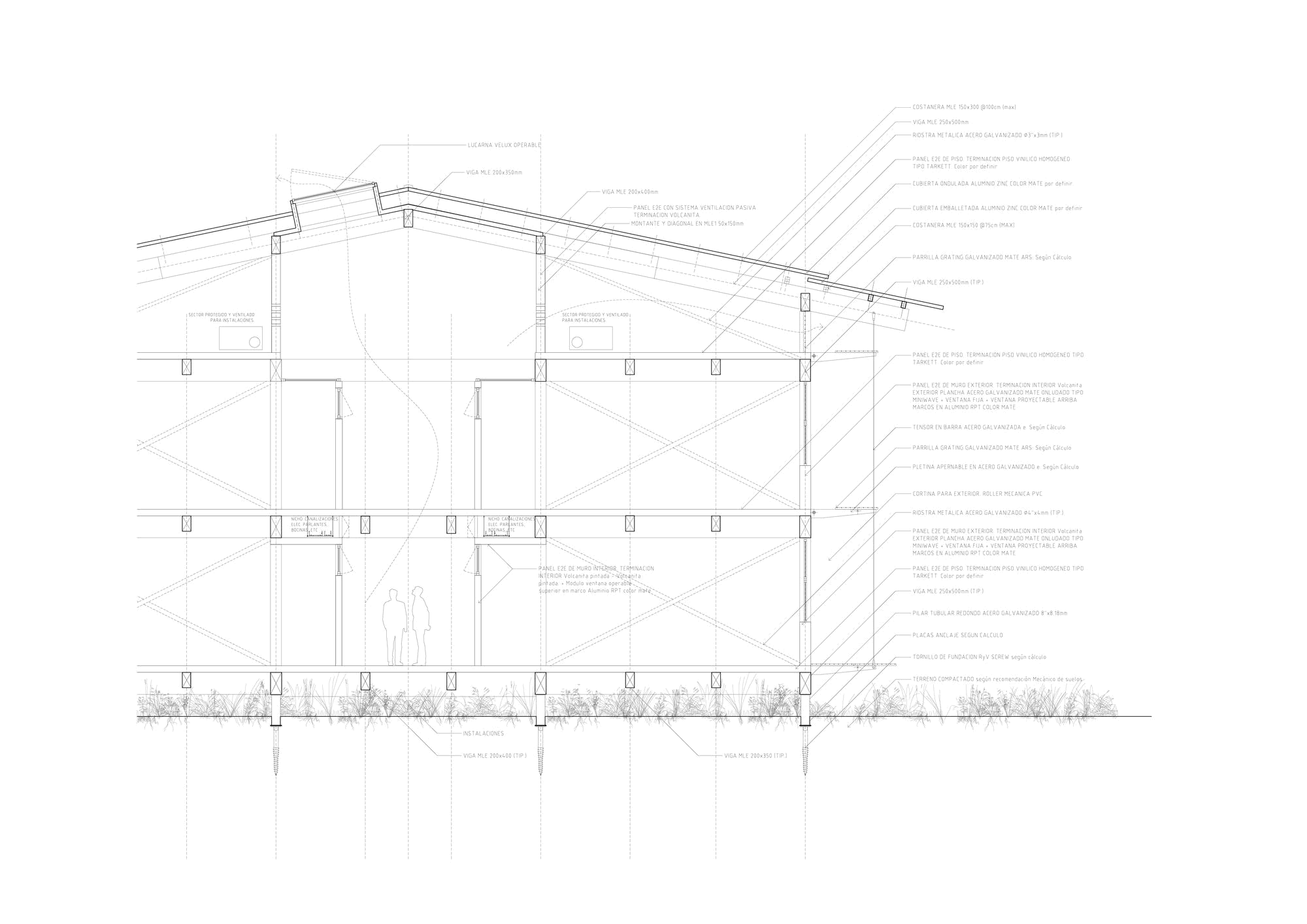
In this way, the proposal extends the meaning of educational architecture beyond the classroom, transforming it into a platform for collective engagement and environmental awareness.
By combining reversibility, resource efficiency, and ecological sensitivity, the project proposes an alternative model for architecture in critical and isolated ecosystems. It embraces adaptability and coexistence, demonstrating how built interventions can support both human activity and environmental stewardship within highly vulnerable landscapes.
Facts & Credits
Title CIRC – Lightweight and reversible architecture for education in a critical isolated ecosystem
Typology Competition Proposal
Distinction Secord Prize
Location Juan Fernandez Island, Chile
Year 2025
Architects Santiago Valdivieso Arquitectos Asociados, Fail Office, MasFernandez
Structural Engieneering Jose Andrés Allende
Technical Construction Consultant Axis Desarrollos Constructivos S.A
Collaborators Javier Ochoa, Maria Jesus Lagos, Catalina Briones, Javier Muñoz, Carlos Fuentes, Ivonne Espinoza, Katalina Llanos
Images by Leonardo Liñan
Text by the authors