The Fundació Mies van der Rohe in Barcelona has begun the organisation of the EUmies Awards 2026 Architecture & Emerging. Together with the Advisory Committee of the Prize, a team of Experts from all over Europe and other countries is formed in order to ensure a heterogeneous and always high quality group of works built in Europe and finished between May 1, 2023 and April 30, 2025.
Vassilios P. Bartzokas, founder of Archisearch and the Design Ambassador, is an EUmies Awards Independent Expert Nominator since 2012 proposing works allover Greece that translate the global context into cutting-edge contemporary architecture. EUmies Awards 2026 Nominators from Greece, also, are SADAS, the national association of architects, Open House Thessaloniki/Athens, and Spiros Pengas.
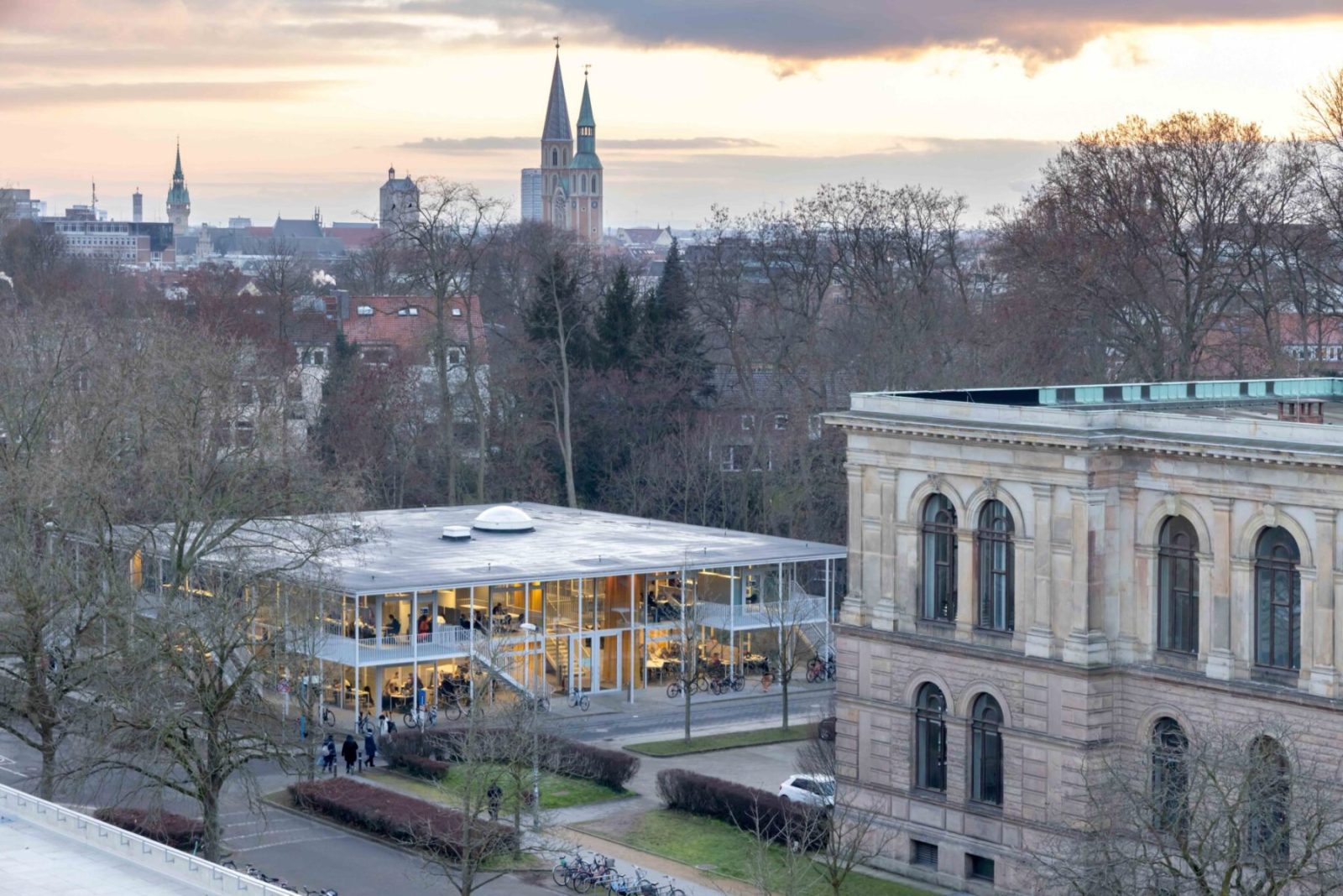
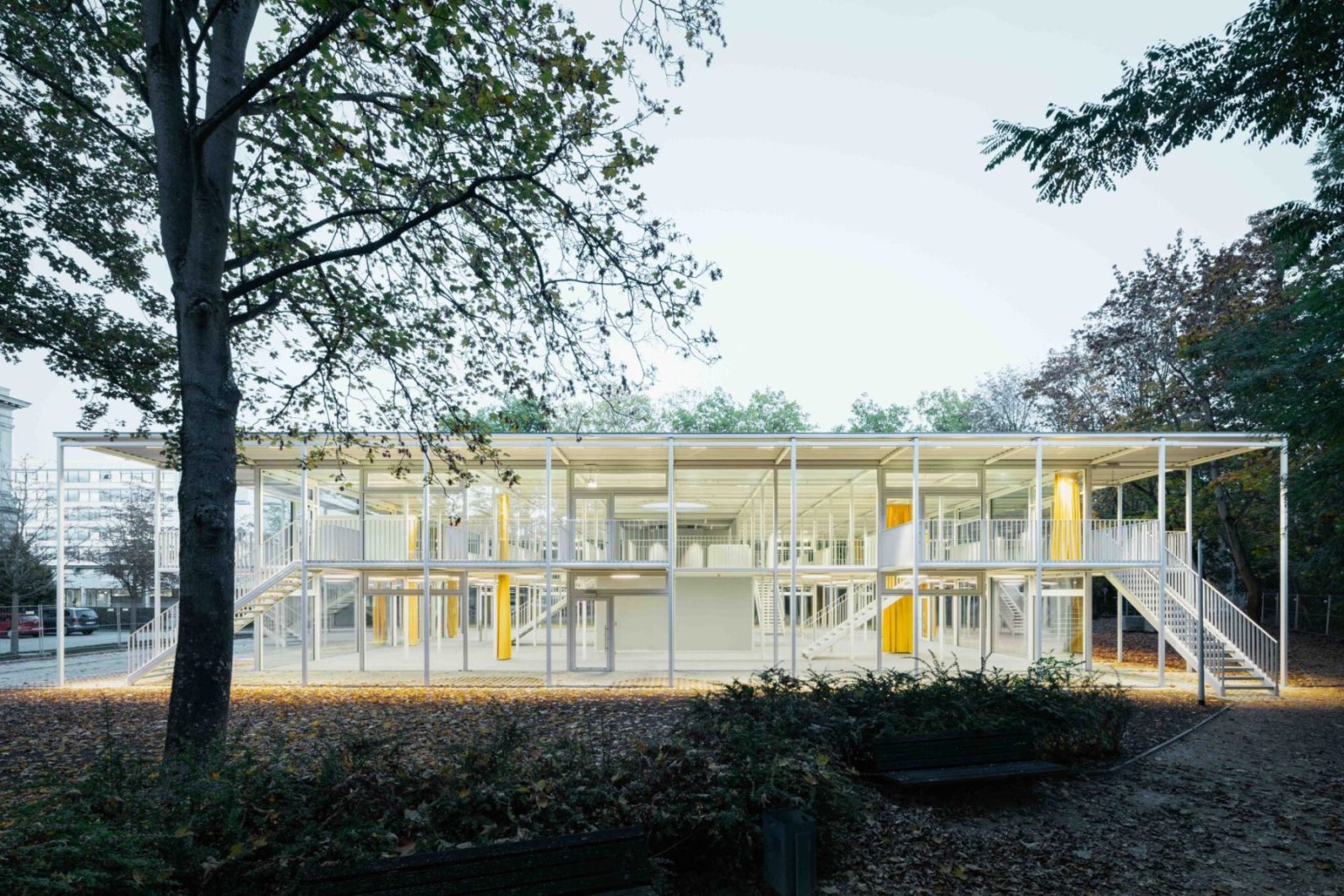
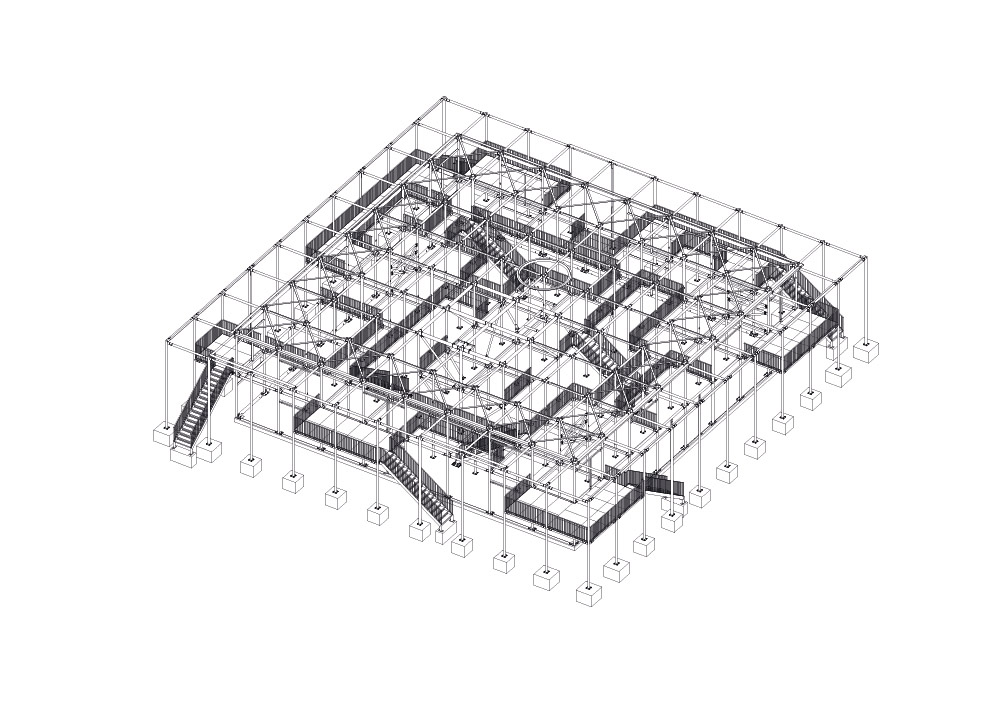
The European Union Prize for Contemporary Architecture / Mies van der Rohe Awards (EUmies Awards), founded in 1987 in Barcelona by Fundació Mies van der Rohe and the European Union’s programme to support the cultural and creative sectors, are annual awards recognizing excellence in built works of architecture in Europe (Architecture and Emerging) and final diploma works by recently graduated architects (Young Talent).
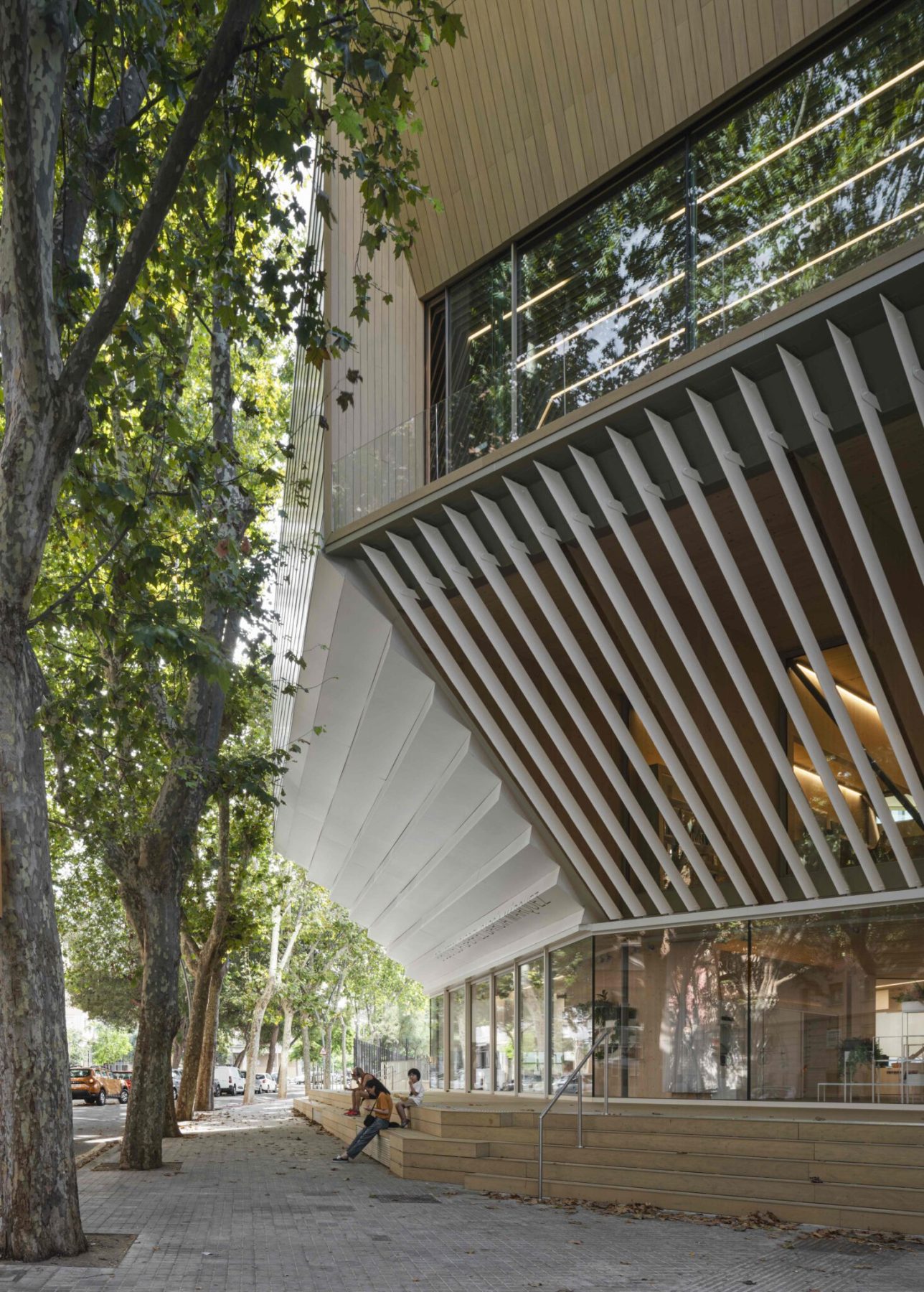
The European space is composed of an emulsion of natural and cultural, vernacular and canonical, traditional and artificial elements. Contemporary architecture must assume this ambiguity, project it towards the future and offset the natural wear to which forms are subject by means of a symmetrical process of innovation; a process that has been presided over by works that introduced into an architectural tradition contribute a new inflection or added value that can only be qualified as ‘artistic’.
The purpose of the Prize is to detect and highlight such works – of which the Mies van der Rohe Pavilion of Barcelona is a genuine symbol – whose innovative character acts as an orientation or even a manifesto.
This is why the jury will represent the institutions involved, while also reflecting the cultural intentions that endow the Prize with both symbolic and pedagogic value. The Prize highlights the achievements of European architects in the development of new concepts and technologies and provides citizens as well as public institutions with the opportunity to reach a better understanding of the importance of architecture in the construction of sustainable cities and communities where the essential relationship between the quality of life and the quality of the environment is a key priority.
By doing so, the Prize becomes a platform for investigation, development and implementation of sustainable architectural practices that minimise the negative environmental impact of construction as well as promote the social, cultural and economic benefits of sustainable growth.
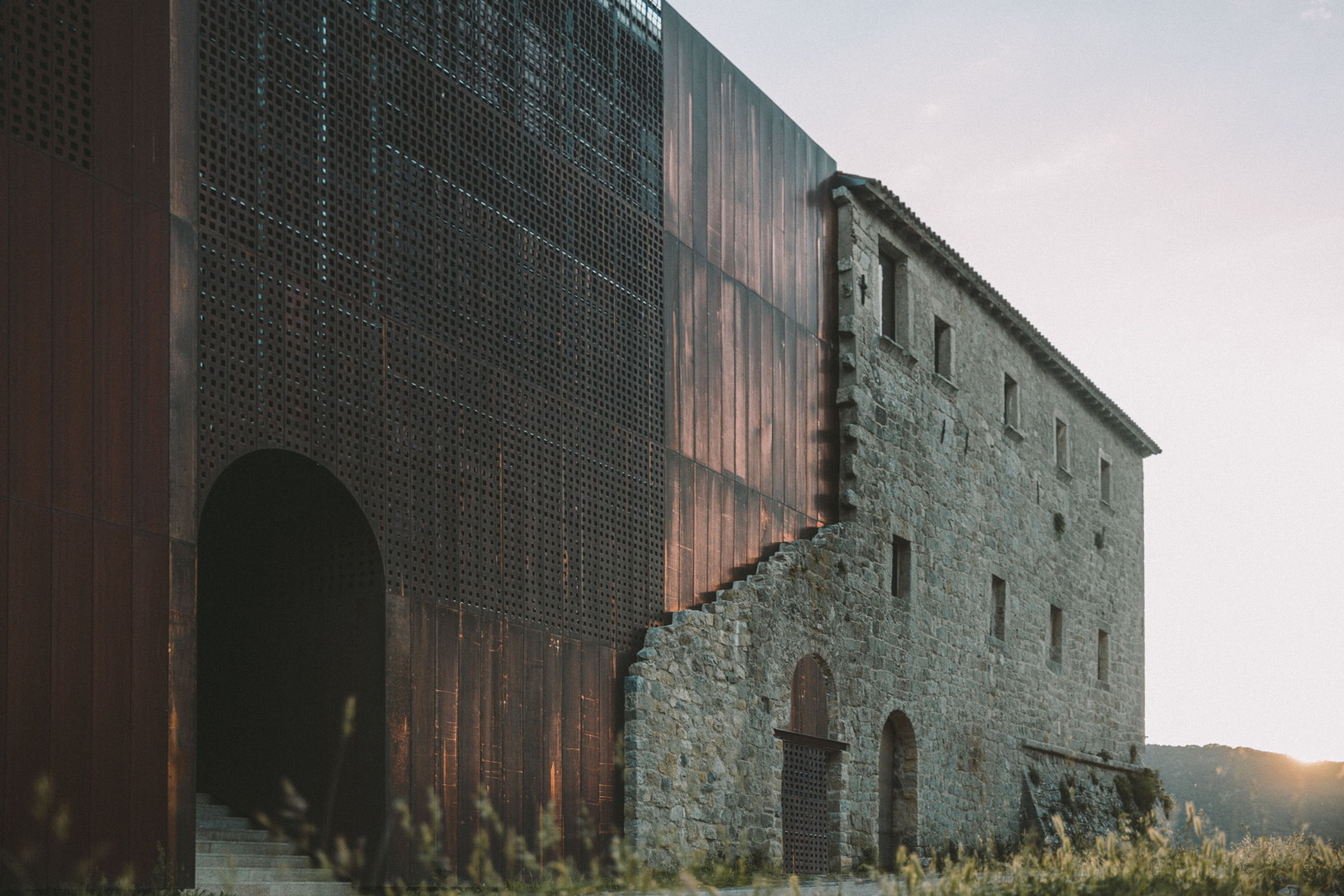
Europe is composed of an increasing number of common elements. However local traditions, histories, languages, landscapes and urban contexts continue to characterise its rich and composite identity. The Prize seeks to celebrate the diversity of European architectural expression, emphasising architecture’s role as both a basis for the interchange of ideas as well as a unifying element that defines a common European culture by fostering transnational commissions; supporting emerging architects as they start out on their careers and the cultivation of responsible clients – both public and private – who are committed to building both the European economy and its culture through their commissions.
In 1987 the European Commission and the Fundació Mies van der Rohe created the biennial Mies van der Rohe Award for European Architecture with these purposes in mind. The European Union Prize for Contemporary Architecture – Mies van der Rohe Awards (EUmies Awards) represent the evolution of the Mies van der Rohe Award for European Architecture.
The Prize benefits from the participation of the national architectural associations, as well as the recommendations of an Advisory Committee composed of some of the most prestigious European cultural entities in the field of architecture. The Advisory Committee works closely with the Fundació Mies van der Rohe in the award process.
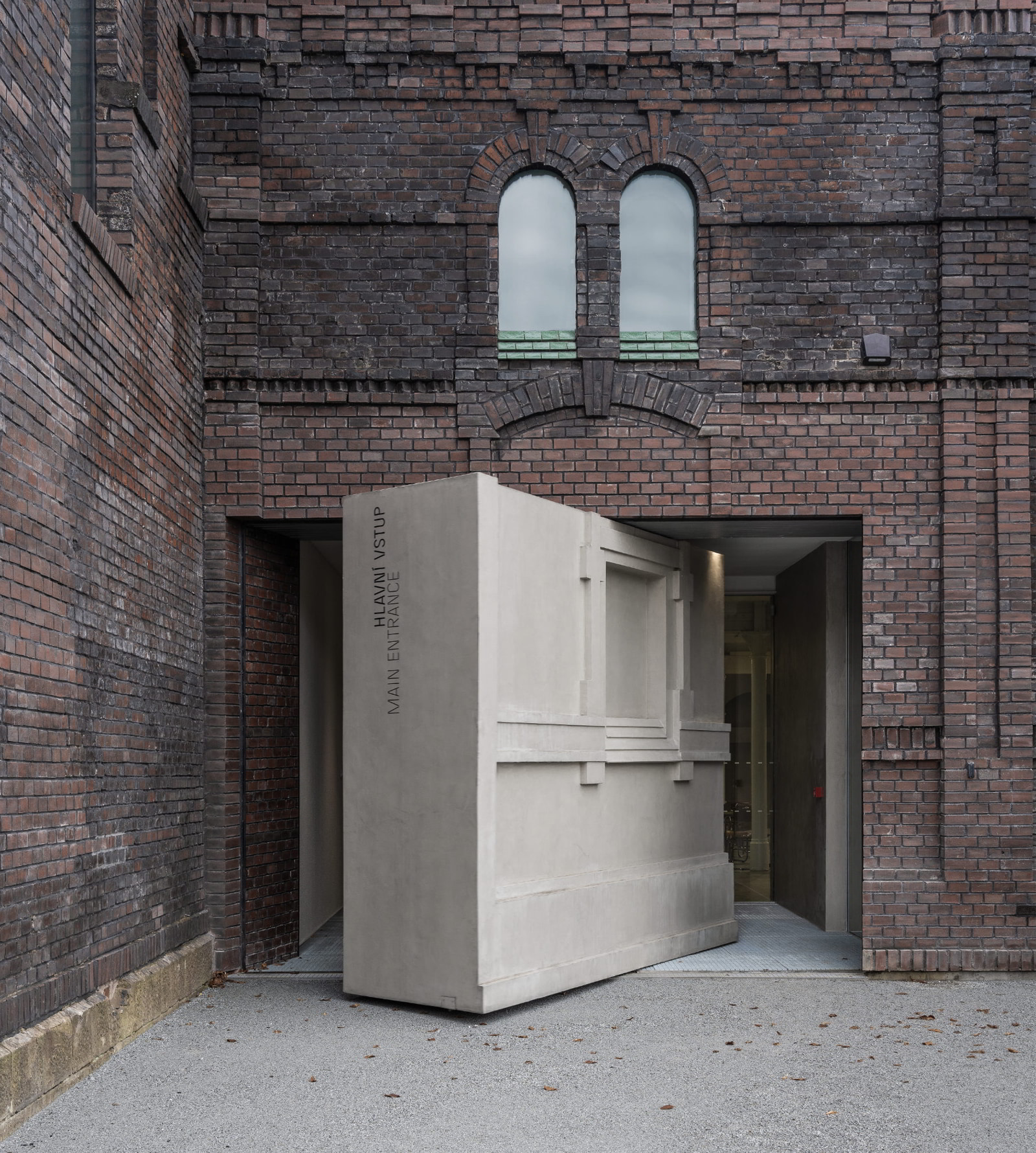
The EUmies Awards are organised under three categories according to the experience of the architects: Architecture, Emerging and Young Talent.
- The Architecture category is awarded to single architectural works demonstrating excellence in conceptual, social, cultural and technical terms.
- The Emerging category is awarded to single architectural works built by architects who are at the beginning of their careers.
- Young Talent is awarded to final diploma projects by recently graduated architects, landscape architects and urban planners.
The Architecture and Emerging categories are organised together and the jury reviews all the proposals together. The Young Talent category is reviewed by a separate independent jury.
The EUmies Awards are organised by the Fundació Mies van der Rohe with Creative Europe and benefit from the participation of the Architects’ Council of Europe (ACE), the European Association for Architectural Education (EAAE) along with World architects as strategic partner, the partnership with Jung, Jansen and Regent Lighting and the support of USM modular furniture and Alma.
The Prize benefits from a vast network of people from the entire European territory who raise awareness of quality architecture and its contribution to our well-being through sustainable development.
These people are organised through the Committee of Honour, the Advisory Committee, over 200 Experts, the Juries, architecture studios, universities and all those that make these works possible. These people help detect the buildings that are built, detect the discussions taking place in each territory and reach policymakers and decision-makers to share conclusions and know-how.
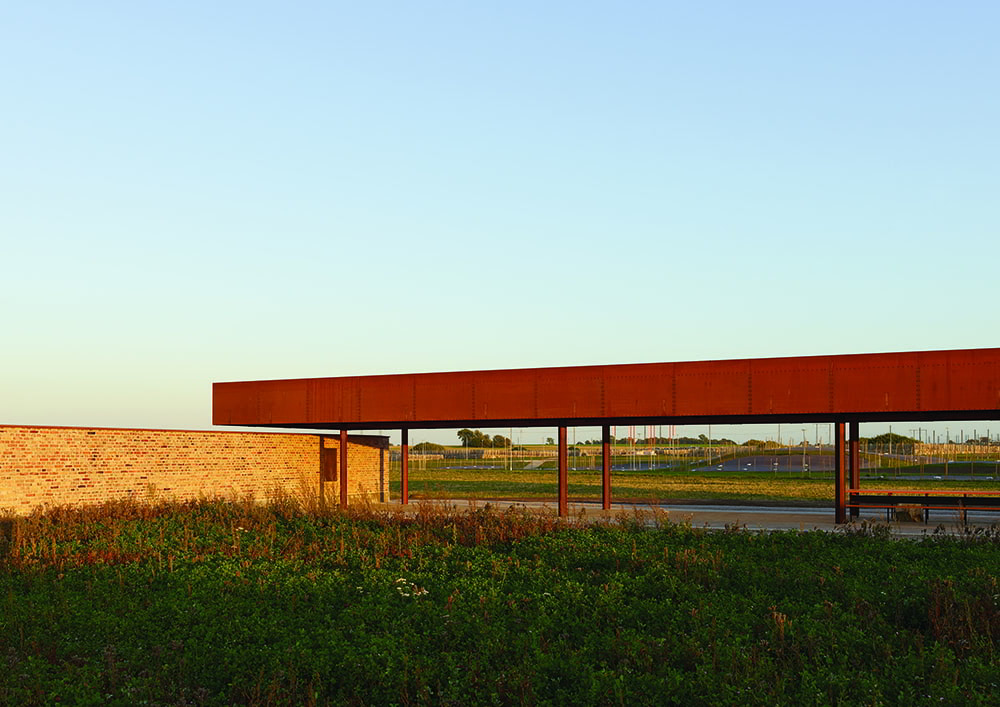
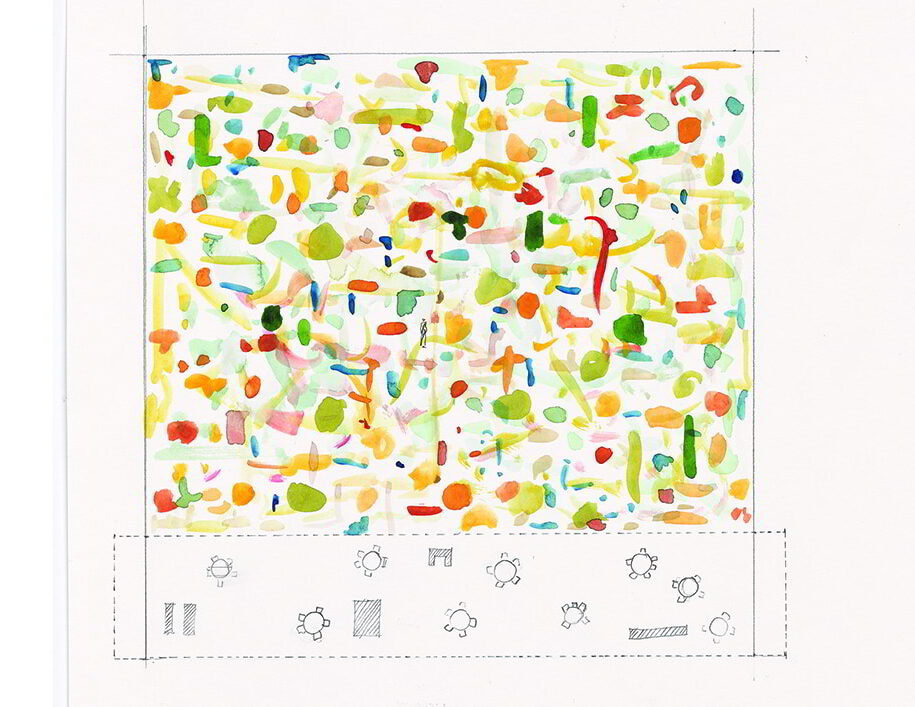

Procedure (Architecture & Emerging Categories)
- Proposals are submitted by a group of independent experts, architecture associations and the Advisory Committee. The authors are contacted and upon their agreement, their works become nominated projects.
- The nominated works are made public through the website and the app, encouraging people to learn about the recent built environment and become part of its debate.
- The jury members meet to evaluate all the nominated works. They go through the materials presented by the architects in different formats and a selection of shortlisted and finalist works is made.
- The shortlisted and finalist works are announced and visits to know more about them are organised through the cross-European programme Out & About in which the authors, experts, promoters and users share their experiences.
- The Jury members visit the finalist works, meeting those who design, build and use these places. They make their decision about the Architecture Winner and the Emerging Winner which is then announced in Brussels.
- The EUmies Awards Day takes place in the Barcelona Pavilion with the jury members, winners, finalists, shortlisted authors, experts, European Commission representatives, Barcelona representatives, the clients of the works and supporters. Conferences and discussions on contemporary architecture throughout Europe take place, creating connections between all those involved and interested in architecture.
- The awards process is brought together in a publication and travelling exhibitions that feature the works proposed by the experts and reviewed by the jury: the winners, finalists, shortlisted and nominated works.
Procedure (Young Talent Category)
- Proposals are submitted by the participating universities. The authors are contacted and upon their agreement, their works become nominated projects.
- The nominated works are made public through the website, encouraging people to learn about them and the discussions they arise.
- The jury members meet to evaluate all these projects. They go through the materials presented by the authors in different formats and a selection of winner, finalist, shortlisted works is made and announced. An exhibition is organised in Venice during La Biennale di Venezia and the EUmies Awards Day takes place there with the jury members, winners, finalists, shortlisted authors, university representatives, European Commission representatives, and supporters.
- All participate in conferences and discussions on contemporary architecture throughout Europe and elsewhere, creating connections between all those involved and interested in architecture.
- The awards process is brought together in a publication and travelling exhibitions that feature the works chosen by the jury: the winners, finalists, shortlisted and nominated designs.
- All of these works are available for consultation on the EUmies Awards database, transforming each edition into an anthology of some of the best work being designed in and from Europe.
The Greek Nominators & Nominees
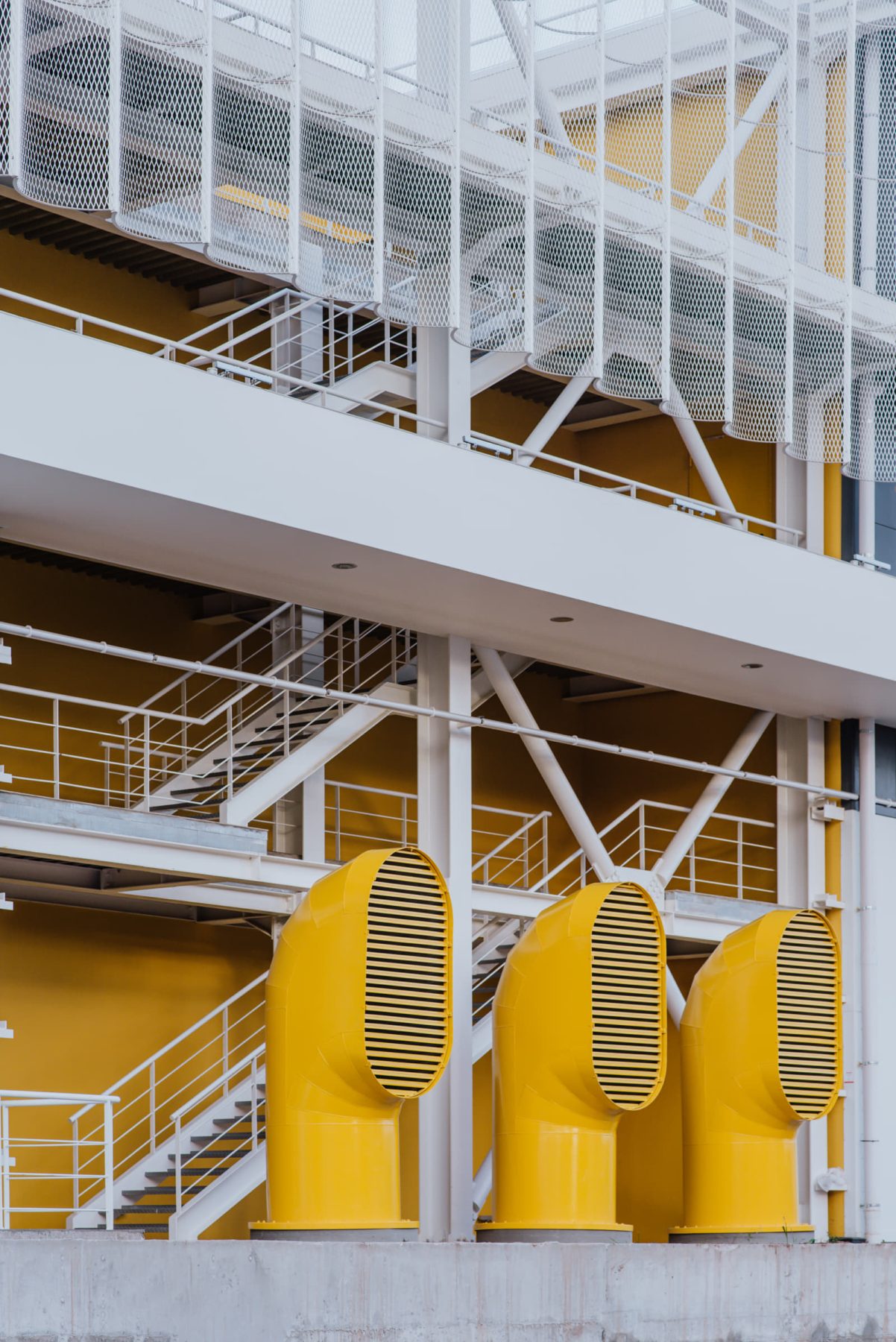
Storage and Distribution Centre of Seneka Logistics S.A. in Kifissia, Athens by R.C.TECH
A monolithic grey building located in Kifissia, Athens is being transformed by R.C.TECH architecture team in order to host the needs of the Storage and Distribution Centre of Seneka Logistics S.A.. The clean lines and the colours of the design align with the building programme while prioritize the functionality of the space.
Check out, more, here!
Vassilios Bartzokas (Independent Expert since 2012)
Vassilios Bartzokas is the founder and CEO of the Design Ambassador undertaking a wide range of communication projects in the field of Architecture & Design. With more than 20 years of experience in the fields of Communication, Consulting, Design, PR, Event and Conference Production, Vassilios has the vision and expertise to fulfill the needs of the most demanding clientele. Vassilios is also the founder of leading greek architecture magazine Archisearch.gr with over 6 million users monthly reach and 130.000 social media followers.
He works with and consults some of the best architects and designers in Greece and abroad. He creates and facilitates high end, fully booked events such as; Έσω [eso] Conference, Hotel Experience, Green Design Festival, Aluminium in Architecture, Architecture & Tourism Conference, Architects Talk and SizeMatters amongst others.
“The EUmies Awards 2026 Greek nominees have been selected and proposed with a strong emphasis on social and environmental sustainability, diversity, and innovation. This year’s nominations highlight meaningful restorations and refurbishments that breathe new life into both rural and urban landscapes, impactful urban interventions distinguished by character and architectural quality, and cutting-edge new designs. Together, they reflect a dynamic and engaged Greek architectural community that interprets local identity through the lens of contemporary European culture”, says Vassilios Bartzokas.
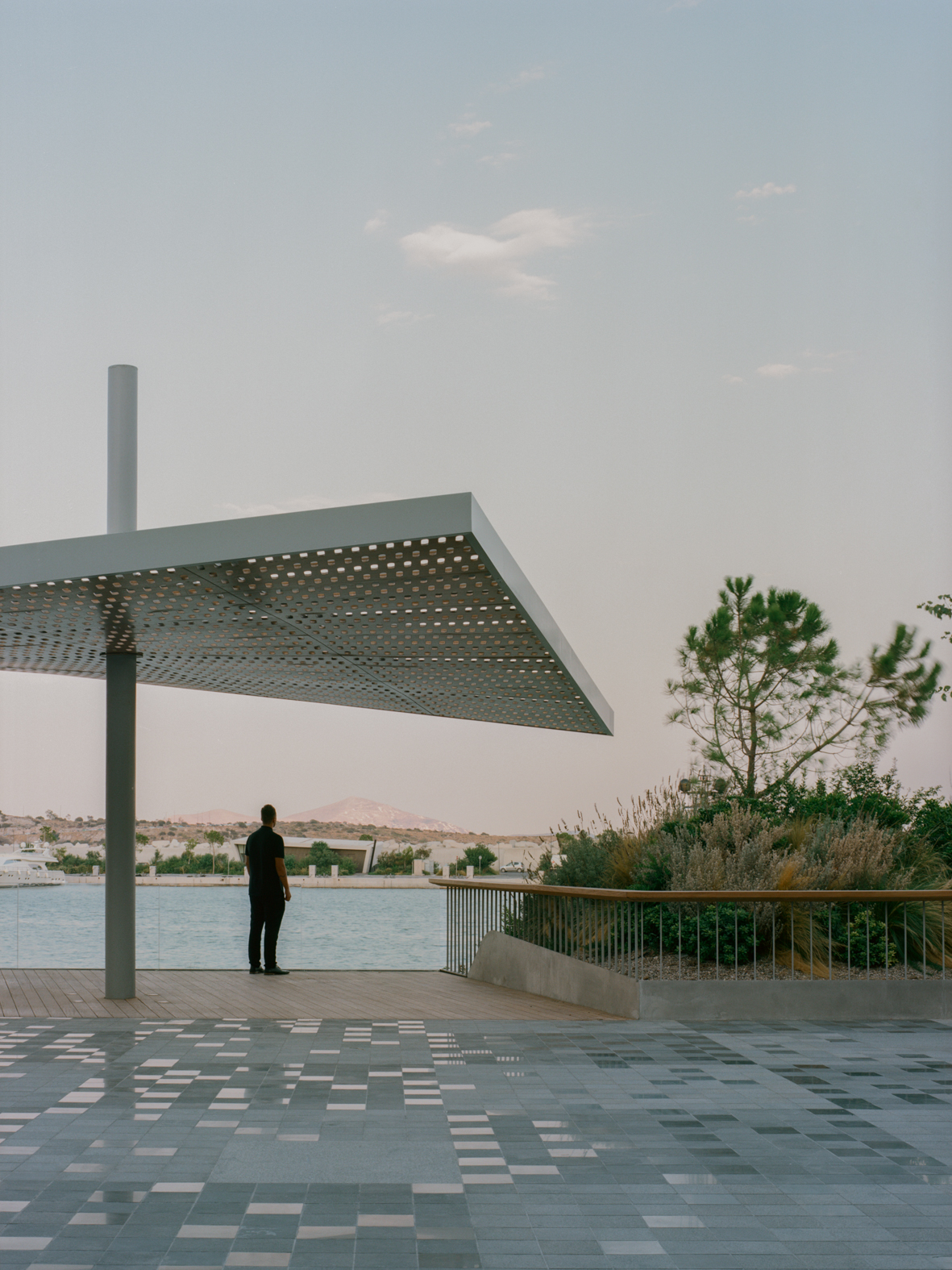
Astir Marina Landscape and Public Realm by Neiheiser Argyros
Astir Marina Landscape and Public Realm is an urban project in the seaside suburb of Vouliagmeni. The architecture practice Neiheiser Argiros developed a landscape design proposal that maps the history and current pressures on the site, overlaying different systems and stories.
Check out, more, here!
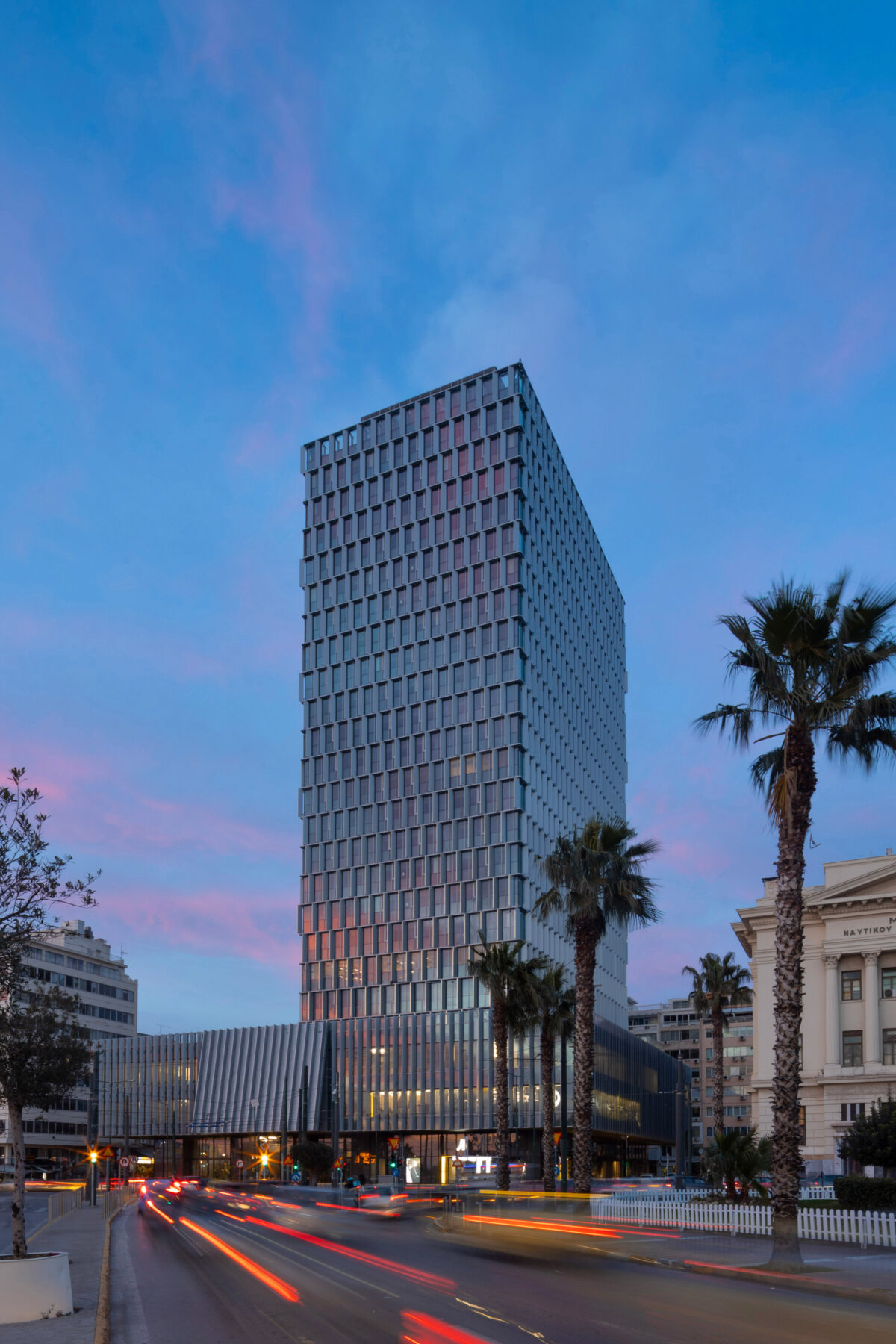
Piraeus Tower by PILA & Betaplan S.A.
The landmark of Piraeus, located in the heart of the largest passenger port in Europe, began construction in 1972 but remained unfinished and vacant for decades. Finally completed in 2023, after an international competition, it now stands as Greece’s first green and digital skyscraper. The architectural firm PILA took on the design of the facades, and the new general architectural study was entrusted to Betaplan. After over four years of renovation, Piraeus Tower officially opened its doors to tenants and visitors on June 4th with a night of celebrations, establishing itself as a bustling hub and injecting vitality into the area.
Check out, more, here!
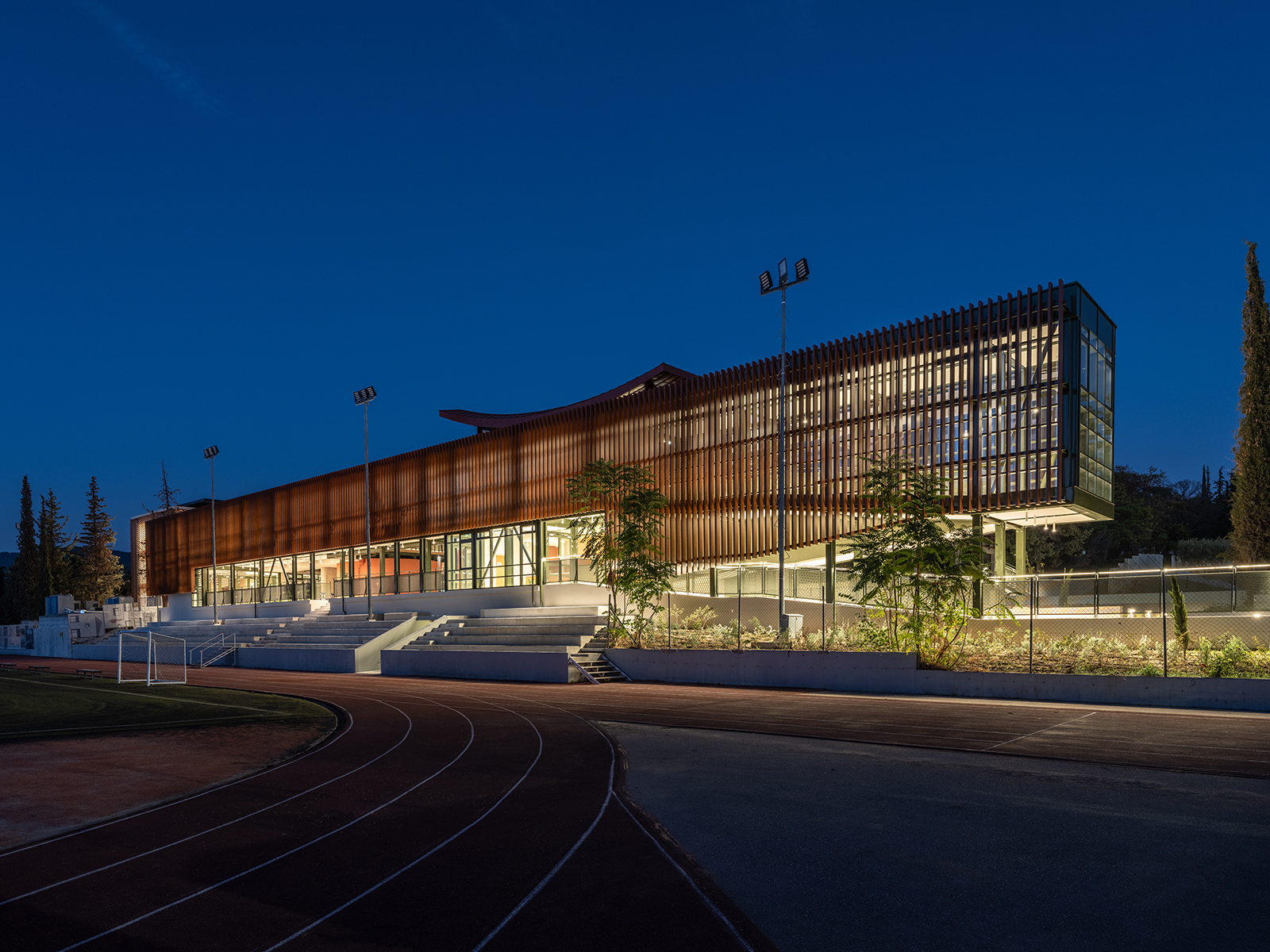
Pinewood School in Anatolia Campus by Micromega architecture and strategies with Alexandros N. Tombazis Architects
Pinewood School by Micromega Architects & Strategies with Alexandros N. Tombazis Architects, adopt the idea of design for education and the way we create spaces for the citizens of the future. Architecture is not a silent witness to learning—it is an active participant. Thoughtfully designed spaces extend knowledge, sharpen skills, and provoke discovery. Research confirms what instinct already knows: space dictates experience. Classroom layouts shape attention. Lighting influences cognition. Acoustics sculpt comprehension.
Check out, more, here!
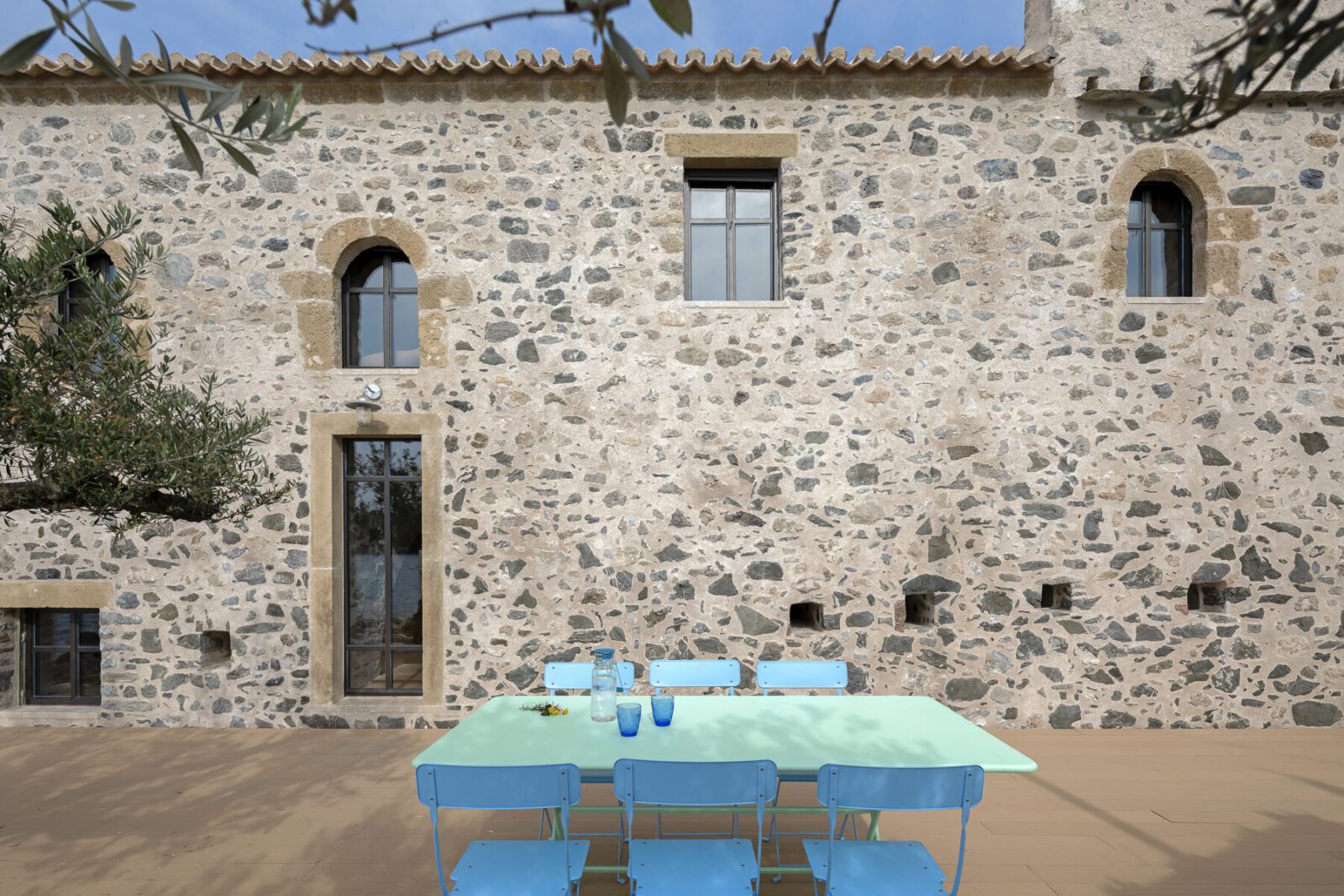
Τeloneio Kardamyli by Etsi architects
Etsi Architects took over the restoration of “Teloneio Kardamyli” in Messinia, Greece. The task was to turn a listed historical building into a modern family home, while respecting the history of the building and local cultural heritage. “Teloneio” is located near the port of Kardamyli since the 18th century and during 60’s operated as a motel. Architect’s goal was to open up and connect spaces, in order to transform the place to a house. While restoring the building, experts collaborate and local materials and traditional techniques were used, including marble floors from Itilo quarry, olive wood and local pebbles for the pointing and repairs.
Check out, more, here!
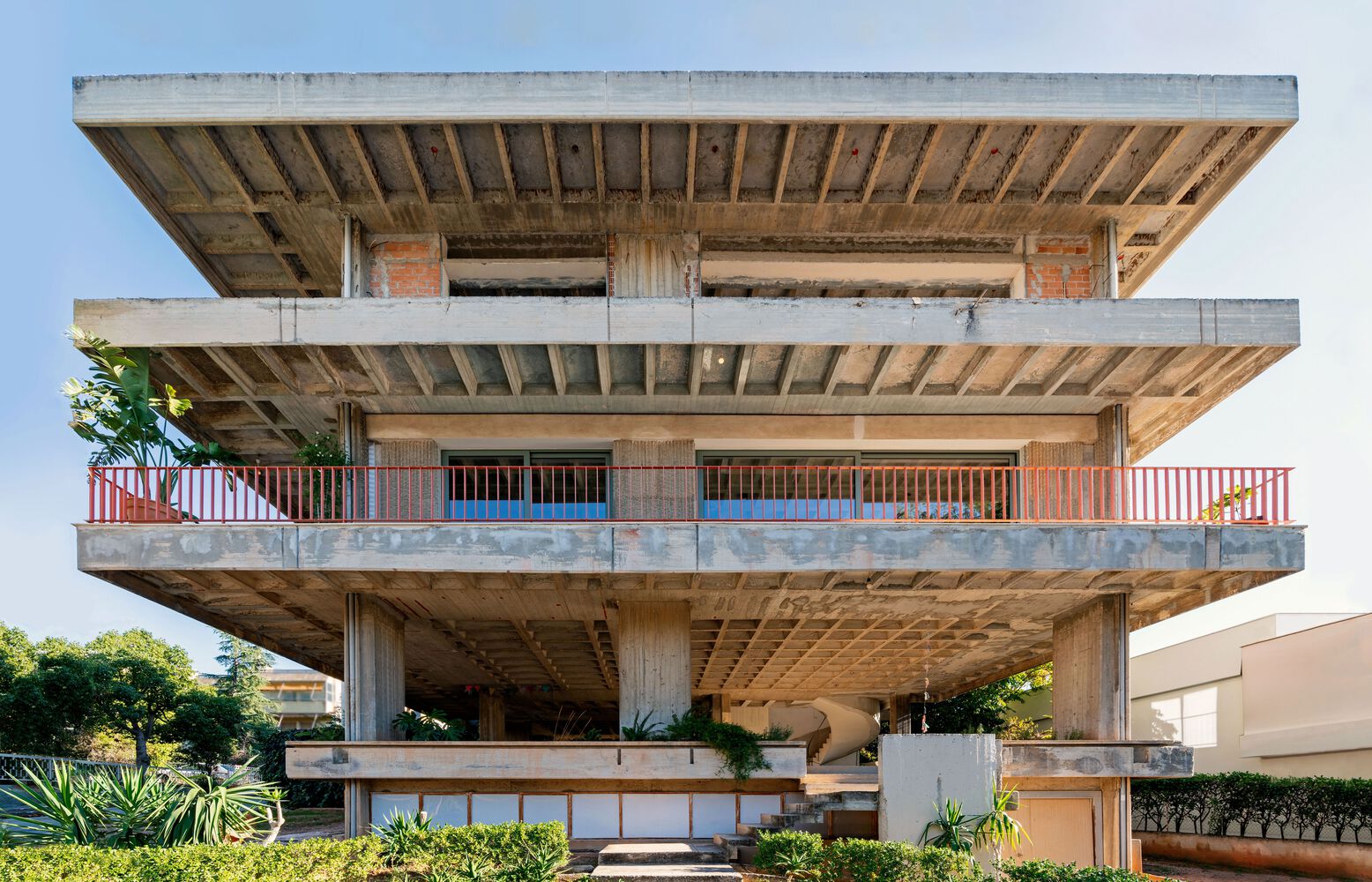
Three Object Apartment by DeMachinas
The renovation of the first floor flat of this brutalist building upgrades the interior space to an up-to-date apartment, whilst also being a study on unfinished architecture. On this project, together with the clients, the architects explored and experimented with an aesthetic fully tailored to the existing qualities of the site, as acquired.
SADAS–PEA (National Architecture Associations)
The Association of Architects was founded in 1922 in Athens. Since then, it has operated continuously, actively participating in and contributing to social developments throughout all phases of the country’s political history. The association’s original name was: Association of Graduate Architects from Higher Education Institutions (SADAS). Since 1989, reflecting the unified representation of architects across the country, it has been renamed SADAS – Panhellenic Union of Architects. Today, the SADAS–PEA registry includes approximately 15,000 members.
For the selection of the Greek entries for the European Union Prize for Contemporary Architecture – Mies van der Rohe Awards 2026, SADAS–PEA assembled a special committee composed of its members, representatives from the academic community, and architects with international experience and recognized work, undertaking a documented and comparative evaluation process.
“The selection of the projects was based on specific criteria that reflect the philosophy of the Award and the current priorities of architecture. Above all, each project was assessed for its contribution to enhancing the understanding of architecture’s role in shaping sustainable cities and communities. At the same time, special emphasis was placed on the connection between quality of life and the quality of the natural and urban environment, aiming to promote sustainable practices that reduce environmental impact. Equally important was the emphasis on highlighting the social, cultural, and economic benefits of sustainable development, recognizing that architecture is not only an aesthetic endeavor, but also a social and cultural force. Furthermore, the committee sought elements of innovation and creativity, capable of serving as guiding examples—or even as manifestos—for the future evolution of European architecture. The selected projects are considered representative examples of contemporary Greek architecture, bearing the imprint of local traditions and the broader cultural context, while also engaging in dialogue with the shared values and challenges of Europe. In this way, the Greek participation makes a meaningful contribution to the dialogue on sustainable and high-quality urban and community development, underscoring the role of architecture as a catalyst for social and environmental responsibility”, says Dimitris Xynomilakis, President of SADAS-Hellenic Architects Assosiation.
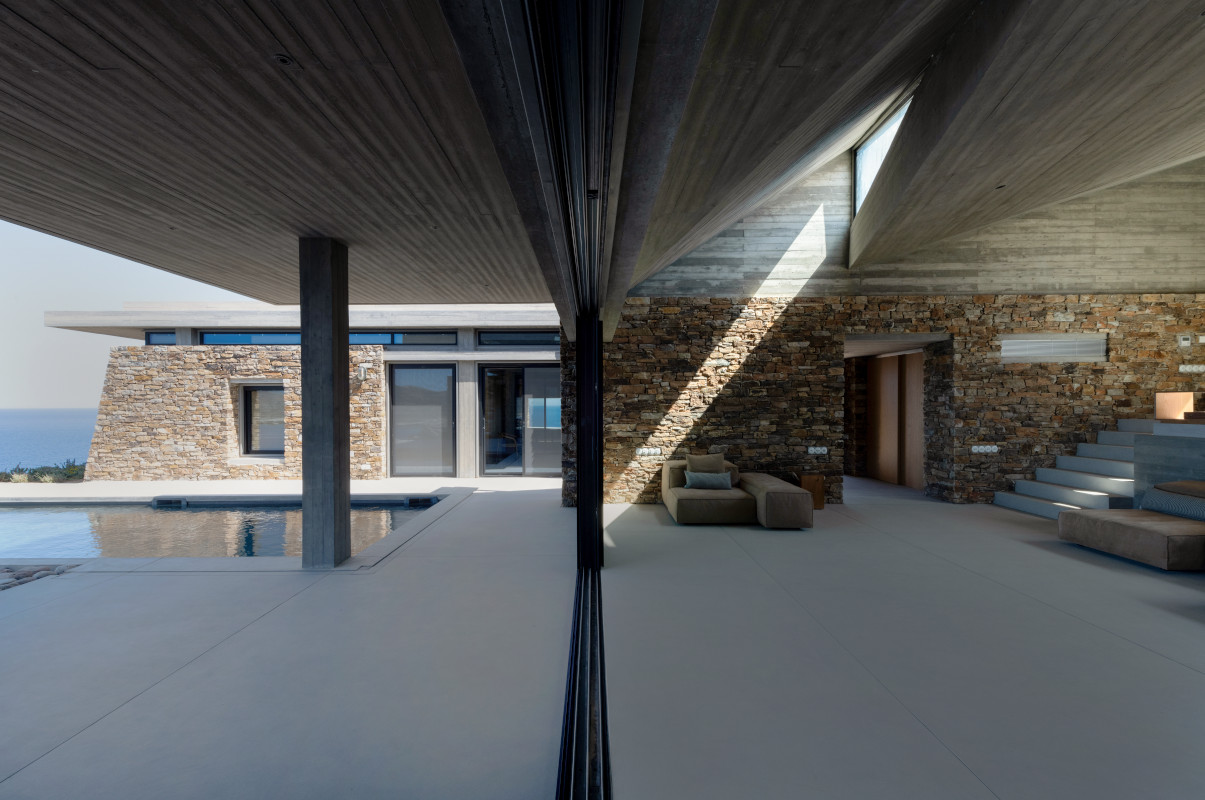
‘Towards the Sun’ summer house in Antiparos by Biris-Tsiraki architects
The residence is harmoniously integrated into the arid island landscape, using clean geometries, simple materials, and subtle color tones that highlight the relationship between the built and the natural environment. Through the balance of interior and exterior spaces, the project emphasizes the importance of simplicity and the authentic experience of place.
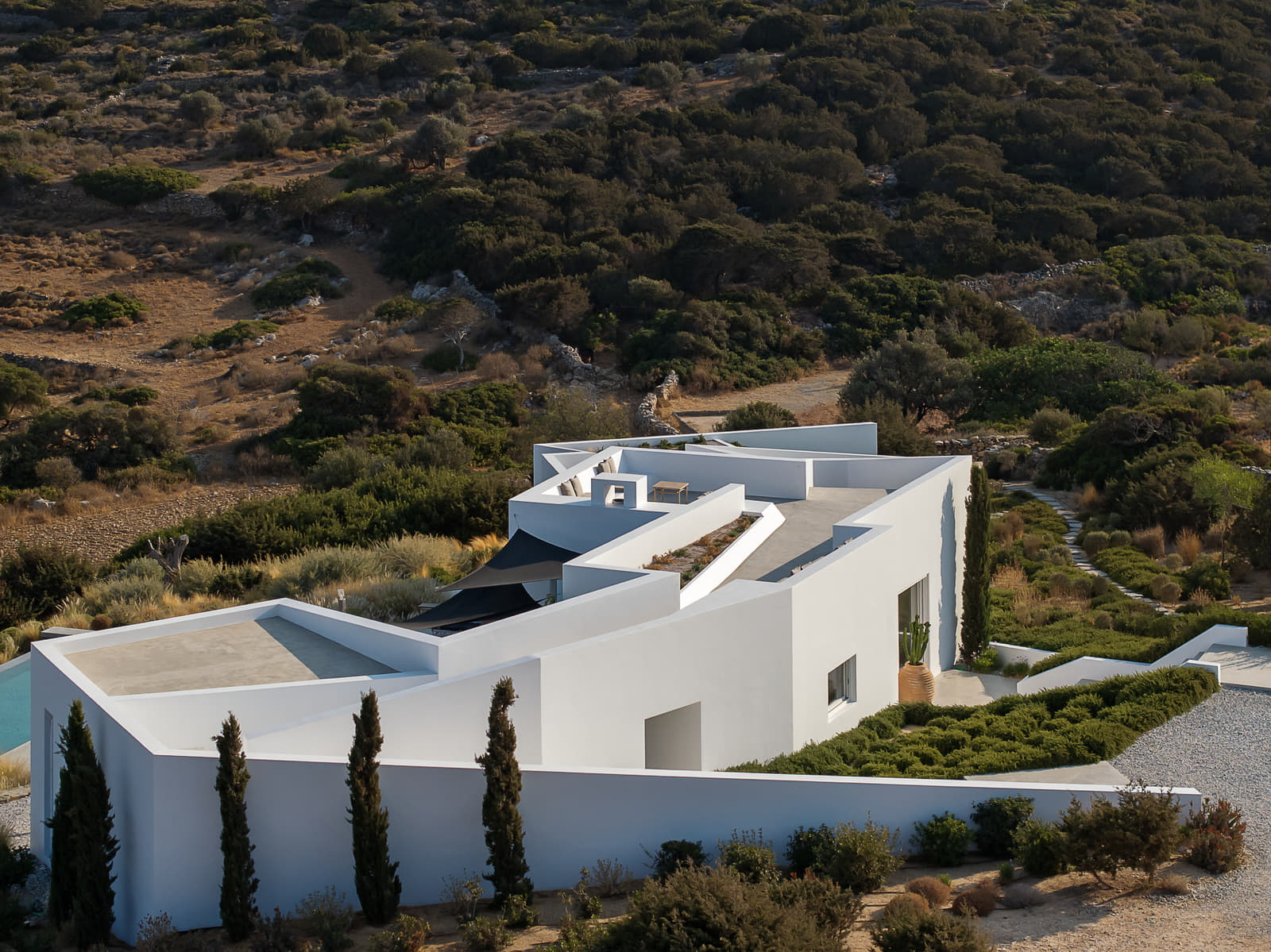
Lofos house in Paros by React Αrchitects
The team of React Architects is designing the LOFOS project in Paros: a residence that aims to engage in dialogue with the island’s distinctive landscape. The form draws inspiration from and references the contoured terrain, while the goal of the architecture is to connect built interventions with natural elements.
Check out, more, here!
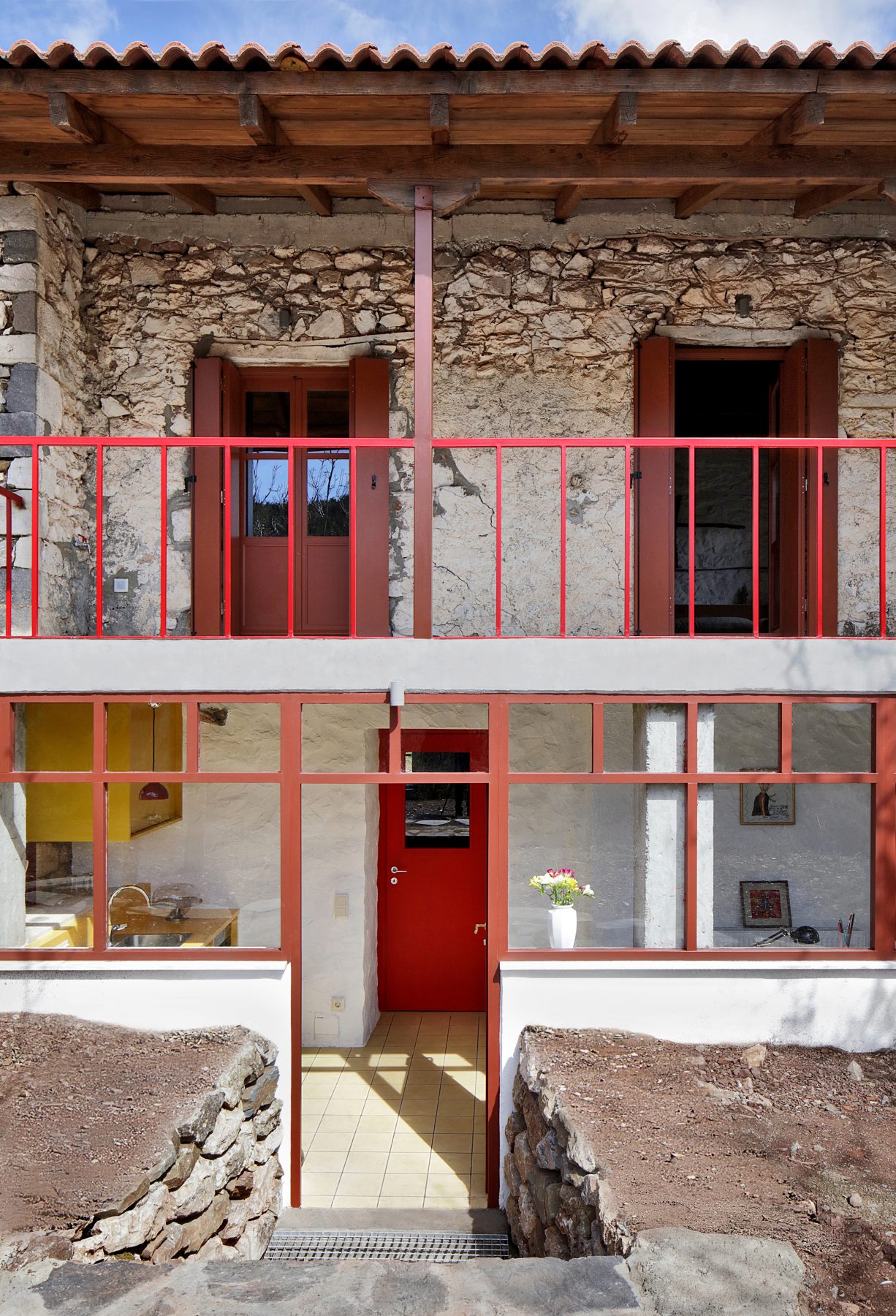
Peloponnese House by Point Supreme
The recent renovation of a two-story traditional house in the mountainous Peloponnese for a family of four confirms the overall design philosophy of Point Supreme. Built of stone a century ago by folk wisdom born out of necessity, the house reflects, in the present day, a different way of life—one inseparable from the cycles of nature, coexistence with animals, and manual labor. The rough, raw character of the structure is restored where support was needed, such as the roof, and preserved in its entirety, with stone, wood, plaster, and mud continuing to define the project’s spatial experience.
Check out, more, here!
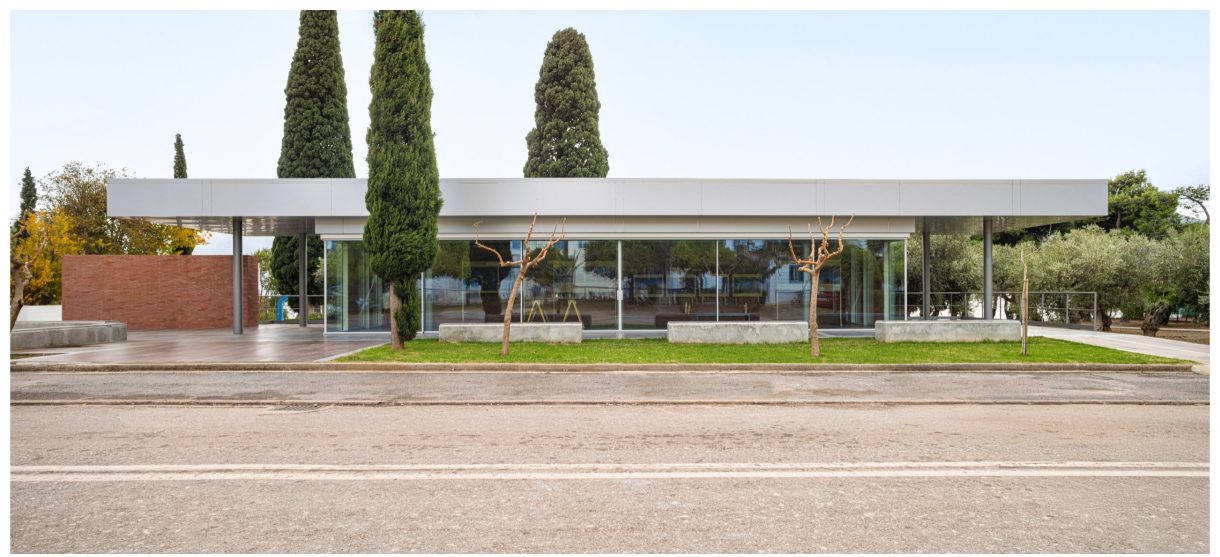
The Bauxite Residue Pavilion by Ctrl_Space Lab
The Bauxite House Pavilion stands out for the way it merges architecture with ecology. It uses materials made from bauxite residue, demonstrating how industrial waste can be transformed into aesthetic and functional elements. Its simplicity, transparency, and integration into the natural landscape reflect a contemporary, sustainable architectural approach.
Spiros Pengas (Independent Expert)
Spiros Pengas graduated from the German School of Thessaloniki and studied Political Science and International Relations at the Universities of Freiburg and Munich. Spiros has been elected member of the city council of Thessaloniki and Deputy Mayor under the Mayorship of Yiannis Boutaris. He was responsible for the extroversion policies of the City of Thessaloniki. During this tenure (2011 – 2019) he has also been founding and board member of Thessaloniki Convention Bureau, member of the Board of Thessaloniki Tourism Organization, of Thessaloniki Film Festival and TIF Helexpo SA.
September 2019 Spiros founded and since then owns Wise Ram SA, a company that activates tourism and hospitality growth. He has already signed contracts with various Municipalities, private entities, tech-companies, malls and investors in Greece and abroad. He is also teaching Destination Marketing at the American College Thessaloniki (ACT). He is a member of Thessaloniki’s City Council. In 2020 he has been chosen as member of the International Jury of the European Union Prize for Contemporary Architecture Mies van der Rohe Award 2022.
“Simplicity, clarity-transparency, functionality and positive social impact are the criteria upon I try to discover architectural works to propose for the EU Mies van der Rohe Awards. I always feel a certain duty to promote local, Greek, works or at least international projects designed by Greek architects. I experienced firsthand by my membership at the International Jury Committee in 2020 the principles upon renown and thoughtful architects or city planners judge a work as worth promoting. Architectural excellence is of course the most important factor. Secondly, social use, re-use, environmental care and sustainability are characteristics which strengthen possible candidacy. I remember striking me positively the way my co-members rejected pharaonic private works, villas and mansions, which as we were discussing enslave public or wild natural space. I just wished that also in Greece public works have a distinctive architectural character. Unfortunately, here builders and developers over architects and artists have dominated public space”, says Spiros Pengas.
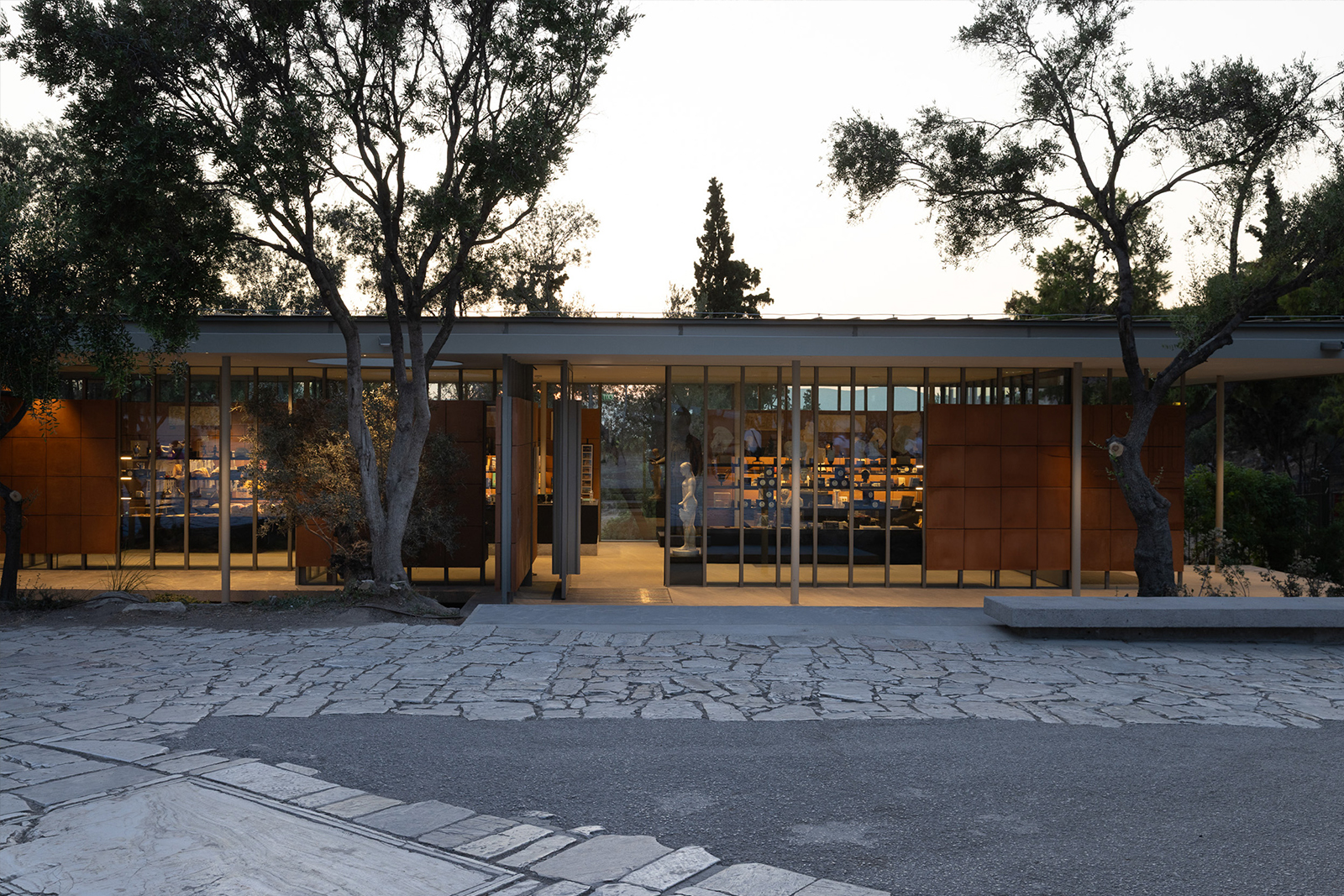
Acropolis Shop by FLUX-Office
FLUX Office completed the new shop for Acropolis, conceived as a large canopy, and introducing a new public space at the foothill of the archaeological site. Set along the historic midcentury pathway to the Acropolis designed by Dimitris Pikionis, and with commanding views to the Acropolis hill, the new shop takes the form of a lightweight canopy under which a series of enclosed and semi-enclosed spaces are arranged freely. The roof consists of a single surface with thin visible edges and holes for the passage of two existing trees.
Check out, more, here!
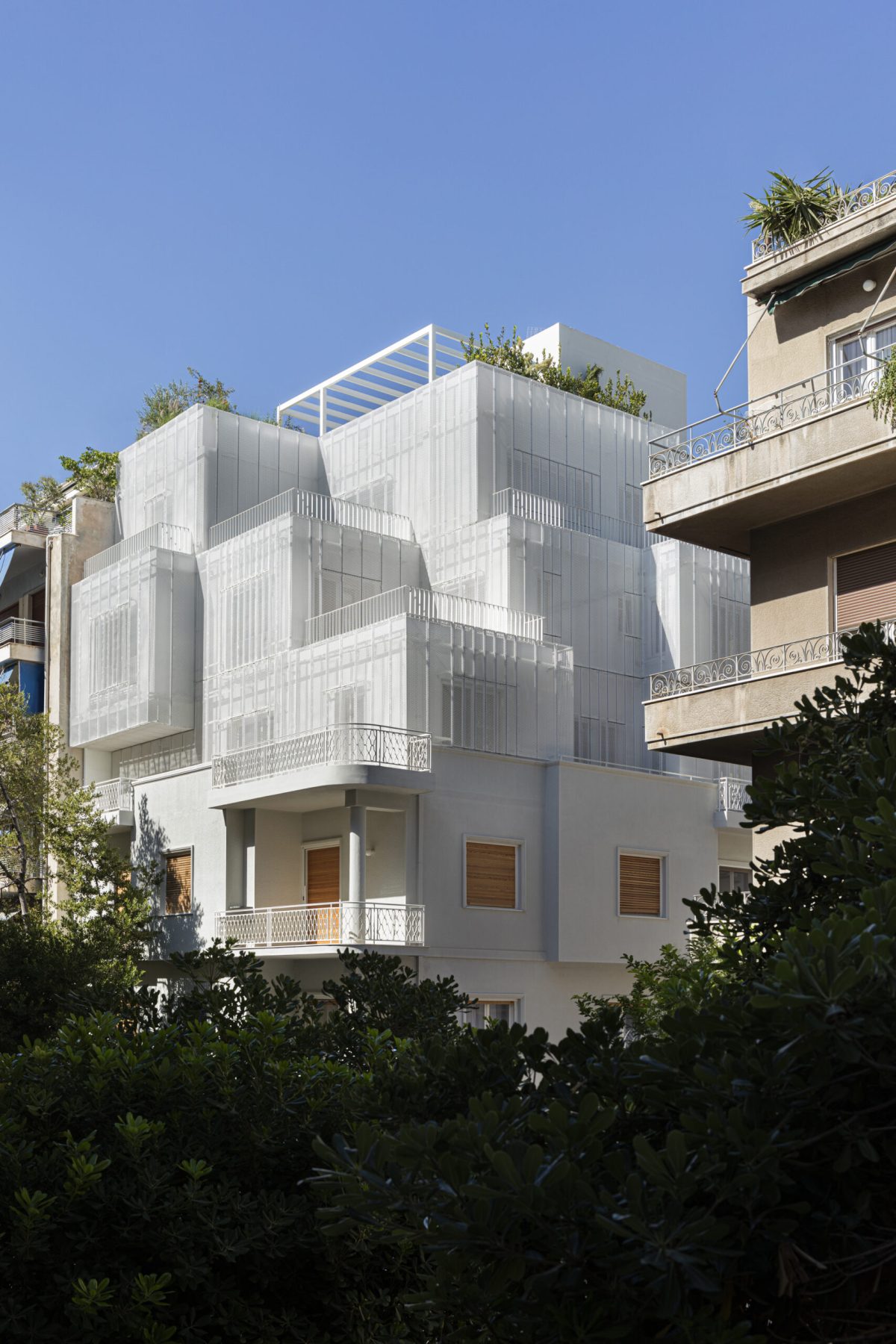
VEIL by Arid
In a distinctive part of Athens’ urban fabric, the Patissia area, a 1951 two storey corner building has been given new life by Arid architects. The architectural intervention, which includes the renovation of the existing building and the addition of three new floors, respects the urban environment while introducing a contemporary identity that enhances the neighborhood’s dynamic character.
OPEN HOUSE Thessaloniki / Athens
OPEN HOUSE Thessaloniki / Athens is one of the most important architectural events in the city, held annually since 2012 with the aim of connecting the public with architecture and the built environment. Through free architectural tours in private and public buildings, the event highlights both the architectural heritage and contemporary creations of the cities. With the participation of hundreds of volunteers and in collaboration with architects, property owners, institutions, and sponsors, OPEN HOUSE actively contributes to the promotion of architectural education, outward-looking cultural engagement, and public dialogue about the city and architecture.
“The selection process for the projects proposed by OPEN HOUSE Thessaloniki for the EUmies Awards is based on a combination of criteria that reflect the philosophy of our actions. We focus on projects that demonstrate high-quality architectural design, respect for the environment, functionality, and social impact — the capacity of a project to positively influence people’s daily lives and strengthen their connection to space. At the same time, we seek projects that showcase contemporary Greek architectural identity through a dialogue between tradition and innovation, contributing to the shaping of a legacy for the future — an architecture that inspires, endures over time, and reflects the values of a vibrant, evolving city”, says Renata Douma, the communication manager of OPEN HOUSE.
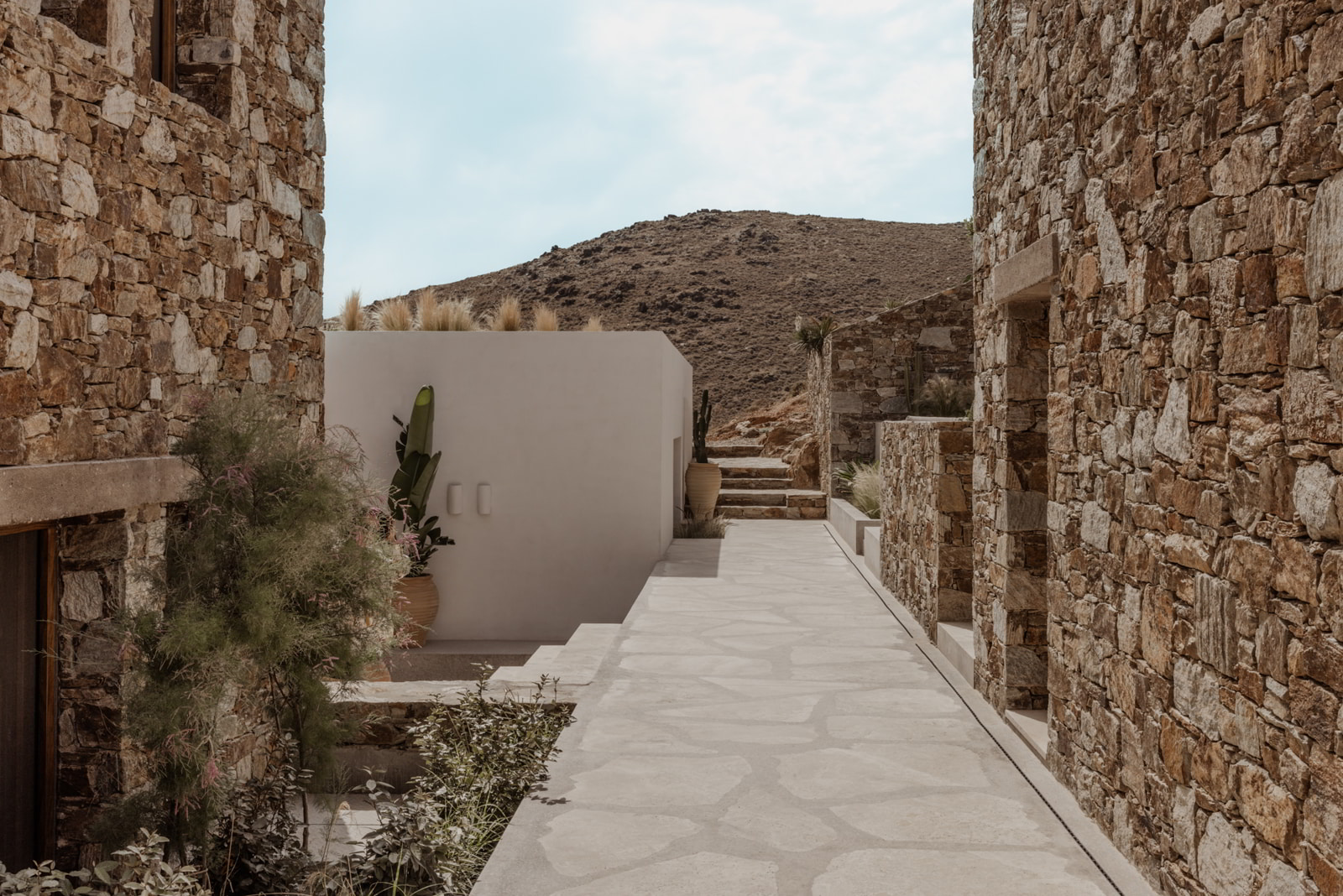
Viglostasi by Block 722
Residence Viglostasi, designed by Athens-based architecture studio Block722 on the Cycladic Island of Syros, blends the charm of traditional Aegean villages with contemporary luxury. Spread over 500 sq.m., the house consists of interconnected, low-lying volumes arranged on different levels to accommodate the steep terrain. It offers a seamless indoor-outdoor lifestyle, featuring an infinity pool, native gardens, and a green roof, while the use of natural materials like stone, wood, and marble adds a touch of gentle luxury, creating a family retreat that harmoniously merges with its Greek landscape.
Check out, more, here!
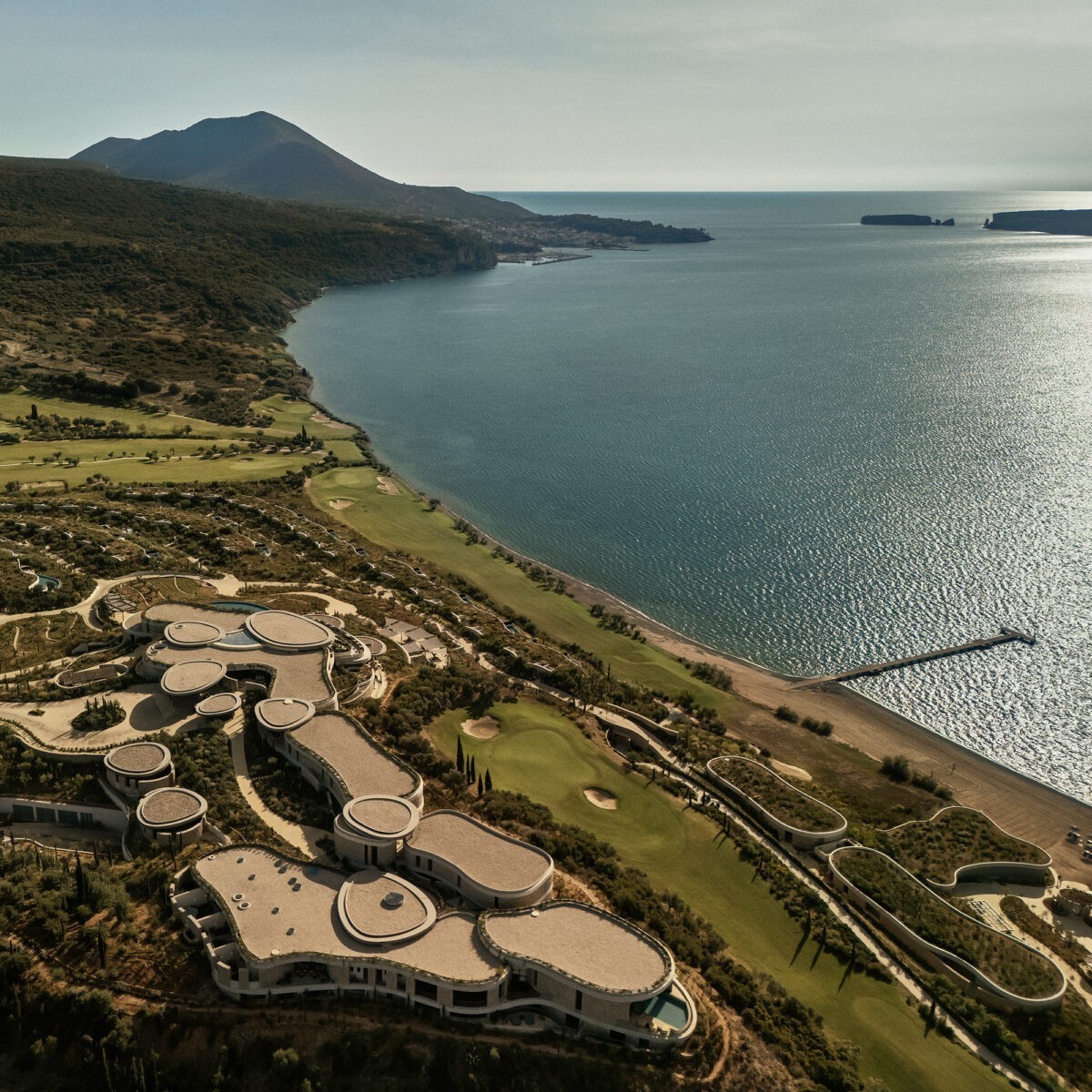
Mandarin Oriental Costa Navarino by Alexandros N. Tombazis Architects & K-Studio
Mandarin Oriental Costa Navarino, a project by K-Studio and Alexandros N. Tombazis & Associates, combines luxurious hospitality with sustainable architecture that respects the Messinian landscape. It incorporates natural materials, organic design lines, and bioclimatic principles, creating a hotel that appears to emerge organically from the land and its surroundings.
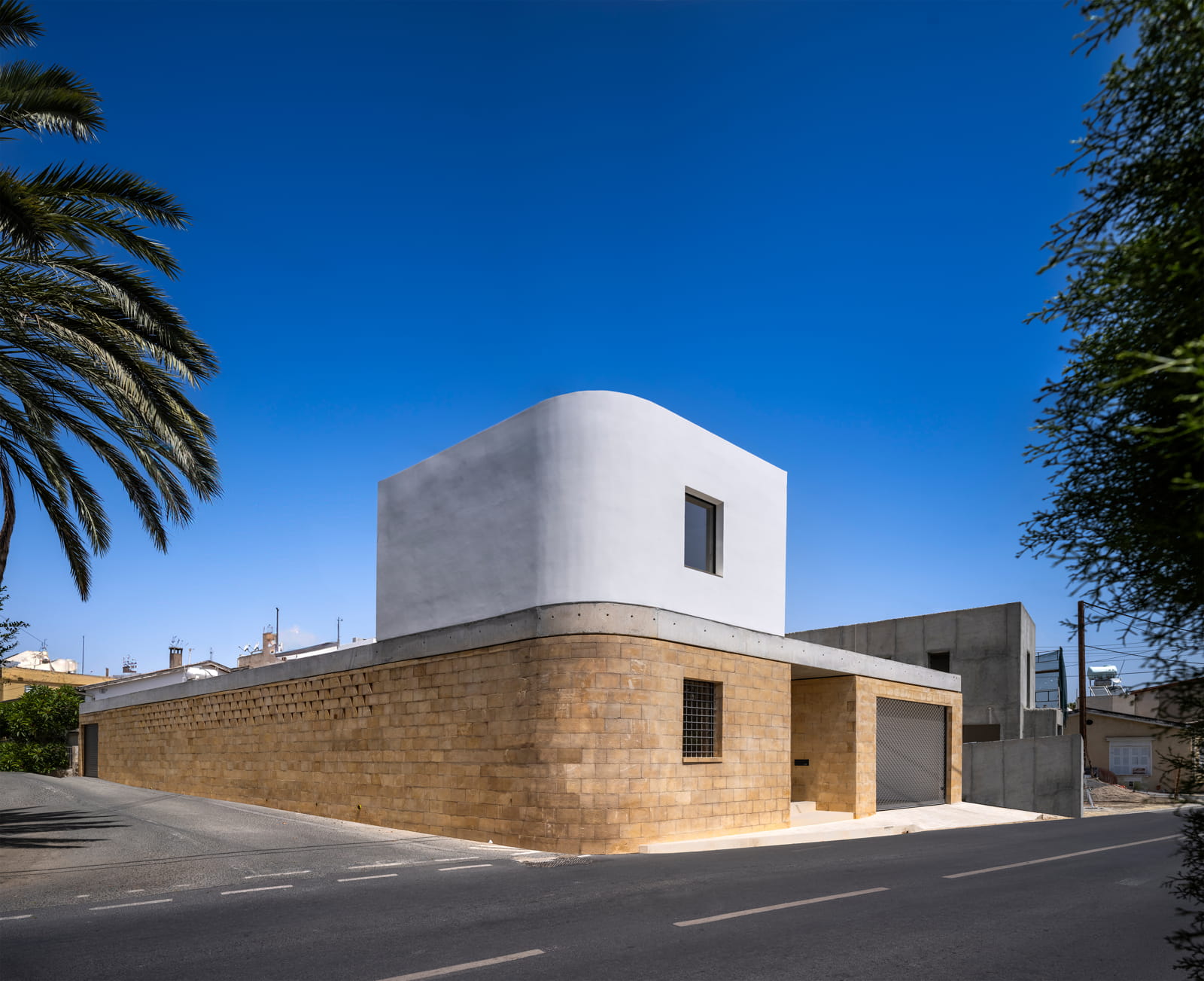
Courtyard House by Constantinos Petrakos
Situated in the historic centre of Old Strovolos, Nicosia, the Courtyard House designed by architect Constantinos Petrakos, reinterprets the traditional Cypriot courtyard dwelling within a dense urban fabric. Organised around a sequence of courtyards and loggias, the house dissolves boundaries between interior and exterior, creating a gradient of privacy. Programmes are distributed vertically and horizontally according to use and seclusion. Courtyards provide daylight, ventilation, and climatic regulation, fostering calm continuity throughout the dwelling. A base of reclaimed local limestone anchors the house in its historic context, while white cubic volumes above accommodate private spaces.
READ ALSO: Hotel Experience 2025 // Saturday 18/10 - Panel Discussion: Panos Almyrantis, Sotiris Tsergas, Stavros Gyftopoulos, George Lampiris | Can architecture help prevent tension between digital-brained GenZ staff and old-school customers?