Performing a sharp, sculptural “furniture as architecture” design approach, Aramé Studio establishes a finely calibrated dialogue between the measured gravity of a 1903 two-storey building in Barcelona’s Poblenou district and the studio’s stainless-steel intelligence of contemporary domestic craft. Casa Jaume Bach Esteve has been awarded Best House of the Year 2025 by Archisearch, recognized for its exemplary hybrid spatial ecosystem in which furniture operates as a space-producing tool.
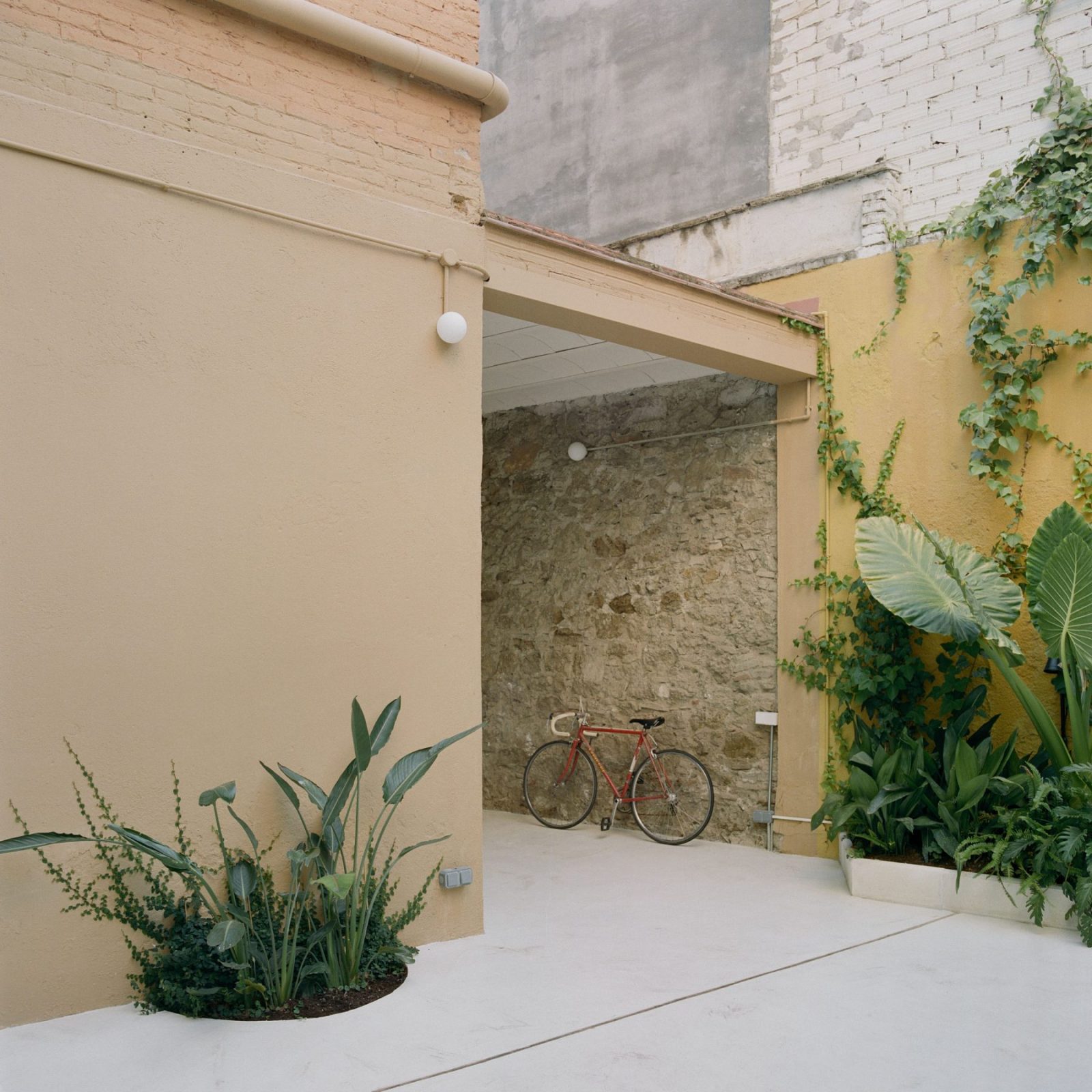
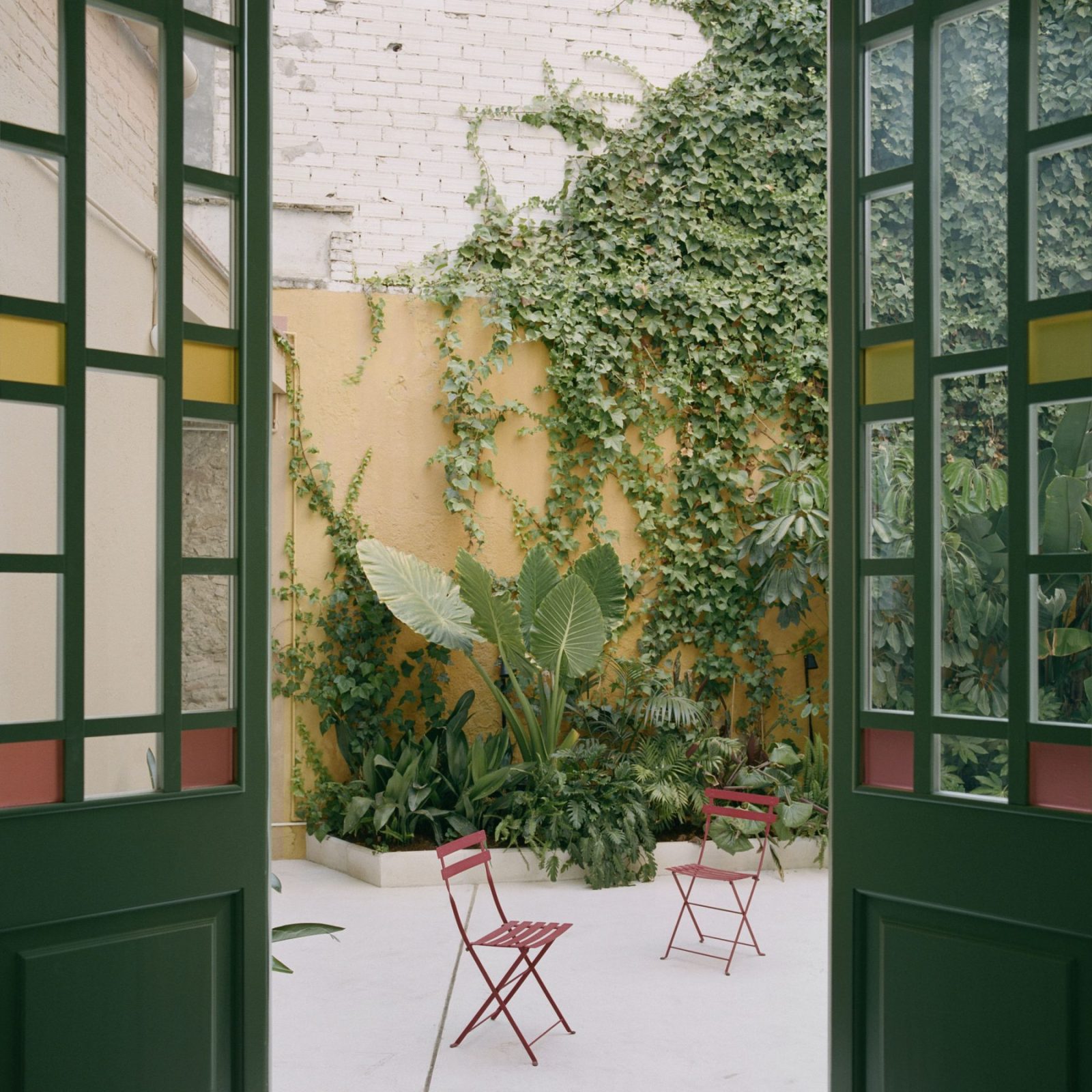
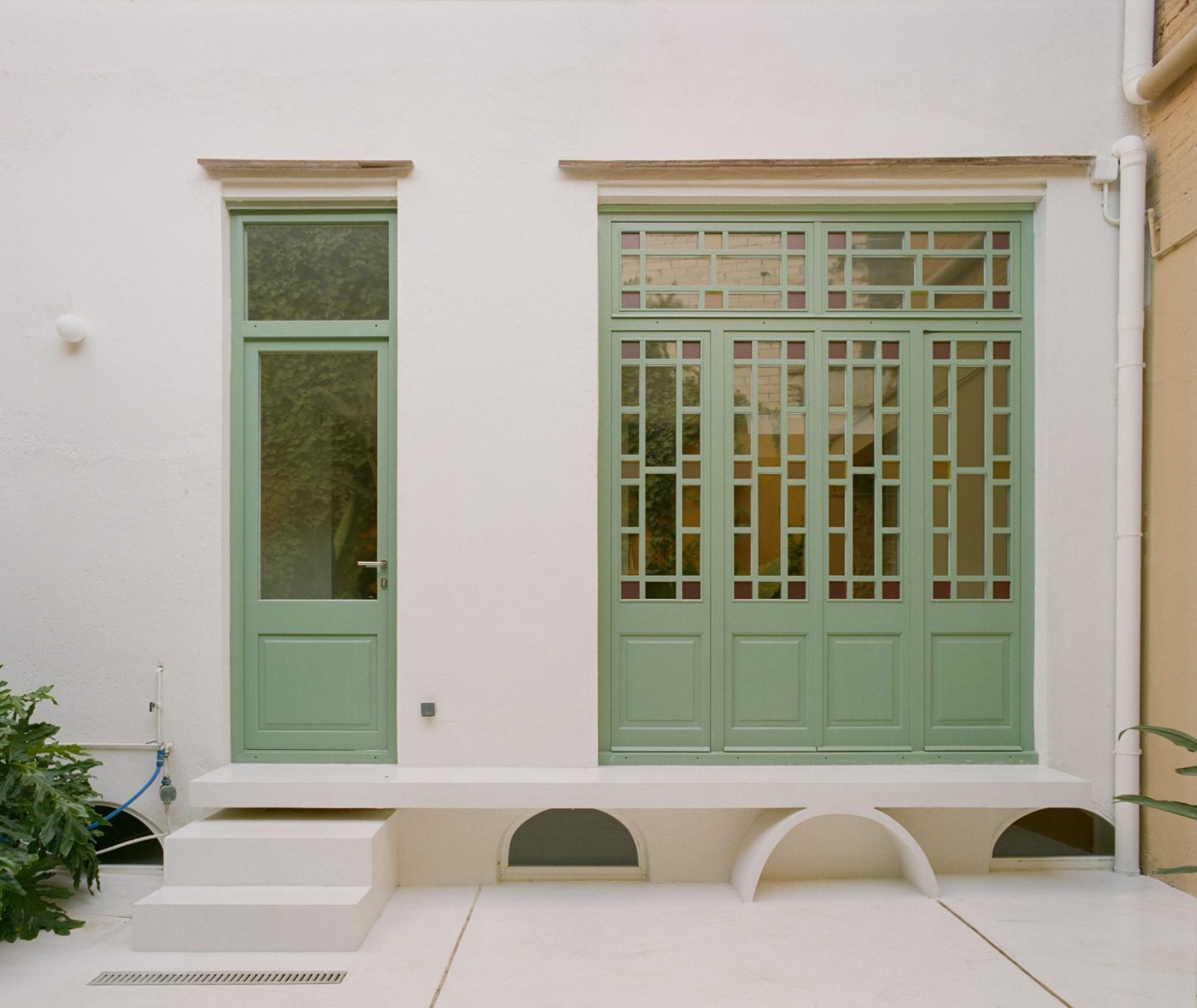
In Poblenou, where layers of Barcelona’s industrial history and everyday life quietly coexist, the house is rearticulated as a single-family house—at once a dwelling and a workspace.
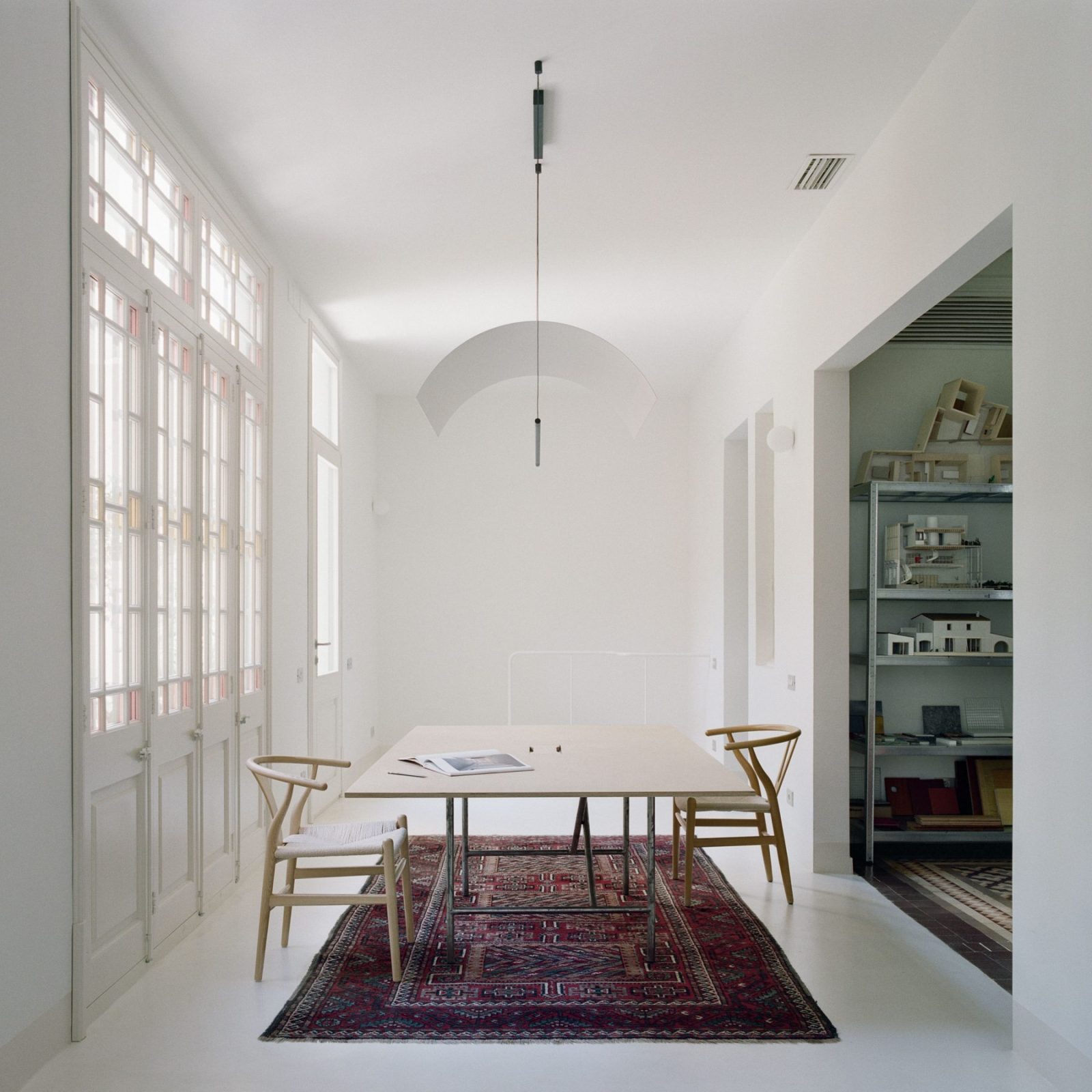
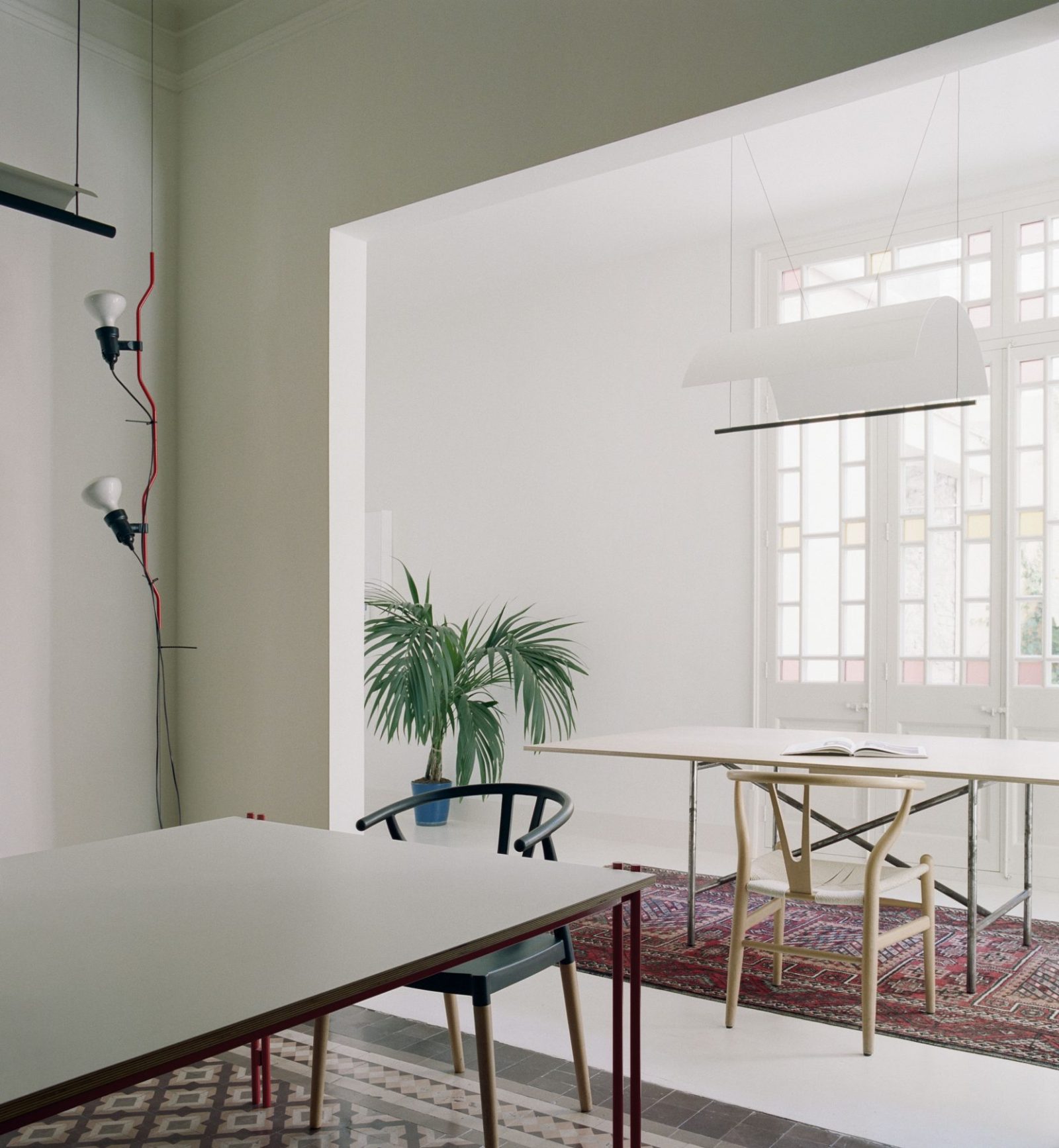
The project unfolds through a radical yet restrained premise: furniture becomes the project’s true syntax—no longer ornamental, but infrastructural.
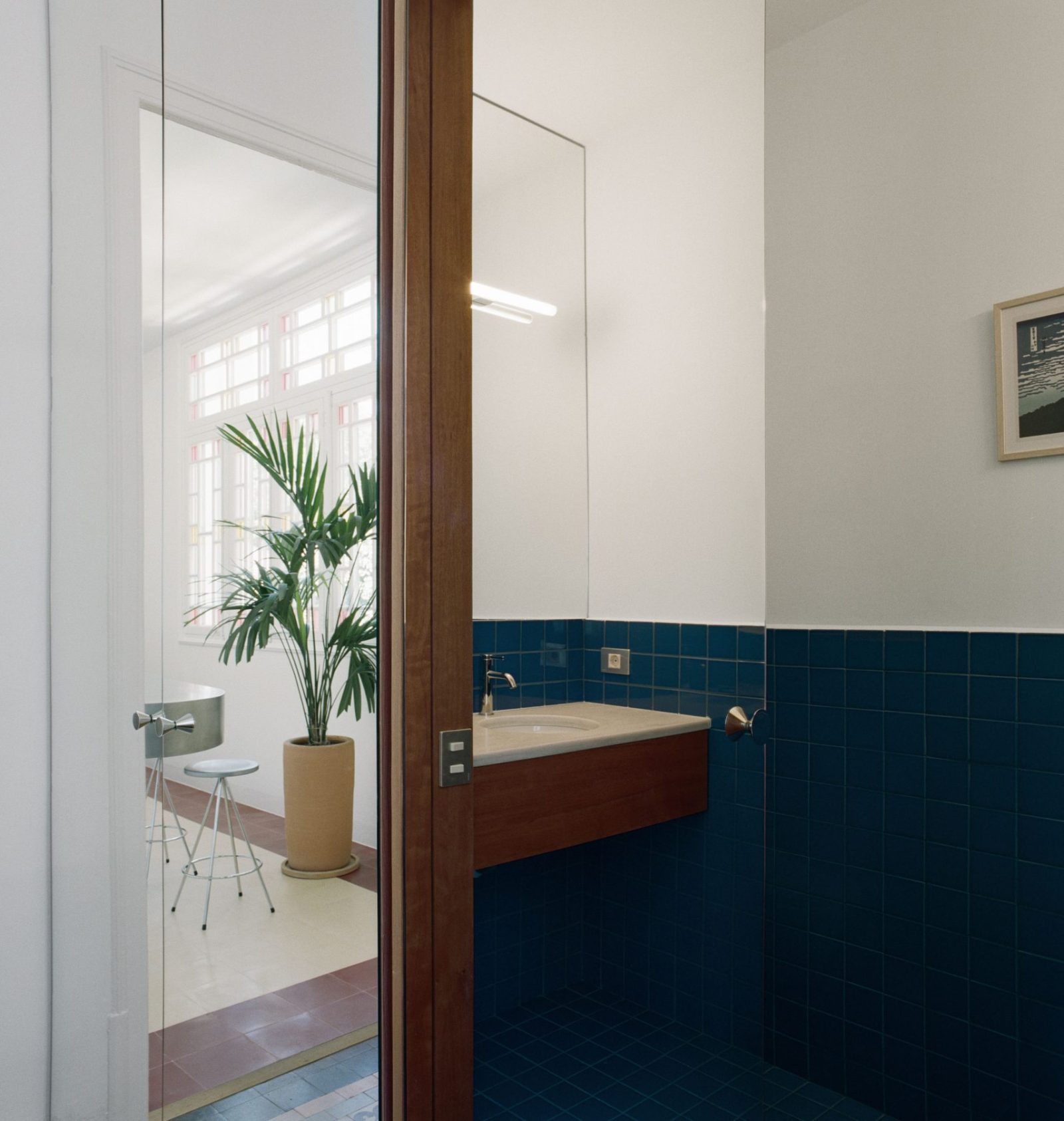
Space is not declared in advance; it reveals itself gradually, shaped by movement, ritual, and presence. The domestic experience emerges through repetition, use, and memory. Threaded through the historic shell, stainless-steel interventions appear with deliberate precision.
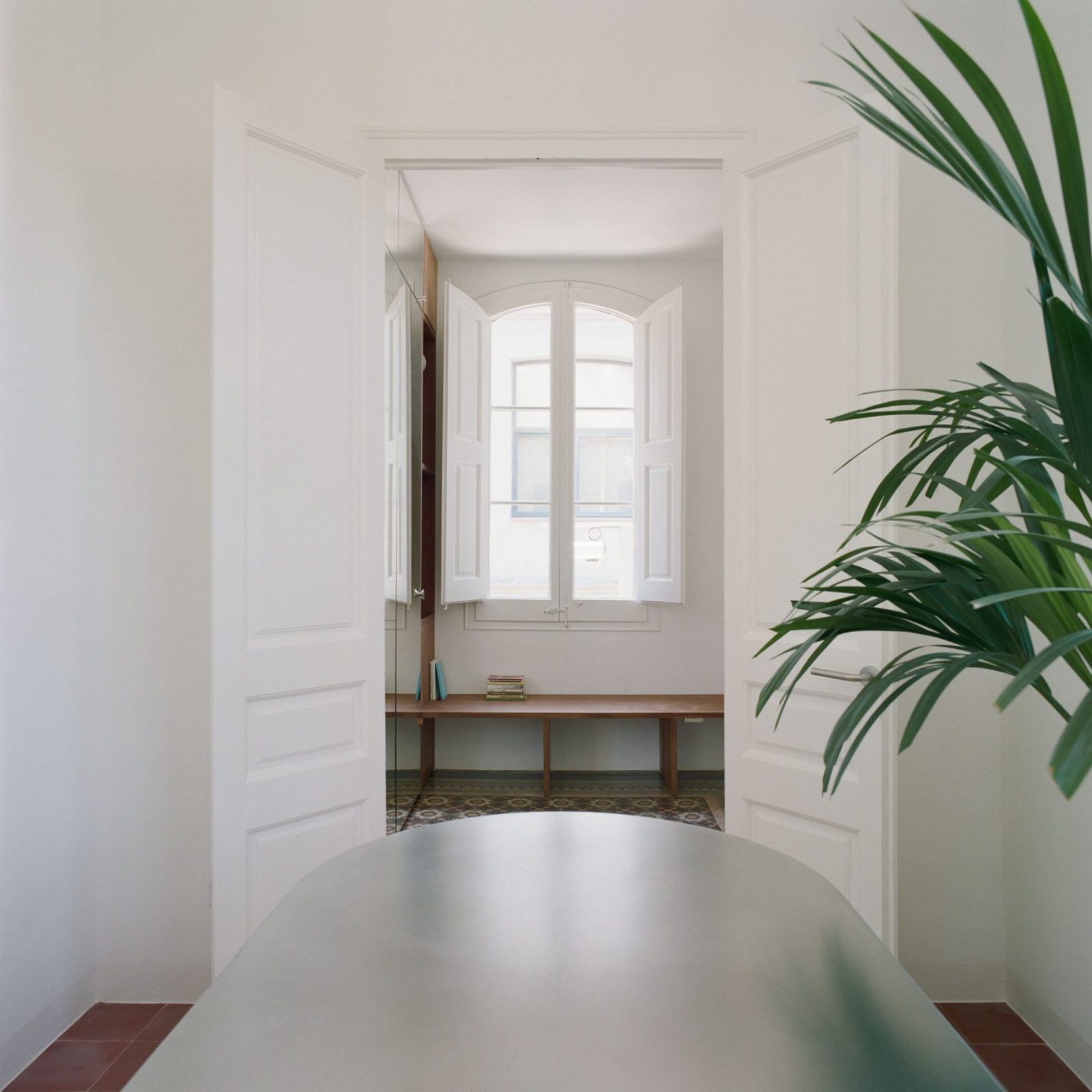
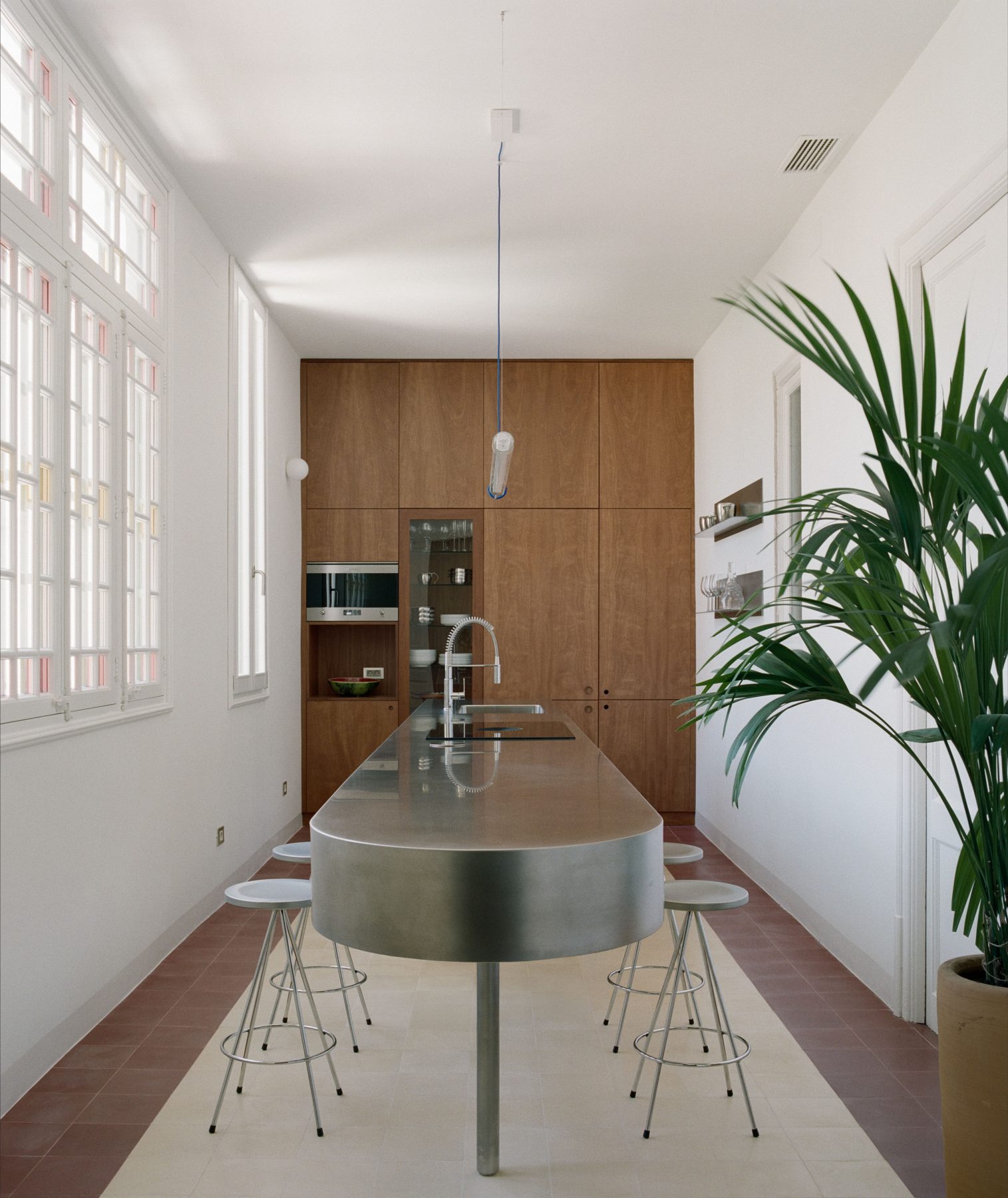
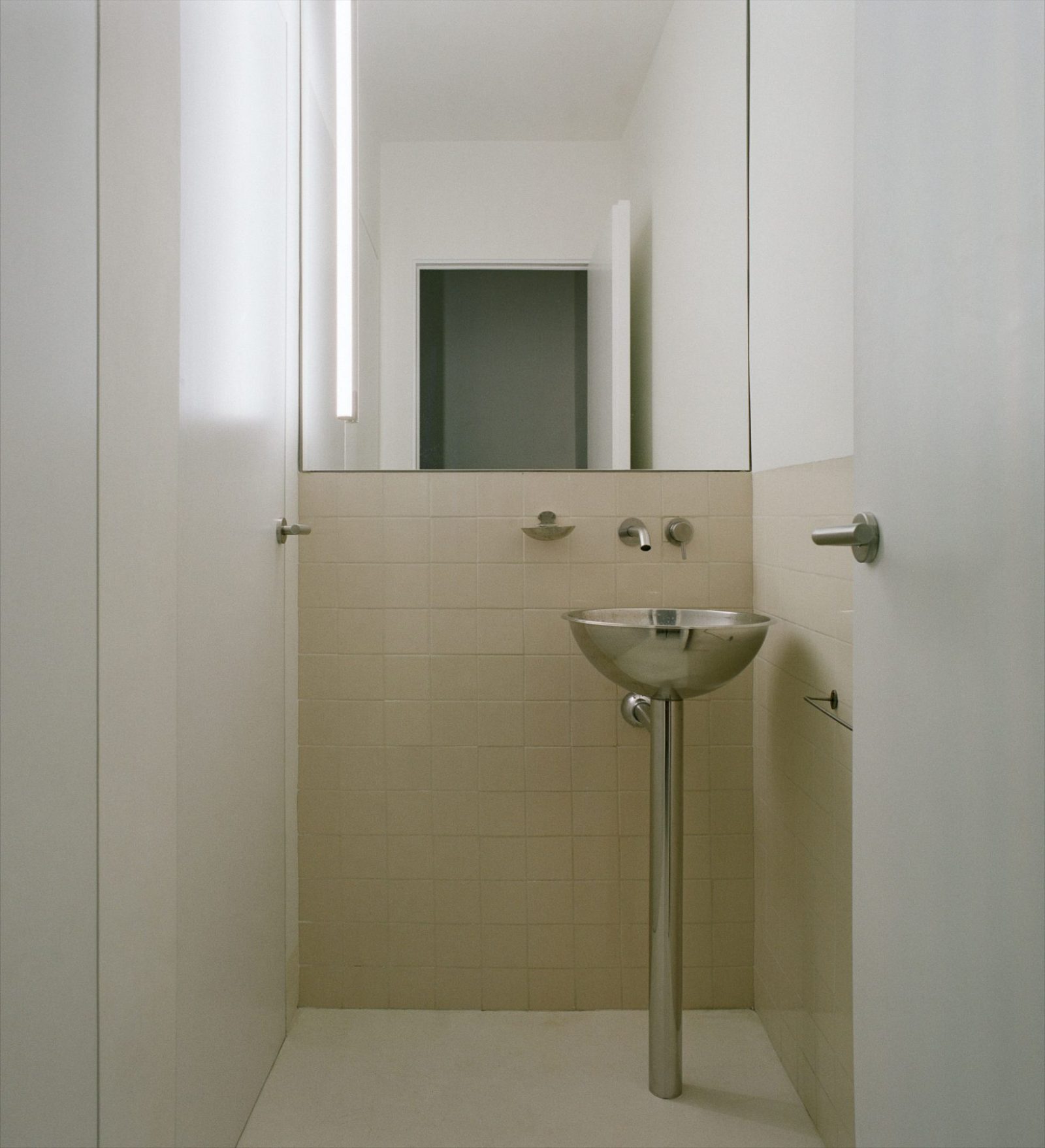
Reflective, taut, and almost surgical, they operate as unapologetically functional spatial instruments—measuring, anchoring, and tuning domestic life.
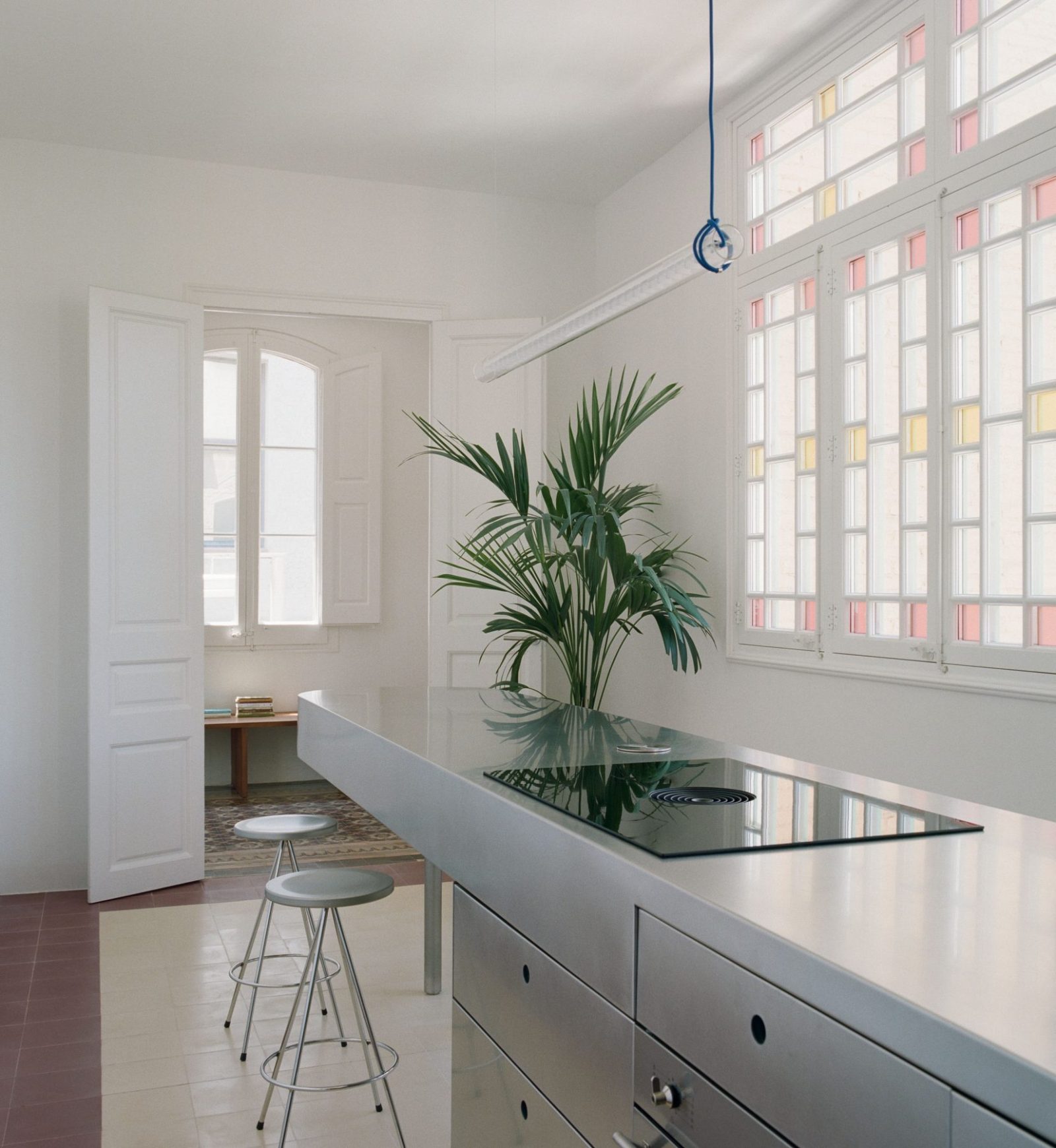
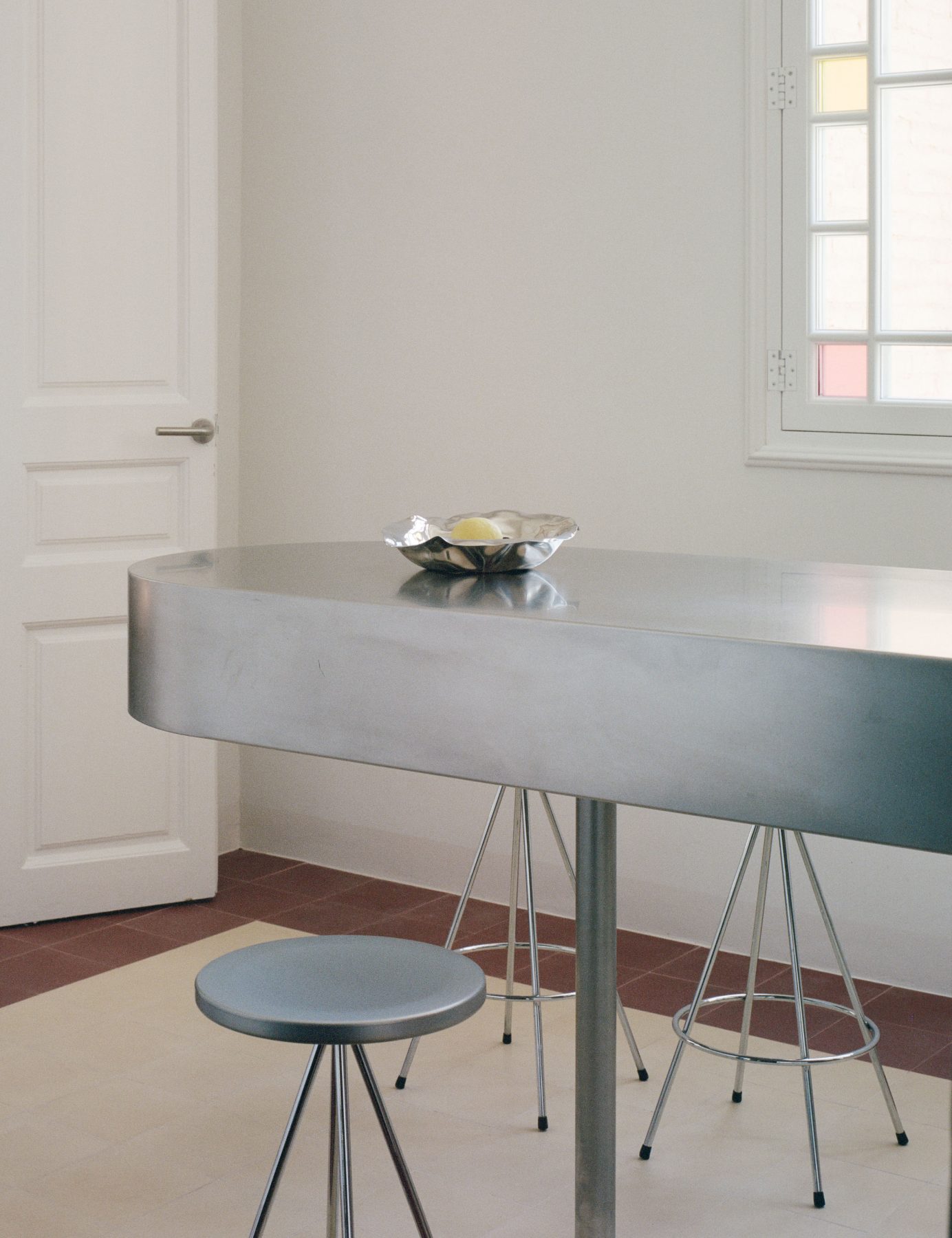
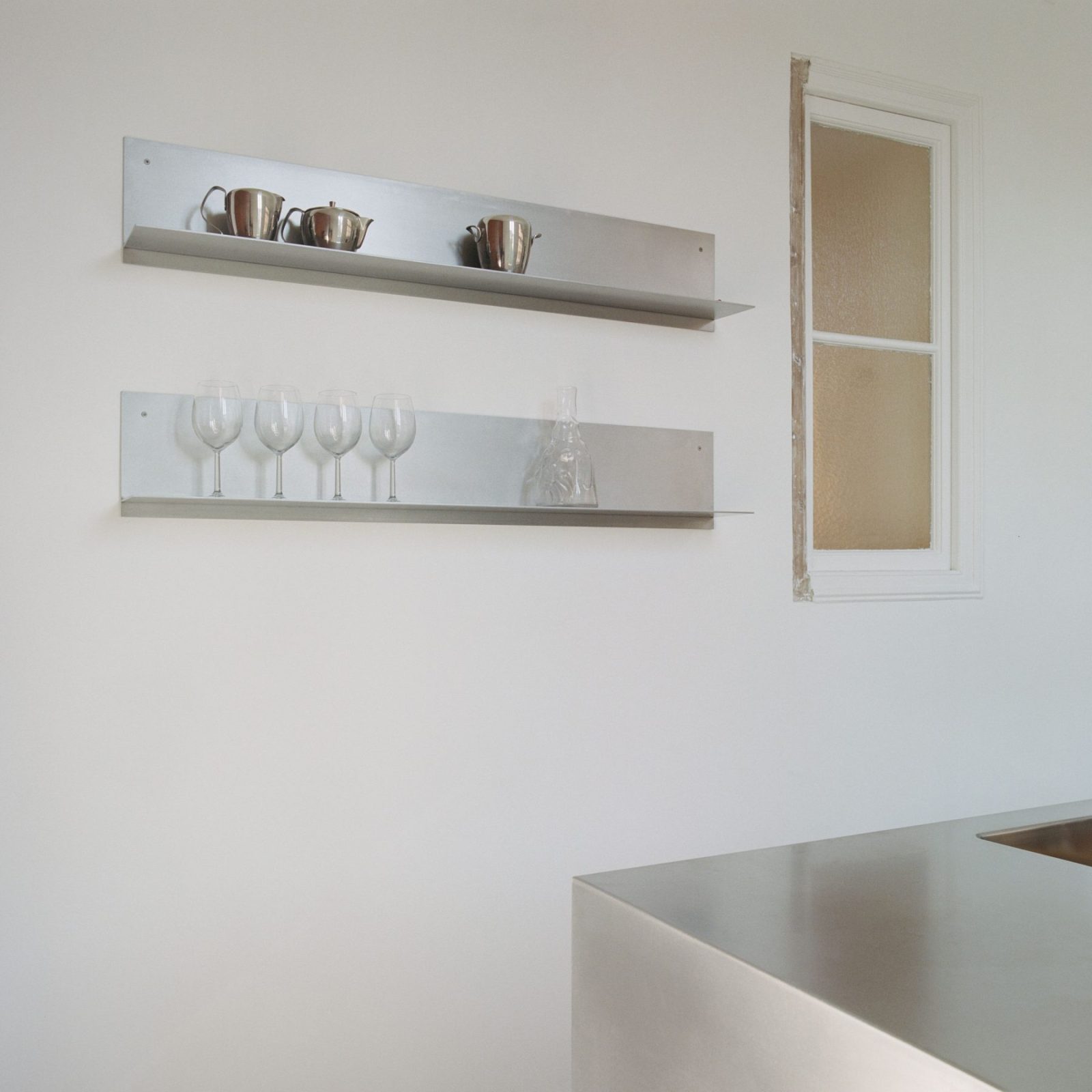
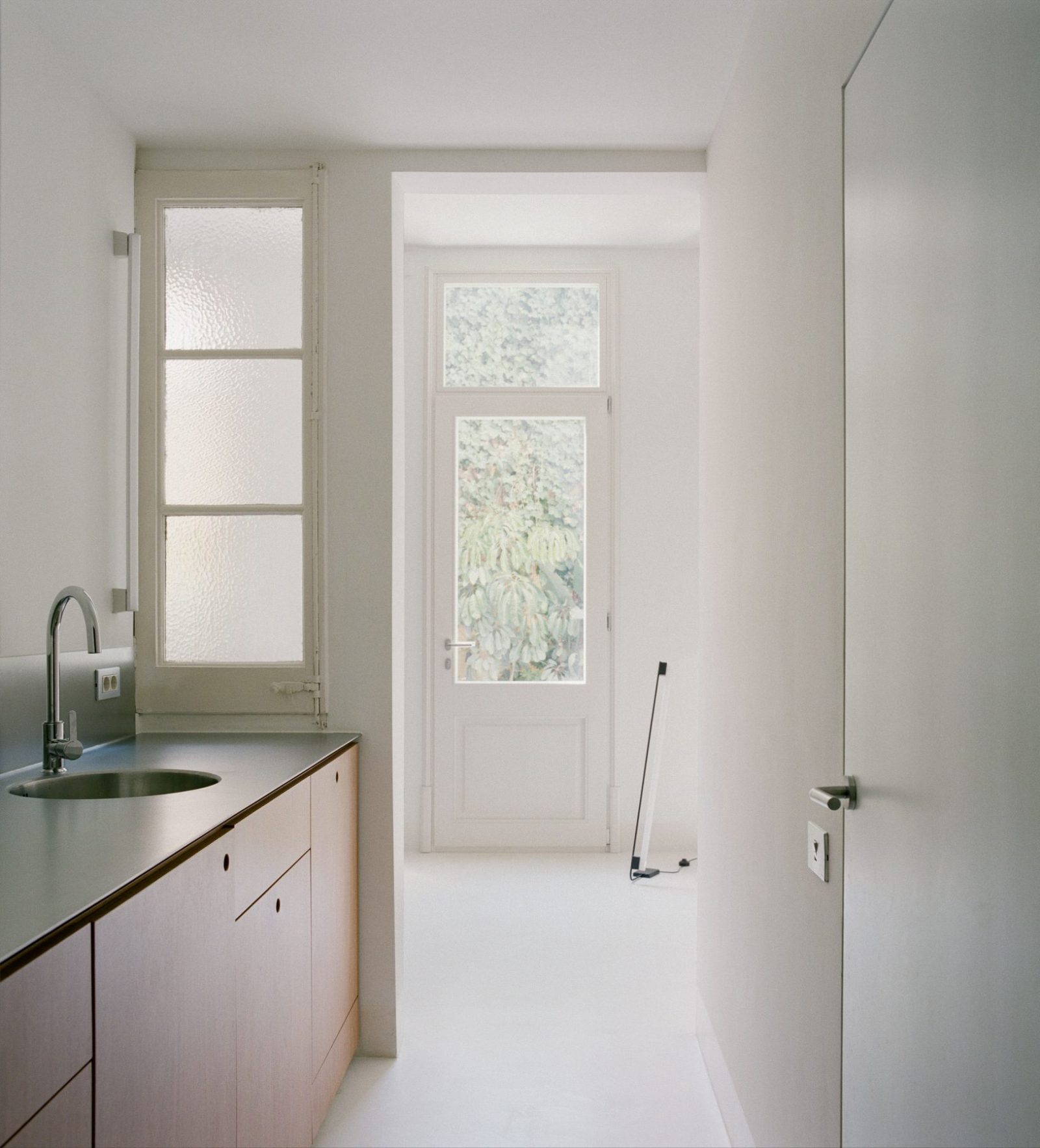
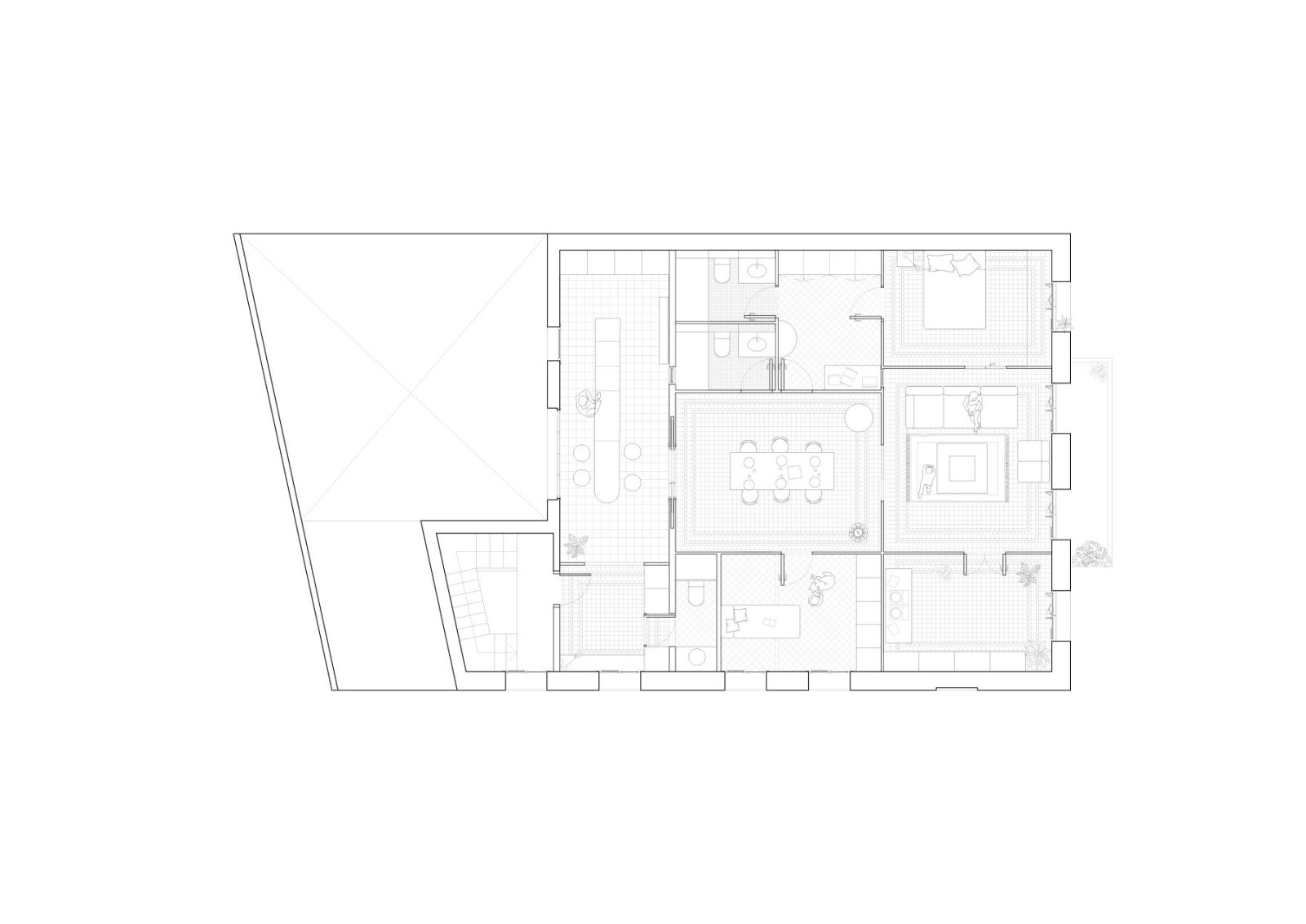
The elongated, curvilinear kitchen island functions as a focal datum: a bold force that stabilizes the interior without imposing weight. The existing masonry is allowed to retain its density and temporal depth. New insertions neither mimic nor overpower; they remain legible, exact, and self-aware.
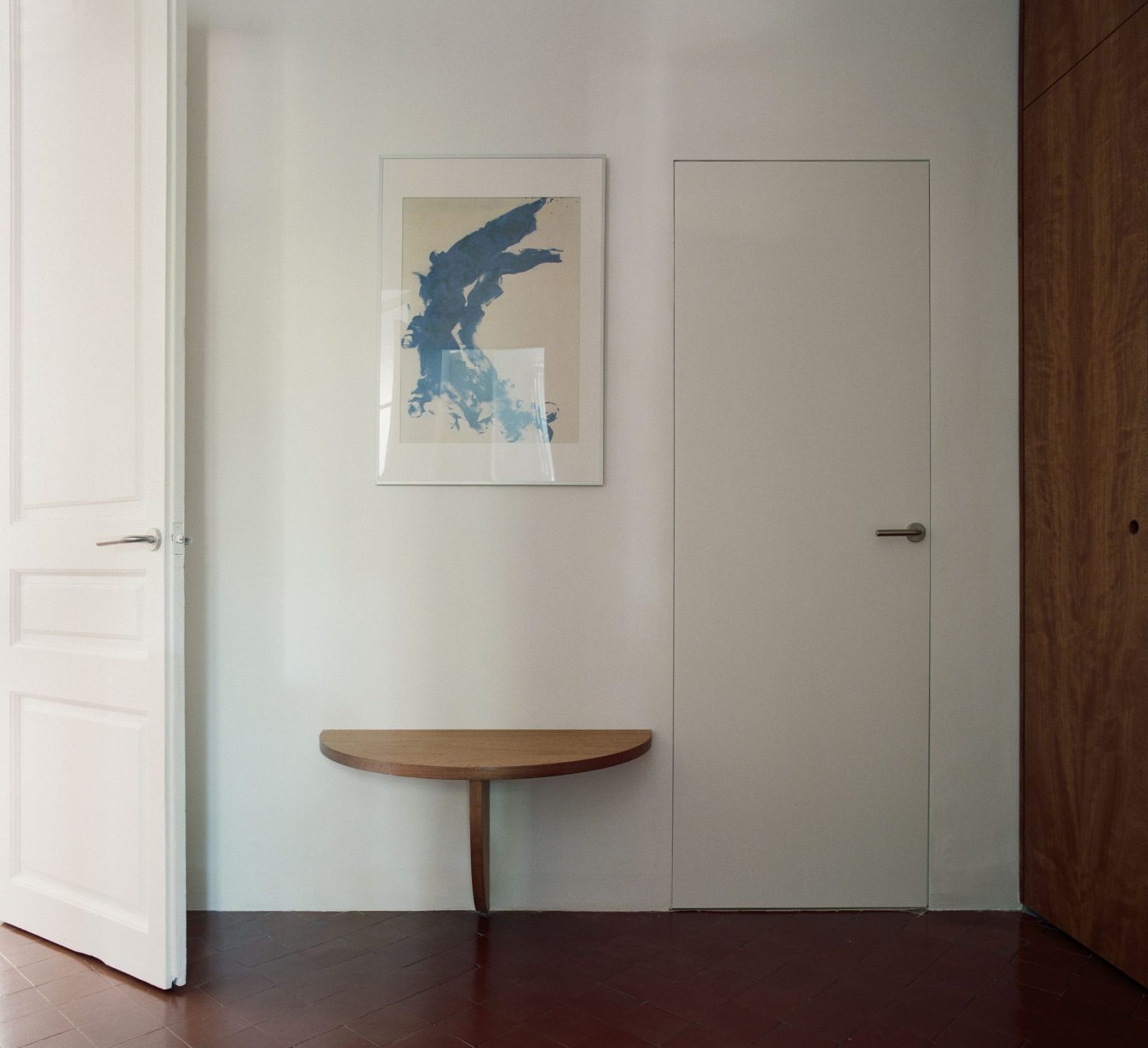
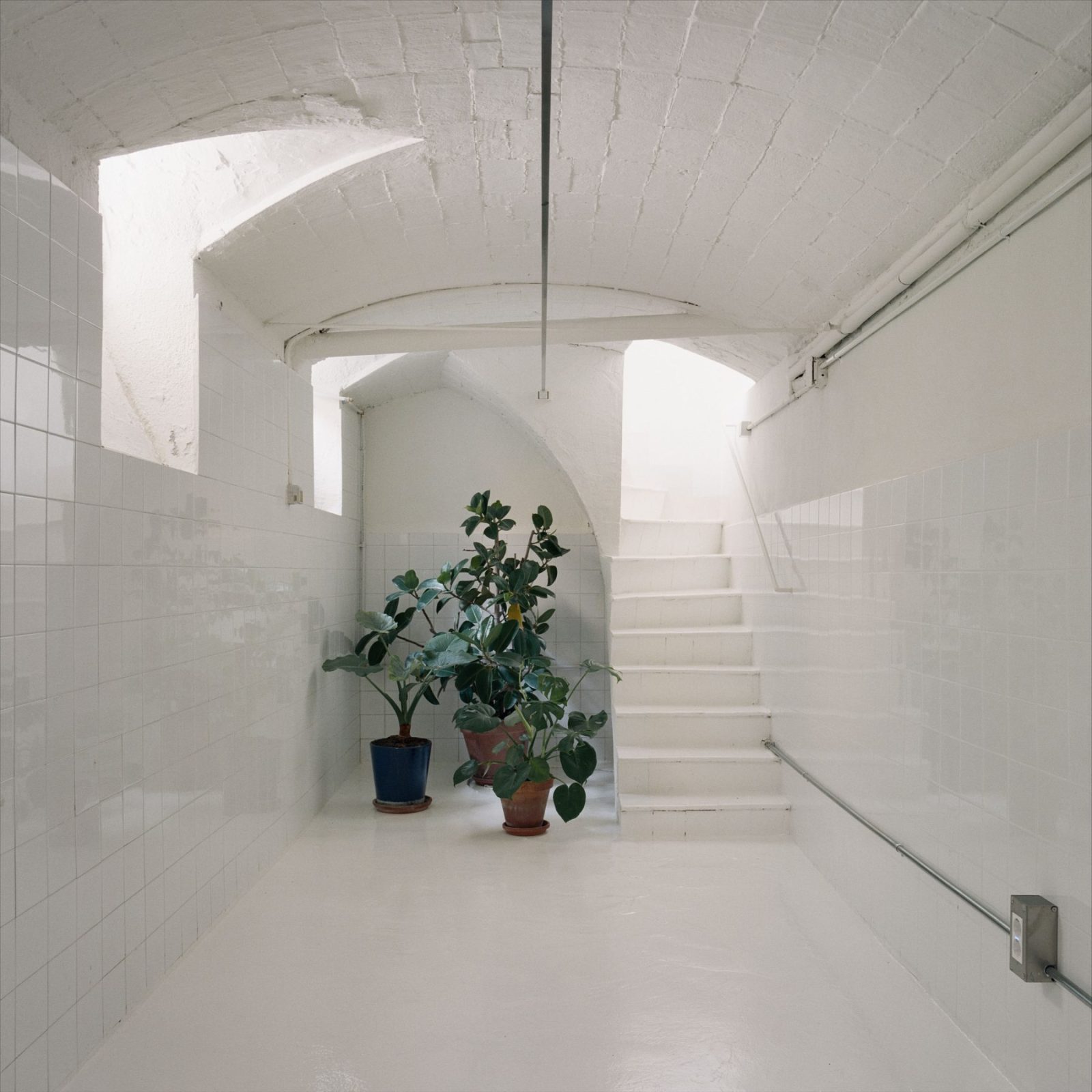
Whitewashed vaults and softened daylight introduce moments of pause, allowing the house to breathe between gestures.
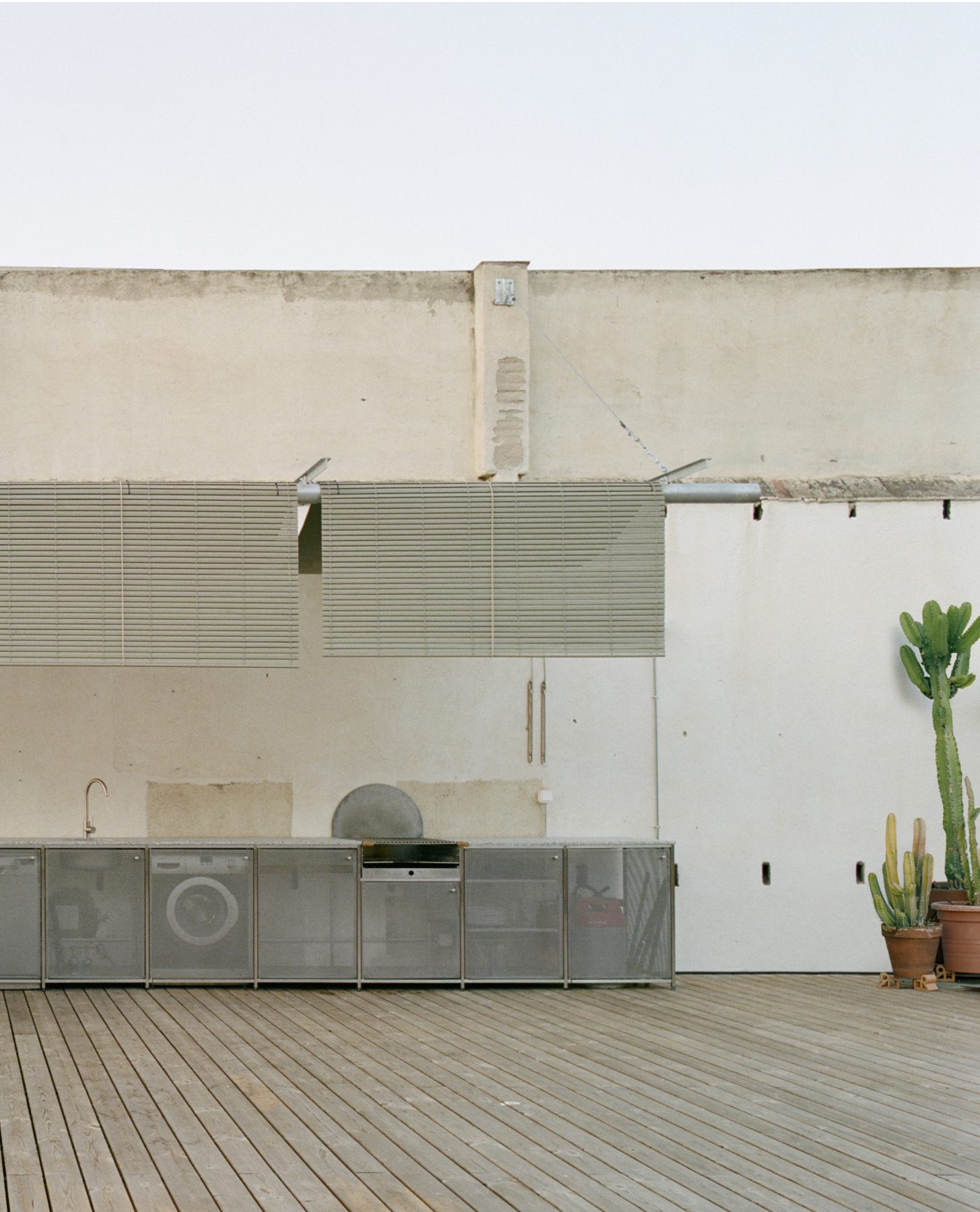
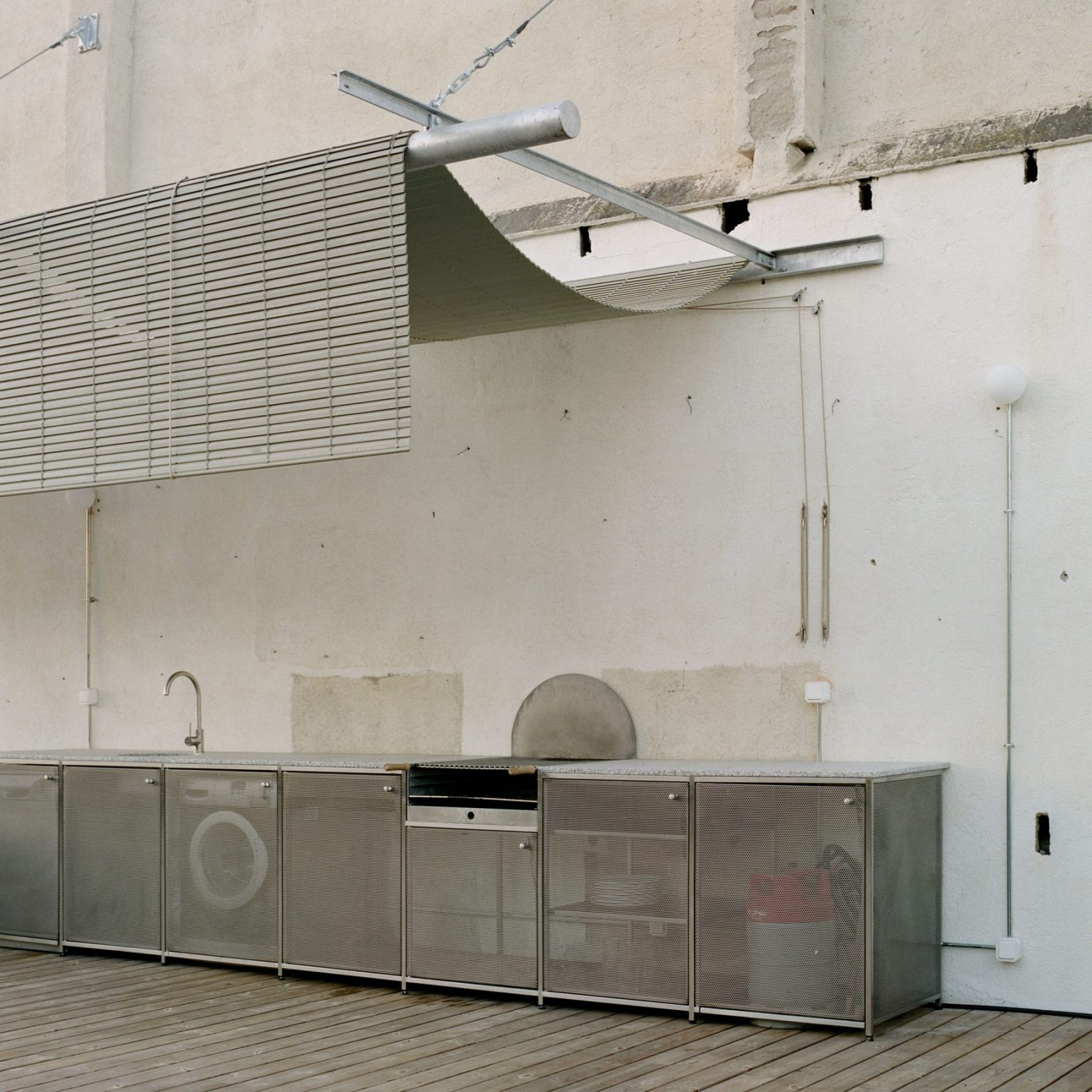
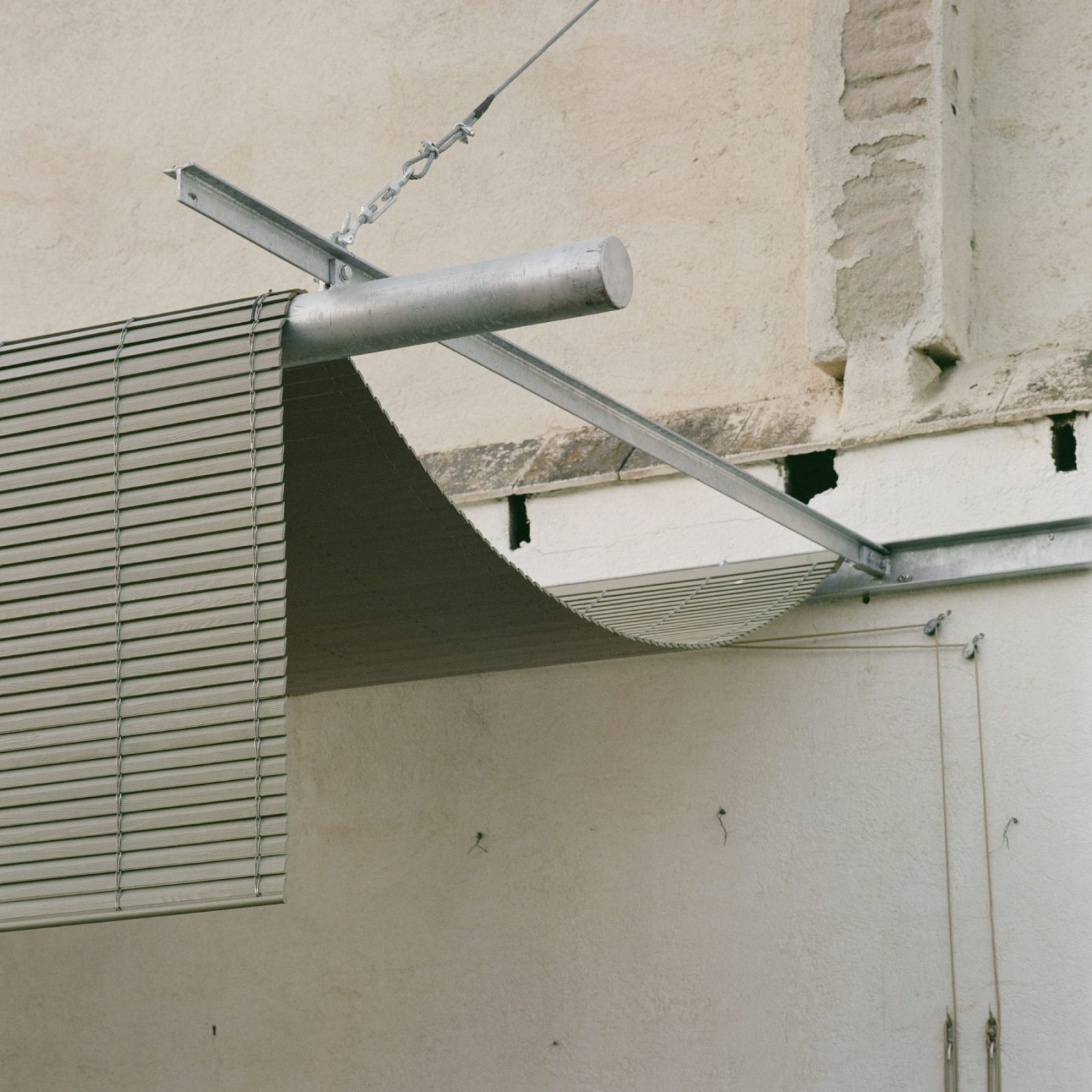
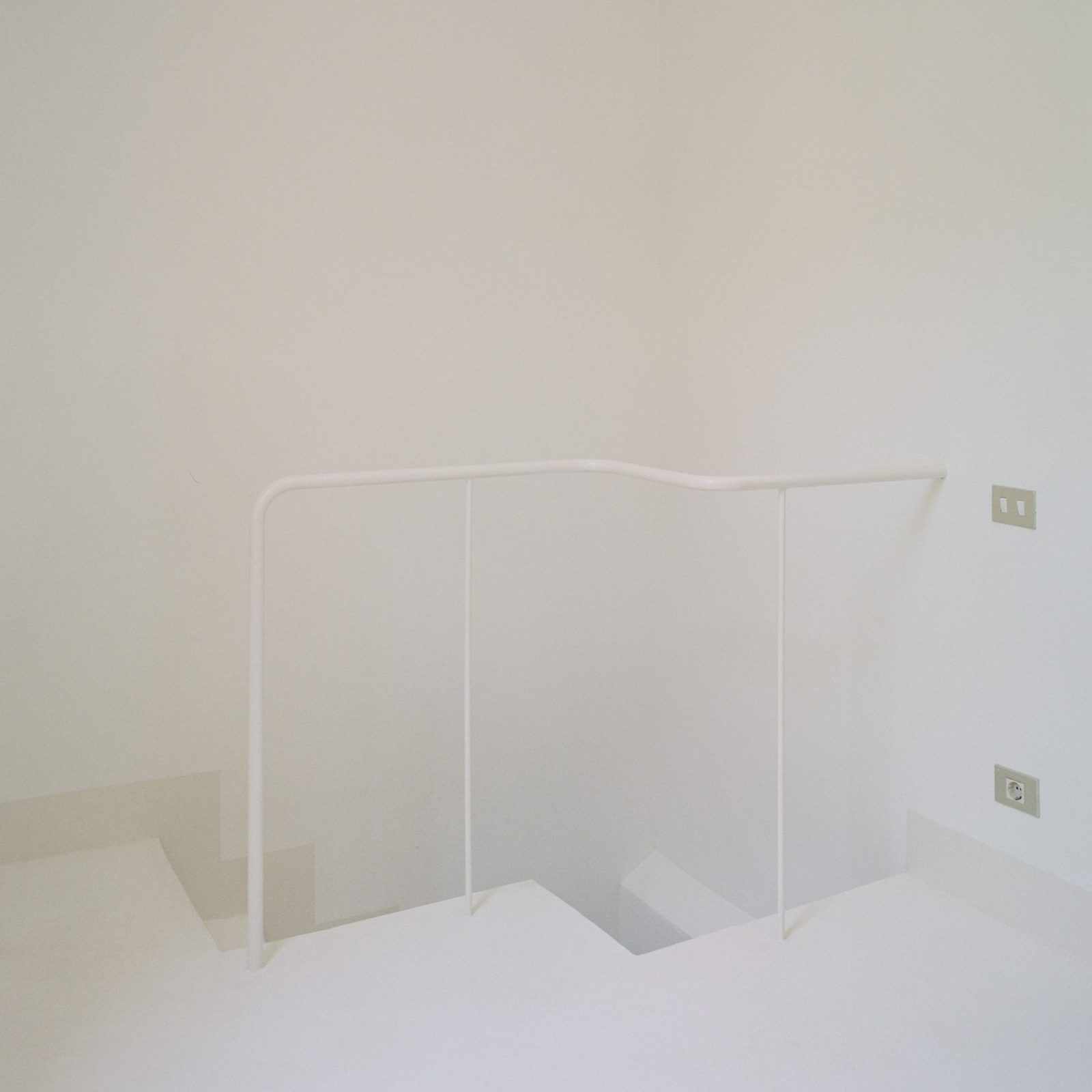
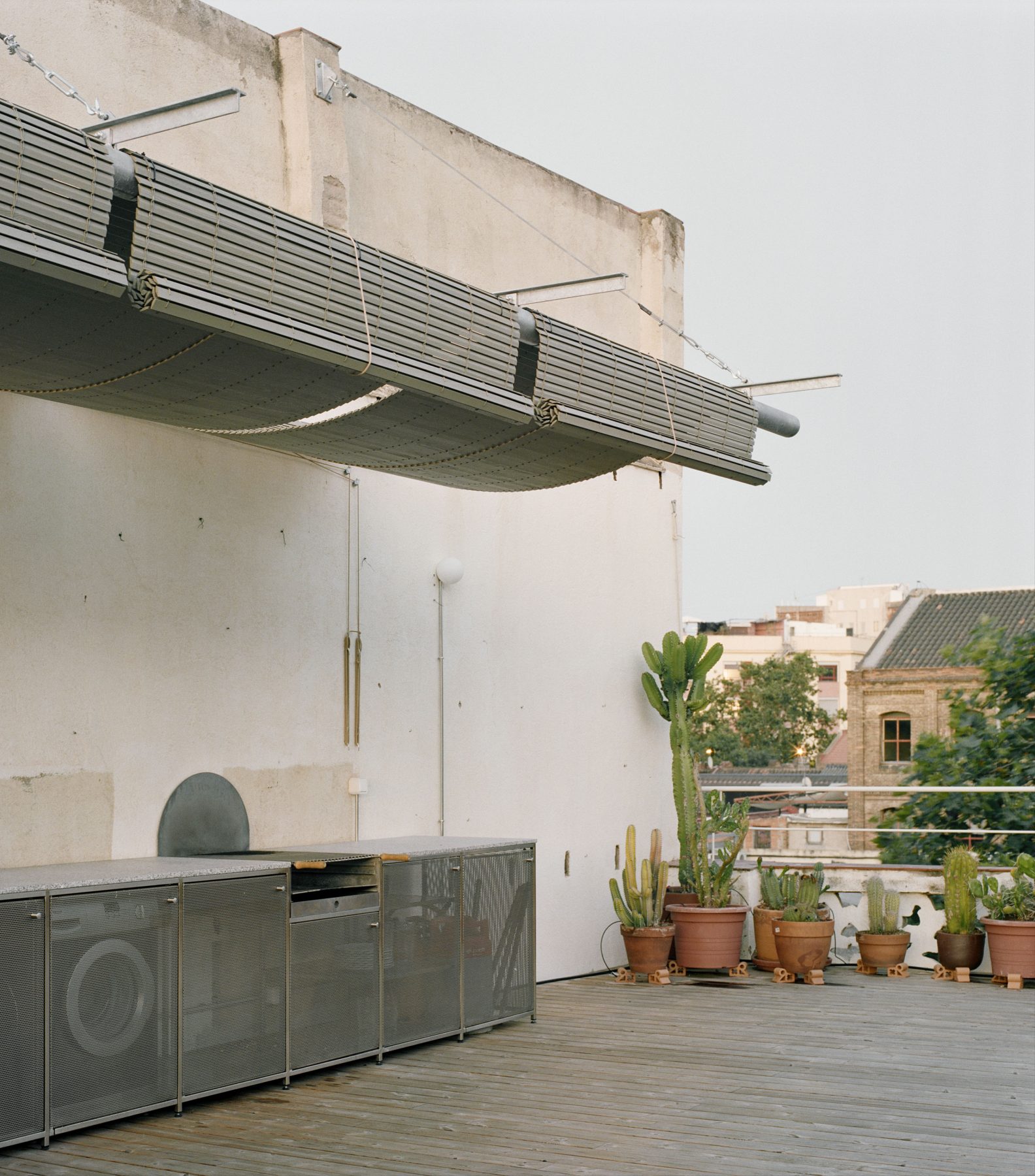
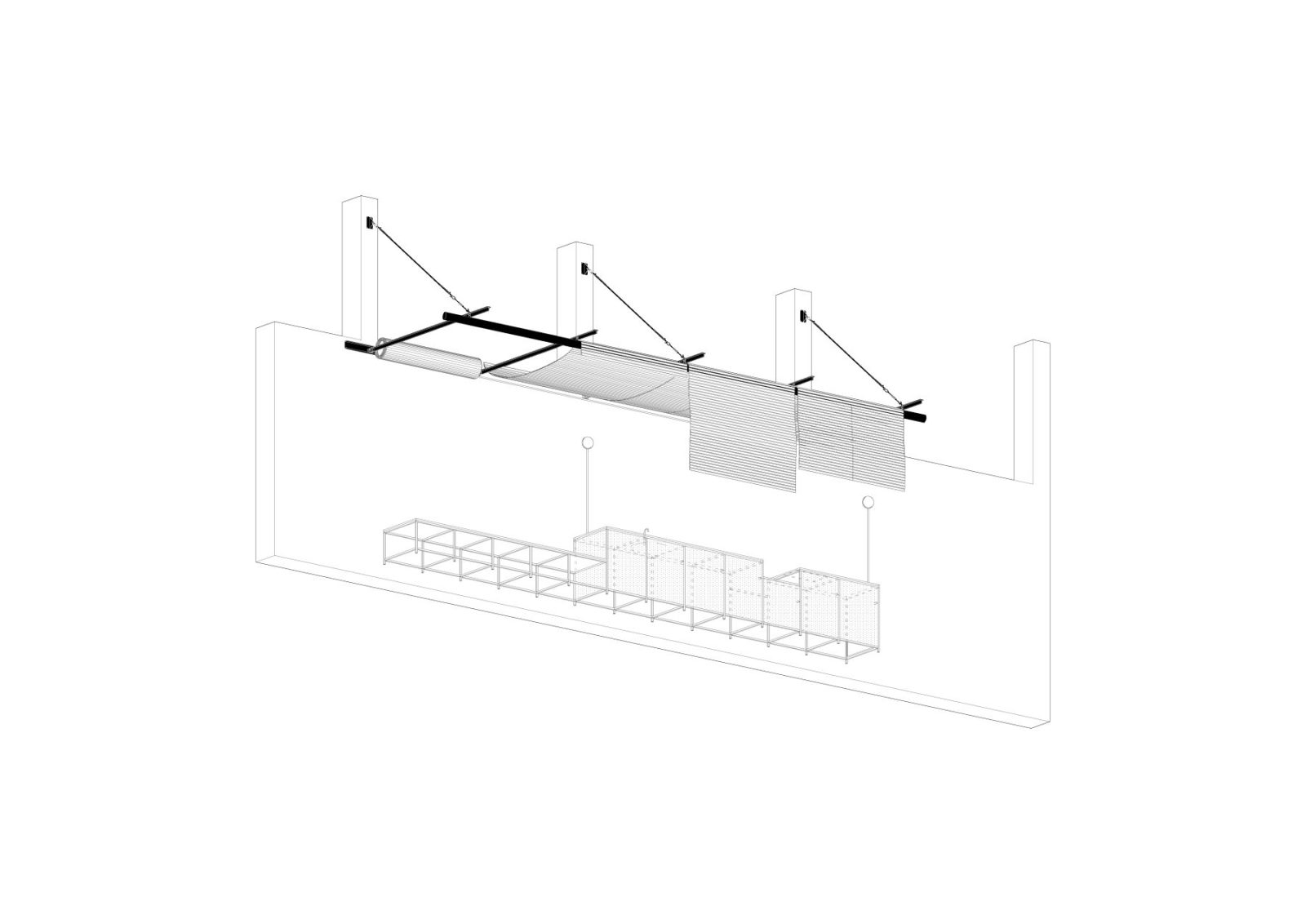
This metallic minimalism extends seamlessly to the terrace, where it reaches its most distilled expression. Slender cabinetry aligns against raw walls, partially screened by adjustable blinds that shift with light and use. Exposure and concealment, permanence and adaptability, are held in delicate balance. Every gesture is deliberate. Every detail—an exposed conduit, a finely bent handrail, a free-standing basin—reinforces an architecture grounded in clarity.
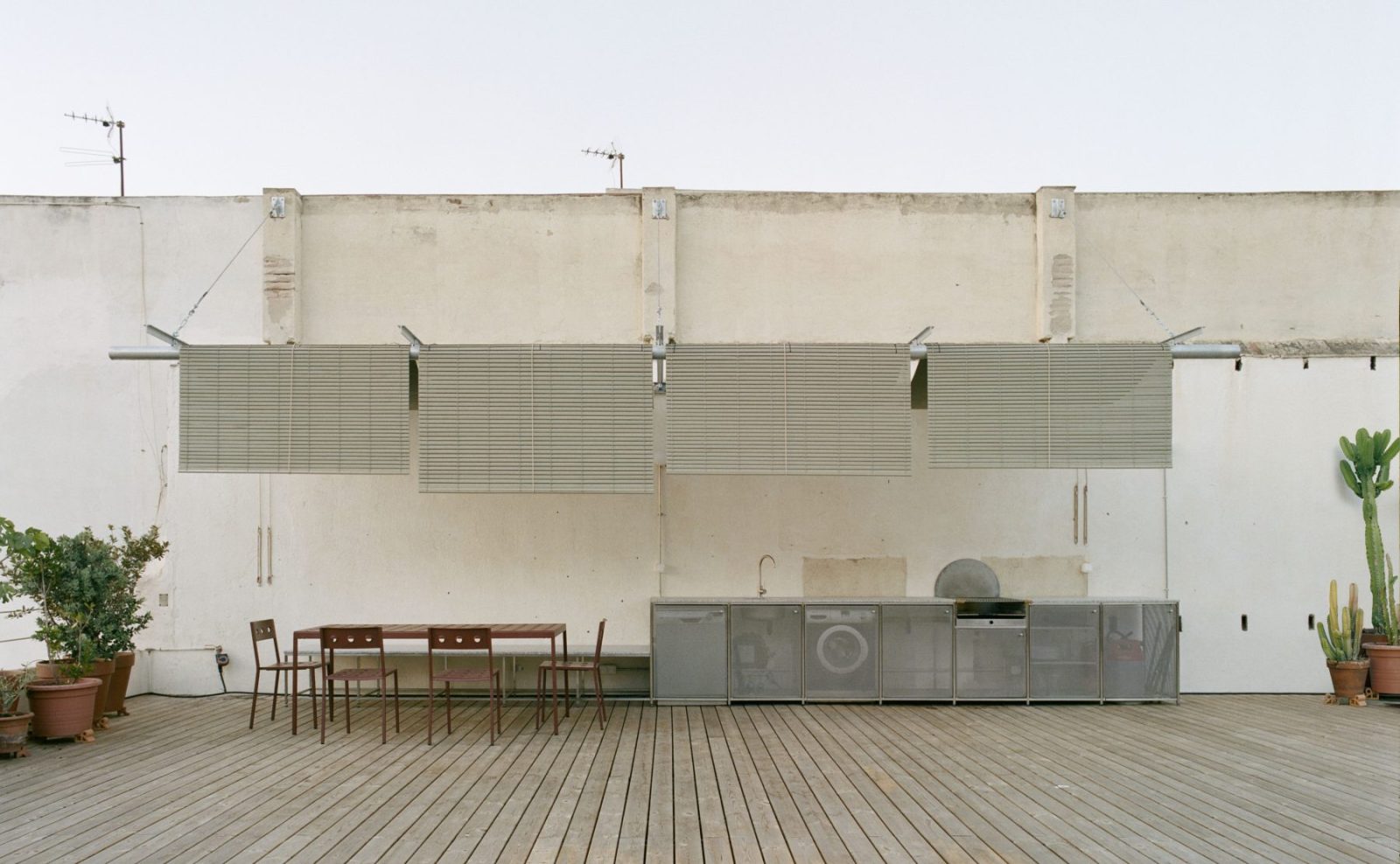
There is no desire to impress, only to articulate contemporary domesticity through a furniture-architecture of attentiveness.
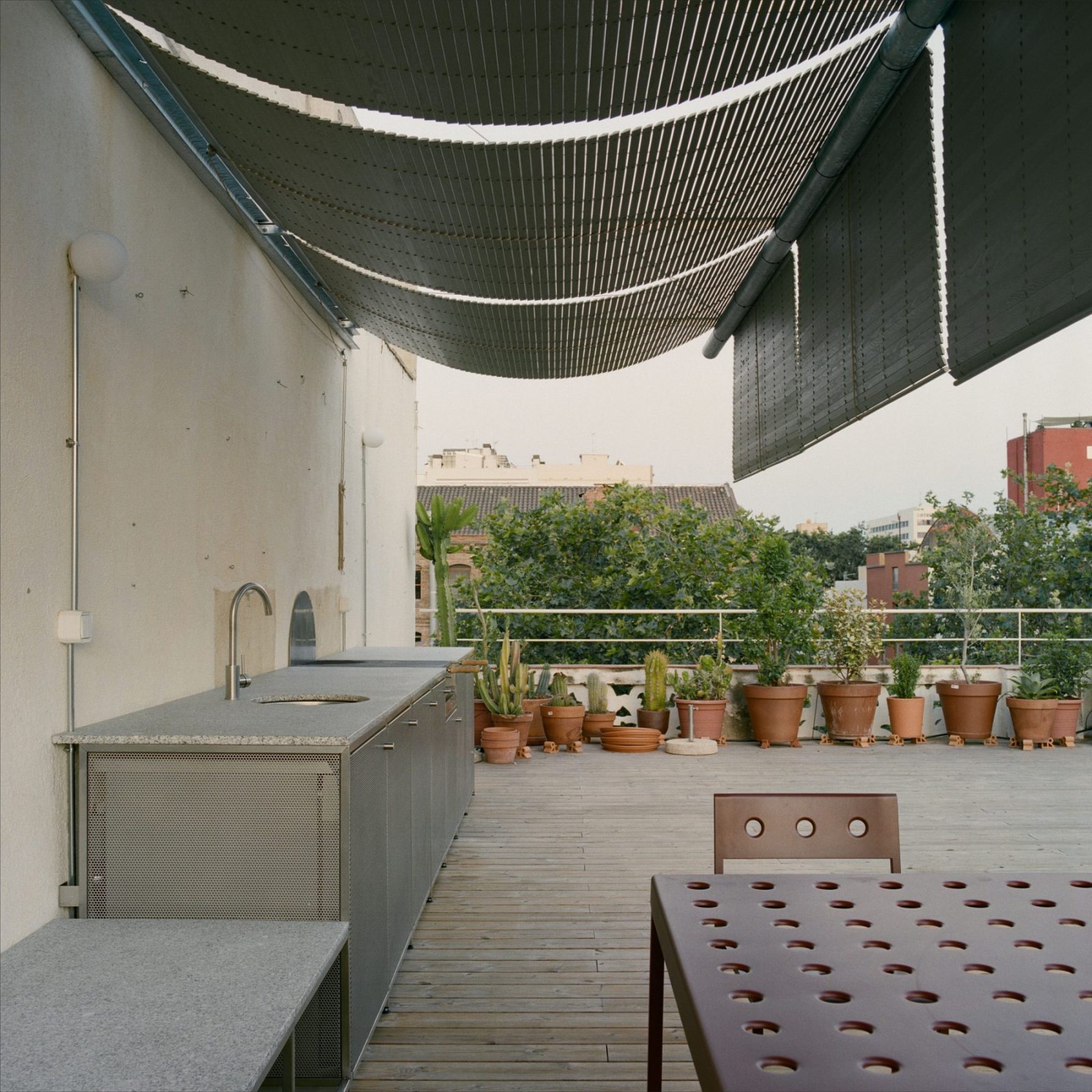

Casa Jaume Bach Esteve unfolds as an architectural narrative in which past and present are read in parallel—a home both grounded and agile, where history and contemporaneity coexist without nostalgia, yet with design rigor.
Drawings


Facts & Credits
Project title Casa Jaume Bach Esteve
Typology Residential, Housing, Refurbishment, Workspace
Location Poblenou, Barcelona, Spain
Status Completed, 2025
Architecture Aramé Studio
Photography Del Rio Bani