The 61st International Art Exhibition of La Biennale di Venezia, which opened on 9 May 2026 and runs through 22 November 2026, brings together more than 90 national participations and hundreds of artists from around the world across the historic venues of the Giardini and the Arsenale, as well as selected locations throughout Venice. Curated by Koyo Kouoh under the theme ‘In Minor Keys’, this year’s edition rather than focusing on the noise, spectacle, and dominant narratives of our time, explores the less visible, often overlooked, minor dimensions of human experience, proposing a more reflective and polyphonic approach to contemporary artistic practice.
Drawing on Plato’s Allegory of the Cave, ESCAPE ROOM, by Andreas Angelidakis and curator Giorgos Bekirakis, represents Greece at this year’s Biennale. The project transforms the Greek Pavilion into a space for the critical examination of reality, memory, and the contemporary mechanisms through which national images and narratives are produced and sustained.
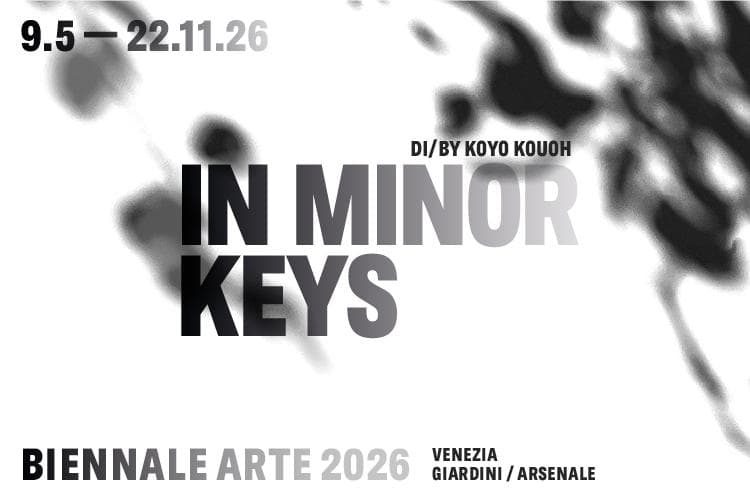
Under the title ‘In Minor Keys’, the 61st International Art Exhibition of La Biennale di Venezia proposes a curatorial framework that shifts attention away from spectacle, urgency, and dominant narratives toward the quieter dimensions of contemporary existence.
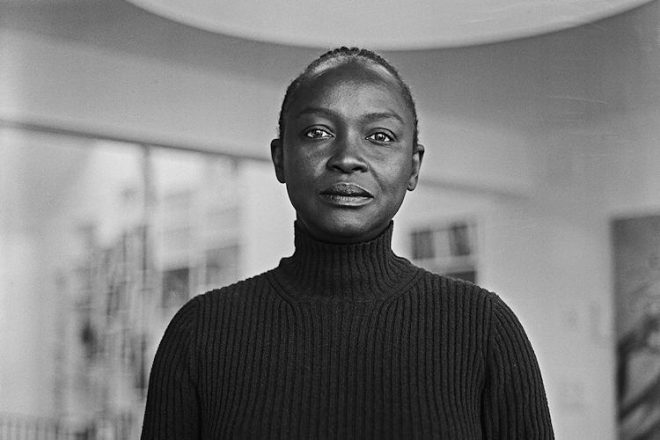
Conceived by curator Koyo Kouoh, the exhibition explores those often-overlooked spaces where care, resilience, imagination, and collective experience continue to shape everyday life, even amid periods of profound social, political, and environmental uncertainty.
Born in Cameroon and based in Switzerland, Koyo Kouoh (1967–2025) was appointed Artistic Director of the Visual Arts Department of La Biennale di Venezia in 2024. Before her passing in 2025, she established the exhibition’s curatorial vision, selected participating artists and works, and defined its overall structure. The exhibition was subsequently realized by her appointed team in accordance with her concept and extensive documentation.
Throughout her career, Kouoh developed a research-driven and collaborative curatorial practice, shaping influential international platforms for contemporary art while advocating for collective authorship, long-term artistic engagement, and socially conscious cultural production.
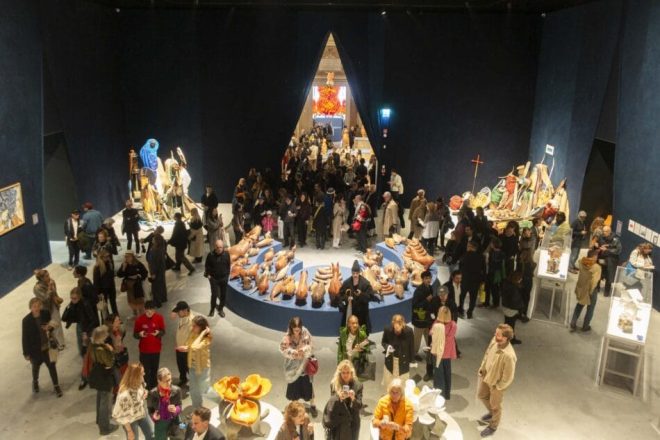
Drawing inspiration from the musical notion of the minor key, the exhibition embraces emotional and experiential registers often excluded from dominant cultural discourse.
Melancholy, introspection, grief, joy, hope, and transformation are approached not as opposites, but as interconnected conditions through which contemporary life is experienced and understood.
Rather than responding to crisis through direct commentary, ‘In Minor Keys’ foregrounds affect, intuition, spirituality, memory, and collective imagination as tools for navigating an increasingly complex world.
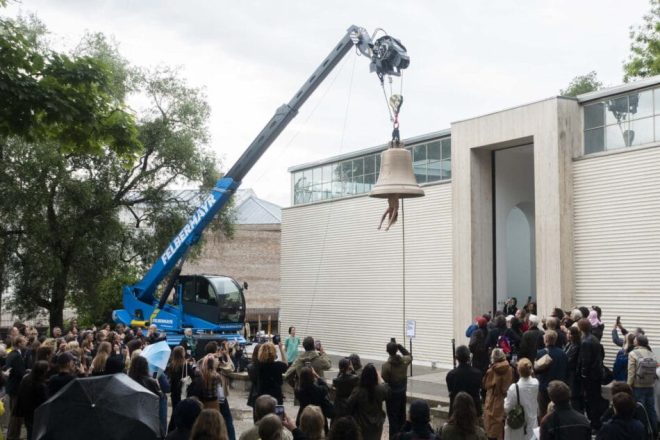
The exhibition unfolds through a constellation of encounters, spaces that Kouoh describes as sites of listening, reflection, and connection.
In her curatorial statement, she extends “an invitation to encounter these words in the immediate physical, meteorological, ambient, and karmic conditions in which they meet you. To shift to a slower gear and tune in to the frequencies of the minor keys. Because, though often lost in the anxious cacophony of the present chaos raging through the world, the music continues.”
This call for attentiveness positions art as a medium capable of opening alternative modes of perception and understanding.
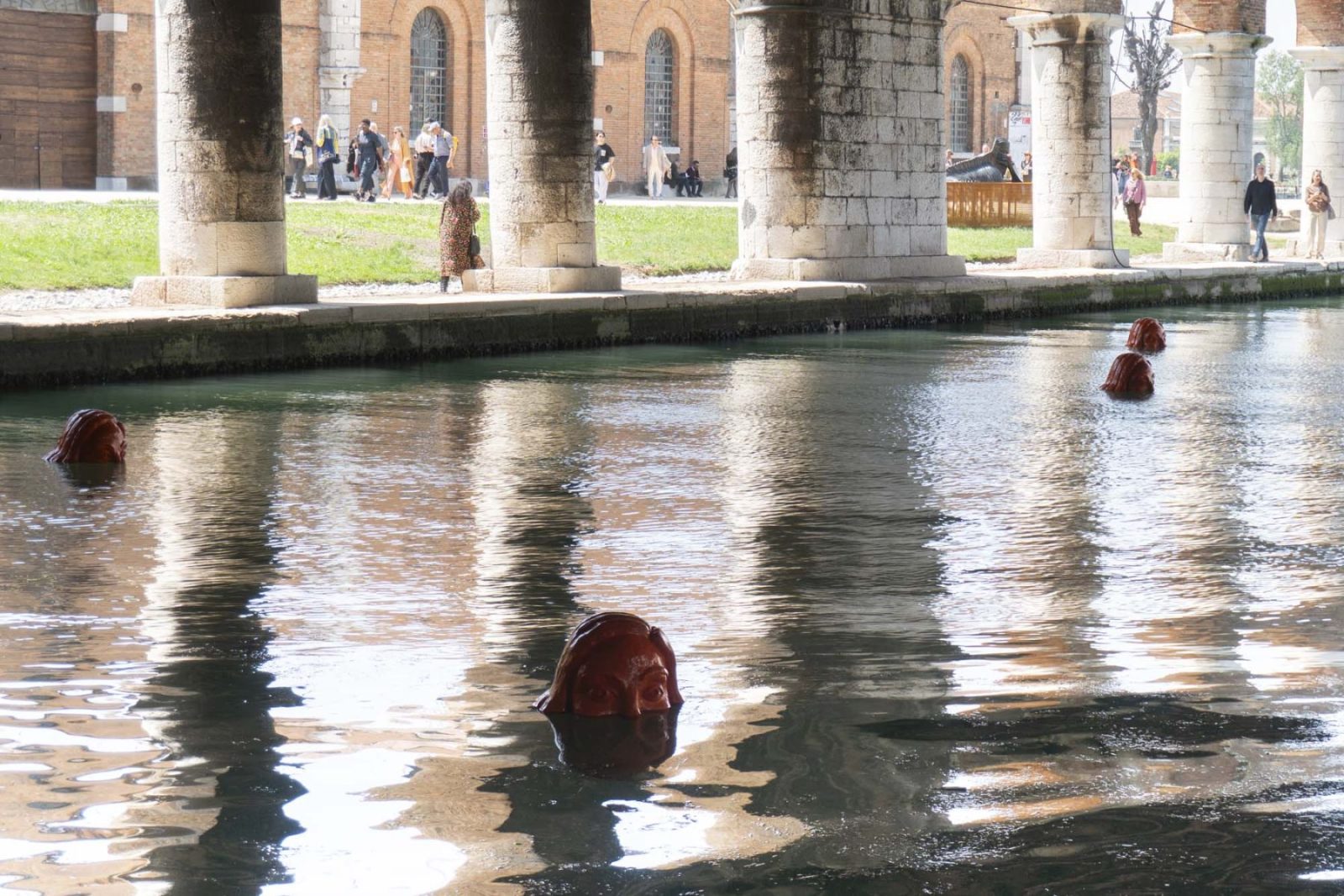
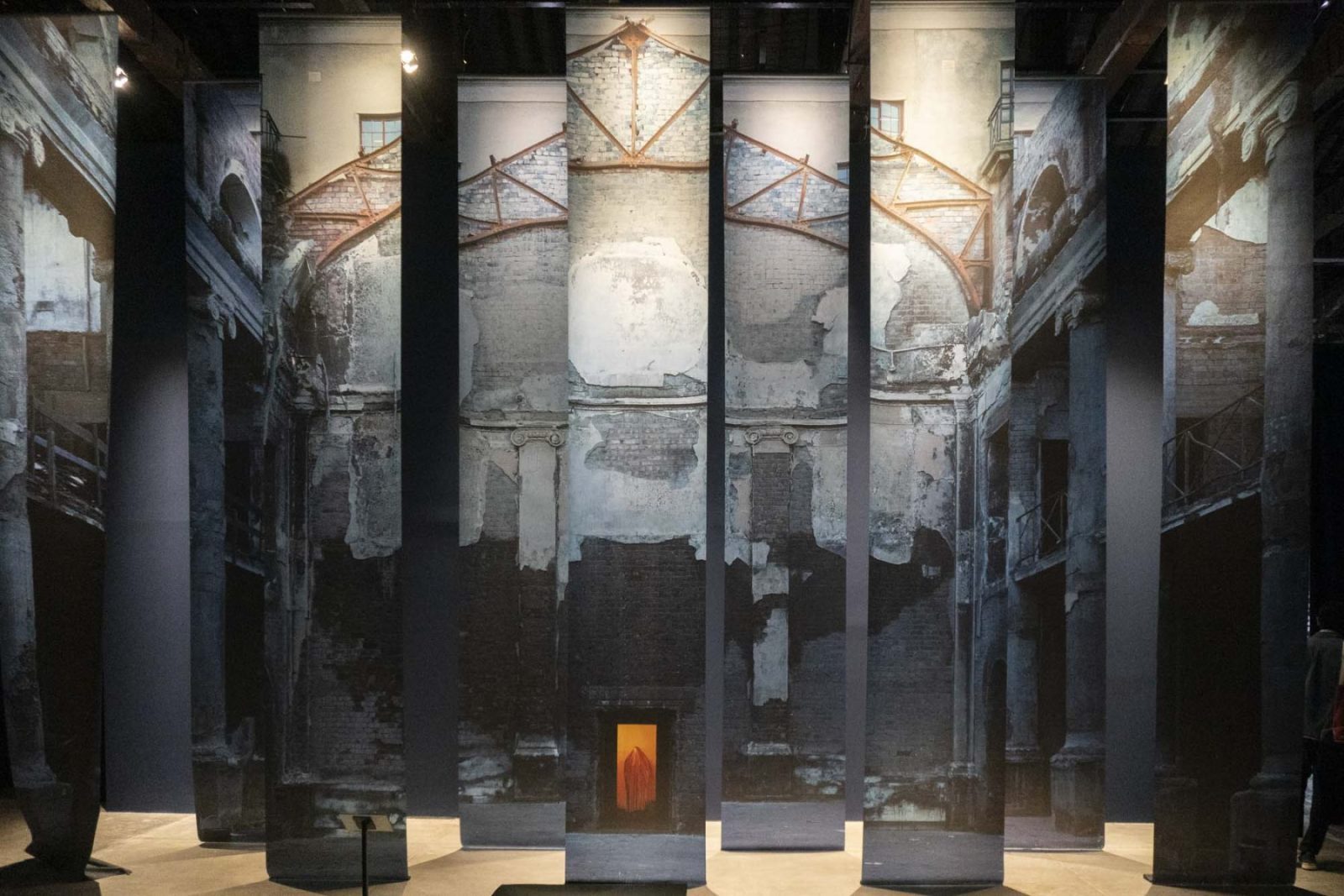
Central to the exhibition is the idea that seemingly peripheral experiences often possess transformative potential. As Kouoh suggests, “the minor keys are also the small islands, worlds amid oceans with distinct and endlessly rich ecosystems.”
Within this framework, artists emerge as “channels to and between the minor keys,” constructing a shared landscape of poetic, sensory, and political relations.
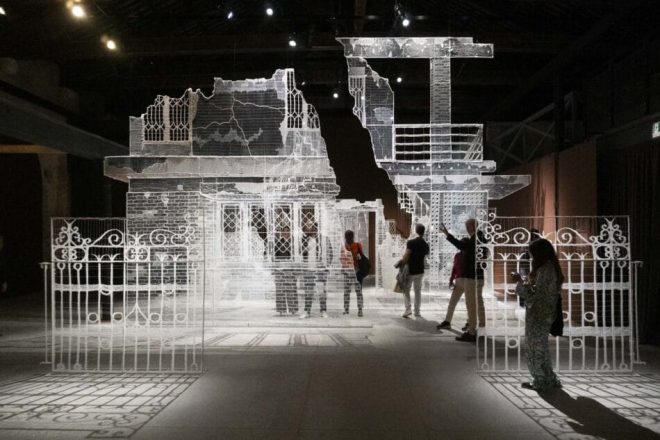
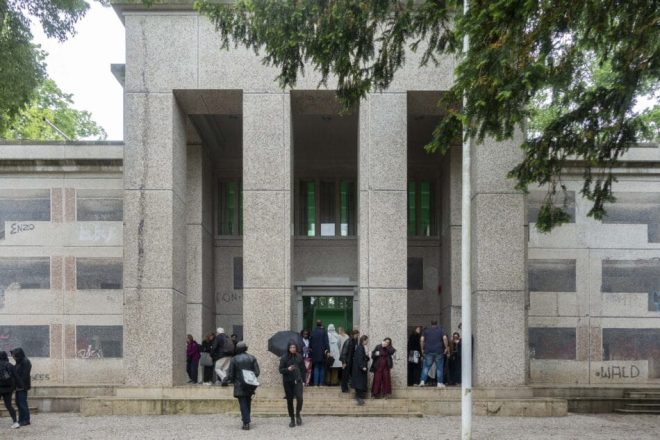
The Biennale thus becomes a space where quieter narratives are amplified, offering new ways of imagining how we relate to one another and to the world around us.
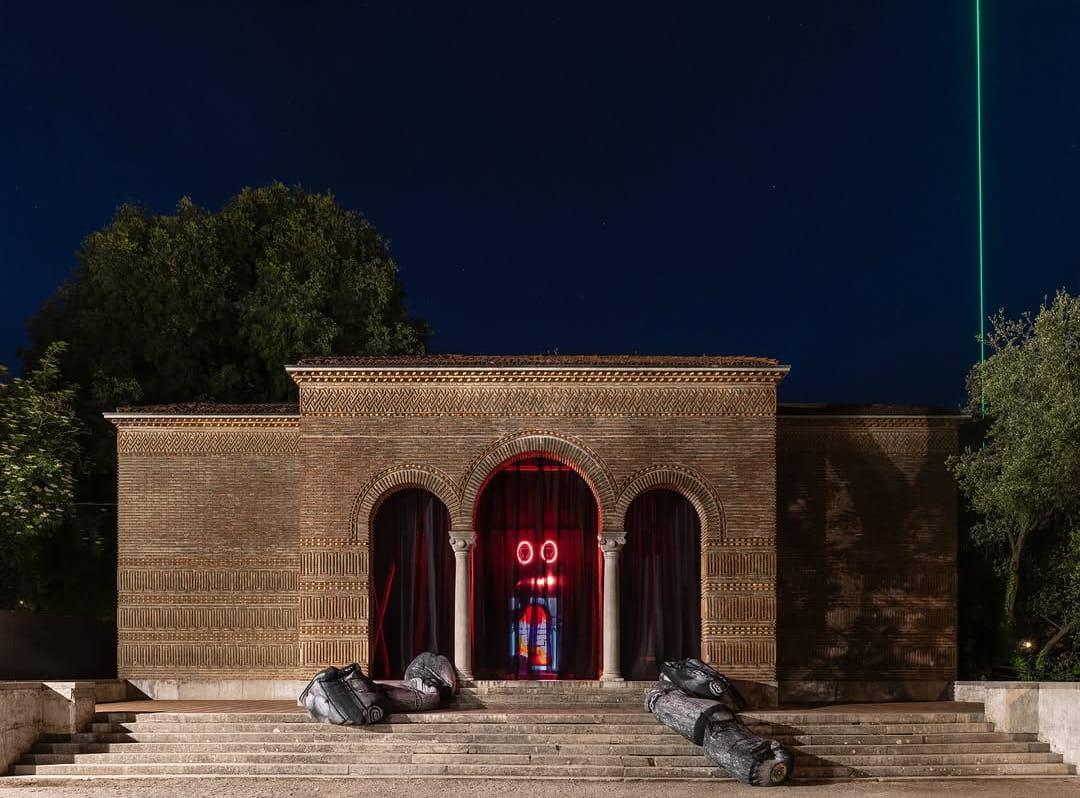
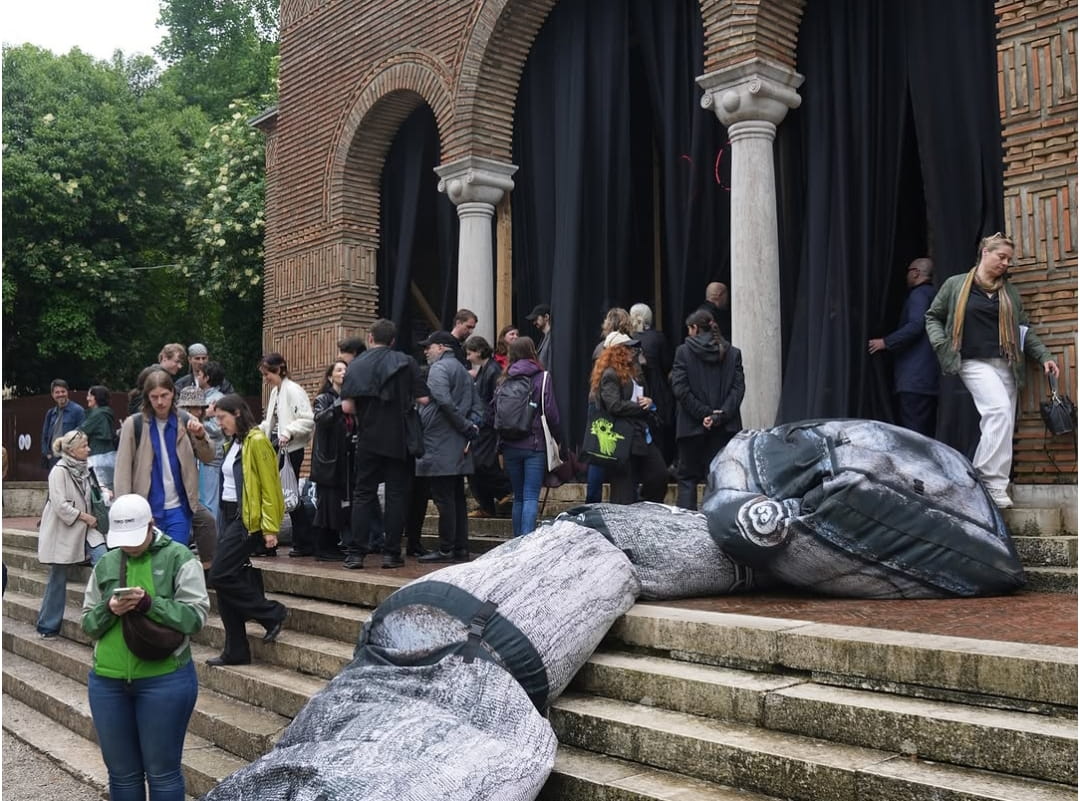
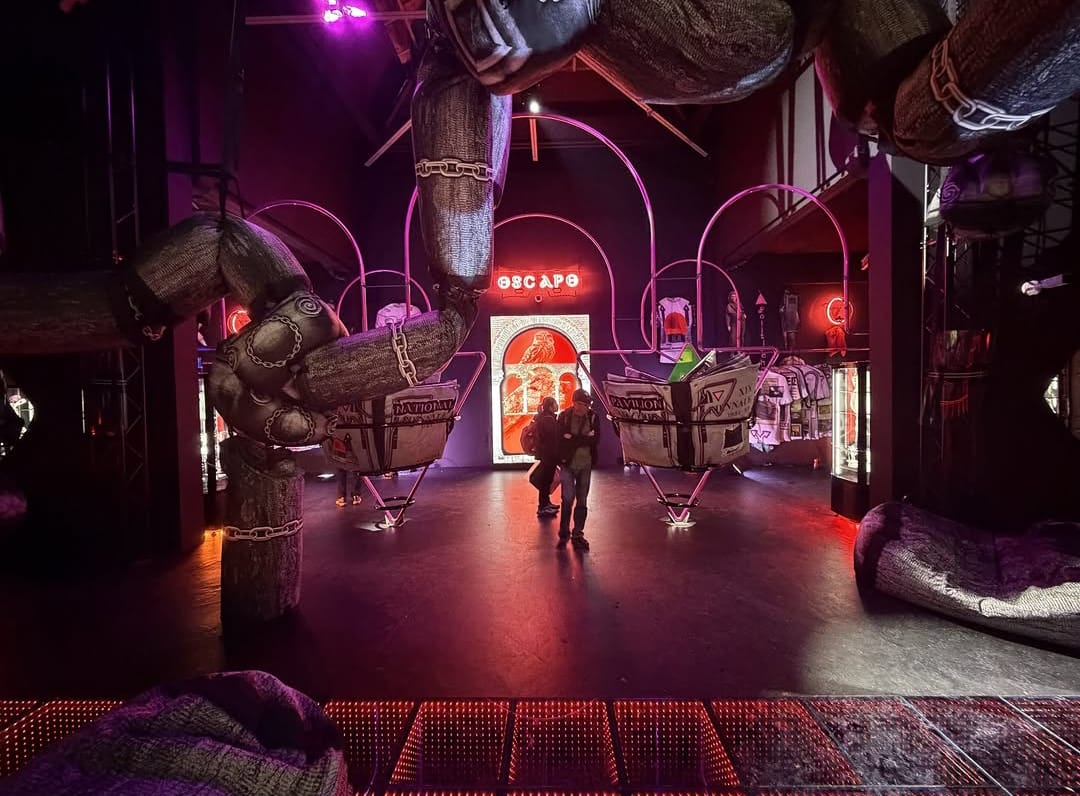
Greece participates in La Biennale di Venezia 2026 with ‘ESCAPE ROOM’, a project by artist and architect Andreas Angelidakis, curated by Giorgos Bekirakis. Presented within the Greek Pavilion, the installation transforms the national representation into an immersive spatial environment where architecture, history, digital culture, and collective memory converge, inviting visitors to reconsider the ways in which narratives are produced, circulated, and ultimately accepted as truth.
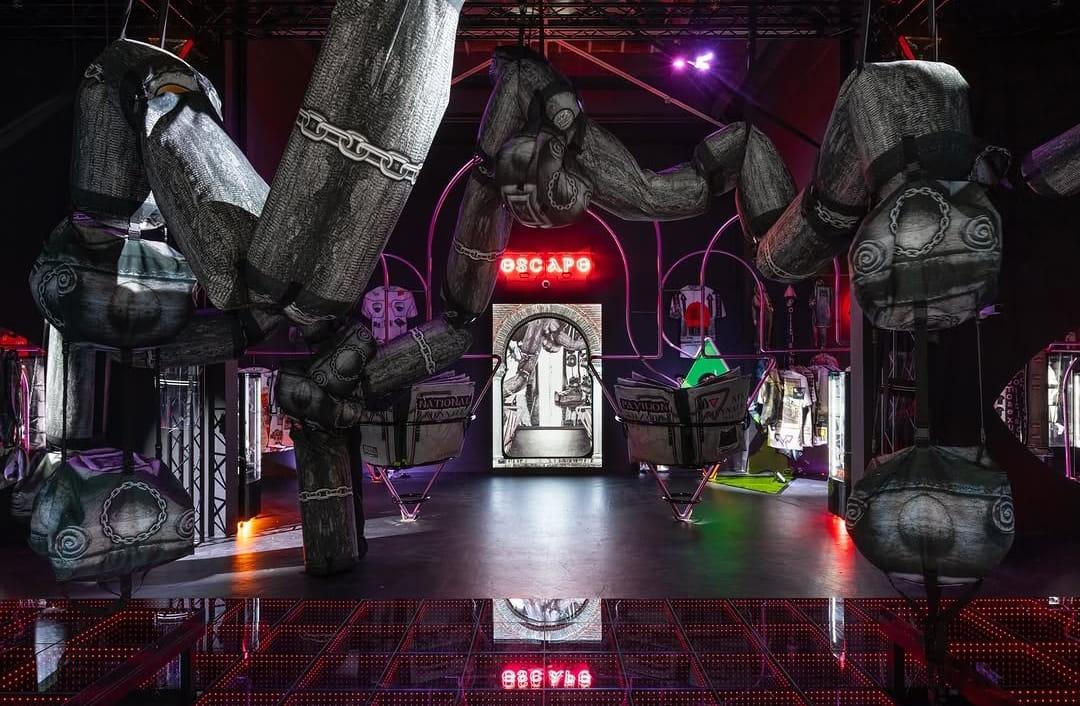
At the centre of the project lies a critical reinterpretation of Plato’s Allegory of the Cave. Rather than approaching the philosophical text as a reflection on human perception alone, Angelidakis shifts the focus towards history itself. As he explains, “what I’m really suggesting is that history itself is the prisoner in Plato’s Cave, not humans.”
Through this inversion, history is understood not as an objective record of events but as a construct continuously shaped by ideology, representation, memory, and power.
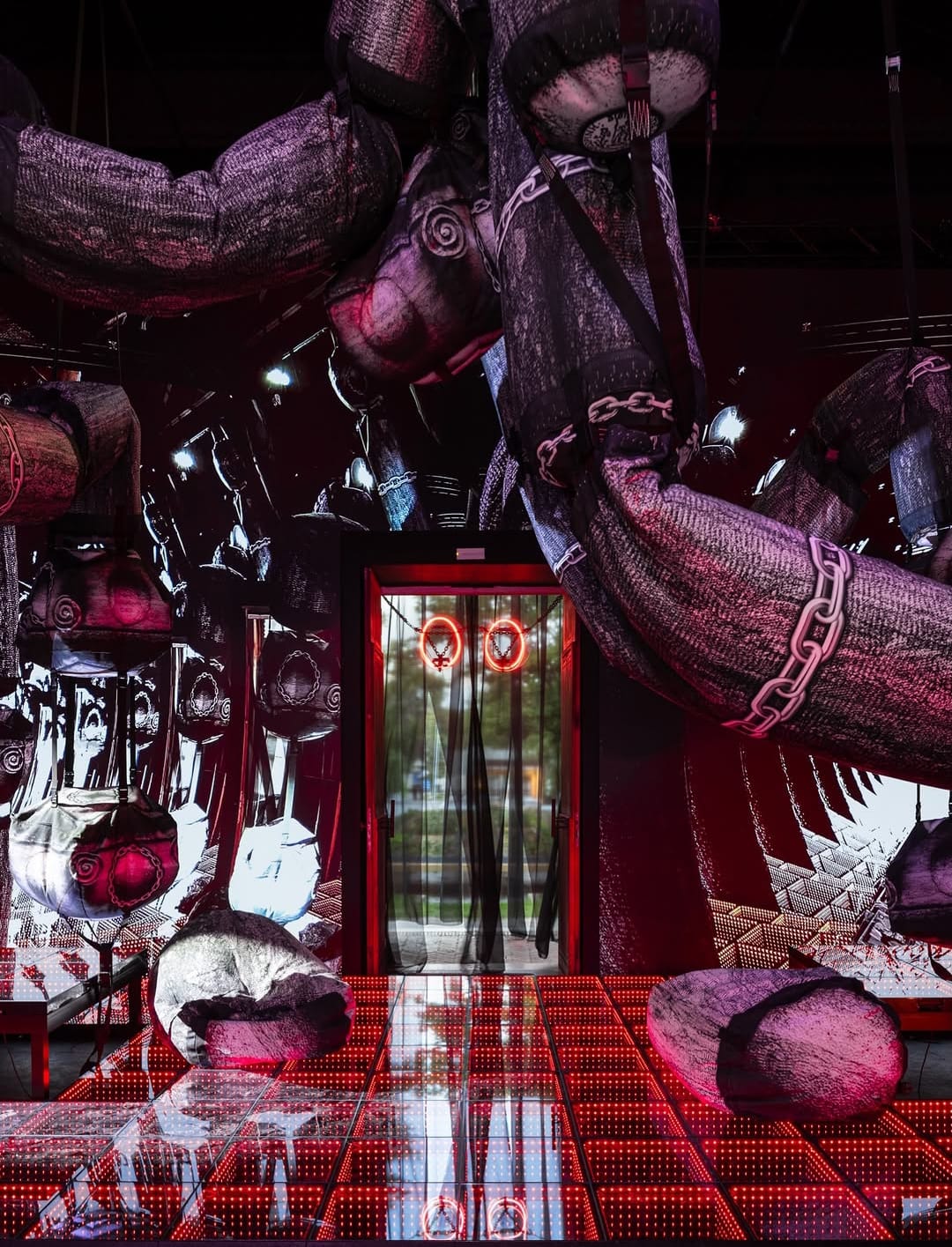
The Greek Pavilion becomes the primary vehicle through which this exploration unfolds. Angelidakis approaches the building not merely as a container for an exhibition but as an active participant in the narrative. “I treat the pavilion as a being with consciousness, and I give her the microphone,” he notes, positioning the pavilion itself as the narrator of its own complex and layered past.
In doing so, the project activates the architectural space as an archive capable of revealing hidden histories and exposing the mechanisms through which national narratives are assembled.
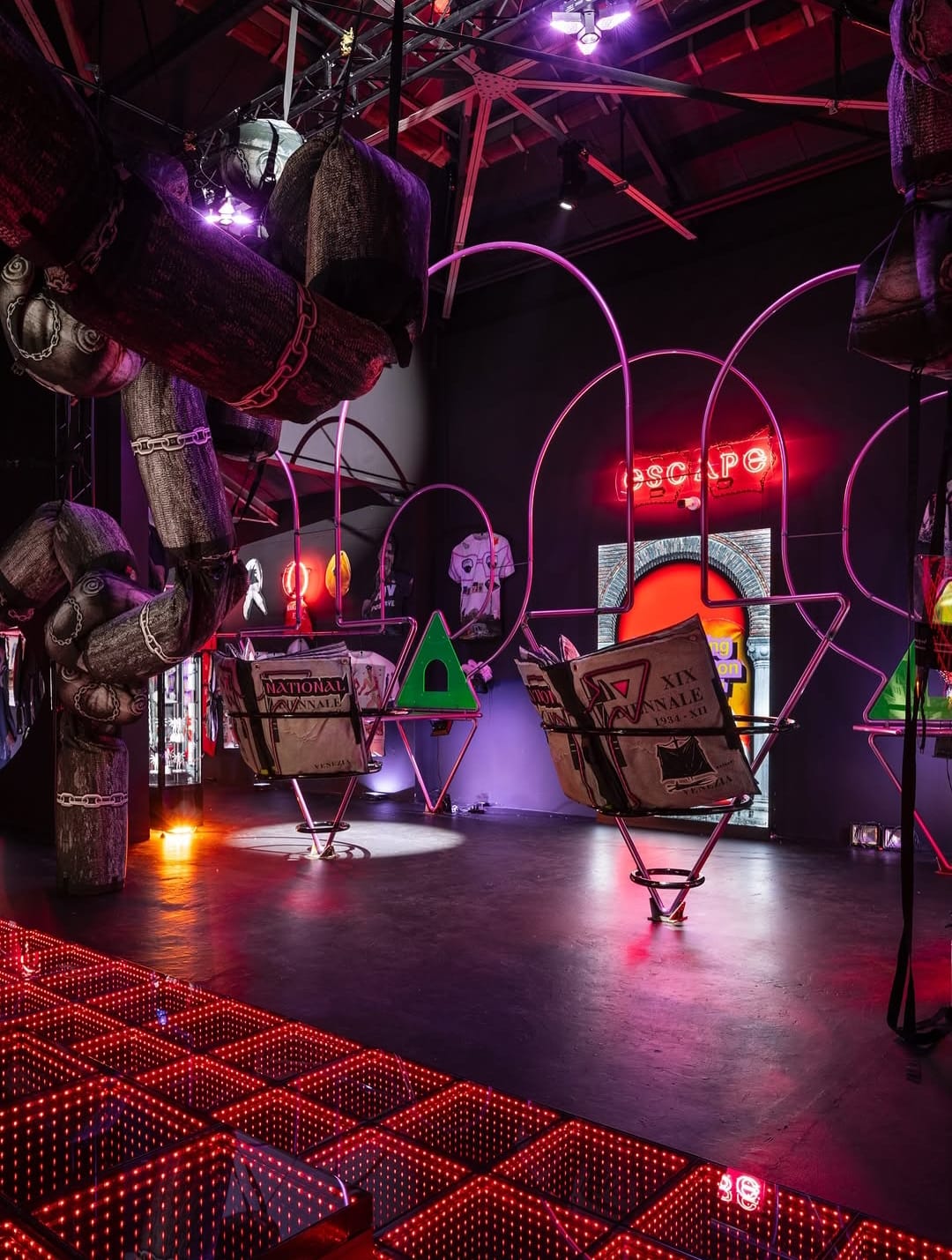
The installation reimagines the pavilion as a contemporary psychedelic cave, a spatial condition where physical and digital realities overlap.
Visitors move through an environment populated by fragments, traces, and clues drawn from twentieth-century Greek and European political history. Rather than presenting a linear historical account, the project constructs a fragmented landscape in which multiple interpretations coexist.
Images, symbols, and references emerge as unstable entities, continuously shifting between fact, fiction, memory, and myth.
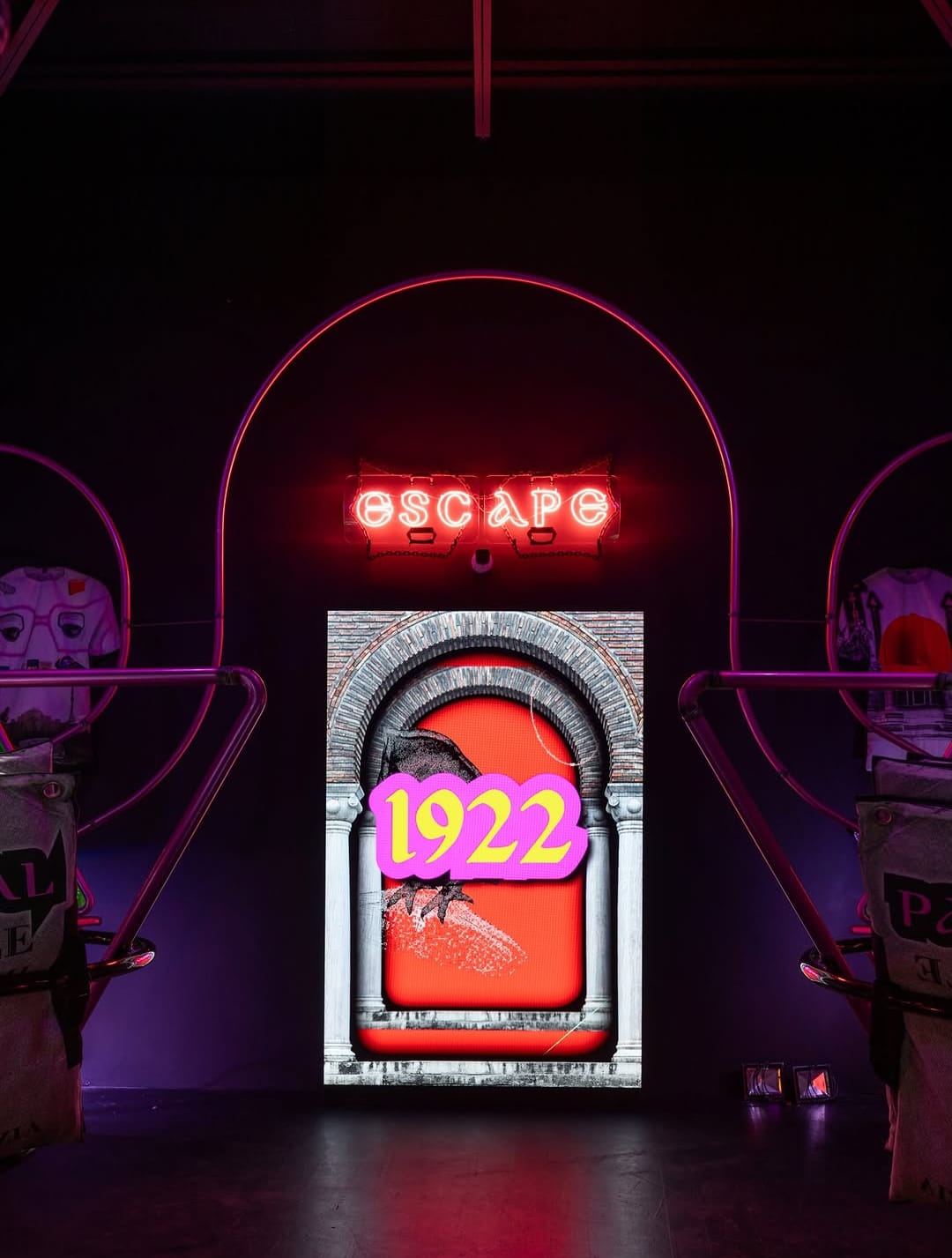
Although borrowing its title from the popular format of an escape room, the project proposes a very different form of escape. The objective is not to leave a physical space but to question the frameworks through which reality is interpreted. The installation invites visitors to confront the contemporary systems—both material and digital—that generate images, construct identities, and shape collective understandings of the world.
Escape, in this context, becomes a symbolic act of liberation from predetermined certainties, inherited narratives, and the mechanisms that transform representations into accepted truths.
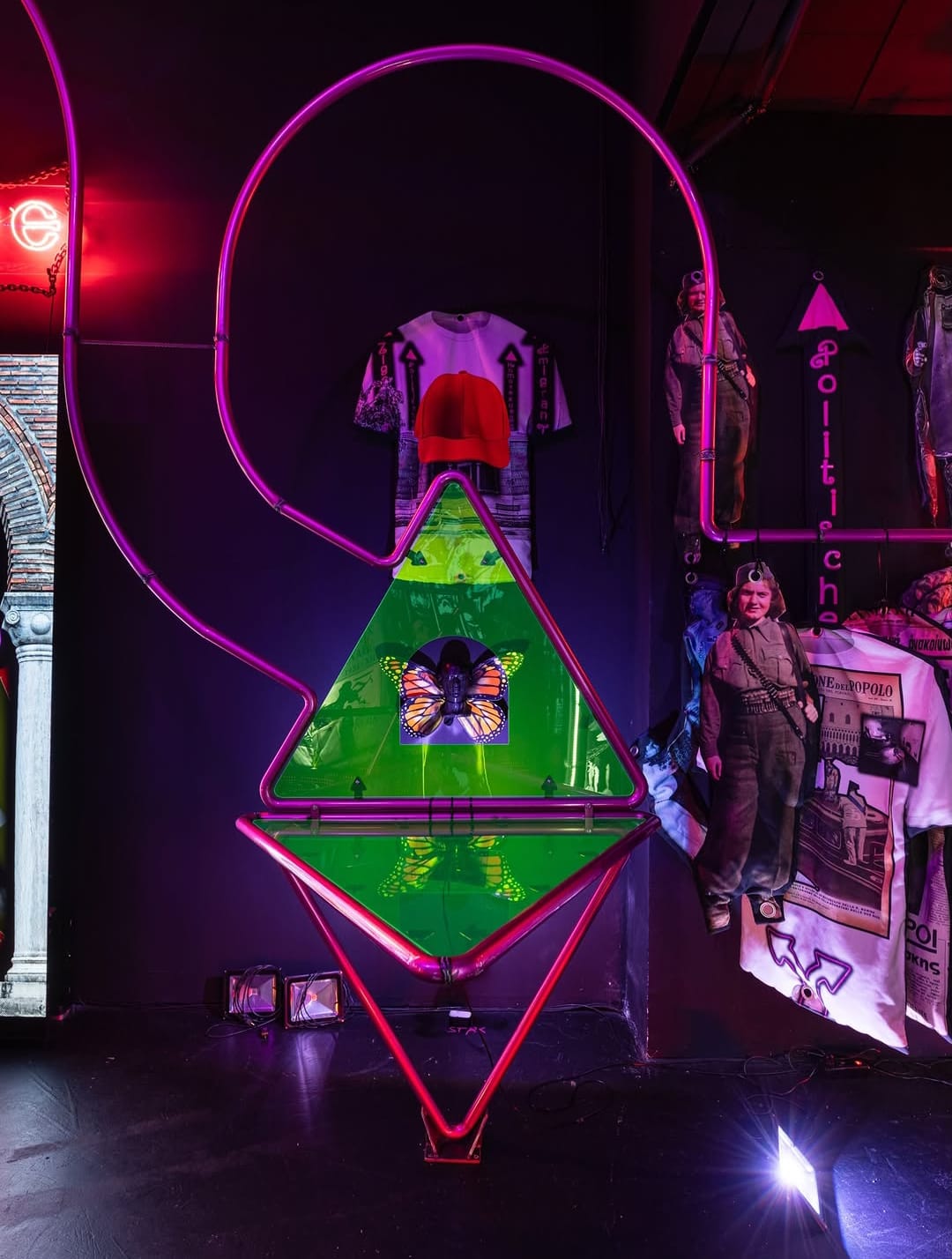
This critical position is closely linked to the broader political and cultural conditions that inform the project. Beginning from the realities of the post-truth era and the resurgence of nationalist and right-wing populist discourses, Angelidakis examines how history and cultural heritage are mobilised as tools for constructing collective identities. Nationalism, historical memory, and even cultural authenticity are presented not as fixed realities but as products of continuous negotiation, interpretation, and commodification.
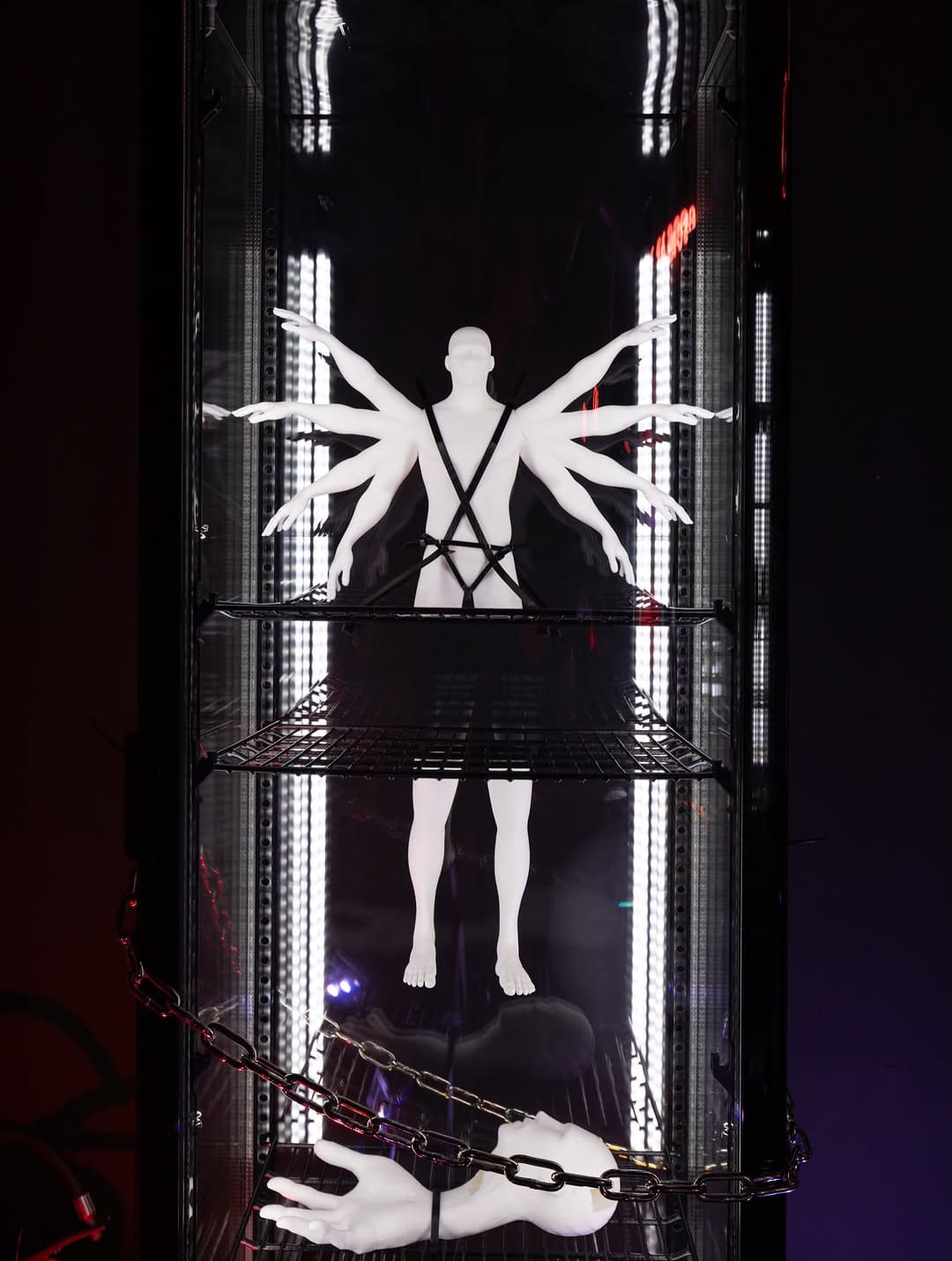
Architecture plays a fundamental role throughout the project.
Long recognised for his investigations into ruins, digital environments, and the shifting conditions of public space, Angelidakis employs architecture not as a static object but as a medium through which historical and social structures can be questioned.
The installation creates a setting in which visitors become active participants in the production of meaning, navigating a space that resists singular interpretations and encourages critical reflection.
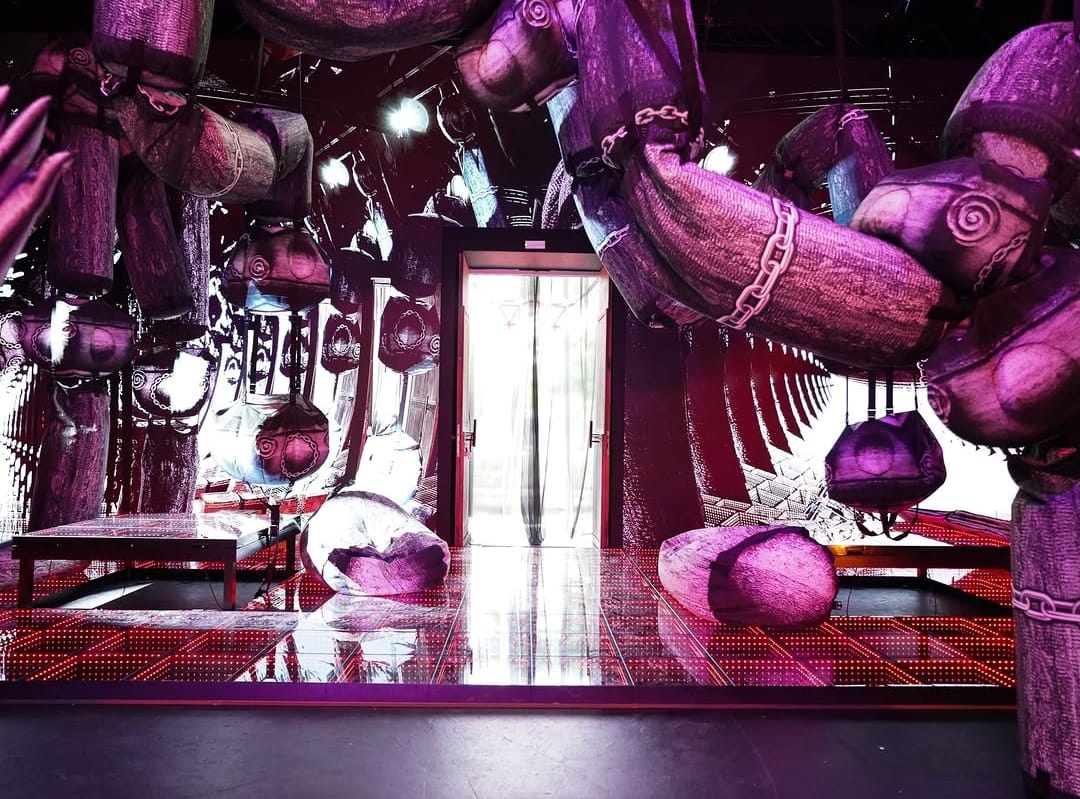
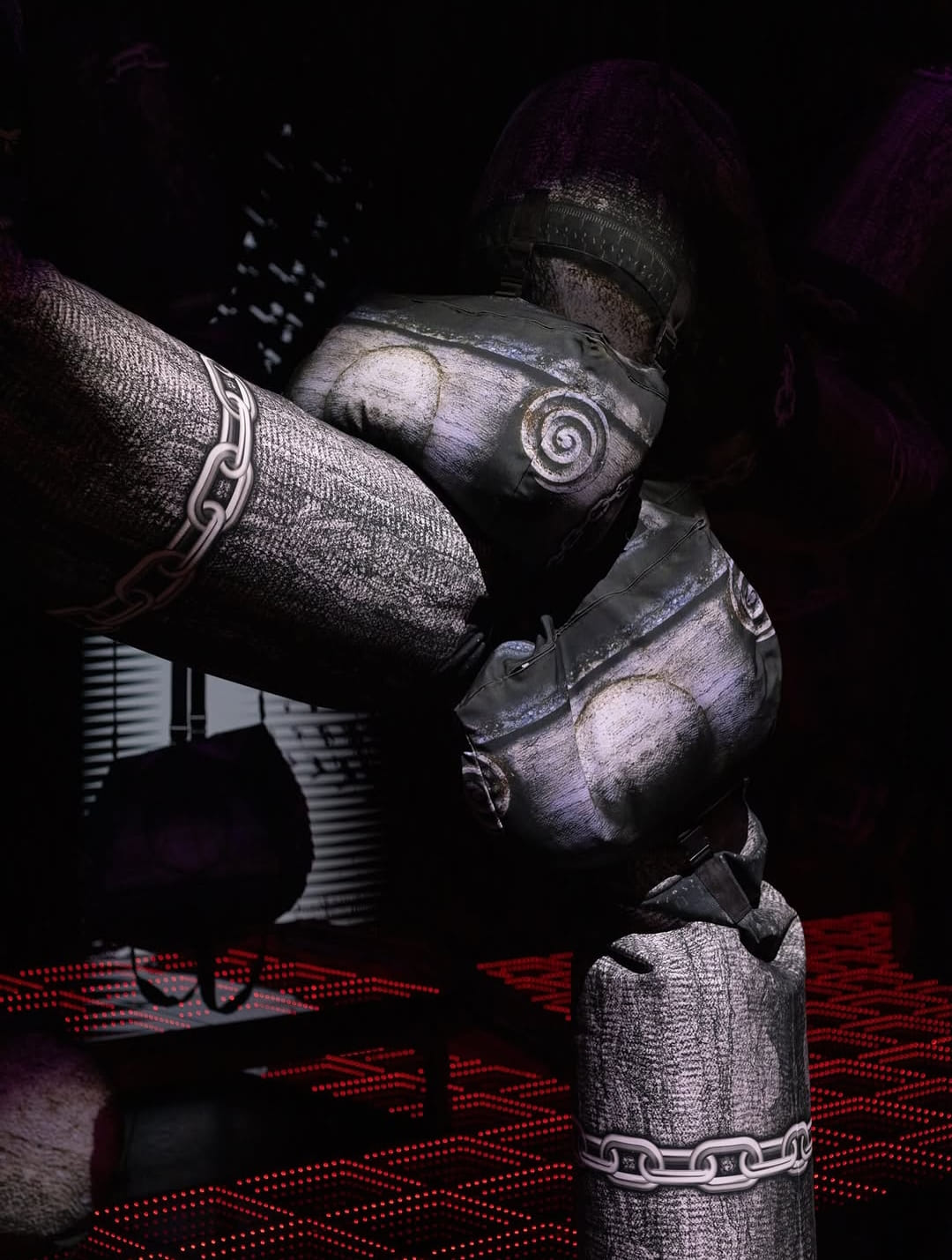
Drawing upon the spatial memory of the pavilion itself, the installation reveals the reciprocal relationship between nation-building and myth-making.
Historical narratives appear as carefully assembled constructions, sustained through repetition, visual culture, and institutional frameworks. By exposing these processes, ‘ESCAPE ROOM’ aligns closely with the central concerns of the Biennale, engaging critically with questions of representation, cultural inheritance, and the production of reality.
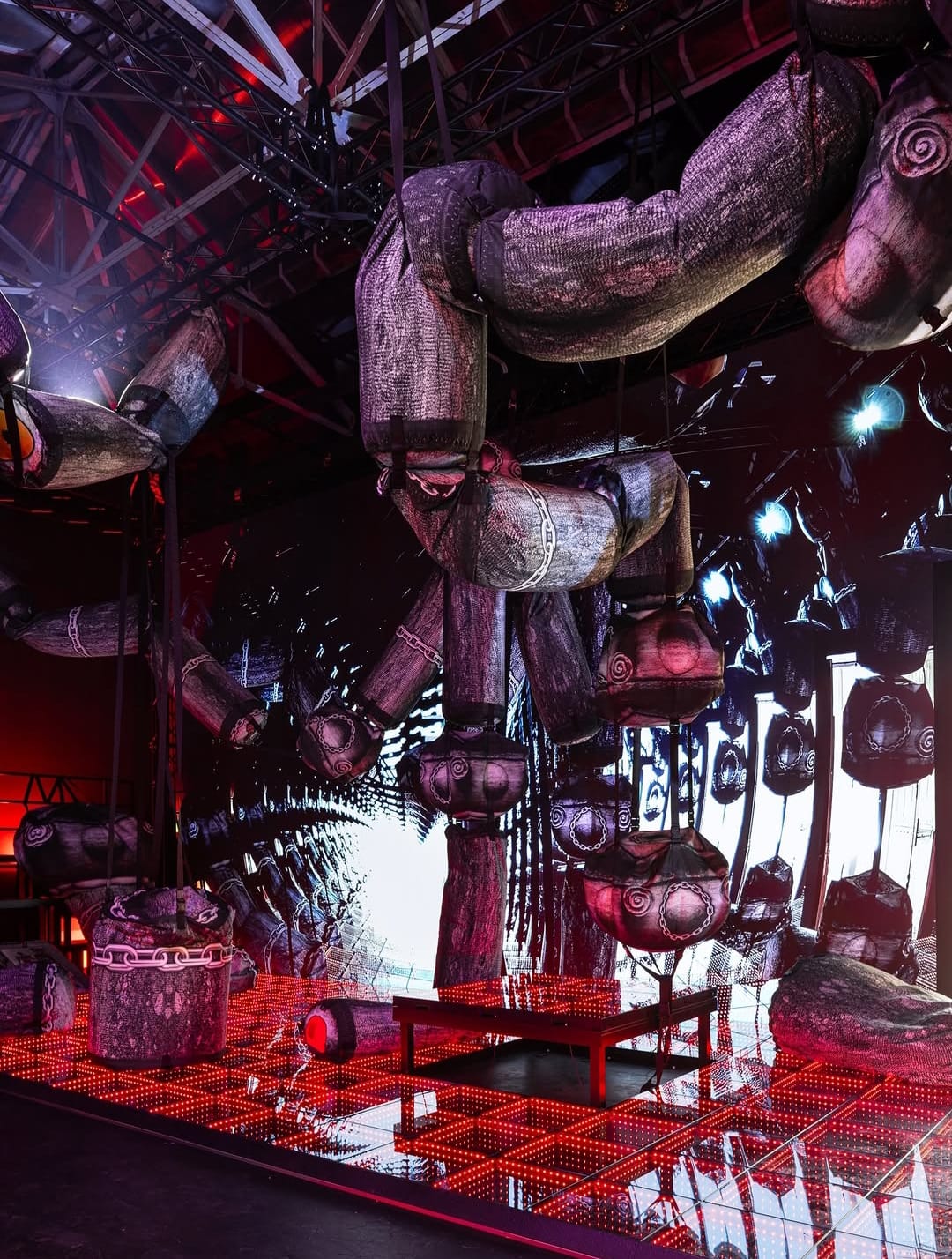
This approach is also reflected in Angelidakis’ broader understanding of history. “I guess I’m trying to say that history is a toy, and we can play with it,” he remarks.
The statement does not diminish the significance of history but instead suggests its openness to reinterpretation. Through this lens, the exhibition becomes a site where established certainties are destabilised and alternative readings become possible.
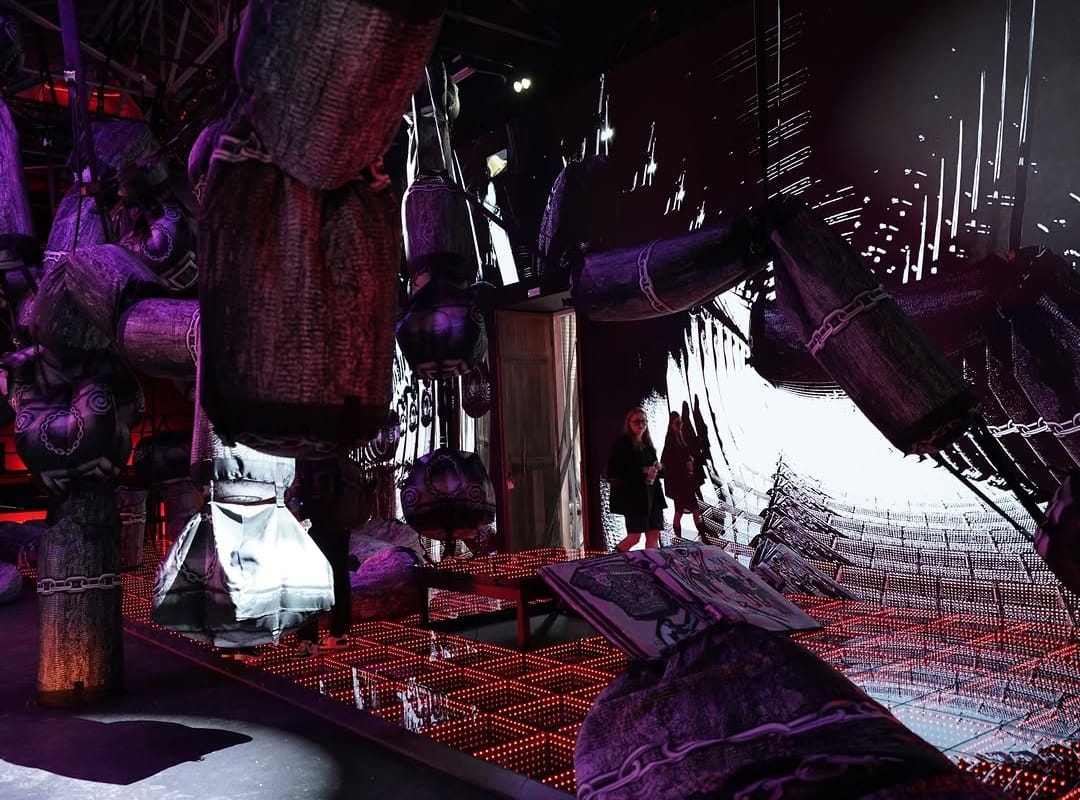
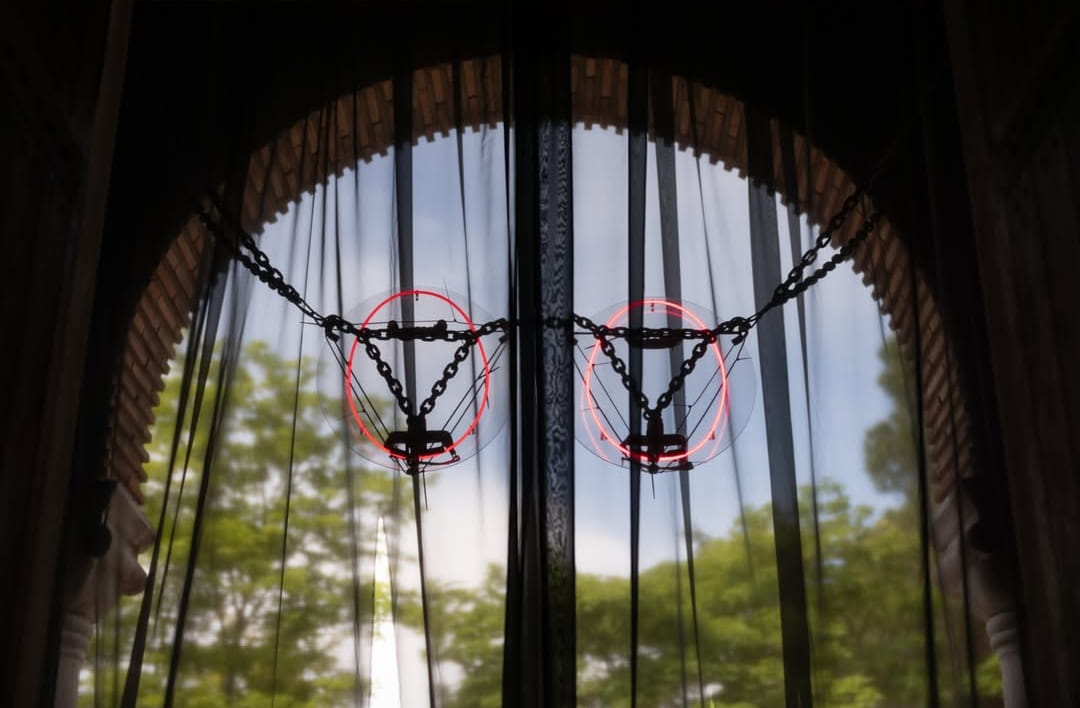
Underlying the installation is a recurring theme within Angelidakis’ practice: the productive ambiguity of ruins.
For the artist, ruins are not merely remnants of the past but spaces where fixed meanings begin to dissolve. Reflecting on this relationship, he observes that “ruins in a way help one drop their agonizing ambitions, because if even broken buildings are worth attention, then maybe so are you.”
The statement reveals how architecture can operate simultaneously as a historical artifact and as a framework for thinking about identity, vulnerability, and self-understanding.
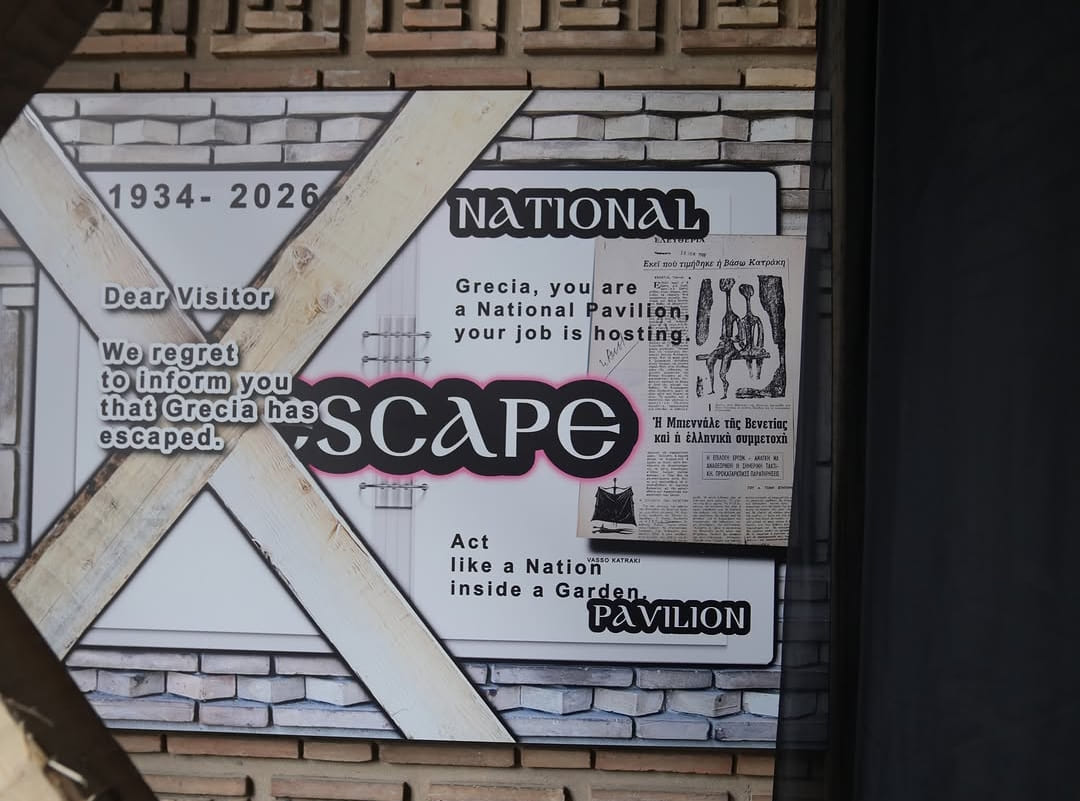
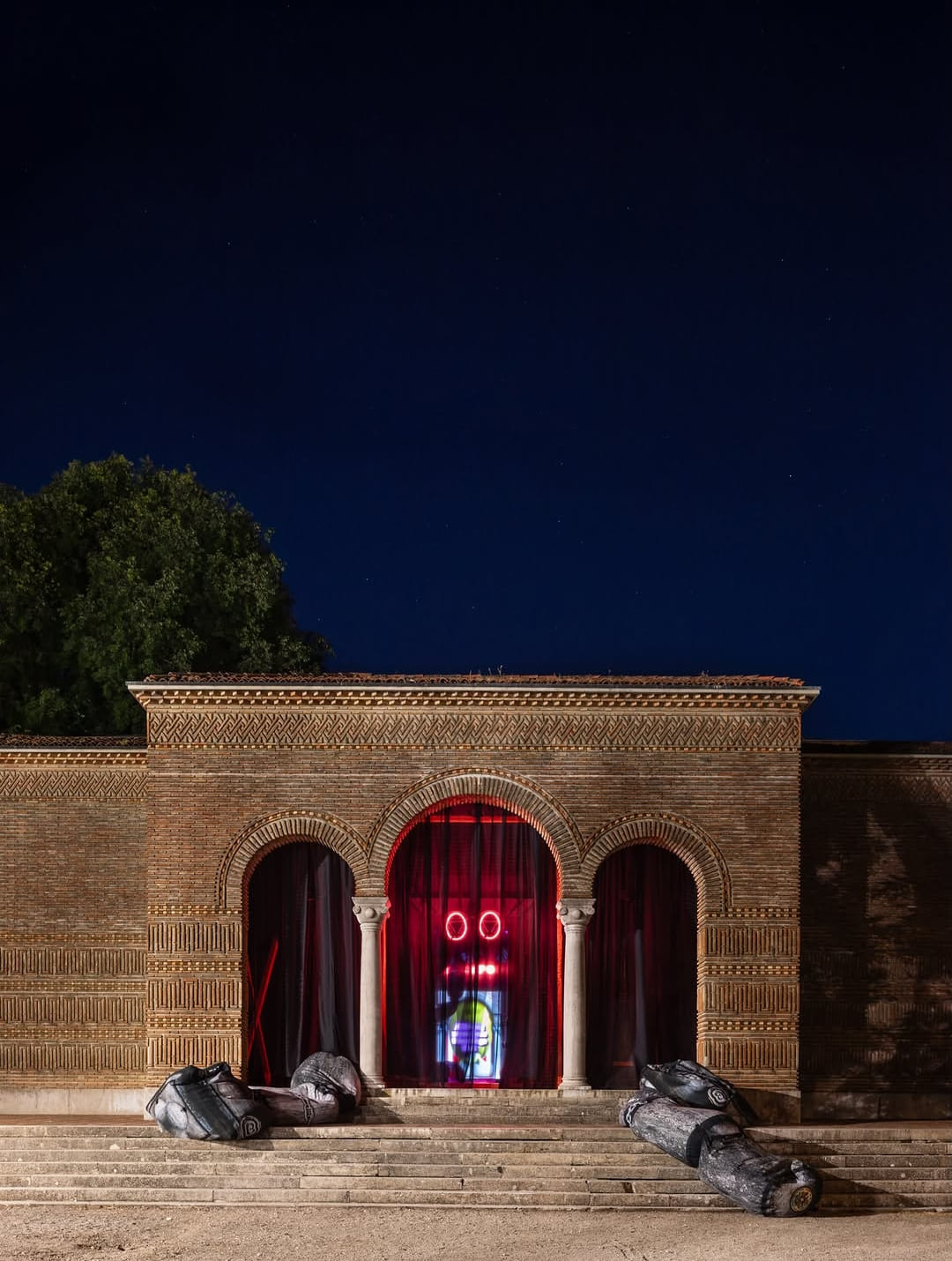
‘ESCAPE ROOM’ instead of proposing an exit from reality, it offers a framework for engaging with reality more critically.
By foregrounding the unstable nature of images, narratives, and historical accounts, the project challenges visitors to examine the processes through which truths are produced and maintained. Within the Greek Pavilion, history becomes less a repository of facts than a field of contested interpretations, while architecture emerges as a tool for revealing the structures that shape collective consciousness. In this way, Angelidakis transforms the pavilion into a space of inquiry, where history, memory, and representation remain open to continual questioning and reinvention.
Short Bios

Andreas Angelidakis is an architect, artist, curator, and writer based in Athens whose work explores the intersections of architecture, contemporary art, digital culture, and collective memory. A graduate of SCI-Arc and Columbia University, he is known for investigating ruins, historical narratives, virtual environments, and the ways in which architecture shapes cultural identity and public imagination. Through installations, exhibitions, and research-based projects, he examines how histories and myths are constructed, represented, and reinterpreted. Angelidakis has participated in major international events, including documenta 14, the Chicago Architecture Biennial, and Bergen Assembly, while also curating exhibitions across Europe and the United States.
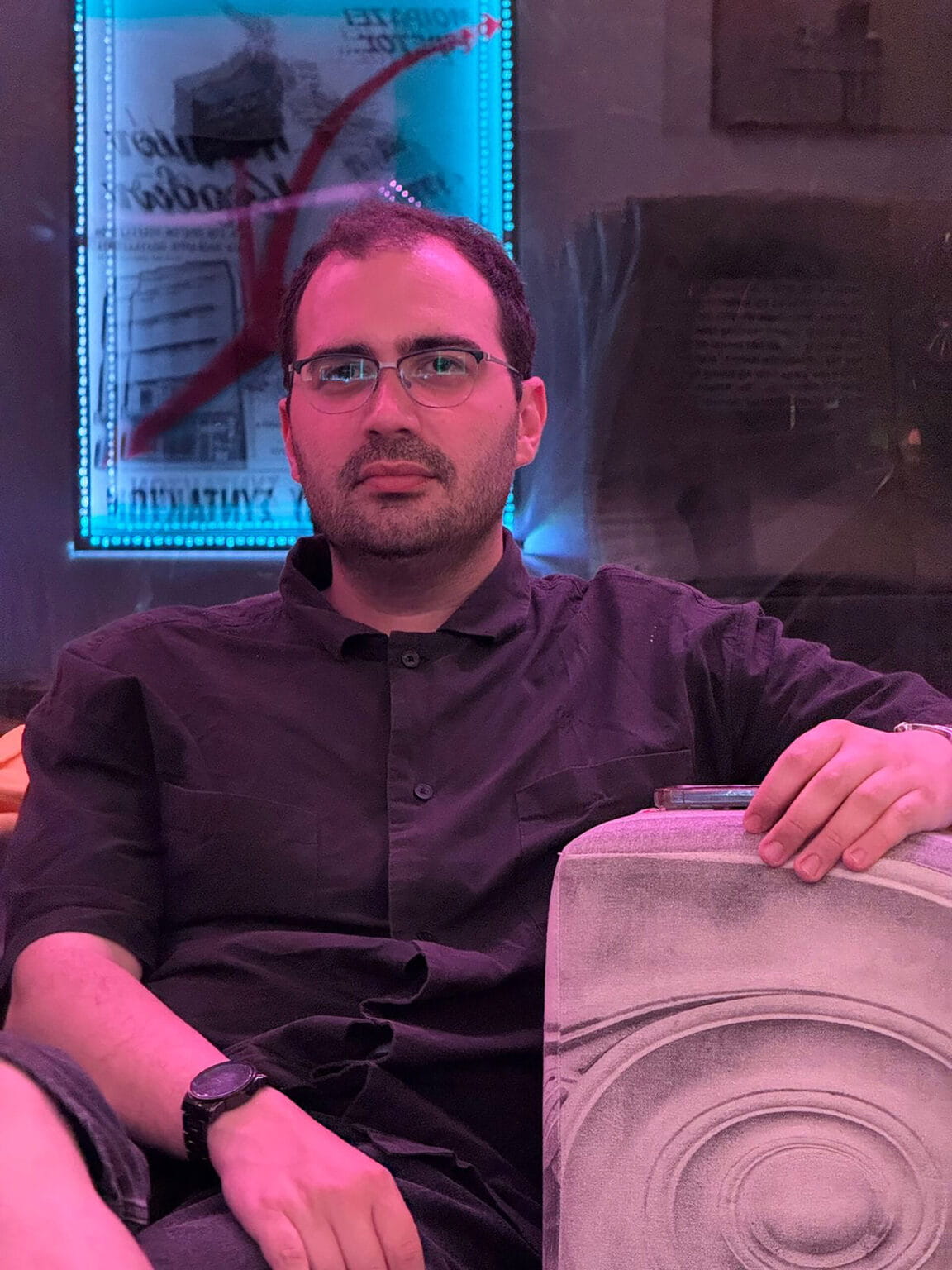
Giorgos Bekirakis is an Athens-based curator whose practice explores the intersections of contemporary art, cultural narratives, collective memory, and experimental forms of exhibition-making. Trained in Museology, Exhibition Design, and Cultural and Film Studies at the National and Kapodistrian University of Athens, he develops research-driven projects that investigate how histories, identities, and systems of representation are constructed and experienced. Through exhibitions, performative platforms, and interdisciplinary collaborations, Bekirakis examines the relationship between space, storytelling, and public engagement. Recent projects include Institute of Post-Epicurean Garden, The Talisman of All Beings, Oikonomia, and ROOM505: LORE. His curatorial work and writing have been featured in international publications including Artforum, ArtReview, and Artsy.