In Valencia’s Nazaret neighborhood, José Costa Arq. designed Casa del Filósofo as a poetic reinterpretation of history in continuous dialogue with the owner’s needs. Anchored around a central courtyard, the project transforms a long-abandoned dwelling into a layered domestic environment, where exposed materials, adaptive reuse, and fluid spatial sequences reconnect past and present, creating a flexible, light-filled home rooted in memory and contemporary living.
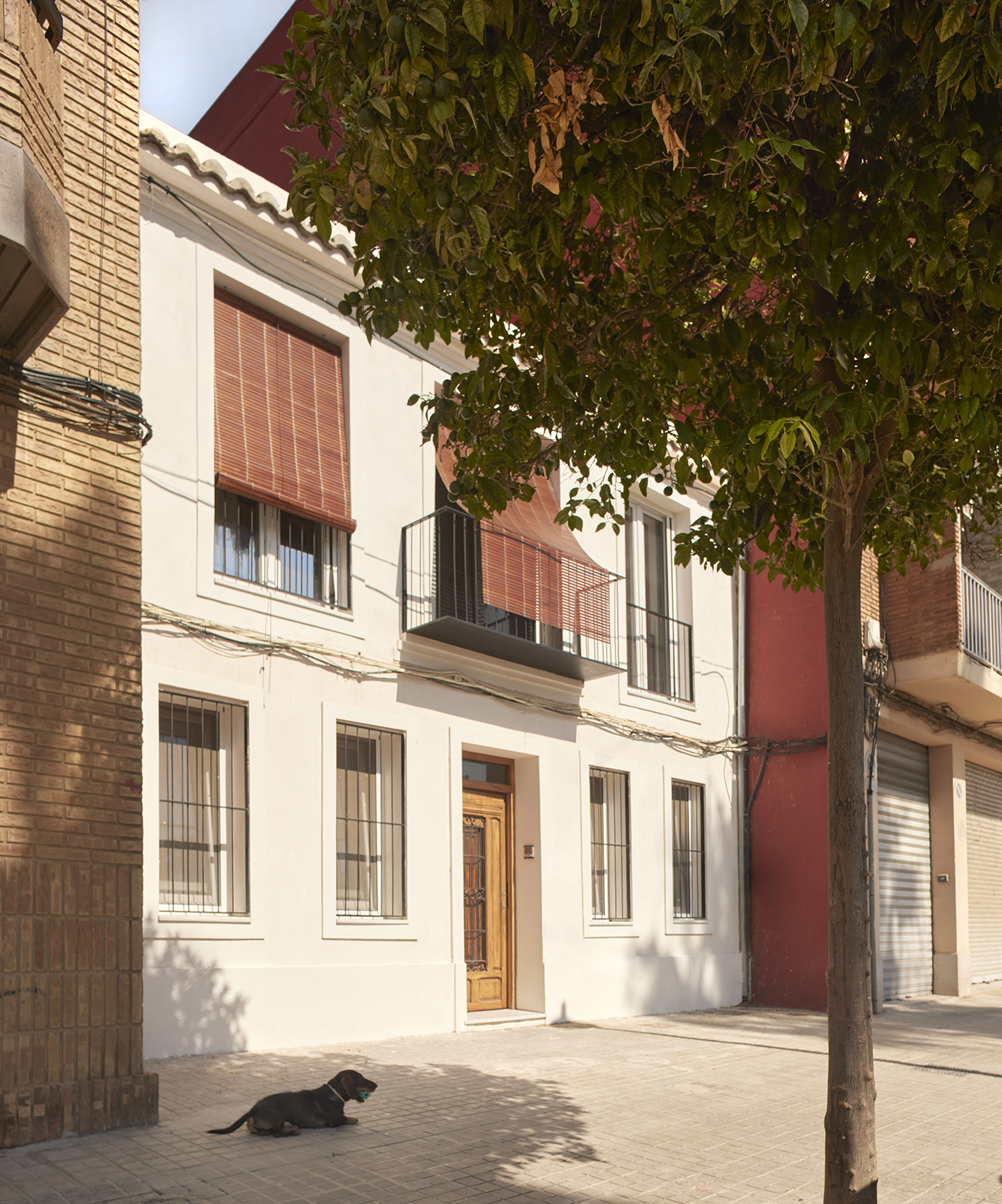
Located in Valencia’s Nazaret neighborhood -an area historically shaped by industrial expansion and urban displacement- Casa del Filósofo by José Costa Arq. reactivates a long-abandoned dwelling through a process of adaptive reuse and spatial reconfiguration. Originally sealed and in a state of structural decay, the house is transformed into a layered domestic landscape where memory, material continuity, and contemporary living coexist.
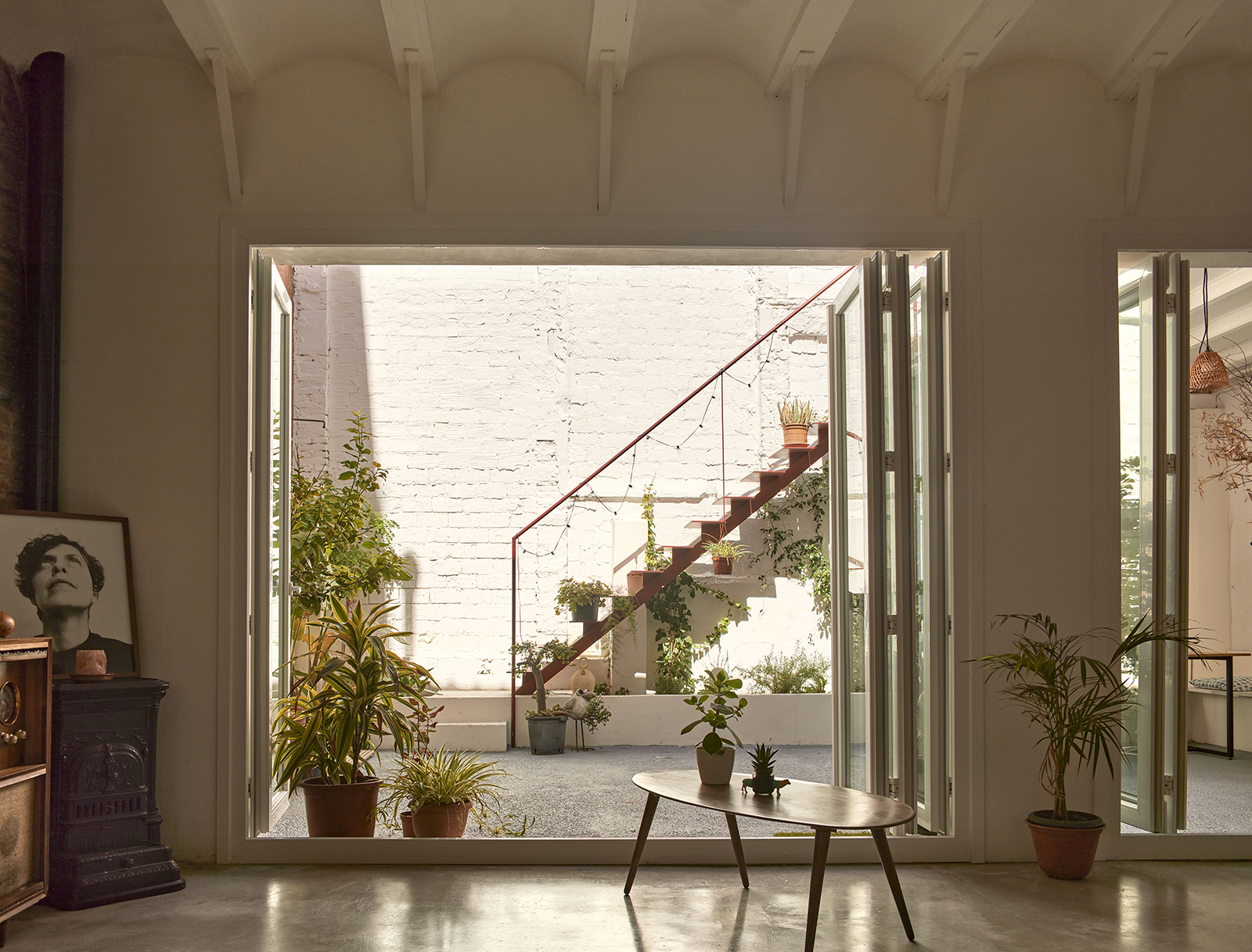
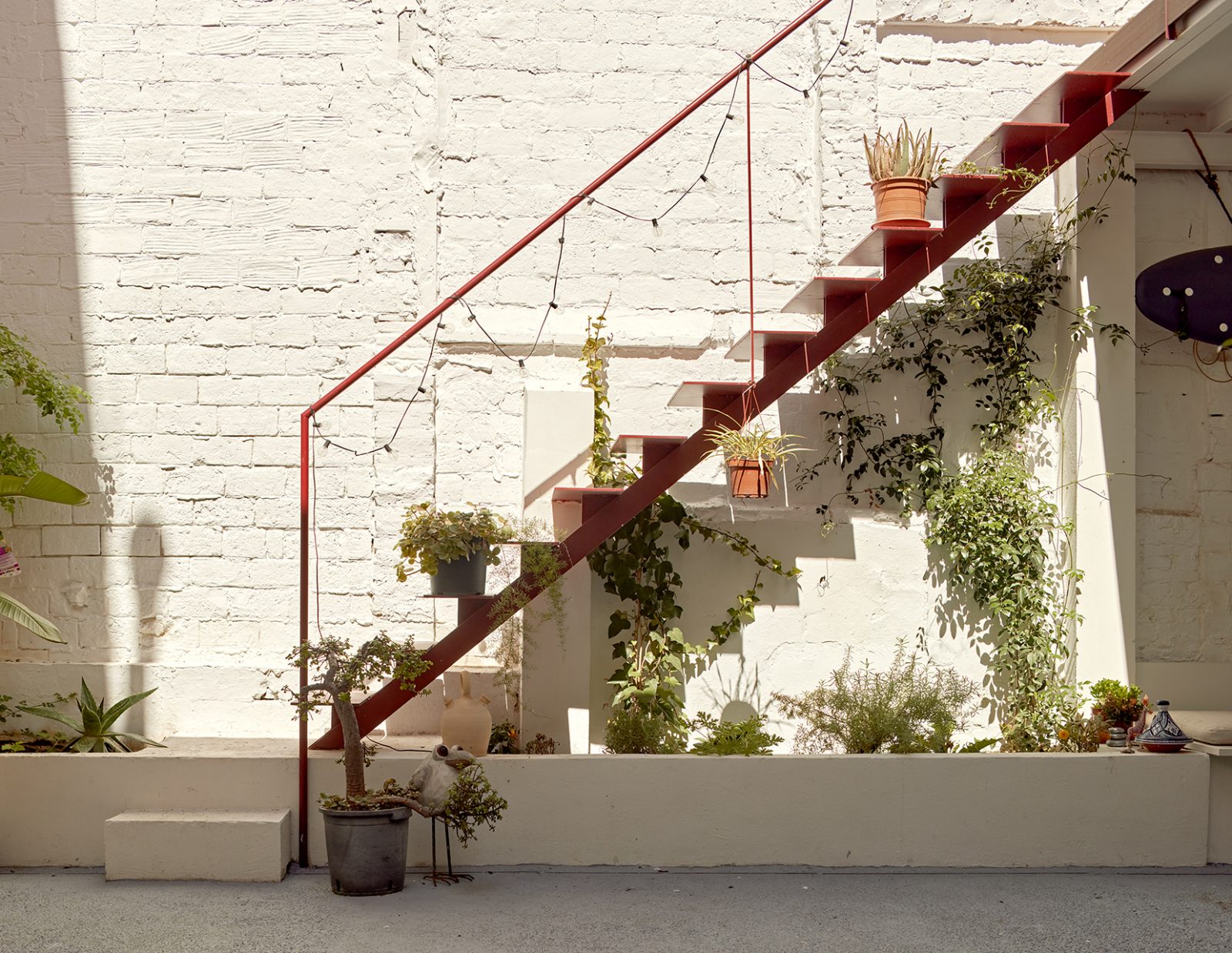
The project is conceived as an architecture of dialogue between architect and client, past and present, resulting in a fluid sequence of interconnected interior and exterior spaces.
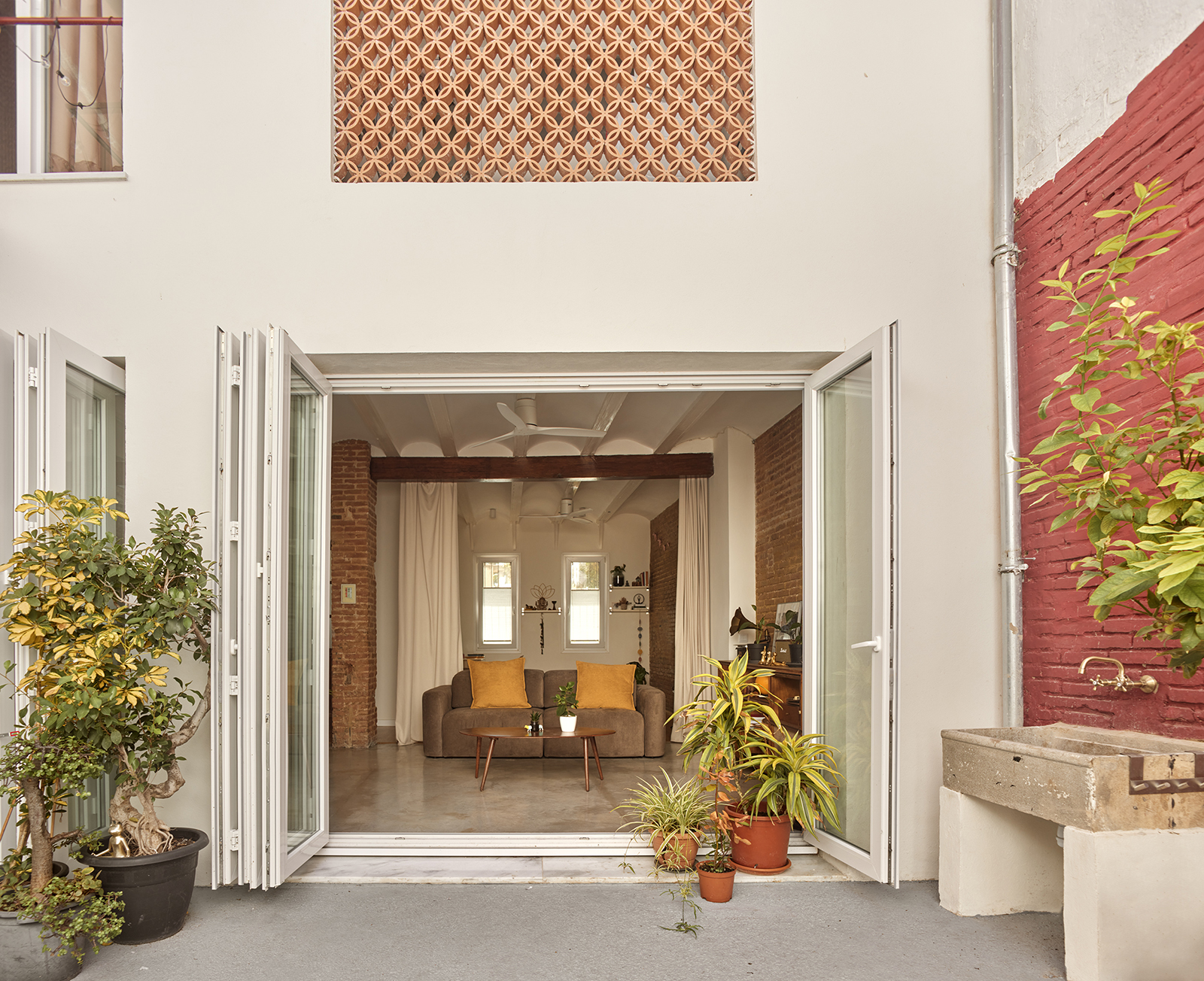
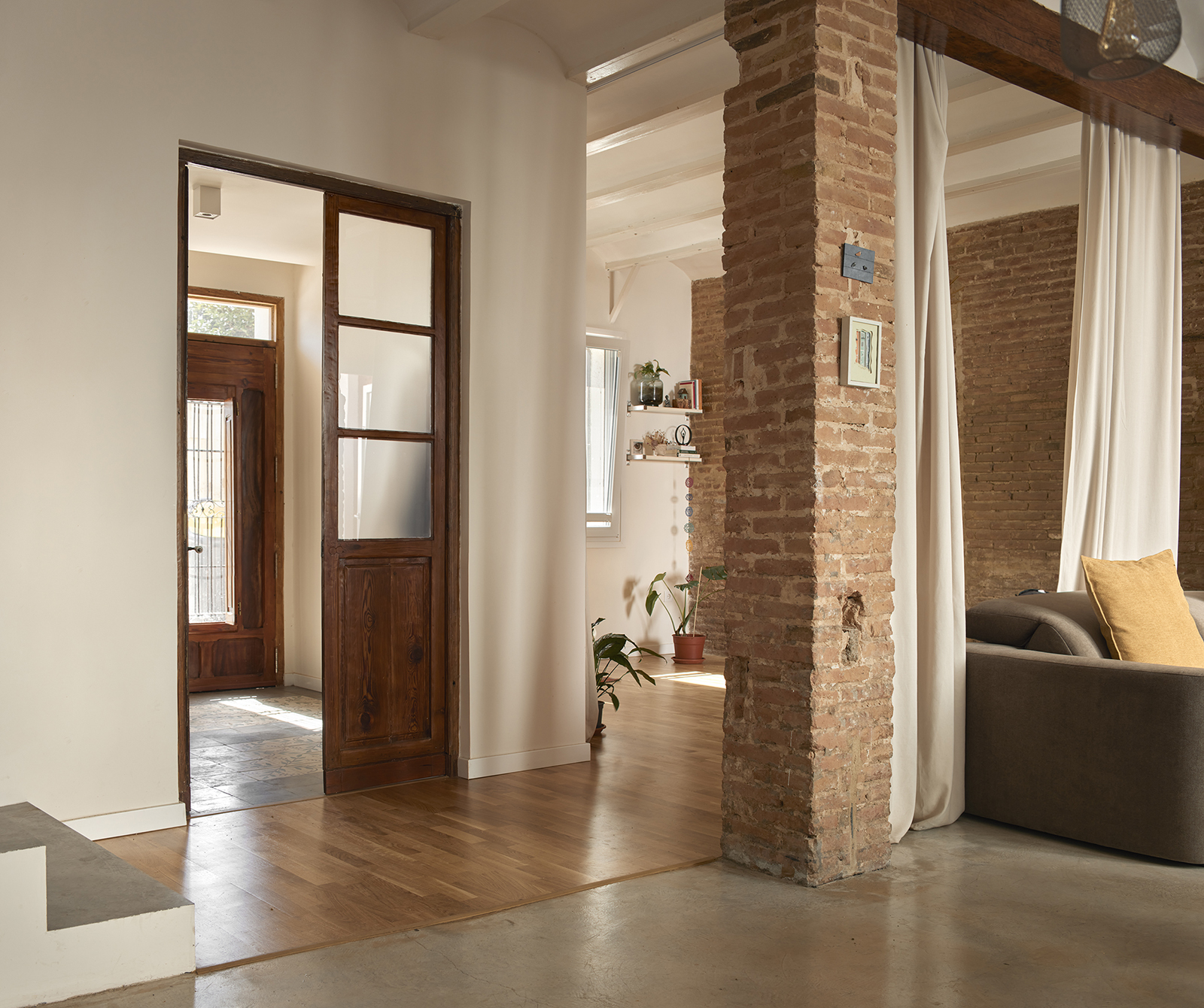
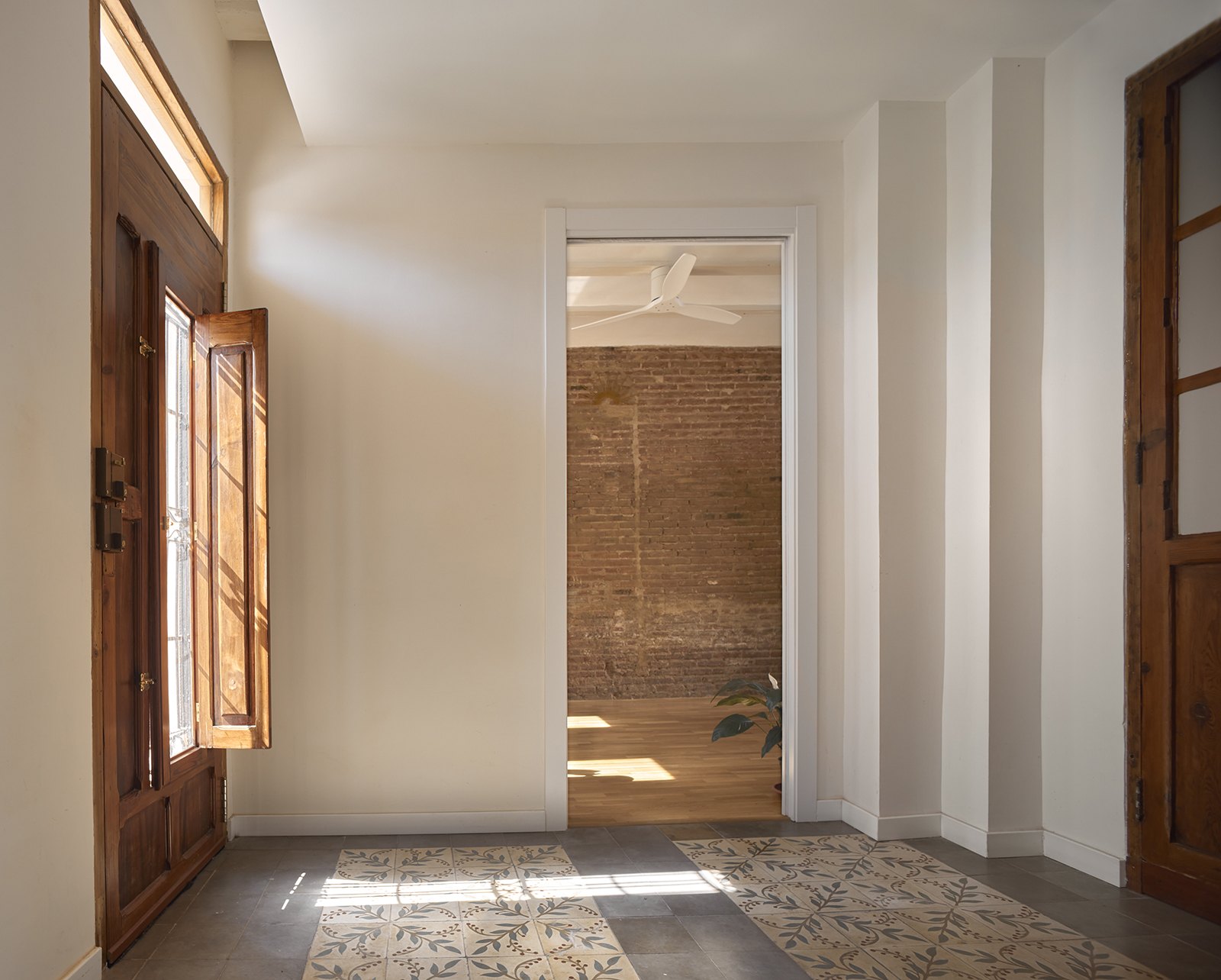
The intervention preserves and reinterprets the building’s existing fabric. Exposed brick walls, traces of former paint layers, and restored timber elements are not concealed but amplified, becoming central spatial and atmospheric devices. Structural reinforcements are deliberately expressed, enriching the ceilings while revealing the tectonic logic of the intervention. Programmatically, the house unfolds as a hybrid domestic environment tailored to a specific way of inhabiting.
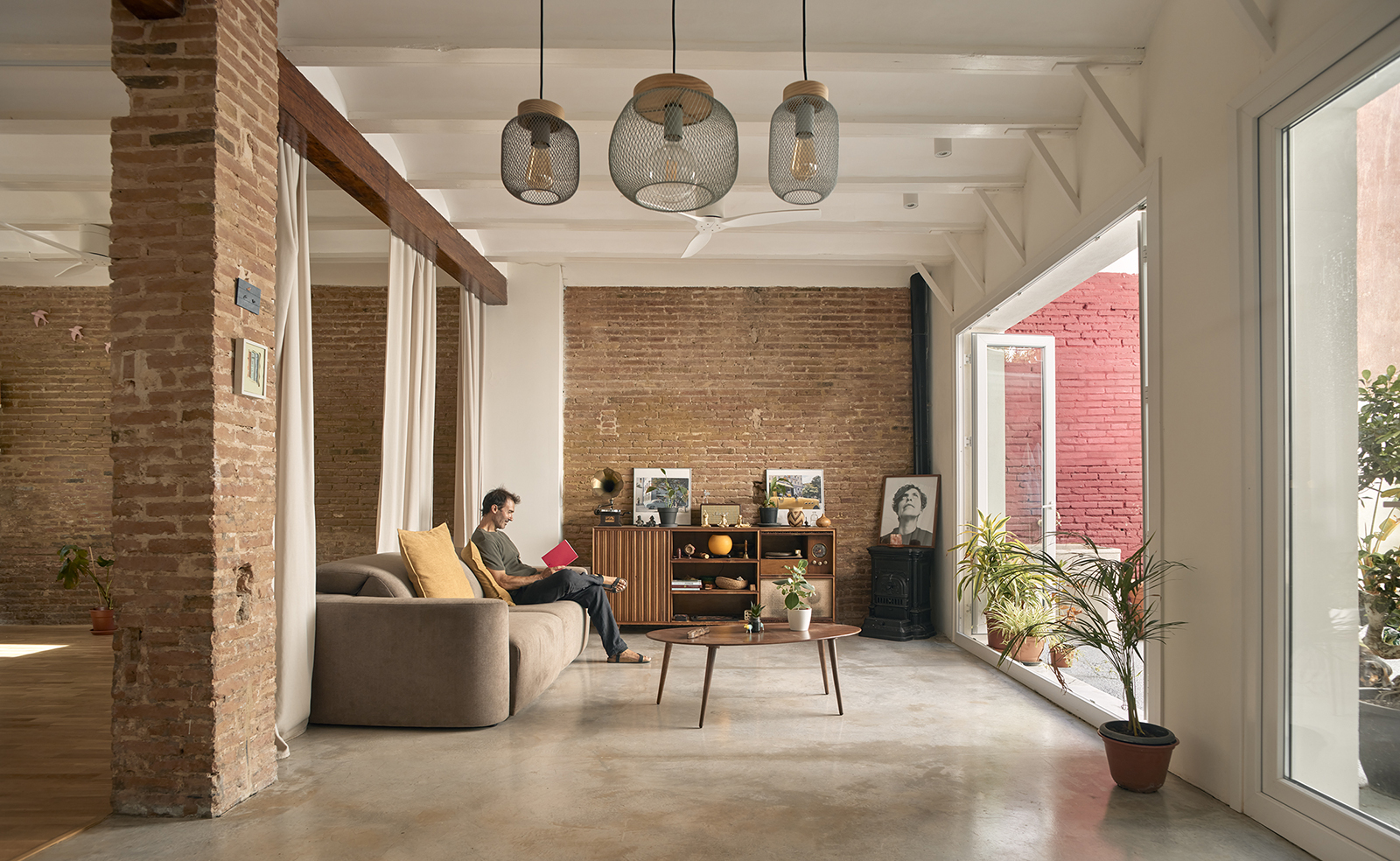
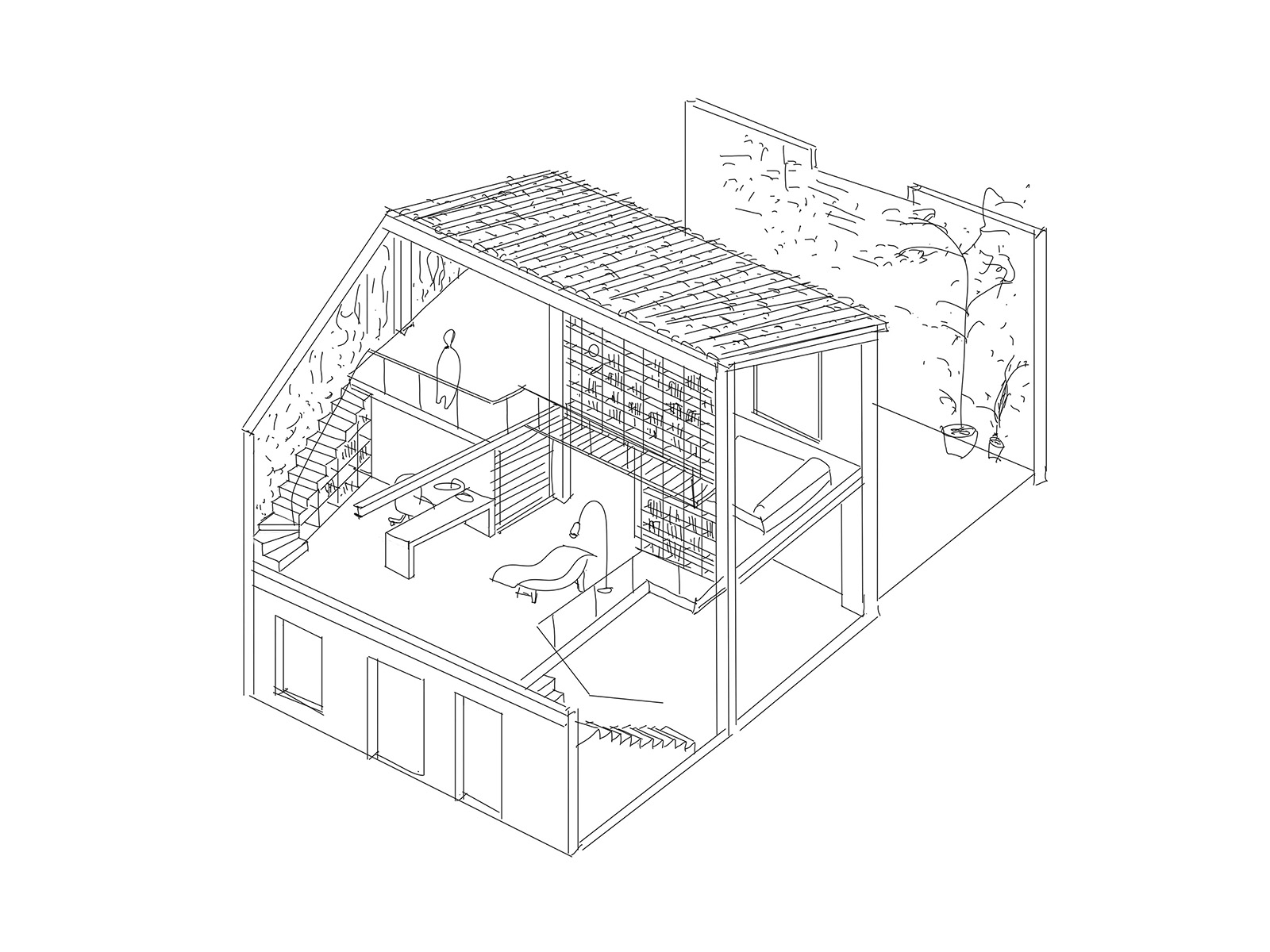
A courtyard acts as the social core, extending the living space outward, while large openings dissolve the boundary between interior and exterior.
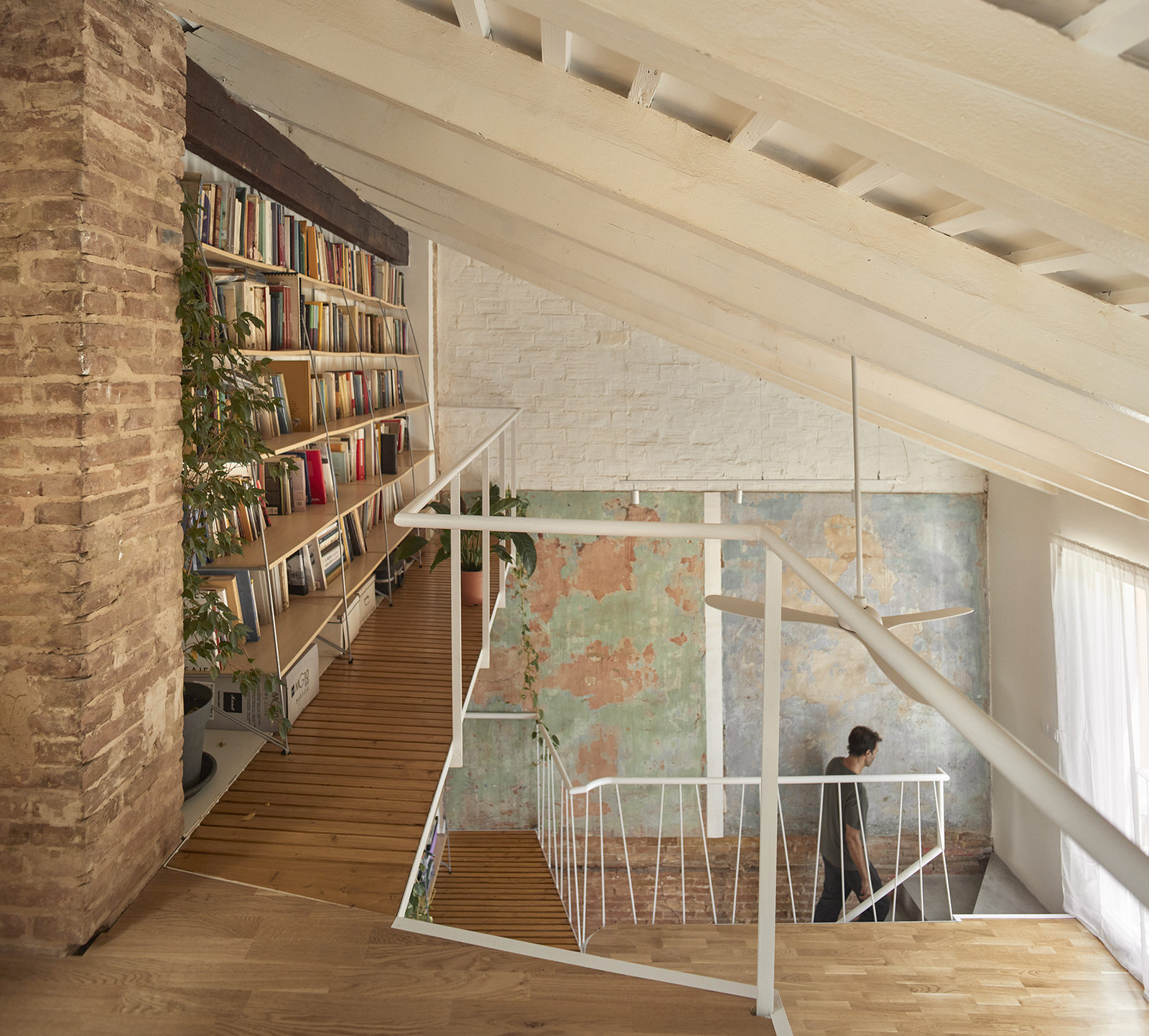
The ground floor accommodates collective uses as living, reading, and gathering articulated through natural light and material warmth. Above, a more introspective realm hosts a study, library, and loft, organized along a continuous spatial flow.
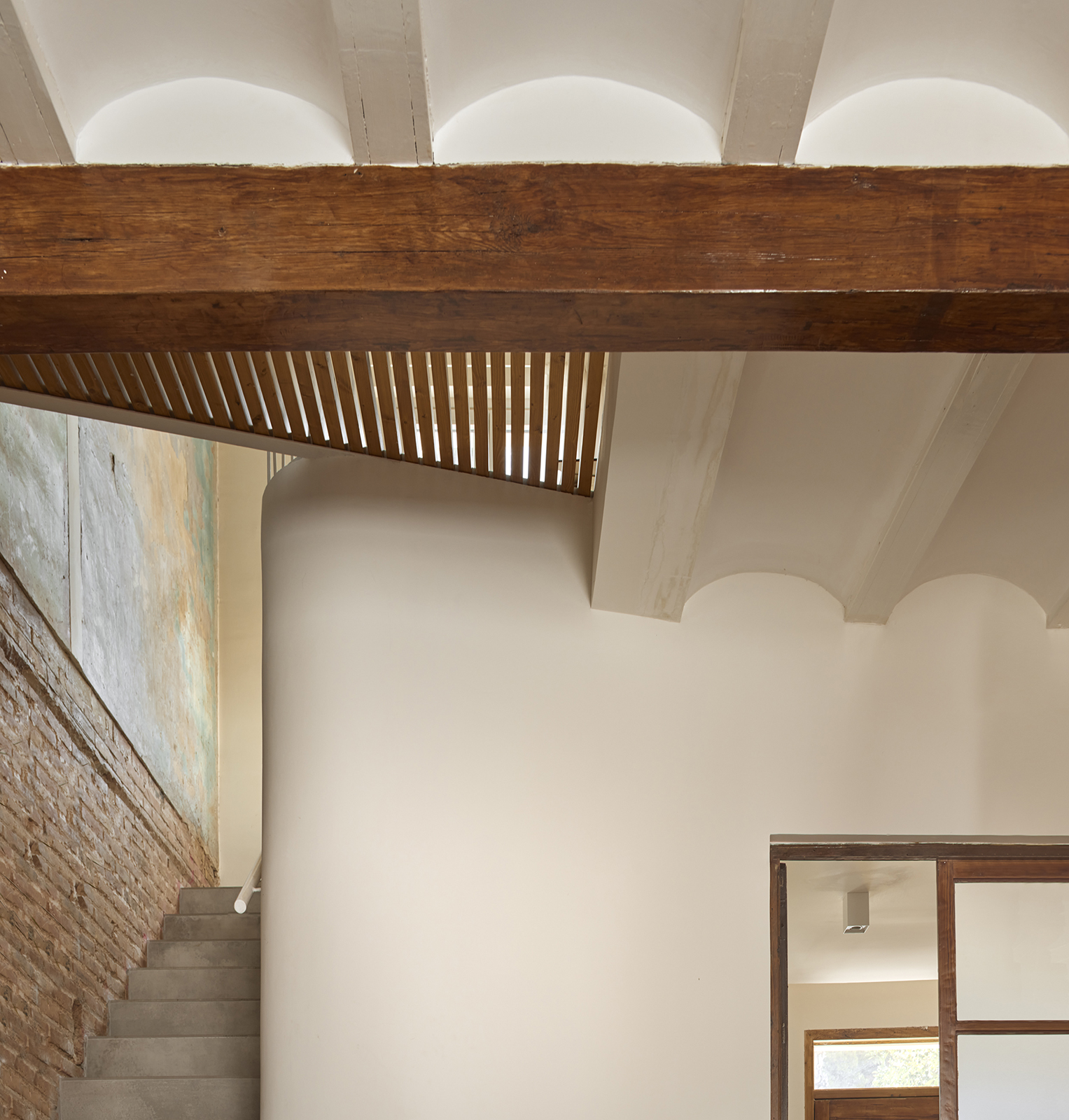
The project embraces adaptability and multiplicity of use: a bedroom becomes a cinema, a bathroom expands into a dressing space, and circulation elements integrate storage.
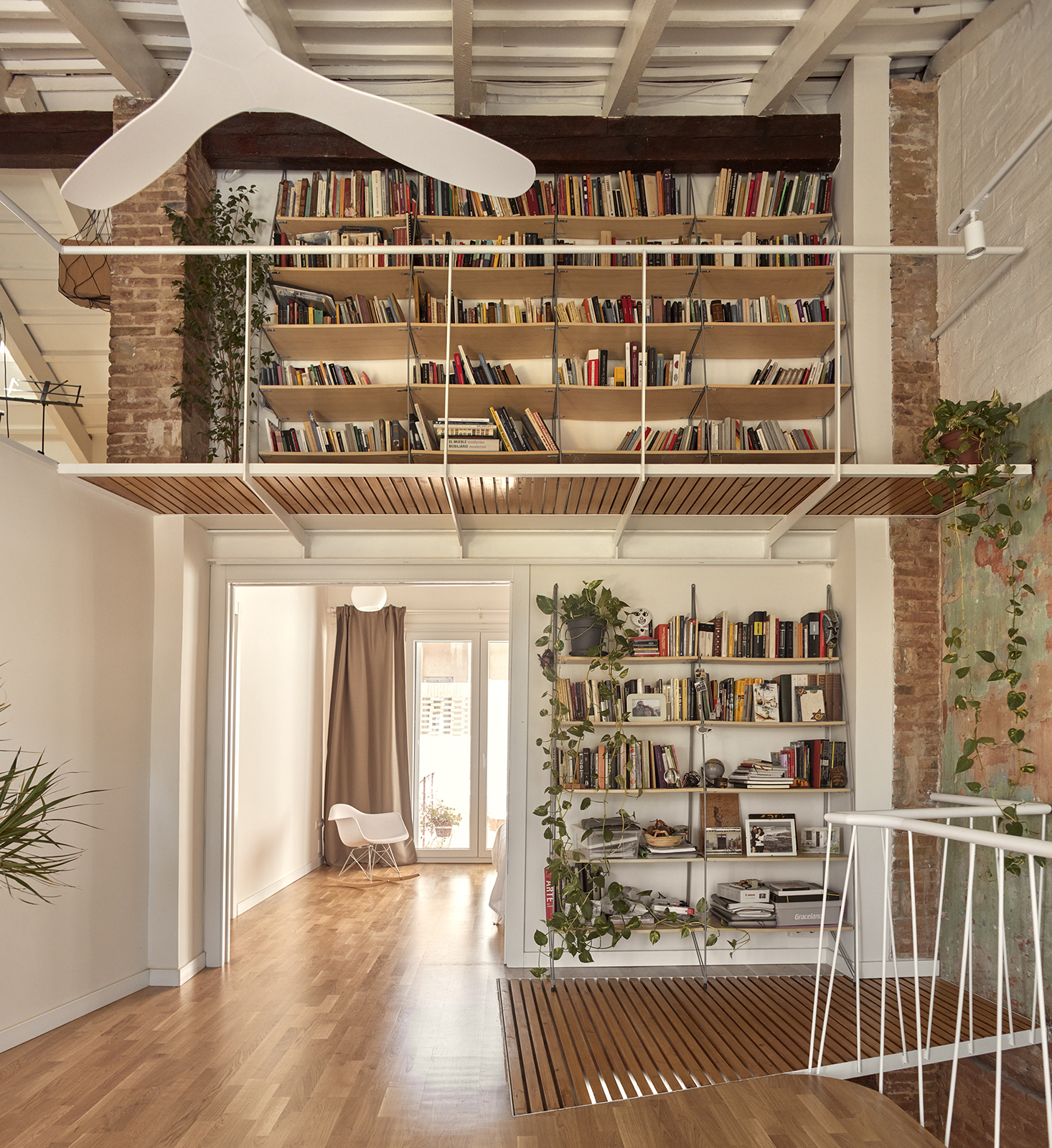
This flexibility reflects a broader conceptual approach in which architecture responds to evolving patterns of life rather than fixed typologies.
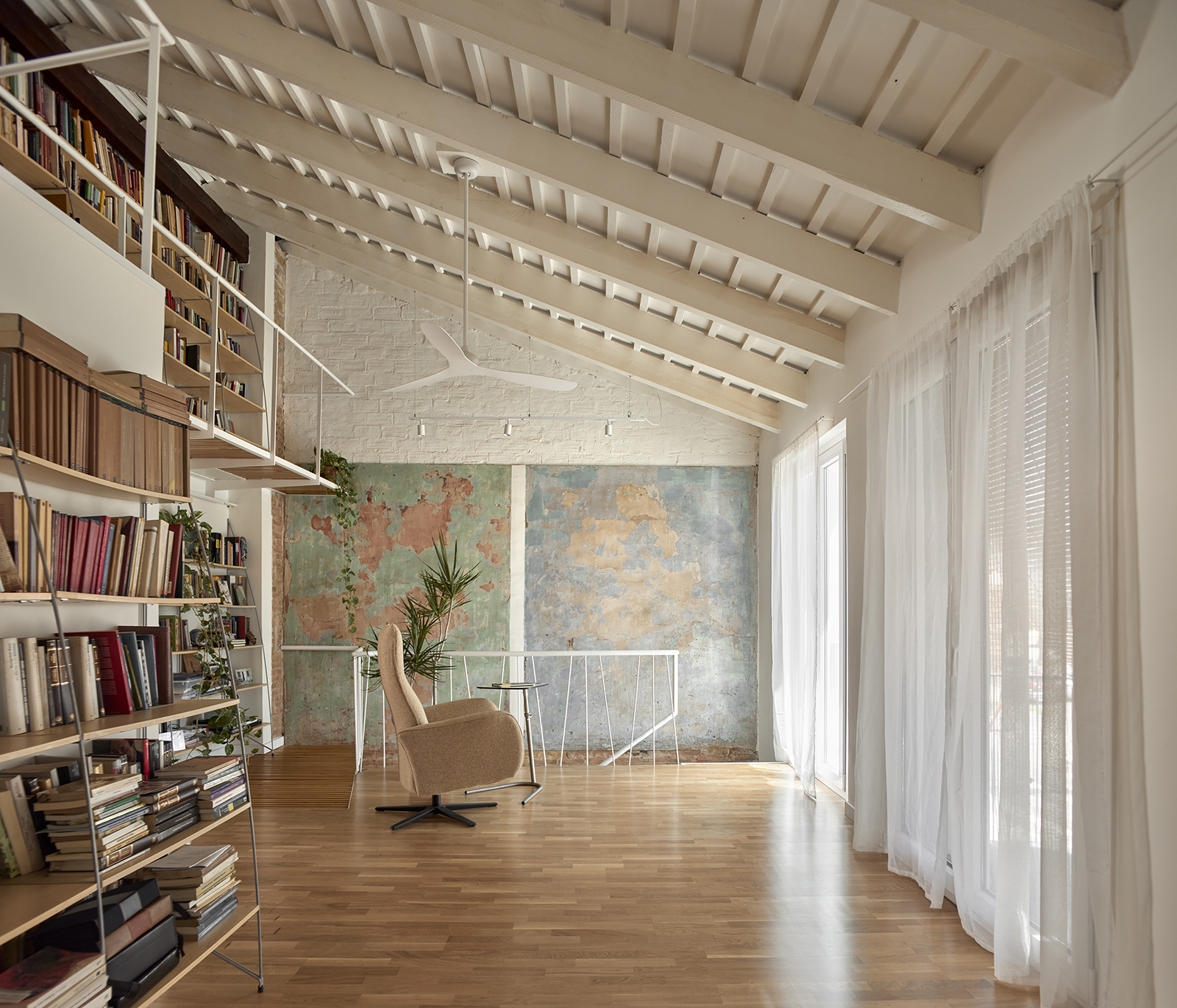
A distinctive red staircase, visible from the courtyard, acts as both a circulation element and a visual anchor.
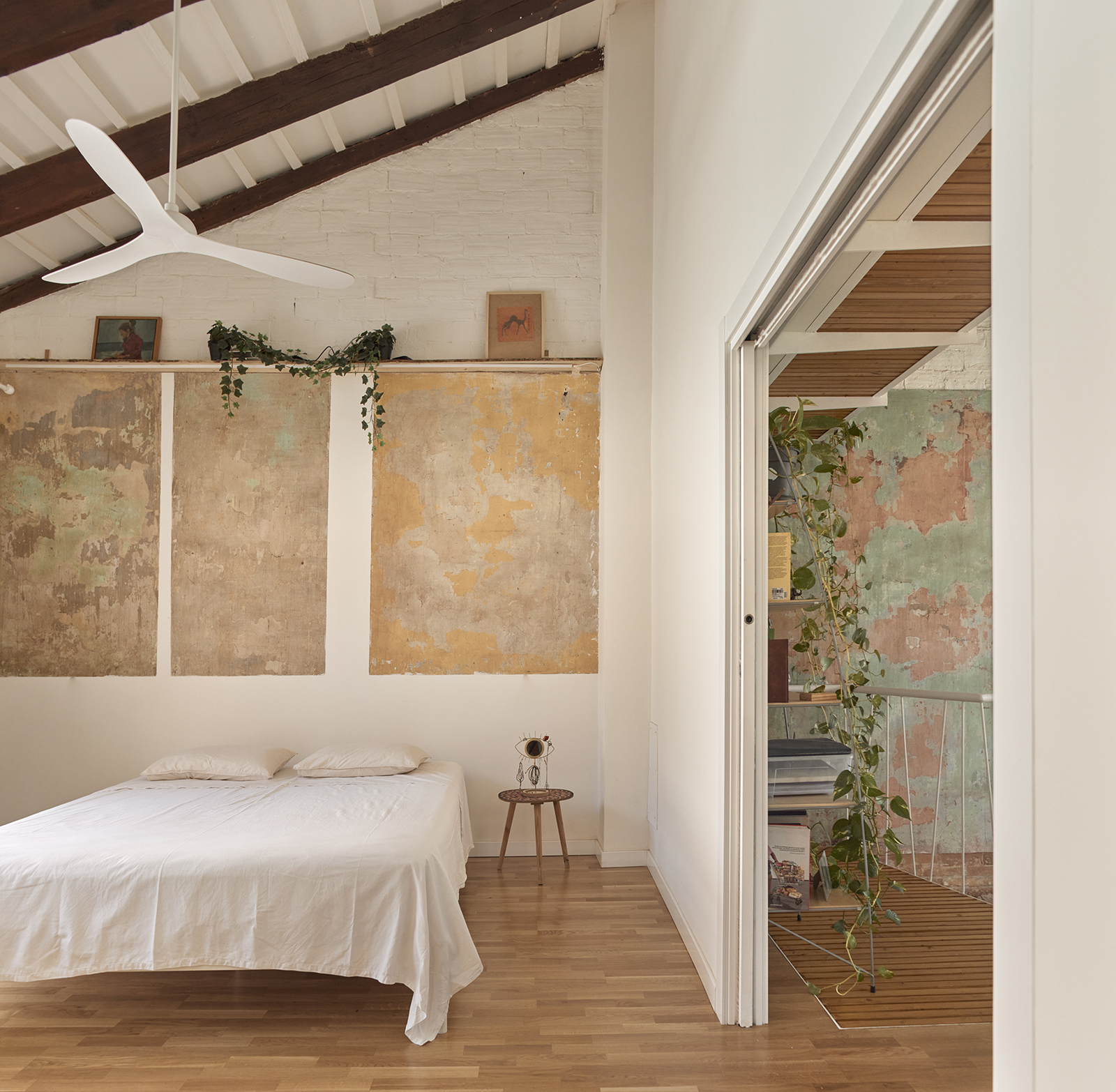
It gradually merges with vegetation, reinforcing the dialogue between architecture and nature.
Reclaimed hydraulic tiles and restored doors contribute to a material narrative rooted in reuse and transformation.
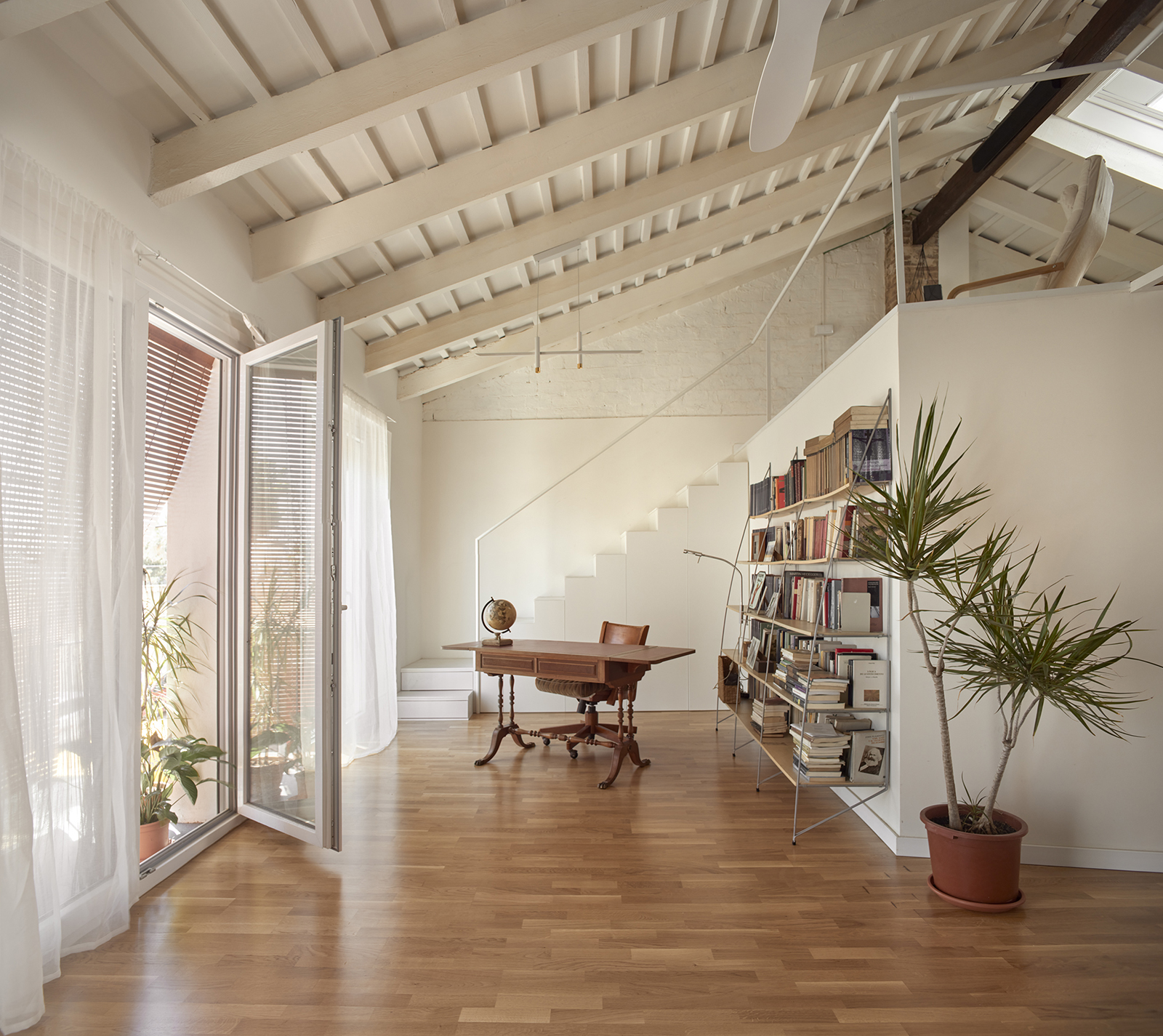
Ultimately, Casa del Filósofo functions as a reawakening of a dormant structure, where light, texture, and spatial continuity construct a renewed domestic identity, one that reconnects the house with the city while preserving its embedded history.
Plans
Facts & Credits
Project title: Casa del Filósofo
Project type: Interiors | Redesign
Architecture: Jose Costa Arq
Project location: Valencia, Spain
Design team: Ana Aguado, Victoria Recio, Belén de las Heras, Patricia Barber
Technical Architect: Salvador Tomás
Date of completion: 2025
Photography: Mariela Apollonio