More With Less explores renovations that bring architectural charm to the space with intriguing as well as affordable design solutions.
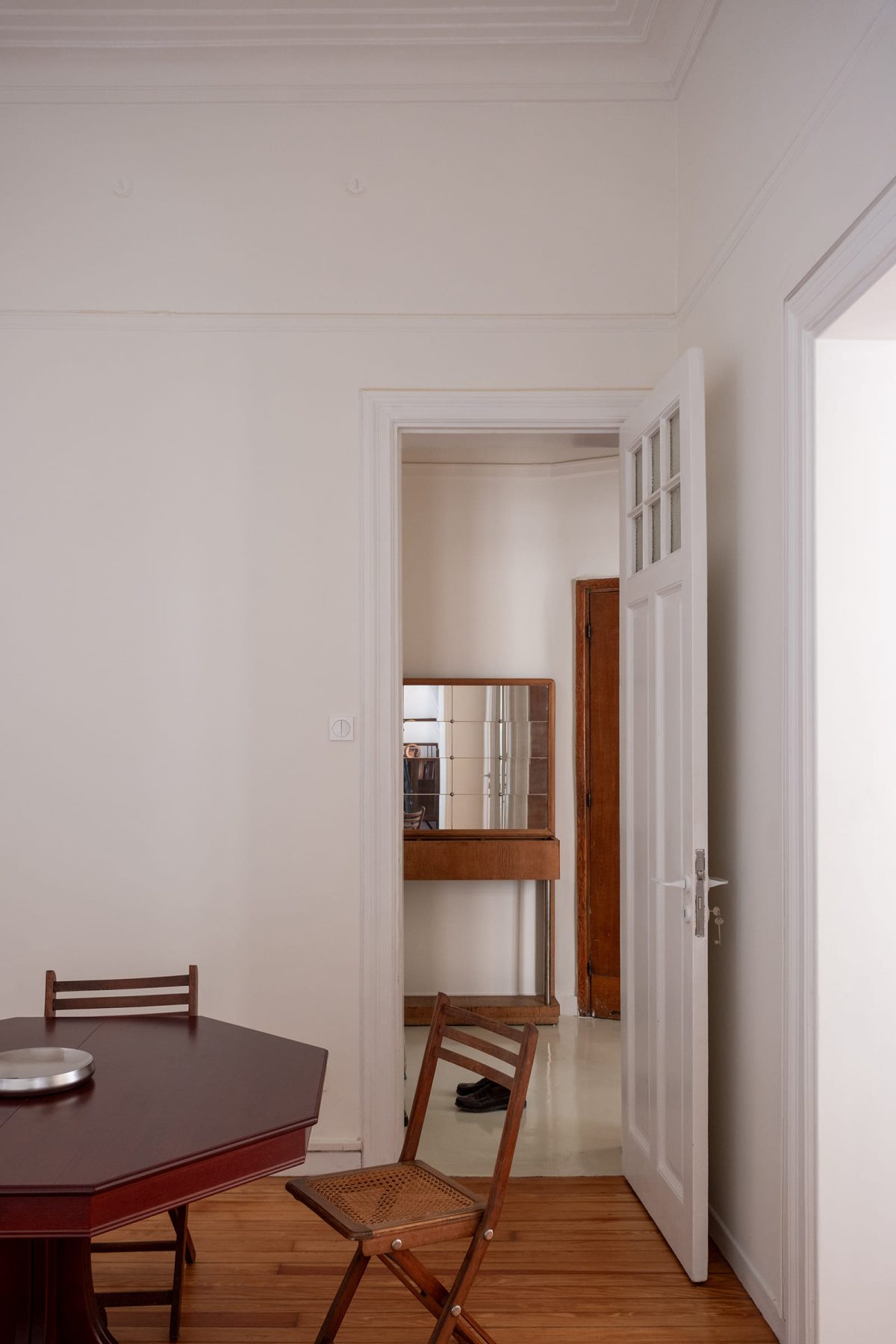
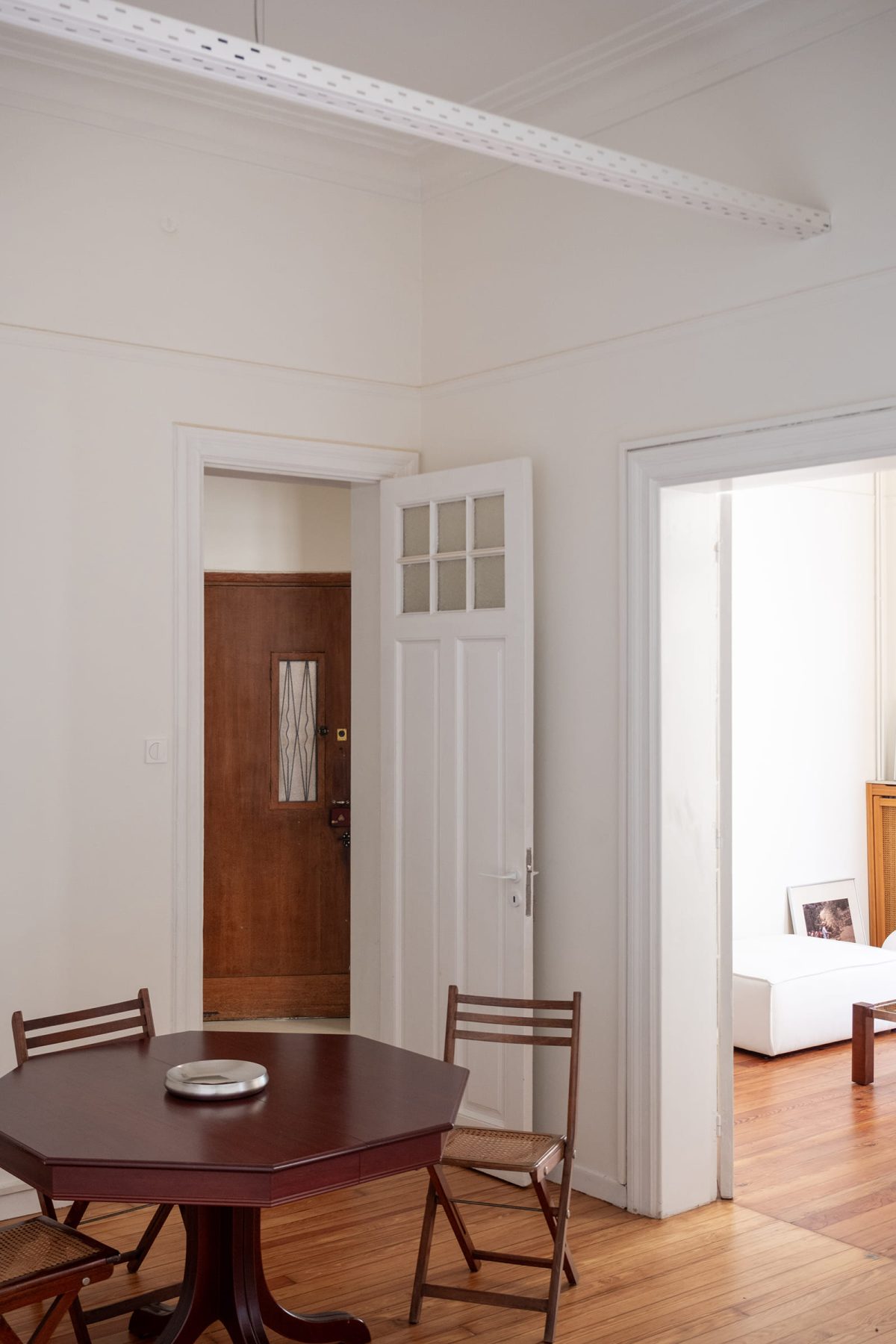
The renovation of a 60-square-meter apartment within a preserved 1930s building in Kypseli was driven by a pragmatic design strategy.
Given the restricted budget, the priority was to create a calm and functional space that serves as an evolving core, allowing residents to build upon it over time.
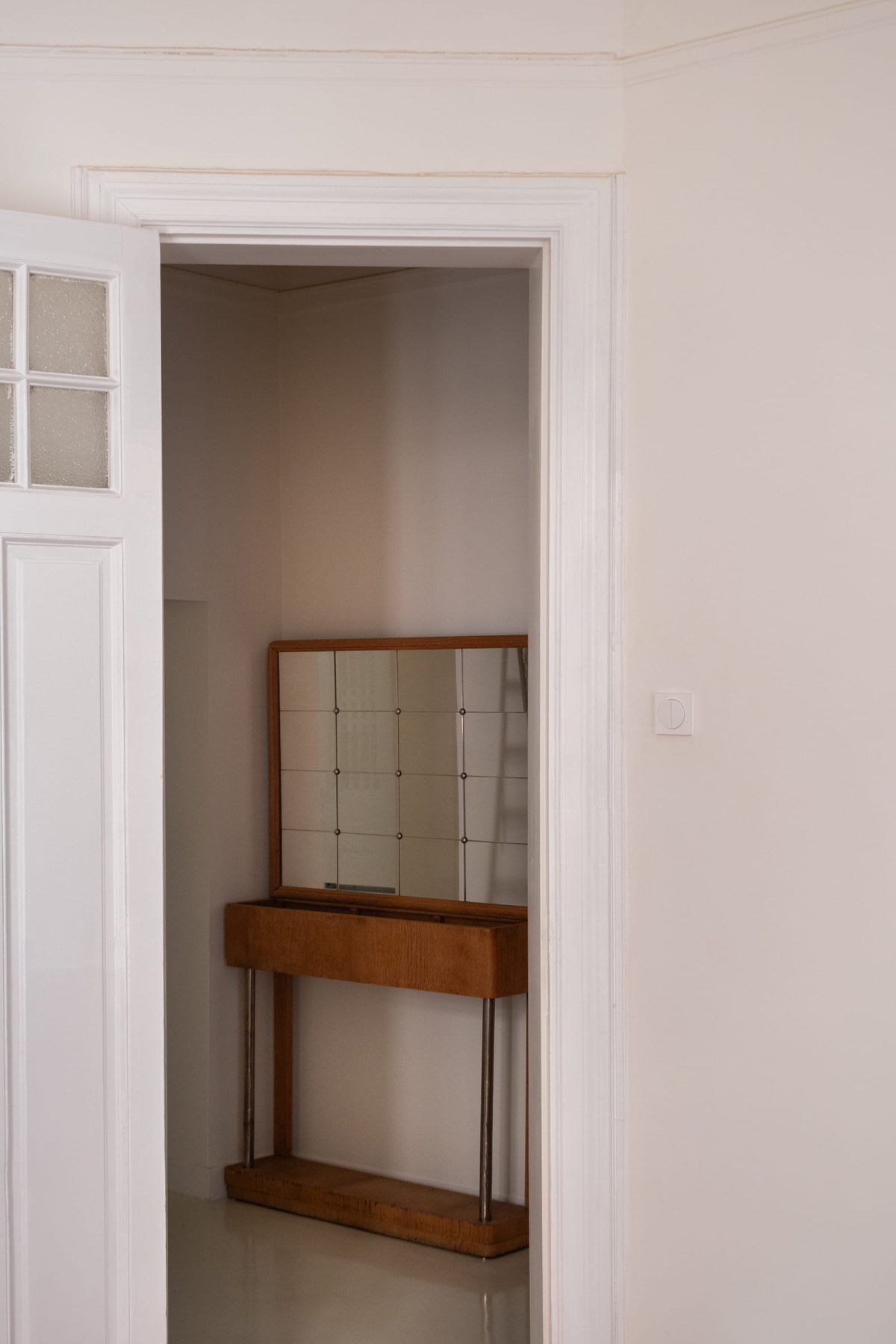
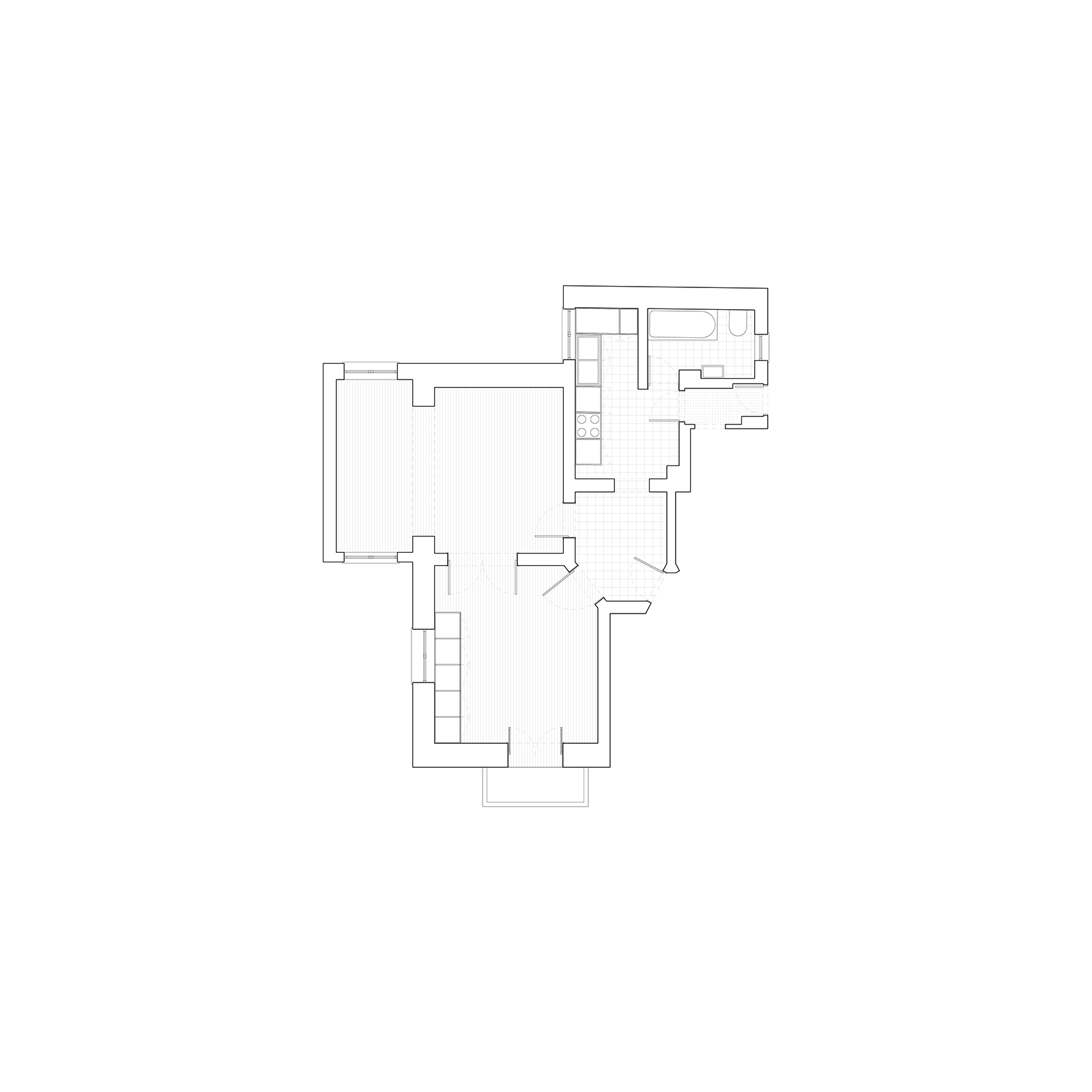
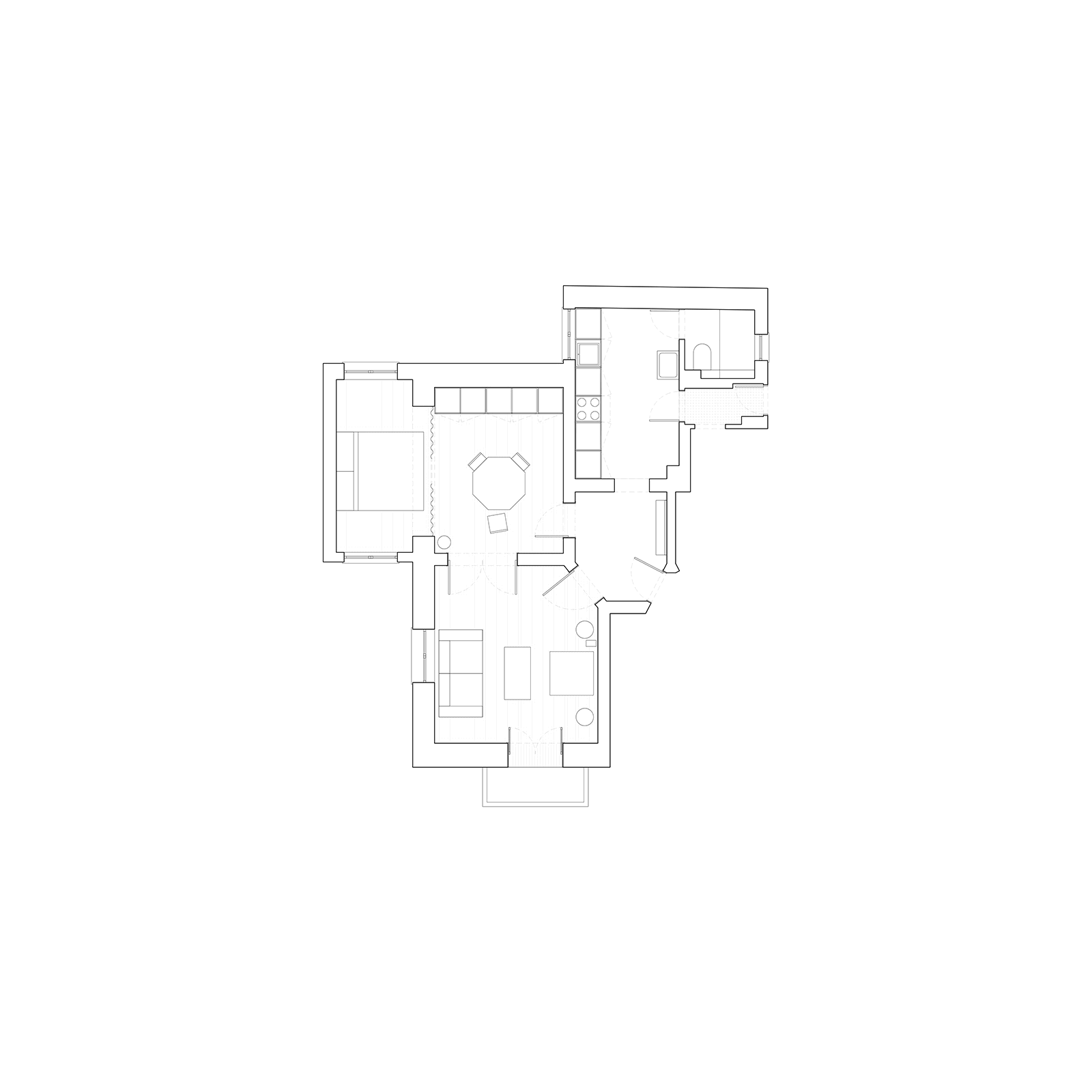
Upon entering, a small polygonal hallway acts as the central node connecting all spaces.
This irregular geometry, combined with the generous ceiling height and 55cm thick load-bearing walls, established a tight, rigid and strong spatial character.
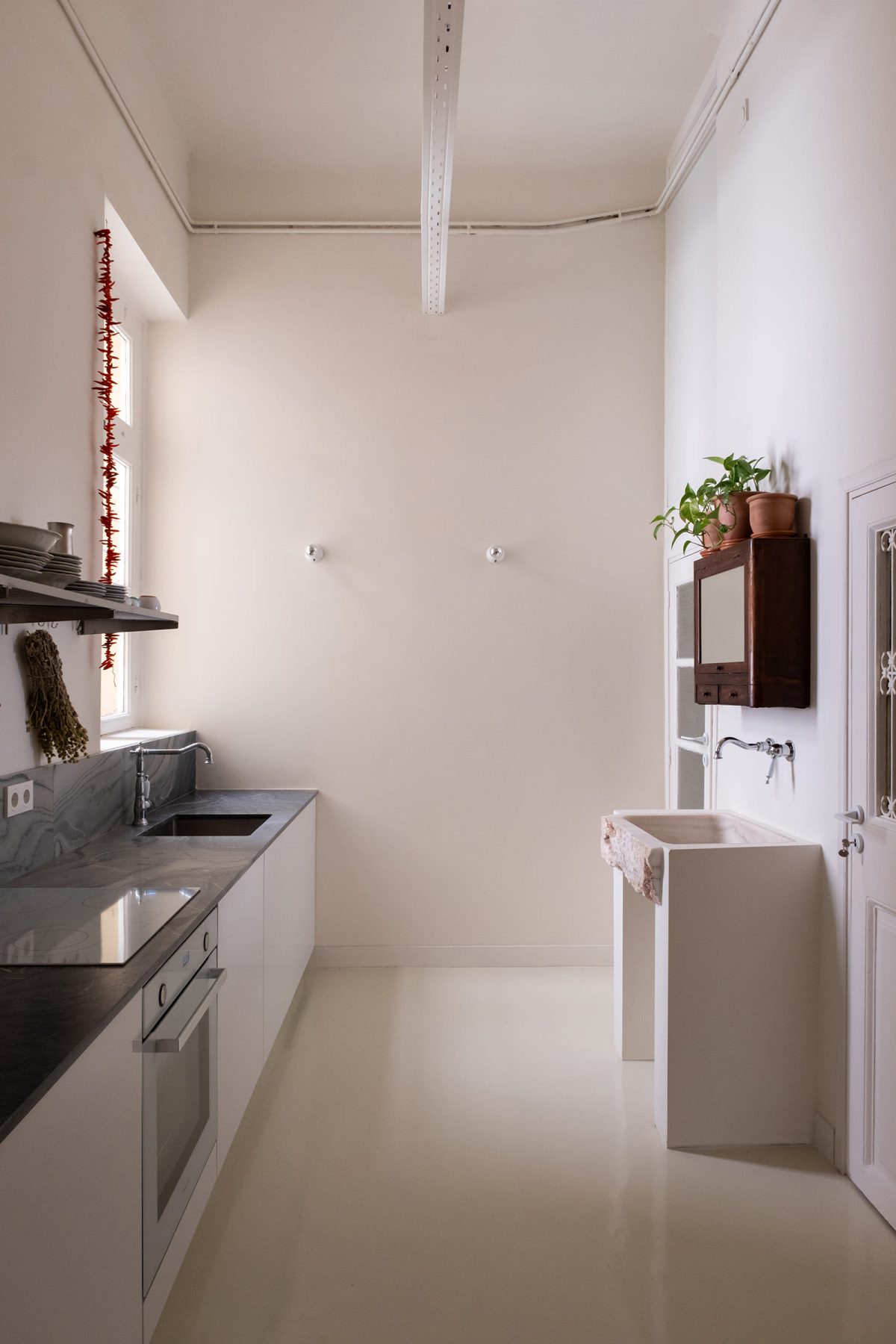
The only structural alteration involves the deliberate demolition of the wall between the kitchen and the bathroom to generate clear spatial boundaries. Authentic elements like the original wooden floors, doors, and windows were restored to maintain their historic identity.
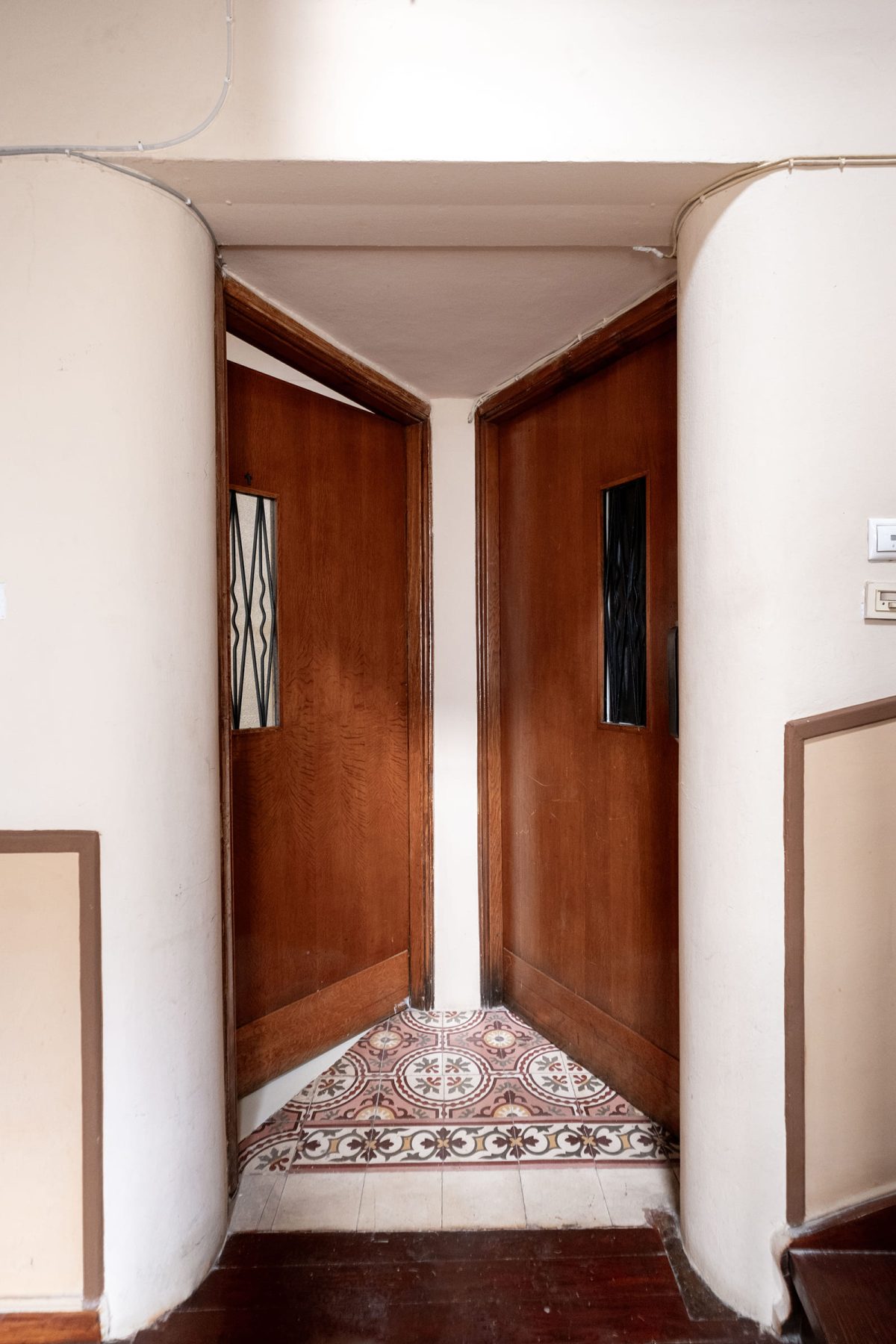
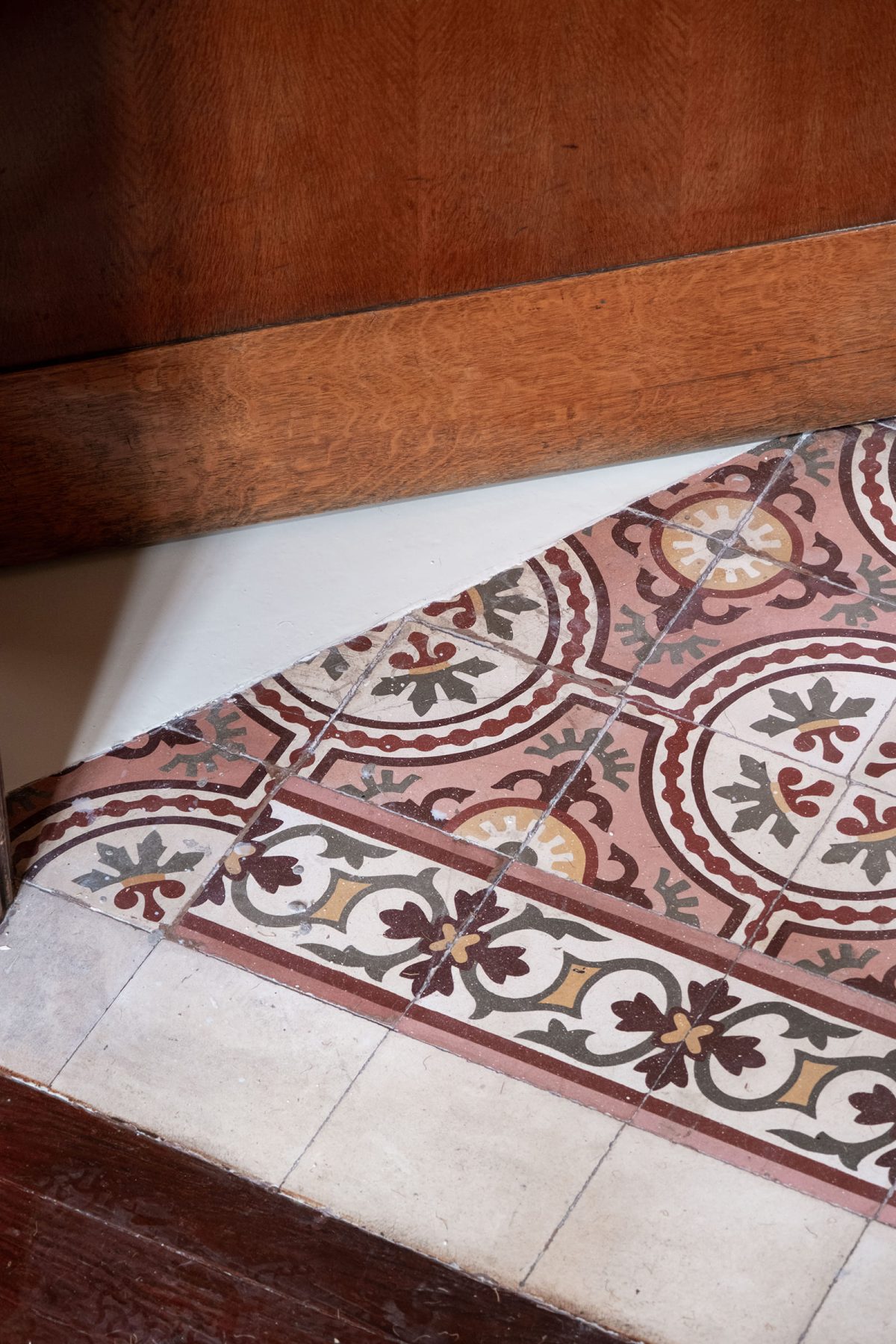
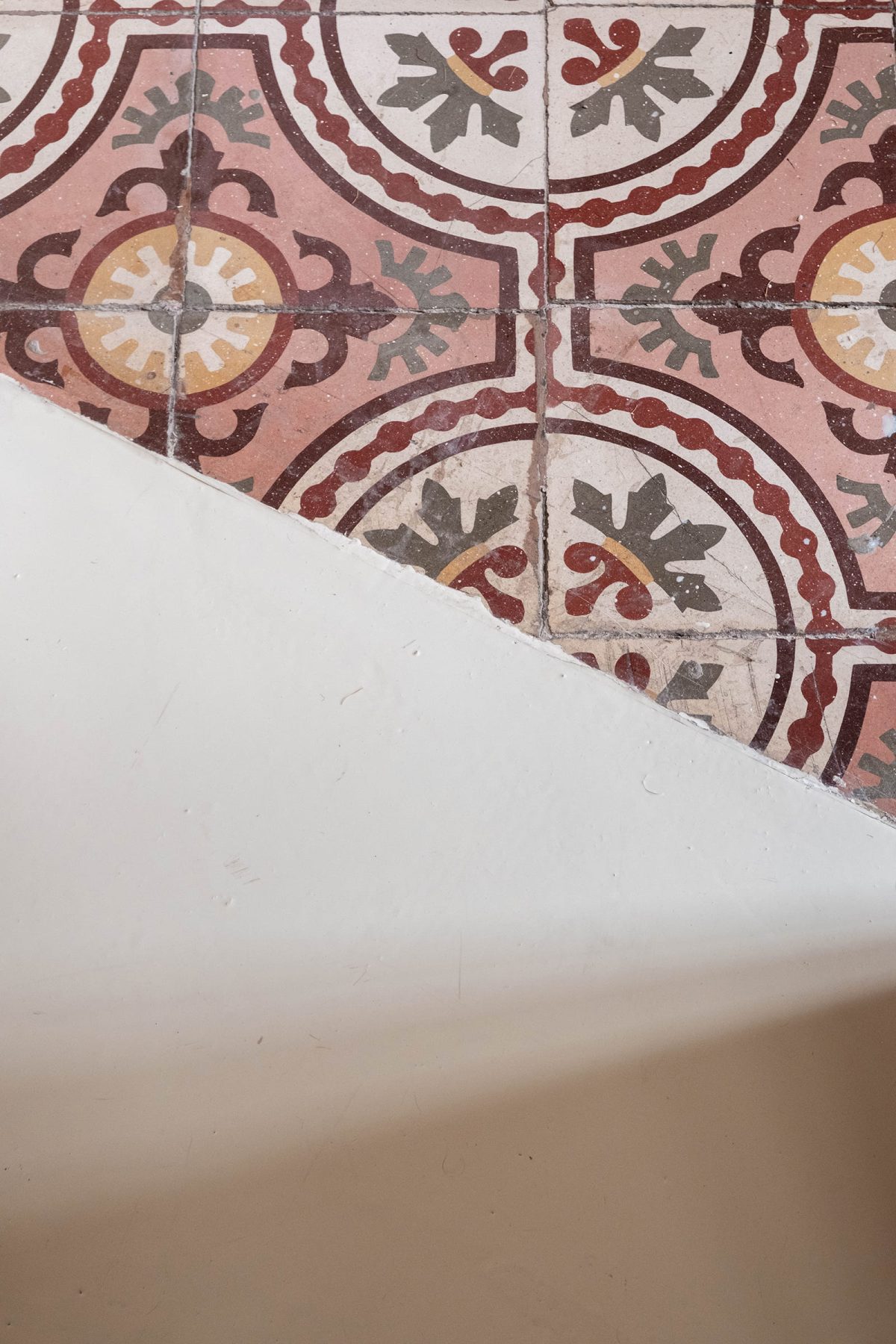
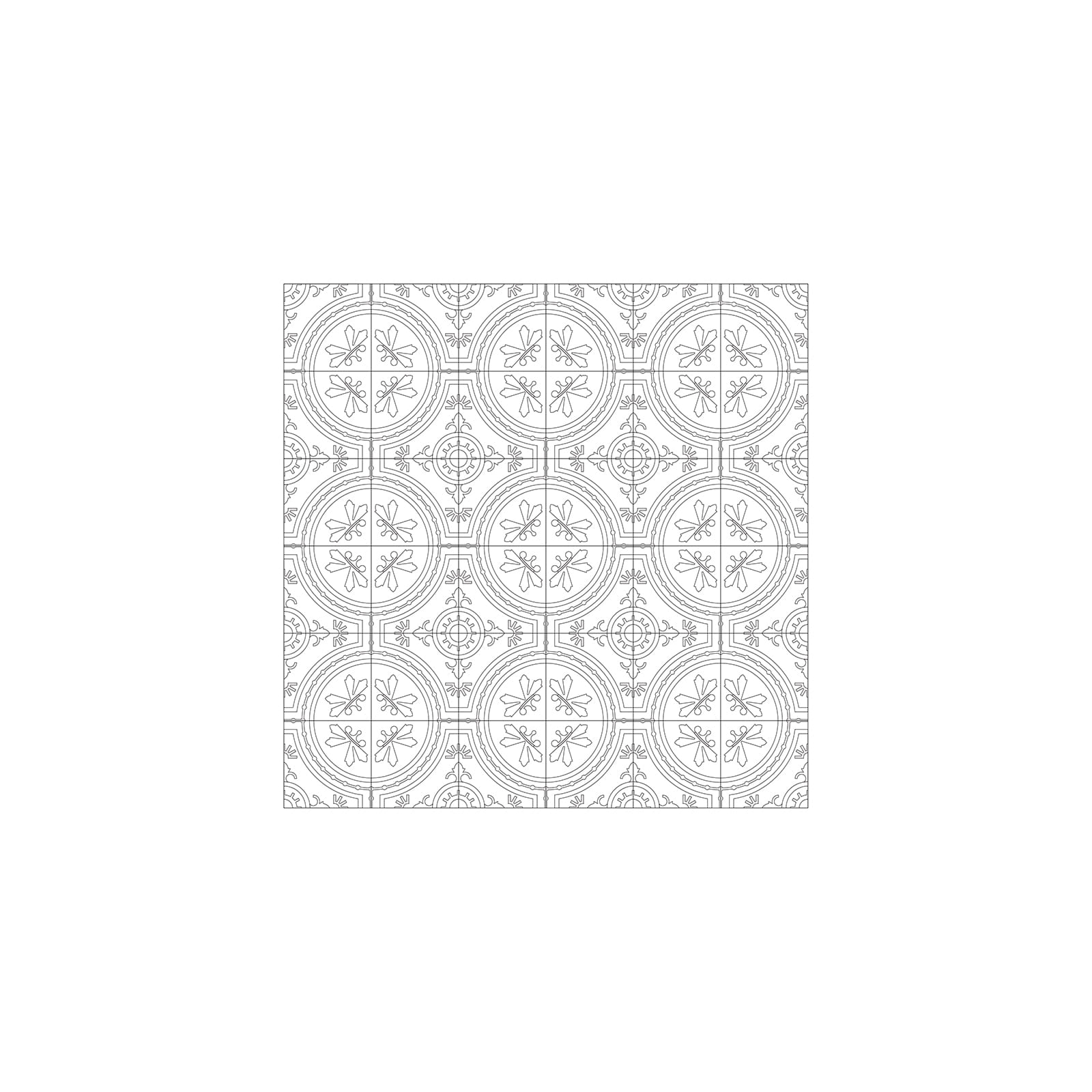
In 1993, the apartment underwent a small renovation where the original floor tiles were removed from the hallway, the kitchen, and the bathroom, were replaced by a large, disproportioned white ceramic tile that disrupted the historical cohesion. Traces of the authentic tiling can still be seen outside the main entrance, on the shared landing between this apartment and the neighbor’s.
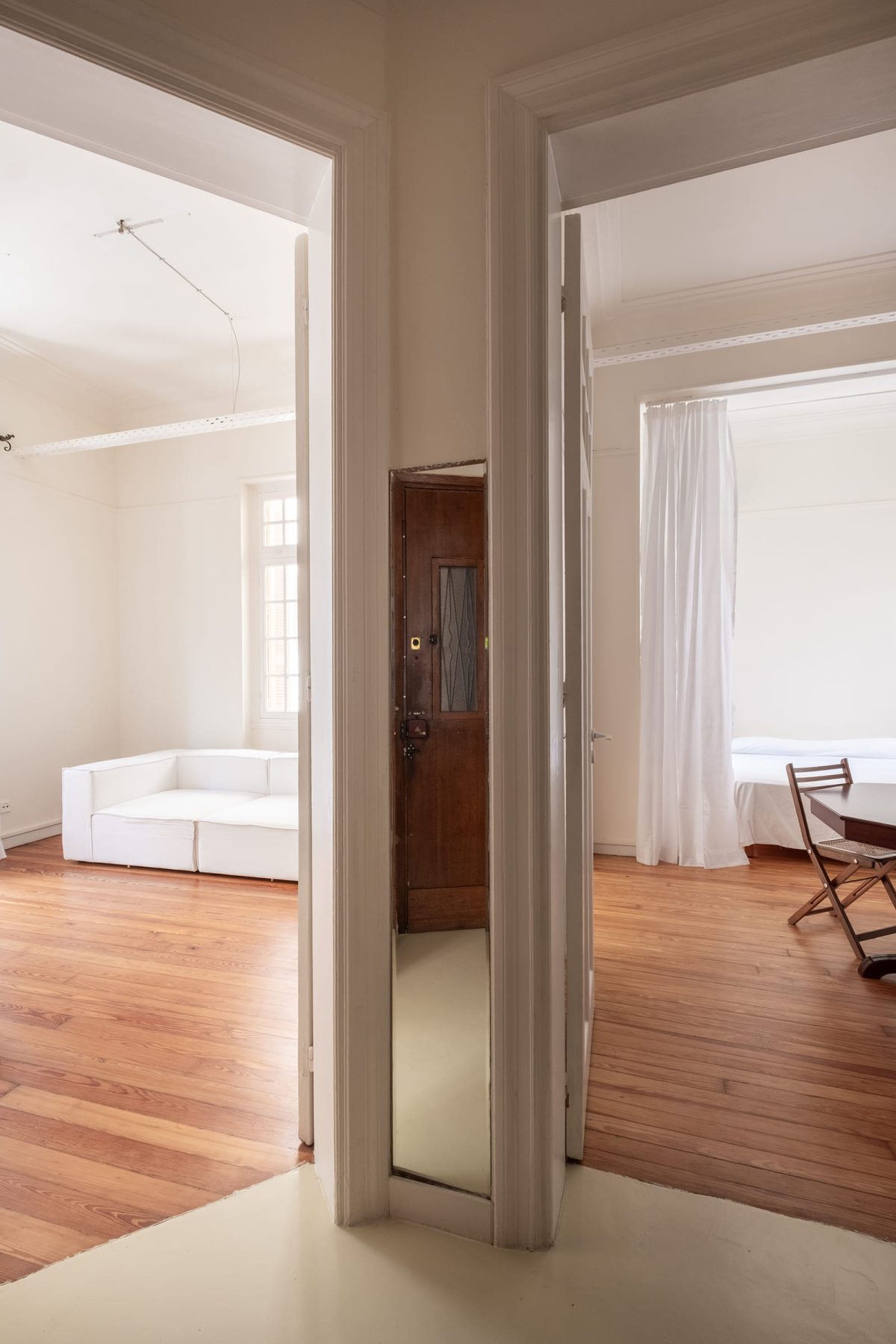
Consequently, the floor was removed and replaced by a more quiet, contemporary, and warm epoxy flooring surface, establishing a conceptual dialogue between the historical elements and the new architectural framework.
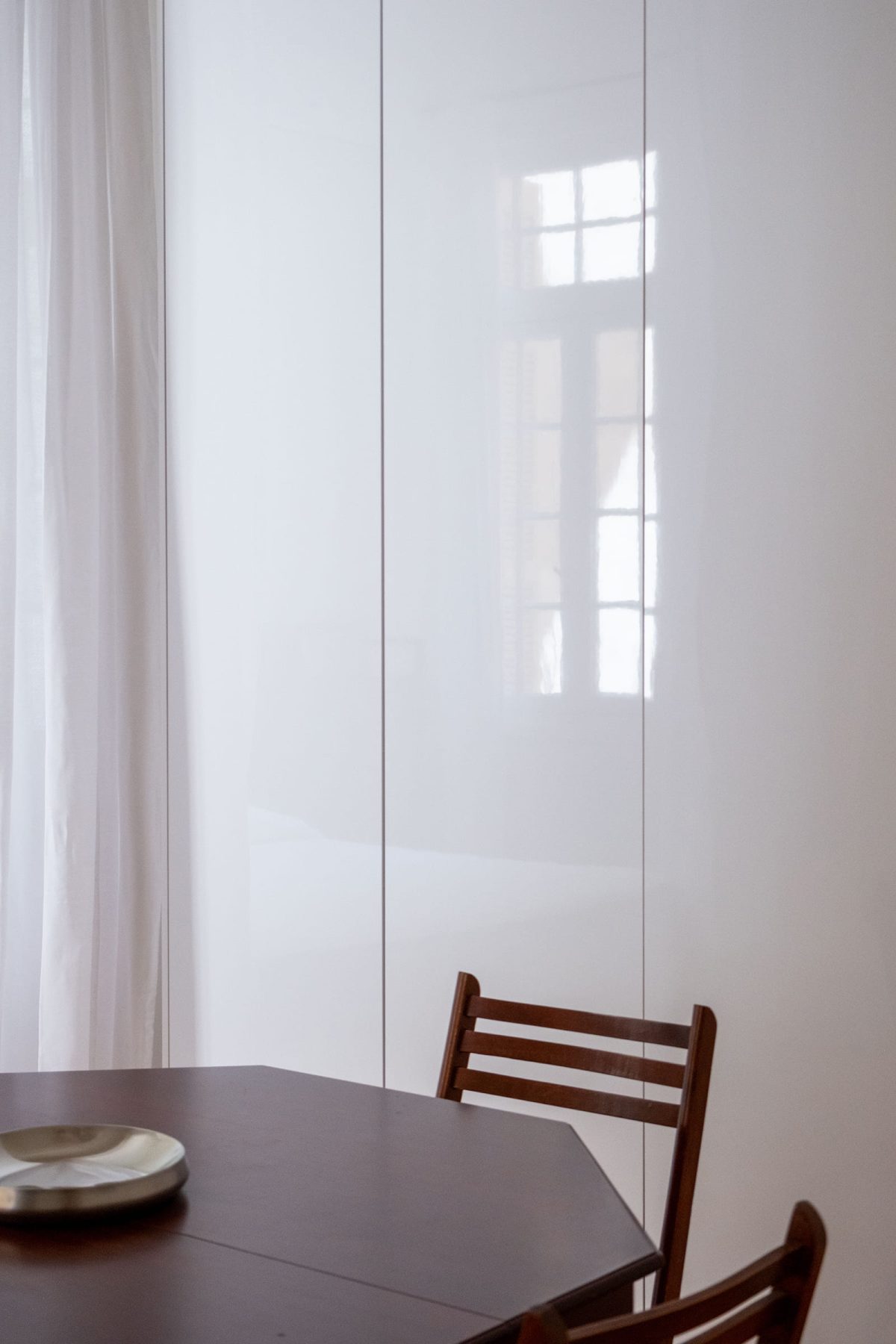
The palette was completed with Styra marble on the kitchen and bathroom surfaces, while the wardrobe and kitchen fronts were finished in high-gloss white to maximize the diffusion of light.
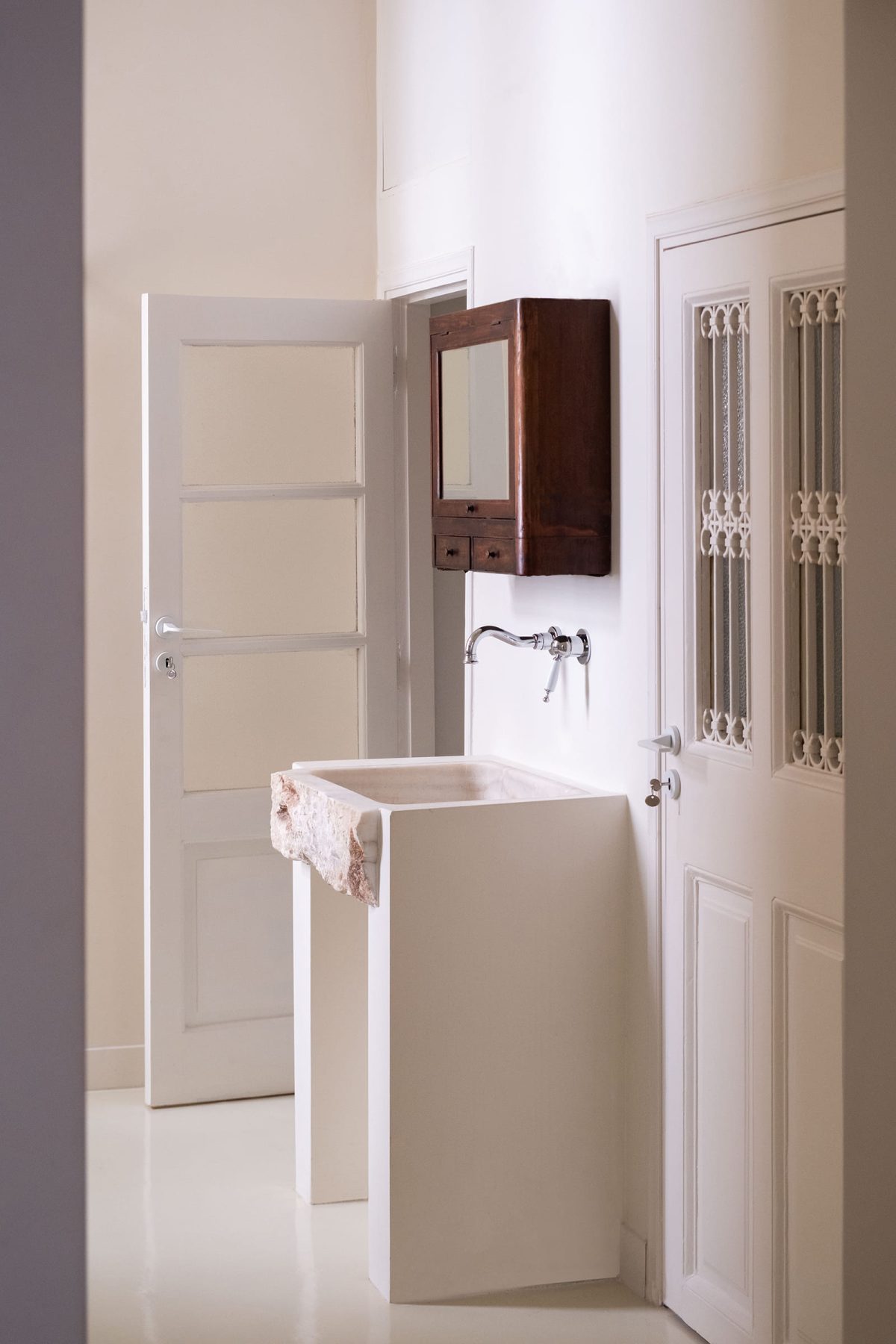
Despite working around a tighter bathroom layout, an old marble sink was consciously positioned right next to it, in the center of the kitchen area.
This acts as both a sculptural gesture and a functional manifestation of the traditional domestic gourna—the standalone monolithic washbasin traditionally placed outside the bathroom for heavy household rituals and laundry.
In the future, a large round curtain is designed to be added around this washing zone, introducing a soft, private filter between the kitchen and the bathroom.
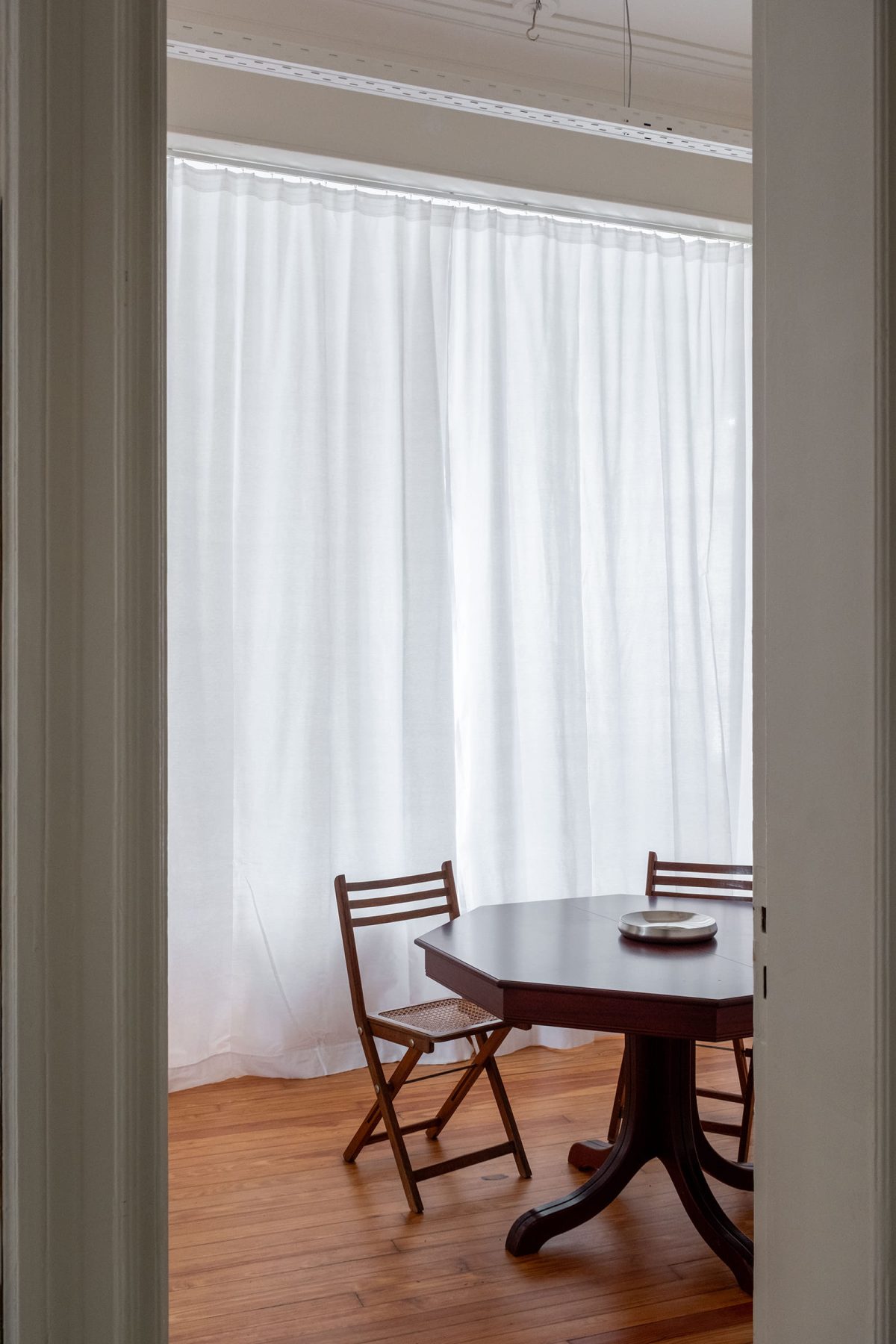
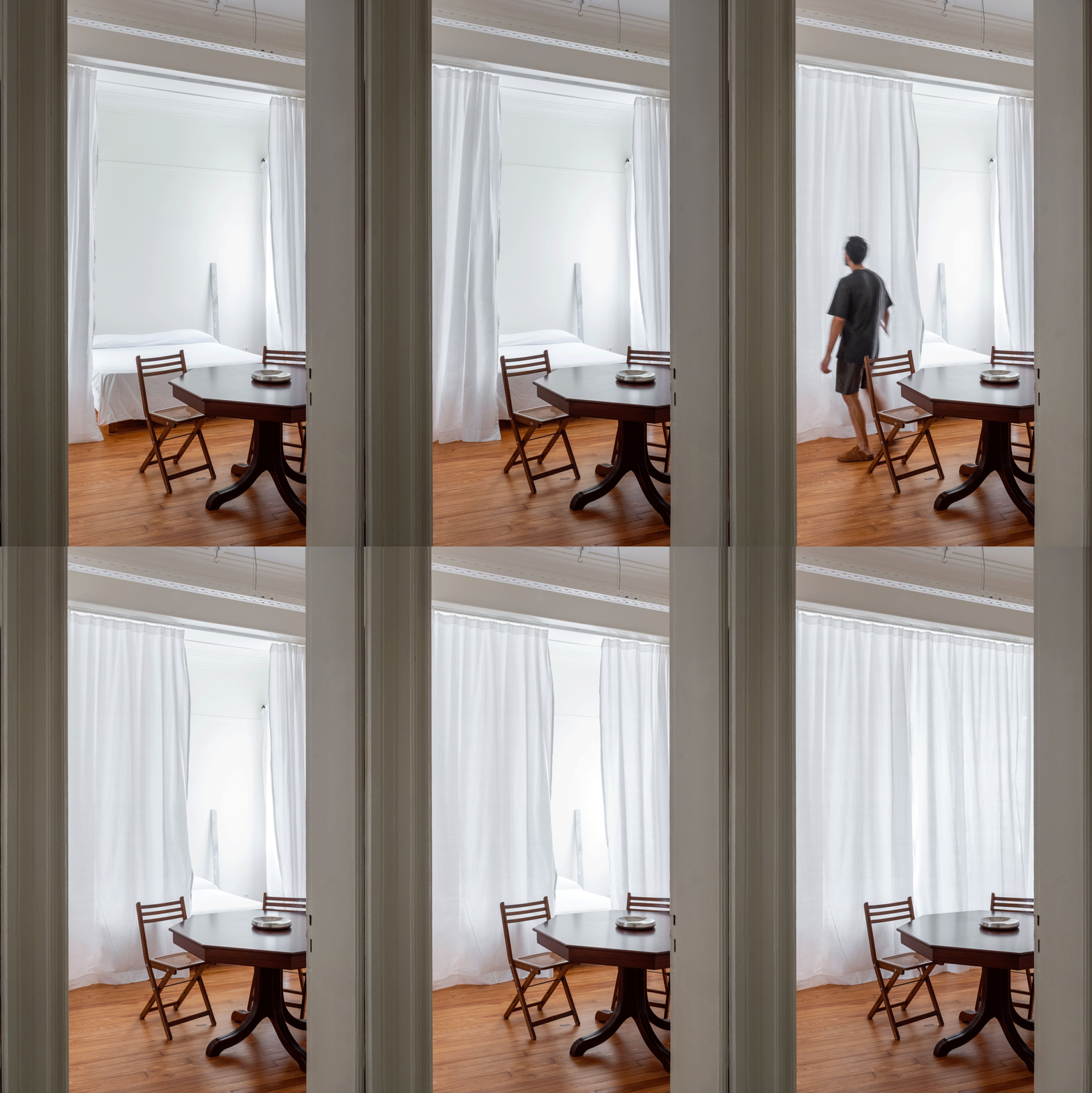
The apartment layout consists of two main, versatile spaces. The smaller room, previously a bedroom, now functions as the living area with access to the balcony. The larger room, originally the living room, has been repurposed into a dining area that also hosts the sleeping zone. This sleeping area is integrated into a smaller sub-space defined by a structural ceiling beam between two large windows.
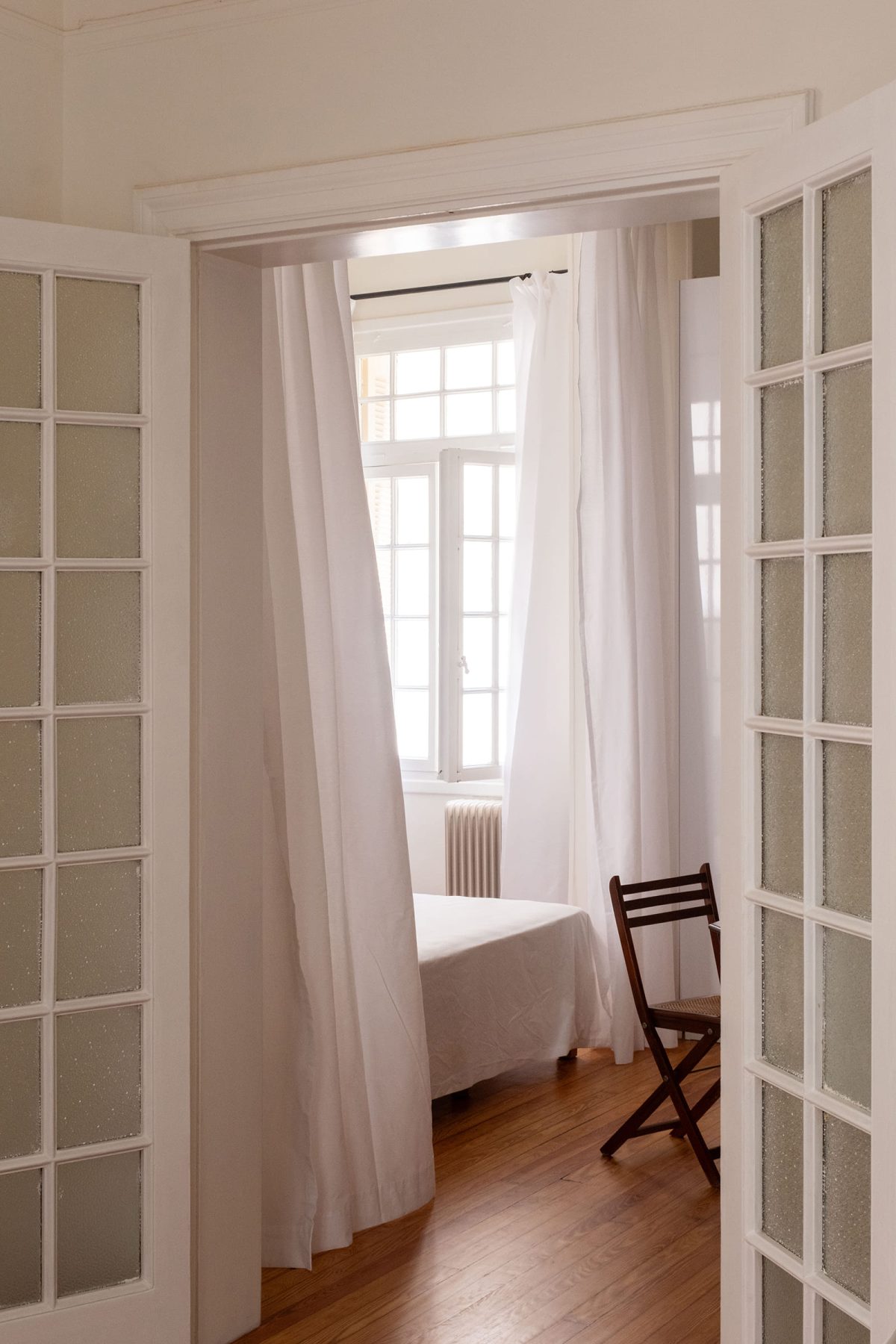
To avoid solid structures that would darken the interior, a large fabric curtain was introduced, allowing the bedroom to open up completely to the light or close for privacy.
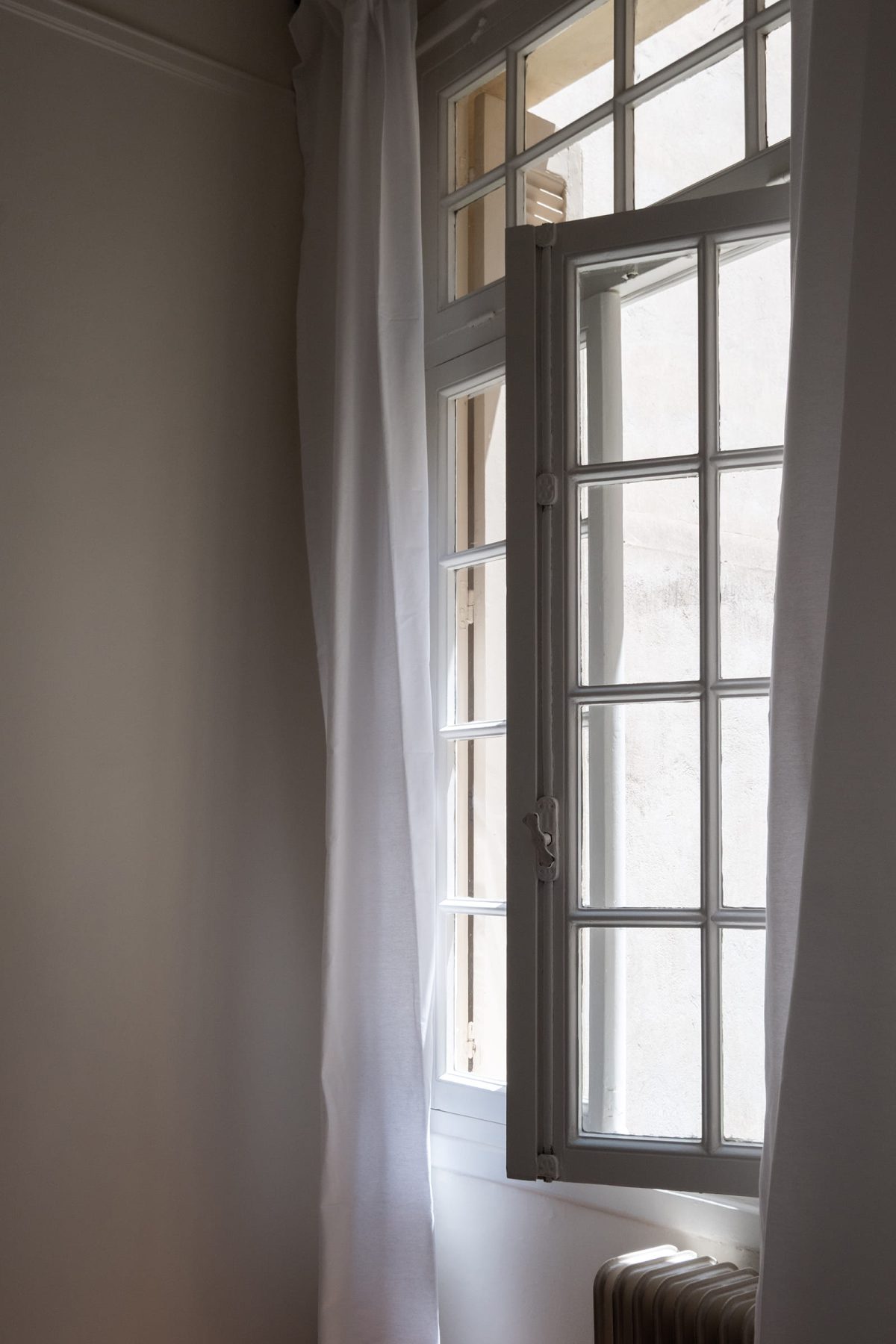
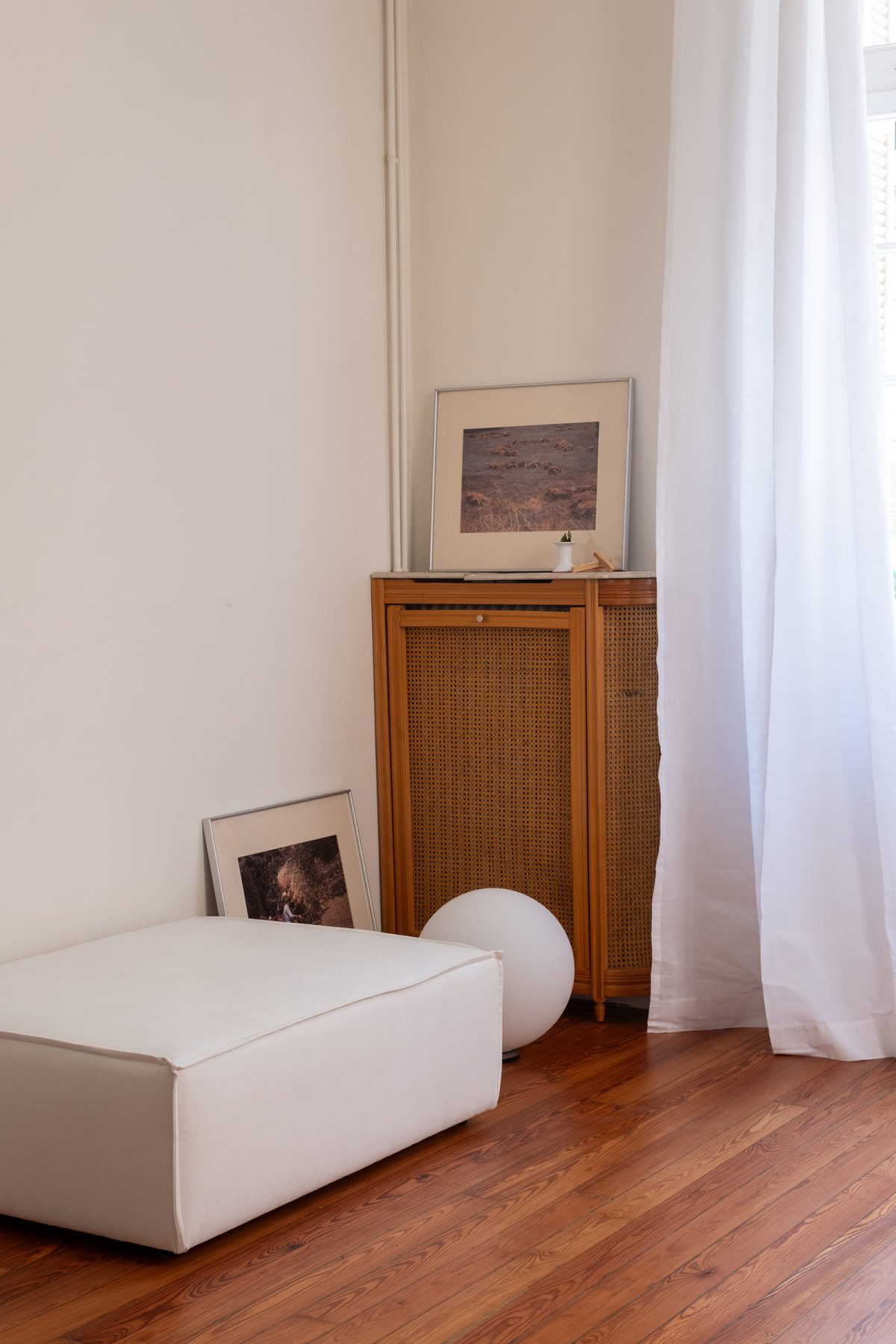
The off-white tones on the walls eliminate visual noise, turning the apartment into a clean backdrop.
Finally, lighting was resolved using white industrial cable trays, adding contemporary functionality to the historical shell, while the future integration of traditional lighting elements will further enhance the dialogue between eras.
Drawings
Facts & Credits
Title Ierosolimon Apartment
Typology Interior, Apartment
Location Athens, Greece
Area 60 m2
Status Completed, 2026
Architecture Grigorios V. Petropoulos (Atelier Beta)
Photography Nikos Kouklakis (Studio Nikos Kouklakis)
Text by the authors