Architecture for Culture examines spaces as active cultural agents where memory, identity, and collective experience intersect. From institutions to informal settings, the series highlights how design shapes environments that sustain dialogue, creativity, and shared cultural expression.
In Lisbon’s Beato district, Miguel Marcelino transforms a former 19th-century building into Casa Capitão, a cultural venue dedicated to music, gastronomy, art, and critical discourse. Defined by an exposed concrete crown, a hidden courtyard terrace, and a sequence of open-air passages, the project assigns distinct chromatic identities to its spaces, using colour as a spatial guide inspired by Baroque architecture while establishing a dialogue between heritage and contemporary cultural life.
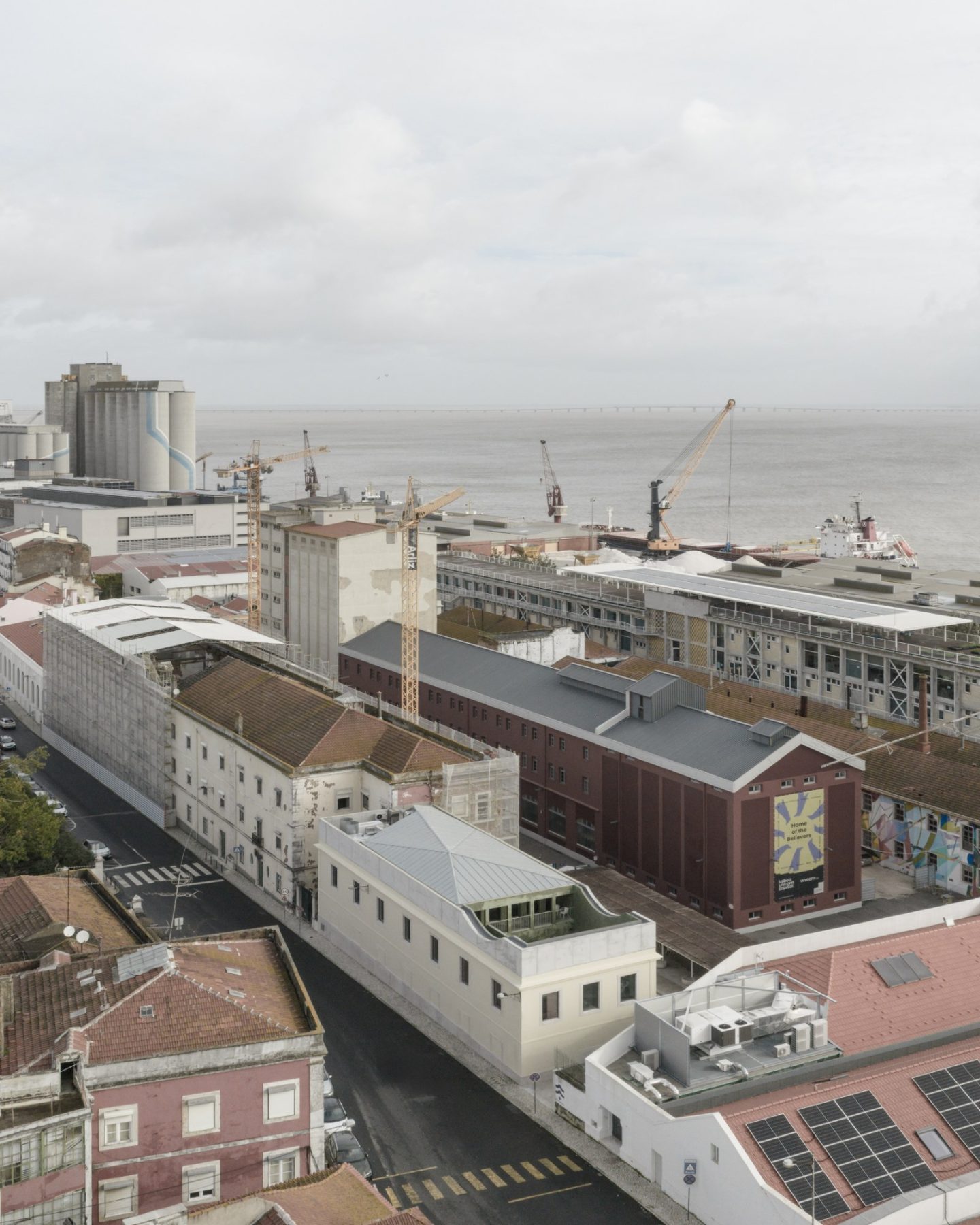
Conceived as a place of encounter and exchange, the project transforms a modest late-19th-century building into a contemporary cultural destination that preserves and reinforces the building’s relationship with the surrounding urban fabric.
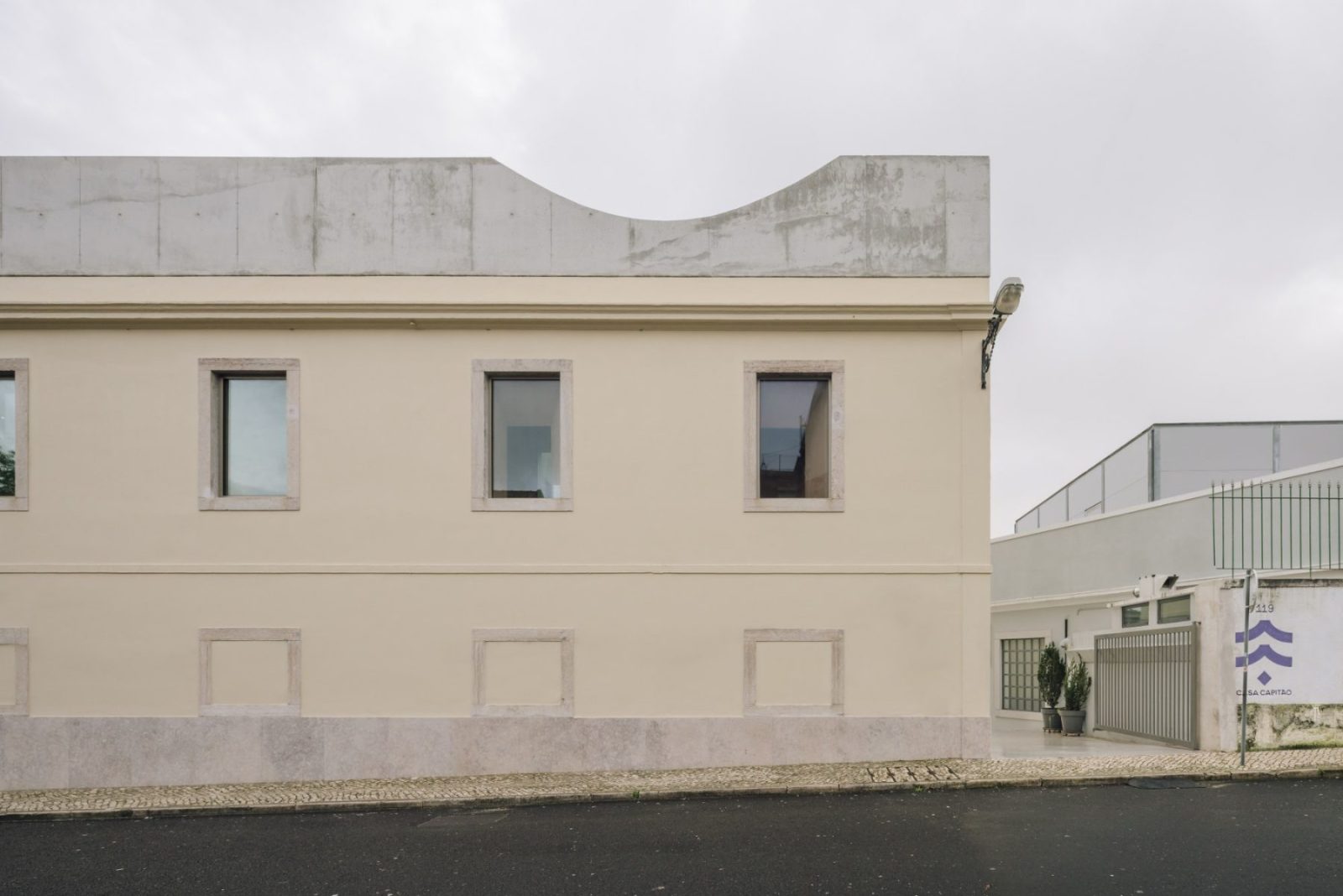
The intervention is defined by the addition of a striking exposed concrete crown that rises above the existing structure. Distinct from the original architecture yet carefully integrated into it, this new architectural element signals the building’s renewed public role and gives physical expression to its diverse cultural programme.
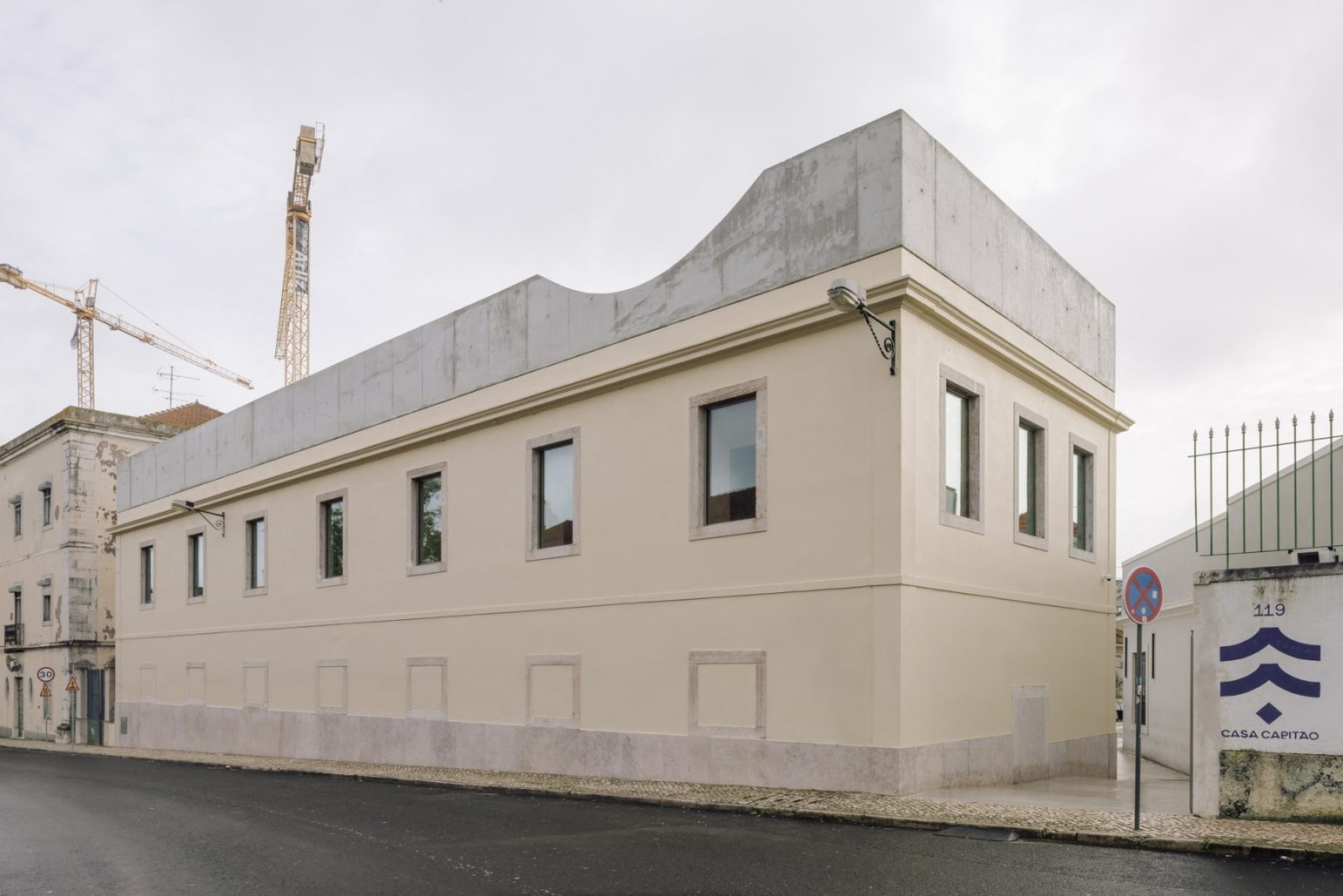
The juxtaposition between the historic envelope and the contemporary addition establishes a clear dialogue between past and present, turning the building itself into a visible marker within the evolving landscape of Beato.
Casa Capitão unfolds gradually. From the street, the interior remains concealed, encouraging visitors to move through a narrow side passage before arriving at a hidden terrace positioned at the rear of the site.
This open-air space functions as the project’s spatial and social heart.
It reconnects the city with the interior of the complex, creating an unexpected threshold between the public realm and the cultural activities hosted within. The organisation of the programme further reinforces the building’s experiential character.
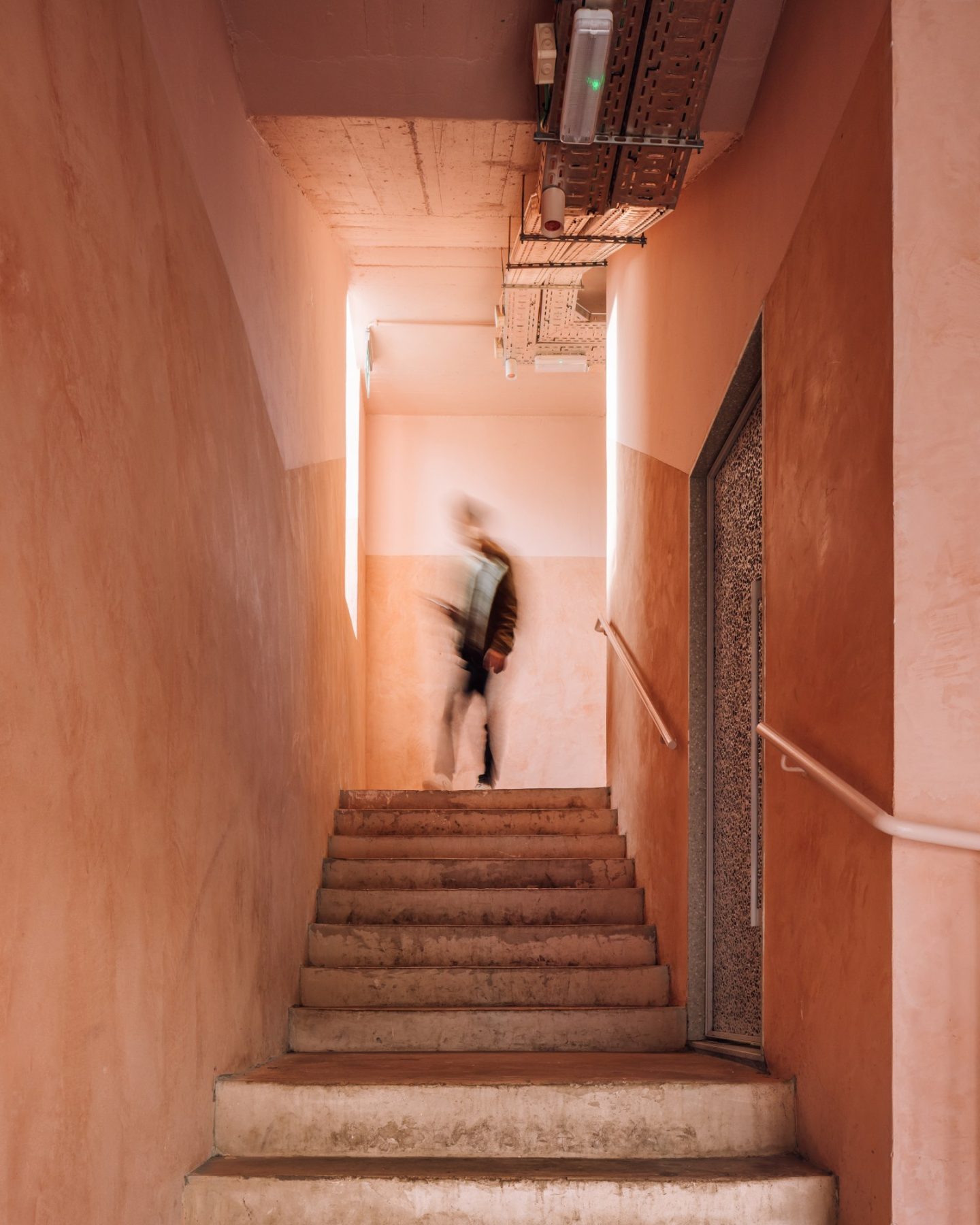
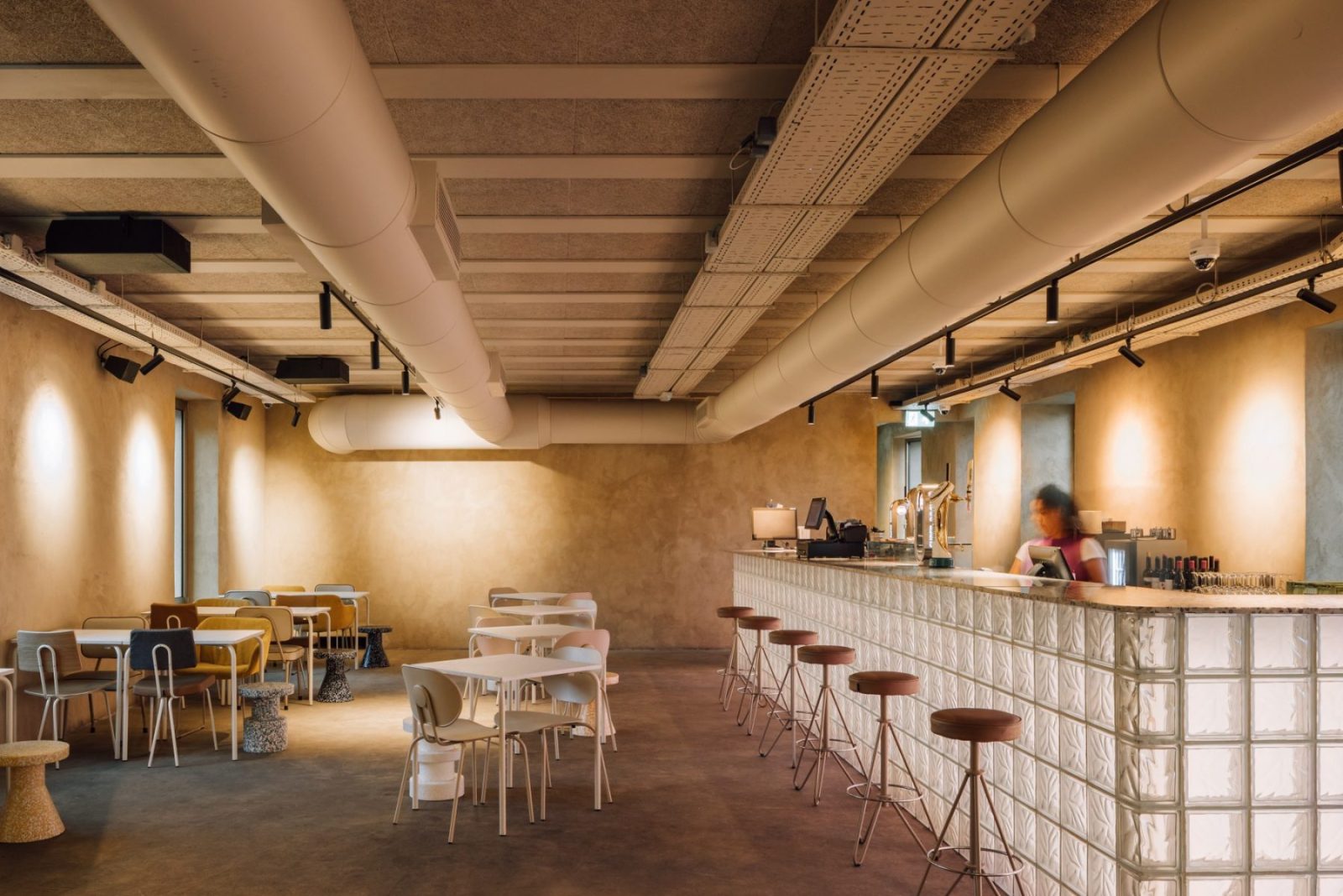
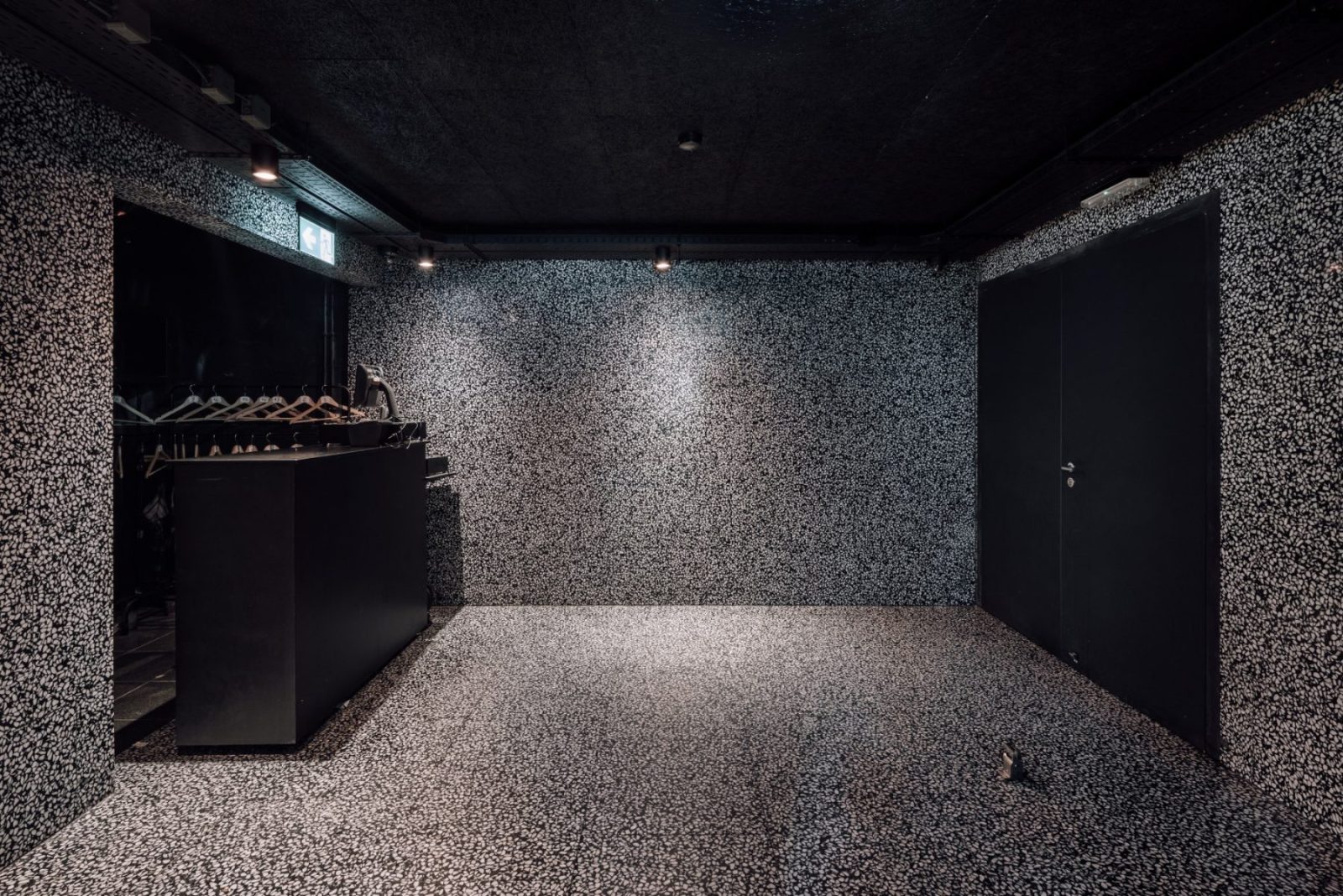
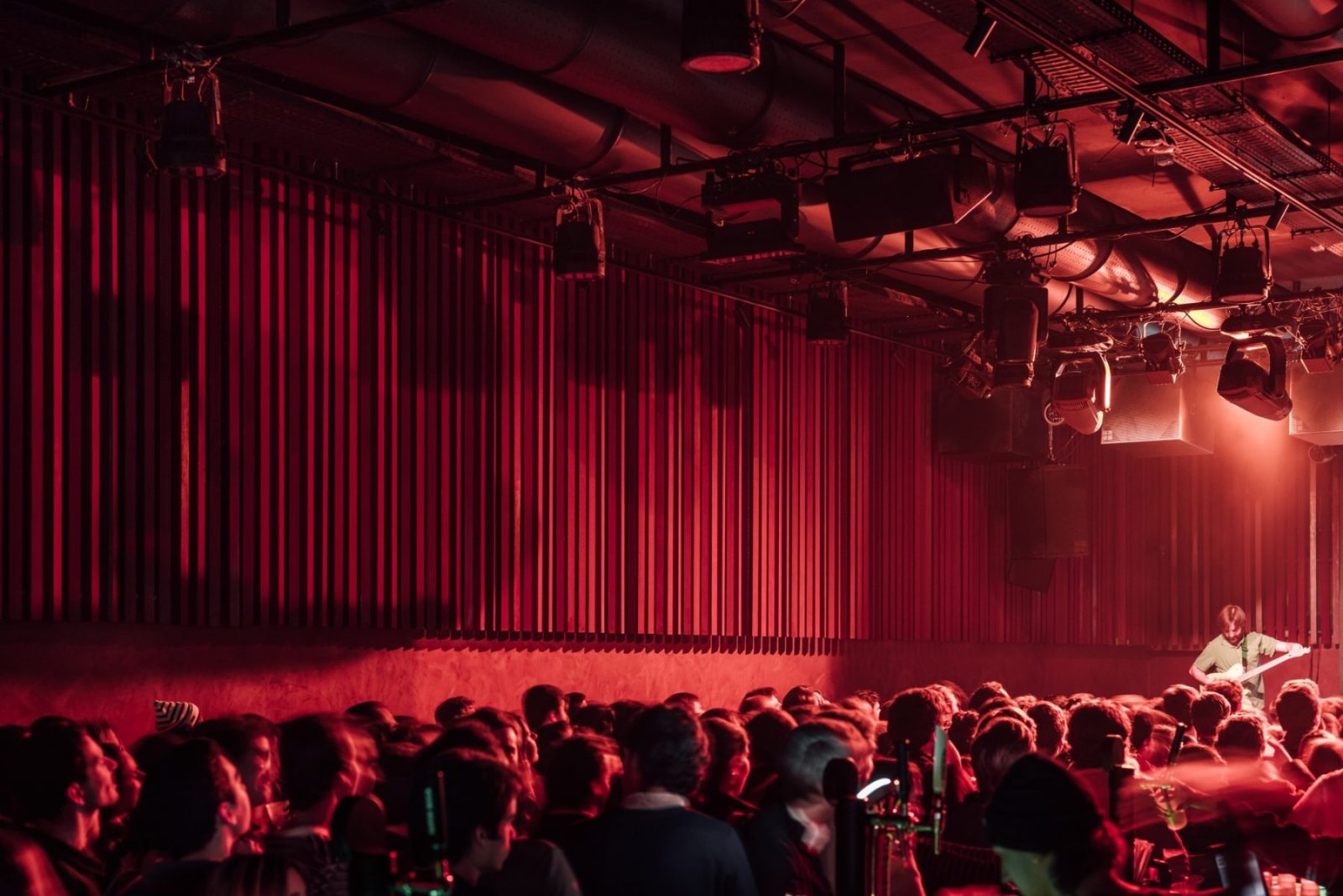
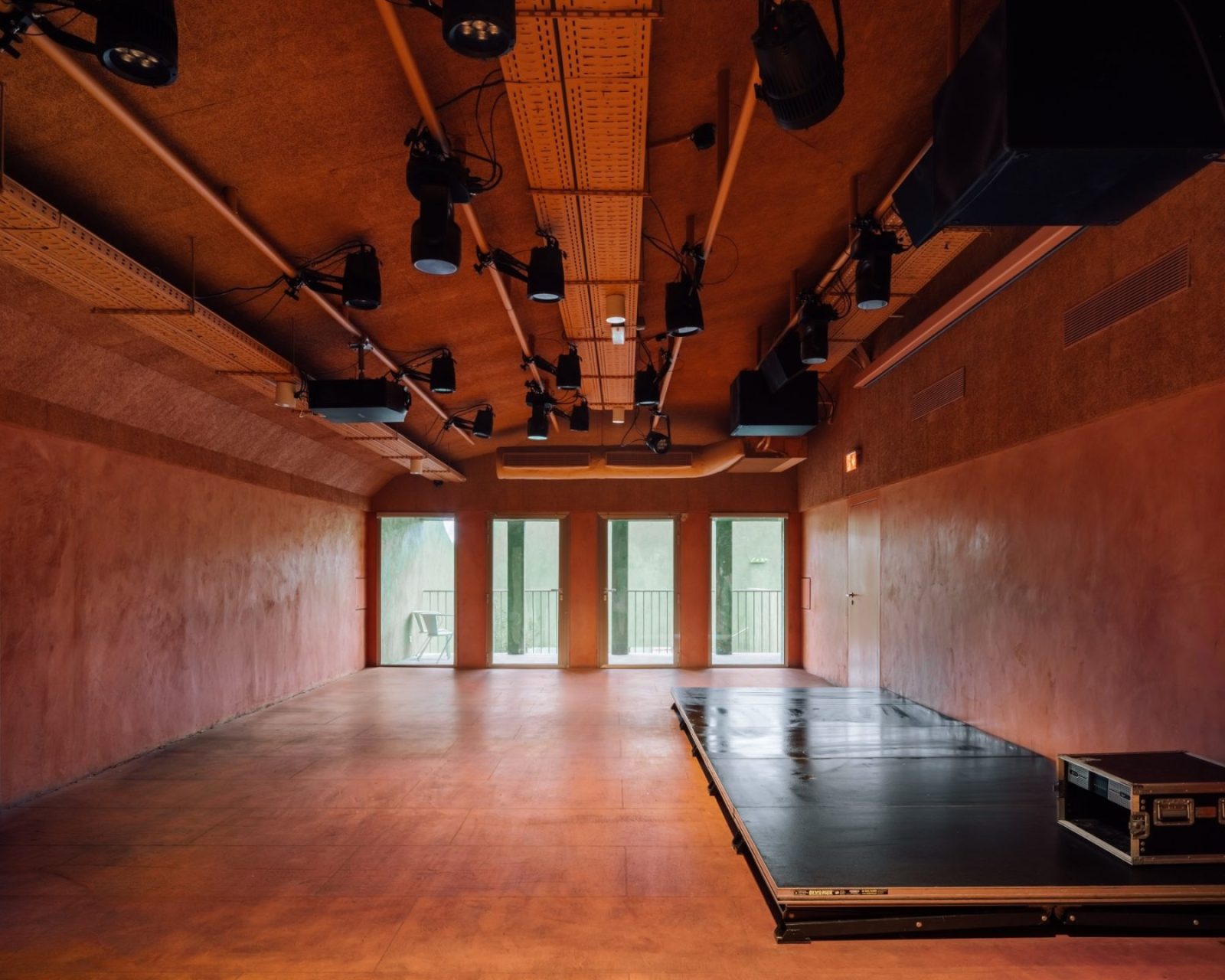
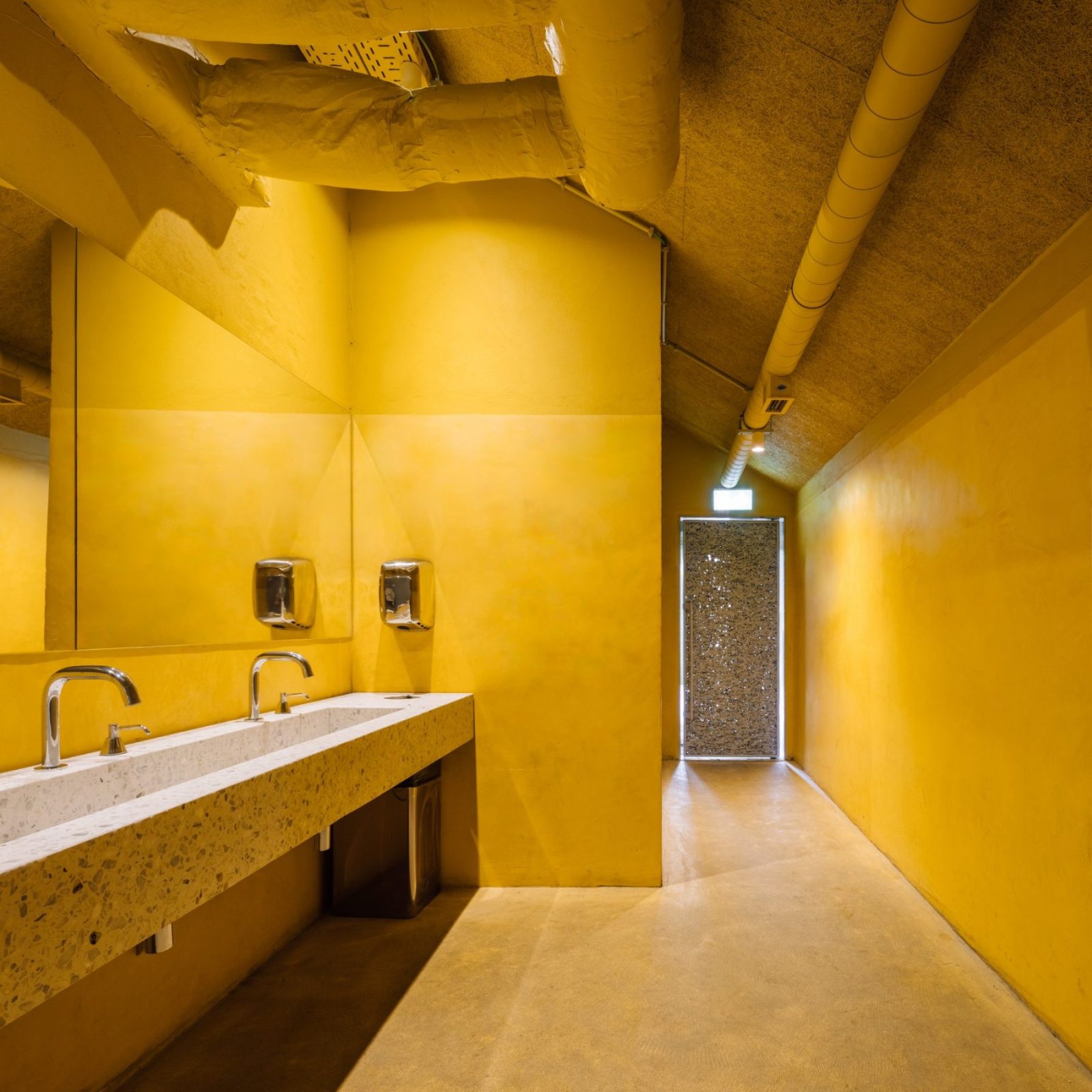
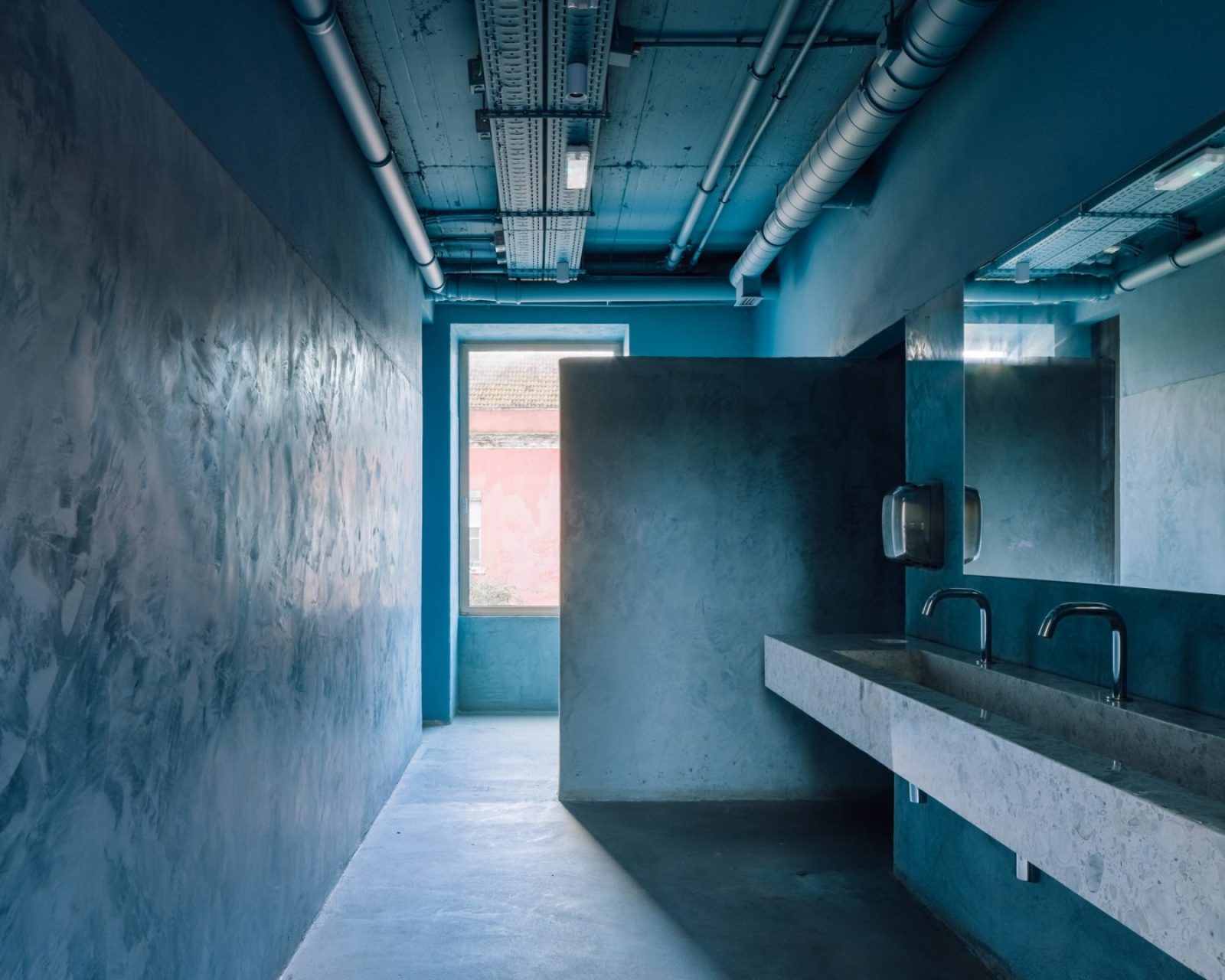
A concert hall on the ground floor, a bar-restaurant opening onto the courtyard, a more intimate room within the attic, and even the ancillary spaces are each distinguished by their own chromatic identity.
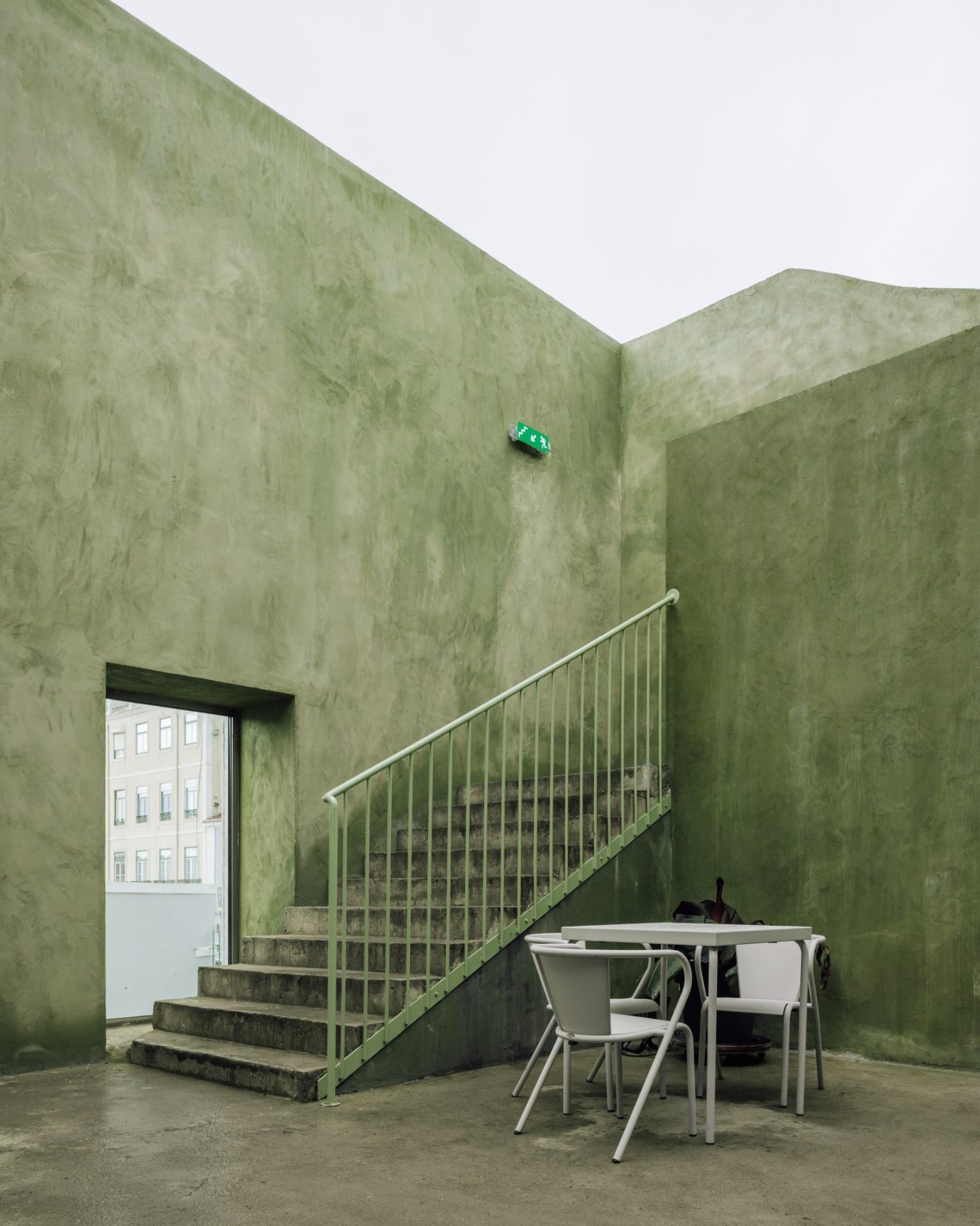
Inspired from Baroque architecture, colour becomes an orienting device that gives each space a unique atmosphere while contributing to the coherence of the overall experience.
Circulation is conceived as a sequence of discoveries.
In the absence of a singular entrance hall, movement unfolds through a carefully choreographed network of passages, courtyards, terraces, and staircases.
Circulation takes place in the open air, transforming transitions between programmes into moments of engagement with the building, the courtyard, and the city beyond.
Through its layered spatial sequence, distinct chromatic environments, and contemporary concrete intervention, Casa Capitão reinterprets a historic structure as an immersive cultural landscape. The project proposes architecture as a framework for encounter, where movement, atmosphere, and collective experience become central components of the design.
Facts & Credits
Project title: Casa Capitão
Location: Lisbon, Portugal
Architecture: Miguel Marcelino
Structural Engineering: A2P
MEP Engineering: Pensamento Sustentável
Fire Protection: ETU
Acoustics: Amplitude
Audiovisual Consultants: Blackfrog
Artistic Consultants: Joana + José
Date of Completion: 2025
General Contractor: Ergicon
Construction Supervision: Portico
Client Gonçalo Riscado + João Riscado
Photography: Lourenço T. Abreu