Laconicum by Lucas y Hernández–Gil on Piamonte Street in Madrid translates rituals of care into an immersive retail experience where sensory perception becomes central. Vertical light, Donald Judd-inspired repetition, and a carefully balanced interplay of deep green surfaces, orange accents, wood, metal, and marble in Kresta Design furniture establish a contemplative environment where cosmetics acquire an almost ceremonial presence.
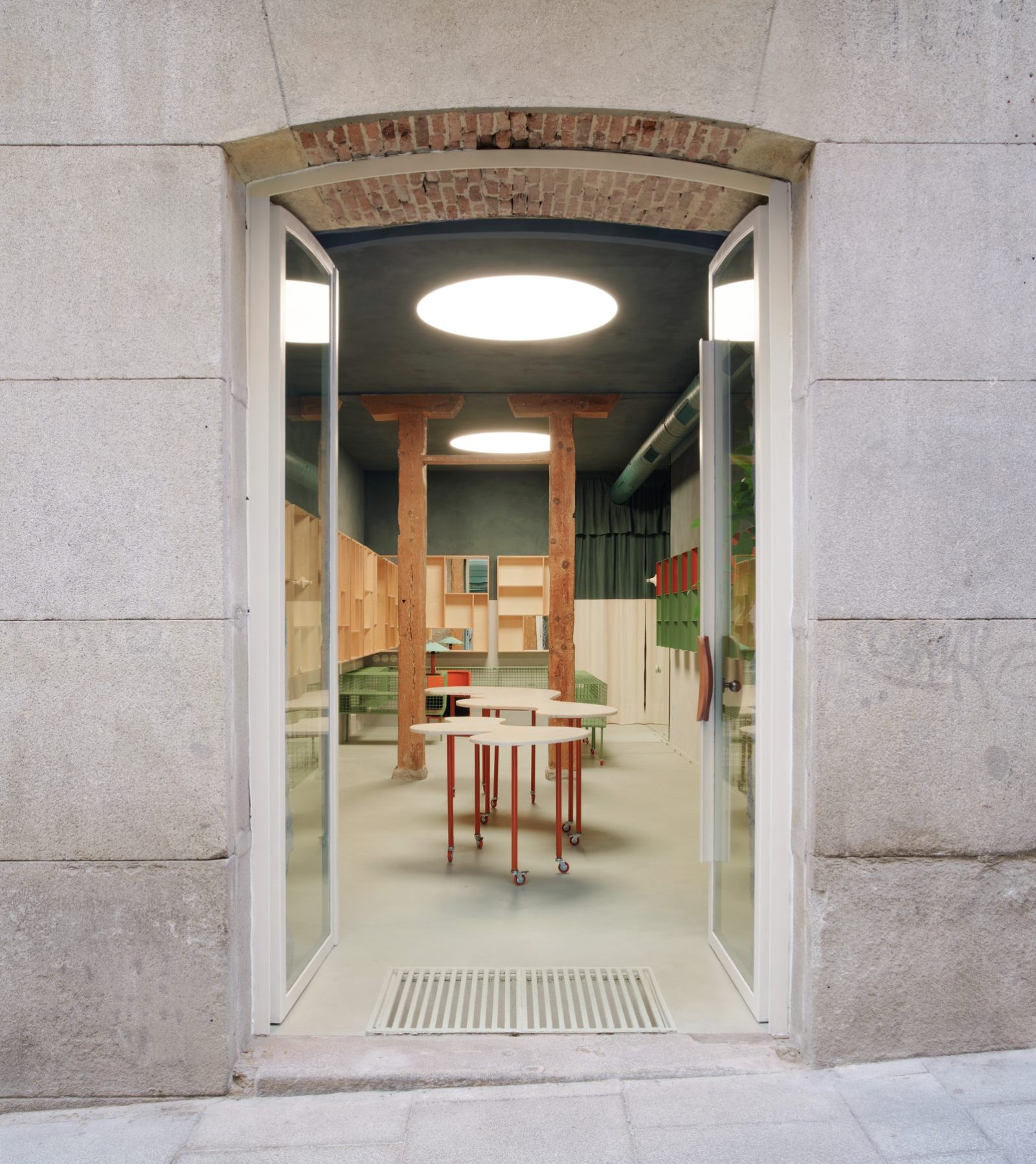
Laconicum inaugurates its first permanent physical space on Piamonte Street as an immersive retail environment dedicated to body care and sensory experience. Conceived as more than a conventional commercial setting, the project proposes a spatial interpretation of care as a cultural act—one associated not only with beauty and protection, but also with ritual, memory, and collective experience.
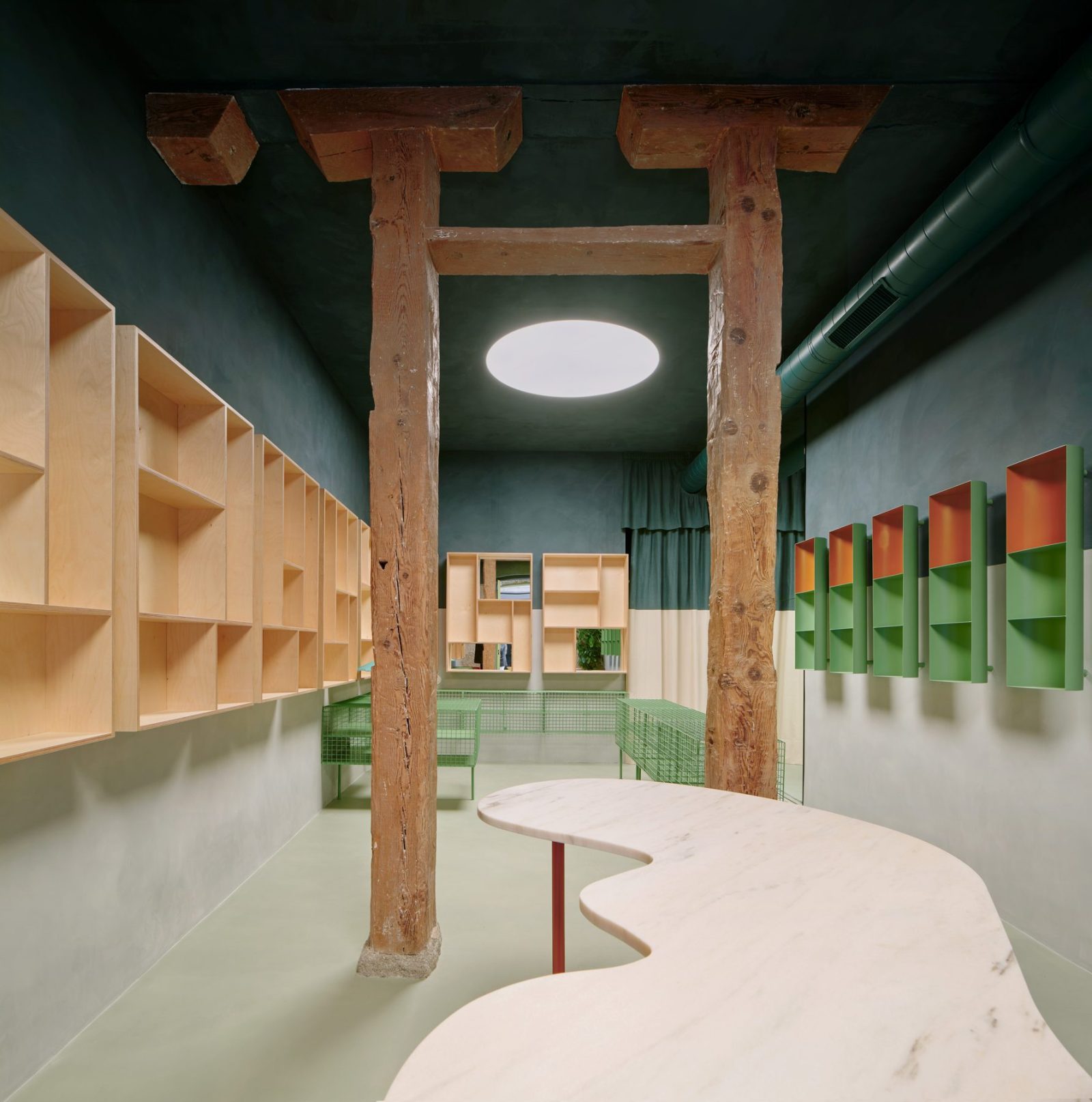
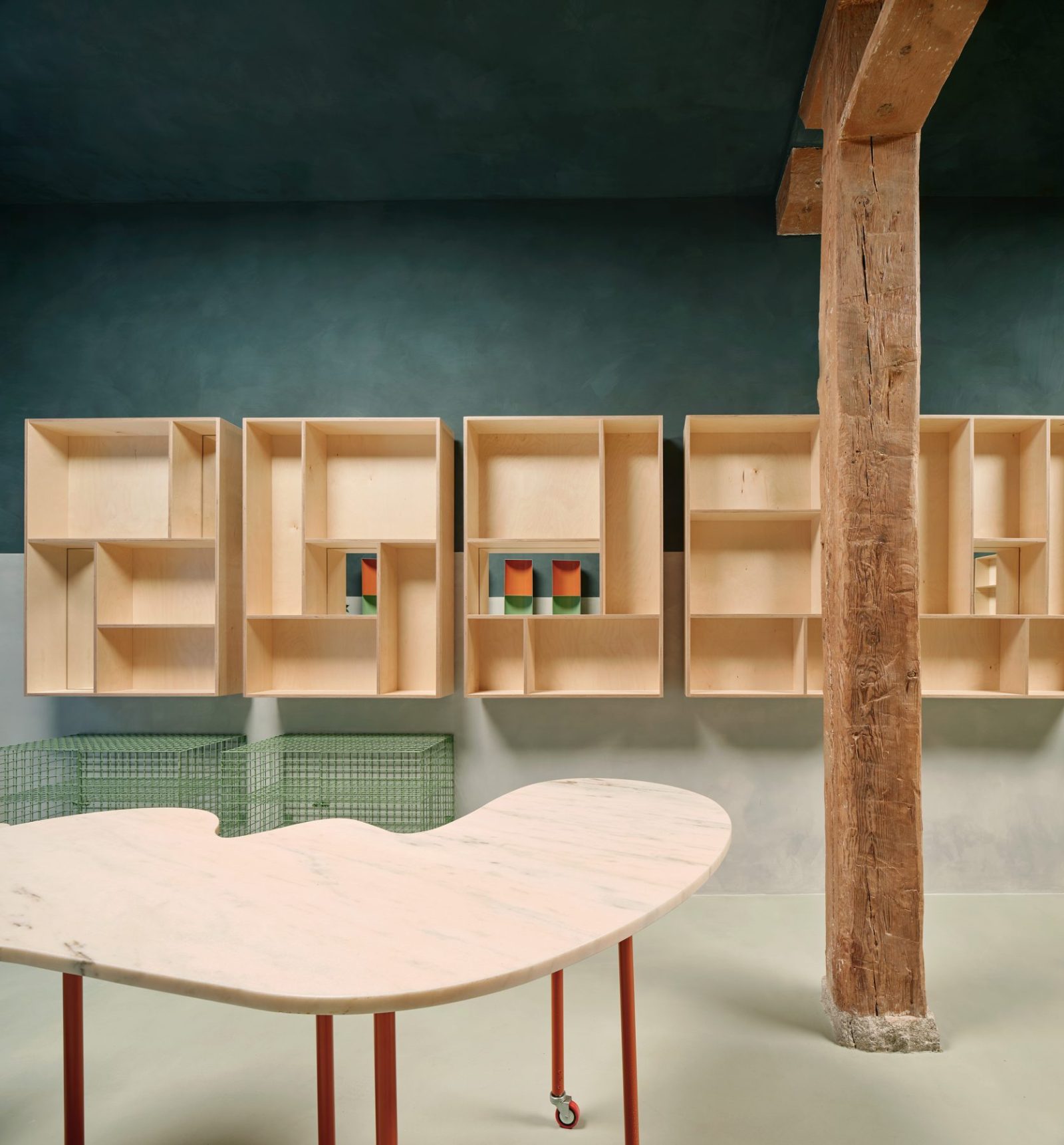
The conceptual framework of the project draws inspiration from the idea of care as a civilising gesture, tracing its origins to traditions embedded within the classical world.
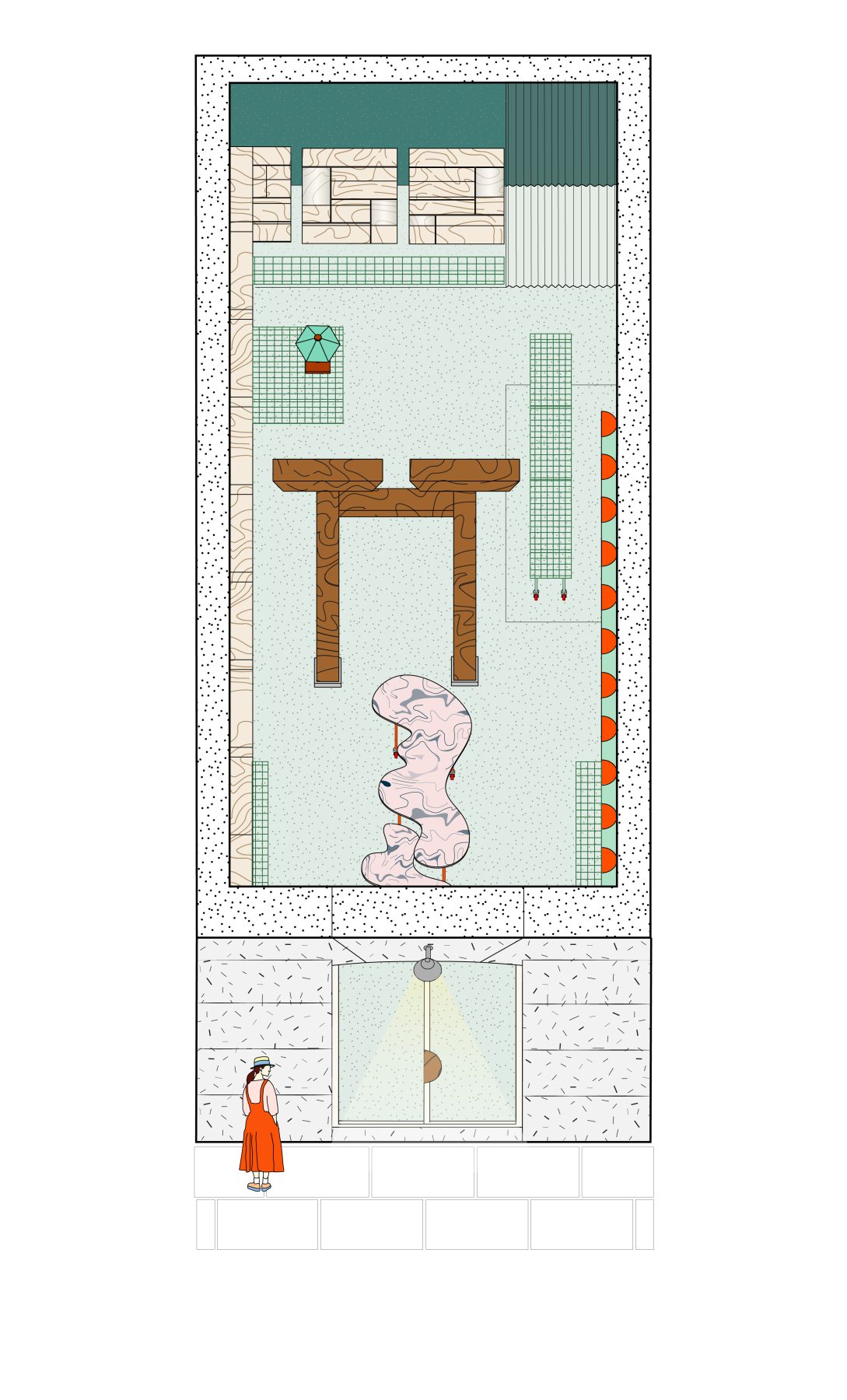
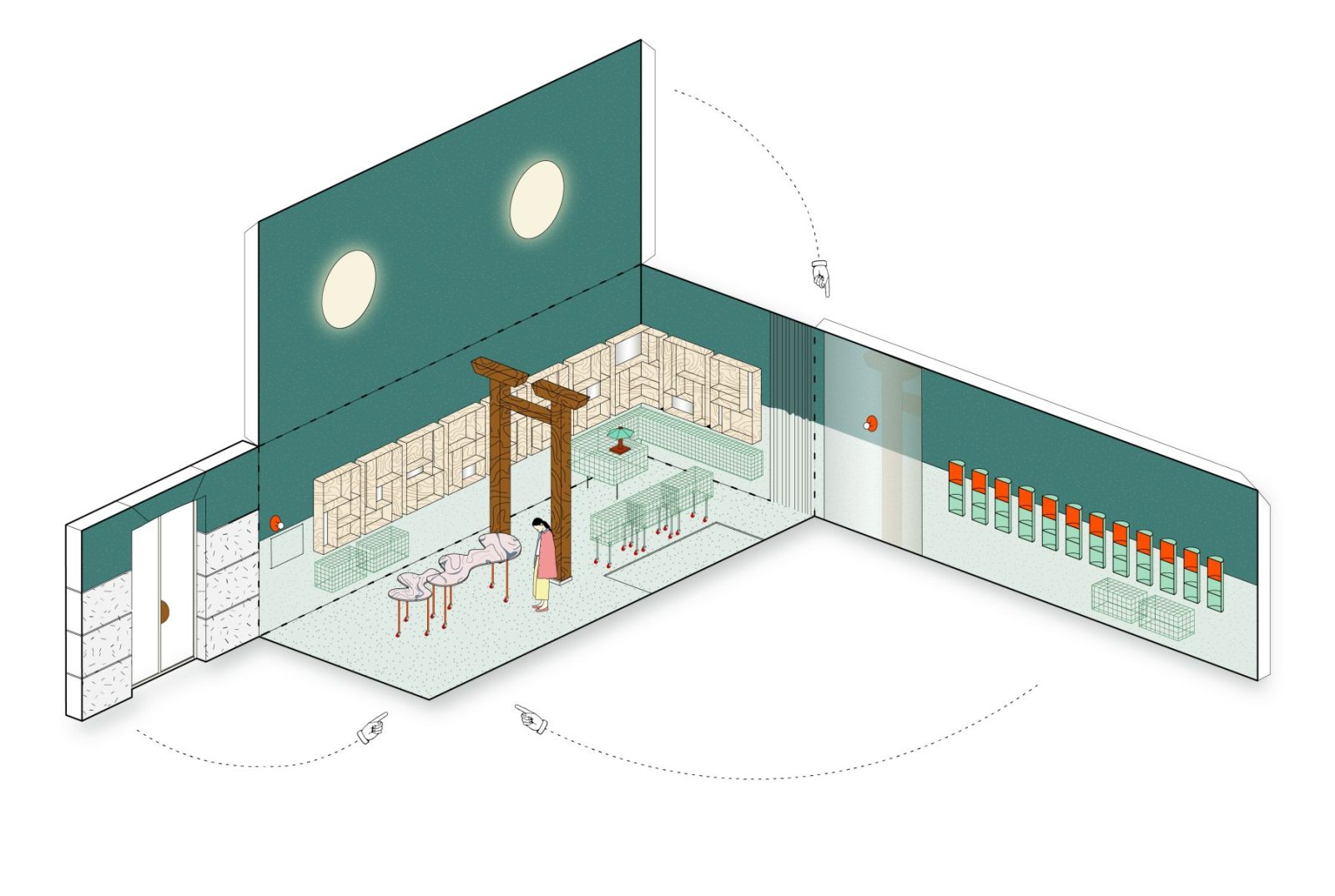
The space establishes references to ritualised environments associated with contemplation and bodily experience.The interior evokes the atmosphere of Roman thermal spaces, translated through a contemporary architectural lens where light, materiality, and spatial rhythm become the primary tools of expression.
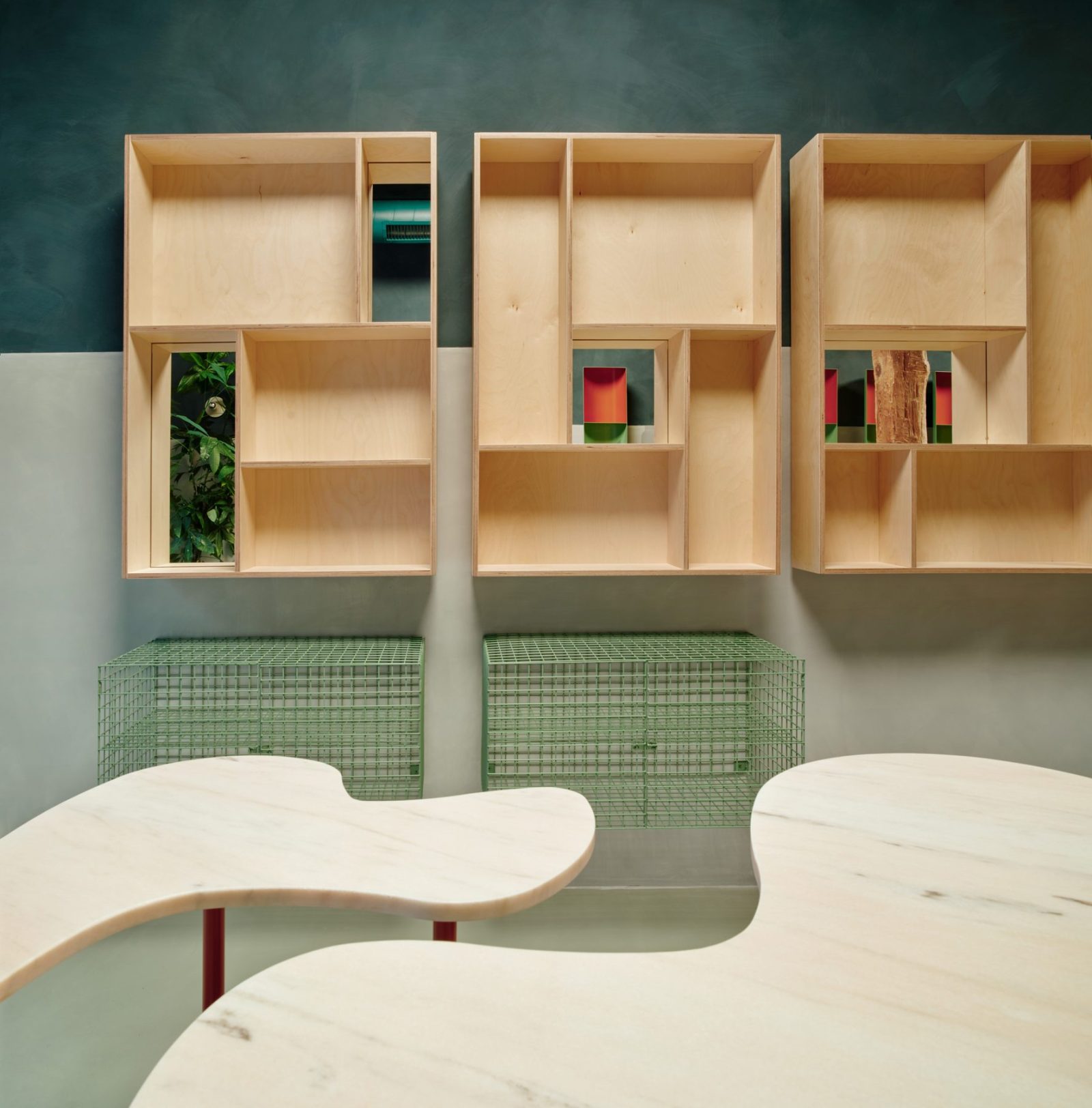
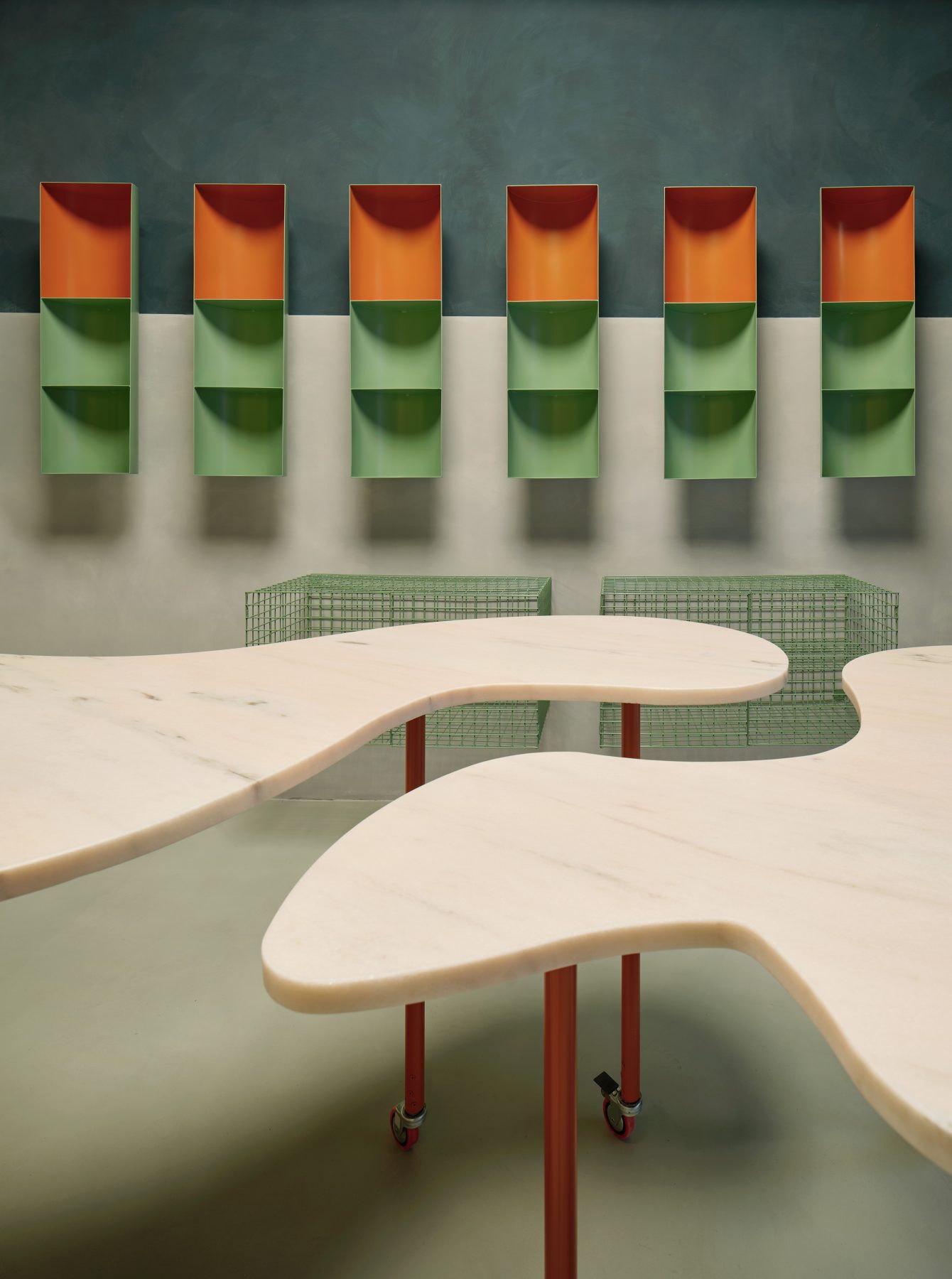
Vertical illumination descends from above, generating a dense and controlled environment that reinforces the introspective character of the space and creates an experience of gradual sensory immersion.
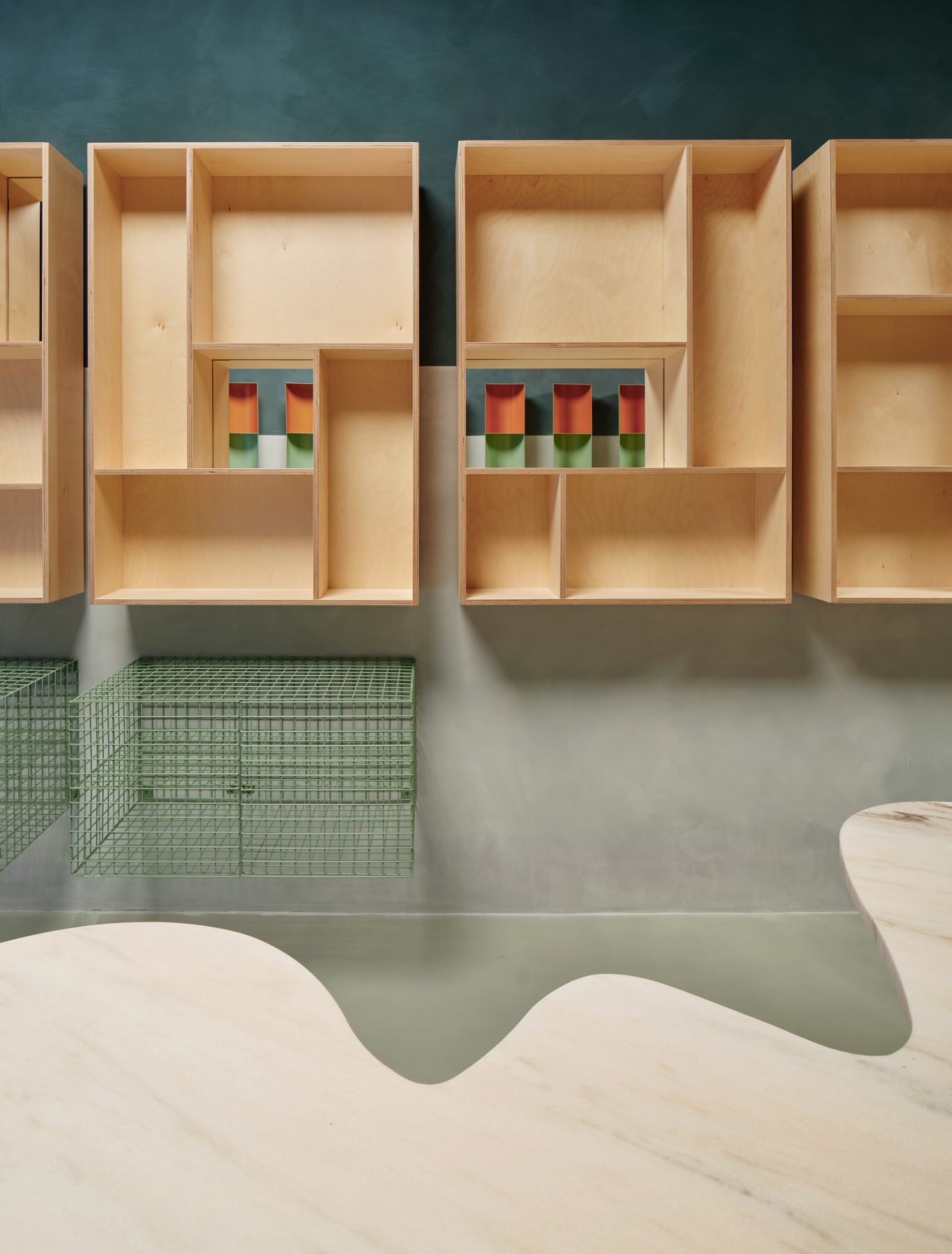
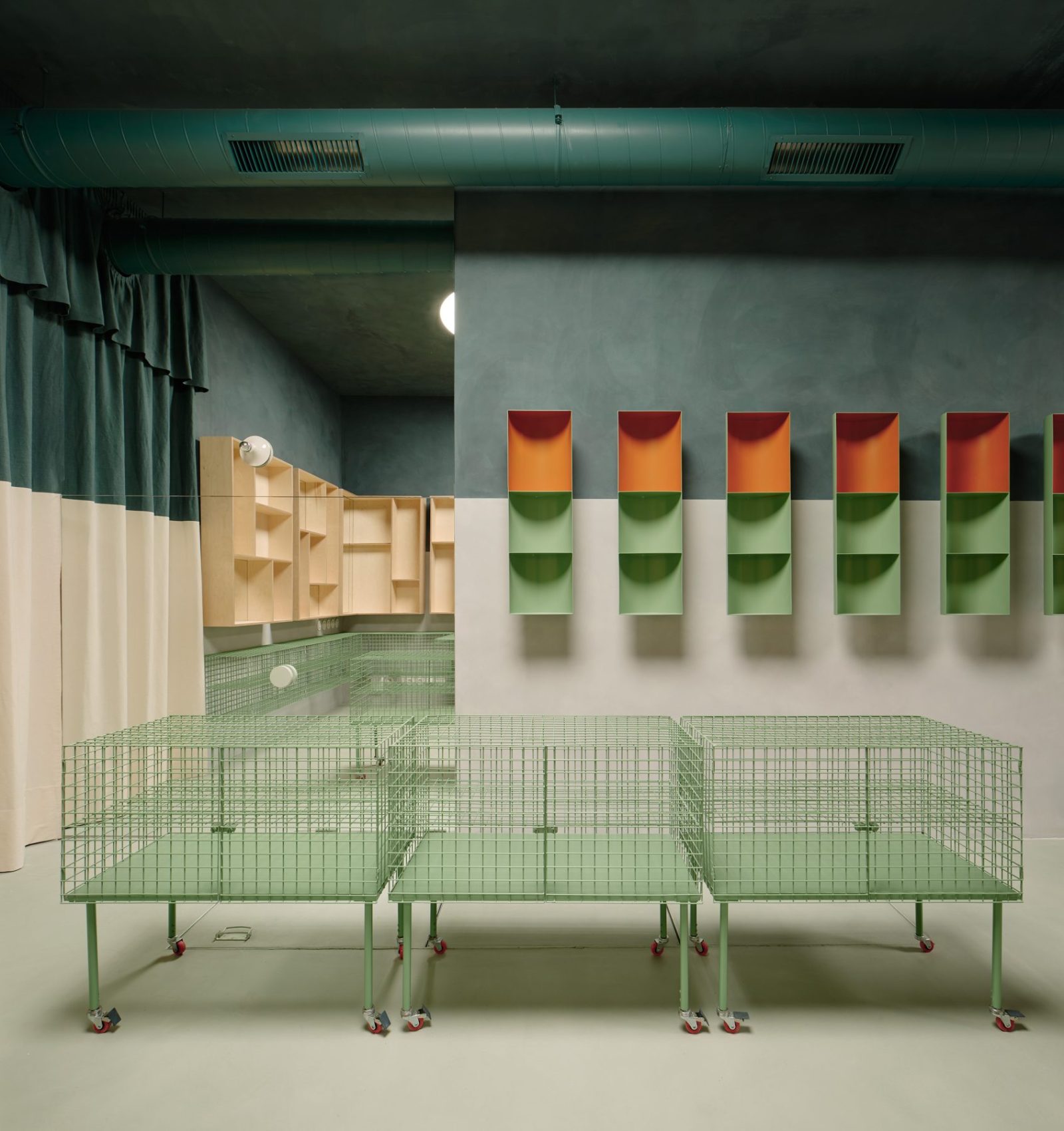
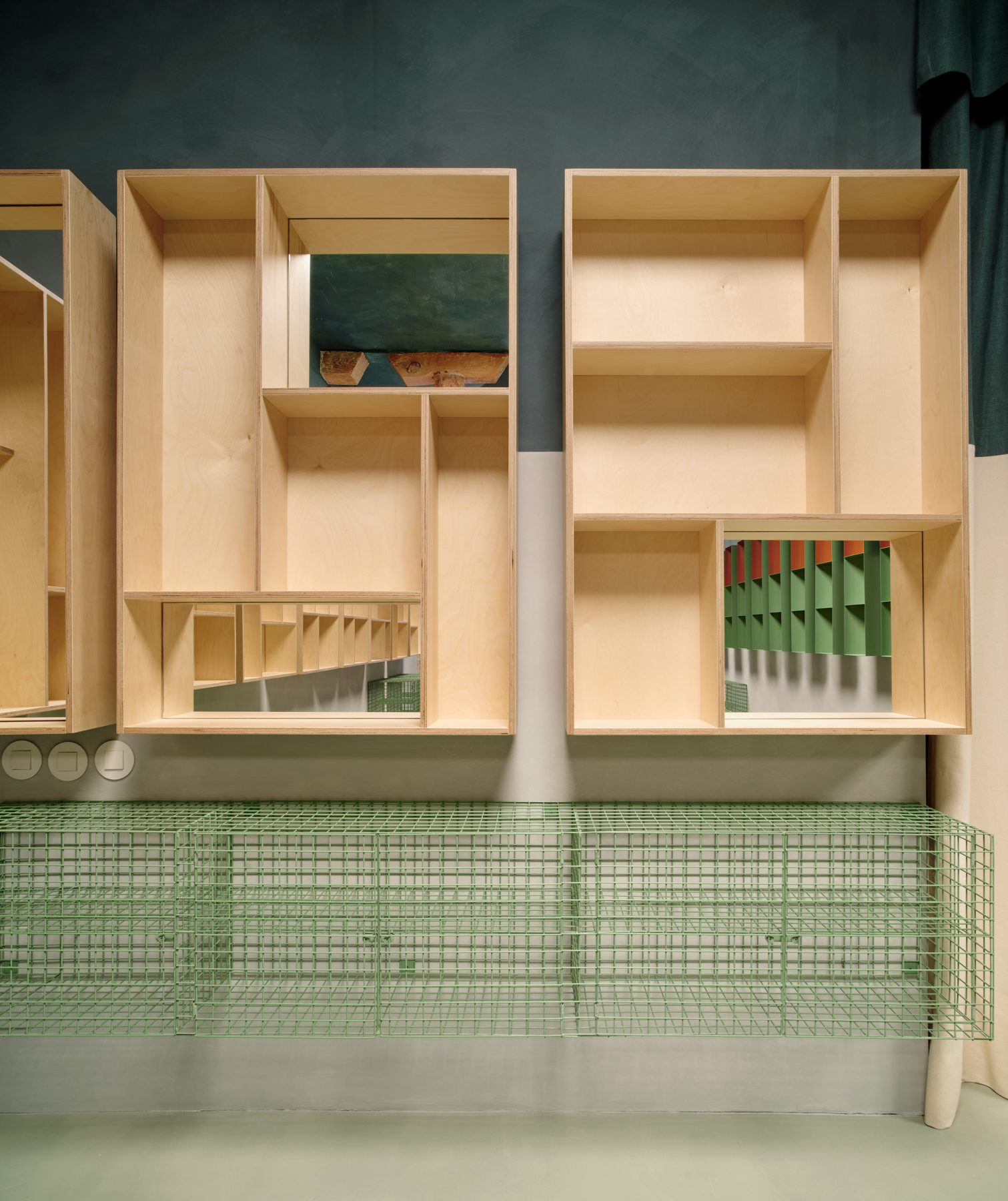
Spatial organization unfolds through a sequence of metal and wooden niches arranged with an almost liturgical cadence. Their repetition recalls the sculptural logic of Donald Judd, where order and seriality function not as decorative gestures but as instruments for generating spatial clarity and tension.
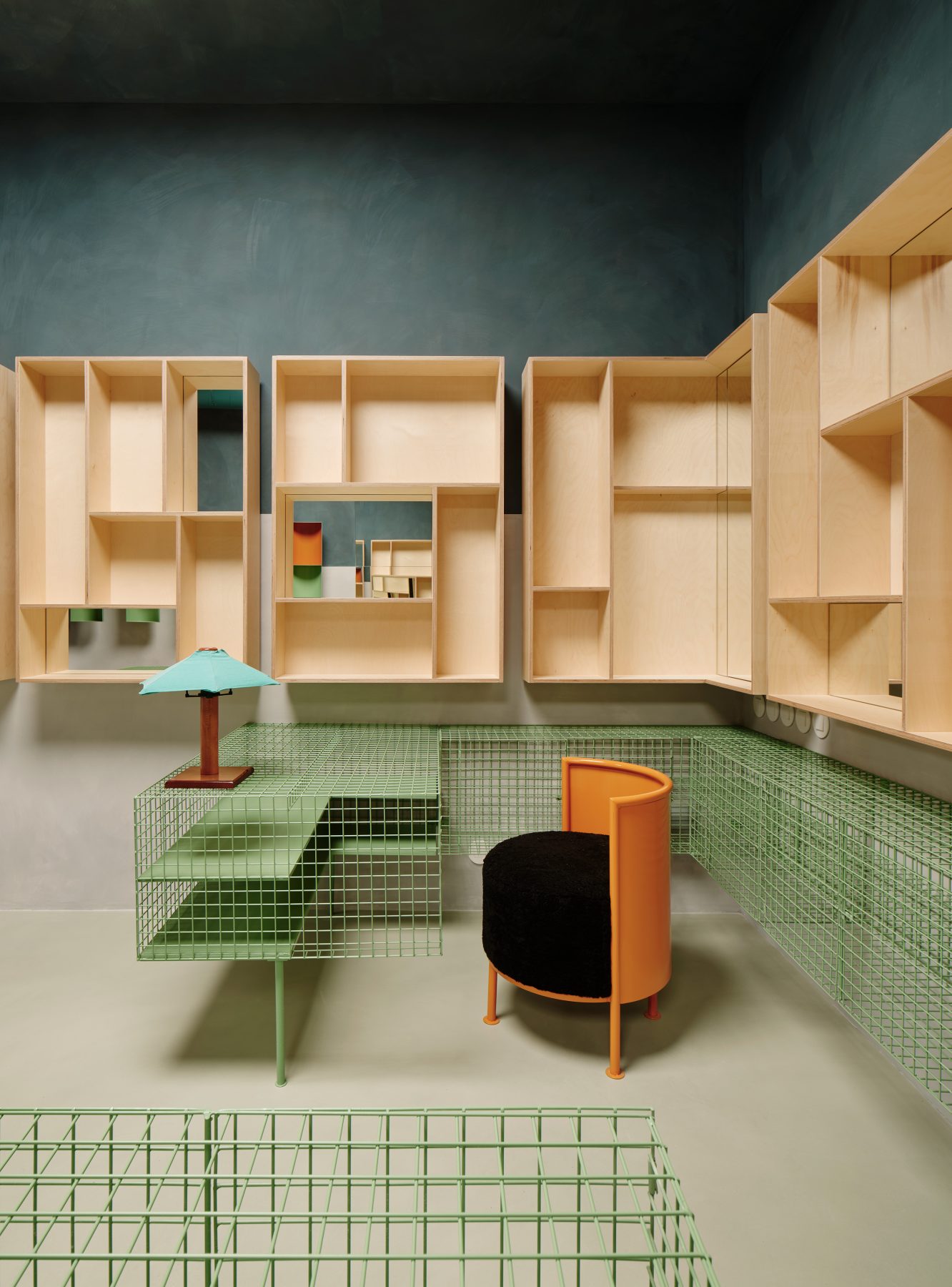
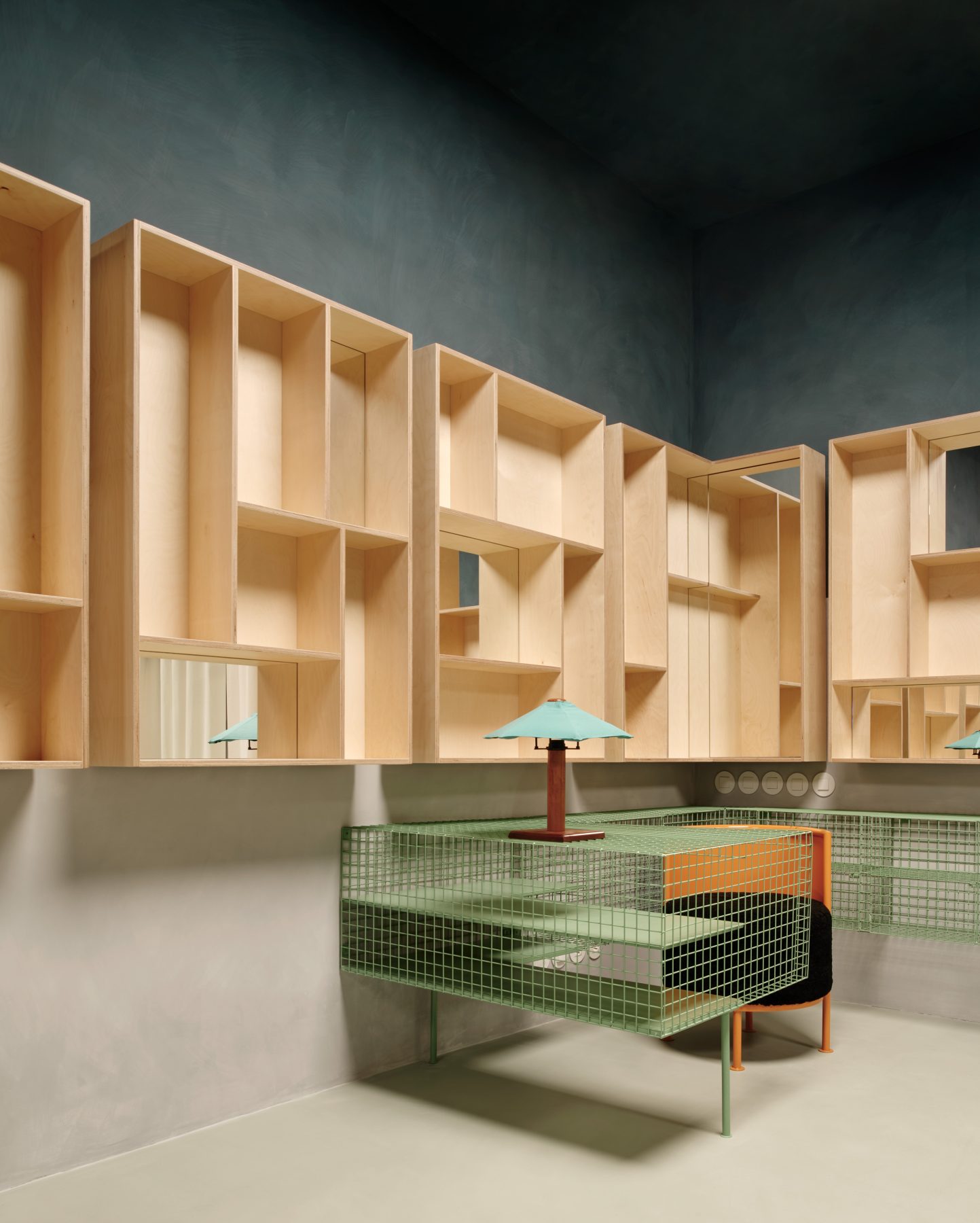
Repetition becomes both structure and atmosphere, establishing a rhythm that guides movement and perception throughout the interior.
Materiality plays a central role in reinforcing the project’s sensory ambitions.
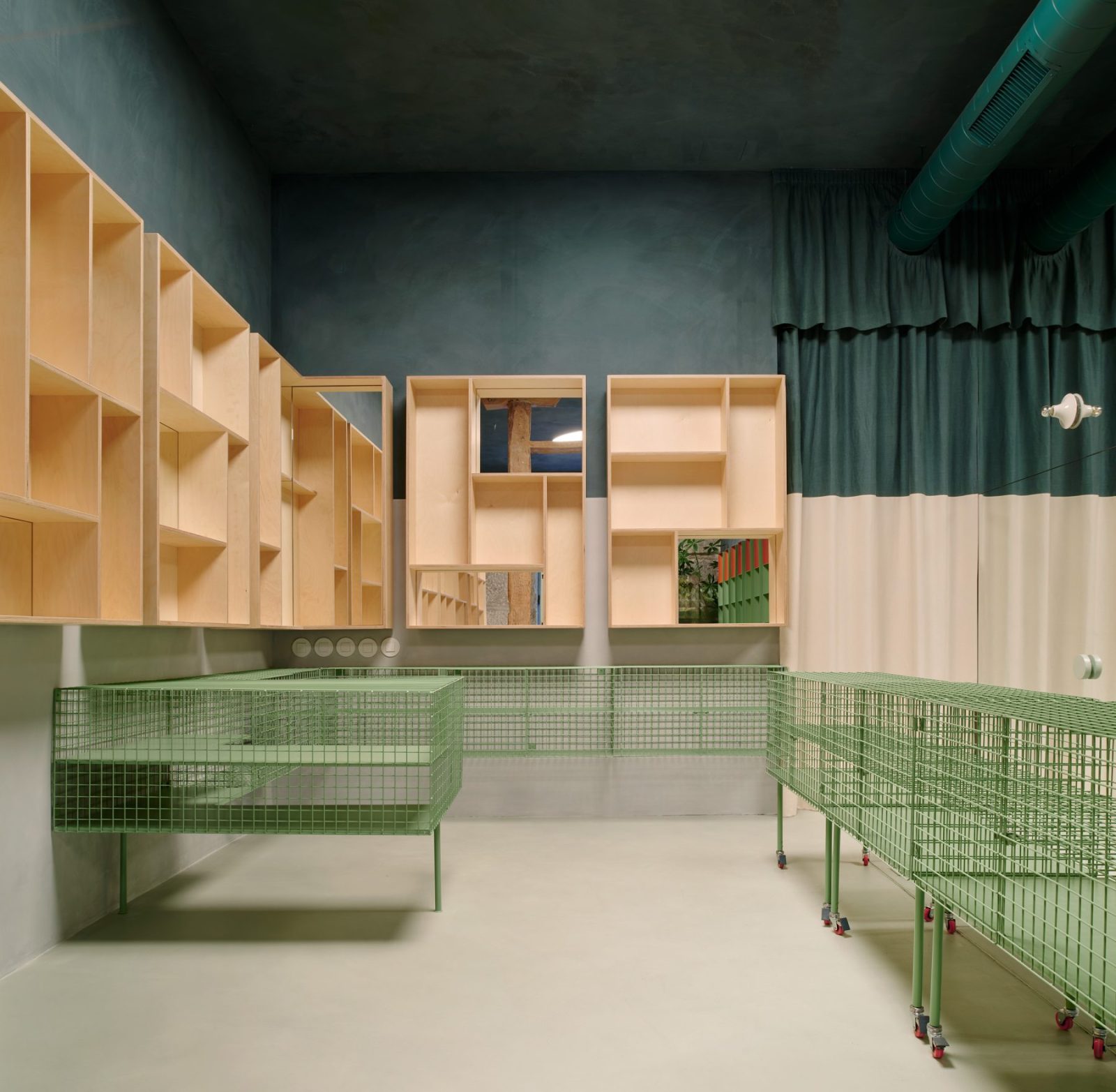
A tactile environment emerges through the combination of overhead light, deep green tones, and a restrained palette of wood, metal, and limewash finishes. The resulting atmosphere balances density and softness, precision and warmth, encouraging moments of pause and attentiveness within the retail experience.
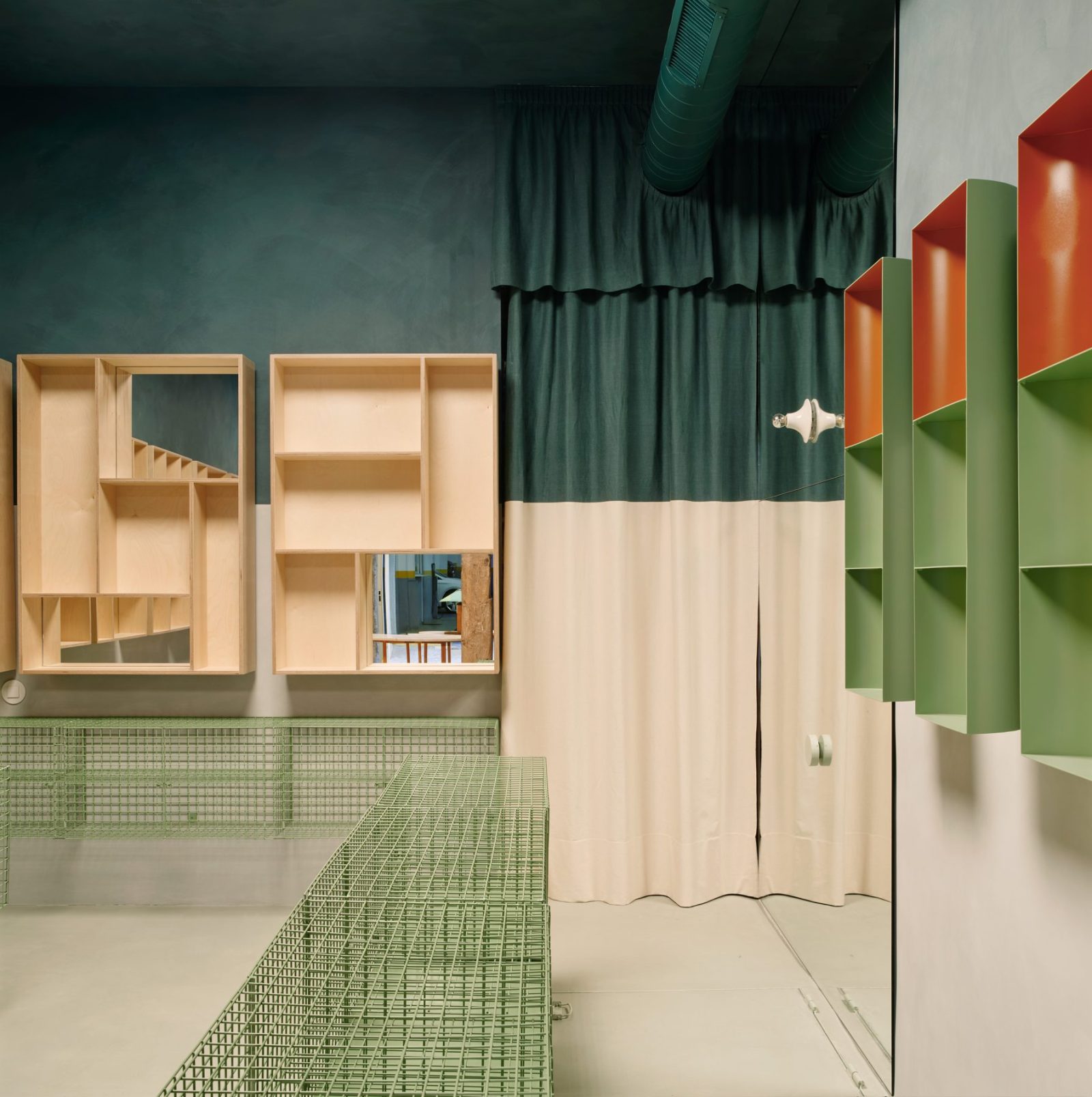
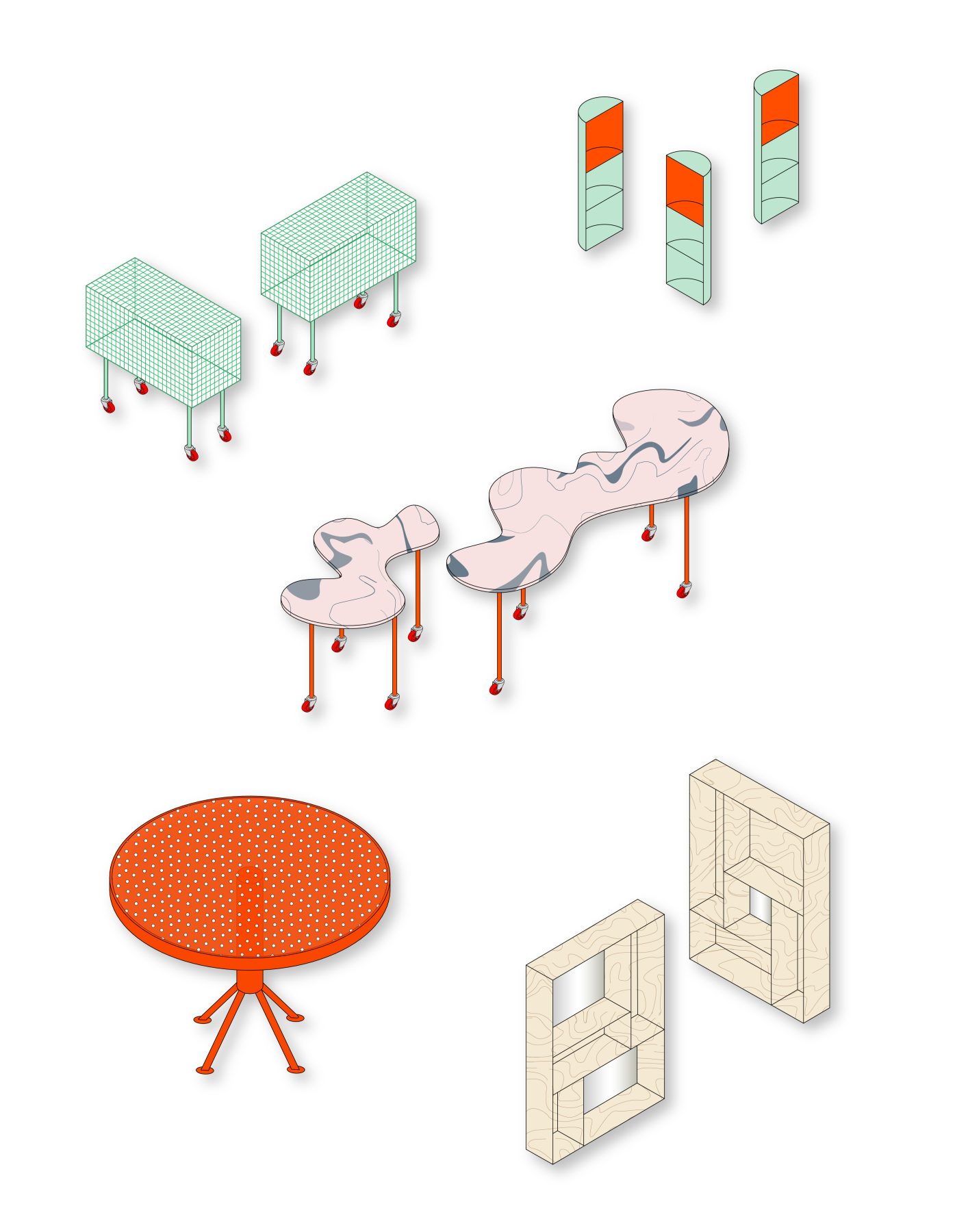
Custom-designed furniture developed by Kresta Design further reinforces the project’s identity and spatial coherence.
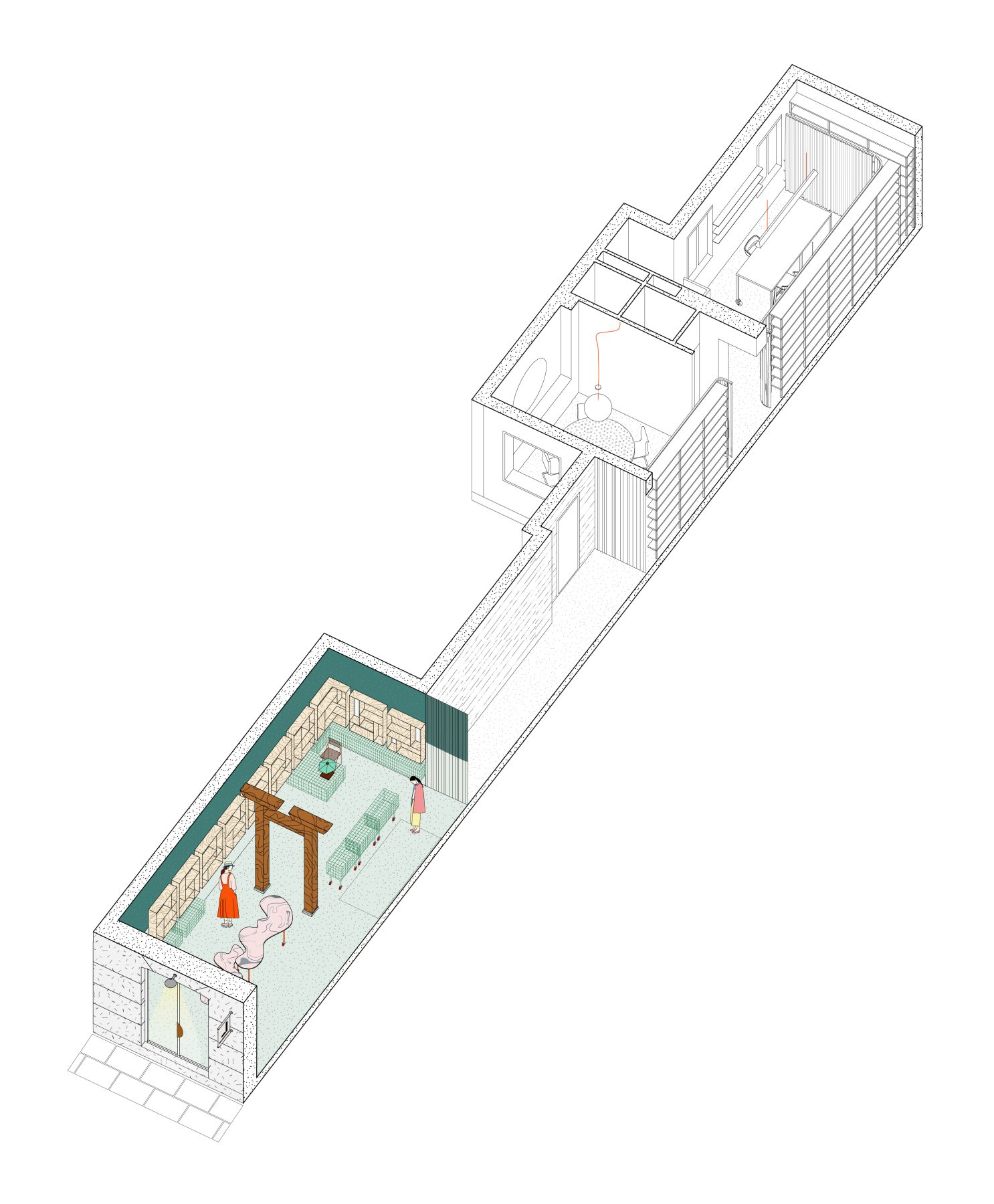
The Río table, composed of pink Estremoz marble and a metal structure, functions as a central object within the interior landscape. Judd-inspired metal niches, grid furniture, and handcrafted wooden shelving—produced in Madrid and Seville through the work of Shibbi and Calvente—extend the project’s language into a cohesive system of objects and surfaces.
Through a synthesis of ritual references, carefully controlled atmospheres, and material precision, Laconicum transforms retail into a spatial experience where architecture becomes inseparable from the practices of care and sensory engagement.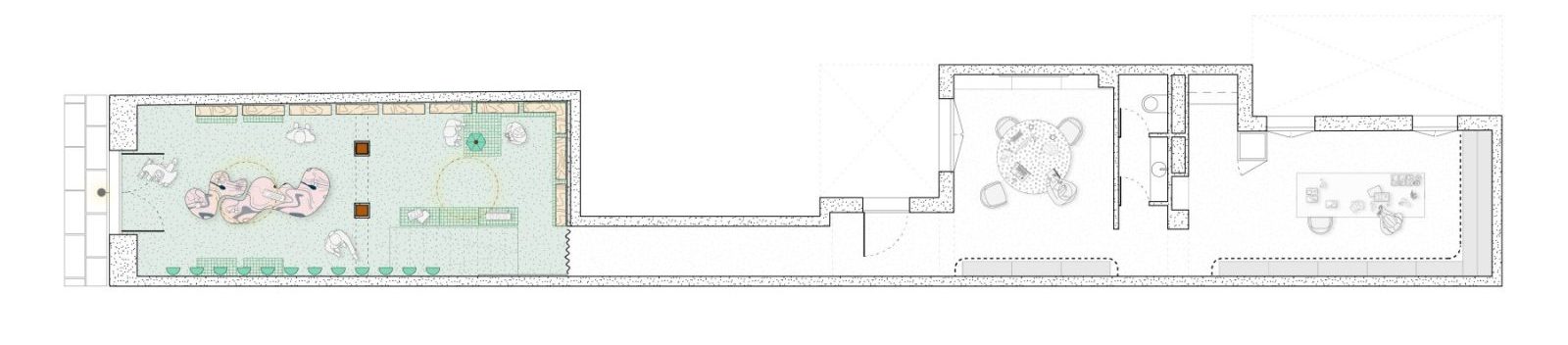
Facts & Credits
Project title: Laconicum
Architecture: Lucas y Hernández-Gil & Kresta Design
Architects: Cristina Domínguez Lucas, Fernando Hernández – Gil Ruano
Design team: Sara Urriza Nolan, Ana Heredero, Kyra Jibret, Eva Monzón, Leire López-Herce
Photography: Jose Hevia