In a 1970s apartment building in Paris, minuit architects transform a former two-room flat into a luminous 43 m² studio, where architecture becomes an act of spatial scenography, embracing flexibility, versatility, and softened boundaries.
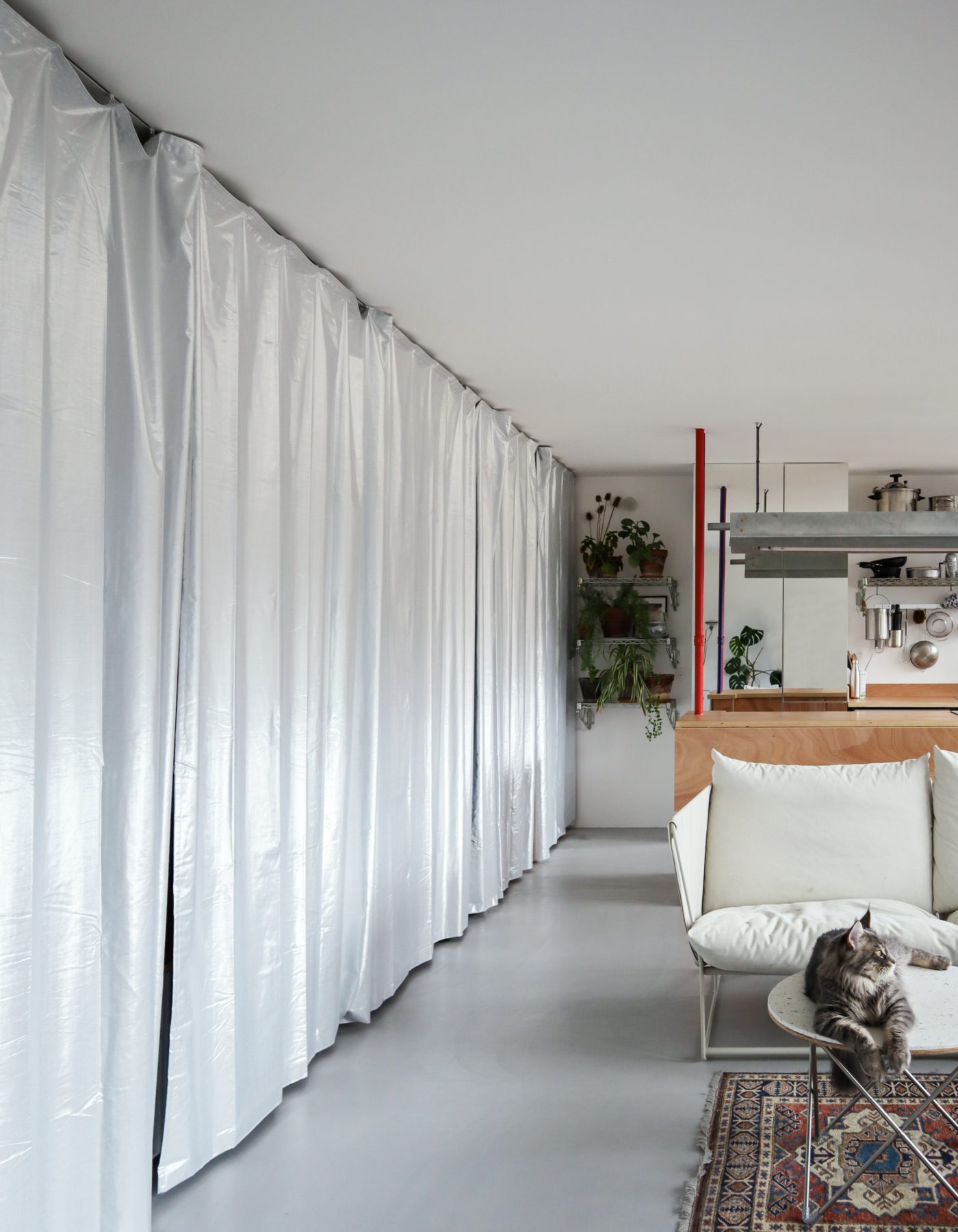
minuit’s first gesture is the reversal of domestic compartmentalisation, unifying the apartment into a continuous whole.
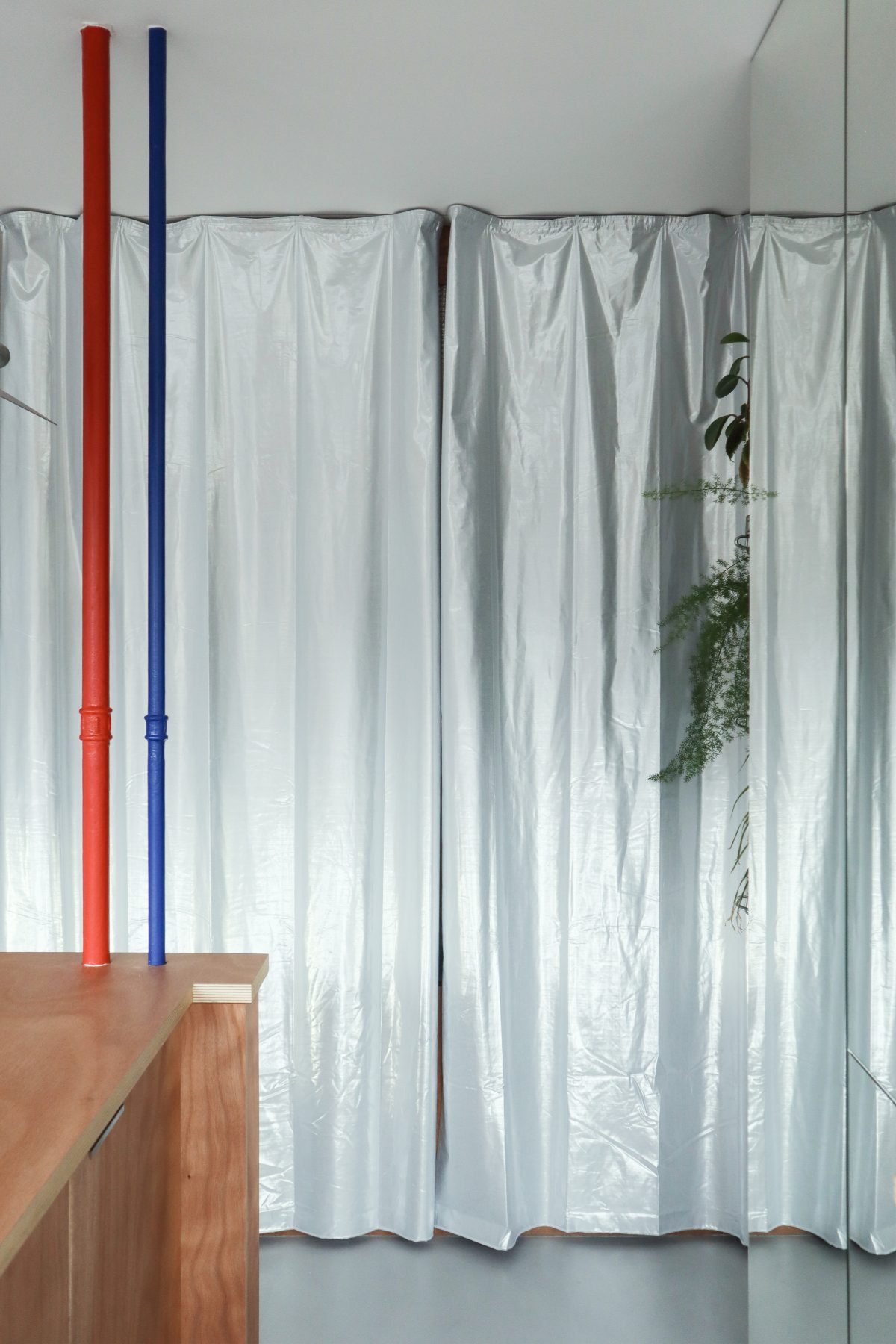
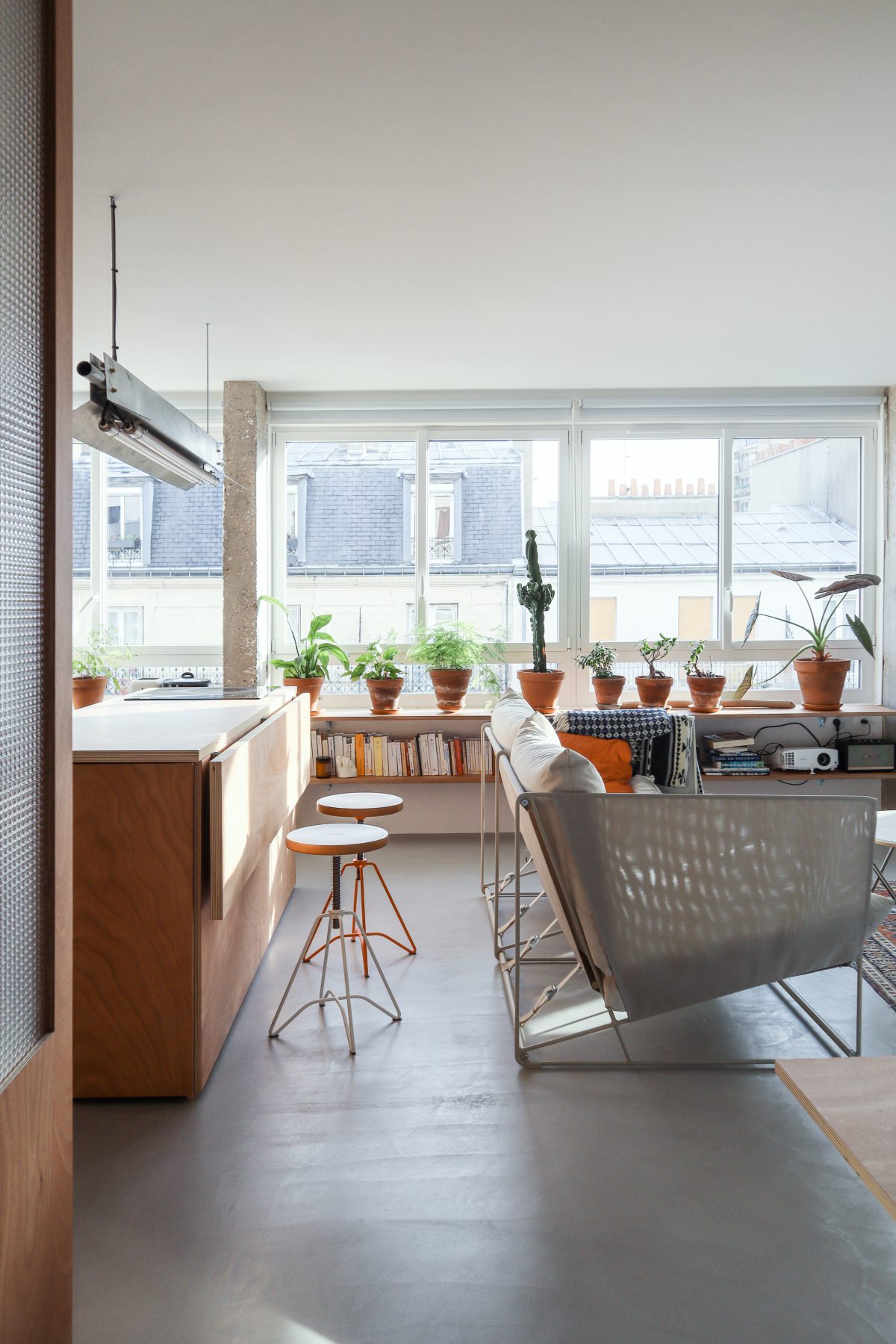
Interior partitions dissolve into a succession of curtains; the living space expands into a single, generous room that fully engages the glazed façade.
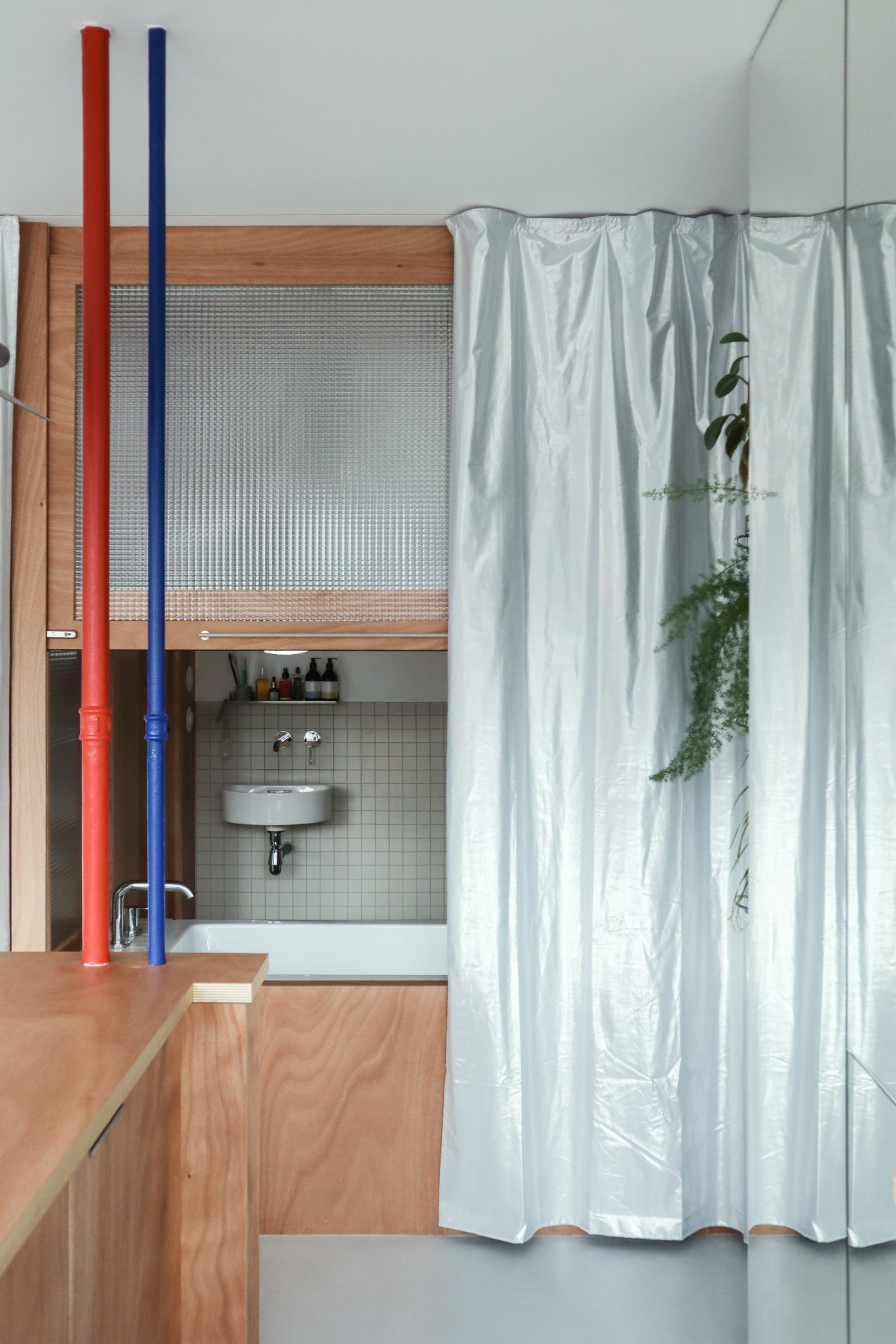
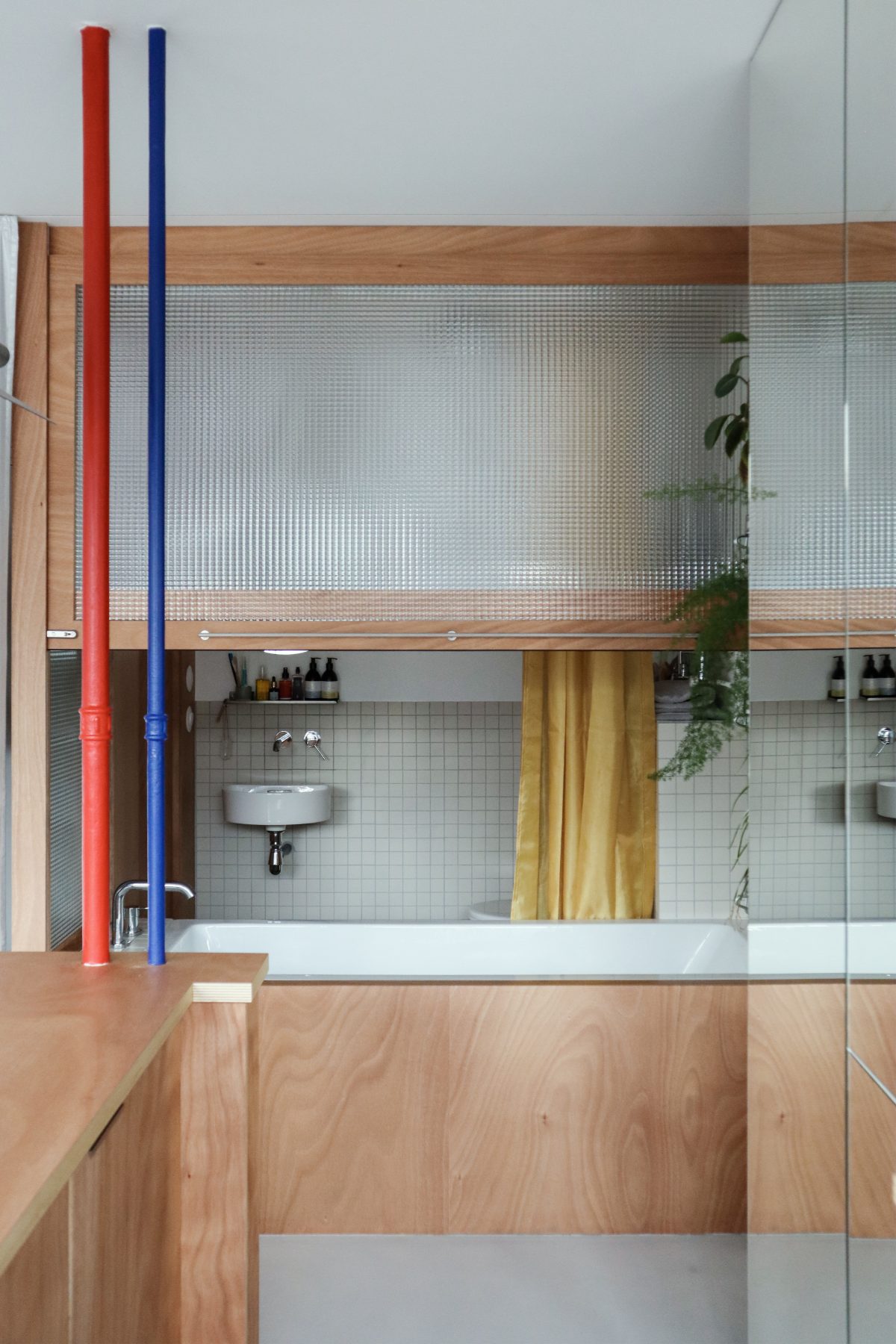
The kitchen merges with the social area, and the bathroom—oh, the bathroom (!)—opens itself to the domestic landscape.
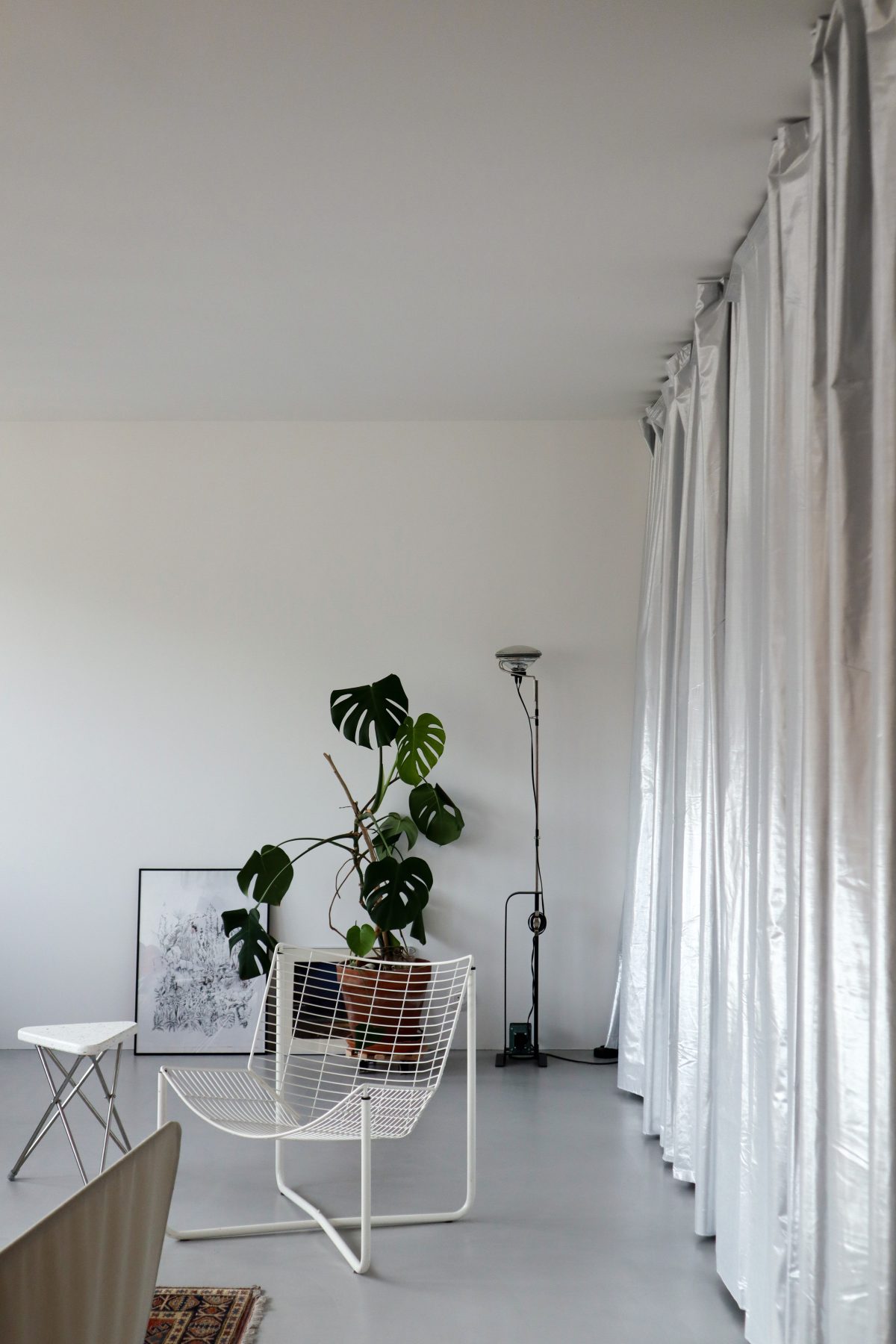
Organised in a linear sequence, the bedroom, storage units, main entrance, and bathroom are set behind a luminous, iridescent snow-white curtain, harmonising with the off-white tones of the ceilings, walls, and the pale grey resin floor.
Clad in warm-toned wood, an imposing sash window frames Rhin’s bathtub as a ritual object at the heart of the home, establishing a direct dialogue with the similarly clad kitchen island and the surrounding living space.
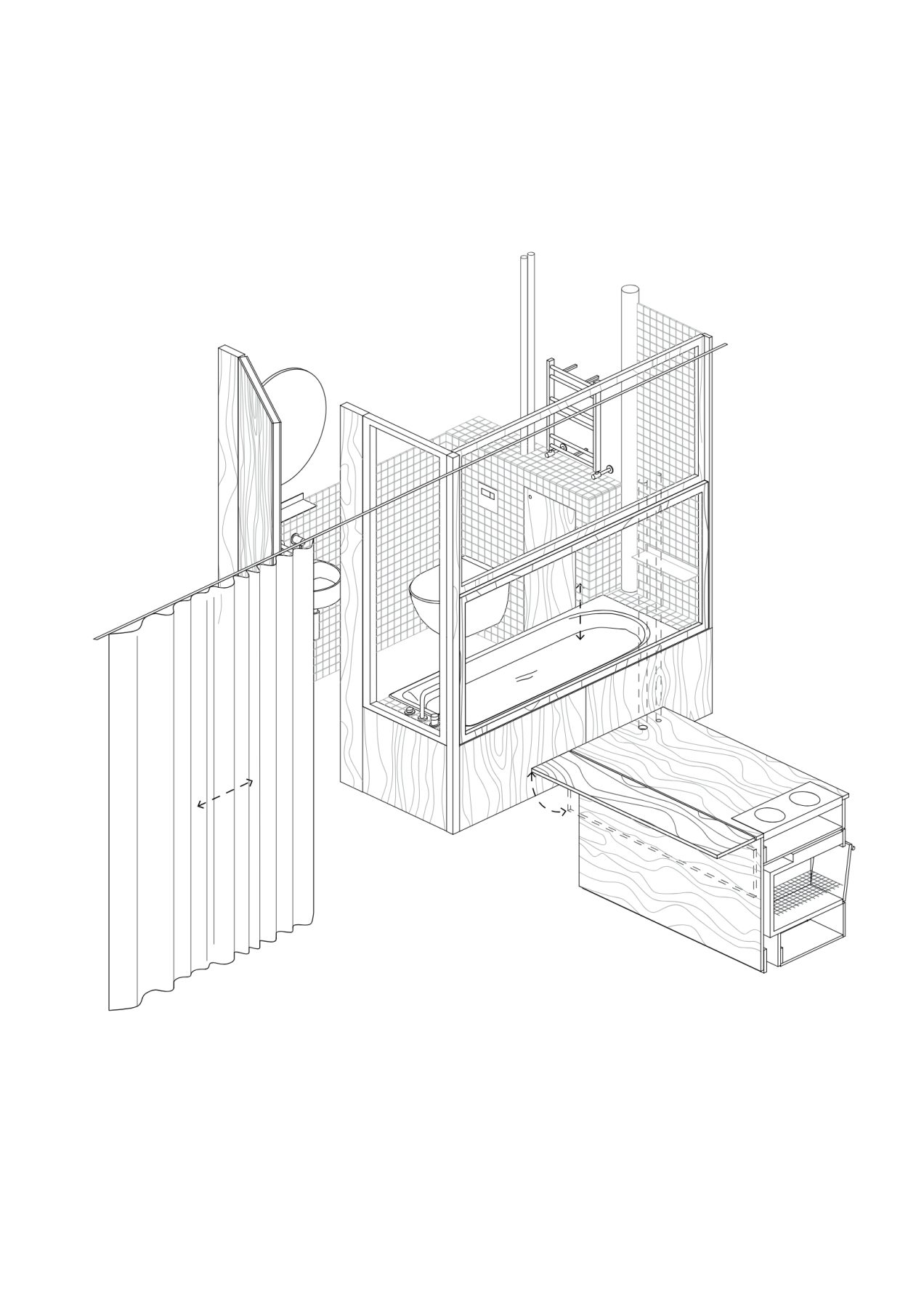
By allowing air to circulate freely and sunlight to filter through on hot summer days, this gesture introduces a dual dimension to domestic life—both corporeal and spiritual—reminiscent of the role of the bathroom in Japanese domestic culture. 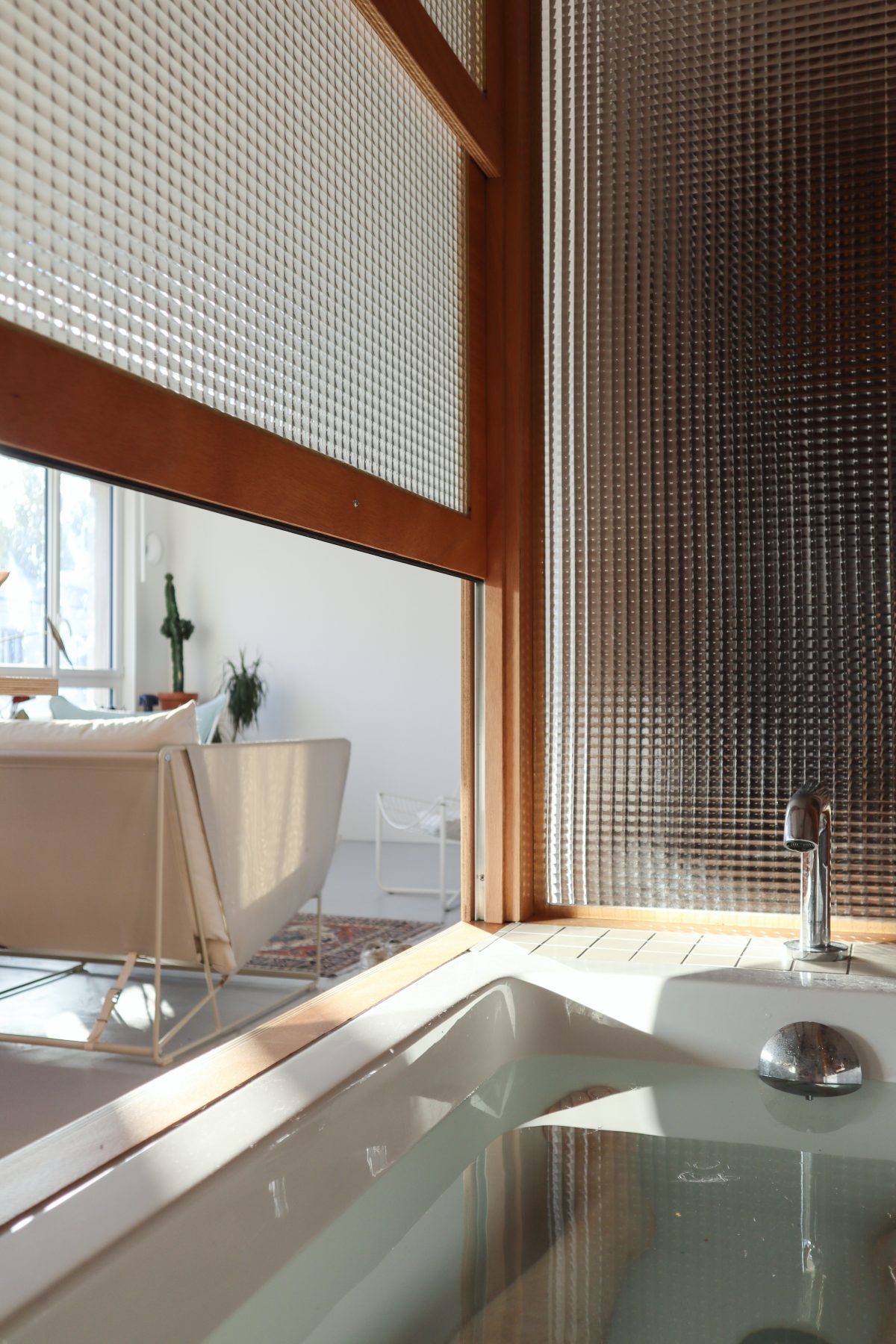
Japanese architect and urban theorist Yoshinobu Ashihara, in The Aesthetic Townscape (1983), argues that in Japanese domestic architecture the bathroom has historically been conceived not as a purely utilitarian enclosure, but as a space of ritual, bodily awareness, and atmospheric transition. Traditional homes distinguish between washing and soaking: the body is first cleansed outside the tub before entering the bath for relaxation and contemplation.
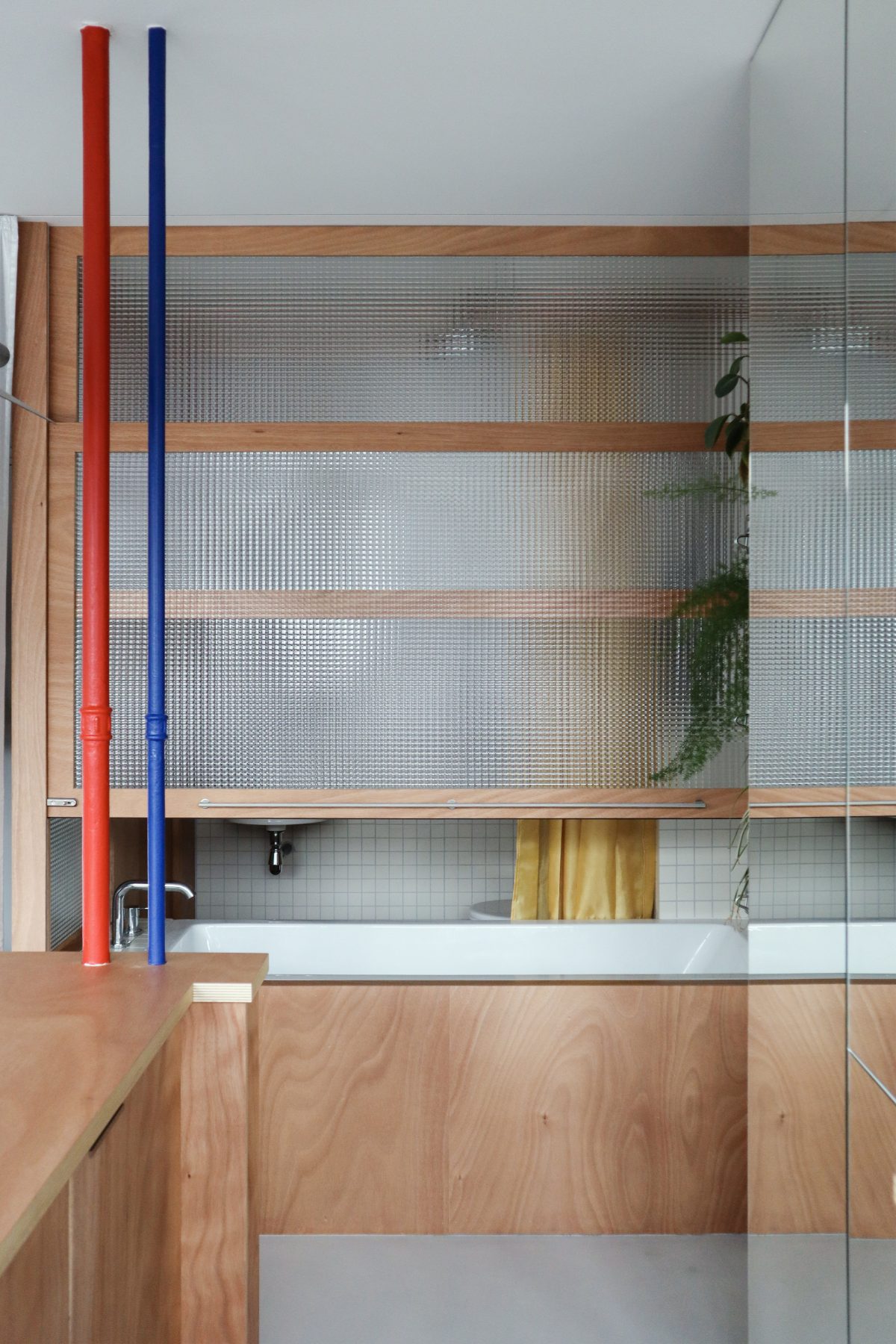
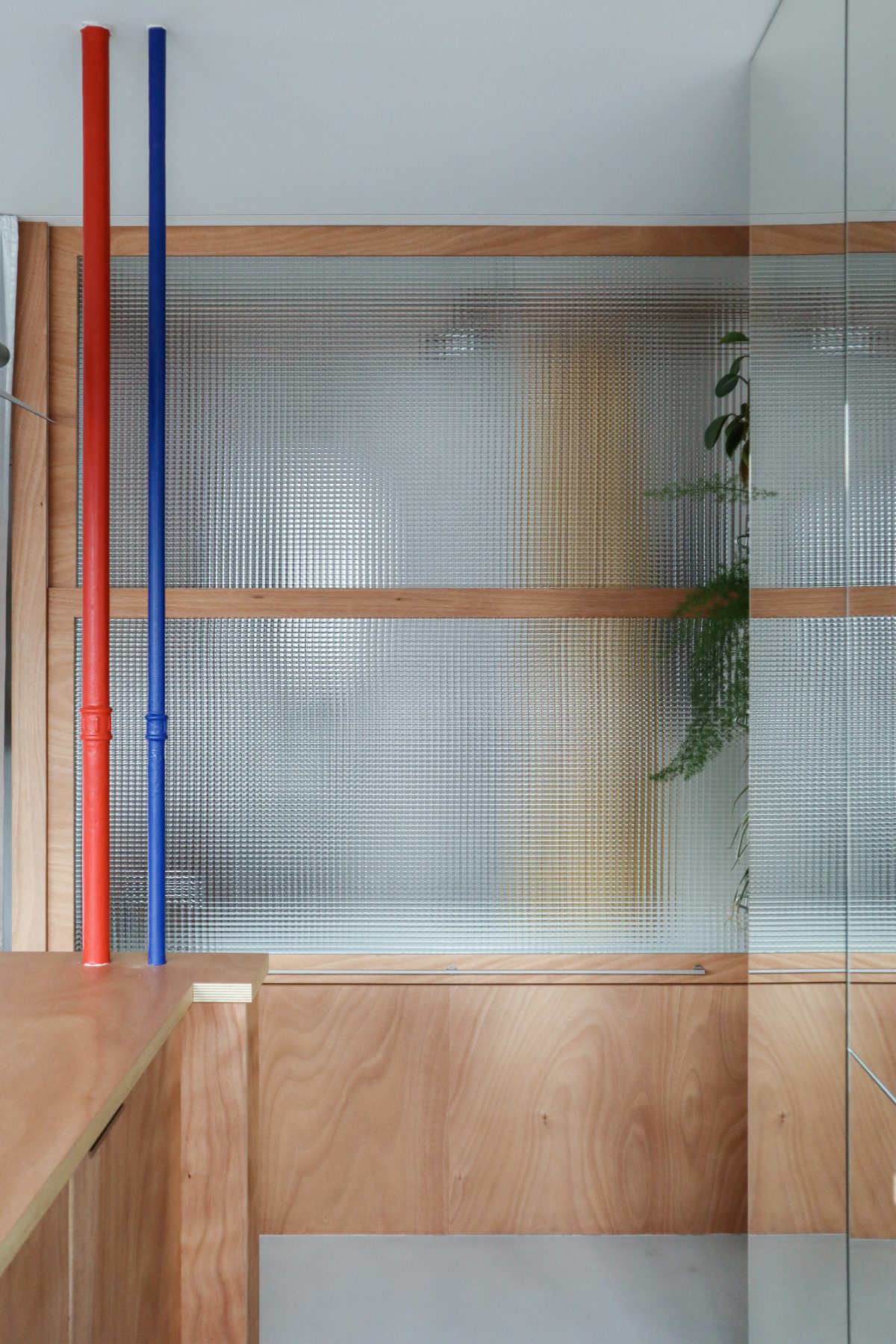
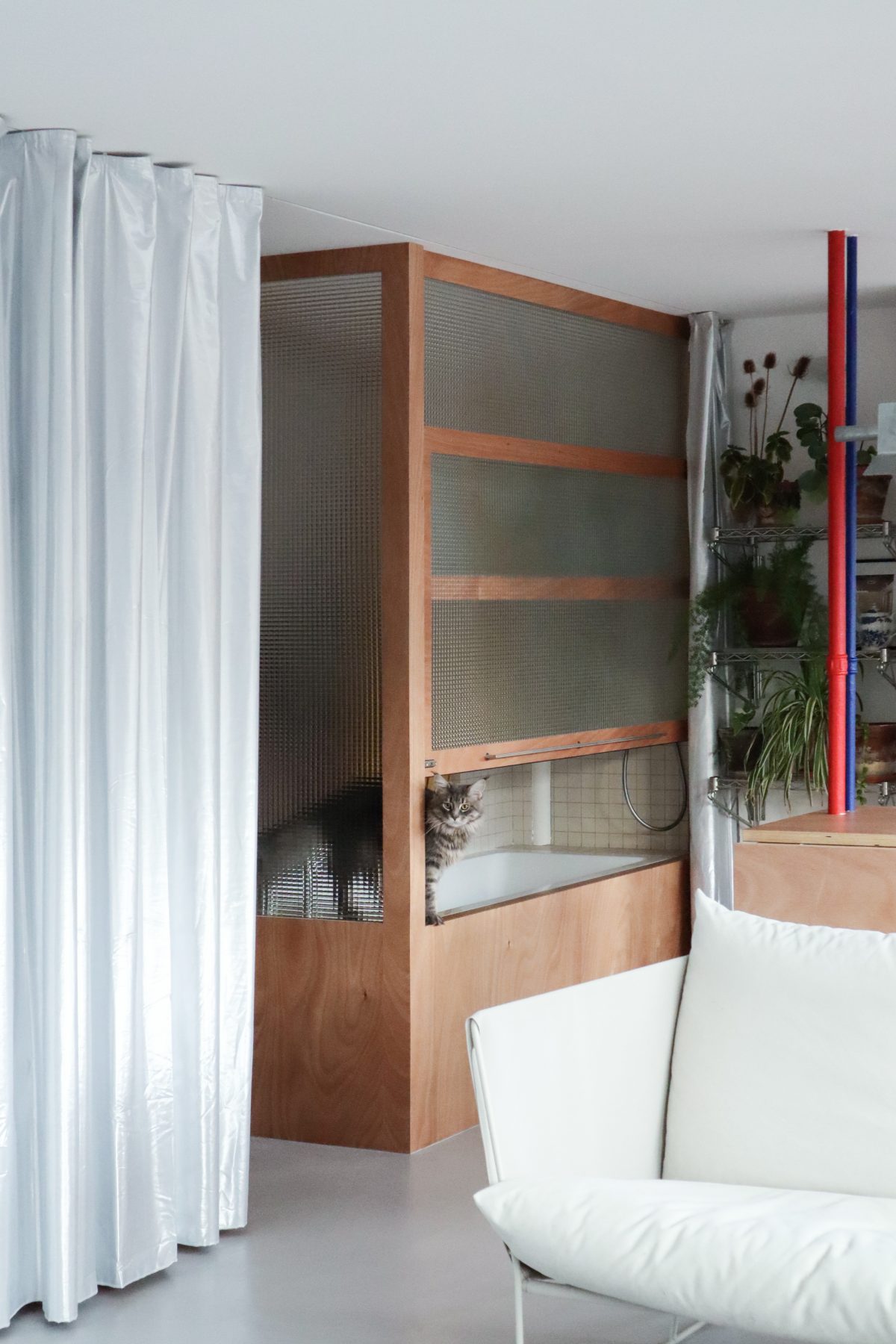
Drawing from this lineage, minuit designs Rhin’s bathtub as a meditative micro-environment—associated with purification, stillness, and withdrawal from the accelerated rhythms of daily life.
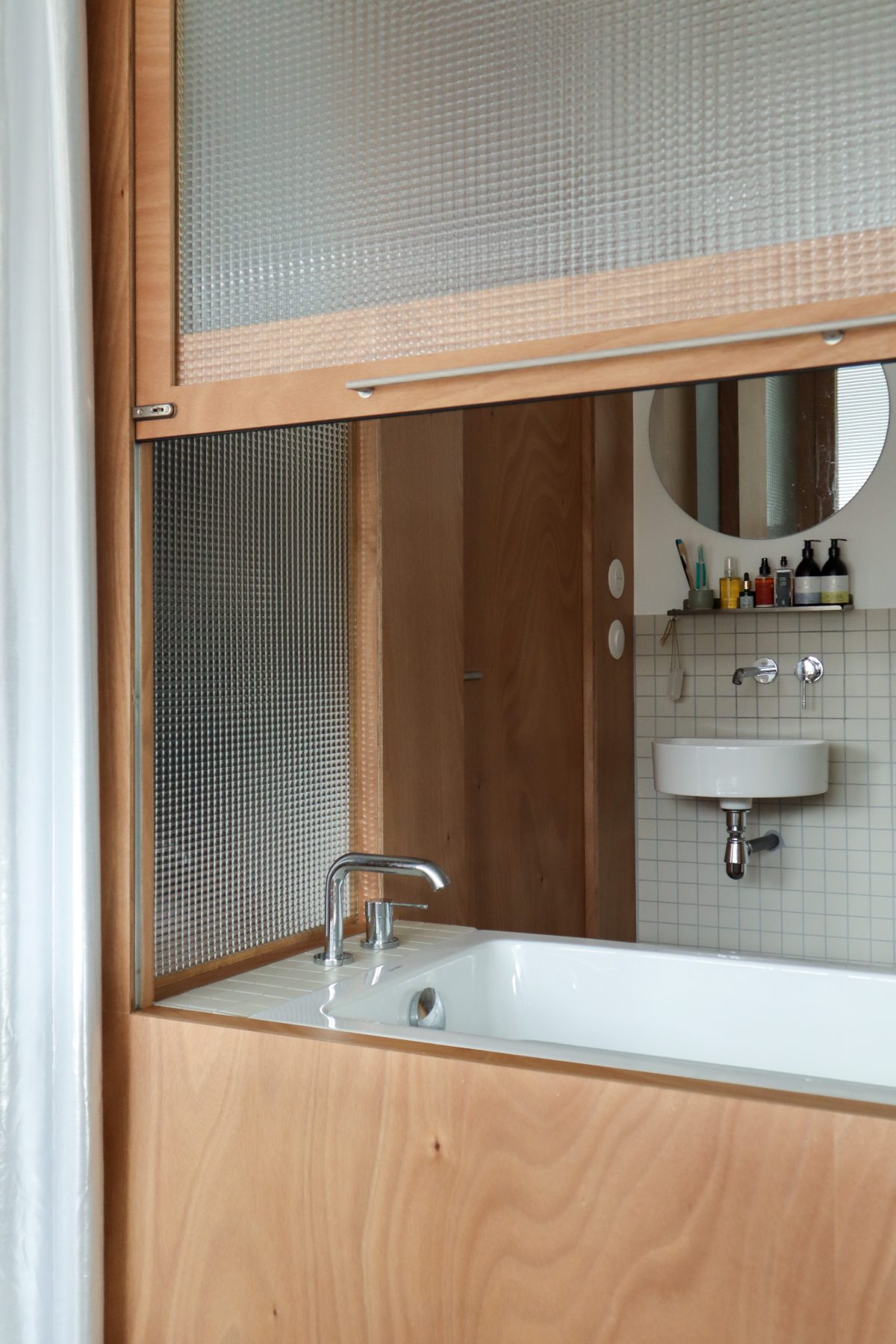
In this context, the bathroom becomes a scenographic device: a space where steam, shadow, water, and reflection construct an architecture of quiet exposure and domestic intimacy.
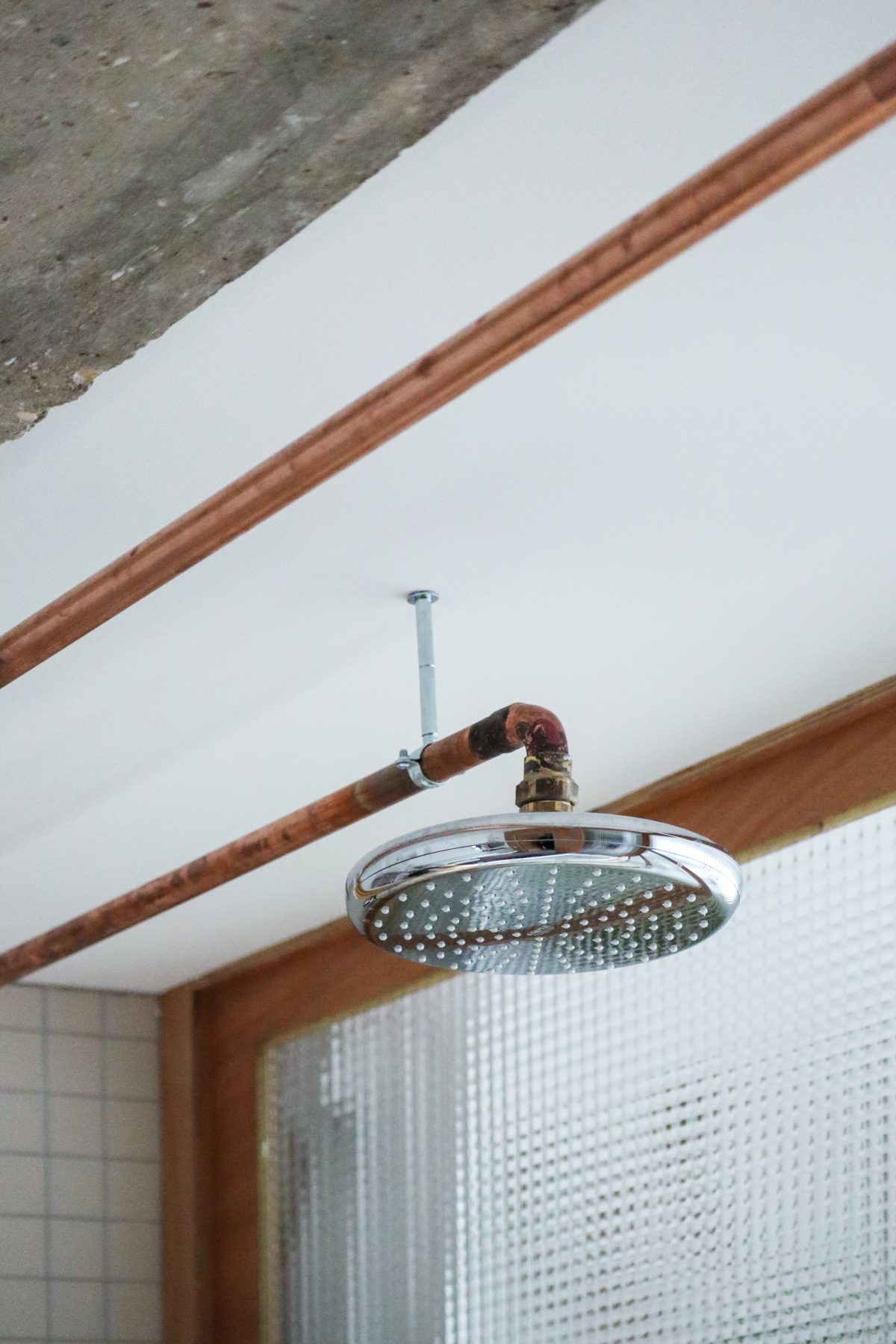
In Rhin, domestic elements resist strict separation from their environment. Instead, spatial boundaries are softened through fabric, translucent screens, and carefully framed views that extend toward the interior landscape and the city beyond.
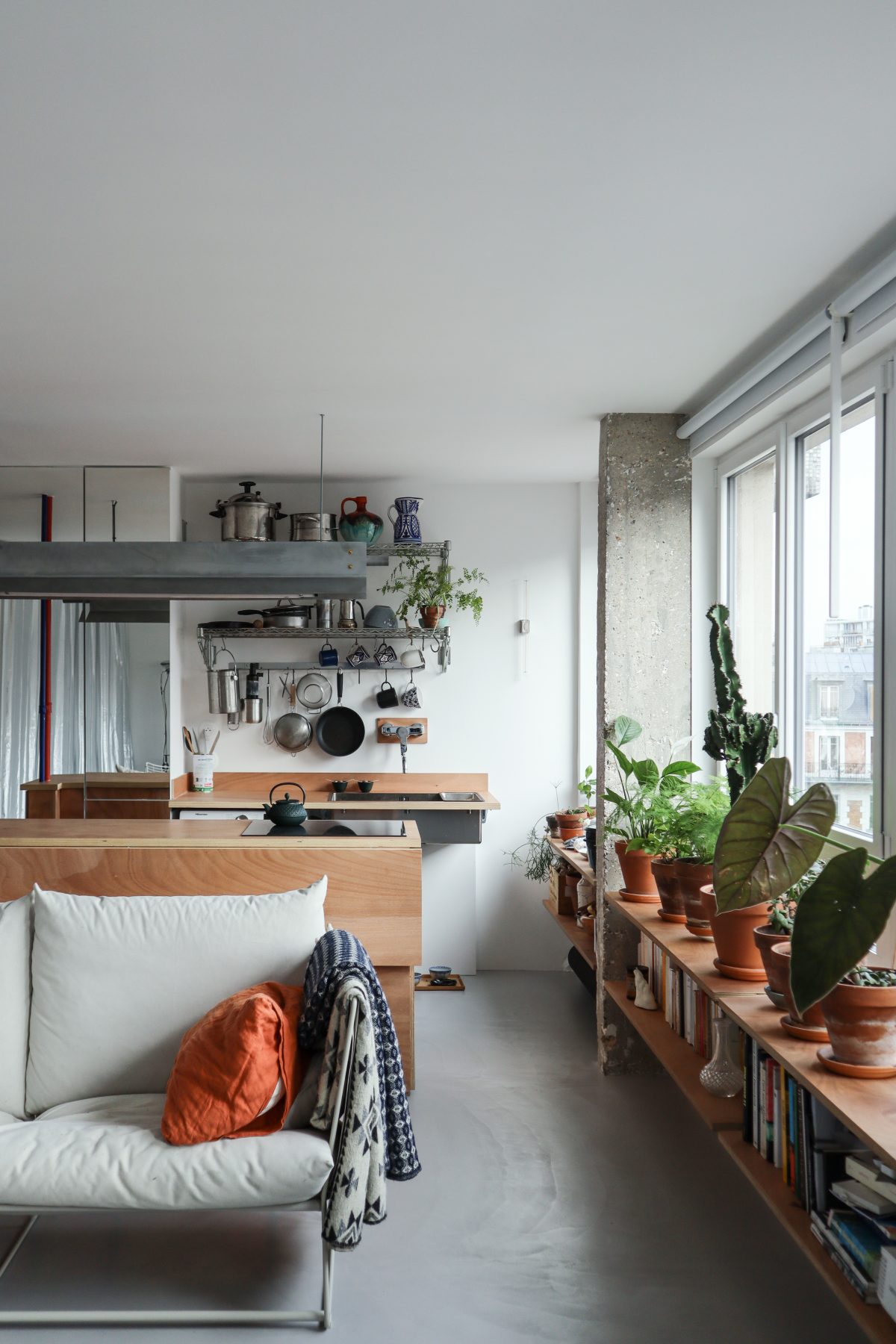
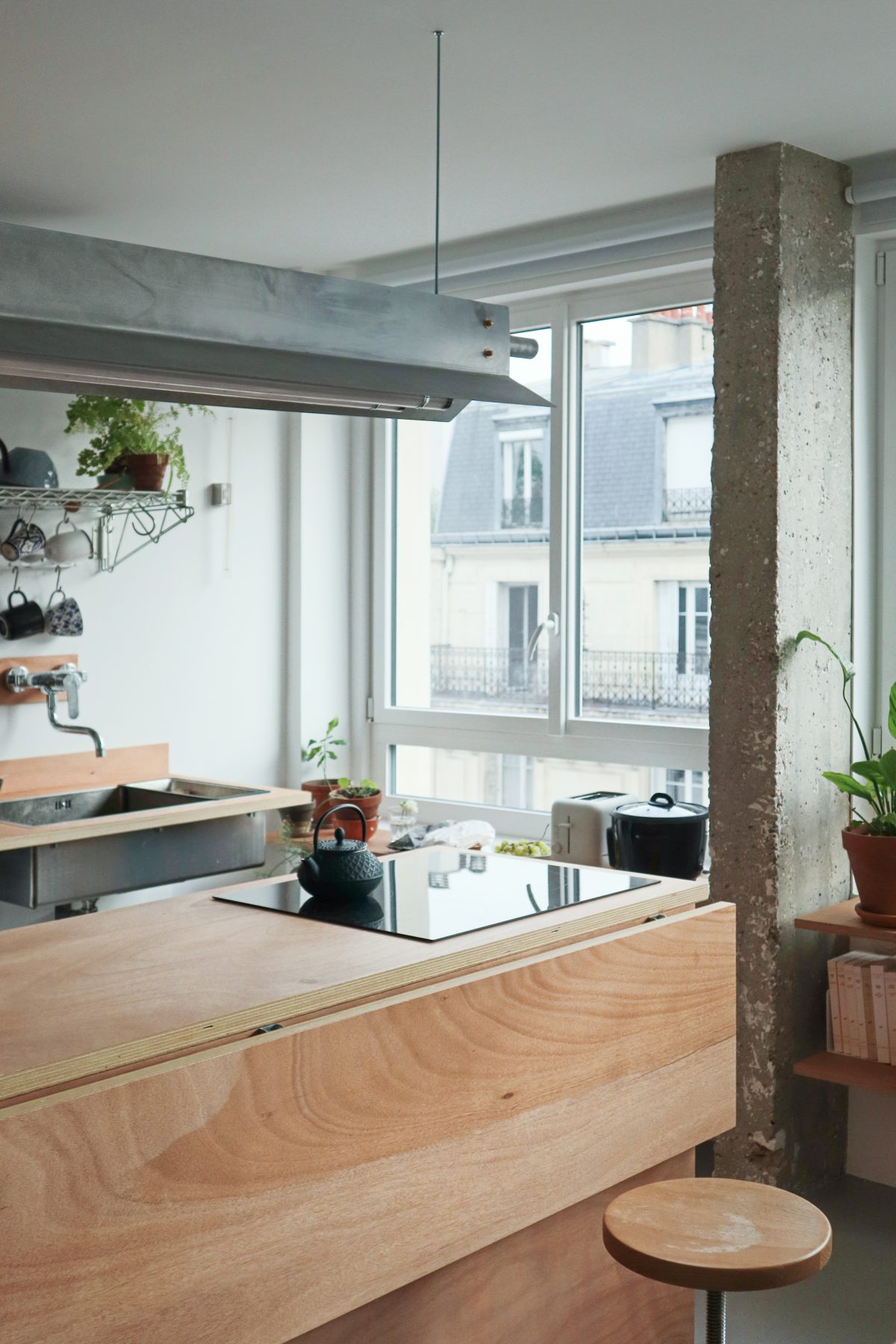
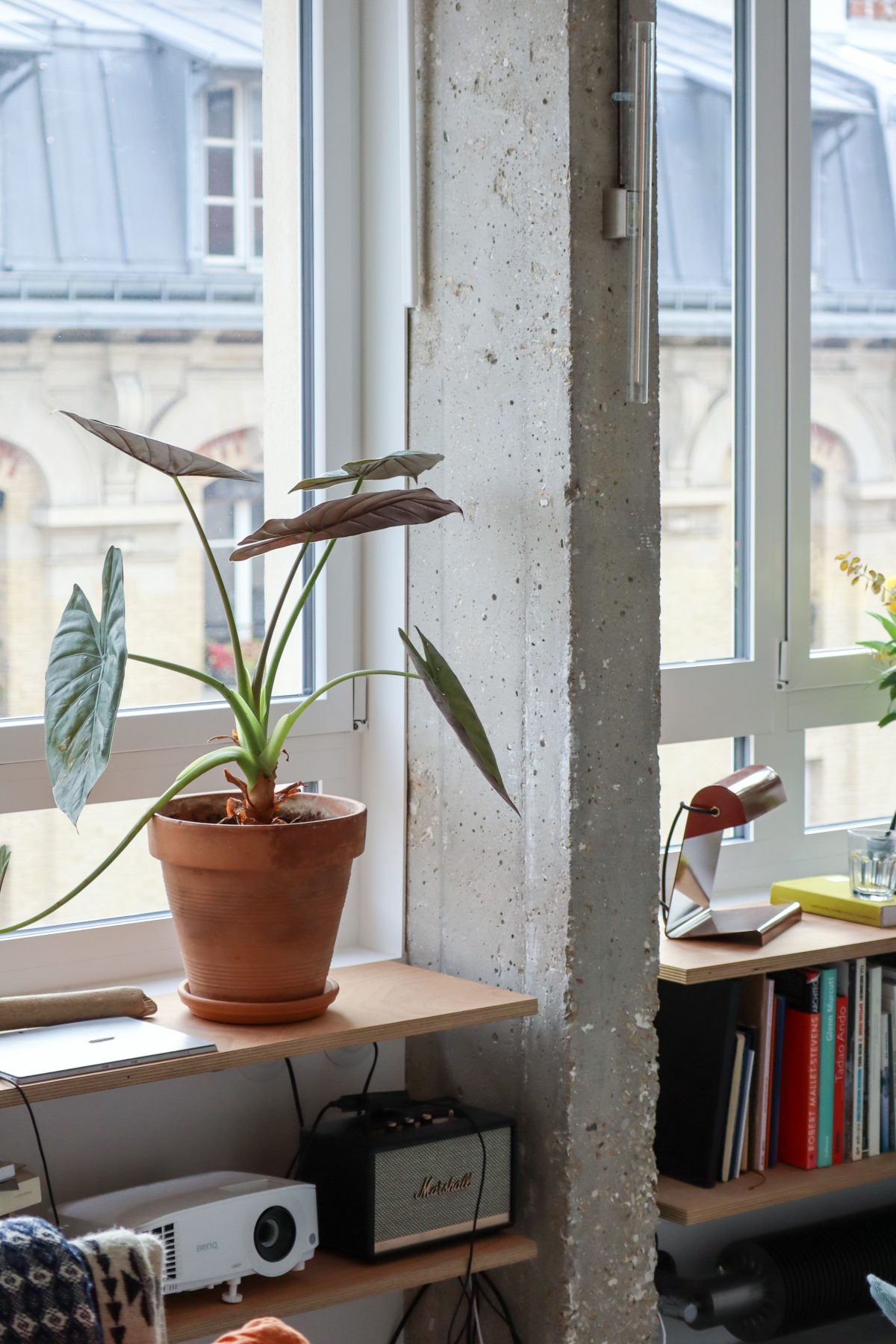
Echoing the Japanese concept of ma—the productive interval or pause between spaces—and an understanding of privacy as layered rather than absolute (Isozaki, 2006), minuit dissolves rigid distinctions between interior and exterior, intimacy and openness, body and its spatial perception.
Facts & Credits
Project title Rhin
Typology Apartment renovation, Residential
Location Paris, France
Status Completed, 2023
Surface 43 m²
Architecture & Photography minuit architectes
References
Ashihara, Y. (1983) The Aesthetic Townscape. Cambridge, MA: MIT Press.
Isozaki, A. (2006) Japan-ness in Architecture. Cambridge, MA: MIT Press.