‘Stories of contemporary domesticity or HOMEland’, a series curated by Archt., explores different interpretations of the notion of home through an open dialogue with contemporary architectural approaches to housing.
The eighteenth episode traces architect Gabrielle Vinson treating a typical urban house in Toulouse’s working-class Saint-Cyprien quarter, the so-called Toulousaine, as a living body in need of healing through an urban mining process adapted to a domestic context. Through selective subtraction, material exposure, and reuse, the Nestor Brun House becomes a bricolaged archive of the neighbourhood’s layered social and material memory.
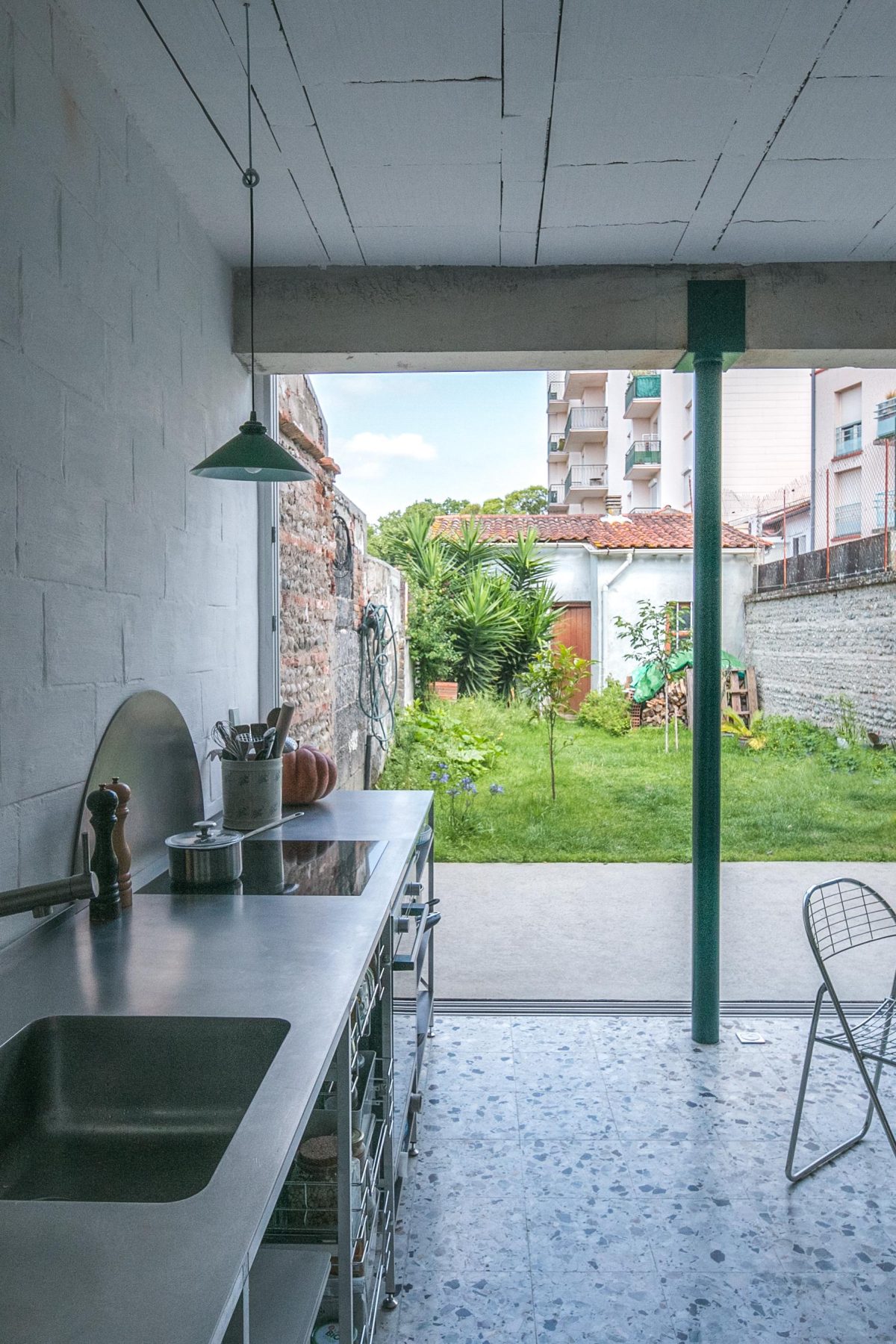
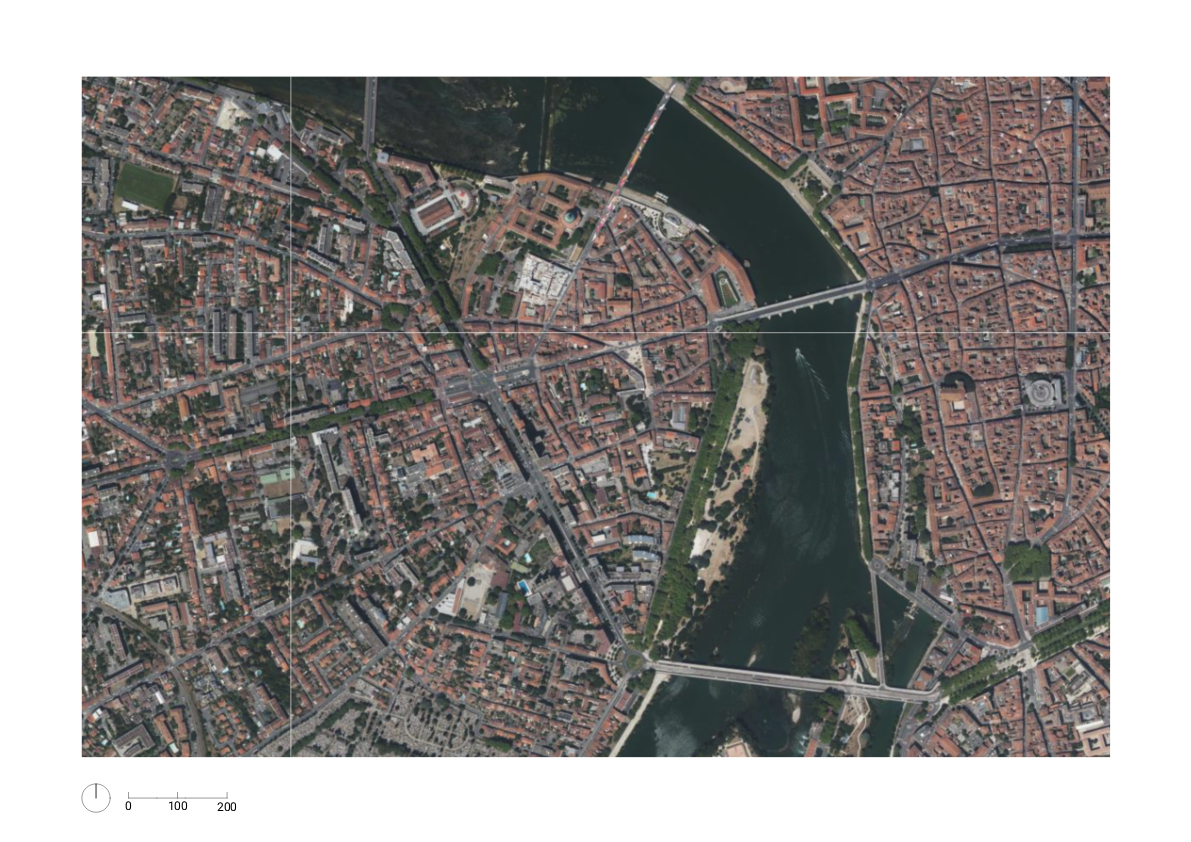
Located on the left bank of the Garonne River in Toulouse, Saint-Cyprien is a neighbourhood shaped by exposure: to water, migration, labour, and social transformation.
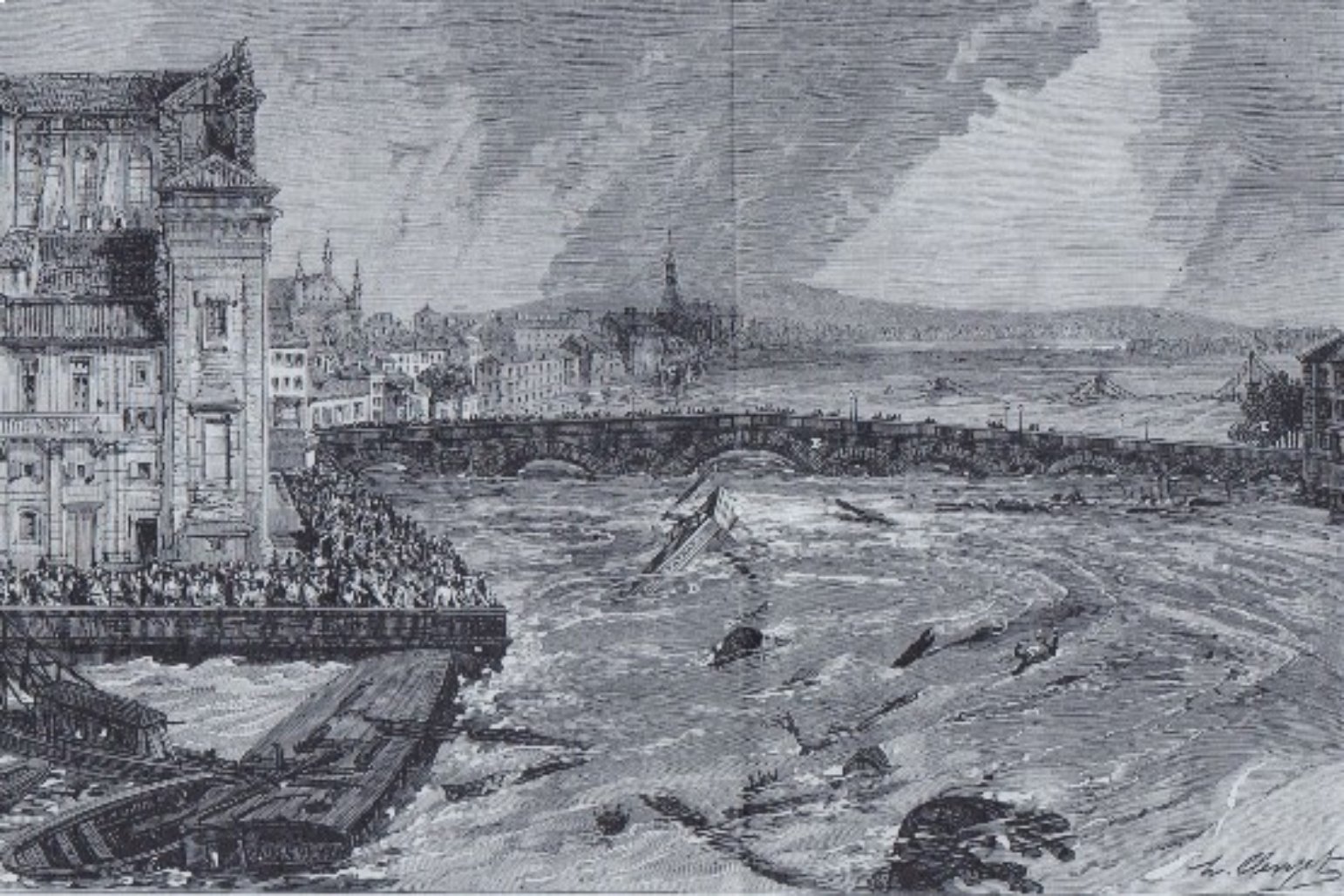
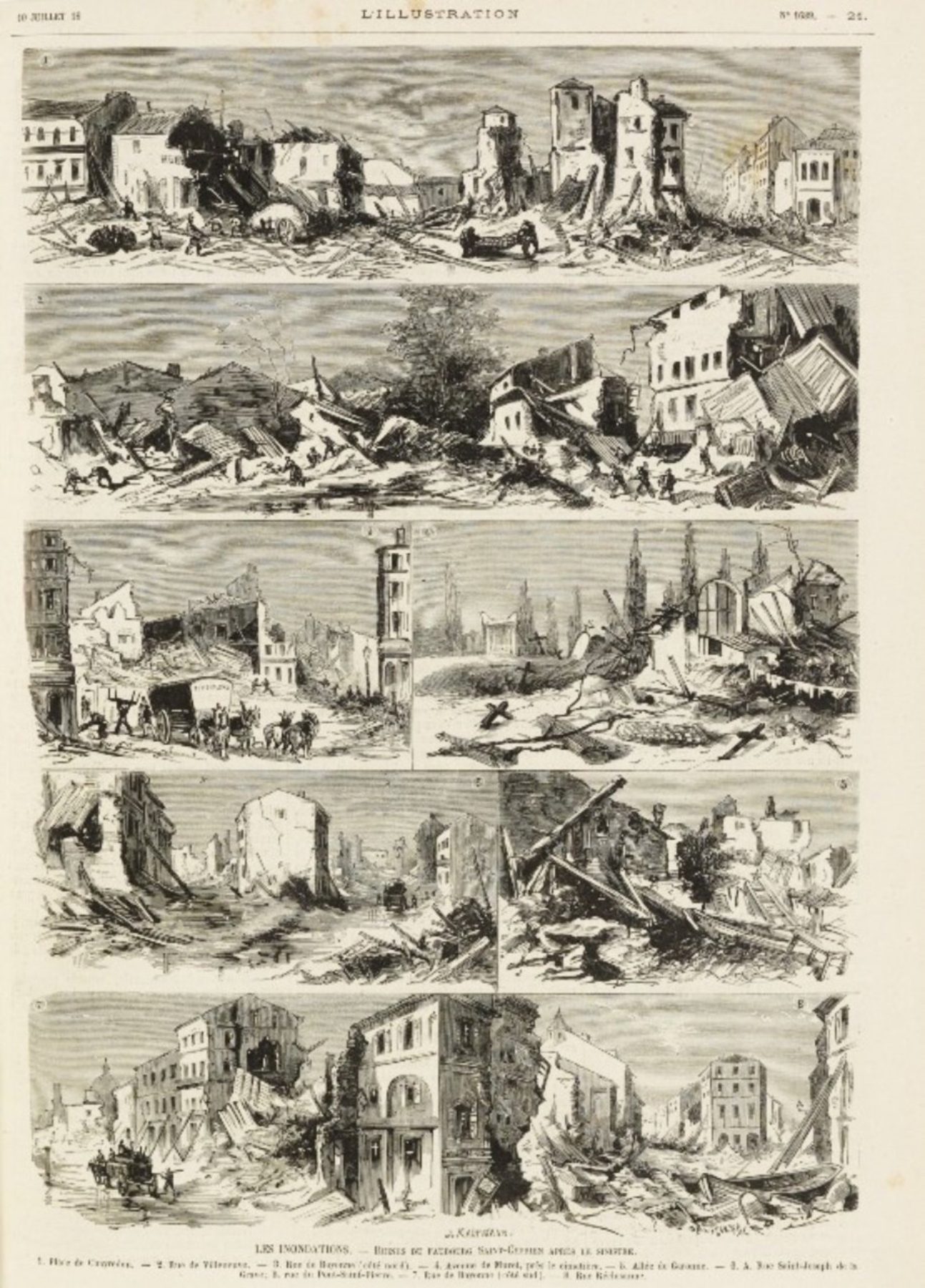
Its identity remains inseparable from the catastrophic flood of June 1875, when the Garonne submerged the largely working-class district and devastated much of the suburb. Rosalis (2025) describes Saint-Cyprien as a densely populated quarter inhabited primarily by fishermen and labourers living in fragile earthen dwellings, rendering it especially vulnerable to the disaster. The collapse of embankments and bridges transformed the flood into a social tragedy, leaving thousands homeless and permanently imprinting the district’s urban memory (La Dépêche, 2004).
Historically inhabited by Romani communities, craftsmen, migrants, and later Spanish Republican refugees fleeing Franco’s dictatorship, Saint-Cyprien gradually developed a politically progressive and socially mixed identity grounded in cultural openness, solidarity, and neighbourhood activism. This ethos remains palpable today in the district’s markets, independent cafés, artistic initiatives, and intense occupation of public space. Its enduring “village atmosphere” emerges through everyday rituals of coexistence: intergenerational encounters, informal sociability, and a collective memory continuously negotiated between long-term residents and newer populations.
Set within a neighbourhood marked by successive layers of industrial transformation, between the former slaughterhouse district, now reimagined as a contemporary art museum, and a historic cartridge factory converted into an eco-neighbourhood with a community hub, architect Gabrielle Vinson undertook the renovation of an original Toulousaine — the archetypal urban dwelling of Toulouse, defined by its narrow frontage, terraced configuration, and elongated plan.
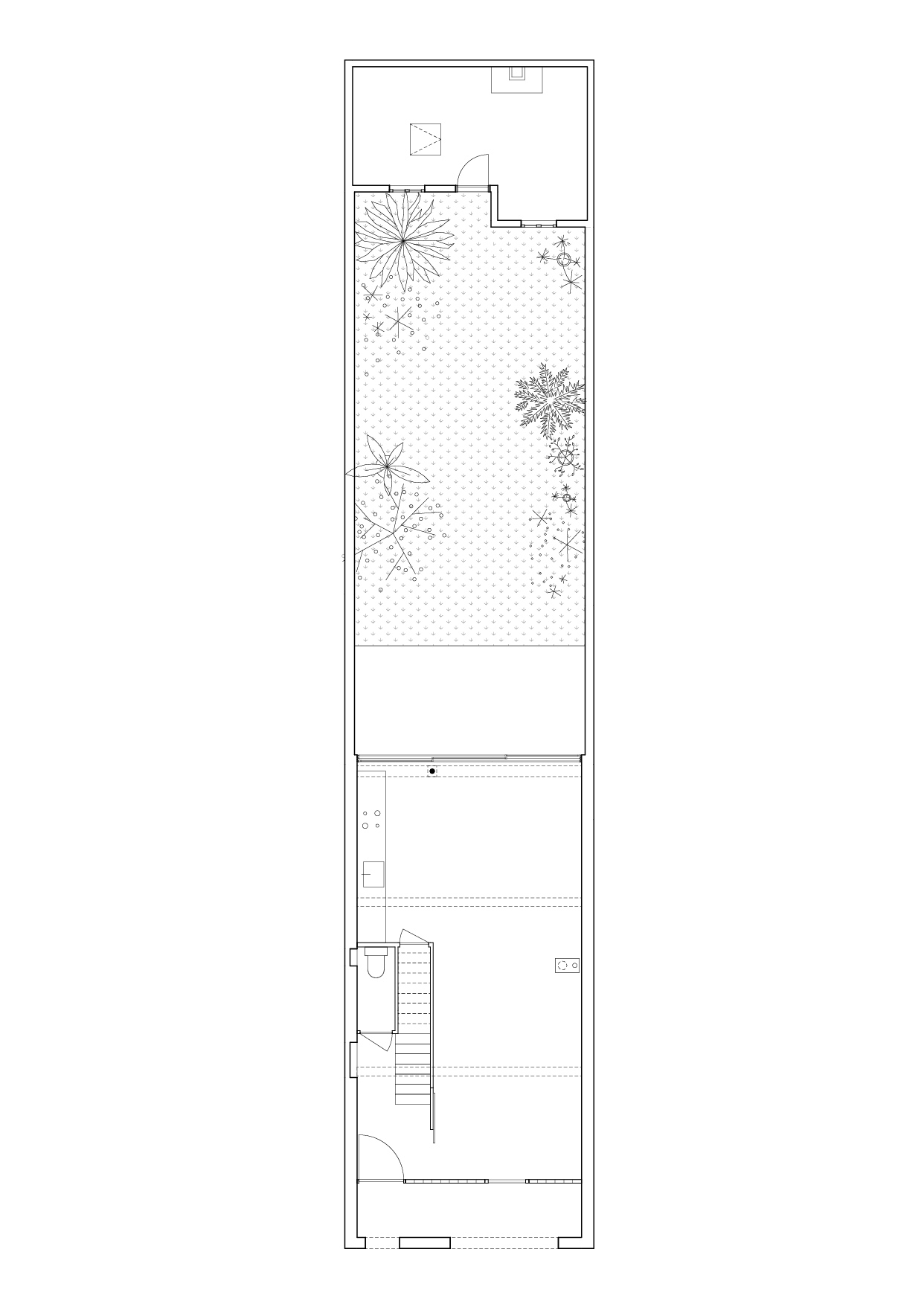
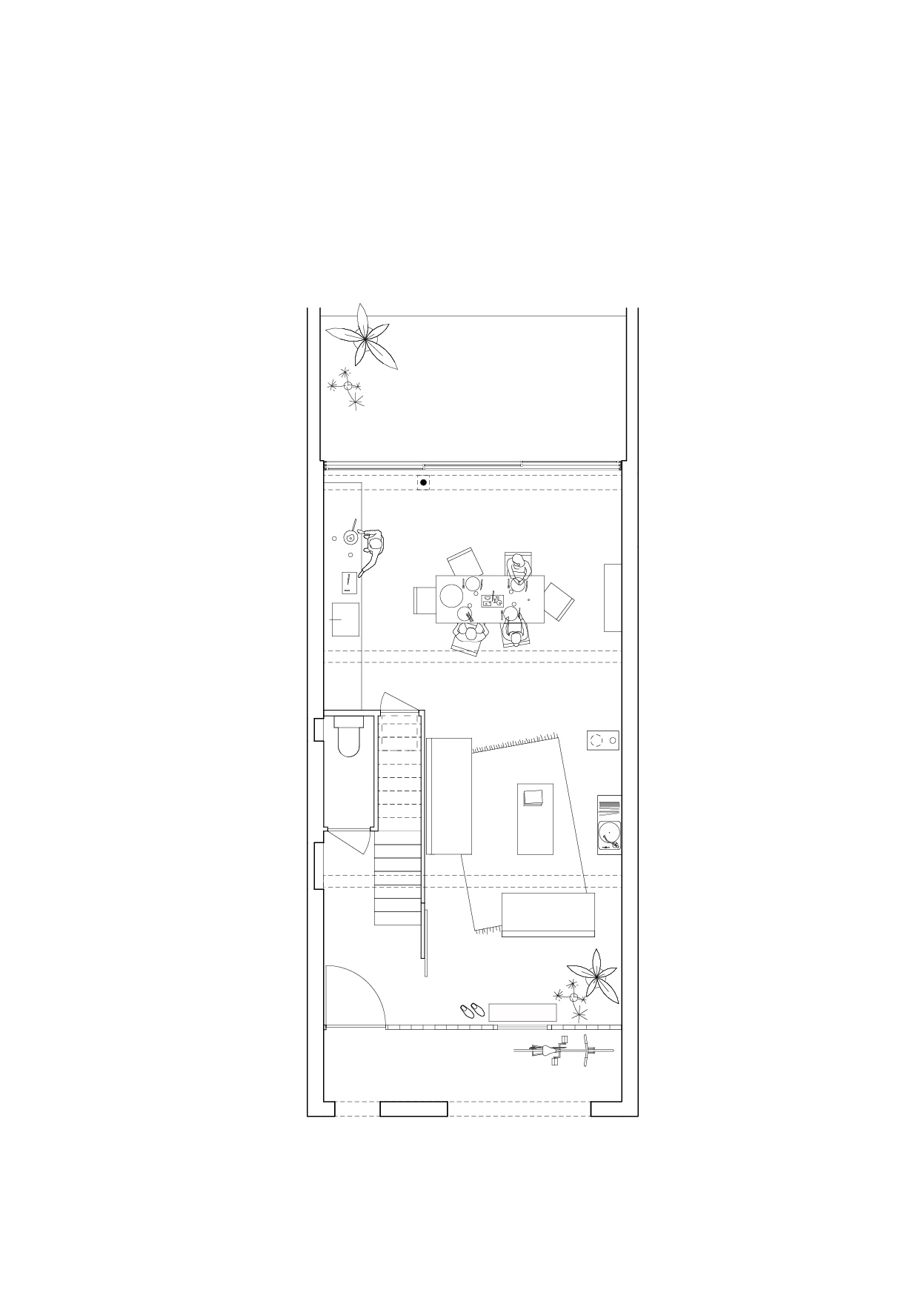
Developed primarily during the eighteenth and nineteenth centuries to accommodate working- and middle-class residents, the Toulousaine represents a restrained yet remarkably cohesive model of urban domesticity. In the 1970s, the house was reconstructed on its original footprint through a rigorously rational approach: a straightforward concrete frame inserted between party walls across three levels, with hollow-core slabs and a palette of robust, durable materials.
Rather than erasing these successive histories, the intervention embraces the building’s constructive and material memory.
The Nestor Brun House is approached as a layered architectural body, where renovation operates through a process of urban mining — uncovering, reinterpreting, and reactivating the latent qualities embedded within the existing structure.
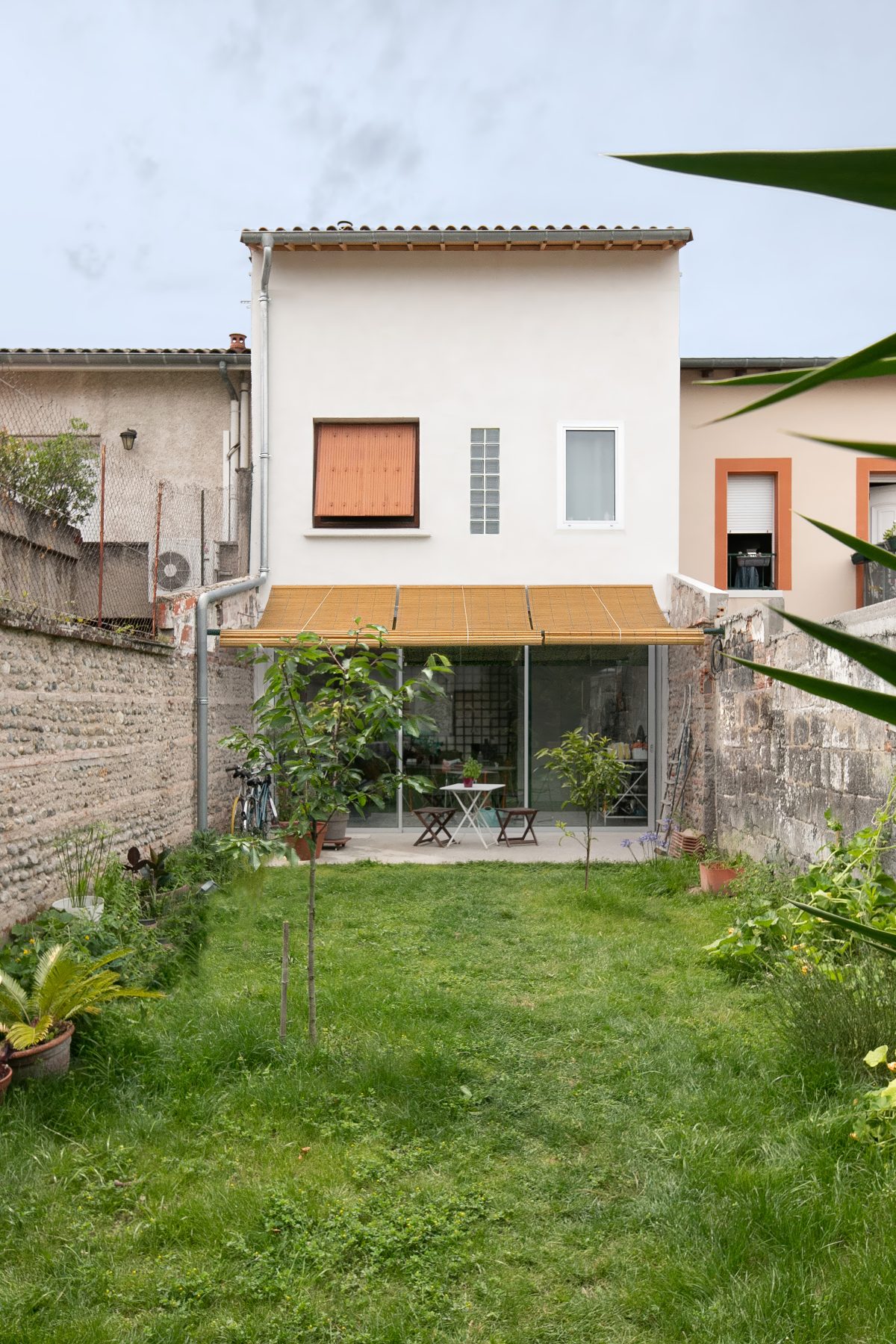
“NB House claims an architecture of attentive, sober, and situated transformation. An architecture that considers the existing building as a resource, the construction site as a project venue, and time as a material in its own right,” explains Gabrielle Vinson.
Operating at the domestic scale, urban mining positions the architect simultaneously as archaeologist and builder, approaching the city — and in this case the house — as a vast material reservoir (Bergmann, 2020).
Within this logic, architecture shifts from extraction to careful selection, where value is already embedded in what has been built. Within the intimate framework of domestic space, this process acquires profoundly corporeal and poetic dimensions.
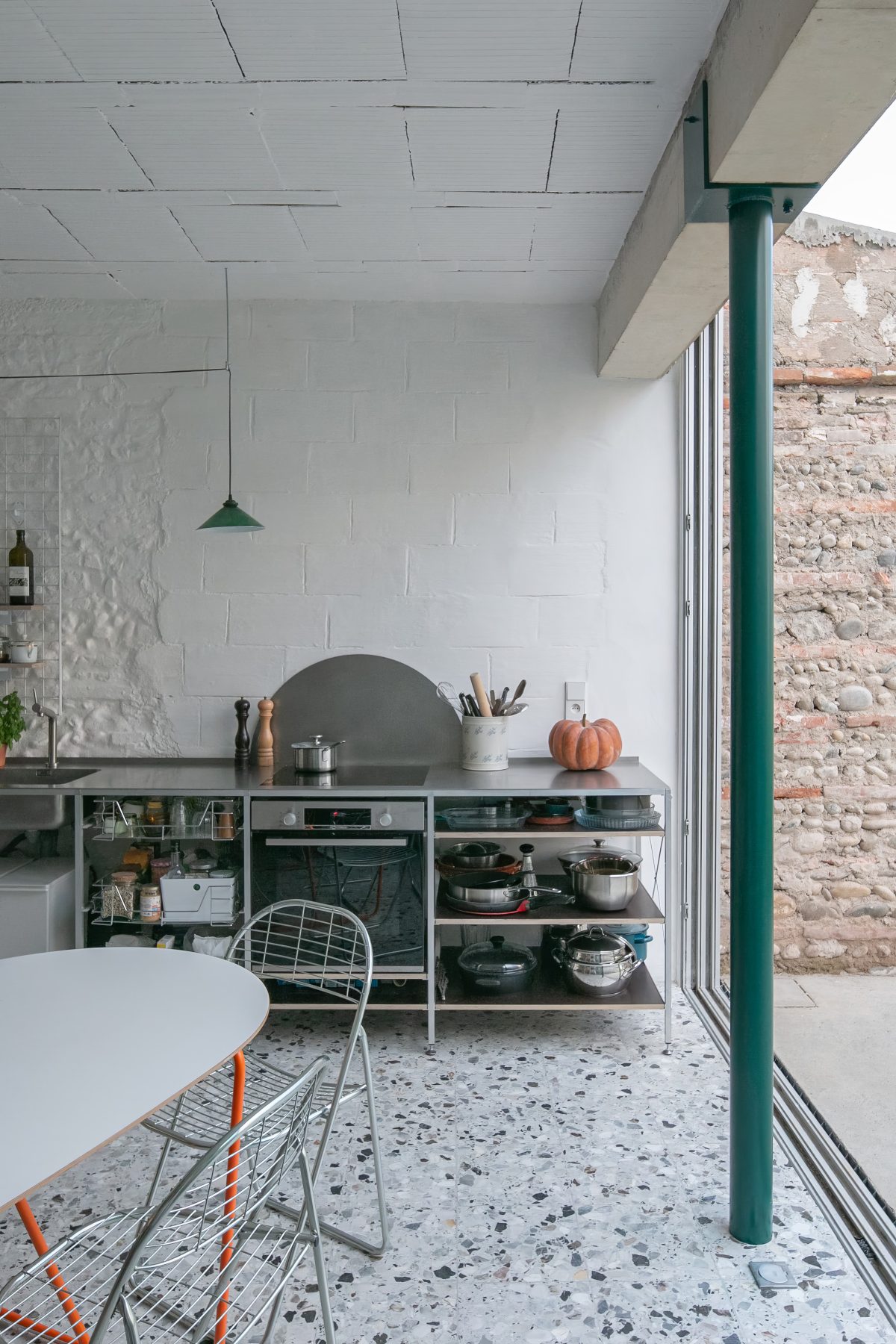
“Houses are really bodies. We connect ourselves to them as we do to our own flesh,” writes Anaïs Nin, offering a precise lens through which to understand the project’s spatial sensibility.
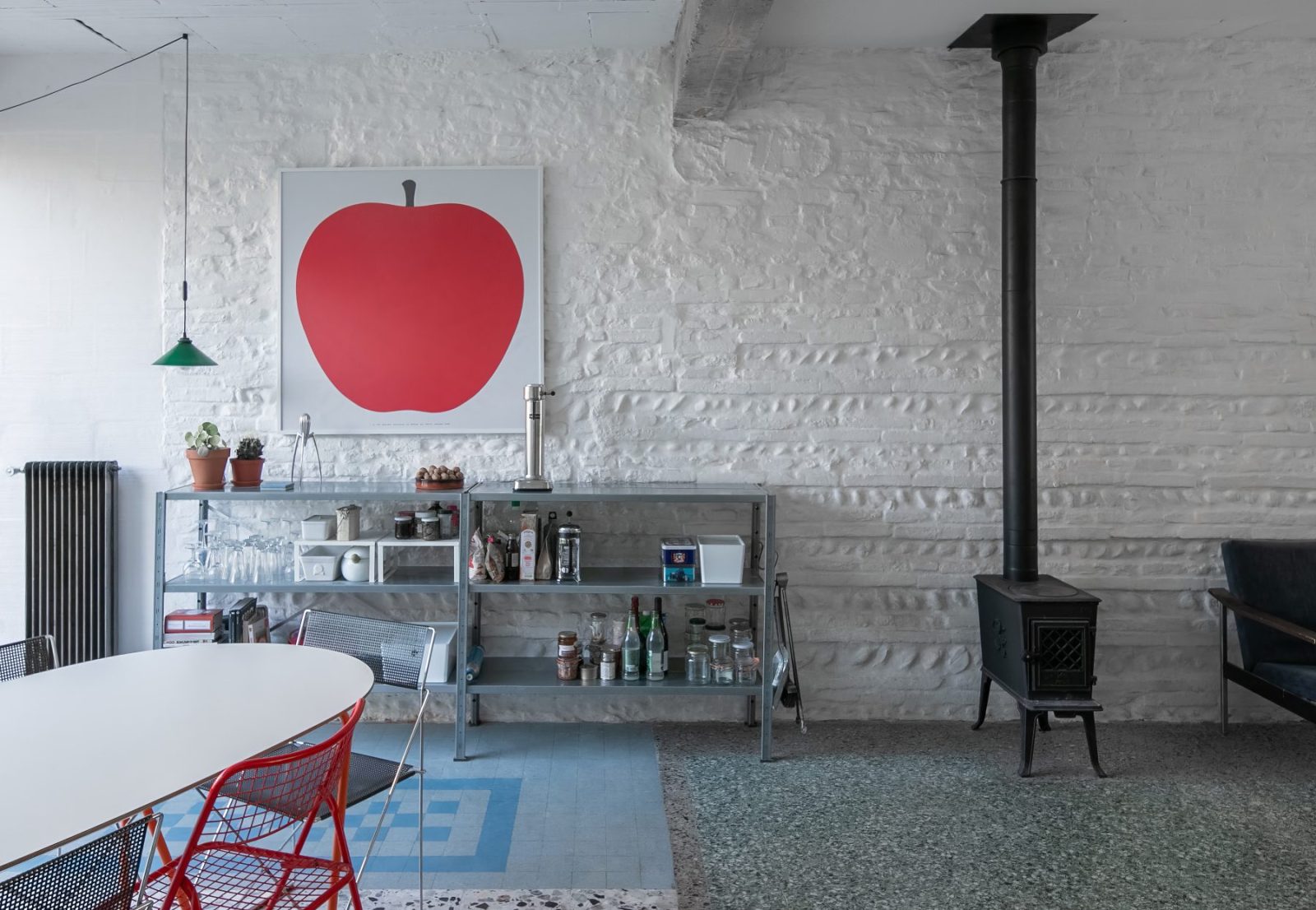
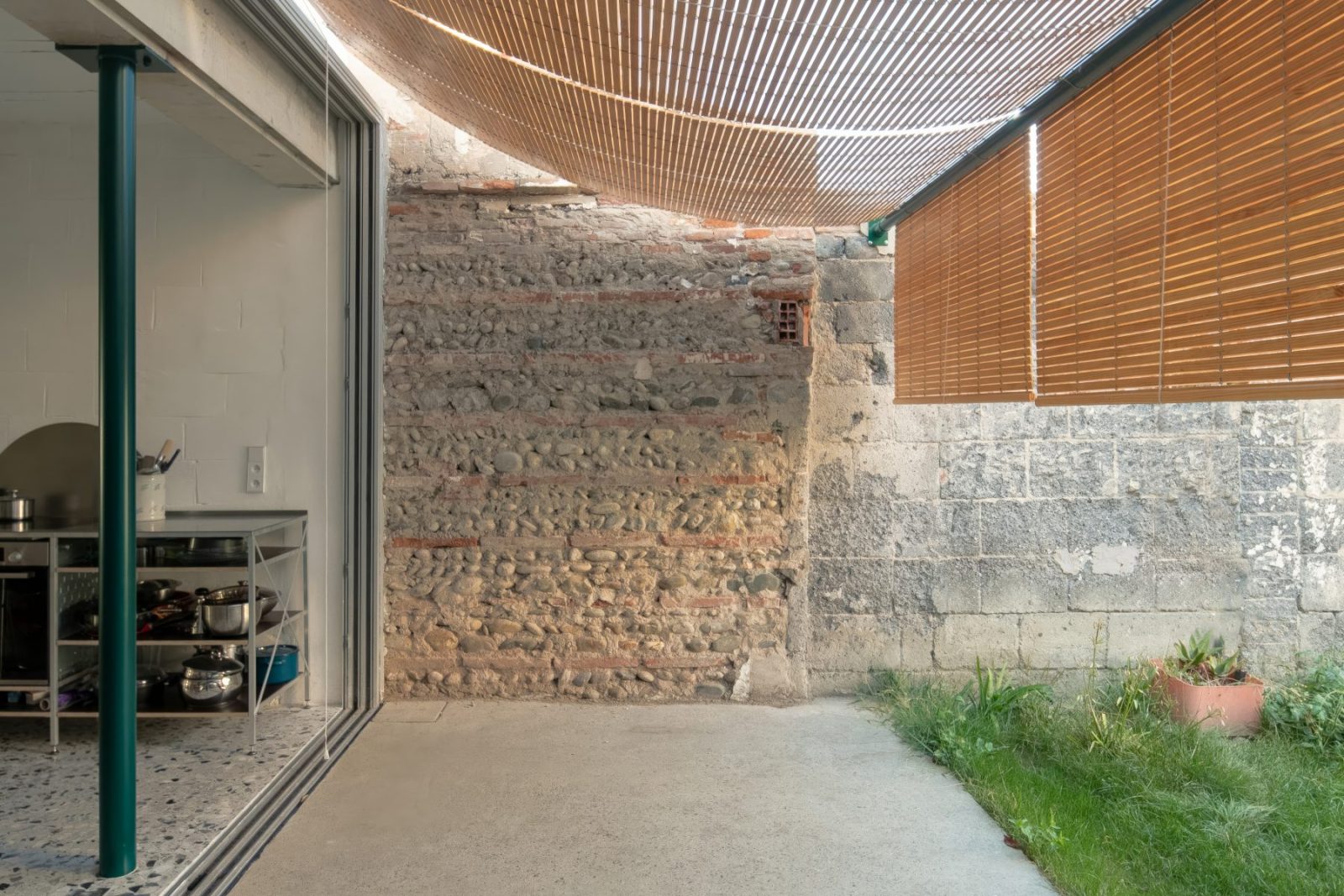
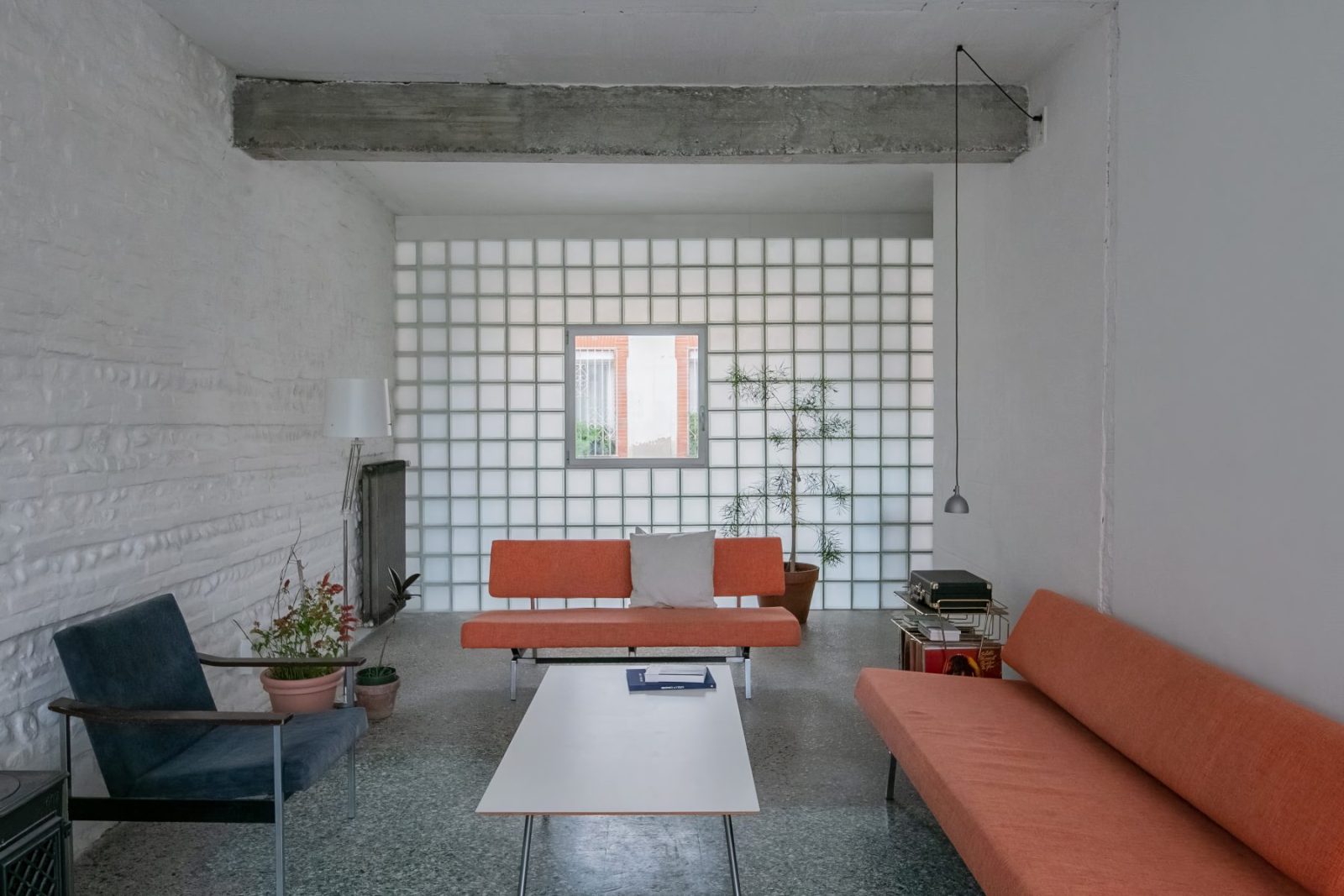
Approaching the house almost from a healing perspective, the redesign begins with an act of cathartic subtraction. Interior partitions on the ground floor were removed, allowing natural light to penetrate more deeply into the house while establishing a stronger continuity with the garden. Structural walls, both interior and exterior, were stripped of accumulated layers and obsolete finishes that had gradually concealed the material clarity of the original structure.
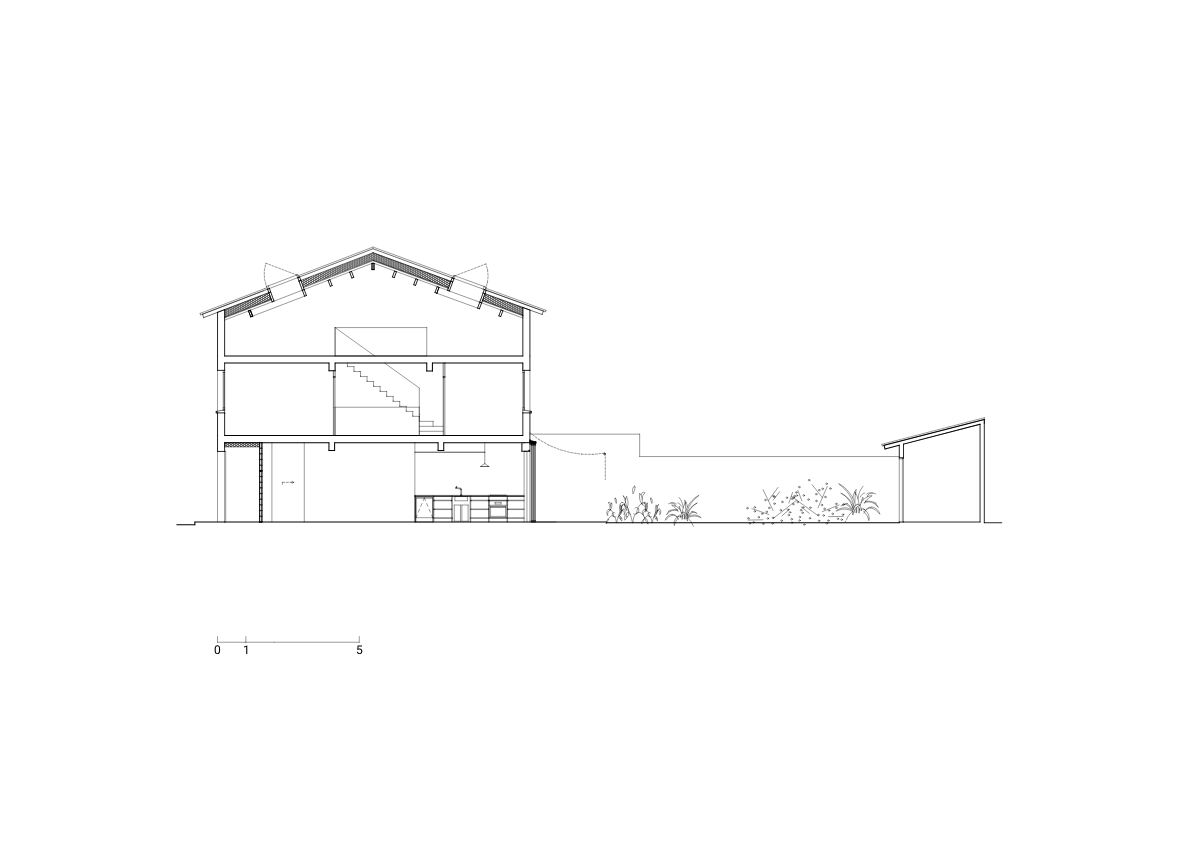
At the culmination of this process, a revelation occurs: the authentic body of the house re-emerges.
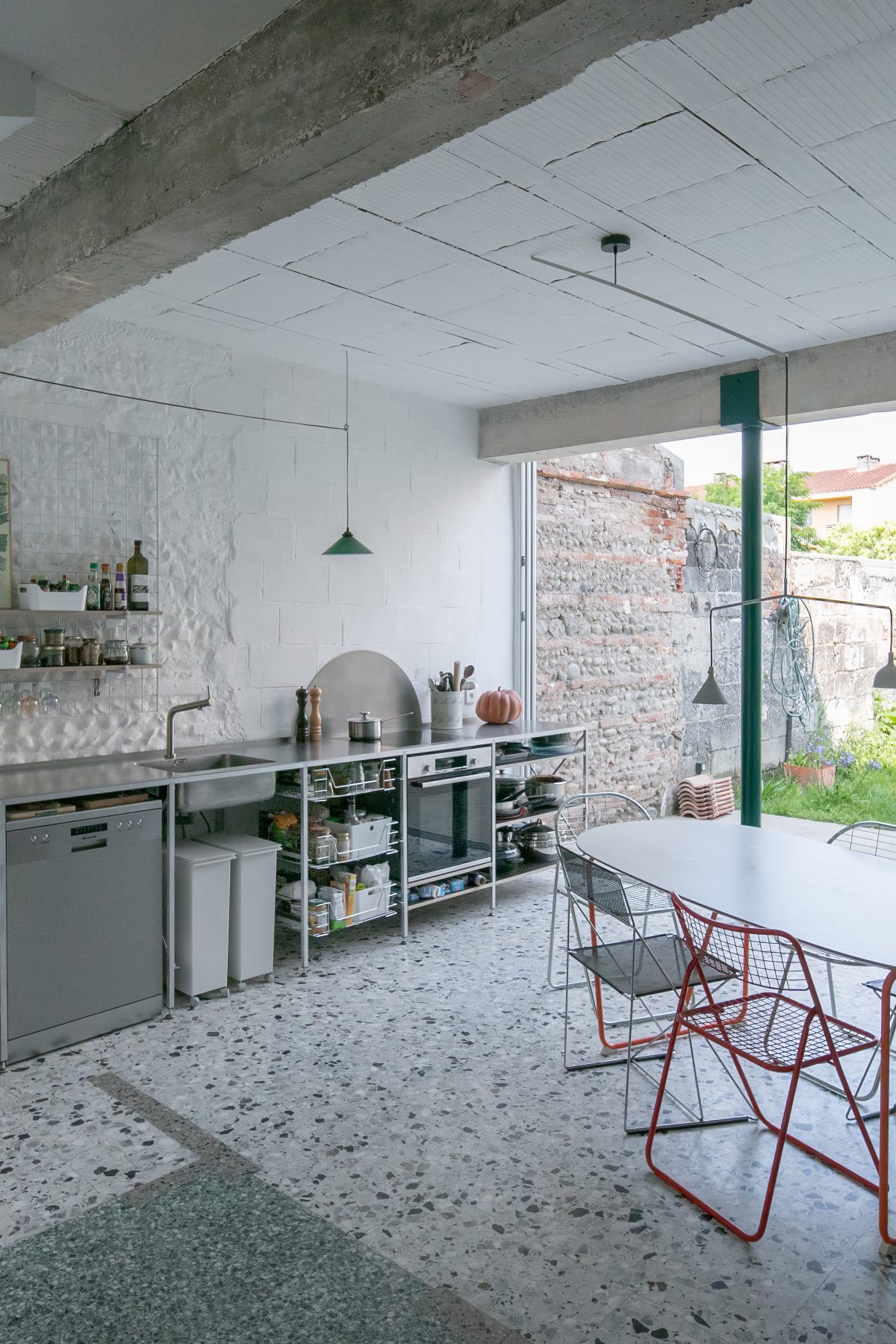
Brick and pebble walls — silent reminders of the district’s historical coexistence with the Garonne — become visible once more, alongside hollow-tile ceilings and exposed concrete beams. The original materials are allowed to exist in their raw state, occasionally whitewashed yet never fully concealed, bearing visible traces of successive occupations and transformations.
Through this refurbishment process, construction itself is reframed as an act of “mining the existing built environment,” where new-built production is replaced by processes of harvesting, cataloguing, and re-entering material flows into new architectural cycles (Hebel, Wisniewska and Heisel, 2021).
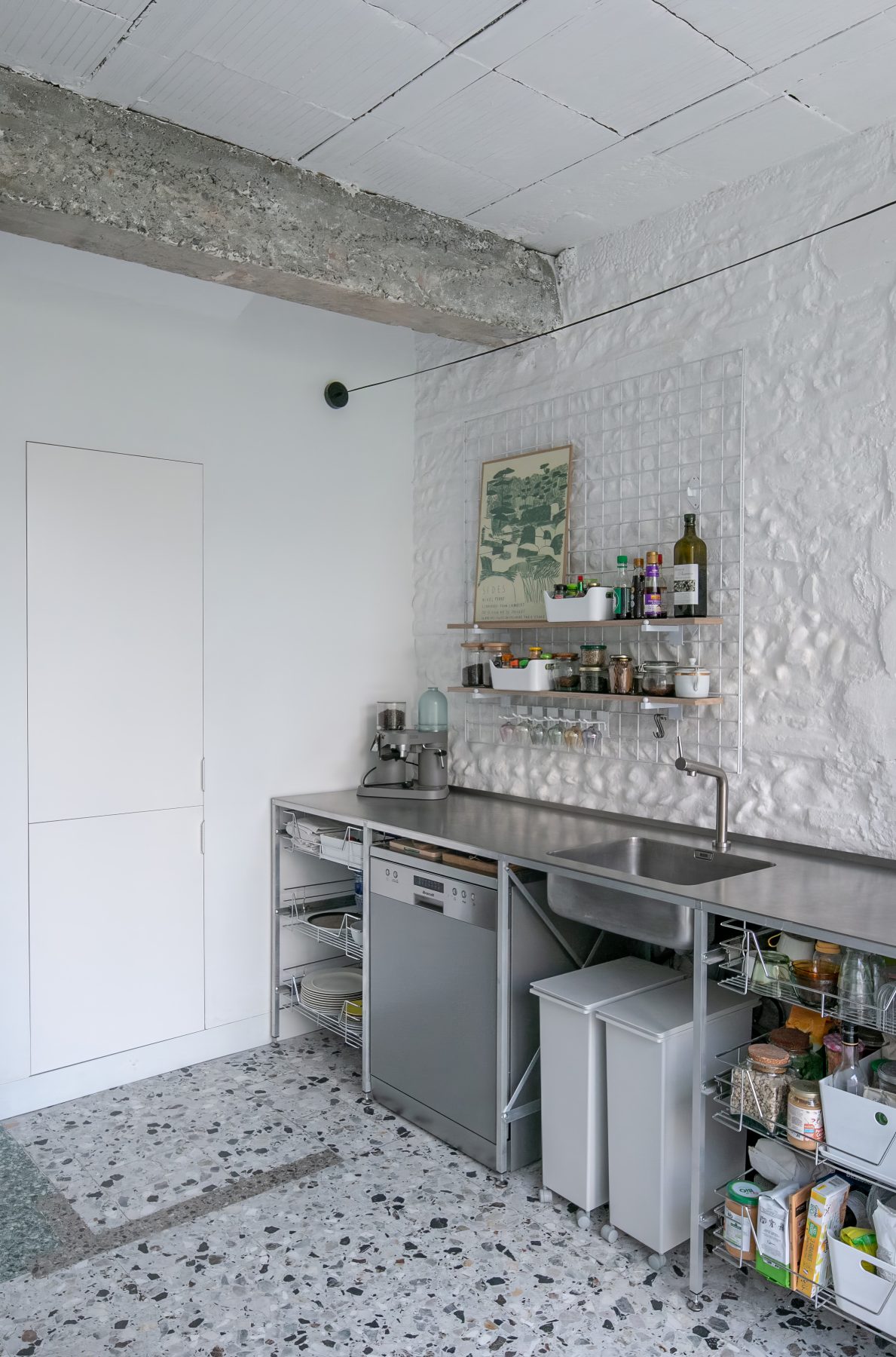
The architect thus operates less as a creator ex nihilo and more as a curator of latent material intelligence already inscribed in the urban fabric.
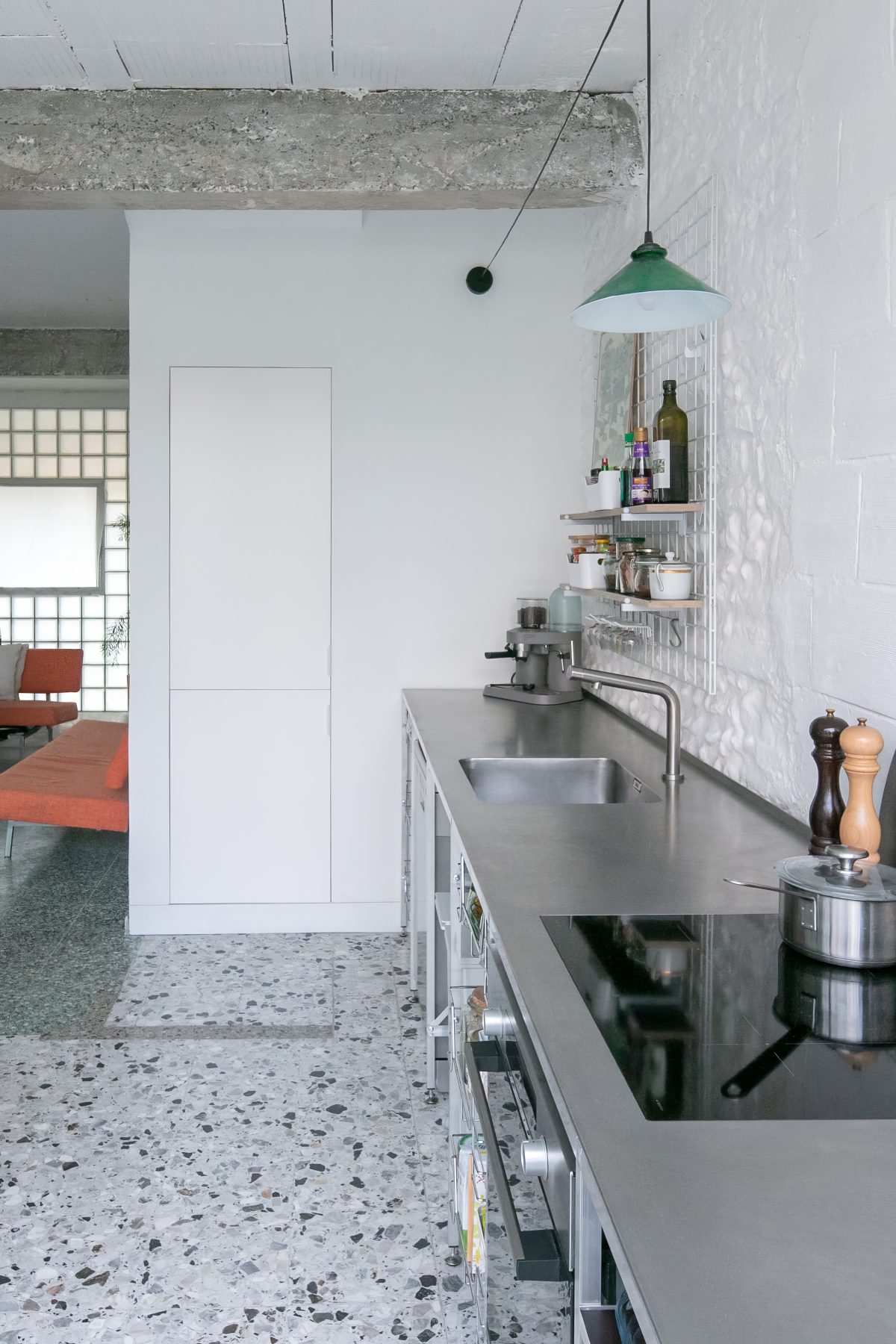
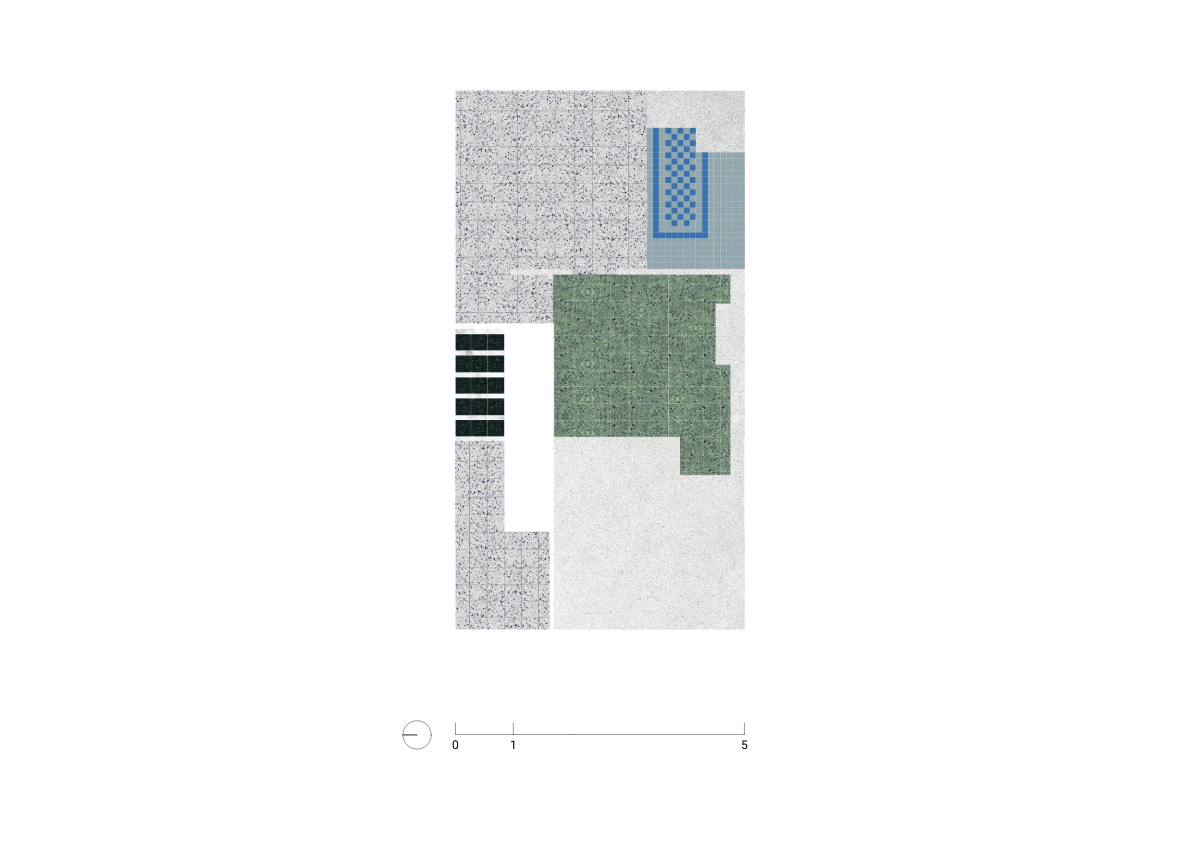
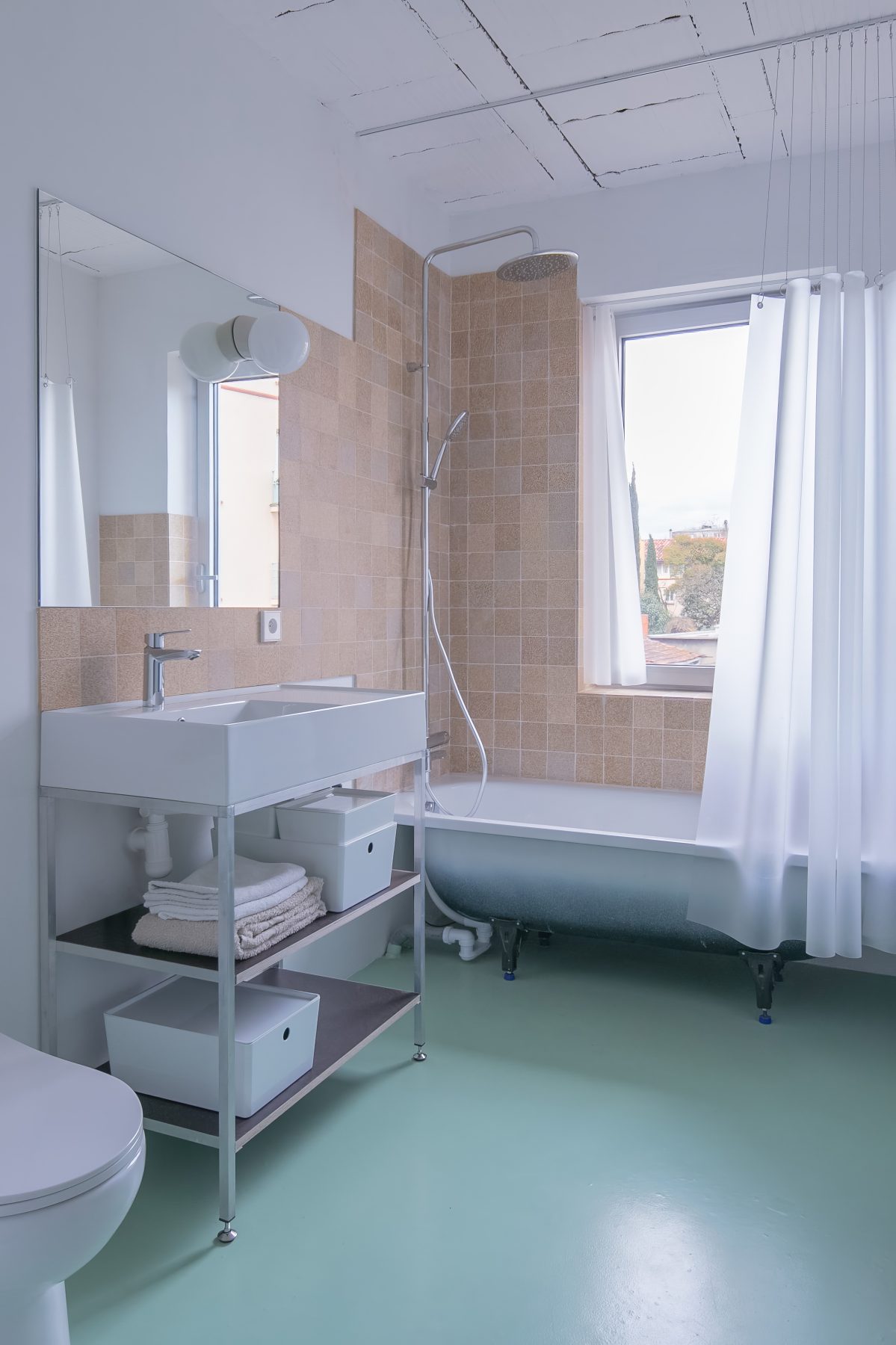
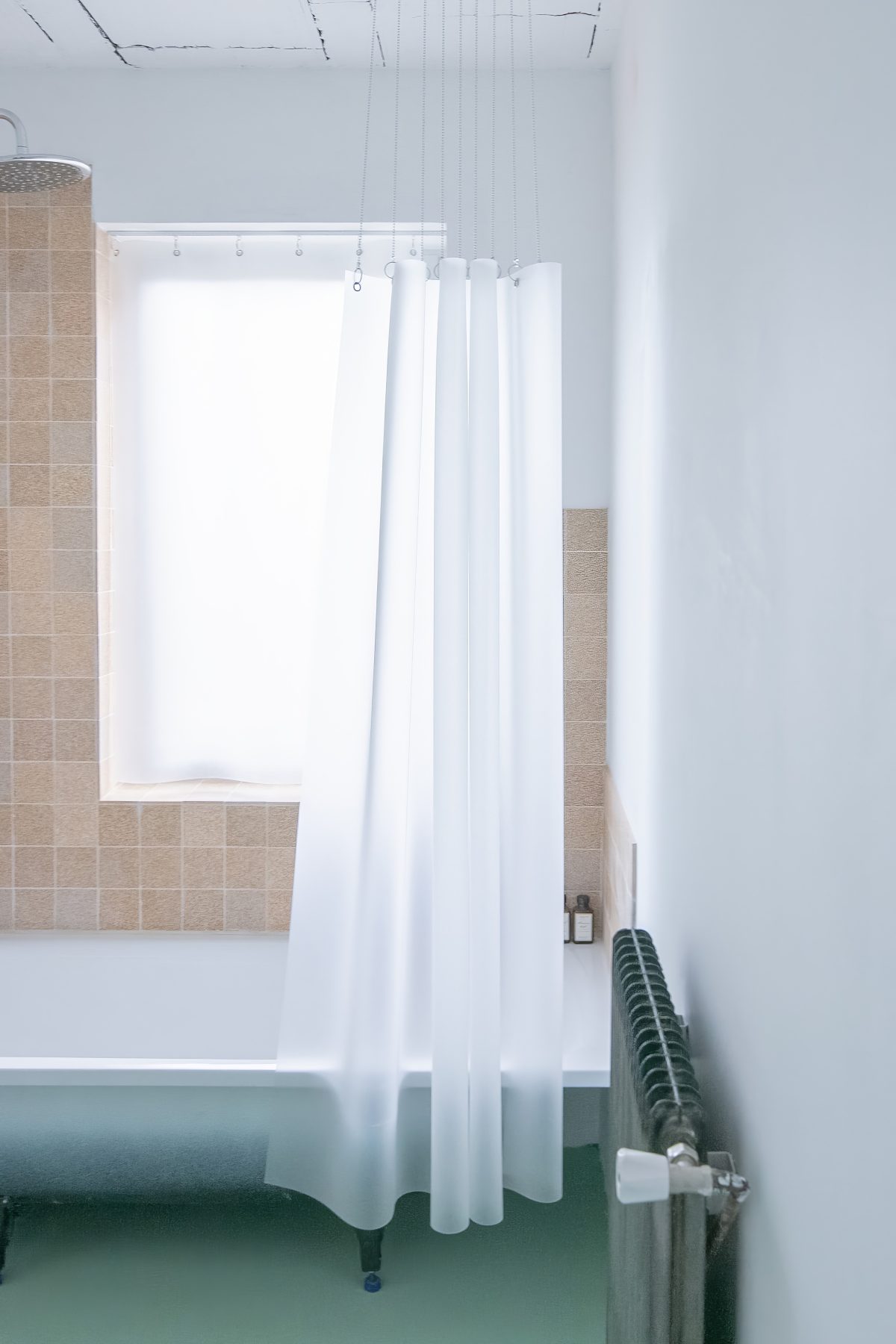
Throughout the project, the new architectural language is guided by an ethos of care: attentive to what already exists, to what can be preserved, reinterpreted, and re-exposed. Through a meticulous process of material mapping, valuable components of the existing structure were identified, recovered, and selectively reused. Speckled tiles from the former veranda — vestiges of 1970s domesticity — are relocated to the bathroom. The original ground-floor flooring is preserved and restored, while the traces of removed partitions are filled and polished in concrete, producing a hybrid surface where past and present remain visibly entangled.
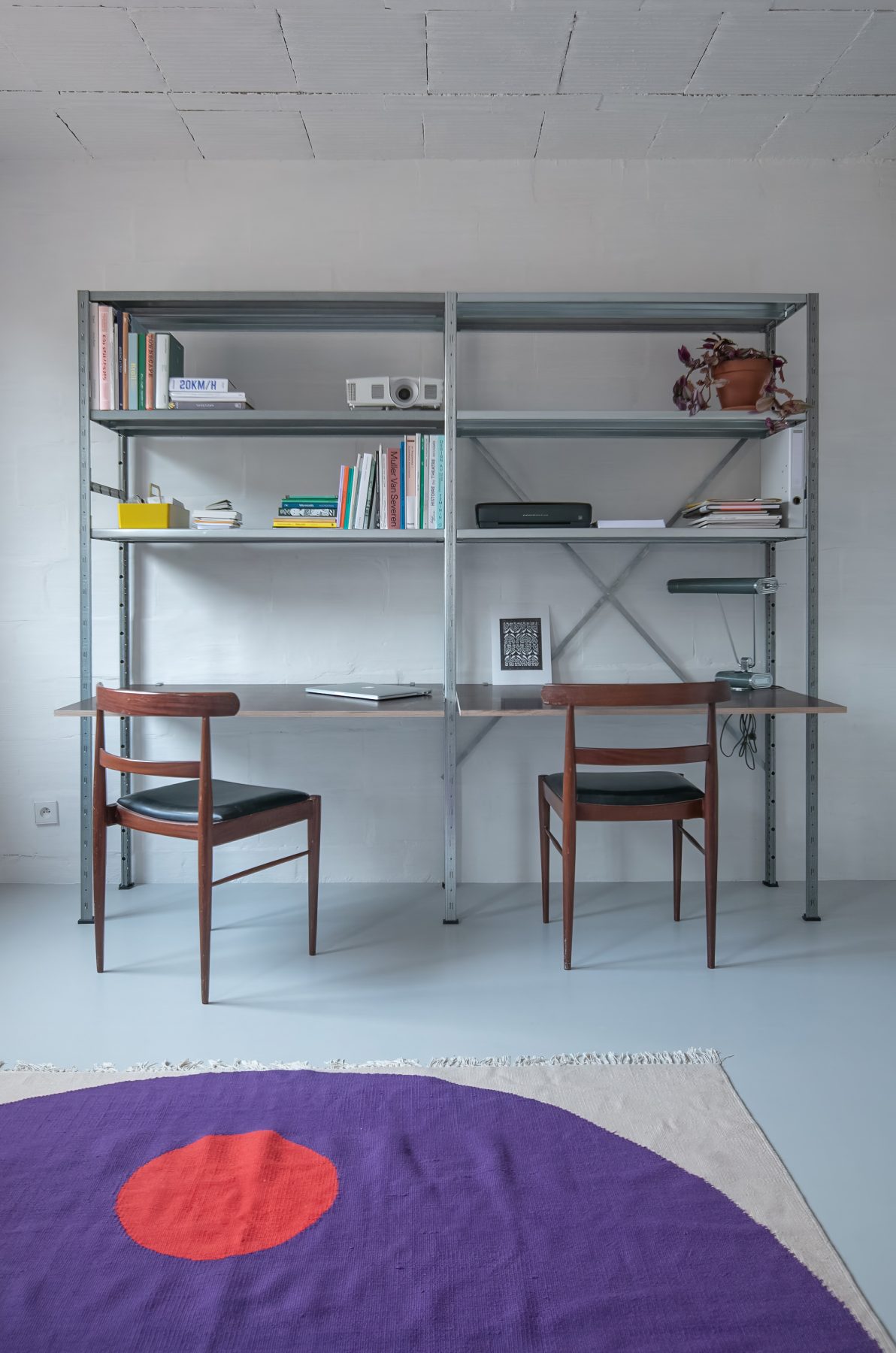
Entirely new interventions are conceived as autonomous elements fabricated in situ, existing outside industrial standardisation.
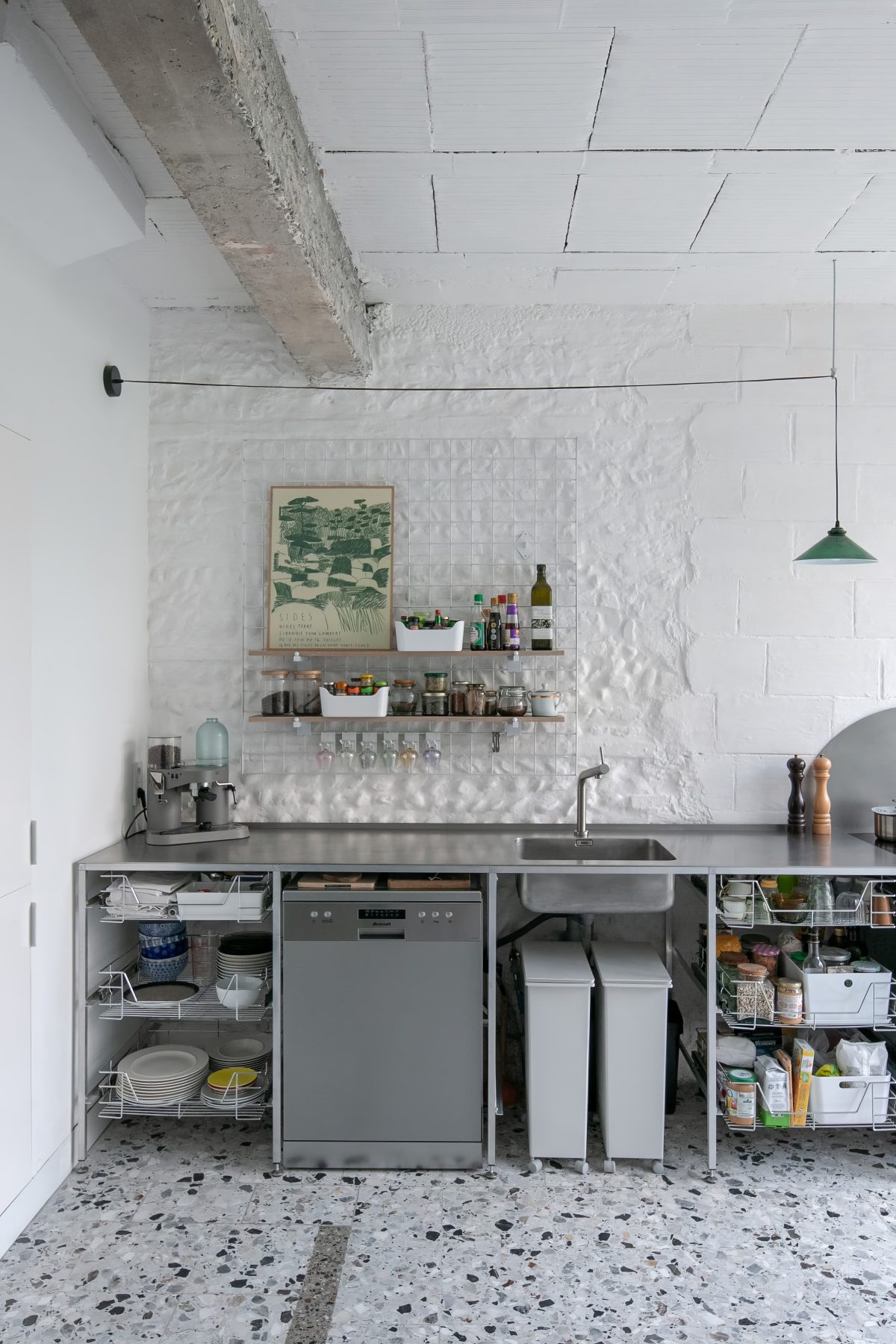
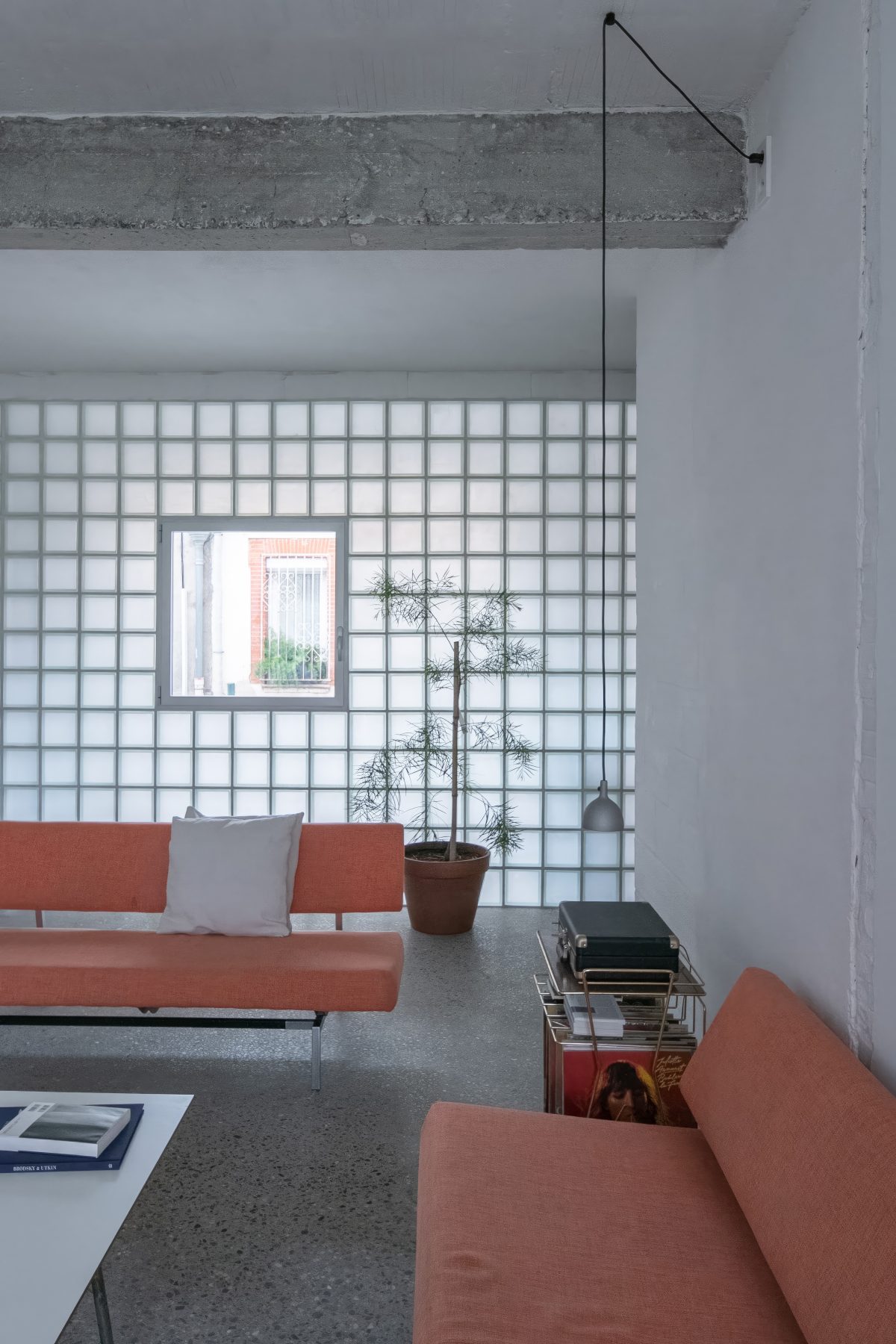
Through their singularity, these insertions contribute to the project’s raw, almost bricolage aesthetic, while simultaneously reinforcing its overall coherence. Representative of this sensibility is the ground-floor kitchen: deliberately light and economical, composed of a delicate metal frame and stainless-steel worktop. Doors, railings, custom furniture, and a new glass-block partition complete the experimental domestic landscape of the Nestor Brun House.
Beyond its environmental implications, urban mining carries a profound cultural and architectural dimension. Reclaimed materials embody latent histories and embedded narratives, enriching contemporary architecture with temporal depth and material memory. In this sense, urban mining emerges as a necessary shift toward circular urban metabolism, where the built environment is no longer a linear system of production and waste but a continuous loop of recovery, transformation, and reactivation (Bergmann, 2020).
Within such a framework, architectural value is no longer defined by novelty, but by the capacity to reveal, intensify, and reconfigure what already exists.
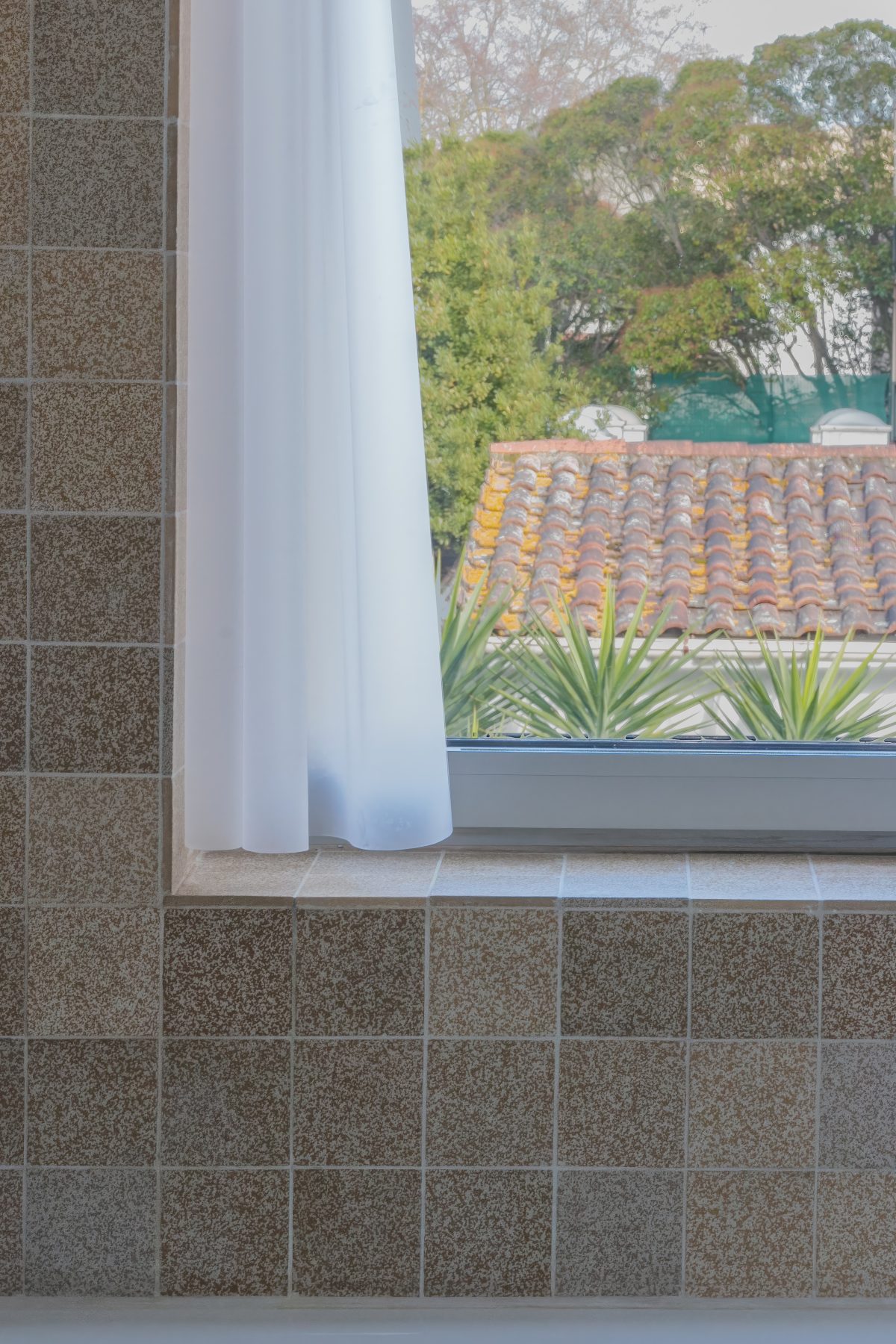
Nestor Brun House proposes an alternative ethos for contemporary domesticity: one in which the house is treated not as a neutral container, but as a living body whose capacity to shelter resides precisely in its ability to remain authentic, vulnerable, free of any unnecessary concealment and ultimately unique.
Facts & Credits
Project title Nestor Brun House
Typology Stories of Contemporary Domesticity, Private House, Renovation
Episode 18th
Location Saint-Cyprien, Toulouse, France
Built area 147 m²
Status Completed, 2024
Architecture Gabrielle Vinson Architecte
Photography Gabrielle Vinson
References
Bergmann, M. (2020) Urban Mining and Circular Construction: The City as a Resource. Basel: Birkhäuser.
Hebel, D., Wisniewska, M. and Heisel, F. (2021) Building from Waste: Recovered Materials in Architecture and Construction. Basel: Birkhäuser.
La Dépêche (2004) Les inondations de 1875 dans le Sud-Ouest. Toulouse: Bibliothèque de Toulouse.
Rosalis (2025) ‘Quand Toulouse fut submergée : l’inondation de 1875’, Rosalis – Bibliothèque numérique de Toulouse. Available at: Rosalis – Bibliothèque numérique de Toulouse (Accessed: 20 May 2026).