Architecture for Education explores the spaces where knowledge takes form. From visionary schools and research-driven universities to civic libraries that anchor communities, this series examines how design shapes learning, interaction, and intellectual growth. Through exemplary projects worldwide, we highlight architecture that inspires curiosity, fosters inclusivity, and redefines the future of educational environments with clarity, innovation, and cultural depth.
Set within a former tanner’s district, DMB műterem reimagines a disused leather workshop into an experimental educational hub for the University of Debrecen’s Department of Architecture. More than a renovation, The Dryer Workshop becomes both a learning environment and a living laboratory, redefining architectural education through collective making, adaptive reuse, and hands-on experimentation. Through craftsmanship, openness, and sensitivity to the existing structure, DMB Műterem proposes an educational model grounded in collaboration, material awareness, and the direct experience of construction.
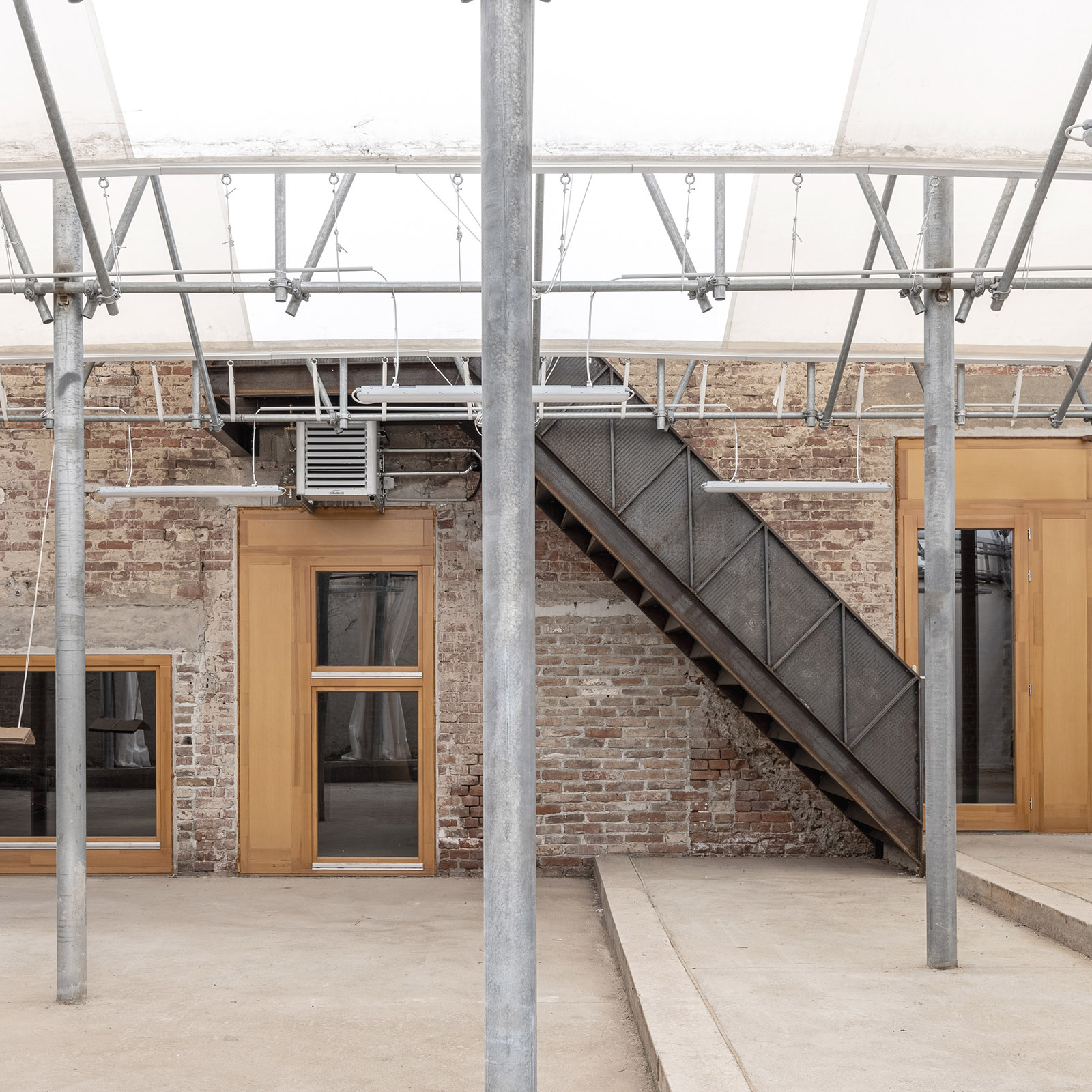
A bricoleur’s sensitivity to the existing structure is evident throughout, articulated in exposed surfaces, the courtyard roof, and spatial gestures that evoke the building’s former life as a leather-drying facility.
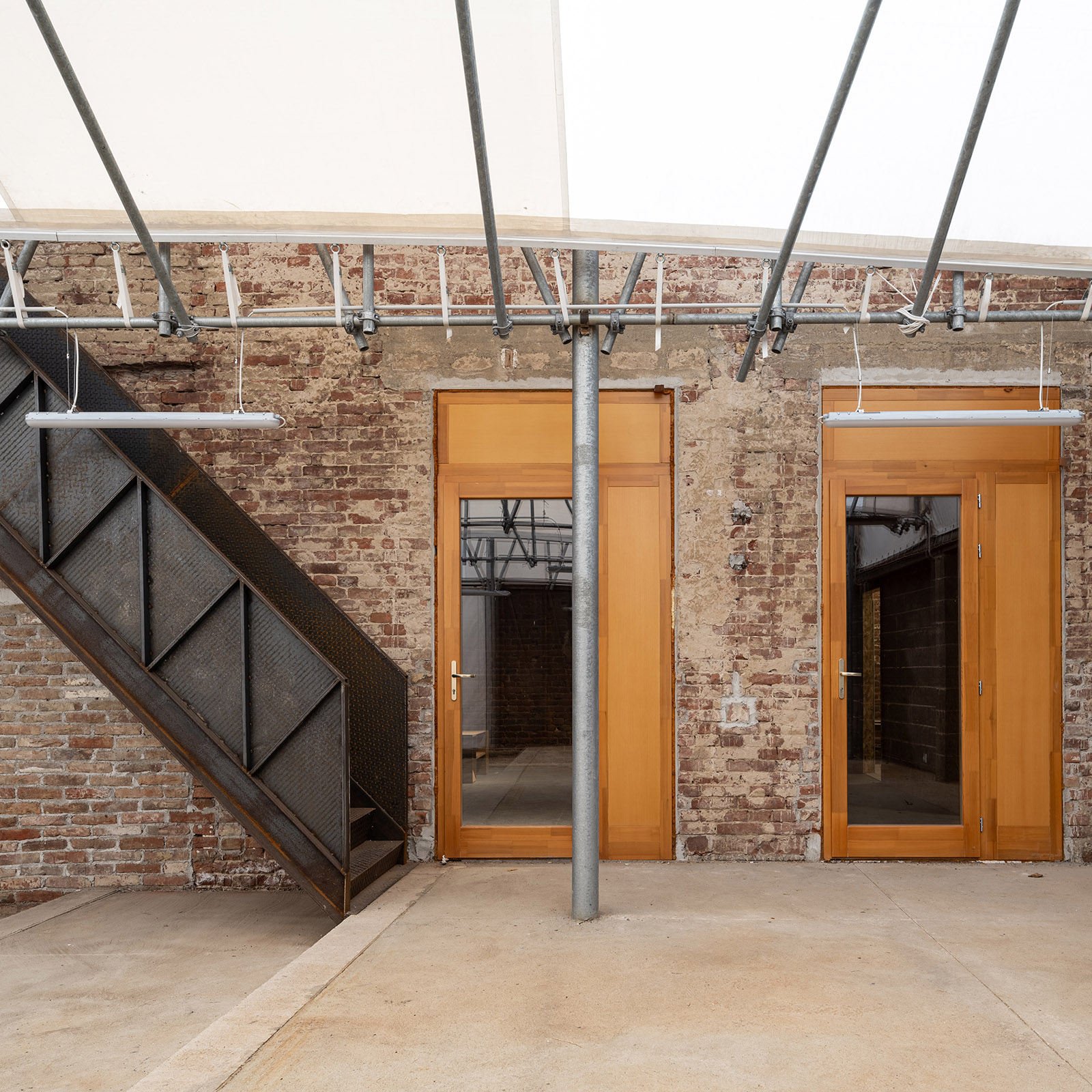
Initiated over a decade ago, the transformation stems from the search for freer, adaptable environments for architectural education, capable of fostering active engagement and collective participation beyond institutional boundaries.
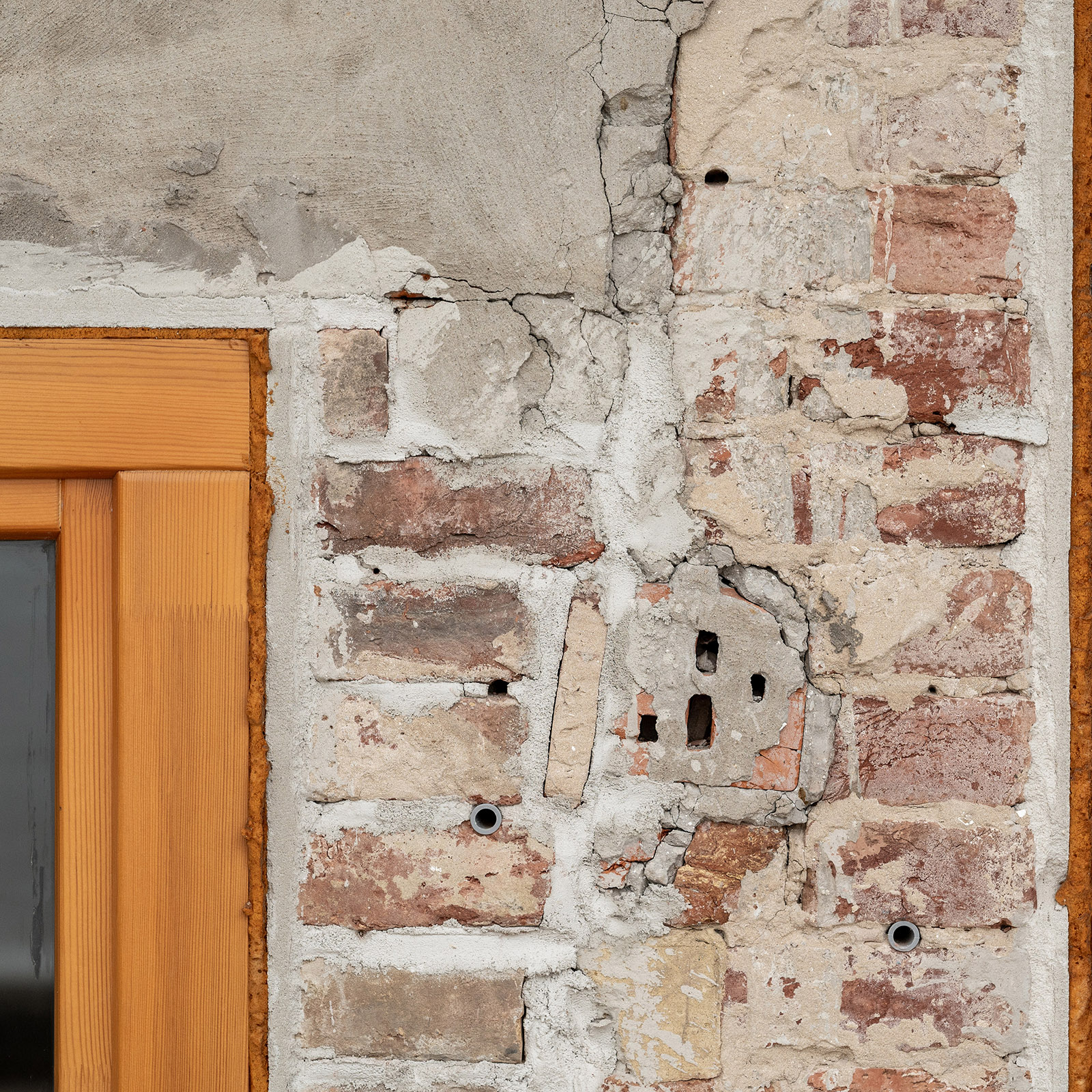
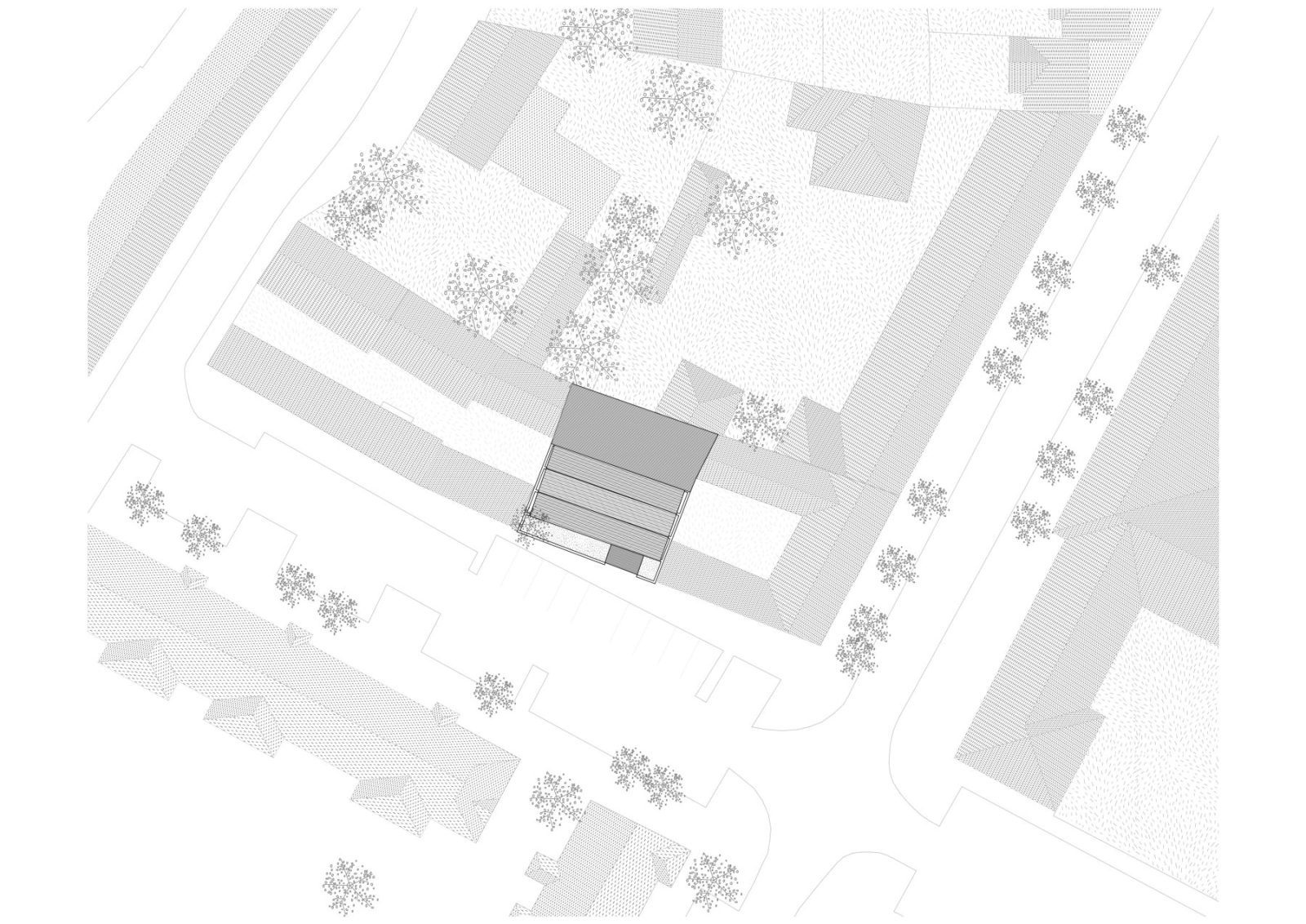
The selected site—once part of the city’s historic tanner’s district—offered both material and cultural continuity. The former drying workshop, acquired from the municipality, provided the framework for a process-driven architectural intervention grounded in reuse.
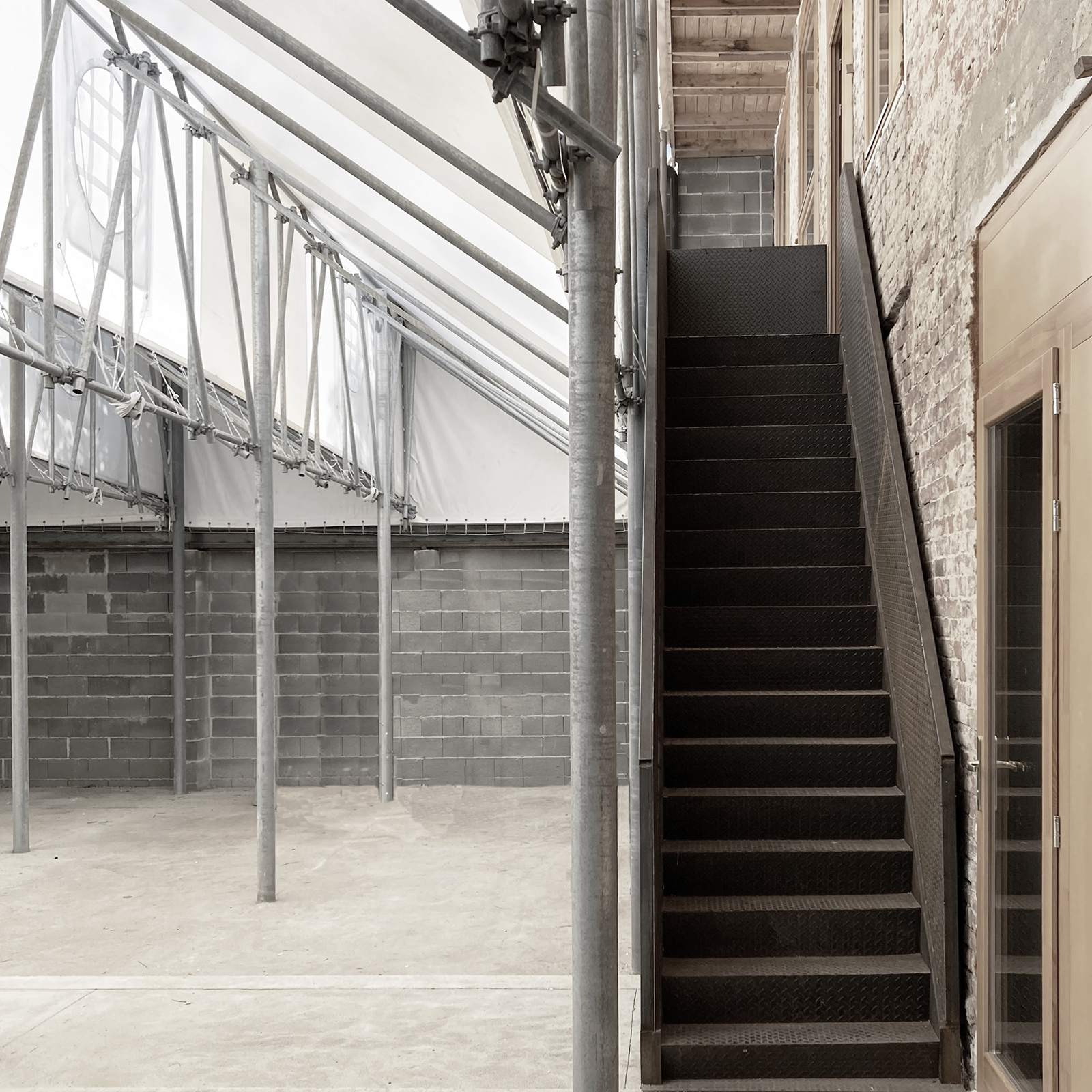
Central to the project is kaláka, the tradition of collective building, which shaped both the construction methodology and design evolution.
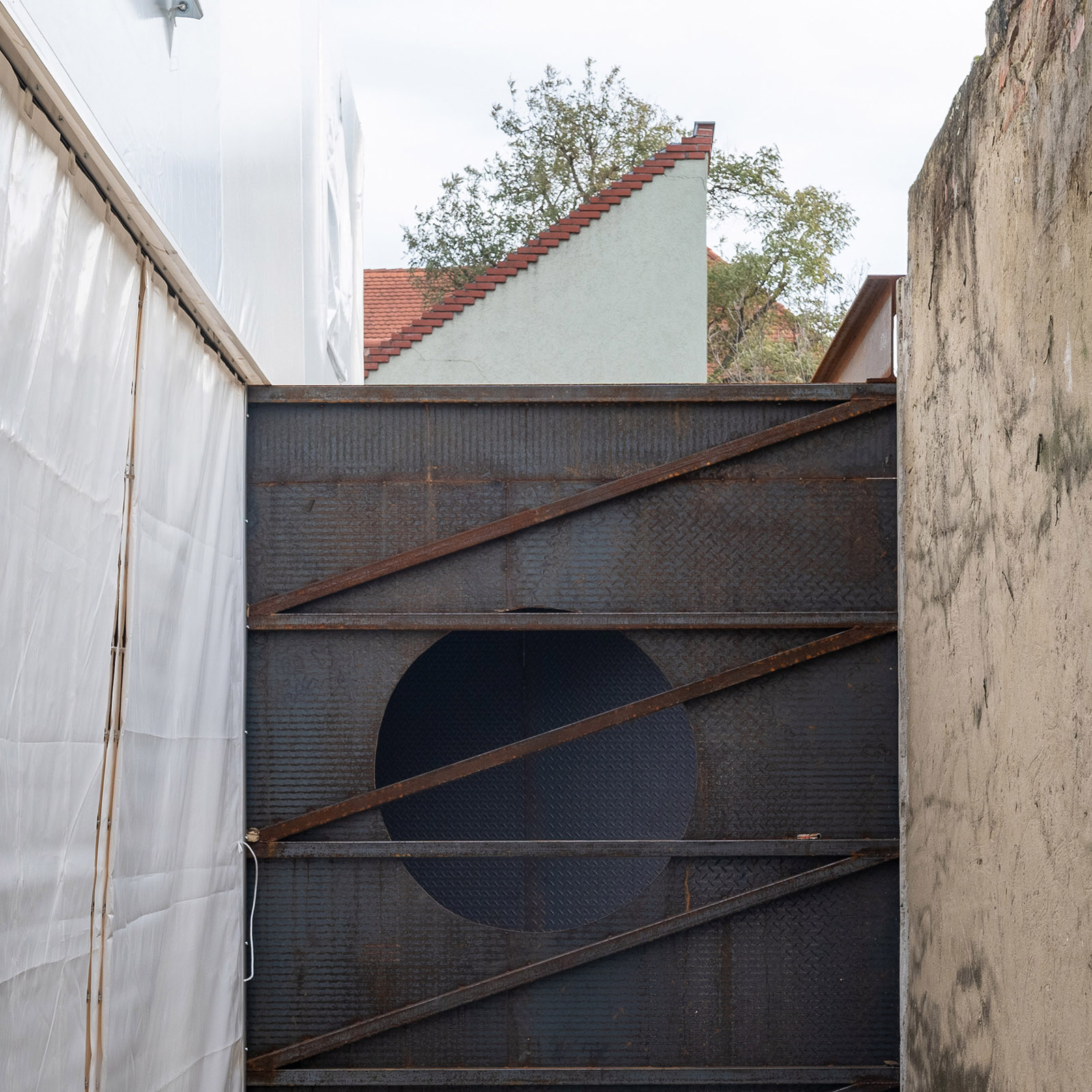
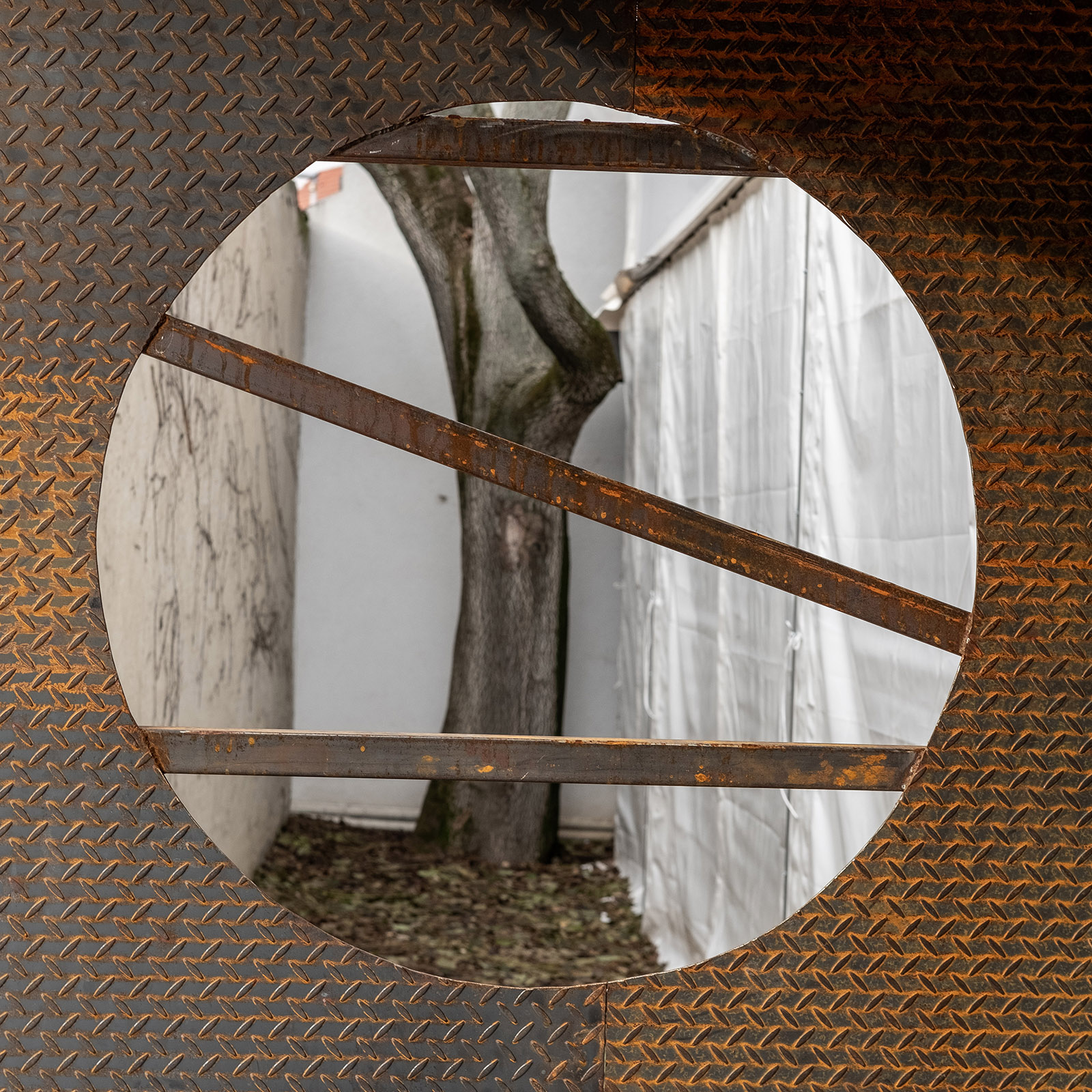
The parallel development of an open design process and collaborative construction activated a broader community, gradually transforming the structure into a living environment for learning and making.
Within this approach, the ethos of the bricoleur—finding value and beauty in the existing—becomes a guiding principle.
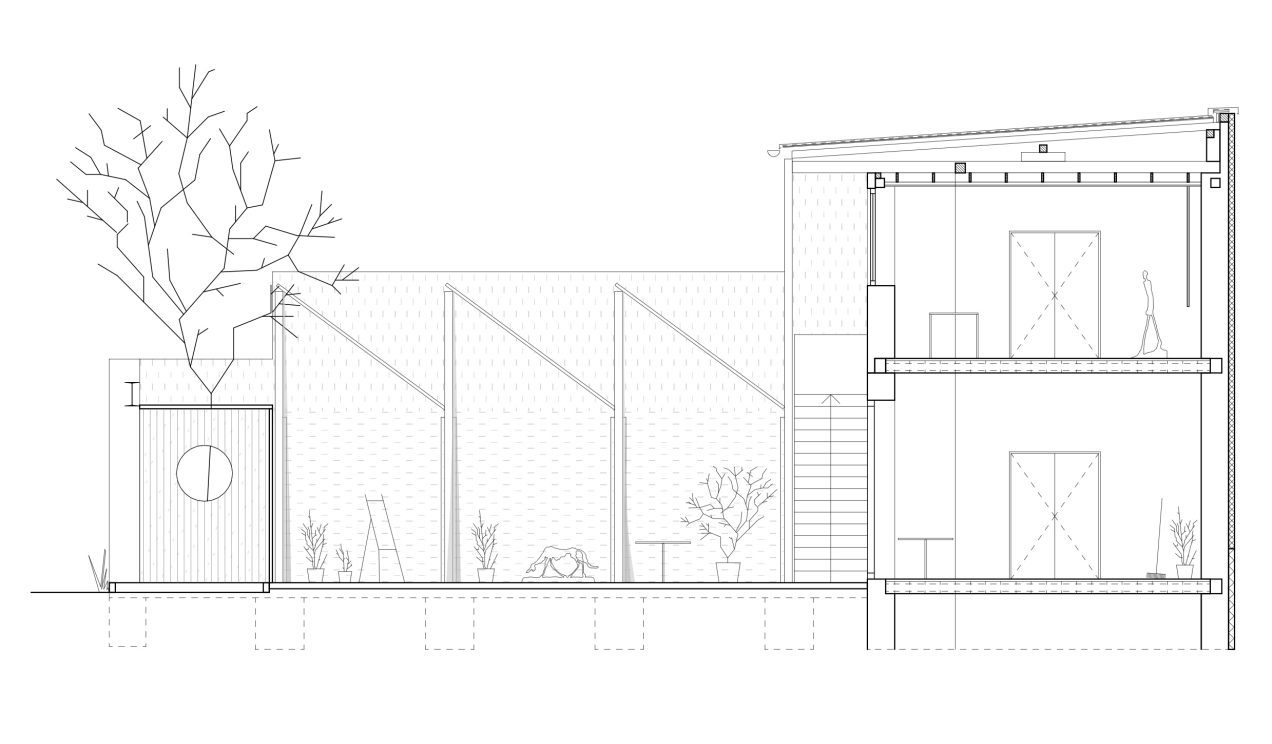
This attentiveness to context is expressed through a series of deliberate decisions: the preservation of a tree that matured during the five-year construction period, the retention of unfinished surfaces, and the tarpaulin-covered courtyard, whose spatial qualities recall the suspended materials of traditional leather drying.
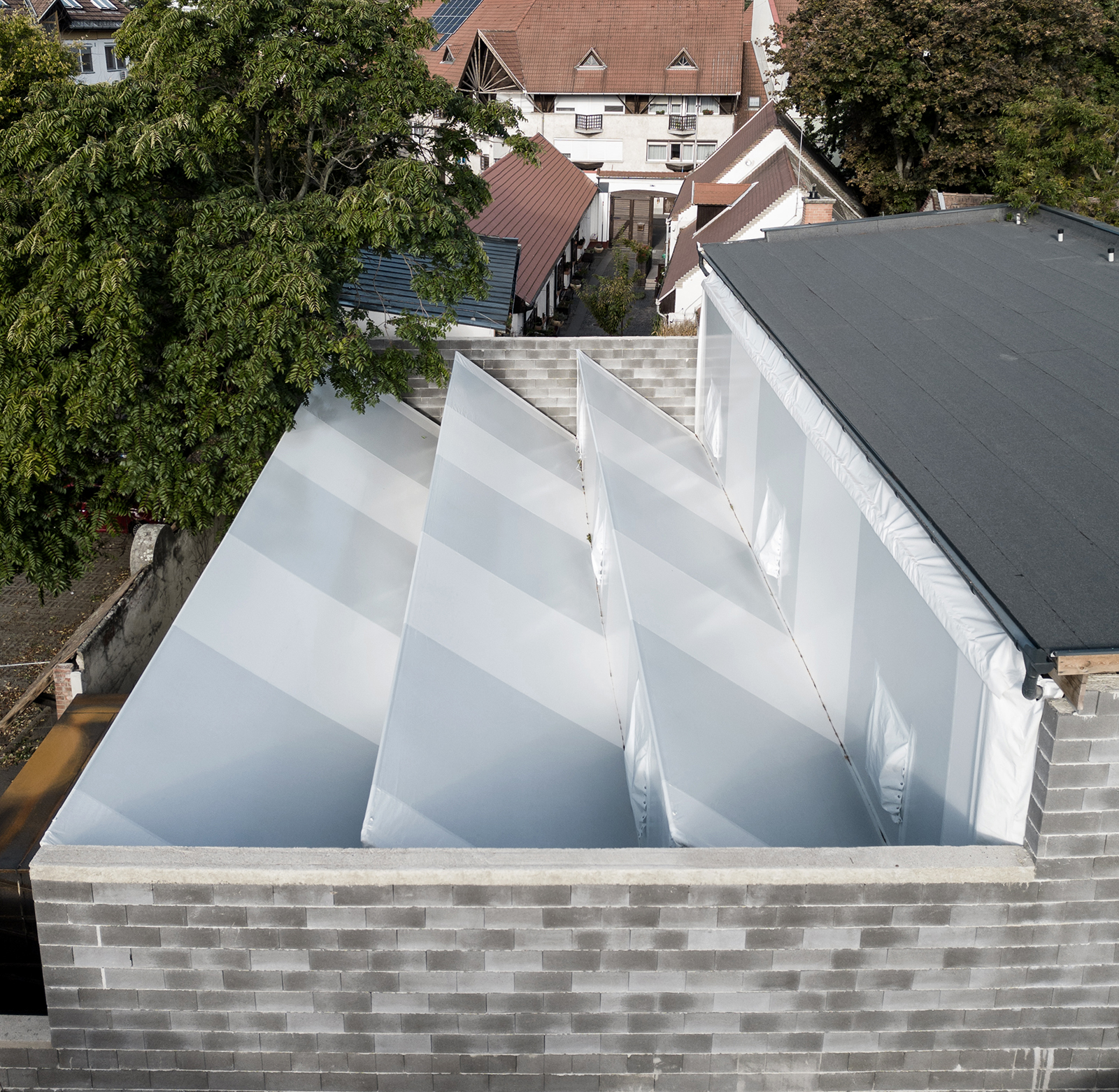
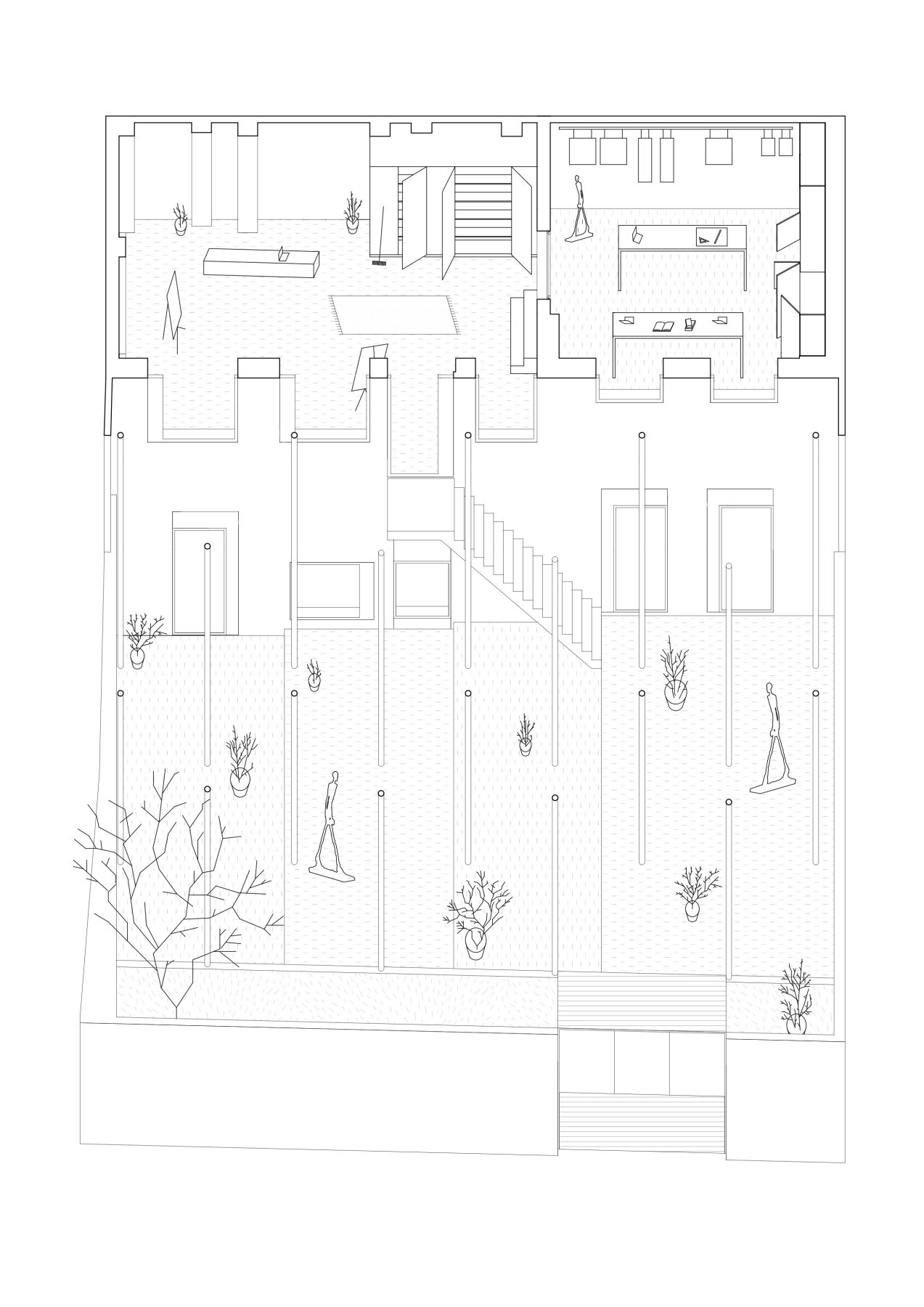
The program accommodates four workshop spaces alongside a covered, tempered courtyard designed to host events, exhibitions, and communal activities. Here, flexibility and craftsmanship operate as primary architectural tools, supporting an evolving and open-ended use.
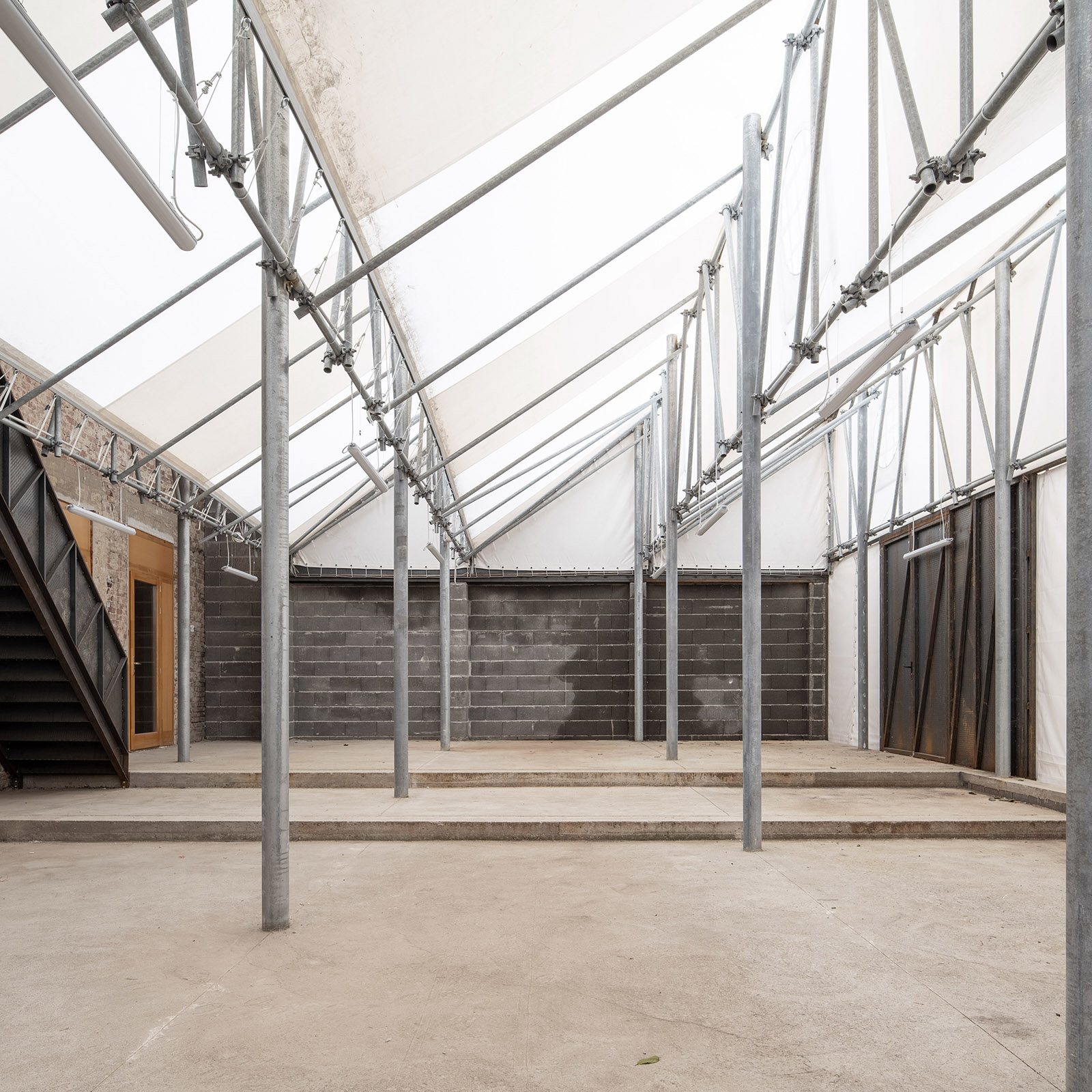
The project reinforces the importance of reconnecting design with construction, advocating for a process that remains open, adaptive, and responsive throughout its realization.
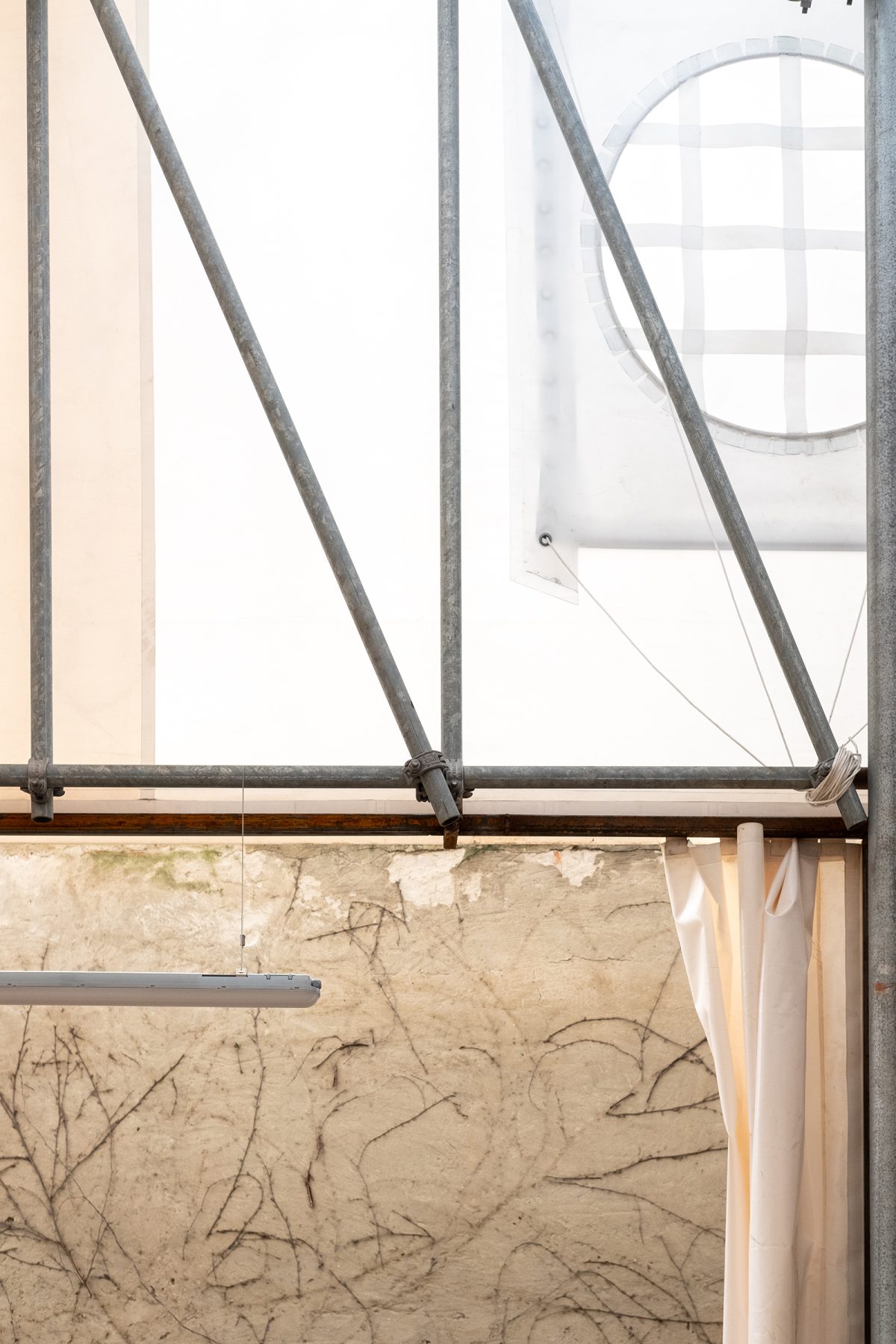
Through handcrafted, context-sensitive, and proportionate interventions, the architecture positions itself as a continuation of cultural heritage through contemporary means.
Materially, the intervention relies on elemental and economical solutions, emphasizing clarity and directness.
These include the unplastered bitumen-coated façade, raw concrete block structures, and a profiled metal sheet ceiling replacing traditional elements. The composite roof structure, combining existing and new load-bearing systems, and the scaffolding-based tarpaulin courtyard covering, further articulate a hybrid language of permanence and temporality, reinforcing the project’s conceptual and constructive narrative.
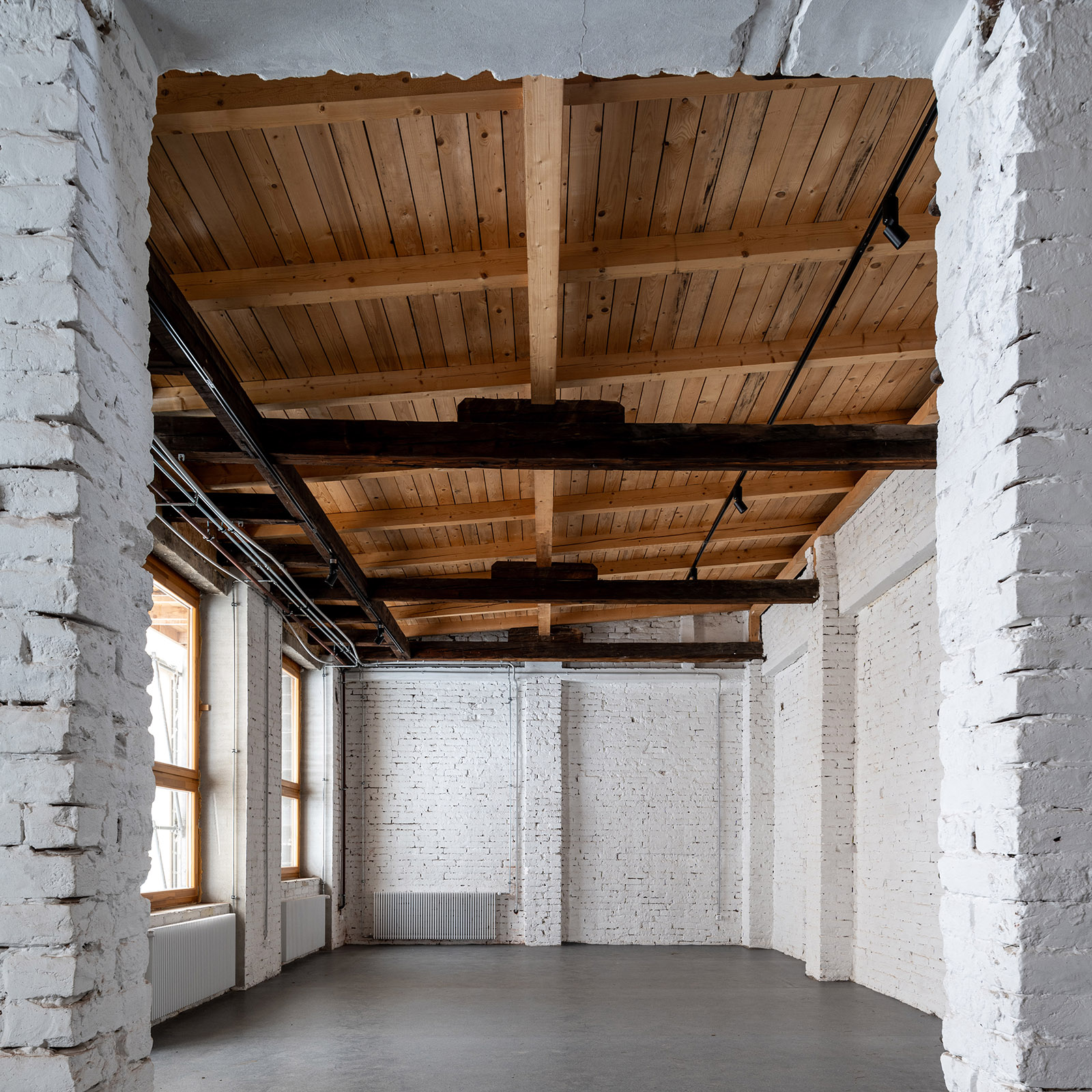
Rather than separating education from practice, DMB Műterem transforms the act of building into a pedagogical tool, where architecture is learned through making, collaboration, and engagement with existing structures.
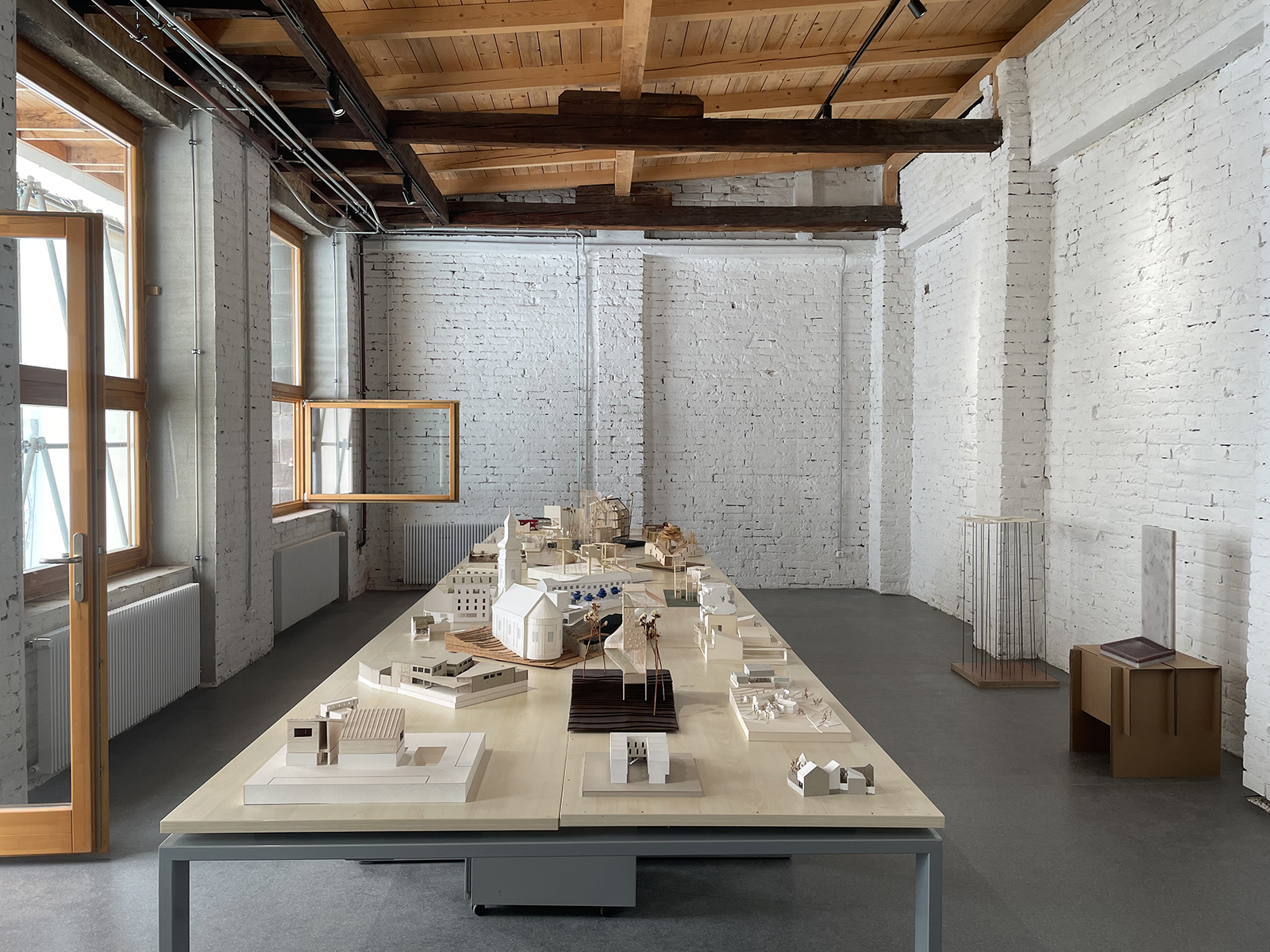
The Dryer Workshop proposes an alternative model for architectural education — open, collective, and deeply connected to material reality, community, and cultural continuity.
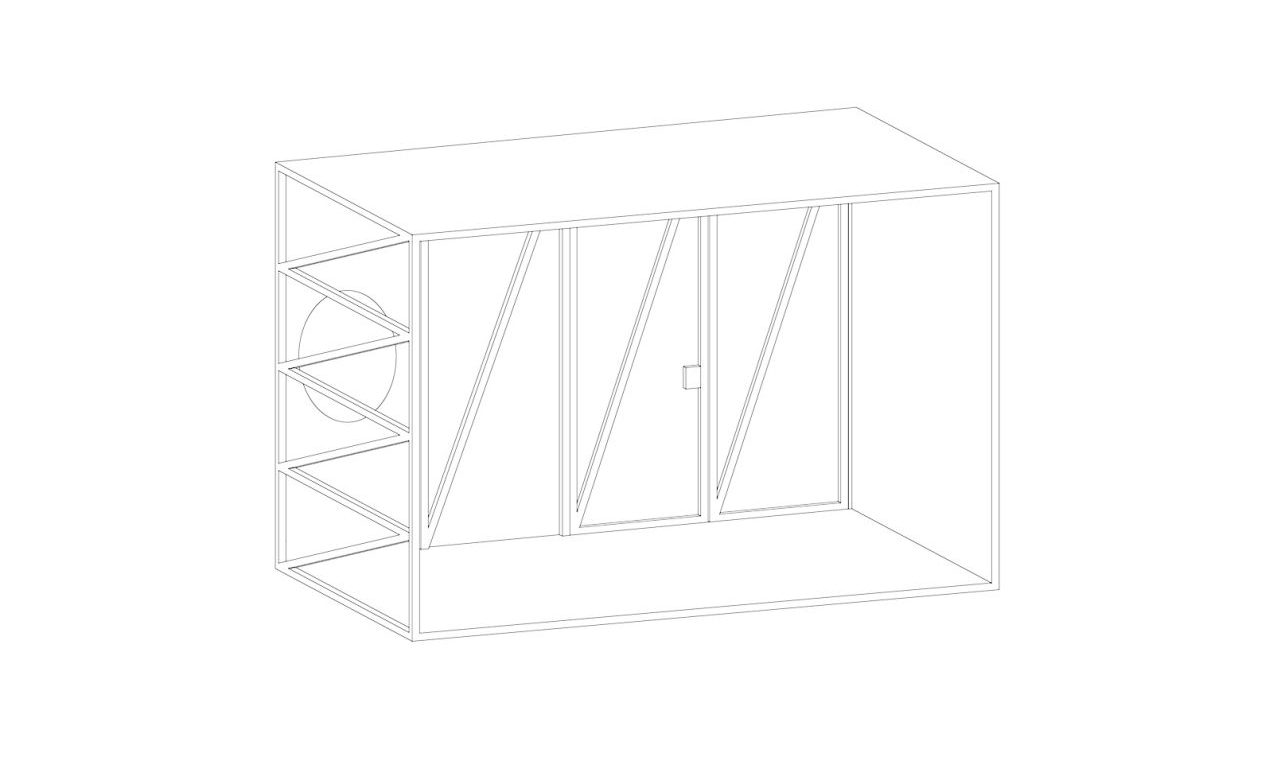
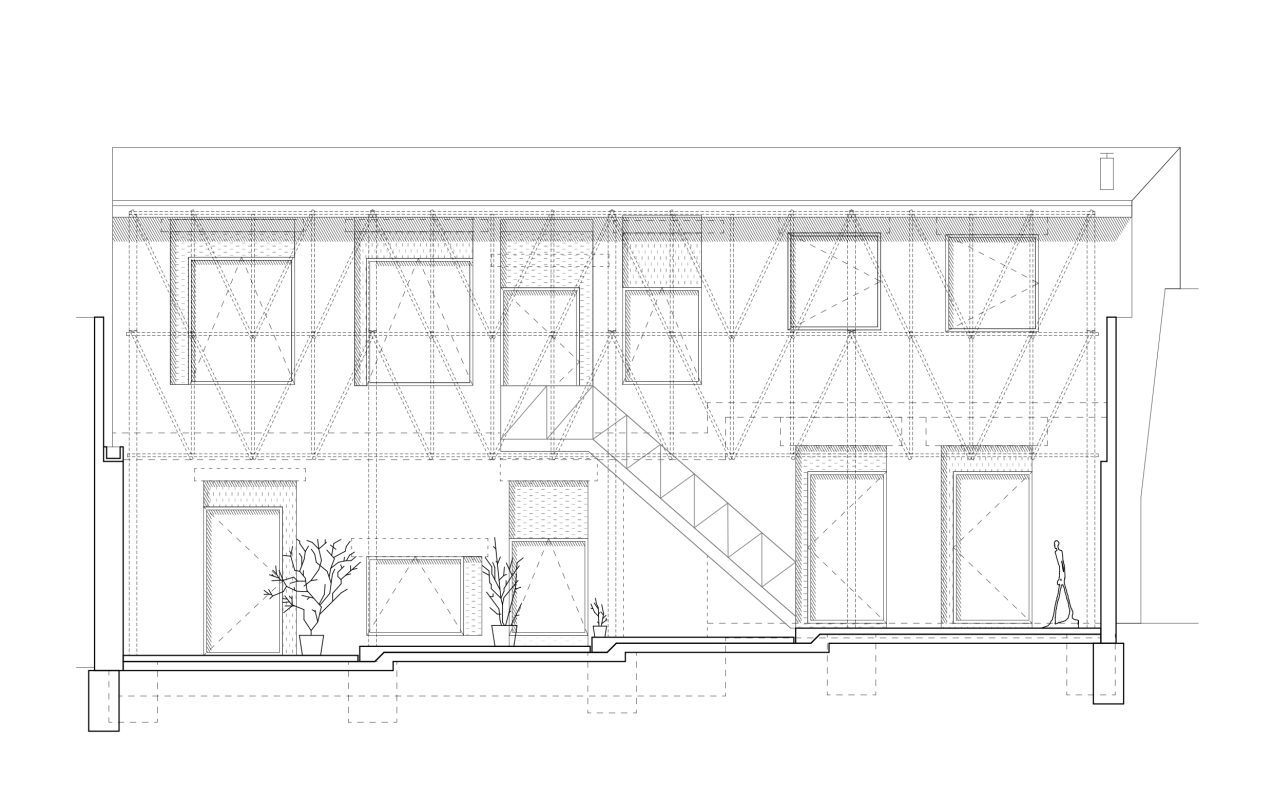
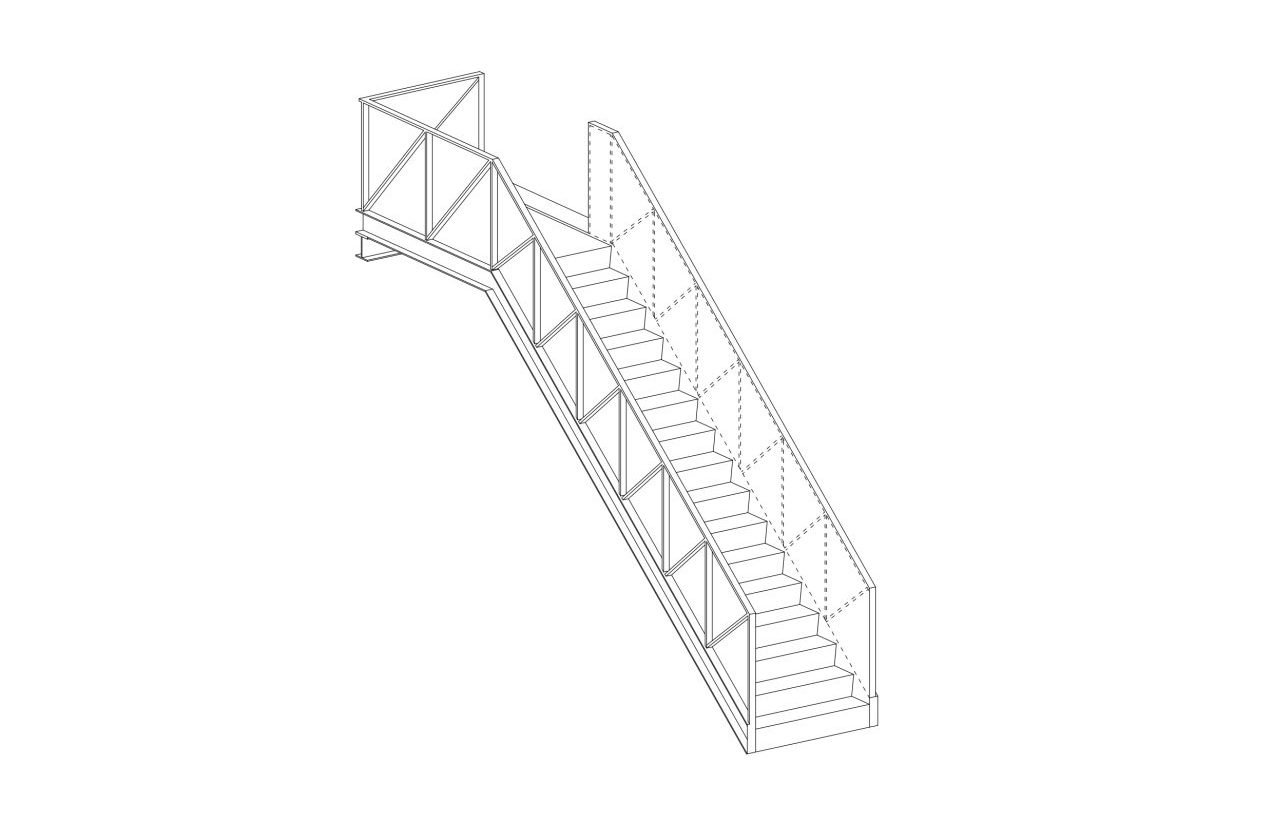
Plans
Facts & Credits
Project title: The Dryer Workshop
Project type: Educational building
Project location: Debrecen, Hungary
Architecture: Studio dmb műterem Ltd.
Team: Balazs Falvai, Marton Nagy, David Török,
Project management: Szentirmai Tamás – University of Debrecen, Department of Architecture;
Collaborating students: Szuszik Dóra, Zsirnamenszki Tamás, Zbisko Éva, Korhán Marcell, Riczu Csaba, Soltész Angéla, Skrabák Julianna – University of Debrecen Department of Architecture
Client: Debreceni Egyetem Műszaki Kar Építészmérnöki Tanszék
Photography: György Palkó, Falvai Balázs