The Architect’s House explores homes conceived as both refuge and manifesto—spaces architects design for themselves, where daily life, personal values, and architectural thinking converge. Through these self-authored dwellings, the series reveals how architecture becomes an intimate act of inhabitation, experimentation, and self-reflection, offering rare insight into the discipline from the inside out.
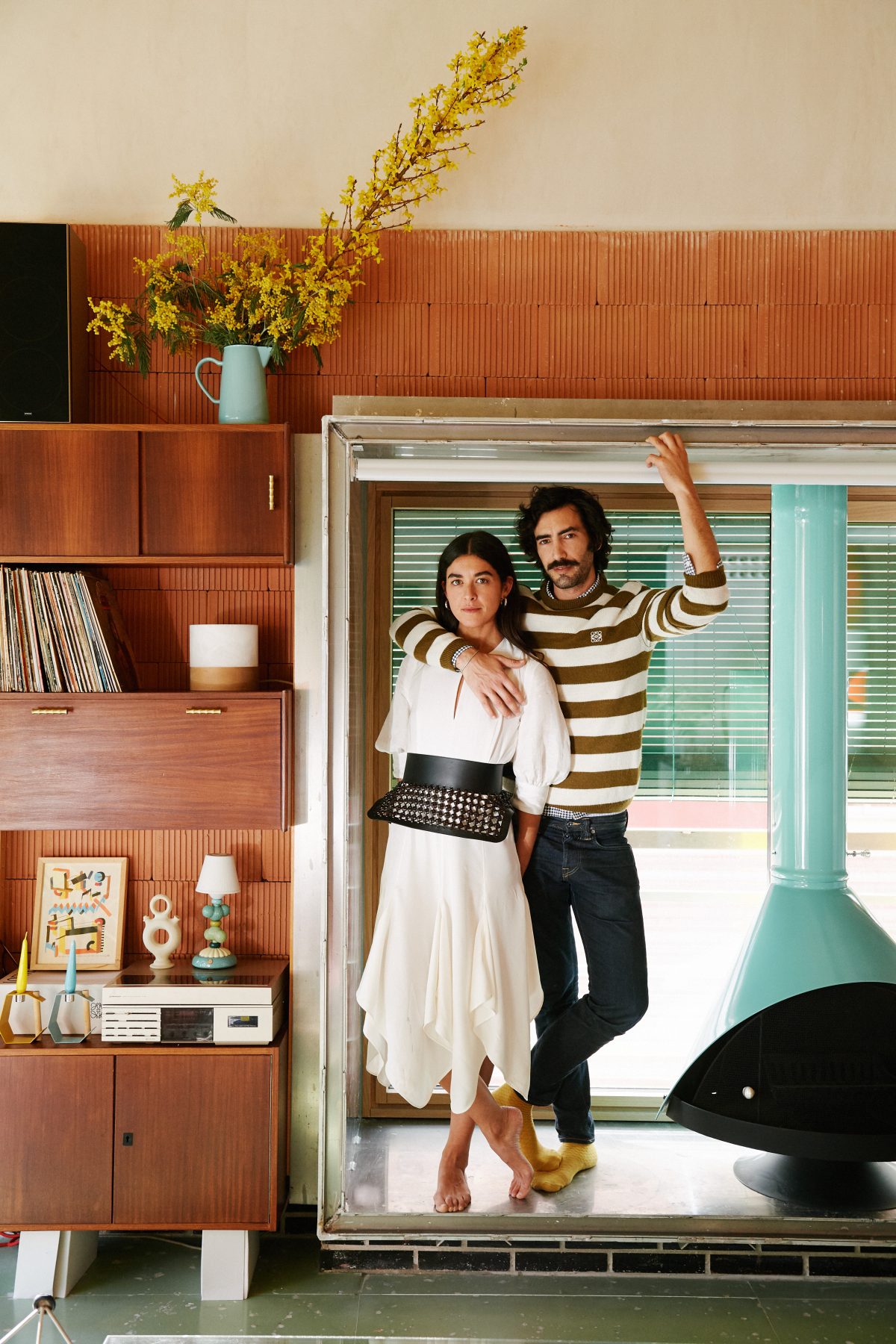
Bilbo Garcia-Conde, founder of CDP Arquitectos, reimagines a 1930s corner building in Madrid as an industrial yet playful domestic landscape for himself, his partner Ichi, and their two Kanninchen dachshunds. Bold colors, exposed structural elements, and unexpected geometries converge with a carefully curated constellation of furnishings—found objects, second-hand pieces, and custom designs—to compose an eclectic, deeply personal, retro-futuristic house.

Located at the intersection of Peña Ubiña and Mezquiades Biencinto streets in Madrid’s working-class neighborhood of San Diego, this project engages with the interplay between context, memory, and narrative.
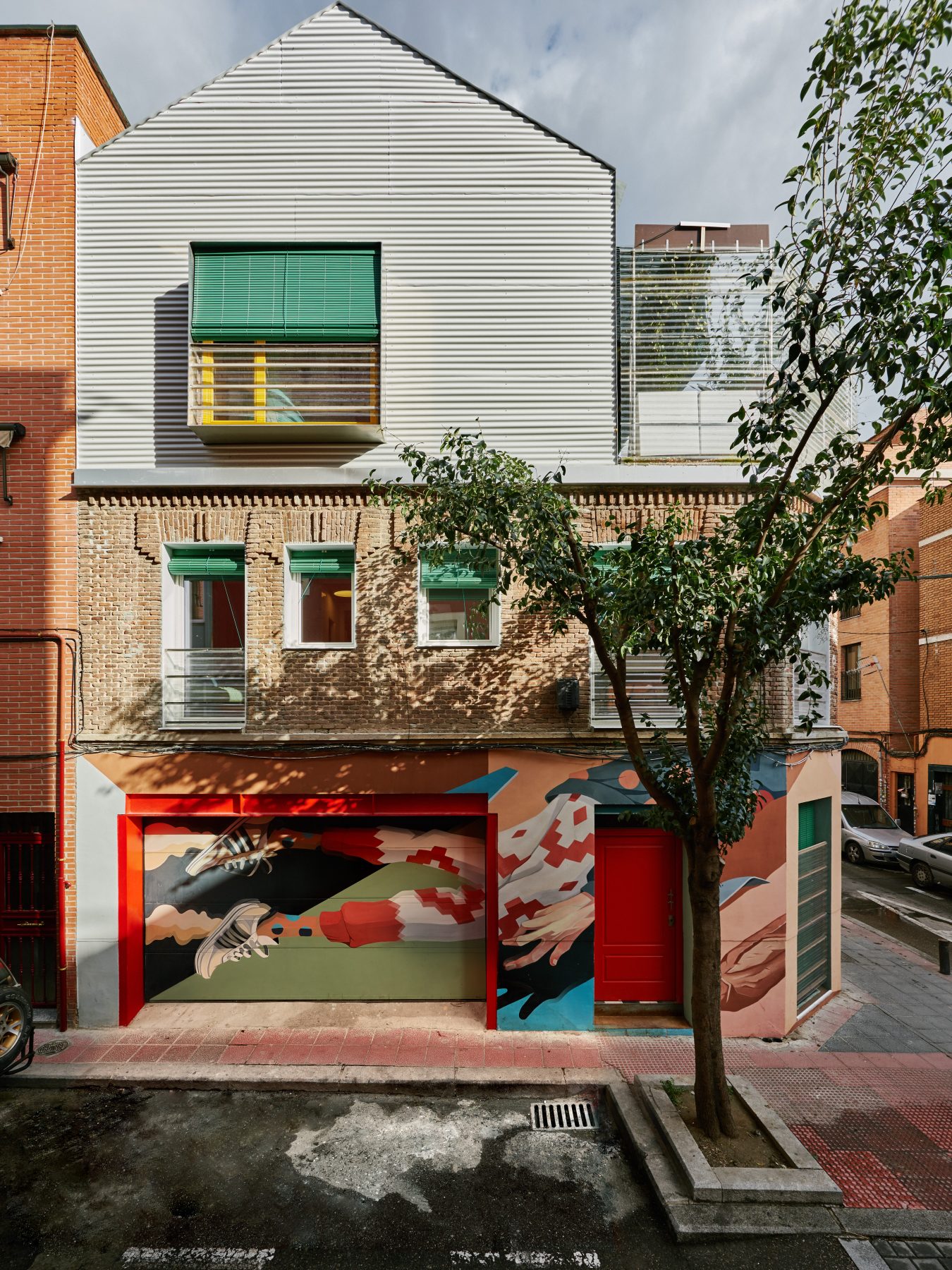
Occupying a corner plot, the building leverages this condition as a primary architectural driver, maximizing façade exposure while enhancing natural light, spatial openness, and urban presence. The intervention embraces the area’s modest yet authentic character, positioning itself as both a continuation and a reinterpretation of its context.
The original structure, dating back to 1930, reflects the constructive logic of Madrid’s peripheral neighborhoods —simple, economical, and pragmatic.
Initially functioning as a bakery and later adapted into a printing workshop with residential units above, the building carries both historical and social significance. In 2019, a comprehensive intervention was undertaken, encompassing structural consolidation, interior reconfiguration, and vertical extension through the addition of a new floor.
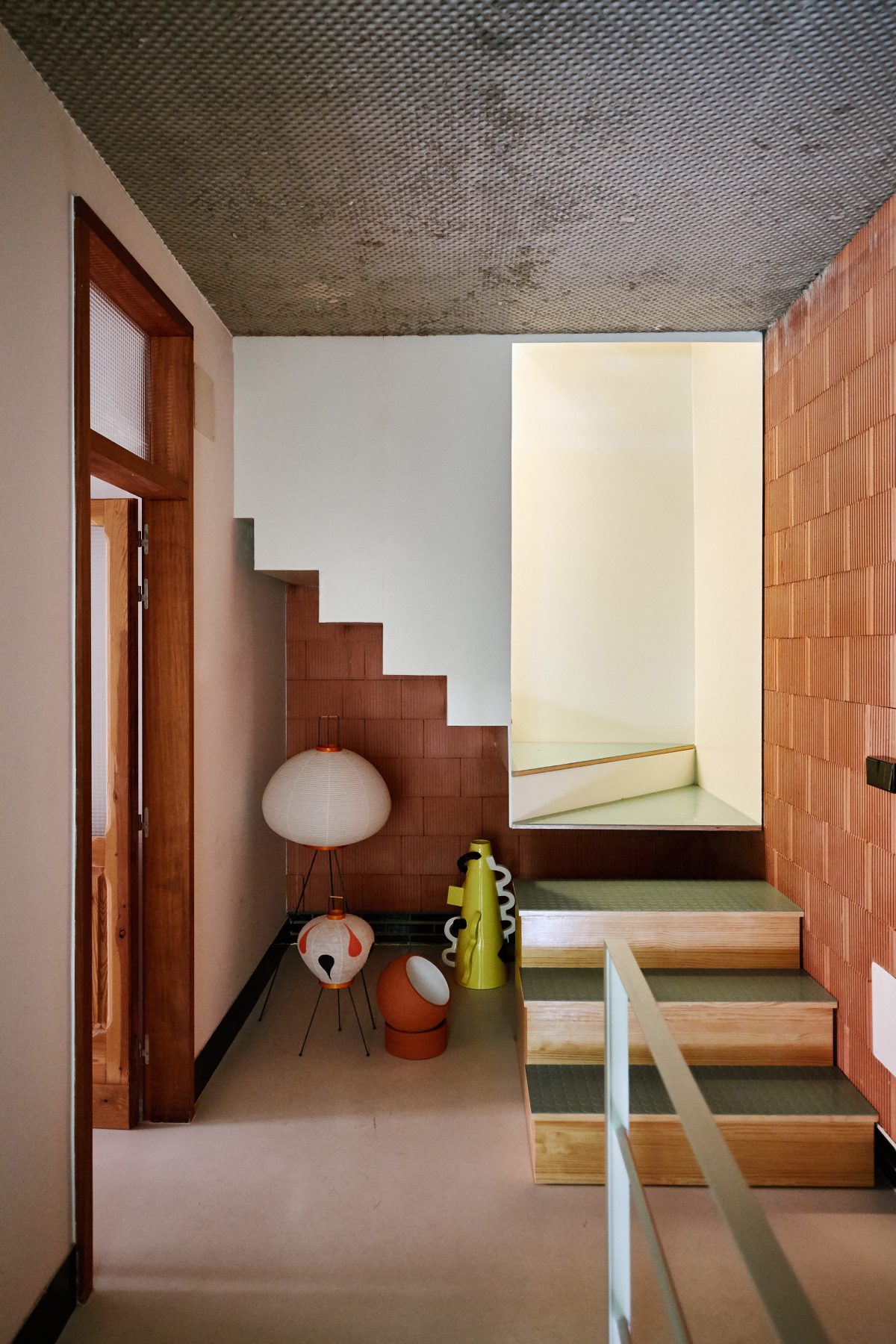
As the architect describes it, the strategy was to “empty the building from the roof and fill it again,” retaining only the historical envelope as a contextual anchor.
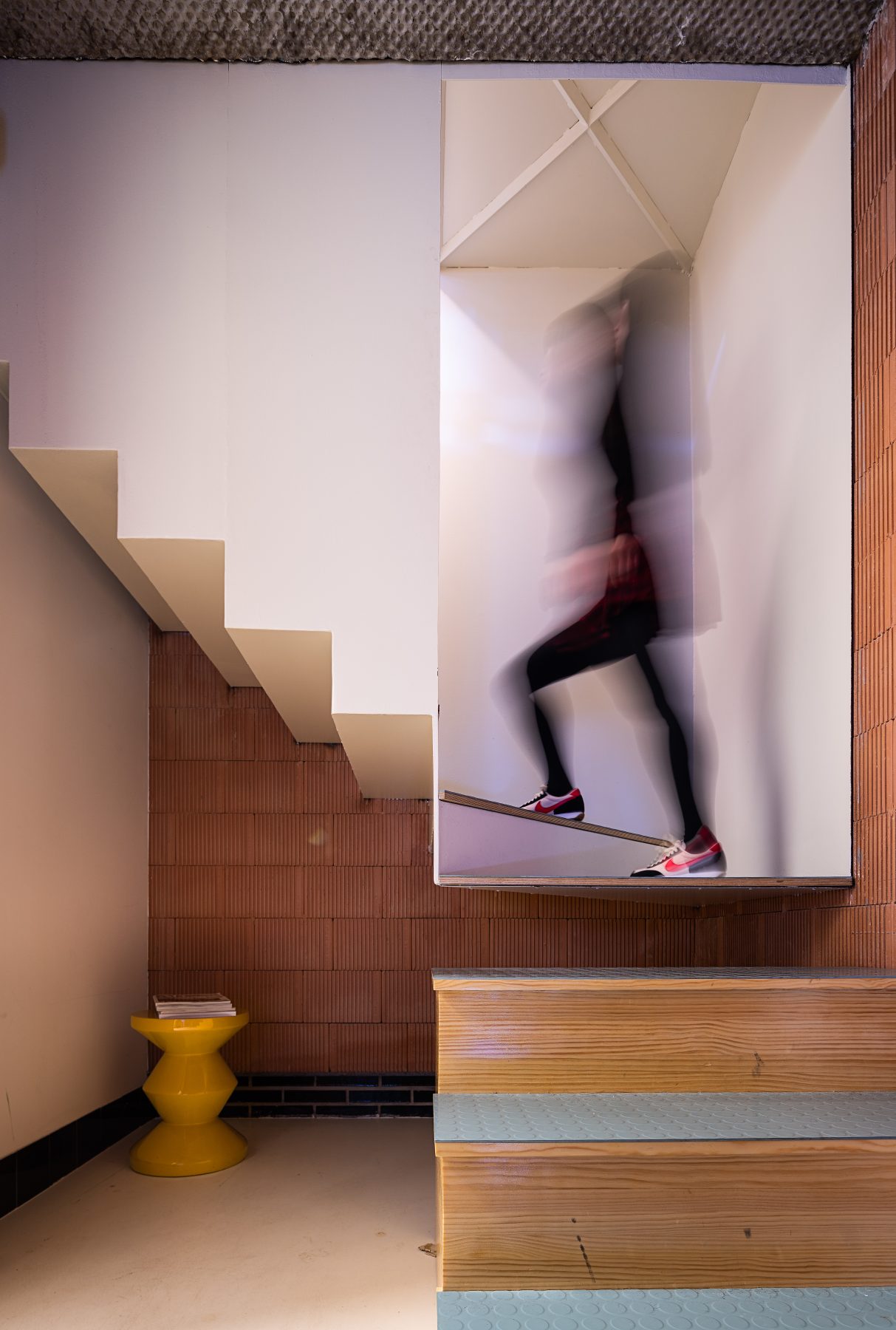
Despite the transformative scope of the project, the original façade was carefully preserved, maintaining its relationship with the street and safeguarding the identity of the neighborhood.
Elements such as exposed brickwork, visible joints, and traditional shutters are retained, reinforcing a familiar urban language that anchors the building within its environment.
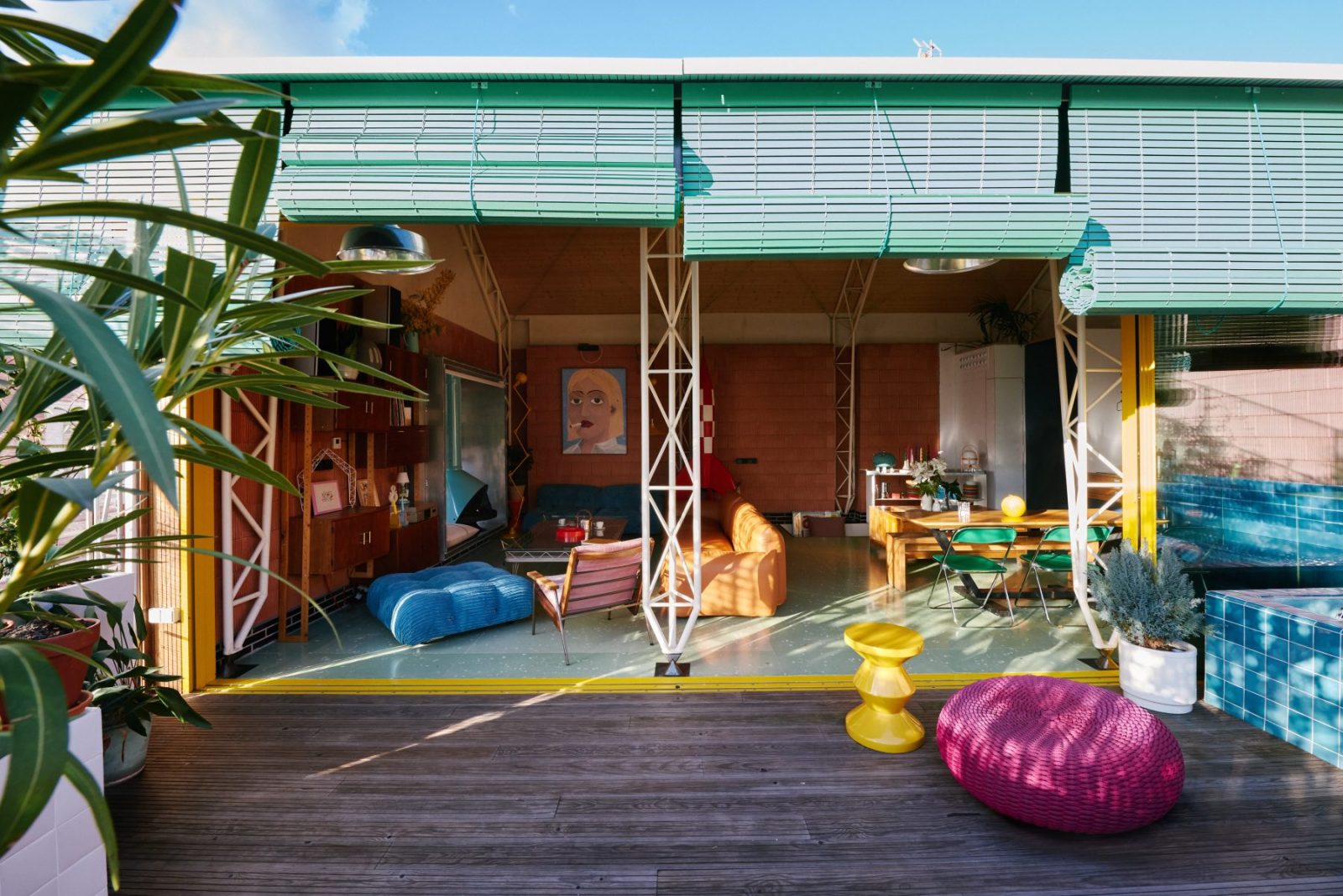
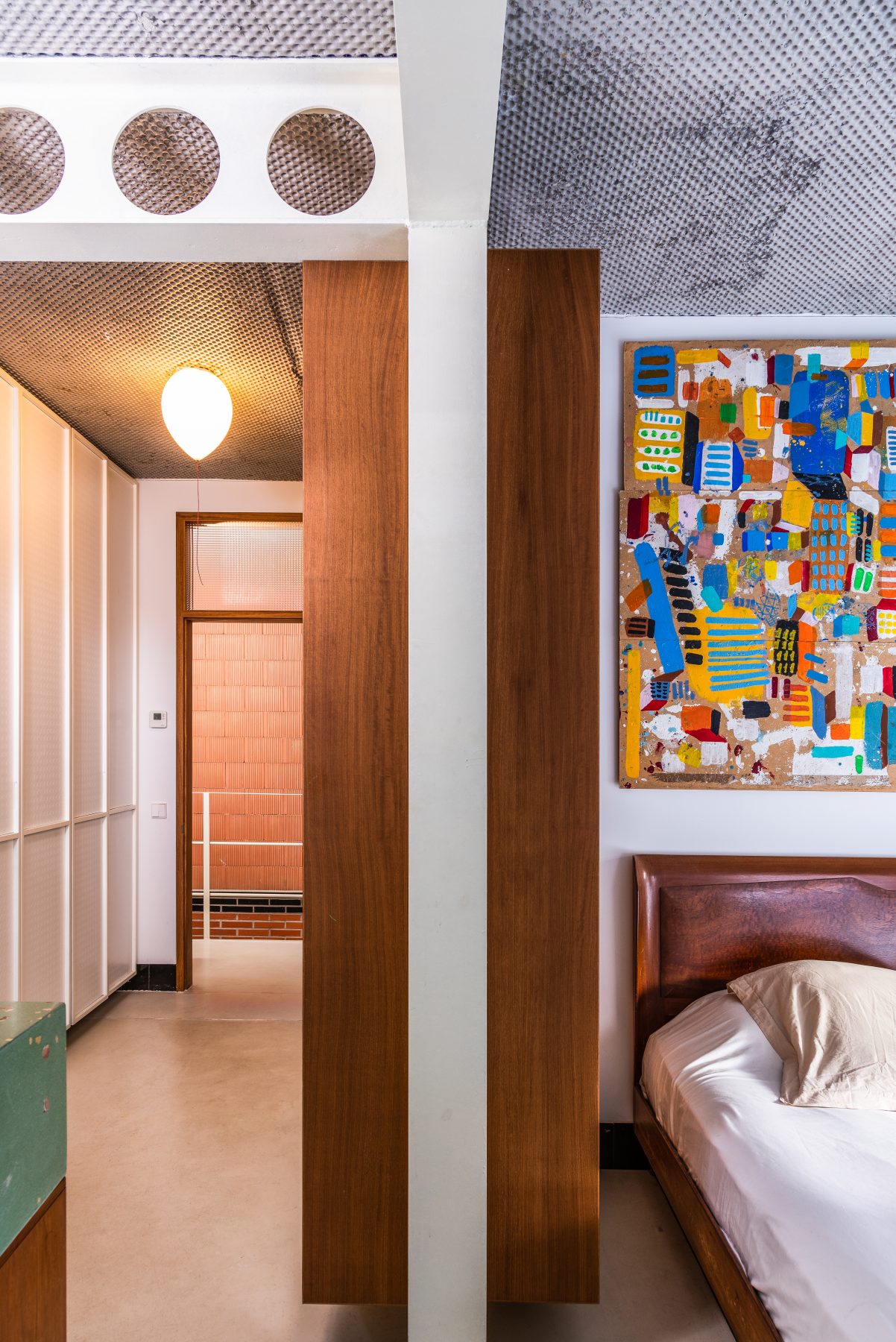
Internally, the house is reorganized into two independent yet interconnected units. At street level, two distinct entrances provide access to a rental duplex apartment—linked to a basement leisure space—and the main residence. The primary dwelling develops vertically, with private functions arranged on the first floor, including three en-suite bedrooms.
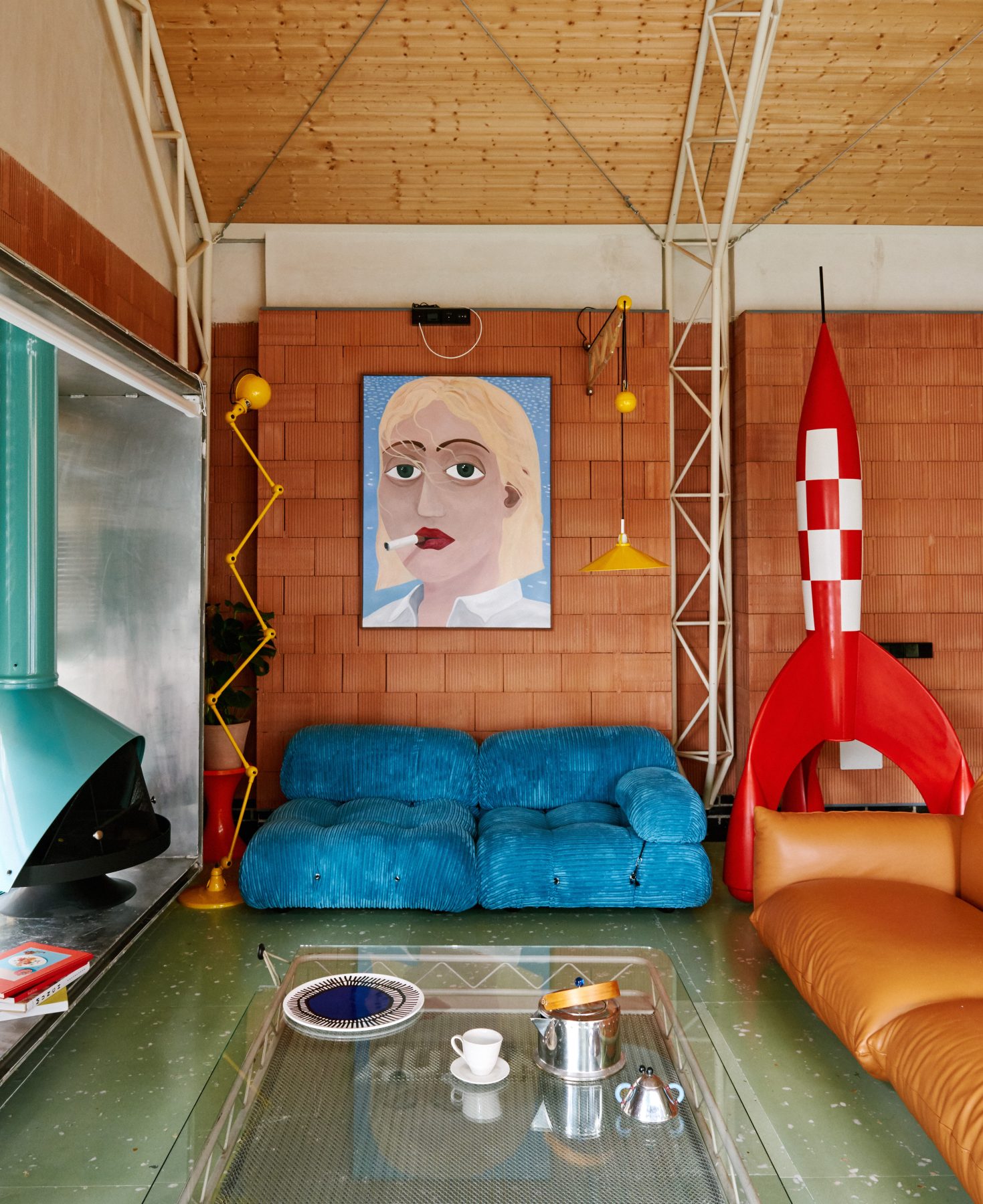
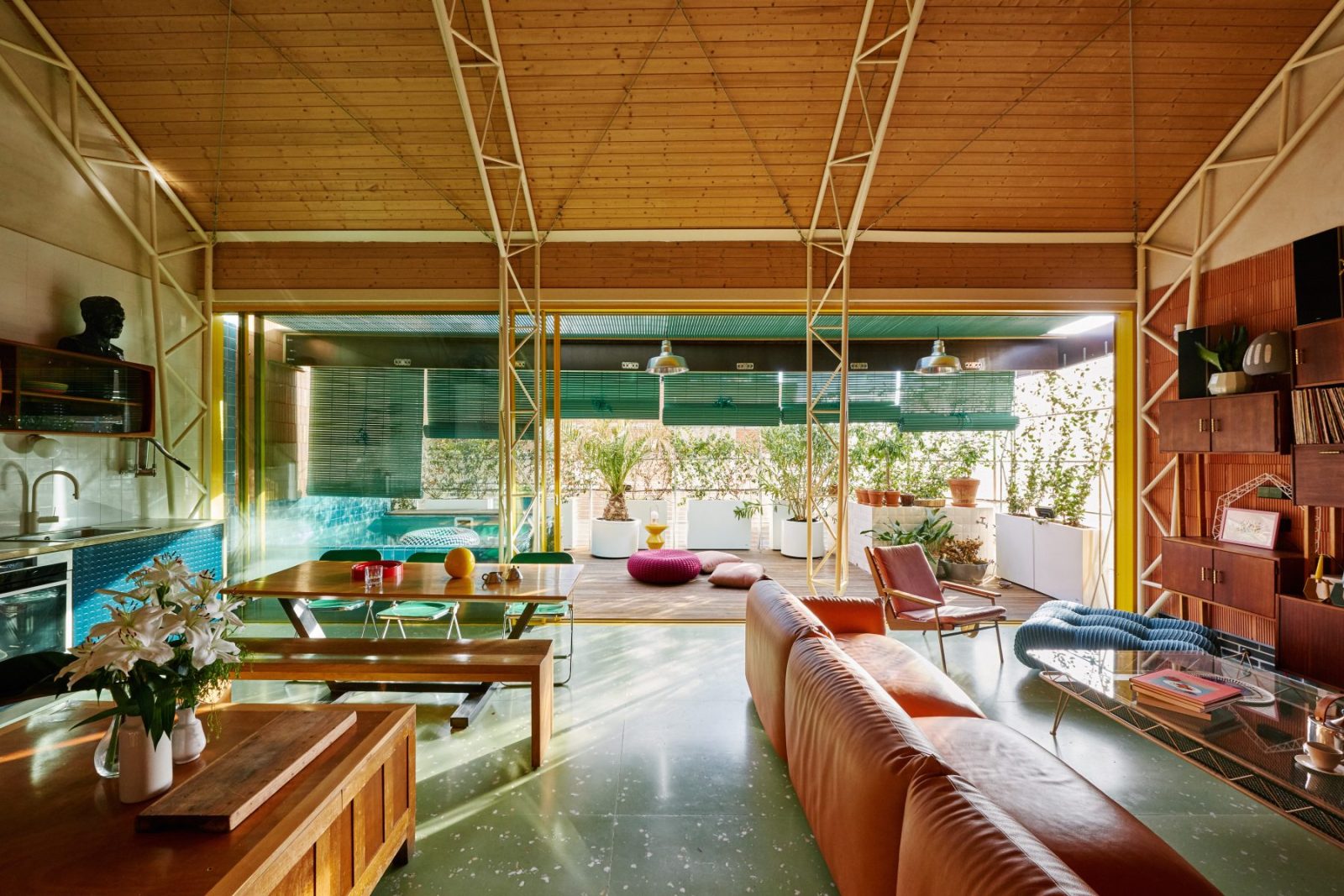
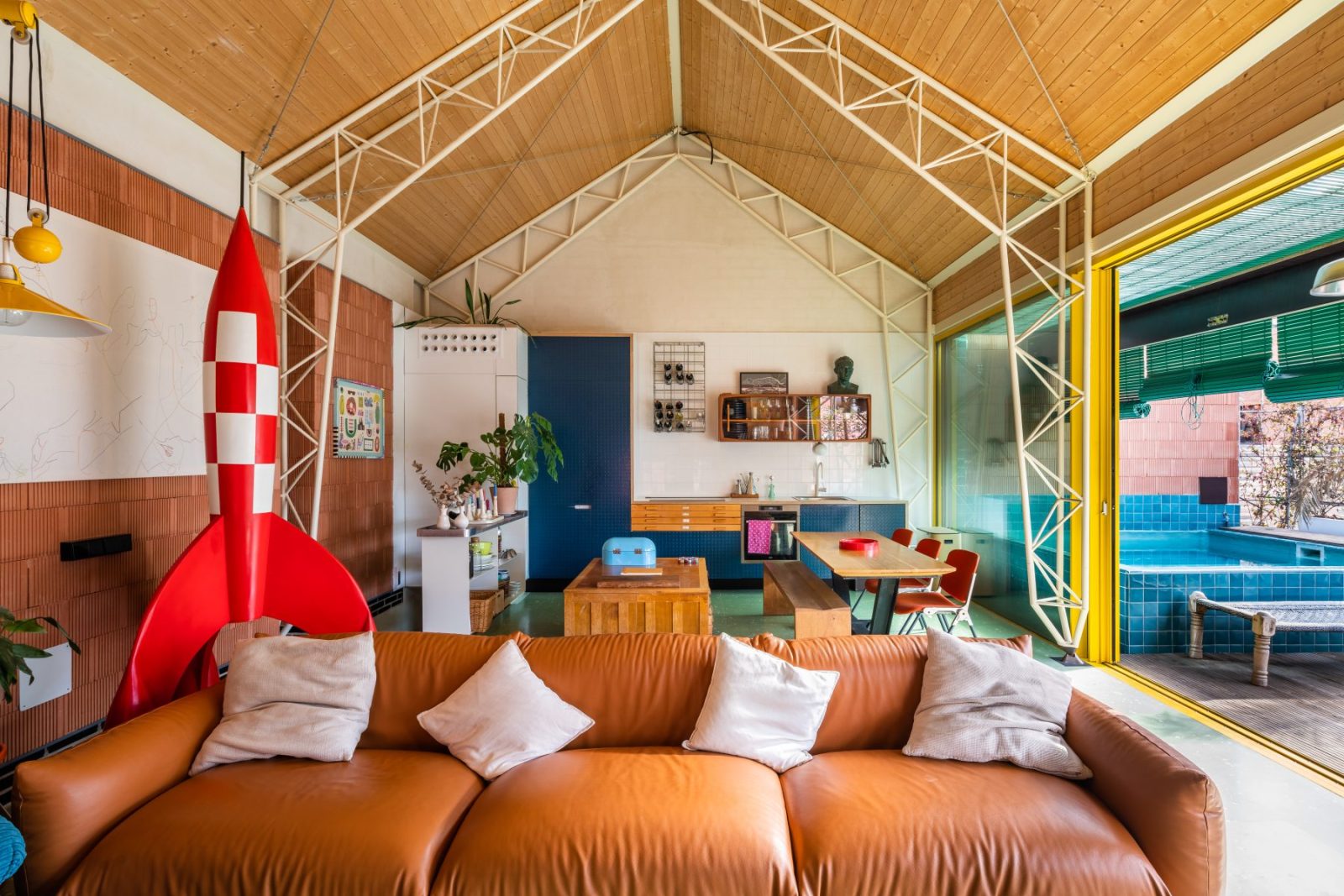
Above, the uppermost level unfolds into a generous open-plan living space, conceived as the experiential core of the house.
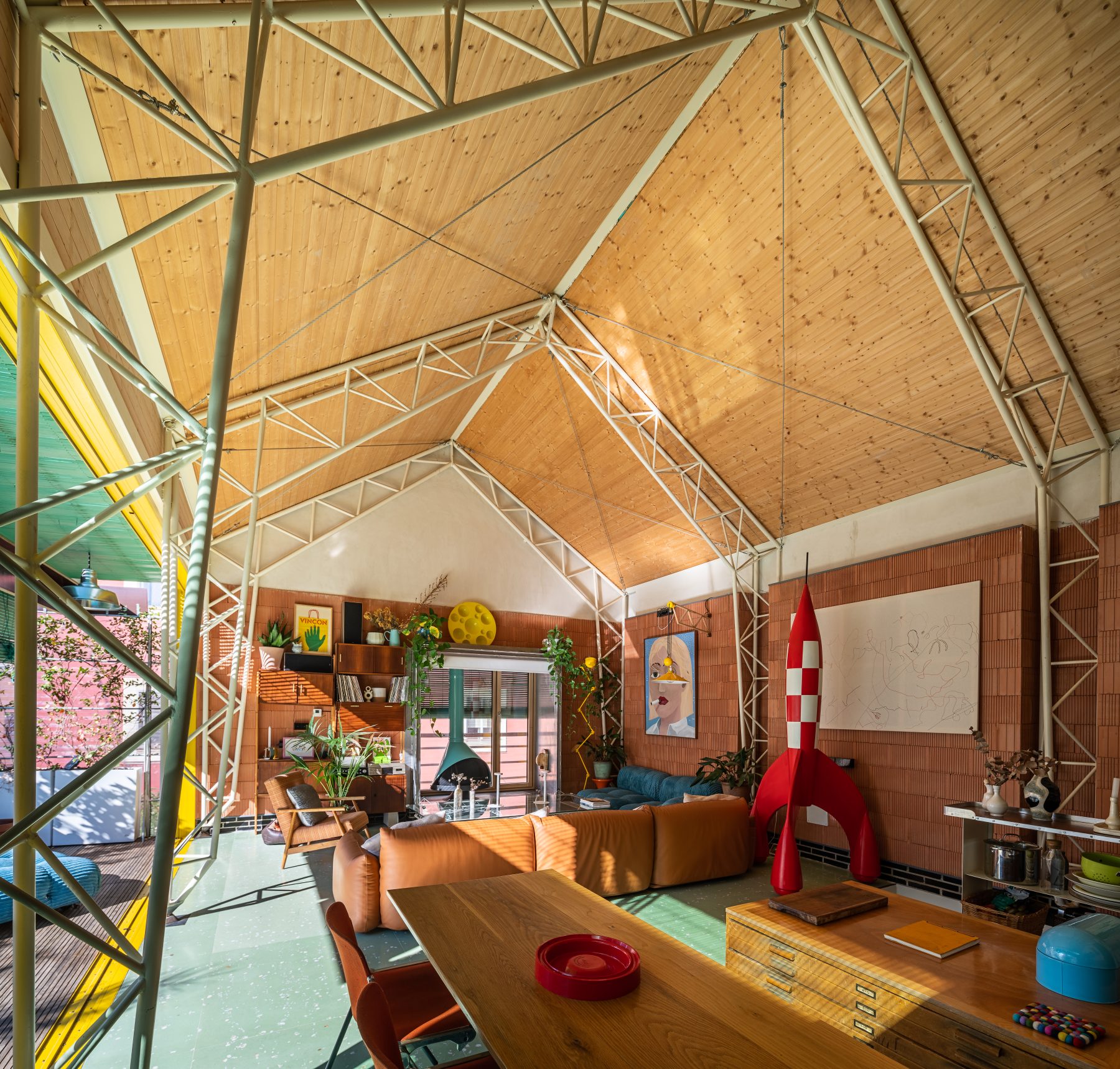
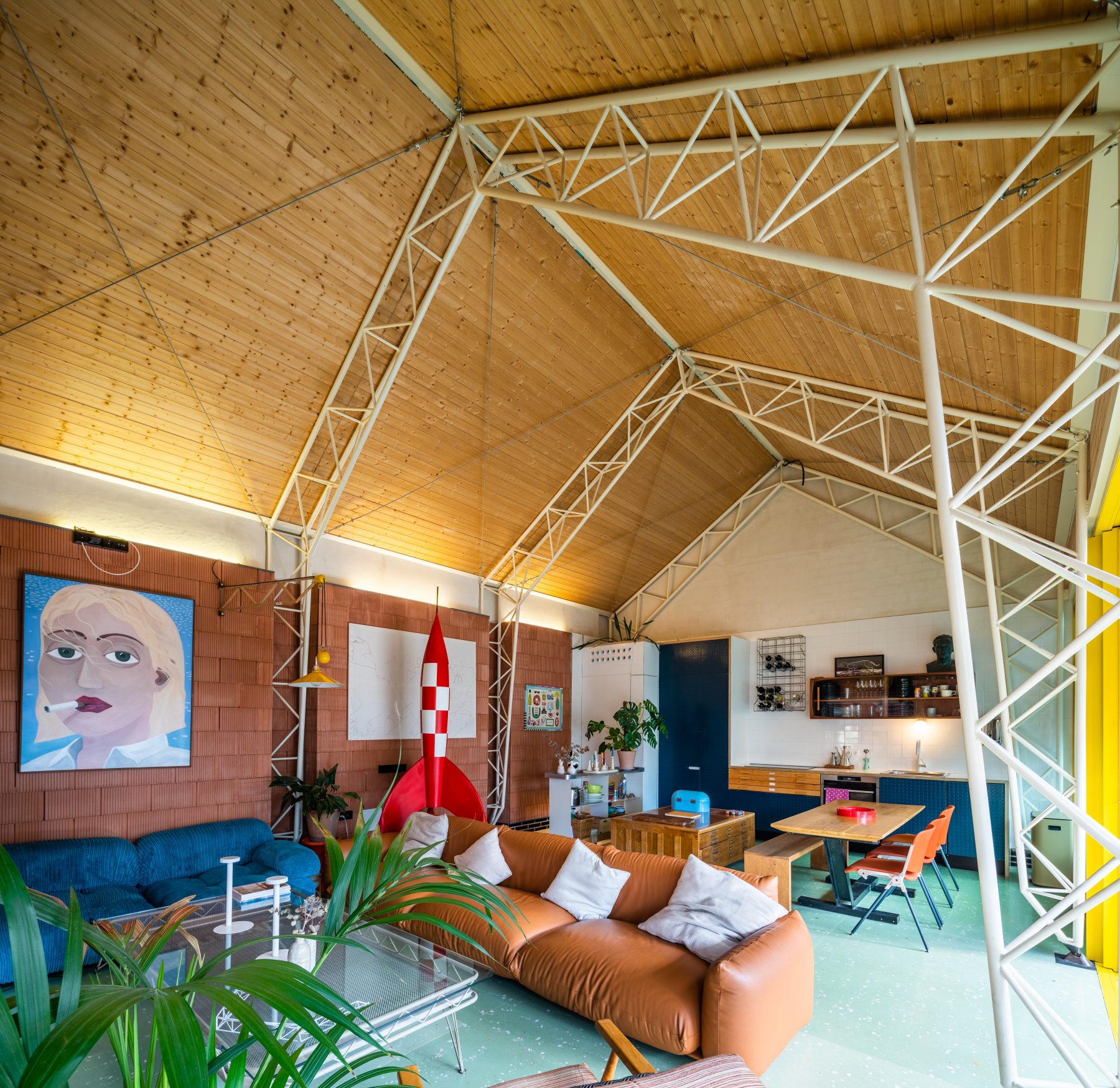
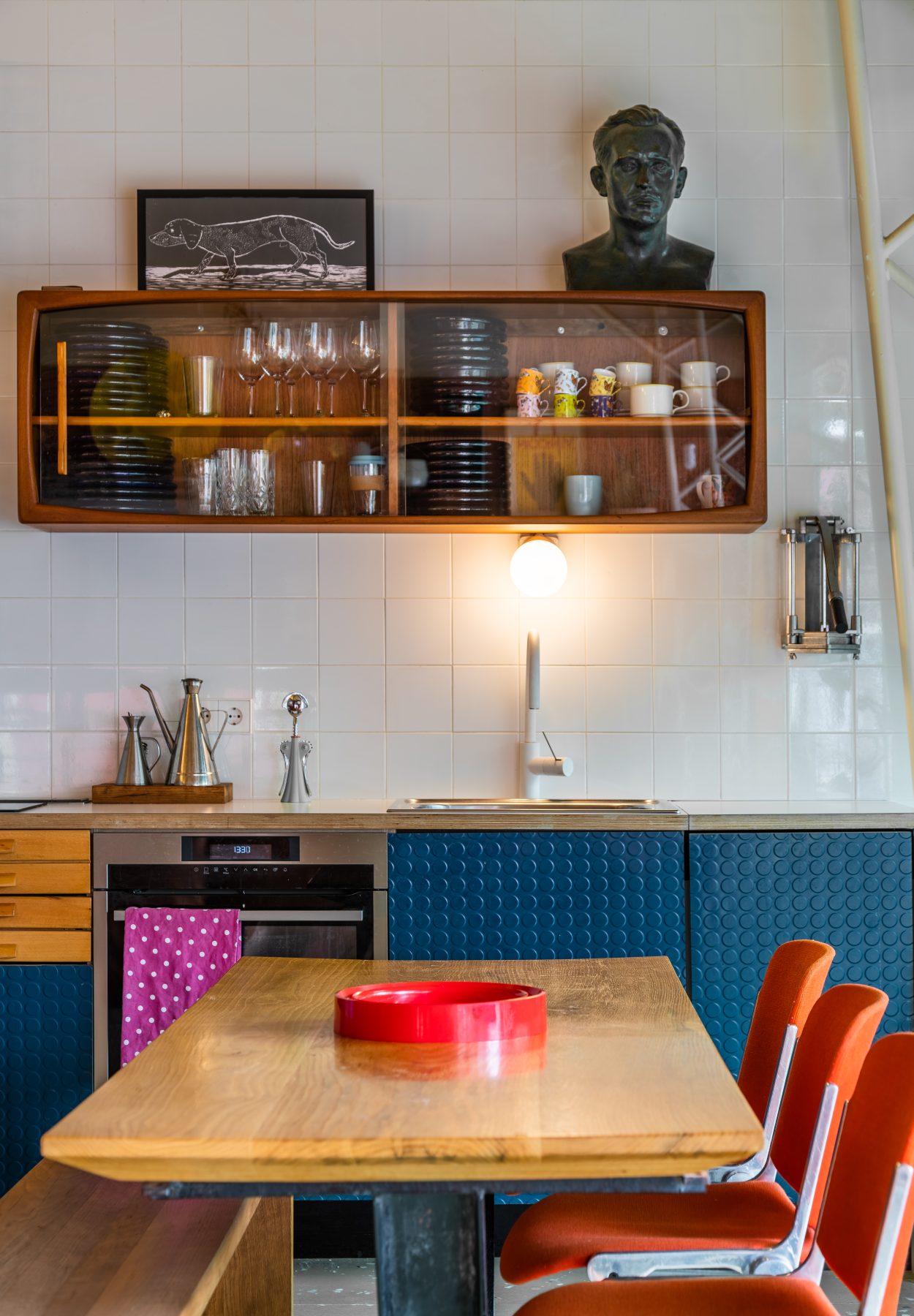
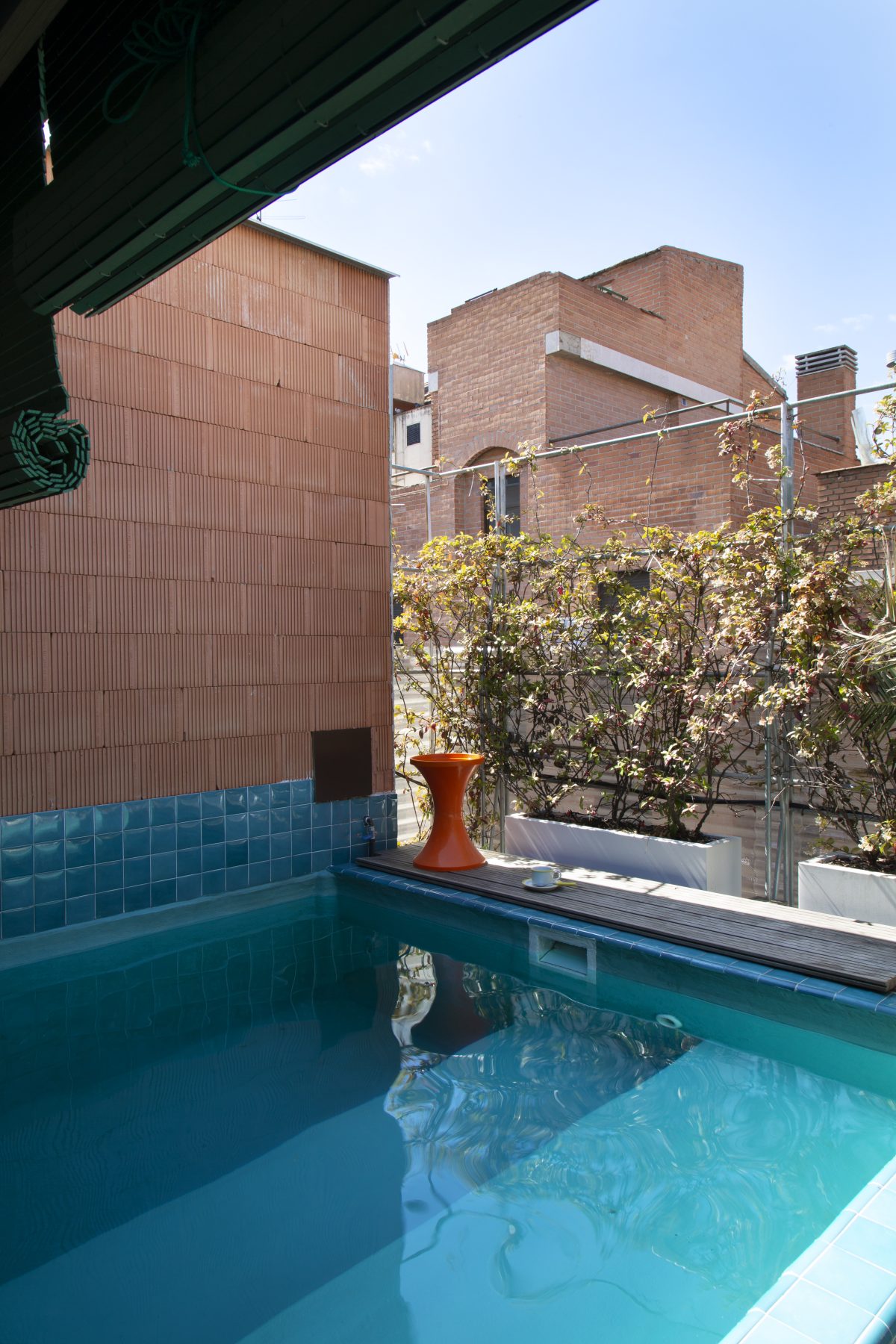
This level integrates kitchen, dining, and living areas into a continuous spatial volume, extending outward to a terrace with a heated pool.
The project is conceptually driven by a narrative that bridges past and future.
The coincidence between the building’s original construction in 1930 and the birth year of Neil Armstrong establishes a symbolic framework, culminating in the 2019 renovation, which coincides with the 50th anniversary of the moon landing.
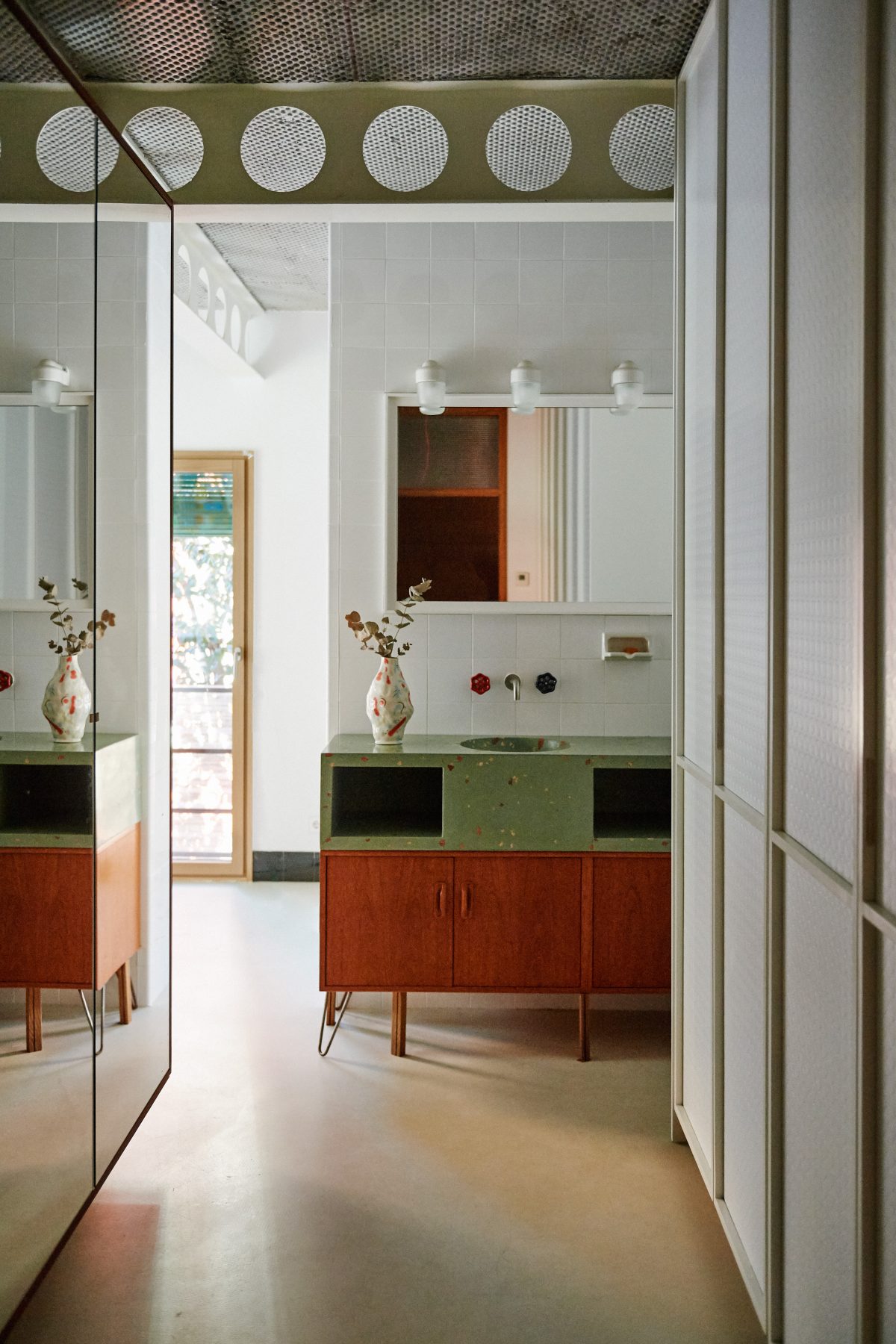
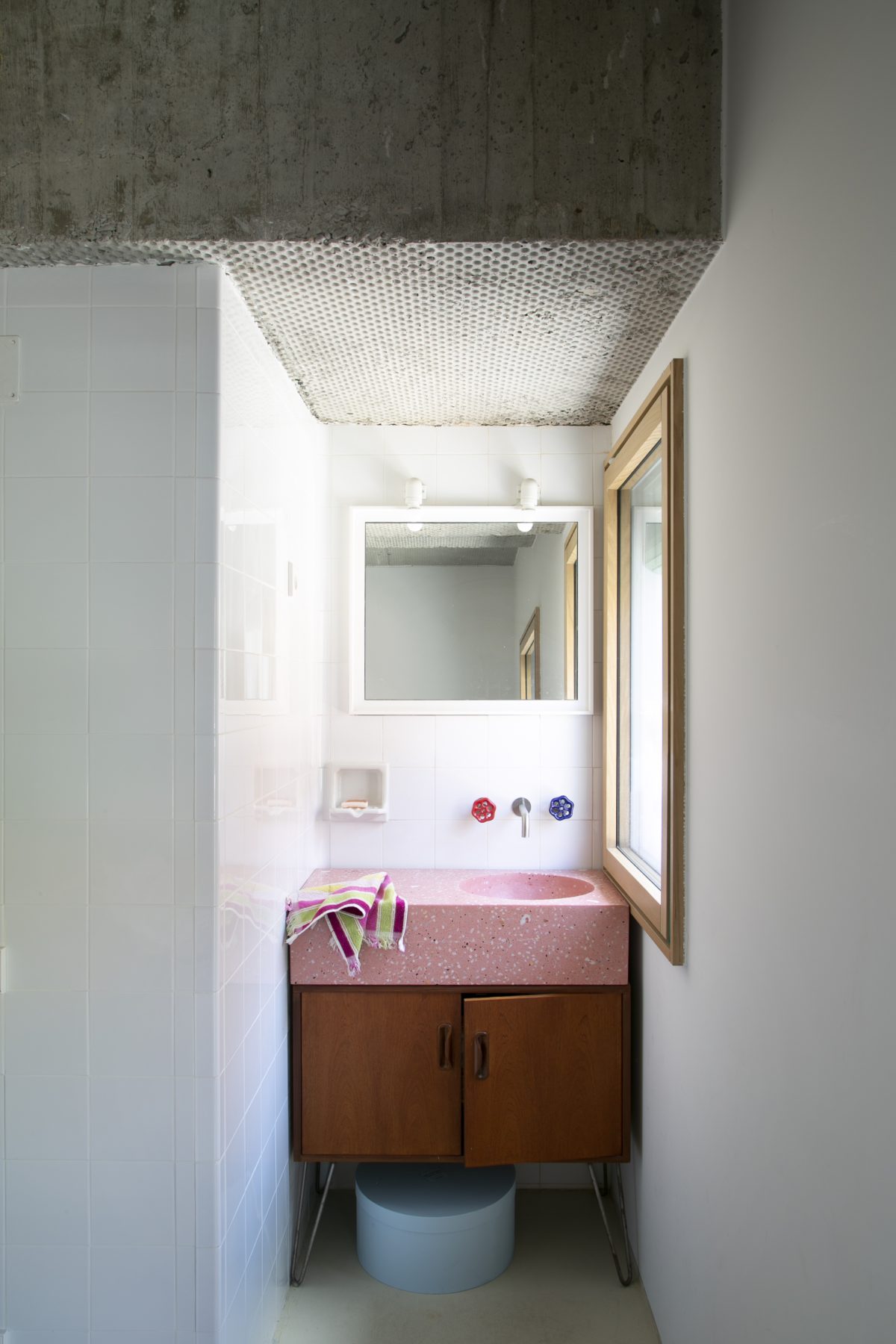
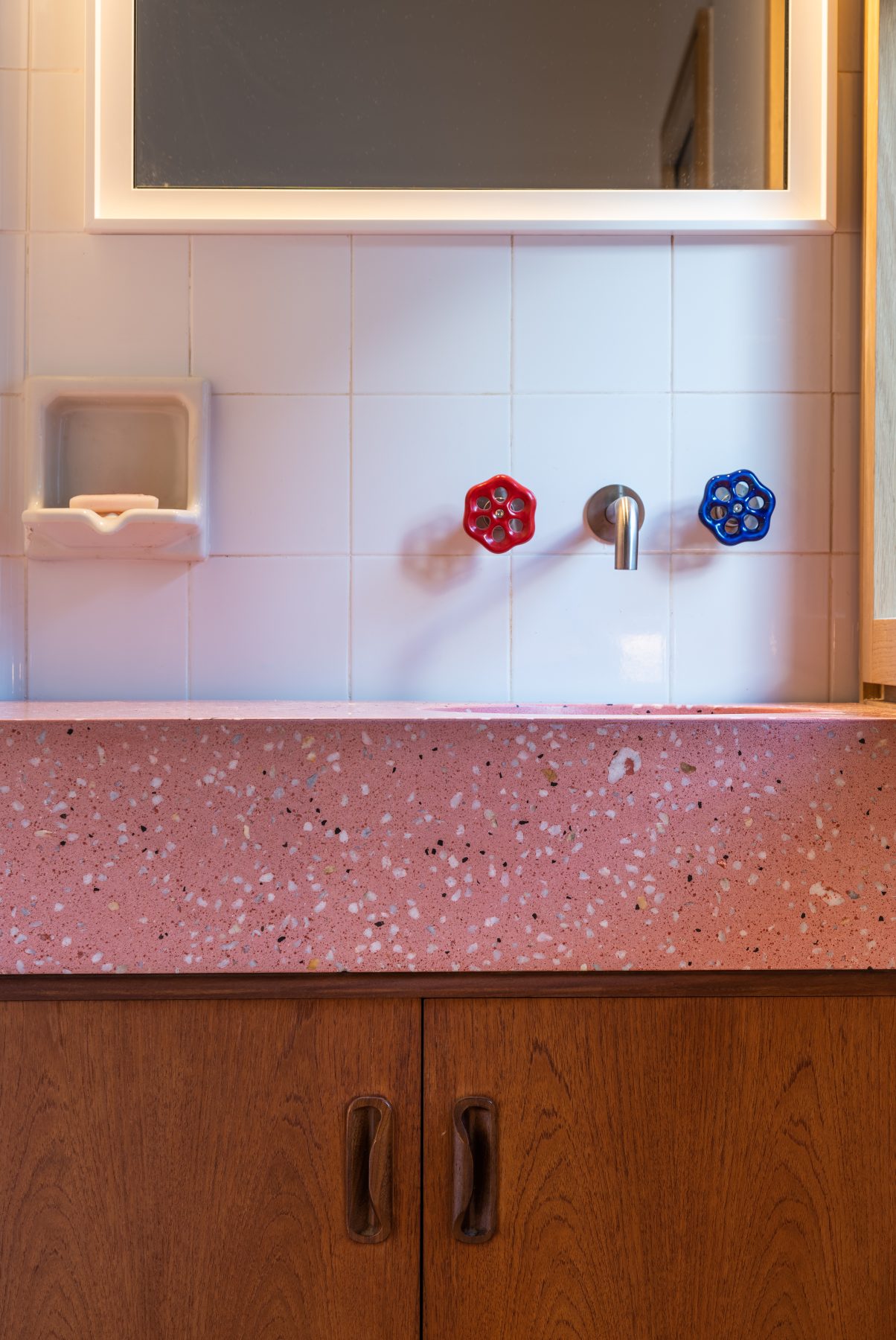
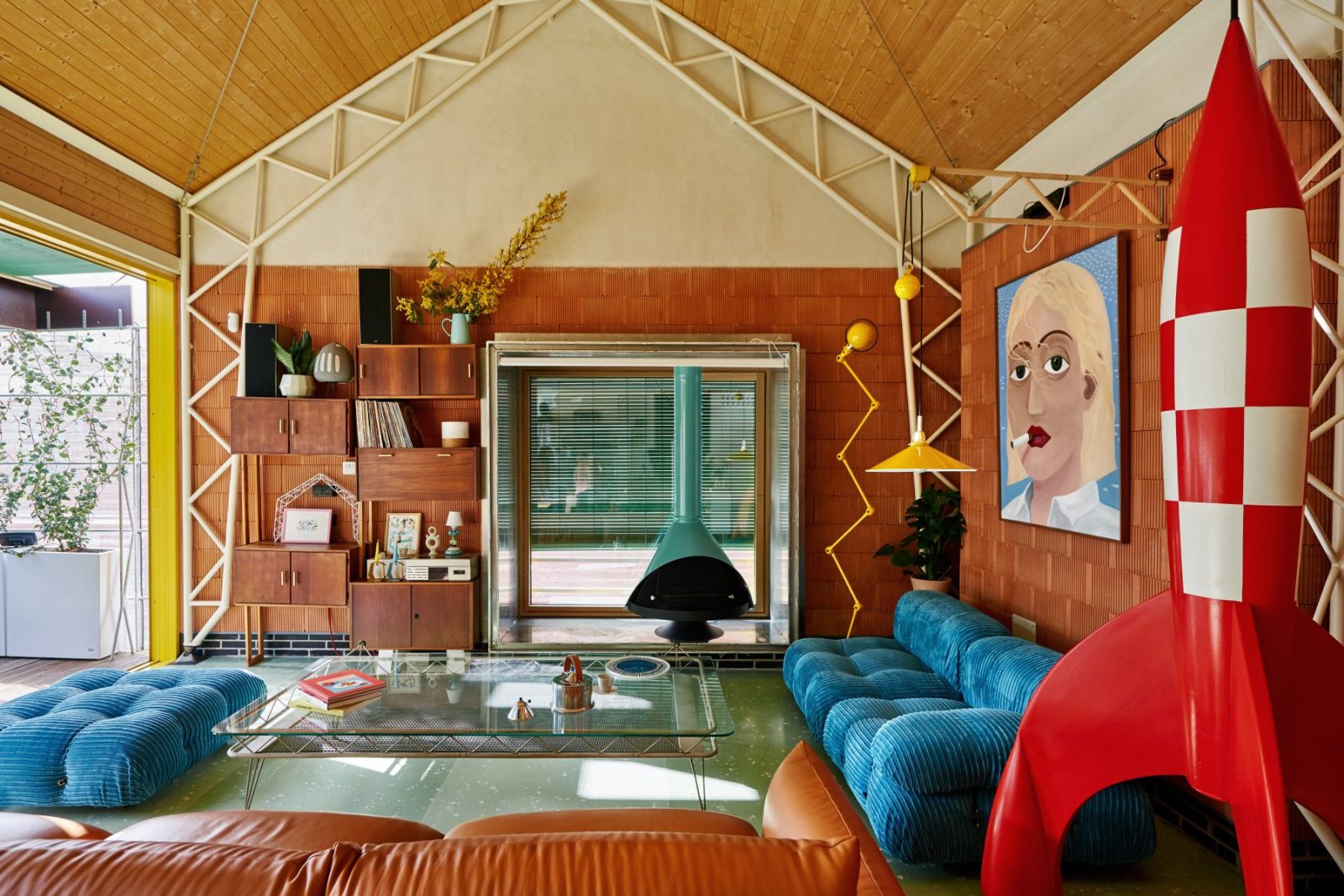
This layered temporal relationship informs a retro-futuristic atmosphere, drawing from space-age references and cultural memory.
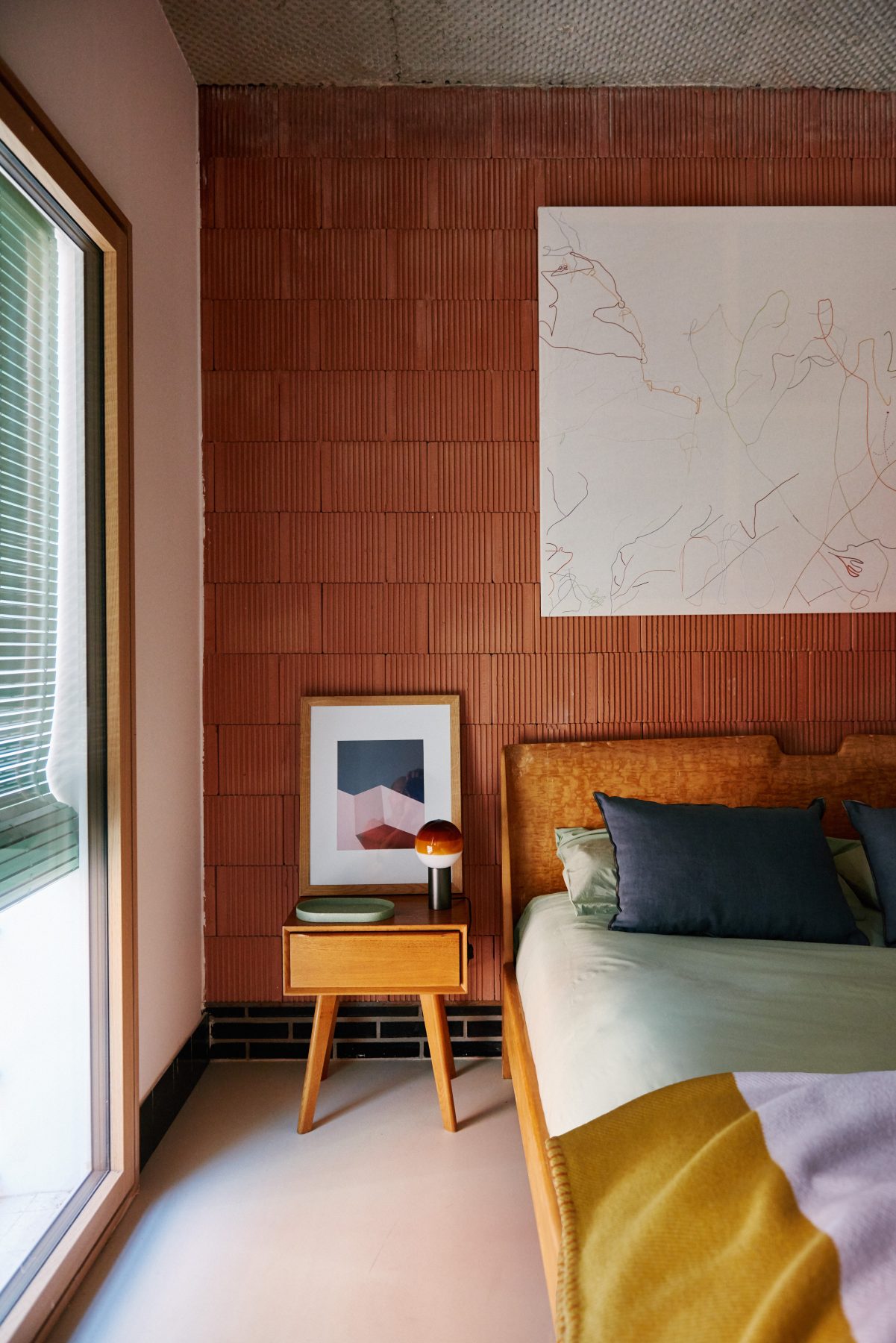
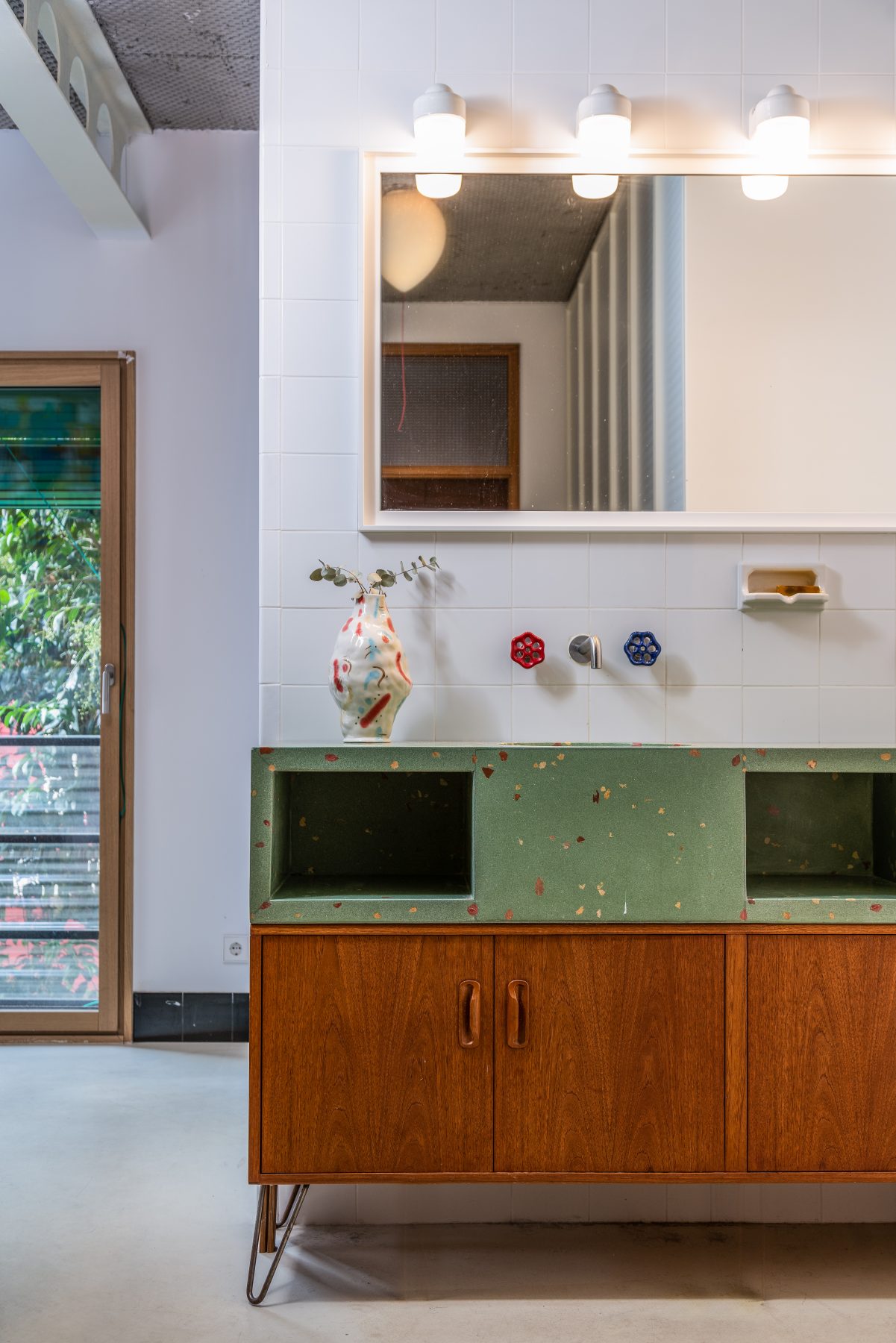
Historical identity and speculative imagination coexist within this framework. The interior further reinforces this narrative through a carefully curated assemblage of furnishings, combining found objects, second-hand pieces, and custom elements.
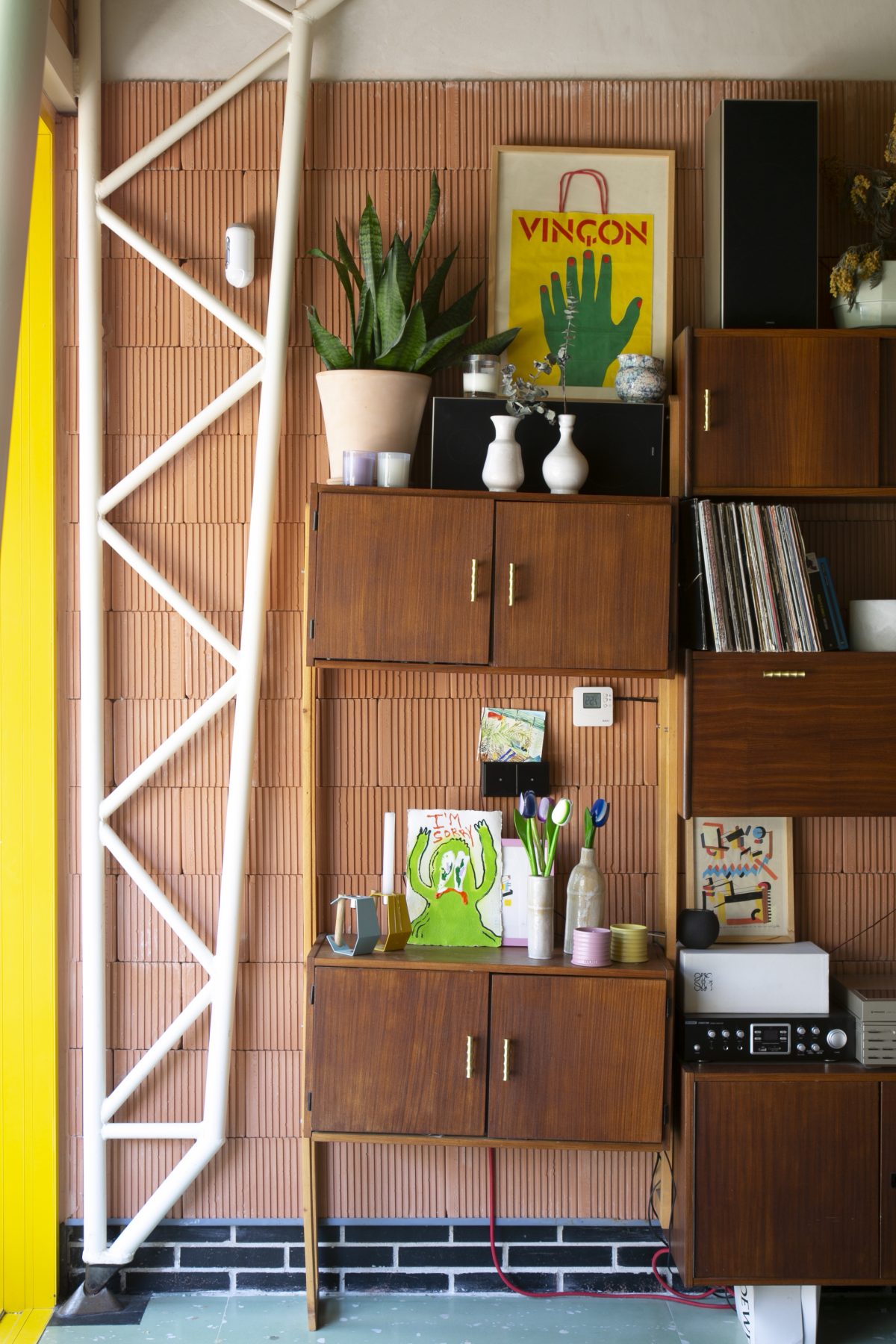
Color becomes a central design tool, vibrant, expressive tones introduce energy and emotional depth.
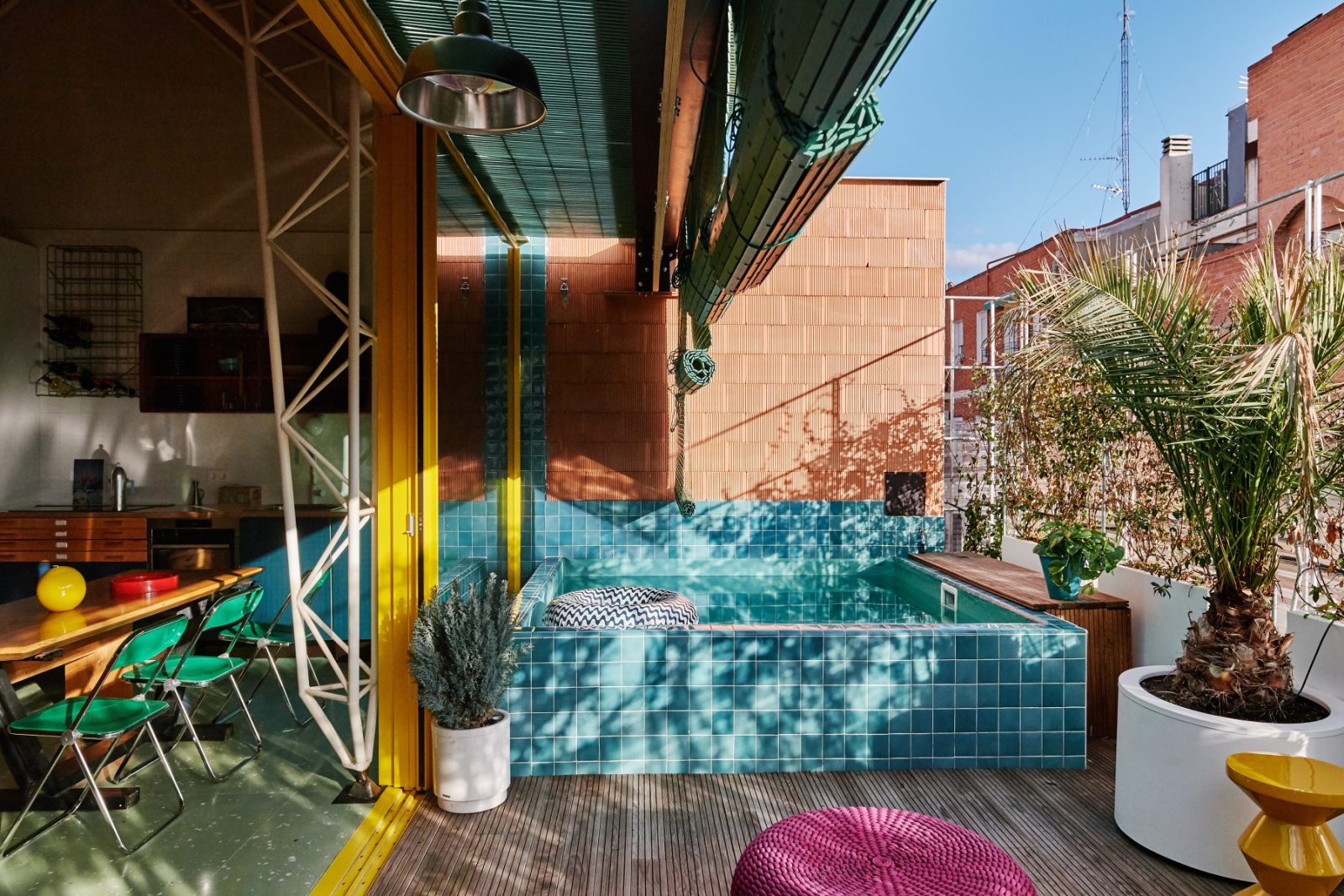
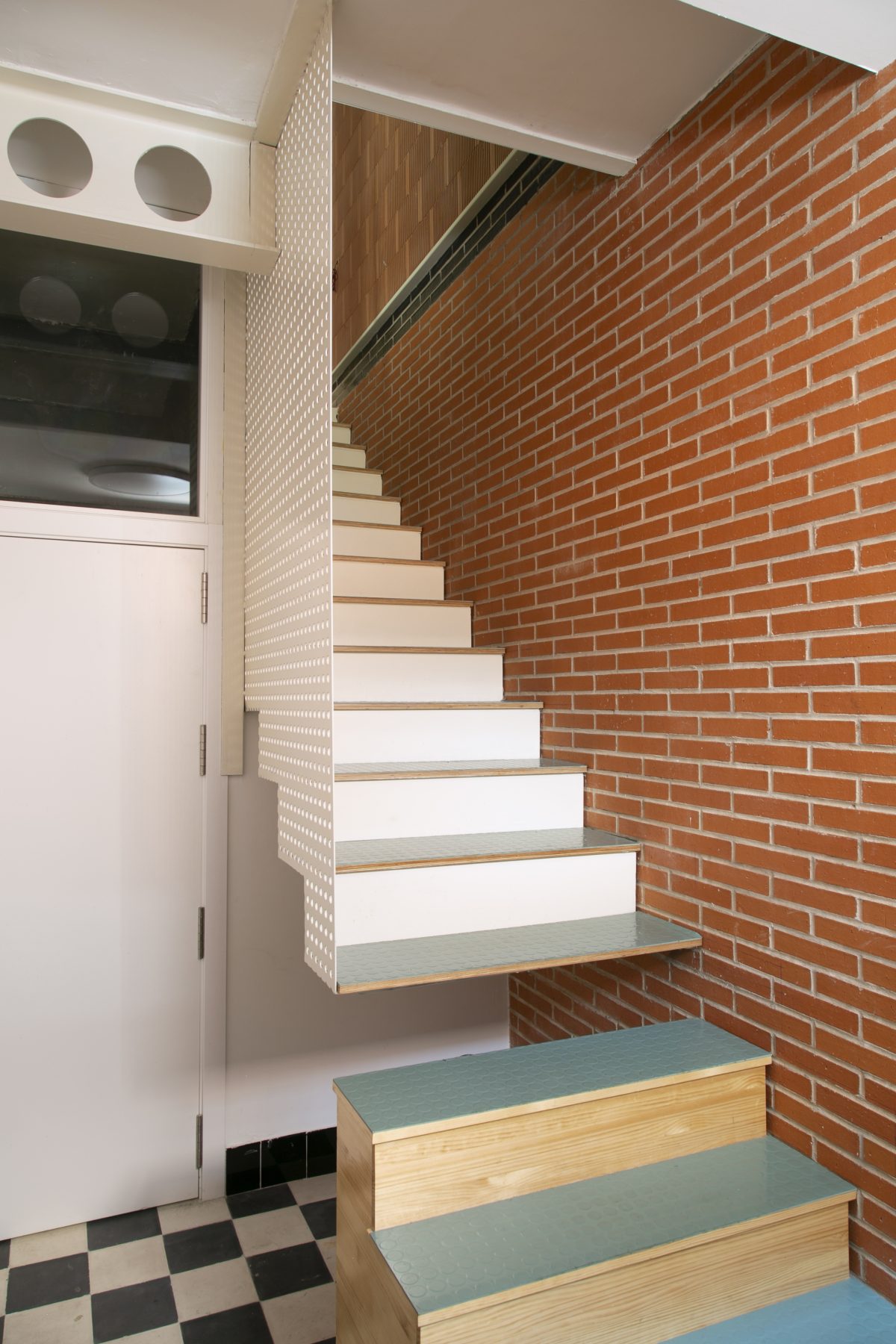
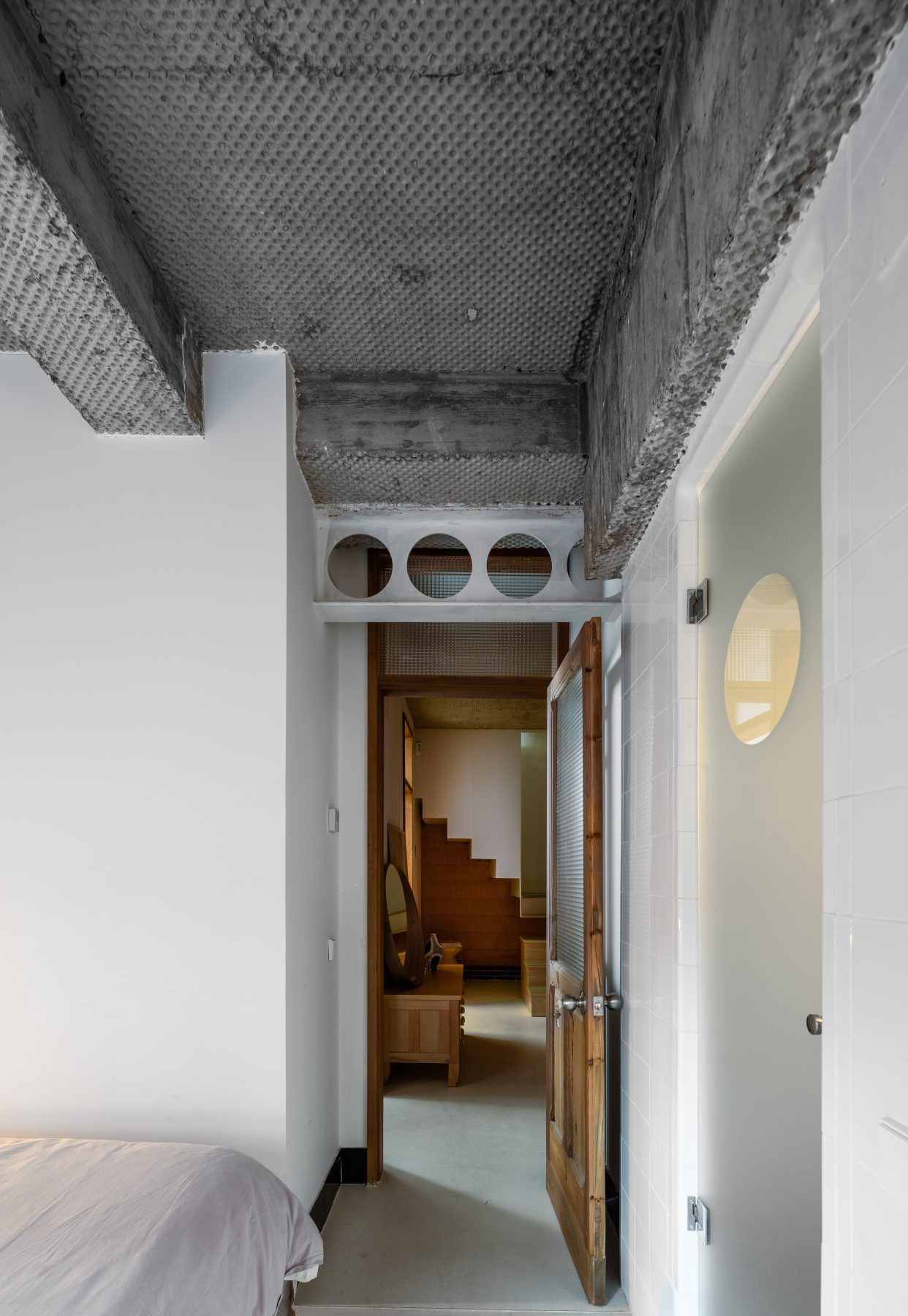
Exposed structural components, multitubular geometries, and articulated joints contribute to an industrial yet playful spatial language, referencing both mechanical systems and modernist precedents.
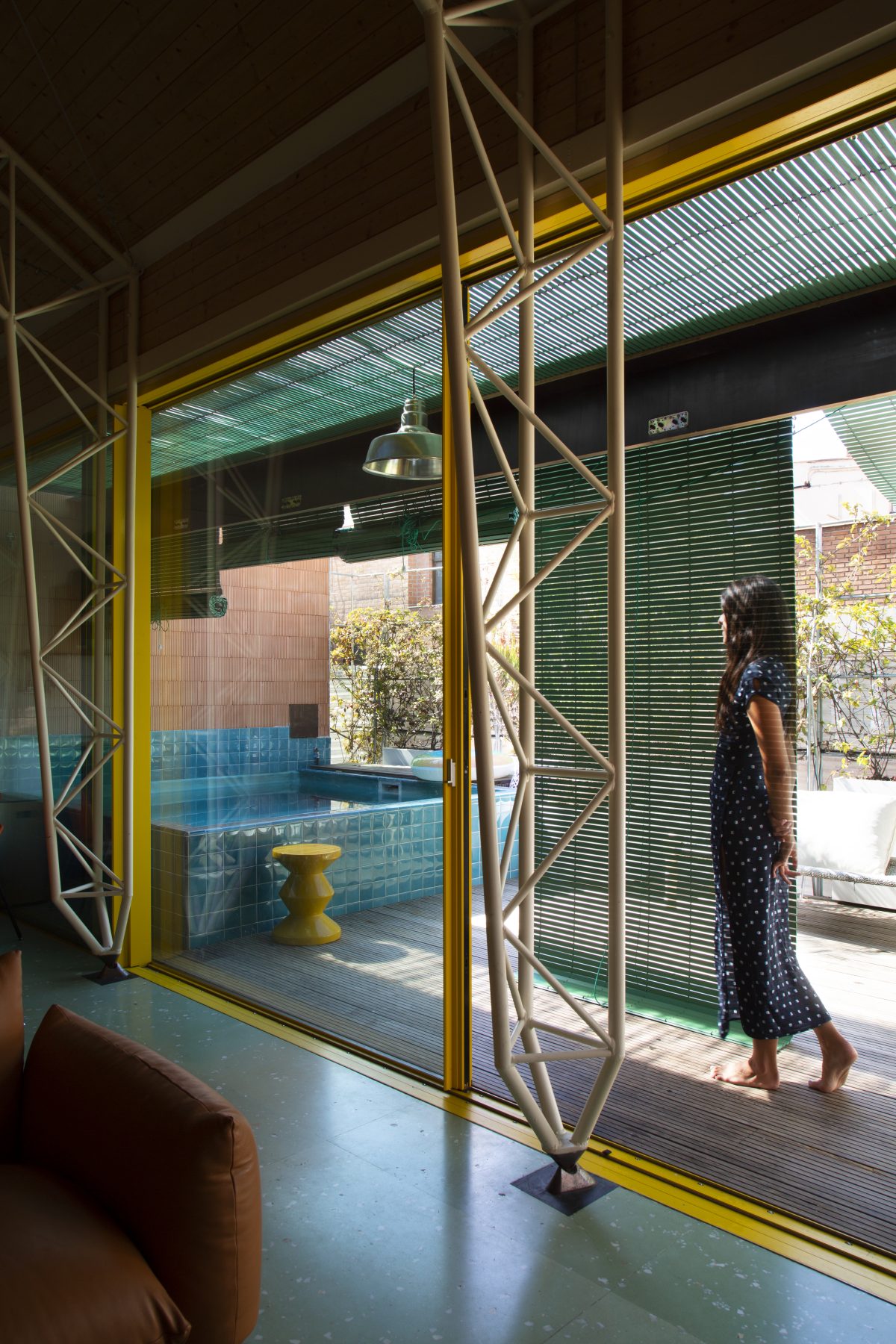
Ultimately, the project unfolds as a deep personal exploration of architecture, where design becomes a vehicle for identity, memory, and expression.
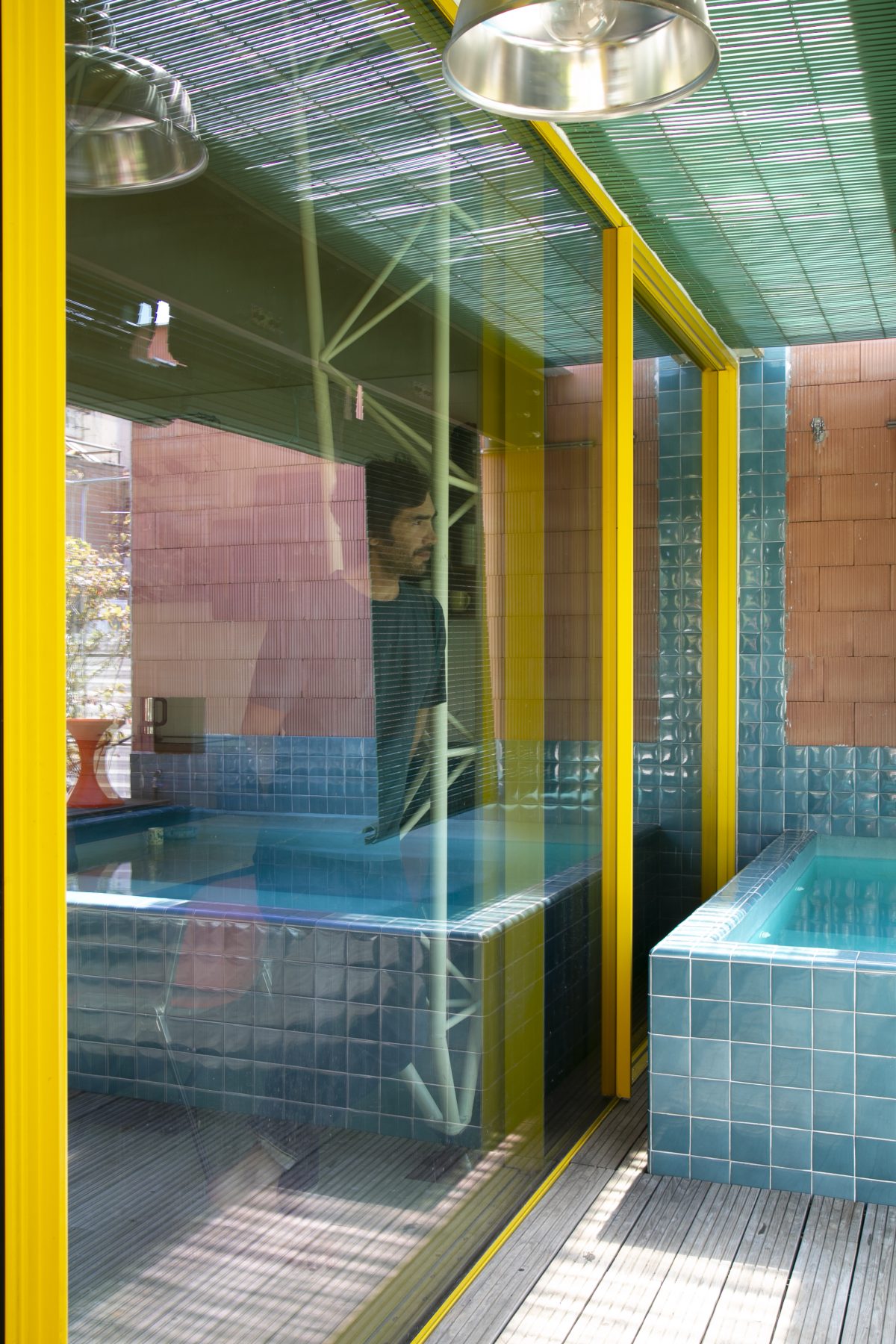
As expressed in the main philosophy of the house, “the key is to be yourself combined with a sense of practicality, and you will end up with the right solution.”
Facts & Credits
Project title PU 15
Typology The Architect’s House, Residential, Renovation
Location Madrid, Spain
Architecture CDP Arquitectos | Bilbo Garcia-Conde
Photography Daniel Shaefer, Cotesud, Efrain