In The Summer Refuge series, curated by Archt. for Archisearch, we focus on vacation houses that shelter time, memory and dreams closely connected to nature, to rural landscape, to vernacular architecture, and to notions such as ‘disconnection’, ‘slow living’, and Martin Heidegger’s ‘Dasein’ namely the art of being present in the world.
In the seventh episode, we follow architect Stefano Riva amid the terraced vineyards of Portugal’s inland Douro Valley, where he shapes Casa Jerónimo as a house within a house, guided by the recursive logic of a Russian doll. The project unfolds through a layered spatial strategy that reframes inhabitation as an act of continuity rather than replacement, embedding contemporary domestic life within the physical and symbolic traces of the past.
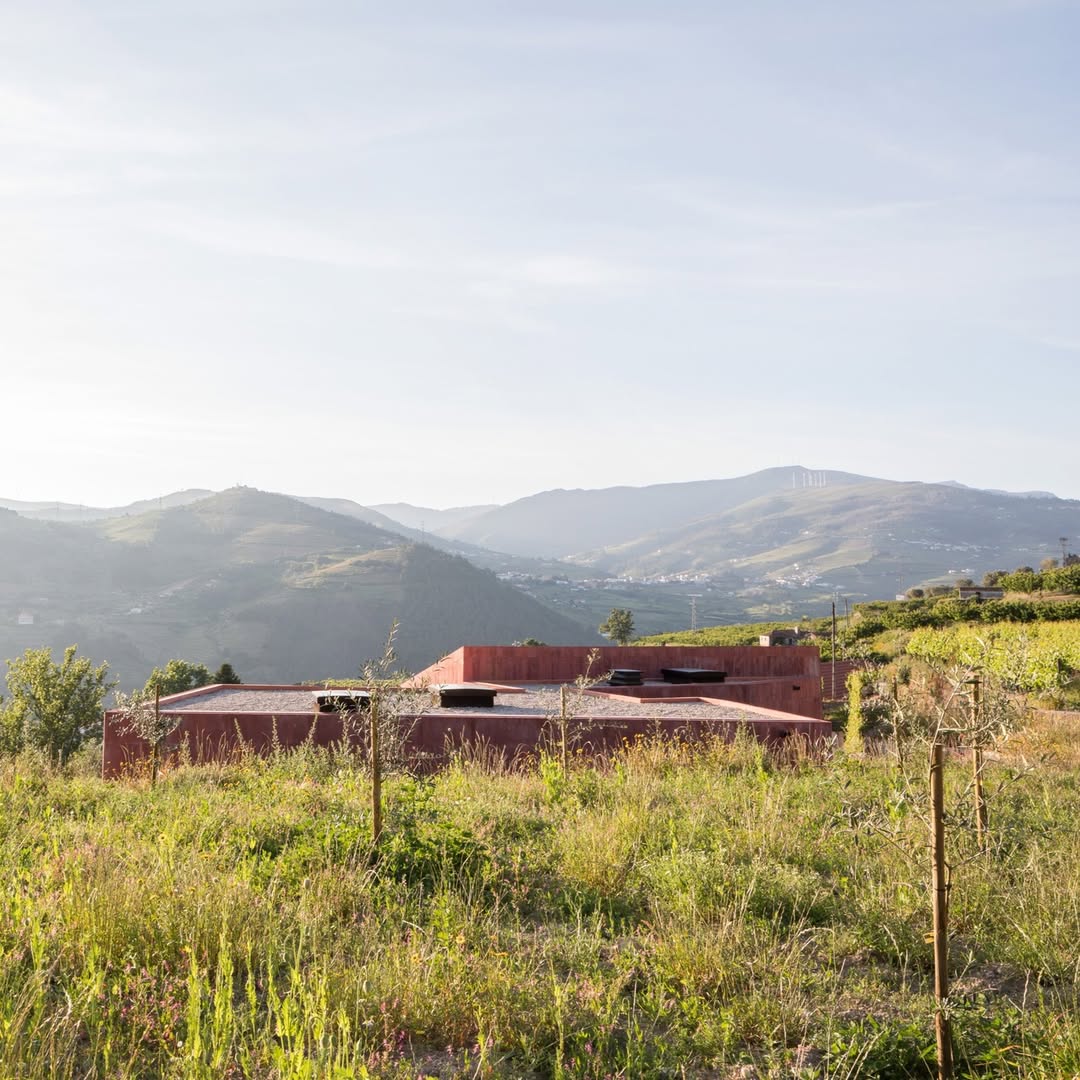
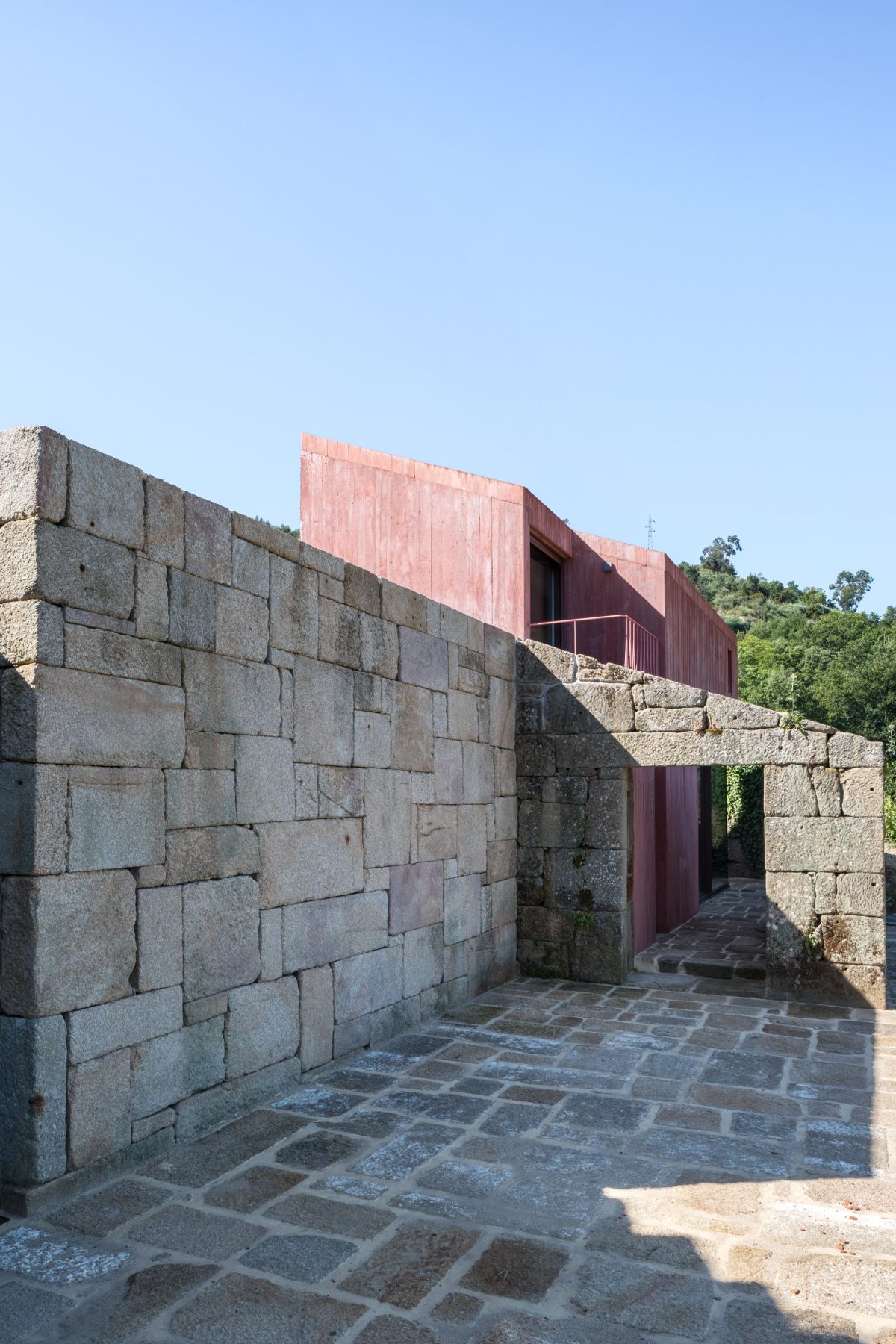
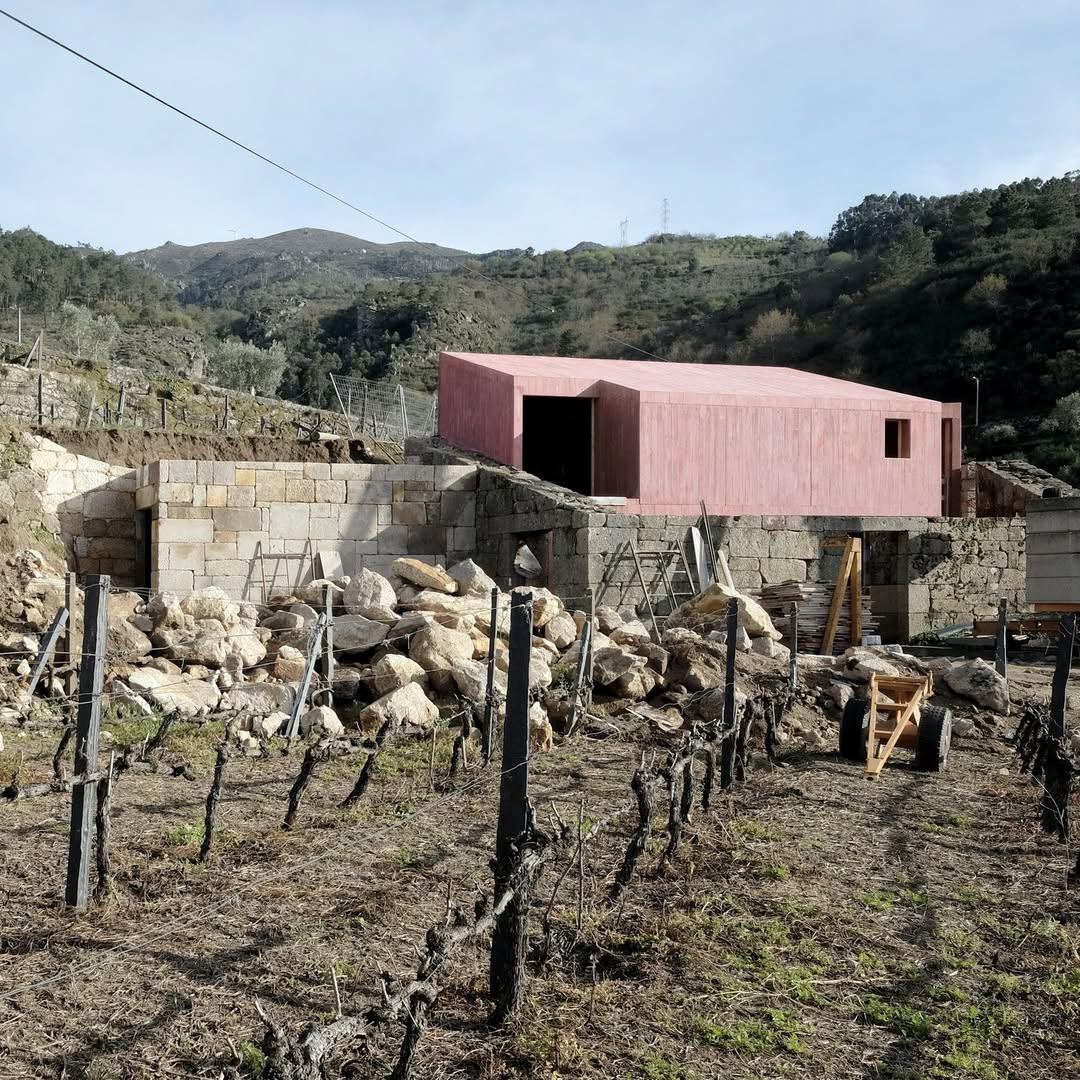
the ruins of an ancient granite wall
once tracing the margins of a modest farmstead
now delineate the boundaries of a rural plot,
or maybe a garden?
within this inherited enclosure
emerges an enigmatic presence;
a pink concrete artefact,
or maybe a house?
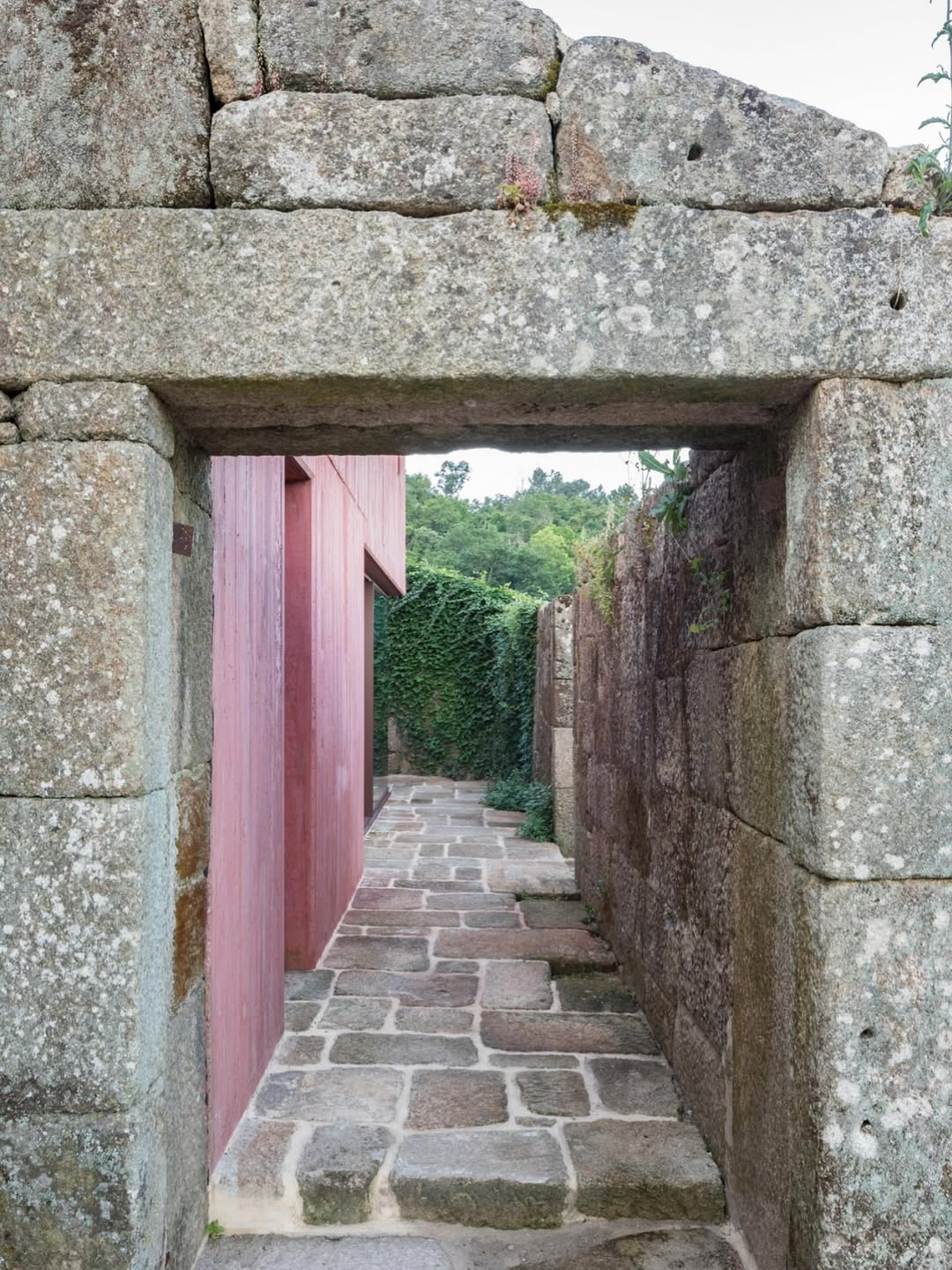
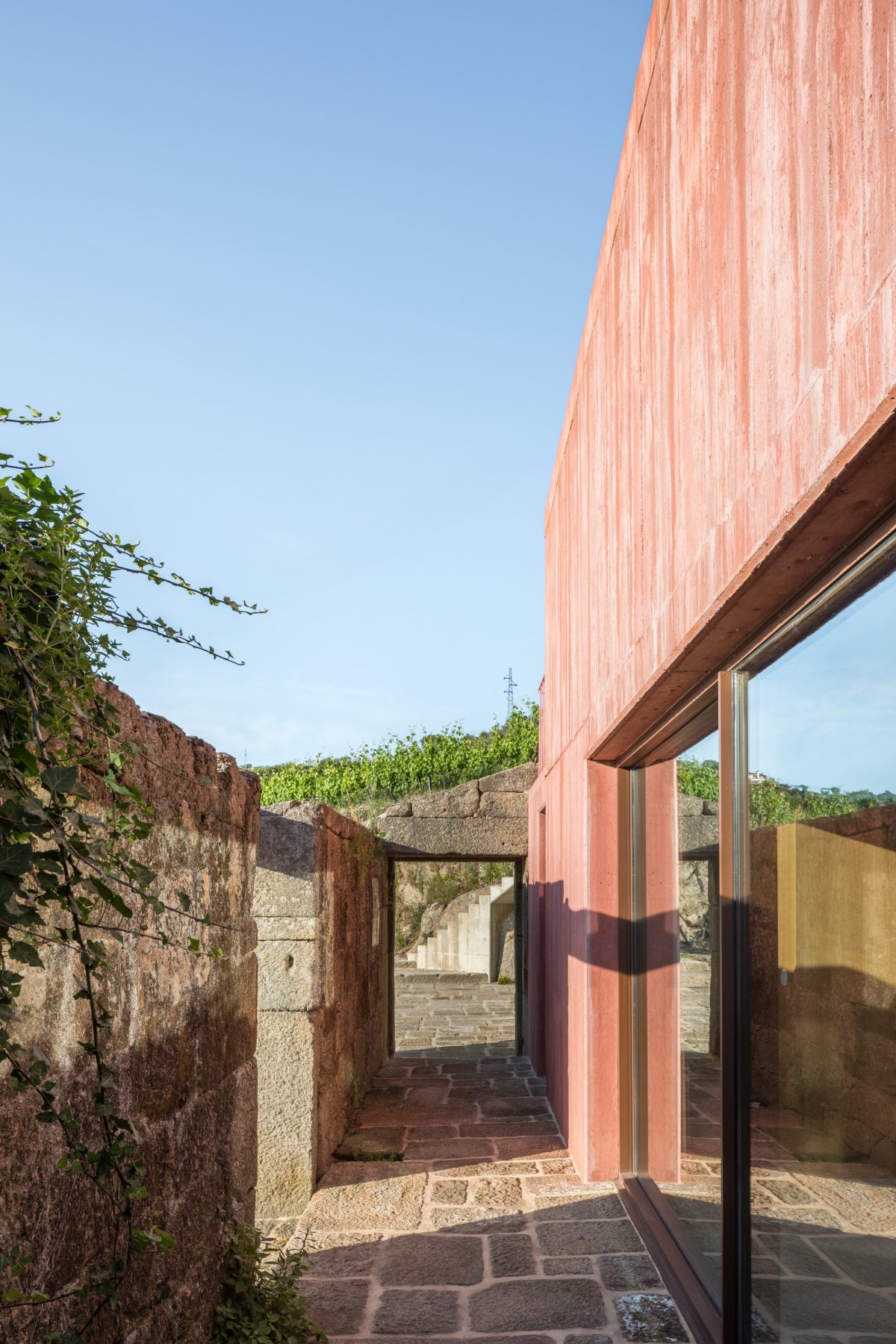
Like a matryoshka, Casa Jerónimo is conceived as a vacation house structured through a logic of containment and revelation.
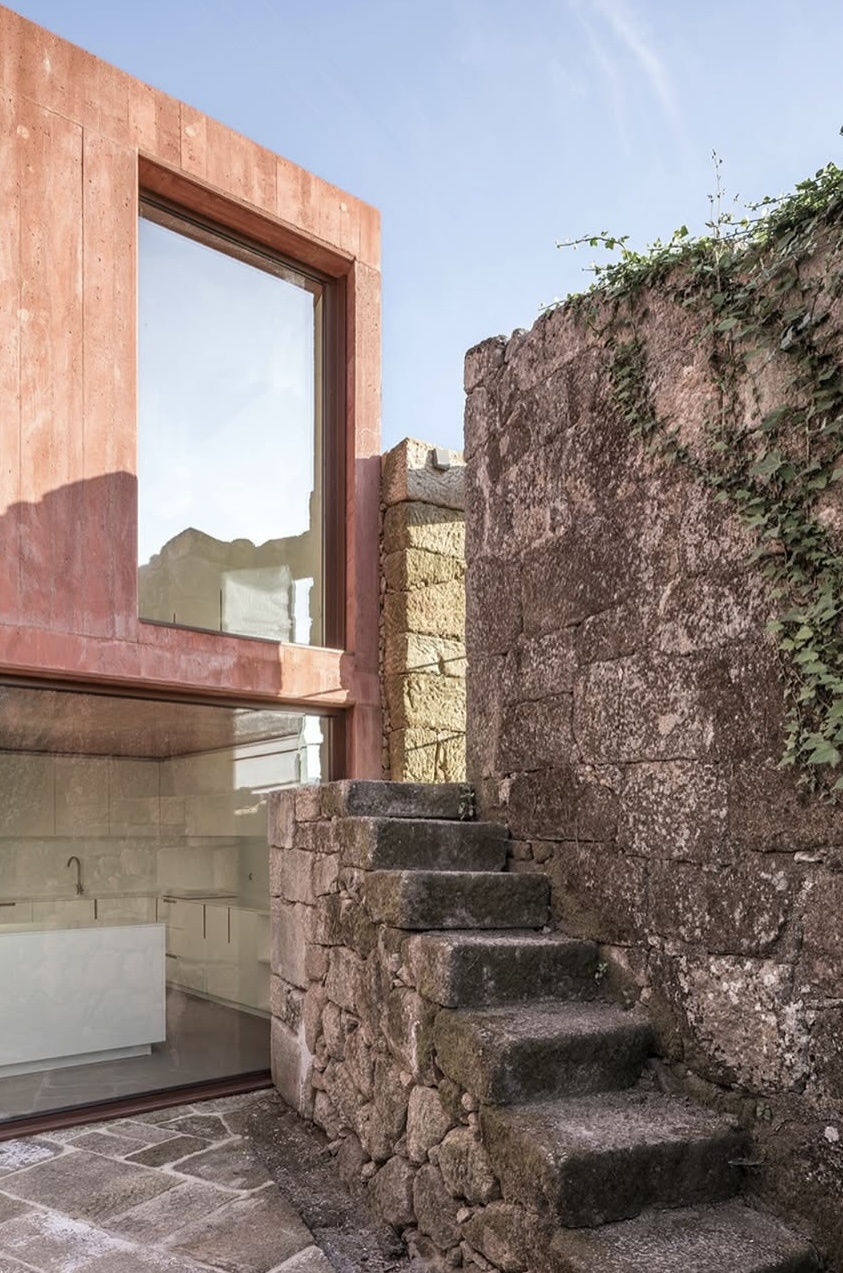
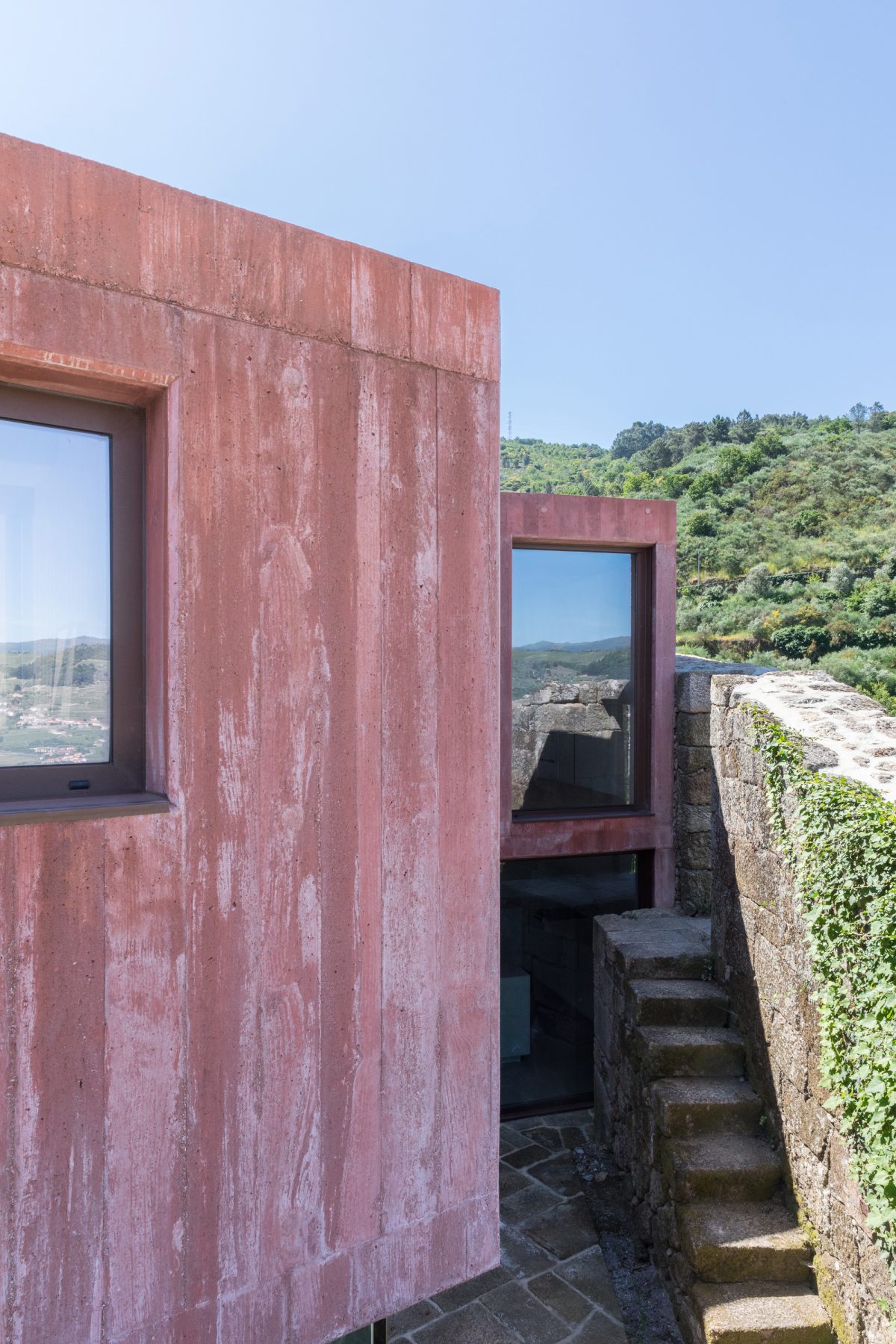
Each layer encloses the next, generating a sequence of thresholds that mediate between the intimacy of domestic space and the expansive agricultural landscape beyond. Autonomous yet deeply rooted, Jerónimo House resonates with the local chromatic architectural tradition, embodying a palette shaped over generations by farmers and their enduring relationship with the land.
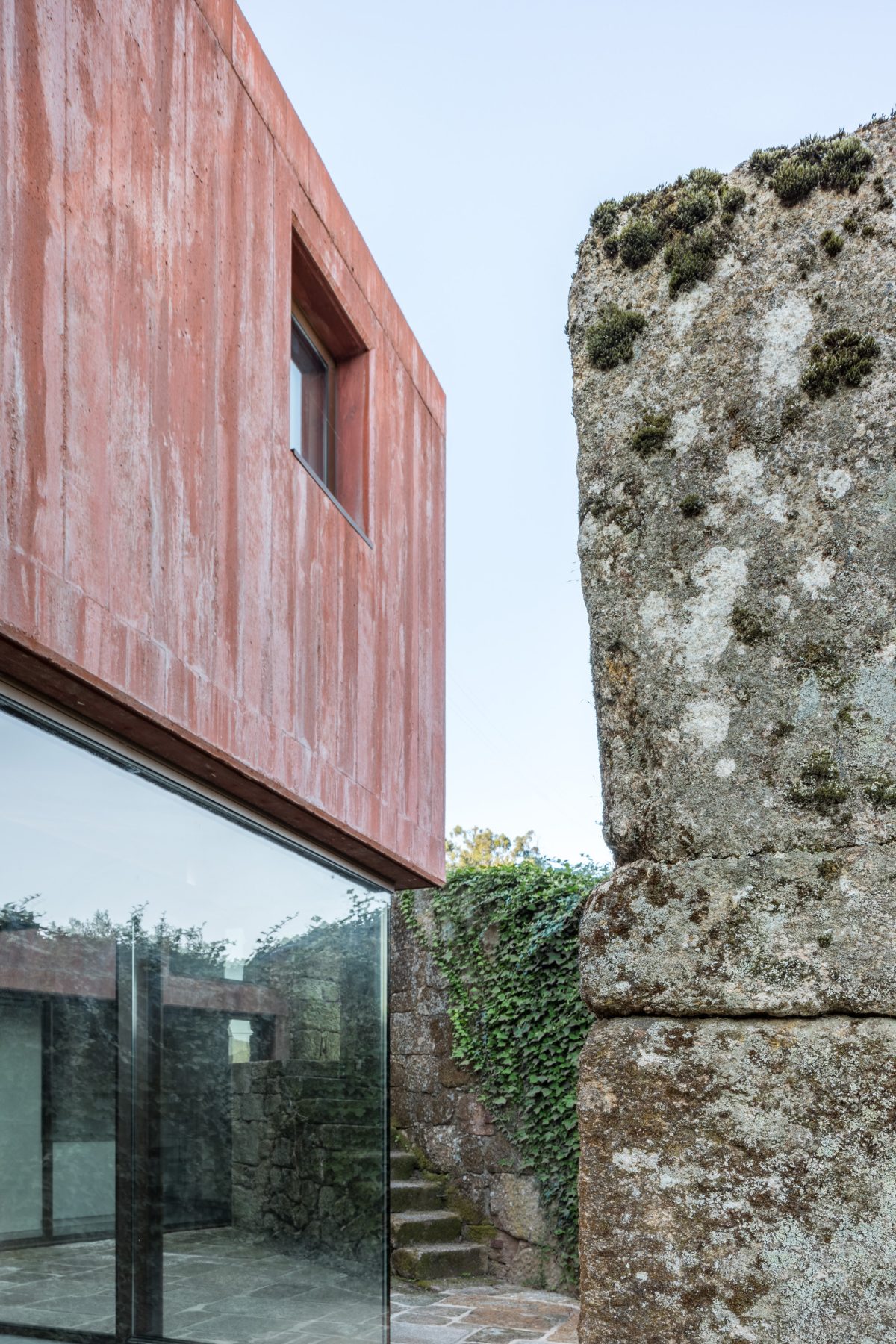
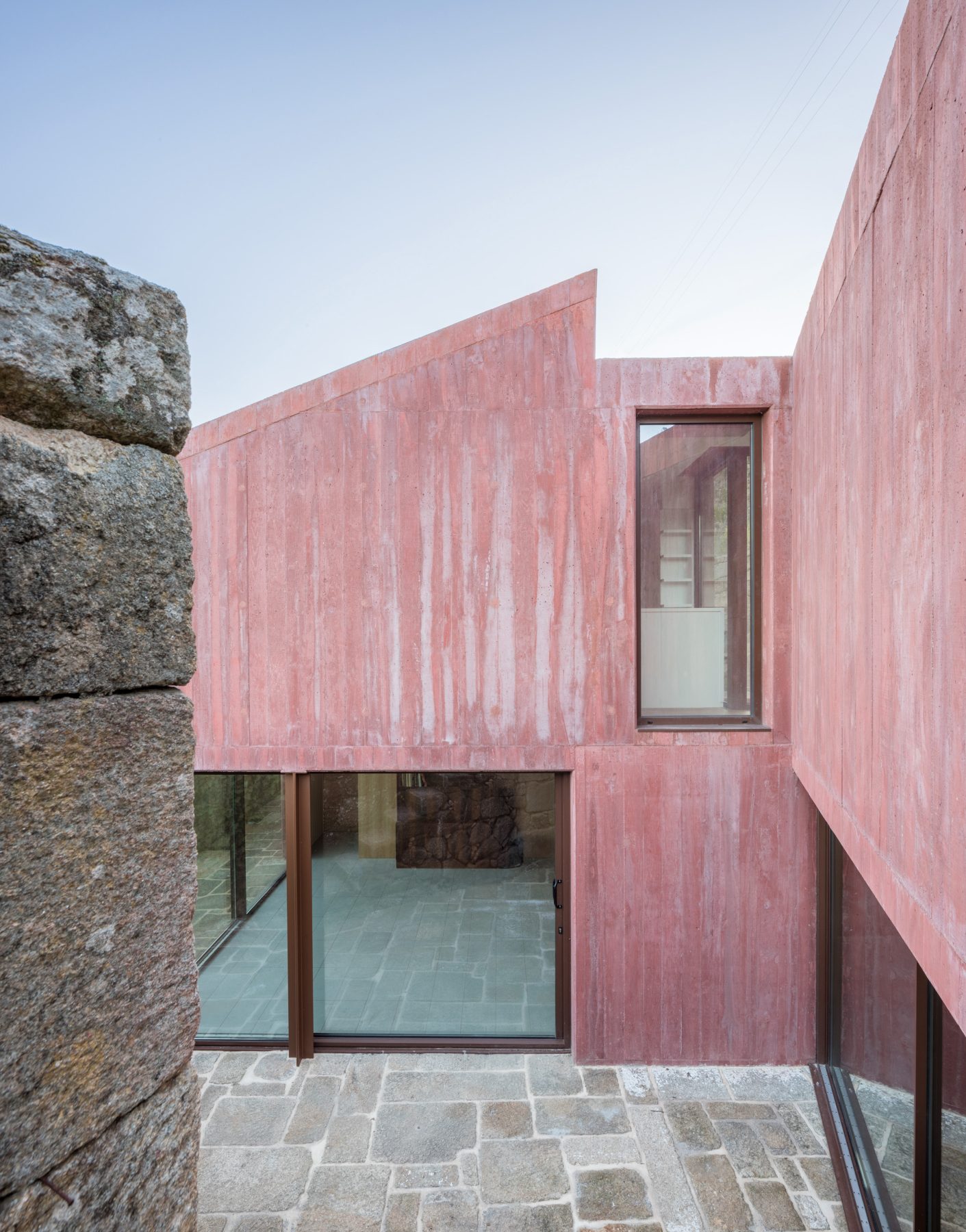
The new pink concrete volume emerges with deliberate clarity—an inhabitable folly—simultaneously distinct from and inseparable from the ancient ruin: its origin, its ground, its host.
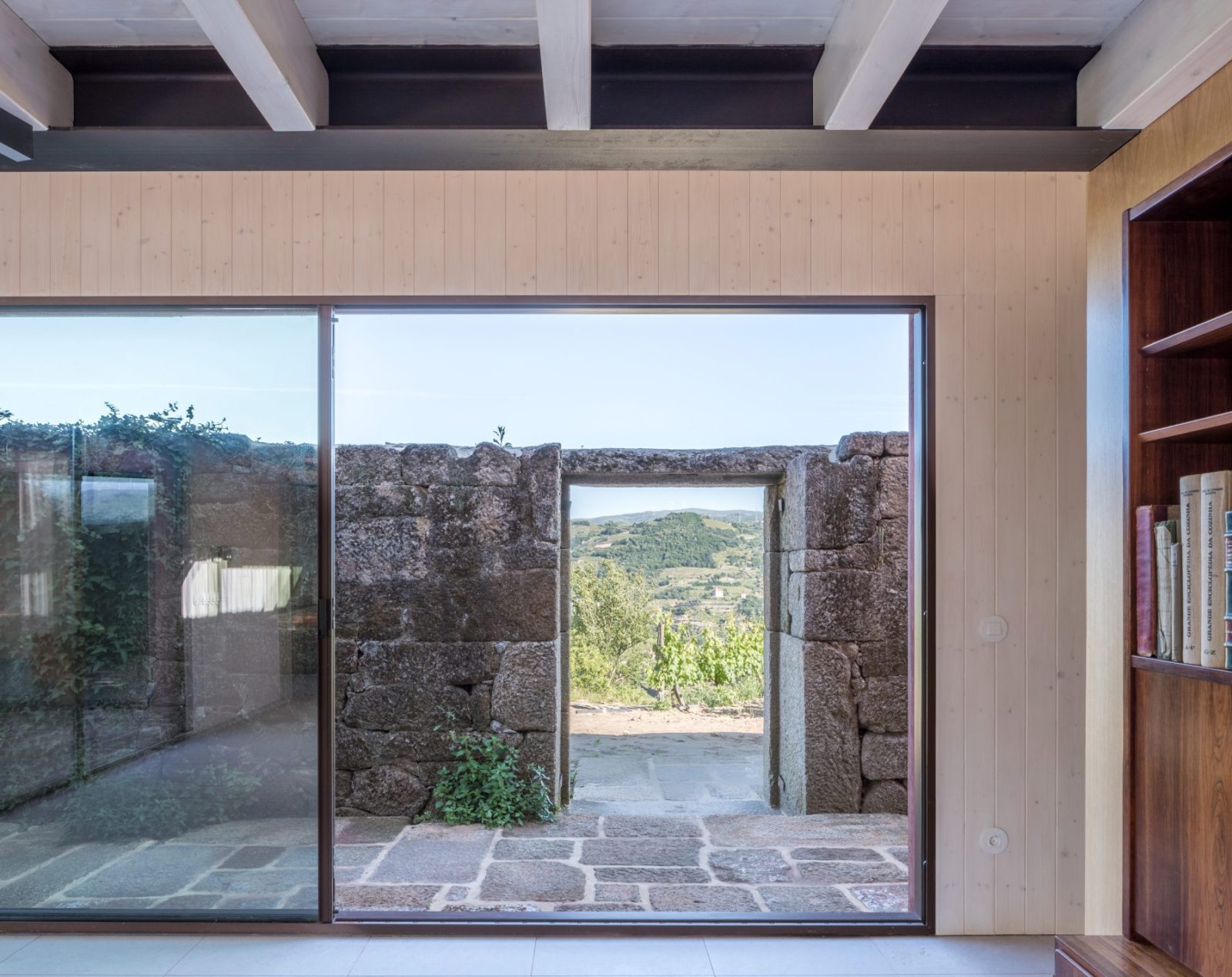
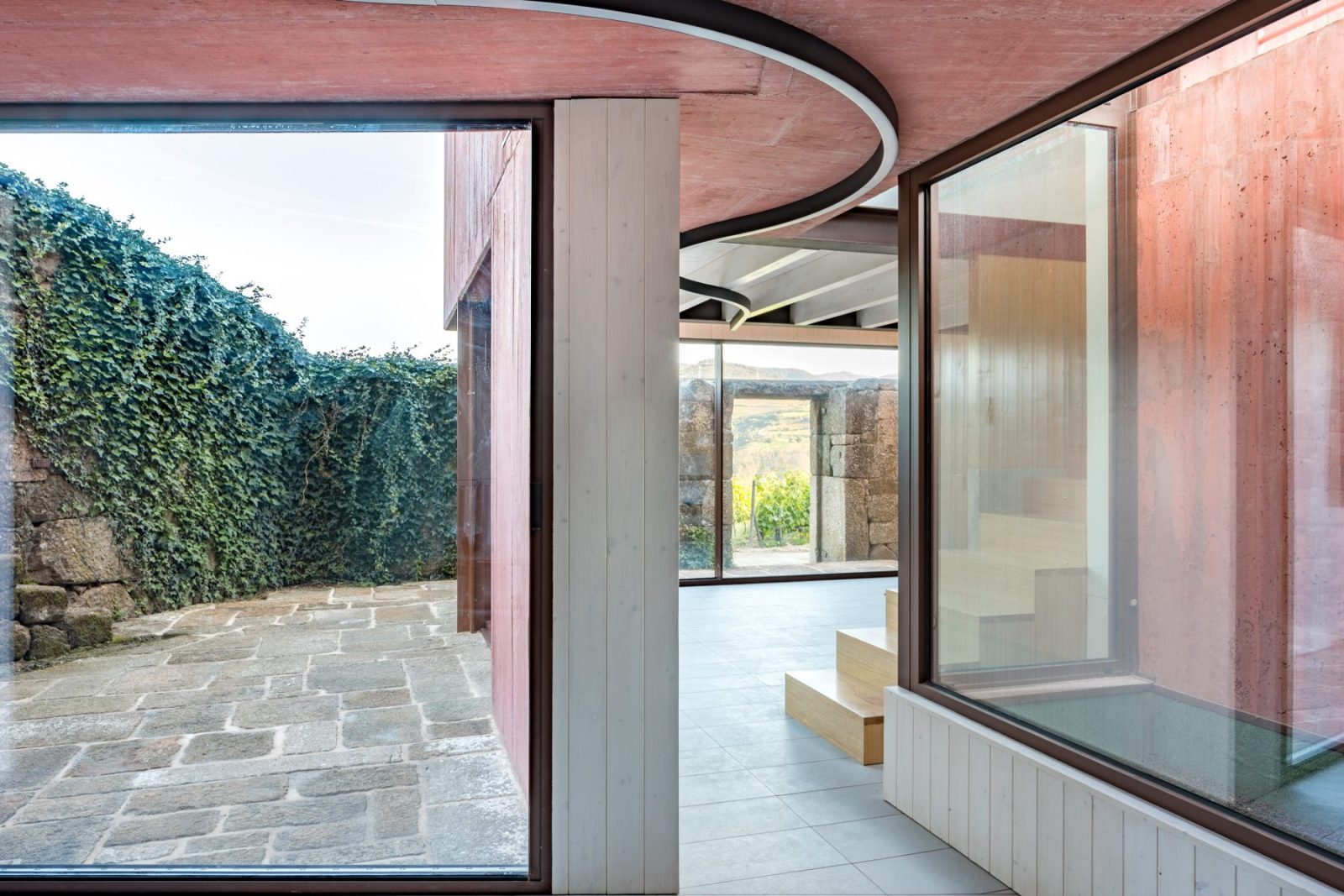
Conceptually, this recursive structure challenges conventional notions of origin and spatial hierarchy: a landscape containing a ruin, a ruin containing a house, a house containing a home.
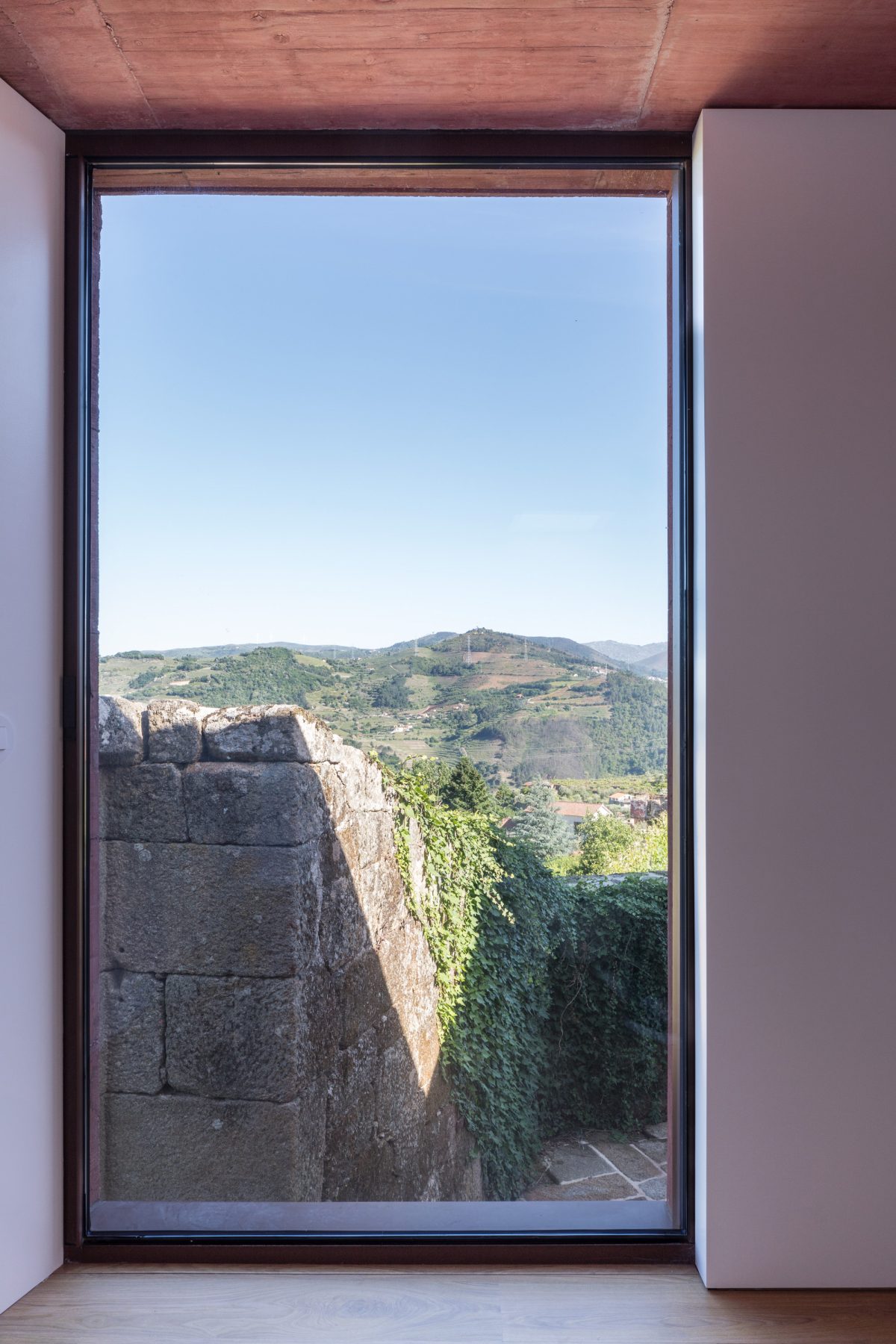
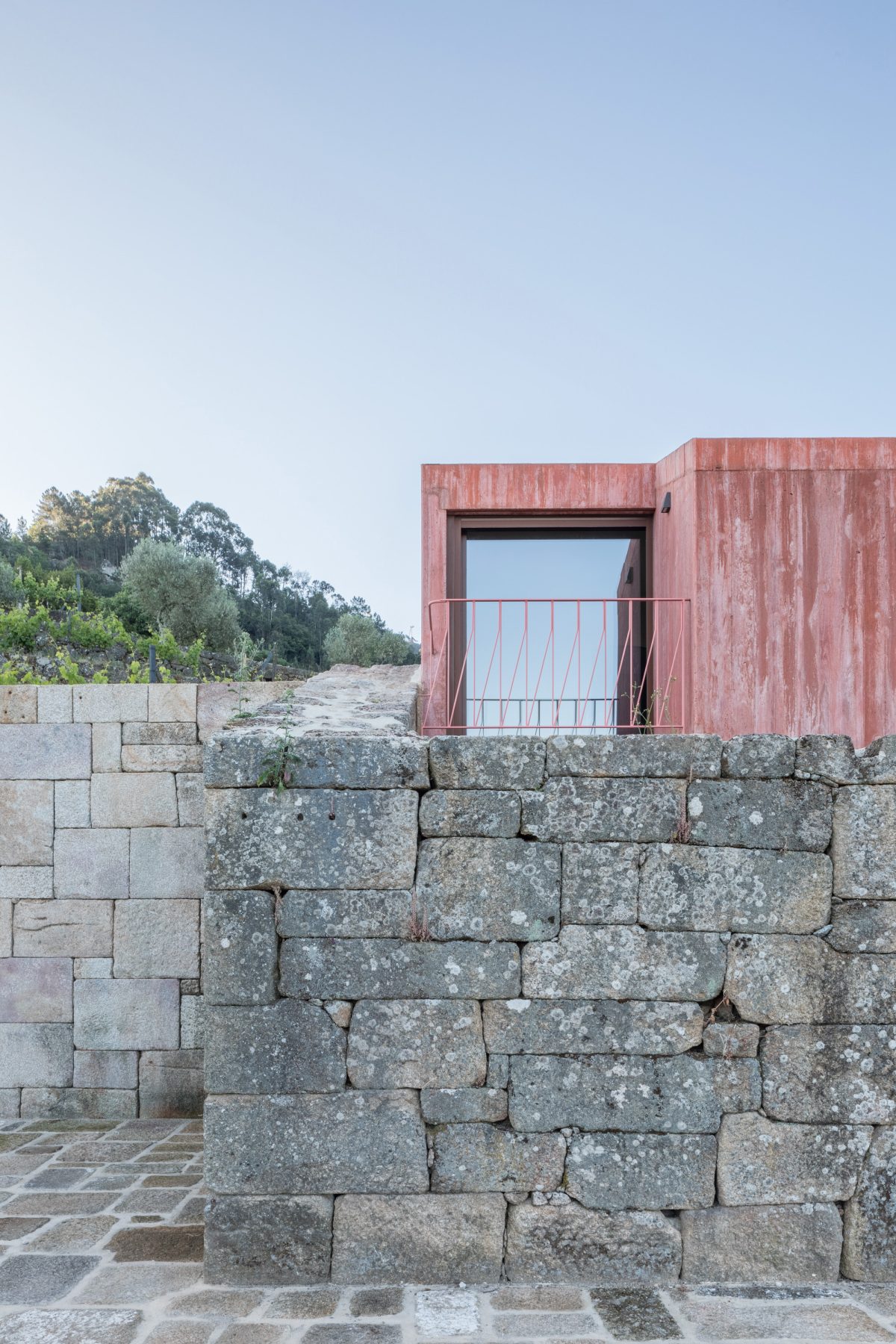
This continuity speaks of an architecture that does not overwrite history, but patiently intertwines itself within it, establishing a nested condition that oscillates between exposure and protection. The inner house is sheltered by the outer enclosure, yet its very presence reactivates the ruin, restoring meaning to what once lay dormant.
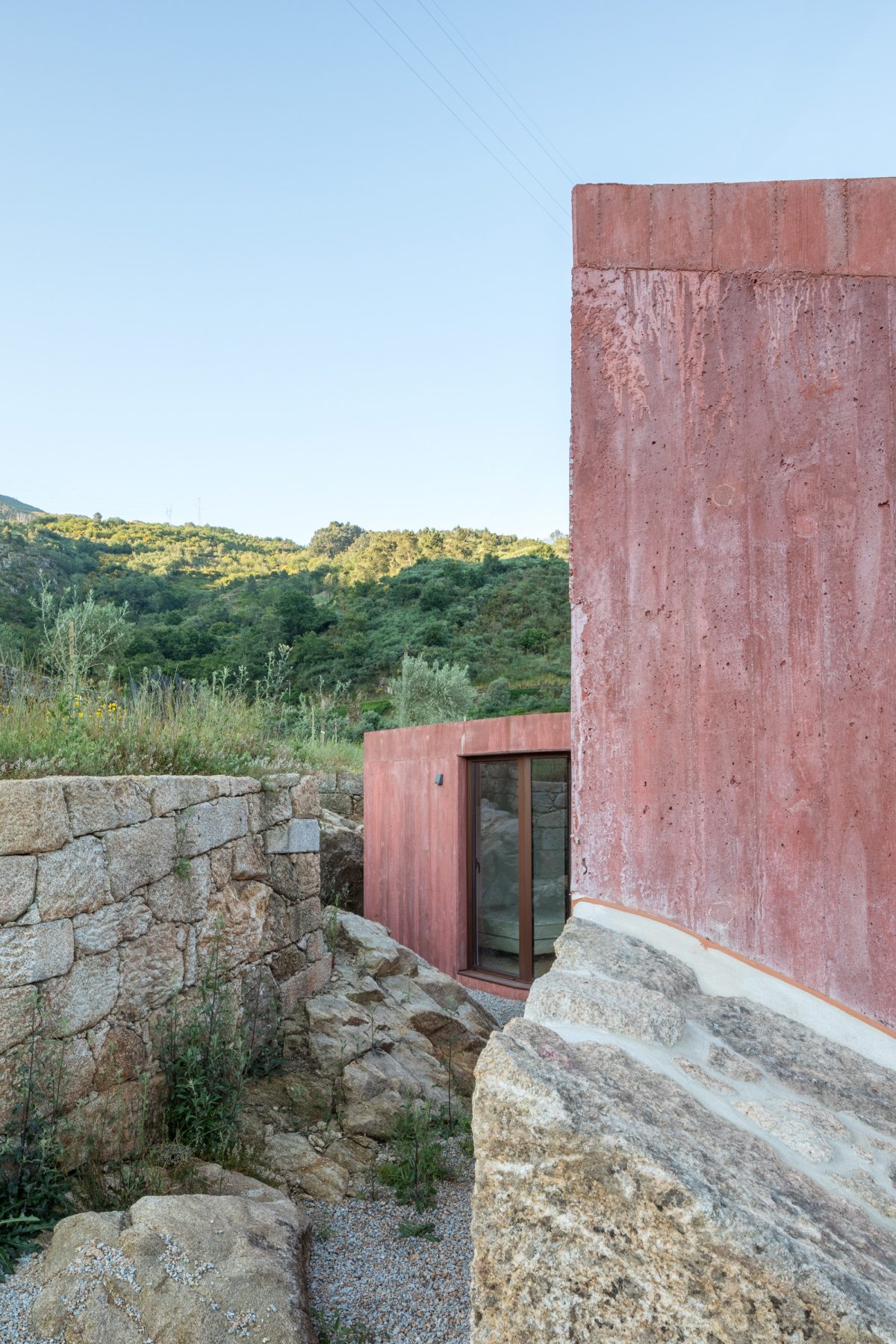
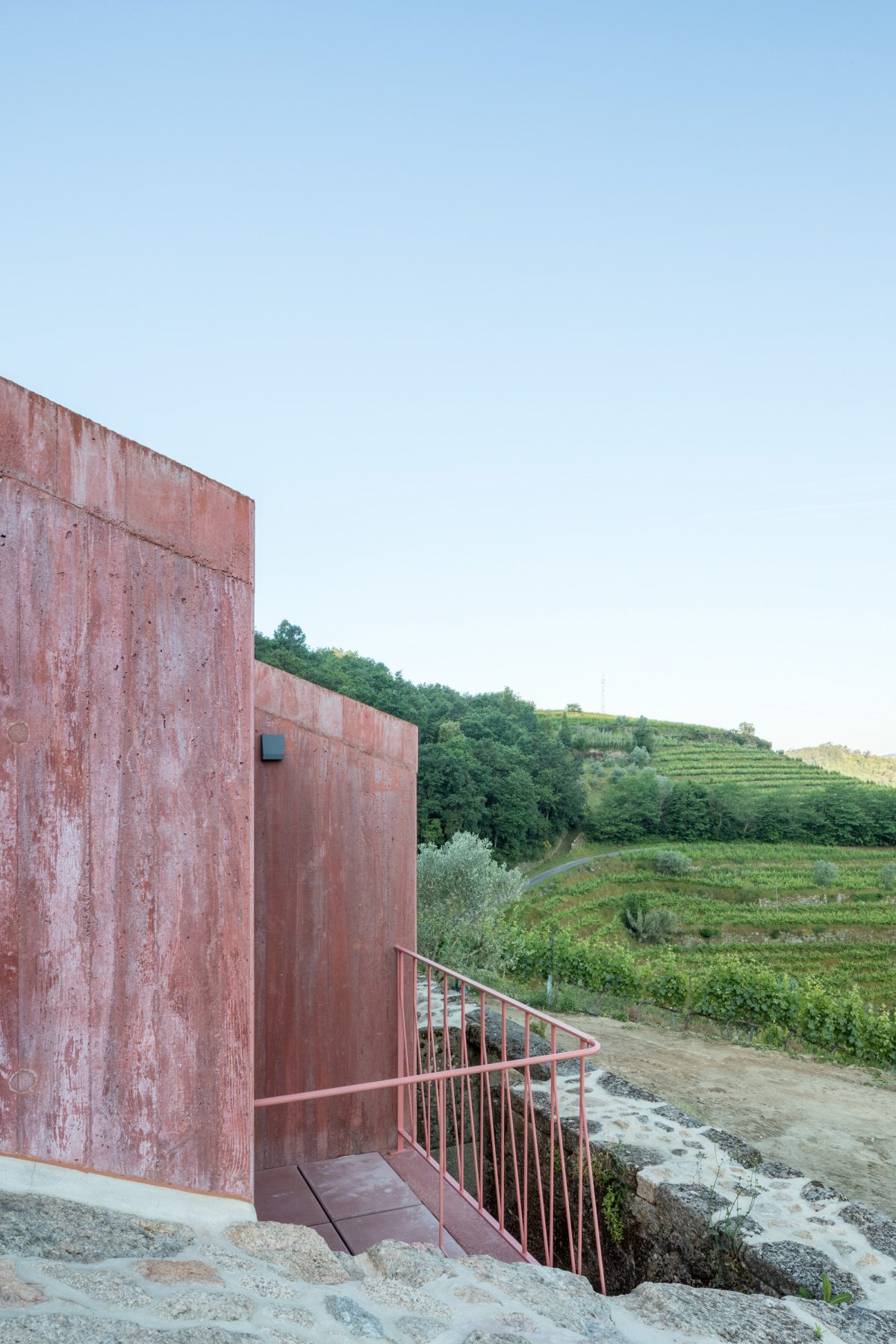
Spatial experience unfolds gradually, like an archaeological excavation, where new life and form emerge from what was already there—waiting not to be replaced, but retold.
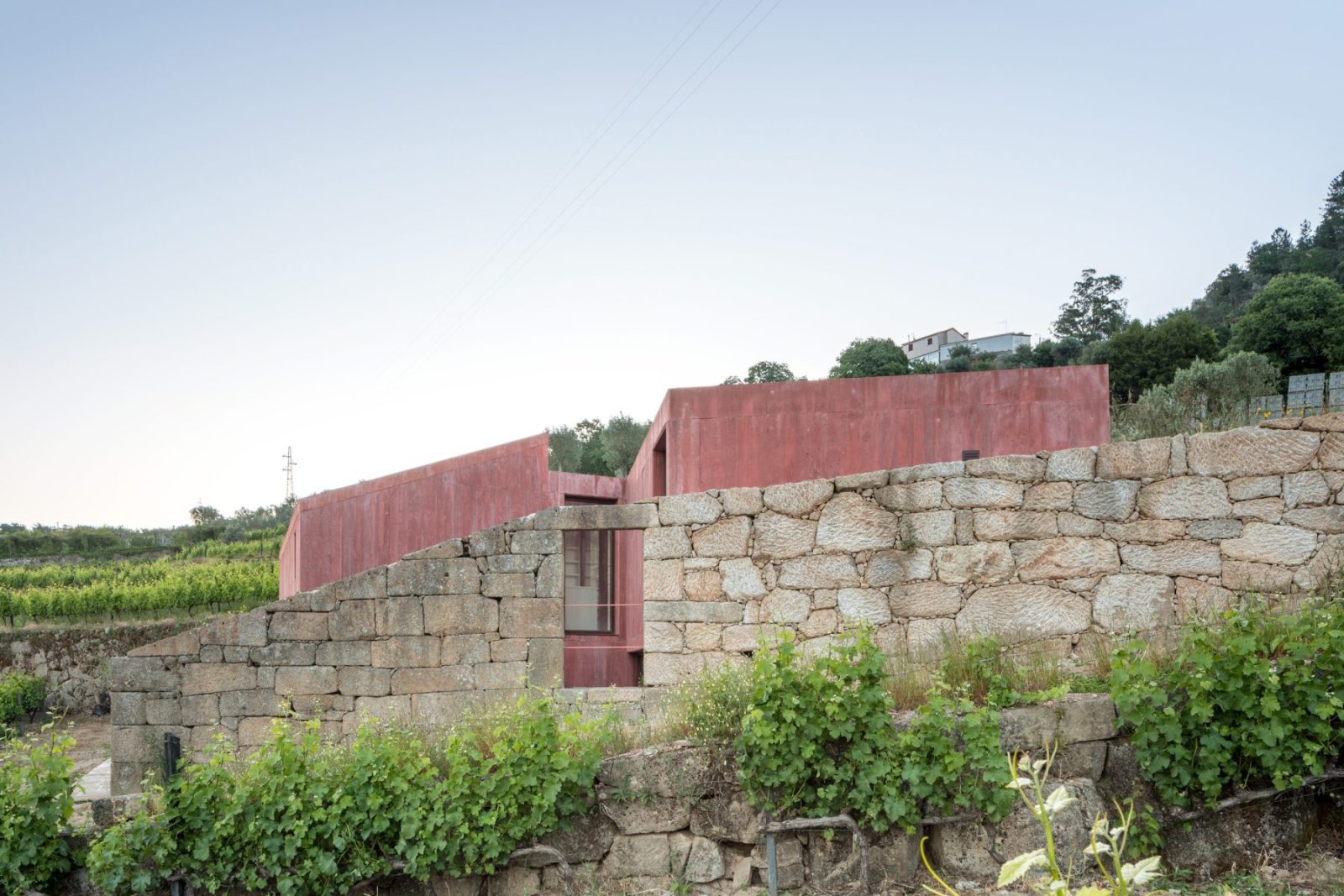
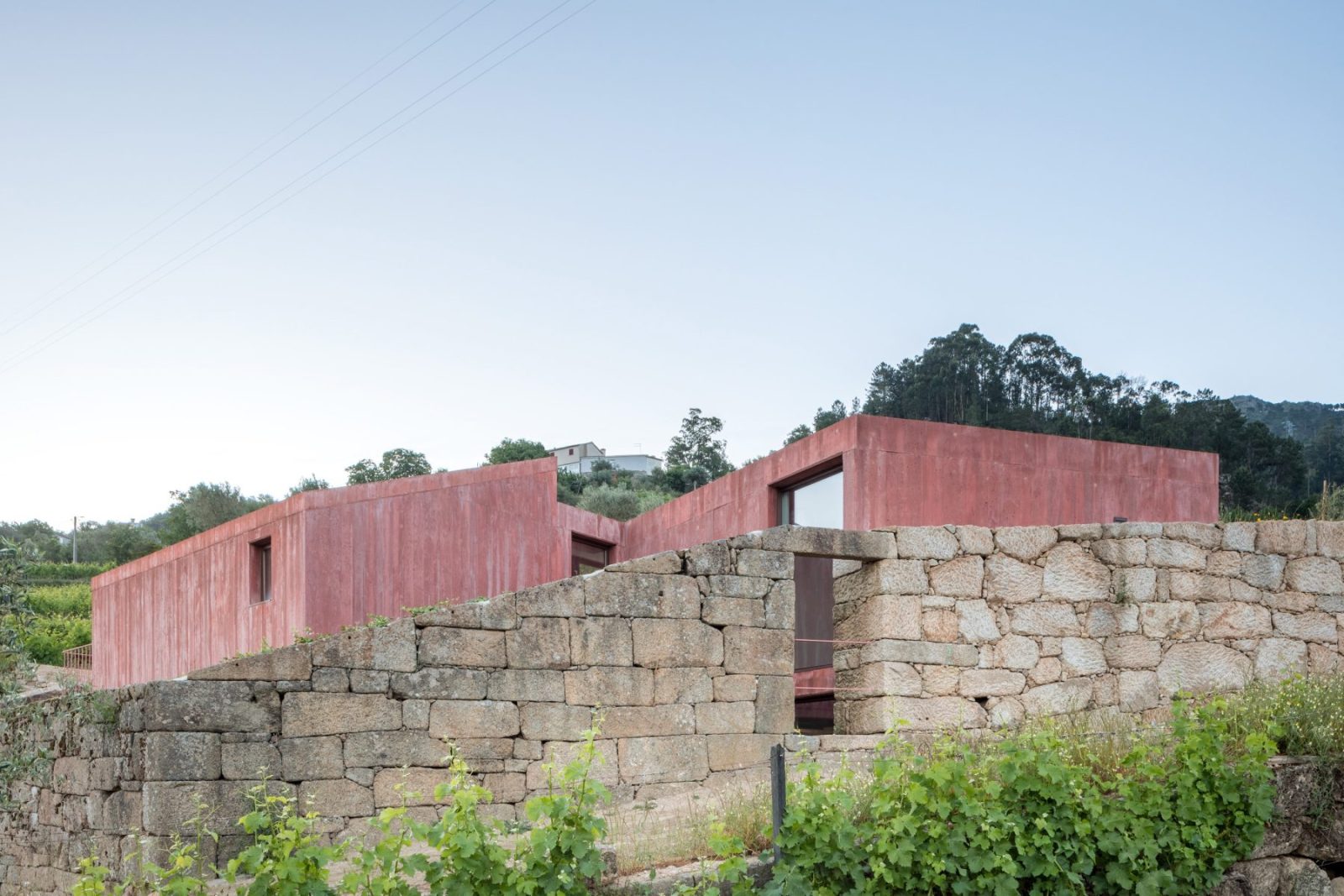
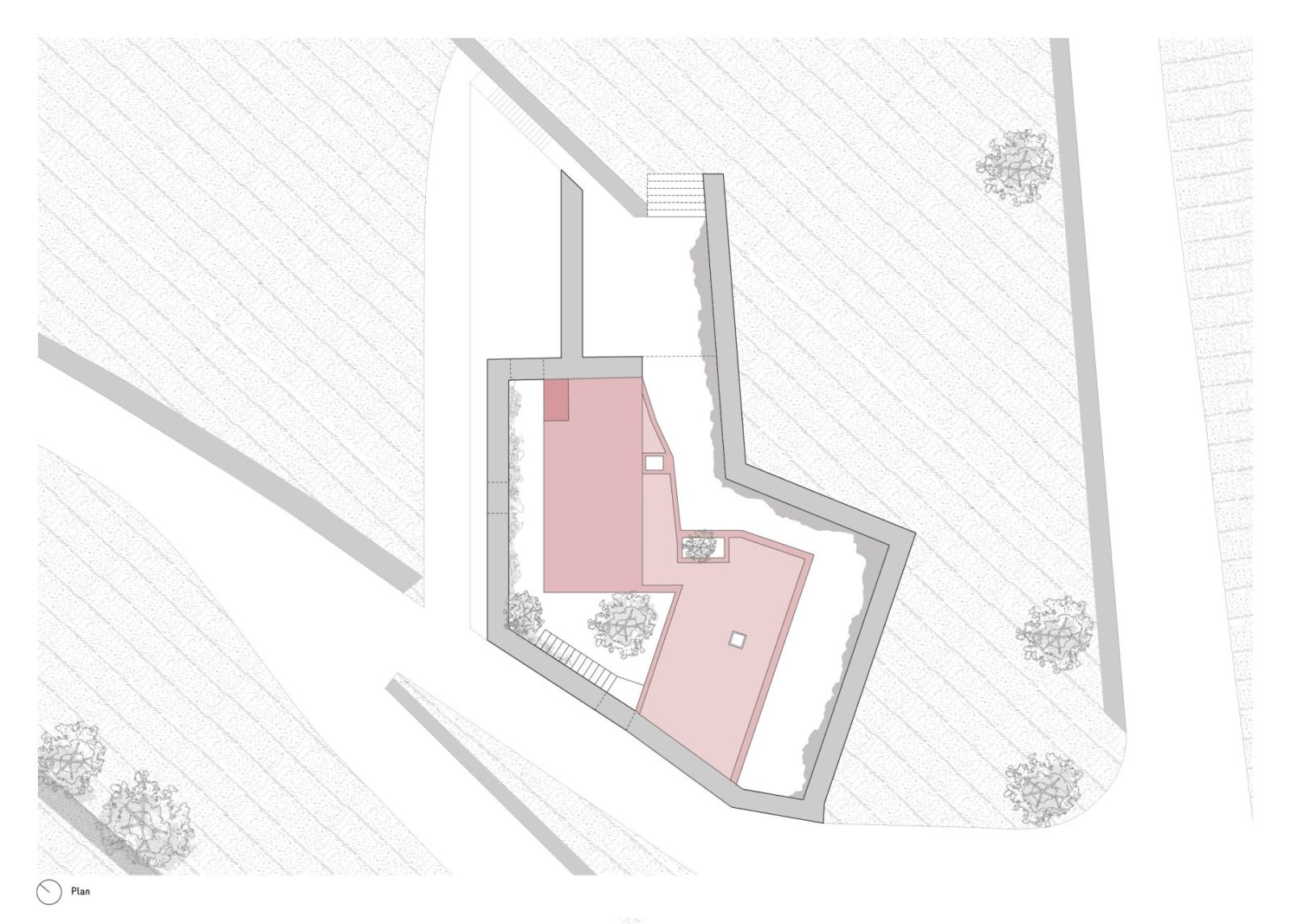
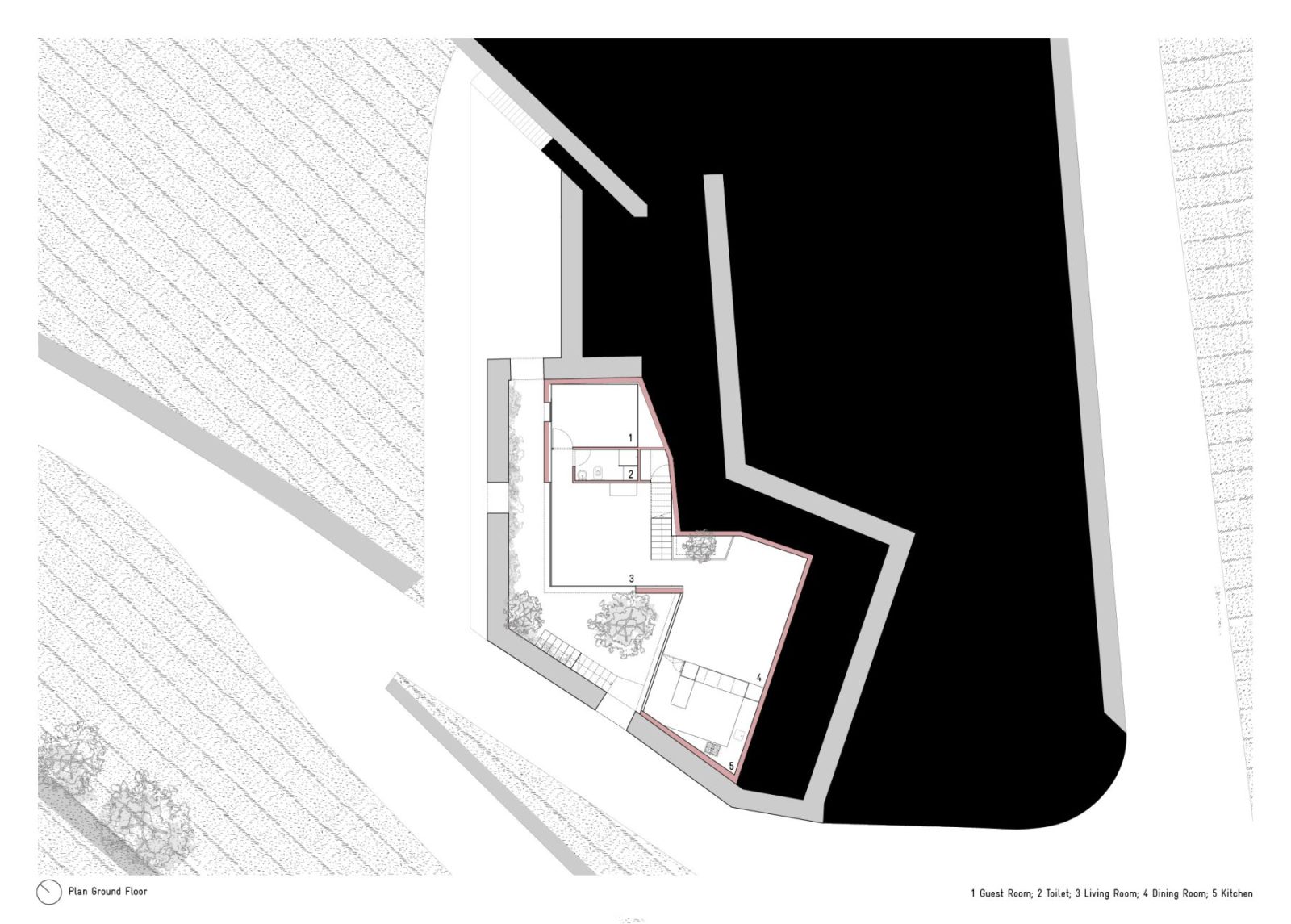
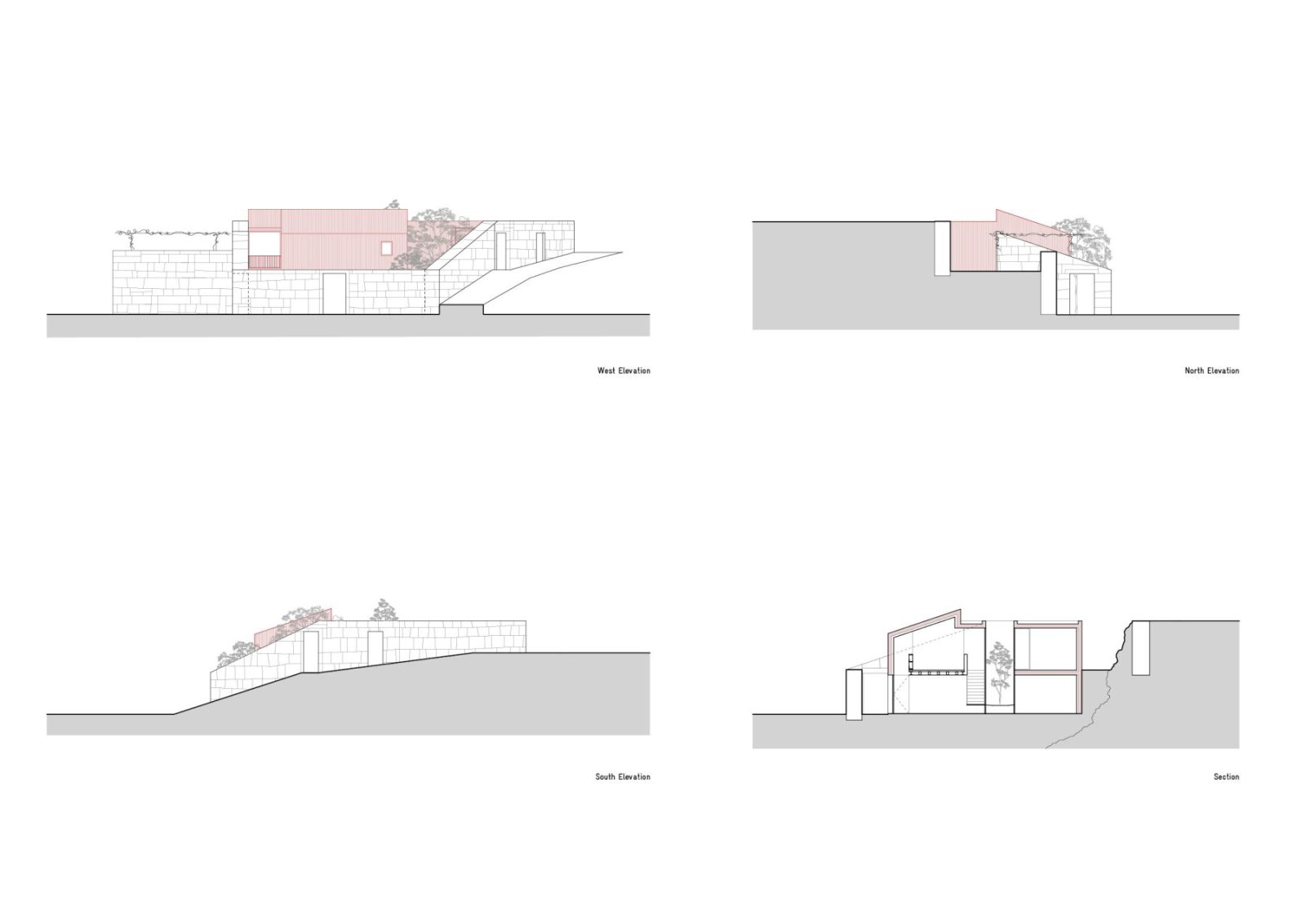
The residence is organized across two levels, with the kitchen and living areas on the ground floor and three bedrooms alongside a study above. Thick walls and generous openings shape an atmosphere that feels both grounded and permeable, carved by light, shadow, and pause.
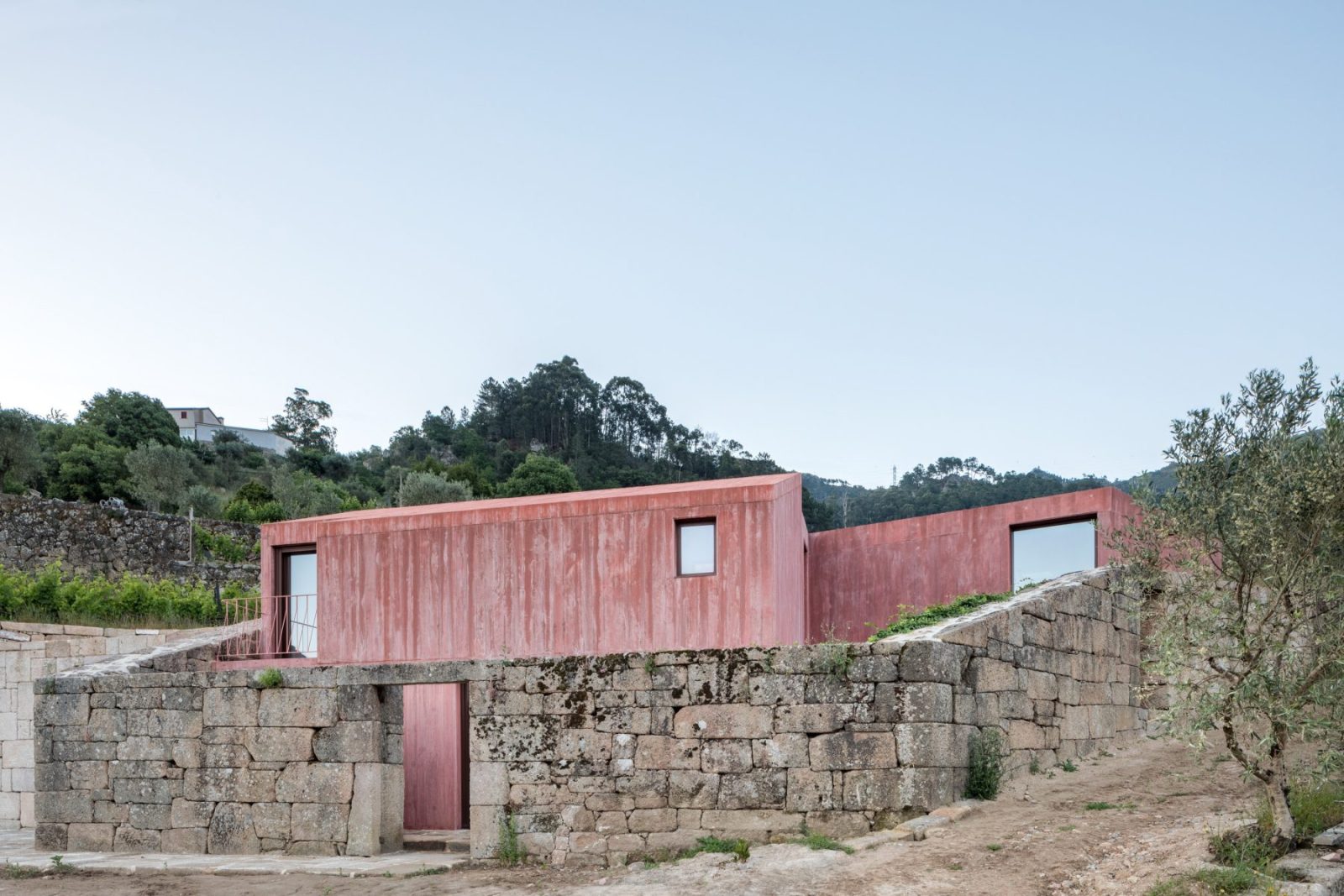
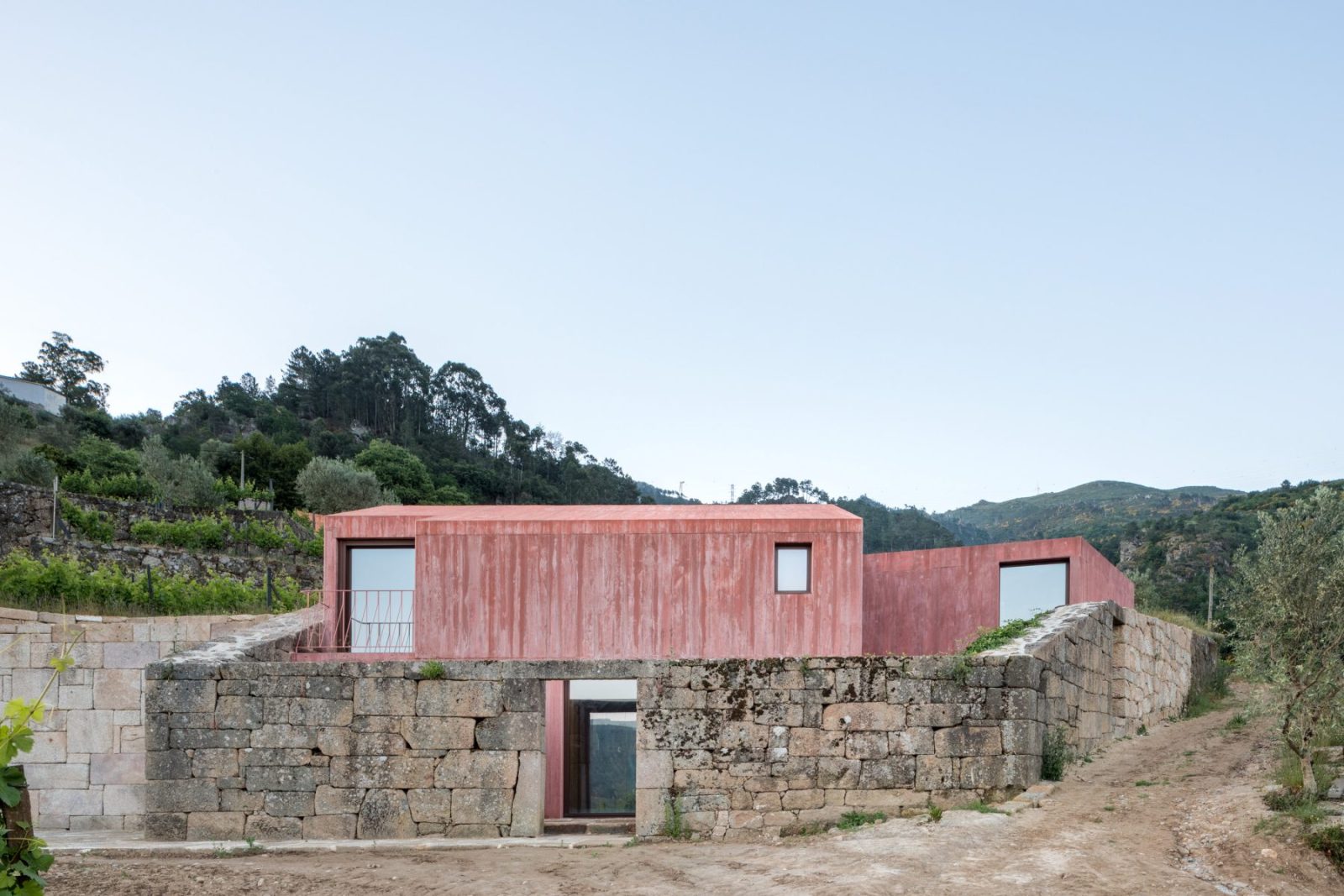
In the interstitial spaces between built volumes, trees and climbing plants are meant to grow freely, marking seasonal change and gently modulating sunlight and airflow.
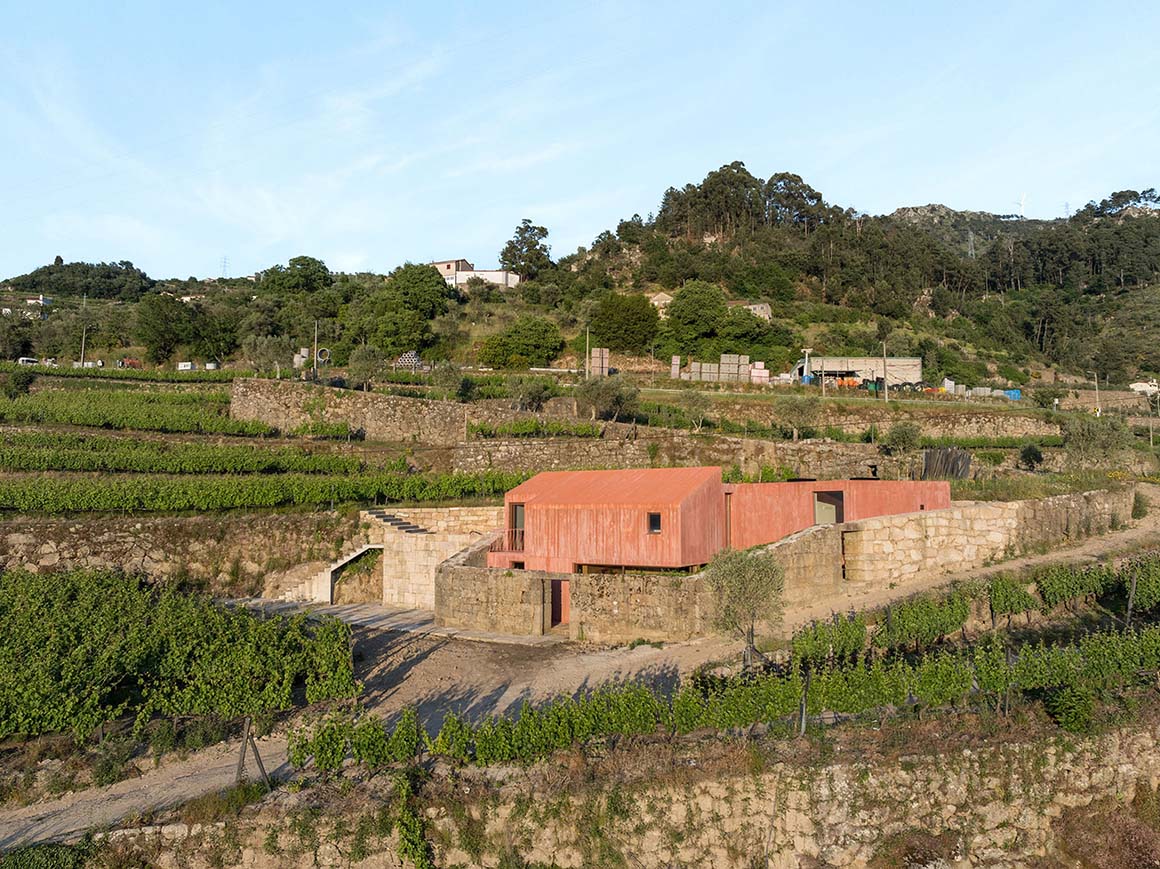
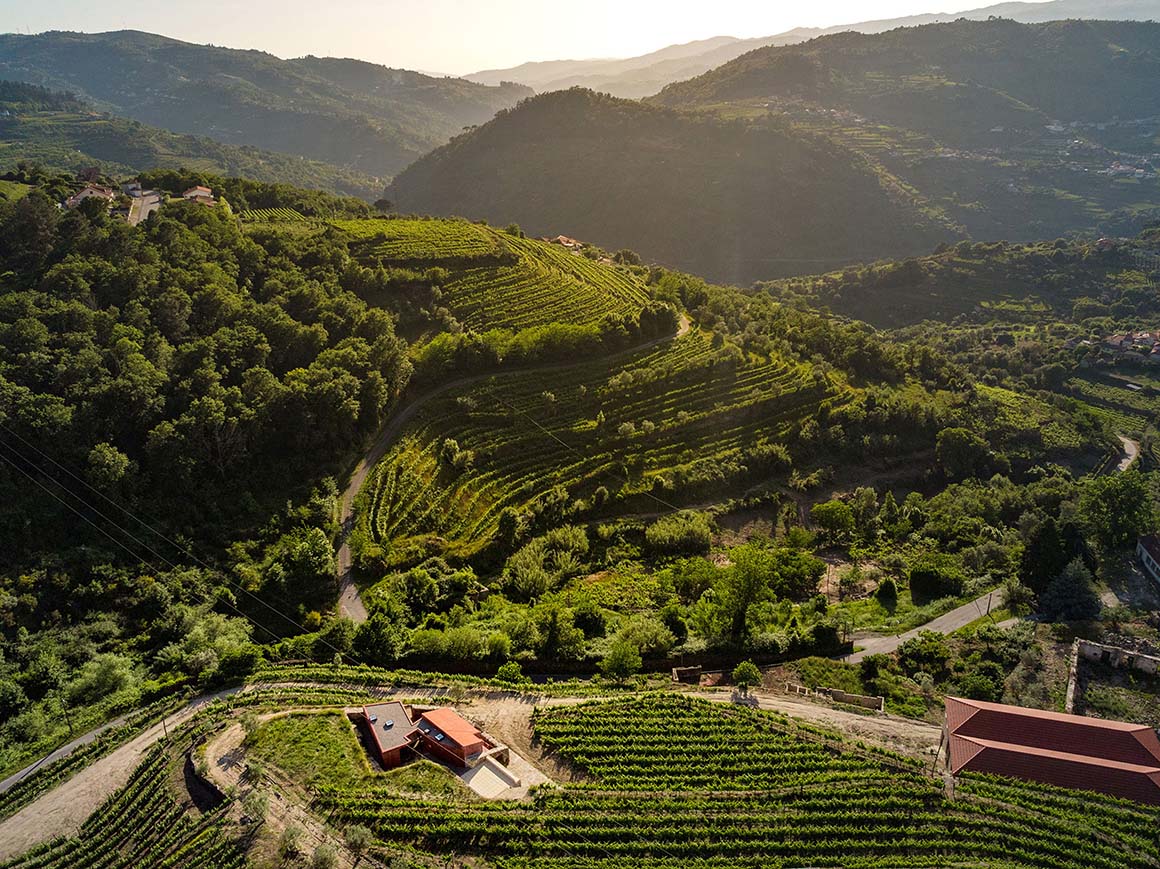
Jerónimo House stands as a contemporary refuge, proposing a renewed model of living; one that reconciles rural landscape, architectural memory, and human presence through coexistence, attentiveness, and the act of returning home.
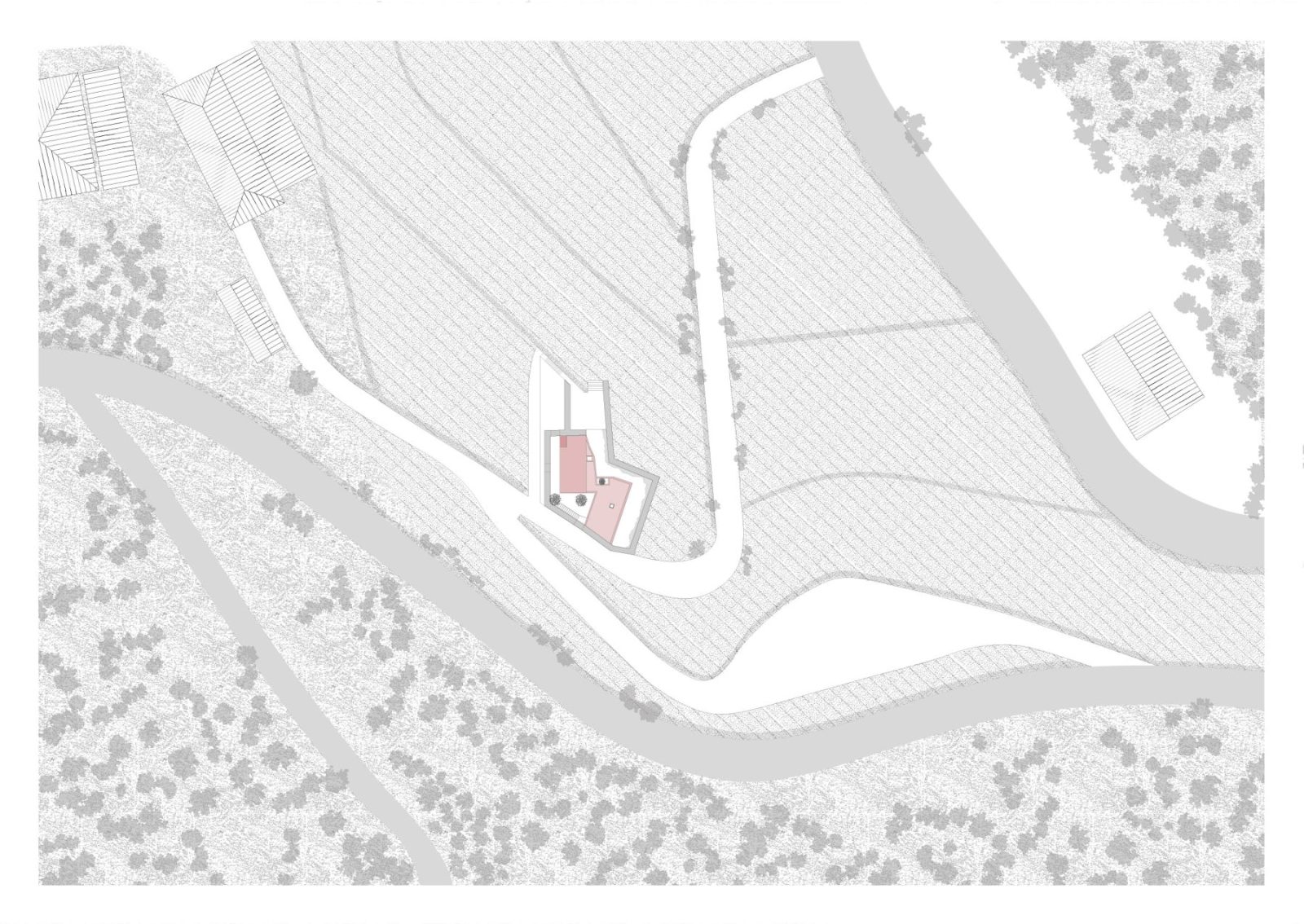
Drawings
Facts & Credits
Project title Jeronimo House
Typology The Summer Refuge, Featured
Episode 7th
Location Douro Valley, Portugal
Status Completed, 2024
Architecture Stefano Riva
Collaborators Omar Sala, Daniela Marques, Yasmine Tanouti, Aurora Mason
Engineering Jorge Gomes, JG- Projectos de Engenharia
Builder Pereira Melo & Ribeiro Lda
Photography Attilio Fiumarella