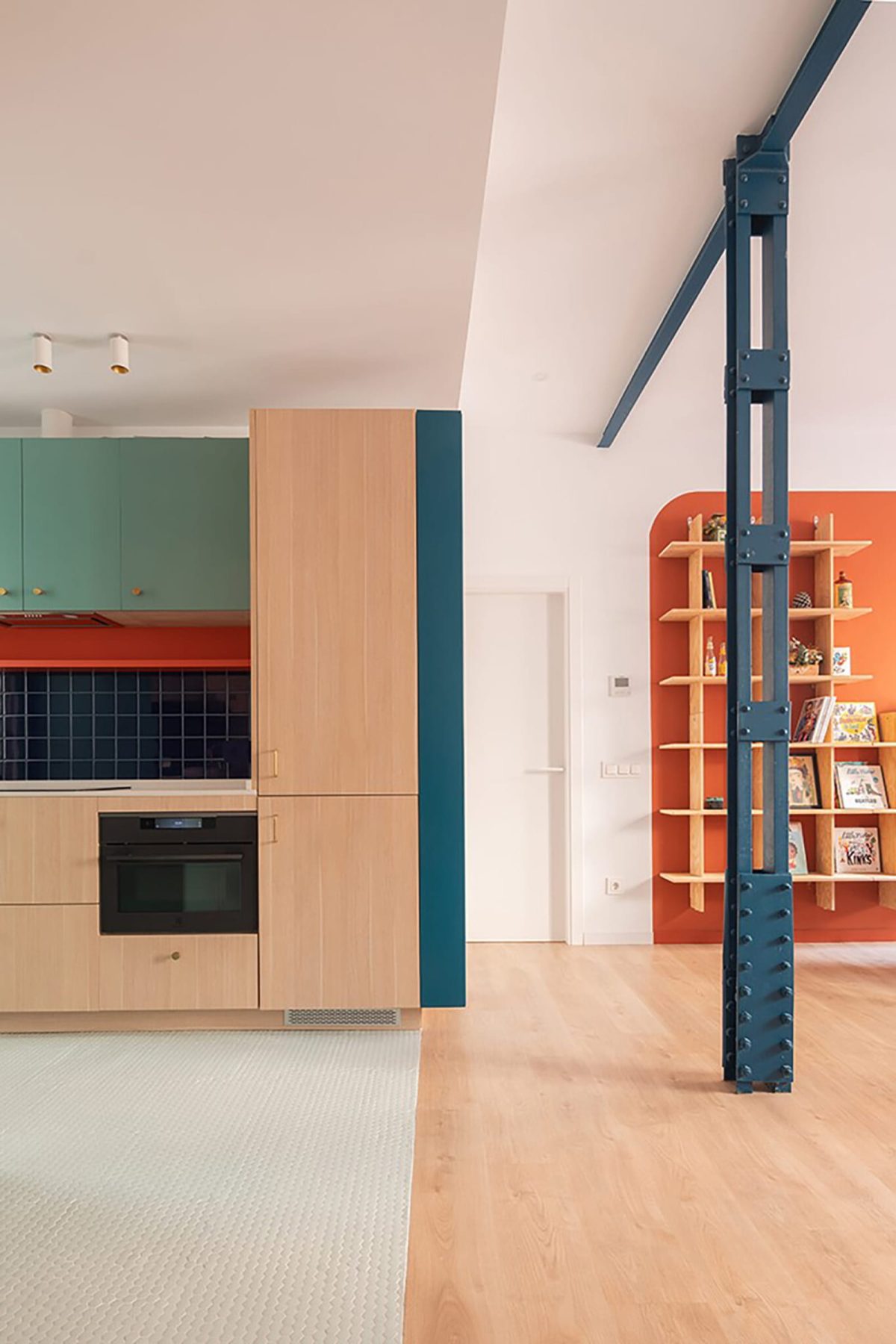
In an era where platforms like Instagram have become both archive and amplifier, Archisearch’s 2025 Instagram Highlights unfold our contemporary architectural world in real time—through images, videos, and poetic words that travel rapidly across borders, disciplines, and audiences.
As Instagram functions simultaneously as stage and agora—a space where authority is negotiated through visibility and ideas are distilled into shareable form—this retrospective reveals a profession of architecture increasingly willing to speak beyond aesthetics. The most resonant posts of 2025 foreground themes of political agency, social and environmental responsibility, echoing broader currents in contemporary culture.
What emerges is a tendency toward architecture as voice rather than object, position rather than style. Architects are now articulating values, doubts, and urgencies often through the compressed language demanded by the feed. In this sense, Archisearch’s retrospective does not simply document popularity; it uses social media as a critical medium through which the discipline redefines its relevance in society.
1. Does architecture nowadays work for society or privilege?
“I’ve often felt disappointed by my own profession as an architect. Too much of our work serves only the privileged—those with power and money. While I’m not opposed to designing monuments for them, I realized that architecture should serve society as a whole. I was searching for a way to do exactly that.”
— Shigeru Ban
Video via Louisiana Channel.
2. In architecture, being critical is not enough—you must also be political.
“My advice to young architects is to think of the profession as one that produces new forms of knowledge—new customs, new language. Architects must have a seat at the table with government. You cannot remain only a critic or ignore political realities. You need to stay engaged, understand the forces shaping society, and preserve a voice that is both distinctive and generative—critical, yet capable of producing new possibilities.”
— Elizabeth Diller
Elizabeth Diller is an American architect, co-founder of Diller Scofidio + Renfro, professor of architecture at Princeton University, and one of the most influential designers of contemporary cultural spaces. Her work includes the High Line in New York City, the Institute of Contemporary Art in Boston, and major renovations to The Museum of Modern Art (MoMA).
Video via Louisiana Channel.
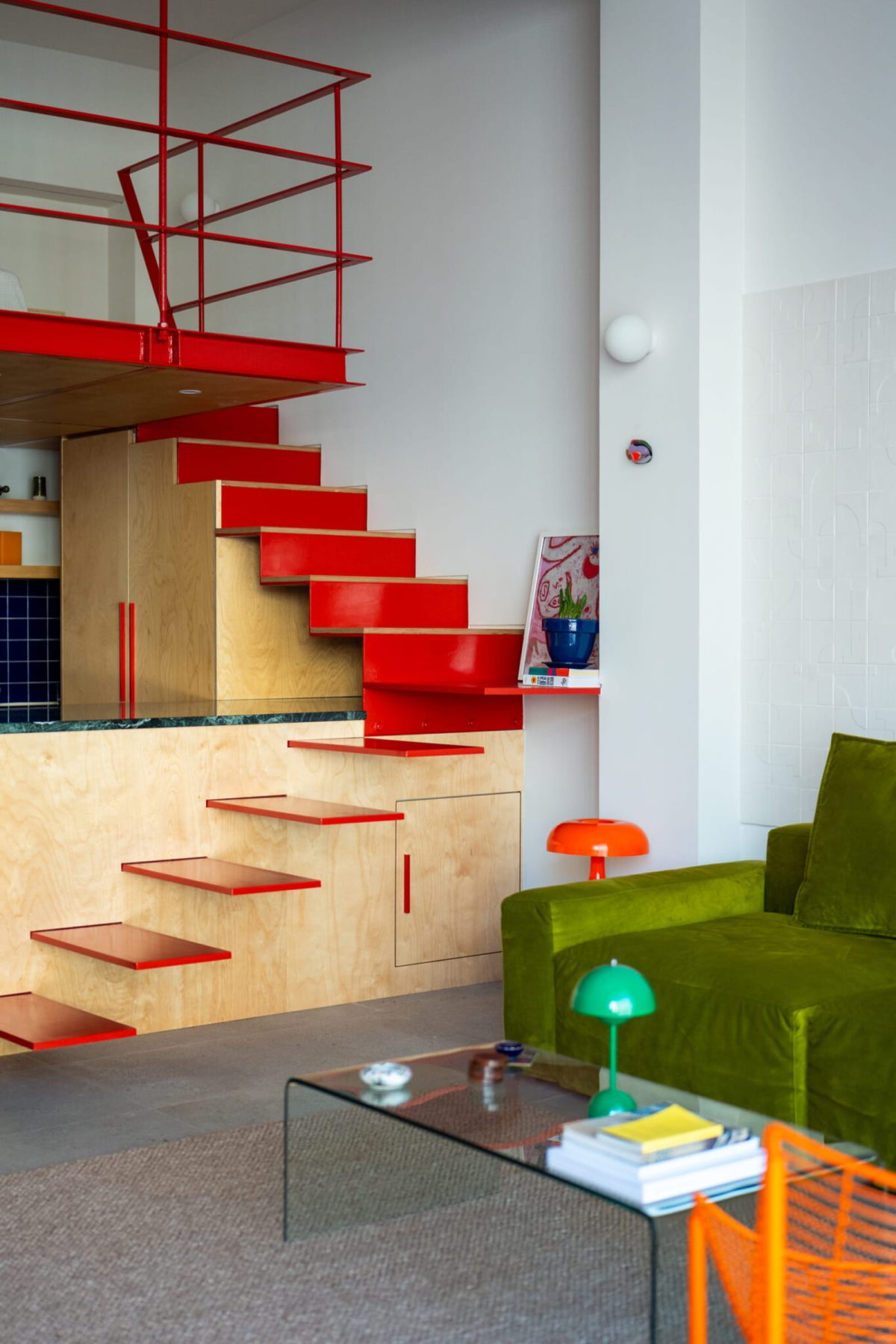
3. Apartment V in Ermionida, Peloponnese | by Naki Atelier
Apartment V in Ermionida, Greece, designed by Naki Atelier is a former industrial workshop transformed into a vibrant living space with a loft and multifunctional areas. The design focuses on maximizing natural light, incorporating red steel structures, custom furniture, and materials like Tinos green marble and birch plywood to create a modern, cozy atmosphere.
Read more about the project, here!
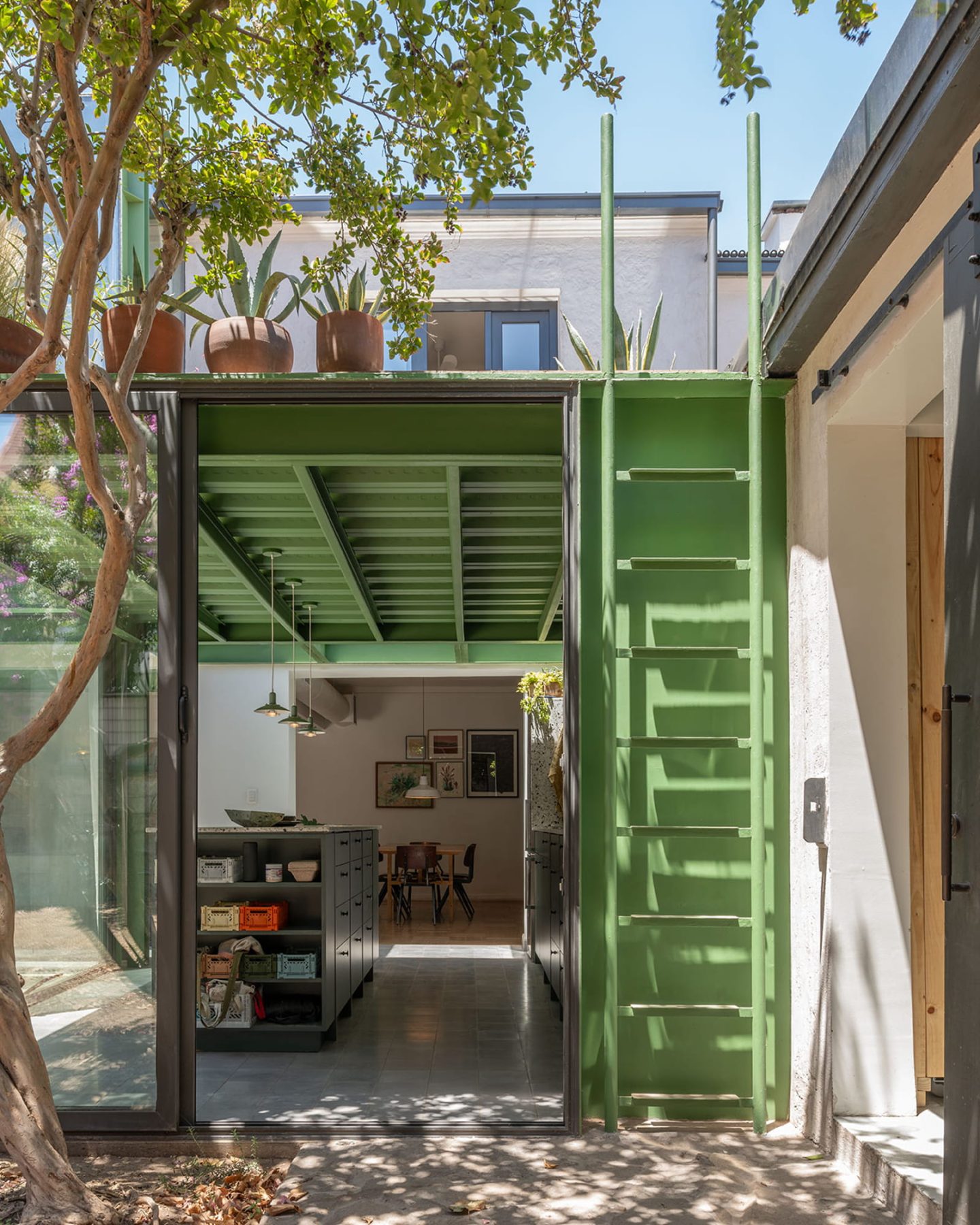
4. Three apartments – Conversion of a 1935 house into a low-density collective housing complex in Santiago de Chile | by Sebastián Bravo — Oficina Bravo
A transformation of a 1935 house in Santiago de Chile by Sebastián Bravo — Oficina Bravo, redefines the relationships of the old house with a 3 unit dwelling and a vivid connection between the interior and garden area.
Read more about the project, here!
5. Blue Release curated by Archt.
Greece’s summer mythos
shapes our modern ethos
sacred mystic beings
raised from the abyss
faith needs resurrection
cause triumph is cold affection
floating in wild fires
and praying for blue release
poetry by @melina.arvaniti.pollatou
6. Art can be a stimulus for someone to discover something in themselves.
American artist @lachlanturczan creates short-lived art installations using water, light and sound to capture the ephemeral circles of nature. Attempting to explore a new side to something that people interact with every day, he states: “The thing I like the most about what art can do is that it can be a stimulus for someone to discover something in themselves rather than me providing a narrative.”
Video via Avant Arte.
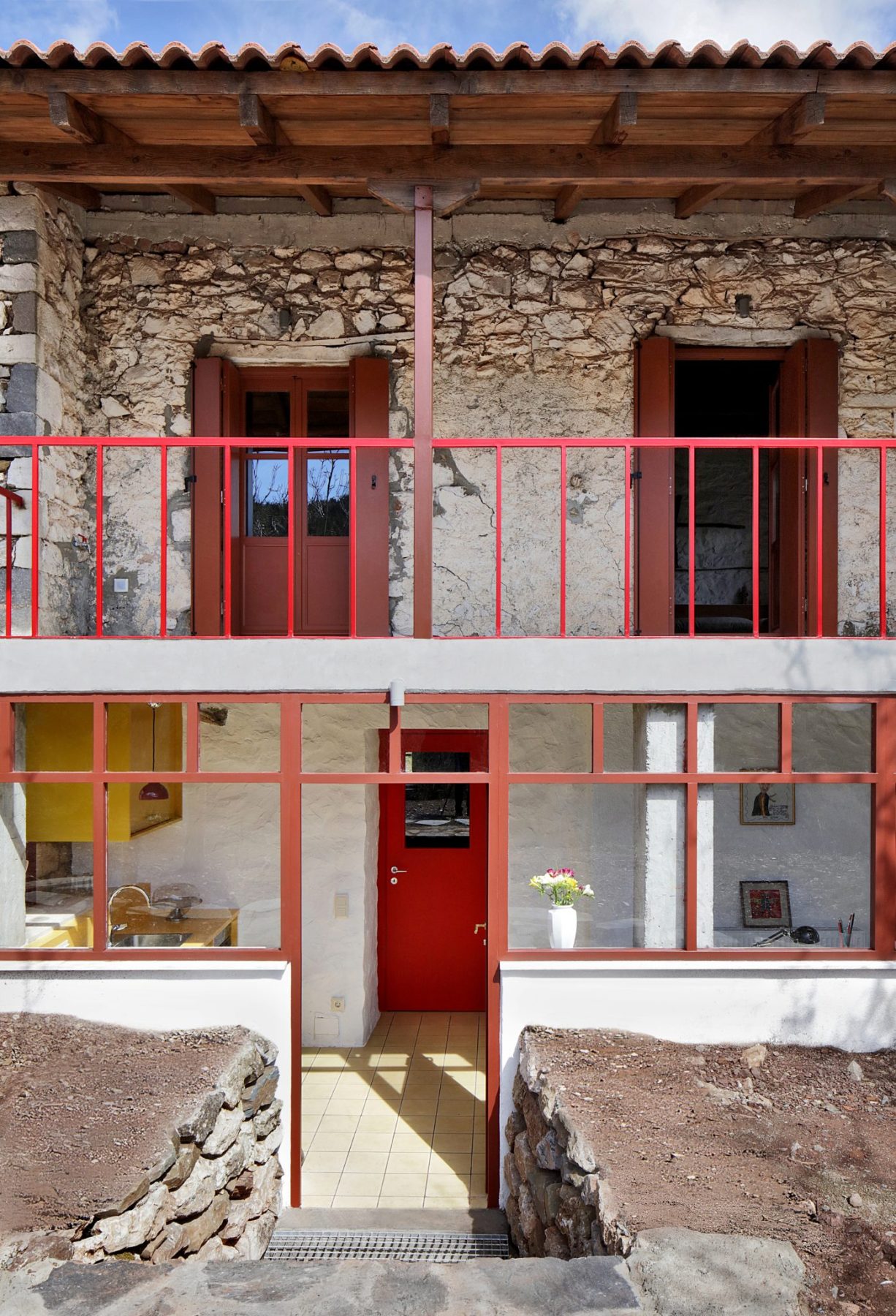
7. The Summer Refuge_Episode 3_Peloponnese House by Point Supreme stands for authenticity and the familiarity of vernacular.
In The Summer Refuge series, curated by Archt. for Archisearch, we focus on summer houses that shelter time, memory and dreams closely connected to nature, to rural landscape, to vernacular architecture, and to notions such as ‘summer idleness’, ‘disconnection’, ‘slow living’, and Martin Heidegger’s ‘Dasein’ namely the art of being present in the world.
The third episode, follows @pointsupreme in the recent restoration and redesign of a two-story traditional stone-built house in the mountains of Peloponnese, designed for a family of four. Built a century ago by folk wisdom born out of necessity, the house reflects, in the present day, a different way of life; one inseparable from the cycles of nature, coexistence with animals, and manual labor. The rough, raw character of the structure is restored, and preserved in its entirety, with stone, wood, plaster, and mud continuing to define the project’s spatial experience. Distinctive elements of rural Greek architecture such as the “liakoto” (sunroom), the “ontas” and the built-in “krevata” (day bed) are introduced translating the traditional into the present. Using as tools the magnetic force of the archetype, the familiarity of the vernacular, and the rough grounding of the handmade, Point Supreme brought back to life a house—a refuge within nature—stripped of unnecessary luxury, a house vast “like glory or ignorance,” a house seemingly drawn from the verses of Cavafy and Ritsos.
On this occasion, the architect and editor-in-chief of Archisearch.gr, @melina.arvaniti.pollatou, speaks with the studio’s co-founder, @konstantinos.pantazis, on architecture as an “art of adaptation”; a political act that is exercised upon the material world, like an archaeological excavation, functioning very consciously as an agent of civilization.
Read more, here!
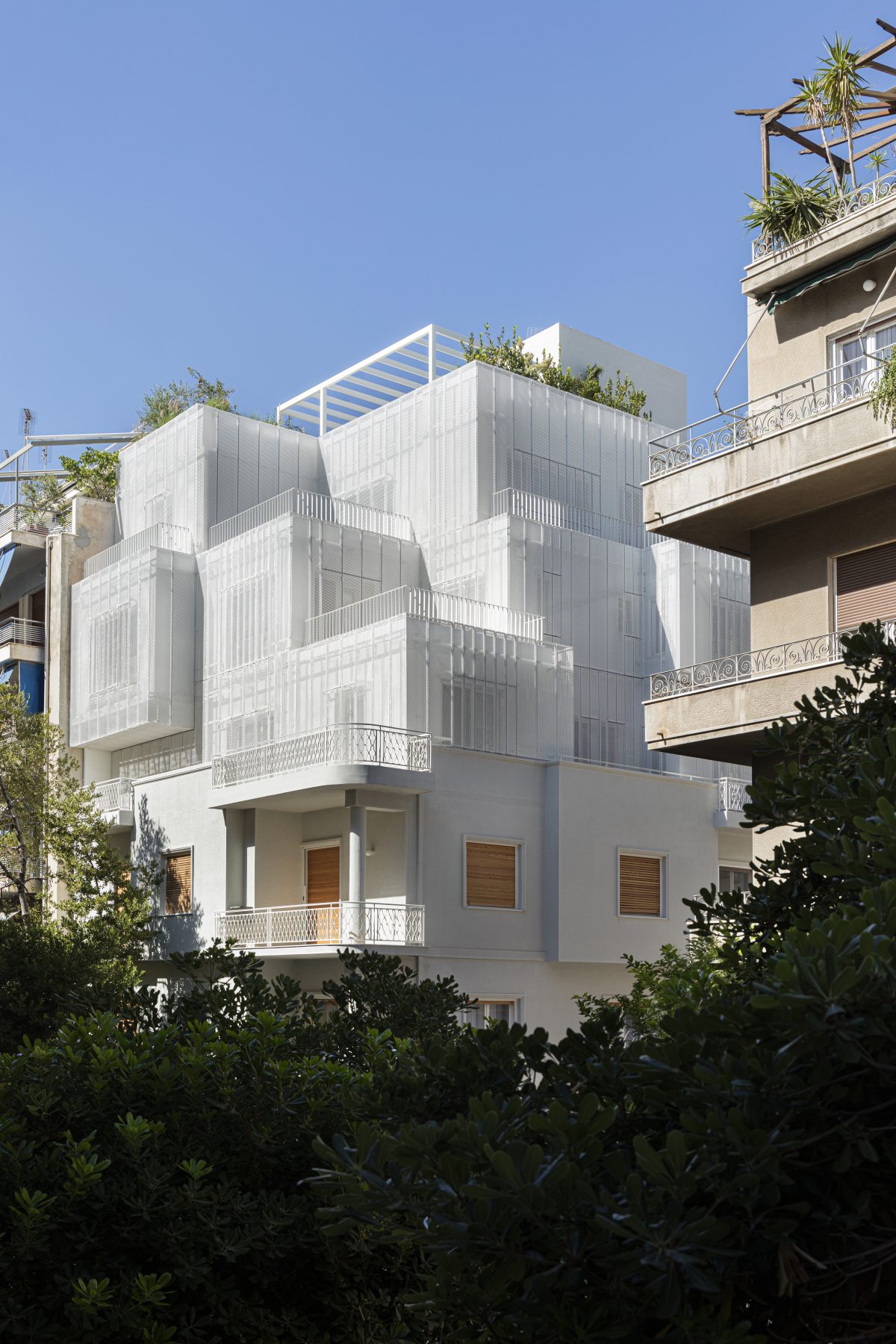
8. Open House Athens Day One VEIL by Arid Architects
The renovation and extension of an Athenian corner duplex dating back from 1951 by @arid_architects combined respect for the urban fabric with contemporary design solutions. The addition of a new volume was executed in a way that maintains a sense of lightness without visually burdening the surroundings, incorporating elements that promote sustainability and functionality. The architectural approach focuses on preserving the site’s memory, using high-quality materials, and adapting to modern living needs. The building includes shared spaces, such as co-working and co-living areas, fostering a sense of community.
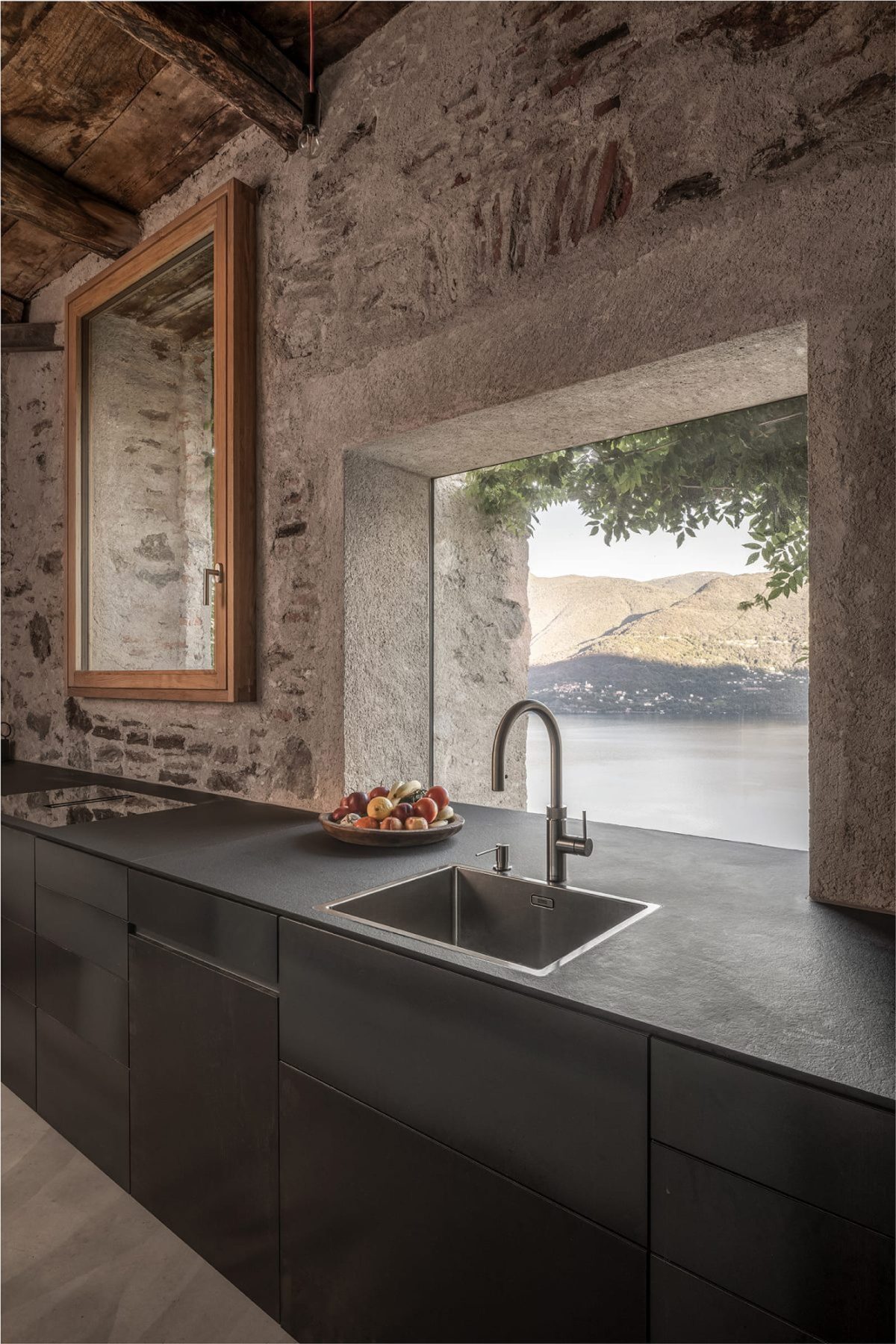
9. Casa ME: a gentle conversion in Switzerland
In an historic building in the village of Brissago Piodina, Wespi de Meuron Romeo Architekten BSA reveal and strength the existing architectural qualities with gentle interventions and critical design decisions.
Read more about the project, here!
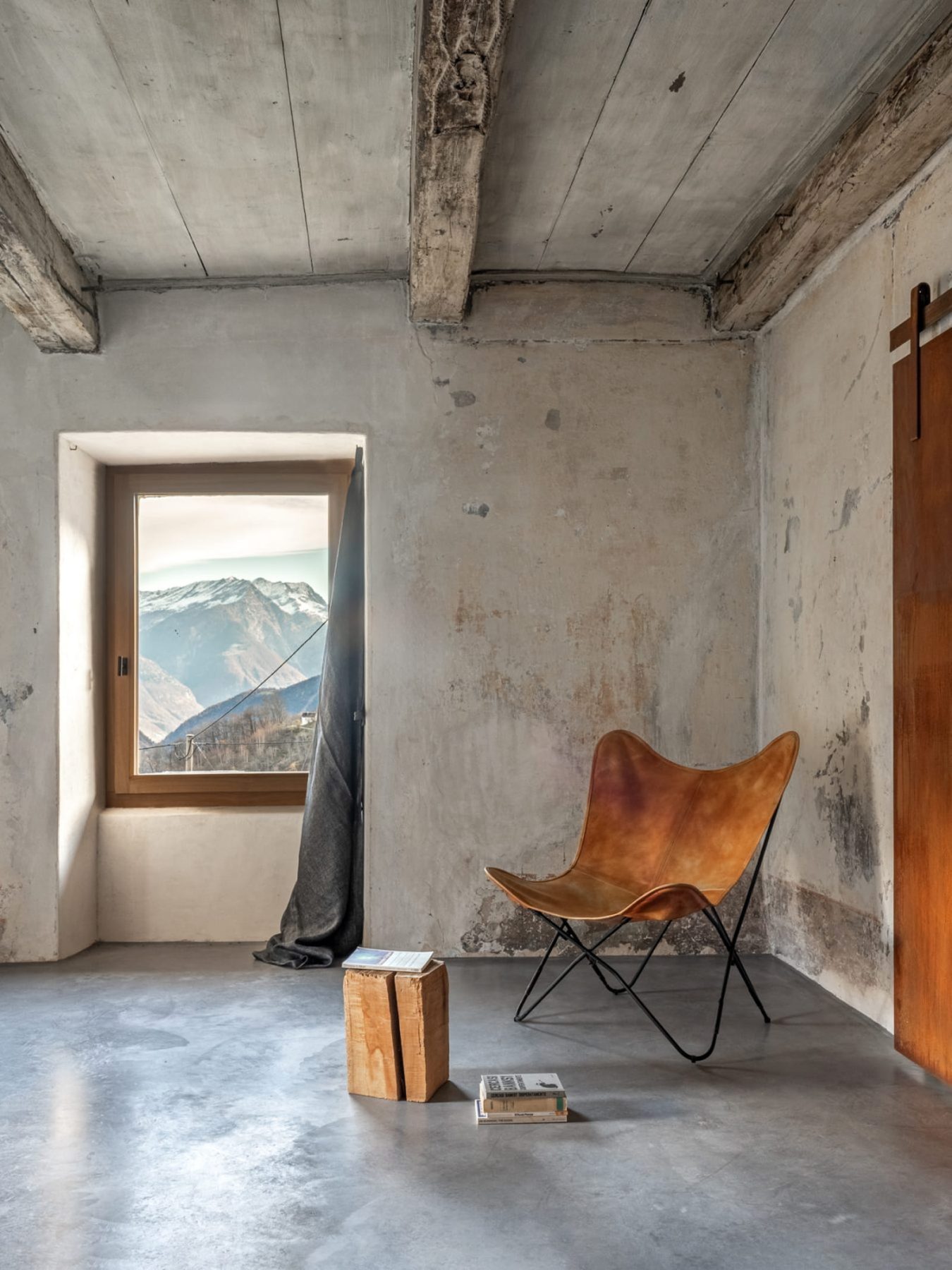
10. Redesign and restoration of “Casa Romagnolo” in Marolta | by Wespi de Meuron Romeo Architekten BSA
The restoration of Casa Romagnolo in Switzerland by Wespi de Meuron Romeo Architekten BSA reveals the charm of a former resident with a clear, contemporary architectural design.
Read more about the project, here!
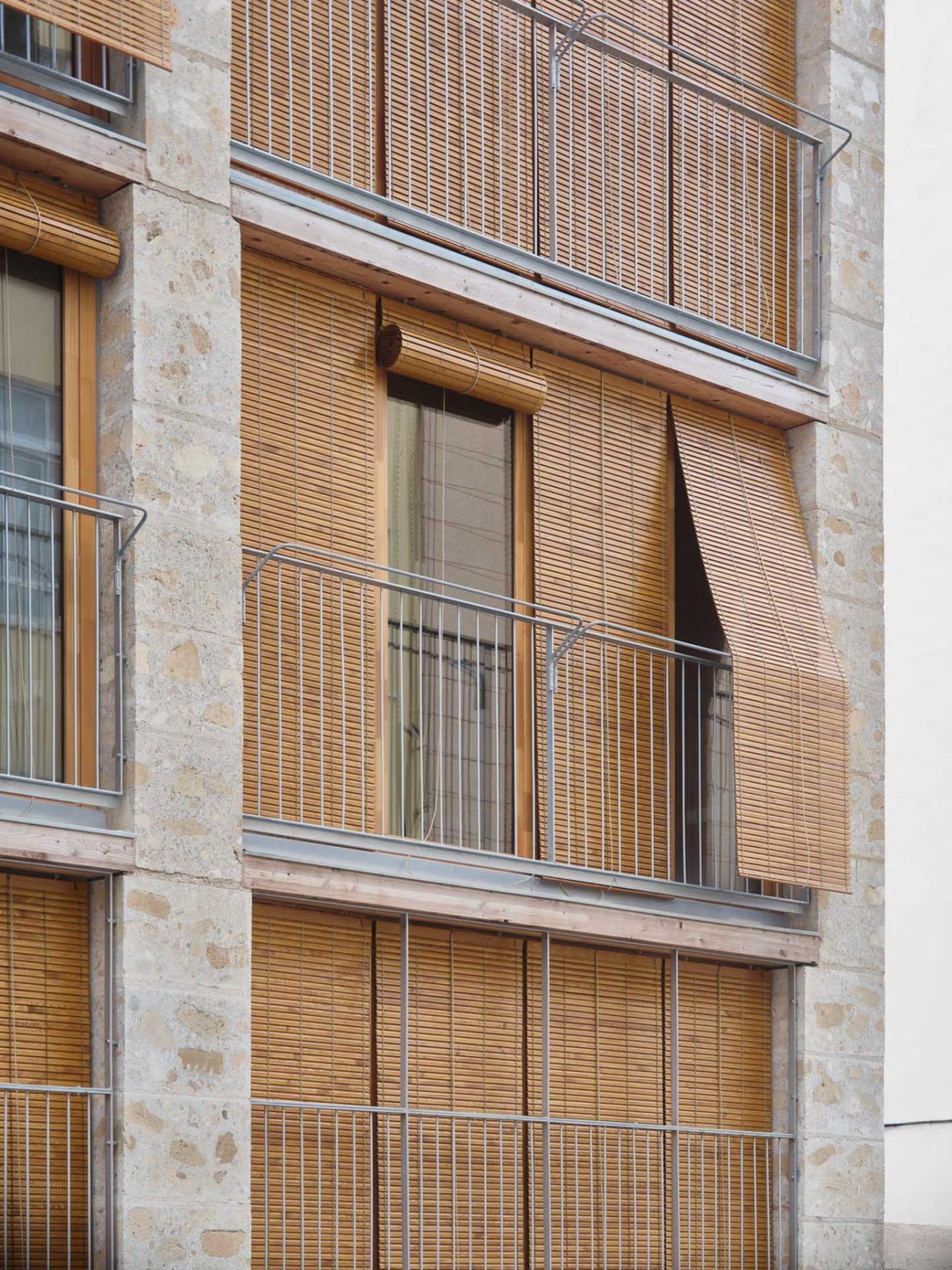
11. SOCIAL HOUSING | urban mining by HARQUITECTES in Palma de Mallorca, Spain
HARQUITECTES are using demolition materials from pre-existing building as resources to construct and create a social housing building in Palma de Mallorca, practicing an urban mining strategy.
Read more about the project, here!
12. Stories of Contemporary Domesticity_Episode 2_Troias Apartment in Kypseli, Athens by threshold
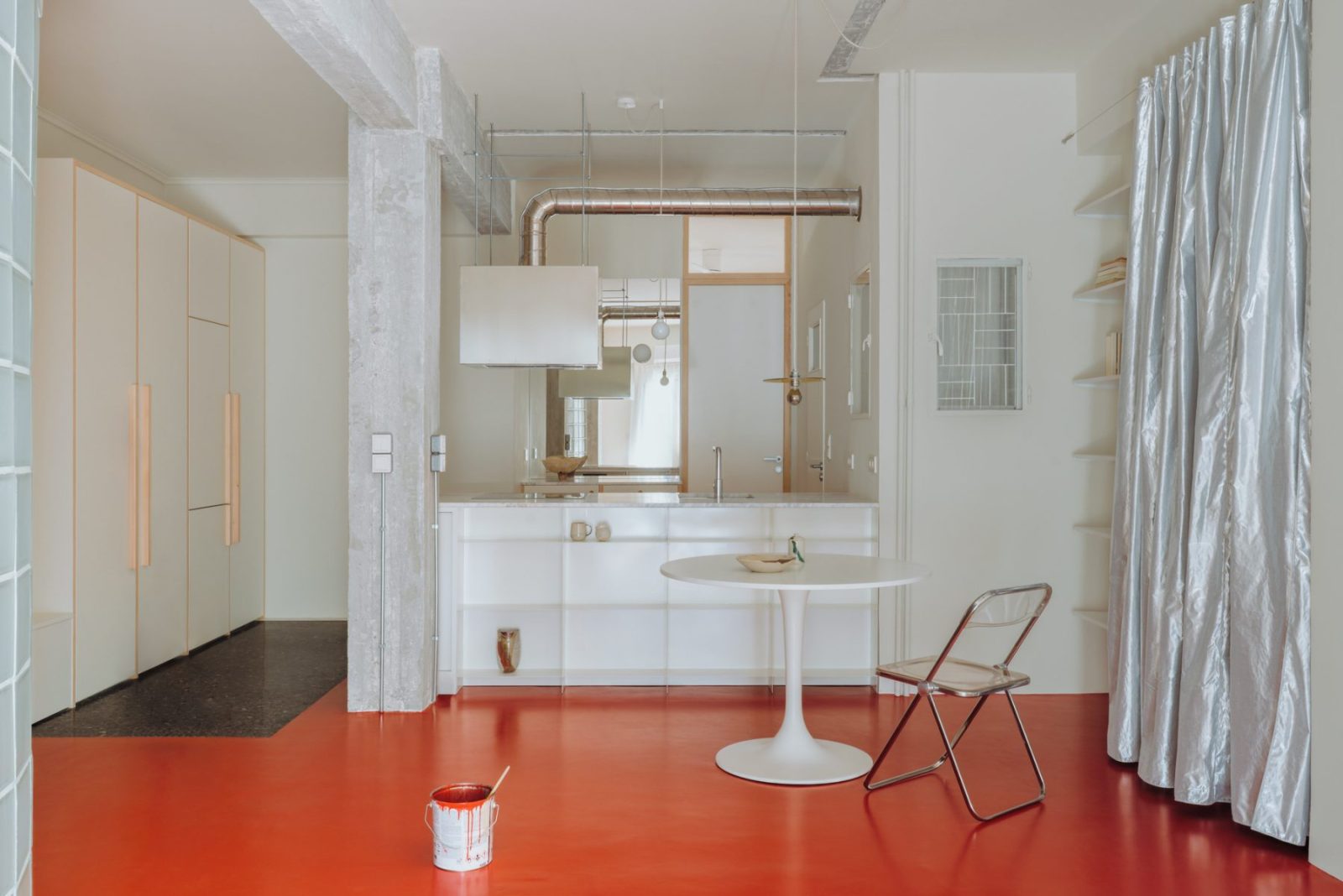
‘Stories of contemporary domesticity or HOMEland’, a series curated by Archt. for Archisearch, poses questions about the concept of home through an open dialogue with contemporary architectural practices in housing. The second episode, follows @__threshold strategically reshaping Troias apartment, in the heart of Kypseli, as if treating a body in need of cleansing and space.
Located on the first floor of a 1970s Athenian polykatoikia, the first move the architects took was to remove all blind, non-structural walls, letting the space breathe. Thus, an open-plan common space is composed through an intriguing architectural bricolage where the apartment’s original wooden and black terrazzo flooring meets a revealing tomato-red floor, a futuristic silver curtain, a signature free-standing kitchen and, by evenings, a glowing glass box.
1. The main bathroom stands as the apartment’s heart, shaping the essence of its contemporary domesticity. Performing a bold architectural gesture, Threshold positioned the traditionally most private home space behind a sculptural curved wall made of glass bricks; its surprising translucency encouraging an open and free-flowing everyday life – a quiet shadow play when the lights are on.
2. The kitchen functions as the apartment’s brain. Sharp and edgy, the architects meticulously designed it as a custom-made installation that serves as the hallmark of their design philosophy: a domestic life shaped by extroversion, openness, and socialization while remaining conscious, autonomous, and unique.
3. In this home, the ceilings are as carefully designed as the floors. The architects left visible the imprint of the removed walls on the apartment’s ceilings reminding the current inhabitants that home is both tangible and intangible – an actual place and a memory of what it used to be.
Troias apartment tells a story about domestic honesty and liberation; a story about refractions and reflections, where the light guides us back home.
Read more, here!
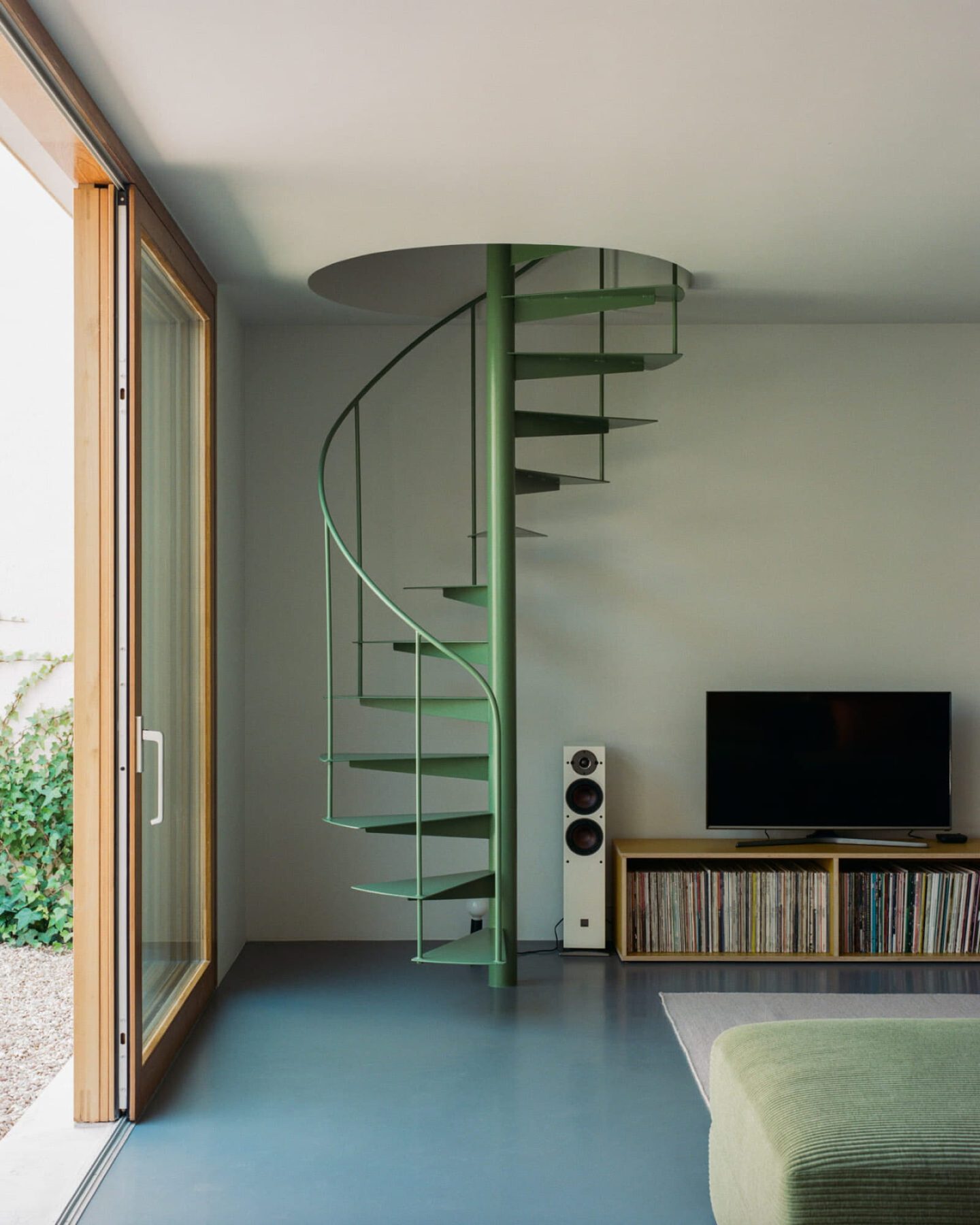
13. Seeking an imagined joy
Marvila House reflects a desire for social connectedness and joy. The architectural project by Atelier José Andrade Rocha, located in Lisbon, aims to create a new space that blends natural and industrial materials, enhanced by light, with a facade as a fresh layer and a renewed connection to the garden.
Read more about the project, here!
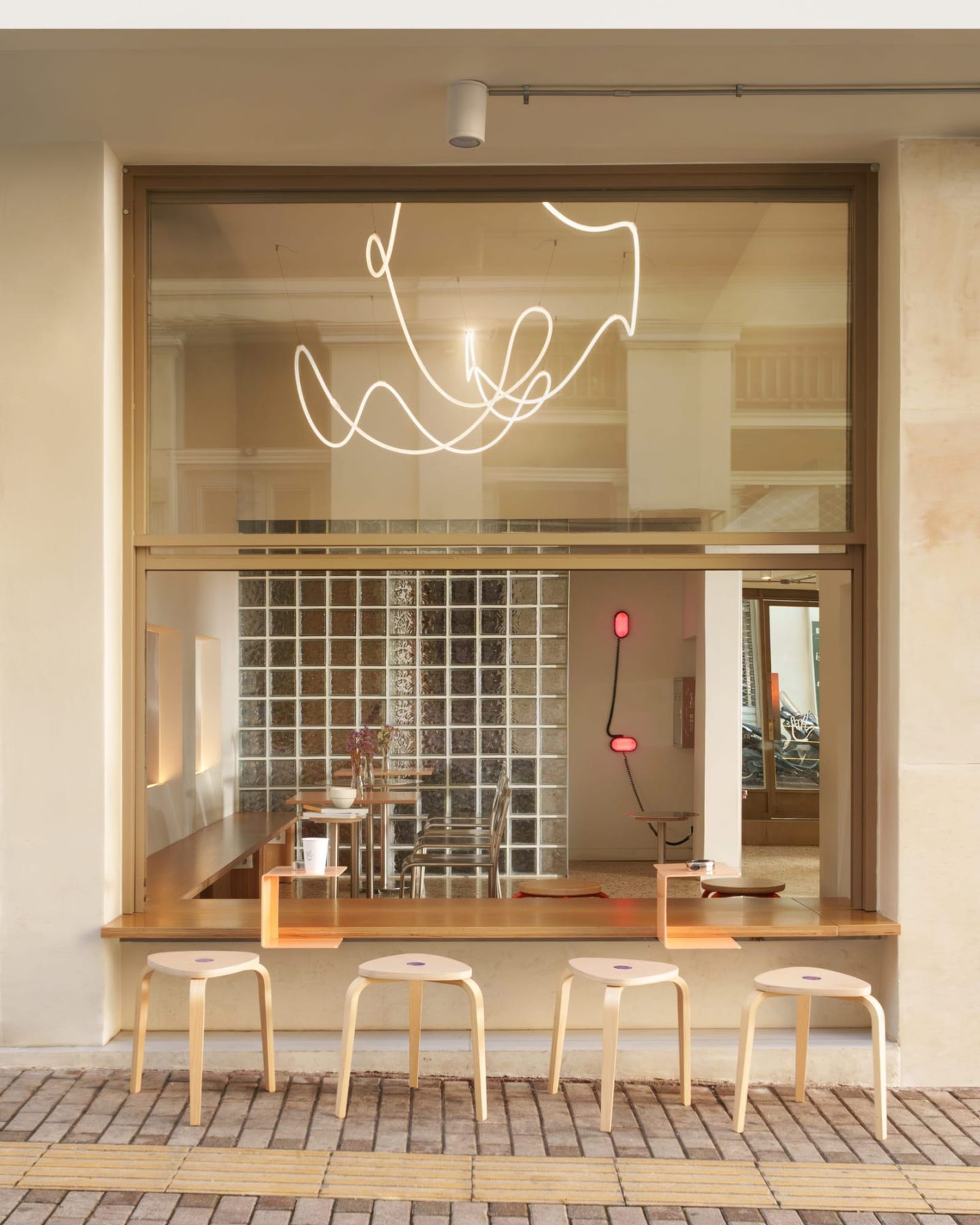
14. Atout, specialty coffee house in Patras | Studio Ntora Mastrogeorgiou
Architect Ntora Mastrogeorgiou designed Atout specialty coffee shop in Patras as a moment of stillness for contemporary flâneurs. Nestled at the corner of two intersecting urban streets, Atout is where your pause to listen, to observe, to mingle and to meet.
With an L shaped permeable façade, working from the inside as well as the outside, Atout forms a social node between the private and the public, the intimate and the city. Large glass openings frame the sculptural espresso bar serving as a solid island around which the archipelago of movements and interactions take place in a way similar to that of a crowd facing a theatrical stage.
“The crowd is his element, as the air is that of birds and water of fishes”, states Charles Baudelaire describing flaneur, this casual wanderer, observer and reporter of the street-life of modern city. Responding to that, Atout is this place in-between where the silence has its own distinct, familiar sound; this whimsical spot “to be away from home and yet to feel oneself everywhere at home; to see the world, to be at the centre of the world, and yet to remain hidden from the world” as Baudelaire himself puts it.
Material wise; Atout is earthy, woody, minimal yet rich of unexpected textures and quiet surprises. The signature mosaic floor, in beige, white and brown hues, is preserved and combined with warm oak wood surfaces and sleek inox accents. Peach-colored metallic tables meet a glass brick partition, a bunch of playful lights, a handful of pop design references and, of course, greenery to complete the sophisticated yet fresh vibe.
️“Atout is a curated experience of form, light, and context — a calm moment within the urban flow”, says the architect.
Read more about the project, here!
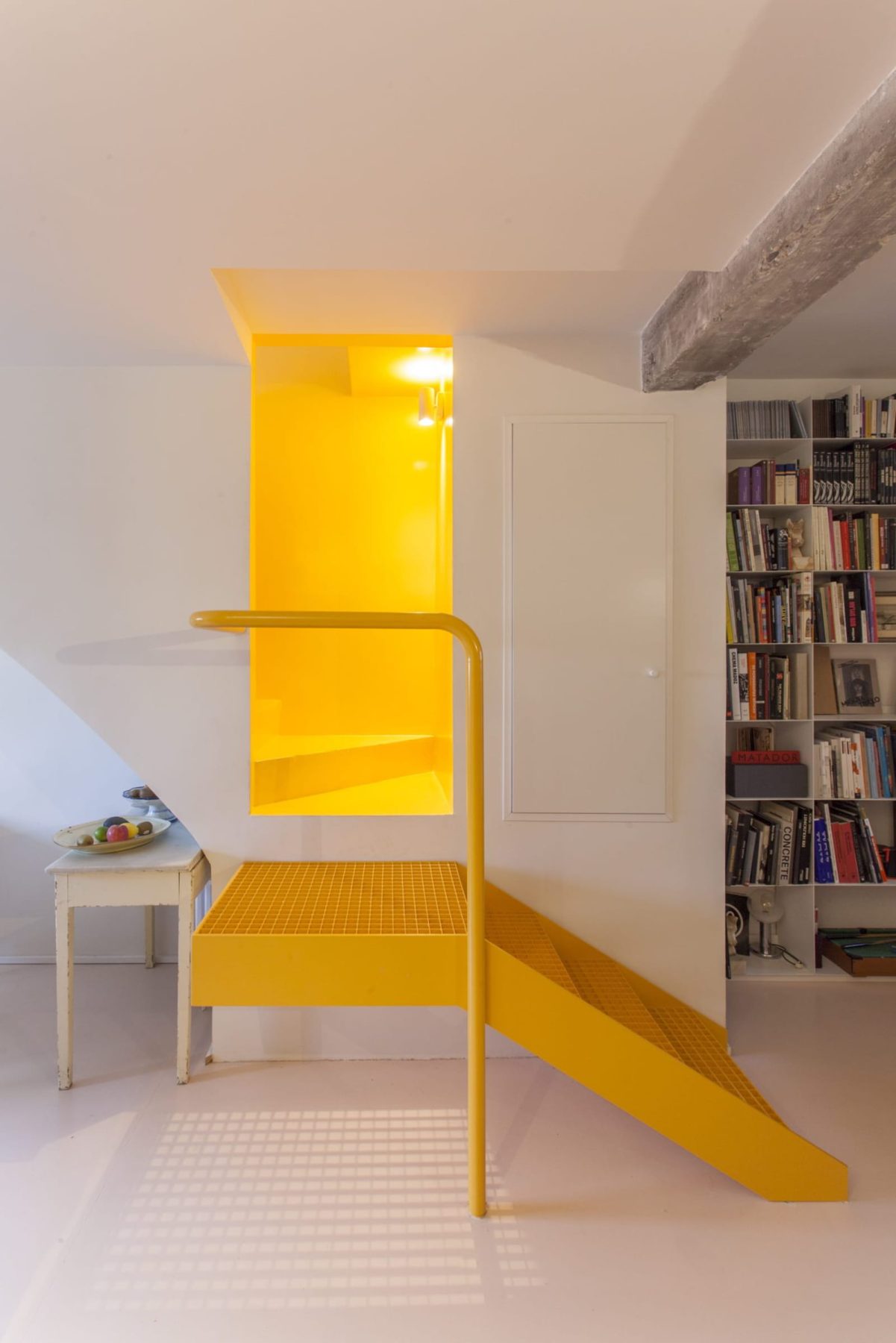
15. INTERIORS WE LOVE | Casa de mis sueños in Madrid: a fluid open space with vertical connections
ALE ESTUDIO redesign an apartment in Madrid as a continuous space, where diagonals are opened and the vertical play of the original architecture is highlighted.
Read more about the project, here!
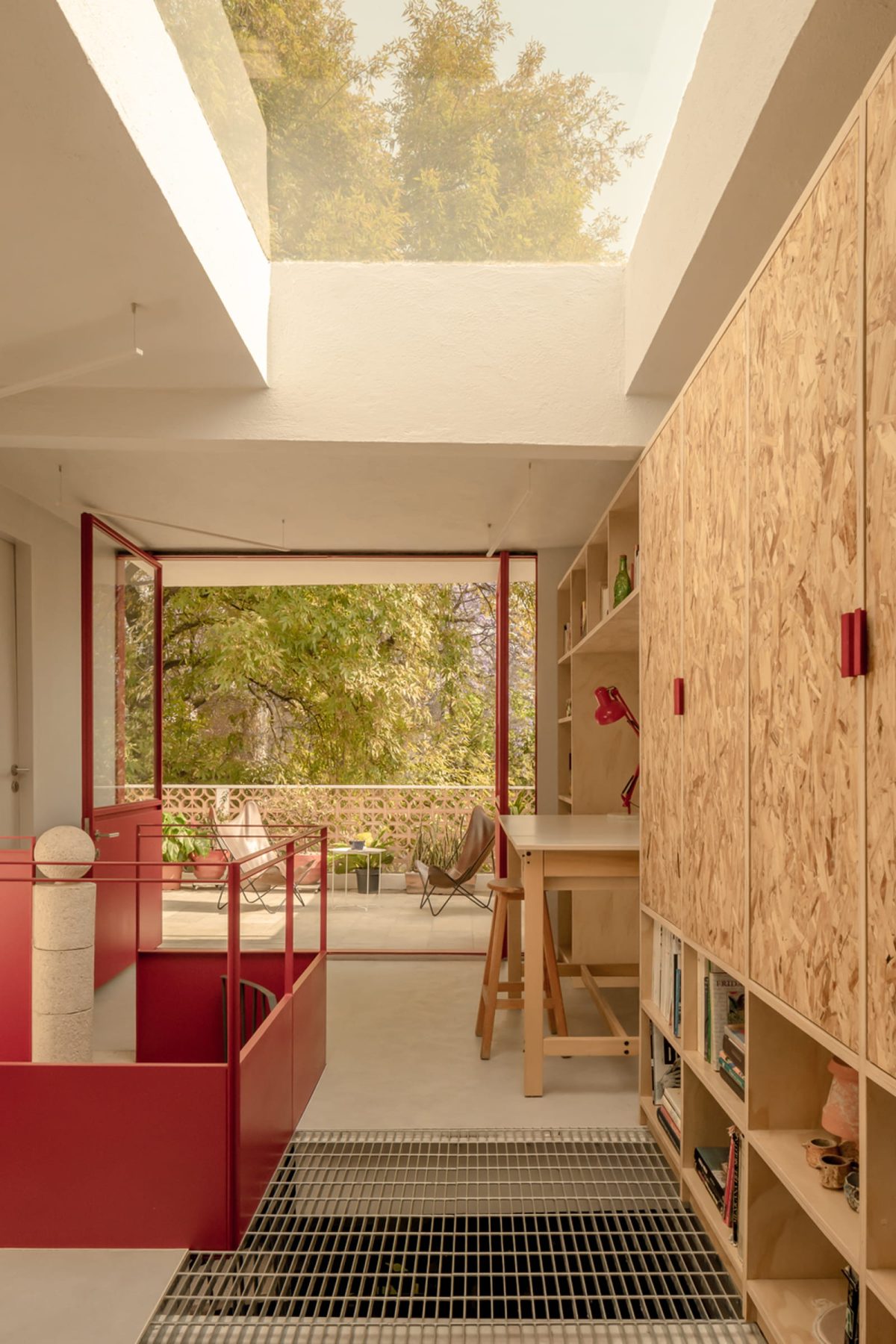
16. AMASA Estudio creates a luminous art studio and workshop in the heart of Coyoacán, Mexico
The project Taller Estudio Daniela Riquelme by AMASA Estudio involves the renovation and expansion of a residence located in the heart of Coyoacán. Efforts to optimize resources resulted in the enlargement of the original space, which now functions as an art studio and production workshop.
Read more about the project, here!
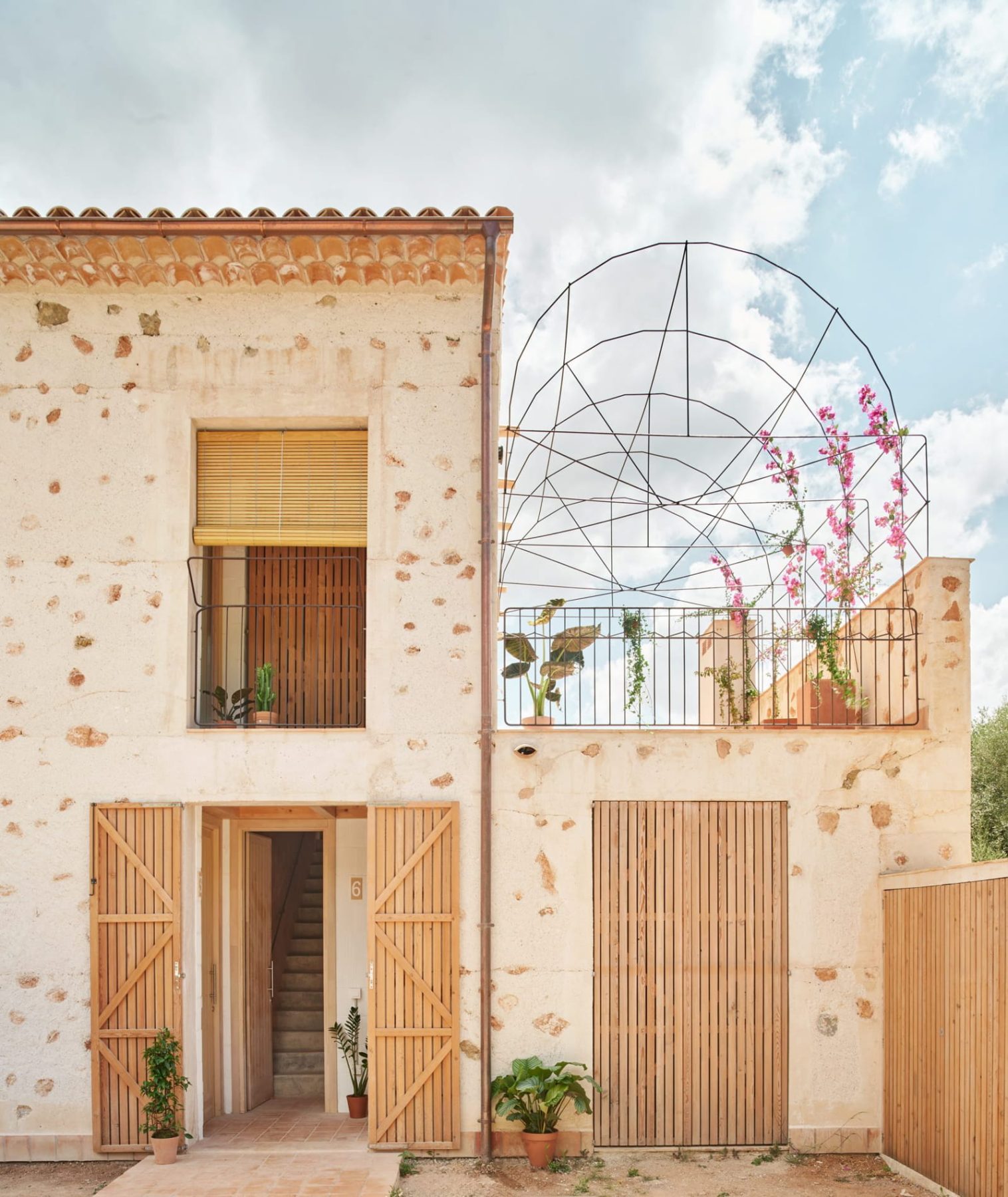
17. MEDITERRANEAN LIVING | Ses Veles Puigpunyent: a housing complex that reduces its environmental impact
A housing project in Mallorca by Joan J. Fortuny Arquitecte and Alventosa Morell Arquitectes, that incorporates traditional crafts, construction methods and passive strategies, claiming the reduction of its environmental impact.
Read more about the project, here!
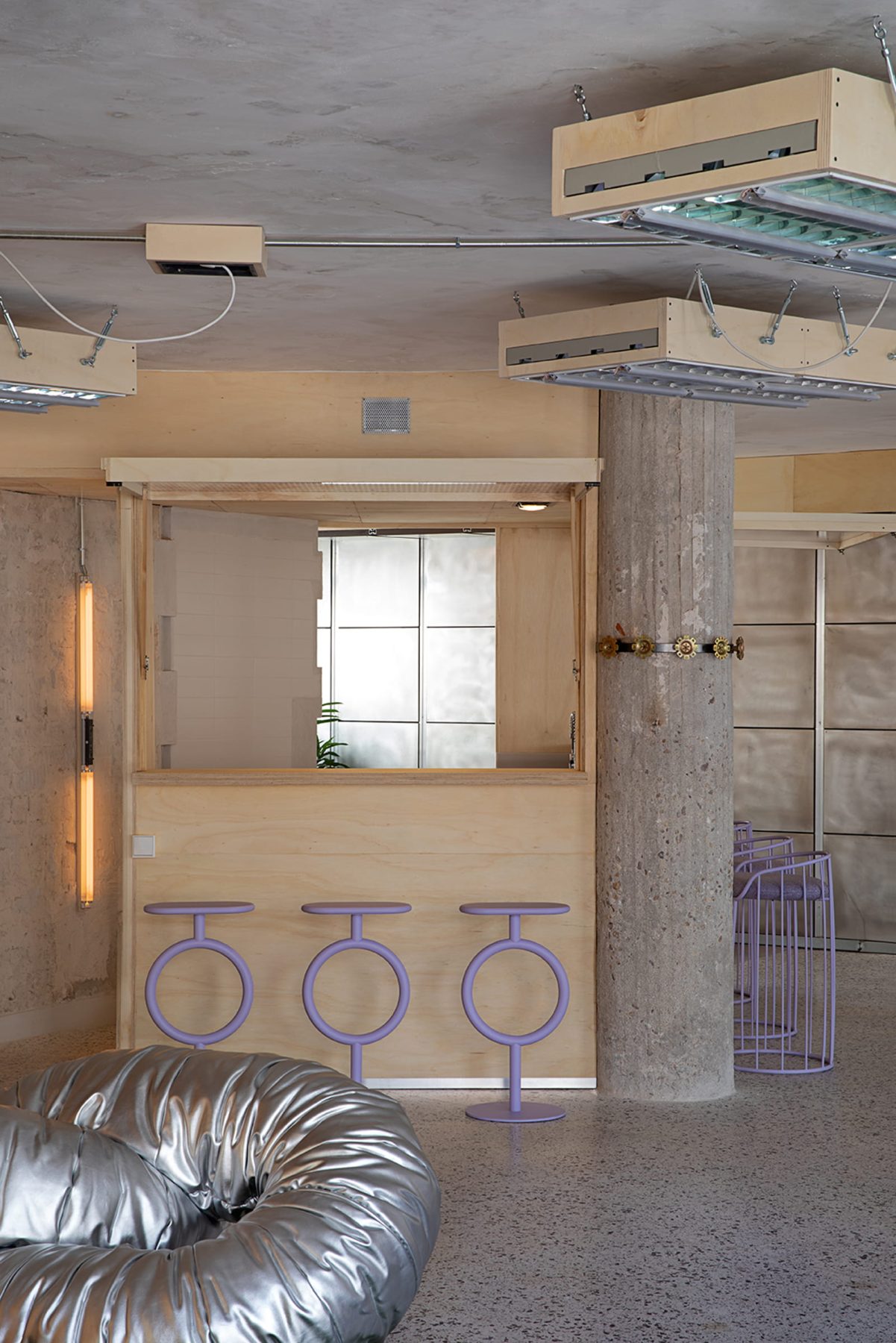
18. SANCAL – a CO-mmunity and a LAB-oratory in Marid | by Sancal and Lucas Muñoz Muñoz
Sancal unveils a new location in Madrid, a COLAB at O’Donnell 34. Situated somewhere between an office and a showroom, it’s neither one nor the other. It’s a CO-mmunity, a LAB-oratory, designed by Sancal and Lucas Muñoz Muñoz.
Read more about the project, here!
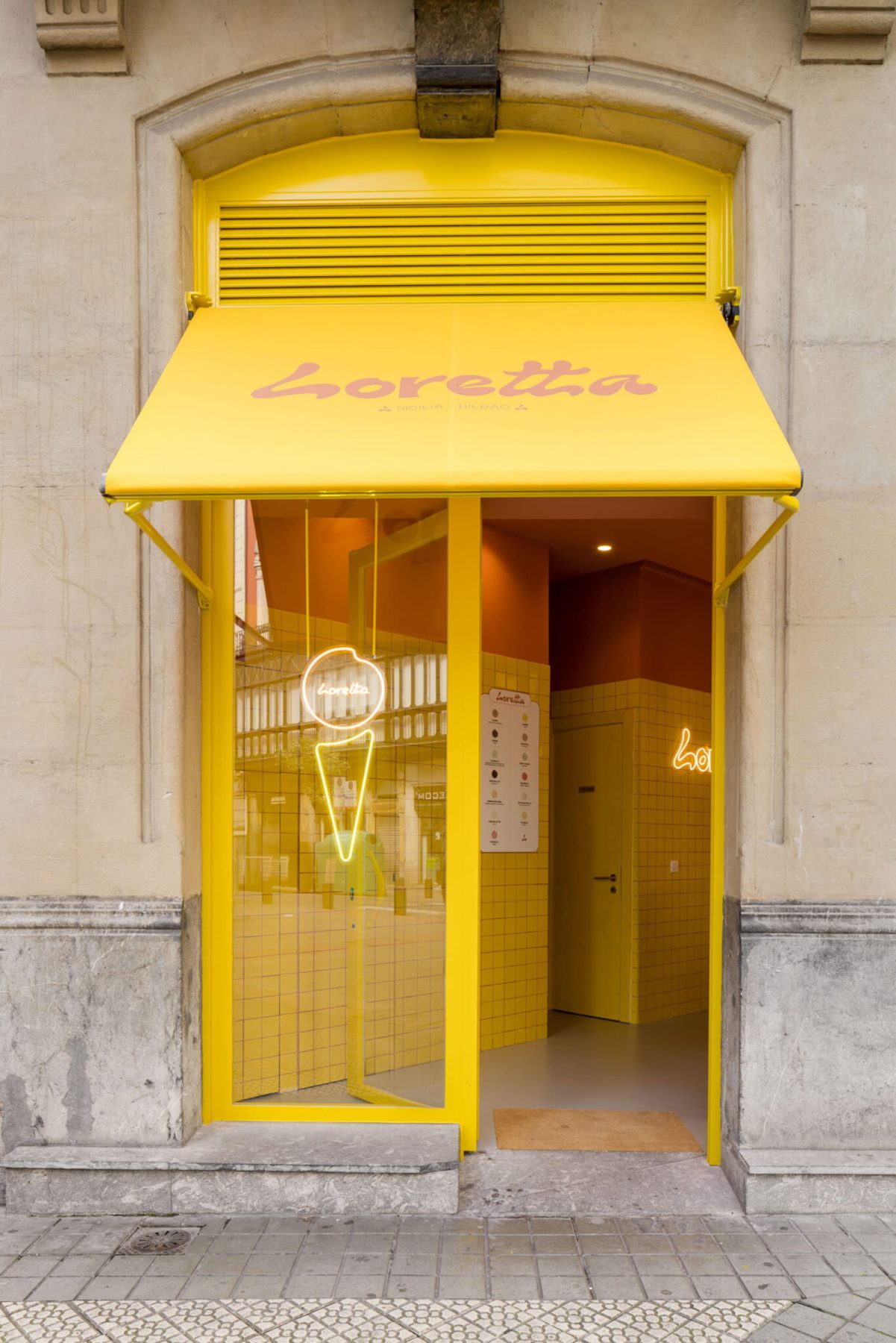
19. Loretta ice-cream parlour | by Lázaro Estudio
The Loretta ice cream parlour was born from the passion of two Sicilians living in Bilbao, who, with the collaboration of Lázaro Estudio, set out to bring the authentic flavours and ice cream traditions of their homeland to northern Spain. Their vision was to combine high-quality artisanal products from Sicilia with a visual experience that would transport customers to a Sicilian summer, evoking the spirit and vibrant colours of the island.
Read more about the project, here!
20. In search of inspiration | Casa Roc
Casa Roc accompanies its resident’s wanderings in search of inspiration. Colours and decorative items give rythme to the interior renovation of an existing 19th century apartment, created by cumulolimbo studio in Madrid, Spain.
Read more about the project, here!