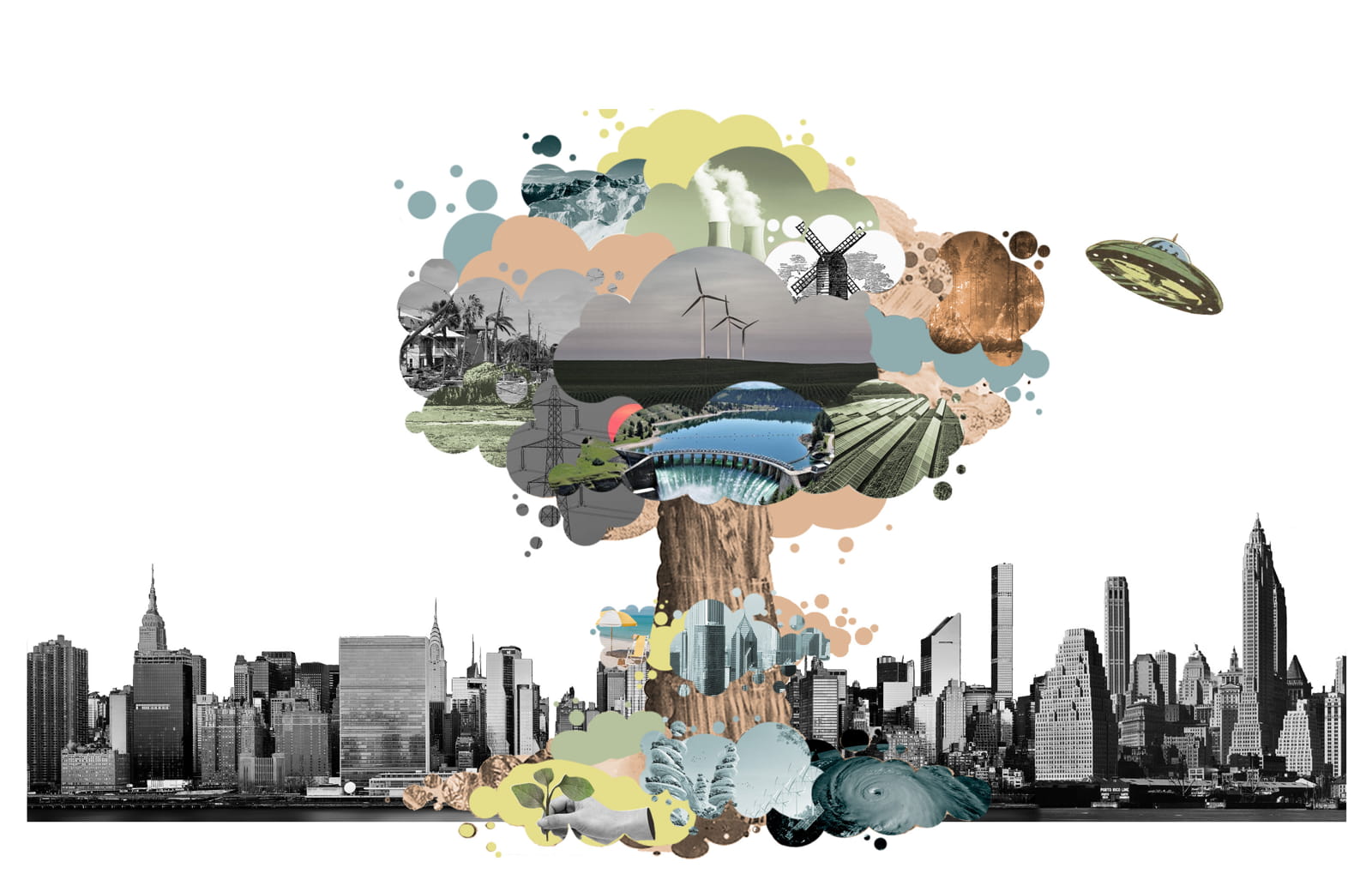
Nota Stragka’s research thesis, entitled ‘The Landscape of Energy’, explores the energy transition as a critical spatial and design challenge rather than a purely technical shift. Addressing climate change and resource depletion, the research examines how renewable energy infrastructures transform landscapes, societies, and perceptions. It argues for integrated architectural and spatial planning approaches that balance efficiency, aesthetics, and sociocultural values, envisioning sustainable future landscapes where energy production is ethically and harmoniously embedded in everyday life.

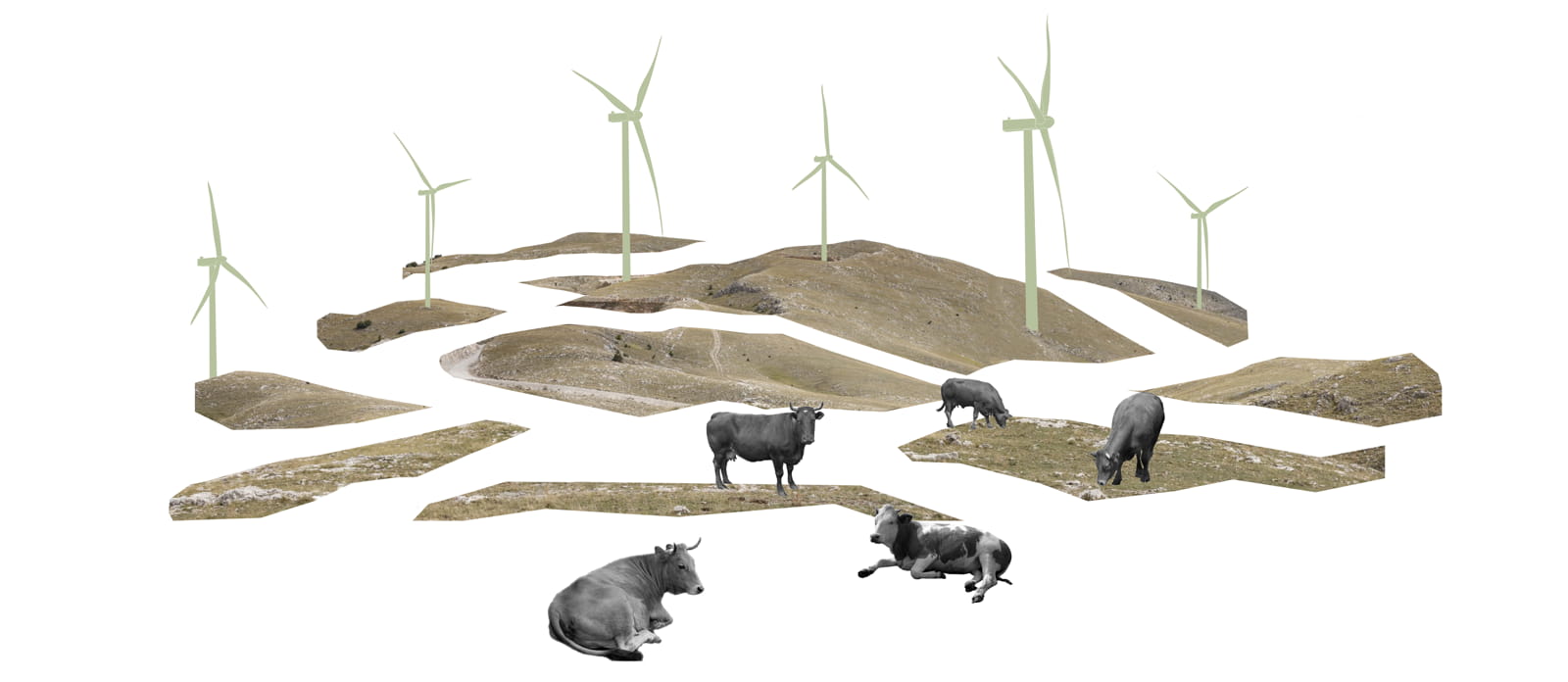
As the threat of climate change and the depletion of natural resources continue to intensify, human awareness and critical reflection have been emerging, giving rise to tendencies of transformation and innovation. The implantation of measures is necessary to prevent future crises; therefore, European institutions and organizations gradually engage towards this issue, with the aim of preserving balance and ensuring the smooth transition of society.
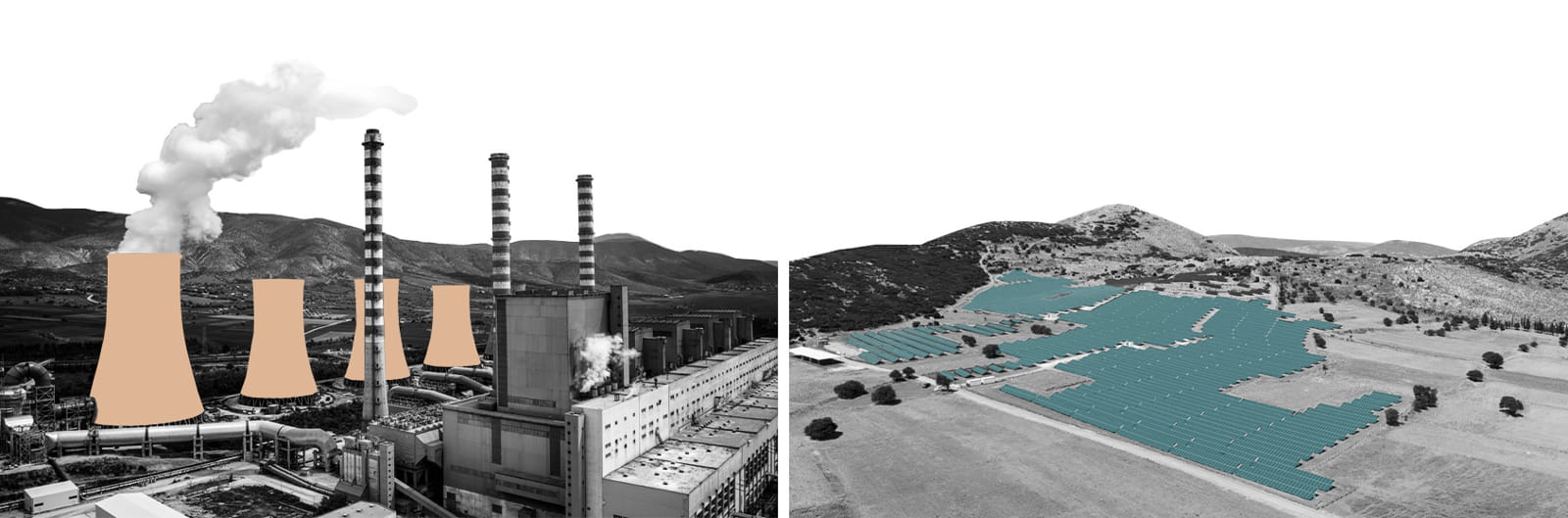
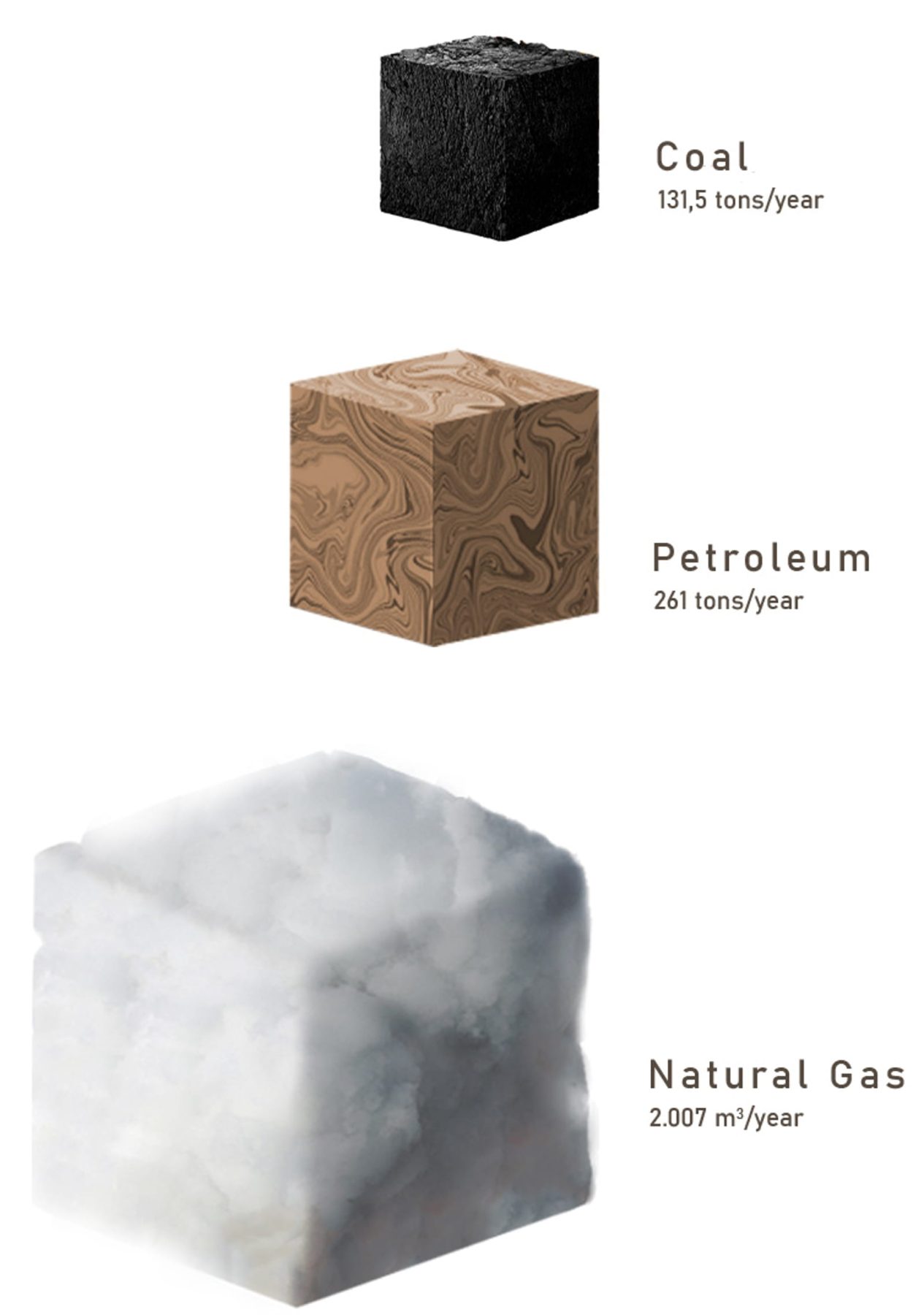
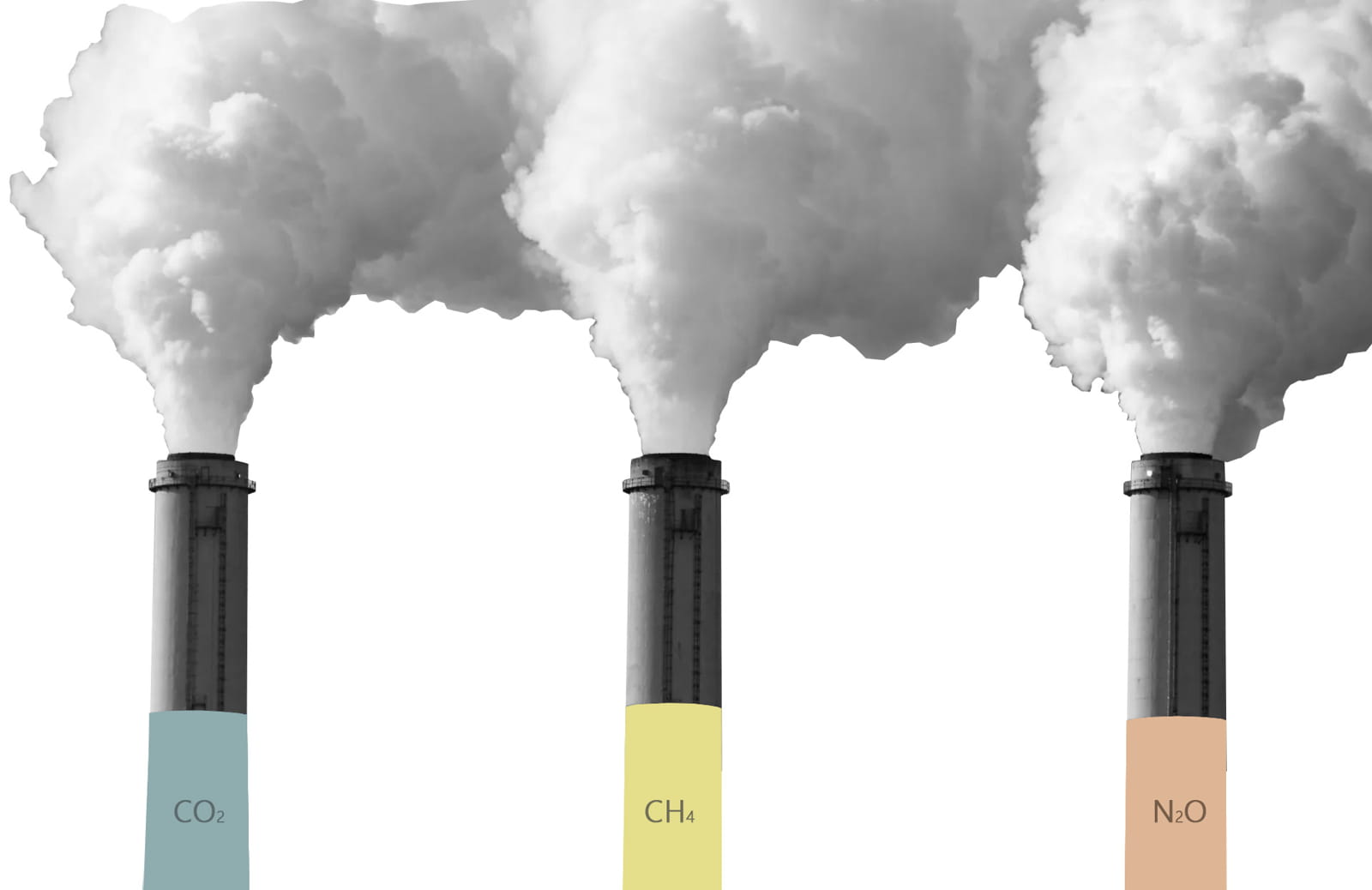
Alongside proposals that advocate for the reduction of consumption and emissions, as well as the more rational use of available mineral resources, emphasis is placed on the search for alternative forms of energy sources that are less harmful to both the environment and human health.
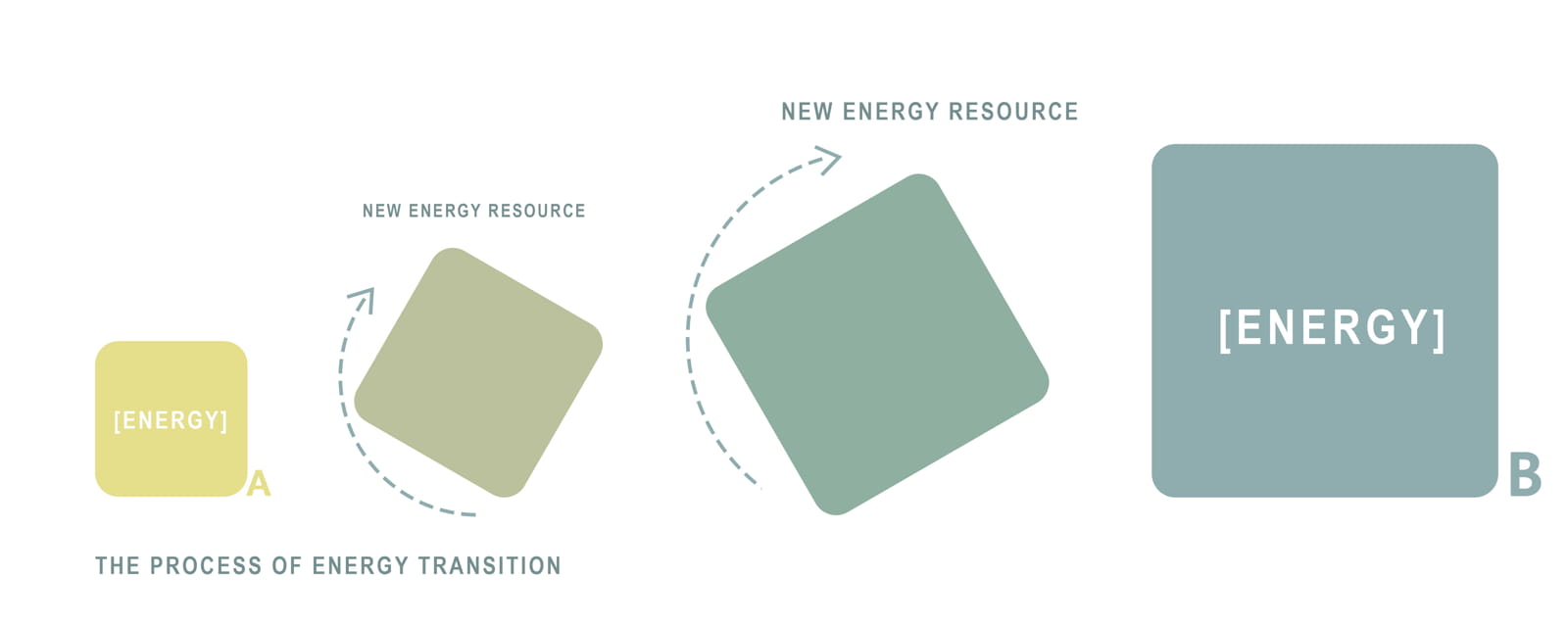
Renewable energy sources lead to the gradual transformation of the energy mix, facilitating the process of energy transition.
As the contemporary human has transformed into a real energy slave, the issue of preserving its constant need for energy consumption constitutes the matter of the energy transition not a tendency, but an urgent necessity!
However, this prospect is far from a simple undertaking. On the contrary, it constitutes a highly demanding challenge, particularly when the spatial dimension of the issue is considered.
The complexity of this plan was recognized early on, as the first signs of dysfunction appeared in the landscape and spatial organization, provoking widespread public reactions.
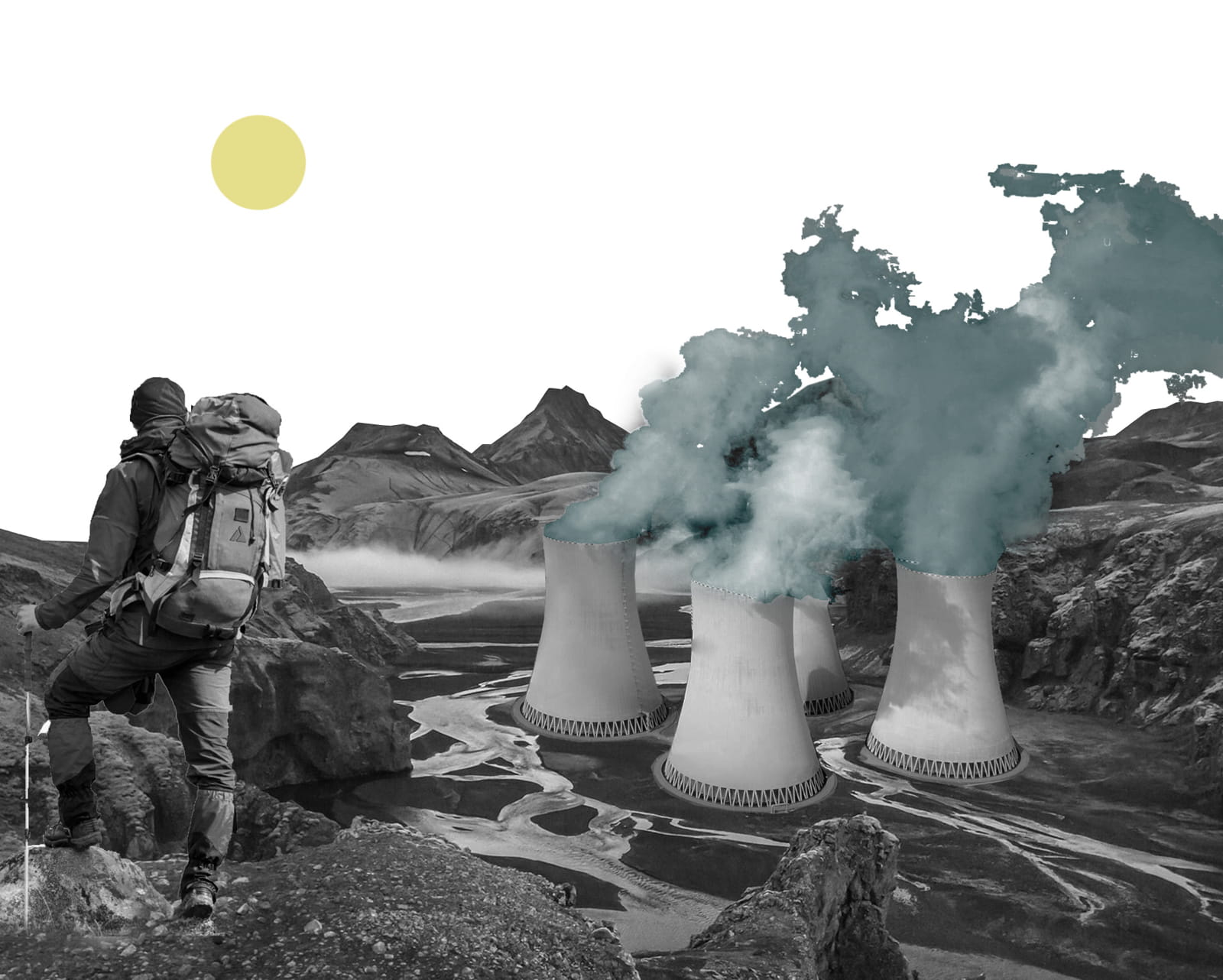
Though renewable energy resources aim at preventing future energy and natural crisis, their execution, as well as their footprint on the landscape, has been quite controversial, rising dough and aversion to the public.
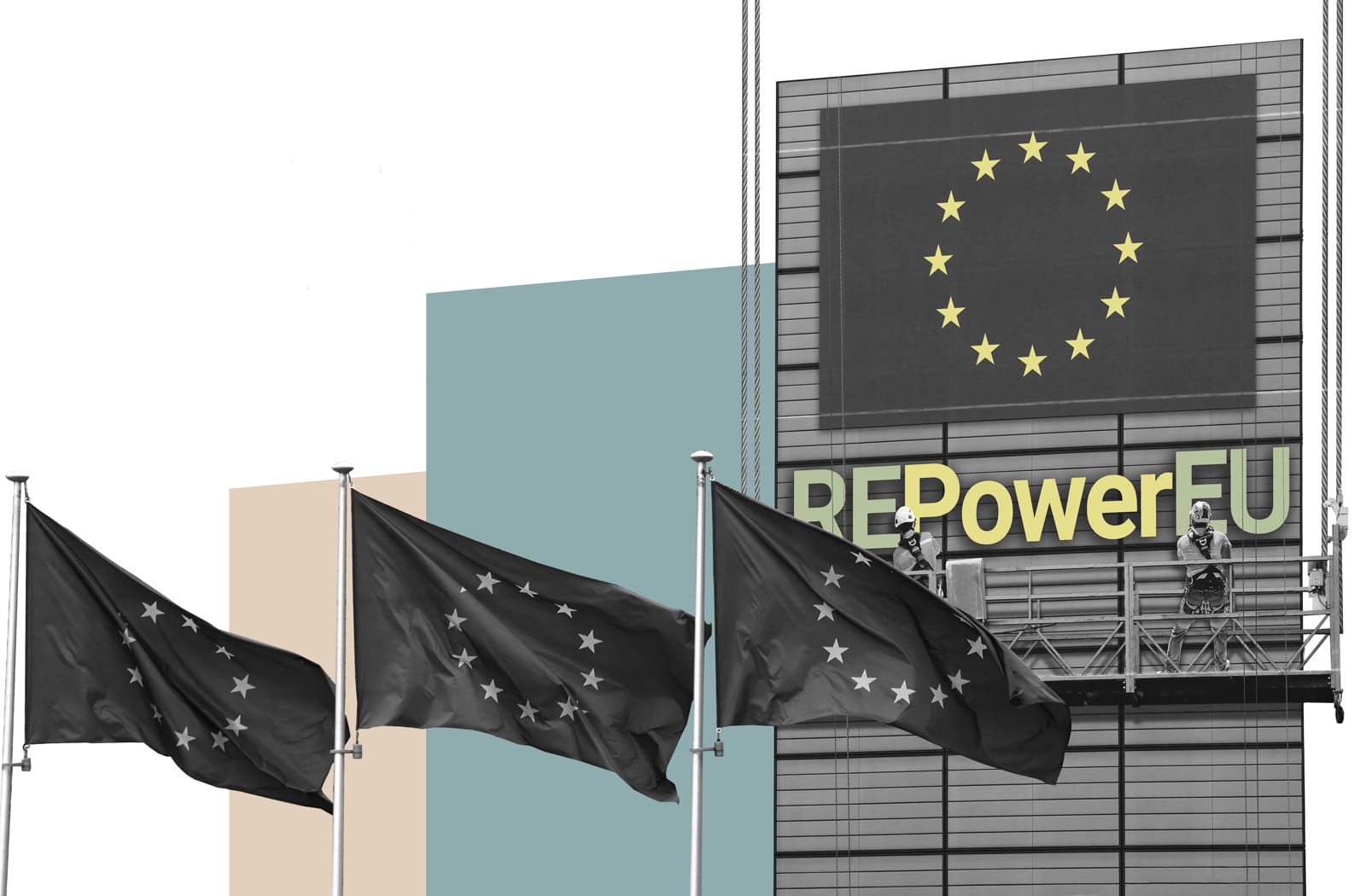
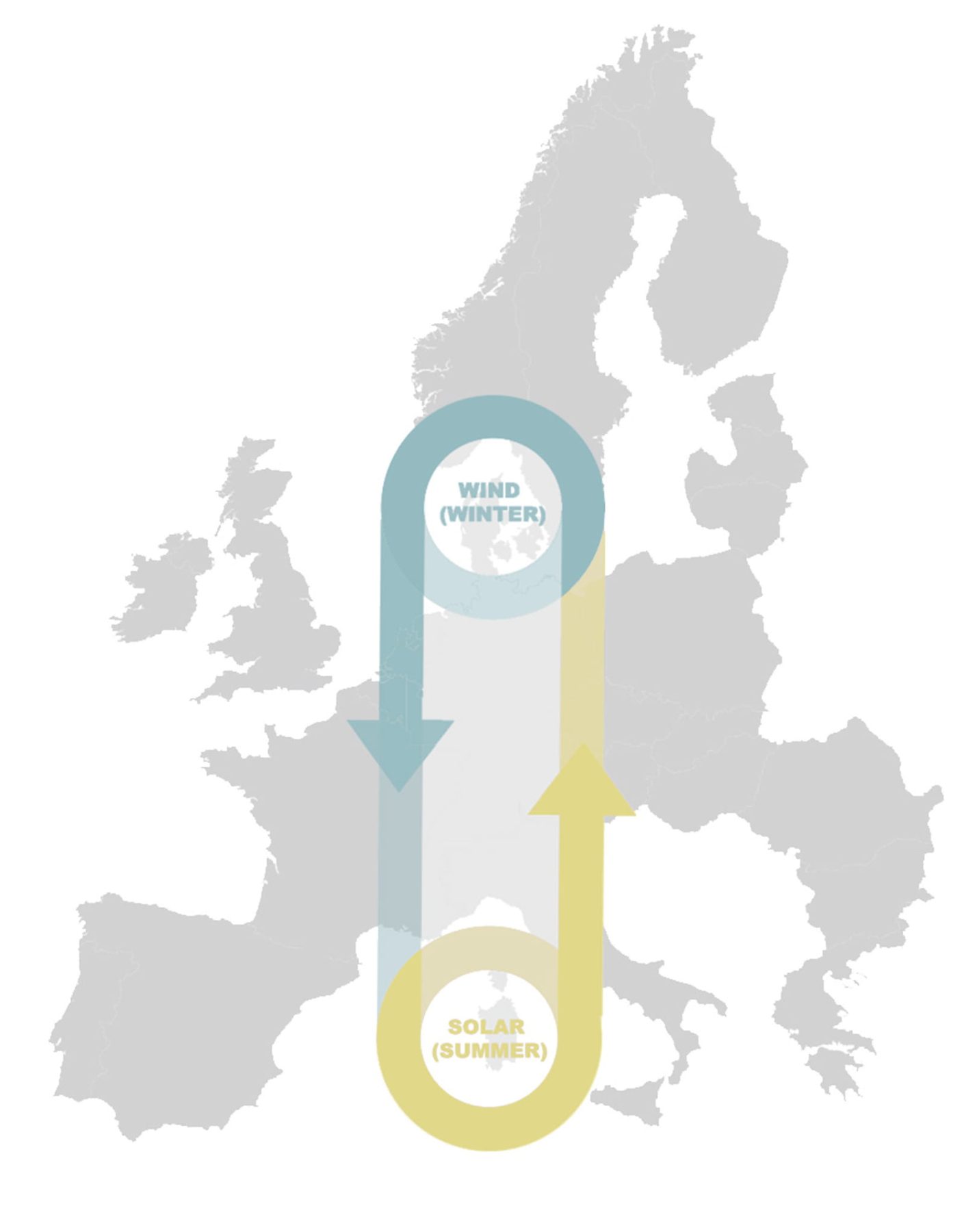
The energy transition represents a significant force of spatial transformation and redefinition, exerting pressures that leave lasting imprints on space over time.
The study of previous energy transitions, as well as the evaluation of contemporary infrastructures, can provide valuable insights capable of preventing misguided approaches and guiding the transition toward sustainability, development, and environmental respect.

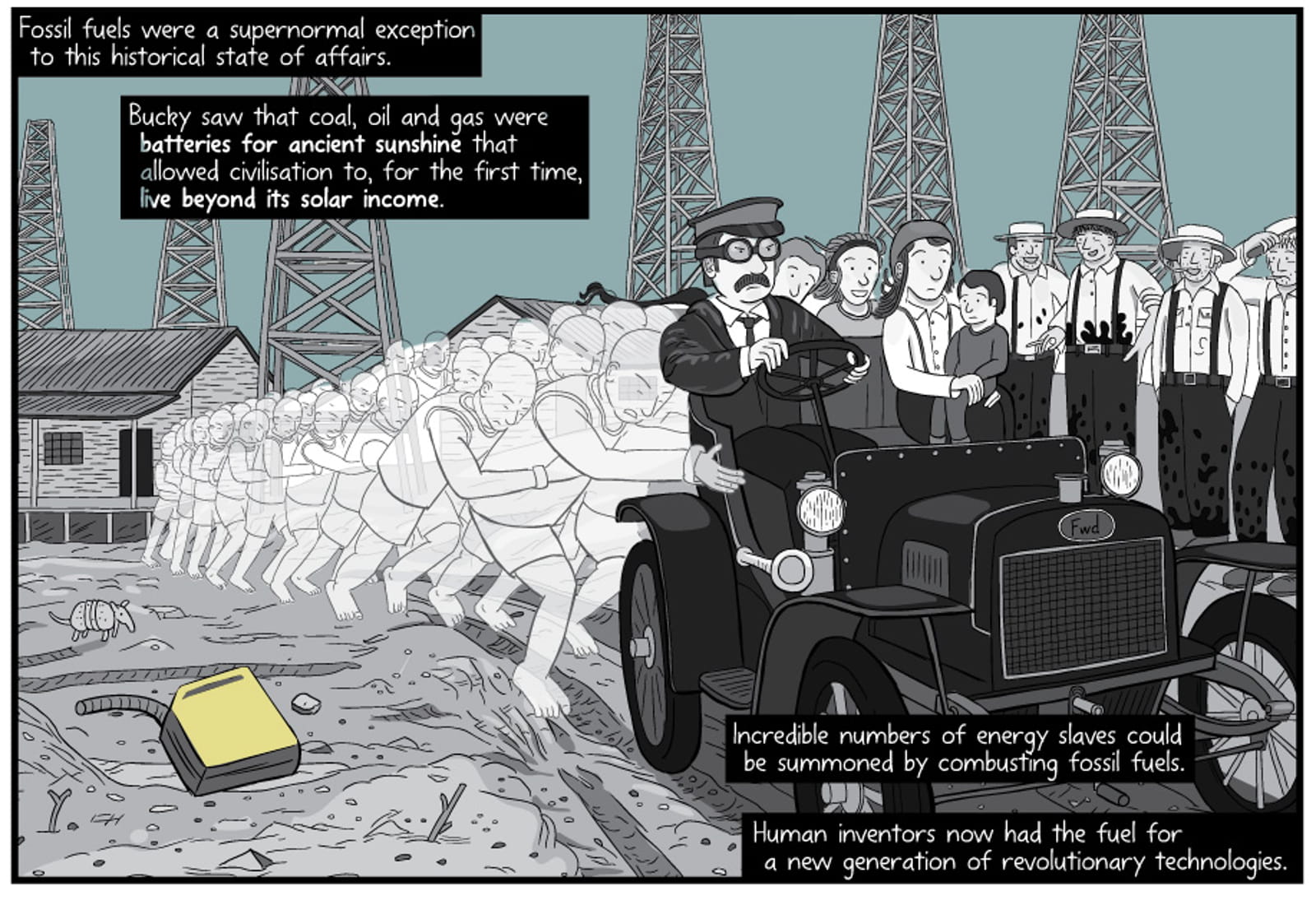
It is important to recognize that the energy transition is not merely a challenge centered on the ingenuity of technical infrastructures, but a genuine design challenge that considers not only efficiency and ergonomics, but also sociocultural and aesthetic criteria.
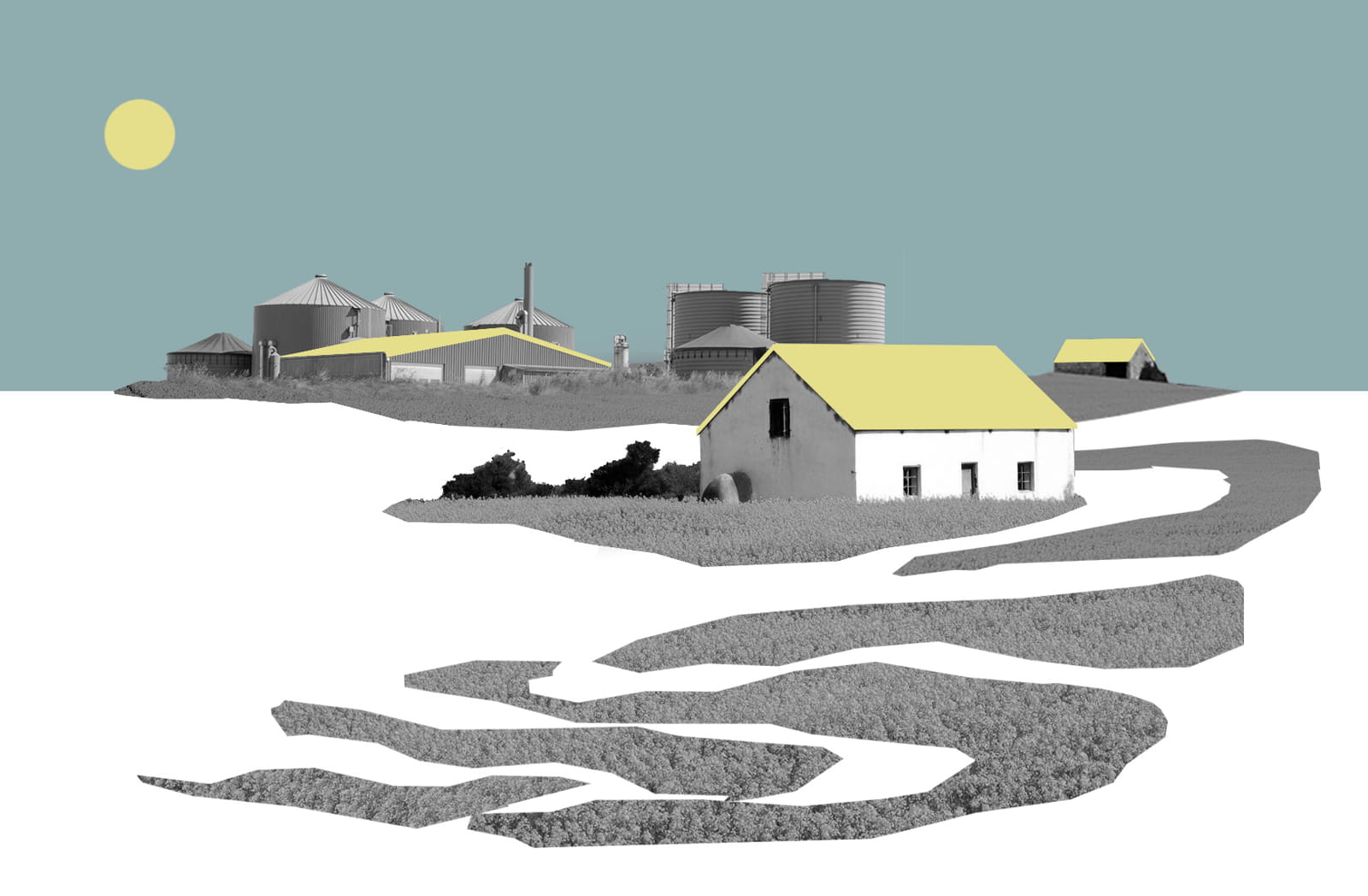
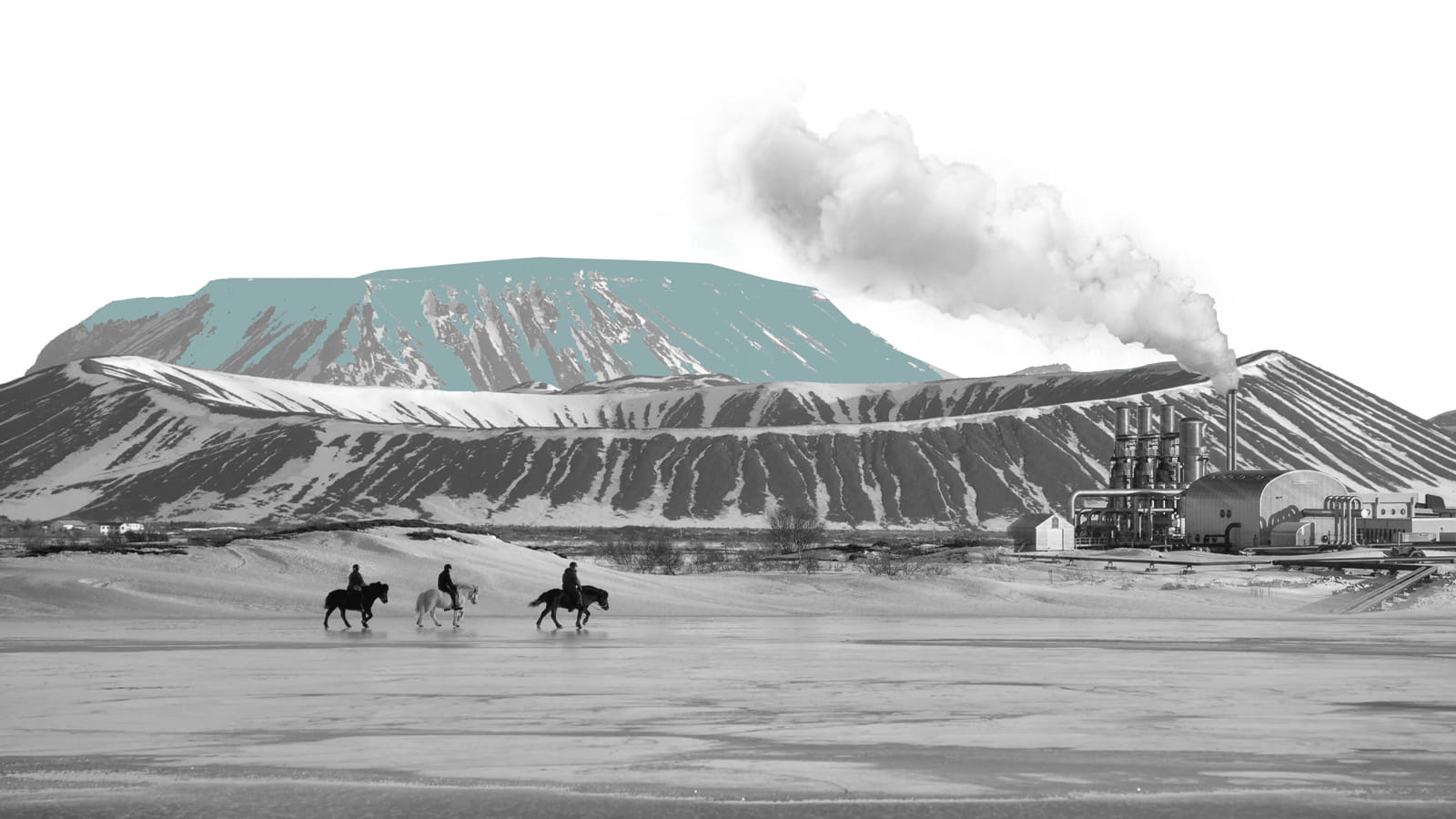
The true challenge of our era lies in acknowledging that rational spatial planning and management – taking into account both possibilities and constraints – can shape the environment and its infrastructures in a logical, aesthetically sound, and socio-politically manner.
Maintaining balanced development is not an easy matter, as it requires evaluating all possible design directions.
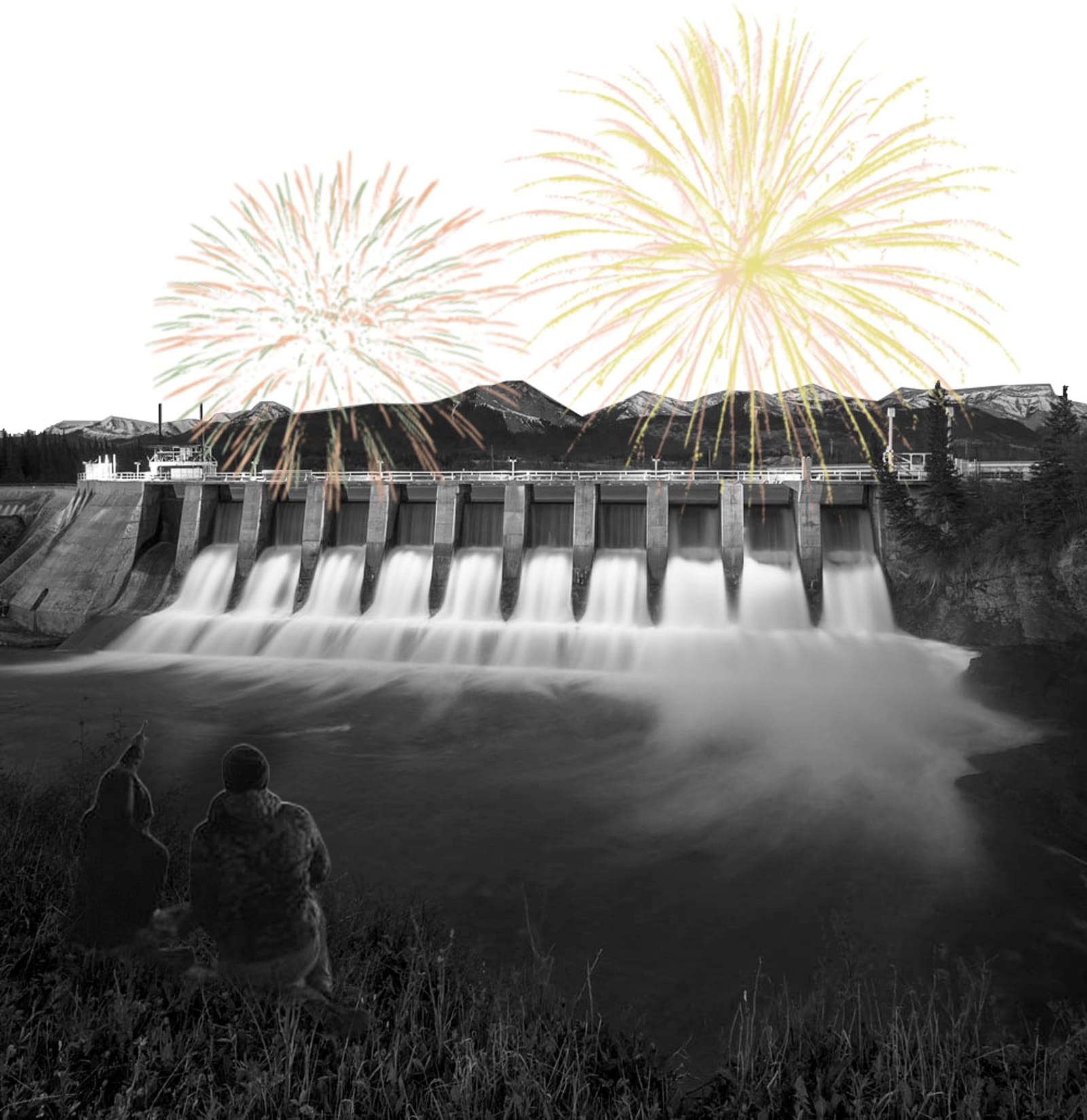
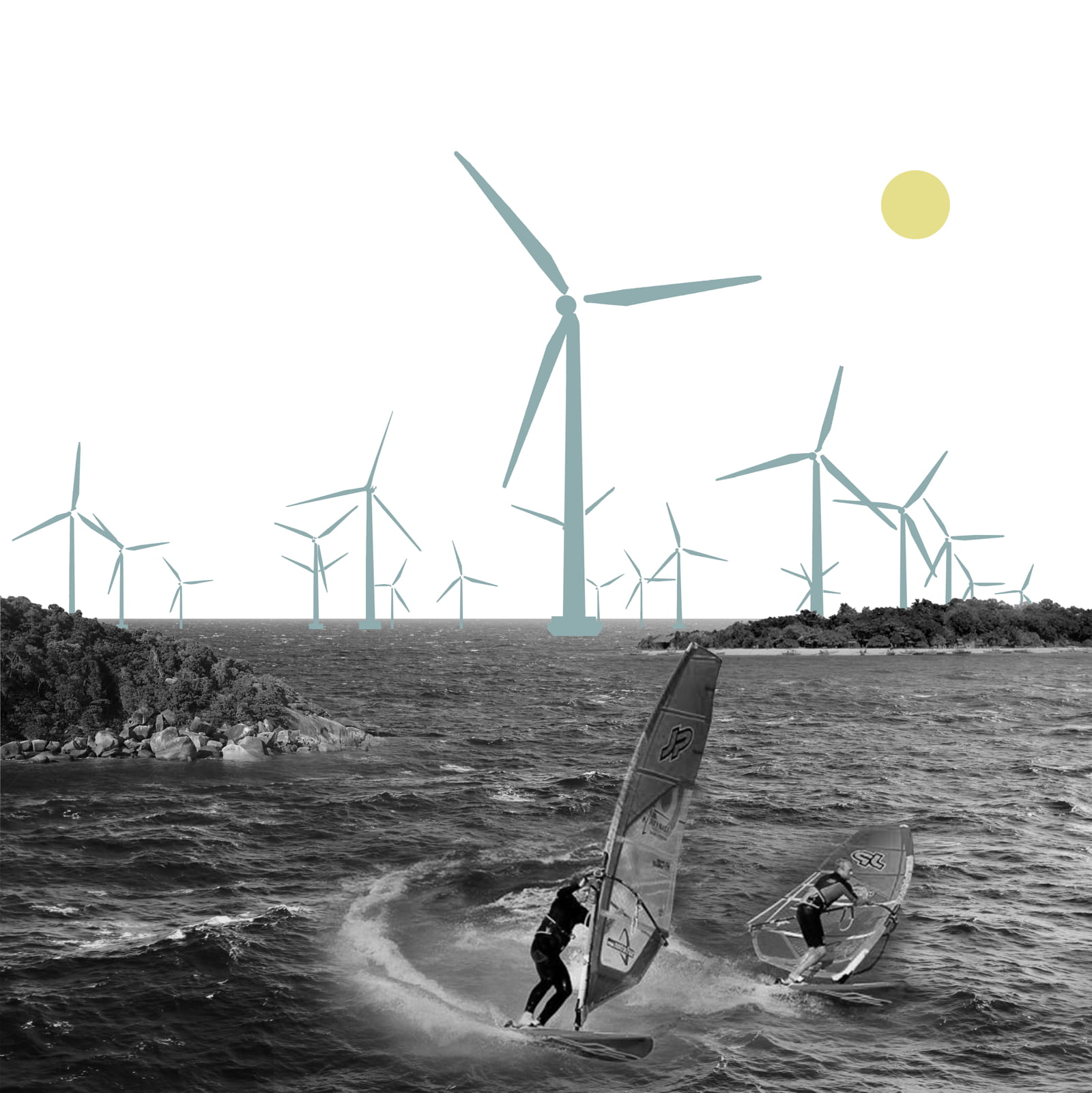
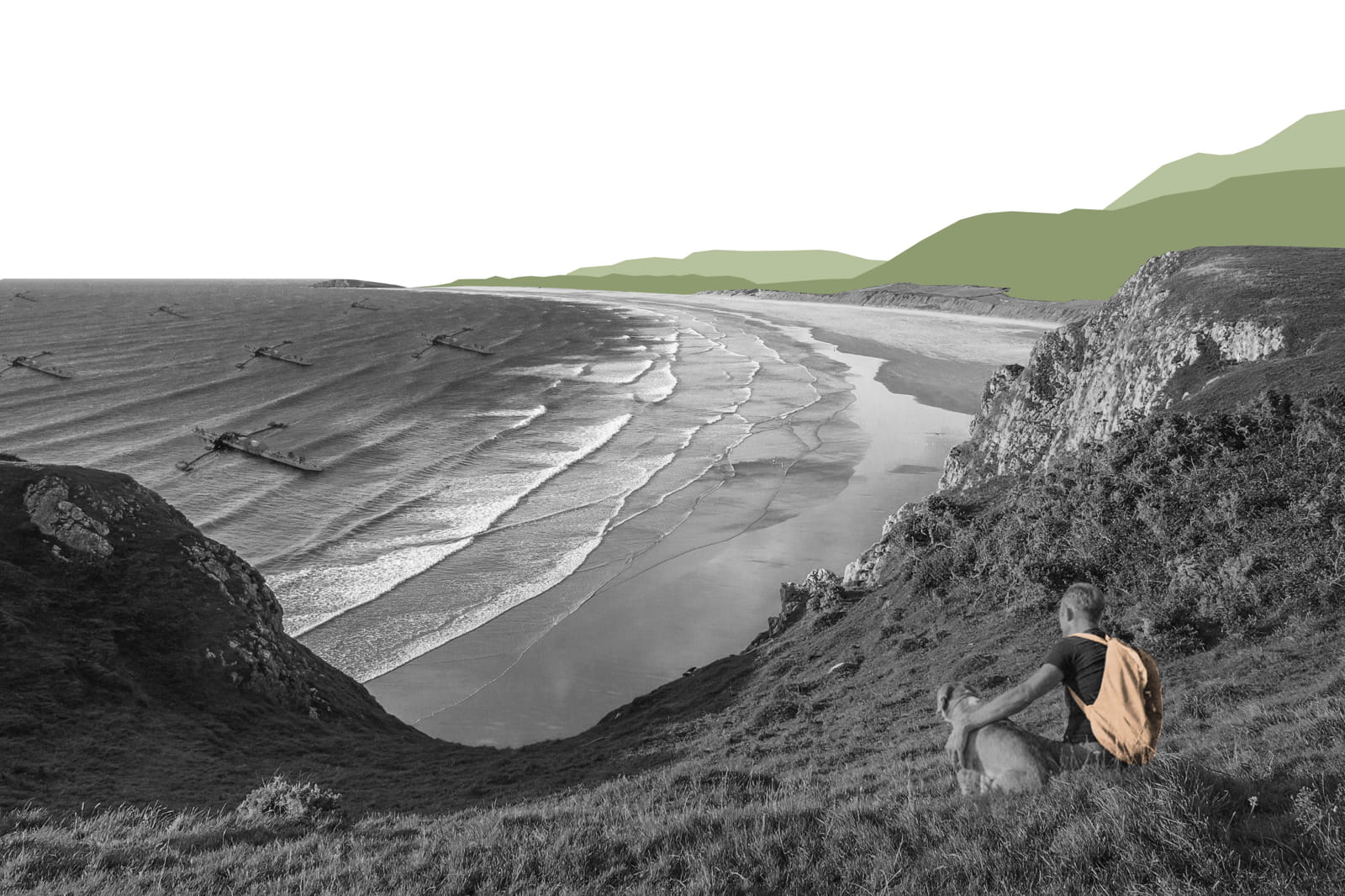
We must imagine the possibilities of the future landscape we choose to live in, emerging in our daily life renewable resources in a vital and ethical way. This constitutes a genuine design challenge, raising concerns in both the field of Architectural Design and the fields of Urban and Spatial Planning.
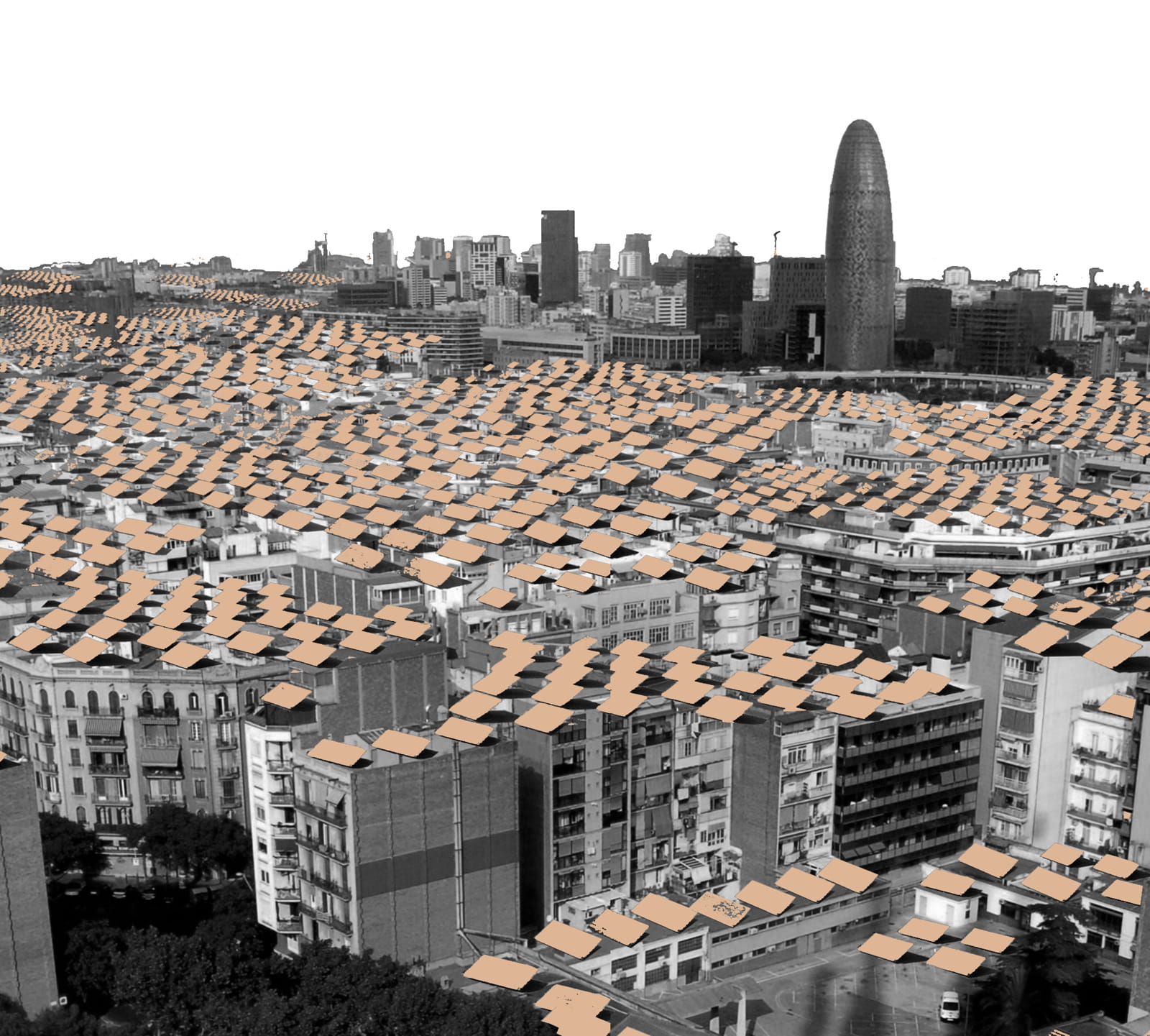
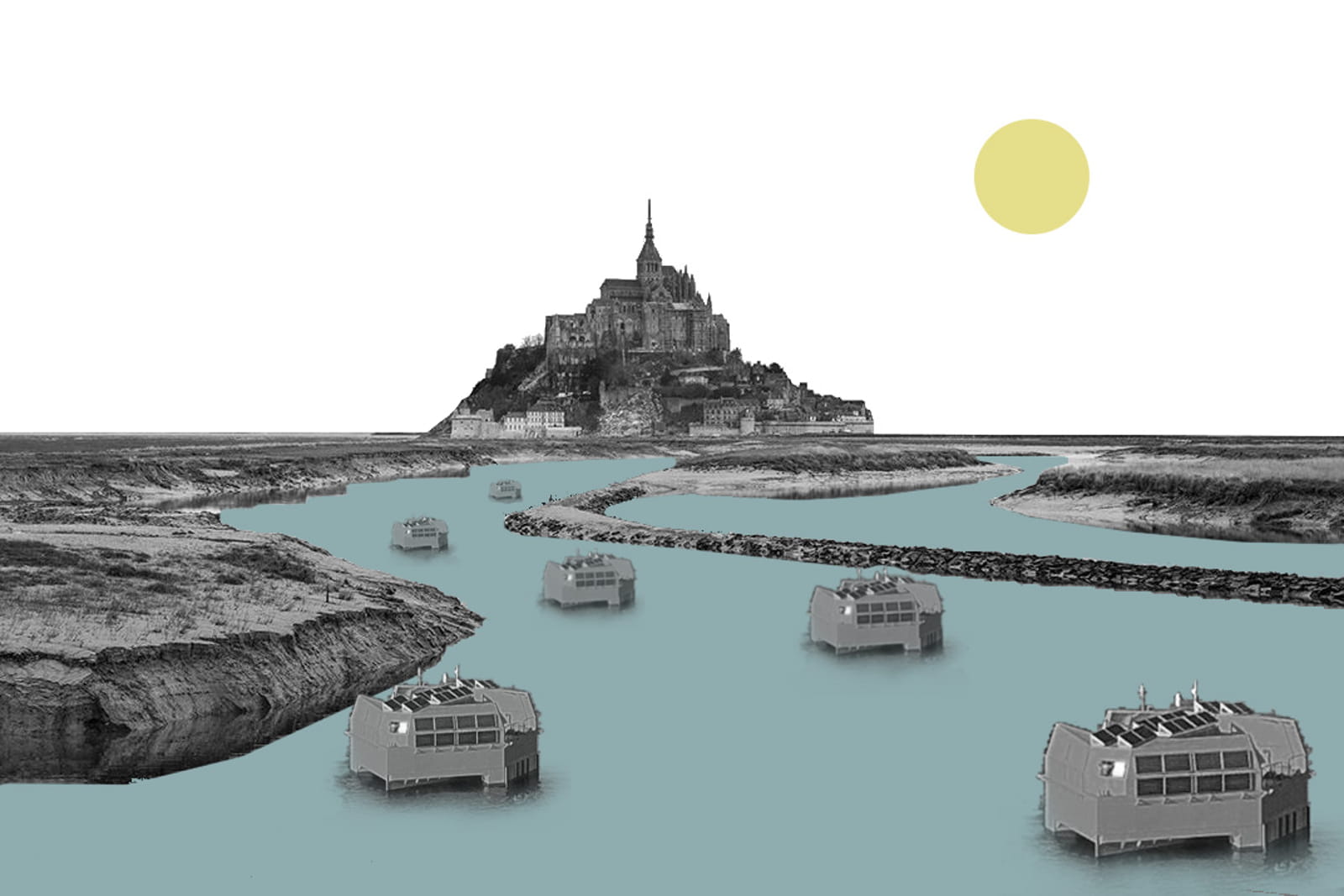
Indeed, the promotion of conscious mobilization of human ingenuity and creative thought, and especially proper education and clear information about the characteristics and particularities of this energy transition, will serve as the essential tools for the proper management of the energy transition in the years to come.
Facts & Credits
Project title The Landscape of Energy
Type Research Thesis
Student Nota Stragka
Supervisor Konstantionos Serraos
Advisor Kostas Tsiabaos
Presentation Date September 2024
University National Technical University of Athens, School of Architecture
Text by the author
READ ALSO: Living Debris: μια πρόταση συνεταιριστικής φοιτητικής κατοίκησης για τον διαγωνισμό «Συν-κατοικώντας τα κενά» του CoHab Athens