Το άρθρο παρουσιάζει 3 Διπλωματικές Εργασίες που αφορούν σε δημιουργικές επαναχρήσεις βιομηχανικών κτηρίων σε χώρους λατρείας και πολιτισμού, μέσα από την επεξεργασία της φύσης του ερειπίου, της έννοιας της ιστορικής μνήμης και της ανάγκης νοηματοδότησης του υπάρχοντος κτισμένου περιβάλλοντος.
The article features 3 design theses dealing with adaptive and creative reuses of industrial buildings into spaces of worship and culture, through an exploration of the nature of the ruin, the concept of historical memory, and the need to reassign meaning to the existing built environment.
Οι χρονικότητες ενός ερειπίου | Μία μελέτη επανάχρησης του πρώην εργοστασίου «Βότρυς» στα Σεπόλια και μετατροπή του σε πολυχώρο πολιτισμού
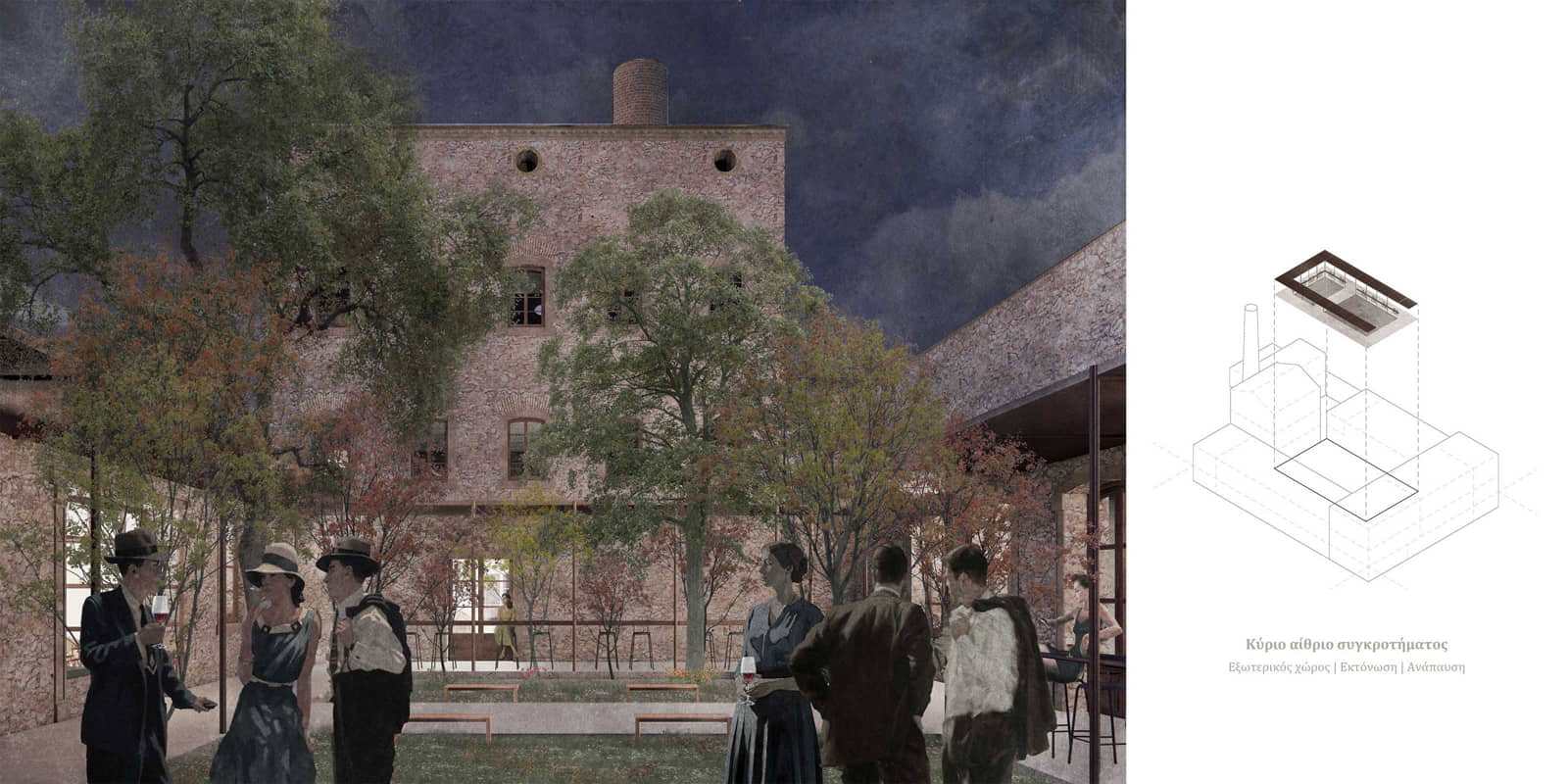
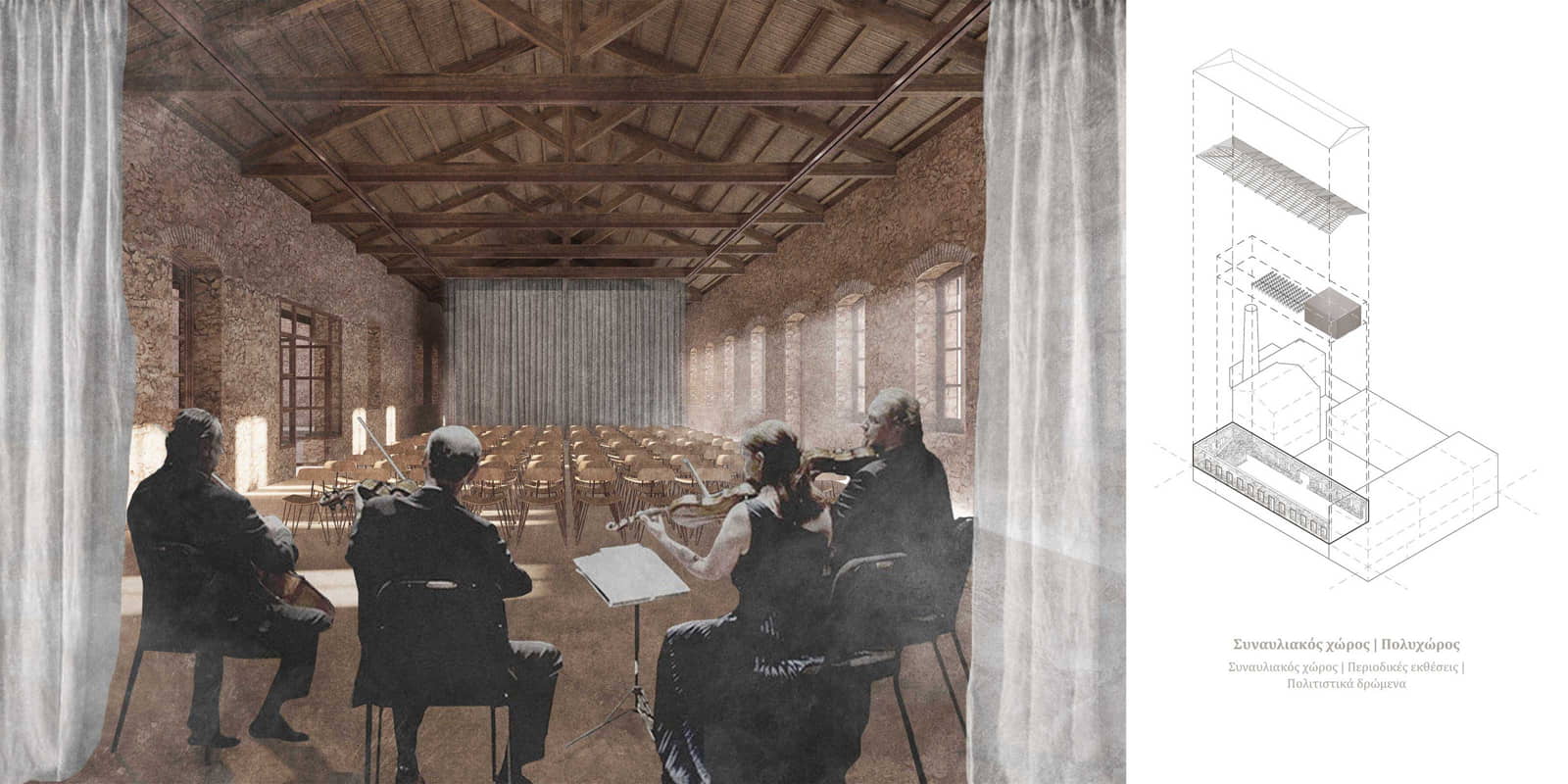
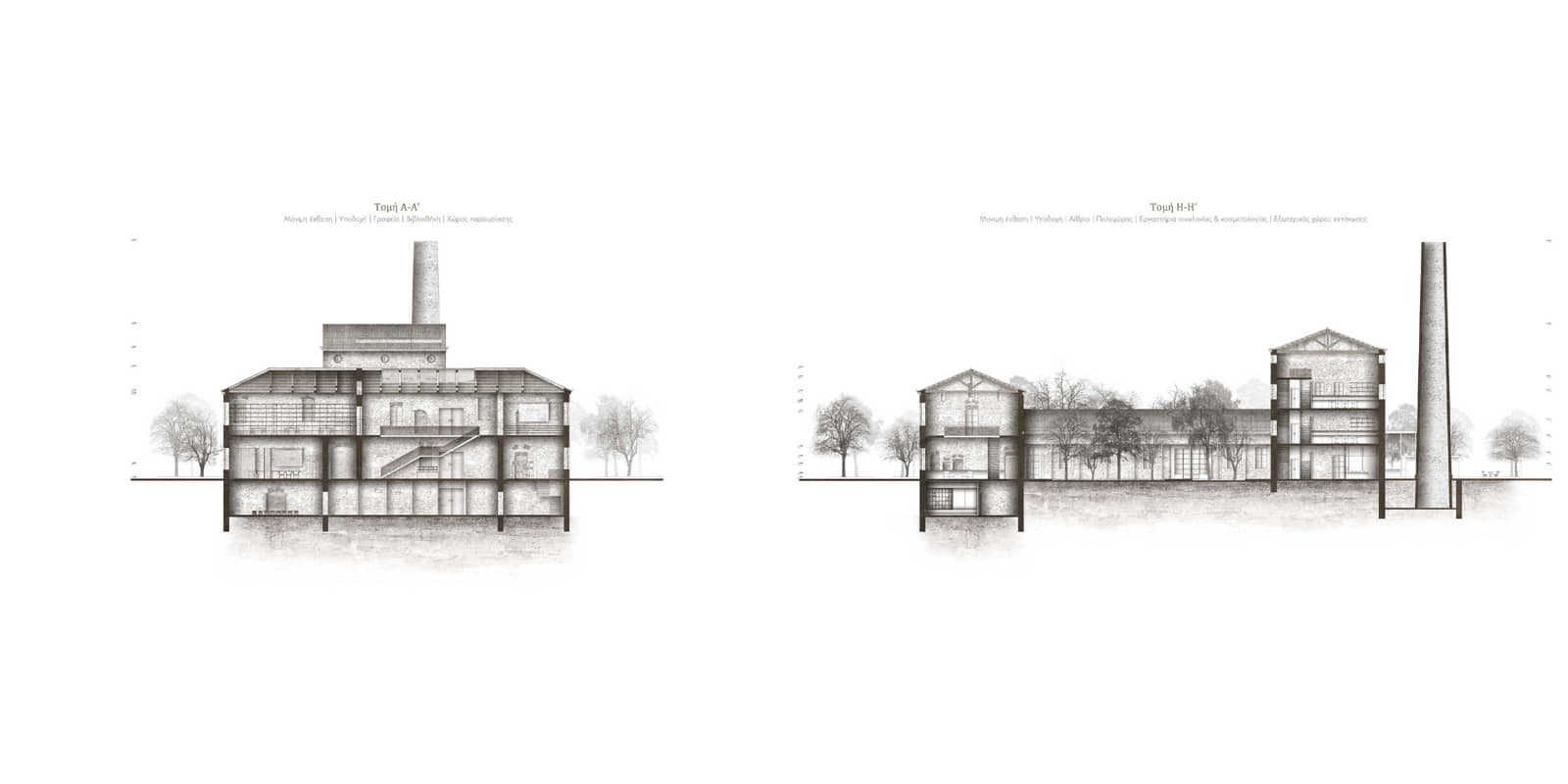
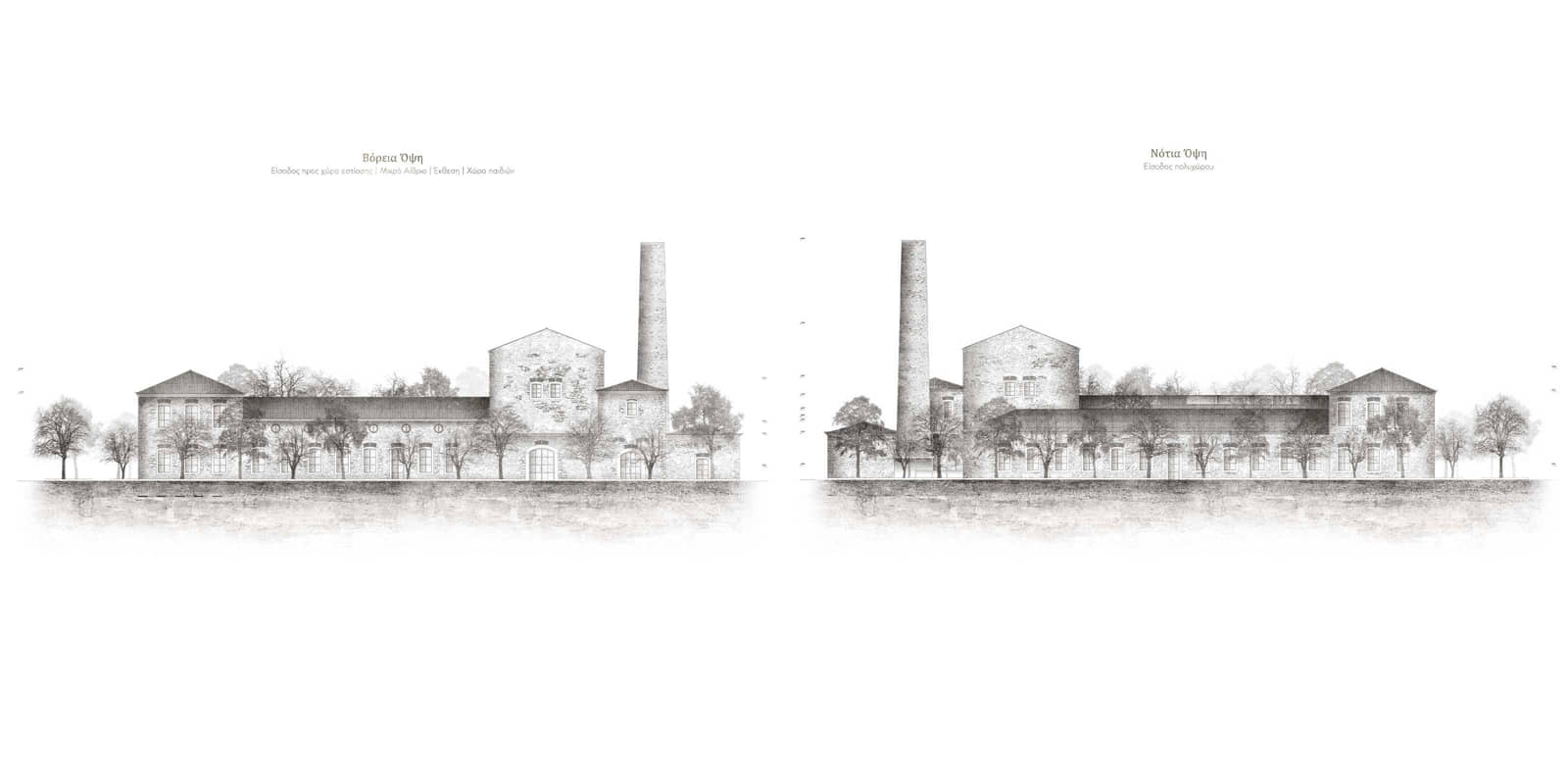
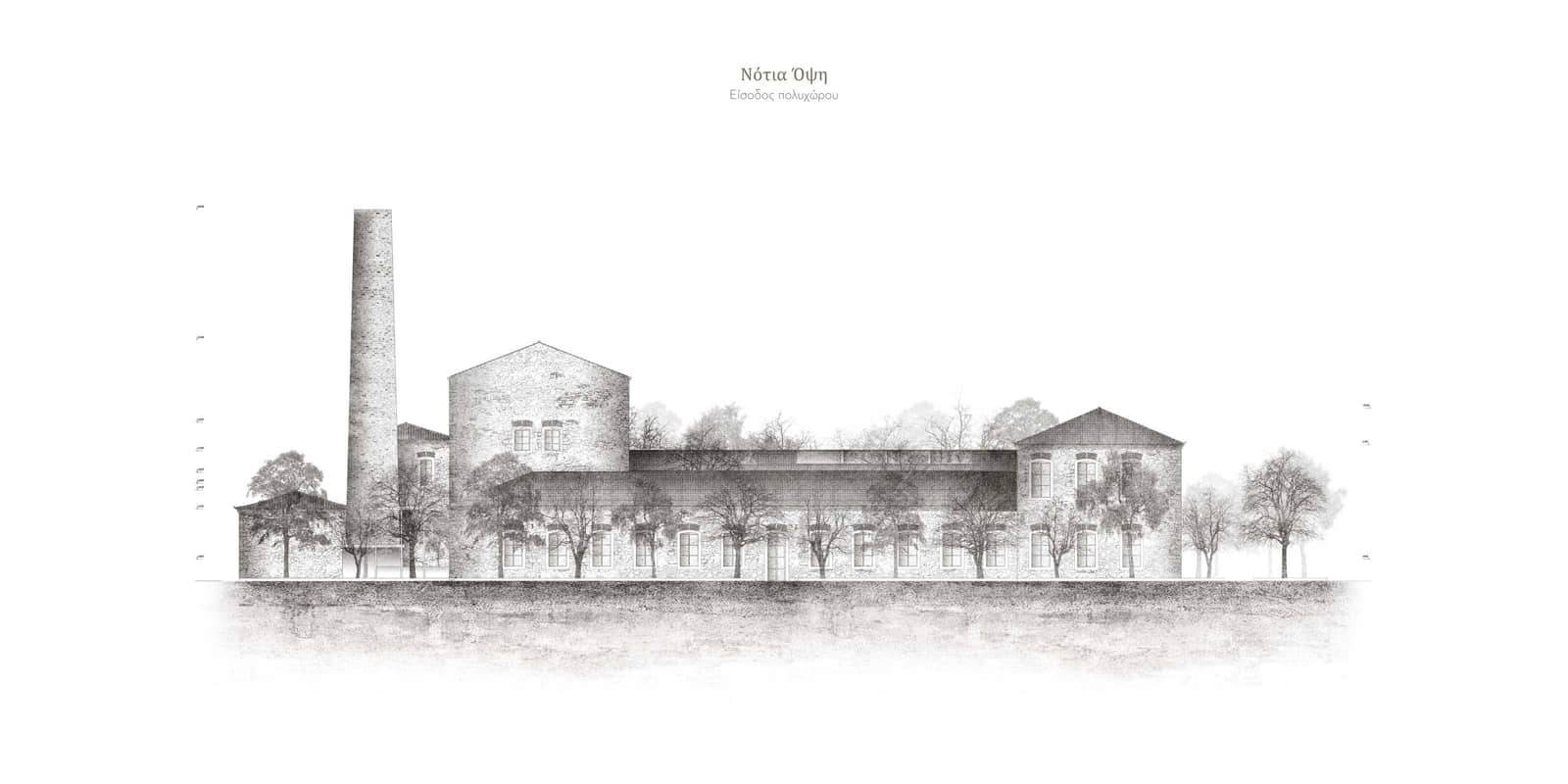
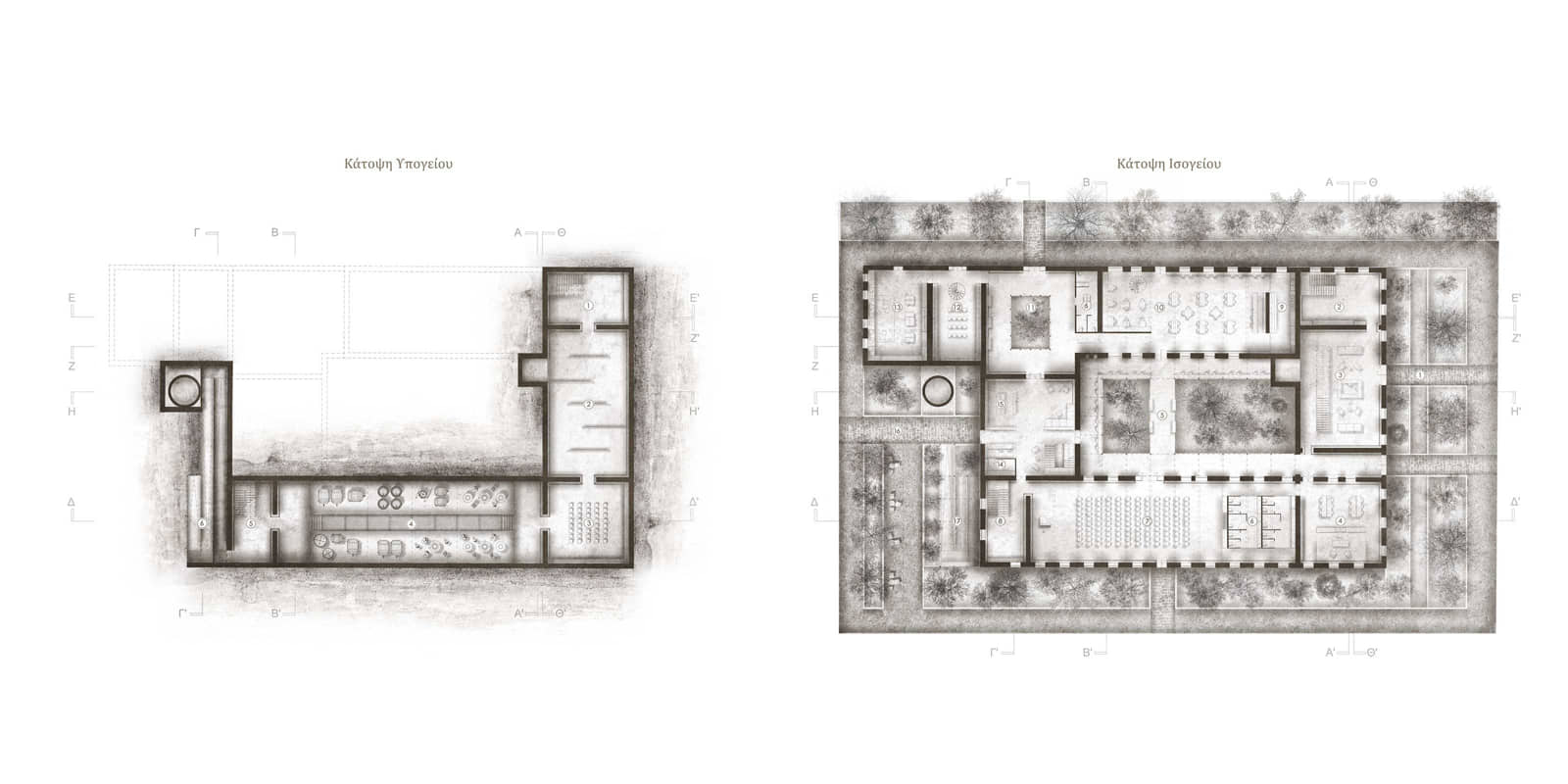
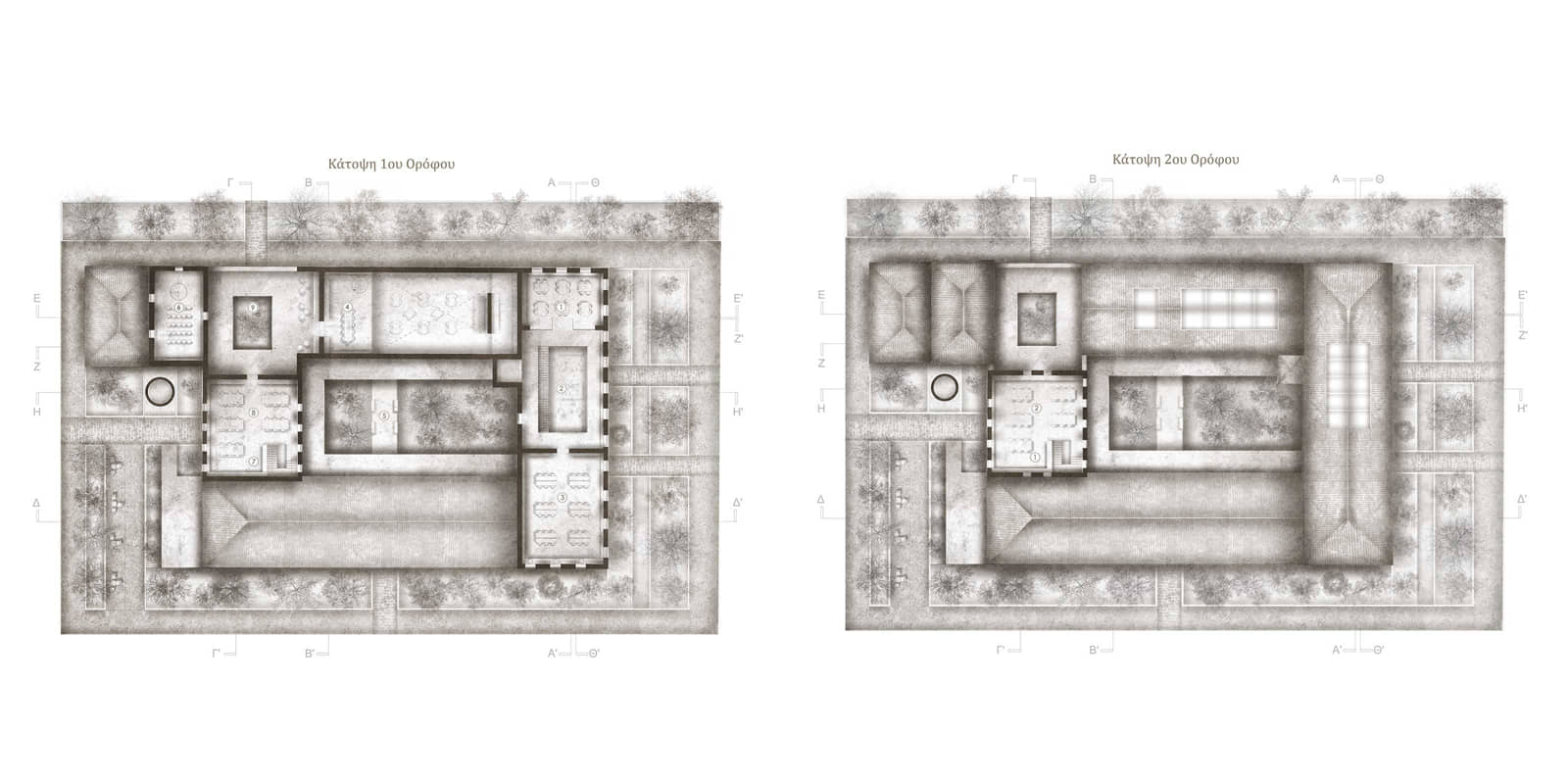
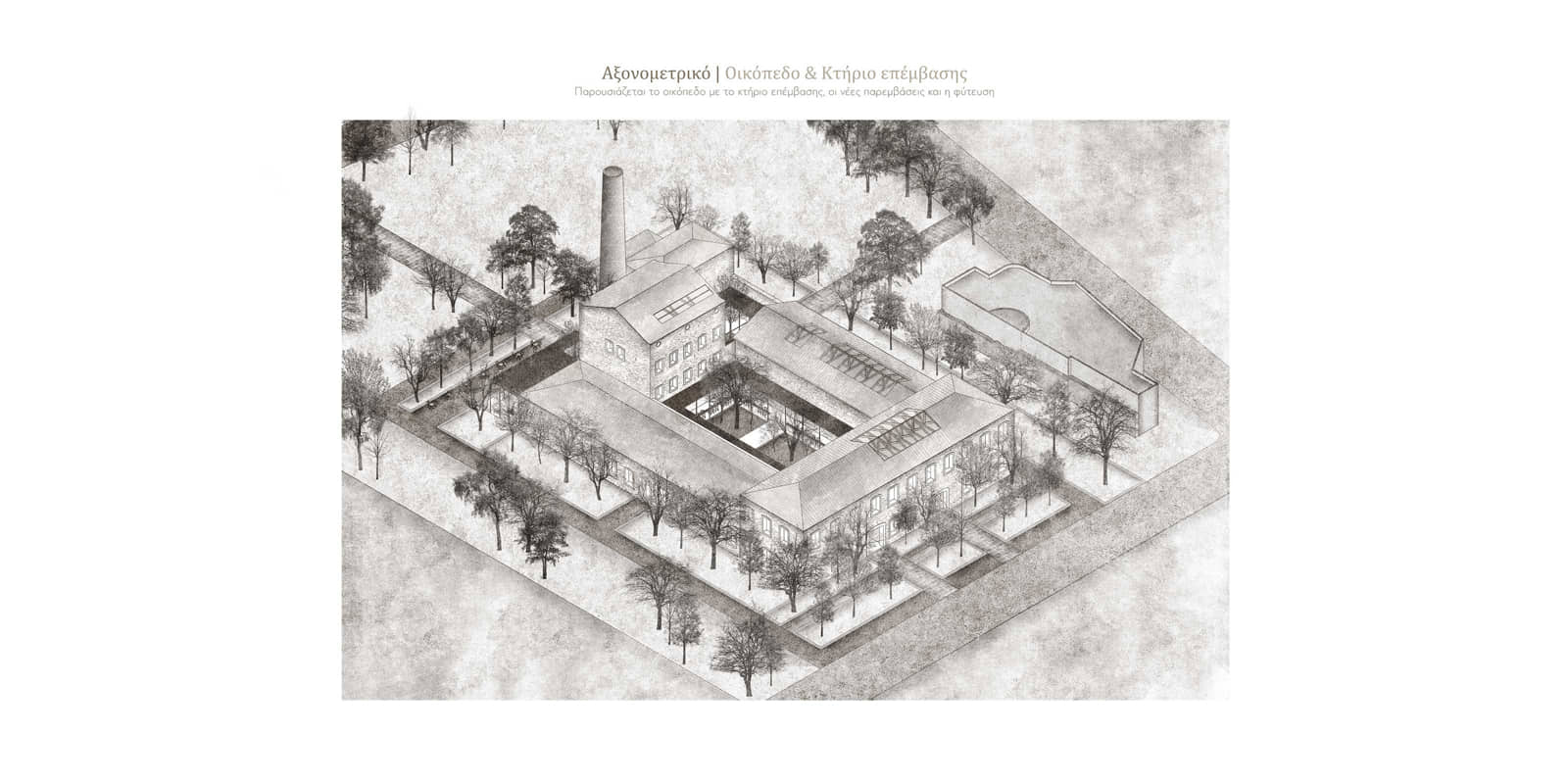
Με βασικά συνθετικά εργαλεία την μνήμη και την διάρκεια, η Δανάη Ανδρώνη στα πλαίσια της Διπλωματικής της Εργασίας αναπτύσσει μια μελέτη αποκατάστασης και επανάχρησης του πρώην εργοστασίου οινοποιίας «Βότρυς» στα Σεπόλια. Η νέα παρέμβαση αφορά στην δημιουργία ενός πολιτιστικού χώρου πολλαπλών χρήσεων που σκοπό έχει να ερμηνεύσει την ιστορική ταυτότητα του χώρου αλλά και να προτείνει νέες λειτουργίες.
Using memory and duration as its core conceptual tools, Danae Androni, in the context of her Diploma Thesis, develops a restoration and reuse study for the former “Votrys” winery factory in Sepolia. The new intervention proposes the creation of a multi-purpose cultural space that aims both to interpret the site’s historical identity and to introduce new functions.
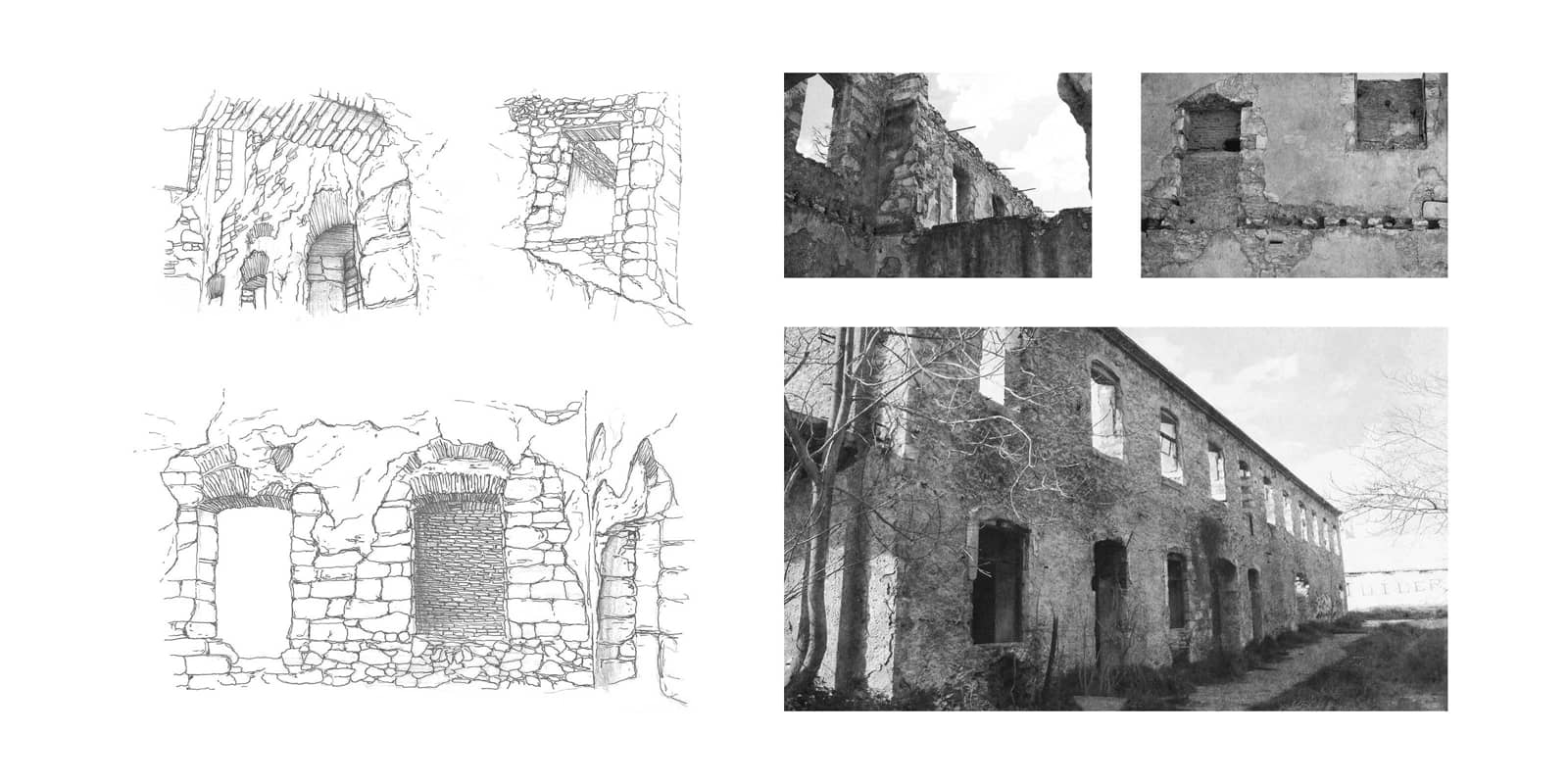
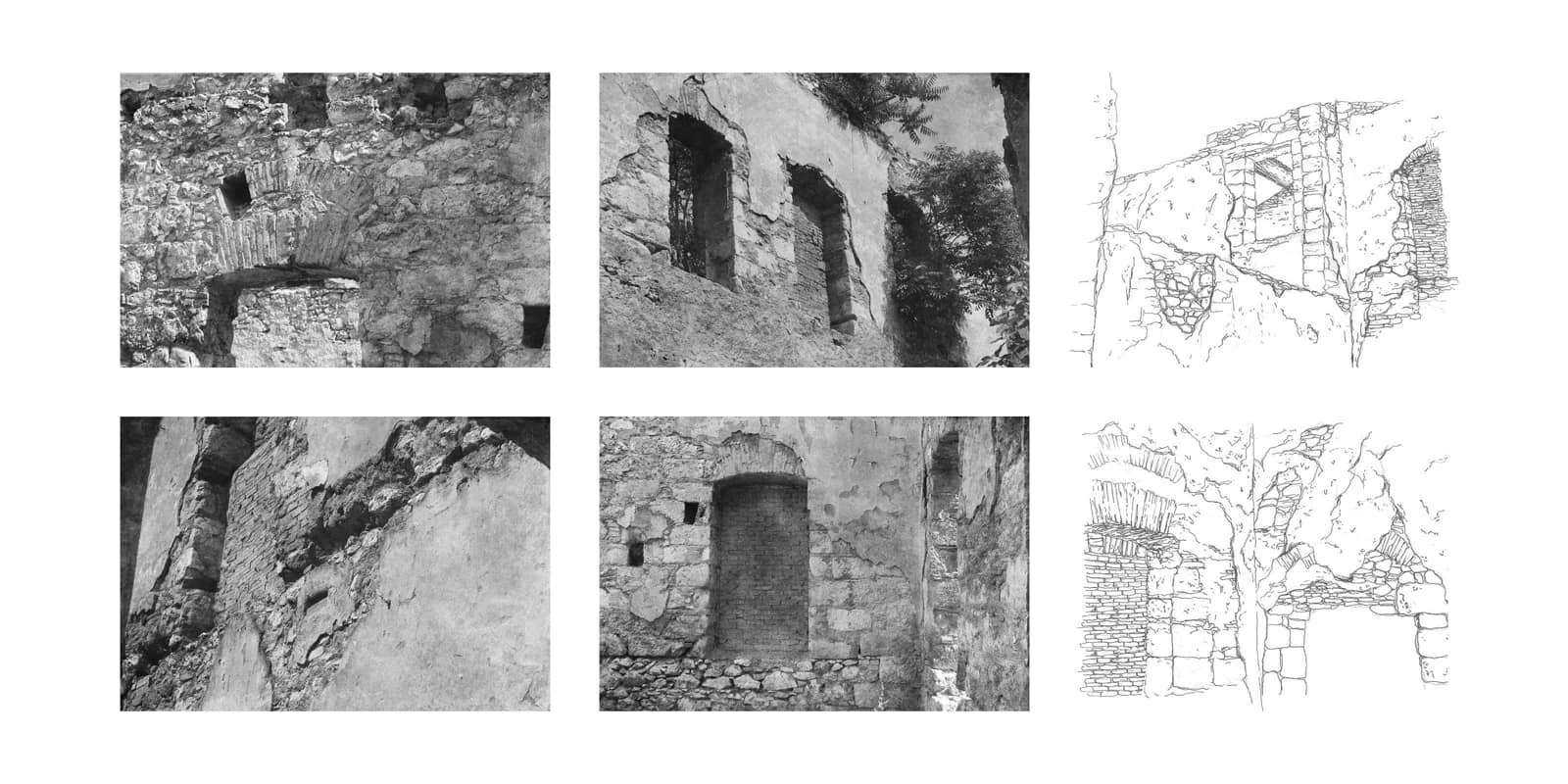
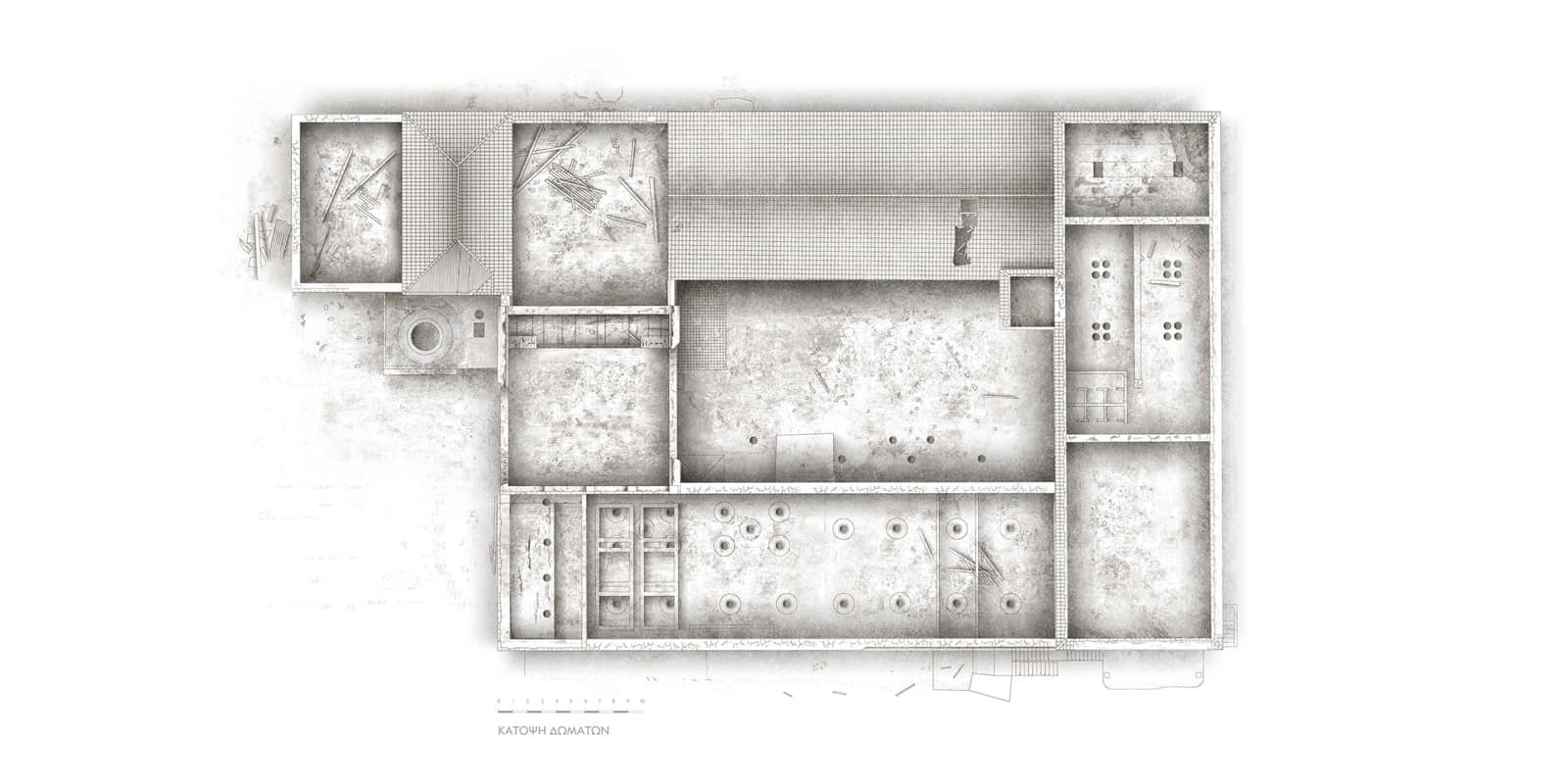
Η παρούσα Διπλωματική εργασία της Δανάης Ανδρώνη αφορά την αποκατάσταση και επανάχρηση του πρώην εργοστασίου οινοποιίας «Βότρυς» στα Σεπόλια. Το συγκρότημα, ένα χαρακτηριστικό δείγμα βιομηχανικής αρχιτεκτονικής του 19ου αιώνα, στέκει σήμερα εγκαταλελειμμένο και φθαρμένο, αποτελώντας όμως ένα ζωντανό μνημείο, ένα παλίμψηστο εμπειριών και μνήμης που διατηρεί τις πολλαπλές χρονικότητες της ιστορίας του.
The present thesis of Danae Androni concerns the restoration and reuse of the former wine factory “Votrys” in Sepolia. The complex, a classical example of 19th century industrial architecture, stands today abandoned and worn out, but is a living monument, a palimpsest of experience and memory that preserves the multiple temporalities of its history.
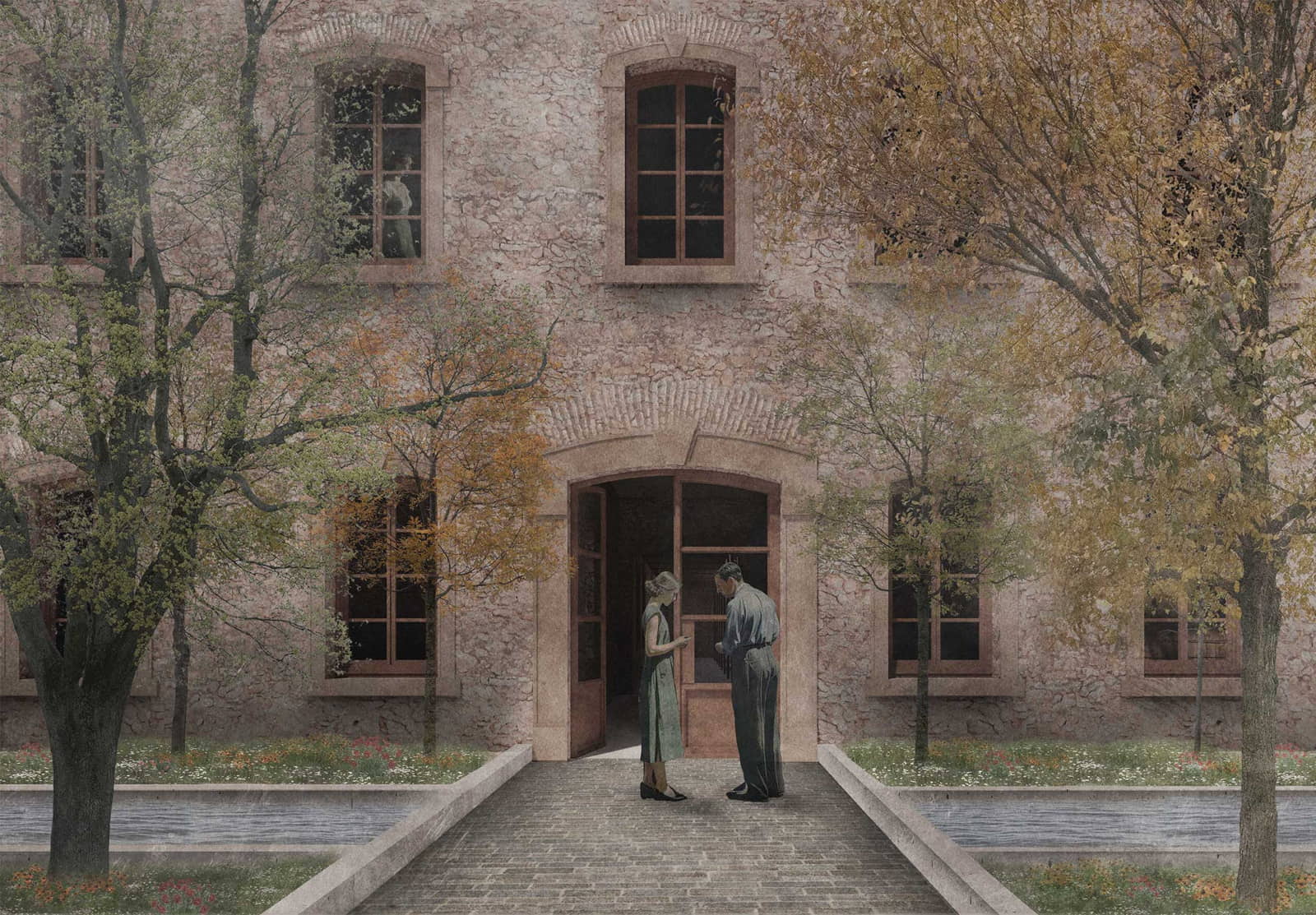
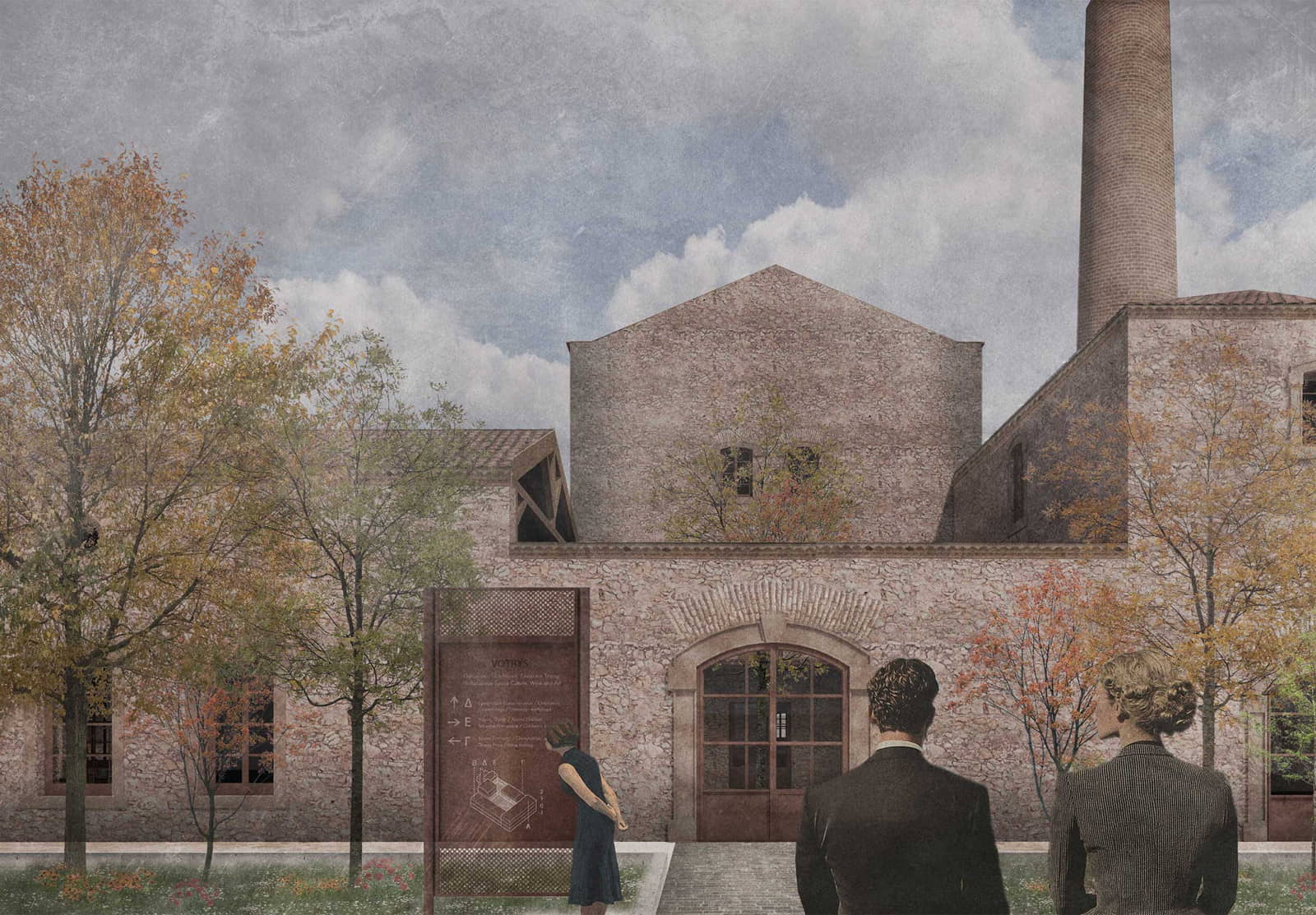
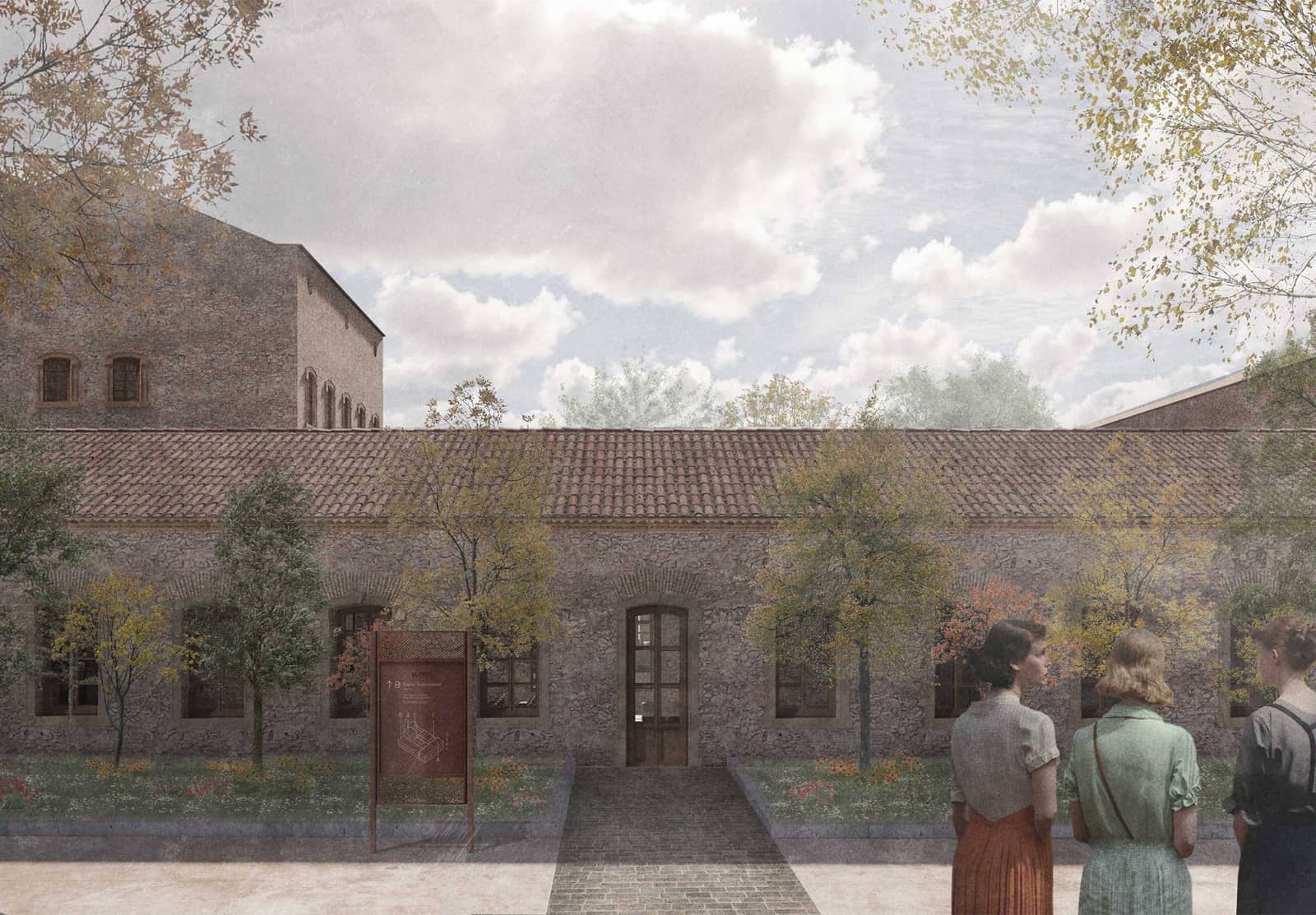
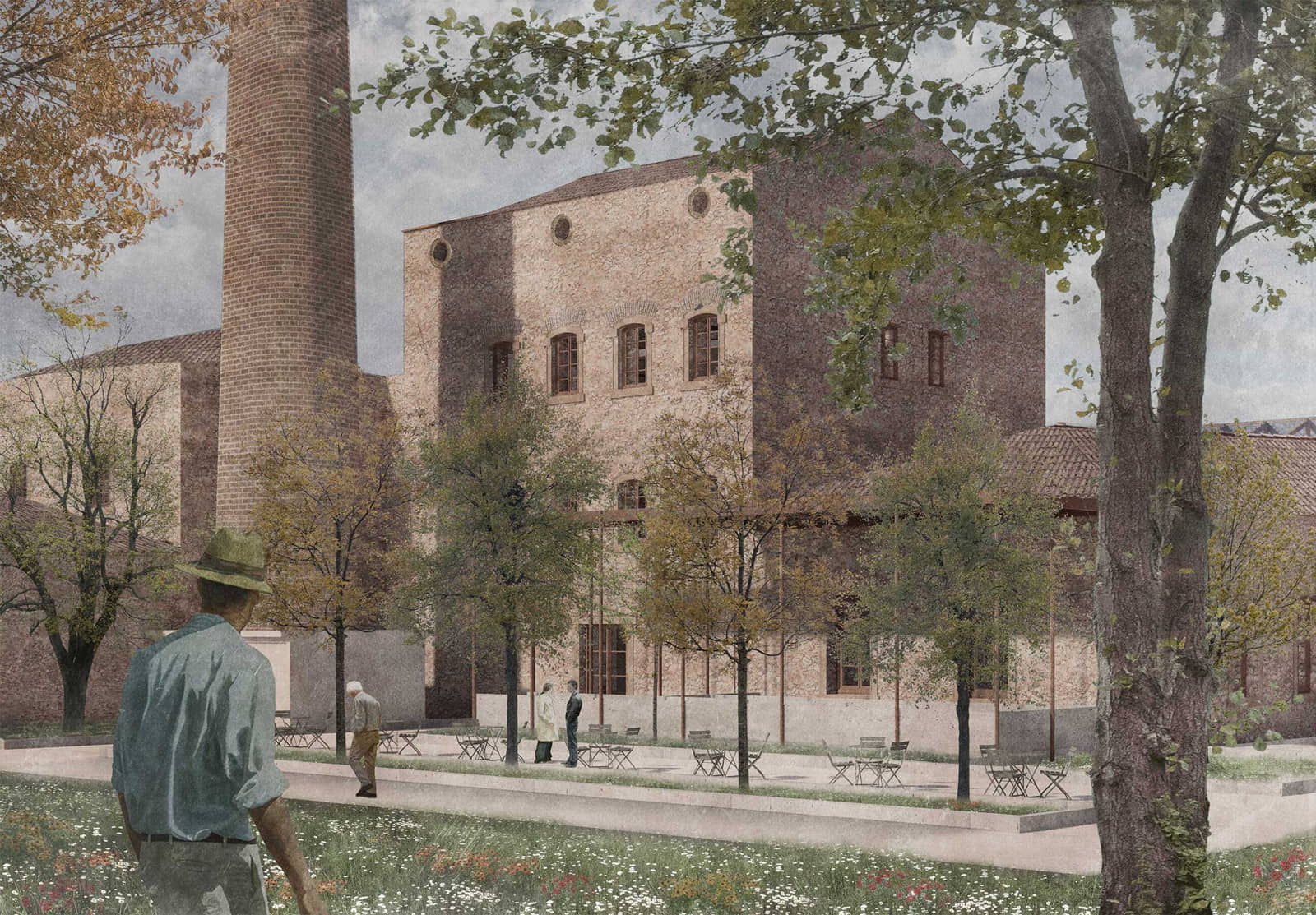
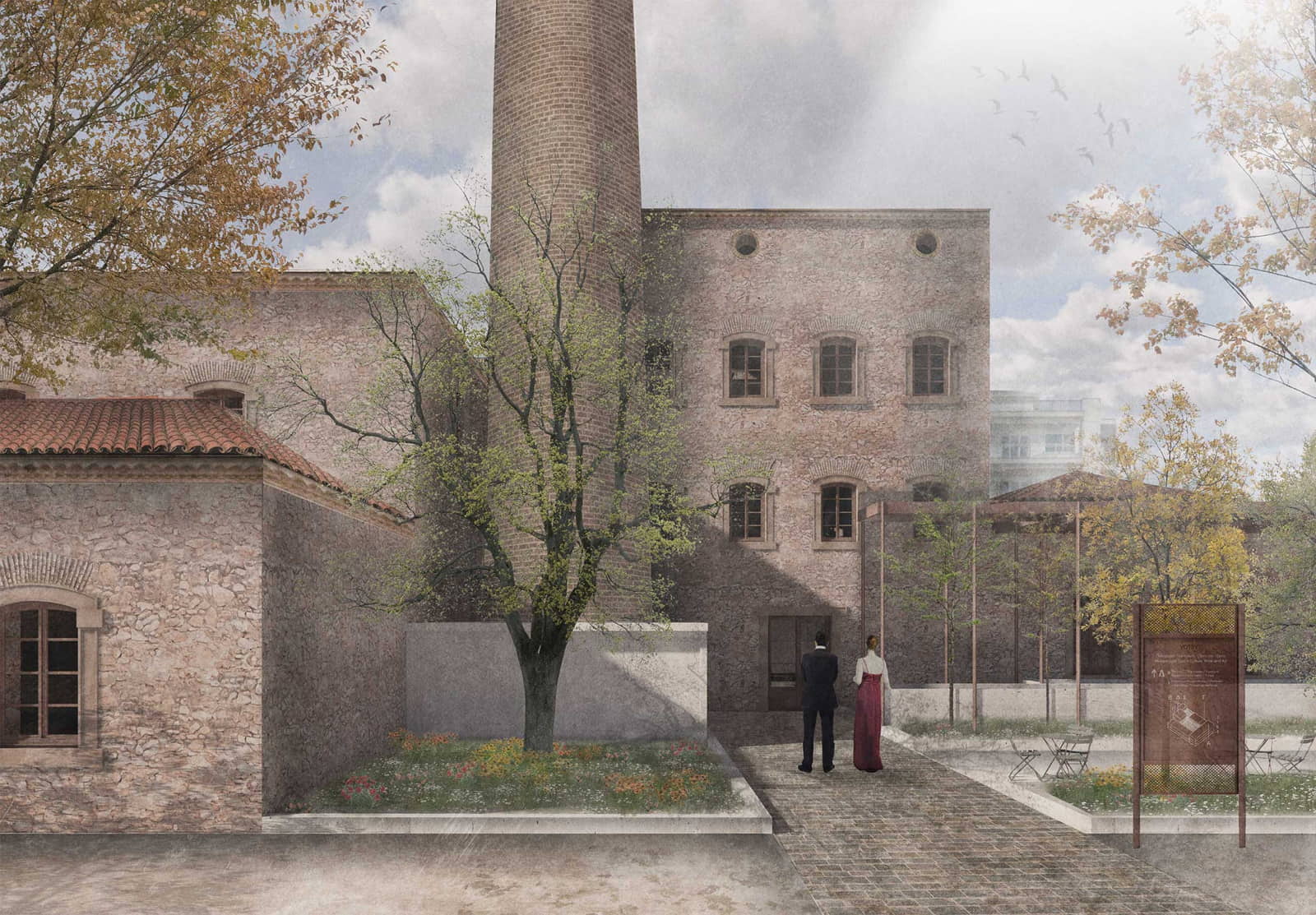
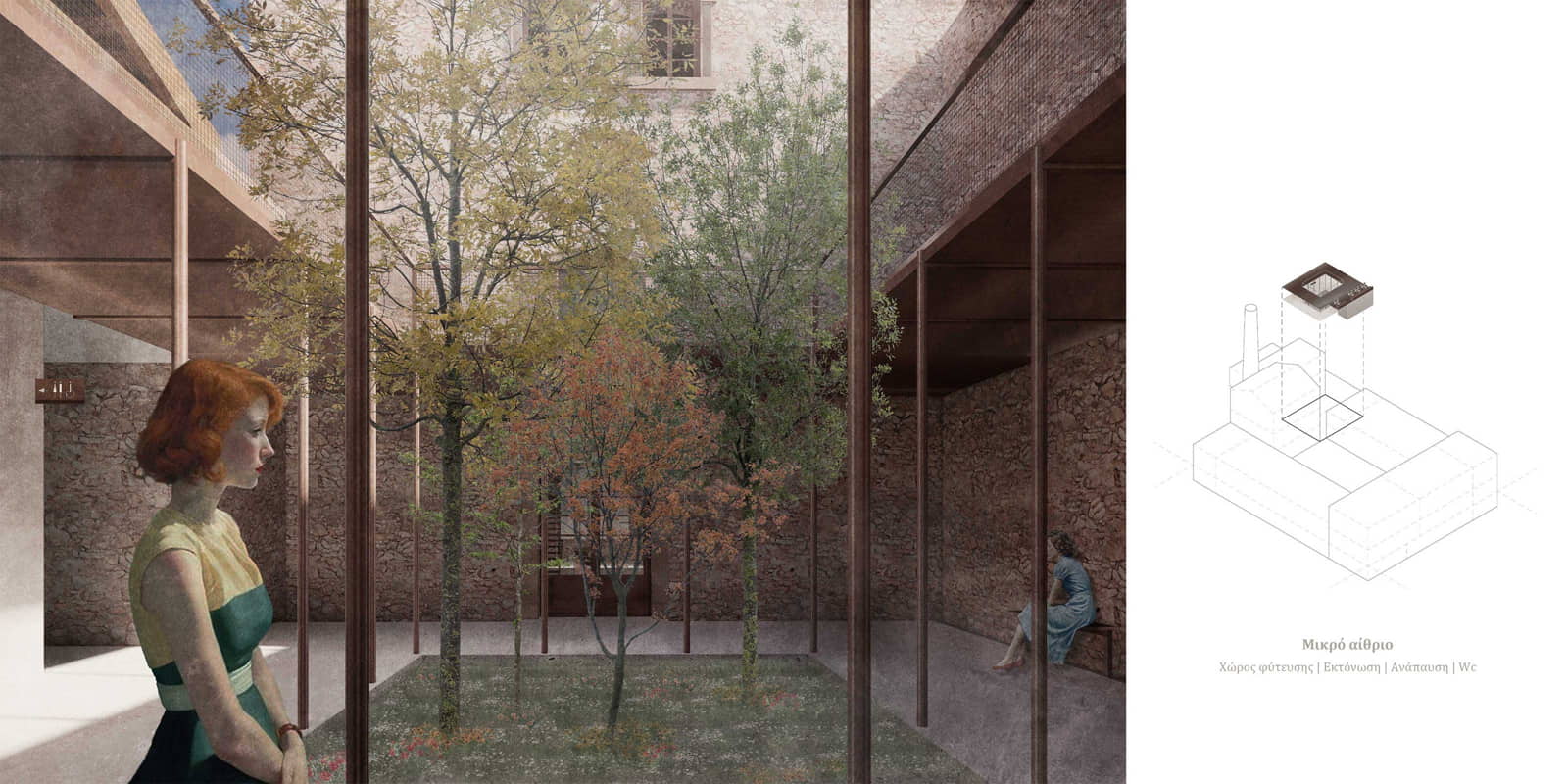
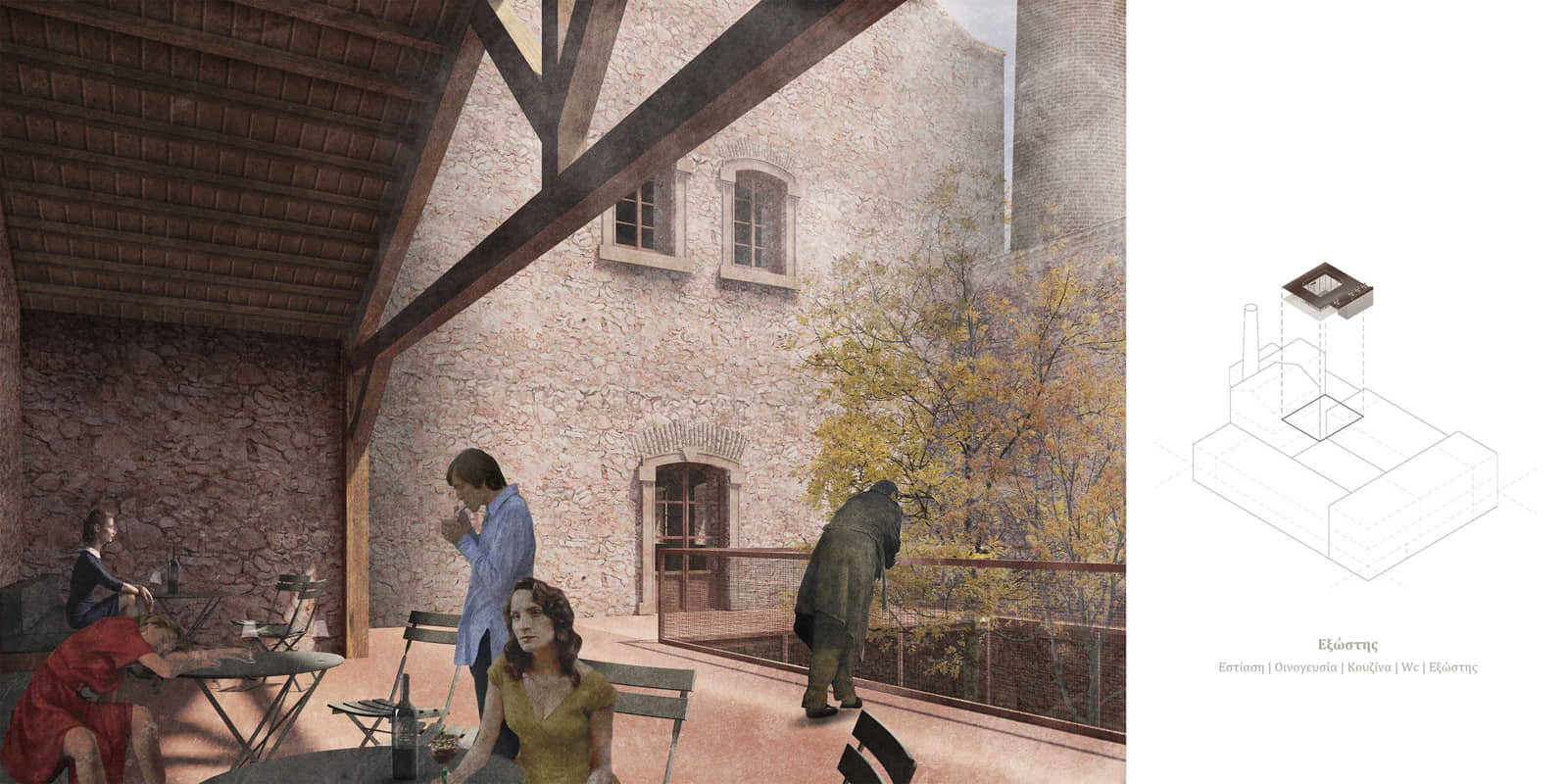
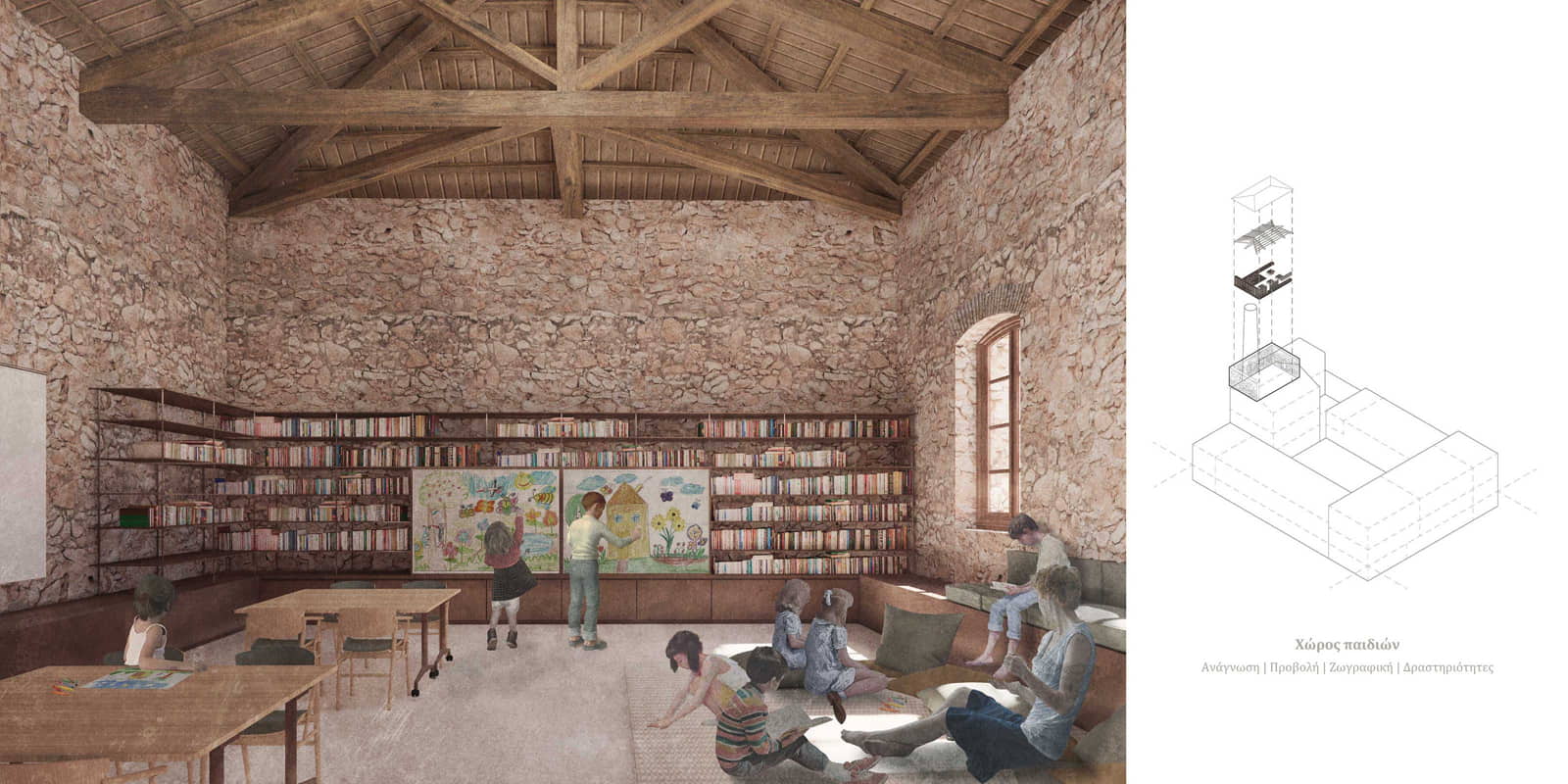
Η επανάχρηση του κτηρίου προτείνεται με στόχο να μετατραπεί σε έναν πολυχώρο αφιερωμένο στην πολιτιστική κληρονομιά, την τέχνη και την οινική παράδοση. Η νέα χρήση περιλαμβάνει χώρους ιστορικού, εκπαιδευτικού, καλλιτεχνικού, γαστρονομικού και κοινωνικού χαρακτήρα.
This thesis proposes the reuse of the building in order to transform it into a multi-functional space dedicated to cultural heritage, art and wine tradition. The spaces include historical, educational, artistic, gastronomic and social character.
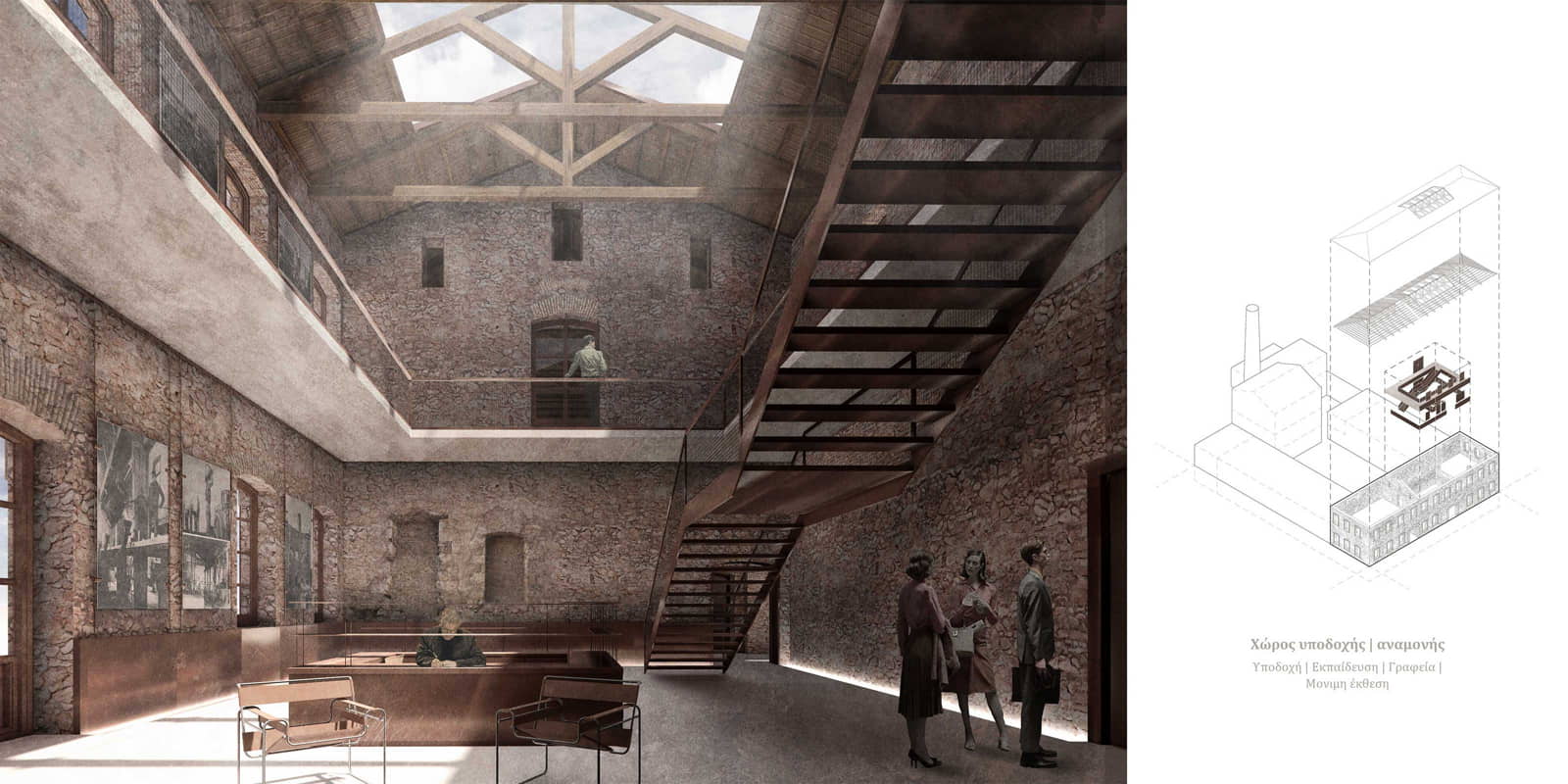
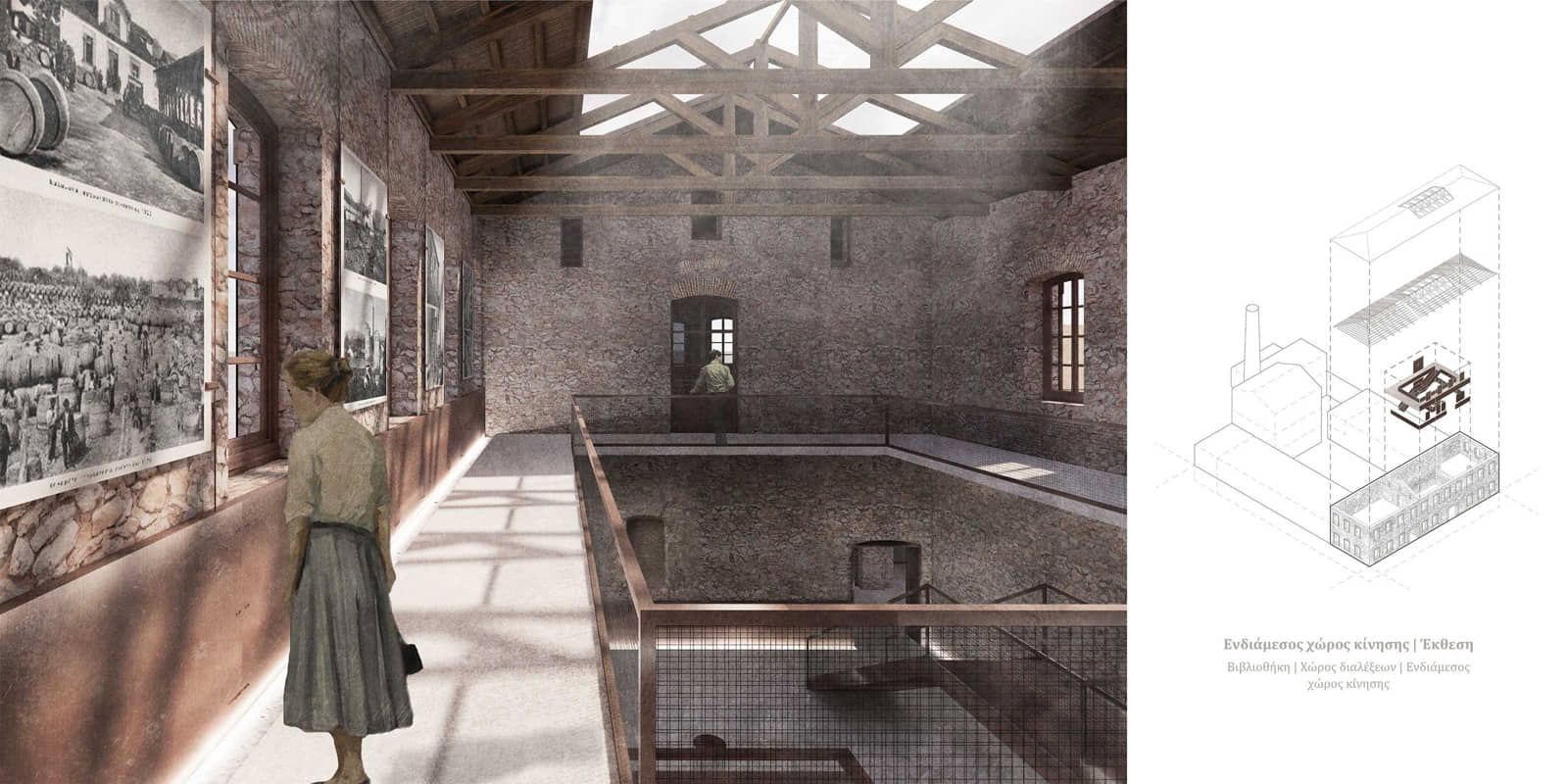
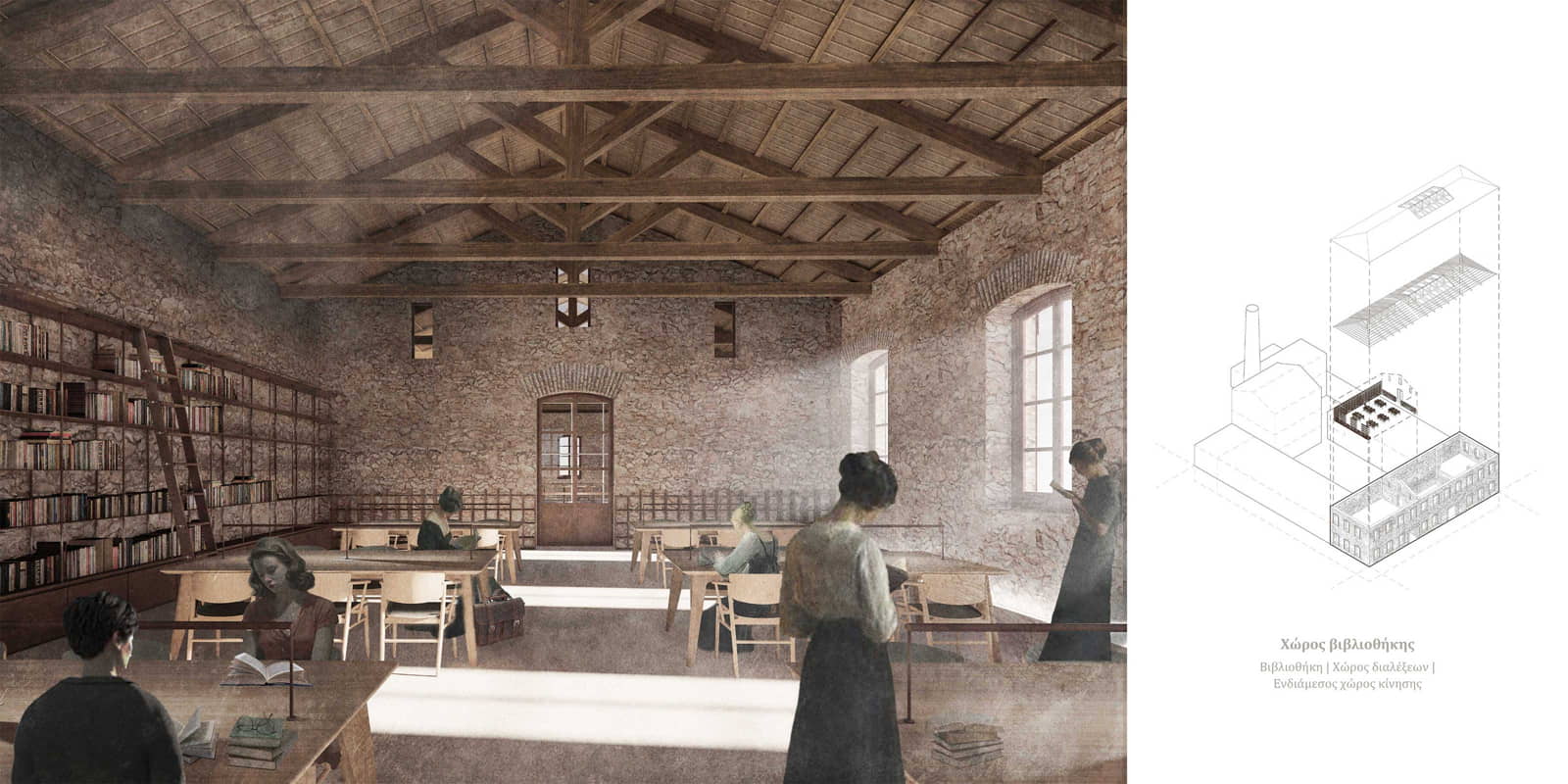
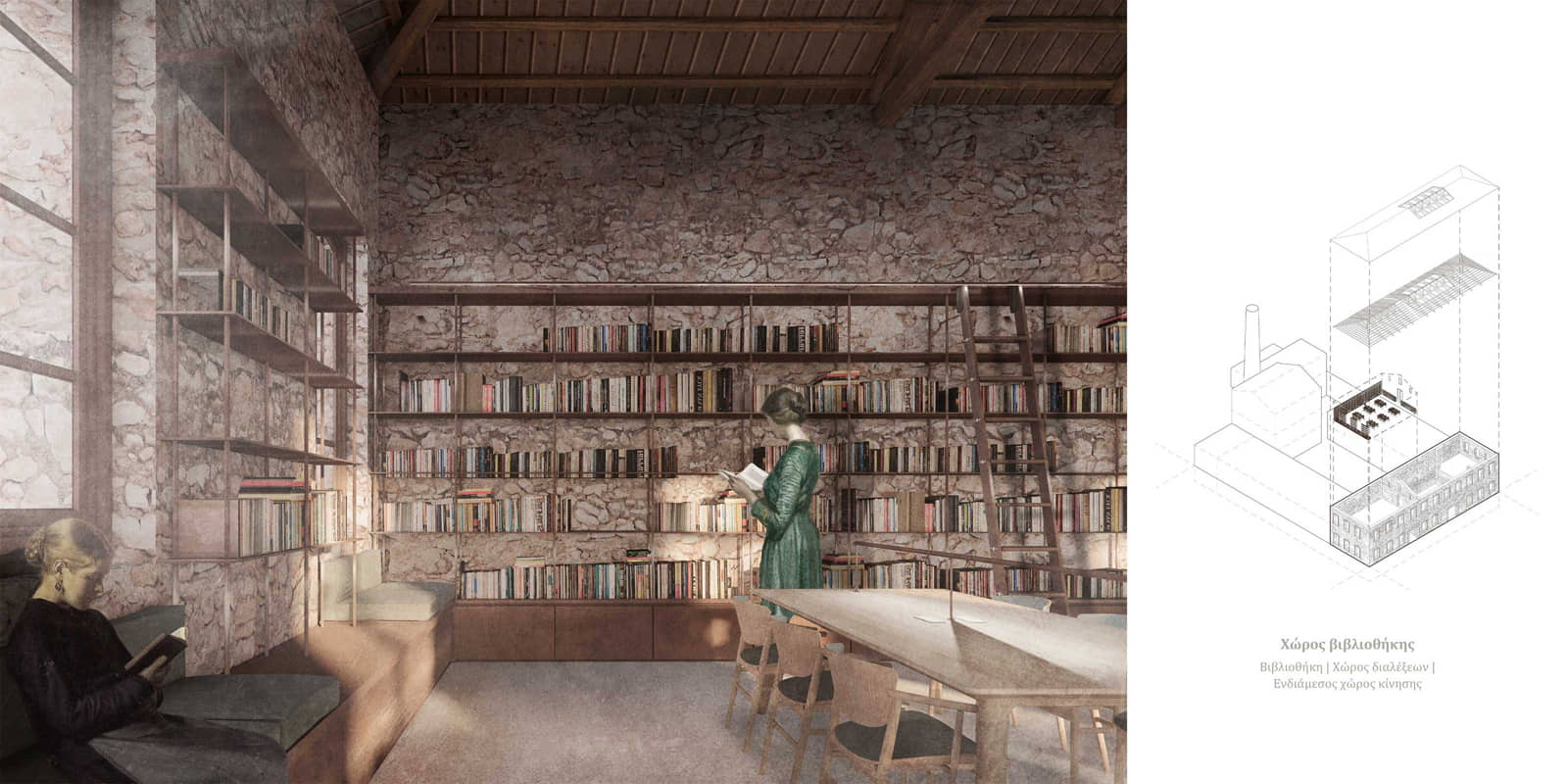
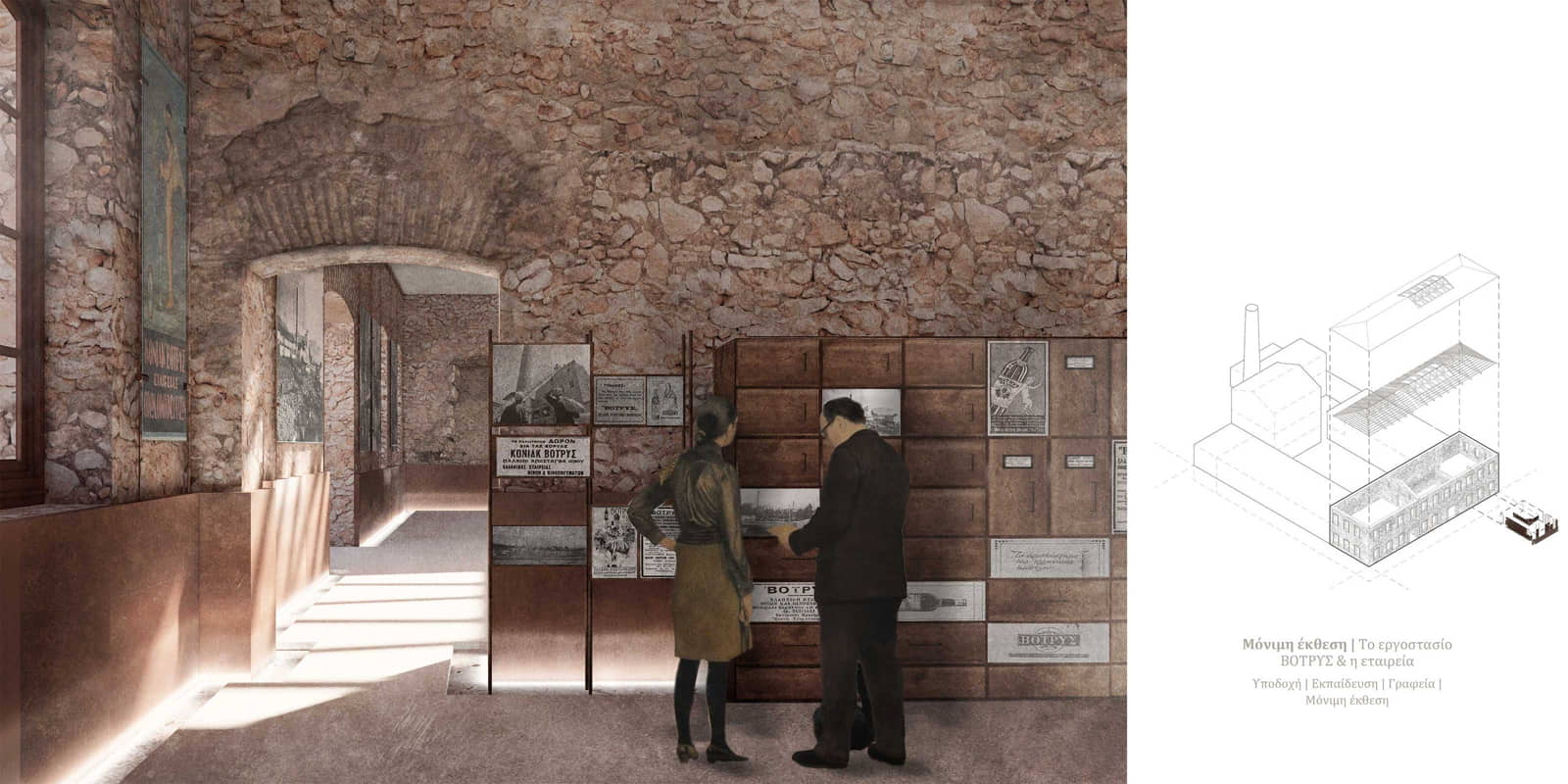
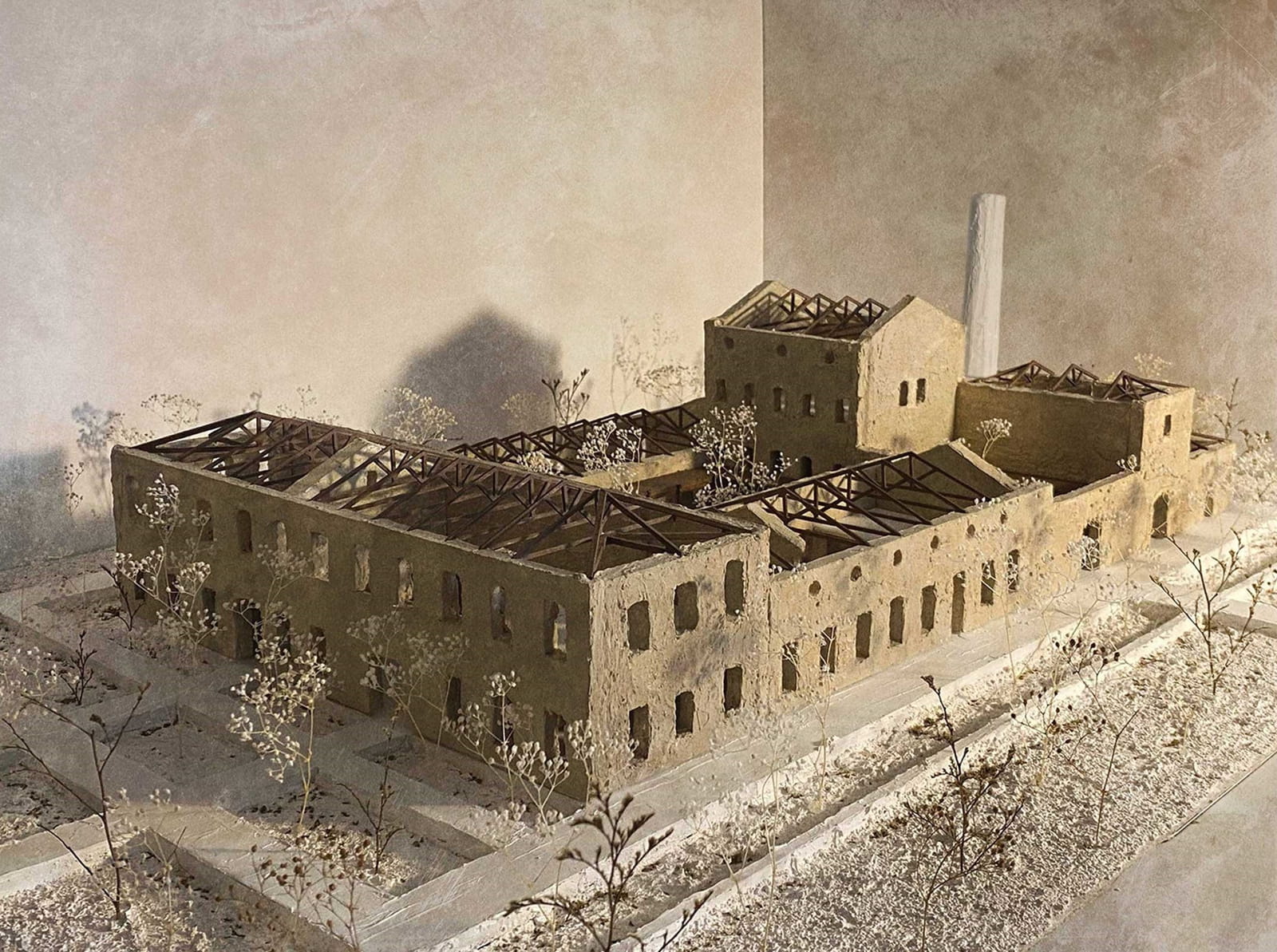
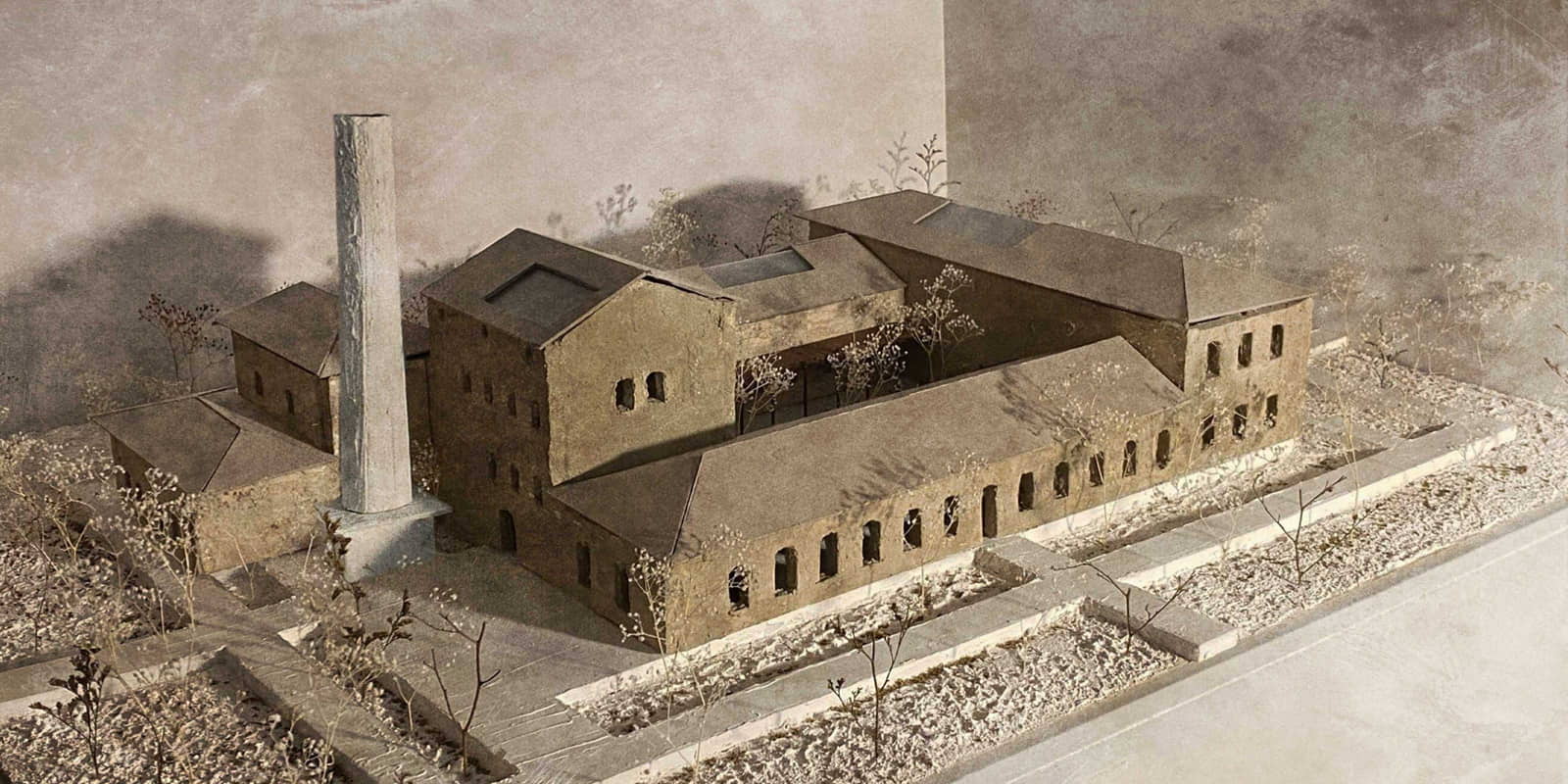
Το εργοστάσιο «Βότρυς», στην περιοχή Μύλοι Αθηνών στα Σεπόλια, κατασκευασμένο μεταξύ 1896 και 1900, αποτέλεσε το βασικό συγκρότημα και τις αρχικές εγκαταστάσεις της Ελληνικής Εταιρείας Οίνων και Οινοπνευμάτων. Το συγκρότημα αποτελείται από επιμήκη ισόγεια, διώροφα και ένα τριώροφο κτήριο, τα οποία περικλείουν έναν ασκεπή αύλειο χώρο. Αρχικά, το κτήριο υπήρξε μια ενεργή μορφή με χρήση, νόημα και λειτουργία, αλλά σταδιακά εγκαταλείφθηκε και μετατράπηκε σε ερείπιο, διατηρώντας πλέον μόνο την υλική του παρουσία ως ίχνος μιας άλλης εποχής.
The ‘Votrys’ factory, built between 1896 and 1900, was the main complex and the original premises of the Hellenic Wine and Spirits Company. The complex consists of elongated ground floor, two-floor and a three-floor building, all of which enclose an uncovered courtyard. Originally, the building was an active form with use, meaning and function, but it was gradually abandoned and turned into a ruin, now retaining only its physical presence as a vestige of another era.
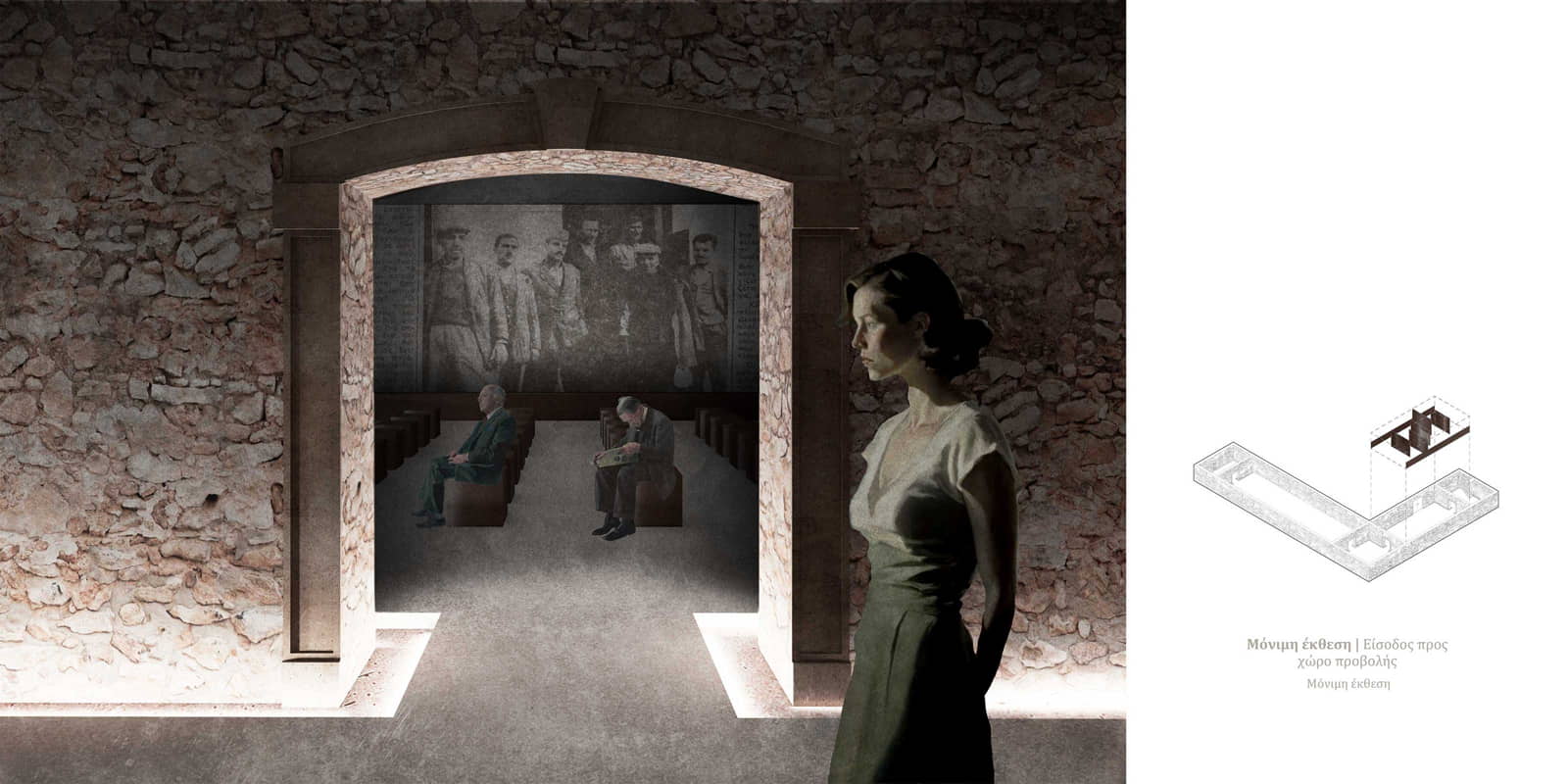
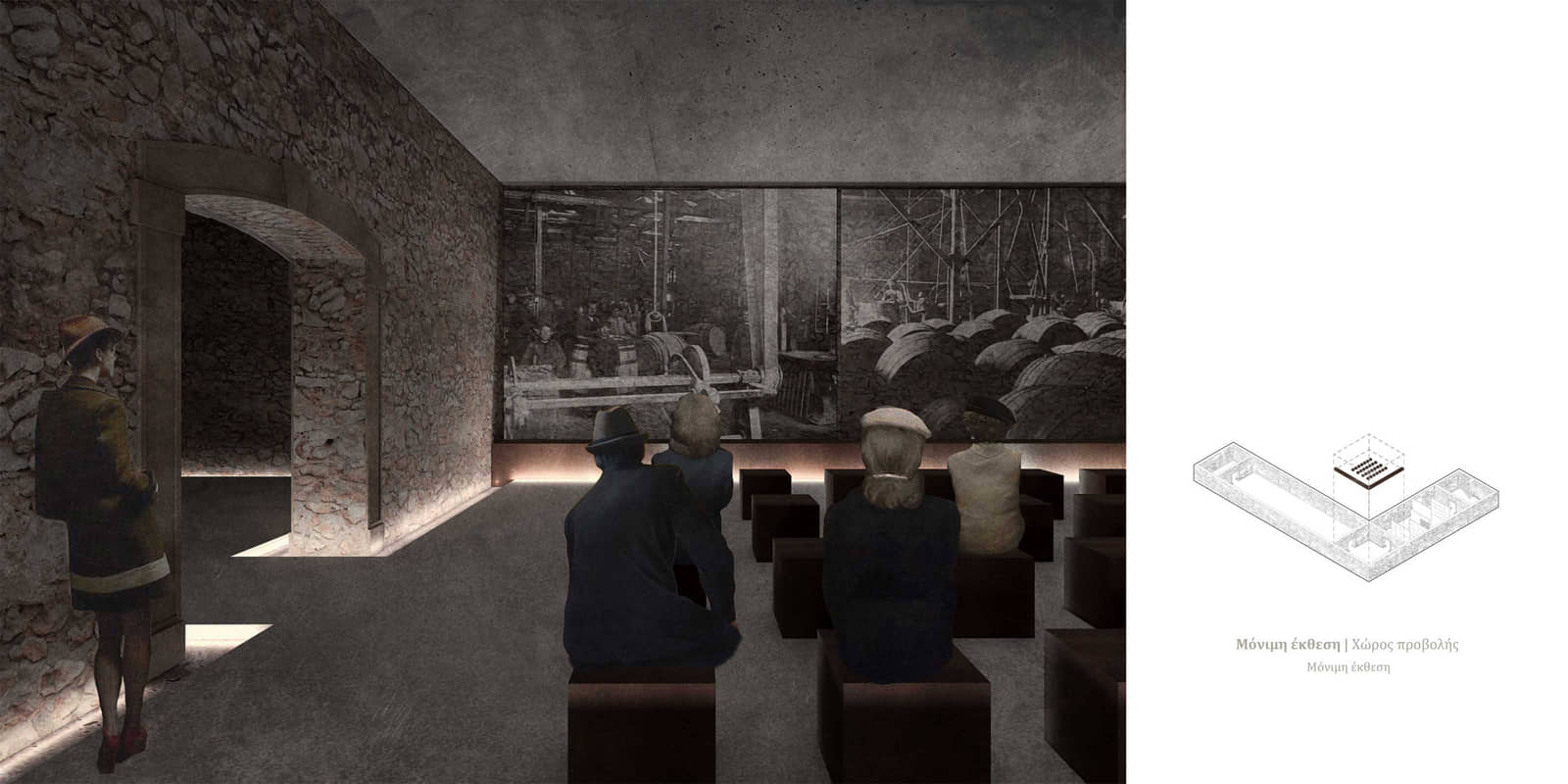
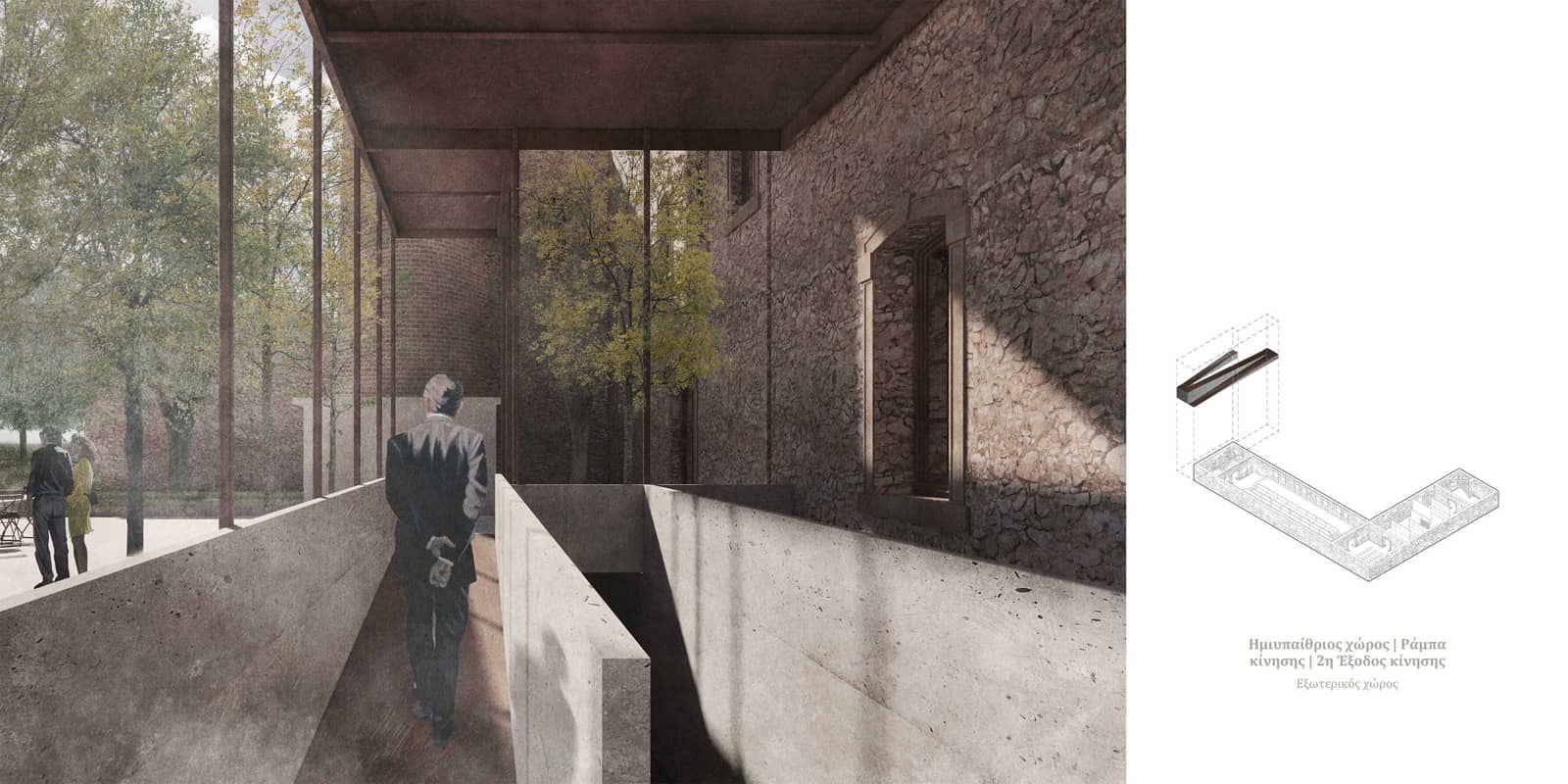
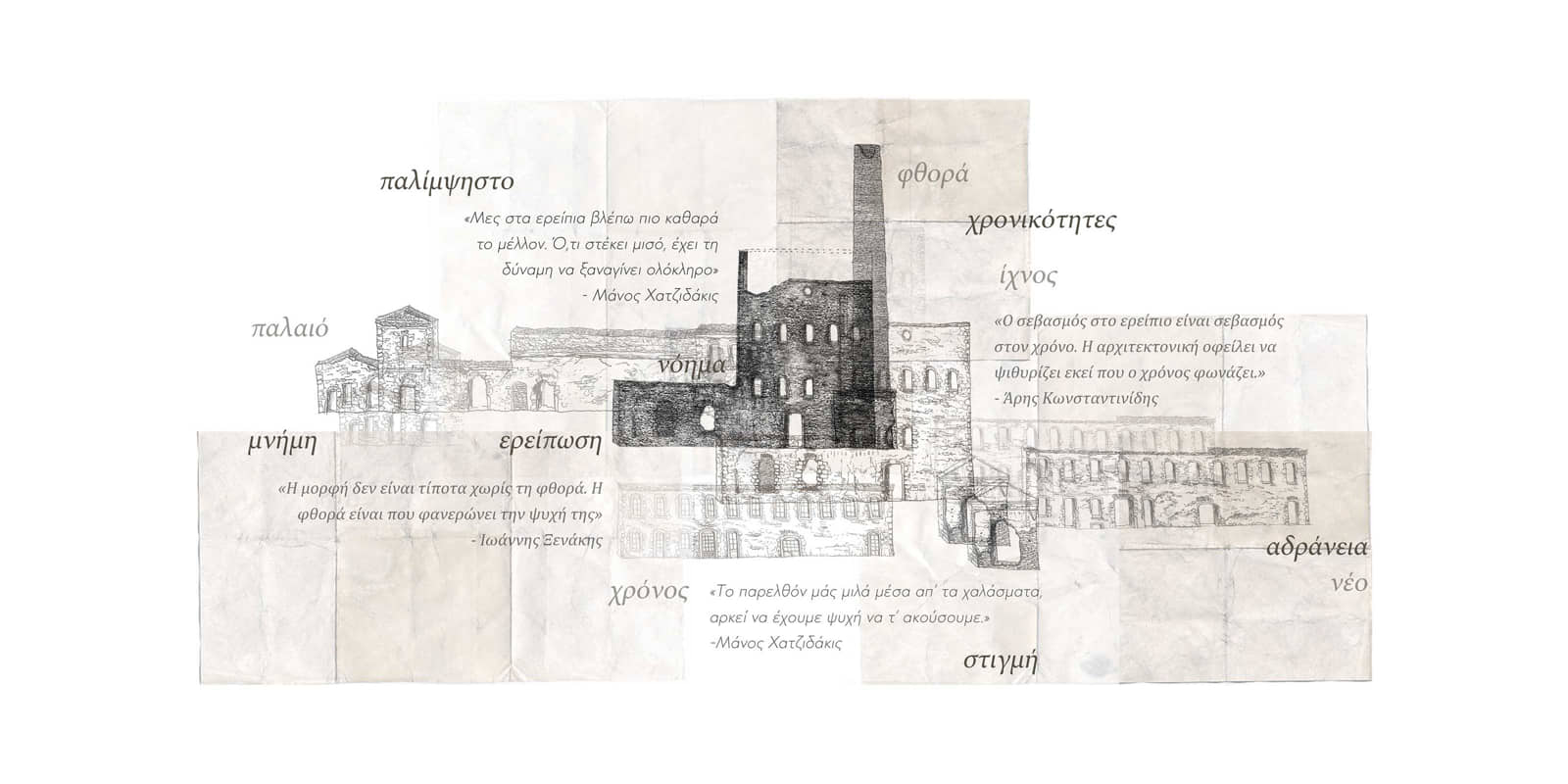
Η έννοια του ερειπίου δεν είναι στατική· αντίθετα, πρόκειται για έναν ζωντανό χώρο, φορτισμένο χρονικά, όπου η ιστορία του σχηματίζεται από τη συνύφανση πολλών χρονικοτήτων.
The concept of the ruin is not static; rather, it is a living space, charged with time, where its history is formed by the interweaving of many temporalities.
Το βασικό ερώτημα που θέτει ο σχεδιασμός είναι: Μπορεί να ενταχθεί ο χρόνος στον χώρο; Η διερεύνηση της χρονικότητας οδηγεί σε δύο άξονες: τον άξονα του υποκειμένου, που αφορά την πράξη, την ερμηνεία και το άυλο, και τον άξονα των φυσικών παραγόντων, που περιλαμβάνει τις υλικές μεταβολές.
Ο άνθρωπος ερμηνεύει, αφηγείται, επεμβαίνει, εγκαταλείπει ή αναδεικνύει, ενώ οι φυσικές μεταβολές συνεχίζονται αδιάκοπα, συχνά σε αλληλεπίδραση με την ανθρώπινη δράση ή αδράνεια.
The central question the design seeks to address is: Can time be embedded within space? A reflection on temporality brings forth two axes: the axis of the subject, which concerns action, interpretation and the immaterial – and the axis of natural processes, which includes material transformations.
The human being interprets, narrates, intervenes, abandons or reinterprets, while natural transformations occur continuously, often in dialogue with human presence or absence.
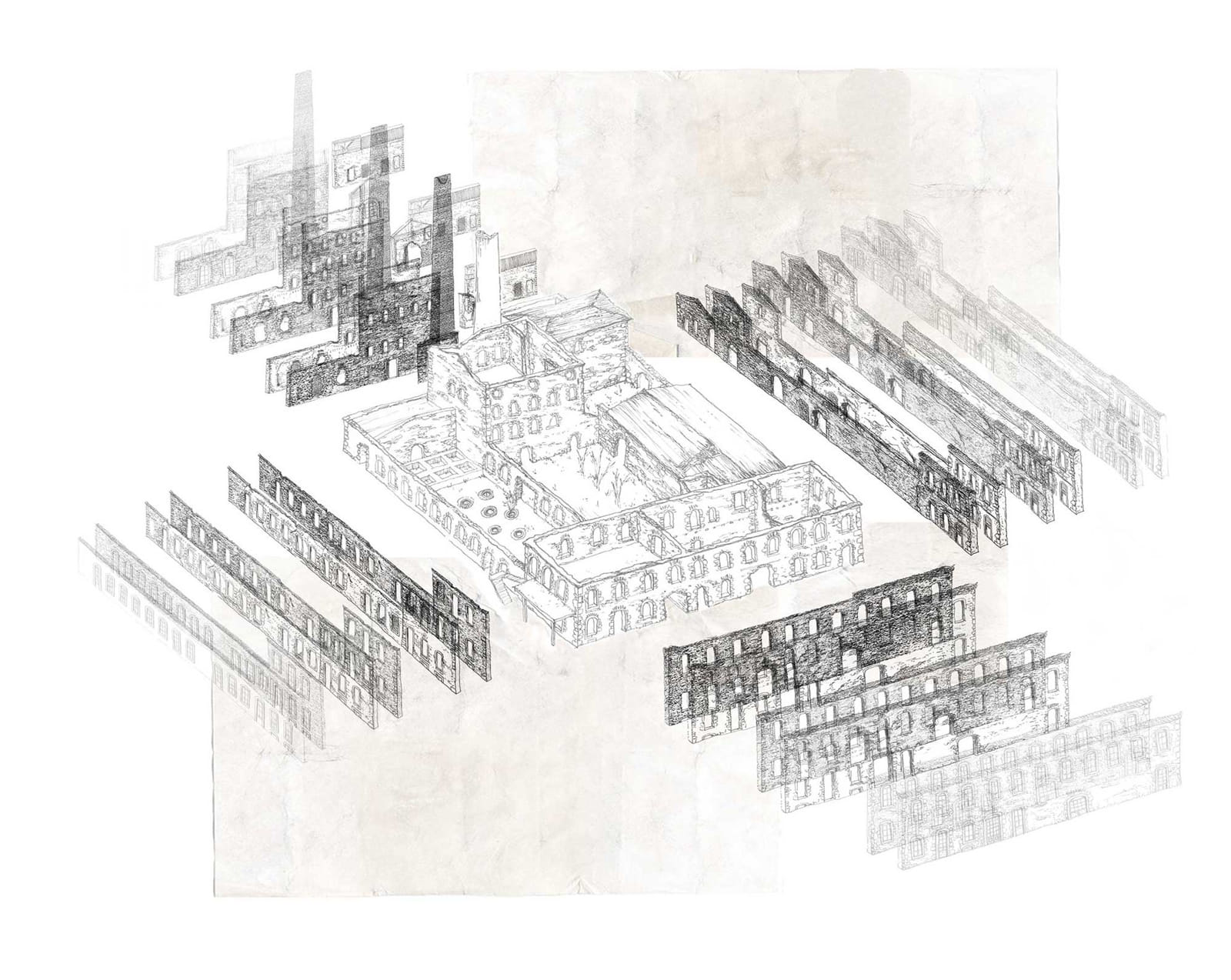
Αναλύοντας την έννοια της χρονικότητας, προκύπτουν δύο άξονες αντίληψης της ζωής του κτηρίου. Αυτή του υποκειμένου, η πράξη και η ερμηνεία, το υλικό και το άυλο, και αυτή των φυσικών παραγόντων, οι υλικές μεταβολές.
Και οι δύο αυτοί άξονες δρουν ταυτόχρονα και επηρεάζουν ο ένας τον άλλον. Όσο το κτήριο παραμένει υπαρκτό, ζει ως πεδίο χρονικής αλληλεπίδρασης ένα πεδίο όπου η ύλη και το άυλο, η φθορά και η μνήμη, η εγκατάλειψη και η ερμηνεία, βρίσκονται σε συνεχή διάλογο.
Analyzing the concept of temporality, two axes of perception of the life of the building emerge. That of the subject, action and interpretation, the material and immaterial, and that of the physical agents, the material changes.
Both these axes act simultaneously and influence each other. Through this reflection on temporality, two axes on the life of the building emerge: one shaped by the subject—through acts and interpretations, the tangible and intangible—and the other by natural transformations and tangible transformations. These two axes coexist, intersecting and shaping one another in a continuous process. As long as the building endures, it constitutes a space of temporal interaction – a space where materiality and immateriality, decay and memory, abandonment and interpretation remain in constant dialogue.
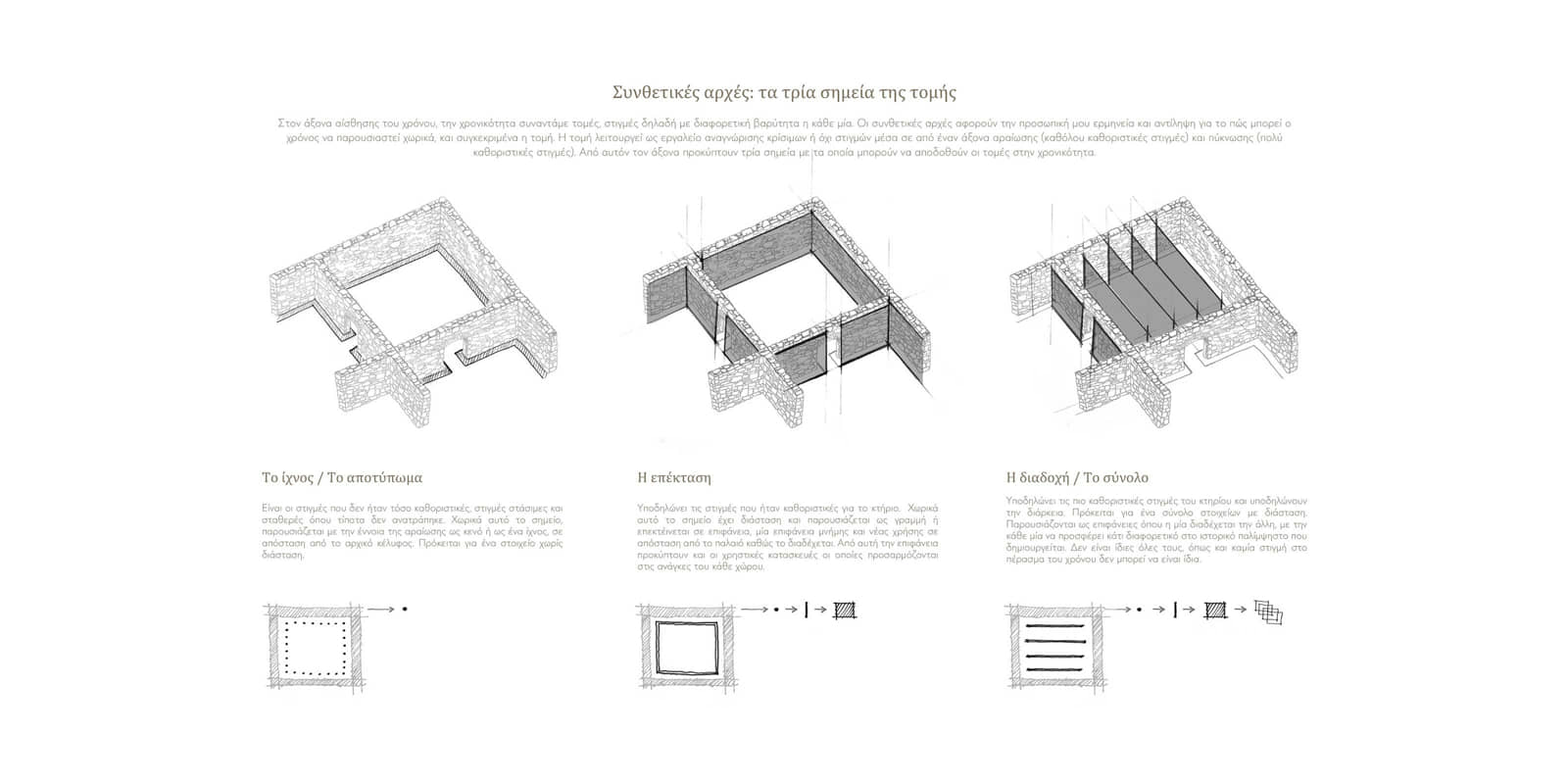
Η χρονικότητα αποτελείται από τομές, στιγμές δηλαδή που έχουν καθορίσει την ιστορία του κτηρίου. Η νέα αυτή επανάχρηση αποτελεί μία νέα τομή. Η ιδέα είναι εμπνευσμένη από την έννοια της τομής καθώς μπορεί να είναι πολύ καθοριστική, καθοριστική, και καθόλου καθοριστική.
Έτσι δημιουργήθηκε ένας άξονας πύκνωσης και αραίωσης από τον οποίο προέκυψαν οι συνθετικές αρχές που παρουσιάζονται στο εσωτερικό του κτηρίου. Αφορούν: το ίχνος, την επέκταση, και την διαδοχή.
Temporality is composed of segments – moments that have shaped the building’s history. This new phase of reuse introduces a new intersection. The concept draws inspiration from the idea of the intersection itself, which can be defining, re-defining or even non-defining.
From this idea emerged an axis of thickening and thinning from which the core compositional principles within the building were developed: trace, expansion and succession.
Σύμφωνα με τον Heidegger, ο άνθρωπος σχετίζεται διαρκώς με το παρελθόν μέσω της μνήμης, με το παρόν μέσω των πράξεών του και με το μέλλον μέσω των προσδοκιών του. Στα ερείπια, το παρελθόν ανακαλείται, το παρόν βιώνεται μέσα από τη μνήμη και το μέλλον προτείνεται με τη νέα αφήγηση.
Η επέμβαση σε τέτοιου είδους κτήρια αφορά τη διαχείριση πολλαπλών επιπέδων χρόνου και νοήματος. Η νέα αφήγηση πρέπει να είναι ευέλικτη, πορώδης και προσαρμοστική, εντάσσοντας τη μνήμη και τη διάρκεια ως βασικά εργαλεία σύνθεσης. Έτσι, η παρέμβαση γίνεται όχι μόνο στον χώρο, αλλά και στον χρόνο, δίνοντας νέο νόημα και ζωή στο κτήριο.
According to Heidegger, human beings are always in relation to time – connection with the past through memory, with the present through action and with the future through expectation. Through the ruin, the past is recalled, the present is experienced as memory and the future is projected through a new narrative.
Intervening in such buildings requires the orchestration of multiple layers of time and meaning. The new narrative must be flexible, porous and adaptive, integrating memory and duration as essential tools of composition. In this way, the intervention becomes not only spatial but also temporal – infusing the building with renewed meaning and life.
Φωτογραφίες Μακέτας
Στοιχεία έργου
Τίτλος έργου Οι χρονικότητες ενός ερειπίου | Μία μελέτη επανάχρησης του πρώην εργοστασίου «Βότρυς» στα Σεπόλια και μετατροπή του σε πολυχώρο πολιτισμού
Τύπος έργου Διπλωματική Εργασία
Φοιτήτρια Δανάη Ανδρώνη
Επιβλέπουσα Καθηγήτρια Κατερίνα Μιχαλοπούλου
Ημερομηνία παρουσίασης Ιούλιος 2025
Πανεπιστημιακό ίδρυμα Σχολή Πανεπιστήμιο Δυτικής Αττικής | Τμήμα Εσωτερικής Αρχιτεκτονικής
Κείμενο από την δημιουργό
Ανασχεδιασμός και Επανάχρηση του Βιομηχανικού Συγκροτήματος Κονσερβοποιίας Ε.Γ.Σ Λαγκαδά ως Κέντρο Αθλητισμού, Πολιτισμού & Αγροτικής Εκπαίδευσης
Η Διπλωματική εργασία των Νούσιος Δημήτρης και Πάργας Παντελής προτείνει ένα σενάριο επανάχρησης του κτίσματος ενός εργοστασίου στον Λαγκαδά στοχεύοντας στην δημιουργία ενός πολυλειτουργικού χώρου με χρήσεις πολιτισμού, αθλητισμού και καλλιέργειας γης αλλά και ενός σημείου συνάντησης για την πόλη.
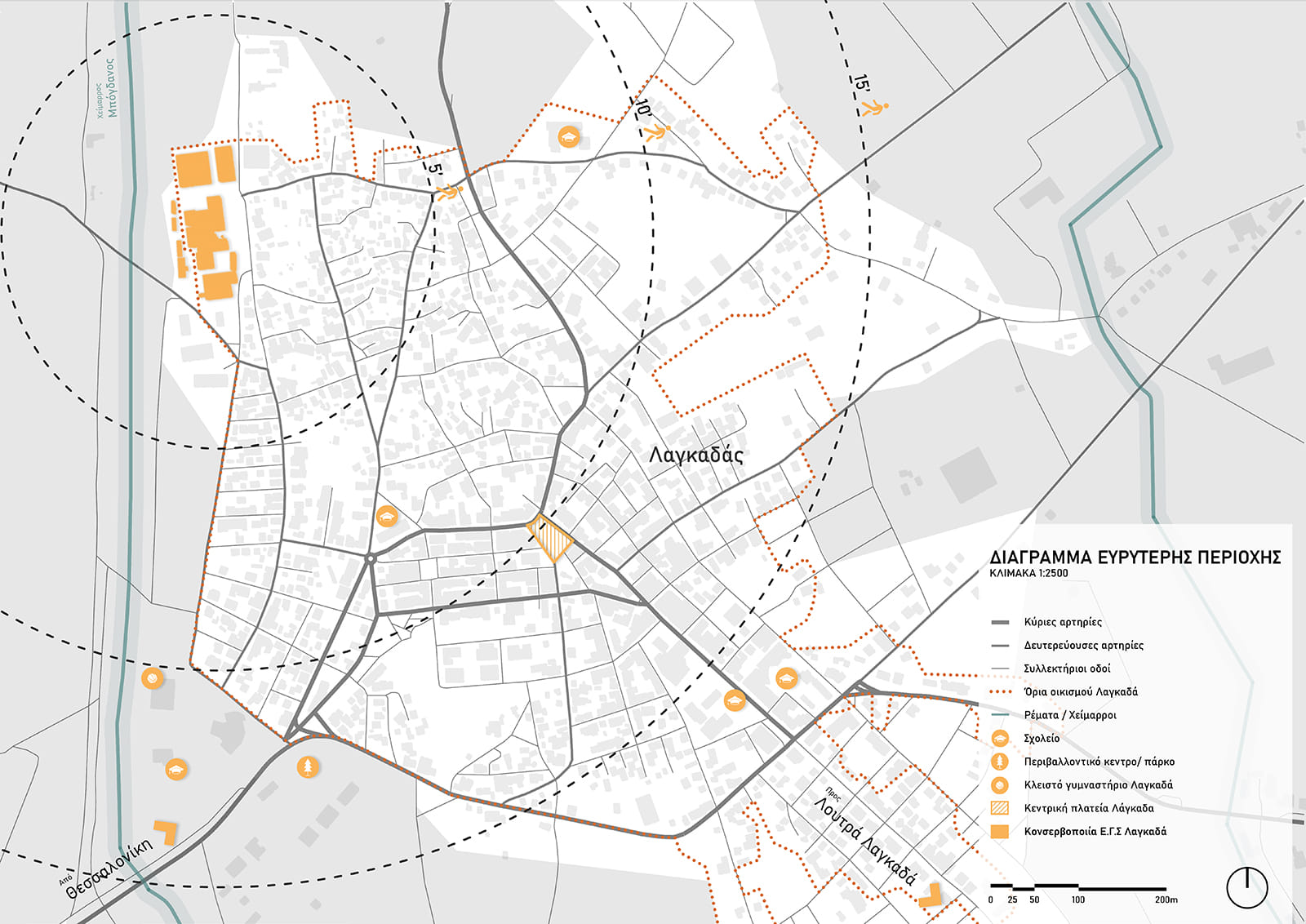
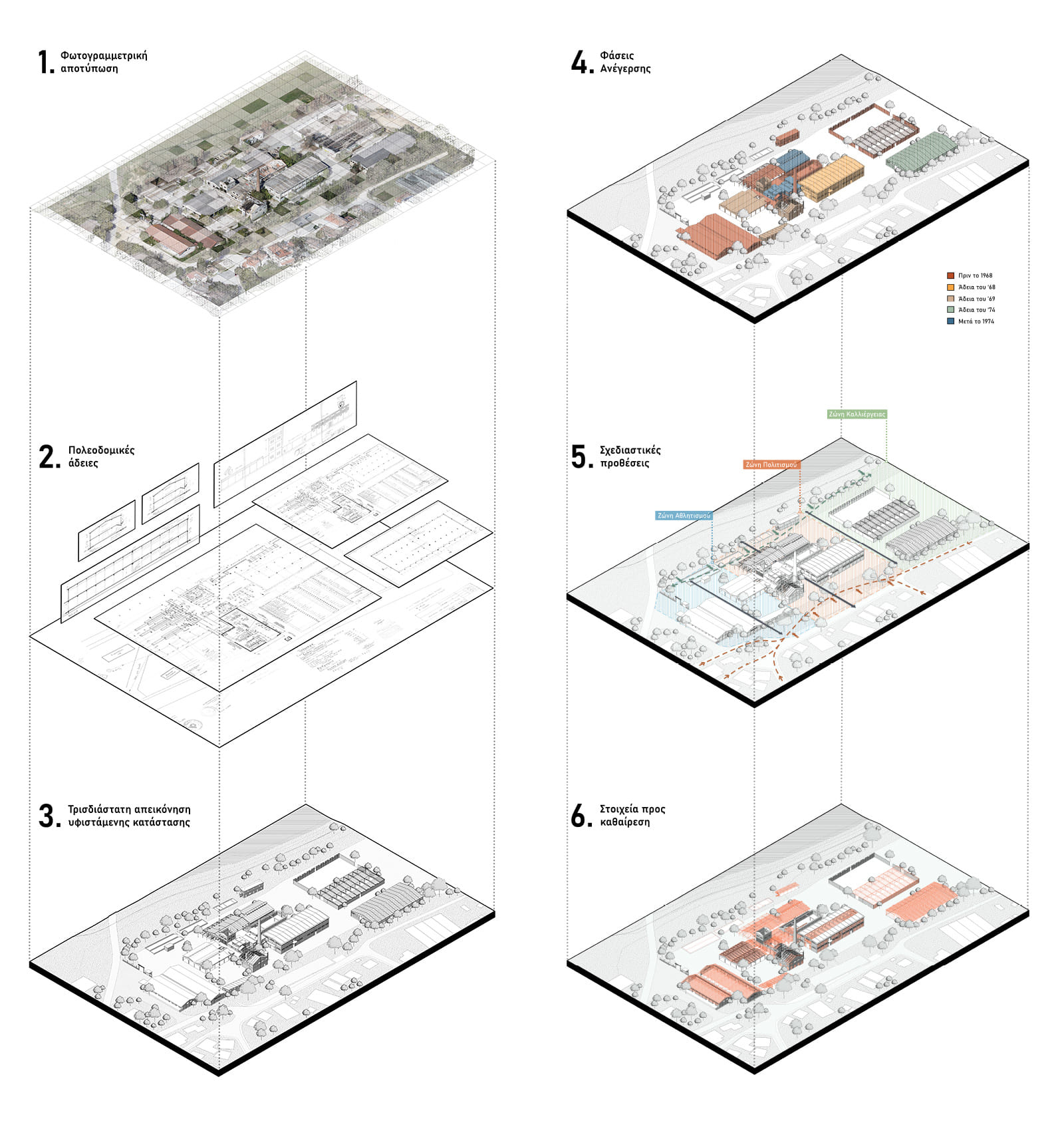
Το εργοστάσιο σαλτσοποιίας της Ένωσης Γεωργικών Συνεταιρισμών Λαγκαδά ιδρύθηκε το 1957 και αποτέλεσε το πρώτο εργοστάσιο κονσερβοποιίας στην Ελλάδα. Συμβόλιζε τη μετάβαση της ελληνικής υπαίθρου από την παραδοσιακή αγροτική οικονομία στη βιομηχανική εποχή, προσφέροντας εργασία σε εκατοντάδες κατοίκους και επηρεάζοντας βαθιά την κοινωνική ζωή του Λαγκαδά. Το εργοστάσιο υπήρξε σημείο αναφοράς για την κοινότητα, καθώς η λειτουργία του ρύθμιζε την καθημερινότητα των κατοίκων, ενώ τα προϊόντα του εξάγονταν σε πολλές χώρες. Παράλληλα όμως, η εκβιομηχάνιση είχε περιβαλλοντικό κόστος: η εκτεταμένη άντληση νερού και η έλλειψη οικολογικών υποδομών προκάλεσαν σοβαρή επιβάρυνση στο φυσικό τοπίο.
The tomato canning factory of the Agricultural Cooperative Union of Lagkadas, founded in 1957, was one of the first of its kind in Greece and marked the transition of rural Greece from a traditional agricultural economy to an industrial era. It provided employment to hundreds of residents and became a central part of the town’s social fabric, while its products were exported abroad. However, industrialization came at an environmental cost, as excessive groundwater extraction and the lack of ecological infrastructure caused significant damage to the local landscape.
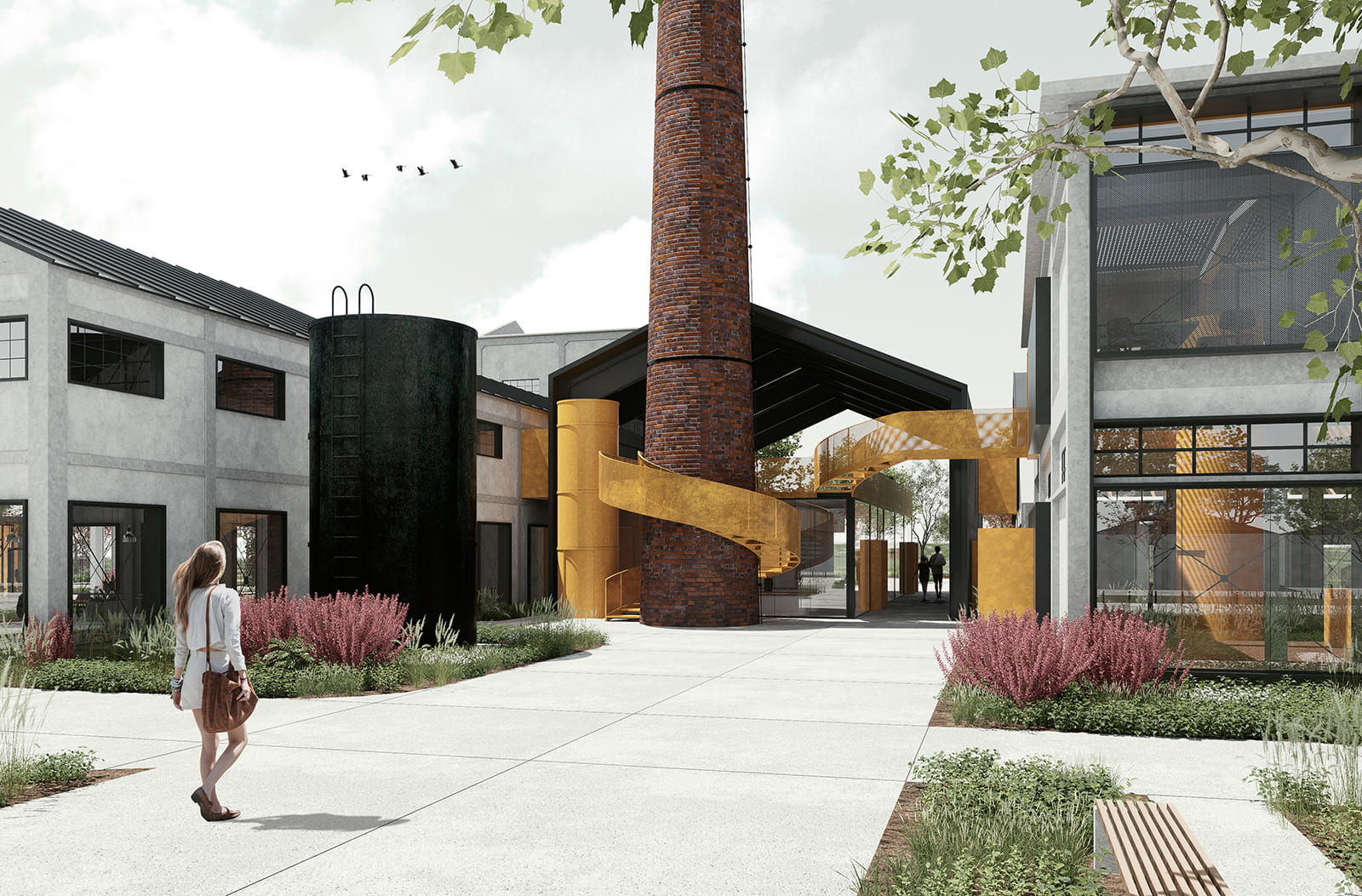
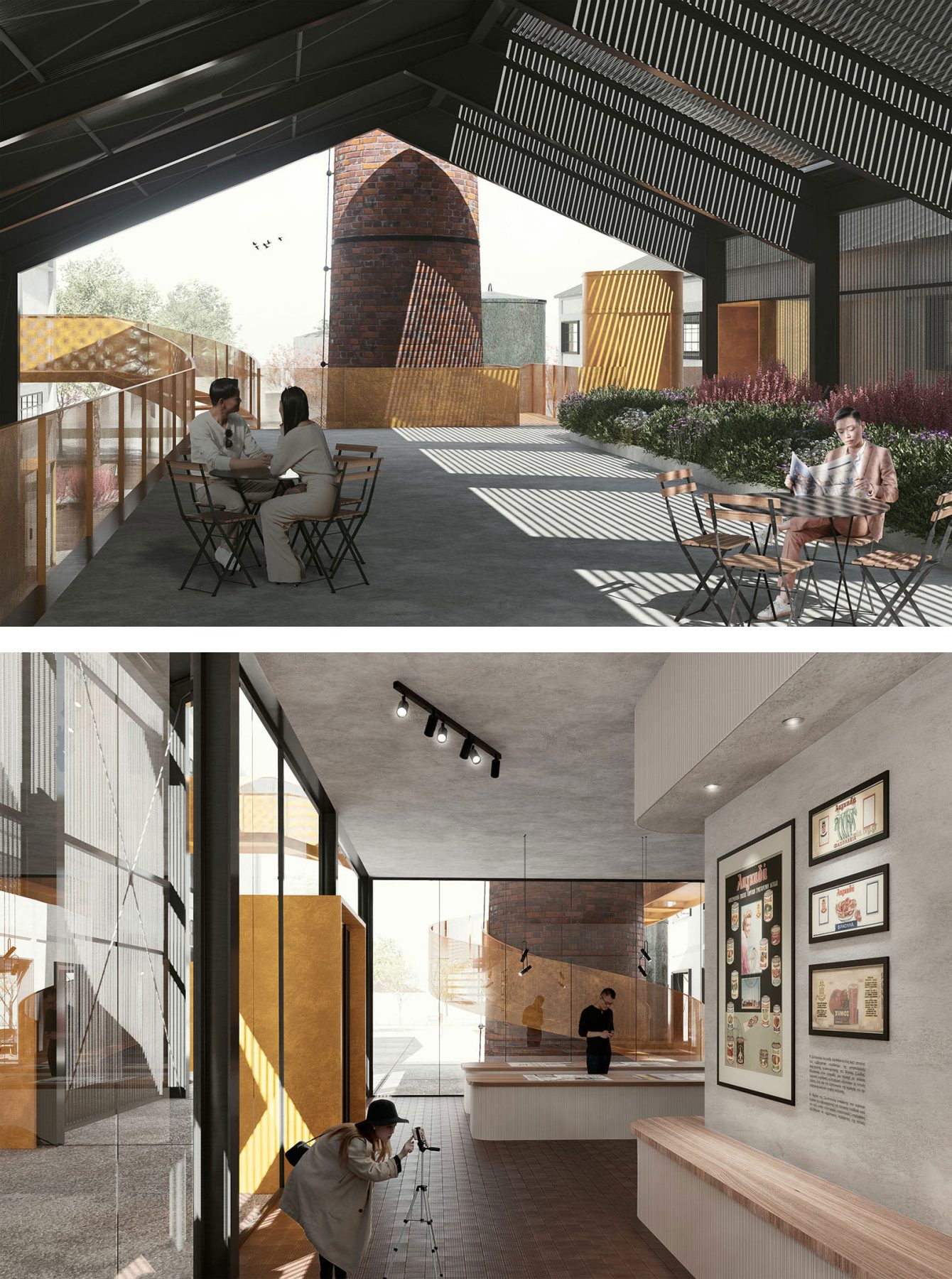
Αρχιτεκτονικά, το εργοστάσιο ήταν χαρακτηριστικό παράδειγμα του μεταπολεμικού μοντερνισμού με χαρακτηριστικό το εμβληματικό φουγάρο ύψους 31,2 μ. ορατό από την κεντρική πλατεία. Η λειτουργία του σταμάτησε το 1997, μετά την παρακμή του συνεταιριστικού μοντέλου και τη διοικητική αστάθεια, αφήνοντας πίσω ένα εγκαταλελειμμένο βιομηχανικό συγκρότημα που αποκόπτει την πόλη από το φυσικό της περιβάλλον.
Architecturally, the factory represented post-war modernism, with its most iconic element being the 31.2-meter chimney visible from the town square. After the decline of the cooperative model and years of administrative mismanagement, the factory ceased operation in 1997, leaving behind an abandoned industrial complex that now disconnects the town from its natural surroundings.
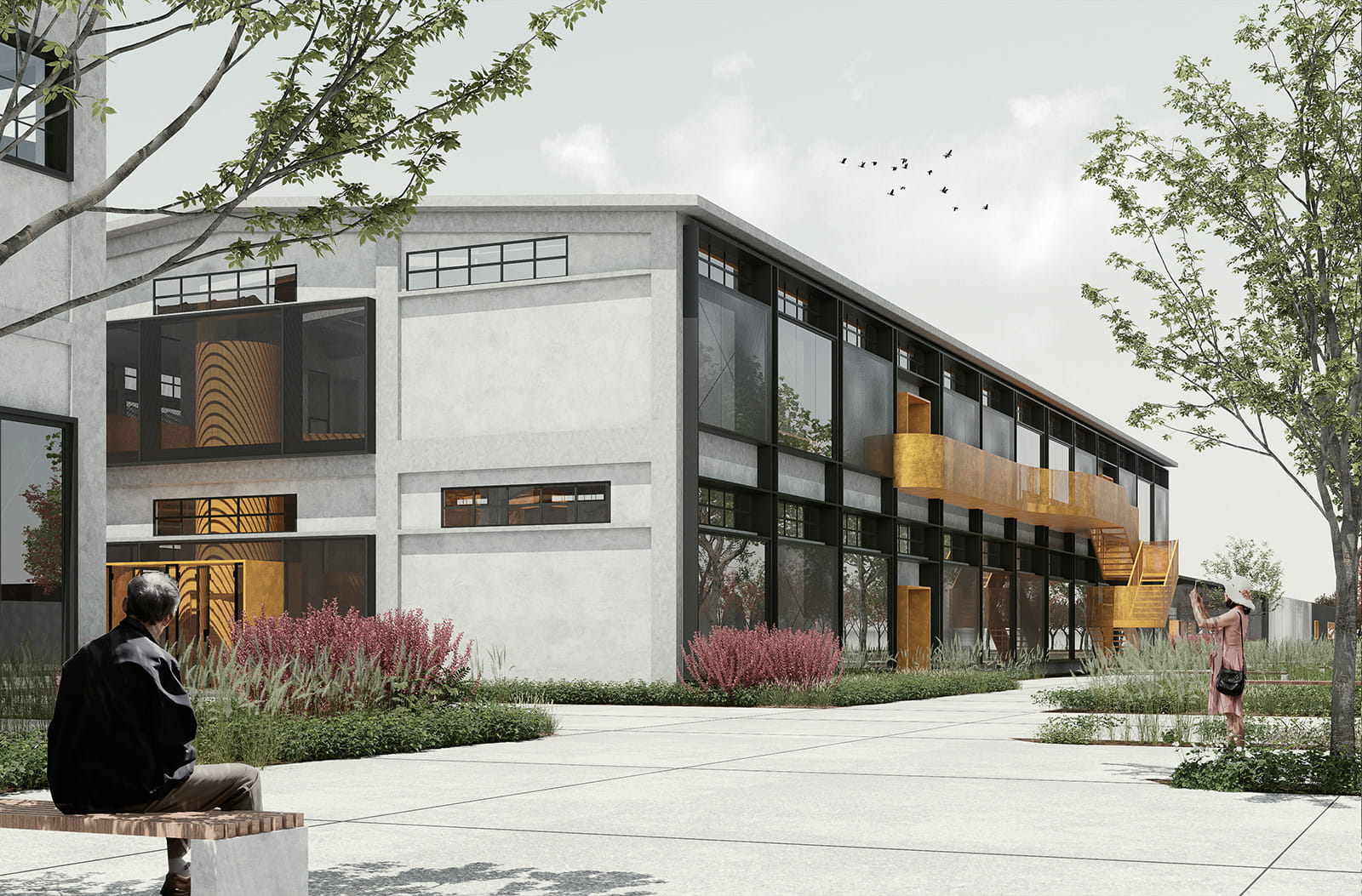
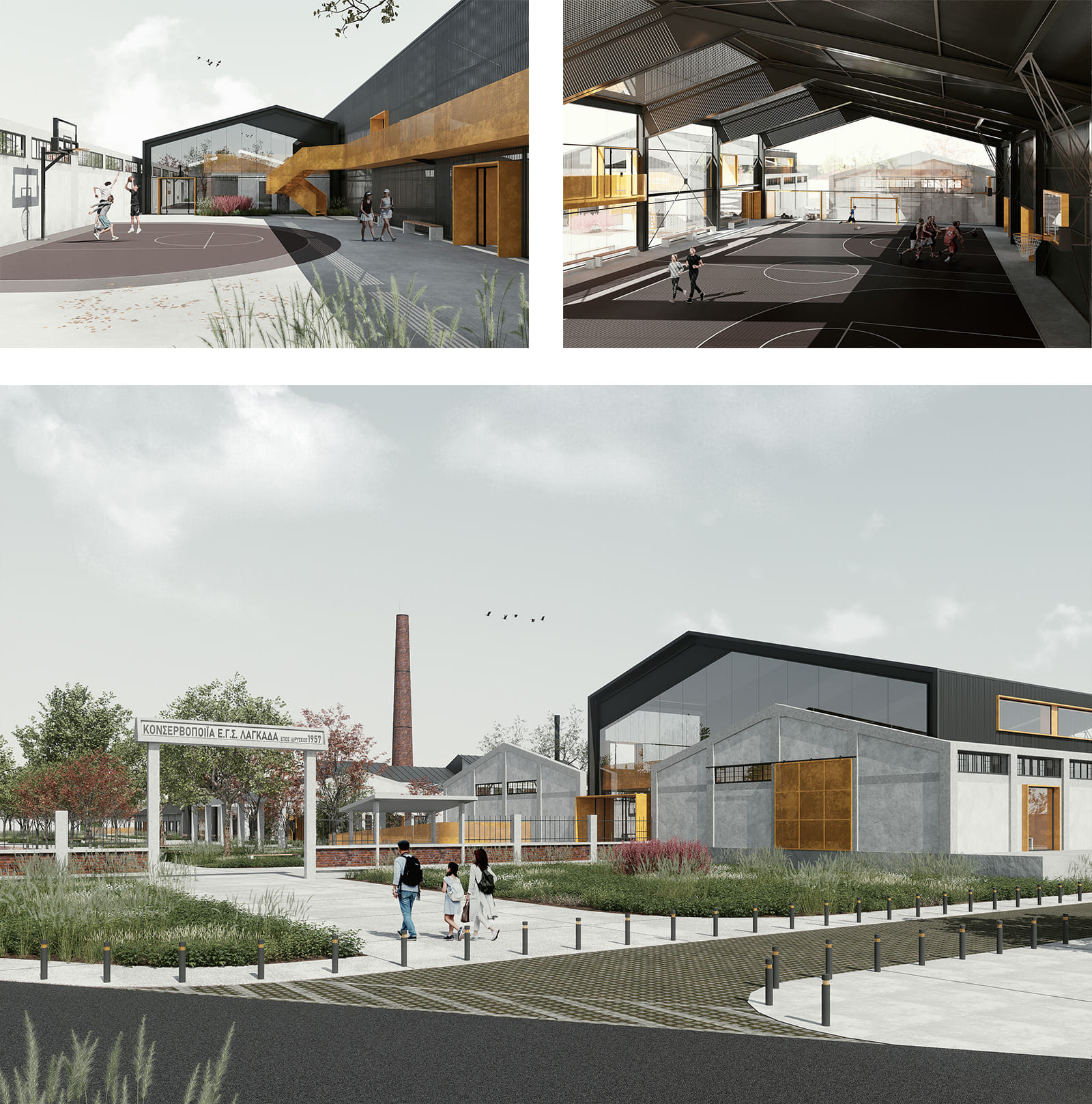
Σήμερα, ο Λαγκαδάς —μια πόλη 20 χιλιόμετρα από τη Θεσσαλονίκη— διατηρεί έντονη φυσική ταυτότητα αλλά στερείται αθλητικών και πολιτιστικών υποδομών. Η πρόταση επανάχρησης του εργοστασίου στοχεύει να καλύψει αυτό το κενό, μετατρέποντάς το σε πολυλειτουργικό χώρο αφιερωμένο στον αθλητισμό, τον πολιτισμό και την καλλιέργεια.
Today, Lagkadas — located 20 kilometers northeast of Thessaloniki — retains a strong natural identity but lacks cultural and athletic facilities. The proposed adaptive reuse of the factory aims to fill this gap by transforming it into a multifunctional complex dedicated to sports, culture, and cultivation.
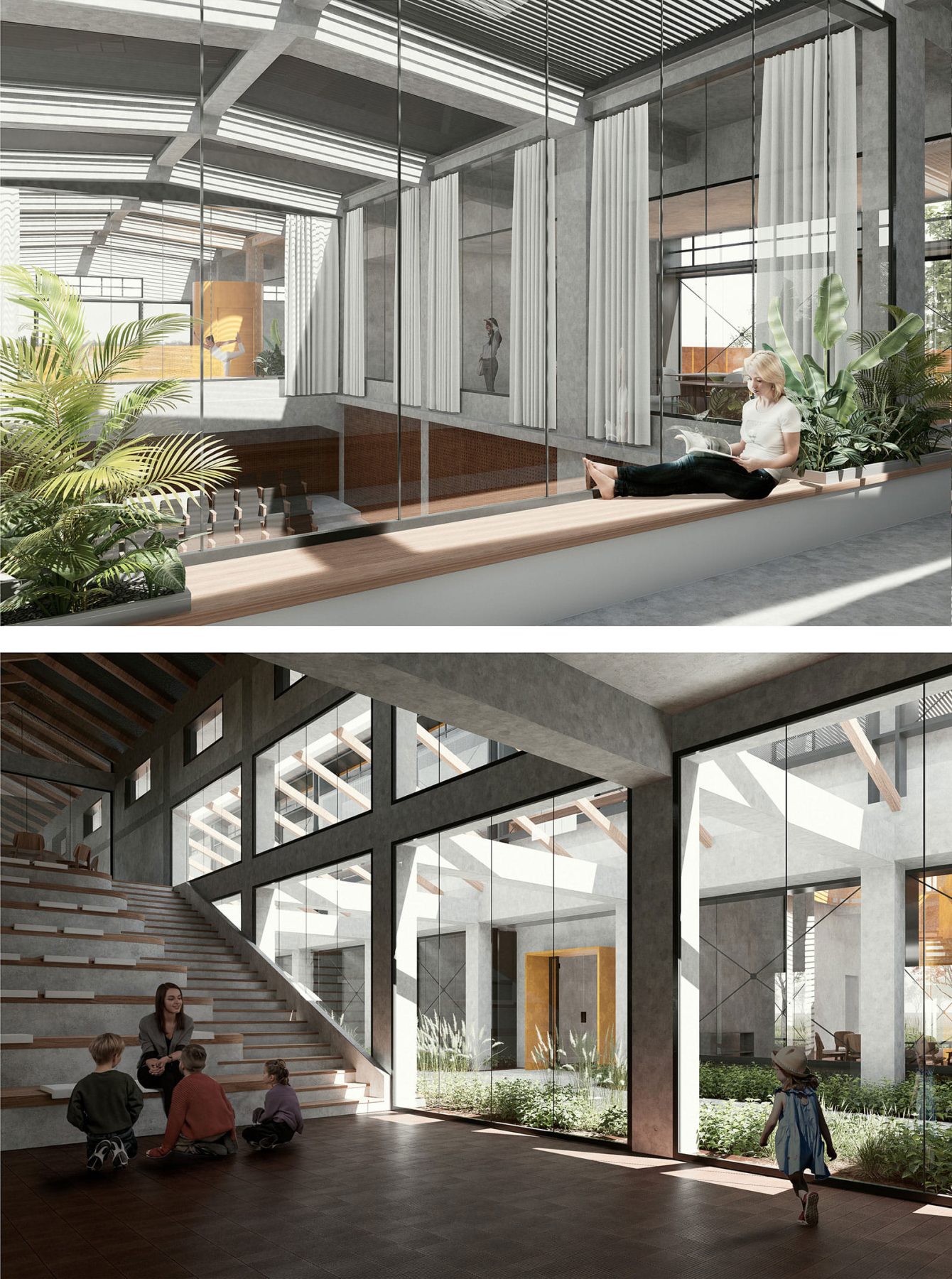
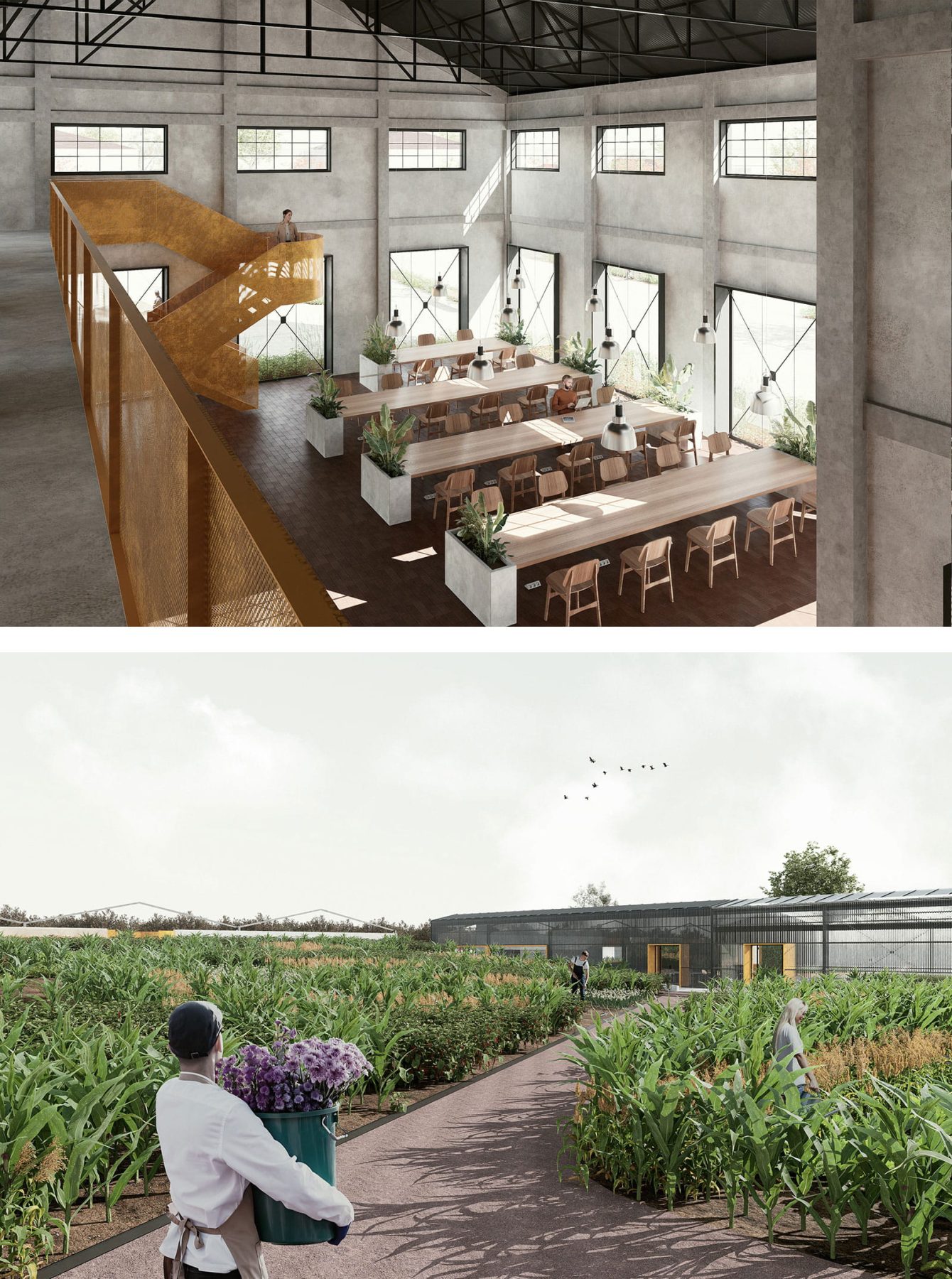
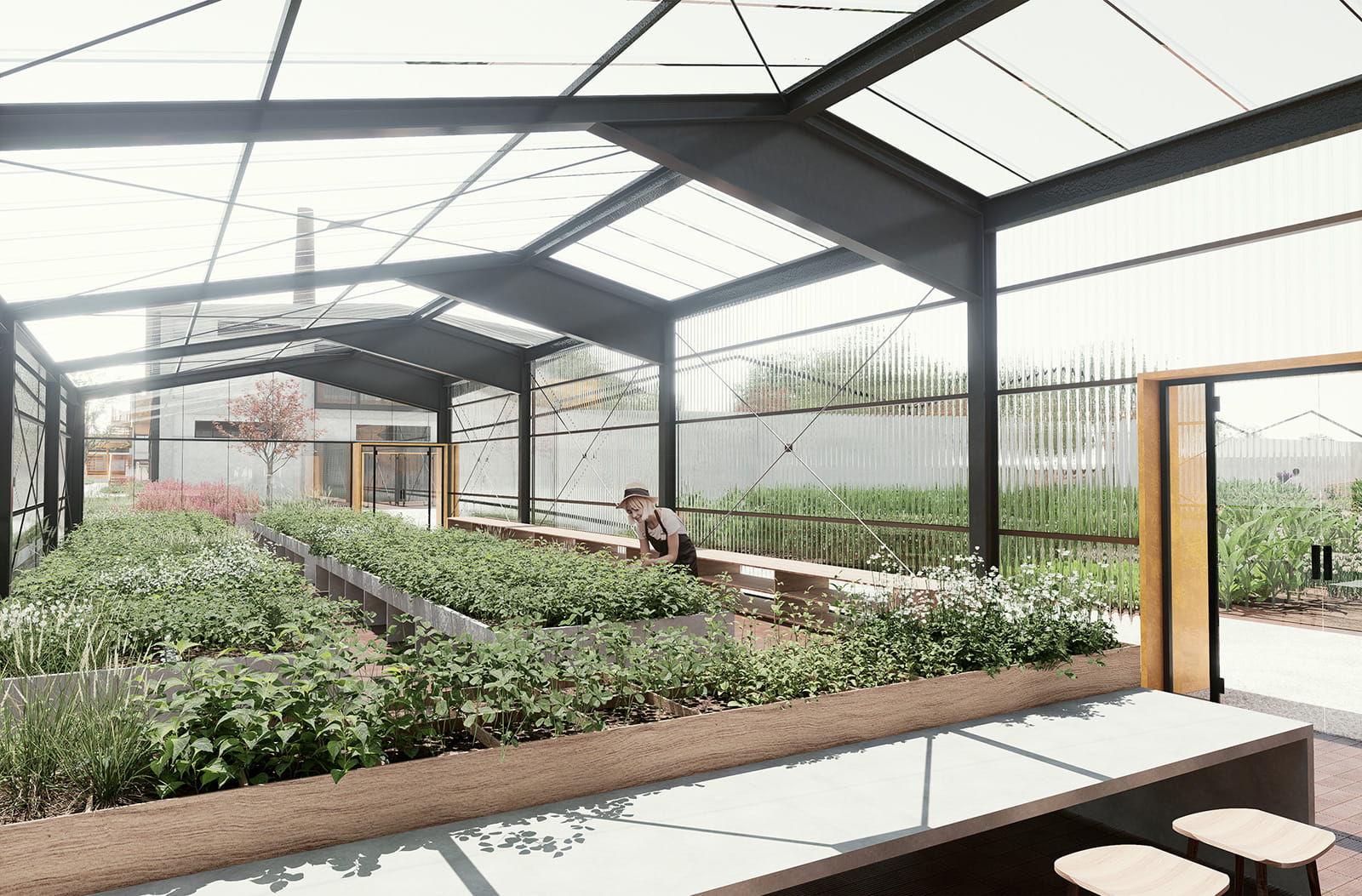
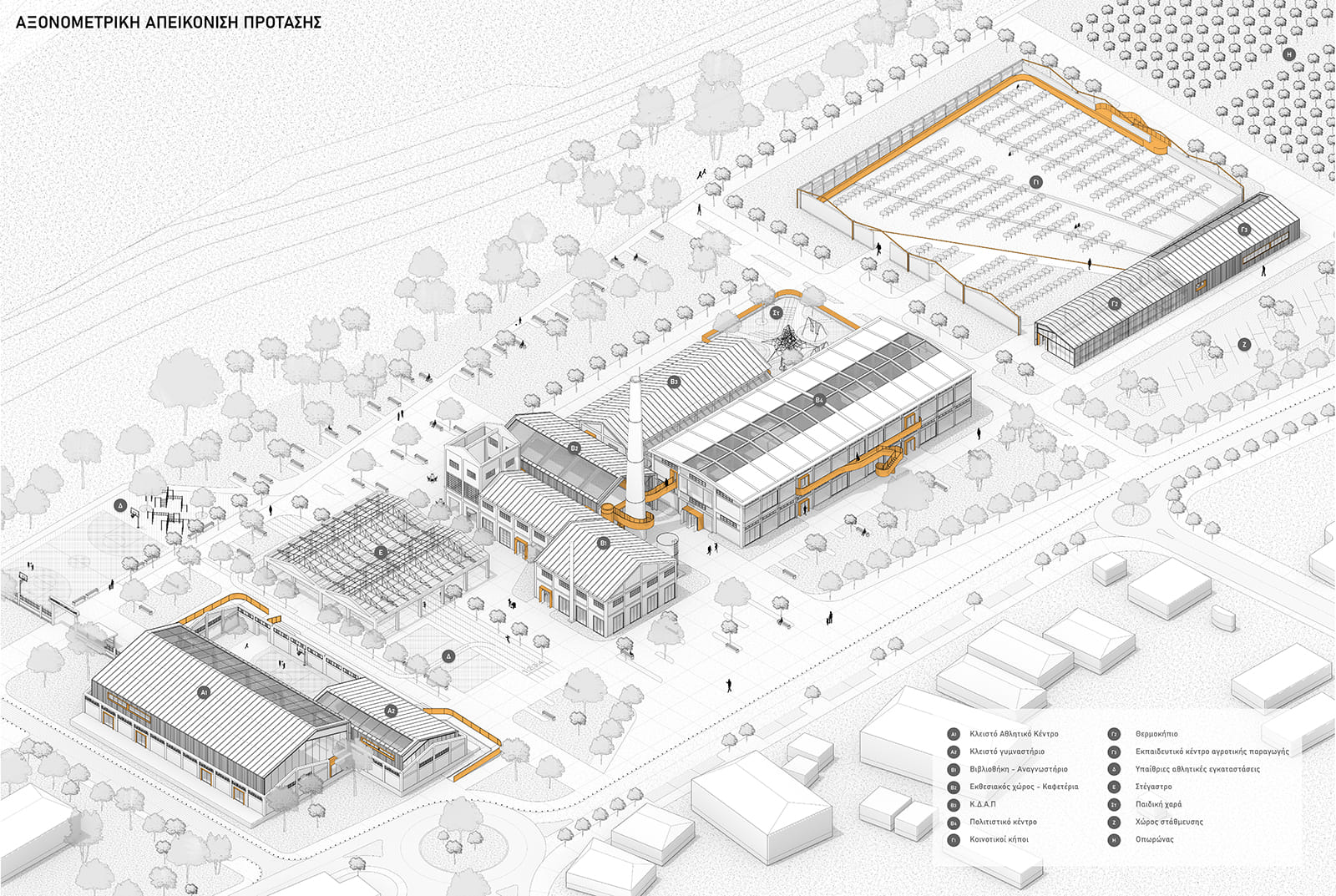
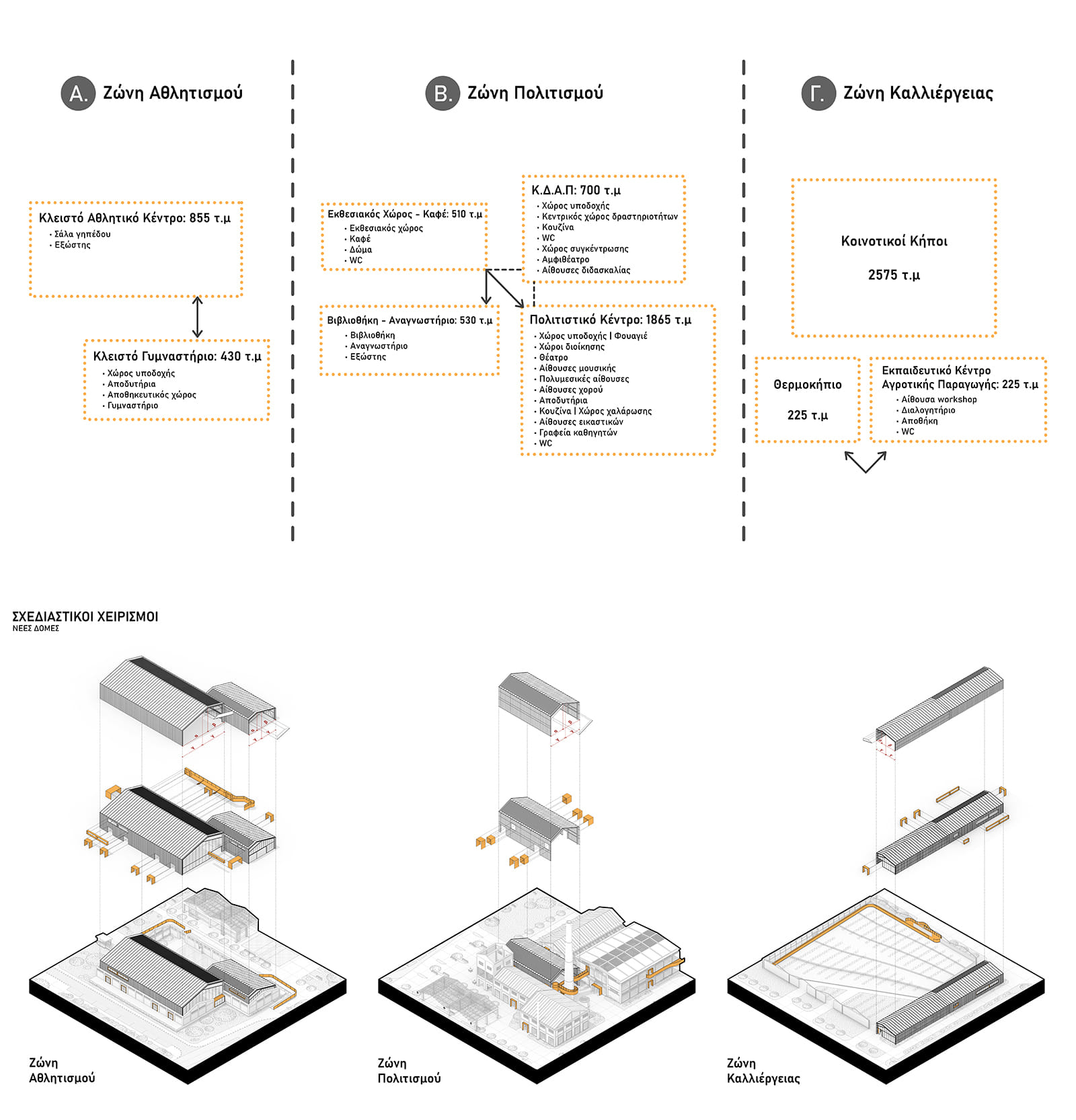
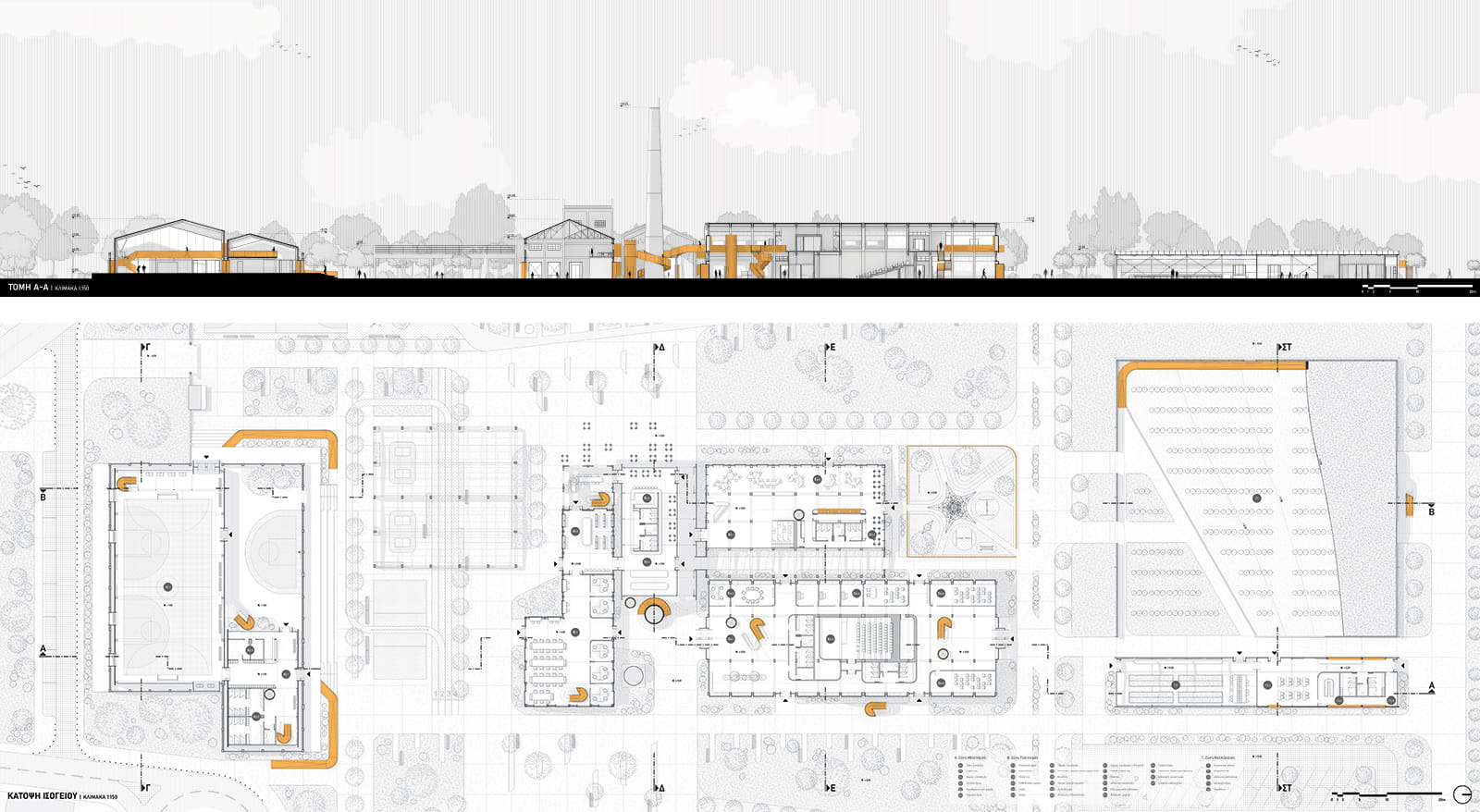
Η νέα σύνθεση οργανώνεται σε τρεις βασικές ζώνες: την ζώνη του αθλητισμού, με εσωτερικούς και υπαίθριους χώρους άθλησης, την ζώνη του πολιτισμού, που περιλαμβάνει βιβλιοθήκη, εκθεσιακούς χώρους, καφέ, ΚΔΑΠ και μικρό θέατρο, καθώς επίσης και την ζώνη της καλλιέργειας, με κοινοτικούς κήπους, θερμοκήπιο, εκπαιδευτικό κέντρο αγροτικής παραγωγής και οπωρώνα.
The new design is organized into three main zones: the sports zone, with indoor and outdoor facilities; the culture zone, featuring a library, exhibition spaces, café, children’s creative center, and small theater; and the cultivation zone, which includes community gardens, a greenhouse, an agricultural education center, and an orchard.
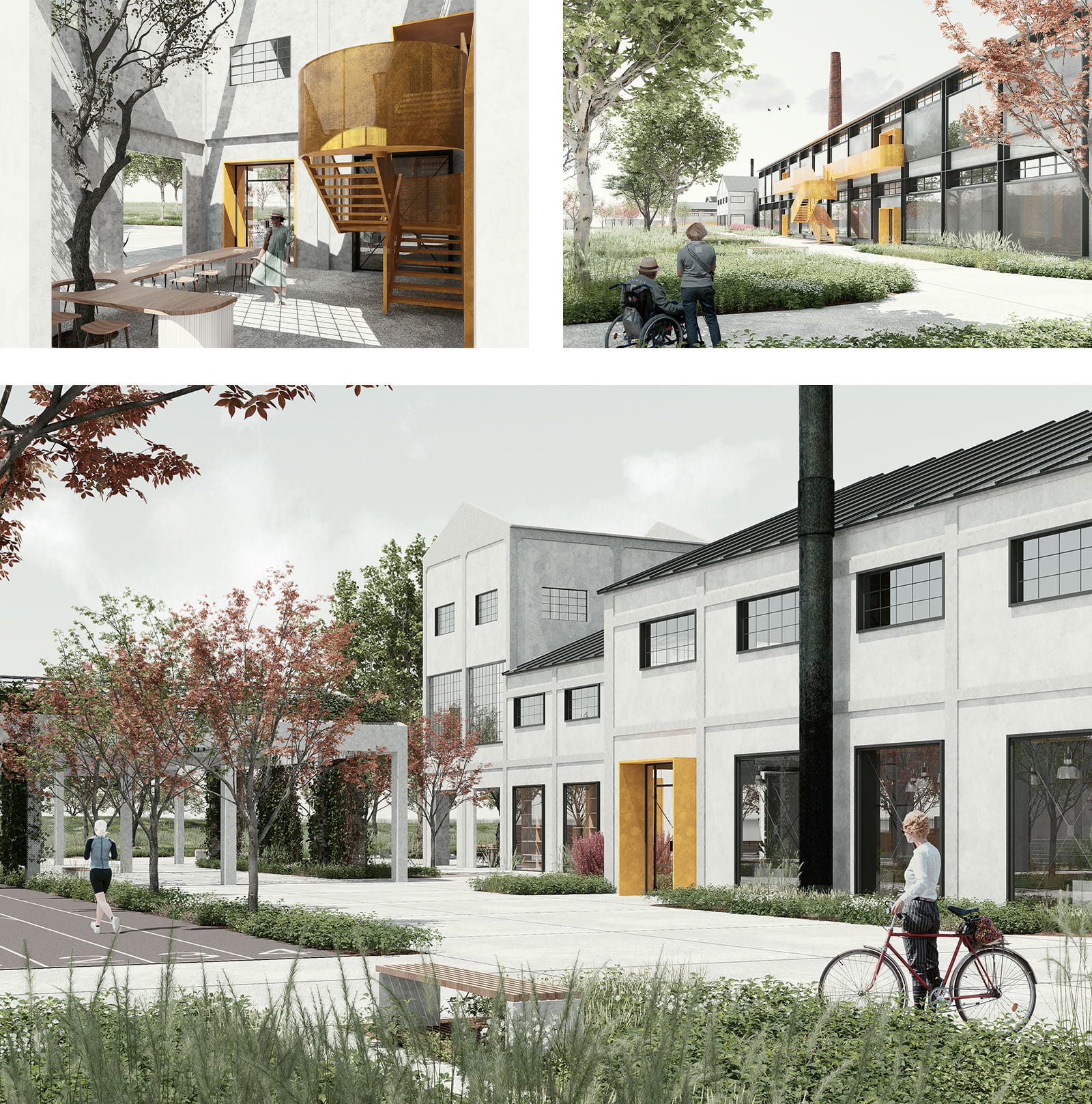
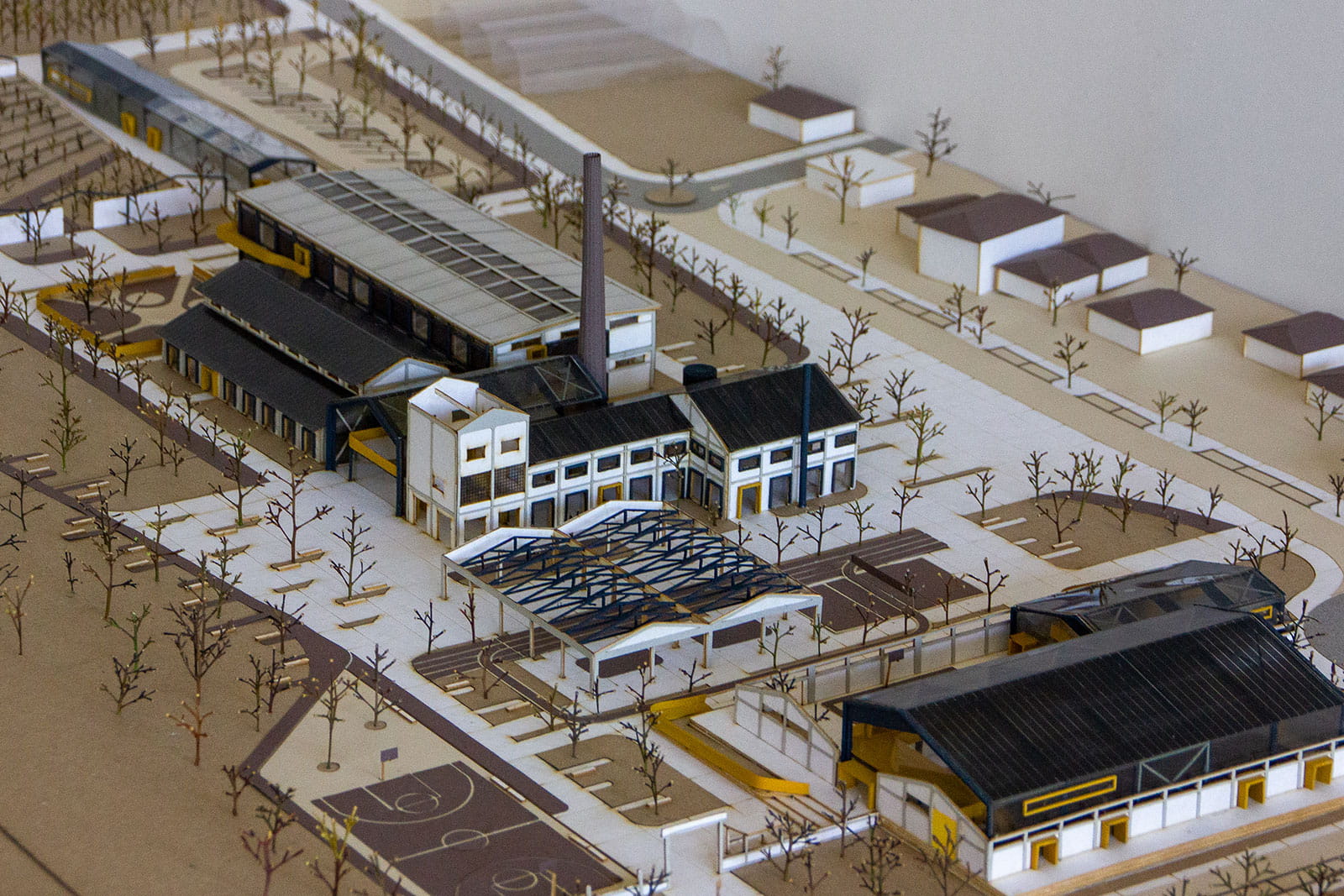
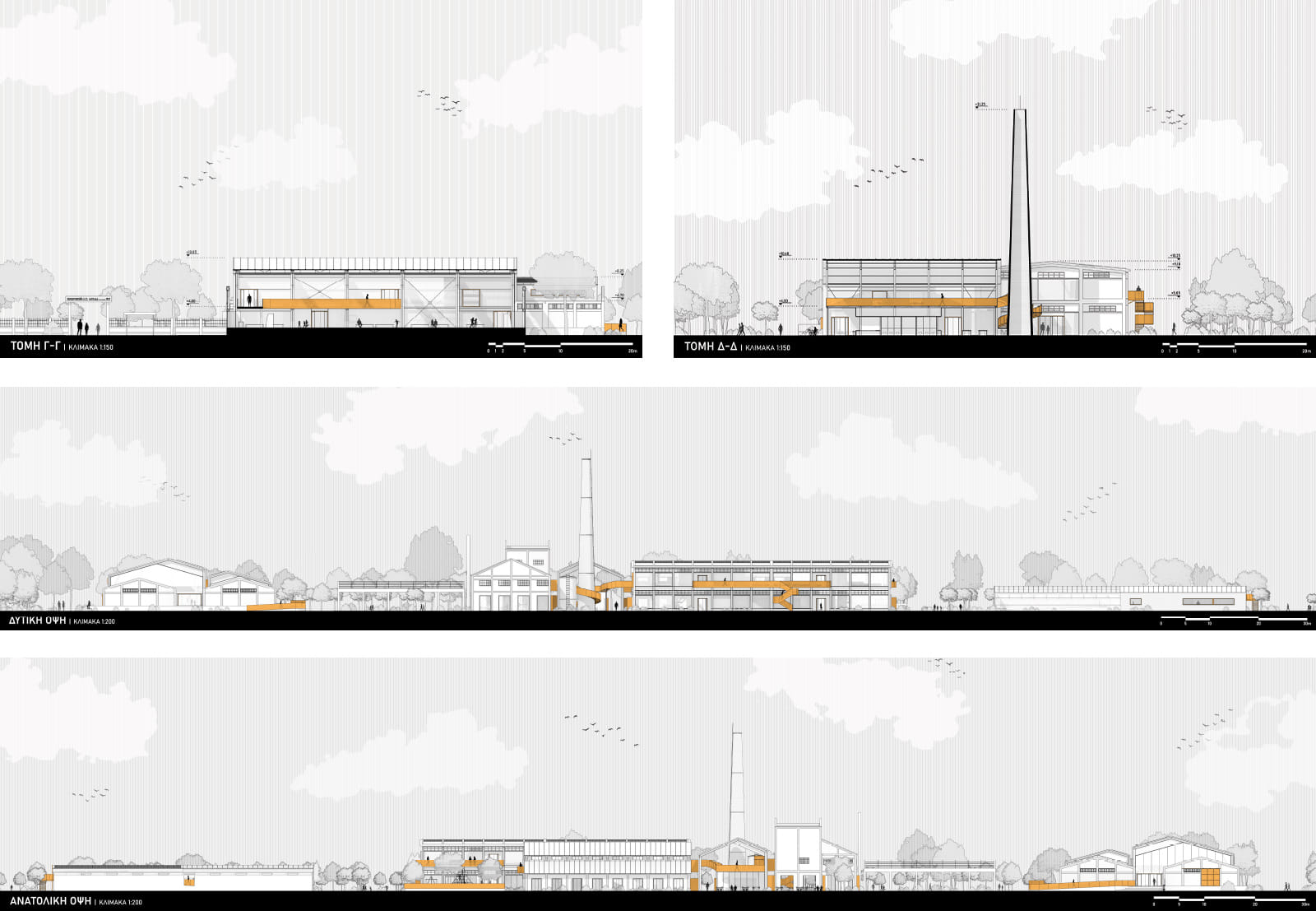
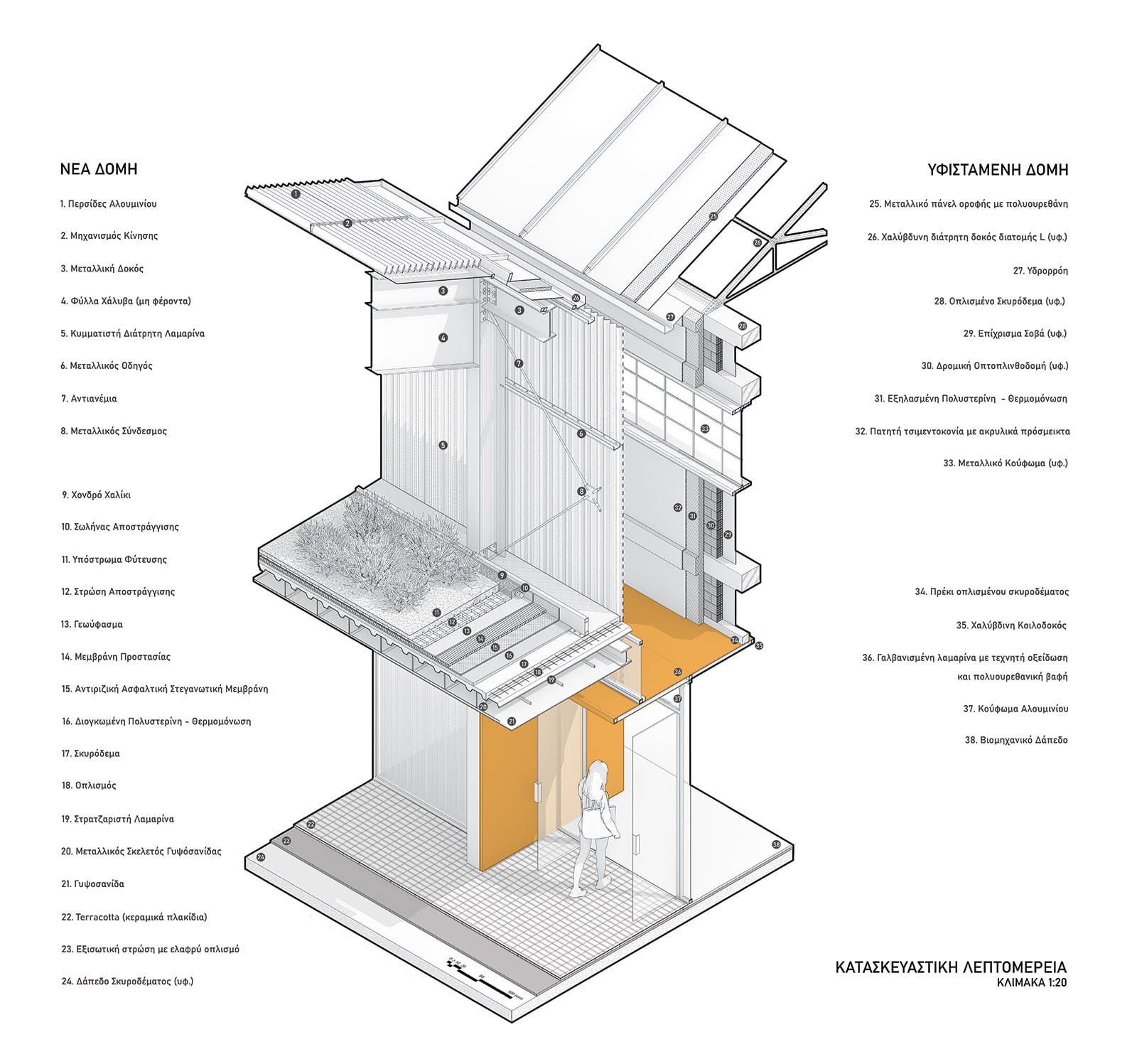
Κεντρικό και ενοποιητικό στοιχείο της πρότασης αποτελεί μια κίτρινη μεταλλική διαδρομή που ξεκινά από το εμβληματικό φουγάρο και διατρέχει κάθε ζώνη, οργανώνοντας την κίνηση και συνδέοντας νοητά την ιστορική μνήμη με τις νέες χρήσεις. Οι νέες δομές υιοθετούν ενιαία γλωσσάρι μορφών (ασύμμετρες δίρριχτες στέγες, μεταλλικά πλαίσια σε κίτρινο/μαύρο, φεγγίτες με σκίαση) για φωτεινότητα, σαφή προσανατολισμό και συνοχή. Η επέμβαση δεν στοχεύει μόνο στην αποκατάσταση του εργοστασίου, αλλά και στη δημιουργία ενός νέου πυρήνα ζωής για την πόλη — ενός χώρου που θα συνδυάζει τη μνήμη, τη φύση και τη συλλογικότητα.
A unifying element of the proposal is a yellow metal pathway starting from the emblematic chimney and extending through all zones, guiding movement and symbolically linking historical memory with new functions. The new structures share a cohesive architectural language — asymmetrical gable roofs, yellow and black metal frames, and skylights with shading — ensuring brightness, continuity, and clarity. Ultimately, the project seeks not to revive the factory as an industry, but to bring the complex itself back to life as a new community hub that connects memory, nature, and collective experience.
Στοιχεία έργου
Τίτλος έργου Ανασχεδιασμός και Επανάχρηση του Βιομηχανικού Συγκροτήματος Κονσερβοποιίας Ε.Γ.Σ Λαγκαδά ως Κέντρο Αθλητισμού, Πολιτισμού & Αγροτικής Εκπαίδευσης
Τύπος έργου Διπλωματική Εργασία
Φοιτητές Νούσιος Δημήτρης, Πάργας Παντελής
Επιβλέπων Καθηγητής Κωτσόπουλος Σοφοκλής
Ημερομηνία παρουσίασης Ιούνιος 2025
Πανεπιστημιακό ίδρυμα Τμήμα Αρχιτεκτόνων Μηχανικών, Αριστοτέλειο Πανεπιστήμιο Θεσσαλονίκης
Κείμενο από τους δημιουργούς
COMMON SACRED SPACES: REUSE OF A FORMAL FACTORY INTO A PLACE OF WORSHIP
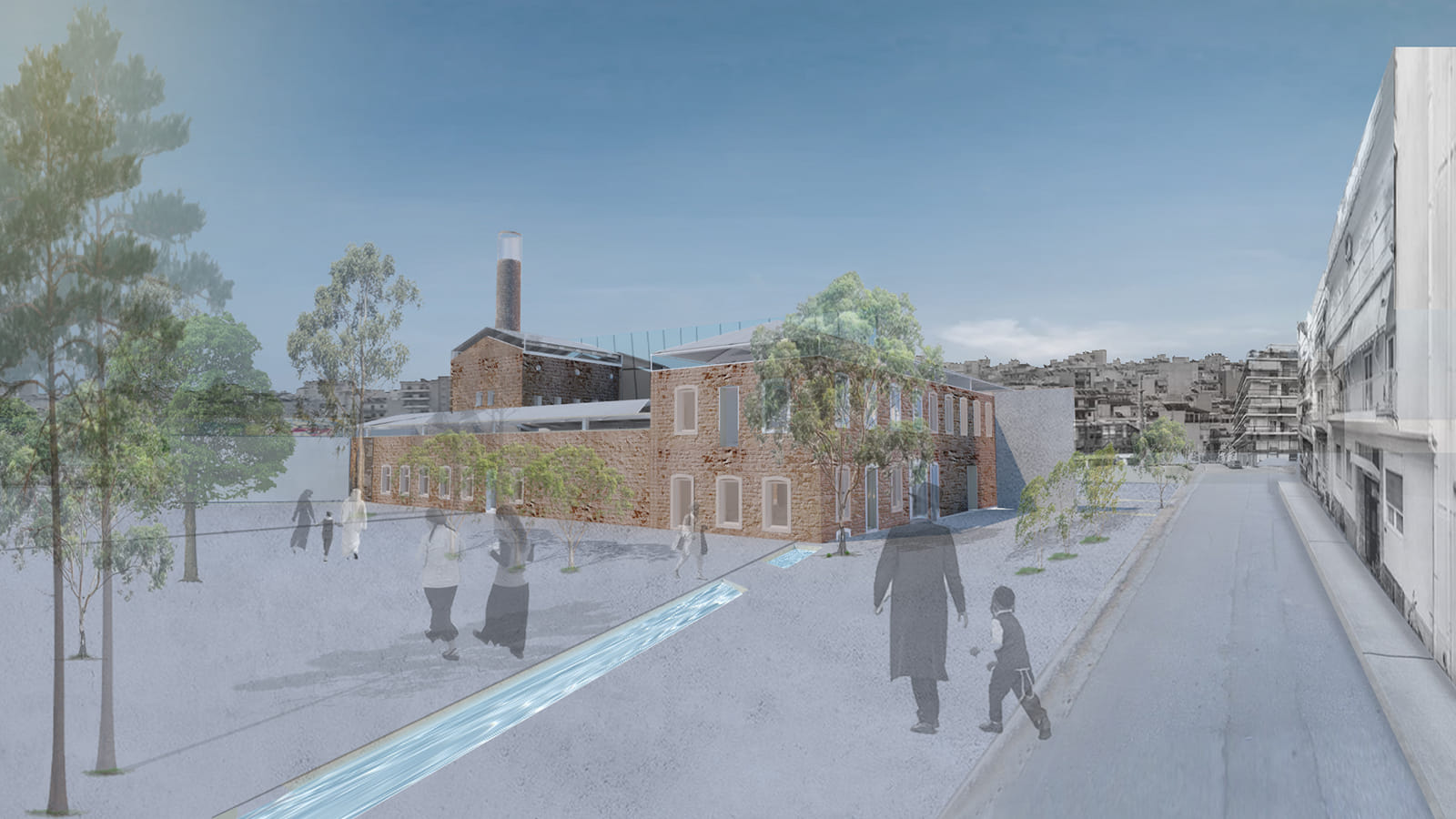
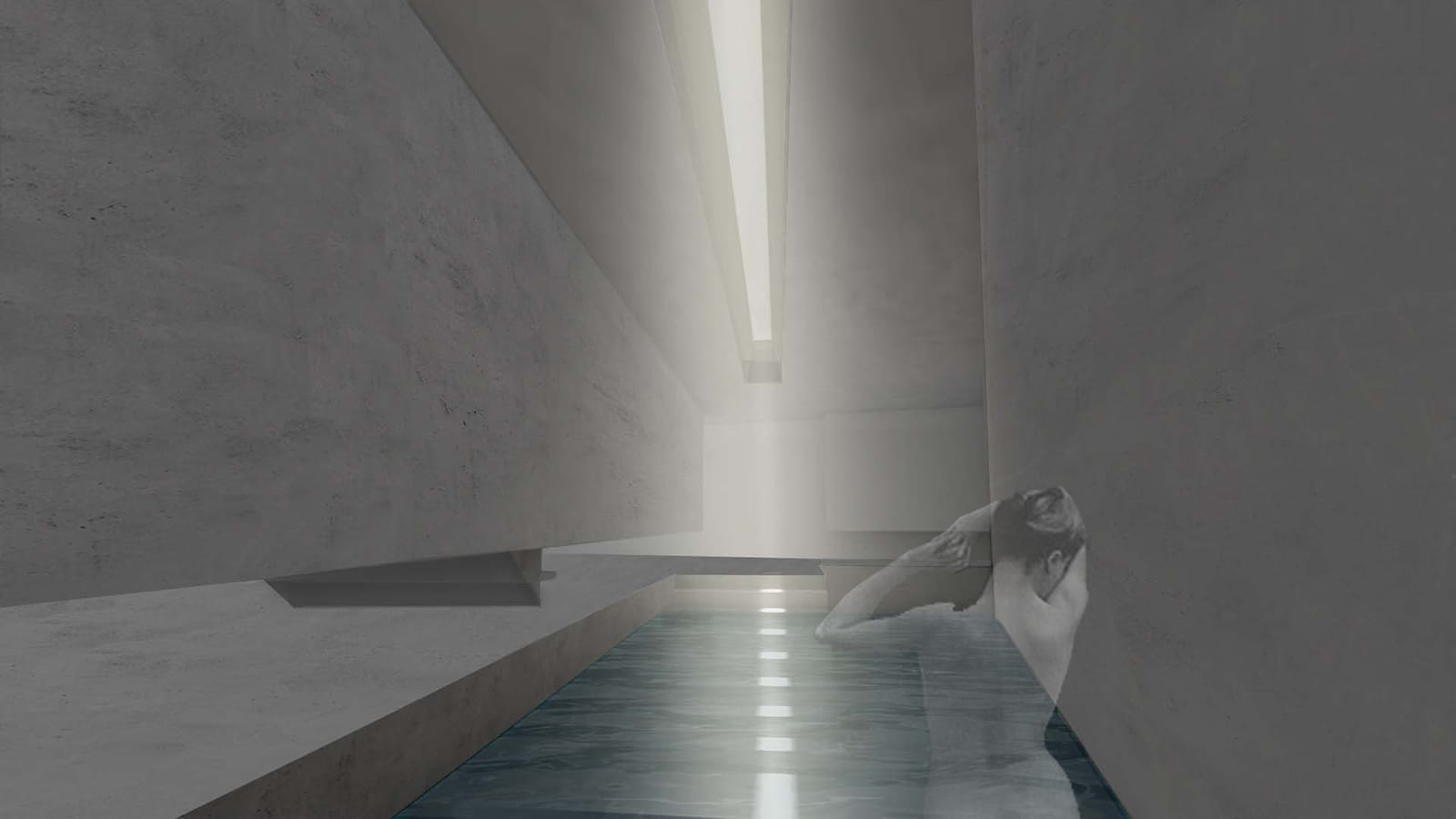
Religion has long shaped socio-political landscapes worldwide, and in modern cities with diverse populations like Athens, it plays a crucial role in promoting social cohesion and managing cultural diversity. This diploma thesis proposes the design of a building complex that caters to the religious and social needs of three minority religious communities—Judaism, Hinduism, and Islam—by transforming the former industrial factory “VOTRYS = ΒΟΤΡΥΣ” in the Sepolia area into a shared space for religious gatherings and cultural experimentation.
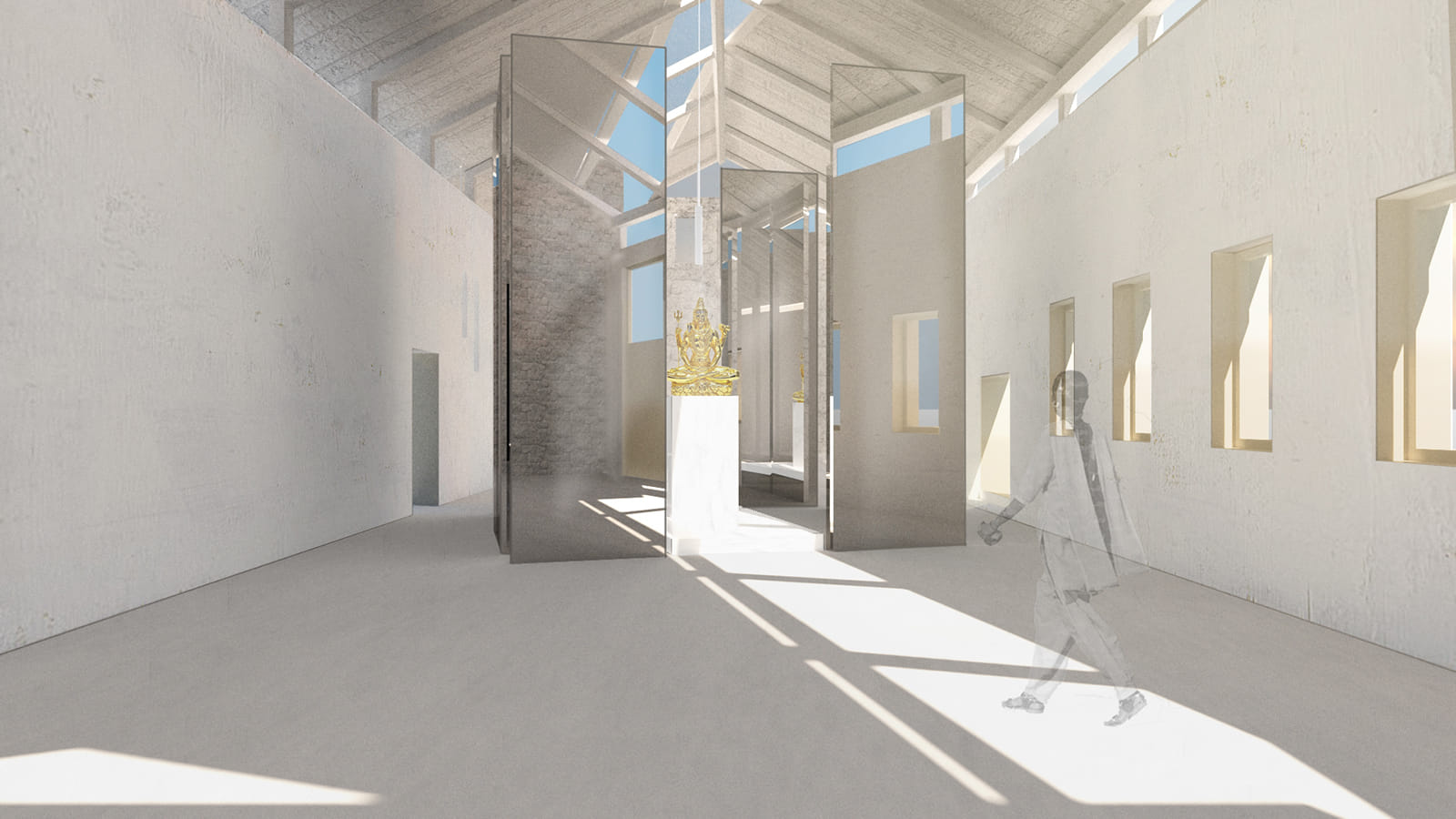
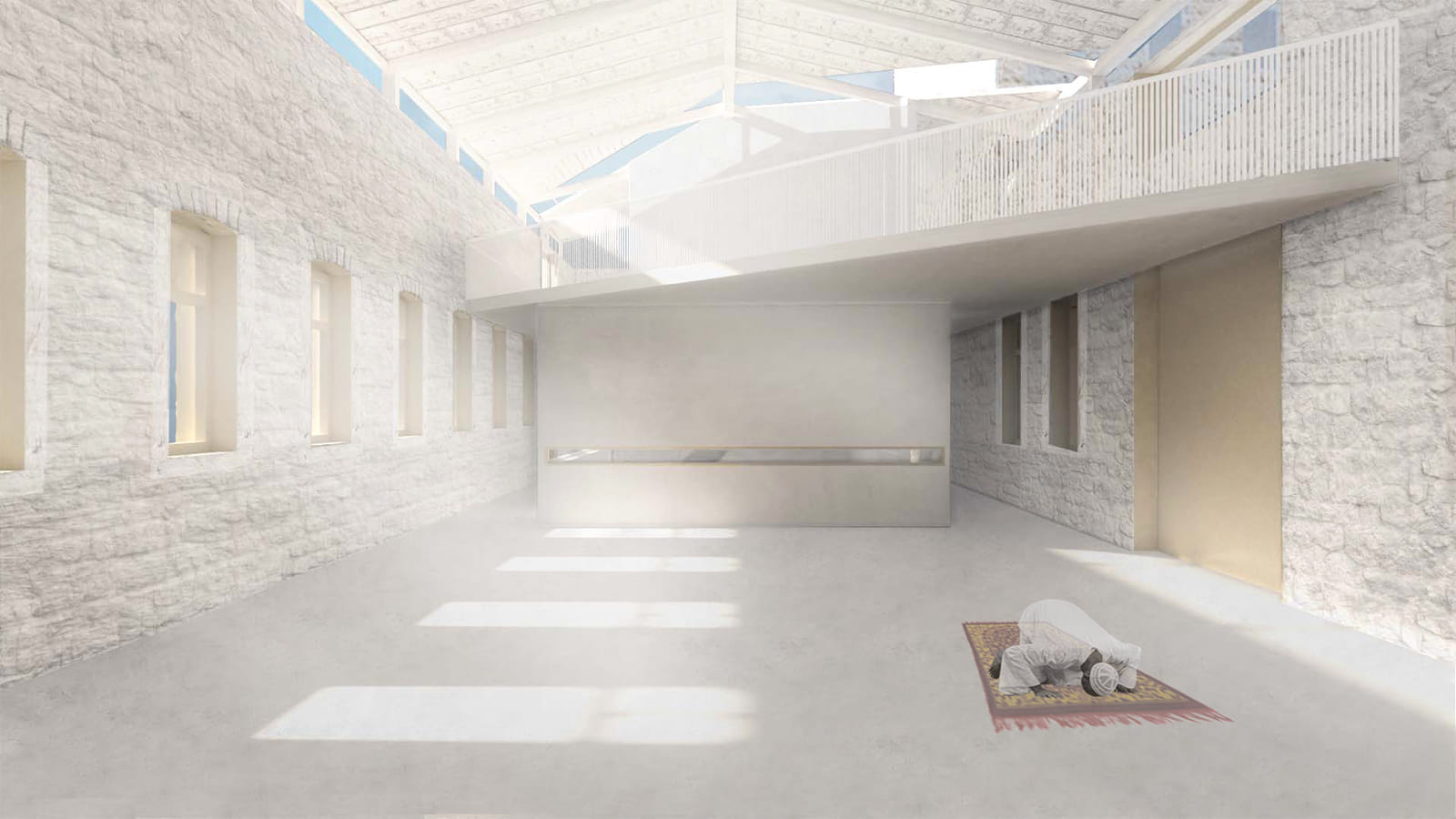
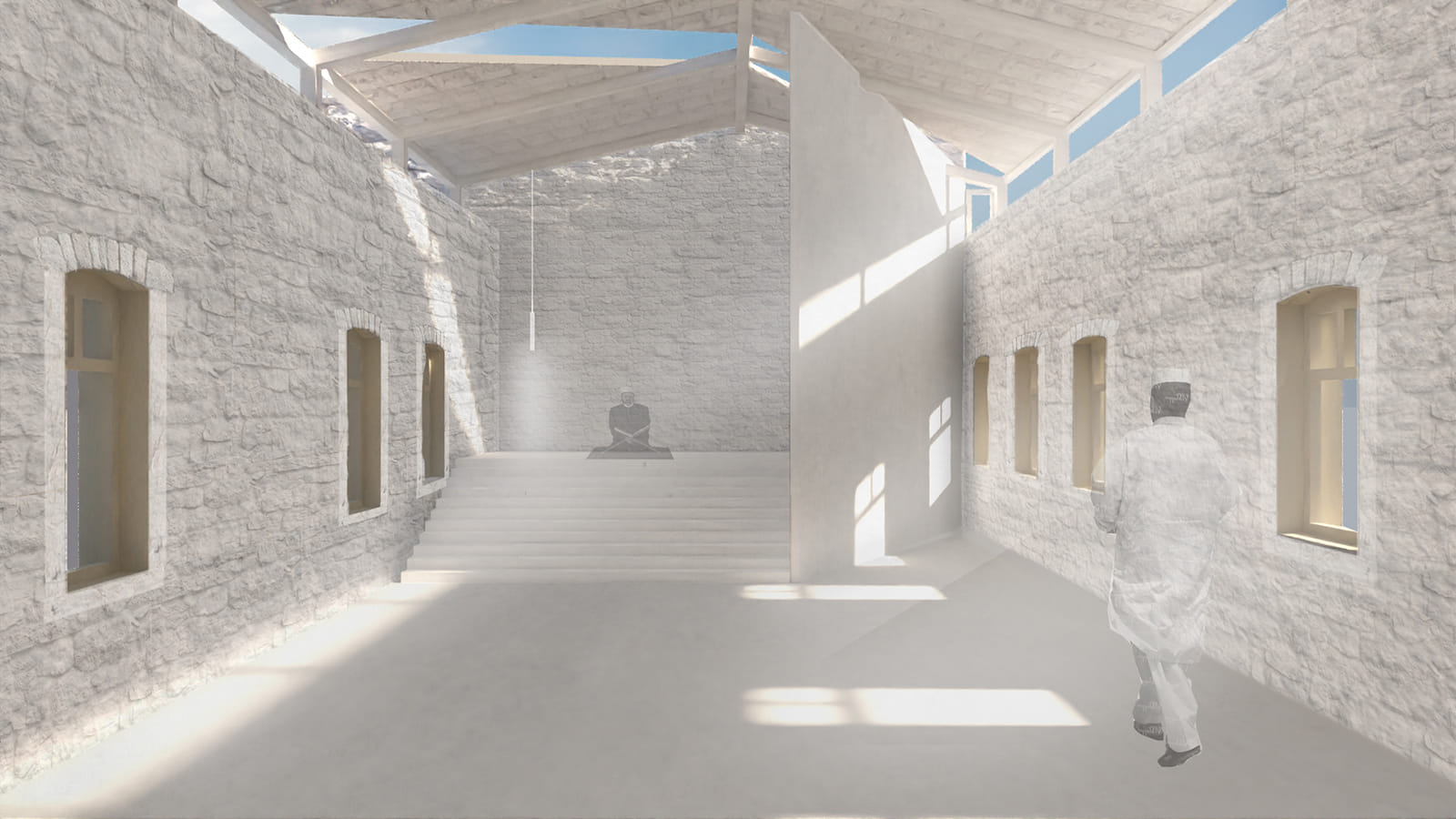
The ΒΟΤΡΥΣ building was chosen for its location in a diverse, immigrant-heavy area of Athens, where many refugees bring their religious traditions with them and require dedicated places of worship. The site is easily accessible via public transportation, making it an ideal location for urban regeneration. Repurposing this industrial building provides an opportunity to preserve its cultural heritage while adapting it to meet the needs of a multi-faith community.
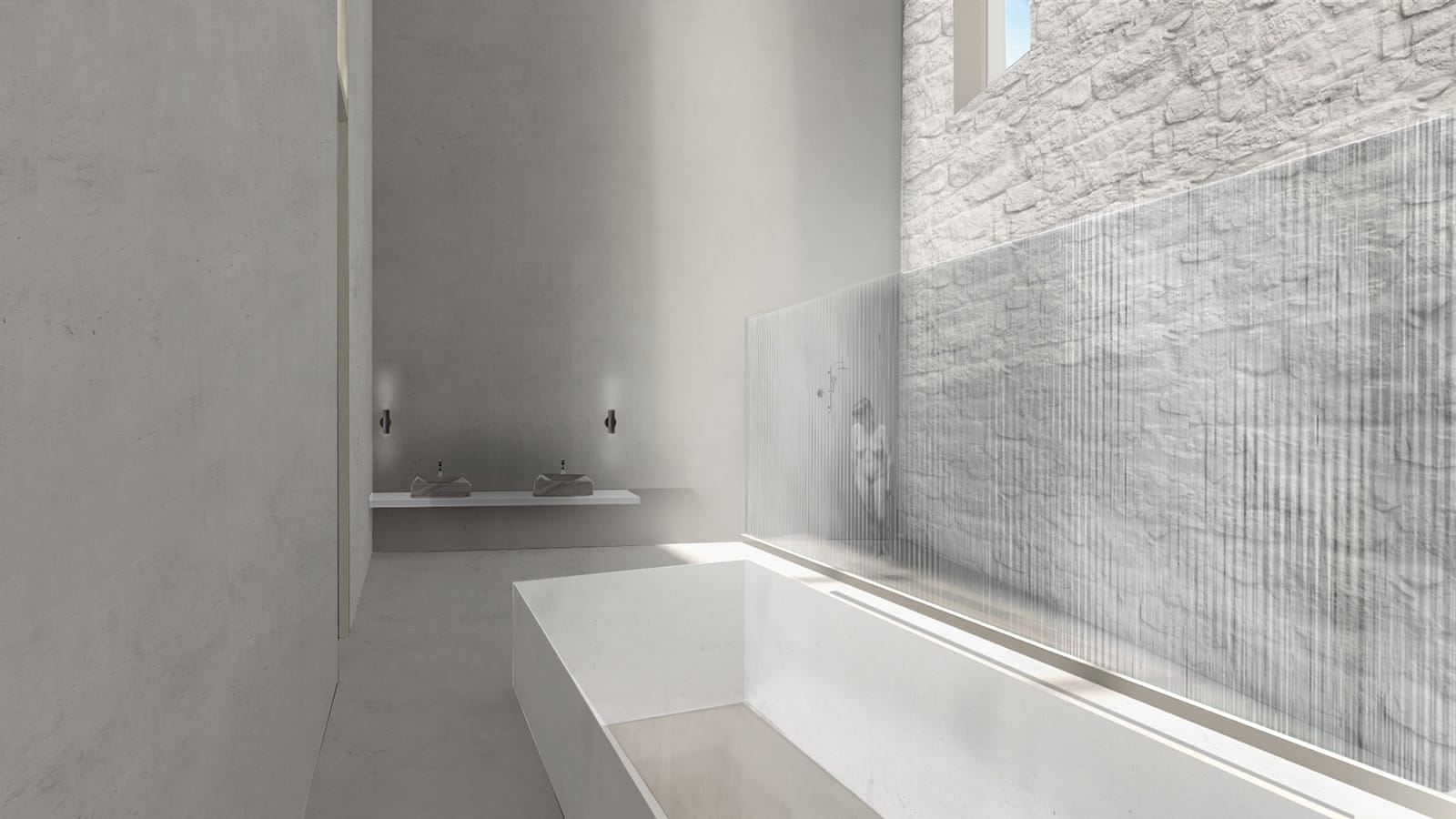
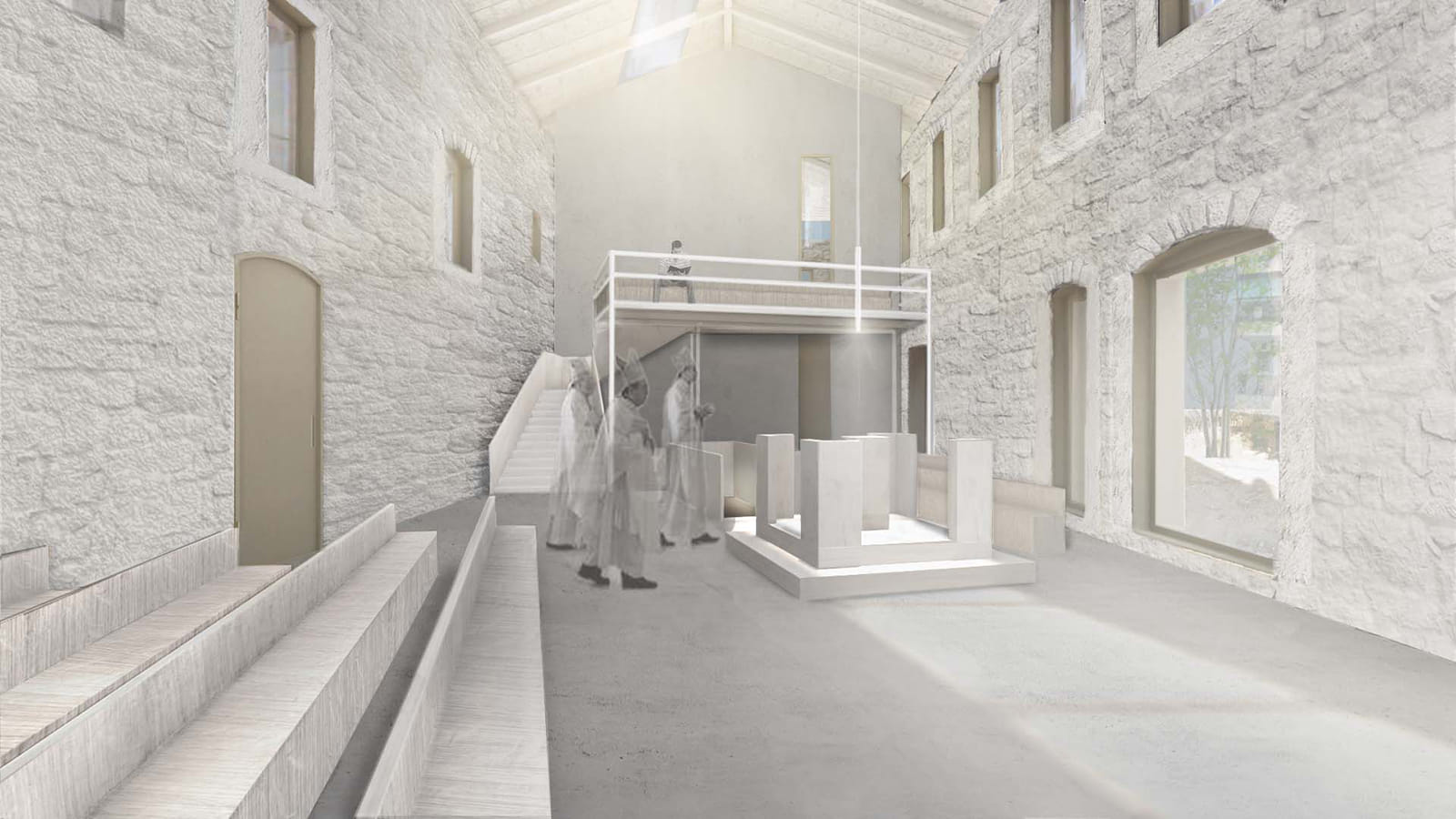
The building design revolves around two main axes, X and Y, dividing the ground floor and guiding visitors through different religious spaces. A central courtyard connects the interior and exterior of the building, symbolizing the link between public and private worship areas, and promoting interaction between different communities. The layout respects the unique traditions of each religion while breaking from the building’s existing orthogonal grid.
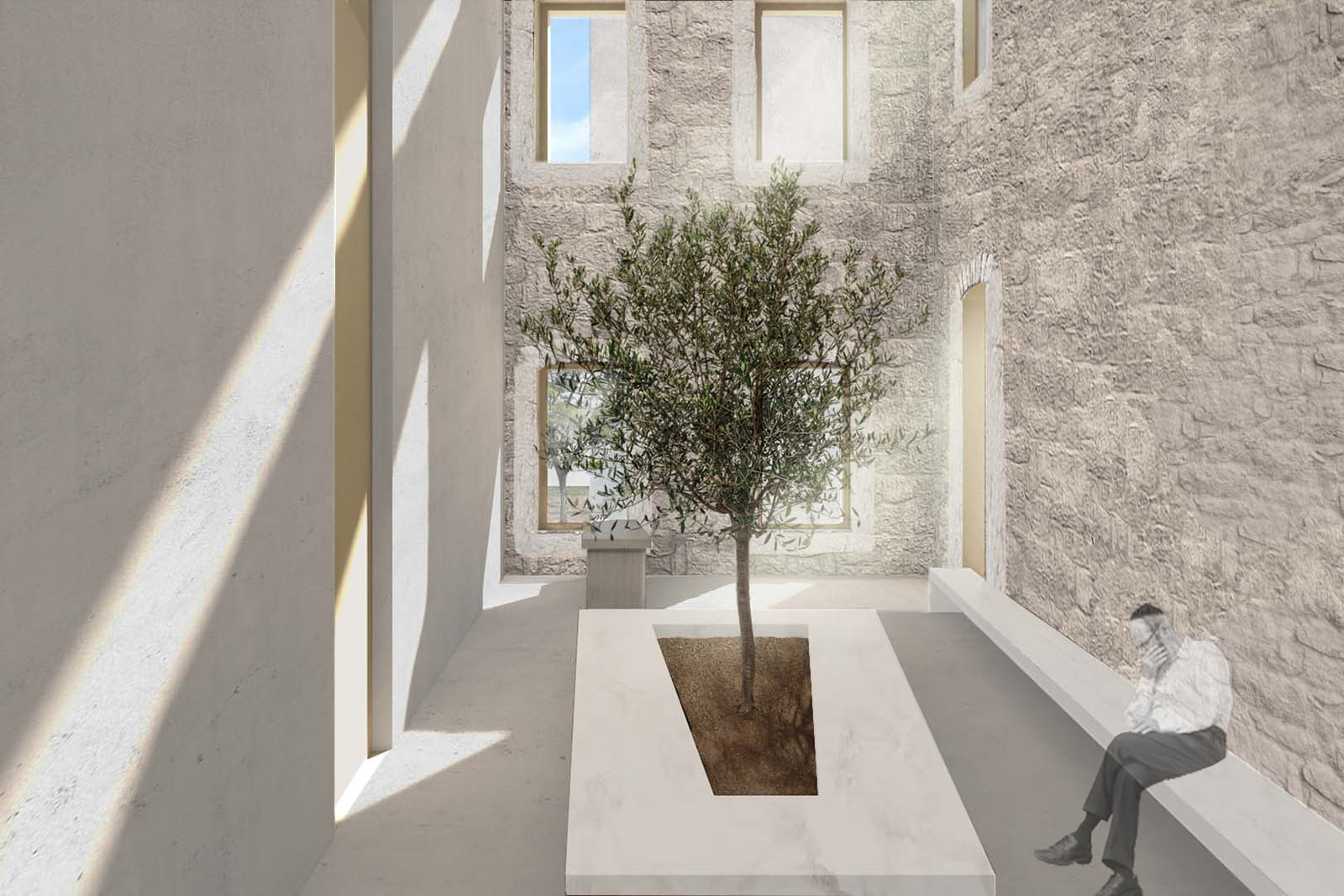
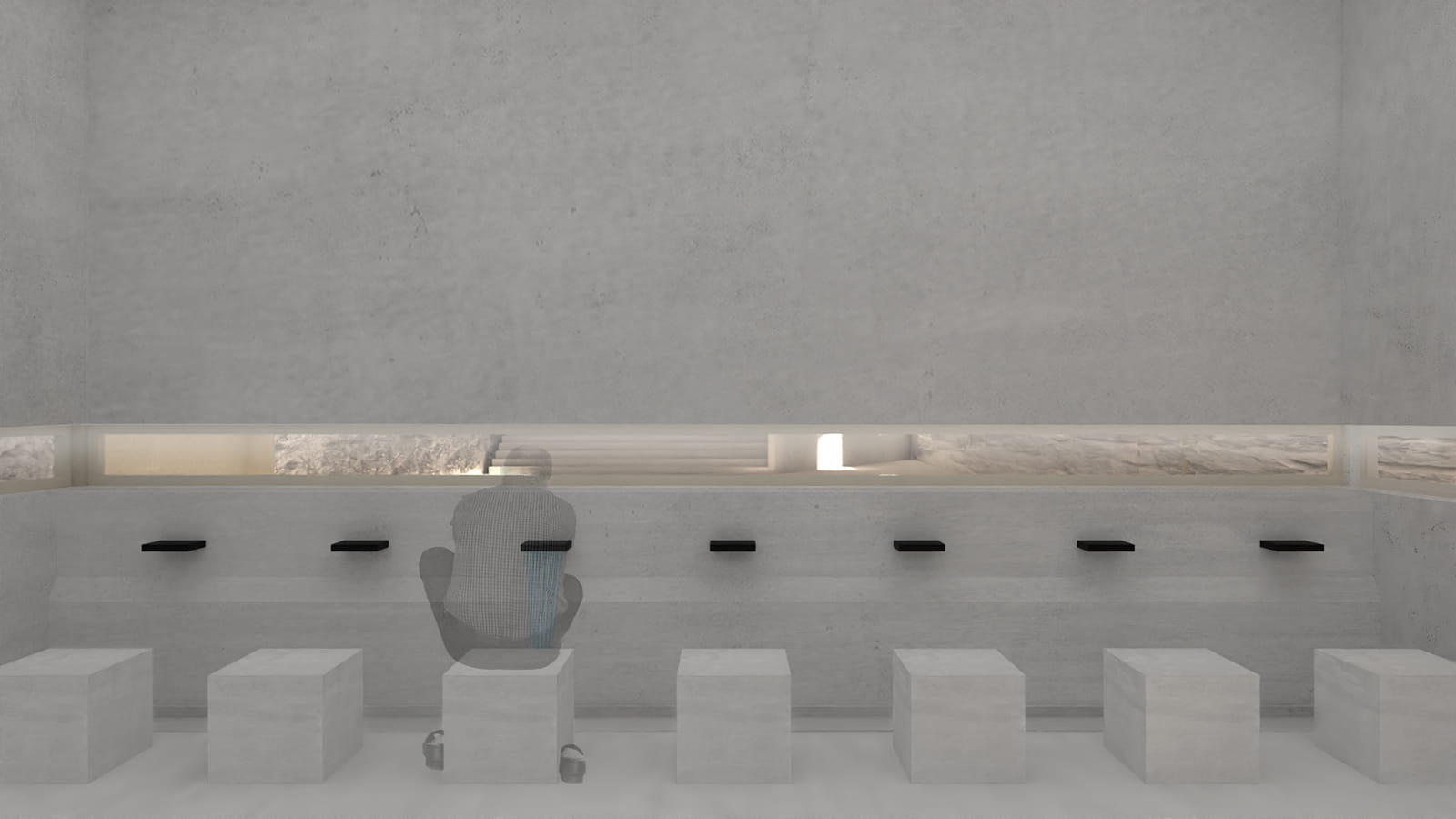
A critical feature of the design is the incorporation of three new axes, each representing a significant religious point: Israel, Mecca, and the East. These axes guide worshippers in the direction of their sacred sites—Judaism toward Israel, Islam toward Mecca, and Hinduism toward the East—ensuring that each faith’s spiritual connection is honored. Water and natural light are strategically incorporated to enhance the spiritual experience, with water marking transitions to sacred spaces such as ablution areas and ceremonies and light illuminating key pathways.
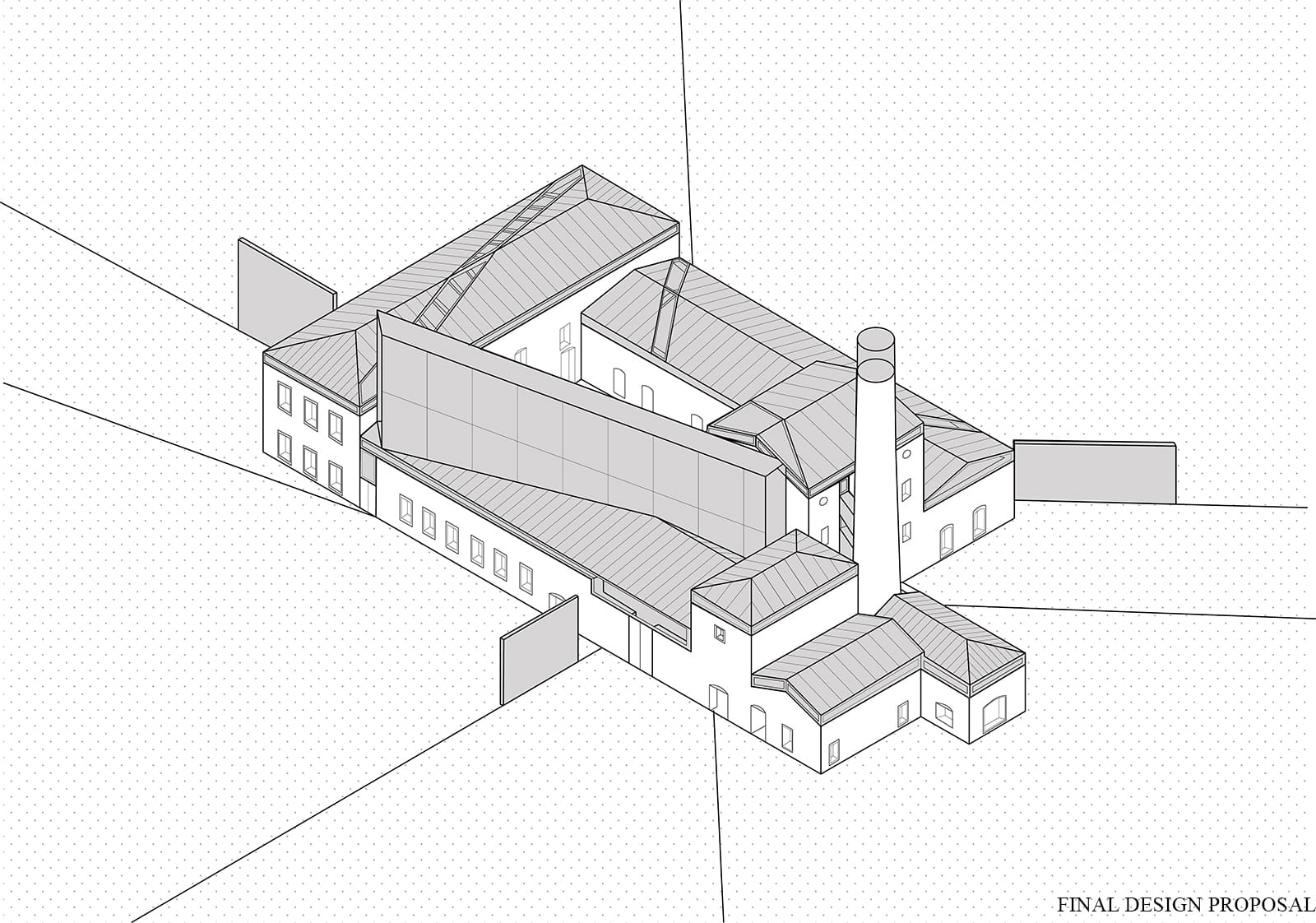
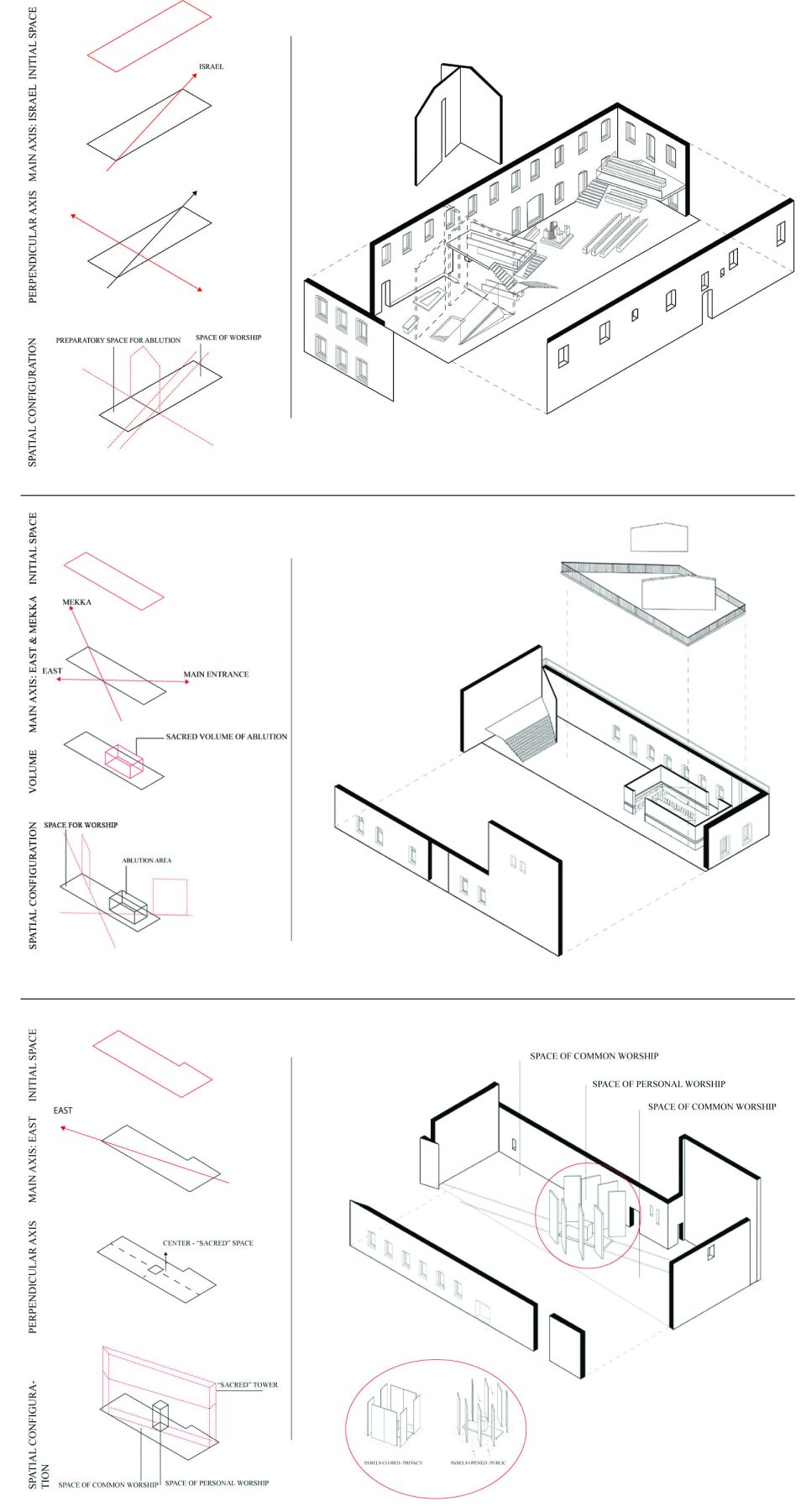
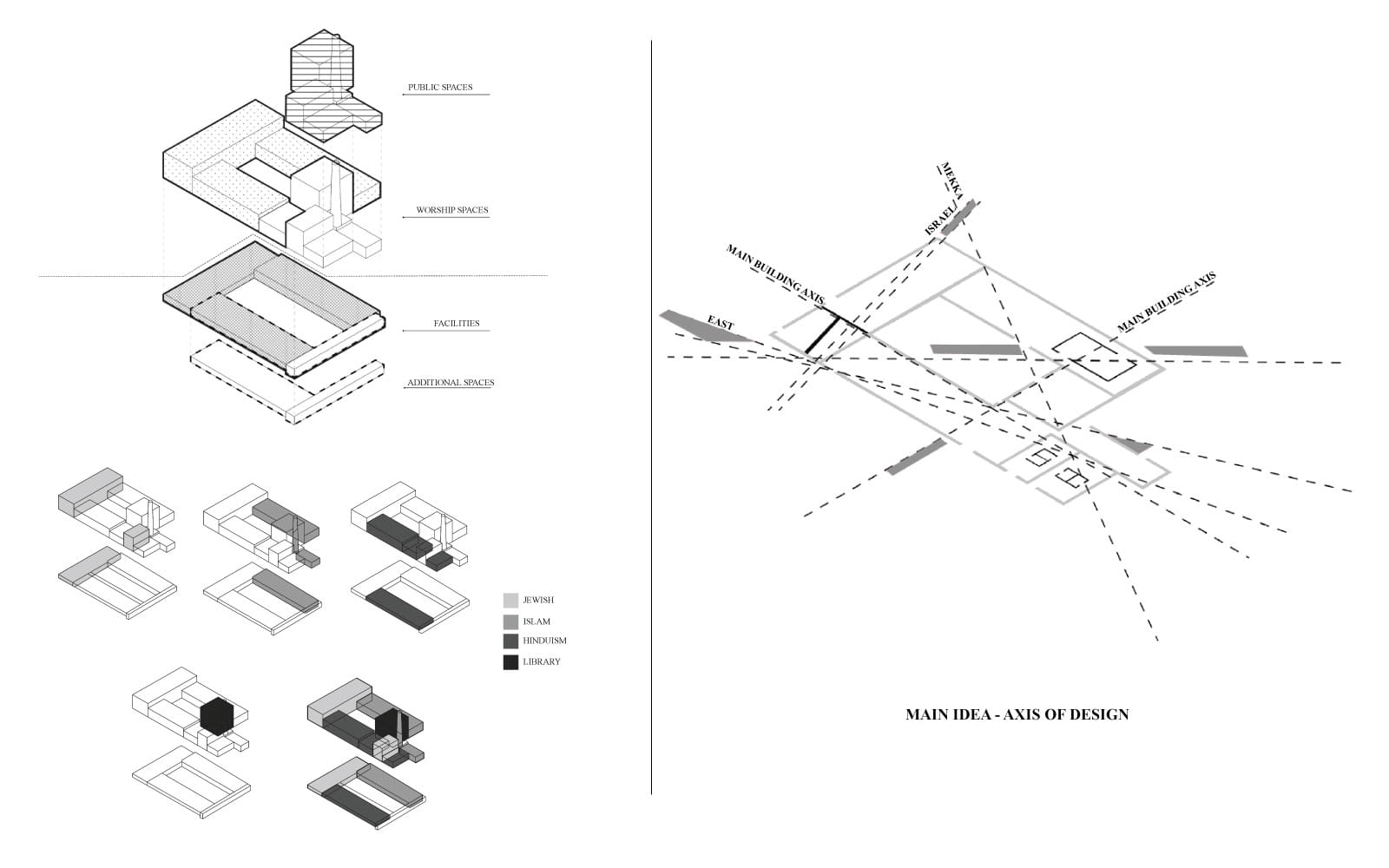
In the Hindu worship area, a mirror tower is integrated into the rooftop, providing a connection to the broader urban landscape while acting as a reference point for worshippers. Furthermore, the former chimney is used as a central perpendicular movement axis where the main elevator is placed and it is used as a minaret too. The design preserves the building’s original textures, with a white coating that highlights ritual tools used in religious practices. These tools, the only colorful elements in the space, emphasize the importance of ritual in each faith.
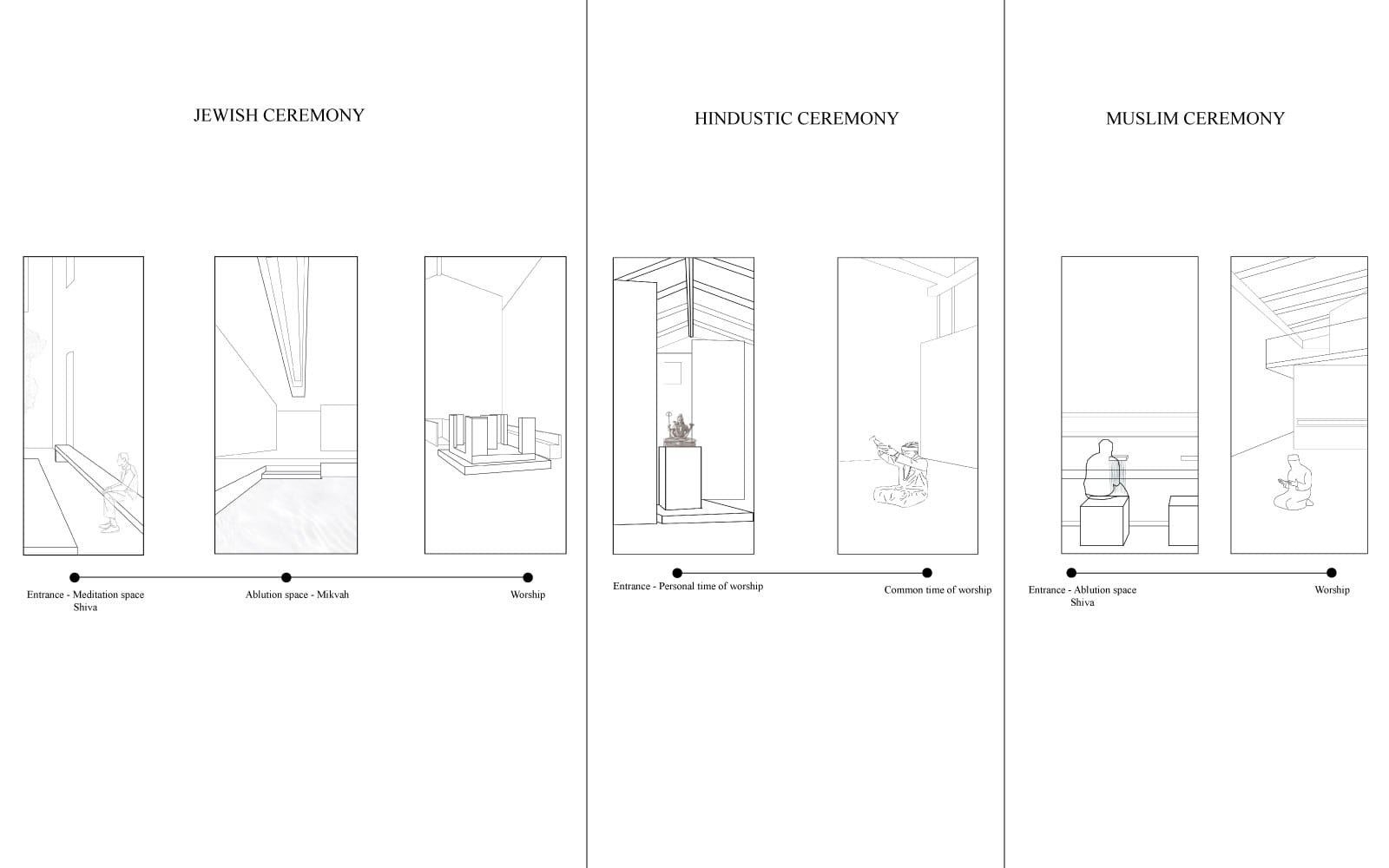
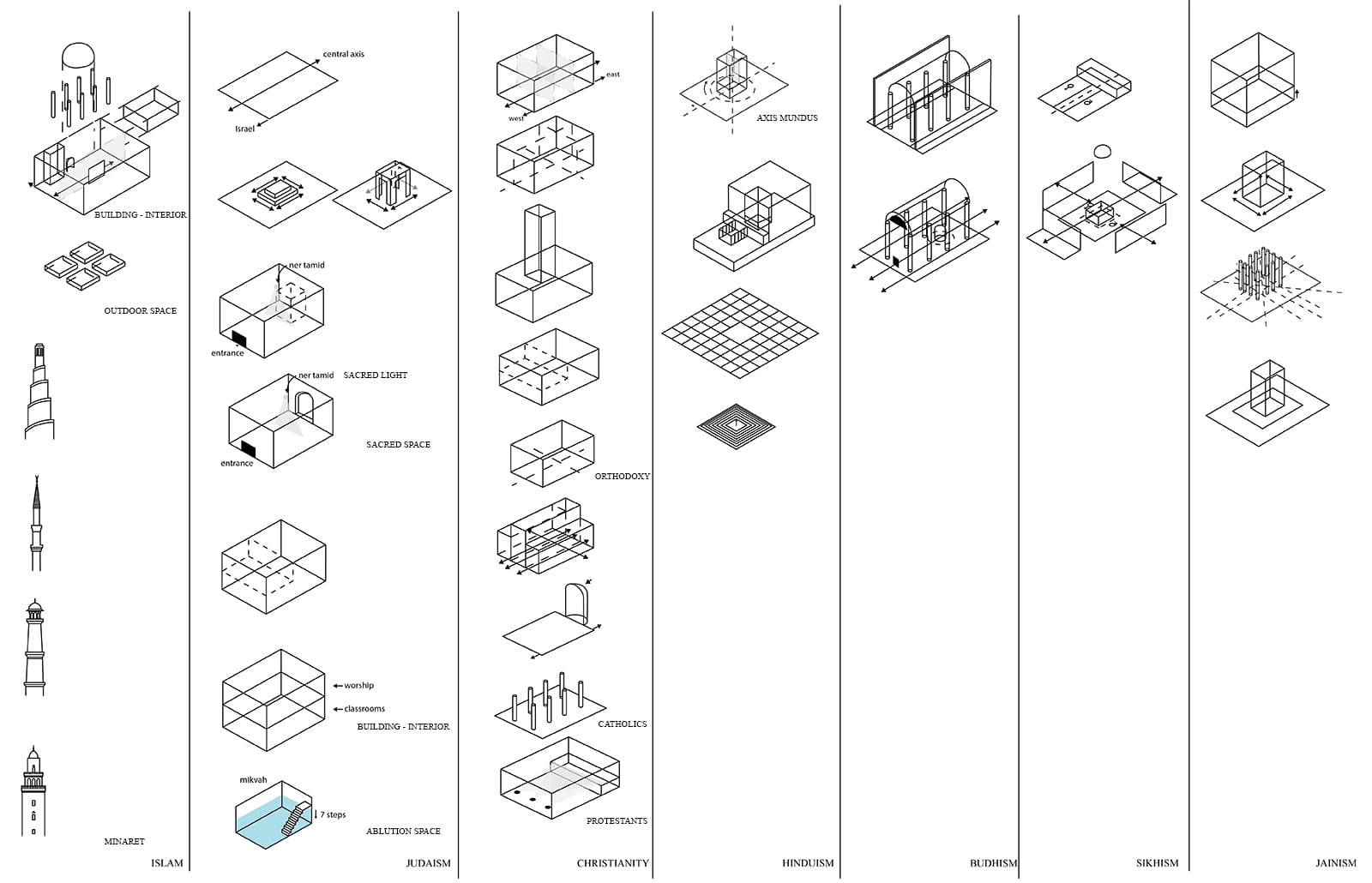
Ultimately, this proposal aims to revitalize the urban fabric of Athens while promoting social and religious cohesion. By creating a shared space for multiple religious communities, it fosters mutual understanding and strengthens the social fabric, contributing to the development of a more inclusive and modern society. The design provides a contemporary approach to urban regeneration, preserving the building’s historical value while meeting the spiritual and social needs of diverse religious groups.
Facts & Credits
Project title Common Sacred Spaces: Reuse of a formal factory into a place of worship
Type Design Thesis
Student Lavinia Zoita
Supervisor Constantine Bouras
Presentation Date 2025
University Department of Interior Architecture, University of West Attica
Text by the author
READ ALSO: Testbed: Hypnagogic Speculations on Pillows | Diploma Thesis by Dionysis Papas