Located in the semi-basement of an historic Barcelona building, this project by Twobo Arquitectura transforms a former water reservoir into an industrial Joan Gaspar’s designer office and workshop. Defined by a labyrinthine layout, generous ceiling heights, and exposed ceramic vaults, the space demanded a fast, low-cost intervention. The design introduces a compact wooden structure that functions independently within the existing shell, preserving the original spatial qualities and the material traces of the reservoir while embracing reuse and minimal construction.
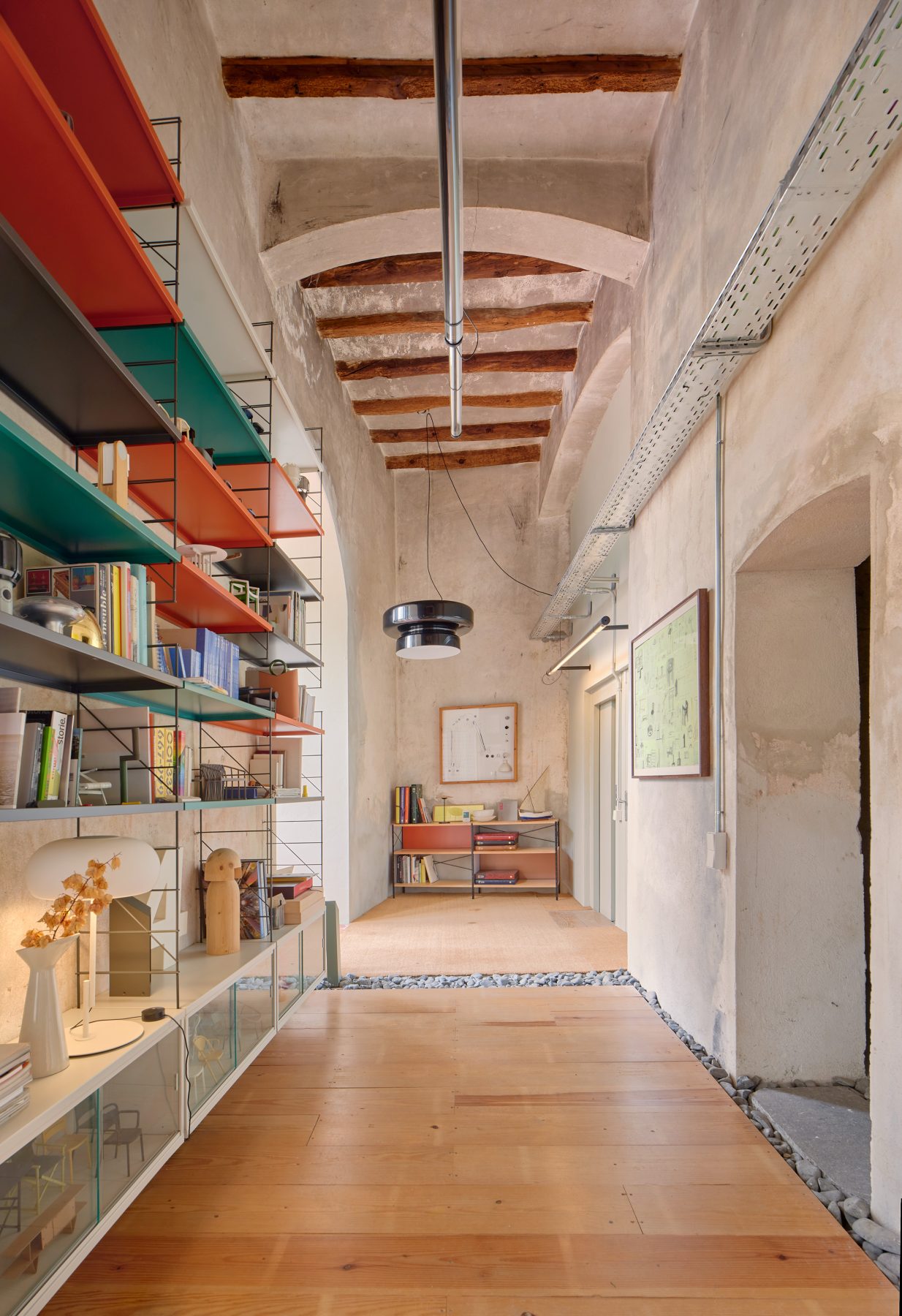
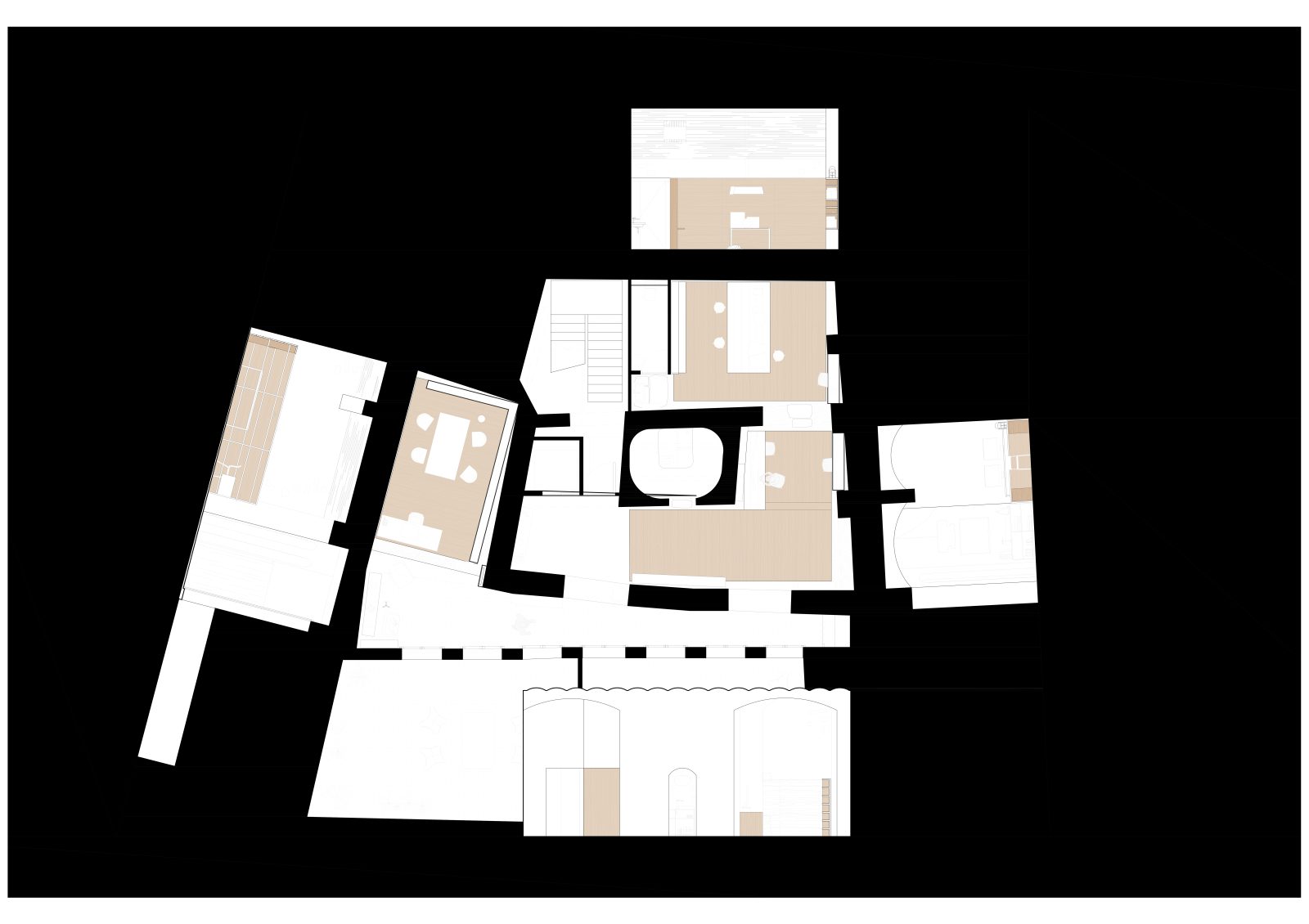
The project is located in the semi-basement of an old building in Barcelona, within a space defined by a labyrinthine floor plan and a single façade facing a private courtyard.
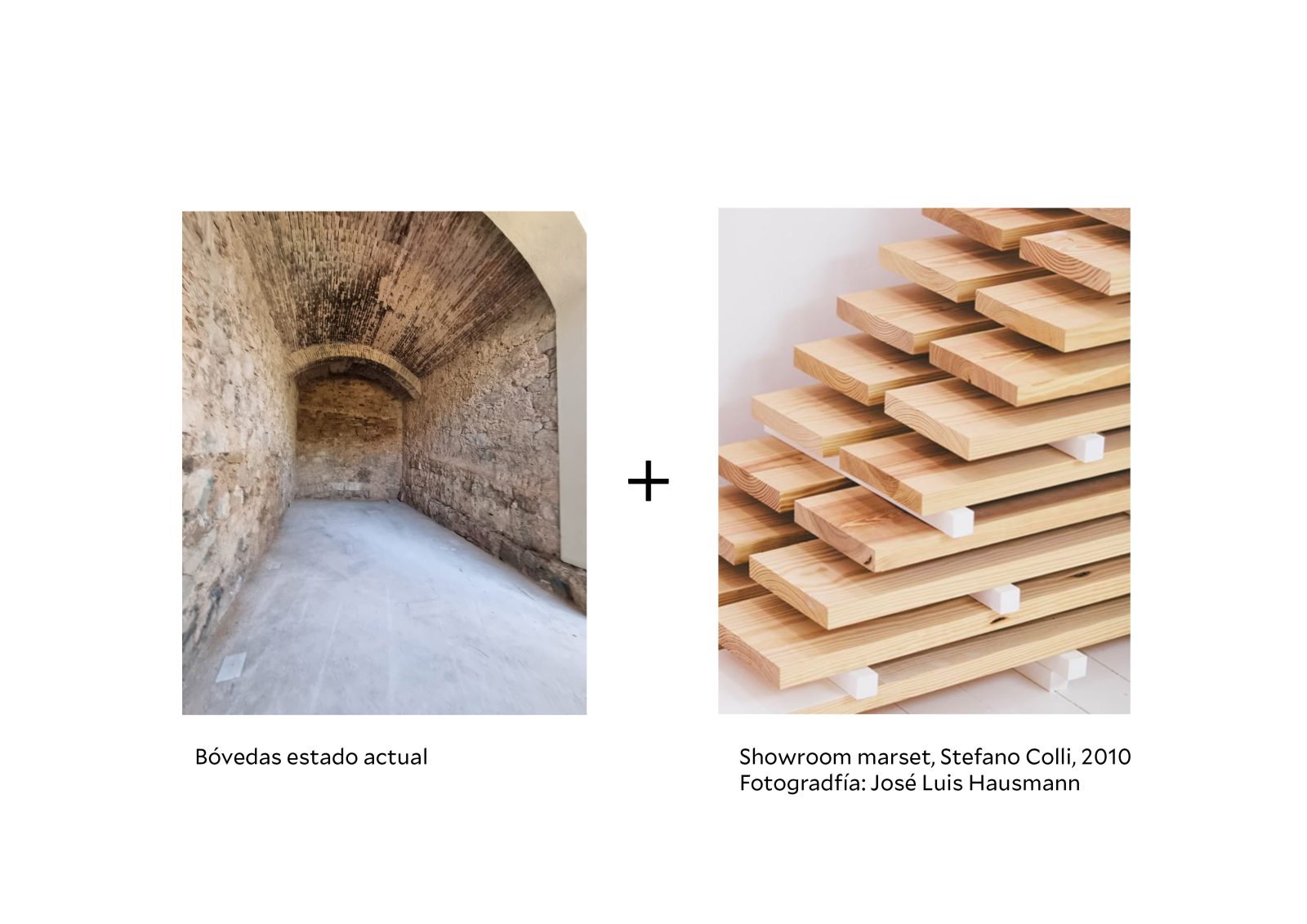
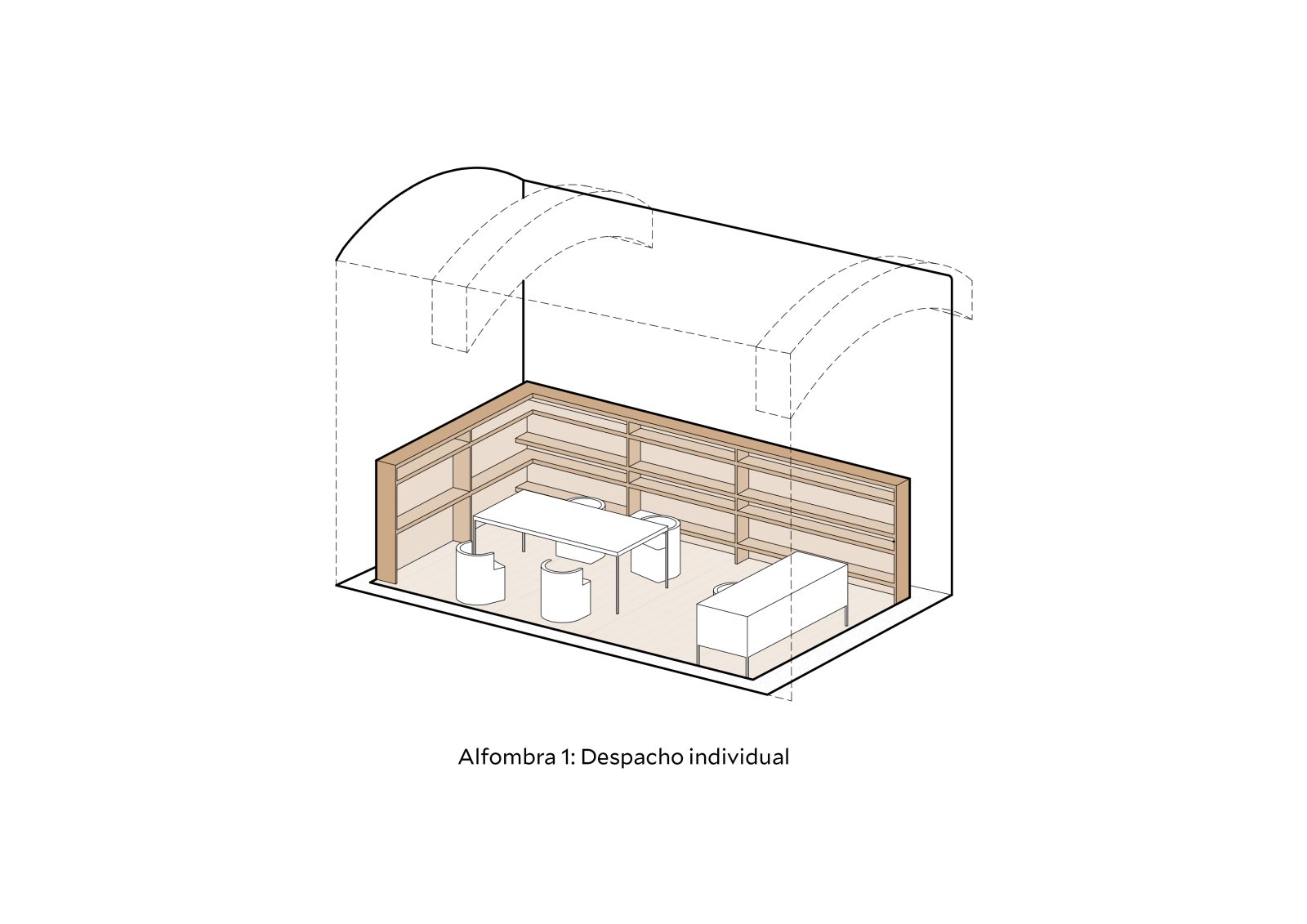
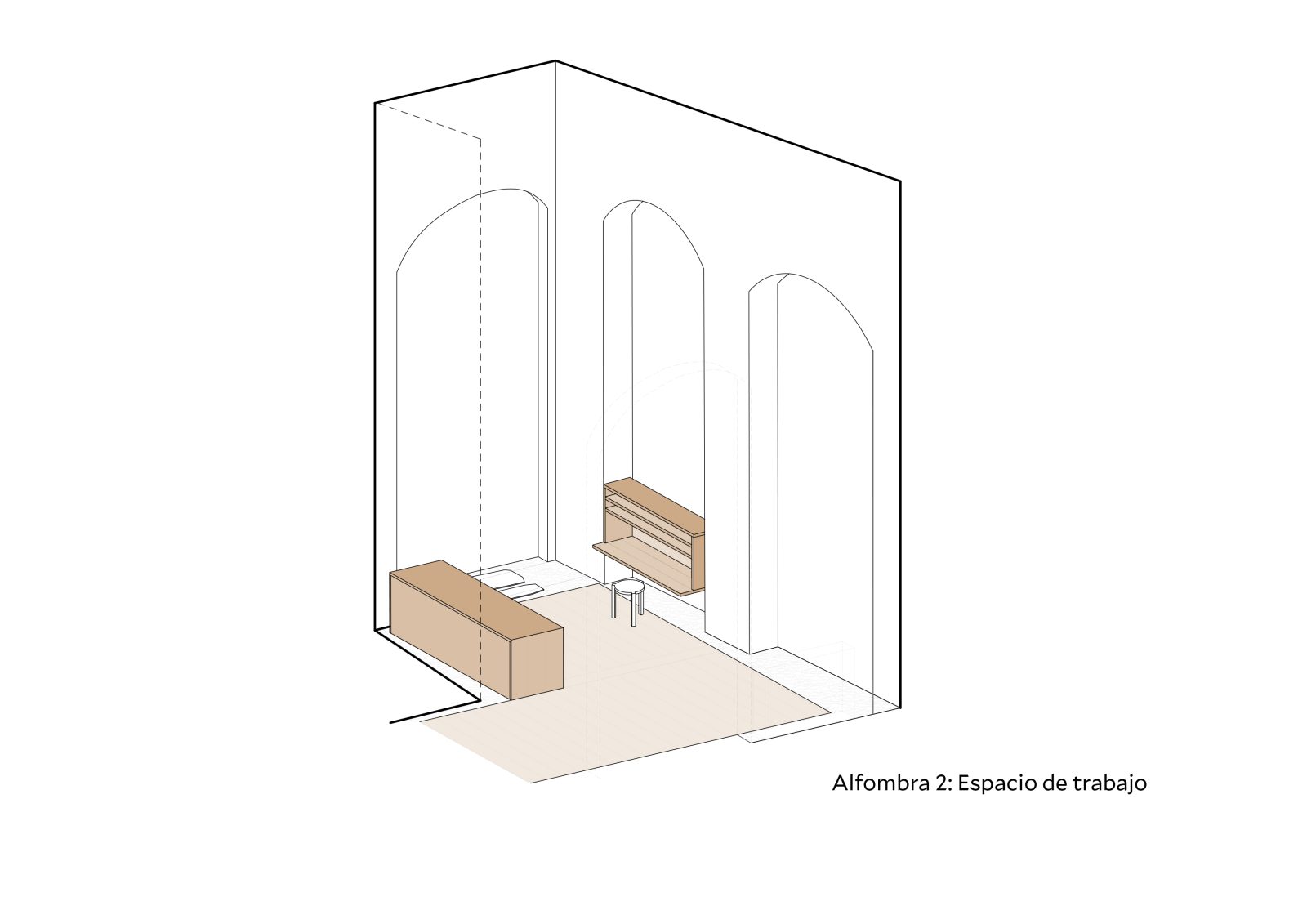
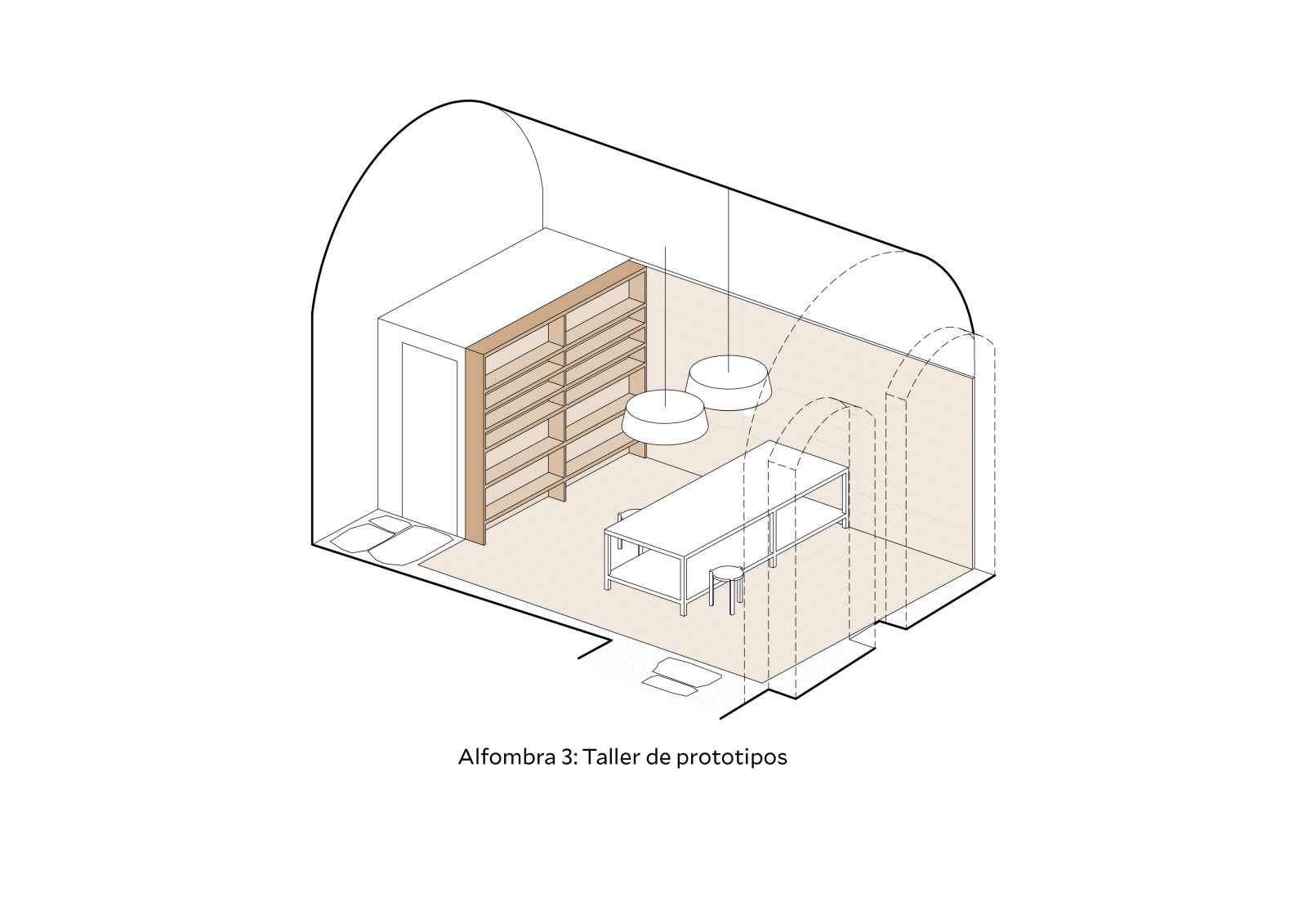
Its most striking feature is the generous clear height, shaped by exposed ceramic vaults that reveal the constructive logic and temporal depth of the existing structure.
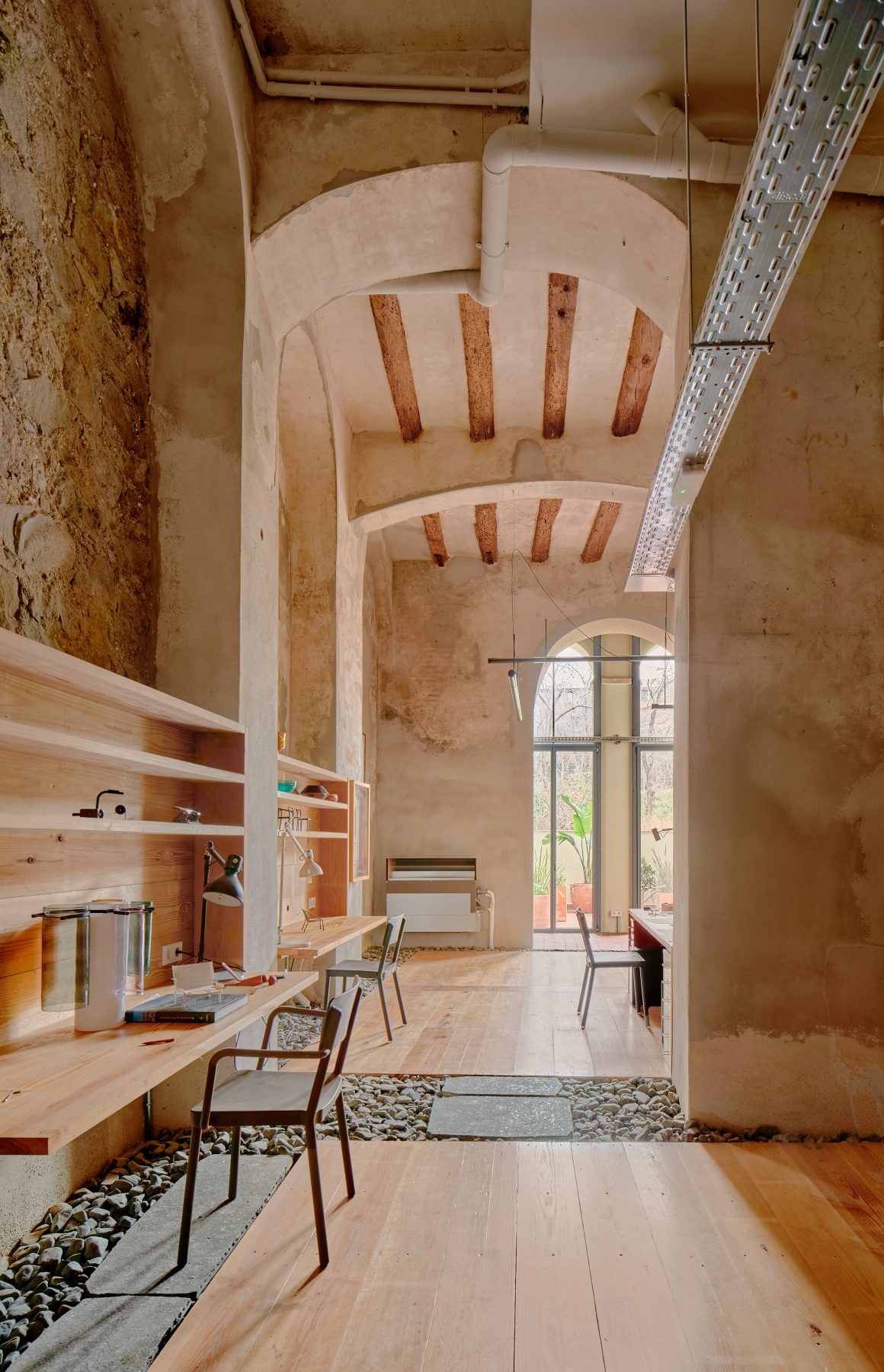
According to the client, the space had previously been used as a water reservoir, a memory that continues to inform its atmosphere and material condition. The commission involved the conversion of this environment into the studio-workshop of an industrial designer, under strict constraints of budget and time. At the outset of the design process, the client was offered a batch of pinewood boards left over from another renovation.
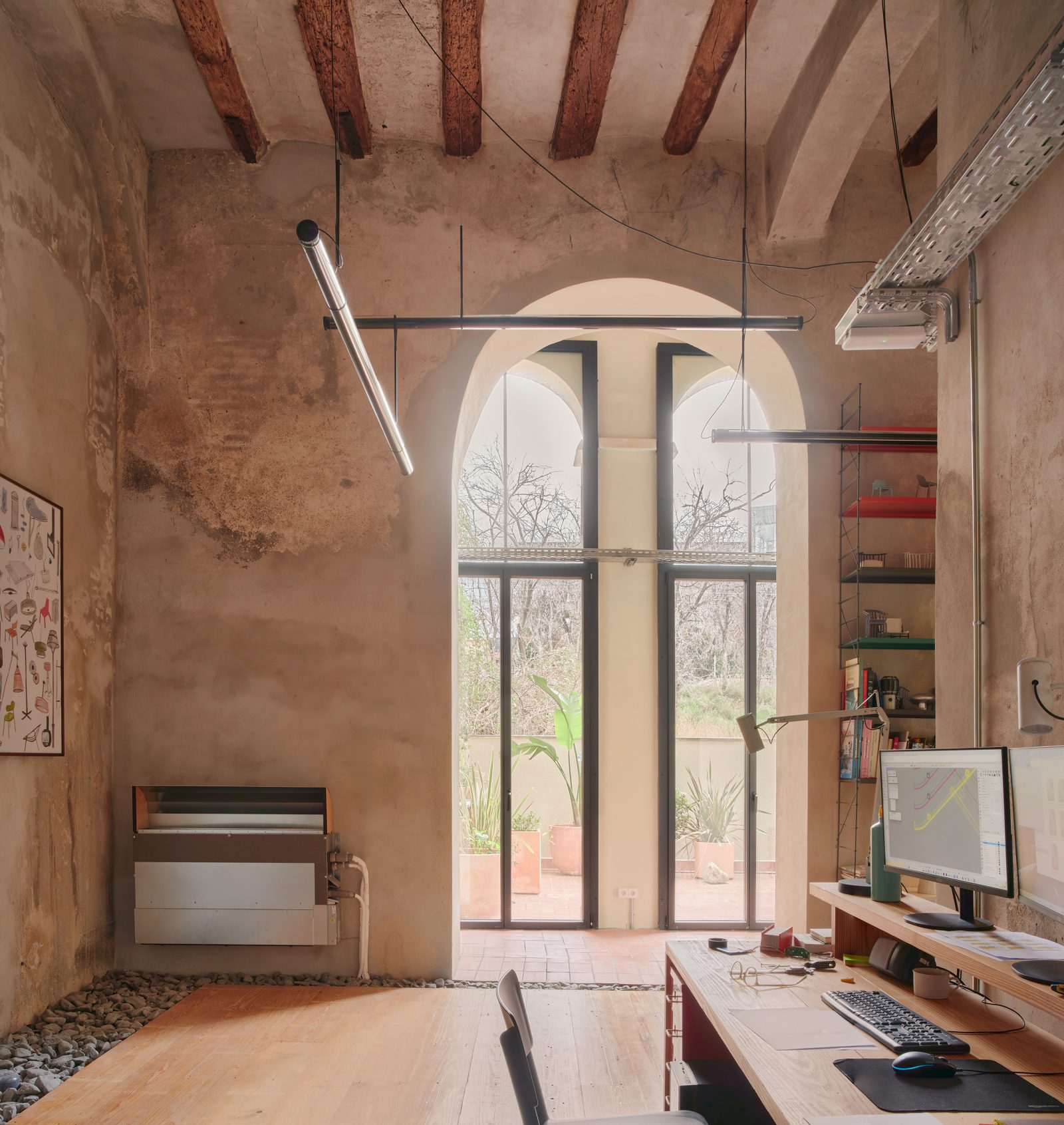
This unexpected availability of material became the guiding premise of the intervention, positioning wood not merely as a finish but as the primary architectural system of the project.
The conceptual framework draws on the spatial narrative of Antonello da Messina’s Saint Jerome in His Study, where a vast architectural setting shelters a smaller, intimate wooden structure that hosts the saint’s creative life.
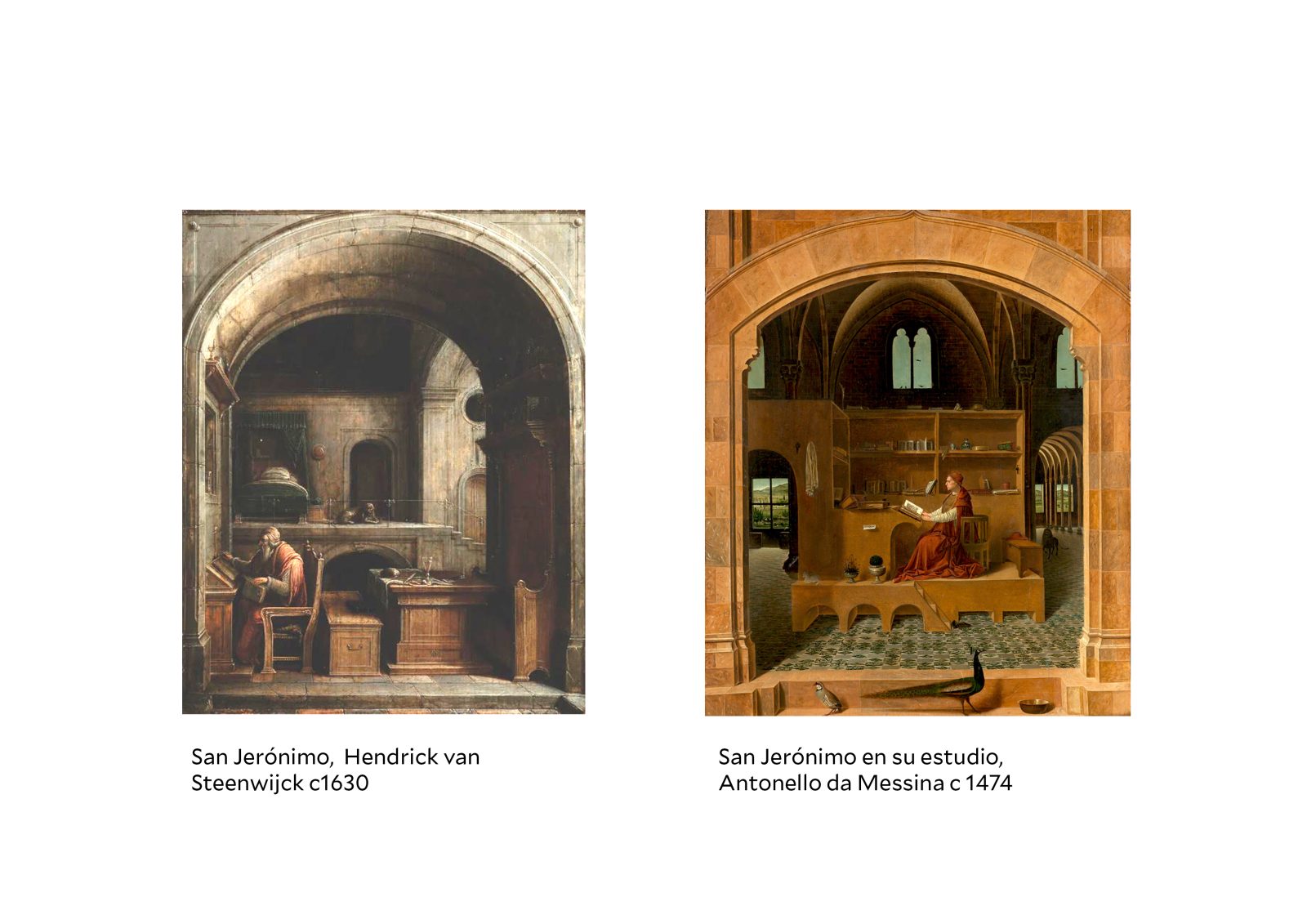
In a similar manner, the intervention introduces a contained, domestic wooden architecture —an artist’s office within— inserted inside the larger historic envelope, establishing a dialogue between monumentality and intimacy, between container and contained.
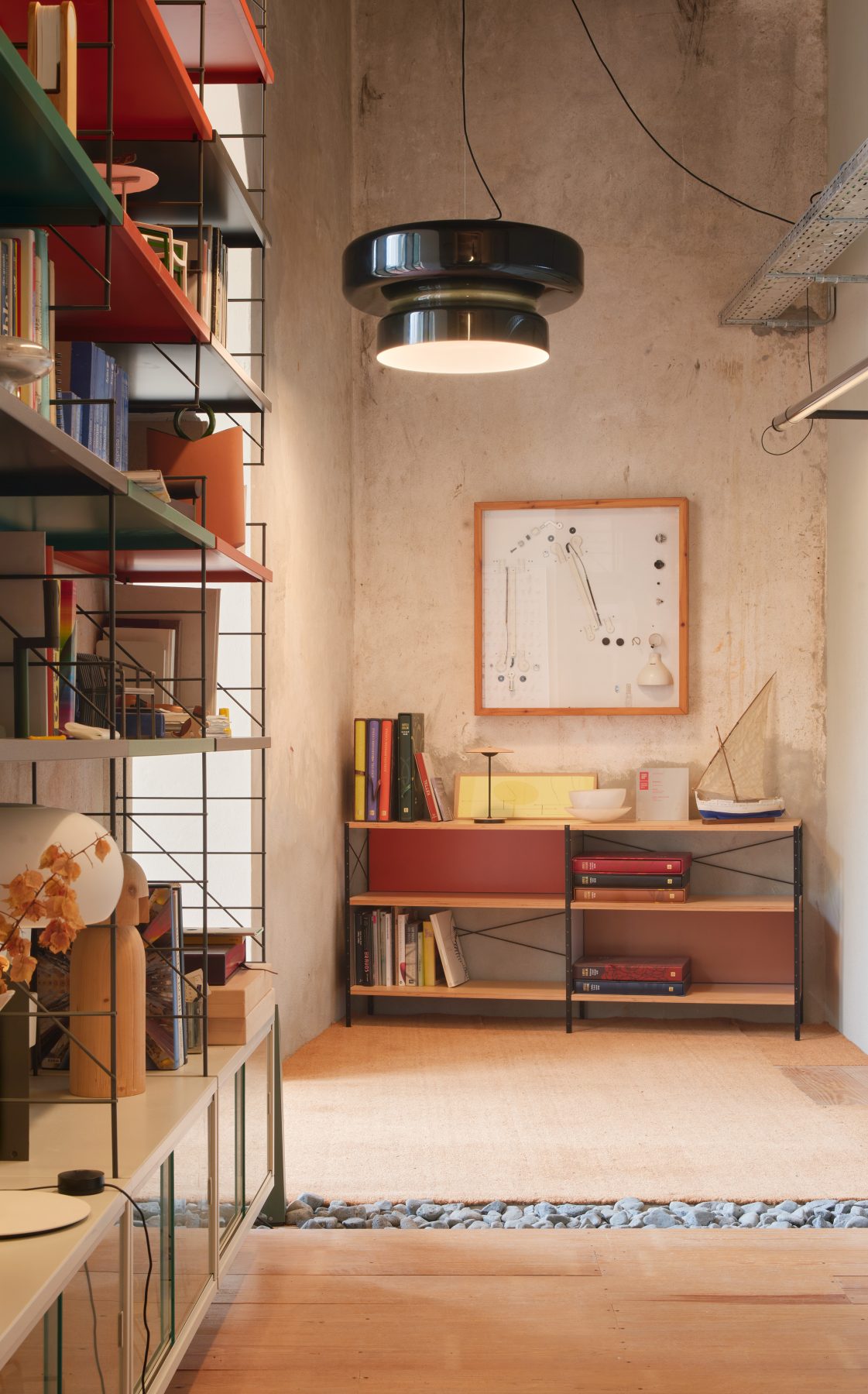
The pinewood is deployed as floors, work surfaces, shelving and vertical panels, forming the spaces that are inhabited and physically engaged. Its construction logic is based on repetition and stacking, enabling a fast, economical and precise assembly. Through this system, a series of regular and modular elements emerges, deliberately contrasting with the irregularity, texture and imperfections of the original construction.
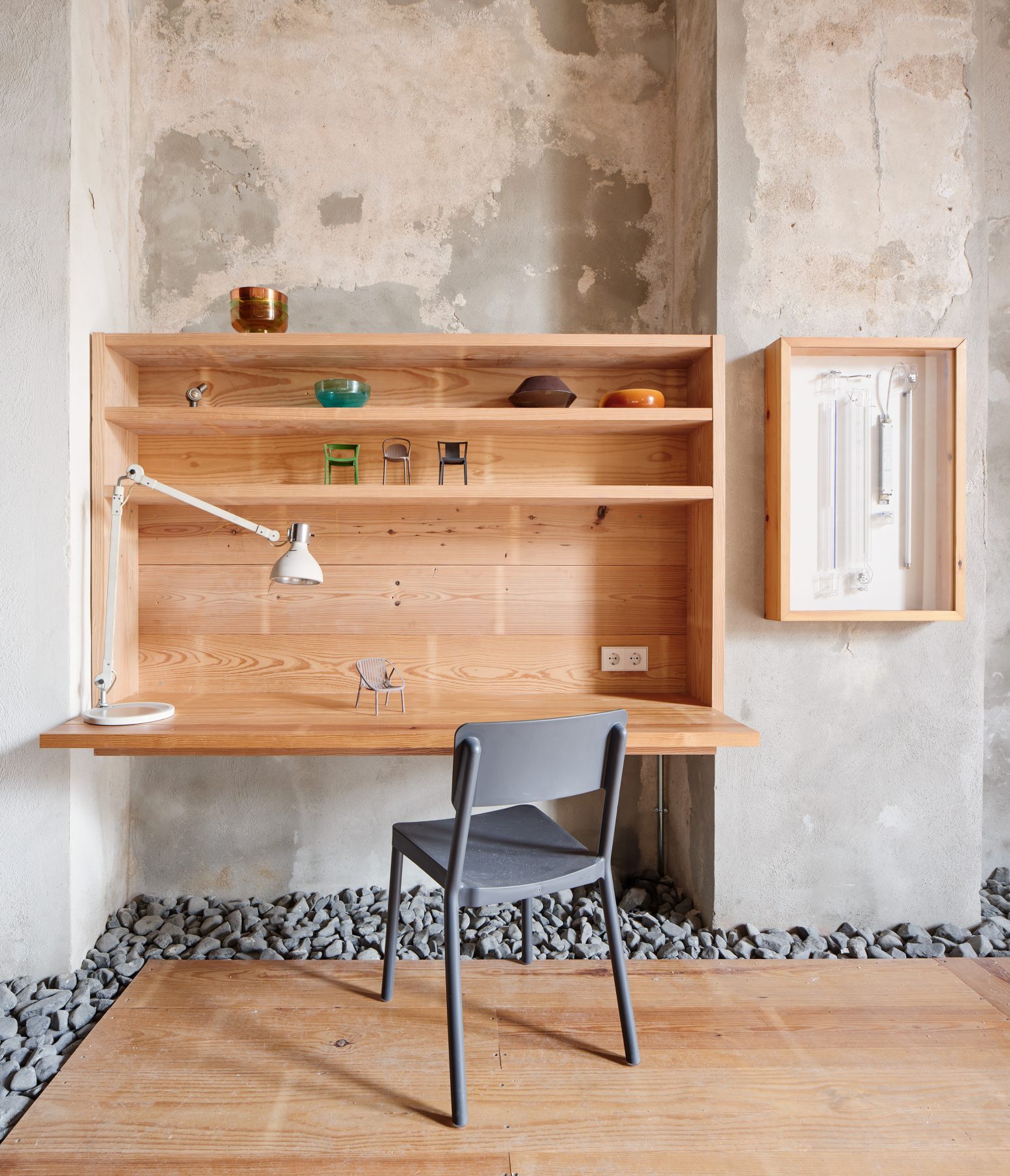
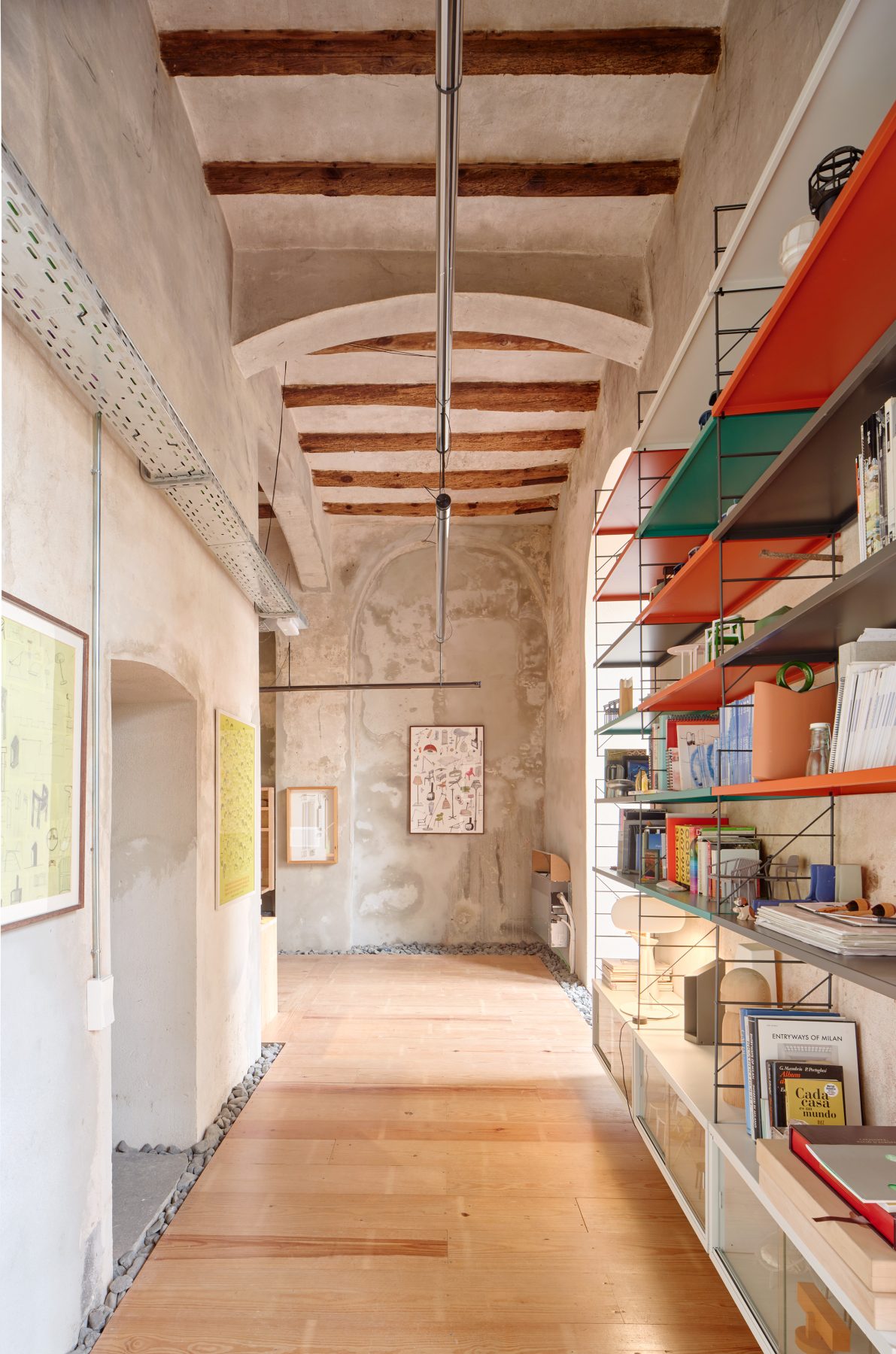
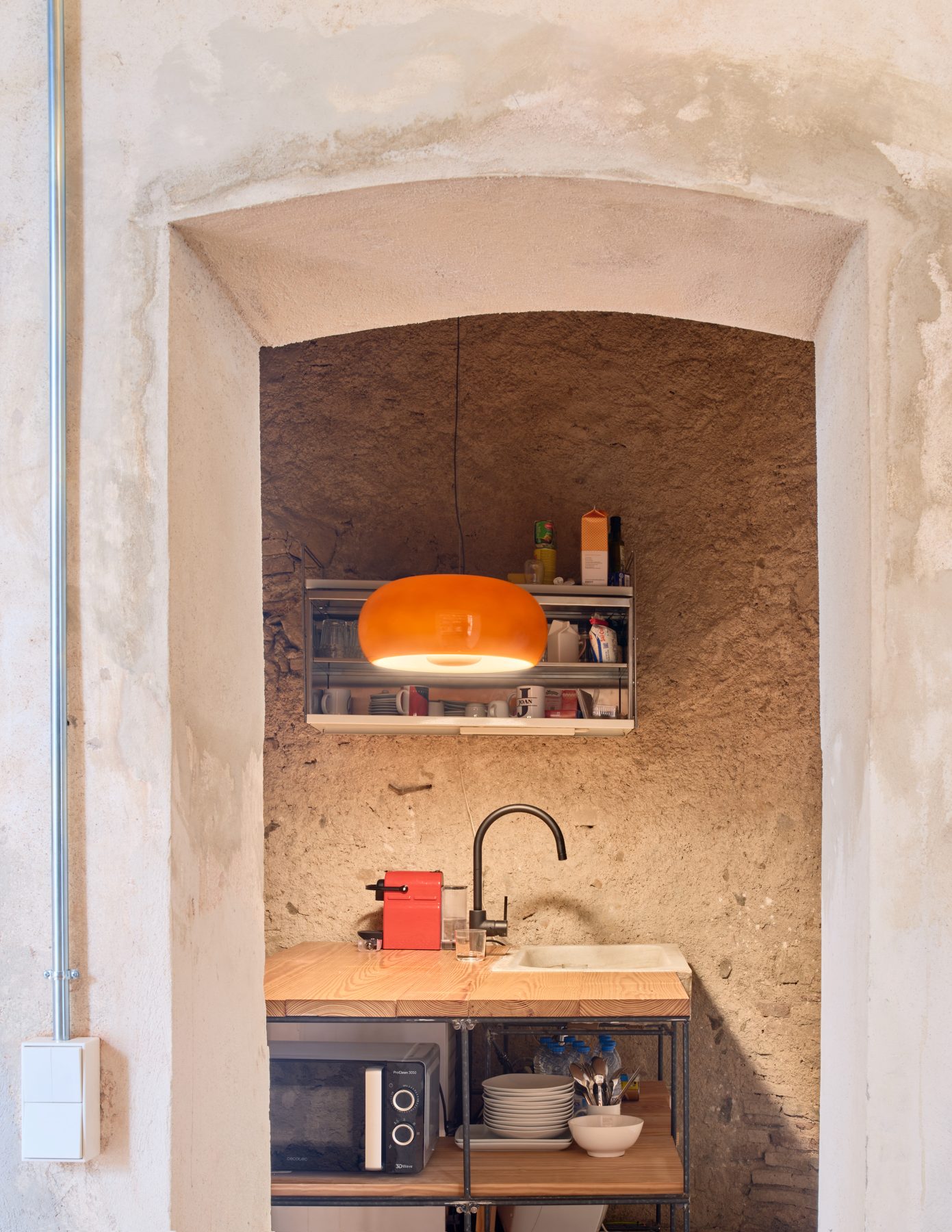
A key design decision was to ensure that the new wooden structure never touches the existing walls.
This gesture allows the original space to remain fully legible, preserving its material authenticity and temporal traces. Rather than erasing the past, the intervention establishes a condition of coexistence, where the new insertion and the historic shell maintain a clear and respectful separation.
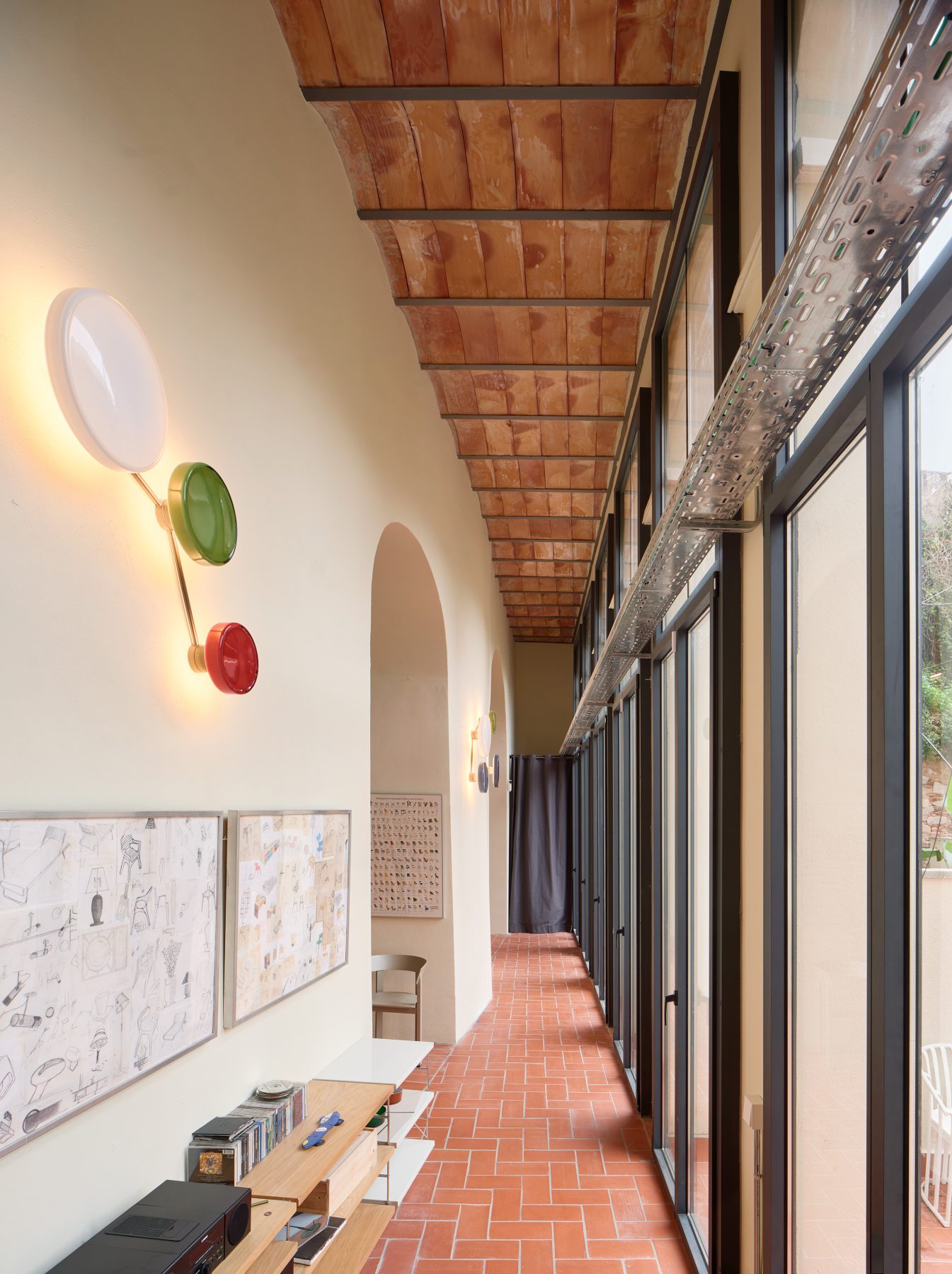
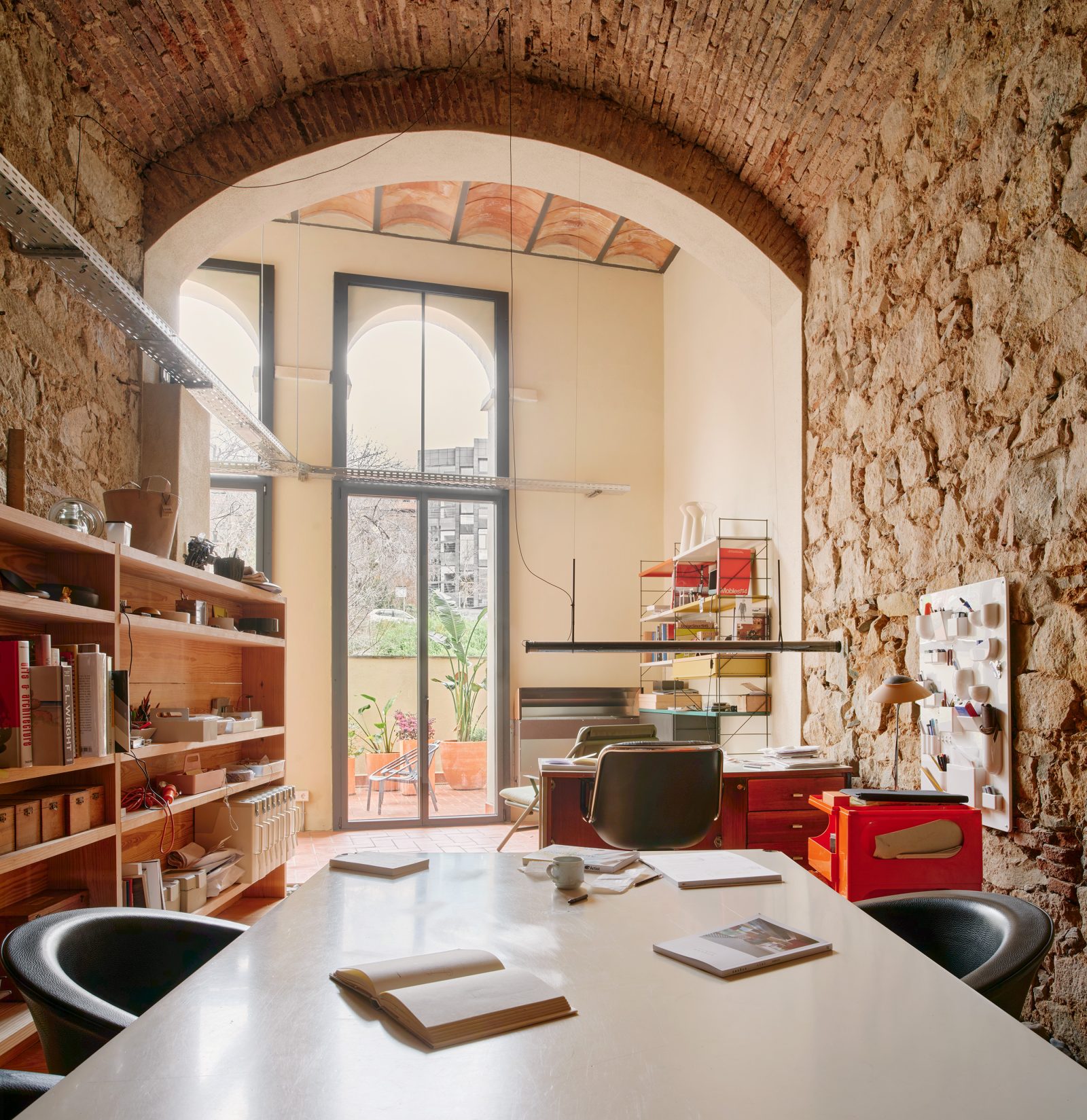
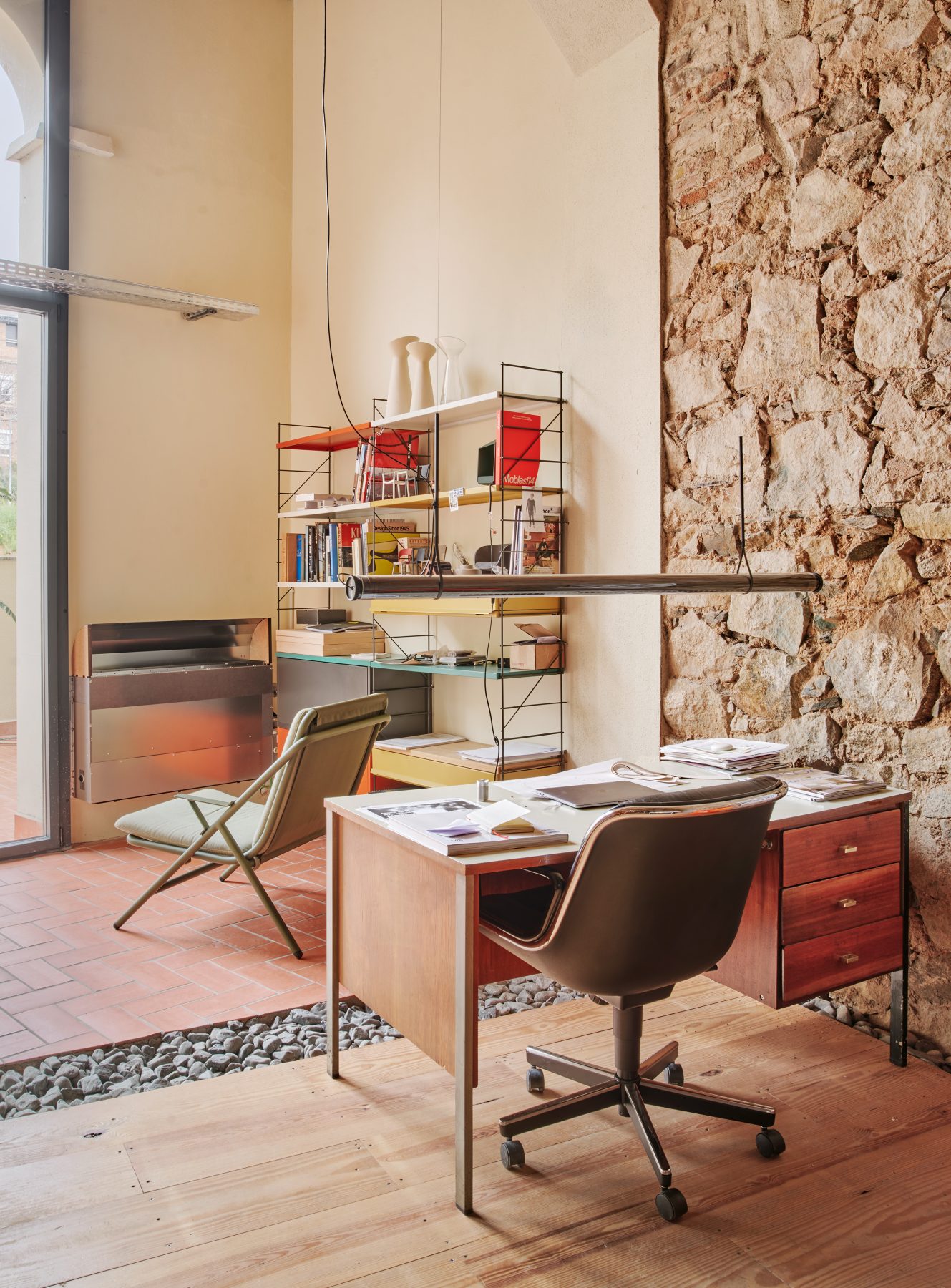
The gap between the two systems is articulated through a continuous layer of black gravel, which functions both as a technical and spatial device. It isolates the wooden elements from humidity while simultaneously concealing installations, reinforcing the autonomy of the inserted structure. This restrained and reversible strategy enables the coexistence of two distinct scales: the large, vaulted reservoir and the intimate wooden micro-architecture that accommodates the daily life and creative practice of the artist.
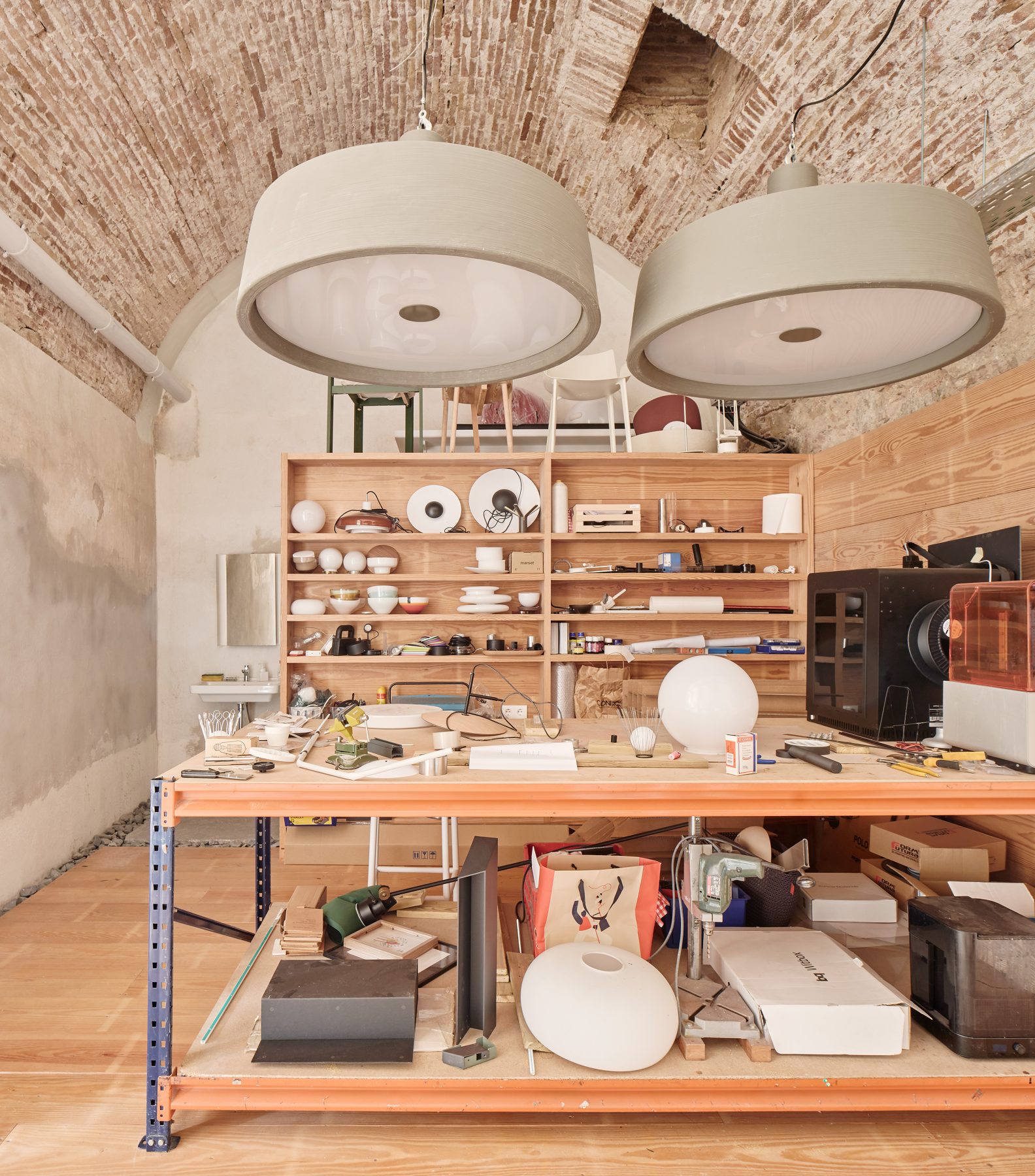
The intervention is conceived not as a transformation but as a careful act of inhabitation.
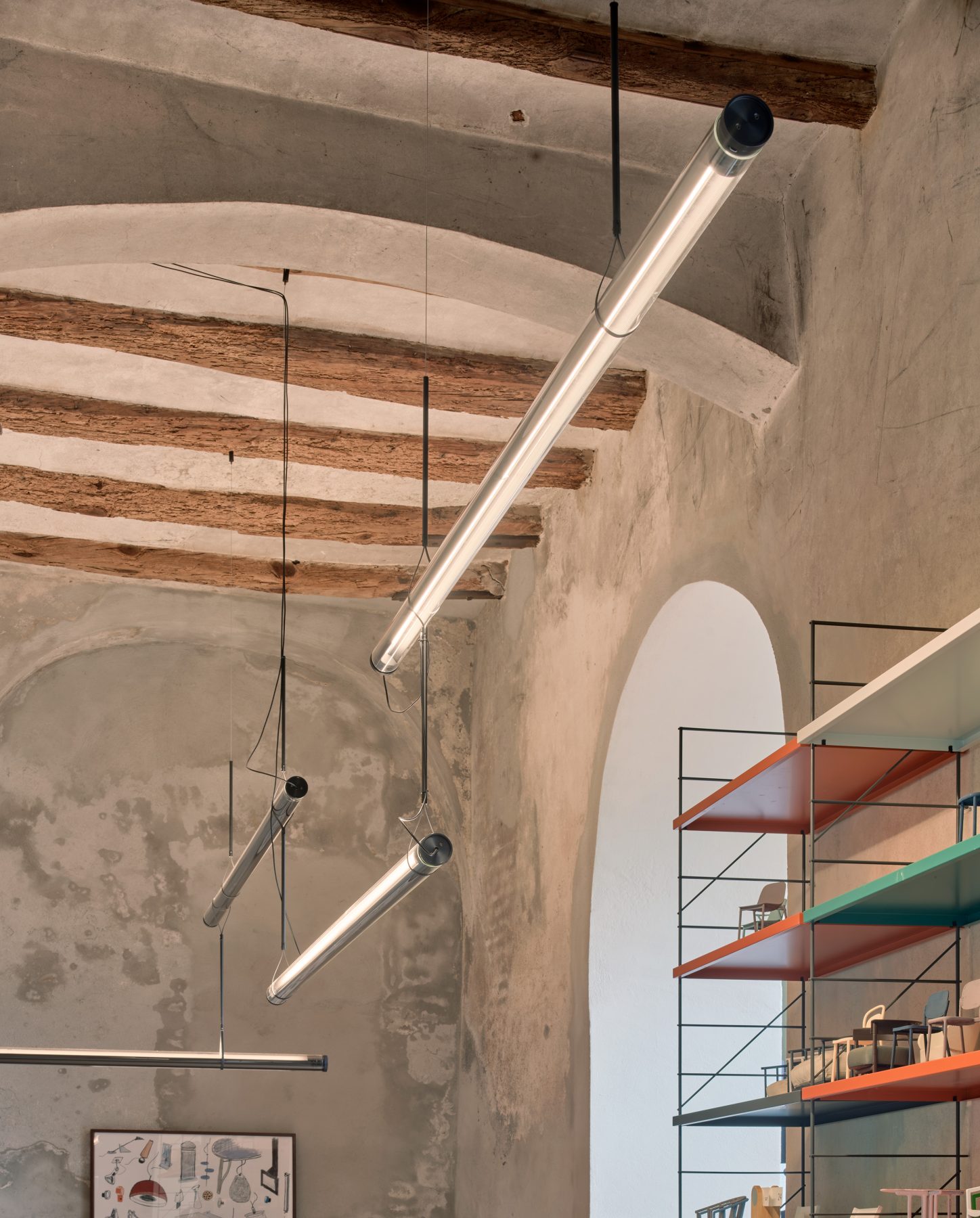
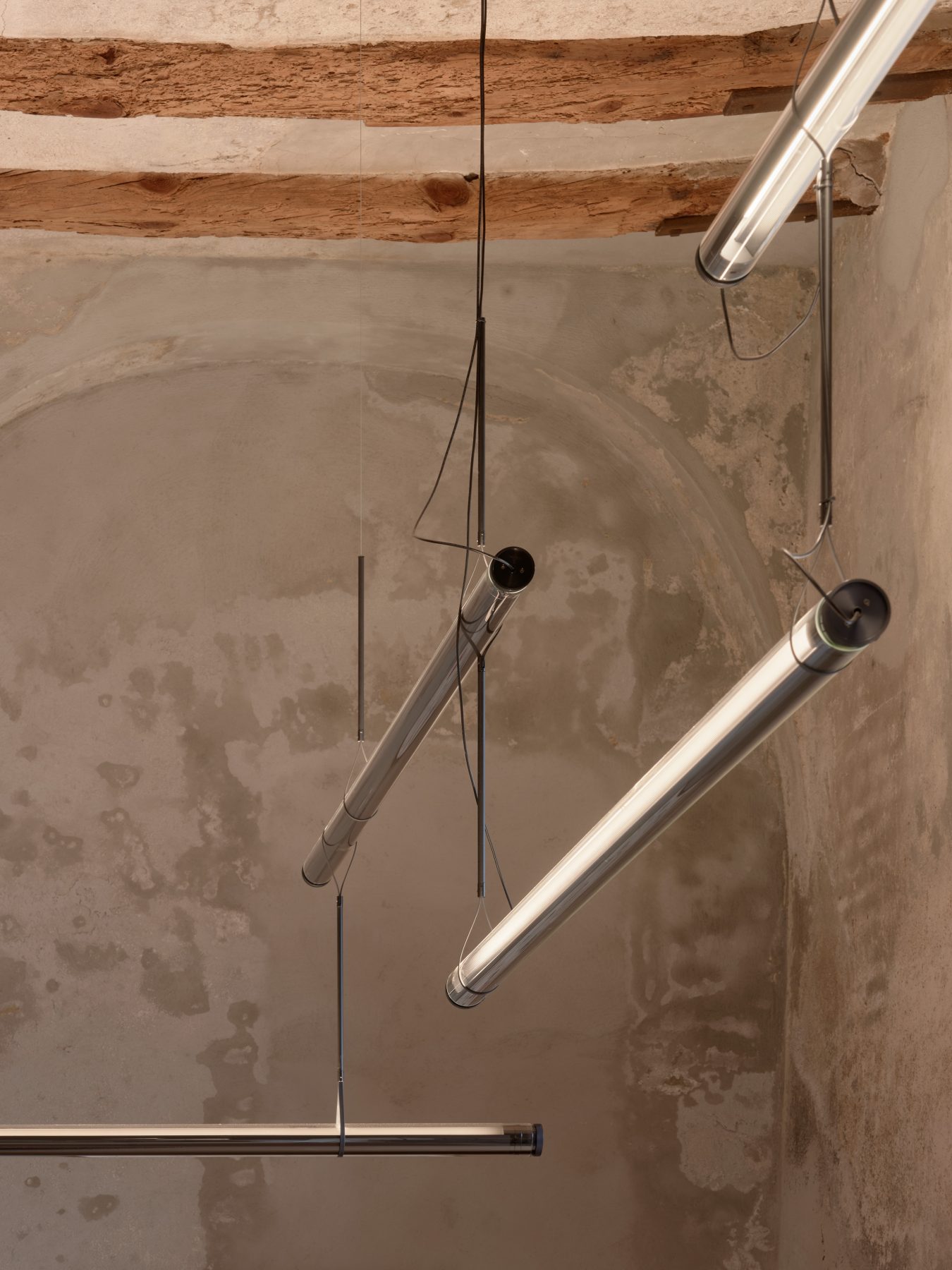
The self-contained wooden structure, deliberately detached from the historic envelope, preserves the legibility and memory of the former reservoir while introducing a new, intimate scale of use. Through this coexistence of the monumental vaulted shell and the modular pine micro-architecture, the project establishes a respectful dialogue between past and present, where reversibility, economy and restraint allow a new creative life to unfold without erasing the spatial and material identity of the existing space.
Facts & Credits
Project title Taller Joan Gaspar
Typology Renovation, Interior Design
Location Barcelona, Spain
Architecture Twobo Arquitectura
Collaborators Claudia Canalda, Sara Alves
Designer – Artist Joan Gaspar
Area 125 m²
Date 2024
Construction company Filgueira (masonry) + Rimvara (carpentry) + Traver (installations)
Lighting Marset
Photography José Hevia
Text provided by the architects
READ ALSO: Το ‘coucou nightclub’ των Tsifoutidis Architects απέσπασε Έπαινο στα GRAIL Awards 2026.