MicroScale explores architecture at its most intimate spotlighting tiny designs with outsized ideas; compact structures that rethink space, material, and function. From tiny houses to pocket retail, these projects prove that small architecture can be radical, poetic, and deeply human, revealing how scale sharpens innovation rather than limiting it.
Set within a 16th-century Maltese townhouse know as karreja (a historic, narrow, multi-story tenement block or terraced apartment complex designed for multiple families), The Blue Room by Studio NiCHE exemplifies how adaptive reuse can redefine micro-living in heritage contexts. Designed by Martina Fenech Adami, the project transforms a compact historic shell into a spatially intelligent and sensorial contemporary retreat, where material precision, chromatic clarity and passive environmental strategies converge to expand perception, enhance comfort, and celebrate the layered memory of place through subtle, context-driven architectural interventions.
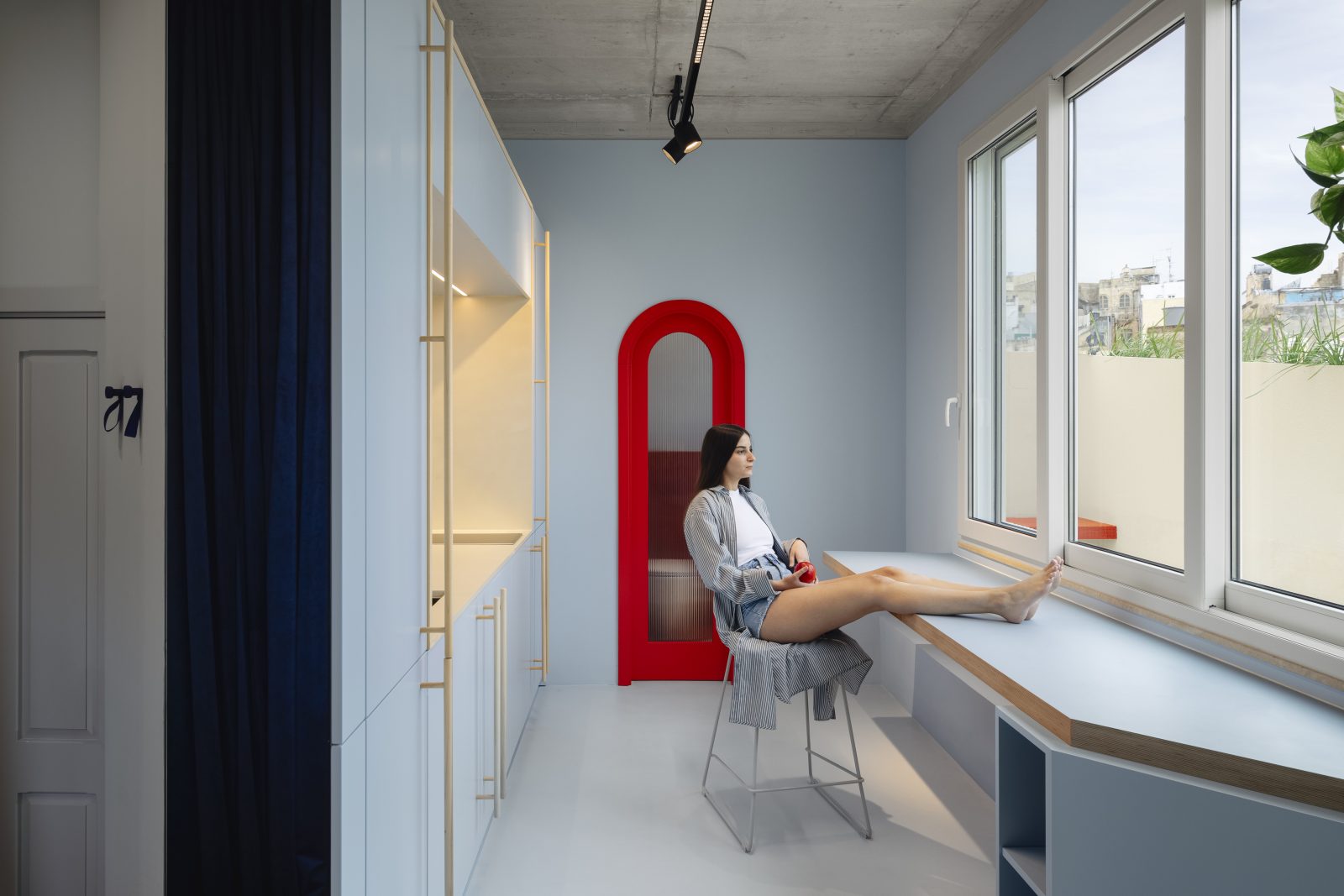
The Blue Room stands as a bold testament to adaptive reuse and spatial ingenuity, demonstrating how the transformation of a historic shell can evolve into a refined expression of contemporary micro-living. Embedded within the dense fabric of a 16th-century Maltese karrejja, the 28 sqm studio with its 10 sqm terrace negotiates between preservation and reinvention, elevating compact hospitality within a heritage framework.
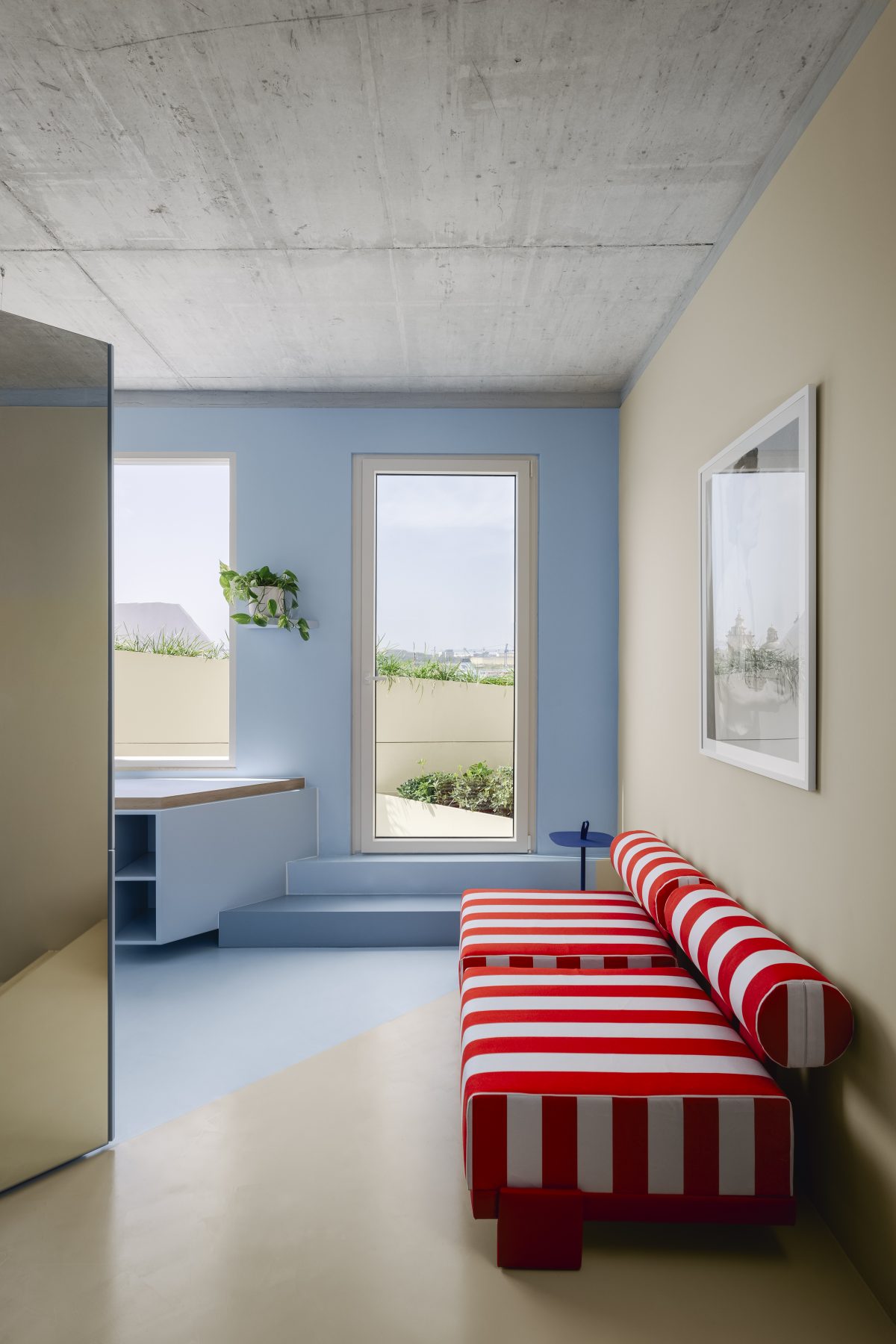
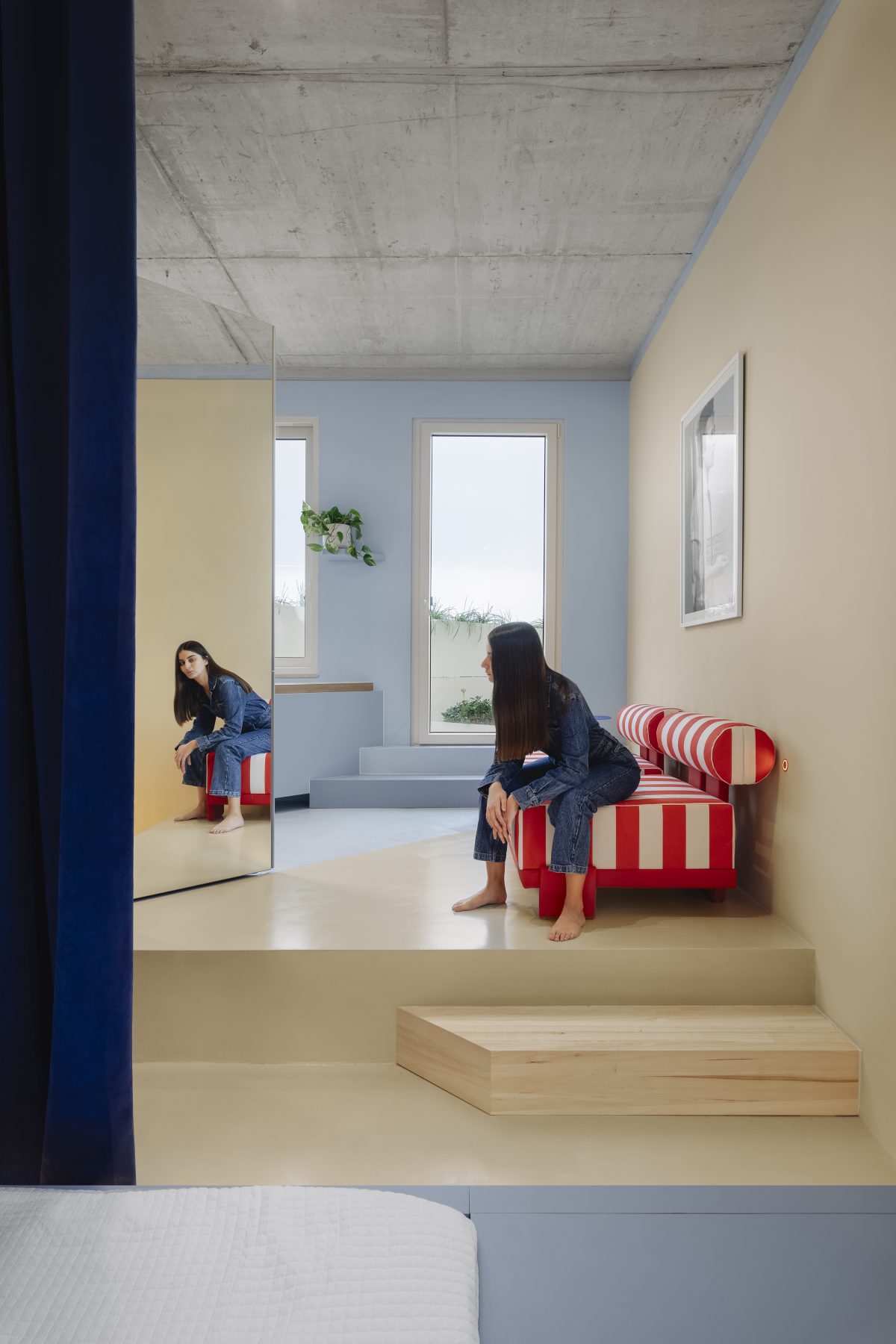
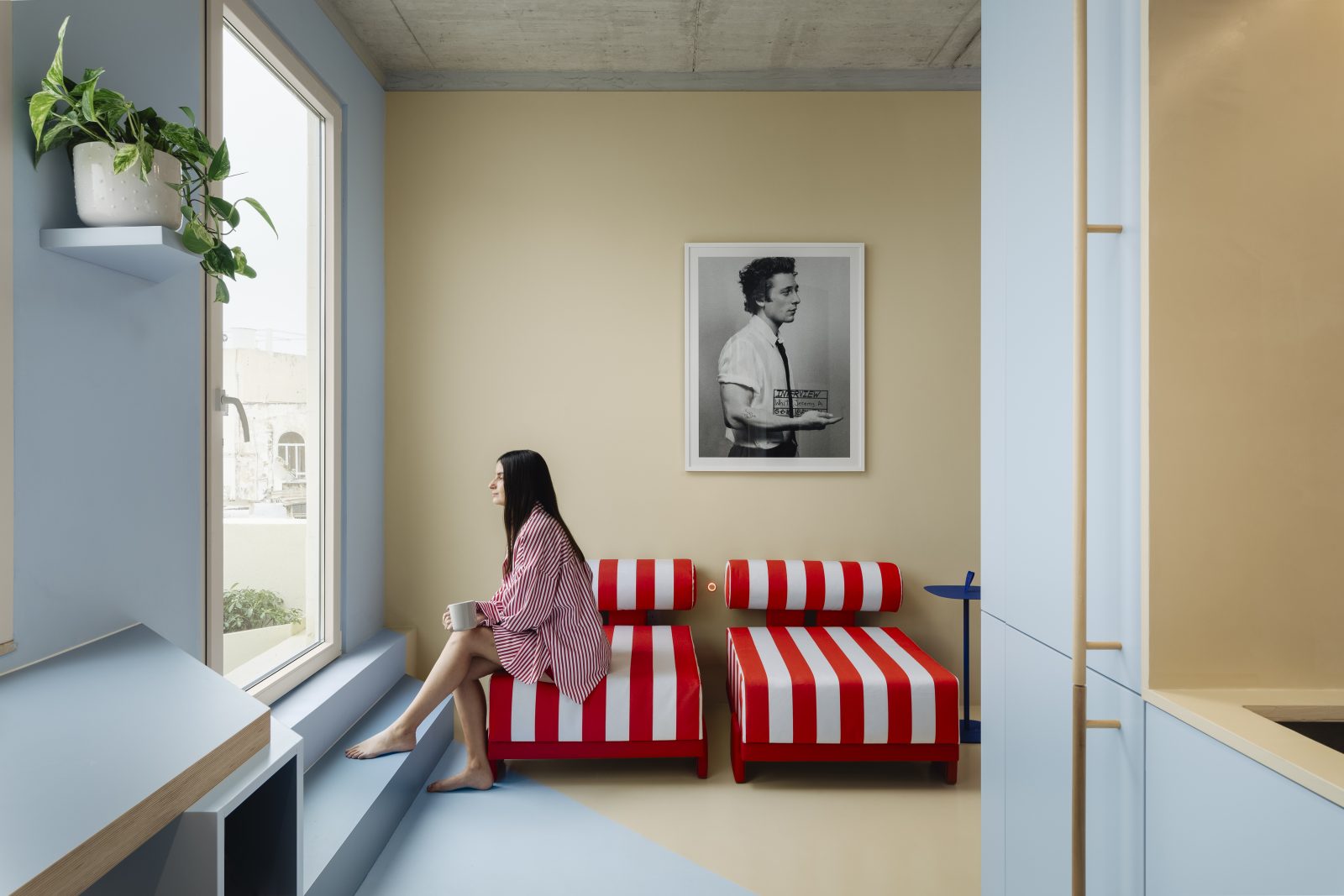
The original architectural envelope is carefully retained, while new spatial interventions introduce clarity, lightness, and continuity.
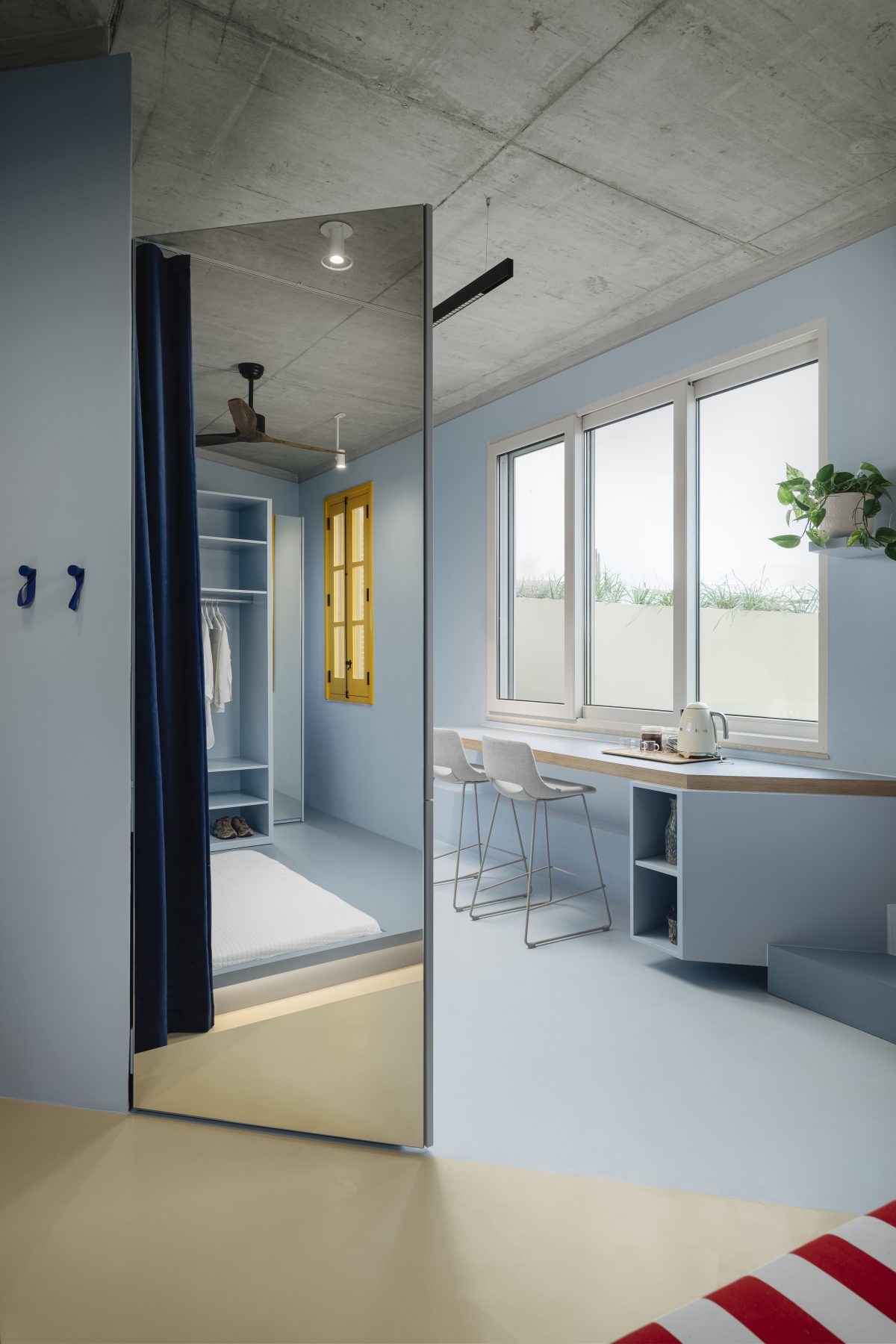
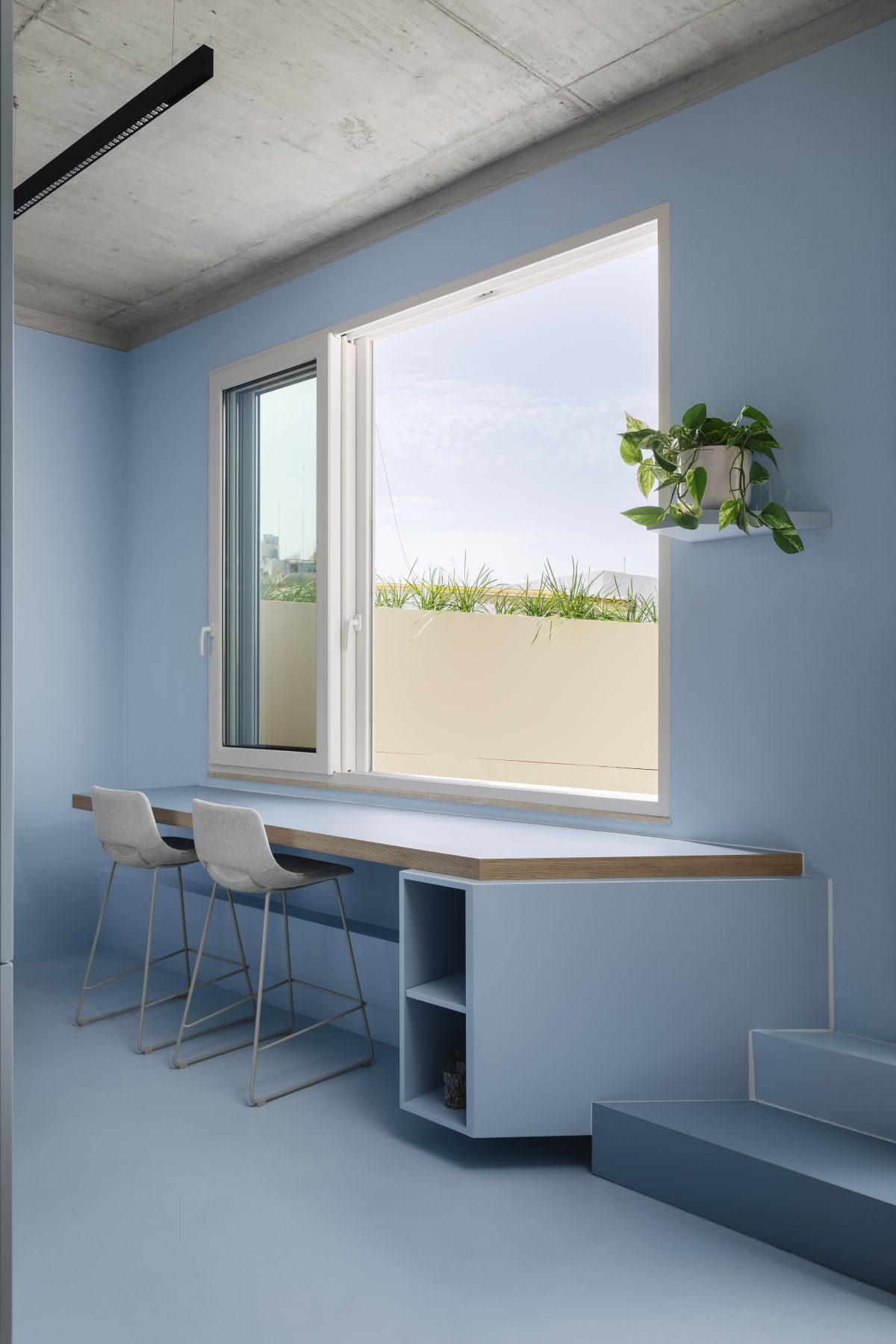
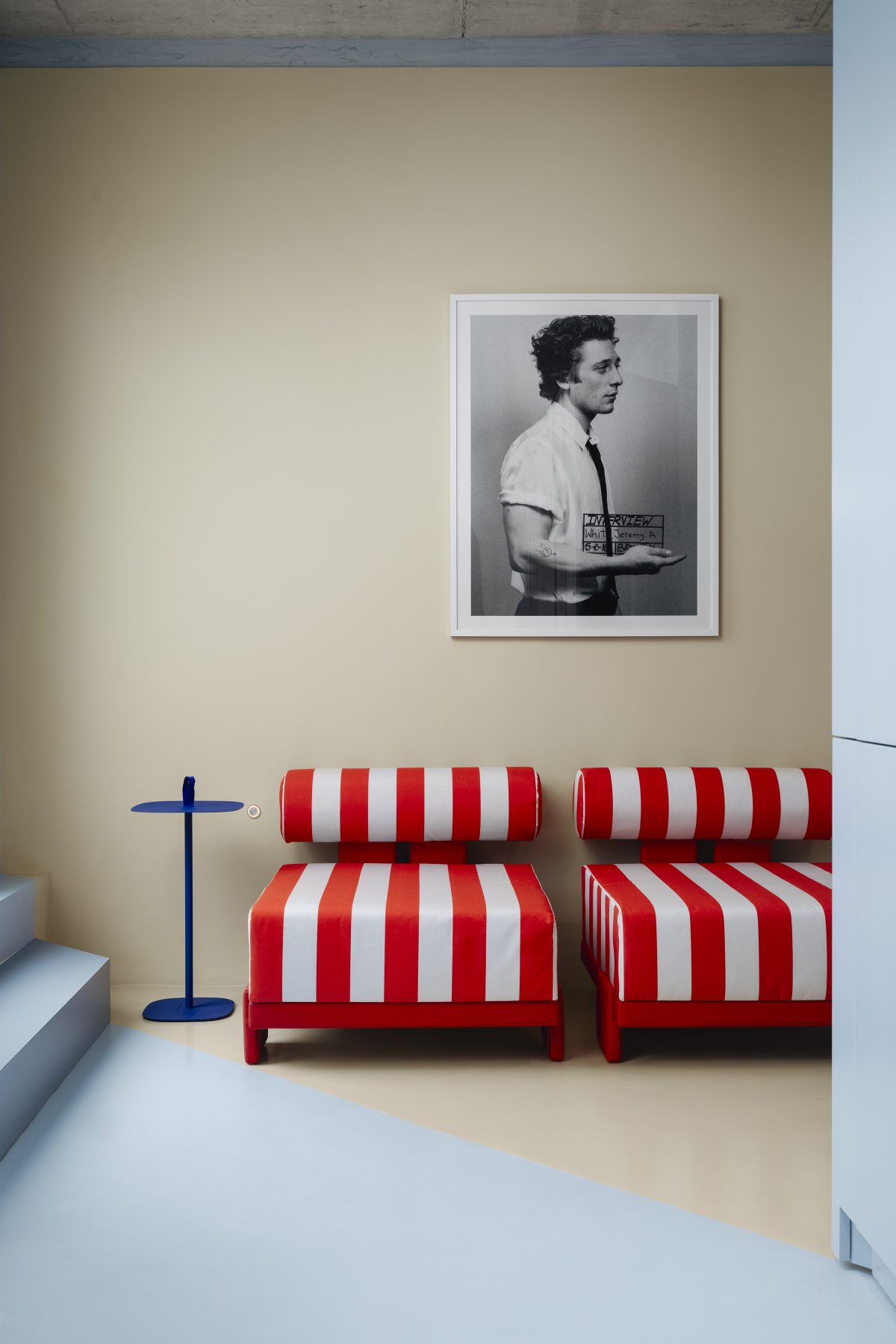
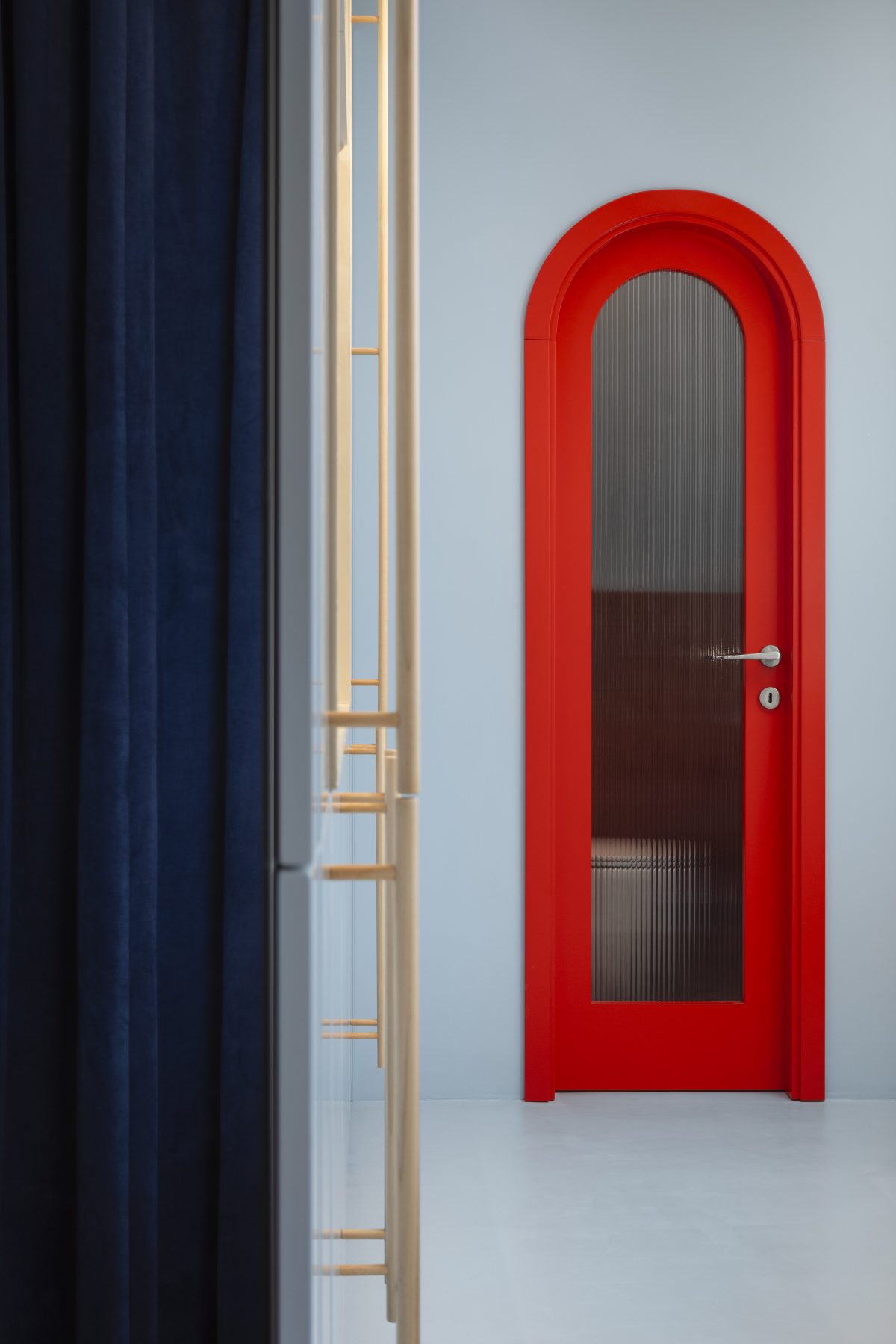
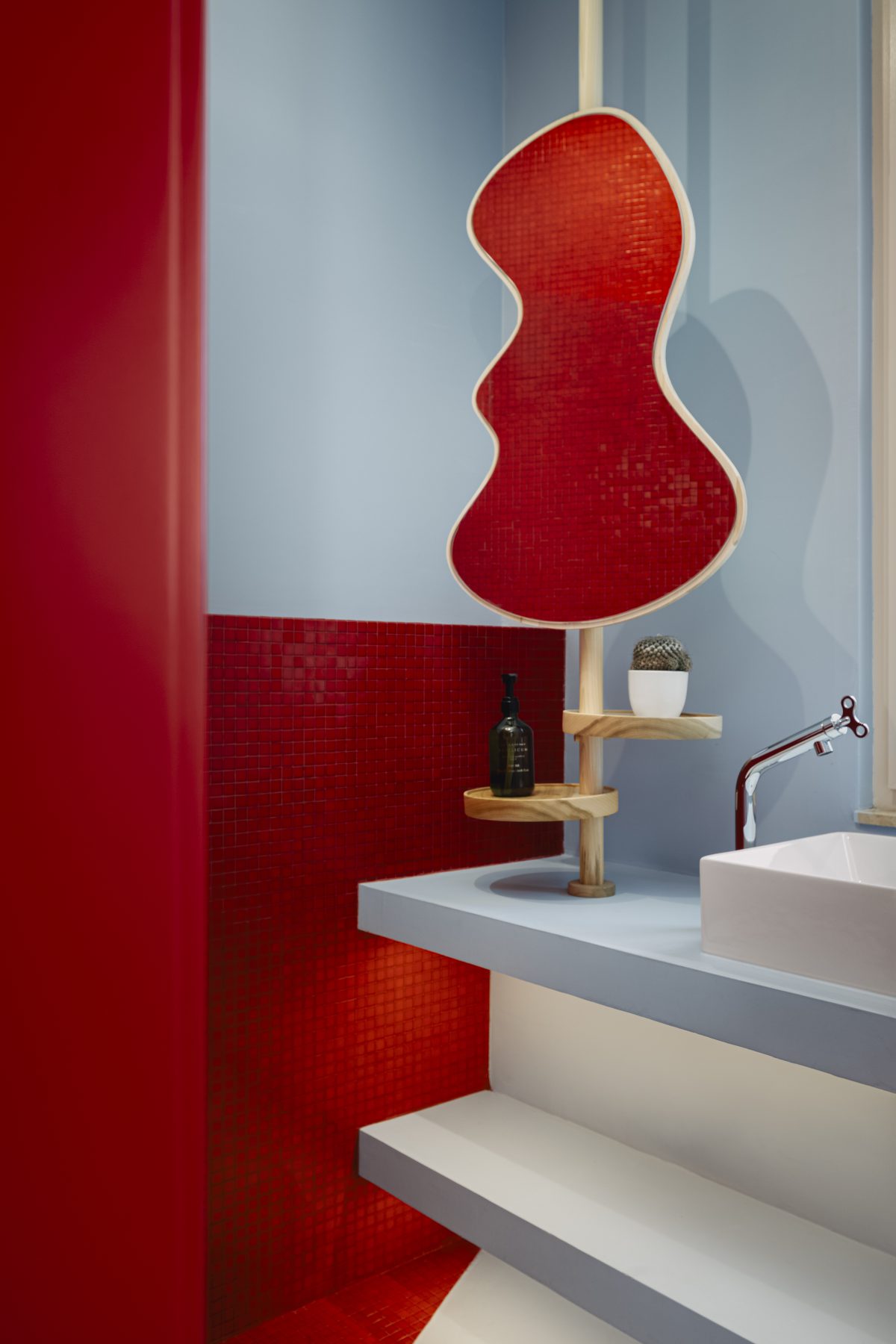
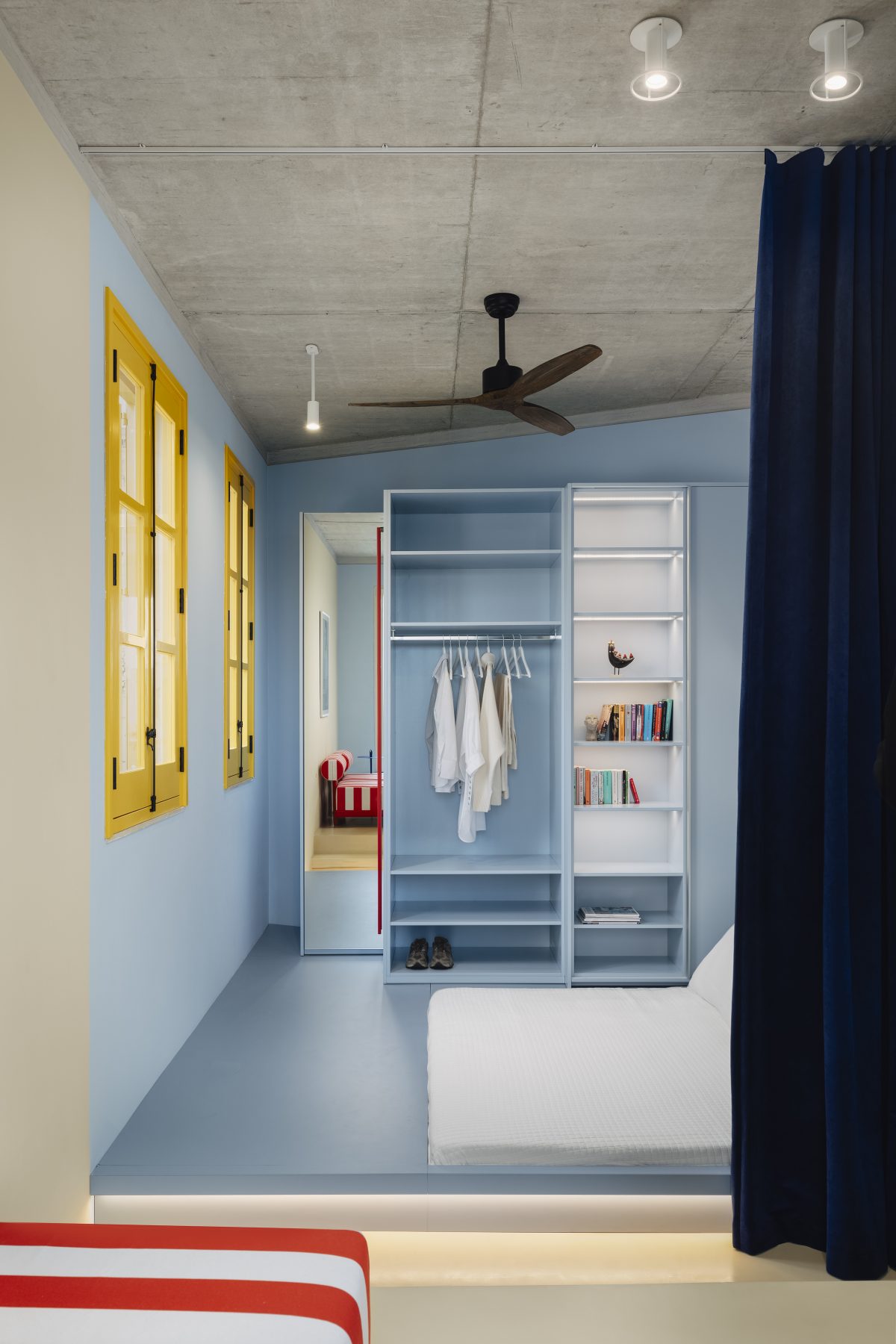
A deliberate chromatic composition of sky blue and limestone beige echoes the surrounding urban landscape, while primary red accents in bespoke furnishings inject a controlled vibrancy that enlivens the restrained palette.
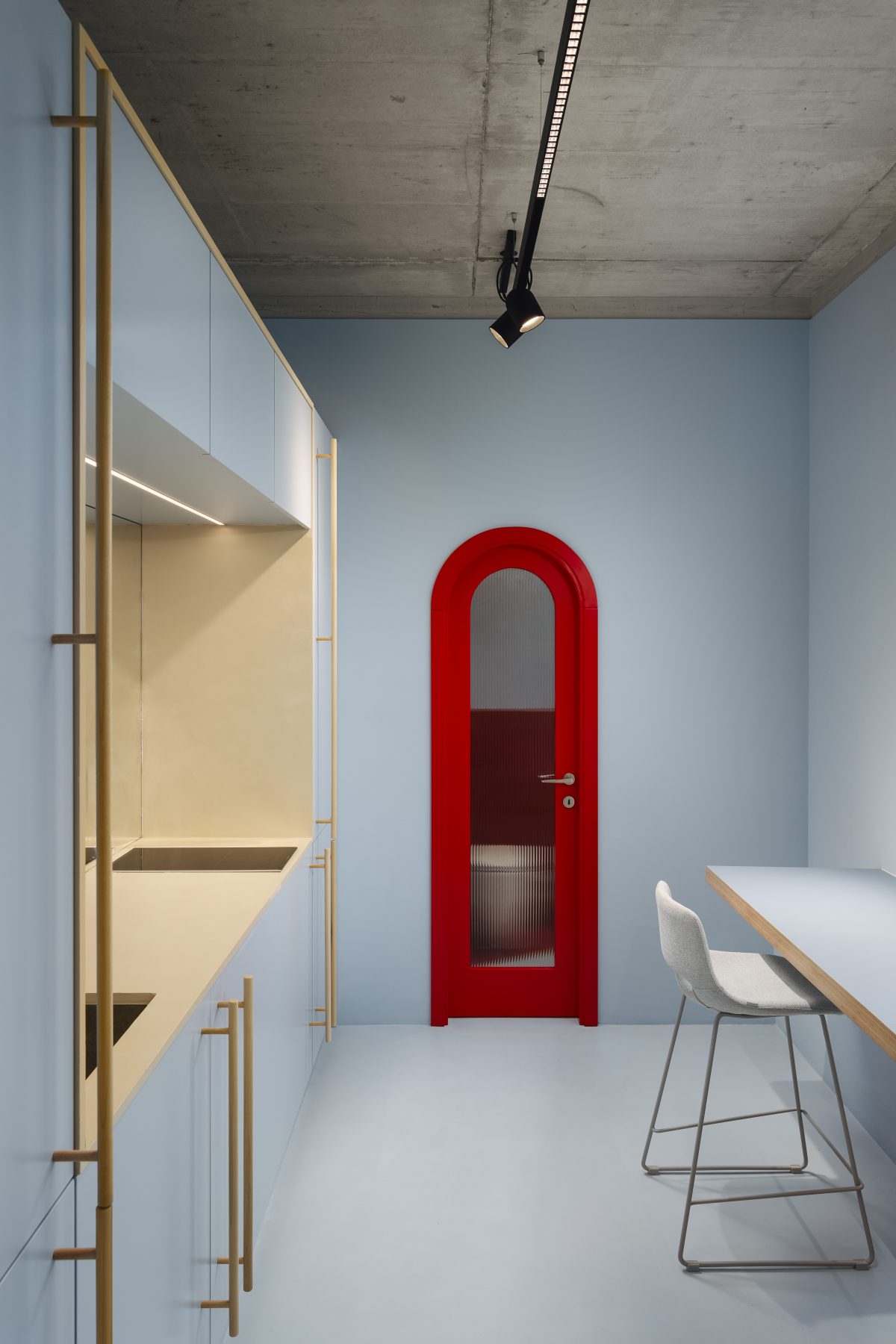
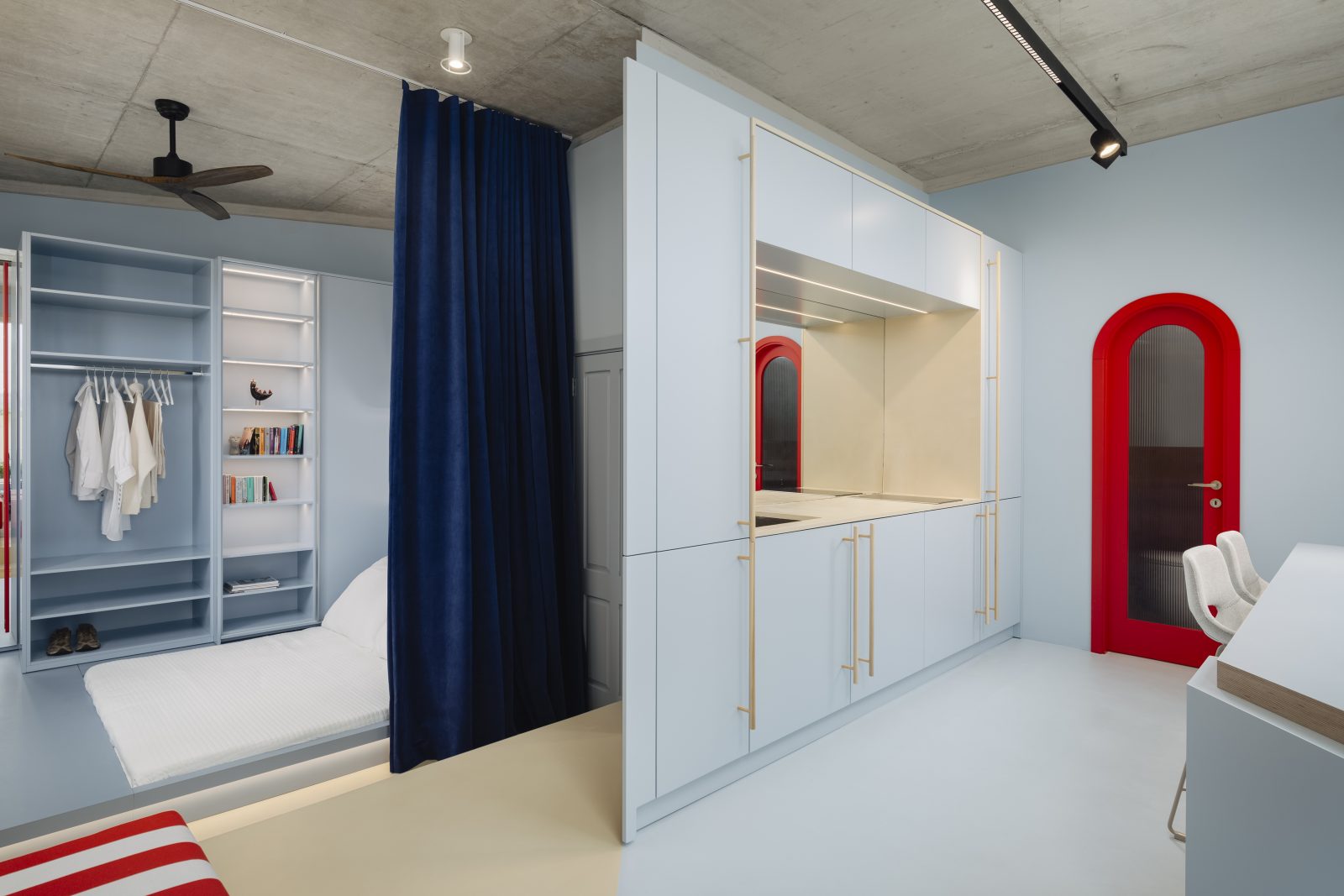
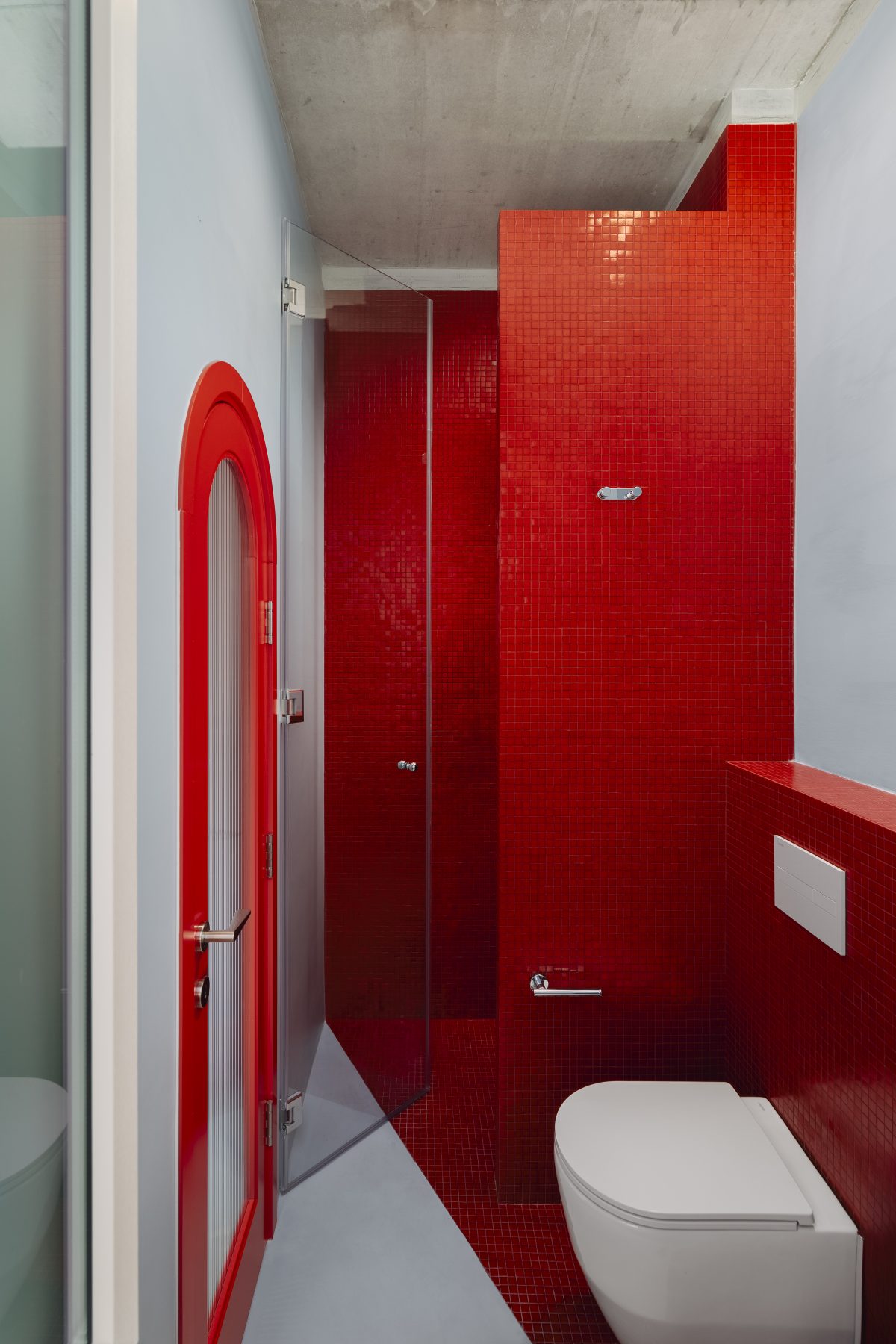
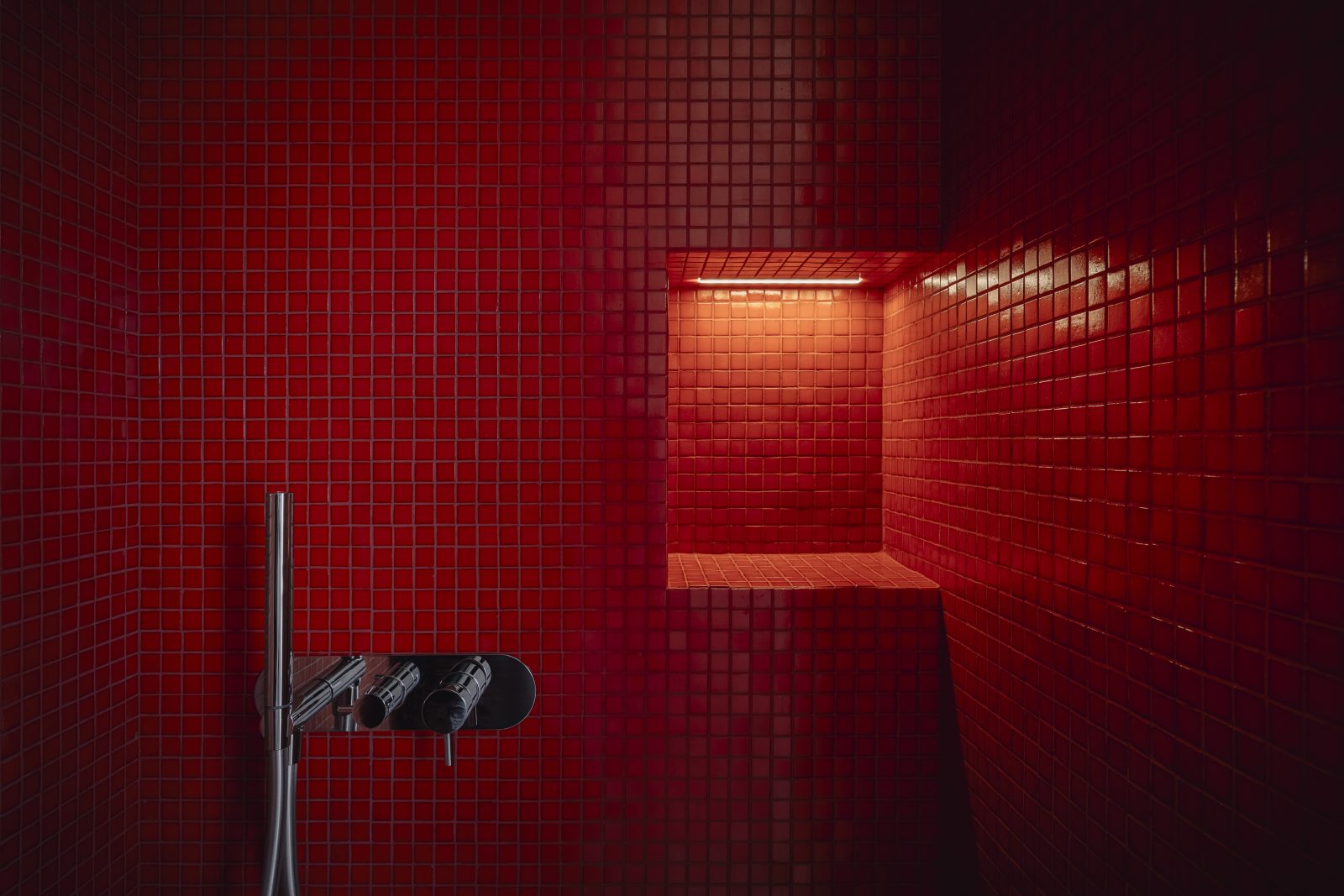
Spatial perception is amplified through two strategic visual axes: one extending towards the terrace to reinforce the indoor–outdoor dialogue, and another aligning the shower area with distant urban views, visually elongating the interior.
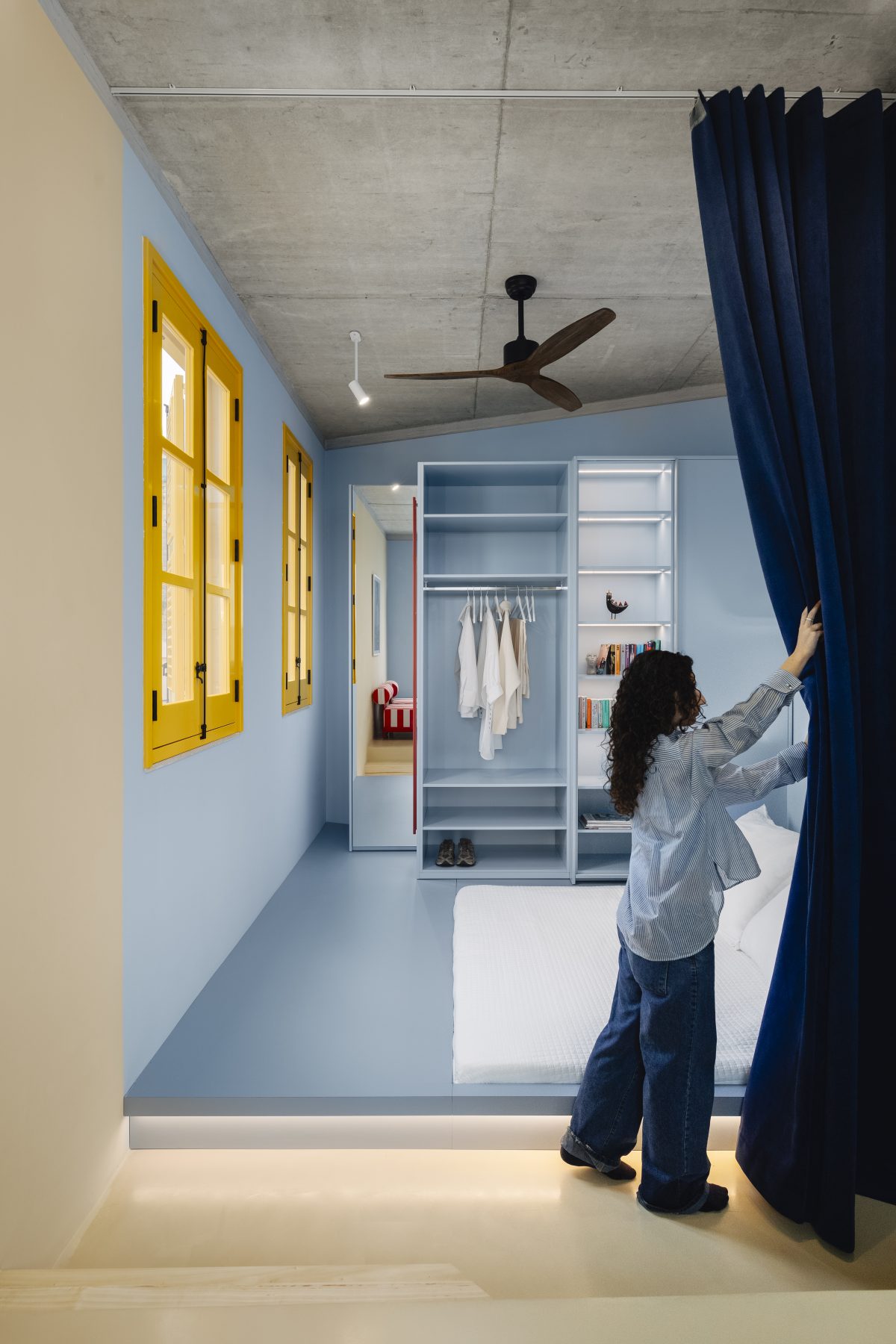
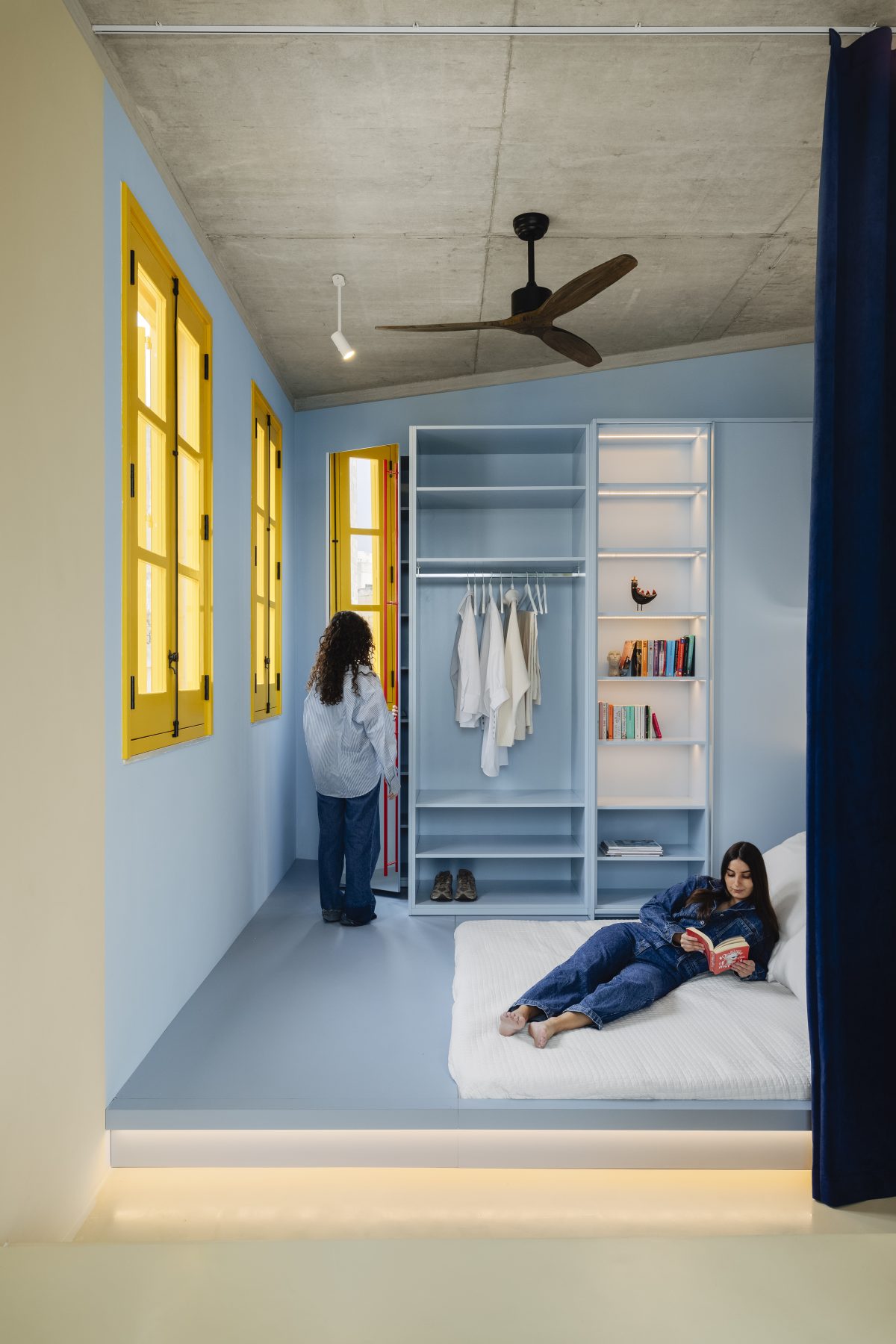
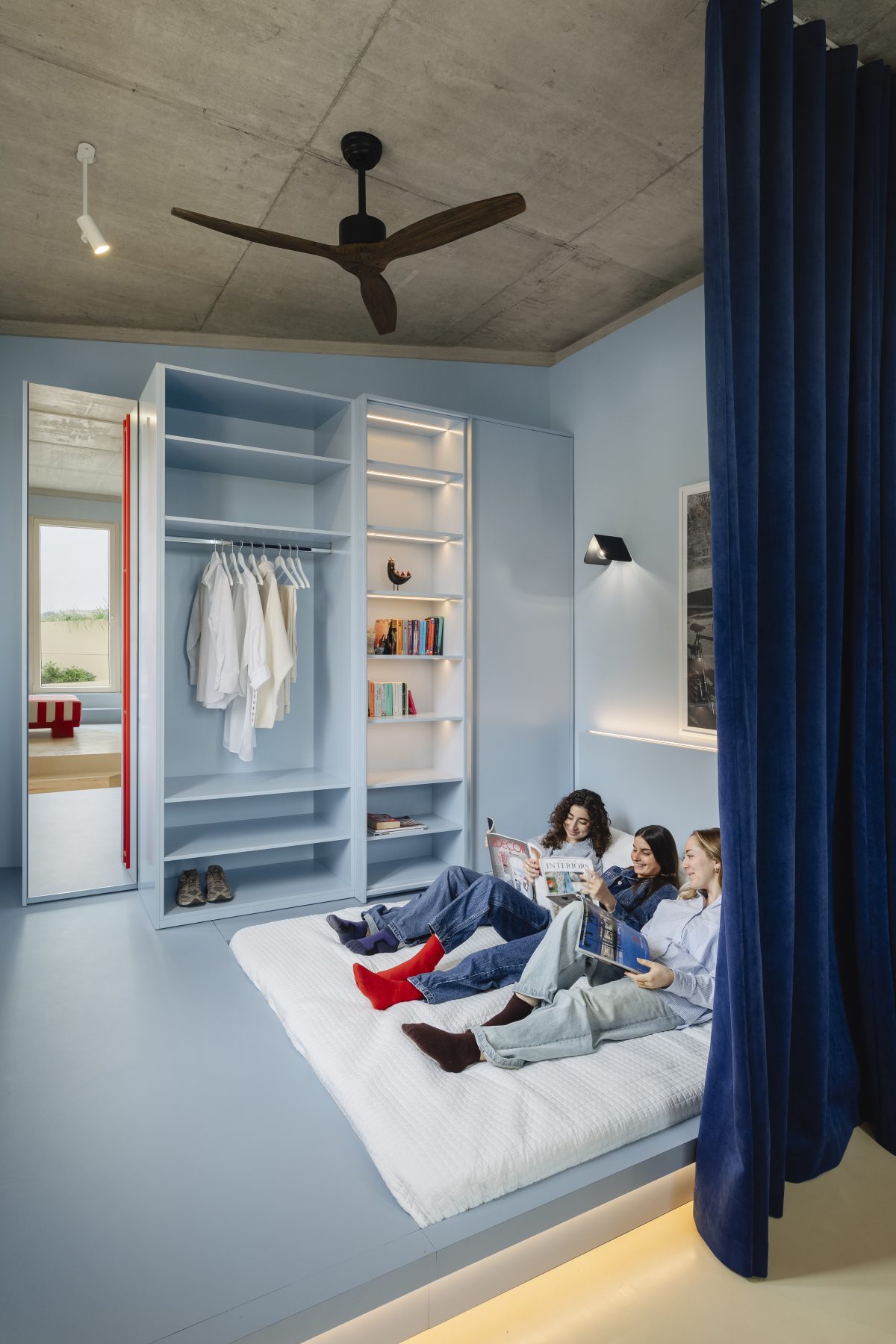
Custom joinery becomes the primary organisational device, integrating kitchen, storage, and sleeping functions into a cohesive architectural system.
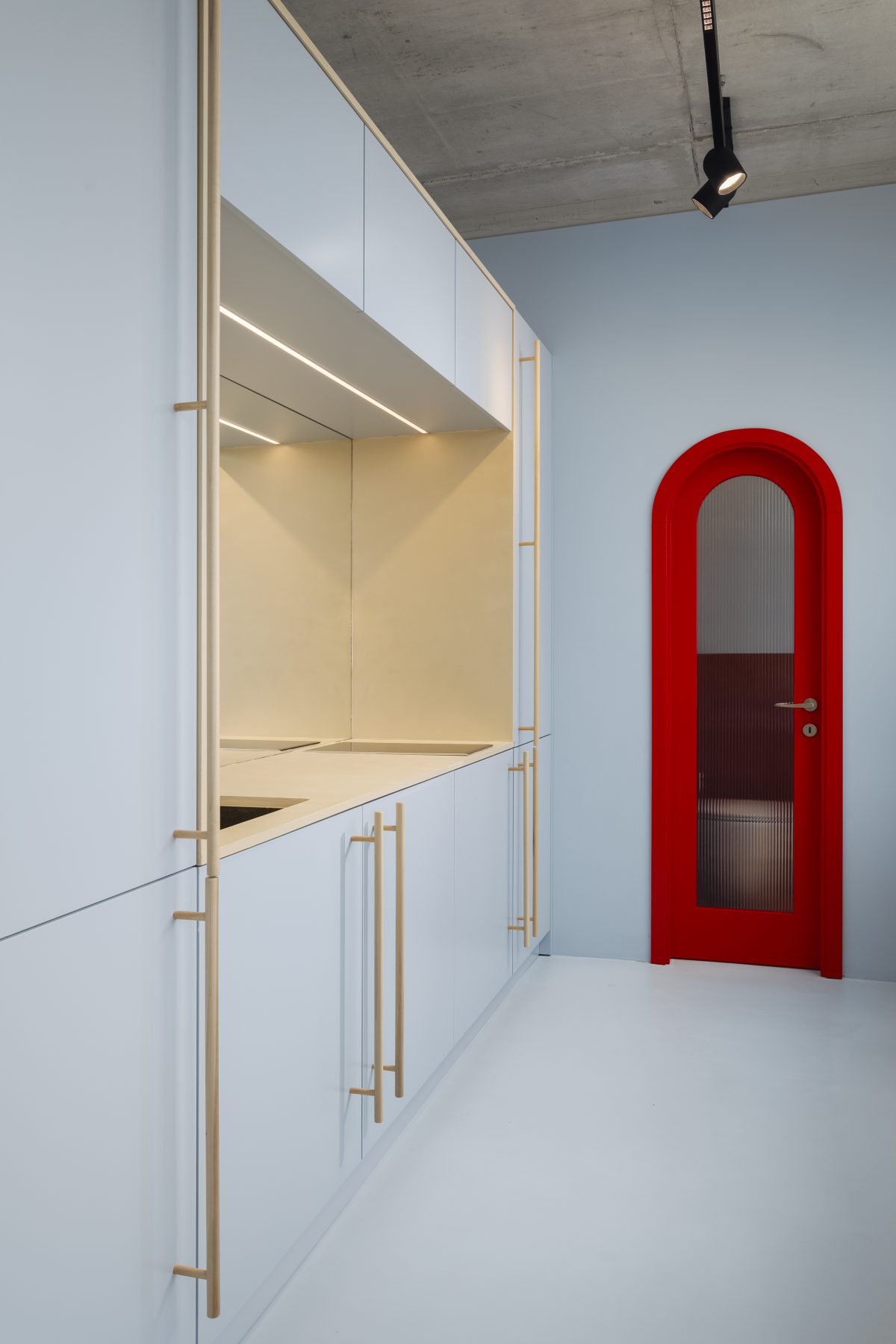
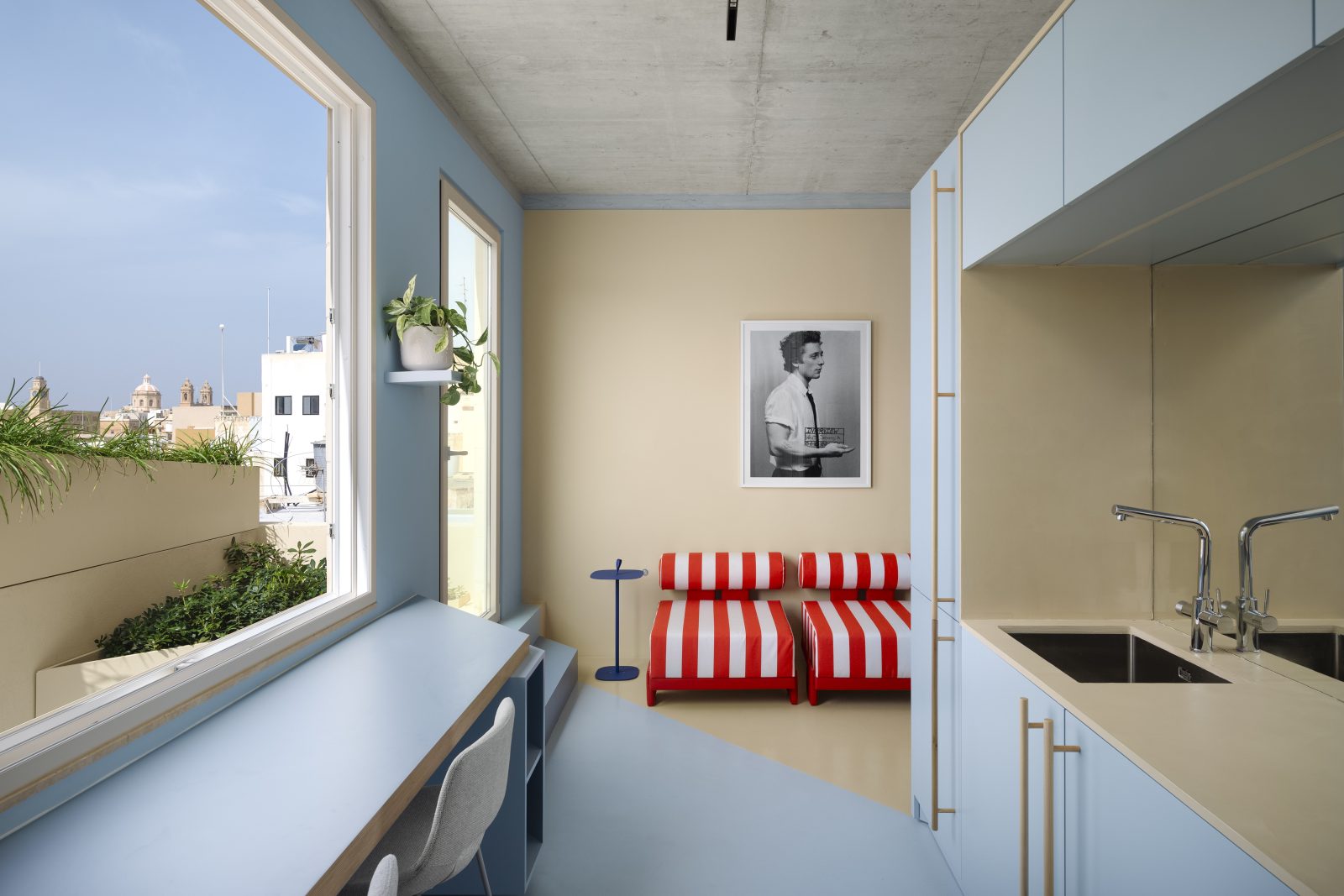
The angular kitchen geometry, paired with a diagonal floor pattern, optimises circulation while reinforcing the project’s geometric precision. A mirrored backsplash and concealed storage further dissolve spatial boundaries, enhancing luminosity and functional efficiency.
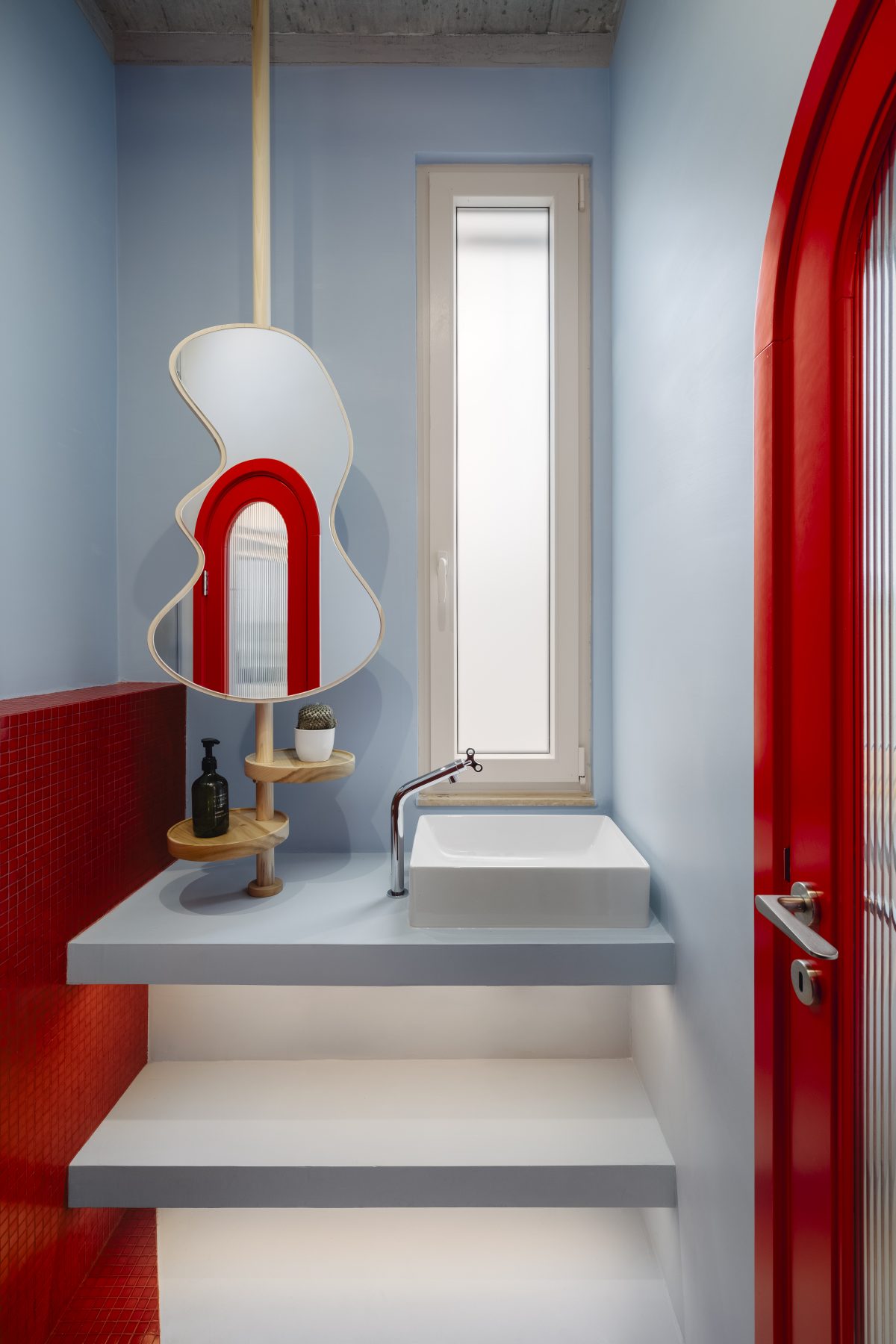
The bathroom, clad in reflective glass mosaic, operates as a luminous core that magnifies both light and perceived volume. Externally, a bespoke planter replaces conventional balustrading, establishing a soft threshold between architecture and nature while preserving visual openness.
Sustainability is intrinsically embedded in the design approach.
By prioritising adaptive reuse over reconstruction, the project reduces embodied carbon and prolongs the lifecycle of original structural elements. Passive strategies—including cross-ventilation, high-albedo surfaces, and calibrated daylighting—minimise operational energy demands, while locally sourced limestone and restored timber apertures reinforce cultural continuity.
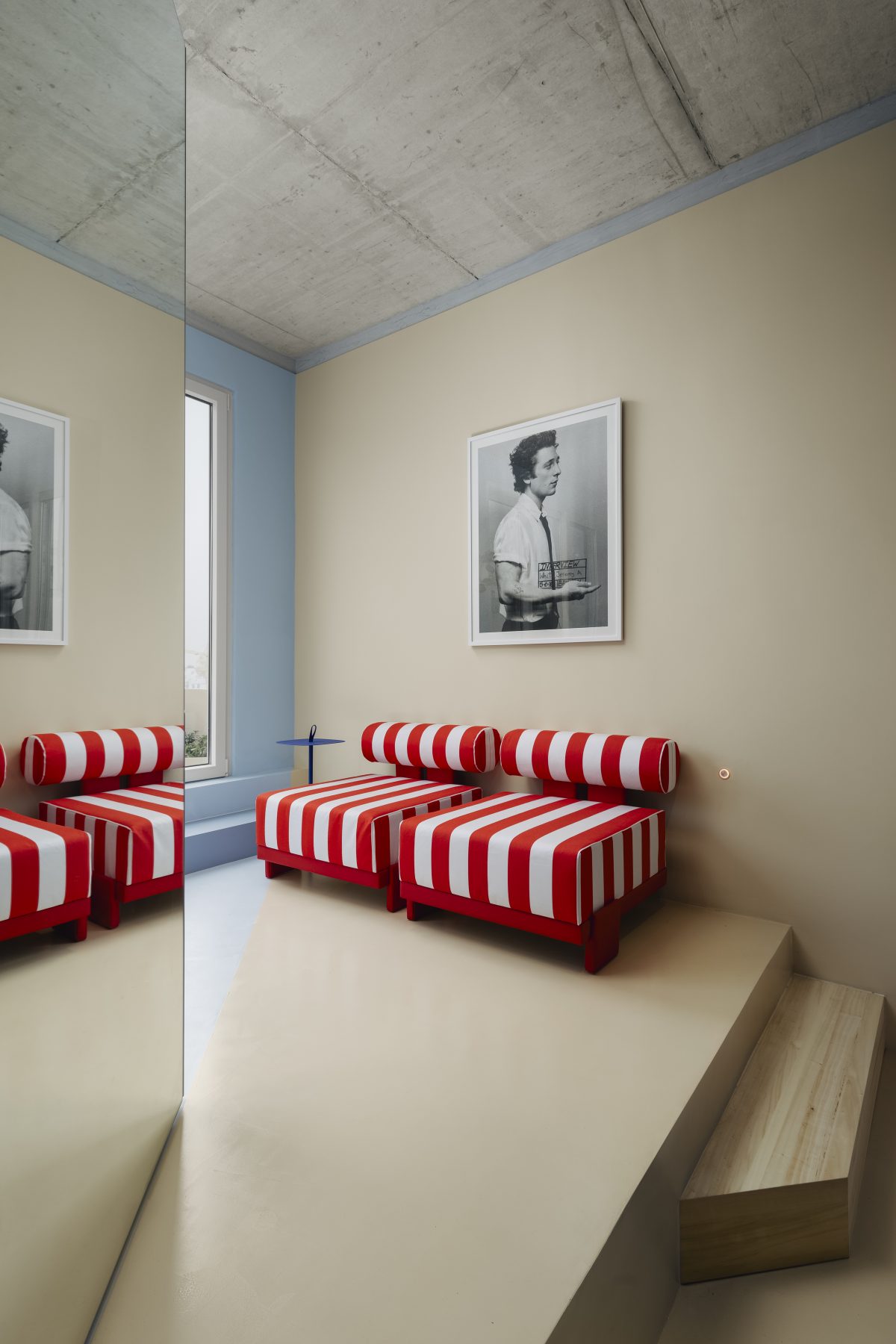
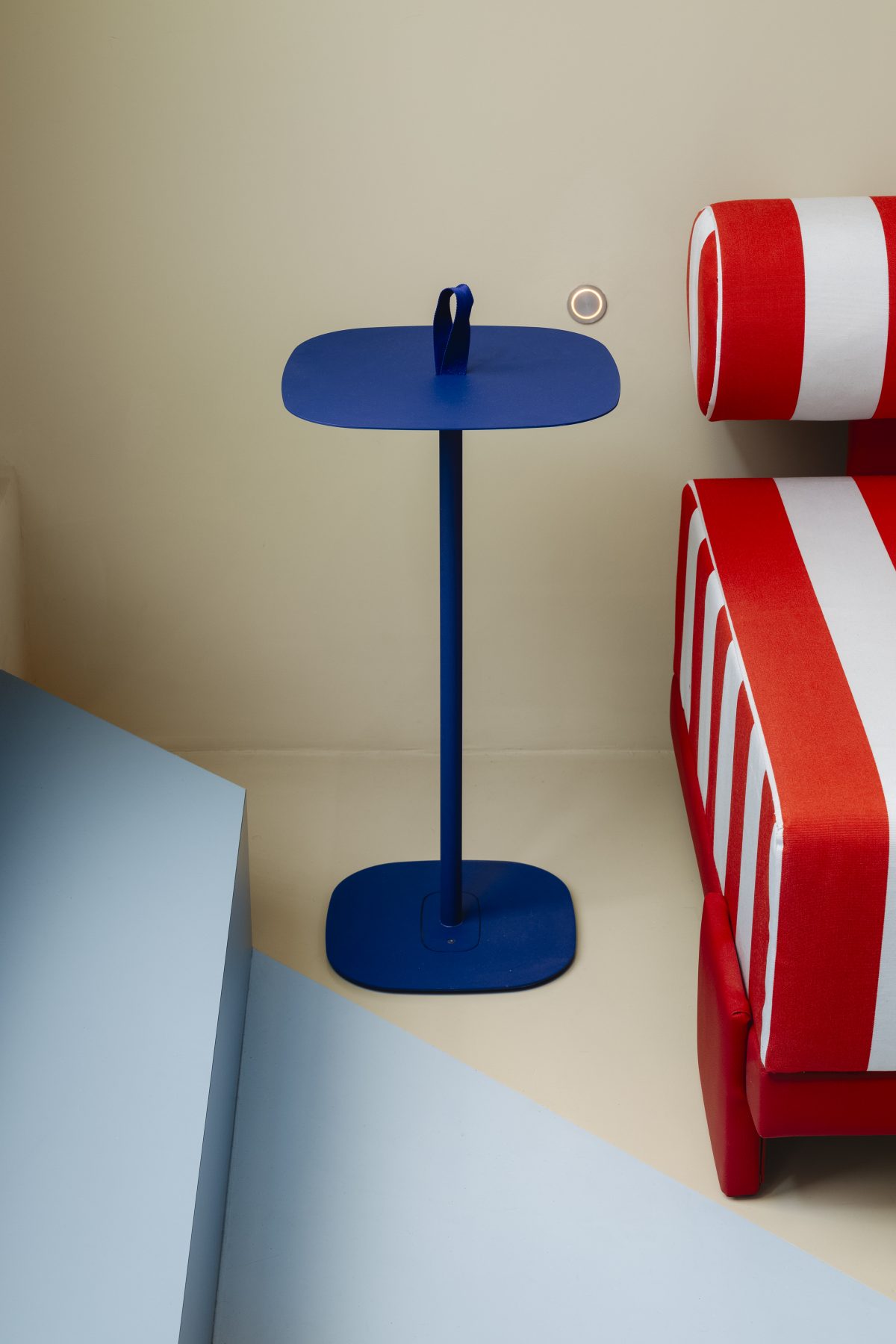
Externally discreet yet internally expressive, The Blue Room negotiates past and present through minimalist efficiency and carefully calibrated sensory gestures.
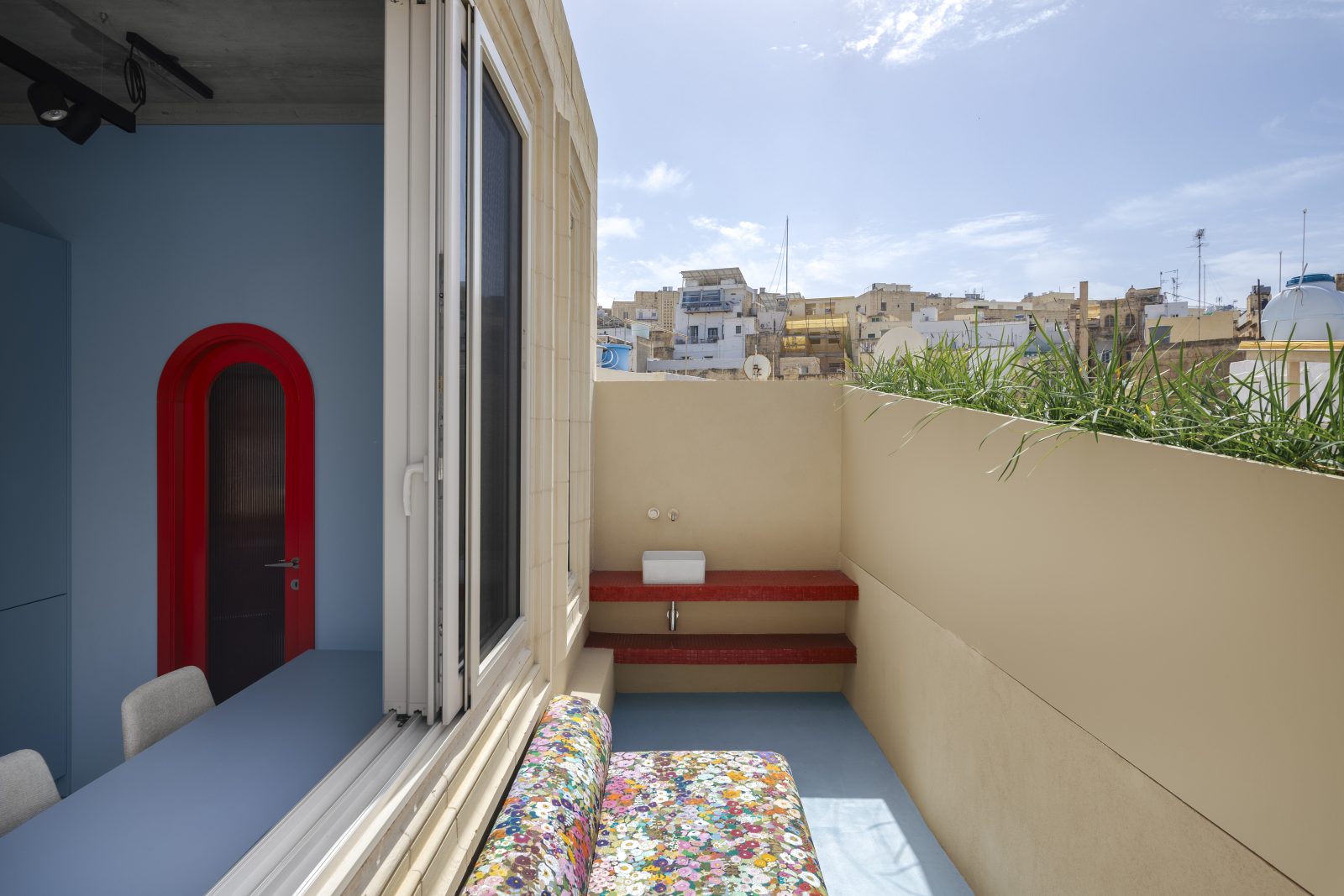
The result is a compact dwelling that transcends its scale, offering a spatial experience where memory, materiality, and innovation coexist within a precise architectural narrative.
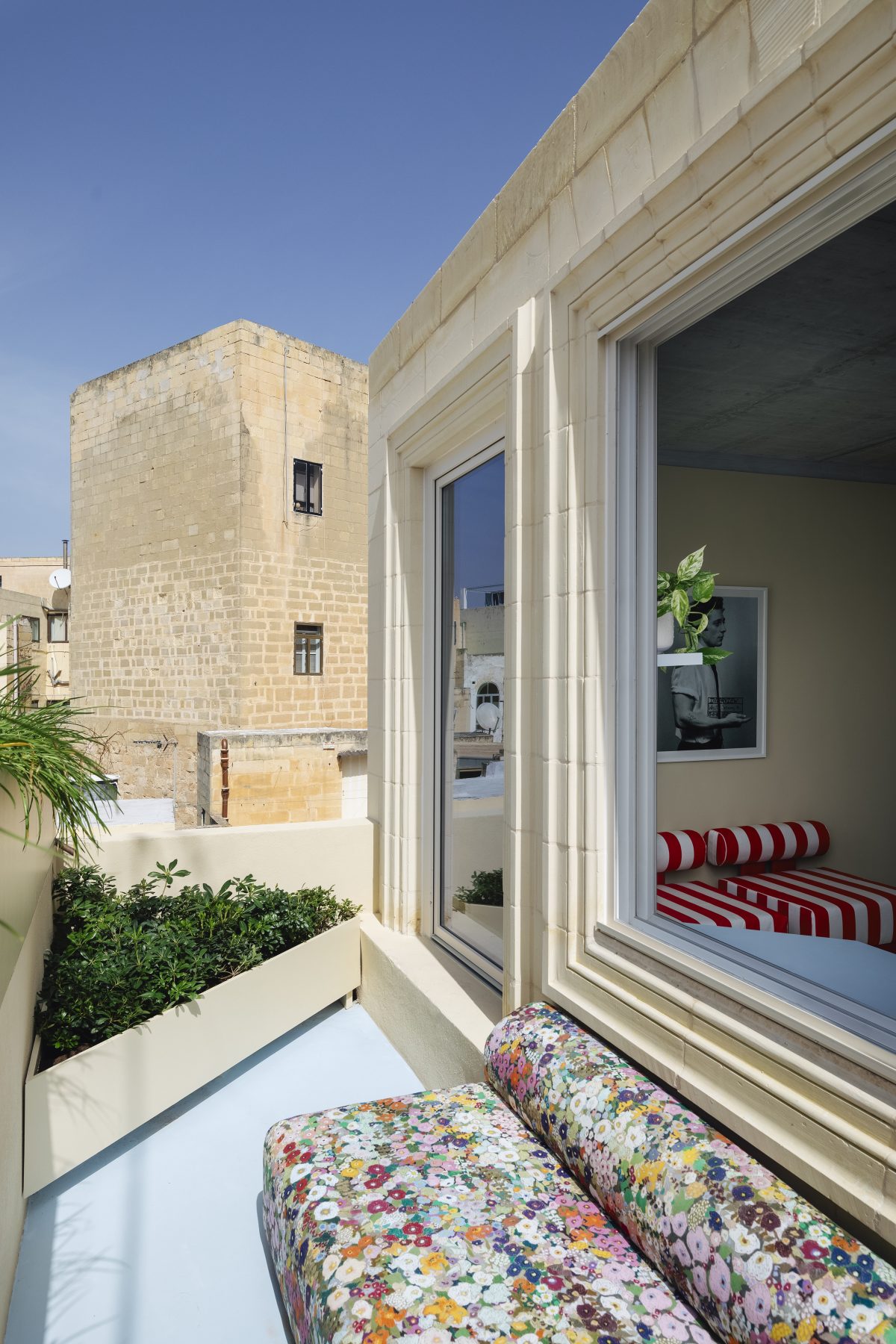
Facts & Credits
Project title Blue Room
Typology Interior Design, Renovation
Location Bormla, Malta
Architecture Studio NiCHE
Date July 2025
Photography Ramon Portelli
Text provided by the architects