A Whimsical Reuse explores refined architectural transformations where history is reinterpreted through poetic interventions and contemporary craft. Forgotten spaces gain new life, revealing a dialogue between memory, material, and contemporary ways of living.
Adaptive reuse often oscillates between preservation and reinvention, yet in rare cases it achieves something more elusive: a dialogue across centuries. In southeastern Sicily, within the baroque city of Noto, a former 18th-century Cistercian monastery refectory has been transformed by +CSTUDIO ARCHITETTI into a contemporary house and atelier for artist Sergio Fiorentino. Rather than erasing time, the renovation embraces it, allowing historical scars, modern insertions, and artistic life to coexist in a carefully balanced and quietly whimsical reuse.
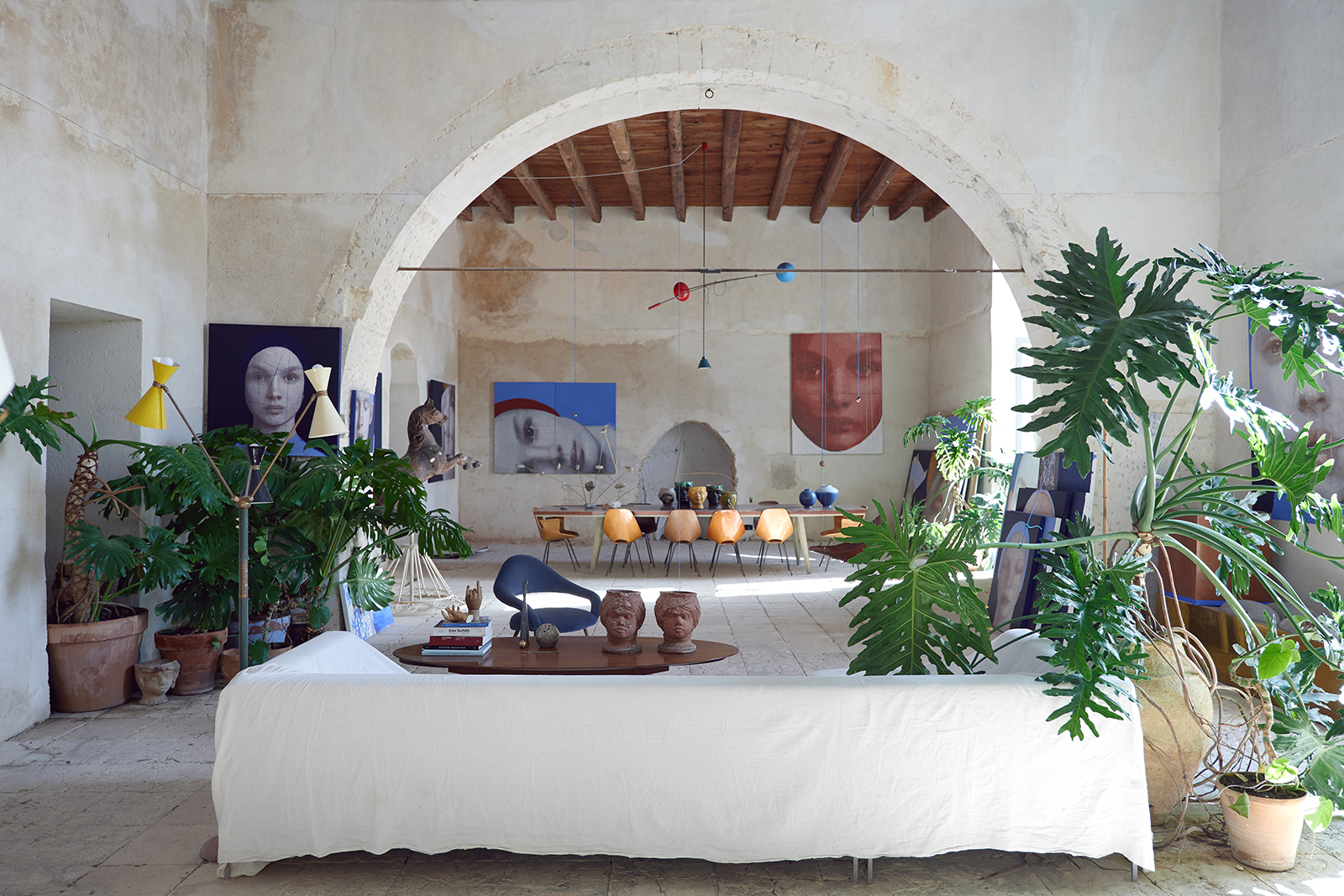
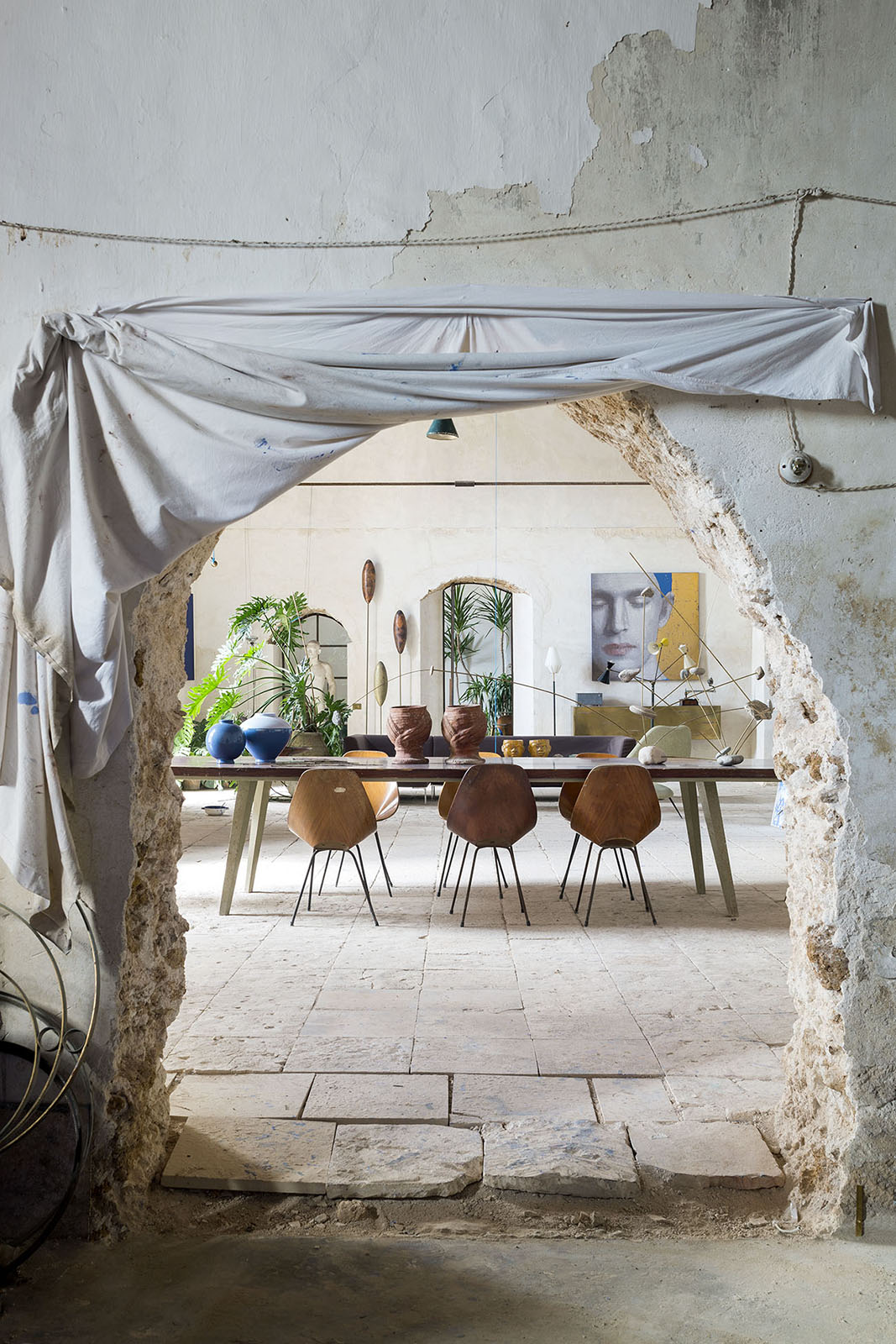
In the historic heart of Noto, where honey-colored limestone and baroque rigor define the urban fabric, a former 18th-century Cistercian refectory has been reawakened through an architectural intervention that balances restraint, precision and poetic invention.
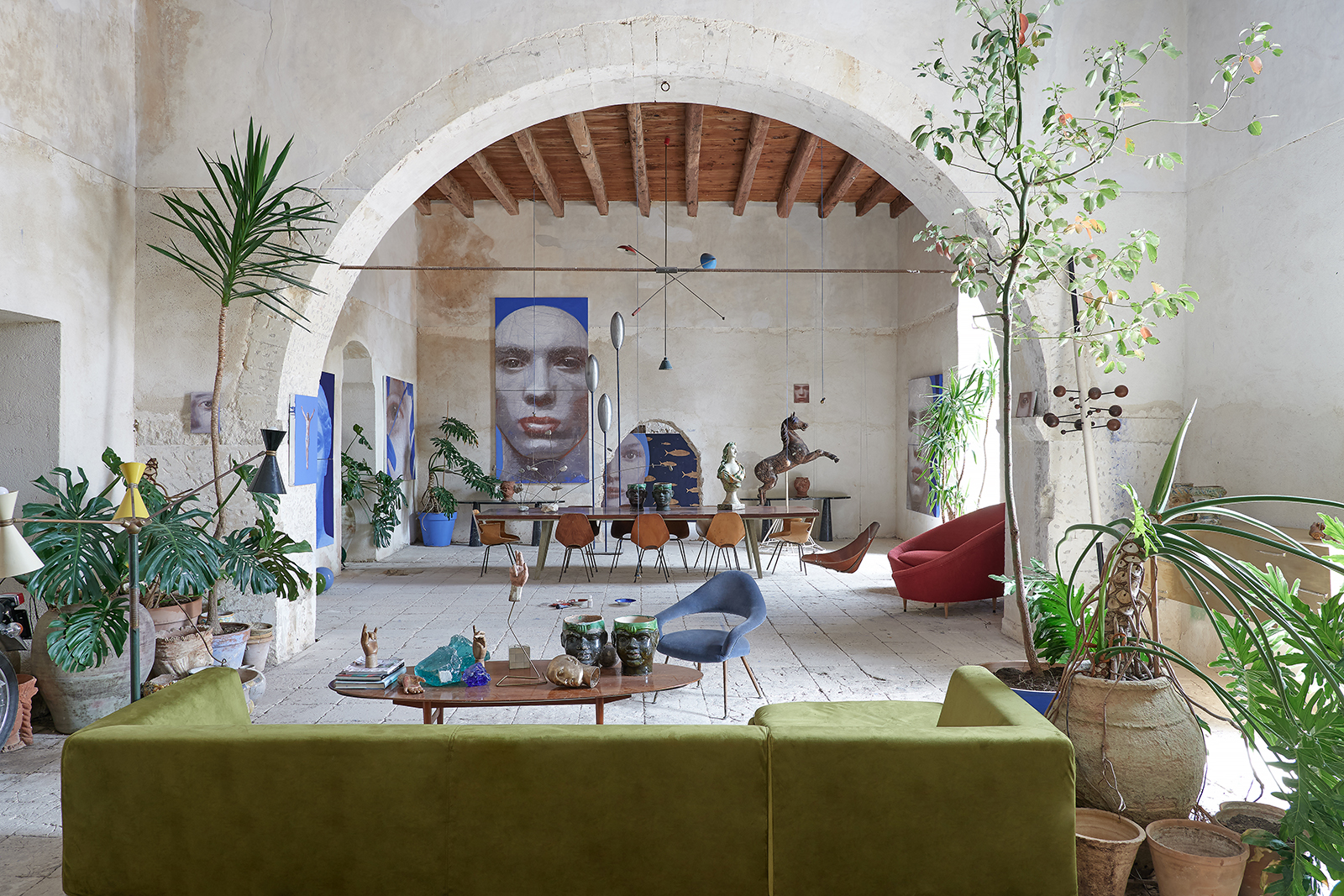
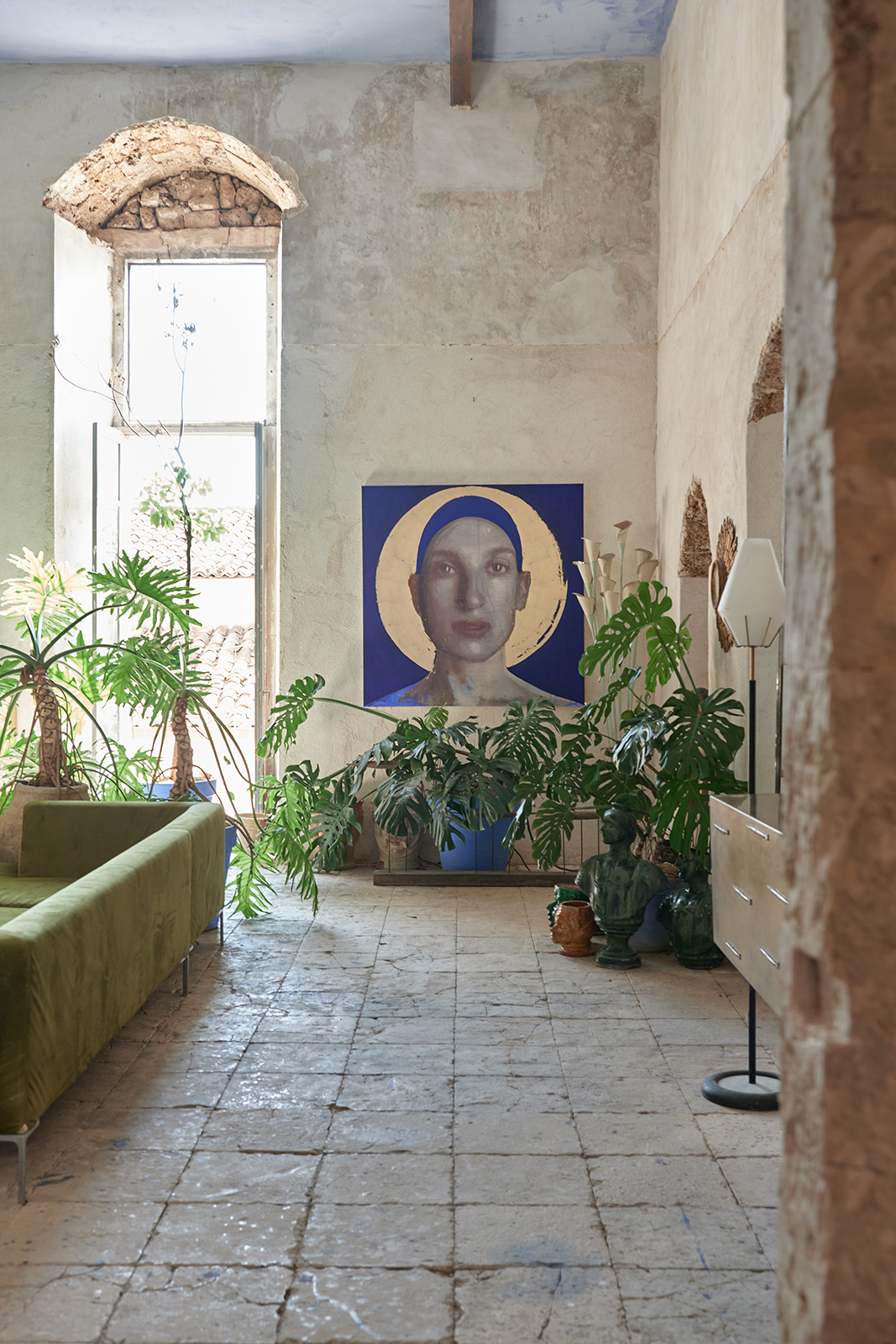
Once a space of communal nourishment for monks, the vaulted interior now hosts the house and atelier of artist Sergio Fiorentino—a contemporary dwelling shaped by subtraction, memory and deliberate contrast
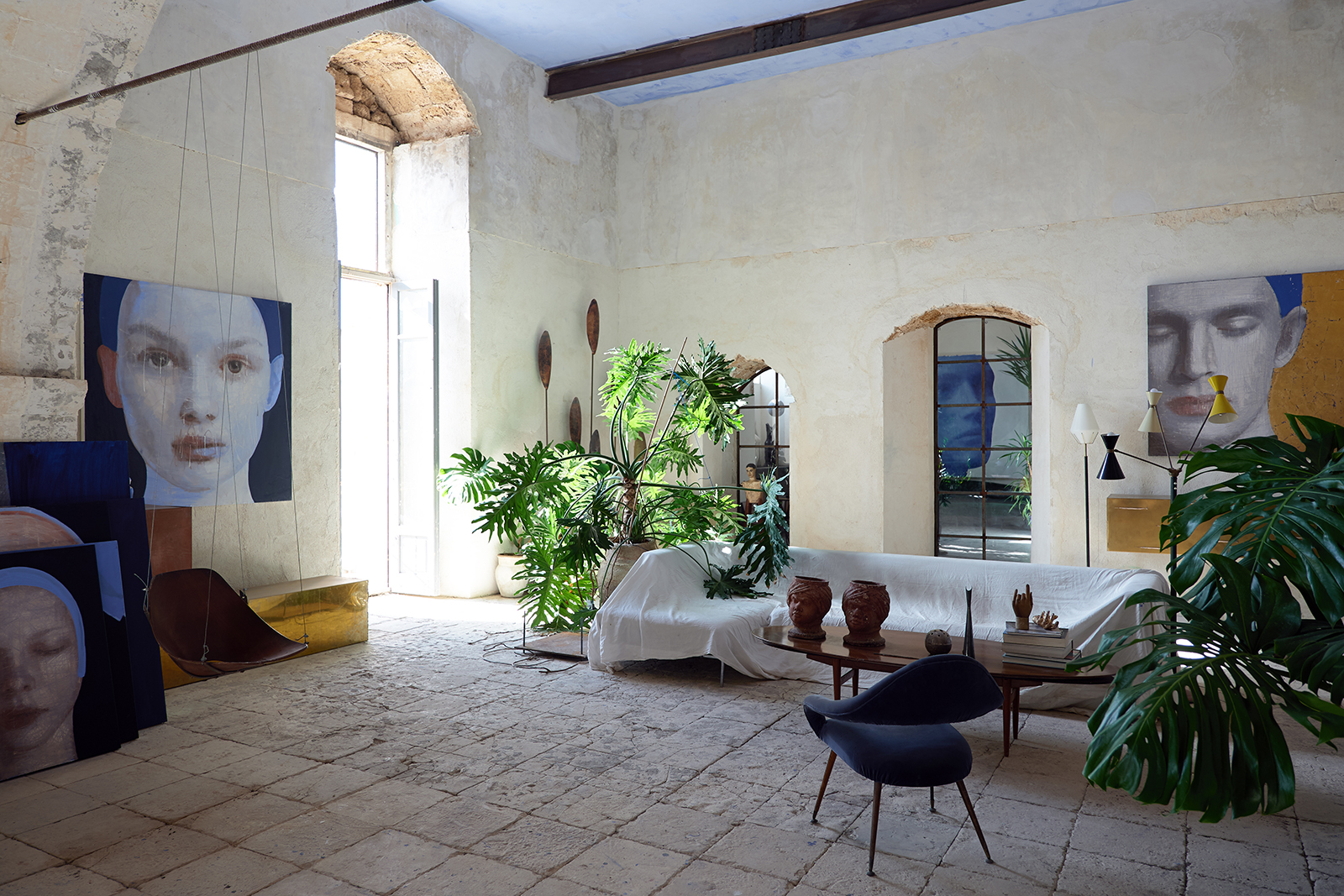
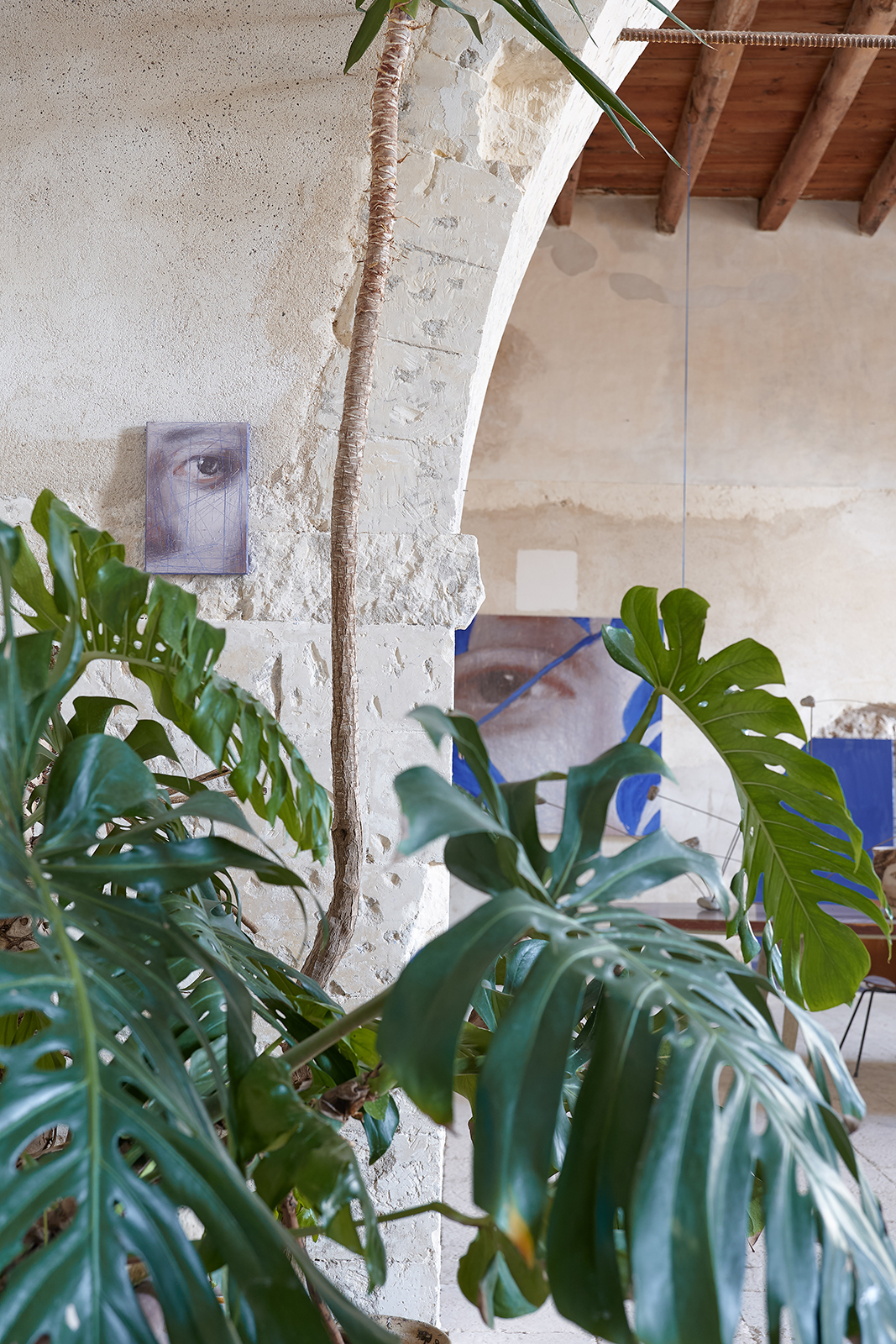
The project begins with archaeological attention rather than stylistic ambition. Layers added during an unsympathetic 1970s renovation were stripped away to reveal the original spatial logic.
Architect Massimo Carnemolla of +CStudio Architetti approached the refectory not as a shell to be filled, but as a historical body to be carefully inhabited.
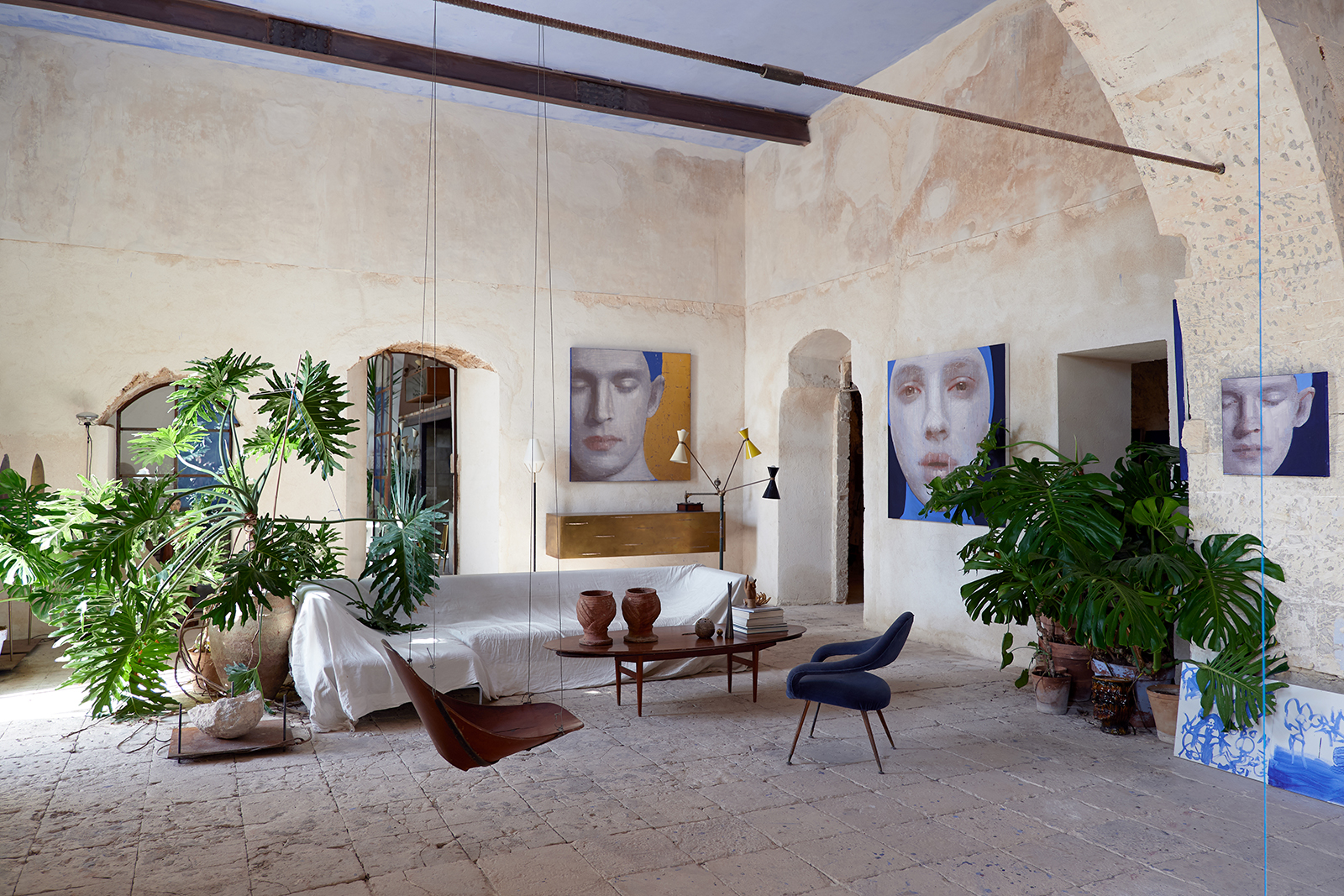
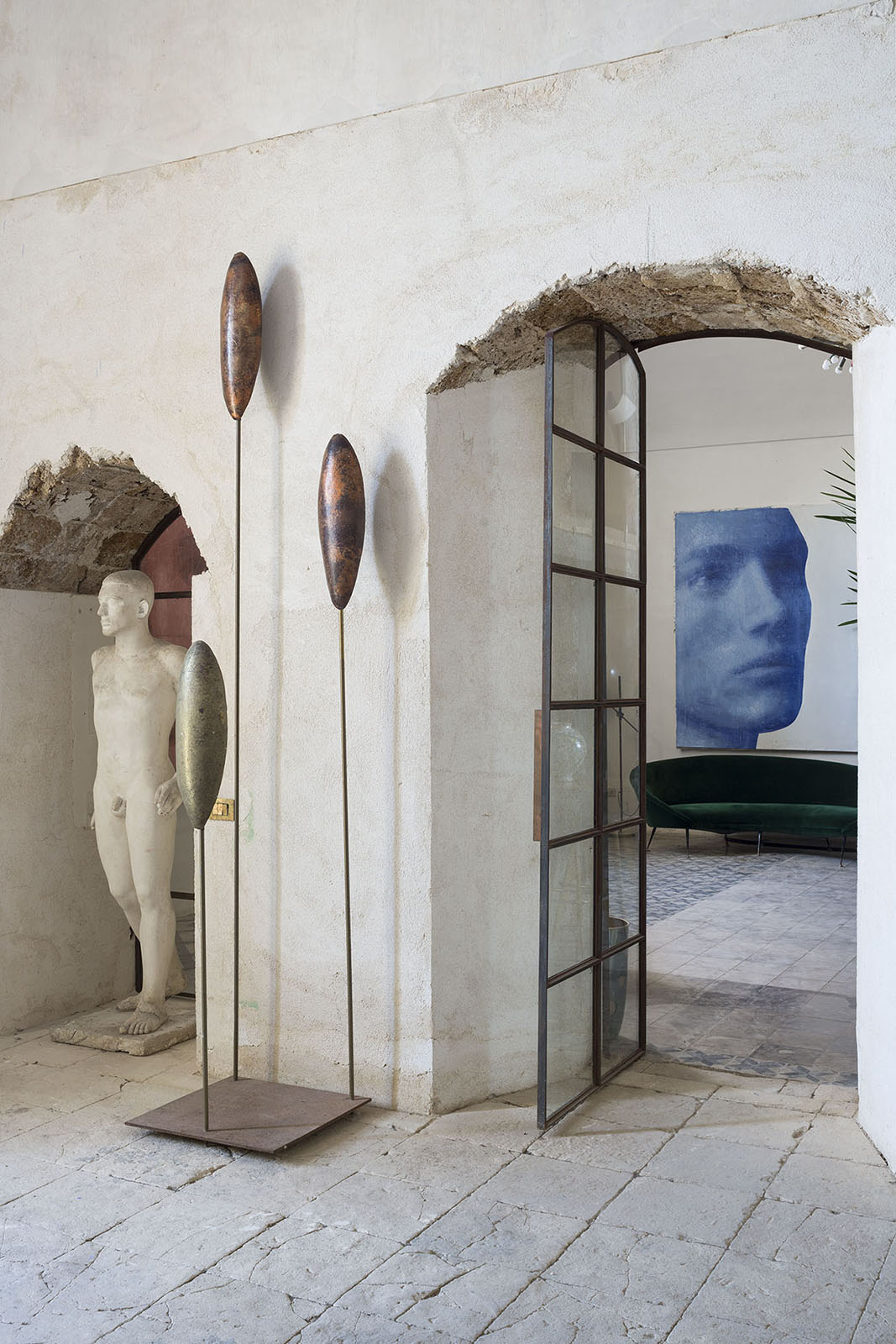
Τhe design introduces a clearly contemporary insertion: a compact functional “box” housing kitchen, bathroom, and storage, crafted in burnished iron, glass, and recycled wood.
Its presence is intentionally foreign, an object placed within history rather than disguised inside it.
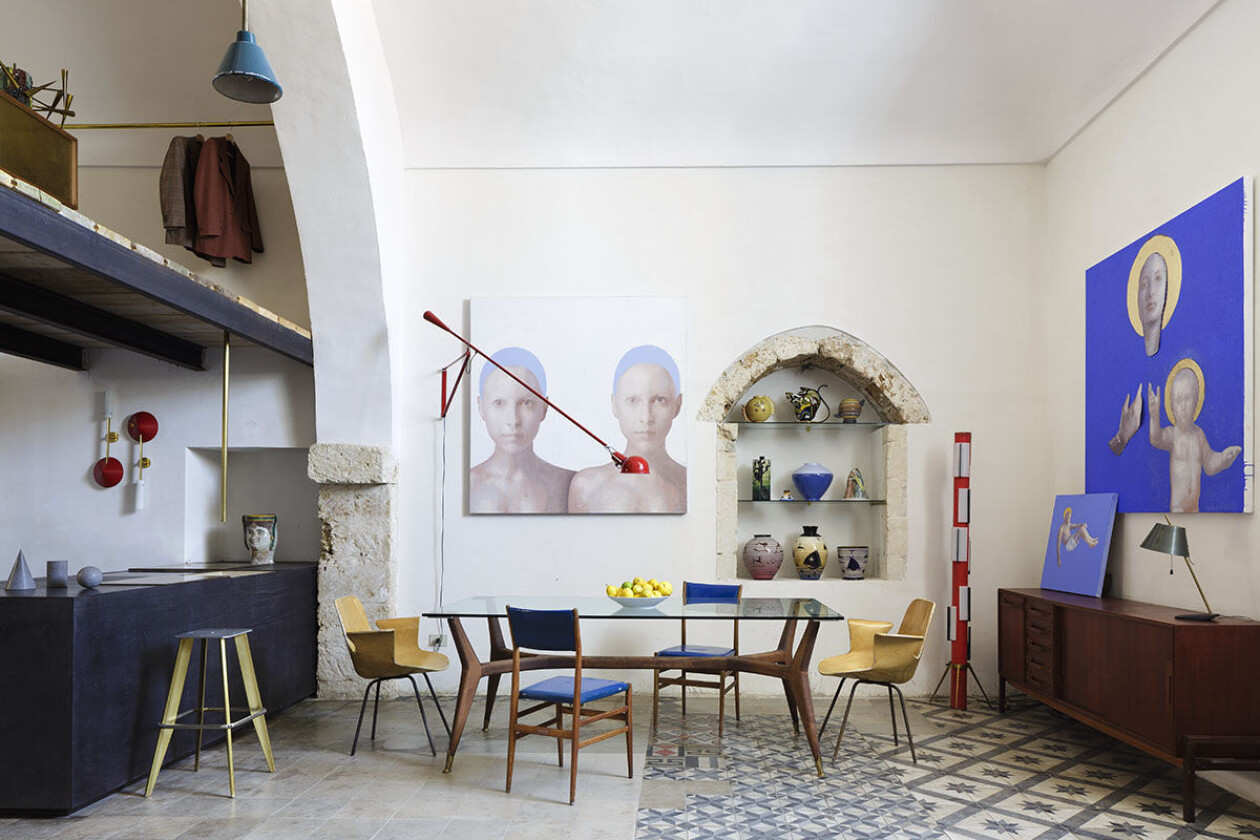
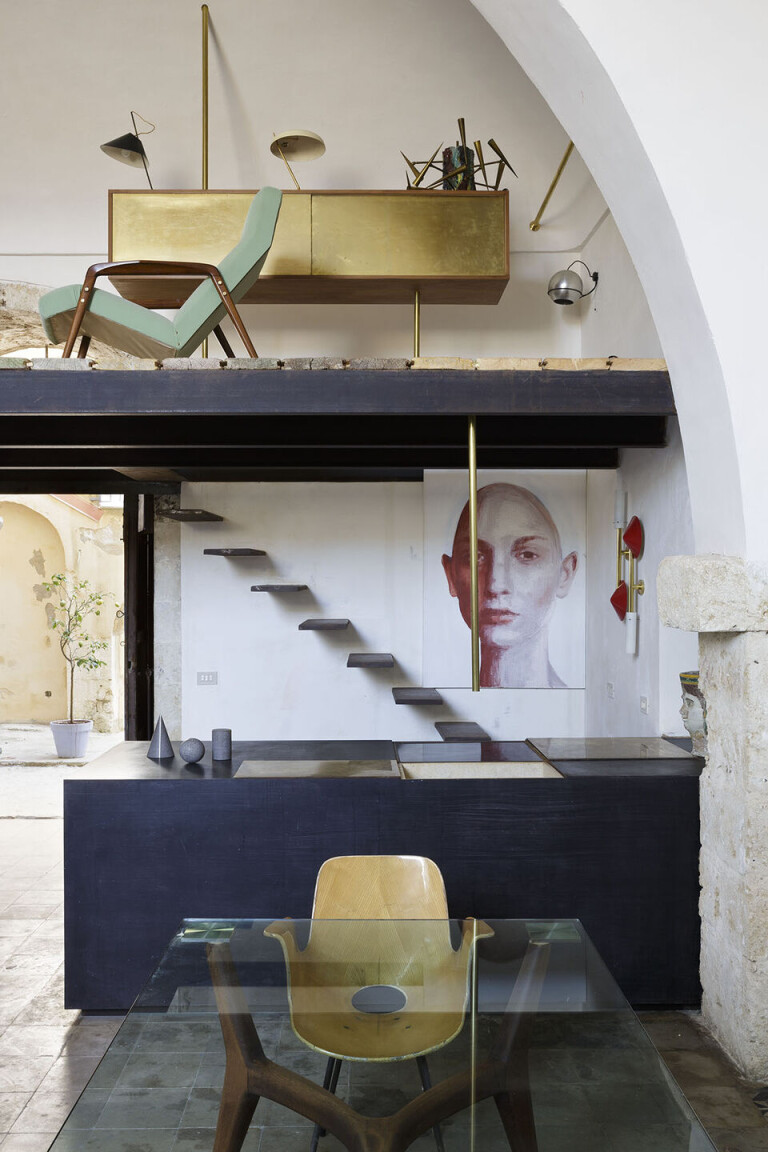
This insertion supports a mezzanine sleeping loft, allowing the original volume to remain largely uninterrupted. The strategy preserves the monastic sense of silence and proportion, while enabling modern domestic life.
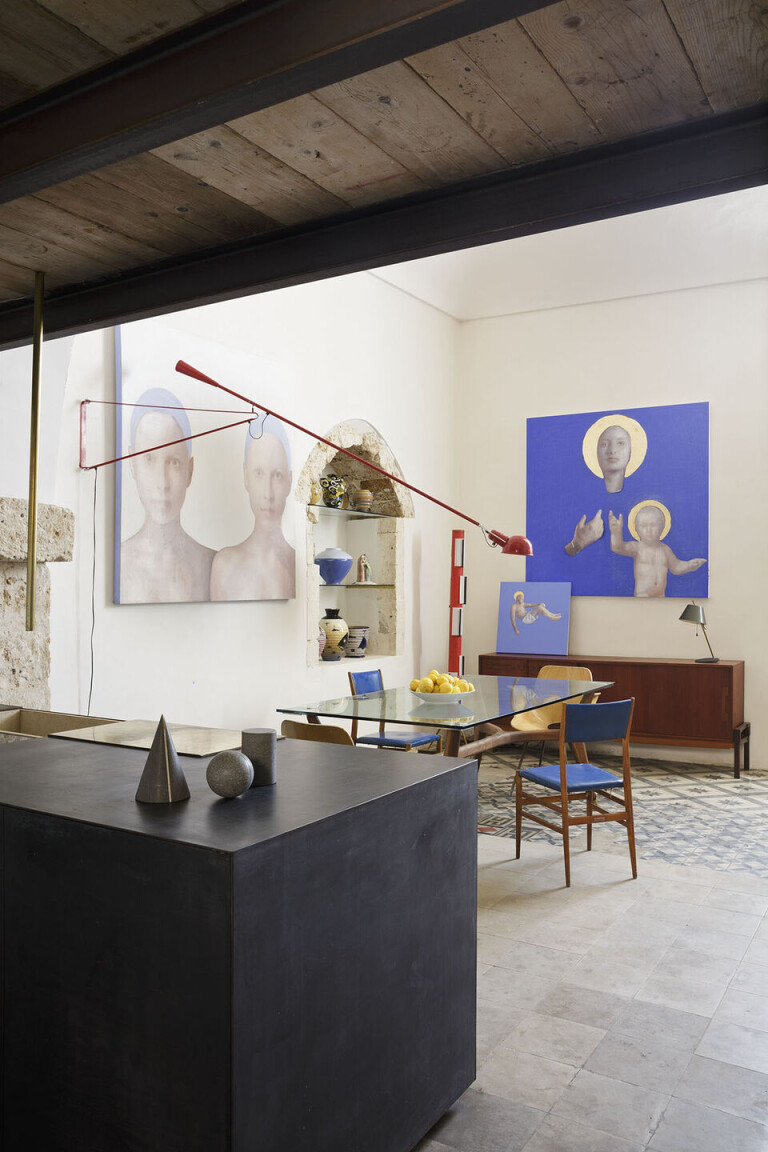
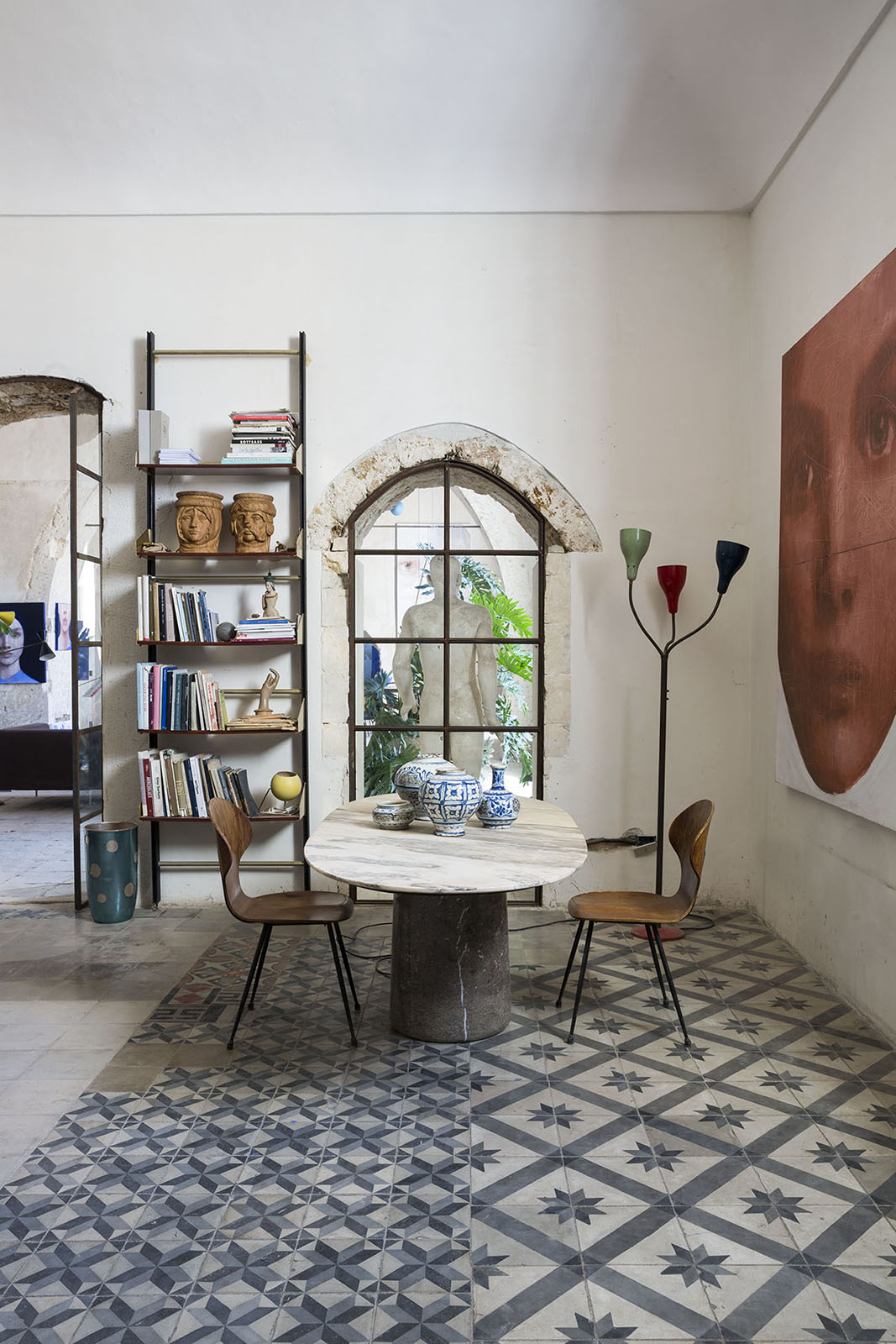
Materiality plays a central narrative role. Iron surfaces recall utilitarian monastic tools, while handcrafted hinges, concealed appliances, and a monolithic kitchen block speak to artisanal precision. Ultramarine blue, Fiorentino’s signature color, appears as a symbolic gesture.
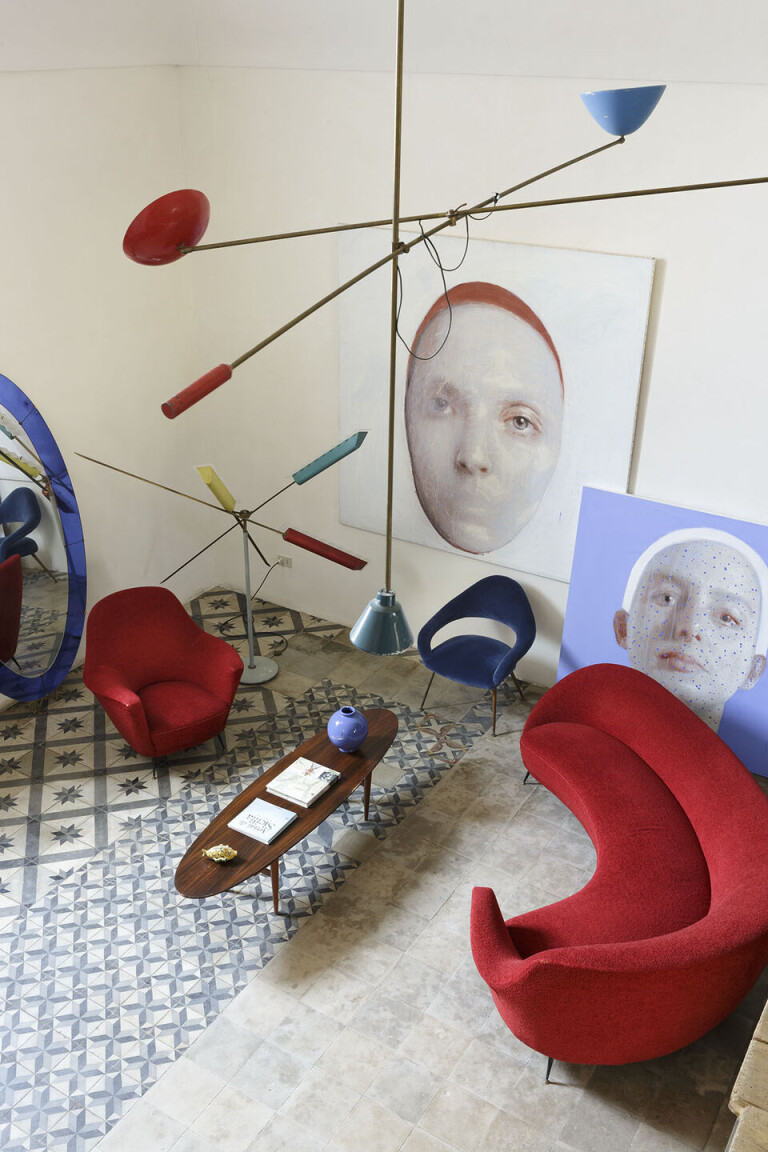
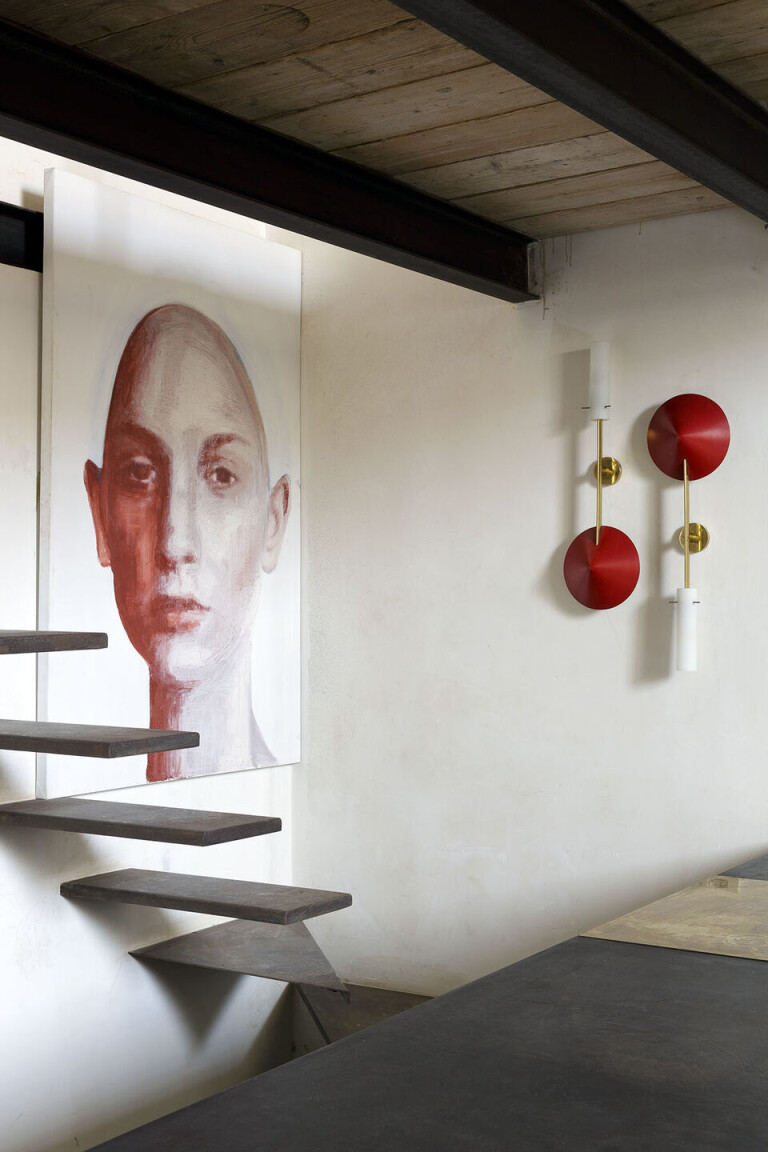
Today, art, architecture, and memory exist in a delicate balance. Paintings, 20th-century furniture, and contemporary interventions inhabit the refectory without overpowering it. Rather than a conventional conversion, the space becomes a quiet reoccupation where a former site of collective ritual evolves into one of solitary creation.
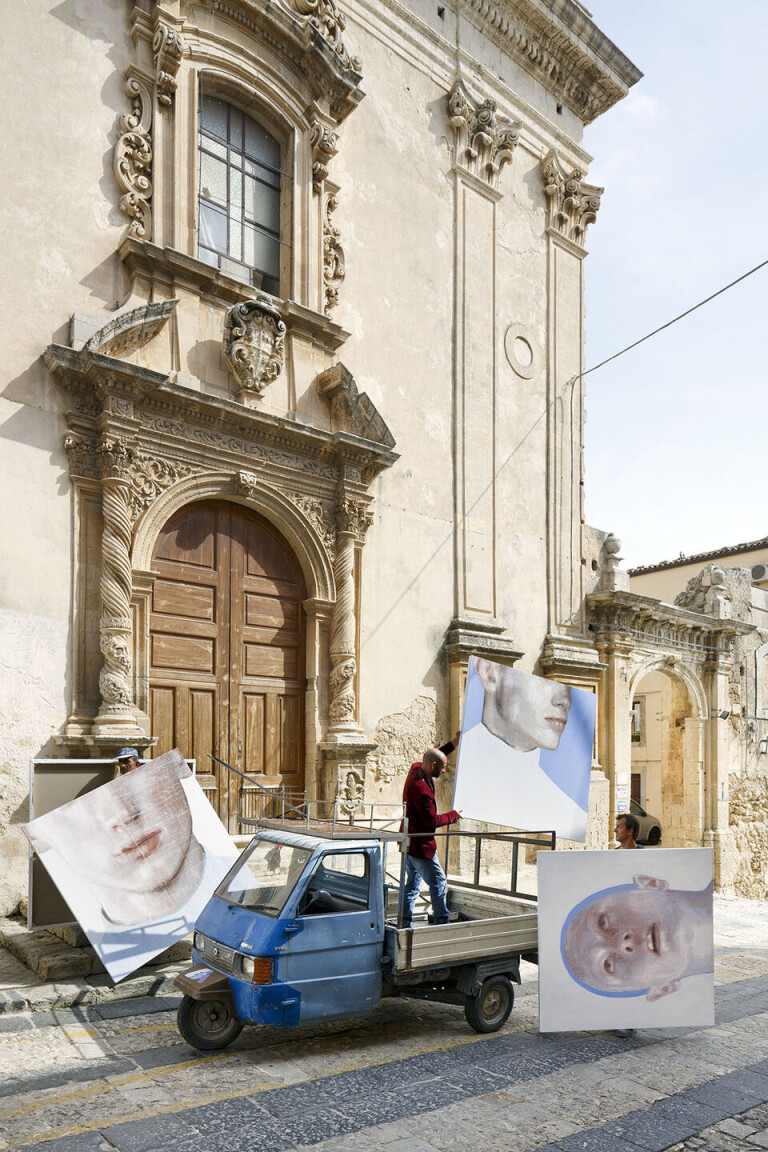
Sergio Fiorentino
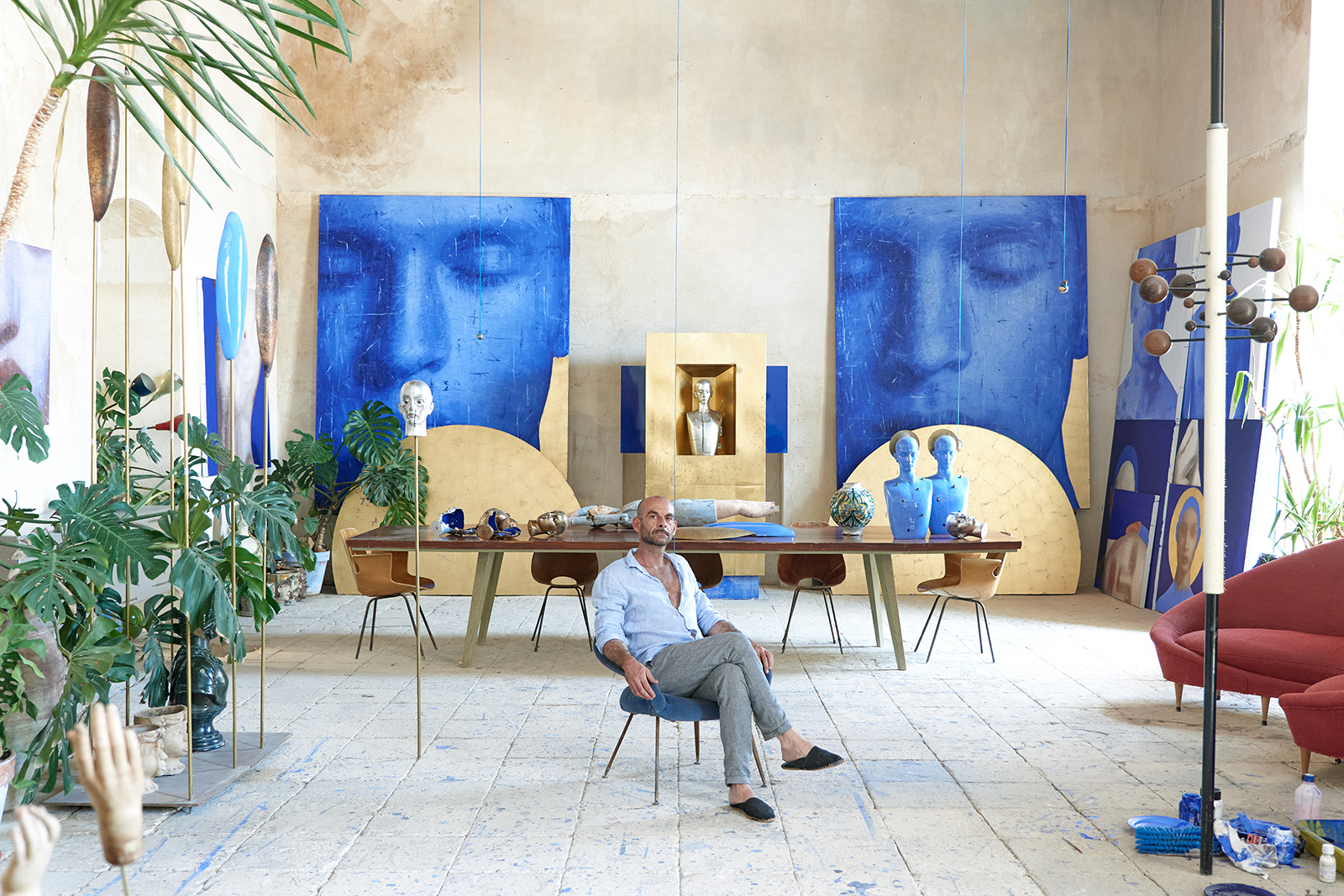
Sergio Fiorentino was born in Catania in 1973. After completing classical studies, he earned a degree in painting and restoration from the Abadir Academy of Fine Arts. For years, he dedicated himself to the study and research of 20th-century decorative arts and design.
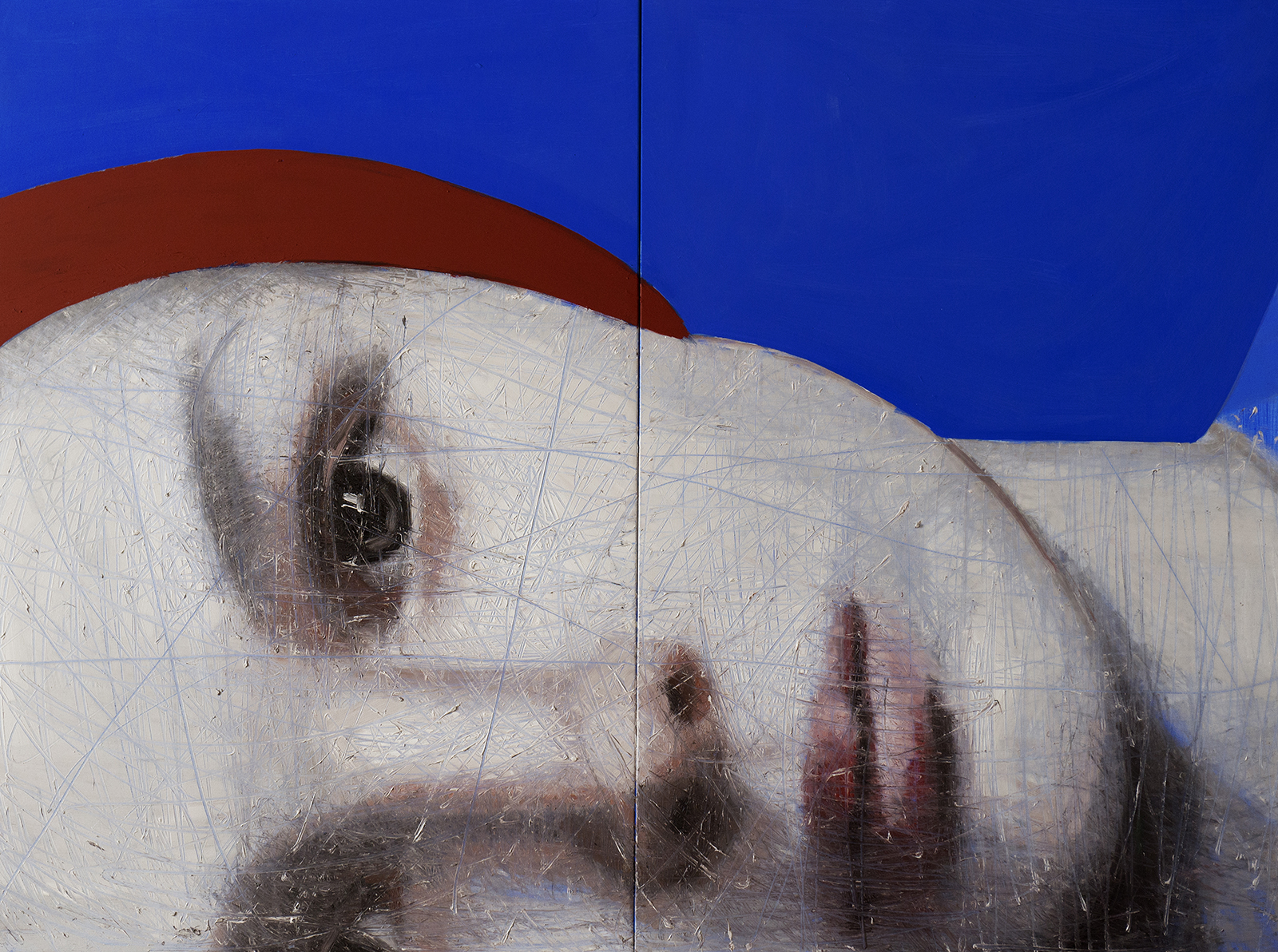
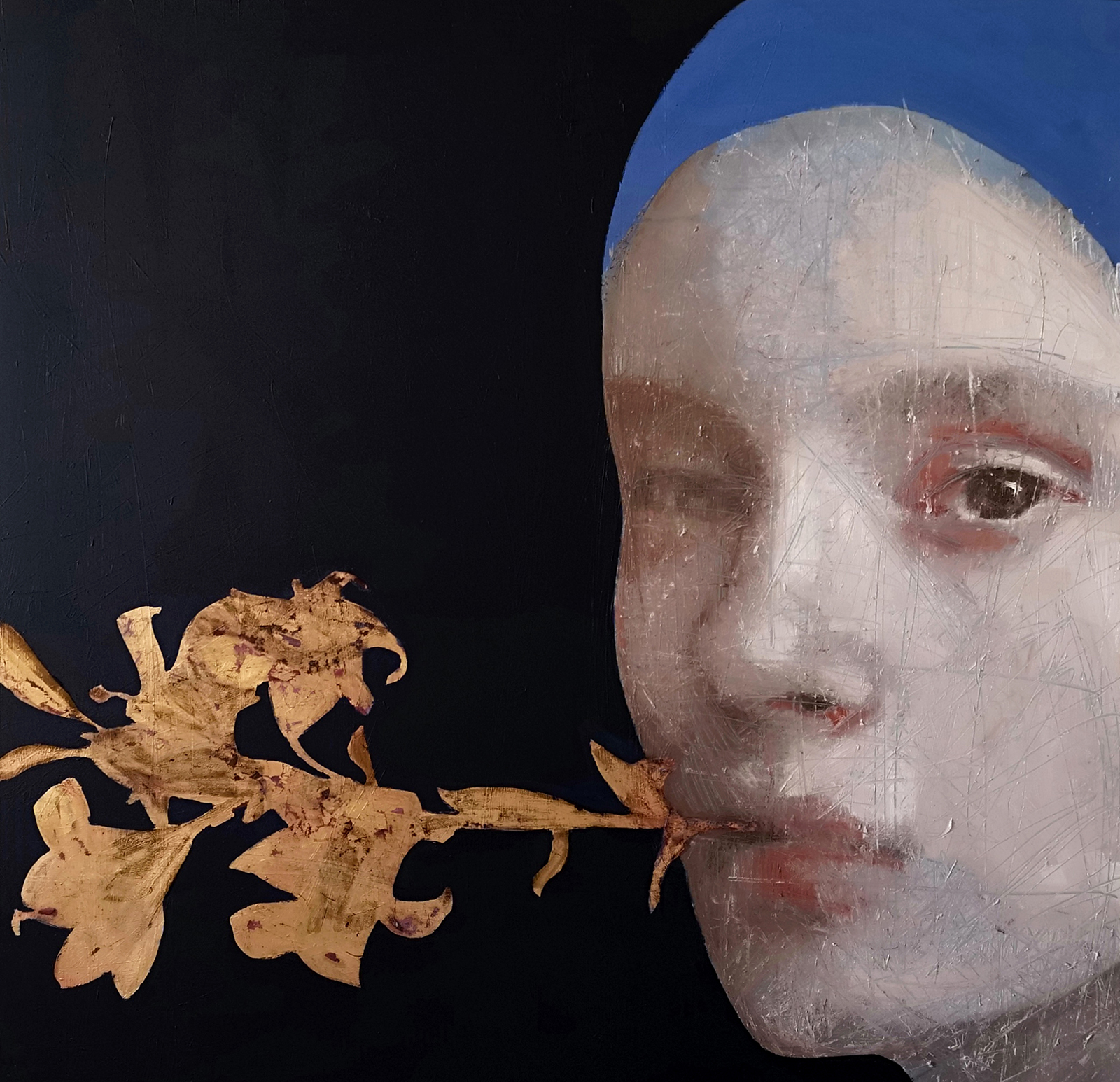
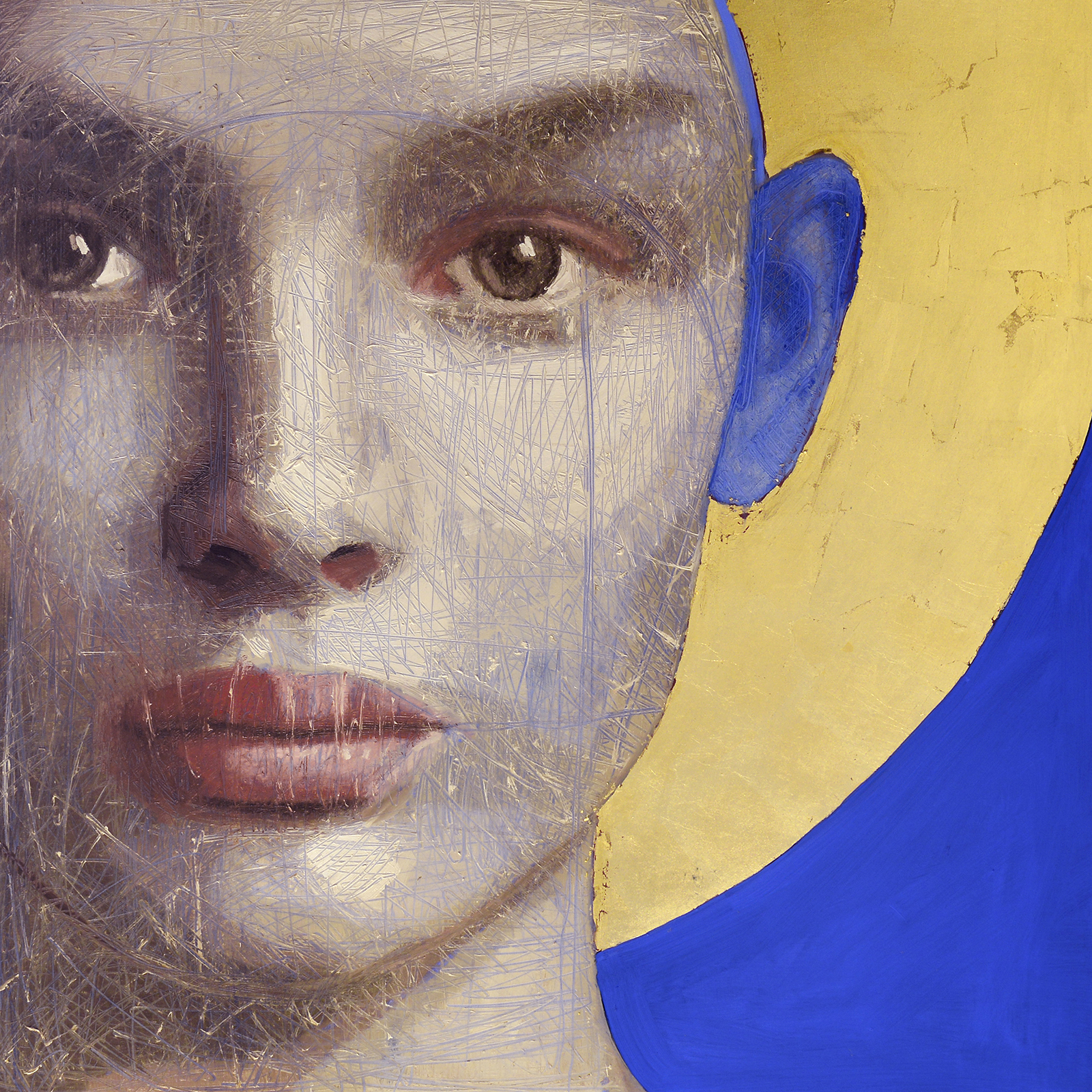
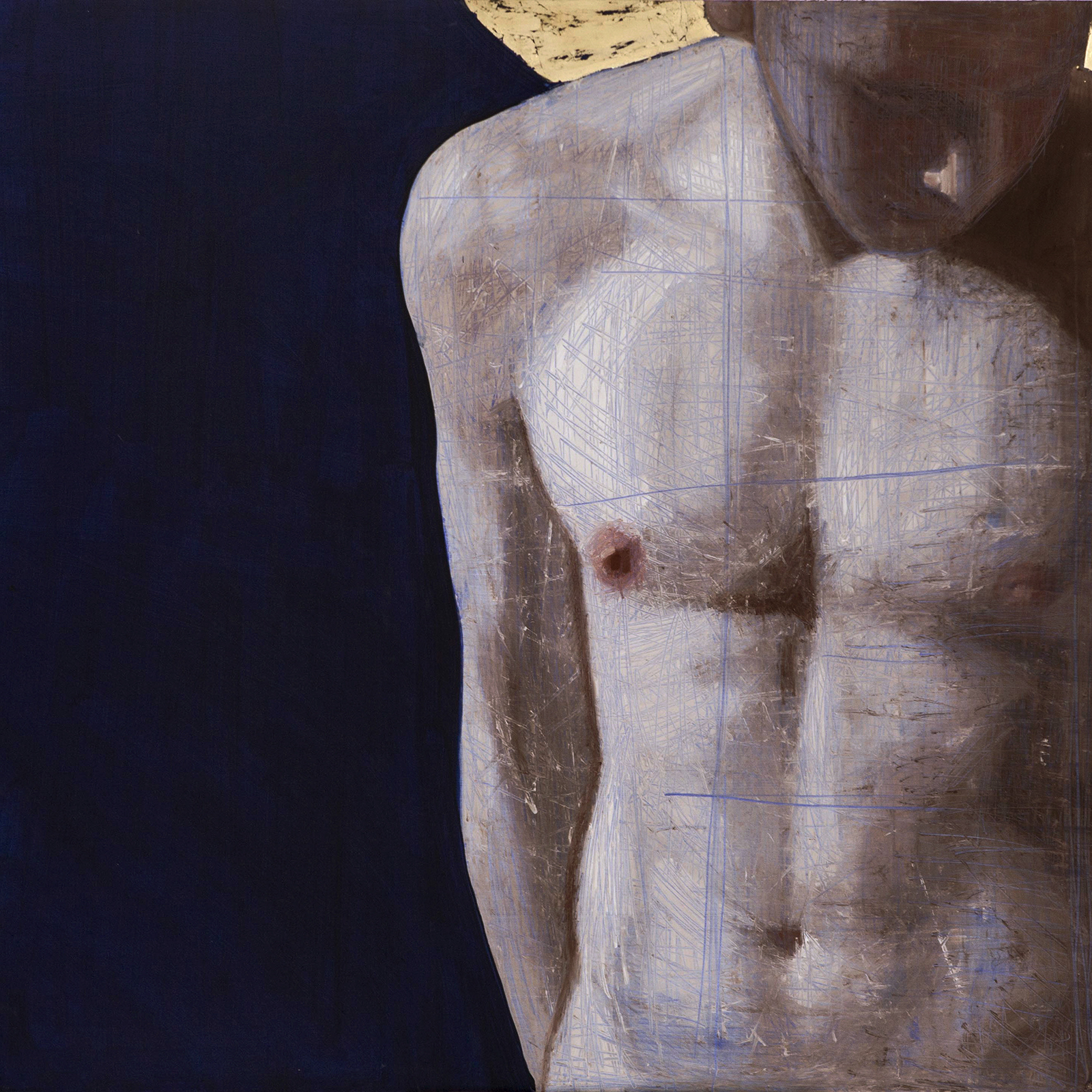
In his canvases, faces and bodies made of water seem to emerge and vanish, evoking a form of contemporary classicism on the verge of dissolution. Divers, saints, twins, and portraits remain suspended in stillness, enveloped in ultramarine blue.
His figures breathe motionlessly in an amniotic, silent dimension. He has lived and worked in Noto since 2012.
Facts & Credits
Project title An 18th-century monastery refectory turned into home and atelier
Typology Renovation, Artist’s studio
Location Noto, Sicily
Architecture +CSTUDIO ARCHITETTI
Artist Sergio Fiorentino
Photography Filippo Bamberghi, Rosita Gia
Text provided by the authors
READ ALSO: Π22: οι Cadu Architects μεταμορφώνουν έναν πρώην γραφειακό χώρο στα Εξάρχεια, σε ενιαίο οικιακό τοπίο γύρω από ένα ξύλινο κουτί