Brutalist retail interiors are reshaping commercial space through an ethic of material honesty, experimentation, and exposed construction. Βrutalism here functions as a spatial framework that determines how interiors are structured, navigated, and lived in. Across three projects—a hair salon, a restaurant and a workspace—these environments foreground raw materials, visible systems, and adaptive reuse as active design agents. Process replaces polish, and retail space becomes an architectural landscape where bodies, labor, and consumption intersect. Together, the projects point toward a new spatial ethic for retail: one that resists spectacle, embraces use, and positions architecture as an infrastructural and experiential force.
Yianni Hair Spa in Thessaloniki by UBUplan architects
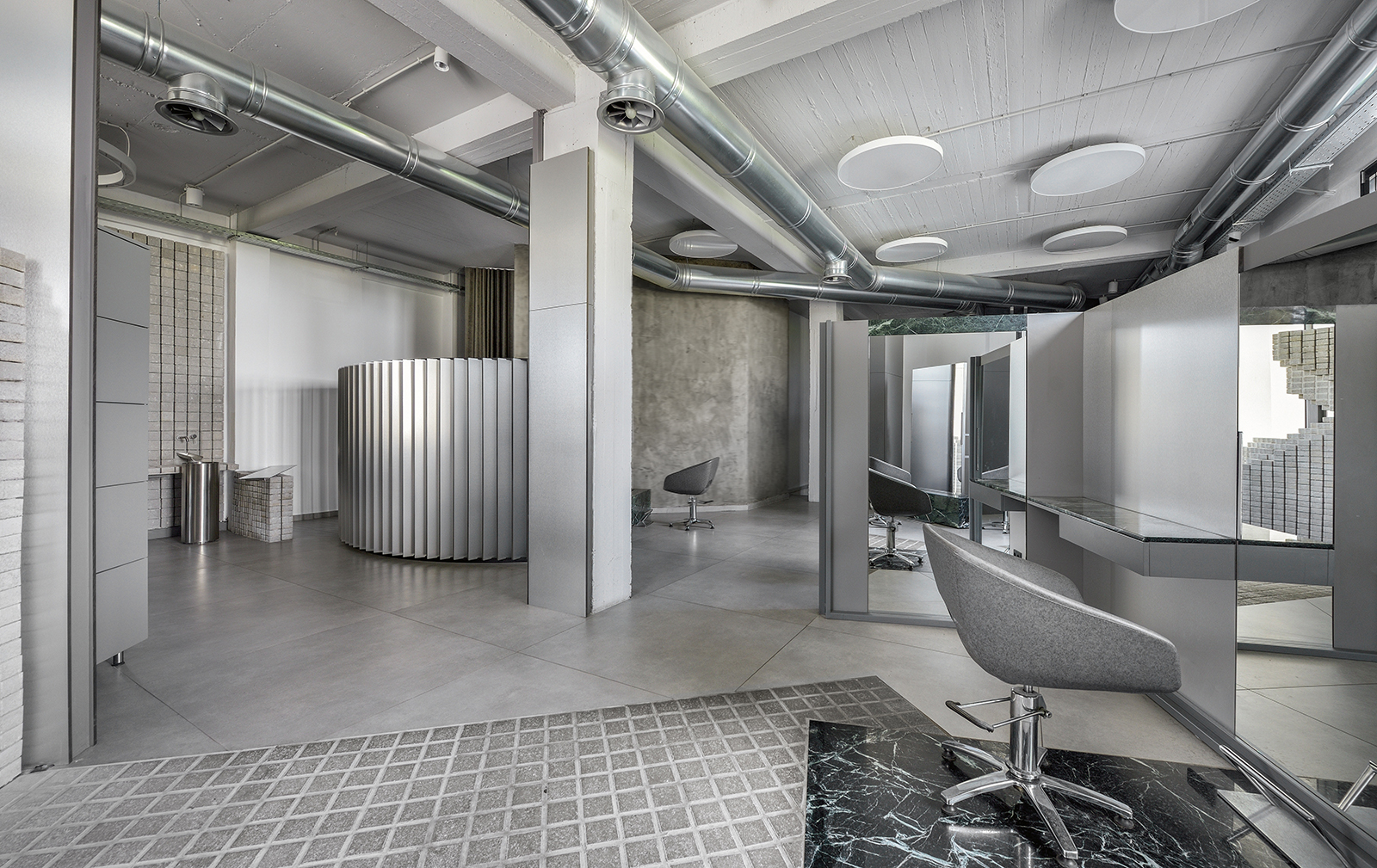
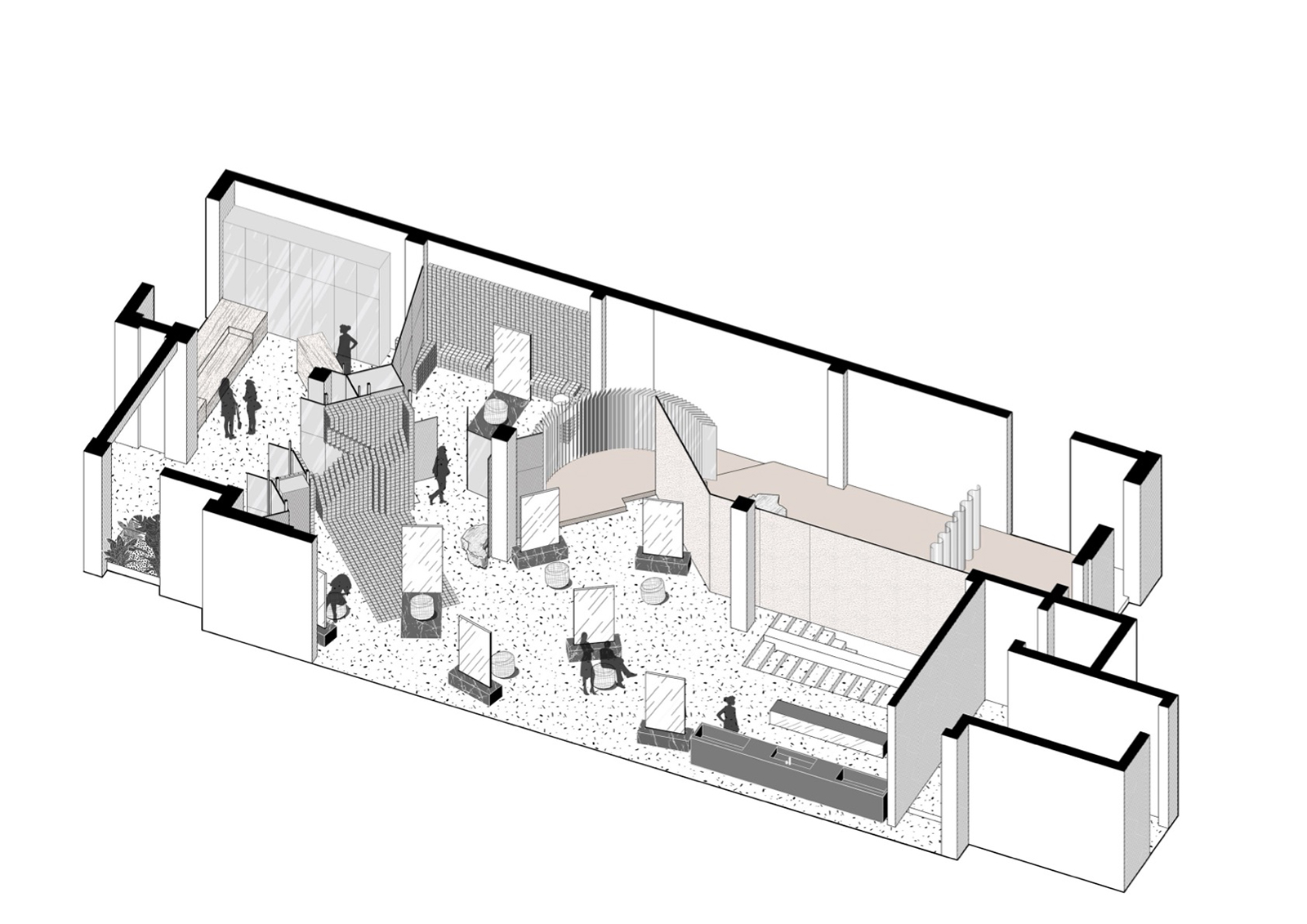
Within the dense fabric of the Thessaloniki Urban Complex, Yianni Hair Spa, designed by UBUplan Architects, unfolds as a contemporary interpretation of brutalist interior retail space where function is articulated through a continuous choreography of surfaces, volumes and material transitions.
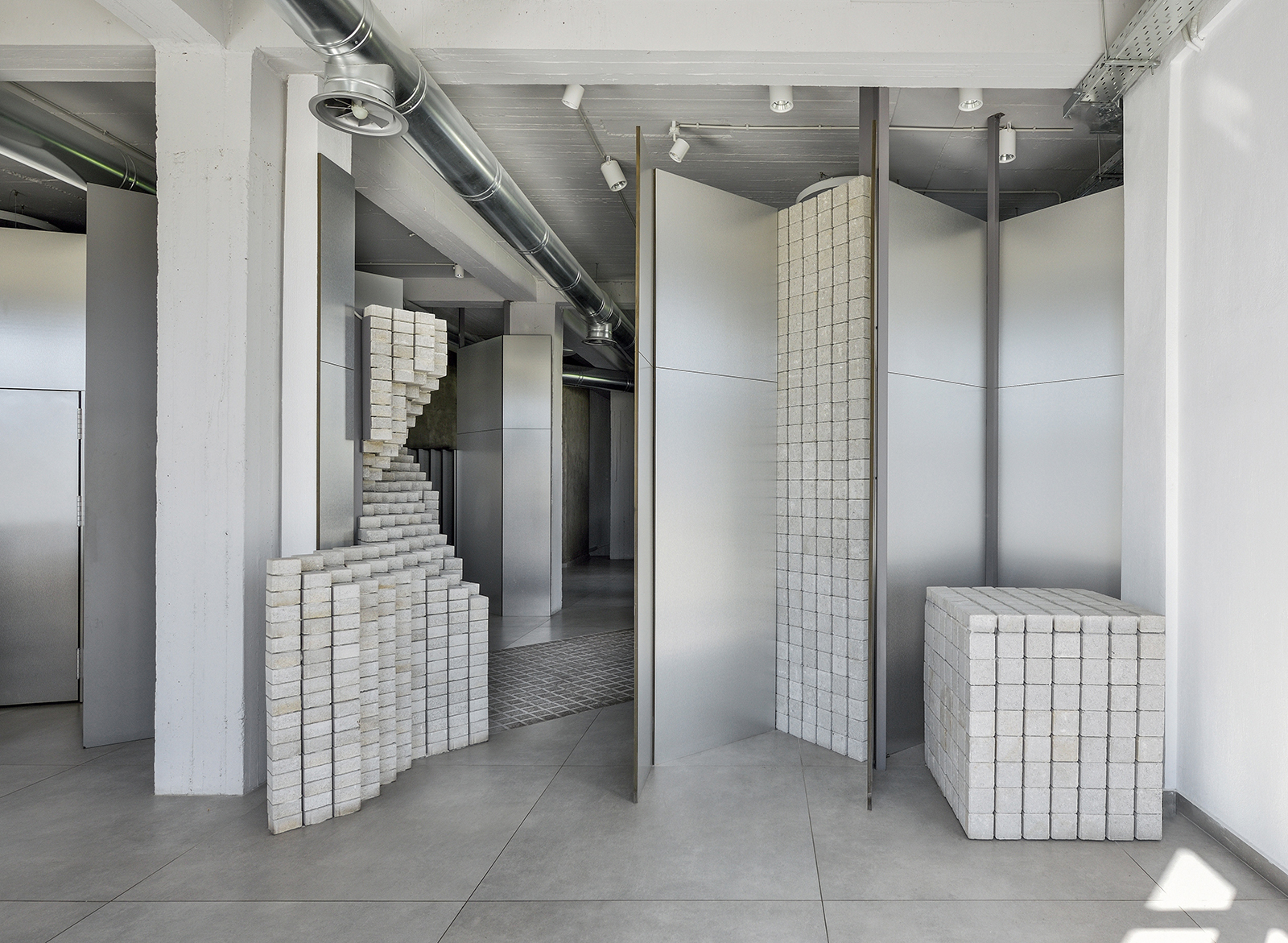
Developed on the unified ground floor of an existing building, the interior is conceived as a single, uninterrupted spatial field foregrounding materiality, process, and sensory experience.
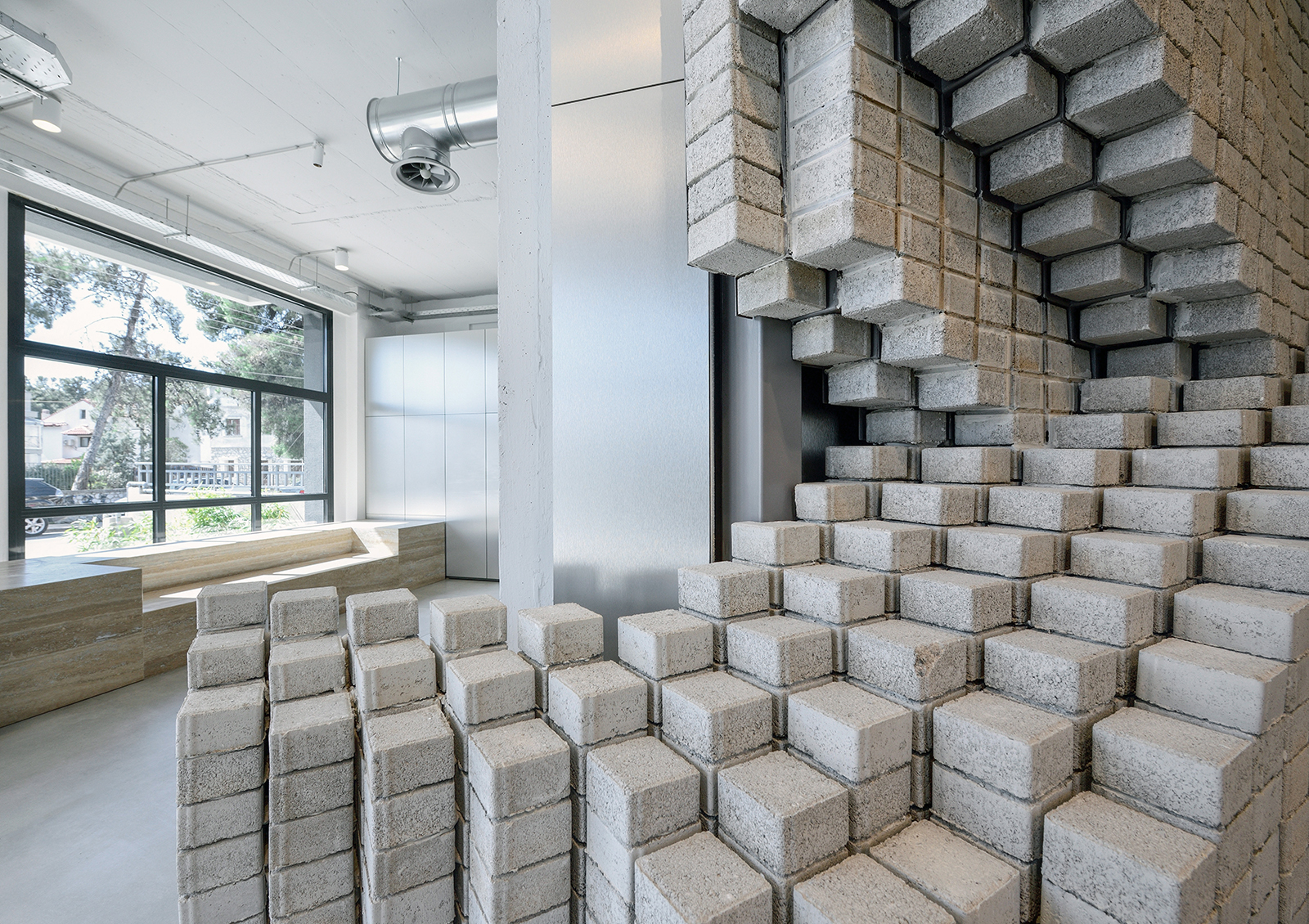
Concrete, repeated volumetrically throughout the interior, acts as both structural carrier and conceptual anchor, appearing alternately as super-units, partial surfaces, or sculptural waves—echoing natural processes of gradual formation rather than imposed form.
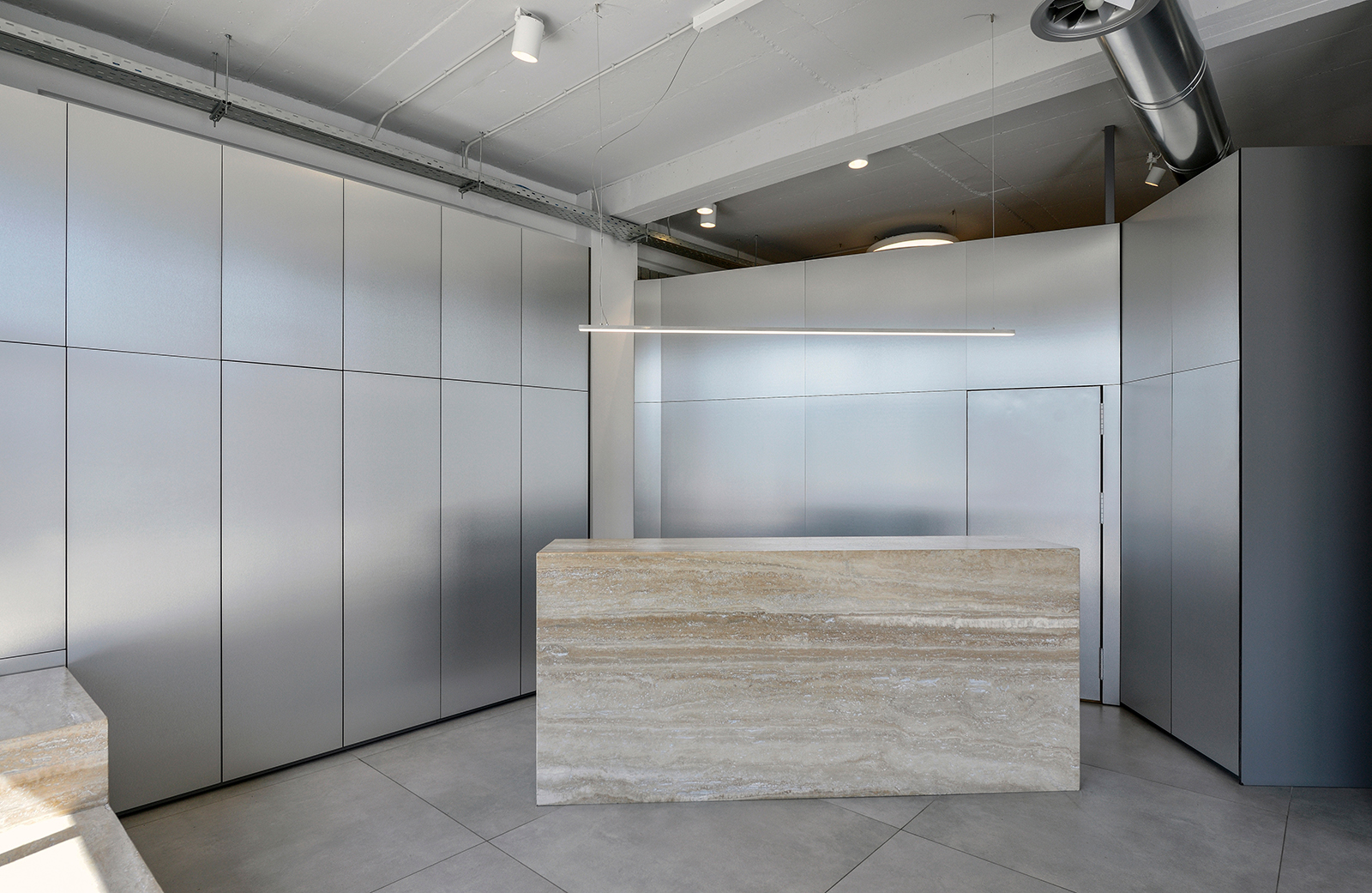
The space is orchestrated like a living organism: thresholds, transitions, and pauses take precedence over fixed boundaries, framing an environment that is simultaneously open, flexible, and tactile.
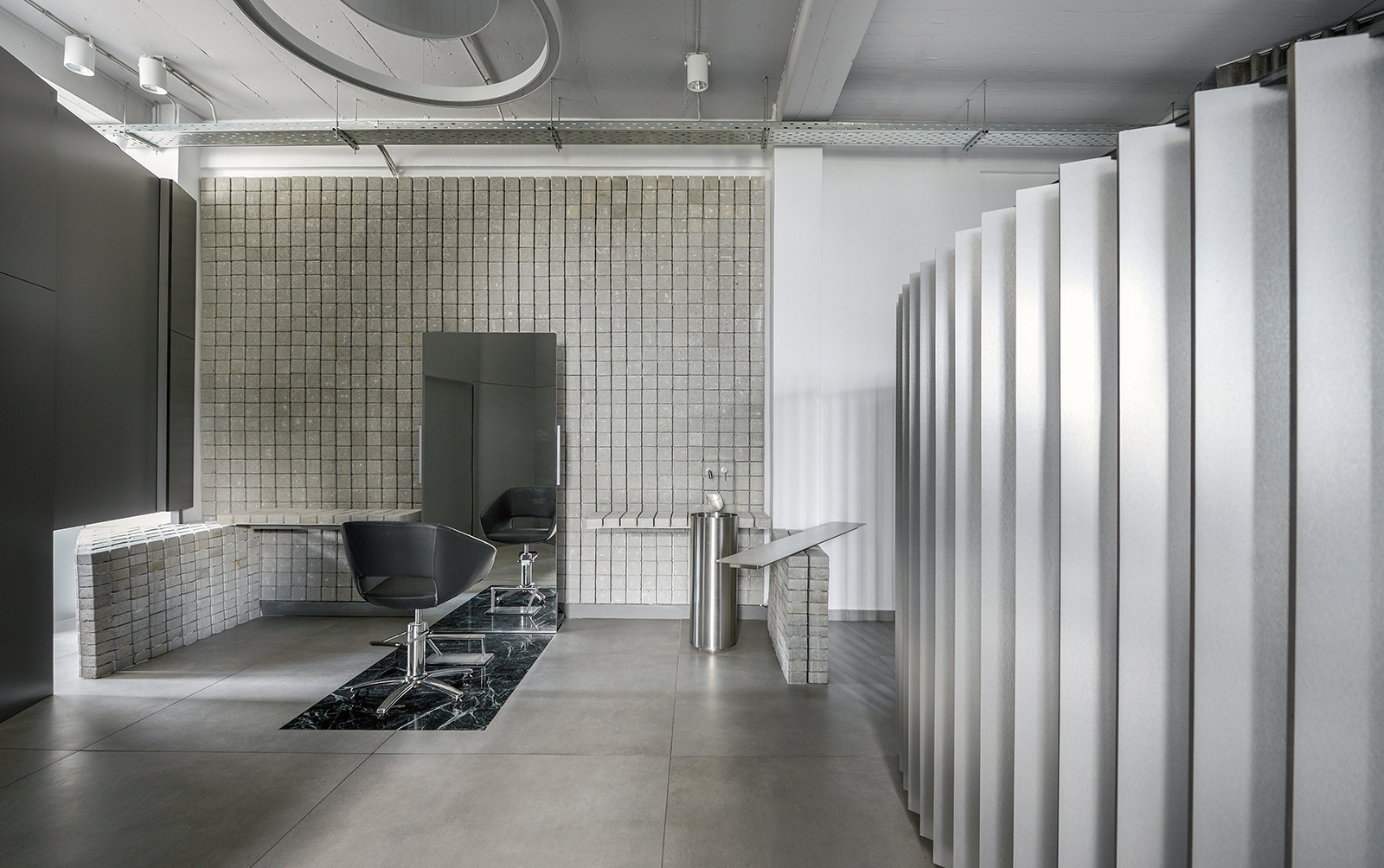
Reception and waiting areas provide a transitional introduction, while workstations inhabit an open field with individual identities formed through material and spatial gestures. A rear spa zone intensifies introspection through raw textures, calm geometries, and muted tonalities, balancing the active front areas with a condition of regeneration.
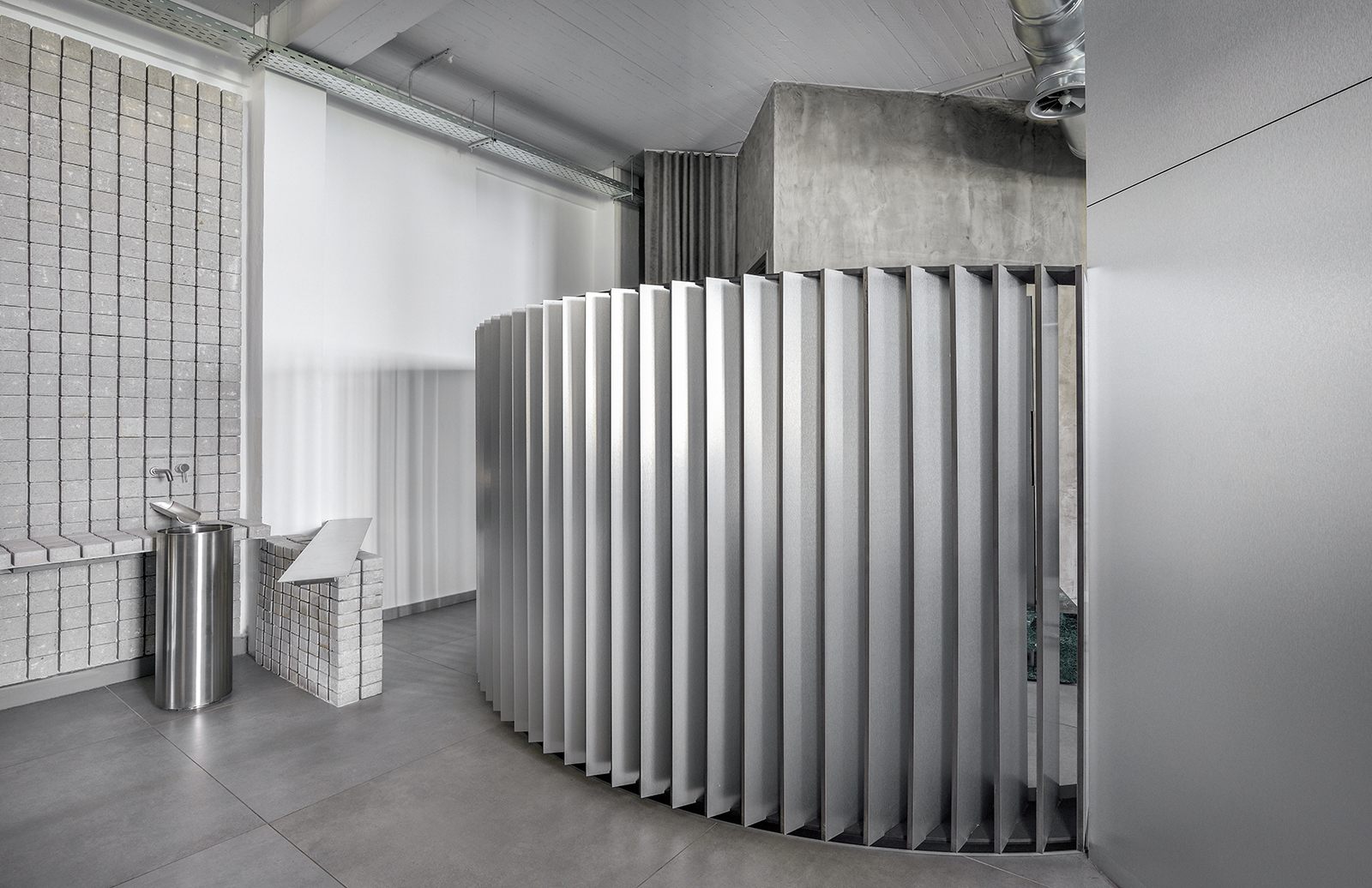
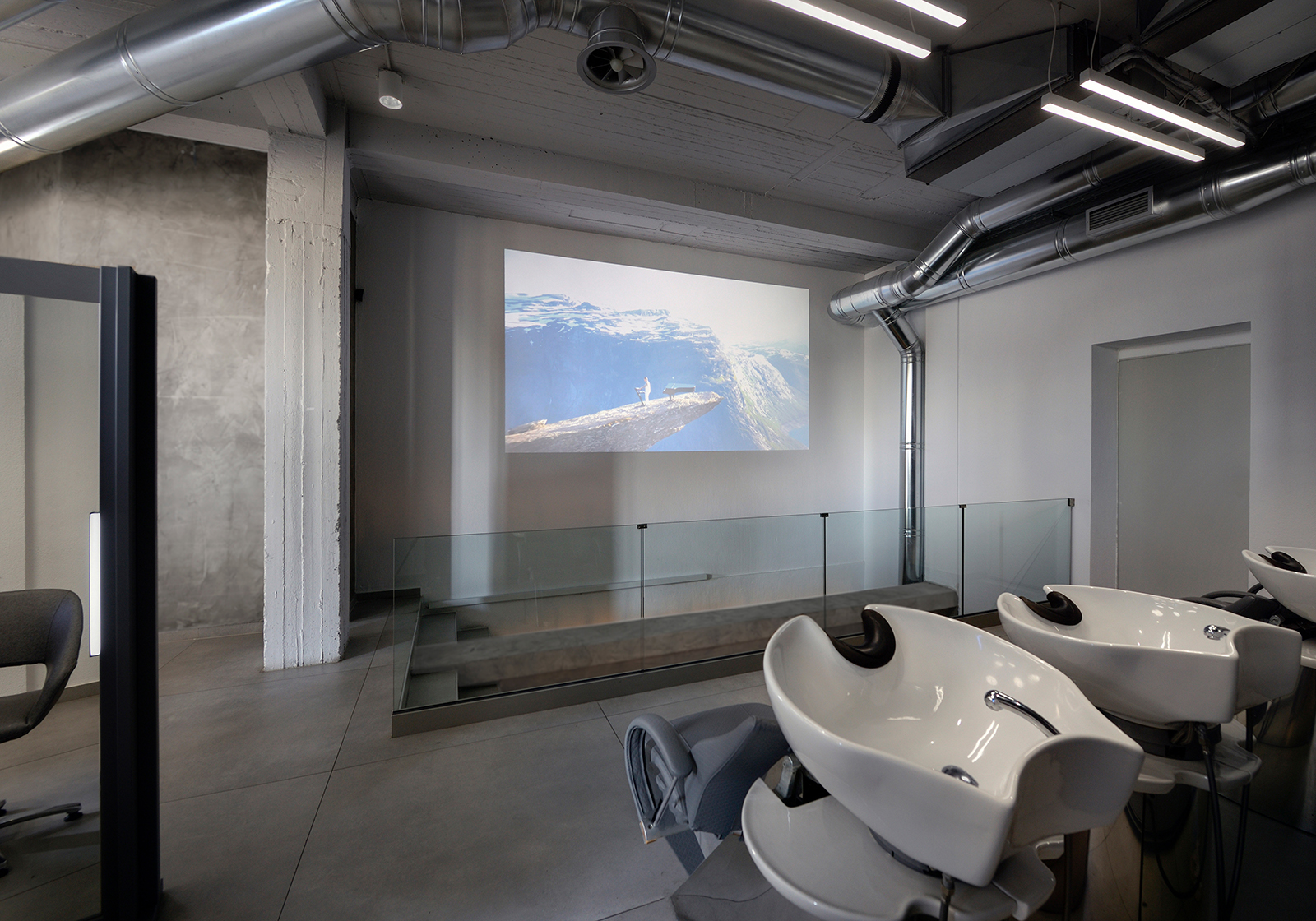
Light—both natural and artificial—functions as a design instrument, revealing curvature, discontinuities, and material nuance, while reflections, tonal subtleties, and tactile contrasts deepen sensory engagement.
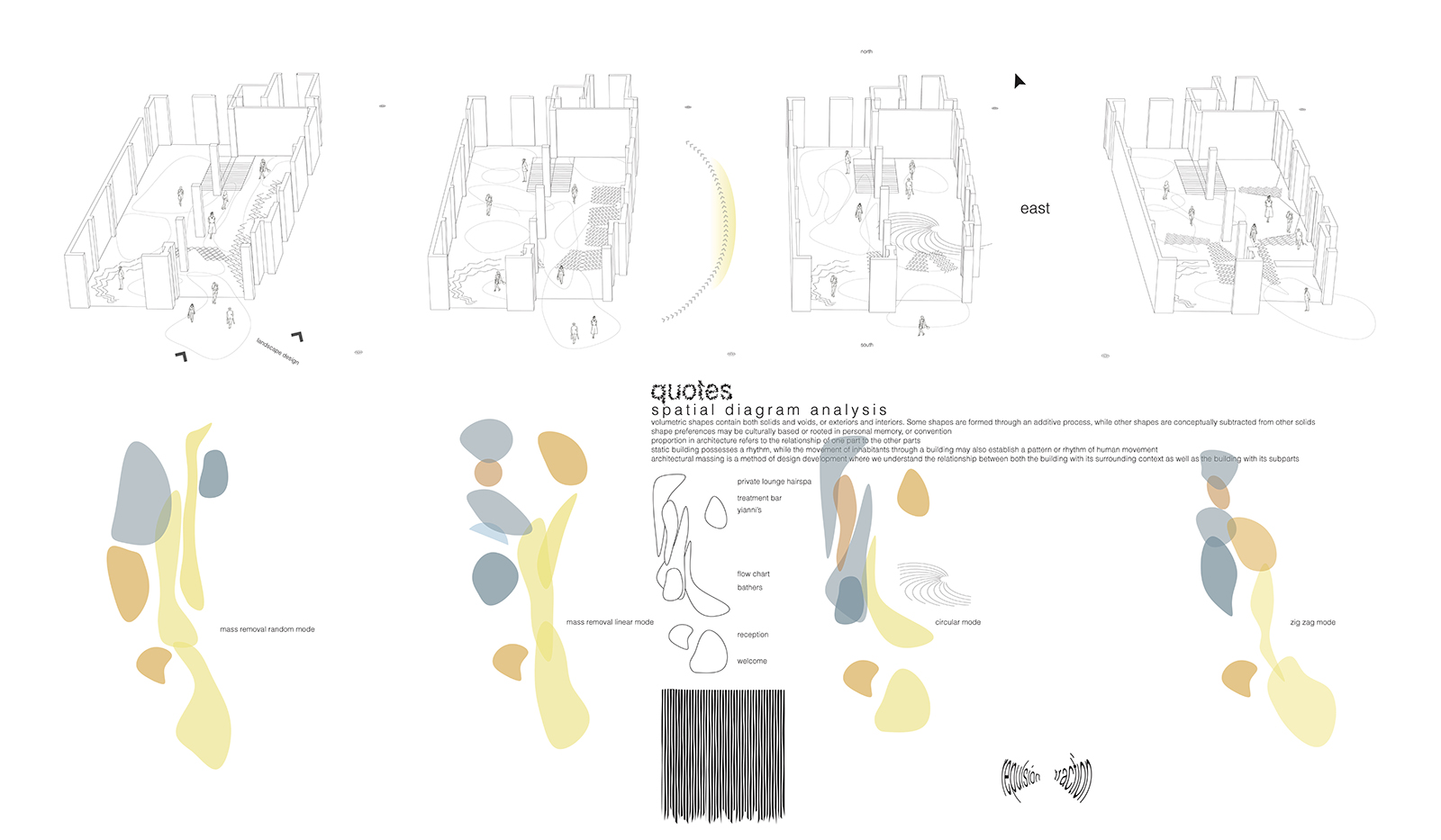
Through these strategies, retail is reframed as an experiential landscape in which architecture, body, and activity intersect. The project embodies the principles outlined in the broader discussion of brutalist retail: process over polish, structure over spectacle, and inhabitation as an active, perceptual, and embodied engagement with space, pointing toward a new ethic for commercial interiors.
ENBI Offices in Bilbao, by I-ARCHITECTURE
Designed by I-ARCHITECTURE, the Enbi Offices propose a radical rethinking of the contemporary workplace through material expression and spatial permeability. More than a renovation, the project operates as an architectural manifesto, challenging conventional notions of enclosure, hierarchy, and division within office environments.
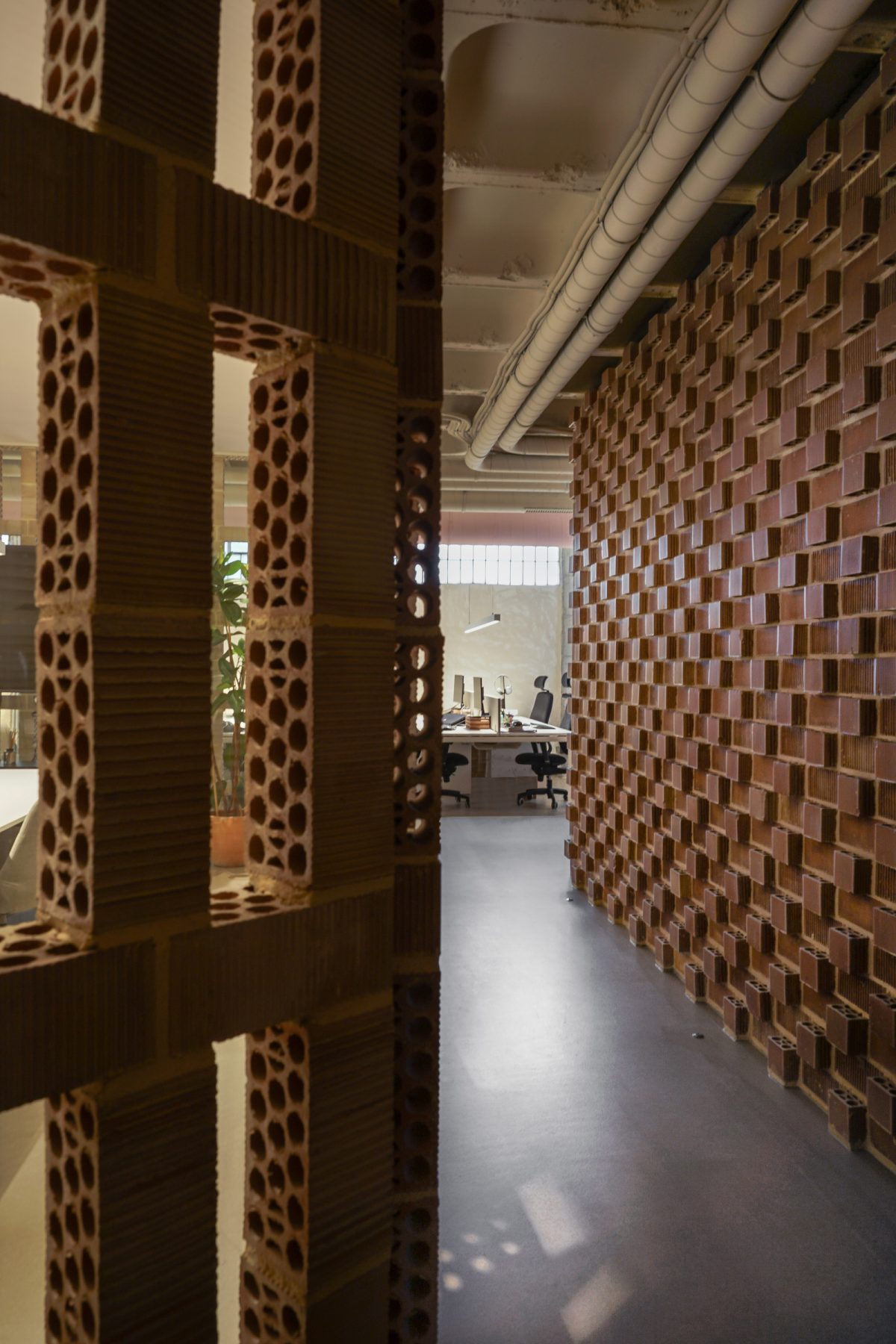
Rooted in a Brutalist sensibility, the design reclaims brick as both a structural and spatial protagonist.
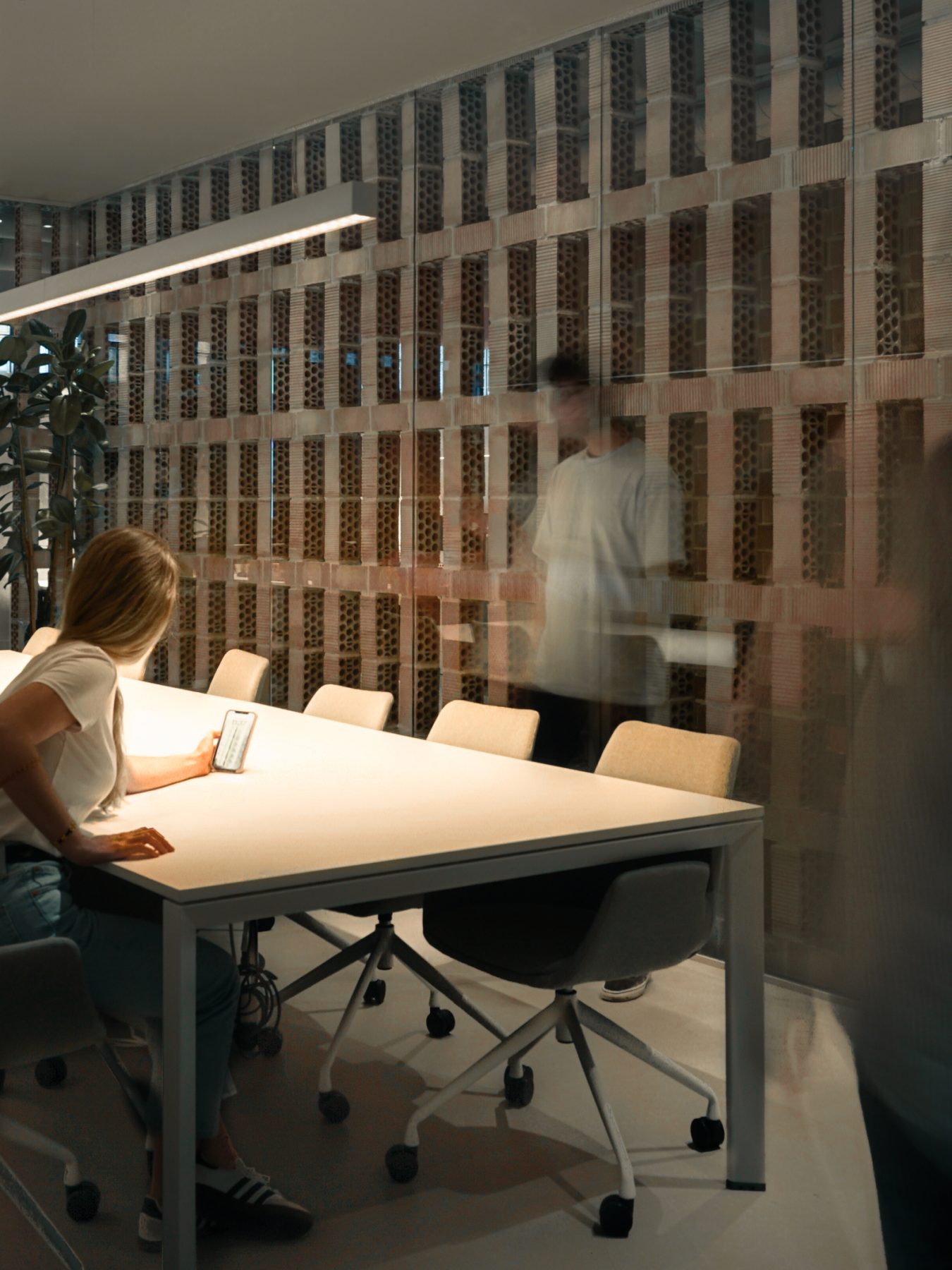
Walls are conceived not as static boundaries but as active mediators of light, movement, and occupation. Through a system of hollow ceramic brick bonds, the material is transformed into a porous architectural device, allowing space to be suggested rather than rigidly defined. Layers of density and transparency shift with viewpoint and use, creating a dynamic interior landscape.
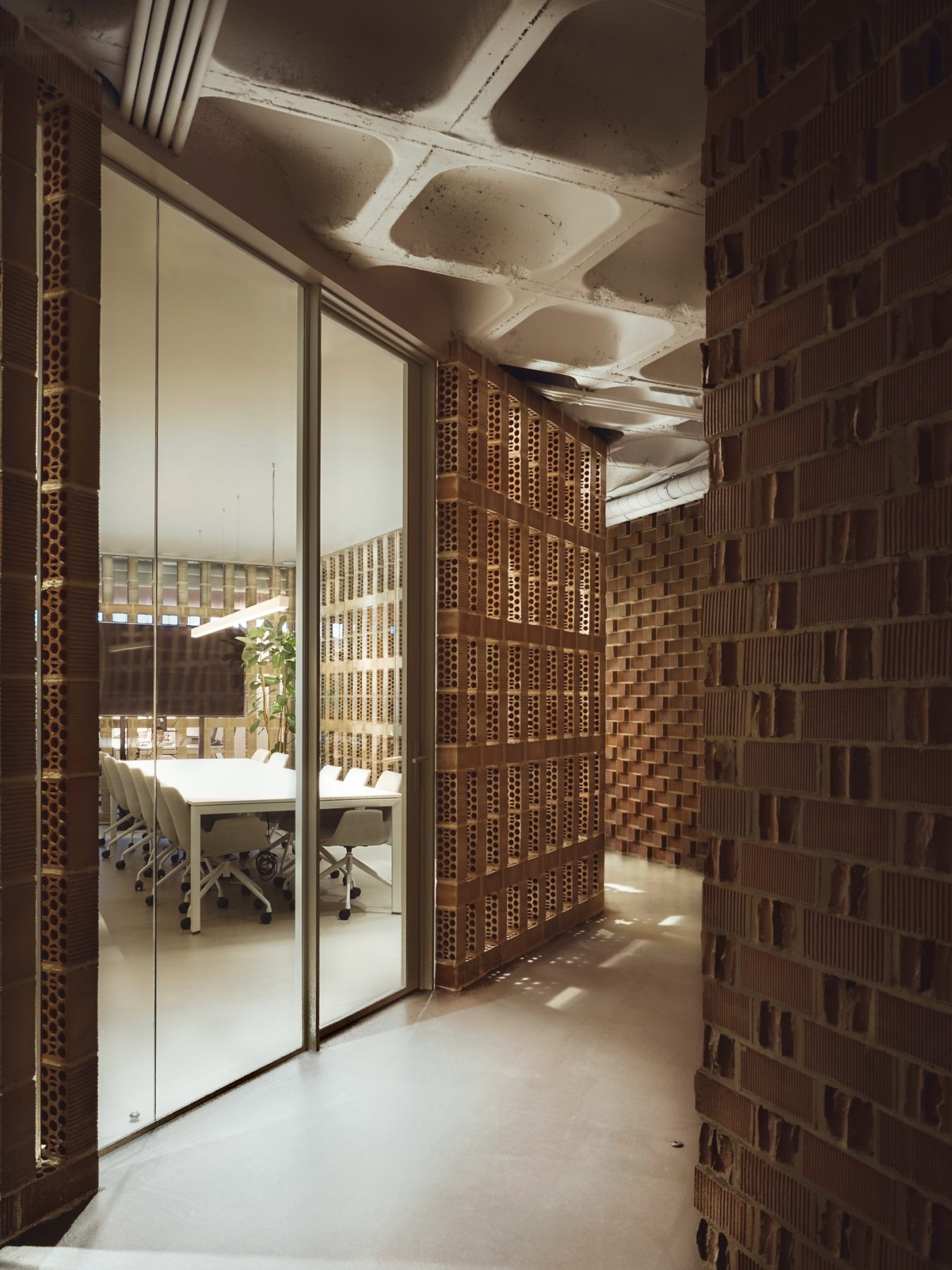
Perforated brick surfaces precisely regulate natural light, casting changing patterns of shadow and illumination that recalibrate perception throughout the day. Brutalism here is expressed not through monumentality, but through the honest articulation of material, texture, and construction logic.
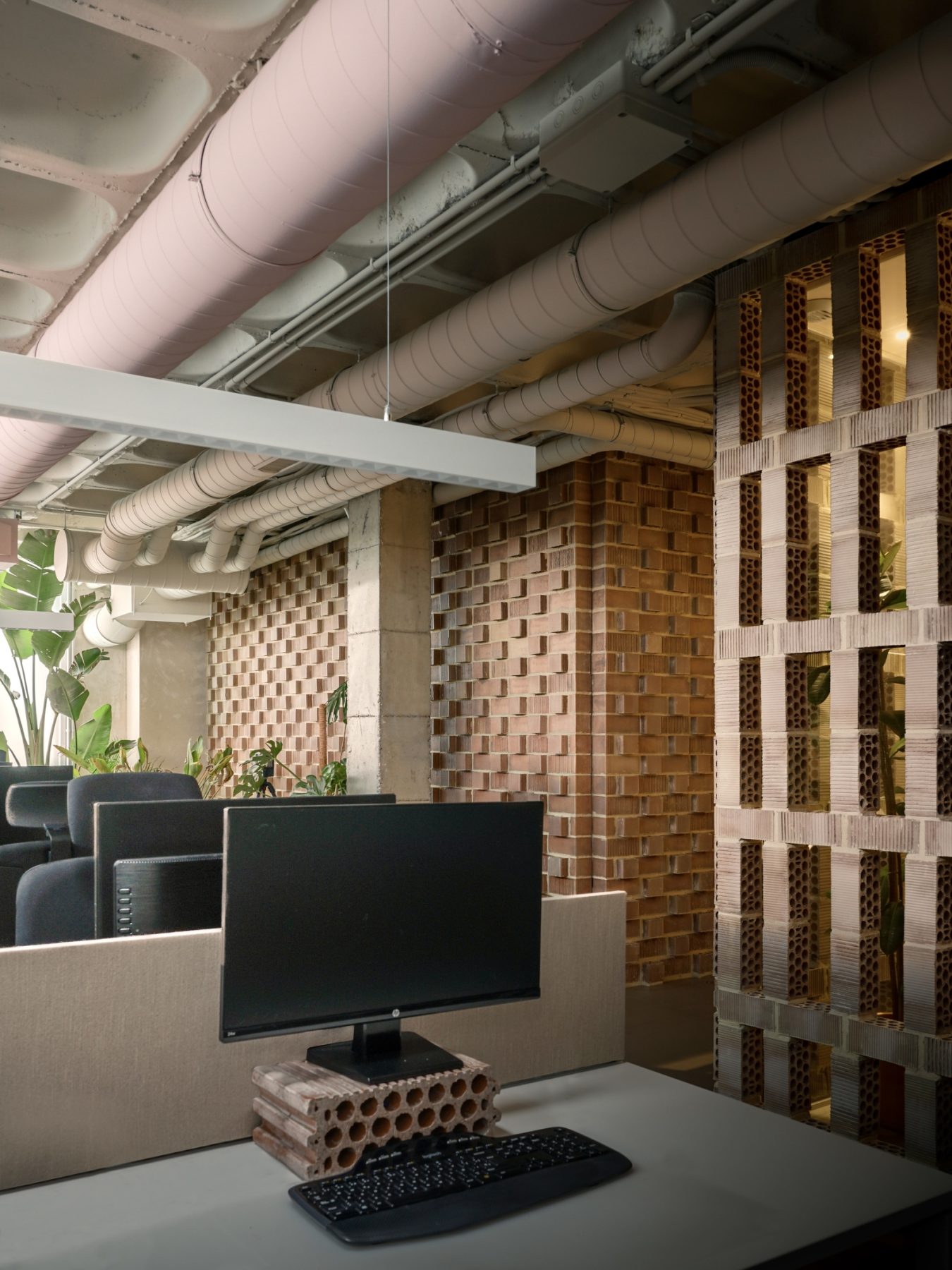
Spatial organization reinforces this narrative: private, introspective zones occupy the core of the elongated plan, while collective workspaces unfold toward natural light. Large glazed openings enhance daylight penetration and environmental quality. Rather than dividing space, brick elements connect it—shaping a fluid, evolving workplace that balances openness with retreat and collaboration with focus.
Read more about the project here!
MO de Movimiento Restaurant in Madrid by Lucas Muñoz Muñoz
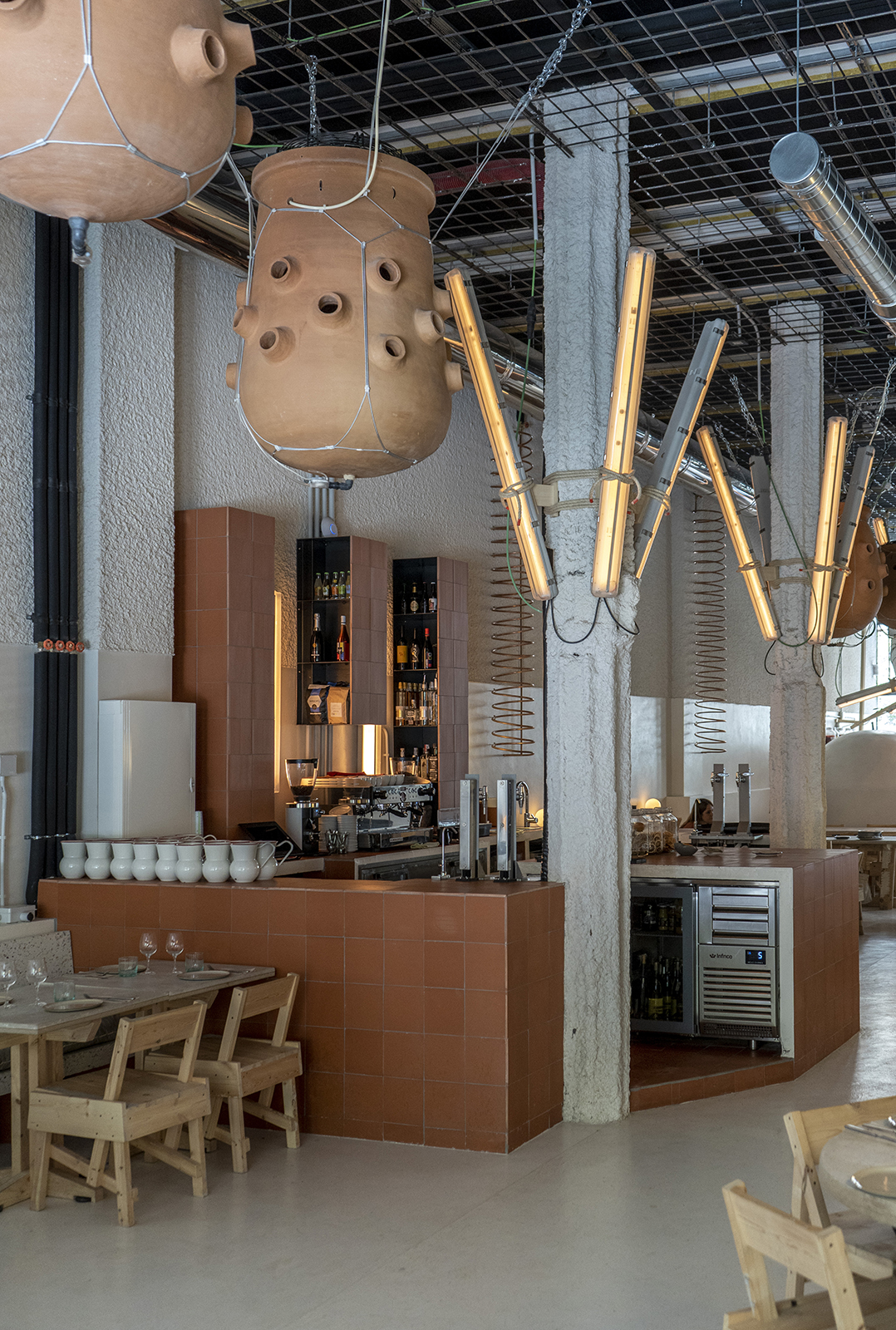
Mo de Movimiento, designed by Lucas Muñoz Muñoz, is conceived not as a conventional restaurant interior but as an architectural ecosystem that rethinks construction, consumption and spatial ethics. More than a renovation, the project integrates material processes, energy flows, and social values into a unified spatial identity.
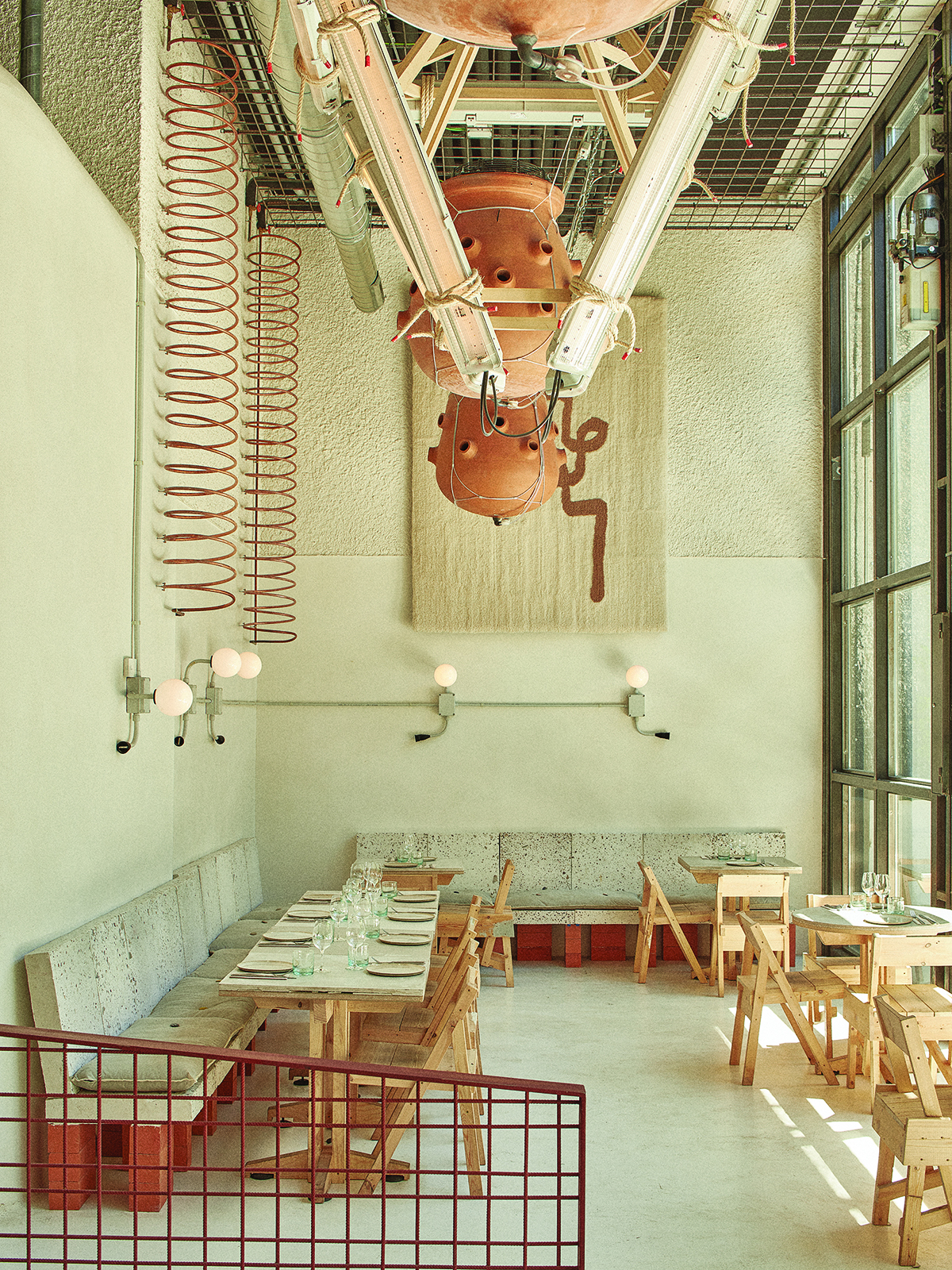
Rooted in a Brutalist ethos of material honesty and exposed systems, the intervention treats destruction as a generative act.
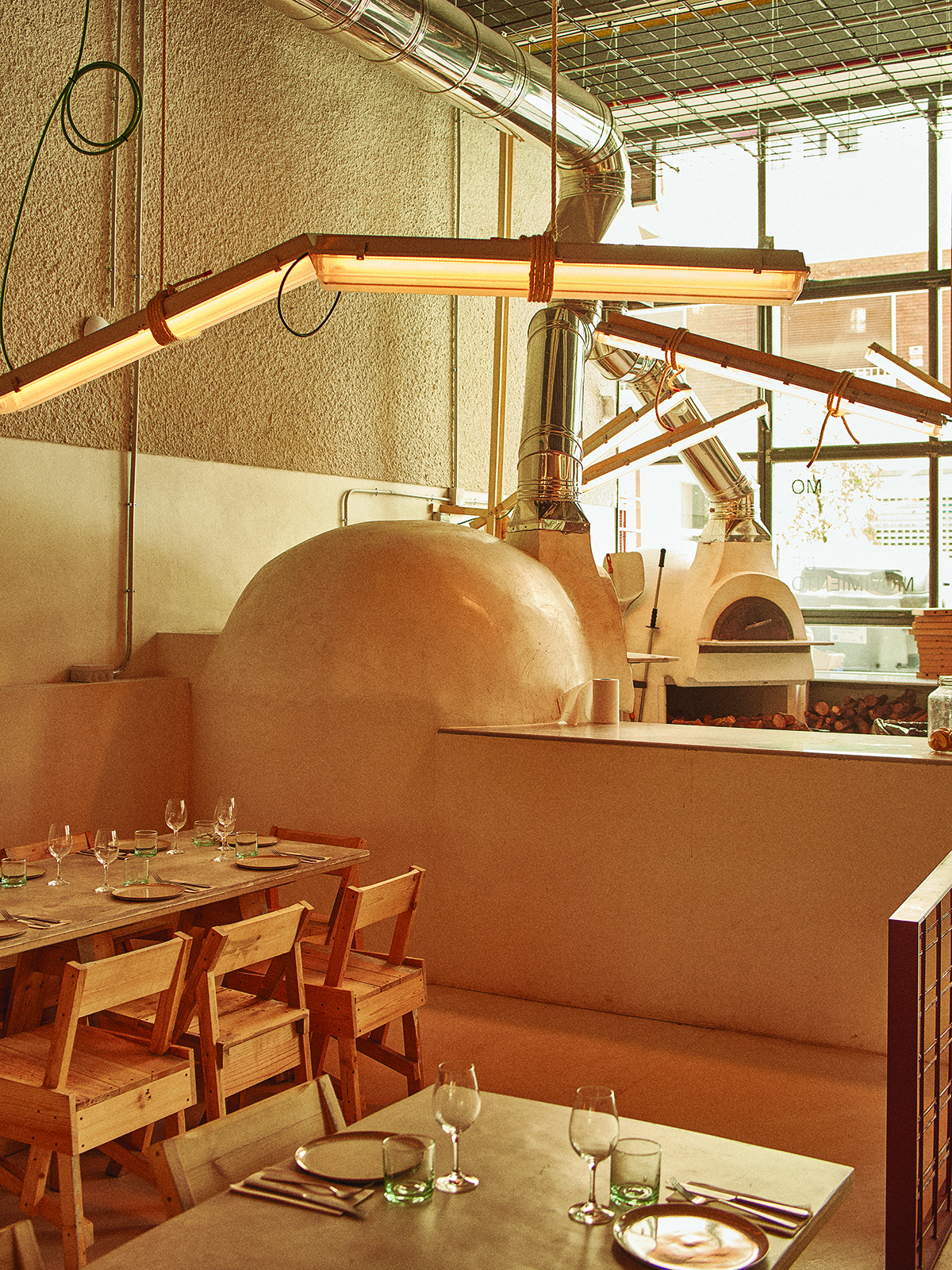
Existing structures and construction debris are dismantled and reassembled into new architectural elements, establishing a language defined by reuse, proximity, and low-tech innovation. Architecture is understood as an evolving process—designed to age, transform, and adapt over time. Environmental systems are central to the spatial logic. Terracotta ventilation elements cool Madrid’s dry air through passive adiabatic processes, while residual heat from handcrafted pizza ovens is recovered to warm water and interior spaces. Water operates within a closed-loop system, reused for cooling, cleaning, and irrigation, embedding sustainability directly into the project’s structure.
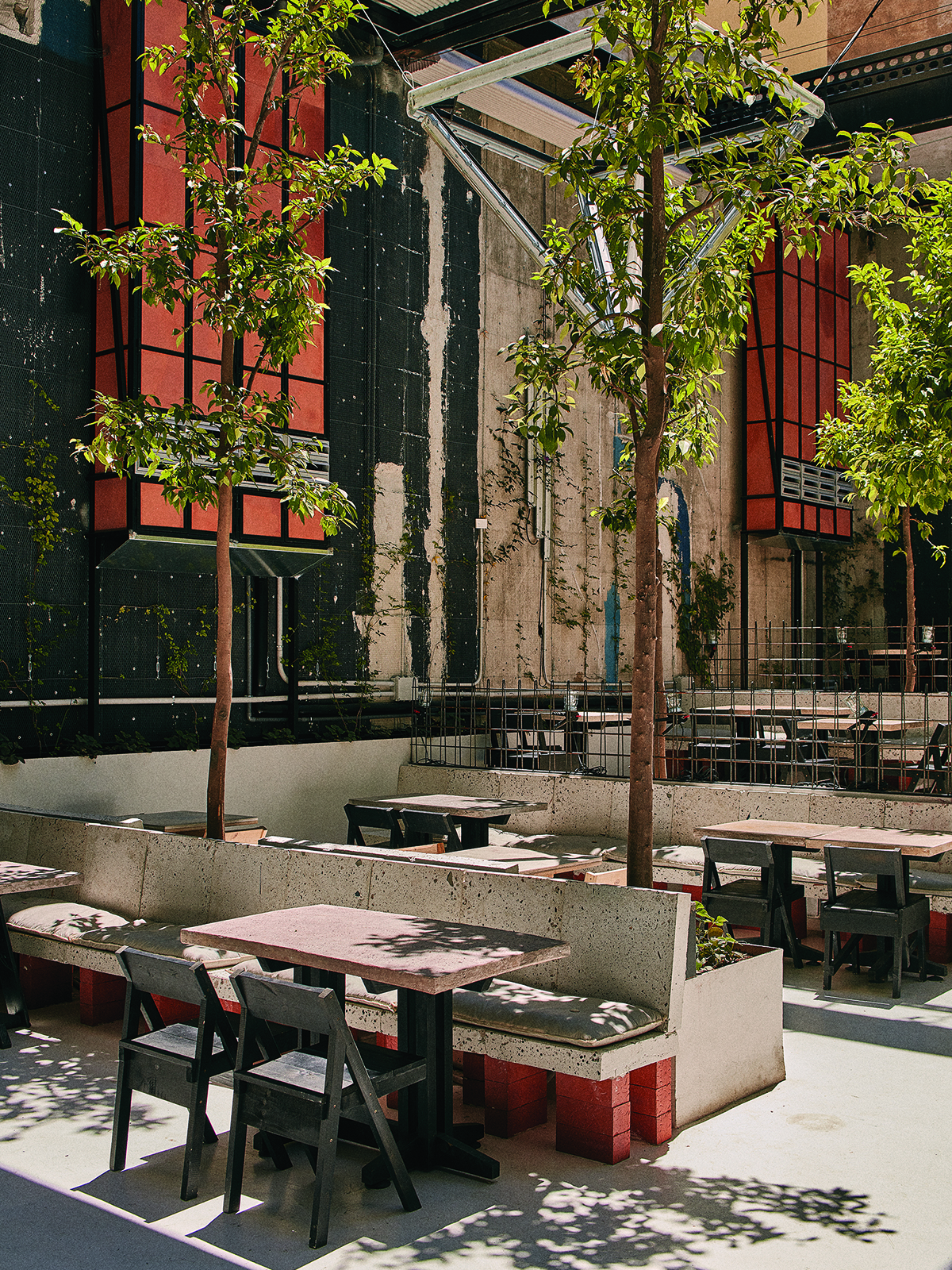
The interior unfolds as a continuous, flexible field of raw plaster, exposed installations, recycled acoustic panels, and visible wiring. Furniture and fixtures are fabricated from on-site materials, transforming waste into spatial infrastructure. At its core, an open-air patio functions as both ecological and social heart—positioning Mo de Movimiento as a contemporary Brutalist interior where architecture actively reshapes how space is built, inhabited, and sustained.
Read more about the project here!