The Estonian Centre for Architecture is pleased to announce Stuudio TÄNA and Mark Aleksander Fischer as the Winners of the Curatorial Competition for the 8th international Tallinn Architecture Biennale (TAB 2026), which will be held in the Estonian capital city from 9 September to 30 November 2026.

Since its founding in 2011, the Tallinn Architecture Biennale has become Estonia’s leading international festival dedicated to architecture and the built environment. The 2026 edition promises to offer a rich and diverse programme, including the main Curatorial Exhibition, a Symposium, Tallinn Vision Competition, and Installation Programme, alongside a rich interdisciplinary Satellite Programme, all designed to foster dialogue, experimentation, and critical reflection on the future of architecture.
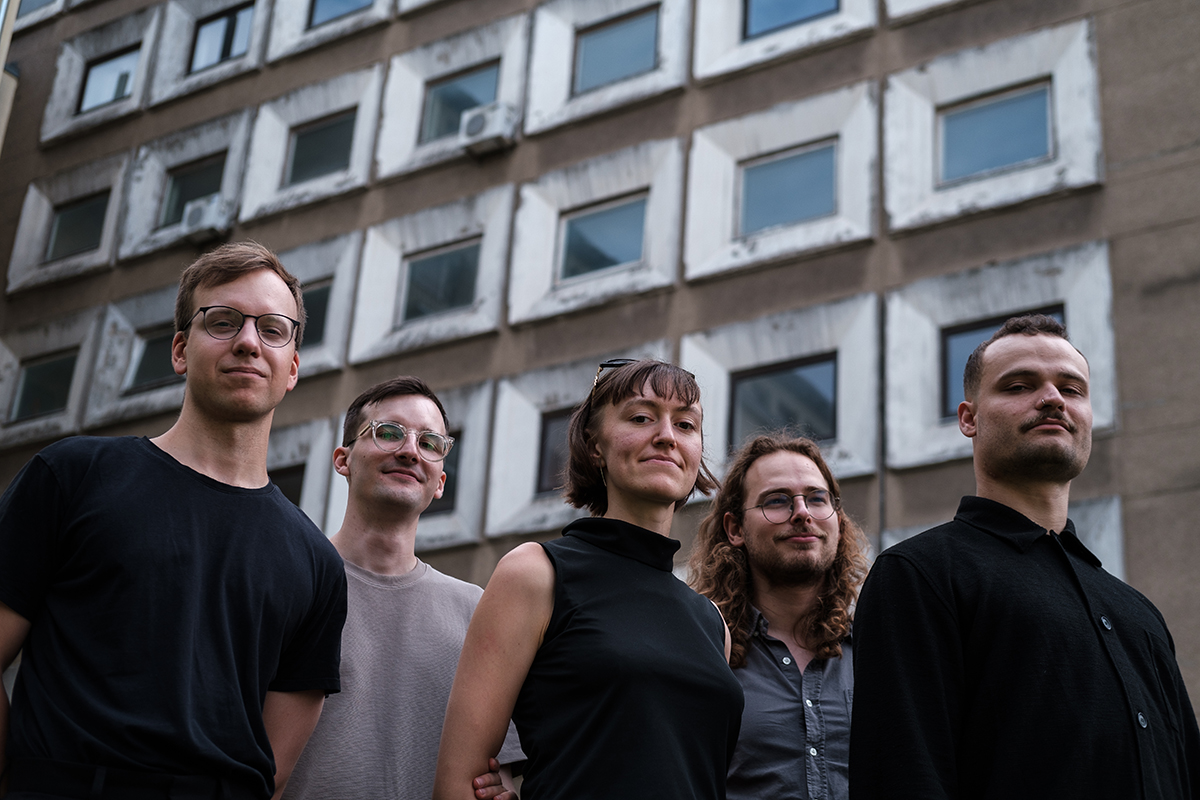
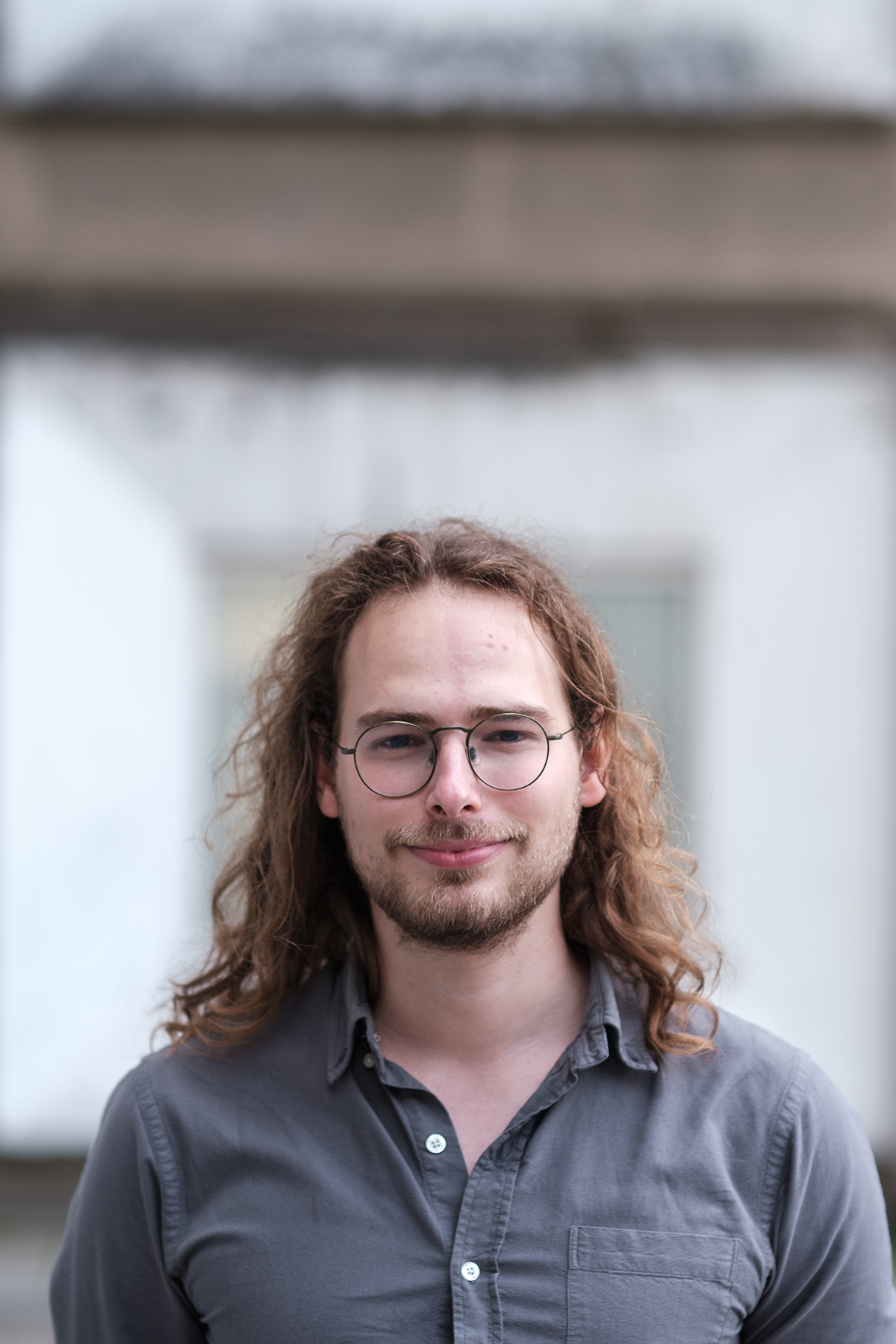
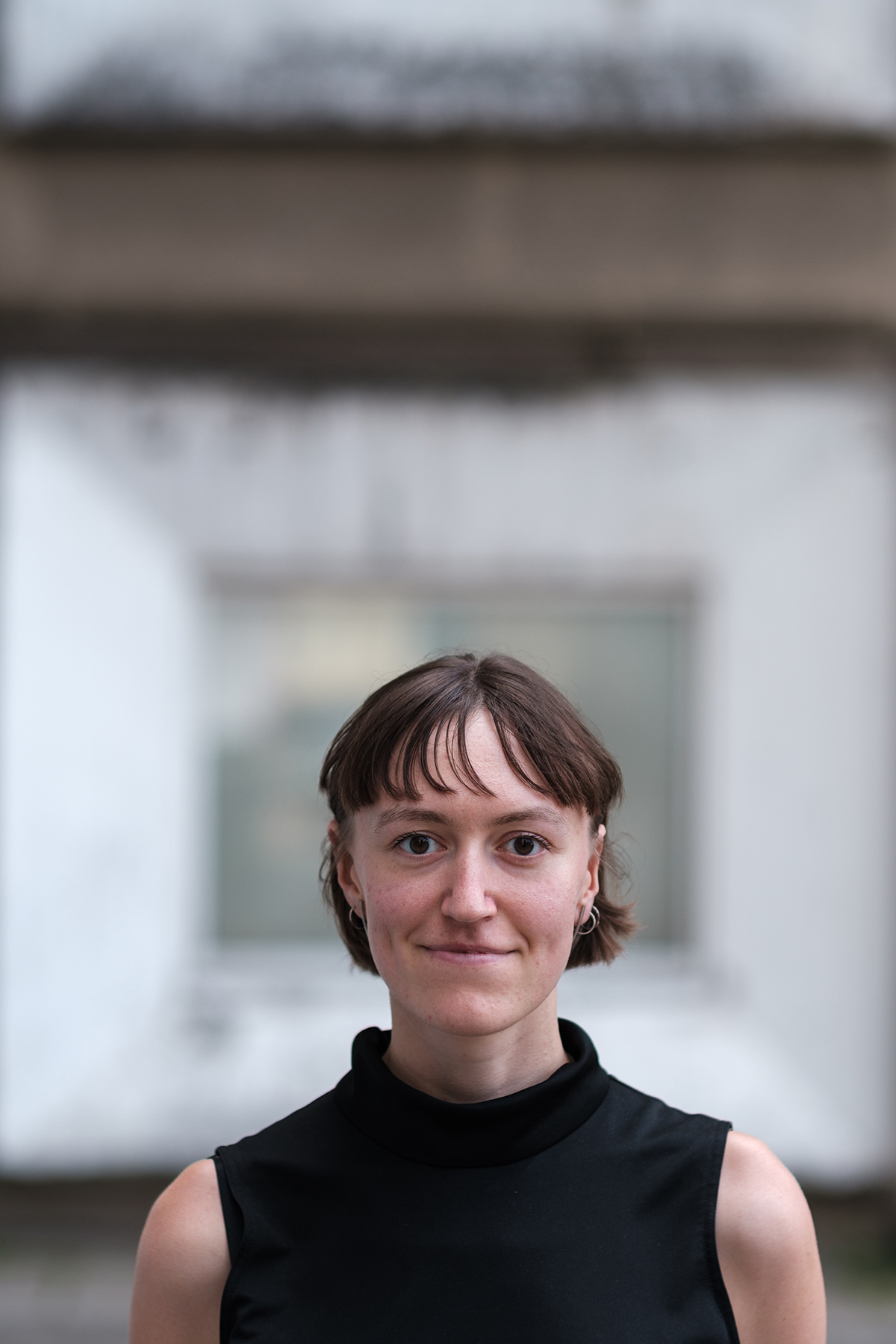
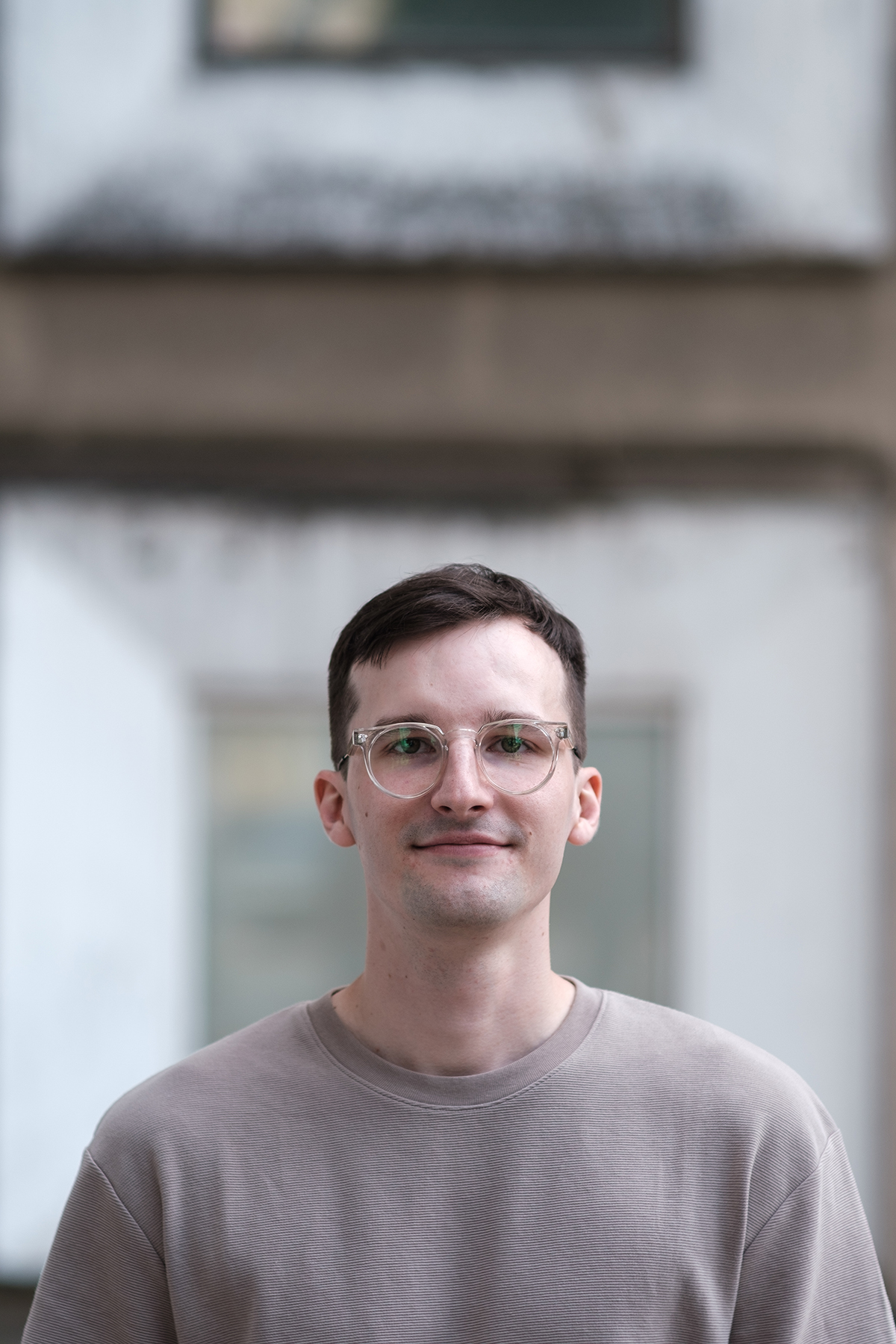
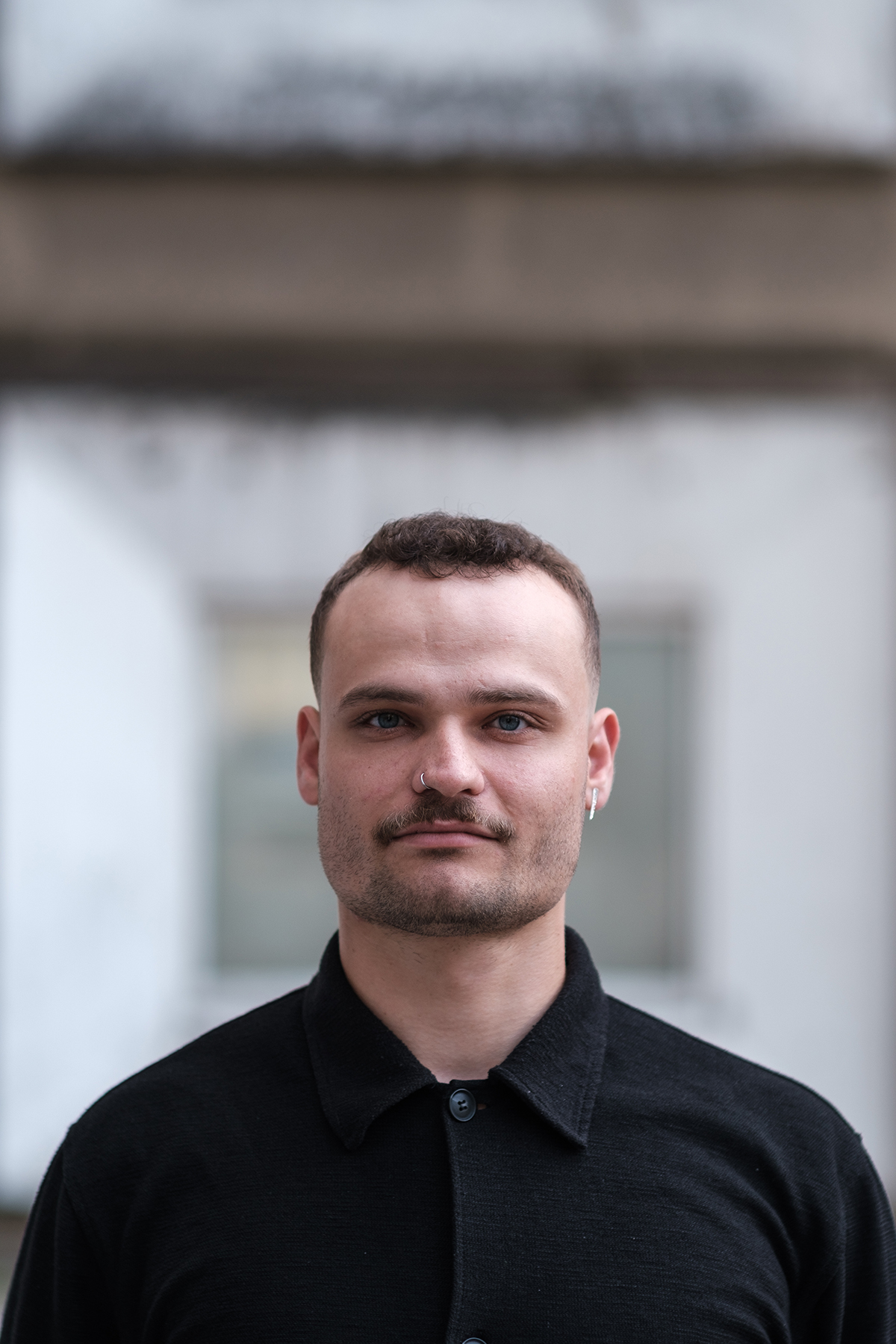
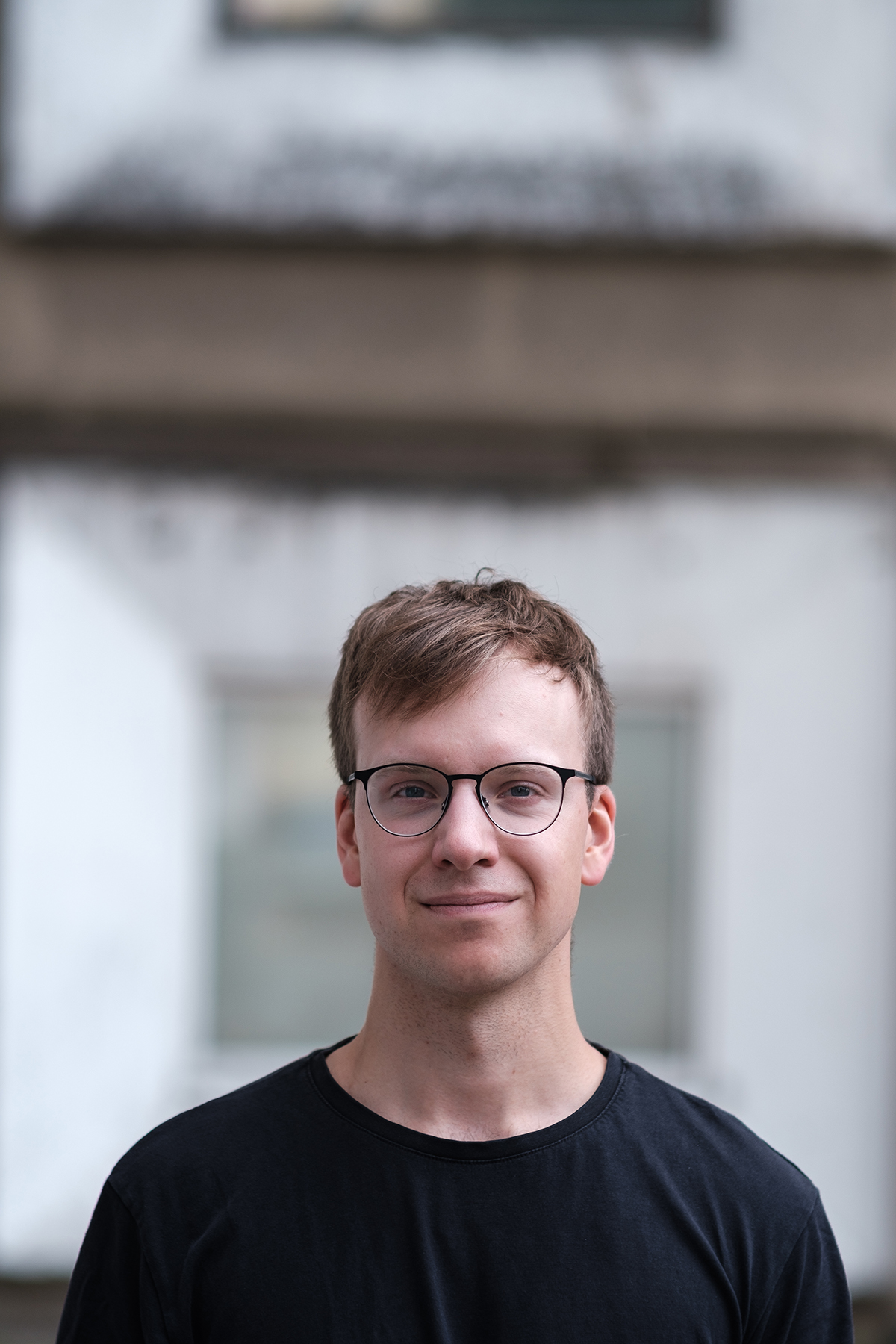
Among the ten submissions, the winning proposal titled “How Much?”, was submitted by the Estonian collective Stuudio TÄNA — composed of Tristan Krevald, Kertu Johanna Jõeste, Ra Martin Puhkan and Siim Tanel Tõnisson — and Mark Aleksander Fischer which challenges us to rethink what affordability truly means in architecture today. In a world dominated by short-term efficiency and market-driven solutions, the curators question the modernist idea of “cheapness”—where what seems cost-effective often proves expensive socially, environmentally, and culturally over time.
Rather than offering simple answers, the TAB 2026 opens a space to reflect on how we can create architecture that remains affordable not only at construction but across decades or even centuries.
The exhibition explores affordability through interconnected themes including shared investment, efficient use of space, systematic repetition, longevity, adaptability, simplicity, reuse, and compactness.
Drawing on both Estonian and international examples, the TAB 2026 places these ideas in a broader context of scarcity, resilience, and innovation. The accompanying symposium will gather architects and experts from diverse fields to engage in a critical dialogue on how “cheap” can become a positive and sustainable quality in shaping the future built environment.
The winning concept was selected by a jury of leading figures from Estonia’s architectural and cultural spheres, who were particularly drawn to the proposal’s clarity, urgency, and resonance beyond disciplinary boundaries. Bringing together experience in architectural practice, education, and curatorial work, the panel included Kristiina Reidolv (Director of the Estonian Centre for Architecture), Aet Ader (B210, President of the Association of Estonian Architects), Jaan Kuusemets (DAGOpen, member of the TAB 2024 curatorial team), Sille Pihlak (PART Architects, Dean of the Faculty of Architecture at the Estonian Academy of Arts), and Roland Reemaa (LLRRLLRR, visiting lecturer at the Estonian Academy of Arts and Central Saint Martins, London).
“In the face of current urgencies, we are facing globally such as geopolitical security issues, climate crises or increasing social and economic inequalities, it is important that the curatorial concept should resonate more broadly with what is happening in the society and spatial culture both in Estonia and the Nordic and Baltic countries. These relevant issues can and should be tackled through culture or history.”
— Kristiina Reidolv, Director of the Estonian Centre for Architecture.
The jury collectively recognized the theme’s importance and its broad societal implications:
“How Much?” takes austerity and scarcity as its starting point and asks how they might become assets in spatial practice.
Stuudio TÄNA — a young architecture office — has decided to pursue this theme, a timely and well-judged choice. The question reaches beyond architecture or our region; it resonates across society and other disciplines. We want to know what to forgo and what to prioritise, how to produce compelling architecture under constraint, and how to sustain local spatial culture. Perhaps this isn’t possible at all. In any case, I look forward to the programme’s next steps over the coming year.”— Sille Pihlak, architect and Dean of the Faculty of Architecture at the Estonian Academy of Arts, member of the TAB 2026 jury.
Further details about the programme and participants will be announced in the coming months.
The Estonian Centre for Architecture (ECA)
The Estonian Centre for Architecture (ECA) is a non-profit institution that was established in 2008 by the Estonian Academy of Arts and the Union of Estonian Architects, to develop the architectural culture in Estonia and to foster contemporary Estonian architecture abroad.
ECA’s mission is to raise awareness about how high-quality architecture and urban space are essential for everyday life, and to support Estonian architects and architecture offices that seek to expand into export. By integrating the knowledge and competence of the architecture sector within other fields in our society, the organisation contributes to development and innovation in the field of architecture, and in other related fields.
ECA is one of the organisations carrying out Estonian architectural policy at local, regional, national and global levels, with the aim of crossing borders, reaching new audiences and serving organisations and individuals. Moreover, ECA works in collaboration with like-minded partners around the world, including the City of Tallinn, several Estonian ministries and local governments, companies and entrepreneurs, as well as those further afield, to synthesise information and objectives to create better public spaces.
ECA is headed by Kristiina Reidolv, Estonian cultural leader and producer whose work has focused on building, launching, and developing cultural organizations. The main direction of Reidolv-led ECA in the coming years is to focus on three key areas: development of the architecture field, including knowledge transfer with universities (R&D) and promoting architecture in Estonia and internationally; large-scale event production; and partnerships with both the public and private sectors
Curational Team
Stuudio TÄNA is an architectural practice based in Tallinn in 2022 by Siim Tanel Tõnisson, Ra Martin Puhkan and Tristan Krevald.
Approach
We work from existing conditions—the social and physical layers of place. We identify latent values and redeploy them for present needs and local benefit. We treat city, landscape, and building as one system, and design for actual users rather than abstract types.
Methods
Fieldwork, stakeholder interviews, prototyping, cost–benefit testing, and post-evaluation of use. We integrate policy analysis where relevant and publish intermediate results through exhibitions and teaching.
Everyday Architecture
We operate in contexts of periphery, scarcity, and demographic decline; this requires pragmatic, simple solutions that frame daily life rather than produce spectacles.
Housing
We address the housing crisis through architectural proposals, urban planning, and public programmes. The aim is implementable, scalable access-expanding measures.
Education
Teaching functions as research-in-action: we test viewpoints, compare methods, and approach difficult questions analytically and openly.
Public Space
We work across scales—from spatial plans to temporary interventions—and use competitions to test site-specific solutions.
Renovation of Soviet-Era Stock
Renovation and reconstruction of Soviet-era buildings are urgent but under-addressed. We bring them into architectural scope through targeted research and applied projects.
Tallinn Architecture Biennale (TAB)
Tallinn Architecture Biennale (TAB) is an international architecture and urban planning festival with a diverse programme that promotes architectural culture. TAB encourages synergy between Estonian and foreign architects as well as between architects and the general public by way of creating contacts and exchanging ideas.
The core programme consists of five main elements: Curatorial Exhibition, Symposium, Tallinn Vision Competition, Installation Programme, and a Catalogue. Tallinn Architecture Biennale TAB is organized by the Estonian Centre for Architecture.
This year, TAB 2026 is titled “How much?”. As the curatorial team states, the biennale challenges us to rethink what affordability truly means in architecture today and will be curated by Stuudio TÄNA.
TAB 2024 “Resources For a Future” was curated by Anhelina L. Starkova with Daniel A. Walser and Jaan Kuusemets.
TAB 2022 “Edible; Or, The Architecture of Metabolism” was curated by Lydia Kallipoliti and Areti Markopoulou in collaboration with local advisor Ivan Sergejev.
TAB 2019 “Beauty Matters” was curated by Dr Yael Reisner. The biennale focused on how beauty matters again, reflecting a cultural shift after nearly eighty years of dormancy when beauty was a tabooed and denigrated subject. TAB 2017 “bioTallinn”, curated by Claudia Pasquero (ecoLogicStudio), challenged the typical assumptions of what constitutes the boundaries between the natural and artificial realms.
TAB 2015 “Self-Driven City”, curated by Marten Kaevats, explored future cities with self- driven cars, whilst TAB 2013 “Recycling Socialism”, curated by Aet Ader, Kadri Klementi, Karin Tõugu, and Kaidi Õis, redefined the Soviet-era urban environment in Tallinn. Lastly,
TAB 2011 “Landscape Urbanism” was curated by Villem Tomiste.
Facts & Credits
Title Tallinn Architecture Biennale – TAB 2026 “How Much?”
Dates 9 September — 30 November 2026
Curatorial Team Stuudio TÄNA (Tristan Krevald, Kertu Johanna Jõeste, Ra Martin Puhkan, Siim Tanel Tõnisson) and Mark Aleksander Fischer
Production Estonian Centre for Architecture
Curatorial Exhibition Production Estonian Centre for Architecture
Graphic Design Stuudio Stuudio
READ ALSO: ΥΛΙΚΟΤΗΤΕΣ ΣΕ ΡΟΗ: Από την έρευνα και τον πειραματισμό, στην ανάπτυξη και εφαρμογή βιοϋλικών στο πεδίο του σχεδιασμού και της κατασκευής / OPEN CALL: Αιτήσεις συμμετοχής μέχρι 21 Δεκεμβρίου