In FEATURED ARCHITECT series by Archisearch, we collect and present the local and international creative studios that emerge and stand out, in the architectural field nowadays, while promoting – with distinctive character, spontaneity, and courage – the relevant issues pertained to architectural as well as artistic theory and practice. As the fall is ending, we meet MIAS arquitectes, based in Barcelona, that in its practice combining sustainable technology, innovative manufacturing and cutting-edge construction practices.
The Design Philosophy
MIAS Architects is an internationally recognized Architecture and Urbanism Studio, founded by Josep Miàs in 2000, known for both its experimental projects and its practice combining sustainable technology, innovative manufacturing and cutting-edge construction practices.
The Works
Lady Raval Social Housing
“The project is both a refurbishment of a historic building in central Barcelona and a tribute to the memory and cultural roots of its inhabitants.”, Josep Miàs, Director and Founder of MIAS Architects
The building is situated in the heart of Barcelona’s Raval neighbourhood, a historically complex area within the city’s old town. In response to long-standing urban challenges, the Rambla del Raval was inaugurated in 2000 with the aim of revitalising the area by interrupting the dense, compact urban fabric and introducing a generous public space for all residents. Hospital Street, one of Raval’s most emblematic thoroughfares, retains its medieval layout and serves as a key access point to the Rambla.
Although some sections have faced neglect over time, the street remains a significant element of the neighbourhood’s identity.
Raval is a culturally diverse district, home to residents of numerous nationalities.
This diversity is one of the neighbourhood’s greatest strengths, though the area’s urban density and configuration have, at times, contributed to a sense of physical and social isolation from the rest of the city.
In previous decades, the neighbourhood carried a reputation shaped by informal activities. The building subject to this rehabilitation project had also been marked by these conditions, with several of its micro-apartments informally adapted for such uses. Many of its previous occupants were of foreign origin, reflecting the broader multicultural profile of the area. The original building, fronting Hospital Street, featured a dedicated entrance accessing several floors and a ground-floor commercial unit. A second L-shaped volume had been added later, wrapping around a central courtyard and enclosing it.
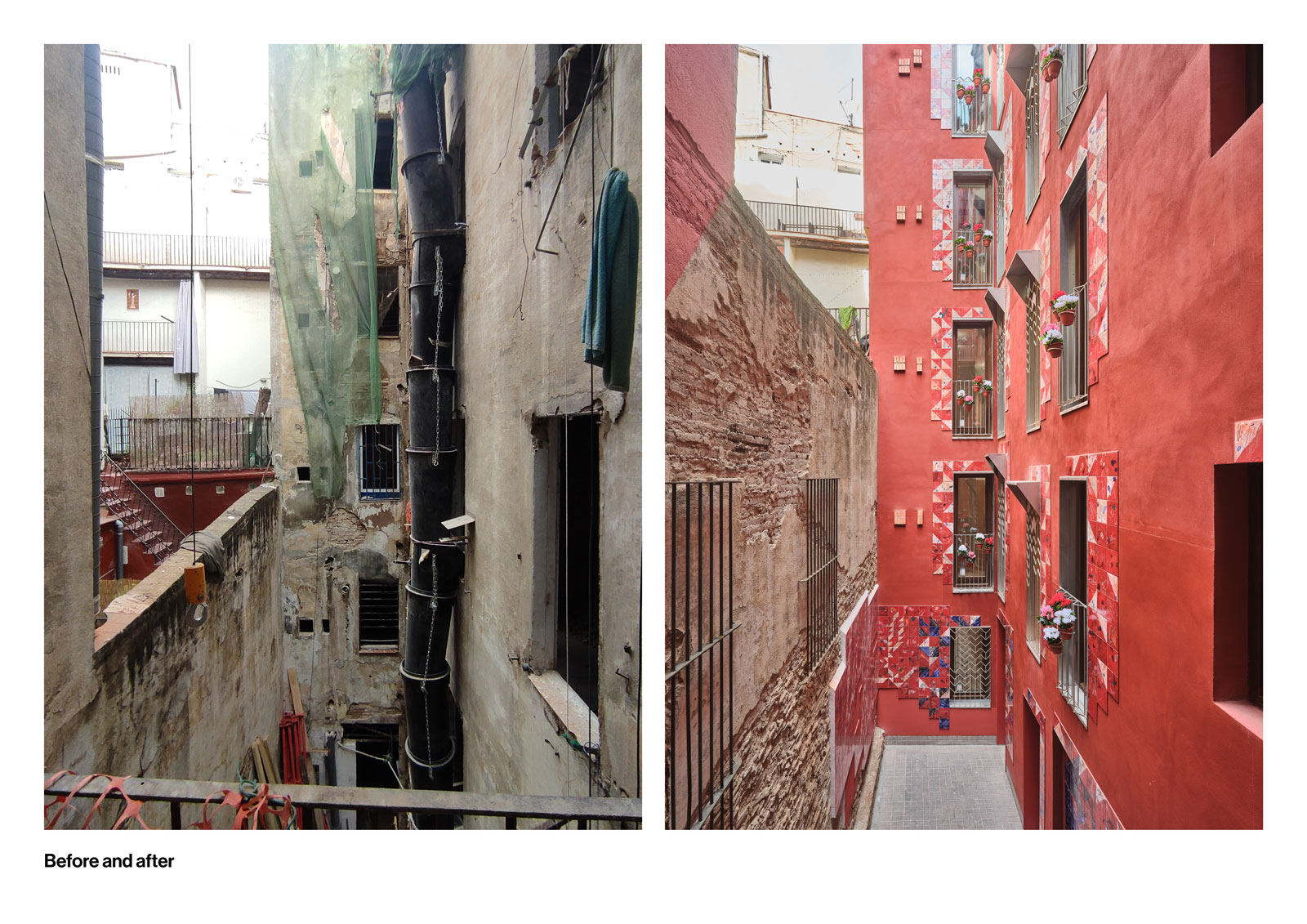
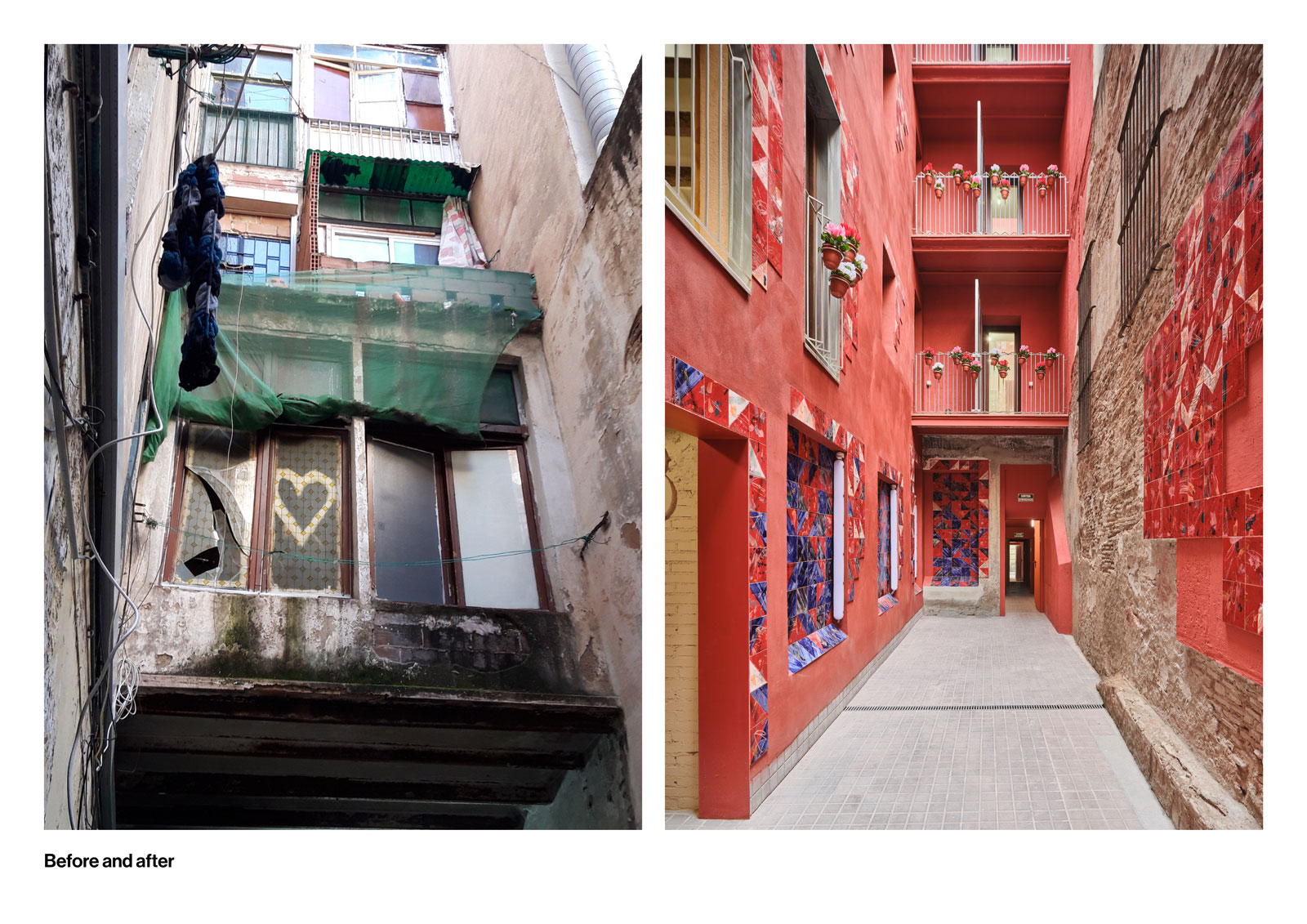
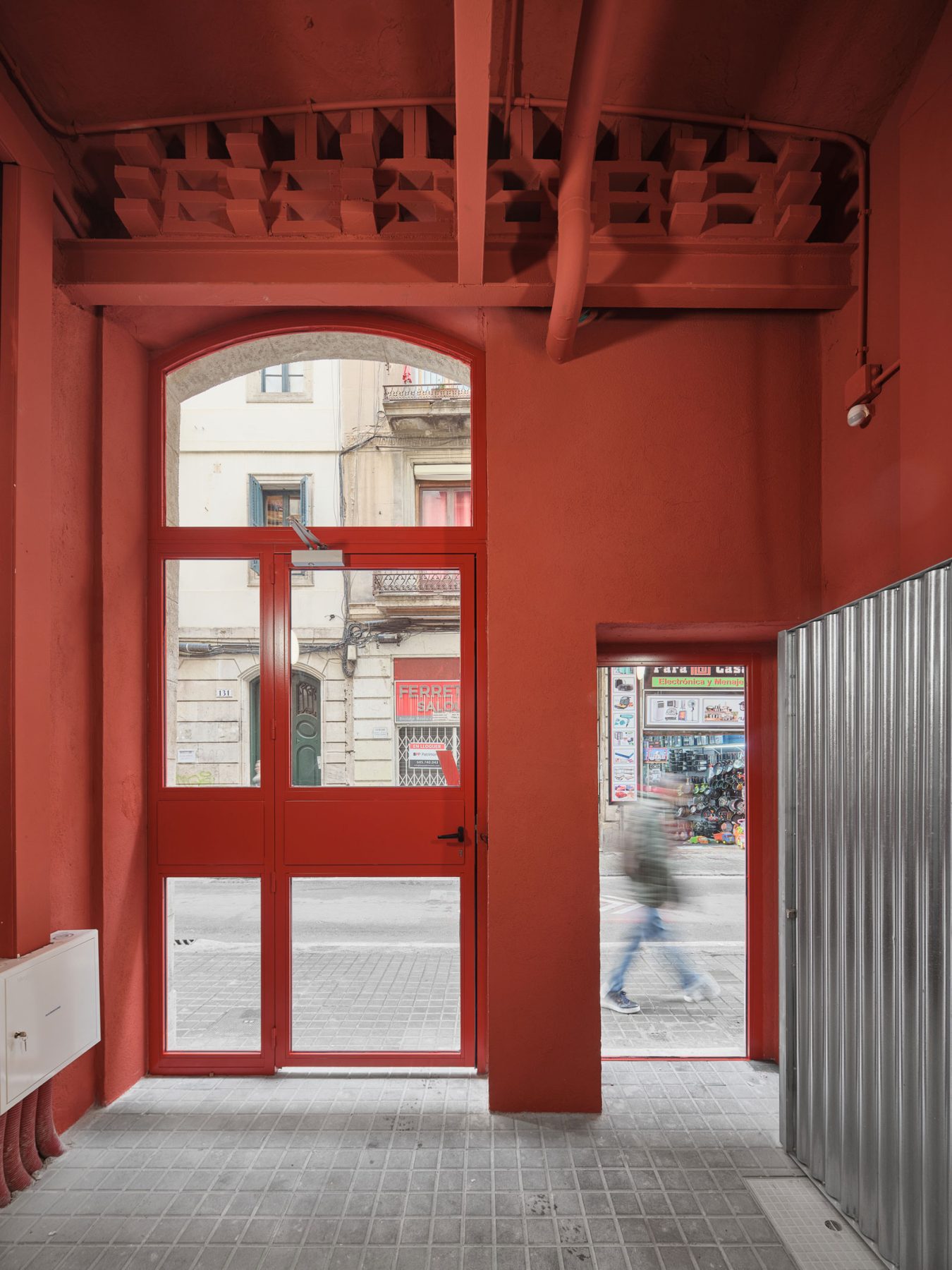
Over time, the building’s apartments had been subdivided into very small units, and various ancillary structures—including additions on the rooftop—had been informally constructed. The rehabilitation project involved the careful removal of these non-original elements to restore the original layout, with two apartments per floor in the street-facing building and three per floor in the L-shaped wing. The two existing stairwells were preserved, and a lift was added to each building, improving accessibility. The ground-floor commercial unit remains open and directly accessible from the street. A key objective of the project was to reintroduce air, light, and spatial quality throughout the building. This was achieved by reopening the vertical courtyards—some of which had been obstructed over time—and incorporating new windows and balcony doors facing the main courtyard, particularly in the walls enclosing stair landings and lift lobbies. These circulation spaces are also interconnected through carefully placed openings, fostering transparency and interaction.
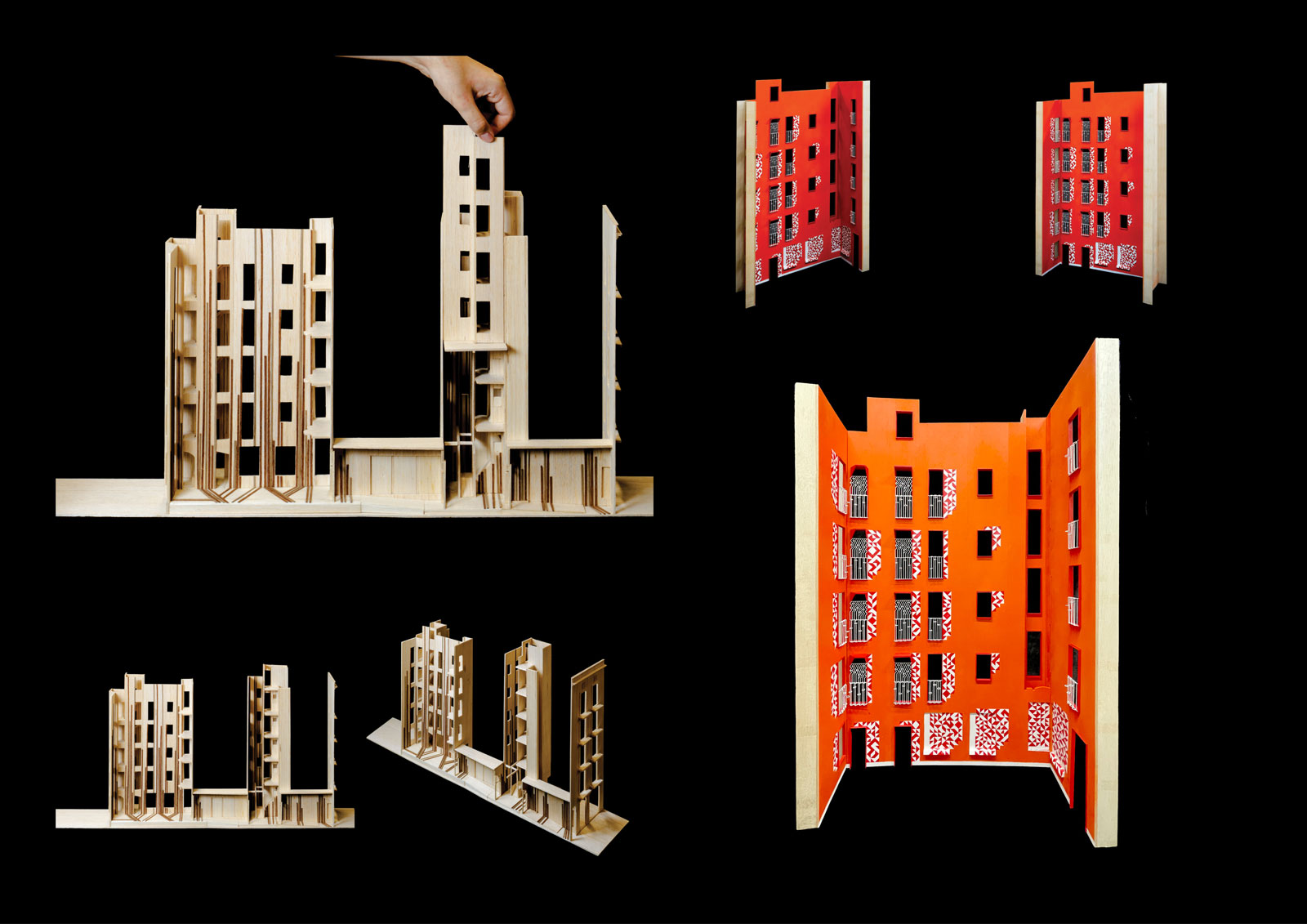
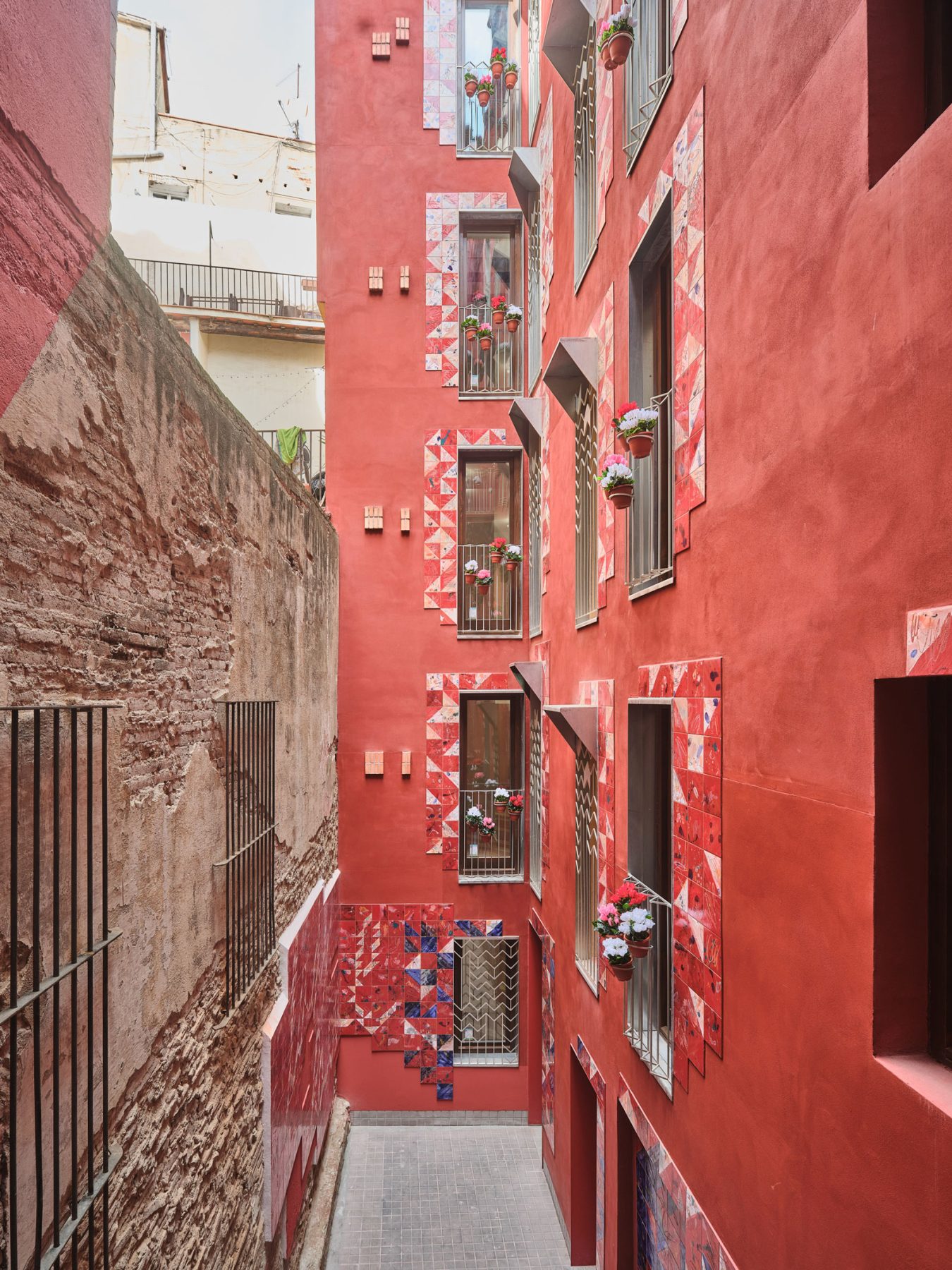
The central courtyard is the focal point of the intervention. It becomes the shared external space to which all apartments are oriented. Symbolically, it serves as the soul of the building, a collective space that represents the community within.
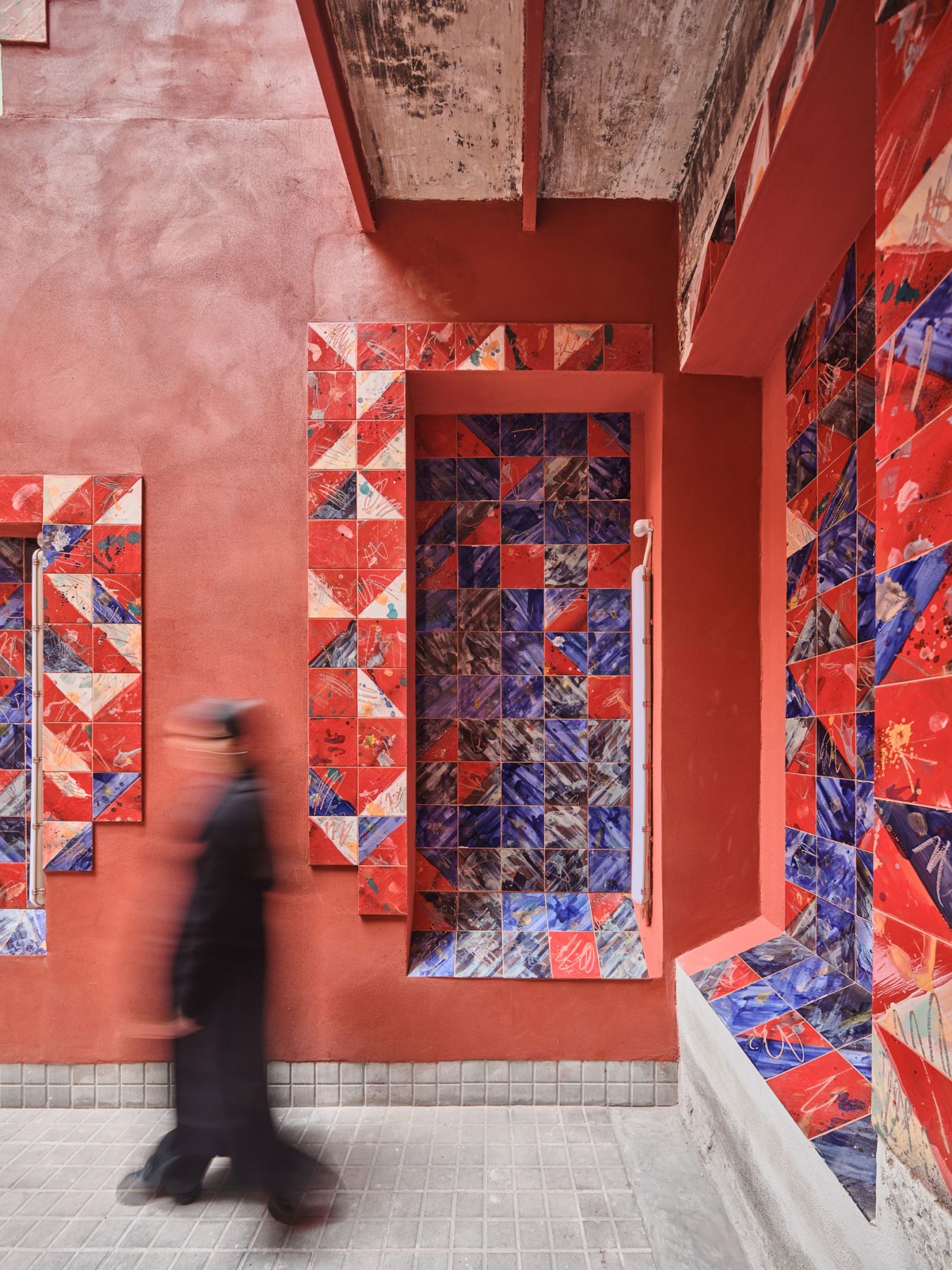
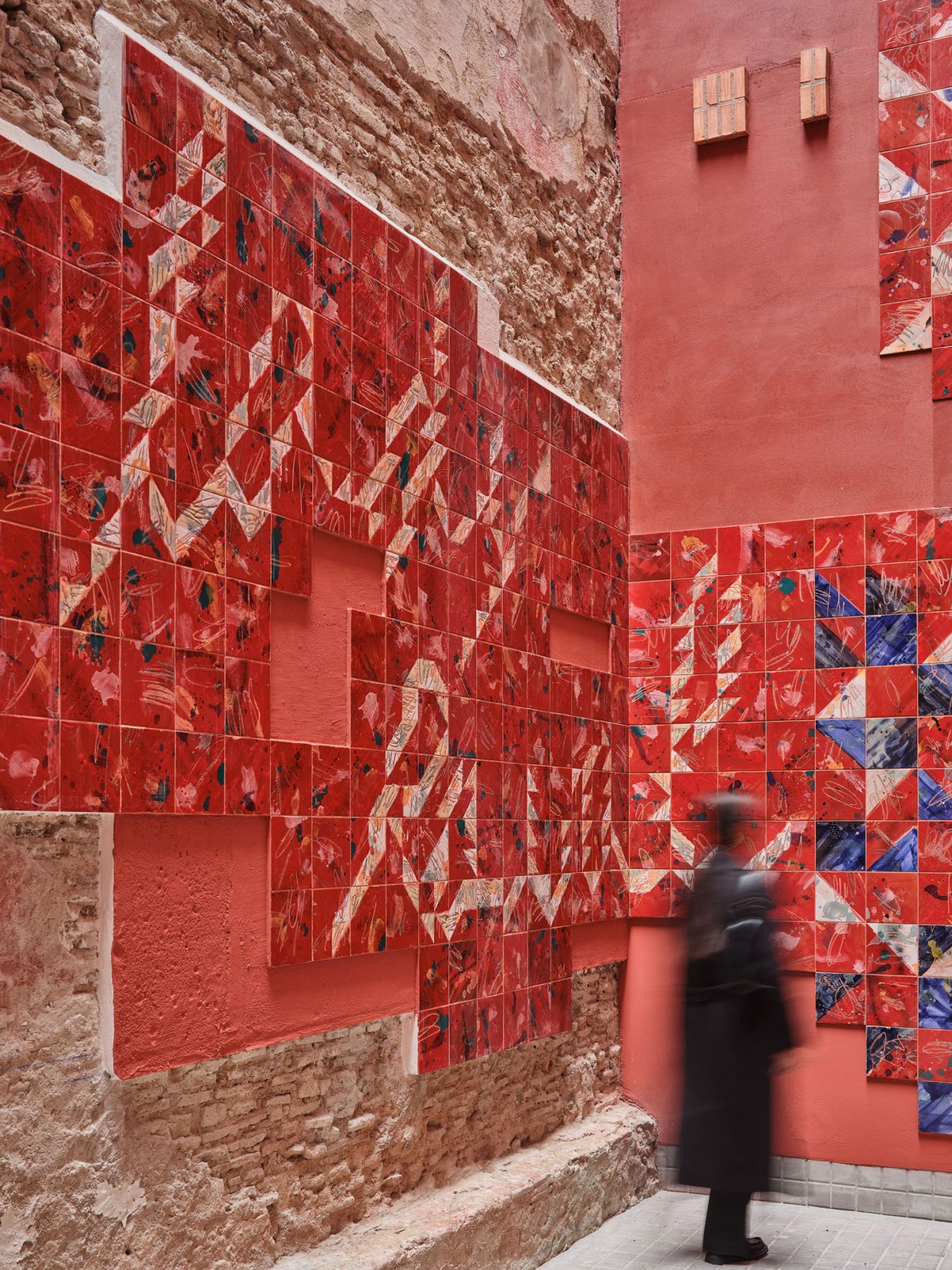
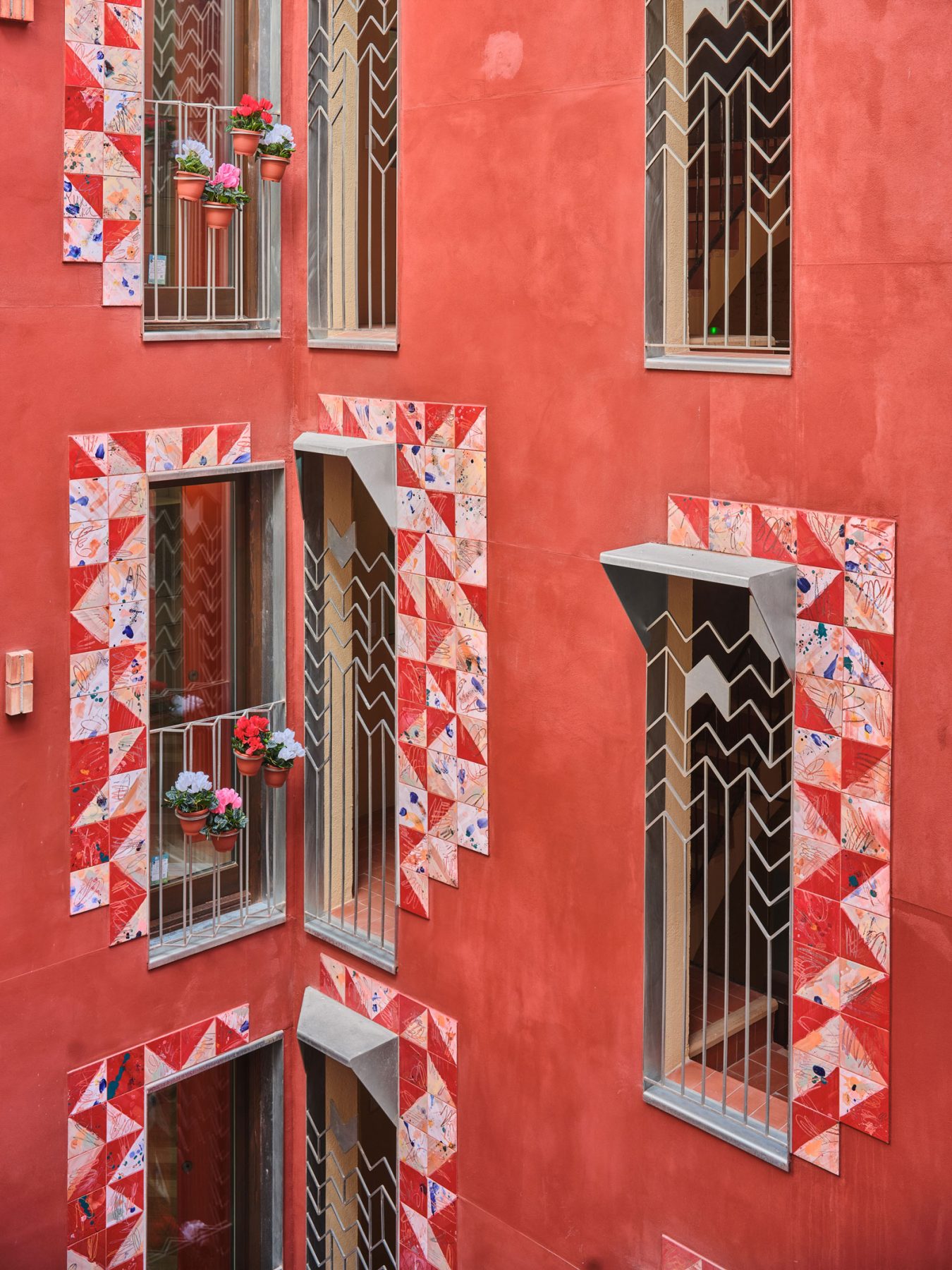
The design treats this courtyard as a canvas for expressing the identity, personality, and multicultural nature of the residents who will return to the building after its rehabilitation. Through references to the domestic and everyday—items such as textiles, ceramics, tools, and food—the space seeks to honour the heritage of the community. Graphic motifs, patterns, and colours are employed as expressions of cultural identity.
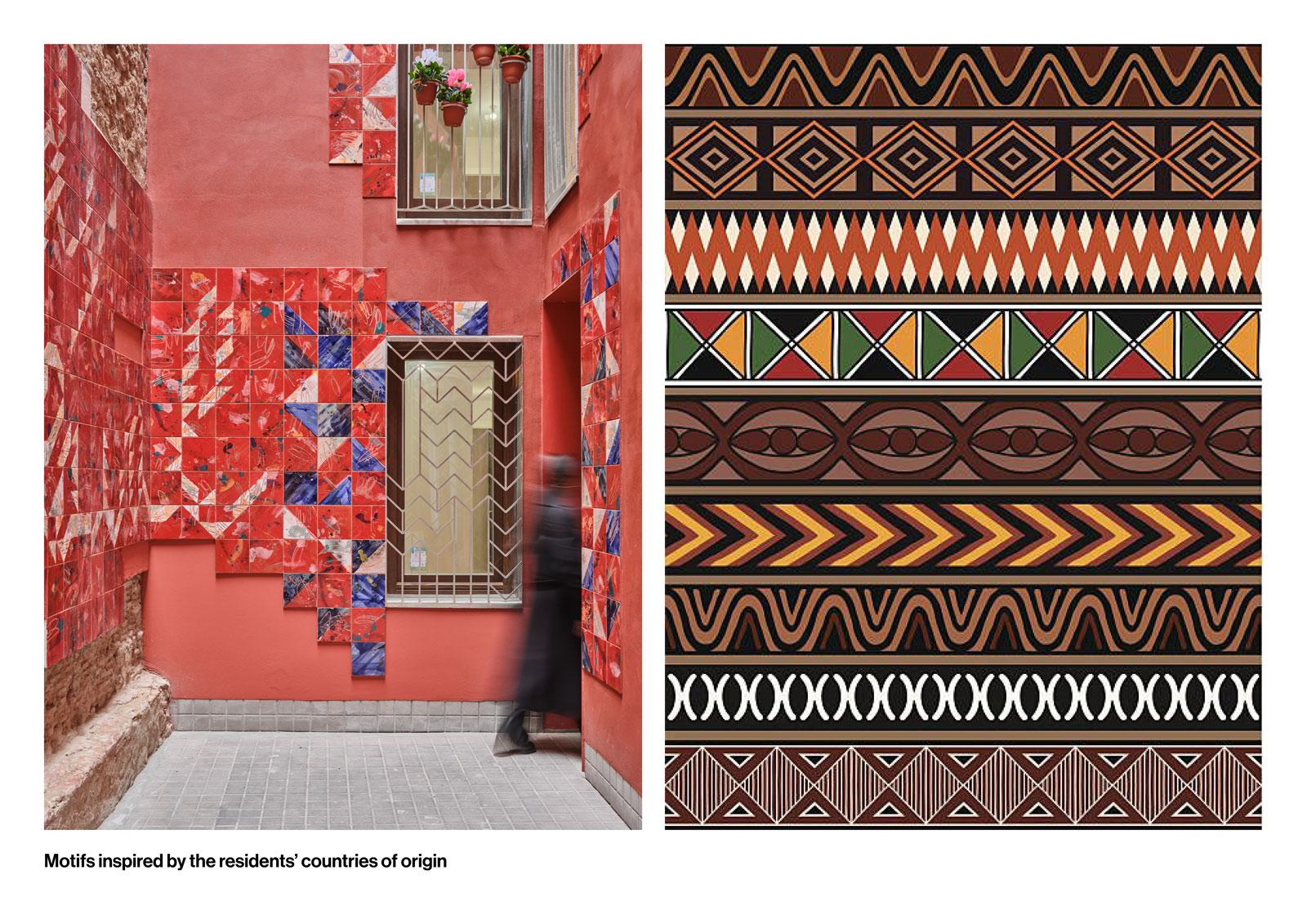
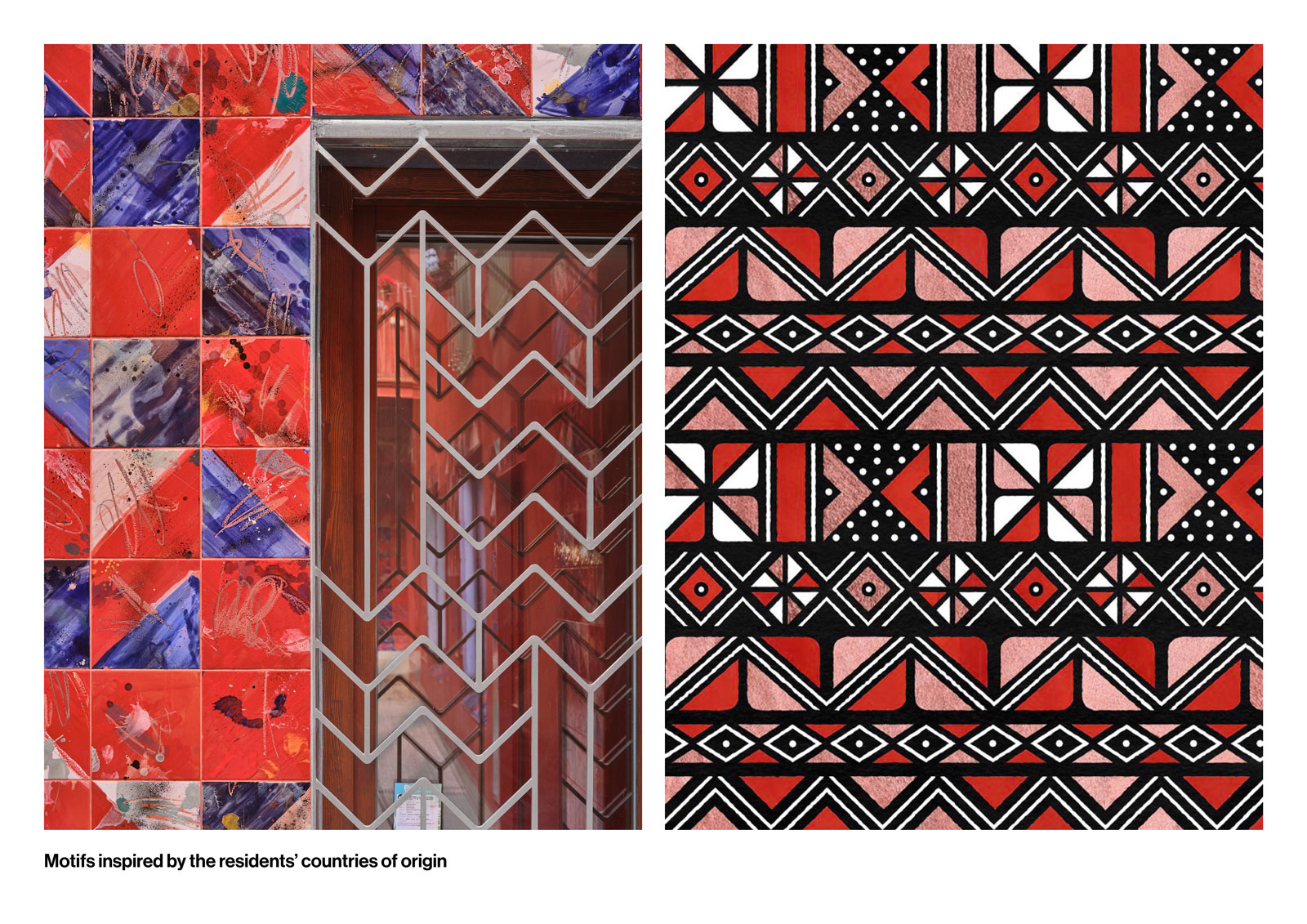
This new courtyard fosters social interaction and a sense of belonging. Its perforated enclosure walls are clad in humble materials, while the openings are framed with ceramic elements inspired by textiles and garments. These ceramics, crafted by Carlos Jiménez Cenamor—architect and ceramist (DelAmorYlaBelleza)—draw on patterns and geometries typical of the residents’ places of origin and reflect the vibrant, optimistic colours of their cultural traditions.
Ultimately, this renewed communal space aspires to convey a message of hope and renewal, a place where time is marked by the growth of plants and flowers hanging from the balconies—symbols of life, memory, and transformation.
Facts & Credits
Project title Lady Raval
Typology Residential, Renovation
Location Barcelona, Spain
Architecture MIAS arquitectes
Photography Adrià Goula
Text provided by the architects
72 Social Housing Units at the Marina del Prat Vermell
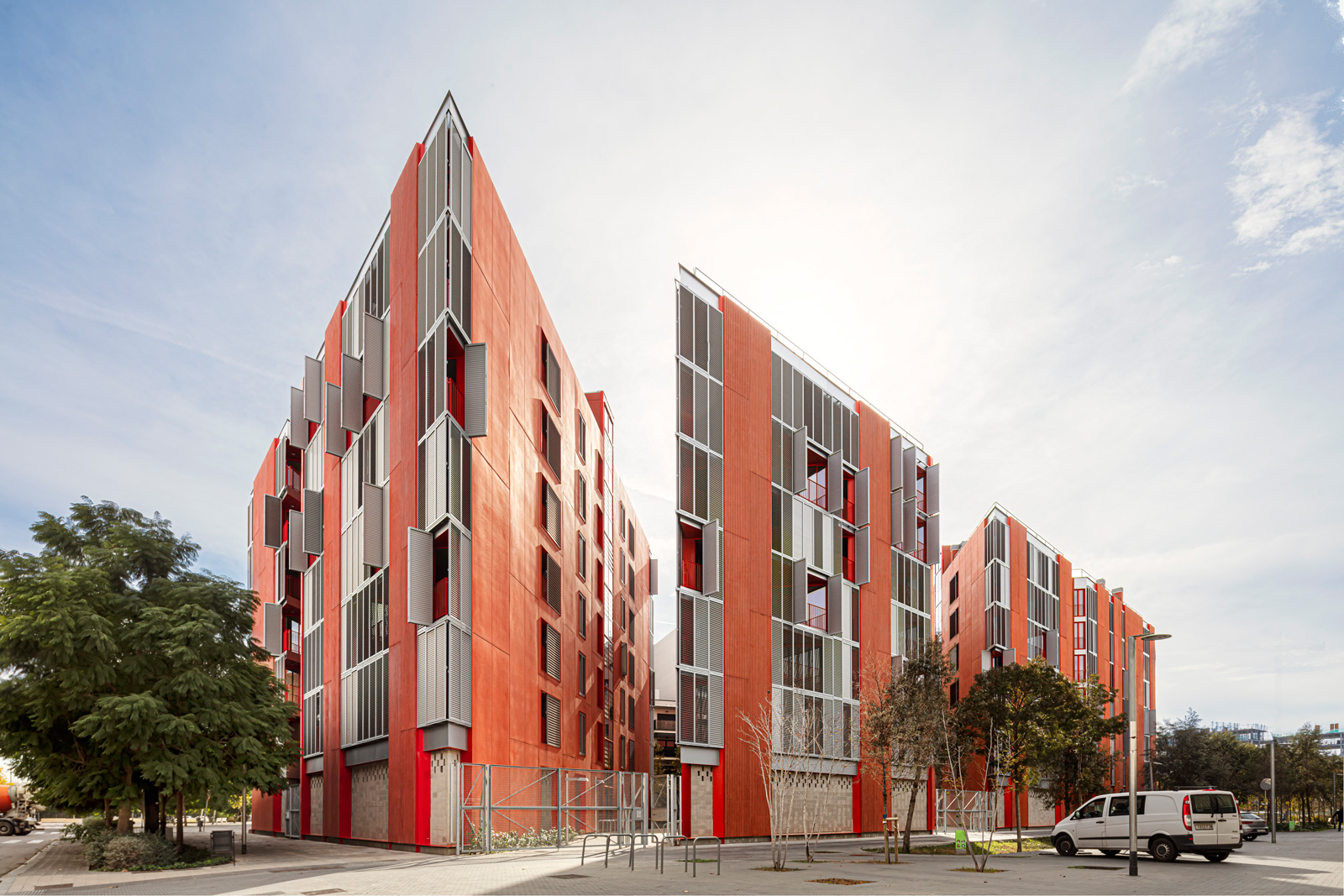
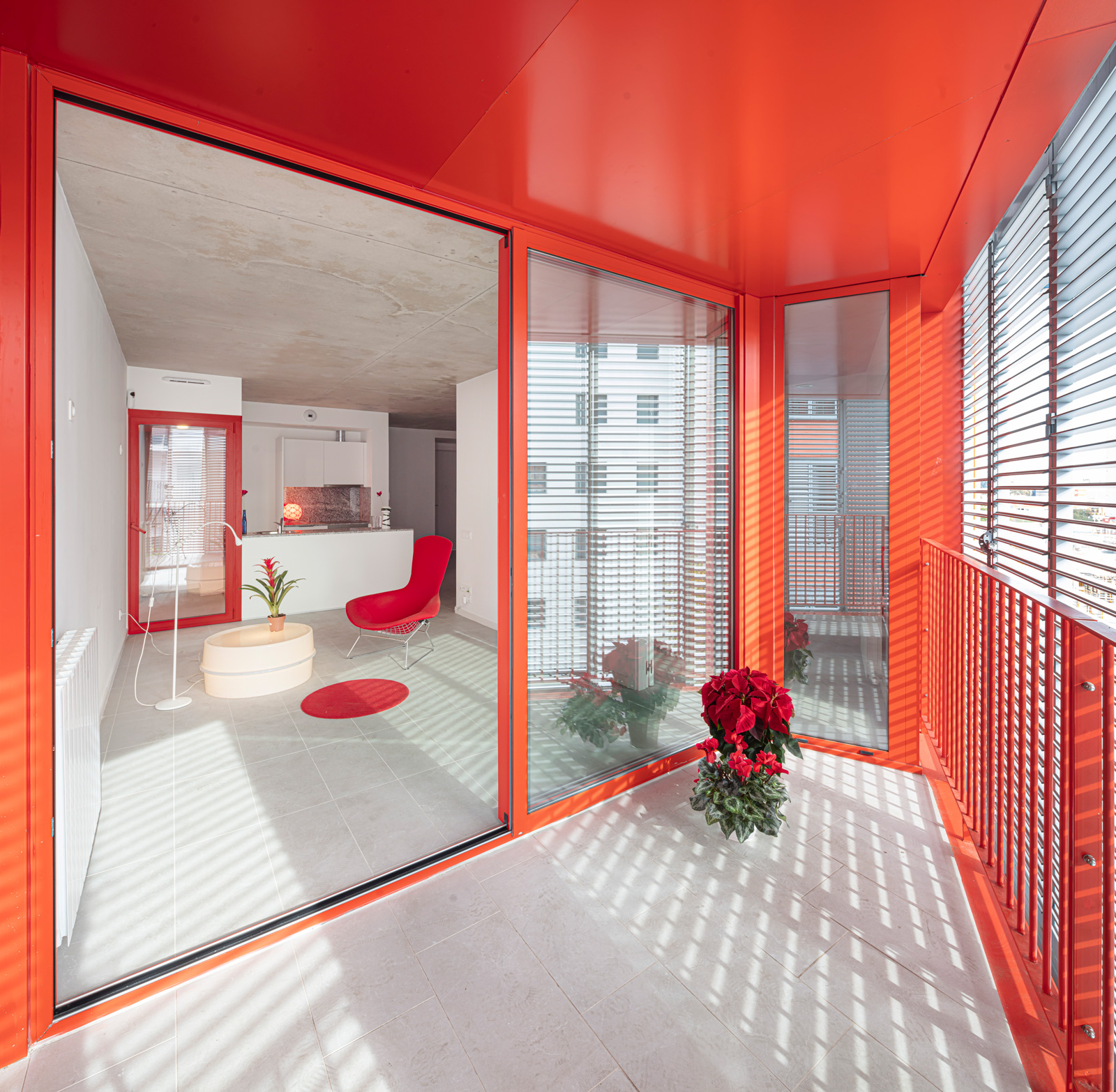
La Marina del Prat Vermell is an old district of textile colonies established in the mid- nineteenth century south of Montjuïc in Barcelona, near the sea. Fabrics were dyed and dried on the meadows, giving the area its name: “Marina del Prat Vermell”, meaning “the Red Meadow Marina.” The project occupies a triangular plot formed by the streets Ulldecona, Cal Cisó and Pontils.
The design preserves the integrity of this triangular geometry while maintaining typological clarity and rational orthogonal organisation within the dwellings.
Each of the three corners remains closed, with no chamfers or simplifications. To accommodate numerous two-room social housing units under optimal conditions of ventilation, sunlight, typology, and views, the triangle is divided by two patios and two north–south passages, resulting in five volumes. The east and west corners contain unique dwellings.
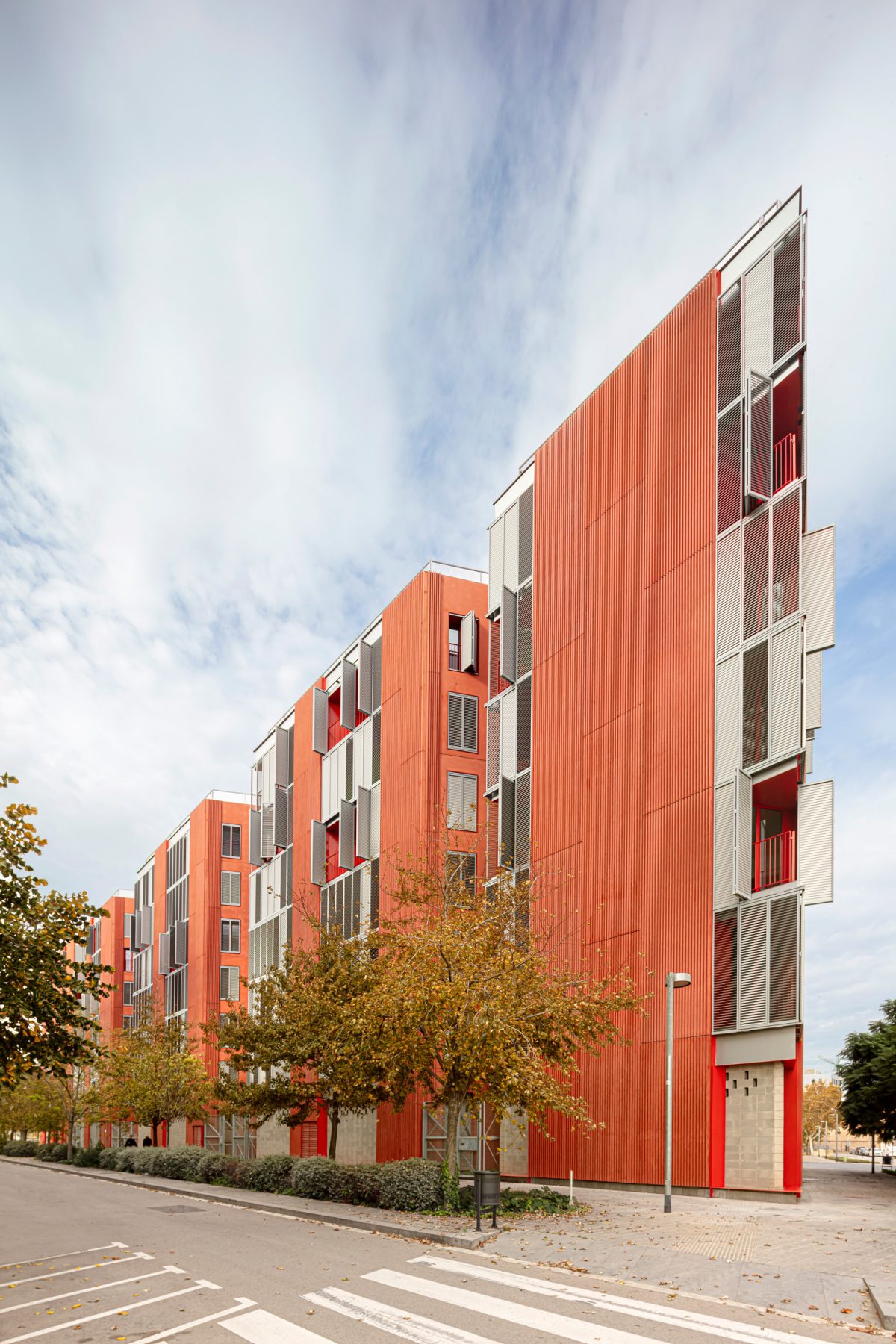
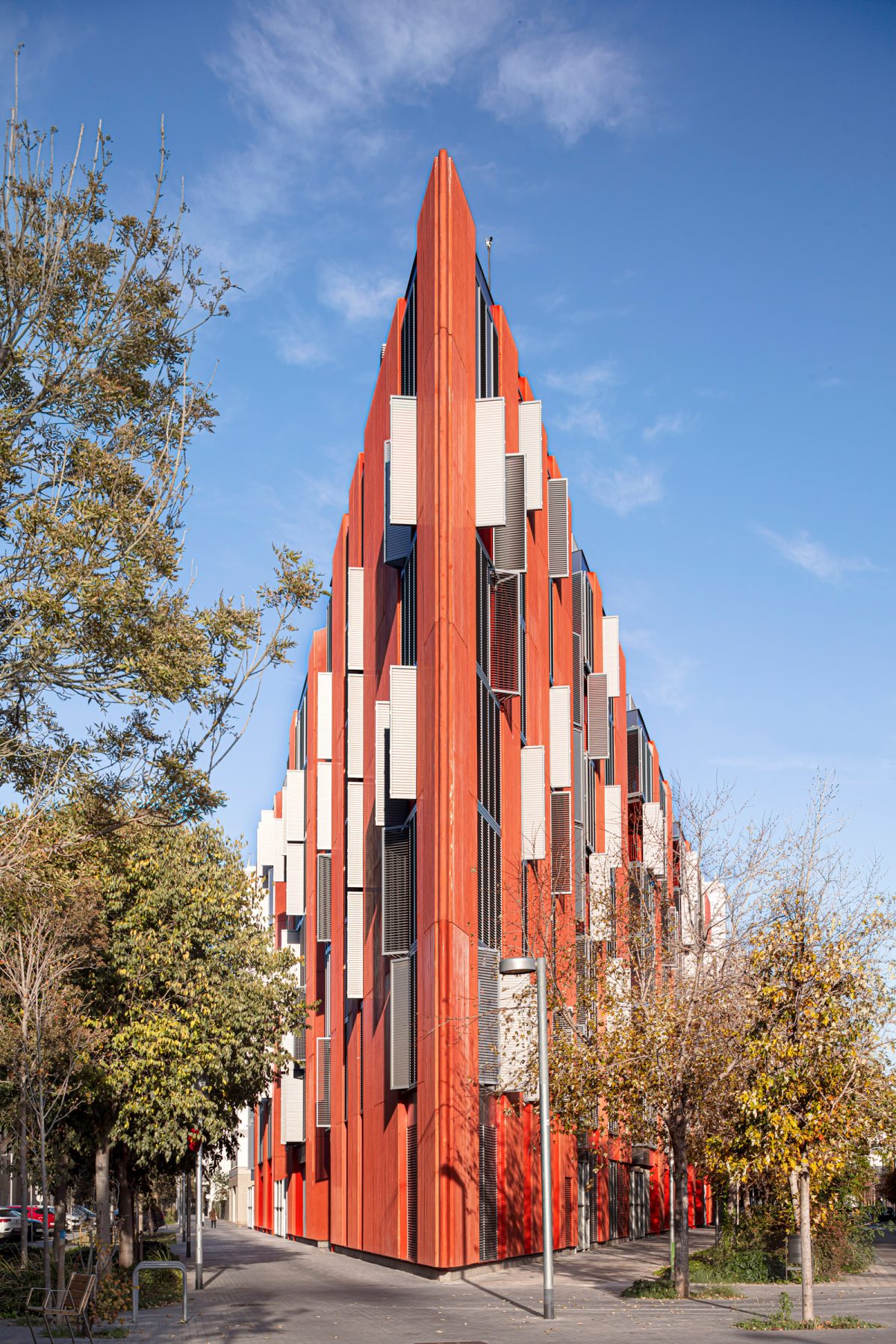
Rather than creating a small internal triangular courtyard, which would cause an imbalance in solar exposure, the proposal develops blocks of four corner dwellings, ensuring compliance with the regulation requiring two hours of sunlight between 10 a.m. and 2 p.m. Depending on the viewpoint, the complex offers different perceptions: from the east and west, it appears as a single continuous block with fissures; from the south façade, five volumes are visible, allowing sunlight to filter through at midday.
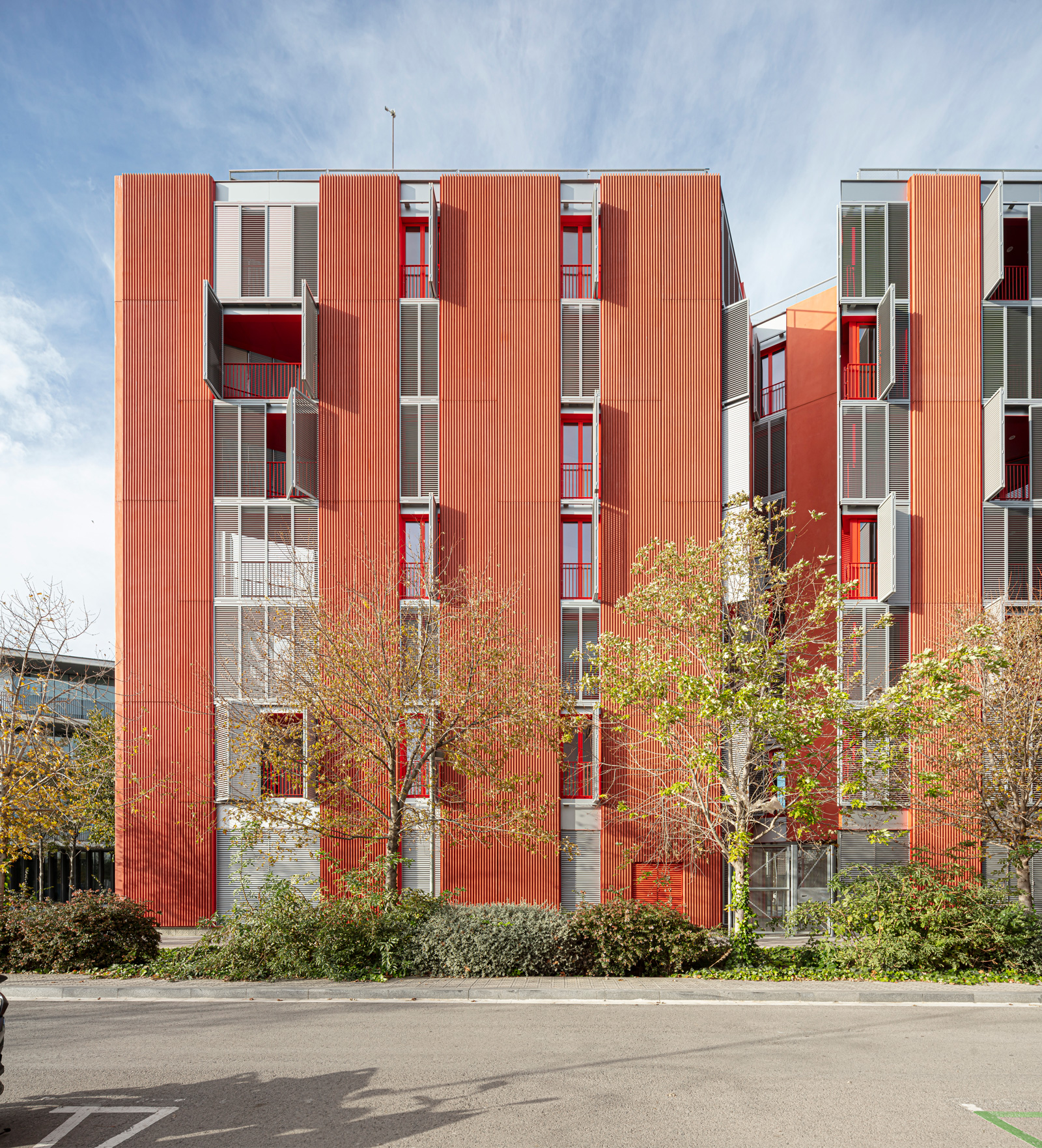
This approach avoids a monotonous 92-metre façade, creating a refined and permeable form. The building thus combines compactness and porosity—compact due to the triangular geometry defining its massing, and porous through its rational subdivision into five equivalent blocks. Each floor accommodates twelve corner units, all with dual orientation, cross ventilation, and full solar exposure.
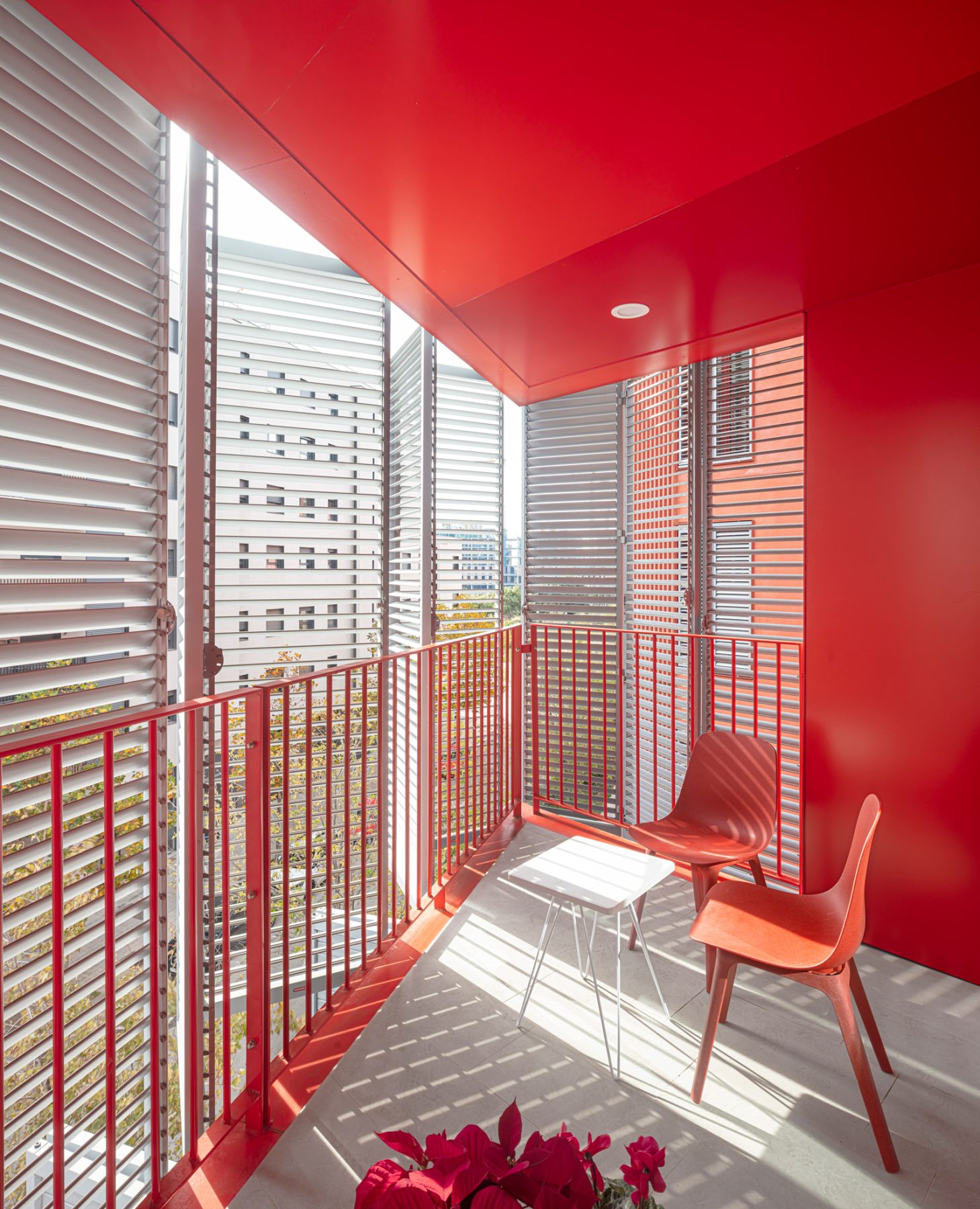
Material selection aims to minimise carbon footprint by using lightweight, prefabricated components and avoiding excavation in contaminated soil. The façades alternate vertical strips of glass and ribbed red GRC (glass-fibre reinforced concrete) panels, 17 mm thick, recalling the folded textiles once dried on the meadow. These panels, mounted on 120 mm metal frames, are internally insulated, achieving a thermal transmittance of 0.24 W/m²K.
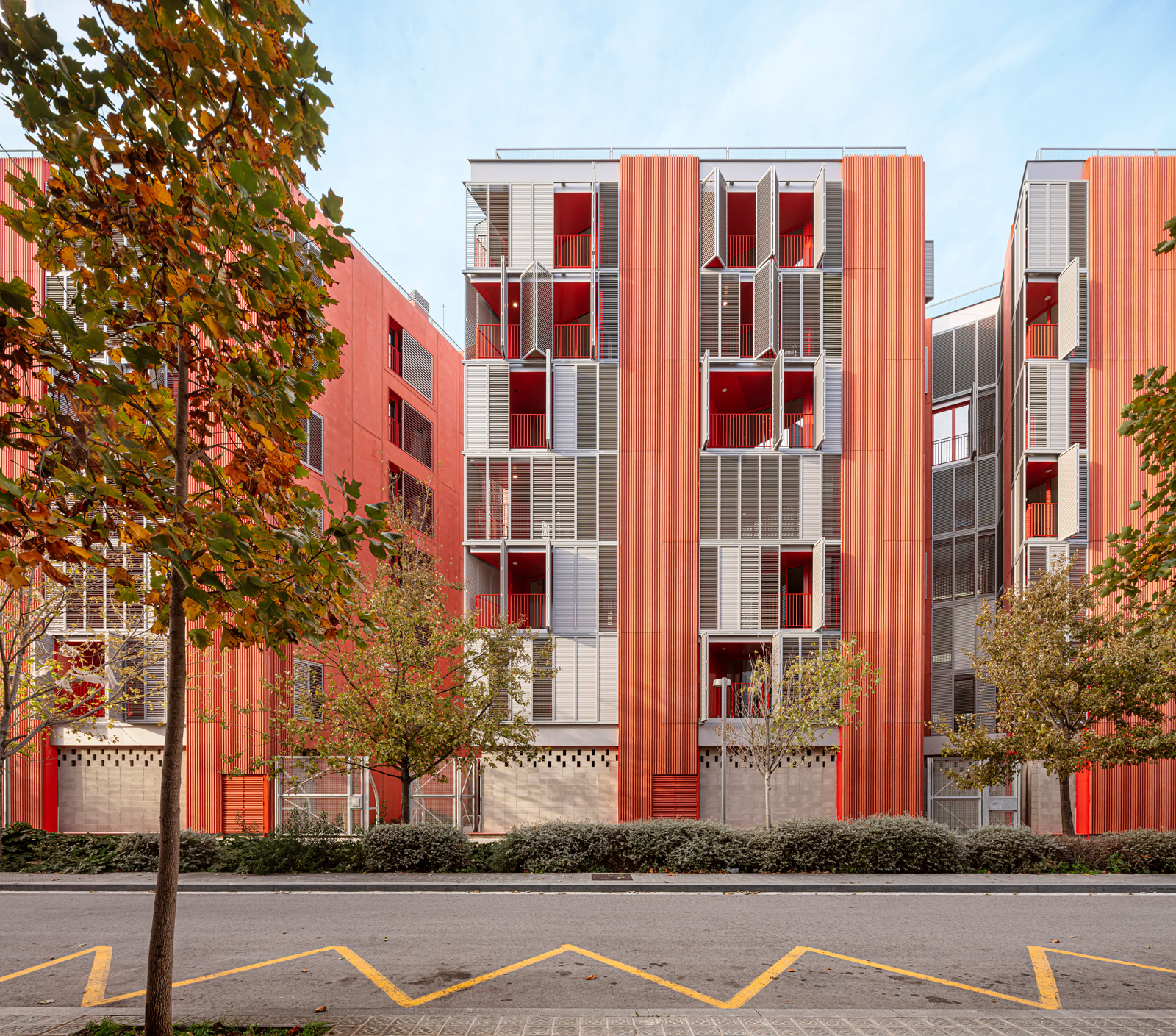
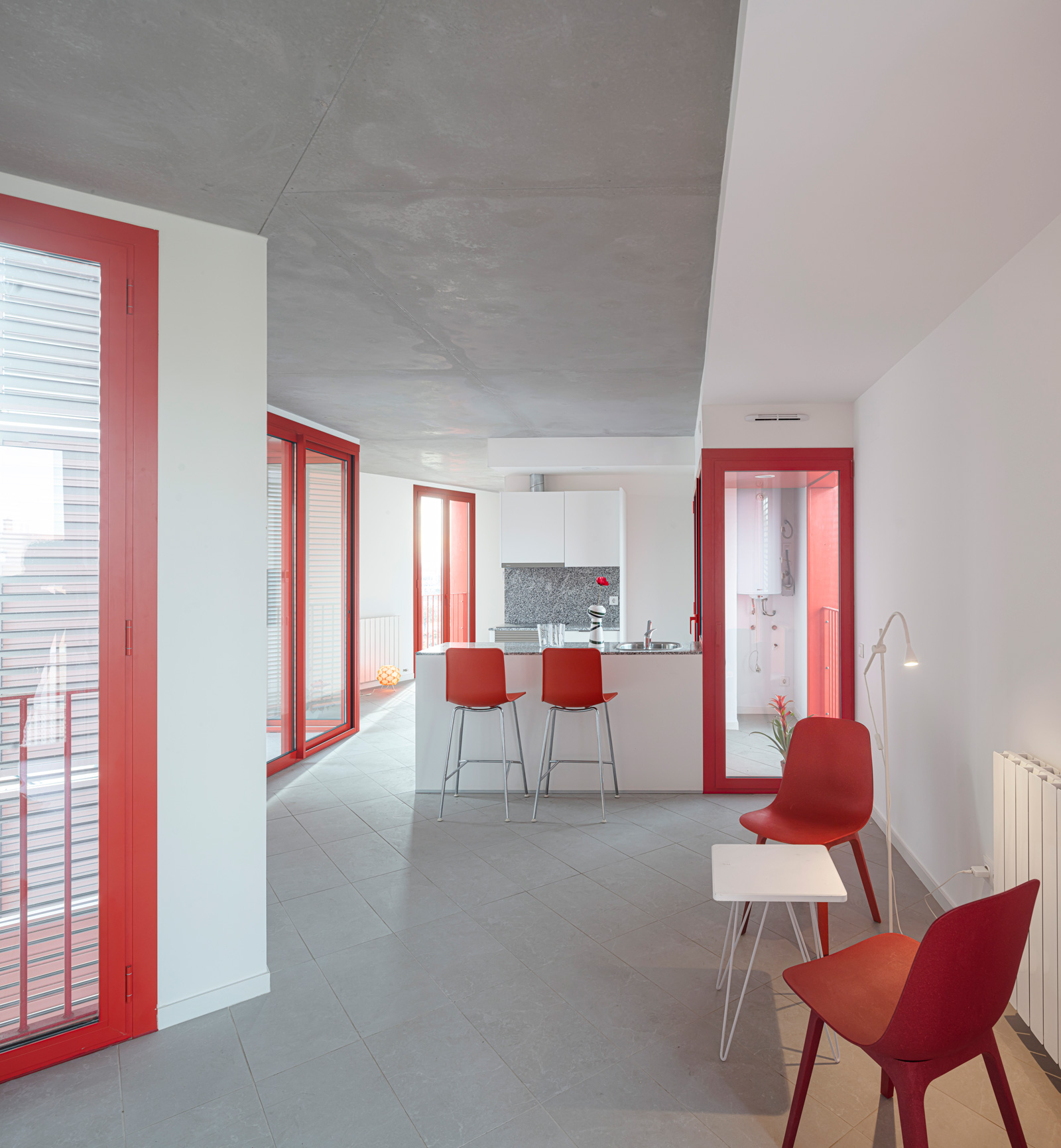
The corners feature open terraces that follow the building envelope, protected by Gradhermetic louvers. The reinforced concrete structure employs the BubbleDeck system, reducing slab weight by 35% and enabling cantilevers suited to the site’s geometry. BubbleDeck uses recycled PVC spheres, further lowering material use and emissions. The project’s form factor and carefully designed openings optimise solar gain in winter and provide shading and cross ventilation in summer, achieving a total energy consumption of8.76 kWh/m² per year. The building attains an A energy rating and meets Passivhaus standards with very low heating and cooling demands. Connected to the Ecoenergies biomass network, the roof is freed for a communal photovoltaic system with 89 panels producing 37.8 kWp, covering 51% of total energy consumption. Green roofs and red-flowering plants enhance biodiversity and mitigate heat island effects, while bicycle racks along the access passages promote sustainable mobility.
Facts & Credits
Project title 72 Social Housing Units
Typology Residential
Location Marina del Prat Vermell, Barcelona
Client IMHAB Municipal Institute of Housing and Renovation of Barcelona
Architecture MIAS arquitectes, Coll-Leclerc Architects
Floor area 7.670 m2
Photography Adrià Goula
Text provided by the architects
Can Zariquiey health centre foyer
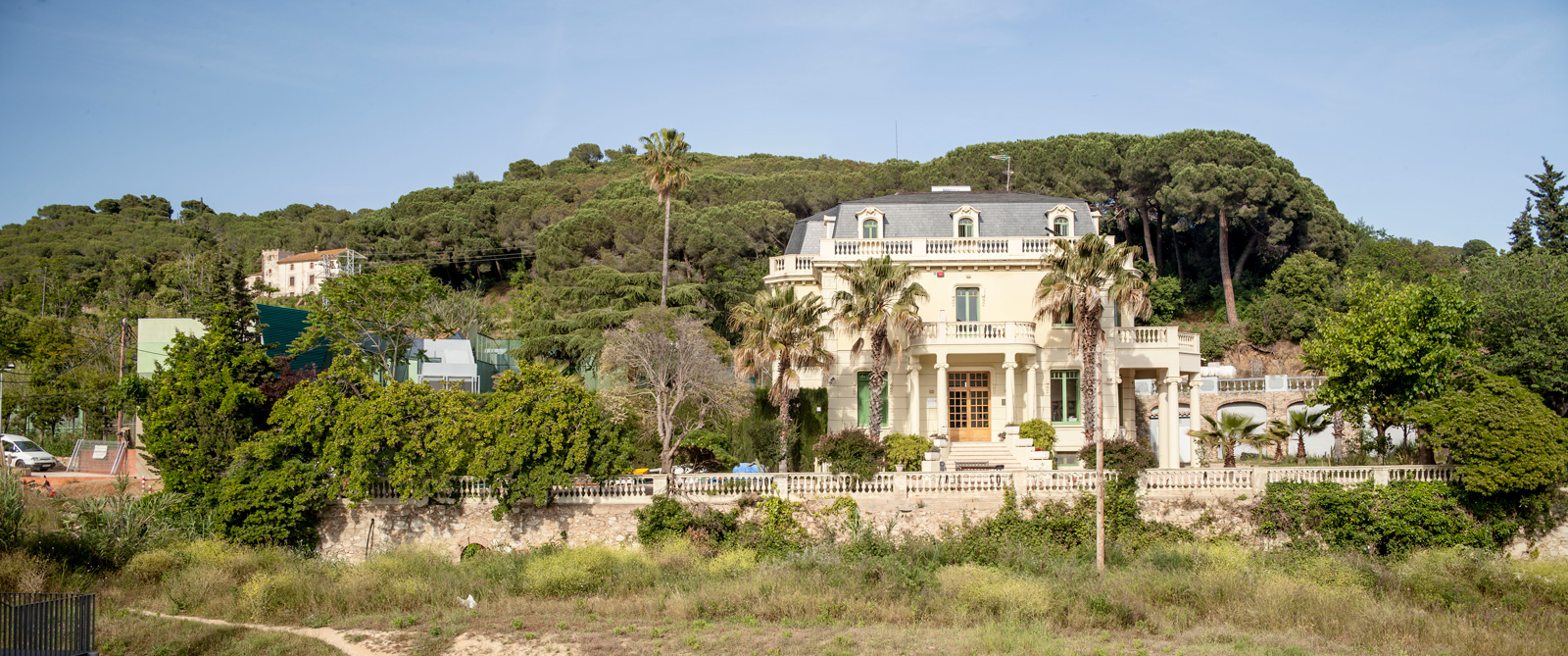
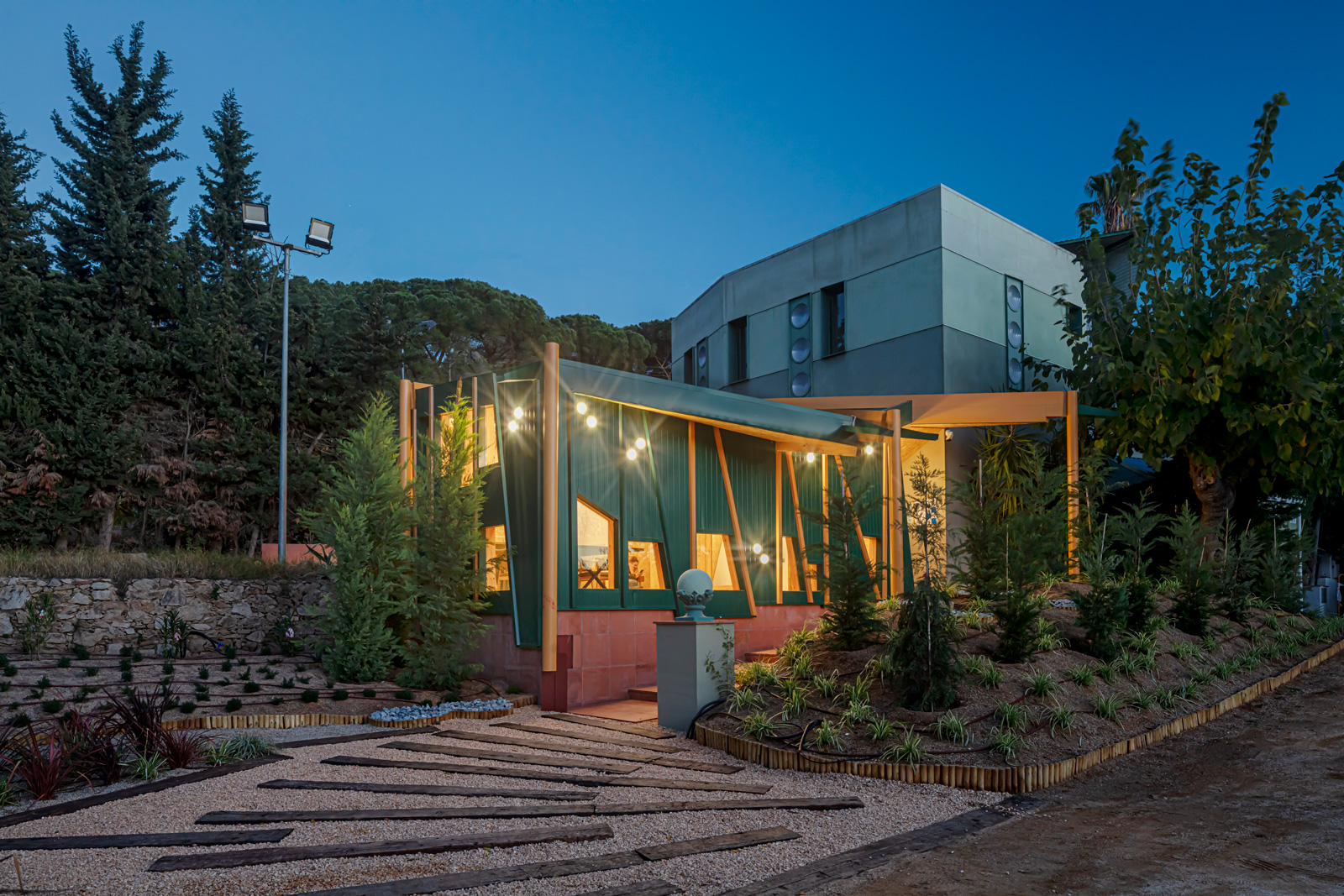
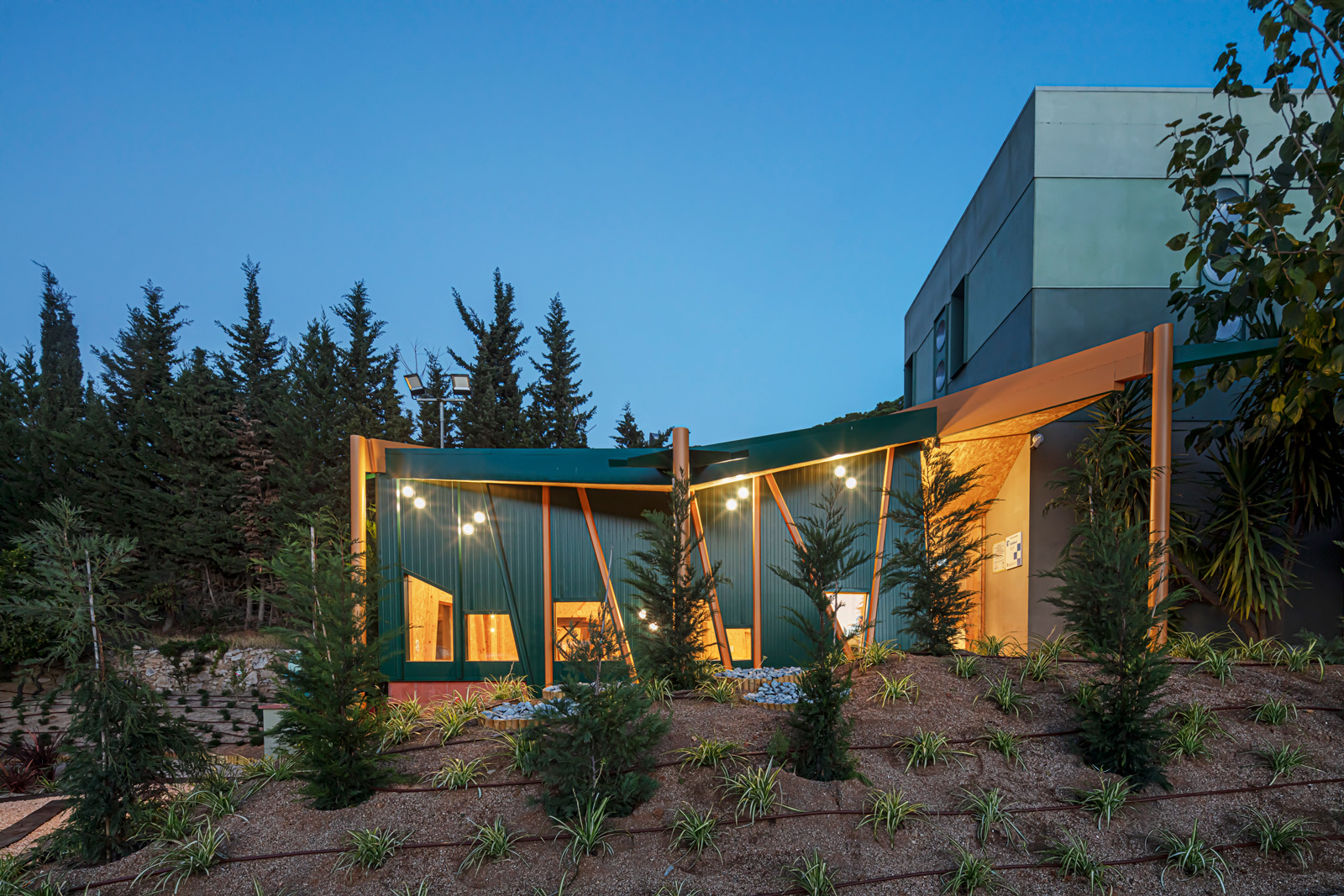
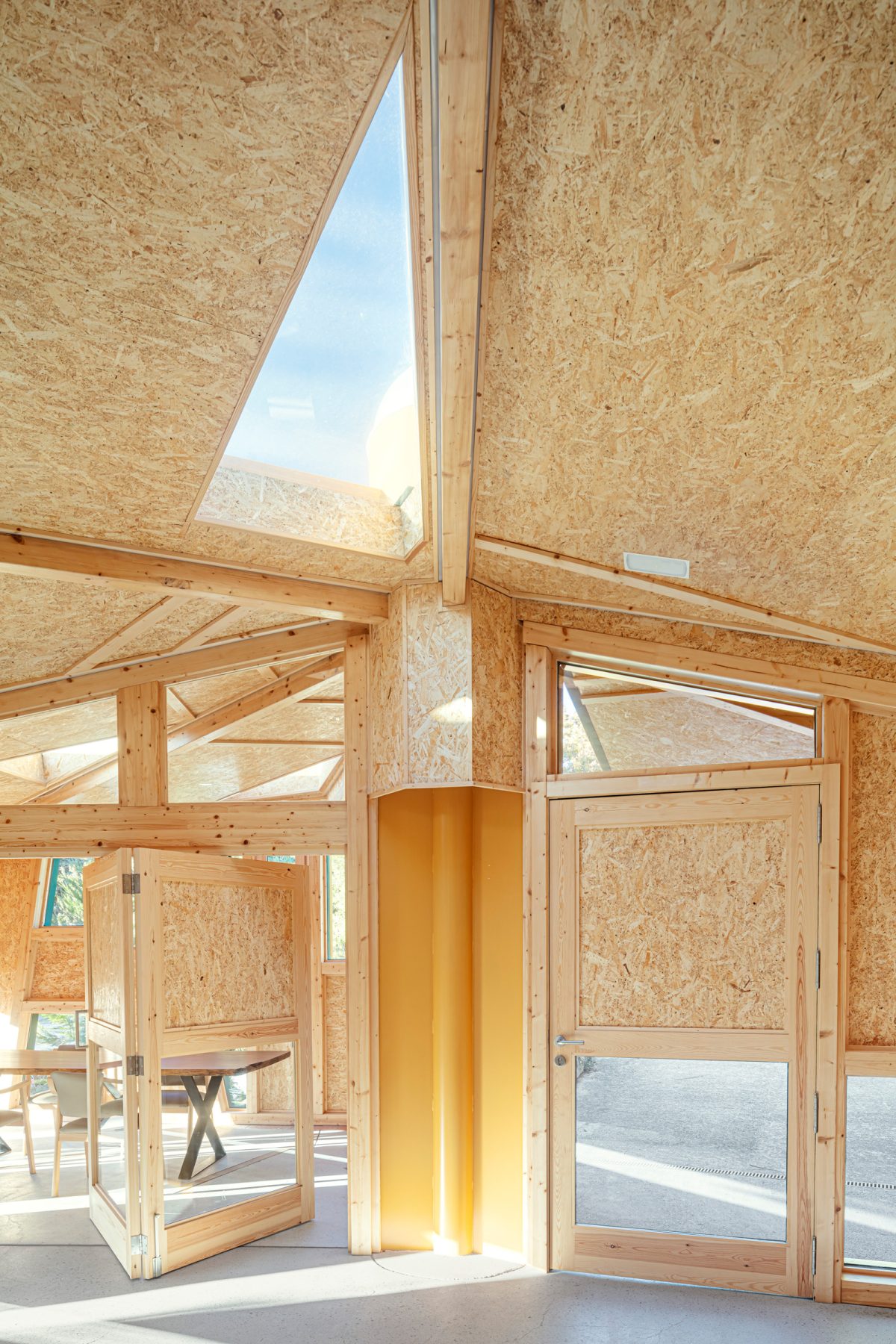
It was about designing a welcoming space for the families of patients, a meeting point between family members, center professionals, and patients themselves. It had to be a friendly, familial space, very domestic in terms of dimensions, with emphasis on materials, colors, light, both natural and artificial, and above all, easily relate to the building and existing spaces.
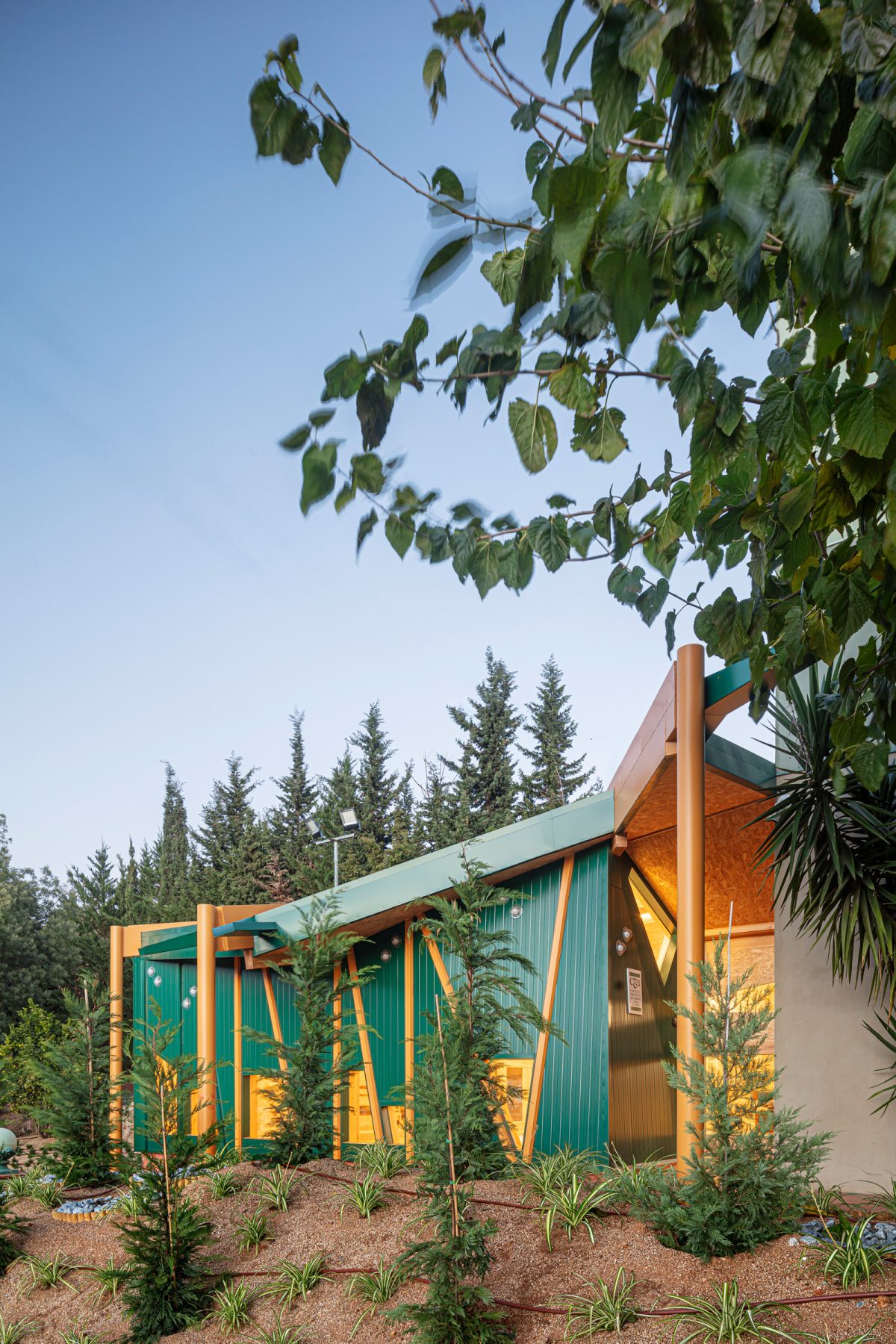
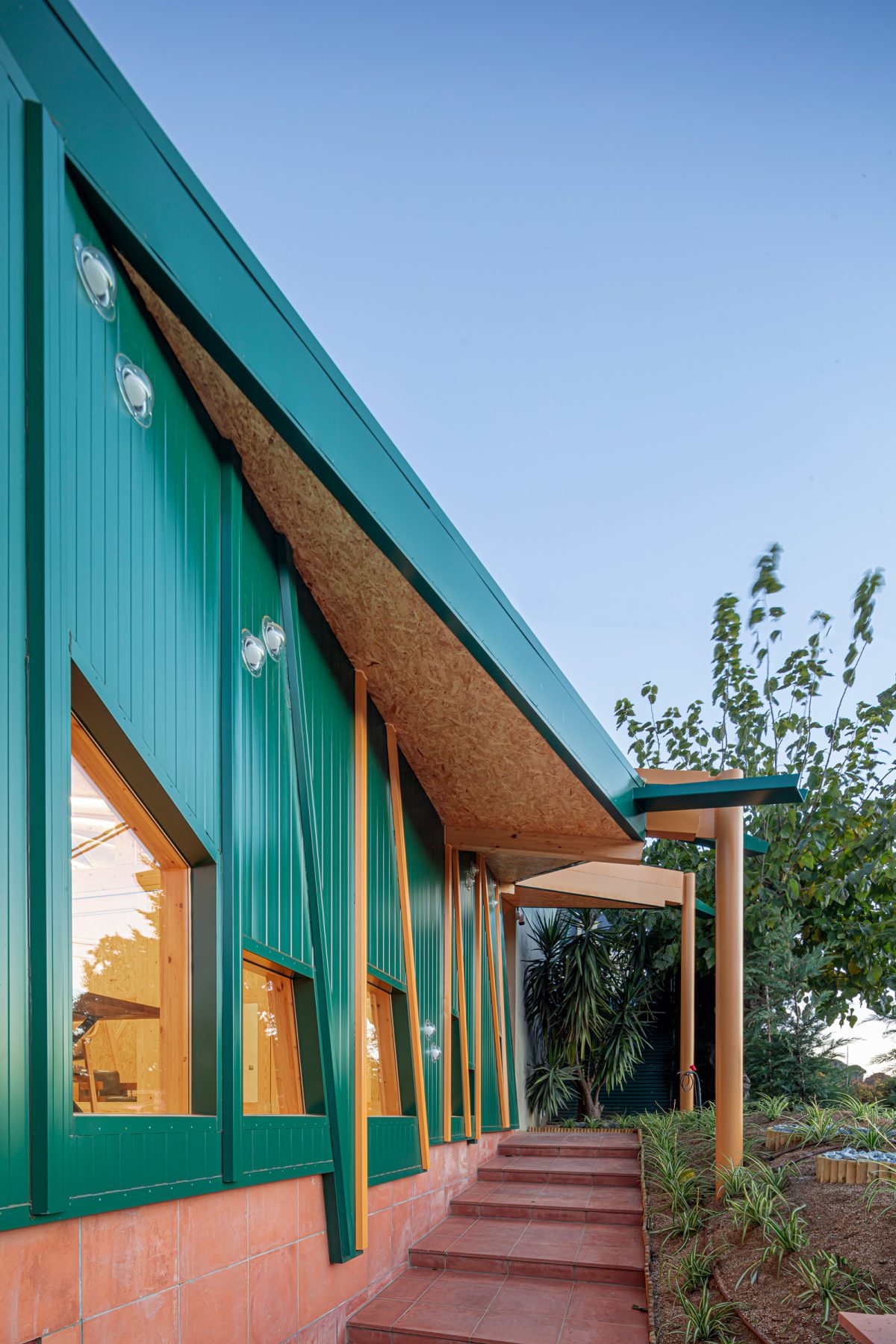
The new reception space belongs to this interior world of the courtyard, which emerges outside. In fact, this same interior logic that escapes towards the outside through a space already built.
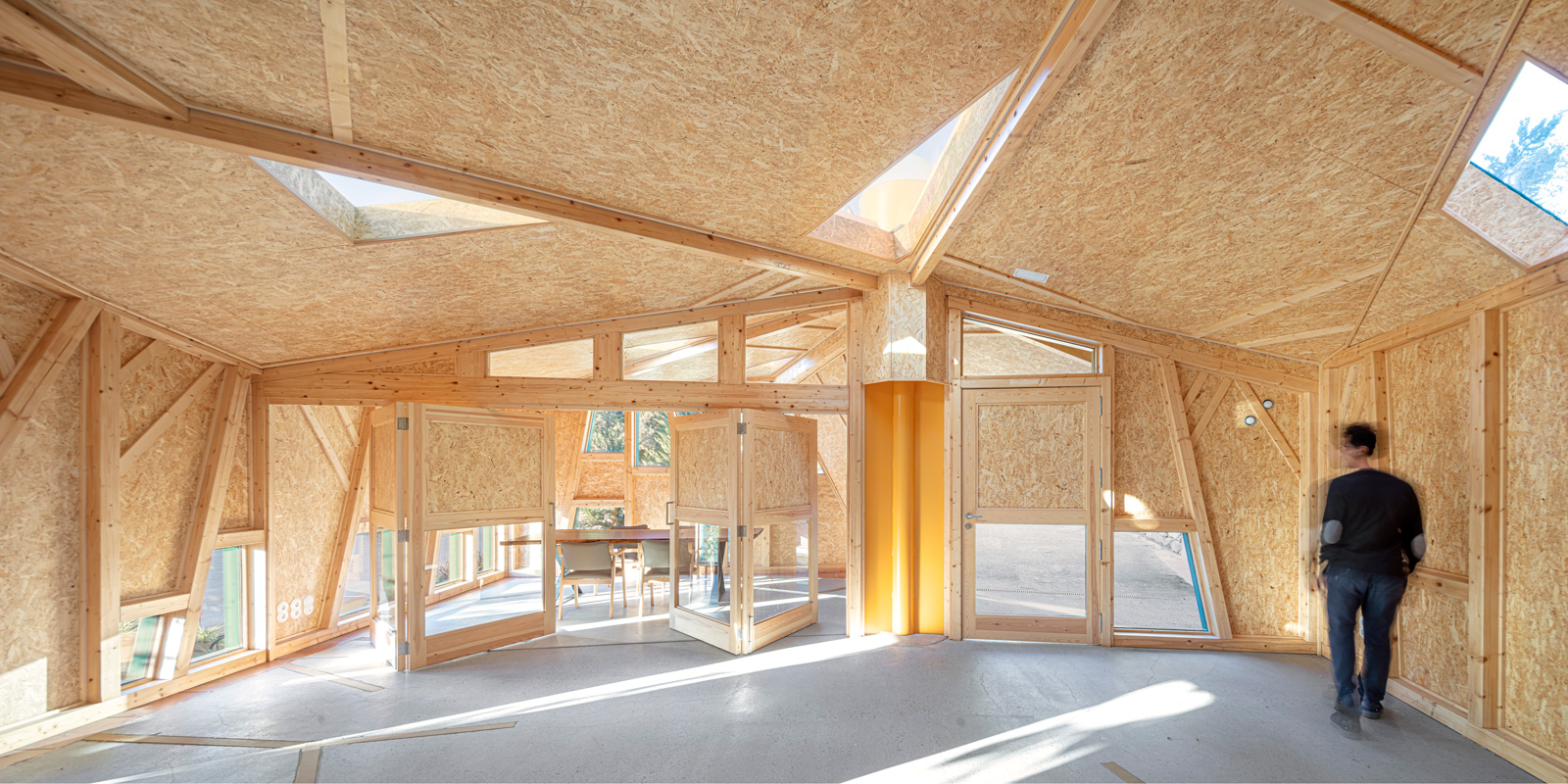
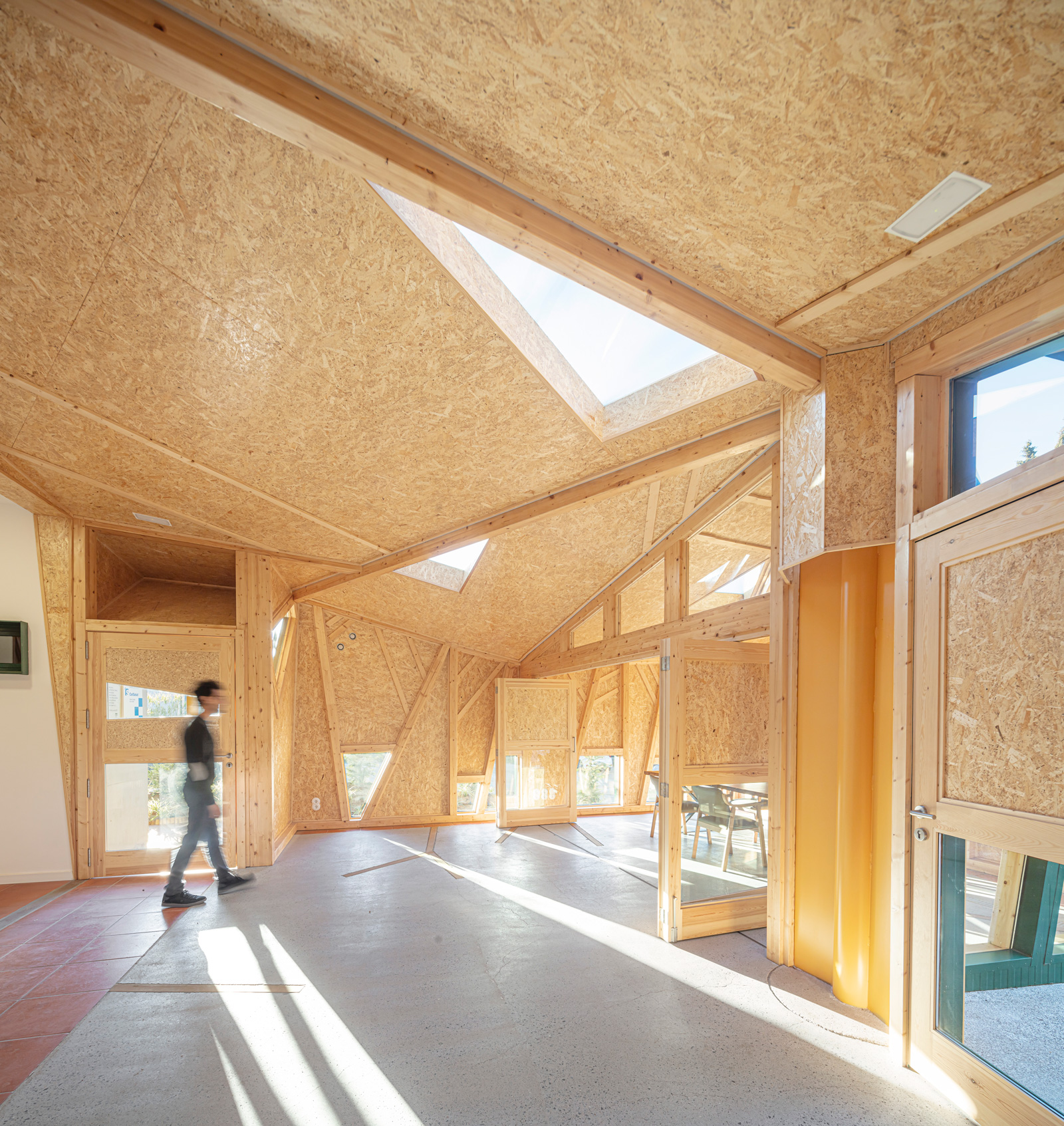
It is a construction with a central pillar and mixed, wooden and metal, slightly radial and L- shaped pillars, which support the ground in a strange balance. In fact, this new construction looks like a spider.
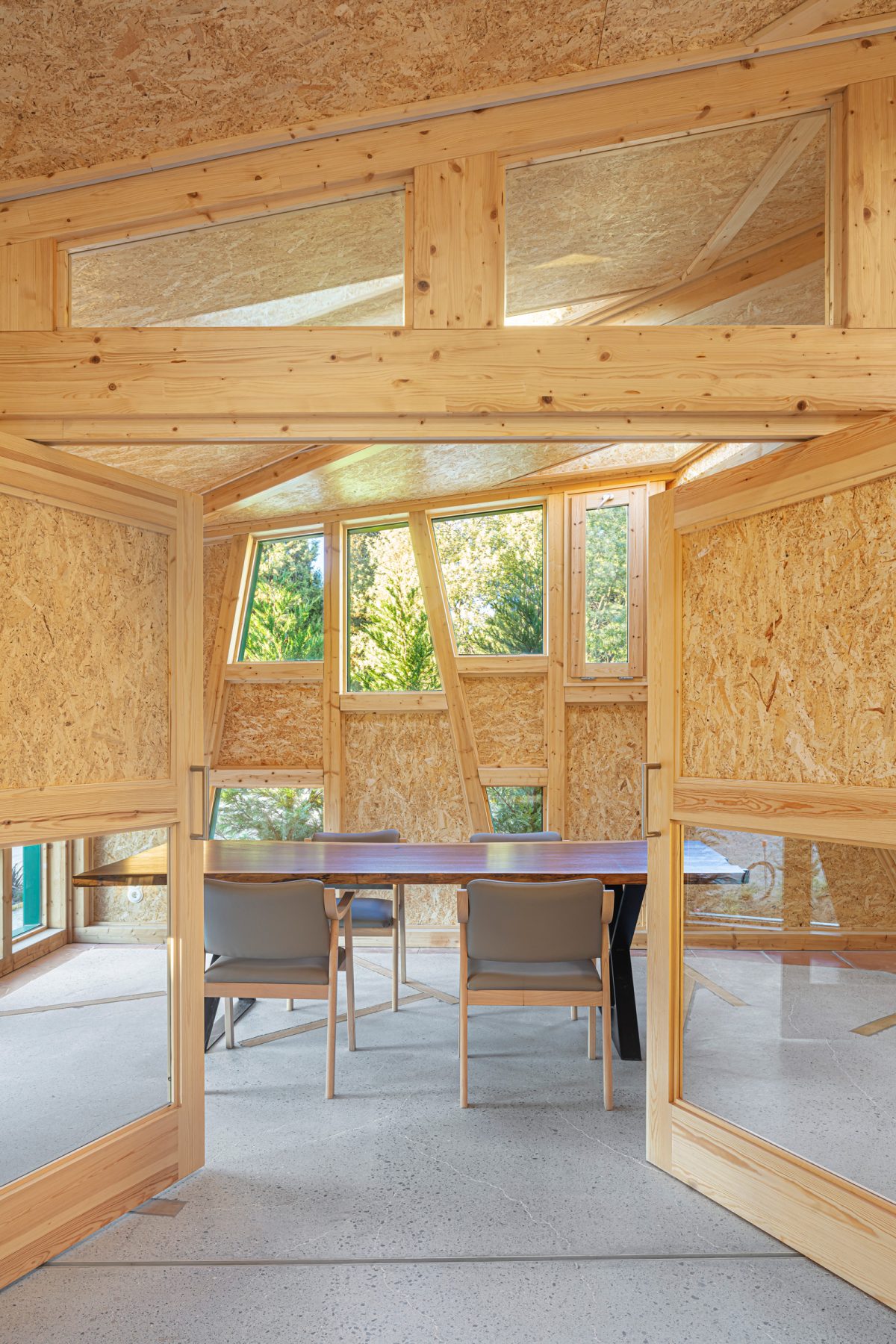
Louise Bourgeois’ spider, Maman, has accompanied the design of this space, a necessary space, given that we had built the web inside the courtyard, but we had never found the builder.
Facts & Credits
Project title
Typology Residential
Location Arenys de Munt, Spain
Client Maresme Therapeutic Community
Architecture MIAS arquitectes
Year 2022-2023
Surface 70 m2
Photography Adrià Goula
Text provided by the architects
MIAS arquitectes

Before founding MIAS, Josep Miàs was an Associate Architect at Enric Miralles’ studio from 1990 to 2000. Over the years, MIAS has produced a wide range of notable projects, including the Fontanals Golf Club, the Urbanization of Banyoles’ Historic Center, Barceloneta Market, 22@Plug-in Building, iGuzzini Lighting Iberica Headquarters, Cloud Andorra Telecom Headquarters, Torrebaró Apartment Tower, and Social Housing Units at Marina del Prat Vermell, as well as collaborations with Tibidabo Amusement Park and their shortlisted proposal for F.C. Barcelona’s New Camp Nou Stadium.
The studio’s work has earned numerous international awards, among them the Architecture MasterPrize (2023), Architizer A+ Popular Choice Award (2023), Architizer Building of the World Award (2013), International Stone Architecture Award (2013), COAC Catalonia Architecture Award (2008–2013), ArchDaily Building of the Year (2011), and the Barcelona City Award (2007).
MIAS projects have been widely published and exhibited worldwide, including monographic exhibitions such as “Unpredictable Traces” at the Centre Pompidou (Paris, 2020) and “The Making of Making (Architecture)” at DHUB (Barcelona, 2021). Other exhibitions have been held in leading institutions across Europe, Asia, and the Americas, as well as at the Venice Biennale (2012, 2014).
Josep Miàs is a frequent lecturer and jury member at international universities and architecture festivals. His academic involvement includes teaching at ETSAB, ETSAV, UIC, IAAC, Staedelschule, ESALA, Harvard GSD, and others. He is currently Professor of Architectural Practice at The Bartlett School of Architecture (UCL) and Associate Professor at UNISS in Sardinia, Italy. In 2024, Miàs was named an Honorary Fellow of the American Institute of Architects (AIA) for his outstanding global contributions to architecture and society.
READ ALSO: João Cepeda: an architecture where space is a metaphor of time deeply rooted in Portuguese land