ESO Conference, the leading event for Design and Architecture, returns to the Athens Concert Hall on May 13, 2026, with the central theme: “Negotiation, Not Compromise. Design as Dialogue between Earth, Technology, and Humanity.”
At ESO 2026, Winy Maas brings a practice that operates between design, research, and publishing. As co-founder of MVRDV and director of The Why Factory at TU Delft, he has developed a methodology where books, speculative scenarios, and data-driven studies function as design tools. His extensive writing and editorial activity positions architecture as an open, research-led process of negotiation—between society, ecology, technology, and the future city.
Book your tickets for ESO 2026, here!
Winy Maas’s contribution to architecture has always moved between building and publishing—treating texts, diagrams, and scenarios as instruments of design.
As co-founder of MVRDV, he helped establish a research-driven practice that turns data, “datascapes,” and multidisciplinary knowledge (urbanism, sustainability, sociology, materials) into projects and proposals.
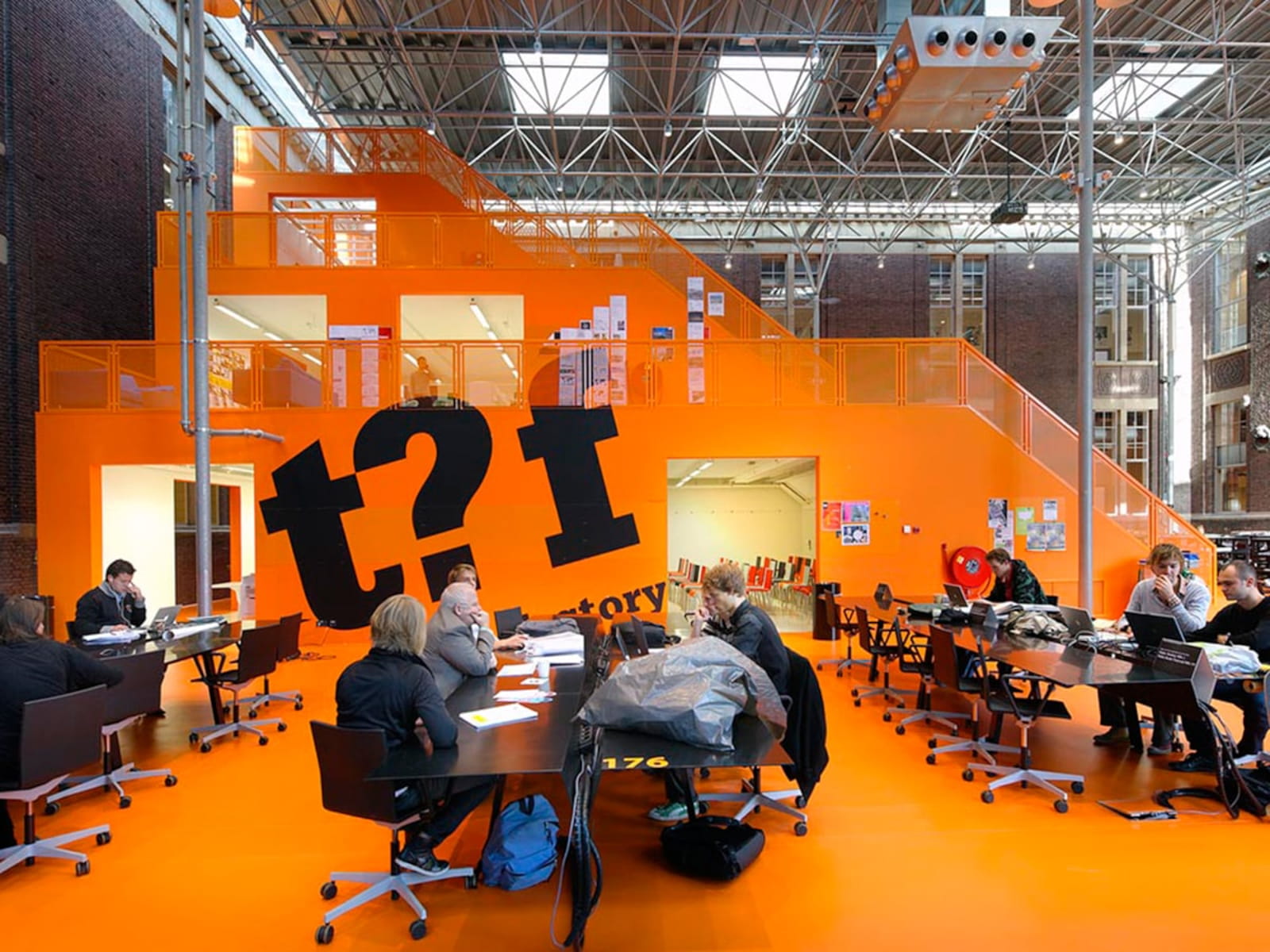
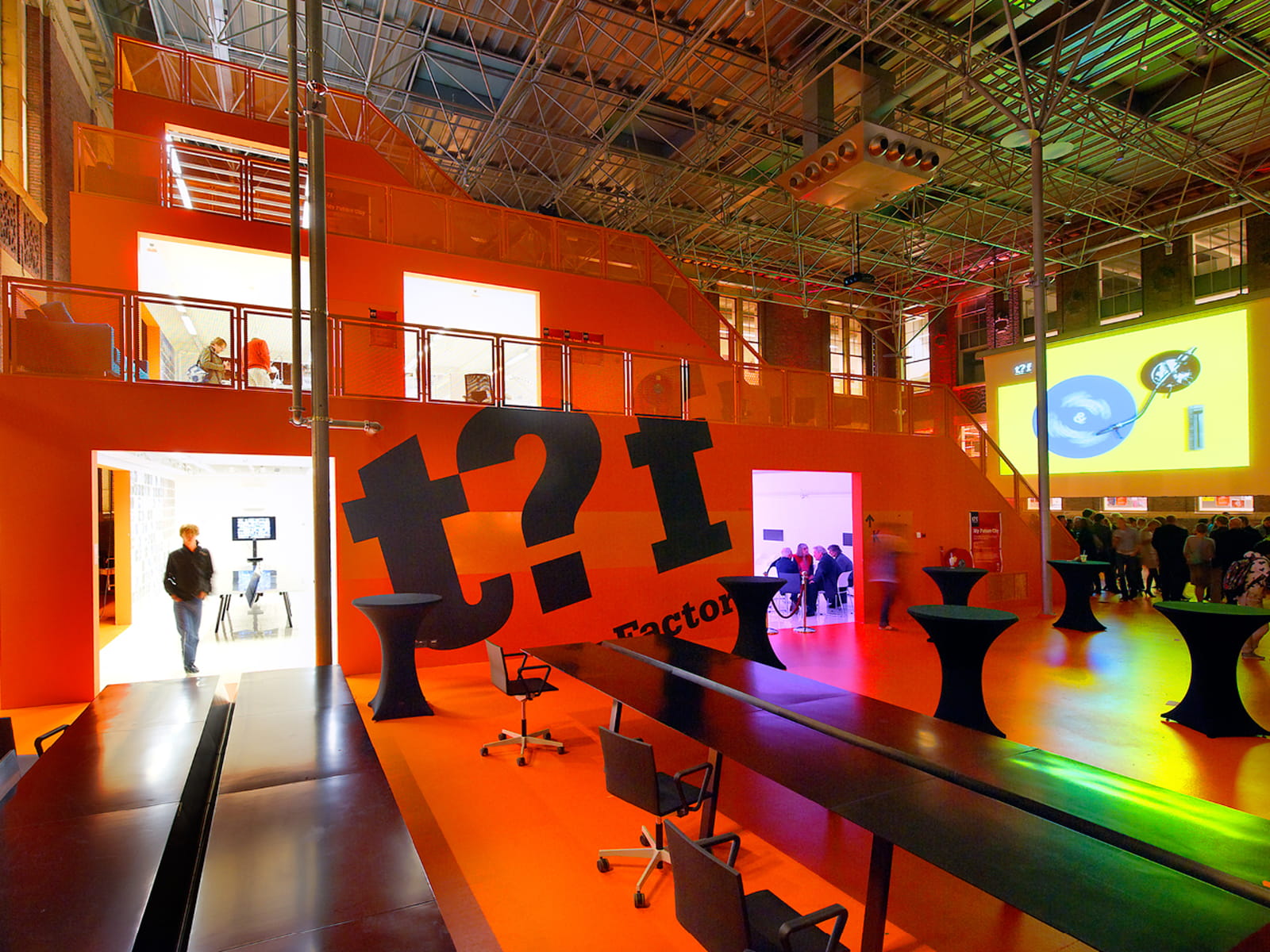
This same attitude is institutionalized in The Why Factory (T?F) at TU Delft, which Maas founded in 2008 and continues to lead: a think-tank that explores the future city through speculative models and visualizations, using publication as a primary form of output and dissemination.
Founded to expand the argumentative and visionary capacity of architectural practice, it operates as a research-by-design laboratory that investigates the future of cities through models, visualisations, software, and speculative scenarios. Its work combines education and research, analysing contemporary urban conditions while proposing hypothetical societies and future urban models that move from science to fiction and back to practical application.
Central to its mission is public engagement: findings are disseminated through exhibitions, publications, workshops, and debates, with the “Future Cities Series” (with nai010 publishers) forming a core intellectual output.
By producing scenario-driven research that ranges from global urban visions to site-specific proposals, The Why Factory functions as a platform where theory, experimentation, and practice converge, generating knowledge that feeds directly into architectural discourse and design culture.
The “Future Cities Series” makes this link explicit: each volume tests an urban hypothesis—density, greening, verticality, porosity, copying, leisure—through research and representation, then feeds those findings back into design culture. This arc resonates strongly with ESO 2026’s theme of architecture as negotiation.
Maas’s work frames design less as a single “solution” and more as an iterative bargaining process—between environmental limits and urban intensification, public space and private development, digital analytics and physical form, utopian imagination and implementable policy.
The Why Factory’s scenario-making (and MVRDV’s research-to-project pipeline) models negotiation as method: assembling evidence, visualizing trade-offs, and using publications and exhibitions to invite critique from multiple stakeholders—human and non-human—before architecture is fixed in concrete.
(w)EGO: Tailor-Made Housing (2022)
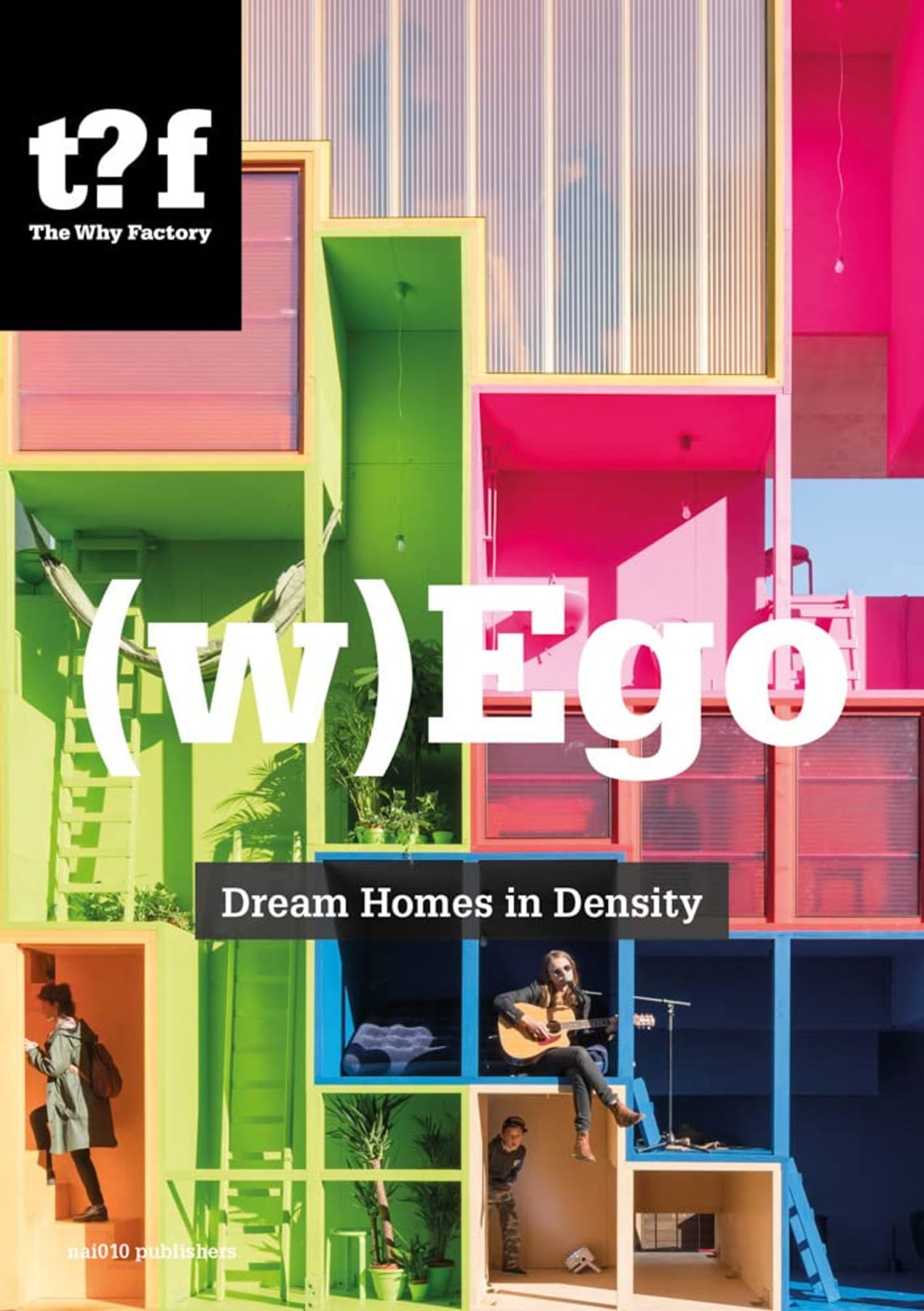
(w)EGO: Tailor-Made Housing, developed by The Why Factory under the direction of Winy Maas, investigates how participatory design can reshape housing in dense urban contexts by transforming individual desires into collective spatial negotiation.
The book challenges the standardization of mass housing by proposing a shift from “ego” to “we-go”: from individual preference to negotiated coexistence.
Through research conducted with international academic partners and students, the project explores desire-based design processes in which residents actively shape their dwellings within a shared urban framework.
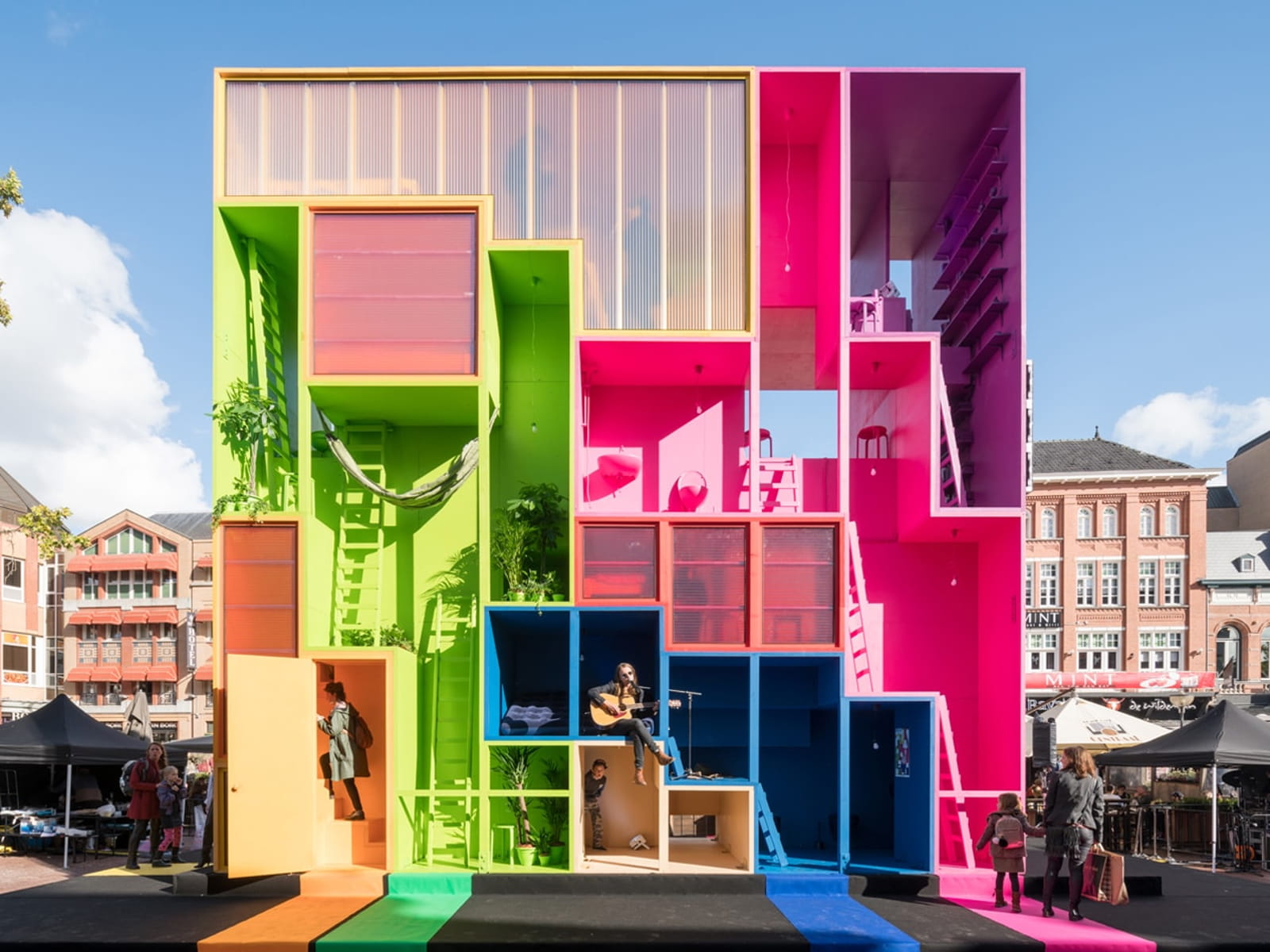
Central to the book is the development of a game-based design methodology that translates the specific needs, cultures, and aspirations of different inhabitants into spatial requirements, generating unexpected housing typologies.

Rather than imposing a fixed architectural solution, the research frames housing as a dynamic puzzle of competing interests, where density, environmental constraints, and personal dreams must be reconciled.
By foregrounding negotiation between residents, environment, and urban envelopes, (w)EGO aligns with Maas’s broader research agenda at The Why Factory: converting speculative research into operative design tools.
The publication ultimately argues that future housing must balance imagination, responsibility, and collaboration, demonstrating how collective dialogue can optimize land use, counter urban sprawl, and produce more humane and adaptable domestic environments.
PoroCity: Opening up Solidity (2018)
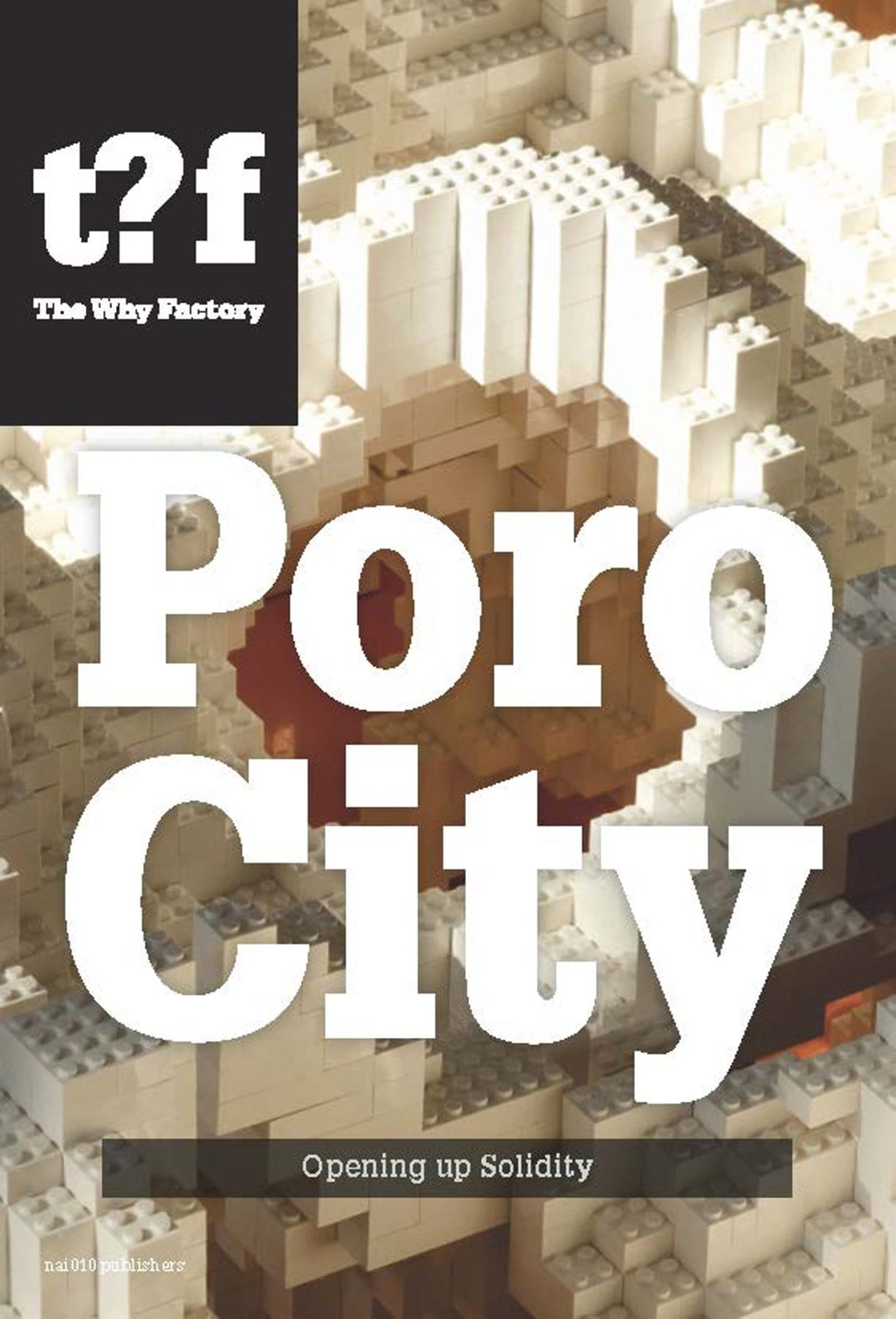
PoroCity: Opening up Solidity, developed by The Why Factory under the direction of Winy Maas, is a research manifesto that investigates the concept of urban porosity as a strategic response to the increasing solidity and introversion of contemporary cities. The book argues that many urban environments are composed of enclosed, isolated, and inward-looking buildings that disconnect social life, ecological systems, and public space.
In response, it proposes methods to “open up” architecture and urban blocks by introducing voids, passages, public stairways, pocket parks, and permeable envelopes that enhance circulation, daylight, biodiversity, and social interaction.
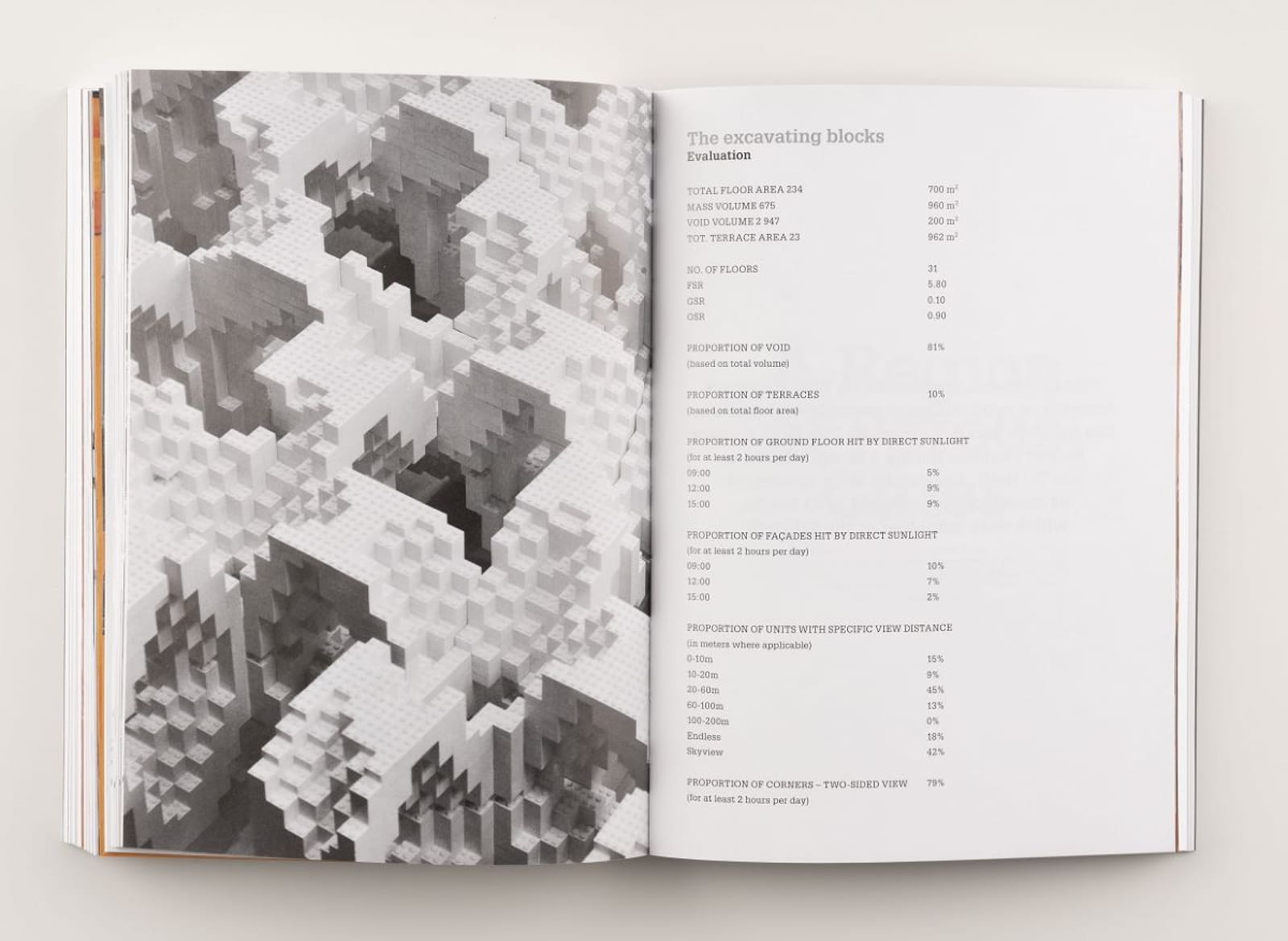
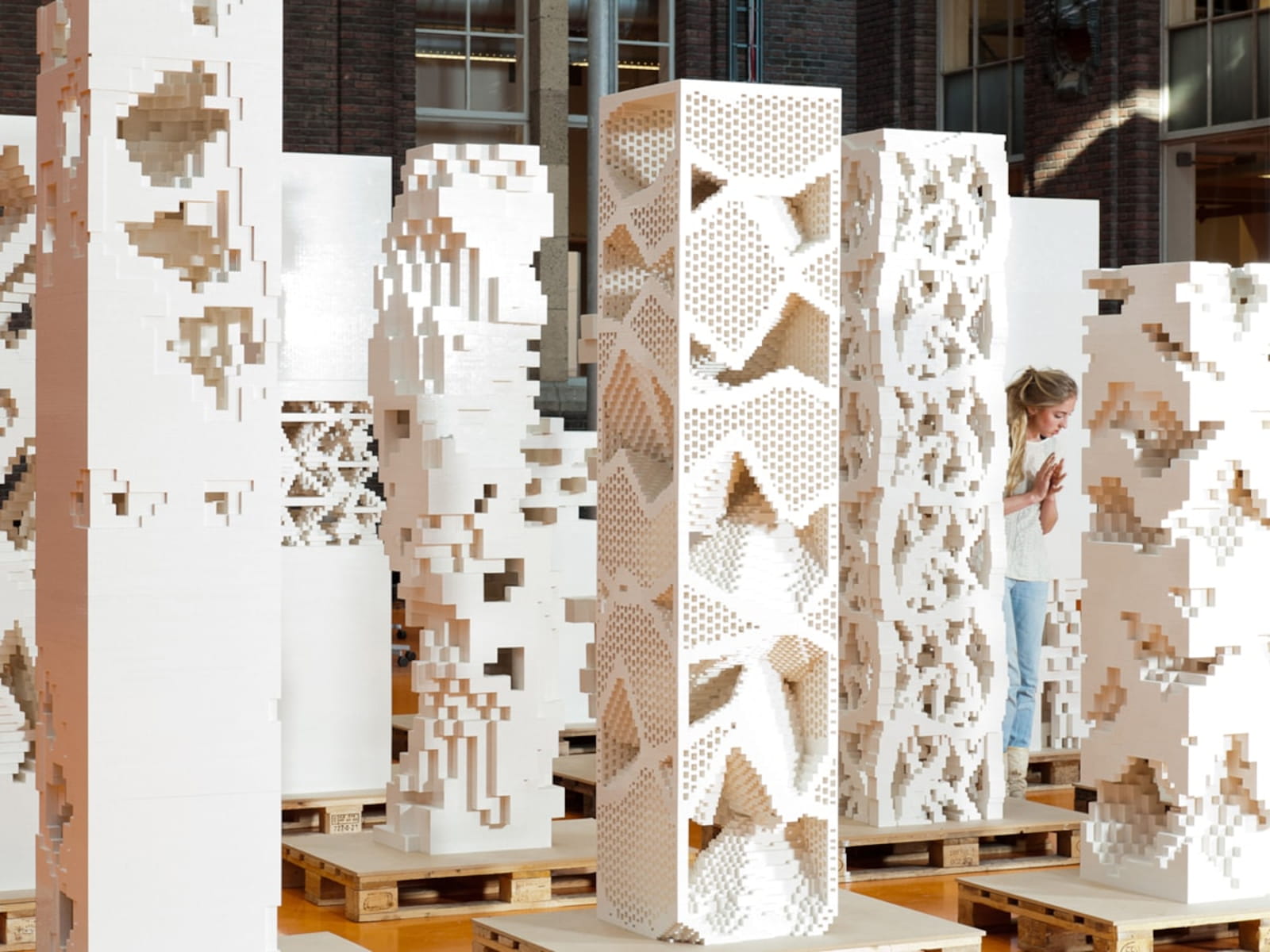
Combining analogue experimentation, computational tools, and speculative design, the research explores how porosity can become socially, environmentally, and economically valuable within dense urban contexts. The book gathers extensive studio investigations in which researchers and students tested iterative tower models—often built as physical and digital prototypes—to measure how far buildings can be perforated or reshaped before structural or financial limits are reached.
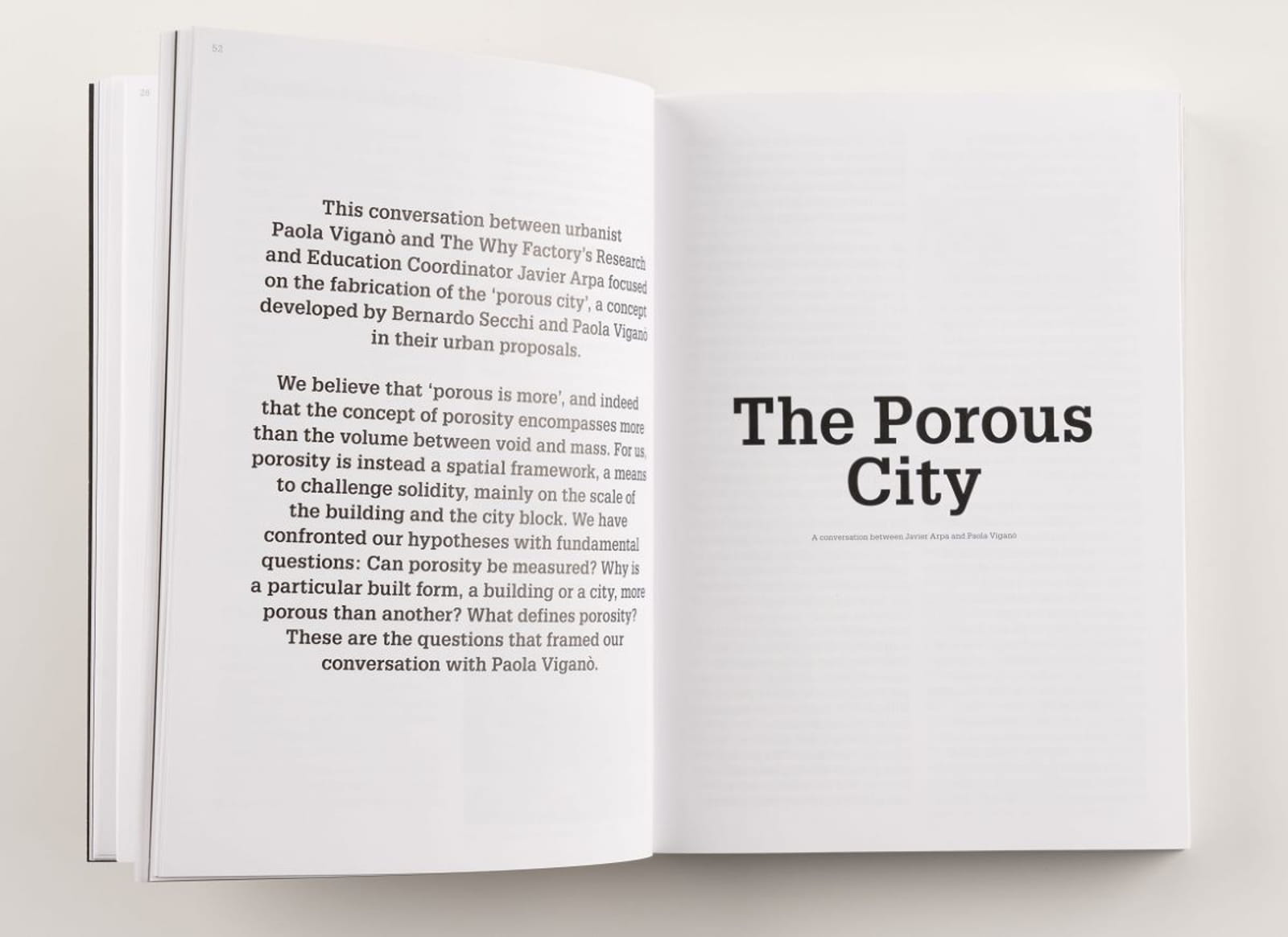
Rather than presenting a single design solution, PoroCity frames porosity as both a method and a negotiation tool, capable of balancing density with openness and collective life.
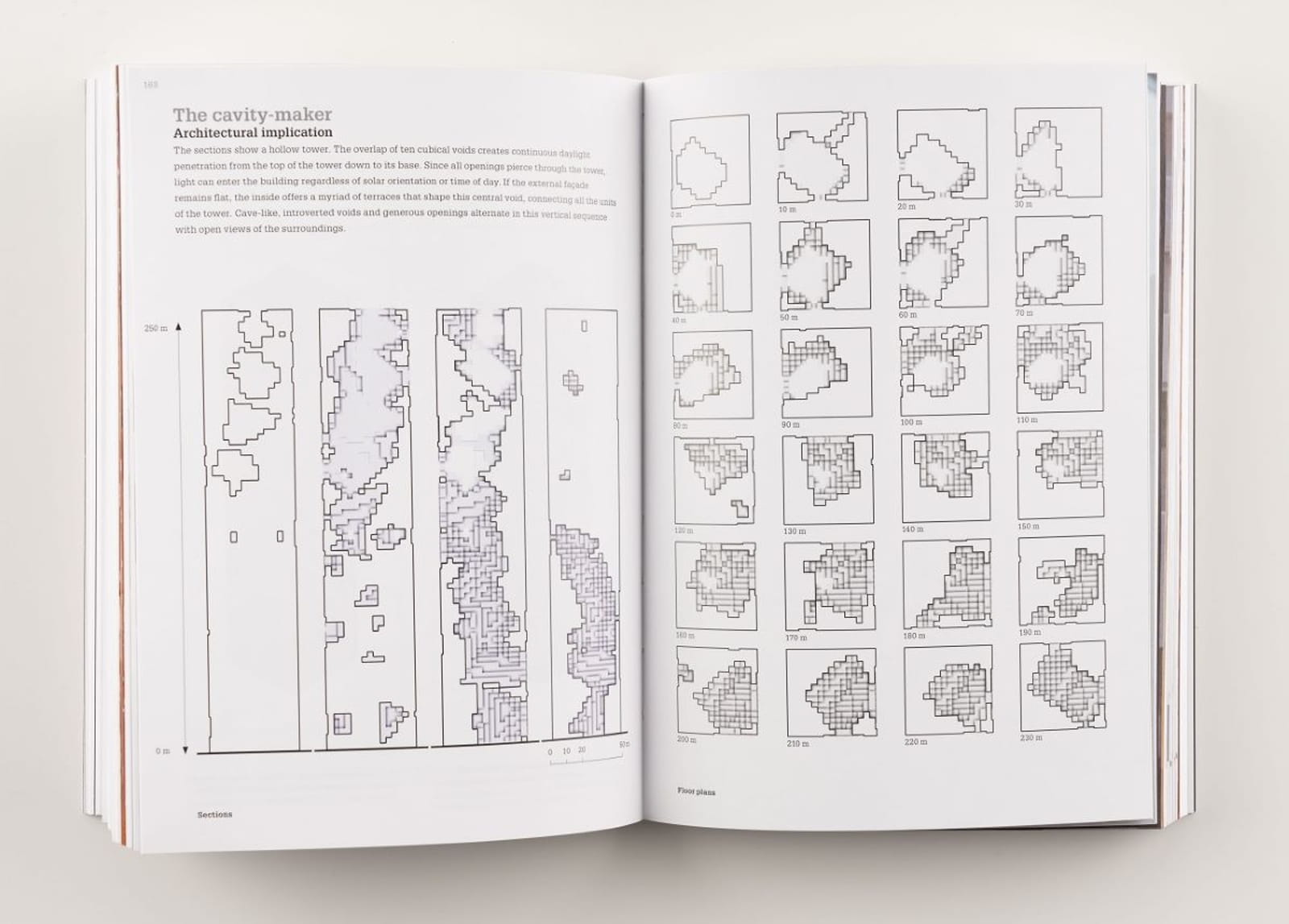
By transcending binaries such as solid/void and private/public, the publication positions architecture as an adaptive interface between urban form, ecology, and social encounter, reflecting Maas’s broader research agenda of transforming speculative academic research into operative design strategies for future cities.
The Green Dip: Covering the City with a Forest (2016)

The Green Dip: Covering the City with a Forest is a research publication by The Why Factory that explores the systemic integration of vegetation into architecture and urban environments as a design strategy rather than a decorative gesture. Led by Winy Maas’s research framework, the project questions the operational capacity of “green” in cities: how plants perform, how they can be quantified, and how ecological systems can be embedded within buildings and infrastructures.
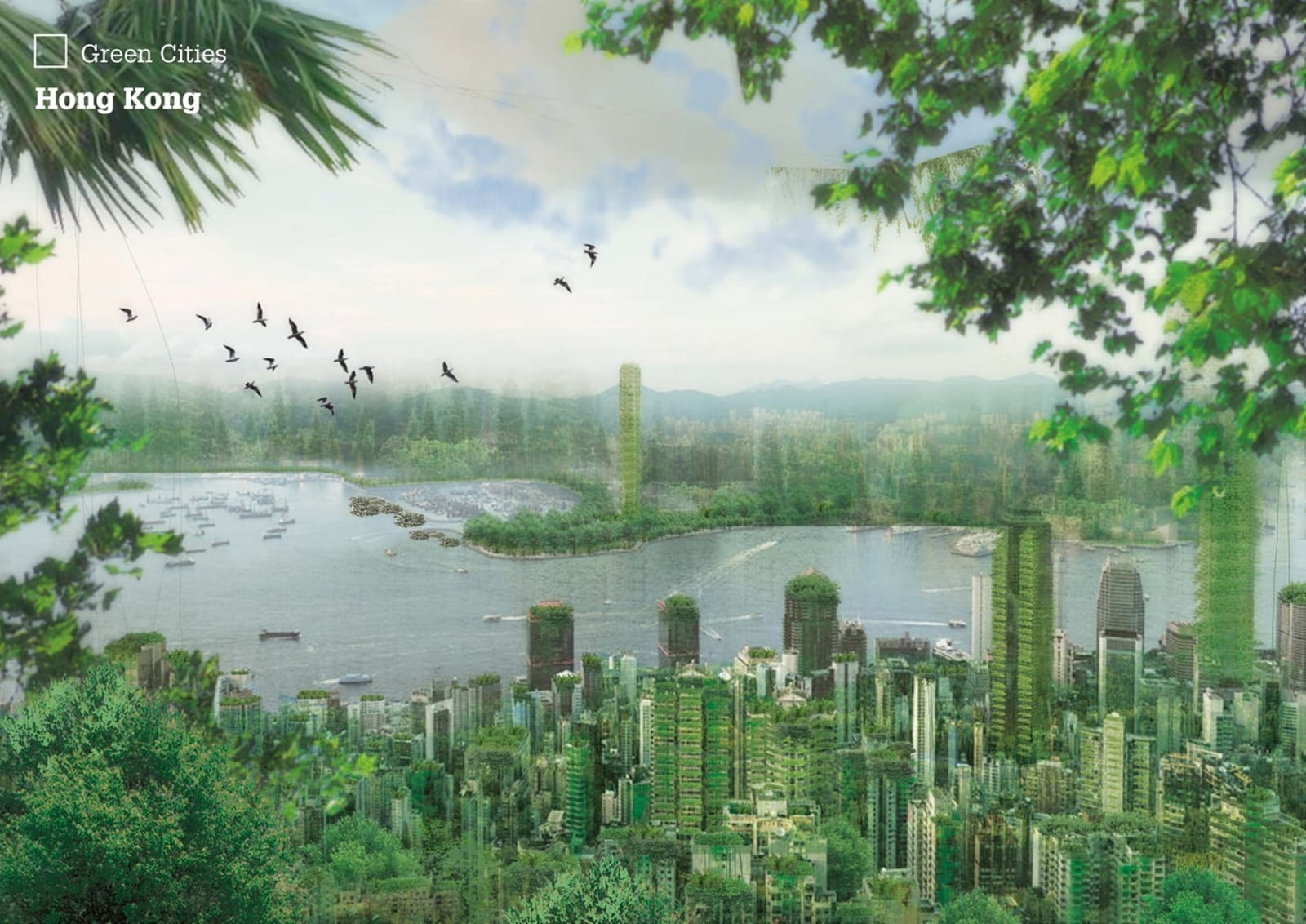
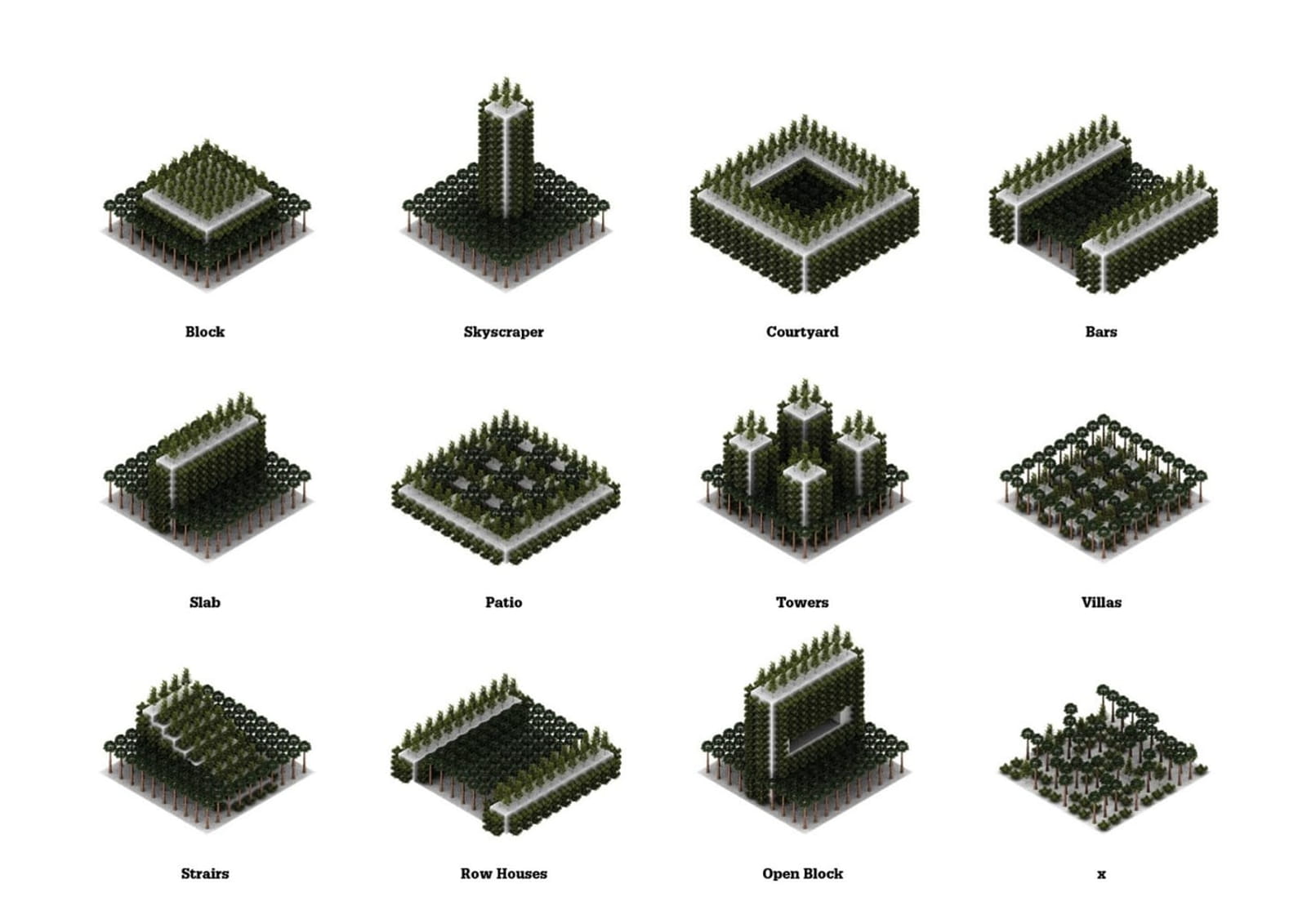
Instead of designing isolated green buildings or parks, the research proposes a comprehensive methodology for “foresting” the city through data-driven tools and parametric design.
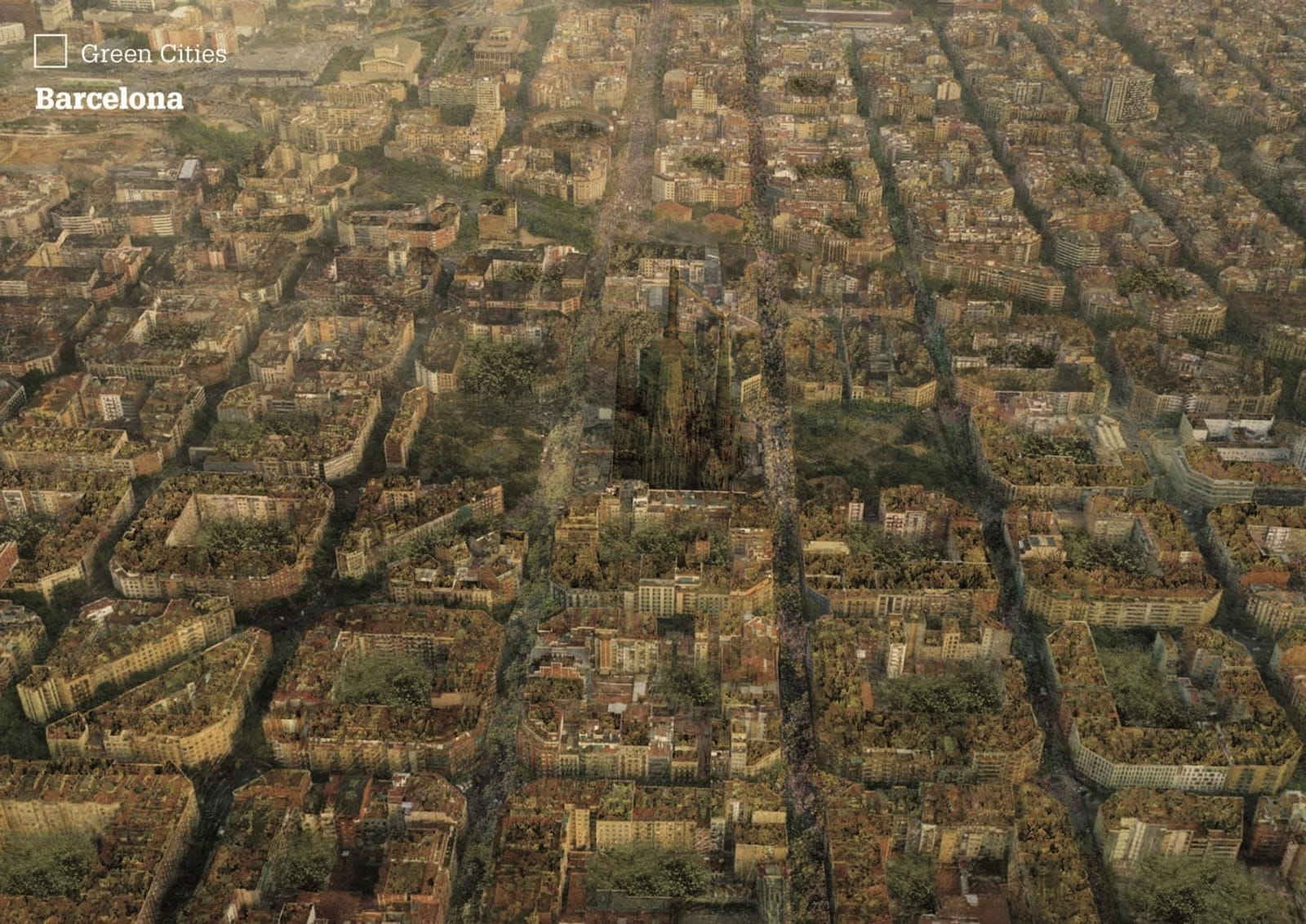
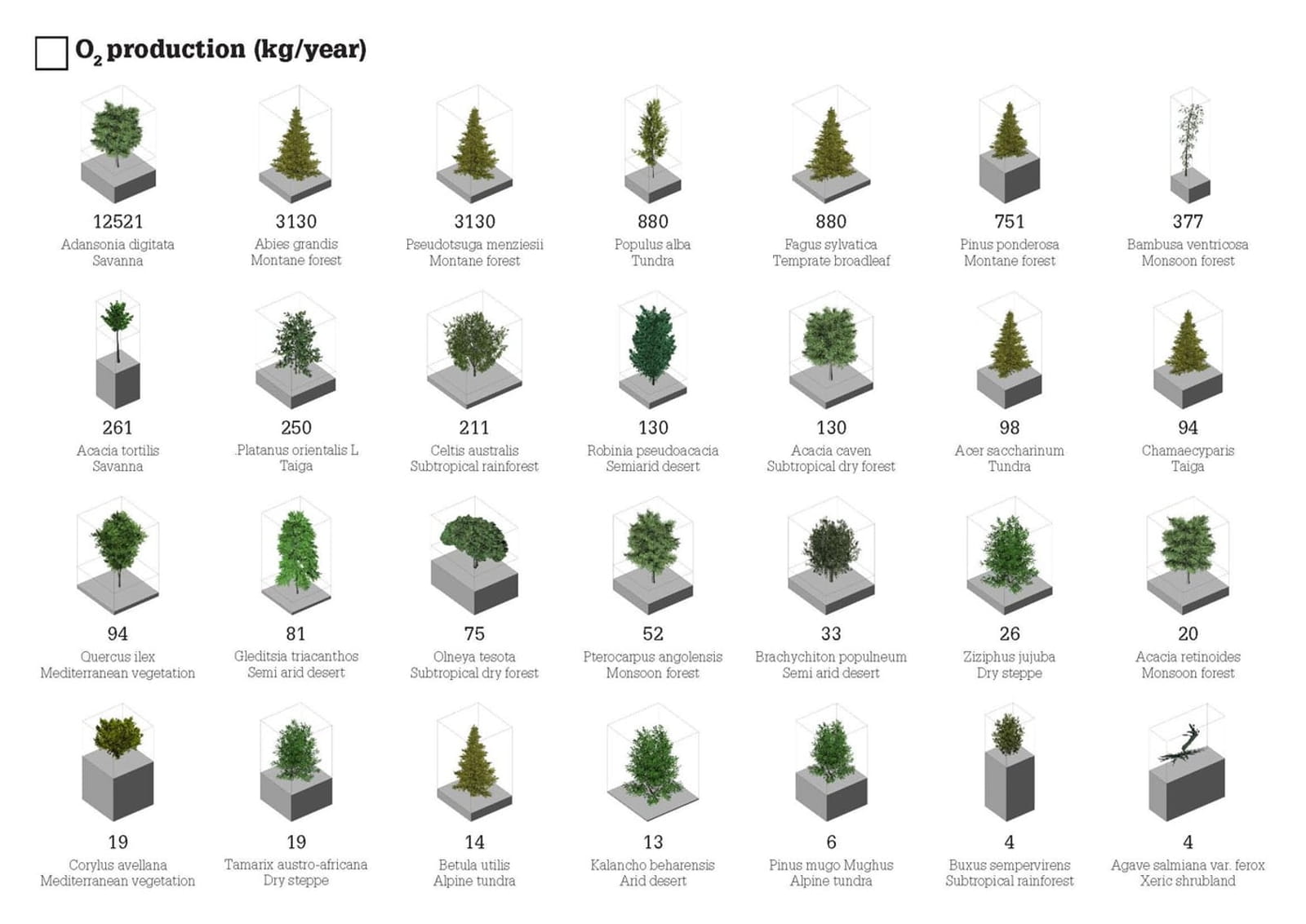
A key outcome is the development of software (The Green Maker), which combines botanical knowledge with architectural parameters, including plant species databases, water needs, growth limits, oxygen production, and CO₂ absorption. This tool enables designers to strategically place vegetation on roofs, façades, and urban surfaces, ensuring ecological compatibility and performance.
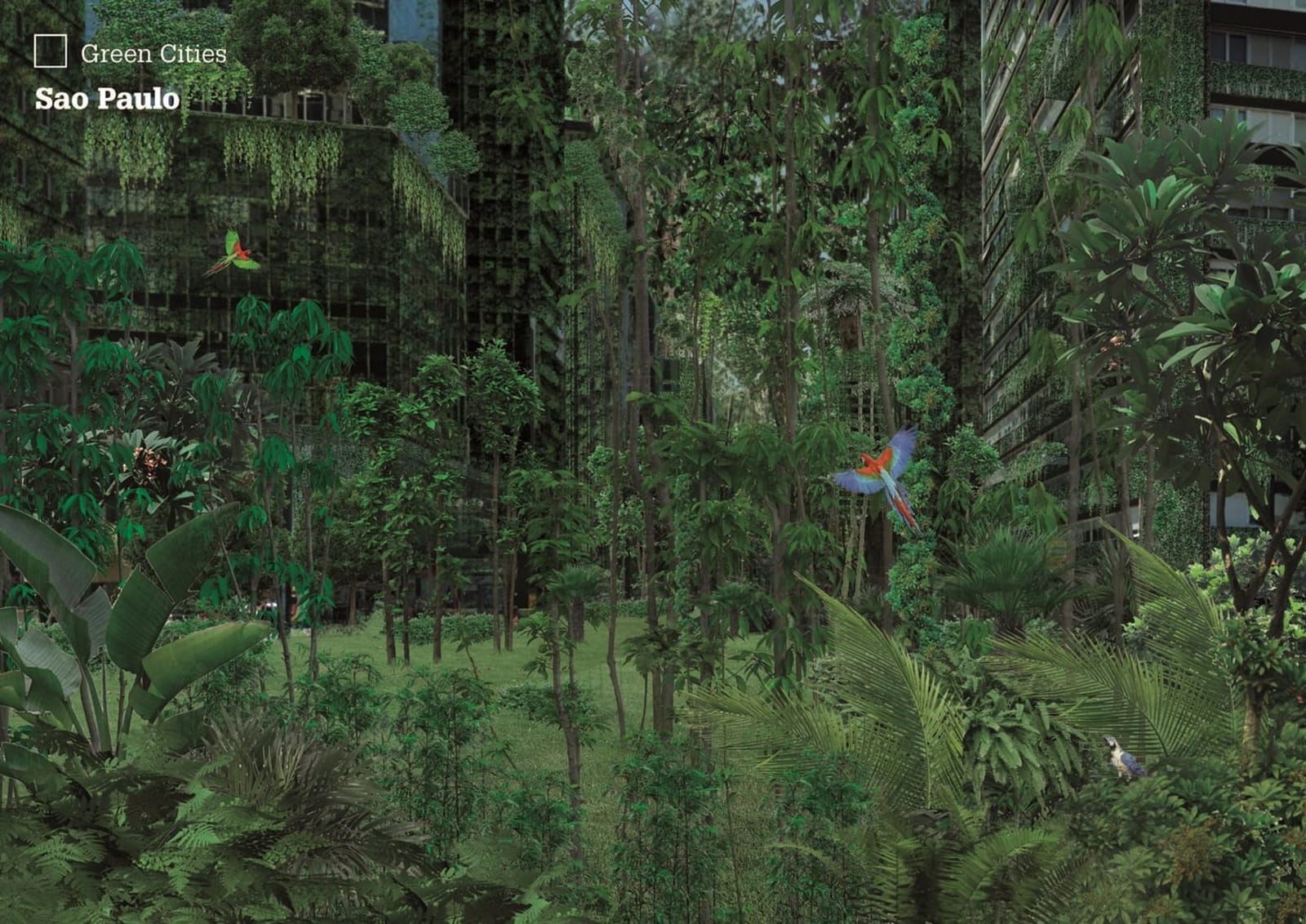
The book positions greenery as an active agent in urban negotiation—between climate, technology, and spatial form—rather than an aesthetic add-on. In line with Maas’s research-practice methodology, The Green Dip demonstrates how computational analysis, environmental data, and speculative design can converge to produce adaptive ecological cities, where architecture mediates between human habitation and non-human systems through measurable, scalable, and designable ecological infrastructures.
Book your tickets for ESO 2026, here!
Facts & Credits
Title ESO 2026 – “Negotiation, Not Compromise. Design as Dialogue Between Earth, Technology, and Humanity”
Typology Conference, Architecture, Design
Location Alexandra Trianti Hall, Megaron Athens Concert Hall
Date Wednesday, May 13rd, 2026
Content creation & Media Partnership by Archisearch.gr
Produced & curated by the Design Ambassador
All images are courtesy of The Why Factory
READ ALSO: Stories of Contemporary Domesticity | Episode 12: Relámpago House by H3o Architects Celebrates Transcendence and Renewal Through a Folk Legend