Un Parell d’Arquitectes revitalise Plaça Major in Spain through a holistic approach that intertwines heritage-led rehabilitation, community engagement, and urban strategy. Centered on the chromatic restoration of façades rooted in local tradition, the project seeks to reactivate the square’s residential life while restoring its social vitality, repositioning Olot’s historic core as a living, collective space.
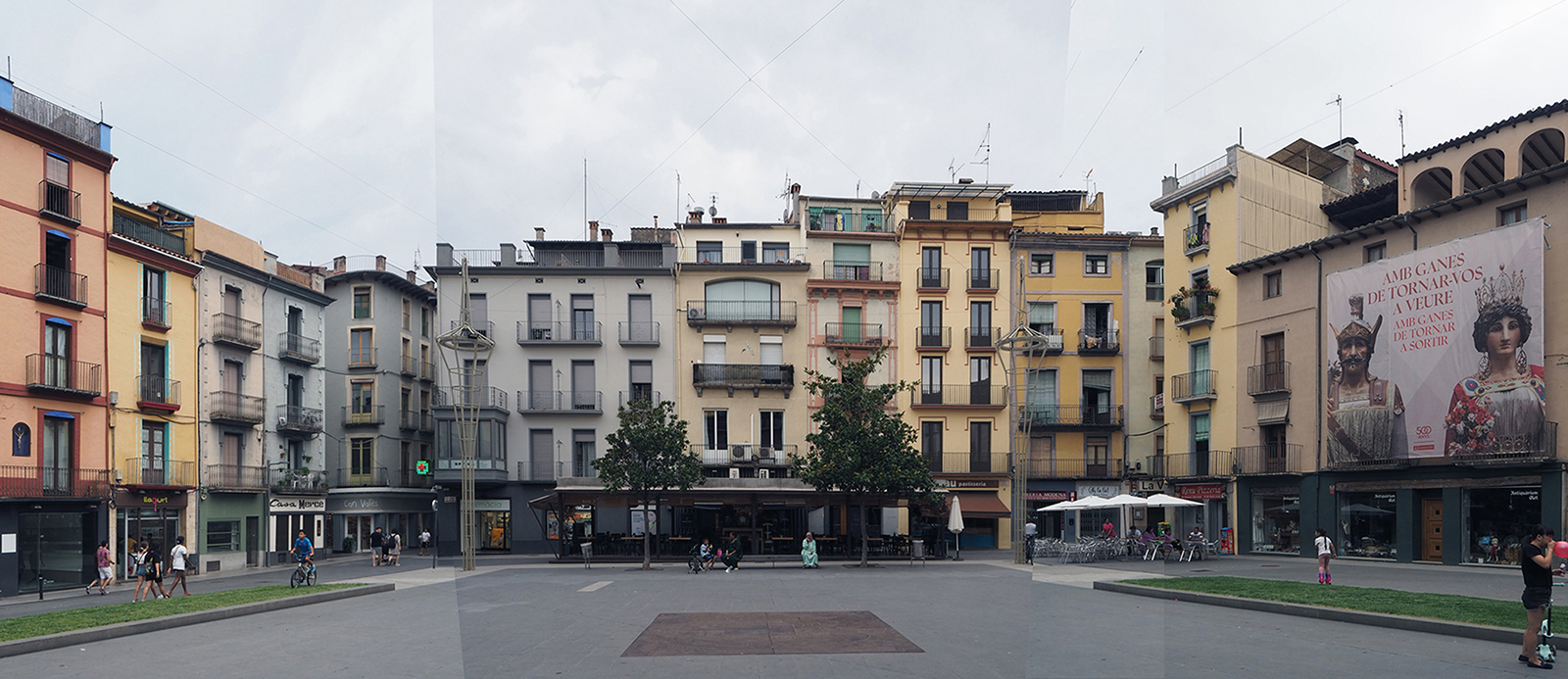
The Plaça Major of Olot, the geographical and symbolic heart of the city, is defined by a continuous ensemble of modest buildings unified through the repetition of compositional, constructive, and decorative patterns. Prior to the intervention, the square embodied the challenges facing the historic urban fabric, marked by widespread structural deterioration and constructive pathologies. At the same time, a significant proportion of residences remained vacant, leaving nearly one-third of the housing stock unoccupied.
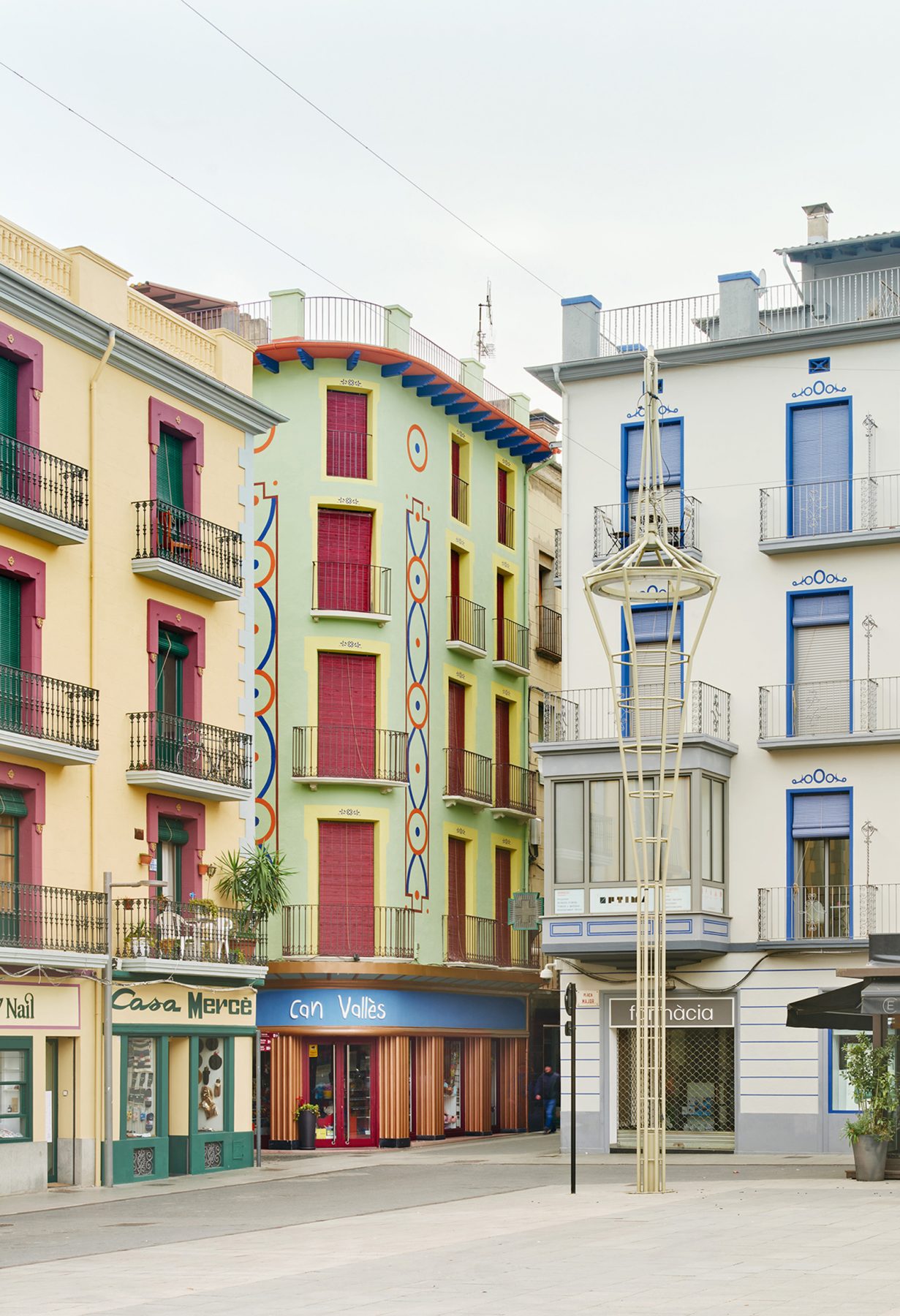
The project introduces a comprehensive regeneration strategy aimed at reinforcing heritage values while addressing functional and social decline.
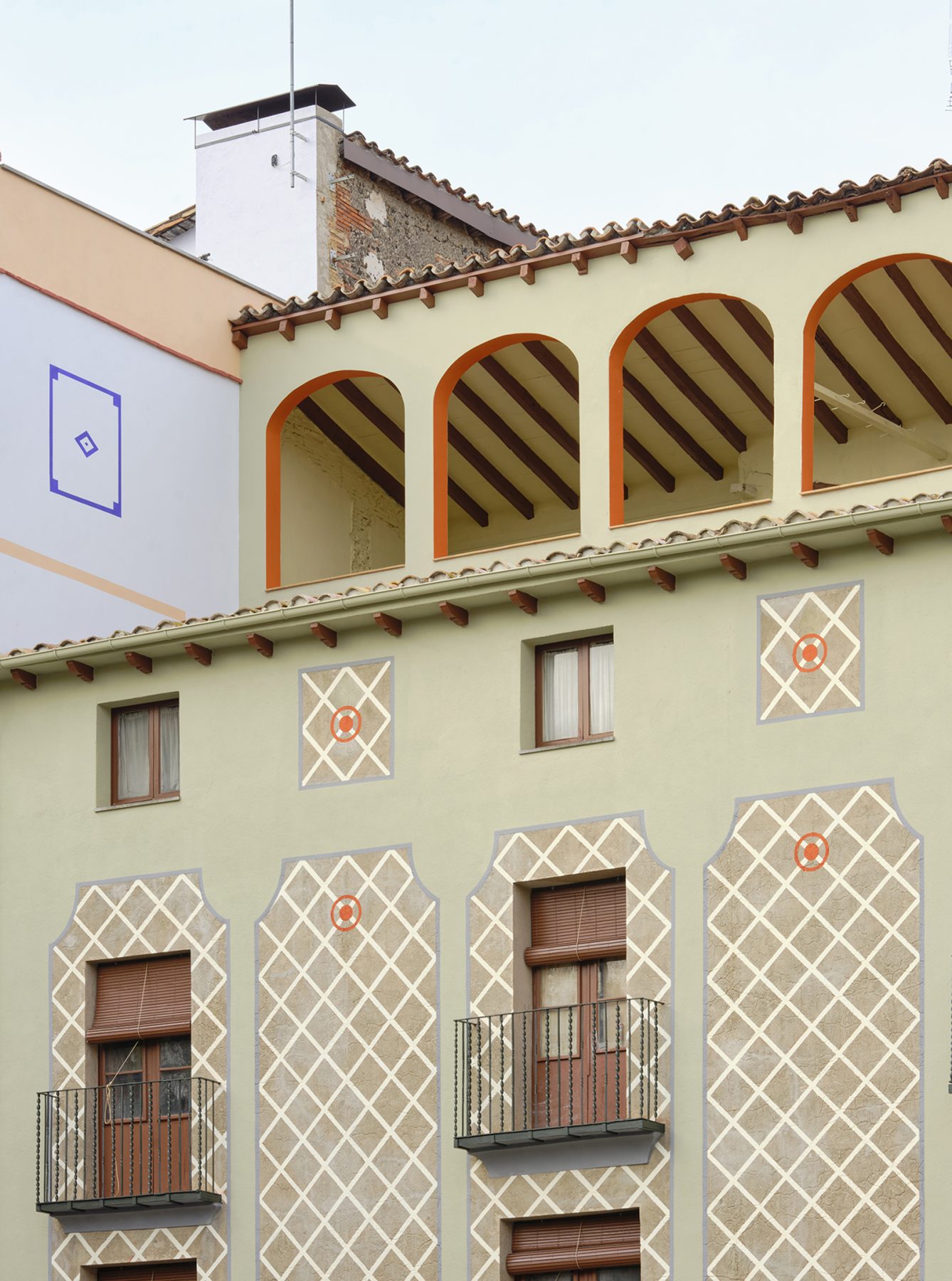
The intervention redirects resources toward the rehabilitation of existing buildings, an approach informed by sustained dialogue with residents and local stakeholders.
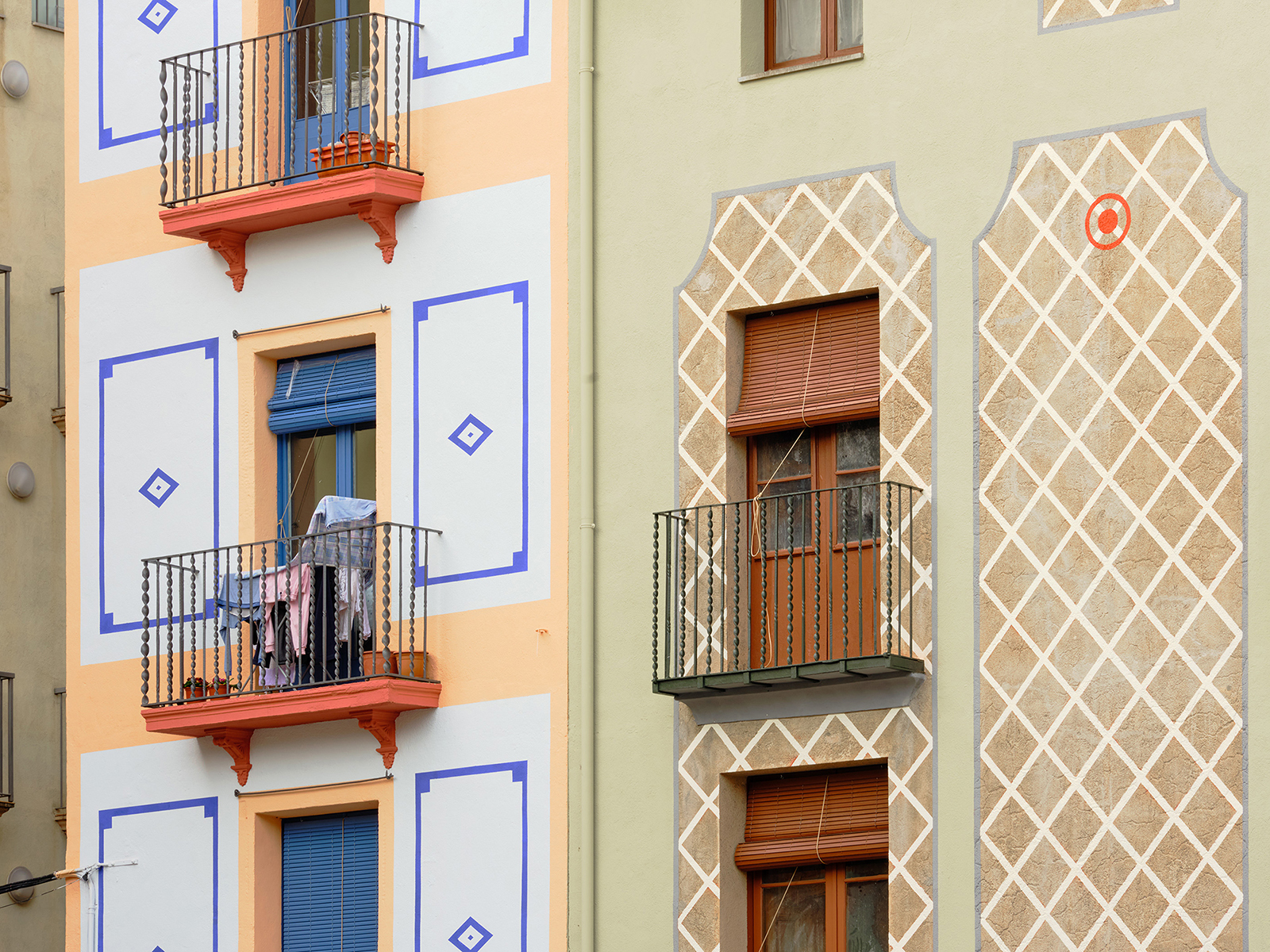
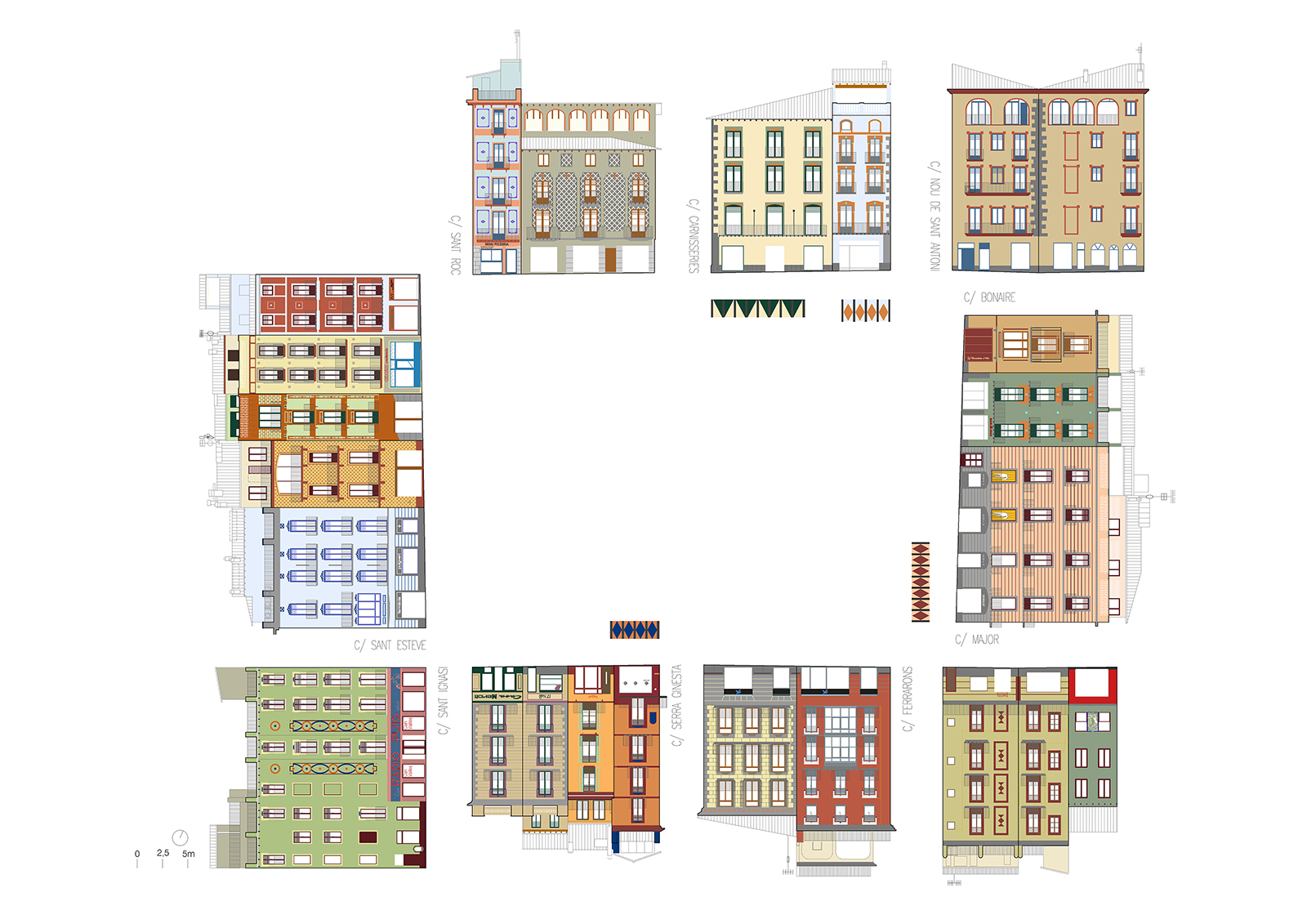
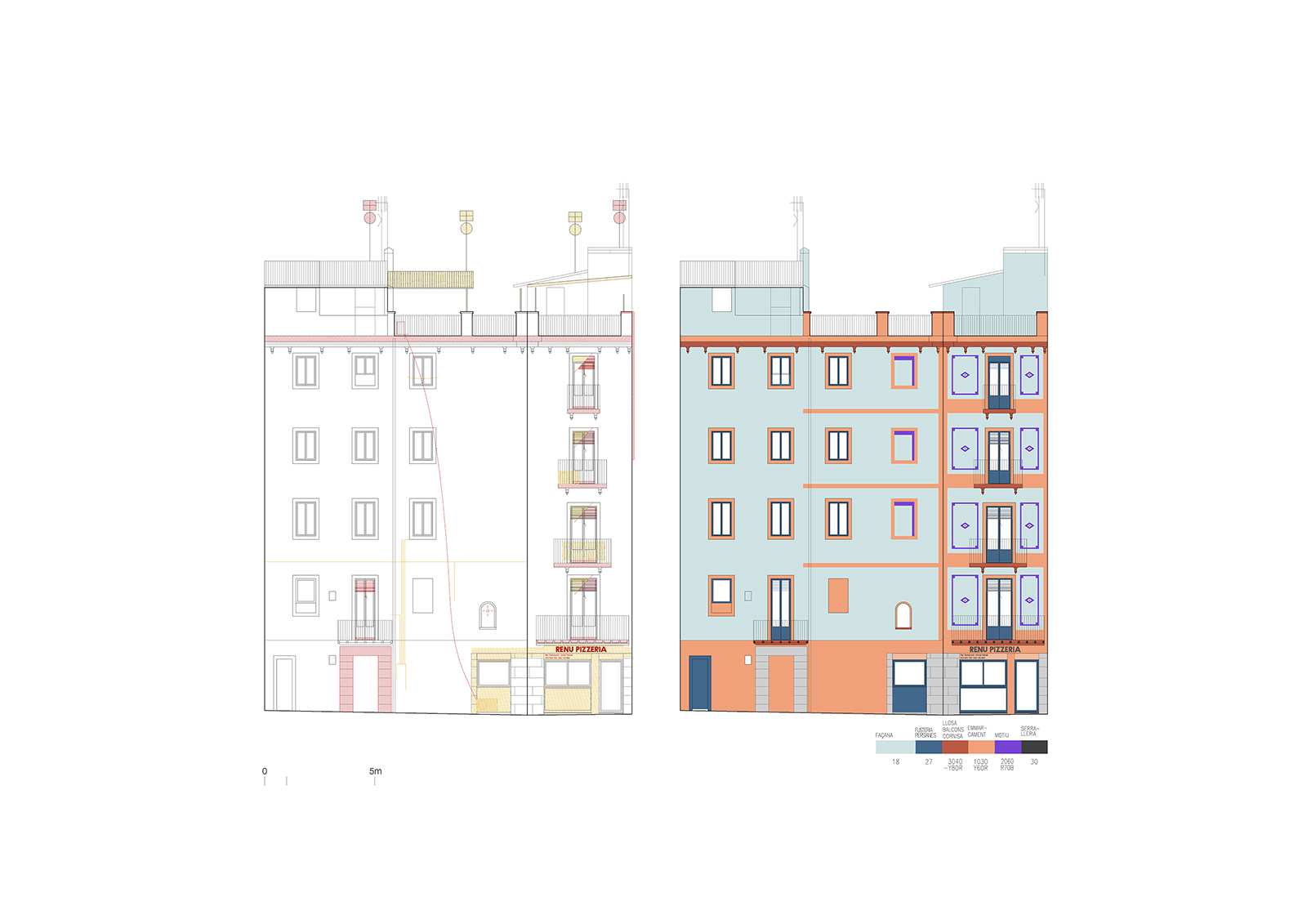
The façade rehabilitation is articulated through a multi-layered design process encompassing historical research and data mapping, detailed analysis of building pathologies, and the removal of incongruous additions.
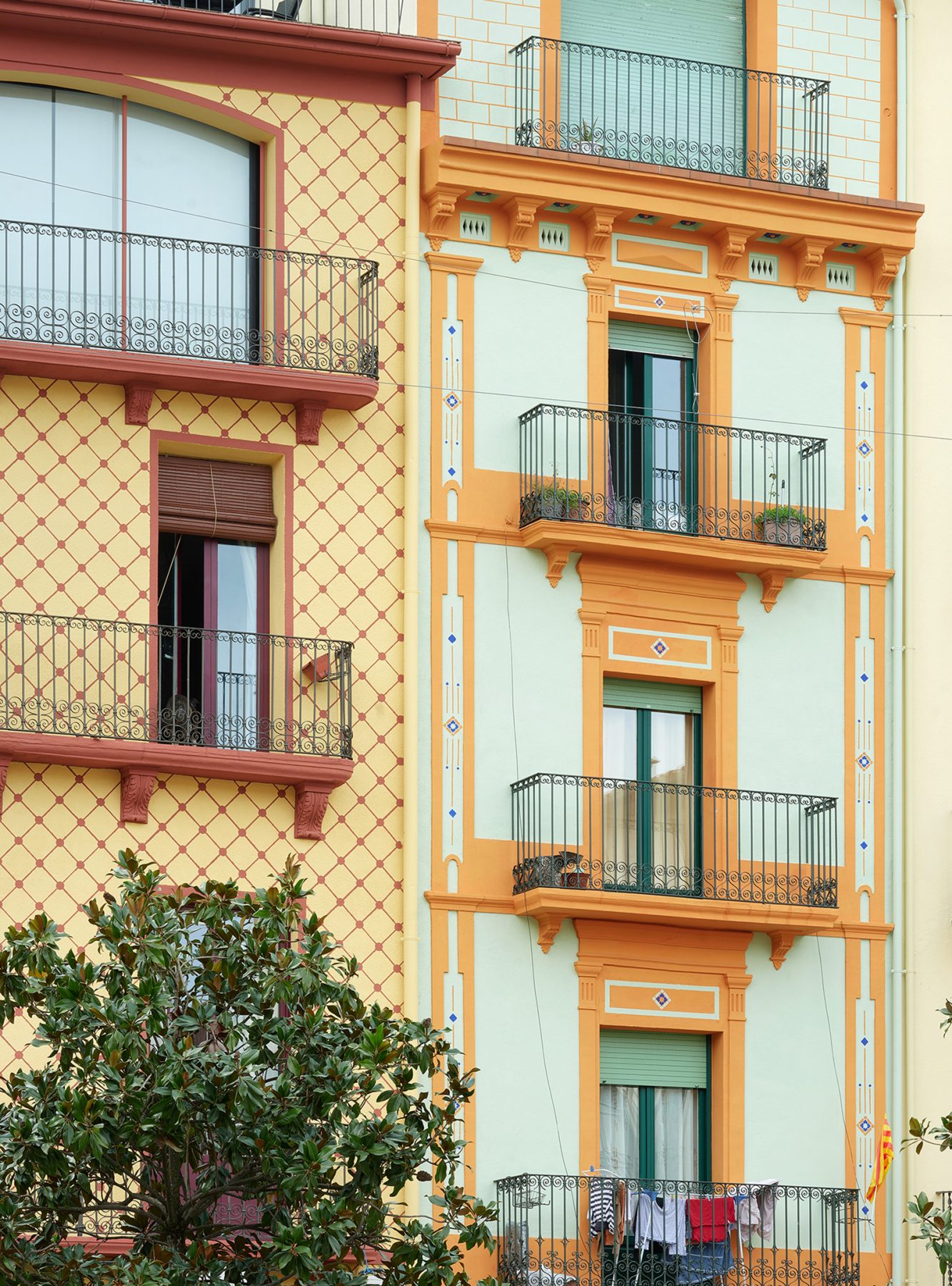
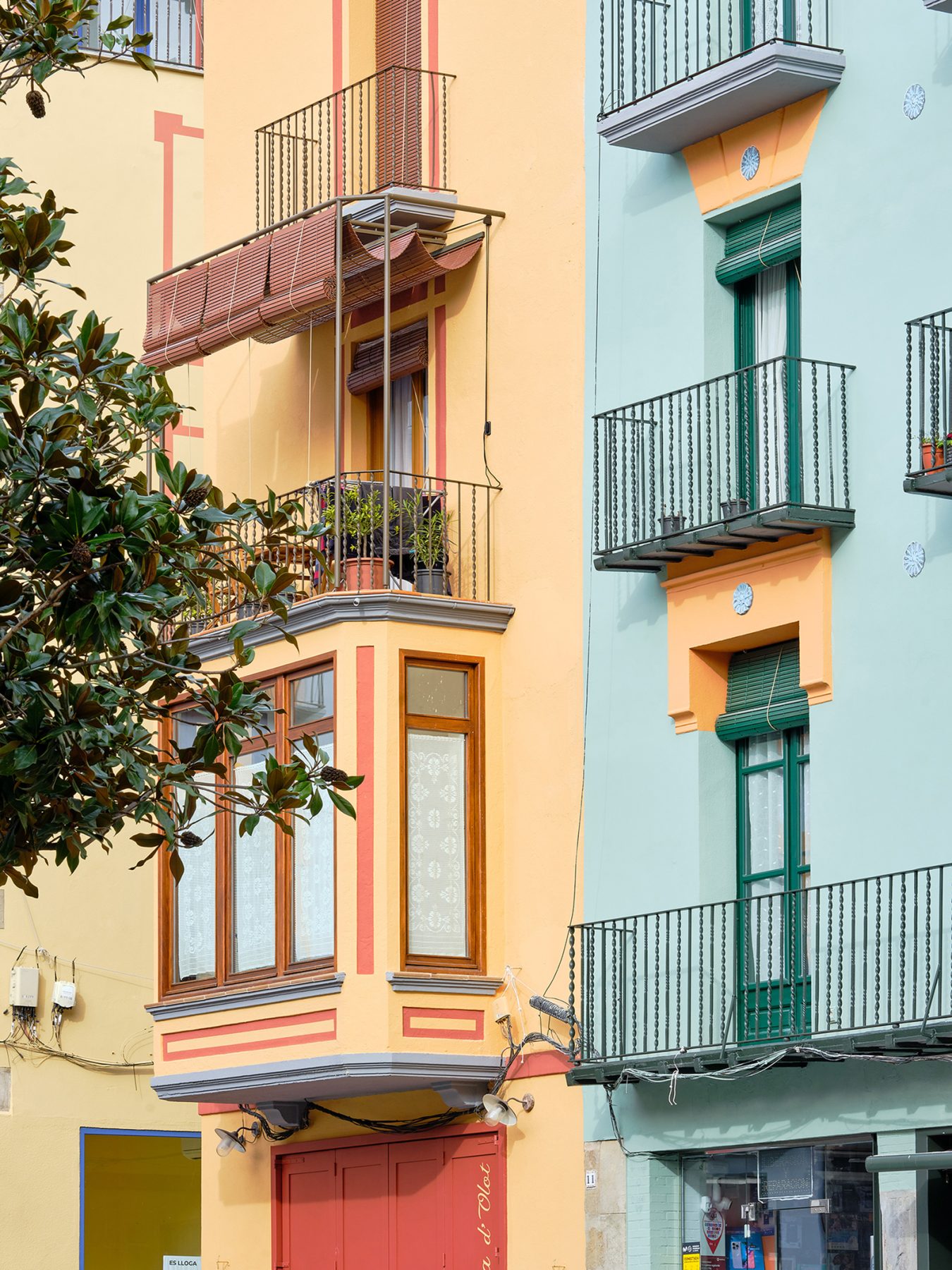
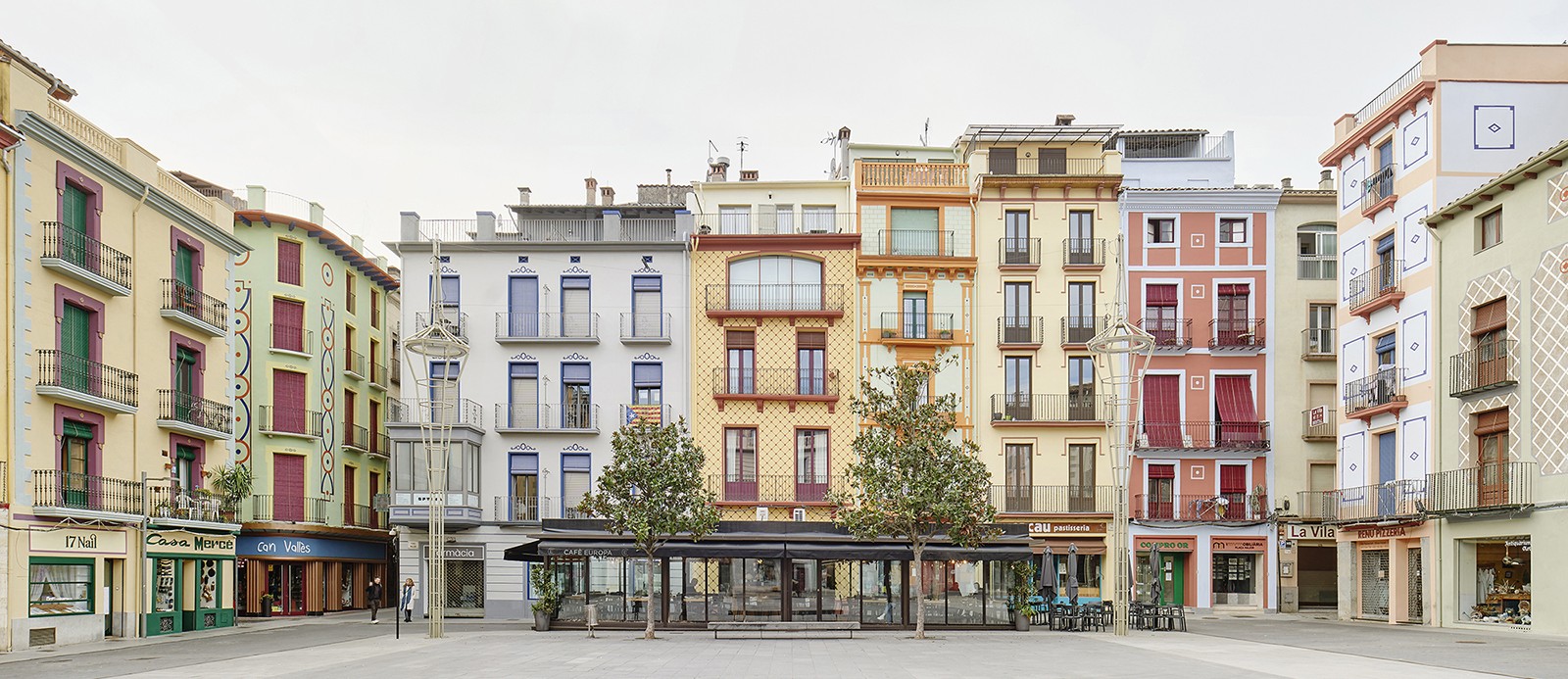
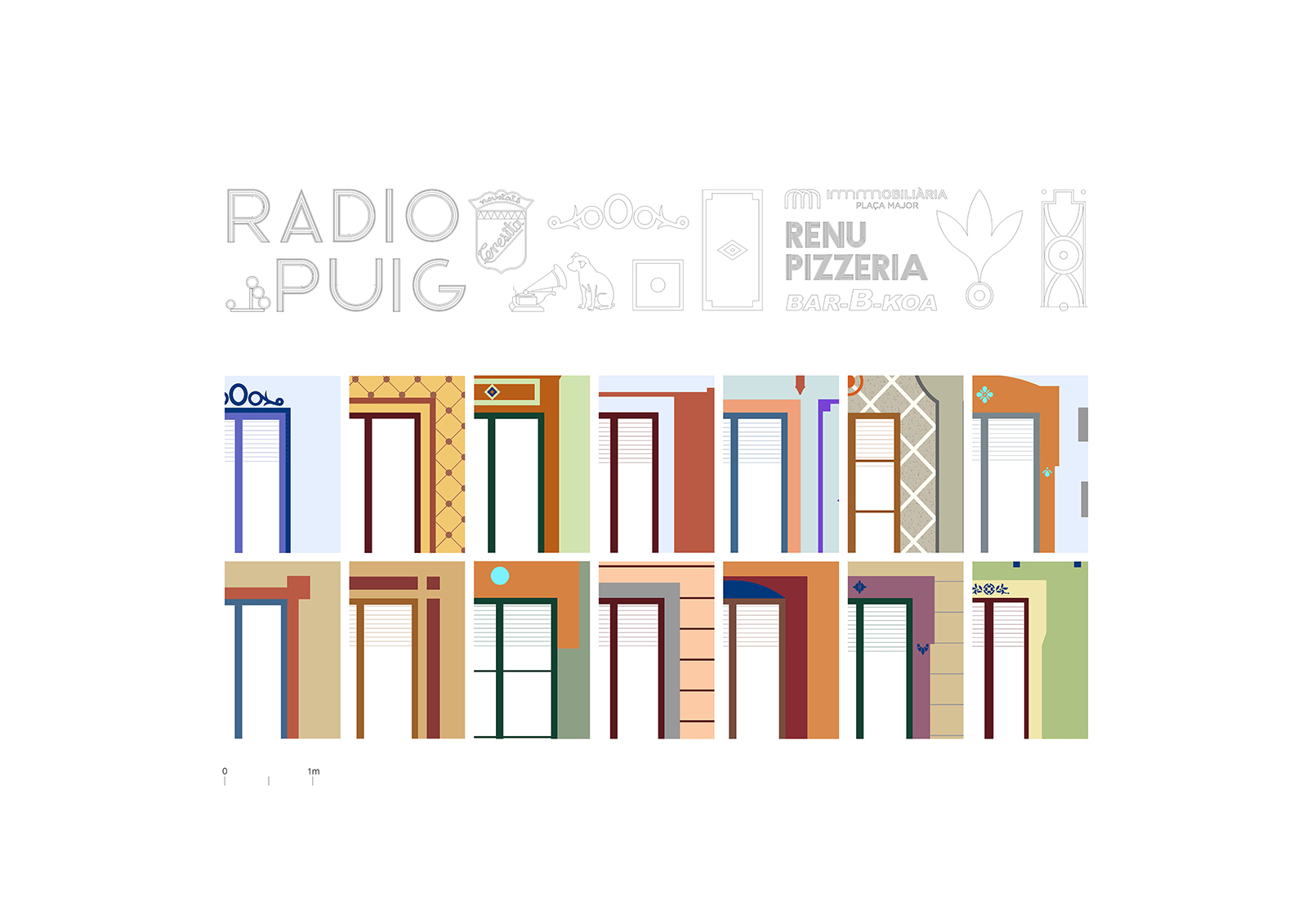
Central to the intervention is a chromatic strategy rooted in local tradition, drawing from the historic practice of painted façades and the decorative legacy of the Olot School of Art since the late 18th century.
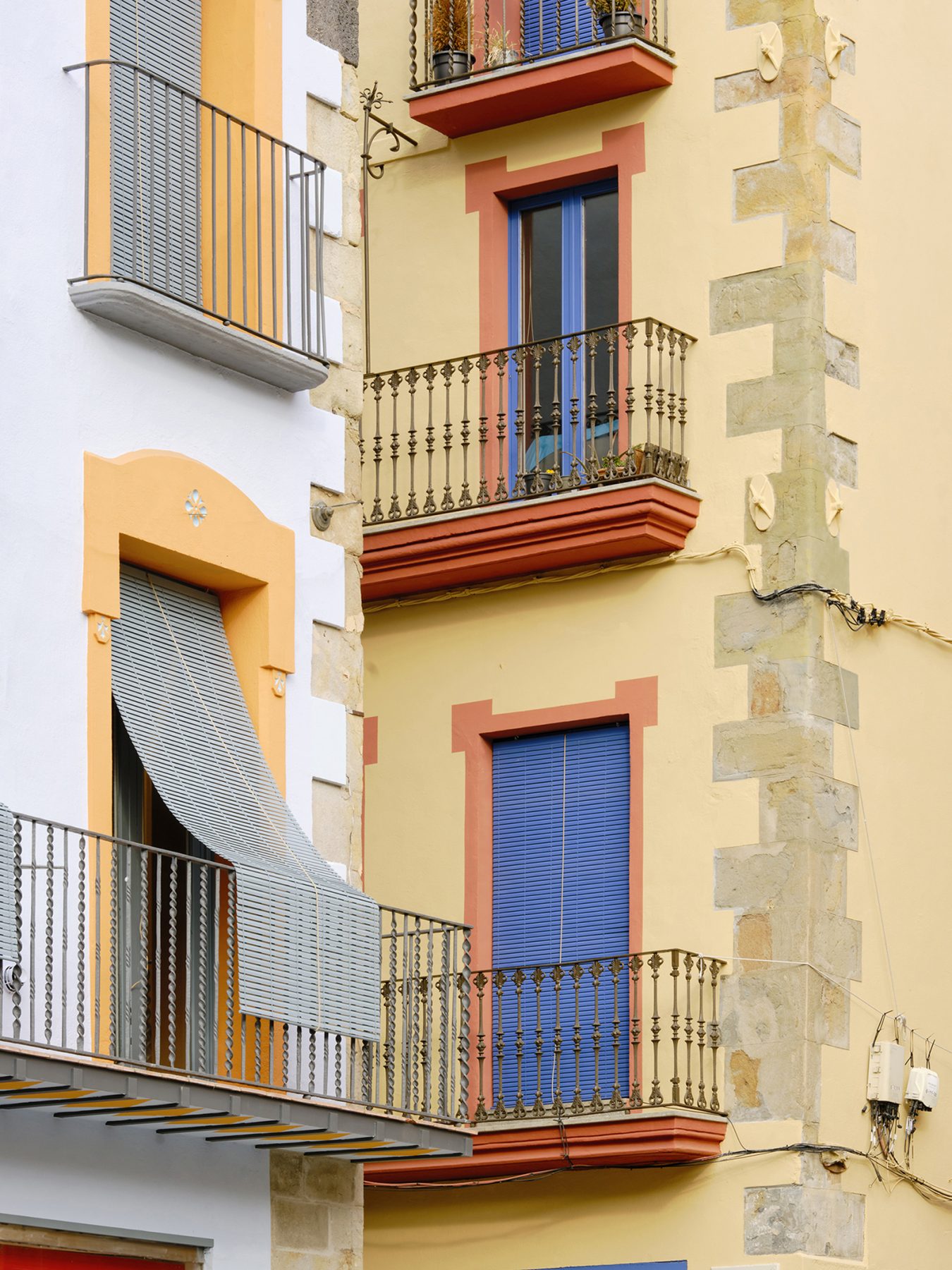
This approach is complemented by the enhancement of visual permeability at street level and the rationalization of commercial signage. It also includes the integration of technical upgrades, such as the centralization of building services and the introduction of shared vertical circulation systems.
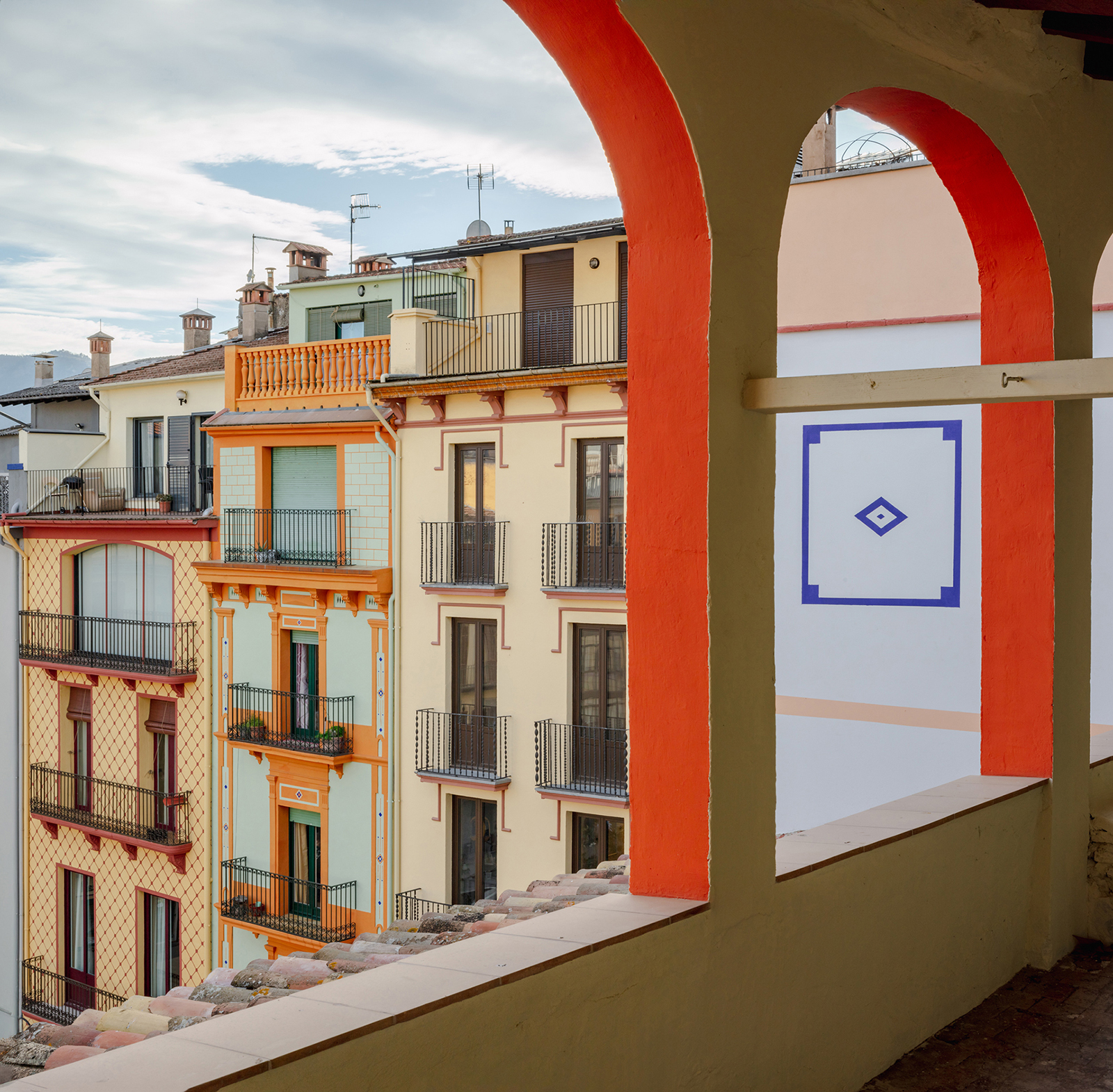
At an urban scale, the project operates as an integrated framework combining architectural rehabilitation with policy-driven incentives.
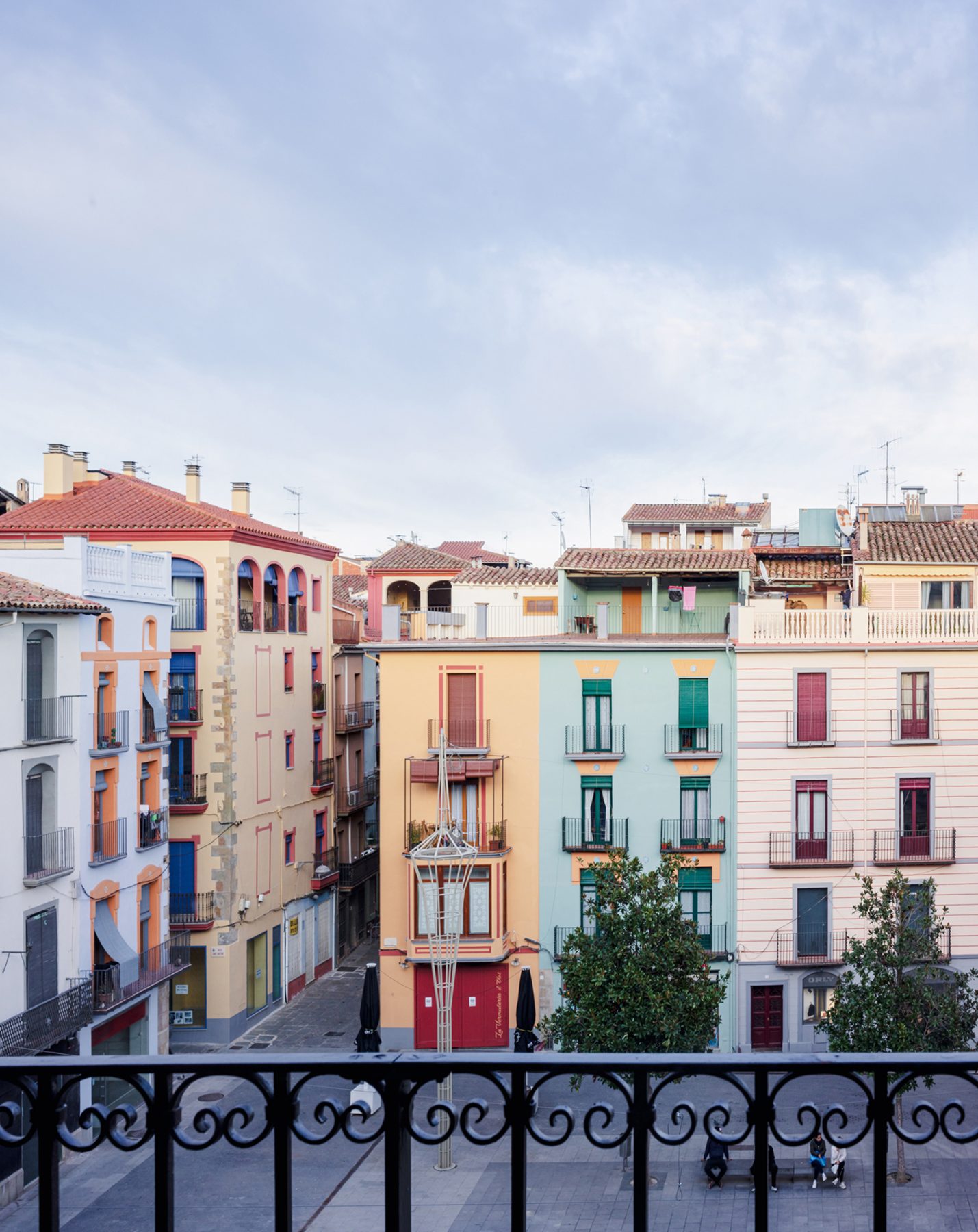
Through the Urban Improvement Plan (PMU), property owners are provided with a defined timeline and substantial financial support, with public funding covering the majority of intervention costs. In exchange, the reactivation of vacant dwellings is secured through their reintegration into the housing market.
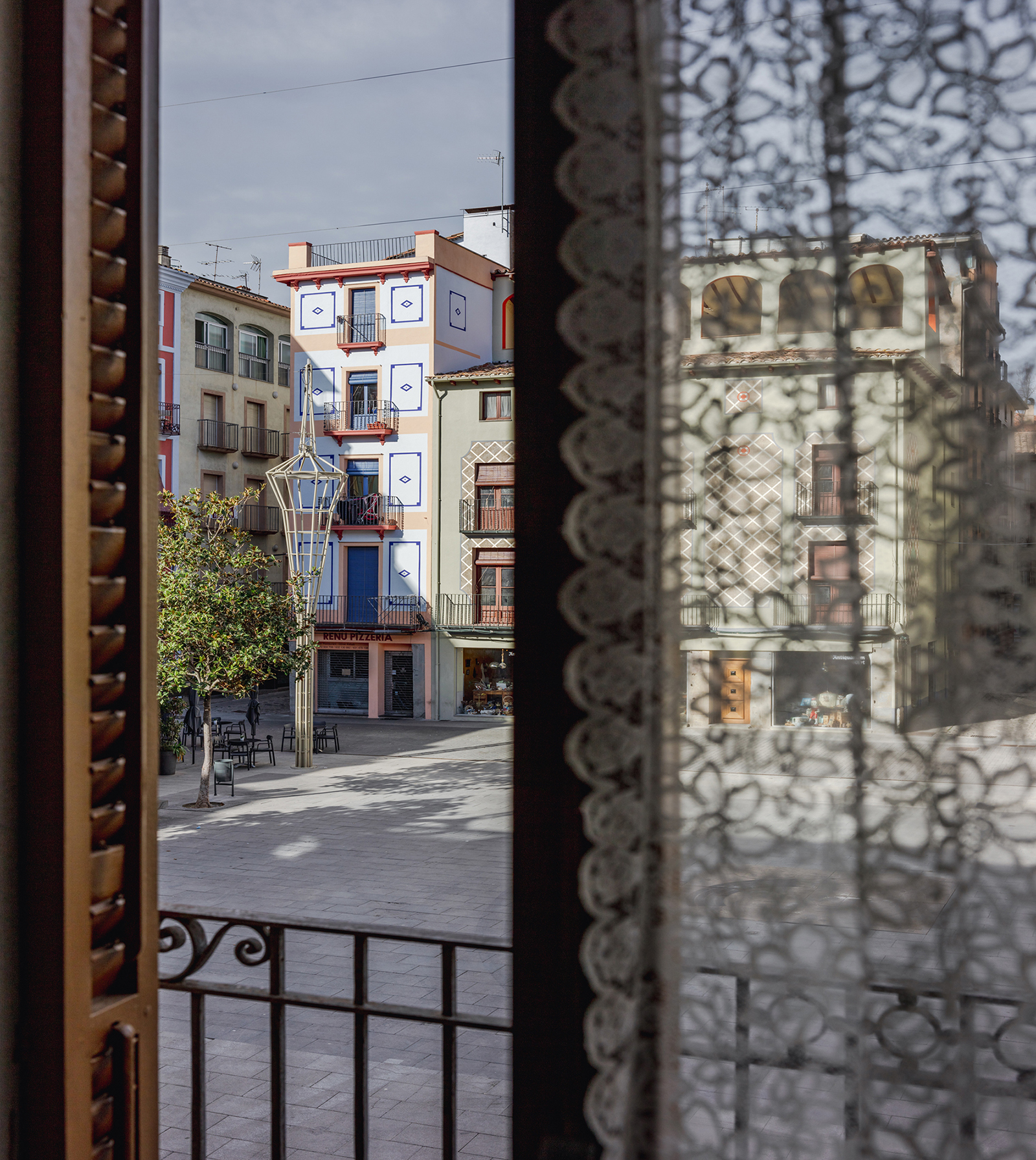
By aligning community participation, architectural intervention, and urban policy, the project establishes a coordinated and pragmatic model for revitalization.
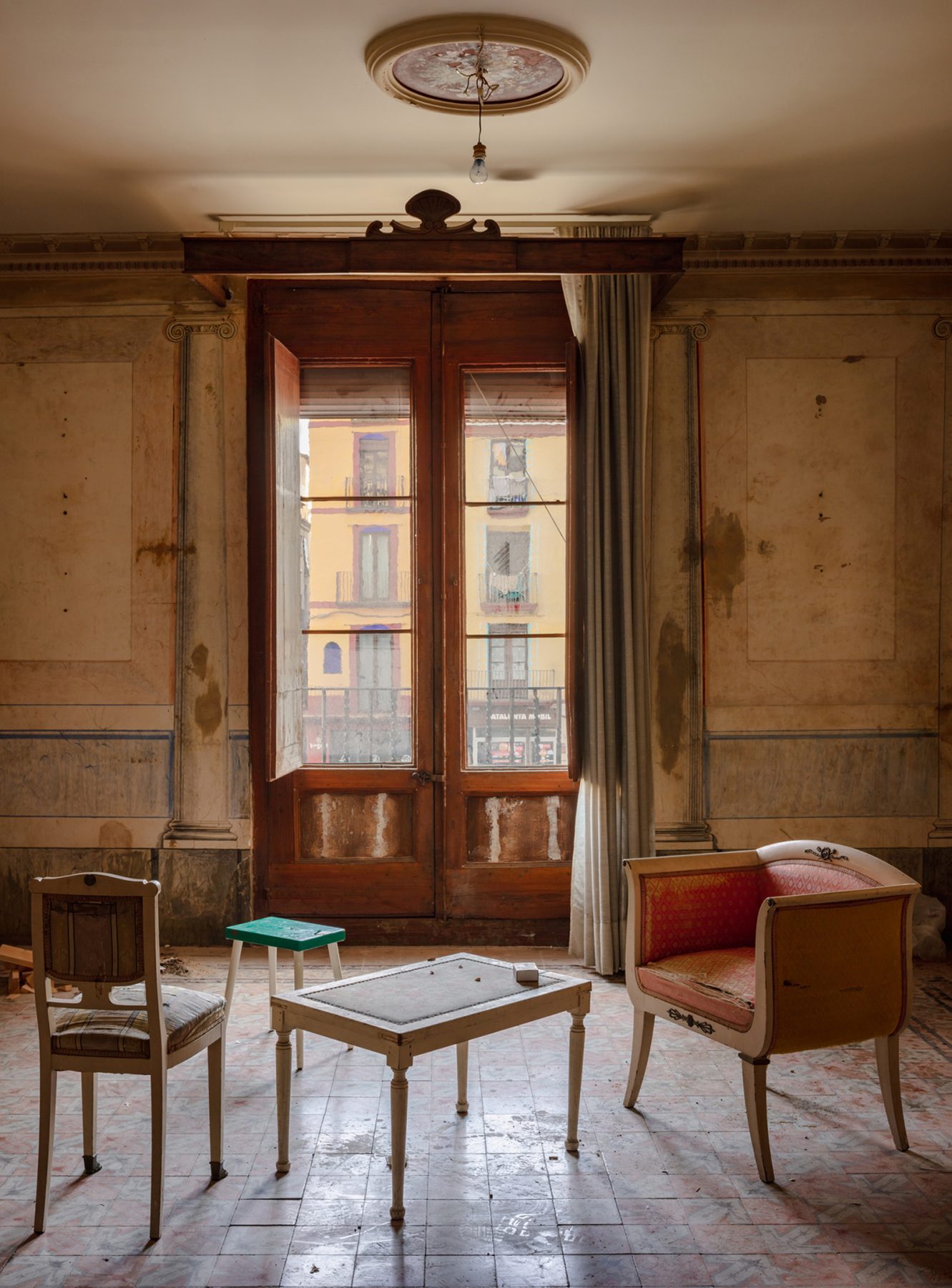
The initiative ultimately aims to restore residential continuity and reanimate the social life of the square, facilitating the reoccupation of 25 housing units while reaffirming the identity of Olot’s historic center.
Plans
Facts & Credits
Project title: Plaça Major
Project type: Public space: heritage, housing and urban life
Project location: Olot, Spain
Architecture: Un Parell d’Arquitectes: Eduard Callís, Guillem Moliner, Clàudia Calvet, Pep de Solà-Morales (urban architect), Quim Domene (visual artist)
Architects team: Xevi Rodeja, Sergi Reyes, architects
Building engineer: Jesús Bassols,
Stratigraphies and chromatic studies BCILS: Gabinet del Color
Structural consultancy: Blázquez Guanter
Date of completion: 2024
Photography: José Hevia (incl. cover photo) & Roger Serrat-Calvó & Un Parell d’Arquitectes